From 11:00 pm to 12:00 pm EST ( 8:00 pm to 9:00 pm PST ) on January 6th, the website will be under maintenance. We are sorry for the inconvenience. Please arrange your schedule properly.
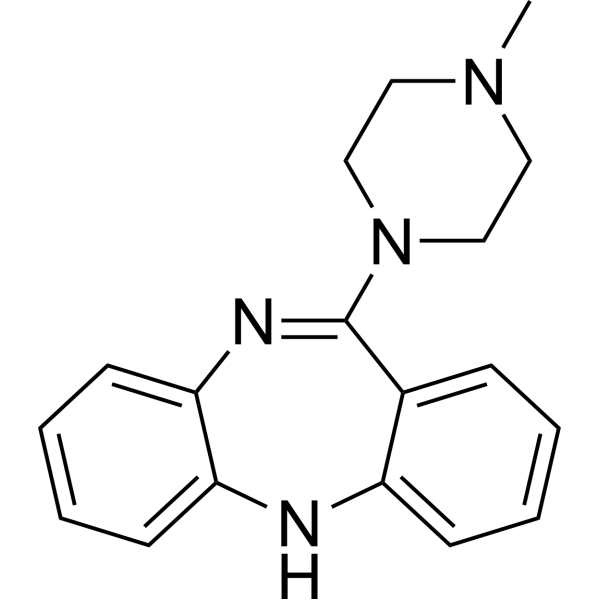
Deschloroclozapine, a metabolite of Clozapine, is a highly potent muscarinic DREADDs agonist, with blood-brain barrier permeability. Deschloroclozapine binds to DREADD receptor subtypes hM3Dq and hM4Di with Ki of 6.3 and 4.2 nM, respectively. [ 11C]-Deschloroclozapine is developed as a promising PET tracer for DREADD imaging .
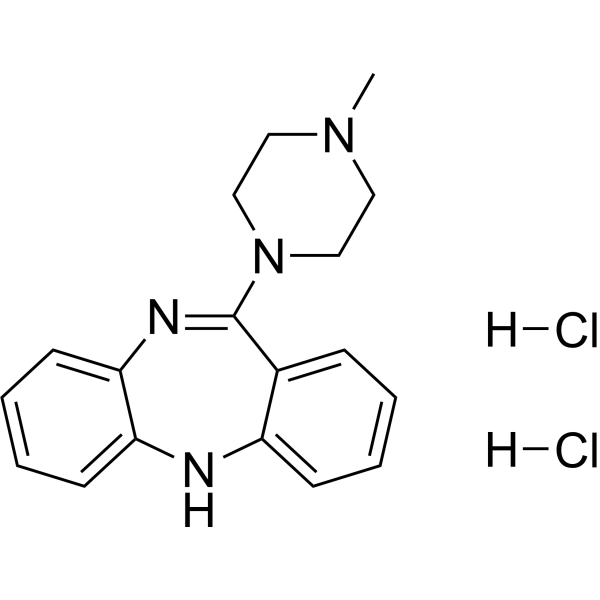
Deschloroclozapine dihydrochloride, a metabolite of Clozapine, is a highly potent muscarinic DREADDs agonist. Deschloroclozapine binds to DREADD receptor subtypes hM3Dq and hM4Di with Ki of 6.3 and 4.2 nM, respectively. [ 11C]-Deschloroclozapine is developed as a promising PET tracer for DREADD imaging .
MK-7337 is an α-synuclein ligand with an affinity of < 1 nM. MK-7337 labeled with 11C can be used as a PET tracer for neurodegenerative disorders like Parkinson’s disease imagination .
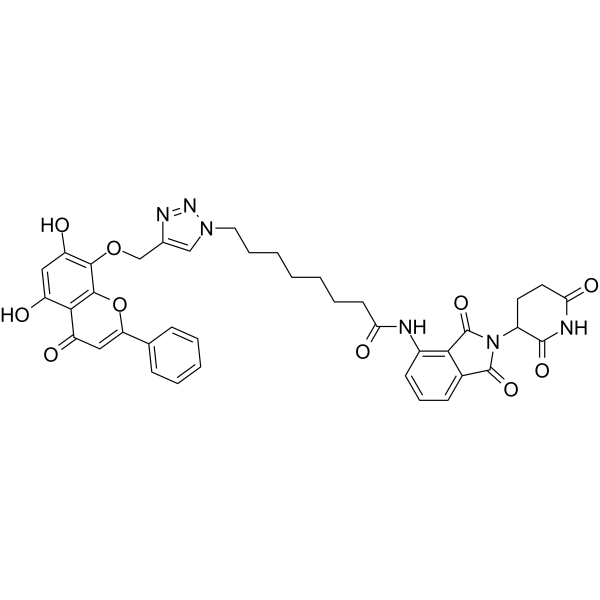
PROTAC CDK9 degrader-2 (compound 11c) is a potent and selective CDK9 degrader based on PROTAC, with an IC50 of 17 μM in MCF-7 cell lines. Natural product Wogonin (CDK ligand) binds ubiquitin E3 ligase Cereblon (CRBN) via a linker to form PROTAC .
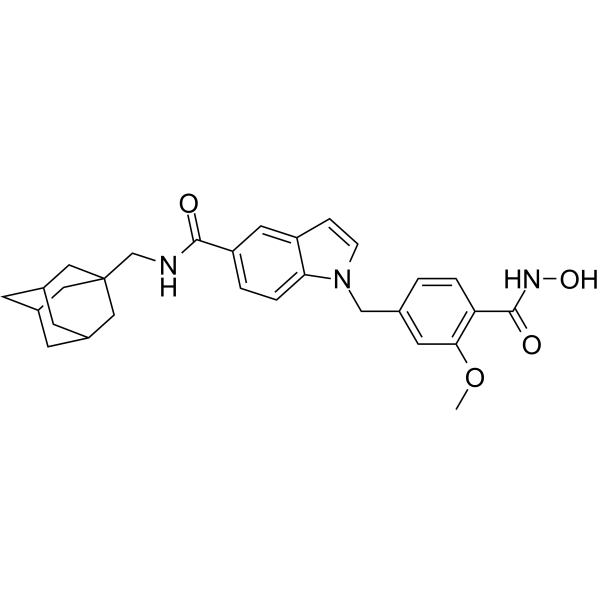
PB94 is a selective HDAC11 inhibitor (IC50=108 nM). PB94 can be radiolabeled as [11C]-PB94 for use in positron emission tomography (PET), as well as brain uptake and metabolic properties in administered live animals. PB94 improves neuropathic pain in mice and could be used to study neurological indications .
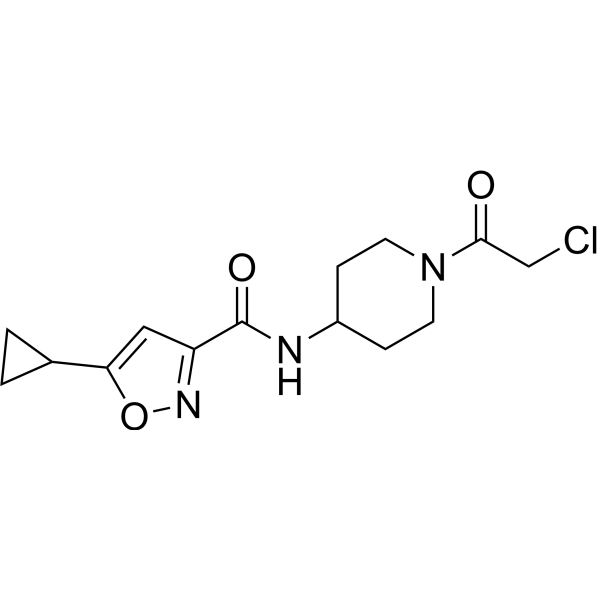
EM127 (compound 11c) is a SMYD3 covalent inhibitor with high selectivity, high affinity (KD=13 μM) and site-specificity. EM127 effectively inhibits ERK1/2 phosphorylation and reduces transcriptional regulation of SMYD3 target genes. EM127 effectively and prolongedly impairs methyltransferase activity. EM127 can be used in cancer research, particularly in SMYD3 positive tumours .
AZ683 is a potent and selective 3-amido-4-anilinoquinoline CSF1R inhibitor. AZ683 has high affinity for CSF1R (Ki=8 nM; IC50=6 nM). AZ683 has good oral bioavailability. [ 11C]AZ683 can be used as a positron emission tomography (PET) radiotracer for colony stimulating factor 1 receptor (CSF1R) .
GSK-1482160 is an orally active and blood-brain barrier penetrant P2X7 receptor (P2X7R) negative allosteric modulator with pIC50s of 8.5 (human) and 6.5 (rat). GSK-1482160 reduces the efficacy of ATP at the P2X7 receptor without affecting its affinity, thereby inhibiting the release of IL-1β. GSK-1482160 is an effective radioligand and can be labeled with radioactive isotopes like 11C or 18F to image P2X7R. GSK-1482160 can be used for the studies of chronic joint pain and chronic constriction injury (CCI) .
BMT-136088 is a LPAR1 antagonist . 11C-BMT-136088 can be used as a positron emission tomography (PET) radioligand to quantify specific binding to LPA1 in lung.
IRES-C11 is a spectfic c-MYC internal ribosome entry site (IRES) translation inhibitor. IRES-C11 blocks the interaction of a requisite c-MYC IRES trans-acting factor, heterogeneous nuclear ribonucleoprotein A1, with its IRES. IRES-C11 does not inhibits BAG-1, XIAP and p53 IRESes .
NR-11c is a selective and potent p38α PROTAC degrader. NR-11c effectively degrades p38α in a variety of tumor cells. When administered intraperitoneally or intravenously to mice, NR-11c primarily acts in the liver. NR-11c can be used in cancer research. (Pink: p38α inhibitor 5 (HY-159799); Black: linker (HY-159800); Blue: VHL E3 ligase ligand (HY-112078)) .
FEKAP is a brain-penetrant and selective kappa opioid receptor (KOR) agonist (Ki = 0.43 nM) which isotope labeled form exhibits excellent imaging properties. 11C-FEKAP can be utilized as a radiotracer for imaging KOR .
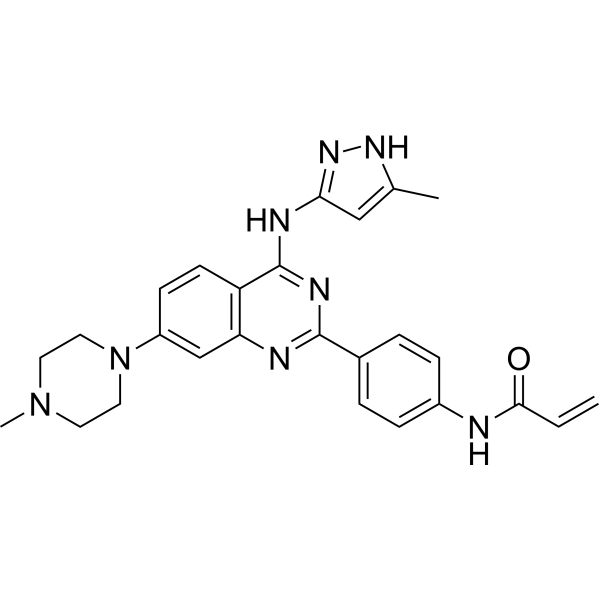
Aurora kinase-IN-4 (Compound 11c) is a covalent and ATP competitive aurora kinase A inhibitor (IC50: 1.7 nM). Aurora kinase-IN-4 inhibits cell proliferation in SJSA-1, MDA-MB-231, A54, HeLa cells with IC50s of 4.27, 1.54, 3.08, 6.99 μM. Aurora kinase-IN-4 can be used for research of triple negative breast cancer (TNBC) .
c9,t11,c15-CLNA is a conjugated linolenic acid (CLNA) isomer produced by Lactobacillus plantarum ZS2058. c9,t11,c15-CLNA has significant anti-proliferation activity against colon cancer cells (IC50: 18.26 μM). c9,t11,c15-CLNA induces pyroptosis by activating the canonical pyroptosis pathway mediated by caspase-1. c9,t11,c15-CLNA can be used in the study of colon cancer .
BET BD2-IN-3 (compound I-58) is an inhibitor of BET, targeting the BD2 domain of BET. BET BD2-IN-3 can be radiolabeled with [11C] for positron emission tomography (PET) imaging. BET [11C]BD2-IN-3 showed suitable biodistribution in peripheral organs and tissues in PET applications in mice .
GSK215083 is a high affinity 5-HT6 receptor antagonist. GSK215083 can serves as a promising 5-HT6 radioligand candidate by radiolabeled with (11)C via methylation .
mG2N001 is a negative allosteric modulator (NAM) (IC50: 93 nM) of the metabotropic glutamate receptor mGluR2 and binds to mGluR2 as an antagonist (Ki: 63 nM). mG2N001 is microparticle- and plasma-stable, and its radioisotope [11C]mG2N001 can be used in PET imaging. [11C]mG2N001 has good brain heterogeneity and brain penetration, and can selectively accumulate in mGluR2-rich regions, producing high-contrast brain images .
α-Glucosidase-IN-87 (Compound 11c) is an orally active α-glucosidase inhibitor with an IC50 value of 119.7 μM. α-Glucosidase-IN-87 has hypoglycemic activity and can be used in the research of metabolic diseases such as diabetes .
Anticancer agent 269 (Compound 11c) is an orally active caspase-3 activator that promotes ROS generation by activating caspase-3, induces cancer cell apoptosis (Apoptosis), and exhibits significant anticancer activity. It can be used for research in the field of cancer .
PARP1-IN-8 (compound 11c) is a potent and BBB-penetrated PARP1 inhibitor, with an IC50 of 97 nM. PARP1-IN-8 shows significantly potent anti-proliferative activity against Human lung adenocarcinoma epithelial cell line A549 .
MK-3168 (12C) is a FAAH inhibitor with IC50 values of 1.0, 5.5, 1.7 nM for human, rhesus, rat, respectively. MK-3168 shows good brain uptake and FAAH-specific signal. 11C MK-3168 can be used as FAAH PET tracer .
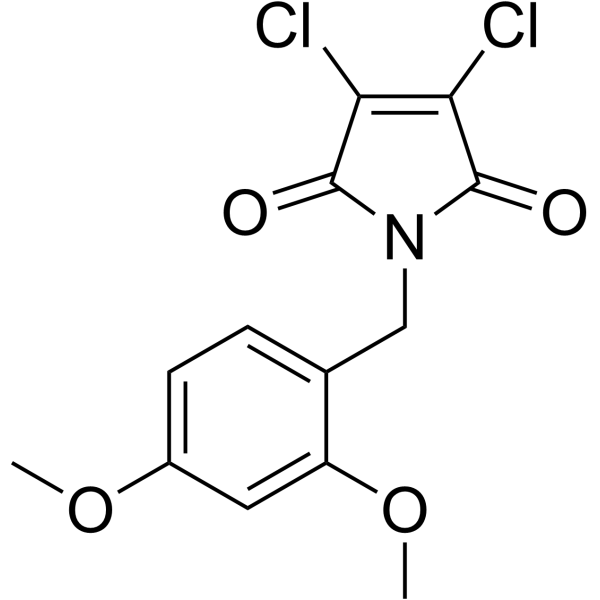
OfHex1-IN-1 (compound 11c) is a potent and selective OfHex1 (β-N-acetylhexosaminidase from Ostrinia furnacalis) inhibitor, with an IC50 of 28.1 μM and a Ki of 25.6 μM. OfHex1-IN-1 can be used for OfHex1-related green pesticides research .
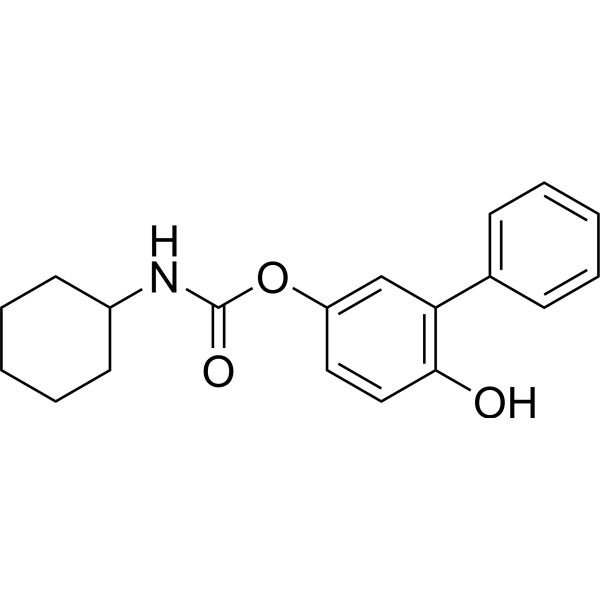
URB694 is a carbamate FAAH inhibitor that irreversibly carbamoylate the nucleophile catalytic serine in FAAH active site. URB694 exhibits antidepressant-like activity and cardioprotective effects. URB694 can be used to prepare 11C-Carbonyl-URB694 for in vivo positron emission tomography (PET) imaging studies of the brain FAAH .
KR31173 is an AT1 antagonist with an IC50 of 3.27 nM. KR31173 can be used as a positron emission tomography (PET) tracer after being labeled with 11C isotope. KR31173 shows promising biodistribution and pharmacological properties in mice. KR31173 selectively binds to organs known to contain a high density of AT1 angiotensin receptors in CD-1 mice .
GSK-1482160 isomer is the isomer of GSK-1482160 (HY-19888). GSK-1482160 is an orally active and blood-brain barrier penetrant P2X7 receptor (P2X7R) negative allosteric modulator with pIC50s of 8.5 (human) and 6.5 (rat). GSK-1482160 reduces the efficacy of ATP at the P2X7 receptor without affecting its affinity, thereby inhibiting the release of IL-1β. GSK-1482160 is an effective radioligand and can be labeled with radioactive isotopes like 11C or 18F to image P2X7R. GSK-1482160 can be used for the studies of chronic joint pain and chronic constriction injury (CCI).
t9,t11,c15-CLNA is a conjugated linolenic acid (CLNA) isomer produced by Lactobacillus plantarum ZS2058. t9,t11,c15-CLNA has the main activities of anti-inflammatory, antioxidant and improving intestinal barrier function. The regulatory mechanism of t9,t11,c15-CLNA includes upregulation of tight junction proteins, inhibition of pro-inflammatory cytokines (such as TNF-α, IL-6) and activation of antioxidant enzymes (such as SOD, CAT). t9,t11,c15-CLNA can be used in the study of inflammatory bowel diseases (such as colitis) .
ATP11C Human Pre-designed siRNA Set A contains three designed siRNAs for ATP11C gene (Human), as well as a negative control, a positive control, and a FAM-labeled negative control.
HD-800 is a tubulin inhibitor with an IC50 of 4.3 nM and an EC50 for depolymerization of 24 nM. HD-800 can be used to generate a radioactive tracer [11C]HD-800, and [11C]HD-800 can penetrate the blood-brain barrier and be used for positron emission tomography (PET) in various neurological diseases .
(S,S)-Demethyl-reboxetine is a key phenolic precursor for the preparation of the PET tracer (S,S)-[ 11C]-MeNER. (S,S)-Demethyl-reboxetine is also the demethylated derivative of Reboxetine (HY-14560). Efficient synthesis of the norepinephrine transporter (NET)-targeted tracer is achieved through 11C methylation of (S,S)-Demethyl-reboxetine. (S,S)-Demethyl-reboxetine serves as a core raw material for the synthesis of radiopharmaceuticals related to NET imaging .
E3 Ligase Ligand-linker Conjugate 122 (Compound 2c) is a conjugation of the E3 ligase ligand and the linker, and can be used for synthesis of PROTAC degrader NR-11c (HY-159798) .
HYF038 is a blood-brain barrier-penetrant ligand of apoptosis signal-regulating kinase 1 (ASK1). When labeled with 11C, HYF038 can be used for ASK1 neuroimaging studies .
CTM01 is a murine IgG1 (or humanized IgG4) monoclonal antibody inhibitor targeting MUC1. CTM01 has a broad spectrum anticancer activity against solid tumors of epithelial origin, such as breast, lung and ovarian cancer .
Thalidomide-C1-O-CO-C11 is a ligand for E3 ubiquitin ligase. Thalidomide-C1-O-CO-C11 can be connected to Aurora-A ligand 1 (HY-168440) by a linker (HY-178512) to form PROTAC CDK4/6/9 degrader 2 (HY-178516) .
18:1-6:0 DNP-C11 BODIPY 505/515 TG is a fluorescently-labeled triglyceride that can be used to study the effects of phosphoinositides (Ex/Em = 495/503 nm) .
Anti-Mouse Nonclassical MHC Class I molecule Qa-1b Antibody (4C2.4A7.5H11) is a mouse-derived IgG1 antibody inhibito, targeting to mouse Nonclassical MHC Class I molecule Qa-1b. Anti-Mouse Nonclassical MHC Class I molecule Qa-1b Antibody (4C2.4A7.5H11) reacts with the mouse non-classical MHC class I molecule Qa-1b. Anti-Mouse Nonclassical MHC Class I molecule Qa-1b Antibody (4C2.4A7.5H11) can be used for the research of cancer, such as B16F10 tumor .
11β,17β-Dihydroxy-5α-androstan-3-one (11OHDHT) is a C11-oxy C19 steroid, has a role as an androgen. 11β,17β-Dihydroxy-5α-androstan-3-one can be used for prostate cancer research .
MeS-IMPY is a ligand of β-amyloid plaques. MeS-IMPY shows a high binding affinity to β-amyloid plaques extracted from Alzheimer's disease (AD) human brains or AD brain homogenates compared to IMPY (Ki=7.93 and 8.95 nM, respectively). [ 11C]MeS-IMPY is a potential radioligand for imaging β-amyloid plaques with positron emission tomography (PET) .
COX-1 ligand 1 (Compound 44) is a selective COX-1 ligand (Kds or Kis: 22 nM for rhesus monkey COX-1; 43 nM for hCOX-1). COX-1 ligand 1 inhibits [ 3H]PS13 binding to human COX-1. COX-1 ligand 1, when radiolabeled with 11C or 18F, can be used in studies of COX-1 imaging and psychiatric disorders .
CS1P1 is a brain-penetrant and selective S1PR1 antagonist and PET radiotracer, with human S1PR1 IC50 values of 2.1 nM. CS1P1 binds specifically to S1PR1 to enable in vivo receptor expression quantification. CS1P1 can be used as PET radiotracer when labelled with 11C. CS1P1 can be used for the research of multiple sclerosis, neointimal hyperplasia, vascular inflammation .
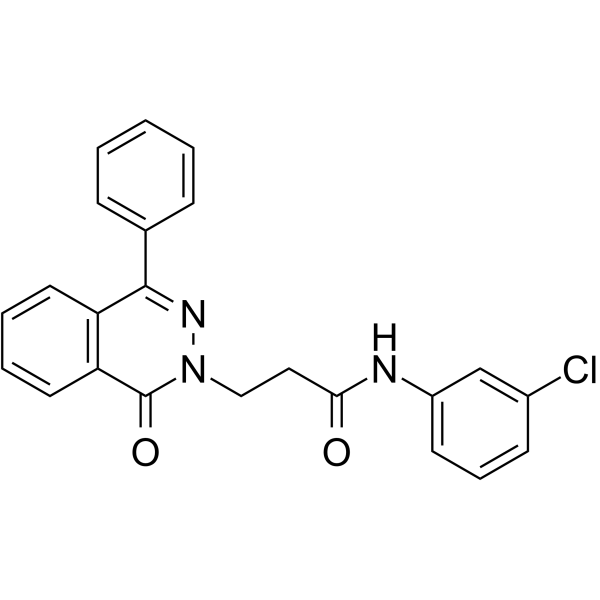
AKR1Cs-IN-1 (Compound 29) is a potent and broad-spectrum inhibitor targeting members of the Aldo-Keto Reductase 1C family (AKR1C1-1C4). By simultaneously occupying the SP2 and SP3 pockets, it effectively inhibits multiple isoforms and disrupts metabolic pathways associated with drug resistance. In enzymatic activity assays, AKR1Cs-IN-1 exhibited significant inhibitory potency, with IC50 values of 0.09, 0.28, 0.05, and 0.51 µM against AKR1C1, AKR1C2, AKR1C3, and AKR1C4, respectively. In the doxorubicin (DOX)-resistant breast cancer cell line MCF-7/ADR, AKR1Cs-IN-1 showed remarkable resensitization effects and significantly enhanced the cytotoxicity of DOX. AKR1Cs-IN-1 holds promise for research on overcoming drug resistance in breast cancer .
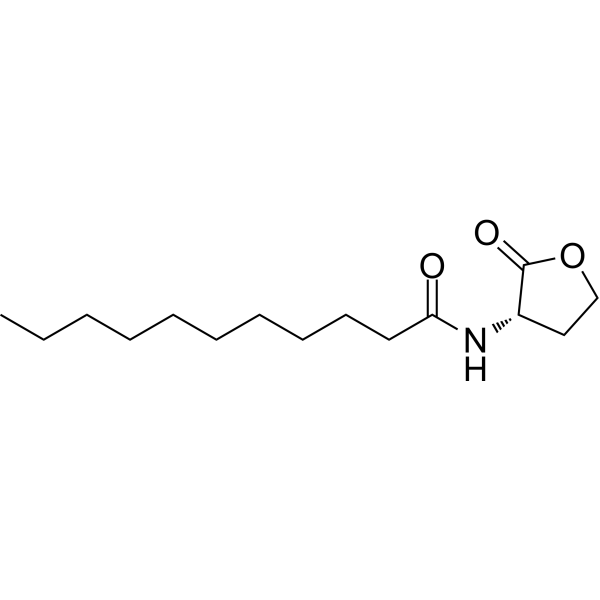
Quorum sensing is a regulatory system used by bacteria to control gene expression in response to increased cell density. This regulatory process manifests itself in a variety of phenotypes, including biofilm formation and virulence factor production. Coordinated gene expression is achieved through the production, release and detection of small diffusible signaling molecules called autoinducers. N-acylated homoserine lactones (AHLs) comprise a class of such autoinducers, each of which generally consists of a fatty acid coupled to a homoserine lactone (HSL). Modulation of bacterial quorum-sensing signaling systems to suppress pathogenesis represents a new approach to antimicrobial research for infectious diseases. AHLs differ in acyl length (C4-C18), C3 substitution (hydrogen, hydroxyl, or oxo group), and the presence or absence of one or more carbon-carbon double bonds in the fatty acid chain. These differences confer signaling specificity through the affinity of the LuxR family of transcriptional regulators. C11-HSL has a rare odd-numbered acyl carbon chain and may be a minor quorum-sensing signaling molecule in Pseudomonas aeruginosa strains.
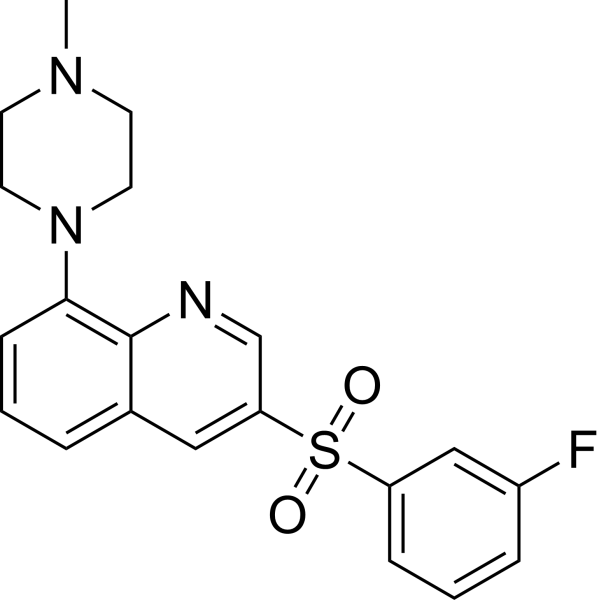
PDE2A-IN-2 is a selective and brain-penetrant PDE2A inhibitor (Ki = 5.49 nM and 100 > fold selectivity over other PDE isoforms). The 11C-labeled PDE2A-IN-2 serves as a positron emission tomography (PET) tracer for brain imaging in patients with neurodegenerative diseases. PDE2A-IN-2 educes the radiotracer signal in PDE2A-rich regions in vitro. PDE2A-IN-2 exhibits low binding affinity in vivo. PDE2A-IN-2 can be used for neurodegenerative diseases .
COX-1-IN-5 (example 13, compound PS13) is a potent and selective COX-1 inhibitor (COX-1IC50 = 1 nM, COX-2IC50 > 0.1 μM) exhibiting >1000-fold selectivity over COX-2. COX-1-IN-5 possesses strong anti-inflammatory, antipyretic, analgesic, antithrombotic, anti-cancer activities. COX-1-IN-5 can be used for COX-mediated diseases research, such as inflammatory conditions and pain. COX-1-IN-5 radiolabeled with 11C can be used as a selective PET tracer for whole‑body imaging of COX‑1 distribution and target engagement in vivo .
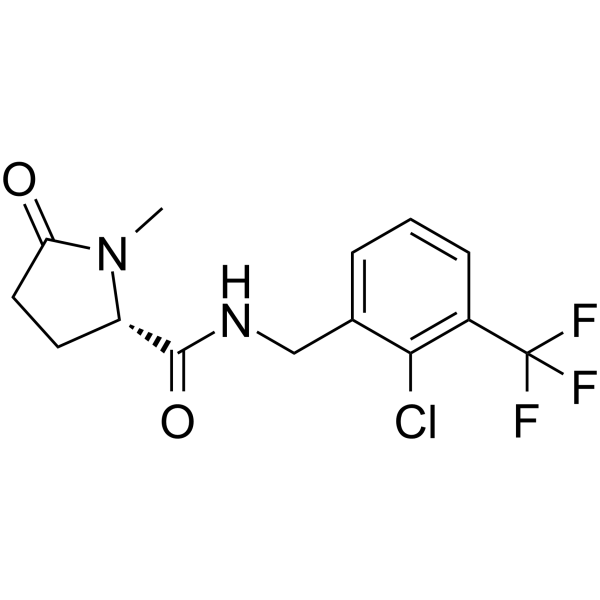
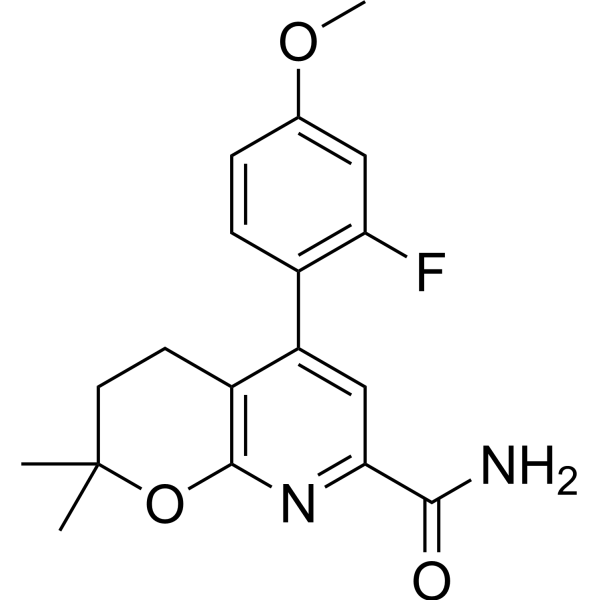
TASP0434299 (Compound 10) is a radiolabeled ligand for the vasopressin V1b receptor. TASP0434299 exhibits high binding affinity for human and murine V1B receptors, with IC50 values of 0.526 nM and 0.641 nM, respectively, and shows potent antagonistic activity against the human V1B receptor with an IC50 of 0.639 nM. TASP0434299 is a substrate for human and rhesus monkey P-glycoprotein, resulting in low brain uptake in rhesus monkeys. TASP0434299 binds to V1B receptors in rat and monkey pituitary tissues in a saturable and specific manner both in vitro and in vivo. When radiolabeled with tritium or 11C, TASP0434299 serves as a prototype V1B receptor radiotracer to visualize V1B receptor in the pituitary gland of anesthetized monkeys via positron emission tomography .
SEC11C Human Pre-designed siRNA Set A contains three designed siRNAs for SEC11C gene (Human), as well as a negative control, a positive control, and a FAM-labeled negative control.
C11-BODIPY 505/515 Sphingomyelin is a C11-BODIPY 505/515-labeled Sphingomyelin that can be used to prepare lipid nanoparticles for drug delivery (Ex/Em = 505/515 nm).
C11-BODIPY 505/515 Galactosyl ceramide is a C11-BODIPY 505/515-labeled Galactosyl ceramide that can be used to prepare lipid nanoparticles for drug delivery (Ex/Em = 505/515 nm).
C11-BODIPY 505/515 Glucosyl ceramide is a C11-BODIPY 505/515-labeled Glucosyl ceramide that can be used to prepare lipid nanoparticles for drug delivery (Ex/Em = 505/515 nm).
C11-BODIPY 505/515 GM3 ammonium is a C11-BODIPY 505/515-labeled GM3 ammonium that can be used to prepare lipid nanoparticles for drug delivery (Ex/Em = 505/515 nm).
C11-BODIPY 505/515 Ceramide-1-phosphate ammonium is a C11-BODIPY 505/515-labeled ceramide-1-phosphate ammonium that can be used to prepare lipid nanoparticles for drug delivery (Ex/Em = 505/515 nm).
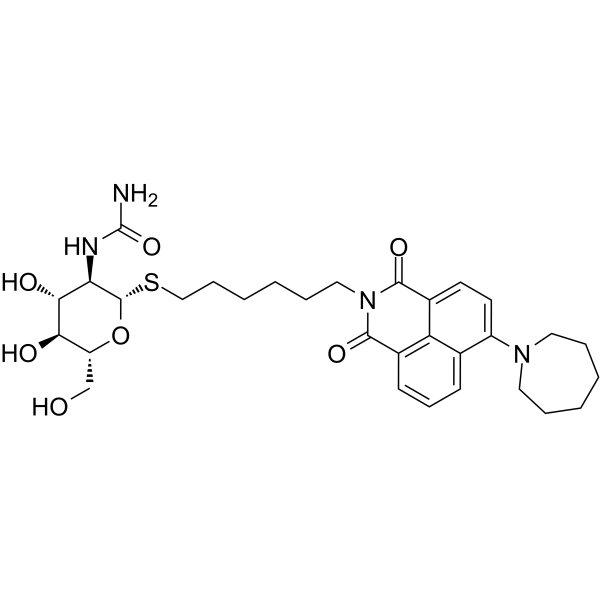
C-(1,1-Dimethylpropyl) N-[2-[[2-[7-[[2-deoxy-2-(sulfoamino)-α-D-glucopyranosyl]oxy]-2-oxo-2H-1-benzopyran-4-yl]acetyl]amino]ethyl]carbamate-d4 is the deuterium labeled C-(1,1-Dimethylpropyl) N-[2-[[2-[7-[[2-deoxy-2-(sulfoamino)-α-D-glucopyranosyl]oxy]-2-oxo-2H-1-benzopyran-4-yl]acetyl]amino]ethyl]carbamate.
Anti-Rat CD11b/c Antibody (OX42) reacts with rat CD11b and CD11c. Anti-Rat CD11b/c Antibody (OX42) inhibits complement-mediated rosettes formation and leukocyte migration in vitro, and blocks the binding of iC3b to CR3 in vitro and in vivo. Recommend Isotype Controls: Mouse IgG2a kappa, Isotype Control (HY-P99978) .
Quorum sensing is a regulatory system used by bacteria to control gene expression in response to increased cell density. This regulatory process manifests itself in a variety of phenotypes, including biofilm formation and virulence factor production. Coordinated gene expression is achieved through the production, release and detection of small diffusible signaling molecules called autoinducers. N-acylated homoserine lactones (AHLs) comprise a class of such autoinducers, each of which generally consists of a fatty acid coupled to a homoserine lactone (HSL). Modulation of bacterial quorum-sensing signaling systems to suppress pathogenesis represents a new approach to antimicrobial research for infectious diseases. AHLs differ in acyl length (C4-C18), C3 substitution (hydrogen, hydroxyl, or oxo group), and the presence or absence of one or more carbon-carbon double bonds in the fatty acid chain. These differences confer signaling specificity through the affinity of the LuxR family of transcriptional regulators. C11-HSL has a rare odd-numbered acyl carbon chain and may be a minor quorum-sensing signaling molecule in Pseudomonas aeruginosa strains.
CTM01 is a murine IgG1 (or humanized IgG4) monoclonal antibody inhibitor targeting MUC1. CTM01 has a broad spectrum anticancer activity against solid tumors of epithelial origin, such as breast, lung and ovarian cancer .
Anti-Mouse Nonclassical MHC Class I molecule Qa-1b Antibody (4C2.4A7.5H11) is a mouse-derived IgG1 antibody inhibito, targeting to mouse Nonclassical MHC Class I molecule Qa-1b. Anti-Mouse Nonclassical MHC Class I molecule Qa-1b Antibody (4C2.4A7.5H11) reacts with the mouse non-classical MHC class I molecule Qa-1b. Anti-Mouse Nonclassical MHC Class I molecule Qa-1b Antibody (4C2.4A7.5H11) can be used for the research of cancer, such as B16F10 tumor .
Anti-Rat CD11b/c Antibody (OX42) reacts with rat CD11b and CD11c. Anti-Rat CD11b/c Antibody (OX42) inhibits complement-mediated rosettes formation and leukocyte migration in vitro, and blocks the binding of iC3b to CR3 in vitro and in vivo. Recommend Isotype Controls: Mouse IgG2a kappa, Isotype Control (HY-P99978) .
18:1-6:0 DNP-C11 BODIPY 505/515 TG is a fluorescently-labeled triglyceride that can be used to study the effects of phosphoinositides (Ex/Em = 495/503 nm) .
11β,17β-Dihydroxy-5α-androstan-3-one (11OHDHT) is a C11-oxy C19 steroid, has a role as an androgen. 11β,17β-Dihydroxy-5α-androstan-3-one can be used for prostate cancer research .
FAM3B Protein acts as a potent inducer of apoptosis, influencing alpha and beta cells in a dose- and time-dependent manner. Its regulatory impact on programmed cell death underscores its significance, particularly within apoptosis. The specificity for alpha and beta cells suggests targeted modulation of pancreatic cell populations, implicating FAM3B in key processes related to pancreatic function and homeostasis. FAM3B Protein, Human (His) is the recombinant human-derived FAM3B protein, expressed by E. coli , with C-Myc, N-10*His labeled tag.
FAM3B Protein acts as a potent inducer of apoptosis, influencing alpha and beta cells in a dose- and time-dependent manner. Its regulatory impact on programmed cell death underscores its significance, particularly within apoptosis. The specificity for alpha and beta cells suggests targeted modulation of pancreatic cell populations, implicating FAM3B in key processes related to pancreatic function and homeostasis. FAM3B Protein, Human (HEK293, Fc) is the recombinant human-derived FAM3B protein, expressed by HEK293 , with C-hFc labeled tag.
The HSPB11 protein is an important component of IFT complex B and is indispensable for sonic eager/SHH signaling. It promotes intraflagellar transport in ciliated tissues such as kidney and testis, mediating the transport of SHH components. HSPB11 Protein, Human (His) is the recombinant human-derived HSPB11 protein, expressed by E. coli , with N-6*His labeled tag.
CXCL11, also known as IFN-inducible T-cell α-chemoattractant (I-TAC), belongs to the ELR-negative CXC chemokine family. CXCL11 is produced by a variety of cells including leukocytes, fibroblasts, and endothelial cells upon stimulation with interferons (IFNs). CXCL11 signals through CXCR3. CXCL11 is associated with pleiotropic functions including chemotactic migration, regulation of cell proliferation and self-renewal, increasing cell adhesion, and modulation of angiostatic effects. I-TAC/CXCL11 Protein, Human consists of 73 amino acids (F22-F94) and is expressed in E. coli.
Integrin α-X/β-2 is a receptor for fibrinogen that recognizes GPR sequences. It plays a key role in inflammatory responses, particularly in monocyte adhesion and chemotaxis. Integrin alpha X beta 2 Protein, Human (HEK293, His) is a recombinant protein dimer complex containing human-derived Integrin alpha X beta 2 protein, expressed by HEK293 , with C-His labeled tag. Integrin alpha X beta 2 Protein, Human (HEK293, His), has molecular weight of 130-150 kDa (ITGAX) & 85-96 kDa (ITGB2), respectively.
CXCL11, also known as IFN-inducible T-cell α-chemoattractant (I-TAC), belongs to the ELR-negative CXC chemokine family. CXCL11 is produced by a variety of cells including leukocytes, fibroblasts, and endothelial cells upon stimulation with interferons (IFNs). CXCL11 signals through CXCR3. CXCL11 is associated with pleiotropic functions including chemotactic migration, regulation of cell proliferation and self-renewal, increasing cell adhesion, and modulation of angiostatic effects. I-TAC/CXCL11 Protein, Human (HEK293) consists of 73 amino acids (F22-F94) and is expressed in HEK293 cells.
Integrin α-X/β-2 is a receptor for fibrinogen that recognizes GPR sequences. It plays a key role in inflammatory responses, particularly in monocyte adhesion and chemotaxis. Integrin alpha X beta 2 Protein, Human (HEK293, Flag, His) is a recombinant protein dimer complex containing human-derived Integrin alpha X beta 2 protein, expressed by HEK293 , with C-His, C-Flag labeled tag.
The CXCL11 protein selectively attracts interleukin-activated T cells and induces calcium release in these cells. Its binding to CXCR3 suggests a complex role in T cell chemotaxis and may be important in CNS diseases involving T cell recruitment. I-TAC/CXCL11 Protein, Mouse is the recombinant mouse-derived CXCL11 protein, expressed by E. coli , with tag free.
I-TAC/CXCL11 protein selectively attracts interleukin-activated T-cells, inducing calcium release and binding to CXCR3 receptors. It does not attract unstimulated T-cells, neutrophils, or monocytes. This protein may play a role in T-cell recruitment in central nervous system diseases and skin immune responses. It also interacts with TNFAIP6, potentially modulating inflammatory processes. Animal-Free I-TAC/CXCL11 Protein, Human (His) is the recombinant human-derived animal-FreeI-TAC/CXCL11 protein, expressed by E. coli , with N-His labeled tag. This product is for cell culture use only.
The CXCL11 protein selectively attracts interleukin-activated T cells and induces calcium release in these cells. Its binding to CXCR3 suggests a complex role in T cell chemotaxis and may be important in CNS diseases involving T cell recruitment. Animal-Free I-TAC/CXCL11 Protein, Mouse (His) is the recombinant mouse-derived animal-FreeI-TAC/CXCL11 protein, expressed by E. coli , with N-His labeled tag. This product is for cell culture use only.
C-(1,1-Dimethylpropyl) N-[2-[[2-[7-[[2-deoxy-2-(sulfoamino)-α-D-glucopyranosyl]oxy]-2-oxo-2H-1-benzopyran-4-yl]acetyl]amino]ethyl]carbamate-d4 is the deuterium labeled C-(1,1-Dimethylpropyl) N-[2-[[2-[7-[[2-deoxy-2-(sulfoamino)-α-D-glucopyranosyl]oxy]-2-oxo-2H-1-benzopyran-4-yl]acetyl]amino]ethyl]carbamate.
E3 Ligase Ligand-linker Conjugate 122 (Compound 2c) is a conjugation of the E3 ligase ligand and the linker, and can be used for synthesis of PROTAC degrader NR-11c (HY-159798) .
ATP11C Human Pre-designed siRNA Set A contains three designed siRNAs for ATP11C gene (Human), as well as a negative control, a positive control, and a FAM-labeled negative control.
SEC11C Human Pre-designed siRNA Set A contains three designed siRNAs for SEC11C gene (Human), as well as a negative control, a positive control, and a FAM-labeled negative control.
C11-BODIPY 505/515 Sphingomyelin is a C11-BODIPY 505/515-labeled Sphingomyelin that can be used to prepare lipid nanoparticles for drug delivery (Ex/Em = 505/515 nm).
C11-BODIPY 505/515 Galactosyl ceramide is a C11-BODIPY 505/515-labeled Galactosyl ceramide that can be used to prepare lipid nanoparticles for drug delivery (Ex/Em = 505/515 nm).
C11-BODIPY 505/515 Glucosyl ceramide is a C11-BODIPY 505/515-labeled Glucosyl ceramide that can be used to prepare lipid nanoparticles for drug delivery (Ex/Em = 505/515 nm).
C11-BODIPY 505/515 GM3 ammonium is a C11-BODIPY 505/515-labeled GM3 ammonium that can be used to prepare lipid nanoparticles for drug delivery (Ex/Em = 505/515 nm).
C11-BODIPY 505/515 Ceramide-1-phosphate ammonium is a C11-BODIPY 505/515-labeled ceramide-1-phosphate ammonium that can be used to prepare lipid nanoparticles for drug delivery (Ex/Em = 505/515 nm).
Western blot analysis of extracts from THP-1(lane 2(20μg), Jurkat (lane 3(20μg) and NIH3T3(lane 4(20μg) using FOXO1A (HY-P80132) Rabbit mAb. Proteins were transferred
to a PVDF membrane and blocked with 5% non-fat milk in TBST for 2 hour at room temperature. The primary antibody (1/1000) and Loading control antibody (Beta Actin, HY-P80438, 1/10000) was
used in 5% non-fat milk in TBST at 4°C overnight. Goat Anti-Mouse/Rabbit IgG-HRP Secondary Antibody (1/10000) was used for 1 hour at room temperature.
Western blot analysis of extracts from THP-1(lane 2(20μg), Jurkat (lane 3(20μg) and NIH3T3(lane 4(20μg) using FOXO1A (HY-P80132) Rabbit mAb. Proteins were transferred
to a PVDF membrane and blocked with 5% non-fat milk in TBST for 2 hour at room temperature. The primary antibody (1/1000) and Loading control antibody (Beta Actin, HY-P80438, 1/10000) was
used in 5% non-fat milk in TBST at 4°C overnight. Goat Anti-Mouse/Rabbit IgG-HRP Secondary Antibody (1/10000) was used for 1 hour at room temperature.
Western blot analysis of extracts from THP-1(lane 2(20μg), Jurkat (lane 3(20μg) and NIH3T3(lane 4(20μg) using FOXO1A (HY-P80132) Rabbit mAb. Proteins were transferred
to a PVDF membrane and blocked with 5% non-fat milk in TBST for 2 hour at room temperature. The primary antibody (1/1000) and Loading control antibody (Beta Actin, HY-P80438, 1/10000) was
used in 5% non-fat milk in TBST at 4°C overnight. Goat Anti-Mouse/Rabbit IgG-HRP Secondary Antibody (1/10000) was used for 1 hour at room temperature.
Western blot analysis of extracts from THP-1(lane 2(20μg), Jurkat (lane 3(20μg) and NIH3T3(lane 4(20μg) using FOXO1A (HY-P80132) Rabbit mAb. Proteins were transferred
to a PVDF membrane and blocked with 5% non-fat milk in TBST for 2 hour at room temperature. The primary antibody (1/1000) and Loading control antibody (Beta Actin, HY-P80438, 1/10000) was
MedchemExpress Validation 03
Western blot analysis of extracts from THP-1(lane 2(20μg), Jurkat (lane 3(20μg) and NIH3T3(lane 4(20μg) using FOXO1A (HY-P80132) Rabbit mAb. Proteins were transferred
MedchemExpress Validation 04
Western blot analysis of extracts from THP-1(lane 2(20μg), Jurkat (lane 3(20μg) and NIH3T3(lane 4(20μg) using FOXO1A (HY-P80132) Rabbit mAb. Proteins were transferred
to a PVDF membrane and blocked with 5% non-fat milk in TBST for 2 hour at room temperature. The primary antibody (1/1000) and Loading control antibody (Beta Actin, HY-P80438, 1/10000) was
used in 5% non-fat milk in TBST at 4°C overnight. Goat Anti-Mouse/Rabbit IgG-HRP Secondary Antibody (1/10000) was used for 1 hour at room temperature.
MedchemExpress Validation
Western blot analysis of extracts from THP-1(lane 2(20μg), Jurkat (lane 3(20μg) and NIH3T3(lane 4(20μg) using FOXO1A (HY-P80132) Rabbit mAb. Proteins were transferred
to a PVDF membrane and blocked with 5% non-fat milk in TBST for 2 hour at room temperature. The primary antibody (1/1000) and Loading control antibody (Beta Actin, HY-P80438, 1/10000) was
used in 5% non-fat milk in TBST at 4°C overnight. Goat Anti-Mouse/Rabbit IgG-HRP Secondary Antibody (1/10000) was used for 1 hour at room temperature.
Western blot analysis of extracts from THP-1(lane 2(20μg), Jurkat (lane 3(20μg) and NIH3T3(lane 4(20μg) using FOXO1A (HY-P80132) Rabbit mAb. Proteins were transferred
to a PVDF membrane and blocked with 5% non-fat milk in TBST for 2 hour at room temperature. The primary antibody (1/1000) and Loading control antibody (Beta Actin, HY-P80438, 1/10000) was
used in 5% non-fat milk in TBST at 4°C overnight. Goat Anti-Mouse/Rabbit IgG-HRP Secondary Antibody (1/10000) was used for 1 hour at room temperature.
MedchemExpress Validation
Western blot analysis of extracts from THP-1(lane 2(20μg), Jurkat (lane 3(20μg) and NIH3T3(lane 4(20μg) using FOXO1A (HY-P80132) Rabbit mAb. Proteins were transferred
to a PVDF membrane and blocked with 5% non-fat milk in TBST for 2 hour at room temperature. The primary antibody (1/1000) and Loading control antibody (Beta Actin, HY-P80438, 1/10000) was
used in 5% non-fat milk in TBST at 4°C overnight. Goat Anti-Mouse/Rabbit IgG-HRP Secondary Antibody (1/10000) was used for 1 hour at room temperature.
MedchemExpress Validation
Western blot analysis of extracts from THP-1(lane 2(20μg), Jurkat (lane 3(20μg) and NIH3T3(lane 4(20μg) using FOXO1A (HY-P80132) Rabbit mAb. Proteins were transferred
to a PVDF membrane and blocked with 5% non-fat milk in TBST for 2 hour at room temperature. The primary antibody (1/1000) and Loading control antibody (Beta Actin, HY-P80438, 1/10000) was
used in 5% non-fat milk in TBST at 4°C overnight. Goat Anti-Mouse/Rabbit IgG-HRP Secondary Antibody (1/10000) was used for 1 hour at room temperature.
MedchemExpress Validation
Western blot analysis of extracts from THP-1(lane 2(20μg), Jurkat (lane 3(20μg) and NIH3T3(lane 4(20μg) using FOXO1A (HY-P80132) Rabbit mAb. Proteins were transferred
to a PVDF membrane and blocked with 5% non-fat milk in TBST for 2 hour at room temperature. The primary antibody (1/1000) and Loading control antibody (Beta Actin, HY-P80438, 1/10000) was
used in 5% non-fat milk in TBST at 4°C overnight. Goat Anti-Mouse/Rabbit IgG-HRP Secondary Antibody (1/10000) was used for 1 hour at room temperature.
MedchemExpress Validation
Western blot analysis of extracts from THP-1(lane 2(20μg), Jurkat (lane 3(20μg) and NIH3T3(lane 4(20μg) using FOXO1A (HY-P80132) Rabbit mAb. Proteins were transferred
to a PVDF membrane and blocked with 5% non-fat milk in TBST for 2 hour at room temperature. The primary antibody (1/1000) and Loading control antibody (Beta Actin, HY-P80438, 1/10000) was
used in 5% non-fat milk in TBST at 4°C overnight. Goat Anti-Mouse/Rabbit IgG-HRP Secondary Antibody (1/10000) was used for 1 hour at room temperature.
MedchemExpress Validation
Western blot analysis of extracts from THP-1(lane 2(20μg), Jurkat (lane 3(20μg) and NIH3T3(lane 4(20μg) using FOXO1A (HY-P80132) Rabbit mAb. Proteins were transferred
to a PVDF membrane and blocked with 5% non-fat milk in TBST for 2 hour at room temperature. The primary antibody (1/1000) and Loading control antibody (Beta Actin, HY-P80438, 1/10000) was
used in 5% non-fat milk in TBST at 4°C overnight. Goat Anti-Mouse/Rabbit IgG-HRP Secondary Antibody (1/10000) was used for 1 hour at room temperature.
MedchemExpress Validation
Western blot analysis of extracts from THP-1(lane 2(20μg), Jurkat (lane 3(20μg) and NIH3T3(lane 4(20μg) using FOXO1A (HY-P80132) Rabbit mAb. Proteins were transferred
to a PVDF membrane and blocked with 5% non-fat milk in TBST for 2 hour at room temperature. The primary antibody (1/1000) and Loading control antibody (Beta Actin, HY-P80438, 1/10000) was
used in 5% non-fat milk in TBST at 4°C overnight. Goat Anti-Mouse/Rabbit IgG-HRP Secondary Antibody (1/10000) was used for 1 hour at room temperature.
MedChemExpress values your privacy and your trust is important to us. We use cookies to enhance your website experience. Some cookies are necessary to run the website.
Privacy and Cookie Policy


























![C-(1,1-Dimethylpropyl) N-[2-[[2-[7-[[2-deoxy-2-(sulfoamino)-α-D-glucopyranosyl]oxy]-2-oxo-2H-1-benzopyran-4-yl]acetyl]amino]ethyl]carbamate-d4](http://file.medchemexpress.com/product_pic/hy-181630s.gif)








