From 11:00 pm to 12:00 pm EST ( 8:00 pm to 9:00 pm PST ) on January 6th, the website will be under maintenance. We are sorry for the inconvenience. Please arrange your schedule properly.
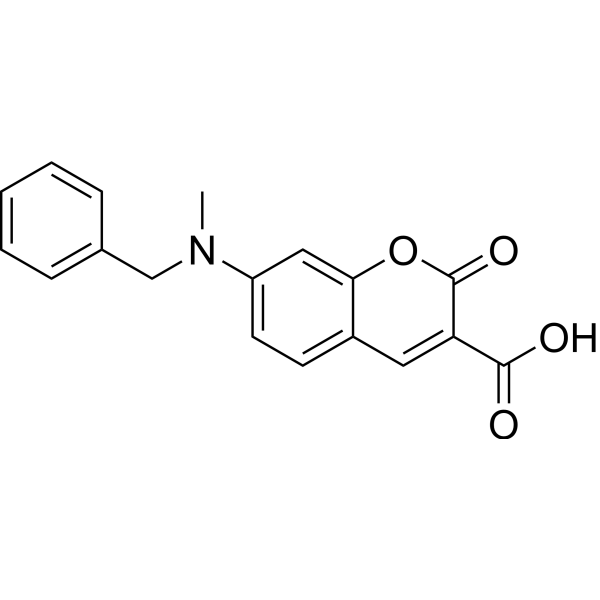
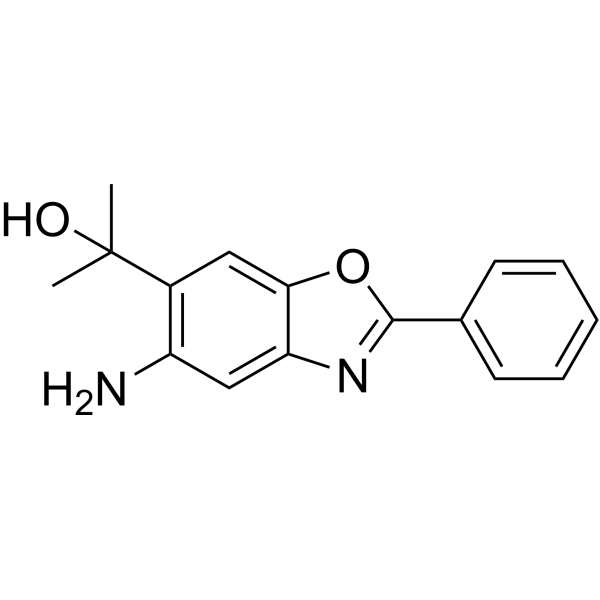
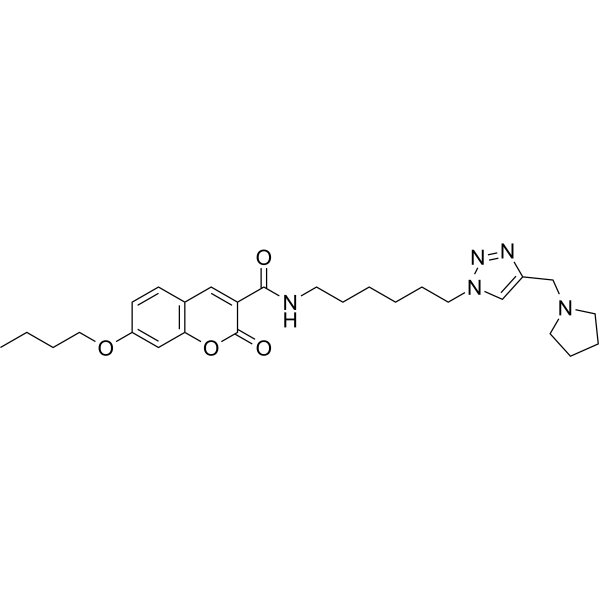
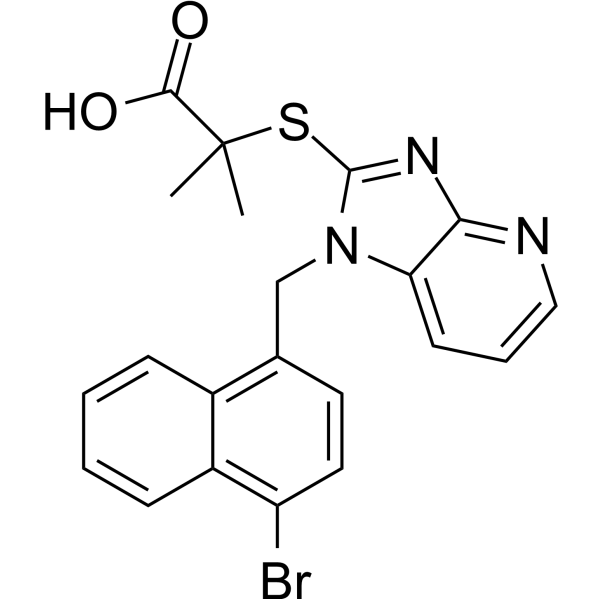
7ACC2 is a potent monocarboxylate transporter (MCT) inhibitor with an IC50 of 11 nM for inhibition of [ 14C]-lactate influx. 7ACC2 is also a potent inhibitor of mitochondrial pyruvate transport. 7ACC2 is an anticancer agent through inhibition of lactate flux .
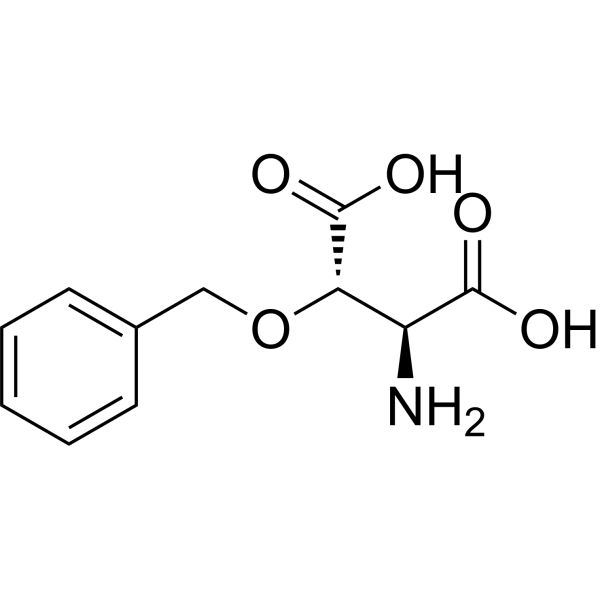
DL-TBOA is a potent non-transportable inhibitor of excitatory amino acid transporters with IC50s of 70 μM, 6 μM and 6 μM for excitatory amino acid transporter-1 (EAAT1), EAAT2 and EAAT3, respectively. DL-TBOA inhibits the uptake of [ 14C]glutamate in COS-1 cells expressing the human EAAT1 and EAAT2 with Ki valuesof 42 μM and 5.7 μM, respectively. DL-TBOA blocks EAAT4 and EAAT5 in a competitive manner with Ki values of 4.4 μM and 3.2 μM, respectively .
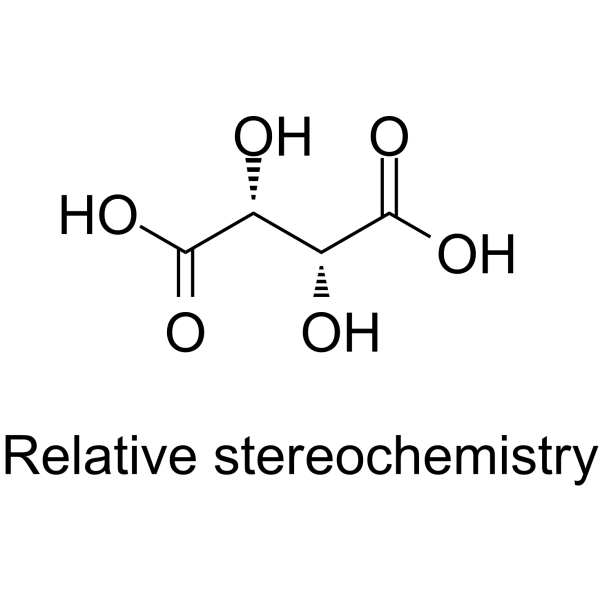
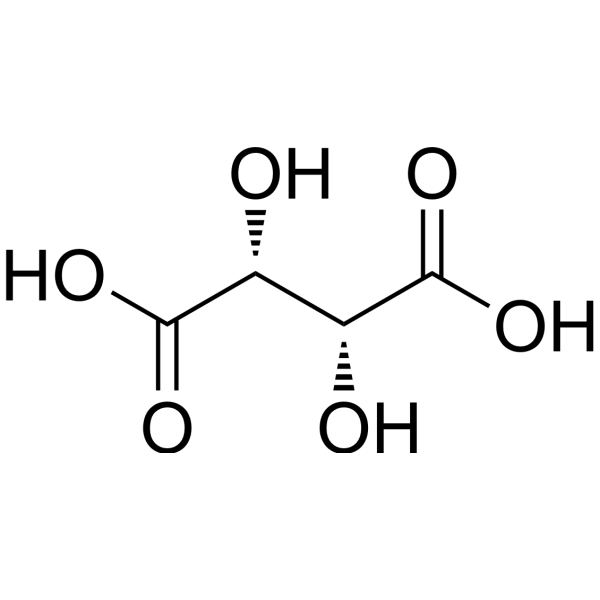
DL-Tartaric acid is an orally active and non-racemic mixture of L- and D-tartaric acid with antioxidant activity. 14C-labeled DL-Tartaric acid is nephrotoxic .
AH2-14c is an inhibitor for DNA demethylase ALKBH2. AH2-14c inhibits the cell viability (IC50 is 4.56 µM) and migration of GBM U87. AH2-14c regulates the expression of apoptosis-related genes, and induces apoptosis in GBM U87 cell .
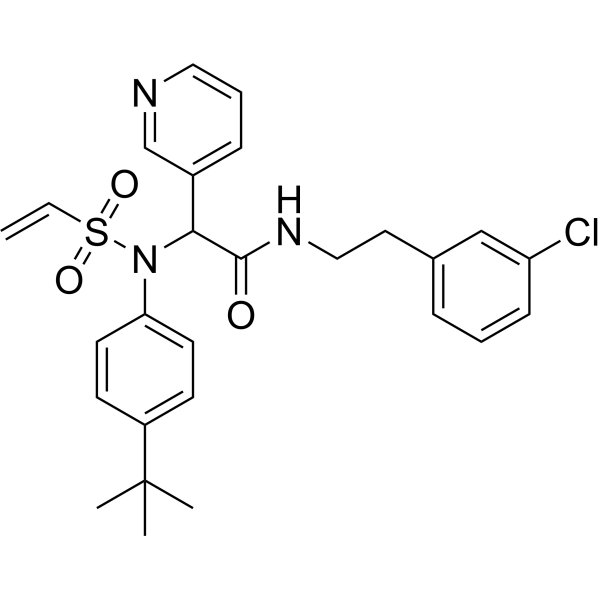
SLC13A5-IN-1 is a selective sodium-citrate co-transporter (SLC13A5) inhibitor. SLC13A5-IN-1 completely blocks the uptake of 14C-citrate with an IC50 value of 0.022 μM in HepG2 cells. SLC13A5-IN-1 has the potential for the treatment of metabolic and/or cardiovascular diseases. SLC13A5-IN-1 is extracted from patent WO2018104220A1, Compound I-5 .
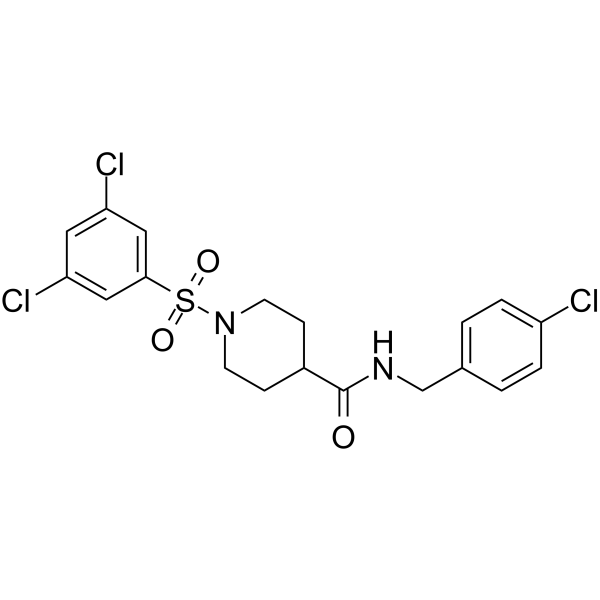
RBM14C12 is a compound with cell signal transduction activity. RBM14C12 has important uses in studying lipid metabolism and cell membrane structure. RBM14C12 can also be used to develop novel compounds to regulate the biological mechanisms of lipid-related diseases.
Saviprazole (HOE-731) is a H +,K +-ATPase inhibitor. Saviprazole inhibits gastric acid secretion. Saviprazole inhibits histamine- and dbcAMP-stimulated [ 14C]aminopyrine uptake, dbcAMP-induced oxygen consumption. Saviprazole can be used in research related to gastrointestinal diseases, such as gastric ulcers and acid reflux .
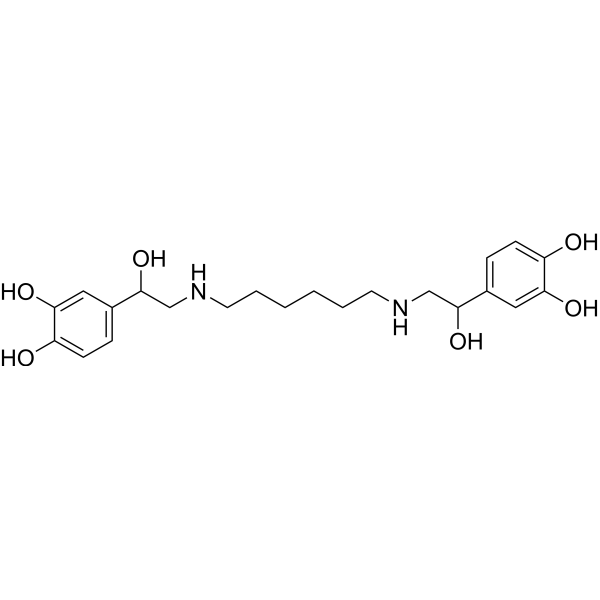
Hexoprenaline is an orally active and selective β-adrenergic receptor agonist. Hexoprenaline can dilate the bronchi. Hexoprenaline can activate adenylate cyclase and increases 14C-Aminopyrine uptake. Hexoprenaline exhibits anti-infection and anti-inflammmation effect. Hexoprenaline can increase placental weight and blood flow. Hexoprenaline can be used for the researches of inflammation, immunology, infection, endocrinology and neurological disease, such as asthma, chronic bronchitis, sepsis and intoxication of organophosphorus compounds .
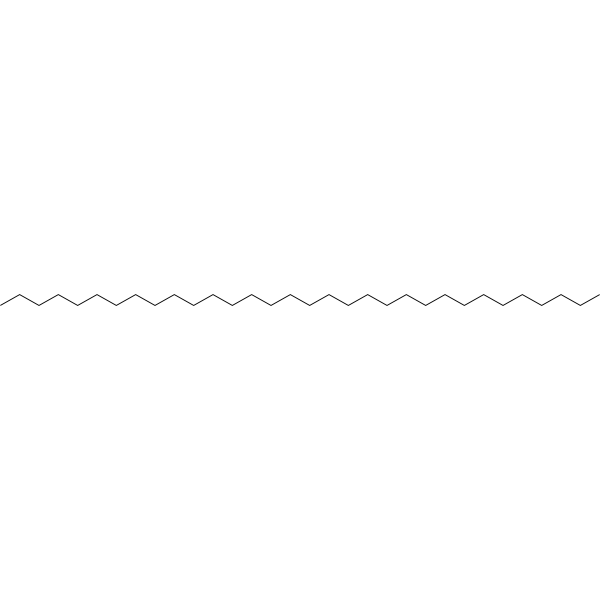
Dotriacontane is an alkane substance that can be absorbed and metabolized by photosynthetic organisms. It can be labeled with 14C and used for carbon tracing .
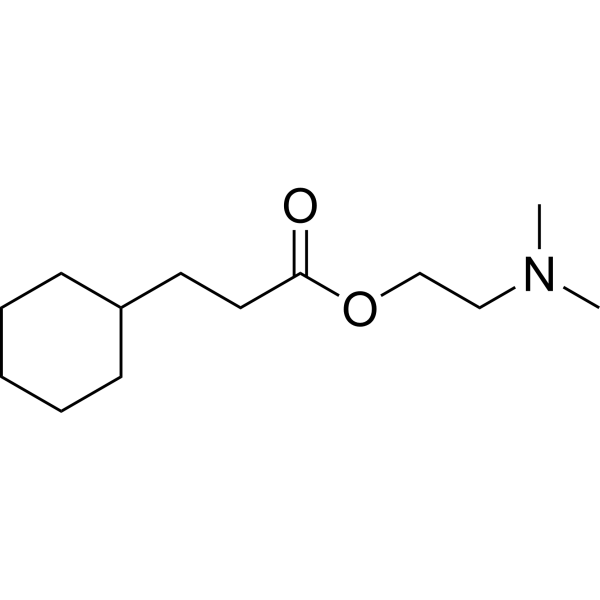
Cyprodenate is an orally active and blood-brain barrier-penetrant stimulant. Cyprodenate can be labeled with 14C. Cyprodenate can be used in the research of psychiatric disorders .
AR-12463 is a derivative of Trapidil (HY-B1016). AR-12463 inhibits the conversion of [14C]acetate to cholesterol. AR-12463 significantly reduces the elevation of total cholesterol in rabbit serum and prevents cholesterol incorporation into tissues. AR-12463 can be used to study atherosclerosis.
HV1-IN-2 (Compound 14c) is a human voltage-gated proton channel (HV1) inhibitor with an IC50 of 2.14 μM. HV1-IN-2 has a potent anticancer activity with significant antiproliferative effects against THP-1 and MCF-7 cells. HV1-IN-2 can be used for cancers research, such as colorectal tumours, leukaemia, and breast cancer .
WRN inhibitor 20 (Compound 14c) is a WRN degradation agent. WRN inhibitor 20 exhibits strong degradation activity in various cells, such as HCT-116 (DC50 = 1.7 µM), SW-48 (DC50 = 3.0 µM), and SW-480 (DC50 = 5.9 µM) cells. WRN inhibitor 20 exhibits potent anti proliferative, pro apoptotic, migration inhibiting, and DNA damage inducing effects in MSI-H cells. WRN inhibitor 20 can be used for research on cancer .
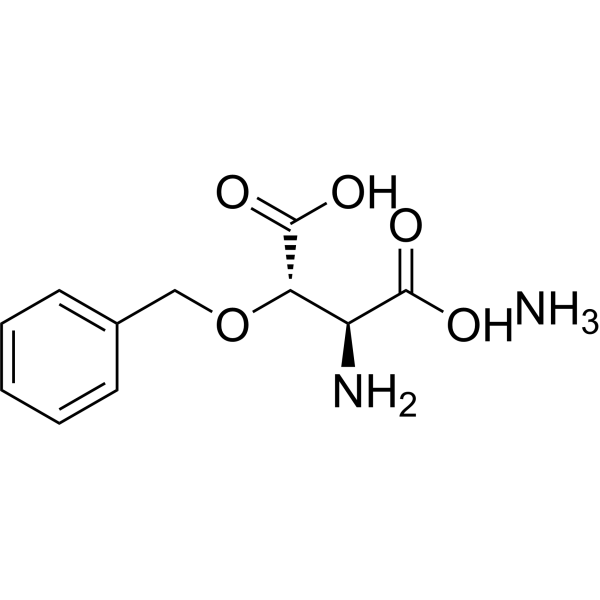
DL-TBOA ammonium is a potent non-transportable inhibitor of excitatory amino acid transporters with IC50s of 70 μM, 6 μM and 6 μM for excitatory amino acid transporter-1 (EAAT1), EAAT2 and EAAT3, respectively. DL-TBOA ammonium inhibits the uptake of [ 14C]glutamate in COS-1 cells expressing the human EAAT1 and EAAT2 with Ki valuesof 42 μM and 5.7 μM, respectively. DL-TBOA ammonium blocks EAAT4 and EAAT5 in a competitive manner with Ki values of 4.4 μM and 3.2 μM, respectively .
3-Deoxy-3-fluoro-D-fructose (Compound 12) is a derivative of 2,5-Anhydro-D-mannitol. 3-Deoxy-3-fluoro-D-fructose is a selective probe of Hexose transporter 5 (GLUT5). 3-Deoxy-3-fluoro-D-fructose inhibits the transport of D-fructose labeled with 14C by GLUT5 with IC50s of 1.16 and 2.37 µM in EMT-6 and MCF-7 cells. 3-Deoxy-3-fluoro-D-fructose can be used for positron emission tomography (PET) imaging of cancers .
SKF 104976 is a 3,2-carboxylic acid derivative with potent 14-alpha-demethylase (14 alpha DM) inhibitory activity. SKF 104976 inhibited 14 alpha DM activity by 50% at 2 nM in Hep G2 cell extracts. SKF 104976 inhibited the incorporation of [14C]acetate into cholesterol in intact cells at similar concentrations, accompanied by accumulation of lanosterol, and resulted in a 40-70% decrease in 3-hydroxy-3-methylglutaryl-CoA reductase (HMGR) activity. SKF 104976 did not affect the uptake and degradation of low-density lipoprotein in Hep G2 cells, indicating that HMGR and low-density lipoprotein receptor activities are not coordinately regulated under these conditions. The inhibitory effect of SKF 104976 on HMGR activity remained unchanged even when the flux of carbon units in the sterol synthesis pathway was reduced by 80%. SKF 104976 did not inhibit HMGR activity under conditions where sterol synthesis was almost completely blocked by lovastatin .
L-Glutamic acid-14C is L-Glutamic acid (HY-14608) labeled with the radioactive isotope carbon-14. L-Glutamic acid is an excitatory amino acid neurotransmitter and an agonist for all subtypes of glutamate receptors (metabotropic, NMDA, and AMPA). L-Glutamic acid acts as an agonist in the release of DA from dopaminergic nerve terminals and can be used in the study of neurological diseases .
CDC20-IN-2 (14c), a Cdc20 inhibitor (KD: 7.65 μM), causes G2/M phase arrest and promotes DNA damage accumulation. CDC20-IN-2 (14c) stabilizes key substrates such as Cyclin B1 and Bim, leading to enhanced apoptosis and suppression of tumor cell proliferation and migration .
RASP-IN-1 (compound A) is a lipophili ccompound used for macular degeneration inhibition. RASP-IN-1 is biologically active in the retina of the rabbit's eye. Thirty minutes after IP treatment with 14C-RASP-IN-1 (10 mg/kg),the Cmax amount of 14C-RASP-IN-1 in the posterior eye cup is 14.36 μg/g in mice model .
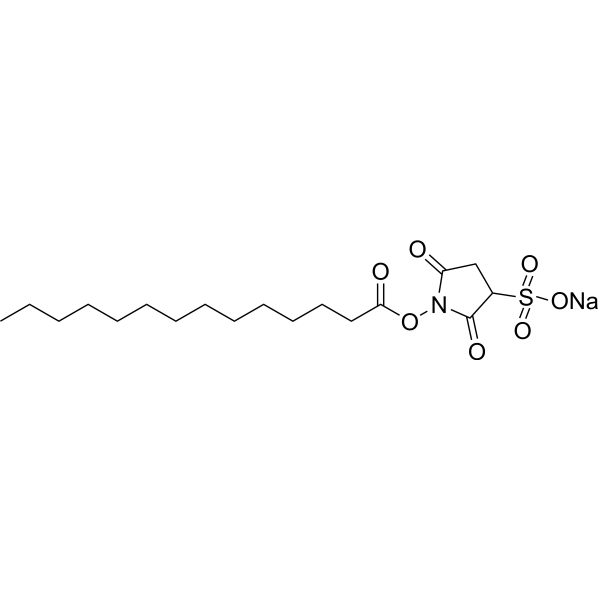
Sulfosuccinimidyl myristate sodium is an inhibitor of fatty acid transport. Sulfosuccinimidyl myristate sodium effectively inhibits [14C]stearate uptake in isolated rat adipocytes .
Dotriacontane (Standard) is the analytical standard of Dotriacontane. This product is intended for research and analytical applications. Dotriacontane is an alkane substance that can be absorbed and metabolized by photosynthetic organisms. It can be labeled with 14C and used for carbon tracing .
DL-Tartaric acid (Standard) is the analytical standard of DL-Tartaric acid. This product is intended for research and analytical applications. DL-Tartaric acid is a non-racemic mixture of L- and D-tartaric acid with antioxidant activity. 14C-labeled DL-Tartaric acid is nephrotoxic .
LY137150 (2) and LY163252 (4) are products of LY175326 metabolism in rats or dogs. The preparation of LY175326 labeled with 14C at the methylthiol group provides a sensitive method to determine whether the metabolically produced LY137150 (2) is further metabolized by S-demethylation.
P2X4 antagonist-3 (Compound 14c) is a P2X4 antagonist with an IC50 value of 1.2 μM. P2X4 antagonist-3 is promising for research of neuroinflammation, chronic pain, and cancer progression .
RSV/IAV-IN-2 (compound 14c) is a potent and dual inhibitor of RSV/IAV. RSV/IAV-IN-2 has lesser cytotoxicity than the clinical agent, Ribavirin. RSV/IAV-IN-2 has the potential for the research of RSV and/or IAV infections .
Cannabigerorcin is a phenolic compound found in cannabis plants, featuring a diphenol backbone and a terpene side chain. By reacting with radiolabeled methylmagnesium carbonate (MMC), its carboxyl group can be 14C-labeled. Radiolabeled Cannabigerorcin is widely used in research on cannabinoid biosynthesis pathways and metabolic processes .
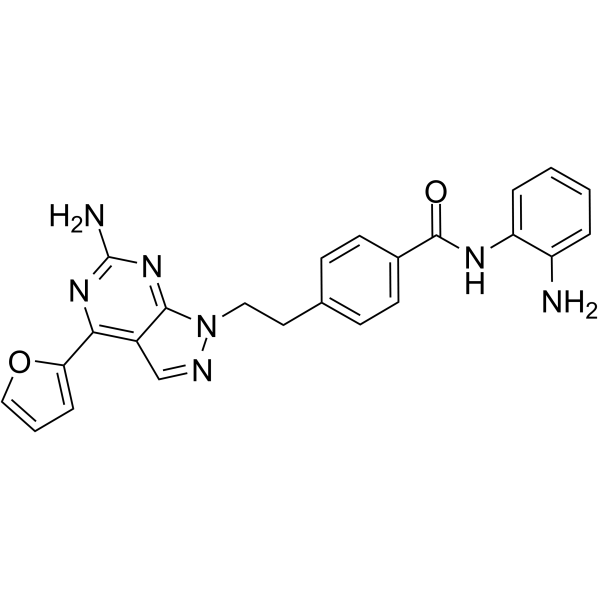
A2AAR/HDAC-IN-1 (compound 14c) is an orally active, potent and balanced A2AAR/HDAC dual inhibitor, with a Ki of 163.5 nM for A2AAR and an IC50 of 145.3 nM for HDAC1. A2AAR/HDAC-IN-1 shows anticancer activity .
Antileishmanial agent-16 (compound 14c) is an anti-Leishmania agent. Antileishmanial agent-16 has superior anti-Leishmania major promastigotes activity (IC50 = 0.59 µM) and anti-Leishmania major amastigotes activity (IC50 = 0.81 µM). Antileishmanial agent-16 has good safety to mammalian cells (VERO cells) .
L 668411 is a β-lactone inhibitor with activity against 3-hydroxy-3-methylglutaryl-CoA synthase and cholesterol biosynthesis. L 668411 inhibits rat liver cytosolic 3-hydroxy-3-methylglutaryl-CoA synthase and [14C] acetate incorporation into sterols in cultured Hep G2 cells, and the inhibition appears to be irreversible in cells but reversible in cultured cells and animals.
RBM1-151, a 1-deoxy derivative and vinilog of RBM14-C12 (HY-150163), as a fluorogenic substrate of Amidases (HY-P2736) (Ex/Em). RBM1-151 is hydrolyzed by acid ceramidase (AC) ((appKm = 7.0 μM; appVmax = 99.3 nM/min), N-acylethanolamine-hydrolyzing acid amidase (appKm = 0.73 μM; appVmax = 0.24 nM/min), and fatty Acid amide hydrolase (FAAH) (appKm = 3.6 μM; appVmax = 7.6 nM/min) but not by other ceramidases. RBM1-151 is applicable for basic biological studies of lipid amidase function, as well as potential diagnostic/prognostic evaluations of diseases involving dysregulated AC, NAAA, or FAAH (Farber disease, cancer) .
SARS-CoV-2 3CLpro-IN-1 (Compound 14c) is a potent inhibitor of SARS-CoV-2 3CL pro. 3CL pro (main coronaviruses cysteine-protease) has been identified as a promising target for the development of antiviral agents. SARS-CoV-2 3CLpro-IN-1 has the potential for the research of infection diseases .
URAT1 inhibitor 2 is an orally active and potent URAT1 and CYP isozyme inhibitor, with IC50 values of 1.36 μM, 16.97 μM, 5.22 μM for URAT1-mediated 14C-UA uptake, CYP1A2 and CYP2C9, respectively. URAT1 inhibitor 2 is a promising agent candidate in the study of hyperuricemia and gout .
Hexoprenaline sulfate is an orally active and selective β-adrenergic receptor agonist. Hexoprenaline sulfate can dilate the bronchi. Hexoprenaline sulfate can activate adenylate cyclase and increases 14C-Aminopyrine uptake. Hexoprenaline sulfate exhibits anti-infection and anti-inflammmation effect. Hexoprenaline sulfate can increase placental weight and blood flow. Hexoprenaline sulfate can be used for the researches of inflammation, immunology, infection, endocrinology and neurological disease, such as asthma, chronic bronchitis, sepsis and intoxication of organophosphorus compounds .
BRAFV600E/JNK-IN-1 (Compound 14c) is an inhibitor of JNK1, JNK2, JNK3 and BRAFV600E, with IC50 values of 0.51 μM, 0.53 μM, 1.02 μM and 0.009 μM, respectively. BRAFV600E/JNK-IN-1 can inhibit the phosphorylation of MEK1/2 and ERK1/2. In addition, BRAFV600E/JNK-IN-1 can inhibit tumor cell proliferation, NO release and PGE2 production, and has anti-tumor and anti-inflammatory activities .
TMEM14C Human Pre-designed siRNA Set A contains three designed siRNAs for TMEM14C gene (Human), as well as a negative control, a positive control, and a FAM-labeled negative control.
PPP1R14C Human Pre-designed siRNA Set A contains three designed siRNAs for PPP1R14C gene (Human), as well as a negative control, a positive control, and a FAM-labeled negative control.
ASPH-IN-1 (Compound 14c) is an orally active ASPH inhibitor. ASPH-IN-1 down-regulates MMP2 and MMP14 protein expression. ASPH-IN-1 exhibits anti-cancer activity against cholangiocarcinoma .
IMCTA-C14 TFA, a trehalose analog, is a detergent. IMCTA-C14 TFA shows autophagy-inducing activity in OVK18 cells and can be effectively used in membrane protein research. IMCTA-C14 TFA is active against various bacteria (MICs = 8-128 µg/mL) and is cytotoxic against cancer cell lines (IC50s = 2.9-29.2 µg/mL) .
Osutidine is a selective histamine H2 receptor antagonist, can effectively inhibit histamine-stimulated gastric acid secretion. Osutidine does not affect [ 14C]aminopyrine accumulation stimulated by carbachol or dibutyryl-cAMP. Osutidine is insurmountable and includes non-competitive inhibition. Osutidine can be used for the study of gastric mucosal injury .
Micordilin is a complex Elemanolide-like compound isolated from the medicinal plant Mikania cordifolia. Micordilin is an endogenous hemiacetal of C-14-acetylated dialdehyde elemanolide. Micordilin has antitumor dilactone properties and can be used in the study of antitumor activity .
Antibacterial agent 301 (compound 14c) is a pyridine-amide pleuromutilin derivative with broad-spectrum antibacterial and pronounced antimycoplasmal activity. Antibacterial agent 301 inhibits peptidyl transferase center (PTC), breaks down biofilms, and disrupts cell membranes in multidrug-resistant (MDR) bacteria. Antibacterial agent 301 exhibits activity in a systemic methicillin-resistant Staphylococcus aureus (MRSA) infection mouse model. Antibacterial agent 301 can be used for MDR bacterial infection research .
C14-Tri-LAN-Gly is a highly selective and potent NOD1 agonist. C14-Tri-LAN-Gly activates NOD1. C14-Tri-LAN-Gly inhibits the expression of cleaved-caspase3. C14-Tri-LAN-Gly upregulates A20 expression. C14-Tri-LAN-Gly protects mice from lethal hepatitis by inhibiting hepatocyte Apoptosis. C14-Tri-LAN-Gly inhibits osteoblastogenesis and promots osteoclastogenesis .
Pratialin B is a C14-polyacetylenol glycoside analog found in the roots of Codonopsis pilosula. Pratialin B exhibits weak inhibitory activity against LPS (HY-D1056)-induced NO production .
Dotriacontane is an alkane substance that can be absorbed and metabolized by photosynthetic organisms. It can be labeled with 14C and used for carbon tracing .
Dotriacontane (Standard) is the analytical standard of Dotriacontane. This product is intended for research and analytical applications. Dotriacontane is an alkane substance that can be absorbed and metabolized by photosynthetic organisms. It can be labeled with 14C and used for carbon tracing .
RBM1-151, a 1-deoxy derivative and vinilog of RBM14-C12 (HY-150163), as a fluorogenic substrate of Amidases (HY-P2736) (Ex/Em). RBM1-151 is hydrolyzed by acid ceramidase (AC) ((appKm = 7.0 μM; appVmax = 99.3 nM/min), N-acylethanolamine-hydrolyzing acid amidase (appKm = 0.73 μM; appVmax = 0.24 nM/min), and fatty Acid amide hydrolase (FAAH) (appKm = 3.6 μM; appVmax = 7.6 nM/min) but not by other ceramidases. RBM1-151 is applicable for basic biological studies of lipid amidase function, as well as potential diagnostic/prognostic evaluations of diseases involving dysregulated AC, NAAA, or FAAH (Farber disease, cancer) .
Micordilin is a complex Elemanolide-like compound isolated from the medicinal plant Mikania cordifolia. Micordilin is an endogenous hemiacetal of C-14-acetylated dialdehyde elemanolide. Micordilin has antitumor dilactone properties and can be used in the study of antitumor activity .
Pratialin B is a C14-polyacetylenol glycoside analog found in the roots of Codonopsis pilosula. Pratialin B exhibits weak inhibitory activity against LPS (HY-D1056)-induced NO production .
HCC-1/CCL14 Protein, Human is a CC chemokine with weak activity against human monocytes, promotes monocyte, eosinophil and T-lymphocyte chemotaxis, and mediates allergic airway inflammation and cancer. HCC-1/CCL14 Protein, Human is a recombinant human HCC-1/CCL14(T22-N93) expressed by E. coli.
CXCL14/BRAK protein selectively attracts CESS B cells and THP-1 monocytes without affecting T cells. Its specific chemical attraction emphasizes its role in mediating B cell and monocyte migration, contributing to immune responses within the microenvironment. CXCL14/BRAK Protein, Mouse (His) is the recombinant mouse-derived CXCL14/BRAK protein, expressed by E. coli , with N-6*His labeled tag.
TMEM14C Human Pre-designed siRNA Set A contains three designed siRNAs for TMEM14C gene (Human), as well as a negative control, a positive control, and a FAM-labeled negative control.
PPP1R14C Human Pre-designed siRNA Set A contains three designed siRNAs for PPP1R14C gene (Human), as well as a negative control, a positive control, and a FAM-labeled negative control.
Western blot analysis of extracts from THP-1(lane 2(20μg), Jurkat (lane 3(20μg) and NIH3T3(lane 4(20μg) using FOXO1A (HY-P80132) Rabbit mAb. Proteins were transferred
to a PVDF membrane and blocked with 5% non-fat milk in TBST for 2 hour at room temperature. The primary antibody (1/1000) and Loading control antibody (Beta Actin, HY-P80438, 1/10000) was
used in 5% non-fat milk in TBST at 4°C overnight. Goat Anti-Mouse/Rabbit IgG-HRP Secondary Antibody (1/10000) was used for 1 hour at room temperature.
Western blot analysis of extracts from THP-1(lane 2(20μg), Jurkat (lane 3(20μg) and NIH3T3(lane 4(20μg) using FOXO1A (HY-P80132) Rabbit mAb. Proteins were transferred
to a PVDF membrane and blocked with 5% non-fat milk in TBST for 2 hour at room temperature. The primary antibody (1/1000) and Loading control antibody (Beta Actin, HY-P80438, 1/10000) was
used in 5% non-fat milk in TBST at 4°C overnight. Goat Anti-Mouse/Rabbit IgG-HRP Secondary Antibody (1/10000) was used for 1 hour at room temperature.
Western blot analysis of extracts from THP-1(lane 2(20μg), Jurkat (lane 3(20μg) and NIH3T3(lane 4(20μg) using FOXO1A (HY-P80132) Rabbit mAb. Proteins were transferred
to a PVDF membrane and blocked with 5% non-fat milk in TBST for 2 hour at room temperature. The primary antibody (1/1000) and Loading control antibody (Beta Actin, HY-P80438, 1/10000) was
used in 5% non-fat milk in TBST at 4°C overnight. Goat Anti-Mouse/Rabbit IgG-HRP Secondary Antibody (1/10000) was used for 1 hour at room temperature.
Western blot analysis of extracts from THP-1(lane 2(20μg), Jurkat (lane 3(20μg) and NIH3T3(lane 4(20μg) using FOXO1A (HY-P80132) Rabbit mAb. Proteins were transferred
to a PVDF membrane and blocked with 5% non-fat milk in TBST for 2 hour at room temperature. The primary antibody (1/1000) and Loading control antibody (Beta Actin, HY-P80438, 1/10000) was
MedchemExpress Validation 03
Western blot analysis of extracts from THP-1(lane 2(20μg), Jurkat (lane 3(20μg) and NIH3T3(lane 4(20μg) using FOXO1A (HY-P80132) Rabbit mAb. Proteins were transferred
MedchemExpress Validation 04
Western blot analysis of extracts from THP-1(lane 2(20μg), Jurkat (lane 3(20μg) and NIH3T3(lane 4(20μg) using FOXO1A (HY-P80132) Rabbit mAb. Proteins were transferred
to a PVDF membrane and blocked with 5% non-fat milk in TBST for 2 hour at room temperature. The primary antibody (1/1000) and Loading control antibody (Beta Actin, HY-P80438, 1/10000) was
used in 5% non-fat milk in TBST at 4°C overnight. Goat Anti-Mouse/Rabbit IgG-HRP Secondary Antibody (1/10000) was used for 1 hour at room temperature.
MedchemExpress Validation
Western blot analysis of extracts from THP-1(lane 2(20μg), Jurkat (lane 3(20μg) and NIH3T3(lane 4(20μg) using FOXO1A (HY-P80132) Rabbit mAb. Proteins were transferred
to a PVDF membrane and blocked with 5% non-fat milk in TBST for 2 hour at room temperature. The primary antibody (1/1000) and Loading control antibody (Beta Actin, HY-P80438, 1/10000) was
used in 5% non-fat milk in TBST at 4°C overnight. Goat Anti-Mouse/Rabbit IgG-HRP Secondary Antibody (1/10000) was used for 1 hour at room temperature.
Western blot analysis of extracts from THP-1(lane 2(20μg), Jurkat (lane 3(20μg) and NIH3T3(lane 4(20μg) using FOXO1A (HY-P80132) Rabbit mAb. Proteins were transferred
to a PVDF membrane and blocked with 5% non-fat milk in TBST for 2 hour at room temperature. The primary antibody (1/1000) and Loading control antibody (Beta Actin, HY-P80438, 1/10000) was
used in 5% non-fat milk in TBST at 4°C overnight. Goat Anti-Mouse/Rabbit IgG-HRP Secondary Antibody (1/10000) was used for 1 hour at room temperature.
MedchemExpress Validation
Western blot analysis of extracts from THP-1(lane 2(20μg), Jurkat (lane 3(20μg) and NIH3T3(lane 4(20μg) using FOXO1A (HY-P80132) Rabbit mAb. Proteins were transferred
to a PVDF membrane and blocked with 5% non-fat milk in TBST for 2 hour at room temperature. The primary antibody (1/1000) and Loading control antibody (Beta Actin, HY-P80438, 1/10000) was
used in 5% non-fat milk in TBST at 4°C overnight. Goat Anti-Mouse/Rabbit IgG-HRP Secondary Antibody (1/10000) was used for 1 hour at room temperature.
MedchemExpress Validation
Western blot analysis of extracts from THP-1(lane 2(20μg), Jurkat (lane 3(20μg) and NIH3T3(lane 4(20μg) using FOXO1A (HY-P80132) Rabbit mAb. Proteins were transferred
to a PVDF membrane and blocked with 5% non-fat milk in TBST for 2 hour at room temperature. The primary antibody (1/1000) and Loading control antibody (Beta Actin, HY-P80438, 1/10000) was
used in 5% non-fat milk in TBST at 4°C overnight. Goat Anti-Mouse/Rabbit IgG-HRP Secondary Antibody (1/10000) was used for 1 hour at room temperature.
MedchemExpress Validation
Western blot analysis of extracts from THP-1(lane 2(20μg), Jurkat (lane 3(20μg) and NIH3T3(lane 4(20μg) using FOXO1A (HY-P80132) Rabbit mAb. Proteins were transferred
to a PVDF membrane and blocked with 5% non-fat milk in TBST for 2 hour at room temperature. The primary antibody (1/1000) and Loading control antibody (Beta Actin, HY-P80438, 1/10000) was
used in 5% non-fat milk in TBST at 4°C overnight. Goat Anti-Mouse/Rabbit IgG-HRP Secondary Antibody (1/10000) was used for 1 hour at room temperature.
MedchemExpress Validation
Western blot analysis of extracts from THP-1(lane 2(20μg), Jurkat (lane 3(20μg) and NIH3T3(lane 4(20μg) using FOXO1A (HY-P80132) Rabbit mAb. Proteins were transferred
to a PVDF membrane and blocked with 5% non-fat milk in TBST for 2 hour at room temperature. The primary antibody (1/1000) and Loading control antibody (Beta Actin, HY-P80438, 1/10000) was
used in 5% non-fat milk in TBST at 4°C overnight. Goat Anti-Mouse/Rabbit IgG-HRP Secondary Antibody (1/10000) was used for 1 hour at room temperature.
MedchemExpress Validation
Western blot analysis of extracts from THP-1(lane 2(20μg), Jurkat (lane 3(20μg) and NIH3T3(lane 4(20μg) using FOXO1A (HY-P80132) Rabbit mAb. Proteins were transferred
to a PVDF membrane and blocked with 5% non-fat milk in TBST for 2 hour at room temperature. The primary antibody (1/1000) and Loading control antibody (Beta Actin, HY-P80438, 1/10000) was
used in 5% non-fat milk in TBST at 4°C overnight. Goat Anti-Mouse/Rabbit IgG-HRP Secondary Antibody (1/10000) was used for 1 hour at room temperature.
MedchemExpress Validation
Western blot analysis of extracts from THP-1(lane 2(20μg), Jurkat (lane 3(20μg) and NIH3T3(lane 4(20μg) using FOXO1A (HY-P80132) Rabbit mAb. Proteins were transferred
to a PVDF membrane and blocked with 5% non-fat milk in TBST for 2 hour at room temperature. The primary antibody (1/1000) and Loading control antibody (Beta Actin, HY-P80438, 1/10000) was
used in 5% non-fat milk in TBST at 4°C overnight. Goat Anti-Mouse/Rabbit IgG-HRP Secondary Antibody (1/10000) was used for 1 hour at room temperature.
MedChemExpress values your privacy and your trust is important to us. We use cookies to enhance your website experience. Some cookies are necessary to run the website.
Privacy and Cookie Policy