Search Result
Results for "
A0003
" in MedChemExpress (MCE) Product Catalog:
3
Isotope-Labeled Compounds
| Cat. No. |
Product Name |
Target |
Research Areas |
Chemical Structure |
-
- HY-A0003
-
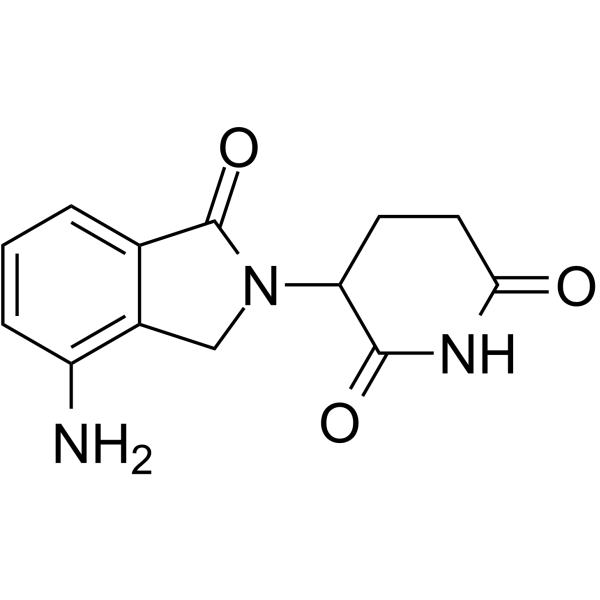
Lenalidomide
Maximum Cited Publications
59 Publications Verification
CC-5013
|
Ligands for E3 Ligase
Molecular Glues
Apoptosis
|
Inflammation/Immunology
Cancer
|
|
Lenalidomide (CC-5013), a derivative of Thalidomide, acts as molecular glue. Lenalidomide is an orally active immunomodulator. Lenalidomide (CC-5013) is a ligand of ubiquitin E3 ligase cereblon (CRBN), and it causes selective ubiquitination and degradation of two lymphoid transcription factors, IKZF1 and IKZF3, by the CRBN-CRL4 ubiquitin ligase. Lenalidomide (CC-5013) specifically inhibits growth of mature B-cell lymphomas, including multiple myeloma, and induces IL-2 release from T cells .
|
-
-
- HY-A0003B
-
|
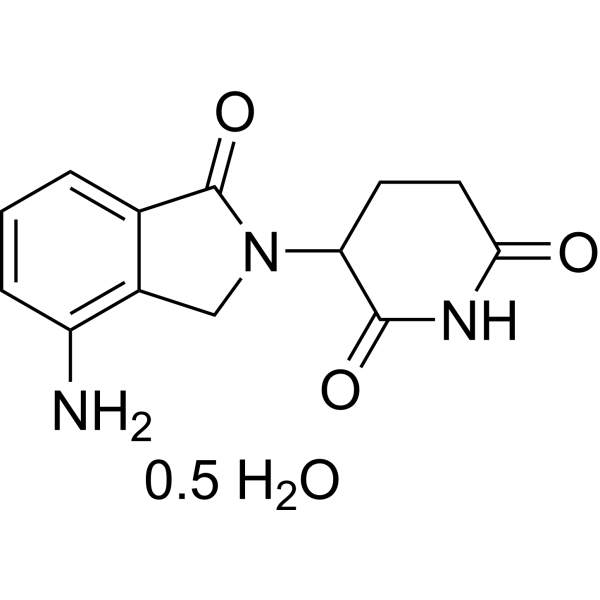
CC-5013 hemihydrate
|
Ligands for E3 Ligase
Molecular Glues
Apoptosis
|
Cancer
|
|
Lenalidomide hemihydrate (CC-5013 hemihydrate), a derivative of Thalidomide, acts as molecular glue. Lenalidomide hemihydrate is an orally active immunomodulator. Lenalidomide hemihydrate (CC-5013 hemihydrate) is a ligand of ubiquitin E3 ligase cereblon (CRBN), and it causes selective ubiquitination and degradation of two lymphoid transcription factors, IKZF1 and IKZF3, by the CRBN-CRL4 ubiquitin ligase. Lenalidomide hemihydrate (CC-5013 hemihydrate) specifically inhibits growth of mature B-cell lymphomas, including multiple myeloma, and induces IL-2 release from T cells .
|
-
-
- HY-A0003R
-
|
CC-5013 (Standard)
|
Reference Standards
Ligands for E3 Ligase
Molecular Glues
Apoptosis
|
Inflammation/Immunology
Cancer
|
|
Lenalidomide (Standard) is the analytical standard of Lenalidomide. This product is intended for research and analytical applications. Lenalidomide (CC-5013), a derivative of Thalidomide, acts as molecular glue. Lenalidomide is an orally active immunomodulator. Lenalidomide (CC-5013) is a ligand of ubiquitin E3 ligase cereblon (CRBN), and it causes selective ubiquitination and degradation of two lymphoid transcription factors, IKZF1 and IKZF3, by the CRBN-CRL4 ubiquitin ligase. Lenalidomide (CC-5013) specifically inhibits growth of mature B-cell lymphomas, including multiple myeloma, and induces IL-2 release from T cells .
|
-

-
- HY-A0003S
-
|
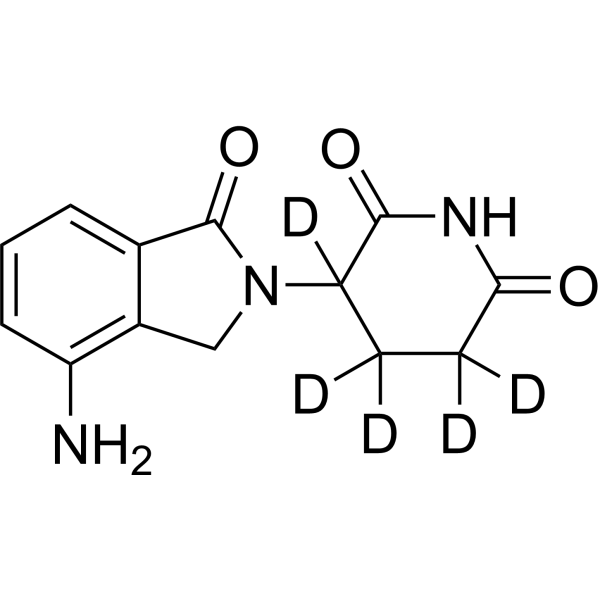
CC-5013-d5
|
Isotope-Labeled Compounds
Ligands for E3 Ligase
Molecular Glues
Apoptosis
|
Inflammation/Immunology
Cancer
|
|
Lenalidomide-d5 is deuterium labeled Lenalidomide. Lenalidomide (CC-5013), a derivative of Thalidomide, acts as molecular glue. Lenalidomide is an orally active immunomodulator. Lenalidomide (CC-5013) is a ligand of ubiquitin E3 ligase cereblon (CRBN), and it causes selective ubiquitination and degradation of two lymphoid transcription factors, IKZF1 and IKZF3, by the CRBN-CRL4 ubiquitin ligase. Lenalidomide (CC-5013) specifically inhibits growth of mature B-cell lymphomas, including multiple myeloma, and induces IL-2 release from T cells .
|
-
-
- HY-A0003S2
-
|
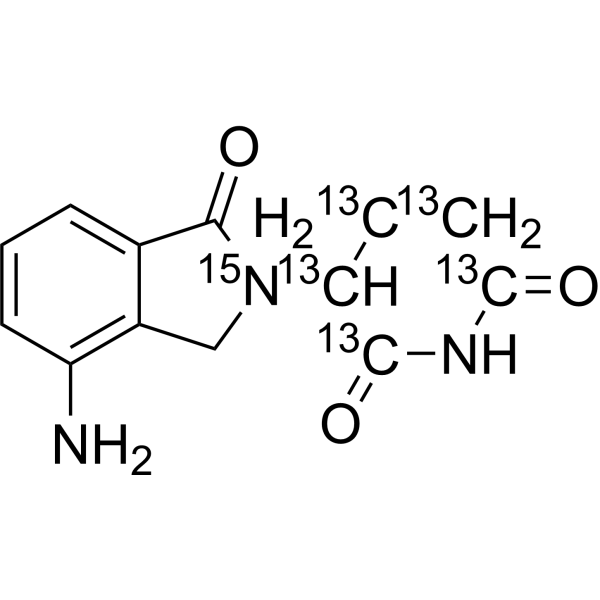
CC-5013-13C5,15N
|
Ligands for E3 Ligase
Apoptosis
Molecular Glues
Isotope-Labeled Compounds
|
Inflammation/Immunology
Cancer
|
|
Lenalidomide- 13C5, 15N is 15N and 13C labeled Lenalidomide (HY-A0003). Lenalidomide (CC-5013), a derivative of Thalidomide, acts as molecular glue. Lenalidomide is an orally active immunomodulator. Lenalidomide (CC-5013) is a ligand of ubiquitin E3 ligase cereblon (CRBN), and it causes selective ubiquitination and degradation of two lymphoid transcription factors, IKZF1 and IKZF3, by the CRBN-CRL4 ubiquitin ligase. Lenalidomide (CC-5013) specifically inhibits growth of mature B-cell lymphomas, including multiple myeloma, and induces IL-2 release from T cells .
|
-
-
- HY-A0003A
-
|
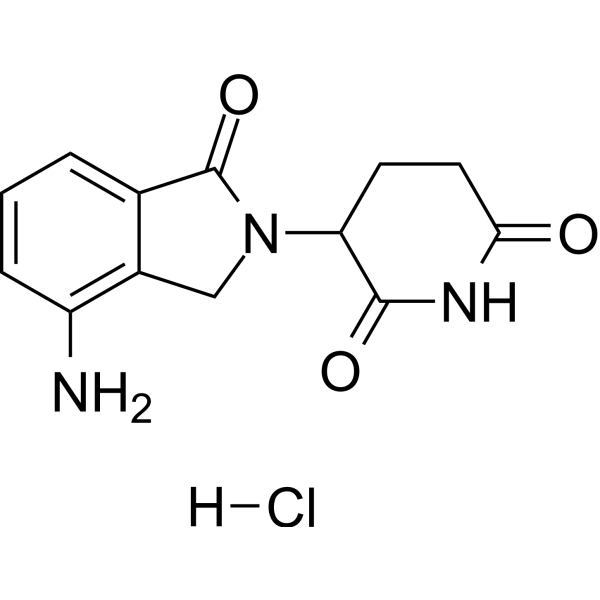
CC-5013 hydrochloride
|
Ligands for E3 Ligase
Molecular Glues
|
Inflammation/Immunology
Cancer
|
|
Lenalidomide hydrochloride (CC-5013 hydrochloride), a derivative of Thalidomide, acts as molecular glue. Lenalidomide hydrochloride is an orally active immunomodulator. Lenalidomide hydrochloride (CC-5013 hydrochloride) is a ligand of ubiquitin E3 ligase cereblon (CRBN), and it causes selective ubiquitination and degradation of two lymphoid transcription factors, IKZF1 and IKZF3, by the CRBN-CRL4 ubiquitin ligase. Lenalidomide hydrochloride (CC-5013 hydrochloride) specifically inhibits growth of mature B-cell lymphomas, including multiple myeloma, and induces IL-2 release from T cells .
|
-
-
- HY-A0003BR
-
|
CC-5013 hemihydrate (Standard)
|
Ligands for E3 Ligase
Molecular Glues
Apoptosis
Reference Standards
|
Cancer
|
|
Lenalidomide (hemihydrate) (Standard) is the analytical standard of Lenalidomide (hemihydrate). This product is intended for research and analytical applications. Lenalidomide hemihydrate (CC-5013 hemihydrate), a derivative of Thalidomide, acts as molecular glue. Lenalidomide hemihydrate is an orally active immunomodulator. Lenalidomide hemihydrate (CC-5013 hemihydrate) is a ligand of ubiquitin E3 ligase cereblon (CRBN), and it causes selective ubiquitination and degradation of two lymphoid transcription factors, IKZF1 and IKZF3, by the CRBN-CRL4 ubiquitin ligase. Lenalidomide hemihydrate (CC-5013 hemihydrate) specifically inhibits growth of mature B-cell lymphomas, including multiple myeloma, and induces IL-2 release from T cells .
|
-

-
- HY-A0003S3
-
|
CC-5013-d4
|
Isotope-Labeled Compounds
Apoptosis
Molecular Glues
Ligands for E3 Ligase
|
Inflammation/Immunology
Cancer
|
|
Lenalidomide-d4 (CC-5013-d4) is deuterium labeled Lenalidomide. Lenalidomide (CC-5013), a derivative of Thalidomide, acts as molecular glue. Lenalidomide is an orally active immunomodulator. Lenalidomide (CC-5013) is a ligand of ubiquitin E3 ligase cereblon (CRBN), and it causes selective ubiquitination and degradation of two lymphoid transcription factors, IKZF1 and IKZF3, by the CRBN-CRL4 ubiquitin ligase. Lenalidomide (CC-5013) specifically inhibits growth of mature B-cell lymphomas, including multiple myeloma, and induces IL-2 release from T cells .
|
-

-
- HY-P9965
-
|
HuLuc 63; PDL 063; BMS 901608
|
Transmembrane Glycoprotein
|
Cancer
|
|
Elotuzumab (HuLuc 63) is an IgG1 monoclonal antibody targeting the SLAMF7 receptor. Elotuzumab exerts antitumor activity by activating natural killer cells and inducing antibody-dependent cell-mediated cytotoxicity. Elotuzumab can be combined with Lenalidomide (HY-A0003), Dexamethasone (HY-14648), etc., for the research of tumors such as multiple myeloma .
|
-

-
- HY-133120
-
|
|
PROTACs
Akt
|
Cancer
|
|
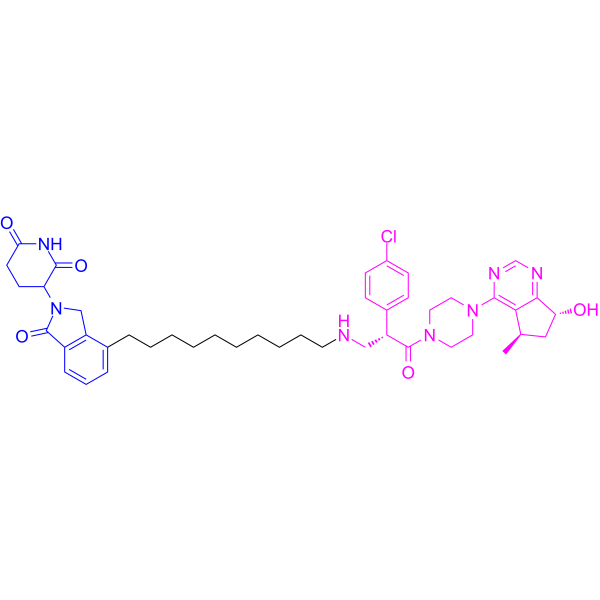
INY-03-041 is a potent, highly selective and PROTAC-based pan-AKT degrader consisting of the ATP-competitive AKT inhibitor Ipatasertib (HY-15186) conjugated to Lenalidomide (HY-A0003, Cereblon ligand). INY-03-041 inhibits AKT1, AKT2 and AKT3 with IC50s of 2.0, 6.8 and 3.5 nM, respectively .
|
-
-
- HY-156698
-
|
|
PROTACs
EGFR
|
Cancer
|
|
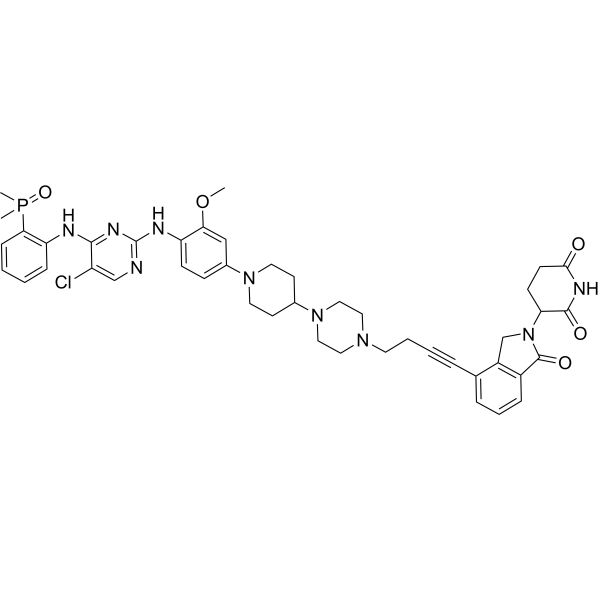
HJM-561 is a selective and effective orally active EGFR PROTAC degrader. HJM-561 is able to overcome the triple EGFR mutations that are resistant to Osimertinib (HY-15772). HJM-561 exhibits potent degradation of EGFR Del19/T790M/C797S (DC50: 9.2 nM) and L858R/T790M/C797S (DC50: 5.8 nM), and has anti-tumor activity (pink: EGFR ligand (HY-12857); blue: CRBN ligand (HY-A0003); black: linker) .
|
-
-
- HY-103019
-
|
(+)-BAY-1251152; (+)-VIP152; (S)-Enitociclib
|
Drug Isomer
CDK
Apoptosis
DNA/RNA Synthesis
|
Inflammation/Immunology
Cancer
|
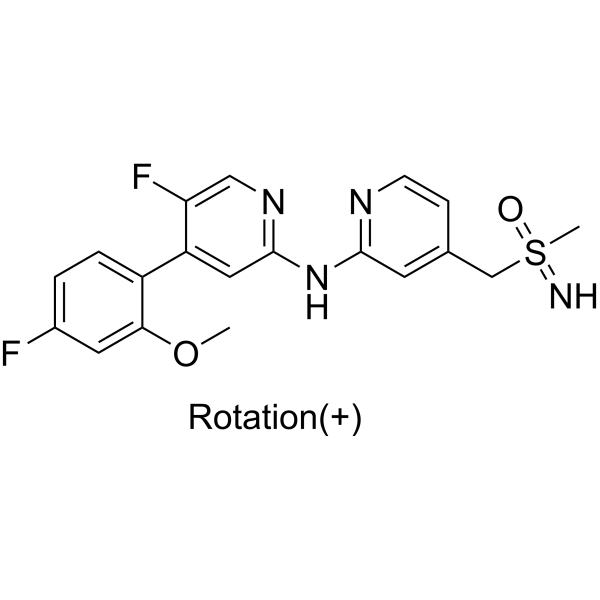
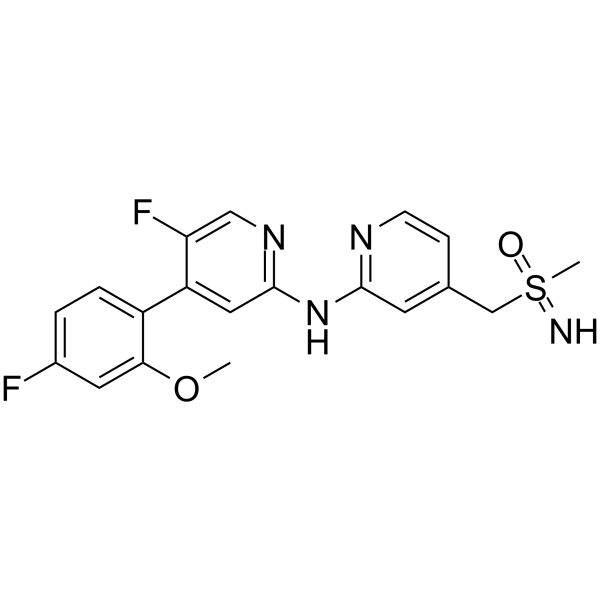
Enitociclib ((+)-BAY-1251152; (+)-VIP152) is a selective CDK9 inhibitor (IC50=3 nM) that inhibits transcriptional elongation by blocking Ser2/Ser5 phosphorylation of RNA polymerase II. Enitociclib specifically depletes key short-lived proteins such as c-MYC, MCL-1 and induces tumor cell apoptosis. Enitociclib also interferes with the production of enhancer RNAs (eRNA) and enhancer-promoter interactions, and downregulates oncogene expression at the epigenetic level. Enitociclib exerts synergistic effects with agents including Bortezomib (HY-10227), Lenalidomide (HY-A0003), Pomalidomide (HY-10984), Venetoclax (HY-15531) and Paclitaxel (HY-B0015), and even reverses paclitaxel resistance. Enitociclib serves as a vital research tool for various malignancies such as double-hit diffuse large B-cell lymphoma, multiple myeloma and pancreatic ductal adenocarcinoma .
|
-
-
- HY-103019A
-
|
(±)-BAY-1251152; (±)-VIP152
|
CDK
Apoptosis
DNA/RNA Synthesis
|
Cancer
|
|
(±)-Enitociclib ((±)-BAY-1251152) is the racemic mixture of Enitociclib (HY-103019E). Enitociclib is a selective CDK9 inhibitor and apoptosis inducer. Enitociclib inhibits CDK9 activity and reduces the phosphorylation of Ser2 in the carboxyl-terminal domain (CTD) of RNA polymerase Pol II, thereby downregulating the transcription of key oncogenes such as MYC and MCL1. Enitociclib has anti-proliferative activity targeting MYC + lymphoma and multiple myeloma (MM) cells, and has synergistic effects with Bortezomib (HY-10227) and Lenalidomide (HY-A0003), and can be used in the research of hematological malignancies .
|
-
-
- HY-174864
-
|
|
PROTACs
NF-κB
Apoptosis
|
Cancer
|
|
JP-163-16 is a RelA/p65 PROTAC degrader. JP-163-16 selectively reduces the expression of RelA/p65 in a proteasome-dependent manner in cells. JP-163-16 can induce cell apoptosis by inhibiting the NF-κB signaling pathway. JP-163-16 can be used for research on RelA/p65-dependent tumours, such as chronic lymphocytic leukaemia (CLL). (Pink: RelA/p65 Ligand (HY-174865); Blue: CRBN Ligand (HY-A0003); Black: Linker; CRBN Ligand+Linker (HY-160241)) .
|
-

-
- HY-137342
-
|
|
PROTACs
Src
IRAK
Bcr-Abl
MAP4K
Cyclin G-associated Kinase (GAK)
CDK
|
Cancer
|
|
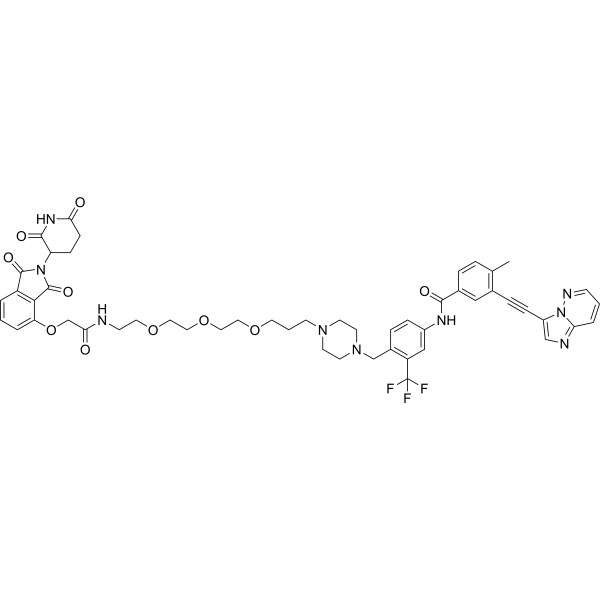
SB1-G-187 is a multi-target kinase PROTAC degrader with activity against various kinases including GCK, YES1, IRAK1 and LYN. SB1-G-187 induces degradation of target kinases via a p97-dependent pathway, and forms ternary complexes with CRBN and specific functional kinases. SB1-G-187 can be used in tumor-related research. (Pink: multi-target kinase ligand (HY-125142); Blue: CRBN ligand (HY-A0003); Black: linker) .
|
-
-
- HY-156591
-
|
|
PROTACs
Mixed Lineage Kinase
|
Others
|
|
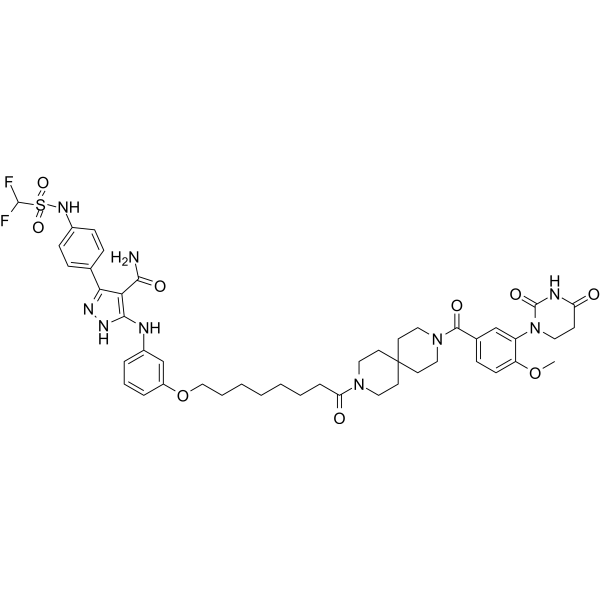
PROTAC MLKL Degrader-1 (Compound 36) is a PROTAC degrader of MLKL, with a Dmax >90%. PROTAC MLKL Degrader-1 contains modified CRBN ligands, linker and Lenalidomide (HY-A0003)-linker fragments. PROTAC MLKL Degrader-1 abrogates cell death in a TSZ model of necroptosis.
|
-
-
- HY-103019B
-
|
(R)-Enitociclib; (-)-BAY-1251152; (-)-VIP152
|
Drug Isomer
CDK
Apoptosis
DNA/RNA Synthesis
|
Cancer
|
|
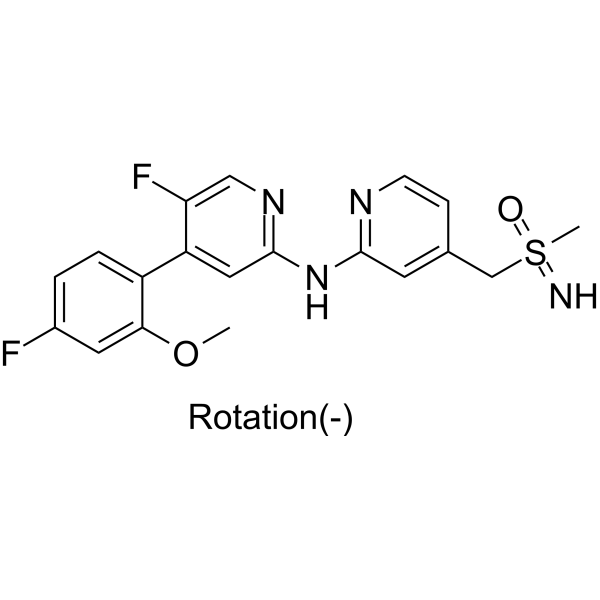
(-)-Enitociclib ((R)-Enitociclib) is an enantiomer of Enitociclib (HY-103019E) with an optical rotation of (-). Enitociclib is a selective CDK9 inhibitor and apoptosis inducer. Enitociclib inhibits CDK9 activity and reduces the phosphorylation of Ser2 in the carboxyl-terminal domain (CTD) of RNA polymerase Pol II, thereby downregulating the transcription of key oncogenes such as MYC and MCL1. Enitociclib has anti-proliferative activity targeting MYC + lymphoma and multiple myeloma (MM) cells, and has synergistic effects with Bortezomib (HY-10227) and Lenalidomide (HY-A0003), and can be used in the research of hematological malignancies .
|
-
-
- HY-161536
-
|
|
PROTACs
EGFR
Apoptosis
|
Cancer
|
|
PROTAC EGFR degrader 9 (Compound C6) is an orally active CRBN-based PROTAC EGFR degrader. PROTAC EGFR degrader 9 exhibits a DC50 of 10.2 nM and a Kd of 240.2 nM against EGFR L858R/T790M/C797S. PROTAC EGFR degrader 9 exhibits potent degradation activity against various EGFR mutants, while sparing the EGFRWT. (Blue: CRBN ligand (HY-A0003), Black: linker (HY-161613); Pink: EGFR inhibitor (HY-161537)) .
|
-

-
- HY-176428
-
|
P11-2
|
PROTACs
MNK
Apoptosis
Eukaryotic Initiation Factor (eIF)
|
Cancer
|
|
PROTAC MNK1 degrader-1 is a selective MNK1 PROTAC degrader with a DC50 of 11.92 nM, and a Dmax > 96% in MV4-11 cells. PROTAC MNK1 degrader-1 significantly reduces p-eIF4E (IC50: 22.07 nM), induces apoptosis, and arrests the cell cycle at the G1 phase. PROTAC MNK1 degrader-1 has potent antitumor activity. PROTAC MNK1 degrader-1 has robust antileukemic efficacy in MV4-11 xenograft mice model with acceptable drug safety . Pink: MNK1 ligand (HY-176429); Blue: CRBN ligase ligand (HY-A0003); Black: linker (HY-Y1139); CRBN + linker: HY-176430
|
-

-
- HY-133120A
-
|
|
PROTACs
Akt
|
Cancer
|
|
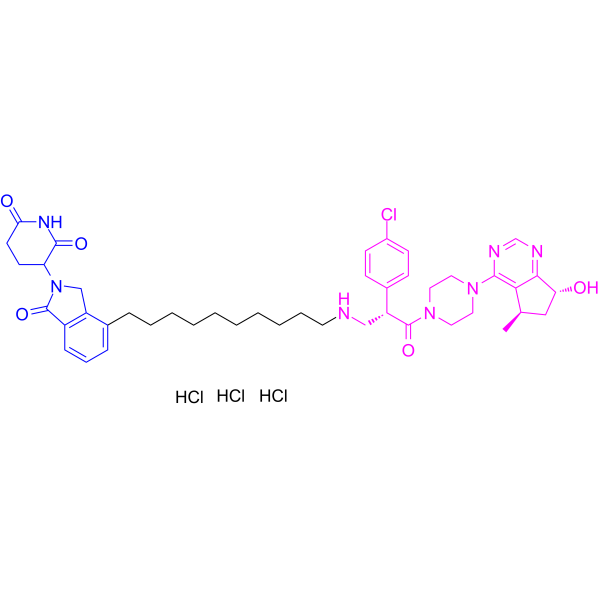
INY-03-041 trihydrochloride is a potent, highly selective and PROTAC-based pan-AKT degrader consisting of the ATP-competitive AKT inhibitor Ipatasertib (HY-15186) conjugated to Lenalidomide (HY-A0003). INY-03-041 trihydrochloride inhibits AKT1, AKT2 and AKT3 with IC50s of 2.0, 6.8 and 3.5 nM, respectively .
|
-
-
- HY-W760183
-
|
|
Fluorescent Dye
|
Cancer
|
|
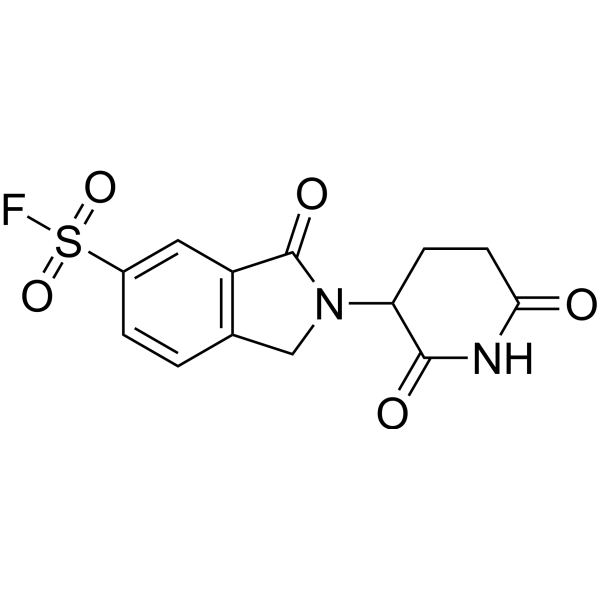
EM12-SO2F is a powerful covalent inhibitor of CRBN through binding at His353. EM12-SO2F is a useful chemical probe to investigate the CRBN. EM12-SO2F inhibits the degradation of IKZF1 by lenalidomide (HY-A0003) in MOLT4 cells
|
-
-
- HY-162589
-
|
|
PROTACs
HSP
Apoptosis
|
Cancer
|
|
Lw13 is a Hsp90-targeting PROTAC and achieves maximum degradation at a concentration of 0.05 μM in Siha cells. Lw13 induces cell apoptosis and exhibits potent anti-tumor activity both in vitro and in vivo(Sturcture Note:(Blue: Cereblon ligand (HY-A0003), Black: linker;Pink: Hsp90 inhibitor SNX-5422 (HY-10213)) .
|
-

-
- HY-131203
-
|
|
PROTACs
Epigenetic Reader Domain
Apoptosis
c-Myc
Caspase
|
Cancer
|
|
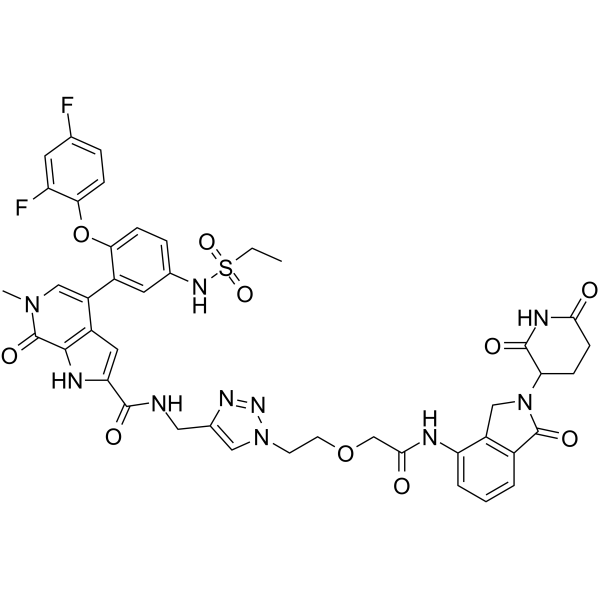
PROTAC BRD4 Degrader-6 (compound 32a) is a potent small-molecule BRD4PROTAC degrader with IC50 value of 2.7 nM for BRD4 BD1. PROTAC BRD4 Degrader-6 potently degrades BRD4 protein and inhibits the expression of c-Myc. PROTAC BRD4 Degrader-6 inhibits the proliferation of pancreatic cancer cell line BxPC3 and induces apoptosis. PROTAC BRD4 Degrader-6 can be used for human pancreatic cancer research (Pink:
Mivebresib (HY-100015); Black: linker, Azido-PEG1-CH2CO2H (HY-108369); Blue: Lenalidomide (HY-A0003)) .
|
-
-
- HY-177740
-
|
|
Molecular Glues
Apoptosis
Caspase
|
Cancer
|
|
BTX306 is a cereblon-targeting molecular glue degrader. BTX306 reduces myeloma cell viability and induces apoptosis. BTX306 overcomes myeloma cell resistance to Lenalidomide (HY-A0003) or Bortezomib (HY-10227). BTX306 is active against primary myeloma cells, and shows efficacy in vivo. BTX306 can be used for myeloma research .
|
-

-
- HY-169327
-
|
|
PROTACs
MDM-2/p53
|
Cancer
|
|
MD-265 is a PROTAC degrader that can break down MDM2, leading to activation of p53 in cancer cells carrying wild-type p53. MD-265 achieves complete tumor regression and improves long-term survival of mice with leukemia. (Pink: MI-1063 (HY-133754); Black: linker; Blue: Lenalidomide (HY-A0003) .
|
-

-
- HY-160151
-
|
|
PROTACs
Phosphatase
JAK
IFNAR
MHC
|
Cancer
|
|
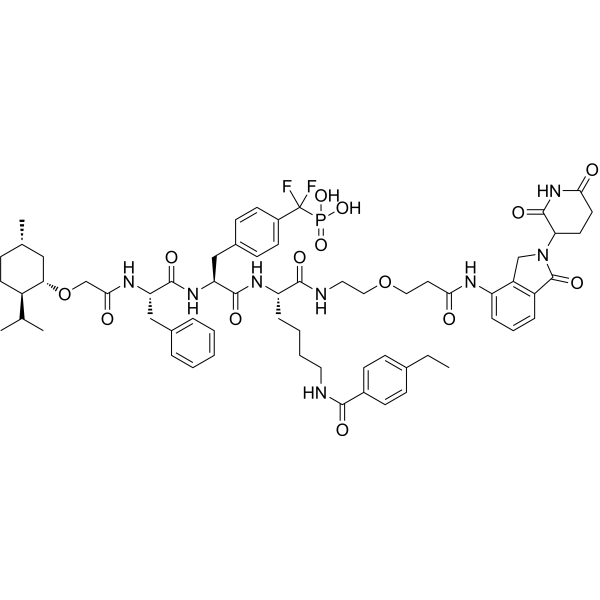
TP1L is a potent and selective T-cell protein tyrosine phosphatase (TC-PTP) PROTAC degrader, with a DC50 value of 35.8 nM. TP1L elevates the phosphorylation level of TC-PTP substrates including pSTAT1 and pJAK1. TP1L selectively enhances IFN-γ signaling and increases MHC-I expression. TP1L activates TCR signaling through increases phosphorylation of LCK. TP1L enhances CAR-T cell mediated tumor killing efficacy through activation of the CAR-T cells. TP1L can be used for the study of cancer. (Pink: TC-PTP ligand: (HY-138964), Blue: E3 ligase CRBN Ligand (HY-A0003), Black: Linker: (HY-140002)) .
|
-
-
- HY-174877
-
|
|
PROTACs
HDAC
|
Cancer
|
|
PROTAC HDAC6 degrader 6 (Compound 12) is a selective HDAC6-targeting photochemically targeting chimeras (PHOTACs) (subset of PROTAC) degrader with a ∼50% Dmax only upon activation to its cis-state with 390 nm light irradiation . Pink: HDAC6 ligand; Blue: CRBN ligase ligand (HY-A0003); Black: linker
|
-

-
- HY-W1120221
-
|
|
E3 Ligase Ligand-Linker Conjugates
|
Others
|
|
Lenalidomide-C3-NH2 is an E3 ligase ligand-linker conjugate that incorporates the Lenalidomide (HY-A0003) based CRBN ligand (HY-43722) and linker. Lenalidomide-C3-NH2 can be used for synthesis of PROTAC BET degrader-2 (HY-114228) .
|
-

-
- HY-177694
-
|
|
PROTACs
Androgen Receptor
|
Cancer
|
|
PROTAC AR Degrader-11 is a potent androgen receptor and androgen receptor splice variant-7 PROTAC degrader. PROTAC AR Degrader-11 shows potent cytotoxicity against both CWR22RV1 cells and VCaP cells. PROTAC AR Degrader-11 can be used in prostate cancer research . (Structure Note: Pink: Androgen Receptor ligand (HY-171809); Blue: CRBN ligand (HY-A0003); Black: linker (HY-169966))
|
-

-
- HY-161131
-
|
|
E3 Ligase Ligand-Linker Conjugates
|
Inflammation/Immunology
|
|
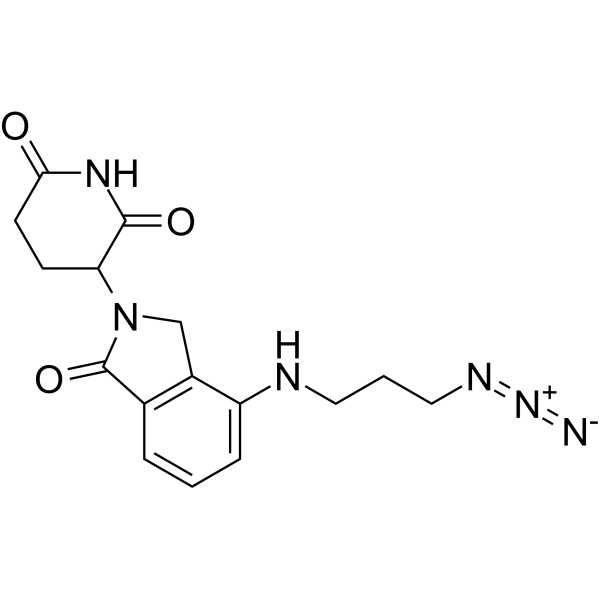
Lenalidomide 4'-alkyl-C3-azide (compound 4a) is a click chemical modified Lenalidomide (HY-A0003) that can be used to synthesize PROTACs. Lenalidomide is an orally active immunomodulator and a ligand for the ubiquitin E3 ligase cereblon (CRBN). Lenalidomide 4'-alkyl-C3-azide contains an Azide group and can undergo copper-catalyzed azide-alkyne cycloaddition reaction (CuAAc) with molecules containing Alkyne groups. Strain-promoted alkyne-azide cycloaddition reactions (SPAAC) can also occur with molecules containing DBCO or BCN groups .
|
-
-
- HY-163609
-
|
|
PROTACs
Aldose Reductase
|
Cancer
|
|
PROTAC AKR1C3 degrader-1 (compound 5) is a potent AKR1C3 PROTAC degrader. PROTAC AKR1C3 degrader-1 decreases the protein expression of AKR1C3, AKR1C1/2, and ARv7. PROTAC AKR1C3 degrader-1 has the potential for the research of prostate cancer. (Blue:ubiquitin E3 ligase cereblon ligand (HY-A0003), Black: linker (HY-163647); Pink: AKR1C3 inhibitor (HY-163610)) .
|
-

-
- HY-155075
-
|
|
PROTACs
Glutathione Peroxidase
Ferroptosis
|
Cancer
|
|
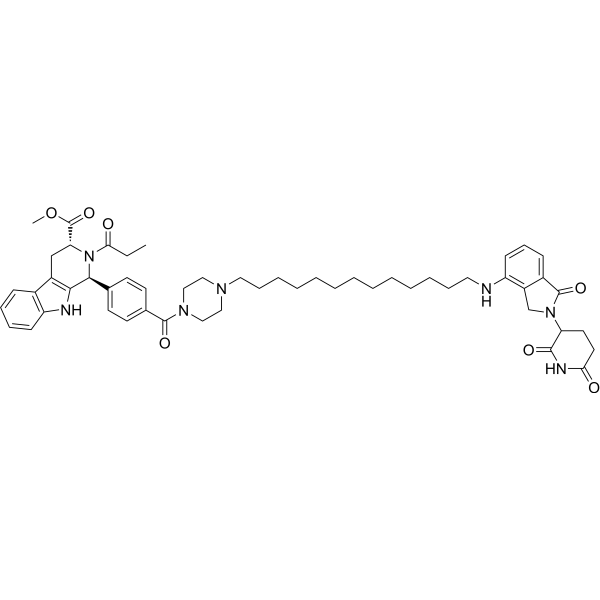
NC-R17 is a PROTAC-class, non-covalent GPX4 degrader based on RSL3, involved in ferroptosis. NC-R17 has antitumor activity and is used for non-covalent GPX4 PROTAC design . NC-R17 consists of a target protein ligand (red part) Demethyl-RSL3 (HY-135832); an E3 ubiquitin ligase ligand (blue part) Lenalidomide (HY-A0003) and a PROTAC linker (black part) (HY-169376). E3 ubiquitin ligase and linker can form Lenalidomide-C13-piperazine-Boc (HY-169377) .
|
-
-
- HY-W712534
-
|
|
Drug Metabolite
|
Metabolic Disease
|
|
N-Acetyl lenalidomide is a metabolite of Lenalidomide (HY-A0003), which is formed by hydrolysis of Lenalidomide in plasma and urine .
|
-

-
- HY-176430
-
|
|
E3 Ligase Ligand-Linker Conjugates
|
Cancer
|
|
Lenalidomide-amide-pimelic acid is an E3 ligase ligand-linker conjugate that incorporates the Lenalidomide (HY-A0003) based CRBN ligand and Linker (HY-Y1139). Lenalidomide-amide-pimelic acid can be used for synthesis of PROTAC MNK1 degrader-1 (HY-176428) .
|
-

-
- HY-169362
-
|
|
E3 Ligase Ligand-Linker Conjugates
|
Cancer
|
|
Lenalidomide-Pip-butyn is Lenalidomide (HY-A0003)-based E3 ligase ligand-linker conjugate, and is used in the recruitment of CRBN protein. Lenalidomide-Pip-butyn can be connected to the ligand for protein to form PROTACs, such as the PROTAC STAT3 degrader SD-436 (HY-169360) .
|
-

-
- HY-161675
-
|
|
E3 Ligase Ligand-Linker Conjugates
|
Cancer
|
|
Lenalidomide-5-bromopentanamide is an E3 ligase ligand-linker conjugate in PROTAC ATR degrader-2 (HY-161615), and consists of a CRBN ligand Lenalidomide (HY-A0003) and a linker 5-Bromopentanoyl chloride (HY-43538). Lenalidomide-5-bromopentanamidecan be used for synthesis of PROTACs .
|
-

-
- HY-163647
-
|
|
E3 Ligase Ligand-Linker Conjugates
|
Cancer
|
|
Lenalidomide-COCH-PEG2-azido is a synthesized E3 ligase ligand-linker conjugate that incorporates the Lenalidomide (HY-A0003) based cereblon ligand and a linker. Lenalidomide-COCH-PEG2-azido can be used in the synthesis of PROTAC AKR1C3 degrader-1 (HY-163609) .
|
-

-
- HY-161450
-
|
|
PROTACs
Ras
|
Cancer
|
|
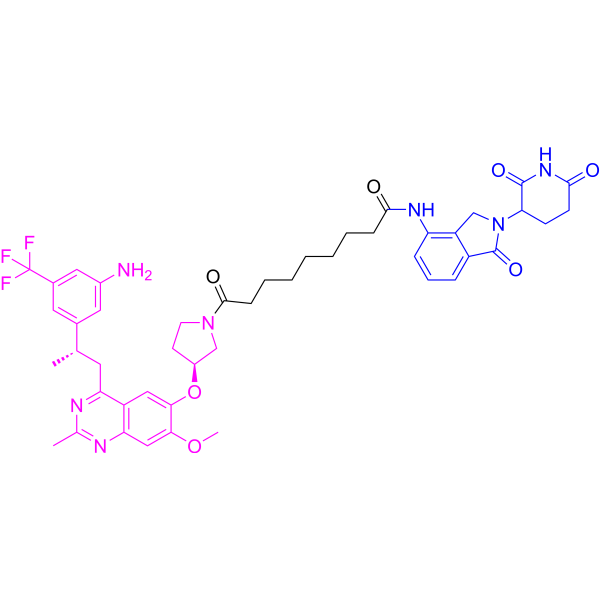
LHF418 is an effective SOS1 PROTAC degrader with a DC50 value of 209.4 nM in A549 cells. LHF418 can effectively inhibit RAS signaling and colony formation in KRAS-driven cancer cells. (Structural note: (Blue: Cereblon ligand (HY-A0003), Black: linker; Pink: SOS1 binder SOS1 Ligand intermediate-3 (HY-161452)) .
|
-
-
- HY-148821
-
|
|
PAK
MEK
PERK
|
Cancer
|
|
BJG-05-039 is a PAK1-selective degrader consisting of NVS-PAK1-1 (HY-100519) conjugated to Lenalidomide (HY-A0003). BJG-05-039 induces selective degradation of PAK1. BJG-05-039 inhibits phosphorylation of MEK S298, as well as inhibiting phosphorylation of ERK. BJG-05-039 has an anti-proliferative effect on PAK1-dependent cell lines .
|
-

-
- HY-145452
-
|
5-Octyl 2-oxopentanedioate
|
E1/E2/E3 Enzyme
Histone Methyltransferase
|
Cancer
|
|
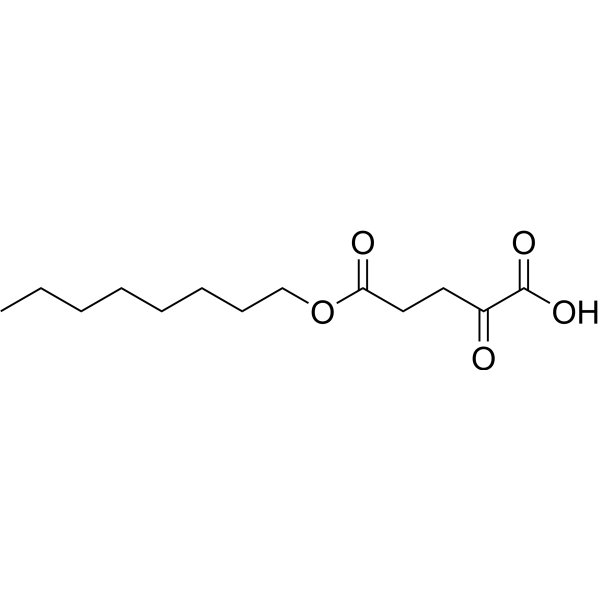
5-Octyl-α-ketoglutarate (5-Octyl 2-oxopentanedioate) is a cell-permeable substrate for lysine demethylase. 5-Octyl-α-ketoglutarate is related to protein demethylation, inhibits cell proliferation of wtCRBN expressing cells, and also enhances Lenalidomide (HY-A0003)-induced sensitivity and inhibits myeloma (MM) ) drug resistance of cells. When myeloma (MM) cells undergo glutamine-dependent proliferation, α-ketoglutarate increases glutamine catabolism to promote protein demethylation .
|
-
-
- HY-175948
-
|
|
E3 Ligase Ligand-Linker Conjugates
|
Others
|
|
Lenalidomide-CO-C3-NH-alkynes is an E3 ligase ligand-linker conjugate comprising Lenalidomide (HY-A0003) and a linker. Acepromazine-1-piperazinepropanamine dihydrochloride can be conjugated to a target protein ligand to form a PROTAC molecule—for instance, the PROTAC EGFR degrader 7 (HY-147858) .
|
-

-
- HY-W934539
-
|
|
E3 Ligase Ligand-Linker Conjugates
|
Others
|
|
Lenalidomide-amide-C8-Br is an E3 ligase CRBN ligand-linker conjugate containing Lenalidomide (HY-A0003) and a linker. Lenalidomide-amide-C8-Br can be used to synthesize PROTAC PI3Kα/δ degrader-1 (HY-182083) .
|
-

-
- HY-179096
-
|
|
E3 Ligase Ligand-Linker Conjugates
|
Others
|
|
E3 Ligase Ligand-linker Conjugate 213 is an E3 ligase ligand-linker conjugate (E3 ligase ligand-linker conjugate) consisting of an E3 ubiquitinase CRBN ligand (HY-A0003) and a linker (HY-W008820). E3 Ligase Ligand-linker Conjugate 213 can be used to synthesize PSP-0119 (HY-179094) .
|
-

-
- HY-P992483
-
|
|
Transmembrane Glycoprotein
|
Cancer
|
|
VIS832 is an anti-CD138 monoclonal antibody. VIS832 induces antibody-dependent cellular cytotoxicity. VIS832 inhibits the growth of disseminated multiple myeloma tumors in vivo. VIS832 exerts anti-tumor effects on multiple myeloma in combination with Lenalidomide (HY-A0003) or Bortezomib (HY-10227). VIS832 can be used in research related to multiple myeloma .
|
-

-
- HY-103019AR
-
|
(±)-BAY-1251152 (Standard); (±)-VIP152 (Standard)
|
Reference Standards
CDK
Apoptosis
DNA/RNA Synthesis
|
Cancer
|
|
(±)-Enitociclib (Standard) is the analytical standard of (±)-Enitociclib (HY-103019A). This product is intended for research and analytical applications. (±)-Enitociclib ((±)-BAY-1251152) is the racemic mixture of Enitociclib (HY-103019E). Enitociclib is a selective CDK9 inhibitor and apoptosis inducer. Enitociclib inhibits CDK9 activity and reduces the phosphorylation of Ser2 in the carboxyl-terminal domain (CTD) of RNA polymerase Pol II, thereby downregulating the transcription of key oncogenes such as MYC and MCL1. Enitociclib has anti-proliferative activity targeting MYC+ lymphoma and multiple myeloma (MM) cells, and has synergistic effects with Bortezomib (HY-10227) and Lenalidomide (HY-A0003), and can be used in the research of hematological malignancies .
|
-

-
- HY-181868
-
|
|
E3 Ligase Ligand-Linker Conjugates
|
Cancer
|
Lenalidomide-CO-C7-NH2 is a CRBN-dependent intermediate of BET PROTAC degrader. Consisting of the E3 ubiquitin ligase ligand Lenalidomide (HY-A0003) conjugated with a PROTAC linker, Lenalidomide-CO-C7-NH2 induces the protein degradation. By depleting BRD4, PROTAC BET Degrader-16 effectively inhibits cancer cell proliferation, induces cell cycle arrest and promotes apoptosis, thereby exhibiting significant anti-tumor activity in xenograft models. Lenalidomide-CO-C7-NH2 serves as an important tool molecule for the study of acute myeloid leukemia .
|
-

-
- HY-103019BR
-
|
(R)-Enitociclib (Standard); (-)-BAY-1251152 (Standard); (-)-VIP152 (Standard)
|
Reference Standards
Drug Isomer
CDK
Apoptosis
DNA/RNA Synthesis
|
Cancer
|
|
(-)-Enitociclib (Standard) is the analytical standard of (-)-Enitociclib (HY-103019B). This product is intended for research and analytical applications. (-)-Enitociclib ((R)-Enitociclib) is an enantiomer of Enitociclib (HY-103019E) with an optical rotation of (-). Enitociclib is a selective CDK9 inhibitor and apoptosis inducer. Enitociclib inhibits CDK9 activity and reduces the phosphorylation of Ser2 in the carboxyl-terminal domain (CTD) of RNA polymerase Pol II, thereby downregulating the transcription of key oncogenes such as MYC and MCL1. Enitociclib has anti-proliferative activity targeting MYC+ lymphoma and multiple myeloma (MM) cells, and has synergistic effects with Bortezomib (HY-10227) and Lenalidomide (HY-A0003), and can be used in the research of hematological malignancies .
|
-

-
- HY-103019R
-
|
(+)-BAY-1251152 (Standard); (+)-VIP152 (Standard); (S)-Enitociclib (Standard)
|
Reference Standards
Drug Isomer
Apoptosis
DNA/RNA Synthesis
CDK
|
Cancer
|
|
Enitociclib (Standard) is the analytical standard of Enitociclib (HY-103019). This product is intended for research and analytical applications. Enitociclib ((+)-BAY-1251152; (+)-VIP152) is a selective CDK9 inhibitor (IC50=3 nM) that inhibits transcriptional elongation by blocking Ser2/Ser5 phosphorylation of RNA polymerase II. Enitociclib specifically depletes key short-lived proteins such as c-MYC, MCL-1 and induces tumor cell apoptosis. Enitociclib also interferes with the production of enhancer RNAs (eRNA) and enhancer-promoter interactions, and downregulates oncogene expression at the epigenetic level. Enitociclib exerts synergistic effects with agents including Bortezomib (HY-10227), Lenalidomide (HY-A0003), Pomalidomide (HY-10984), Venetoclax (HY-15531) and Paclitaxel (HY-B0015), and even reverses paclitaxel resistance. Enitociclib serves as a vital research tool for various malignancies such as double-hit diffuse large B-cell lymphoma, multiple myeloma and pancreatic ductal adenocarcinoma .
|
-

| Cat. No. |
Product Name |
Target |
Research Area |
Image |
-
- HY-P9965
-
|
HuLuc 63; PDL 063; BMS 901608
|
Transmembrane Glycoprotein
|
Cancer
|
|
Elotuzumab (HuLuc 63) is an IgG1 monoclonal antibody targeting the SLAMF7 receptor. Elotuzumab exerts antitumor activity by activating natural killer cells and inducing antibody-dependent cell-mediated cytotoxicity. Elotuzumab can be combined with Lenalidomide (HY-A0003), Dexamethasone (HY-14648), etc., for the research of tumors such as multiple myeloma .
|
-

(5)
-
- HY-P992483
-
|
|
Transmembrane Glycoprotein
|
Cancer
|
|
VIS832 is an anti-CD138 monoclonal antibody. VIS832 induces antibody-dependent cellular cytotoxicity. VIS832 inhibits the growth of disseminated multiple myeloma tumors in vivo. VIS832 exerts anti-tumor effects on multiple myeloma in combination with Lenalidomide (HY-A0003) or Bortezomib (HY-10227). VIS832 can be used in research related to multiple myeloma .
|
-
(5)
| Cat. No. |
Product Name |
Chemical Structure |
-
- HY-A0003S
-
|
|
|
Lenalidomide-d5 is deuterium labeled Lenalidomide. Lenalidomide (CC-5013), a derivative of Thalidomide, acts as molecular glue. Lenalidomide is an orally active immunomodulator. Lenalidomide (CC-5013) is a ligand of ubiquitin E3 ligase cereblon (CRBN), and it causes selective ubiquitination and degradation of two lymphoid transcription factors, IKZF1 and IKZF3, by the CRBN-CRL4 ubiquitin ligase. Lenalidomide (CC-5013) specifically inhibits growth of mature B-cell lymphomas, including multiple myeloma, and induces IL-2 release from T cells .
|
-
-
- HY-A0003S2
-
|
|
|
Lenalidomide- 13C5, 15N is 15N and 13C labeled Lenalidomide (HY-A0003). Lenalidomide (CC-5013), a derivative of Thalidomide, acts as molecular glue. Lenalidomide is an orally active immunomodulator. Lenalidomide (CC-5013) is a ligand of ubiquitin E3 ligase cereblon (CRBN), and it causes selective ubiquitination and degradation of two lymphoid transcription factors, IKZF1 and IKZF3, by the CRBN-CRL4 ubiquitin ligase. Lenalidomide (CC-5013) specifically inhibits growth of mature B-cell lymphomas, including multiple myeloma, and induces IL-2 release from T cells .
|
-
-
- HY-A0003S3
-
|
|
|
Lenalidomide-d4 (CC-5013-d4) is deuterium labeled Lenalidomide. Lenalidomide (CC-5013), a derivative of Thalidomide, acts as molecular glue. Lenalidomide is an orally active immunomodulator. Lenalidomide (CC-5013) is a ligand of ubiquitin E3 ligase cereblon (CRBN), and it causes selective ubiquitination and degradation of two lymphoid transcription factors, IKZF1 and IKZF3, by the CRBN-CRL4 ubiquitin ligase. Lenalidomide (CC-5013) specifically inhibits growth of mature B-cell lymphomas, including multiple myeloma, and induces IL-2 release from T cells .
|
-
| Cat. No. |
Product Name |
|
Classification |
-
- HY-137342
-
|
|
|
PROTAC Synthesis
|
|
SB1-G-187 is a multi-target kinase PROTAC degrader with activity against various kinases including GCK, YES1, IRAK1 and LYN. SB1-G-187 induces degradation of target kinases via a p97-dependent pathway, and forms ternary complexes with CRBN and specific functional kinases. SB1-G-187 can be used in tumor-related research. (Pink: multi-target kinase ligand (HY-125142); Blue: CRBN ligand (HY-A0003); Black: linker) .
|
-
- HY-161131
-
|
|
|
Azide
|
|
Lenalidomide 4'-alkyl-C3-azide (compound 4a) is a click chemical modified Lenalidomide (HY-A0003) that can be used to synthesize PROTACs. Lenalidomide is an orally active immunomodulator and a ligand for the ubiquitin E3 ligase cereblon (CRBN). Lenalidomide 4'-alkyl-C3-azide contains an Azide group and can undergo copper-catalyzed azide-alkyne cycloaddition reaction (CuAAc) with molecules containing Alkyne groups. Strain-promoted alkyne-azide cycloaddition reactions (SPAAC) can also occur with molecules containing DBCO or BCN groups .
|
-
- HY-163647
-
|
|
|
Azide
|
|
Lenalidomide-COCH-PEG2-azido is a synthesized E3 ligase ligand-linker conjugate that incorporates the Lenalidomide (HY-A0003) based cereblon ligand and a linker. Lenalidomide-COCH-PEG2-azido can be used in the synthesis of PROTAC AKR1C3 degrader-1 (HY-163609) .
|
-
- HY-175948
-
|
|
|
PROTAC Synthesis
Alkynes
|
|
Lenalidomide-CO-C3-NH-alkynes is an E3 ligase ligand-linker conjugate comprising Lenalidomide (HY-A0003) and a linker. Acepromazine-1-piperazinepropanamine dihydrochloride can be conjugated to a target protein ligand to form a PROTAC molecule—for instance, the PROTAC EGFR degrader 7 (HY-147858) .
|
Your information is safe with us. * Required Fields.
Inquiry Information
- Product Name:
- Cat. No.:
- Quantity:
- MCE Japan Authorized Agent:








