Search Result
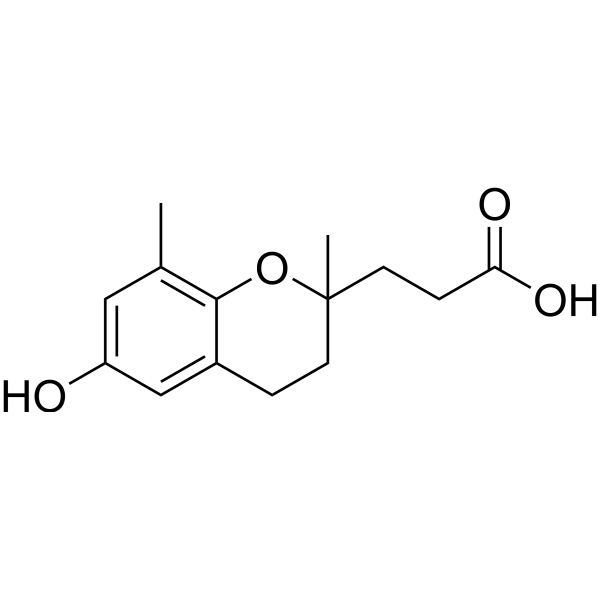
Results for "
Antioxidant+Activity
" in MedChemExpress (MCE) Product Catalog:
12
Biochemical Assay Reagents
32
Isotope-Labeled Compounds
| Cat. No. |
Product Name |
Target |
Research Areas |
Chemical Structure |
-
- HY-N0100
-
-
-
- HY-N0796
-
-
-
- HY-N1412
-
-
-
- HY-N0337
-
-
-
- HY-N0339
-
-
-
- HY-136386
-
|
|
Reactive Oxygen Species (ROS)
|
Others
|
|
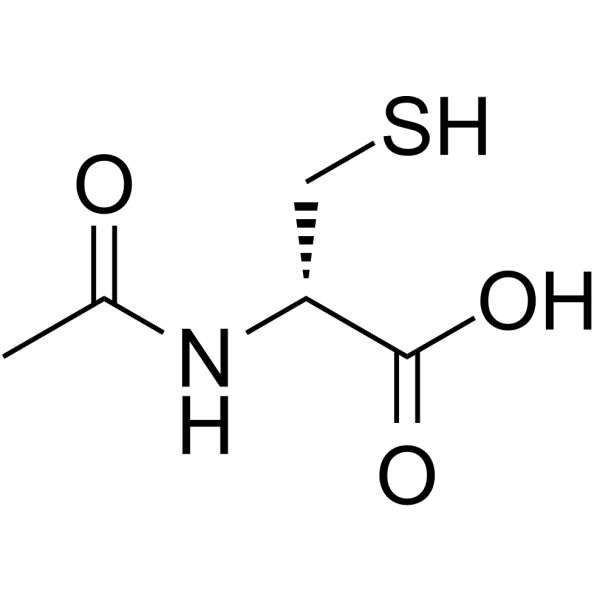
N-Acetyl-D-cysteine has antioxidant activities and scavenges ROS through the reaction with its thiol group, but cannot enter the glutathione metabolic pathway .
|
-
-
- HY-N8241
-
-
-
- HY-N0001A
-
|
Dexepicatechin; (+)-Epicatechol
|
Others
|
Others
|
|
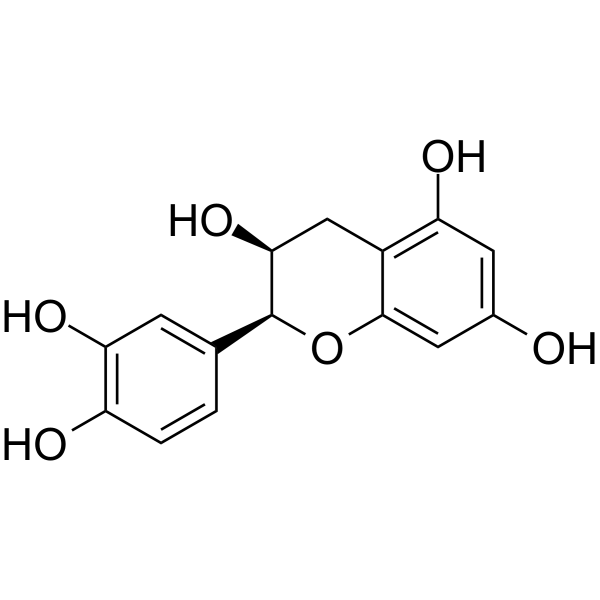
(+)-Epicatechin (Dexepicatechin) is a catechin and a polyphenol, with antioxidant activities .
|
-
-
- HY-I0301
-
-
-
- HY-113068
-
|
|
Tyrosinase
|
Metabolic Disease
|
|
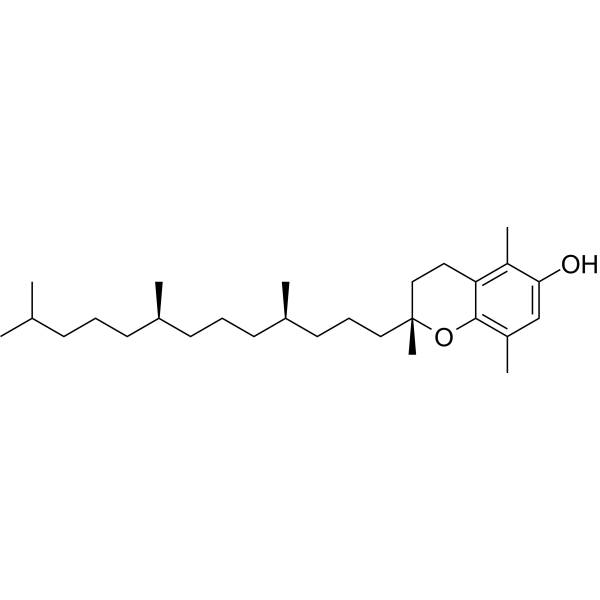
(rel)-β-Tocopherol is a relative configuration of β-Tocopherol. β-Tocopherol is a lipid-soluble form of vitamin E with antioxidant activity .
|
-
-
- HY-N2124
-
-
-
- HY-N10457
-
|
|
Bacterial
|
Infection
Cancer
|
|
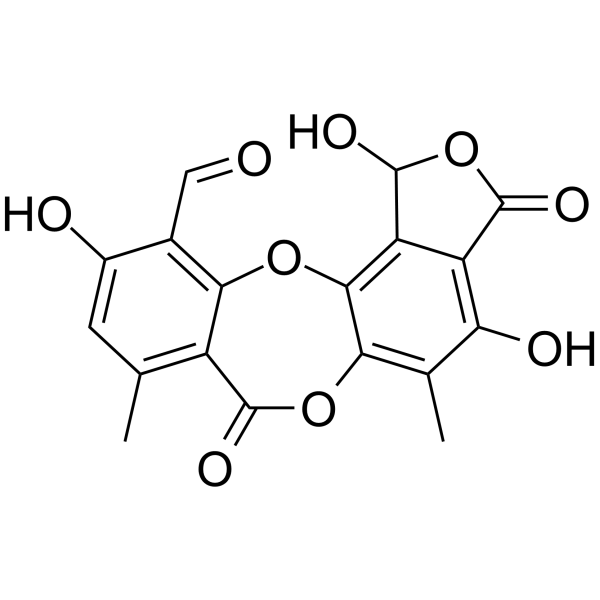
Norstictic acid is a potent and selective allossteric transcriptional regulator. Norstictic acid shows anticancer activity. Norstictic acid shows antioxidant activity and antimicrobial activity .
|
-
-
- HY-100977
-
-
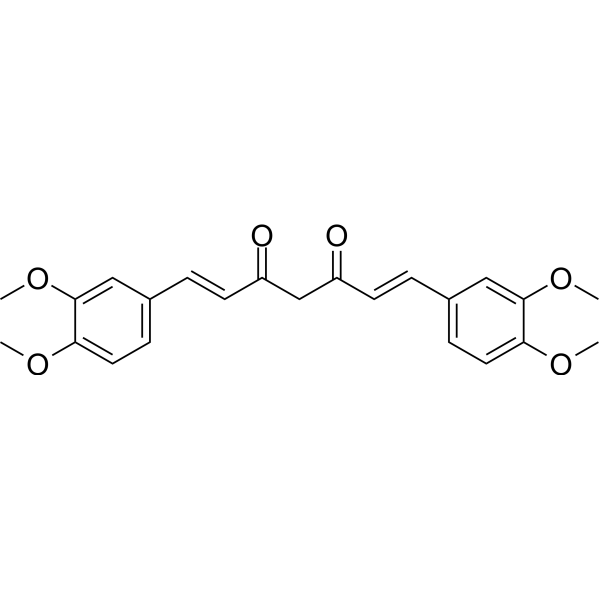
-
- HY-N9371
-
|
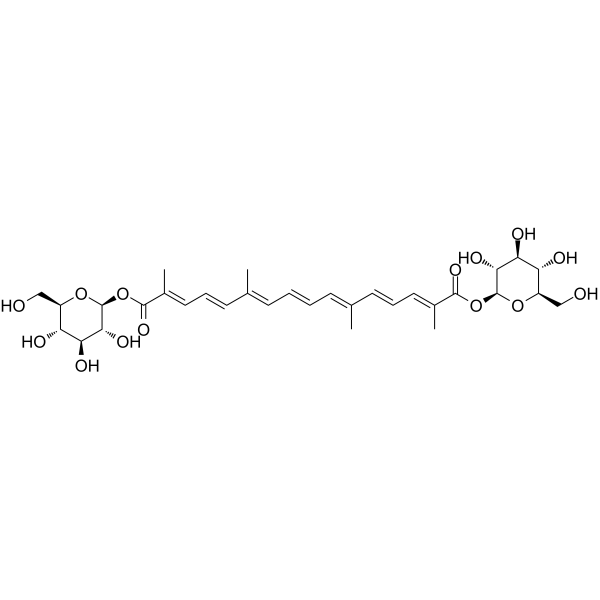
Dicrocin
|
Endogenous Metabolite
|
Others
|
|
Crocin IV (Dicrocin), a crocetin glycoside, is a carotenoid pigment. Crocin IV has potent antioxidant activity .
|
-
-
- HY-N2114
-
|
|
Autophagy
|
Inflammation/Immunology
|
|
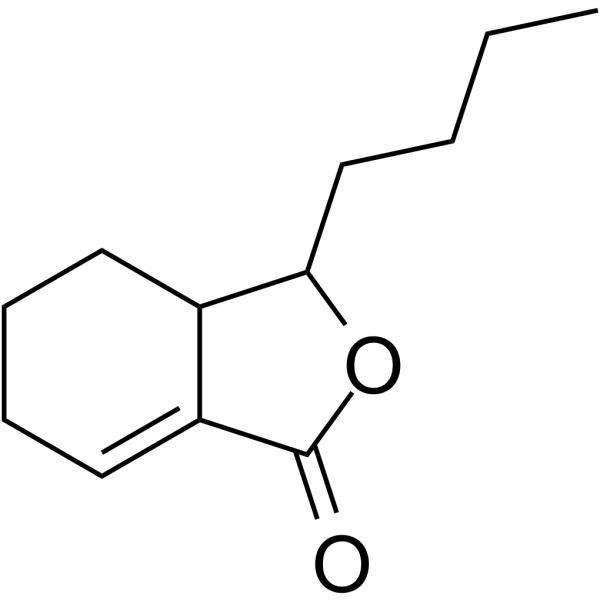
Sedanolide, a natural compound occurring in edible umbelliferous plants, possesses anti-inflammatory and antioxidant activities .
|
-
-
- HY-N5080
-
|
|
Others
|
Inflammation/Immunology
|
|
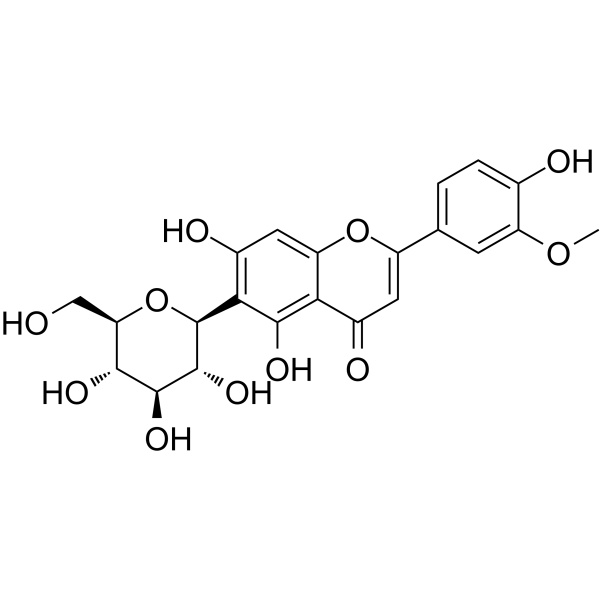
Isoscoparin is a flavonoid that could be isolated from EtOAc extract of Gentiana algida Pall. Isoscoparin possesses antioxidant activity .
|
-
-
- HY-P5248
-
|
|
Collagen
|
Metabolic Disease
|
|
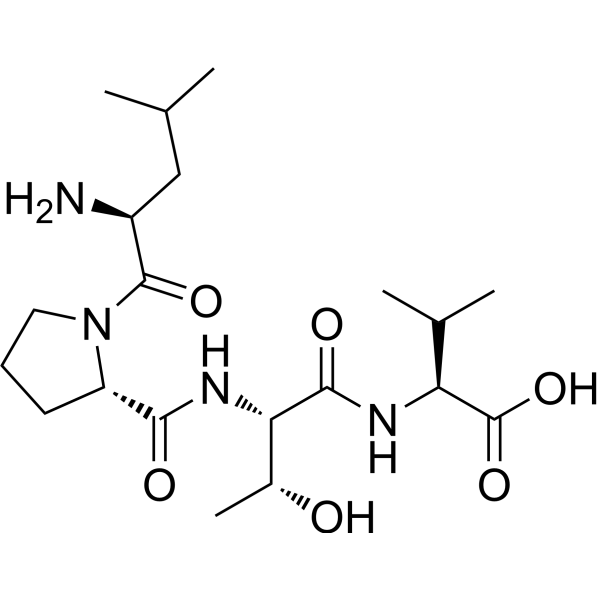
Tetrapeptide-1 is a tetrapeptide exhibiting antiaging and antioxidant activity. Tetrapeptide-1 can be used for cosmetics research .
|
-
-
- HY-N3521
-
|
Deapi-platycoside E
|
Others
|
Others
|
|
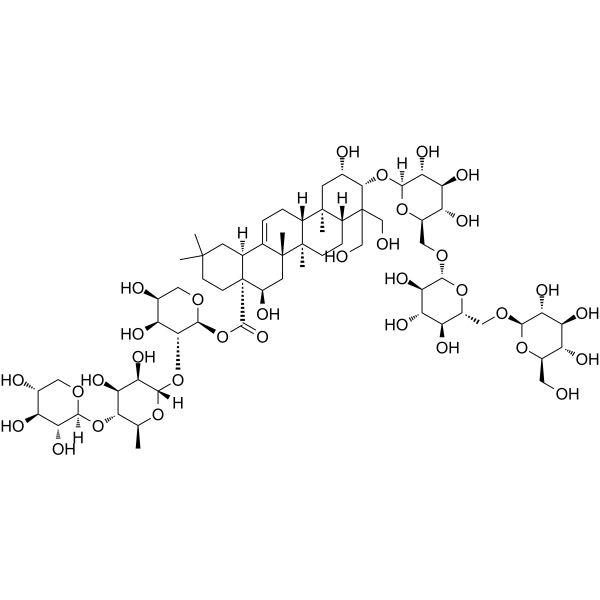
Platycoside G1, a natural product found in Platycodon grandiflorum, is a triterpenoid saponin. Platycoside G1 has potent antioxidant activities .
|
-
-
- HY-12779
-
|
HGW-86
|
Environmental Pollutants
Parasite
|
Others
|
|
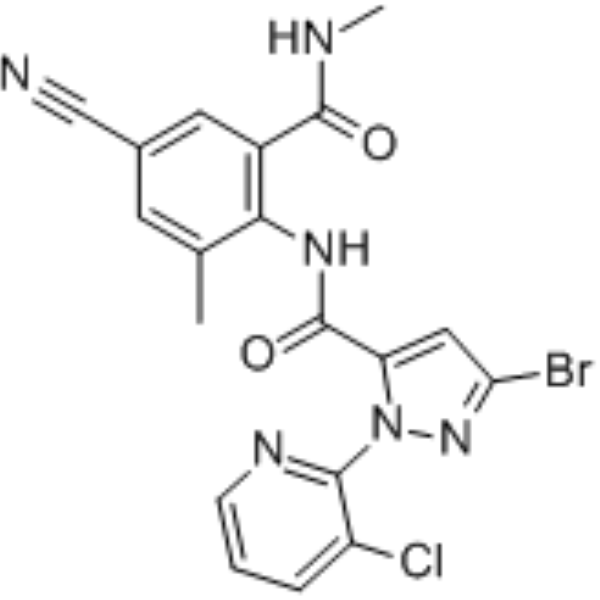
Cyantraniliprole (HGW-86) is a potent and selective aniline receptor activator with oral activity. Cyantraniliprole has insecticidal and antioxidant activity .
|
-
-
- HY-N5049
-
-
-
- HY-N2172
-
|
|
Others
|
Neurological Disease
|
|
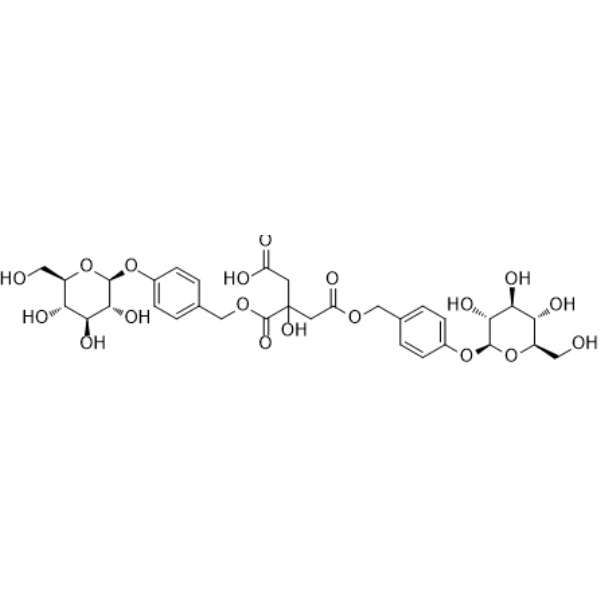
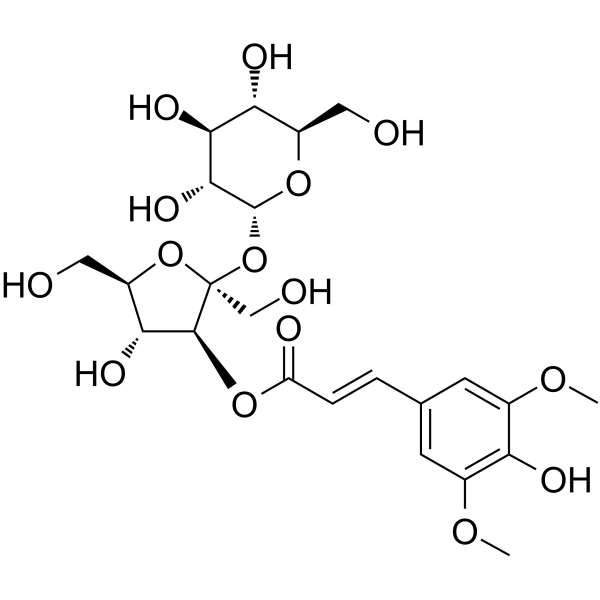
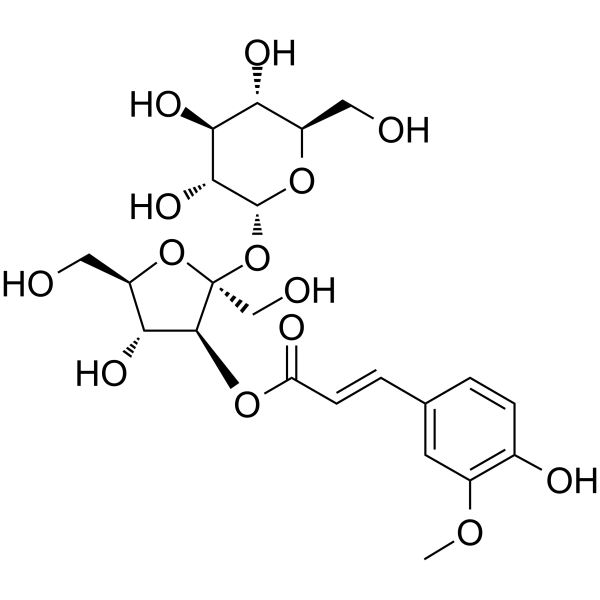
Sibiricose A6 is an oligosaccharide ester isolated from Polygalae Radix with potent antioxidant activity .
|
-
-
- HY-N2626
-
|
|
Others
|
Infection
|
|
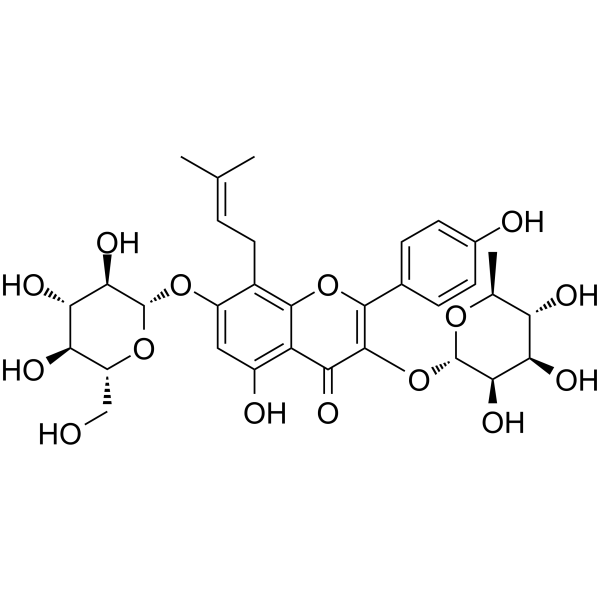
Epimedoside A is a flavonoid isolated from the roots of Epimedium wushanense. Epimedoside A exhibits significant antioxidant activity in vitro .
|
-
-
- HY-N7832
-
|
|
Others
|
Metabolic Disease
|
|
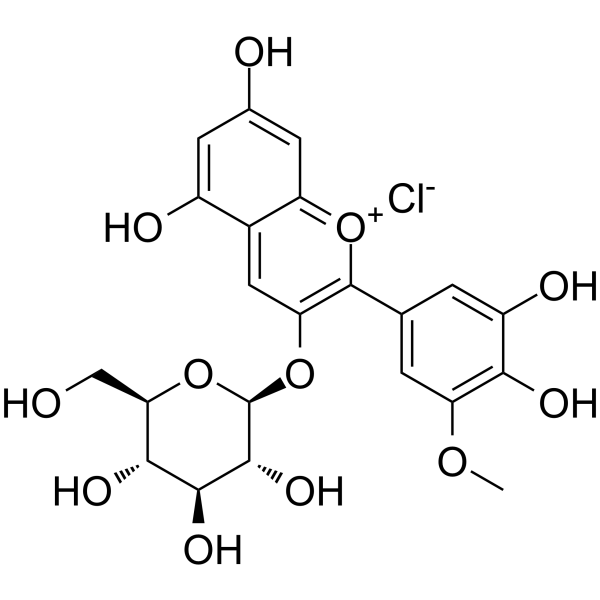
Petunidin-3-O-glucoside chloride is a flavonoid isolated from Phaseolus vulgaris L. seed, has antioxidant activity
|
-
-
- HY-N4075
-
-
-
- HY-126409
-
|
|
Others
|
Others
|
|
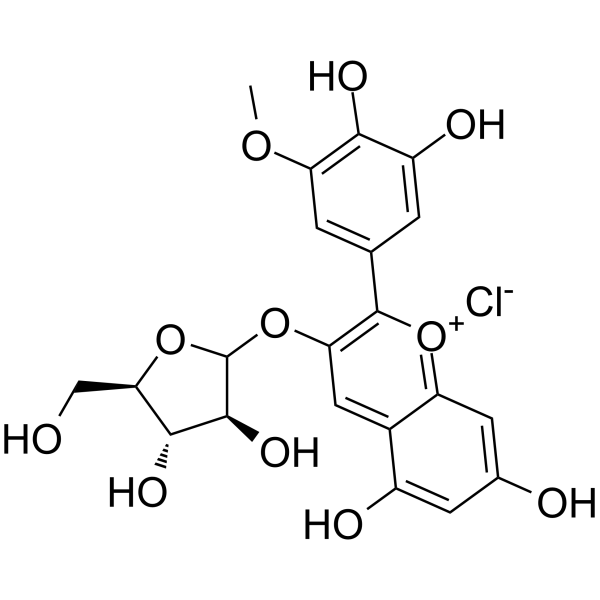
Petunidin-3-O-arabinoside chloride is an anthocyanin with antioxidant activity that can be isolated from blueberry (Vaccinium Spp.) puree .
|
-
-
- HY-W040471
-
-
-
- HY-W015823
-
|
|
Endogenous Metabolite
|
Others
|
|
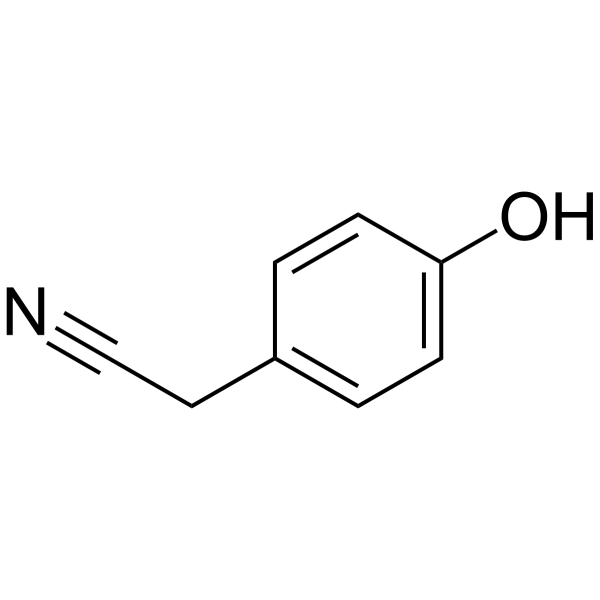
4-Hydroxybenzyl cyanide is an aromatic nitrile compound and also a precursor for tyramine synthesis. 4-Hydroxybenzyl cyanide exhibits strong antioxidant activity .
|
-
-
- HY-N2167
-
-
-
- HY-N2505
-
|
|
Others
|
Inflammation/Immunology
|
|
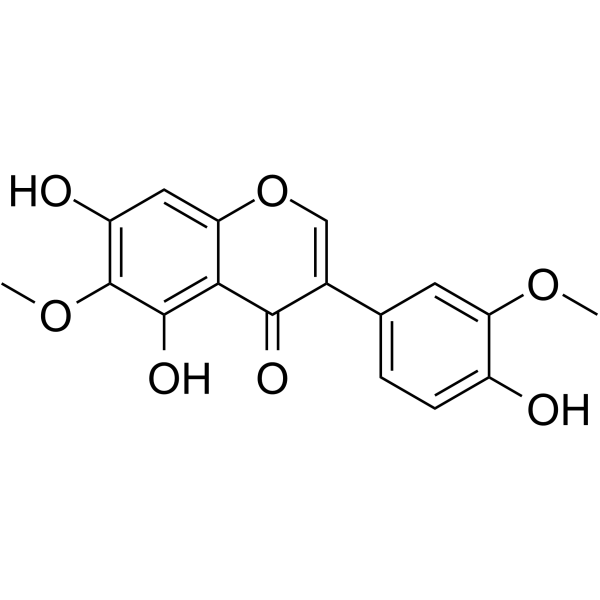
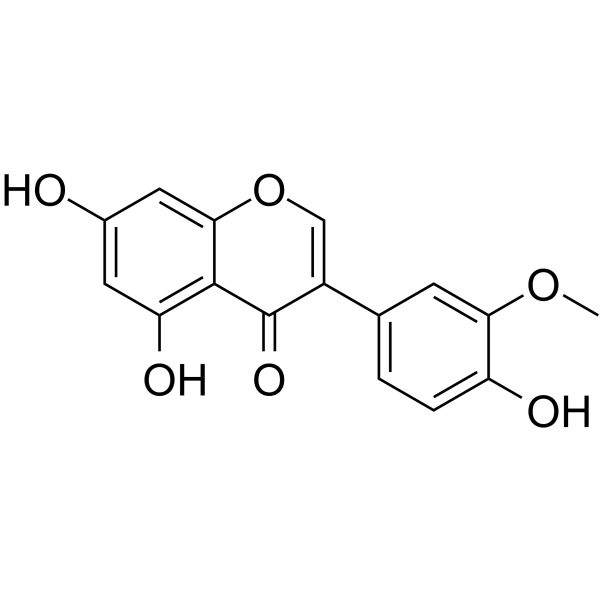
Iristectorigenin A is a natural isoflavone isolated from B. chinensis rhizomes. Iristectorigenin A shows antioxidant activity .
|
-
-
- HY-N4008
-
|
Iriflophenone 3-C-β-D-glucopyranoside
|
Others
|
Metabolic Disease
|
|
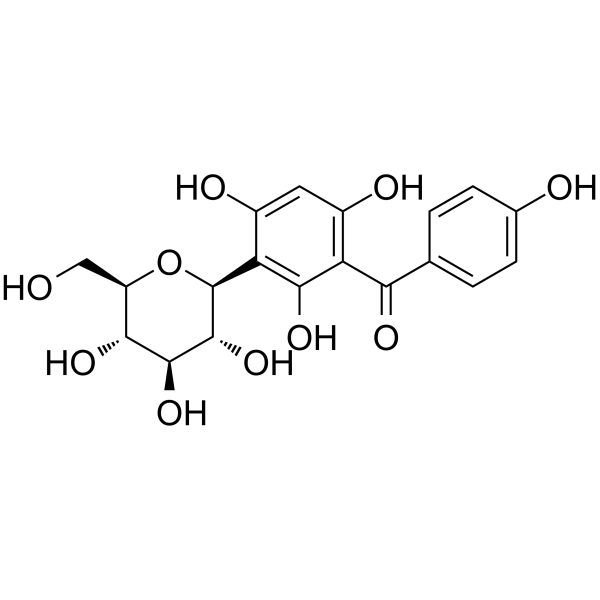
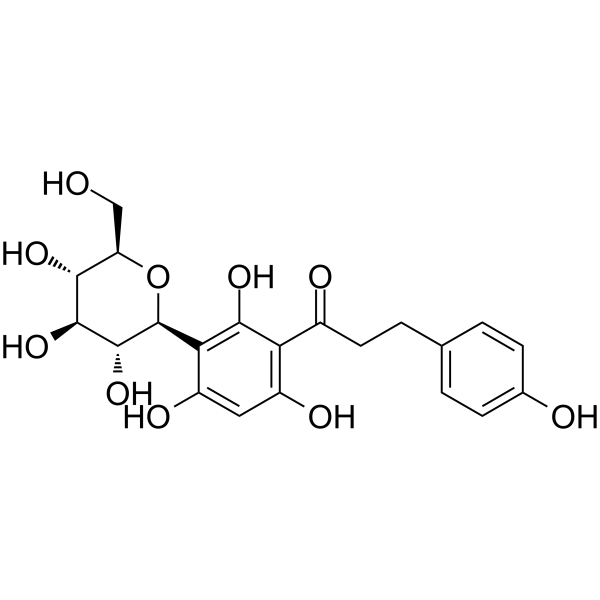
Iriflophenone 3-C-β-D-glucopyranoside, isolated from Cyclopia genistoides, has antioxidant activity .
|
-
-
- HY-N8251
-
-
-
- HY-N5047
-
|
|
Others
|
Others
|
|
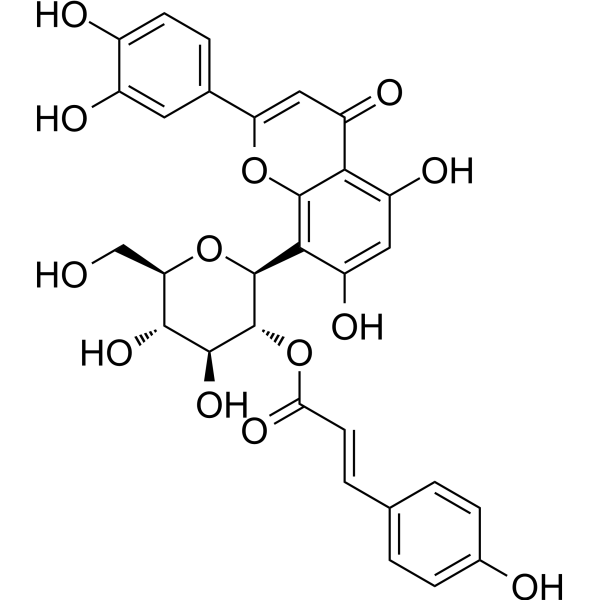
Orientin-2''-O-p-trans-coumarate is a flavonoid found in Trigonella foenum-graecum, with potent antioxidant activity .
|
-
-
- HY-N0339R
-
-

-
- HY-N3349
-
|
|
Others
|
Others
|
|
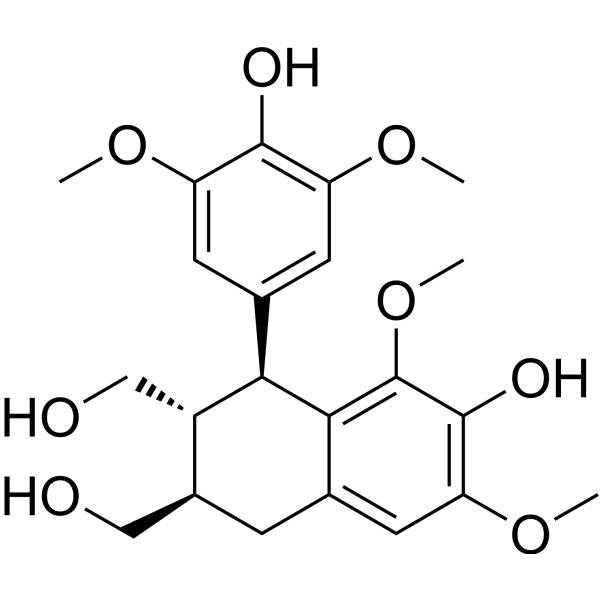
Lyoniresinol is a lignan isolated from the Tarenna attenuata with antioxidant activities. Lyoniresinol has radical scavenging activities against DPPH with an IC50 of 82.4 μM .
|
-
-
- HY-N2784
-
-
-
- HY-115051
-
|
|
Others
|
Others
|
|
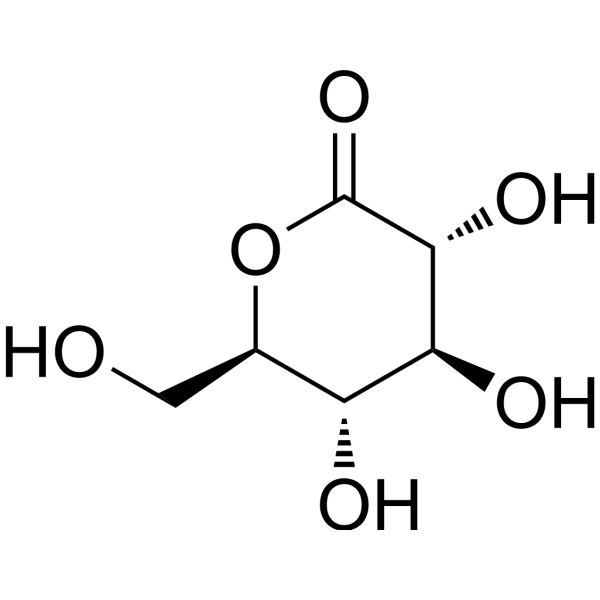
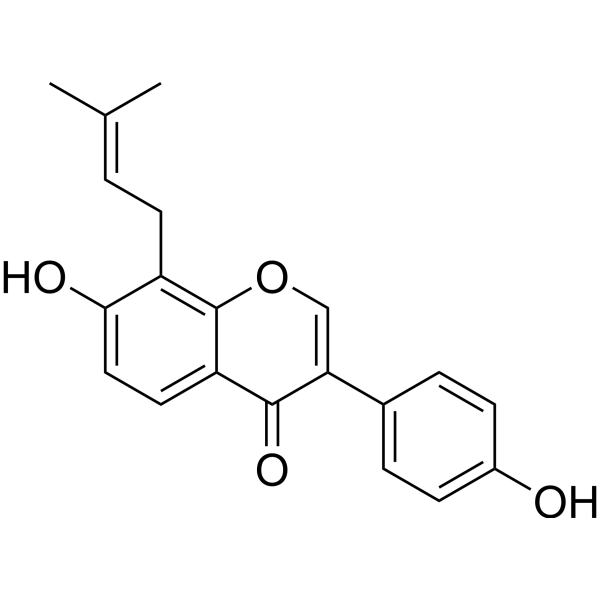
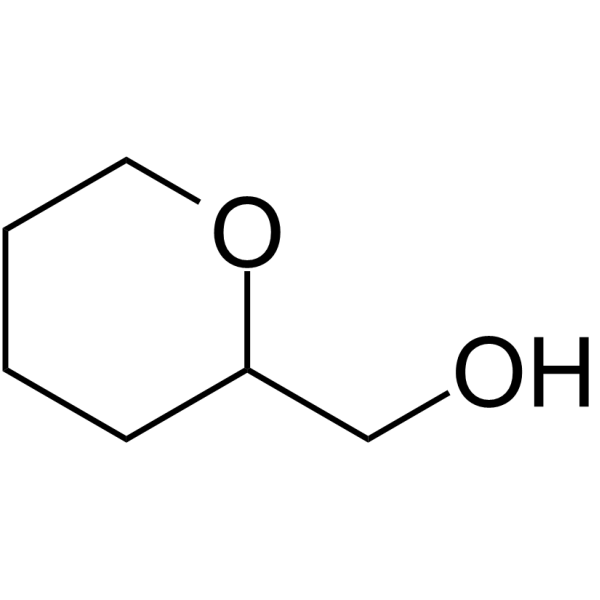
2-Hydroxymethyltetrahydropyran is a volatile compound in Sambucus williamsii (SW) seed oil. SW seed oil has potential antioxidant activity .
|
-
-
- HY-124496
-
-

-
- HY-N2493S
-
|
|
Isotope-Labeled Compounds
Fungal
|
Infection
|
|
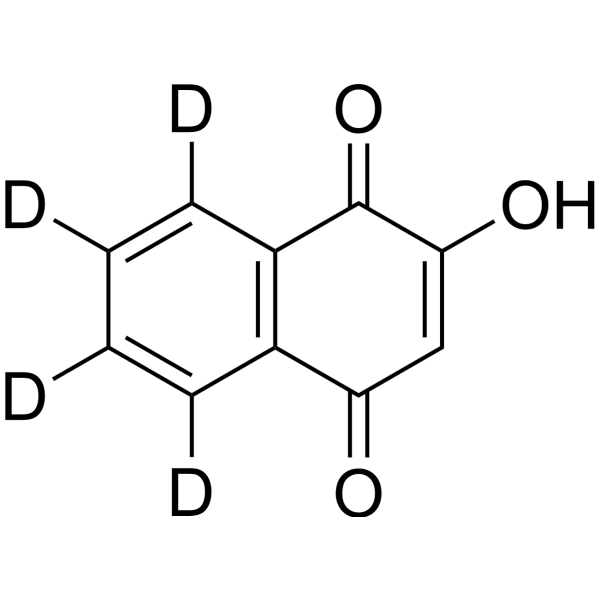
Lawsone-d4 is the deuterium labeled Lawsone. Lawsone is a naphthoquinone dye isolated from leaves of Lawsonia inermis that shows antimicrobial and antioxidant activity .
|
-
-
- HY-N3757
-
|
|
Others
|
Others
|
|
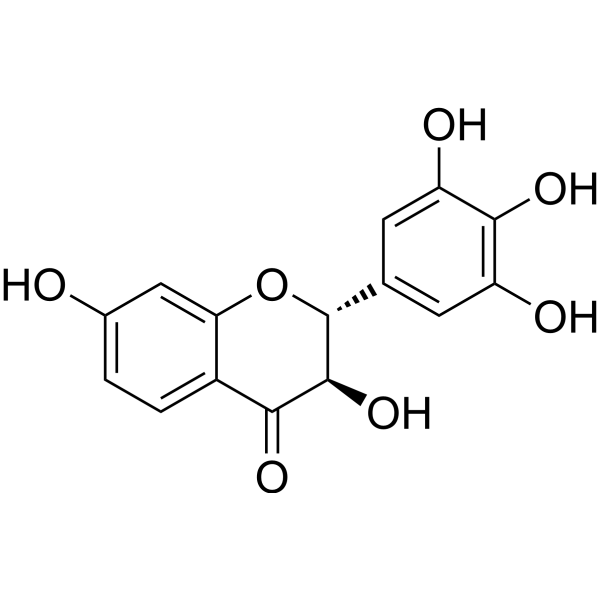
(+)-Dihydrorobinetin is a chemical marker of vinegars aging in Robinia pseudoacacia. +)-Dihydrorobinetin has antioxidant activity .
|
-
-
- HY-N12545
-
-
-
- HY-W749558
-
-

-
- HY-N13145
-
|
|
Others
|
Infection
|
|
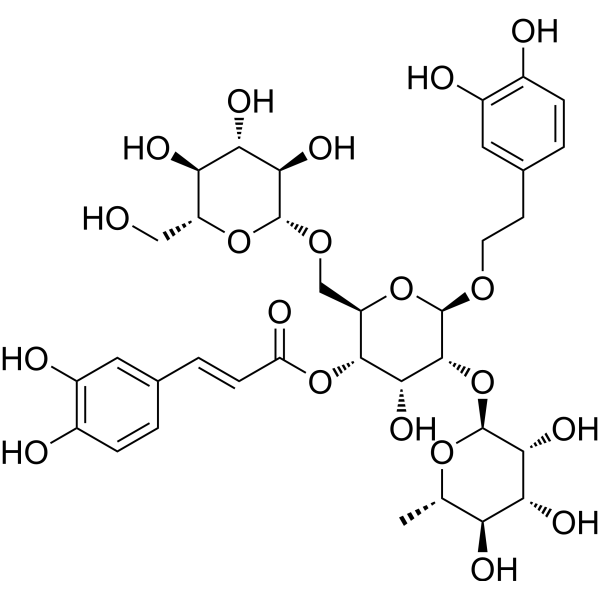
Azukisaponin II is a natural saponin. Azukisaponin II has anti-herpes virus activity and antioxidant activity .
|
-

-
- HY-W983015
-
|
|
5-HT Receptor
|
Metabolic Disease
|
|
Davidigenin is an antidiabetic compound with antitumor, antispasmodic, and antioxidant activities. Davidigenin inhibits duodenal contractions induced by acetylcholine or histamine.
|
-

-
- HY-N16590
-
|
|
Bacterial
|
Infection
|
|
Diphylloside A is a flavonoid compound with antioxidant activity. Diphylloside A exhibits significant antibacterial activity against Pseudomonas aeruginosa .
|
-

-
- HY-N7996
-
|
|
Bacterial
Fungal
|
Infection
|
|
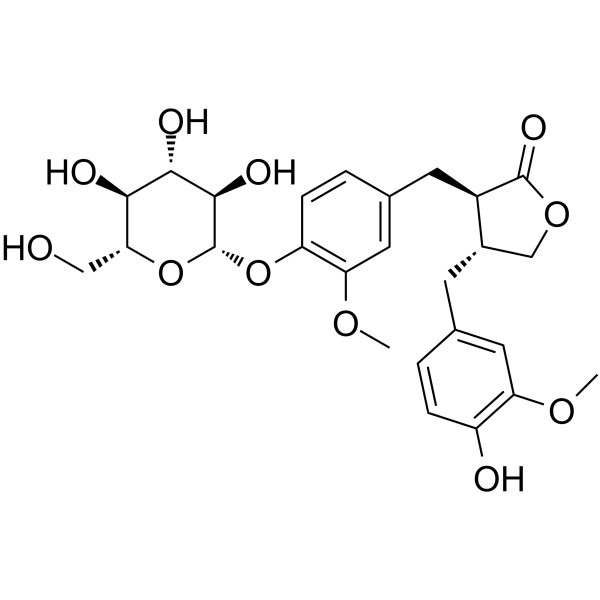
Matairesinoside is a lignan with antibacterial and antioxidant activities. Matairesinoside also shows virus-cell fusion inhibitory activity .
|
-
-
- HY-N12359
-
|
|
Others
|
Others
|
|
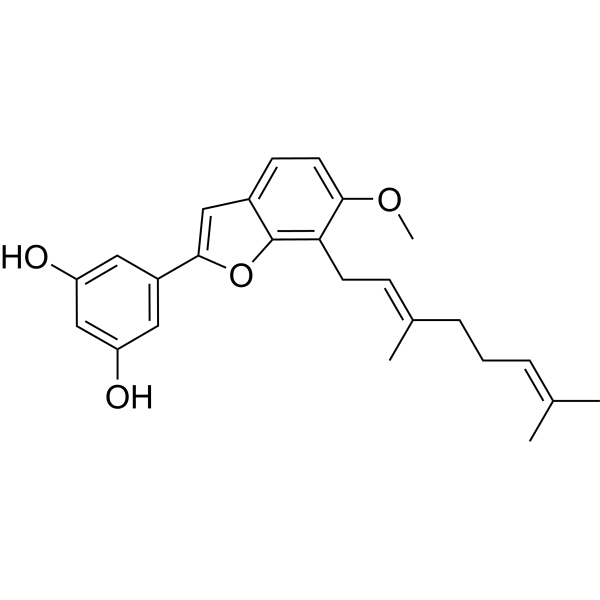
Mulberrofuran B can be isolated from the Ethanol extract of Morus alba. Mulberrofuran B has antioxidant activity .
|
-
-
- HY-N0943
-
|
|
Others
|
Cancer
|
|
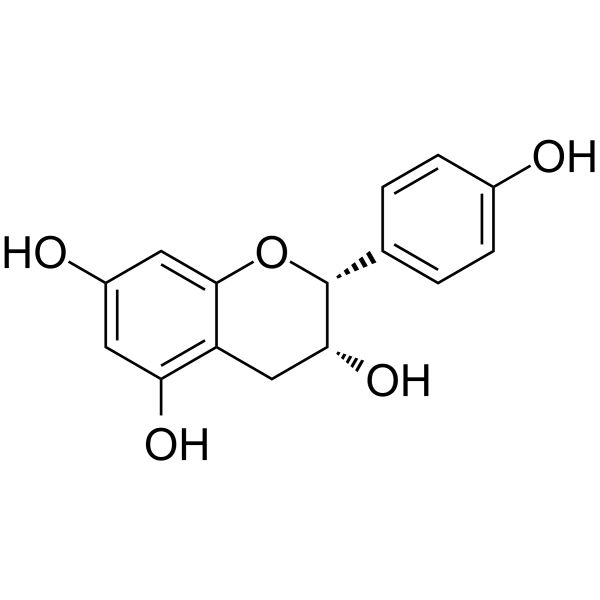
(-)-Epiafzelechin shows potent antioxidant activity with EC50 20.9 μM (EC50=5.7 μg/mL) .
|
-
-
- HY-121097
-
-
-
- HY-N8142
-
|
|
Others
|
Others
|
|
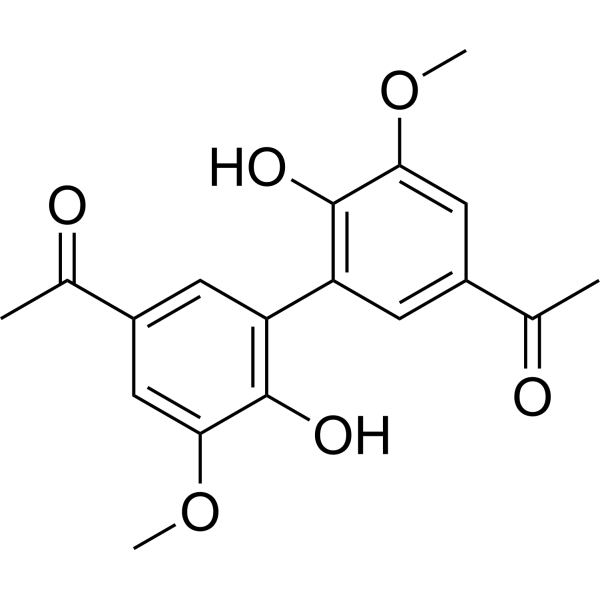
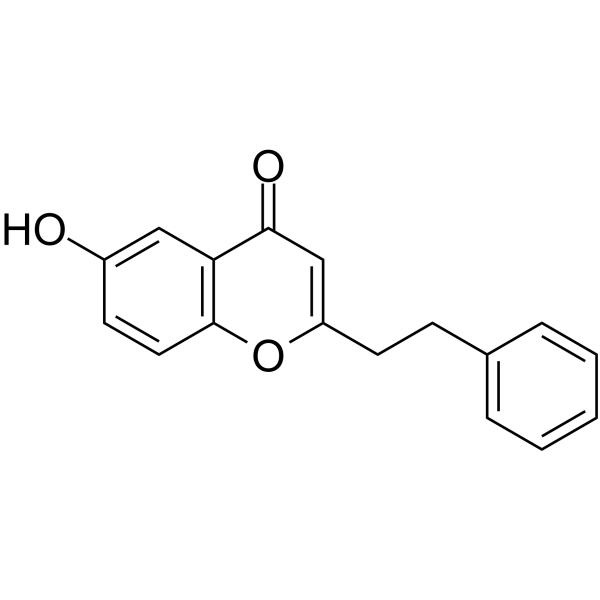
6-Hydroxy-2-phenethylchromone possesses antioxidant activity .
|
-
-
- HY-N2220
-
|
|
Others
|
Inflammation/Immunology
|
|
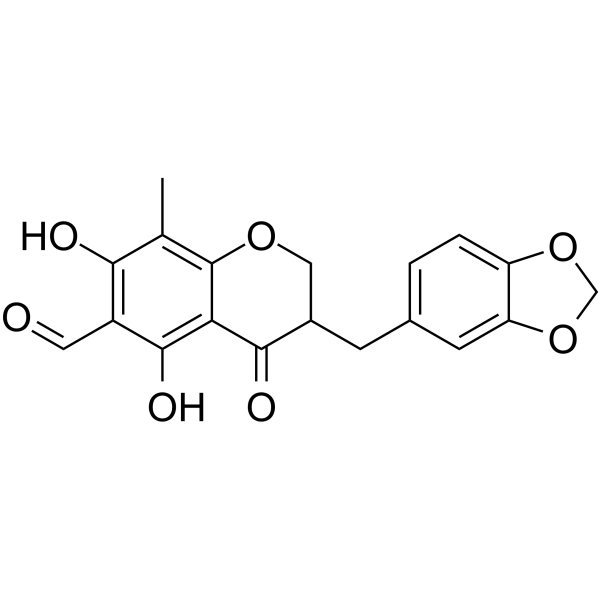
6-Formyl-isoophiopogonanone A is a homoisoflavonoidal extracted from Ophiopogon japonicas, with antioxidant activity .
|
-
- HY-N16587
-
|
|
Others
|
Inflammation/Immunology
|
|
Dehydro-γ-tocopherol is a naturally occurring chromanol compound found in the Stemona, and it exhibits significant antioxidant activity .
|
-

- HY-N12953
-
|
|
Endogenous Metabolite
|
Others
|
|
Glucoalyssin is a major glucosinolate in Degenia velebitica, which exhibits antioxidant activity. Glucoalyssin is used in plant taxonomy .
|
-

- HY-N0151
-
-
- HY-N16504
-
-

- HY-N2720
-
-
- HY-N9384
-
|
|
Others
|
Others
|
|
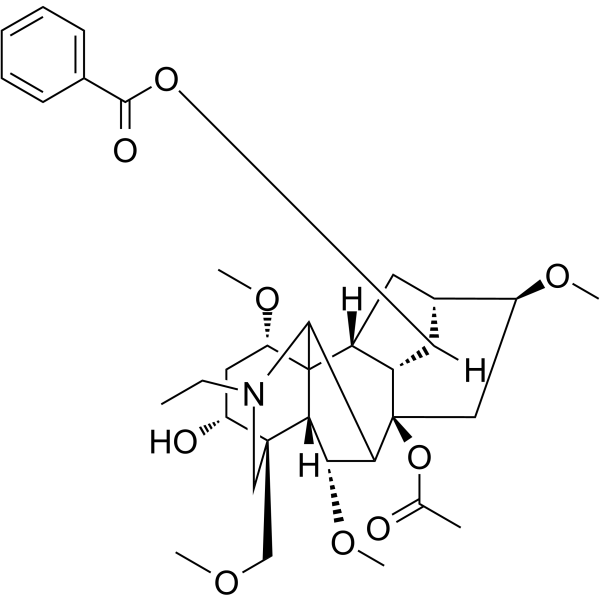
13-Dehydroxyindaconitine is a natural alkaloid with antioxidant activity .
|
-
- HY-N2088
-
-
- HY-N2723
-
|
|
Others
|
Others
|
|
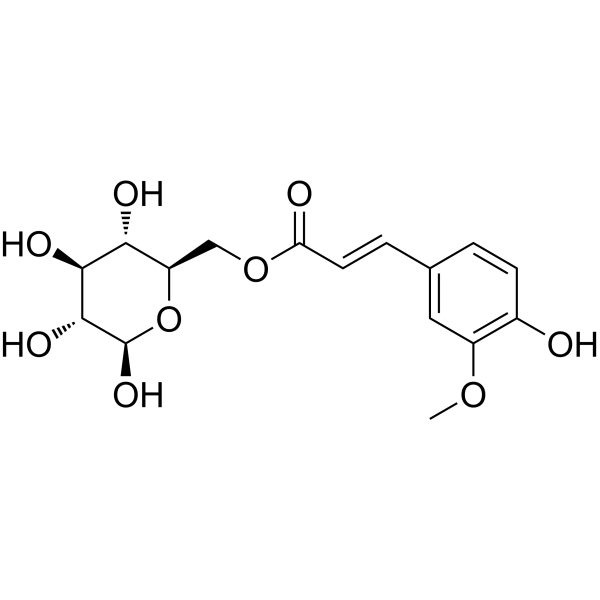
6-O-Feruloylglucose is a natural product that exhibits antioxidant activity .
|
-
- HY-N6899
-
|
Dimethylcrocetin
|
DNA/RNA Synthesis
|
Metabolic Disease
|
|
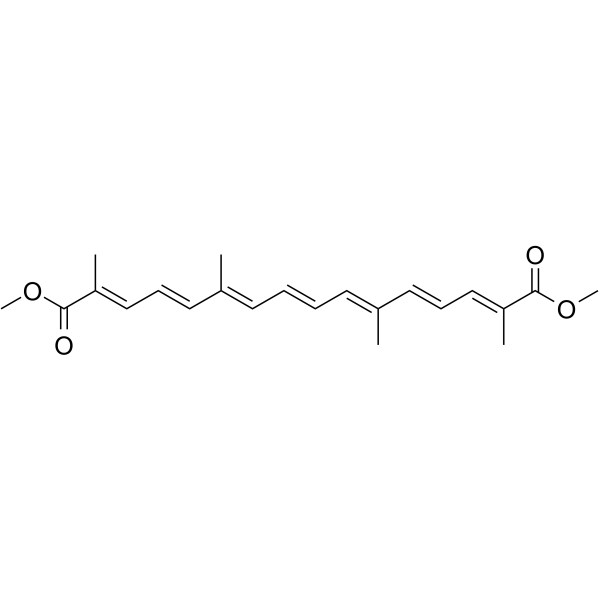
Crocetine dimethyl ester (Dimethylcrocetin) is found in the stigmas of saffron (Crocus sativus L.), and has antioxidant activity .
|
-
- HY-N12509
-
|
|
Others
|
Others
|
|
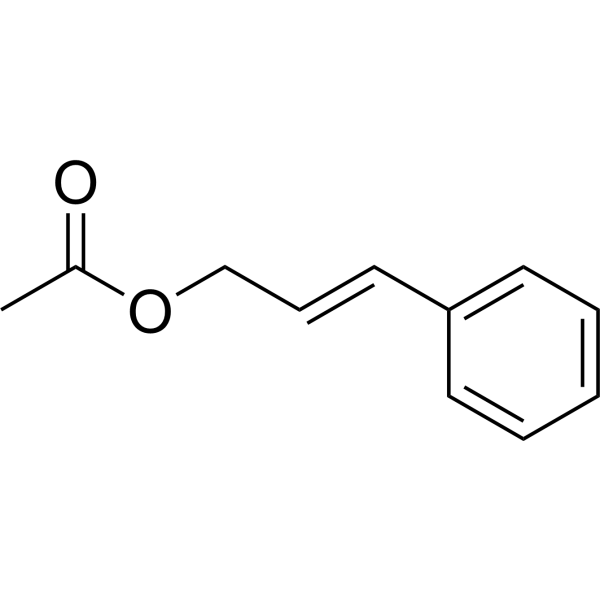
(E)-Cinnamyl acetate, isolated from cinnamon fruit stalks, has antioxidant activities .
|
-
- HY-N13166
-
|
|
Others
|
Others
|
|
Lycibarbarphenylpropanoid B is a phenylpropanoid compound derived from wolfberry with antioxidant activity. It exhibits significant oxygen radical absorbance capacity, with an ORAC value of 3.18 μmol Trolox/μmol (Trolox is a standard reference antioxidant, indicating that each μM of Lycibarbarphenylpropanoid B has antioxidant activity equivalent to 3.18 μM Trolox) .
|
-

- HY-N15591
-
-

- HY-167873
-
|
|
LDLR
|
Inflammation/Immunology
|
|
Habenariol is a substantial phenolic antioxidant activity that can be isolated from the freshwater orchid, Habenaria repens .
|
-

- HY-N11495
-
-
- HY-N12363
-
|
|
Others
|
Others
|
|
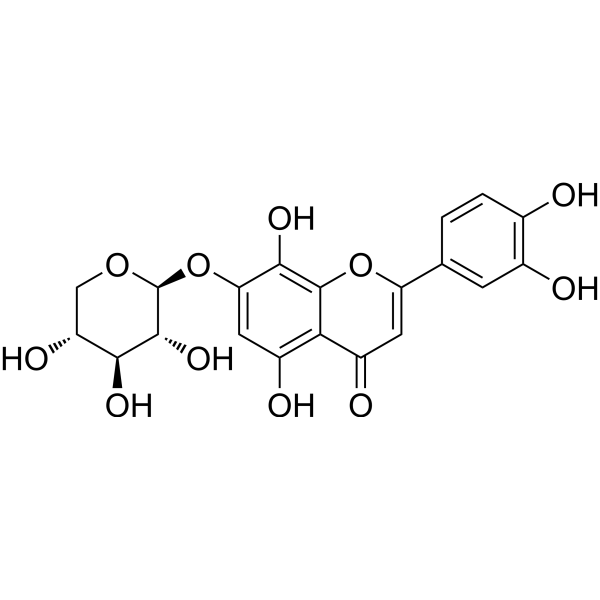
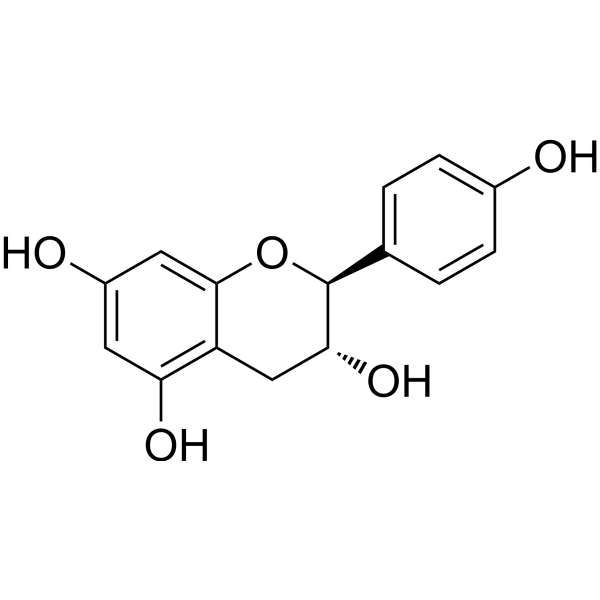
(-)-Afzelechin is a compound isolated from the rhizomes of Astilbe rivularis. (-)-Afzelechin shows poitent antioxidant activity .
|
-
- HY-N3988
-
|
|
Others
|
Cancer
|
|
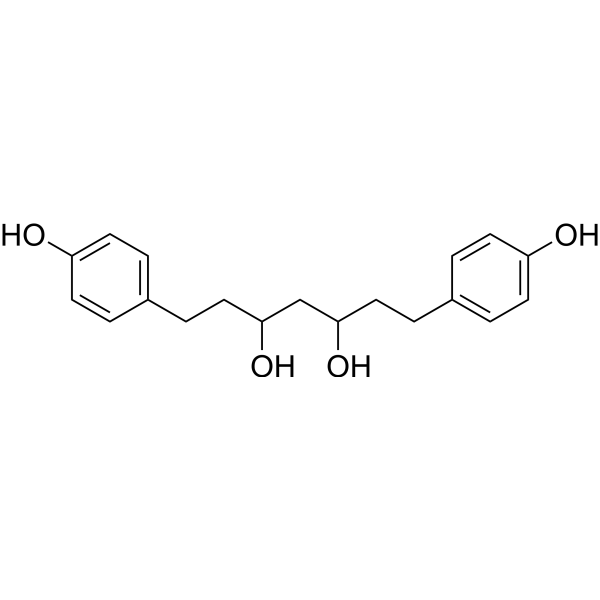
Hannokinol is a potent anti-tumor agent. Hannokinol shows antiproliferative activity. Hannokinol shows antioxidant activities .
|
-
- HY-125828
-
|
|
Bacterial
|
Infection
|
|
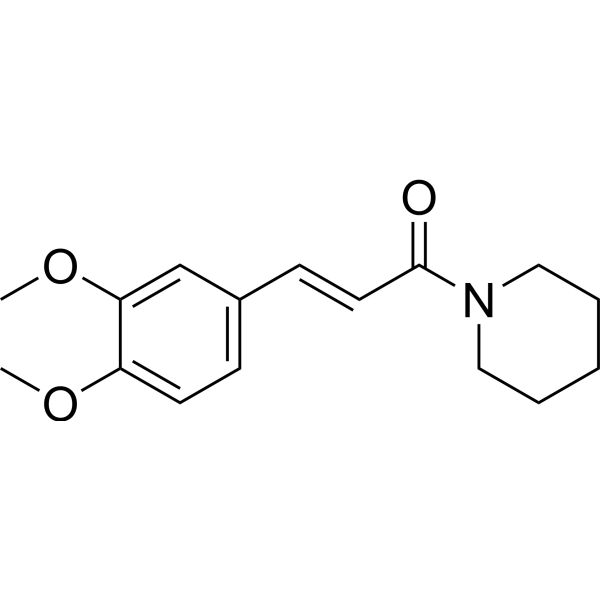
1-(3,4-Dimethoxycinnamoyl)piperidine, a synthesized piperidine analog, possesses antimicrobial and antioxidant activity .
|
-
- HY-153757
-
-
- HY-120315
-
|
|
Bacterial
|
Infection
|
|
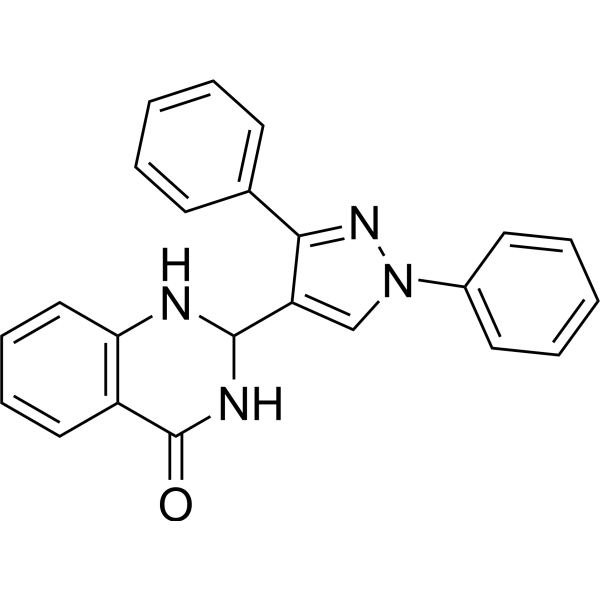
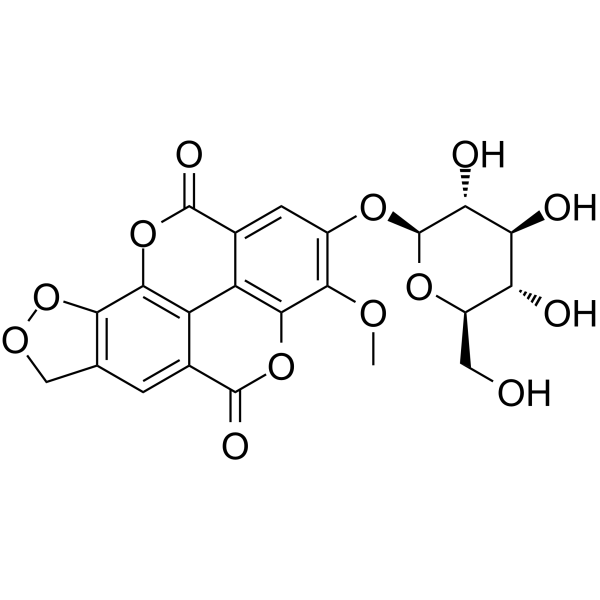
Nyssoside, a ellagic acid derivative, has significant antioxidant activity and shows antibacterial activity against different pathogenic bacteria .
|
-
- HY-N2090
-
|
|
Others
|
Inflammation/Immunology
|
|
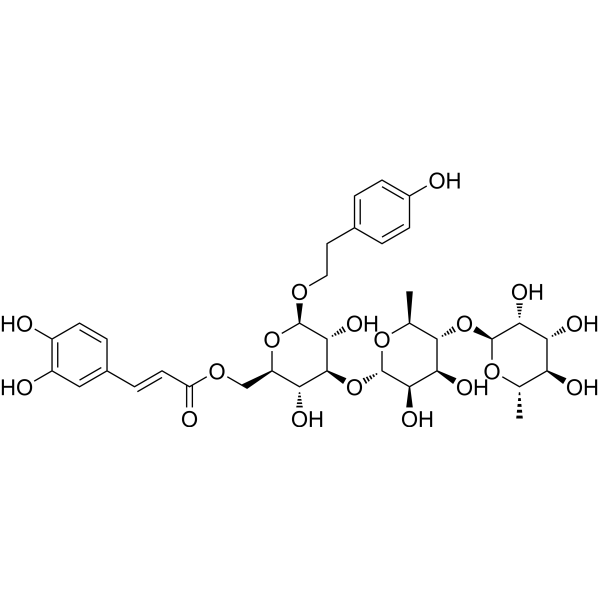
Ligupurpuroside D is a phenylethanoid glycoside that can be isolated from Ligustrum purpurascens. Ligupurpuroside D has antioxidant activity .
|
-
- HY-N15382
-
-

- HY-155373
-
-
- HY-121286
-
|
|
Others
|
Others
|
|
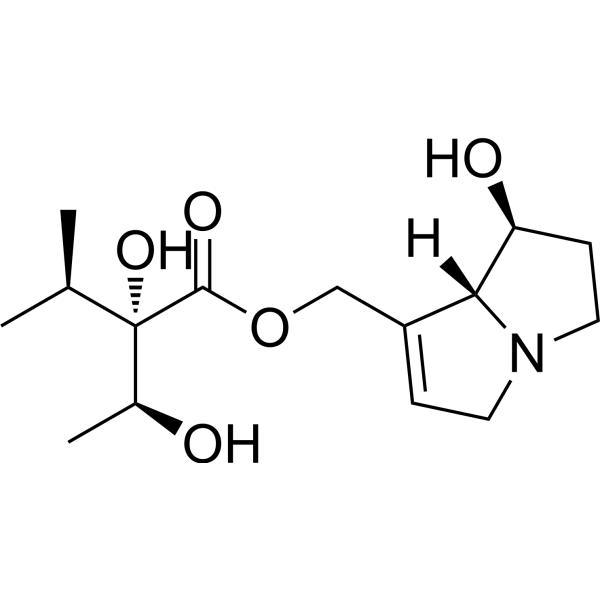
Echinatine is an active compound. Echinatine can be derived from C. barrelieri. C. barrelieri exhibits strong antioxidant activity .
|
-
- HY-125141
-
-
- HY-167859
-
|
Hispidulin 7-O-glucuronide; Hispidulin 7-O-β-D-glucuronopyranoside; 6-O-Methylscutellarin
|
Others
|
Others
|
|
Hispidulin 7-glucuronide (Hispidulin 7-O-glucuronide) is a phenolic compound derived from Salvia that exhibits antioxidant activity .
|
-

- HY-162889
-
|
|
Tyrosinase
|
Others
|
|
Tyrosinase-IN-36 is a moderate Tyrosinase inhibitor, with an inhibition percentage of 42.75% at 100 μM compared to kojic acid, and it exhibits antioxidant activity .
|
-

- HY-147709
-
|
|
Tyrosinase
|
Others
|
|
Compound 4B proved to be the most effective tyrosinase inhibitor (ic50= 3.80 μ M) It also showed good antioxidant activity.
|
-
- HY-N0339S
-
-
- HY-N8945
-
|
|
Others
|
Metabolic Disease
|
|
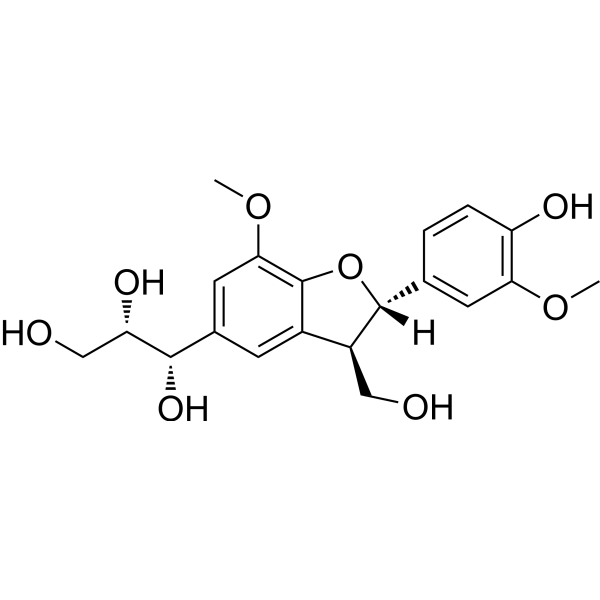
Meliasendanin D (Compound 4) is a lignin.
Meliasendanin D is isolated from the natural Melia toosendan
fruit. Meliasendanin D has antioxidant activity .
|
-
- HY-N12395
-
|
|
Others
|
Neurological Disease
|
|
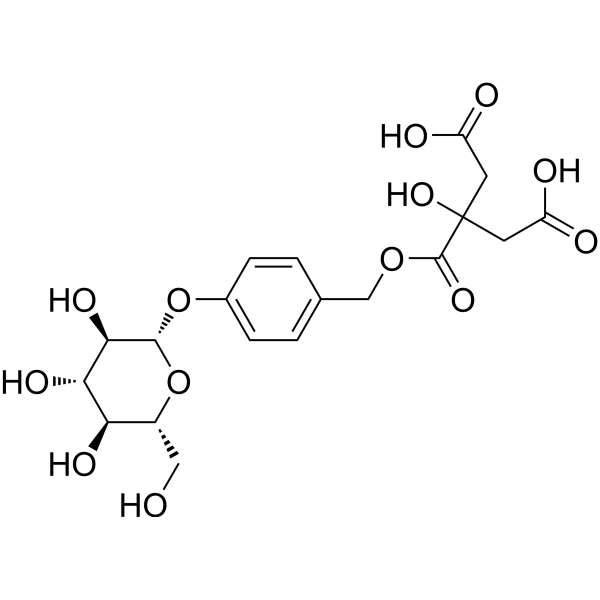
Parishin G is a Parishin (HY-N2031) derivative that can be isolated from Gastrodia elata. Parishin G has antioxidant activity .
|
-
- HY-N12490
-
|
11,12-Di-O-methylisorosmanol; DMIR
|
Others
|
Others
|
|
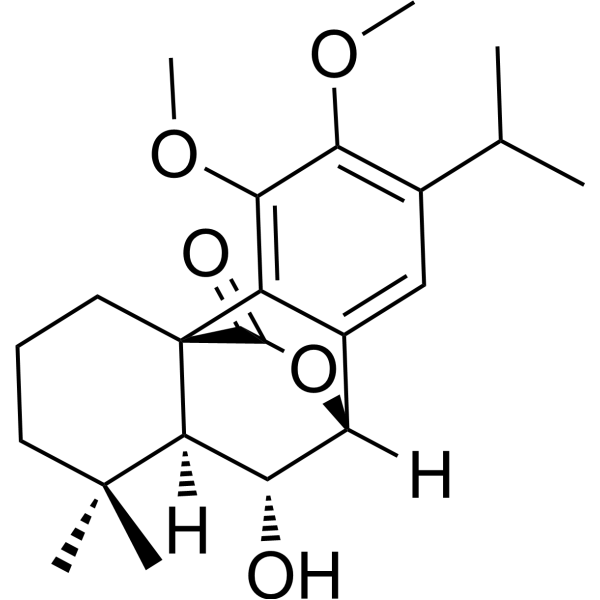
Dimethyl isorosmanol (11,12-Di-O-methylisorosmanol) is a compound that can be isolated form Rosmarinus officinalis. Dimethyl isorosmanol has antioxidant activity .
|
-
- HY-N1531
-
|
Magnotriol A
|
NO Synthase
|
Inflammation/Immunology
|
|
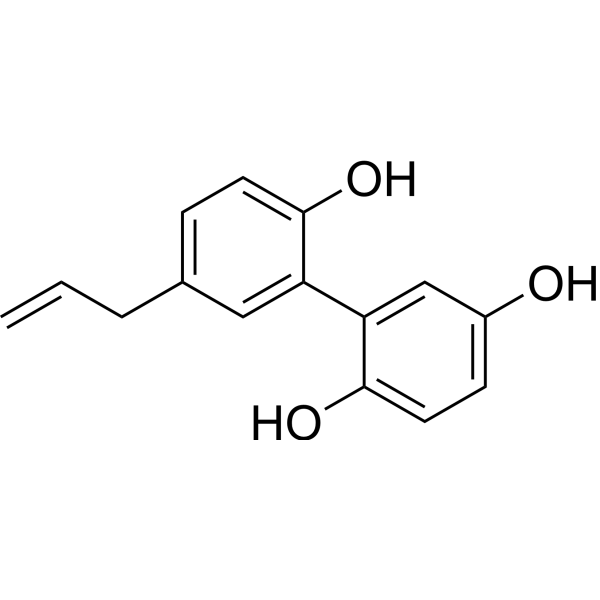
Randaiol is an antioxidant that can be isolated from the stem bark of Magnolia officinalis. Randaiol inhibits LPS-induced NO production and has anti-inflammatory and antioxidant activities .
|
-
- HY-N3349A
-
|
|
Reactive Oxygen Species (ROS)
|
Others
|
|
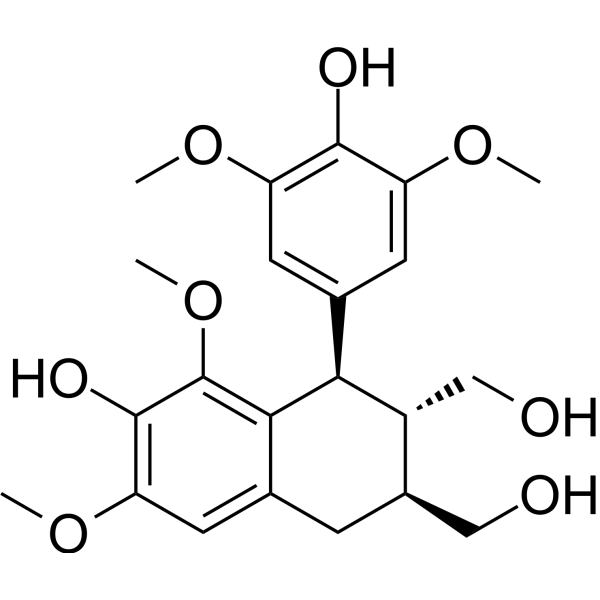
(-)-Lyoniresinol is a lignan isolated from the Tarenna attenuata with antioxidant activities. (-)-Lyoniresinol has radical scavenging activities against DPPH with an IC50 of 82.4 μM .
|
-
- HY-100977S
-
|
DiMC-d6; CHC 004-d6; Di-O-methylcurcumin-d6
|
Isotope-Labeled Compounds
|
Inflammation/Immunology
|
|
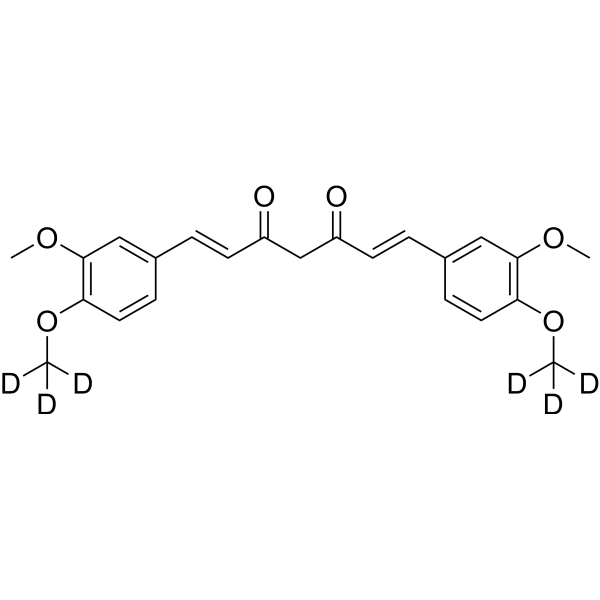
Dimethoxycurcumin-d6 is the deuterium labeled Dimethoxycurcumin (HY-100977). Dimethoxycurcumin is a derivative of Curcumin that has anti-inflammatory and antioxidant activities .
|
-
- HY-N8169
-
|
|
Others
|
Others
|
|
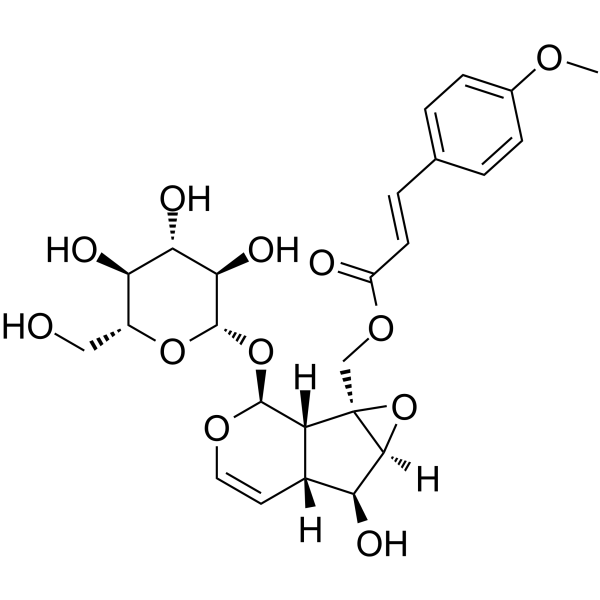
10-O-Trans-p-methoxycinnamoylcatalpol has antioxidant activity with the IC50 value of 0.37 μM/mL in DPPH free radical scavenging assay .
|
-
- HY-169750
-
|
Dopaol glucoside
|
Epoxide Hydrolase
|
Metabolic Disease
|
|
Hydroxytyrosol 1-O-glucoside (Dopaol glucoside) is a glycoside with antioxidant activity. Hydroxytyrosol 1-O-glucoside is also an epoxide hydrolase 2 inhibitor .
|
-

- HY-W415231
-
-

- HY-N8201
-
-
- HY-N18693
-
-

- HY-N3229
-
|
|
Others
|
Inflammation/Immunology
|
|
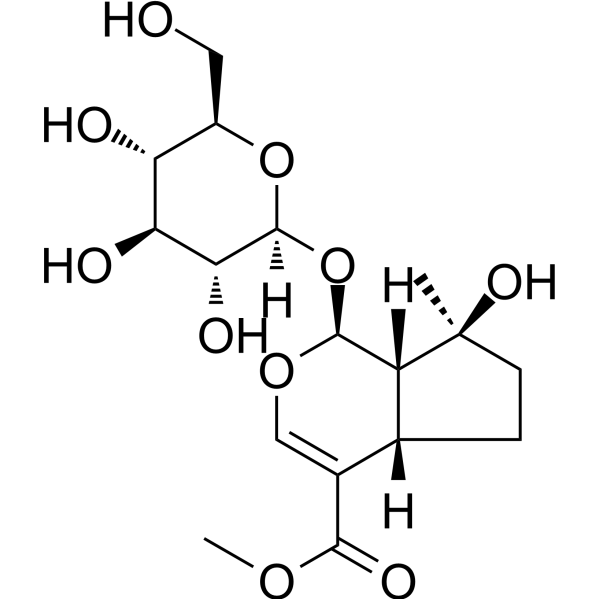
Mussaenoside can be isolated from Veronica officinalis L.. Mussaenoside has anti-inflammatory and antioxidant activity .
|
-
- HY-N11737
-
|
|
Drug Derivative
|
Inflammation/Immunology
|
|
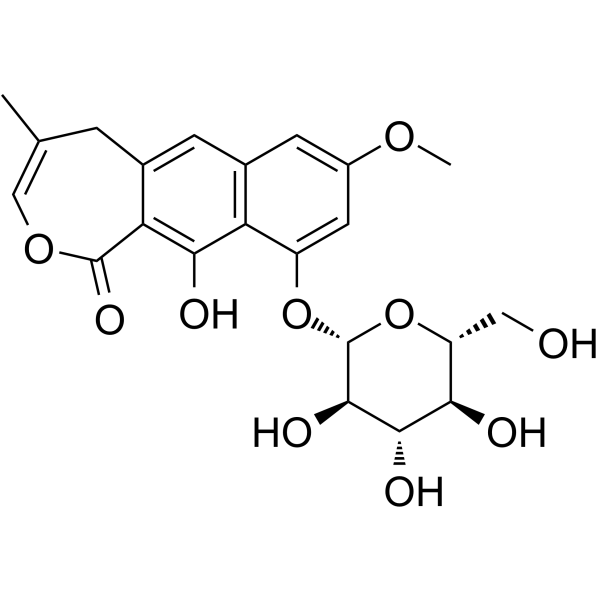
Monasfluore A is an azaphenanthrenone derivative with antioxidant activity. Monasfluore A inhibits LPS-induced nitric oxide production. Monasfluore A scavenges DPPH and superoxide anion free radicals. Monasfluore A exerts cellular antioxidant activity in oxidatively damaged colon adenocarcinoma cells. Monasfluore A shows no antiproliferative effect on human laryngeal cancer cells and colon adenocarcinoma cells .
|
-

- HY-N13074
-
|
|
Others
|
Inflammation/Immunology
|
|
Matteucinol (Compound 5) is a flavanone compound found in Rhododendron simsii. Matteucinol shows a weak antioxidant activity .
|
-

- HY-N13020
-
|
|
Others
|
Others
|
|
Scleropentaside D is a potent α-glycosidase inhibitor. Scleropentaside D has antioxidant activity .
|
-

- HY-W969553
-
-

- HY-N18065
-
-

- HY-125040
-
-

- HY-N13153
-
|
|
Others
|
Inflammation/Immunology
|
|
Antioxidant agent-19 (compound 12) is an arylbutyl glycoside with antioxidant activity that can be isolated from the bark of B. platyphylla vat. Japonica .
|
-

- HY-N18281
-
|
|
Drug Derivative
|
Inflammation/Immunology
|
|
Hazelnutin F is an indoleacetic acid glycoside found in the kernels of Corylus avellana L.. Hazelnutin F lacks significant antioxidant activity against ABTS and DPPH radicals .
|
-

- HY-N3077
-
|
|
Others
|
Others
|
|
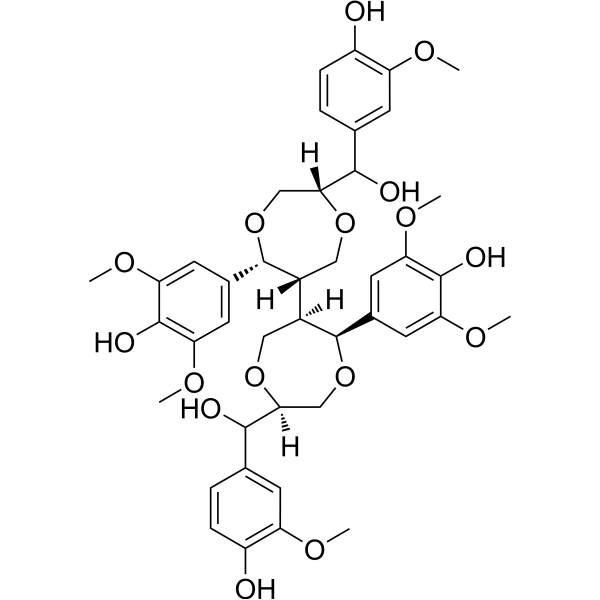
Phyllostadimer A is an antioxidant. Phyllostadimer A can be isolated from Bamboo. Phyllostadimer A inhibits lipid peroxidation. Phyllostadimer A has potent antioxidant activity with an IC50 of 15 mM .
|
-
- HY-N17729
-
|
|
Reactive Oxygen Species (ROS)
|
Others
|
|
Michelenolide is an antioxidant and ferrous ion chelator. Michelenolide can be found in the stems of Michelia alba, with moderate antioxidant activity, moderate ferrous ion chelating properties .
|
-

- HY-W140869
-
|
|
Drug Derivative
|
Others
|
|
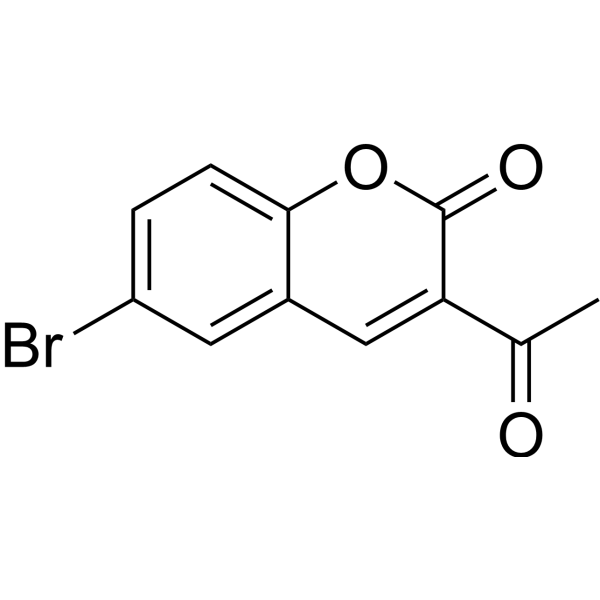
3-Acetyl-6-bromocoumarin is a coumarin. 3-Acetyl-6-bromocoumarin exhibites potent antioxidant activity at 56% .
|
-
- HY-116117
-
|
|
SOD
Glutathione Peroxidase
|
Others
|
|
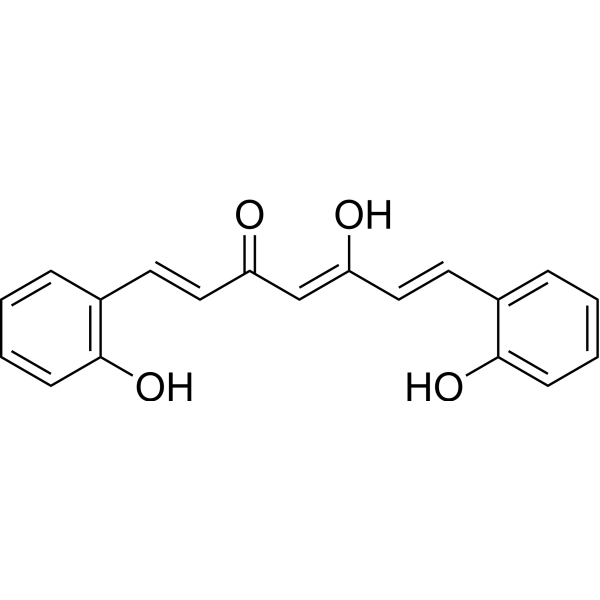
Salicylcurcumin is a synthetic curcumin analogue with antioxidant activity. Salicylcurcumin may affect lipid peroxidation in fish, favoring increased survival, disease resistance, and ultimately growth rate .
|
-
- HY-N16516
-
|
|
Bacterial
|
Infection
|
|
Velutinam is an alkaloid. Velutinam can be isolated from twigs of Uvaria grandiflora Roxb. Velutinam shows antioxidant activity. Velutinam can be used in the research of bacterial infections .
|
-

- HY-162909
-
|
|
Tyrosinase
|
Metabolic Disease
|
|
Tyrosinase-IN-38 (compound 6b) is a competitive Tyrosinase inhibitor with IC50 value of 25.82 μM. Tyrosinase-IN-38 has antioxidant activity .
|
-

- HY-Y1315
-
|
|
Biochemical Assay Reagents
|
Endocrinology
|
|
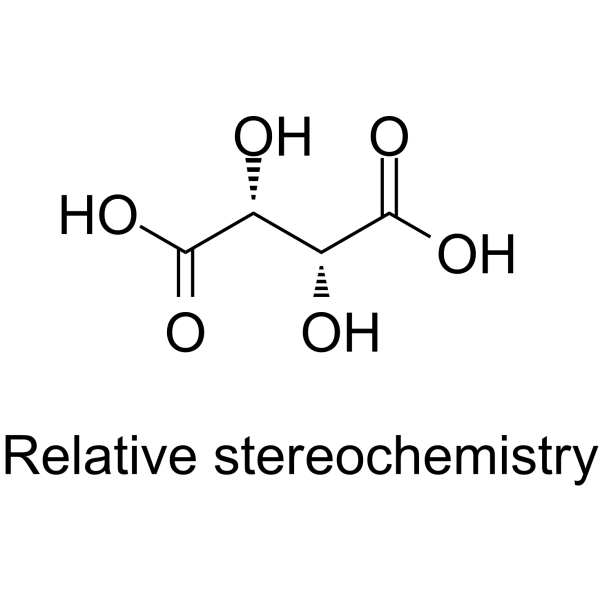
DL-Tartaric acid is an orally active and non-racemic mixture of L- and D-tartaric acid with antioxidant activity. 14C-labeled DL-Tartaric acid is nephrotoxic .
|
-
- HY-N17362
-
|
|
Others
|
Others
|
|
Anhydroevoxine is a furoquinoline alkaloid that can be found in Vepris glomerata. Anhydroevoxine demonstrates in vitro antioxidant activity, reducing Fe 3+ to Fe 2+ and scavenging DPPH radicals .
|
-

- HY-N8857
-
|
|
Reactive Oxygen Species (ROS)
|
Others
|
|
Parvifolixanthone A is a xanthone compound that can be isolated from Garcinia parvifolia. Parvifolixanthone A exhibits antioxidant activity with IC50 of submicromolar level (0.18–0.38 μM) .
|
-

- HY-N0812
-
-
- HY-N9447
-
-
- HY-N0337S
-
-
- HY-W277951
-
|
|
Ferroptosis
|
Cancer
|
|
3-Hydroxyindole is a member of the class of hydroxyindoles with antioxidant activity. It showes inhibitory effects against DPPH and crocin. 3-hydroxyindole is also used as a inhibitor of ferroptosis.
|
-

- HY-N4111R
-
-

- HY-N3596
-
|
Aquillochin
|
Others
|
Inflammation/Immunology
|
|
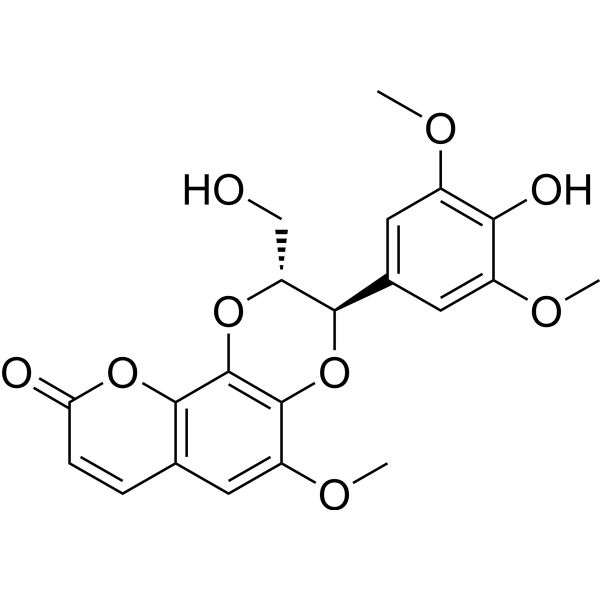
Cleomiscosin C (Aquillochin) can be isolated from Aquilaria agallocha. Cleomiscosin C has antioxidant activity. Cleomiscosin C inhibits LDL oxidation and free radicals generation .
|
-
- HY-N12327
-
|
|
Others
|
Others
|
|
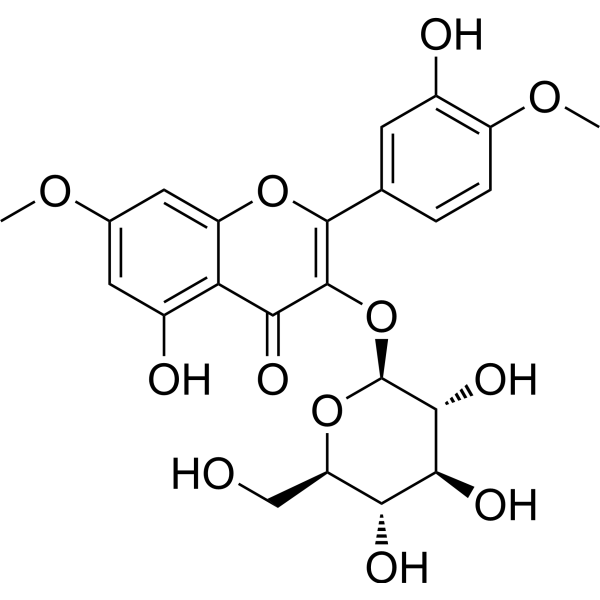
Ombuin-3-O-glucoside is a flavonoid glycoside derived from Gynostemma pentaphyllum. Ombuin-3-O-glucoside has antioxidant activity .
|
-
- HY-N4111
-
|
|
Others
|
Inflammation/Immunology
Cancer
|
|
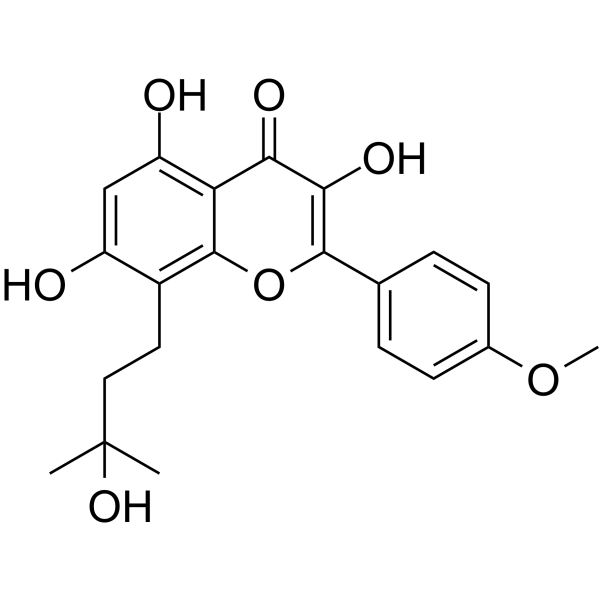
Wushanicaritin exhibits significant antioxidant activity (IC50=35.3 μM) in DPPH radical scavenging activity tests. Antitumor effects and anti-inflammatory property .
|
-
- HY-N12216
-
|
|
Others
|
Others
|
|
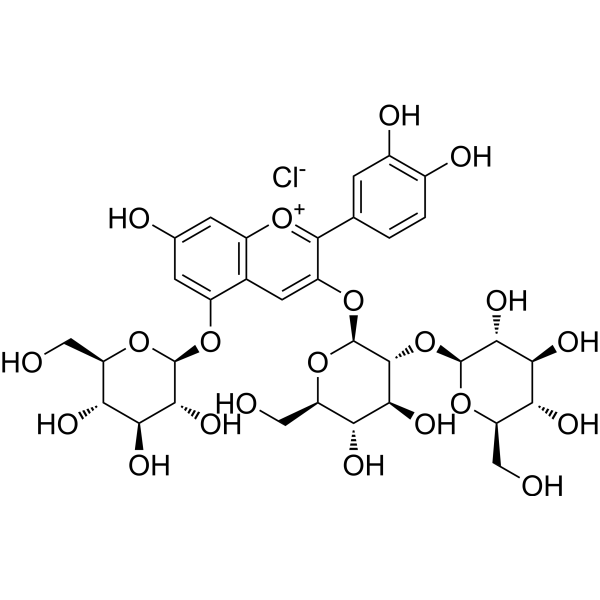
Cyanidin 3-sophoroside-5-glucoside is the main anthocyanin in purple-fleshed sweet potato and affects the antioxidant activity of purple-fleshed sweet potato .
|
-
- HY-N18052
-
|
|
Others
|
Inflammation/Immunology
|
|
Massonianoside E is an antioxidant that has been found to be present in the fruits of Viburnum rhytidophyllum Hemsl. Massonianoside E can exert antioxidant activity in DPPH, ABTS and PTIO assays .
|
-

- HY-N17909
-
|
(S)-7-hydroxy-4'-methoxyflavane
|
NF-κB
AP-1
|
Inflammation/Immunology
|
|
Broussin ((S)-7-hydroxy-4'-methoxyflavane) is a flavane compound present in the branches and twigs of Broussonetia papyrifera. Broussin shows no significant antioxidant activity .
|
-

- HY-N0796R
-
|
Proanthocyanidin B2 (Standard)
|
Reference Standards
Reactive Oxygen Species (ROS)
|
Cancer
|
|
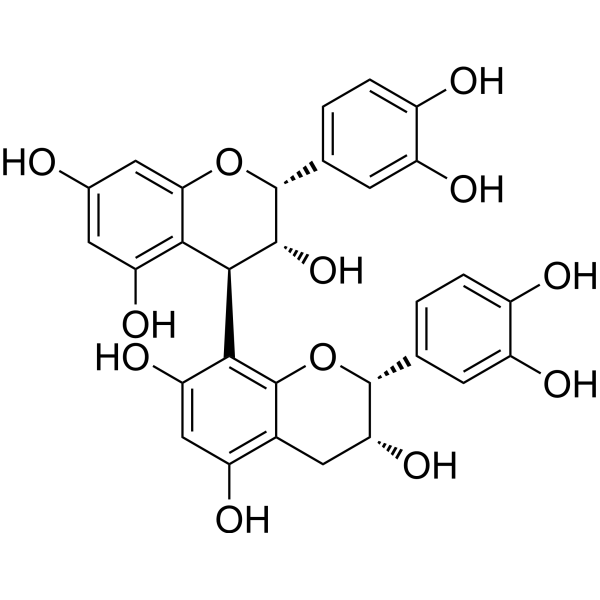
Procyanidin B2 (Standard) is the analytical standard of Procyanidin B2. This product is intended for research and analytical applications. Procyanidin B2 is a natural flavonoid, with anti-cancer, antioxidant activities.
|
-
- HY-N7518
-
|
|
MMP
|
Inflammation/Immunology
|
|
Eulophiol shows the 1,1-diphenyl-2-picrylhydrazyl (DPPH) free radical scavenging activity with an EC50 of 27.7μM. Antioxidant activity .
|
-
- HY-W003972
-
|
Syringol
|
Biochemical Assay Reagents
|
Others
|
|
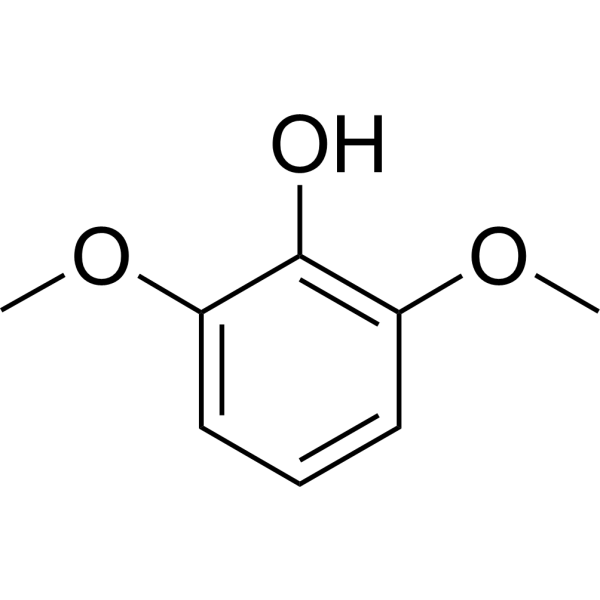
2,6-Dimethoxyphenol (Syringol) is a phenolic compound that scavenges free radicals and exhibits antioxidant activity. 2,6-Dimethoxyphenol is the substrate for determining laccase activity .
|
-
- HY-N7697E
-
|
|
Others
|
Others
|
|
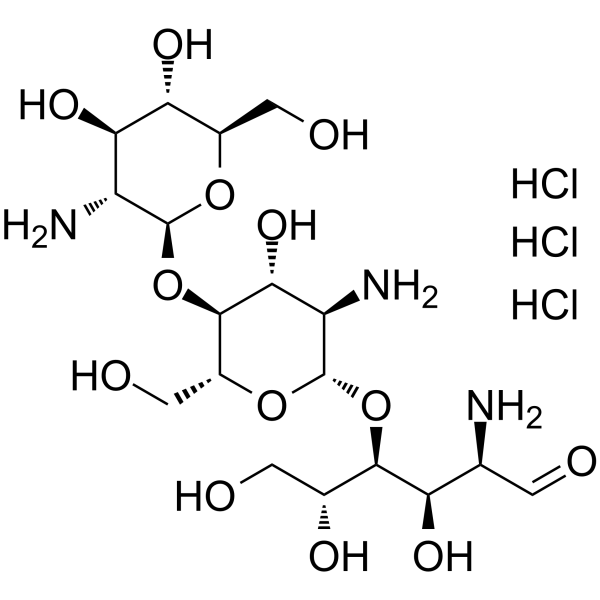
Chitotriose trihydrochloride is an orally active chitooligosaccharide with antioxidant activities. Chitotriose trihydrochloride inhibits hydroxylation of benzoate to salicylate by H2O2 in the presence of Cu 2+ (IC50 value of 80 μM) .
|
-
- HY-162684
-
-

- HY-N8253
-
|
Quercetin 4′-O-glucoside
|
Reactive Oxygen Species (ROS)
|
Inflammation/Immunology
Cancer
|
|
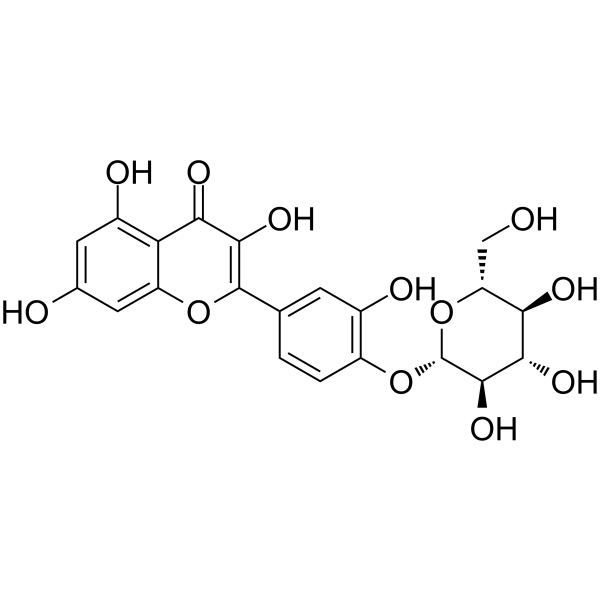
Spiraeoside, an orally active natural compound, exerts antioxidant activity, inhibits reactive oxygen species (ROS) and malondialdehyde production. Spiraeoside possesses antiallergic, anti-inflammatory and antitumor activities .
|
-
- HY-N12951
-
|
Lucenin-2 4′-methyl ether
|
Others
|
Others
|
|
Diosmetin 6,8-di-C-glucoside (Lucenin-2 4′-methyl ether) is a C-glycosyl flavonoid compound, which exhibits antioxidant activity .
|
-

- HY-N1859
-
-
- HY-111830
-
Lignin
1 Publications Verification
Lignine
|
Environmental Pollutants
|
Others
|
|
Lignin (Lignine) is a natural complex biopolymer with biodegradable and biocompatible. Lignin is the main component of plant cell walls and is a renewable aromatic polymer. Lignin has strongly antioxidant activity .
|
-

- HY-W483854
-
|
N-(2-hydroxyphenyl)methanamide
|
Endogenous Metabolite
|
Metabolic Disease
|
|
N-Formyl-2-aminophenol (N-(2-hydroxyphenyl)methanamide) is a bacterial secondary metabolite that has been found in P. chrysogenum and has antioxidant activity .
|
-

- HY-W554021
-
|
Carbocisteine lysine; Carbocysteine-L-lysine
|
Others
|
Inflammation/Immunology
|
|
S-Carboxymethyl-L-cysteine L-lysine monohydrate (Carbocisteine lysine) is a mucosal active drug with anti-inflammatory and antioxidant activities, which can be used in the research of chronic obstructive pulmonary disease (COPD) .
|
-

- HY-N5057
-
|
|
Others
|
Cardiovascular Disease
|
|
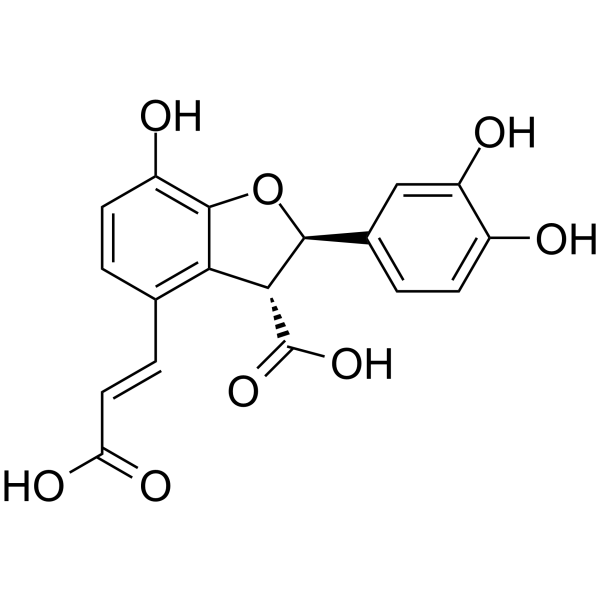
Przewalskinic acid A is a phenolic acid found in the Salvia przewalskii Maxim herb. Phenolic acids show potent antioxidant activities and potential effects in protecting against brain and heart damage caused by ischemia reperfusion .
|
-
- HY-N5141
-
|
|
Others
|
Others
|
|
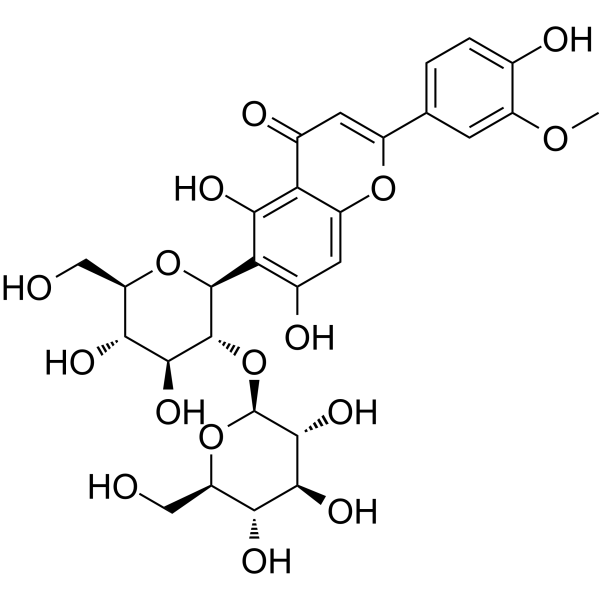
Isoscoparin-2′′O-glucoside is a flavonoid that can be found in yellow grain mutant of rice. Isoscoparin-2′′O-glucoside shows antioxidant activity .
|
-
- HY-N11173
-
|
|
Others
|
Metabolic Disease
|
|
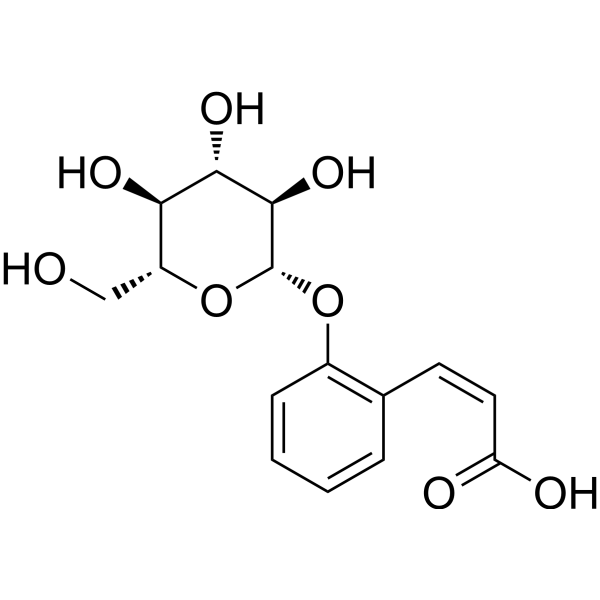
cis-Melilotoside, an o-Coumaric acid derivative, shows potent antioxidant activity. cis-Melilotoside has antiprotozoal activity moderately against T. cruzi with an IC50 of 78.2 ug/mL .
|
-
- HY-N1240
-
|
Biochanin A 7-glucoside; Sissonin
|
Bacterial
|
Infection
|
|
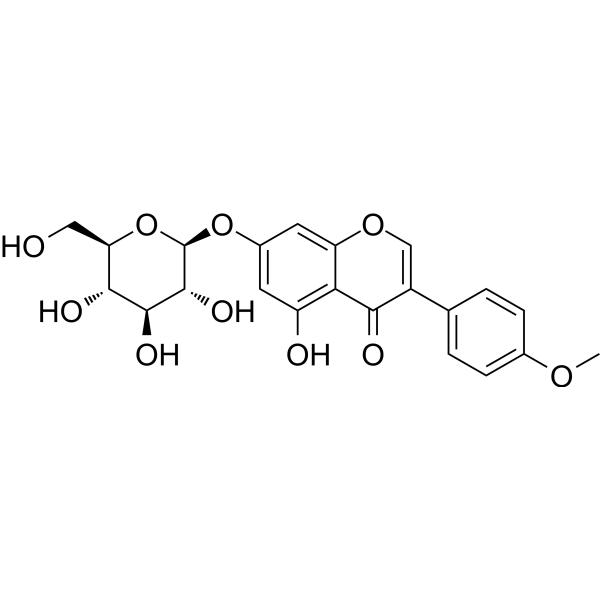
Sissotrin (Biochanin A 7-glucoside) has potent antimicrobial and antioxidant activities. Sissotrin is active against the yeasts and Gram-positive and Gram-negative bacteria with MICs of 32-256 μg/mL .
|
-
- HY-N12953R
-
|
|
Reference Standards
Endogenous Metabolite
|
Others
|
|
Glucoalyssin (Standard) is the analytical standard of Glucoalyssin. This product is intended for research and analytical applications. Glucoalyssin is a major glucosinolate in Degenia velebitica, which exhibits antioxidant activity. Glucoalyssin is used in plant taxonomy .
|
-

- HY-N1205
-
|
|
Others
|
Cancer
|
|
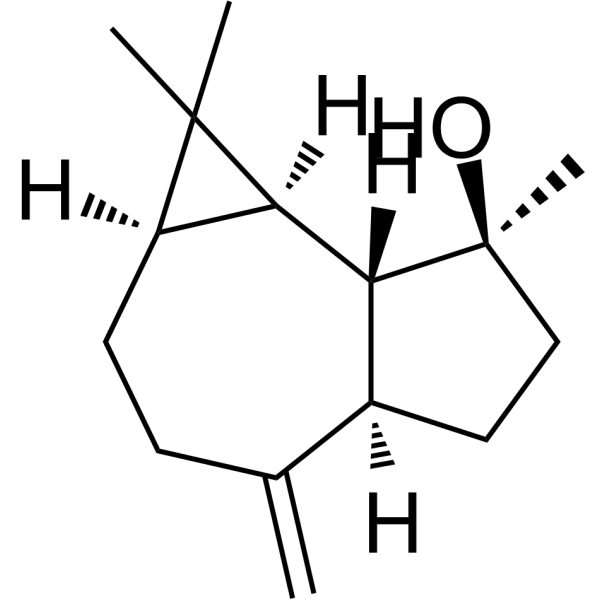
Spathulenol is isolated from Aristolochia yunnanensis, and has antioxidant, anti-inflammatory, antiproliferative and antimycobacterial activities. Spathulenol shows a high antioxidant activity with an IC50 of 85.60 μg/mL in the DPPH system [1].
|
-
- HY-N0337R
-
-

- HY-156360
-
-
- HY-N8082
-
|
|
HSV
|
Infection
|
|
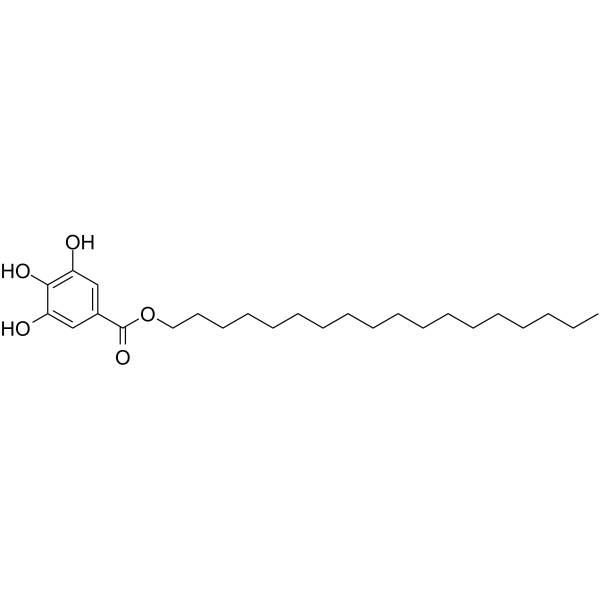
Stearyl gallate is an alkyl gallate with a long alkyl chain (carbon number of 18). Stearyl gallate has an antioxidant activity, and a weak antiviral activity against HSV-1 .
|
-
- HY-N8407
-
-
- HY-B1785
-
|
Sulfosalicylic acid; Sulphosalicylic acid; Salicylsulfonic acid
|
Drug Derivative
|
Cancer
|
|
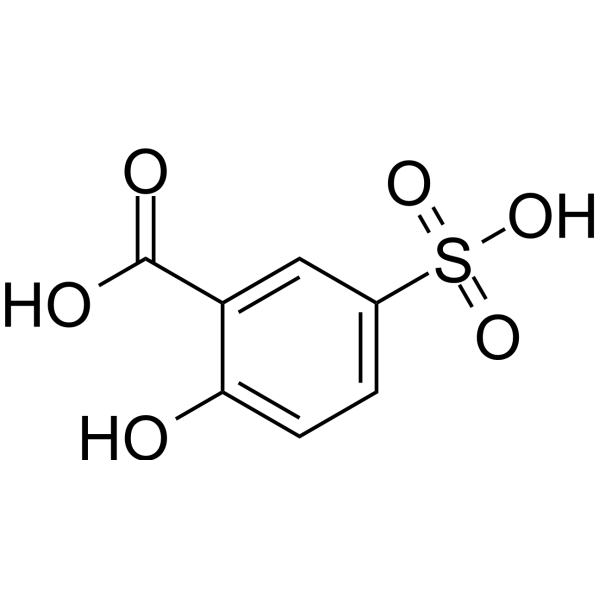
5-Sulfosalicylic acid is a sulfonated salicylic acid derivative. 5-Sulfosalicylic acid is effective against the breast cancer cell lines, with less toxicity . 5-Sulfosalicylic acid has antioxidant activities .
|
-
- HY-N10944
-
|
|
Others
|
Inflammation/Immunology
|
|
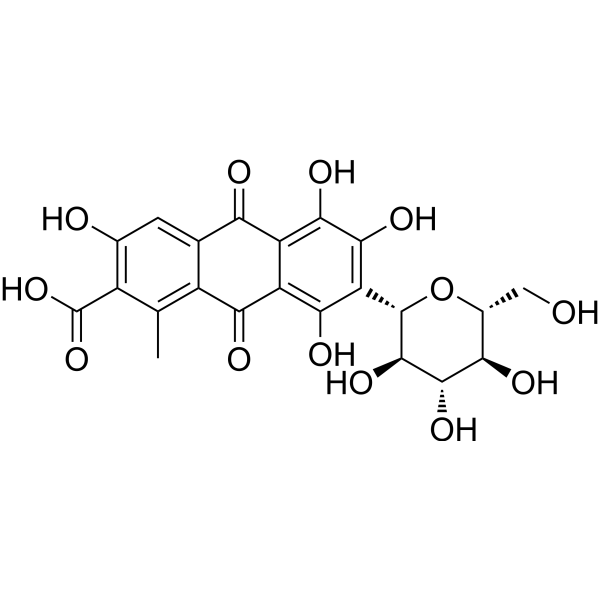
Chrysoobtusin 2-β-D-glucoside is an anthraquinone glycoside found in Cassia obtusifolia. Chrysoobtusin 2-β-D-glucoside may have potential anti-inflammatory and antioxidant activities .
|
-

- HY-N8027
-
|
|
Others
|
Inflammation/Immunology
|
|
Wushankaempferol is a flavonoid found in the whole herb of Epimedium wushanense T.S. Ying (Berberidaceae). Wushankaempferol shows antioxidant activity and can scavenge DPPH radical. Wushankaempferol can be used for the research of inflammation .
|
-

- HY-159586
-
|
|
Tyrosinase
|
Cancer
|
|
Tyrosinase-IN-32 (compound 11) is a hydroxamate-based alkaloid and a mushroom tyrosinase inhibitor. Tyrosinase-IN-32 has antioxidant activity and can be isolated from black pepper (Piper nigrum L.) .
|
-

- HY-113121
-
|
|
Drug Metabolite
Endogenous Metabolite
|
Cardiovascular Disease
|
|
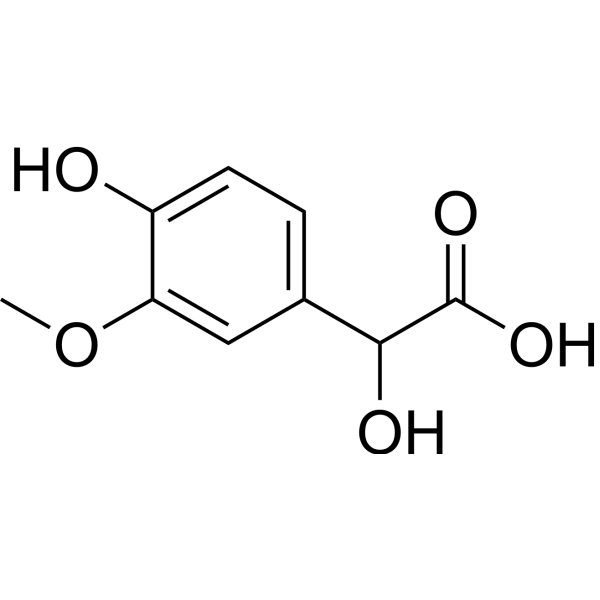
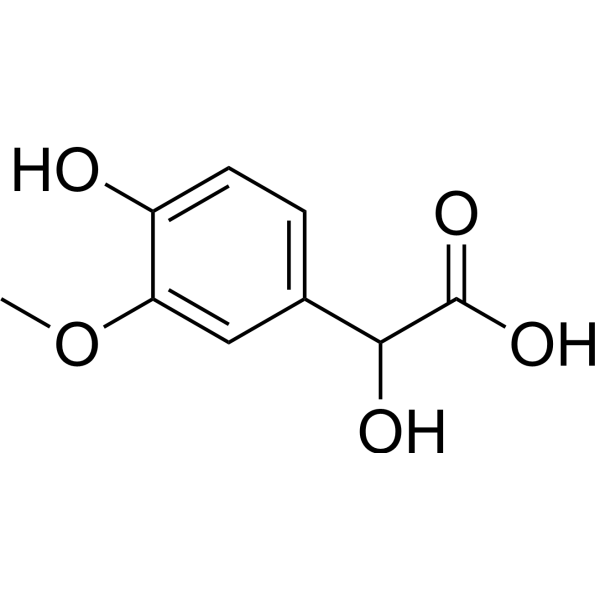
Vanillylmandelic acid is the endproduct of epinephrine and norepinephrine metabolism. Vanillylmandelic acid can be used as an indication of the disorder in neurotransmitter metabolism as well. Vanillylmandelic acid has antioxidant activity towards DPPH radical with an IC50 value of 33 μM .
|
-
- HY-N2124R
-
|
|
Reference Standards
Reactive Oxygen Species (ROS)
|
Cancer
|
|
Parishin B (Standard) is the analytical standard of Parishin B. This product is intended for research and analytical applications. Parishin B is a parishin metabolite that can be isolated from Gastrodia elata with antioxidant activity .
|
-

- HY-173056
-
|
|
Lipoxygenase
|
Inflammation/Immunology
|
|
Ruthenoleuton is a 5-lipoxygenase (5-LOX) inhibitor with an IC50 of 3.49 μM and a Ki of 0.80 μM. Ruthenoleuton has antioxidant activity and can be used in the research of inflammatory diseases .
|
-

- HY-N12075
-
|
|
Cholinesterase (ChE)
|
Neurological Disease
|
|
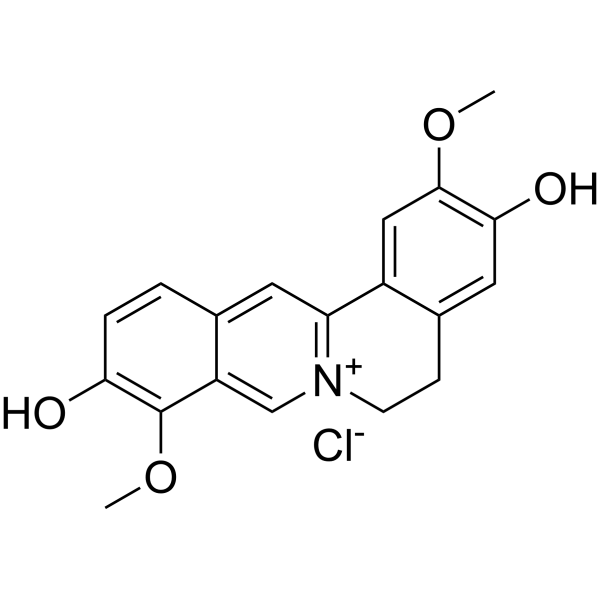
Dehydrodiscretamine chloride is a dual inhibitor of AChE and BChE with IC50s of 17.8 and 118.8 μM, respectively. Dehydrodiscretamine chloride has antioxidant activity. Dehydrodiscretamine chloride can be used in study Alzheimer’s disease .
|
-
- HY-N8144
-
|
|
Others
|
Cardiovascular Disease
|
|
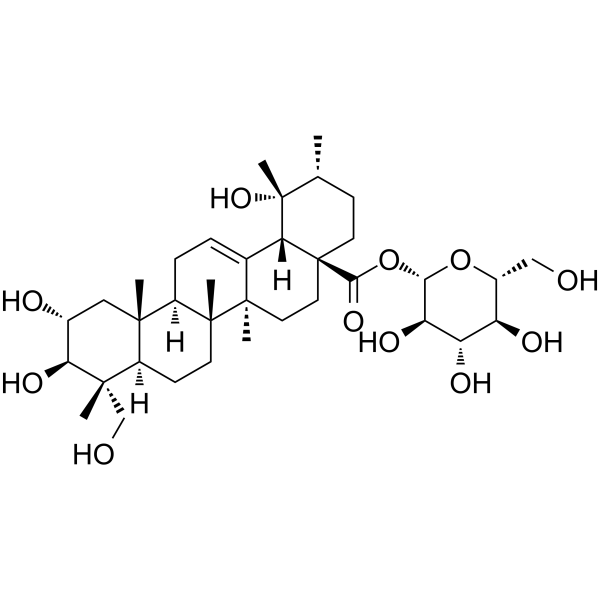
Niga-ichigoside F1, an orally active ursane triterpenoid, has antihyperlipidemic and antioxidant activities. Niga-ichigoside F1 can prevent high-fat diet (HFD)-induced hepatic steatosis .
|
-
- HY-W509797
-
|
|
Drug Metabolite
|
Inflammation/Immunology
|
|
5-(3',4'-Dihydroxyphenyl)-γ-valerolactone is a gut microbiota metabolite of (-)-Epicatechin (HY-N0001). 5-(3',4'-Dihydroxyphenyl)-γ-valerolactone exhibits antioxidant activity .
|
-

- HY-N16662A
-
-

- HY-106514
-
|
R 830; R 830T; S 16820
|
COX
|
Inflammation/Immunology
|
|
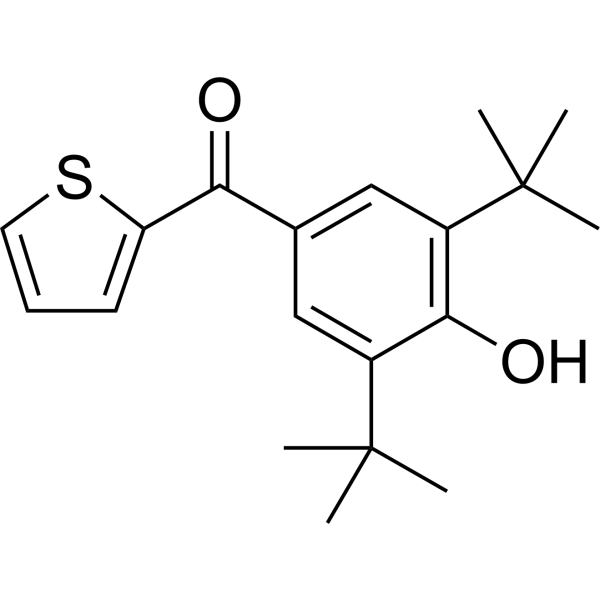
Prifelone (R 830; R 830T; S 16820) is a di-tert-butylphenol with anti-inflammatory and antioxidant activity. Prifelone inhibits guinea pig lung oxygenase and bovine seminal vesicle cyclooxygenase .
|
-
- HY-N16662
-
-

- HY-N8589
-
|
|
Others
|
Others
|
|
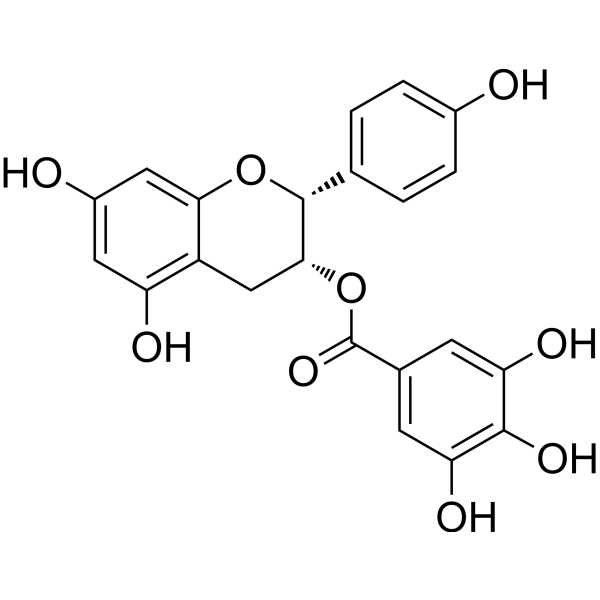
(-)-Epiafzelechin-3-O-gallate is a natural product that can be isolated from the water extract of Pu-erh tea. (-)-Epiafzelechin-3-O-gallate shows antioxidant activity .
|
-
- HY-N11884
-
|
|
Endogenous Metabolite
|
Inflammation/Immunology
|
|
Ubiquinone Q3 is an isoprenoid-chain ubiquinone homologue found in Saccharomyces cerevisiae, Escherichia coli, and Rhodospirillum rubrum. Ubiquinone Q3 has antioxidant activity and traps lipid peroxyl radicals .
|
-

- HY-N0578
-
|
Apigenin-7-O-β-D-glucopyranoside; Cosmosiin; Apigetrin
|
Reactive Oxygen Species (ROS)
|
Cancer
|
|
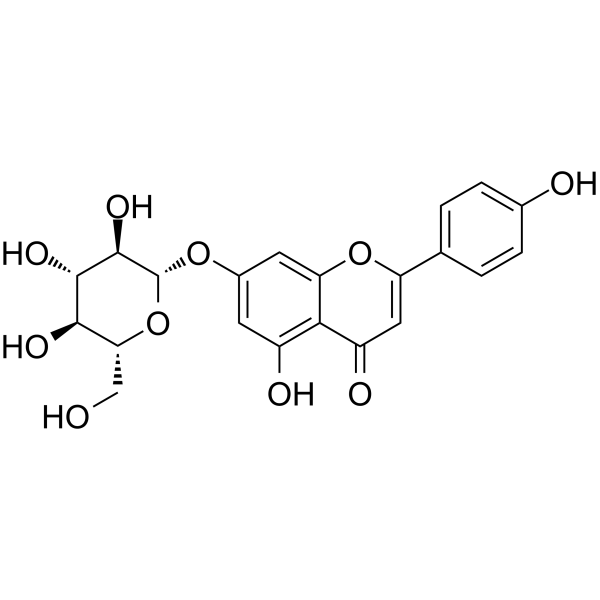
Apigenin-7-glucoside (Apigenin-7-O-β-D-glucopyranoside) exhibits significant anti-proliferative and antioxidant activity and scavenges reactive oxygen species (ROS) .
|
-
- HY-124474
-
|
|
CCR
|
Neurological Disease
|
|
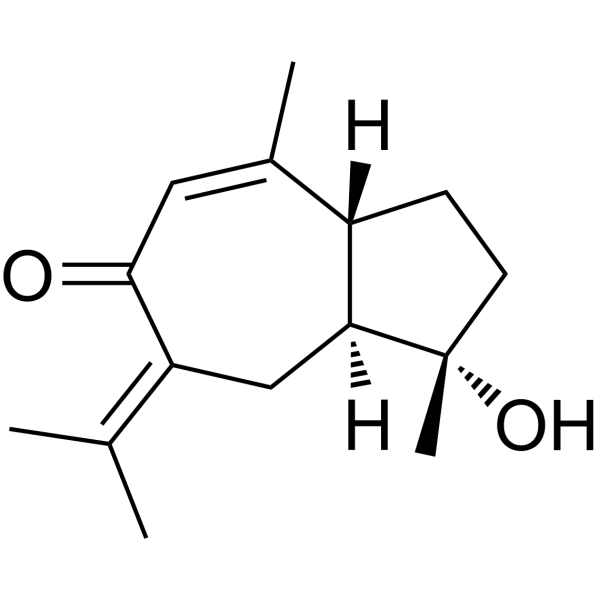
Procurcumenol, a natural compound that can be isolated from Curcuma zedoaria Rhizomes, possesses neuroprotective and antioxidant activity. Procurcumenol can target CCR5 and has a significant inhibitory effect on platelet aggregation in vitro .
|
-
- HY-N4058
-
|
|
Apoptosis
|
Cancer
|
|
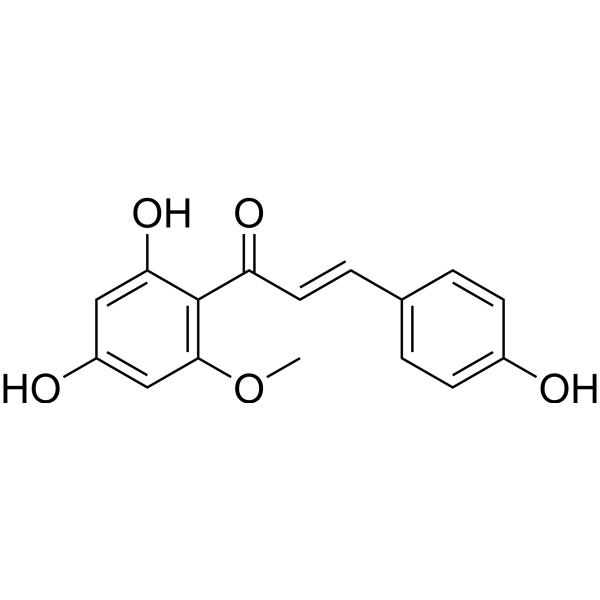
Helichrysetin is isolated from the flower Helichrysum odoratissimum. Helichrysetin is an ID2 (DNA binding inhibitor 2) inhibitor. Helichrysetin induces apoptosis. Helichrysetin has anti-tumor and antioxidant activity .
|
-
- HY-N12404
-
|
|
Drug Derivative
|
Inflammation/Immunology
|
|
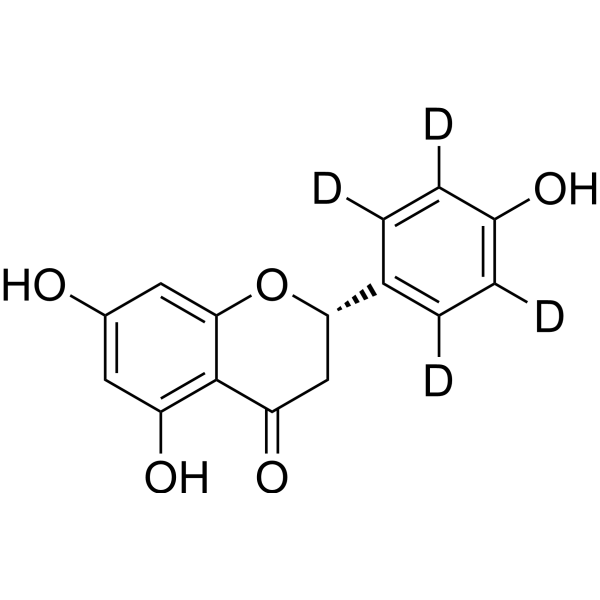
Gemin D is a polyphenolic compound extracted from eucalyptus leaves. Gemin D has cellular antioxidant activity (EC50 = 15.57 μM). Gemin D can be used for research on inflammatory conditions .
|
-

- HY-N0100S
-
-
- HY-N9371R
-
|
Dicrocin (Standard)
|
Reference Standards
Endogenous Metabolite
|
Others
|
|
Crocin IV (Standard) is the analytical standard of Crocin IV. This product is intended for research and analytical applications. Crocin IV (Dicrocin), a crocetin glycoside, is a carotenoid pigment. Crocin IV has potent antioxidant activity .
|
-

- HY-W274194
-
|
|
Reactive Oxygen Species (ROS)
|
Others
|
|
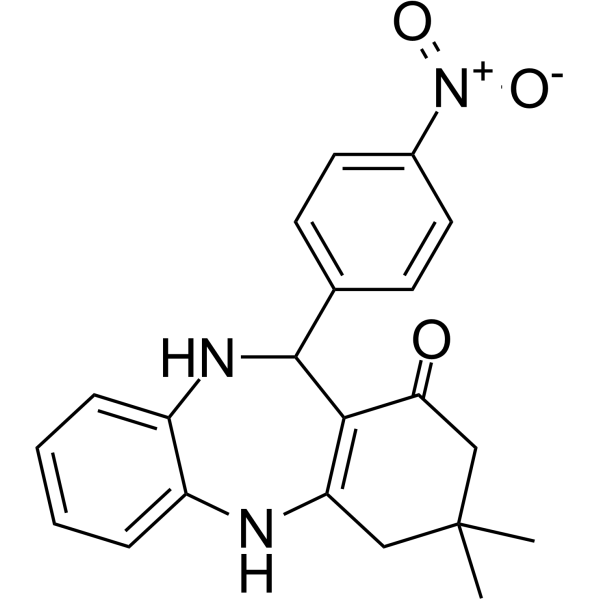
Antioxidant agent-7 (SD-7) is a benzodiazepine derivative with antioxidant activity with an IC50 value of 470 nM to scavenge DPPH (2,2-diphenyl-1-picrylhydrazyl) free radical .
|
-
- HY-N17823
-
|
|
Others
|
Inflammation/Immunology
|
|
Plantagoside A (Compound 3) is a phenylethanoid glycoside found in Plantago asiatica. Plantagoside A has antioxidant activity and can inhibit lipid peroxidation in rat liver microsomes induced by ADP and NADPH with an IC50 of 0.54 μM .
|
-

- HY-N15684
-
|
|
Others
|
Metabolic Disease
|
|
Rhodoxanthin is a carotenoid. Rhodoxanthin exerts antioxidant activity via free radical scavenging and lipid peroxidation inhibition. Rhodoxanthin is promising for research of oxidative stress-related diseases (e.g., UV-induced skin damage) .
|
-

- HY-N4046
-
|
n-Hexacosyl trans-ferulate
|
Others
|
Others
|
|
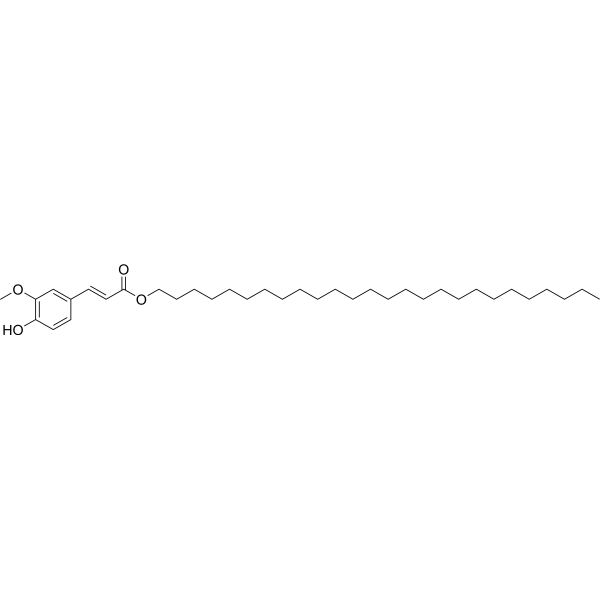
Hexacosyl (E)-ferulate (n-Hexacosyl trans-ferulate) is an antioxidant agent that displays significant antioxidant activity in the DPPH (HY-112053) assay with the RC50 (50% reduction concentration) of 0.0976 mg/mL .
|
-
- HY-N0521
-
-
- HY-N8598
-
|
|
Others
|
Cardiovascular Disease
|
|
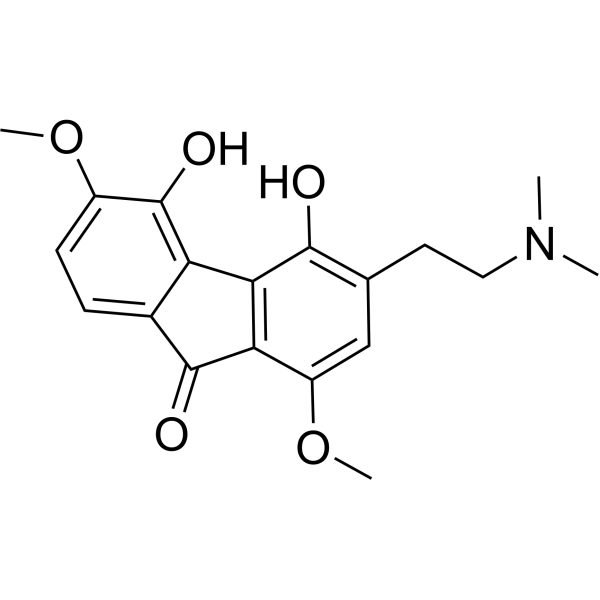
Caulophine is a fluoroketone alkaloid isolated from Caulophyllum robustum MAXIM. Caulophine has antioxidant activity and the ability to protect cardiomyocytes from oxidative and ischemic damage, providing potential value for coronary heart disease research .
|
-
- HY-161147
-
|
|
COX
|
Inflammation/Immunology
|
|
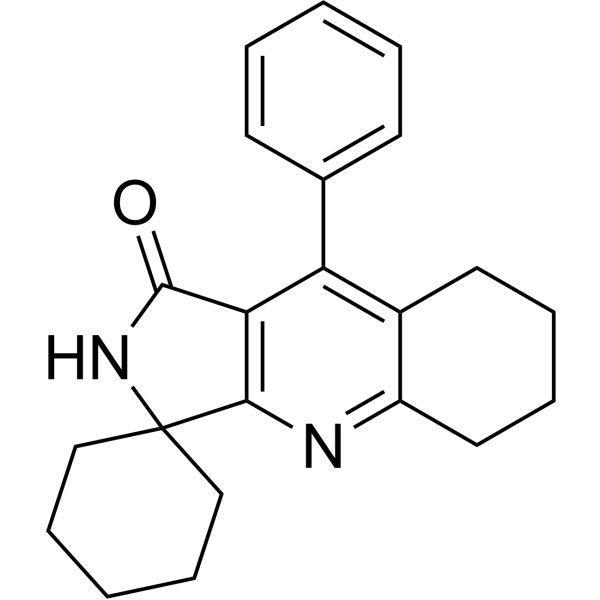
COX-2-IN-37 (compound 11) is a potent and selective COX-2 inhibitor. COX-2-IN-37 has strong antioxidant activity with an IC50 of 33.0 μg/mL .
|
-
- HY-N0621R
-
|
|
Reference Standards
Others
|
Cancer
|
|
Morin (Standard) is the analytical standard of Morin. This product is intended for research and analytical applications. Morin, a plant-derived flavonoid, possesses low antioxidant activity. Morin is a fluorescing chelating agent used in aluminum speciation .
|
-

- HY-N1404
-
|
|
NF-κB
|
Inflammation/Immunology
Cancer
|
|
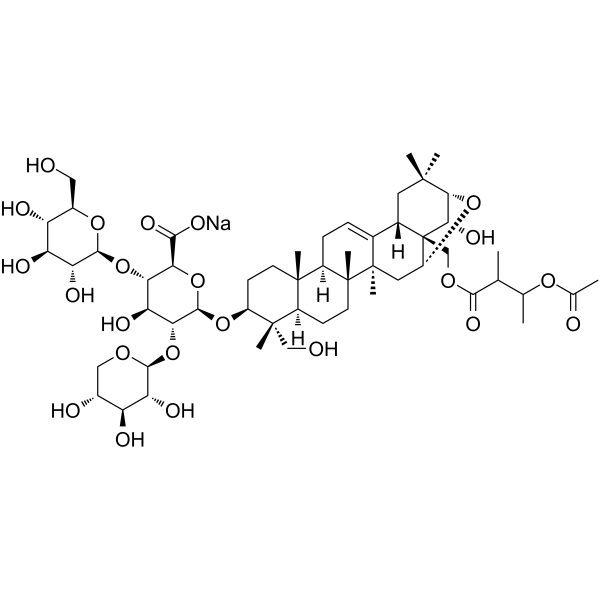
Sodium aescinate is a triterpene saponin derived from Aesculus hippocastanum seeds, with anti-inflammatory and antioxidant activities . Sodium aescinate inhibits hepatocellular carcinoma growth by targeting CARMA3/NF-κB pathway .
|
-
- HY-N2167R
-
-

- HY-W002049
-
|
Ethyl hydrocinnamate
|
Environmental Pollutants
|
Inflammation/Immunology
|
|
Ethyl 3-phenylpropanoate (Ethyl hydrocinnamate) is a heavy organic compound (HOC) found in the essential oil of the aerial parts of cultivated Artemisia judaica L. from the northern coast of Egypt, which exhibits significant antioxidant activity .
|
-

- HY-N8424
-
|
|
Others
|
Cancer
|
|
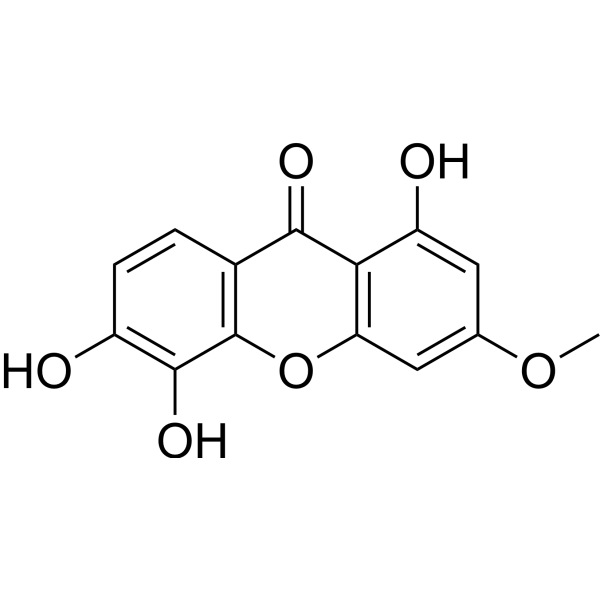
1,5,6-Trihydroxy-3-methoxyxanthone is a xanthone that can be found in Hypericum perforatum L.. 1,5,6-Trihydroxy-3-methoxyxanthone shows antioxidant activity and cytotoxicity .
|
-
- HY-W717735
-
|
|
Endogenous Metabolite
|
|
|
Monononadecanoin is a lipid compound with anti-inflammatory and antioxidant activities. Monononadecanoin is often used as a moisturizer and skin repair ingredient in skin care products. Monononadecanoin also has the function of improving flavor and extending shelf life in food additives.
|
-

- HY-N10263
-
|
|
Parasite
|
Infection
|
|
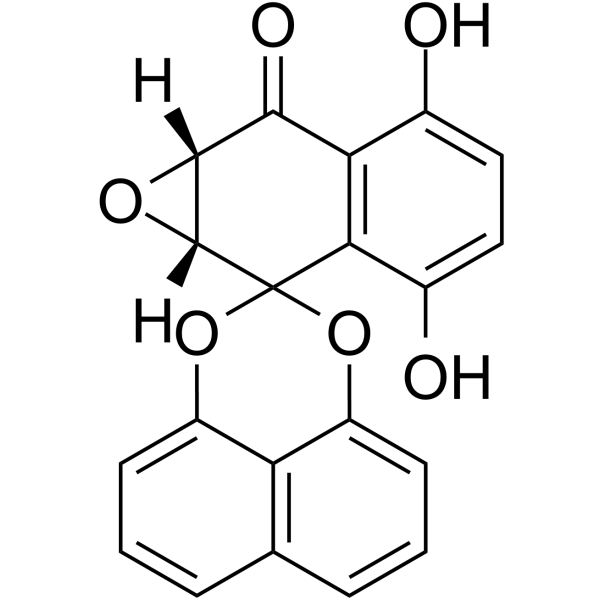
Palmarumycin C3 is a spirobisnaphthalene compound isolated from cultures of the endophytic fungus Berkleasmium sp. Dzf12 after treatment with 1-hexadecene. Palmarumycin C3 exhibits stronger antimicrobial and antioxidant activities .
|
-
- HY-N8092
-
|
|
Phosphodiesterase (PDE)
|
Infection
Inflammation/Immunology
|
|
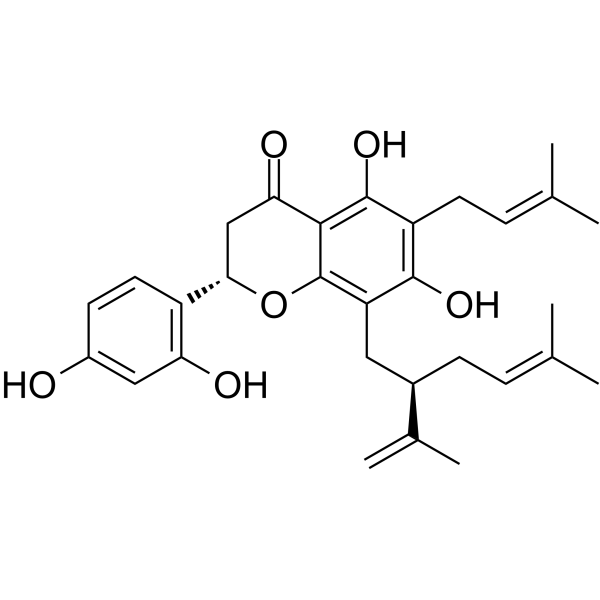
Kushenol B is an isoprenoid flavonoid isolated from S. flavescens, has antimicrobial, anti-inflammatory and antioxidant activities . Kushenol B has inhibitory activity against cAMP phosphodiesterase (PDE), with an IC50 of 31 µM .
|
-
- HY-N16652
-
|
|
Others
|
Inflammation/Immunology
Cancer
|
|
Foeniculoside I is a stilbene trimer glycoside compound found in Foeniculum vulgare. Foeniculoside I has strong antioxidant activity and moderate hyaluronidase inhibitory activity. Foeniculoside I can be used for the researches of cancer, inflammation and immunology .
|
-

- HY-N1412R
-
|
1,3-O-Dicaffeoylquinic acid (Standard); 1,5-Dicaffeoylquinic acid (Standard)
|
Reference Standards
PI3K
Akt
Reactive Oxygen Species (ROS)
|
Neurological Disease
|
|
1,3-Dicaffeoylquinic acid (Standard) is the analytical standard of 1,3-Dicaffeoylquinic acid. This product is intended for research and analytical applications. 1,3-Dicaffeoylquinic acid is a caffeoylquinic acid derivative that exhibits antioxidant activity and radical scavenging activity.
|
-

- HY-136615
-
|
|
Potassium Channel
|
Neurological Disease
|
|
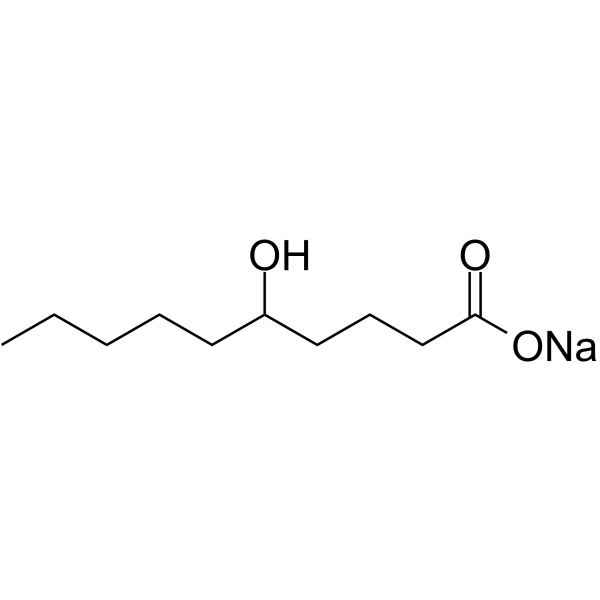
5-Hydroxydecanoate sodium is a selective ATP-sensitive K + (KATP) channel blocker (IC50 of ~30 μM). 5-Hydroxydecanoate sodium is a substrate for mitochondrial outer membrane acyl-CoA synthetase and has antioxidant activity .
|
-
- HY-107336
-
|
Beveno
|
COX
|
Inflammation/Immunology
|
|
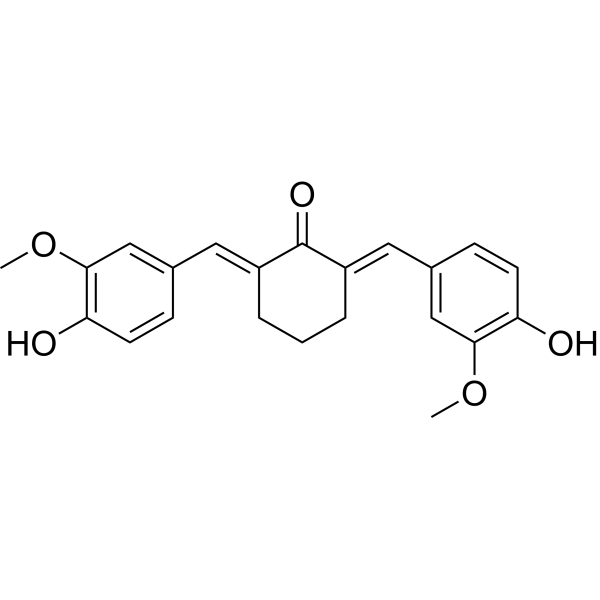
Cyclovalone (Beveno) is a synthetic curcumin derivate, which inihibits cyclooxygenase and exhibits anti-inflammatory, antitumor and antioxidant activities . Cyclovalone inhibits cell proliferation in normal and malignant prostatic cells. Cyclovalone ist orally active .
|
-
- HY-W416228
-
|
|
Reactive Oxygen Species (ROS)
|
Others
|
|
1-O-Caffeoyl-β-D-glucopyranose, a phenylpropanoid compound derived from Illicium majus, exhibits significant antioxidant activity and can scavenge DPPH radicals in vitro, with an IC50 value of 37.7 μM .
|
-

- HY-N7622
-
|
Tractylodinol acetate
|
Others
|
Others
|
|
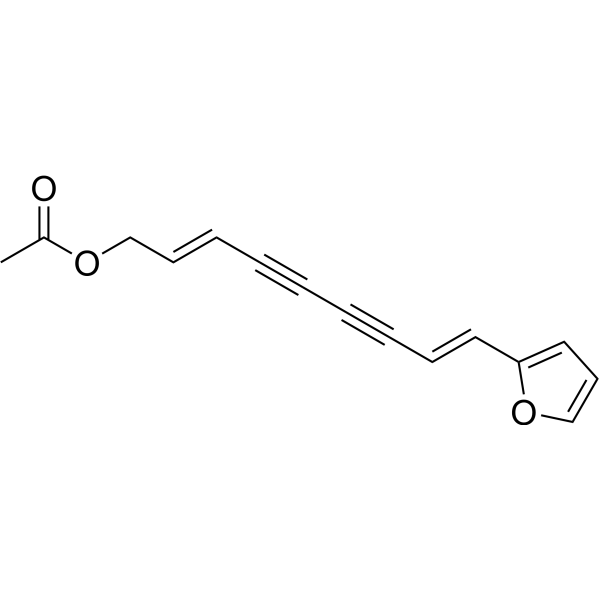
Acetylatractylodinol, isolated from Atractylodes lancea, possesses antioxidant activity . Acetylatractylodinol is a click chemistry reagent, it contains an Alkyne group and can undergo copper-catalyzed azide-alkyne cycloaddition (CuAAc) with molecules containing Azide groups.
|
-
- HY-152144
-
|
|
EGFR
|
Cancer
|
|
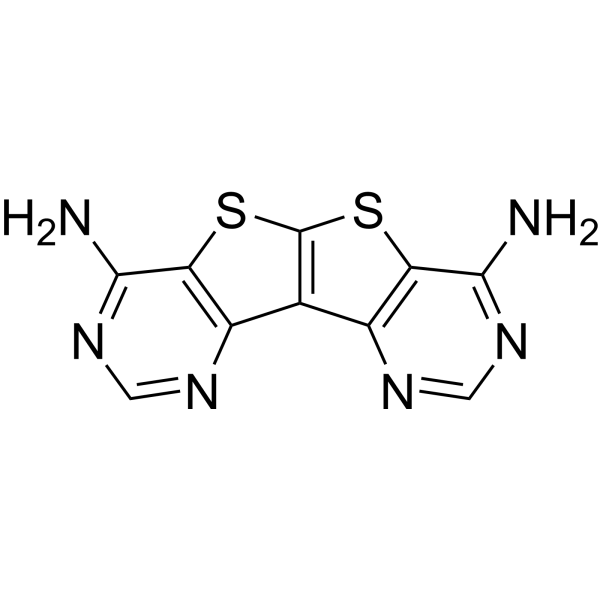
EGFR-IN-75 is an EGFR WT and EGFR T790M inhibitor with IC50 values of 0.28 μM and 5.02 μM, respectively. EGFR-IN-75 shows anticancer and antioxidant activity .
|
-
- HY-N1782
-
|
|
Others
|
Inflammation/Immunology
|
|
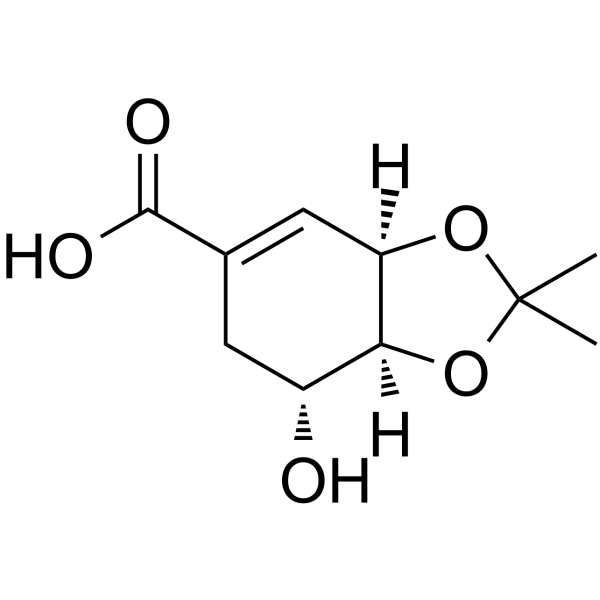
3,4-O-Isopropylidene-shikimicn acid is a natural product that can be isolated from the whole plants of Hypericum wightianum. 3,4-O-Isopropylidene-shikimic acid has anti-inflammatory effect and antioxidant activities .
|
-
- HY-144509S
-
-
- HY-W042156
-
|
|
Fungal
|
Neurological Disease
|
|
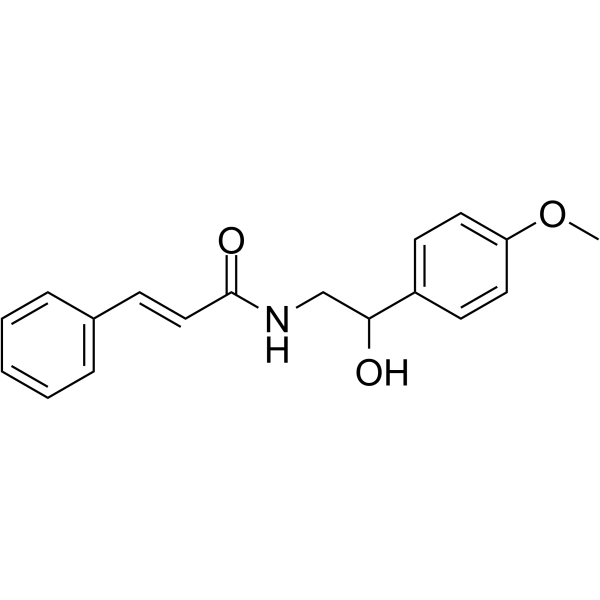
Aegeline, a main alkaloid, mimics the yeast SNARE protein Sec22p in suppressing α-synuclein and Bax toxicity in yeast. Aegeline restores growth of yeast cells suppressed by either αsyn or Bax. Antioxidant activity .
|
-
- HY-N0055
-
|
3-O-Caffeoylquinic acid; Heriguard; NSC-407296
|
HIF/HIF Prolyl-Hydroxylase
Reactive Oxygen Species (ROS)
Bacterial
Influenza Virus
Endogenous Metabolite
|
Infection
Cardiovascular Disease
Inflammation/Immunology
Cancer
|
|
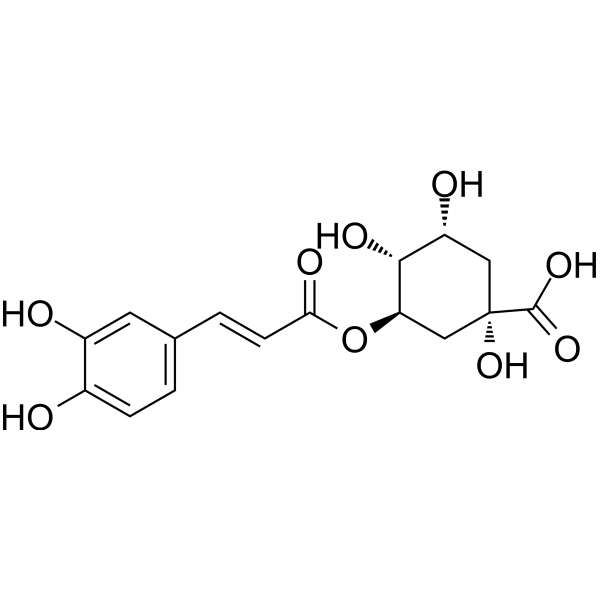
Chlorogenic acid is a major phenolic compound in Lonicera japonica Thunb. It is an orally active antioxidant activity, antibacterial, hepatoprotective, cardioprotective, anti-inflammatory, antipyretic, neuroprotective, anti-obesity, antiviral, anti-microbial, anti-hypertension compound .
|
-
- HY-12779R
-
|
HGW-86 (Standard)
|
Reference Standards
Parasite
|
Others
|
|
Cyantraniliprole (Standard) is the analytical standard of Cyantraniliprole. This product is intended for research and analytical applications. Cyantraniliprole (HGW-86) is a potent and selective aniline receptor activator with oral activity. Cyantraniliprole has insecticidal and antioxidant activity .
|
-

- HY-159986
-
|
|
Pantetheinase
|
Cancer
|
|
X-17 is a Vanin-1 Inhibitor with potent anti-inflammatory and antioxidant activities. X-17 repressrs the inflammatory factor expressions and myeloperoxidase activity, elevats the colonic glutathione reserve, and restors the intestinal barrier .
|
-

- HY-W009081R
-
|
|
Reference Standards
Endogenous Metabolite
|
Metabolic Disease
|
|
Naringenin (Standard) is the analytical standard of Naringenin. This product is intended for research and analytical applications. Naringenin is the predominant flavanone in Citrus reticulata Blanco; displays strong anti-inflammatory and antioxidant activities. Naringenin has anti-dengue virus (DENV) activity.
|
-

- HY-113919
-
|
|
Calcium Channel
|
Inflammation/Immunology
|
|
Nothofagin, a dihydrochalcone, is isolated from rooibos (Aspalathus linearis) . Nothofagin downregulates NF-κB translocation through blocking calcium influx. Nothofagin has antioxidant activity and ameliorates various inflammatory responses such as the septic response and vascular inflammation .
|
-
- HY-107796
-
|
Dipyrone magnesium; Methamizole magnesium
|
COX
Apoptosis
|
Inflammation/Immunology
|
|
Metamizole magnesium is an orally active cyclooxygenase (COX) inhibitor. Metamizole magnesium can inhibit cell proliferation and promote cell apoptosis. Metamizole magnesium has anti-inflammatory and antioxidant activities. Metamizole magnesium is an antipyretic, analgesic and spasmolytic agent .
|
-

- HY-W014423
-
-
- HY-N9391
-
|
|
Apoptosis
|
Cancer
|
|
7,3′,5′-Trihydroxyflavanone, a flavanoid derivative, induces the apoptotic cell death of MCF-7 cells by increasing Bax expression level. 7,3′,5′-Trihydroxyflavanone also exhibits antioxidant activity .
|
-
- HY-111896A
-
|
(-)-7-O-Methoxyrosmanol
|
Others
|
Others
|
|
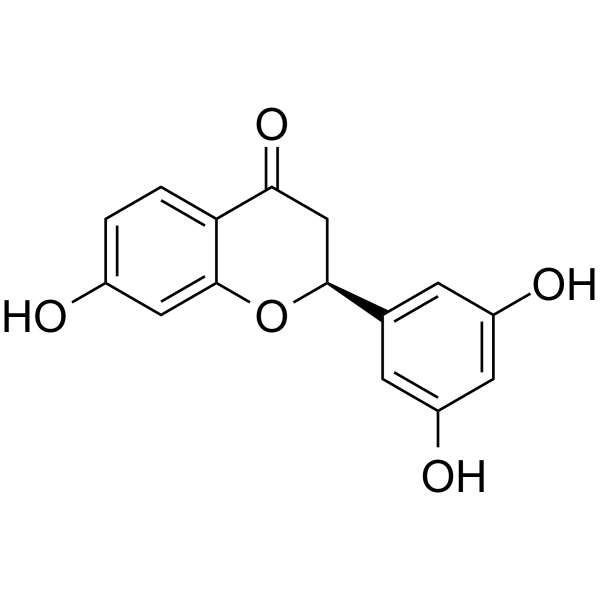
(-)-7-Methoxyrosmanol ((-)-7-O-Methoxyrosmanol) is a phenolic diterpene with antioxidant activity. (-)-7-Methoxyrosmanol is produced from carnosic acid by oxidation and cyclization, can induce cell cycle arrest and apoptosis in neuroblastoma cells .
|
-
- HY-N10131
-
|
(+)-Biatractylolide
|
Apoptosis
|
Neurological Disease
Cancer
|
|
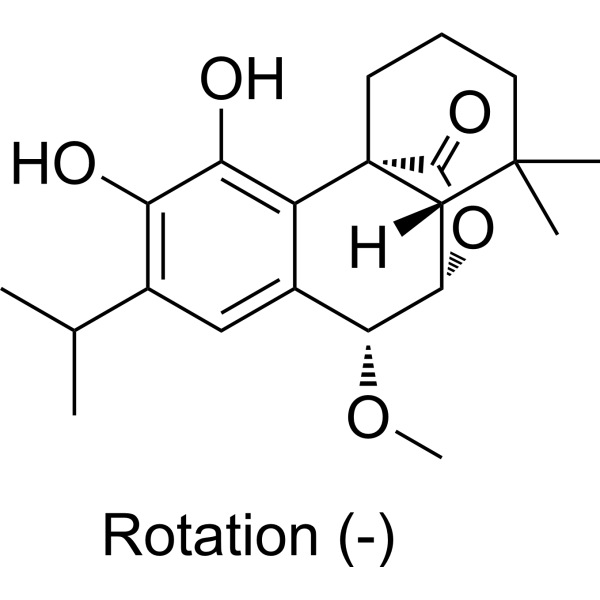
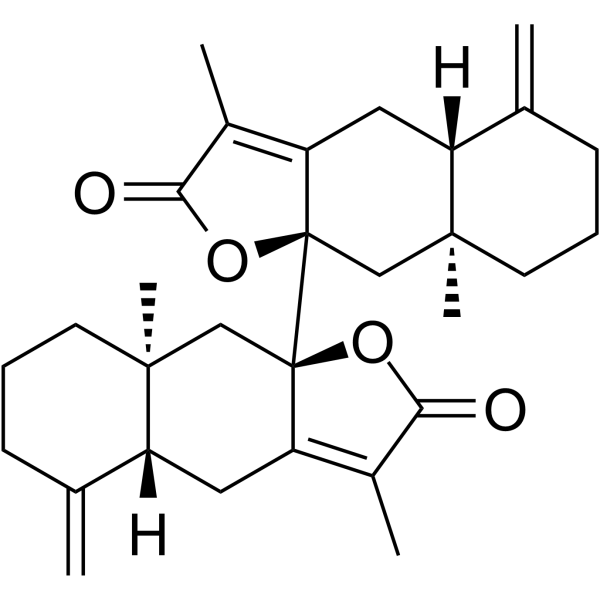
Biatractylolide is a compound isolated from the ethyl acetate extract of Atractylodes macrocephala. Biatractylolide has antitumor and antioxidant activities. Biatractylolide improves cell viability, inhibits the apoptosis of cells induced by glutamate, and reduces the activity of LDH. Biatractylolide has neuroprotective effects .
|
-
- HY-N15470
-
|
|
Monoamine Oxidase
|
Neurological Disease
|
|
MAO-B-IN-52 (Compound 7) is a MAO-B inhibitor with an IC50 of 83.7 μM. MAO-B-IN-52 has antioxidant activity. MAO-B-IN-52 can be used in the research of Alzheimer's disease .
|
-

- HY-N3517A
-
|
|
Drug Derivative
|
Inflammation/Immunology
|
|
cis-Oxyresveratrol 3'-O-β-D-glucopyranoside is a derivative of Oxyresveratrol (HY-N1430) and can be found in mulberry branches. cis-Oxyresveratrol 3'-O-β-D-glucopyranoside exhibits antioxidant activity .
|
-

- HY-157629
-
|
PAPE; 1-Palmitoyl-2-arachidonoyl PE
|
Reactive Oxygen Species (ROS)
|
Others
|
|
1-Palmitoyl-2-arachidonoyl-sn-glycero-3-PE (PAPE), a compound isolated from egg yolk with antioxidant activity related to the unsaturated fatty acid content, was extracted, purified, and analyzed by various techniques.
|
-

- HY-W668469
-
|
|
Bacterial
|
Inflammation/Immunology
|
|
2-Methyldecalin is an active ingredient that can be extracted from Crambe cordifolia. 2-Methyldecalin has antioxidant activity, antibacterial activity, and high biological safety. 2-Methyldecalin can be used for research on inflammatory conditions .
|
-

- HY-157124
-
|
|
Tyrosinase
|
Metabolic Disease
|
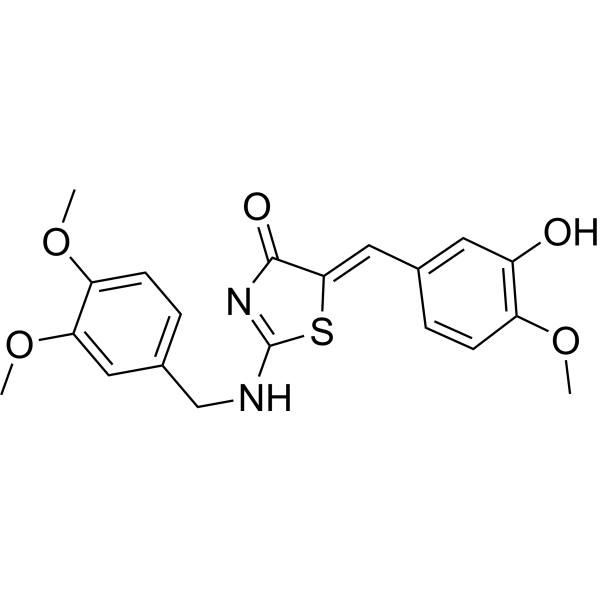
Tyrosinase-IN-19 (compound 9) is a competitive tyrosinase inhibitor. Tyrosinase-IN-19 has strong antioxidant activities against ROS, ABTS+, and DPPH radicals. Tyrosinase-IN-19 suppresses tyrosinase expression in a dose-dependent manner .
|
-
- HY-N10898
-
|
|
Lipoxygenase
|
Inflammation/Immunology
Cancer
|
|
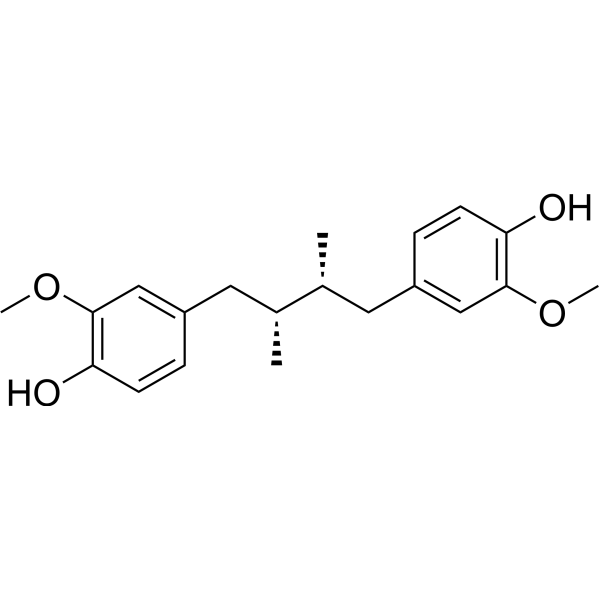
(-)-Dihydroguaiaretic acid is a Lipoxygenase inhibitor that has antioxidant activity. (-)-Dihydroguaiaretic acid inhibits the oxidation of unsaturated fatty acids and removes free radicals. (-)-Dihydroguaiaretic acid also has anticancer activity with an IC50 value of 7.49 μM (A549 cells) .
|
-
- HY-N3220
-
|
|
Xanthine Oxidase
|
Metabolic Disease
|
|
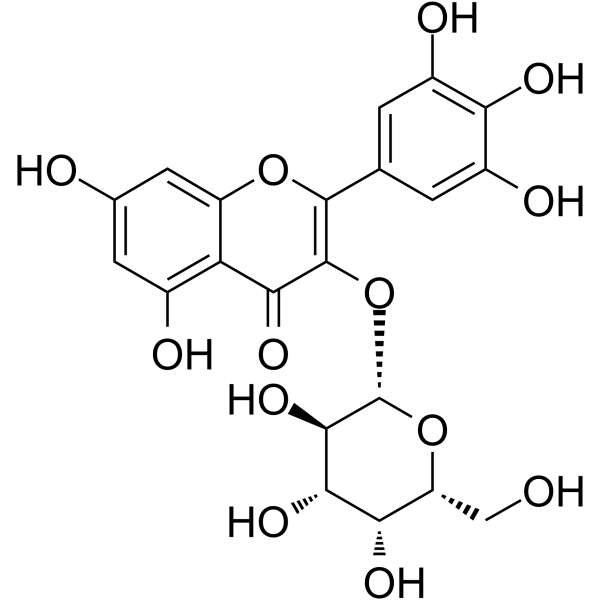
Myricetin 3-O-galactoside inhibits xanthine oxidase (XO) activity, lipid peroxidation and scavenges the free radical. Myricetin 3-O-galactoside inhibits lipid peroxidation with an IC50 of 160 μg/mL. Antioxidant activity .
|
-
- HY-W083376A
-
|
|
Keap1-Nrf2
|
Inflammation/Immunology
Cancer
|
|
4-Methoxychalcone is a naturally occurring chalcone compound. 4-Methoxychalcone has antioxidant activity, anti-inflammatory activity, antitumor activity and antibacterial activity. 4-Methoxychalcone can be used to study inflammation and tumor models .
|
-

- HY-113121S1
-
|
|
Isotope-Labeled Compounds
Endogenous Metabolite
|
Cardiovascular Disease
|
|
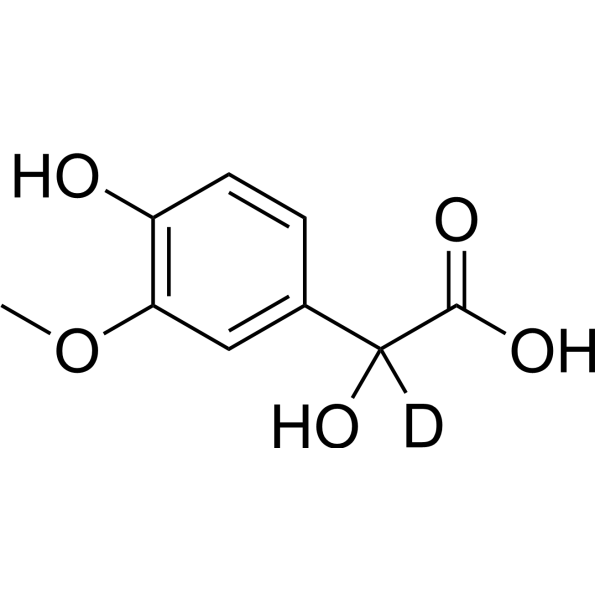
Vanillylmandelic acid-d is the deuterium labeled Vanillylmandelic acid. Vanillylmandelic acid is the endproduct of epinephrine and norepinephrine metabolism. Vanillylmandelic acid can be used as an indication of the disorder in neurotransmitter metabolism as well. Vanillylmandelic acid has antioxidant activity towards DPPH radical with an IC50 value of 33 μM .
|
-
- HY-N0464
-
-
- HY-N0807R
-
-

- HY-60351S
-
|
|
Isotope-Labeled Compounds
Biochemical Assay Reagents
|
Others
|
|
5-Aminopyrimidine-d3 is the deuterated form of 5-Aminopyrimidine. 5-Aminopyrimidine is a biochemical reagent that can serve as a biomaterial or an organic compound for research related to life sciences. Its derivatives exhibit antioxidant activity .
|
-

- HY-N7715A
-
|
(E)-Ferulic acid glucoside; (E)-Feruloyl glucose ester
|
Others
|
Others
|
|
(E)-Ferulic acid acyl-β-D-glucoside ((E)-Ferulic acid glucoside) (compoun 4C) is an acyl-β-D-glucoside that can be isolated from Riesling Wine. (E)-Ferulic acid acyl-β-D-glucoside exhibits antioxidant activity .
|
-

- HY-Y1315R
-
|
|
Biochemical Assay Reagents
Reference Standards
|
Others
|
|
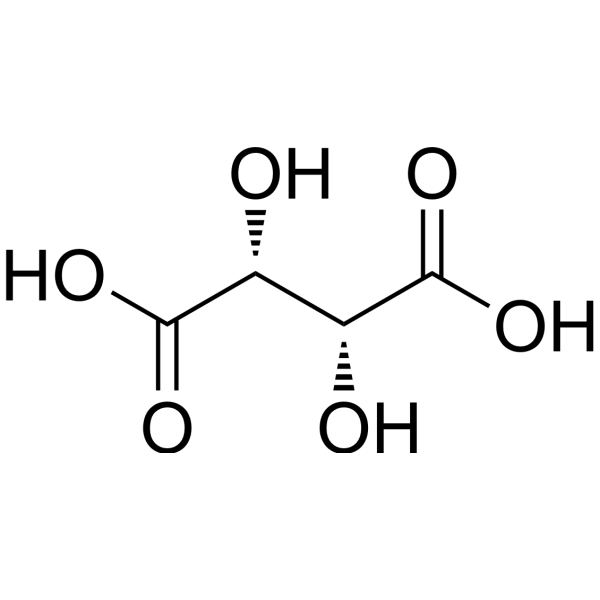
DL-Tartaric acid (Standard) is the analytical standard of DL-Tartaric acid. This product is intended for research and analytical applications. DL-Tartaric acid is a non-racemic mixture of L- and D-tartaric acid with antioxidant activity. 14C-labeled DL-Tartaric acid is nephrotoxic .
|
-
- HY-B0812
-
|
SSA dihydrate
|
Biochemical Assay Reagents
|
Cancer
|
|
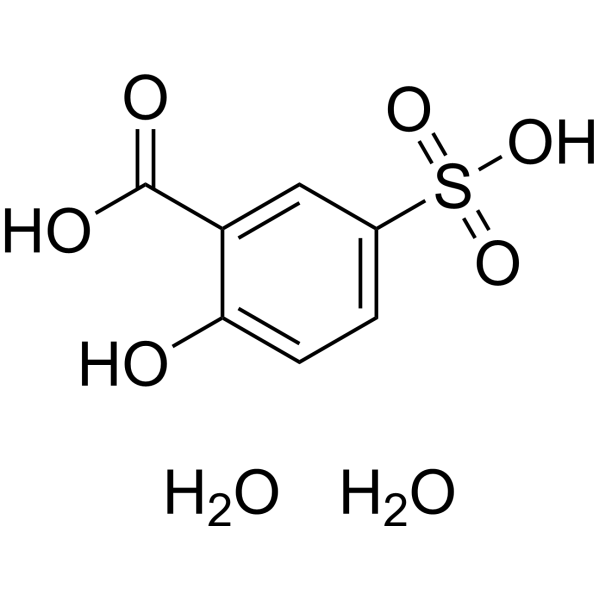
5-Sulfosalicylic acid dihydrate is a sulfonated salicylic acid derivative. 5-Sulfosalicylic acid dihydrate is effective against the breast cancer cell line, MCF-7, with less toxicity . 5-Sulfosalicylic acid dihydrate has antioxidant activities .
|
-
- HY-N9397
-
|
|
Others
|
Metabolic Disease
|
|
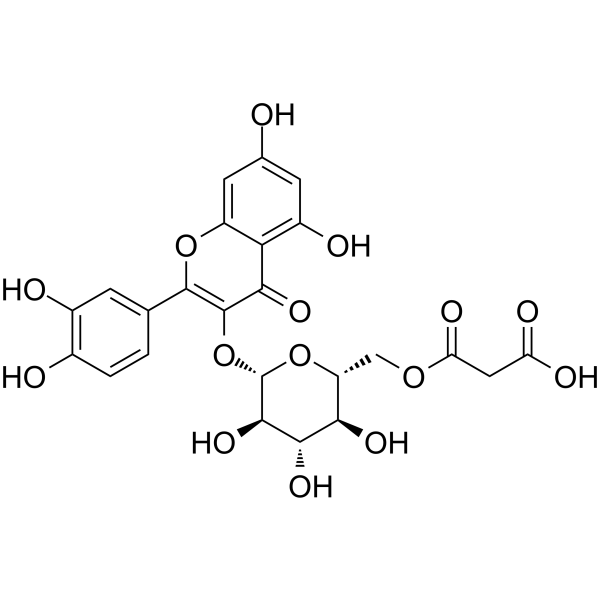
Quercetin 3-O-(6''-O-malonyl)-β-D-glucoside is a flavonol glycoside. Quercetin 3-O-(6''-O-malonyl)-β-D-glucoside possesses antioxidant activity .
|
-
- HY-N7677
-
|
|
VZV
HSV
|
Infection
Inflammation/Immunology
Cancer
|
|
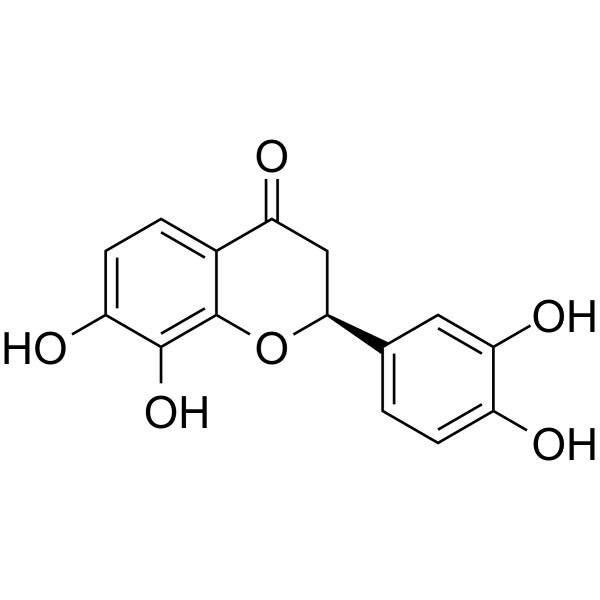
Isookanin can be used for the research of various illnesses including cancers, skin rashes, snake and insects bites, diabetes mellitus, diarrhoea. Isookanin acts as an anti-viral agent against HSV and varicella-zoster virus (VZV). Antioxidant activity .
|
-
- HY-N12267
-
|
(E/Z)-Terrestribisamide
|
Melanocortin Receptor
|
Metabolic Disease
|
|
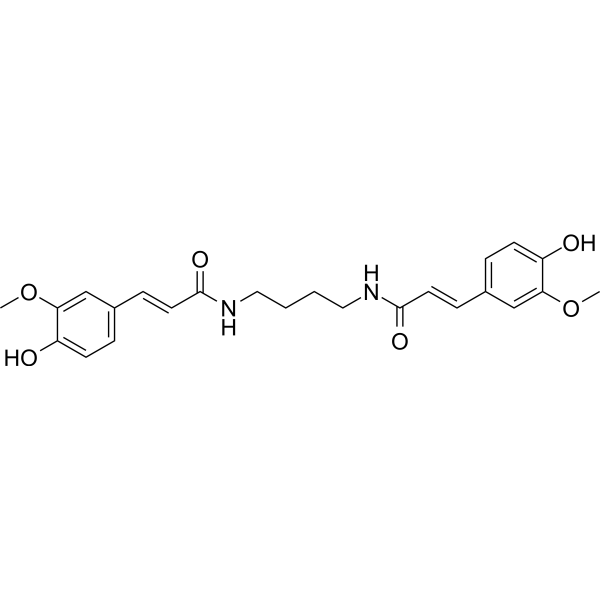
N,N′-Diferuloylputrescine ((E/Z)-Terrestribisamide) is a inhibitor of pigmentation with 57% reduction. N,N′-Diferuloylputrescine significantly reduces the protein level of MITF. N,N′-Diferuloylputrescine has strong antioxidant activities as radical scavengers against reactive oxygen species .
|
-
- HY-157123
-
|
|
Tyrosinase
|
Metabolic Disease
|
|
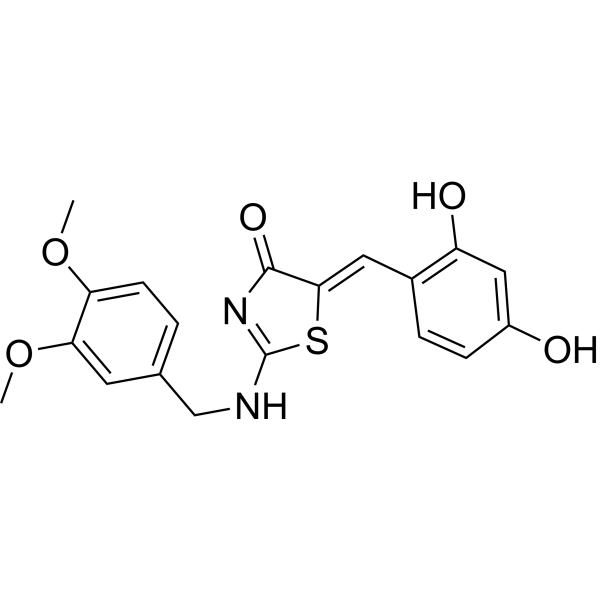
Tyrosinase-IN-18 (compound 6) is a potent tyrosinase inhibitor. Tyrosinase-IN-18 inhibits melanogenesis in B16F10 mammalian cells. Tyrosinase-IN-18 has strong antioxidant activities against ROS, ABTS +, and DPPH radicals .
|
-
- HY-N8559
-
-

- HY-N10016
-
|
|
Tyrosinase
|
Cancer
|
|
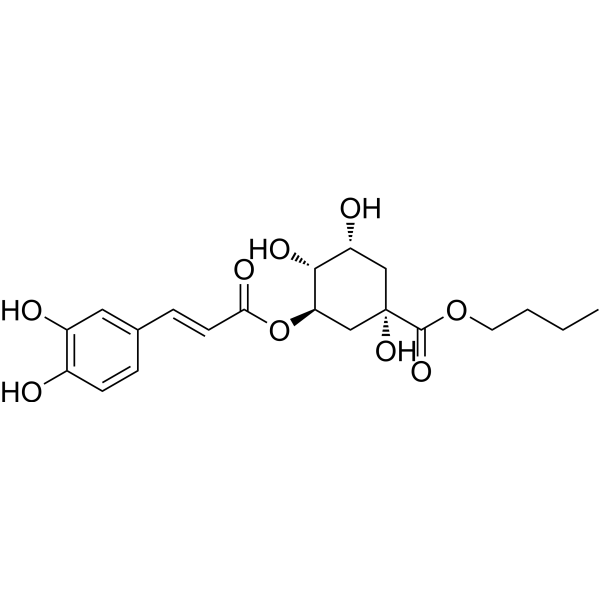
Chlorogenic acid butyl ester, a caffeoylquinic acid, is a potent melanogenesis inhibitor. Chlorogenic acid butyl ester inhibits the expression of microphtalmia-associated transcription factor (MITF), tyrosinase, tyrosinerelated protein 1 (TRP-1), and TRP-2. Chlorogenic acid butyl ester also shows antioxidant activity .
|
-
- HY-N2185
-
|
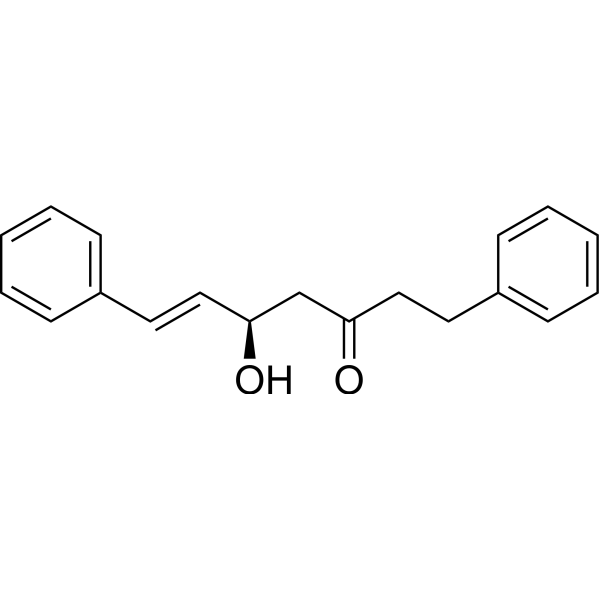
(5R)-trans-1,7-diphenyl-5-hydroxy-6-hepten-3-one
|
Others
|
Inflammation/Immunology
|
|
(5R,6E)-5-Hydroxy-1,7-diphenyl-6-hepten-3-one is the methylene chloride extract of Alpinia nutans, has antioxidant activity .
|
-
- HY-N12443
-
|
|
Cytochrome P450
|
Inflammation/Immunology
|
|
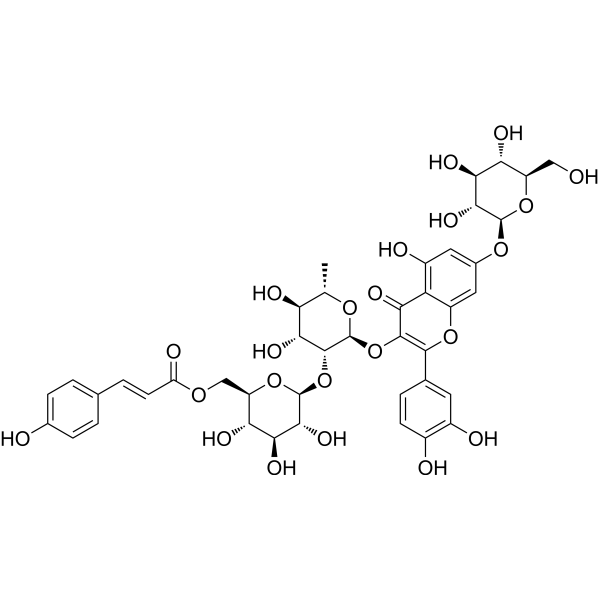
Antioxidant agent-18 (compound 5) is a flavonol glycoside with antioxidant activity isolated from Ginkgo biloba. Antioxidant agent-18 scavenges DPPH radicals (IC50: 15.8 μM) and reduces cytochrome c (IC50: 14.7 μM).
|
-
- HY-W142663
-
|
|
Endogenous Metabolite
|
|
|
Bisphenol M is a synthetic organic compound with antioxidant activity. Bisphenol M is commonly used in industry to make plastics and resins, and is used as a stabilizer and preservative in cosmetics. Bisphenol M can also be used in certain food packaging materials to improve product durability and safety.
|
-

- HY-N13181
-
|
|
Others
|
Others
|
|
2-(3',4'-Dihydroxyphenyl)-1,3-benzodioxole-5-aldehyde is a macrocyclic glycoside compound derived from Sargentodoxa cuneata, exhibiting significant antioxidant activity with a DPPH IC50 value of 2.9 μM .
|
-

- HY-N8241R
-
-

- HY-N1994
-
|
|
Reactive Oxygen Species (ROS)
|
Inflammation/Immunology
|
|
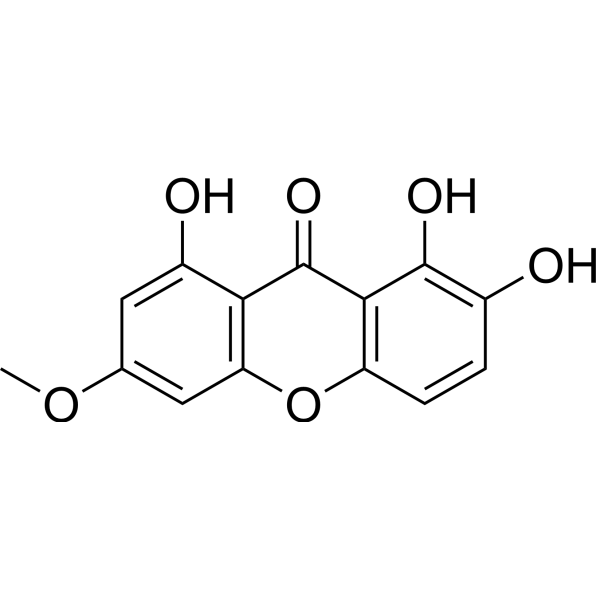
Swertianine is a hydroxyexanthone that can be isolated from Swertia decussata. Swertianine has antioxidant activity by inhibiting lipid peroxidation, scavenging DPPH and superoxide free radicals. Swertianine also inhibits γ-ray induced DNA damage of pBR322 with protective effect .
|
-
- HY-N8440
-
|
|
NF-κB
|
Infection
|
|
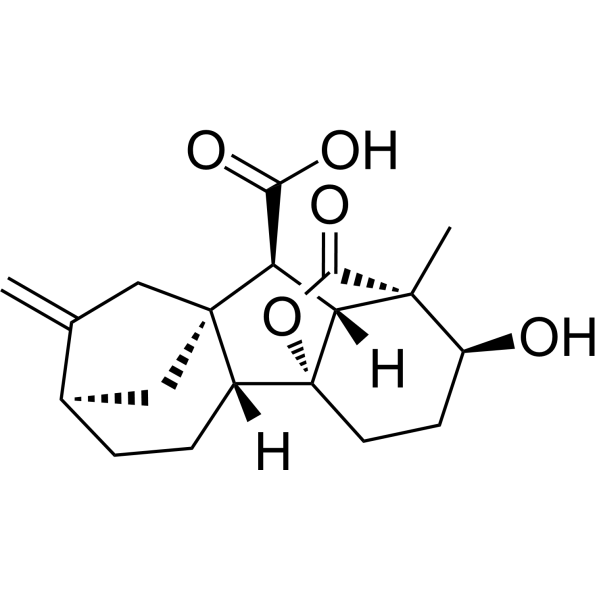
Gibberellin A4 is a type of bioactive gibberellin. Gibberellin A4 promotes flowering in apple trees. Gibberellin A4 also exhibits anti-NF-κB and antioxidant activities. Gibberellin A4 can be used in the research of periodontal diseases .
|
-
- HY-W046906R
-
|
|
Reference Standards
Endogenous Metabolite
|
Metabolic Disease
|
|
Timosaponin BII (Standard) is the analytical standard of Timosaponin BII. This product is intended for research and analytical applications. Timosaponin BII (Prototimosaponin A III) is a steroid saponin found in the rhizomes of Anemarrhena asphodeloides. Timosaponin BII has neuronal protective, anti-inflammatory and antioxidant activities .
|
-

- HY-N15285
-
|
|
Others
|
Metabolic Disease
|
|
Protocatechuic acid 4-glucoside is a glycosylated phenolic acid. Protocatechuic acid 4-glucoside exhibits antioxidant activity and can alleviate atherosclerotic lesions in rats fed a high-fat diet. Protocatechuic acid 4-glucoside can be used for the study of metabolism-related diseases .
|
-

- HY-182559
-
|
|
Reactive Oxygen Species (ROS)
|
Cancer
|
|
Candidin is an antioxidant flavonoid, which can be found in the roots of Millettia brandisiana. Candidin induces cytotoxic activity in human cancer cells. Candidin mediates antioxidant activity via peroxyl radical scavenging. Candidin can be used for the research of liver cancer and lung cancer .
|
-

- HY-N2493
-
Lawsone
2 Publications Verification
|
Fungal
Apoptosis
|
Infection
Cancer
|
|
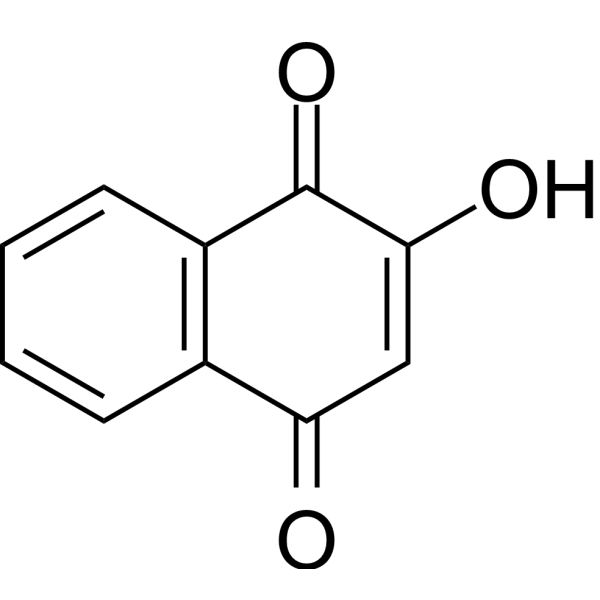
Lawsone is an orally active naphthoquinone dye that can be isolated from the leaves of Lawsonia inermis. Lawsone can induce apoptosis. Lawsone has antibacterial, antitumor and antioxidant activities. Lawsone can be used in anti-tumor drug research .
|
-
- HY-113121S
-
|
|
Endogenous Metabolite
|
Cardiovascular Disease
|
|
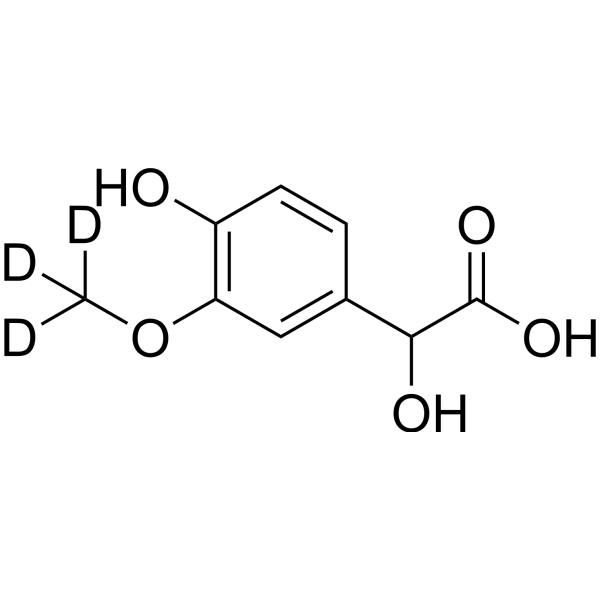
Vanillylmandelic acid-d3 is the deuterium labeled Vanillylmandelic acid. Vanillylmandelic acid is the endproduct of epinephrine and norepinephrine metabolism. Vanillylmandelic acid can be used as an indication of the disorder in neurotransmitter metabolism as well. Vanillylmandelic acid has antioxidant activity towards DPPH radical with an IC50 value of 33 μM .
|
-
- HY-N8253R
-
|
Quercetin 4′-O-glucoside (Standard)
|
Reference Standards
Reactive Oxygen Species (ROS)
|
Inflammation/Immunology
Cancer
|
|
Spiraeoside (Standard) is the analytical standard of Spiraeoside. This product is intended for research and analytical applications. Spiraeoside, an orally active natural compound, exerts antioxidant activity, inhibits reactive oxygen species (ROS) and malondialdehyde production. Spiraeoside possesses antiallergic, anti-inflammatory and antitumor activities .
|
-

- HY-N0812R
-
|
Prototimosaponin A III (Standard)
|
Amyloid-β
Reference Standards
|
Neurological Disease
Inflammation/Immunology
Cancer
|
|
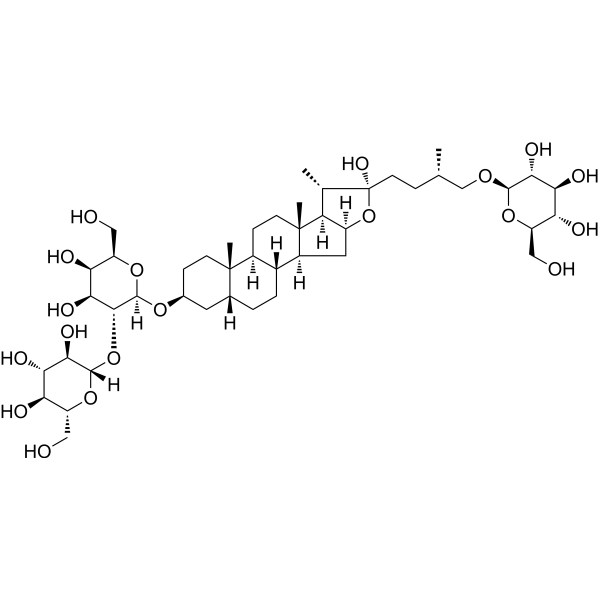
Timosaponin BII (Standard) is the analytical standard of Timosaponin BII. This product is intended for research and analytical applications. Timosaponin BII (Prototimosaponin A III) is a steroid saponin found in the rhizomes of Anemarrhena asphodeloides. Timosaponin BII has neuronal protective, anti-inflammatory and antioxidant activities .
|
-

- HY-N2493R
-
|
|
Reference Standards
Fungal
Apoptosis
|
Infection
Cancer
|
|
Lawsone is an orally active naphthoquinone dye that can be isolated from the leaves of Lawsonia inermis. Lawsone can induce apoptosis. Lawsone has antibacterial, antitumor and antioxidant activities. Lawsone can be used in anti-tumor drug research .
|
-

- HY-N15697
-
|
(-)-Prinsepiol
|
Others
|
Metabolic Disease
|
|
Prinsepiol ((-)-Prinsepiol) is an antioxidant agent targeting free radical scavenging. Prinsepiol exerts antioxidant activity via direct free radical neutralization and modulation of oxidative stress-related pathways. Prinsepiol is promising for research of liver injury repair and oxidative stress-related diseases .
|
-

- HY-N13182
-
|
|
Others
|
Others
|
|
Taxoquinone is an antioxidant derived from Metasequoia glyptostroboides and belongs to the diterpenoid class of compounds. At a concentration of 150 μg/mL, Taxoquinone exhibits a maximum inhibition of DPPH radicals of 81.29%, demonstrating superior antioxidant activity compared to Ascorbic acid and α-tocopherol at the same concentration .
|
-

- HY-128476R
-
|
|
Biochemical Assay Reagents
Reference Standards
|
Others
|
|
Sodium Tartrate (Standard) is the analytical standard of Sodium Tartrate. This product is intended for research and analytical applications. Sodium Tartrate is a pH-Regulating agent with antioxidant activity. Sodium Tartrate is particularly effective retarding hydrolysis while heating at high temperatures, resulting in increase of acid values (AVs) of vegetable oils[1].
|
-

- HY-N4008R
-
|
Iriflophenone 3-C-β-D-glucopyranoside (Standard)
|
Reference Standards
Others
|
Metabolic Disease
|
|
Iriflophenone 3-C-glucoside (Standard) is the analytical standard of Iriflophenone 3-C-glucoside. This product is intended for research and analytical applications. Iriflophenone 3-C-β-D-glucopyranoside, isolated from Cyclopia genistoides, has antioxidant activity .
|
-

- HY-W585837
-
|
|
Endogenous Metabolite
|
|
|
3-Benzylidenecamphor is a UV absorber with excellent photostability and antioxidant activity. 3-Benzylidenecamphor is widely used in sunscreen products to protect the skin from UV damage. 3-Benzylidenecamphor can also be used in cosmetics to improve the shelf life and safety of the product.
|
-

- HY-N7069
-
|
|
Environmental Pollutants
|
Cancer
|
|
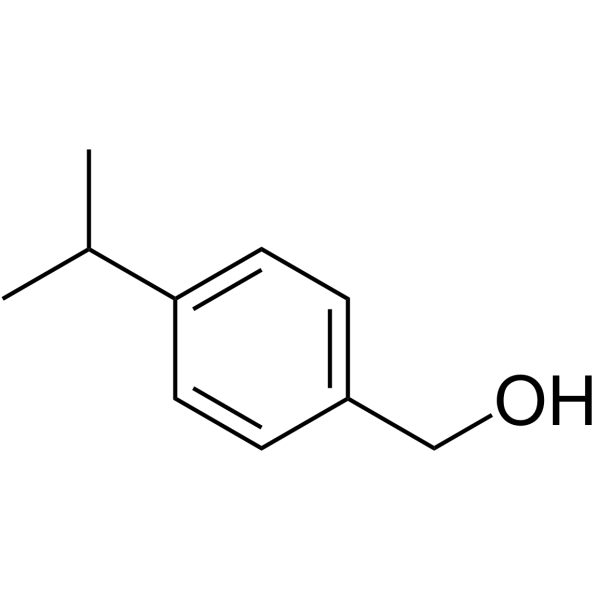
4-Isopropylbenzyl alcohol is a chemical composition of the essential oils from the leaves and flowers of Camellia nitidissima. C. nitidissima possess multiple biological activities including antioxidant activity, anticancer activity, and cytotoxicity as well as inhibiting the formation of advanced glycation end-products .
|
-
- HY-B1448
-
|
KW-3049
|
Calcium Channel
Apoptosis
|
Cardiovascular Disease
|
|
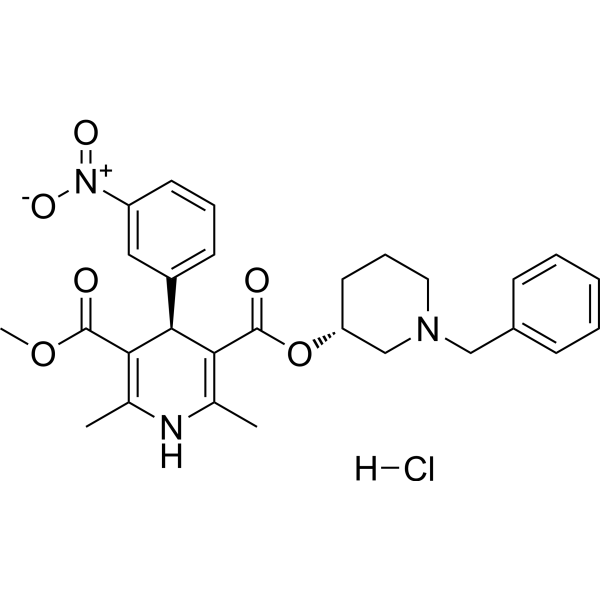
Benidipine hydrochloride is an orally active calcium channel antagonist. Benidipine hydrochloride can inhibit cell proliferation and apoptosis. Benidipine hydrochloride has antioxidant activity and can increase nitric oxide synthase activity and improve coronary circulation in hypertensive rats .
|
-
- HY-N1914
-
|
L-(+)-Ergothioneine
|
Endogenous Metabolite
p38 MAPK
Akt
Keap1-Nrf2
NF-κB
|
Others
|
|
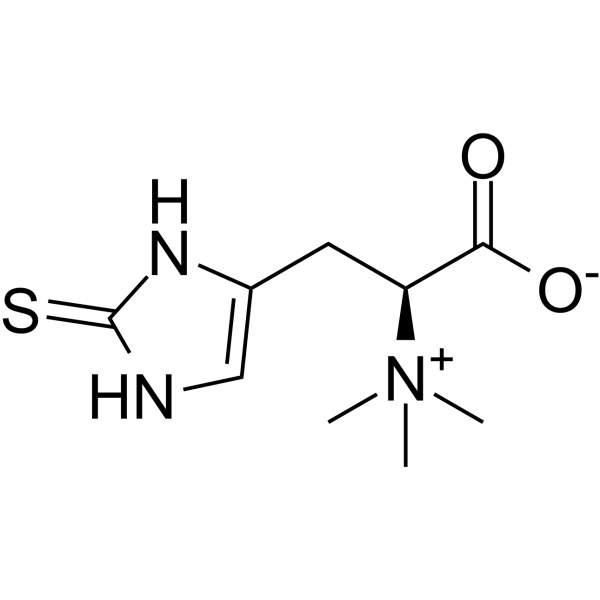
Ergothioneine is an imidazole-2-thione derivative with orally active histidine betaine. Ergothioneine is a specific inhibitor of p38-MAPK and Akt, which plays a protective role in cell apoptosis induced by stress. Ergothioneine has antioxidant activity .
|
-
- HY-149820
-
|
|
Monoamine Oxidase
|
Neurological Disease
|
|
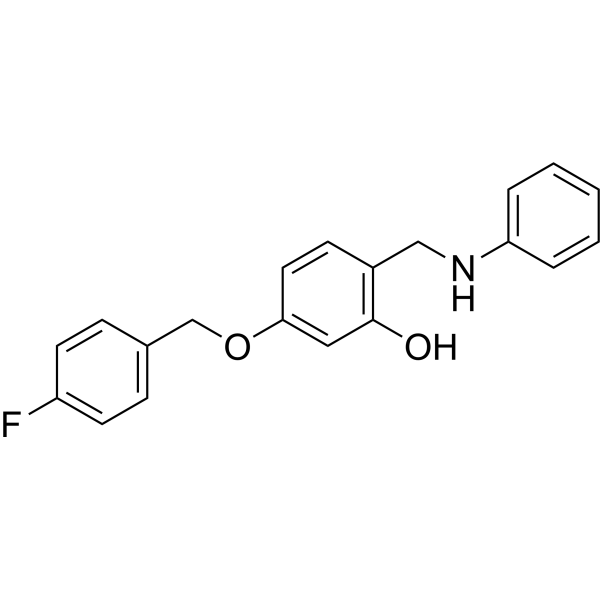
MAO-B-IN-22 (compound 6h) is a potent MAO-B inhibitor with an IC50 of 0.014 μM. MAO-B-IN-22 has high antioxidant activity, good metal chelating ability, proper BBB permeability and significant neuroprotective effect .
|
-
- HY-149207
-
|
|
Tyrosinase
|
Metabolic Disease
|
|
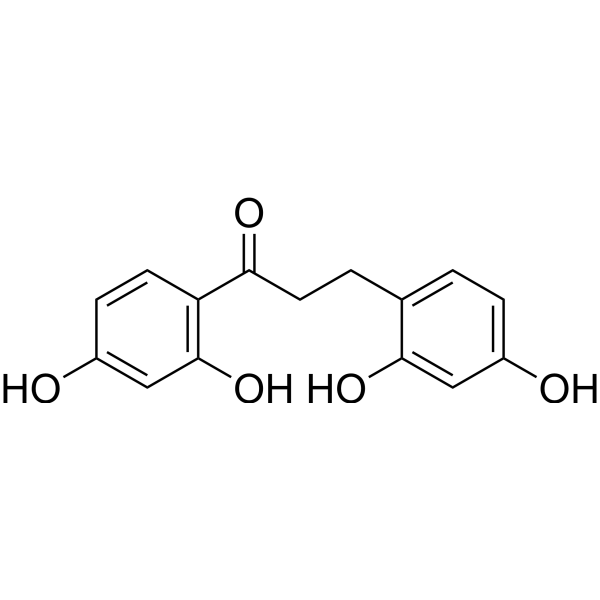
Tyrosinase-IN-11 is a potent tyrosinase inhibitor with IC50s of 50 nM and 64 nM for L-tyrosinase and L-dopa, respectively. Tyrosinase-IN-11 has significant antioxidant activity and low cytotoxicity. Tyrosinase-IN-11 has the potential for skin hyperpigmentation research .
|
-
- HY-N18365
-
|
Dillenetin-3-O-β-D-glucopyranoside
|
Reactive Oxygen Species (ROS)
|
Others
|
|
3'-Methoxy tamarixin (compound 6) is a flavonoid glycoside and antioxidant. 3'-Methoxy tamarixin can be found in the leaves of Cadaba farinosa Forssk.3'-Methoxy tamarixin exhibits free radical scavenging activity and 49.1% antioxidant activity .
|
-

- HY-168436
-
|
|
Tyrosinase
|
Endocrinology
|
|
Tyrosinase-IN-40 (Compound 9r) is a competitive-type tyrosinase inhibitor, with an IC50 value of 17.02 µM, a Ki value of 14.87 µM. Tyrosinase-IN-40 displays antioxidant activity. Tyrosinase-IN-40 can be used in melanin-related studies .
|
-

- HY-N12027
-
|
|
Cholinesterase (ChE)
|
Neurological Disease
|
|
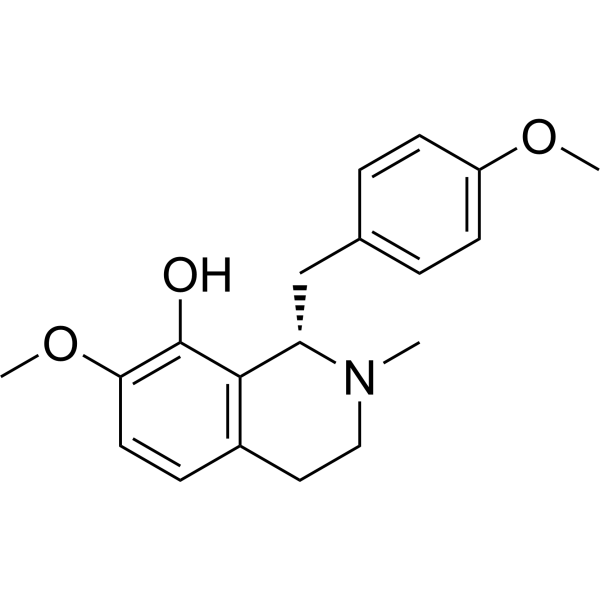
AChE/BChE-IN-14 (compound 13) is a benzylisoquinoline alkaloid isolated from the roots of Fissistigma polyanthum. AChE/BChE-IN-14 exhibits AChE and BChE inhibitions with antioxidant activities. AChE/BChE-IN-14 can be used for Alzheimer’s disease research .
|
-
- HY-113269
-
|
|
Drug Metabolite
|
Others
|
|
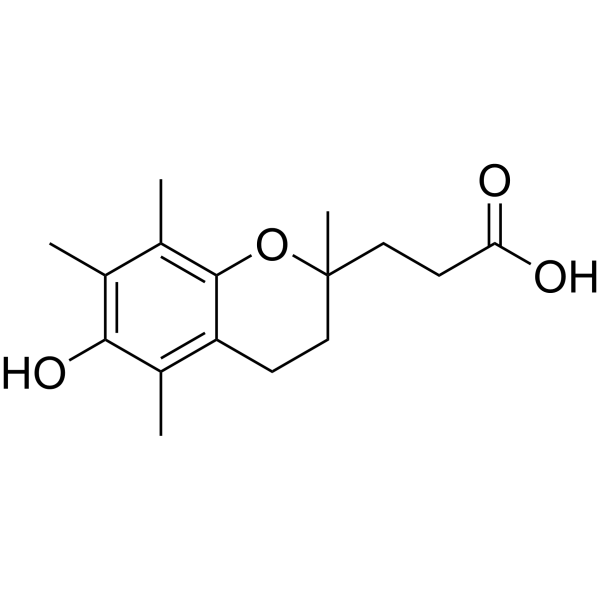
alpha-CEHC is a water-soluble metabolite of alpha-tocopherol (α-TOH) with potential antioxidant activity. alpha-CEHC slightly inhibits macrophage-induced low-density lipoprotein (LDL) oxidation, and its inhibitory potency is concentration-dependent .
|
-
- HY-N0501
-
|
|
Reactive Oxygen Species (ROS)
|
Metabolic Disease
|
|
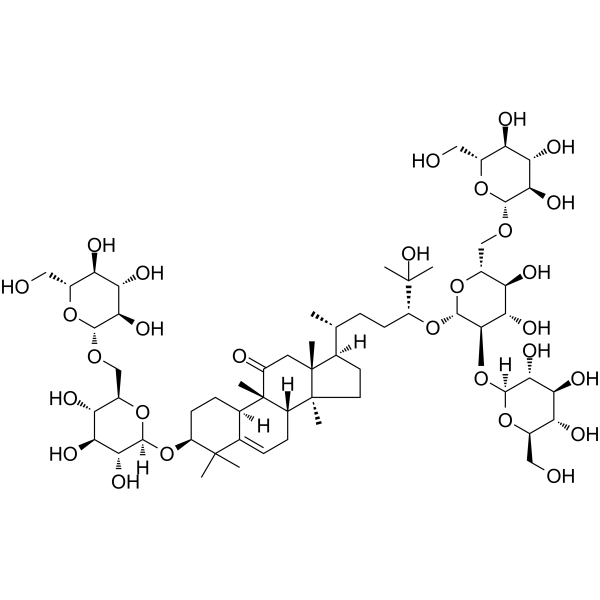
11-oxo-mogroside V is a natural sweetener that exhibits strong antioxidant activity. It exhibits significant inhibitory effects on reactive oxygen species (O2 -, H2O2 and *OH) with EC50 of 4.79, 16.52, and 146.17 μg/mL, respectively.
|
-
- HY-119975
-
|
DC118
|
Reactive Oxygen Species (ROS)
|
Cancer
|
|
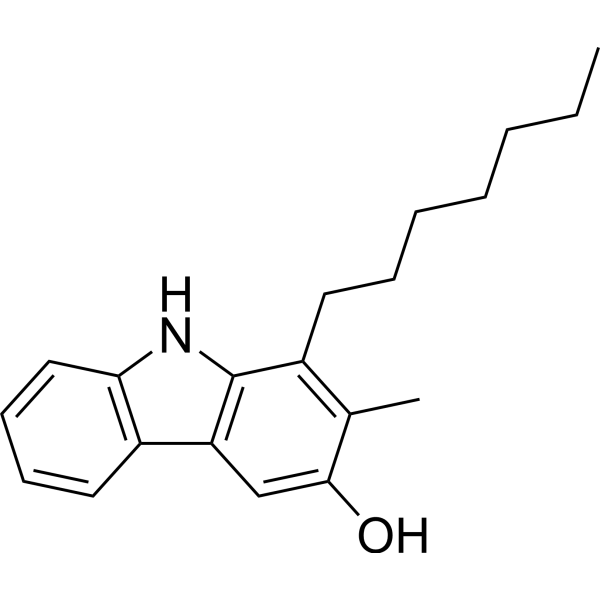
Carazostatin (DC118), an antioxidant, can be isolated from Streptomycs chromofuscus. Carazostatin (DC118) exhibits strong inhibitory activity against free radical-induced lipid peroxidation and shows stronger antioxidant activity in liposomal membranes than α-tocopherol (VE) .
|
-
- HY-N0326
-
-
- HY-106476
-
|
UK-11443
|
Adrenergic Receptor
Bacterial
Antibiotic
|
Infection
Cardiovascular Disease
|
|
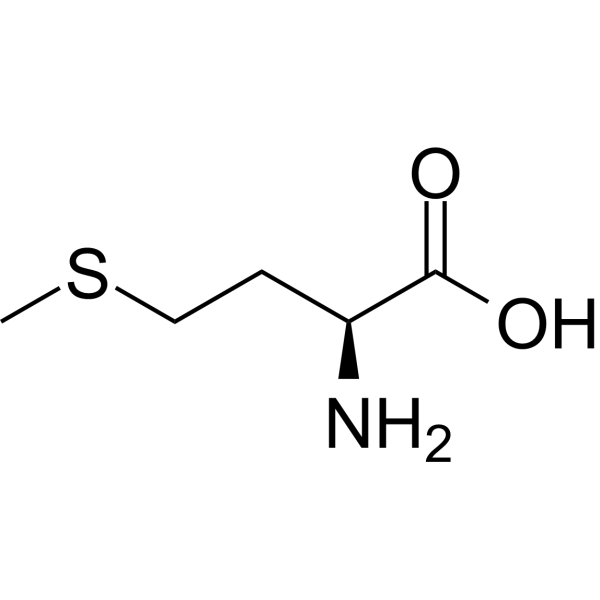
Primidolol (UK-11443), derived from Parmotrema perlatum, possesses antibacterial and antioxidant activities. Primidolol is also an orally active α/β Adrenergic Receptor blocker with antihypertensive activity.
Primidolol can be used in research related to infections and cardiovascular diseases .
|
-

- HY-N19719
-
|
|
Drug Derivative
|
Inflammation/Immunology
|
|
Bispyrayafoline is a pyrrolidone and antioxidant with an IC50 value of 13.85 μM against DPPH. Bispyrayafoline can be found in the leaves of Murraya koenigii (Linn.) Spreng. Bispyrayafoline's antioxidant activity is concentration-dependent but time-independent. Bispyrayafoline can be utilized in studies concerning oxidative damage .
|
-

- HY-B1351
-
|
|
Cytochrome P450
|
Metabolic Disease
|
|
Bilberry Extract is a bilberry extract, and its components include: Anthocyanidins. Bilberry Extract has potential antioxidant activity and can regulate specific metabolic enzymes in the liver, such as cytochrome P450 (CYP) 2C11 and CYP2E1 involved in drug metabolism. .
|
-

- HY-N2551
-
|
S-Methylmethionine sulfonium chloride
|
Others
|
Inflammation/Immunology
|
|
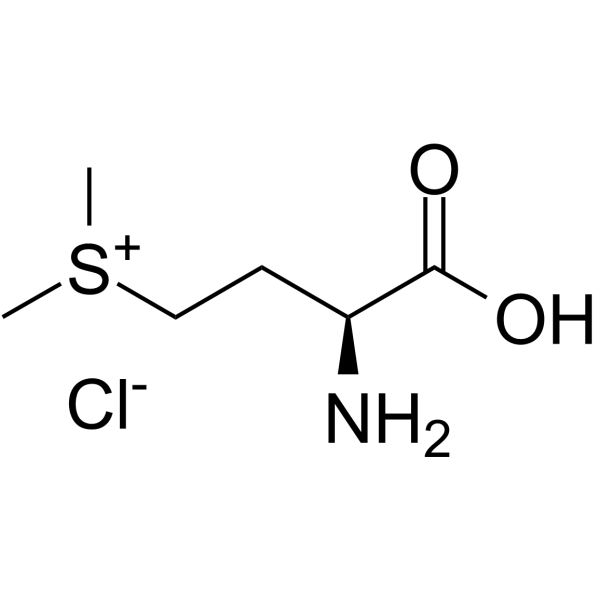
Vitamin U (S-Methylmethionine sulfonium) chloride is an orally active anti-ulcer agent with antioxidant activity. Vitamin U inhibits adipocyte differentiation. Vitamin U promotes skin wound healing.Vitamin U can be used in the research of gastrointestinal ulceration .
|
-
- HY-N19084
-
|
|
Others
|
Inflammation/Immunology
Cancer
|
|
Piper longum fruit extract contains a variety of bioactive compounds, including piperine, flavonoids, phenolic compounds, and various alkaloids. Piper longum fruit extract has applications such as antioxidant activity, anti-inflammatory effects, antitumor and immunomodulatory properties, hepatoprotective effects, and anti-chromosome breakage activity.
|
-

- HY-N17774
-
|
|
Reactive Oxygen Species (ROS)
|
Others
|
|
2,3,4,6-Tetragalloylglucose is a hydrolyzable tannin with antioxidant activity, exhibiting DPPH free radical scavenging activity (IC50=11.35 μM). 2,3,4,6-Tetragalloylglucose can be isolated from the endocarp of Juglans regia (walnut).
|
-

- HY-101445B
-
|
|
Drug Isomer
|
Neurological Disease
|
|
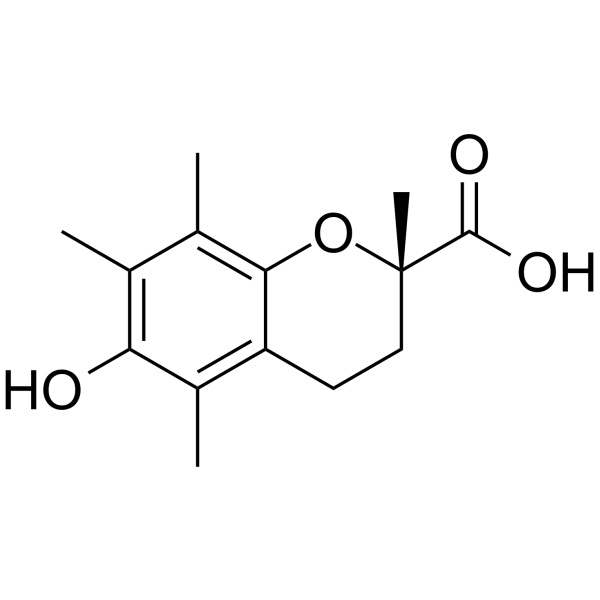
(S)-Trolox is an analogue of vitamin E, in which the phytyl chain is replaced with a carboxyl group. (S)-Trolox is frequently used as a model compound for studies of structural features, as well as a standard for evaluation of antioxidant activity. (S)-Trolox has potent and specific neuroprotective and antioxidant effects .
|
-
- HY-42680A
-
|
|
Biochemical Assay Reagents
|
Metabolic Disease
|
|
Tagatose is a low-calorie sugar substitute. Tagatose exhibits beneficial effects on postprandial hyperglycaemia and hyperinsulinaemia. Tagatose can induce weight loss and raise high-density lipoprotein cholesterol. Tagatose has antioxidant activity. Tagatose can be studied in research on type 2 diabetes and obesity .
|
-

- HY-N6904
-
|
|
Amyloid-β
|
Neurological Disease
Inflammation/Immunology
|
|
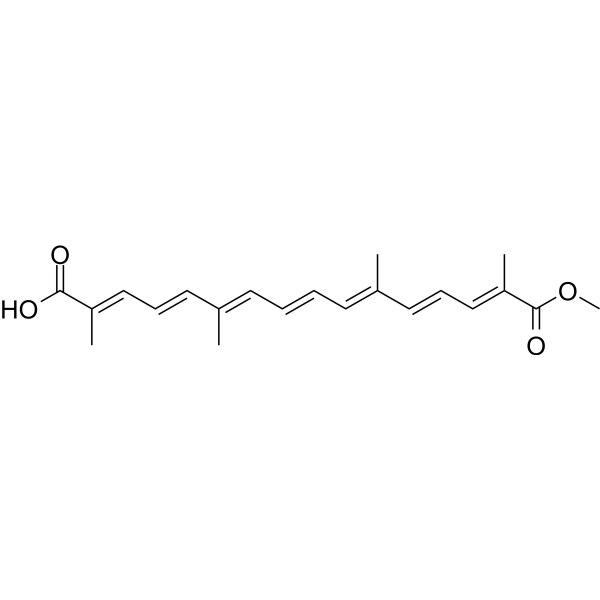
Crocetin monomethyl ester, isolated from Crocus sativus, possesses anti-inflammatory, neuroprotective and antioxidant activity . Crocetin monomethyl ester promotes clearance of amyloid-β by inducing autophagy via the STK11/LKB1-mediated AMPK pathway .
|
-
- HY-W775174
-
|
C.I. Solvent red 80
|
Fluorescent Dye
|
|
|
Citrus red 2 (CI Solvent red 80) is a synthetic dye with coloring power and antioxidant activity. Citrus red 2 can be used in food and cosmetics to provide a bright color to the product. Citrus red 2 is also used as a reference substance for testing and analysis in certain situations.
|
-

- HY-173152
-
|
|
Cholinesterase (ChE)
|
Neurological Disease
Inflammation/Immunology
|
|
AChE/BChE-IN-26 (Compound 20aa) is a cholinesterase inhibitor with IC50 values of 0.75 μM and 4.11 μM against eeAChE and eqBChE, respectively. AChE/BChE-IN-26 has antioxidant activity and can be used in the research of diseases such as Alzheimer's disease .
|
-

- HY-N16331
-
|
|
Others
|
Others
|
|
Soybean flour is a defatted and slowly available protein nutrient. Soybean flour can be isolated from the leguminous plant soybean. Soybean flour has antioxidant activity and stabilizes lipids in formulated foods. Soybean flour can be used for food production such as gluten-free bread research .
|
-

- HY-N11229
-
|
Caffeic acid butyl ester
|
Drug Derivative
|
Neurological Disease
|
|
Butyl caffeate (Caffeic acid butyl ester) is a caffeic acid derivative with antioxidant activity and lipophilicity (DPPH IC50 = 14.1 μM). Butyl caffeate protects neuronal PC12 cells against oxidative stress. Butyl caffeate can be used for oxidative stress related and neurodegenerative diseases research .
|
-

- HY-113121R
-
|
|
Drug Metabolite
Reference Standards
Endogenous Metabolite
|
Cardiovascular Disease
|
|
Vanillylmandelic acid (Standard) is the analytical standard of Vanillylmandelic acid. This product is intended for research and analytical applications. Vanillylmandelic acid is the endproduct of epinephrine and norepinephrine metabolism. Vanillylmandelic acid can be used as an indication of the disorder in neurotransmitter metabolism as well. Vanillylmandelic acid has antioxidant activity towards DPPH radical with an IC50 value of 33 μM .
|
-
- HY-162170
-
|
|
NF-κB
Keap1-Nrf2
p38 MAPK
|
Inflammation/Immunology
|
|
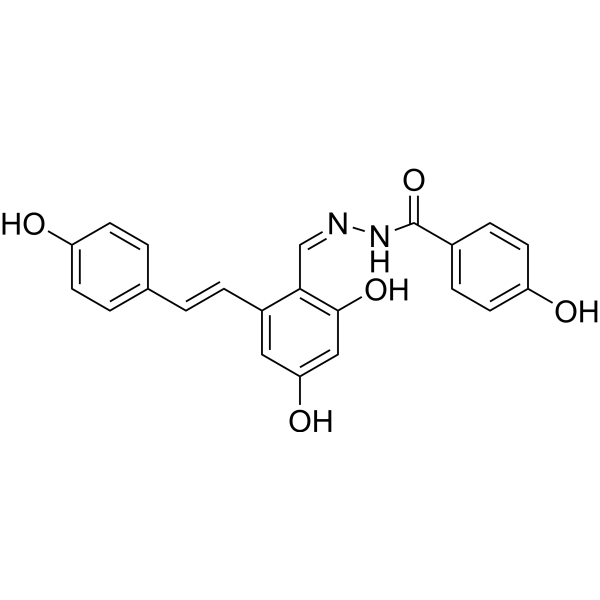
Anti-inflammatory agent 72 (compound 5) is a novel resveratrol derivative hybrid with benzoylhydrazine. Anti-inflammatory agent 72 shows anti-inflammatory and antioxidant activities by activating Nrf2 and inhibiting NF-κB p65/iNOS and MAPKs signaling pathways .
|
-
- HY-N0613
-
|
|
NF-κB
|
Inflammation/Immunology
|
|
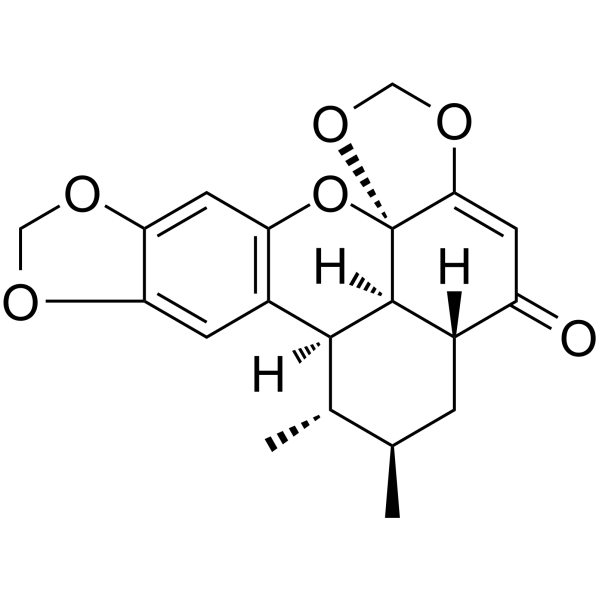
Sauchinone is a diastereomeric lignan isolated from Saururus chinensis (Saururaceae). Sauchinone inhibits LPS-inducible iNOS, TNF-α and COX-2 expression through suppression of I-κBα phosphorylation and p65 nuclear translocation. Sauchinone has anti-inflammatory and antioxidant activity .
|
-
- HY-W750719
-
|
|
Endogenous Metabolite
Drug Intermediate
|
Cancer
|
|
Neurosporene is a carotenoid. Neurosporene is an intermediate in the synthesis of Lycopene (HY-N0287). Neurosporene can be isolated from date palm, Kocuria sp. GMA bacteria, and Anthurus archeri fungi. Neurosporene has antioxidant activity. Neurosporene can be used in the research of diseases such as cancer .
|
-

- HY-Y0946
-
|
|
Environmental Pollutants
|
Inflammation/Immunology
Cancer
|
|
Acetamide is used as an intermediate in the synthesis of methylamine, thioacetamide, and insecticides, and as a plasticizer in leather, cloth and coatings. Acetamide has carcinogenicity. Acetamide derivatives may has antioxidant activity and potential anti-inflammatory activity. Acetamide holds promise for research in the fields of anti-inflammatory and cancer studies .
|
-
- HY-N16623
-
|
|
Others
|
Others
|
|
Erythro-guaiacylglycerol β-threo-syringylglycerol ether (Compound 17) is a phenylpropanoid. Erythro-guaiacylglycerol β-threo-syringylglycerol ether can be isolated from the whole plants of T. chinense. Erythro-guaiacylglycerol β-threo-syringylglycerol ether exhibits moderate antioxidant activity .
|
-

- HY-136386R
-
|
|
Reference Standards
Reactive Oxygen Species (ROS)
|
Others
|
|
N-Acetyl-D-cysteine (Standard) is the analytical standard of N-Acetyl-D-cysteine. This product is intended for research and analytical applications. N-Acetyl-D-cysteine has antioxidant activities and scavenges ROS through the reaction with its thiol group, but cannot enter the glutathione metabolic pathway .
|
-

- HY-N4058R
-
|
|
Reference Standards
Apoptosis
|
Cancer
|
|
Helichrysetin (Standard) is the analytical standard of Helichrysetin. This product is intended for research and analytical applications. Helichrysetin is isolated from the flower Helichrysum odoratissimum. Helichrysetin is an ID2 (DNA binding inhibitor 2) inhibitor. Helichrysetin induces apoptosis. Helichrysetin has anti-tumor and antioxidant activity .
|
-

- HY-169751
-
|
|
Fungal
AP-1
|
Infection
Inflammation/Immunology
Cancer
|
|
Dihydro-N-caffeoyltyramine is a new phenolic amide that can be isolated from the root bark of wolfberry and has strong antioxidant activity and antifungal effects. Dihydro-N-caffeoyltyramine downregulates the expression of cyclooxygenase-2 by inhibiting the activity of C/EBP and AP-1 transcription factors .
|
-

- HY-111899
-
|
|
Others
|
Cancer
|
|
7-Ethoxyrosmanol is a phenolic diterpene that is isolated from Salvia chamelaeagnea. 7-Ethoxyrosmanol has antioxidant activity in vitro and antitumor effects on neuroblastoma cells. 7-Ethoxyrosmanol alleviates hyperglycemia-induced endothelial cell dysfunction via regulating FBXL7 .
|
-
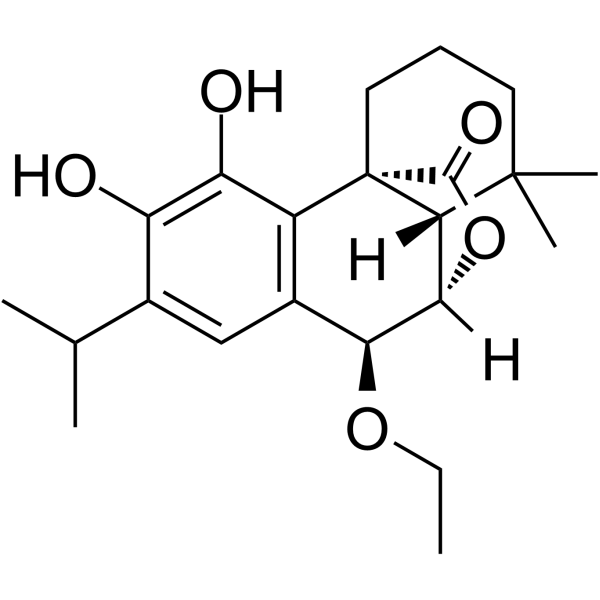
- HY-N7832R
-
|
|
Reference Standards
Others
|
Metabolic Disease
|
|
Petunidin-3-O-glucoside (chloride) (Standard) is the analytical standard of Petunidin-3-O-glucoside (chloride). This product is intended for research and analytical applications. Petunidin-3-O-glucoside chloride is a flavonoid isolated from Phaseolus vulgaris L. seed, has antioxidant activity
|
-

- HY-N8407R
-
-

- HY-125588
-
|
Chromium (III) picolinate; Cr(Pic)3
|
Apoptosis
p38 MAPK
|
Metabolic Disease
|
|
Chromium picolinate (Chromium (III) picolinate) is a compound that has oral activity. Chromium picolinate induces apoptosis. Chromium picolinate is the activator of p38 MAPK. Chromium picolinate has antioxidant activity. Chromium picolinate can be used in research on type 2 diabetes .
|
-
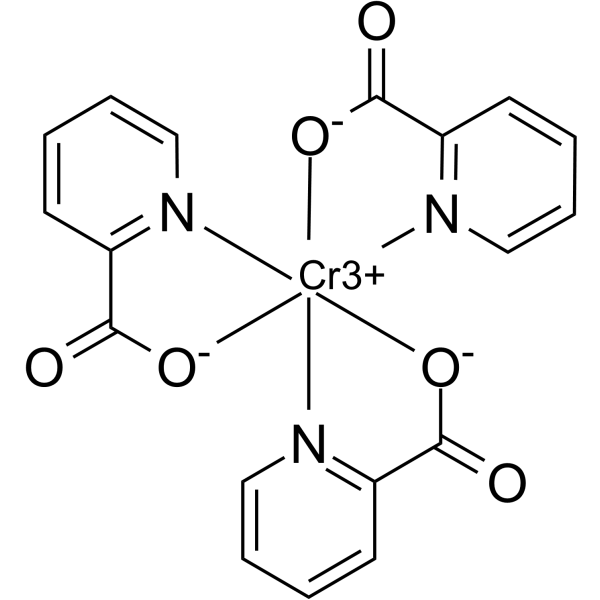
- HY-W006405
-
|
|
Estrogen Receptor/ERR
|
Cardiovascular Disease
Cancer
|
|
Isoflavone is an orally available bioactive component of soy phytoestrogen with lipid-lowering and antioxidant activities. Isoflavone prevents a variety of chronic diseases by regulating fatty acid oxidation in the liver and gene expression in adipose tissue. In addition, isoflavone has important value in the research of cancer and cardiovascular diseases .
|
-
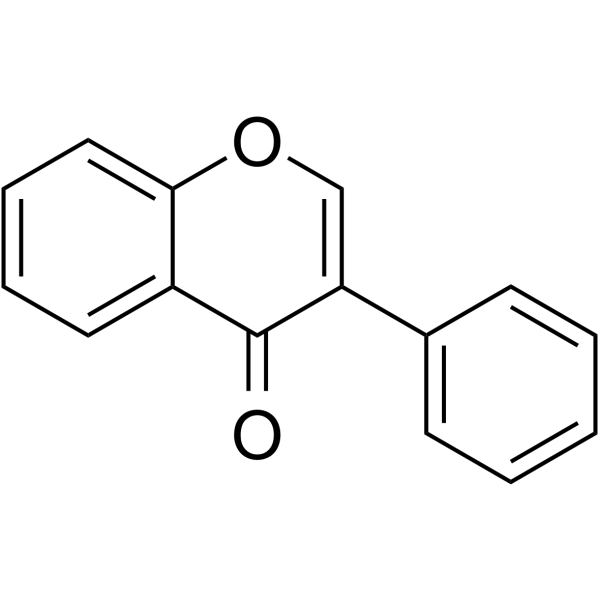
- HY-N11441
-
|
|
Phosphatase
|
Metabolic Disease
|
|
cis-Ferulic acid 4-O-β-D-glucopyranoside (compound 7) is a phenolic glycosid, which can be isolated from Nitraria sibirica.. cis-Ferulic acid 4-O-β-D-glucopyranoside exhibits antioxidant activity and potent inhibitory effect on Phosphatase PTP1B .
|
-
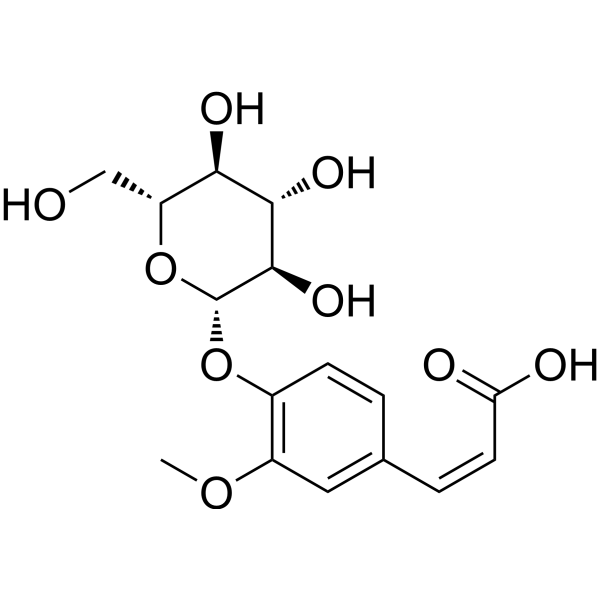
- HY-172219
-
|
|
Cholinesterase (ChE)
|
Neurological Disease
Inflammation/Immunology
|
|
CUR-IPA is a cholinesterase inhibitor, with IC50 of 5.99, 59.30, and 60.66 μM for eAChE (electric eel), hAChE (human), and hBChE (human), respectively. CUR-IPA can scavenge free radicals and has antioxidant activity. CUR-IPA can be used in the research of cognitive dysfunction .
|
-

- HY-N8253S
-
-

- HY-N19720
-
|
|
Drug Derivative
Parasite
|
Infection
|
|
Bractein is a natural aurone flavonoid with potential antioxidant activity. Bractein shows in vitro antileishmanial activity and inhibits promastigotes and intracellular amastigotes of Leishmania donovani. Bractein exhibits no obvious cytotoxicity against mammalian macrophages with an EC50 value > 25.0 μg/mL. Bractein can be used for the research of Leishmania .
|
-

- HY-B2144A
-
|
Deacetylated chitin (MW 150000); Poly(D-glucosamine) (MW 150000)
|
Environmental Pollutants
Fungal
Bacterial
|
Infection
Cancer
|
|
Chitosan (MW 150000) (Deacetylated chitin (MW 150000)) is a polycationic linear polysaccharide derived from chitin with the molecular weight of 150000. Chitosan is an versatile biomaterial because of its non-toxicity, low allergenicity, biocompatibility and biodegradability. Chitosan also has antitumor, antibacterial, antifungal, and antioxidant activities .
|
-
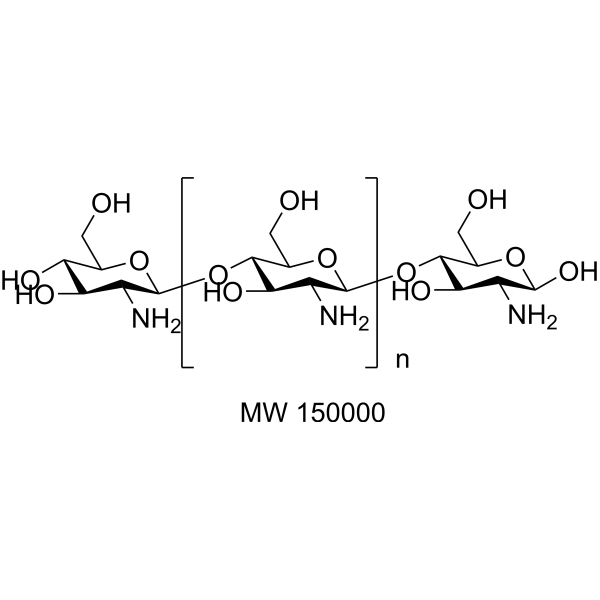
- HY-B2144B
-
|
Deacetylated chitin (MW 30000); Poly(D-glucosamine) (MW 30000)
|
Environmental Pollutants
Bacterial
Fungal
|
Infection
Cancer
|
|
Chitosan (MW 30000) (Deacetylated chitin (MW 30000)) is a polycationic linear polysaccharide derived from chitin with the molecular weight of 30000. Chitosan is an versatile biomaterial because of its non-toxicity, low allergenicity, biocompatibility and biodegradability. Chitosan also has antitumor, antibacterial, antifungal, and antioxidant activities .
|
-
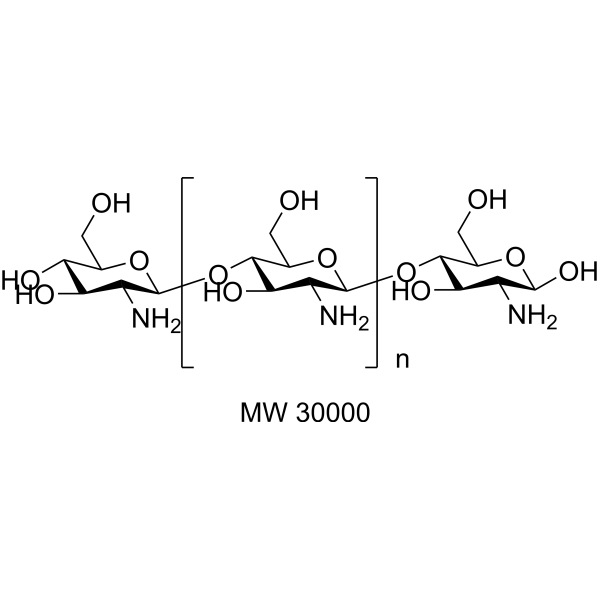
- HY-I0301R
-
|
Gluconic acid lactone (Standard)
|
Reference Standards
Endogenous Metabolite
Reactive Oxygen Species (ROS)
|
Others
|
|
D-(+)-Glucono-1,5-lactone (Standard) is the analytical standard of D-(+)-Glucono-1,5-lactone. This product is intended for research and analytical applications. D-(+)-Glucono-1,5-lactone is a polyhydroxy (PHA) that is capable of metal chelating, moisturizing and antioxidant activity.
|
-

- HY-N10411
-
|
|
Reverse Transcriptase
HIV
Xanthine Oxidase
|
Infection
Cardiovascular Disease
Cancer
|
|
Morin 3-O-β-D-glucopyranoside is a natural flavonoid with antifungal, anticancer and antioxidant activities. Morin 3-O-β-D-glucopyranoside inhibits reverse transcriptase, protein-tyrosine kinase and xanthine oxidase, and also shows anti-HIV, antiarteriosclerotic, and superoxide scavenging activities .
|
-
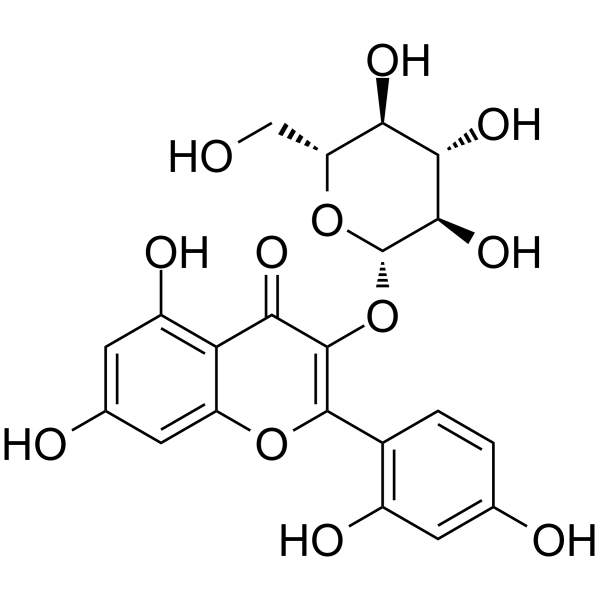
- HY-N0761
-
-
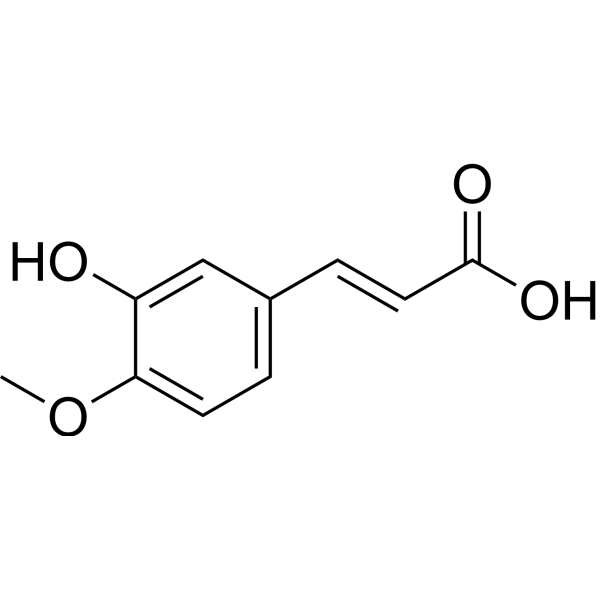
- HY-N1347
-
|
3,3',4',5',7-Pentahydroxyflavone
|
Fungal
HIV Integrase
Bacterial
|
Infection
|
|
Robinetin (3,3',4',5',7-Pentahydroxyflavone), a naturally occurring flavonoid with remarkable ‘two color’ intrinsic fluorescence properties, has antifungal, antiviral, antibacterial, antimutagenesis, and antioxidant activity. Robinetin also can inhibit lipid peroxidation and protein glycosylation .
|
-
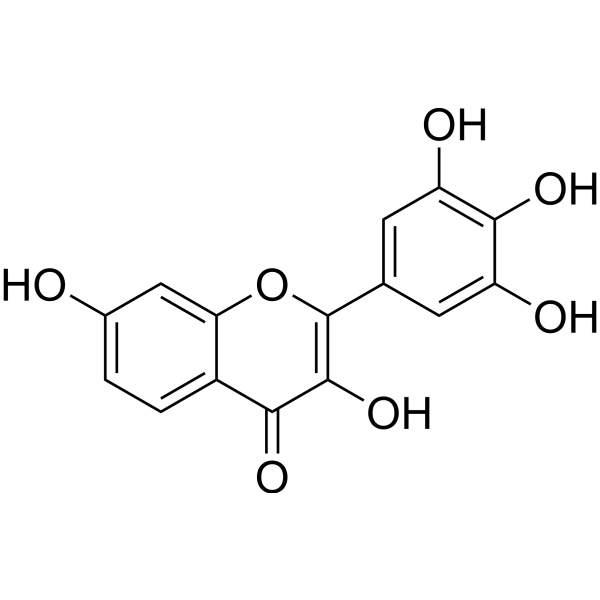
- HY-B1279A
-
|
Dipyrone; Methamizole sodium
|
COX
Apoptosis
|
Inflammation/Immunology
Cancer
|
|
Metamizole sodium (Dipyrone) is an orally active cyclooxygenase (COX) inhibitor. Metamizole sodium can inhibit cell proliferation and promote cell apoptosis. Metamizole sodium has anti-inflammatory and antioxidant activities. Metamizole sodium is an antipyretic, analgesic and spasmolytic agent. .Metamizole sodium can be used in research to relieve a variety of pain .
|
-
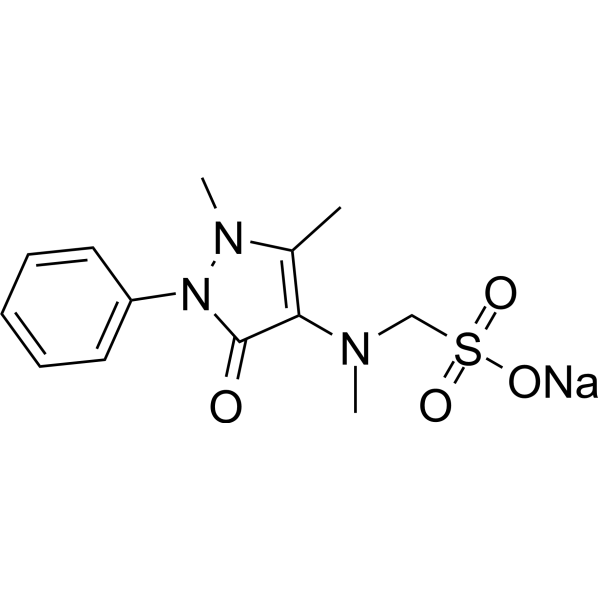
- HY-N2443
-
-
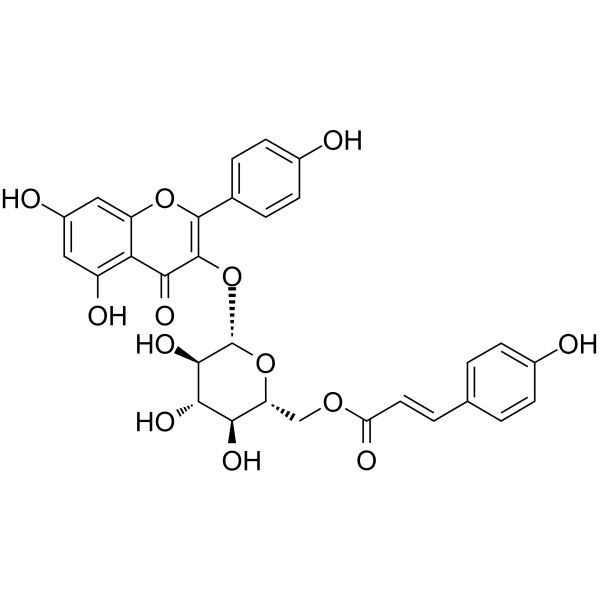
- HY-B1279
-
|
Dipyrone hydrate; Methamizole sodium hydrate
|
COX
Apoptosis
|
Inflammation/Immunology
|
|
Metamizole sodium hydrate (Dipyrone) is an orally active cyclooxygenase (COX) inhibitor.. Metamizole sodium hydrate can inhibit cell proliferation and promote cell apoptosis. Metamizole sodium hydrate has anti-inflammatory and antioxidant activities. Metamizole sodium hydrate is an antipyretic, analgesic and spasmolytic agent. Metamizole sodium hydrate can be used in research to relieve a variety of pain .
|
-
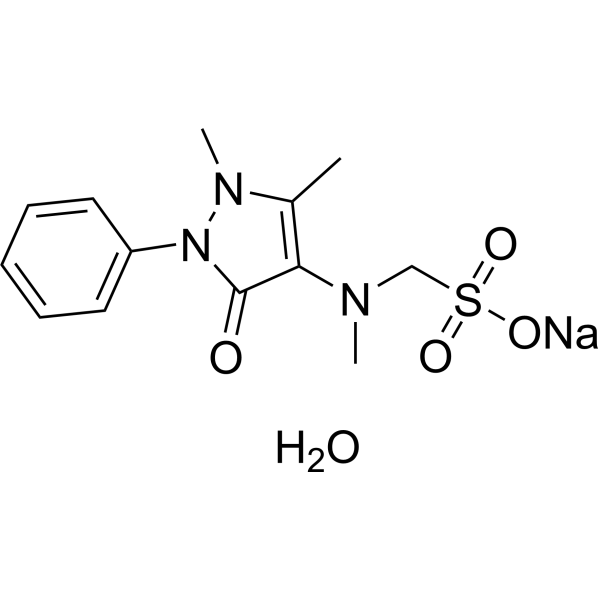
- HY-149518
-
|
|
EGFR
Apoptosis
|
Others
|
|
EGFR/BRAFV600E-IN-3 is a EGFR, BRAFV600E and EGFRT790M inhibitor with IC50 value of 57 nM, 68 nM and 9.70 nM. EGFR/BRAFV600E-IN-3 is an apoptotic inducer and also displays promising antioxidant activity .
|
-
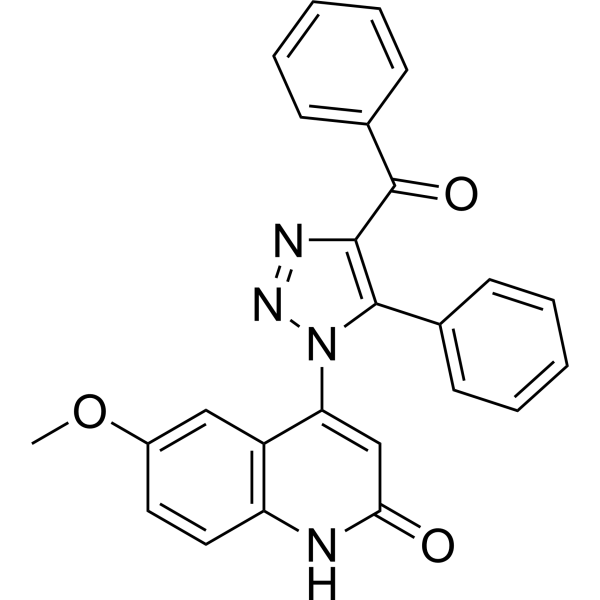
- HY-N17833
-
|
Kaempferol 3-O-2,4'''-acetylrhamninoside
|
Reactive Oxygen Species (ROS)
|
Cardiovascular Disease
|
|
Actinoside E (Kaempferol 3-O-2,4'''-acetylrhamninoside) is a flavonoid triglycoside with antioxidant activity. Actinoside E scavenges DPPH, superoxide anion and hydroxyl radicals, and inhibits lipid peroxidation in mouse liver homogenate. Actinoside E can be used in studies related to myocardial ischemia .
|
-

- HY-N0692
-
|
Gomisin-A; TJN-101; Wuweizi alcohol-B
|
Reactive Oxygen Species (ROS)
Cytochrome P450
Autophagy
|
Cancer
|
|
Schisandrol B (Gomisin-A) is a major active constituent of Schisandra chinensis with hepato-protective effects. Schisandrol B inhibits reactive oxygen species (ROS) production. Schisandrol B inhibits the activity of P-glycoprotein and CYP3A and also has anti-inflammatory, anti-diabetic and antioxidant activities .
|
-
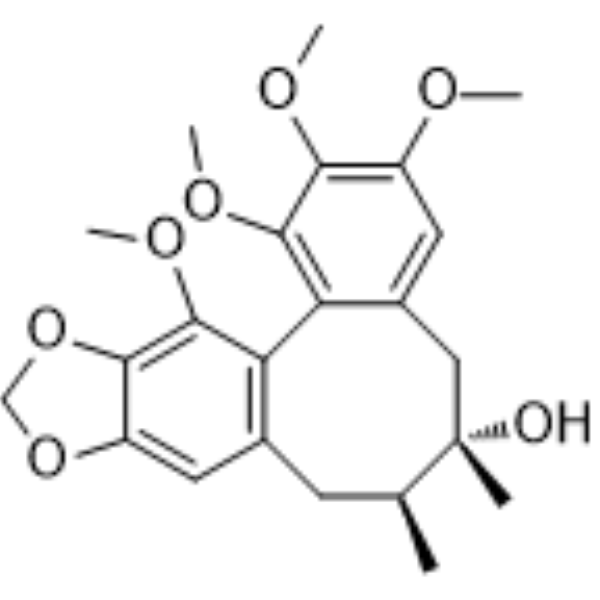
- HY-N2440
-
-
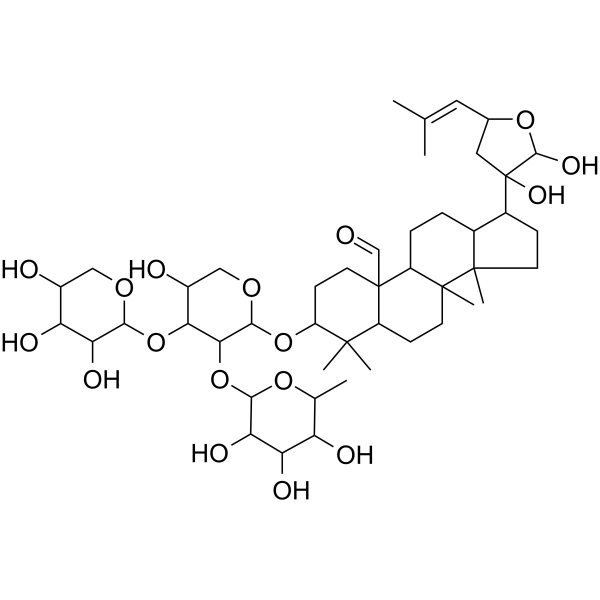
- HY-111803
-
|
|
Androgen Receptor
SOD
|
Metabolic Disease
Cancer
|
|
4'-Methoxyflavonol is a flavonol. 4'-Methoxyflavonol reduces androgen receptor and increases SOD. 4'-Methoxyflavonol reduces plasma glucose, cholesterol, and triglycerides. 4'-Methoxyflavonol has anti-stress and antioxidant activities. 4'-Methoxyflavonol can be used in prostate cancer research .
|
-
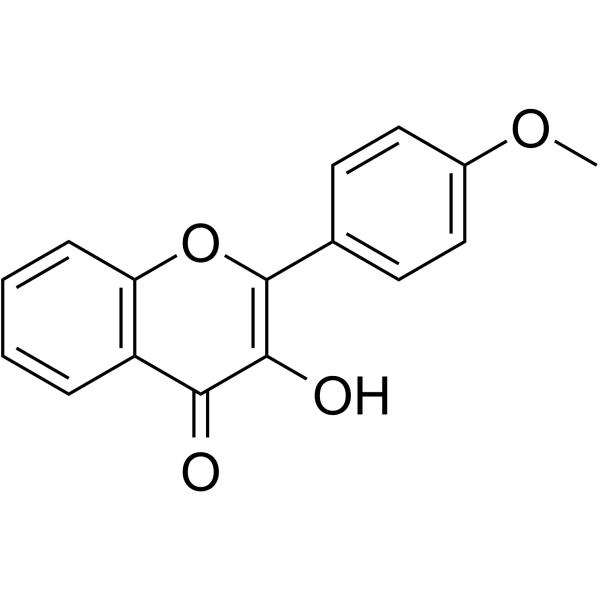
- HY-14550
-
-
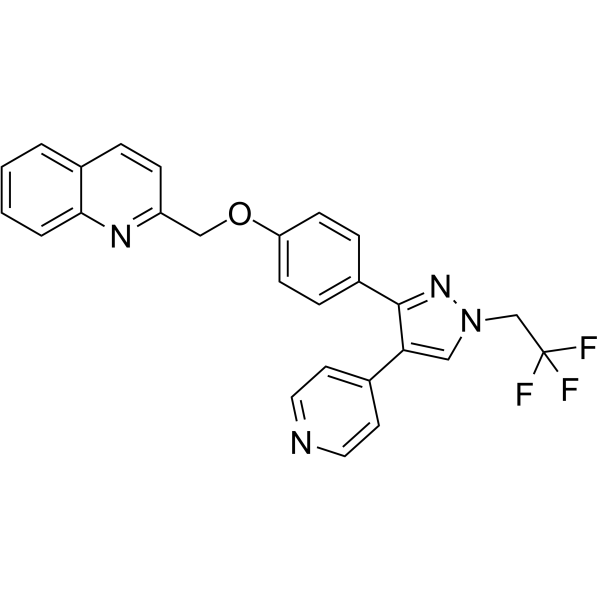
- HY-170311
-
|
|
YAP
|
Cancer
|
|
YAP/TEAD-IN-1 (compound 4) is a potent YAP and TEAD inhibitor. YAP/TEAD-IN-1 shows antioxidant activity. YAP/TEAD-IN-1 shows antiproliferation activity for tumor cells. YAP/TEAD-IN-1 shows little cytotoxic activity for human normal cells .
|
-

- HY-173055
-
|
|
Lipoxygenase
|
Inflammation/Immunology
|
|
Ferroleuton is a competitive, selective inhibitor for 5-lipoxygenase with an IC50 of 0.21 μM. Ferroleuton exhibits antioxidant activity in DPPH (scavenges 86% DPPH-H at 50 μM), ABTS (EC50=19.42 μM) and FRAP (EC50=3.32 μM) assays .
|
-

- HY-175349
-
|
|
Tyrosinase
|
Metabolic Disease
|
|
Tyrosinase-IN-43 (Compound 12j) is a competitive Tyrosinase inhibitor with an IC50 of 10.49 ?μM for tyrosinase. Tyrosinase-IN-43 has significant antioxidant activity. Tyrosinase-IN-43 can be used for hyperpigmentation-related complications such as melasma, freckles, age spots and post-inflammatory hyperpigmentation research .
|
-

- HY-103354
-
|
|
Cholecystokinin Receptor
|
Neurological Disease
Endocrinology
Cancer
|
|
Proglumide sodium is a nonpeptide and orally active cholecystokinin (CCK)-A/B receptors antagonist. Proglumide sodium selective blocks CCK’s effects in the central nervous system (CNS). Proglumide sodium has ability to inhibit gastric secretion and to protect the gastroduodenal mucosa. Proglumide sodium also has antiepileptic and antioxidant activities .
|
-
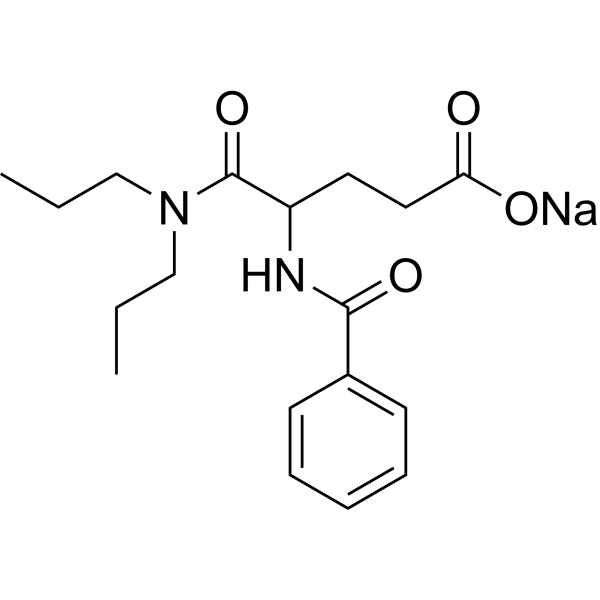
- HY-N0055R
-
|
3-O-Caffeoylquinic acid (Standard); Heriguard (Standard); NSC-407296 (Standard)
|
Reference Standards
HIF/HIF Prolyl-Hydroxylase
Reactive Oxygen Species (ROS)
Bacterial
Influenza Virus
Endogenous Metabolite
|
Infection
Inflammation/Immunology
Cancer
|
|
Chlorogenic acid (Standard) is the analytical standard of Chlorogenic acid. This product is intended for research and analytical applications. Chlorogenic acid is a major phenolic compound in Lonicera japonica Thunb. It is an orally active antioxidant activity, antibacterial, hepatoprotective, cardioprotective, anti-inflammatory, antipyretic, neuroprotective, anti-obesity, antiviral, anti-microbial, anti-hypertension compound .
|
-

- HY-N2011
-
|
n-Octyl gallate; Stabilizer GA 8
|
VSV
Bacterial
HSV
Influenza Virus
Reactive Oxygen Species (ROS)
|
Infection
|
|
Octyl gallate (Progallin O) is widely used as a food additive, with antimicrobial and antioxidant activity . Octyl gallate (Progallin O) shows selective and sensitive fluorescent property . Octyl gallate shows a marked antiviral effect against HSV-1, vesicular stomatitis virus (VSV) and poliovirus .
|
-
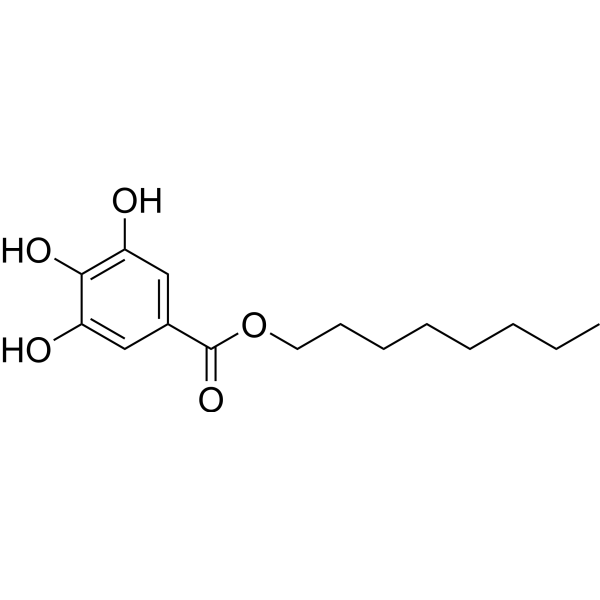
- HY-147953
-
|
|
Monoamine Oxidase
|
Neurological Disease
|
|
MAO-B-IN-13 (compound 12a) is a highly potent, reversible and blood-brain barrier (BBB) penetrant MAO-B inhibitor with an IC50 value of 10 nM. MAO-B-IN-13 has neuroprotective and antioxidant activity. MAO-B-IN-13 can be used for researching Parkinson’s disease .
|
-
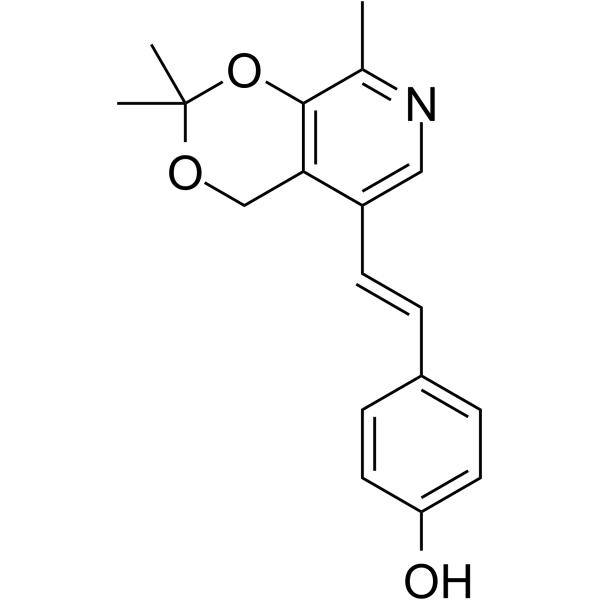
- HY-W040471R
-
|
|
Drug Intermediate
Reference Standards
|
Inflammation/Immunology
|
|
3′,5′-Dimethoxyacetophenone (Standard) is the analytical standard of 3′,5′-Dimethoxyacetophenone (HY-W040471). This product is intended for research and analytical applications. 3′,5′-Dimethoxyacetophenone is a ketone compound with antioxidant activity. 3′,5′-Dimethoxyacetophenone is also a building block in chemical synthesis .
|
-

- HY-N11432
-
|
|
Others
|
Others
|
|
Apigenin-6-C-β-D-xylopyranosyl-8-C-α-L-arabinopyranoside is a flavonoid with antioxidant activity. Apigenin-6-C-β-D-xylopyranosyl-8-C-α-L-arabinopyranoside can be isolated from Traditional Chinese Medicine TiepiShihu .
|
-
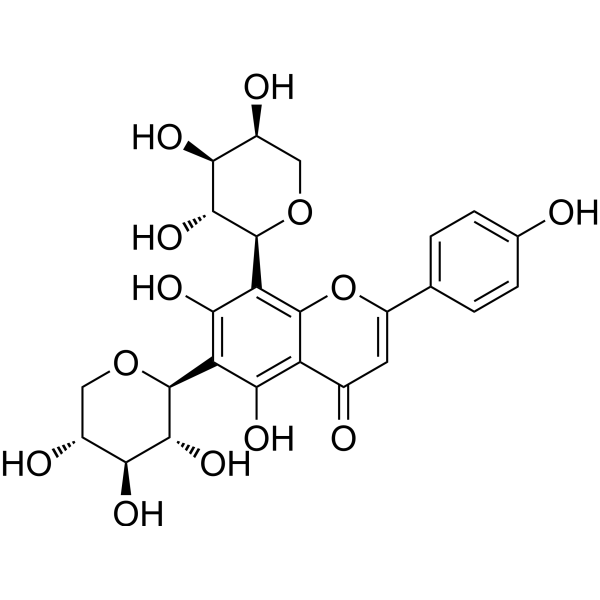
- HY-N3421
-
|
|
Interleukin Related
TNF Receptor
Influenza Virus
|
Infection
Inflammation/Immunology
Cancer
|
|
Koaburaside is a cytoprotective and anti-inflammatory natural compound. Koaburaside shows antioxidant activity with an IC50 of 9.0 μM for DPPH-free radical scavenging assay. Koaburaside inhibits histamine release and expressions of IL-6 and TNF-α in human mast cells. Koaburaside also effectively inhibits influenza A neuraminidase .
|
-
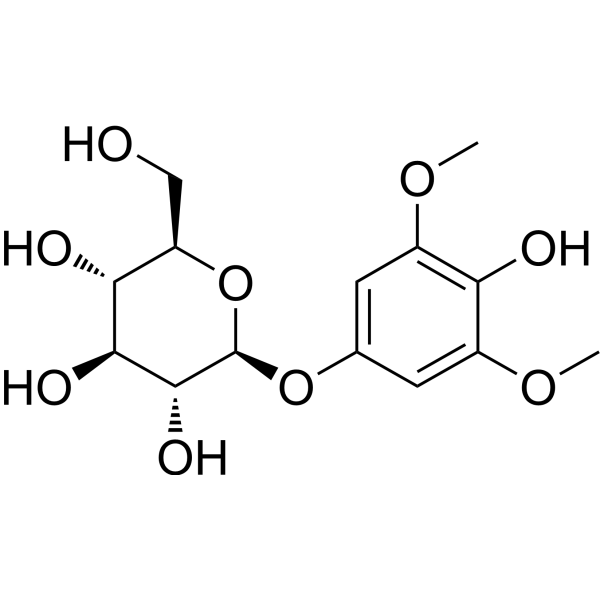
- HY-W041301
-
|
|
Drug Isomer
|
Inflammation/Immunology
|
|
(±)-Dihydroactinidiolide is the dextrorotatory form of Dihydroactinidiolide (HY-107805). (±)-Dihydroactinidiolide has a strong, pleasant musky, tea-like and tobacco-like aroma and is mainly found in black tea, tobacco and fruits. (±)-Dihydroactinidiolide has antioxidant activity and can be derived from β-carotene.or light adaptation in Arabidopsis .
|
-
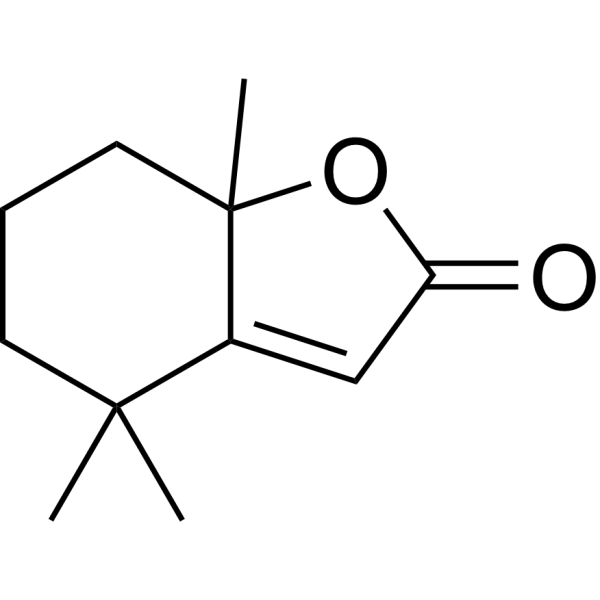
- HY-155159
-
|
|
COX
Lipoxygenase
|
Inflammation/Immunology
|
|
COX-2/15-LOX-IN-2 is a potent dual COX-2 and 15-LOX inhibitor with IC50 values of 0.065 μM and 1.86 μM, respectively. COX-2/15-LOX-IN-2 has potent antioxidant activity .
|
-
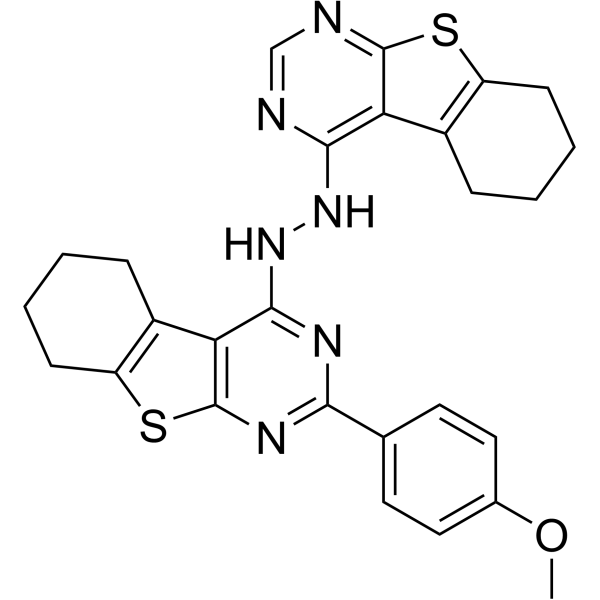
- HY-W004263R
-
|
Arachidyl alcohol (Standard)
|
Reference Standards
Others
|
Metabolic Disease
|
|
1-Eicosanol (Standard) (Arachidyl alcohol (Standard)) is the analytical standard of 1-Eicosanol (HY-W004263). This product is intended for research and analytical applications. 1-Eicosanol is a natural compound with antioxidant activity found in Justicia insularis leaves. 1-Eicosanol can be used as an antioxidant .
|
-

- HY-B1610
-
|
Trisodium citrate dihydrate; Citric acid trisodium salt dihydrate
|
Environmental Pollutants
Endogenous Metabolite
Apoptosis
Bacterial
|
Infection
Cardiovascular Disease
Cancer
|
|
Sodium citrate dehydrate (Trisodium citrate dihydrate) is a natural product with oral activity that can be found in citrus fruits. Sodium citrate dehydrate can inhibit the proliferation of tumor cells and induce apoptosis. Sodium citrate dehydrate has antibacterial, anti-tumor and antioxidant activities. Sodium citrate dehydrate can be prepared as a cosolvent or buffer .
|
-
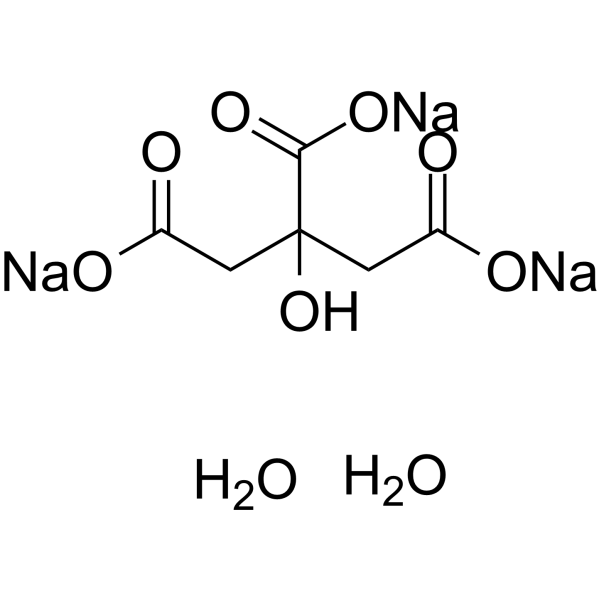
- HY-152112
-
|
|
Monoamine Oxidase
Cholinesterase (ChE)
|
Neurological Disease
|
|
AChE/BChE/MAO-B-IN-2 is a potent AChE, BChE, and MAO-B enzymes inhibitor with IC50 values of 48.2 nM, 83.9 nM, and 31.2 nM, respectively. AChE/BChE/MAO-B-IN-2 has significant antioxidant activity, and can be used for Parkinson’s disease research .
|
-
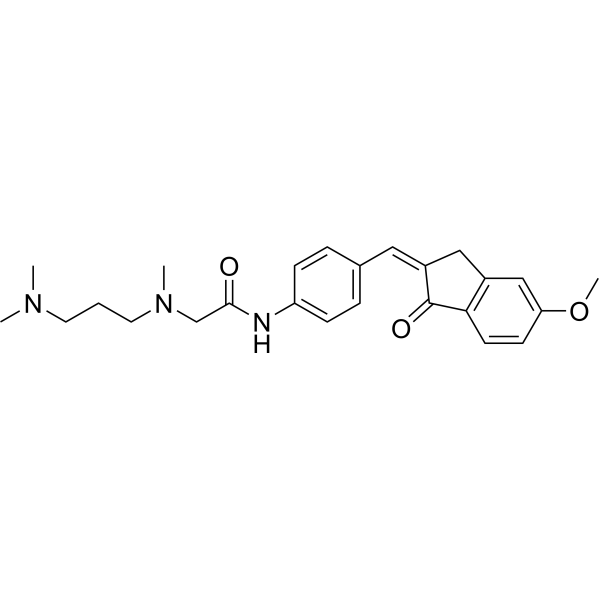
- HY-W004263S
-
|
Arachidyl alcohol-d41
|
Isotope-Labeled Compounds
|
Metabolic Disease
|
|
1-Eicosanol-d41 (Arachidyl alcohol-d41) is the deuterium labeled 1-Eicosanol (HY-W004263) . 1-Eicosanol is a natural compound with antioxidant activity found in Justicia insularis leaves. 1-Eicosanol can be used as an antioxidant .
|
-
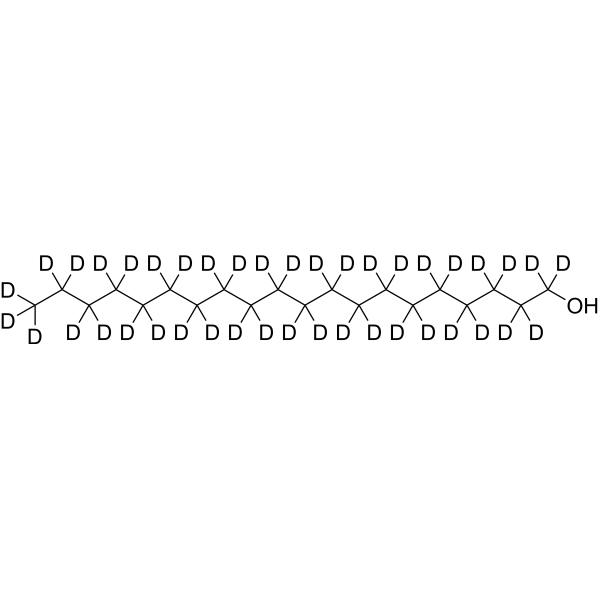
- HY-W042156R
-
|
|
Reference Standards
Fungal
|
Neurological Disease
|
|
Aegeline (Standard) is the analytical standard of Aegeline. This product is intended for research and analytical applications. Aegeline, a main alkaloid, mimics the yeast SNARE protein Sec22p in suppressing α-synuclein and Bax toxicity in yeast. Aegeline restores growth of yeast cells suppressed by either αsyn or Bax. Antioxidant activity .
|
-

- HY-P4307
-
|
|
SARS-CoV
|
Infection
|
|
Antioxidant agent-9 is a peptide with the sequence Asp-Trp. Antioxidant agent-9 shows antioxidant activity. Antioxidant agent-9 also is potential as SARS-CoV-2 antiviral, with an affinity strength equal to Chloroquine (HY-17589A) and Favipiravir (HY-14768) .
|
-
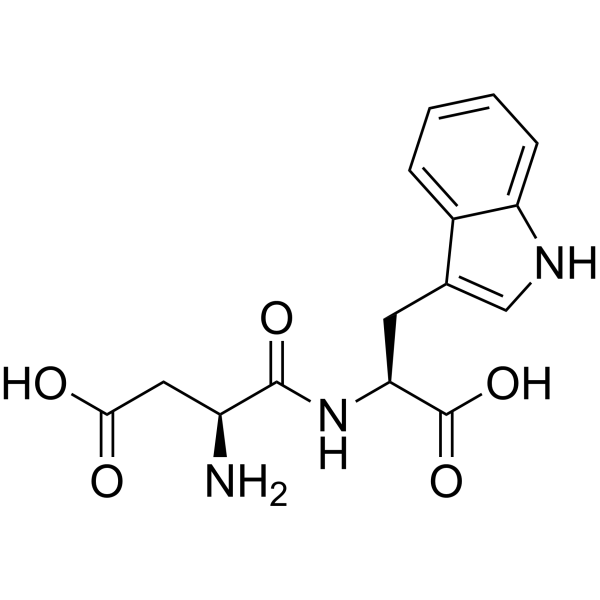
- HY-B1785R
-
|
Sulfosalicylic acid (Standard); Sulphosalicylic acid (Standard); Salicylsulfonic acid (Standard)
|
Drug Derivative
Reference Standards
|
Cancer
|
|
5-Sulfosalicylic acid (Standard) is the analytical standard of 5-Sulfosalicylic acid. This product is intended for research and analytical applications. 5-Sulfosalicylic acid is a sulfonated salicylic acid derivative. 5-Sulfosalicylic acid is effective against the breast cancer cell lines, with less toxicity . 5-Sulfosalicylic acid has antioxidant activities .
|
-

- HY-122301
-
|
|
Drug Derivative
|
Inflammation/Immunology
|
|
Sarcinaxanthin is a carotenoid present in various bacteria with antioxidant activity. Sarcinaxanthin scavenges singlet oxygen, thereby inhibiting oxidative degradation in the β-carotene/linoleic acid system. Sarcinaxanthin acts as a photoprotective agent against UVB radiation that induces erythema. Sarcinaxanthin can be applied in studies related to antioxidation and radiation resistance .
|
-

- HY-W088320
-
|
p-Anilinophenol; 4-Hydroxy-DPA
|
Drug Intermediate
|
Others
|
|
4-Hydroxydiphenylamine (p-Anilinophenol; 4-Hydroxy-DPA) is an aromatic amine organic compound. 4-Hydroxydiphenylamine has antioxidant activity and is also used as a catalyst or intermediate in some chemical reactions to synthesize other compounds. 4-Hydroxydiphenylamine can be used in the research of environmental science and toxicology .
|
-

- HY-133202
-
|
|
Endogenous Metabolite
|
Metabolic Disease
|
|
Trehalulose is a microbial metabolite and a beneficial structural isomer of Sucrose (HY-B1779). Trehalulose attenuates blood glucose and insulin response. Trehalulose exhibits antioxidant activity to support oxidative stability. Trehalulose can be used for food and beverage applications, and can be used for the research of dental caries, diabetes, obesity .
|
-

- HY-B1330
-
|
|
Cholecystokinin Receptor
|
Neurological Disease
Endocrinology
Cancer
|
|
Proglumide is a nonpeptide and orally active cholecystokinin (CCK)-A/B receptors antagonist. Proglumide selective blocks CCK’s effects in the central nervous system (CNS). Proglumide has ability to inhibit gastric secretion and to protect the gastroduodenal mucosa. Proglumide also has antiepileptic and antioxidant activities .
|
-
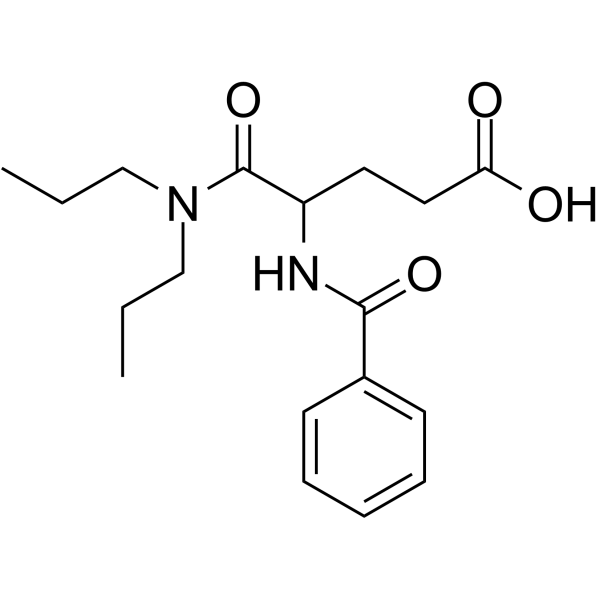
- HY-117762
-
|
PNU-83836E
|
Reactive Oxygen Species (ROS)
|
Inflammation/Immunology
|
|
U-83836E (PNU-83836E) is a compound with anti-inflammatory and antioxidant activities that reduces lung inflammation inhibiting oxidative stress and ROS production. U-83836E has shown potential for studying asthma and lung inflammation in animal models .
|
-

- HY-114320
-
|
TM-10
|
Cholinesterase (ChE)
|
Neurological Disease
|
|
BuChE-IN-TM-10 (TM-10) is a potent butyrylcholinesterase (BuChE) inhibitor, with an IC50 of 8.9 nM. BuChE inhibitor 1 inhibits and disaggregates self-induced Aβ aggregation, exhibiting potent antioxidant activity and good blood-brain barrier (BBB) penetration. Has potential to treat Alzheimer’s disease .
|
-
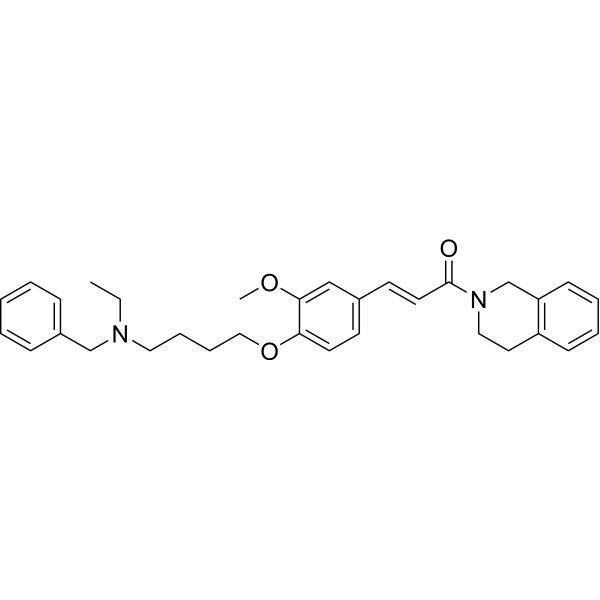
- HY-149313
-
|
|
Amylases
|
Metabolic Disease
|
|
α Amylase-IN-1 (Compound 11) is an α-Amylase inhibitor with an IC50 value of 0.5509 μM. α Amylase-IN-1 has antioxidant activity with an IC50 value of 53.49 μM for scavenging DPPH free radicals. IC50 can be used in the study of diabetes and oxidative stress-related diseases.
|
-
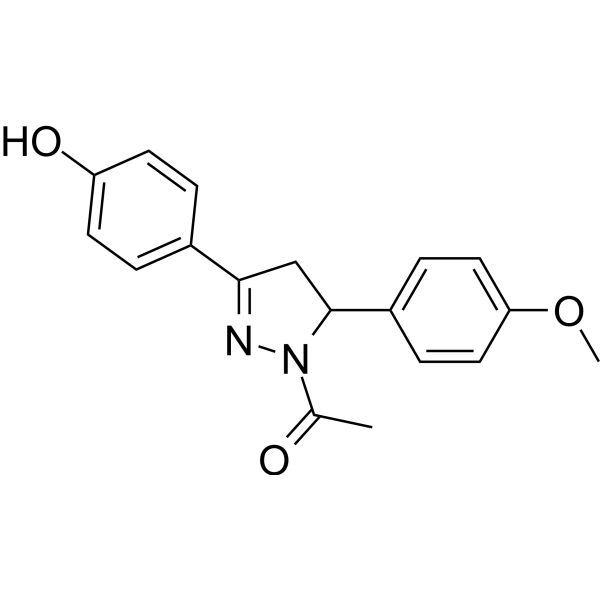
- HY-176437
-
|
|
Tyrosinase
|
Metabolic Disease
|
|
Tyrosinase-IN-42 (Compound 13t) is a tyrosinase inhibitor (IC50: 1.363 µM). Tyrosinase-IN-42 exhibits anti-browning effects on fresh-cut apples. Tyrosinase-IN-42 has antioxidant activity by scavenging DPPH and ABTS free radicals (IC50: 57.90 and 45.64 µM, respectively) .
|
-

- HY-176146
-
-

- HY-168993
-
-

- HY-131971
-
|
|
Cholinesterase (ChE)
|
Neurological Disease
|
|
AChE/BChE-IN-1 is a potent and brain-penetrant dual inhibitor of Acetylcholinesterase and Butyrylcholinesterase, with IC50s of 1.06 and 7.3 nM for hAChE and hBChE, respectively. AChE/BChE-IN-1 also has antioxidant activity. AChE/BChE-IN-1 can be used for the research of Alzheimer’s disease .
|
-
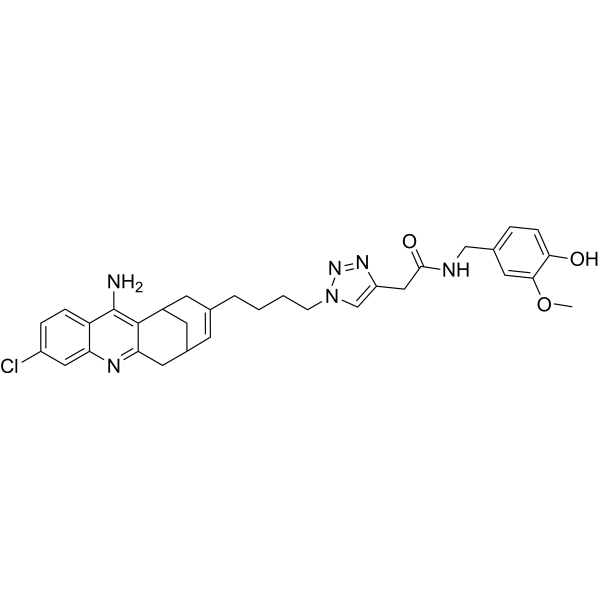
- HY-N0033
-
|
|
Aldose Reductase
|
Cardiovascular Disease
Metabolic Disease
Inflammation/Immunology
|
|
Poliumoside, a caffeoylated phenylpropanoid glycoside, is isolated from Brandisia hancei stems and leaves. Poliumoside is an advanced glycation end product (AGE) formation and rat lens aldose reductase (RLAR) inhibitor, with IC50s of 19.69 and 8.47 μM, respectively. Poliumoside also has antiinflammatory and antioxidant activity .
|
-
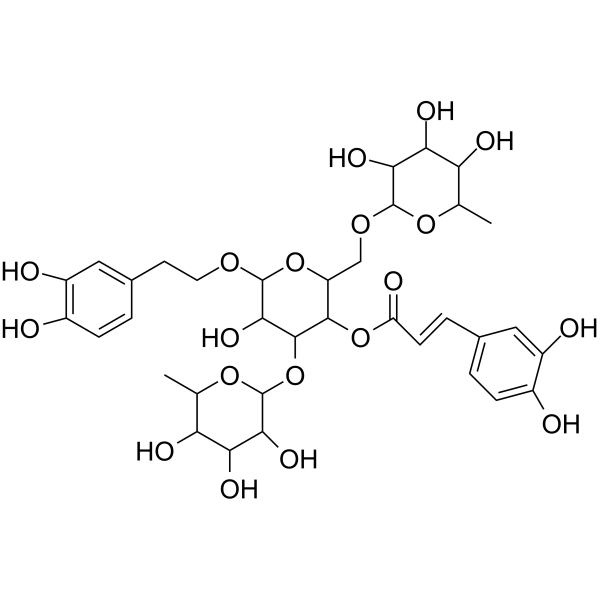
- HY-N19254
-
|
|
Reactive Oxygen Species (ROS)
|
Inflammation/Immunology
|
|
Shepherdine, a harmala-type indole and tetrahydro-β-carboline alkaloid, is an antioxidant. Shepherdine scavenges free radicals via single electron transfer from its indole ring, forming an indolyl cation or neutral radical, and may convert to aromatic β-carbolines during this process. Shepherdine can be used for research on antioxidant activity .
|
-

- HY-N0464S
-
-
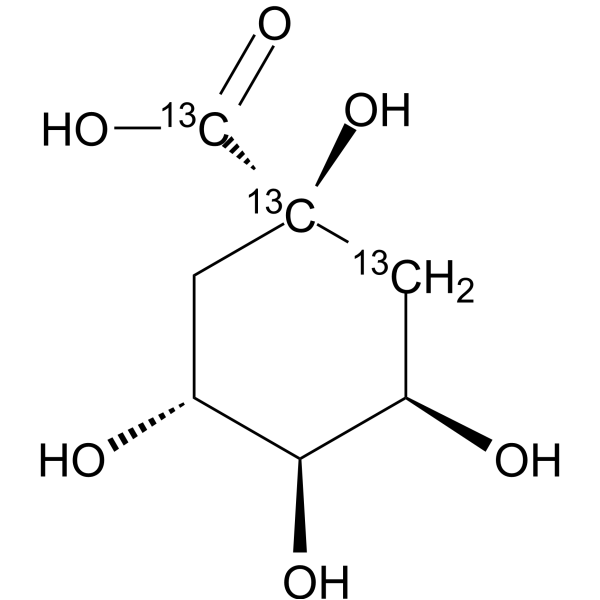
- HY-147962
-
|
|
Cholinesterase (ChE)
HDAC
|
Neurological Disease
|
|
COX-2-IN-23 (compound A10) is a potent both AChE and HDAC inhibitor with IC50 values of 0.12 and 0.23 nM. COX-2-IN-23 exhibits antioxidant activity and metal chelating properties. COX-2-IN-23 can be used in alzheimer's disease research .
|
-
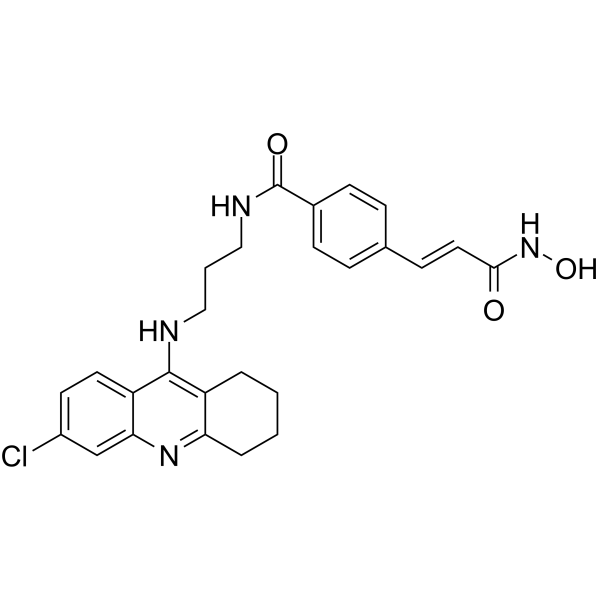
- HY-N1414R
-
|
|
Reference Standards
Others
|
Neurological Disease
|
|
(E)-3',6-Disinapoylsucrose (Standard) is the analytical standard of (E)-3',6-Disinapoylsucrose. This product is intended for research and analytical applications. (E)-3',6-Disinapoylsucrose, the index component of Yuanzhi (Polygala tenuifolia Willd), possesses potent antioxidant activity and antidepressant effect .
|
-

- HY-155622
-
|
|
Cholinesterase (ChE)
|
Neurological Disease
|
|
PD25 is an AChE and BuChE inhibitor (hAChE IC50: 1.58 μM; eeAChE IC50: 1.63 μM; eqBuChE IC50: 2.39 μM). PD25 also has antioxidant activity, and inhibits DPPH (IC50: 29.55 μM). PD25 can be used for research of Alzheimer’s disease .
|
-
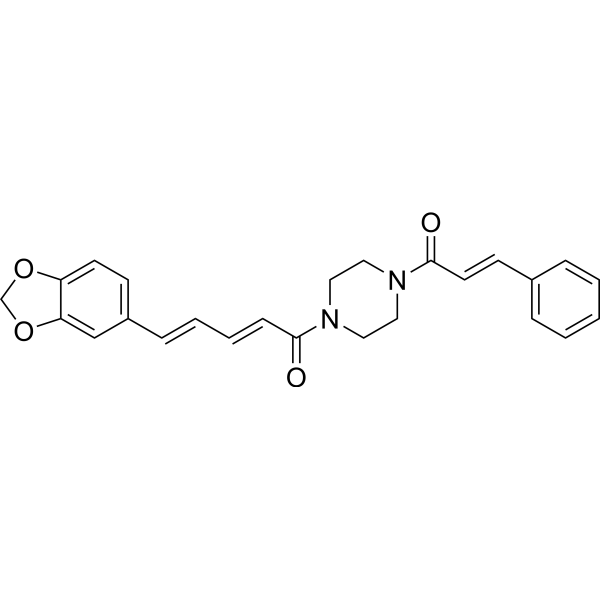
- HY-155621
-
|
|
Cholinesterase (ChE)
|
Neurological Disease
|
|
PD24 is an AChE and BuChE inhibitor (hAChE IC50: 1.72 μM; eeAChE IC50: 1.76 μM; eqBuChE IC50: 2.64 μM). PD24 also has antioxidant activity, and inhibits DPPH (IC50: 28.72 μM). PD24 can be used for research of Alzheimer’s disease .
|
-
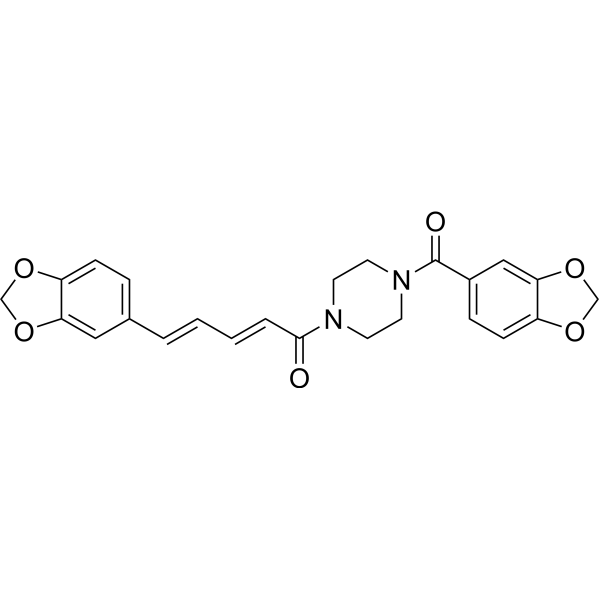
- HY-N16535
-
|
|
Apoptosis
Caspase
Mitochondrial Metabolism
Reactive Oxygen Species (ROS)
|
Cancer
|
|
Stigmalactam is an aristolactam-type alkaloid extracted from Orophea enterocarpa with anticancer effects. Stigmalactam induces apoptosis via the mitochondrial pathway, with the activation of caspase-3/9, and a decrease in mitochondrial membrane potential (MTP). Stigmalactam exhibits antioxidant activity by decreasing ROS production. Stigmalactam can be used for liver and breast cancer research .
|
-

- HY-N16523
-
|
|
Glycosidase
|
Cancer
|
|
Ferruginoside C is a phenylethanoid. Ferruginoside C can be isolated from V. leiocarpum. Ferruginoside C shows potent alpha-glucosidase inhibitory activity with an IC50 of 19.93 μM. Ferruginoside C shows antioxidant activities. Ferruginoside C can be used in the research of cervical cancer, ovarian cancer, and colon cancer .
|
-

- HY-174399
-
|
|
Cholinesterase (ChE)
Reactive Oxygen Species (ROS)
|
Neurological Disease
|
|
AChE/BChE-IN-27 is a blood-brain barrier-permeable mixed inhibitor (Pe = 4.12) of AChE and BChE, with IC50 values of 3.72 μM and 9.65 μM, respectively. AChE/BChE-IN-27 has potent antioxidant activity with an IC50 value of 6.32 μM in the DPPH (HY-112053) assay and also exhibits potent in vitro antioxidant activity. AChE/BChE-IN-27 exhibits metal chelating properties. AChE/BChE-IN-27 has neuroprotective potential against oxidative stress. AChE/BChE-IN-27 significantly reduces intracellular reactive oxygen species (ROS). In in vivo experiments, AChE/BChE-IN-27 effectively restored AChE and BChE levels, improved cognition, and can be used for Alzheimer's disease (AD) .
|
-

- HY-W010625
-
|
|
Biochemical Assay Reagents
|
Neurological Disease
Inflammation/Immunology
|
|
Lithium 2-hydroxypropanoate is a lithium salt. Lithium 2-hydroxypropanoate has immunomodulatory activity (slightly enhancing PHA (HY-N7038)-induced lymphocyte proliferation). Lithium 2-hydroxypropanoate can be used in antioxidant activity assays. Lithium 2-hydroxypropanoate can be used in the research of mental diseases .
|
-

- HY-N9895
-
|
|
Others
|
Infection
Inflammation/Immunology
|
|
3,5-Dicaffeoyl-epi-quinic acid can be extracted from Chrysanthemum morifolium. 3,5-Dicaffeoyl-epi-quinic acid has antioxidant activities. 3,5-Dicaffeoyl-epi-quinic acid can scavenge DPPH radical and superoxide anion radical, with IC50s of 5.6 and 2.9 μg/mL respectively .
|
-
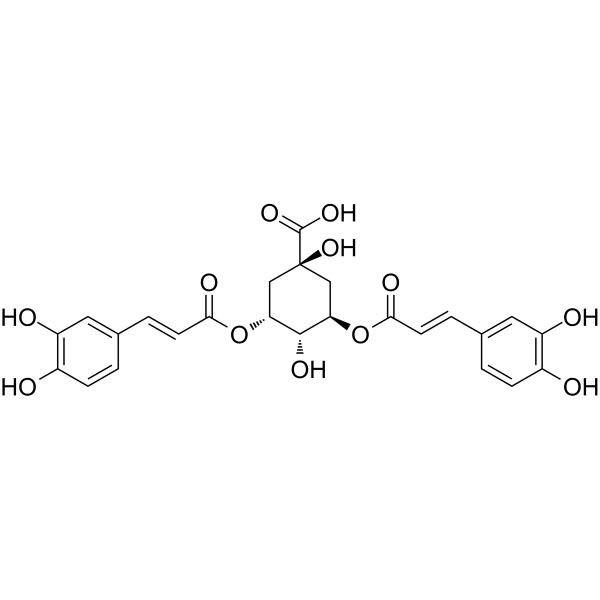
- HY-N0464R
-
-

- HY-103354A
-
|
|
Cholecystokinin Receptor
|
Neurological Disease
Endocrinology
Cancer
|
|
Proglumide hemicalcium is a nonpeptide and orally active cholecystokinin (CCK)-A/B receptors antagonist. Proglumide hemicalcium selective blocks CCK’s effects in the central nervous system (CNS). Proglumide hemicalcium has ability to inhibit gastric secretion and to protect the gastroduodenal mucosa. Proglumide hemicalcium also has antiepileptic and antioxidant activities .
|
-
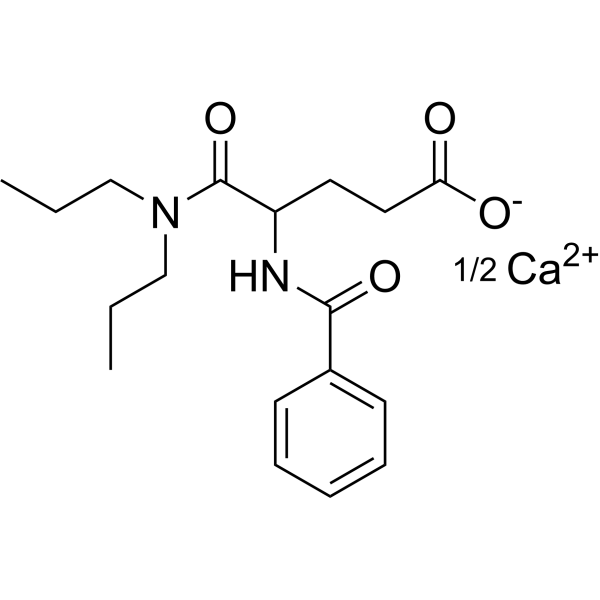
- HY-N19725
-
|
|
Interleukin Related
|
Metabolic Disease
|
|
Calonysterone is an orally effective IL-6 inhibitor. Calonysterone reduces the level of the proinflammatory cytokine IL-6. Calonysterone prevents diet-induced obesity. Calonysterone normalizes abnormal plasma adiponectin and leptin concentrations. Calonysterone increases the percentage of total DNA methylation. Calonysterone enhances antioxidant activity. Calonysterone is applicable to obesity-related research .
|
-

- HY-W003972S1
-
|
Syringol-d6
|
Isotope-Labeled Compounds
Biochemical Assay Reagents
|
Others
|
|
2,6-Dimethoxyphenol-d6 (Syringol-d6) is deuterated labeled 2,6-Dimethoxyphenol (HY-W003972). 2,6-Dimethoxyphenol is a phenolic compound that scavenges free radicals and exhibits antioxidant activity. 2,6-Dimethoxyphenol is the substrate for determining laccase activity .
|
-
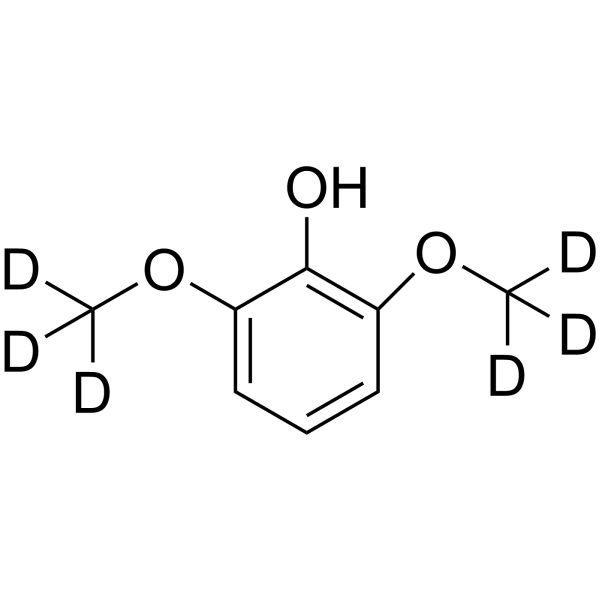
- HY-W014423S4
-
|
H-His-OH-d5 hydrochloride hydrate
|
Isotope-Labeled Compounds
Apoptosis
Reactive Oxygen Species (ROS)
Endogenous Metabolite
|
Inflammation/Immunology
Cancer
|
|
L-Histidine-d5 hydrochloride hydrate is the deuterium labeled L-Histidine hydrochloride hydrate (HY-W014423). L-Histidine hydrochloride hydrate is an endogenous metabolite. L-Histidine hydrochloride hydrate scavenges hydroxyl radicals and singlet oxygen, regulate the absorption of zinc, copper and iron, exhibits anti-inflammatory and antioxidant activities. L-Histidine hydrochloride hydrate is blood brain barrier penetrable .
|
-
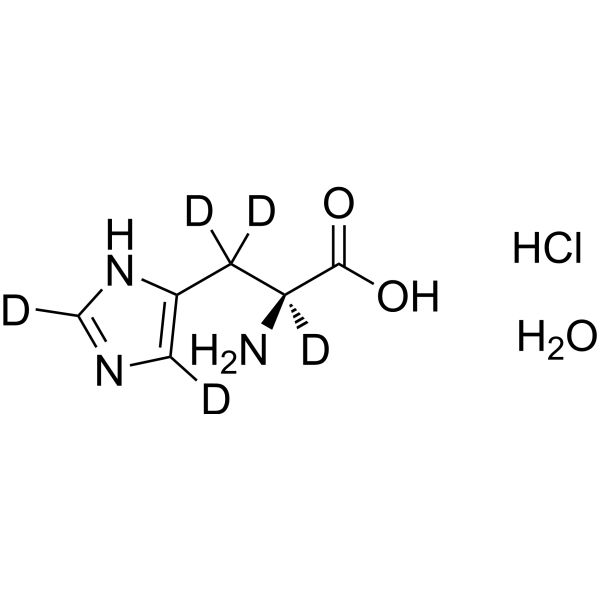
- HY-W014423S7
-
|
H-His-OH-d3 hydrochloride hydrate
|
Isotope-Labeled Compounds
Apoptosis
Reactive Oxygen Species (ROS)
Endogenous Metabolite
|
Inflammation/Immunology
Cancer
|
|
L-Histidine-d3 hydrochloride hydrate is the deuterium labeled L-Histidine hydrochloride hydrate (HY-W014423). L-Histidine hydrochloride hydrate is an endogenous metabolite. L-Histidine hydrochloride hydrate scavenges hydroxyl radicals and singlet oxygen, regulate the absorption of zinc, copper and iron, exhibits anti-inflammatory and antioxidant activities. L-Histidine hydrochloride hydrate is blood brain barrier penetrable .
|
-
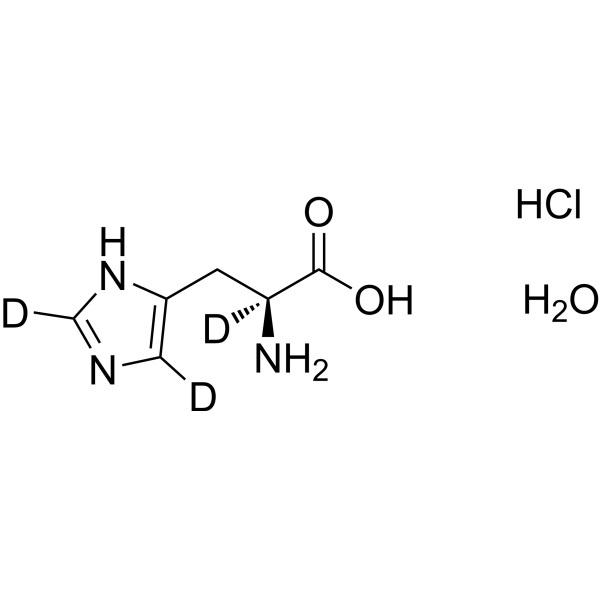
- HY-B0757
-
|
|
Reactive Oxygen Species (ROS)
|
Cardiovascular Disease
Inflammation/Immunology
|
|
Vitamin E nicotinate is the derivative of Vitamin E. Vitamin E nicotinate exhibits antioxidant activity and prevents lipid peroxidation. Vitamin E nicotinate upregulates levels of CD4+ T cells and IL-2, exhibits immunomodulatory activity. Vitamin E nicotinate exhibits antiplatelet and antihypertensive activities, that can be used in atherosclerosis and thrombosis ressearch .
|
-

- HY-170396
-
|
|
BCRP
|
Inflammation/Immunology
|
|
ABCG2-IN-4 (Compound K31) is an orally active inhibitor for ABCG2, which reduces the release of Protoporphyrin IX (PPIX) (HY-B1247) from erythrocytes into plasma, and prevents the reduces phototoxicity. ABCG2-IN-4 exhibits anti-inflammatory and antioxidant activity in mouse models .
|
-

- HY-B2162B
-
|
Chondroitin polysulfate sodium (from bovine)
|
Reactive Oxygen Species (ROS)
Endogenous Metabolite
|
Inflammation/Immunology
|
|
Chondroitin sulfate (Chondroitin polysulfate) sodium (from bovine)) is a sulfated linear polysaccharide extracted from bovine sources, belonging to glycosaminoglycans. Chondroitin sulfate sodium (from bovine) inhibits osteoclast-mediated bone resorption and exhibits antioxidant activity, which is negatively correlated with molecular weight. Chondroitin sulfate sodium (from bovine) can be used in studies related to osteoarthritis .
|
-
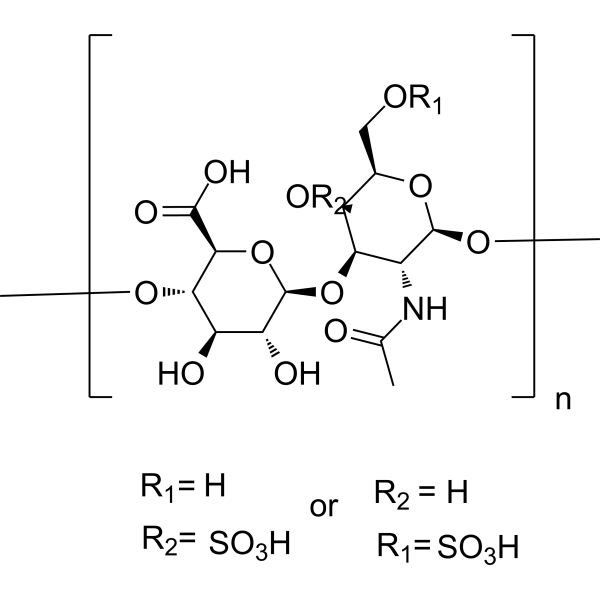
- HY-N0578R
-
|
Apigenin-7-O-β-D-glucopyranoside (Standard); Cosmosiin (Standard); Apigetrin (Standard)
|
Reference Standards
Reactive Oxygen Species (ROS)
|
Cancer
|
|
Apigenin 7-glucoside (Standard) is the analytical standard of Apigenin 7-glucoside. This product is intended for research and analytical applications. Apigenin-7-glucoside (Apigenin-7-O-β-D-glucopyranoside) exhibits significant anti-proliferative and antioxidant activity and scavenges reactive oxygen species (ROS) .
|
-

- HY-173041
-
|
|
Arginase
|
Inflammation/Immunology
|
|
Arginase inhibitor 9 (Compound 12a) is an arginase inhibitor with IC50 values of 9 μM and 55 μM for bovine and human arginase I, respectively. Arginase inhibitor 9 exhibits antioxidant activity and can scavenge free radicals. Additionally, Arginase inhibitor 9 can effectively regulate the levels of collagen and procollagen, exerting an anti-fibrotic effect .
|
-

- HY-N1312R
-
-

- HY-N1312
-
-
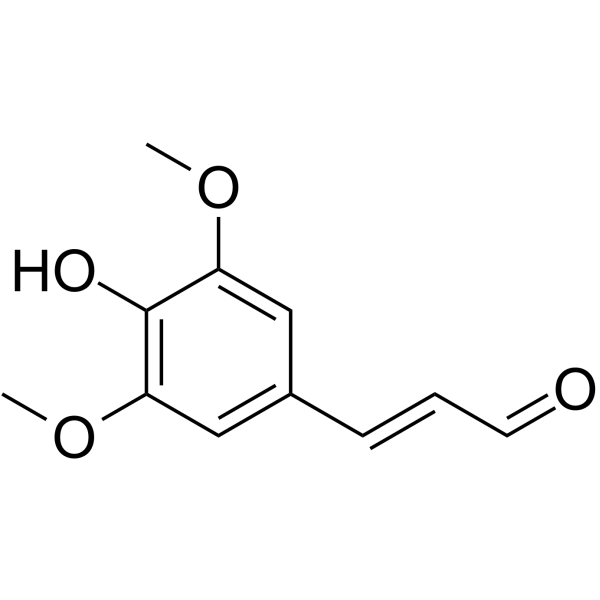
- HY-W424839
-
|
DTBP
|
Heme Oxygenase (HO)
|
Cardiovascular Disease
|
|
Probucol dithiobisphenol (DTBP) is the derivative of Probucol (HY-B0388). Probucol dithiobisphenol induces the production of heme oxygenase 1 (HO-1), and exhibits antioxidant activity. Probucol dithiobisphenol inhibits atherosclerotic lesions in Apoe −/− mice aorta, promotes re-endothelialization of aorta and inhibits restenosis in rabbit arterial injury models. Probucol dithiobisphenol is orally active .
|
-

- HY-N17730
-
|
Kaempferol 3-(6-methylglucuronide)
|
Drug Derivative
|
Others
|
|
Kaempferol-3-O-β-D-glucuronopyranosyl methylester (Kaempferol 3-(6-methylglucuronide)) is a flavonoid. Kaempferol-3-O-β-D-glucuronopyranosyl methylester can be isolated from dried Nelumbo nucifera stamens. Kaempferol-3-O-β-D-glucuronopyranosyl methylester shows antioxidant activities .
|
-

- HY-N17775
-
|
Clerodendroside
|
Cholinesterase (ChE)
|
Neurological Disease
|
|
Scutellarein 4'-methyl ether 7-O-glucuronide (Clerodendroside) is a flavonoid inhibitor of acetylcholinesterase (AChE) (IC50=1 mg/mL). Scutellarein 4'-methyl ether 7-O-glucuronide can be isolated from Plectranthus barbatus. It also possesses antioxidant activity and can be used in research on neurological diseases such as Alzheimer's disease.
|
-

- HY-N0749
-
|
|
Cholinesterase (ChE)
5-HT Receptor
Bacterial
|
Neurological Disease
|
|
Jatrorrhizine is an alkaloid isolated from Coptis chinensis with neuroprotective, antimicrobial, antiplasmodial and antioxidant activities . Jatrorrhizine is a potent and orally active inhibitor of AChE (IC50=872 nM) over >115-fold selectivity for BuChE . Jatrorrhizine reduces uptake of serotonin (5-HT) and norepinephrine (NE) via inhibition of uptake-2 transporters .
|
-
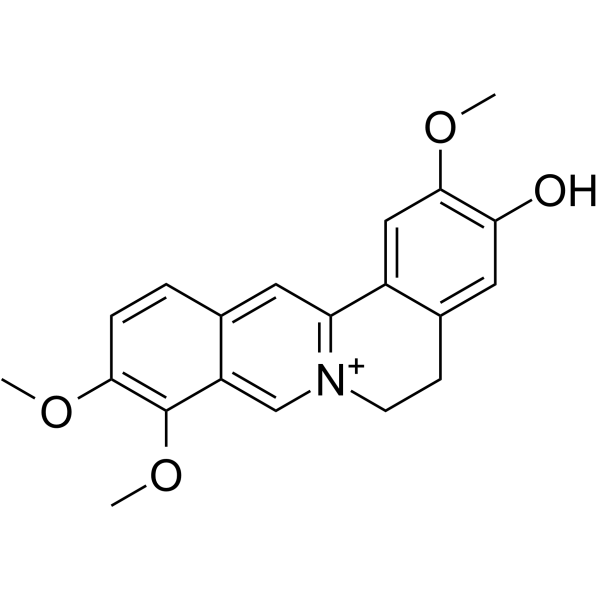
- HY-B0655
-
|
SQ26991
|
Angiotensin-converting Enzyme (ACE)
Reactive Oxygen Species (ROS)
|
Cardiovascular Disease
|
|
Zofenopril Calcium (SQ26991) is an orally active angiotensin-converting enzyme (ACE) inhibitor with antioxidant activity and cardioprotective effects. Zofenopril Calcium reduces ROS production and GSH consumption and helps inhibit foam cell formation, thus slowing the progression of atherosclerosis. Zofenopril Calcium prevents cardiac damage caused by chronic Doxorubicin (HY-15142A) .
|
-
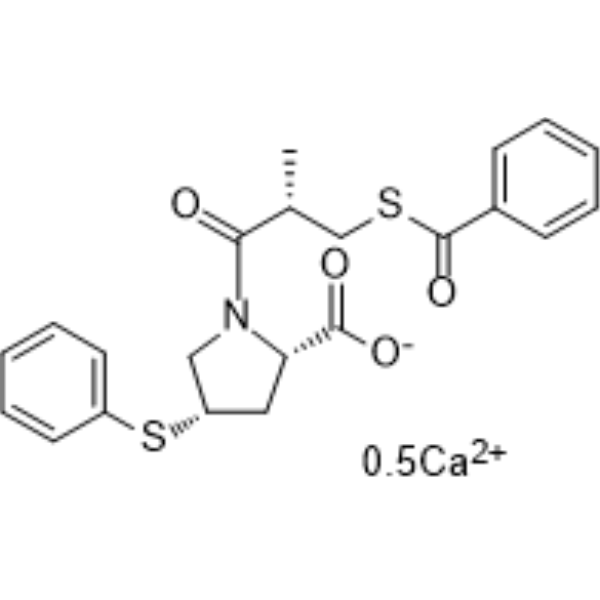
- HY-W585934
-
|
Fru-Phe
|
Angiotensin-converting Enzyme (ACE)
|
Cardiovascular Disease
|
|
Fructose-phenylalanine (Fru-Phe) is a non-competitive angiotensin-converting enzyme (ACE) inhibitor (IC50 =0.19 mM) with antioxidant activities. Fructose-phenylalanine forms a stable complex with Zn 2+ ions at the ACE active site, blocking the conversion of angiotensin I to II and thereby lowering blood pressure. Fructose-phenylalanine is promising for research of cardiovascular diseases .
|
-

- HY-W014423S6
-
|
H-His-OH-15N hydrochloride hydrate
|
Isotope-Labeled Compounds
Apoptosis
Reactive Oxygen Species (ROS)
Endogenous Metabolite
|
Inflammation/Immunology
Cancer
|
|
L-Histidine- 15N hydrochloride hydrate is the 15N-labeled L-Histidine hydrochloride hydrate (HY-W014423). L-Histidine hydrochloride hydrate is an endogenous metabolite. L-Histidine hydrochloride hydrate scavenges hydroxyl radicals and singlet oxygen, regulate the absorption of zinc, copper and iron, exhibits anti-inflammatory and antioxidant activities. L-Histidine hydrochloride hydrate is blood brain barrier penetrable .
|
-
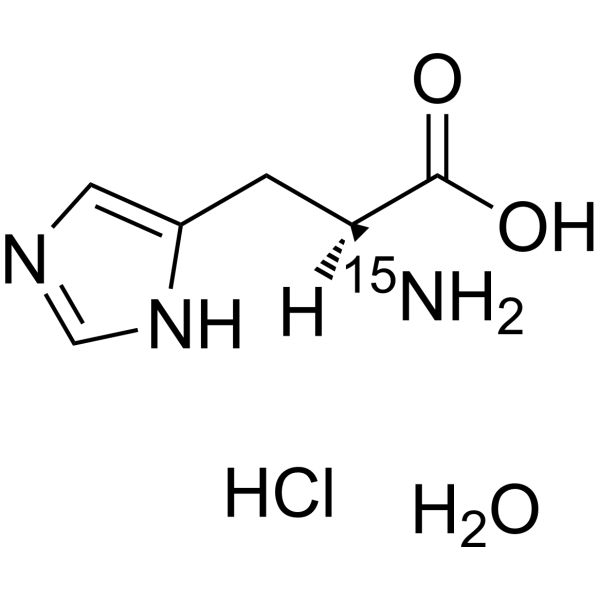
- HY-W003972R
-
|
Syringol (Standard)
|
Biochemical Assay Reagents
Reference Standards
|
Others
|
|
2,6-Dimethoxyphenol (Standard) (Syringol (Standard)) is the analytical standard of 2,6-Dimethoxyphenol (HY-W003972). This product is intended for research and analytical applications. 2,6-Dimethoxyphenol is a phenolic compound that scavenges free radicals and exhibits antioxidant activity. 2,6-Dimethoxyphenol is the substrate for determining laccase activity .
|
-

- HY-W003972S
-
|
Syringol-d3
|
Isotope-Labeled Compounds
Biochemical Assay Reagents
|
Others
|
|
2,6-Dimethoxyphenol-d3 (Syringol-d3) is the deuterium labeled 2,6-Dimethoxyphenol (HY-W003972) . 2,6-Dimethoxyphenol is a phenolic compound that scavenges free radicals and exhibits antioxidant activity. 2,6-Dimethoxyphenol is the substrate for determining laccase activity .
|
-
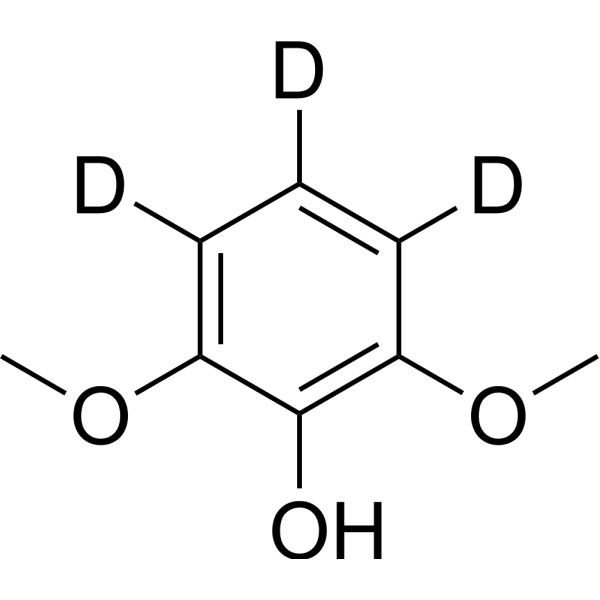
- HY-162882
-
|
|
Xanthine Oxidase
Reactive Oxygen Species (ROS)
|
Metabolic Disease
|
CC15009 is a xanthine oxidoreductase (XOR) inhibitor, with an IC50 value of 0.237 nM. CC15009 can inhibit the oxidative subtype of XOR, thereby reducing the production of the byproduct ROS and exhibiting antioxidant activity. CC15009 has demonstrated a good dose-dependent uric acid-lowering effect in two different mouse models of hyperuricemia induced by XOR substrates .
|
-

- HY-173282
-
|
|
Amyloid-β
|
Neurological Disease
|
|
Aβ aggregation-IN-2 (Compound 8i) is an inhibitor of amyloid-β protein (Aβ42) aggregation, showing approximately 91% inhibition of Aβ42 aggregation at 25 μM. It also exhibits Aβ42 disaggregation effects and antioxidant activity. Aβ aggregation-IN-2 can be used for research in the field of Alzheimer's disease .
|
-

- HY-168068
-
|
|
Drug Derivative
|
Neurological Disease
|
|
Res-Glu3 is the derivative of Resveratrol (HY-16561). Res-Glu3 mitigates the ROS accumulation, and exhibits neuroprotective efficacy against H2O2-caused cellular damage in PC12. Res-Glu3 exhibits antioxidant activity in rats ischemia reperfusion models .
|
-

- HY-W145076
-
|
AZADO
|
Biochemical Assay Reagents
|
|
|
2-Azaadamantane-N-oxyl (AZADO) is a compound with antioxidant activity that can effectively scavenge free radicals. 2-Azaadamantane-N-oxyl has been widely studied in compound development and has shown potential inhibitory effects on a variety of diseases. The structure of 2-Azaadamantane-N-oxyl gives it excellent biocompatibility and is suitable for screening innovative compounds.
|
-

- HY-P1306
-
|
|
GHSR
|
Cardiovascular Disease
Inflammation/Immunology
|
|
Obestatin(rat), encoded by the Ghrelin gene, is a cpeptide, comprised of 23 amino acids. Obestatin(rat) suppresses food intake, inhibits jejunal contraction, and decreases body-weight gain. Obestatin is an endogenous ligand of G-protein coupled receptor 39 (GPR39). Obestatin(rat) has anti-inflammatory, anti-myocardial infarction and antioxidant activities .
|
-
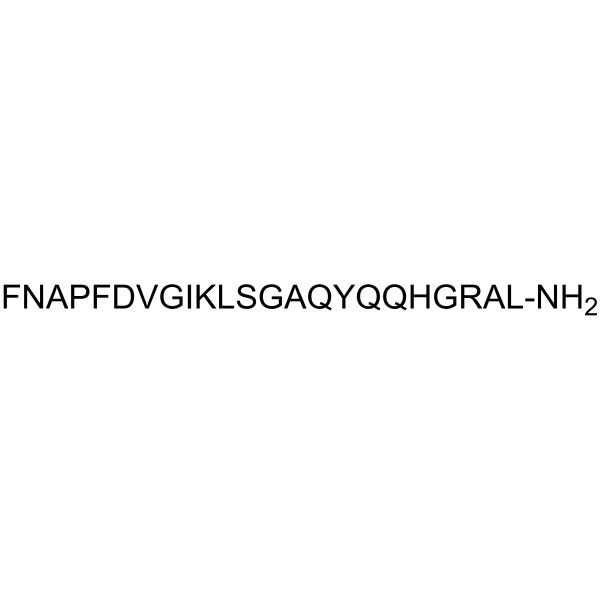
- HY-N0740
-
|
|
Cholinesterase (ChE)
5-HT Receptor
Bacterial
|
Neurological Disease
Inflammation/Immunology
|
|
Jatrorrhizine chloride is an alkaloid isolated from?Coptis chinensis with neuroprotective, antimicrobial, antiplasmodial and antioxidant activities . Jatrorrhizine chloride is a potent and orally active inhibitor of?AChE?(IC50=872 nM) over >115-fold selectivity for BuChE . Jatrorrhizine chloride reduces uptake of serotonin (5-HT) and norepinephrine (NE) via inhibition of uptake-2 transporters .
|
-
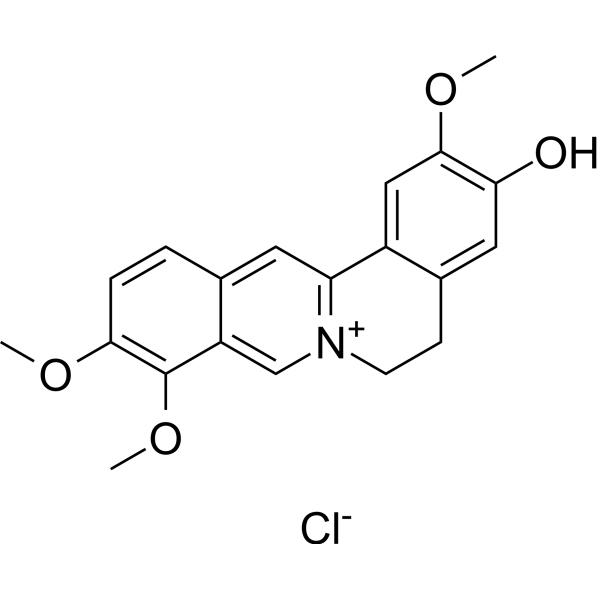
- HY-131051
-
|
|
Reactive Oxygen Species (ROS)
Bacterial
Fungal
|
Infection
|
|
Antimicrobial agent-41 (Compound 19) is a thiazolidinedione derivative. Antimicrobial agent-41 exhibits excellent antioxidant activity (IC50 = 27.66 μg/mL). Antimicrobial agent-41 also exhibits antidiabetic activity (IC50 = 40.01 μg/mL). Antimicrobial agent-41 has antimicrobial activity again both bacterial and fungi .
|
-

- HY-167685
-
|
|
Bacterial
|
Inflammation/Immunology
|
|
(E/Z)-Aureusidin is a flavonoid compound with antioxidant activity. (E/Z)-Aureusidin can inhibit the production of reactive oxygen species and reduce cell damage. (E/Z)-Aureusidin has anti-inflammatory effects and can reduce the expression of inflammatory factors. (E/Z)-Aureusidin has inhibitory effects on a variety of bacteria, indicating its potential antimicrobial properties .
|
-

- HY-W014423S5
-
|
H-His-OH-15N3 hydrochloride hydrate
|
Isotope-Labeled Compounds
Apoptosis
Reactive Oxygen Species (ROS)
Endogenous Metabolite
|
Inflammation/Immunology
Cancer
|
|
L-Histidine- 15N3 hydrochloride hydrate is the 15N-labeled L-Histidine hydrochloride hydrate (HY-W014423). L-Histidine hydrochloride hydrate is an endogenous metabolite. L-Histidine hydrochloride hydrate scavenges hydroxyl radicals and singlet oxygen, regulate the absorption of zinc, copper and iron, exhibits anti-inflammatory and antioxidant activities. L-Histidine hydrochloride hydrate is blood brain barrier penetrable .
|
-
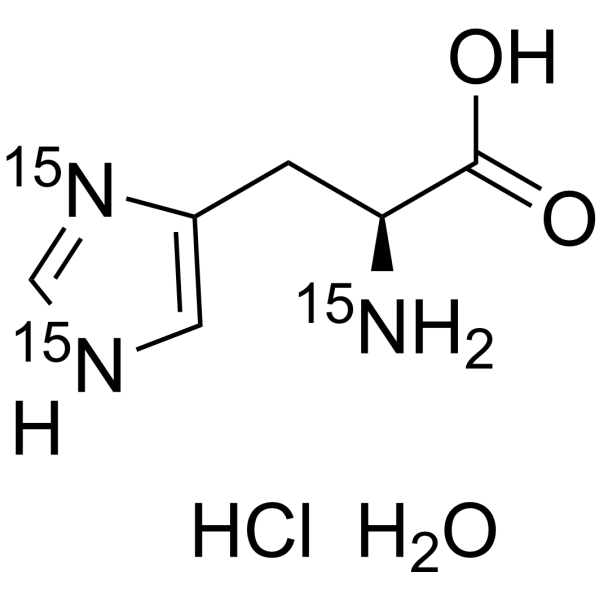
- HY-121523
-
|
|
Keap1-Nrf2
|
Metabolic Disease
|
|
MIND4-17 is a potent NRF2 activator that covalently modifies a C151 residue of Keap1. MIND4-17 disrupts Keap1-Nrf2 association, leading to Nrf2 protein stabilization and nuclear translocation. MIND4‐17 exerts potent antioxidant activity .
|
-
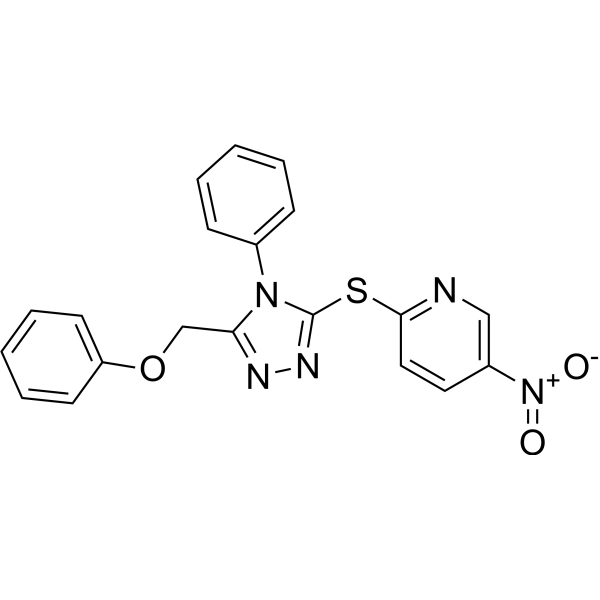
- HY-W768262
-
|
Gluconic acid lactone-13C6
|
Reactive Oxygen Species (ROS)
|
Others
|
|
D-(+)-Glucono-1,5-lactone- 13C6 (Gluconic acid lactone- 13C6) is the 13C-labeled D-(+)-Glucono-1,5-lactone (HY-I0301). D-(+)-Glucono-1,5-lactone is a polyhydroxy (PHA) that is capable of metal chelating, moisturizing and antioxidant activity.
|
-

- HY-W014423S2
-
|
H-His-OH-13C6 hydrochloride hydrate
|
Isotope-Labeled Compounds
Apoptosis
Reactive Oxygen Species (ROS)
Endogenous Metabolite
|
Inflammation/Immunology
Cancer
|
|
L-Histidine- 13C6 (hydrochloride hydrate) is the 13C-labeled L-Histidine hydrochloride hydrate (HY-W014423). L-Histidine hydrochloride hydrate is an endogenous metabolite. L-Histidine hydrochloride hydrate scavenges hydroxyl radicals and singlet oxygen, regulate the absorption of zinc, copper and iron, exhibits anti-inflammatory and antioxidant activities. L-Histidine hydrochloride hydrate is blood brain barrier penetrable .
|
-
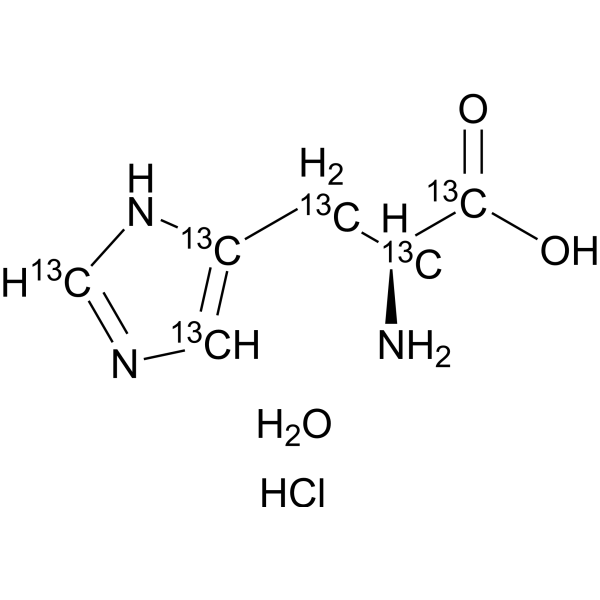
- HY-W014423S
-
|
H-His-OH-13C hydrochloride hydrate
|
Isotope-Labeled Compounds
Apoptosis
Reactive Oxygen Species (ROS)
Endogenous Metabolite
|
Inflammation/Immunology
Cancer
|
|
L-Histidine- 13C hydrochloride hydrate is the 13C-labeled L-Histidine hydrochloride hydrate (HY-W014423). L-Histidine hydrochloride hydrate is an endogenous metabolite. L-Histidine hydrochloride hydrate scavenges hydroxyl radicals and singlet oxygen, regulate the absorption of zinc, copper and iron, exhibits anti-inflammatory and antioxidant activities. L-Histidine hydrochloride hydrate is blood brain barrier penetrable .
|
-
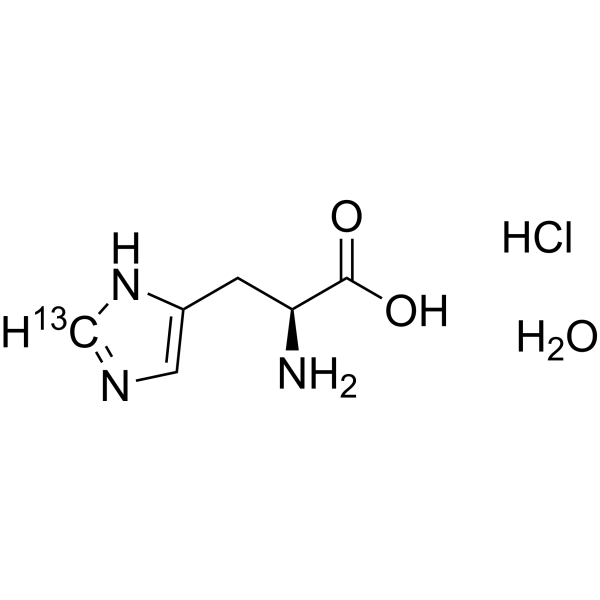
- HY-136593
-
|
(S)-3-(4-Hydroxyphenyl)lactic acid
|
Reactive Oxygen Species (ROS)
|
Infection
|
|
(S)-3-(4-Hydroxyphenyl)-2-hydroxypropionic acid (Compound 1) is a metabolite. (S)-3-(4-Hydroxyphenyl)-2-hydroxypropionic acid can be isolated from the culture medium of Leuconostoc mesenteroides. (S)-3-(4-Hydroxyphenyl)-2-hydroxypropionic acid has strong antioxidant activity .
|
-
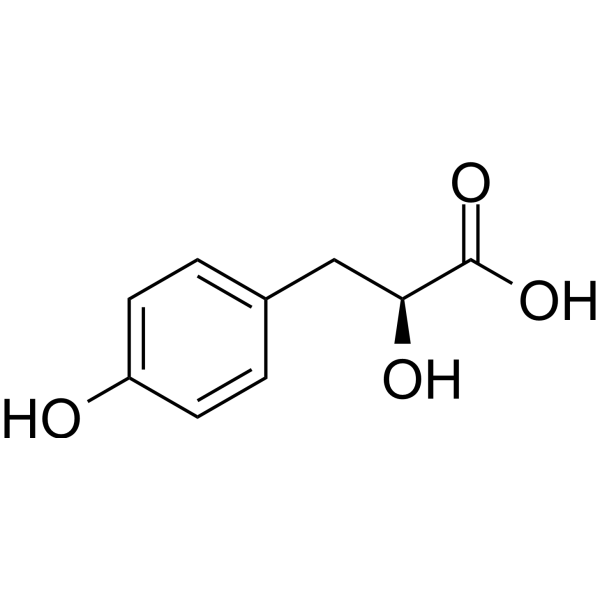
- HY-W751002
-
|
(+)-Orthosporin
|
Endogenous Metabolite
Bacterial
HIV
Reverse Transcriptase
|
Infection
|
|
Orthosporin ((+)-Orthosporin), a phytotoxic isocoumarin compound, is a microbial secondary metabolite. Orthosporin can be isolated from the endophytic fungus Lasiodiplodia tbeobromae. Orthosporin has potent antibacterial activity against B. subtilis, E. coli and P. aeruginosa. Orthosporin also has antioxidant activity against DPPH radical and antiviral activities with inhibition of HIV-1 reverse transcriptase activity .
|
-

- HY-W041301R
-
|
|
Reference Standards
Drug Isomer
|
Inflammation/Immunology
|
|
(±)-Dihydroactinidiolide (Standard) is the analytical standard of (±)-Dihydroactinidiolide (HY-W041301). This product is intended for research and analytical applications. (±)-Dihydroactinidiolide is the dextrorotatory form of Dihydroactinidiolide (HY-107805). (±)-Dihydroactinidiolide has a strong, pleasant musky, tea-like and tobacco-like aroma and is mainly found in black tea, tobacco and fruits. (±)-Dihydroactinidiolide has antioxidant activity and can be derived from β-carotene.
|
-

- HY-W014423R
-
|
H-His-OH.HCl.H2O (Standard)
|
Reference Standards
Apoptosis
Reactive Oxygen Species (ROS)
Endogenous Metabolite
|
Inflammation/Immunology
Cancer
|
|
L-Histidine hydrochloride hydrate (Standard) is the analytical standard of L-Histidine hydrochloride hydrate (HY-W014423). This product is intended for research and analytical applications. L-Histidine hydrochloride hydrate is an endogenous metabolite. L-Histidine hydrochloride hydrate scavenges hydroxyl radicals and singlet oxygen, regulate the absorption of zinc, copper and iron, exhibits anti-inflammatory and antioxidant activities. L-Histidine hydrochloride hydrate is blood brain barrier penetrable .
|
-

- HY-N2188
-
|
|
HIV
|
Infection
|
|
Beta-Acetoxyisovalerylshikonin is a naturally occurring naphthoquinone-type shikonin derivative that is widely distributed in the roots and cell suspension cultures of *Arnebia euchroma*, *Arnebia guttata*, *Onosma hispidum* and *Lithospermum erythrorhizon*. Beta-Acetoxyisovalerylshikonin exhibits favorable antibacterial, anti-inflammatory, wound-healing promoting and antioxidant activities, and also possesses potential anti-tumor and anti-HIV properties .
|
-
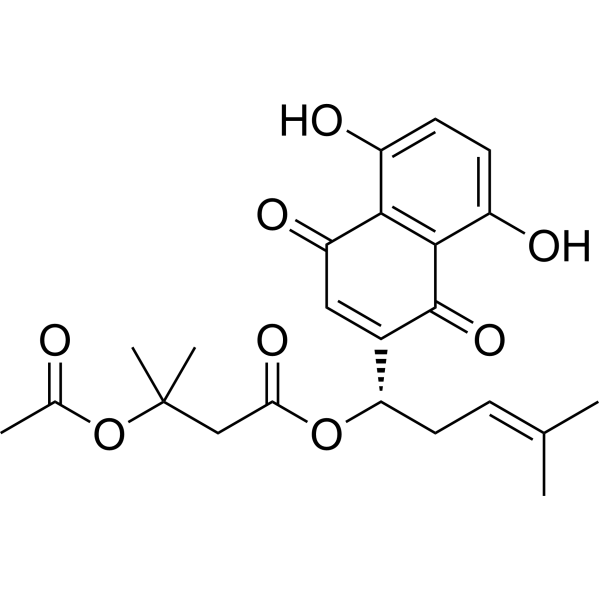
- HY-N6904R
-
|
|
Reference Standards
Amyloid-β
|
Neurological Disease
Inflammation/Immunology
|
|
Crocetin monomethyl ester (Standard) is the analytical standard of Crocetin monomethyl ester. This product is intended for research and analytical applications. Crocetin monomethyl ester, isolated from Crocus sativus, possesses anti-inflammatory, neuroprotective and antioxidant activity . Crocetin monomethyl ester promotes clearance of amyloid-β by inducing autophagy via the STK11/LKB1-mediated AMPK pathway .
|
-

- HY-119666
-
|
|
Apoptosis
Reactive Oxygen Species (ROS)
MDM-2/p53
Oct3/4
|
Inflammation/Immunology
Cancer
|
|
Rooperol is a norlignan analog with antitumor, anti-inflammatory, and antioxidant activities. Rooperol induces apoptosis in CSCs through a mitochondrial-induced increase in ROS and a p53-dependent pathway, while also downregulating the expression of key stem cell regulatory factors, such as Oct4, Nanog, and Sox2, ultimately exerting its anticancer effects .
|
-

- HY-B2171AR
-
|
Carminomycin hydrochloride (Standard); Carminomicin I hydrochloride (Standard)
|
Reference Standards
Apoptosis
|
Infection
Cancer
|
|
Isoflavone (Standard) is the analytical standard of Isoflavone. This product is intended for research and analytical applications. Isoflavone is an orally available bioactive component of soy phytoestrogen with lipid-lowering and antioxidant activities. Isoflavone prevents a variety of chronic diseases by regulating fatty acid oxidation in the liver and gene expression in adipose tissue. In addition, isoflavone has important value in the research of cancer and cardiovascular diseases .
|
-

- HY-170658
-
|
|
Autophagy
Amyloid-β
Reactive Oxygen Species (ROS)
|
Neurological Disease
Inflammation/Immunology
|
|
AChE-IN-80 (Compound 1) is an acetylcholinesterase (AChE) inhibitor. AChE-IN-80 can inhibit inflammation and the production of reactive oxygen species (ROS) in vitro- cultured neurons and microglia, trigger autophagy responses, and block the propagation of β-amyloid (Aβ) fibrils. AChE-IN-80 possesses antioxidant activity and neuroprotective effects and can be used in the study of Alzheimer's disease .
|
-

- HY-N1347R
-
|
3,3',4',5',7-Pentahydroxyflavone (Standard)
|
Reference Standards
Fungal
HIV Integrase
Bacterial
|
Infection
|
|
Robinetin (Standard) is the analytical standard of Robinetin. This product is intended for research and analytical applications. Robinetin (3,3',4',5',7-Pentahydroxyflavone), a naturally occurring flavonoid with remarkable ‘two color’ intrinsic fluorescence properties, has antifungal, antiviral, antibacterial, antimutagenesis, and antioxidant activity. Robinetin also can inhibit lipid peroxidation and protein glycosylation .
|
-

- HY-W011370
-
|
|
Quinone Reductase
Reactive Oxygen Species (ROS)
|
Neurological Disease
Cancer
|
|
Pelargonidin chloride is an anthocyanidin and also is a scavenger of nitric oxide radical and has antioxidant activities. Pelargonidin inhibits cell viability and induces cell cycle arrest at sub-G1 phase. Pelargonidin chloride increases the mRNA and protein expression of HO-1, NQO1, Nrf2. Pelargonidin chloride improves Aβ-induced memory and learning impairment .
|
-
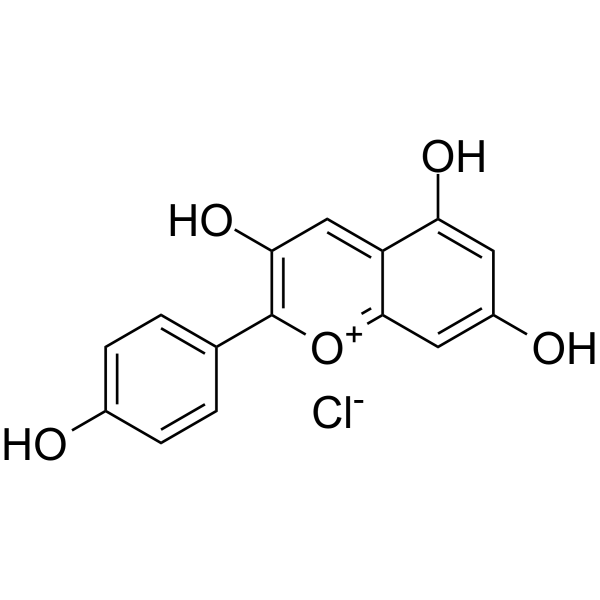
- HY-N0326R
-
|
|
Reference Standards
Endogenous Metabolite
Keap1-Nrf2
Apoptosis
|
Inflammation/Immunology
Cancer
|
|
L-Methionine (Standard) is the analytical standard of L-Methionine. This product is intended for research and analytical applications. L-Methionine is an L-isomer of orally active Methionine, an essential amino acid. Methionine is a strong liver antidote that acts as a liver protector. L-Methionine can inhibit cell proliferation and induce cell apoptosis. L-Methionine has antitumor and antioxidant activity .
|
-

- HY-163188
-
|
|
COX
Lipoxygenase
|
Inflammation/Immunology
|
|
COX-2/LOX-IN-2 (compound 6) is a dual inhibitor of COX-2/LOX with IC50s of 7.0 μM and 27.5 μM, respectively. COX-2/LOX-IN-2 has antioxidant activity and has the potential to be used in the development of nonsteroidal anti-inflammatory drugs (tNSAIDs) .
|
-
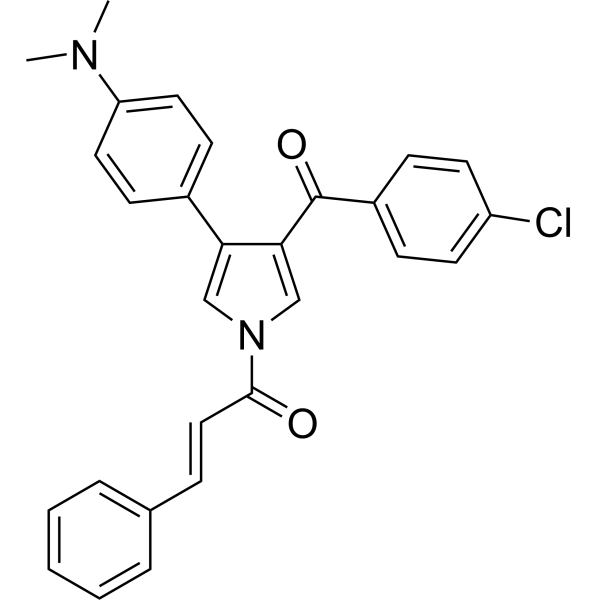
- HY-Y0946R
-
|
|
Biochemical Assay Reagents
Reference Standards
|
Inflammation/Immunology
Cancer
|
|
Acetamide (Standard) is the analytical standard of Acetamide. This product is intended for research and analytical applications. Acetamide is used as an intermediate in the synthesis of methylamine, thioacetamide, and insecticides, and as a plasticizer in leather, cloth and coatings. Acetamide has carcinogenicity. Acetamide derivatives may has antioxidant activity and potential anti-inflammatory activity. Acetamide holds promise for research in the fields of anti-inflammatory and cancer studies .
|
-

- HY-N6614
-
|
|
VD/VDR
|
Others
|
|
L-Galactose is a key intermediate in the de novo synthesis of vitamin C (L-ascorbic acid) in plants. It is converted into L-ascorbic acid by participating in the VTC2 cycle and enzymatic steps, exerting antioxidant activities, maintaining cell structure, and participating in the carbon flow distribution of photosynthesis. L-Galactose can be used to study the analysis of the synthesis pathway of vitamin C in plant physiology .
|
-
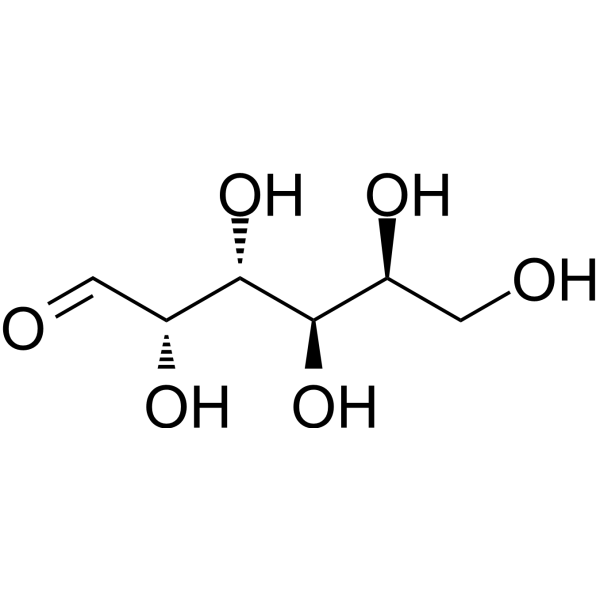
- HY-N4170
-
|
|
Keap1-Nrf2
Reactive Oxygen Species (ROS)
|
Metabolic Disease
|
|
Chebulic acid is a phenolic acid compound isolated from Terminalia chebula with strong antioxidant activity, which breaks protein cross-links induced by advanced glycation end products (AGEs) and inhibits the formation of AGEs. Chebulic acid is effective in controlling elevated metabolic parameters, oxidative stress, and liver damage, supporting its beneficial role in asthma, diabetes, and liver protection .
|
-
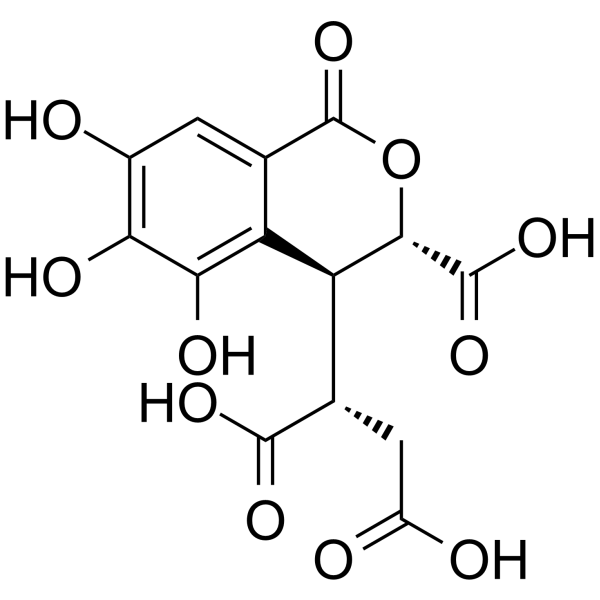
- HY-P1306A
-
|
|
GHSR
|
Cardiovascular Disease
Inflammation/Immunology
|
|
Obestatin(rat) TFA, encoded by the Ghrelin gene, is a cpeptide, comprised of 23 amino acids. Obestatin(rat) TFA suppresses food intake, inhibits jejunal contraction, and decreases body-weight gain. Obestatin is an endogenous ligand of G-protein coupled receptor 39 (GPR39). Obestatin(rat) TFA has anti-inflammatory, anti-myocardial infarction and antioxidant activities .
|
-
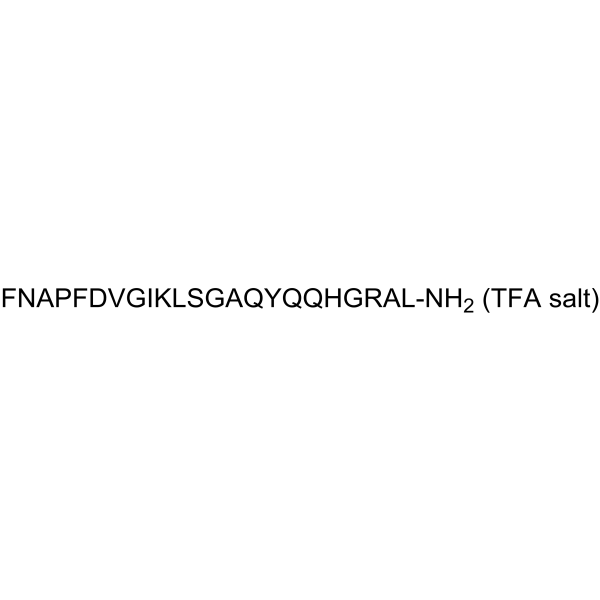
- HY-N0326S13
-
-

- HY-N13208
-
|
|
MMP
TGF-beta/Smad
|
Others
|
Stevia Powder is a natural sweetener with antioxidant activity. Stevia Powder can downregulate pro fibrotic pathways in cirrhotic rats, including reduced hepatic myofibroblasts and decreased expression of matrix metalloproteinases MMP2 and MMP13, upregulate anti fibrotic molecule Smad7, prevent serum necrosis and elevated bile stasis markers, thereby inhibiting the development of liver fibrosis .
|
-

- HY-B0717
-
|
TPGS; D-α-Tocopherol polyethylene glycol 1000 succinate; Vitamin E-TPGS
|
Drug Derivative
|
Neurological Disease
Metabolic Disease
|
|
Tocofersolan is synthetic polyethylene glycol derivative of α-tocopherol. Tocofersolan is an orally active and water-soluble analog of vitamin E. Tocofersolan can reduce neurobehavioral deficits in zebrafish embryos exposed to moderate and high concentrations of BaP during early development. Tocofersolan shows antioxidant activity. Tocofersolan can be used to provide an orally bioavailable source of vitamin E .
|
-
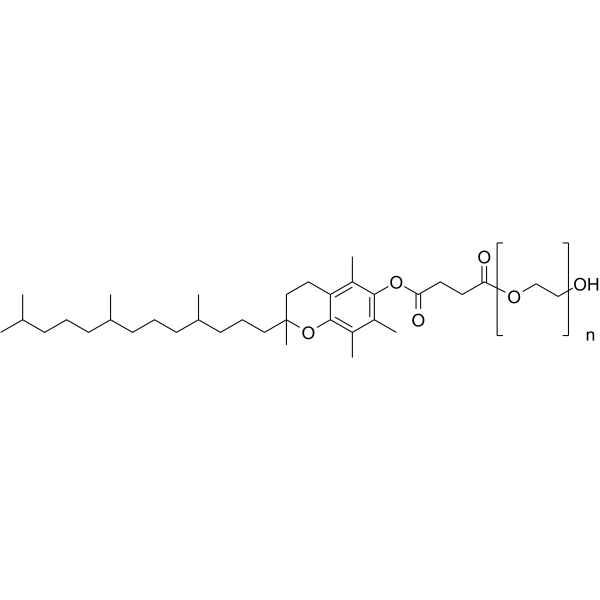
- HY-N0613R
-
|
|
Reference Standards
NF-κB
|
Inflammation/Immunology
|
|
Sauchinone (Standard) is the analytical standard of Sauchinone. This product is intended for research and analytical applications. Sauchinone is a diastereomeric lignan isolated from Saururus chinensis (Saururaceae). Sauchinone inhibits LPS-inducible iNOS, TNF-α and COX-2 expression through suppression of I-κBα phosphorylation and p65 nuclear translocation. Sauchinone has anti-inflammatory and antioxidant activity .
|
-

- HY-W245806S1
-
|
|
Isotope-Labeled Compounds
Bacterial
|
Infection
|
|
1-Methylnaphthalene- 13C is the 13C-labeled 1-Methylnaphthalene (HY-166872). 1-Methylnaphthalene is an organic compound with antibacterial and antioxidant activities. 1-Methylnaphthalene is used as a pollutant indicator in environmental monitoring. 1-Methylnaphthalene can also be used as an intermediate for petrochemical products, helping to improve reaction efficiency during the synthesis process.
|
-

- HY-111603
-
|
|
Apoptosis
|
Metabolic Disease
Inflammation/Immunology
|
|
Calcium dobesilate is a vascular protector with oral activity that can clear hydroxyl free radicals, with an IC50 of 1.1 pM. Calcium dobesilate has antioxidant activity and helps to reduce oxidative stress and inflammation in the retinas of diabetic mice. Calcium dobesilate can be used to study chronic venous diseases, diabetic retinopathy, and the occurrence of hemorrhoids, among other conditions .
|
-
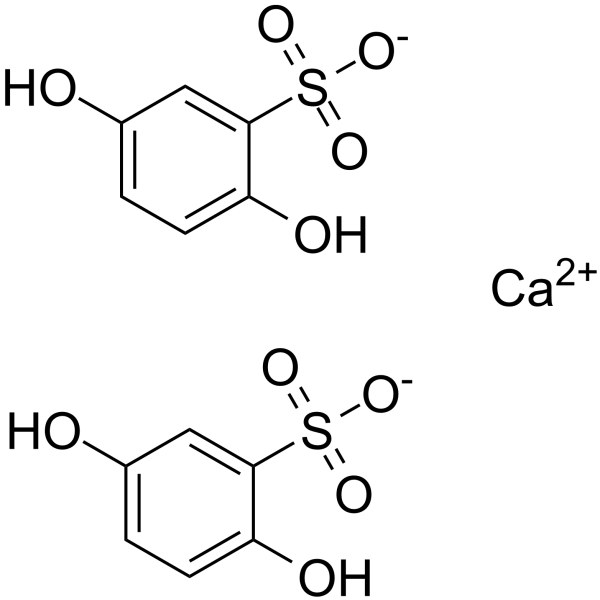
- HY-150585
-
|
|
Amyloid-β
Cholinesterase (ChE)
Tau Protein
|
Neurological Disease
|
|
BuChE-IN-5 (compound 25b) is a potent BuChE inhibitor with an IC50 value of 1.94 μM. BuChE-IN-5 efficiently inhibits aggregation Aβ and tau protein in Escherichia coli. BuChE-IN-5 also has free radical scavenging capacity and antioxidant activity. BuChE-IN-5 can be used for researching Alzheimer’s disease .
|
-
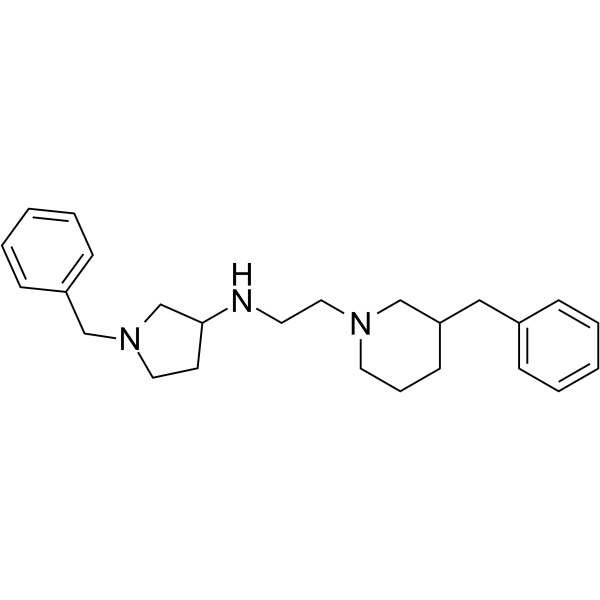
- HY-119532R
-
|
Desmethylselegiline (Standard)
|
Reference Standards
Drug Metabolite
|
Metabolic Disease
|
|
Chromium picolinate (Standard) is the analytical standard of Chromium picolinate. This product is intended for research and analytical applications. Chromium picolinate (Chromium (III) picolinate) is a compound that has oral activity. Chromium picolinate induces apoptosis. Chromium picolinate is the activator of p38 MAPK. Chromium picolinate has antioxidant activity. Chromium picolinate can be used in research on type 2 diabetes .
|
-

- HY-163880
-
|
|
EGFR
Ras
p38 MAPK
Reactive Oxygen Species (ROS)
|
Cancer
|
|
EGFR-IN-119 (Compound 5l) is an inhibitor for EGFR with an IC50 of 84.3 nM. EGFR-IN-119 inhibits the cytotoxicity in lung cancer cell A549 with an IC50 of 1.34 μM. EGFR-IN-119 downregulates the expressions of EGFR, KRAS, and MAP2K genes, exhibits antioxidant activity through reduction of reactive oxygen species (ROS), and hyperpolarizes the mitochondrial membrane potential .
|
-

- HY-149008
-
|
|
Amylases
Cholinesterase (ChE)
|
Inflammation/Immunology
|
|
α-Amylase-IN-3 (Compound 4) is the inhibitor for α-Amylase, AChE and AChE with IC50s of 18.04 μM, 21.04 μM and 22.2 μM, respectively. α-Amylase-IN-3 exhibits antioxidant activity. α-Amylase-IN-3 can be used in research of diabetes and oxidative stress associated disease .
|
-
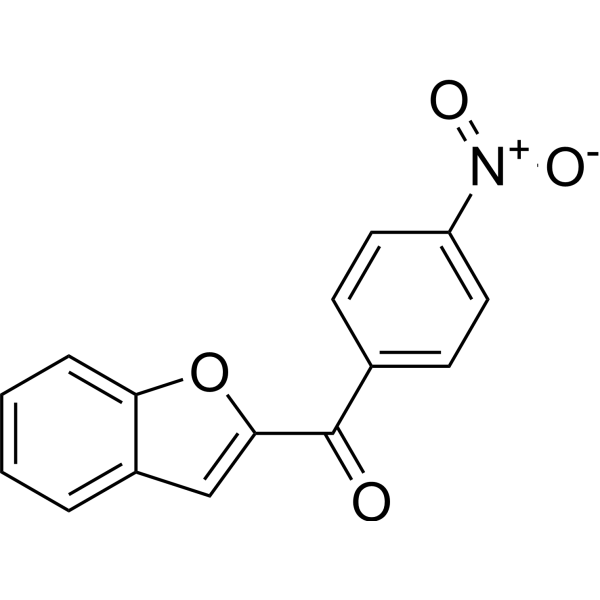
- HY-103354R
-
|
|
Reference Standards
Cholecystokinin Receptor
|
Neurological Disease
Endocrinology
Cancer
|
|
Proglumide (sodium) (Standard) is the analytical standard of Proglumide (sodium). This product is intended for research and analytical applications. Proglumide sodium is a nonpeptide and orally active cholecystokinin (CCK)-A/B receptors antagonist. Proglumide sodium selective blocks CCK’s effects in the central nervous system (CNS). Proglumide sodium has ability to inhibit gastric secretion and to protect the gastroduodenal mucosa. Proglumide sodium also has antiepileptic and antioxidant activities .
|
-

- HY-172102
-
|
|
NO Synthase
NOD-like Receptor (NLR)
|
Inflammation/Immunology
|
|
NLRP3-IN-68 (Compound 2d) is a 1,3,4-oxadiazole derivative. NLRP3-IN-68 has strong anti-inflammatory and antioxidant activities, which can inhibit inflammatory cytokines secretion, iNOS expression and NLRP3 inflammasome activation. NLRP3-IN-68 can be used in the research of anti-inflammatory drugs .
|
-

- HY-N0521R
-
|
|
Reference Standards
Reactive Oxygen Species (ROS)
|
Metabolic Disease
Cancer
|
|
(-)-Gallocatechin (Standard) is the analytical standard of (-)-Gallocatechin. This product is intended for research and analytical applications. (-)-Gallocatechin, an epimer of (-)-Epigallocatechin (EGC), is contained in various tea products. (-)-Gallocatechin has antioxidant activities. (-)-Gallocatechin is the main active component in green tea extract (HTP-GTE) responsible for its effect of improving age-related cognitive impairments involving protein kinase A (PKA) pathway .
|
-

- HY-N17763
-
|
|
Others
|
Inflammation/Immunology
|
|
Styraxlignolide G is a furanofuran-type lignan compound that can be isolated from the stem bark of Styrax japonica. Styraxlignolide G exhibits very weak DPPH free radical scavenging activity, while its hydrolyzed aglycone molecule possesses antioxidant activity (IC50=186.7 μM) and is involved in antioxidant-related regulation in the body. Styraxlignolide G can be used in the study of inflammatory diseases.
|
-

- HY-B1330R
-
|
|
Cholecystokinin Receptor
Reference Standards
|
Neurological Disease
Endocrinology
Cancer
|
|
Proglumide (Standard) is the analytical standard of Proglumide. This product is intended for research and analytical applications. Proglumide is a nonpeptide and orally active cholecystokinin (CCK)-A/B receptors antagonist. Proglumide selective blocks CCK’s effects in the central nervous system (CNS). Proglumide has ability to inhibit gastric secretion and to protect the gastroduodenal mucosa. Proglumide also has antiepileptic and antioxidant activities .
|
-

- HY-N7607
-
|
|
Reactive Oxygen Species (ROS)
|
Cardiovascular Disease
|
|
Quercetin-3-O-D-glucosyl]-(1-2)-L-rhamnoside is a flavonoid glycoside with antioxidant activity and free radical scavenging activity. Quercetin-3-O-D-glucosyl]-(1-2)-L-rhamnoside can scavenge free radicals such as ABTS+ and can be used in the study of antioxidant-related diseases (such as cardiovascular diseases and neurodegenerative diseases) .
|
-
![Quercetin-3-O-D-glucosyl]-(1-2)-L-rhamnoside](//file.medchemexpress.com/product_pic/hy-n7607.gif)
- HY-125862
-
|
EC 1.6.4.2; GR
|
Calcineurin
Reactive Oxygen Species (ROS)
|
Cardiovascular Disease
Neurological Disease
|
|
Glutathione reductase, baker's yeast (EC 1.6.4.2) is a reductase. Glutathione reductase, baker's yeast eliminates intracellular ROS. Glutathione reductase, baker's yeast reduces oxidized glutathione (GSSG) to reduced glutathione (GSH) using NADPH as an electron donor. Glutathione reductase, baker's yeast exerts antioxidant activity. Glutathione reductase is mainly used to study diseases associated with oxidative stress, such as Parkinson's disease and sickle cell anemia .
|
-
- HY-B1279R
-
|
Dipyrone hydrate (Standard); Methamizole sodium hydrate (Standard)
|
Reference Standards
COX
Apoptosis
|
Inflammation/Immunology
|
|
Metamizole (sodium hydrate) (Standard) is the analytical standard of Metamizole (sodium hydrate). This product is intended for research and analytical applications. Metamizole sodium hydrate (Dipyrone) is an orally active cyclooxygenase (COX) inhibitor.. Metamizole sodium hydrate can inhibit cell proliferation and promote cell apoptosis. Metamizole sodium hydrate has anti-inflammatory and antioxidant activities. Metamizole sodium hydrate is an antipyretic, analgesic and spasmolytic agent. Metamizole sodium hydrate can be used in research to relieve a variety of pain .
|
-

- HY-168957
-
|
|
MMP
Reactive Oxygen Species (ROS)
|
Others
|
|
RuDiOBn scanvages DPPH and ABTS free radicals (13.2% and 5.9% clearance at 100 μg/mL), exhibits low antioxidant activity. RuDiOBn inhibits the collagen glycation, reduces the formation of advanced glycation end products (AGEs) with an IC50 of 2.45 μg/mL. RuDiOBn enhances the proliferation and migration of fibroblasts, stimulates the synthesis of collagen, promoting the skin repair and regeneration. RuDiOBn also inhibits collagenase .
|
-

- HY-19105A
-
|
|
Histamine Receptor
|
Inflammation/Immunology
|
|
IT 066 hydrochloride is a Histamine H2 receptor antagonist. IT 066 hydrochloride possesses antioxidant activity and can protect rats against acute gastric mucosal injury induced by ischemia-reperfusion. IT 066 hydrochloride can also inhibit secretagogue-induced gastric acid secretion in rats and exert a long-acting anti-lesion effect on experimental gastric and duodenal lesions in rats. IT 066 hydrochloride is applicable for the research of gastrointestinal diseases .
|
-

- HY-N0749A
-
|
|
Cholinesterase (ChE)
5-HT Receptor
Bacterial
|
Neurological Disease
Inflammation/Immunology
|
|
Jatrorrhizine hydroxide is an alkaloid isolated from Coptis chinensis with neuroprotective, antimicrobial, antiplasmodial and antioxidant activities . Jatrorrhizine hydroxide is a potent and orally active inhibitor of AChE (IC50=872 nM) over >115-fold selectivity for BuChE . Jatrorrhizine hydroxide reduces uptake of serotonin (5-HT) and norepinephrine (NE) via inhibition of uptake-2 transporters .
|
-
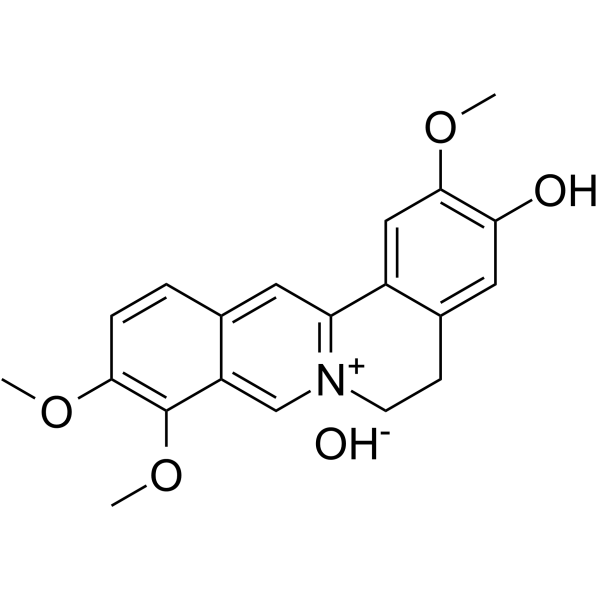
- HY-W665208
-
|
|
Biochemical Assay Reagents
Fungal
Reactive Oxygen Species (ROS)
|
Infection
Neurological Disease
Metabolic Disease
Cancer
|
|
Zapotin is a member of the polymethoxyflavones, which are natural polyphenols from the group of flavonoid. Zapotin exhibits antidepressant, anticancer, antifungal, and antioxidant activity. Zapotin is a chemopreventive and chemotherapeutic agent. Zapotin can result in a reduction of large aberrant crypt foci in CF-1 mouse model. Zapotin inhibits autophagosome formation. Zapotin has inhibitory activity in mouse mammary organ culture with an IC50 of 50 µg/mL .
|
-

- HY-N1854
-
|
|
Drug Derivative
Apoptosis
Wnt
|
Cancer
|
|
Pinobanksin 3-acetate is a flavanone and flavonoid ester with antioxidant activity. Pinobanksin 3-acetate is naturally present in Sonoran propolis, honey, medicinal plants, and forestry coproducts of Pinus caribaea. Pinobanksin 3-acetate exerts anti-colorectal cancer activity by modulating proliferation, apoptosis, cell cycle, and Wnt signaling pathways. Pinobanksin 3-acetate can be used for the research of colon cancer .
|
-
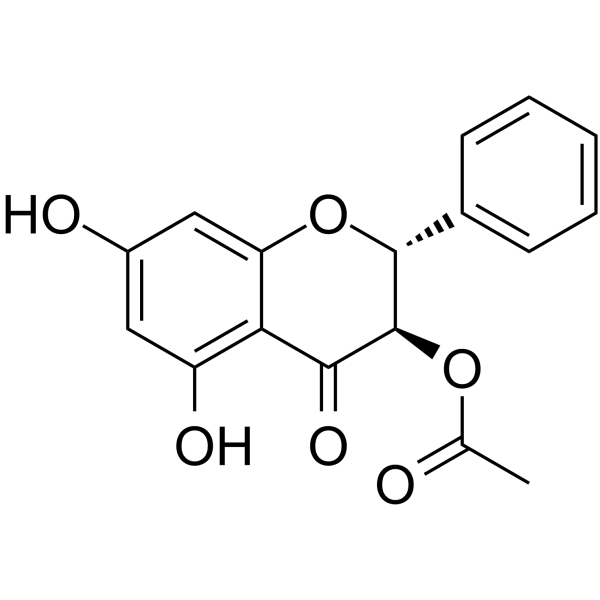
- HY-W753416
-
|
|
Phytohormone
|
Inflammation/Immunology
|
|
14-Hydroxylated brassinosteroid is a plant growth regulator. 14-Hydroxylated brassinosteroid enhances winter wheat resistance to heat stress, delays heat-induced leaf senescence, maintains leaf water content, promotes grain filling, and mitigates yield loss. 14-Hydroxylated brassinosteroid shows antioxidant activity. 14-Hydroxylated brassinosteroid can be used for the research of plant growth .
|
-

- HY-125588R
-
|
Chromium (III) picolinate (Standard); Cr(Pic)3 (Standard)
|
Reference Standards
Apoptosis
p38 MAPK
|
Metabolic Disease
|
|
Chromium picolinate (Standard) is the analytical standard of Chromium picolinate. This product is intended for research and analytical applications. Chromium picolinate (Chromium (III) picolinate) is a compound that has oral activity. Chromium picolinate induces apoptosis. Chromium picolinate is the activator of p38 MAPK. Chromium picolinate has antioxidant activity. Chromium picolinate can be used in research on type 2 diabetes .
|
-

- HY-N0033R
-
|
|
Reference Standards
Aldose Reductase
|
Cardiovascular Disease
Metabolic Disease
Inflammation/Immunology
|
|
Poliumoside (Standard) is the analytical standard of Poliumoside. This product is intended for research and analytical applications. Poliumoside, a caffeoylated phenylpropanoid glycoside, is isolated from Brandisia hancei stems and leaves. Poliumoside is an advanced glycation end product (AGE) formation and rat lens aldose reductase (RLAR) inhibitor, with IC50s of 19.69 and 8.47 μM, respectively. Poliumoside also has antiinflammatory and antioxidant activity .
|
-

- HY-W014423S8
-
-
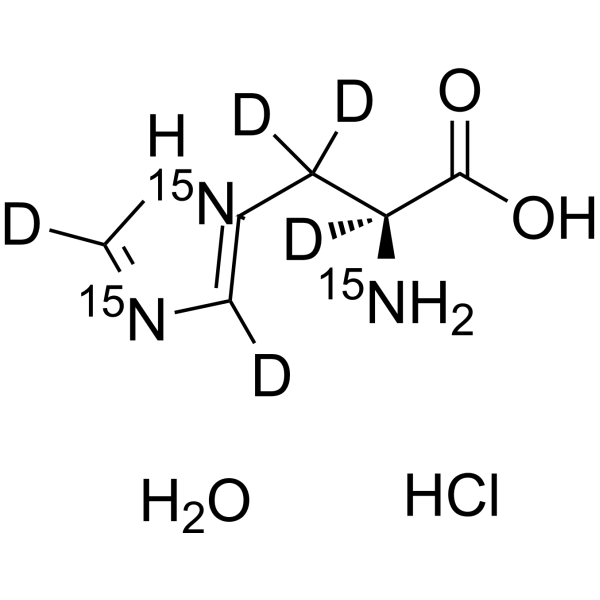
- HY-151430
-
-
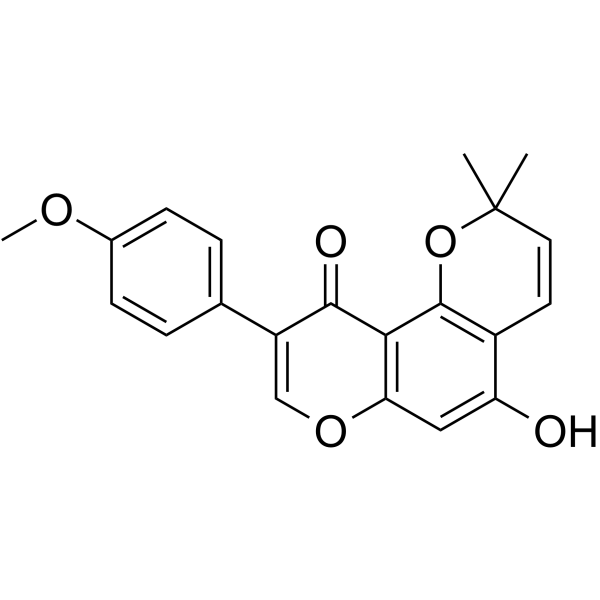
- HY-113463
-
|
CE(20:5(5Z,8Z,11Z,14Z,17Z)
|
Endogenous Metabolite
COX
|
Metabolic Disease
Inflammation/Immunology
|
|
Cholesteryl eicosapentaenoate (CE(20:5(5Z,8Z,11Z,14Z,17Z)), a cholesteryl ester, is a COX-1 and COX-2 inhibitor with IC50 values of 14.6 μg/mL and 17.3 μg/mL, respectively. Cholesteryl eicosapentaenoate shows strong anti-inflammatory and antioxidant activities .
|
-
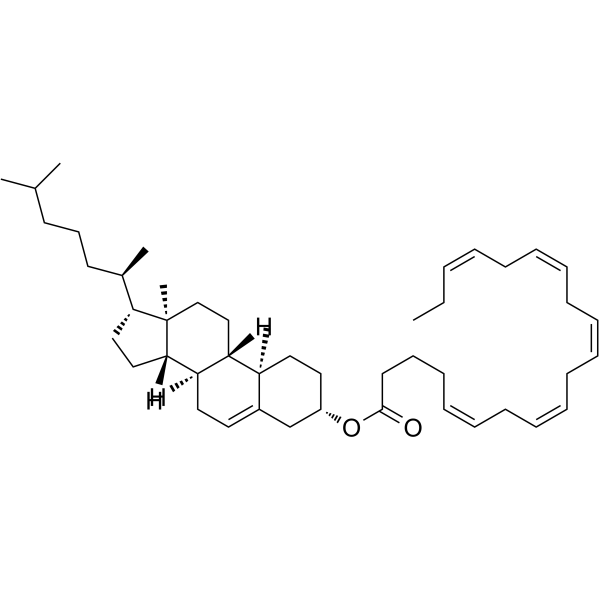
- HY-179037
-
|
|
Necroptosis
Reactive Oxygen Species (ROS)
Mitochondrial Metabolism
|
Neurological Disease
|
|
NecroX-2 is a potent inhibitor of caspase-independent necrosis. NecroX-2 exhibits antioxidant activity by scavenging DPPH radicals and peroxynitrite. NecroX-2 inhibits t-BHP-induced mitochondrial ROS/RNS generation, and protects t-BHP and Doxorubicin (HY-15142A)-induced cell death in vitro. NecroX-2 can be used for research on neurological diseases .
|
-

- HY-W014423S3
-
|
H-His-OH-13C6,15N3 hydrochloride hydrate
|
Isotope-Labeled Compounds
Apoptosis
Reactive Oxygen Species (ROS)
Endogenous Metabolite
|
Inflammation/Immunology
Cancer
|
|
L-Histidine- 13C6, 15N3 hydrochloride hydrate is the 13C- and 15N-labeled L-Histidine hydrochloride hydrate (HY-W014423). L-Histidine hydrochloride hydrate is an endogenous metabolite. L-Histidine hydrochloride hydrate scavenges hydroxyl radicals and singlet oxygen, regulate the absorption of zinc, copper and iron, exhibits anti-inflammatory and antioxidant activities. L-Histidine hydrochloride hydrate is blood brain barrier penetrable .
|
-
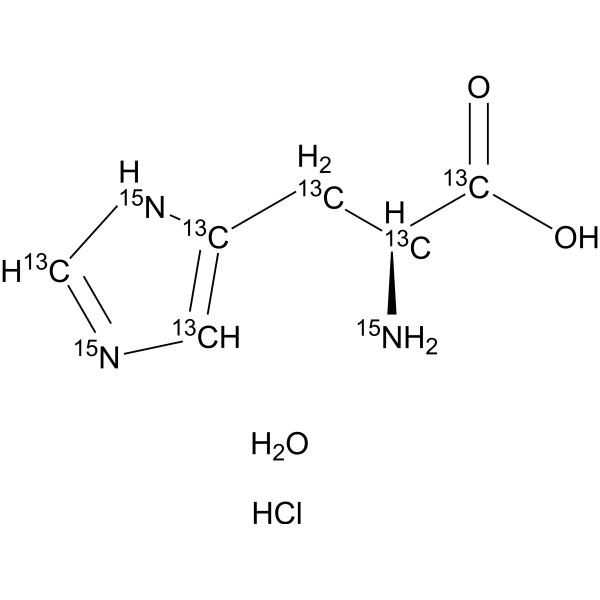
- HY-175217
-
|
|
Keap1-Nrf2
|
Cardiovascular Disease
Inflammation/Immunology
|
|
Nrf2 activator-20 is a potent Nrf2 activator with anti-inflammatory and antioxidant activities. Nrf2 activator-20 activates the anti-inflammatory pathway by interfering with the Keap1-Nrf2 interaction and is beneficial in vivo. Nrf2 activator-20 can be used for the study of acute respiratory distress syndrome (ARDS) and ischemia-reperfusion injury .
|
-

- HY-N2011R
-
|
n-Octyl gallate (Standard); Stabilizer GA 8 (Standard)
|
VSV
Reference Standards
Bacterial
HSV
Influenza Virus
Reactive Oxygen Species (ROS)
|
Infection
|
|
Octyl gallate (Standard) is the analytical standard of Octyl gallate. This product is intended for research and analytical applications. Octyl gallate (Progallin O) is widely used as a food additive, with antimicrobial and antioxidant activity . Octyl gallate (Progallin O) shows selective and sensitive fluorescent property . Octyl gallate shows a marked antiviral effect against HSV-1, vesicular stomatitis virus (VSV) and poliovirus .
|
-

- HY-B1610R
-
|
Trisodium citrate dihydrate (Standard); Citric acid trisodium salt dihydrate (Standard)
|
Reference Standards
Bacterial
Endogenous Metabolite
Apoptosis
|
Infection
Cardiovascular Disease
Cancer
|
|
Sodium citrate (dihydrate) (Standard) is the analytical standard of Sodium citrate (dihydrate). This product is intended for research and analytical applications. Sodium citrate dehydrate (Trisodium citrate dihydrate) is a natural product with oral activity that can be found in citrus fruits. Sodium citrate dehydrate can inhibit the proliferation of tumor cells and induce apoptosis. Sodium citrate dehydrate has antibacterial, anti-tumor and antioxidant activities. Sodium citrate dehydrate can be prepared as a cosolvent or buffer .
|
-

- HY-116866
-
|
|
Lipoxygenase
Fungal
|
Infection
Inflammation/Immunology
|
|
Sclerotiorin is a reversible and uncompetitive inhibitor against soybean lipoxygenase-1 (LOX-1) (IC50: 4.2 μM). Sclerotiorin also shows antioxidant activity by scavenging free radical (ED50: 0.12 μM), and nonenzymatic lipid peroxidation inhibition activity. Sclerotiorin has antifungal activity, and also inhibits platelet aggregation. Sclerotiorin can be purified from the fermented broth of Penicillium frequentans .
|
-
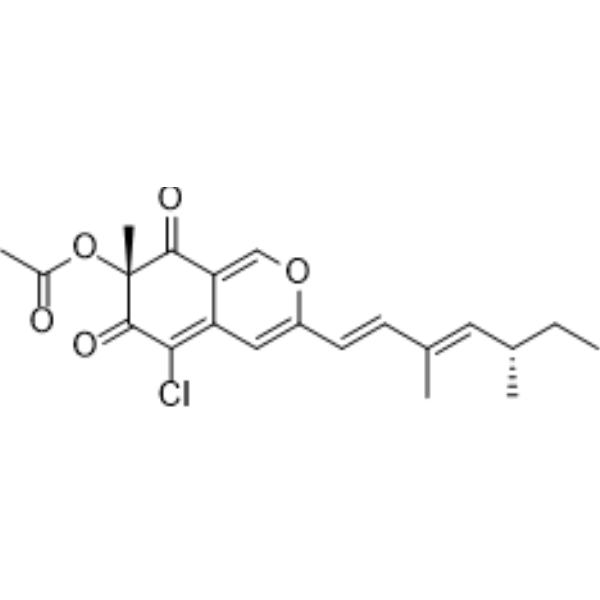
- HY-128476
-
|
|
Environmental Pollutants
Biochemical Assay Reagents
|
Others
|
|
Sodium Tartrate (E335ii) is an approved food additive that functions as both a pH regulator and an emulsifier. Sodium Tartrate effectively inhibits hydrolysis, thermal oxidation, polymerization and coloration of vegetable oil during high-temperature heating, exhibiting significant antioxidant activity. The DL-tartaric acid component of Sodium Tartrate has an absorption rate of up to 90% in brown rats, while the absorption rate of related tartaric acid in humans is only 20% .
|
-
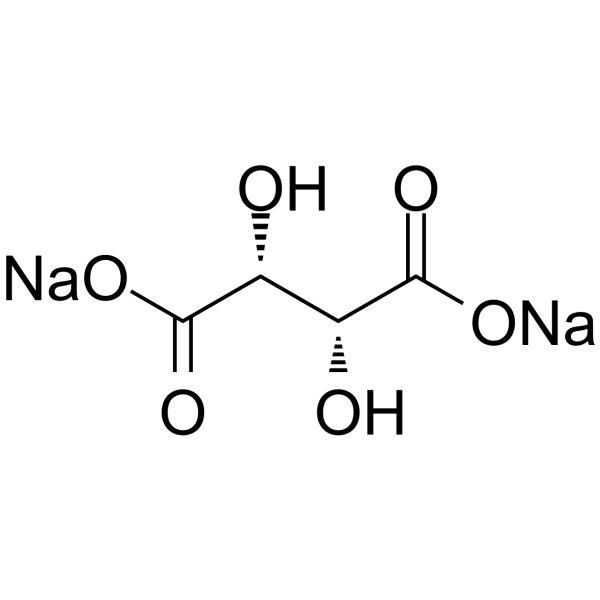
- HY-N5124
-
-
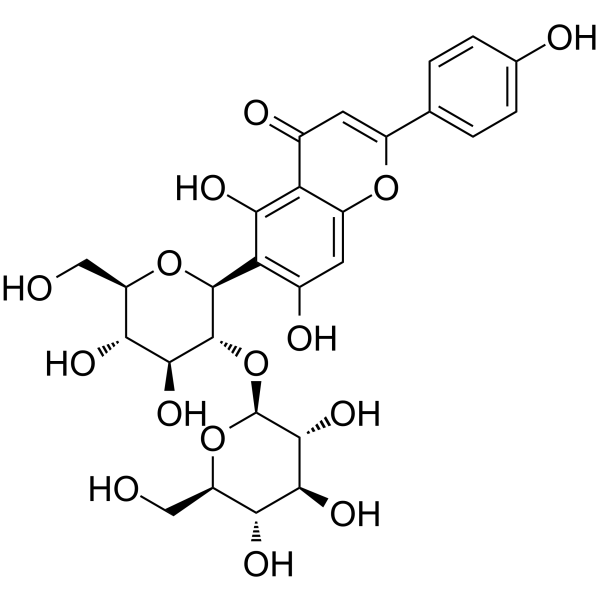
- HY-B0223
-
-
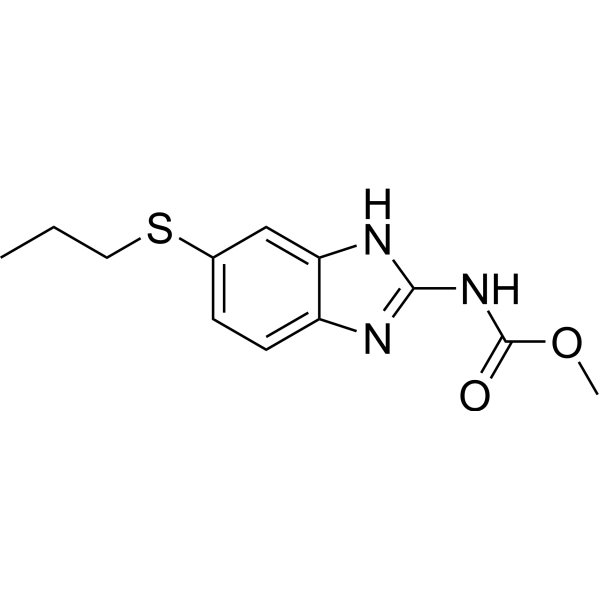
- HY-N0692R
-
|
Gomisin-A (Standard); TJN-101 (Standard); Wuweizi alcohol-B (Standard)
|
Reference Standards
Reactive Oxygen Species (ROS)
Cytochrome P450
Autophagy
|
Cancer
|
|
Schisandrol B (Standard) is the analytical standard of Schisandrol B. This product is intended for research and analytical applications. Schisandrol B (Gomisin-A) is a major active constituent of Schisandra chinensis with hepato-protective effects. Schisandrol B inhibits reactive oxygen species (ROS) production. Schisandrol B inhibits the activity of P-glycoprotein and CYP3A and also has anti-inflammatory, anti-diabetic and antioxidant activities .
|
-

- HY-N10927
-
|
|
Others
|
Others
|
|
2,11,12-Trihydroxy-7,20-epoxy-8,11,13-abietatriene, a diterpenoid, has significant effects on DPPH radical scavenging activity with an IC50 value of 20.0 µM. 2,11,12-Trihydroxy-7,20-epoxy-8,11,13-abietatriene shows potent antioxidant activity .
|
-
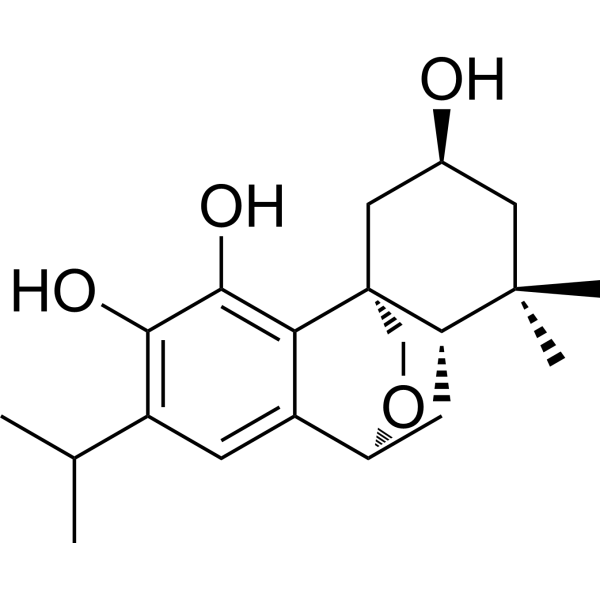
- HY-170904
-
-

- HY-149984
-
|
|
Monoamine Oxidase
|
Neurological Disease
Inflammation/Immunology
|
|
MAO-B-IN-21 is an excellent MAO-B inhibitor with antioxidant activity and anti-Aβ aggregation activity. MAO-B-IN-21 also exhibits metal-ion chelating ability, anti-neuroinflammation (NO, TNF-α), neuroprotective activity and BBB permeability. MAO-B-IN-21 significantly improves the memory and cognitive impairment in Aβ1-42 induced Alzheimer's disease mice model .
|
-
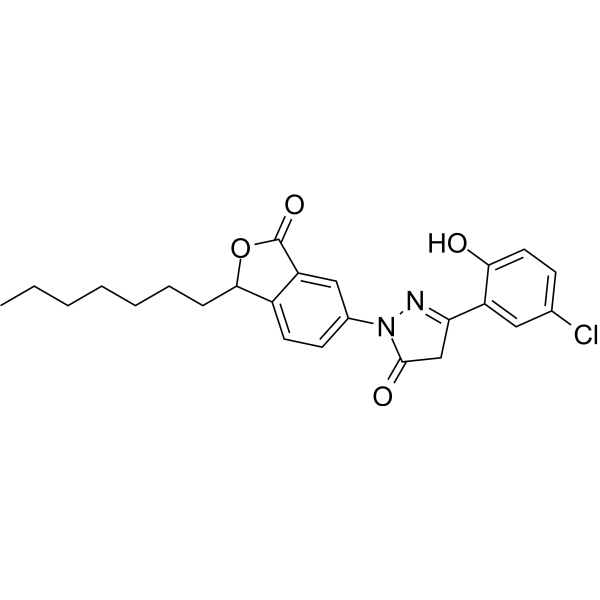
- HY-115933
-
|
|
EGFR
Raf
|
Cancer
|
|
EGFR/BRAF-IN-1 (compound 21), a 2,3-dihydropyrazino[1,2-a]indole-1,4-dione derivative, is a potent EGFR/BRAF inhibitor with an IC50 of 45 nM for BRAF V600E. EGFR/BRAF-IN-1 inhibits cancer cell proliferation (GI50=35 nM). EGFR/BRAF-IN-1 shows good antioxidant activity .
|
-
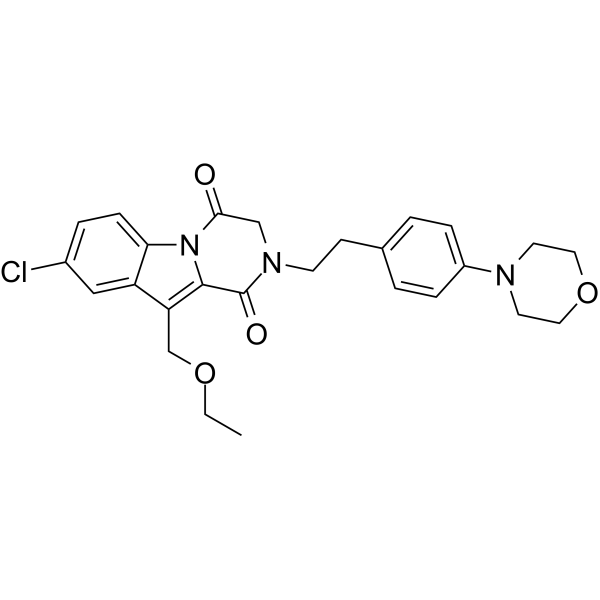
- HY-N13142
-
|
|
Others
|
Inflammation/Immunology
|
|
Luteolin 7-O-[β-D-apiofuranosyl-(1→6)]-β-D-glucopyranoside (compound 3) is a flavonoid with antioxidant activity, which can be isolated from Margaritopsis carrascoana. Luteolin 7-O-[β-D-apiofuranosyl-(1→6)]-β-D-glucopyranoside has good DPPH free radical scavenging activity (IC50=0.188 mg/mL) .
|
-
![Luteolin 7-O-[β-D-apiofuranosyl-(1→6)]-β-D-glucopyranoside](//file.medchemexpress.com/product_pic/hy-n13142.gif)
- HY-101445BR
-
|
|
Drug Isomer
Reference Standards
|
Neurological Disease
|
|
(S)-Trolox (Standard) is the analytical standard of (S)-Trolox (HY-101445B). This product is intended for research and analytical applications. (S)-Trolox is an analogue of vitamin E, in which the phytyl chain is replaced with a carboxyl group. (S)-Trolox is frequently used as a model compound for studies of structural features, as well as a standard for evaluation of antioxidant activity. (S)-Trolox has potent and specific neuroprotective and antioxidant effects .
|
-

- HY-176914
-
|
|
Ferroptosis
Myosin
|
Cardiovascular Disease
Inflammation/Immunology
|
|
Myosin-IN-3 (Compound 4-1) is a pyrimidine ketone derivative. Myosin-IN-3 exhibits significant anti ferroptotic activity (IC50 = 3.11 μM) while possessing myosin (IC50 = 3.09 μM) inhibitory activity and antioxidant activity (DPPH EC50 = 23.17 μM; MDA EC50 = 55.34 μM). Myosin-IN-3 can be used for research on heart conditions such as hypertrophic cardiomyopathy .
|
-

- HY-120371
-
|
|
Keap1-Nrf2
Apoptosis
Reactive Oxygen Species (ROS)
NF-κB
|
Inflammation/Immunology
|
|
CPUY192018 is a potent inhibitor of the Keap1-Nrf2 protein-protein interaction, with an IC50 of 0.63 µM. CPUY192018 exhibits anti-inflammatory and antioxidant activities. CPUY192018 can activate the Nrf2-dependent antioxidant pathway and inhibit the NF-κB-related inflammatory response. CPUY192018 can be used in the research of inflammation-related diseases .
|
-
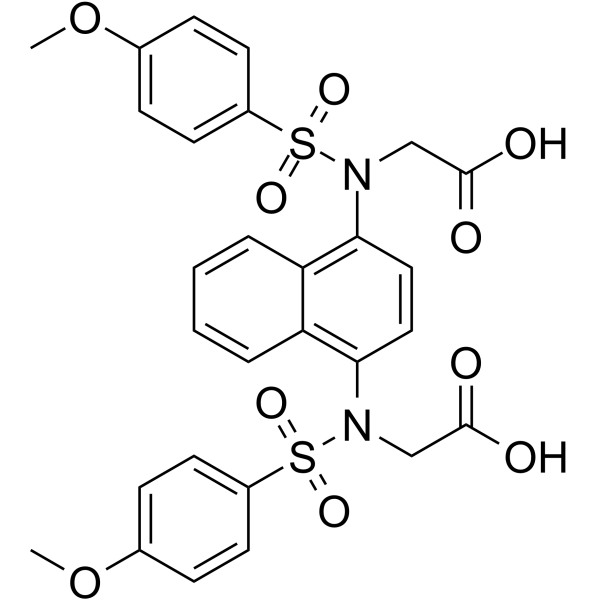
- HY-N13470
-
|
|
Drug Isomer
|
Inflammation/Immunology
|
|
meso-Astaxanthin is a natural stereoisomer of astaxanthin with antioxidant activity and is found in a variety of aquatic animals. meso-Astaxanthin binds to human serum albumin in a monomeric form at a stoichiometric ratio; at low ligand-to-protein ratios, human serum albumin acts as a chiral template for supramolecular assembly at higher ratios. meso-Astaxanthin directly scavenges superoxide anions. meso-Astaxanthin can be used in the research of myocardial ischemia-reperfusion injury .
|
-

- HY-W768057
-
|
|
Isotope-Labeled Compounds
Biochemical Assay Reagents
|
Cancer
|
|
Acetamide- 13C2, 15N is the 13C- and 15N-labeled Acetamide (HY-Y0946). Acetamide is used as an intermediate in the synthesis of methylamine, thioacetamide, and insecticides, and as a plasticizer in leather, cloth and coatings. Acetamide has carcinogenicity. Acetamide derivatives may has antioxidant activity and potential anti-inflammatory activity. Acetamide holds promise for research in the fields of anti-inflammatory and cancer studies .
|
-

- HY-175219
-
|
|
Carbonic Anhydrase
|
Cancer
|
|
CA-II/Dkk1-IN-1 (Compound 5d) is a dual-functional inhibitor of CA-II and Dkk1 with a IC50 of 6.90 nM for CA-II. CA-II/Dkk1-IN-1 has significantly antioxidant activity and superior DNA binding capacity. CA-II/Dkk1-IN-1 can be used for cancers research, such as esophageal, renal, and lung cancer .
|
-

- HY-179046
-
|
|
VEGFR
|
Cancer
|
VEGFR-2-IN-78 (Compound 6b) is a potent VEGFR-2 inhibitor with an IC50 of 0.21 μM. VEGFR-2-IN-78 exhibits selective cytotoxicity against A-498 and MDA-MB-231 cells. VEGFR-2-IN-78 has antioxidant activity. VEGFR-2-IN-78 can be used in anti-angiogenesis research .
|
-

- HY-N0501R
-
|
|
Reference Standards
Reactive Oxygen Species (ROS)
|
Metabolic Disease
|
|
11-oxo-mogroside V (Standard) is the analytical standard of 11-oxo-mogroside V. This product is intended for research and analytical applications. 11-oxo-mogroside V is a natural sweetener that exhibits strong antioxidant activity. It exhibits significant inhibitory effects on reactive oxygen species (O2-, H2O2 and *OH) with EC50 of 4.79, 16.52, and 146.17 μg/mL, respectively.
|
-

- HY-131044
-
|
|
Bacterial
Fungal
|
Infection
|
|
5-[(2-Nitrophenyl)methylene]-2,4-thiazolidinedione (Compound 4) has antimicrobial, anti-diabetic and antioxidant activities. 5-[(2-Nitrophenyl)methylene]-2,4-thiazolidinedione inhibits B. subtilis, S. aureus, K. pneumonia, E. coli, and S. typhi with MICs of 4.5-9.9 μΜ/mL, and inhibits A. niger and C. albicans with MICs of 4.99 μΜ/mL .
|
-
![5-[(2-Nitrophenyl)methylene]-2,4-thiazolidinedione](//file.medchemexpress.com/product_pic/hy-131044.gif)
- HY-129997
-
|
|
CD38
NADPH Oxidase
Tyrosinase
|
Cardiovascular Disease
|
|
Luteolinidin chloride is a deoxyanthocyanidin isolated from the plant Sorghum bicolor with antioxidant activity. Luteolinidin chloride is a potent CD38 inhibitor (Ki=11.4 μM) and protects the heart from ischemia/reperfusion injury by preserving endothelial nitric oxide synthase (eNOS) function and preventing endothelial dysfunction. Luteolinidin chloride is also a competitive inhibitor of tyrosinase (IC50=3.7 μM) and blocks the production of melanin .
|
-
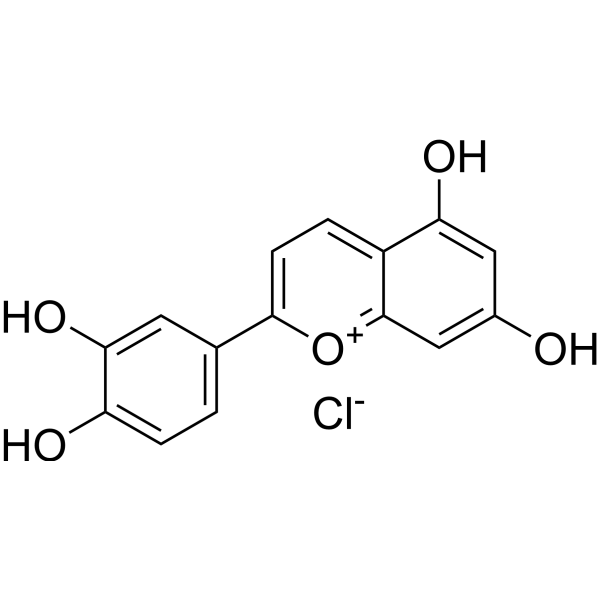
- HY-N0740R
-
|
|
Reference Standards
Cholinesterase (ChE)
5-HT Receptor
Bacterial
|
Neurological Disease
Inflammation/Immunology
|
|
Jatrorrhizine (chloride) (Standard) is the analytical standard of Jatrorrhizine (chloride). This product is intended for research and analytical applications. Jatrorrhizine chloride is an alkaloid isolated from Coptis chinensis with neuroprotective, antimicrobial, antiplasmodial and antioxidant activities . Jatrorrhizine chloride is a potent and orally active inhibitor of AChE (IC50=872 nM) over >115-fold selectivity for BuChE . Jatrorrhizine chloride reduces uptake of serotonin (5-HT) and norepinephrine (NE) via inhibition of uptake-2 transporters .
|
-

- HY-168501
-
|
|
Reactive Oxygen Species (ROS)
|
Inflammation/Immunology
|
|
Neuroprotective Agent 6 (Compound Y12) is a neuroprotective agent with antioxidant activity and capabilities in DPPH, ABTS radical scavenging. Neuroprotective Agent 6 demonstrates superior neuroprotective effects in both cellular models induced by oxygen-glucose deprivation/reoxygenation (OGD/R) and animal models induced by transient middle cerebral artery occlusion (tMCAO). Additionally, Neuroprotective Agent 6 exhibits significant metal chelating activity towards Cu 2+ .
|
-

- HY-111806
-
|
5-Deoxykampferol; Resokaempferol
|
Reactive Oxygen Species (ROS)
Leukotriene Receptor
DNA/RNA Synthesis
|
Inflammation/Immunology
|
|
3,7,4'-Trihydroxyflavone (5-Deoxykampferol) is a flavonoid compound that can be isolated from the stems of Rhus javanica var. roxburghiana. 3,7,4'-Trihydroxyflavone has the effect of cleaving DNA in the presence of copper ions. 3,7,4'-Trihydroxyflavone also has anti-inflammatory and antioxidant activities and can scavenge various reactive oxygen species (ROS) and reactive nitrogen species (RNS) .
|
-
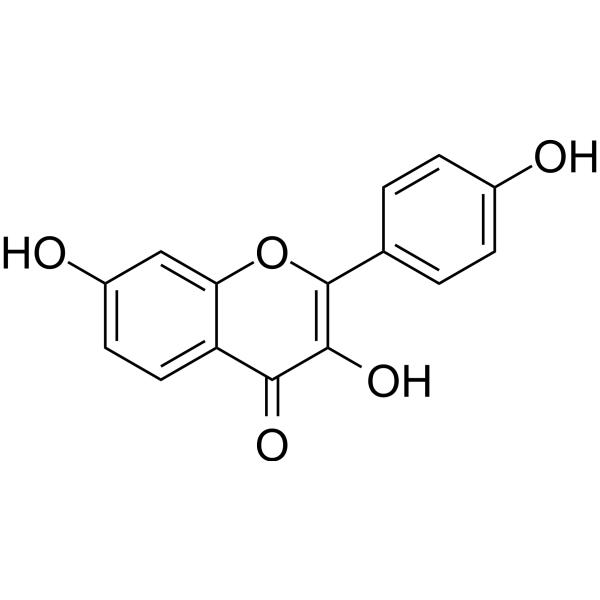
- HY-N7921
-
|
|
Bacterial
|
Others
|
|
Urolithin M6 is a polyhydroxy-rich metabolite with potential antioxidant activity. Urolithin M6 is produced by intestinal microbial metabolism and may act as an analog of tannic acid compounds. The production of Urolithin M6 in humans requires specific bacterial 3-dehydroxylase activity, which provides a new mechanism for its biotransformation. The metabolic profile of Urolithin M6 helps to stratify volunteers and further explore its potential role in health and disease .
|
-

- HY-N0055S
-
|
3-O-Caffeoylquinic acid-13C3; Heriguard-13C3; NSC-407296-13C3
|
Isotope-Labeled Compounds
|
Cancer
|
|
Chlorogenic acid- 13C3 (Heriguard- 13C3; NSC-407296- 13C3) is 13C- and 15N-labeled Chlorogenic acid (HY-N0055). Chlorogenic acid is a major phenolic compound in Lonicera japonica Thunb.. It plays several important and therapeutic roles such as antioxidant activity, antibacterial, hepatoprotective, cardioprotective, anti-inflammatory, antipyretic, neuroprotective, anti-obesity, antiviral, anti-microbial, anti-hypertension .
|
-
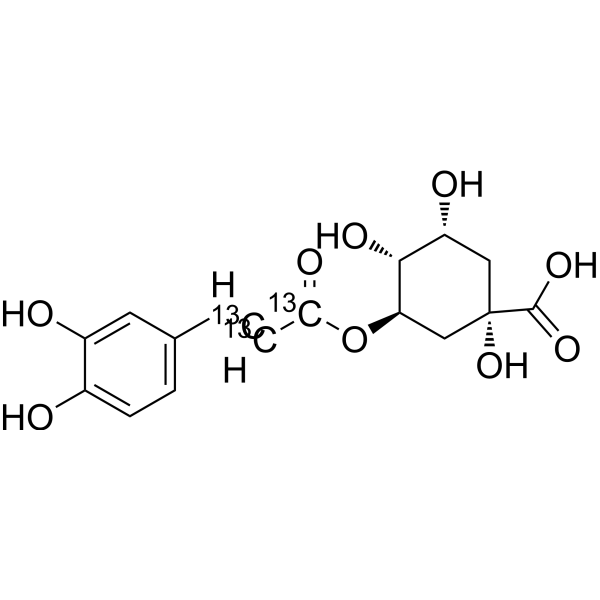
- HY-G0004
-
|
3-Hydroxyacetaminophen
|
Drug Metabolite
|
Inflammation/Immunology
|
|
Acetaminophen metabolite 3-hydroxy-acetaminophen (3-Hydroxyacetaminophen) is a non-toxic metabolite and antioxidant of acetaminophen (HY-66005) with free radical scavenging activity. Acetaminophen metabolite 3-hydroxy-acetaminophen can reduce oxidative damage by exerting electron donation ability and antioxidant activity through phenolic hydroxyl groups. 3-hydroxy-acetaminophen can be used to study the toxicity mechanism and drug metabolism of acetaminophen .
|
-
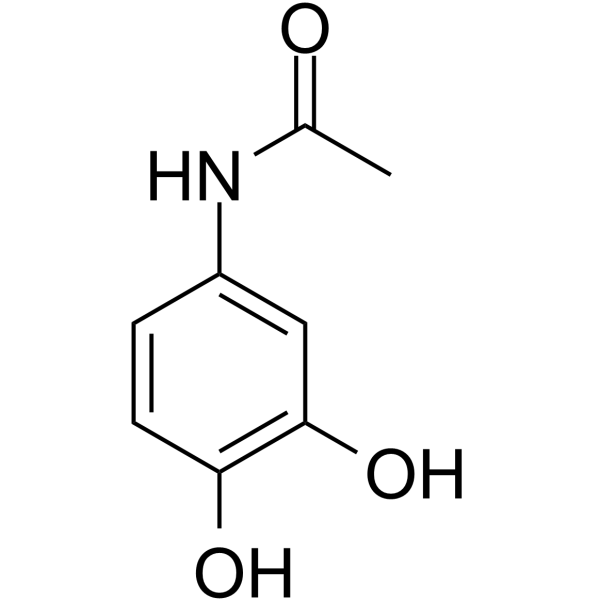
- HY-161722
-
|
|
SARS-CoV
|
Infection
|
|
SARS-CoV-2 Mpro-IN-21 (compound A8) is a potent SARS-CoV-2 and OVID-19 Main Protease M Pro inhibitor. SARS-CoV-2 Mpro-IN-21 shows excellent antioxidant activity in DPPH assay with an IC50 of 0.36 mg/mL. SARS-CoV-2 Mpro-IN-21 also exhibits better antibacterial potency against Klebsiella with an IC50 of 1.19 mg/mL .
|
-

- HY-N17745
-
|
|
|
Others
|
|
(-)-EGCG-3'-O-Me is a catechin derivative (HY-N0898). (-)-EGCG-3'-O-Me inhibits lipid oxidation in rapeseed oil by reducing oxygen consumption and protecting linoleic acid and α-linolenic acid from degradation during heating. The antioxidant activity of (-)-EGCG-3'-O-Me in heated rapeseed oil is lower than that of its non-methylated precursor, (-)-epigallocatechin (EGCG) (HY-N0225) .
|
-

- HY-N11439
-
|
|
CDK
Akt
ERK
Apoptosis
Bacterial
|
Infection
Neurological Disease
Cancer
|
|
Albanol B is an arylbenzofuran derivative which can be isolated from mulberries. Albanol B exhibits anti-Alzheimer's disease, anti-bacterial and antioxidant activities. Albanol B inhibits cancer cells proliferation, down-regulates CDK1 expression. Albanol B also induces cell cycle arrest at G2/M and apoptosis. And Albanol B induces mitochondrial ROS production and increases the phosphorylation levels of AKT and ERK1/2 .
|
-
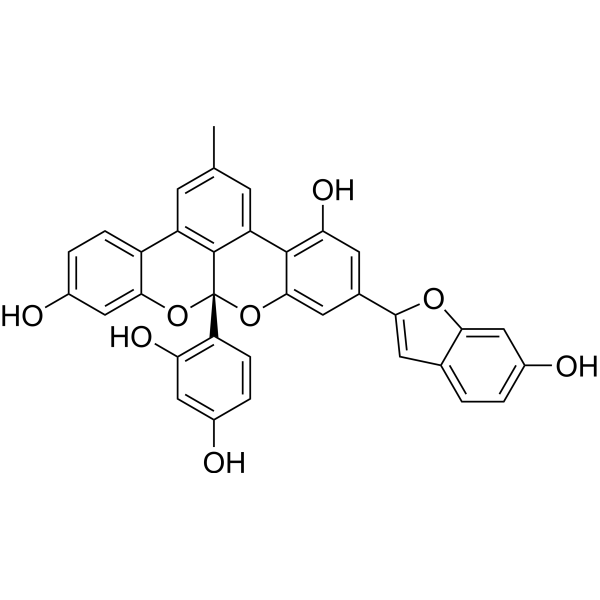
- HY-N0761R
-
|
3-Hydroxy-4-methoxycinnamic acid (Standard)
|
Reference Standards
Adrenergic Receptor
Influenza Virus
|
Infection
Metabolic Disease
Inflammation/Immunology
Endocrinology
|
|
Isoferulic acid (Standard) (3-Hydroxy-4-methoxycinnamic acid (Standard)) is the analytical standard of Isoferulic acid (HY-N0761). This product is intended for research and analytical applications. Isoferulic acid (3-Hydroxy-4-methoxycinnamic acid) is an orally active cinnamic acid derivative. Isoferulic acid exhibits hypoglycemic, antiviral, and antioxidant activities. Isoferulic acid can also inhibit fructose- and glucose-mediated protein glycation. Isoferulic acid can be used in the research of diseases such as diabetes .
|
-

- HY-179126
-
|
|
Cholinesterase (ChE)
Monoamine Oxidase
|
Inflammation/Immunology
|
|
BChE/MAO-A-IN-1 (compound 7j) is a BChE/MAO-A inhibitor. BChE/MAO-A-IN-1 exhibits inhibitory activity against BChE (IC50 = 0.03 nM) and MAO-A (IC50 = 0.32 nM), while also having inhibitory effects on MAO-B. BChE/MAO-A-IN-1 has good anti glycation, antioxidant activity, and low cytotoxicity. BChE/MAO-A-IN-1 can be used in the research of diabetes and Alzheimer's disease .
|
-

- HY-N2438
-
|
|
Ras
Microtubule/Tubulin
|
Cancer
|
|
Methylophiopogonanone B is a homoisoflavonoid compound. Methylophiopogonanone B can be isolated from O. japonicus root. Methylophiopogonanone B promotes Rho activation and Tubulin depolymerization. Methylophiopogonanone B significantly increases GTP-Rho, but not GTP-Rac or GTP-CDC42. Methylophiopogonanone B induces cell morphological change via melanocyte dendrite retraction and stress fiber formation. Methylophiopogonanone B exhibits strong antioxidant activity. Methylophiopogonanone B can be used in the research of cervical cancer .
|
-
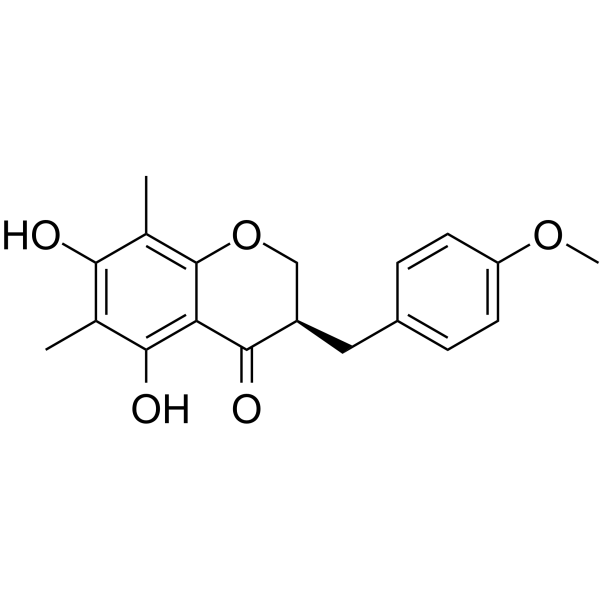
- HY-107805
-
|
|
Cholinesterase (ChE)
Bacterial
|
Infection
Neurological Disease
Cancer
|
|
Dihydroactinidiolide, existing in plant leaves and fruits, is a potent plant growth inhibitor, a regulator of gene expression and is responsible for photo acclimation in Arabidopsis. Dihydroactinidiolide has antioxidant activity, antibacterial activity, anticancer activity and neuroprotective effect . Dihydroactinidiolide is also an inhibitor of AChE (IC50=34.03 nM) and has scavenging activities for DPPH and (.NO). Dihydroactinidiolide is present in plant leaves and fruits and is a potent plant growth inhibitor, regulator of gene expression, and responsible for light adaptation in Arabidopsis.
|
-
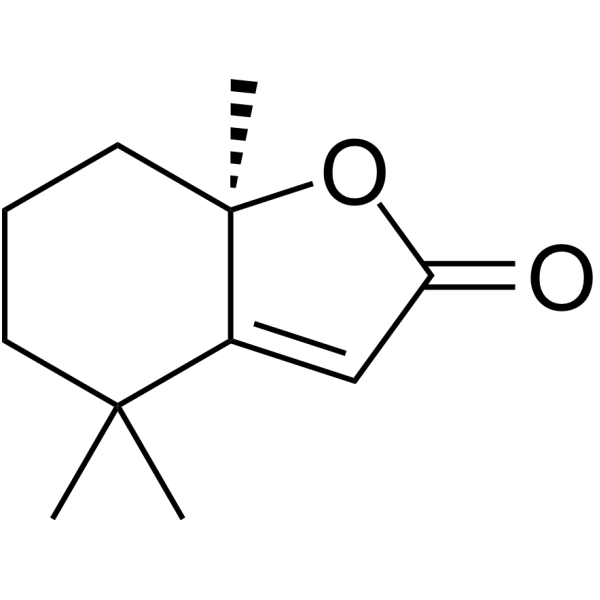
- HY-N16424
-
|
Me cis-ferulate; cis-Ferulic acid methyl ester
|
Fungal
|
Infection
|
|
Methyl (Z)-ferulate (Me cis-ferulate) (cis-Ferulic acid methyl ester) is an endogenous Germination self-inhibitor. Methyl (Z)-ferulate can be isolated from the leaves of Tetragonia tetragonoides. Methyl (Z)-ferulate blocks uredospores germination in rust fungi by reversibly inhibiting the digestion of the germination pore plug through the regulation of pre-existing enzyme activity. Methyl (Z)-ferulate also has antioxidant activity, effectively scavenging DPPH and ABTS + radical .
|
-

- HY-N17674
-
|
|
Amylases
|
Metabolic Disease
|
|
Luteolin 4'-O-β-D-glucuronopyranoside is a flavonoid glycoside. Luteolin 4'-O-β-D-glucuronopyranoside can be isolated from the aerial parts of C. rotundus L.. Luteolin 4'-O-β-D-glucuronopyranoside inhibits α-amylase. Luteolin 4'-O-β-D-glucuronopyranoside shows antioxidant activity. Luteolin 4'-O-β-D-glucuronopyranoside can be used in research on diabetes .
|
-

- HY-163355
-
|
|
COX
Lipoxygenase
NF-κB
|
Inflammation/Immunology
|
|
COX-2/15-LOX-IN-5 (Compound 4f) is a dual inhibitor of COX-2/15-LOX. COX-2/15-LOX-IN-5 attenuates increased NF-κB activation in RAW 264.7 macrophages mediated by lipopolysaccharide (HY-D1056). COX-2/15-LOX-IN-5 has anti-inflammatory and antioxidant activities .
|
-
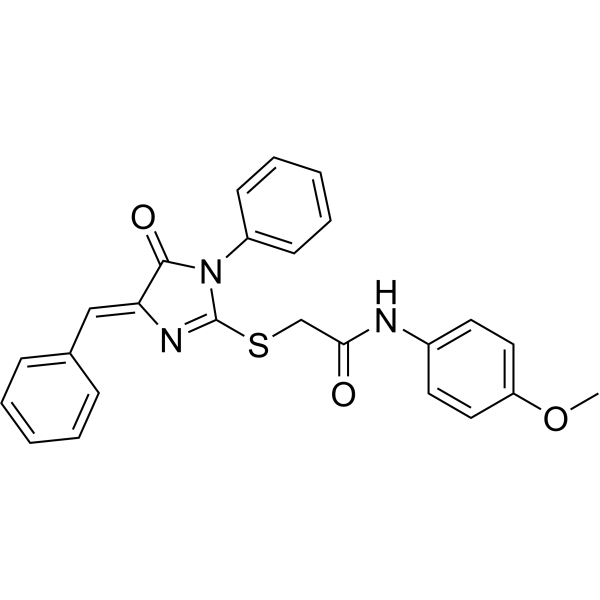
- HY-N6778
-
|
|
Potassium Channel
Calcium Channel
Reactive Oxygen Species (ROS)
|
Neurological Disease
|
|
Paxilline is an indole alkaloid mycotoxin derived from Penicillium paxilli, which effectively inhibits the BK channel through a channel-blocking mechanism. Paxilline also inhibits sarco/endoplasmic reticulum Ca 2+-stimulated ATPase (SERCA), with IC50 values ranging from 5 μM to 50 μM for different SERCA isoforms. Paxilline exhibits significant anticonvulsant and neuroprotective effects, as well as certain antioxidant activity .
|
-
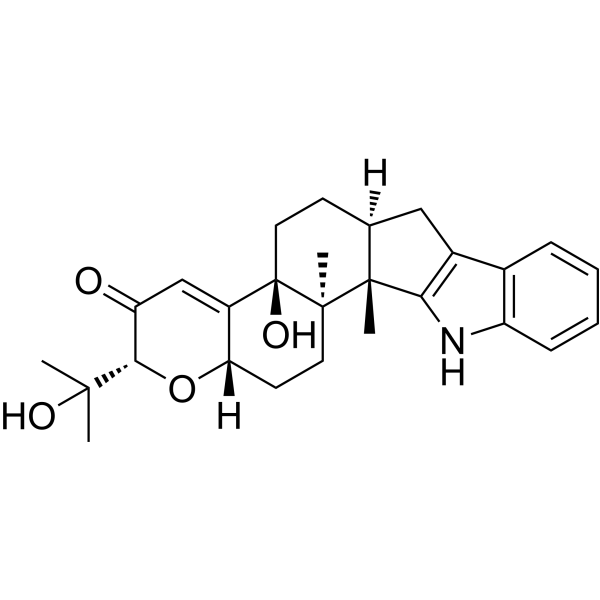
- HY-178055
-
|
|
Tyrosinase
|
Others
|
|
Tyrosinase-IN-44 (Compound 3) is a Tyrosinase inhibitor with IC50s of 0.47 and 0.53 μM for monophenolase and diphenolase, respectively. Tyrosinase-IN-44 has superior glutathione peroxidase-like catalytic and DPPH radical scavenging activity. Tyrosinase-IN-44 has potent antibrowning activity in banana and apple juices by directly inhibiting polyphenol oxidase (PPO) and offering antioxidant activity. Tyrosinase-IN-44 can be used for redox regulation and food preservation .
|
-

- HY-W014423S1
-
|
H-His-OH-13C6,15N3,d5 hydrochloride hydrate
|
Isotope-Labeled Compounds
Endogenous Metabolite
|
Inflammation/Immunology
Cancer
|
|
L-Histidine- 13C6, 15N3,d5 hydrochloride hydrate is the deuterium, 13C-, and 15-labeled L-Histidine hydrochloride hydrate (HY-W014423). L-Histidine hydrochloride hydrate is an endogenous metabolite. L-Histidine hydrochloride hydrate scavenges hydroxyl radicals and singlet oxygen, regulate the absorption of zinc, copper and iron, exhibits anti-inflammatory and antioxidant activities. L-Histidine hydrochloride hydrate is blood brain barrier penetrable .
|
-
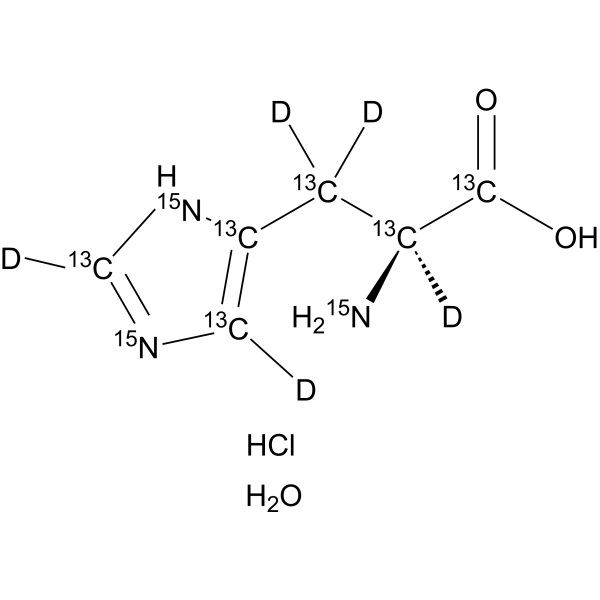
- HY-N3027
-
|
|
PPAR
Reactive Oxygen Species (ROS)
|
Metabolic Disease
|
|
Soyasaponin Aa is a soyasaponin that can be found in soy. Soyasaponin Aa suppresses PPARγ transcriptional activity, reduces PPARγ and C/EBPα expression, inhibits adipocyte differentiation and lipid accumulation, and reduces adipogenic marker gene expression. Soyasaponin Aa reduces hydrogen peroxide-induced reactive oxygen species (ROS) production and malondialdehyde levels. Soyasaponin Aa exhibits cellular antioxidant activity. Soyasaponin Aa can be used for the research of obesity .
|
-
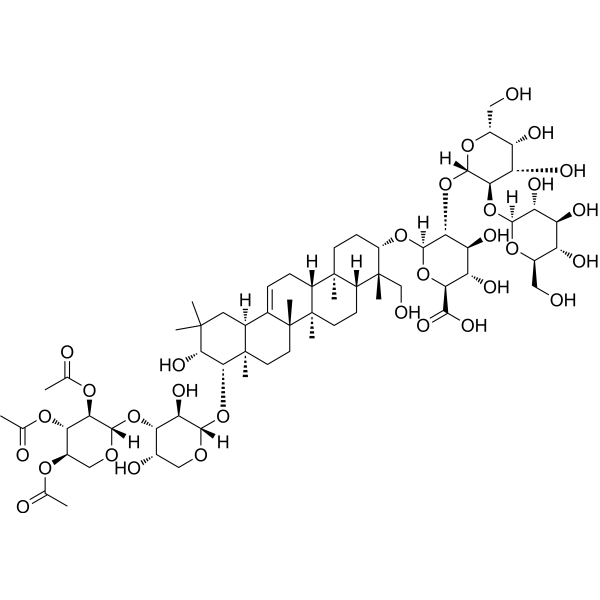
- HY-113068R
-
|
|
Reference Standards
Tyrosinase
|
Metabolic Disease
|
|
(rel)-β-Tocopherol (Standard) is the analytical standard of (rel)-β-Tocopherol. This product is intended for research and analytical applications. (rel)-β-Tocopherol is a relative configuration of β-Tocopherol.(±)-β-Tocopherol is a lipid-soluble form of vitamin E with antioxidant activity. β-Tocopherol can inhibit tyrosinase activity and melanin synthesis. β-Tocopherol also can prevent the inhibition of cell growth and of PKC activity caused by d-alpha-tocopherol .
|
-

- HY-107208
-
|
(-)-Procyanidin B4
|
Reactive Oxygen Species (ROS)
COX
Interleukin Related
NO Synthase
|
Inflammation/Immunology
|
|
Procyanidol B4 ((-)-Procyanidin B4) is an orally active polyphenol found in Q.gilva. Procyanidol B4 exerts antioxidant activity by scavenging DPPH (HY-112053) (IC50: 12.15 μM) and Nitro blue tetrazolium chloride (NBT) (HY-15925) (IC50: 8.67 μM). Procyanidol B4 exhibits anti-inflammatory activity by inhibiting the expression of COX-2 and IL-1β and iNOS .
|
-
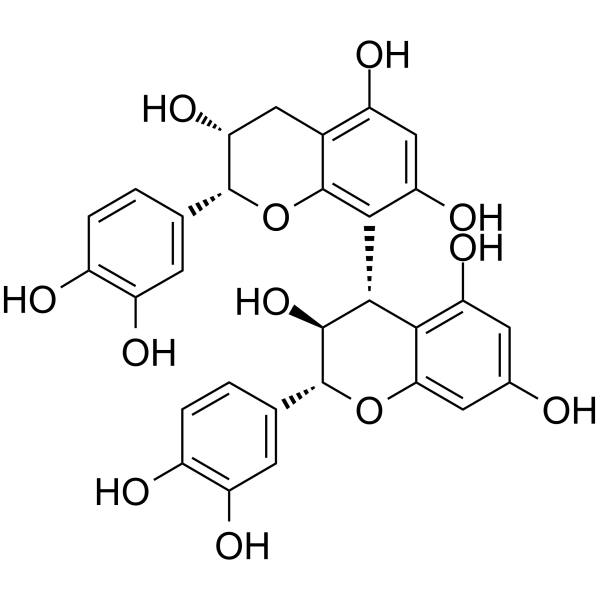
- HY-118817
-
|
|
Reactive Oxygen Species (ROS)
Calcium Channel
JNK
ERK
p38 MAPK
Apoptosis
|
Neurological Disease
|
|
Evariquinone is an anthraquinone compound isolated from the endophytic fungus Colletotrichum sp. JS-0367 of mulberry. Evariquinone possesses direct antioxidant activity. It inhibits excessive phosphorylation of the JNK, ERK1/2 and p38 MAPK signaling pathways by suppressing ROS and Ca 2+, thereby reducing neuronal apoptosis. Evariquinone can be used to study glutamate excitotoxicity-related neurological disorders (such as Alzheimer's disease, Parkinson's disease, cerebral ischemia, etc.) .
|
-

- HY-152110
-
|
|
Cholinesterase (ChE)
Monoamine Oxidase
|
Neurological Disease
|
|
Dual AChE-MAO B-IN-5, indanone derivative, is a potent dual AChE/MAO-B inhibitior with IC50 values of 0.0224, 0.0412, and 0.1116 μM for AChE, MAO-B and MAO-A, respectively. Dual AChE-MAO B-IN-5 has antioxidant activity and prevents β-amyloid plaque aggregation. Dual AChE-MAO B-IN-5 can be used for Alzheimer’s disease (AD) research .
|
-
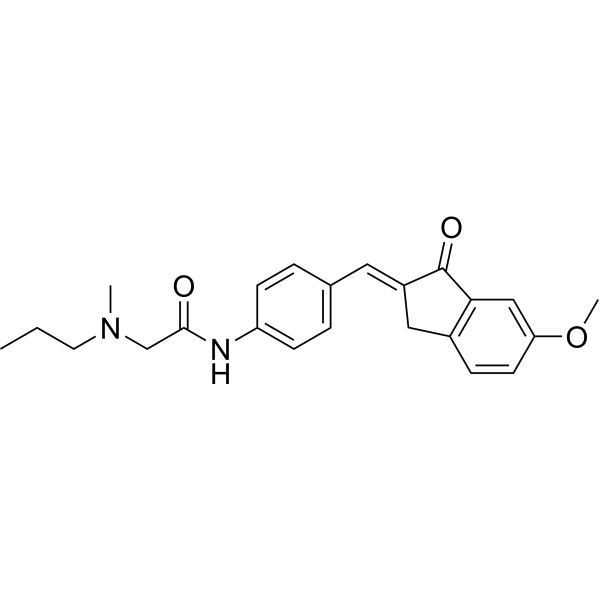
- HY-N0627
-
|
|
LDLR
|
Others
|
|
Kaempferol-7-O-β-D-glucopyranoside is a flavonoid glycoside. Kaempferol-7-O-β-D-glucopyranoside exists in the root bark of Cudrania tricuspidata. Kaempferol-7-O-β-D-glucopyranoside inhibits Cu 2+-induced lipid peroxidation of low-density lipoprotein. Kaempferol-7-O-β-D-glucopyranoside possesses antioxidant activity and scavenges DPPH free radicals .
|
-
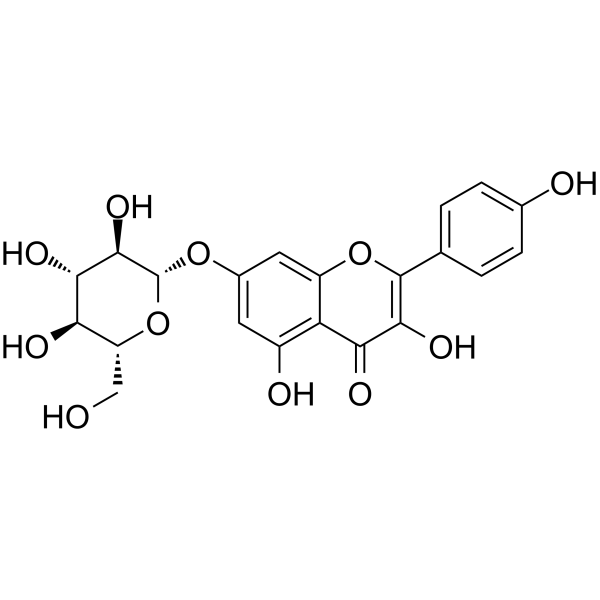
- HY-W015338
-
|
|
Drug Metabolite
|
Inflammation/Immunology
|
|
1-(4-Methoxyphenyl)-1-propanol (Compound 2) is an orally active derivative of anethole. 1-(4-Methoxyphenyl)-1-propanol exhibits significant antioxidant activity. 1-(4-Methoxyphenyl)-1-propanol has anti-inflammatory activity and moderate gastric protective activity in mice. 1-(4-Methoxyphenyl)-1-propanol can be used for the study of gastric ulcers .
|
-

- HY-125572
-
|
GA7
|
Endogenous Metabolite
Reactive Oxygen Species (ROS)
Fungal
|
Infection
|
|
Gibberellin A7 (GA7) is a terpenoid that serve as an important plant hormone. Gibberellin A7 acts as a growth and response modulator against injuries and parasitism. Gibberellin A7 presents antibiofilm properties at 940 mM concentration. Gibberellin A7 can inhibit flower bud formation in some plants. Gibberellin A7 shows antioxidant activity against peroxyl radicals. Gibberellin A7 exhibits anti-Candida activity against Candia albicans .
|
-
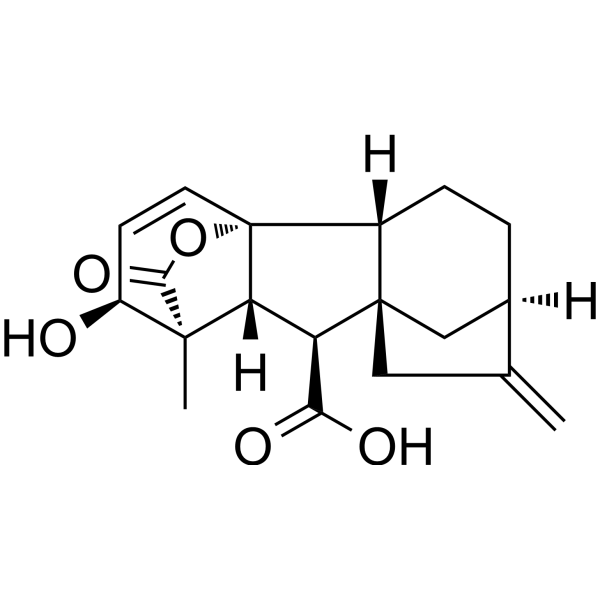
- HY-170579
-
|
|
Reactive Oxygen Species (ROS)
Apoptosis
NF-κB
Keap1-Nrf2
|
Inflammation/Immunology
|
|
Antioxidant agent-20 (Compound 3d) has potent anti-inflammatory and antioxidant activity. Antioxidant agent-20 reduces reactive oxygen species (ROS) and apoptosis in a dose-dependent manner. Antioxidant agent-20 exhibits photoprotective effect against UVB-irradiated human skin keratinocytes (HaCaT) (IC50=5.13 µM) via activation of Nrf2/HO-1 signaling and inhibition of NF-κB pathway .
|
-

- HY-B0712A
-
|
Ro 13-9904 sodium hydrate
|
Bacterial
Antibiotic
GSK-3
Aurora Kinase
|
Infection
Cancer
|
|
Ceftriaxone sodium hydrate (Ro 13-9904 sodium hydrate) is a broad spectrum β-lactam third-generation cephalosporin antibiotic, which has good antibacterial activity against a variety of gram-negative and positive bacteria. Ceftriaxone sodium hydrate is a covalent inhibitor of GSK3β with IC50 value of 0.78 μM. Ceftriaxone sodium hydrate is an inhibitor of Aurora B. Ceftriaxone sodium hydrate has anti-inflammatory, antitumor and antioxidant activities. Ceftriaxone sodium hydrate can be used in the study of bacterial infections and meningitis .
|
-
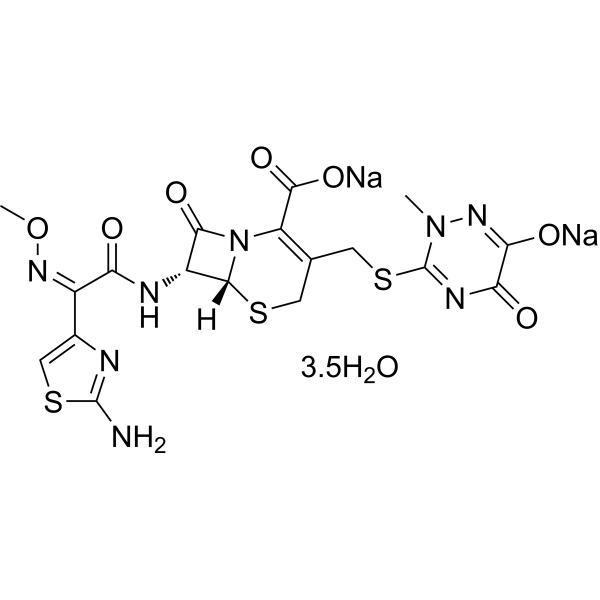
- HY-N9799
-
|
|
NO Synthase
Reactive Oxygen Species (ROS)
|
Inflammation/Immunology
|
|
Pholidotol C is a stilbene compound with nitric oxide (NO) production inhibitory activity and DPPH free radical scavenging activity (IC50 values ??of 28.6 μM and 21.9 μM, respectively). Pholidotol C exerts its anti-inflammatory and antioxidant activities through mechanisms involving the inhibition of NO production in activated macrophages and free radical scavenging, and can be used in research on inflammation-related diseases. Pholidotol C can be extracted from the dried whole plant of Pholidota chinensis (an orchid of the genus Pholidota) .
|
-

- HY-108749
-
|
Cropure OL
|
Environmental Pollutants
Xanthine Oxidase
|
Cardiovascular Disease
Metabolic Disease
Inflammation/Immunology
Cancer
|
|
Olive oil (Cropure OL) is an oleaginous compound found in the fruit of the Olea europaea tree . Olive oil contains many phenolic components and exerts antioxidant activity. Olive oil exhibits hydroxyl radical scavenging, platelet aggregation inhibition and xanthine oxidase inhibitory activity. Olive oil can promote wound healing and relieve inflammation. Olive oil can be used for the research of inflammation, cancer, metabolic and cardiovascular disease, such as diabetic foot ulcers and inflammatory bowel disease .
|
-
- HY-173005
-
|
|
PI3K
Akt
GSK-3
Apoptosis
|
Cardiovascular Disease
|
|
JZ19 reduces the LDH and ROS levels, and exhibits antioxidant activity against oxygen-glucose deprivation (OGD)-induced cardiomyocyte injury. JZ19 reverses Isoproterenol (HY-B0468)-induced cardiomyocyte hypertrophy and apoptosis through PI3K-AKT-GSK3β signaling pathway. JZ19 alleviates Isoproterenol (HY-B0468)-induced heart failure in mouse models .
|
-

- HY-152552
-
|
|
α-synuclein
|
Neurological Disease
|
|
α-Synuclein inhibitor 8 is an active inhibitor of α-Synuclein with an IC50 value of 2.5 µM. α-Synuclein inhibitor 8 has highly inhibition on the aggregation and disaggregation of α-Synuclein fibers. α-Synuclein inhibitor 8 reduces the formation of inclusions in neurons that can repairs damage neurons and improves Parkinson’s disease (PD)-like symptoms. α-Synuclein inhibitor 8 has high antioxidant activity and low cytotoxicity .
|
-
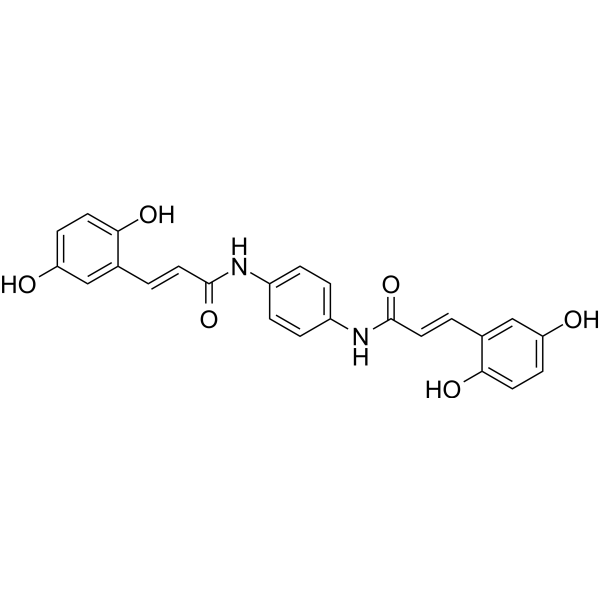
- HY-175524
-
|
|
Monoamine Oxidase
Cholinesterase (ChE)
|
Neurological Disease
|
|
BChE/MAO-B-IN-2 is a dual inhibitor of BChE (IC50 = 0.05 μM, Ki = 0.01 μM) and MAO-B (IC50 = 0.45 μM, Ki = 0.08 μM) with good blood-brain barrier permeability. BChE/MAO-B-IN-2 exhibits antioxidant activity, including DPPH radical scavenging, CUPRAC copper ion reduction, and superoxide anion scavenging. BChE/MAO-B-IN-2 can be used for the study of Alzheimer's disease (AD) .
|
-

- HY-N18185
-
|
|
Others
|
Others
|
|
Naringenin-7-O-(6′′-E-p-coumaroyl-β-D-glucopyranoside) (Compound 6) is a natural product. Naringenin-7-O-(6′′-E-p-coumaroyl-β-D-glucopyranoside) can be isolated from the aerial parts of Blepharis ciliaris (L.) B.L. Burtt. Naringenin-7-O-(6′′-E-p-coumaroyl-β-D-glucopyranoside) does not exhibit antioxidant activity .
|
-

- HY-114740
-
|
5,6-Benzoflavone; beta-NF
|
Aryl Hydrocarbon Receptor
Apoptosis
|
Neurological Disease
Cancer
|
|
β-Naphthoflavone is an exogenous aryl hydrocarbon receptor (AHR) ligand. β-Naphthoflavone can activate AHR to participate in various biological processes, including cell growth, differentiation, apoptosis, and metabolism. β-Naphthoflavone has antioxidant activity and can exert its antioxidant function by regulating the activity of antioxidant enzymes. β-Naphthoflavone is also a non-carcinogenic CYP1A inducer and can be used to study aristolochic acid (AAI) induced renal injury .
|
-
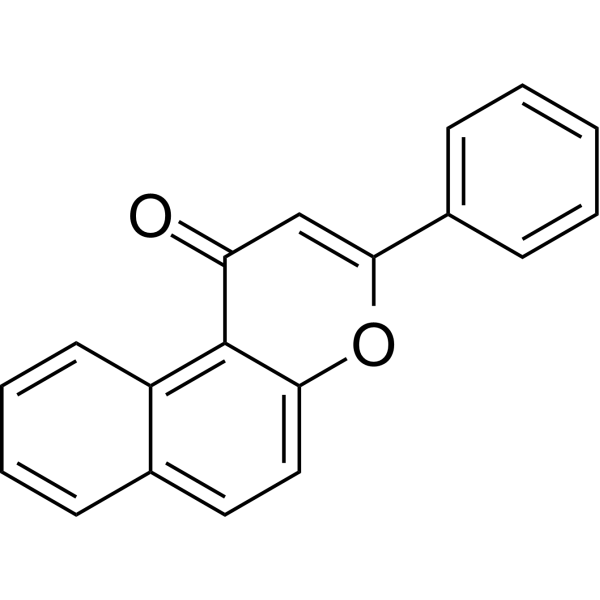
- HY-D0885
-
|
Creatine phosphate; Creatinephosphoric acid
|
Endogenous Metabolite
MAP3K
Akt
Mitochondrial Metabolism
ERK
Apoptosis
ROS Kinase
|
Metabolic Disease
|
|
Phosphocreatine (creatine phosphate) is an organic compound found in vertebrate skeletal muscles. Phosphocreatine enhances antioxidant activity, and activates the TAK1 pathway to protect the heart. Phosphocreatine normalizing mitochondrial function and reducing oxidative stress via Akt mediated Nrf2/HO-1 pathway. Phosphocreatine provides renal protection by suppressing Apoptosis and ROS (Reactive Oxygen Species) generation through ERK mediated mediated Nrf-2/HO-1 pathway. .
|
-
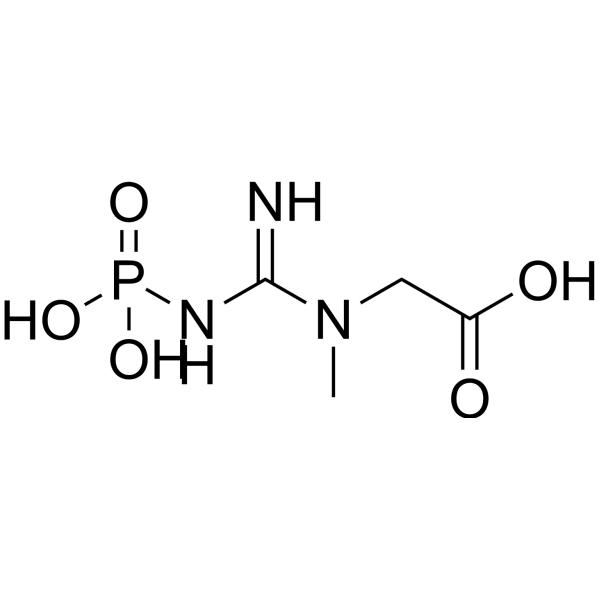
- HY-B0712
-
|
Ro 13-9904 free acid
|
Bacterial
Antibiotic
GSK-3
Aurora Kinase
|
Infection
Neurological Disease
Metabolic Disease
Inflammation/Immunology
Cancer
|
|
Ceftriaxone (Ro 13-9904 free acid) is a broad spectrum β-lactam third-generation cephalosporin antibiotic, which has good antibacterial activity against a variety of gram-negative and positive bacteria. Ceftriaxone is a covalent inhibitor of GSK3β with IC50 value of 0.78 μM. Ceftriaxone is an inhibitor of Aurora B. Ceftriaxone has anti-inflammatory, antitumor and antioxidant activities. Ceftriaxone can be used in the study of bacterial infections and meningitis .
|
-
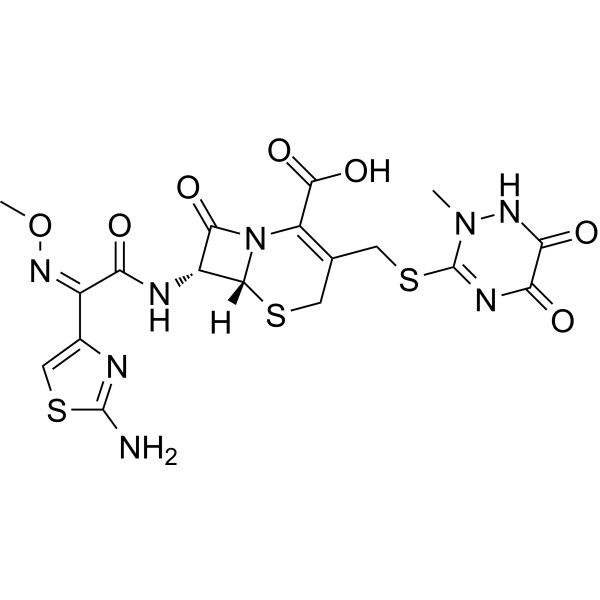
- HY-N4170R
-
|
|
Reference Standards
Keap1-Nrf2
Reactive Oxygen Species (ROS)
|
Metabolic Disease
|
|
Chebulic acid (Standard) is the analytical standard of Chebulic acid (HY-N4170). This product is intended for research and analytical applications. Chebulic acid is a phenolic acid compound isolated from Terminalia chebula with strong antioxidant activity, which breaks protein cross-links induced by advanced glycation end products (AGEs) and inhibits the formation of AGEs. Chebulic acid is effective in controlling elevated metabolic parameters, oxidative stress, and liver damage, supporting its beneficial role in asthma, diabetes, and liver protection .
|
-

- HY-N2214
-
|
|
Bacterial
|
Inflammation/Immunology
|
|
7-O-Methylaloeresin A is 5-methylchromone glycoside isolated from Commiphora socotrana (Burseraceae). 7-O-Methylaloeresin A exhibits good activity against multiple agent resistant Staphylococcus aureus (NCTC 11994) and Salmonella typhimurium (ATCC 1255) with MIC values of 0.72 and 0.18 mM, respectively. 7-O-Methylaloeresin A has antioxidant activities, gives IC50 values of 0.026 mM and 0.021 mM for DPPH and 2-deoxyribose degradation assay, respectively.
|
-
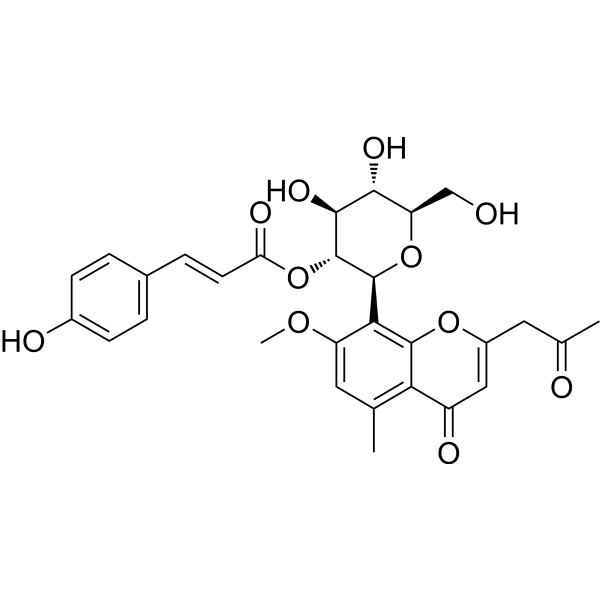
- HY-W104752
-
-

- HY-B0988
-
-
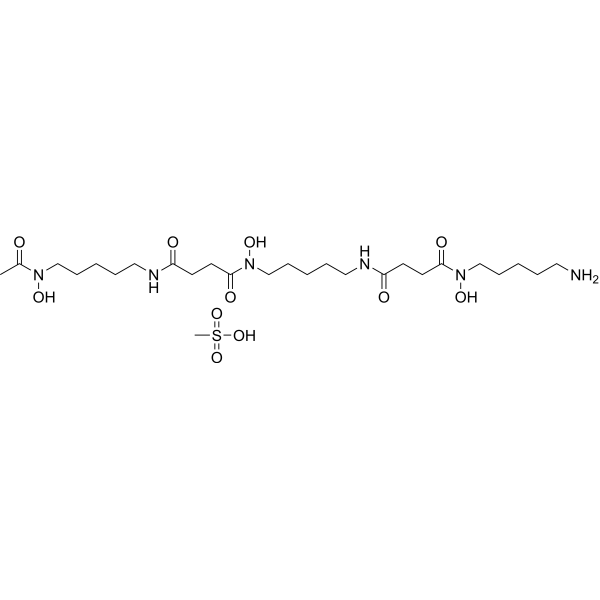
- HY-B1625
-
-
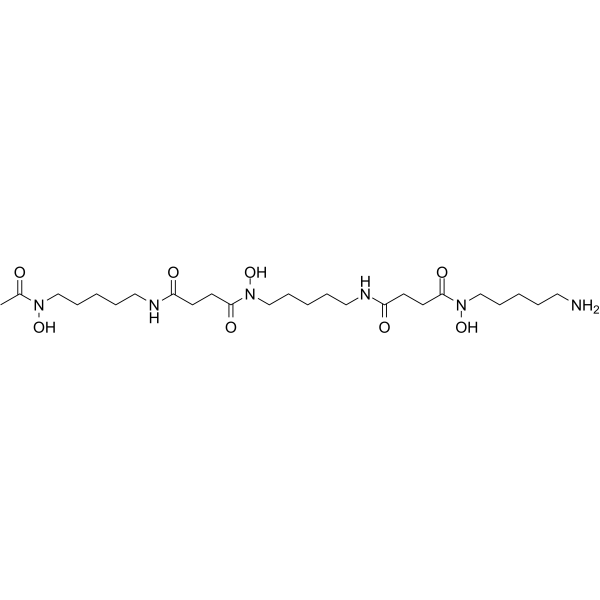
- HY-W011956
-
|
|
Drug Metabolite
Endogenous Metabolite
|
Neurological Disease
Metabolic Disease
|
|
6-Hydroxymelatonin is the main metabolite of melatonin (HY-B0075) after being metabolized by CYP1A2 and can cross the blood-brain barrier. 6-Hydroxymelatonin has strong free radical scavenging ability and antioxidant activity, and can alleviate oxidative damage caused by various neurotoxins. 6-Hydroxymelatonin can cause oxidative DNA damage in the presence of copper ions through a "non-quinone" type redox cycling mechanism .
|
-
- HY-B0712B
-
|
Ro 13-9904
|
Antibiotic
GSK-3
Bacterial
Aurora Kinase
|
Infection
Inflammation/Immunology
Cancer
|
|
Ceftriaxone sodium salt (Ro 13-9904) is a broad spectrum β-lactam third-generation cephalosporin antibiotic, which has good antibacterial activity against a variety of gram-negative and positive bacteria. Ceftriaxone sodium salt is a covalent inhibitor of GSK3β with IC50 value of 0.78 μM. Ceftriaxone sodium salt is an inhibitor of Aurora B. Ceftriaxone sodium salt has anti-inflammatory, antitumor and antioxidant activities. Ceftriaxone sodium salt can be used in the study of bacterial infections and meningitis .
|
-
- HY-N11997
-
|
|
Cholinesterase (ChE)
|
Neurological Disease
|
|
Feralolide is a dihydroisocoumarin isolated from the methanolic extract of aloe vera resin. Feralolide is also a dual inhibitor of AChE and BuChE, with IC50s of 55 μg/mL and 52 μg/mL respectively. Feralolide has antioxidant activity and inhibits 2,2-diphenyl-1-picrylhydrazyl (DPPH) and 2, 2′-azinobis-3-ethylbenzothiazoline-6-sulfonic acid (ABTS). Feralolide could be used in research into cognitive disorders such as Alzheimer's disease, potentially restoring and enhancing memory .
|
-
- HY-N9783
-
|
B2-3′-G; Epicatechin-(4β,8)-epicatechin gallate
|
Xanthine Oxidase
|
Metabolic Disease
Inflammation/Immunology
|
|
Procyanidin B2 3′-O-gallate (B2-3′-G), isolated from Rhodiola crenulata extracts, is a potent xanthine oxidase (XO) inhibitor (IC50 = 24.24 μM, Ki = 6.16 μM). Procyanidin B2 3′-O-gallate has antioxidant activity and reduces the formation of UV-induced α-tocopheroxyl. Procyanidin B2 3′-O-gallate can be used for hyperuricemia and gout research .
|
-

- HY-W004486
-
|
|
HSV
MMP
ERK
p38 MAPK
JNK
|
Infection
|
|
Gallic aldehyde (3,4,5-Trihydroxybenzaldehyde) is a phenolic aldehyde. Gallic aldehyde can be isolated from Geum japonicum. Gallic aldehyde inhibits the gelatinolytic activity and expression of MMP-9. Gallic aldehyde also inhibits ERK1/2, p38, and JNK. Gallic aldehyde has potent anti-HSV-1 and antioxidant activities. Gallic aldehyde also exhibits antibacterial activity against Oenococcus oeni VF .
|
-
- HY-W127709
-
|
|
Environmental Pollutants
Biochemical Assay Reagents
|
Others
|
|
Chlorophyll b is an orally active tetrapyrrole derivative and pigment. Chlorophyll b can be obtained from photosynthetic organisms such as plants and algae. Chlorophyll b acts as a hydrogen donor and increases Glutathione levels. Chlorophyll b has antioxidant activity and functionally replaces chlorophyll a in photosystem II to participate in photosynthesis. Chlorophyll b reduces Cisplatin (HY-17394)-induced DNA damage, chromosome instability, and oxidative stress. Chlorophyll b is mainly used in the study of plant photosynthesis mechanism .
|
-
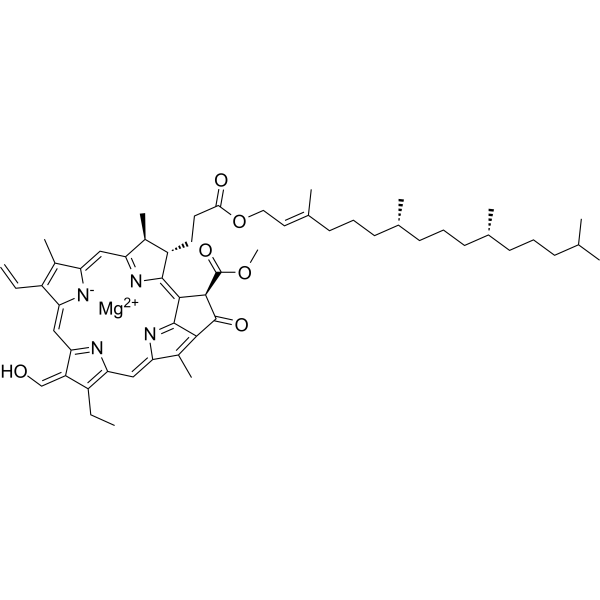
- HY-D0885C
-
|
Creatine phosphate dipotassium; Creatinephosphoric acid dipotassium
|
Endogenous Metabolite
MAP3K
Akt
Mitochondrial Metabolism
ERK
Apoptosis
ROS Kinase
|
Metabolic Disease
|
|
Phosphocreatine (creatine phosphate) is an organic compound found in vertebrate skeletal muscles. Phosphocreatine enhances antioxidant activity, and activates the TAK1 pathway to protect the heart. Phosphocreatine normalizing mitochondrial function and reducing oxidative stress via Akt mediated Nrf2/HO-1 pathway. Phosphocreatine provides renal protection by suppressing Apoptosis and ROS (Reactive Oxygen Species) generation through ERK mediated mediated Nrf-2/HO-1 pathway. .
|
-
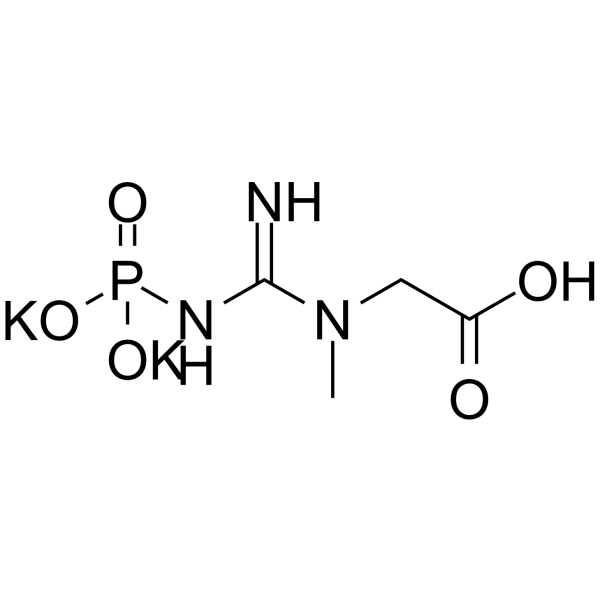
- HY-B0223R
-
-

- HY-149976
-
|
|
Pim
|
Cancer
|
|
Pim-1 kinase inhibitor 4 (Compound 10f) is a Pim-1 kinase inhibitor (IC50: 17.01 nM). Pim-1 kinase inhibitor 4 also has antioxidant activity and inhibits DPPH. Pim-1 kinase inhibitor 4 induces apoptosis in PC-3 cell, and inhibits PC-3 cell growth with an IC50 of 16 nM. Pim-1 kinase inhibitor 4 can be used for research of prostate cancer .
|
-
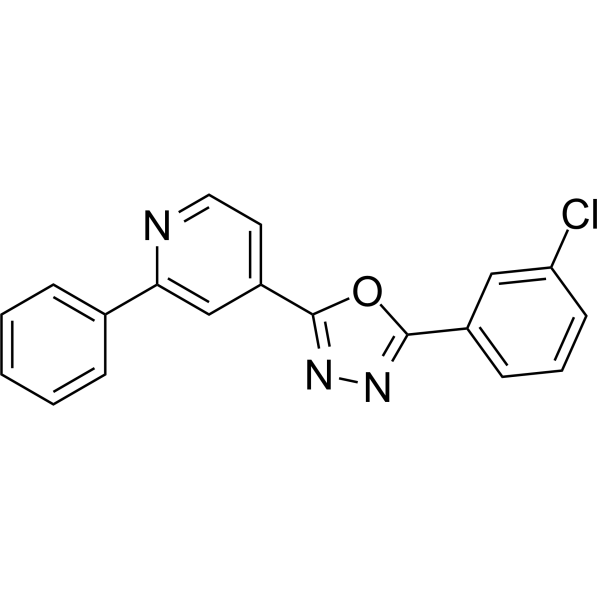
- HY-N9397R
-
|
|
Reference Standards
Others
|
Metabolic Disease
|
|
Quercetin 3-O-(6''-O-malonyl)-β-D-glucoside (Standard) is an analytical standard for Quercetin 3-O-(6''-O-malonyl)-β-D-glucoside. This product is intended for research and analytical applications. Quercetin 3-O-(6''-O-malonyl)-β-D-glucoside is a flavonol glycoside. Quercetin 3-O-(6''-O-malonyl)-β-D-glucoside has antioxidant activity.
|
-

- HY-174848
-
|
|
TRP Channel
Cannabinoid Receptor
|
Neurological Disease
Inflammation/Immunology
|
|
PQM-244 (Compound 5c) is an orally active and multi-target modulator of TRPV1 and CB1 and CB2 receptors. PQM-244 has significant peripheral antinociceptive effects on both neurogenic and inflammatory phases. PQM-244 also has potential antioxidant activity with an IC50 of 14.15 µM for radical scavenging DPPH. PQM-244 can be used for chronic pain and inflammatory disease research, such as diabetes, atherosclerosis and Alzheimer’s disease .
|
-

- HY-152113
-
|
|
Monoamine Oxidase
Cholinesterase (ChE)
|
Neurological Disease
|
|
AChE/BChE/MAO-B-IN-3, an indan-1-one derivative, is a potent MAO-B inhibitor with an IC50 of 0.0359 μM for human MAO-B. AChE/BChE/MAO-B-IN-3 is a potent AChE and BChE enzyme inhibitor, with IC50s of 0.0473 μM and 0.0782 μM for human AChE and BChE enzyme, respectively. AChE/BChE/MAO-B-IN-3 shows significant antioxidant activity and has the potential for Alzheimer's disease (AD) research .
|
-
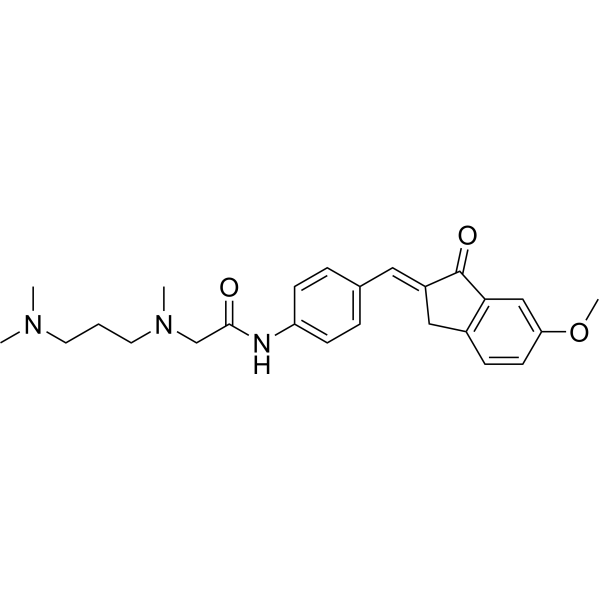
- HY-N2345
-
|
|
Histone Acetyltransferase
Toll-like Receptor (TLR)
Androgen Receptor
|
Inflammation/Immunology
Cancer
|
|
Procyanidin B3 is a natural product with antioxidant activity and oral bioavailability, possessing good blood-brain barrier penetration. Procyanidin B3 is a selective inhibitor of histone acetyltransferase (HAT). By inhibiting p300 HAT-mediated acetylation of the androgen receptor (androgen receptor). Procyanidin B3 alleviates intervertebral disc degeneration (IVDD) by inhibiting the formation of the TLR4/MD-2 complex. Procyanidin B3 can be used in research on prostate cancer and arthritis .
|
-
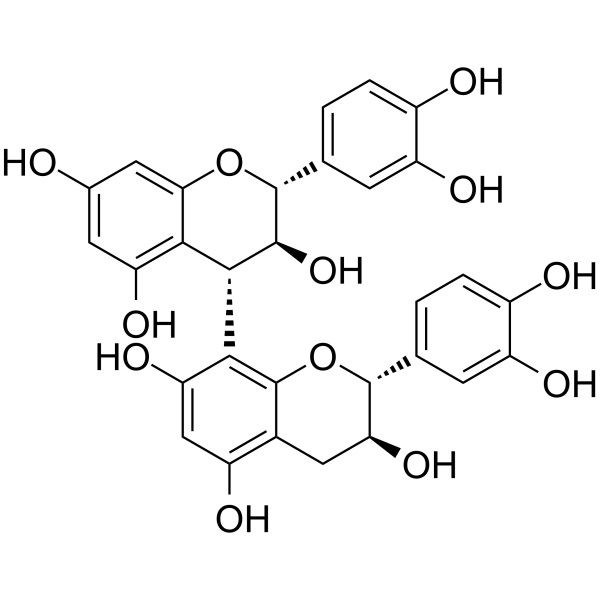
- HY-159143
-
|
|
Cholinesterase (ChE)
Cytochrome P450
|
Neurological Disease
|
|
BChE-IN-33 (compound 4r), an arylaminonaphthol derivative, is a potent butyrylcholinesterase (BChE) inhibitor with an IC50 of 14.78 µM. BChE-IN-33 also inhibits CYP2C19, CYP2C9, CYP2D6. BChE-IN-33 shows potent antioxidant activity with IC50 values of 150.48 μM, 2.56 μM and 4.61 μM by DPPH, ABTS, Ferric-phenanthroline assay, respectively. BChE-IN-33 has the potential for Alzheimer research .
|
-

- HY-N12166
-
|
|
Src
|
Cardiovascular Disease
|
|
2,3,4,6,8-Pentahydroxy-1-methylxanthone is a xanthone derivative of Wardomyces anomalus. 2,3,4,6,8-Pentahydroxy-1-methylxanthone shows significant antioxidant activities. 2,3,4,6,8-Pentahydroxy-1-methylxanthone is inhibitors of p56lck tyrosine kinase. 2,3,4,6,8-Pentahydroxy-1-methylxanthone can be used to research cardiovascular disease .
|
-
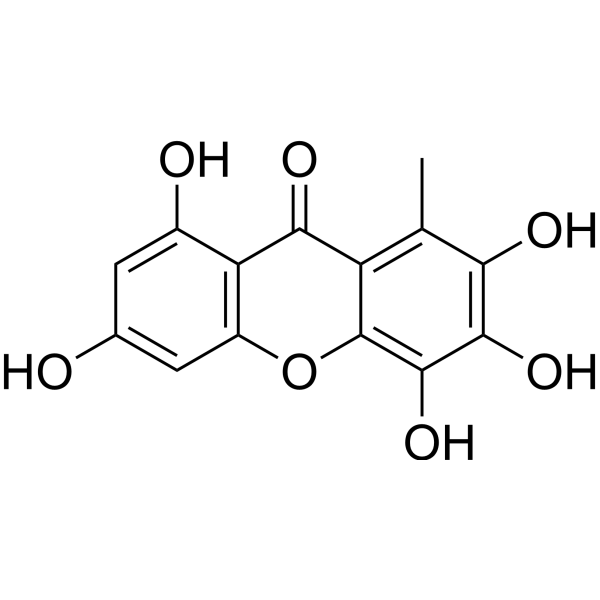
- HY-N15536
-
|
|
Reactive Oxygen Species (ROS)
|
Cardiovascular Disease
Neurological Disease
|
|
N-trans-Feruloyltyramine 4′-O-β-D-glucopyranoside is a phenolic amide glycoside compound found in Suaeda japonica. N-trans-Feruloyltyramine 4′-O-β-D-glucopyranoside exhibits antioxidant activity, capable of effectively scavenging DPPH free radicals and reducing the production of ROS induced by H2O2 in cells, thus protecting cells from oxidative stress damage. N-trans-Feruloyltyramine 4′-O-β-D-glucopyranoside is promising for research of cardiovascular diseases and neurodegenerative diseases .
|
-

- HY-180946
-
|
|
Cholinesterase (ChE)
Reactive Oxygen Species (ROS)
Caspase
Keap1-Nrf2
|
Neurological Disease
|
|
AChE-IN-105 (Compound C5) is a potent, mixed AChE inhibitor with an IC50 of 5.02 μM. AChE-IN-105 scavenges ROS, decreases Hydrogen peroxide-induced Caspase-3 activation, reduces activity of the Nrf2-ARE pathway. AChE-IN-105 prevents memory impairments in the Scopolamine (HY-N0296)-induced cognitive dysfunction zebrafish model. AChE-IN-105 has potent antioxidant activity. AChE-IN-105 can be used in the research of Alzheimer's disease .
|
-

- HY-N7432
-
|
|
Antibiotic
Bacterial
Fungal
|
Infection
|
|
DIMBOA, an antibiotic, has antibacterial properties and inhibits bacteria such as Staphylococcus aureus and the mycotoxin-producing fungus Fusarium graminearum (which causes scab). DIMBOA exhibits strong free radical scavenging activity and weak iron(III) ion reducing activity, and has antioxidant activity. DIMBOA inhibits the biosynthesis and accumulation of toxic trichothecenes by affecting the expression of Tri6 and Tri5. DIMBOA reduces plant susceptibility to scab. DIMBOA also exhibits cytotoxicity to plant cells, causing plasmolysis, cell collapse, and cell rupture .
|
-
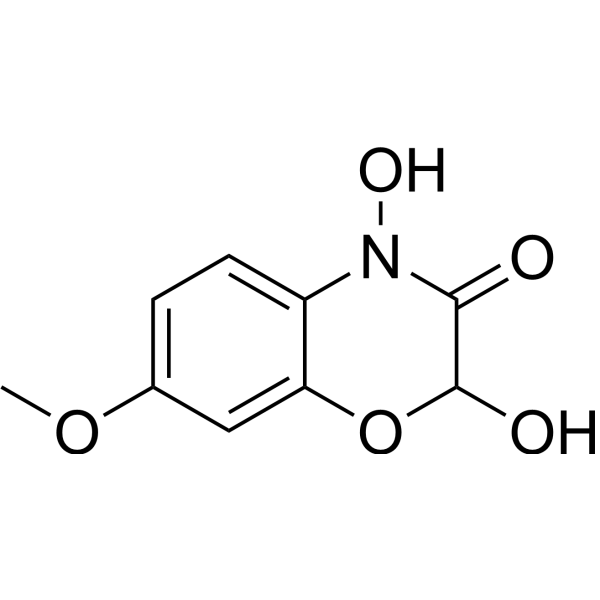
- HY-168731
-
|
|
Cholinesterase (ChE)
|
Neurological Disease
|
|
AChE/BChE-IN-25 (Compound 6e) is the orally active inhibitor for hAChE and eqBChE with IC50 of 7.9 nM and 0.79 nM. AChE/BChE-IN-25 exhibits antioxidant activity, that scavenges free radical with IC50 of 22.91 μM. AChE/BChE-IN-25 exhibits neuroprotective effects by reducing mitochondrial and cellular oxidative stress in the Drosophila Alzheimer's disease model. AChE/BChE-IN-25 ameliorates Scopolamine (HY-N0296)-induced spatial and cognitive memory impairment in mouse model .
|
-

- HY-149390
-
|
|
TrxR
|
Cancer
|
|
TrxR1-IN-1 (Compound 5j) is a TrxR1 inhibitor (IC50: 8.8 μM). TrxR1-IN-1 has anticancer activity, with IC50s of MCF-7 (1.5 μM), HeLa (1.7 μM), BGC-823 (2.4 μM), SW-480 (2.8 μM), A549 (2.1 μM). TrxR1-IN-1 has antioxidant activity, and scavenges DPPH radical .
|
-
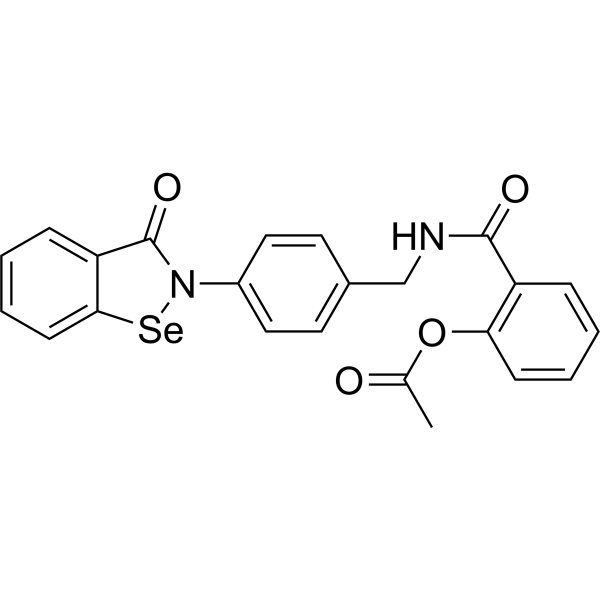
- HY-170583
-
|
|
Cholinesterase (ChE)
Amyloid-β
|
Neurological Disease
|
|
hAChE-IN-10 (Compound ET11) is the inhibitor for human acetylcholinesterase (AChE) with an IC50 of 6.34 nM. hAChE-IN-10 scavenges free radicals, and exhibits antioxidant activity. hAChE-IN-10 exhibits metal chelating activity, inhibits Cu 2+-induced Aβ1-42 aggregation, reduces the formation of amyloid plaques, and exhibits neuroprotective activity. hAChE-IN-10 ameliorates the Scopolamine (HY-N0296)-induced cognitive impairment in mouse models .
|
-

- HY-168301
-
|
|
Cholinesterase (ChE)
Amyloid-β
|
Neurological Disease
|
|
CL-13 is a butyrylcholinesterase (BChE) inhibitor, with an IC50 of 1.15 μM, and a selectivity index (SI) of 9.2 for acetylcholinesterase. CL-13 shows antioxidant activity in SH-SY5Y cells (DPPH EC50 = 47.01 μM) and has the ability to chelate metals involved in Aβ aggregation and/or oxidative stress, showing no neurotoxicity at 50 μM. CL-13 can reverse cognitive impairment caused by scopolamine (HY-N0296) without affecting the mice's motor skills .
|
-

- HY-D0885B
-
|
Disodium creatine phosphate
|
Endogenous Metabolite
MAP3K
Akt
Mitochondrial Metabolism
ERK
Apoptosis
ROS Kinase
|
Metabolic Disease
|
|
Phosphocreatine (disodium) is an organic compound found in vertebrate skeletal muscles. Phosphocreatine (disodium) enhances antioxidant activity, and activates the TAK1 pathway to protect the heart. Phosphocreatine (disodium) normalizing mitochondrial function and reducing oxidative stress via Akt mediated Nrf2/HO-1 pathway. Phosphocreatine (disodium) provides renal protection by suppressing Apoptosis and ROS (Reactive Oxygen Species) generation through ERK mediated mediated Nrf-2/HO-1 pathway. .
|
-
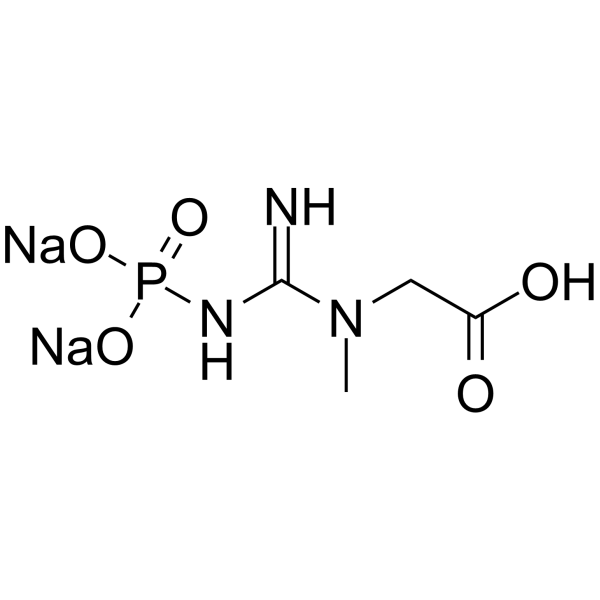
- HY-W923644
-
|
Aegelinol; (-)-Smyrinol
|
Bacterial
|
Infection
|
|
(-)-Decursinol (Aegelinol; (-)-Smyrinol) is a natural pyranocoumarin compound tant can be isolated from the roots of Apiaceae plants such as Ferulago campestris. (-)-Decursinol inhibits both Gram-positive bacteria (Staphylococcus aureus ATCC 13709, Enterococcus faecalis ATCC 14428) and Gram-negative bacteria (Salmonella typhii ATCC 19430, Enterobacter cloacae ATCC 10699, Enterobacter aerogenes ATCC 13048) with minimum inhibitory concentrations (MIC) ranging from 16 to 64 μg/mL. (-)-Decursinol possesses antioxidant activity. (-)-Decursinol can be used for the study of bacterial infections .
|
-

- HY-N3027R
-
|
|
Reference Standards
PPAR
Reactive Oxygen Species (ROS)
|
Metabolic Disease
|
|
Soyasaponin Aa (Standard) is the analytical standard of Soyasaponin Aa (HY-N3027). Soyasaponin Aa is a soyasaponin that can be found in soy. Soyasaponin Aa suppresses PPARγ transcriptional activity, reduces PPARγ and C/EBPα expression, inhibits adipocyte differentiation and lipid accumulation, and reduces adipogenic marker gene expression. Soyasaponin Aa reduces hydrogen peroxide-induced reactive oxygen species (ROS) production and malondialdehyde levels. Soyasaponin Aa exhibits cellular antioxidant activity. Soyasaponin Aa can be used for the research of obesity .
|
-

- HY-159152
-
|
|
α-synuclein
|
Neurological Disease
|
|
PQM-164 (Compound 3e) has antioxidant activity (IC50: 0.93 μM for DPPH radical). PQM-164 shows anti-inflammatory activity against 6-OHDA (HY-B1081A)-induced neuronal damage in activated microglial cells. PQM-164 decreases the accumulation of α-synuclein. PQM-164 promotes nuclear translocation of Nrf2 and its transcriptional activity. PQM-164 can be used for research of Parkinson’s disease .
|
-

- HY-W002438
-
|
|
Biochemical Assay Reagents
Endogenous Metabolite
OAT
Ferroptosis
|
Neurological Disease
Metabolic Disease
|
|
6-Hydroxyindole is an orally active, endogenous long-acting OATP1B1 inhibitor. 6-Hydroxyindole does not alter the cell surface expression or subcellular localization of OATP1B1. 6-Hydroxyindole protects cells against Ferroptosis. 6-Hydroxyindole possesses intrinsic radical-trapping antioxidant activity. 6-Hydroxyindole serves as a component of oxidative hair dyes. 6-Hydroxyindole can be used in research related to renal failure and neurodegenerative diseases .
|
-
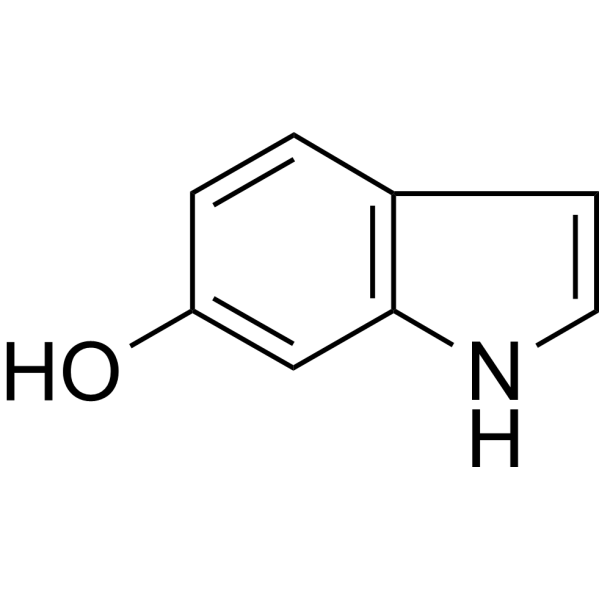
- HY-133829
-
|
|
Angiotensin-converting Enzyme (ACE)
NO Synthase
Reactive Oxygen Species (ROS)
|
Cardiovascular Disease
|
|
Zofenoprilat is an angiotensin-converting enzyme (ACE) inhibitor with an IC50 of 1.7 nM. Zofenoprilat exerts cardioprotective and renoprotective effects by inhibiting angiotensin II expression and lowering blood pressure. Zofenoprilat promotes NO production and reduces endothelin-1 (ET-1) expression. Zofenoprilat decreases TNFα-induced ROS production and protects vascular endothelial function. Zofenoprilat regulates oxidative stress-related molecules and possesses antioxidant activity. Zofenoprilat can be used in studies related to hypertension and congestive heart failure .
|
-

- HY-155085
-
|
|
Monoamine Oxidase
Amyloid-β
Cholinesterase (ChE)
|
Neurological Disease
|
|
hAChE-IN-3 (compounds 5c) is a potent and blood-brain barrier permeable AChE, BuChE, MAO-B-IN-1 and BACE-1 inhibitor, with IC50 values of 0.44, 0.08, 5.15 and 0.38 μM, respectively. hAChE-IN-3 has antioxidant activity and metal chelating ability. In addition, hAChE-IN-3 can bind to peripheral anion sites, and affect β amyloid and reduce Alzheimer's-associated neurodegeneration. hAChE-IN-3 has the potential for the research of Alzheimer's disease .
|
-
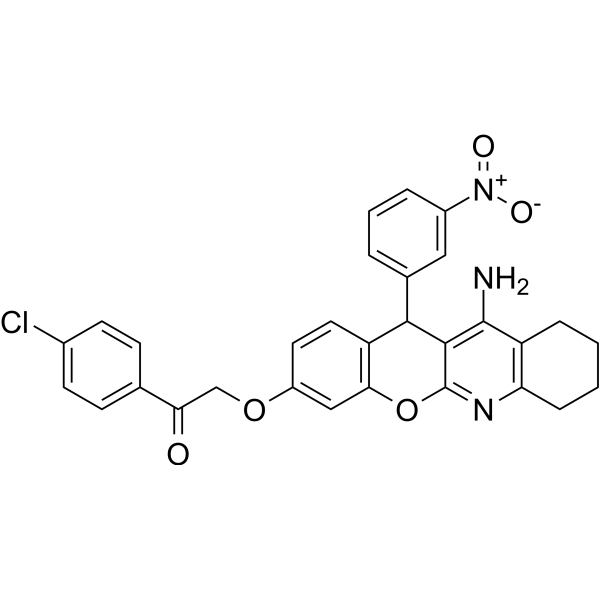
- HY-115973
-
|
|
Cholinesterase (ChE)
|
Neurological Disease
|
|
AChE-IN-11 (compound 5C) is a triple inhibitor targeting AChE/MAO-B/BACE1 (IC50=7.9 μM, 9.9 μM, 8.3 μM, respectively) and a selective metal ion chelators. AChE-IN-11 exhibits mixed AChE inhibitory effects, binding to both CAS and PAS of AChE. AChE-IN-11 also exhibits good antioxidant activity (ORAC=2.5 eq) and potential neuroprotective effects in Alzheimer's disease .
|
-
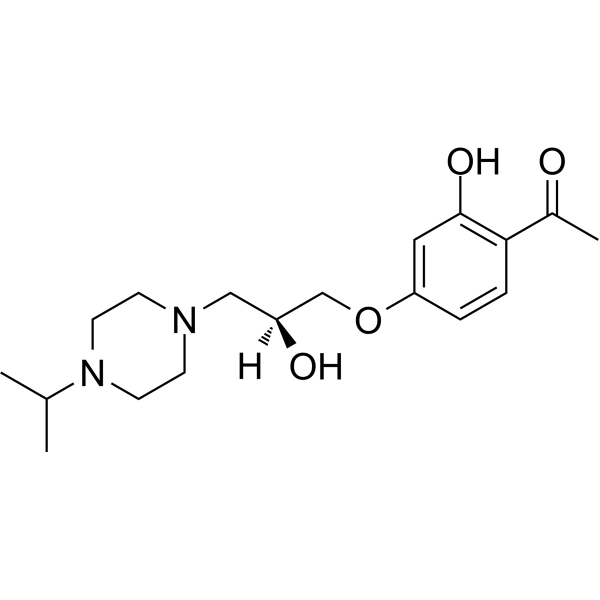
- HY-N8574
-
|
Heptacosan-1-ol
|
Biochemical Assay Reagents
|
Infection
|
|
1-Heptacosanol (Heptacosan-1-ol) is a long-chain fatty alcohol with antifungal, antibacterial (against Escherichia coli and Staphylococcus aureus), nematicidal, anticancer and antioxidant activities. 1-Heptacosanol can be isolated from leaf extracts of Ficus septica and Lecaniodiscus cupanioides. 1-Heptacosanol not only effectively resists pathogenic fungal infections, but also shows potential against pepper anthracnose in phytopathology. 1-Heptacosanol can be used in the research of fungal infections, cancer and oxidative stress-related diseases .
|
-
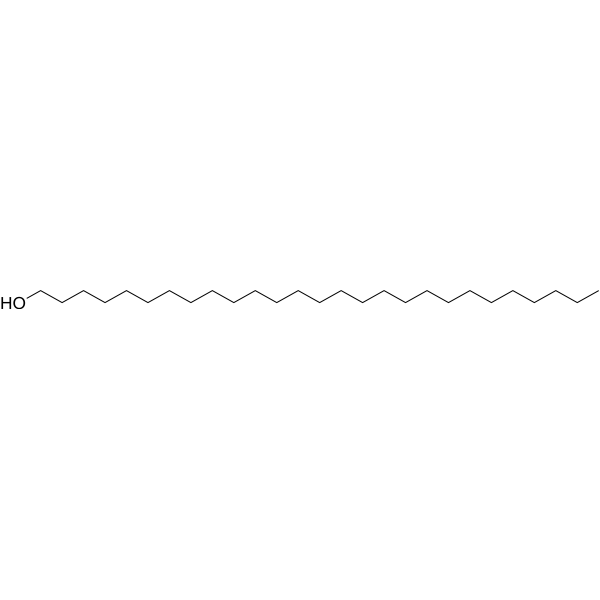
- HY-B0988R
-
|
Desferrioxamine B mesylate (Standard); DFOM (Standard)
|
Reference Standards
Autophagy
HIF/HIF Prolyl-Hydroxylase
Reactive Oxygen Species (ROS)
Apoptosis
Akt
|
Infection
Neurological Disease
Metabolic Disease
Inflammation/Immunology
Cancer
|
|
Deferoxamine (mesylate) (Standard) is the analytical standard of Deferoxamine (mesylate). This product is intended for research and analytical applications. Deferoxamine mesylate (Deferoxamine B mesylate) is an iron chelator (binds to Fe(III) and many other metal cations), is widely used to reduce iron accumulation and deposition in tissues. Deferoxamine mesylate upregulates HIF-1α levels with good antioxidant activity. Deferoxamine mesylate also shows anti-proliferative activity, can induce apoptosis and autophagy in cancer cells. Deferoxamine mesylate can be used in studies of diabetes, neurodegenerative diseases as well as anti-cancer and anti-COVID-19 .
|
-

- HY-W011956R
-
|
|
Drug Metabolite
Reference Standards
Endogenous Metabolite
|
Neurological Disease
Metabolic Disease
|
|
6-Hydroxymelatonin (Standard) is the analytical standard of 6-Hydroxymelatonin. This product is intended for research and analytical applications. 6-Hydroxymelatonin is the main metabolite of melatonin (HY-B0075) after being metabolized by CYP1A2 and can cross the blood-brain barrier. 6-Hydroxymelatonin has strong free radical scavenging ability and antioxidant activity, and can alleviate oxidative damage caused by various neurotoxins. 6-Hydroxymelatonin can cause oxidative DNA damage in the presence of copper ions through a "non-quinone" type redox cycling mechanism.
|
-

- HY-149517
-
|
|
EGFR
Raf
Caspase
Bcl-2 Family
Apoptosis
|
Inflammation/Immunology
Cancer
|
|
EGFR/BRAFV600E-IN-2 (compound 3g) is a potential multi-target inhibitor of EGFR, BRAF V600E, and EGFR T790M, and an inducer of apoptosis. EGFR/BRAFV600E-IN-2 can activate caspase-3, 8, and Bax, and downregulate the anti-apoptotic protein Bcl2, inducing apoptosis. EGFR/BRAF V600E-IN-2 also has antioxidant activity and DPPH free radical scavenging potency .
|
-
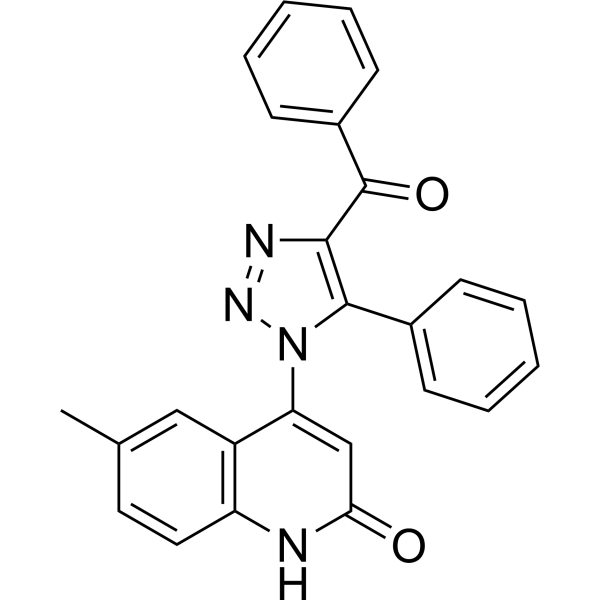
- HY-N2484
-
|
Astrapterocarpan
|
PDGFR
ERK
|
Cardiovascular Disease
Neurological Disease
Metabolic Disease
Inflammation/Immunology
|
|
Methylnissolin (Astrapterocarpan) is an osteoclast inhibitor with anti-inflammatory, neuroprotective and antioxidant activities. Methylnissolin downregulates the activation of the MAPK and PI3K/AKT pathways, inhibits the phosphorylation of MAPK1 and AKT1, and blocks PDGF-BB-induced phosphorylation of ERK1/2. Methylnissolin reduces the expression and secretion of proinflammatory mediators, decreases intracellular ROS levels, upregulates antioxidant enzymes, and downregulates osteoclastogenesis markers. Methylnissolin is applicable to research related to ischemic stroke, osteoporosis, cardiovascular diseases, skin aging, etc.
|
-
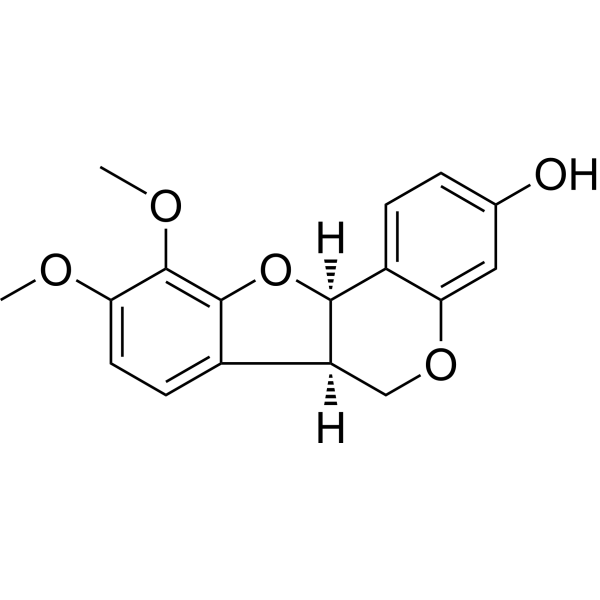
- HY-N17779
-
|
|
TNF Receptor
Reactive Oxygen Species (ROS)
|
Inflammation/Immunology
|
|
3-O-Caffeoyl-5-O-feruloylquinic acid is a quinic acid-based phenolic compound that can be isolated from Eryngium bourgatii. 3-O-Caffeoyl-5-O-feruloylquinic acid regulates free radical scavenging and inflammatory pathways, exerting antioxidant activity through electron transfer and hydrogen atom transfer mechanisms. It also inhibits TNF-α-induced reactive oxygen species (ROS) production and the production of monocyte chemoattractant protein-1 (MCP-1) and its transcripts in human umbilical vein endothelial cells (HUVECs).
|
-

- HY-B0712AR
-
|
Ro 13-9904 sodium hydrate (Standard)
|
Reference Standards
Bacterial
Antibiotic
GSK-3
Aurora Kinase
|
Infection
Cancer
|
|
Ceftriaxone (sodium hydrate) (Standard) is the analytical standard of Ceftriaxone (sodium hydrate). This product is intended for research and analytical applications. Ceftriaxone sodium hydrate (Ro 13-9904 sodium hydrate) is a broad spectrum β-lactam third-generation cephalosporin antibiotic, which has good antibacterial activity against a variety of gram-negative and positive bacteria. Ceftriaxone sodium hydrate is a covalent inhibitor of GSK3β with IC50 value of 0.78 μM. Ceftriaxone sodium hydrate is an inhibitor of Aurora B. Ceftriaxone sodium hydrate has anti-inflammatory, antitumor and antioxidant activities. Ceftriaxone sodium hydrate can be used in the study of bacterial infections and meningitis .
|
-

- HY-B0223S4
-
|
SKF-62979-d3-1
|
Reactive Oxygen Species (ROS)
|
Cancer
|
|
Albendazole-d3-1 (SKF-62979-d3-1) is the deuterium labeled Albendazole (HY-B0223). Albendazole (SKF-62979) is an orally active and broad-spectrum parasiticide with high effectiveness and low host toxicity, is used for the research of gastrointestinal parasites in humans and animals. Albendazole induces apoptosis and autophagy in cancer cells. Albendazole also inhibits tubulin polymerization and HIF-1α, VEGF expression, has antioxidant activity, and inhibits the glycolytic process in cancer cells .
|
-

- HY-N9086A
-
|
5,7,4'-Trihydroxy-6-methylflavanone
|
NO Synthase
COX
Interleukin Related
|
Inflammation/Immunology
|
|
(rac)-Poriol (5,7,4'-Trihydroxy-6-methylflavanone) exhibits antioxidant activity, and scavenges free radical DPPH with an IC50 of 0.18 µg/mL. (rac)-Poriol inhibits the LPS (HY-D1056)-induced NO generation in RAW264.7 (98.35% inhibition rate at 10 μM), and exhibits anti-inflammatory activity. (rac)-Poriol exhibits good binding affinity with iNOS, COX-1, COX-2, TNF-α, and IL-1β .
|
-

- HY-D0885D
-
|
|
Endogenous Metabolite
MAP3K
Akt
Mitochondrial Metabolism
ERK
Apoptosis
ROS Kinase
|
Metabolic Disease
|
|
Phosphocreatine (disodium hydrate) is an organic compound found in vertebrate skeletal muscles. Phosphocreatine (disodium hydrate) enhances antioxidant activity, and activates the TAK1 pathway to protect the heart. Phosphocreatine (disodium hydrate) normalizing mitochondrial function and reducing oxidative stress via Akt mediated Nrf2/HO-1 pathway. Phosphocreatine (disodium hydrate) Phosphocreatine (disodium hydrate) provides renal protection by suppressing Apoptosis and ROS (Reactive Oxygen Species) generation through ERK mediated mediated Nrf-2/HO-1 pathway. .
|
-
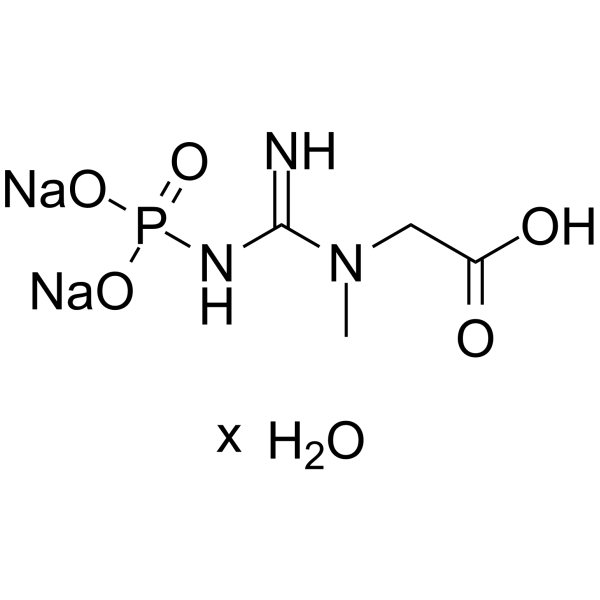
- HY-B1625R
-
|
Deferoxamine B (Standard); Deferriferrioxamine B (Standard); Deferrioxamine (Standard)
|
Reference Standards
HIF/HIF Prolyl-Hydroxylase
Reactive Oxygen Species (ROS)
Apoptosis
Akt
Autophagy
|
Infection
Neurological Disease
Metabolic Disease
Inflammation/Immunology
Cancer
|
|
Deferoxamine (Standard) is the analytical standard of Deferoxamine. This product is intended for research and analytical applications. Deferoxamine (Deferoxamine B) is an iron chelator (binds to Fe(III) and many other metal cations), is widely used to reduce iron accumulation and deposition in tissues. Deferoxamine upregulates HIF-1α levels with good antioxidant activity. Deferoxamine also shows anti-proliferative activity, can induce apoptosis and autophagy in cancer cells. Deferoxamine can be used in studies of diabetes, neurodegenerative diseases as well as anti-cancer and anti-COVID-19 .
|
-

- HY-163746
-
|
|
Cholinesterase (ChE)
|
Neurological Disease
|
|
BuChE-IN-11 (Compound 3b-1) is an selective BuChE inhibitor with an IC50 of 0.44 μM for hBuChE. BuChE-IN-11 has high blood-brain barrier permeability and exhibits strong antioxidant activity due to its free radical scavenging properties. BuChE-IN-11 interacts with the choline binding site, acetyl binding site, and peripheral anionic site, exhibiting submicromolar BuChE inhibitory activity and preventing β-amyloid (Aβ) self-aggregation. BuChE-IN-11 holds promise for research in the field of Alzheimer's disease .
|
-

- HY-147504
-
|
|
Apoptosis
Caspase
Bcl-2 Family
|
Cancer
|
|
Anticancer agent 63 (compound 3h) shows active in reducing the viability of different cancer cell lines, including SW480, HeLa, A549 and MCF-7, with IC50 values at 24 h of 4.9, 11.5, 9.4, and 3.4 μM, respectively. Anticancer agent 63 induce apoptosis in MCF-7 cells via down-regulating the expression of Bcl-2 and up-regulating the expression of IL-2 and Caspase-3. Anticancer agent 63 also shows antioxidant activity .
|
-
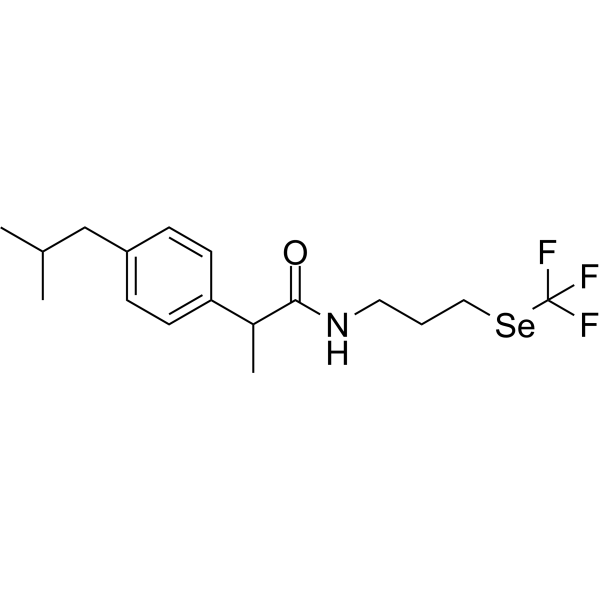
- HY-N3434
-
|
|
Drug Derivative
Reactive Oxygen Species (ROS)
|
Cancer
|
|
Kaempferol 3,7,4'-trimethyl ether is an O-methylated kaempferol flavonol aglycone distributed in Siparuna gigantotepala, Aframomum arundinaceum and Siparuna guianensis. Kaempferol 3,7,4'-trimethyl ether exhibits antioxidant activity. Kaempferol 3,7,4'-trimethyl ether suppresses the proliferation of leukemia cells and exerts selective cytotoxicity against both drug‑sensitive and multi‑factorial drug‑resistant cancer cells. Kaempferol 3,7,4'-trimethyl ether can be applied in the research of multidrug‑resistant cancers .
|
-
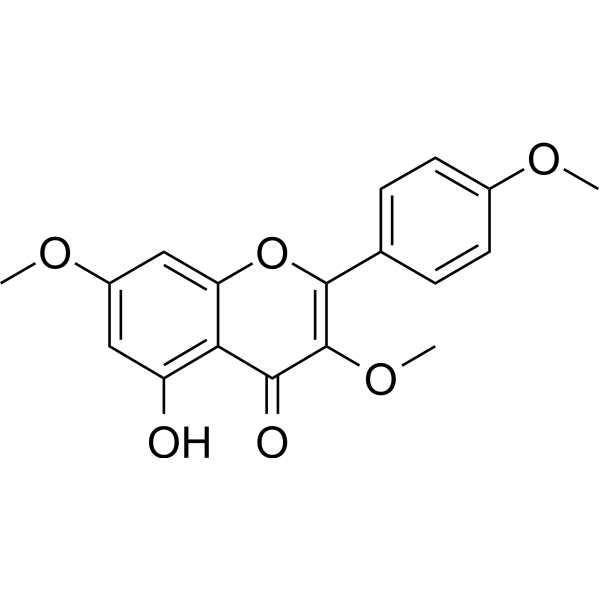
- HY-N17982
-
|
|
HIV Integrase
|
Infection
|
|
Vanillic acid 4-O-β-D-glucopyranoside is a vanillic acid glycoside with moderate antioxidant activity. Vanillic acid 4-O-β-D-glucopyranoside scavenges DPPH free radicals and superoxide anion radicals, and inhibits AAPH-induced lipid peroxidation in the linoleic acid system. The IC50 value of Vanillic acid 4-O-β-D-glucopyranoside against HIV-1 integrase is >100 μg/mL, indicating that it is not an effective HIV-1 integrase inhibitor. Vanillic acid 4-O-β-D-glucopyranoside is isolable from the ethyl acetate extract of Gardeniae Fructus.
|
-

- HY-149288
-
|
|
Cholinesterase (ChE)
Beta-secretase
Amyloid-β
|
Cardiovascular Disease
|
|
hAChE/hBACE-1-IN-2 is a potent, orally active, blood-brain barrier transboundary triple inhibitor of hAChE, hBChE, and HACE-1 with IC50s of 0.113 μM, 1.48 μM and 0.38 μM, respectively. hAChE/hBACE-1-IN-2 has antioxidant activity. hAChE/hBACE-1-IN-2 also inhibits Aβ11-42 aggregation. hAChE/hBACE-1-IN-2 can be used to study Alzheimer's disease .
|
-
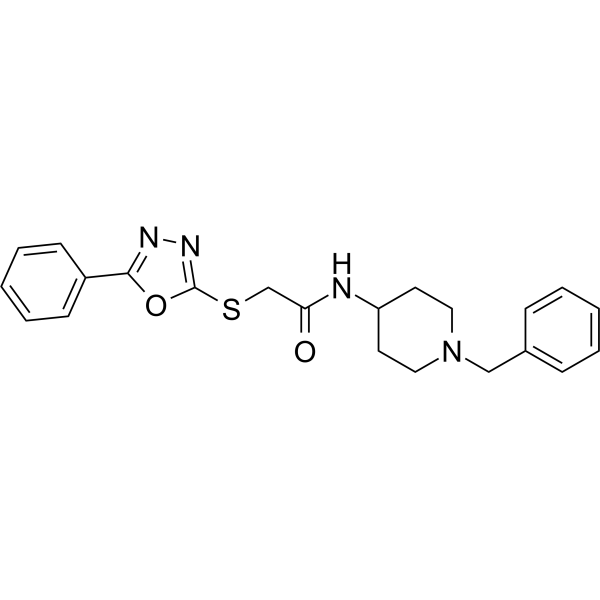
- HY-N15454
-
|
Altertenuol
|
Herbicide
Bacterial
|
Infection
|
|
Altenuisol is a compound that can be found in the pathogenic fungus of the genus Alternaria in Xanthium italicum. It has herbicidal activity. At a low concentration of Altenuisol (10 μg/mL), it promotes the root growth of Pennisetum alopecuroides and Medicago sativa by 75.2% and 51.0% respectively. At a high concentration of Altenuisol (1000 μg/mL), the inhibition rates of root growth of Pennisetum alopecuroides and Medicago sativa are 52.0% and 42.0% respectively. In addition, Altenuisol is cytotoxic to HeLa cells and also exhibits antibacterial and antioxidant activities. Altenuisol is expected to be used in research in fields such as agricultural weeding, anti - tumor, and anti - infection .
|
-

- HY-N0469R
-
|
|
Reference Standards
Endogenous Metabolite
Virus Protease
HSV
|
Infection
Metabolic Disease
Inflammation/Immunology
|
L-Lysine (Standard) is the analytical standard of L-Lysine. This product is intended for research and analytical applications. L-lysine is an essential amino acid for humans with orally activity. L-lysine can inhibit the occurrence of HSV infections and is used in herpes research. L-lysine increases calcium absorption, reduces diabetes-related diseases, improves gut health, and alleviates pancreatic inflammation. L-lysine can be used in research on metabolism, infection, and inflammation .
IC50 & Target:L-lysine (150 mg/kg) promotes, but not initiates, bladder cancer. The administration of L-lysine to rats submitted to colovesical cystoplasty accelerates the development of transitional metaplasia of the intestinal epithelium .
L-lysine (10 mg/kg) treatment attenuates pancreatic tissue injury induced by L-arginine by inhibiting the release of the inflammatory cytokine IL-6 and enhance antioxidant activity .
In Vivo:L-lysine (10?mg/kg, p.o., pre-treated or post-treated, administration duration 15 days) treatment attenuates pancreatic tissue injury induced by L-arginine by inhibiting the release of the inflammatory cytokine IL-6 and enhance antioxidant activity in acute pancreatitis mice model .
L-lysine (5 or 10?mg/kg, p.o., 45 days) ameliorates sepsis-induced acute lung injury in a lipopolysaccharide (HY-D1056)-induced mouse model .
|
-

- HY-150563
-
|
|
Monoamine Oxidase
Amyloid-β
|
Neurological Disease
Inflammation/Immunology
|
|
Neuroinflammatory-IN-2 is a potent anti-neuroinflammatory agent with an IC50 value of 10.30 μM for MAO-B, and 96.33% inhibition of Aβ1-42 aggregation at 25 μM. Neuroinflammatory-IN-2 has neuroprotective activity in H2O2-induced PC-12 cell injury. Neuroinflammatory-IN-2 also has biometal chelating abilities, antioxidant activity, anti-neuroinflammatory activity and appropriate BBB permeability. Neuroinflammatory-IN-2 can be used for researching Alzheimer’s disease .
|
-
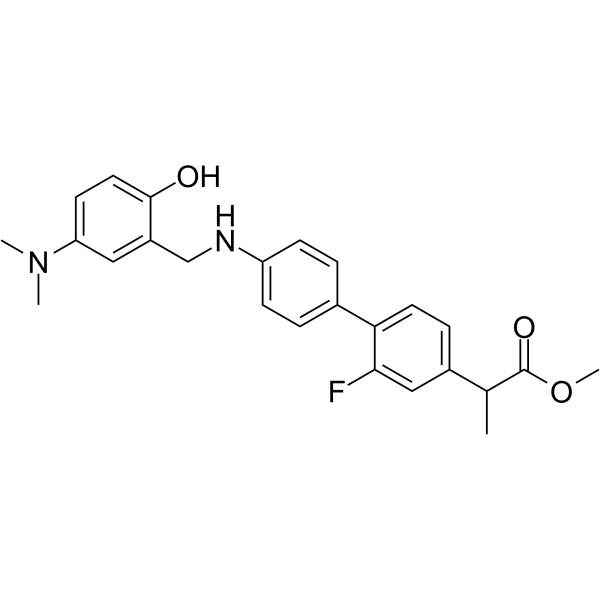
- HY-N12999
-
|
|
Apoptosis
Bcl-2 Family
Caspase
MDM-2/p53
PARP
Amylases
|
Metabolic Disease
Endocrinology
Cancer
|
|
Stigmast-5-en-3-ol induces cancer cell apoptosis and inhibits proliferation by increasing the production of Bax, Caspase-9, p53, and PARP cleavage and reducing Bcl-xl expression. Stigmast-5-en-3-ol exhibits potent inhibitory activity against glucoamylase and α-amylase and possesses high antioxidant activity. Stigmast-5-en-3-ol can be used in the research of diseases such as leukemia, breast cancer, type 2 diabetes, and obesity .
|
-

- HY-180506
-
|
|
Tyrosinase
Glycosidase
Cholinesterase (ChE)
|
Others
|
|
Tyrosinase-IN-47 (compound 6a) is a potent competitive tyrosinase inhibitor with an IC50 of 1.43 µM and a Ki of 0.1142 μM. Tyrosinase-IN-47 also shows inhibition activity in α-Glucosidase (IC50 = 36.26 μM) and acetylcholinesterase (IC50 = 8.26 μM). Tyrosinase-IN-47 exhibits in vitro antioxidant activity, with good scavenging ability for DPPH (IC50 = 4.75 μM) and ABTS (IC50 = 0.04 μM). Tyrosinase-IN-47 displays anti-browning effect on freshly cut potatoes. Tyrosinase-IN-47 can be used for pharmaceutical research .
|
-

- HY-W747297
-
|
|
COX
Endogenous Metabolite
|
Neurological Disease
Inflammation/Immunology
|
|
β-Selinene is a sesquiterpene and is the main active component of the essential oil of red purple hibiscus (Callicarpa macrophylla). β-Selinene exhibits significant related antioxidant activity, anti-inflammatory activity, and antipyretic analgesic activity. β-Selinene may exert antioxidant effects by directly scavenging free radicals (DPPH, NO, •OH) and chelating pro-oxidative metal ions (Fe²⁺); inhibit cyclooxygenase (COX) activity, reduce prostaglandin (such as PGE₂) synthesis to exert anti-inflammatory effects; regulate the thermoregulatory set point of the hypothalamus and inhibit inflammatory mediators to exert antipyretic and analgesic effects .
|
-

- HY-107965
-
|
Safflower seed oil (from Carthamus tinctorius seed)
|
Biochemical Assay Reagents
|
Inflammation/Immunology
|
Safflower oil (from Carthamus tinctorius seed) is rich in unsaturated fatty acids such as linoleic acid and oleic acid, as well as tocopherols and phenolic compounds, and exhibits antioxidant, anti-aging and blood lipid-regulating effects. Safflower oil (from Carthamus tinctorius seed) inhibits the activities of collagenase and elastase, and exerts antioxidant activity by scavenging free radicals. Linoleic acid in safflower oil (from Carthamus tinctorius seed) reduces blood cholesterol levels. Safflower oil (from Carthamus tinctorius seed) can be applied to research in fields such as skin aging, atherosclerosis, edible oil processing and industrial raw material development .
|
-
- HY-W001663
-
|
|
Bacterial
|
Infection
|
|
4'-Hydroxy-3'-methylacetophenone is a phenolic volatile compound. 4'-Hydroxy-3'-methylacetophenone can be isolated from Hawaiian green coffee beans (Coffea Arabica L.). 4'-Hydroxy-3'-methylacetophenone is believed to possess potent antioxidant activity similar to that of other phenolic volatile compounds, Thymol (HY-N6810) and Eugenol (HY-N0337). 4'-Hydroxy-3'-methylacetophenone also can be used to synthesize heterocyclic compounds which have antimycobacterial activity .
|
-
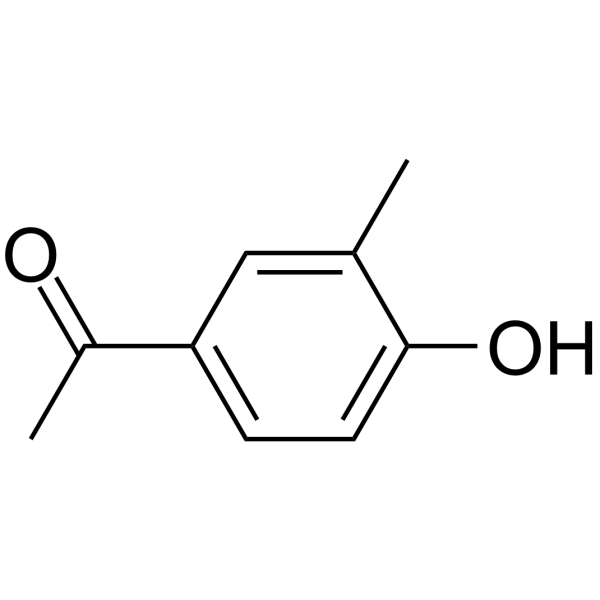
- HY-B0712R
-
|
Ro 13-9904 free acid (Standard)
|
Reference Standards
Bacterial
Antibiotic
GSK-3
Aurora Kinase
|
Infection
Inflammation/Immunology
Cancer
|
|
Ceftriaxone (Standard) is the analytical standard of Ceftriaxone. This product is intended for research and analytical applications. Ceftriaxone (Ro 13-9904 free acid) is a broad spectrum β-lactam third-generation cephalosporin antibiotic, which has good antibacterial activity against a variety of gram-negative and positive bacteria. Ceftriaxone is a covalent inhibitor of GSK3β with IC50 value of 0.78 μM. Ceftriaxone is an inhibitor of Aurora B. Ceftriaxone has anti-inflammatory, antitumor and antioxidant activities. Ceftriaxone can be used in the study of bacterial infections and meningitis[1][2][3][4][5][6][7].
|
-

- HY-N8788
-
|
|
Others
|
Inflammation/Immunology
Cancer
|
|
Baicalein 7-O-β-D-ethylglucuronide is a natural flavone glycoside that can be extracted from Scutellaria baicalensis Georgi. Baicalein 7-O-β-D-ethylglucuronide has antioxidant activity. Baicalein 7-O-β-D-ethylglucuronide inhibits FeSO4-Cys-induced lipid peroxidation of liver homogenate. Baicalein 7-O-β-D-ethylglucuronide also shows strong cytoprotective effect on H2O2-induced oxidative damage of human umbilical vein endothelial cells .
|
-
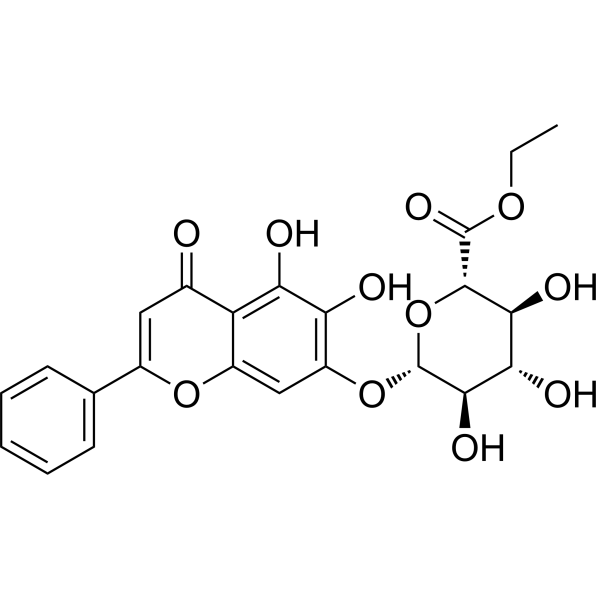
- HY-107208R
-
|
(-)-Procyanidin B4 (Standard)
|
Reference Standards
Reactive Oxygen Species (ROS)
COX
Interleukin Related
NO Synthase
|
Inflammation/Immunology
|
|
Procyanidol B4 (Standard) is the analytical standard of Procyanidol B4 (HY-107208). This product is intended for research and analytical applications. Procyanidol B4 ((-)-Procyanidin B4) is an orally active polyphenol found in Q.gilva. Procyanidol B4 exerts antioxidant activity by scavenging DPPH (HY-112053) (IC50: 12.15 μM) and Nitro blue tetrazolium chloride (NBT) (HY-15925) (IC50: 8.67 μM). Procyanidol B4 exhibits anti-inflammatory activity by inhibiting the expression of COX-2 and IL-1β and iNOS .
|
-

- HY-N7781
-
-
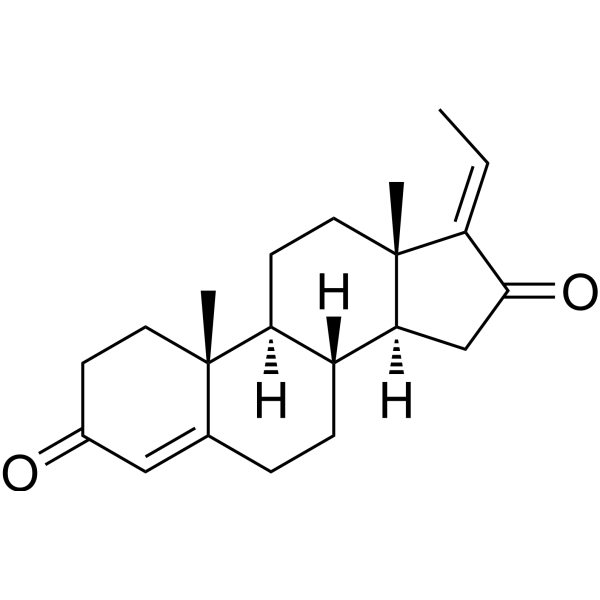
- HY-N8618
-
|
|
Others
|
Others
|
|
Erythro-guaiacylglycerol-β-O-4'-dihydroconiferyl alcohol was identified as one of the phenolic compounds isolated from Canadian maple syrup (MS-BuOH). It exhibited antioxidant properties along with other phenolic compounds and coumarins isolated from the syrup. These compounds showed varying degrees of antioxidant activity, with phenolic derivatives and coumarins showing superior activity, more so than lignans and flavonoids. This study marks the first time that 16 of the 23 phenolic compounds, including Erythro-guaiacylglycerol-β-O-4'-dihydroconiferyl alcohol, have been identified in maple syrup .
|
-

- HY-114740R
-
|
5,6-Benzoflavone (Standard); beta-NF (Standard)
|
Aryl Hydrocarbon Receptor
Apoptosis
Reference Standards
|
Neurological Disease
Cancer
|
|
β-Naphthoflavone (Standard) is the analytical standard of β-Naphthoflavone. This product is intended for research and analytical applications. β-Naphthoflavone is an exogenous aryl hydrocarbon receptor (AHR) ligand. β-Naphthoflavone can activate AHR to participate in various biological processes, including cell growth, differentiation, apoptosis, and metabolism. β-Naphthoflavone has antioxidant activity and can exert its antioxidant function by regulating the activity of antioxidant enzymes. β-Naphthoflavone is also a non-carcinogenic CYP1A inducer and can be used to study aristolochic acid (AAI) induced renal injury .
|
-

- HY-139066
-
|
Trichosanic acid
|
TNF Receptor
GLUT
Proteasome
Tau Protein
PKC
|
Neurological Disease
Metabolic Disease
Inflammation/Immunology
|
|
Punicic acid is a bioactive compound of pomegranate seed oil. Punicic acid is an isomer of conjugated α-linolenic acid and ω-5 polyunsaturated fatty acids. Punicic acid has anti-inflammatory and antioxidant activities and can inhibit the expression of inflammatory mediators such as tumor necrosis factor α (TNF-α). Punicic acid can also reduce the formation of β-amyloid deposits and hyperphosphorylation of tau by increasing the expression of GLUT4 protein and inhibiting the overactivation of calpain, and is used to prevent and treat neurodegenerative diseases. In addition, punicic acid also has breast cancer inhibitor properties that depend on lipid peroxidation and PKC pathways .
|
-
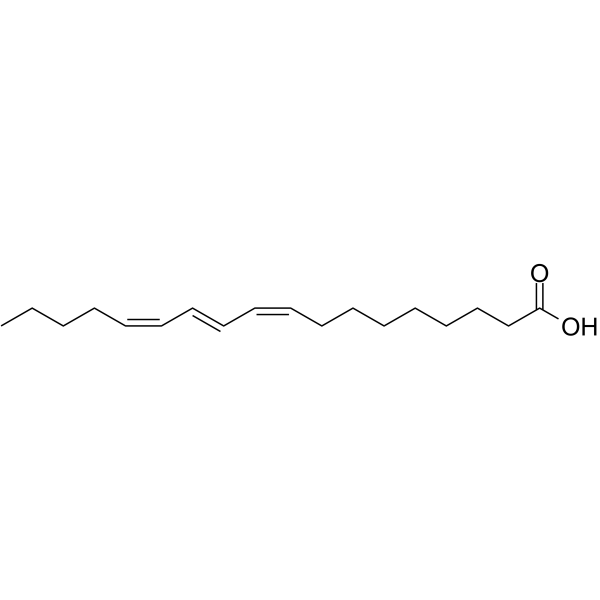
- HY-180891
-
|
|
Cholinesterase (ChE)
Calcium Channel
|
Neurological Disease
|
|
Multitarget AD-IN-4 (compound IIIj) is a multitarget-directed ligand (MTDL), with the ability to simultaneously inhibit ChE enzymes (EeAChE IC50 = 0.157 μM, eqBuChE IC50 = 0.147 μM, hAChE IC50 = 1.551 μM, hBuChE IC50 = 2.152 μM), exhibit antioxidant activity, provide neuroprotection, and inhibit calcium channels (Ca 2+ channel blockade: IC50 = 30.59 μM). Multitarget AD-IN-4 reverses Scopolamine (HY-N0296)-induced amnesia in a mouse model. Multitarget AD-IN-4 can be used for Alzheimer’s disease (AD) research .
|
-

- HY-163879
-
|
|
Monoamine Oxidase
Reactive Oxygen Species (ROS)
Ferroptosis
|
Neurological Disease
|
|
hMAO-B-IN-9 (Compound 25c) is a non-competitive inhibitor for monoamine oxidase B (MAO-B) with an IC50 of 1.58 µM (hMAO-B). hMAO-B-IN-9 forms complex with iron ions as a chelator, and inhibits Erastin (HY-15763)-induced ferroptosis. hMAO-B-IN-9 exhibits antioxidant activity by downregulating the level of reactive oxygen species (ROS). hMAO-B-IN-9 improves cognitive function in mice, without significant toxicity (30 mg/kg). hMAO-B-IN-9 is blood-brain barrier permeable, according to the in silico prediction .
|
-

- HY-N0807
-
|
|
MMP
NF-κB
JAK
Keap1-Nrf2
|
Metabolic Disease
Inflammation/Immunology
Cancer
|
|
Swertiamarin is an orally active natural product with hypoglycemic, lipid-lowering, anti-rheumatic, and antioxidant activities. Swertiamarin can regulate the levels of pro-inflammatory cytokines, MMP, and NF-κB, and promote osteoblast proliferation. Swertiamarin has antioxidant and hepatoprotective effects against carbon tetrachloride induced rat liver toxicity through the Nrf2/HO-1 pathway. Swertiamarin can attenuate inflammatory mediators by regulating JAK2/STAT3 transcription factors in adjuvant induced arthritis rats. Swertiamarin can be used in the research of diabetes and arthritis .
|
-
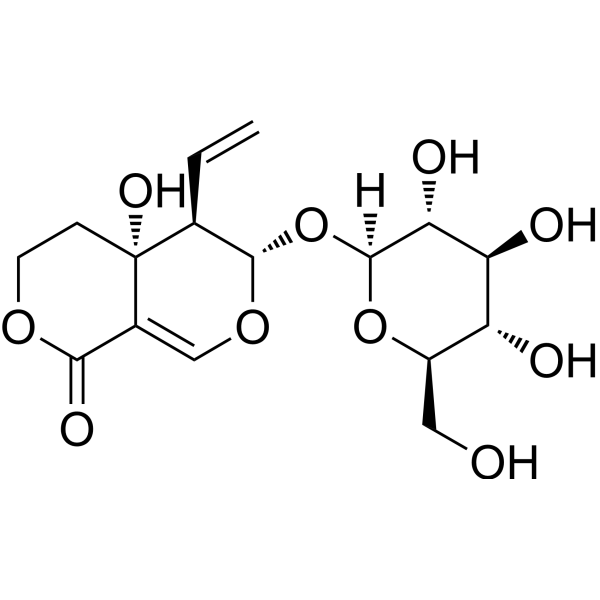
- HY-D0885BR
-
|
Disodium creatine phosphate (Standard)
|
Endogenous Metabolite
MAP3K
Akt
Mitochondrial Metabolism
ERK
Apoptosis
ROS Kinase
Reference Standards
|
Metabolic Disease
|
|
Phosphocreatine (disodium) (Standard) is the analytical standard of Phosphocreatine (disodium). This product is intended for research and analytical applications. Phosphocreatine (disodium) is an organic compound found in vertebrate skeletal muscles. Phosphocreatine (disodium) enhances antioxidant activity, and activates the TAK1 pathway to protect the heart. Phosphocreatine (disodium) normalizing mitochondrial function and reducing oxidative stress via Akt mediated Nrf2/HO-1 pathway. Phosphocreatine (disodium) provides renal protection by suppressing Apoptosis and ROS (Reactive Oxygen Species) generation through ERK mediated mediated Nrf-2/HO-1 pathway. .
|
-

- HY-W004486R
-
|
|
Reference Standards
HSV
MMP
ERK
p38 MAPK
JNK
|
Infection
|
|
Gallic aldehyde (Standard) is an analytical standard of Gallic aldehyde (HY-W004486). This product is intended for research and analytical applications. Gallic aldehyde (3,4,5-Trihydroxybenzaldehyde) is a phenolic aldehyde. Gallic aldehyde can be isolated from Geum japonicum. Gallic aldehyde inhibits the gelatinolytic activity and expression of MMP-9. Gallic aldehyde also inhibits ERK1/2, p38, and JNK. Gallic aldehyde has potent anti-HSV-1 and antioxidant activities. Gallic aldehyde also exhibits antibacterial activity against Oenococcus oeni VF .
|
-

- HY-N7781R
-
-
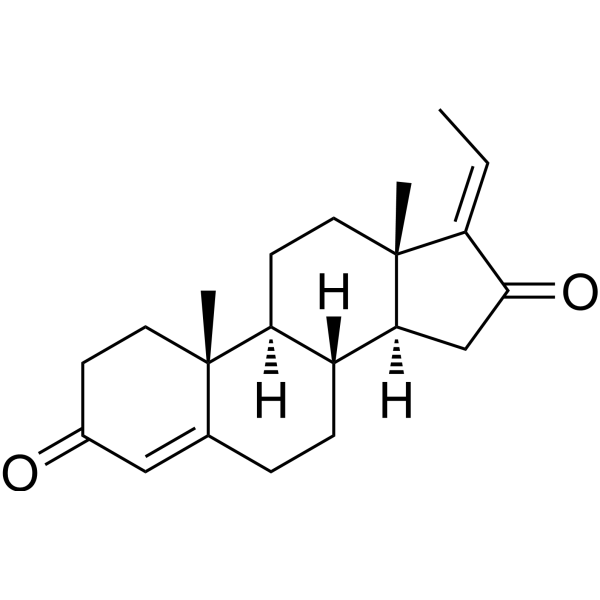
- HY-179432
-
|
CBDD
|
TRP Channel
NF-κB
Interleukin Related
|
Neurological Disease
Inflammation/Immunology
|
|
Cannabitwinol is a selective thermosensitive TRP modulator and NF-κB inhibitor. Cannabitwinol inhibits TNFα-induced NF-κB-driven transcription and TNFα-induced IL-8 release, and exhibits anti-inflammatory and antioxidant activities. Cannabitwinol shows selectivity for cold-activated TRP channels, activating TRPA1 (EC50 = 3.0 μM) and antagonizing TRPM8 (IC50 = 3.9 μM), but has no significant affinity for heat-activated TRP channels such as TRPV1 and TRPV2. Cannabitwinol can be used in research related to inflammatory skin diseases, cold allodynia, and hyperalgesia .
|
-

- HY-162805
-
|
|
NO Synthase
Topoisomerase
Apoptosis
NF-κB
|
Inflammation/Immunology
Cancer
|
|
iNOS/TopoI-IN-1 (compound AuL9) is a multi-target hybrid molecule with anti-tumor, anti-inflammatory and antioxidant activities. iNOS/TopoI-IN-1 inhibits the growth of breast cancer cells MCF-7 and MDA MB-231 in vitro with IC50 of 3.5 μM and 6.3 μM, respectively, and induces DNA damage and apoptosis of breast cancer cells by inhibiting human topoisomerase I (TopoI) (Ki=2.72 μM). In addition, NOS/TopoI-IN-1 inhibits the expression of iNOS by inhibiting the activation of NF-kB (Ki=1.49 μM) .
|
-

- HY-152114
-
|
|
Monoamine Oxidase
Cholinesterase (ChE)
|
Neurological Disease
|
|
AChE/BChE/MAO-B-IN-4, an indan-1-one derivative, is a potent MAO-B inhibitor with an IC50 of 0.0393 μM for human MAO-B. AChE/BChE/MAO-B-IN-4 is a potent AChE and BChE enzyme inhibitor, with IC50s of 0.0458 μM and 0.075 μM for human AChE and BChE enzyme, respectively. AChE/BChE/MAO-B-IN-4 shows significant antioxidant activity and prevent β-amyloid plaque aggregation. AChE/BChE/MAO-B-IN-4 has the potential for Alzheimer's disease (AD) research .
|
-
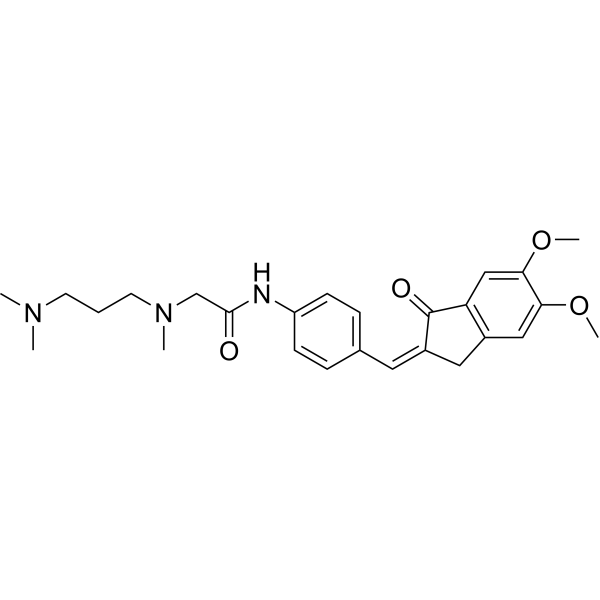
- HY-180154
-
|
|
EGFR
Raf
Caspase
Bcl-2 Family
Apoptosis
|
Cancer
|
|
EGFR/BRAFV600E-IN-6 (Compound 7c) is a dual EGFR/BRAF V600E inhibitor with IC50 values of 0.12 and 0.05 μM. EGFR/BRAFV600E-IN-6 can activate caspase-3/8/9, unregulate Bax expression and downregulate Bcl-2 levels. EGFR/BRAFV600E-IN-6 can induce apoptosis and shows antioxidant activity. EGFR/BRAFV600E-IN-6 can be used for the research of cancer, such as colon cancer .
|
-

- HY-N2513
-
|
|
Lipoxygenase
DNA/RNA Synthesis
|
Cancer
|
|
β-Boswellic acid is isolated from the gum resin of Boswellia serrata with anticancer, antioxidant activity, anti-inflammatory activity and anti-arthritic pain.β-Boswellic acid is an orally active nonreducing-type inhibitor of the 5-lipoxygenase (5-LO) product formation either interacting directly with the 5-LO or blocking its translocation. β-Boswellic acid inhibits the synthesis of DNA, RNA and protein in human leukemia HL-60 cells with IC50 values ranging from 0.6 to 7.1 μM. β-Boswellic acid is promising for research of diabetes, inflammatory and arthritic diseases .
|
-
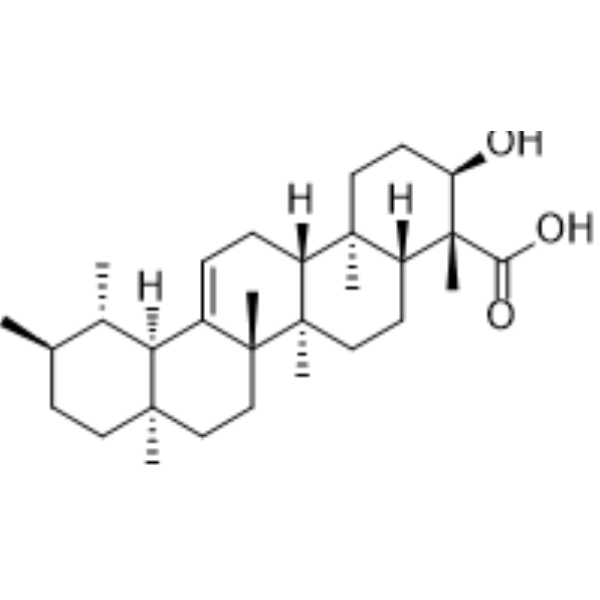
- HY-N7432R
-
|
|
Antibiotic
Bacterial
Fungal
Reference Standards
|
Infection
|
|
DIMBOA (Standard) is the analytical standard of DIMBOA. This product is intended for research and analytical applications. DIMBOA, an antibiotic, has antibacterial properties and inhibits bacteria such as Staphylococcus aureus and the mycotoxin-producing fungus Fusarium graminearum (which causes scab). DIMBOA exhibits strong free radical scavenging activity and weak iron(III) ion reducing activity, and has antioxidant activity. DIMBOA inhibits the biosynthesis and accumulation of toxic trichothecenes by affecting the expression of Tri6 and Tri5. DIMBOA reduces plant susceptibility to scab. DIMBOA also exhibits cytotoxicity to plant cells, causing plasmolysis, cell collapse, and cell rupture[1][2][3][4][5].
|
-

- HY-G0004R
-
|
3-Hydroxyacetaminophen (Standard)
|
Reference Standards
Drug Metabolite
|
Inflammation/Immunology
|
|
Acetaminophen metabolite 3-hydroxy-acetaminophen (3-Hydroxyacetaminophen) (Standard) is the analytical standard of Acetaminophen metabolite 3-hydroxy-acetaminophen (HY-G0004). This product is intended for research and analytical applications. Acetaminophen metabolite 3-hydroxy-acetaminophen is a non-toxic metabolite and antioxidant of acetaminophen (HY-66005) with free radical scavenging activity. Acetaminophen metabolite 3-hydroxy-acetaminophen can reduce oxidative damage by exerting electron donation ability and antioxidant activity through phenolic hydroxyl groups. 3-hydroxy-acetaminophen can be used to study the toxicity mechanism and drug metabolism of acetaminophen .
|
-

- HY-N17215
-
|
3,4,6-Trigalloylglucose
|
Amylases
Glycosidase
|
Metabolic Disease
Inflammation/Immunology
|
|
3,4,6-Tri-O-galloyl-D-glucose (3,4,6-Trigalloylglucose) is an α-amylase (porcine α-amylase IC50 = 334.6 μM; Ki = 307.5 μM) and α-glucosidase (yeast α-glucosidase IC50 = 46.5 μM; Ki = 39.9 μM) mixed type inhibitor. 3,4,6-Tri-O-galloyl-D-glucose exhibits free radical scavenging ability, ferric-reducing power, and antioxidant activity. 3,4,6-Tri-O-galloyl-D-glucose can be used for the research of diabetes .
|
-

- HY-175523
-
|
|
Monoamine Oxidase
Cholinesterase (ChE)
Amyloid-β
|
Neurological Disease
|
|
MAO-B-IN-48 is a selective MAO-B inhibitor (IC50 = 0.09 μM, Ki = 0.02 μM).
MAO-B-IN-48 exhibits inhibitory activity against hBChE (IC50 = 1.10 μM, Ki = 0.43 μM) and AChE (IC50 = 0.56 μM, Ki = 0.14 μM). MAO-B-IN-48 suppresses self-induced aggregation of toxic β-amyloid peptides and exerts antioxidant activity, including DPPH radical scavenging, CUPRAC copper ion reduction, and superoxide anion scavenging. MAO-B-IN-48 can be used for the study of Alzheimer's disease (AD) .
|
-

- HY-N0226
-
|
|
Cholinesterase (ChE)
Beta-secretase
|
Neurological Disease
Metabolic Disease
|
|
Epiberberine is an alkaloid isolated from Coptis chinensis, acts as a potent AChE and BChE inhibitor, and a non-competitive BACE1 inhibitor, with IC50s of 1.07, 6.03 and 8.55 μM, respectively. Epiberberine has antioxidant activity, with peroxynitrite ONOO - scavenging effect (IC50, 16.83 μM), and can be used for the research of Alzheimer disease . Epiberberine inhibits the early stage of differentiation of 3T3-L1 preadipocytes, downregulates the Raf/MEK1/2/ERK1/2 and AMPKα/Akt pathways . Epiberberinecan be used for the research of diabetic disease .
|
-
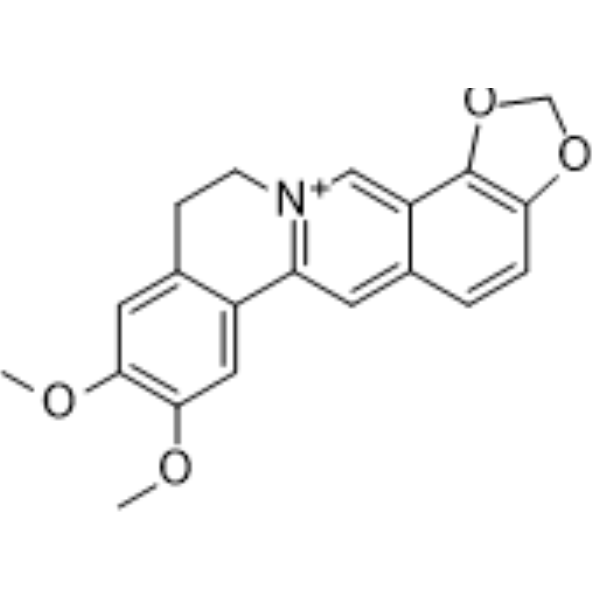
- HY-N2345R
-
|
|
Reference Standards
Histone Acetyltransferase
Toll-like Receptor (TLR)
Androgen Receptor
|
Inflammation/Immunology
Cancer
|
|
Procyanidin B3 (Standard) is the analytical standard of Procyanidin B3. This product is intended for research and analytical applications. Procyanidin B3 is a natural product with antioxidant activity and oral bioavailability, possessing good blood-brain barrier penetration. Procyanidin B3 is a selective inhibitor of histone acetyltransferase (HAT). By inhibiting p300 HAT-mediated acetylation of the androgen receptor (androgen receptor). Procyanidin B3 alleviates intervertebral disc degeneration (IVDD) by inhibiting the formation of the TLR4/MD-2 complex. Procyanidin B3 can be used in research on prostate cancer and arthritis .
|
-

- HY-N7675
-
|
|
NF-κB
TGF-beta/Smad
Syk
|
Cardiovascular Disease
Neurological Disease
Metabolic Disease
|
|
Flavanomarein is a substance with cytoprotective, anti-inflammatory and antioxidant activities, with a Ka of 3.064e-5 M against human Syk. Flavanomarein enhances the phosphorylation level of AKT, regulates the expression of PKC-δ, P85α, PKC-β1, Sirt1, Bcl-2 and ICAD, and inhibits the nuclear translocation of NF-κB p65. Flavanomarein regulates EMT marker proteins, promotes the proliferation of HK-2 cells, and protects neuronal cells from 6-OHDA-induced neurotoxic damage. Flavanomarein can be used in studies related to Parkinson's disease and diabetic nephropathy.
|
-
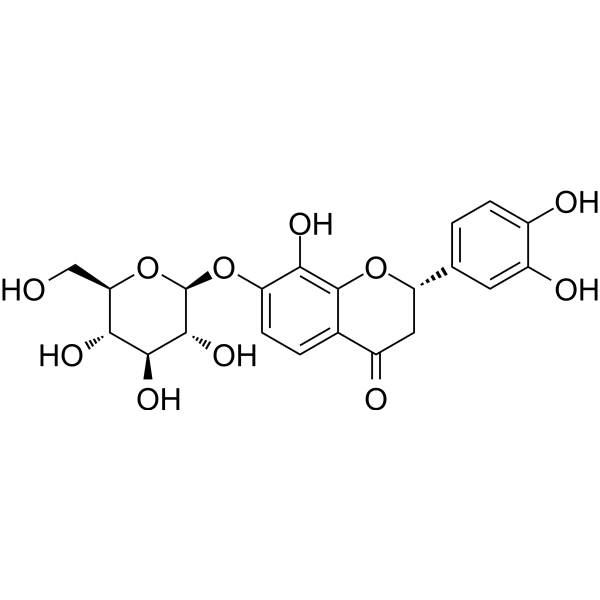
- HY-B0712S1
-
|
Ro 13-9904-13C2,d32 triethylammonium salt
|
Antibiotic
Aurora Kinase
GSK-3
Bacterial
Isotope-Labeled Compounds
|
Infection
Inflammation/Immunology
Cancer
|
|
Ceftriaxone-13C2,d3 triethylammonium salt is 13C and deuterated labeled Ceftriaxone (HY-B0712). Ceftriaxone (Ro 13-9904 free acid) is a broad spectrum β-lactam third-generation cephalosporin antibiotic, which has good antibacterial activity against a variety of gram-negative and positive bacteria. Ceftriaxone is a covalent inhibitor of GSK3β with IC50 value of 0.78 mM. Ceftriaxone is an inhibitor of Aurora B. Ceftriaxone has anti-inflammatory, antitumor and antioxidant activities. Ceftriaxone can be used in the study of bacterial infections and meningitis .
|
-
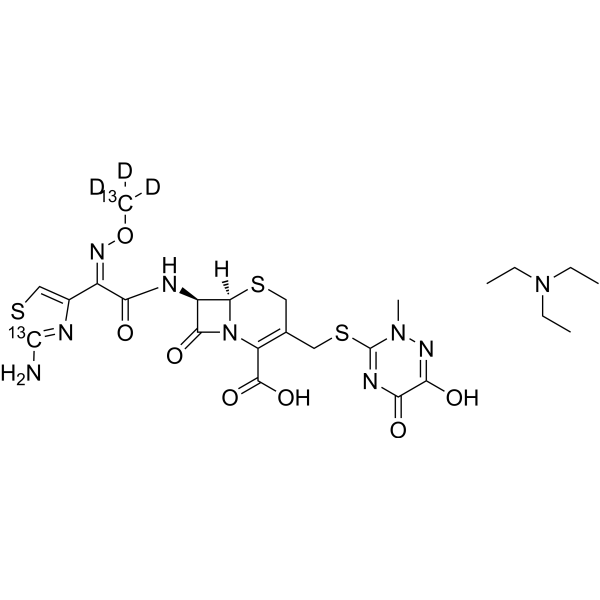
- HY-161783
-
|
|
HDAC
Keap1-Nrf2
Reactive Oxygen Species (ROS)
Apoptosis
|
Neurological Disease
|
|
HDAC6-IN-45 (Compound 15) is a selective inhibitor for HDAC6 with IC50 of 15.2 nM. HDAC6-IN-45 exhibits neurotrophic through the upregulation of GAP43 and Beta-3 tubulin markers. HDAC6-IN-45 activates the Nrf2 signaling pathway, reduces H2O2-induced ROS production, inhibits apoptosis in PC12, and exhibits neuroprotective efficacy in SCOP-induced zebrafish Alzheimer's Disease models. HDAC6-IN-45 exhibits antioxidant activity and good blood-brain barrier (BBB) permeability .
|
-

- HY-182040
-
|
|
NF-κB
Heme Oxygenase (HO)
Interleukin Related
Reactive Oxygen Species (ROS)
NO Synthase
|
Inflammation/Immunology
|
|
Nrf2 activator-24 is a Nrf2 activator with anti-inflammatory and antioxidant activities. Nrf2 activator-24 promotes the nuclear translocation of Nrf2, thereby inducing the expression of downstream antioxidant and cytoprotective genes. Nrf2 activator-24 inhibits cytokine-driven inflammatory responses in keratinocytes. Nrf2 activator-24 attenuates inflammation, nitrosation and oxidative stress responses in macrophages. Nrf2 activator-24 alleviates local inflammation and atopic dermatitis-like symptoms in DNCB-induced mouse models. Nrf2 activator-24 can be used in research related to atopic dermatitis .
|
-

- HY-N15572
-
|
|
SOD
|
Inflammation/Immunology
|
|
1,2,4,6-Tetra-O-galloyl-β-D-glucose is an antioxidant found in Eucalyptus globulus. 1,2,4,6-Tetra-O-galloyl-β-D-glucose has significant superoxide dismutase (SOD)-like antioxidant activity (EC50: 1.55 μM). 1,2,4,6-Tetra-O-galloyl-β-D-glucose can inhibit tyrosinase (IC50: 0.59 mM) and hyaluronidase (IC50: 0.68 mM). 1,2,4,6-Tetra-O-galloyl-β-D-glucose can be used in food antioxidants, cosmetics anti-melanogenesis and anti-allergy/anti-inflammatory research .
|
-

- HY-Y1881A
-
|
|
Environmental Pollutants
Biochemical Assay Reagents
Reactive Oxygen Species (ROS)
Caspase
MyD88
SOD
|
Neurological Disease
Metabolic Disease
Cancer
|
|
Copper sulfate pentahydrate, 99% is a biochemical reagent. Copper sulfate pentahydrate, 99% reduces the production of ROS and the expression levels of MyD88 as well as c-Rel genes. Copper sulfate pentahydrate, 99% decreases the activities of T-SOD, CAT, and GSH, increases the activities of caspase-3, caspase-8, and caspase-9. Copper sulfate pentahydrate, 99% is cytotoxic to various cells. Copper sulfate pentahydrate, 99% has antioxidant activity. Copper sulfate pentahydrate, 99% can be used in the research of diabetes, Parkinson's disease and DMBA (HY-W011845)-induced tumors .
|
-
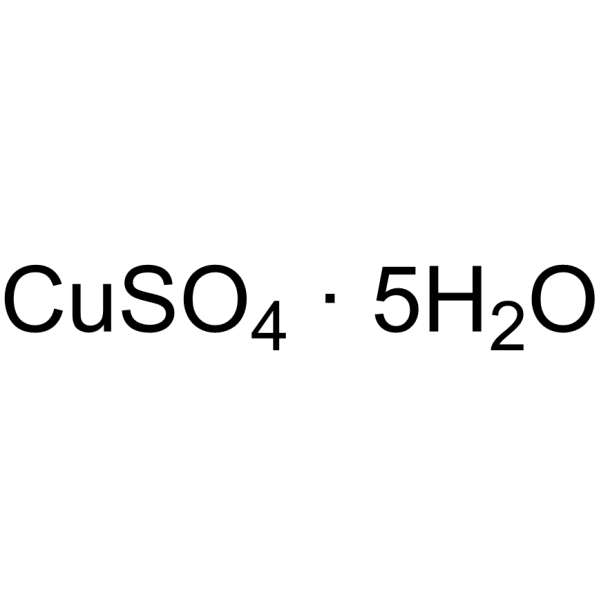
- HY-113324
-
|
|
Endogenous Metabolite
|
Cancer
|
|
NADPH is a coenzyme of glutathione reductase (GR), thioredoxin reductase (TrxR) and NADPH oxidase (NOX), and participates in redox reactions as a hydrogen donor. NADPH has the characteristic of selectively participating in the regulation of cellular redox homeostasis. NADPH exerts antioxidant activity and resists reactive oxygen species (ROS) damage by providing reducing equivalents for the regeneration of glutathione (GSH) and thioredoxin (Trx); at the same time, it acts as a substrate of NOX to generate superoxide anions, mediating oxidative stress and immune response. NADPH participates in maintaining the intracellular reducing environment, biosynthesis and regulating gene expression (such as the Nrf2 pathway), and is mainly used in the study of oxidative stress-related diseases (such as cardiovascular diseases, neurodegenerative diseases, cancer) and immune regulation mechanisms .
|
-

- HY-W753779
-
|
8-OHG
|
Reactive Oxygen Species (ROS)
NO Synthase
|
Others
|
|
8-Hydroxygenistein (8-OHG) is an antioxidant that can effectively scavenge nitric oxide (NO) and superoxide anion (O₂⁻). 8-Hydroxygenistein belongs to ortho-dihydroxy isoflavones (ODI) and is abundantly present in dark soy sauce and light soy sauce. Its antioxidant activity is stronger than that of its parent compound genistein (HY-14596). The content of 8-Hydroxygenistein is positively correlated with the antioxidant capacity of soy sauce (r = 0.959), and it remains highly stable even after being heated in boiling water for 60 minutes. During the brewing and storage of soy sauce, 8-Hydroxygenistein effectively prevents oxidative damage, making it promising for use in food antioxidant research.
|
-

- HY-159898
-
-

- HY-N0226A
-
|
|
Cholinesterase (ChE)
Beta-secretase
Reactive Oxygen Species (ROS)
|
Neurological Disease
Metabolic Disease
|
|
Epiberberine chloride is an alkaloid isolated from Coptis chinensis, acts as a potent AChE and BChE inhibitor, and a non-competitive BACE1 inhibitor, with IC50s of 1.07, 6.03 and 8.55 μM, respectively. Epiberberine chloride has antioxidant activity, with peroxynitrite ONOO - scavenging effect (IC50, 16.83 μM), and may protect against Alzheimer disease . Epiberberine chloride inhibits the early stage of differentiation of 3T3-L1 preadipocytes, downregulates the Raf/MEK1/2/ERK1/2 and AMPKα/Akt pathways . Epiberberine has the potential effect in the research of diabetic disease .
|
-
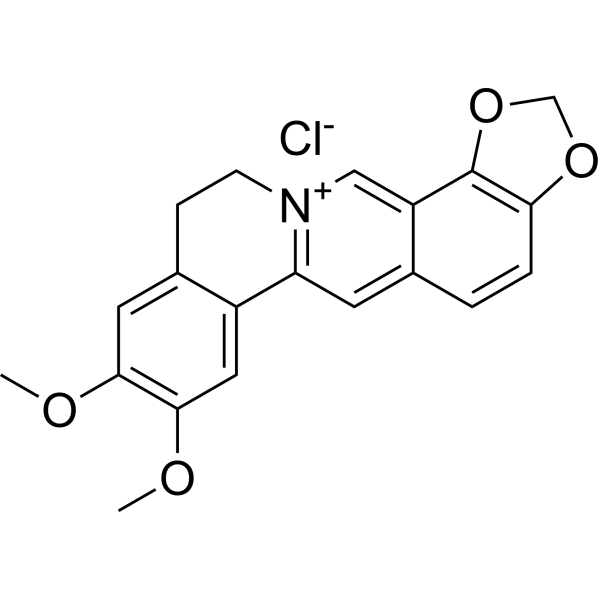
- HY-N0026
-
|
2'-AA
|
Monoamine Oxidase
RANKL/RANK
TNF Receptor
NF-κB
IKK
|
Cardiovascular Disease
Neurological Disease
Metabolic Disease
|
|
2'-Acetylacteoside (2'-AA) is a natural compound with oral activity and blood-brain barrier permeability. 2'-Acetylacteosideexhibits MAO‑B inhibitory activity (IC50 = 17.71 μM, Ki = 13.81 μM). 2'-Acetylacteoside downregulates the expression of RANK, TRAF6, NF‑κB, NFATc1 and IKKβ, disrupts the RANKL/RANK interaction, blocks downstream signaling pathways, and increases the level of phosphorylated Akt. 2'-Acetylacteoside possesses potent anti-osteoclastogenic, anti-bone resorptive, pro-neurogenic, neuroprotective and antioxidant activities. 2'-Acetylacteoside can be used in the research of osteoporosis, ischemic stroke and Parkinson's disease .
|
-
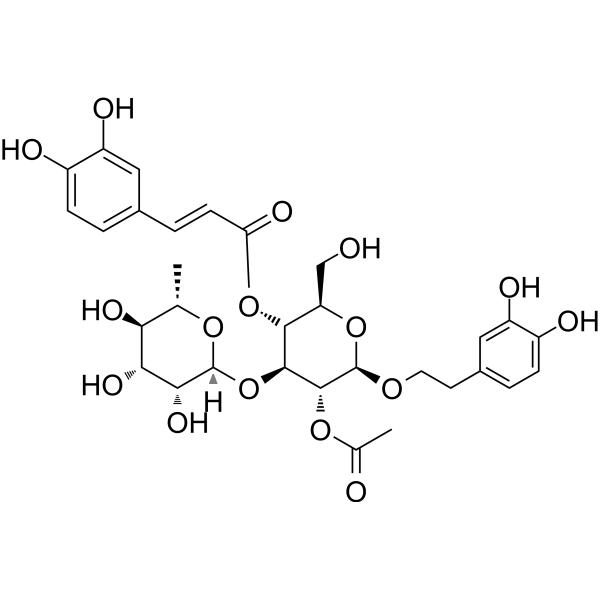
- HY-N11011
-
|
|
NF-κB
STAT
PERK
JNK
p38 MAPK
PGE synthase
Interleukin Related
TNF Receptor
COX
|
Inflammation/Immunology
Cancer
|
|
Withaphysalin A is a withanolide compound with anti-inflammatory and antioxidant activities. Withaphysalin A inhibits LPS (HY-D1056)-induced nuclear translocation of NF-κB p65, as well as phosphorylation of STAT3, ERK, JNK and p38 MAPK. Withaphysalin A upregulates the expression of HO-1. Withaphysalin A inhibits LPS-induced production of NO, PGE2, IL-1β, IL-6 and TNF-α. Withaphysalin A downregulates LPS-induced expression of iNOS and COX-2. Withaphysalin A interacts with B-cell activating factor protein (BAFF) to exert inhibitory effects. Withaphysalin A exhibits ELOVL6 inhibitory activity. Withaphysalin A can be used in the research of inflammatory diseases, nephrotic syndrome and chronic myeloid leukemia .
|
-
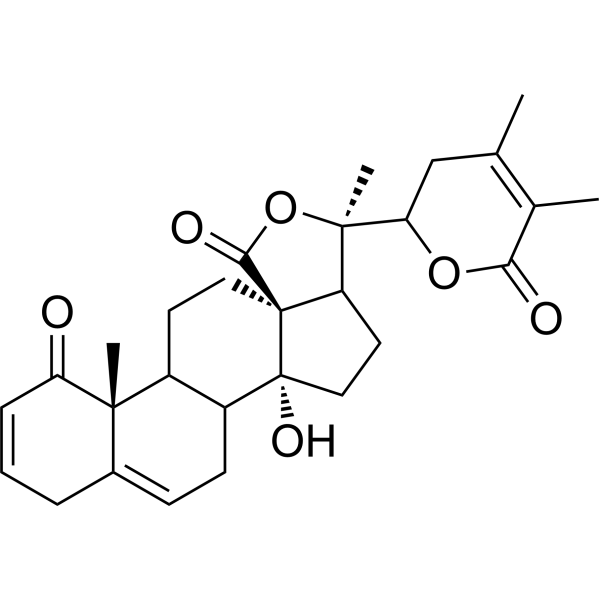
- HY-N2185R
-
|
(5R)-trans-1,7-diphenyl-5-hydroxy-6-hepten-3-one (Standard)
|
Reference Standards
Others
|
Inflammation/Immunology
|
|
(5R,6E)-5-Hydroxy-1,7-diphenyl-6-hepten-3-one (Standard) is the analytical standard of (5R,6E)-5-Hydroxy-1,7-diphenyl-6-hepten-3-one. This product is intended for research and analytical applications. (5R,6E)-5-Hydroxy-1,7-diphenyl-6-hepten-3-one is the methylene chloride extract of Alpinia nutans, has antioxidant activity .
|
-

- HY-N0440
-
|
|
Influenza Virus
NF-κB
5 alpha Reductase
Keap1-Nrf2
Lactate Dehydrogenase
Apoptosis
|
Infection
Neurological Disease
Inflammation/Immunology
Endocrinology
Cancer
|
|
Germacrone is a sesquiterpene compound with multiple biological activities. Germacrone inhibits the H1N1 and H3N2 influenza A virus and the influenza B virus. Germacrone blocks the progressionof arthritis by regulating Th1/Th2 balance and inhibiting NF-κB signaling. Germacrone can arrest the cell cycle at G0/G1 and G2/M phases and induce apoptosis in breast cancer cells. Germacrone inhibits 5α-reductase and has anti-androgenic effect. Germacrone has neuroprotective functions and can be used for the study of traumatic brain injury (TBI). Germacrone also has antioxidant activity .
|
-
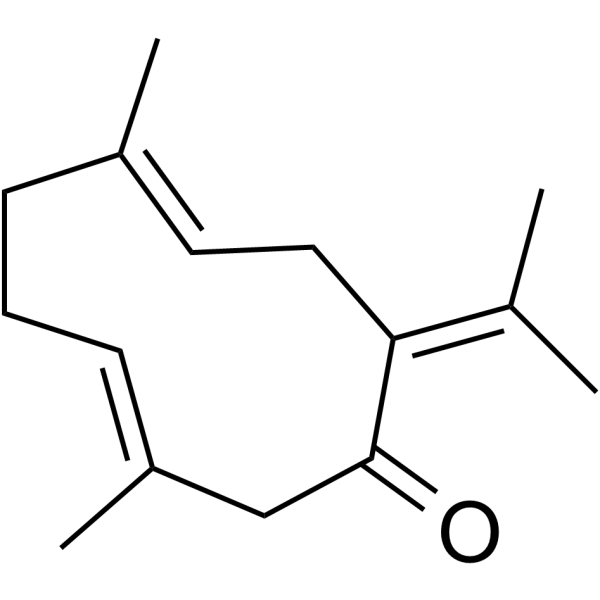
- HY-N17611
-
|
4'-O-Methylscutellarein
|
Xanthine Oxidase
|
Cardiovascular Disease
Neurological Disease
|
|
5,6,7-Trihydroxy-4'-methoxyflavone (4'-O-Methylscutellarein) is a flavonoid and a weak inhibitor of xanthine oxidase. 5,6,7-Trihydroxy-4'-methoxyflavone possesses antithrombotic and antioxidant activities. 5,6,7-Trihydroxy-4'-methoxyflavone has an IC50 value of 25.29 µM for DPPH free radical scavenging. 5,6,7-Trihydroxy-4'-methoxyflavone can also inhibit H2O2-induced damage to PC12 cells. 5,6,7-Trihydroxy-4'-methoxyflavone is applicable for the research of diseases such as cerebrovascular disorders .
|
-

- HY-N16606
-
|
|
Drug Derivative
NO Synthase
|
Inflammation/Immunology
|
|
2,4-Dihydroxy-6-methoxy-3,5-diprenylacetophenone (Compound 8) is an Acetophenone (HY-Y0989) derivative found in Acronychia oligophlebia. 2,4-Dihydroxy-6-methoxy-3,5-diprenylacetophenone exhibits anti-inflammatory and antioxidant activities. 2,4-Dihydroxy-6-methoxy-3,5-diprenylacetophenone can inhibit LPS (HY-D1056)-induced NO production (IC50 = 34.5 μM) and scavenge DPPH free radical (SC50 = 0.15 mM). 2,4-Dihydroxy-6-methoxy-3,5-diprenylacetophenone can be used for the research of inflammation .
|
-

- HY-W014589
-
|
2,4-DTBP
|
Endogenous Metabolite
Fungal
Apoptosis
RAR/RXR
Amyloid-β
|
Infection
Neurological Disease
Inflammation/Immunology
Cancer
|
|
2,4-Di-tert-butylphenol (2,4-DTBP) is an orally active RXRα activator and a human estrogen receptor ligand with anti-inflammatory and antioxidant activities, which can induce apoptosis in tumor cells. 2,4-Di-tert-butylphenol can activate the RXRα subtype in LXRα/RXRα, PPARγ/RXRα, and hormone receptor β/RXRα. 2,4-Di-tert-butylphenol also has antiviral and antifungal activities and has the potential to inhibit Aβ-induced neurotoxicity. 2,4-Di-tert-butylphenol can be used as an intermediate in the preparation of antioxidants and UV stabilizers, and is also used in the manufacture of drugs and fragrances .
|
-
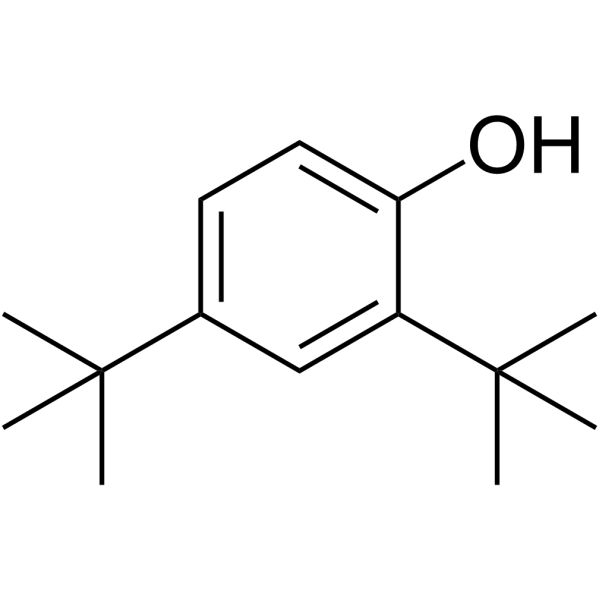
- HY-N0419
-
|
Quercetin-7-O-β-D-glucopyranoside
|
Glycosidase
c-Kit
MMP
VEGFR
Aurora Kinase
|
Metabolic Disease
Cancer
|
|
Quercimeritrin (Quercetin-7-O-β-D-glucopyranoside) is an orally active α-glucosidase inhibitor (with an IC50 of 79.88 μM against the Saccharomyces cerevisiae enzyme) and a P-gp substrate, with anti-angiogenic and antioxidant activities. Quercimeritrin does not cross the blood-brain barrier and does not inhibit cytochrome P450 enzymes. Quercimeritrin precisely binds to and inhibits the active sites of c-Kit, MMP-2, Aurora-A kinases and α-glucosidase, thereby disrupting target functions. Quercimeritrin effectively regulates postprandial blood glucose and also exhibits significant anti-angiogenic activity, which inhibits endothelial cell proliferation and microvascular growth. Quercimeritrin can be used in the research of diabetes and breast cancer .
|
-
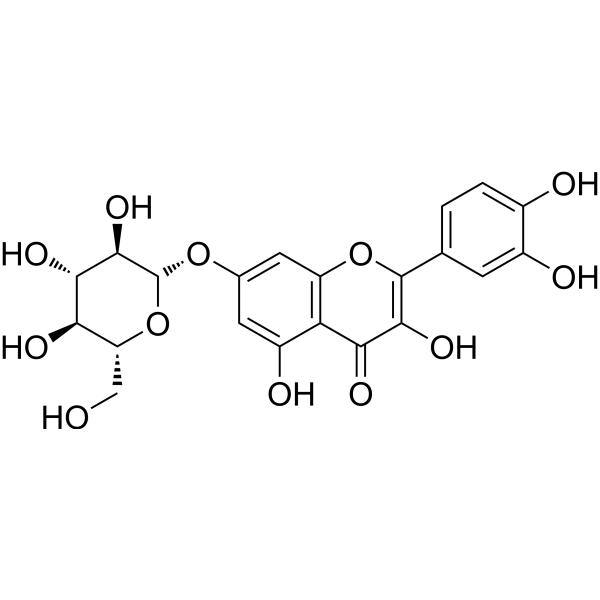
- HY-N1255A
-
|
(-)-Scoulerine hydrochloride; Discretamine hydrochloride
|
Apoptosis
PI3K
Akt
mTOR
Adrenergic Receptor
GABA Receptor
Beta-secretase
Bcl-2 Family
|
Cancer
|
|
Scoulerine ((-)-Scoulerine; Discretamine) hydrochloride is a multi-target inhibitor with anti-tumor and antioxidant activities. Scoulerine hydrochloride mainly targets the PI3K/Akt/mTOR signaling axis and α1D-adrenergic receptor, disrupts microtubule structure, and induces cell cycle arrest and apoptosis. Scoulerine hydrochloride effectively inhibits mitochondrial dehydrogenase activity, targets GABA receptors and BACE1, and suppresses the proliferation, migration, invasion, epithelial-mesenchymal transition and stem cell properties of cancer cells. Scoulerine hydrochloride also exhibits multiple pharmacological activities including anti-Plasmodium falciparum, antibacterial, antiemetic and antitussive effects, and regulates endoplasmic reticulum stress and mitochondrial function (modulates Bax, Bcl-2 and cytochrome c). Scoulerine hydrochloride is applicable to research related to leukemia, ovarian cancer, and colorectal cancer .
|
-

- HY-N3021R
-
|
|
Reference Standards
Endogenous Metabolite
NF-κB
TNF Receptor
FOXO
Microtubule/Tubulin
|
Metabolic Disease
|
|
D-chiro-Inositol is a stereoisomer of inositol that exhibits activities such as improving glucose metabolism, anti-tumor effects, anti-inflammatory properties, and antioxidant activity. D-chiro-Inositol effectively alleviates cholestasis by enhancing bile acid secretion and reducing oxidative stress. D-chiro-Inositol improves insulin resistance, lowers hyperglycemia and circulating insulin levels, reduces serum androgen levels, and ameliorates some metabolic abnormalities associated with X syndrome by mimicking the action of insulin. Additionally, D-chiro-Inositol can induce a reduction in pro-inflammatory factors (such as Nf-κB) and cytokines (such as TNF-α), thereby exerting anti-inflammatory effects. D-chiro-Inositol may be used in the study of liver cirrhosis, breast cancer, type 2 diabetes, and polycystic ovary syndrome .
|
-

- HY-N0026R
-
|
2'-AA (Standard)
|
Reference Standards
Monoamine Oxidase
RANKL/RANK
TNF Receptor
NF-κB
IKK
|
Cardiovascular Disease
Neurological Disease
Metabolic Disease
|
|
2'-Acetylacteoside (Standard) is the analytical standard of 2'-Acetylacteoside (2'-AA) (HY-N0026). This product is intended for research and analytical applications. 2'-Acetylacteoside is a natural compound with oral activity and blood-brain barrier permeability. 2'-Acetylacteosideexhibits MAO‑B inhibitory activity (IC50 = 17.71 μM, Ki = 13.81 μM). 2'-Acetylacteoside downregulates the expression of RANK, TRAF6, NF‑κB, NFATc1 and IKKβ, disrupts the RANKL/RANK interaction, blocks downstream signaling pathways, and increases the level of phosphorylated Akt. 2'-Acetylacteoside possesses potent anti-osteoclastogenic, anti-bone resorptive, pro-neurogenic, neuroprotective and antioxidant activities. 2'-Acetylacteoside can be used in the research of osteoporosis, ischemic stroke and Parkinson's disease .
|
-

- HY-152506
-
|
|
Amyloid-β
|
Neurological Disease
|
|
Antioxidant agent-8 is an orally active inhibitor of Aβ1-42 deposition. Antioxidant agent-8 inhibits fibril aggregation (IC50=11.15 µM) and promotes fibril disaggregation (IC50=6.87 µM). Antioxidant agent-8 also inhibits Cu 2+-induced Aβ1-42 fibril aggregation (IC50=3.69 µM) and promotes Cu 2+-induced Aβ1-42 fibril disaggregation (IC50=3.35 µM). Antioxidant agent-8 has antioxidant activity, anti-inflammatory activity, biosafety, blood-brain barrier permeability and neuroprotective effect .
|
-
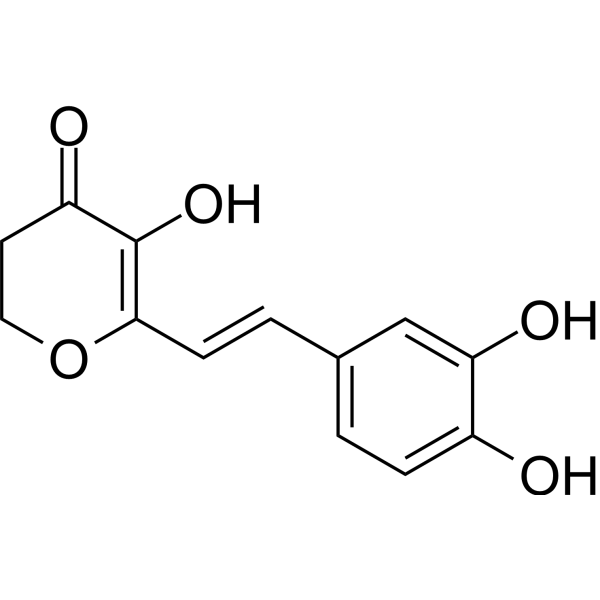
- HY-113298
-
|
Methylmaleic acid
|
NOD-like Receptor (NLR)
Keap1-Nrf2
Reactive Oxygen Species (ROS)
|
Cardiovascular Disease
Inflammation/Immunology
|
|
Citraconic acid (Methylmaleic acid) is an orally active inhibitor targeting the NLRP3 inflammasome and Keap1-Nrf2 pathway. Citraconic acid reduces reactive oxygen species (ROS) generation by inhibiting succinate dehydrogenase (SDH) activity. Citraconic acid also modifies the conformation of Keap1 protein, relieves its inhibition of Nrf2, promotes antioxidant gene expression, and inhibits NLRP3 activation and the release of pro-inflammatory factors such as IL-1β and IL-18. Citraconic acid has anti-inflammatory and antioxidant activities, can reduce oxidative stress and cell pyroptosis, improve tissue damage, and can be used for the research of inflammation-related diseases such as acute renal ischemia-reperfusion injury. Citraconic acid is an isomer of Itaconic acid (HY-Y052) .
|
-
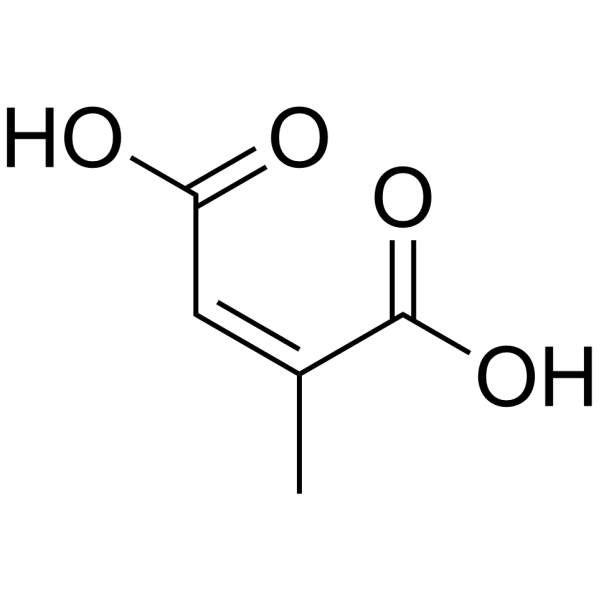
- HY-W001663R
-
|
|
Reference Standards
Bacterial
|
Infection
|
|
4'-Hydroxy-3'-methylacetophenone (Standard) is an analytical standard of 4'-Hydroxy-3'-methylacetophenone (HY-W001663). This product is intended for research and analytical applications. 4'-Hydroxy-3'-methylacetophenone is a phenolic volatile compound. 4'-Hydroxy-3'-methylacetophenone can be isolated from Hawaiian green coffee beans (Coffea Arabica L.). 4'-Hydroxy-3'-methylacetophenone is believed to possess potent antioxidant activity similar to that of other phenolic volatile compounds, Thymol (HY-N6810) and Eugenol (HY-N0337). 4'-Hydroxy-3'-methylacetophenone also can be used to synthesize heterocyclic compounds which have antimycobacterial activity .
|
-

- HY-N1255
-
|
(-)-Scoulerine; Discretamine
|
Bcl-2 Family
Apoptosis
mTOR
GABA Receptor
PI3K
Adrenergic Receptor
Beta-secretase
Akt
|
Cancer
|
|
Scoulerine ((-)-Scoulerine; Discretamine) hydrochloride is a multi-target inhibitor with anti-tumor and antioxidant activities. Scoulerine mainly targets the PI3K/Akt/mTOR signaling axis and α1D-adrenergic receptor, disrupts microtubule structure, and induces cell cycle arrest and apoptosis. Scoulerine effectively inhibits mitochondrial dehydrogenase activity, targets GABA receptors and BACE1, and suppresses the proliferation, migration, invasion, epithelial-mesenchymal transition and stem cell properties of cancer cells. Scoulerine also exhibits multiple pharmacological activities including anti-Plasmodium falciparum, antibacterial, antiemetic and antitussive effects, and regulates endoplasmic reticulum stress and mitochondrial function (modulates Bax, Bcl-2 and cytochrome c). Scoulerine is applicable to research related to leukemia, ovarian cancer, and colorectal cancer .
|
-
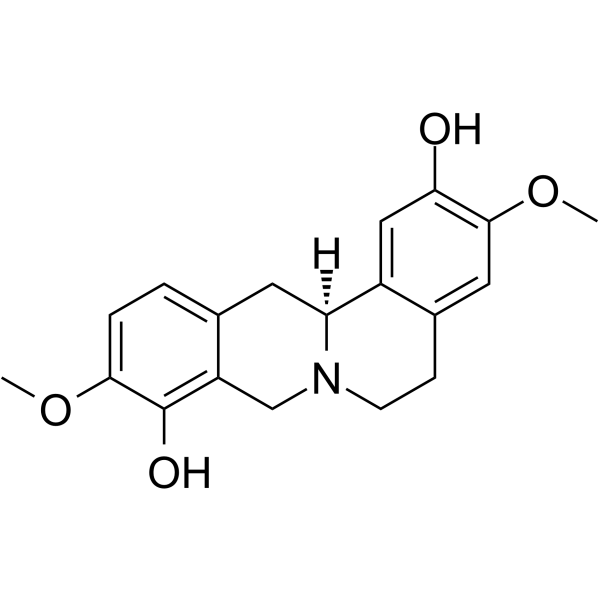
- HY-W072025
-
|
|
Cytochrome P450
Keap1-Nrf2
Heme Oxygenase (HO)
Reactive Oxygen Species (ROS)
|
Inflammation/Immunology
|
|
CYP2E1-IN-1 (Compound 10) is an orally active cytochrome P450 2E1 (CYP2E1) inhibitor with a Kd of 7.02 μM, an IC50 of 1.64 μM, and a Ki of 0.897 μM. CYP2E1-IN-1 activates the Nrf2/HO-1 signaling pathway and inhibits ROS production, thereby alleviating pancreatic injury. CYP2E1-IN-1 has significant anti-inflammatory and antioxidant activities and can effectively reduce inflammation and oxidative stress in severe acute pancreatitis (SAP). CYP2E1-IN-1 can be used in the study of SAP and other inflammatory-related diseases .
|
-

- HY-N5048
-
|
6'-O-Galloyl paeoniflorin
|
NF-κB
ERK
JNK
Nuclear Factor of activated T Cells (NFAT)
Keap1-Nrf2
PI3K
Akt
Reactive Oxygen Species (ROS)
Apoptosis
DNA/RNA Synthesis
|
Infection
Neurological Disease
Metabolic Disease
Inflammation/Immunology
|
|
Galloylpaeoniflorin (6'-O-Galloyl paeoniflorin) is an orally active galloylated derivative of Paeoniflorin (HY-N0293) found in peony roots with various anti-inflammatory and antioxidant activities. Galloylpaeoniflorin suppresses RANKL-induced activation of ERK, JNK, c-Fos, c-Jun, and NFATc1, and reduces osteoclast-specific gene expression. Galloylpaeoniflorin activates Nrf2 and PI3K/Akt pathways, inhibits NF-κB activation, and scavenges ROS to reduce oxidative DNA, lipid, and protein damage. Galloylpaeoniflorin attenuates neuroinflammation, inhibits apoptosis, reduces Helicobacter pylori-induced gastric mucosa injury and UVB-induced cell damage. Galloylpaeoniflorin can be used for the research of osteoporosis, gastritis, ischemic stroke and skin diseases .
|
-
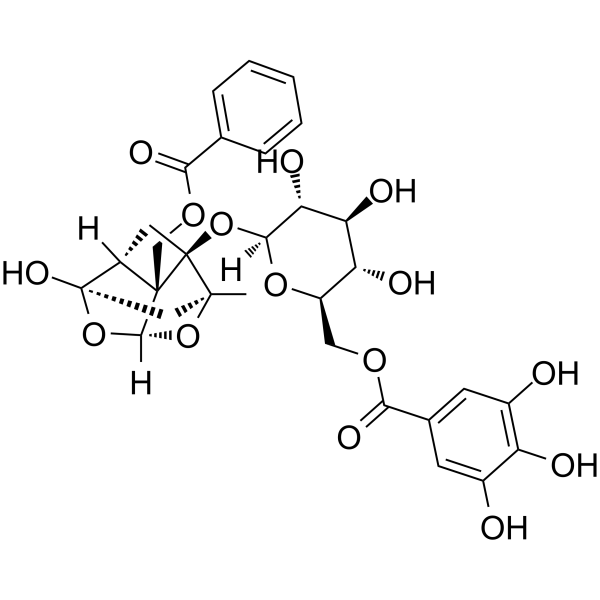
- HY-N3021
-
|
|
Endogenous Metabolite
NF-κB
TNF Receptor
FOXO
Microtubule/Tubulin
|
Metabolic Disease
|
|
D-chiro-Inositol is a stereoisomer of inositol that exhibits activities such as improving glucose metabolism, anti-tumor effects, anti-inflammatory properties, and antioxidant activity. D-chiro-Inositol effectively alleviates cholestasis by enhancing bile acid secretion and reducing oxidative stress. D-chiro-Inositol improves insulin resistance, lowers hyperglycemia and circulating insulin levels, reduces serum androgen levels, and ameliorates some metabolic abnormalities associated with X syndrome by mimicking the action of insulin. Additionally, D-chiro-Inositol can induce a reduction in pro-inflammatory factors (such as Nf-κB) and cytokines (such as TNF-α), thereby exerting anti-inflammatory effects. D-chiro-Inositol may be used in the study of liver cirrhosis, breast cancer, type 2 diabetes, and polycystic ovary syndrome .
|
-
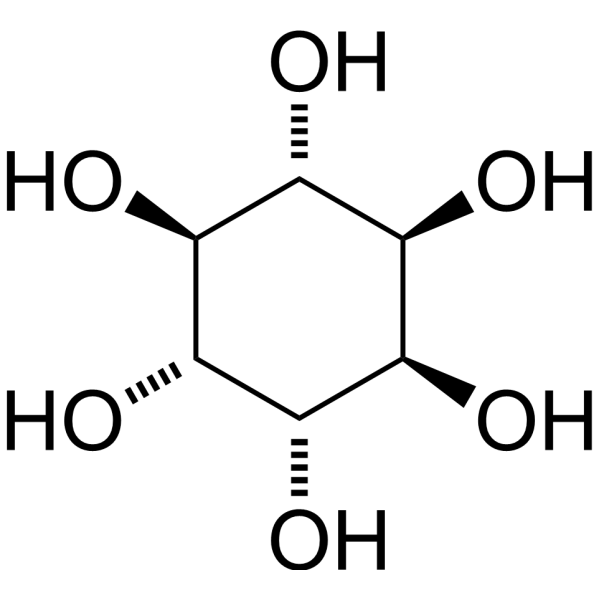
- HY-N18905
-
|
|
Apoptosis
Bcl-2 Family
Caspase
SOD
|
Endocrinology
|
|
α-D-Glucosyl hesperidin is an orally effective structural modification derivative of Hesperidin (HY-15337) with anti-apoptotic (apoptosis) and antioxidant activities. α-D-Glucosyl hesperidin upregulates the expression of the Bcl-2 gene, while downregulating the expressions of the Bax and caspase-3 genes. α-D-Glucosyl hesperidin increases total antioxidant capacity, SOD and catalase levels, and decreases malondialdehyde and glutathione levels. α-D-Glucosyl hesperidin improves sperm motility, viability and plasma membrane function, while restoring reproductive organ weight and seminiferous tubule structure. α-D-Glucosyl hesperidin increases fertility index and exerts a synergistic protective effect with Proanthocyanidins (HY-N0794) in male rats with testicular ischemia-reperfusion injury. α-D-Glucosyl hesperidin can be used in the research of testicular ischemia-reperfusion injury .
|
-

- HY-113298R
-
|
Methylmaleic acid (Standard)
|
Reference Standards
NOD-like Receptor (NLR)
Keap1-Nrf2
Reactive Oxygen Species (ROS)
|
Cardiovascular Disease
Inflammation/Immunology
|
|
Citraconic acid (Methylmaleic acid) (Standard) is the analytical standard of Citraconic acid (HY-113298). This product is intended for research and analytical applications. Citraconic acid is an orally active inhibitor targeting the NLRP3 inflammasome and Keap1-Nrf2 pathway. Citraconic acid reduces reactive oxygen species (ROS) generation by inhibiting succinate dehydrogenase (SDH) activity. Citraconic acid also modifies the conformation of Keap1 protein, relieves its inhibition of Nrf2, promotes antioxidant gene expression, and inhibits NLRP3 activation and the release of pro-inflammatory factors such as IL-1β and IL-18. Citraconic acid has anti-inflammatory and antioxidant activities, can reduce oxidative stress and cell pyroptosis, improve tissue damage, and can be used for the research of inflammation-related diseases such as acute renal ischemia-reperfusion injury. Citraconic acid is an isomer of Itaconic acid (HY-Y052) .
|
-

- HY-183905
-
|
|
11β-HSD
Glucocorticoid Receptor
Reactive Oxygen Species (ROS)
Keap1-Nrf2
|
Neurological Disease
|
|
KR-67607 is a selective 11β-HSD1 inhibitor, with an IC50 value of 4.8 nM against h11β-HSD1 and 7.1 nM against mouse 11β-HSD1. KR-67607 inhibits stress-induced Glucocorticoid receptor nuclear translocation, reduces cortisol levels, suppresses the expression of ROS and proinflammatory cytokines, and enhances Nrf-2-mediated antioxidant gene transcription. KR-67607 maintains trabecular meshwork structure and reverses elevated intraocular pressure. KR-67607 improves ocular antioxidant activity and mucus secretion, reverses ocular surface damage, and prevents ischemia-reperfusion induced ocular injury. KR-67607 can be used in research related to glaucoma and dry eye disease .
|
-

- HY-Y0106
-
|
|
mTOR
Xanthine Oxidase
Apoptosis
|
Cardiovascular Disease
Metabolic Disease
Inflammation/Immunology
|
|
2,6-Dihydroxyacetophenone, a polyphenolic derivative of Acetophenone (HY-Y0989), is an orally active mTOR inhibitor. 2,6-Dihydroxyacetophenone shows antioxidant activity. 2,6-Dihydroxyacetophenone inhibits cell growth and proliferation in CRC cells. 2,6-Dihydroxyacetophenone arrests at G0/G1 phase of cell cycle, induces apoptosis and suppresses cell migration in CRC cells. 2,6-Dihydroxyacetophenone inhibits xanthine oxidase (XOD) with an IC50 of 1.24 mM. 2,6-dihydroxyacetophenone improves uric acid metabolism in hyperuricemia mice, reduces plasma cholesterol in hypercholesterolemic rats, and inhibits lipid accumulation in HFD-induced obese mice. 2,6-Dihydroxyacetophenone can be used for the study of colorectal cancer (CRC), hyperuricemia and hypercholesterolemia .
|
-
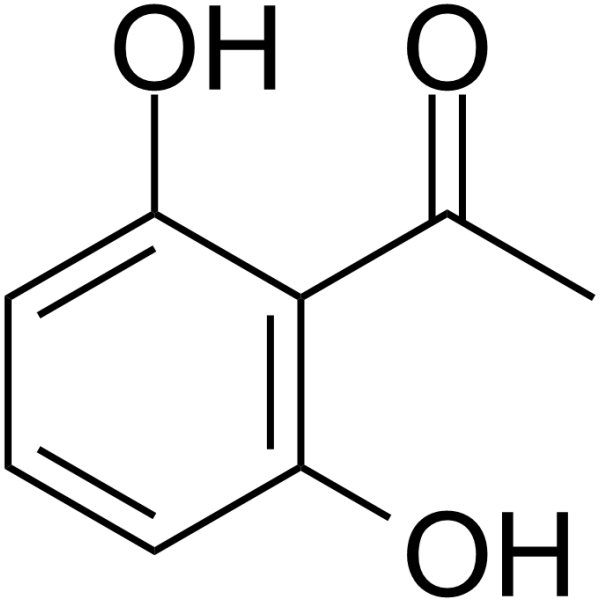
- HY-N0534
-
|
|
DNA/RNA Synthesis
Apoptosis
PI3K
Akt
Caspase
SOD
Interleukin Related
|
Cardiovascular Disease
Inflammation/Immunology
Cancer
|
|
Vitexin-2"-O-rhamnoside is an orally active flavonoid glycoside. Vitexin-2"-O-rhamnoside inhibits Apoptosis, increases the phosphorylation levels of PI3K/Akt, inhibits caspase-3, SOD activity, and promotes cytokine (IL-2, IL-6, and IL-12) secretion. Vitexin-2"-O-rhamnoside strongly inhibits DNA synthesis in MCF-7 cells with an IC50 of 17.5 μM. Vitexin-2"-O-rhamnoside enhances immune function and improves the absorption of active compounds. Vitexin-2"-O-rhamnoside has antioxidant activity. Vitexin-2"-O-rhamnoside is used in the study of cardiovascular disease and immune-related diseases .
|
-
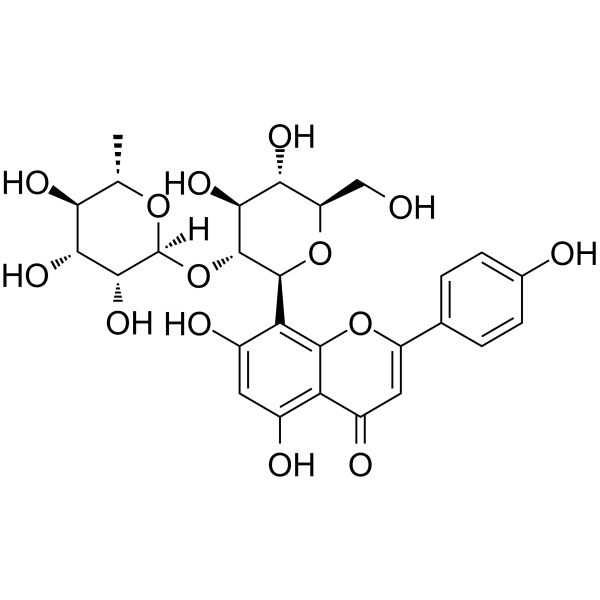
- HY-W014589R
-
|
2,4-DTBP (Standard)
|
Reference Standards
Endogenous Metabolite
Fungal
Apoptosis
RAR/RXR
Amyloid-β
|
Infection
Neurological Disease
Inflammation/Immunology
Cancer
|
|
2,4-Di-tert-butylphenol (Standard) is the analytical standard of 2,4-Di-tert-butylphenol (HY-W014589). This product is intended for research and analytical applications. 2,4-Di-tert-butylphenol (2,4-DTBP) is an orally active RXRα activator and a human estrogen receptor ligand with anti-inflammatory and antioxidant activities, which can induce apoptosis in tumor cells. 2,4-Di-tert-butylphenol can activate the RXRα subtype in LXRα/RXRα, PPARγ/RXRα, and hormone receptor β/RXRα. 2,4-Di-tert-butylphenol also has antiviral and antifungal activities, and has the potential to inhibit Aβ-induced neurotoxicity. 2,4-Di-tert-butylphenol can be used as an intermediate in the preparation of antioxidants and UV stabilizers, and is also used in the manufacture of pharmaceuticals and fragrances .
|
-

- HY-N0440R
-
|
|
Reference Standards
Influenza Virus
NF-κB
5 alpha Reductase
Keap1-Nrf2
Lactate Dehydrogenase
Apoptosis
|
Infection
Neurological Disease
Inflammation/Immunology
Endocrinology
Cancer
|
|
Germacrone (Standard) is an analytical standard of Gemmacrone (HY-N0440). This product is intended for research and analytical applications. Germacrone (Standard) is a sesquiterpene compound with multiple biological activities. Germacrone (Standard) inhibits the H1N1 and H3N2 influenza A viruses and the influenza B virus. Germacrone (Standard) blocks the progressionof arthritis by regulating Th1/Th2 balance and inhibiting NF-κB signaling. Germacrone (Standard) can arrest the cell cycle at G0/G1 and G2/M phases and induce apoptosis in breast cancer cells. Germacrone (Standard) inhibits 5α-reductase and has anti-androgenic effect. Germacrone (Standard) has neuroprotective functions and can be used for the study of traumatic brain injury (TBI). Germacrone (Standard) also has antioxidant activity .
|
-

- HY-12761
-
|
|
Cannabinoid Receptor
|
Cardiovascular Disease
Others
Neurological Disease
Metabolic Disease
Inflammation/Immunology
Cancer
|
|
A-836339 is a selective CB2 receptor agonist, with Ki values of 0.4 nM and 0.8 nM in humans and rats, respectively. A-836339 exhibits multiple effects such as analgesia, gastric protection, anti-inflammation, and antioxidant activity. A-836339 produces antinociceptive and analgesic activities by activating CB2 receptors in the dorsal root ganglia and spinal cord. A-836339 can also exert gastric protective effects through anti-inflammatory mechanisms (reducing TNF-α and IL-1β) and antioxidant mechanisms (enhancing the activities of CAT and SOD, and reducing H2O2). Radioactively labeled A-836339 can serve as a CB2-specific radioligand for autoradiography and PET imaging. A-836339 can be used in research on inflammatory pain, neuropathic pain, gastric ulcers, cerebral ischemia, etc .
|
-
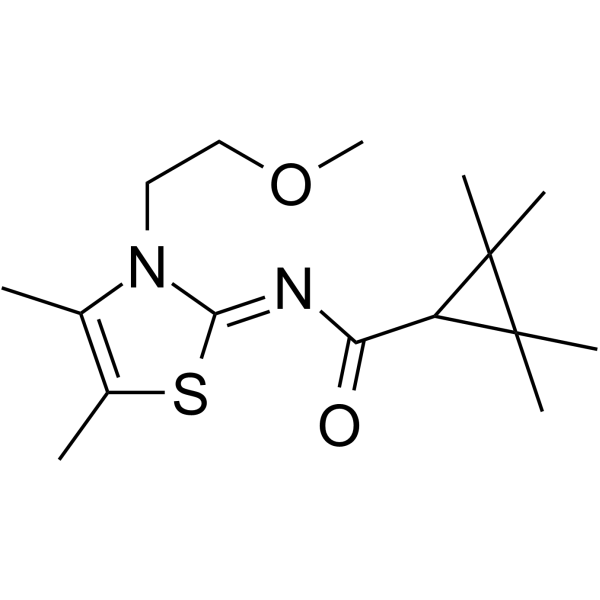
- HY-Y0106R
-
|
|
Reference Standards
mTOR
Xanthine Oxidase
Apoptosis
|
Cardiovascular Disease
Metabolic Disease
Inflammation/Immunology
|
|
2,6-Dihydroxyacetophenone (Standard) is the analytical standard of 2,6-Dihydroxyacetophenone (HY-Y0106). This product is intended for research and analytical applications. 2,6-Dihydroxyacetophenone, a polyphenolic derivative of Acetophenone (HY-Y0989), is an orally active mTOR inhibitor. 2,6-Dihydroxyacetophenone shows antioxidant activity. 2,6-Dihydroxyacetophenone inhibits cell growth and proliferation in CRC cells. 2,6-Dihydroxyacetophenone arrests at G0/G1 phase of cell cycle, induces apoptosis and suppresses cell migration in CRC cells. 2,6-Dihydroxyacetophenone inhibits xanthine oxidase (XOD) with an IC50 of 1.24 mM. 2,6-dihydroxyacetophenone improves uric acid metabolism in hyperuricemia mice, reduces plasma cholesterol in hypercholesterolemic rats, and inhibits lipid accumulation in HFD-induced obese mice. 2,6-Dihydroxyacetophenone can be used for the study of colorectal cancer (CRC), hyperuricemia and hypercholesterolemia .
|
-

- HY-W145481A
-
|
Carob galactomannan
|
Sirtuin
|
Inflammation/Immunology
|
|
D-Galacto-D-mannan (Carob galactomannan) is an orally active Dectin-2 agonist. D-Galacto-D-mannan exerts antioxidant activity against hydroxyl radical generation. D-Galacto-D-mannan activates Dectin-2 to trigger downstream signaling pathways, promote the expression of immunoregulatory molecules, coordinate innate and adaptive immune responses, and inhibit excessive inflammatory responses by upregulating the expression of Sirtuin 1. When used as a vaccine adjuvant, D-Galacto-D-mannan induces cellular and humoral immune responses, promotes IFNγ secretion, increases antibody levels and virus neutralization titers, and elevates the levels of immunoglobulin G and A. D-Galacto-D-mannan can serve as an adjuvant for foot-and-mouth disease vaccines, enhance the vaccine-mediated ability of hosts to defend against viral infection in mice, and reduce local side effects at the inoculation site in pigs. D-Galacto-D-mannan can be used in the research of inflammatory and immune diseases, such as foot-and-mouth disease .
|
-

- HY-W014589S
-
|
2,4-DTBP-d19
|
Isotope-Labeled Compounds
RAR/RXR
Amyloid-β
Fungal
Apoptosis
Endogenous Metabolite
|
Infection
Neurological Disease
Inflammation/Immunology
Cancer
|
|
2,4-Di-tert-butylphenol-d19 (2,4-DTBP-d19) is the deuterium labeled 2,4-Di-tert-butylphenol (HY-W014589). 2,4-Di-tert-butylphenol (2,4-DTBP) is an orally active RXRα activator and a human estrogen receptor ligand with anti-inflammatory and antioxidant activities, which can induce apoptosis in tumor cells. 2,4-Di-tert-butylphenol can activate the RXRα subtype in LXRα/RXRα, PPARγ/RXRα, and hormone receptor β/RXRα. 2,4-Di-tert-butylphenol also has antiviral and antifungal activities and has the potential to inhibit Aβ-induced neurotoxicity. 2,4-Di-tert-butylphenol can be used as an intermediate in the preparation of antioxidants and UV stabilizers, and is also used in the manufacture of drugs and fragrances .
|
-

- HY-W749327
-
|
2,4-DTBP-d21
|
Isotope-Labeled Compounds
RAR/RXR
Amyloid-β
Fungal
Apoptosis
Endogenous Metabolite
|
Infection
Neurological Disease
Inflammation/Immunology
Cancer
|
|
2,4-Di-tert-butylphenol-d21 (2,4-DTBP-d21) is the deuterium labeled 2,4-Di-tert-butylphenol (HY-W014589). 2,4-Di-tert-butylphenol (2,4-DTBP) is an orally active RXRα activator and a human estrogen receptor ligand with anti-inflammatory and antioxidant activities, which can induce apoptosis in tumor cells. 2,4-Di-tert-butylphenol can activate the RXRα subtype in LXRα/RXRα, PPARγ/RXRα, and hormone receptor β/RXRα. 2,4-Di-tert-butylphenol also has antiviral and antifungal activities and has the potential to inhibit Aβ-induced neurotoxicity. 2,4-Di-tert-butylphenol can be used as an intermediate in the preparation of antioxidants and UV stabilizers, and is also used in the manufacture of drugs and fragrances .
|
-

- HY-175862
-
|
|
Aldose Reductase
Reactive Oxygen Species (ROS)
PI3K
Akt
SOD
p38 MAPK
Keap1-Nrf2
|
Metabolic Disease
|
|
ALR2-IN-9 is a potent ALR2 inhibitor (IC50 = 21.8 nM) with excellent antioxidant activity (EC50 for DPPH radical scavenging = 2.8 μM). ALR2-IN-9 interacts directly with Reactive Oxygen Species (ROS)/Reactive Nitrogen Species (RNS) and interrupts the free radical chain reactions, and as an endogenous enzymatic antioxidant regulator, which regulates enzyme functions of CAT and SOD. ALR2-IN-9 regulates PI3K/Akt/Nrf2 pathway to attenuate hyperglycemia-mediated mitochondrial superoxide overproduction in vitro, and ameliorates CuSO4- and H2O2-induced oxidative stress in vivo. ALR2-IN-9 prolongs lifespan of C. elegans via the regulation of stress response genes such as PMK-1. ALR2-IN-9 is a promising anti-aging drug candidate. ALR2-IN-9 can be used for diabetic complication research .
|
-

- HY-N9541
-
|
|
Others
|
Inflammation/Immunology
|
|
Chaetoglobosin Vb is a novel cytotoxic alkaloid with anti-inflammatory and antioxidant activities. Chaetoglobosin Vb can inhibit oxidative stress induced by LPS stimulation, reduce the production of reactive oxygen species and increase the expression of the antioxidant enzyme superoxide dismutase (SOD). Chaetoglobosin Vb significantly reduced the gene and protein expression of inducible nitric oxide synthase (iNOS) and cyclooxygenase-2 (COX-2) induced by LPS, and alleviated the production of proinflammatory cytokines such as TNF-α, IL-6 and IL-1β. Chaetoglobosin Vb exerts its biological activity through the TLR4-mediated MyD88-dependent signaling pathway and the TRIF-dependent signaling pathway, which is specifically manifested by inhibiting the phosphorylation of p38, ERK, and JNK MAPK and the translocation of NF-κB p65 subunit to the nucleus. Chaetoglobosin Vb showed no cytotoxic effect in the concentration range of 25-100 μM and promoted SOD enzyme activity and phosphorylation of p38, ERK1/2 and JNK in a dose-dependent manner .
|
-

- HY-N0534R
-
|
|
Reference Standards
DNA/RNA Synthesis
Apoptosis
PI3K
Akt
Caspase
SOD
Interleukin Related
|
Cardiovascular Disease
Inflammation/Immunology
Cancer
|
|
Vitexin-2"-O-rhamnoside (Standard) is the analytical standard of Vitexin-2"-O-rhamnoside (HY-N0534). This product is intended for research and analytical applications. Vitexin-2"-O-rhamnoside is an orally active flavonoid glycoside. Vitexin-2"-O-rhamnoside inhibits Apoptosis, increases the phosphorylation levels of PI3K/Akt, inhibits caspase-3, SOD activity, and promotes cytokine (IL-2, IL-6, and IL-12) secretion. Vitexin-2"-O-rhamnoside strongly inhibits DNA synthesis in MCF-7 cells with an IC50 of 17.5 μM. Vitexin-2"-O-rhamnoside enhances immune function and improves the absorption of active compounds. Vitexin-2"-O-rhamnoside has antioxidant activity. Vitexin-2"-O-rhamnoside is used in the study of cardiovascular disease and immune-related diseases .
|
-

- HY-181163
-
|
|
Caspase
COX
Cytochrome P450
Steroid Sulfatase
Apoptosis
|
Cancer
|
|
Caspase-3/7 activator 4 is a caspase-3 activator and caspase-7 activator. Caspase-3/7 activator 4 inhibits key enzymes in estrogen biosynthesis, including aromatase (IC50 = 38.3 nM) and steroid sulfatase (IC50 = 12.7 µM), and selectively suppresses COX-2 (IC50 = 5.38 µM). Caspase-3/7 activator 4 shows strong antioxidant activity (DPPH: IC50 = 16.26 µM). Caspase-3/7 activator 4 inhibits estrogen synthesis, suppresses estrogen availability, reduces prostaglandin production, increases caspase-3/7 expression, induces G0/G1 cell cycle arrest, induces apoptotic cell death, reduces circulating TNF-α and VEGFR-II levels, restores hepatorenal function markers and histoarchitecture, restores antioxidant defense enzyme activity, reduces lipid peroxidation, exerts antiproliferative activity against breast cancer cells, exerts antitumor activity in the Ehrlich ascites carcinoma models. Caspase-3/7 activator 4 can be used for the research of breast cancer, ehrlich ascites carcinoma .
|
-

| Cat. No. |
Product Name |
Type |
-
- HY-N8407
-
|
|
Fluorescent Dye
|
|
Carminic acid is a widely used and orally active natural red pigment that can be used in industries such as food, cosmetics, and pharmaceuticals. In addition, carminic acid has anti-inflammatory and antioxidant activities .
|
-
- HY-N8407R
-
|
|
Fluorescent Dye
|
|
Carminic acid (Standard) is the analytical standard of Carminic acid (HY-N8407). This product is intended for research and analytical applications. Carminic acid is a widely used and orally active natural red pigment that can be used in industries such as food, cosmetics, and pharmaceuticals. In addition, carminic acid has anti-inflammatory and antioxidant activities .
|
-
- HY-125434
-
|
|
Fluorescent Dye
|
|
Laccaic acid B, a natural compound that can be isolated from Kerria and Paratachardina genera, possesses antioxidant activity .
|
| Cat. No. |
Product Name |
Type |
-
- HY-108749
-
|
Cropure OL
|
Biochemical Assay Reagents
|
|
Olive oil (Cropure OL) is an oleaginous compound found in the fruit of the Olea europaea tree . Olive oil contains many phenolic components and exerts antioxidant activity. Olive oil exhibits hydroxyl radical scavenging, platelet aggregation inhibition and xanthine oxidase inhibitory activity. Olive oil can promote wound healing and relieve inflammation. Olive oil can be used for the research of inflammation, cancer, metabolic and cardiovascular disease, such as diabetic foot ulcers and inflammatory bowel disease .
|
-
- HY-W127709
-
|
|
Biochemical Assay Reagents
|
|
Chlorophyll b is an orally active tetrapyrrole derivative and pigment. Chlorophyll b can be obtained from photosynthetic organisms such as plants and algae. Chlorophyll b acts as a hydrogen donor and increases Glutathione levels. Chlorophyll b has antioxidant activity and functionally replaces chlorophyll a in photosystem II to participate in photosynthesis. Chlorophyll b reduces Cisplatin (HY-17394)-induced DNA damage, chromosome instability, and oxidative stress. Chlorophyll b is mainly used in the study of plant photosynthesis mechanism .
|
-
- HY-B0812
-
|
SSA dihydrate
|
Biochemical Assay Reagents
|
|
5-Sulfosalicylic acid dihydrate is a sulfonated salicylic acid derivative. 5-Sulfosalicylic acid dihydrate is effective against the breast cancer cell line, MCF-7, with less toxicity . 5-Sulfosalicylic acid dihydrate has antioxidant activities .
|
-
- HY-N6614
-
|
|
Biochemical Assay Reagents
|
|
L-Galactose is a key intermediate in the de novo synthesis of vitamin C (L-ascorbic acid) in plants. It is converted into L-ascorbic acid by participating in the VTC2 cycle and enzymatic steps, exerting antioxidant activities, maintaining cell structure, and participating in the carbon flow distribution of photosynthesis. L-Galactose can be used to study the analysis of the synthesis pathway of vitamin C in plant physiology .
|
-
- HY-Y1881A
-
|
|
Biochemical Assay Reagents
|
|
Copper sulfate pentahydrate, 99% is a biochemical reagent. Copper sulfate pentahydrate, 99% reduces the production of ROS and the expression levels of MyD88 as well as c-Rel genes. Copper sulfate pentahydrate, 99% decreases the activities of T-SOD, CAT, and GSH, increases the activities of caspase-3, caspase-8, and caspase-9. Copper sulfate pentahydrate, 99% is cytotoxic to various cells. Copper sulfate pentahydrate, 99% has antioxidant activity. Copper sulfate pentahydrate, 99% can be used in the research of diabetes, Parkinson's disease and DMBA (HY-W011845)-induced tumors .
|
-
- HY-B2162B
-
|
Chondroitin polysulfate sodium (from bovine)
|
Biochemical Assay Reagents
|
|
Chondroitin sulfate (Chondroitin polysulfate) sodium (from bovine)) is a sulfated linear polysaccharide extracted from bovine sources, belonging to glycosaminoglycans. Chondroitin sulfate sodium (from bovine) inhibits osteoclast-mediated bone resorption and exhibits antioxidant activity, which is negatively correlated with molecular weight. Chondroitin sulfate sodium (from bovine) can be used in studies related to osteoarthritis .
|
-
- HY-N8574
-
|
Heptacosan-1-ol
|
Biochemical Assay Reagents
|
|
1-Heptacosanol (Heptacosan-1-ol) is a long-chain fatty alcohol with antifungal, antibacterial (against Escherichia coli and Staphylococcus aureus), nematicidal, anticancer and antioxidant activities. 1-Heptacosanol can be isolated from leaf extracts of Ficus septica and Lecaniodiscus cupanioides. 1-Heptacosanol not only effectively resists pathogenic fungal infections, but also shows potential against pepper anthracnose in phytopathology. 1-Heptacosanol can be used in the research of fungal infections, cancer and oxidative stress-related diseases .
|
-
- HY-N9934
-
|
3-DHS; 5-Dehydroshikimic acid
|
Biochemical Assay Reagents
|
|
(-)-3-Dehydroshikimic acid (3-DHS; 5-Dehydroshikimic acid) is an intermediate in the biosynthesis of aromatic amino acids. (-)-3-Dehydroshikimic acid shows antioxidant activity .
|
-
- HY-W010625
-
|
|
Biochemical Assay Reagents
|
|
Lithium 2-hydroxypropanoate is a lithium salt. Lithium 2-hydroxypropanoate has immunomodulatory activity (slightly enhancing PHA (HY-N7038)-induced lymphocyte proliferation). Lithium 2-hydroxypropanoate can be used in antioxidant activity assays. Lithium 2-hydroxypropanoate can be used in the research of mental diseases .
|
-
- HY-W002438
-
|
|
Biochemical Assay Reagents
|
|
6-Hydroxyindole is an orally active, endogenous long-acting OATP1B1 inhibitor. 6-Hydroxyindole does not alter the cell surface expression or subcellular localization of OATP1B1. 6-Hydroxyindole protects cells against Ferroptosis. 6-Hydroxyindole possesses intrinsic radical-trapping antioxidant activity. 6-Hydroxyindole serves as a component of oxidative hair dyes. 6-Hydroxyindole can be used in research related to renal failure and neurodegenerative diseases .
|
-
- HY-W145481A
-
|
Carob galactomannan
|
Biochemical Assay Reagents
|
|
D-Galacto-D-mannan (Carob galactomannan) is an orally active Dectin-2 agonist. D-Galacto-D-mannan exerts antioxidant activity against hydroxyl radical generation. D-Galacto-D-mannan activates Dectin-2 to trigger downstream signaling pathways, promote the expression of immunoregulatory molecules, coordinate innate and adaptive immune responses, and inhibit excessive inflammatory responses by upregulating the expression of Sirtuin 1. When used as a vaccine adjuvant, D-Galacto-D-mannan induces cellular and humoral immune responses, promotes IFNγ secretion, increases antibody levels and virus neutralization titers, and elevates the levels of immunoglobulin G and A. D-Galacto-D-mannan can serve as an adjuvant for foot-and-mouth disease vaccines, enhance the vaccine-mediated ability of hosts to defend against viral infection in mice, and reduce local side effects at the inoculation site in pigs. D-Galacto-D-mannan can be used in the research of inflammatory and immune diseases, such as foot-and-mouth disease .
|
-
- HY-107965
-
|
Safflower seed oil (from Carthamus tinctorius seed)
|
Biochemical Assay Reagents
|
Safflower oil (from Carthamus tinctorius seed) is rich in unsaturated fatty acids such as linoleic acid and oleic acid, as well as tocopherols and phenolic compounds, and exhibits antioxidant, anti-aging and blood lipid-regulating effects. Safflower oil (from Carthamus tinctorius seed) inhibits the activities of collagenase and elastase, and exerts antioxidant activity by scavenging free radicals. Linoleic acid in safflower oil (from Carthamus tinctorius seed) reduces blood cholesterol levels. Safflower oil (from Carthamus tinctorius seed) can be applied to research in fields such as skin aging, atherosclerosis, edible oil processing and industrial raw material development .
|
| Cat. No. |
Product Name |
Target |
Research Area |
-
- HY-P5248
-
|
|
Collagen
|
Metabolic Disease
|
|
Tetrapeptide-1 is a tetrapeptide exhibiting antiaging and antioxidant activity. Tetrapeptide-1 can be used for cosmetics research .
|
-
- HY-P4383
-
|
|
Peptides
|
Others
|
|
H-Leu-Leu-Ala-OH is a tripeptide composed of two L-leucine units joined to L-alanine by a peptide linkage. H-Leu-Leu-Ala-OH shows antioxidant activities .
|
-
- HY-P1306
-
|
|
GHSR
|
Cardiovascular Disease
Inflammation/Immunology
|
|
Obestatin(rat), encoded by the Ghrelin gene, is a cpeptide, comprised of 23 amino acids. Obestatin(rat) suppresses food intake, inhibits jejunal contraction, and decreases body-weight gain. Obestatin is an endogenous ligand of G-protein coupled receptor 39 (GPR39). Obestatin(rat) has anti-inflammatory, anti-myocardial infarction and antioxidant activities .
|
-
- HY-P4307
-
|
|
SARS-CoV
|
Infection
|
|
Antioxidant agent-9 is a peptide with the sequence Asp-Trp. Antioxidant agent-9 shows antioxidant activity. Antioxidant agent-9 also is potential as SARS-CoV-2 antiviral, with an affinity strength equal to Chloroquine (HY-17589A) and Favipiravir (HY-14768) .
|
-
- HY-P1306A
-
|
|
GHSR
|
Cardiovascular Disease
Inflammation/Immunology
|
|
Obestatin(rat) TFA, encoded by the Ghrelin gene, is a cpeptide, comprised of 23 amino acids. Obestatin(rat) TFA suppresses food intake, inhibits jejunal contraction, and decreases body-weight gain. Obestatin is an endogenous ligand of G-protein coupled receptor 39 (GPR39). Obestatin(rat) TFA has anti-inflammatory, anti-myocardial infarction and antioxidant activities .
|
-
- HY-125040
-
| Cat. No. |
Product Name |
Category |
Target |
Chemical Structure |
- HY-N3596
-
-
- HY-N8142
-
-
- HY-N2220
-
-
- HY-N16587
-
-
- HY-N12953
-
-
- HY-N0151
-
-
- HY-N16504
-
-
- HY-N2720
-
-
- HY-N4111R
-
-
- HY-N12951
-
-
- HY-N9384
-
-
- HY-N2088
-
-
- HY-N2723
-
-
- HY-N12509
-
-
- HY-N13166
-
-
- HY-N15591
-
-
- HY-N11495
-
-
- HY-N12363
-
-
- HY-N3988
-
-
- HY-120315
-
-
- HY-N2090
-
-
- HY-125434
-
-

- HY-N15382
-
-
- HY-121286
-
-
- HY-167859
-
-
- HY-N8945
-
-
- HY-N12395
-
-
- HY-N12490
-
-
- HY-N1531
-
-
- HY-N3349A
-
-
- HY-N8169
-
-
- HY-116117
-
-
- HY-N8857
-
-
- HY-N12327
-
-
- HY-N7518
-
-
- HY-N1859
-
-
- HY-N8201
-
-
- HY-N18693
-
-
- HY-N3229
-
-
- HY-N11737
-
|
|
Structural Classification
Natural Products
Microorganisms
Source Classification
|
Drug Derivative
|
|
Monasfluore A is an azaphenanthrenone derivative with antioxidant activity. Monasfluore A inhibits LPS-induced nitric oxide production. Monasfluore A scavenges DPPH and superoxide anion free radicals. Monasfluore A exerts cellular antioxidant activity in oxidatively damaged colon adenocarcinoma cells. Monasfluore A shows no antiproliferative effect on human laryngeal cancer cells and colon adenocarcinoma cells .
|
-
- HY-N13074
-
-
- HY-N13020
-
-
- HY-N18065
-
-
- HY-N13153
-
-
- HY-N18281
-
-
- HY-N3077
-
-
- HY-N17729
-
-
- HY-N17362
-
-
- HY-N18052
-
-
- HY-N17909
-
-
- HY-111830
-
-
- HY-N5057
-
-
- HY-N5141
-
-
- HY-N11173
-
-
- HY-N1240
-
-
- HY-N12953R
-
-
- HY-N1205
-
-
- HY-N0337R
-
-
- HY-N8407
-
-
- HY-N10944
-
-
- HY-N8027
-
-
- HY-113121
-
-
- HY-N2124R
-
-
- HY-N12075
-
-
- HY-N8144
-
-
- HY-N16662A
-
-
- HY-N16662
-
-
- HY-N8589
-
-
- HY-N11884
-
-
- HY-N0578
-
-
- HY-124474
-
-
- HY-N4058
-
-
- HY-N12404
-
-
- HY-N9371R
-
-
- HY-N17823
-
-
- HY-N15684
-
|
|
Natural Products
Animals
Source Classification
|
Others
|
|
Rhodoxanthin is a carotenoid. Rhodoxanthin exerts antioxidant activity via free radical scavenging and lipid peroxidation inhibition. Rhodoxanthin is promising for research of oxidative stress-related diseases (e.g., UV-induced skin damage) .
|
-
- HY-N4046
-
-
- HY-N0521
-
-
- HY-N8598
-
-
- HY-N0621R
-
-
- HY-N1404
-
-
- HY-N2167R
-
-
- HY-W002049
-
-
- HY-N8424
-
-
- HY-N10263
-
-
- HY-N8092
-
-
- HY-N16652
-
-
- HY-N1412R
-
-
- HY-W416228
-
-
- HY-N7622
-
-
- HY-N1782
-
-
- HY-W042156
-
-
- HY-N0055
-
|
3-O-Caffeoylquinic acid; Heriguard; NSC-407296
|
Caprifoliaceae
Classification of Application Fields
Lonicera japonica Thunb.
Anti-aging
Plants
Endogenous metabolite
Infection
Human Gut Microbiota Metabolites
Microorganisms
Simple Phenylpropanols
Phenols
Polyphenols
Phenylpropanoids
Inflammation/Immunology
Disease Research Fields
Source Classification
Cancer
|
HIF/HIF Prolyl-Hydroxylase
Reactive Oxygen Species (ROS)
Bacterial
Influenza Virus
Endogenous Metabolite
|
|
Chlorogenic acid is a major phenolic compound in Lonicera japonica Thunb. It is an orally active antioxidant activity, antibacterial, hepatoprotective, cardioprotective, anti-inflammatory, antipyretic, neuroprotective, anti-obesity, antiviral, anti-microbial, anti-hypertension compound .
|
-
- HY-W009081R
-
-
- HY-113919
-
-
- HY-W014423
-
-
- HY-N9391
-
-
- HY-111896A
-
-
- HY-N15470
-
-
- HY-N3517A
-
-
- HY-W668469
-
-
- HY-N10898
-
-
- HY-N3220
-
-
- HY-W083376A
-
-
- HY-N0464
-
-
- HY-N0807R
-
-
- HY-N7715A
-
-
- HY-N9397
-
-
- HY-N7677
-
-
- HY-N12267
-
-
- HY-N8559
-
-
- HY-N10016
-
-
- HY-N2185
-
-
- HY-N12443
-
-
- HY-N13181
-
-
- HY-N8241R
-
-
- HY-N1994
-
-
- HY-N8440
-
-
- HY-W046906R
-
-
- HY-N15285
-
-
- HY-182559
-
-
- HY-N2493
-
-
- HY-N8253R
-
-
- HY-N0812R
-
-
- HY-N2493R
-
-
- HY-N15697
-
-
- HY-N13182
-
-
- HY-N4008R
-
-
- HY-N7069
-
-
- HY-N1914
-
-
- HY-N18365
-
-
- HY-N12027
-
-
- HY-113269
-
|
|
Microorganisms
Source Classification
|
Drug Metabolite
|
|
alpha-CEHC is a water-soluble metabolite of alpha-tocopherol (α-TOH) with potential antioxidant activity. alpha-CEHC slightly inhibits macrophage-induced low-density lipoprotein (LDL) oxidation, and its inhibitory potency is concentration-dependent .
|
-
- HY-N0501
-
-
- HY-N0326
-
-
- HY-N19719
-
-
- HY-N2551
-
|
S-Methylmethionine sulfonium chloride
|
Plants
Compositae
|
Others
|
|
Vitamin U (S-Methylmethionine sulfonium) chloride is an orally active anti-ulcer agent with antioxidant activity. Vitamin U inhibits adipocyte differentiation. Vitamin U promotes skin wound healing.Vitamin U can be used in the research of gastrointestinal ulceration .
|
-
- HY-N19084
-
|
|
Structural Classification
Extract
|
Others
|
|
Piper longum fruit extract contains a variety of bioactive compounds, including piperine, flavonoids, phenolic compounds, and various alkaloids. Piper longum fruit extract has applications such as antioxidant activity, anti-inflammatory effects, antitumor and immunomodulatory properties, hepatoprotective effects, and anti-chromosome breakage activity.
|
-
- HY-N17774
-
-
- HY-N6904
-
-
- HY-N16331
-
-
- HY-N11229
-
-
- HY-113121R
-
-
- HY-N0613
-
-
- HY-W750719
-
-
- HY-Y0946
-
-
- HY-N16623
-
-
- HY-136386R
-
-
- HY-N4058R
-
-
- HY-111899
-
-
- HY-N7832R
-
-
- HY-N8407R
-
-
- HY-W006405
-
-
- HY-N11441
-
-
- HY-N19720
-
-
- HY-I0301R
-
-
- HY-N0761
-
-
- HY-N1347
-
|
3,3',4',5',7-Pentahydroxyflavone
|
Infection
Flavonols
Flavonoids
other families
Classification of Application Fields
Phenols
Polyphenols
Plants
Disease Research Fields
Source Classification
|
Fungal
HIV Integrase
Bacterial
|
|
Robinetin (3,3',4',5',7-Pentahydroxyflavone), a naturally occurring flavonoid with remarkable ‘two color’ intrinsic fluorescence properties, has antifungal, antiviral, antibacterial, antimutagenesis, and antioxidant activity. Robinetin also can inhibit lipid peroxidation and protein glycosylation .
|
-
- HY-N2443
-
-
- HY-N17833
-
-
- HY-N0692
-
-
- HY-N2440
-
-
- HY-N0055R
-
|
3-O-Caffeoylquinic acid (Standard); Heriguard (Standard); NSC-407296 (Standard)
|
Structural Classification
Human Gut Microbiota Metabolites
Microorganisms
Caprifoliaceae
Simple Phenylpropanols
Lonicera japonica Thunb.
Phenols
Polyphenols
Phenylpropanoids
Plants
Endogenous metabolite
Source Classification
|
Reference Standards
HIF/HIF Prolyl-Hydroxylase
Reactive Oxygen Species (ROS)
Bacterial
Influenza Virus
Endogenous Metabolite
|
|
Chlorogenic acid (Standard) is the analytical standard of Chlorogenic acid. This product is intended for research and analytical applications. Chlorogenic acid is a major phenolic compound in Lonicera japonica Thunb. It is an orally active antioxidant activity, antibacterial, hepatoprotective, cardioprotective, anti-inflammatory, antipyretic, neuroprotective, anti-obesity, antiviral, anti-microbial, anti-hypertension compound .
|
-
- HY-N2011
-
-
- HY-W040471R
-
-
- HY-N11432
-
-
- HY-N3421
-
-
- HY-W041301
-
-
- HY-W004263R
-
-
- HY-B1610
-
-
- HY-W042156R
-
-
- HY-122301
-
|
|
Structural Classification
Natural Products
Microorganisms
Source Classification
|
Drug Derivative
|
|
Sarcinaxanthin is a carotenoid present in various bacteria with antioxidant activity. Sarcinaxanthin scavenges singlet oxygen, thereby inhibiting oxidative degradation in the β-carotene/linoleic acid system. Sarcinaxanthin acts as a photoprotective agent against UVB radiation that induces erythema. Sarcinaxanthin can be applied in studies related to antioxidation and radiation resistance .
|
-
- HY-133202
-
-
- HY-N0033
-
-
- HY-N19254
-
-
- HY-N1414R
-
-
- HY-N16535
-
-
- HY-N16523
-
-
- HY-N9895
-
-
- HY-N0464R
-
-
- HY-N19725
-
-
- HY-N0578R
-
-
- HY-N1312R
-
-
- HY-N1312
-
-
- HY-N17730
-
-
- HY-N17775
-
-
- HY-N0749
-
-
- HY-N0740
-
-
- HY-167685
-
|
|
Plants
Plumbaginaceae
Source Classification
|
Bacterial
|
|
(E/Z)-Aureusidin is a flavonoid compound with antioxidant activity. (E/Z)-Aureusidin can inhibit the production of reactive oxygen species and reduce cell damage. (E/Z)-Aureusidin has anti-inflammatory effects and can reduce the expression of inflammatory factors. (E/Z)-Aureusidin has inhibitory effects on a variety of bacteria, indicating its potential antimicrobial properties .
|
-
- HY-W751002
-
-
- HY-W041301R
-
-
- HY-W014423R
-
-
- HY-N2188
-
-
- HY-N6904R
-
-
- HY-B2171AR
-
|
Carminomycin hydrochloride (Standard); Carminomicin I hydrochloride (Standard)
|
Quinones
Microorganisms
Anthraquinones
Phenols
Polyphenols
Source Classification
|
Reference Standards
Apoptosis
|
|
Isoflavone (Standard) is the analytical standard of Isoflavone. This product is intended for research and analytical applications. Isoflavone is an orally available bioactive component of soy phytoestrogen with lipid-lowering and antioxidant activities. Isoflavone prevents a variety of chronic diseases by regulating fatty acid oxidation in the liver and gene expression in adipose tissue. In addition, isoflavone has important value in the research of cancer and cardiovascular diseases .
|
-
- HY-N1347R
-
|
3,3',4',5',7-Pentahydroxyflavone (Standard)
|
Flavonols
Structural Classification
Flavonoids
other families
Phenols
Polyphenols
Plants
Source Classification
|
Reference Standards
Fungal
HIV Integrase
Bacterial
|
|
Robinetin (Standard) is the analytical standard of Robinetin. This product is intended for research and analytical applications. Robinetin (3,3',4',5',7-Pentahydroxyflavone), a naturally occurring flavonoid with remarkable ‘two color’ intrinsic fluorescence properties, has antifungal, antiviral, antibacterial, antimutagenesis, and antioxidant activity. Robinetin also can inhibit lipid peroxidation and protein glycosylation .
|
-
- HY-W011370
-
-
- HY-N0326R
-
-
- HY-Y0946R
-
-
- HY-N4170
-
-
- HY-N0613R
-
-
- HY-N0521R
-
-
- HY-N17763
-
-
- HY-N7607
-
-
- HY-N0749A
-
-
- HY-N1854
-
-
- HY-N0033R
-
-
- HY-113463
-
|
CE(20:5(5Z,8Z,11Z,14Z,17Z)
|
Structural Classification
Classification of Application Fields
Metabolic Disease
Endogenous metabolite
Disease Research Fields
Steroids
Source Classification
|
Endogenous Metabolite
COX
|
|
Cholesteryl eicosapentaenoate (CE(20:5(5Z,8Z,11Z,14Z,17Z)), a cholesteryl ester, is a COX-1 and COX-2 inhibitor with IC50 values of 14.6 μg/mL and 17.3 μg/mL, respectively. Cholesteryl eicosapentaenoate shows strong anti-inflammatory and antioxidant activities .
|
-
- HY-N2011R
-
-
- HY-B1610R
-
|
Trisodium citrate dihydrate (Standard); Citric acid trisodium salt dihydrate (Standard)
|
Structural Classification
Ketones, Aldehydes, Acids
Endogenous metabolite
Source Classification
|
Reference Standards
Bacterial
Endogenous Metabolite
Apoptosis
|
|
Sodium citrate (dihydrate) (Standard) is the analytical standard of Sodium citrate (dihydrate). This product is intended for research and analytical applications. Sodium citrate dehydrate (Trisodium citrate dihydrate) is a natural product with oral activity that can be found in citrus fruits. Sodium citrate dehydrate can inhibit the proliferation of tumor cells and induce apoptosis. Sodium citrate dehydrate has antibacterial, anti-tumor and antioxidant activities. Sodium citrate dehydrate can be prepared as a cosolvent or buffer .
|
-
- HY-116866
-
|
|
Structural Classification
Natural Products
Microorganisms
Source Classification
|
Lipoxygenase
Fungal
|
|
Sclerotiorin is a reversible and uncompetitive inhibitor against soybean lipoxygenase-1 (LOX-1) (IC50: 4.2 μM). Sclerotiorin also shows antioxidant activity by scavenging free radical (ED50: 0.12 μM), and nonenzymatic lipid peroxidation inhibition activity. Sclerotiorin has antifungal activity, and also inhibits platelet aggregation. Sclerotiorin can be purified from the fermented broth of Penicillium frequentans .
|
-
- HY-N5124
-
-
- HY-N0692R
-
-
- HY-N10927
-
|
|
Terpenoids
Labiatae
Cassia
Diterpenoids
Plants
Source Classification
|
Others
|
|
2,11,12-Trihydroxy-7,20-epoxy-8,11,13-abietatriene, a diterpenoid, has significant effects on DPPH radical scavenging activity with an IC50 value of 20.0 µM. 2,11,12-Trihydroxy-7,20-epoxy-8,11,13-abietatriene shows potent antioxidant activity .
|
-
- HY-N13142
-
-
- HY-N13470
-
|
|
Other Terpenoids
Structural Classification
Natural Products
Animals
Terpenoids
Source Classification
|
Drug Isomer
|
|
meso-Astaxanthin is a natural stereoisomer of astaxanthin with antioxidant activity and is found in a variety of aquatic animals. meso-Astaxanthin binds to human serum albumin in a monomeric form at a stoichiometric ratio; at low ligand-to-protein ratios, human serum albumin acts as a chiral template for supramolecular assembly at higher ratios. meso-Astaxanthin directly scavenges superoxide anions. meso-Astaxanthin can be used in the research of myocardial ischemia-reperfusion injury .
|
-
- HY-N0501R
-
-
- HY-129997
-
-
- HY-N0740R
-
-
- HY-111806
-
-
- HY-N7921
-
|
|
Monophenols
Phenols
Endogenous metabolite
Source Classification
|
Bacterial
|
|
Urolithin M6 is a polyhydroxy-rich metabolite with potential antioxidant activity. Urolithin M6 is produced by intestinal microbial metabolism and may act as an analog of tannic acid compounds. The production of Urolithin M6 in humans requires specific bacterial 3-dehydroxylase activity, which provides a new mechanism for its biotransformation. The metabolic profile of Urolithin M6 helps to stratify volunteers and further explore its potential role in health and disease .
|
-
- HY-N17745
-
-
- HY-N11439
-
-
- HY-N0761R
-
-
- HY-N2438
-
-
- HY-107805
-
-
- HY-N16424
-
|
Me cis-ferulate; cis-Ferulic acid methyl ester
|
Monophenols
Phenols
Aizoaceae
Plants
Tetragonia tetragonioides (Pall.) Kuntze
Source Classification
|
Fungal
|
|
Methyl (Z)-ferulate (Me cis-ferulate) (cis-Ferulic acid methyl ester) is an endogenous Germination self-inhibitor. Methyl (Z)-ferulate can be isolated from the leaves of Tetragonia tetragonoides. Methyl (Z)-ferulate blocks uredospores germination in rust fungi by reversibly inhibiting the digestion of the germination pore plug through the regulation of pre-existing enzyme activity. Methyl (Z)-ferulate also has antioxidant activity, effectively scavenging DPPH and ABTS + radical .
|
-
- HY-N17674
-
-
- HY-N6778
-
-
- HY-N3027
-
-
- HY-113068R
-
-
- HY-107208
-
-
- HY-118817
-
-
- HY-N0627
-
-
- HY-125572
-
-
- HY-N9799
-
-
- HY-N18185
-
-
- HY-D0885
-
-
- HY-N4170R
-
-
- HY-N2214
-
-
- HY-W011956
-
-
- HY-N11997
-
|
|
Liliaceae
Coumarins
Phenols
Polyphenols
Aloe vera (L.) Burm. f.
Phenylpropanoids
Plants
Source Classification
|
Cholinesterase (ChE)
|
|
Feralolide is a dihydroisocoumarin isolated from the methanolic extract of aloe vera resin. Feralolide is also a dual inhibitor of AChE and BuChE, with IC50s of 55 μg/mL and 52 μg/mL respectively. Feralolide has antioxidant activity and inhibits 2,2-diphenyl-1-picrylhydrazyl (DPPH) and 2, 2′-azinobis-3-ethylbenzothiazoline-6-sulfonic acid (ABTS). Feralolide could be used in research into cognitive disorders such as Alzheimer's disease, potentially restoring and enhancing memory .
|
-
- HY-N9783
-
-
- HY-D0885C
-
-
- HY-N9397R
-
-
- HY-N2345
-
-
- HY-N12166
-
|
|
Cardiovascular Disease
Structural Classification
Flavonoids
Microorganisms
Classification of Application Fields
Marine natural products
Other Flavonoids
Marine microorganism
Disease Research Fields
Source Classification
|
Src
|
|
2,3,4,6,8-Pentahydroxy-1-methylxanthone is a xanthone derivative of Wardomyces anomalus. 2,3,4,6,8-Pentahydroxy-1-methylxanthone shows significant antioxidant activities. 2,3,4,6,8-Pentahydroxy-1-methylxanthone is inhibitors of p56lck tyrosine kinase. 2,3,4,6,8-Pentahydroxy-1-methylxanthone can be used to research cardiovascular disease .
|
-
- HY-N15536
-
|
|
Piperaceae
Piper crocatum Ruiz & Pav.
Plants
Saccharides
Monosaccharides
Source Classification
|
Reactive Oxygen Species (ROS)
|
|
N-trans-Feruloyltyramine 4′-O-β-D-glucopyranoside is a phenolic amide glycoside compound found in Suaeda japonica. N-trans-Feruloyltyramine 4′-O-β-D-glucopyranoside exhibits antioxidant activity, capable of effectively scavenging DPPH free radicals and reducing the production of ROS induced by H2O2 in cells, thus protecting cells from oxidative stress damage. N-trans-Feruloyltyramine 4′-O-β-D-glucopyranoside is promising for research of cardiovascular diseases and neurodegenerative diseases .
|
-
- HY-N7432
-
-
- HY-D0885B
-
-
- HY-W923644
-
|
Aegelinol; (-)-Smyrinol
|
Structural Classification
Wyethia glabra A.Gray
Coumarins
Phenylpropanoids
Umbelliferae
Plants
Source Classification
|
Bacterial
|
|
(-)-Decursinol (Aegelinol; (-)-Smyrinol) is a natural pyranocoumarin compound tant can be isolated from the roots of Apiaceae plants such as Ferulago campestris. (-)-Decursinol inhibits both Gram-positive bacteria (Staphylococcus aureus ATCC 13709, Enterococcus faecalis ATCC 14428) and Gram-negative bacteria (Salmonella typhii ATCC 19430, Enterobacter cloacae ATCC 10699, Enterobacter aerogenes ATCC 13048) with minimum inhibitory concentrations (MIC) ranging from 16 to 64 μg/mL. (-)-Decursinol possesses antioxidant activity. (-)-Decursinol can be used for the study of bacterial infections .
|
-
- HY-N3027R
-
-
- HY-W002438
-
-
- HY-W011956R
-
-
- HY-N2484
-
|
Astrapterocarpan
|
Cardiovascular Disease
Structural Classification
Monophenols
Flavonoids
Classification of Application Fields
Leguminosae
Phenols
Astragalus membranaceus var. mongholicus (Bunge)P.K.Hsiao
Plants
Other Flavonoids
Disease Research Fields
Source Classification
|
PDGFR
ERK
|
|
Methylnissolin (Astrapterocarpan) is an osteoclast inhibitor with anti-inflammatory, neuroprotective and antioxidant activities. Methylnissolin downregulates the activation of the MAPK and PI3K/AKT pathways, inhibits the phosphorylation of MAPK1 and AKT1, and blocks PDGF-BB-induced phosphorylation of ERK1/2. Methylnissolin reduces the expression and secretion of proinflammatory mediators, decreases intracellular ROS levels, upregulates antioxidant enzymes, and downregulates osteoclastogenesis markers. Methylnissolin is applicable to research related to ischemic stroke, osteoporosis, cardiovascular diseases, skin aging, etc.
|
-
- HY-N17779
-
-
- HY-N9086A
-
|
5,7,4'-Trihydroxy-6-methylflavanone
|
Flavonoids
Flavonones
Plants
Cephalotaxaceae
Cephalotaxus oliveri Mast.
Source Classification
|
NO Synthase
COX
Interleukin Related
|
|
(rac)-Poriol (5,7,4'-Trihydroxy-6-methylflavanone) exhibits antioxidant activity, and scavenges free radical DPPH with an IC50 of 0.18 µg/mL. (rac)-Poriol inhibits the LPS (HY-D1056)-induced NO generation in RAW264.7 (98.35% inhibition rate at 10 μM), and exhibits anti-inflammatory activity. (rac)-Poriol exhibits good binding affinity with iNOS, COX-1, COX-2, TNF-α, and IL-1β .
|
-
- HY-D0885D
-
-
- HY-N3434
-
-
- HY-N17982
-
-
- HY-N15454
-
|
Altertenuol
|
Microorganisms
Phenols
Polyphenols
Source Classification
|
Herbicide
Bacterial
|
|
Altenuisol is a compound that can be found in the pathogenic fungus of the genus Alternaria in Xanthium italicum. It has herbicidal activity. At a low concentration of Altenuisol (10 μg/mL), it promotes the root growth of Pennisetum alopecuroides and Medicago sativa by 75.2% and 51.0% respectively. At a high concentration of Altenuisol (1000 μg/mL), the inhibition rates of root growth of Pennisetum alopecuroides and Medicago sativa are 52.0% and 42.0% respectively. In addition, Altenuisol is cytotoxic to HeLa cells and also exhibits antibacterial and antioxidant activities. Altenuisol is expected to be used in research in fields such as agricultural weeding, anti - tumor, and anti - infection .
|
-
- HY-N0469R
-
|
|
Structural Classification
Microorganisms
Disease markers
Endocrine diseases
Amino acids
Nervous System Disorder
Endogenous metabolite
Source Classification
|
Reference Standards
Endogenous Metabolite
Virus Protease
HSV
|
L-Lysine (Standard) is the analytical standard of L-Lysine. This product is intended for research and analytical applications. L-lysine is an essential amino acid for humans with orally activity. L-lysine can inhibit the occurrence of HSV infections and is used in herpes research. L-lysine increases calcium absorption, reduces diabetes-related diseases, improves gut health, and alleviates pancreatic inflammation. L-lysine can be used in research on metabolism, infection, and inflammation .
IC50 & Target:L-lysine (150 mg/kg) promotes, but not initiates, bladder cancer. The administration of L-lysine to rats submitted to colovesical cystoplasty accelerates the development of transitional metaplasia of the intestinal epithelium .
L-lysine (10 mg/kg) treatment attenuates pancreatic tissue injury induced by L-arginine by inhibiting the release of the inflammatory cytokine IL-6 and enhance antioxidant activity .
In Vivo:L-lysine (10?mg/kg, p.o., pre-treated or post-treated, administration duration 15 days) treatment attenuates pancreatic tissue injury induced by L-arginine by inhibiting the release of the inflammatory cytokine IL-6 and enhance antioxidant activity in acute pancreatitis mice model .
L-lysine (5 or 10?mg/kg, p.o., 45 days) ameliorates sepsis-induced acute lung injury in a lipopolysaccharide (HY-D1056)-induced mouse model .
|
-
- HY-N12999
-
-
- HY-W747297
-
|
|
Other Terpenoids
Structural Classification
Terpenoids
Psidium guajava Linn.
Myrtaceae
Plants
Source Classification
|
COX
Endogenous Metabolite
|
|
β-Selinene is a sesquiterpene and is the main active component of the essential oil of red purple hibiscus (Callicarpa macrophylla). β-Selinene exhibits significant related antioxidant activity, anti-inflammatory activity, and antipyretic analgesic activity. β-Selinene may exert antioxidant effects by directly scavenging free radicals (DPPH, NO, •OH) and chelating pro-oxidative metal ions (Fe²⁺); inhibit cyclooxygenase (COX) activity, reduce prostaglandin (such as PGE₂) synthesis to exert anti-inflammatory effects; regulate the thermoregulatory set point of the hypothalamus and inhibit inflammatory mediators to exert antipyretic and analgesic effects .
|
-
- HY-W001663
-
-
- HY-N8788
-
|
|
Flavonoids
Flavones
Labiatae
Plants
Medicago truncatula Gaertn.
Source Classification
|
Others
|
|
Baicalein 7-O-β-D-ethylglucuronide is a natural flavone glycoside that can be extracted from Scutellaria baicalensis Georgi. Baicalein 7-O-β-D-ethylglucuronide has antioxidant activity. Baicalein 7-O-β-D-ethylglucuronide inhibits FeSO4-Cys-induced lipid peroxidation of liver homogenate. Baicalein 7-O-β-D-ethylglucuronide also shows strong cytoprotective effect on H2O2-induced oxidative damage of human umbilical vein endothelial cells .
|
-
- HY-107208R
-
-
- HY-N7781
-
-
- HY-N8618
-
|
|
Monophenols
Sapindaceae
Phenols
Acer saccharum Marshall
Plants
Source Classification
|
Others
|
|
Erythro-guaiacylglycerol-β-O-4'-dihydroconiferyl alcohol was identified as one of the phenolic compounds isolated from Canadian maple syrup (MS-BuOH). It exhibited antioxidant properties along with other phenolic compounds and coumarins isolated from the syrup. These compounds showed varying degrees of antioxidant activity, with phenolic derivatives and coumarins showing superior activity, more so than lignans and flavonoids. This study marks the first time that 16 of the 23 phenolic compounds, including Erythro-guaiacylglycerol-β-O-4'-dihydroconiferyl alcohol, have been identified in maple syrup .
|
-
- HY-139066
-
-
- HY-N0807
-
-
- HY-D0885BR
-
|
Disodium creatine phosphate (Standard)
|
Structural Classification
Amino acids
Endogenous metabolite
Source Classification
|
Endogenous Metabolite
MAP3K
Akt
Mitochondrial Metabolism
ERK
Apoptosis
ROS Kinase
Reference Standards
|
|
Phosphocreatine (disodium) (Standard) is the analytical standard of Phosphocreatine (disodium). This product is intended for research and analytical applications. Phosphocreatine (disodium) is an organic compound found in vertebrate skeletal muscles. Phosphocreatine (disodium) enhances antioxidant activity, and activates the TAK1 pathway to protect the heart. Phosphocreatine (disodium) normalizing mitochondrial function and reducing oxidative stress via Akt mediated Nrf2/HO-1 pathway. Phosphocreatine (disodium) provides renal protection by suppressing Apoptosis and ROS (Reactive Oxygen Species) generation through ERK mediated mediated Nrf-2/HO-1 pathway. .
|
-
- HY-N7781R
-
-
- HY-N2513
-
-
- HY-N7432R
-
|
|
Structural Classification
Zea mays L.
Antibiotics
Gramineae
Antibacterial
Disease Research
Plants
Other Antibiotics
Source Classification
|
Antibiotic
Bacterial
Fungal
Reference Standards
|
|
DIMBOA (Standard) is the analytical standard of DIMBOA. This product is intended for research and analytical applications. DIMBOA, an antibiotic, has antibacterial properties and inhibits bacteria such as Staphylococcus aureus and the mycotoxin-producing fungus Fusarium graminearum (which causes scab). DIMBOA exhibits strong free radical scavenging activity and weak iron(III) ion reducing activity, and has antioxidant activity. DIMBOA inhibits the biosynthesis and accumulation of toxic trichothecenes by affecting the expression of Tri6 and Tri5. DIMBOA reduces plant susceptibility to scab. DIMBOA also exhibits cytotoxicity to plant cells, causing plasmolysis, cell collapse, and cell rupture[1][2][3][4][5].
|
-
- HY-N17215
-
|
3,4,6-Trigalloylglucose
|
Structural Classification
Natural Products
Euphorbia fischeriana Steud.
Euphorbiaceae
Plants
Source Classification
|
Amylases
Glycosidase
|
|
3,4,6-Tri-O-galloyl-D-glucose (3,4,6-Trigalloylglucose) is an α-amylase (porcine α-amylase IC50 = 334.6 μM; Ki = 307.5 μM) and α-glucosidase (yeast α-glucosidase IC50 = 46.5 μM; Ki = 39.9 μM) mixed type inhibitor. 3,4,6-Tri-O-galloyl-D-glucose exhibits free radical scavenging ability, ferric-reducing power, and antioxidant activity. 3,4,6-Tri-O-galloyl-D-glucose can be used for the research of diabetes .
|
-
- HY-N0226
-
-
- HY-N2345R
-
-
- HY-N7675
-
|
|
Cardiovascular Disease
Structural Classification
Classification of Application Fields
Cercis chinensis Bunge
Metabolic Disease
Plants
Compositae
Flavonoids
other families
Flavonones
Phenols
Polyphenols
Disease Research Fields
Source Classification
|
NF-κB
TGF-beta/Smad
Syk
|
|
Flavanomarein is a substance with cytoprotective, anti-inflammatory and antioxidant activities, with a Ka of 3.064e-5 M against human Syk. Flavanomarein enhances the phosphorylation level of AKT, regulates the expression of PKC-δ, P85α, PKC-β1, Sirt1, Bcl-2 and ICAD, and inhibits the nuclear translocation of NF-κB p65. Flavanomarein regulates EMT marker proteins, promotes the proliferation of HK-2 cells, and protects neuronal cells from 6-OHDA-induced neurotoxic damage. Flavanomarein can be used in studies related to Parkinson's disease and diabetic nephropathy.
|
-
- HY-N15572
-
|
|
Phenols
Polyphenols
Myrtaceae
Plants
Eucalyptus globulus Labill.
Source Classification
|
SOD
|
|
1,2,4,6-Tetra-O-galloyl-β-D-glucose is an antioxidant found in Eucalyptus globulus. 1,2,4,6-Tetra-O-galloyl-β-D-glucose has significant superoxide dismutase (SOD)-like antioxidant activity (EC50: 1.55 μM). 1,2,4,6-Tetra-O-galloyl-β-D-glucose can inhibit tyrosinase (IC50: 0.59 mM) and hyaluronidase (IC50: 0.68 mM). 1,2,4,6-Tetra-O-galloyl-β-D-glucose can be used in food antioxidants, cosmetics anti-melanogenesis and anti-allergy/anti-inflammatory research .
|
-
- HY-113324
-
|
|
Human Gut Microbiota Metabolites
Microorganisms
Ketones, Aldehydes, Acids
Endogenous metabolite
Source Classification
|
Endogenous Metabolite
|
|
NADPH is a coenzyme of glutathione reductase (GR), thioredoxin reductase (TrxR) and NADPH oxidase (NOX), and participates in redox reactions as a hydrogen donor. NADPH has the characteristic of selectively participating in the regulation of cellular redox homeostasis. NADPH exerts antioxidant activity and resists reactive oxygen species (ROS) damage by providing reducing equivalents for the regeneration of glutathione (GSH) and thioredoxin (Trx); at the same time, it acts as a substrate of NOX to generate superoxide anions, mediating oxidative stress and immune response. NADPH participates in maintaining the intracellular reducing environment, biosynthesis and regulating gene expression (such as the Nrf2 pathway), and is mainly used in the study of oxidative stress-related diseases (such as cardiovascular diseases, neurodegenerative diseases, cancer) and immune regulation mechanisms .
|
-
- HY-W753779
-
|
8-OHG
|
Flavonoids
Flavones
Leguminosae
Glycine max (L.) merr
Plants
Source Classification
|
Reactive Oxygen Species (ROS)
NO Synthase
|
|
8-Hydroxygenistein (8-OHG) is an antioxidant that can effectively scavenge nitric oxide (NO) and superoxide anion (O₂⁻). 8-Hydroxygenistein belongs to ortho-dihydroxy isoflavones (ODI) and is abundantly present in dark soy sauce and light soy sauce. Its antioxidant activity is stronger than that of its parent compound genistein (HY-14596). The content of 8-Hydroxygenistein is positively correlated with the antioxidant capacity of soy sauce (r = 0.959), and it remains highly stable even after being heated in boiling water for 60 minutes. During the brewing and storage of soy sauce, 8-Hydroxygenistein effectively prevents oxidative damage, making it promising for use in food antioxidant research.
|
-
- HY-N0226A
-
-
- HY-N0026
-
|
2'-AA
|
Structural Classification
Classification of Application Fields
Simple Phenylpropanols
Other Diseases
Scrophulariaceae
Phenylpropanoids
Plants
Disease Research Fields
Brandisia hancei Hook. f.
Source Classification
|
Monoamine Oxidase
RANKL/RANK
TNF Receptor
NF-κB
IKK
|
|
2'-Acetylacteoside (2'-AA) is a natural compound with oral activity and blood-brain barrier permeability. 2'-Acetylacteosideexhibits MAO‑B inhibitory activity (IC50 = 17.71 μM, Ki = 13.81 μM). 2'-Acetylacteoside downregulates the expression of RANK, TRAF6, NF‑κB, NFATc1 and IKKβ, disrupts the RANKL/RANK interaction, blocks downstream signaling pathways, and increases the level of phosphorylated Akt. 2'-Acetylacteoside possesses potent anti-osteoclastogenic, anti-bone resorptive, pro-neurogenic, neuroprotective and antioxidant activities. 2'-Acetylacteoside can be used in the research of osteoporosis, ischemic stroke and Parkinson's disease .
|
-
- HY-N11011
-
|
|
Structural Classification
Physalis minima Linn.
Solanaceae
Plants
Steroids
Source Classification
|
NF-κB
STAT
PERK
JNK
p38 MAPK
PGE synthase
Interleukin Related
TNF Receptor
COX
|
|
Withaphysalin A is a withanolide compound with anti-inflammatory and antioxidant activities. Withaphysalin A inhibits LPS (HY-D1056)-induced nuclear translocation of NF-κB p65, as well as phosphorylation of STAT3, ERK, JNK and p38 MAPK. Withaphysalin A upregulates the expression of HO-1. Withaphysalin A inhibits LPS-induced production of NO, PGE2, IL-1β, IL-6 and TNF-α. Withaphysalin A downregulates LPS-induced expression of iNOS and COX-2. Withaphysalin A interacts with B-cell activating factor protein (BAFF) to exert inhibitory effects. Withaphysalin A exhibits ELOVL6 inhibitory activity. Withaphysalin A can be used in the research of inflammatory diseases, nephrotic syndrome and chronic myeloid leukemia .
|
-
- HY-N2185R
-
-
- HY-N0440
-
-
- HY-N17611
-
|
4'-O-Methylscutellarein
|
Structural Classification
Flavonoids
Flavones
Labiatae
Plants
Medicago truncatula Gaertn.
Source Classification
|
Xanthine Oxidase
|
|
5,6,7-Trihydroxy-4'-methoxyflavone (4'-O-Methylscutellarein) is a flavonoid and a weak inhibitor of xanthine oxidase. 5,6,7-Trihydroxy-4'-methoxyflavone possesses antithrombotic and antioxidant activities. 5,6,7-Trihydroxy-4'-methoxyflavone has an IC50 value of 25.29 µM for DPPH free radical scavenging. 5,6,7-Trihydroxy-4'-methoxyflavone can also inhibit H2O2-induced damage to PC12 cells. 5,6,7-Trihydroxy-4'-methoxyflavone is applicable for the research of diseases such as cerebrovascular disorders .
|
-
- HY-N16606
-
-
- HY-W014589
-
|
2,4-DTBP
|
Monophenols
Microorganisms
Classification of Application Fields
Phenols
Metabolic Disease
Endogenous metabolite
Disease Research Fields
Source Classification
|
Endogenous Metabolite
Fungal
Apoptosis
RAR/RXR
Amyloid-β
|
|
2,4-Di-tert-butylphenol (2,4-DTBP) is an orally active RXRα activator and a human estrogen receptor ligand with anti-inflammatory and antioxidant activities, which can induce apoptosis in tumor cells. 2,4-Di-tert-butylphenol can activate the RXRα subtype in LXRα/RXRα, PPARγ/RXRα, and hormone receptor β/RXRα. 2,4-Di-tert-butylphenol also has antiviral and antifungal activities and has the potential to inhibit Aβ-induced neurotoxicity. 2,4-Di-tert-butylphenol can be used as an intermediate in the preparation of antioxidants and UV stabilizers, and is also used in the manufacture of drugs and fragrances .
|
-
- HY-N0419
-
-
- HY-N1255A
-
|
(-)-Scoulerine hydrochloride; Discretamine hydrochloride
|
Structural Classification
Alkaloids
Phenols
Polyphenols
Umbelliferae
Plants
Isoquinoline Alkaloids
Carphephorus corymbosus (Nutt.) Torr. & A.Gray
Source Classification
|
Apoptosis
PI3K
Akt
mTOR
Adrenergic Receptor
GABA Receptor
Beta-secretase
Bcl-2 Family
|
|
Scoulerine ((-)-Scoulerine; Discretamine) hydrochloride is a multi-target inhibitor with anti-tumor and antioxidant activities. Scoulerine hydrochloride mainly targets the PI3K/Akt/mTOR signaling axis and α1D-adrenergic receptor, disrupts microtubule structure, and induces cell cycle arrest and apoptosis. Scoulerine hydrochloride effectively inhibits mitochondrial dehydrogenase activity, targets GABA receptors and BACE1, and suppresses the proliferation, migration, invasion, epithelial-mesenchymal transition and stem cell properties of cancer cells. Scoulerine hydrochloride also exhibits multiple pharmacological activities including anti-Plasmodium falciparum, antibacterial, antiemetic and antitussive effects, and regulates endoplasmic reticulum stress and mitochondrial function (modulates Bax, Bcl-2 and cytochrome c). Scoulerine hydrochloride is applicable to research related to leukemia, ovarian cancer, and colorectal cancer .
|
-
- HY-N3021R
-
|
|
Structural Classification
Natural Products
Endogenous metabolite
Source Classification
|
Reference Standards
Endogenous Metabolite
NF-κB
TNF Receptor
FOXO
Microtubule/Tubulin
|
|
D-chiro-Inositol is a stereoisomer of inositol that exhibits activities such as improving glucose metabolism, anti-tumor effects, anti-inflammatory properties, and antioxidant activity. D-chiro-Inositol effectively alleviates cholestasis by enhancing bile acid secretion and reducing oxidative stress. D-chiro-Inositol improves insulin resistance, lowers hyperglycemia and circulating insulin levels, reduces serum androgen levels, and ameliorates some metabolic abnormalities associated with X syndrome by mimicking the action of insulin. Additionally, D-chiro-Inositol can induce a reduction in pro-inflammatory factors (such as Nf-κB) and cytokines (such as TNF-α), thereby exerting anti-inflammatory effects. D-chiro-Inositol may be used in the study of liver cirrhosis, breast cancer, type 2 diabetes, and polycystic ovary syndrome .
|
-
- HY-N0026R
-
|
2'-AA (Standard)
|
Structural Classification
Simple Phenylpropanols
Scrophulariaceae
Phenylpropanoids
Plants
Brandisia hancei Hook. f.
Source Classification
|
Reference Standards
Monoamine Oxidase
RANKL/RANK
TNF Receptor
NF-κB
IKK
|
|
2'-Acetylacteoside (Standard) is the analytical standard of 2'-Acetylacteoside (2'-AA) (HY-N0026). This product is intended for research and analytical applications. 2'-Acetylacteoside is a natural compound with oral activity and blood-brain barrier permeability. 2'-Acetylacteosideexhibits MAO‑B inhibitory activity (IC50 = 17.71 μM, Ki = 13.81 μM). 2'-Acetylacteoside downregulates the expression of RANK, TRAF6, NF‑κB, NFATc1 and IKKβ, disrupts the RANKL/RANK interaction, blocks downstream signaling pathways, and increases the level of phosphorylated Akt. 2'-Acetylacteoside possesses potent anti-osteoclastogenic, anti-bone resorptive, pro-neurogenic, neuroprotective and antioxidant activities. 2'-Acetylacteoside can be used in the research of osteoporosis, ischemic stroke and Parkinson's disease .
|
-
- HY-113298
-
-
- HY-W001663R
-
|
|
Structural Classification
Monophenols
Ketones, Aldehydes, Acids
Rubiaceae
Phenols
Plants
Coffea arabica L.
Source Classification
|
Reference Standards
Bacterial
|
|
4'-Hydroxy-3'-methylacetophenone (Standard) is an analytical standard of 4'-Hydroxy-3'-methylacetophenone (HY-W001663). This product is intended for research and analytical applications. 4'-Hydroxy-3'-methylacetophenone is a phenolic volatile compound. 4'-Hydroxy-3'-methylacetophenone can be isolated from Hawaiian green coffee beans (Coffea Arabica L.). 4'-Hydroxy-3'-methylacetophenone is believed to possess potent antioxidant activity similar to that of other phenolic volatile compounds, Thymol (HY-N6810) and Eugenol (HY-N0337). 4'-Hydroxy-3'-methylacetophenone also can be used to synthesize heterocyclic compounds which have antimycobacterial activity .
|
-
- HY-N1255
-
|
(-)-Scoulerine; Discretamine
|
Alkaloids
Structural Classification
other families
Classification of Application Fields
Phenols
Polyphenols
Plants
Isoquinoline Alkaloids
Disease Research Fields
Source Classification
Cancer
|
Bcl-2 Family
Apoptosis
mTOR
GABA Receptor
PI3K
Adrenergic Receptor
Beta-secretase
Akt
|
|
Scoulerine ((-)-Scoulerine; Discretamine) hydrochloride is a multi-target inhibitor with anti-tumor and antioxidant activities. Scoulerine mainly targets the PI3K/Akt/mTOR signaling axis and α1D-adrenergic receptor, disrupts microtubule structure, and induces cell cycle arrest and apoptosis. Scoulerine effectively inhibits mitochondrial dehydrogenase activity, targets GABA receptors and BACE1, and suppresses the proliferation, migration, invasion, epithelial-mesenchymal transition and stem cell properties of cancer cells. Scoulerine also exhibits multiple pharmacological activities including anti-Plasmodium falciparum, antibacterial, antiemetic and antitussive effects, and regulates endoplasmic reticulum stress and mitochondrial function (modulates Bax, Bcl-2 and cytochrome c). Scoulerine is applicable to research related to leukemia, ovarian cancer, and colorectal cancer .
|
-
- HY-N5048
-
|
6'-O-Galloyl paeoniflorin
|
Structural Classification
Paeonia lactiflora Pall.
Classification of Application Fields
Other Diseases
Phenols
Polyphenols
Plants
Paeoniaceae
Disease Research Fields
Source Classification
|
NF-κB
ERK
JNK
Nuclear Factor of activated T Cells (NFAT)
Keap1-Nrf2
PI3K
Akt
Reactive Oxygen Species (ROS)
Apoptosis
DNA/RNA Synthesis
|
|
Galloylpaeoniflorin (6'-O-Galloyl paeoniflorin) is an orally active galloylated derivative of Paeoniflorin (HY-N0293) found in peony roots with various anti-inflammatory and antioxidant activities. Galloylpaeoniflorin suppresses RANKL-induced activation of ERK, JNK, c-Fos, c-Jun, and NFATc1, and reduces osteoclast-specific gene expression. Galloylpaeoniflorin activates Nrf2 and PI3K/Akt pathways, inhibits NF-κB activation, and scavenges ROS to reduce oxidative DNA, lipid, and protein damage. Galloylpaeoniflorin attenuates neuroinflammation, inhibits apoptosis, reduces Helicobacter pylori-induced gastric mucosa injury and UVB-induced cell damage. Galloylpaeoniflorin can be used for the research of osteoporosis, gastritis, ischemic stroke and skin diseases .
|
-
- HY-N3021
-
|
|
Natural Products
Classification of Application Fields
Metabolic Disease
Endogenous metabolite
Disease Research Fields
Source Classification
|
Endogenous Metabolite
NF-κB
TNF Receptor
FOXO
Microtubule/Tubulin
|
|
D-chiro-Inositol is a stereoisomer of inositol that exhibits activities such as improving glucose metabolism, anti-tumor effects, anti-inflammatory properties, and antioxidant activity. D-chiro-Inositol effectively alleviates cholestasis by enhancing bile acid secretion and reducing oxidative stress. D-chiro-Inositol improves insulin resistance, lowers hyperglycemia and circulating insulin levels, reduces serum androgen levels, and ameliorates some metabolic abnormalities associated with X syndrome by mimicking the action of insulin. Additionally, D-chiro-Inositol can induce a reduction in pro-inflammatory factors (such as Nf-κB) and cytokines (such as TNF-α), thereby exerting anti-inflammatory effects. D-chiro-Inositol may be used in the study of liver cirrhosis, breast cancer, type 2 diabetes, and polycystic ovary syndrome .
|
-
- HY-N18905
-
|
|
Structural Classification
Flavonoids
Flavonones
Endogenous metabolite
Source Classification
|
Apoptosis
Bcl-2 Family
Caspase
SOD
|
|
α-D-Glucosyl hesperidin is an orally effective structural modification derivative of Hesperidin (HY-15337) with anti-apoptotic (apoptosis) and antioxidant activities. α-D-Glucosyl hesperidin upregulates the expression of the Bcl-2 gene, while downregulating the expressions of the Bax and caspase-3 genes. α-D-Glucosyl hesperidin increases total antioxidant capacity, SOD and catalase levels, and decreases malondialdehyde and glutathione levels. α-D-Glucosyl hesperidin improves sperm motility, viability and plasma membrane function, while restoring reproductive organ weight and seminiferous tubule structure. α-D-Glucosyl hesperidin increases fertility index and exerts a synergistic protective effect with Proanthocyanidins (HY-N0794) in male rats with testicular ischemia-reperfusion injury. α-D-Glucosyl hesperidin can be used in the research of testicular ischemia-reperfusion injury .
|
-
- HY-113298R
-
|
Methylmaleic acid (Standard)
|
Structural Classification
Microorganisms
Ketones, Aldehydes, Acids
Endogenous metabolite
Source Classification
|
Reference Standards
NOD-like Receptor (NLR)
Keap1-Nrf2
Reactive Oxygen Species (ROS)
|
|
Citraconic acid (Methylmaleic acid) (Standard) is the analytical standard of Citraconic acid (HY-113298). This product is intended for research and analytical applications. Citraconic acid is an orally active inhibitor targeting the NLRP3 inflammasome and Keap1-Nrf2 pathway. Citraconic acid reduces reactive oxygen species (ROS) generation by inhibiting succinate dehydrogenase (SDH) activity. Citraconic acid also modifies the conformation of Keap1 protein, relieves its inhibition of Nrf2, promotes antioxidant gene expression, and inhibits NLRP3 activation and the release of pro-inflammatory factors such as IL-1β and IL-18. Citraconic acid has anti-inflammatory and antioxidant activities, can reduce oxidative stress and cell pyroptosis, improve tissue damage, and can be used for the research of inflammation-related diseases such as acute renal ischemia-reperfusion injury. Citraconic acid is an isomer of Itaconic acid (HY-Y052) .
|
-
- HY-Y0106
-
|
|
Classification of Application Fields
Ketones, Aldehydes, Acids
Phenols
Polyphenols
Metabolic Disease
Endogenous metabolite
Disease Research Fields
Source Classification
|
mTOR
Xanthine Oxidase
Apoptosis
|
|
2,6-Dihydroxyacetophenone, a polyphenolic derivative of Acetophenone (HY-Y0989), is an orally active mTOR inhibitor. 2,6-Dihydroxyacetophenone shows antioxidant activity. 2,6-Dihydroxyacetophenone inhibits cell growth and proliferation in CRC cells. 2,6-Dihydroxyacetophenone arrests at G0/G1 phase of cell cycle, induces apoptosis and suppresses cell migration in CRC cells. 2,6-Dihydroxyacetophenone inhibits xanthine oxidase (XOD) with an IC50 of 1.24 mM. 2,6-dihydroxyacetophenone improves uric acid metabolism in hyperuricemia mice, reduces plasma cholesterol in hypercholesterolemic rats, and inhibits lipid accumulation in HFD-induced obese mice. 2,6-Dihydroxyacetophenone can be used for the study of colorectal cancer (CRC), hyperuricemia and hypercholesterolemia .
|
-
- HY-N0534
-
-
- HY-W014589R
-
|
2,4-DTBP (Standard)
|
Structural Classification
Monophenols
Microorganisms
Phenols
Endogenous metabolite
Source Classification
|
Reference Standards
Endogenous Metabolite
Fungal
Apoptosis
RAR/RXR
Amyloid-β
|
|
2,4-Di-tert-butylphenol (Standard) is the analytical standard of 2,4-Di-tert-butylphenol (HY-W014589). This product is intended for research and analytical applications. 2,4-Di-tert-butylphenol (2,4-DTBP) is an orally active RXRα activator and a human estrogen receptor ligand with anti-inflammatory and antioxidant activities, which can induce apoptosis in tumor cells. 2,4-Di-tert-butylphenol can activate the RXRα subtype in LXRα/RXRα, PPARγ/RXRα, and hormone receptor β/RXRα. 2,4-Di-tert-butylphenol also has antiviral and antifungal activities, and has the potential to inhibit Aβ-induced neurotoxicity. 2,4-Di-tert-butylphenol can be used as an intermediate in the preparation of antioxidants and UV stabilizers, and is also used in the manufacture of pharmaceuticals and fragrances .
|
-
- HY-N0440R
-
|
|
Structural Classification
Terpenoids
Sesquiterpenes
Plants
Curcuma longa
Source Classification
Zingiberaceae
|
Reference Standards
Influenza Virus
NF-κB
5 alpha Reductase
Keap1-Nrf2
Lactate Dehydrogenase
Apoptosis
|
|
Germacrone (Standard) is an analytical standard of Gemmacrone (HY-N0440). This product is intended for research and analytical applications. Germacrone (Standard) is a sesquiterpene compound with multiple biological activities. Germacrone (Standard) inhibits the H1N1 and H3N2 influenza A viruses and the influenza B virus. Germacrone (Standard) blocks the progressionof arthritis by regulating Th1/Th2 balance and inhibiting NF-κB signaling. Germacrone (Standard) can arrest the cell cycle at G0/G1 and G2/M phases and induce apoptosis in breast cancer cells. Germacrone (Standard) inhibits 5α-reductase and has anti-androgenic effect. Germacrone (Standard) has neuroprotective functions and can be used for the study of traumatic brain injury (TBI). Germacrone (Standard) also has antioxidant activity .
|
-
- HY-Y0106R
-
|
|
Structural Classification
Ketones, Aldehydes, Acids
Phenols
Polyphenols
Endogenous metabolite
Source Classification
|
Reference Standards
mTOR
Xanthine Oxidase
Apoptosis
|
|
2,6-Dihydroxyacetophenone (Standard) is the analytical standard of 2,6-Dihydroxyacetophenone (HY-Y0106). This product is intended for research and analytical applications. 2,6-Dihydroxyacetophenone, a polyphenolic derivative of Acetophenone (HY-Y0989), is an orally active mTOR inhibitor. 2,6-Dihydroxyacetophenone shows antioxidant activity. 2,6-Dihydroxyacetophenone inhibits cell growth and proliferation in CRC cells. 2,6-Dihydroxyacetophenone arrests at G0/G1 phase of cell cycle, induces apoptosis and suppresses cell migration in CRC cells. 2,6-Dihydroxyacetophenone inhibits xanthine oxidase (XOD) with an IC50 of 1.24 mM. 2,6-dihydroxyacetophenone improves uric acid metabolism in hyperuricemia mice, reduces plasma cholesterol in hypercholesterolemic rats, and inhibits lipid accumulation in HFD-induced obese mice. 2,6-Dihydroxyacetophenone can be used for the study of colorectal cancer (CRC), hyperuricemia and hypercholesterolemia .
|
-
- HY-N9541
-
|
|
Alkaloids
Microorganisms
Pyrrole Alkaloids
Source Classification
|
Others
|
|
Chaetoglobosin Vb is a novel cytotoxic alkaloid with anti-inflammatory and antioxidant activities. Chaetoglobosin Vb can inhibit oxidative stress induced by LPS stimulation, reduce the production of reactive oxygen species and increase the expression of the antioxidant enzyme superoxide dismutase (SOD). Chaetoglobosin Vb significantly reduced the gene and protein expression of inducible nitric oxide synthase (iNOS) and cyclooxygenase-2 (COX-2) induced by LPS, and alleviated the production of proinflammatory cytokines such as TNF-α, IL-6 and IL-1β. Chaetoglobosin Vb exerts its biological activity through the TLR4-mediated MyD88-dependent signaling pathway and the TRIF-dependent signaling pathway, which is specifically manifested by inhibiting the phosphorylation of p38, ERK, and JNK MAPK and the translocation of NF-κB p65 subunit to the nucleus. Chaetoglobosin Vb showed no cytotoxic effect in the concentration range of 25-100 μM and promoted SOD enzyme activity and phosphorylation of p38, ERK1/2 and JNK in a dose-dependent manner .
|
-
- HY-N0534R
-
|
|
Structural Classification
Flavonoids
other families
Flavones
Phenols
Polyphenols
Plants
Source Classification
|
Reference Standards
DNA/RNA Synthesis
Apoptosis
PI3K
Akt
Caspase
SOD
Interleukin Related
|
|
Vitexin-2"-O-rhamnoside (Standard) is the analytical standard of Vitexin-2"-O-rhamnoside (HY-N0534). This product is intended for research and analytical applications. Vitexin-2"-O-rhamnoside is an orally active flavonoid glycoside. Vitexin-2"-O-rhamnoside inhibits Apoptosis, increases the phosphorylation levels of PI3K/Akt, inhibits caspase-3, SOD activity, and promotes cytokine (IL-2, IL-6, and IL-12) secretion. Vitexin-2"-O-rhamnoside strongly inhibits DNA synthesis in MCF-7 cells with an IC50 of 17.5 μM. Vitexin-2"-O-rhamnoside enhances immune function and improves the absorption of active compounds. Vitexin-2"-O-rhamnoside has antioxidant activity. Vitexin-2"-O-rhamnoside is used in the study of cardiovascular disease and immune-related diseases .
|
-
| Cat. No. |
Product Name |
Chemical Structure |
-
- HY-N0337S
-
|
|
|
Eugenol-d3 is the deuterium labeled Eugenol. Eugenol is an essential oil found in cloves with antibacterial, anthelmintic and antioxidant activity. Eugenol is shown to inhibit lipid peroxidation.
|
-
-
- HY-W014423S2
-
|
|
|
L-Histidine- 13C6 (hydrochloride hydrate) is the 13C-labeled L-Histidine hydrochloride hydrate (HY-W014423). L-Histidine hydrochloride hydrate is an endogenous metabolite. L-Histidine hydrochloride hydrate scavenges hydroxyl radicals and singlet oxygen, regulate the absorption of zinc, copper and iron, exhibits anti-inflammatory and antioxidant activities. L-Histidine hydrochloride hydrate is blood brain barrier penetrable .
|
-
-
- HY-N0100S
-
1 Publications Verification
|
|
Naringenin-d4 is the deuterated version of Naringenin (HY-N0100). Naringenin shows strong anti-inflammatory and antioxidant activities. Naringenin has anti-dengue virus (DENV) activity .
|
-
-
- HY-W014423S3
-
|
|
|
L-Histidine- 13C6, 15N3 hydrochloride hydrate is the 13C- and 15N-labeled L-Histidine hydrochloride hydrate (HY-W014423). L-Histidine hydrochloride hydrate is an endogenous metabolite. L-Histidine hydrochloride hydrate scavenges hydroxyl radicals and singlet oxygen, regulate the absorption of zinc, copper and iron, exhibits anti-inflammatory and antioxidant activities. L-Histidine hydrochloride hydrate is blood brain barrier penetrable .
|
-
-
- HY-W014423S4
-
|
|
|
L-Histidine-d5 hydrochloride hydrate is the deuterium labeled L-Histidine hydrochloride hydrate (HY-W014423). L-Histidine hydrochloride hydrate is an endogenous metabolite. L-Histidine hydrochloride hydrate scavenges hydroxyl radicals and singlet oxygen, regulate the absorption of zinc, copper and iron, exhibits anti-inflammatory and antioxidant activities. L-Histidine hydrochloride hydrate is blood brain barrier penetrable .
|
-
-
- HY-W014423S6
-
|
|
|
L-Histidine- 15N hydrochloride hydrate is the 15N-labeled L-Histidine hydrochloride hydrate (HY-W014423). L-Histidine hydrochloride hydrate is an endogenous metabolite. L-Histidine hydrochloride hydrate scavenges hydroxyl radicals and singlet oxygen, regulate the absorption of zinc, copper and iron, exhibits anti-inflammatory and antioxidant activities. L-Histidine hydrochloride hydrate is blood brain barrier penetrable .
|
-
-
- HY-W014423S
-
|
|
|
L-Histidine- 13C hydrochloride hydrate is the 13C-labeled L-Histidine hydrochloride hydrate (HY-W014423). L-Histidine hydrochloride hydrate is an endogenous metabolite. L-Histidine hydrochloride hydrate scavenges hydroxyl radicals and singlet oxygen, regulate the absorption of zinc, copper and iron, exhibits anti-inflammatory and antioxidant activities. L-Histidine hydrochloride hydrate is blood brain barrier penetrable .
|
-
-
- HY-W749327
-
|
|
|
2,4-Di-tert-butylphenol-d21 (2,4-DTBP-d21) is the deuterium labeled 2,4-Di-tert-butylphenol (HY-W014589). 2,4-Di-tert-butylphenol (2,4-DTBP) is an orally active RXRα activator and a human estrogen receptor ligand with anti-inflammatory and antioxidant activities, which can induce apoptosis in tumor cells. 2,4-Di-tert-butylphenol can activate the RXRα subtype in LXRα/RXRα, PPARγ/RXRα, and hormone receptor β/RXRα. 2,4-Di-tert-butylphenol also has antiviral and antifungal activities and has the potential to inhibit Aβ-induced neurotoxicity. 2,4-Di-tert-butylphenol can be used as an intermediate in the preparation of antioxidants and UV stabilizers, and is also used in the manufacture of drugs and fragrances .
|
-
-
- HY-N2493S
-
|
|
|
Lawsone-d4 is the deuterium labeled Lawsone. Lawsone is a naphthoquinone dye isolated from leaves of Lawsonia inermis that shows antimicrobial and antioxidant activity .
|
-
-
- HY-113121S
-
|
|
|
Vanillylmandelic acid-d3 is the deuterium labeled Vanillylmandelic acid. Vanillylmandelic acid is the endproduct of epinephrine and norepinephrine metabolism. Vanillylmandelic acid can be used as an indication of the disorder in neurotransmitter metabolism as well. Vanillylmandelic acid has antioxidant activity towards DPPH radical with an IC50 value of 33 μM .
|
-
-
- HY-W004263S
-
|
|
|
1-Eicosanol-d41 (Arachidyl alcohol-d41) is the deuterium labeled 1-Eicosanol (HY-W004263) . 1-Eicosanol is a natural compound with antioxidant activity found in Justicia insularis leaves. 1-Eicosanol can be used as an antioxidant .
|
-
-
- HY-N0464S
-
|
|
|
Quinic acid- 13C3 is the 13C-labeled D-(-)-Quinic acid. D-(-)-Quinic acid scavenges hydrogen peroxide (IC50=87.11 μg/mL) and exhibits antioxidant activity. D-(-)-Quinic acid is the inhibitor for MAO and α-Glucosidase (IC50 =93.75 μg/mL). D-(-)-Quinic acid is orally active .
|
-
-
- HY-W014423S7
-
|
|
|
L-Histidine-d3 hydrochloride hydrate is the deuterium labeled L-Histidine hydrochloride hydrate (HY-W014423). L-Histidine hydrochloride hydrate is an endogenous metabolite. L-Histidine hydrochloride hydrate scavenges hydroxyl radicals and singlet oxygen, regulate the absorption of zinc, copper and iron, exhibits anti-inflammatory and antioxidant activities. L-Histidine hydrochloride hydrate is blood brain barrier penetrable .
|
-
-
- HY-N0055S
-
|
|
|
Chlorogenic acid- 13C3 (Heriguard- 13C3; NSC-407296- 13C3) is 13C- and 15N-labeled Chlorogenic acid (HY-N0055). Chlorogenic acid is a major phenolic compound in Lonicera japonica Thunb.. It plays several important and therapeutic roles such as antioxidant activity, antibacterial, hepatoprotective, cardioprotective, anti-inflammatory, antipyretic, neuroprotective, anti-obesity, antiviral, anti-microbial, anti-hypertension .
|
-
-
- HY-W014423S1
-
|
|
|
L-Histidine- 13C6, 15N3,d5 hydrochloride hydrate is the deuterium, 13C-, and 15-labeled L-Histidine hydrochloride hydrate (HY-W014423). L-Histidine hydrochloride hydrate is an endogenous metabolite. L-Histidine hydrochloride hydrate scavenges hydroxyl radicals and singlet oxygen, regulate the absorption of zinc, copper and iron, exhibits anti-inflammatory and antioxidant activities. L-Histidine hydrochloride hydrate is blood brain barrier penetrable .
|
-
-
- HY-B0712S1
-
|
|
|
Ceftriaxone-13C2,d3 triethylammonium salt is 13C and deuterated labeled Ceftriaxone (HY-B0712). Ceftriaxone (Ro 13-9904 free acid) is a broad spectrum β-lactam third-generation cephalosporin antibiotic, which has good antibacterial activity against a variety of gram-negative and positive bacteria. Ceftriaxone is a covalent inhibitor of GSK3β with IC50 value of 0.78 mM. Ceftriaxone is an inhibitor of Aurora B. Ceftriaxone has anti-inflammatory, antitumor and antioxidant activities. Ceftriaxone can be used in the study of bacterial infections and meningitis .
|
-
-
- HY-N0339S
-
|
|
|
Syringic acid-d6 is the deuterium labeled Syringic acid . Syringic acid is correlated with high antioxidant activity and inhibition of LDL oxidation .
|
-
-
- HY-100977S
-
|
|
|
Dimethoxycurcumin-d6 is the deuterium labeled Dimethoxycurcumin (HY-100977). Dimethoxycurcumin is a derivative of Curcumin that has anti-inflammatory and antioxidant activities .
|
-
-
- HY-144509S
-
|
|
|
l-α-tocopherol acetate- 13C4,d6 is the 13C- and deuterium-labeled l-α-tocopherol acetate. l-α-tocopherol acetate is a natural tocopherol and has potent antioxidant activities .
|
-
-
- HY-60351S
-
|
|
|
5-Aminopyrimidine-d3 is the deuterated form of 5-Aminopyrimidine. 5-Aminopyrimidine is a biochemical reagent that can serve as a biomaterial or an organic compound for research related to life sciences. Its derivatives exhibit antioxidant activity .
|
-
-
- HY-N8253S
-
|
|
|
Quercetin 4'-Glucoside-d3 (Spiraeoside-d3) is deuterium labeled Spiraeoside. Spiraeoside, an orally active natural compound, exerts antioxidant activity, inhibits reactive oxygen species (ROS) and malondialdehyde production. Spiraeoside possesses antiallergic, anti-inflammatory and antitumor activities .
|
-
-
- HY-W003972S1
-
|
|
|
2,6-Dimethoxyphenol-d6 (Syringol-d6) is deuterated labeled 2,6-Dimethoxyphenol (HY-W003972). 2,6-Dimethoxyphenol is a phenolic compound that scavenges free radicals and exhibits antioxidant activity. 2,6-Dimethoxyphenol is the substrate for determining laccase activity .
|
-
-
- HY-W003972S
-
|
|
|
2,6-Dimethoxyphenol-d3 (Syringol-d3) is the deuterium labeled 2,6-Dimethoxyphenol (HY-W003972) . 2,6-Dimethoxyphenol is a phenolic compound that scavenges free radicals and exhibits antioxidant activity. 2,6-Dimethoxyphenol is the substrate for determining laccase activity .
|
-
-
- HY-W014423S5
-
|
|
|
L-Histidine- 15N3 hydrochloride hydrate is the 15N-labeled L-Histidine hydrochloride hydrate (HY-W014423). L-Histidine hydrochloride hydrate is an endogenous metabolite. L-Histidine hydrochloride hydrate scavenges hydroxyl radicals and singlet oxygen, regulate the absorption of zinc, copper and iron, exhibits anti-inflammatory and antioxidant activities. L-Histidine hydrochloride hydrate is blood brain barrier penetrable .
|
-
-
- HY-W768262
-
|
|
|
D-(+)-Glucono-1,5-lactone- 13C6 (Gluconic acid lactone- 13C6) is the 13C-labeled D-(+)-Glucono-1,5-lactone (HY-I0301). D-(+)-Glucono-1,5-lactone is a polyhydroxy (PHA) that is capable of metal chelating, moisturizing and antioxidant activity.
|
-
-
- HY-W014423S8
-
|
|
|
L-Histidine- 15N3,d5 hydrochloride hydrate is the deuterium and 15N labeled L-Histidine hydrochloride hydrate (HY-W014423). L-Histidine hydrochloride hydrate is an endogenous metabolite. L-Histidine hydrochloride hydrate scavenges hydroxyl radicals and singlet oxygen, regulate the absorption of zinc, copper and iron, exhibits anti-inflammatory and antioxidant activities. L-Histidine hydrochloride hydrate is blood brain barrier penetrable .
|
-
-
- HY-W768057
-
|
|
|
Acetamide- 13C2, 15N is the 13C- and 15N-labeled Acetamide (HY-Y0946). Acetamide is used as an intermediate in the synthesis of methylamine, thioacetamide, and insecticides, and as a plasticizer in leather, cloth and coatings. Acetamide has carcinogenicity. Acetamide derivatives may has antioxidant activity and potential anti-inflammatory activity. Acetamide holds promise for research in the fields of anti-inflammatory and cancer studies .
|
-
-
- HY-B0223S4
-
|
|
|
Albendazole-d3-1 (SKF-62979-d3-1) is the deuterium labeled Albendazole (HY-B0223). Albendazole (SKF-62979) is an orally active and broad-spectrum parasiticide with high effectiveness and low host toxicity, is used for the research of gastrointestinal parasites in humans and animals. Albendazole induces apoptosis and autophagy in cancer cells. Albendazole also inhibits tubulin polymerization and HIF-1α, VEGF expression, has antioxidant activity, and inhibits the glycolytic process in cancer cells .
|
-
-
- HY-W014589S
-
|
|
|
2,4-Di-tert-butylphenol-d19 (2,4-DTBP-d19) is the deuterium labeled 2,4-Di-tert-butylphenol (HY-W014589). 2,4-Di-tert-butylphenol (2,4-DTBP) is an orally active RXRα activator and a human estrogen receptor ligand with anti-inflammatory and antioxidant activities, which can induce apoptosis in tumor cells. 2,4-Di-tert-butylphenol can activate the RXRα subtype in LXRα/RXRα, PPARγ/RXRα, and hormone receptor β/RXRα. 2,4-Di-tert-butylphenol also has antiviral and antifungal activities and has the potential to inhibit Aβ-induced neurotoxicity. 2,4-Di-tert-butylphenol can be used as an intermediate in the preparation of antioxidants and UV stabilizers, and is also used in the manufacture of drugs and fragrances .
|
-
-
- HY-113121S1
-
|
|
|
Vanillylmandelic acid-d is the deuterium labeled Vanillylmandelic acid. Vanillylmandelic acid is the endproduct of epinephrine and norepinephrine metabolism. Vanillylmandelic acid can be used as an indication of the disorder in neurotransmitter metabolism as well. Vanillylmandelic acid has antioxidant activity towards DPPH radical with an IC50 value of 33 μM .
|
-
-
- HY-N0326S13
-
|
|
|
L-Methionine-d1 is the deuterium labeled L-Methionine (HY-N0326). L-Methionine is an L-isomer of orally active Methionine, an essential amino acid. Methionine is a strong liver antidote that acts as a liver protector. L-Methionine can inhibit cell proliferation and induce cell apoptosis. L-Methionine has antitumor and antioxidant activity .
|
-
-
- HY-W245806S1
-
|
|
|
1-Methylnaphthalene- 13C is the 13C-labeled 1-Methylnaphthalene (HY-166872). 1-Methylnaphthalene is an organic compound with antibacterial and antioxidant activities. 1-Methylnaphthalene is used as a pollutant indicator in environmental monitoring. 1-Methylnaphthalene can also be used as an intermediate for petrochemical products, helping to improve reaction efficiency during the synthesis process.
|
-
| Cat. No. |
Product Name |
|
Classification |
-
- HY-175524
-
|
|
|
Alkynes
|
|
BChE/MAO-B-IN-2 is a dual inhibitor of BChE (IC50 = 0.05 μM, Ki = 0.01 μM) and MAO-B (IC50 = 0.45 μM, Ki = 0.08 μM) with good blood-brain barrier permeability. BChE/MAO-B-IN-2 exhibits antioxidant activity, including DPPH radical scavenging, CUPRAC copper ion reduction, and superoxide anion scavenging. BChE/MAO-B-IN-2 can be used for the study of Alzheimer's disease (AD) .
|
| Cat. No. |
Product Name |
|
Classification |
-
- HY-108749
-
|
Cropure OL
|
|
Solvents
|
|
Olive oil (Cropure OL) is an oleaginous compound found in the fruit of the Olea europaea tree . Olive oil contains many phenolic components and exerts antioxidant activity. Olive oil exhibits hydroxyl radical scavenging, platelet aggregation inhibition and xanthine oxidase inhibitory activity. Olive oil can promote wound healing and relieve inflammation. Olive oil can be used for the research of inflammation, cancer, metabolic and cardiovascular disease, such as diabetic foot ulcers and inflammatory bowel disease .
|
-
- HY-N0337
-
|
|
|
Flavoring Agents
|
|
Eugenol is an essential oil found in cloves with antibacterial, anthelmintic and antioxidant activity. Eugenol is shown to inhibit lipid peroxidation.
|
-
- HY-113463
-
|
CE(20:5(5Z,8Z,11Z,14Z,17Z)
|
|
Cholesterol
|
|
Cholesteryl eicosapentaenoate (CE(20:5(5Z,8Z,11Z,14Z,17Z)), a cholesteryl ester, is a COX-1 and COX-2 inhibitor with IC50 values of 14.6 μg/mL and 17.3 μg/mL, respectively. Cholesteryl eicosapentaenoate shows strong anti-inflammatory and antioxidant activities .
|
-
- HY-157629
-
|
PAPE; 1-Palmitoyl-2-arachidonoyl PE
|
|
Phospholipids
|
|
1-Palmitoyl-2-arachidonoyl-sn-glycero-3-PE (PAPE), a compound isolated from egg yolk with antioxidant activity related to the unsaturated fatty acid content, was extracted, purified, and analyzed by various techniques.
|
-
- HY-107965
-
|
Safflower seed oil (from Carthamus tinctorius seed)
|
|
Solvents
|
Safflower oil (from Carthamus tinctorius seed) is rich in unsaturated fatty acids such as linoleic acid and oleic acid, as well as tocopherols and phenolic compounds, and exhibits antioxidant, anti-aging and blood lipid-regulating effects. Safflower oil (from Carthamus tinctorius seed) inhibits the activities of collagenase and elastase, and exerts antioxidant activity by scavenging free radicals. Linoleic acid in safflower oil (from Carthamus tinctorius seed) reduces blood cholesterol levels. Safflower oil (from Carthamus tinctorius seed) can be applied to research in fields such as skin aging, atherosclerosis, edible oil processing and industrial raw material development .
|
Your information is safe with us. * Required Fields.
Inquiry Information
- Product Name:
- Cat. No.:
- Quantity:
- MCE Japan Authorized Agent:





![Quercetin-3-O-D-glucosyl]-(1-2)-L-rhamnoside](http://file.medchemexpress.com/product_pic/hy-n7607.gif)


![Luteolin 7-O-[β-D-apiofuranosyl-(1→6)]-β-D-glucopyranoside](http://file.medchemexpress.com/product_pic/hy-n13142.gif)


![5-[(2-Nitrophenyl)methylene]-2,4-thiazolidinedione](http://file.medchemexpress.com/product_pic/hy-131044.gif)





