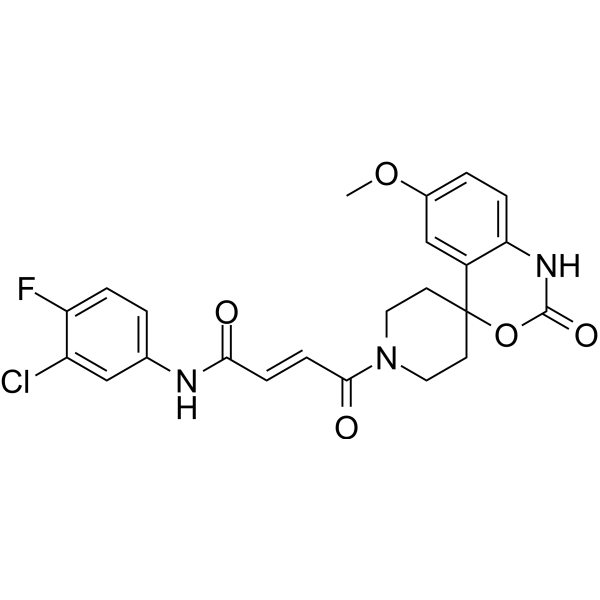
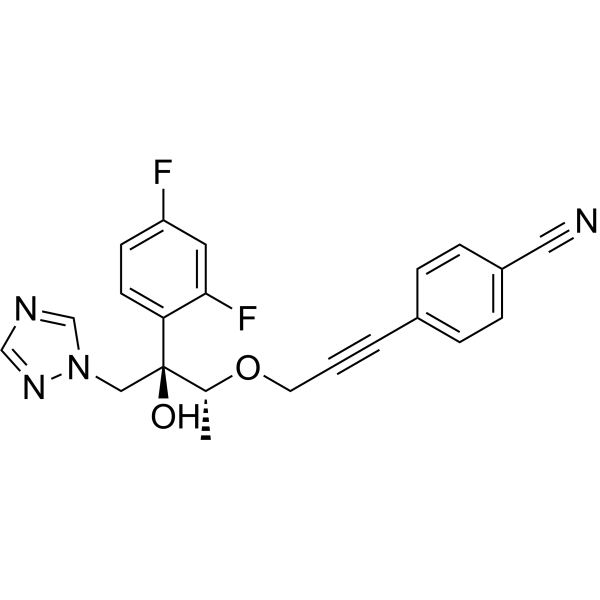
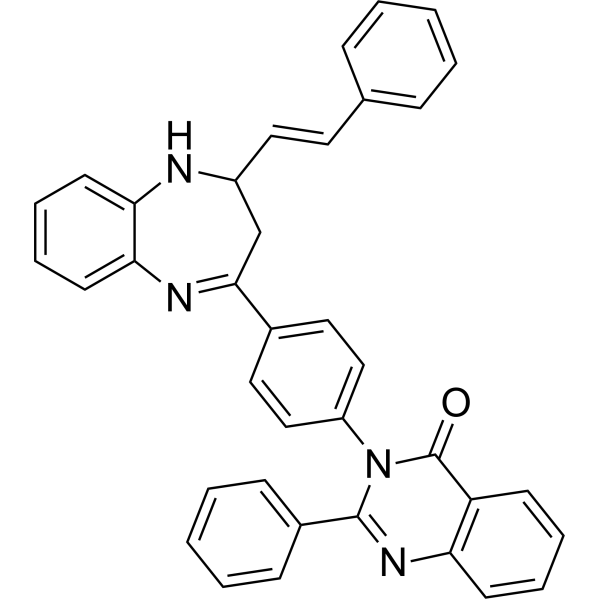
1. Search Result
Search Result
Results for "

C.+albicans

" in MedChemExpress (MCE) Product Catalog:

98

Inhibitors & Agonists

1

Biochemical Assay Reagents

18

Peptides

30

Natural
Products

3

Isotope-Labeled Compounds

Cat. No. Product Name Target Research Areas Chemical Structure
  • HY-B0101
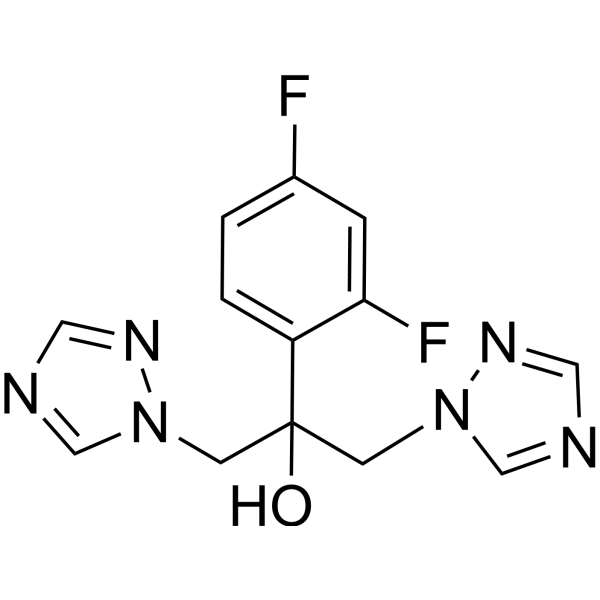
    Fluconazole
    Maximum Cited Publications
    21 Publications Verification

    UK-49858

    Environmental Pollutants Antibiotic Fungal Bacterial Infection Cancer
    Fluconazole (UK-49858) is a triazole antifungal agent with excellent activities against a broad range of fungi, especially against Candida albicans. Fluconazole inhibits C. albicans and Candida kefyr with IC99s range from 0.20 μg/mL to 0.39 μg/mL .
    Fluconazole
  • HY-N2389
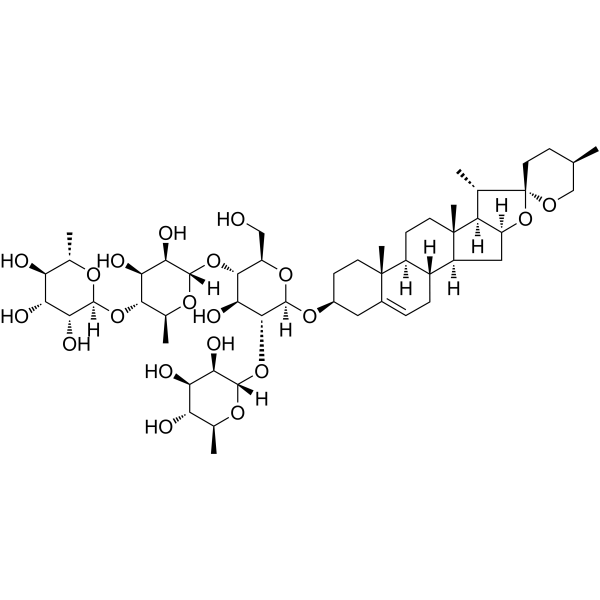
    Formosanin C
    5 Publications Verification

    Apoptosis Autophagy Ferroptosis NF-κB Fungal Infection Inflammation/Immunology Cancer
    Formosanin C is a diosgenin saponin with multiple biological activities. Formosanin C possesses multiple anti-tumor mechanisms, including inducing apoptosis and autophagy, blocking the cell cycle, inhibiting metastasis and inducing ferroptosis. Formosanin C can inhibit the NF-κB signaling pathway to exert anti-inflammatory effects, and enhance the activity of immune cells. Formosanin C exhibits the inhibiting effect against C. albicans. Formosanin C can be used for the study of anti-inflammation, antifungal anti and anti-cancer (including lung cancer, liver cancer, breast cancer and colorectal cancer, etc.) .
    Formosanin C
  • HY-N6647
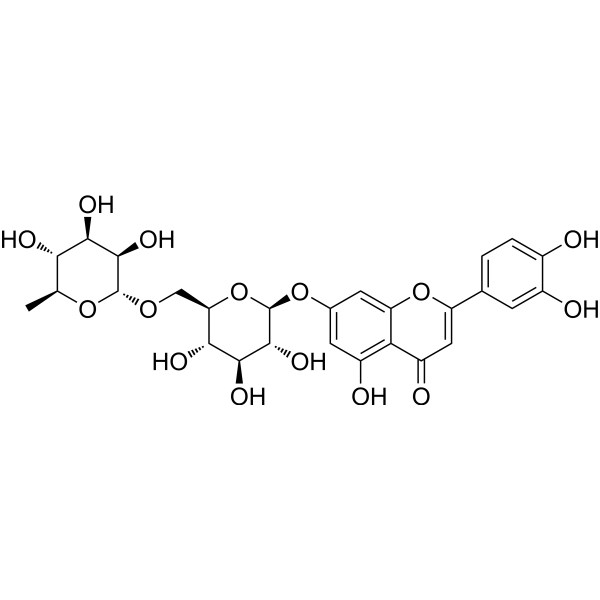
    Luteolin-7-rutinoside
    1 Publications Verification

    Fungal Infection Inflammation/Immunology
    Luteolin-7-rutinoside has both anti-arthritic and antifungal activities, can result in a combination therapy for the treatment of fungal arthritis due to C. albicans infection.
    Luteolin-7-rutinoside
  • HY-N4136
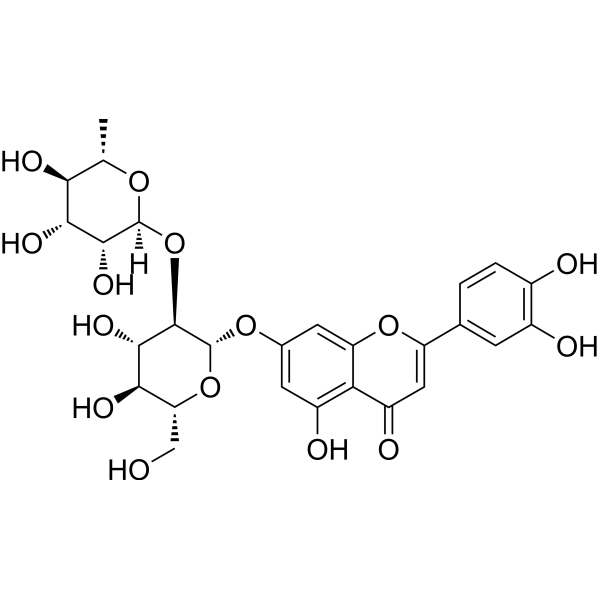
    Lonicerin
    1 Publications Verification

    Veronicastroside

    Bacterial Apoptosis Xanthine Oxidase Fungal Infection Neurological Disease Inflammation/Immunology
    Lonicerin (Veronicastroside) is a flavonoid with multiple biological activities. Lonicerin inhibits xanthine oxidase with an IC50 of 37.4 µg/mL. Lonicerin inhibits alginate secretion protein (AlgE). Lonicerin inhibits P. aeruginosa and C. albicans. Lonicerin has anti-inflammatory, anti-arthritic, antioxidant, antifungal, anti-bacterial, and neuroprotective properties .
    Lonicerin
  • HY-15660
    Efinaconazole
    2 Publications Verification

    KP-103

    Fungal Infection
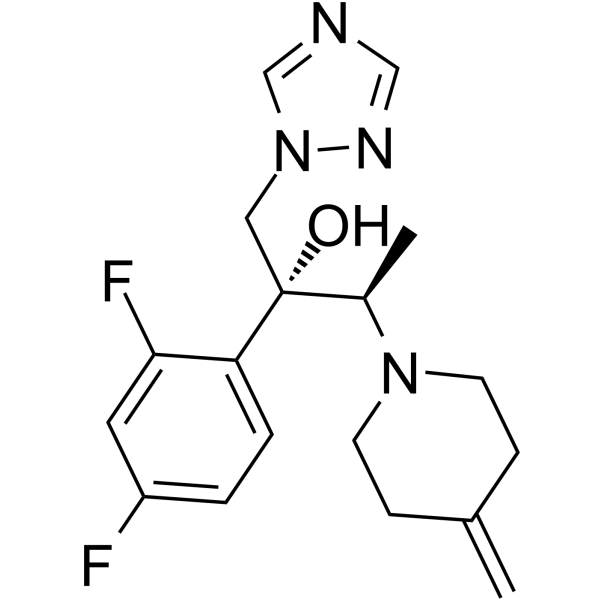
    Efinaconazole (KP-103) is a triazole antifungal agent and againsts T. mentagrophytes SM-110 and C. albicans ATCC 10231 with MICs of 0.0039 μg/mL and 0.00098 μg/mL, respectively . Efinaconazole has a potent in vitro activity against fungal pathogens including dermatophytes, Candida and Malassezia species .
    Efinaconazole
  • HY-P3466

    Bacterial Fungal Infection Inflammation/Immunology
    Nisin Z is an antimicrobial and anti-inflammatory peptide. Nisin Z is effective against Gram-positive bacteria and fungi, such as C. albicans .
    Nisin Z
  • HY-B0914

    Undecylenic acid

    Environmental Pollutants Bacterial Fungal Proteasome Amyloid-β Reactive Oxygen Species (ROS) Infection Neurological Disease Endocrinology Cancer
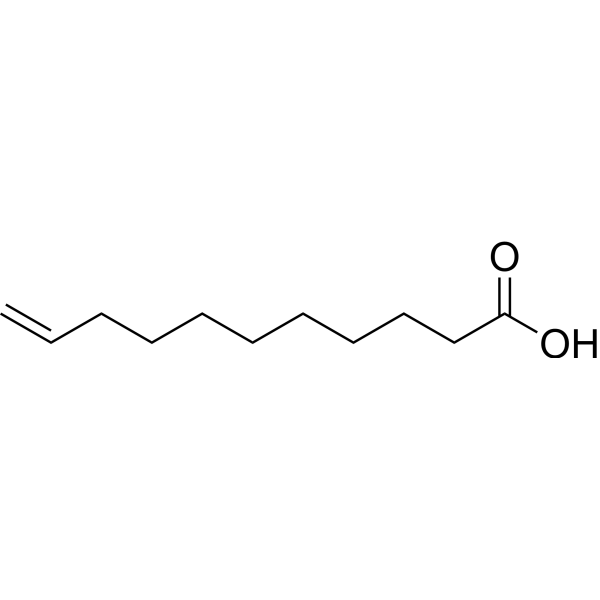
    10-Undecenoic acid (Undecylenic acid) is an antifungal agent. 10-Undecenoic acid inhibits oligomerization, scavenges ROS and inhibits μ-calpain activity. 10-Undecenoic acid has neuroprotective effects. 10-Undecenoic acid has anticancer effects on a variety of tumors. 10-Undecenoic acid inhibits C. albicans biofilm formation and MRSA infection. 10-Undecenoic acid inhibits quorum sensing signals of Bacillus subtilis and Pseudomonas aeruginosa .
    10-Undecenoic acid,98% (stabilized with TBC)
  • HY-W041080

    Fungal Reactive Oxygen Species (ROS) Bacterial Infection
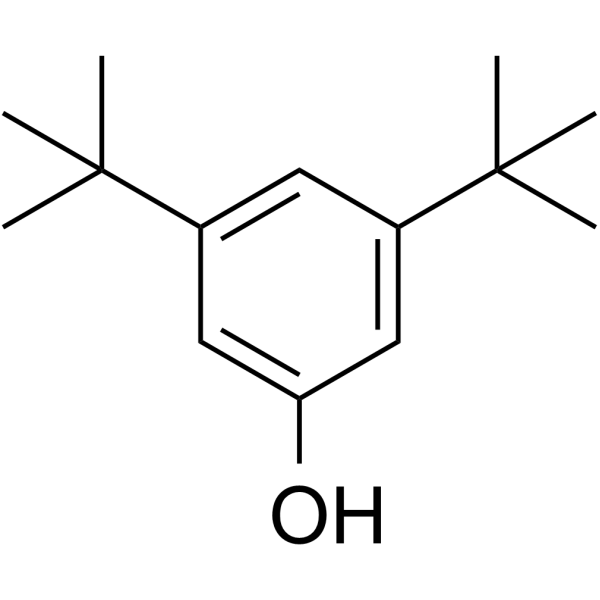
    3,5-Di-tert-butylphenol is an volatile organic compound with anti-biofilm and antifungal activities. 3,5-Di-tert-butylphenol induces accumulation of reactive oxygen species (ROS) in C. albicans cells. 3,5-Di-tert-butylphenol also has antibacterial activities .
    3,5-Di-tert-butylphenol
  • HY-B0914A
    10-Undecenoic acid zinc salt
    2 Publications Verification

    Zinc undecylenate

    Fungal Bacterial Amyloid-β Reactive Oxygen Species (ROS) Proteasome Infection Neurological Disease Endocrinology Cancer
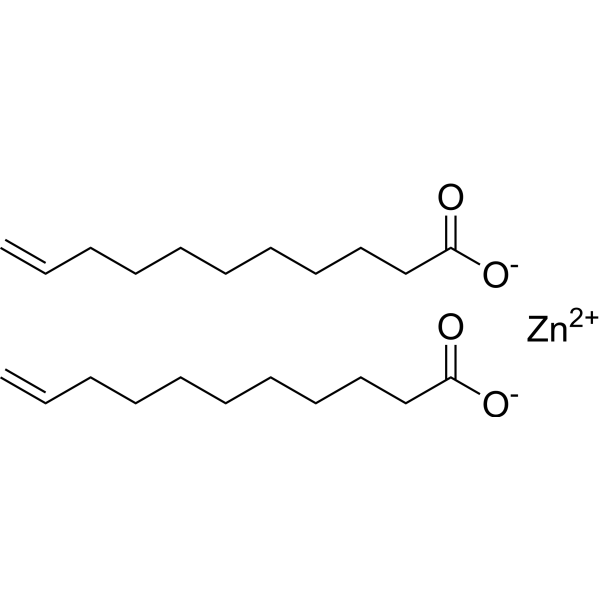
    10-Undecenoic acid zinc salt (Undecylenic acid zinc salt) is an antifungal agent. 10-Undecenoic acid zinc salt inhibits oligomerization, scavenges ROS and inhibits μ-calpain activity. 10-Undecenoic acid zinc salt has neuroprotective effects. 10-Undecenoic acid zinc salt has anticancer effects on a variety of tumors. 10-Undecenoic acid zinc salt inhibits C. albicans biofilm formation and MRSA infection. 10-Undecenoic acid zinc salt inhibits quorum sensing signals of Bacillus subtilis and Pseudomonas aeruginosa .
    10-Undecenoic acid zinc salt
  • HY-129724A

    ACTH-(11-13) acetate; Lys-Pro-Val acetate; H-Lys-Pro-Val-OH acetate

    Infection Metabolic Disease
    α-MSH (11-13) acetate is a melanocortin-1 receptor ligand and anti-inflammatory agent. α-MSH (11-13) acetate triggers acute intracellular calcium elevation under specific costimulation or pathway inhibition conditions. α-MSH (11-13) acetate inhibits TNF-α-induced NF-κB activation, GPx activity, HIV replication, as well as colony formation of S. aureus and C. albicans. α-MSH (11-13) acetate is applicable to the research of Staphylococcus aureus infection, Candida albicans infection, human immunodeficiency virus infection, traumatic brain injury, corneal epithelial wound and inflammatory bowel disease .
    α-MSH (11-13) acetate
  • HY-P2148

    Bacterial Antibiotic Infection Inflammation/Immunology
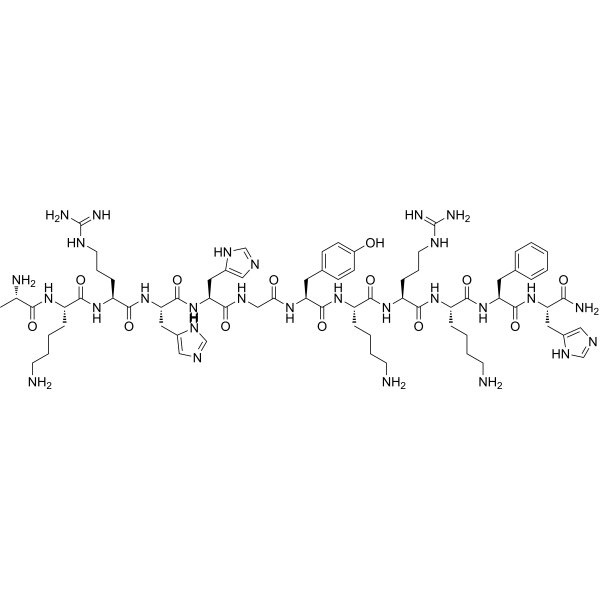
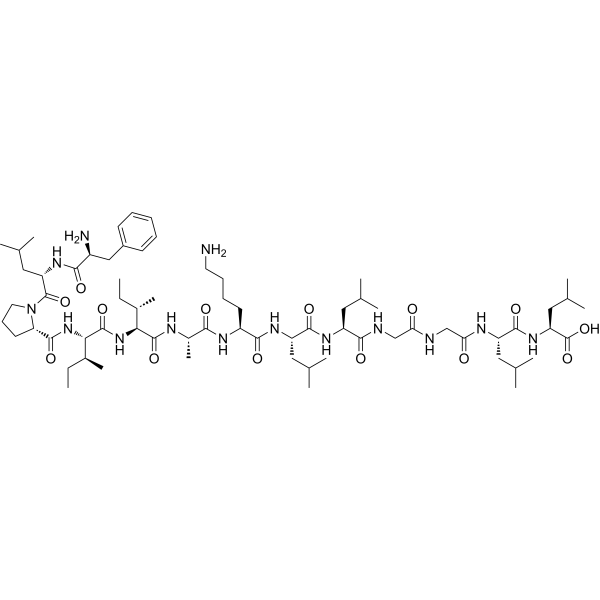
    P-113 is an antimicrobial peptide (AMP) derived from the human salivary protein histatin 5. P-113 is active against clinically important microorganisms such as Pseudomonas spp., Staphylococcus spp., and C. albicans .
    P-113
  • HY-B0101S

    UK-49858-d4

    Isotope-Labeled Compounds Fungal Antibiotic Infection
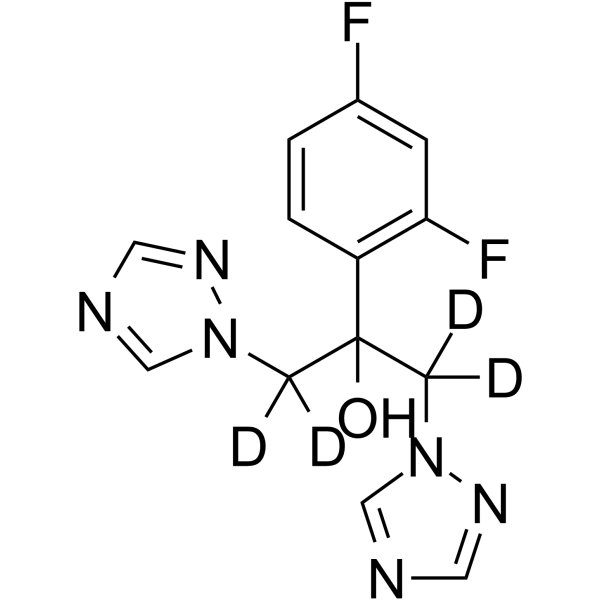
    Fluconazole-d4 is the deuterium labeled Fluconazole. Fluconazole (UK-49858) is a triazole antifungal agent with excellent activities against a broad range of fungi, especially against Candida albicans. Fluconazole inhibits C. albicans and Candida kefyr with IC99s range from 0.20 μg/mL to 0.39 μg/mL .
    Fluconazole-d4
  • HY-N3000

    JNK IRE1 Akt mTOR YAP Reactive Oxygen Species (ROS) Autophagy Apoptosis Ferroptosis Fungal Infection Inflammation/Immunology Cancer
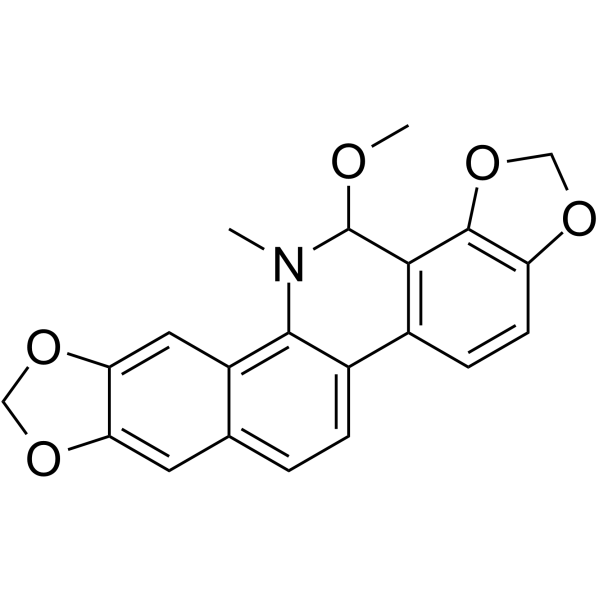
    6-Methoxydihydrosanguinarine is an alkaloid with activity across multiple cancer cell types. 6-Methoxydihydrosanguinarine activates IRE1/JNK signaling, blocks Akt/mTOR and PI3K/AKT/mTOR pathways, reduces expression of Cdc25C, CyclinB1, Cdc2, YAP/TAZ, Survivin, GPX4, and EGFR, upregulates IRE1 and DR5, and activates JNK and caspases. 6-Methoxydihydrosanguinarine induces apoptosis, G2/M phase arrest, DNA damage, ROS generation, lipid peroxidation, ferroptosis, autophagy, and suppresses cancer cell growth. 6-Methoxydihydrosanguinarine disruptes the biofilm formation of Candida albicans (C. albicans). 6-Methoxydihydrosanguinarine can be used for the research of non-small cell lung cancer, hepatocellular carcinoma, melanoma, colon carcinoma, ovarian cancer and breast cancer .
    6-Methoxydihydrosanguinarine
  • HY-N8540

    Phosphoglycerate Kinase (PGK) Fungal Apoptosis Infection Cancer
    Ilicicolin H is a selective and non-ATP-competitive phosphoglycerate kinase 1 (PGK1) (IC50 = 9.02 μM) and mitochondrial cytochrome bc1 reductase (IC50 = 2-3 ng/mL) inhibitor. Ilicicolin H directly binds to PGK1 with KD of 60 μM .Ilicicolin H can inhibit cell proliferation and induce apoptosis. Ilicicolin H can inhibit the lactate production and glucose uptake of hepatocellular carcinoma (HCC) cells. Ilicicolin H has a broad antifungal spectrum including C. albicans, Cryptococcus and A. fumigatus. Ilicicolin H can be used for the researches of cancer and infection, such as hepatocellular carcinoma (HCC) and C. albicans infection .
    Ilicicolin H
  • HY-B0101R

    UK-49858 (Standard)

    Reference Standards Fungal Antibiotic Bacterial Infection Cancer
    Fluconazole (Standard) is the analytical standard of Fluconazole. This product is intended for research and analytical applications. Fluconazole (UK-49858) is a triazole antifungal agent with excellent activities against a broad range of fungi, especially against Candida albicans. Fluconazole inhibits C. albicans and Candida kefyr with IC99s range from 0.20 μg/mL to 0.39 μg/mL .
    Fluconazole (Standard)
  • HY-B0914R

    Undecylenic acid (Standard)

    Reference Standards Fungal Amyloid-β Reactive Oxygen Species (ROS) Proteasome Bacterial Infection Neurological Disease Endocrinology Cancer
    10-Undecenoic acid (Standard) is the analytical standard of 10-Undecenoic acid. This product is intended for research and analytical applications. 10-Undecenoic acid (Undecylenic acid) is an antifungal agent. 10-Undecenoic acid inhibits oligomerization, scavenges ROS and inhibits μ-calpain activity. 10-Undecenoic acid has neuroprotective effects. 10-Undecenoic acid has anticancer effects on a variety of tumors. 10-Undecenoic acid inhibits C. albicans biofilm formation and MRSA infection. 10-Undecenoic acid inhibits quorum sensing signals of Bacillus subtilis and Pseudomonas aeruginosa .
    10-Undecenoic acid (Standard)
  • HY-134090

    Antibiotic TS 885; NSC 248958

    Bacterial VSV Infection
    9-Methylstreptimidone is a microbial metabolite originally isolated from Streptomyces sp. S-885 that has antifungal and antiviral activities. It is active against several fungi, including S. sake, S. fragilis, R. rubra, T. rubra, and C. albidus (MICs=4-20 μg/mL) and has antiviral activity against poliovirus, vesicular stomatitis virus (VSV), and Newcastle disease virus (NDV) in vitro (MIC=0.02 μg/mL for all). 9-Methylstreptimidone increases survival in mouse models of infection with influenza A2 (H2N2) or C. albicans when administered prior to infection.
    9-Methylstreptimidone
  • HY-15660S

    KP-103-d4

    Isotope-Labeled Compounds Fungal Infection
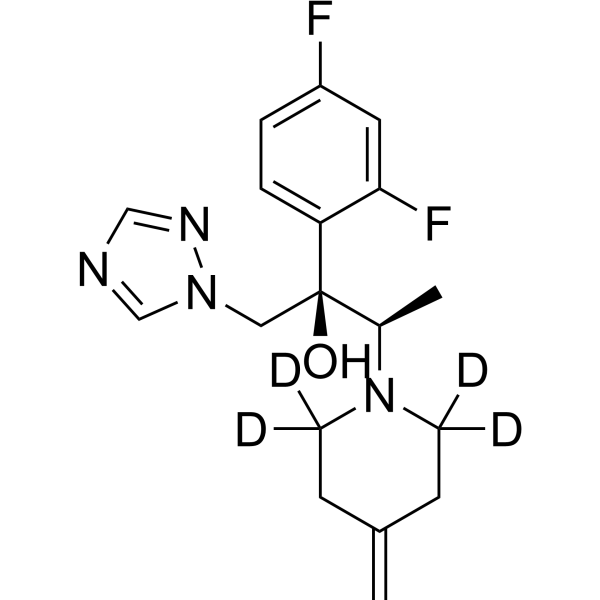
    Efinaconazole-d4 is the deuterium labeled Efinaconazole. Efinaconazole (KP-103) is a triazole antifungal agent and againsts T. mentagrophytes SM-110 and C. albicans ATCC 10231 with MICs of 0.0039 μg/mL and 0.00098 μg/mL, respectively . Efinaconazole has a potent in vitro activity against fungal pathogens including dermatophytes, Candida and Malassezia species .
    Efinaconazole-d4
  • HY-P5681

    Bacterial Infection Inflammation/Immunology
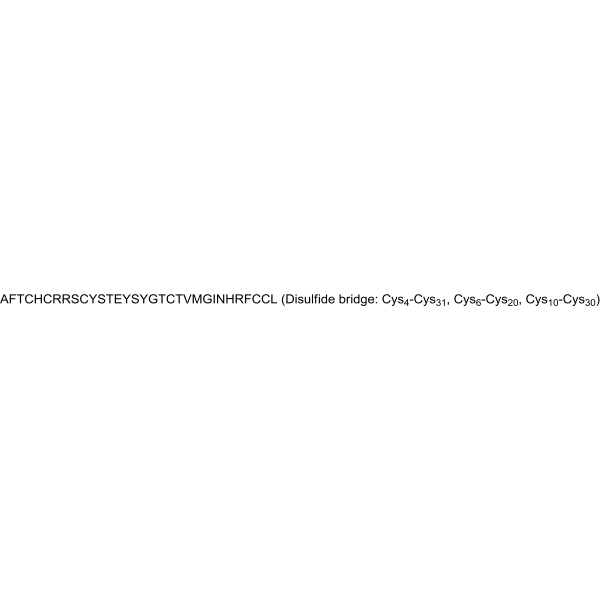
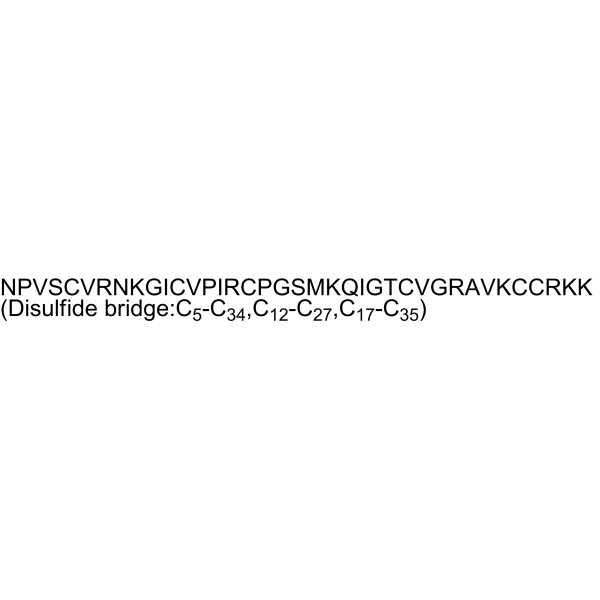
    Human α-Defensin 6, a 32-residue cysteine-rich peptide, can inhibit bacterial invasion and contribute to the mucosal immunity. Human α-Defensin 6 forms ordered self-assembly fibrils and nanonets that surround and entangle bacteria after stochastic binding to bacterial surface proteins. Human α-Defensin 6 also inhibits C. albicans biofilm formation .
    Human α-Defensin 6
  • HY-W041080R

    Reference Standards Fungal Reactive Oxygen Species (ROS) Bacterial Infection
    3,5-Di-tert-butylphenol (Standard) is the analytical standard of 3,5-Di-tert-butylphenol (HY-W041080). This product is intended for research and analytical applications. 3,5-Di-tert-butylphenol is an volatile organic compound with anti-biofilm and antifungal activities. 3,5-Di-tert-butylphenol induces accumulation of reactive oxygen species (ROS) in C. albicans cells. 3,5-Di-tert-butylphenol also has antibacterial activities.
    3,5-Di-tert-butylphenol (Standard)
  • HY-B0999

    Clorindanol; 7-Chloro-4-indanol

    Bacterial Infection
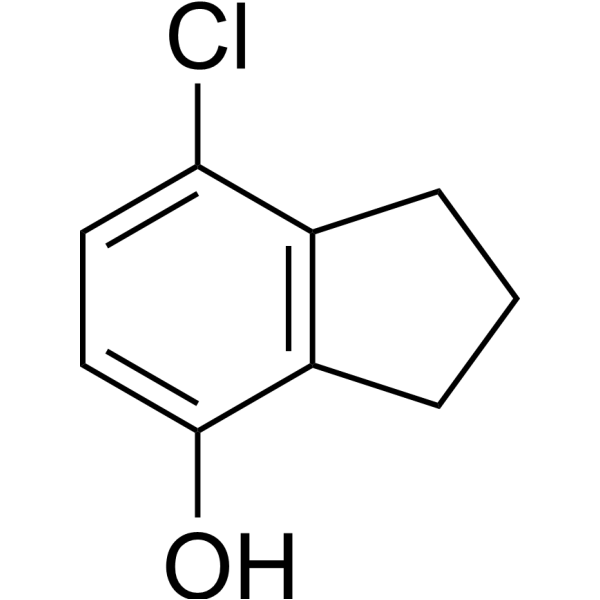
    Chlorindanol (7-Chloro-4-indanol) is a topical antiseptic or sanitizer. Chlorindanol is rapidly lethal to vegetative bacteria, Trichophyton sp., C. albicans, E. histolytica cysts and trophozoites, T. vaginalis, and spermatozoa in vitro. Chlorindanol is klow systemic toxicity, well skin/eyes/genital mucosa tolerance and nonallergenic.
    Chlorindanol
  • HY-143335

    Fungal Infection
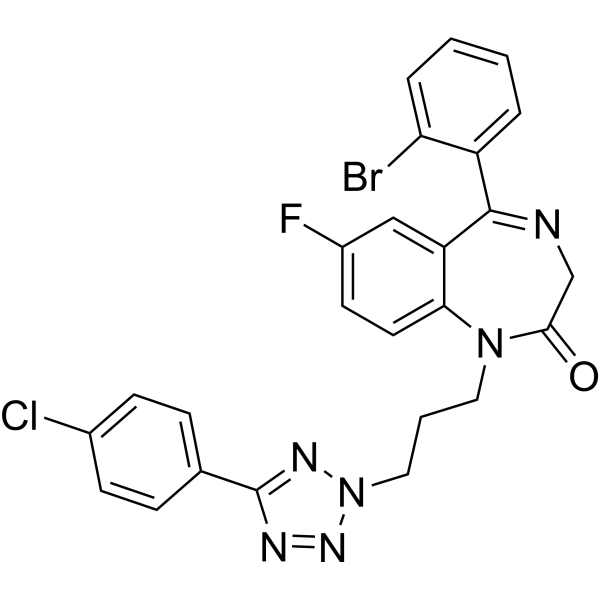
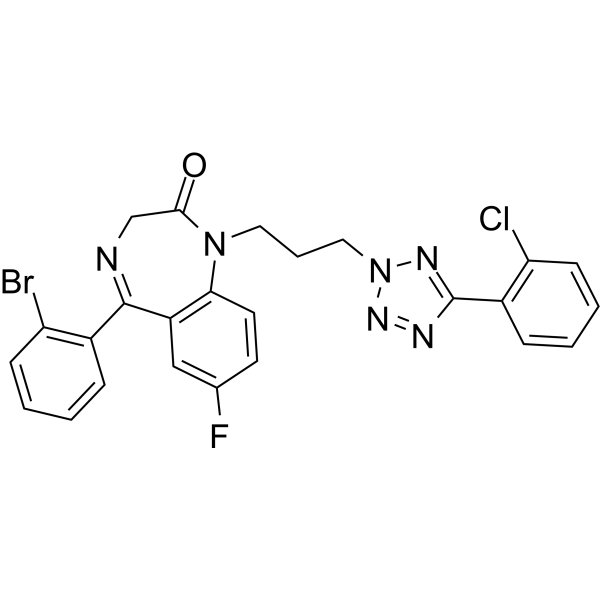
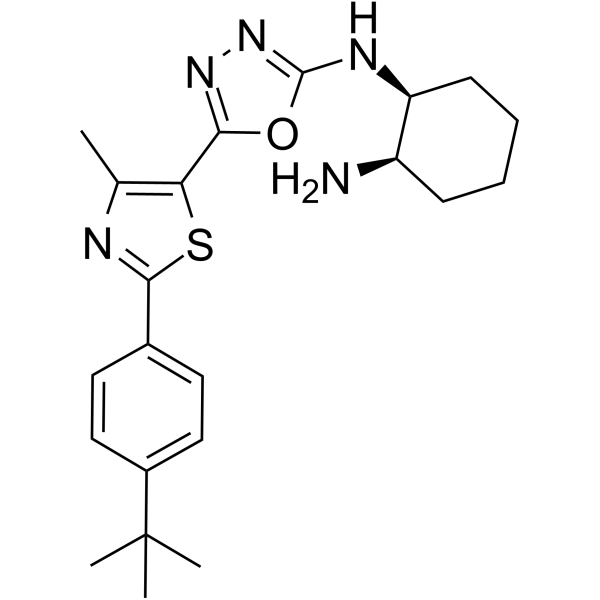
    Antifungal agent 52 (compound 6c) is a tetrazole derivative. Antifungal agent 52 inhibits the synthesis of Ergosterol (HY-N0181). Antifungal agent 52 exhibit a significant antifungal activity against Candida albicans. Antifungal agent 52 affects C. albicans sessile cell membrane permeabilization .
    Antifungal agent 52
  • HY-P11170

    Fungal Infection
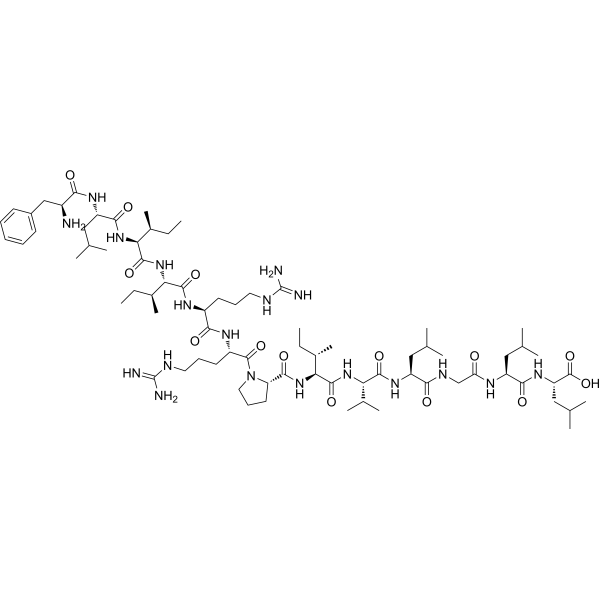
    D-Cateslytin is an antimicrobial peptide that exhibits potent inhibition activity against Candida albicans (MIC = 2.9 μM). D-Cateslytin can rapidly enter C. albicans, and shows no cytotoxicity to human gingival fibroblasts, and is stable in saliva. D-Cateslytin can be used for research on Candida albicans related diseases, such as oral candidosis .
    D-Cateslytin
  • HY-N4164

    Fungal Apoptosis Infection Cancer
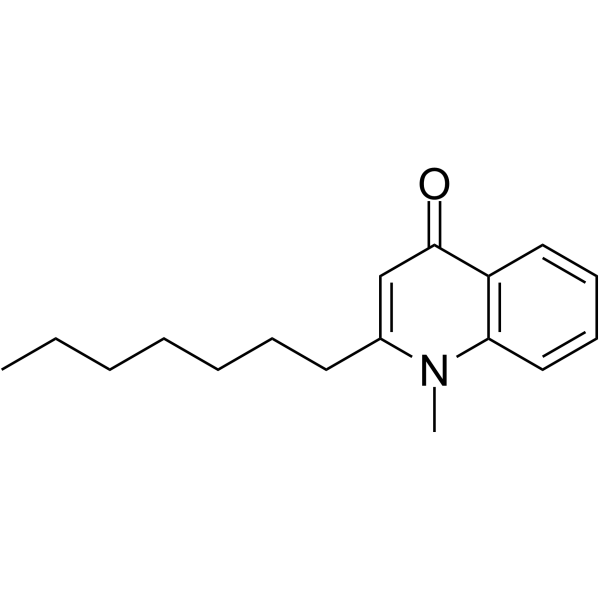
    Schinifoline is a 4-quinolinone found in Zanthoxylum schinifolium. Schinifoline can inhibit cancer cells proliferation, cause G2/M phase arrest and induce apoptosis. Schinifoline can improve radiosensitizing effect of cancer cells. Schinifoline shows anti-fungal activity. Schinifoline can be used for the researches of cancer and infection, such as lung cancer and C. albicans infection .
    Schinifoline
  • HY-144694

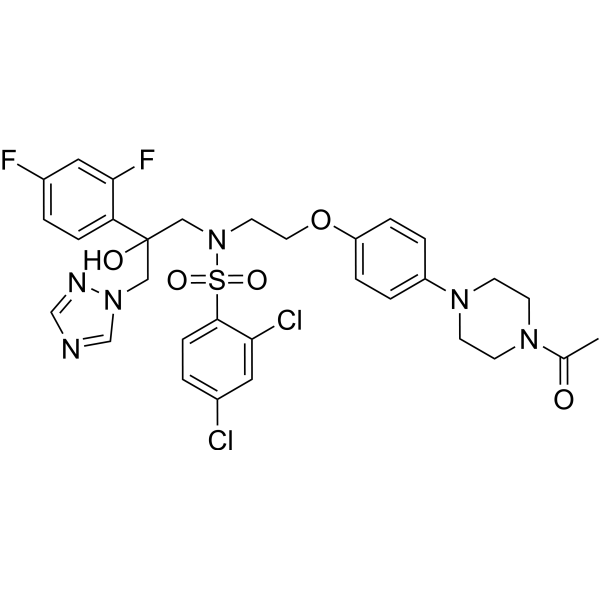
    HSP HDAC Fungal Infection
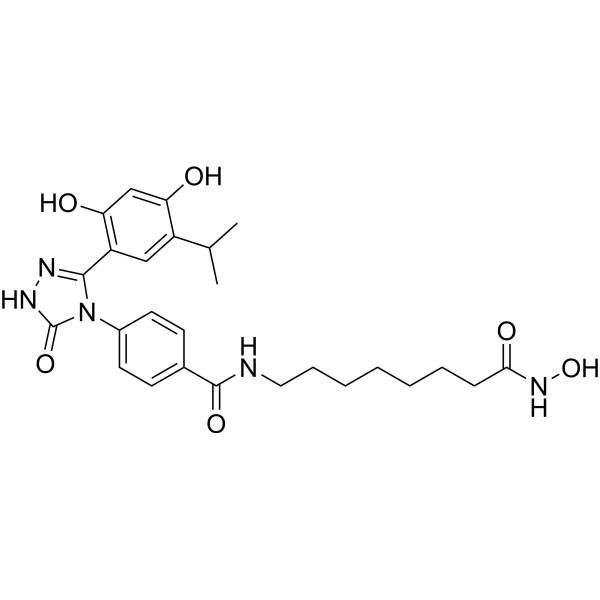
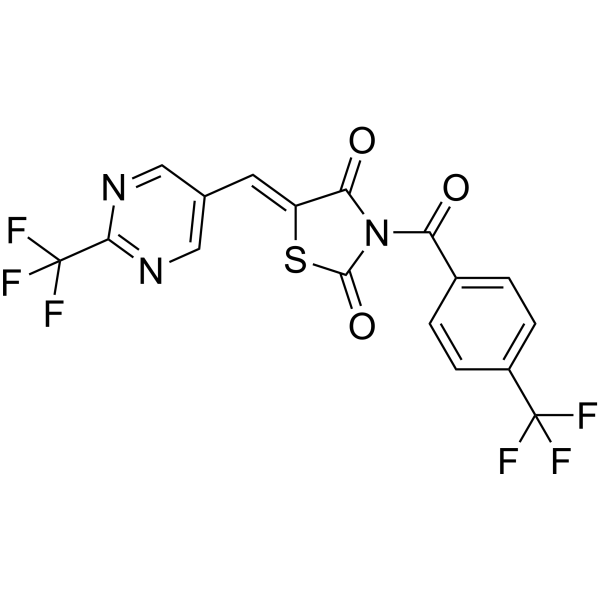
    HDAC/HSP90-IN-3 (compound J5) is a potent and selective fungal Hsp90 and HDAC dual inhibitor, with IC50 values of 0.83 and 0.91 μM, respectively. HDAC/HSP90-IN-3 shows antifungal activity against azole resistant C. albicans. HDAC/HSP90-IN-3 can suppress important virulence factors and down-regulate drug-resistant genes ERG11 and CDR1 .
    HDAC/HSP90-IN-3
  • HY-P5565

    Bacterial Infection Cancer
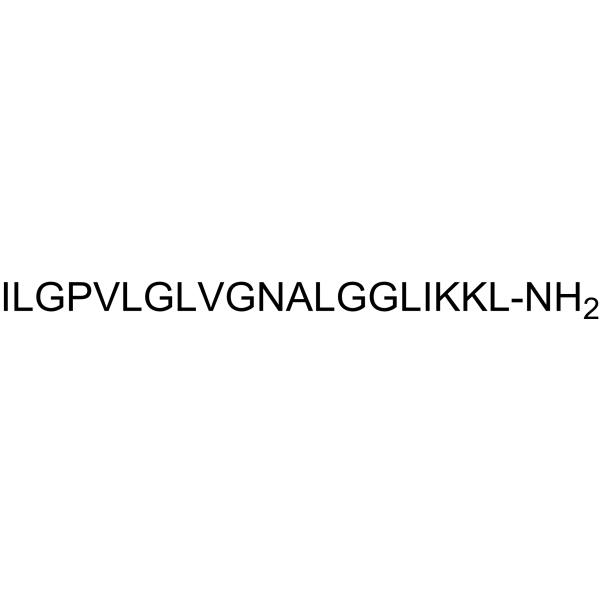
    RP-1 is an antimicrobial peptide, and is active against S. aureus, S. typhimurium, E. coli, and C. albicans .
    RP-1
  • HY-W005297

    Fungal Infection
    4,6-dimethoxysalicylaldehyde is an antifungal agent. 4,6-dimethoxysalicylaldehyde has considerable activity against C. albicans and slight activity against S. cerevisiae .
    4,6-Dimethoxysalicylaldehyde
  • HY-P5720

    Bacterial Infection
    Peptide 5e is an antimicrobial peptide. Peptide 5e inhibits E. coli, S. aureus, and C. albicans with MIC values of 30, 5, 25 μg/mL respectively .
    Peptide 5e
  • HY-186027

    Fungal Infection
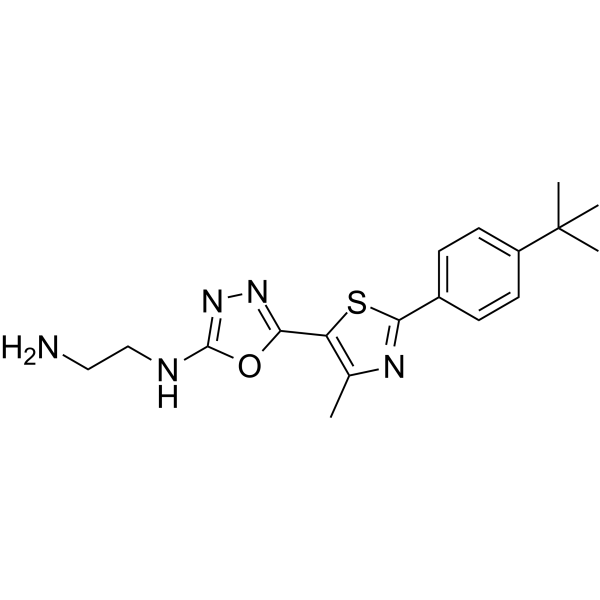
    Antifungal agent 152 (Compound 27) is an antifungal agent. Antifungal agent 152 shows antifungal activity against C. neoformans, C. albicans, C. glabrata with MICs of 4 μg/mL, 16 μg/mL, 16 μg/mL, respectively .
    Antifungal agent 152
  • HY-W160679

    Bacterial Fungal Infection
    7-(Carboxymethoxy)-4-methylcoumarin (Compound VIIIa) is the antibacterial and antifungal agent that exhibits inhibitory activity against S. aureus, B. cereus, S. lutea, C. albicans, C. glabrata, and C. parapsilosis .
    7-(Carboxymethoxy)-4-methylcoumarin
  • HY-N11772

    Fungal Infection
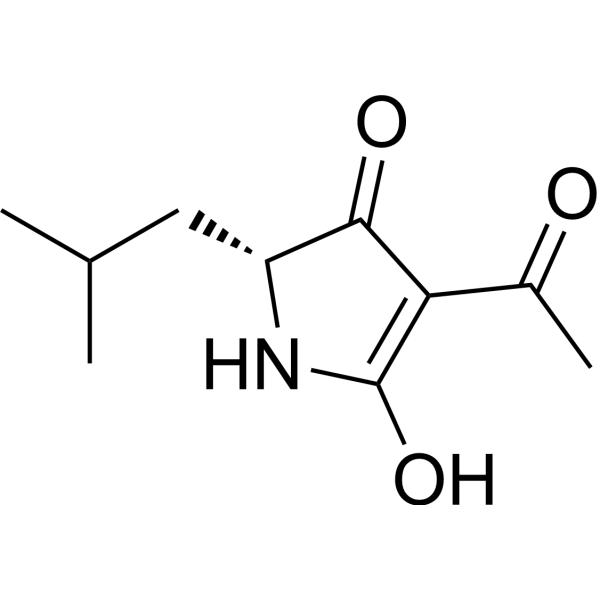
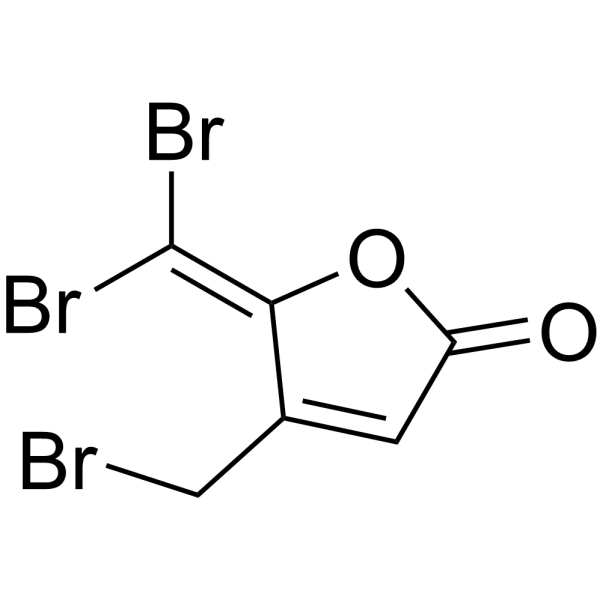
    Mutanocyclin is a potent antifungal agent. Mutanocyclin inhibits Candida albicans (C. albicans) filamentation. Mutanocyclin decreases the mRNA expression of HWP1, ECE1, FLO8, TEC1. Mutanocyclin inhibits yeast-form in ex vivo mouse .
    Mutanocyclin
  • HY-W104527

    Bacterial Fungal Infection
    2,4-Dinitrobenzenesulfonamide (Compound 2d) is an antibacterial and antifungal agent. 2,4-Dinitrobenzenesulfonamide interacts with dihydrofolate synthetase. 2,4-Dinitrobenzenesulfonamide shows inhibitory effect against A. niger, C. albicans, B. subtilis, and S. aureus .
    2,4-Dinitrobenzenesulfonamide
  • HY-N10611

    Reactive Oxygen Species (ROS) Apoptosis Autophagy Fungal Fluorescent Dye Infection Cancer
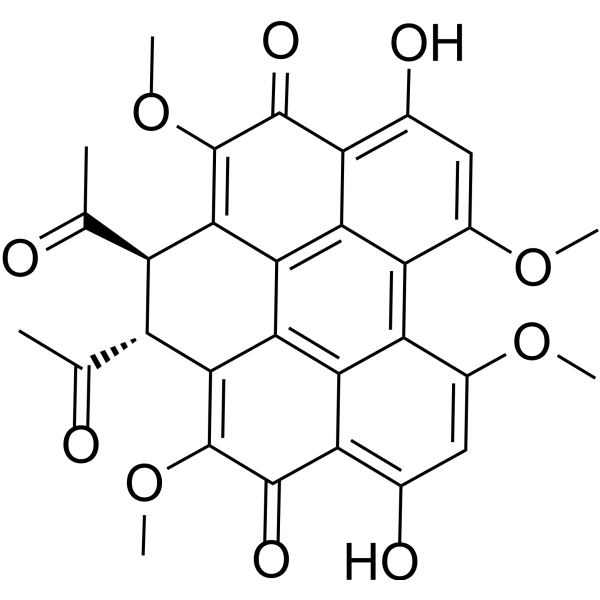
    Elsinochrome A is a perylene quinone photosensitizer, and can generate reactive oxygen species (ROS) to induce apoptosis and autophagy under light excitation. Elsinochrome A also shows antifungal activity against C. albicans biofilm through photodynamic antimicrobial chemotherapy (PACT). Elsinochrome A can be used for research of photodynamic therapy (PDT) (Ex: 460 nm) .
    Elsinochrome A
  • HY-156252

    Fungal Infection
    Antifungal agent 75 (compound 6r) is a potent antifungal agent against Candida albicans. Antifungal agent 75 significantly inhibits the formation of C. albicans biofilm, increases the permeability of the cell membrane, reduces the ergosterol level of the cell membrane, damages the membrane structure, and destroys the integrity of the cell structure to exert excellent antifungal activity .
    Antifungal agent 75
  • HY-N7307

    Bacterial Infection
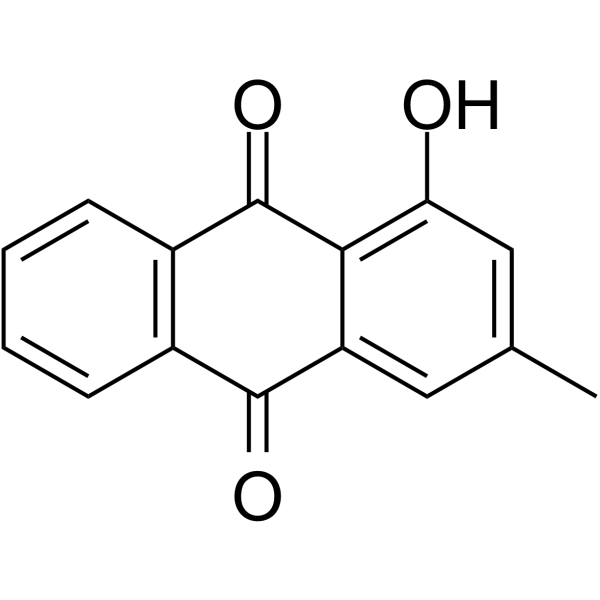
    Pachybasin is a major metabolite from culture broth of endophytic coelomyceteous AFKR-18 fungus. Pachybasin showes antimicrobial activities against E. coli, B. subtilis, M. luteus, S. cerevisiae, C. albicans, A. niger, and A. flavus, with MIC values of 64.0 μg/mL, and against S. aureus and F. oxysporum with MIC values of 32.0 and 16.0 μg/mL respectively .
    Pachybasin
  • HY-N8280

    Fungal Infection
    IKD-8344 is a macrocyclic dilactone originally isolated from an actinomycete species and has diverse biological activities, including anticancer, antimicrobial, and anthelmintic properties. It is cytotoxic to L5178Y murine leukemia cells (IC50=0.54 ng/ml).1 IKD-8344 inhibits growth of the mycelial form of C. albicans (MIC=6.25 μg/mL) and potentiates the activity of polymyxin B against the multidrug-resistant pathogenic bacterium B. cenocepacia.
    IKD-8344
  • HY-B0101S1

    UK-49858-13C2,15N

    Isotope-Labeled Compounds Fungal Antibiotic Bacterial Infection Cancer
    Fluconazole-13C2,15N (UK-49858-13C2,15N) is the 13C and 15N labeled isotope of Fluconazole (HY-B0101). Fluconazole (UK-49858) is a triazole antifungal agent with excellent activities against a broad range of fungi, especially against Candida albicans. Fluconazole inhibits C. albicans and Candida kefyr with IC99s range from 0.20 μg/mL to 0.39 μg/mL .
    Fluconazole-13C2,15N
  • HY-P11091

    Bacterial Infection
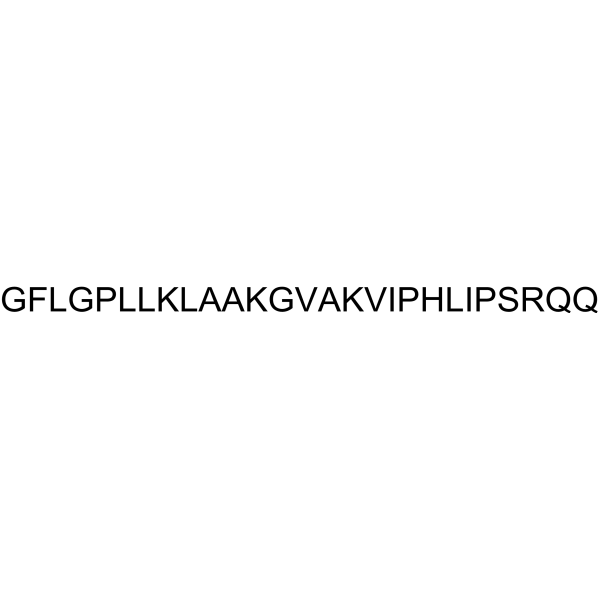
    PA2-GNU7 is an antimicrobial peptide (AMP). PA2-GNU7 exhibits potent antimicrobial activity with minimal inhibitory concentration (MIC) against P. aeruginosa, E. coli, S. typhimurium, S. aureus, and C. albicans are 2 μM, 1 μM, 2 μM, 2 μM, and 8 μM, respectively. PA2-GNU7 rapidly and selectively kills Pseudomonas aeruginosa without affecting other commensal bacteria. PA2-GNU7 significantly improves survival of mice infected with P. aeruginosa. PA2-GNU7 can be used for the research and development of therapeutic agents against MDR Pseudomonas aeruginosa infections .
    PA2-GNU7
  • HY-128189

    Aminoacyl-tRNA Synthetase Fungal Infection
    Aminoacyl tRNA synthetase-IN-4 (Compound 1l) is an inhibitor of Aminoacyl tRNA synthetase, with an IC50 of 0.026 μM for C.albicans prolyl-tRNA synthetase. Aminoacyl tRNA synthetase-IN-4 can be used for antifungal research .
    Aminoacyl tRNA synthetase-IN-4
  • HY-P5613

    Bacterial Infection
    XT-1 is an antimicrobial peptide derived from skin secretions of Xenopus tropicalis. XT-1 has strong activity against S.aureus, E.coli and C.albicans, the vaule of MIC are 5, 6, 50 μM , respectively .
    XT-1
  • HY-163631

    Fungal Endogenous Metabolite Infection
    Antibacterial agent 218 (compound d28) is an orally active sterol 24-C-Methyltransferase inhibitor with the IC50 of 0.273 μM. Antibacterial agent 218 shows antifungal activity against the C.albicans SC5314 with the IC50 of 0.25 μg/mL .
    Antibacterial agent 218
  • HY-P5632

    Bacterial Infection
    Bovine tracheal antimicrobial peptide is a kind of comes from the tracheal mucosa of antimicrobial peptides. Bovine tracheal antimicrobial peptide has activity against E.coli D31, K.pneumoniae 13883, S.aureus 25923, P.aeruginosa 27853 and C.albicans 14053, MIC value 12-25, 12-25, 25-50, 25-50, 6-12 μg/ml, respectively .
    Bovine tracheal antimicrobial peptide
  • HY-W142410

    Fungal Others
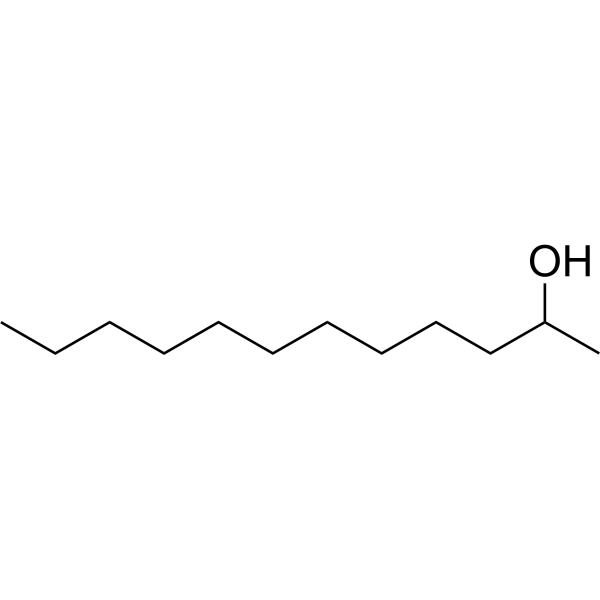
    2-Dodecanol inhibits hyphal formation and SIR2 expression in C. albicans .
    2-Dodecanol
  • HY-N7784

    Antibiotic Bacterial Infection
    Liriodenine methiodide is an antibiotic that is active against C. albicans and S. cereuisiae with antimicrobial activities .
    Liriodenine methiodide
  • HY-P11021

    Fungal Antibiotic Infection
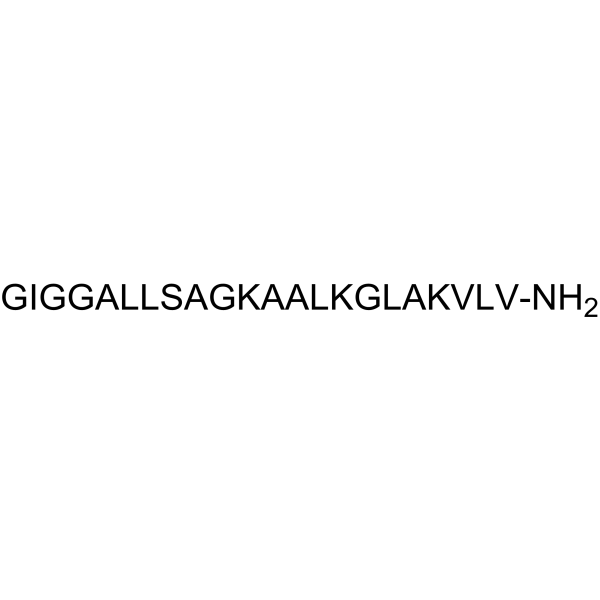
    ToAP2 is a potent antimicrobial peptide. ToAP2 affects C. albicans membrane permeability and produces changes in fungal cell morphology .
    ToAP2
  • HY-147238

    Fungal Infection
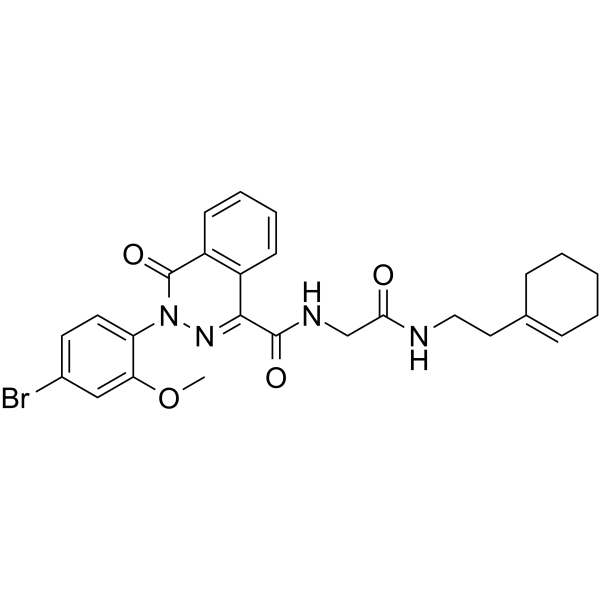
    Antifungal agent 35 (compound 24) is a potent antifungal agent. Antifungal agent 35 is a potent enhancer of antifungal activity of Fluconazole against C. albicans .
    Antifungal agent 35
  • HY-P11021A

    Fungal Antibiotic Infection
    ToAP2 TFA is a potent antimicrobial peptide. ToAP2 TFA affects C. albicans membrane permeability and produces changes in fungal cell morphology .
    ToAP2 TFA
  • HY-P5625

    Bacterial Infection
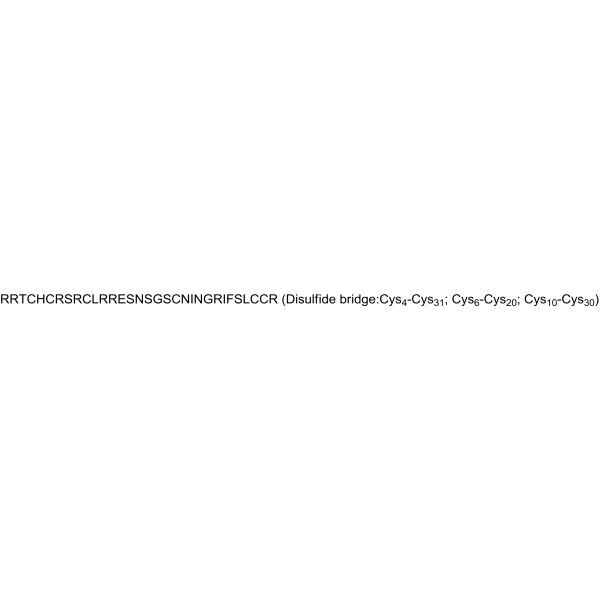
    ROAD-1 is an oral mucosal α-defensin of Rhesus Macaque. ROAD-1 is active against S. aureus, E. coli, and C. albicans .
    ROAD-1
  • HY-106997

    BAY 10-8888; PLD 118

    Fungal Infection
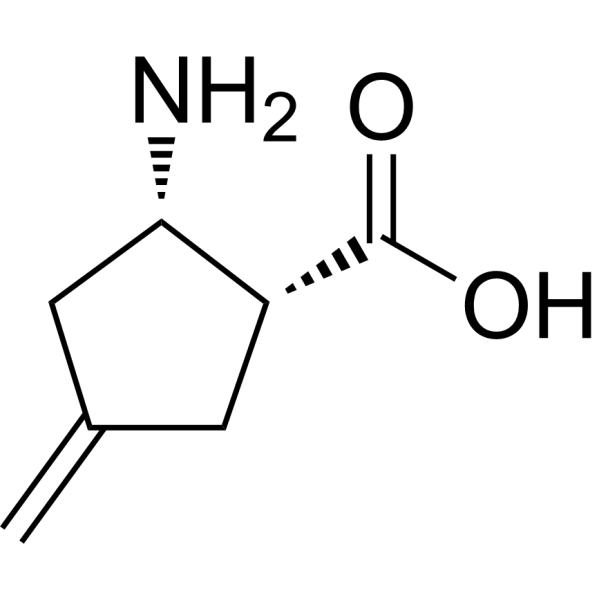
    Icofungipen is an orally active antifungal agent. Icofungipen is the representative of beta amino acids, is toxic against Candida species. Icofungipen protects infected mice survival from C. albicans infection .
    Icofungipen
  • HY-P5730

    Bacterial Infection
    Peptide 5g is an antimicrobial peptide. Peptide 5g inhibits E. coli, S. aureus, and C. albicans with MIC values of 30, 10, 12.5 μg/mL respectively .
    Peptide 5g

Inquiry Online

Your information is safe with us. * Required Fields.

Salutation


Country or Region *

Applicant Name *


Organization Name *

Department *


Email Address *


Product Name *

Cat. No.


Requested quantity *

Phone Number *


Remarks

Inquiry Online

Inquiry Information

Product Name:
Cat. No.:
Quantity:
MCE Japan Authorized Agent: