Search Result
Results for "
CB1+receptor
" in MedChemExpress (MCE) Product Catalog:
9
Isotope-Labeled Compounds
| Cat. No. |
Product Name |
Target |
Research Areas |
Chemical Structure |
-
- HY-15443
-
AM251
Maximum Cited Publications
23 Publications Verification
|
Cannabinoid Receptor
|
Neurological Disease
|
|
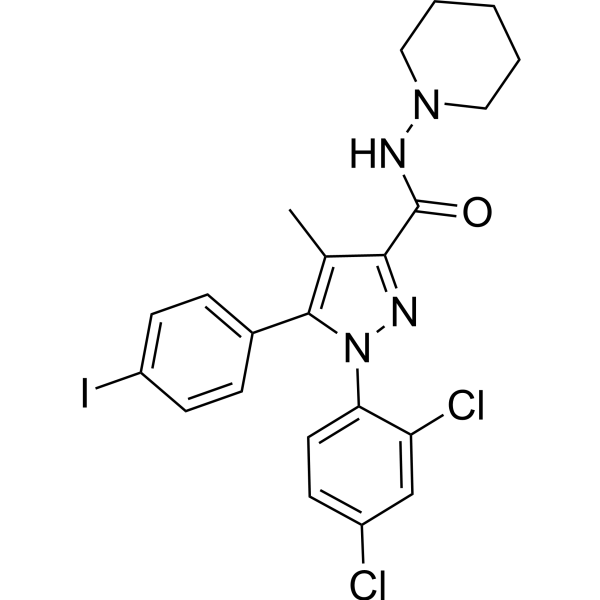
AM251 is a selective cannabinoid 1 (CB1) receptor antagonist with an IC50 of 8 nM. AM251 also acts as a potent GPR55 agonist with an EC50 of 39 nM [1] .
|
-
-
- HY-B0151
-
Pregnenolone
Maximum Cited Publications
6 Publications Verification
3β-Hydroxy-5-pregnen-20-one
|
Cannabinoid Receptor
TRP Channel
Endogenous Metabolite
Autophagy
|
Neurological Disease
|
|
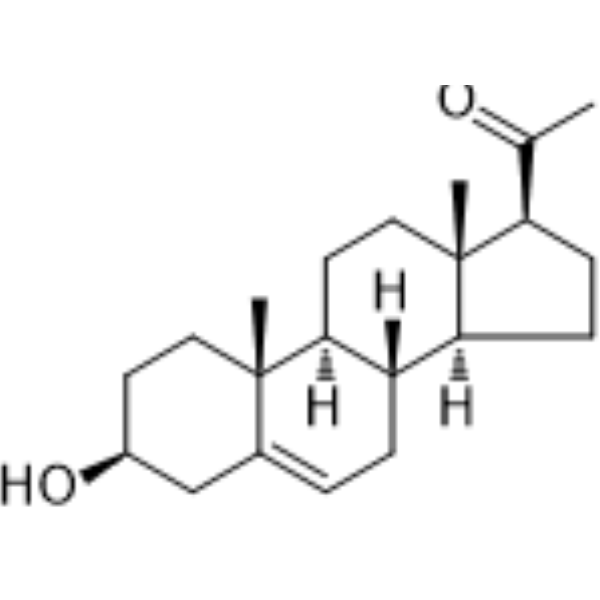
Pregnenolone (3β-Hydroxy-5-pregnen-20-one) is a powerful neurosteroid, the main precursor of various steroid hormones including steroid ketones. Pregnenolone acts as a signaling-specific inhibitor of cannabinoid CB1 receptor, inhibits the effects of tetrahydrocannabinol (THC) that are mediated by the CB1 receptors. Pregnenolone can protect the brain from cannabis intoxication [1] . Pregnenolone is also a TRPM3 channel activator, and also can weakly activate TRPM1 channels .
|
-
-
- HY-B1739
-
|
3β-Hydroxy-5-pregnen-20-one monosulfate
|
Cannabinoid Receptor
TRP Channel
Endogenous Metabolite
Autophagy
|
Neurological Disease
|
|
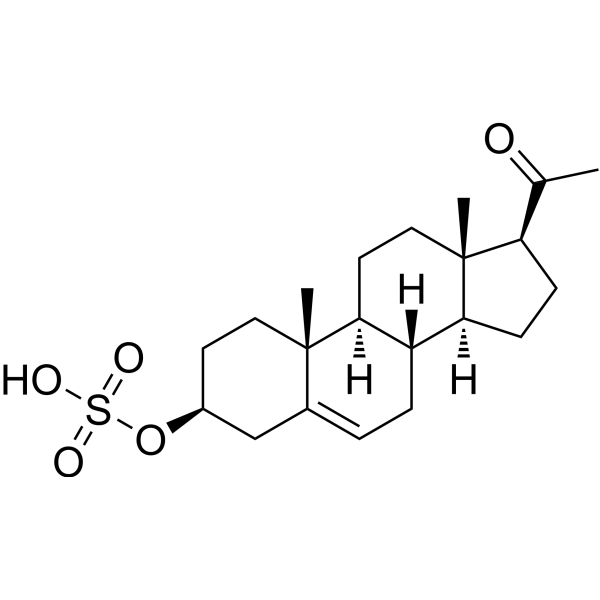
Pregnenolone monosulfate (3β-Hydroxy-5-pregnen-20-one monosulfate) is a powerful neurosteroid, the main precursor of various steroid hormones including steroid ketones. Pregnenolone monosulfate acts as a signaling-specific inhibitor of cannabinoid CB1 receptor, inhibits the effects of tetrahydrocannabinol (THC) that are mediated by the CB1 receptors. Pregnenolone monosulfate can protect the brain from cannabis intoxication [1] . Pregnenolone monosulfate is also a TRPM3 channel activator, and also can weakly activate TRPM1 channels .
|
-
-
- HY-116637
-
-
-
- HY-B1161A
-
|
(+)-Methoprene; (7S)-Methoprene
|
Environmental Pollutants
Cannabinoid Receptor
|
Others
|
|
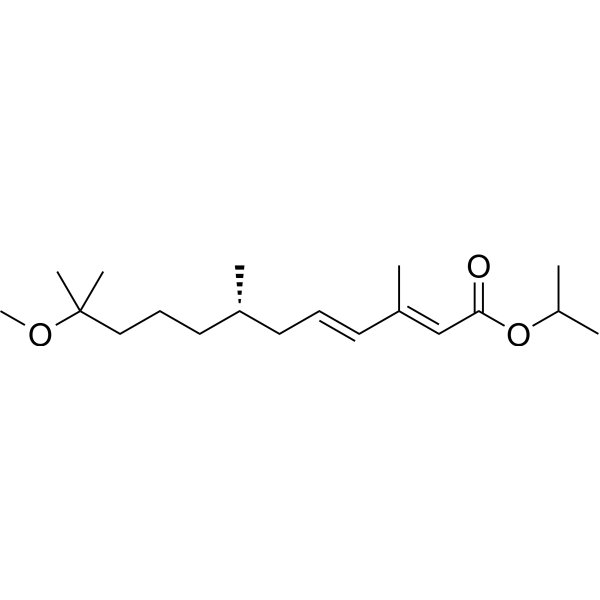
S-Methoprene is an insect juvenile hormone analog and effective insecticide that blocks the transition from pupa to adult. S-Methoprene is also a CB(1) receptor ligand and inhibits the binding of the CB1 receptor antagonist [ 3H]CP-55940 to the CB1 receptor (IC50: 19.31 μM) [1] .
|
-
-
- HY-N0919
-
-
-
- HY-13505
-
-
-
- HY-110189
-
|
3β-Hydroxy-5-pregnen-20-one monosulfate sodium
|
Cannabinoid Receptor
TRP Channel
Endogenous Metabolite
Autophagy
|
Neurological Disease
|
|
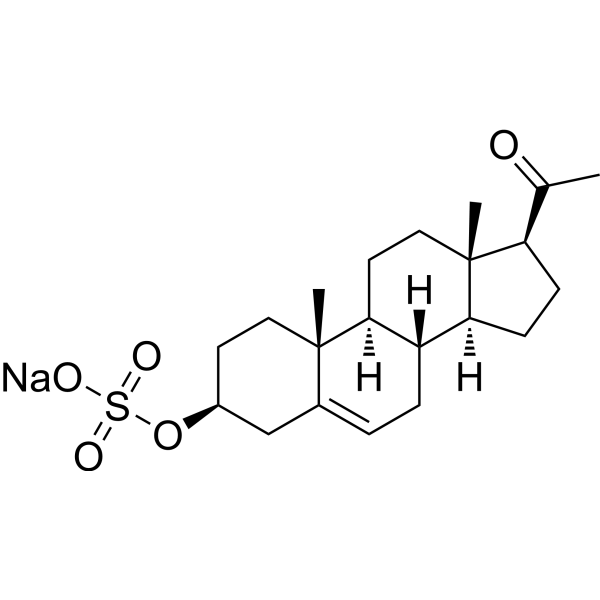
Pregnenolone monosulfate sodium (3β-Hydroxy-5-pregnen-20-one monosulfate sodium) is a powerful neurosteroid, the main precursor of various steroid hormones including steroid ketones. Pregnenolone monosulfate sodium acts as a signaling-specific inhibitor of cannabinoid CB1 receptor, inhibits the effects of tetrahydrocannabinol (THC) that are mediated by the CB1 receptors. Pregnenolone monosulfate sodium can protect the brain from cannabis intoxication [1] . Pregnenolone monosulfate sodium is also a TRPM3 channel activator, and also can weakly activate TRPM1 channels .
|
-
-
- HY-117771
-
DO34
5 Publications Verification
|
DAGL
|
Neurological Disease
Metabolic Disease
|
|
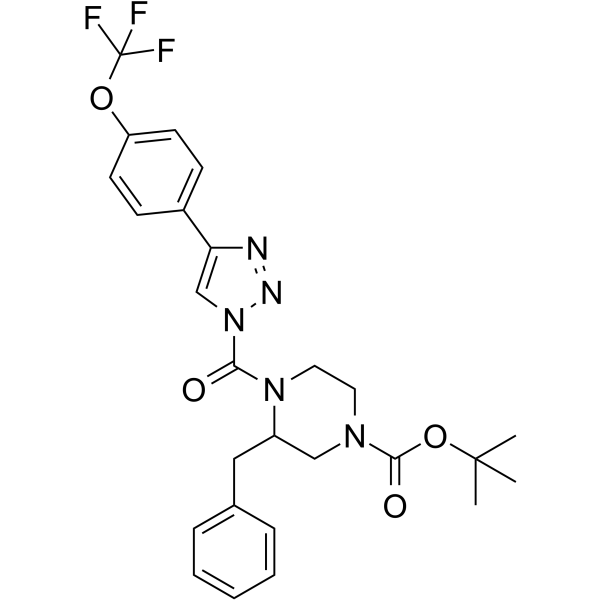
DO34 is a selective DAGL inhibitor, with an IC50 of 6 nM for DAGLα conversion of SAG to 2-AG. DO34 blocks de novo 2-AG synthesis, and suppresses tonic CB1 receptor activation. DO34 blocks depolarization-induced suppression of excitation and inhibition in the cerebellum and hippocampus. DO34 regulates feeding behavior and locomotor activity in mice. DO34 abolishes AM251-mediated enhancement of parallel fiber-evoked excitatory postsynaptic currents in cerebellar slices from MAGL global knockout mice. DO34 can be used for the research of energy balance disorder and neuroinflammation [1] .
|
-
-
- HY-13288
-
-
-
- HY-113204
-
-
-
- HY-10013
-
|
MK-0364
|
Cannabinoid Receptor
|
Metabolic Disease
|
|
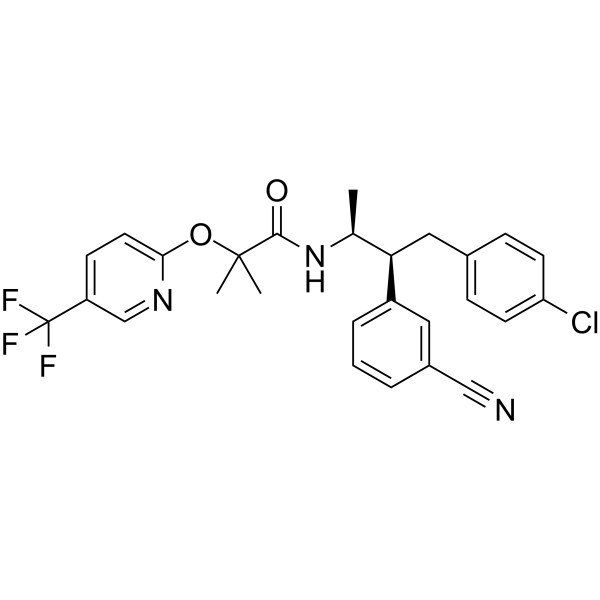
Taranabant is a highly potent and selective cannabinoid 1 (CB1) receptor inverse agonist that inhibits the binding and functional activity of various agonists, with a binding Ki of 0.13 nM for the human CB1R in vitro.
|
-
-
- HY-14791A
-
|
(±)-SLV319; (±)-BMS-646256
|
Cannabinoid Receptor
|
Metabolic Disease
|
|
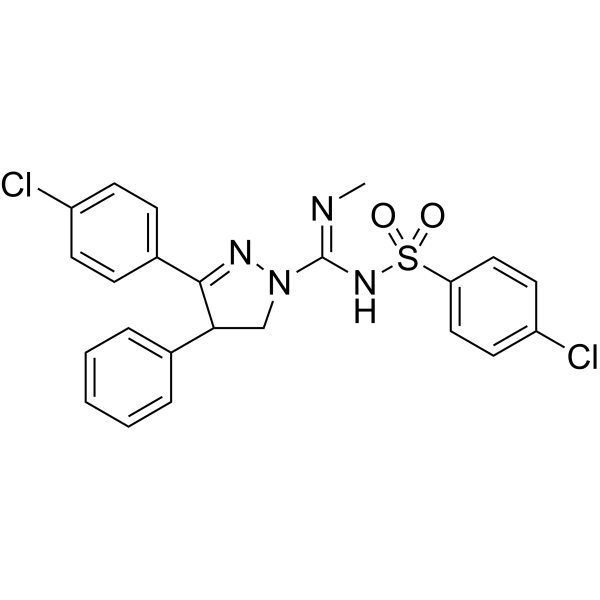
(±)-Ibipinabant ((±)-SLV319) is the racemate of SLV319. (±)-Ibipinabant ((±)-SLV319) is a potent and selective cannabinoid-1 (CB-1) receptor antagonist with an IC50 of 22 nM.
|
-
-
- HY-110206
-
|
|
Cannabinoid Receptor
|
Metabolic Disease
|
|
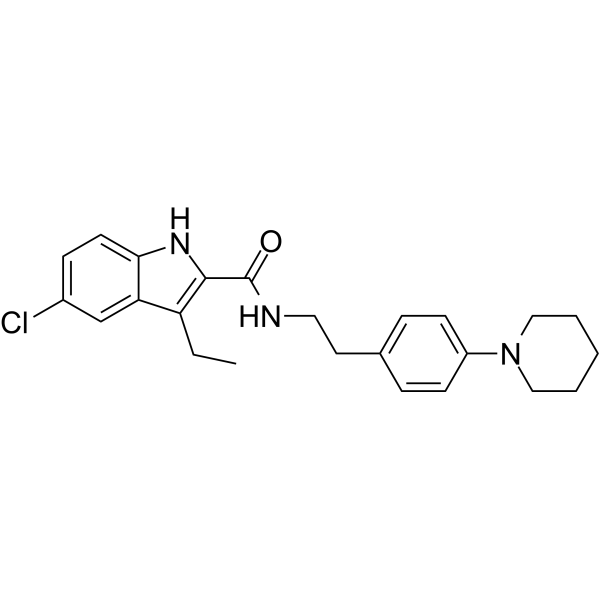
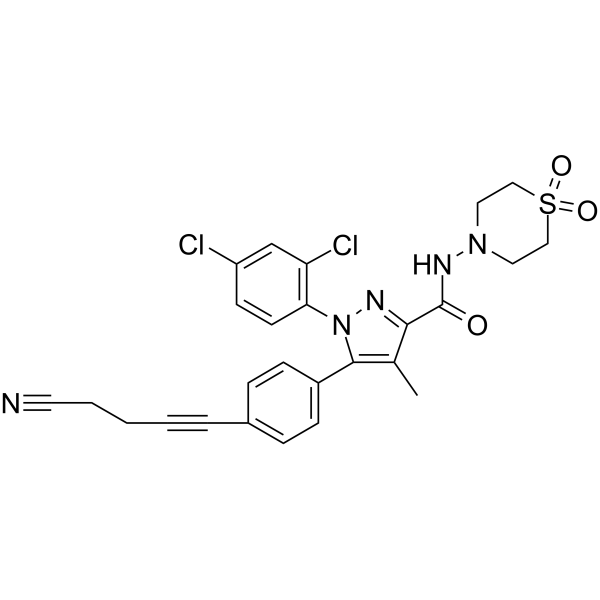
AM6545 is a highly selective, brain-free (peripherally active) CB1 receptor antagonist (Ki=1.7 nM). AM6545 inhibits endocannabinoid signaling by competitively antagonizing CB1 receptors, inhibiting CB1-mediated appetite stimulation and inflammatory responses without affecting cAMP levels. AM6545 significantly reduces food intake and body weight in mice, while improving metabolic syndrome-related renal impairment (such as proteinuria, fibrosis) and insulin resistance. AM6545 can be used in the study of obesity and its complications [1] .
|
-
-
- HY-B0151R
-
|
3β-Hydroxy-5-pregnen-20-one (Standard)
|
Reference Standards
Cannabinoid Receptor
TRP Channel
Endogenous Metabolite
Autophagy
|
Neurological Disease
|
|
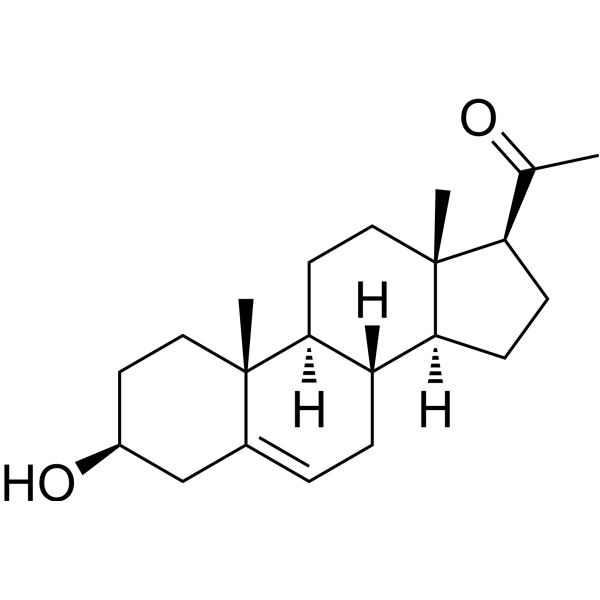
Pregnenolone (Standard) is the analytical standard of Pregnenolone. This product is intended for research and analytical applications. Pregnenolone (3β-Hydroxy-5-pregnen-20-one) is a powerful neurosteroid, the main precursor of various steroid hormones including steroid ketones. Pregnenolone acts as a signaling-specific inhibitor of cannabinoid CB1 receptor, inhibits the effects of tetrahydrocannabinol (THC) that are mediated by the CB1 receptors. Pregnenolone can protect the brain from cannabis intoxication [1] . Pregnenolone is also a TRPM3 channel activator, and also can weakly activate TRPM1 channels .
|
-
-
- HY-14791
-
|
SLV319; BMS-646256
|
Cannabinoid Receptor
|
Metabolic Disease
|
|
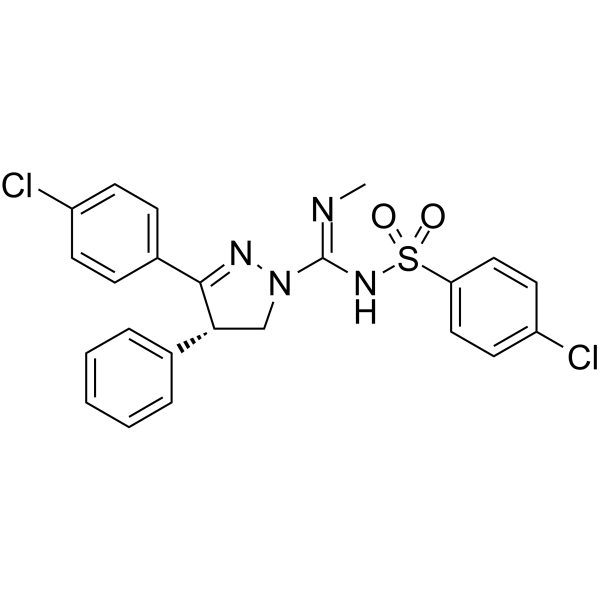
Ibipinabant (SLV319) is a potent, selective and orally active antagonist of cannabinoid CB1 receptor, with a Ki of 7.8 nM. Ibipinabant shows more than 1000-fold selectivity for CB1 over CB2 (Ki=7943 nM). Ibipinabant can be used for the research of obesity and diabetic [1] .
|
-
-
- HY-130311
-
|
2-Monolinolein; 2-Monolinoleoylglycerol
|
Cannabinoid Receptor
|
Neurological Disease
|
|
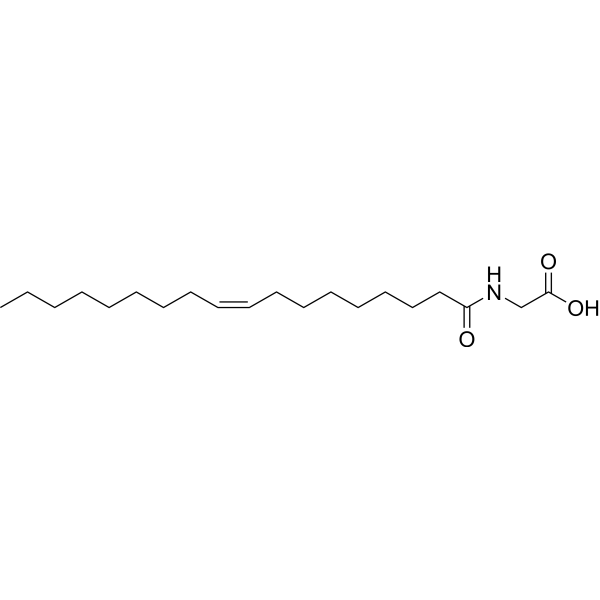
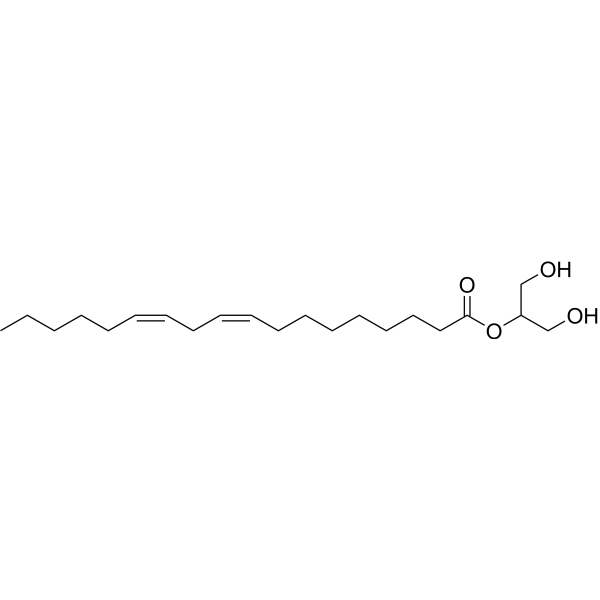
2-Linoleoyl glycerol (2-Monolinolein) is a partial CB1 receptor agonist with a pEC50 of 4.781. 2-Linoleoyl glycerol activates the hCB1 receptor. 2-Linoleoyl glycerol does not induce an increase in intracellular free Ca 2+. 2-Linoleoyl glycerol can be used in the research of neurological disorders [1] .
|
-
-
- HY-110036
-
|
L768242
|
Cannabinoid Receptor
Endogenous Metabolite
HIF/HIF Prolyl-Hydroxylase
TNF Receptor
Interleukin Related
|
Neurological Disease
Inflammation/Immunology
|
|
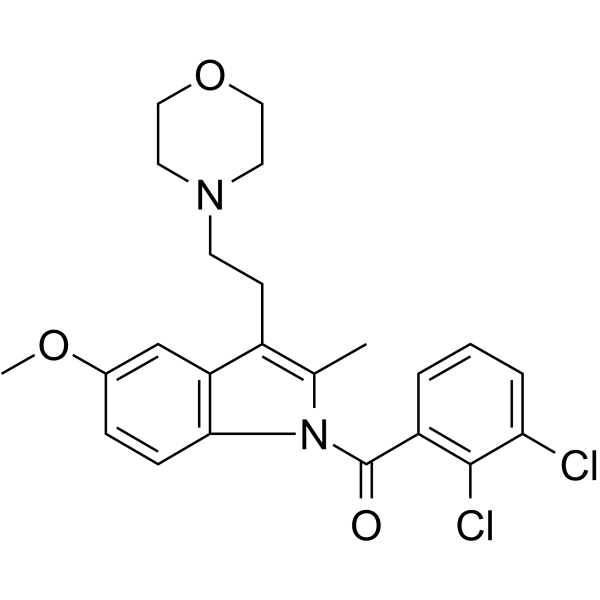
GW-405833 (L768242) is a potent, selective cannabinoid receptor 2 (CB2) agonist. GW405833 has EC50 and Ki values of 0.65 nM and 3.92 nM for CB2, and EC50 and Ki values of 16.1 μM and 4772 nM for CB1. GW-405833 also exhibits non-competitive CB1 antagonist, exerting its analgesic and and anti-inflammatory effect through a CB1 receptor (rather than CB2) dependent mechanism. GW-405833 can significantly inhibit the production of cAMP stimulated by Forskolin (HY-15371). GW405833 inhibits glycolysis by down-regulating HIF-1α, thereby alleviating acute liver failure (ALF) [1] .
|
-
-
- HY-10013A
-
|
MK-0364 racemate
|
Cannabinoid Receptor
|
Neurological Disease
|
|
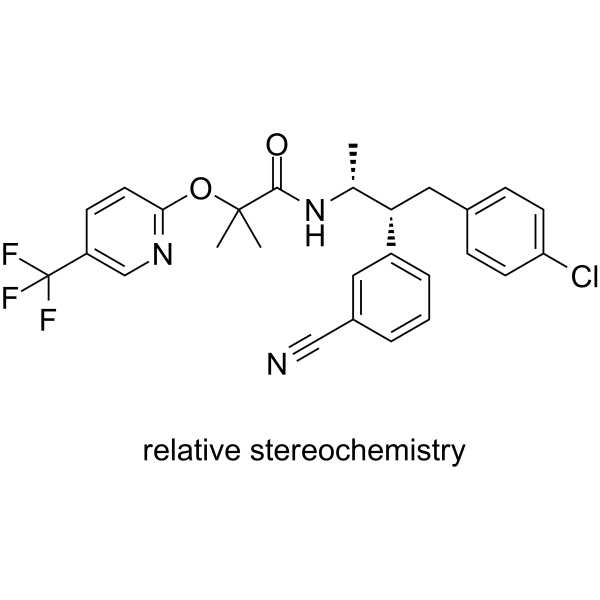
Taranabant racemate (MK-0364 racemate) is an antagonist and/or inverse agonist of the Cannabinoid-1 (CB1) receptor extracted from patent WO 2004048317 A1 [1].
|
-
-
- HY-110018
-
-
-
- HY-148137
-
|
|
Cannabinoid Receptor
|
Neurological Disease
|
|
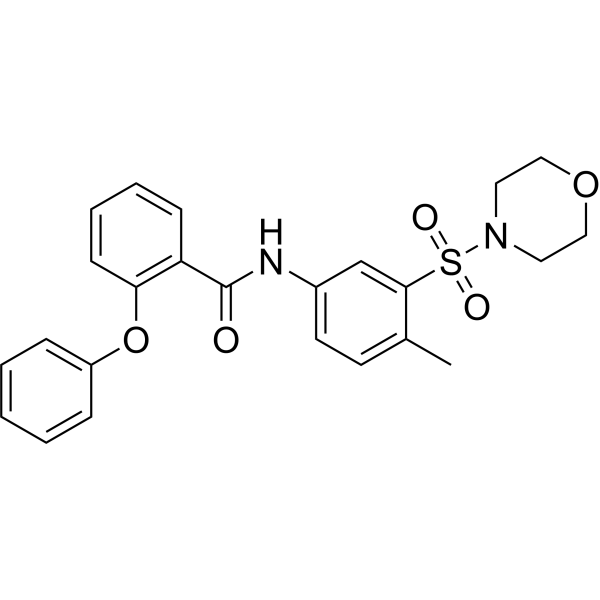
CB1 agonist 1 (compound 22) is an agonist of CB1. CB1 agonist 1 shows affinity to CB1 receptor with an pIC50 value of 5.7. CB1 agonist 1 can be used for the research of brain disorders [1].
|
-
-
- HY-117139
-
|
|
Cannabinoid Receptor
|
Neurological Disease
|
|
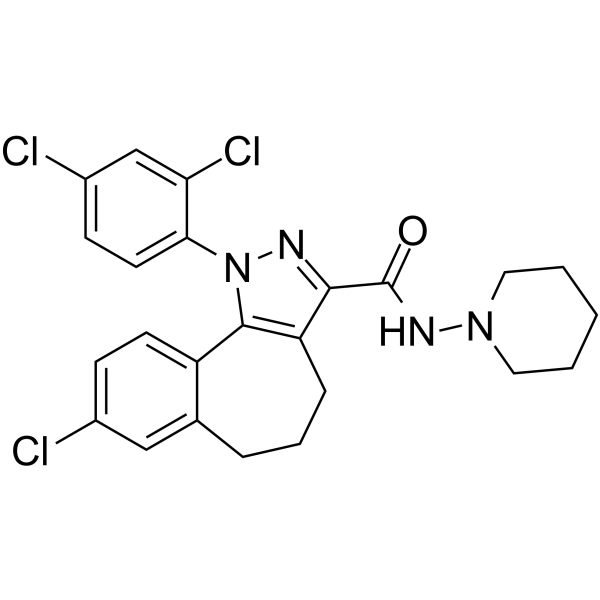
NESS 0327 is a cannabinoid antagonist with high selectivity for the cannabinoid CB1 receptor. NESS 0327 is more than 60,000-fold selective for the CB1 receptor [1].
|
-
-
- HY-110003
-
|
ACPA
|
Cannabinoid Receptor
|
Neurological Disease
|
|
Arachidonylcyclopropylamide (ACPA) is a potent and selective CB1 receptors agonist. Arachidonylcyclopropylamide inhibits forskolin-stimulated cAMP production in CHO cells transfected with human cannabinoid CB1 receptors (IC50=2 nM) [1].
|
-

-
- HY-103335
-
-

-
- HY-118140
-
|
|
Cannabinoid Receptor
|
Neurological Disease
Inflammation/Immunology
|
|
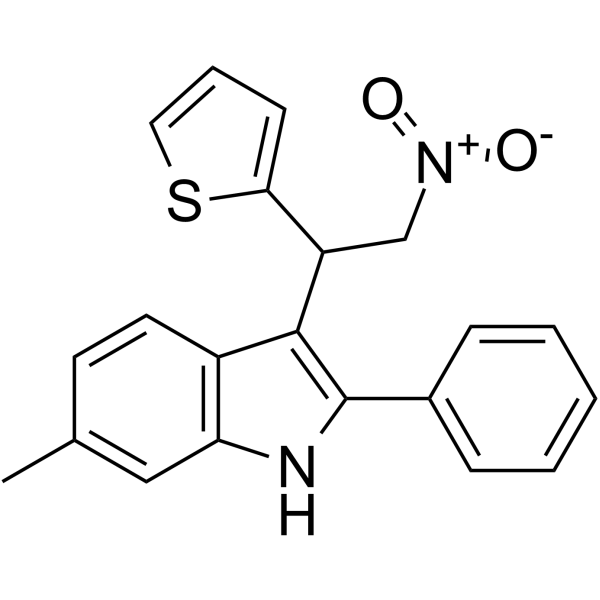
ZCZ011 is a potent and brain-penetrant cannabinoid 1 (CB1) receptor positive allosteric modulator. ZCZ011 potentiates binding of CP55,940 to the CB1 receptor, enhances anandamide (AEA)-stimulated GTPγS binding in mouse brain membranes. ZCZ011 increases β-arrestin recruitment and ERK phosphorylation in hCB1 cells. ZCZ011 can be used for researching neuropathic and inflammatory pain [1].
|
-
-
- HY-110047
-
-
-
- HY-141411A
-
|
(S)-MRI-1867
|
Cannabinoid Receptor
NO Synthase
|
Metabolic Disease
|
|
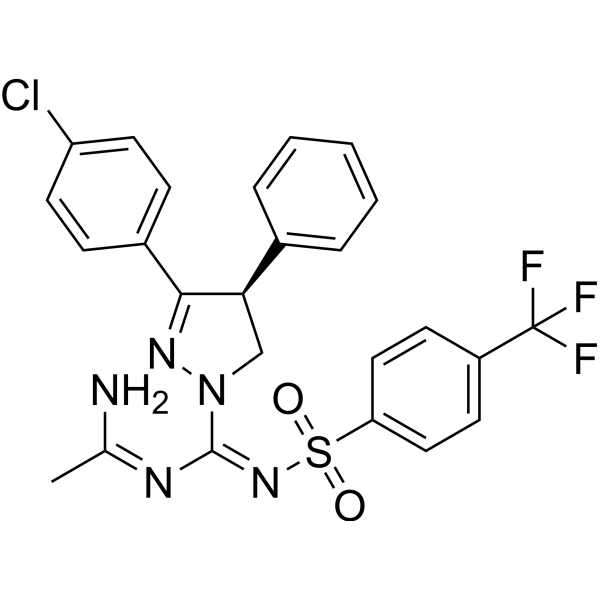
Zevaquenabant ((S)-MRI-1867) is a peripherally restricted, orally bioavailable dual cannabinoid CB1 receptor and inducible NOS antagonist. Zevaquenabant ameliorates obesity-induced chronic kidney disease (CKD) [1].
|
-
-
- HY-177425
-
|
|
Cannabinoid Receptor
|
Metabolic Disease
|
|
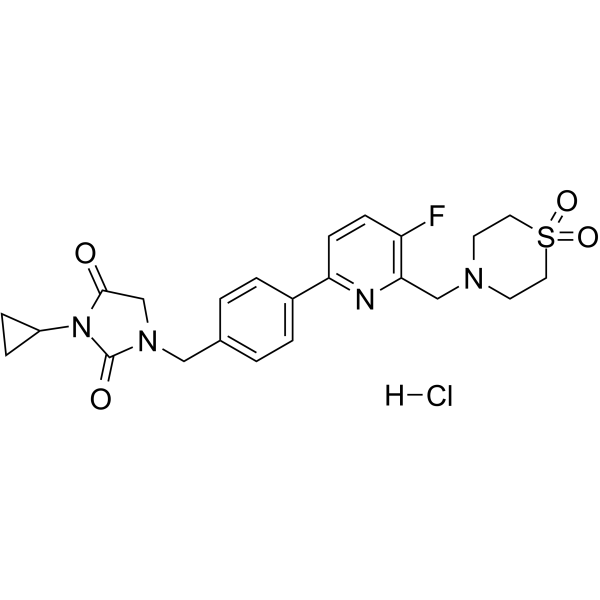
AM11542 is a cannabinoid receptor 1 (CB1) agonist with a human CB1 Ki of 0.11 nM. AM11542 stabilizes the active conformational state of the CB1 receptor. AM11542 can be used for the research of obesity [1].
|
-

-
- HY-124283A
-
|
|
Cannabinoid Receptor
|
Neurological Disease
|
|
LEI-101 is a potent, selective, and orally bioavailable cannabinoid CB2 receptor agonist, with a pEC50 of 8 for hCB2, and a pKi of less than 4 for hERG. LEI-101 is ~100-fold more potent in binding to CB2 receptors than to CB1 receptors [1] .
|
-
-
- HY-B0151S2
-
|
3β-Hydroxy-5-pregnen-20-one-d4-1
|
Cannabinoid Receptor
TRP Channel
Endogenous Metabolite
Autophagy
|
Neurological Disease
|
|
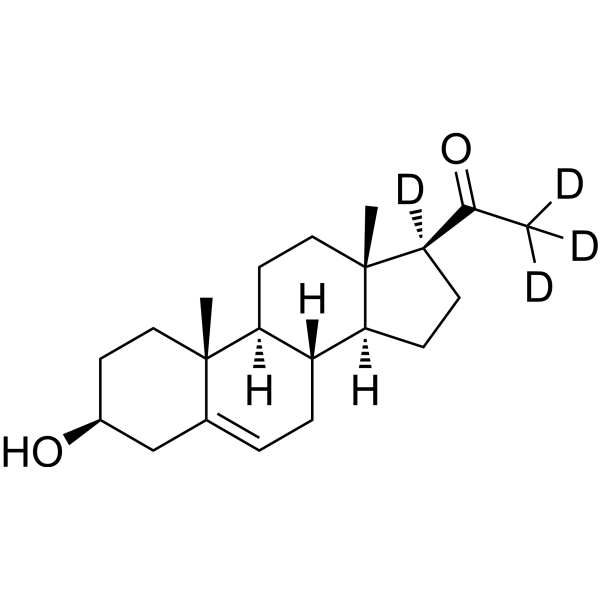
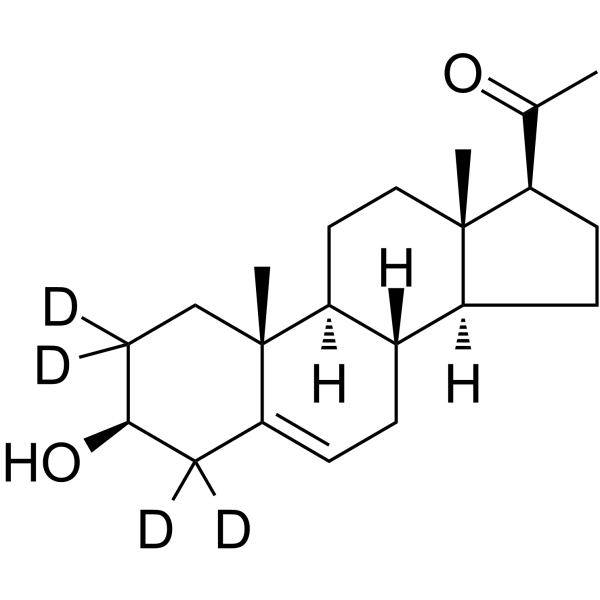
Pregnenolone-d4-1 is the deuterium labeled Pregnenolone. Pregnenolone (3β-Hydroxy-5-pregnen-20-one) is a powerful neurosteroid, the main precursor of various steroid hormones including steroid ketones. Pregnenolone acts as a signaling-specific inhibitor of cannabinoid CB1 receptor, inhibits the effects of tetrahydrocannabinol (THC) that are mediated by the CB1 receptors. Pregnenolone can protect the brain from cannabis intoxication [1] . Pregnenolone is also a TRPM3 channel activator, and also can weakly activate TRPM1 channels .
|
-
-
- HY-125743
-
|
(S)-Methanandamide
|
Cannabinoid Receptor
|
Neurological Disease
|
|
S-1 Methanandamide ((S)-Methanandamide), an Anandamide analog, is a CB1 receptor ligand with a Ki of 173 nM. S-1 Methanandamide inhibits electrically-evoked twitch response in mouse vas deferens with an IC50 value of 230 nM [1].
|
-

-
- HY-14788
-
|
AVE1625
|
Cannabinoid Receptor
|
Metabolic Disease
|
|
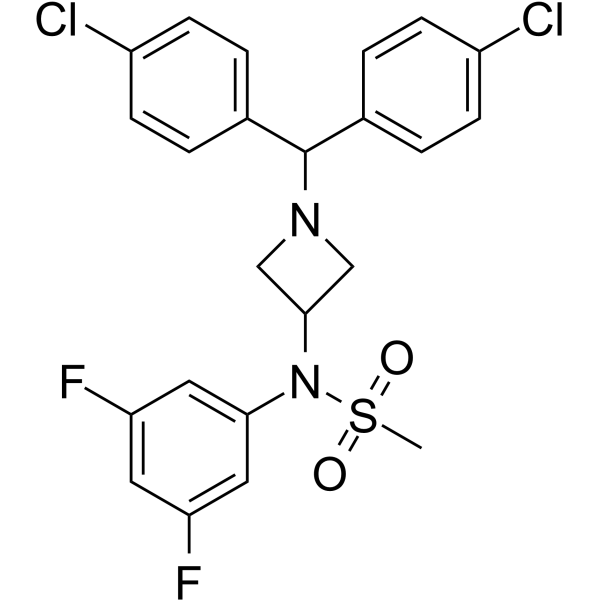
Drinabant (AVE1625) is an orally active CB1 receptor antagonist. Drinabant (AVE1625) inhibits the agonist-stimulated calcium signal with IC50 values of 25 nM and 10 nM for the hCB1-R and rCB1-R, respectively, and is ineffective for the hCB2-R [1].
|
-
-
- HY-112828
-
|
|
DAGL
|
Neurological Disease
Metabolic Disease
Inflammation/Immunology
|
|
LEI105 is a potent, highly selective and reversible dual diacylglycerol lipase (DAGL)-α/DAGL-β inhibitor. LEI105 reduces 2-arachidonoylglycerol levels in Neuro2A cells. LEI105 also reduces cannabinoid CB1-receptor-mediated short-term synaptic plasticity in a mouse hippocampal slice model. LEI105 is promising for research of diseases, such as obesity, related metabolic disorders and neuroinflammation [1].
|
-

-
- HY-159161
-
|
|
Orphan GPCR
|
Inflammation/Immunology
Cancer
|
|
PSB-CB-27 is a potent and selective GPR18 inhibitor with an IC50 of 0.65 μM. PSB-CB-27 shows selectivity over Human GPR55, Human CB1 receptor, and Human CB2 receptor. PSB-CB-27 leads to a complete blockade of Δ9-Tetrahydrocannabinol (THC)-induced GPR18 activation. PSB-CB-27 can be used for inflammatory diseases and cancer immunotherapy research [1].
|
-

-
- HY-103327
-
|
|
Cannabinoid Receptor
|
Metabolic Disease
|
|
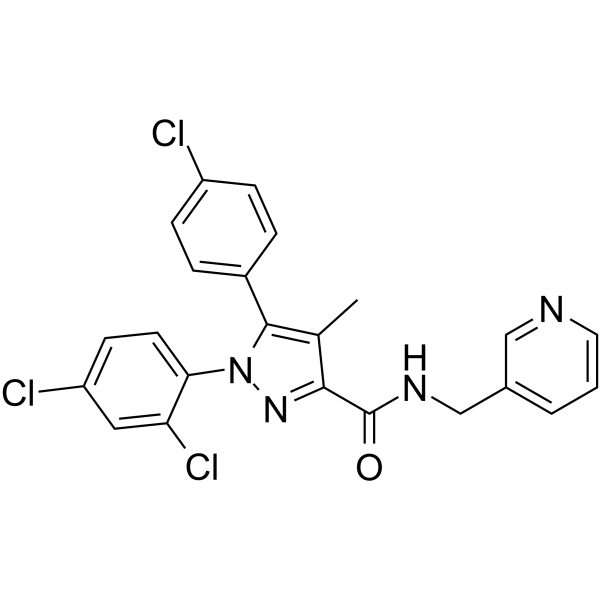
MJ15 is a potent and selective CB1 receptor antagonist with a Ki of 27.2 pM and an IC50 of 118.9 pM for rat CB1 receptors. MJ15 exhibits potency in obesity and hyperlipidemia models. MJ15 inhibits food intake and increases in body weight in diet-induced obese rats and mice [1].
|
-
-
- HY-110014
-
|
|
Cannabinoid Receptor
|
Neurological Disease
|
|
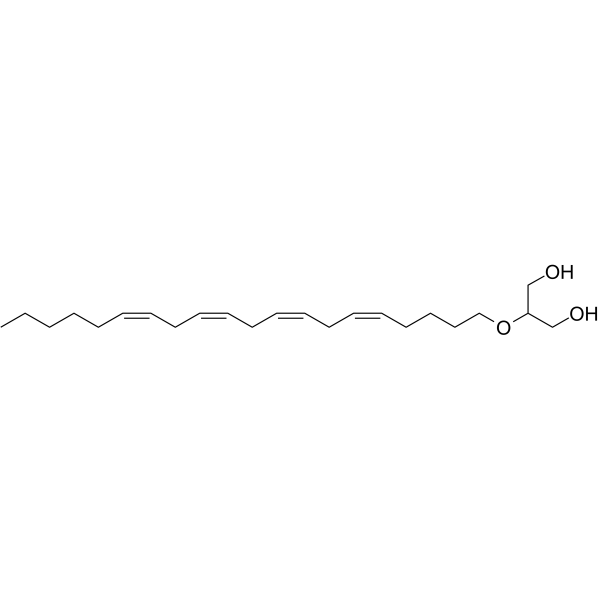
Noladin ether is a potent and selective agonist of cannabinoid CB1 receptor, with a Ki of 21.2 nM. Noladin ether can cause hypothermia, intestinal immobility, and mild antinociception [1].
|
-
-
- HY-14753
-
|
|
Cannabinoid Receptor
|
Cardiovascular Disease
Metabolic Disease
|
|
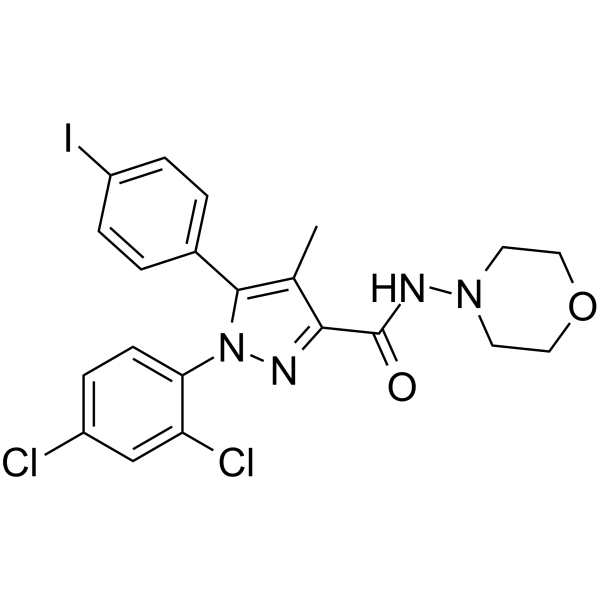
Rosonabant is a selective antagonist for cannabinoid receptor (CB1 receptor), which reduces body weight and improves improves the risk of obesity-related cardiovascular metabolic diseases. Rosonabant exhibits adverse side effect, such as nausea and mental disorder [1].
|
-

-
- HY-110189S1
-
|
3β-Hydroxy-5-pregnen-20-one monosulfate-d4 sodium
|
Isotope-Labeled Compounds
Cannabinoid Receptor
TRP Channel
Endogenous Metabolite
Autophagy
|
Neurological Disease
|
|
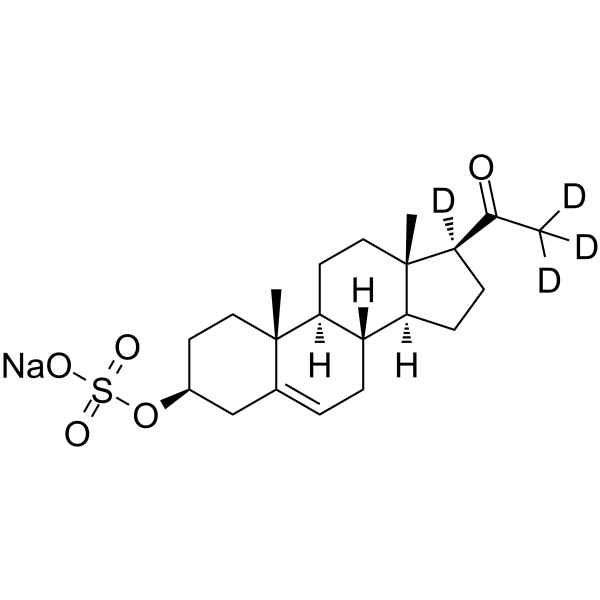
Pregnenolone monosulfate-d4 sodium is the deuterium labeled Pregnenolone monosulfate sodium (HY-110189) . Pregnenolone monosulfate sodium (3β-Hydroxy-5-pregnen-20-one monosulfate sodium) is a powerful neurosteroid, the main precursor of various steroid hormones including steroid ketones. Pregnenolone monosulfate sodium acts as a signaling-specific inhibitor of cannabinoid CB1 receptor, inhibits the effects of tetrahydrocannabinol (THC) that are mediated by the CB1 receptors. Pregnenolone monosulfate sodium can protect the brain from cannabis intoxication [1] . Pregnenolone monosulfate sodium is also a TRPM3 channel activator, and also can weakly activate TRPM1 channels .
|
-
-
- HY-110194
-
|
|
Endogenous Metabolite
Cannabinoid Receptor
|
Neurological Disease
|
|
Virodhamine TFA is an endocannabinoid, it regulates neurotransmission by activating the cannabinoid (CB) receptors. Virodhamine is an antagonist of CB1 receptor and an agonist of CB2 receptor. Virodhamine TFA induces megakaryocytic differentiation by triggering MAPK signaling and ROS production. Virodhamine TFA can be used for the research of various neurological disorders such as Alzheimer's and Parkinson's diseases [1] .
|
-

-
- HY-110036A
-
|
L768242 hydrochloride
|
Cannabinoid Receptor
Endogenous Metabolite
HIF/HIF Prolyl-Hydroxylase
TNF Receptor
Interleukin Related
|
Neurological Disease
Inflammation/Immunology
|
|
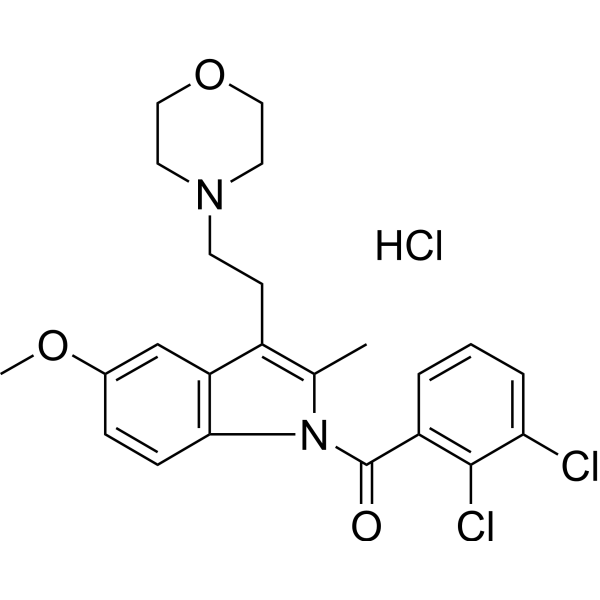
GW405833 (L768242) hydrochloride is a potent, selective cannabinoid receptor 2 (CB2) agonist. GW405833 has EC50 and Ki values of 0.65 nM and 3.92 nM for CB2, and EC50 and Ki values of 16.1 μM and 4772 nM for CB1. GW405833 hydrochloride also exhibits non-competitive CB1 antagonist, exerting its analgesic effect through a CB1 receptor (rather than CB2) dependent mechanism. GW405833 hydrochloride can significantly inhibit the production of cAMP stimulated by Forskolin (HY-15371). GW405833 hydrochloride inhibits glycolysis by down-regulating HIF-1α, thereby alleviating acute liver failure (ALF) [1] .
|
-
-
- HY-183113
-
-

-
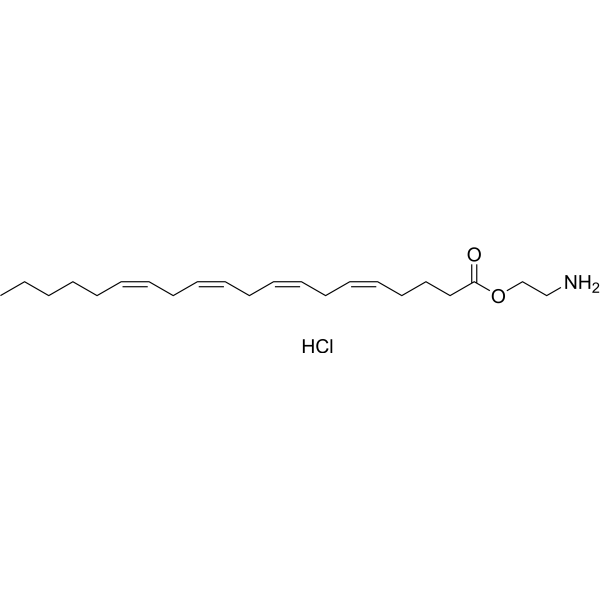
- HY-128040
-
-
-
- HY-N6097
-
-

-
- HY-12606
-
-

-
- HY-105238
-
-

-
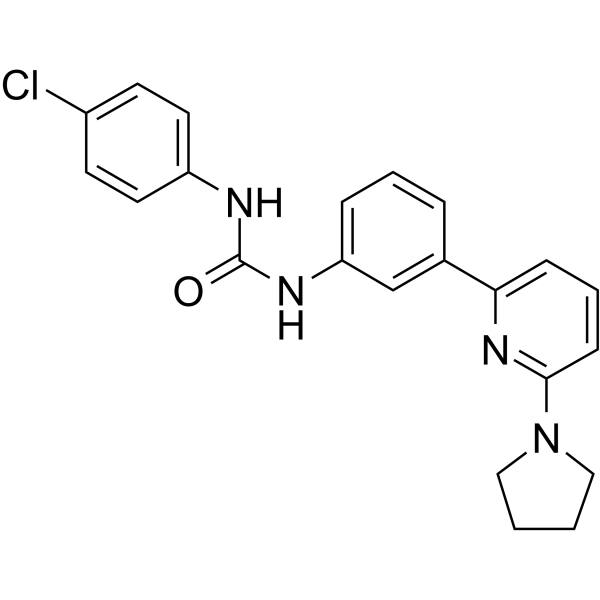
- HY-110179
-
-
-
- HY-114880
-
|
|
Cannabinoid Receptor
|
Neurological Disease
|
|
AB-FUBINACA 3-fluorobenzyl isomer is a synthetic cannabinoid that belongs to the indole derivatives and has a high affinity for the central CB1 receptors (Ki= 0.9 nM), exhibiting anticonvulsant activity [1].
|
-

-
- HY-B0151S
-
|
3β-Hydroxy-5-pregnen-20-one-d4
|
Isotope-Labeled Compounds
Cannabinoid Receptor
TRP Channel
Endogenous Metabolite
Autophagy
|
Neurological Disease
|
|
Pregnenolone-d4 is the deuterium labeled Pregnenolone. Pregnenolone (3β-Hydroxy-5-pregnen-20-one) is a powerful neurosteroid, the main precursor of various steroid hormones including steroid ketones. Pregnenolone acts as a signaling-specific inhibitor of cannabinoid CB1 receptor, inhibits the effects of tetrahydrocannabinol (THC) that are mediated by the CB1 receptors. Pregnenolone can protect the brain from cannabis intoxication [1] . Pregnenolone is also a TRPM3 channel activator, and also can weakly activate TRPM1 channels .
|
-
-
- HY-B0151S1
-
|
3β-Hydroxy-5-pregnen-20-one-13C2,d2
|
Isotope-Labeled Compounds
Autophagy
Cannabinoid Receptor
Endogenous Metabolite
TRP Channel
|
Neurological Disease
|
|
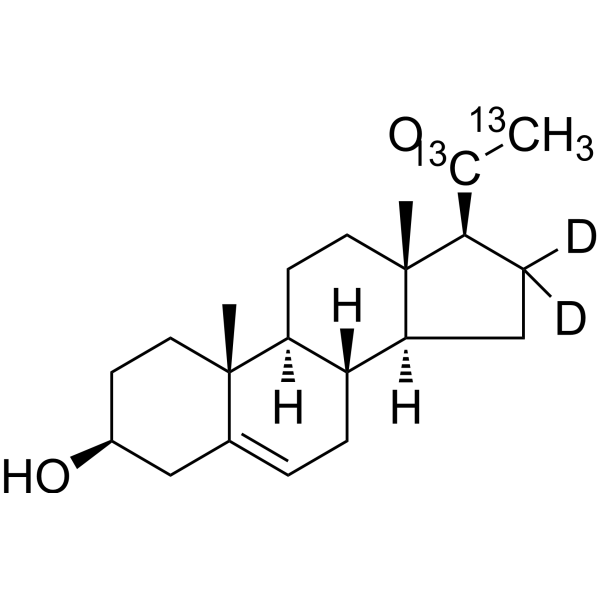
Pregnenolone- 13C2,d2 is the deuterium and 13C labeled Pregnenolone (HY-B0151). Pregnenolone is a powerful neurosteroid, the main precursor of various steroid hormones including steroid ketones. Pregnenolone acts as a signaling-specific inhibitor of cannabinoid CB1 receptor, inhibits the effects of tetrahydrocannabinol (THC) that are mediated by the CB1 receptors. Pregnenolone can protect the brain from cannabis intoxication. Pregnenolone is also a TRPM3 channel activator, and also can weakly activate TRPM1 channels [1] .
|
-
-
- HY-121827
-
LH21
1 Publications Verification
|
Cannabinoid Receptor
|
Metabolic Disease
|
|
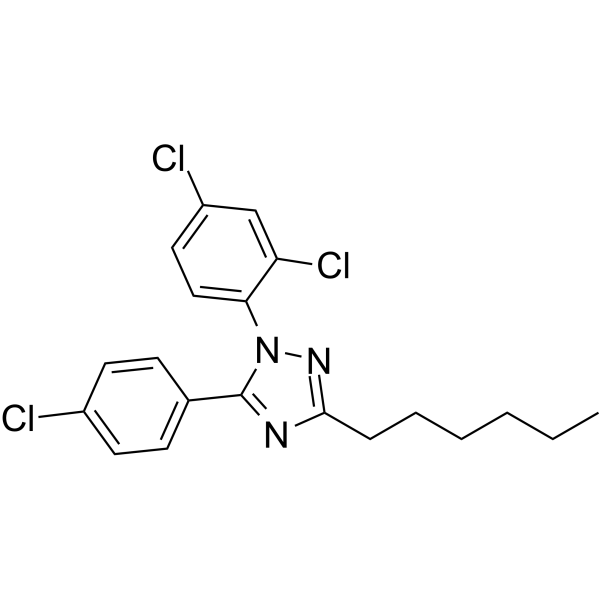
LH-21 is a potent in vivo neutral cannabinoid CB1 receptor antagonist. LH-21 reduces food intake and body weight gain in obese Zucker rats.
, and displays efficacy as a feeding inhibitor [1].
|
-
- HY-133533
-
|
|
Cannabinoid Receptor
|
Neurological Disease
|
|
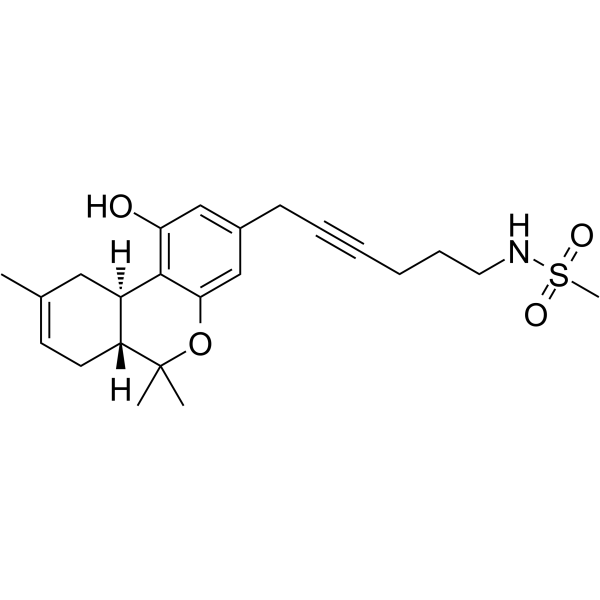
O-2050 is a high affinity cannabinoid CB1 receptor antagonist with a Ki of 2.5 nM. O-2050 inhibits cannabinoid CB2 receptor (Ki=0.2 nM). O-2050 can cause locomotor stimulation in mice [1].
|
-
- HY-W011040
-
|
|
Cannabinoid Receptor
5-HT Receptor
mAChR
|
Neurological Disease
|
|
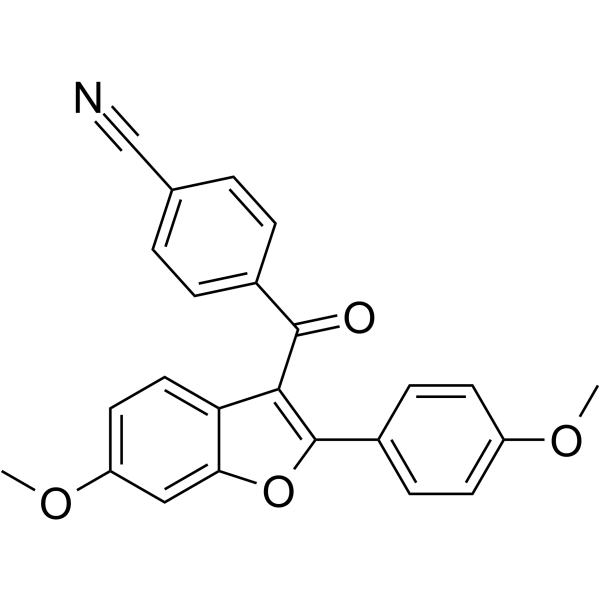
LY320135 is a potent and selective antagonist of CB1 receptor, with a Ki of 141 nM. LY320135 also binds to 5-HT2 and muscarinic receptors with Kis of 6.4 μM and 2.1 μM, respectively. LY320135 exhibits neuroprotective effect [1] .
|
-
- HY-170477
-
|
Δ8-Tetrahydrocannabiphorol; n-Heptyl ∆8-THC
|
Cannabinoid Receptor
|
Others
|
|
Δ8-THCP (Δ8-Tetrahydrocannabiphorol; n-Heptyl Δ8-THC) (Compound 1a) is a semisynthetic cannabinoid that serves as an analytical reference standard and exhibits affinity for the CB1 receptor [1] .
|
-

- HY-103336
-
|
T1117
|
GPR55
Cannabinoid Receptor
|
Cardiovascular Disease
|
|
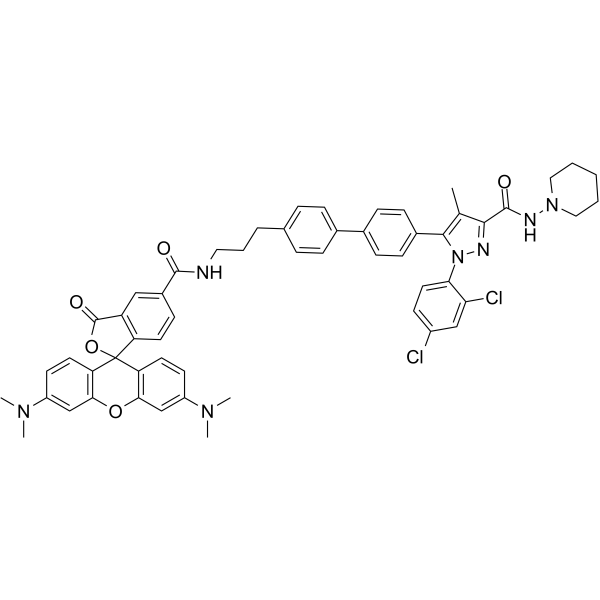
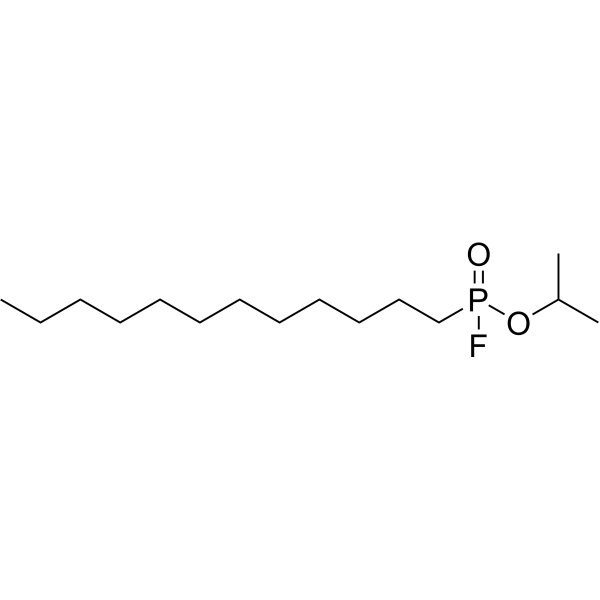
Tocrifluor 1117 (T1117), a fluorescent form of the cannabinoid CB1 receptor antagonist AM251 (HY-15443), is a selective fluorescent GPR55 ligand. Tocrifluor 1117 is a potent tool for identifying the cellular location of cannabinoid receptors (including GPR55 in living tissues) (Ex/Em=543/590 nm) [1] .
|
-
- HY-121637
-
-
- HY-130357
-
-

- HY-153800A
-
-
- HY-P1397A
-
|
|
Cannabinoid Receptor
|
Cardiovascular Disease
|
|
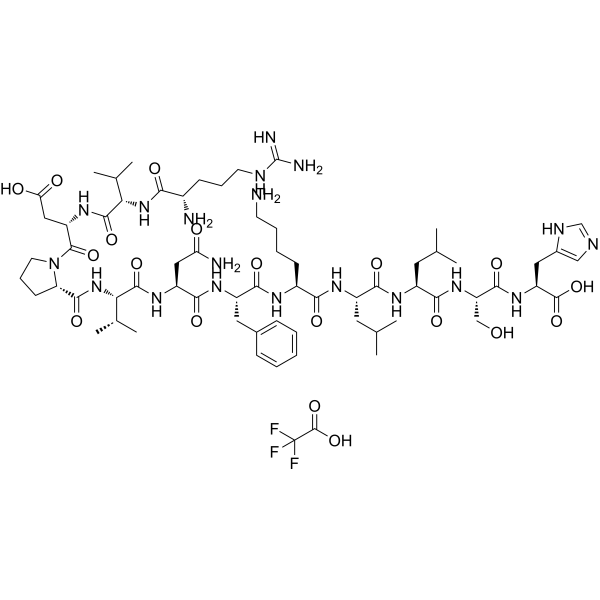
RVD-Hpα TFA is the N-terminally extended form of human hemopressin that acts as a selective CB1 receptor agonist. RVD-Hpα TFA increases intracellular Ca 2+ levels in cells expressing CB1 receptors in vitro. RVD-Hpα TFA also high affinity CB2 positive allosteric modulator (Ki=50 nM).
|
-
- HY-119352
-
-

- HY-113516
-
|
|
Endogenous Metabolite
|
Neurological Disease
|
|
20-HETE Ethanolamide is a metabolite of endocannabinoid Anandamide. 20-HETE Ethanolamide binds to the rat brain cannabinoid CB1 receptor with a Ki of 985 nM [1] .
|
-

- HY-10013B
-
|
MK0364 (1R,2R)stereoisomer
|
Cannabinoid Receptor
|
Others
|
|
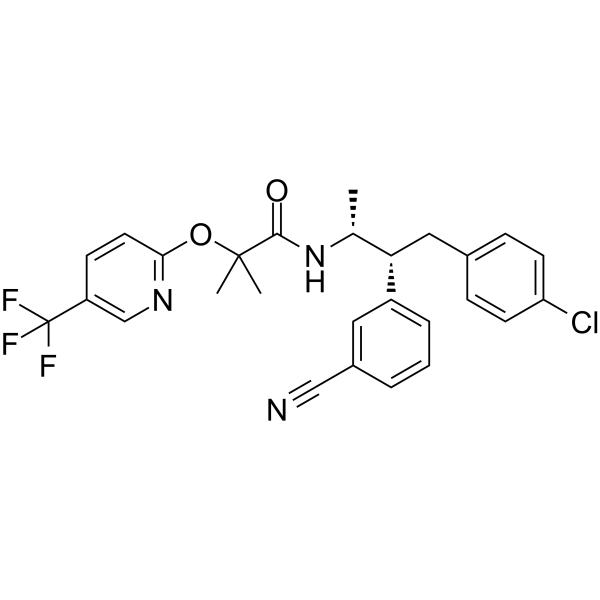
Taranabant (1R,2R)stereoisomer is the R-enantiomer of Taranabant. Taranabant is a highly potent and selective cannabinoid 1 (CB1) receptor inverse agonist.
|
-
- HY-U00397
-
-
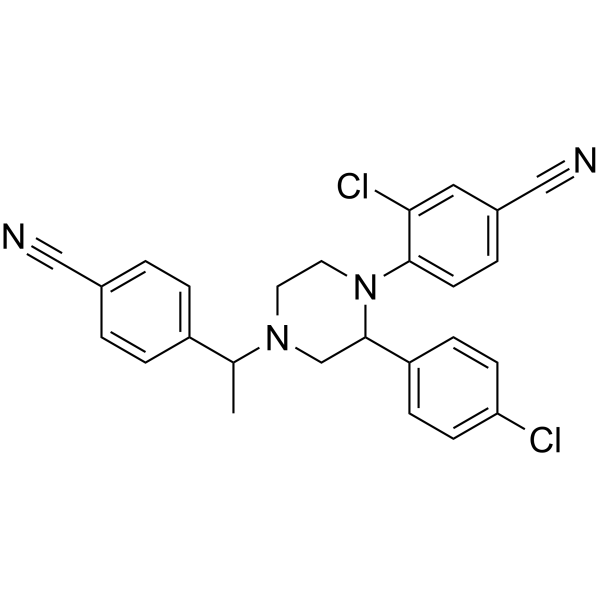
- HY-110020
-
-
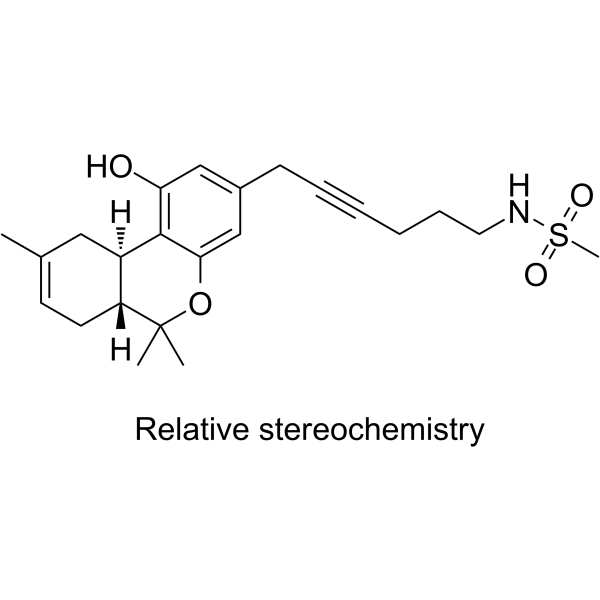
- HY-106010
-
|
|
Cannabinoid Receptor
|
Neurological Disease
|
|
LBP1 is an orally active and low brain penetrant CB1 receptor agonist. LBP1 exhibits significant anti-allodynic and anti-hyperalgesic effects in rodent models of neuropathic pain [1].
|
-

- HY-12244
-
-

- HY-N0919R
-
-

- HY-W705168
-
-

- HY-110040
-
-

- HY-13505R
-
|
|
Cannabinoid Receptor
|
Neurological Disease
|
|
AM281 (Standard) is the analytical standard of AM281. This product is intended for research and analytical applications. AM281 is a selective CB1 receptor antagonist with an IC50 of 9.91 nM. AM281 inhibits CB2 receptor with an IC50 of 13000 nM [1].
|
-

- HY-114826
-
|
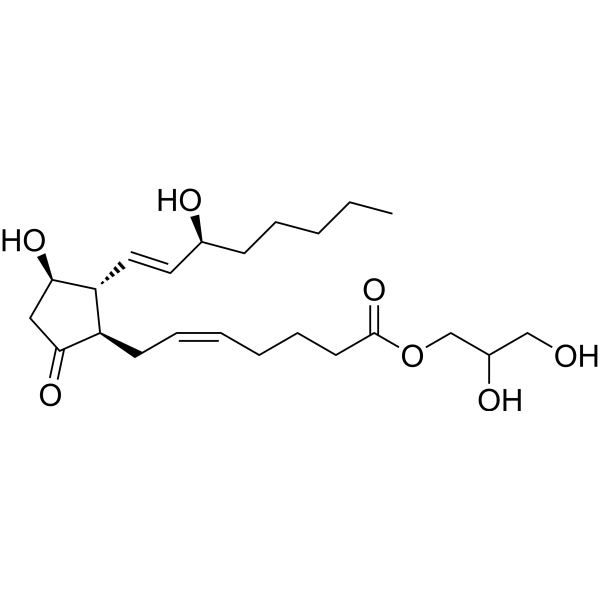
PGE2-1-glyceyl ester
|
Cannabinoid Receptor
|
Metabolic Disease
Cancer
|
Prostaglandin E2-1-glyceryl ester, a Prostaglandin Glycerol Ester, is an endocannabinoid ligand for the CB1 receptor. Prostaglandin E2-1-glyceryl ester induces rapid, transient elevation of intracellular free Ca 2+ [1] .
|
-
- HY-110189R
-
|
3β-Hydroxy-5-pregnen-20-one monosulfate sodium (Standard)
|
Cannabinoid Receptor
TRP Channel
Endogenous Metabolite
Autophagy
Reference Standards
|
Neurological Disease
|
|
Pregnenolone monosulfate (sodium) (Standard) is the analytical standard of Pregnenolone monosulfate (sodium). This product is intended for research and analytical applications. Pregnenolone monosulfate sodium (3β-Hydroxy-5-pregnen-20-one monosulfate sodium) is a powerful neurosteroid, the main precursor of various steroid hormones including steroid ketones. Pregnenolone monosulfate sodium acts as a signaling-specific inhibitor of cannabinoid CB1 receptor, inhibits the effects of tetrahydrocannabinol (THC) that are mediated by the CB1 receptors. Pregnenolone monosulfate sodium can protect the brain from cannabis intoxication [1] . Pregnenolone monosulfate sodium is also a TRPM3 channel activator, and also can weakly activate TRPM1 channels .
|
-

- HY-110189S
-
|
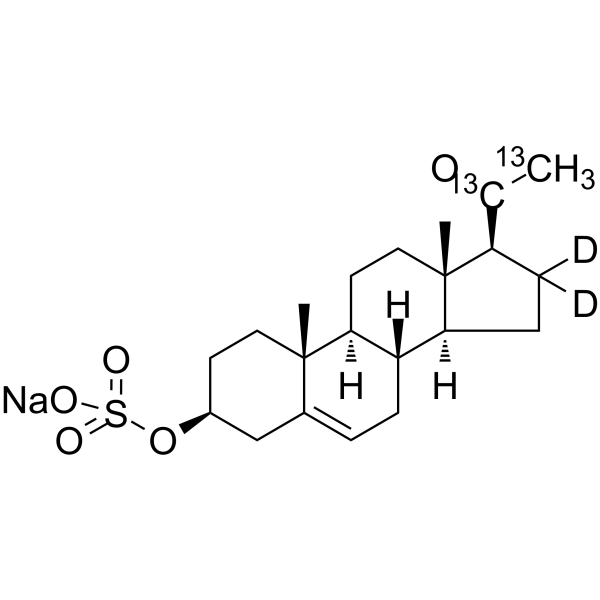
3β-Hydroxy-5-pregnen-20-one monosulfate sodium-13C2,d2
|
Isotope-Labeled Compounds
Cannabinoid Receptor
TRP Channel
Endogenous Metabolite
Autophagy
|
Neurological Disease
|
|
Pregnenolone monosulfate (sodium)- 13C2,d2 is the 13C- and deuterium labeled Pregnenolone monosulfate sodium. Pregnenolone monosulfate sodium (3β-Hydroxy-5-pregnen-20-one monosulfate sodium) is a powerful neurosteroid, the main precursor of various steroid hormones including steroid ketones. Pregnenolone monosulfate sodium salt acts as a signaling-specific inhibitor of cannabinoid CB1 receptor, inhibits the effects of tetrahydrocannabinol (THC) that are mediated by the CB1 receptors. Pregnenolone monosulfate sodium salt can protect the brain from cannabis intoxication [1] . Pregnenolone monosulfate sodium salt is also a TRPM3 channel activator, and also can weakly activate TRPM1 channels .
|
-
- HY-135280
-
|
CB1 inverse agonist 1
|
Cannabinoid Receptor
|
Metabolic Disease
|
|
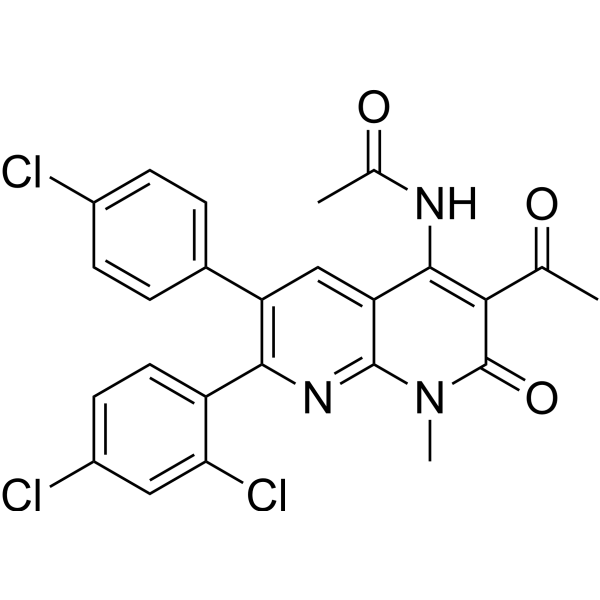
MRL-650 (CB1 inverse agonist 1), a chemical probe, is a highly potent, orally active, and specific inverse agonist of CB1 receptor with IC50s of 7.5 nM and 4100 nM for CB1 and CB2 receptors, respectively. Anorexigenic effects [1].
|
-
- HY-141411B
-
|
(R)-MRI-1867
|
Drug Isomer
Cannabinoid Receptor
NO Synthase
|
Others
|
|
(R)-Zevaquenabant ((R)-MRI-1867) is the enantiomer of Zevaquenabant (HY-141411A). Zevaquenabant ((S)-MRI-1867) is a peripherally restricted, orally bioavailable dual cannabinoid CB1 receptor and inducible NOS antagonist. Zevaquenabant ameliorates obesity-induced chronic kidney disease (CKD) [1].
|
-

- HY-15443R
-
|
|
Cannabinoid Receptor
|
Neurological Disease
|
|
AM251 (Standard) is the analytical standard of AM251. This product is intended for research and analytical applications. AM251 is a selective cannabinoid 1 (CB1) receptor antagonist with an IC50 of 8 nM. AM251 also acts as a potent GPR55 agonist with an EC50 of 39 nM [1] .
|
-

- HY-119744
-
|
|
Cannabinoid Receptor
|
Neurological Disease
|
|
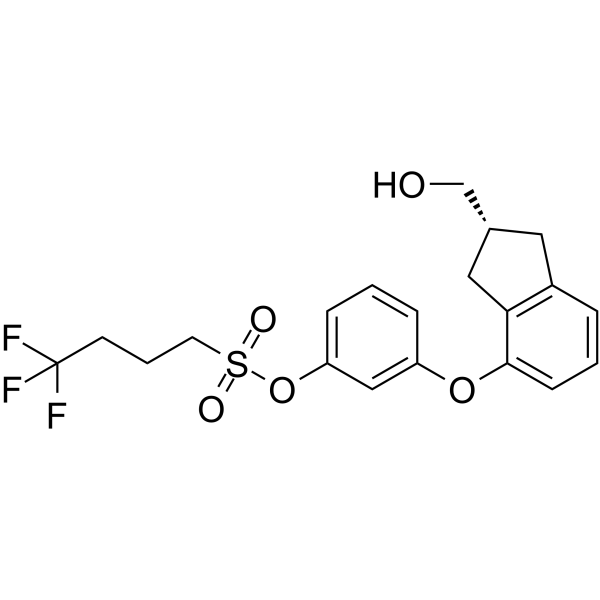
BAY 38-7271 is selective and highly potent and cannabinoid CB1/CB2 receptor agonist, with Kis of 1.85 nM and 5.96 nM for recombinant human CB1 receptor and CB2 receptor, respectively. BAY 38-7271 has strong neuroprotective properties [1].
|
-
- HY-139230
-
|
|
Cannabinoid Receptor
PPAR
|
Metabolic Disease
|
|
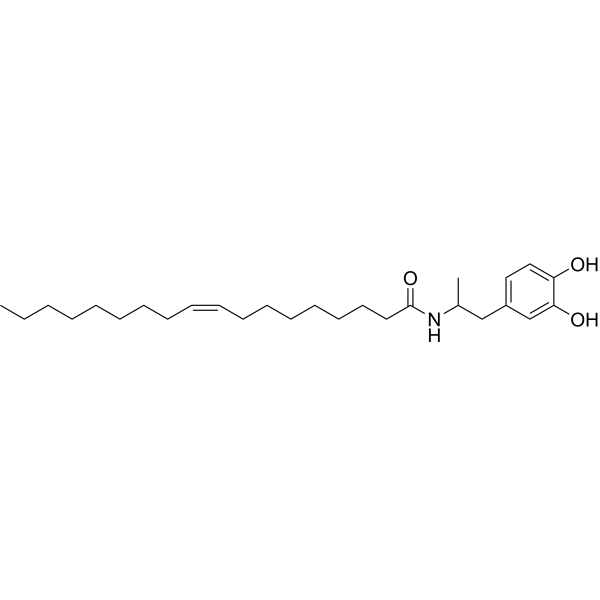
OLHHA is a dual CB1 receptor antagonist and PPARα agonist. OLHHA also is a alcohol intake inhibitor with an EC50 value of 0.2 mg/kg. OLHHA reduces both hepatic lipid accumulation and circulating triglyceride levels. OLHHA shows anti-steatotic activity and has the potential for the research of non-alcoholic fatty liver disease (NAFLD) [1] .
|
-
- HY-121600
-
|
|
Cannabinoid Receptor
|
|
|
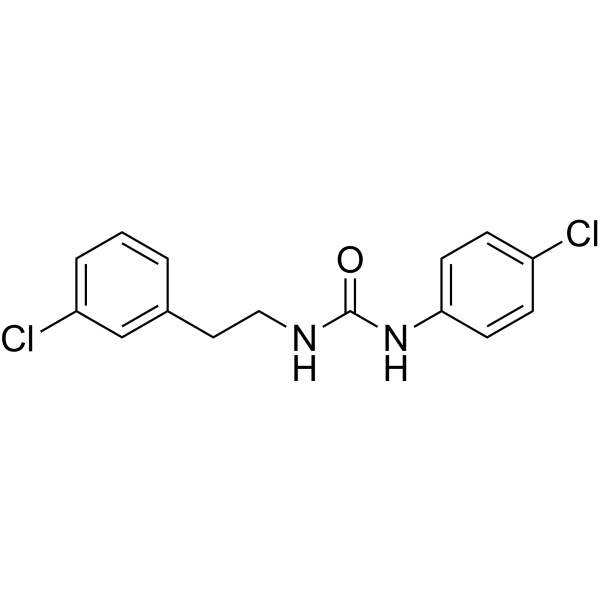
GAT229 is a CB1 positive allosteric modulator (PAM) that effectively reduces intraocular pressure (IOP) in high IOP mouse models and enhances CB1 receptor-mediated IOP-lowering effects. A 0.2% GAT229 solution or 10 mg/kg of GAT229 alone significantly reduces IOP. GAT229 is promising for research related to glaucoma and elevated intraocular pressure [1].
|
-

- HY-W775346
-
|
Δ8-THC acetate; Delta8-tetrahydrocannabinol
|
Cannabinoid Receptor
|
Neurological Disease
Inflammation/Immunology
|
|
Delta8-THC acetate (Delta8-tetrahydrocannabinol) is a psychoactive phytocannabinoid, that binds to cannabinoid receptor 1 (CB1 receptor), and exhibits anti-nausea, appetite-stimulating, and anti-inflammatory activities. Delta8-THC acetate exhibits probably neuroprotective efficacy and can be used in anti-anxiety and antidepressant research [1].
|
-

- HY-145196
-
|
|
Cannabinoid Receptor
|
Neurological Disease
|
|
RTICBM-189 is a potent, brain-penetrant allosteric modulator of the cannabinoid type-1 (CB1) receptor with a pIC50 of 7.54 in Ca 2+ mobilization assay. RTICBM-189 has pIC50s of 5.29 and 6.25 for hCB1 and mCB1, respectively. RTICBM-189 significantly and selectively attenuates the reinstatement of the addictive agent-seeking behavior in rats [1].
|
-
- HY-134110
-
|
|
Endogenous Metabolite
|
Metabolic Disease
|
|
Anandamide (AEA) is an endogenous cannabinoid that binds to both central cannabinoid (CB1) and peripheral cannabinoid (CB2) receptors. The biological actions of AEA are terminated by cellular uptake and hydrolysis of the amide bond by the enzyme fatty acid amide hydrolase. Arachidonoyl-N-methyl amide is an analog of anandamide that binds to the human central cannabinoid (CB1) receptor with a Ki of 60 nM. It inhibits rat glial gap junction cell-cell communication 100% at a concentration of 50 μM.
|
-

- HY-N15177
-
|
Δ9-Tetrahydrocannabutol
|
Cannabinoid Receptor
|
Neurological Disease
Inflammation/Immunology
|
|
Δ9-THCB (Δ9-Tetrahydrocannabutol) has a high affinity for human CB1 and CB2 receptors with the Ki values of 15 nM and 51 nM, respectively. Δ9-THCB (Δ9-Tetrahydrocannabutol) has analgesic and anti-inflammatory activities and plays partial agonistic effects on CB1 receptor in mice [1].
|
-

- HY-134055
-
|
Arachidonic acid-N,N-dimethyl amide
|
Cannabinoid Receptor
|
Metabolic Disease
|
|
Anandamide (AEA) is an endogenous cannabinoid that binds to both central cannabinoid (CB1) and peripheral cannabinoid (CB2) receptors. The biological actions of AEA are terminated by cellular uptake and hydrolysis of the amide bond by the enzyme fatty acid amide hydrolase. Arachidonoyl-N,N-dimethyl amide is an analog of anandamide that exhibits weak or no binding to the human central cannabinoid (CB1) receptor (Ki >1 μM). It inhibits rat glial gap junction cell-cell communication 100% at a concentration of 50 μM.
|
-

- HY-114826S
-
|
PGE2-1-glyceyl ester-d5
|
Isotope-Labeled Compounds
Cannabinoid Receptor
|
Metabolic Disease
Cancer
|
Prostaglandin E2-1-glyceryl ester-d5 (PGE2-1-glyceyl ester-d5) is deuterium labeled Prostaglandin E2-1-glyceryl ester. Prostaglandin E2-1-glyceryl ester, a Prostaglandin Glycerol Ester, is an endocannabinoid ligand for the CB1 receptor. Prostaglandin E2-1-glyceryl ester induces rapid, transient elevation of intracellular free Ca 2+ [1] .
|
-

- HY-118056
-
|
|
Cannabinoid Receptor
|
|
|
ABD459 is a CB1 receptor antagonist with significant effects on regulating food intake and sleep-wake cycles. ABD459 completely displaces CB1 agonist CP99540 (Ki = 8.6 nM) and antagonizes CP55940-induced GTPγS binding (KB = 7.7 nM). ABD459 may specifically modulate endogenous cannabinoid release through cholinergic activity and plays a role in attention and arousal regulation. ABD459 is suitable for research in neurological disorders [1].
|
-

- HY-W770198
-
|
2-Monolinolein-d5; 2-Monolinoleoylglycerol-d5
|
Isotope-Labeled Compounds
Cannabinoid Receptor
|
Neurological Disease
|
|
2-Linoleoyl glycerol-d5 (2-Monolinolein-d5; 2-Monolinoleoylglycerol-d5) is the deuterium labeled 2-Linoleoyl glycerol (HY-130311). 2-Linoleoyl glycerol (2-Monolinolein; 2-Monolinoleoylglycerol) is a monoacylglycerol that is an antagonist and partial agonist at the type 1 cannabinoid CB1 receptor. The potency of 2-Linoleoyl glycerol can be enhanced by JZL195 (HY-15250), an inhibitor of FAAH and MAGL, and inhibited by the CB1 antagonist AM251 (HY-15443) and Cannabidiol. As a CB1 antagonist, 2-Linoleoyl glycerol does not enhance, but only attenuates, the activity of the CB1/CB2 receptor ligands cannabinoids (AEA) and 2-arachidonoylglycerol (2-AG) [1] .
|
-

- HY-P11831
-
|
|
Cannabinoid Receptor
PERK
|
Inflammation/Immunology
|
|
RD-pepcan-11 is a CB1 receptor agonist. RD-pepcan-11 increases the relative phosphorylation level of ERK1/2. RD-pepcan-11 mediates analgesic effects through interaction with CB1 receptors in a carrageenan-induced mouse inflammatory pain model. RD-pepcan-11 can be used in studies related to inflammatory pain [1].
|
-

- HY-103327R
-
|
|
Reference Standards
Cannabinoid Receptor
|
Metabolic Disease
|
|
MJ15 (Standard) is the analytical standard of MJ15 (HY-103327). This product is intended for research and analytical applications. MJ15 is a potent and selective CB1 receptor antagonist with a Ki of 27.2 pM and an IC50 of 118.9 pM for rat CB1 receptors. MJ15 exhibits potency in obesity and hyperlipidemia models. MJ15 inhibits food intake and increases in body weight in diet-induced obese rats and mice [1].
|
-

- HY-14791AR
-
|
(±)-SLV319 (Standard); (±)-BMS-646256 (Standard)
|
Cannabinoid Receptor
Reference Standards
|
Metabolic Disease
|
|
(±)-Ibipinabant (Standard) is the analytical standard of (±)-Ibipinabant. This product is intended for research and analytical applications. (±)-Ibipinabant ((±)-SLV319) is the racemate of SLV319. (±)-Ibipinabant ((±)-SLV319) is a potent and selective cannabinoid-1 (CB-1) receptor antagonist with an IC50 of 22 nM.
|
-

- HY-B0151S3
-
|
3β-Hydroxy-5-pregnen-20-one-d6
|
Isotope-Labeled Compounds
TRP Channel
Autophagy
Cannabinoid Receptor
Endogenous Metabolite
|
Neurological Disease
|
|
Pregnenolone-d6 (3β-Hydroxy-5-pregnen-20-one-d6) is the deuterium labeled Pregnenolone (HY-B0151) [1]. Pregnenolone (3β-Hydroxy-5-pregnen-20-one) is a powerful neurosteroid, the main precursor of various steroid hormones including steroid ketones. Pregnenolone acts as a signaling-specific inhibitor of cannabinoid CB1 receptor, inhibits the effects of tetrahydrocannabinol (THC) that are mediated by the CB1 receptors. Pregnenolone can protect the brain from cannabis intoxication . Pregnenolone is also a TRPM3 channel activator, and also can weakly activate TRPM1 channels .
|
-

- HY-182697
-
|
|
Cannabinoid Receptor
|
Metabolic Disease
|
|
RTICBM-74 is a blood-brain barrier-permeable, selective CB1 allosteric modulator with IC50 values of 23 nM (calcium mobilization assay) and 153 nM ([ 35S]GTPγS assay). RTICBM-74 inhibits CB1 receptor signaling. RTICBM-74 reduces alcohol intake in rats. RTICBM-74 can be used for the research of alcohol use disorder [1].
|
-

- HY-10013BR
-
|
MK0364 (1R,2R)stereoisomer (Standard)
|
Cannabinoid Receptor
Reference Standards
|
Others
|
|
Taranabant ((1R,2R)stereoisomer) (Standard) is the analytical standard of Taranabant ((1R,2R)stereoisomer) (HY-10013B). This product is intended for research and analytical applications. Taranabant (1R,2R)stereoisomer is the R-enantiomer of Taranabant. Taranabant is a highly potent and selective cannabinoid 1 (CB1) receptor inverse agonist.
|
-

- HY-124283
-
|
|
Endogenous Metabolite
|
Inflammation/Immunology
|
|
LEI-101 free base is a selective and orally bioavailable CB2 receptor agonist with the potential to inhibit diseases associated with inflammation and/or oxidative stress. LEI-101 free base has a binding potency to CB2 receptors that is approximately 100 times higher than that to CB1 receptors. Its pEC50 value on CB2 receptors is 8, while its pKi value on hERG is less than 4. LEI-101 may have an inhibitory effect on conditions such as kidney disease [1].
|
-

| Cat. No. |
Product Name |
Target |
Research Area |
-
- HY-P1397A
-
|
|
Cannabinoid Receptor
|
Cardiovascular Disease
|
|
RVD-Hpα TFA is the N-terminally extended form of human hemopressin that acts as a selective CB1 receptor agonist. RVD-Hpα TFA increases intracellular Ca 2+ levels in cells expressing CB1 receptors in vitro. RVD-Hpα TFA also high affinity CB2 positive allosteric modulator (Ki=50 nM).
|
-
- HY-P11831
-
|
|
Cannabinoid Receptor
PERK
|
Inflammation/Immunology
|
|
RD-pepcan-11 is a CB1 receptor agonist. RD-pepcan-11 increases the relative phosphorylation level of ERK1/2. RD-pepcan-11 mediates analgesic effects through interaction with CB1 receptors in a carrageenan-induced mouse inflammatory pain model. RD-pepcan-11 can be used in studies related to inflammatory pain [1].
|
| Cat. No. |
Product Name |
Category |
Target |
Chemical Structure |
| Cat. No. |
Product Name |
Chemical Structure |
-
- HY-B0151S2
-
|
|
|
Pregnenolone-d4-1 is the deuterium labeled Pregnenolone. Pregnenolone (3β-Hydroxy-5-pregnen-20-one) is a powerful neurosteroid, the main precursor of various steroid hormones including steroid ketones. Pregnenolone acts as a signaling-specific inhibitor of cannabinoid CB1 receptor, inhibits the effects of tetrahydrocannabinol (THC) that are mediated by the CB1 receptors. Pregnenolone can protect the brain from cannabis intoxication [1] . Pregnenolone is also a TRPM3 channel activator, and also can weakly activate TRPM1 channels .
|
-
-
- HY-110189S1
-
|
|
|
Pregnenolone monosulfate-d4 sodium is the deuterium labeled Pregnenolone monosulfate sodium (HY-110189) . Pregnenolone monosulfate sodium (3β-Hydroxy-5-pregnen-20-one monosulfate sodium) is a powerful neurosteroid, the main precursor of various steroid hormones including steroid ketones. Pregnenolone monosulfate sodium acts as a signaling-specific inhibitor of cannabinoid CB1 receptor, inhibits the effects of tetrahydrocannabinol (THC) that are mediated by the CB1 receptors. Pregnenolone monosulfate sodium can protect the brain from cannabis intoxication [1] . Pregnenolone monosulfate sodium is also a TRPM3 channel activator, and also can weakly activate TRPM1 channels .
|
-
-
- HY-B0151S
-
|
|
|
Pregnenolone-d4 is the deuterium labeled Pregnenolone. Pregnenolone (3β-Hydroxy-5-pregnen-20-one) is a powerful neurosteroid, the main precursor of various steroid hormones including steroid ketones. Pregnenolone acts as a signaling-specific inhibitor of cannabinoid CB1 receptor, inhibits the effects of tetrahydrocannabinol (THC) that are mediated by the CB1 receptors. Pregnenolone can protect the brain from cannabis intoxication [1] . Pregnenolone is also a TRPM3 channel activator, and also can weakly activate TRPM1 channels .
|
-
-
- HY-B0151S1
-
|
|
|
Pregnenolone- 13C2,d2 is the deuterium and 13C labeled Pregnenolone (HY-B0151). Pregnenolone is a powerful neurosteroid, the main precursor of various steroid hormones including steroid ketones. Pregnenolone acts as a signaling-specific inhibitor of cannabinoid CB1 receptor, inhibits the effects of tetrahydrocannabinol (THC) that are mediated by the CB1 receptors. Pregnenolone can protect the brain from cannabis intoxication. Pregnenolone is also a TRPM3 channel activator, and also can weakly activate TRPM1 channels [1] .
|
-
-
- HY-W705168
-
|
|
|
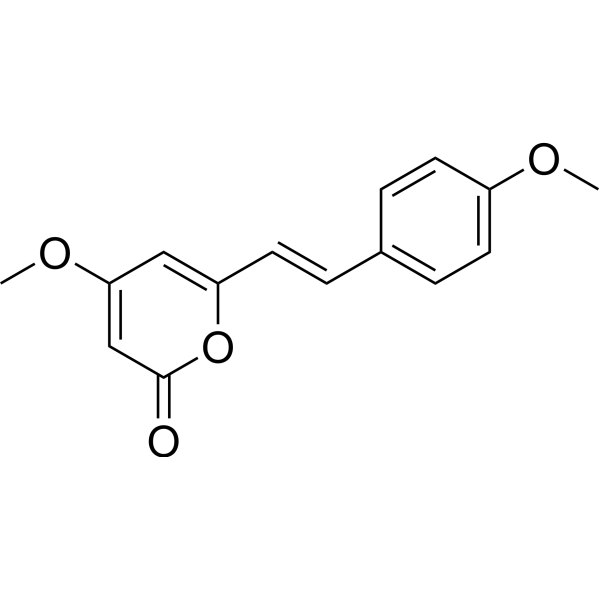
Yangonin-d3 is the deuterium labeled Yangonin (HY-N0919). Yangonin exhibits affinity for the human recombinant cannabinoid CB1 receptor with an IC50 and a Ki of 1.79 μM and 0.72 μM, respectively.
|
-
-
- HY-110189S
-
|
|
|
Pregnenolone monosulfate (sodium)- 13C2,d2 is the 13C- and deuterium labeled Pregnenolone monosulfate sodium. Pregnenolone monosulfate sodium (3β-Hydroxy-5-pregnen-20-one monosulfate sodium) is a powerful neurosteroid, the main precursor of various steroid hormones including steroid ketones. Pregnenolone monosulfate sodium salt acts as a signaling-specific inhibitor of cannabinoid CB1 receptor, inhibits the effects of tetrahydrocannabinol (THC) that are mediated by the CB1 receptors. Pregnenolone monosulfate sodium salt can protect the brain from cannabis intoxication [1] . Pregnenolone monosulfate sodium salt is also a TRPM3 channel activator, and also can weakly activate TRPM1 channels .
|
-
-
- HY-114826S
-
|
|
Prostaglandin E2-1-glyceryl ester-d5 (PGE2-1-glyceyl ester-d5) is deuterium labeled Prostaglandin E2-1-glyceryl ester. Prostaglandin E2-1-glyceryl ester, a Prostaglandin Glycerol Ester, is an endocannabinoid ligand for the CB1 receptor. Prostaglandin E2-1-glyceryl ester induces rapid, transient elevation of intracellular free Ca 2+ [1] .
|
-
-
- HY-W770198
-
|
|
|
2-Linoleoyl glycerol-d5 (2-Monolinolein-d5; 2-Monolinoleoylglycerol-d5) is the deuterium labeled 2-Linoleoyl glycerol (HY-130311). 2-Linoleoyl glycerol (2-Monolinolein; 2-Monolinoleoylglycerol) is a monoacylglycerol that is an antagonist and partial agonist at the type 1 cannabinoid CB1 receptor. The potency of 2-Linoleoyl glycerol can be enhanced by JZL195 (HY-15250), an inhibitor of FAAH and MAGL, and inhibited by the CB1 antagonist AM251 (HY-15443) and Cannabidiol. As a CB1 antagonist, 2-Linoleoyl glycerol does not enhance, but only attenuates, the activity of the CB1/CB2 receptor ligands cannabinoids (AEA) and 2-arachidonoylglycerol (2-AG) [1] .
|
-
-
- HY-B0151S3
-
|
|
|
Pregnenolone-d6 (3β-Hydroxy-5-pregnen-20-one-d6) is the deuterium labeled Pregnenolone (HY-B0151) [1]. Pregnenolone (3β-Hydroxy-5-pregnen-20-one) is a powerful neurosteroid, the main precursor of various steroid hormones including steroid ketones. Pregnenolone acts as a signaling-specific inhibitor of cannabinoid CB1 receptor, inhibits the effects of tetrahydrocannabinol (THC) that are mediated by the CB1 receptors. Pregnenolone can protect the brain from cannabis intoxication . Pregnenolone is also a TRPM3 channel activator, and also can weakly activate TRPM1 channels .
|
-
Your information is safe with us. * Required Fields.
Inquiry Information
- Product Name:
- Cat. No.:
- Quantity:
- MCE Japan Authorized Agent:








