Search Result
Results for "
Caco-2+cell
" in MedChemExpress (MCE) Product Catalog:
3
Biochemical Assay Reagents
7
Isotope-Labeled Compounds
| Cat. No. |
Product Name |
Target |
Research Areas |
Chemical Structure |
-
- HY-14291
-
|
LAF237; NVP-LAF 237
|
Dipeptidyl Peptidase
Ferroptosis
Apoptosis
|
Metabolic Disease
Cancer
|
|
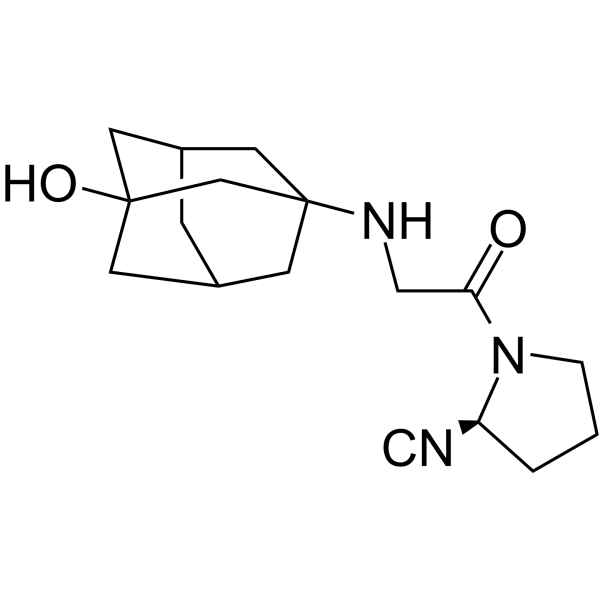
Vildagliptin (LAF237) is a potent, stable, selective dipeptidyl peptidase IV (DPP-IV) inhibitor with an IC50 of 3.5 nM in human Caco-2 cells. Vildagliptin possesses excellent oral bioavailability and potent antihyperglycemic activity .
|
-
-
- HY-W011053
-
|
|
Taste Receptor
Apoptosis
Drug Derivative
|
Metabolic Disease
|
|
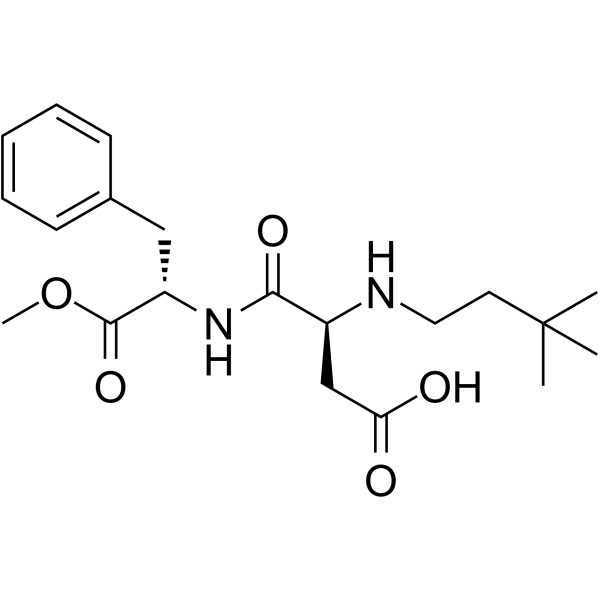
Neotame is a derivative of Aspartame (HY-B0361) and is a flavor enhancer and low-caloric, non-nutritive, high-intensity artificial sweetener that is 7000-13,000 times sweeter than sugar. Neotame causes intestinal epithelial cell death at high concentrations. Neotame induces Apoptosis of Caco-2 cells [2] .
|
-
-
- HY-W127512
-
|
|
Drug Intermediate
|
Others
|
|
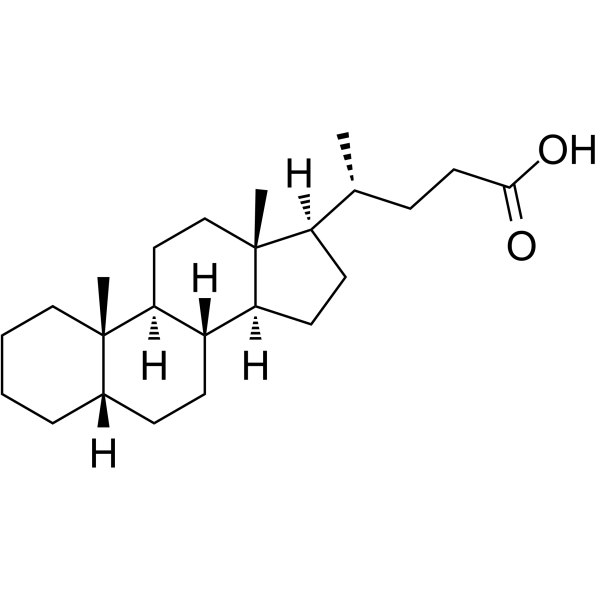
5β-Cholanic acid is a hydrophobic modifier used to modify polymer carriers. 5β-Cholanic acid can improve the acid stability, cell penetration efficiency and drug sustained release ability of nanocarriers, and optimize the oral effectiveness of delivered molecules. 5β-Cholanic acid can covalently bind to Glycol chitosan (GC) to form a GC-CA conjugate, which optimizes the hydrophobic anchoring ability of nanoparticles and enables them to be stably adsorbed on the surface of PLGA nanoparticles. Such nanoparticles can resist dissociation in the gastric acid environment and maintain positive charge to enhance endocytic uptake by intestinal epithelial cells (such as Caco-2 cells). 5β-Cholanic acid can be used in the development of drug delivery systems [2].
|
-
-
- HY-116788
-
Lipofermata
Maximum Cited Publications
8 Publications Verification
|
Bacterial
|
Infection
|
|
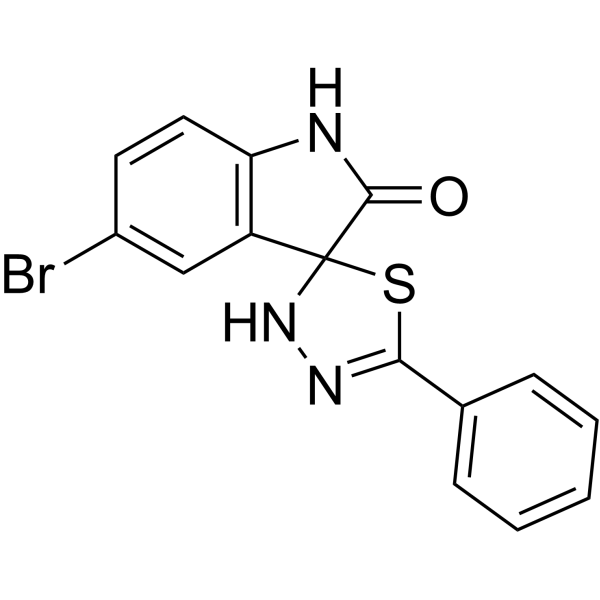
Lipofermata is a fatty acid transport protein 2 (FATP2) inhibitor. Lipofermata shows fatty acid transport inhibition with an IC50 of 4.84 μM in Caco-2 cells. Lipofermata, an analog of spiro-indoline-thadiazole, shows zinc-specific suppression of antibacterial activity. Lipofermata perturbs zinc homeostasis in E. coli K-12 with a MIC of 16 μM [2] .
|
-
-
- HY-W009141
-
|
Glyceryl palmitate
|
P-glycoprotein
IAP
PI3K
Akt
Caspase
Apoptosis
|
Cancer
|
|
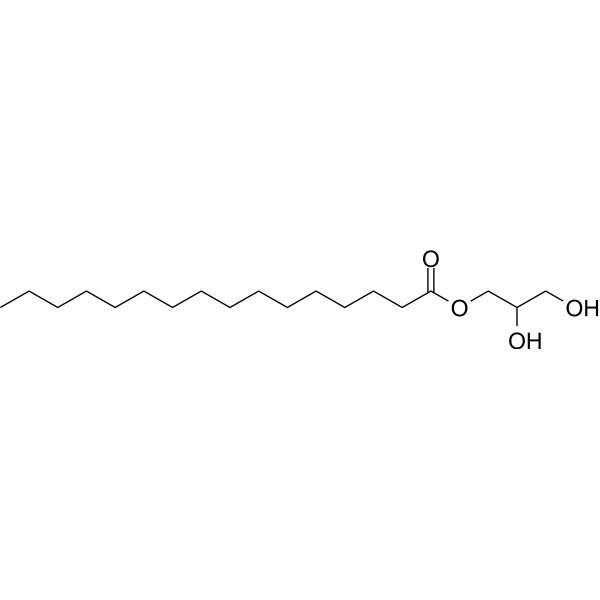
1-Monopalmitin (Glyceryl palmitate) is an activator of the PI3K/Akt pathway and an inhibitor of P-glycoprotein (P-gp). 1-Monopalmitin can induce G2/M arrest and caspase-dependent apoptosis in cancer cells, while inhibiting IAPs protein expression. 1-Monopalmitin can increase drug accumulation by inhibiting P-gp activity in intestinal Caco-2 cells. 1-Monopalmitin has the ability to induce protective autophagy and apoptosis of lung cancer cells (IC50=50-58 μg/mL), with low toxicity to normal cells [2].
|
-
-
- HY-N2009
-
|
3,4-Dihydroxy-5-methoxybenzoic acid
|
Apoptosis
Caspase
|
Cancer
|
|
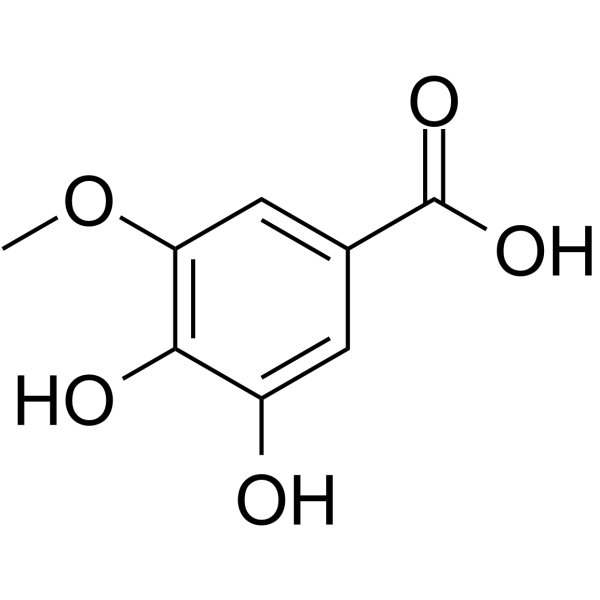
3-O-Methylgallic acid (3,4-Dihydroxy-5-methoxybenzoic acid) is an anthocyanin metabolite and has potent antioxidant capacity. 3-O-methylgallic acid inhibits Caco-2 cell proliferation with an IC50 value of 24.1 μM. 3-O-methylgallic acid also induces cell apoptosis and has anti-cancer effects [2] .
|
-
-
- HY-111956B
-
|
|
Fluorescent Dye
|
Cancer
|
|
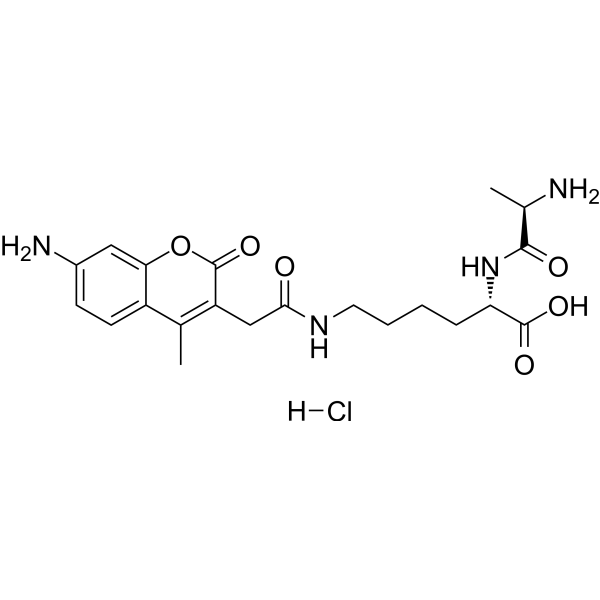
D-Ala-Lys-AMCA hydrochloride is a known proton-coupled oligopeptide transporter 1 (PEPT1) substrate that emits blue fluorescence. D-Ala-Lys-AMCA hydrochloride may be transported into liver cancer cells and Caco-2 cells based on fluorescence analysis. D-Ala-Lys-AMCA hydrochloride can be used for characterizing PEPT1-specific substrates or inhibitors (Ex/Em = 390/480 nm) [2].
|
-
-
- HY-170522
-
|
|
HIF/HIF Prolyl-Hydroxylase
|
Inflammation/Immunology
|
|
ISM012-042 is an orally active PHD1 and PHD2 inhibitor with IC50 values of 1.9 and 2.5 nM, respectively. ISM012-042 (2.5 μM) can protect Caco-2 cells from DSS-induced barrier disruption. In lipopolysaccharide (LPS)-induced mouse bone marrow-derived dendritic cells (BMDC), ISM012-042 has anti-inflammatory effects and can dose-dependently reduce the expression of IL-12 subunit IL-12p35 and TNF. ISM012-042 restores intestinal barrier function and alleviates intestinal inflammation in various experimental colitis models. ISM012-042 can be used for intestinal mucosal repair and research into immune diseases .
|
-

-
- HY-155478
-
|
|
Androgen Receptor
|
Cancer
|
|
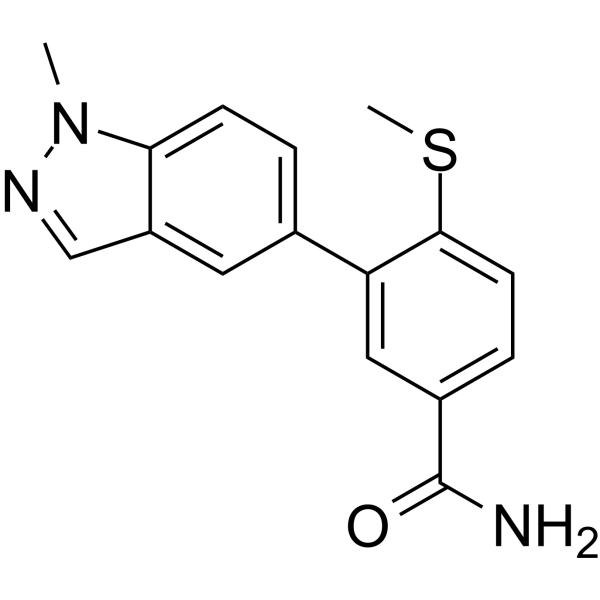
Androgen receptor-IN-6 (compound 16) is an orally available androgen receptor (Androgen Receptor) potent inhibitor (IC50=0.12 μM in vitro), targeting the disordered N-terminal domain (NTD). Androgen receptor-IN-6 has good Caco2 cell membrane permeability and has an oral activity (F/%) of 16% in male CD-1 mice .
|
-
-
- HY-111956
-
|
|
Fluorescent Dye
|
Cancer
|
|
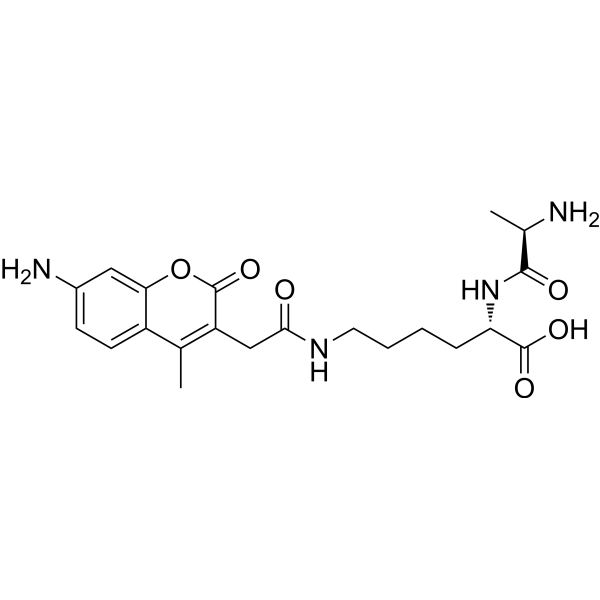
D-Ala-Lys-AMCA is a known proton-coupled oligopeptide transporter 1 (PEPT1) substrate that emits blue fluorescence. D-Ala-Lys-AMCA may be transported into liver cancer cells and Caco-2 cells based on fluorescence analysis. D-Ala-Lys-AMCA can be used for characterizing PEPT1-specific substrates or inhibitors (Ex/Em = 390/480 nm) [2].
|
-
-
- HY-155328
-
|
|
HDAC
|
Inflammation/Immunology
|
|
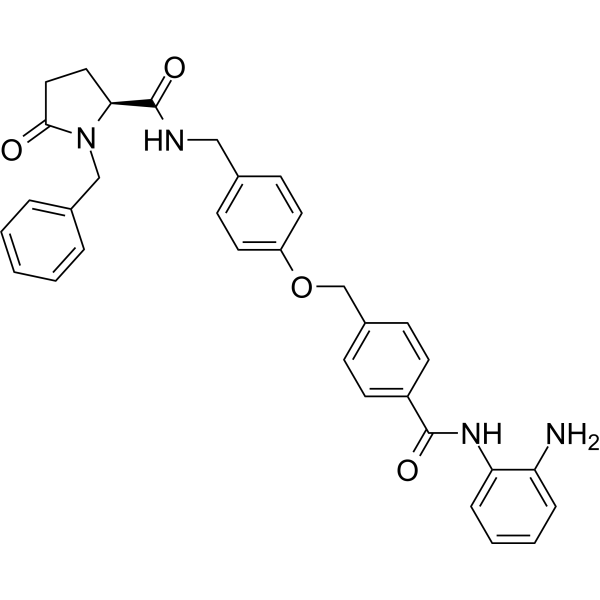
GK444 (Compound 15a) is a HDAC1/2 inhibitor (IC50: 100 and 92 nM for HDAC1/2 respectively). GK444 inhibits Caco-2 cells with IC50 of 4.1 μM. GK444 also reduces TGF-β1 induced COL1A1 mRNA levels in primary normal human lung fibroblasts. GK444 inhibits Bleomycin (HY-108345)-induced lung fibrosis in mice .
|
-
-
- HY-13749C
-
|
(S)-MK-0431 phosphate
|
Dipeptidyl Peptidase
Autophagy
|
Metabolic Disease
|
|
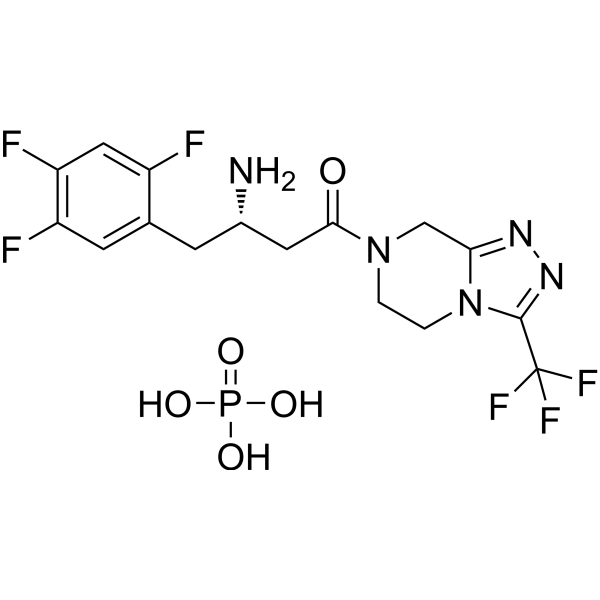
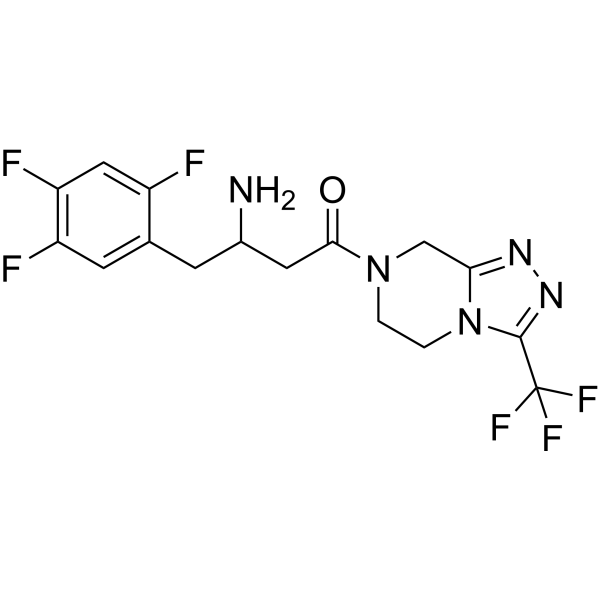
(S)-Sitagliptin phosphate is the less active S-enantiomer of Sitagliptin phosphate. Sitagliptin phosphate (MK-0431 phosphate) is a potent inhibitor of DPP4 with an IC50 of 19 nM in Caco-2 cell extracts .
|
-
-
- HY-N4236
-
|
|
Others
|
Others
|
|
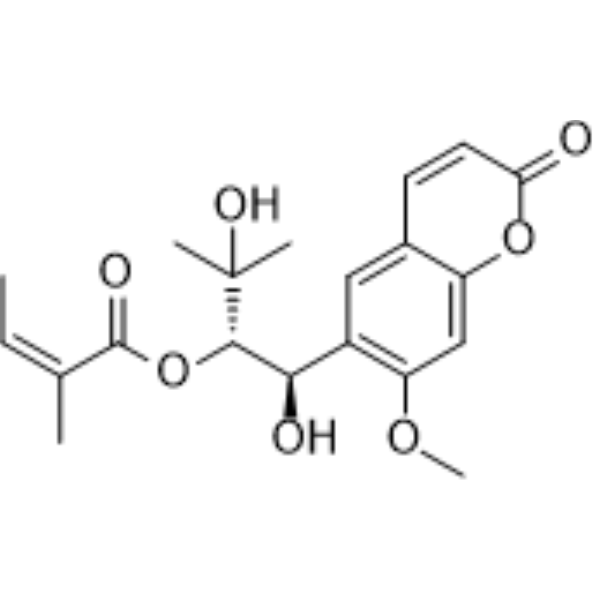
Angelol A is a coumarin isolated from the roots of Angelica pubescens f. biserrata, which is passive diffusion as the dominating process in Caco-2 cell monolayer model .
|
-
-
- HY-N4235
-
|
|
Others
|
Inflammation/Immunology
|
|
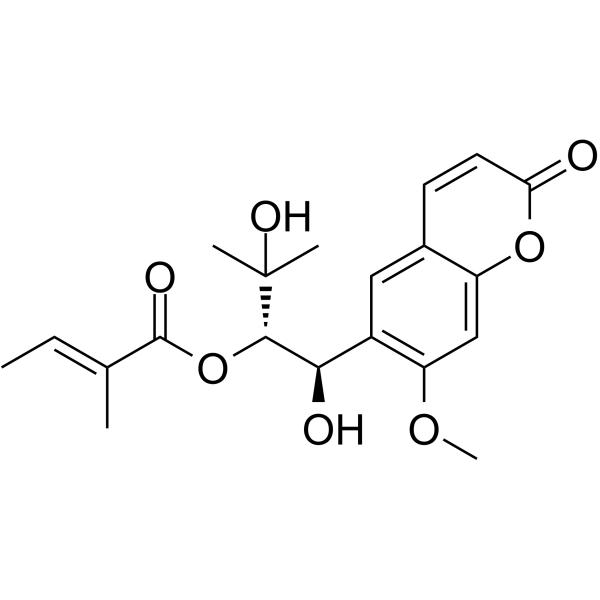
Angelol B is a coumarin isolated from the roots of Angelica pubescens f. biserrata, which is passive diffusion as the dominating process in Caco-2 cell monolayer model .
|
-
-
- HY-14291A
-
|
LAF237 dihydrate; NVP-LAF 237 dihydrate
|
Dipeptidyl Peptidase
Ferroptosis
Apoptosis
|
Metabolic Disease
Cancer
|
|
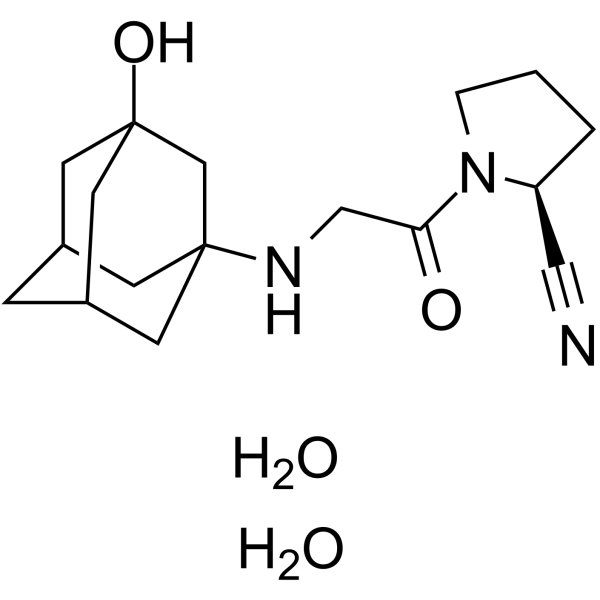
Vildagliptin dihydrate (LAF237 dihydrate) is a potent, stable, selective dipeptidyl peptidase IV (DPP-IV) inhibitor with an IC50 of 3.5 nM in human Caco-2 cells. Vildagliptin dihydrate possesses excellent oral bioavailability and potent antihyperglycemic activity .
|
-
-
- HY-14291S1
-
-
-
- HY-14291S
-
-
-
- HY-20808
-
|
|
COX
|
Cancer
|
|
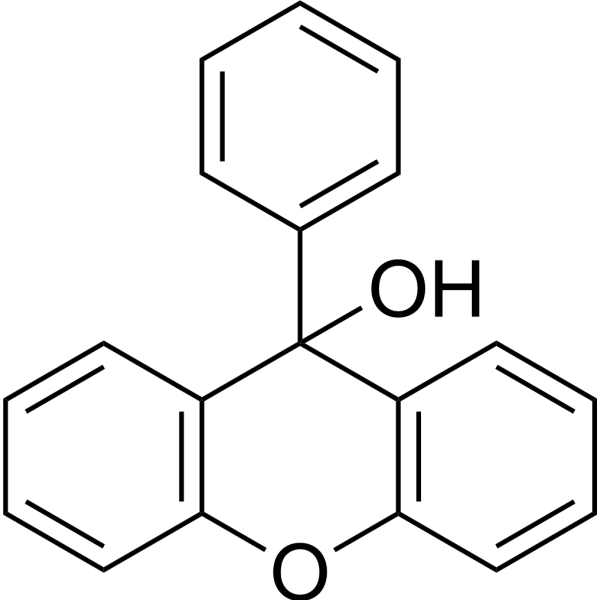
Antioxidant agent-15 (Compound 4) is a potent antioxidant inhibition activity, with the IC50 of 15.44 nM. Antioxidant agent-15 inhibits tumor cell growth in Hela, Hep G2 and Caco-2 cells, with the IC50 of 395.26, 400.4 and 24.6 nM, respectively .
|
-
-
- HY-14291R
-
|
LAF237 (Standard); NVP-LAF 237 (Standard)
|
Reference Standards
Dipeptidyl Peptidase
Ferroptosis
Apoptosis
|
Metabolic Disease
|
|
Vildagliptin (Standard) is the analytical standard of Vildagliptin. This product is intended for research and analytical applications. Vildagliptin (LAF237) is a potent, stable, selective dipeptidyl peptidase IV (DPP-IV) inhibitor with an IC50 of 3.5 nM in human Caco-2 cells. Vildagliptin possesses excellent oral bioavailability and potent antihyperglycemic activity .
|
-

-
- HY-P5038
-
|
c(GRGDSP)
|
Integrin
|
Cancer
|
|
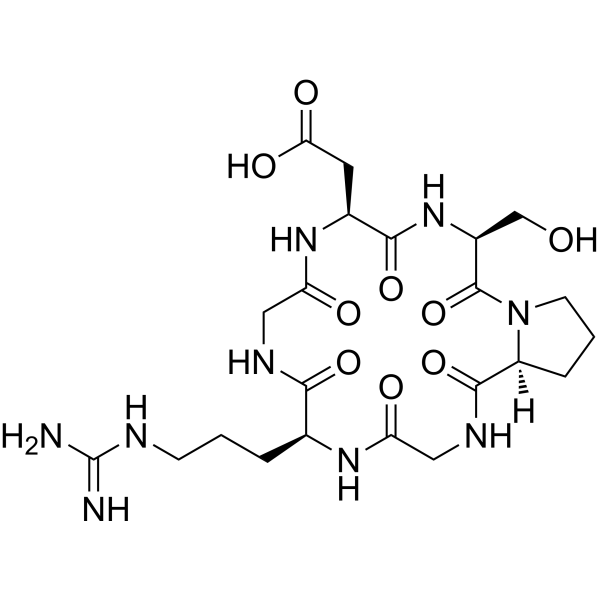
Cyclo(Gly-Arg-Gly-Asp-Ser-Pro) (c(GRGDSP)) is an RGD-containing inhibitory peptide. Cyclo(Gly-Arg-Gly-Asp-Ser-Pro) is a synthetic α5β1 integrin ligand that competitively inhibits the binding of invasin (Inv) to α5β1 integrin expressed on Caco-2 cells .
|
-
-
- HY-156965
-
|
|
Fluorescent Dye
|
Metabolic Disease
Cancer
|
|
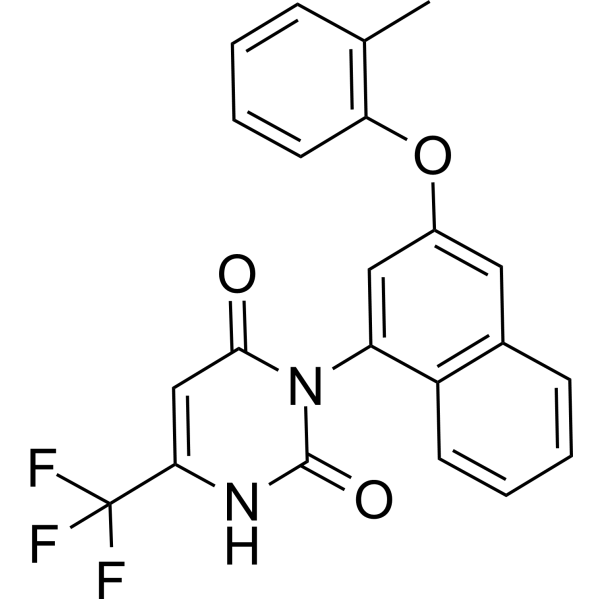
BAY-771, a structurally close pyrimidinedione, is a chemical probe with good lead-like properties and high permeability in Caco-2 cells (no hint of efflux). BAY-771 shows very weak inhibitory activity in the BCAT1 biochemical assay and no activity in BCAT2. BAY-771 can be used as a negative control of HY-148242 BAY-069. BAY-771 can be used for the research of tumor metabolism .
|
-
-
- HY-W011053GL
-
|
|
Taste Receptor
Apoptosis
Drug Derivative
|
Metabolic Disease
|
|
Neotame (GMP Like) is the GMP Like class Neotame (HY-W011053) that can be used as pharmaceutical excipients. Neotame is a derivative of Aspartame (HY-B0361) and is a flavor enhancer and low-caloric, non-nutritive, high-intensity artificial sweetener that is 7000-13,000 times sweeter than sugar. Neotame causes intestinal epithelial cell death at high concentrations. Neotame induces Apoptosis of Caco-2 cells [2] .
|
-

-
- HY-14291S2
-
|
LAF237-13C5,15N; NVP-LAF 237-13C5,15N
|
Isotope-Labeled Compounds
Dipeptidyl Peptidase
Apoptosis
Ferroptosis
|
Metabolic Disease
|
|
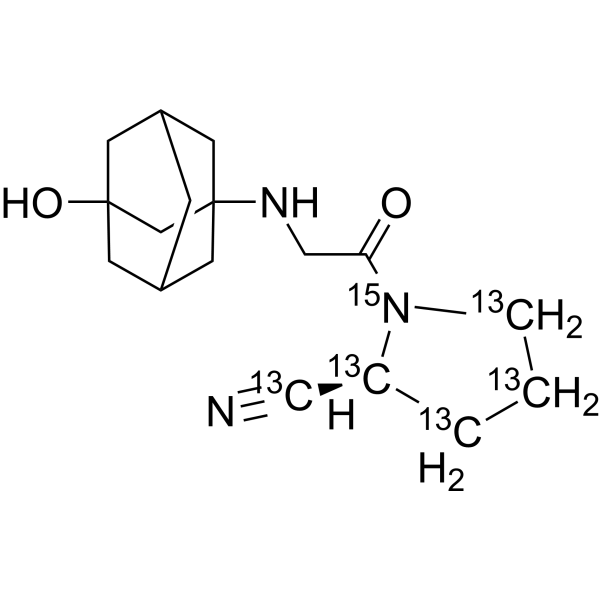
Vildagliptin- 13C5, 15N (LAF237- 13C5, 15N; NVP-LAF 237- 13C5, 15N) is a 13C- and 15N-labeled Vildagliptin (HY-14291). Vildagliptin (LAF237) is a potent, stable, selective dipeptidyl peptidase IV (DPP-IV) inhibitor with an IC50 of 3.5 nM in human Caco-2 cells. Vildagliptin possesses excellent oral bioavailability and potent antihyperglycemic activity [2].
|
-
-
- HY-121598
-
|
SC-36602
|
Apoptosis
|
Cardiovascular Disease
|
|
Actisomide (SC-36602) is an antiarrhythmic agent. Absorption of actisomide in rats and its in vitro uptake in CaCo-2 cells are pH-dependent .
|
-

-
- HY-13749D
-
-
-
- HY-133948
-
|
Glyceryl palmitoleate
|
Biochemical Assay Reagents
|
Others
|
|
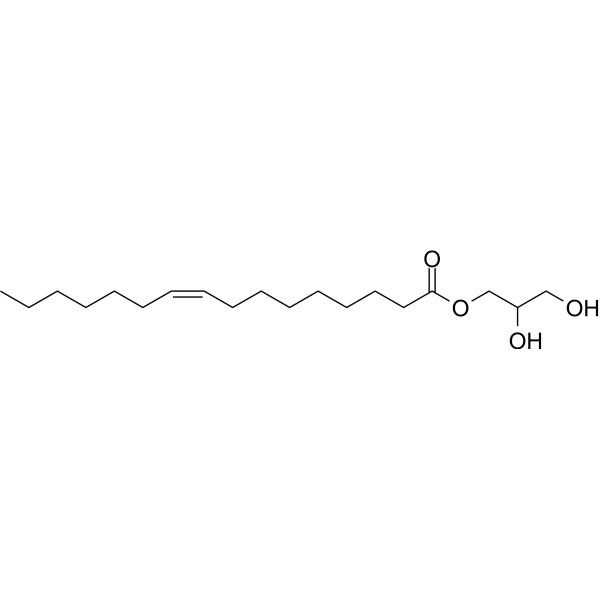
1-Palmitoleoyl glycerol is a biologically active monoacylglycerol. It increases daunomycin accumulation, shown to inhibit P-glycoprotein in Caco-2 cells. 1-Palmitoleoyl glycerol induces thymocyte apoptosis.
|
-
-
- HY-13749CR
-
|
(S)-MK-0431 phosphate (Standard)
|
Reference Standards
Dipeptidyl Peptidase
Autophagy
|
Metabolic Disease
|
|
(S)-Sitagliptin (phosphate) (Standard) is the analytical standard of (S)-Sitagliptin (phosphate). This product is intended for research and analytical applications. (S)-Sitagliptin phosphate is the less active S-enantiomer of Sitagliptin phosphate. Sitagliptin phosphate (MK-0431 phosphate) is a potent inhibitor of DPP4 with an IC50 of 19 nM in Caco-2 cell extracts .
|
-

-
- HY-P4296
-
|
|
Amino Acid Derivatives
|
Others
|
|
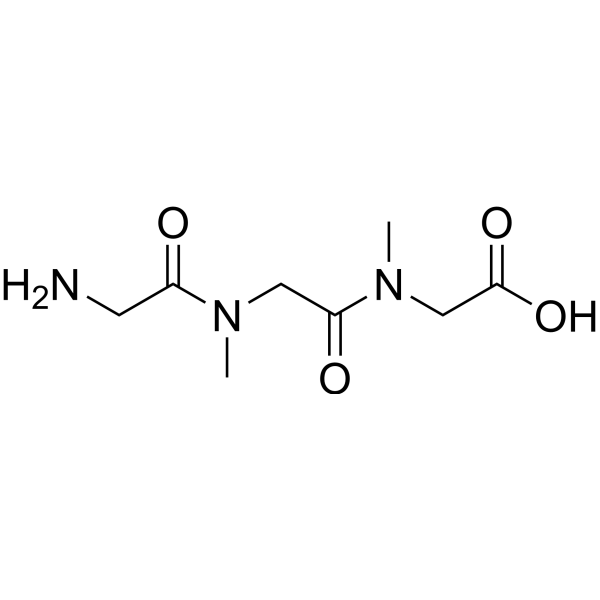
H-Gly-Sar-Sar-OH is an orally active tripeptide. H-Gly-Sar-Sar-OH is transported through PepT1 within Caco-2 cells. H-Gly Sar Sar OH has potential applications in material transportation [2] .
|
-
-
- HY-14291B
-
|
(2R)-LAF237; (2R)-NVP-LAF 237
|
Dipeptidyl Peptidase
|
Metabolic Disease
|
|
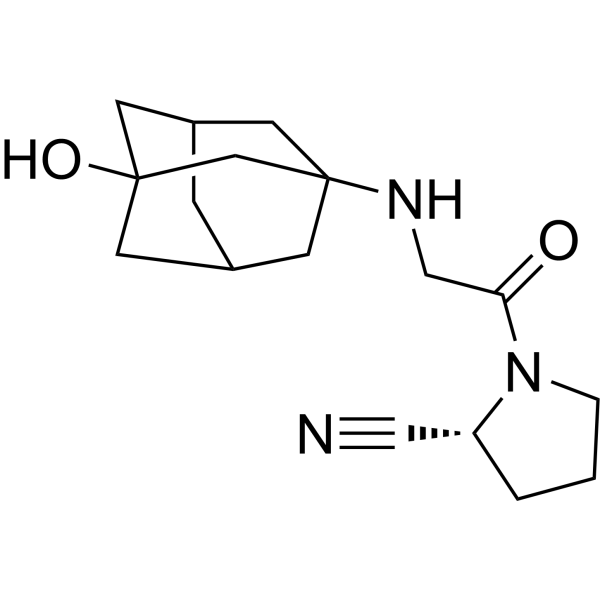
(2R)-Vildagliptin is the isomer of Vildagliptin (HY-14291), and can be used as an experimental control. Vildagliptin (LAF237) is a potent, stable, selective dipeptidyl peptidase IV (DPP-IV) inhibitor with an IC50 of 3.5 nM in human Caco-2 cells. Vildagliptin possesses excellent oral bioavailability and potent antihyperglycemic activity .
|
-
-
- HY-14291S5
-
-

-
- HY-131914B
-
|
|
Sigma Receptor
|
Inflammation/Immunology
|
|
EST64454 maleate is a highly soluble σ1 receptor antagonist, demonstrating potent antinociceptive properties for pain treatment. EST64454 maleate exhibits excellent metabolic stability across various species and possesses an adequate pharmacokinetic profile in rodents. EST64454 maleate has been identified as a promising clinical candidate due to its favorable aqueous solubility and high permeability in Caco-2 cells.
|
-

-
- HY-111956A
-
|
|
Fluorescent Dye
|
Cancer
|
|
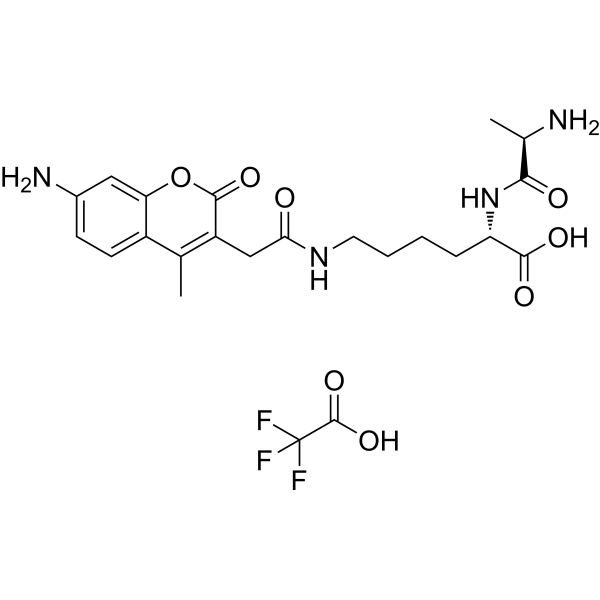
D-Ala-Lys-AMCA TFA is a known proton-coupled oligopeptide transporter 1 (PEPT1) substrate that emits blue fluorescence. D-Ala-Lys-AMCA TFA may be transported into liver cancer cells and Caco-2 cells based on fluorescence analysis. D-Ala-Lys-AMCA TFA can be used for characterizing PEPT1-specific substrates or inhibitors (Ex/Em = 390/480 nm) [2].
|
-
-
- HY-W011053R
-
|
|
Apoptosis
Drug Derivative
Reference Standards
|
Metabolic Disease
|
|
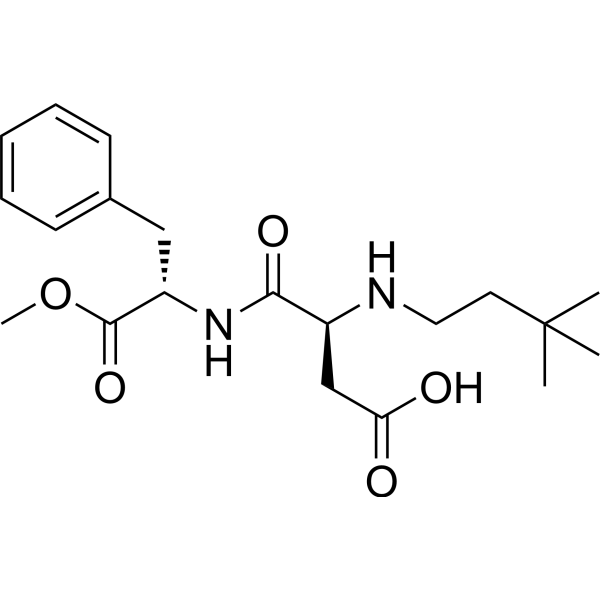
Neotame (Standard) is the analytical standard of Neotame (HY-W011053). This product is intended for research and analytical applications. Neotame is a derivative of Aspartame (HY-B0361) and is a flavor enhancer and low-caloric, non-nutritive, high-intensity artificial sweetener that is 7000-13,000 times sweeter than sugar. Neotame causes intestinal epithelial cell death at high concentrations. Neotame induces Apoptosis of Caco-2 cells [2] .
|
-
-
- HY-W010162R
-
|
L-Alanyl-L-alanine (Standard); Ala-Ala (Standard)
|
Amino Acid Derivatives
Reference Standards
|
Others
|
|
H-Ala-Ala-OH (L-Alanyl-L-alanine; Ala-Ala) (Standard) is the analytical standard of H-Ala-Ala-OH (L-Alanyl-L-alanine; Ala-Ala). This product is intended for research and analytical applications. H-Ala-Ala-OH (L-Alanyl-L-alanine; Ala-Ala) is a nonpolar dipeptide that is absorbed by human intestinal Caco-2 cells. The transport of alanine (Ala), like proton/amino acid symport, can lead to cytoplasmic acidification .
|
-

-
- HY-W009141R
-
|
Glyceryl palmitate (Standard)
|
Reference Standards
Apoptosis
P-glycoprotein
PI3K
IAP
Caspase
Akt
|
Cancer
|
|
1-Monopalmitin (Glyceryl palmitate) (Standard) is the analytical standard of 1-Monopalmitin (HY-W009141). This product is intended for research and analytical applications. 1-Monopalmitin (Glyceryl palmitate) is an activator of the PI3K/Akt pathway and an inhibitor of P-glycoprotein (P-gp). 1-Monopalmitin can induce G2/M arrest and caspase-dependent apoptosis in cancer cells, while inhibiting IAPs protein expression. 1-Monopalmitin can increase drug accumulation by inhibiting P-gp activity in intestinal Caco-2 cells. 1-Monopalmitin has the ability to induce protective autophagy and apoptosis of lung cancer cells (IC50=50-58 μg/mL), with low toxicity to normal cells [2].
|
-

-
- HY-132489S
-
-

-
- HY-132489S1
-
|
(Rac)-MK-0431-d4-1 hydrochloride
|
Isotope-Labeled Compounds
Dipeptidyl Peptidase
Autophagy
|
Metabolic Disease
|
|
(Rac)-Sitagliptin-d4-1 hydrochloride ((Rac)-MK-0431-d4-1 hydrochloride) is the deuterium labeled (Rac)-Sitagliptin-1 hydrochloride. (Rac)-Sitagliptin is an isoform of Sitagliptin (HY-13749), which is a potent and orally active inhibitor of DPP4 with an IC50 of 19 nM in Caco-2 cell extracts .
|
-

-
- HY-182459
-
|
|
HCN Channel
|
Neurological Disease
|
|
Org 34167 freebase is a blood-brain barrier permeable HCN channel modulator. Org 34167 freebase possesses high Caco-2 cell permeability. Org 34167 freebase modulates HCN channel function to alter activation properties and suppress neuronal hyperexcitability. Org 34167 freebase induces tremors in mice at specific doses. Org 34167 freebase acts as a research tool for studies on developmental and epileptic encephalopathies as well as depression [2] .
|
-

-
- HY-W127512R
-
|
|
Drug Intermediate
Reference Standards
|
Others
|
|
5β-Cholanic acid is a hydrophobic modifier used to modify polymer carriers. 5β-Cholanic acid can improve the acid stability, cell penetration efficiency and drug sustained release ability of nanocarriers, and optimize the oral effectiveness of delivered molecules. 5β-Cholanic acid can covalently bind to Glycol chitosan (GC) to form a GC-CA conjugate, which optimizes the hydrophobic anchoring ability of nanoparticles and enables them to be stably adsorbed on the surface of PLGA nanoparticles. Such nanoparticles can resist dissociation in the gastric acid environment and maintain positive charge to enhance endocytic uptake by intestinal epithelial cells (such as Caco-2 cells). 5β-Cholanic acid can be used in the development of drug delivery systems [2].
|
-

-
- HY-W009141S
-
|
Glyceryl palmitate-d31
|
Isotope-Labeled Compounds
P-glycoprotein
PI3K
Apoptosis
Caspase
IAP
Akt
|
Cancer
|
|
1-Monopalmitin-d31 (Glyceryl palmitate-d31) is the deuterium labeled 1-Monopalmitin (HY-W009141). 1-Monopalmitin (Glyceryl palmitate) is an activator of the PI3K/Akt pathway and an inhibitor of P-glycoprotein (P-gp). 1-Monopalmitin can induce G2/M arrest and caspase-dependent apoptosis in cancer cells, while inhibiting IAPs protein expression. 1-Monopalmitin can increase drug accumulation by inhibiting P-gp activity in intestinal Caco-2 cells. 1-Monopalmitin has the ability to induce protective autophagy and apoptosis of lung cancer cells (IC50=50-58 μg/mL), with low toxicity to normal cells [2].
|
-

| Cat. No. |
Product Name |
Type |
-
- HY-111956B
-
|
|
Fluorescent Dye
|
|
D-Ala-Lys-AMCA hydrochloride is a known proton-coupled oligopeptide transporter 1 (PEPT1) substrate that emits blue fluorescence. D-Ala-Lys-AMCA hydrochloride may be transported into liver cancer cells and Caco-2 cells based on fluorescence analysis. D-Ala-Lys-AMCA hydrochloride can be used for characterizing PEPT1-specific substrates or inhibitors (Ex/Em = 390/480 nm) [2].
|
-
- HY-111956
-
|
|
Fluorescent Dye
|
|
D-Ala-Lys-AMCA is a known proton-coupled oligopeptide transporter 1 (PEPT1) substrate that emits blue fluorescence. D-Ala-Lys-AMCA may be transported into liver cancer cells and Caco-2 cells based on fluorescence analysis. D-Ala-Lys-AMCA can be used for characterizing PEPT1-specific substrates or inhibitors (Ex/Em = 390/480 nm) [2].
|
-
- HY-W011053GL
-
|
|
Fluorescent Dye
|
|
Neotame (GMP Like) is the GMP Like class Neotame (HY-W011053) that can be used as pharmaceutical excipients. Neotame is a derivative of Aspartame (HY-B0361) and is a flavor enhancer and low-caloric, non-nutritive, high-intensity artificial sweetener that is 7000-13,000 times sweeter than sugar. Neotame causes intestinal epithelial cell death at high concentrations. Neotame induces Apoptosis of Caco-2 cells [2] .
|
-
- HY-111956A
-
|
|
Fluorescent Dye
|
|
D-Ala-Lys-AMCA TFA is a known proton-coupled oligopeptide transporter 1 (PEPT1) substrate that emits blue fluorescence. D-Ala-Lys-AMCA TFA may be transported into liver cancer cells and Caco-2 cells based on fluorescence analysis. D-Ala-Lys-AMCA TFA can be used for characterizing PEPT1-specific substrates or inhibitors (Ex/Em = 390/480 nm) [2].
|
| Cat. No. |
Product Name |
Type |
-
- HY-W011053GL
-
|
|
Biochemical Assay Reagents
|
|
Neotame (GMP Like) is the GMP Like class Neotame (HY-W011053) that can be used as pharmaceutical excipients. Neotame is a derivative of Aspartame (HY-B0361) and is a flavor enhancer and low-caloric, non-nutritive, high-intensity artificial sweetener that is 7000-13,000 times sweeter than sugar. Neotame causes intestinal epithelial cell death at high concentrations. Neotame induces Apoptosis of Caco-2 cells [2] .
|
-
- HY-133948
-
|
Glyceryl palmitoleate
|
Biochemical Assay Reagents
|
|
1-Palmitoleoyl glycerol is a biologically active monoacylglycerol. It increases daunomycin accumulation, shown to inhibit P-glycoprotein in Caco-2 cells. 1-Palmitoleoyl glycerol induces thymocyte apoptosis.
|
-
- HY-W010162R
-
|
L-Alanyl-L-alanine (Standard); Ala-Ala (Standard)
|
Biochemical Assay Reagents
|
|
H-Ala-Ala-OH (L-Alanyl-L-alanine; Ala-Ala) (Standard) is the analytical standard of H-Ala-Ala-OH (L-Alanyl-L-alanine; Ala-Ala). This product is intended for research and analytical applications. H-Ala-Ala-OH (L-Alanyl-L-alanine; Ala-Ala) is a nonpolar dipeptide that is absorbed by human intestinal Caco-2 cells. The transport of alanine (Ala), like proton/amino acid symport, can lead to cytoplasmic acidification .
|
| Cat. No. |
Product Name |
Target |
Research Area |
-
- HY-111956B
-
|
|
Fluorescent Dye
|
Cancer
|
|
D-Ala-Lys-AMCA hydrochloride is a known proton-coupled oligopeptide transporter 1 (PEPT1) substrate that emits blue fluorescence. D-Ala-Lys-AMCA hydrochloride may be transported into liver cancer cells and Caco-2 cells based on fluorescence analysis. D-Ala-Lys-AMCA hydrochloride can be used for characterizing PEPT1-specific substrates or inhibitors (Ex/Em = 390/480 nm) [2].
|
-
- HY-111956
-
|
|
Fluorescent Dye
|
Cancer
|
|
D-Ala-Lys-AMCA is a known proton-coupled oligopeptide transporter 1 (PEPT1) substrate that emits blue fluorescence. D-Ala-Lys-AMCA may be transported into liver cancer cells and Caco-2 cells based on fluorescence analysis. D-Ala-Lys-AMCA can be used for characterizing PEPT1-specific substrates or inhibitors (Ex/Em = 390/480 nm) [2].
|
-
- HY-P5038
-
|
c(GRGDSP)
|
Integrin
|
Cancer
|
|
Cyclo(Gly-Arg-Gly-Asp-Ser-Pro) (c(GRGDSP)) is an RGD-containing inhibitory peptide. Cyclo(Gly-Arg-Gly-Asp-Ser-Pro) is a synthetic α5β1 integrin ligand that competitively inhibits the binding of invasin (Inv) to α5β1 integrin expressed on Caco-2 cells .
|
-
- HY-P4296
-
|
|
Amino Acid Derivatives
|
Others
|
|
H-Gly-Sar-Sar-OH is an orally active tripeptide. H-Gly-Sar-Sar-OH is transported through PepT1 within Caco-2 cells. H-Gly Sar Sar OH has potential applications in material transportation [2] .
|
-
- HY-111956A
-
|
|
Fluorescent Dye
|
Cancer
|
|
D-Ala-Lys-AMCA TFA is a known proton-coupled oligopeptide transporter 1 (PEPT1) substrate that emits blue fluorescence. D-Ala-Lys-AMCA TFA may be transported into liver cancer cells and Caco-2 cells based on fluorescence analysis. D-Ala-Lys-AMCA TFA can be used for characterizing PEPT1-specific substrates or inhibitors (Ex/Em = 390/480 nm) [2].
|
| Cat. No. |
Product Name |
Category |
Target |
Chemical Structure |
-
- HY-W009141
-
|
Glyceryl palmitate
|
Plants
Source Classification
|
P-glycoprotein
IAP
PI3K
Akt
Caspase
Apoptosis
|
|
1-Monopalmitin (Glyceryl palmitate) is an activator of the PI3K/Akt pathway and an inhibitor of P-glycoprotein (P-gp). 1-Monopalmitin can induce G2/M arrest and caspase-dependent apoptosis in cancer cells, while inhibiting IAPs protein expression. 1-Monopalmitin can increase drug accumulation by inhibiting P-gp activity in intestinal Caco-2 cells. 1-Monopalmitin has the ability to induce protective autophagy and apoptosis of lung cancer cells (IC50=50-58 μg/mL), with low toxicity to normal cells [2].
|
-
-
- HY-N2009
-
-
-
- HY-N4236
-
-
-
- HY-N4235
-
-
-
- HY-W009141R
-
|
Glyceryl palmitate (Standard)
|
Plants
Source Classification
|
Reference Standards
Apoptosis
P-glycoprotein
PI3K
IAP
Caspase
Akt
|
|
1-Monopalmitin (Glyceryl palmitate) (Standard) is the analytical standard of 1-Monopalmitin (HY-W009141). This product is intended for research and analytical applications. 1-Monopalmitin (Glyceryl palmitate) is an activator of the PI3K/Akt pathway and an inhibitor of P-glycoprotein (P-gp). 1-Monopalmitin can induce G2/M arrest and caspase-dependent apoptosis in cancer cells, while inhibiting IAPs protein expression. 1-Monopalmitin can increase drug accumulation by inhibiting P-gp activity in intestinal Caco-2 cells. 1-Monopalmitin has the ability to induce protective autophagy and apoptosis of lung cancer cells (IC50=50-58 μg/mL), with low toxicity to normal cells [2].
|
-
| Cat. No. |
Product Name |
Chemical Structure |
-
- HY-14291S1
-
|
|
|
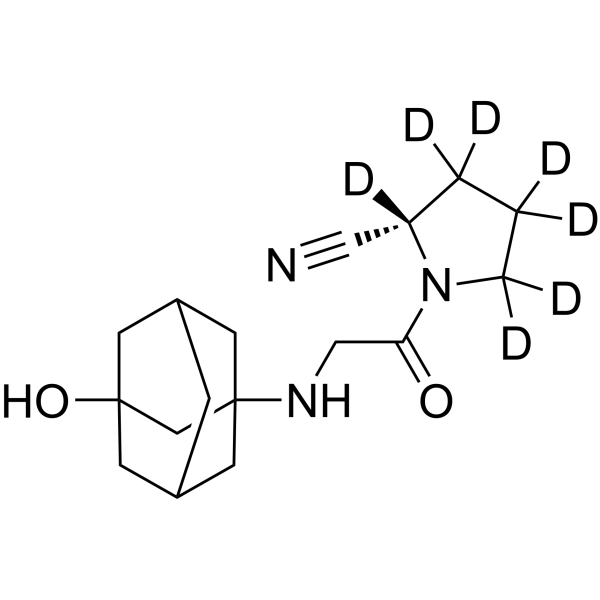
Vildagliptin-d7 is deuterium labeled Vildagliptin. Vildagliptin (LAF237) is a potent, stable, selective dipeptidyl peptidase IV (DPP-IV) inhibitor with an IC50 of 3.5 nM in human Caco-2 cells. Vildagliptin possesses excellent oral bioavailability and potent antihyperglycemic activity .
|
-
-
- HY-14291S
-
|
|
|
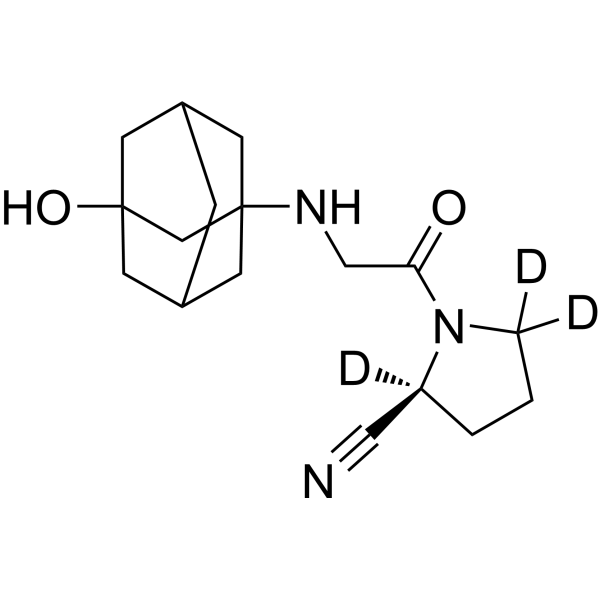
Vildagliptin-d3 is the deuterium labeled Vildagliptin. Vildagliptin (LAF237) is a potent, stable, selective dipeptidyl peptidase IV (DPP-IV) inhibitor with an IC50 of 3.5 nM in human Caco-2 cells. Vildagliptin possesses excellent oral bioavailability and potent antihyperglycemic activity [2].
|
-
-
- HY-14291S2
-
|
|
|
Vildagliptin- 13C5, 15N (LAF237- 13C5, 15N; NVP-LAF 237- 13C5, 15N) is a 13C- and 15N-labeled Vildagliptin (HY-14291). Vildagliptin (LAF237) is a potent, stable, selective dipeptidyl peptidase IV (DPP-IV) inhibitor with an IC50 of 3.5 nM in human Caco-2 cells. Vildagliptin possesses excellent oral bioavailability and potent antihyperglycemic activity [2].
|
-
-
- HY-14291S5
-
|
|
|
Vildagliptin-d6 (LAF237-d6 ) is deuterium labeled Vildagliptin. Vildagliptin (LAF237) is a potent, stable, selective dipeptidyl peptidase IV (DPP-IV) inhibitor with an IC50 of 3.5 nM in human Caco-2 cells. Vildagliptin possesses excellent oral bioavailability and potent antihyperglycemic activity .
|
-
-
- HY-132489S
-
|
|
|
(Rac)-Sitagliptin-d4 ((Rac)-MK-0431-d4) is the deuterium labeled (Rac)-Sitagliptin. (Rac)-Sitagliptin is an isoform of Sitagliptin (HY-13749), which is a potent and orally active inhibitor of DPP4 with an IC50 of 19 nM in Caco-2 cell extracts .
|
-
-
- HY-132489S1
-
|
|
|
(Rac)-Sitagliptin-d4-1 hydrochloride ((Rac)-MK-0431-d4-1 hydrochloride) is the deuterium labeled (Rac)-Sitagliptin-1 hydrochloride. (Rac)-Sitagliptin is an isoform of Sitagliptin (HY-13749), which is a potent and orally active inhibitor of DPP4 with an IC50 of 19 nM in Caco-2 cell extracts .
|
-
-
- HY-W009141S
-
|
|
|
1-Monopalmitin-d31 (Glyceryl palmitate-d31) is the deuterium labeled 1-Monopalmitin (HY-W009141). 1-Monopalmitin (Glyceryl palmitate) is an activator of the PI3K/Akt pathway and an inhibitor of P-glycoprotein (P-gp). 1-Monopalmitin can induce G2/M arrest and caspase-dependent apoptosis in cancer cells, while inhibiting IAPs protein expression. 1-Monopalmitin can increase drug accumulation by inhibiting P-gp activity in intestinal Caco-2 cells. 1-Monopalmitin has the ability to induce protective autophagy and apoptosis of lung cancer cells (IC50=50-58 μg/mL), with low toxicity to normal cells [2].
|
-
| Cat. No. |
Product Name |
Target |
Research Areas |
Chemical Structure |
-
- HY-W011053GL
-
|
|
Taste Receptor
Apoptosis
Drug Derivative
|
Metabolic Disease
|
|
Neotame (GMP Like) is the GMP Like class Neotame (HY-W011053) that can be used as pharmaceutical excipients. Neotame is a derivative of Aspartame (HY-B0361) and is a flavor enhancer and low-caloric, non-nutritive, high-intensity artificial sweetener that is 7000-13,000 times sweeter than sugar. Neotame causes intestinal epithelial cell death at high concentrations. Neotame induces Apoptosis of Caco-2 cells [2] .
|
-
Your information is safe with us. * Required Fields.
Inquiry Information
- Product Name:
- Cat. No.:
- Quantity:
- MCE Japan Authorized Agent:








