Search Result
Results for "
DNA+damage+response
" in MedChemExpress (MCE) Product Catalog:
| Cat. No. |
Product Name |
Target |
Research Areas |
Chemical Structure |
-
- HY-123834
-
FEN1-IN-1
Maximum Cited Publications
8 Publications Verification
|
FLAP
ATM/ATR
|
Cancer
|
|
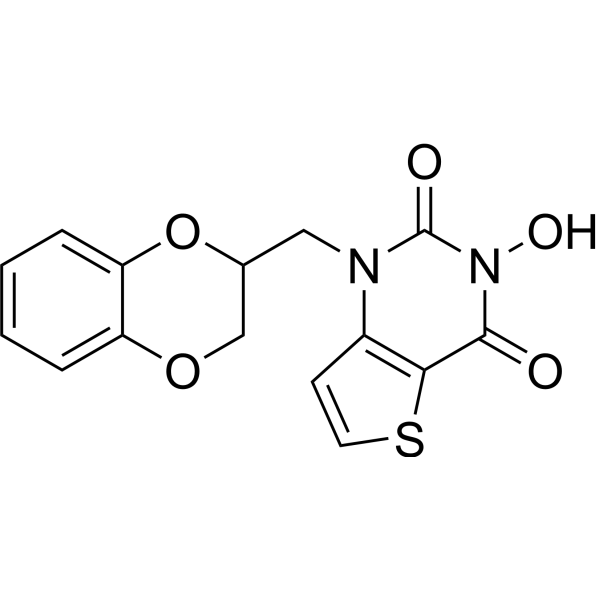
FEN1-IN-1 (compound 1) is a small molecule flap endonuclease 1 (FEN1) inhibitor with antitumor activity. FEN1-IN-1 binds to the active site of FEN1 and partly achieves inhibition by the co-ordination of Mg 2+ ions. FEN1-IN-1 initiaties a DNA damage response and activates the ATM checkpoint signalling pathway, the phosphorylation of histone H2AX and the ubiquitination of FANCD2 in mammalian cells. FEN1-IN-1 is promising for research of cancers .
|
-
-
- HY-171124
-
|
AZD9592
|
Antibody-Drug Conjugates (ADCs)
EGFR
c-Met/HGFR
Topoisomerase
DNA/RNA Synthesis
|
Cancer
|
|
Tilatamig samrotecan (AZD9592) is an anti-EGFR/c-MET antibody-drug conjugate (ADC). Tilatamig samrotecan consists of an anti-EGFR/c-MET antibody with the drug-linker conjugate being AZ14170133 (HY-145399) (a topoisomerase I (TOP1i) inhibitor payload). Tilatamig samrotecan induces multiple DNA damage response pathway markers (like ATM, ATR, γH2AX). Tilatamig samrotecan selectively binds to EGFR and c-MET, delivering the cytotoxic payload. Tilatamig samrotecan exerts anti-tumor activity in vivo. Tilatamig samrotecan can be used for non-small cell lung cancer (NSCLC) and head and neck squamous cell carcinoma (HNSCC) research .
|
-

-
- HY-112130
-
|
|
Methionine Adenosyltransferase (MAT)
|
Cancer
|
|
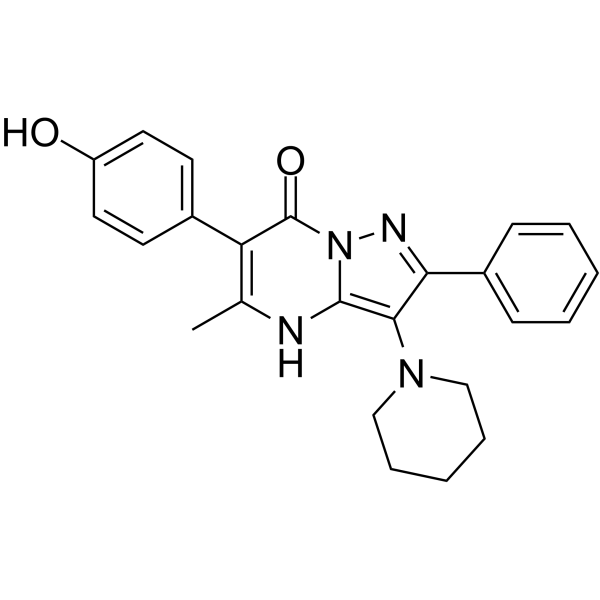
AGI-24512 is a potent methionine adenosyltransferase 2α (MAT2A) inhibitor, with an IC50 of 8 nM. AGI-24512 triggers DNA damage response. AGI-24512 can block proliferation of MTAP-deleted cancer cells in vitro. AGI-24512 can be used for researching anticancer .
|
-
-
- HY-W011725
-
|
m6dA
|
Nucleoside Antimetabolite/Analog
Mitochondrial Metabolism
DNA/RNA Synthesis
|
Neurological Disease
Cancer
|
|
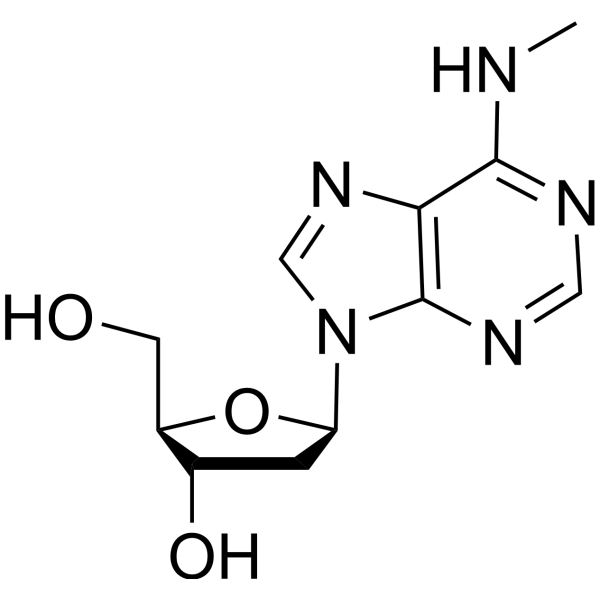
N-6-Methyl-2-deoxyadenosine (m6dA) is an adenine nucleoside analogue. N-6-Methyl-2-deoxyadenosine targets nuclear processes and DNA replication machineries including WER, SATB1, TFAM, Jumu, SSBP1, DNA polymerase η and phage polymerase Gp90 exo −. N-6-Methyl-2-deoxyadenosine acts as a multifunctional epigenetic regulator that modulates transcription, DNA damage response, cell cycle, transposon silencing, stress adaptation, epigenetic crosstalk, and nucleosome organization in both prokaryotes and eukaryotes. N-6-Methyl-2-deoxyadenosine regulates mitochondrial epigenetic inheritance and is required for fear extinction memory in mice. N-6-Methyl-2-deoxyadenosine exhibits dysregulated levels in cancers. N-6-Methyl-2-deoxyadenosine can be used for the research of glioblastoma, triple negative breast cancer, and conditioned fear (fear extinction impairment) .
|
-
-
- HY-168162
-
|
|
PROTACs
CDK
|
Cancer
|
|
ZLC491 is an orally active PROTAC degrader that selectively targets CDK12/CDK13 and exhibits certain oral bioavailability. ZLC491 induces cereblon- and proteasome-dependent selective degradation of CDK12 and CDK13. ZLC491 inhibits the transcription and expression of long genes, and mainly acts on a subset of DNA damage response genes. ZLC491 inhibits the proliferation of various triple-negative breast cancer cells. ZLC491 can be used in research related to triple-negative breast cancer .
|
-

-
- HY-13703A
-
|
ACNU
|
DNA Alkylator/Crosslinker
DNA/RNA Synthesis
Apoptosis
p38 MAPK
JNK
AP-1
|
Cancer
|
|
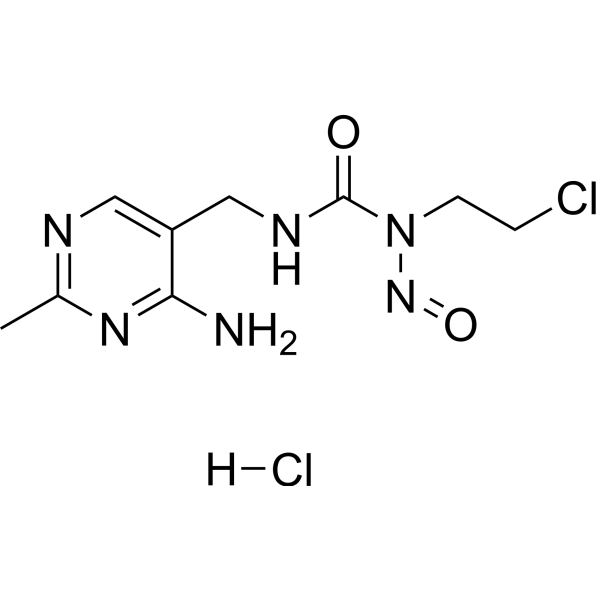
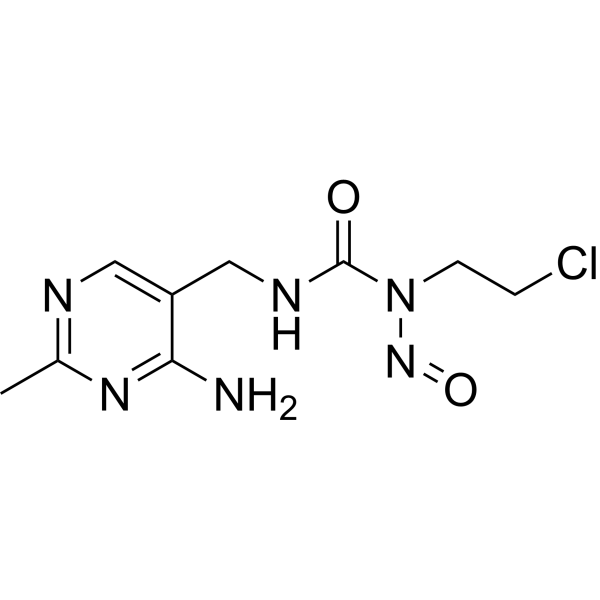
Nimustine hydrochloride (ACNU) is the hydrochloride salt form of Nimustine (HY-13703). Nimustine hydrochloride is an alkylating agent, which induces DNA double-strand breaks (DSBs) and inter-strand crosslinks (ICLs), thereby activating the DNA damage response (DDR) signaling pathway. Nimustine hydrochloride activates p38 MAPK/JNK signaling pathway, and exhibits antitumor activity .
|
-
-
- HY-144981
-
HQ461
1 Publications Verification
|
CDK
Molecular Glues
|
Cancer
|
|
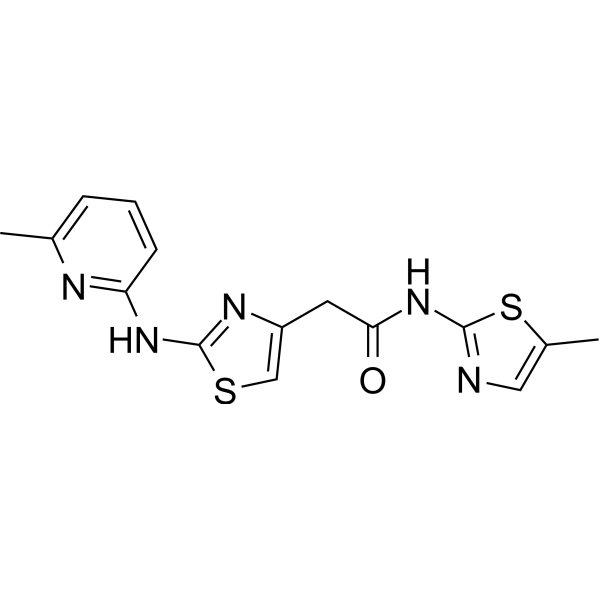
HQ461 is a molecular glue that promotes CDK12-DDB1 interaction to trigger cyclin K degradation. HQ461-mediated degradation of cyclin K impairs CDK12 function, resulting in decreased CDK12 substrate phosphorylation, downregulation of DNA damage response genes, and cell death .
|
-
-
- HY-126020
-
|
|
DNA/RNA Synthesis
RAD51
|
Cancer
|
|
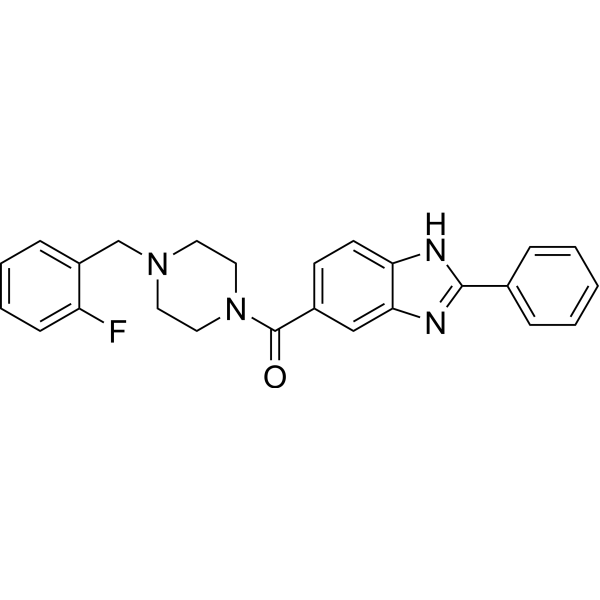
Bractoppin is a potent and selective agent-like inhibitor of phosphopeptide recognition by the human BRCA1 tandem(t) BRCT domain (binding IC50: 74 nM). Bractoppin diminishes BRCA1 recruitment to DNA breaks, in turn suppressing damage-induced G2 arrest and assembly of the recombinase, RAD51. Bractoppin preferentially inhibits BRCA1 tBRCT-dependent steps in the DNA damage response .
|
-
-
- HY-122198
-
ML367
1 Publications Verification
|
Checkpoint Kinase (Chk)
|
Cancer
|
|
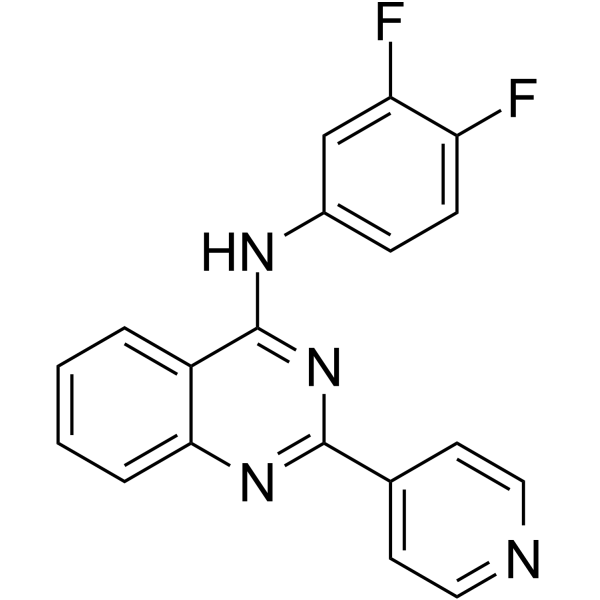
ML367 is a potent inhibitor of ATPase family AAA domain-containing protein 5 (ATAD5) stabilization, acts as a probe molecule that has low micromolar inhibitory activity. ML367 blocks DNA repair pathways, suppresses general DNA damage responses including RPA32-phosphorylation and CHK1-phosphorylation in response to UV irradiation .
|
-
-
- HY-116217
-
|
FdCyd; NSC-48006
|
DNA Methyltransferase
|
Cancer
|
|
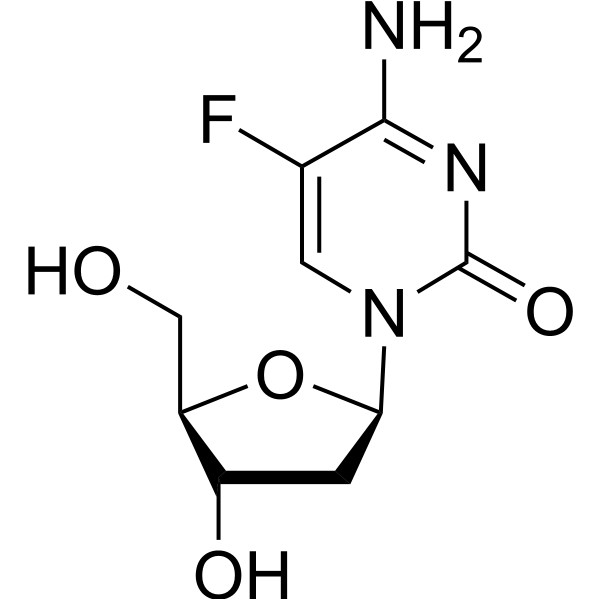
5-Fluoro-2'-deoxycytidine (FdCyd), a fluoropyrimidine nucleoside analogue, is a DNA methyltransferase (DNMT) inhibitor. 5-Fluoro-2'-deoxycytidine is a tumor-selective proagent of thymidylate synthase inhibitor 5-fluoro-2′-dUMP. 5-Fluoro-2'-deoxycytidine can induce cell cycle arrest in tumor cells through the DNA damage response, and it has anti-tumor activity .
|
-
-
- HY-163944
-
|
|
DNA/RNA Synthesis
Molecular Glues
CDK
Apoptosis
RAD51
ATM/ATR
PARP
|
Cancer
|
LL-K12-18 is a CDK12 kinase inhibitor and a dual-site molecular glue. LL-K12-18 inhibits human CDK12 with an IC50 value of 283.9 nM, and selectively degrades cyclin K via the ubiquitin-proteasome system by stabilizing the CDK12-DDB1 complex. LL-K12-18 downregulates DNA damage response genes, reduces the phosphorylation level of CTD Ser2 in RNA polymerase II, and modulates biomarkers such as ATM, RAD51, γ-H2AX and cleaved PARP, thereby effectively inducing apoptosis and inhibiting proliferation of breast cancer cells. LL-K12-18 exhibits high target selectivity and serves as a research tool for studies on triple-negative breast cancer .
|
-

-
- HY-137924
-
JA2131
1 Publications Verification
|
Poly(ADP-ribose) Glycohydrolase (PARG)
|
Cancer
|
|
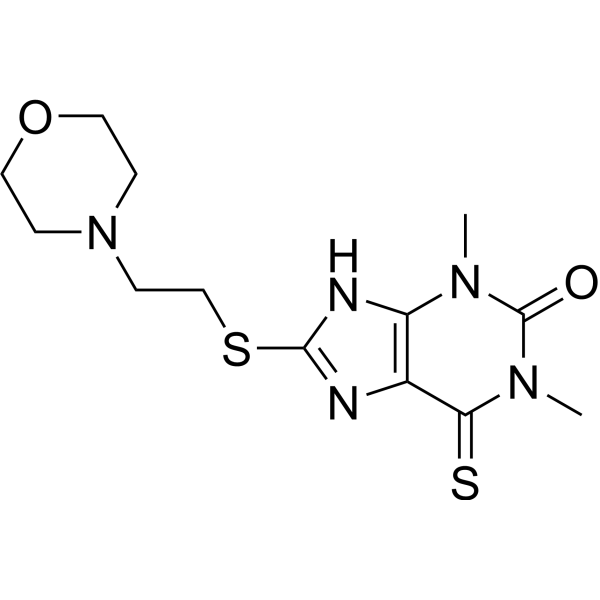
JA2131 is a small molecular inhibitor of Poly(ADP-ribose) Glycohydrolase (PARG) (IC50=0.4 μM). JA2131 regulate DNA damage responses, causes replication fork stalling and cancer cell death .
|
-
-
- HY-120084
-
BTX161
1 Publications Verification
|
Casein Kinase
|
Cancer
|
|
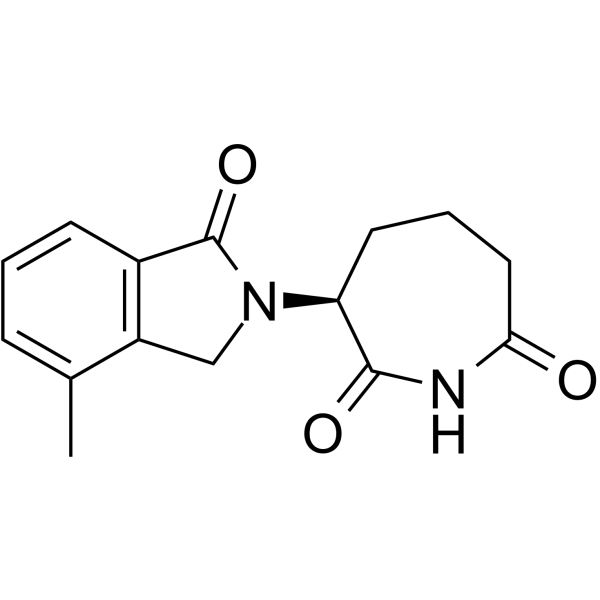
BTX161, a thalidomide analog, is an effective CKIα degrader. BTX161 mediates human AML cell CKIα degradation more effectively than lenalidomide and activates the DNA damage response (DDR) and p53, while stabilizing p53 antagonist MDM2.
|
-
-
- HY-138155
-
|
|
DNA/RNA Synthesis
|
Cancer
|
|
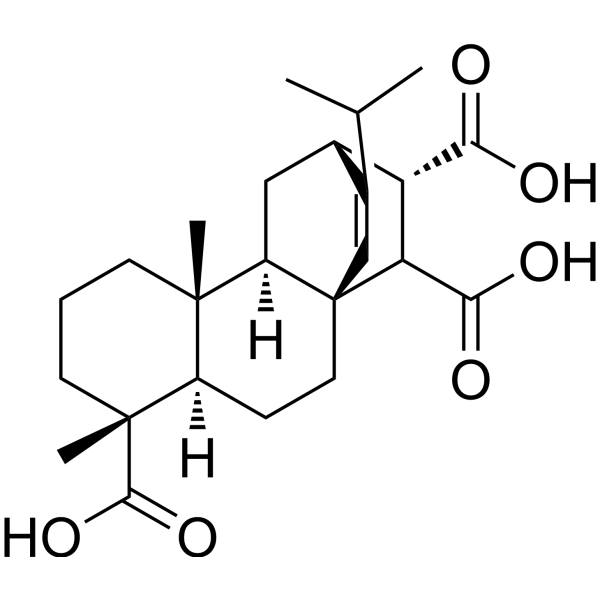
NSC15520 is a small molecular inhibitor of Replication Protein A (RPA). NSC15520 specifically recognizes the RPA N-terminal DNA binding domain (DBD), and blocks the interaction of RPA with p53 or RAD9. NSC15520 also inhibtis helix destabilization of a duplex DNA (dsDNA) oligonucleotide, involves in DNA replication, DNA repair, DNA recombination, and DNA damage response signaling .
|
-
-
- HY-153339
-
|
|
Eukaryotic Initiation Factor (eIF)
|
Cancer
|
|
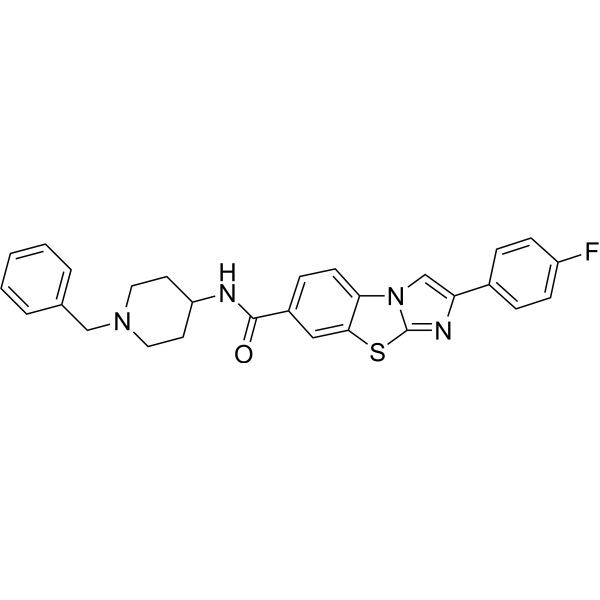
E235 is an expression regulator of activates transcription factor 4 (ATF4). E235 reduces cell viability by activating integrated stress response (ISR) and DNA damage response signals. E235 has anti-proliferative activity and can be used for tumor research .
|
-
-
- HY-158345
-
|
|
PROTACs
ATM/ATR
DNA/RNA Synthesis
Apoptosis
|
Cancer
|
|
PROTAC ATM degrader-1 is a ATM PROTAC degrader with a KD value of 1.17 nM. PROTAC ATM degrader-1 triggers DNA damage response, cell cycle arrest, and apoptosis in cancer cells via the ubiquitin-proteasome-dependent degradation pathway. PROTAC ATM degrader-1 can be used for research on colorectal cancer .
|
-

-
- HY-178208
-
|
|
Poly(ADP-ribose) Glycohydrolase (PARG)
|
Cancer
|
|
MDOLL-0286 is a selective Poly(ADP-ribose) Glycohydrolase (PARG) (ARH3) inhibitor with an IC50 of 2.3μM. MDOLL-0286 can inhibit ARH3’s poly-ADP-ribose hydrolytic activity on cellular substrates. MDOLL-0286 can inhibit DNA damage response. MDOLL-0286 can be used for the research of cancer .
|
-

-
- HY-164496
-
|
|
DNA/RNA Synthesis
|
Cancer
|
|
KL-50 is a selective toxin toward tumors that lack the DNA repair protein O 6-methylguanine-DNA-methyltransferase (MGMT), which reverses the formation of O 6-alkylguanine lesions. KL-50 activates DNA damage response pathways and cycle arrest in MGMT-cells, independent of mismatch repair (MMR). KL-50 is promising for research of brain tumors that lack the DNA repair protein MGMT .
|
-

-
- HY-153190
-
W1131
1 Publications Verification
|
Oxidative Phosphorylation
STAT
Ferroptosis
|
Cancer
|
|
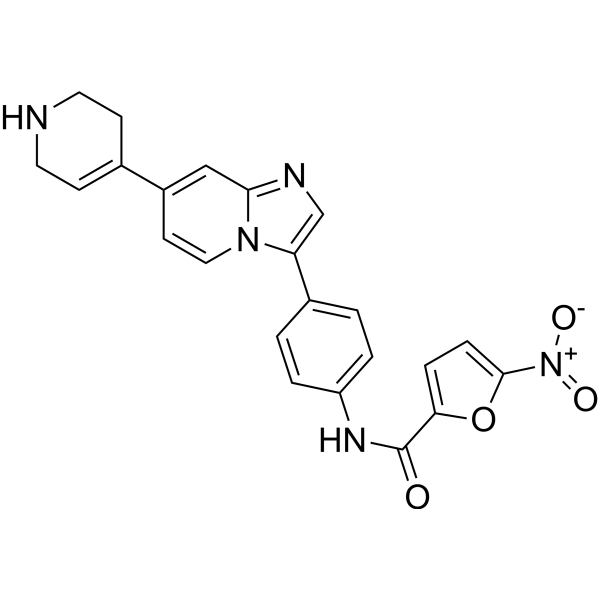
W1131 is a potent STAT3 inhibitor, triggering ferroptosis. W1131 suppresses cancer progression in gastric cancer cell subcutaneous xenograft model, organoids model, and PDX model. W1131 effectively alleviates chemical resistance of cancer cells to 5-FU (HY-90006). W1131 regulates cell cycle, DNA damage response, and oxidative phosphorylation, including IL6-JAK-STAT3 pathway and ferroptosis pathway .
|
-
-
- HY-151883
-
|
|
Apoptosis
MDM-2/p53
|
Cancer
|
|
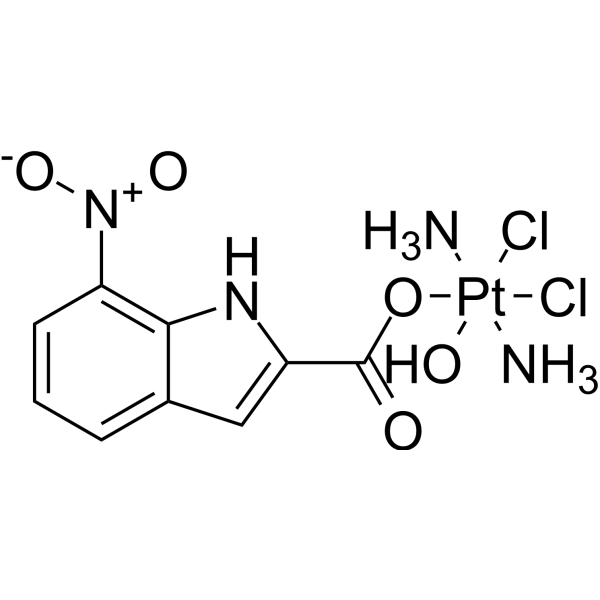
APE1-IN-2 (compound AP1) is a Pt(IV) proagent, targeting a critical BER protein, apurinic/apyrimidinic endonuclease 1 (APE1). APE1-IN-2 shows anticancer activity. APE1-IN-2 induces intracellular accumulation of platinum and activates DNA damage response and apoptosis signals .
|
-
-
- HY-173059
-
|
|
CDK
|
Cancer
|
|
CDK12/13-IN-3 (Compound 12b) is the orally active inhibitor for CDK that inhibits CDK12 and CDK13 with IC50 of 107.4 nM and 79.4 nM. CDK12/13-IN-3 inhibits the phosphorylation of Ser2 on the CTD of RNA polymerase II, induces DNA damage, and downregulates the gene expression of DNA damage response (DDR). CDK12/13-IN-3 exhibits antiproliferative activity against multiple cancer cells with IC50 of nanomolar levels. CDK12/13-IN-3 exhibits antitumor effect in mouse models, exhibits good pharmacokinetic properties with an oral bioavailability of 53.6% .
|
-

-
- HY-125209A
-
|
|
Apoptosis
PARP
DNA/RNA Synthesis
|
Cancer
|
|
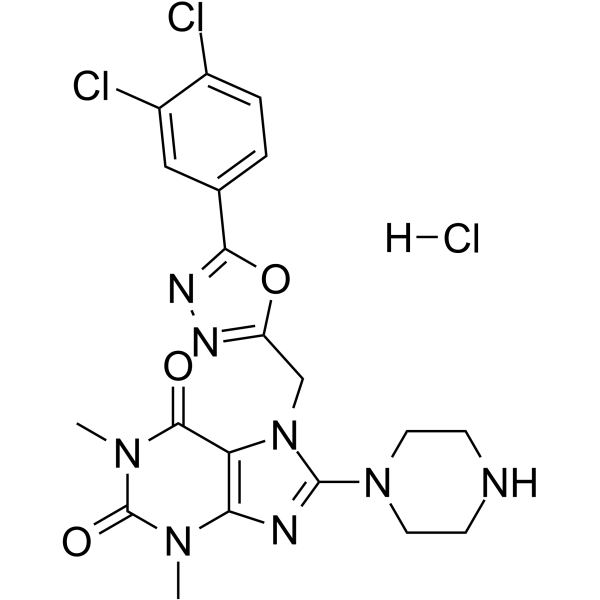
TH5427 hydrochloride is a NUDT5 inhibitor with a human target IC50 of 29 nM, ~690-fold selectivity over MTH1 in vitro, and selective functional inhibition over other NUDIX hydrolases including NUDT9 .TH5427 hydrochloride binds to the active site of NUDT5, blocking enzymatic activity related to ADP-ribose metabolism and PAR-derived ATP synthesis .TH5427 hydrochloride blocks progestin-dependent nuclear ATP synthesis, impairs progestin-induced chromatin remodeling, inhibits histone H1 displacement, disrupts progestin-dependent gene regulation, and abrogates progestin-dependent proliferation in breast cancer cells .TH5427 hydrochloride functions as a versatile probe to study nuclear ATP dynamics and ADP-ribose-related metabolism in cells .TH5427 hydrochloride engages NUDT5 at physiological temperatures, as demonstrated by Drug Affinity Responsive Target Stability (DARTS) assay .TH5427 hydrochloride stabilizes NUDT5 against thermal denaturation in cell lysates and intact cells, as shown by cellular thermal shift assay (CETSA) .TH5427 hydrochloride functionally inhibits NUDT5 activity, leading to downstream effects on oxidative DNA damage and DNA replication in triple-negative breast cancer (TNBC) cells .TH5427 hydrochloride suppresses proliferation of TNBC cells without inducing cell death or apoptosis, slows DNA replication in TNBC cells, promotes accumulation of oxidative DNA lesions, and triggers DNA damage response in TNBC cells .TH5427 hydrochloride suppresses growth of TNBC cells in vitro, inhibits growth of TNBC xenograft tumors in nude mice in vivo, and shows greater potency against TNBC cell lines compared to ER-positive and normal-like breast cell lines .TH5427 hydrochloride can be used for the research of breast cancer and triple-negative breast cancer .
|
-
-
- HY-177780
-
|
|
Molecular Glues
CDK
Apoptosis
|
Cancer
|
|
Cyclin K degrader 2 is a molecular glucose degrading agent that targets the cyclin K protein. Cyclin K degrader 2 has inhibitory activity against CDK1 and CDK9. Cyclin K degrader 2 causes a decrease in RNA polymerase II Ser2 phosphorylation levels, downregulation of DNA damage response gene expression, accumulation of DNA damage, G1 phase arrest of the cell cycle, and apoptosis. Cyclin K degrader 2 can be used for cancer research .
|
-

-
- HY-13703
-
-
-
- HY-149952
-
|
|
ATM/ATR
|
Cancer
|
|
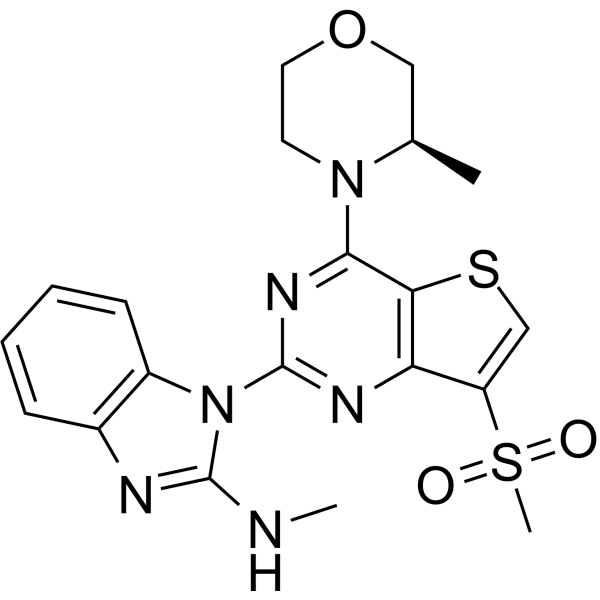
ATR-IN-23 (Compound 34) is a potent and selective ATR inhibitor with an IC50 of 1.5 nM. ATR-IN-23 has potent antiproliferative effects on LoVo cells and synthetic lethality on HT-29 cells, and can be used in the study of DNA damage response (DDR)-deficient cancers .
|
-
-
- HY-161693
-
|
|
G-quadruplex
DNA/RNA Synthesis
Apoptosis
|
Cancer
|
|
Telomeric G4s ligand 1 is a telomeric G-quadruplex ligand that stabilizes telomeric G4 and induces R-loop formation, leading to DNA damage responses. Telomeric G4s ligand 1 induces apoptosis and evokes immunogenic cell death (ICD) in tumor cells .
|
-

-
- HY-112347
-
|
|
Checkpoint Kinase (Chk)
|
Cancer
|
|
Isogranulatimide is a selective checkpoint kinase 1 (Chk1) inhibitor with an IC50 value of 0.1 μM. Isogranulatimide inhibits the G2/M checkpoint and inhibits the growth of p53-mutant tumor cells. Isogranulatimide is promising for research of tumors associated with DNA damage response .
|
-

-
- HY-144435
-
|
|
ATM/ATR
|
Cancer
|
|
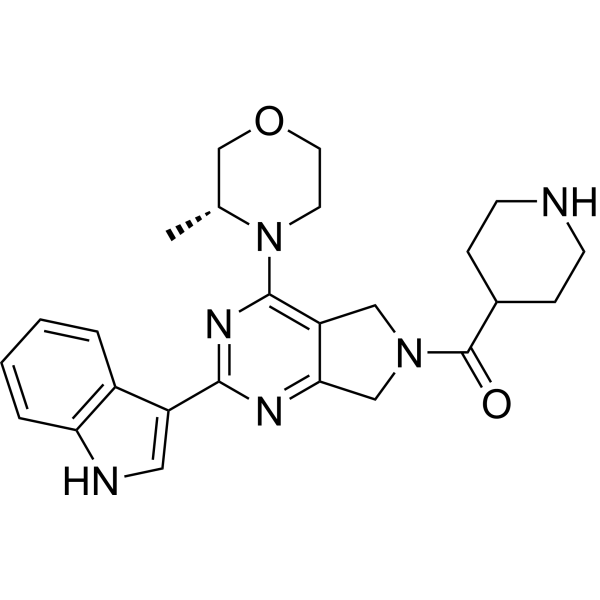
ATR-IN-11 (Compound Hit01) is a potent inhibitor of ataxia telangiectasia and Rad3-related (ATR) kinase. ATR kinase is a key regulating protein within the DNA damage response (DDR), responsible for sensing replication stress (RS). ATR-IN-11 is a promising lead compound for subsequent agent discovery targeting ATR kinase. ATR-IN-11 has the potential for the research of cancer disease .
|
-
-
- HY-171785
-
|
|
Checkpoint Kinase (Chk)
Apoptosis
|
Cancer
|
|
CHK1-IN-12 (Compound example 1-5) is an orally active and highly selective checkpoint kinase 1 (CHK1) inhibitor with in vitro enzyme IC50≤10 nM and cellular IC50≤50 nM. CHK1-IN-12 inhibits the phosphorylation activity of CHK1 kinase to block the DNA damage response pathway, inducing tumor cell cycle arrest and apoptosis. CHK1-IN-12 is promising for research of cancers .
|
-

-
- HY-173273
-
|
|
CDK
Apoptosis
DNA/RNA Synthesis
Akt
|
Cancer
|
|
YJZ5118 is a selective CDK12/CDK13 inhibitor with IC50 values of 39.5 nM and 26.4 nM. YJZ5118 suppresses transcription of DNA damage response genes and induces DNA damage in tumor cells. YJZ5118 inhibits proliferation and triggers apoptosis. YJZ5118 inhibits RNA polymerase II Ser2 phosphorylation and increases Akt pathway activity. YJZ5118 exhibits synergistic effects with Akt inhibitors. YJZ5118 can be used for the research of cancer, such as prostate cancer .
|
-

-
- HY-179418
-
|
|
Apoptosis
|
Cancer
|
|
Ceritinib-platinum(IV)-4-phenylbutyrate (complex 7) is a Ceritinib (HY-15656)-conjugated Platinum(IV) prodrug with anticancer activity. Ceritinib-platinum(IV)-4-phenylbutyrate induces S-phase arrest, DNA damage responses, and apoptosis. Ceritinib-platinum(IV)-4-phenylbutyrate combines cytotoxicity with immune and anti-invasive activation in cancer cell models. Ceritinib-platinum(IV)-4-phenylbutyrate can be used for cancer research, such as non-small cell lung cancer (NSCLC) .
|
-

-
- HY-123401
-
|
|
DNA/RNA Synthesis
|
Cancer
|
|
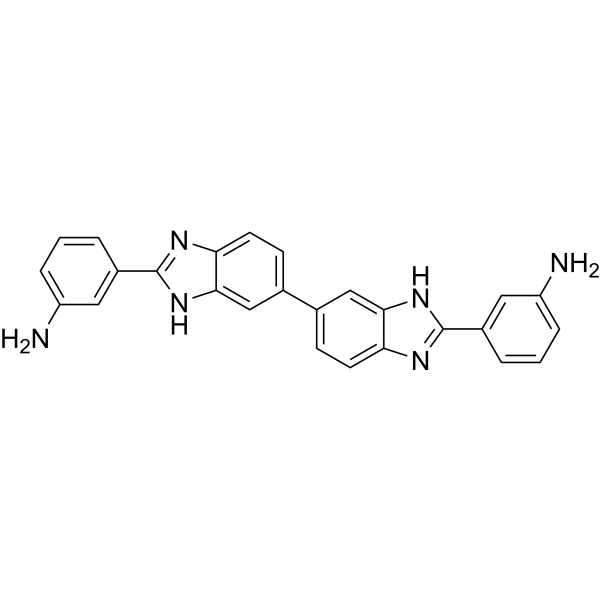
DDRI-18 is a DNA damage response inhibitor that inhibits the non-homologous end-joining (NHEJ) DNA repair process. DDRI-18 is an effective chemosensitizing agent .
|
-
-
- HY-168636
-
|
|
DNA Methyltransferase
MDM-2/p53
|
Cancer
|
|
p53 Activator 13 (compound 11) is a 6mA methyltransferase CamA inhibitor and a p53 activator. p53 Activator 13 intercalates into CamA-bound DNA via the minor groove, causing a conformational shift that moves the catalytic domain away from the DNA and elicits DNA damage response via p53 activation. p53 Activator 13 can be utilized in cancer research .
|
-

-
- HY-153190A
-
|
|
Ferroptosis
STAT
|
Cancer
|
|
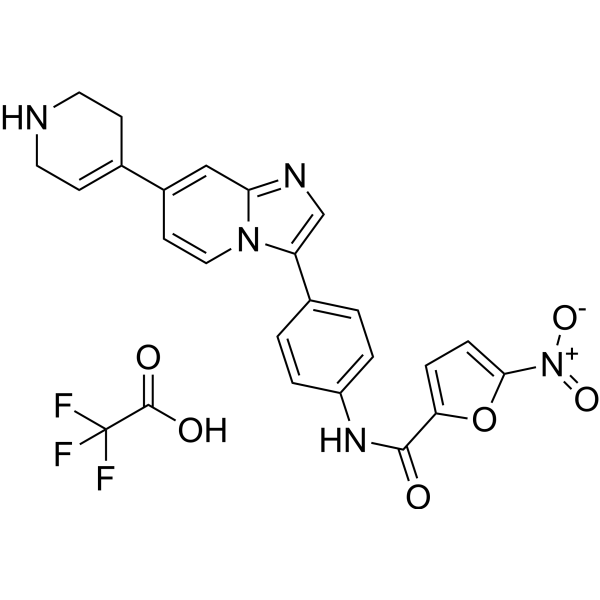
W1131 TFA is a potent STAT3 inhibitor that induces ferroptosis. W1131 inhibits cancer progression in subcutaneous xenograft, organoid, and PDX models of gastric cancer. W1131 effectively alleviates cancer cell chemoresistance to 5-FU (HY-90006). W1131 regulates the cell cycle, DNA damage response, and oxidative phosphorylation, including the IL6-JAK-STAT3 pathway and the ferroptosis pathway .
|
-
-
- HY-W013053R
-
|
DBA (Standard); 1,2,5,6-Dibenzanthracene (Standard); Benzo[k]tetraphene (Standard)
|
DNA/RNA Synthesis
Apoptosis
Reference Standards
MDM-2/p53
|
Cancer
|
|
Dibenz[a,h]anthracene (Standard) is the analytical standard of Dibenz[a,h]anthracene. This product is intended for research and analytical applications. Dibenz[a,h]anthracene (DBA) is a polycyclic aromatic hydrocarbon (PAH) of considerable tumorigenicity. Dibenz[a,h]anthracene results in DNA adduct formation leading to the activation of a DNA damage response. Dibenz[a,h]anthracene induces cell cycle arrest and apoptosis via both Tp53-dependent and Tp53-independent mechanisms .
|
-
![Dibenz[a,h]anthracene (Standard)](//file.medchemexpress.com/product_pic/hy-w013053r.gif)
-
- HY-W749442
-
|
|
Microtubule/Tubulin
|
Cancer
|
|
7a-Hydroxyfrullanolide has anticancer properties. 7a-Hydroxyfrullanolide reduces polymerization of α-, β-tubulin. 7a-Hydroxyfrullanolide preferrs to bind to β-tubulin over α-tubulin. 7a-Hydroxyfrullanolide also triggers DNA damage response arrests cells in the G2/M-phase. 7a-Hydroxyfrullanolide is an eudesmanolide sesquiterpene lactone (SL) and can be isolated from the flowering plants of the Asteraceae family .
|
-

-
- HY-116217R
-
|
FdCyd (Standard); NSC-48006 (Standard)
|
DNA Methyltransferase
Reference Standards
|
Cancer
|
|
5-Fluoro-2'-deoxycytidine (Standard) is the analytical standard of 5-Fluoro-2'-deoxycytidine. This product is intended for research and analytical applications. 5-Fluoro-2'-deoxycytidine (FdCyd), a fluoropyrimidine nucleoside analogue, is a DNA methyltransferase (DNMT) inhibitor. 5-Fluoro-2'-deoxycytidine is a tumor-selective proagent of thymidylate synthase inhibitor 5-fluoro-2′-dUMP. 5-Fluoro-2'-deoxycytidine can induce cell cycle arrest in tumor cells through the DNA damage response, and it has anti-tumor activity .
|
-

-
- HY-182748
-
|
|
Topoisomerase
DNA/RNA Synthesis
Apoptosis
|
Cancer
|
|
NL-26 is a Topoisomerase I inhibitor. NL-26 stabilizes the covalent Topoisomerase I (Topo I)-DNA complex, prevents DNA religation and triggers the DNA damage response. NL-26 induces G2/M cell cycle arrest and apoptosis in cancer cells. NL-26 can be used for the research of colorectal cancer .
|
-

-
- HY-180357
-
|
|
Checkpoint Kinase (Chk)
Reactive Oxygen Species (ROS)
DNA/RNA Synthesis
|
Cancer
|
|
Graviquinone is a Chk1 inhibitor. Graviquinone exhibits potent cytotoxicity against various cancer cell lines. Graviquinone possesses the characteristics of bypassing ABCB1-mediated multidrug resistance, selectively damaging cancer cell DNA, and regulating the DNA damage response. Graviquinone can also enhance cytotoxicity by increasing ROS levels in cancer cells. Graviquinone can be used for cancer research .
|
-

-
- HY-181786
-
|
|
ATM/ATR
|
Cancer
|
|
ATM-IN-13 (A36) is an orally active, selective ATM kinase inhibitor with a human IC50 of 0.3 nM. ATM-IN-13 blocks the ATM-mediated DNA double-strand break repair signaling pathway, reduces the phosphorylation levels of ATM and p53, and inhibits ATM-dependent DNA damage response. ATM-IN-13 can be used in the research of colorectal cancer .
|
-

-
- HY-171171
-
|
|
DNA/RNA Synthesis
|
Cancer
|
|
NERx 329 is a replication protein A (RPA) inhibitor with an IC50 of 4.9 μM. NERx 329 blocks the interaction between RPA and single-stranded DNA, and induces functional RPA depletion, loss of single-stranded DNA gap protection, chromosome fragmentation and cell death. NERx 329 inhibits the DNA damage response signaling pathway, exhibits broad single-agent anticancer activity, and enhances the activity of DNA-damaging agents. NERx 329 can be used in research related to brca1-deficient breast cancer, non-small cell lung cancer, and brca1-deficient ovarian cancer .
|
-

-
- HY-181035
-
|
|
PROTACs
CDK
|
Cancer
|
|
DN1679 is a potent, selective and orally active CRBN-dependent CDK12/13 PROTAC dual degrader. DN1679 shows DC50 of 8.8/9.8 nM (MDA-MB-231), 5.1/6.4 nM (MDA-MB-157) and 17.2/15.8 nM (MDA-MB-468) for CDK12/13. DN1679 can downregulate DNA damage response gene mRNA levels, such as ATM, ATR, BRCA1 and RAD51. DN1679 demonstrates a potent synergistic anti-tumor effect companied with Olaparib (HY-10162). DN1679 can be used for research of triple-negative breast cance .
|
-

-
- HY-183643
-
|
|
DNA/RNA Synthesis
|
Cancer
|
|
RUVBL1/2-IN-1 is an orally active RUVBL1/2 complex inhibitor with an EC50 of 0.012 μM against human targets. RUVBL1/2-IN-1 impairs ATPase-related functions, thereby reducing nuclear MYC protein levels, impairing DNA damage response and inhibiting cancer cell proliferation. In a MYC-dependent Burkitt's lymphoma xenograft model, RUVBL1/2-IN-1 effectively inhibits tumor growth and suppresses the activity of RUVBL1 R117H mutant cells. RUVBL1/2-IN-1 has been applied in research related to MYC-dependent Burkitt's lymphoma .
|
-

-
- HY-181284
-
|
|
G-quadruplex
DNA/RNA Synthesis
Ras
PI3K
Akt
ERK
Caspase
Apoptosis
|
Cancer
|
|
BYBC‑1 is a selective G4‑RNA‑targeting ligand with high affinity forKRAS and NRAS G4‑RNAs (Kd = 0.05-0.28 μM). BYBC‑1 stabilizes G4‑RNA structures in KRAS and NRAS mRNA, blocks thePI3K/AKT and MAPK/ERK pathways, activates the DNA damage response (DDR), suppresses energy metabolism, and induces S‑phase arrest and apoptosis. BYBC‑1 exhibits high selectivity over non‑malignant fibroblasts and significantly inhibits the growth of HCT‑116 xenograft tumors in vivo. BYBC‑1 can be used for the study of colorectal cancer .
|
-

-
- HY-179585
-
|
|
Apoptosis
|
Cancer
|
|
DD-CIP2 is a DNA damage and apoptosis inducer. DD-CIP2 demonstrates effective anti-proliferative activity against multiple cancer cell. DD-CIP2 modulates the DNA damage response pathway, triggering robust DNA damage, cell cycle arrest, and apoptosis in vitro. DD-CIP2 demonstrates significant anti-tumor efficacy in vivo at well-tolerated doses, without substantial toxicity. DD-CIP2 exhibits superior cytotoxic potency against a broad panel of blood-and solid-tumor-derived cancer cell lines independent of their BRCA1/2 status. DD-CIP2 can be used for small-cell lung cancer (SCLC) and non small-cell lung cancer (NSCLC) research .
|
-

| Cat. No. |
Product Name |
Category |
Target |
Chemical Structure |
-
- HY-W749442
-
|
|
Natural Products
Sphaeranthus indicus L.
Asteraceae
Plants
Source Classification
|
Microtubule/Tubulin
|
|
7a-Hydroxyfrullanolide has anticancer properties. 7a-Hydroxyfrullanolide reduces polymerization of α-, β-tubulin. 7a-Hydroxyfrullanolide preferrs to bind to β-tubulin over α-tubulin. 7a-Hydroxyfrullanolide also triggers DNA damage response arrests cells in the G2/M-phase. 7a-Hydroxyfrullanolide is an eudesmanolide sesquiterpene lactone (SL) and can be isolated from the flowering plants of the Asteraceae family .
|
-
| Cat. No. |
Product Name |
|
Classification |
-
- HY-W011725
-
|
m6dA
|
|
Nucleoside Analogs
Adenosine
|
|
N-6-Methyl-2-deoxyadenosine (m6dA) is an adenine nucleoside analogue. N-6-Methyl-2-deoxyadenosine targets nuclear processes and DNA replication machineries including WER, SATB1, TFAM, Jumu, SSBP1, DNA polymerase η and phage polymerase Gp90 exo −. N-6-Methyl-2-deoxyadenosine acts as a multifunctional epigenetic regulator that modulates transcription, DNA damage response, cell cycle, transposon silencing, stress adaptation, epigenetic crosstalk, and nucleosome organization in both prokaryotes and eukaryotes. N-6-Methyl-2-deoxyadenosine regulates mitochondrial epigenetic inheritance and is required for fear extinction memory in mice. N-6-Methyl-2-deoxyadenosine exhibits dysregulated levels in cancers. N-6-Methyl-2-deoxyadenosine can be used for the research of glioblastoma, triple negative breast cancer, and conditioned fear (fear extinction impairment) .
|
Your information is safe with us. * Required Fields.
Inquiry Information
- Product Name:
- Cat. No.:
- Quantity:
- MCE Japan Authorized Agent:





![Dibenz[a,h]anthracene (Standard)](http://file.medchemexpress.com/product_pic/hy-w013053r.gif)





