1. Search Result
Search Result
Results for "

DNA+methylation

" in MedChemExpress (MCE) Product Catalog:

54

Inhibitors & Agonists

2

Screening Libraries

2

Fluorescent Dye

14

Peptides

12

Natural
Products

10

Isotope-Labeled Compounds

2

Oligonucleotides

Cat. No. Product Name Target Research Areas Chemical Structure
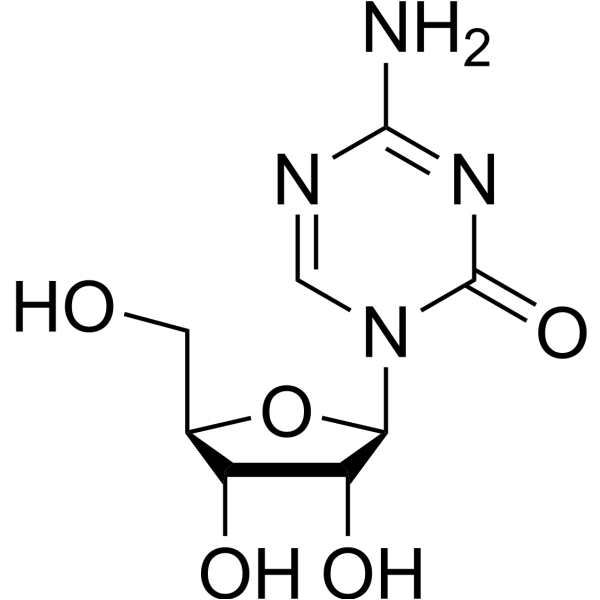
  • HY-10586
    5-Azacytidine
    Maximum Cited Publications
    128 Publications Verification

    Azacitidine; 5-AzaC; Ladakamycin

    Organoid Nucleoside Antimetabolite/Analog DNA Methyltransferase Bacterial Autophagy Antibiotic Infection Cancer
    5-Azacytidine (Azacitidine; 5-AzaC; Ladakamycin) is a nucleoside analogue of cytidine that specifically inhibits DNA methylation. 5-Azacytidine is incorporated into DNA to covalently trap DNA methyltransferases and contributes to reverse epigenetic changes . 5-Azacytidine induces cell autophagy .
    5-Azacytidine
  • HY-B0710
    Betaine
    5 Publications Verification

    Trimethylglycine; carboxy-N,N,N-trimethylmethanaminium

    Environmental Pollutants Endogenous Metabolite Metabolic Disease
    Betaine (Trimethylglycine) is a natural compound found in many foods and also an active methyl-donor which can maintain normal DNA methylation patterns [1,2]. Betaine is found ubiquitously in plants, animals, microorganisms, and rich dietary sources including seafood, spinach, and wheat bran. Betaine also acts as an osmolyte, to maintain the avian’s cellular water and ion balance to improve the avian’s capacity against heat stress via preventing dehydration and osmotic inactivation. It helps in maintaining the protective osmolytic activity, especially in heat-stressed birds. Betaine may promote various intestinal microbes against osmotic variations and thus improve microbial fermentation activity .
    Betaine
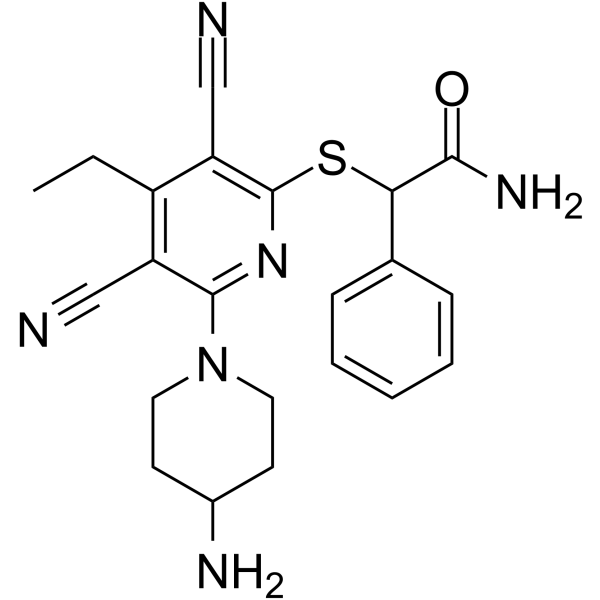
  • HY-139664
    GSK-3685032
    10+ Cited Publications

    DNA Methyltransferase Cancer
    GSK-3685032 is a non-time-dependent, noncovalently, first-in-class reversible DNMT1-selective inhibitor, with an IC50 of 0.036 μM. GSK-3685032 induces robust loss of DNA methylation, transcriptional activation, and cancer cell growth inhibition .
    GSK-3685032
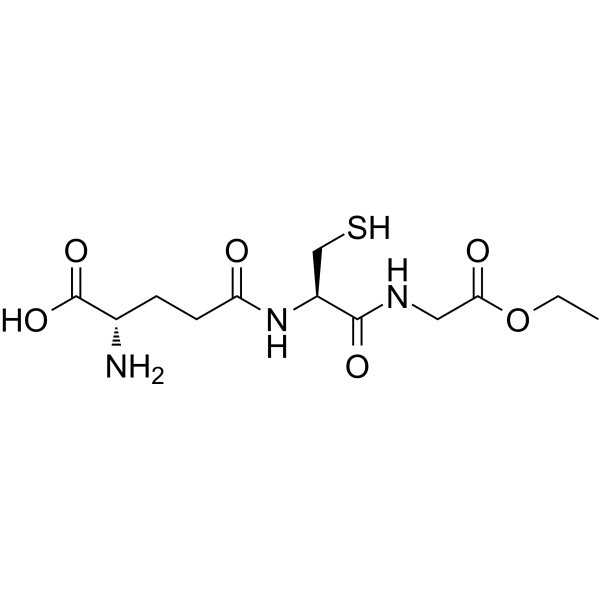
  • HY-134124

    Reactive Oxygen Species (ROS) Metabolic Disease
    Glutathione ethyl ester is a cell-permeable GSH donor and provides an efficient supply of GSH to the oocyte. Glutathione ethyl ester shows positive effect on the in vitro production of embryos by enhancement of the antioxidative defense .
    Glutathione ethyl ester
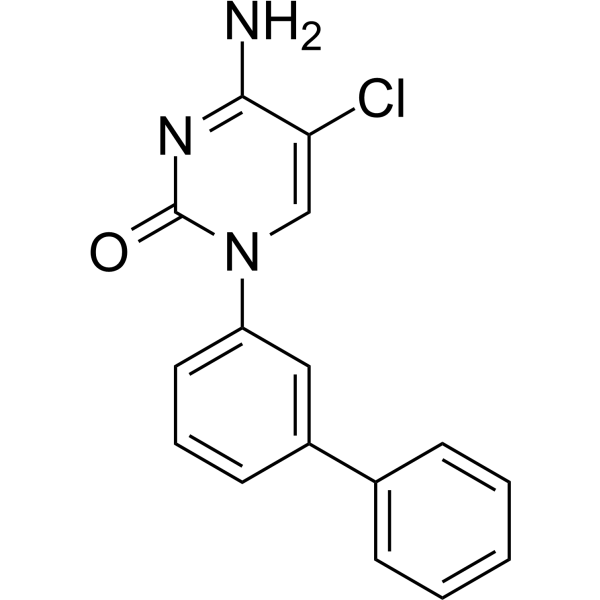
  • HY-111558
    Bobcat339
    20+ Cited Publications

    DNA Methyltransferase TET Protein Cancer
    Bobcat339 is a potent and selective cytosine-based inhibitor of TET enzyme, with IC50s of 33 μM and 73 μM for TET1 and TET2, respectively. Bobcat339 is useful to the field of epigenetics and serves as a starting point for new therapeutics that target DNA methylation and gene transcription .
    Bobcat339
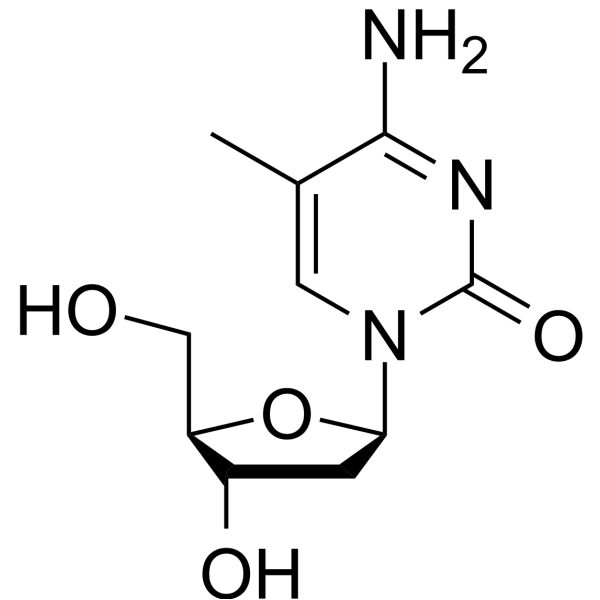
  • HY-W012078
    5-Methyl-2'-deoxycytidine
    3 Publications Verification

    5-Methyldeoxycytidine

    DNA Methyltransferase Endogenous Metabolite Others
    5-Methyl-2'-deoxycytidine (5mdC) is an endogenous substrate of DNA methyltransferases (such as mammalian 5-C-MTase) and binds to DNA dependent on the formation of DNA stem-loop structures. 5-Methyl-2'-deoxycytidine guides de novo DNA methylation by acting as a methylation mark and activates the methylation of adjacent CpG sites in single-stranded DNA through cis action. 5-Methyl-2'-deoxycytidine regulates DNA methylation patterns by recruiting methyltransferases to specific chromatin regions, affecting chromatin condensation and gene expression. Its distribution in plant cells is related to cell proliferation and differentiation stages. The methylation level of 5-Methyl-2'-deoxycytidine is low in proliferating cells and high in differentiated cells .
    5-Methyl-2'-deoxycytidine
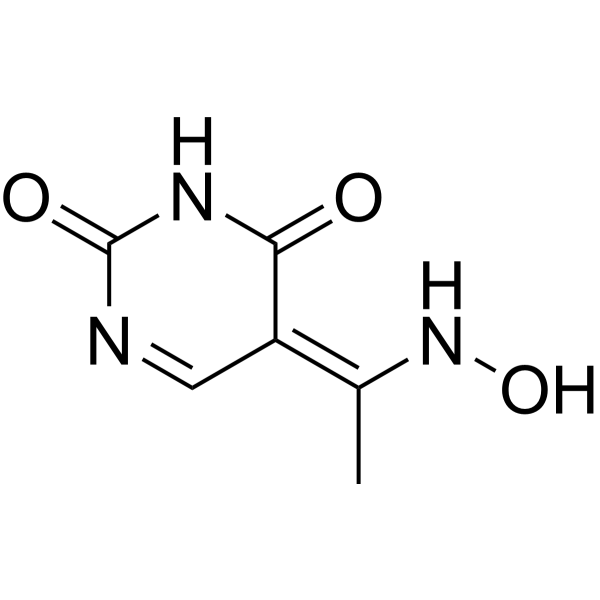
  • HY-103236
    NSC232003
    5 Publications Verification

    E1/E2/E3 Enzyme Cancer
    NSC232003 is a highly potent and cell-permeable UHRF1 inhibitor, which inhibits DNA methylation in vitro and disrupts DNMT1/UHRF1 interactions at a cellular level.
    NSC232003
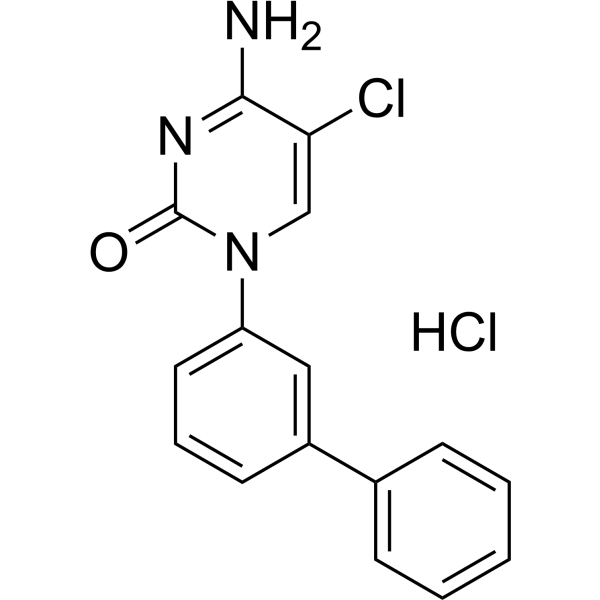
  • HY-111558A
    Bobcat339 hydrochloride
    20+ Cited Publications

    DNA Methyltransferase TET Protein Cancer
    Bobcat339 hydrochloride is a potent and selective cytosine-based inhibitor of TET enzyme, with the IC50s of 33 μM and 73 μM for TET1 and TET2, respectively. Bobcat339 hydrochloride is useful to the field of epigenetics and serves as a starting point for new therapeutics that target DNA methylation and gene transcription .
    Bobcat339 hydrochloride
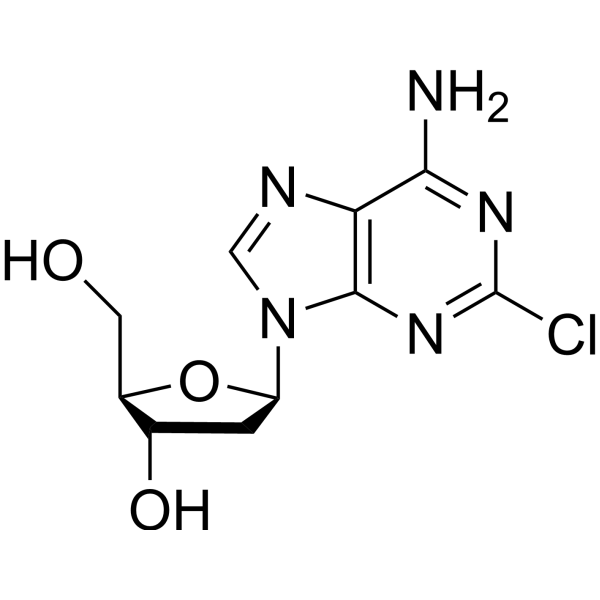
  • HY-13599
    Cladribine
    5+ Cited Publications

    2-Chloro-2′-deoxyadenosine; CldAdo; 2CdA

    Adenosine Deaminase Apoptosis Cardiovascular Disease Cancer
    Cladribine (2-Chloro-2′-deoxyadenosine), a purine nucleoside analog, is an orally active adenosine deaminase inhibitor. Cladribine functions as an inhibitor of DNA synthesis to block the repair of the damaged DNA. Cladribine can inhibit DNA methylation. Cladribine has anti-lymphoma activity. Cladribine can be used for the research of several hematologic malignancies and multiple sclerosis .
    Cladribine
  • HY-P10272

    PTG-300

    Ferroportin Others
    Rusfertide is a peptide mimetic of natural hepcidin, which targets and degrades ferroportin, reduces serum iron and transferrin-saturation, and thus regulates the production of red blood cells. Rusfertide ameliorates the polycythemia vera, β-thalassemia and hereditary hemochromatosis .
    Rusfertide
  • HY-A0248A
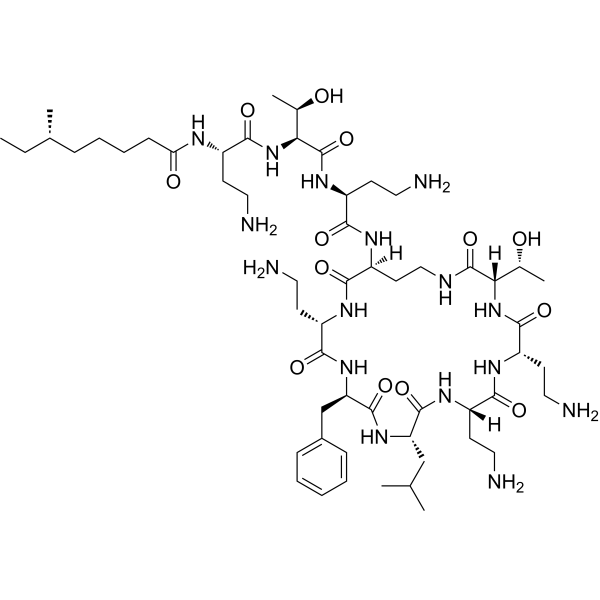
    Polymyxin B1
    1 Publications Verification

    Bacterial Infection
    Polymyxin B1 is a potent antimicrobial lipopeptide first derived from Bacilus polymyxa. Polymyxin B1 is the major component in Polymyxin B (HY-A0248). Polymyxin B1 can induce lysis of bacterial cells through interaction with their membranes. Polymyxin B1 has the potential for multidrug-resistant Gram-negative bacterial infections treatment .
    Polymyxin B1
  • HY-P1108A
    Astressin 2B TFA
    1 Publications Verification

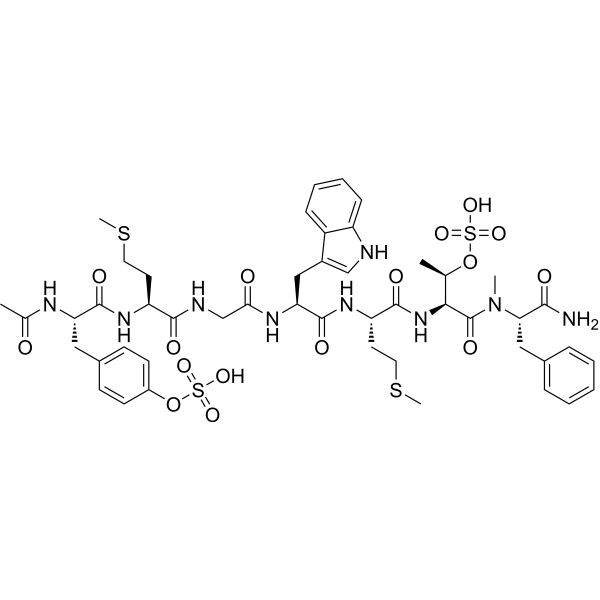
    CRFR Neurological Disease Inflammation/Immunology
    Astressin 2B TFA is a blood-brain barrier-impermeable, highly selective CRFR2 antagonist (rCRFR2, IC50=0.57 nM). Astressin 2B TFA blocks the protective effects mediated by CRFR2, thereby exacerbating indomethacin (HY-14397)-induced hemorrhagic intestinal injury in rats. Astressin 2B TFA reverses the protective effects of Urocortin 1 against intestinal hypermotility, bacterial invasion and upregulation of inflammatory mediators. Astressin 2B TFA also blocks the anxiogenic effect of Urocortin 2 and attenuates stress-induced anxiety-related behaviors. In the Clostridioides difficile toxin A (C. difficile toxin A)-mediated enteritis model, Astressin 2B TFA mimics the phenotype of CRFR2-deficient mice, significantly exacerbating intestinal epithelial damage, edema, neutrophil migration and the expression of multiple proinflammatory cytokines. Astressin 2B TFA is an important tool molecule for investigating the intestinal protective mechanisms of CRFR2 .
    Astressin 2B TFA
  • HY-P1108
    Astressin 2B
    1 Publications Verification

    CRFR Neurological Disease Inflammation/Immunology
    Astressin 2B is a blood-brain barrier-impermeable, highly selective CRFR2 antagonist (rCRFR2, IC50=0.57 nM). Astressin 2B blocks the protective effects mediated by CRFR2, thereby exacerbating indomethacin (HY-14397)-induced hemorrhagic intestinal injury in rats. Astressin 2B reverses the protective effects of Urocortin 1 against intestinal hypermotility, bacterial invasion and upregulation of inflammatory mediators. Astressin 2B also blocks the anxiogenic effect of Urocortin 2 and attenuates stress-induced anxiety-related behaviors. In the Clostridioides difficile toxin A (C. difficile toxin A)-mediated enteritis model, Astressin 2B mimics the phenotype of CRFR2-deficient mice, significantly exacerbating intestinal epithelial damage, edema, neutrophil migration and the expression of multiple proinflammatory cytokines. Astressin 2B is an important tool molecule for investigating the intestinal protective mechanisms of CRFR2 .
    Astressin 2B
  • HY-N0739
    Betaine chloride
    5 Publications Verification

    Endogenous Metabolite Others
    Betaine chloride is a natural compound found in many foods and also an active methyl-donor which can maintain normal DNA methylation patterns.
    Betaine chloride
  • HY-111130

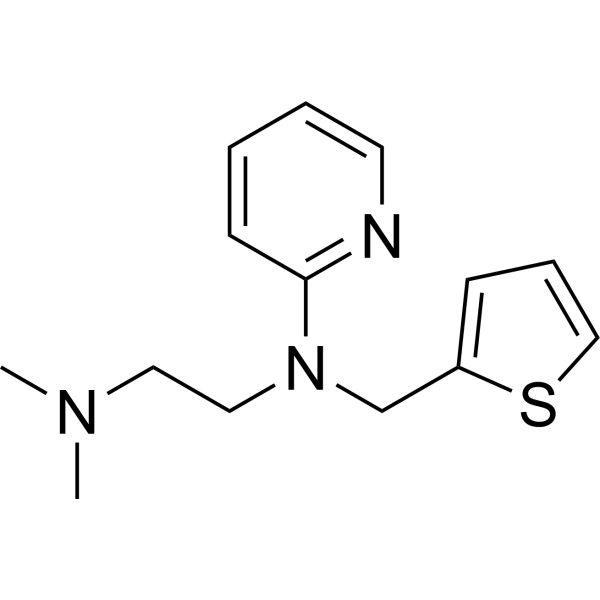
    Histamine Receptor mAChR Neurological Disease Cancer
    Methapyrilene is a histamine antagonist, a pyridine chemical with anticholinergic activity. Methapyrilene can cause target organ-specific epigenetic alterations, such as a decrease in DNA methylation levels. Methapyrilene induces hepatocellular carcinoma in rats .
    Methapyrilene
  • HY-10586R

    Azacitidine (Standard); 5-AzaC (Standard); Ladakamycin (Standard)

    Organoid Reference Standards Nucleoside Antimetabolite/Analog DNA Methyltransferase Bacterial Autophagy Antibiotic Infection Cancer
    5-Azacytidine (Standard) is the analytical standard of 5-Azacytidine. This product is intended for research and analytical applications. 5-Azacytidine (Azacitidine; 5-AzaC; Ladakamycin) is a nucleoside analogue of cytidine that specifically inhibits DNA methylation. 5-Azacytidine is incorporated into DNA to covalently trap DNA methyltransferases and contributes to reverse epigenetic changes . 5-Azacytidine induces cell autophagy .
    5-Azacytidine (Standard)
  • HY-139664A

    DNA Methyltransferase Cancer
    (R)-GSK-3685032 is the R-enantiomer of GSK-3685032. GSK-3685032 is a non-time-dependent, noncovalently, first-in-class reversible DNMT1-selective inhibitor, with an IC50 of 0.036 μM. GSK-3685032 induces robust loss of DNA methylation, transcriptional activation, and cancer cell growth inhibition .
    (R)-GSK-3685032
  • HY-W004883

    5A-DMP

    E1/E2/E3 Enzyme DNA/RNA Synthesis Cancer
    3-Amino-4,6-dimethylpyridine (5A-DMP) is a UHRF1 inhibitor that targets the Arg-binding cavity site within the UHRF1 TTD domain. 3-Amino-4,6-dimethylpyridine disrupts the interaction between UHRF1 and LIG1, interfering with DNA methylation, and can be utilized in cancer research .
    3-Amino-4,6-dimethylpyridine
  • HY-W740027

    5-Methyldeoxycytidine-d3

    Isotope-Labeled Compounds DNA Methyltransferase Endogenous Metabolite Others
    5-Methyl-2'-deoxycytidine-d3 (5-Methyldeoxycytidine-d3) is the deuterium labeled Methyl-2'-deoxycytidine (HY-W012078). 5-Methyl-2'-deoxycytidine (5mdC) is an endogenous substrate of DNA methyltransferases (such as mammalian 5-C-MTase) and binds to DNA dependent on the formation of DNA stem-loop structures. 5-Methyl-2'-deoxycytidine guides de novo DNA methylation by acting as a methylation mark and activates the methylation of adjacent CpG sites in single-stranded DNA through cis action. 5-Methyl-2'-deoxycytidine regulates DNA methylation patterns by recruiting methyltransferases to specific chromatin regions, affecting chromatin condensation and gene expression. Its distribution in plant cells is related to cell proliferation and differentiation stages. The methylation level of 5-Methyl-2'-deoxycytidine is low in proliferating cells and high in differentiated cells .
    5-Methyl-2'-deoxycytidine-d3
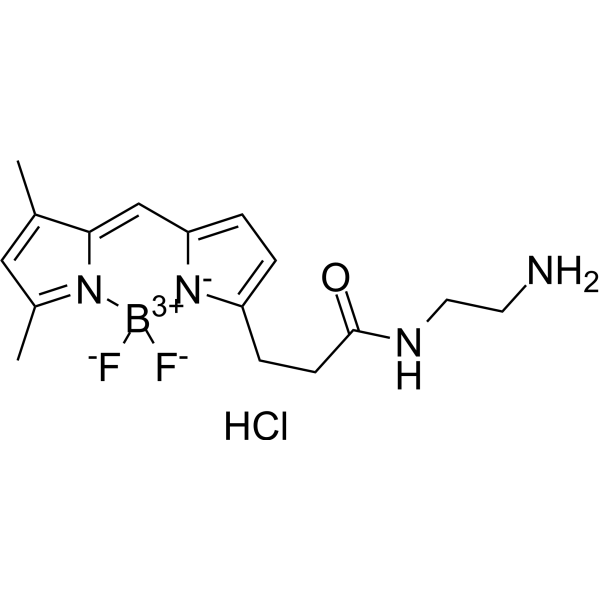
  • HY-D1603

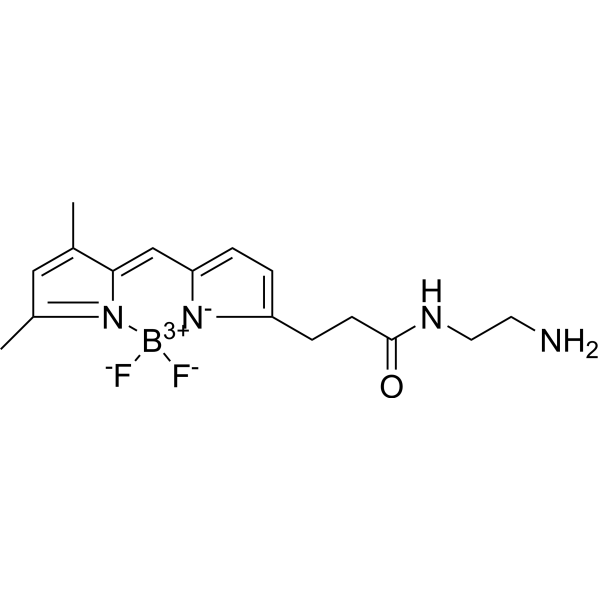
    Fluorescent Dye Others
    BODIPY FL-EDA is a widely used fluorescent dye for quantitative analysis of nucleotides. BODIPY FL-EDA is an aliphatic amine analog that can react with aldehydes and ketones. BODIPY FL-EDA can be used to detect both modified and unmodified deoxynucleotides and to determine DNA damage and genomic DNA methylation through capillary electrophoresis with laser-induced fluorescence (CE-LIF). Additionally, it can be used for quantifying intracellular ATP levels. The excitation wavelength is 500 nm, and the emission wavelength is 510 nm .
    BODIPY FL-EDA
  • HY-W018324

    5hmC

    Endogenous Metabolite Neurological Disease Metabolic Disease Cancer
    5-Hydroxymethylcytosine (5hmC) is an oxidized forms of 5-methylcytosine (5mC) in mammalian DNA. 5-Hydroxymethylcytosine is produced from 5mC in an enzymatic pathway involving three 5mC oxidases, Ten-eleven translocation (TET)1, TET2, and TET3. The conversion of 5mC into 5hmC can be the first step in a pathway leading towards DNA demethylation. 5-Hydroxymethylcytosine is associated with gene transcription and frequently used as a mark to investigate dynamic DNA methylation conversion during mammalian development. 5-Hydroxymethylcytosine can be used for the study of non-small cell lung cancer (NSCLC), neurodegenerative diseases (Alzheimer’s, Parkinson’s) and hematological malignancies (acute myeloid leukemia, myelodysplastic syndromes) .
    5-Hydroxymethylcytosine
  • HY-B0710R

    Trimethylglycine (Standard); carboxy-N,N,N-trimethylmethanaminium (Standard)

    Endogenous Metabolite Metabolic Disease
    Betaine (Standard) is the analytical standard of Betaine. This product is intended for research and analytical applications. Betaine (Trimethylglycine) is a natural compound found in many foods and also an active methyl-donor which can maintain normal DNA methylation patterns [1,2]. Betaine is found ubiquitously in plants, animals, microorganisms, and rich dietary sources including seafood, spinach, and wheat bran. Betaine also acts as an osmolyte, to maintain the avian’s cellular water and ion balance to improve the avian’s capacity against heat stress via preventing dehydration and osmotic inactivation. It helps in maintaining the protective osmolytic activity, especially in heat-stressed birds. Betaine may promote various intestinal microbes against osmotic variations and thus improve microbial fermentation activity .
    Betaine (Standard)
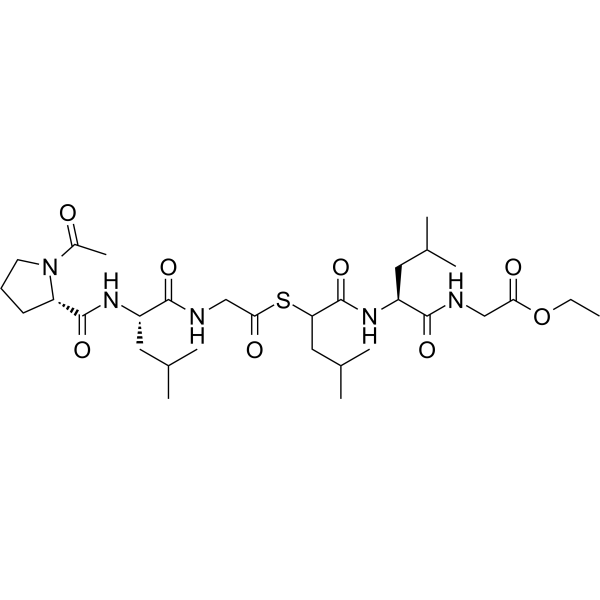
  • HY-P10143

    Ac-Pro-Leu-Gly-[(S)-2-mercapto-4-methyl-pentanoyl]-Leu-Gly-OEt

    MMP Others
    MMP-2/MMP-9 Substrate (Ac-Pro-Leu-Gly-[(S)-2-mercapto-4-methyl-pentanoyl]-Leu-Gly-OEt) is a synthetic chromogenic polypeptide substrate whose core structure mimics the cleavage sites of MMP-2 and MMP-9 (gelatinase A and B) in collagen. After being hydrolyzed by collagenase, MMP-2/MMP-9 Substrate reacts with 4,4'-dithiodipyridine or Ellman's Reagent via its thiol fragment to produce a product with ultraviolet absorption properties .
    MMP-2/MMP-9 Substrate
  • HY-A0248AS

    Isotope-Labeled Compounds Bacterial Infection
    Polymyxin B1-d7 TFA is the deuterium labeled Polymyxin B1 TFA (HY-A0248A). Polymyxin B1 is a potent antimicrobial lipopeptide first derived from Bacilus polymyxa. Polymyxin B1 is the major component in Polymyxin B (HY-A0248). Polymyxin B1 can induce lysis of bacterial cells through interaction with their membranes. Polymyxin B1 has the potential for multidrug-resistant Gram-negative bacterial infections treatment .
    Polymyxin B1-d7 TFA
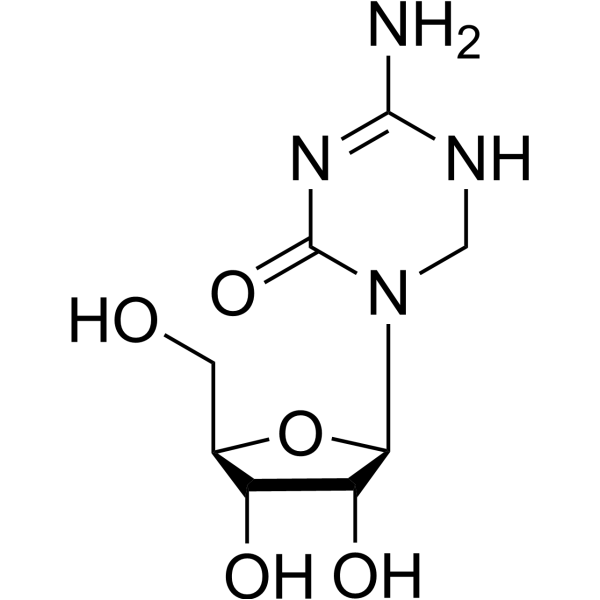
  • HY-106689

    DHAC; NSC 264880

    Nucleoside Antimetabolite/Analog DNA Methyltransferase Cancer
    Dihydro-5-azacytidine (DHAC), the nucleoside analog, is incorporated into DNA and inhibits DNA methylation. Dihydro-5-azacytidine has an antitumor activity .
    Dihydro-5-azacytidine
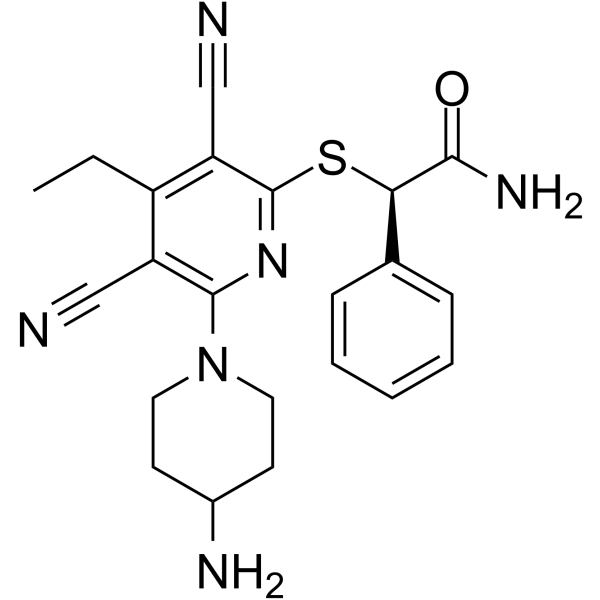
  • HY-125980
    LX-3
    1 Publications Verification

    p38 MAPK Cancer
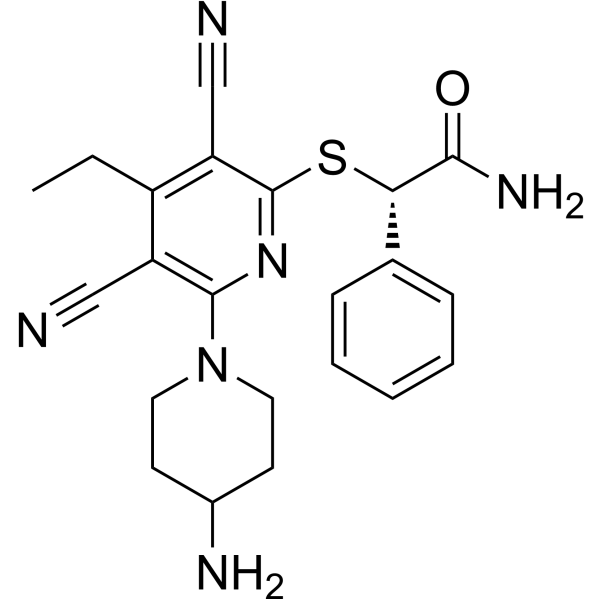
    LX-3 is a selective activator of the p38 MAPK signaling pathway and activates EGFP reporter genes that are silenced by DNA methylation, such as TNF, EGR1, LY6K, and ISG20 .
    LX-3
  • HY-B0710S

    Trimethylglycine-13C3; Carboxy-N,N,N-trimethylmethanaminium-13C3

    Isotope-Labeled Compounds Metabolic Disease
    Betaine- 13C3 (Trimethylglycine- 13C3) is the 13C labeled isotope of Betaine (HY-B0710). Betaine (Trimethylglycine) is a natural compound found in many foods and also an active methyl-donor which can maintain normal DNA methylation patterns [1,2]. Betaine is found ubiquitously in plants, animals, microorganisms, and rich dietary sources including seafood, spinach, and wheat bran. Betaine also acts as an osmolyte, to maintain the avian’s cellular water and ion balance to improve the avian’s capacity against heat stress via preventing dehydration and osmotic inactivation. It helps in maintaining the protective osmolytic activity, especially in heat-stressed birds. Betaine may promote various intestinal microbes against osmotic variations and thus improve microbial fermentation activity .
    Betaine-13C3
  • HY-P10563

    BHV-1100

    CD38 Cancer
    Noraramtide (BHV-1100) is an antibody recruitment molecule. Noraramtide can specifically bind to CD38 molecules to recruit natural killer (NK) cells. Noraramtide enhances the ability of NK cells to kill tumor cells through antibody-dependent cellular cytotoxicity (ADCC). This mechanism allows NK cells to more effectively recognize and eliminate tumor cells while avoiding mutual killing between NK cells. Noraramtide can be used for the study of autologous cancer immunity .
    Noraramtide
  • HY-145654

    Adenosine Kinase Cancer
    MRS-4203 is an ADK (IC50 = 88 nM) inhibitor. MRS-4203 can reduce DNA methylation. MRS-4203 is commonly used in cancer research .
    MRS-4203
  • HY-N0739R

    Reference Standards Endogenous Metabolite Others
    Betaine (chloride) (Standard) is the analytical standard of Betaine (chloride). This product is intended for research and analytical applications. Betaine hydrochloride is a natural compound found in many foods and also an active methyl-donor which can maintain normal DNA methylation patterns.
    Betaine chloride (Standard)
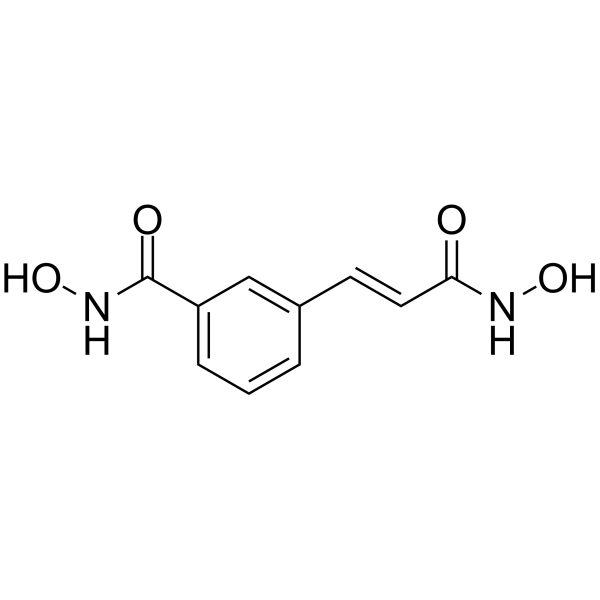
  • HY-W014004

    CBHA

    HDAC Apoptosis Others Cancer
    m-Carboxycinnamic acid bishydroxamide (CBHA) is a histone deacetylase inhibitor. m-Carboxycinnamic acid bishydroxamide modulates histone acetylation sites, alters DNA methylation and epigenetic status, increases global histone acetylation, alleviates transcription repression, and facilitates chromatin remodelling. m-Carboxycinnamic acid bishydroxamide can be used for the research of cloned embryo development and epigenetic regulation .
    m-Carboxycinnamic acid bishydroxamide
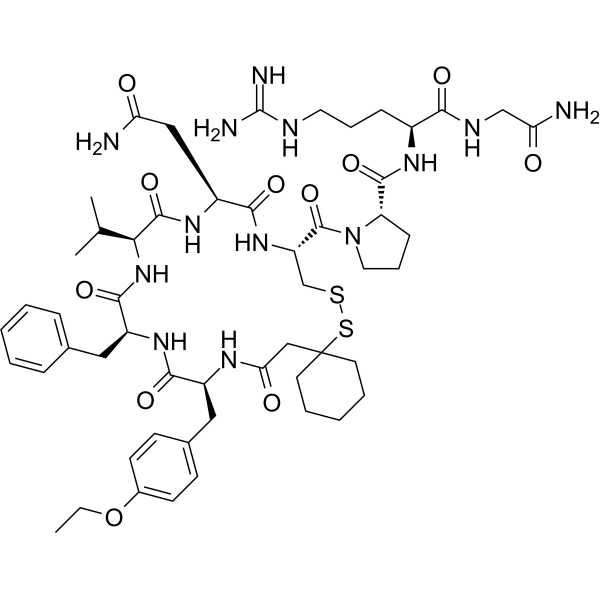
  • HY-P3066

    d(CH2)5Tyr(Et)VAVP

    Vasopressin Receptor Metabolic Disease
    SKF 100398 (d(CH2)5Tyr(Et)VAVP), an arginine vasopressin (AVP) analogue, is a specific antagonist of the antidiuretic effect of exogenous and endogenous AVP .
    SKF 100398
  • HY-126733

    (6R)-Folinic acid

    Drug Derivative Others
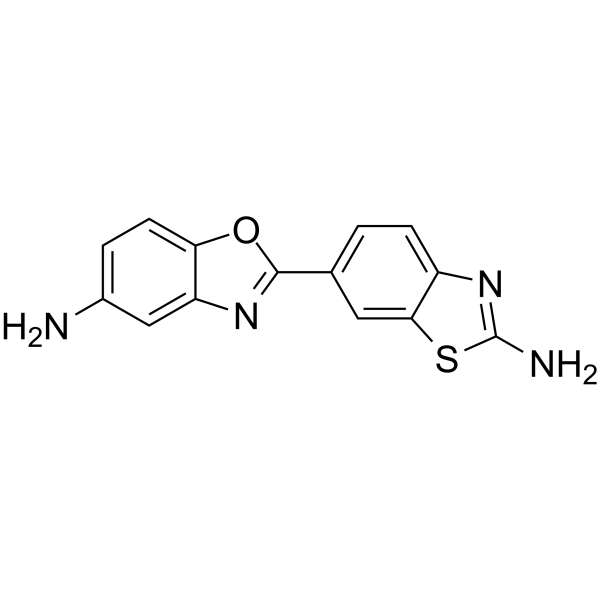
    (6R)-Leucovorin is a derivative of Folic Acid, a vitamin that plays a crucial role in DNA synthesis, DNA repair, and DNA methylation, and also serves as a cofactor in biological reactions involving folate .
    (6R)-Leucovorin
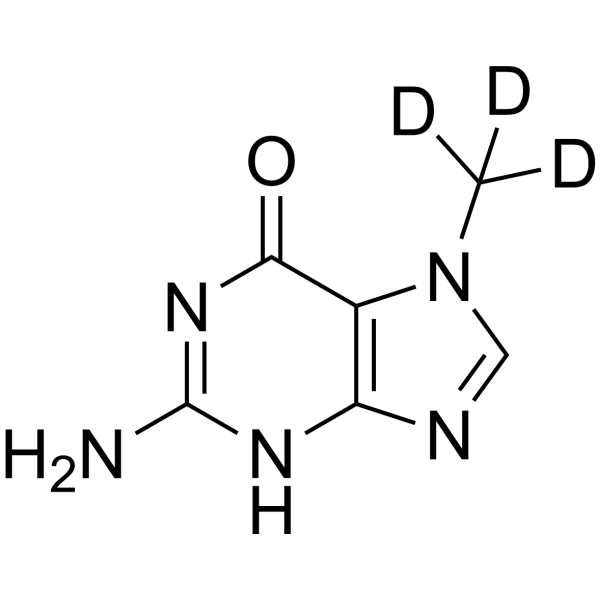
  • HY-113352S

    Endogenous Metabolite Others
    7-Methylguanine-d3 is the deuterium labeled 7-Methylguanine . 7-Methylguanine is a metabolite of DNA methylation. It can be generated by methylating agents, and used as a probe of protein–DNA interactions and a key component of DNA sequencing method .
    7-Methylguanine-d3
  • HY-W012078R
    5-Methyl-2'-deoxycytidine (Standard)
    1 Publications Verification

    5-Methyldeoxycytidine (Standard)

    Reference Standards DNA Methyltransferase Endogenous Metabolite Others
    5-Methyl-2'-deoxycytidine (5mdC) is an endogenous substrate of DNA methyltransferases (such as mammalian 5-C-MTase) and binds to DNA dependent on the formation of DNA stem-loop structures. 5-Methyl-2'-deoxycytidine guides de novo DNA methylation by acting as a methylation mark and activates the methylation of adjacent CpG sites in single-stranded DNA through cis action. 5-Methyl-2'-deoxycytidine regulates DNA methylation patterns by recruiting methyltransferases to specific chromatin regions, affecting chromatin condensation and gene expression. Its distribution in plant cells is related to cell proliferation and differentiation stages. The methylation level of 5-Methyl-2'-deoxycytidine is low in proliferating cells and high in differentiated cells .
    5-Methyl-2'-deoxycytidine (Standard)
  • HY-139664B

    DNA Methyltransferase Cancer
    (S)-GSK-3685032 is the isomer of GSK-3685032 (HY-139664), and can be used as an experimental control. GSK-3685032 is a non-time-dependent, noncovalently, first-in-class reversible DNMT1-selective inhibitor, with an IC50 of 0.036 μM. GSK-3685032 induces robust loss of DNA methylation, transcriptional activation, and cancer cell growth inhibition .
    (S)-GSK-3685032
  • HY-W653970

    Azacitidine-15N4; 5-AzaC-15N4; Ladakamycin-15N4

    Isotope-Labeled Compounds Antibiotic DNA Methyltransferase Organoid Autophagy Nucleoside Antimetabolite/Analog Bacterial Infection
    5-Azacytidine- 15N4 is 13C and 15N labeled 5-Azacytidine. 5-Azacytidine (Azacitidine; 5-AzaC; Ladakamycin) is a nucleoside analogue of cytidine that specifically inhibits DNA methylation. 5-Azacytidine is incorporated into DNA to covalently trap DNA methyltransferases and contributes to reverse epigenetic changes. 5-Azacytidine induces cell autophagy .
    5-Azacytidine-15N4
  • HY-146033

    HPV Cancer
    HPV18-IN-1 (Compound H1) is a potent inhibitor of HPV18. HPV18-IN-1 prevents cervical cancer cells from premature cell procession and abnormal proliferation. HPV18-IN-1 supresses E7-Rb-E2F cellular pathway and DNA methylation. HPV18-IN-1 has the potential for the research of cancer diseases .
    HPV18-IN-1
  • HY-13599R

    2-Chloro-2′-deoxyadenosine (Standard); CldAdo (Standard); 2CdA (Standard)

    Reference Standards Adenosine Deaminase Apoptosis Cardiovascular Disease Cancer
    Cladribine (Standard) is the analytical standard of Cladribine. This product is intended for research and analytical applications. Cladribine (2-Chloro-2′-deoxyadenosine), a purine nucleoside analog, is an orally active adenosine deaminase inhibitor. Cladribine functions as an inhibitor of DNA synthesis to block the repair of the damaged DNA. Cladribine can inhibit DNA methylation. Cladribine has anti-lymphoma activity. Cladribine can be used for the research of several hematologic malignancies and multiple sclerosis .
    Cladribine (Standard)
  • HY-P10828

    Virus Protease Infection Inflammation/Immunology
    MAPI is a polypeptide irreversible 3C cysteine protease (SV3CP) inhibitor. MAPI inhibits SV3CP by covalently binding its C-terminal Michael-acceptor extension to the active site thiol of SV3CP Cys 139. MAPI is promising for research of noroviruses infection .
    MAPI
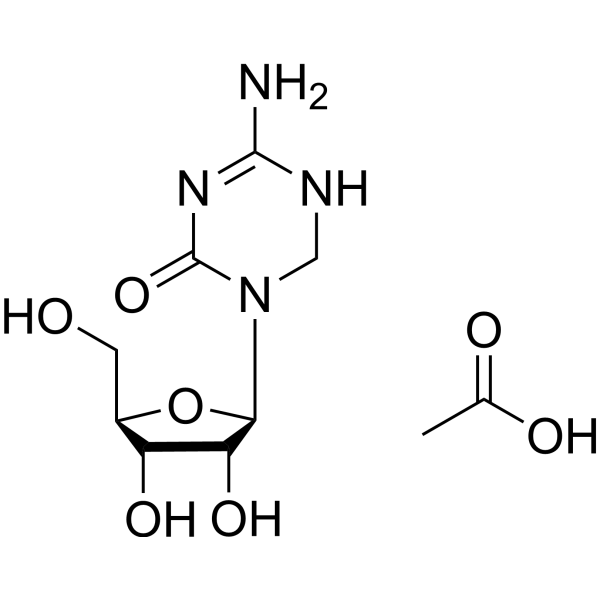
  • HY-106689A

    DHAC acetate; NSC 264880 acetate

    Nucleoside Antimetabolite/Analog DNA Methyltransferase Cancer
    Dihydro-5-azacytidine acetate (DHAC), the nucleoside analog, is incorporated into DNA and inhibits DNA methylation. Dihydro-5-azacytidine acetate has an antitumor activity .
    Dihydro-5-azacytidine acetate
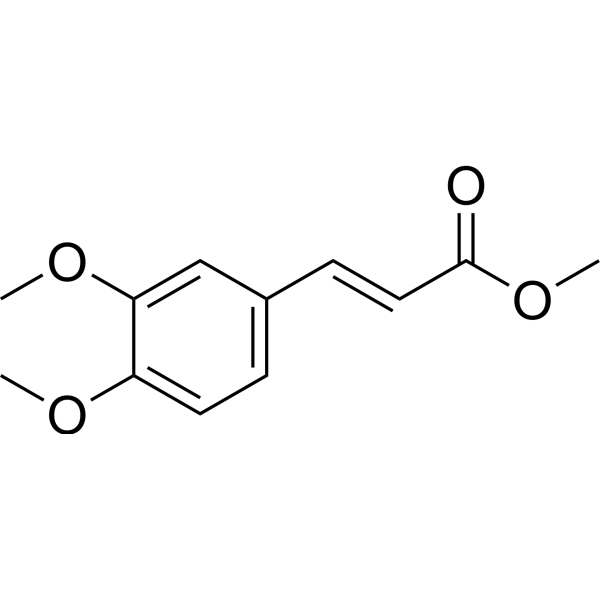
  • HY-W242821

    Fungal Cancer
    Methyl 3,4-dimethoxycinnamate is an inhibitor of uredospore germination. Methyl 3,4-dimethoxycinnamate also inhibits global DNA methylation in in Hep3B cells .
    Methyl 3,4-dimethoxycinnamate
  • HY-E70584

    DNA/RNA Synthesis Infection
    Recombinant APOBEC3A (A3A) Protein is a single-domain cytosine deaminase with antiviral activity that deaminates cytosine to uracil, thereby specifically detecting DNA methylation levels. Recombinant APOBEC3A (A3A) Protein is recombinantly expressed in E.coli and is suitable for bisulfite-free 5-hydroxymethylcytosine whole-genome sequencing (such as ACE-Seq), cytosine deamination, etc .
    Recombinant APOBEC3A (A3A) Protein
  • HY-114346A

    Fluorescent Dye Others
    ODIPY FL EDA free base is an amine-based, green fluorescent probe. The R-NH2 of ODIPY FL EDA free base can be coupled with aldehydes or ketones to form reversible Schiff base products. Convert to stable amine derivatives using reducing agents such as sodium borohydride or sodium cyanoborohydride. ODIPY FL EDA free base can be used to detect modified or normal deoxynucleotides and demonstrate DNA damage and genomic DNA methylation.
    BODIPY FL EDA free base
  • HY-13599S2

    2-Chloro-2′-deoxyadenosine-15N; Cldado-15N; 2Cda-15N

    Isotope-Labeled Compounds Apoptosis Adenosine Deaminase Cardiovascular Disease Cancer
    Cladribine- 15N (2-Chloro-2′-deoxyadenosine- 15N) is 15N labeled Cladribine. Cladribine (2-Chloro-2′-deoxyadenosine), a purine nucleoside analog, is an orally active adenosine deaminase inhibitor. Cladribine functions as an inhibitor of DNA synthesis to block the repair of the damaged DNA. Cladribine can inhibit DNA methylation. Cladribine has anti-lymphoma activity. Cladribine can be used for the research of several hematologic malignancies and multiple sclerosis .
    Cladribine-15N
  • HY-13599S

    2-Chloro-2′-deoxyadenosine-d4; CldAdo-d4; 2CdA-d4

    Isotope-Labeled Compounds Cardiovascular Disease Cancer
    Cladribine-d4 (2-Chloro-2′-deoxyadenosine-d4) is deuterium labeled Cladribine. Cladribine (2-Chloro-2′-deoxyadenosine), a purine nucleoside analog, is an orally active adenosine deaminase inhibitor. Cladribine functions as an inhibitor of DNA synthesis to block the repair of the damaged DNA. Cladribine can inhibit DNA methylation. Cladribine has anti-lymphoma activity. Cladribine can be used for the research of several hematologic malignancies and multiple sclerosis .
    Cladribine-d4
  • HY-E70583

    TET Protein Others
    Recombinant Ten-Eleven Translocase is a recombinant Fe(II)- and α-ketoglutarate-dependent dioxygenase. Recombinant Ten-Eleven Translocase converts 5-methylcytosine (5mC) to 5-hydroxymethylcytosine (5hmC), and then to 5-formylcytosine (5fC) and 5-carboxycytosine (5caC) through a series of oxidation reactions. Then, 5caC is further converted into uracil (U) through the action of a conversion agent or enzyme, and uracil (U) is converted into thymine (T) through PCR, thereby achieving single-base resolution and high-accuracy identification of DNA methylation sites .
    Recombinant Ten-Eleven Translocase
  • HY-13599S1

    2-Chloro-2′-deoxyadenosine-13C5,15N2; CldAdo-13C5,15N2; 2CdA-13C5,15N2

    Isotope-Labeled Compounds Cardiovascular Disease Cancer
    Cladribine- 13C5, 15N2 (2-Chloro-2′-deoxyadenosine- 13C5, 15N2) is 13C and 15N labeled Cladribine. Cladribine (2-Chloro-2′-deoxyadenosine), a purine nucleoside analog, is an orally active adenosine deaminase inhibitor. Cladribine functions as an inhibitor of DNA synthesis to block the repair of the damaged DNA. Cladribine can inhibit DNA methylation. Cladribine has anti-lymphoma activity. Cladribine can be used for the research of several hematologic malignancies and multiple sclerosis .
    Cladribine-13C5,15N2
  • HY-P2592

    Cholecystokinin Receptor Others
    Ro 23-7014 is an appetite suppressant. Ro 23-7014 is an analog of cholecystokinin (CCK-7) .
    Ro 23-7014
  • HY-W018324S

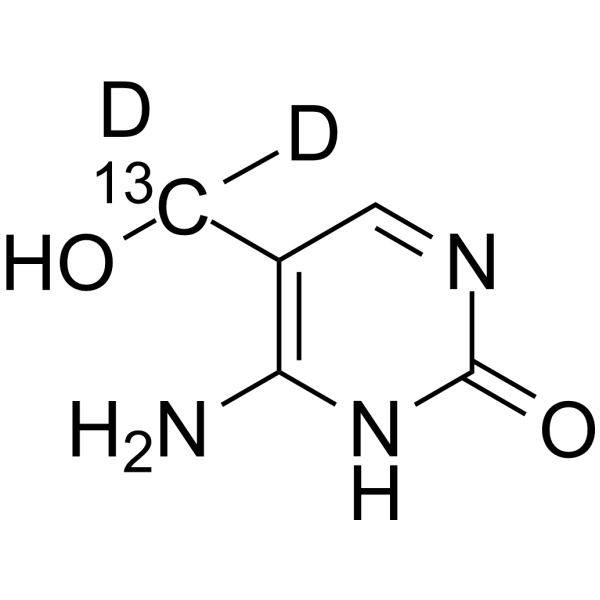
    5hmC-13C,d2

    Isotope-Labeled Compounds Neurological Disease
    5-Hydroxymethylcytosine- 13C,d2 is the 13C and deuterium labeled 5-Hydroxymethylcytosine (HY-W018324). 5-Hydroxymethylcytosine (5hmC) is an oxidized forms of 5-methylcytosine (5mC) in mammalian DNA. 5-Hydroxymethylcytosine is produced from 5mC in an enzymatic pathway involving three 5mC oxidases, Ten-eleven translocation (TET)1, TET2, and TET3. The conversion of 5mC into 5hmC can be the first step in a pathway leading towards DNA demethylation. 5-Hydroxymethylcytosine is associated with gene transcription and frequently used as a mark to investigate dynamic DNA methylation conversion during mammalian development. 5-Hydroxymethylcytosine can be used for the study of non-small cell lung cancer (NSCLC), neurodegenerative diseases (Alzheimer’s, Parkinson’s) and hematological malignancies (acute myeloid leukemia, myelodysplastic syndromes) .
    5-Hydroxymethylcytosine-13C,d2

Inquiry Online

Your information is safe with us. * Required Fields.

Salutation


Country or Region *

Applicant Name *


Organization Name *

Department *


Email Address *


Product Name *

Cat. No.


Requested quantity *

Phone Number *


Remarks

Inquiry Online

Inquiry Information

Product Name:
Cat. No.:
Quantity:
MCE Japan Authorized Agent: