Search Result
Results for "
Dephosphorylation
" in MedChemExpress (MCE) Product Catalog:
3
Biochemical Assay Reagents
4
Isotope-Labeled Compounds
| Cat. No. |
Product Name |
Target |
Research Areas |
Chemical Structure |
-
- HY-W010918
-
|
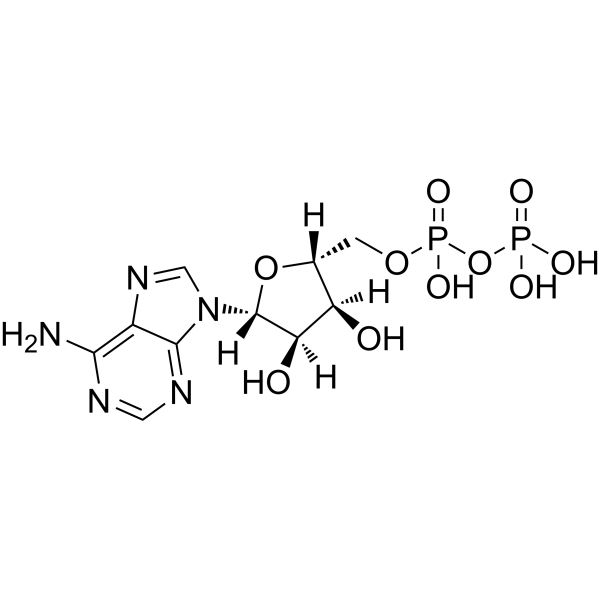
Adenosine diphosphate; ADP
|
Endogenous Metabolite
|
Others
|
|
Adenosine 5'-diphosphate (Adenosine diphosphate) is a nucleoside diphosphate. Adenosine 5'-diphosphate is the product of ATP dephosphorylation by ATPases. Adenosine 5'-diphosphate induces human platelet aggregation and inhibits stimulated adenylate cyclase by an action at P2T-purinoceptors.
|
-
-
- HY-15486
-
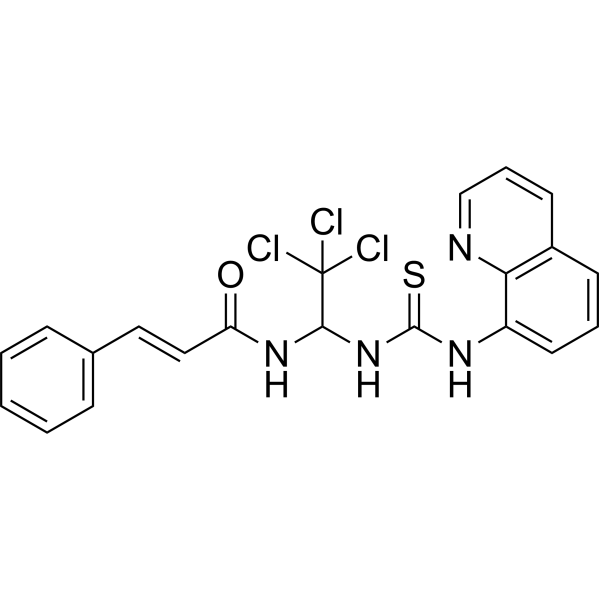
Salubrinal
Maximum Cited Publications
40 Publications Verification
|
Phosphatase
HSV
Autophagy
Apoptosis
|
Infection
Inflammation/Immunology
Cancer
|
|
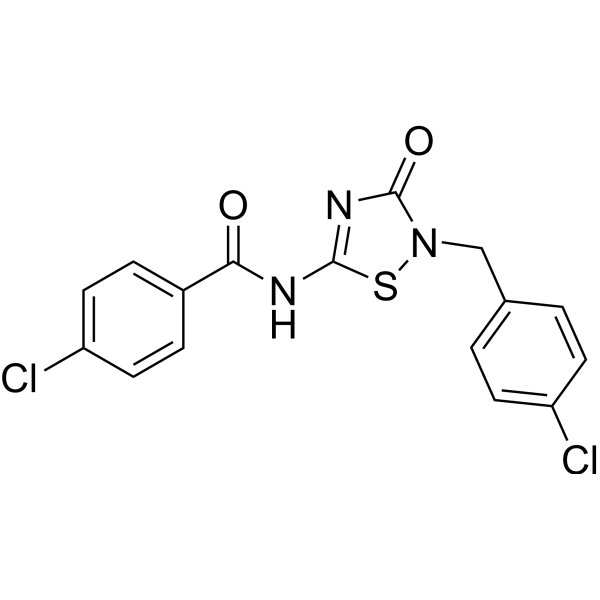
Salubrinal is a cell-permeable and selective inhibitor of eIF2α dephosphorylation . Salubrinal acts as a dual-specificity phosphatase 2 (Dusp2) inhibitor and suppresses inflammation in anti-collagen antibody-induced arthritis . Salubrinal has antiviral activity against HSV-1 and inhibits dephosphorylation of eIF2α mediated by the HSV-1 protein ICP34.5 .
|
-
-
- HY-13285
-
|
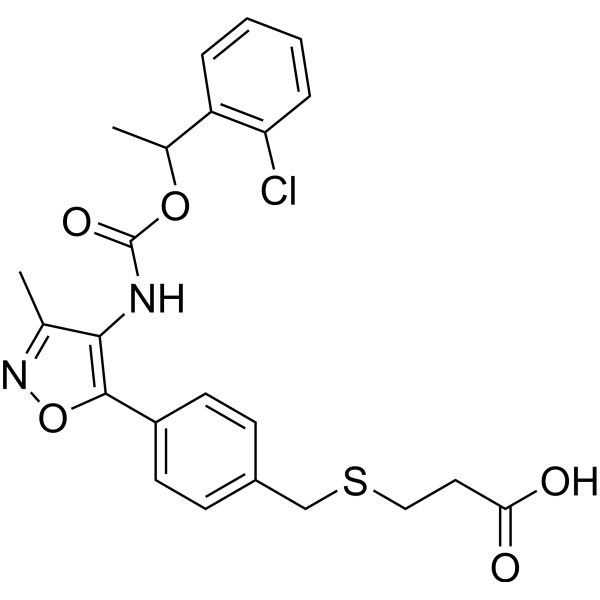
Debio 0719
|
LPL Receptor
YAP
|
Neurological Disease
Cancer
|
|
Ki16425 (Debio 0719) is a subtype-selective, competitive antagonist of the EDG-family receptors, LPA1 and LPA3 with Kis of 0.34 μM and 0.93 μM, respectively. Ki16425 (Debio 0719) reduces the LPA-induced activation of p42/p44 MAPK . Ki16425 can also inhibit LPA-induced dephosphorylation of Yes-associated protein (YAP)/TAZ in HEK293A cells .
|
-
-
- HY-P1026
-
-
-
- HY-W104368
-
-
-
- HY-D0199
-
|
Adenosine diphosphate disodium; ADP disodium
|
Endogenous Metabolite
|
Cardiovascular Disease
|
|
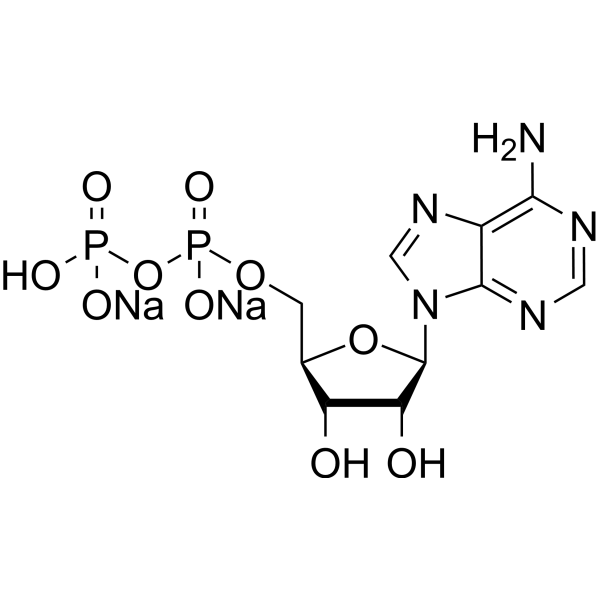
Adenosine 5'-diphosphate disodium is a nucleoside diphosphate. Adenosine 5'-diphosphate disodium is the product of ATP dephosphorylation by ATPases. Adenosine 5'-diphosphate disodium is a platelet aggregation agent for hemostasis and the development and extension of arterial thrombosis .
|
-
-
- HY-112233
-
O-304
5 Publications Verification
|
AMPK
|
Cardiovascular Disease
Metabolic Disease
|
|
O-304 is a first-in-class, orally available pan-AMPK activator, which increases AMPK activity by suppressing the dephosphorylation of pAMPK. O-304 exhibits a great potential as a agent to treat type 2 diabetes (T2D) and associated cardiovascular complications .
|
-
-
- HY-113284
-
|
N6-Succinyl adenosine
|
Endogenous Metabolite
|
Metabolic Disease
|
|
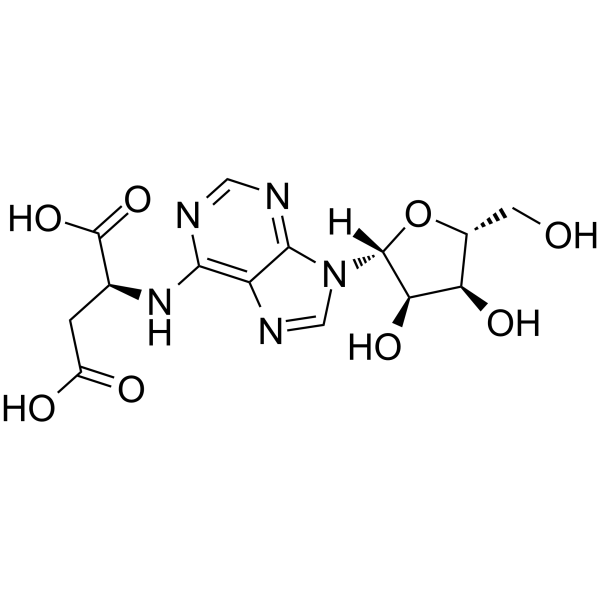
Succinyladenosine, the metabolic product of dephosphorylation of intracellular adenylosuccinic acid (S-AMP) by cytosolic 5-nucleotidase, is a biochemical marker of adenylosuccinase (ASL) deficiency .
|
-
-
- HY-111022
-
|
Sephin1; IFB-088
|
Phosphatase
|
Infection
Inflammation/Immunology
|
|
Icerguastat (Sephin1), a derivative of Guanabenz lacking the α2-adrenergic activity, is a selective inhibitor of the phosphatase regulatory subunit PPP1R15A (R15A). Icerguastat inhibits eIF2α dephosphorylation, thereby prolonging the protective response. Anti-prion effect .
|
-
-
- HY-18676
-
|
|
Integrin
Autophagy
Apoptosis
|
Cancer
|
|
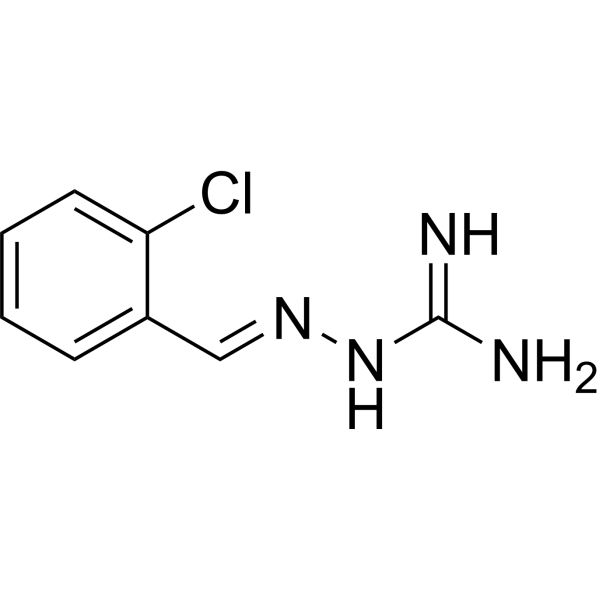
OSU-T315 (ILK-IN-1) is a small Integrin-linked kinase (ILK) inhibitor with an IC50 of 0.6 μM, inhibiting PI3K/AKT signaling by dephosphorylation of AKT-Ser473 and other ILK targets (GSK-3β and myosin light chain) . OSU-T315 abrogates AKT activation by impeding AKT localization in lipid rafts and triggers caspase-dependent apoptosis in an ILK-independent manner . OSU-T315 causes cell death through apoptosis and autophagy .
|
-
-
- HY-W010791
-
|
|
Endogenous Metabolite
|
Others
|
|
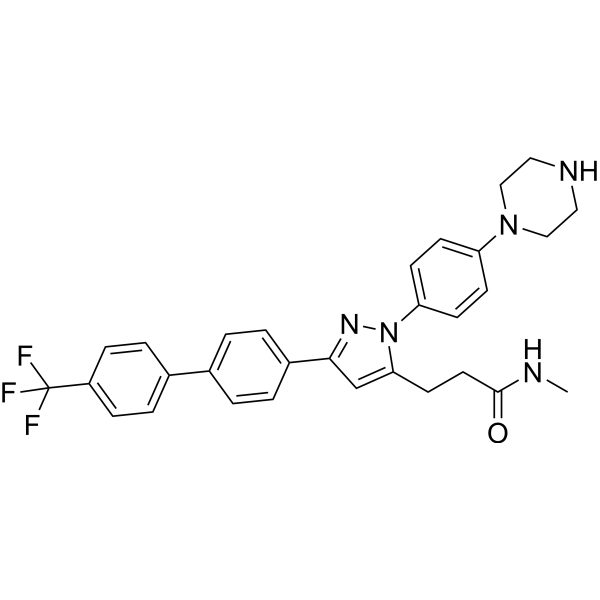
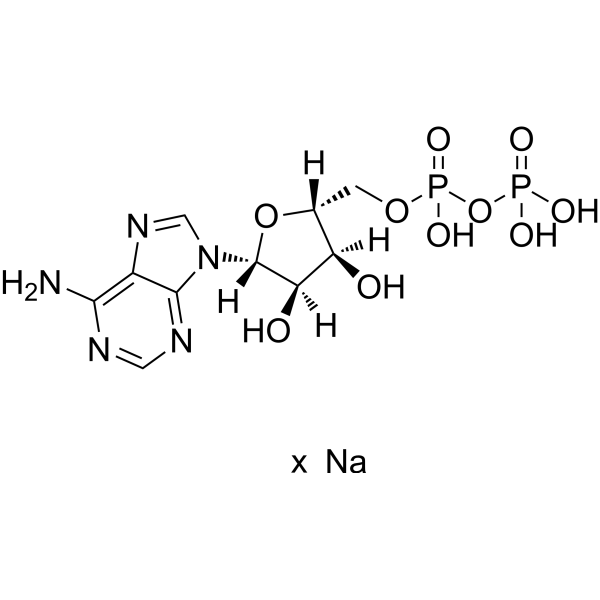
Adenosine 5'-diphosphate sodium salt is a nucleoside diphosphate and the product of ATP dephosphorylation by ATPases. Adenosine 5'-diphosphate sodium salt induces human platelet aggregation and inhibits stimulated adenylate cyclase through its action on P2T-purinergic receptors .
|
-
-
- HY-137438
-
|
TG-1701
|
Btk
|
Cancer
|
|
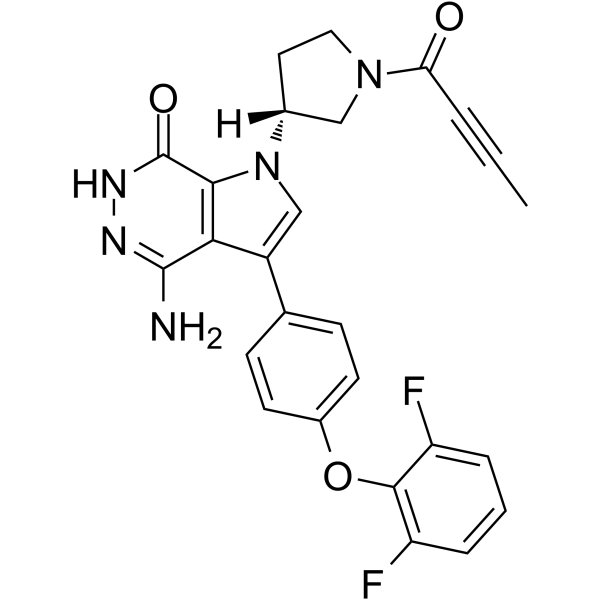
Edralbrutinib (TG-1701) is a highly selective, orally available irreversible BTK inhibitor, with an EC50 of 6.70 nM and a Kd of 3 nM against human BTK. Edralbrutinib inhibits downstream signaling of the B cell receptor, induces dephosphorylation of Ikaros Ser442/445, promotes nuclear exclusion of Ikaros, attenuates Ikaros gene signatures, and exerts anti-tumor activity. Edralbrutinib can be used in research related to B-cell non-Hodgkin lymphoma, chronic lymphocytic leukemia, mantle cell lymphoma, follicular lymphoma, and diffuse large B-cell lymphoma .
|
-
-
- HY-145232
-
|
OGTAC-3
|
PhosTACs
Phosphatase
Tau Protein
|
Neurological Disease
Cancer
|
|
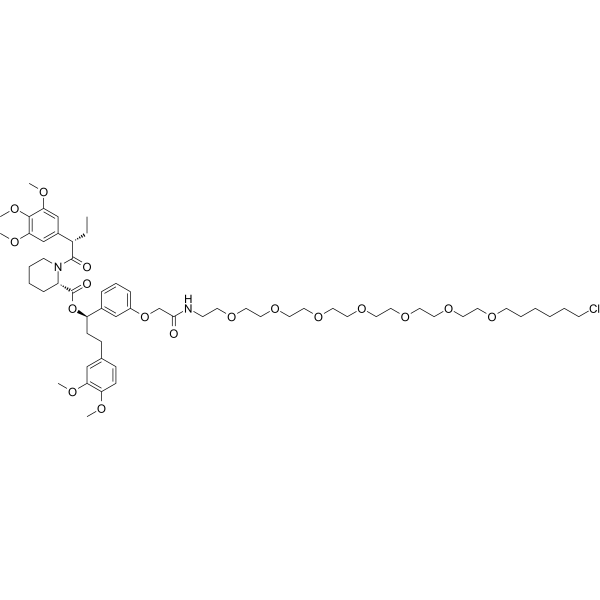
PhosTAC7 is a heterobifunctional molecule named as a Phosphorylation Targeting Chimera (PhosTAC). PhosTAC7 can dephosphorylate the PDCD4 protein, FOXO3a protein, and tau protein by recruiting serine/threonine protein phosphatase 2A (PP2A). PhosTAC7 offers the advantage of selectively modulating the phosphorylation state of individual target proteins, making it a promising tool for research in cancer and tau protein-related neurodegenerative diseases (Alzheimer's disease) .
|
-
-
- HY-161408
-
GePhos1
1 Publications Verification
|
PhosTACs
EGFR
Apoptosis
|
Cancer
|
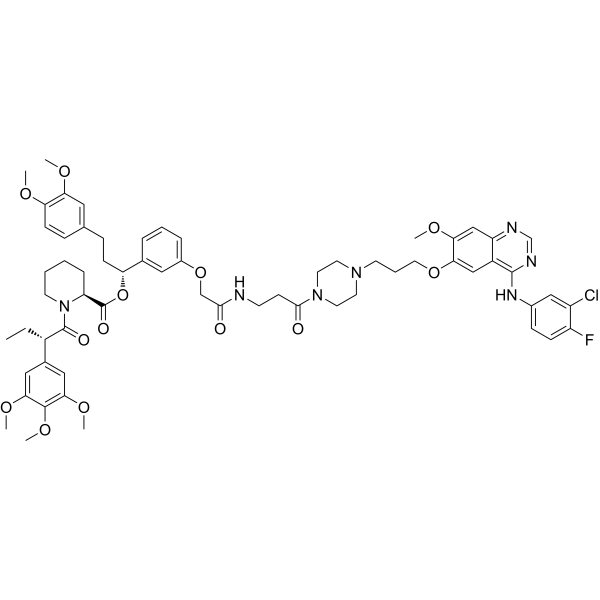
GePhos1, a EGFR-targeting PhosTAC (phosphorylation targeting chimera), induces EGFR dephosphorylation. GePhos1 induces apoptosis .
|
-
-
- HY-115463
-
EB-3D
2 Publications Verification
|
AMPK
Apoptosis
|
Cancer
|
|
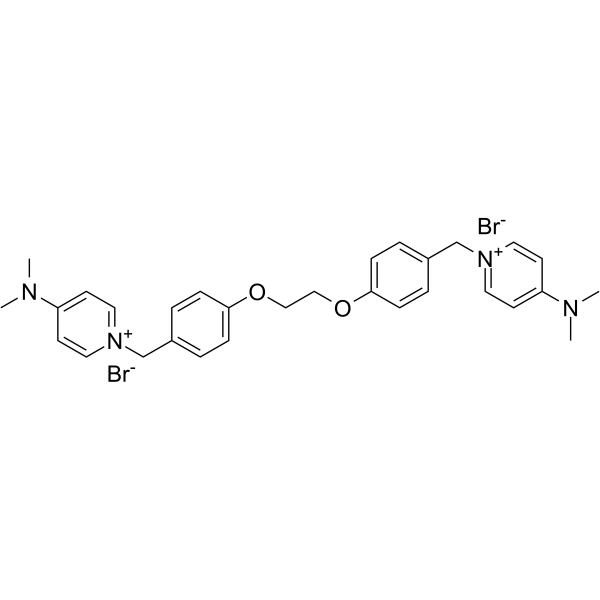
EB-3D is a potent and selective choline kinase α (ChoKα) inhibitor, with an IC50 of 1 μM for ChoKα1. EB-3D exerts effects on ChoKα expression, AMPK activation, apoptosis, endoplasmic reticulum stress and lipid metabolism. EB-3D exhibits a potent antiproliferative activity in a panel of T-leukemia cell lines. Anti-cancer activity .
|
-
-
- HY-142117
-
|
|
Calcium Channel
Chloride Channel
|
Others
|
|
Adenophostin A is an IP3 receptor (inositol 1,4,5-trisphosphate receptors) modulator and Ca 2+ releaser, with an IC50 of 1.3 nM, an EC50 of 1.4 nM, and a Ki of 0.18 nM in rats, and an IC50 of 0.95 nM in humans. Adenophostin A activates IP3 receptors, stimulates Ca 2+ release from intracellular stores and microsomes, inhibits the binding of [ 3H]IP3 to plasma membrane receptors, and activates chloride channels. Adenophostin A resists phosphorylation and dephosphorylation by IP3 metabolic enzymes to maintain its activity, and increases cytoplasmic [Ca 2+] levels via calcium mobilization from the endoplasmic reticulum of vascular smooth muscle cells. Adenophostin A is applicable to research related to hemorrhagic shock .
|
-

-
- HY-N9326
-
|
|
Phosphatase
|
Metabolic Disease
|
|
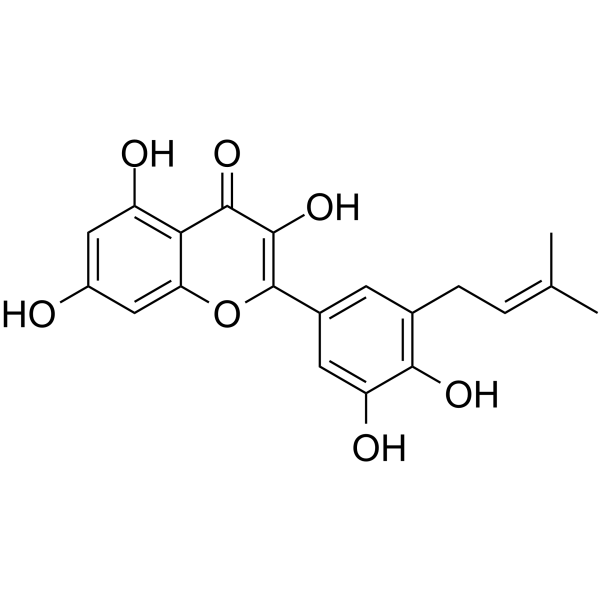
Uralenol is a natural PTP1B inhibitor (IC50=21. 5 μM) from Broussonetia papyrifera. PTP1B have been shown to play a major role in the dephosphorylation of the insulin receptor in many cellular and biochemical studies .
|
-
-
- HY-W089922
-
|
Erythrosphingosine hydrochloride; erythro-C18-Sphingosine hydrochloride; trans-4-Sphingenine hydrochloride
|
TRP Channel
|
Neurological Disease
|
|
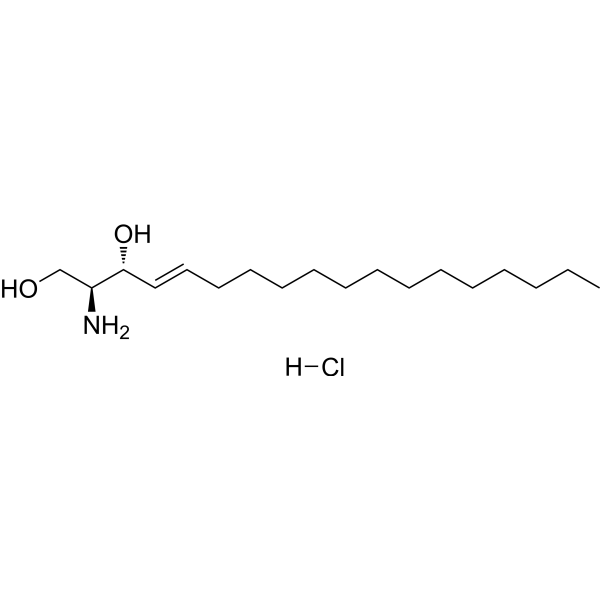
D-erythro-Sphingosine (Erythrosphingosine) hydrochloride is a specific TRPM3 activator. D-erythro-Sphingosine also induces retinoblastoma protein dephosphorylation .
|
-
-
- HY-148508
-
|
|
PhosTACs
Phosphatase
|
Cancer
|
|
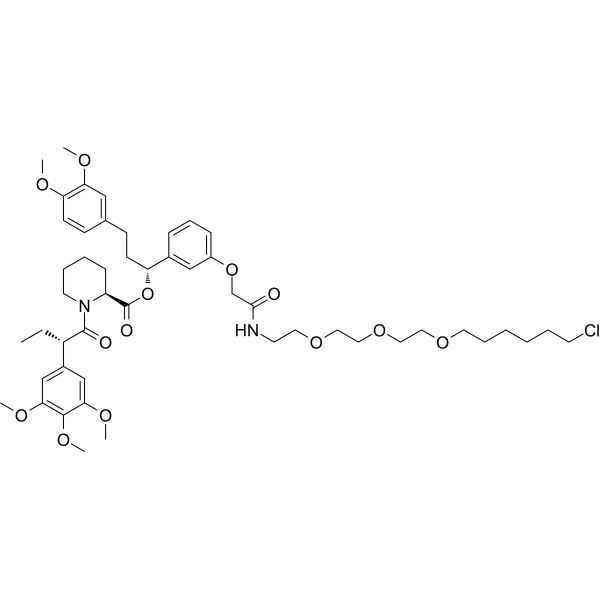
PhosTAC3 is a phosphorylation targeting chimera (PhosTAC) molecule composed of a linker with three PEG groups. PhosTAC3 induces dephosphorylation of PDCD4 and FOXO3a .
|
-
-
- HY-18764
-
|
|
PTEN
|
Metabolic Disease
|
|
BpV(pic) potassium hydrate is a PTEN inhibitor with IC50 31 nM. BpV(pic) potassium hydrate is also an insulin simulator that activates insulin receptor kinase in cultured liver cancer cells, stimulates adipogenesis in adipocytes, and inhibits the dephosphorylation of autophosphorylated insulin receptors and epidermal growth factor receptors in rat hepatosomes .
|
-

-
- HY-W010918S2
-
|
Adenosine diphosphate-15N5 dilithium; ADP-15N5 dilithium
|
Isotope-Labeled Compounds
Endogenous Metabolite
|
Cardiovascular Disease
|
|
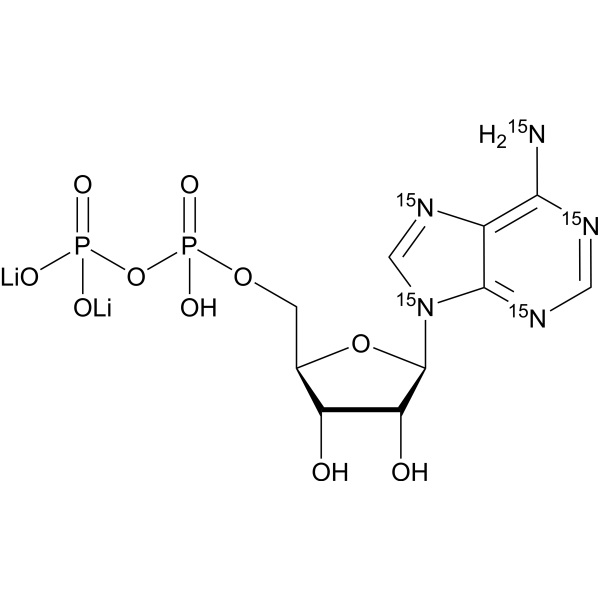
Adenosine 5'-diphosphate- 15N5 (Adenosine diphosphate- 15N5 dilithium) dilithium is 15N labeled Adenosine 5'-diphosphate (HY-W010918). Adenosine 5'-diphosphate (Adenosine diphosphate) is a nucleoside diphosphate. Adenosine 5'-diphosphate is the product of ATP dephosphorylation by ATPases. Adenosine 5'-diphosphate induces human platelet aggregation and inhibits stimulated adenylate cyclase by an action at P2T-purinoceptors.
|
-
-
- HY-W058849
-
|
|
AMPK
mTOR
Apoptosis
|
Cancer
|
|
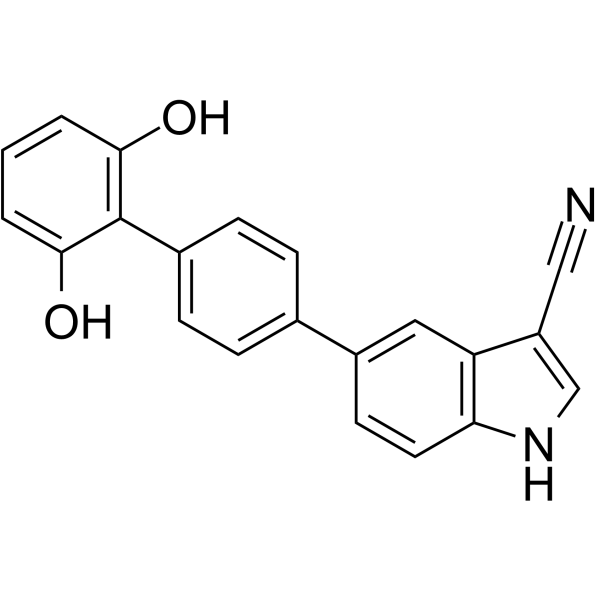
MT 63-78 is a specific and potent direct AMPK activator with an EC50 of 25 μM. MT 63–78 also induces cell mitotic arrest and apoptosis. MT 63-78 blocks prostate cancer growth by inhibiting the lipogenesis and mTORC1 pathways. MT 63-78 has antitumor effects .
|
-
-
- HY-D0199R
-
|
Adenosine diphosphate disodium (Standard); ADP disodium (Standard)
|
Endogenous Metabolite
Reference Standards
|
Cardiovascular Disease
|
|
Adenosine 5'-diphosphate (disodium) (Standard) is the analytical standard of Adenosine 5'-diphosphate (disodium). This product is intended for research and analytical applications. Adenosine 5'-diphosphate disodium is a nucleoside diphosphate. Adenosine 5'-diphosphate disodium is the product of ATP dephosphorylation by ATPases. Adenosine 5'-diphosphate disodium is a platelet aggregation agent for hemostasis and the development and extension of arterial thrombosis .
|
-

-
- HY-148509
-
|
|
PhosTACs
Phosphatase
|
Cancer
|
|
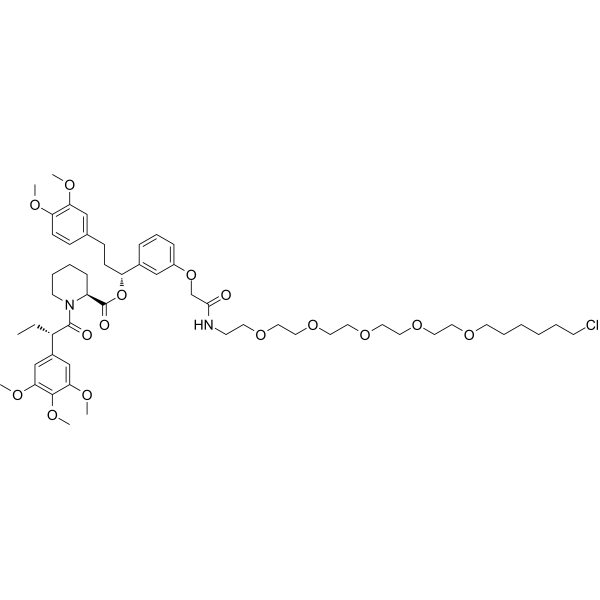
PhosTAC5 is a phosphorylation targeting chimera (PhosTAC) molecule composed of a linker with fivePEG groups. PhosTAC5 induces dephosphorylation of PDCD4 and FOXO3a .
|
-
-
- HY-W010918R
-
|
Adenosine diphosphate (Standard); ADP (Standard)
|
Reference Standards
Endogenous Metabolite
|
Others
|
|
Adenosine 5'-diphosphate (Standard) is the analytical standard of Adenosine 5'-diphosphate. This product is intended for research and analytical applications. Adenosine 5'-diphosphate (Adenosine diphosphate) is a nucleoside diphosphate. Adenosine 5'-diphosphate is the product of ATP dephosphorylation by ATPases. Adenosine 5'-diphosphate induces human platelet aggregation and inhibits stimulated adenylate cyclase by an action at P2T-purinoceptors.
In Vitro: Adenosine 5'-diphosphate consists of the pyrophosphate group, the pentose sugar ribose, and the nucleobase adenine. Adenosine 5'-diphosphate is the product of ATP dephosphorylation by ATPases. ADP is converted back to ATP by ATP synthases. ATP is an important energy transfer molecule in cells. Adenosine 5'-diphosphate is utilized in a wide number of cellular processes, including respiration, biosynthetic reactions, motility, and cell division.
|
-

-
- HY-W010918S3
-
|
Adenosine diphosphate-13C5; ADP-13C5
|
Isotope-Labeled Compounds
Endogenous Metabolite
|
Others
|
|
Adenosine 5'-diphosphate- 13C5 (Adenosine diphosphate- 13C5) is the 13C-labeled Adenosine 5'-diphosphate (HY-W010918). Adenosine 5'-diphosphate (Adenosine diphosphate) is a nucleoside diphosphate. Adenosine 5'-diphosphate is the product of ATP dephosphorylation by ATPases. Adenosine 5'-diphosphate induces human platelet aggregation and inhibits stimulated adenylate cyclase by an action at P2T-purinoceptors.
|
-

-
- HY-135564A
-
|
|
Phosphatase
Phospholipase
HIV Protease
ERK
Autophagy
|
Infection
Cancer
|
|
RK-682 is the inhibitor for protein tyrosine phosphatase (PTPase), heparanase, phospholipase A2 and HIV-1 protease. RK-682 inhibits the dephosphorylation of CD45 (IC50 is 54 μM) and VHR (IC50 is 2.0 μM), and thereby inhibits the ERK signaling pathway. RK-682 inhibits the cell viability of cancer cell MGH-U3, T24 and UROtsa with IC50s of 78.2, 43.2 and 145 nM, respectively, arrests the cell cycle at G1/S phase, inhibits the cell migration and autophagy in MGH-U3 and T24 .
|
-

-
- HY-150641
-
|
|
CDK
Apoptosis
DNA/RNA Synthesis
Molecular Glues
|
Cancer
|
|
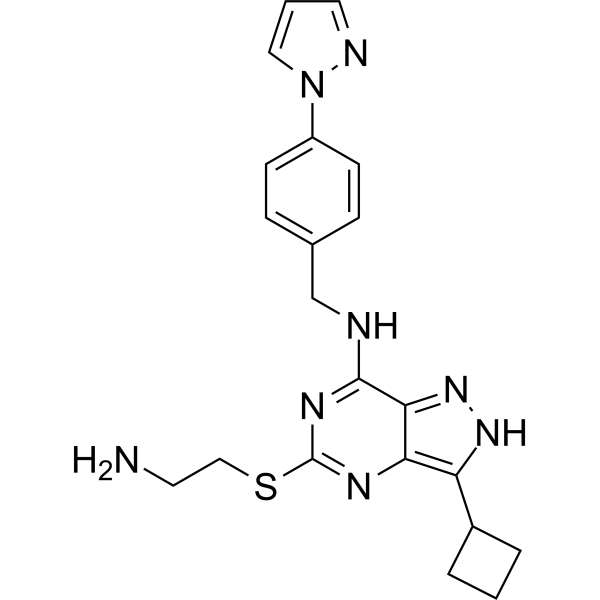
CDK-IN-9 (compound 24) is a potent CDK inhibitor, also as a molecular glue inducing an interaction between CDK12 and DDB1, with an IC50 values of 4 nM for CDK2/E. CDK-IN-9 leads to polyubiquitination of cyclin K and its subsequent degradation. CDK-IN-9 induce apoptosis through dephosphorylation of retinoblastoma protein and RNA polymerase II .
|
-
-
- HY-176938A
-
|
|
EGFR
PhosTACs
|
Cancer
|
|
iAfaPhos1 is a FKBP12F36V epimer ligand. iAfaPhos1 leads to reduced dephosphorylation of EGFR at pY1068 and pY845 sites. iAfaPhos1 has anticancer activity against non-small cell lung cancer .
|
-

-
- HY-176938
-
|
|
PhosTACs
EGFR
Apoptosis
Drug Derivative
|
Cancer
|
|
AfaPhos1 is a new, Afatinib (HY-10261)-based EGFR PhosTAC. AfaPhos1 induces EGFR dephosphorylation at both pY1068 and pY845. AfaPhos1 induces Apoptosis. AfaPhos1 has anticancer activity against non-small cell lung cancer .
|
-

-
- HY-19382
-
|
|
SOD
ERK
Reactive Oxygen Species (ROS)
|
Neurological Disease
|
|
EUK-189 is a synthetic superoxide dismutase (SOD) and catalase mimetic. EUK-189 can block oxygen/glucose deprivation (OGD)-induced ERK1/2 dephosphorylation, ATP depletion and eliminate ROS production. EUK-189 exhibits neuroprotective effect and can inhibit delayed radiation injury. EUK-189 can be used for the research of neurological disease, such as ischemic stroke .
|
-

-
- HY-174427
-
|
|
LRRK2
|
Neurological Disease
|
|
RN341 is a specific type II kinase inhibitor of LRRK2 (IC50: 296 nM). RN341 inhibits LRRK2 phosphorylation and avoids S935 dephosphorylation by stabilizing the open conformation. RN341 rescues LRRK2-mediated kinesin motility block by preventing microtubule binding. RN341 effectively inhibits LRRK2 wild-type and G2019S mutant at the cellular level. RN341 provides a new direction for Parkinson's disease research.
|
-

-
- HY-112395
-
|
|
Polo-like Kinase (PLK)
|
Others
|
|
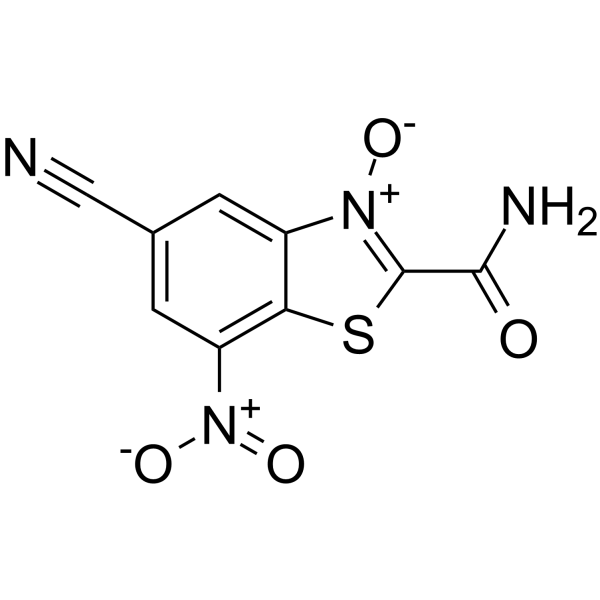
BTO-1 is a Polo-like kinase (Plk) inhibitor. BTO-1 is primarily used for phosphorylation and dephosphorylation applications .
|
-
-
- HY-120035
-
|
|
Proteasome
Ribosomal S6 Kinase (RSK)
Apoptosis
|
Cancer
|
|
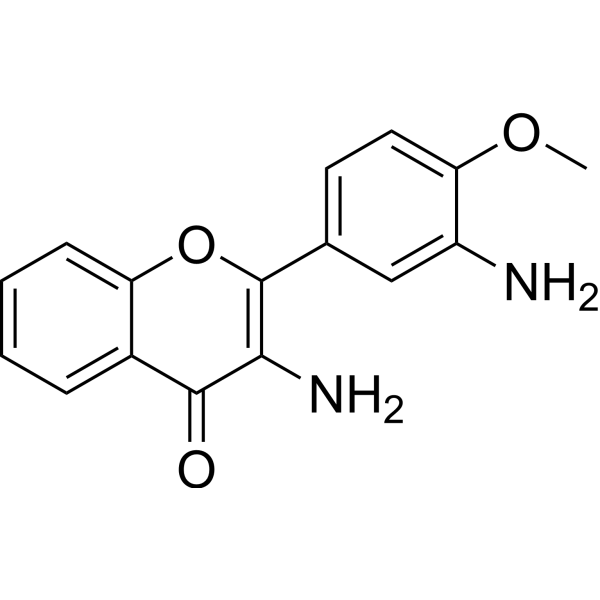
DD1, a proteasome inhibitor, targets Bax activation and P70S6K degradation during acute myeloid leukemia (AML) apoptosis. DD1 induces apoptosis in the caspase-dependent manner. DD1 induces mitochondrial membrane depolarization and Bad dephosphorylation .
|
-
-
- HY-15486R
-
|
|
Phosphatase
HSV
Autophagy
Apoptosis
|
Infection
Inflammation/Immunology
Cancer
|
|
Salubrinal (Standard) is the analytical standard of Salubrinal. This product is intended for research and analytical applications. Salubrinal is a cell-permeable and selective inhibitor of eIF2α dephosphorylation . Salubrinal acts as a dual-specificity phosphatase 2 (Dusp2) inhibitor and suppresses inflammation in anti-collagen antibody-induced arthritis . Salubrinal has antiviral activity against HSV-1 and inhibits dephosphorylation of eIF2α mediated by the HSV-1 protein ICP34.5 .
|
-

-
- HY-D0882
-
|
|
Biochemical Assay Reagents
|
Cardiovascular Disease
|
|
Adenosine 5'-diphosphate dicyclohexylammonium is a nucleoside diphosphate. Adenosine 5'-diphosphate is the product of ATP dephosphorylation by ATPases. Adenosine 5'-diphosphate dicyclohexylammonium induces human platelet aggregation and inhibits stimulated adenylate cyclase by an action at P2T-purinoceptors .
|
-

-
- HY-124605
-
|
|
Syk
Btk
Apoptosis
|
Cancer
|
|
IQS-019 is a B cell receptor (BCR) kinase inhibitor. IQS-019 can inhibit the de-phosphorylation of constitutive and IgM-activated Syk, Lyn, and Btk. IQS-019 can inhibit cell proliferation, migration and induce apoptosis. IQS-019 exhibits antitumor activity and can be used for the research of cancer, such as B cell lymphoma .
|
-

-
- HY-178112
-
|
|
CDK
Apoptosis
|
Cancer
|
|
CDK2-IN-47 is a potent CDK2 inhibitor with an IC50 of 0.21 μM. CDK2-IN-47 exhibits outstanding anticancer activity against MCF-7, HCT-116, and MGC-803 cell lines. CDK2-IN-47 effectively induces G1 cell cycle arrest, retinoblastoma protein (Rb) dephosphorylation, and significant apoptosis. CDK2-IN-47 can be used for the studies of breast cancer, colorectal cancer and gastric cancer .
|
-

-
- HY-N15364
-
|
|
Endogenous Metabolite
|
Metabolic Disease
|
|
Imidazoleacetic acid riboside is a metabolite of histamine, belonging to the riboside conjugates of imidazoleacetic acid. Imidazoleacetic acid riboside is generated by dephosphorylation of imidazoleacetic acid ribonucleotide in rats. Imidazoleacetic acid riboside can be detected in the kidney and brain tissue after administration of labeled histamine or histidine, and exists as a urinary metabolite of histamine in both rats and humans. Imidazoleacetic acid riboside is not only excreted in urine, but also can be used to capture and isolate ribose for studying the metabolic pathways of ribose synthesis from glucose or glucuronolactone via the pentose phosphate pathway or the C-6 oxidation pathway in vivo .
|
-

-
- HY-178944
-
|
|
Phosphatase
Apoptosis
Caspase
|
Cancer
|
|
CDC25-IN-1 (Compound D11b) is a potent inhibitor of cell division cycle 25 (CDC25) phosphatase. CDC25-IN-1 exerts strong inhibitory effects on leukemia and colorectal cancer cells. CDC25-IN-1 blocks CDC25 mediated CDK1 Tyr15 dephosphorylation, delays G2/M progression, and induces caspase-dependent apoptosis with DNA damage. CDC25-IN-1 can be used for researches of leukemia and colorectal cancer .
|
-

-
- HY-165569
-
|
|
Potassium Channel
|
Neurological Disease
|
|
AU-1421 is a potassium ion (K⁺) site-directed regulator that specifically acts on various cation transport ATPases. AU-1421 can distinguish between two different K⁺-sensitive phosphorylation intermediate (E2P) states: for non-K⁺ transport type ATPases (such as the sarcoplasmic reticulum Ca²⁺-ATPase), after binding to AU-1421, it mimics the agonistic effect of K⁺, significantly accelerating the hydrolysis (dephosphorylation) of E2P. For K⁺ transport type ATPases (such as the gastric mucosa H⁺/K⁺-ATPase and the renal Na⁺/K⁺-ATPase), after binding to AU-1421, it inhibits the hydrolysis of E2P, stabilizing the phosphorylated intermediate, thereby blocking the ion transport cycle. AU-1421 can be used to study the mechanism of the potassium ion pump .
|
-

-
- HY-B1829R
-
|
Dexamethasone 21-phosphate (Standard)
|
Glucocorticoid Receptor
Reference Standards
|
Others
|
|
Dexamethasone phosphate (Standard) is the analytical standard of Dexamethasone phosphate. This product is intended for research and analytical applications. Dexamethasone phosphate (Dexamethasone 21-phosphate) disodium is a biologically inactive compound which undergoes dephosphorylation by intra-erythrocyte enzymes. The active metabolite, Dexamethasone, is then released into the circulation by simple passive diffusion through cell membranes. Dexamethasone phosphate disodium-encapsulated erythrocyte has the potential for steroid-dependent ulcerative colitis research .
|
-

-
- HY-169013
-
|
|
Phosphatase
|
Others
|
|
DDO-3733 is a TRP-independent Protein Phosphatase 5 (PP5) allosteric activator that promotes dephosphorylation of downstream substrates .
|
-

-
- HY-175384
-
|
Ins(3)P1 sodium salt; 3-IP1 sodium
|
Endogenous Metabolite
|
Others
|
|
D-myo-Inositol-3-phosphate (sodium) is one of the members in inositol phosphate family of second messengers that play an important role in transmitting cellular signals. D-myo-Inositol-3-phosphate (sodium) can be formed by the dephosphorylation of polyphosphate inositols .
|
-

-
- HY-175385
-
|
Ins(1)P1 sodium; 1-IP1 sodium salt
|
Endogenous Metabolite
|
Others
|
|
D-myo-Inositol-1-phosphate (sodium salt) is one of the members in inositol phosphate family of second messengers that play an important role in transmitting cellular signals. D-myo-Inositol-1-phosphate (sodium salt) can be formed by the dephosphorylation of polyphosphate inositols .
|
-

-
- HY-112800
-
|
|
Phosphatase
|
Metabolic Disease
|
|
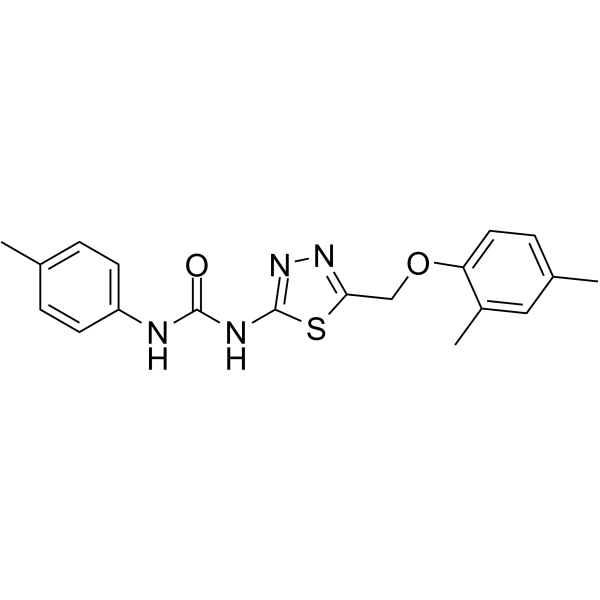
cyt-PTPε Inhibitor-1 is a potent cytosolic protein tyrosine phosphatase epsilon (cyt-PTPε) inhibitor, binds to the catalytic domain of cyt-PTPε, blocks c-Src activation (dephosphorylation of c-Src), and exhibits anti-osteoclastic activity .
|
-
-
- HY-W752476
-
|
N6-Succinyl adenosine-13C4
|
Isotope-Labeled Compounds
Endogenous Metabolite
|
Metabolic Disease
|
|
Succinyladenosine- 13C4 (N6-Succinyl adenosine- 13C4) is the 13C-labeled Succinyladenosine (HY-113284). Succinyladenosine, the metabolic product of dephosphorylation of intracellular adenylosuccinic acid (S-AMP) by cytosolic 5-nucleotidase, is a biochemical marker of adenylosuccinase (ASL) deficiency .
|
-

-
- HY-110365
-
|
Sephin1 Carbonate; IFB-088 Carbonate
|
Phosphatase
|
Infection
|
|
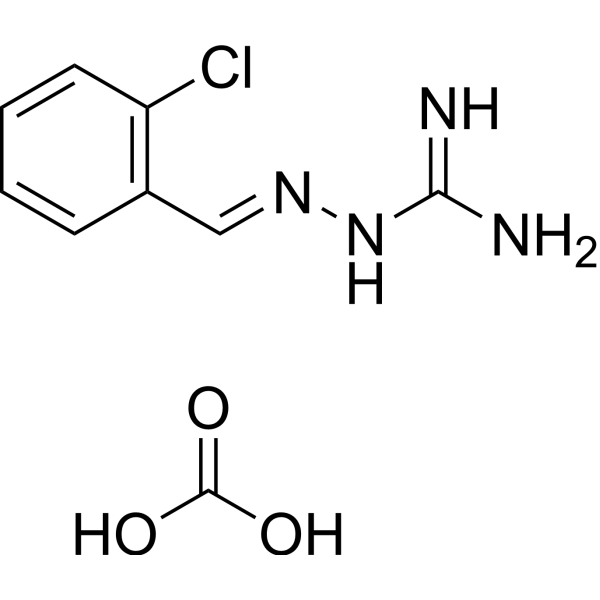
Icerguastat (Sephin1) Carbonate, a derivative of Guanabenz lacking the α2-adrenergic activity, is a selective inhibitor of the phosphatase regulatory subunit PPP1R15A (R15A). Icerguastat Carbonate inhibits eIF2α dephosphorylation, thereby prolonging the protective response. Anti-prion effect .
|
-
-
- HY-143660
-
|
|
Microtubule/Tubulin
Apoptosis
|
Cancer
|
|
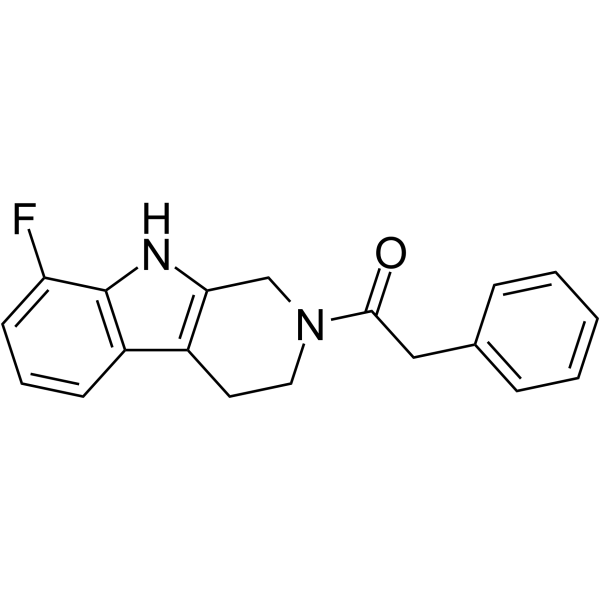
LG308 is a novel synthetic compound with antimicrotubule activity. LG308 induces mitotic phase arrest and inhibits G2/M progression significantly which is associated with the upregulation of cyclin B1 and mitotic marker MPM-2 and the dephosphorylation of cdc2. LG308 also induces apoptosis and cell death. LG308 significantly suppresses tumor growth. LG308 with antimitotic activity has the potential for the research of prostate cancer .
|
-
-
- HY-155245
-
|
|
CDK
Bcl-2 Family
|
Cancer
|
|
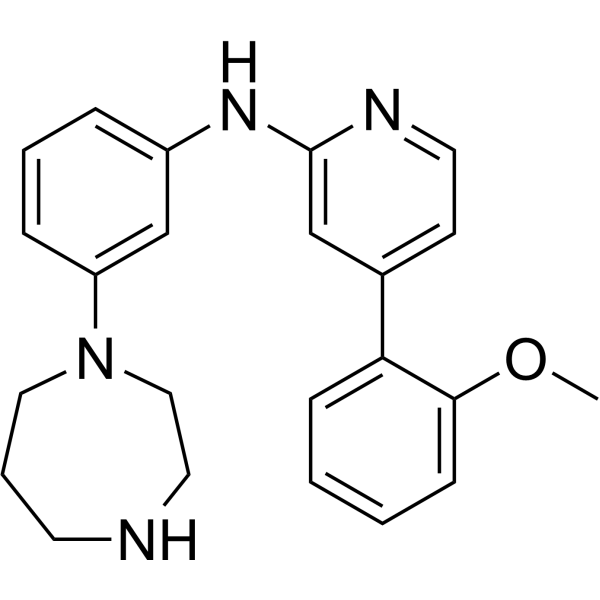
A09-003 is a CDK-9 inhibitor (IC50: 16 nM). A09-003 inhibits leukemia cell proliferation (IC50: 1.90, 0.86, 2.49, 1.84, 0.48 μM for BDCM, Molm-14, THP-1, U937, MV4-11 cells). A09-003 induces apoptosis and decreases Mcl-1 expression through Thr163 dephosphorylation .
|
-
- HY-Y0842R
-
|
Methanamide (Standard); Formimidic acid (Standard)
|
Reference Standards
Biochemical Assay Reagents
Apoptosis
|
Cancer
|
|
Formamide (Standard) is the analytical standard of Formamide. This product is intended for research and analytical applications. Formamide is an effective DNA denaturant that significantly reduces the stability of DNA in buffer solutions. It induces apoptosis by promoting the formation of cyclic nucleotides and the phosphorylation and dephosphorylation processes of nucleotides, making it useful in cancer research. Formamide can also be used as a decalcifying agent for rat cardiac cells. Additionally, formamide is widely used as a solvent or chemical raw material for ion compounds, resins, and plasticizers. [4]
|
-

- HY-Y0842S2
-
|
|
Isotope-Labeled Compounds
Biochemical Assay Reagents
Apoptosis
|
Cardiovascular Disease
Cancer
|
|
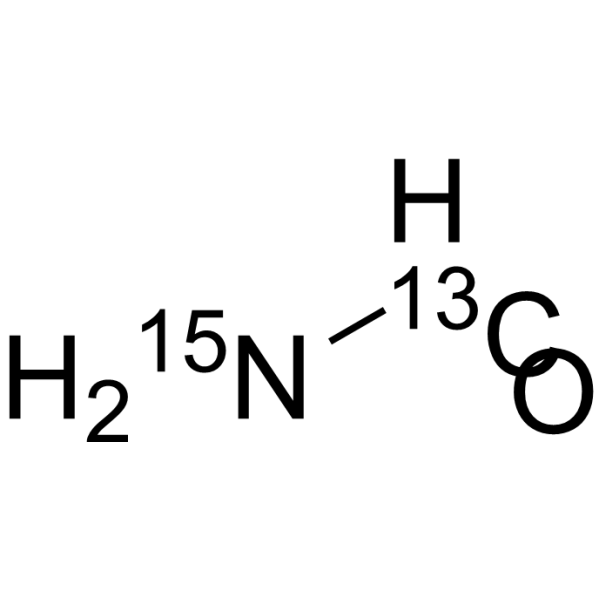
Glycine- 13C, 15N is the 13C and 15N labeled Glycine (HY-Y0842). Formamide is an effective DNA denaturant that significantly reduces the stability of DNA in buffer solutions. It induces apoptosis by promoting the formation of cyclic nucleotides and the phosphorylation and dephosphorylation processes of nucleotides, making it useful in cancer research. Formamide can also be used as a decalcifying agent for rat cardiac cells. Additionally, formamide is widely used as a solvent or chemical raw material for ion compounds, resins, and plasticizers. .
|
-
- HY-13285R
-
|
Debio 0719 (Standard)
|
LPL Receptor
YAP
Reference Standards
|
Neurological Disease
Cancer
|
|
Ki16425 (Standard) is the analytical standard of Ki16425. This product is intended for research and analytical applications. Ki16425 (Debio 0719) is a subtype-selective, competitive antagonist of the EDG-family receptors, LPA1 and LPA3 with Kis of 0.34 μM and 0.93 μM, respectively. Ki16425 (Debio 0719) reduces the LPA-induced activation of p42/p44 MAPK . Ki16425 can also inhibit LPA-induced dephosphorylation of Yes-associated protein (YAP)/TAZ in HEK293A cells .
|
-

- HY-135564
-
|
|
Phosphatase
Phospholipase
HIV Protease
ERK
Autophagy
|
Infection
Cancer
|
|
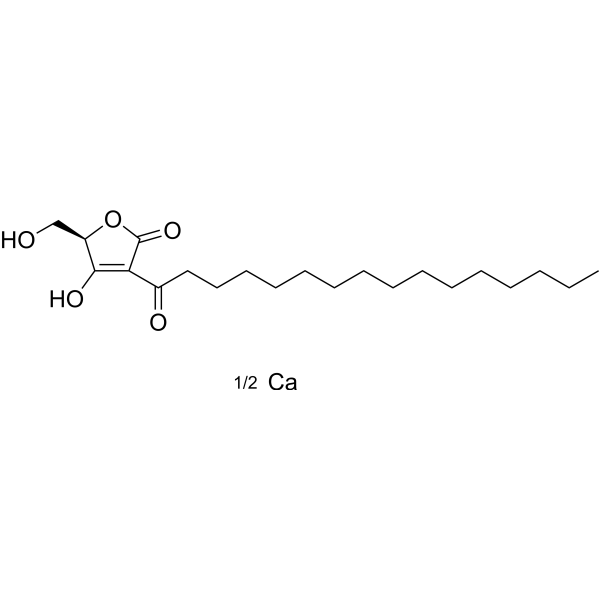
RK-682 hemicalcium is the hemicalcium salt form of RK-682 (HY-135564A). RK-682 hemicalcium is the inhibitor for protein tyrosine phosphatase (PTPase), heparanase, phospholipase A2 and HIV-1 protease. RK-682 hemicalcium inhibits the dephosphorylation of CD45 (IC50 is 54 μM) and VHR (IC50 is 2.0 μM), and thereby inhibits the ERK signaling pathway. RK-682 hemicalcium inhibits the cell viability of cancer cell MGH-U3, T24 and UROtsa with IC50s of 78.2, 43.2 and 145 nM, respectively, arrests the cell cycle at G1/S phase, inhibits the cell migration and autophagy in MGH-U3 and T24 [2] .
|
-
- HY-165443
-
|
Nervocidine
|
Na+/K+ ATPase
|
Cardiovascular Disease
|
|
Cassaine (Nervocidine) is a Na +/K +-ATPase inhibitor. Cassaine stabilizes phosphorylated intermediates, slows spontaneous dephosphorylation and blocks potassium-stimulated dephosphorylation. Cassaine exhibits non-competitive inhibition with respect to K +, shows inhibition enhanced by Pi and antagonized by Na +. Cassaine induces positive inotropic effects in perfused hearts with faster inotropy offset. Cassaine can be used for research on cardiac arrhythmias .
|
-

- HY-E70972
-
|
|
Endogenous Metabolite
|
Metabolic Disease
|
|
Adenosine 5'-Triphosphatase, Porcine (EC 3.6.1.3) is a class of enzymes that catalyze the decomposition of ATP into ADP and a free phosphate ion. This dephosphorylation reaction releases energy, which the enzyme (in most cases) harnesses to drive other chemical reactions that would not otherwise occur.
|
-

- HY-W104368R
-
|
|
Endogenous Metabolite
Reference Standards
|
Metabolic Disease
Cancer
|
|
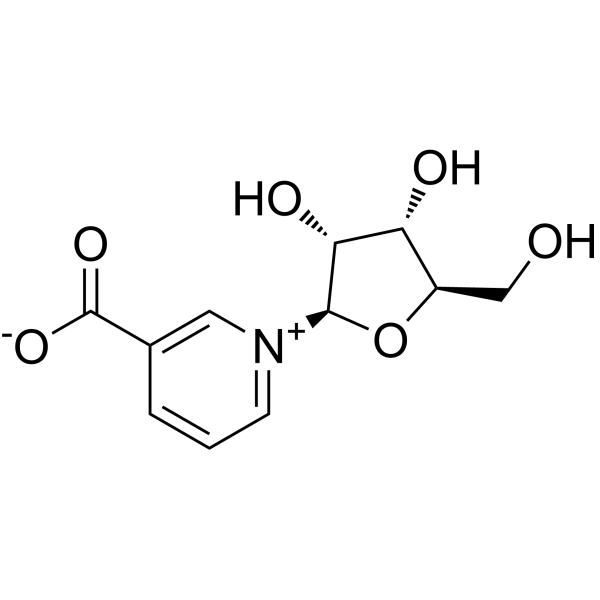
Nicotinic acid riboside (Standard) is the analytical standard of Nicotinic acid riboside (HY-W104368). This product is intended for research and analytical applications. Nicotinic acid riboside is a NAD+ precursor in human cells. Nicotinic acid riboside is an authentic intermediate of human NAD+ metabolism .
|
-

- HY-183628
-
|
2-(4-Morpholinoanilino-6-[(2-exo-norbornyl) amino)-purine
|
STAT
|
Endocrinology
Cancer
|
|
MEAP (2-(4-Morpholinoanilino-6-[(2-exo-norbornyl) amino)-purine) is a NEDD9-STAT3 modulator. MEAP disrupts NEDD9-STAT3 interaction, driving STAT3 Y705 dephosphorylation. MEAP induces G2/M phase arrest. MEAP can be used for the research of anaplastic thyroid cancer .
|
-

- HY-179466
-
|
|
Microtubule/Tubulin
Apoptosis
Caspase
|
Cancer
|
|
BKT300 is a potent and selective protein regulator of cytokinesis 1 (PRC1) inhibitor. BKT300 inhibits PRC1 dephosphorylation at T481, disrupts actin and microtubule formation, induces G2/M cell cycle arrest, triggers mitotic catastrophe, and promotes apoptosis, thereby inhibiting proliferation and migration of acute myeloid leukemia (AML) cells while sparing normal cells. BKT300 inhibits tumor growth in mouse xenograft AML models. BKT300 can be used for the research of AML .
|
-

| Cat. No. |
Product Name |
Type |
-
- HY-D0199
-
|
Adenosine diphosphate disodium; ADP disodium
|
Biochemical Assay Reagents
|
|
Adenosine 5'-diphosphate disodium is a nucleoside diphosphate. Adenosine 5'-diphosphate disodium is the product of ATP dephosphorylation by ATPases. Adenosine 5'-diphosphate disodium is a platelet aggregation agent for hemostasis and the development and extension of arterial thrombosis .
|
-
- HY-D0199R
-
|
Adenosine diphosphate disodium (Standard); ADP disodium (Standard)
|
Biochemical Assay Reagents
|
|
Adenosine 5'-diphosphate (disodium) (Standard) is the analytical standard of Adenosine 5'-diphosphate (disodium). This product is intended for research and analytical applications. Adenosine 5'-diphosphate disodium is a nucleoside diphosphate. Adenosine 5'-diphosphate disodium is the product of ATP dephosphorylation by ATPases. Adenosine 5'-diphosphate disodium is a platelet aggregation agent for hemostasis and the development and extension of arterial thrombosis .
|
-
- HY-Y0842R
-
|
Methanamide (Standard); Formimidic acid (Standard)
|
Biochemical Assay Reagents
|
|
Formamide (Standard) is the analytical standard of Formamide. This product is intended for research and analytical applications. Formamide is an effective DNA denaturant that significantly reduces the stability of DNA in buffer solutions. It induces apoptosis by promoting the formation of cyclic nucleotides and the phosphorylation and dephosphorylation processes of nucleotides, making it useful in cancer research. Formamide can also be used as a decalcifying agent for rat cardiac cells. Additionally, formamide is widely used as a solvent or chemical raw material for ion compounds, resins, and plasticizers. [4]
|
| Cat. No. |
Product Name |
Target |
Research Area |
| Cat. No. |
Product Name |
Category |
Target |
Chemical Structure |
| Cat. No. |
Product Name |
Chemical Structure |
-
- HY-W010918S2
-
|
|
|
Adenosine 5'-diphosphate- 15N5 (Adenosine diphosphate- 15N5 dilithium) dilithium is 15N labeled Adenosine 5'-diphosphate (HY-W010918). Adenosine 5'-diphosphate (Adenosine diphosphate) is a nucleoside diphosphate. Adenosine 5'-diphosphate is the product of ATP dephosphorylation by ATPases. Adenosine 5'-diphosphate induces human platelet aggregation and inhibits stimulated adenylate cyclase by an action at P2T-purinoceptors.
|
-
-
- HY-W010918S3
-
|
|
|
Adenosine 5'-diphosphate- 13C5 (Adenosine diphosphate- 13C5) is the 13C-labeled Adenosine 5'-diphosphate (HY-W010918). Adenosine 5'-diphosphate (Adenosine diphosphate) is a nucleoside diphosphate. Adenosine 5'-diphosphate is the product of ATP dephosphorylation by ATPases. Adenosine 5'-diphosphate induces human platelet aggregation and inhibits stimulated adenylate cyclase by an action at P2T-purinoceptors.
|
-
-
- HY-W752476
-
|
|
|
Succinyladenosine- 13C4 (N6-Succinyl adenosine- 13C4) is the 13C-labeled Succinyladenosine (HY-113284). Succinyladenosine, the metabolic product of dephosphorylation of intracellular adenylosuccinic acid (S-AMP) by cytosolic 5-nucleotidase, is a biochemical marker of adenylosuccinase (ASL) deficiency .
|
-
-
- HY-Y0842S2
-
|
|
|
Glycine- 13C, 15N is the 13C and 15N labeled Glycine (HY-Y0842). Formamide is an effective DNA denaturant that significantly reduces the stability of DNA in buffer solutions. It induces apoptosis by promoting the formation of cyclic nucleotides and the phosphorylation and dephosphorylation processes of nucleotides, making it useful in cancer research. Formamide can also be used as a decalcifying agent for rat cardiac cells. Additionally, formamide is widely used as a solvent or chemical raw material for ion compounds, resins, and plasticizers. .
|
-
| Cat. No. |
Product Name |
|
Classification |
-
- HY-183628
-
|
2-(4-Morpholinoanilino-6-[(2-exo-norbornyl) amino)-purine
|
|
BCN
|
|
MEAP (2-(4-Morpholinoanilino-6-[(2-exo-norbornyl) amino)-purine) is a NEDD9-STAT3 modulator. MEAP disrupts NEDD9-STAT3 interaction, driving STAT3 Y705 dephosphorylation. MEAP induces G2/M phase arrest. MEAP can be used for the research of anaplastic thyroid cancer .
|
| Cat. No. |
Product Name |
|
Classification |
-
- HY-W010918
-
|
Adenosine diphosphate; ADP
|
|
Nucleotide Analogs
Adenine Nucleotide
|
|
Adenosine 5'-diphosphate (Adenosine diphosphate) is a nucleoside diphosphate. Adenosine 5'-diphosphate is the product of ATP dephosphorylation by ATPases. Adenosine 5'-diphosphate induces human platelet aggregation and inhibits stimulated adenylate cyclase by an action at P2T-purinoceptors.
|
-
- HY-D0199
-
|
Adenosine diphosphate disodium; ADP disodium
|
|
Nucleotide Analogs
Adenine Nucleotide
|
|
Adenosine 5'-diphosphate disodium is a nucleoside diphosphate. Adenosine 5'-diphosphate disodium is the product of ATP dephosphorylation by ATPases. Adenosine 5'-diphosphate disodium is a platelet aggregation agent for hemostasis and the development and extension of arterial thrombosis .
|
-
- HY-113284
-
|
N6-Succinyl adenosine
|
|
Nucleoside Analogs
Adenosine
|
|
Succinyladenosine, the metabolic product of dephosphorylation of intracellular adenylosuccinic acid (S-AMP) by cytosolic 5-nucleotidase, is a biochemical marker of adenylosuccinase (ASL) deficiency .
|
-
- HY-W010791
-
|
|
|
Nucleotide Analogs
Adenine Nucleotide
|
|
Adenosine 5'-diphosphate sodium salt is a nucleoside diphosphate and the product of ATP dephosphorylation by ATPases. Adenosine 5'-diphosphate sodium salt induces human platelet aggregation and inhibits stimulated adenylate cyclase through its action on P2T-purinergic receptors .
|
-
- HY-D0882
-
|
|
|
Nucleotide Analogs
Adenine Nucleotide
|
|
Adenosine 5'-diphosphate dicyclohexylammonium is a nucleoside diphosphate. Adenosine 5'-diphosphate is the product of ATP dephosphorylation by ATPases. Adenosine 5'-diphosphate dicyclohexylammonium induces human platelet aggregation and inhibits stimulated adenylate cyclase by an action at P2T-purinoceptors .
|
Your information is safe with us. * Required Fields.
Inquiry Information
- Product Name:
- Cat. No.:
- Quantity:
- MCE Japan Authorized Agent:








