1. Search Result
Search Result
Results for "

Molarity

" in MedChemExpress (MCE) Product Catalog:

36

Inhibitors & Agonists

1

Screening Libraries

6

Fluorescent Dye

7

Biochemical Assay Reagents

2

Peptides

5

Natural
Products

4

Oligonucleotides

Cat. No. Product Name Target Research Areas Chemical Structure
  • HY-16478

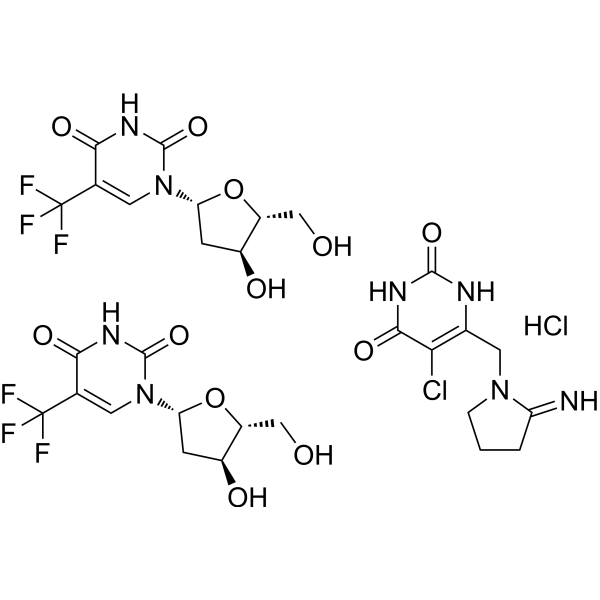
    TAS-102; FTD/TPI

    Nucleoside Antimetabolite/Analog Thymidylate Synthase Cancer
    Trifluridine/tipiracil hydrochloride mixture (TAS-102) is a potent and orally active nucleoside antitumor agent. The composition of Trifluridine/tipiracil hydrochloride mixture (TAS-102) is a 1:0.5 mixture (on a molar basis) of alpha,alpha,alpha-tri-fluorothymidine (FTD) and thymidine phosphorylase inhibitor (TPI). Trifluridine/tipiracil hydrochloride mixture (TAS-102) shows the antitumor activity mainly via the inhibition of thymidylate synthase (TS) and incorporation into DNA .
    Trifluridine/tipiracil hydrochloride mixture
  • HY-18204A
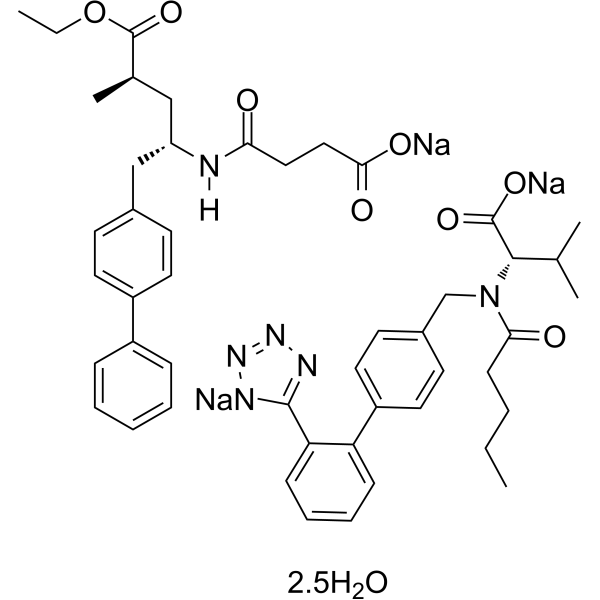
    Sacubitril/Valsartan
    Maximum Cited Publications
    9 Publications Verification

    LCZ696

    Angiotensin Receptor Neprilysin Apoptosis Cardiovascular Disease Endocrinology Cancer
    Sacubitril/Valsartan (LCZ696), comprised Valsartan and Sacubitril (AHU377) in 1:1 molar ratio, is a first-in-class, orally bioavailable, and dual-acting angiotensin receptor-neprilysin (ARN) inhibitor for hypertension and heart failure . Sacubitril/Valsartan ameliorates diabetic cardiomyopathy by inhibiting inflammation, oxidative stress and apoptosis .
    Sacubitril/Valsartan
  • HY-136072
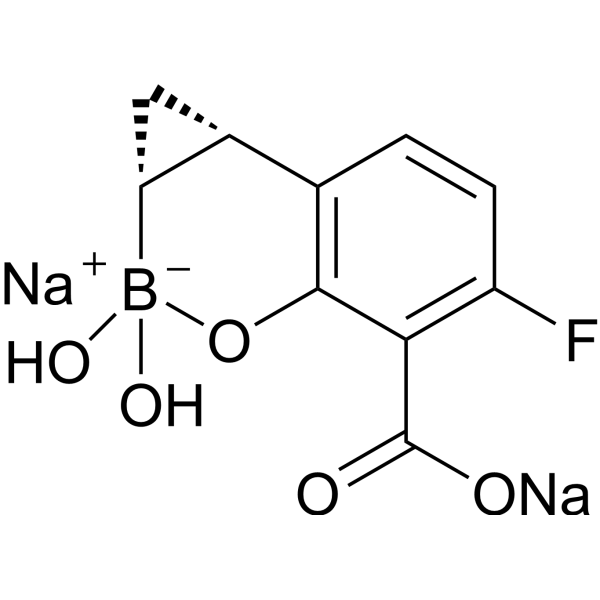
    Xeruborbactam disodium
    5+ Cited Publications

    Bacterial Infection
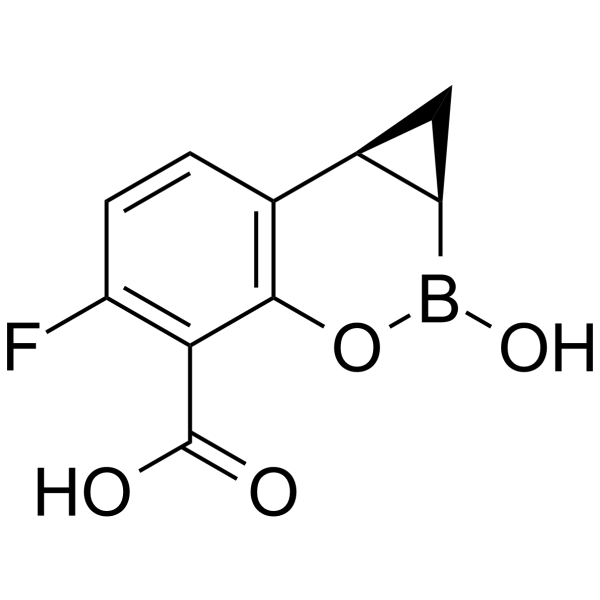
    Xeruborbactam disodium is a potent, ultra-broad-spectrum boronic acid beta-lactamase inhibitor. Xeruborbactam disodium inhibits key serine and metallo beta-lactamases at a nano molar range .
    Xeruborbactam disodium
  • HY-B2167R

    DHA (Standard); Cervonic acid (Standard)

    Reference Standards Endogenous Metabolite Neurological Disease Cancer
    Docosahexaenoic acid (Standard) is the analytical standard of Docosahexaenoic acid. This product is intended for research and analytical applications. Docosahexaenoic Acid (DHA) is an omega-3 fatty acid abundantly present brain and retina. It can be obtained directly from fish oil and maternal milk. In Vitro: Docosahexaenoic acid (DHA) is essential for the growth and functional development of the brain in infants. DHA is also required for maintenance of normal brain function in adults. The inclusion of plentiful DHA in the diet improves learning ability and memory . DHA is an essential requirement in every step of brain development like neural cell proliferation, migration, differentiation, synaptogenesis. The multiple double bonds and unique structure allow DHA to impart special membrane characteristics for effective cell signaling. Many development disorders like dyslexia, autism spectrum disorder, attention deficit hyperactivity disorder, schizophrenia etc. are causally related to decreased level of DHA . DHA is a potent RXR ligand inducing robust RXR activation already at low micro molar concentrations. The EC50 for RXRα activation by DHA is about 5-10 μM fatty acid . In Vivo: Docosahexaenoic acid administration over 10 weeks significantly reduces the number of reference memory errors, without affecting the number of working memory errors, and significantly increases the docosahexaenoic acid content and the docosahexaenoic acid/arachidonic acid ratio in both the hippocampus and the cerebral cortex . DHA treatment exerts neuroprotective actions on an experimental mouse model of PD. There is a decrease tendency in brain lipid oxidation of MPTP mice but it does not significantly .
    Docosahexaenoic acid (Standard)
  • HY-E0264

    Others Others
    Rodent Gnawing Blocks are irradiated and sterilized poplar blocks used for molarization in laboratory rodents such as mice and rats. Rodent Gnawing Blocks can also be autoclaved.
    Rodent Gnawing Blocks
  • HY-132896

    Histone Demethylase Cancer
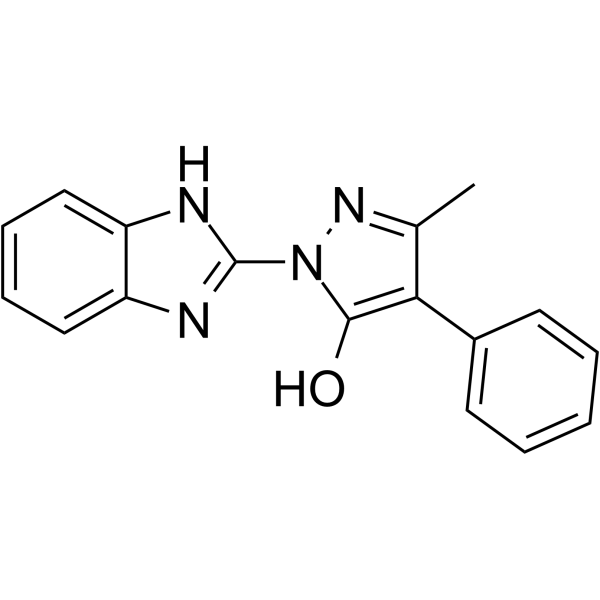
    KDM4-IN-3 (Compound 15) is a KDM4 inhibitor (IC50 = 871 nM) that exhibits improved potency in biochemical assays. KDM4-IN-3 is cell-permeable and kills prostate cancer cells at low micro molar concentrations. KDM4-IN-3 inhibits growth of prostate cancer cell lines and increases the H3K9me3 abundance. KDM4-IN-3 can be studied in research for prostate cancer .
    KDM4-IN-3
  • HY-136069

    Bacterial Infection
    Xeruborbactam is a potent, ultra-broad-spectrum boronic acid beta-lactamase inhibitor. Xeruborbactam inhibits key serine and metallo beta-lactamases at a nano molar range .
    Xeruborbactam
  • HY-158089
    PLGA-COOH (MW 80000) (LA/GA 50:50)
    1 Publications Verification

    Biochemical Assay Reagents Others
    PLGA-COOH (MW 80000) (LA/GA 50:50) is a copolymer composed of lactic acid (LA)-glycolic acid (GA) at a molar ratio of 50:50 and a terminal carboxyl group. PLGA-COOH (MW 80000) (LA/GA 50:50) is used in compound delivery systems due to its biocompatibility and biodegradability .
    PLGA-COOH (MW 80000) (LA/GA 50:50)
  • HY-B1529A
    Citric acid triammonium
    5+ Cited Publications

    Triammonium citrate

    Apoptosis Endogenous Metabolite Bacterial Others Cancer
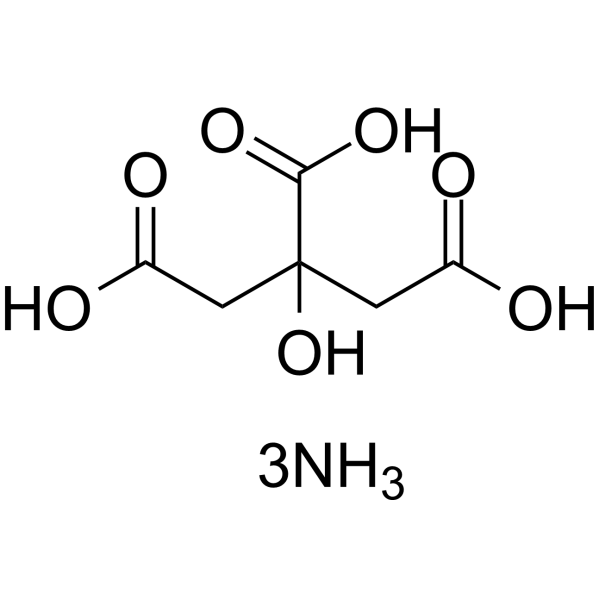
    Citric acid triammonium (Triammonium citrate) is formed by Citric acid (HY-N1428) reacting with ammonia in a molar ratio of 1:3. Citric acid triammonium can be used as the carbon source to prepare carbon quantum dots (CDs). Citric acid triammonium with higher nitrogen components might promote the nitrogen-based functional groups in CDs, leading to a more efficient emission-color tunability .
    Citric acid triammonium
  • HY-B1048

    Paraniazide; Pasiniazide; Isonicotinic acid hydrazide p-aminosalicylate

    Bacterial Infection
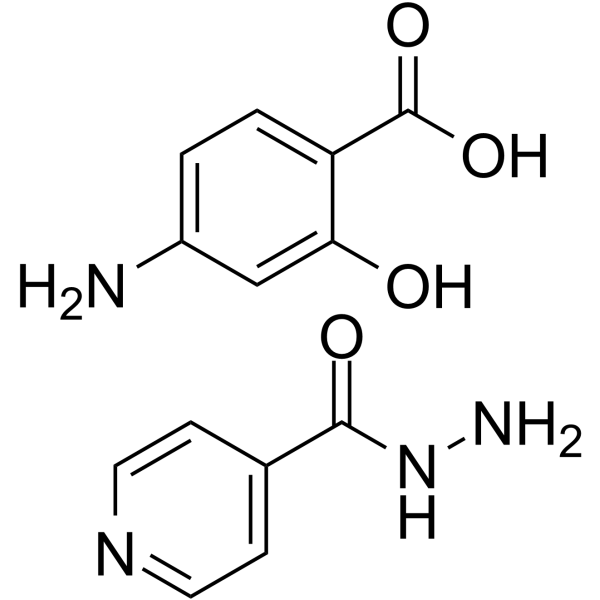
    Pasiniazid is a chemical complex formed by Isoniazid (HY-B0329) and Para-aminosalicylic acid in a 1:1 molar ratio. Pasiniazid is an antibacterial agent. Pasiniazid is rapidly decomposed into isoniazid and para-aminosalicylic acid in the gastrointestinal tract. Isoniazid exerts a bactericidal effect, while para-aminosalicylic acid delays the acetylation process of isoniazid. Pasiniazid has antibacterial activity against Mycobacterium tuberculosis. Pasiniazid can be used in tuberculosis research .
    Pasiniazid
  • HY-W111692

    Biochemical Assay Reagents Others
    Sodium polyphosphate, crystal,+200 mesh, 96% is an inorganic polyphosphate that also serves as a stabilizer, dispersant, chelating agent, and coacervate-forming agent. Sodium polyphosphate provides electrostatic stabilization for mineral and material suspensions, but its dispersing efficacy decreases under acidic pH, high temperature, high calcium concentration, or a combination of these conditions. Sodium polyphosphate can chelate alkaline earth metals, reduce solution pH, and alter the rate of pH decline at a divalent cation/phosphorus molar ratio of 0.18. Sodium polyphosphate forms coacervates with smaller divalent cations and precipitates with larger divalent cations, where the functional requirements of cations depend on polyphosphate concentration, average degree of polymerization, and cation type .
    Sodium polyphosphate, crystal,+200 mesh, 96%
  • HY-142989

    Liposome HIV HCV HBV Infection Cancer
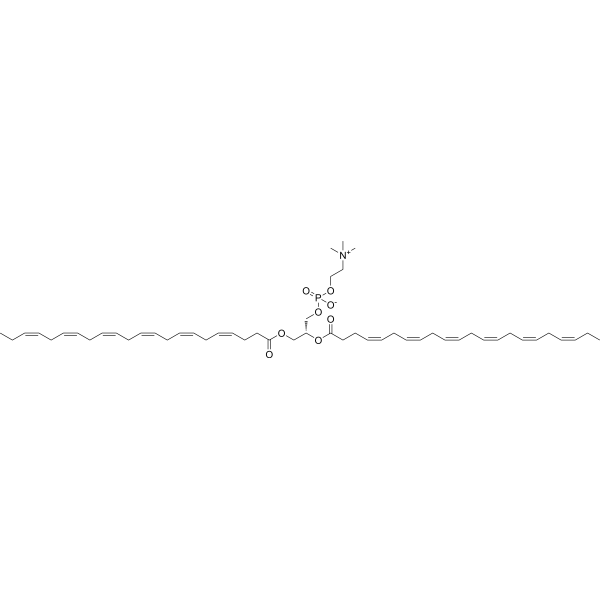
    1,2-Didocosahexaenoyl-sn-glycero-3-phosphocholine is a polyunsaturated phospholipid that serves as a component of lipid monolayers and small unilamellar vesicles. 1,2-Didocosahexaenoyl-sn-glycero-3-phosphocholine can be used to prepare endoplasmic reticulum-targeted liposomes (PERLs), which are composed of 1,2-didocosahexaenoyl-sn-glycero-3-phosphoethanolamine, l-α-phosphatidylinositol and l-α-phosphatidylserine at a molar ratio of 1.5:1.5:1:1. PERLs reduce cholesterol levels in human peripheral blood mononuclear cells (PBMCs) and decrease HIV-1 particle secretion from HIV-1-infected PBMCs. Liposomes formed from 1,2-Didocosahexaenoyl-sn-glycero-3-phosphocholine exhibit cytotoxicity against leukemia cells. 1,2-Didocosahexaenoyl-sn-glycero-3-phosphocholine is applicable to studies related to hepatitis C virus infection, HIV infection, hepatitis B virus infection and leukemia .
    1,2-Didocosahexaenoyl-sn-glycero-3-phosphocholine
  • HY-148702

    Liposome Cancer
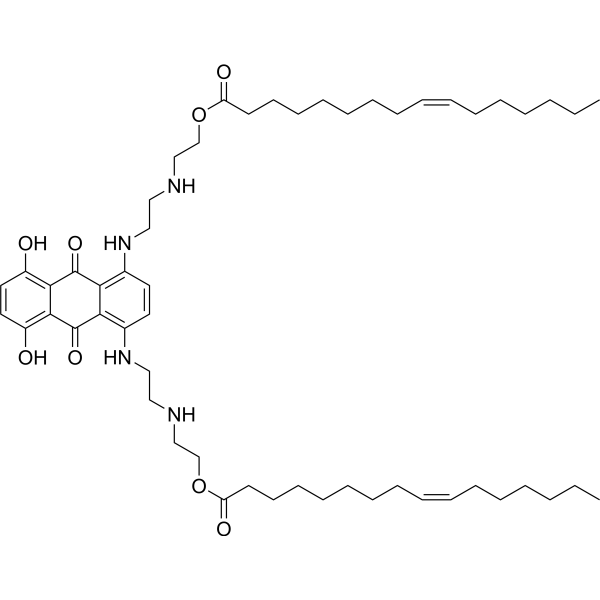
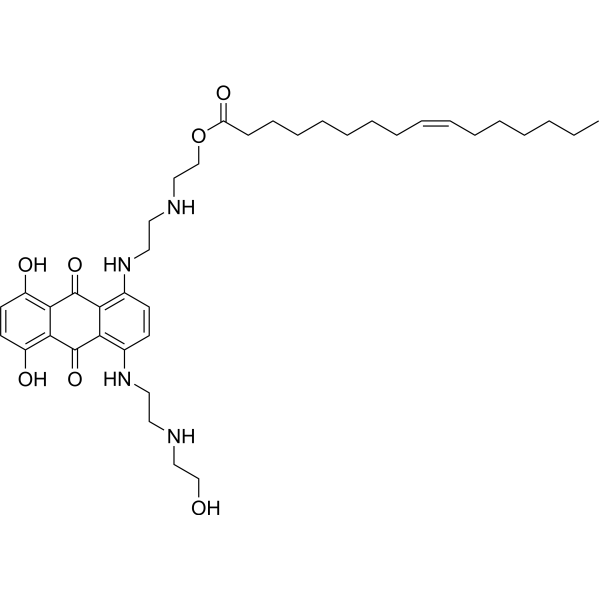
    di-Pal-MTO is a palm oil-based lipid produced by combining the anticancer agent mitoxantrone (MTO) with palmitoleic acid. When nanoparticles of mono-Pal-MTO and di-Pal-MTO are combined in a molar ratio of 1:1, they show effective siRNA cell delivery and enhance anticancer activity .
    di-Pal-MTO
  • HY-D1773

    Fluorescent Dye DNA Alkylator/Crosslinker Others
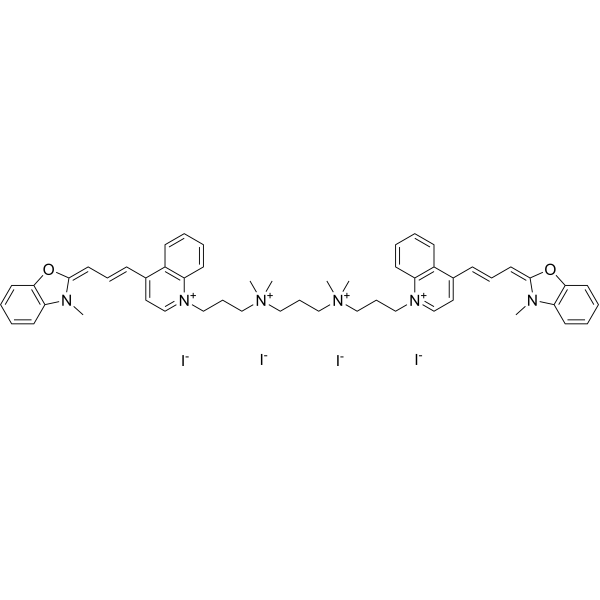
    YOYO-3 is a trimethine cyanine homodimer dye. YOYO-3 intercalates into AF488-tagged dsDNA molecules at the single-molecule level. YOYO-3 has a greater affinity for DNA than do EB and other Cyanine dyes .
    YOYO-3
  • HY-W540600

    Environmental Pollutants Others
    Thaumatins is a protein, which can be purified from the fruit of Thaumatococcus daniellii Benth. Thaumatins is 100,000 times sweeter than sucrose on a molar basis .
    Thaumatins
  • HY-160952

    CPX 351; Daunorubicin-Cytarabine Liposome

    Liposome Drug Derivative Cardiovascular Disease Cancer
    Cytarabine-daunorubicin (CPX 351) is a Liposomal formulation prepared from Cytarabine (HY-13605) and Daunorubicin (HY-13062A) at a fixed synergistic molar ratio of 5:1. Cytarabine-daunorubicin improves secondary acute myeloid leukemia. Cytarabine-daunorubicin can be used in research related to secondary acute myeloid leukemia, high-risk myelodysplastic syndrome, and chronic myelomonocytic leukemia .
    Cytarabine-daunorubicin
  • HY-P4087

    HIV Infection Cancer
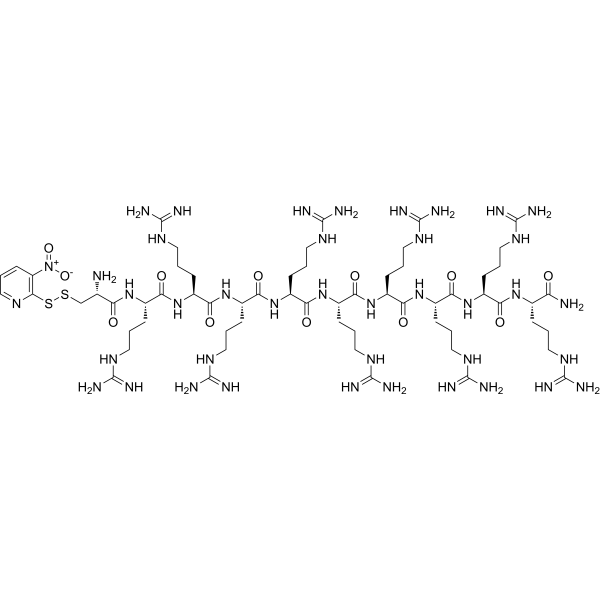
    Cys(Npys)-(Arg)9 is a synthetic cationic cell-penetrating peptide with a reversible thiol-reactive nitropyridyl (Npys) group. Cys(Npys)-(Arg)9 efficiently mediates the internalization and delivery of various "cargo" such as proteins and antibodies by forming reversible disulfide bonds with surface-exposed cysteine residues. Cys(Npys)-(Arg)9 endows TALEN proteins with cell-penetrating activity, enabling gene knockout in mammalian cells and protein transduction in wheat microspores. Cys(Npys)-(Arg)9 can be conjugated with antibodies to form cationized IgG for enhancing endosomal escape of oligonucleotides, or form siRNA delivery complexes. When the molar ratio of Cys(Npys)-(Arg)9 to loaded molecules is higher than 1:1, it exerts certain cytotoxic effects on cells. Cys(Npys)-(Arg)9 can be used in studies related to oral squamous cell carcinoma and HIV infection .
    Cys(Npys)-(Arg)9
  • HY-158255

    Biochemical Assay Reagents Others
    mPEG-PLGA (2000-80000) (LA/GA 50:50) is a copolymer, which consists of hydrophilic mPEG and biodegradable PLGA (molar ratio is 50:50) with a molecular weight of 2000 (mPEG) + 80000 (PLGA). mPEG-PLGA (2000-80000) (LA/GA 50:50) forms nanoparticles or microparticles, which is stable in aqueous solution at different pH values and elevated temperatures as well as in serum. mPEG-PLGA (2000-80000) (LA/GA 50:50) is utilized as carrier material in drug delivery systems .
    mPEG-PLGA (2000-80000) (LA/GA 50:50)
  • HY-D2771

    Fluorescent Dye Others
    BP Fluor 405 NHS Ester is a water-soluble, blue-fluorescent dye that is often used in multi-color applications, including flow cytometry and super-resolution microscopy using STORM. Its excitation is ideally suited for the 407 nm spectral line of the krypton laser or the 408 nm violet laser diode. BP Fluor 405 conjugates are pH-insensitive from pH 4 to pH 10. The NHS ester (or succinimidyl ester) is the most popular amine reactive group for labeling with the primary amines of proteins (Lys), amine-modified oligonucleotides, and other amine-containing molecules. Proteins can be labeled with BP Fluor 405 NHS Ester at high molar ratios without significant self-quenching, leading to brighter conjugates and more sensitive detection. BP Fluor 405 conjugates can also be used for the detection of abundance targets.
    BP Fluor 405 NHS ester
  • HY-156786

    Reactive Oxygen Species (ROS) Influenza Virus SARS-CoV HSV Infection
    TLD-1433 is the fourth-generation ruthenium (II) based photodynamic compound (PDC). TLD-1433 is activated by green light (525 ± 25 nm) and efficiently generates ROS to achieve pathogen inactivation. After photoinactivation, TLD-1433 significantly induces lipid peroxidation of the cell membrane, which can directly damage the integrity of the viral envelope. TLD-1433 has ID50 for enveloped viruses (such as H1N1 influenza virus, coronavirus OC43, HSV-1, Zika virus) is as low as nanomolar level; for non-enveloped viruses (such as adenovirus Ad5, mammalian rotavirus MRV), a concentration of micro-molar level is required for inactivation. TLD-1433 has antigen retention property and can be used for the preparation of inactivated vaccines .
    TLD-1433
  • HY-P4087B

    HIV Others
    Cys(Npys)-(Arg)9 acetate is a synthetic cationic cell-penetrating peptide with a reversible thiol-reactive nitropyridyl (Npys) group. Cys(Npys)-(Arg)9 acetate efficiently mediates the internalization and delivery of various "cargo" such as proteins and antibodies by forming reversible disulfide bonds with surface-exposed cysteine residues. Cys(Npys)-(Arg)9 acetate endows TALEN proteins with cell-penetrating activity, enabling gene knockout in mammalian cells and protein transduction in wheat microspores. Cys(Npys)-(Arg)9 acetate can be conjugated with antibodies to form cationized IgG for enhancing endosomal escape of oligonucleotides, or form siRNA delivery complexes. When the molar ratio of Cys(Npys)-(Arg)9 acetate to loaded molecules is higher than 1:1, it exerts certain cytotoxic effects on cells. Cys(Npys)-(Arg)9 acetate can be used in studies related to oral squamous cell carcinoma and HIV infection .
    Cys(Npys)-(Arg)9 acetate
  • HY-34544

    Others Others
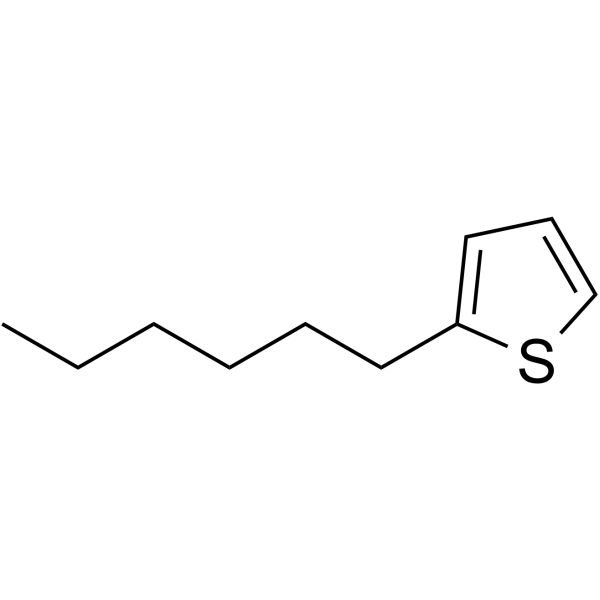
    2-Hexylthiophene is an extremely weak basic heteroaromatic compound. 2-Hexylthiophene can be used to modify and improve the molar absorption coefficient of ruthenium sensitizer
    2-Hexylthiophene
  • HY-163471

    PDGFR VEGFR Cancer
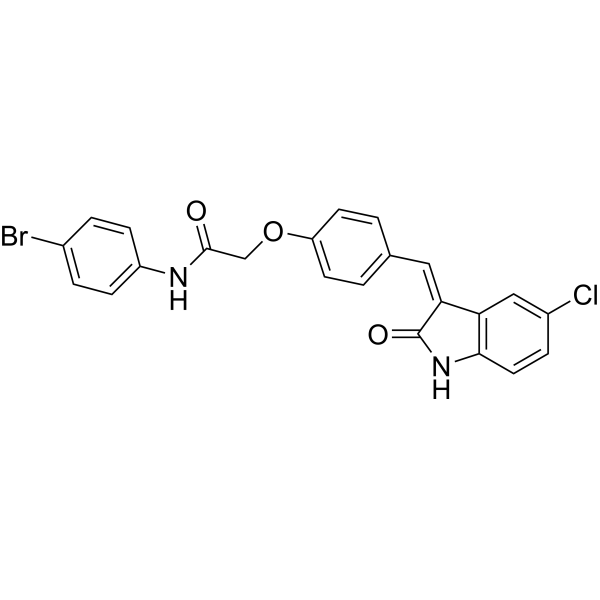
    PDGFRα/β/VEGFR-2-IN-1 (6f), a multiple PDGFRα/ and VEGFR-2 tyrosine kinase inhibitor, particularly targets PDGFRα, PDGFRβ, and VEGFR-2 kinases with Nano molar concentrations .
    PDGFRα/β/VEGFR-2-IN-1
  • HY-146351

    HDAC Neurological Disease
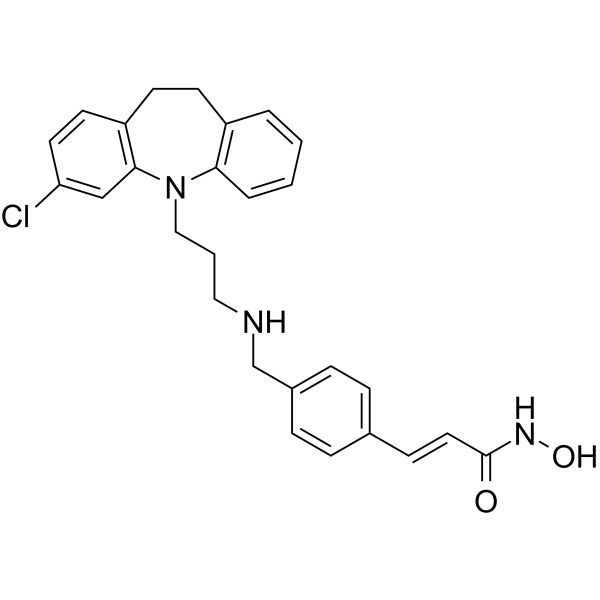
    HDAC-IN-38 (compound 13) is a potent HDAC inhibitor. HDAC-IN-38 shows similar micro-molar inhibitory activity toward HDAC1, 2, 3, 5, 6, and 8. HDAC-IN-38 increases cerebral blood flow (CBF), attenuates cognitive impairment, and improves hippocampal atrophy. HDAC-IN-38 also increases the level of histone acetylation (H3K14 or H4K5) .
    HDAC-IN-38
  • HY-D2745

    Fluorescent Dye Others
    BP Fluor 594 NHS ester is the most popular tool for modifying proteins or antibodies through the primary amines (Lys), amine-modified oligonucleotides, and other amine-containing biomolecules with BP Fluor 594 label. The labeling occurs most efficiently at pH 7-9 and forms a stable, covalent amide bond. BP Fluor 594 dye can be used for proteins labeling at high molar ratios without significant self-quenching, enabling brighter conjugates and more sensitive detection. BP Fluor 594 is bright, water-soluble, and pH-insensitive from pH 4 to pH 10 red-fluorescent dye with absorption and emission maxima at 590 and 617 nm, respectively. It can be used with the 561 nm and 594 nm laser lines. BP Fluor 594 dye conjugated to a variety of antibodies, peptides, proteins, tracers, and amplification substrates often used for generation of stable signal in imaging and flow cytometry.
    BP Fluor 594 NHS ester
  • HY-D1367

    Fluorescent Dye
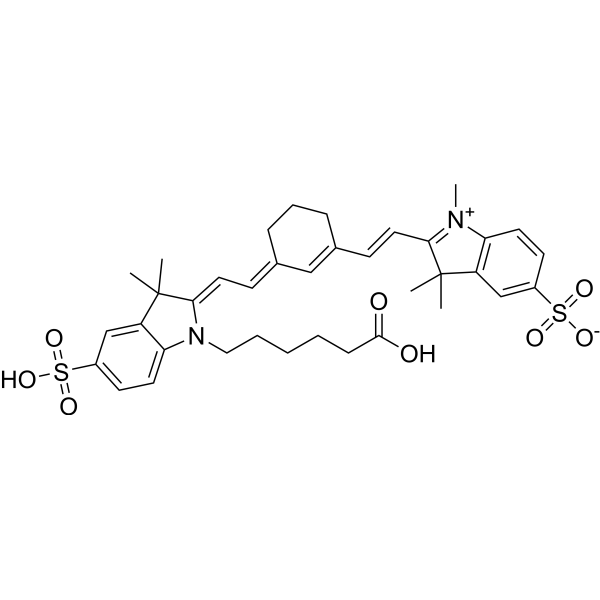
    Sulfo-Cyanine7 carboxylic acid is a highly hydrophilic and water-soluble near-infrared dye. It improves quantum yield in the near-infrared range and has a very high molar extinction coefficient.
    Sulfo-Cyanine7 carboxylic acid
  • HY-13547

    Apoptosis Cancer
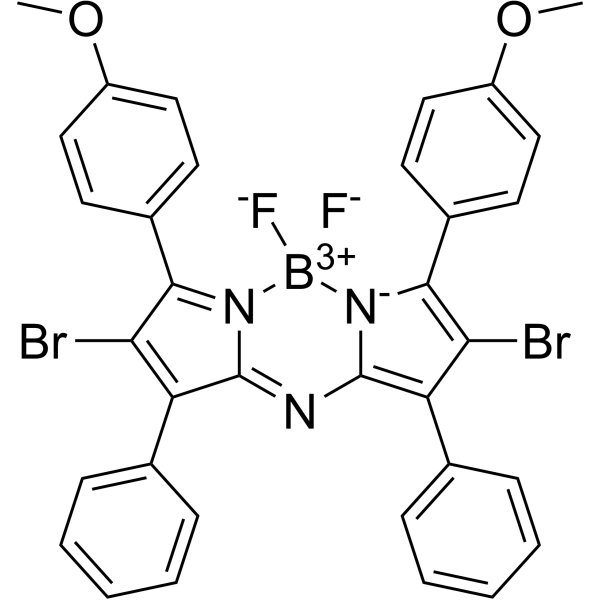
    ADPM06, a lead candidate azadipyrromethene, is a novel nonporphyrin photodynamic therapeutic (PDT) agent. ADPM06 exhibits IC50 values in the micro-molar range in human tumor cells and induces apoptosis .
    ADPM06
  • HY-157917

    Biochemical Assay Reagents Others
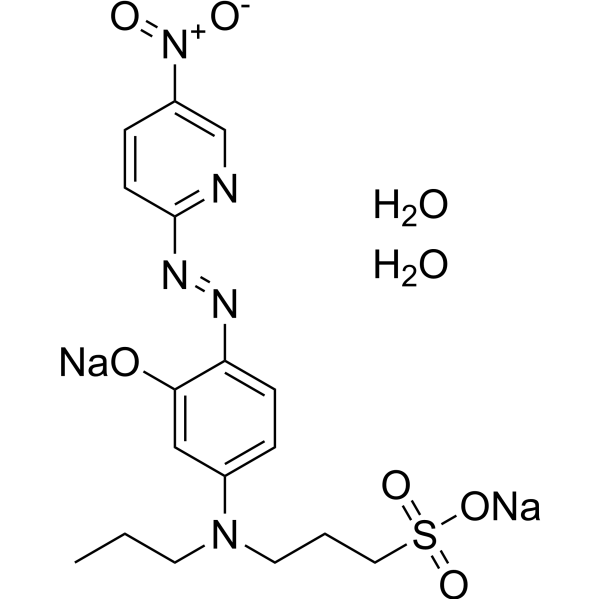
    Nitro-PAPS disodium dihydrate is a highly sensitive colometric reagent for Fe(II) detection with a maximal absorption wavelength of 592 nm. Nitro-PAPS disodium dihydrate is suitable for the determination of Fe(II) in serum and also be used to determine micro molar levels of Cu, Zn, Ni, Co and V .
    Nitro-PAPS disodium dihydrate
  • HY-148701

    Liposome Cancer
    mono-Pal-MTO is a palm oil-based lipid produced by combining the anticancer agent mitoxantrone (MTO) with palmitoleic acid. When nanoparticles of mono-Pal-MTO and di-Pal-MTO are combined in a molar ratio of 1:1, they show effective siRNA cell delivery and enhance anticancer activity .
    mono-Pal-MTO
  • HY-156616

    Liposome Inflammation/Immunology
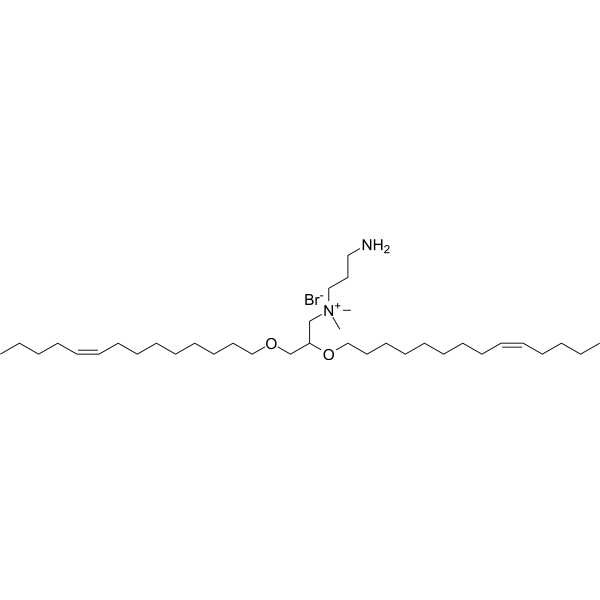
    VC1052 is a dialkoxypropylammonium-based material and is the core cationic lipid component of the cationic lipid adjuvant Vaxfectin (HY-142998). Vaxfectin consists of VC1052 and lipid DPyPE (HY-112766) in a 1:1 molar ratio. Vaxfectin can be used as a vaccine adjuvant for the preparation of plasmid DNA and protein vaccines .
    VC1052
  • HY-172268

    Fluorescent Dye Others
    R6G phosphoramidite for oligonucleotide synthesis, pure 6-isomer. R6G (rhodamine 6G) is a xanthene dye of the rhodamine family with high fluorescence quantum yield and high molar extinction coefficient. Relative to those of fluorescein, the absorption (518 nm) and emission (542 nm) maxima of 6-R6G are shifted into the long-wave region.
    R6G phosphoramidite, 6-isomer
  • HY-114754

    Lipase Metabolic Disease
    BemPPOX is an orally active, potent dog gastric lipase (DGL) inhibitor with Xl50 (the inhibitor molar excess leading to 50% lipase inhibition) of 0.5. BemPPOX is also a good inhibitor of GPLRP2 (xl50=0.64). BemPPOX efficiently regulates the gastrointestinal lipolysis and slows down the overall lipolysis process in rats. BemPPOX has the potential for obesity research .
    BemPPOX
  • HY-175367

    Histamine Receptor Sigma Receptor Neurological Disease
    H3R antagonist 6 (Compounds 3) (H3-2406) is a Histamine receptor 3 (H3R) antagonist with an IC50 of 5.6 nM. H3R antagonist 6 labeled with 18F has high radiochemical yield, molar activity and moderate brain uptake, but with an off-target binding to the Sigma-1 receptor. H3R antagonist 6 can be used as a PET radioligand for positron emission tomography imaging for central nervous system (CNS) disorders research .
    H3R antagonist 6
  • HY-N13710

    EBV Infection Cancer
    20-Hydroxylucidenic acid E2 is a triterpenoid compound found in Ganoderma lucidum. It exhibits significant inhibitory effects on inflammation induced by TPA (HY-18739). Additionally, 20-Hydroxylucidenic acid E2 can suppress the expression of EBV early antigen induced by TPA (HY-18739), with a IC50 of 290 mol ratio/32 pmol TPA (meaning that when the molar concentration of this compound is 290 times that of 32 pmol of TPA, it can inhibit 50% of EBV early antigen expression). Therefore, 20-Hydroxylucidenic acid E2 has potential applications in anti-inflammatory and anticancer research .
    20-Hydroxylucidenic acid E2
  • HY-D2768

    Fluorescent Dye Others
    BP Fluor 430 NHS Ester is a water-soluble, green-fluorescent dye that is often used in multi-color applications, including flow cytometry and super-resolution microscopy using STORM. Its excitation is ideally suited for the 407 nm spectral line of the krypton laser or the 408 nm violet laser diode. BP Fluor 405 conjugates are pH-insensitive from pH 4 to pH 10. The NHS ester (or succinimidyl ester) is the most popular amine reactive group for labeling the primary amines of proteins (Lys), amine-modified oligonucleotides, and other amine-containing molecules. Proteins can be labeled with BP Fluor 430 NHS Ester at high molar ratios without significant self-quenching, leading to brighter conjugates and more sensitive detection.
    BP Fluor 430 NHS ester
  • HY-N9677

    Herbicide Others
    Digalactosyldiacylglycerol is a membrane structure stabilizer that selectively acts on photosystem II light-harvesting complex II (LHCII), serving as a natural bilayer-forming lipid in plant thylakoid membranes. Digalactosyldiacylglycerol constructs a lipid bilayer environment with monogalactosyldiacylglycerol (MGDG) in a 2:1 molar ratio, stabilizing the supramolecular structure of LHCII through interactions such as hydrogen bonding. Its core activity is maintaining thylakoid membrane stacking (grana formation) and supporting photosynthesis-related functions, while also possessing functions in light harvesting assistance and excitation energy quenching regulation under light stress. Digalactosyldiacylglycerol can be used in research on plant photosynthesis mechanisms, thylakoid membrane structure and function regulation, as well as in the construction of artificial photosynthetic systems and the development of plant photoprotection strategies .
    Digalactosyldiacylglycerol

Inquiry Online

Your information is safe with us. * Required Fields.

Salutation


Country or Region *

Applicant Name *


Organization Name *

Department *


Email Address *


Product Name *

Cat. No.


Requested quantity *

Phone Number *


Remarks

Inquiry Online

Inquiry Information

Product Name:
Cat. No.:
Quantity:
MCE Japan Authorized Agent: