Search Result
Results for "
Oral pathogens
" in MedChemExpress (MCE) Product Catalog:
2
Biochemical Assay Reagents
7
Isotope-Labeled Compounds
| Cat. No. |
Product Name |
Target |
Research Areas |
Chemical Structure |
-
- HY-N0771
-
L-Isoleucine
Maximum Cited Publications
6 Publications Verification
|
Endogenous Metabolite
|
Cardiovascular Disease
Metabolic Disease
Inflammation/Immunology
|
|
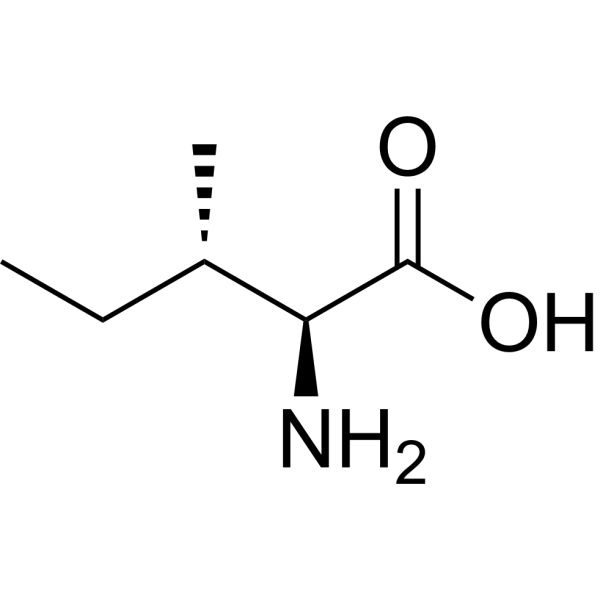
L-Isoleucine is an orally active branched chain amino acid, which is the L-enantiomer of isoleucine. L-Isoleucine has a role as a Saccharomyces cerevisiae metabolite, an Escherichia coli metabolite, a plant metabolite, a human metabolite, an algal metabolite and a mouse metabolite. L-Isoleucine regulates the inflammatory response to protect against pathogens in vivo and in vitro .
|
-
-
- HY-B0925
-
|
|
Bacterial
Antibiotic
|
Infection
|
|
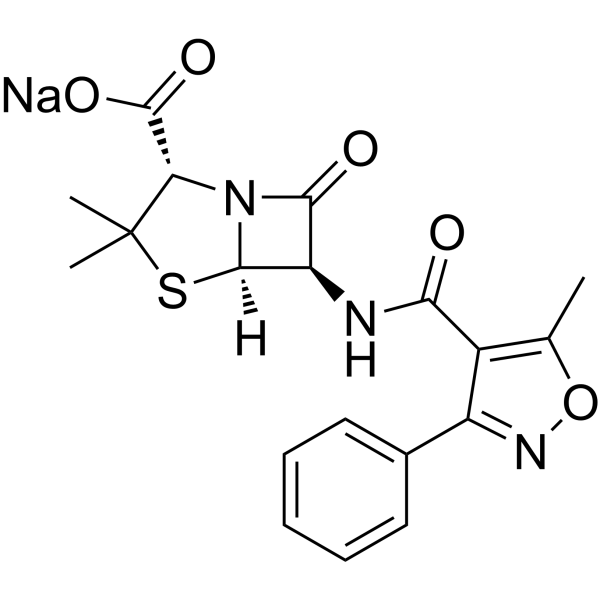
Oxacillin sodium salt is an orally active synthetic penicillin with good bactericidal activity against staphylococci and other gram-positive pathogens .
|
-
-
- HY-N0704
-
|
|
Sirtuin
PPAR
Fatty Acid Synthase (FASN)
c-Myc
Bacterial
|
Infection
Metabolic Disease
Cancer
|
|
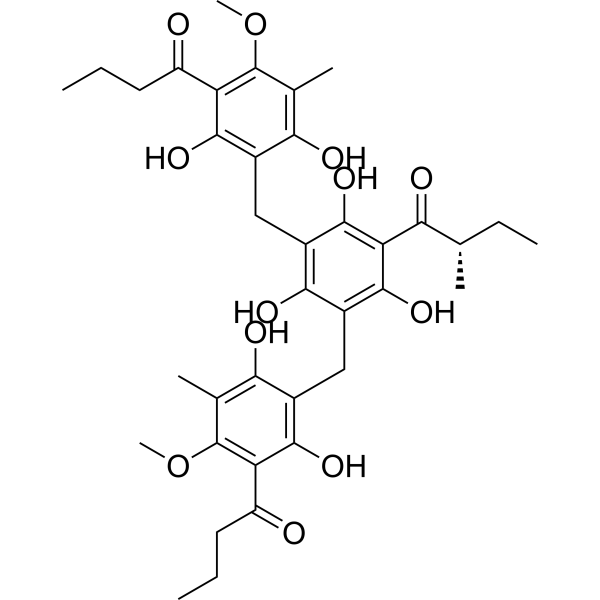
Agrimol B, a polyphenol, is an orally active and potent SIRT1 activator. Agrimol B shows anti-adipogenic and anticancer activity. Agrimol B shows antibacterial activity against plant pathogens. Agrimol B dramatically inhibits 3T3-L1 adipocyte differentiation by reducing PPARγ, C/EBPα, FAS, UCP-1, and apoE expression. The action of Agrimol B on the cancer cells is likely derived from its effect on c-MYC, SKP2 and p27 .
|
-
-
- HY-B0698A
-
|
Sch-39720 dihydrate
|
Beta-lactamase
Bacterial
Antibiotic
|
Infection
|
|
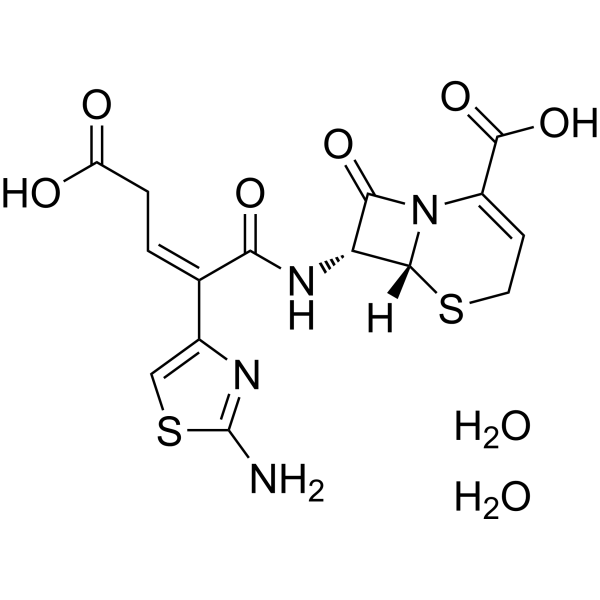
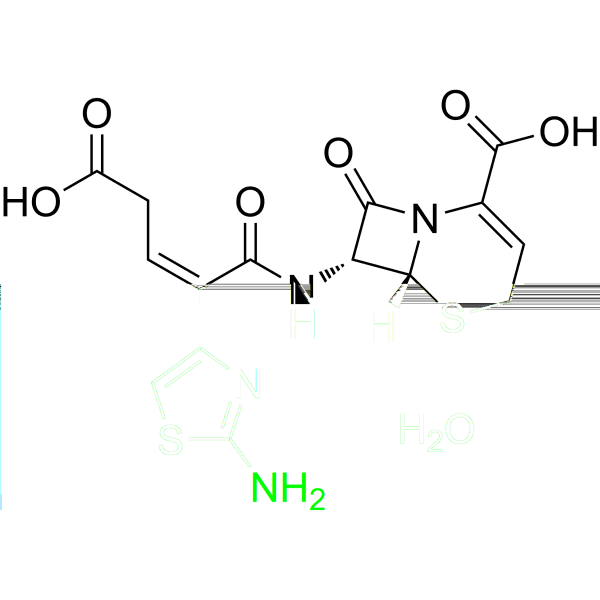
Ceftibuten (Sch-39720) dihydrate, an antibiotic, is an orally active cephalosporin, possesses potent activity in vitro against a wide range of gram-negative and certain gram-positive pathogens .
|
-
-
- HY-B1920
-
|
EN-141
|
Bacterial
Antibiotic
|
Infection
|
|
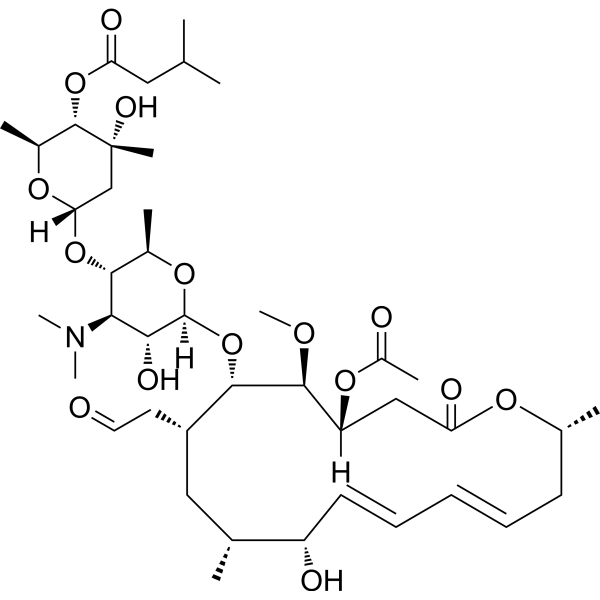
Josamycin (EN-141) is an orally active macrolide antibiotic exhibiting antimicrobial activity against a wide spectrum of pathogens, such as bacteria. The dissociation constant Kd from ribosome for Josamycin is 5.5 nM .
|
-
-
- HY-164036
-
|
|
Antibiotic
Bacterial
|
Infection
|
|
Lolamicin is an orally effective inhibitor that specifically targets the Gram-negative bacteria lipoprotein transport system LolCDE complex. It selectively inhibits the transmembrane transport of outer membrane lipoproteins by competitively binding to lipoprotein binding sites. Lolamicin destroys the integrity of the bacterial outer membrane, leading to cell death, and has both bactericidal and antibacterial activity. It has significant effects on multidrug-resistant Enterobacteriaceae pathogens (such as Escherichia coli and Klebsiella pneumoniae). Lolamicin can be used to inhibit the study of acute pneumonia, sepsis and other infections caused by Gram-negative bacteria .
|
-

-
- HY-B1156
-
|
Cefradine; SQ-11436
|
Bacterial
Antibiotic
TOPK
|
Infection
Inflammation/Immunology
|
|
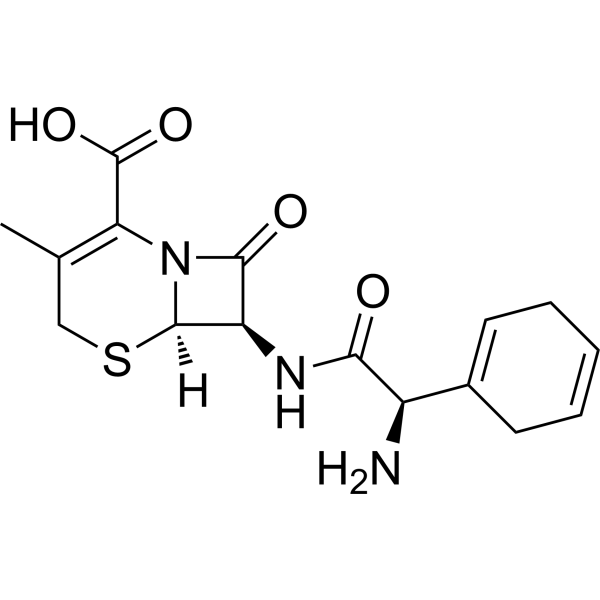
Cephradine (Cefradine) is a broad-spectrum and orally active cephalosporin. Cephradine is active against both gram-positive and gram-negative pathogens. Cephradine is effective in eradicating most penicillinase-producing organisms. Cephradine has been used in the research of genitourinary, gastrointestinal and respiratory tract infections, and in infections of the skin and soft tissues. Cephradine blocks solar-ultraviolet induced skin inflammation through direct inhibition of TOPK .
|
-
-
- HY-N2388
-
-
-
- HY-137371
-
|
|
Bacterial
Apoptosis
Antibiotic
|
Infection
Cancer
|
|
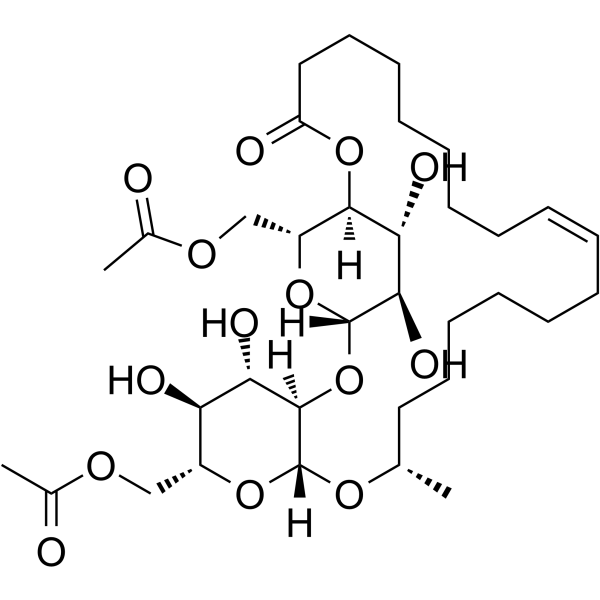
Lactonic sophorolipid is an apoptosis inducer and antimicrobial surfactant with antitumor activity. Lactonic sophorolipid regulates Bax/Bcl-gene expression through caspase-3/9 and induces apoptosis in tumor cells. Lactonic sophorolipid can disrupt cell membrane permeability and exert antibacterial effects (MIC for oral pathogens is 100-400 μg/mL). Lactonic sophorolipid promotes mitochondrial membrane potential depolarization, activates the intrinsic apoptotic pathway, and can synergize with antibiotics to enhance the antibacterial effect. Lactonic sophorolipid can be used in liver cancer research and the development of oral hygiene antibacterial agents[1][2][3].
|
-
-
- HY-32350
-
|
1α,25-Dihydroxy Vitamin D2
|
VD/VDR
Drug Metabolite
Endogenous Metabolite
|
Metabolic Disease
|
|
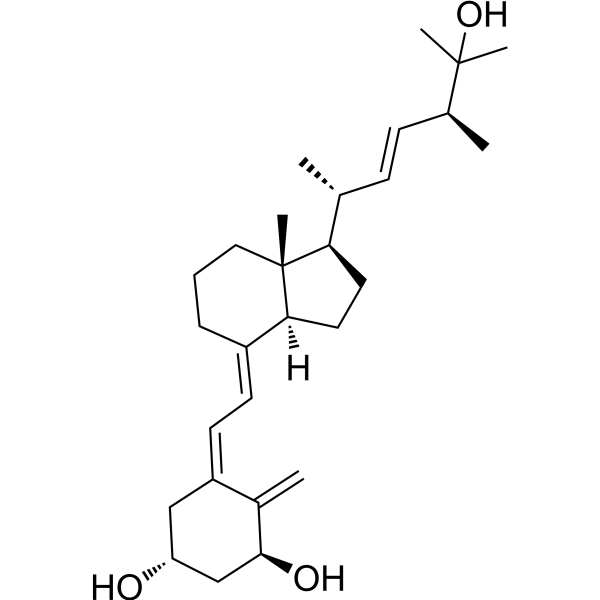
Ercalcitriol (1α,25-Dihydroxy Vitamin D2) is a vitamin D receptor (VDR) agonist with high binding affinity. After binding to VDR, Ercalcitriol forms a complex with retinoid X receptor (RXR) to regulate target gene transcription. For example, Ercalcitriol induces human gingival/oral epithelial cells to produce human cat antimicrobial peptide (hCAP-18/LL-37), which has antimicrobial activity against periodontal pathogens such as Porphyromonas gingivalis. Ercalcitriol enhances the innate immune defense of the oral mucosa by promoting the expression of antimicrobial peptides, and is mainly used in the study of periodontal diseases and immune-related oral diseases .
|
-
-
- HY-B1691
-
|
Hexamine hippurate
|
Bacterial
|
Cancer
|
|
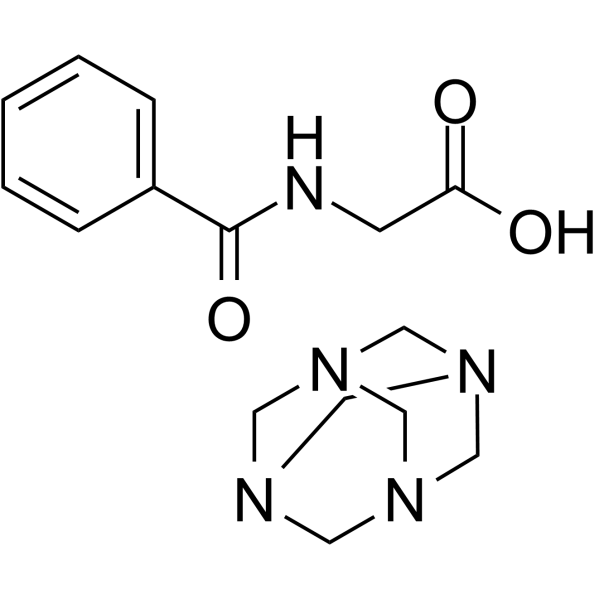
Methenamine hippurate (Hexamine hippurate) is an orally active urinary antiseptic agent with a wide antibacterial spectrum. Methenamine hippurate is effective against most common urinary tract pathogens .
|
-
-
- HY-144300
-
|
TNP-2198
|
Bacterial
|
Infection
|
|
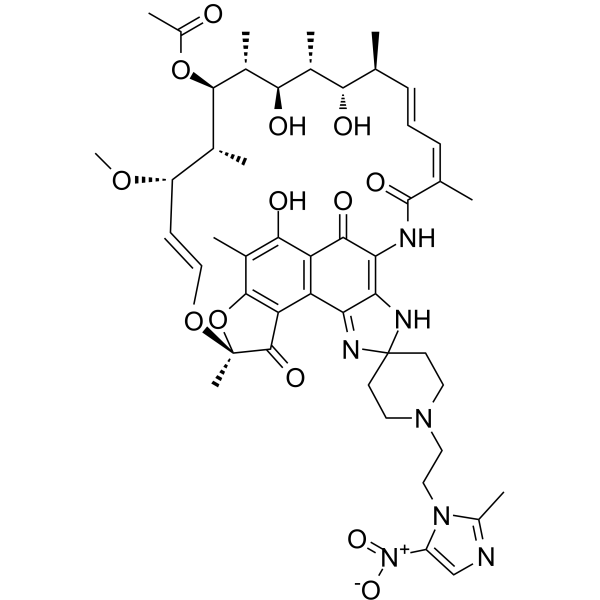
Rifasutenizol (TNP-2198) is a dual-targeted antibacterial agent that has a good antibacterial effect on Helicobacter pylori infection. Rifasutenizol can be used in the study of microaerophilic and anaerobic bacterial infections .
|
-
-
- HY-B0395C
-
|
DU6859a hydrate
|
Bacterial
Antibiotic
|
Infection
|
|
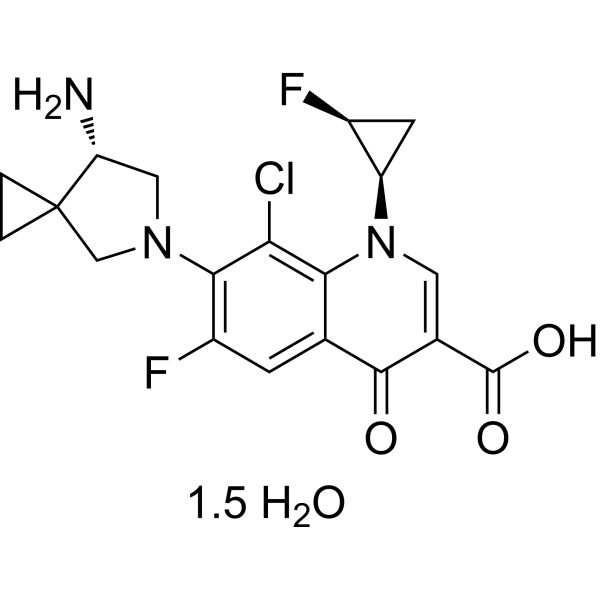
Sitafloxacin (DU6859a) hydrate is an orally active fluoroquinolone antibiotic (antibiotic) with in vitro activity against a wide range of Gram-positive and -negative bacteria, including anaerobic bacteria, as well as atypical pathogens. Sitafloxacin is used in the study of respiratory tract infections and urinary tract infections .
|
-
-
- HY-128449
-
|
Cefradine monohydrate
|
Bacterial
Antibiotic
TOPK
|
Infection
Inflammation/Immunology
|
|
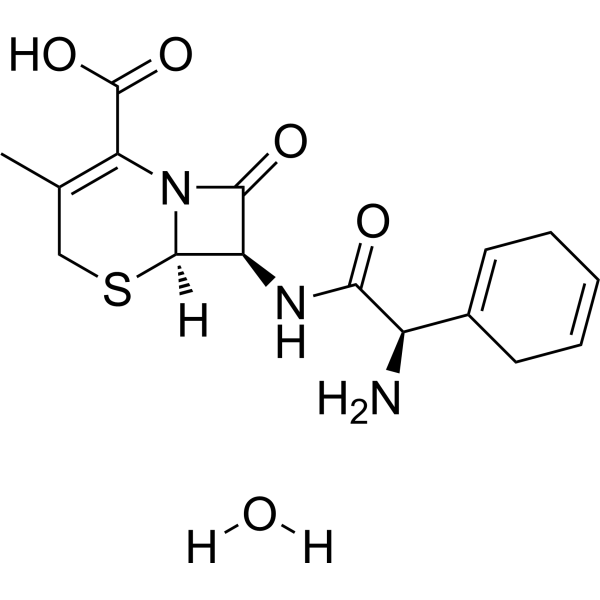
Cephradine (Cefradine) monohydrate is a broad-spectrum and orally active cephalosporin. Cephradine monohydrate is active against both grampositive and gram-negative pathogens and effective in eradicating most penicillinase-producing organisms known to be resistant to penicillin G, penicillin V, and ampicillin. Cephradine monohydrate has been used in the research of genitourinary, gastrointestinal and respiratory tract infections, and in infections of the skin and soft tissues. Cephradine monohydrate blocks solar-ultraviolet induced skin inflammation through direct inhibition of TOPK .
|
-
-
- HY-A0279
-
|
Pristinamycine
|
Bacterial
Antibiotic
|
Infection
|
|
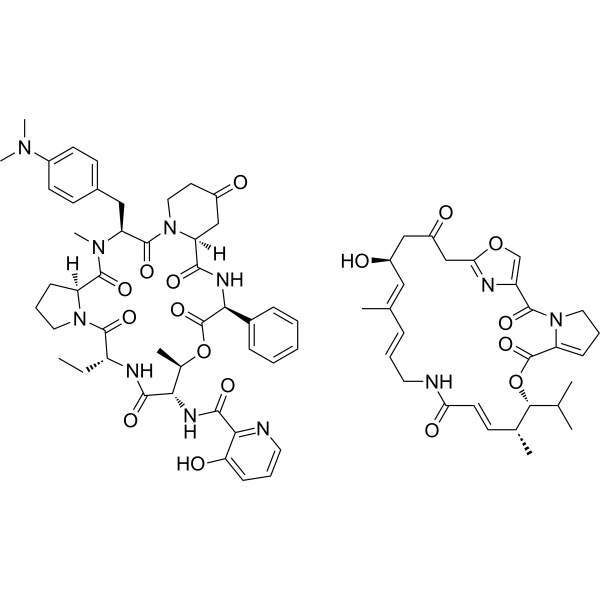
Pristinamycin, produced by Streptomyces pristinaespiralis, is an orally active streptogramin-like antibiotic consisting of two chemically unrelated components: Pristinamycin I (PI) and Pristinamycin II (PII). Pristinamycin is highly active against many antibiotic-resistant pathogens, particularly Gram-positive bacteria, including Methicillin-resistant Staphylococcus aureus (MRSA), Vancomycin-resistant S. aureus (VRSA) and Enterococcus faecium (VREF) .
|
-
-
- HY-W011117
-
|
|
Bacterial
DNA/RNA Synthesis
Antibiotic
|
Infection
|
|
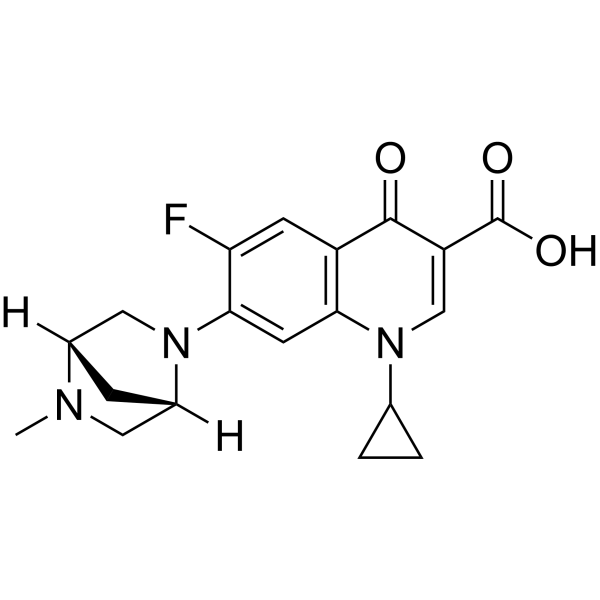
Danofloxacin is an orally active quinolone antibiotic. Danofloxacin targets bacterial DNA gyrase and inhibits bacterial DNA replication, transcription and growth. Danofloxacin can be used for various bacterial infections caused by Escherichia coli, Mycoplasma and other pathogens .
|
-
-
- HY-N4247
-
-
-
- HY-N6051
-
|
|
Fungal
NOD-like Receptor (NLR)
NF-κB
|
Infection
Inflammation/Immunology
|
|
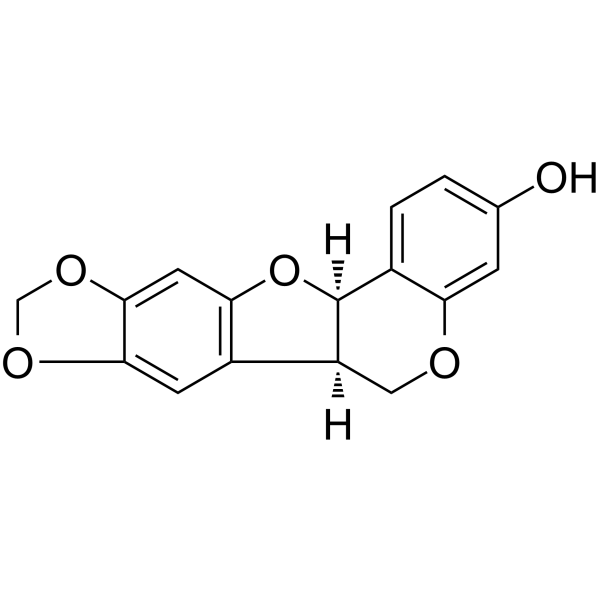
(-)-Maackiain is a pterocarpan phytoalexin produced from Sophora flavescens. (-)-Maackiain is toxic to several genera of fungal pathogens of legume and non legume hosts. (-)-Maackiain enhances the activation of NLRP3 inflammasome, inhibits the activation of NF-κB pathway, exhibiting thereby immunostimulatory and anti-inflammatory activities. (-)-Maackiain is orally active .
|
-
-
- HY-B0395
-
|
DU6859a
|
Bacterial
Antibiotic
|
Infection
|
|
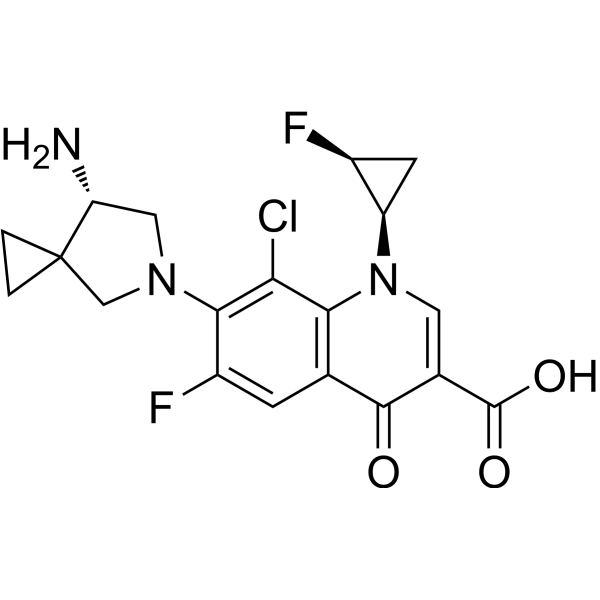
Sitafloxacin (DU6859a) is a potent, orally active fluoroquinolone antibiotic. Sitafloxacin shows antichlamydial activity and antibacterial activities against a broad range of gram-positive and gram-negative bacteria, including anaerobic bacteria, as well as against atypical pathogens. Sitafloxacin can be used for the research of respiratory tract infection and urinary tract infection .
|
-
-
- HY-N0771R
-
|
|
Reference Standards
Endogenous Metabolite
|
Cardiovascular Disease
Metabolic Disease
Inflammation/Immunology
|
|
L-Isoleucine (Standard) is the analytical standard of L-Isoleucine. This product is intended for research and analytical applications. L-Isoleucine is an orally active branched chain amino acid, which is the L-enantiomer of isoleucine. L-Isoleucine has a role as a Saccharomyces cerevisiae metabolite, an Escherichia coli metabolite, a plant metabolite, a human metabolite, an algal metabolite and a mouse metabolite. L-Isoleucine regulates the inflammatory response to protect against pathogens in vivo and in vitro .
|
-

-
- HY-13451
-
|
|
Antibiotic
Bacterial
|
Infection
|
|
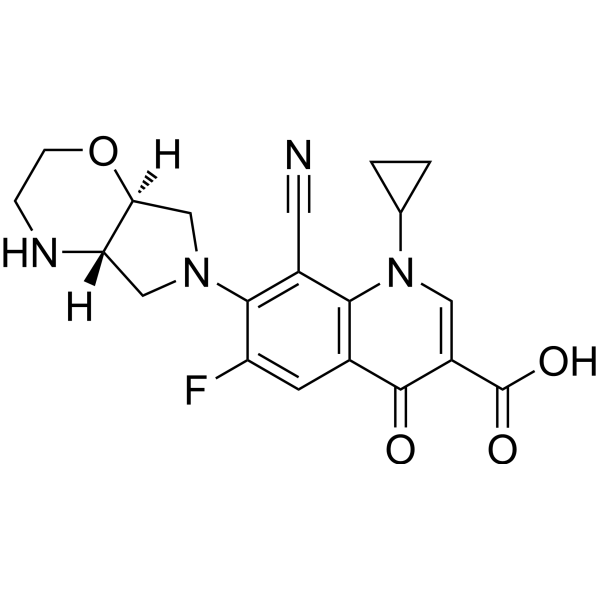
Finafloxacin is an orally active fourth-generation fluoroquinolone broad-spectrum antibiotic. Finafloxacin exhibits stronger antibacterial activity in acidic pH environments and is not easily affected by bacterial multidrug efflux transporters. Finafloxacin is effective against a variety of extracellular pathogenic bacteria, and can also accumulate in macrophages, showing excellent antibacterial activity against intracellular Staphylococcus aureus, Listeria monocytogenes, Legionella pneumophila, Burkholderia pseudomallei, and other pathogens. Finafloxacin has been approved by the U.S. FDA for research on acute otitis externa mediated by Pseudomonas aeruginosa. Finafloxacin is also used in studies related to diseases such as melioidosis, inhalational tularemia, and inhalational plague .
|
-
-
- HY-16158
-
|
Wy-4508; Aminocyclohexylpenicillin; Ciclacillin
|
Bacterial
Antibiotic
|
Infection
|
|
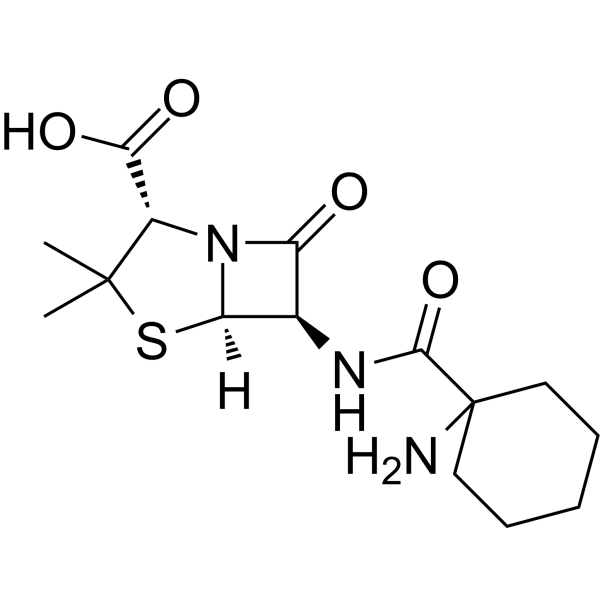
Cyclacillin (Wy-4508) is an orally active aminopenicillin antibiotic, shows antibacterial activity against a wide range of gram-positive and gram-negative pathogens .
|
-
-
- HY-10004
-
|
Faropenem medoxil
|
Antibiotic
Bacterial
|
Infection
|
|
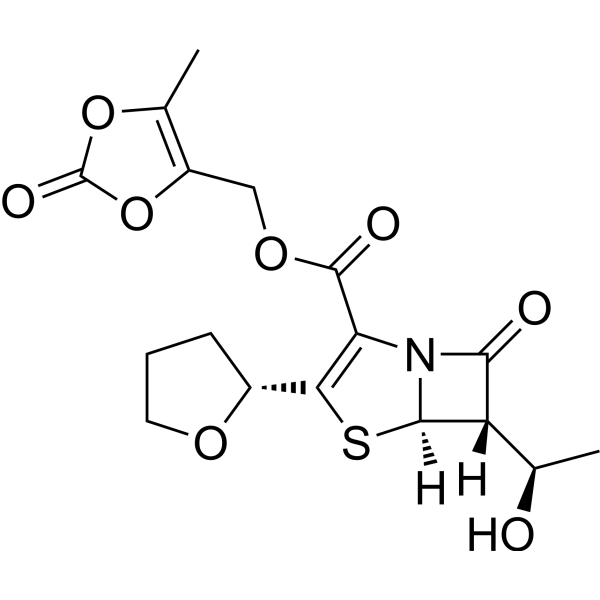
Faropenem daloxate (Faropenem medoxil) is an orally active beta-lactam antibiotic. Faropenem daloxate has excellent in vitro activity against Streptococcus pneumonia, Haemophilus influenza, and other key pathogens implicated in acute bacterial rhino sinusitis. Faropenem daloxate can be studied in research for respiratory pathogens and acute bacterial sinusitis .
|
-
-
- HY-N1434
-
|
Methyl 4-hydroxycinnamate
|
Fungal
|
Infection
Cancer
|
|
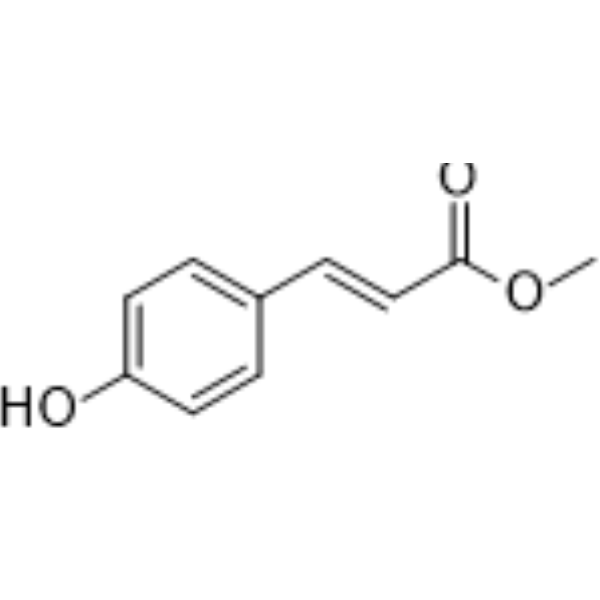
Methyl p-coumarate (Methyl 4-hydroxycinnamate), an orally active esterified derivative of p-Coumaric acid (pCA), can be isolated from the flower of Trixis michuacana var longifolia. Methyl p-coumarate could inhibit the melanin formation in B16 mouse melanoma cells. Methyl p-coumarate also has strong in vitro inhibitory effect on A. alternata and other pathogens .
|
-
-
- HY-103249
-
|
Reutericycline
|
Bacterial
|
Infection
Metabolic Disease
|
|
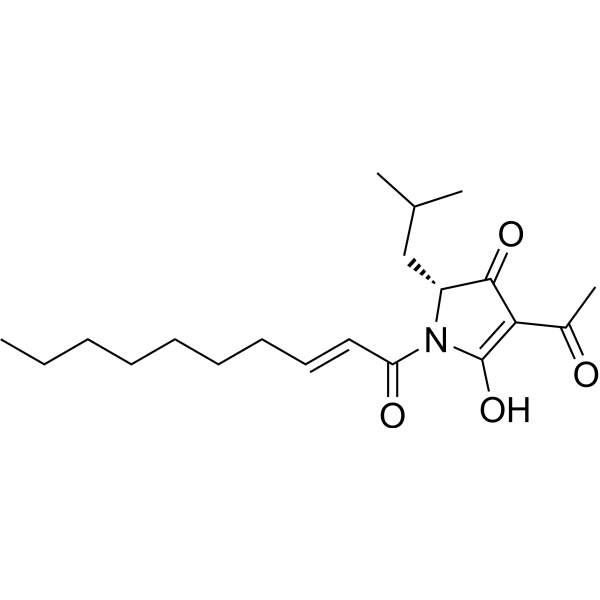
Reutericyclin (Reutericycline) is an orally active antibacterial and anti-obesity agent that selectively inhibits Gram-positive bacteria. By selectively dissipating transmembrane potential, Reutericyclin exerts non-lytic bactericidal or bacteriostatic activity against pathogens such as Clostridium difficile and Staphylococcus aureus, and rapidly kills vegetative cells and spores of Clostridium difficile. Reutericyclin possesses favorable properties including resistance to enzymatic hydrolysis, iron-chelating function, and poor absorption by colonic epithelium. Reutericyclin not only eradicates staphylococcal biofilms and inhibits drug-resistant strains, but also counteracts Risperidone (HY-11018)-induced weight gain by inducing changes in gut microbiota composition and restoring energy utilization efficiency. Reutericyclin can be used in research related to Clostridium difficile infection, Risperidone-induced weight gain, and staphylococcal superficial skin infections .
|
-
-
- HY-16745
-
|
KRP-AM1977
|
Beta-lactamase
Bacterial
Antibiotic
|
Infection
|
|
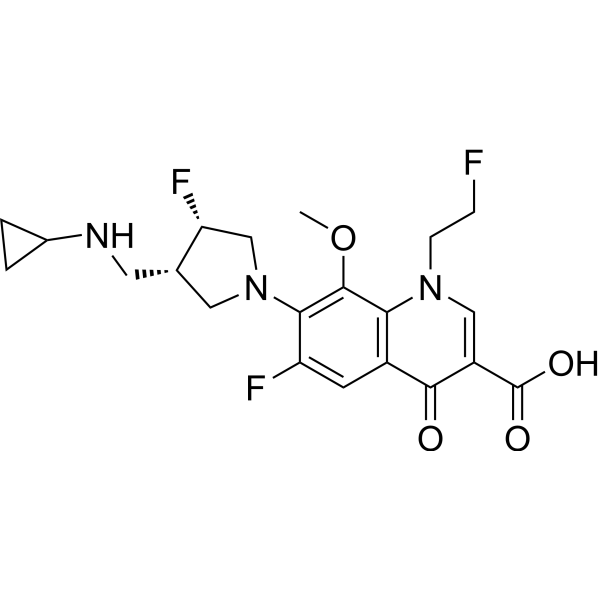
Lascufloxacin (KRP-AM1977X) is a potent and orally active fluoroquinolone antibacterial agent. Lascufloxacin potently inhibits infections caused by various pathogens, including quinolone-resistant strains. Lascufloxacin has the potential for various infectious diseases treatment, including lower respiratory tract infections .
|
-
-
- HY-156685
-
|
|
PI4K
Parasite
|
Infection
Metabolic Disease
Cancer
|
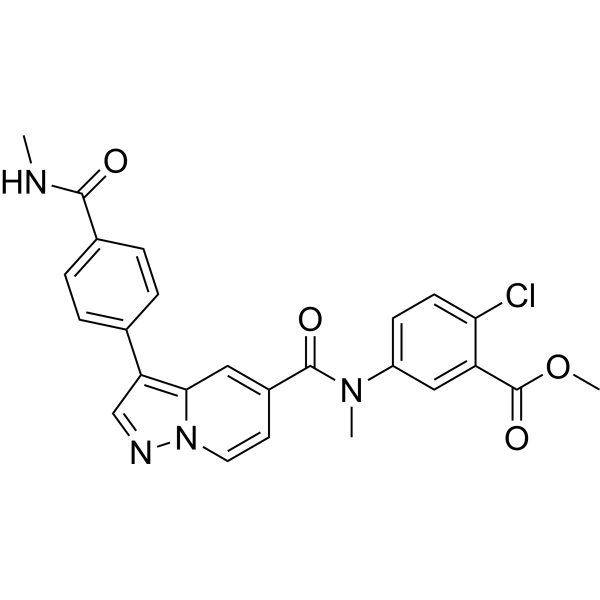
EDI048 is an orally active, gut-restricted parasiticidal agent. EDI048 specifically binds to the ATP-binding site of Cryptosporidium phosphatidylinositol 4-kinase (CpPI (4) K), blocks parasite membrane biogenesis, arrests the pathogen at the schizont stage, and thus irreversibly clears the infection. EDI048 is rapidly converted to an inactive carboxylic acid metabolite via hepatic first-pass metabolism, with extremely low systemic exposure, good safety profile, and no cardiotoxicity, genotoxicity or off-target effects. EDI048 is used in studies of intestinal cryptosporidiosis in children .
|
-
-
- HY-B1120
-
|
Temefos
|
Insecticide
Cholinesterase (ChE)
Dengue Virus
Flavivirus
|
Infection
|
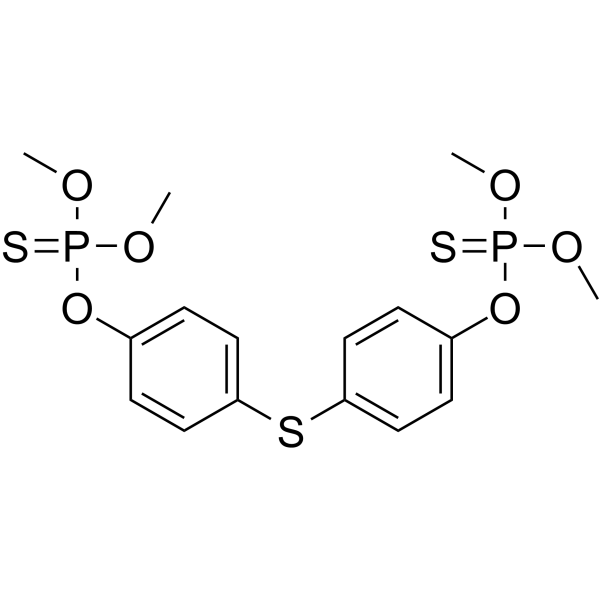
Temephos (Temefos) is an orally active, blood-brain barrier-permeable organophosphate insecticide and AChE inhibitor. By irreversibly inhibiting AChE to induce cholinergic overactivation, Temephos effectively blocks larval development of Aedes aegypti (yellow fever mosquito) and Aedes albopictus (Asian tiger mosquito), and is commonly used in studies related to Dengue Virus, Zika Virus and other relevant pathogens. Temephos exhibits genotoxicity and neurodevelopmental toxicity, and may also cause liver injury, reproductive system abnormalities and cholinergic poisoning symptoms in mammals. Temephos tends to accumulate in adipose tissues and aquatic organisms, and is excreted via feces after metabolism through oxidation and hydrolysis. Note that CYP-mediated metabolic detoxification may reduce the actual larvicidal efficacy of Temephos against some mosquito species. Temephos can be used in research related to dengue fever, Zika virus disease, chikungunya and dracunculiasis .
|
-
-
- HY-B0925A
-
|
|
Bacterial
Antibiotic
|
Infection
|
|
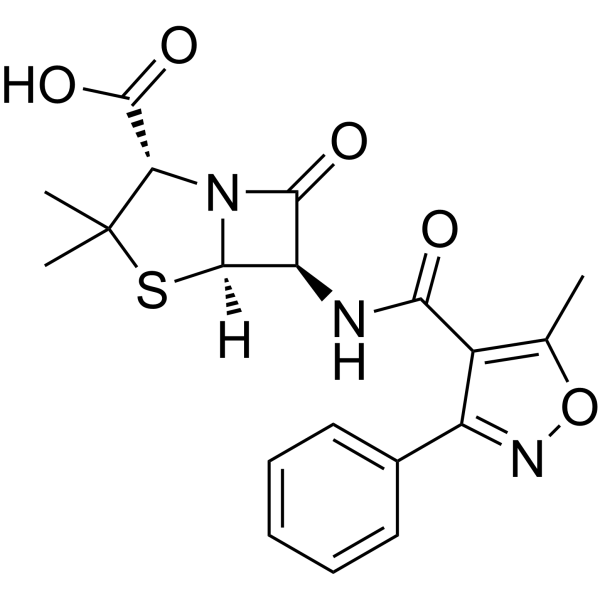
Oxacillin is an orally active synthetic penicillin with good bactericidal activity against staphylococci and other gram-positive pathogens .
|
-
-
- HY-A0147A
-
|
OPC-17116 hydrochloride; dl-Grepafloxacin hydrochloride
|
Antibiotic
Bacterial
|
Infection
|
|
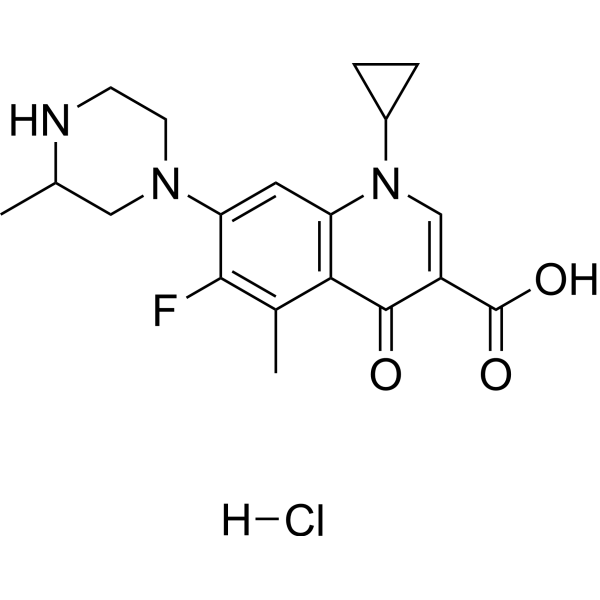
Grepafloxacin (OPC-17116) hydrochloride is an oral actively fluoroquinolone antibiotic with potent activity against community-acquired respiratory pathogens including Streptococcus pneumonia. Grepafloxacin hydrochloride has high tissue penetration and a promising pharmacodynamic profile .
|
-
-
- HY-W749867
-
|
Calcium disodium EDTA dihydrate
|
Bacterial
|
Infection
Others
|
|
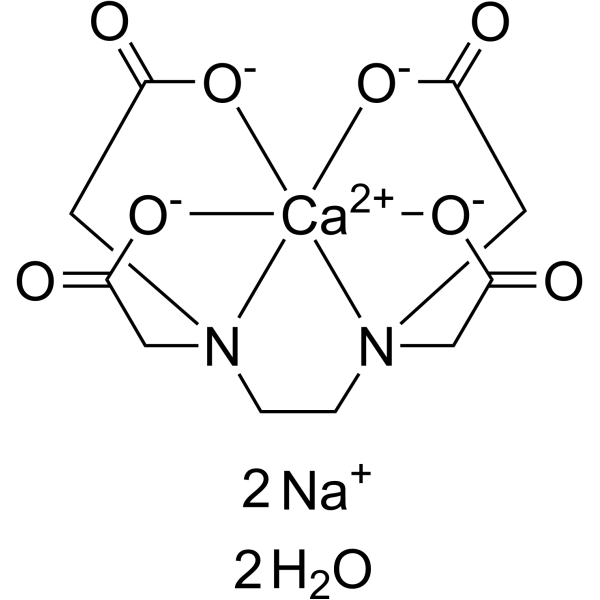
CaⅡ-EDTA disodium dihydrate (Calcium disodium EDTA dihydrate) is an orally active metal chelating reagent, exhibits bactericidal activities against periodontal pathogens Aggregatibacter actinomycetemcomitans, Prevotella intermedia and Porphyromonas gingivalis . CaⅡ-EDTA disodium dihydrate is effective chelating antidotes for lead- and cadmium poisoning .
|
-
-
- HY-W587957
-
|
|
Bacterial
Parasite
|
Infection
|
|
Gypsogenic acid is a triterpenoid acid that can be isolated from Miconia stenostachya and has antibacterial and trypanoidal activities. The MICs values of Gypsogenic acid for the oral bacterial pathogens Enterococcus faecalis, Streptococcus salivarius, Streptococcus haematococcus, Streptococcus mutans and sobrinus were 50-200 μg/mL. Gypsogenic acid can induce blood cortensite cleavage in isolated mice with IC50 56.6 μM .
|
-

-
- HY-B0698
-
|
Sch 39720
|
Beta-lactamase
Bacterial
Antibiotic
|
Infection
|
|
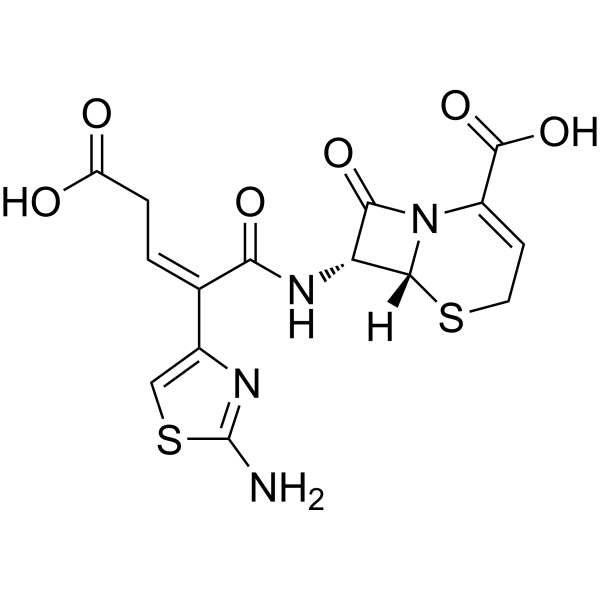
Ceftibuten (Sch39720), an antibiotic, is an orally active cephalosporin, possesses potent activity in vitro against a wide range of gram-negative and certain gram-positive pathogens .
|
-
-
- HY-B1691R
-
|
Hexamine hippurate (Standard)
|
Reference Standards
Bacterial
|
Cancer
|
|
Methenamine (hippurate) (Standard) is the analytical standard of Methenamine (hippurate). This product is intended for research and analytical applications. Methenamine hippurate (Hexamine hippurate) is an orally active urinary antiseptic agent with a wide antibacterial spectrum. Methenamine hippurate is effective against most common urinary tract pathogens .
|
-

-
- HY-P10696
-
|
|
Bacterial
|
Infection
|
|
C16G2 is a specific targeted antimicrobial peptide (STAMP) that targets the cariogenic oral pathogen Streptococcus mutans. C16G2 specifically recognizes and disrupts the bacterial cell membrane, causing small molecule leakage and loss of membrane potential, leading to bacterial killing. C16G2 exhibits higher selectivity and efficacy against Streptococcus mutans, unlike broad-spectrum antimicrobial peptides .
|
-

-
- HY-B0395CR
-
|
DU6859a hydrate (Standard)
|
Bacterial
Antibiotic
Reference Standards
|
Infection
|
|
Sitafloxacin (hydrate) (Standard) is the analytical standard of Sitafloxacin (hydrate). This product is intended for research and analytical applications. Sitafloxacin (DU6859a) hydrate is an orally active fluoroquinolone antibiotic (antibiotic) with in vitro activity against a wide range of Gram-positive and -negative bacteria, including anaerobic bacteria, as well as atypical pathogens. Sitafloxacin is used in the study of respiratory tract infections and urinary tract infections .
|
-

-
- HY-N6051R
-
|
|
Reference Standards
Fungal
NOD-like Receptor (NLR)
NF-κB
|
Infection
Inflammation/Immunology
|
|
(-)-Maackiain (Standard) is the analytical standard of (-)-Maackiain. This product is intended for research and analytical applications. (-)-Maackiain is a pterocarpan phytoalexin produced from Sophora flavescens. (-)-Maackiain is toxic to several genera of fungal pathogens of legume and non legume hosts. (-)-Maackiain enhances the activation of NLRP3 inflammasome, inhibits the activation of NF-κB pathway, exhibiting thereby immunostimulatory and anti-inflammatory activities. (-)-Maackiain is orally active .
|
-

-
- HY-B2058
-
|
|
Fungal
Androgen Receptor
|
Infection
|
|
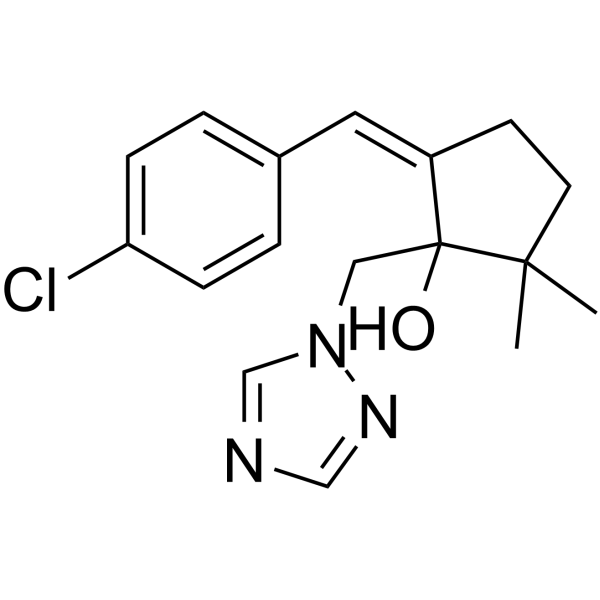
Triticonazole is an orally active triazole fungicide and androgen receptor antagonist. Triticonazole inhibits testosterone-induced androgen receptor activation and reduces basal testosterone secretion. Prenatal exposure to Triticonazole causes shortened anogenital distance in male rat fetuses and induces organ-specific histopathological changes in pigs. Triticonazole can be used for detoxification of seeds contaminated with fungal pathogens, but there is a risk of animal poisoning if the treated seeds are used as animal feed .
|
-
-
- HY-139554
-
|
KBP-7072
|
Antibiotic
Bacterial
|
Infection
|
|
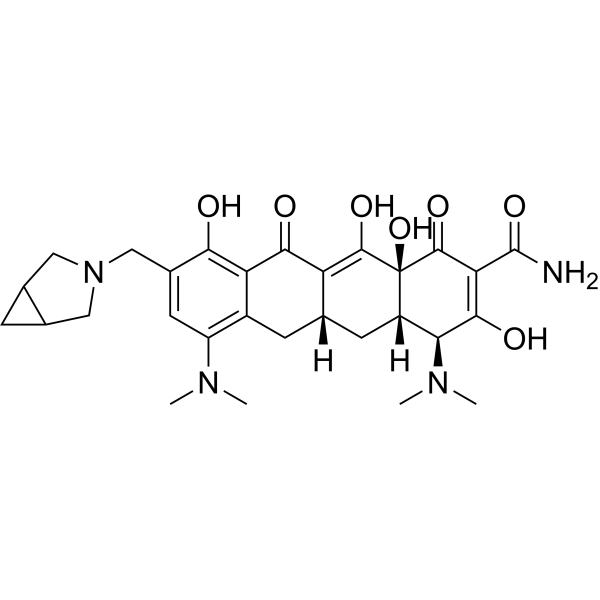
Zifanocycline (KBP-7072) is a semisynthetic third-generation aminomethylcycline antibiotic that inhibits the normal function of the bacterial ribosome. Zifanocycline exhibits a broad spectrum of in vitro antibacterial activity against Gram-positive and Gram-negative bacteria, including many multidrug-resistant pathogens. Zifanocycline is available in both oral and injectable formulations. Zifanocycline can be used for the research of acute bacterial skin and skin structure infections, community-acquired bacterial pneumonia, and complicated intra-abdominal infections .
|
-
-
- HY-B0698B
-
|
Sch 39720 monohydrate
|
Beta-lactamase
Bacterial
Antibiotic
|
Infection
|
|
Ceftibuten (Sch39720) monohydrate, an antibiotic, is an orally active cephalosporin, possesses potent activity in vitro against a wide range of gram-negative and certain gram-positive pathogens .
|
-
-
- HY-A0147
-
|
OPC-17116; dl-Grepafloxacin
|
Antibiotic
Bacterial
|
Infection
|
|
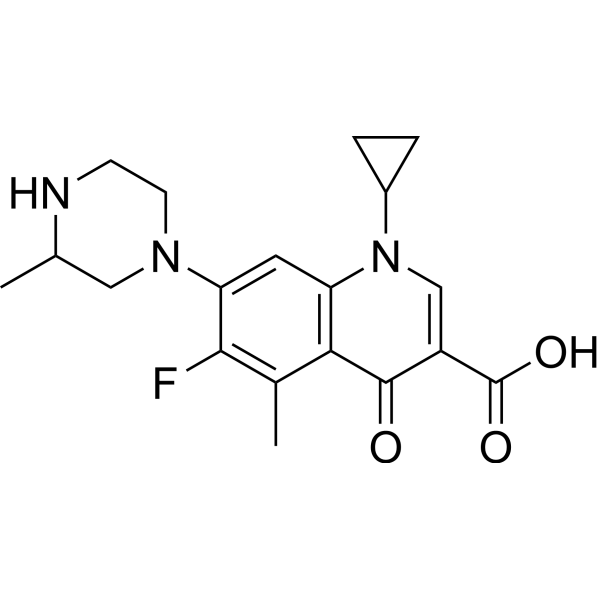
Grepafloxacin (OPC-17116) is an oral actively fluoroquinolone antibiotic with potent activity against community-acquired respiratory pathogens including Streptococcus pneumonia. Grepafloxacin has high tissue penetration and a promising pharmacodynamic profile .
|
-
-
- HY-N4247R
-
-

-
- HY-B0395A
-
|
DU6859a hydrochloride
|
Antibiotic
Bacterial
|
Infection
|
|
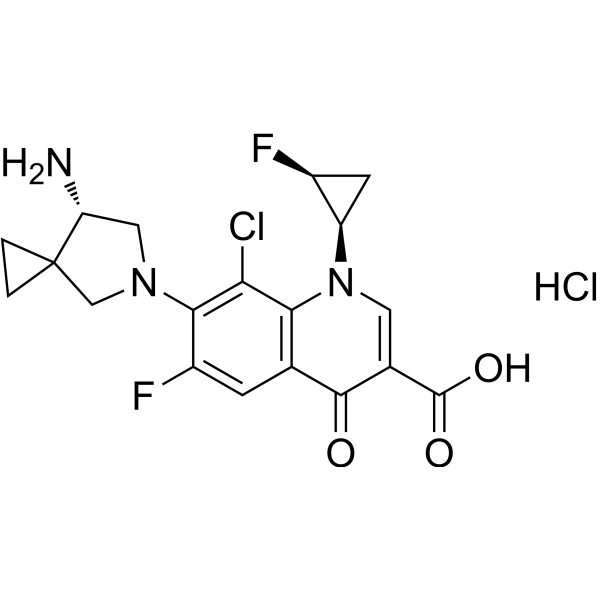
Sitafloxacin (DU6859a) hydrochloride is a potent, orally active fluoroquinolone antibiotic. Sitafloxacin hydrochloride shows antichlamydial activity and antibacterial activities against a broad range of gram-positive and gram-negative bacteria, including anaerobic bacteria, as well as against atypical pathogens. Sitafloxacin hydrochloride can be used for the research of respiratory tract infection and urinary tract infection .
|
-
-
- HY-N12240
-
|
|
Bacterial
|
Infection
|
|
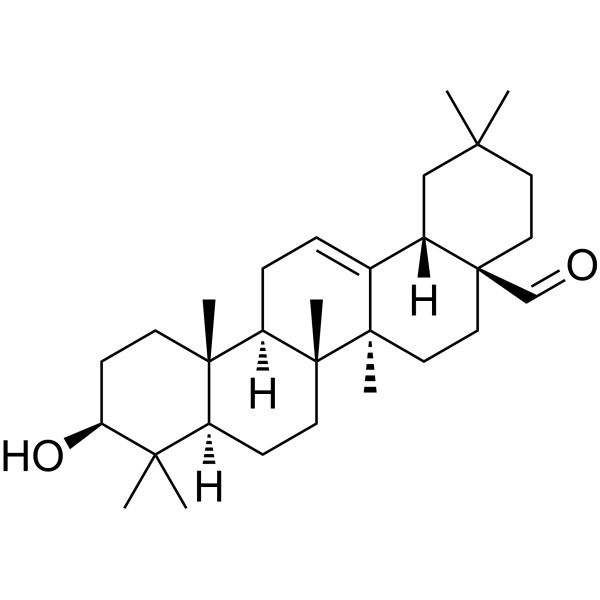
Oleanolic aldehyde is an antimicrobial compound used to inhibit oral bacteria. Oleanolic aldehyde inhibits Streptococcus mutans and Porphyromonas gingivalis, which are associated with dental caries and periodontal disease, with minimum inhibitory concentrations (MICs) of 488 μg/mL and 250 μg/mL, respectively .
|
-
-
- HY-P10696A
-
|
|
Bacterial
|
Infection
|
|
C16G2 TFA is a specific targeted antimicrobial peptide (STAMP) that targets the cariogenic oral pathogen Streptococcus mutans. C16G2 TFA specifically recognizes and disrupts the bacterial cell membrane, causing small molecule leakage and loss of membrane potential, leading to bacterial killing. C16G2 TFA exhibits higher selectivity and efficacy against Streptococcus mutans, unlike broad-spectrum antimicrobial peptides .
|
-

-
- HY-106998
-
|
|
Bacterial
Antibiotic
|
Infection
|
|
DC-756 is a fluoroquinolone antibiotic. DC-756 possesses potent activity against Gram-positive and Gram-negative pathogens comparable to Trovafloxacin (HY-A0170), with MIC, against Ofloxacin (HY-B0125)-resistant strains 16-fold better than Trovafloxacin. DC-756 is well absorbed orally in rats and found to have good photostability. DC-756 can be used to study bacterial resistance .
|
-

-
- HY-114900
-
|
|
Antibiotic
|
Infection
Others
|
|
BB-3497 is a potent, orally active and selective peptide deformylase (PDF) inhibitor. BB-3497 is highly selective for PDF (IC50 = 7 nM for E. coli PDF.Ni) over the other mammalian metalloenzymes (MMP-1/2/3/7 and enkephalinase). BB-3497 exhibits potent activity against gram-positive bacteria and some gram-negative pathogens. BB-3497 protects mice from infection in systemic models of Staphylococeus aureus. BB-3497 can be used for anti-bacterial infection research .
|
-

-
- HY-149155
-
|
|
Bacterial
|
Infection
|
|
o-Cymen-5-ol is a broad-spectrum antimicrobial agent with direct antimicrobial activity. o-Cymen-5-ol showed effective minimum inhibitory concentrations (MICs) against a variety of bacteria and fungi, such as Streptococcus mutans and Candida albicans. The combination of o-Cymen-5-ol and zinc showed synergistic effects, enhancing the inhibitory effect against oral pathogens. o-Cymen-5-ol was able to inhibit the glycolysis process and co-enhanced this effect with zinc. o-Cymen-5-ol showed a stronger antibacterial effect in toothpaste than placebo .
|
-

-
- HY-B0925R
-
|
|
Reference Standards
Bacterial
Antibiotic
|
Infection
|
|
Oxacillin (sodium salt) (Standard) is the analytical standard of Oxacillin (sodium salt). This product is intended for research and analytical applications. Oxacillin sodium salt is an orally active synthetic penicillin with good bactericidal activity against staphylococci and other gram-positive pathogens .
|
-

-
- HY-B0925AS
-
|
|
Bacterial
Antibiotic
|
Infection
|
|
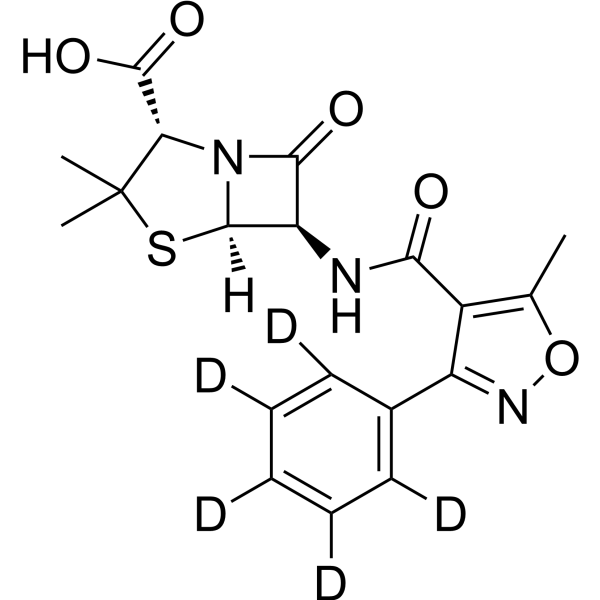
Oxacillin-d5 is the deuterium labeled Oxacillin . Oxacillin is an orally active synthetic penicillin with good bactericidal activity against staphylococci and other gram-positive pathogens .
|
-
- HY-B1920A
-
|
EN-141 hydrochloride
|
Antibiotic
Bacterial
|
Infection
|
|
Josamycin (EN-141) hydrochloride is an orally active macrolide antibiotic exhibiting antimicrobial activity against a wide spectrum of pathogens, such as bacteria. The dissociation constant Kd from ribosome for Josamycin hydrochloride is 5.5 nM .
|
-

- HY-W745714
-
|
|
Isotope-Labeled Compounds
Antibiotic
Bacterial
|
Infection
|
|
Oxacillin-d5 sodium salt (HY-B0925) is the deuterium labeled Oxacillin sodium salt. Oxacillin sodium salt is an orally active synthetic penicillin with good bactericidal activity against staphylococci and other gram-positive pathogens .
|
-

- HY-105533
-
|
|
Bacterial
|
Infection
|
|
BAYV-3522 is an orally effective cephalosporin. BAYV-3522 has antibacterial activity against Gram positive bacteria and some respiratory pathogens. BAYV-3522 can be used in the research of infectious conditions .
|
-

- HY-W353258R
-
|
BAY 12-8039 monohydrate (Standard)
|
Reference Standards
Antibiotic
Topoisomerase
Bacterial
|
Infection
|
|
Moxifloxacin hydrochloride (BAY 12-8039) monohydrate (Standard) is the analytical standard of Moxifloxacin hydrochloride monohydrate. This product is intended for research and analytical applications. Moxifloxacin hydrochloride monohydrate is a blood-brain barrier-permeable, orally active topoisomerase II/IV inhibitor and a fluoroquinolone antibiotic. Moxifloxacin hydrochloride monohydrate disrupts bacterial DNA replication, transcription, repair and chromosome segregation processes. Moxifloxacin hydrochloride monohydrate exhibits activity against Gram-positive bacteria, Gram-negative bacteria, anaerobes, atypical pathogens, drug-resistant respiratory pathogens, Mycobacterium tuberculosis, mycoplasmas and Ureaplasma urealyticum.
|
-

- HY-10004R
-
|
Faropenem medoxil (Standard)
|
Reference Standards
Antibiotic
Bacterial
|
Infection
|
|
Faropenem daloxate (Faropenem medoxil) (Standard) is the analytical standard of Faropenem daloxate (Faropenem medoxil). This product is intended for research and analytical applications. Faropenem daloxate is an orally active beta-lactam antibiotic. Faropenem daloxate has excellent in vitro activity against Streptococcus pneumonia, Haemophilus influenza, and other key pathogens implicated in acute bacterial rhino sinusitis. Faropenem daloxate can be studied in research for respiratory pathogens and acute bacterial sinusitis .
|
-

- HY-16158R
-
|
Wy-4508 (Standard); Aminocyclohexylpenicillin (Standard); Ciclacillin (Standard)
|
Reference Standards
Bacterial
Antibiotic
|
Infection
|
|
DL-Glutamic acid (Standard) is the analytical standard of DL-Glutamic acid. This product is intended for research and analytical applications. DL-Glutamic acid is the conjugate acid of Glutamic acid, which acts as a fundamental metabolite. Comparing with the second phase of polymorphs α and β L-Glutamic acid, DL-Glutamic acid presents better stability .
|
-

- HY-W744633
-
|
|
Drug Metabolite
Bacterial
|
Infection
|
|
Cefdaloxime is an orally active cephalosporin and HR-916 ester metabolite. Cefdaloxime has a broad spectrum of activity against pathogens such as the majority of members of the family Enterobacteriaceae, staphylococci, Streptococcus spp., Neisseria gonorrhoeae, Moraxella catarrhalis, Haemophilus influenzae .
|
-

- HY-B1920R
-
|
EN-141 (Standard)
|
Reference Standards
Bacterial
Antibiotic
|
Infection
|
|
Josamycin (Standard) is the analytical standard of Josamycin. This product is intended for research and analytical applications. Josamycin (EN-141) is an orally active macrolide antibiotic exhibiting antimicrobial activity against a wide spectrum of pathogens, such as bacteria. The dissociation constant Kd from ribosome for Josamycin is 5.5 nM .
|
-

- HY-W011117S
-
|
|
Isotope-Labeled Compounds
Bacterial
DNA/RNA Synthesis
Antibiotic
|
Infection
|
|
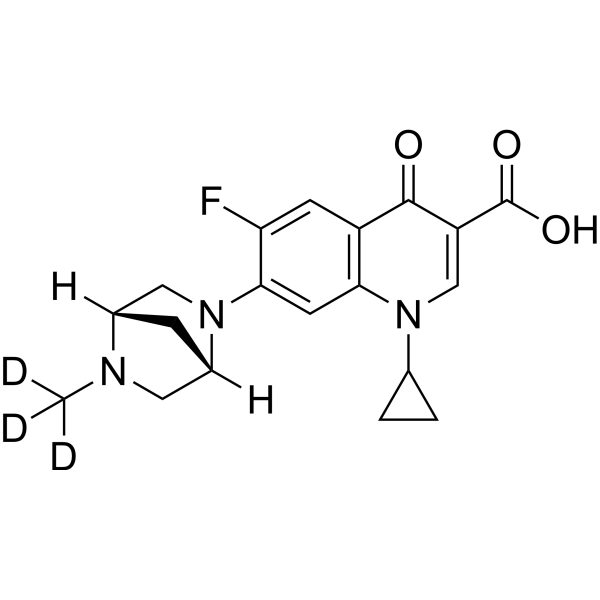
Danofloxacin-d3 is deuterium labeled Danofloxacin. Danofloxacin is an orally active quinolone antibiotic. Danofloxacin targets bacterial DNA gyrase and inhibits bacterial DNA replication, transcription and growth. Danofloxacin can be used for various bacterial infections caused by Escherichia coli, Mycoplasma and other pathogens.
|
-
- HY-W011117S1
-
|
|
Isotope-Labeled Compounds
Bacterial
DNA/RNA Synthesis
Antibiotic
|
Infection
|
|
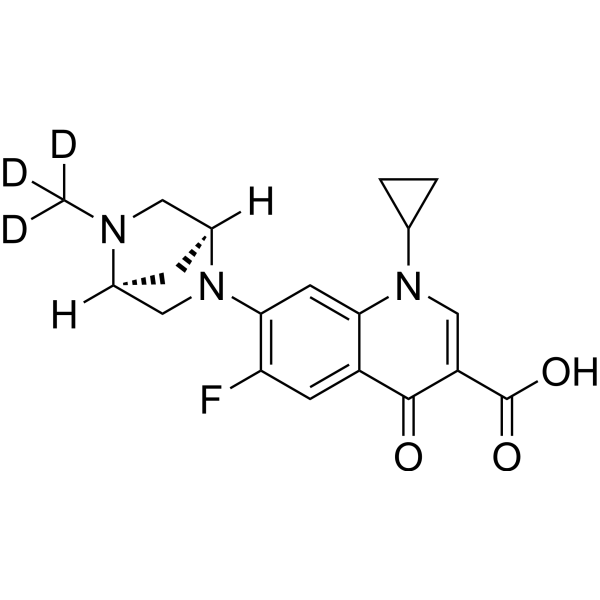
Danofloxacin-d3-1 is deuterium labeled Danofloxacin. Danofloxacin is an orally active quinolone antibiotic. Danofloxacin targets bacterial DNA gyrase and inhibits bacterial DNA replication, transcription and growth. Danofloxacin can be used for various bacterial infections caused by Escherichia coli, Mycoplasma and other pathogens.
|
-
- HY-W011117R
-
|
|
Reference Standards
Bacterial
DNA/RNA Synthesis
Antibiotic
|
Infection
|
|
Danofloxacin (Standard) is the analytical standard of Danofloxacin. This product is intended for research and analytical applications. Danofloxacin is an orally active quinolone antibiotic. Danofloxacin targets bacterial DNA gyrase and inhibits bacterial DNA replication, transcription and growth. Danofloxacin can be used for various bacterial infections caused by Escherichia coli, Mycoplasma and other pathogens.
|
-

- HY-B0395B
-
|
DU6859a monohydrate
|
Bacterial
Antibiotic
|
Infection
|
|
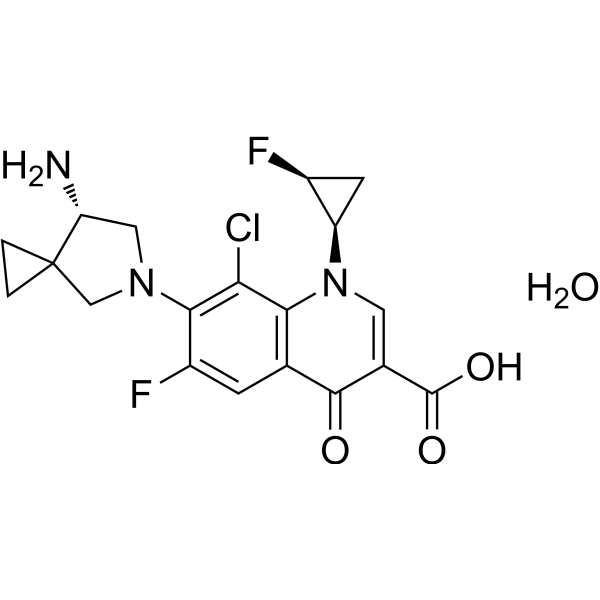
Sitafloxacin (DU6859a) monohydrate is a potent, orally active fluoroquinolone antibiotic. Sitafloxacin monohydrate shows antichlamydial activity and antibacterial activities against a broad range of gram-positive and gram-negative bacteria, including anaerobic bacteria, as well as against atypical pathogens. Sitafloxacin monohydrate can be used for the research of respiratory tract infection and urinary tract infection .
|
-
- HY-N2388R
-
|
|
Reference Standards
MMP
PPAR
Bacterial
|
Cardiovascular Disease
Neurological Disease
Inflammation/Immunology
Cancer
|
|
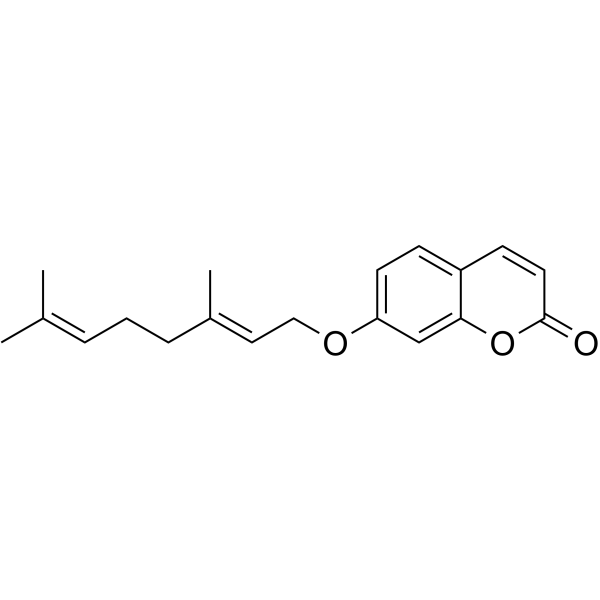
Auraptene (Standard) is the analytical standard of Auraptene. This product is intended for research and analytical applications. Auraptene is an orally active geranyloxycoumarin that can be isolated from plants in the Brassicaceae family, antibacterial, anti-pathogen, antioxidant, anti-tumor, and neuroprotective effects. Auraptene plays an important role in the treatment of various chronic diseases such as hypertension and cystic fibrosis .
|
-

- HY-B1156A
-
|
Cefradine sodium; SQ-11436 sodium
|
Bacterial
Antibiotic
TOPK
|
Infection
Inflammation/Immunology
|
|
Cephradine sodium is a broad-spectrum and orally active cephalosporin. Cephradine sodium is active against both gram-positive and gram-negative pathogens. Cephradine sodium is effective in eradicating most penicillinase-producing organisms. Cephradine sodium has been used in the research of genitourinary, gastrointestinal and respiratory tract infections, and in infections of the skin and soft tissues. Cephradine sodium blocks solar-ultraviolet induced skin inflammation through direct inhibition of TOPK .
|
-

- HY-P2124R
-
|
|
Reference Standards
Antibiotic
Bacterial
|
Infection
|
|
L-Isoleucine (Standard) is the analytical standard of L-Isoleucine. This product is intended for research and analytical applications. L-Isoleucine is an orally active branched chain amino acid, which is the L-enantiomer of isoleucine. L-Isoleucine has a role as a Saccharomyces cerevisiae metabolite, an Escherichia coli metabolite, a plant metabolite, a human metabolite, an algal metabolite and a mouse metabolite. L-Isoleucine regulates the inflammatory response to protect against pathogens in vivo and in vitro .
|
-

- HY-139554A
-
|
KBP-7072 TFA
|
Bacterial
|
Infection
|
|
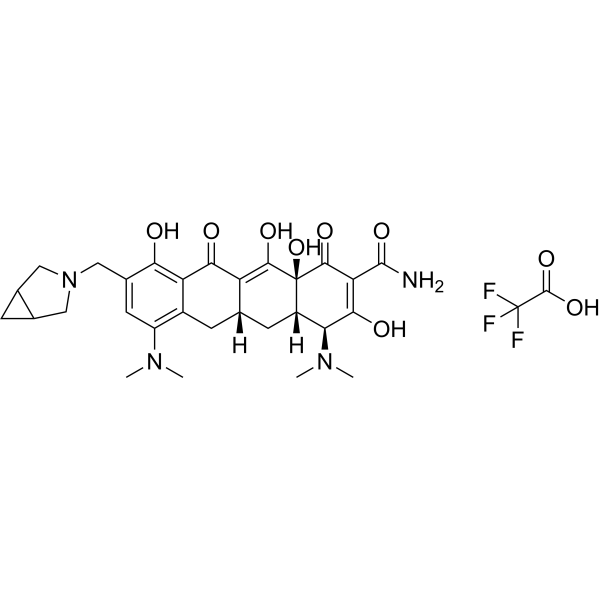
Zifanocycline (KBP-7072) TFA is an orally active, semi-synthetic aminomethylcycline antibiotic that inhibits the normal function of bacterial ribosomes. Zifanocycline TFA has broad spectrum in vitro antimicrobial activity against Gram-positive and Gram-negative bacteria, including many multidrug-resistant pathogens. Zifanocycline TFA is indicated for the study of acute bacterial skin and skin structure infections, community-acquired bacterial pneumonia, and complicated intra-abdominal infections .
|
-
- HY-B0395S
-
|
DU6859a-d4
|
Isotope-Labeled Compounds
Bacterial
Antibiotic
|
Infection
|
|
Sitafloxacin-d4 (DU6859a-d4) is deuterium labeled Sitafloxacin. Sitafloxacin (DU6859a) is a potent, orally active fluoroquinolone antibiotic. Sitafloxacin shows antichlamydial activity and antibacterial activities against a broad range of gram-positive and gram-negative bacteria, including anaerobic bacteria, as well as against atypical pathogens. Sitafloxacin can be used for the research of respiratory tract infection and urinary tract infection .
|
-

- HY-B1156R
-
|
Cefradine (Standard); SQ-11436 (Standard)
|
Reference Standards
Bacterial
Antibiotic
TOPK
|
Infection
Inflammation/Immunology
|
|
Cephradine (Standard) is the analytical standard of Cephradine. This product is intended for research and analytical applications. Cephradine (Cefradine) is a broad-spectrum and orally active cephalosporin. Cephradine is active against both gram-positive and gram-negative pathogens. Cephradine is effective in eradicating most penicillinase-producing organisms. Cephradine has been used in the research of genitourinary, gastrointestinal and respiratory tract infections, and in infections of the skin and soft tissues. Cephradine blocks solar-ultraviolet induced skin inflammation through direct inhibition of TOPK .
|
-

- HY-147531
-
|
|
Bacterial
|
Infection
|
|
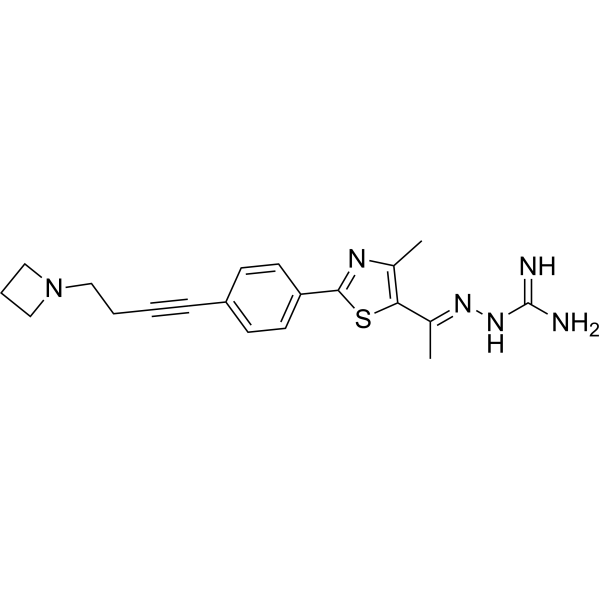
Antibacterial agent 106 (compound 8) is an orally active and potent antibacterial agent with antibiofilm activity. Antibacterial agent 106 shows potent antibacterial effect against multi-agent resistant (MDR)-Gram positive pathogens. Antibacterial agent 106 is highly effective in clearing 99.7% of the intracellular methicillin-resistant S. aureus (MRSA) harbored inside macrophages . Antibacterial agent 106 is a click chemistry reagent, it contains an Alkyne group and can undergo copper-catalyzed azide-alkyne cycloaddition (CuAAc) with molecules containing Azide groups.
|
-
- HY-139554AR
-
|
KBP-7072 TFA (Standard)
|
Bacterial
Antibiotic
Reference Standards
|
Infection
|
|
Zifanocycline (TFA) (Standard) is the analytical standard of Zifanocycline (TFA). This product is intended for research and analytical applications. Zifanocycline (KBP-7072) TFA is an orally active, semi-synthetic aminomethylcycline antibiotic that inhibits the normal function of bacterial ribosomes. Zifanocycline TFA has broad spectrum in vitro antimicrobial activity against Gram-positive and Gram-negative bacteria, including many multidrug-resistant pathogens. Zifanocycline TFA is indicated for the study of acute bacterial skin and skin structure infections, community-acquired bacterial pneumonia, and complicated intra-abdominal infections[1][2].
|
-

- HY-32350S1
-
|
1α,25-Dihydroxy Vitamin D2-d3
|
Isotope-Labeled Compounds
Endogenous Metabolite
VD/VDR
|
Metabolic Disease
|
|
Ercalcitriol-d3 (1α,25-Dihydroxy Vitamin D2-d3) is the deuterium labeled Ercalcitriol (HY-32350). Ercalcitriol (1α,25-Dihydroxy Vitamin D2) is a vitamin D receptor (VDR) agonist with high binding affinity. After binding to VDR, Ercalcitriol forms a complex with retinoid X receptor (RXR) to regulate target gene transcription. For example, Ercalcitriol induces human gingival/oral epithelial cells to produce human cat antimicrobial peptide (hCAP-18/LL-37), which has antimicrobial activity against periodontal pathogens such as Porphyromonas gingivalis. Ercalcitriol enhances the innate immune defense of the oral mucosa by promoting the expression of antimicrobial peptides, and is mainly used in the study of periodontal diseases and immune-related oral diseases .
|
-

- HY-B1120S
-
|
Temefos-d12
|
Cholinesterase (ChE)
Dengue Virus
Flavivirus
Parasite
|
Infection
|
|
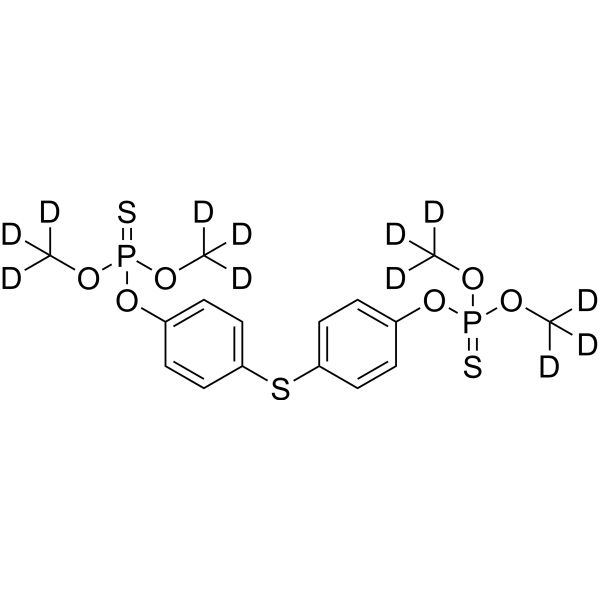
Temephos-d12 is the deuterium labeled Temephos. Temephos (Temefos) is an orally active, blood-brain barrier-permeable organophosphate insecticide and AChE inhibitor. By irreversibly inhibiting AChE to induce cholinergic overactivation, Temephos effectively blocks larval development of Aedes aegypti (yellow fever mosquito) and Aedes albopictus (Asian tiger mosquito), and is commonly used in studies related to Dengue Virus, Zika Virus and other relevant pathogens. Temephos exhibits genotoxicity and neurodevelopmental toxicity, and may also cause liver injury, reproductive system abnormalities and cholinergic poisoning symptoms in mammals. Temephos tends to accumulate in adipose tissues and aquatic organisms, and is excreted via feces after metabolism through oxidation and hydrolysis. Note that CYP-mediated metabolic detoxification may reduce the actual larvicidal efficacy of Temephos against some mosquito species. Temephos can be used in research related to dengue fever, Zika virus disease, chikungunya and dracunculiasis .
|
-
- HY-B1120R
-
|
Temefos (Standard)
|
Reference Standards
Insecticide
Cholinesterase (ChE)
Dengue Virus
Flavivirus
|
Infection
|
|
Temephos (Standard) is the analytical standard of Temephos. This product is intended for research and analytical applications. Temephos (Temefos) is an orally active, blood-brain barrier-permeable organophosphate insecticide and AChE inhibitor. By irreversibly inhibiting AChE to induce cholinergic overactivation, Temephos effectively blocks larval development of Aedes aegypti (yellow fever mosquito) and Aedes albopictus (Asian tiger mosquito), and is commonly used in studies related to Dengue Virus, Zika Virus and other relevant pathogens. Temephos exhibits genotoxicity and neurodevelopmental toxicity, and may also cause liver injury, reproductive system abnormalities and cholinergic poisoning symptoms in mammals. Temephos tends to accumulate in adipose tissues and aquatic organisms, and is excreted via feces after metabolism through oxidation and hydrolysis. Note that CYP-mediated metabolic detoxification may reduce the actual larvicidal efficacy of Temephos against some mosquito species. Temephos can be used in research related to dengue fever, Zika virus disease, chikungunya and dracunculiasis .
|
-

- HY-17626A
-
|
WCK-2349 mesylate
|
Antibiotic
Bacterial
|
Infection
|
|
Alalevonadifloxacin (WCK-2349) mesylate is an orally active antibiotic targeting Gram-positive and Gram-negative bacteria. Alalevonadifloxacin mesylate is promising for research of acute bacterial skin and skin structure infections and hospital-acquired pneumonia caused by MRSA and other pathogens .
|
-

| Cat. No. |
Product Name |
Type |
-
- HY-W749867
-
|
Calcium disodium EDTA dihydrate
|
Biochemical Assay Reagents
|
|
CaⅡ-EDTA disodium dihydrate (Calcium disodium EDTA dihydrate) is an orally active metal chelating reagent, exhibits bactericidal activities against periodontal pathogens Aggregatibacter actinomycetemcomitans, Prevotella intermedia and Porphyromonas gingivalis . CaⅡ-EDTA disodium dihydrate is effective chelating antidotes for lead- and cadmium poisoning .
|
-
- HY-W353258R
-
|
BAY 12-8039 monohydrate (Standard)
|
Biochemical Assay Reagents
|
|
Moxifloxacin hydrochloride (BAY 12-8039) monohydrate (Standard) is the analytical standard of Moxifloxacin hydrochloride monohydrate. This product is intended for research and analytical applications. Moxifloxacin hydrochloride monohydrate is a blood-brain barrier-permeable, orally active topoisomerase II/IV inhibitor and a fluoroquinolone antibiotic. Moxifloxacin hydrochloride monohydrate disrupts bacterial DNA replication, transcription, repair and chromosome segregation processes. Moxifloxacin hydrochloride monohydrate exhibits activity against Gram-positive bacteria, Gram-negative bacteria, anaerobes, atypical pathogens, drug-resistant respiratory pathogens, Mycobacterium tuberculosis, mycoplasmas and Ureaplasma urealyticum.
|
| Cat. No. |
Product Name |
Target |
Research Area |
-
- HY-P10696
-
|
|
Bacterial
|
Infection
|
|
C16G2 is a specific targeted antimicrobial peptide (STAMP) that targets the cariogenic oral pathogen Streptococcus mutans. C16G2 specifically recognizes and disrupts the bacterial cell membrane, causing small molecule leakage and loss of membrane potential, leading to bacterial killing. C16G2 exhibits higher selectivity and efficacy against Streptococcus mutans, unlike broad-spectrum antimicrobial peptides .
|
-
- HY-P10696A
-
|
|
Bacterial
|
Infection
|
|
C16G2 TFA is a specific targeted antimicrobial peptide (STAMP) that targets the cariogenic oral pathogen Streptococcus mutans. C16G2 TFA specifically recognizes and disrupts the bacterial cell membrane, causing small molecule leakage and loss of membrane potential, leading to bacterial killing. C16G2 TFA exhibits higher selectivity and efficacy against Streptococcus mutans, unlike broad-spectrum antimicrobial peptides .
|
-
- HY-P2124R
-
|
|
Reference Standards
Antibiotic
Bacterial
|
Infection
|
|
L-Isoleucine (Standard) is the analytical standard of L-Isoleucine. This product is intended for research and analytical applications. L-Isoleucine is an orally active branched chain amino acid, which is the L-enantiomer of isoleucine. L-Isoleucine has a role as a Saccharomyces cerevisiae metabolite, an Escherichia coli metabolite, a plant metabolite, a human metabolite, an algal metabolite and a mouse metabolite. L-Isoleucine regulates the inflammatory response to protect against pathogens in vivo and in vitro .
|
| Cat. No. |
Product Name |
Category |
Target |
Chemical Structure |
-
- HY-N0771
-
-
-
- HY-N0704
-
-
-
- HY-B1920
-
-
-
- HY-N2388
-
-
-
- HY-32350
-
|
1α,25-Dihydroxy Vitamin D2
|
Natural Products
Classification of Application Fields
Metabolic Disease
Endogenous metabolite
Disease Research Fields
Source Classification
|
VD/VDR
Drug Metabolite
Endogenous Metabolite
|
|
Ercalcitriol (1α,25-Dihydroxy Vitamin D2) is a vitamin D receptor (VDR) agonist with high binding affinity. After binding to VDR, Ercalcitriol forms a complex with retinoid X receptor (RXR) to regulate target gene transcription. For example, Ercalcitriol induces human gingival/oral epithelial cells to produce human cat antimicrobial peptide (hCAP-18/LL-37), which has antimicrobial activity against periodontal pathogens such as Porphyromonas gingivalis. Ercalcitriol enhances the innate immune defense of the oral mucosa by promoting the expression of antimicrobial peptides, and is mainly used in the study of periodontal diseases and immune-related oral diseases .
|
-
-
- HY-A0279
-
-
-
- HY-N4247
-
-
-
- HY-N6051
-
-
-
- HY-N0771R
-
-
-
- HY-13451
-
|
|
Source Classification
|
Antibiotic
Bacterial
|
|
Finafloxacin is an orally active fourth-generation fluoroquinolone broad-spectrum antibiotic. Finafloxacin exhibits stronger antibacterial activity in acidic pH environments and is not easily affected by bacterial multidrug efflux transporters. Finafloxacin is effective against a variety of extracellular pathogenic bacteria, and can also accumulate in macrophages, showing excellent antibacterial activity against intracellular Staphylococcus aureus, Listeria monocytogenes, Legionella pneumophila, Burkholderia pseudomallei, and other pathogens. Finafloxacin has been approved by the U.S. FDA for research on acute otitis externa mediated by Pseudomonas aeruginosa. Finafloxacin is also used in studies related to diseases such as melioidosis, inhalational tularemia, and inhalational plague .
|
-
-
- HY-N1434
-
-
-
- HY-103249
-
|
Reutericycline
|
Infection
Structural Classification
Microorganisms
Classification of Application Fields
Antibiotics
Antibacterial
Disease Research
Disease Research Fields
Other Antibiotics
Source Classification
|
Bacterial
|
|
Reutericyclin (Reutericycline) is an orally active antibacterial and anti-obesity agent that selectively inhibits Gram-positive bacteria. By selectively dissipating transmembrane potential, Reutericyclin exerts non-lytic bactericidal or bacteriostatic activity against pathogens such as Clostridium difficile and Staphylococcus aureus, and rapidly kills vegetative cells and spores of Clostridium difficile. Reutericyclin possesses favorable properties including resistance to enzymatic hydrolysis, iron-chelating function, and poor absorption by colonic epithelium. Reutericyclin not only eradicates staphylococcal biofilms and inhibits drug-resistant strains, but also counteracts Risperidone (HY-11018)-induced weight gain by inducing changes in gut microbiota composition and restoring energy utilization efficiency. Reutericyclin can be used in research related to Clostridium difficile infection, Risperidone-induced weight gain, and staphylococcal superficial skin infections .
|
-
-
- HY-N6051R
-
-
-
- HY-N4247R
-
-
-
- HY-N12240
-
-
-
- HY-B1920R
-
-
-
- HY-N2388R
-
-
| Cat. No. |
Product Name |
Chemical Structure |
-
- HY-B0925AS
-
|
|
|
Oxacillin-d5 is the deuterium labeled Oxacillin . Oxacillin is an orally active synthetic penicillin with good bactericidal activity against staphylococci and other gram-positive pathogens .
|
-
-
- HY-W745714
-
|
|
|
Oxacillin-d5 sodium salt (HY-B0925) is the deuterium labeled Oxacillin sodium salt. Oxacillin sodium salt is an orally active synthetic penicillin with good bactericidal activity against staphylococci and other gram-positive pathogens .
|
-
-
- HY-W011117S
-
|
|
|
Danofloxacin-d3 is deuterium labeled Danofloxacin. Danofloxacin is an orally active quinolone antibiotic. Danofloxacin targets bacterial DNA gyrase and inhibits bacterial DNA replication, transcription and growth. Danofloxacin can be used for various bacterial infections caused by Escherichia coli, Mycoplasma and other pathogens.
|
-
-
- HY-W011117S1
-
|
|
|
Danofloxacin-d3-1 is deuterium labeled Danofloxacin. Danofloxacin is an orally active quinolone antibiotic. Danofloxacin targets bacterial DNA gyrase and inhibits bacterial DNA replication, transcription and growth. Danofloxacin can be used for various bacterial infections caused by Escherichia coli, Mycoplasma and other pathogens.
|
-
-
- HY-B0395S
-
|
|
|
Sitafloxacin-d4 (DU6859a-d4) is deuterium labeled Sitafloxacin. Sitafloxacin (DU6859a) is a potent, orally active fluoroquinolone antibiotic. Sitafloxacin shows antichlamydial activity and antibacterial activities against a broad range of gram-positive and gram-negative bacteria, including anaerobic bacteria, as well as against atypical pathogens. Sitafloxacin can be used for the research of respiratory tract infection and urinary tract infection .
|
-
-
- HY-32350S1
-
|
|
|
Ercalcitriol-d3 (1α,25-Dihydroxy Vitamin D2-d3) is the deuterium labeled Ercalcitriol (HY-32350). Ercalcitriol (1α,25-Dihydroxy Vitamin D2) is a vitamin D receptor (VDR) agonist with high binding affinity. After binding to VDR, Ercalcitriol forms a complex with retinoid X receptor (RXR) to regulate target gene transcription. For example, Ercalcitriol induces human gingival/oral epithelial cells to produce human cat antimicrobial peptide (hCAP-18/LL-37), which has antimicrobial activity against periodontal pathogens such as Porphyromonas gingivalis. Ercalcitriol enhances the innate immune defense of the oral mucosa by promoting the expression of antimicrobial peptides, and is mainly used in the study of periodontal diseases and immune-related oral diseases .
|
-
-
- HY-B1120S
-
|
|
|
Temephos-d12 is the deuterium labeled Temephos. Temephos (Temefos) is an orally active, blood-brain barrier-permeable organophosphate insecticide and AChE inhibitor. By irreversibly inhibiting AChE to induce cholinergic overactivation, Temephos effectively blocks larval development of Aedes aegypti (yellow fever mosquito) and Aedes albopictus (Asian tiger mosquito), and is commonly used in studies related to Dengue Virus, Zika Virus and other relevant pathogens. Temephos exhibits genotoxicity and neurodevelopmental toxicity, and may also cause liver injury, reproductive system abnormalities and cholinergic poisoning symptoms in mammals. Temephos tends to accumulate in adipose tissues and aquatic organisms, and is excreted via feces after metabolism through oxidation and hydrolysis. Note that CYP-mediated metabolic detoxification may reduce the actual larvicidal efficacy of Temephos against some mosquito species. Temephos can be used in research related to dengue fever, Zika virus disease, chikungunya and dracunculiasis .
|
-
Your information is safe with us. * Required Fields.
Inquiry Information
- Product Name:
- Cat. No.:
- Quantity:
- MCE Japan Authorized Agent:








