Search Result
Results for "
STING+agonist
" in MedChemExpress (MCE) Product Catalog:
1
Isotope-Labeled Compounds
| Cat. No. |
Product Name |
Target |
Research Areas |
Chemical Structure |
-
- HY-112921A
-
|
|
STING
|
Inflammation/Immunology
|
|
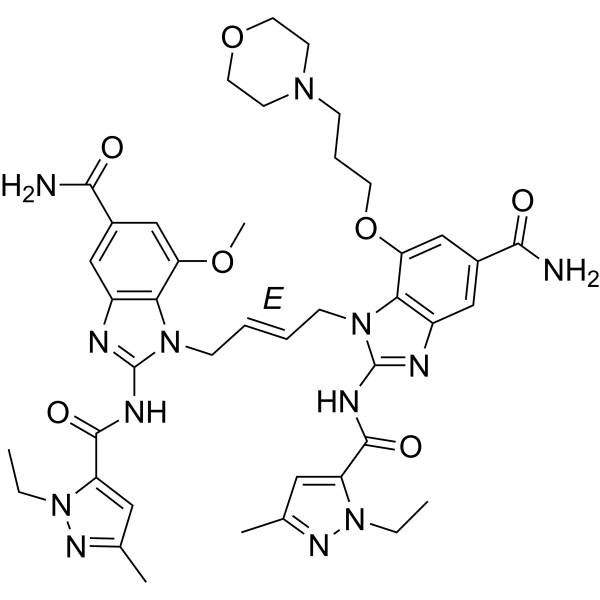
diABZI STING agonist-1 is a tautomerism of diABZI STING agonist-1 tautomerism (HY-112921). diABZI STING agonist-1 is a selective stimulator of interferon genes (STING) receptor agonist, with EC50s of 130, 186 nM for human and mouse, respectively .
|
-
-
- HY-112921B
-
|
|
STING
|
Inflammation/Immunology
Cancer
|
|
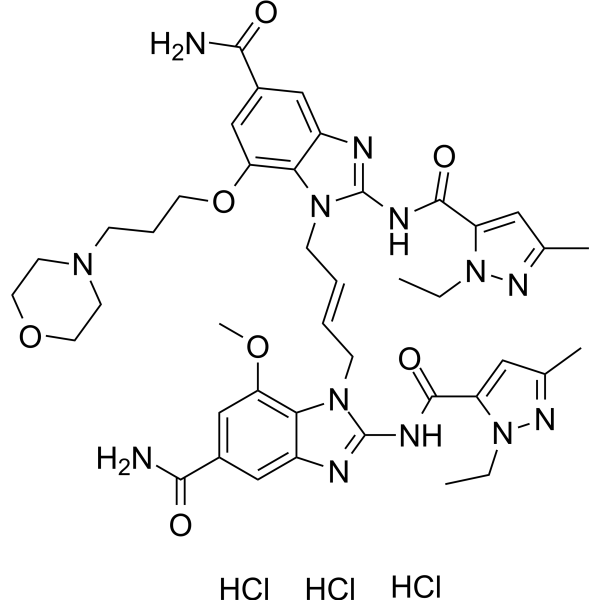
diABZI STING agonist-1 (trihydrochloride) is a selective stimulator of interferon genes (STING) receptor agonist, with EC50s of 130, 186 nM for human and mouse, respectively.
|
-
-
- HY-136927
-
|
|
STING
|
Inflammation/Immunology
Cancer
|
|
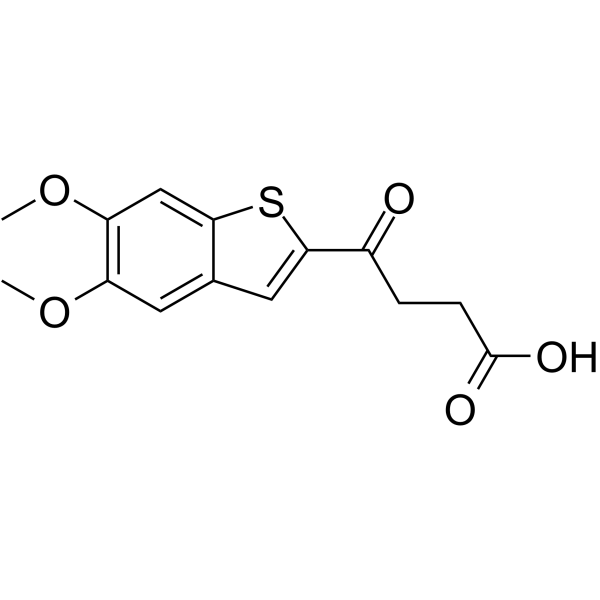
MSA-2, a potent and orally available non-nucleotide STING agonist, is bound to STING as a noncovalent dimer with nanomolar affinity. MSA-2 shows EC50s of 8.3 and 24 μM for human STING isoforms WT and HAQ, respectively. MSA-2 stimulates interferon-β secretion in tumors, induces tumor regression with durable antitumor immunity, and synergizes with anti-PD-1 in syngeneic mouse tumor models .
|
-
-
- HY-103665
-
|
|
STING
|
Cancer
|
|
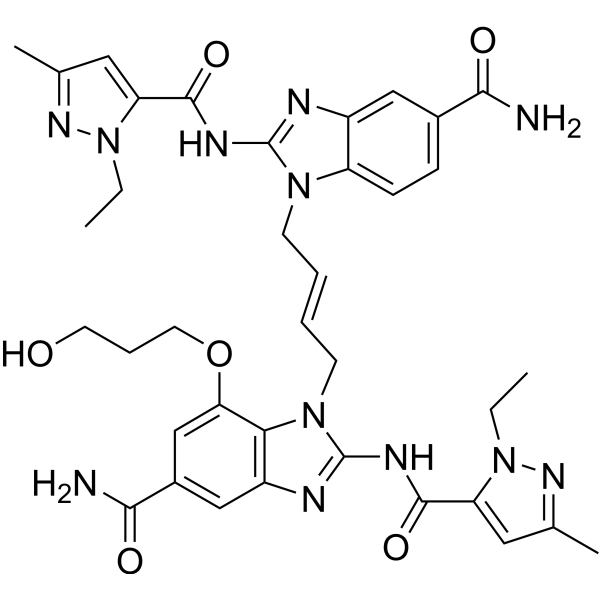
STING agonist-3, extracted from patent WO2017175147A1 (example 10), is a selective and non-nucleotide small-molecule STING agonist with a pEC50 and pIC50 of 7.5 and 9.5, respectively. STING agonist-3 has durable anti-tumor effect and tremendous potential to improve treatment of cancer .
|
-
-
- HY-131454
-
|
|
STING
|
Inflammation/Immunology
Cancer
|
|
SR-717 is a non-nucleotide STING agonist with EC50s of 2.1 μM and 2.2 μM in ISG-THP1 (WT) and ISG-THP1 cGAS KO (cGAS KO) cell lines, respectively. SR-717 is a stable cyclic guanosine monophosphate-adenosine monophosphate (cGAMP) mimetic. Antitumor activity .
|
-
-
- HY-12326A
-
|
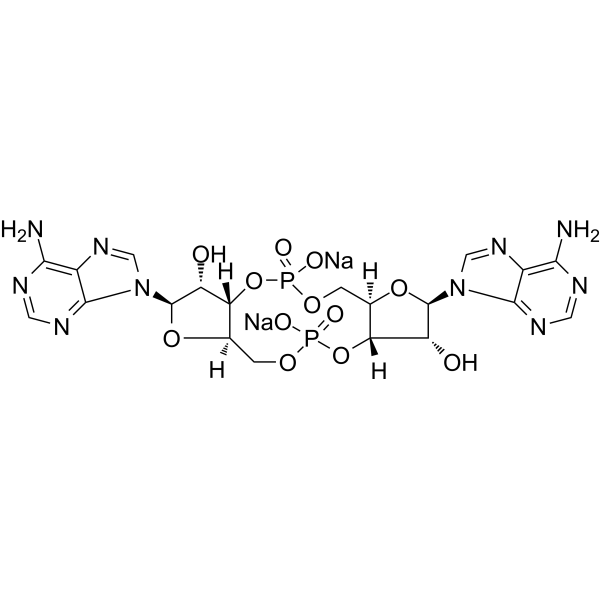
Cyclic diadenylate disodium; Cyclic-di-AMP disodium
|
STING
Bacterial
Endogenous Metabolite
|
Inflammation/Immunology
|
|
c-di-AMP (Cyclic diadenylate) sodium is a STING agonist, which binds to the transmembrane protein STING thereby activating the TBK3-IRF3 signaling pathway, subsequently triggering the production of type I IFN and TNF. c-di-AMP sodium is also a bacterial second messenger, which regulates cell growth, survival, and virulence, primarily within Gram-positive bacteria, and also regulates host immune response. c-di-AMP sodium acts as a potent mucosal adjuvant stimulating both humoral and cellular responses .
|
-
-
- HY-148068
-
|
|
STING
|
Inflammation/Immunology
Cancer
|
|
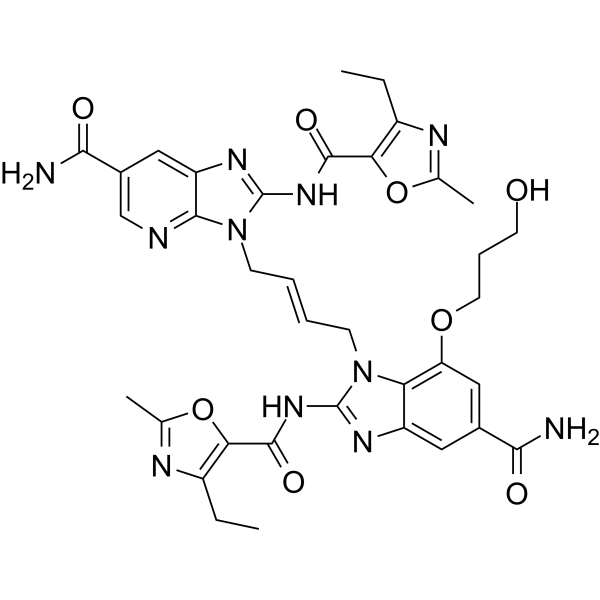
STING agonist-20 (compound 95) is a potent STING agonist used in the synthesis of XMT-2056. STING agonist-20 can be used as a vaccine adjuvant in the study of cancer and other inflammatory, immune diseases .
|
-
-
- HY-112921
-
|
|
STING
|
Inflammation/Immunology
|
|
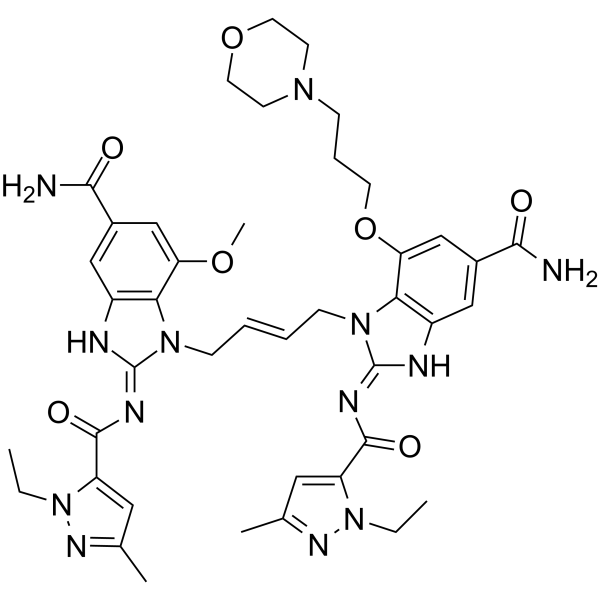
diABZI STING agonist-1 tautomerism is a tautomerism of diABZI STING agonist-1 (HY-112921A). diABZI STING agonist-1 tautomerism is a selective stimulator of interferon genes (STING) receptor agonist, with EC50s of 130, 186 nM for human and mouse, respectively .
|
-
-
- HY-123943
-
|
|
STING
|
Cancer
|
|
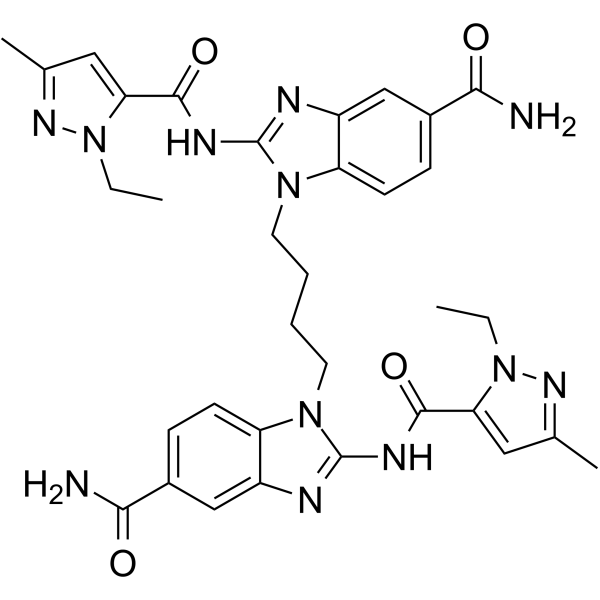
STING agonist-4 is an stimulator of Interferon Genes (STING) receptor agonist with an apparent inhibitory constant (IC50) of 20 nM. STING agonist-4 is a two symmetry-related amidobenzimidazole (ABZI)-based compound to create linked ABZIs (diABZIs) with enhanced binding to STING and cellular function .
|
-
-
- HY-19711
-
|
G10
|
STING
Virus Protease
|
Infection
|
|
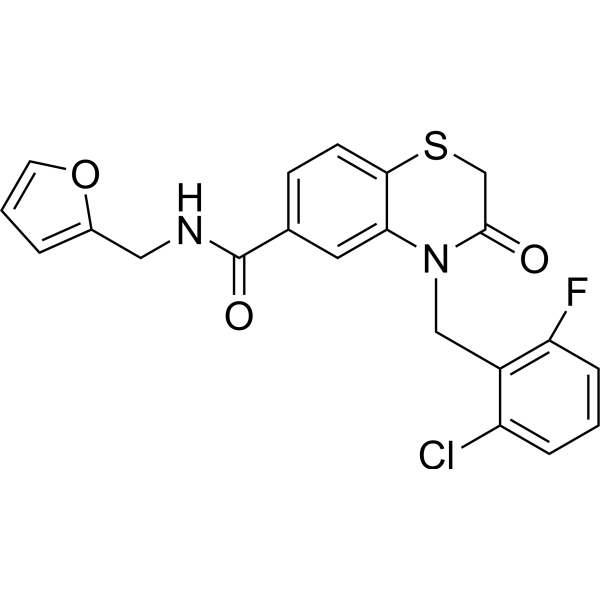
STING agonist-1 (G10) is human-specific STING agonist that elicits antiviral activity against emerging Alphaviruses. G10 potently blocks replication of Alphavirus species Venezuelan Equine Encephalitis Virus (VEEV) with IC90 of 24.57 μM .
|
-
-
- HY-110382
-
|
c-di-GMP disodium; cyclic diguanylate disodium; 5GP-5GP disodium
|
STING
Endogenous Metabolite
|
Cancer
|
|
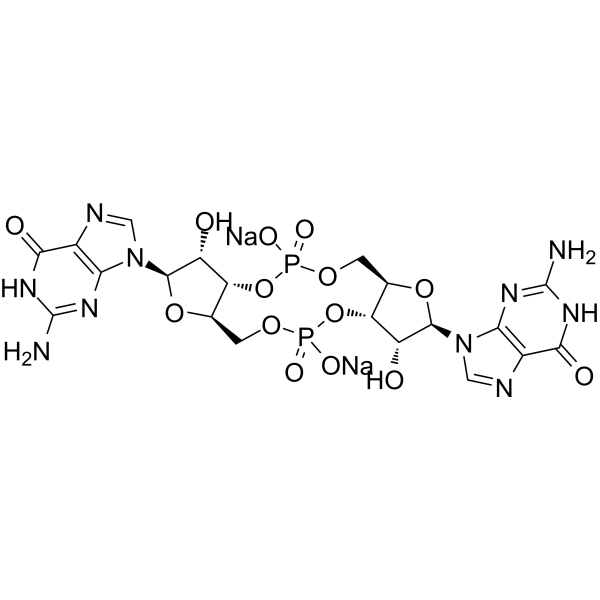
Cyclic-di-GMP disodium is a STING agonist and a bacterial second messenger that coordinates different aspects of bacterial growth and behavior, including motility, virulence, biofilm formation, and cell cycle progression. Cyclic-di-GMP disodium has anti-cancer cell proliferation activity and also induces elevated CD4 receptor expression and cell cycle arrest. Cyclic-di-GMP disodium can be used in cancer research .
|
-
-
- HY-143320
-
|
|
STING
|
Cancer
|
|
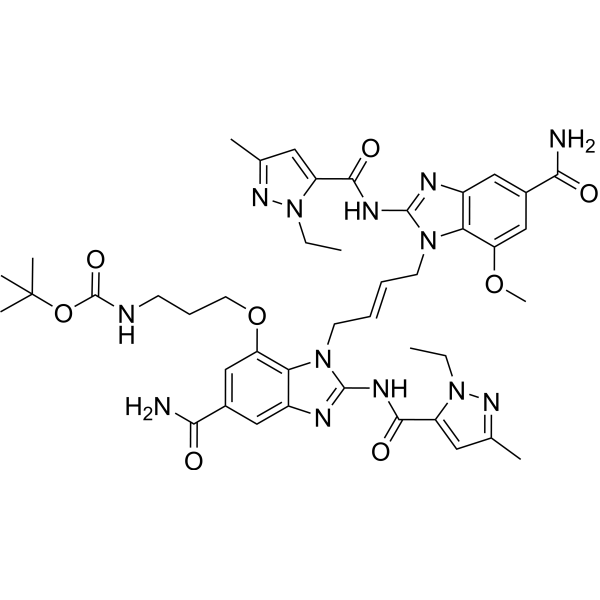
STING agonist-17 (compound 4a) is a potent STING agonist with an IC50 value of 0.062 nM. STING agonist-17 has anti-cancer activity for tumor immunization .
|
-
-
- HY-111999A
-
|
|
STING
|
Cancer
|
|
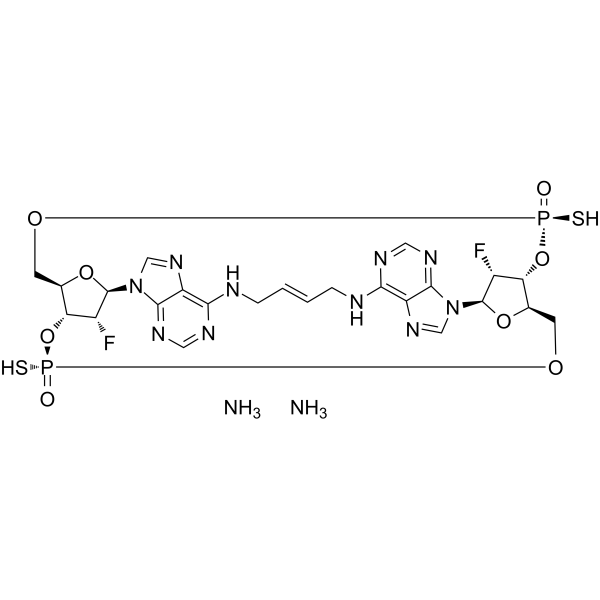
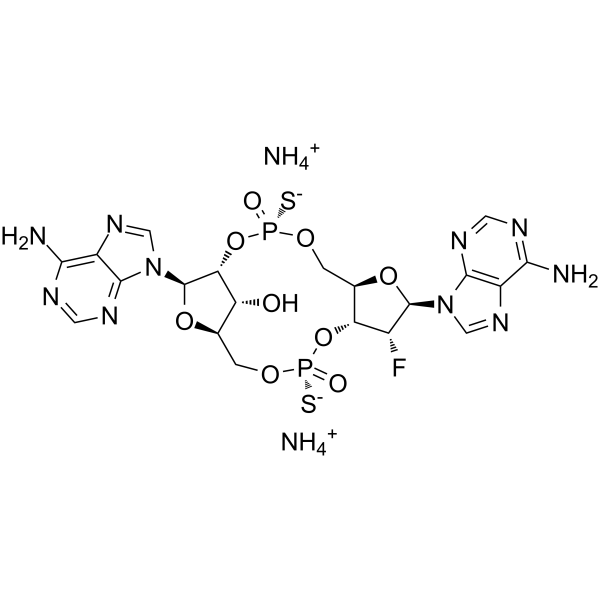
E7766 diammonium salt is a macrocycle-bridged STING agonist with a Kd of 40 nM. E7766 diammonium salt shows potent pan-genotypic and antitumor activities .
|
-
-
- HY-147010
-
-
-
- HY-12326
-
|
Cyclic diadenylate; Cyclic-di-AMP
|
STING
Bacterial
Endogenous Metabolite
|
Inflammation/Immunology
|
|
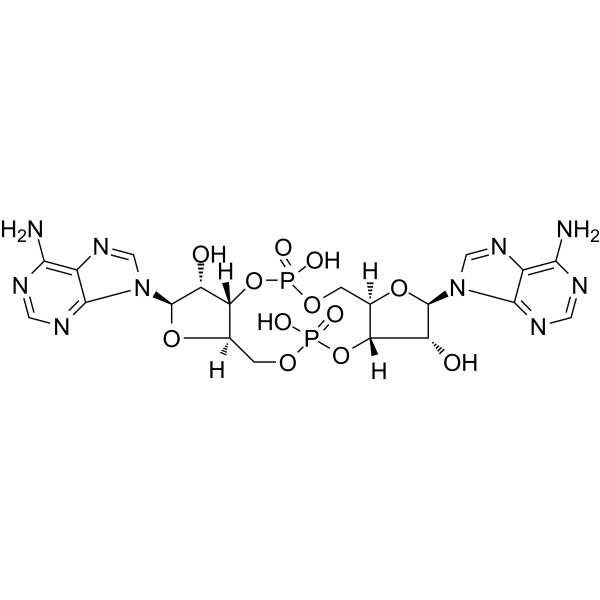
c-di-AMP (Cyclic diadenylate) is a STING agonist, which binds to the transmembrane protein STING thereby activating the TBK3-IRF3 signaling pathway, subsequently triggering the production of type I IFN and TNF. c-di-AMP (Cyclic diadenylate) is also a bacterial second messenger, which regulates cell growth, survival, and virulence, primarily within Gram-positive bacteria, and also regulates host immune response. c-di-AMP (Cyclic diadenylate) acts as a potent mucosal adjuvant stimulating both humoral and cellular responses .
|
-
-
- HY-164919
-
-

-
- HY-152955
-
|
|
STING
|
Infection
Inflammation/Immunology
|
|
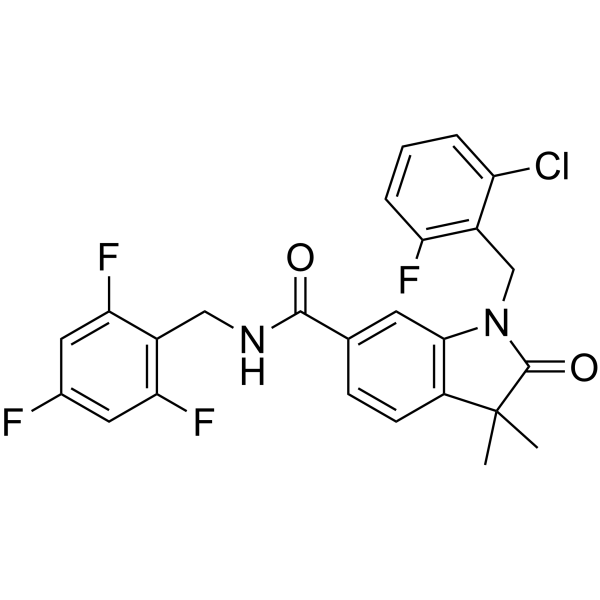
STING agonist-22 (CF501) is a potent non-nucleotide STING agonist. STING agonist-22 is a adjuvant by activating STING to induce the type I interferon (IFN-I) response and proinflammatory cytokine production. STING agonist-22 can be used as an adjuvant to boost the original protein vaccine, producing potent, broad, and long-term immune protection. STING agonist-22 can be used for SARS-CoV-2 variants and sarbecovirus diseases research .
|
-
-
- HY-177338
-
|
|
STING
Cyclic GMP-AMP Synthase
IFNAR
TNF Receptor
Interleukin Related
|
Inflammation/Immunology
Cancer
|
|
STING agonist-45 is a selective STING agonist (EC50 = 0.28 μM). STING agonist-45 activates the innate immune response through the cGAS-STING pathway, upregulating key markers such as p-TBK1 and IRF3. STING agonist-45 exhibits robust STING activation in human peripheral blood mononuclear cells (PBMCs), inducing the production of type I interferons (such as IFN-β) and downstream cytokines (such as TNF-α and IL-6). STING agonist-45 enhances anti-tumor immunity, inhibits tumor growth, and increases CD8 + T cell infiltration in mouse models. STING agonist-45 is promising for the study of STING-related diseases .
|
-

-
- HY-137320
-
|
|
STING
|
Cancer
|
|
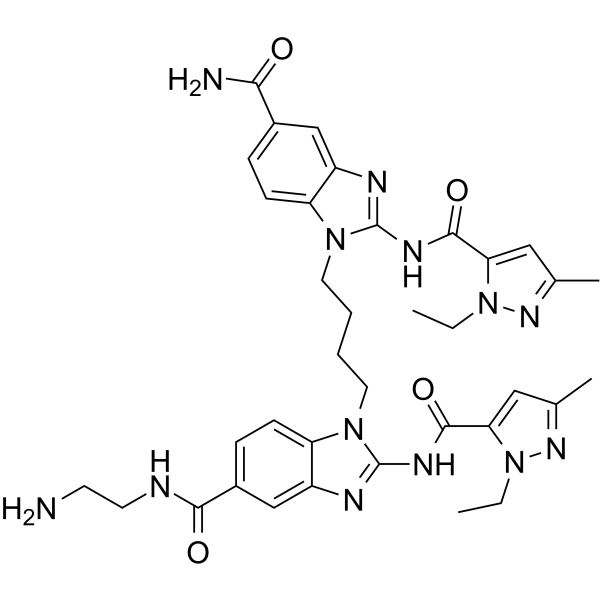
diABZI-C2-NH2, an active analogue containing a primary amine functionality, is a STING agonist .
|
-
-
- HY-150074
-
|
|
STING
ADC Payload
|
Cancer
|
|
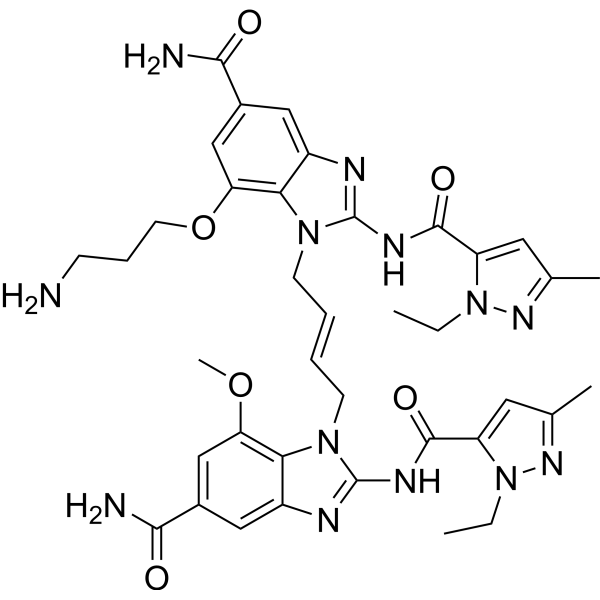
STING agonist-18 (compound 1a) is a STING agonist that can be used for synthesis of antibody-drug conjugates (ADCs), such Trastuzumab (HY-P9907) conjugate .
|
-
-
- HY-130115A
-
|
|
STING
|
Cancer
|
|
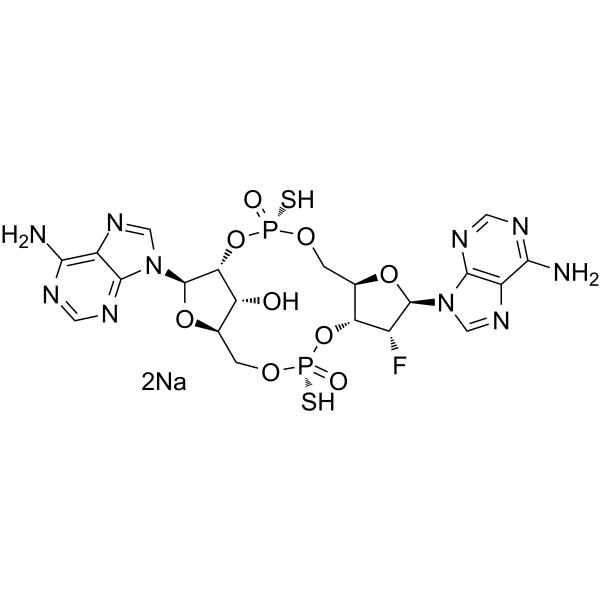
IACS-8803 disodium is a highly potent cyclic dinucleotide STING agonist. IACS-8803 disodium has a robust systemic antitumor efficacy .
|
-
-
- HY-164278
-
|
|
STING
Cathepsin
|
Cancer
|
|
diABZI-V/C-Mal is a STING agonist (with a STING EC50 of 314 nM in TH1 dual reporter cells) and a Cathepsin B substrate. diABZI-V/C-Mal activates STING, thereby triggering the IRF3 signaling pathway. diABZI-V/C-Mal is cleaved by Cathepsin B to regenerate diABZI-NH2 .
|
-

-
- HY-131454A
-
|
|
STING
|
Inflammation/Immunology
Cancer
|
|
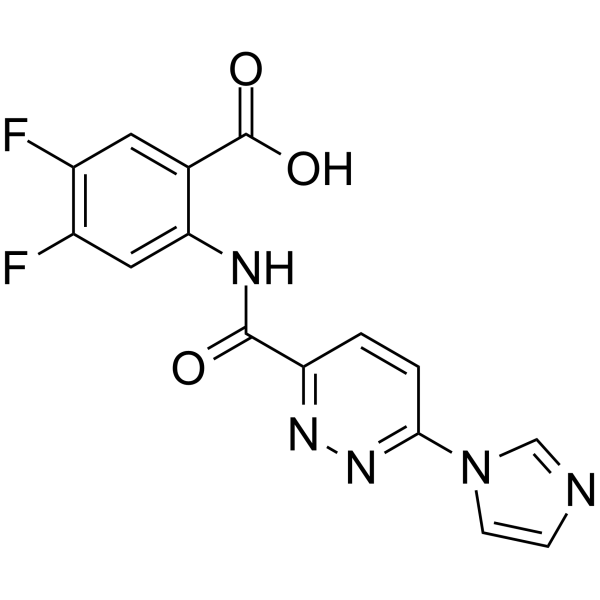
SR-717 free acid is a non-nucleotide STING agonist with EC50s of 2.1 μM and 2.2 μM in ISG-THP1 (WT) and ISG-THP1 cGAS KO (cGAS KO) cell lines, respectively. SR-717 free acid is a stable cyclic guanosine monophosphate-adenosine monophosphate (cGAMP) mimetic. Antitumor activity .
|
-
-
- HY-143896
-
|
|
STING
|
Cancer
|
|
STING agonist-7 is a non-nucleotide STING agonist. STING agonist-7 binds selectively to mouse STING but not human STING. STING agonist-7 penetrates cell membrane poorly .
|
-
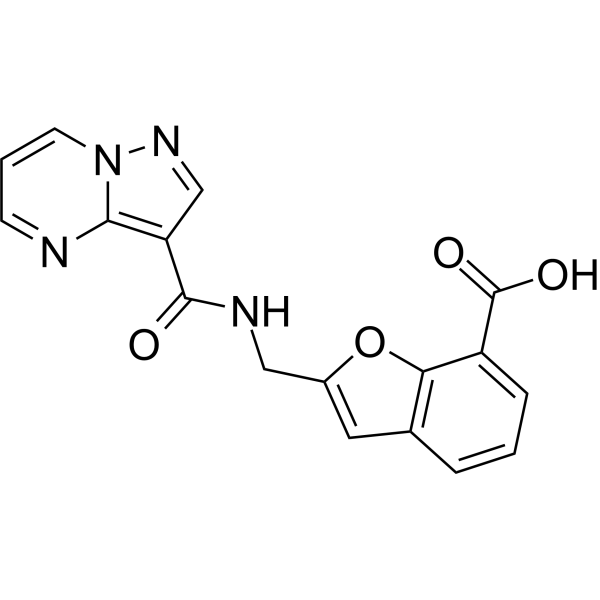
-
- HY-131994
-
|
|
STING
|
Infection
Cancer
|
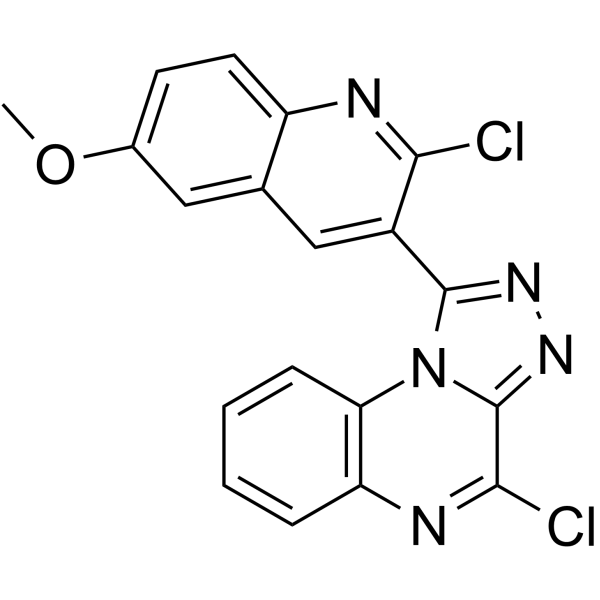
STING agonist-16 (1a) is a specific stimulator of interferon genes (STING) agonist. STING agonist-16 (1a) can be used as a potential antiviral and antitumor tool .
|
-
-
- HY-152959
-
|
|
STING
|
Infection
Cancer
|
|
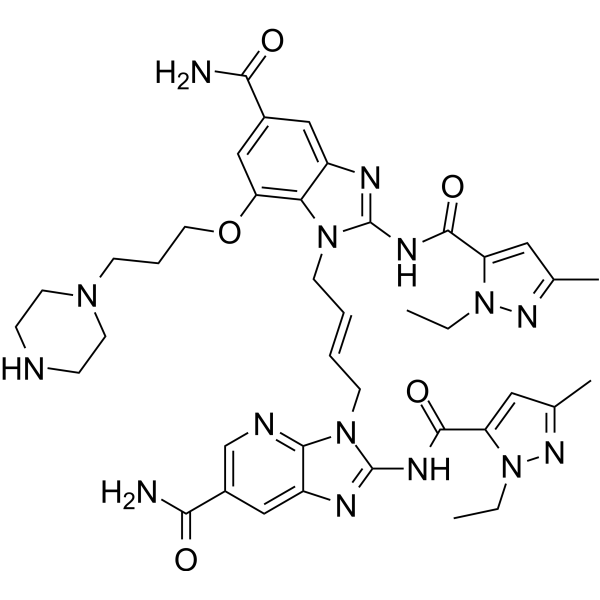
STING agonist-26 (CF508) is a non-nucleotide small-molecule STING agonist. STING agonist-23 activates STING, increases phosphorylation of STING, TBK1 and IRF3. STING agonist-23 promotes the levels of IFN-β, IL-6, CXCL-10, TNF-α, ISG-15, and CCL-5 in tumor cells. STING agonist-23 exhibits activity against SARS-CoV series strains .
|
-
-
- HY-103665A
-
|
|
STING
|
Cancer
|
|
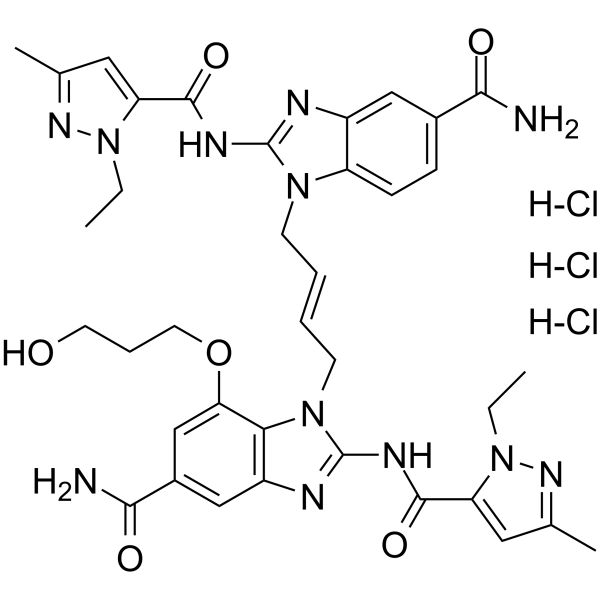
STING agonist-3 trihydrochloride, extracted from patent WO2017175147A1 (example 10), is a selective and non-nucleotide small-molecule STING agonist with a pEC50 and pEC50 of 7.5 and 9.5, respectively. STING agonist-3 trihydrochloride has durable anti-tumor effect and tremendous potential to improve treatment of cancer .
|
-
-
- HY-141514
-
|
|
STING
|
Inflammation/Immunology
Cancer
|
|
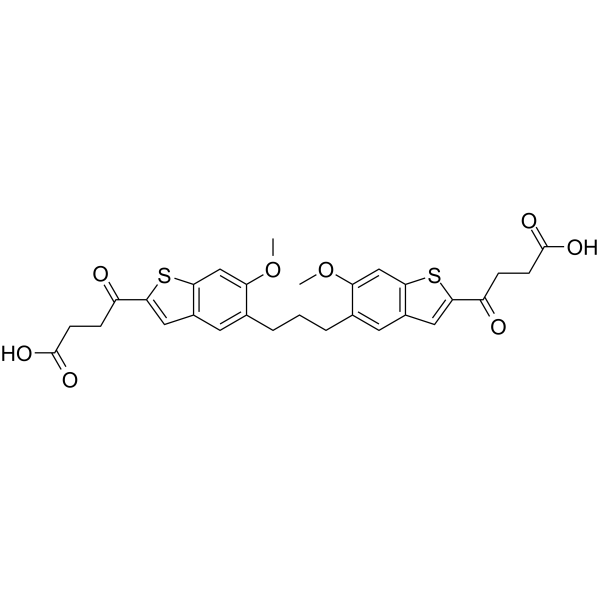
MSA-2 dimer is a selective, orally active non-nucleotide STING agonist (Kd=145 μM) with long-term antitumor and immunogenic activity. MSA-2 dimer is bound to STING as a non-covalent dimer exhibiting higher permeability than cyclic dinucleotide .
|
-
-
- HY-107780
-
|
c-di-GMP; cyclic diguanylate; 5GP-5GP
|
STING
Endogenous Metabolite
|
Cancer
|
|
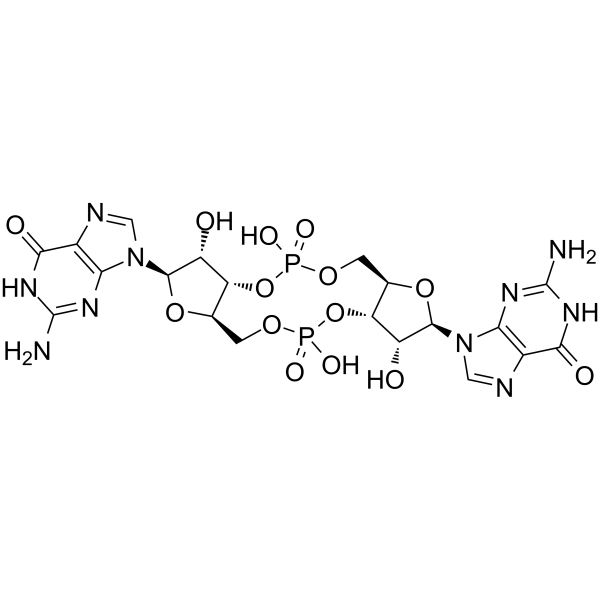
Cyclic-di-GMP is a STING agonist and a bacterial second messenger that coordinates different aspects of bacterial growth and behavior, including motility, virulence, biofilm formation, and cell cycle progression. Cyclic-di-GMP has anti-cancer cell proliferation activity and also induces elevated CD4 receptor expression and cell cycle arrest. Cyclic-di-GMP can be used in cancer research .
|
-
-
- HY-139179
-
|
|
STING
|
Infection
Cancer
|
|
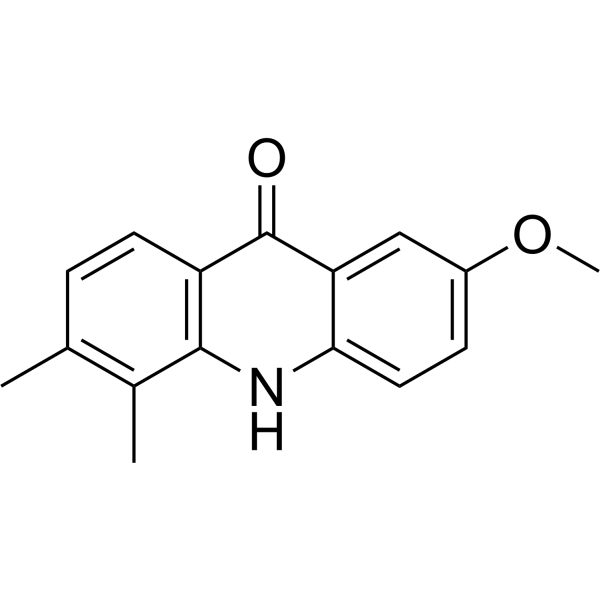
STING agonist-14 (compound 12b) is a potent STING agonist that is efficacious across species. STING agonist-14 could activate the pathway by directly binding human STING. STING agonist-14 can be used for the research of tumours or viral infections .
|
-
-
- HY-175714
-
|
|
STING
|
Inflammation/Immunology
Cancer
|
|
STING agonist-46 is an orally active STING agonist. STING agonist-46 activates the STING signaling pathway, promoting phosphorylation of TBK1 and IRF3, and secretion of IFN-β and IP-10. STING agonist-46 directly binds to STING and increases its thermal stability. STING agonist-46 demonstrates potent anti-tumor efficacy in B16F10, CT26, and 4T1 mouse models. STING agonist-46 can be used for cancer immunotherapy studies .
|
-

-
- HY-152956
-
|
|
STING
|
Infection
Cancer
|
|
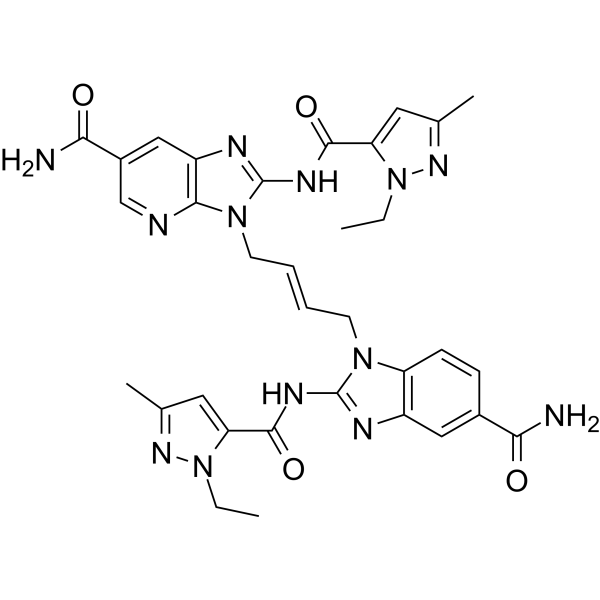
STING agonist-23 (CF502) is a non-nucleotide small-molecule STING agonist. STING agonist-23 activates STING, increases phosphorylation of STING, TBK1 and IRF3. STING agonist-23 promotes the levels of IFN-β, IL-6, CXCL-10, TNF-α, ISG-15, and CCL-5 in tumor cells. STING agonist-23 exhibits activity against SARS-CoV series strains .
|
-
-
- HY-107780B
-
|
c-di-GMP diammonium; cyclic diguanylate diammonium; 5GP-5GP diammonium
|
STING
Endogenous Metabolite
|
Cancer
|
|
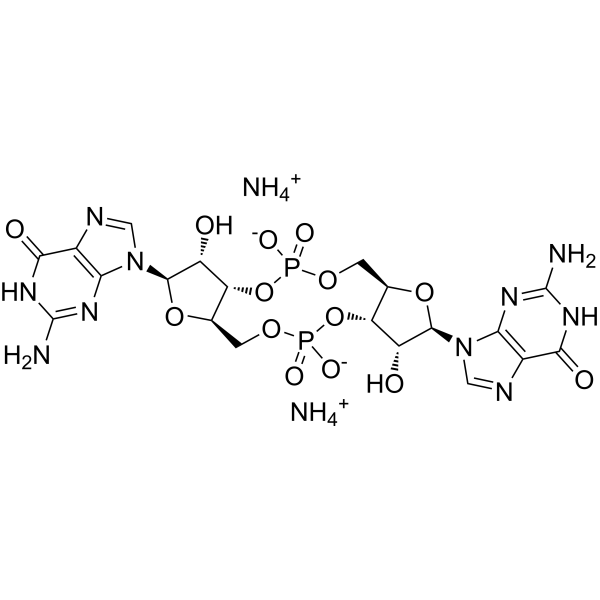
Cyclic-di-GMP diammonium is a STING agonist and a bacterial second messenger that coordinates different aspects of bacterial growth and behavior, including motility, virulence, biofilm formation, and cell cycle progression. Cyclic-di-GMP diammonium has anti-cancer cell proliferation activity and also induces elevated CD4 receptor expression and cell cycle arrest. Cyclic-di-GMP diammonium can be used in cancer research .
|
-
-
- HY-12326B
-
|
Cyclic diadenylate diammonium; Cyclic-di-AMP diammonium
|
STING
Bacterial
Endogenous Metabolite
|
Inflammation/Immunology
|
|
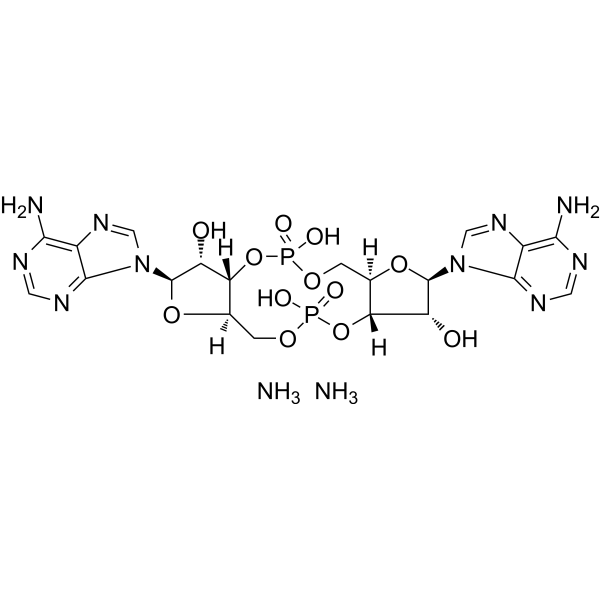
c-di-AMP diammonium is a STING agonist, which binds to the transmembrane protein STING thereby activating the TBK3-IRF3 signaling pathway, subsequently triggering the production of type I IFN and TNF. c-di-AMP diammonium is also a bacterial second messenger, which regulates cell growth, survival, and virulence, primarily within Gram-positive bacteria, and also regulates host immune response. c-di-AMP diammonium acts as a potent mucosal adjuvant stimulating both humoral and cellular responses .
|
-
-
- HY-148346
-
|
|
Drug-Linker Conjugates for ADC
STING
|
Cancer
|
|
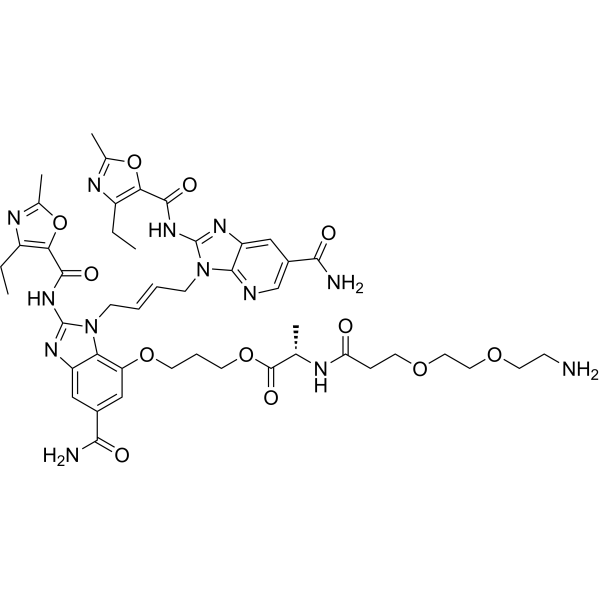
STING agonist-20-Ala-amide-PEG2-C2-NH2 is an active scaffold comprising a stimulator of interferon genes (STING). STING agonist-20-Ala-amide-PEG2-C2-NH2 can be used to synthesize immune-stimulating antibody conjugate (ISAC). STING agonist-20-Ala-amide-PEG2-C2-NH2 can be used for the research of cancer .
|
-
-
- HY-176809
-
|
|
STING
|
Cancer
|
|
Parent CDN is a cyclic dinucleotide and a STING agonist. Parent CDN exhibits anti-tumor activity .
|
-

-
- HY-130115
-
|
|
STING
|
Cancer
|
|
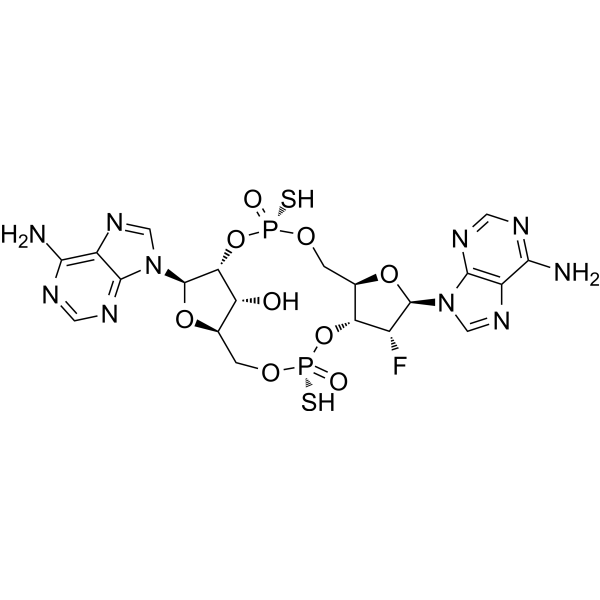
IACS-8803 is a highly potent cyclic dinucleotide STING agonist with robust systemic antitumor efficacy .
|
-
-
- HY-150074A
-
|
|
STING
ADC Payload
|
Cancer
|
|
STING agonist-18 (compound 1a) diTFA is a STING agonist that can be used for synthesis of antibody-drug conjugates (ADCs), such Trastuzumab (HY-P9907) conjugate .
|
-

-
- HY-158048
-
|
|
PROTACs
STING
|
Inflammation/Immunology
|
|
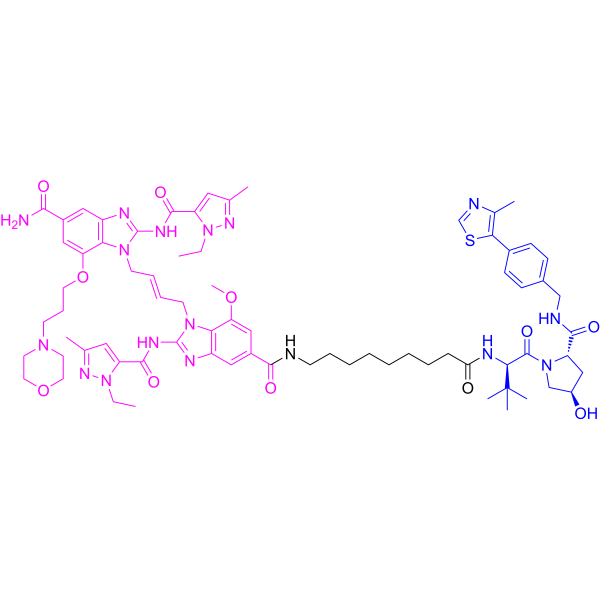
UNC9036 is a PROTAC-based STING degrader, with a DC50 of 227 nM. UNC9036-mediated STING degradation is proteasome and VHL dependent (Structure Note: Red, STING agonist diABZI (HY-112921A); Blue, VHL ligand VH032 (HY-120217); Black, linker) .
|
-
-
- HY-144329
-
|
|
STING
|
Inflammation/Immunology
Cancer
|
|
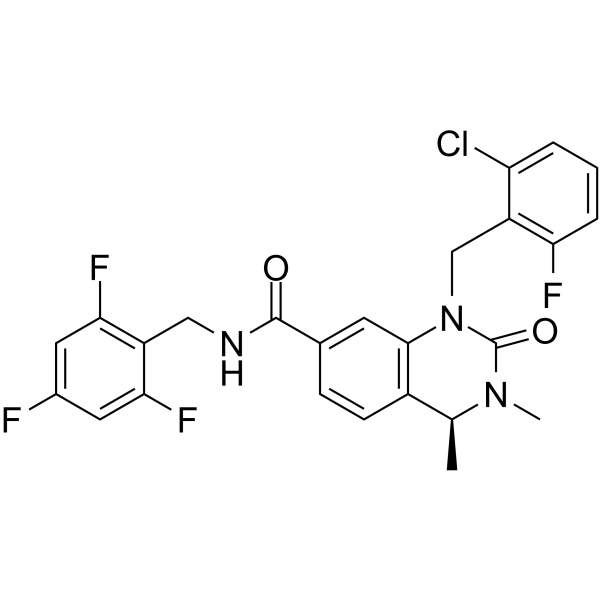
STING agonist-11 (Compound 92) is a potent small molecule cyclic urea activator of STING with EC50 of 18 nM. Activation of STING is a highly promising approach in immunotherapy .
|
-
-
- HY-141662
-
|
|
STING
Drug-Linker Conjugates for ADC
|
Inflammation/Immunology
Cancer
|
|
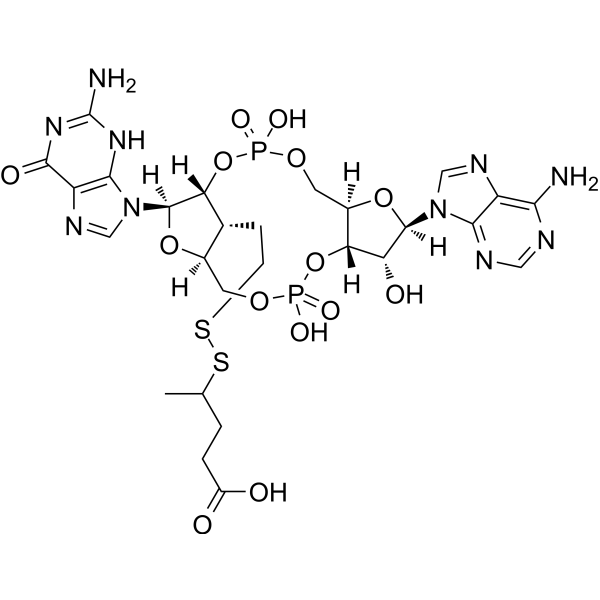
2’,3’-cGAMP-C2-PPA is a cyclic dinucleotide interferon gene-stimulating protein (STING) agonist. 2’,3’-cGAMP-C2-PPA is a drug conjugated conjugate used to target antibody-drug conjugated conjugate (ADC) for the treatment of cancer. 2’,3’-cGAMP-C2-PPA can be used in the study of immune and tumor-related diseases .
|
-
-
- HY-178338
-
|
|
STING
|
Cancer
|
|
STING agonist-47 is a STING agonist with an EC50 of 0.72 μM and a Kd of 176 nM. STING agonist-47 is a dimer of MSA-2 (HY-136927). STING agonist-47 can be used for the research of cancer, such as breast cancer .
|
-

-
- HY-149781
-
|
|
STING
|
Cancer
|
|
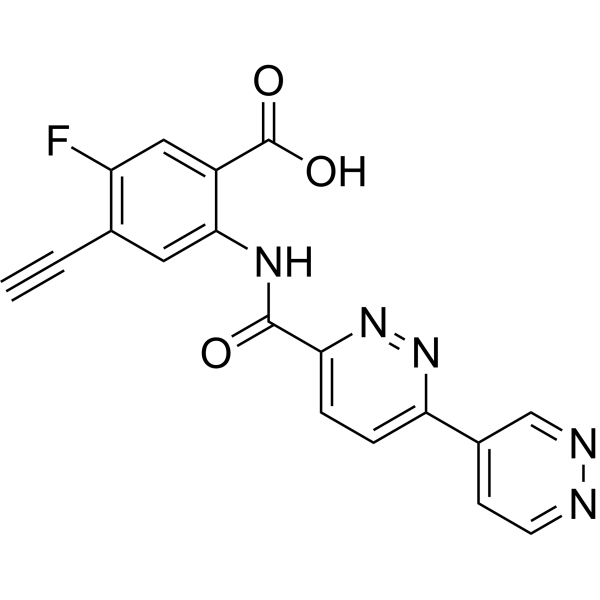
STING agonist-34 (Compound 12L) is a potent STING agonist with an IC50 value of 1.15 μM and an EC50 of 0.38 μM in THP1 cells. STING agonist-34 could be used in cancer research .
|
-
-
- HY-152961
-
|
|
STING
|
Infection
|
|
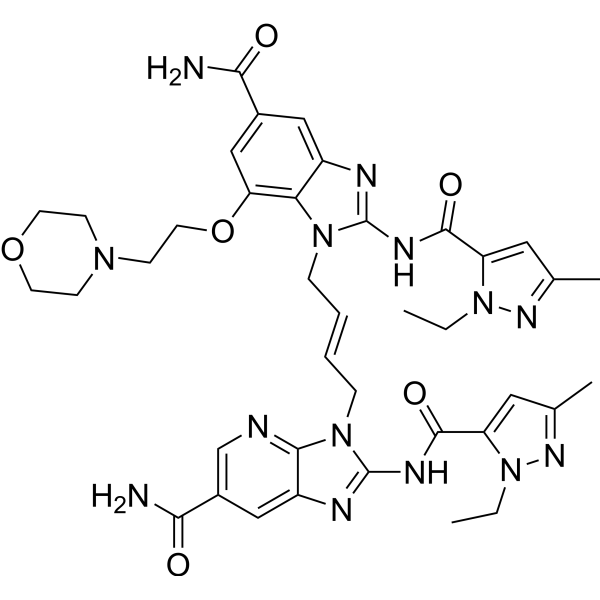
STING agonist-28 (CF510) is a non-nucleotide small-molecule STING agonist. STING agonist-23 activates STING, increases phosphorylation of STING, TBK1 and IRF3. STING agonist-23 promotes the levels of IFN-β, IL-6, CXCL-10, TNF-α, ISG-15, and CCL-5 in tumor cells. STING agonist-23 exhibits activity against SARS-CoV series strains .
|
-
-
- HY-143321
-
|
|
STING
|
Cancer
|
|
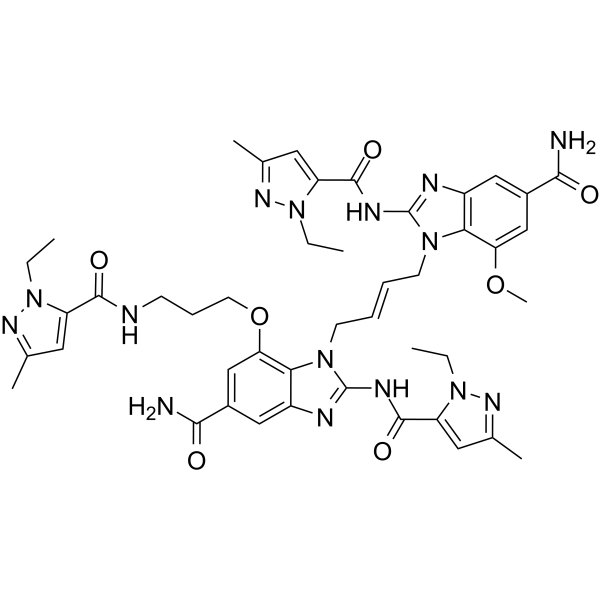
STING agonist-13 is a stimulator of interferon genes (STING) agonist, for cancer immunity via STING-mediated immune activation. STING agonist-13 can stimulate STING downstream signaling and promoting type I interferon immune responses. STING agonist-13 significantly decreases tumor volume and shows immunological memory-derived cancer inhibition .
|
-
-
- HY-163668
-
|
|
STING
|
Cancer
|
|
MK-2118 is a GMP-synthesized STING agonist with the potential to inhibit advanced/metastatic solid tumors or lymphomas. .
|
-

-
- HY-144168
-
|
|
STING
|
Inflammation/Immunology
|
|
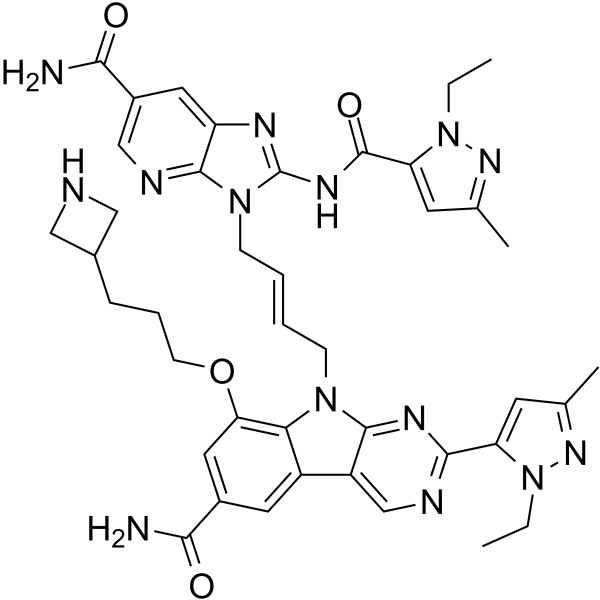
STING agonist-8 is a potent STING agonist with an EC50 of 27 nM in THP1-Dual KI-hSTING-R232 cells (WO2021239068A1, compound 5-AB) .
|
-
-
- HY-168887
-
|
|
STING
|
Cancer
|
|
ZSA-51 is a potent and orally active STING agonist. ZSA-51 shows anticancer activity. ZSA-51 remodeles immune microenvironment both in tumor and lymph node .
|
-

-
- HY-148346A
-
|
|
Drug-Linker Conjugates for ADC
STING
|
Cancer
|
|
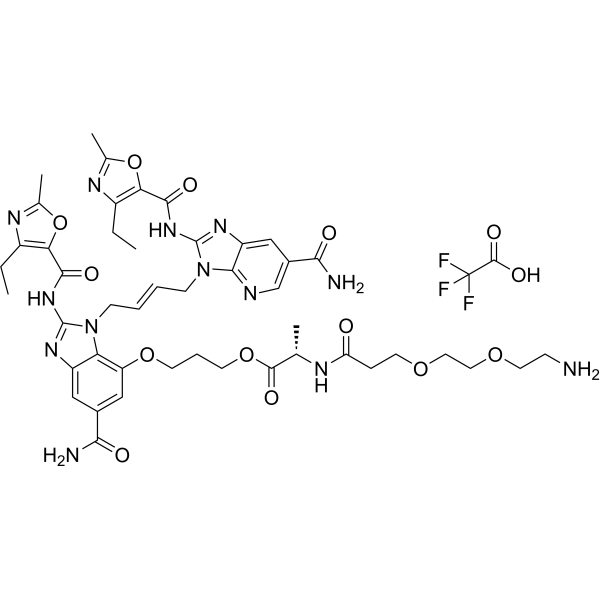
STING agonist-20-Ala-amide-PEG2-C2-NH2 (Compound 30b) TFA is an active scaffold comprising a stimulator of interferon genes (STING). STING agonist-20-Ala-amide-PEG2-C2-NH2 TFA can be used to synthesize immune-stimulating antibody conjugate (ISAC). STING agonist-20-Ala-amide-PEG2-C2-NH2 TFA can be used for the research of cancer .
|
-
-
- HY-122568
-
-
- HY-148546
-
|
|
STING
|
Cancer
|
|
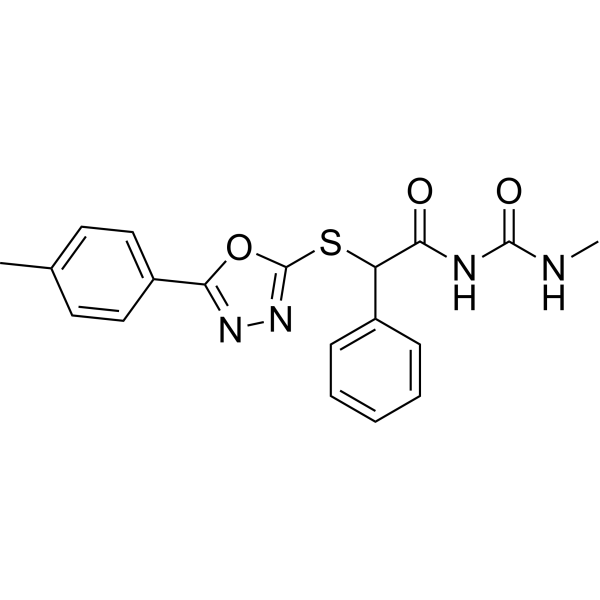
STING agonist-21 (compound 1) is a STING agonist, with an EC50 of 592.8 nM. STING agonist-21 can be used for cancer research .
|
-
- HY-153546
-
|
|
STING
|
Cancer
|
|
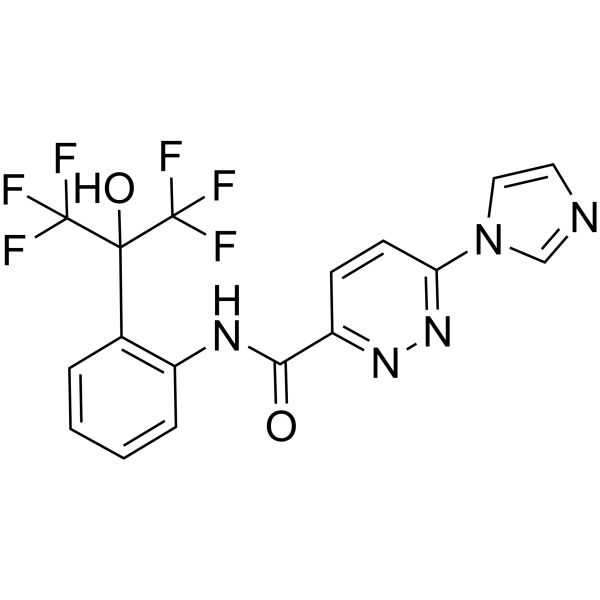
STING agonist-31 is a STING agonist, with EC50 values of 0.24 and 39.51 μM for h-STING and m-STING. STING agonist-31 has antitumor efficiency .
|
-
- HY-152960
-
|
|
STING
|
Infection
|
|
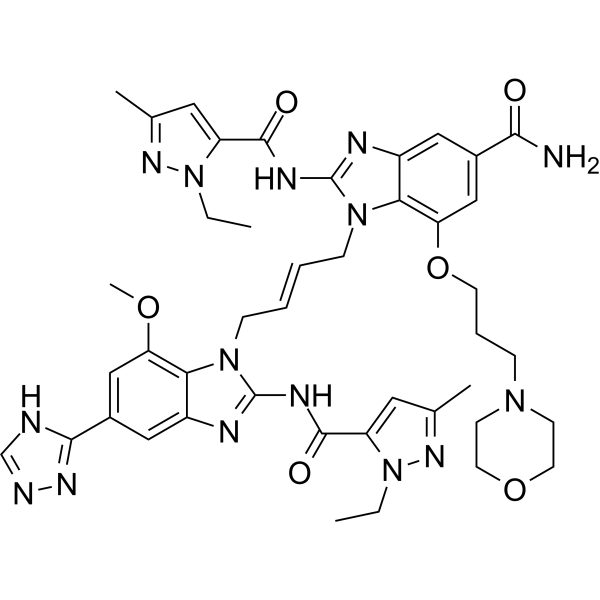
STING agonist-27 (CF509) is a non-nucleotide small-molecule STING agonist. STING agonist-23 activates STING, exhibits activity against SARS-CoV series strains .
|
-
- HY-152962
-
|
|
STING
|
Infection
|
|
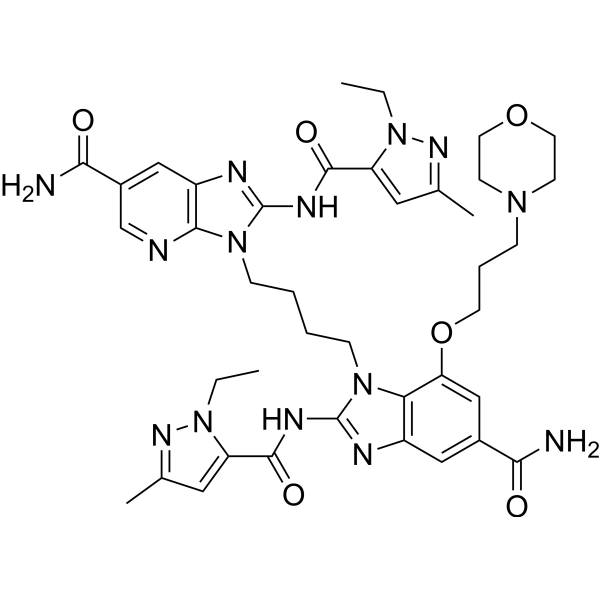
STING agonist-29 (CF511) is a non-nucleotide small-molecule STING agonist. STING agonist-23 activates STING, exhibits activity against SARS-CoV series strains .
|
-
- HY-149267
-
|
|
STING
SARS-CoV
|
Infection
|
|
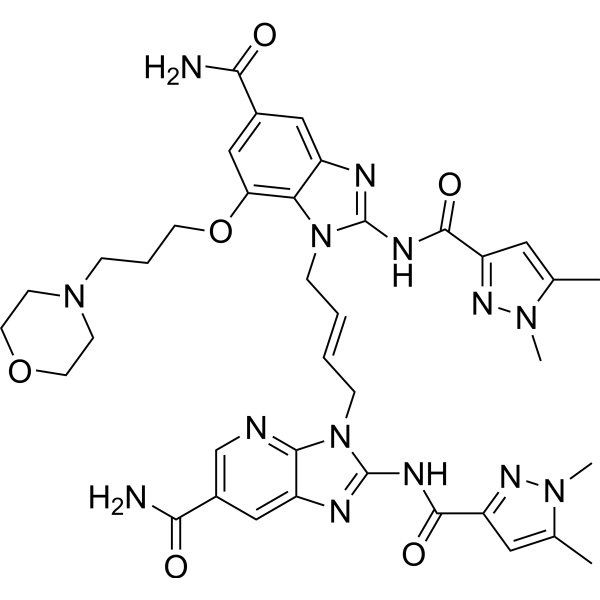
STING agonist-30 is a potent STING agonist. STING agonist-30 exhibits STING-dependent immune activation. STING agonist-30 has extensive inhibitory effects on various viruses, including the herpes simplex virus (HSV), rotavirus, and severe acute respiratory syndrome coronavirus 2 (SARS-CoV-2) .
|
-
- HY-147834
-
|
|
STING
|
Cancer
|
|
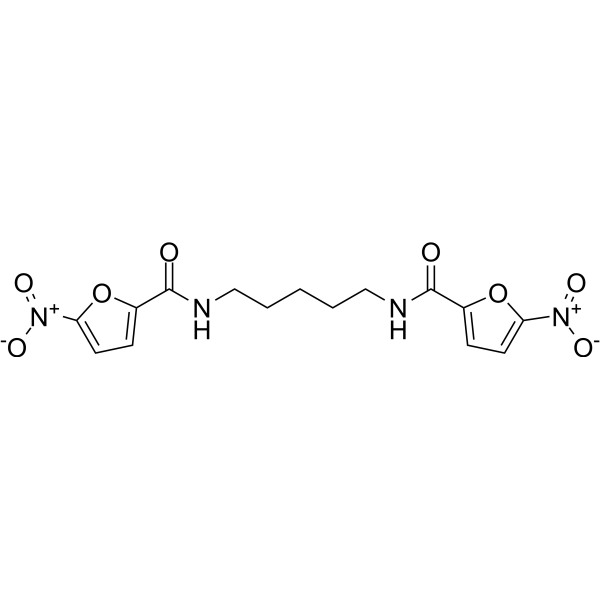
STING agonist-9 (Compound 45) is a potent STING agonist with an EC50 of 1.2 nM and 32.82 μM against h-STING and m-STING, respectively. STING agonist-9 shows antitumor activity .
|
-
- HY-152957
-
|
|
STING
|
Infection
|
|
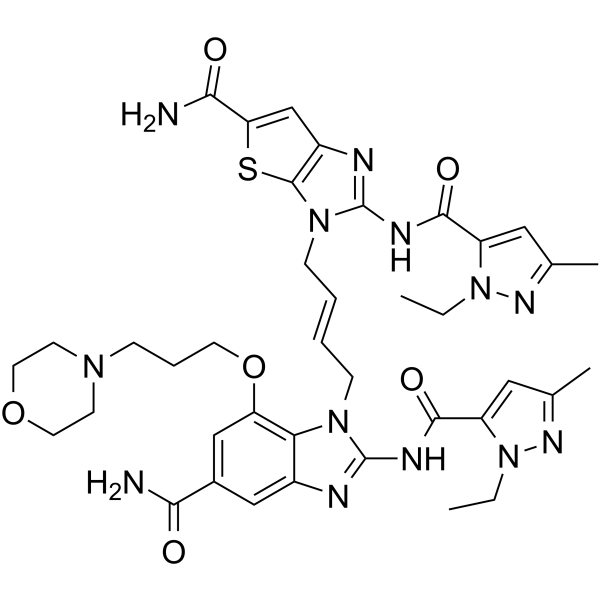
STING agonist-24 (CF504) is a non-nucleotide small-molecule STING agonist. STING agonist-23 activates STING, increases phosphorylation of STING, TBK1 and IRF3. STING agonist-23 promotes the levels of IFN-β, IL-6, CXCL-10, TNF-α, ISG-15, and CCL-5 in tumor cells. STING agonist-23 exhibits activity against SARS-CoV series strains .
|
-
- HY-152958
-
|
|
STING
|
Infection
|
|
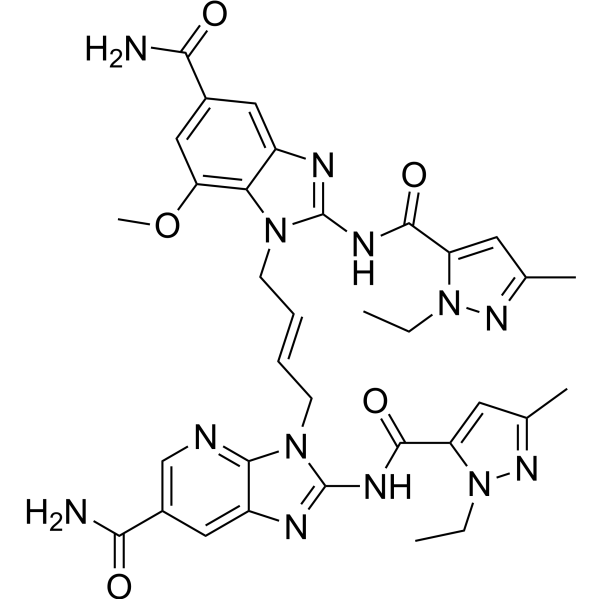
STING agonist-25 (CF505) is a non-nucleotide small-molecule STING agonist. STING agonist-23 activates STING, increases phosphorylation of STING, TBK1 and IRF3. STING agonist-23 promotes the levels of IFN-β, IL-6, CXCL-10, TNF-α, ISG-15, and CCL-5 in tumor cells. STING agonist-23 exhibits activity against SARS-CoV series strains .
|
-
- HY-178966
-
|
|
STING
|
Infection
Inflammation/Immunology
|
|
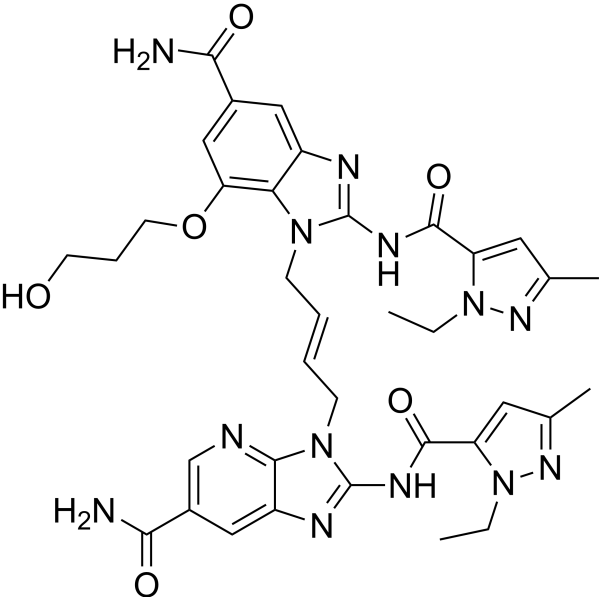
STING agonist-48 is a potent STING agonist that exhibits STING-dependent activity in vitro (EC50 = 4.02 μM). STING agonist-48 prefers to bind with the transmembrane domain (TMD) over the cytosolic cyclic dinucleotide (CDN) domain. STING agonist-48 shows adjuvant efficacy, enhancing IgG and Th1/Th2 cytokine responses in humanized STING mice. STING agonist-48 can be used for the study of inflammation-related diseases .
|
-

- HY-172671
-
|
|
STING
|
Cancer
|
|
STING agonist-43 (Compound 67) is a selective STING agonist (EC50: 20.53 μM). STING agonist-43 selectively amplifies cGAMP-dependent STING pathway activation by modulating STING oligomerization. B16.F10 has antitumor activity in a mouse melanoma model. STING agonist-43 can be used for the study of cancer immunity .
|
-

- HY-130116
-
|
|
STING
|
Cancer
|
|
IACS-8779 is a highly potent stimulator of interferon genes (STING) agonist with robust systemic antitumor efficacy .
|
-
- HY-176257
-
|
|
STING
|
Cancer
|
|
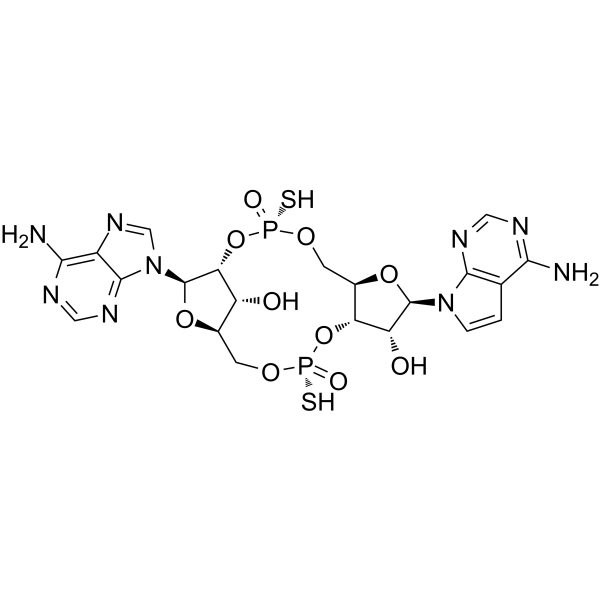
STING agonist-44 (Compound 4) is a potent and selective STING agonist with an EC50 value of 5.68 for IRF induction in THP1 cells and 2.212 μM in RAW cells. STING agonist-44 activates the STING pathway, inducing the production of type I interferons and pro-inflammatory cytokines (e.g., CXCL10, TNFα). STING agonist-44 is promising for research of cancers .
|
-

- HY-111999B
-
|
|
STING
|
Cancer
|
|
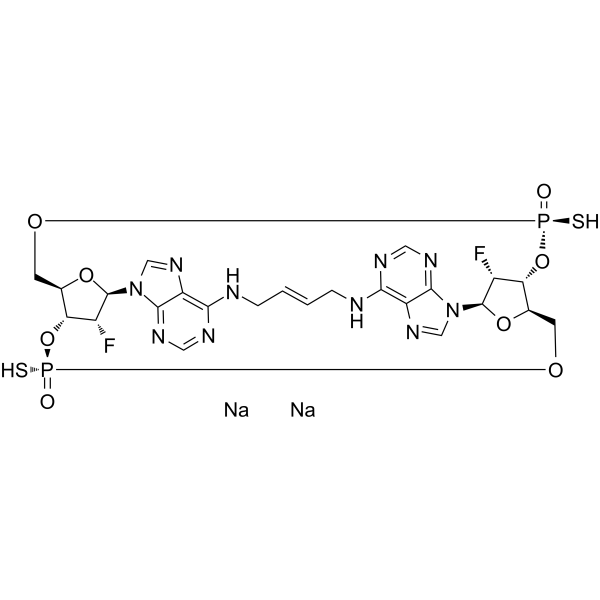
E7766 disodium is a macrocycle-bridged STING agonist with a Kd of 40 nM. E7766 disodium shows potent pan-genotypic and antitumor activities .
|
-
- HY-144168A
-
|
|
STING
|
Inflammation/Immunology
|
|
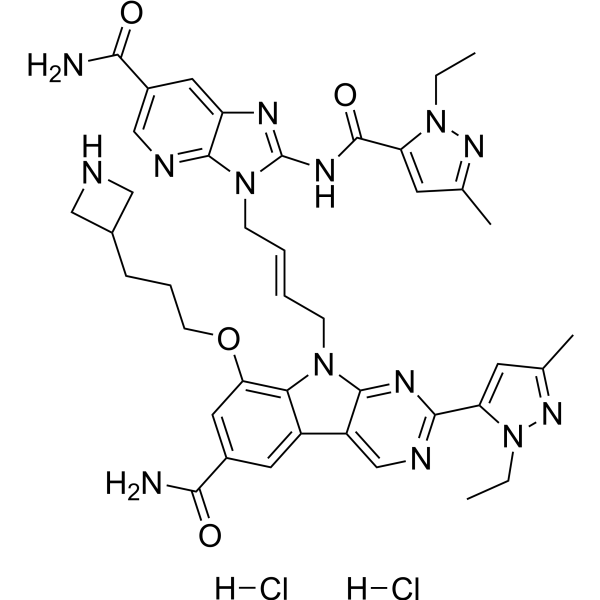
STING agonist-8 dihydrochloride (compound 5-AB) is a potent STING agonist with an EC50 of 27 nM in THP1-Dual KI-hSTING-R232 cells .
|
-
- HY-130115B
-
|
|
STING
|
Cancer
|
|
IACS-8803 diammonium is a highly potent cyclic dinucleotide STING agonist. IACS-8803 diammonium has a robust systemic antitumor efficacy .
|
-
- HY-151264
-
|
|
STING
|
Cancer
|
|
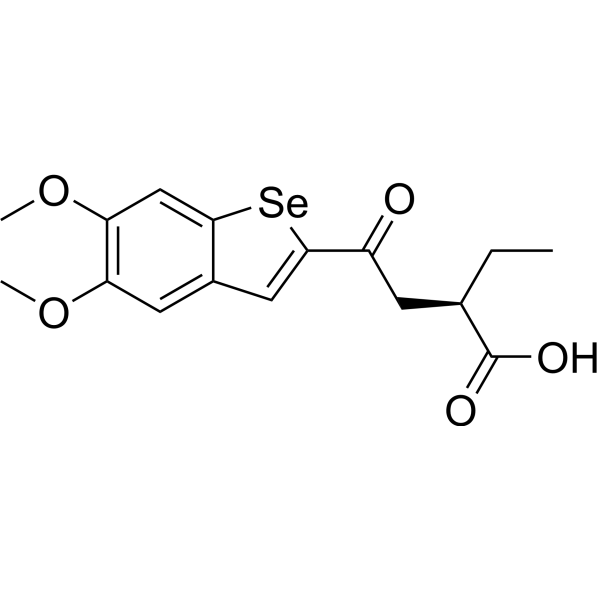
BSP16 is a potent, orally active stimulator of interferon genes (STING) agonist. BSP16 can selectively stimulate the STING pathway. BSP16 can be used for the research of cancer .
|
-
- HY-150075
-
|
|
STING
|
Others
|
|
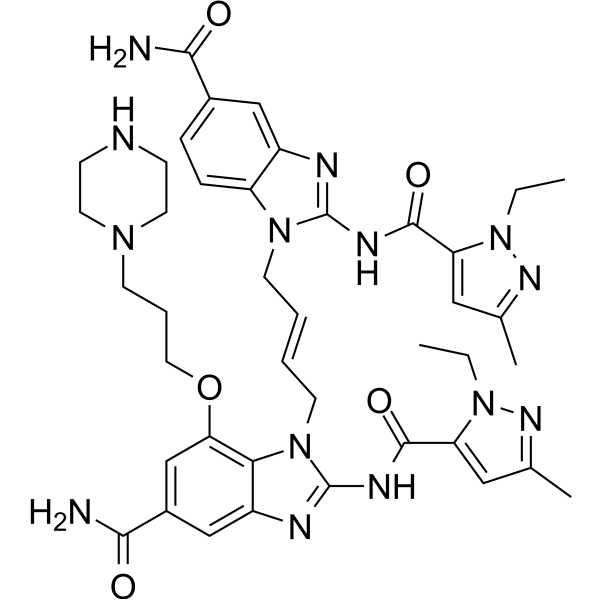
STING agonist-19 can be used to synthesize ISAC (immune-stimulating antibody conjugates) molecule.
|
-
- HY-155100
-
|
|
STING
|
Inflammation/Immunology
Cancer
|
|
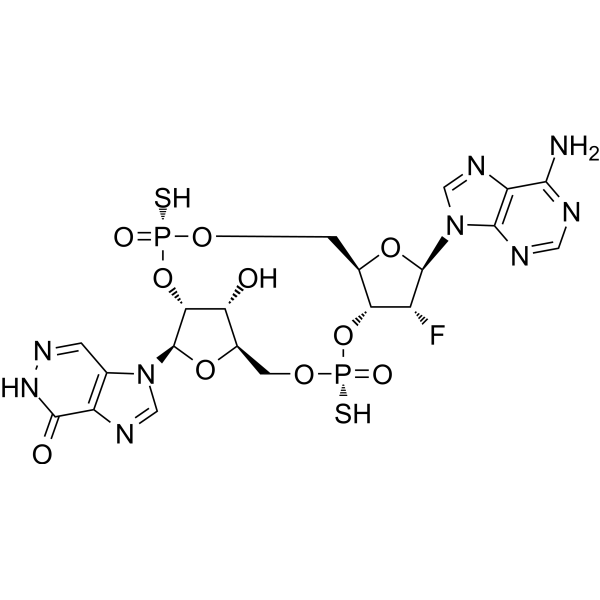
BI 7446 is a cyclic dinucleotide (CDN)-based potent and selective stimulator of interferon genes (STING) agonist. BI 7446 can activate all five STING variants in cells and induce tumor-specific immune-mediated tumor rejection. BI 7446 can be used for immuno-oncology research .
|
-
- HY-153987
-
|
|
STING
|
Cancer
|
|
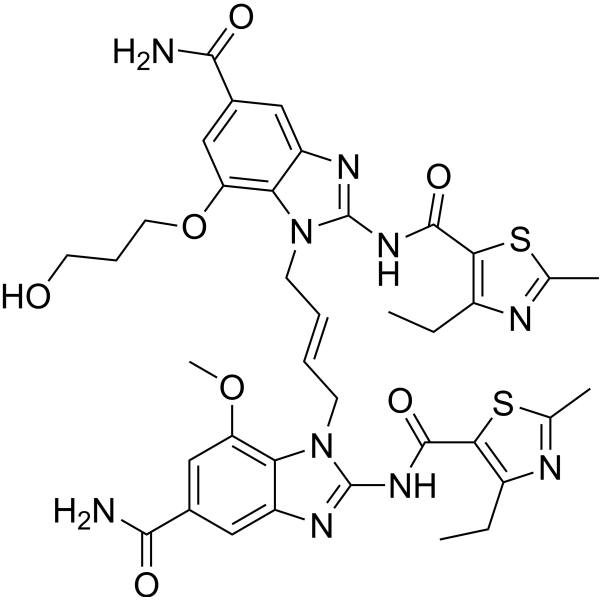
STING agonist-33 (example 1) is an agonist of STING (stimulator of interferon genes) based on 4-ethyl-2-methylthiazole-5-carboxylic acid [1] .
|
-
- HY-107780A
-
|
c-di-GMP sodium; cyclic diguanylate sodium; 5GP-5GP sodium
|
STING
Endogenous Metabolite
|
Cancer
|
|
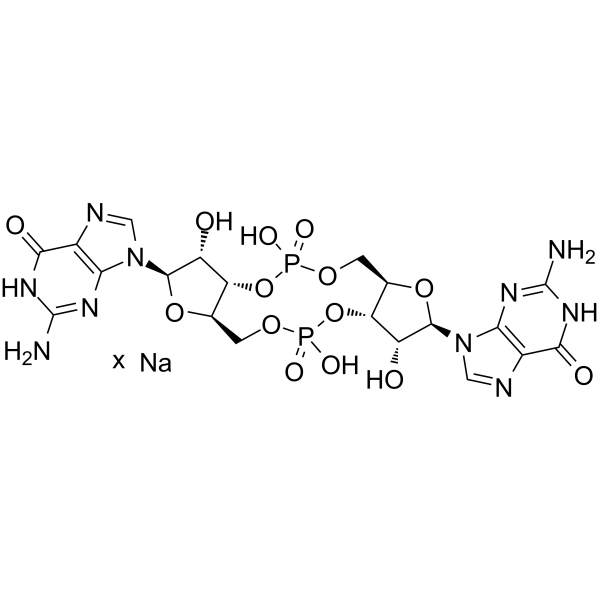
Cyclic-di-GMP sodium is a STING agonist and a bacterial second messenger that coordinates different aspects of bacterial growth and behavior, including motility, virulence, biofilm formation, and cell cycle progression. Cyclic-di-GMP sodium has anti-cancer cell proliferation activity and also induces elevated CD4 receptor expression and cell cycle arrest. Cyclic-di-GMP sodium can be used in cancer research .
|
-
- HY-174308
-
|
|
STING
|
Inflammation/Immunology
Cancer
|
ZSA-215 is a potent and orally active STING agonist with an EC50 of 3.3 μM. ZSA-215 enhances STING signaling through promoting the phosphorylation of STING and interferon regulatory factor 3 (IRF3) and secretion of IFN-β. ZSA-215 inhibits tumor regression and long-term survival of mice in MC38 colon cancer model. ZSA-215 can be used to the study of colon cancerr .
|
-

- HY-176126
-
|
|
STING
|
Inflammation/Immunology
|
|
STING agonist-42 (compound 8a) is a potent STING agonist. STING agonist-42 activates STING in THP1 and RAW 264.7 cells with EC50s of 0.06 and 14.15 μM, respectively .
|
-

- HY-139586B
-
|
MK-1454 (isomer 2)
|
STING
|
Cancer
|
|
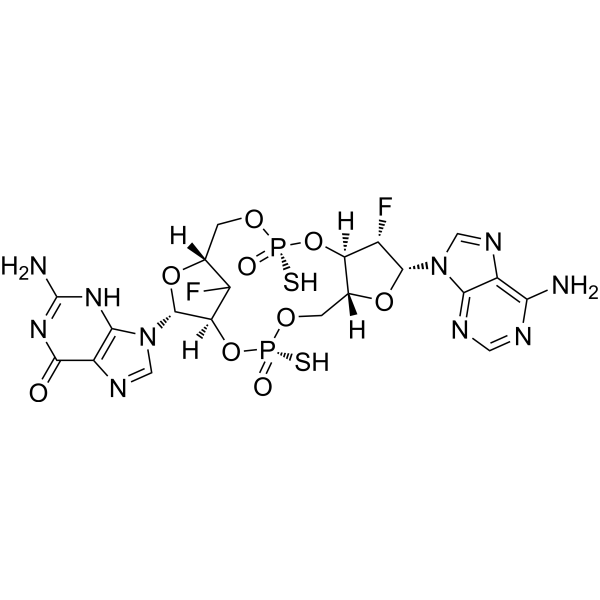
Ulevostinag isomer 2 (MK-1454 isomer 2) is the isomer of Ulevostinag. Ulevostinag is a STING agonist .
|
-
- HY-139586D
-
|
MK-1454 (isomer 4)
|
STING
|
Cancer
|
|
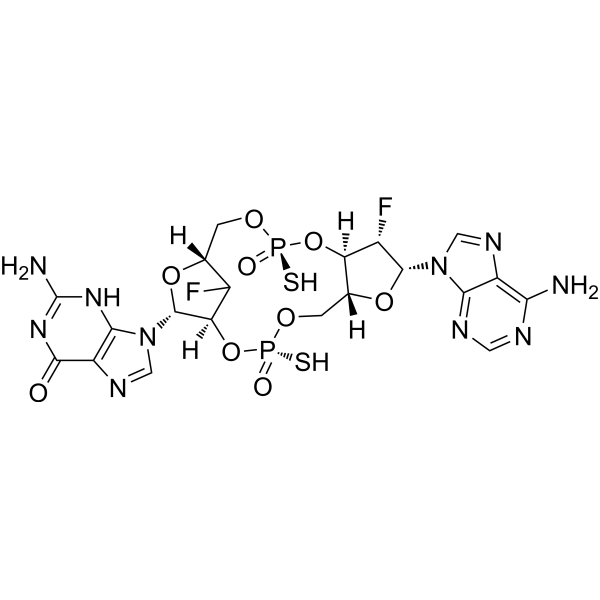
Ulevostinag isomer 4 (MK-1454 isomer 4) is the isomer of Ulevostinag. Ulevostinag is a STING agonist .
|
-
- HY-175462
-
|
|
STING
|
Cancer
|
|
INI3069 is a selective human stimulator of interferon gene (STING) agonist. INI3069 is promising for research of cancers .
|
-

- HY-137724
-
|
Cyclic-di-IMP
|
STING
|
Cancer
|
|
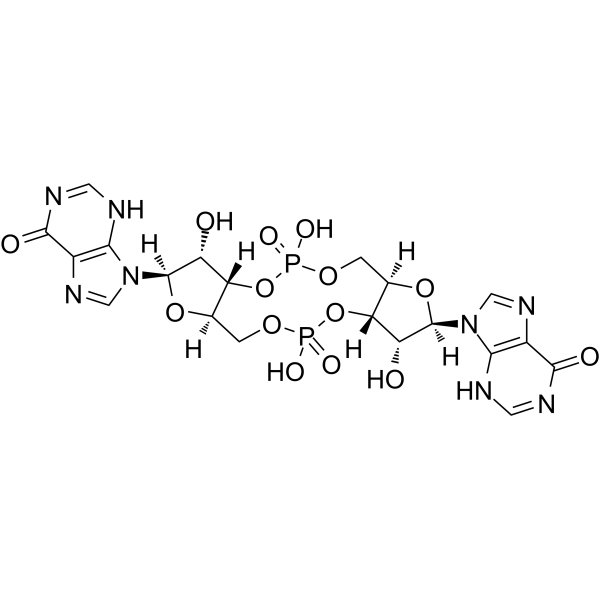
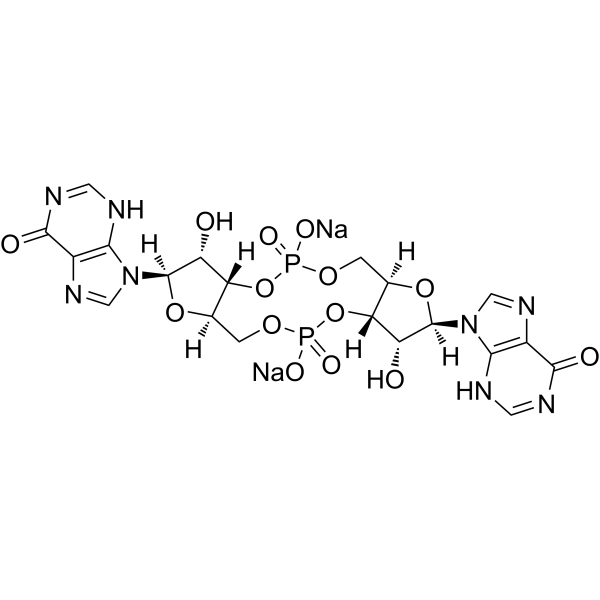
C-di-IMP (Cyclic-di-IMP) is a STING agonist. C-di-IMP can be used for the research of tumor .
|
-
- HY-156290
-
-
- HY-158711
-
|
|
STING
|
Cancer
|
|
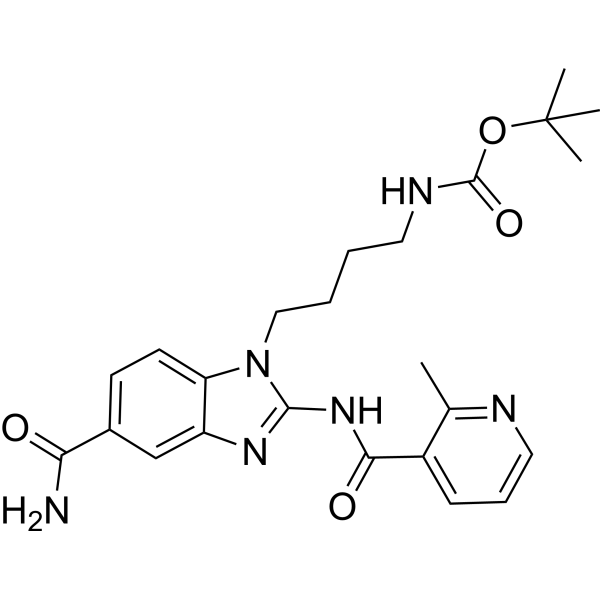
STING agonist-38 (compound 58) is a potent agonist of STING, with the EC50 of 0.05 μM in THP1 cells. STING agonist-38 has certain oral bioactivity .
|
-

- HY-175168
-
|
|
STING
|
Inflammation/Immunology
|
|
diABZI-a1 is a orthosteric STING agonist with EC50 of 117 nM for IFNβ in human PBMCs. diABZI-a1 can be used for monogenic autoinflammatory disease like SAVI disease research .
|
-

- HY-169483
-
-

- HY-154850
-
|
|
STING
|
Cancer
|
|
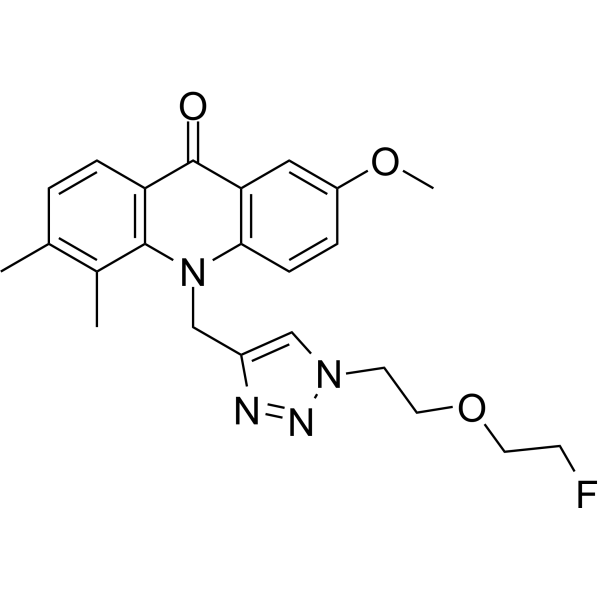
F-CRI1 is a potent STING agonist with a Kd value of 40.62 nM. F-CRI1 is a radioactive probe with 18F-labeled modification. F-CRI1 can be used to study STING visualization in the tumor microenvironment .
|
-
- HY-175166
-
|
|
STING
|
Inflammation/Immunology
|
|
BMS-025 is a orthosteric STING agonist. BMS-025 can induces chemical shift of STING M271 residue, further activating STING IFN signaling. BMS-025 can be used for monogenic autoinflammatory disease like SAVI disease research .
|
-

- HY-173404
-
|
|
STING
Interleukin Related
IFNAR
TNF Receptor
CXCR
|
Inflammation/Immunology
Cancer
|
|
VB-85247 is a STING agonist. VB-85247 induces upregulation of inflammatory cytokines IFNα/β, TNFα, IL6, and CXCL10, as well as maturation and activation of dendritic cells by activating the STING pathway. VB-85247 can achieve regression of intrabladder tumors and can be used in bladder cancer research .
|
-

- HY-144328
-
|
|
STING
|
Inflammation/Immunology
Cancer
|
|
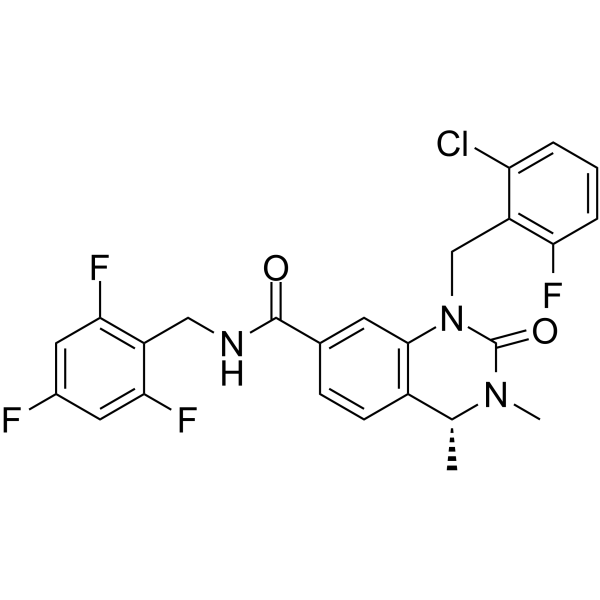
STING agonist-10 (Compound 91) is a potent small molecule cyclic urea activator of STING with the EC50 of 2600 nM. Activation of STING is a highly promising approach in immunotherapy .
|
-
- HY-176256
-
|
|
STING
|
Cancer
|
|
endo-S-cGAFMP (Compound 3) is a STING agonist. endo-S-cGAFMP induces the production of interferon regulatory factors and proinflammatory cytokines by activating the cGAS-STING pathway, thereby enhancing innate and adaptive immune responses. endo-S-cGAFMP has potent immunostimulatory capacity in THP1 monocytes and RAW macrophages (EC50 values of 2.45 μM and 5.54 μM, respectively). endo-S-cGAFMP has significant antitumor activity. endo-S-cGAFMP can be used as a potential cancer immunotherapeutic agent, especially for studies of systemic administration .
|
-

- HY-172533
-
|
|
STING
|
Cancer
|
|
3’,5’-DiOA-dC is a hydrophobic nucleotide lipid and a ligand for the STING agonist c-di-GMP (CDG). 3’,5’-DiOA-dC can assemble with CDG and form stable cyclic dinucleotide nanoparticles via various supramolecular forces driven by molecular recognition. 3’,5’-DiOA-dC can decrease tumor weight and volume, increase CD8 T cell, neutrophils as well as NK cell counts in tumor microenvironment in combination with CDG. 3’,5’-DiOA-dC also increases the levels of TNF-α and IFN-γ in murine melanoma model .
|
-

- HY-185175
-
|
|
STING
|
Cancer
|
|
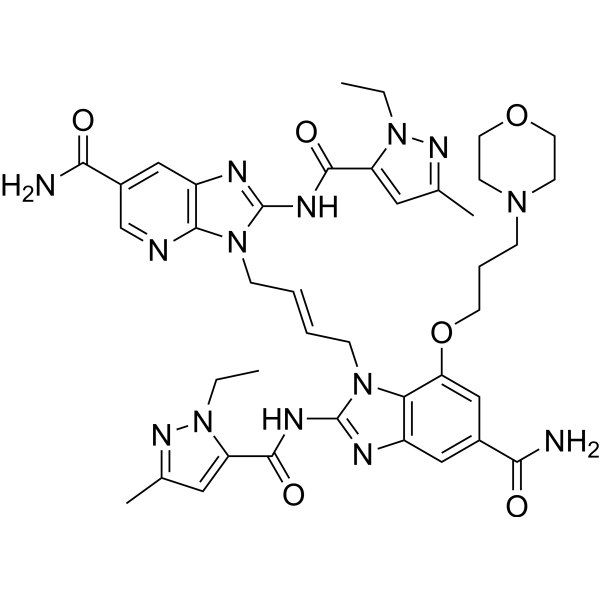
STING agonist-51 (Example 3) is a bis-benzimidazole STING agonist.STING agonist-51 can be used for the research of cancer .
|
-

- HY-179626
-
|
|
STING
ADC Payload
|
Cancer
|
|
STING agonist-49 (Compound 1) is a STING agonist and can be used as a payload for ADCs. STING agonist-49 can be applied in lung cancer research .
|
-

- HY-181484
-
|
|
STING
IKK
IFNAR
Interleukin Related
CXCR
|
Cancer
|
|
STING agonist-50 is an orally active STING agonist with an IC50 of 3.457 μM. STING agonist-50 activates the STING signaling pathway and promotes the phosphorylation of downstream TBK1 and IRF3. STING agonist-50 induces the expression of IFN-β, CXCL10 and IL-6. STING agonist-50 inhibits tumor growth in syngeneic mouse models. STING agonist-50 can be used for the research of colorectal cancer .
|
-

- HY-137724A
-
|
Cyclic-di-IMP disodium
|
STING
|
Cancer
|
|
C-di-IMP disodium is a STING agonist. C-di-IMP disodium can be used in tumor research .
|
-
- HY-103665R
-
|
|
Reference Standards
STING
|
Cancer
|
|
STING agonist-3 (Standard) is the analytical standard of STING agonist-3 (HY-103665). This product is intended for research and analytical applications. STING agonist-3, extracted from patent WO2017175147A1 (example 10), is a selective and non-nucleotide small-molecule STING agonist with a pEC50 and pIC50 of 7.5 and 9.5, respectively. STING agonist-3 has durable anti-tumor effect and tremendous potential to improve treatment of cancer .
|
-

- HY-168803
-
|
|
STING
|
Cancer
|
|
BDW-OH is an active metabolite of BDW568 (HY-162465 ). BDW568 is a STING agonist that can selectively activate the human STING A230 allele.
|
-

- HY-155109
-
|
|
STING
|
Inflammation/Immunology
Cancer
|
|
Antitumor agent-114 is a potent stimulator of interferon genes (STING) agonist. Antitumor agent-114 activates immunity and reduces tumor volume in a mouse model of breast cancer. Antitumor agent-114 can be used for immunity and cancer diseases research .
|
-
- HY-130116A
-
|
|
STING
|
Cancer
|
|
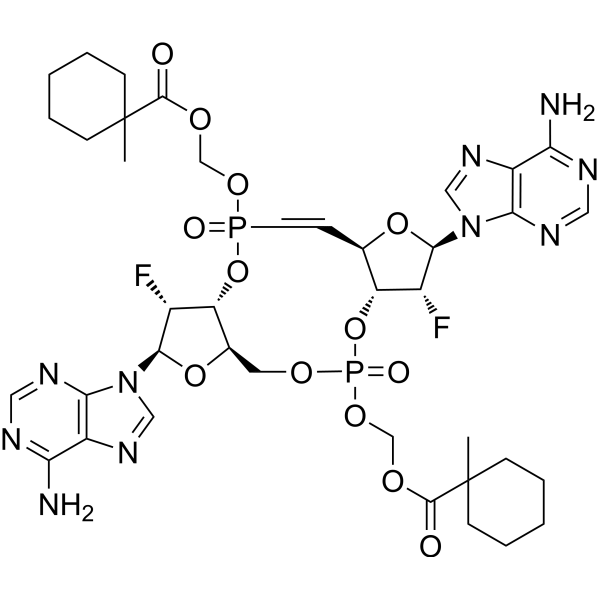
IACS-8779 disodium is a highly potent stimulator of interferon genes (STING) agonist with robust systemic antitumor efficacy. IACS-8779 disodium shows robust activation of the STING pathway in vitro and a superior systemic anti-tumor response in the B16 murine model of melanoma .
|
-
- HY-173316
-
|
|
STING
|
Inflammation/Immunology
|
|
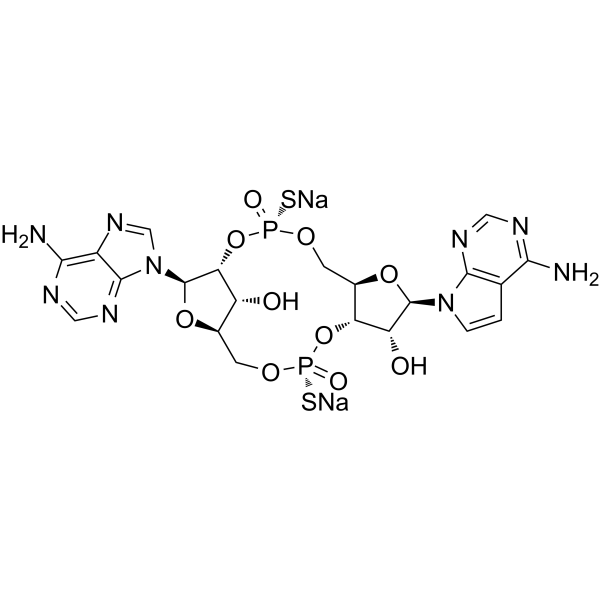
STING-IN-12 (compound Y2) is an inhibitor of STING. STING-IN-12 inhibits IFNβ gene expression (IC50=0.75μM) induced by SR717. STING-IN-12 inhibits STING pathway activation induced by the STING agonist SR717 in THP1 cells and MSA-2-induced STING pathway activation in vivo in mice .
|
-

- HY-173399
-
|
|
STING
Interleukin Related
IFNAR
|
Inflammation/Immunology
Cancer
|
|
hSTING activator-1 (Compound 68) is a STING agonist. hSTING activator-1 can effectively activate multiple human STING variants (R232, H232, HAQ) with EC50 values of 56 nM, 89 nM and 51 nM, respectively. hSTING activator-1 activates the type I interferon pathway by directly binding to STING protein and stabilizing its conformation, promoting downstream IRF3 phosphorylation and cytokine release. hSTING activator-1 inhibits fibrosarcoma tumor growth and has potential in cancer research .
|
-

- HY-179627
-
|
|
Drug-Linker Conjugates for ADC
|
Cancer
|
|
STING agonist-49-CO-C2-mal (compound ncSTING linker-payload) is a non-cleavable drug-linker conjugate for ADC. STING agonist-49-CO-C2-mal can be used in the synthesis of antibody-drug conjugates (ADCs) .
|
-

- HY-179628
-
|
|
Drug Derivative
|
Cancer
|
|
STING agonist-49-CO-C2-mal-Cys (compound 2), the derivative of STING agonist-49-CO-C2-mal (HY-179627), is the product of ADC catabolism and payload release, exhibits antitumor activity in vivo .
|
-

- HY-179660
-
|
|
Drug-Linker Conjugates for ADC
|
Cancer
|
|
STING agonist-49-PAB-Ala-Val-CO-C2-mal, a pep-cSTING linker-payload, is a drug-linker conjugate for ADC. STING agonist-49-PAB-Ala-Val-CO-C2-mal can be used for ADC synthesis .
|
-

- HY-179659
-
|
|
Drug-Linker Conjugates for ADC
|
Cancer
|
|
STING agonist-49-β-D-Glu-benzylalcohol-di(amide-C2)-mal (compound gluc-cSTING linker-payload) is a drug-linker conjugate for ADC. STING agonist-49-β-D-Glu-benzylalcohol-di(amide-C2)-mal can be used for ADC synthesis .
|
-

- HY-162874
-
|
|
STING
IFNAR
|
Cancer
|
|
diABZI-V/C-DBCO is a STING agonist with an EC50 of 1.47 nM. diABZI-V/C-DBCO activates the STING pathway, induces the production of IFN-I, and stimulates the secretion of IFN-β. diABZI-V/C-DBCO serves as a substrate for cathepsin B, and releases active diABZI-amine via cathepsin B-mediated cleavage. In an orthotopic mouse model of breast cancer, diABZI-V/C-DBCO increases serum IFN-β levels and the frequency of granzyme B + CD8 + T cells. diABZI-V/C-DBCO is applicable to research related to triple-negative breast cancer .
|
-

- HY-162133
-
|
|
STING
Apoptosis
IKK
IFNAR
NF-κB
|
Cancer
|
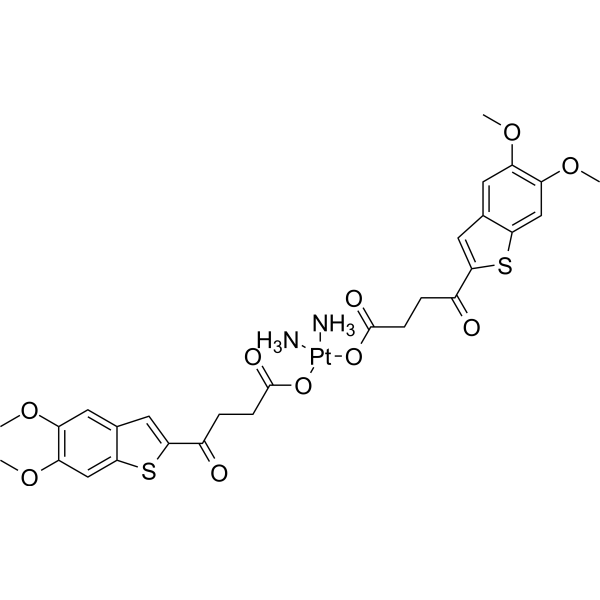
MSA-2-Pt, platinum salt-modified MSA-2 (HY-136927), is a STING agonist. MSA-2-Pt inducing cell
death by platinum and activating the STING pathway by MSA-2. MSA-2-Pt direct activates STING pathway, induces phosphorylation of TBK1, IRF3, and NF-κB p65. MSA-2-Pt enhances tumor infiltration of CD4 + and CD8 + T cells, and induces tumor cell death and apoptosis in mouse colon carcinoma and melanoma models .
|
-
- HY-B0984A
-
|
|
Calcium Channel
Ras
STING
Autophagy
|
Infection
Cardiovascular Disease
Cancer
|
|
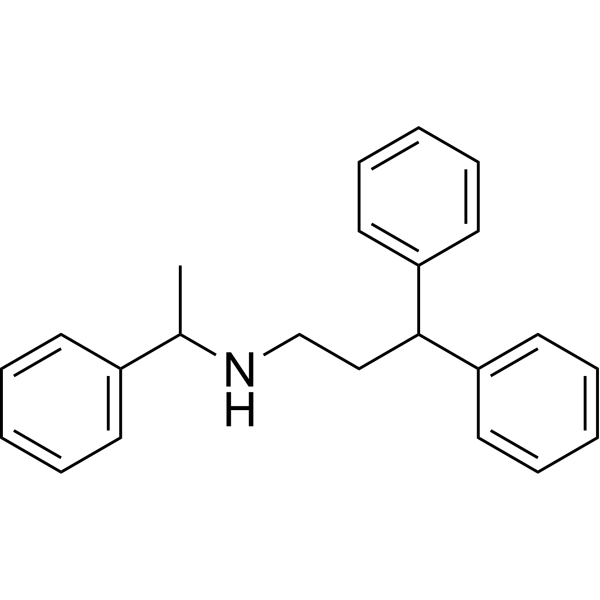
Fendiline, a diphenylalkylamine type of antianginal agent, is an L-type calcium channel blocker (IC50 of 17 µM). Fendiline is also a selective K-Ras inhibitor, and has no effect on H-Ras and N-Ras. Fendiline inhibits K-Ras plasma membrane localization (IC50 of 9.64 μM), inhibits K-Ras signal output and blocks the proliferation of pancreatic, colon, lung, and endometrial cancer cell lines expressing oncogenic mutant K-Ras. Fendiline is a STING agonist and is able to inhibit the growth of multiple refractory cold tumors (MC38, CT26 and B16F10) .
|
-
- HY-B0984
-
|
|
Calcium Channel
Ras
STING
Autophagy
|
Infection
Cardiovascular Disease
Cancer
|
|
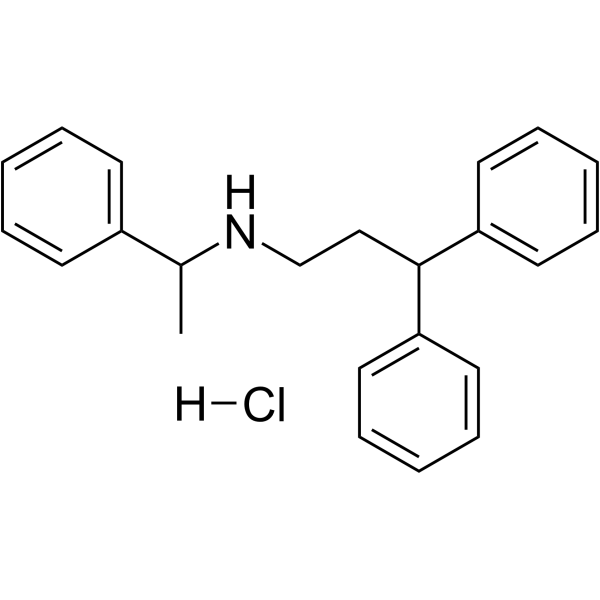
Fendiline hydrochloride, a diphenylalkylamine type of antianginal agent, is an L-type calcium channel blocker (IC50 of 17 µM). Fendiline hydrochloride is also a selective K-Ras inhibitor, and has no effect on H-Ras and N-Ras. Fendiline hydrochloride inhibits K-Ras plasma membrane localization (IC50 of 9.64 μM), inhibits K-Ras signal output and blocks the proliferation of pancreatic, colon, lung, and endometrial cancer cell lines expressing oncogenic mutant K-Ras. Fendiline hydrochloride is a STING agonist and is able to inhibit the growth of multiple refractory cold tumors (MC38, CT26 and B16F10) .
|
-
- HY-128481
-
|
|
STING
|
Inflammation/Immunology
Cancer
|
|
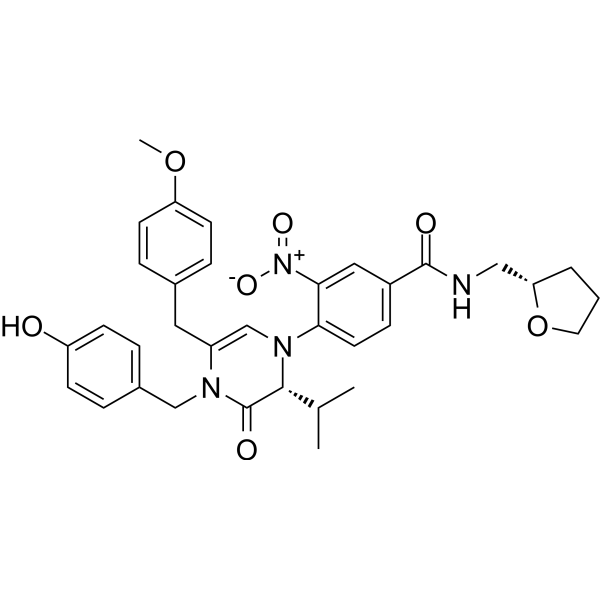
SB24011 is a STING modulator and a TRIM29-STING protein-protein interaction inhibitor. SB24011 blocks TRIM29-induced K48-linked specific ubiquitination by binding to STING, thereby upregulating intracellular STING protein levels. SB24011 enhances inflammatory cytokine expression and STING-mediated immune responses, and exhibits abscopal antitumor activity that promotes tumor regression and activates T cell infiltration. When combined with STING agonists or anti-PD1 antibodies, SB24011 synergistically enhances antitumor responses. SB24011 is suitable for research related to colon cancer and melanoma .
|
-
- HY-173425
-
|
|
STING
IFNAR
TNF Receptor
Interleukin Related
|
Inflammation/Immunology
|
|
STING-IN-15 is an orally active STING inhibitor, with an IC50 of 116 nM against h-STING and an IC50 of 96.3 nM against m-STING. STING-IN-15 inhibits the STING signaling pathway in cells, reduces the secretion of IFN-β and IP-10, downregulates the expression of ISG15, ISG56 and TNF-α, and suppresses the phosphorylation of TBK1/IRF3. STING-IN-15 alleviates systemic and renal inflammation induced by STING agonists in mice, reduces tissue damage and the expression of interferon pathway genes, and inhibits spontaneous tissue inflammation in mice. STING-IN-15 can be used for the research of acute kidney injury and autoimmune/inflammatory diseases .
|
-

- HY-B0984R
-
|
|
Calcium Channel
Ras
STING
Autophagy
Reference Standards
|
Infection
Cardiovascular Disease
Cancer
|
|
Fendiline (hydrochloride) (Standard) is the analytical standard of Fendiline (hydrochloride). This product is intended for research and analytical applications. Fendiline hydrochloride, a diphenylalkylamine type of antianginal agent, is an L-type calcium channel blocker (IC50 of 17 µM). Fendiline hydrochloride is also a selective K-Ras inhibitor, and has no effect on H-Ras and N-Ras. Fendiline hydrochloride inhibits K-Ras plasma membrane localization (IC50 of 9.64 μM), inhibits K-Ras signal output and blocks the proliferation of pancreatic, colon, lung, and endometrial cancer cell lines expressing oncogenic mutant K-Ras. Fendiline hydrochloride is a STING agonist and is able to inhibit the growth of multiple refractory cold tumors (MC38, CT26 and B16F10) .
|
-

- HY-110382S
-
|
c-di-GMP-13C20,15N10 disodium; cyclic diguanylate-13C20,15N10 disodium; 5GP-5GP-13C20,15N10 disodium
|
Isotope-Labeled Compounds
Endogenous Metabolite
STING
|
Cancer
|
|
13C20, 15N10-Cyclic di-GMP ( 13C20, 15N10-c-di-GMP) is 13C and 15N labeled Cyclic-di-GMP (disodium). Cyclic-di-GMP disodium is a STING agonist and a bacterial second messenger that coordinates different aspects of bacterial growth and behavior, including motility, virulence, biofilm formation, and cell cycle progression. Cyclic-di-GMP disodium has anti-cancer cell proliferation activity and also induces elevated CD4 receptor expression and cell cycle arrest. Cyclic-di-GMP disodium can be used in cancer research .
|
-

- HY-160406
-
|
|
STING
IFNAR
Interleukin Related
|
Inflammation/Immunology
Cancer
|
|
SNX281 is a selective STING agonist, with IC50 values of 4.1, 4.5, 10.7, and 3.7 μM against human, mouse, rat, and monkey STING, respectively. SNX281 undergoes homodimerization at the STING binding site, triggering a conformational shift of STING from an inactive open state to an active closed state, thereby driving downstream STING-dependent signaling pathways. SNX281 induces type I interferons, IFN-β, TNF-α, IL-6, cytokine release, T cell responses, and long-lasting immune memory. SNX281 exhibits anti-tumor activity and is applicable to research related to colorectal cancer, melanoma, advanced solid tumors, lymphoma, and ovarian cancer .
|
-

- HY-174170
-
|
|
STING
|
Cancer
|
|
(S)-2-(1-Ethyl-3-methyl-1H-pyrazole-5-carboxamido)-1-(2-hydroxy-2-phenylethyl)-1H-benzo[d]imidazole-5-carboxamide (compound 4) is a STING agonist containing a key amide benzimidazole (ABZI) component and shows reproducible inhibition of 3H-cGAMP binding to STING with an apparent inhibition constant IC50 of 14 μM. (S)-2-(1-Ethyl-3-methyl-1H-pyrazole-5-carboxamido)-1-(2-hydroxy-2-phenylethyl)-1H-benzo[d]imidazole-5-carboxamide can be used for tumor research .
|
-
![(S)-2-(1-Ethyl-3-methyl-1H-pyrazole-5-carboxamido)-1-(2-hydroxy-2-phenylethyl)-1H-benzo[d]imidazole-5-carboxamide](//file.medchemexpress.com/product_pic/hy-174170.gif)
| Cat. No. |
Product Name |
Type |
-
- HY-164919
-
|
XMT-2056
|
Fluorescent Dye
|
|
Calotatug ginistinag (XMT-2056) is an antibody-drug conjugate targeting HER2, with an effective payload connected via a linker (LP, HY-148067) to a STING agonist (STING agonist-20, HY-148068), and has potential immune activation and anticancer activity .
|
| Cat. No. |
Product Name |
Category |
Target |
Chemical Structure |
| Cat. No. |
Product Name |
Chemical Structure |
-
- HY-110382S
-
|
|
|
13C20, 15N10-Cyclic di-GMP ( 13C20, 15N10-c-di-GMP) is 13C and 15N labeled Cyclic-di-GMP (disodium). Cyclic-di-GMP disodium is a STING agonist and a bacterial second messenger that coordinates different aspects of bacterial growth and behavior, including motility, virulence, biofilm formation, and cell cycle progression. Cyclic-di-GMP disodium has anti-cancer cell proliferation activity and also induces elevated CD4 receptor expression and cell cycle arrest. Cyclic-di-GMP disodium can be used in cancer research .
|
-
| Cat. No. |
Product Name |
|
Classification |
-
- HY-162874
-
|
|
|
DBCO
|
|
diABZI-V/C-DBCO is a STING agonist with an EC50 of 1.47 nM. diABZI-V/C-DBCO activates the STING pathway, induces the production of IFN-I, and stimulates the secretion of IFN-β. diABZI-V/C-DBCO serves as a substrate for cathepsin B, and releases active diABZI-amine via cathepsin B-mediated cleavage. In an orthotopic mouse model of breast cancer, diABZI-V/C-DBCO increases serum IFN-β levels and the frequency of granzyme B + CD8 + T cells. diABZI-V/C-DBCO is applicable to research related to triple-negative breast cancer .
|
-
- HY-176126
-
|
|
|
Alkynes
|
|
STING agonist-42 (compound 8a) is a potent STING agonist. STING agonist-42 activates STING in THP1 and RAW 264.7 cells with EC50s of 0.06 and 14.15 μM, respectively .
|
Your information is safe with us. * Required Fields.
Inquiry Information
- Product Name:
- Cat. No.:
- Quantity:
- MCE Japan Authorized Agent:





![(S)-2-(1-Ethyl-3-methyl-1H-pyrazole-5-carboxamido)-1-(2-hydroxy-2-phenylethyl)-1H-benzo[d]imidazole-5-carboxamide](http://file.medchemexpress.com/product_pic/hy-174170.gif)





