1. Search Result
Search Result
Results for "

T+cell

" in MedChemExpress (MCE) Product Catalog:

1355

Inhibitors & Agonists

1

Screening Libraries

3

Fluorescent Dye

143

Biochemical Assay Reagents

180

Peptides

9

MCE Kits

360

Inhibitory Antibodies

73

Natural
Products

288

Recombinant Proteins

34

Isotope-Labeled Compounds

121

Antibodies

6

Click Chemistry

59

Oligonucleotides

2

GMP Molecules

Targets Recommended:
Cat. No. Product Name Target Research Areas Chemical Structure
  • HY-109108
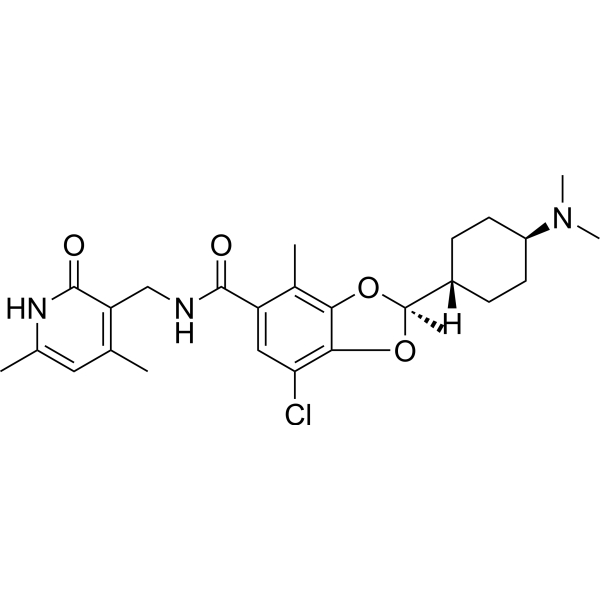
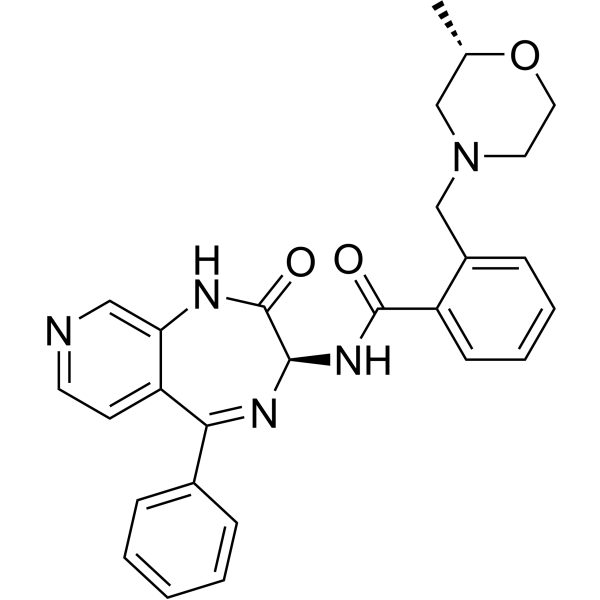
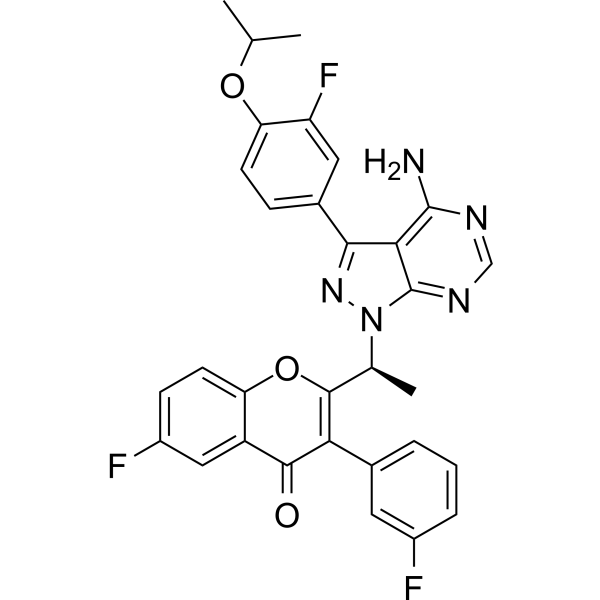
    Valemetostat
    5 Publications Verification

    DS-3201

    Histone Methyltransferase Cancer
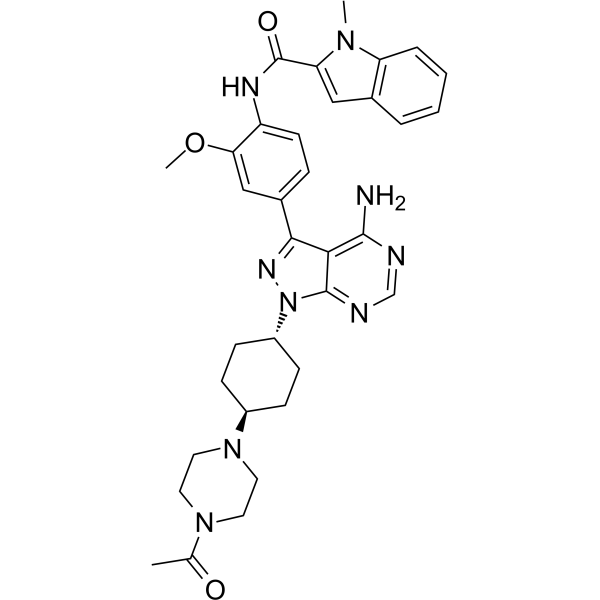
    Valemetostat (DS-3201), a first-in-class EZH1/2 dual inhibitor with IC50 values <10 nM. Valemetostat can be used for the research of relapsed/refractory peripheral T-cell lymphoma .
    Valemetostat
  • HY-156730

    Molecular Glues STAT Cancer
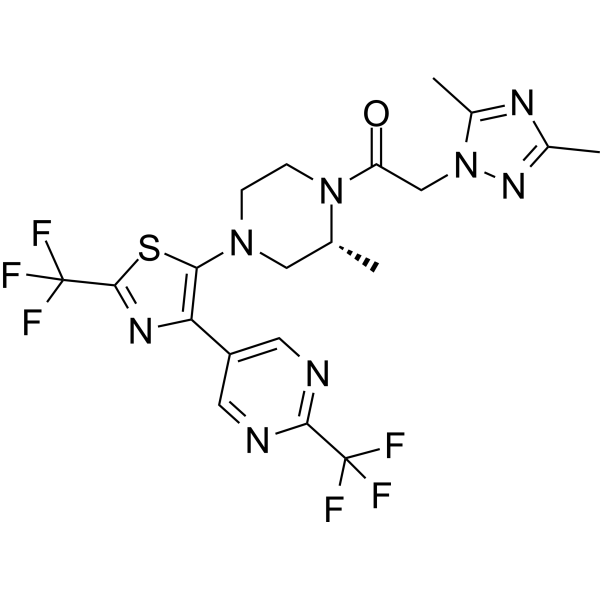
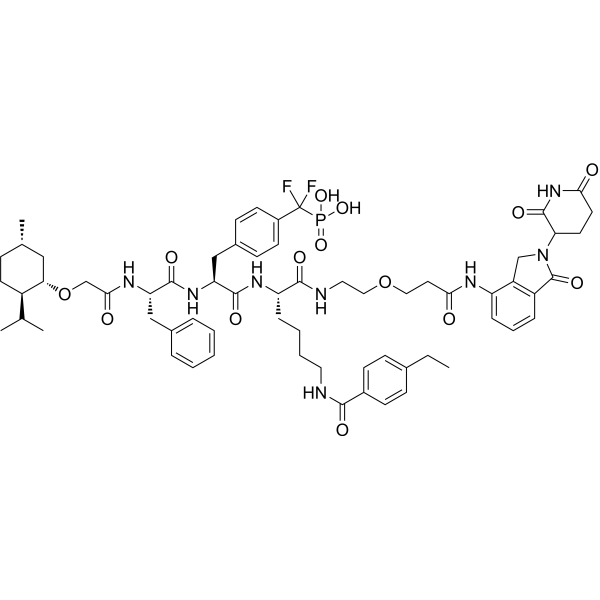
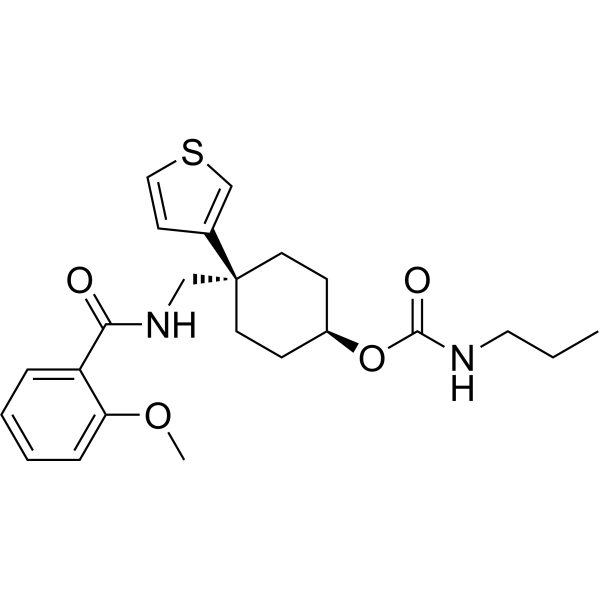
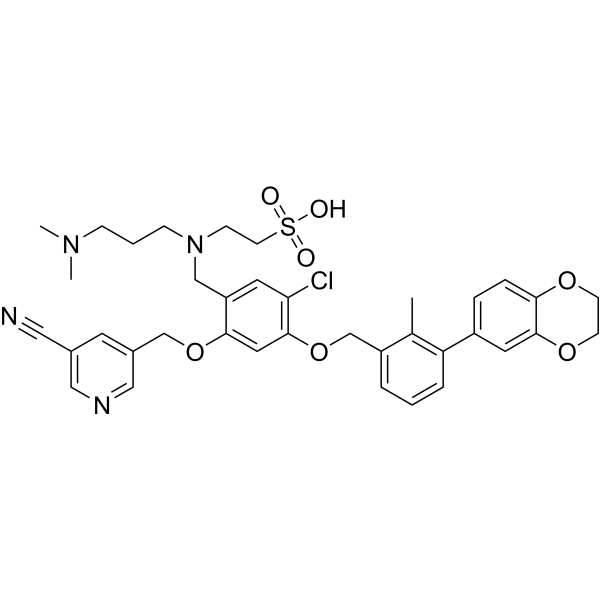
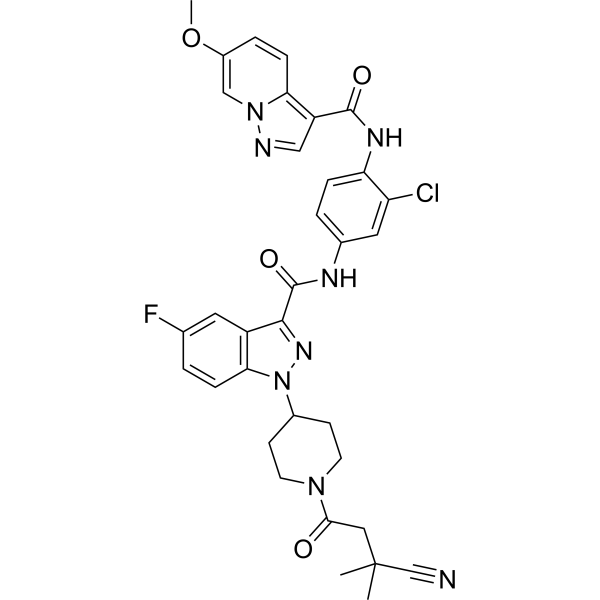
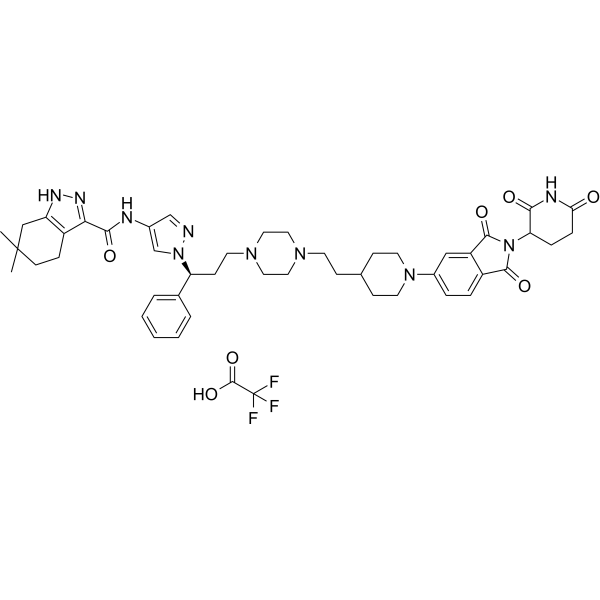
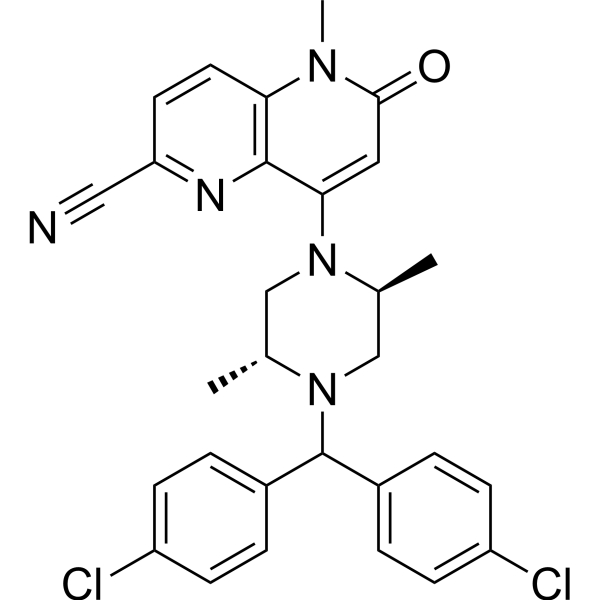
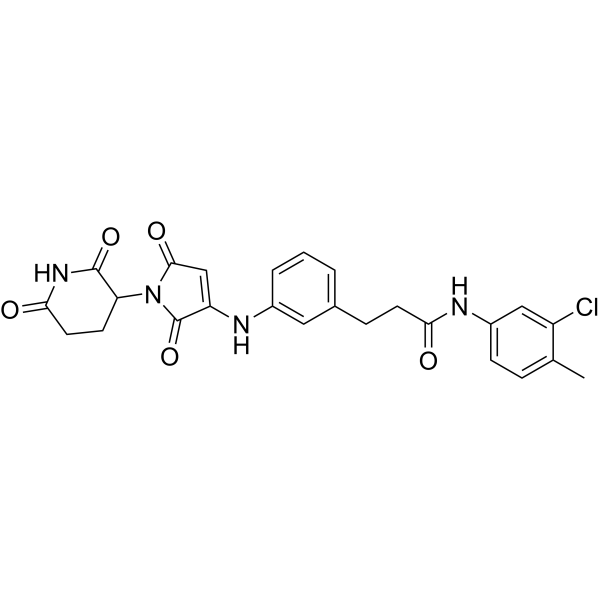
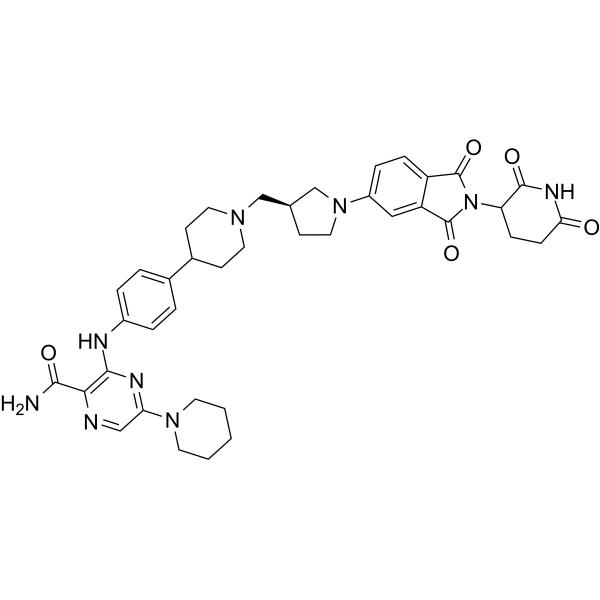
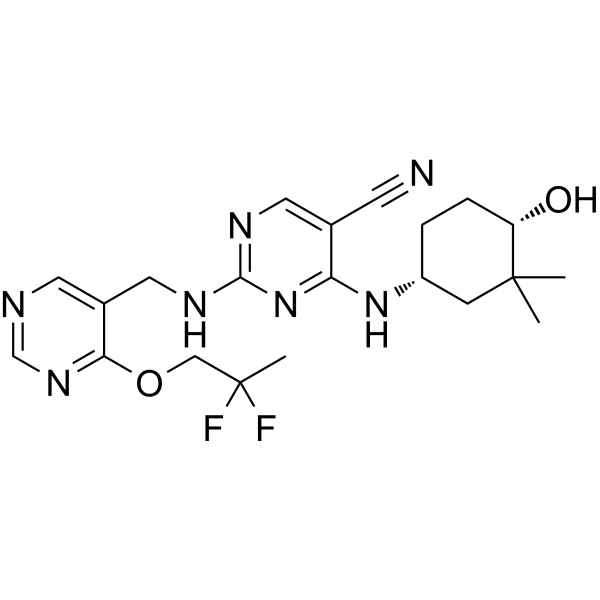
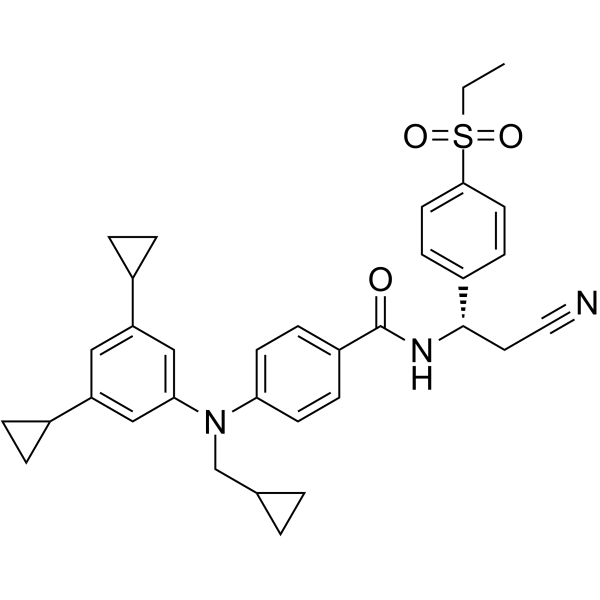
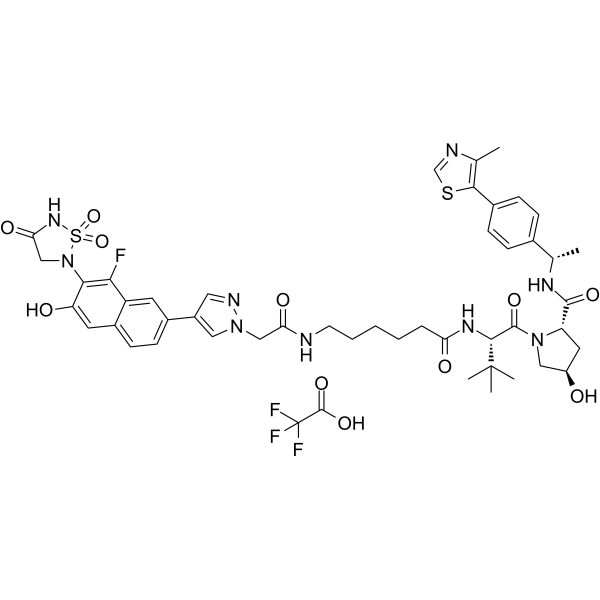
    KT-333 is a molecular glues that degrades STAT3 protein. KT-333 mediates the selective degradation of STAT3 through the ubiquitin-proteasome system by binding to STAT3 protein and E3 ubiquitin ligase von Hippel-Lindau protein (VHL). KT-333 has strong selectivity for STAT3 protein degradation and good antitumor activity. KT-333 can be used in the study of hematologic malignancies such as large granular lymphocytic leukemia (LGL-L), peripheral T-cell lymphoma (PTCL), and cutaneous T-cell lymphoma (CTCL) .
    KT-333
  • HY-P99024
    Glofitamab
    1 Publications Verification

    RO7082859; RG-6026

    CD20 CD3 Inflammation/Immunology Cancer
    Glofitamab (RO7082859) is a T-cell-engaging bispecific antibody possessing a novel 2:1 structure with bivalency for CD20 on B cells and monovalency for CD3 on T cells. Glofitamab leads to T-cell activation, proliferation, and tumor cell killing upon binding to CD20 on malignant cells. Glofitamab induces durable complete remissions in relapsed or refractory B-Cell non-Hodgkin lymphoma (B-NHL) .
    Glofitamab
  • HY-P99931
    Epcoritamab
    1 Publications Verification

    GEN3013

    CD3 CD20 Cancer
    Epcoritamab (GEN3013) is an bispecific IgG1 antibody redirecting T-cells toward CD3×CD20 + tumor cells. Epcoritamab induces potent T-cell-mediated cytotoxicity towards B-cell NHL cell lines .
    Epcoritamab
  • HY-P99339

    IMCgp100

    Interleukin Related TNF Receptor Cancer
    Tebentafusp (IMCgp100) is a bispecific fusion protein to target gp100 peptide-HLA-A*02:01 (a melanoma-associated antigen). Tebentafusp guides T cells to kill gp100-expressing tumor cells via a high affinity T-cell receptor (TCR) binding domain and an anti-CD3 T-cell engaging domain. Tebentafusp leads to inflammatory cytokines and cytolytic proteins production, resulting in the direct lysis of tumour cells .
    Tebentafusp
  • HY-109108A
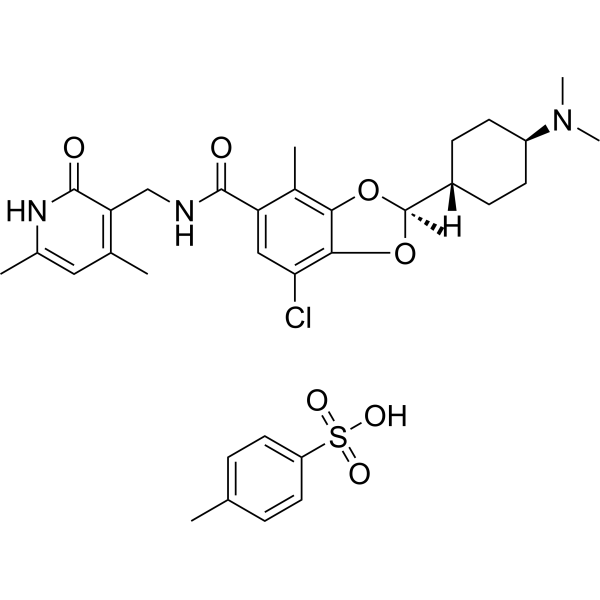
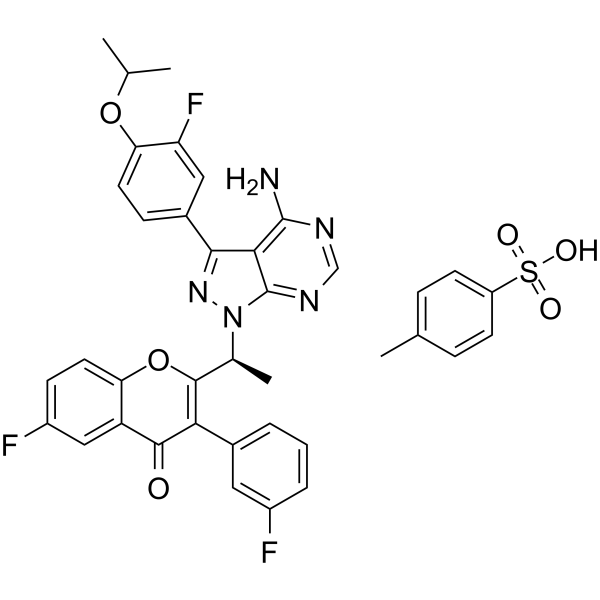
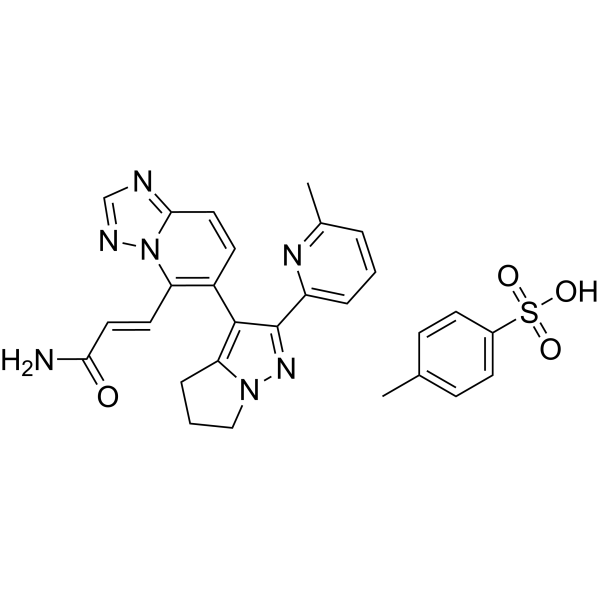
    Valemetostat tosylate
    5 Publications Verification

    DS-3201 tosylate

    Histone Methyltransferase Cancer
    Valemetostat (DS-3201) tosylate, a first-in-class EZH1/2 dual inhibitor with IC50 values <10 nM. Valemetostat tosylate can be used for the research of relapsed/refractory peripheral T-cell lymphoma .
    Valemetostat tosylate
  • HY-P99051
    Tinurilimab
    2 Publications Verification

    BAY 1834942

    Transmembrane Glycoprotein Inflammation/Immunology Cancer
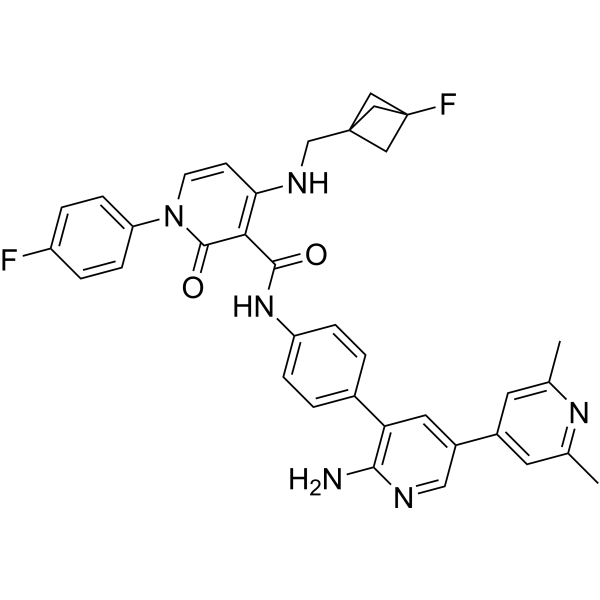
    Tinurilimab (Bay 1834942) is an anti-CEACAM6 (carcinoembryonic antigen-related cell adhesion molecule 6) humanized IgG2 monoclonal antibody. CEACAM6 is an immune checkpoint regulator suppressing the activity of effector T-cells against tumors. Tinurilimab shows an increased tumor cell killing effect in the tumor-cell/T-cell co-culture system .
    Tinurilimab
  • HY-P99948

    AMG-596

    EGFR CD3 Neurological Disease Cancer
    Etevritamab (AMG-596) is a bispecific T-cell engager that targets EGFRvIII and CD3. Etevritamab simultaneously binds CD3 on T cells and EGFRvIII on glioblastoma multiforme cells, thereby forming a bridge structure. Etevritamab triggers T-cell activation, proliferation, secretion of cytotoxic substances, and tumor cell lysis. Etevritamab extends overall survival and induces tumor regression in mouse models of glioblastoma multiforme. Etevritamab can be used for research related to glioblastoma .

    Etevritamab
  • HY-P99350
    Gresonitamab
    1 Publications Verification

    AMG 910; Anti-Human CD3xClaudin18 2

    CD3 Cancer
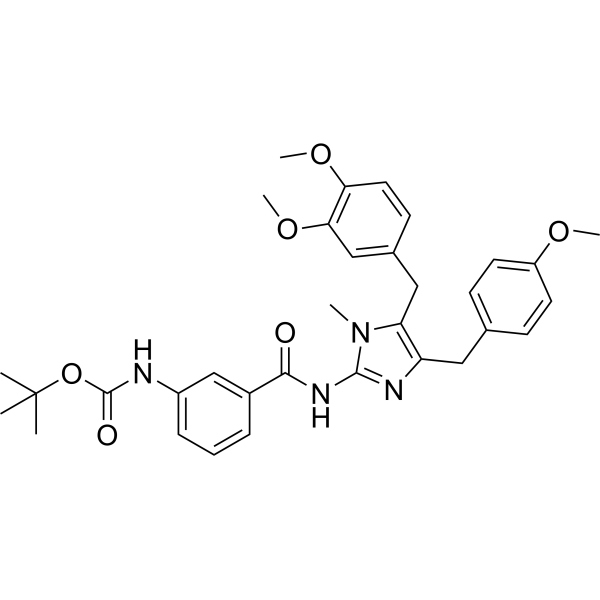
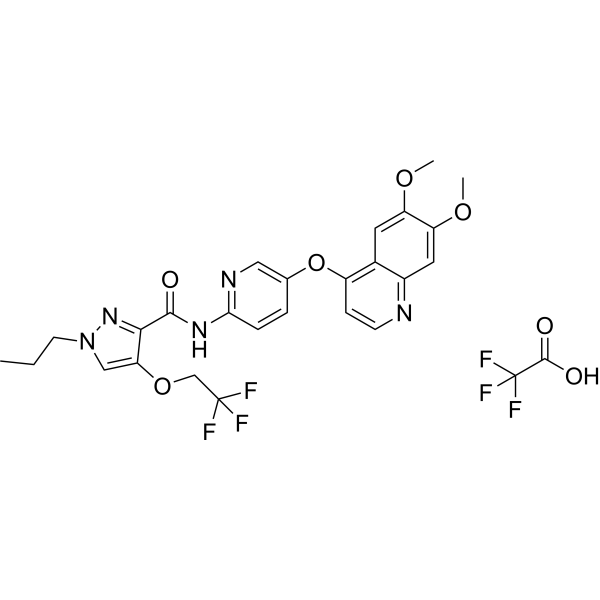
    Gresonitamab (AMG 910) is a half-life extended (HLE) bispecific T-cell engager (BiTE) antibody targets CD3-positive T cells and CLDN18.2-expressing tumor cells. Gresonitamab can be used for the research of adenocarcinoma .

    Gresonitamab
  • HY-P991155

    JNJ-79635322; JNJ-5322

    CD3 TNF Receptor Cancer
    Ramantamig (JNJ-79635322) is a humanized monoclonal antibody targeting human CD3ε, GPRC5D, and TNFRSF17 (BCMA). Ramantamig binds to BCMA and GPRC5D on multiple myeloma cells, binds to CD3ε on T cells, forms immunological synapses, and enables T-cell-mediated cytotoxicity. Ramantamig activates T cells concomitantly with inducing myeloma cell cytotoxicity, with no nonspecific T-cell activation in the absence of target myeloma cells. Ramantamig carries mutations to reduce interaction with Fc receptors and disrupt protein A binding of monomeric and homodimerized chains. Ramantamig can be used for the research of multiple myeloma .
    Ramantamig
  • HY-P99798

    AMG 420; BI-836909

    CD3 Cancer
    Pacanalotamab (AMG 420; BI-836909) is a bispecific T-cell engager (BiTE) targeting to BCMA and CD3E. BCMA refers to B cell maturation antigen, as Pacanalotamab redirecting T cells to BCMA expressing cells on the cell surface. Pacanalotamab conducts T-cell redirected lysis of human multiple myeloma (MM) cell lines .
    Pacanalotamab
  • HY-P9989

    REGN5458

    CD3 TNF Receptor Cancer
    Linvoseltamab (REGN5458) is a bispecific T-cell engager (BiTE) antibody that specifically binds to B cell maturation antigen (BCMA) and CD3 of T cells, thereby directing T cells to multiple myeloma (MM) cells expressing BCMA and activating T cells to kill tumor cells. Linvoseltamab can be used in research of relapsed/refractory multiple myeloma (RRMM) .
    Linvoseltamab
  • HY-P990925

    BLYG8824A; RG6286

    CD3 Inflammation/Immunology
    Linclatamig (BLYG8824A) is a humanized IgG1 T-cell engaging bispecific antibody (TCB) targeting LY6G6D and CD3. Linclatamig can bind to LY6G6D and CD3-positive T cells, forming an immunological synapse to promote T cell-mediated killing of LY6G6D-positive cells. Linclatamig can be used in colorectal cancer research .
    Linclatamig
  • HY-P99430

    EM901; CC-93269

    CD3 Inflammation/Immunology Cancer
    Alnuctamab (EM901) is a bispecific T-cell engager targeting BCMA and CD3, belonging to an asymmetric two-armed humanized IgG1 antibody. Alnuctamab can simultaneously bind to BCMA expressed on the surface of myeloma cells and CD3 molecules on the surface of T cells, recruiting T cells to kill tumors. Alnuctamab is used for the research of multiple myeloma. Recommend Isotype Controls: Human IgG1 kappa, Isotype Control (HY-P99001) .
    Alnuctamab
  • HY-P990980

    CND-106; EMB-06

    CD3 Inflammation/Immunology Cancer
    Cizutamig (CND-106) is a bispecific T-cell engager targeting BCMA and CD3. Cizutamig exhibits immunostimulatory and anti-tumor activities. Cizutamig can be used in research related to relapsed or refractory multiple myeloma and systemic lupus erythematosus .
    Cizutamig
  • HY-P99166

    XMAB-20717

    PD-1/PD-L1 CTLA-4 Inflammation/Immunology Cancer
    Vudalimab is a potent dual PD-1 and CTLA-4 inhibitor as a fully humanized bispecific monoclonal antibody. Vudalimab targets immune checkpoint receptors PD-1 and CTLA-4 and promotes tumor-selective T-cell activation .
    Vudalimab
  • HY-N0097A

    AraG

    Drug Derivative Cancer
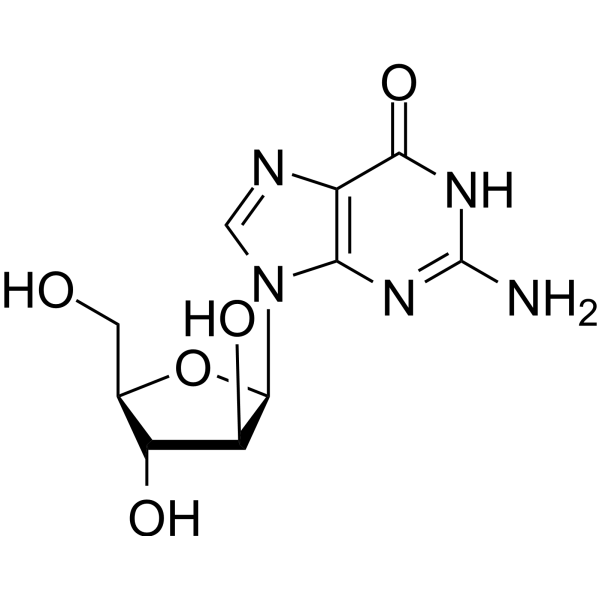
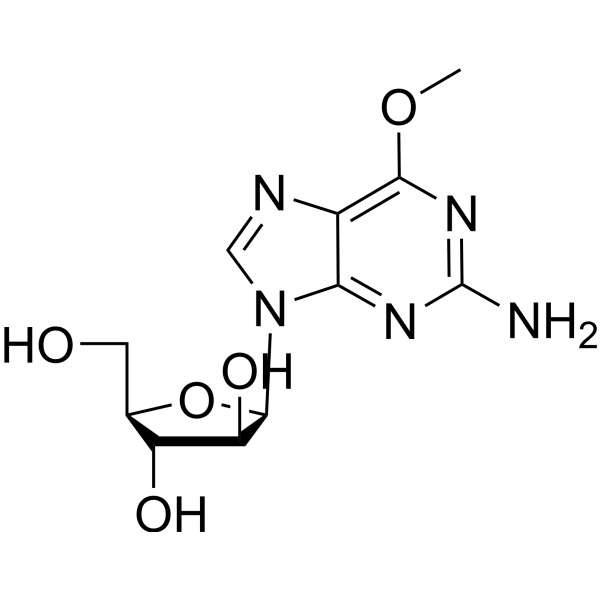
    9-β-D-Arabinofuranosylguanine is a Guanosine (HY-N0097) analog and shows high affinity for deoxyguanosine kinase (dGK) with a Km of 8.0 μM. 9-β-D-Arabinofuranosylguanine can be used for the research of T-cell lymphoblastic disease .
    9-β-D-Arabinofuranosylguanine
  • HY-P99910

    AMG-330

    CD3 Transmembrane Glycoprotein Inflammation/Immunology Cancer
    Eluvixtamab (AMG-330) is a bispecific T-cell engager. Eluvixtamab binds to CD33 and CD3 on T cells, thereby promoting T cell-mediated cytotoxicity against CD33+ cells. Eluvixtamab can be used in the research of tumors such as relapsed/refractory acute myeloid leukemia .
    Eluvixtamab
  • HY-P2511

    Transmembrane Glycoprotein Metabolic Disease
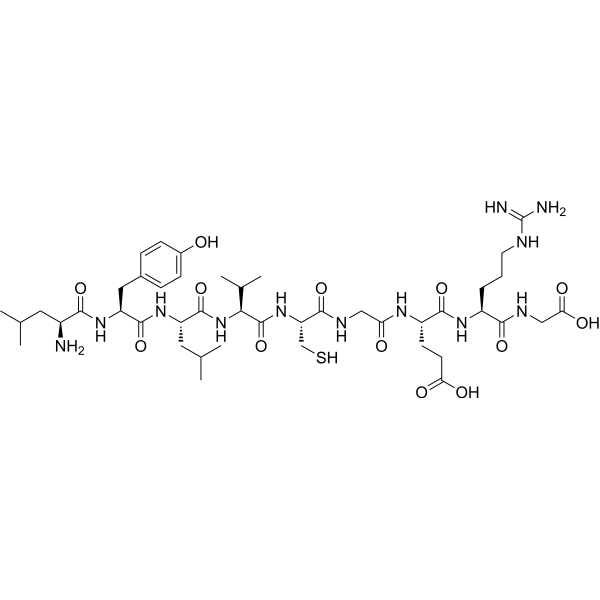
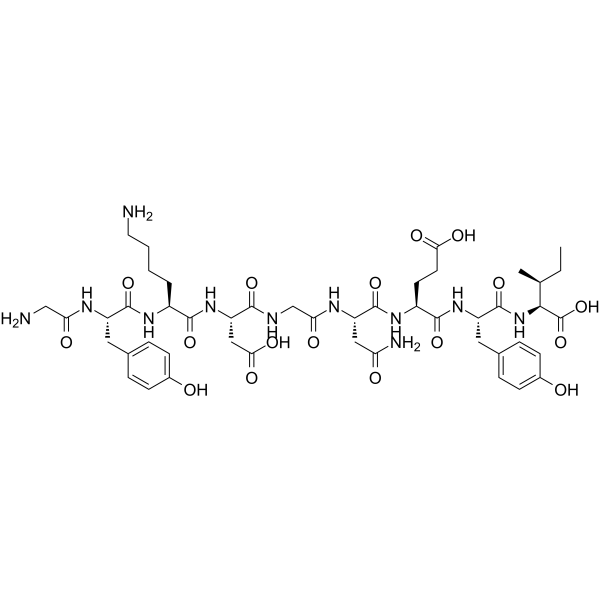
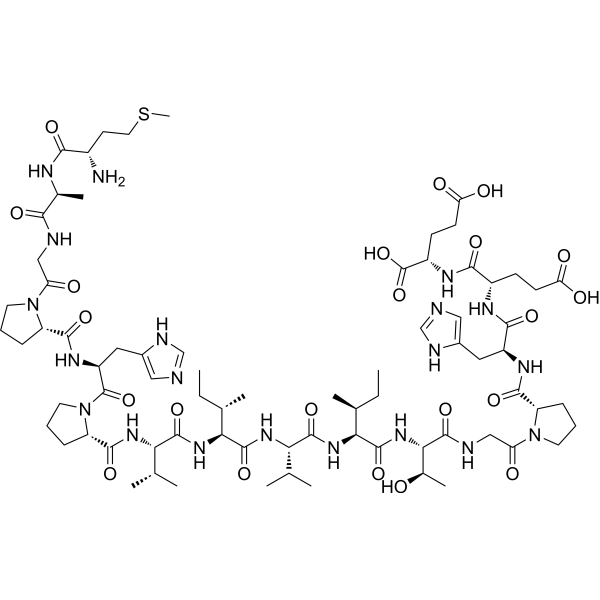
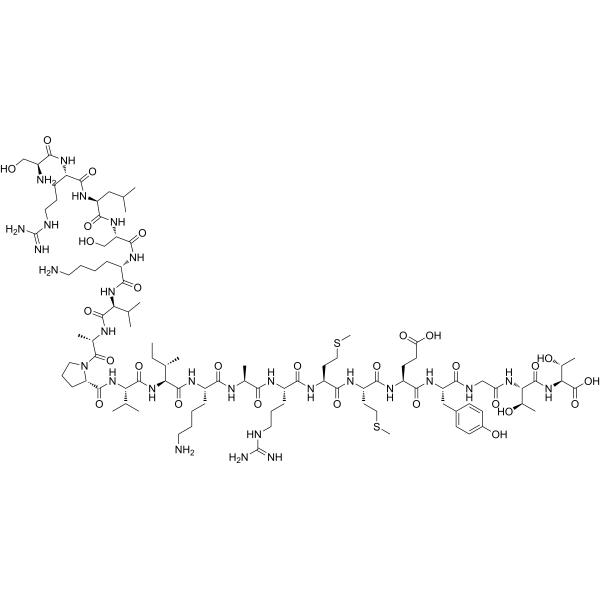
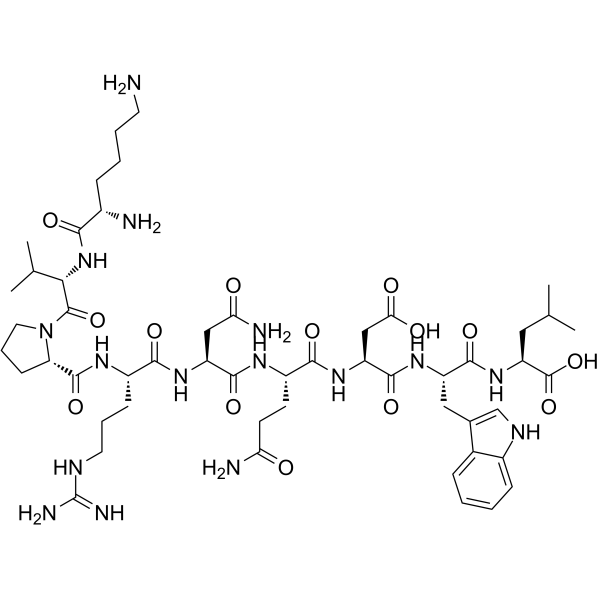
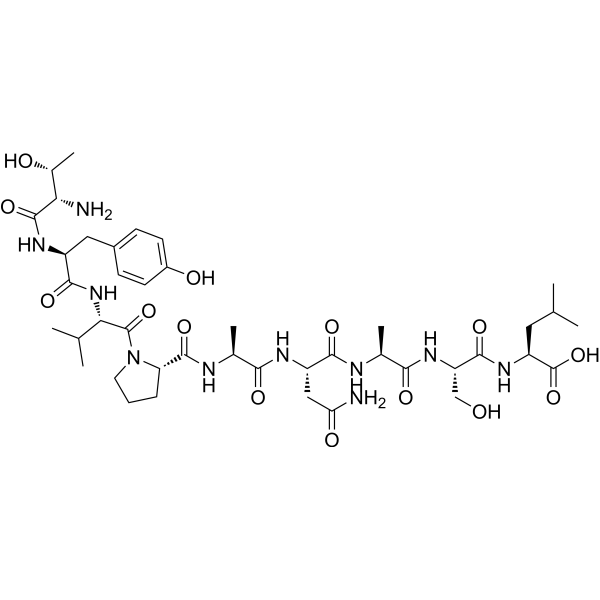
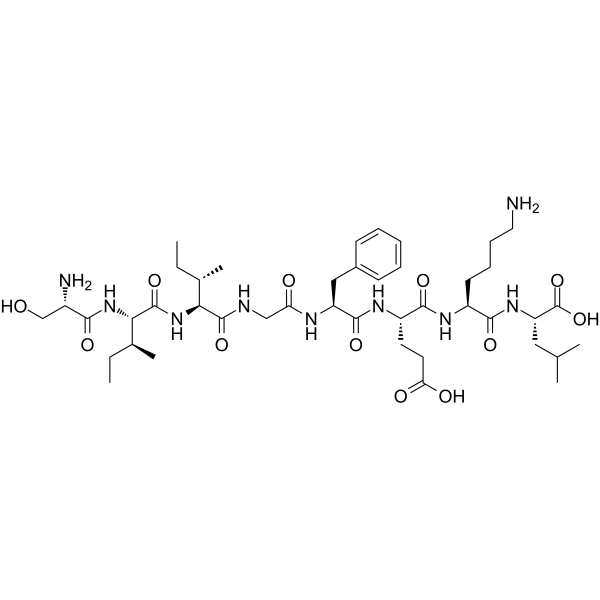
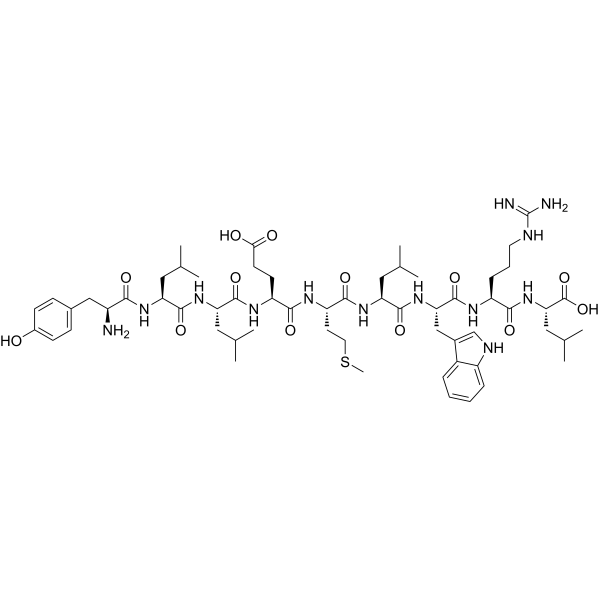
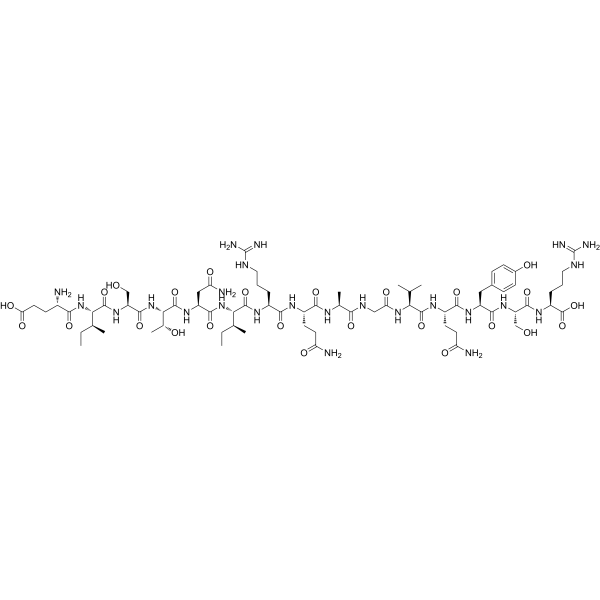
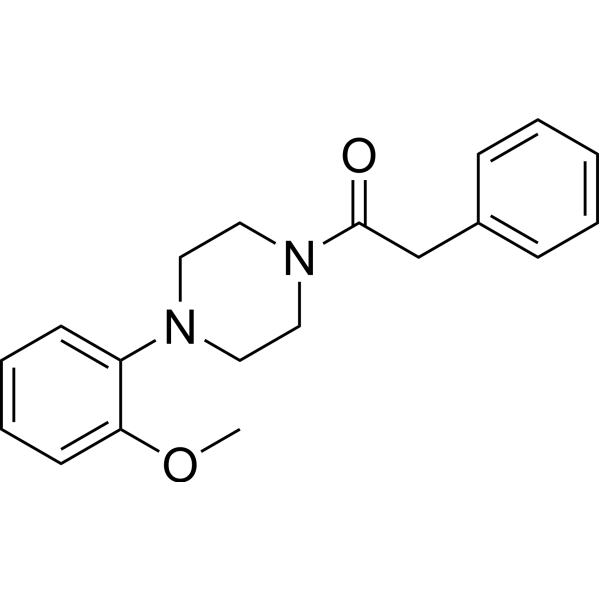
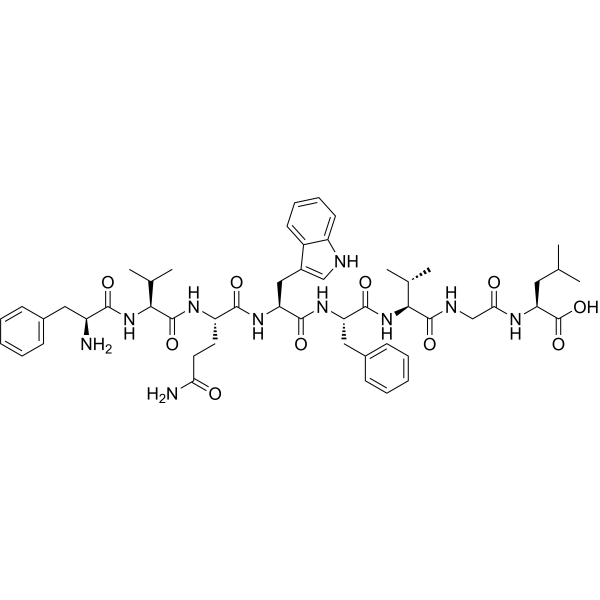
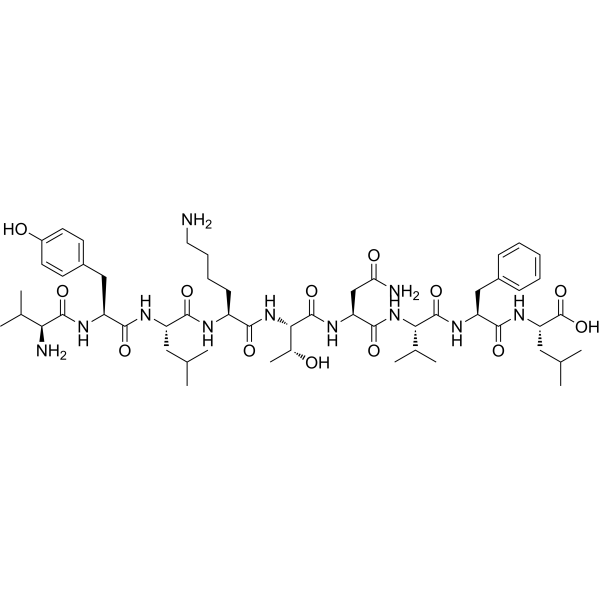
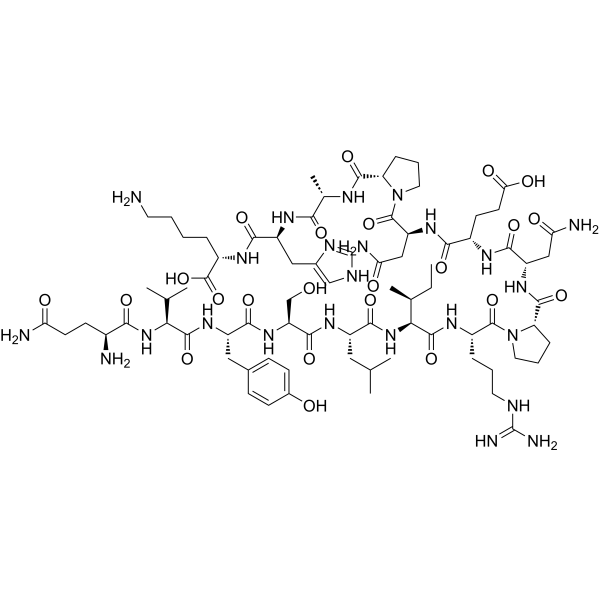
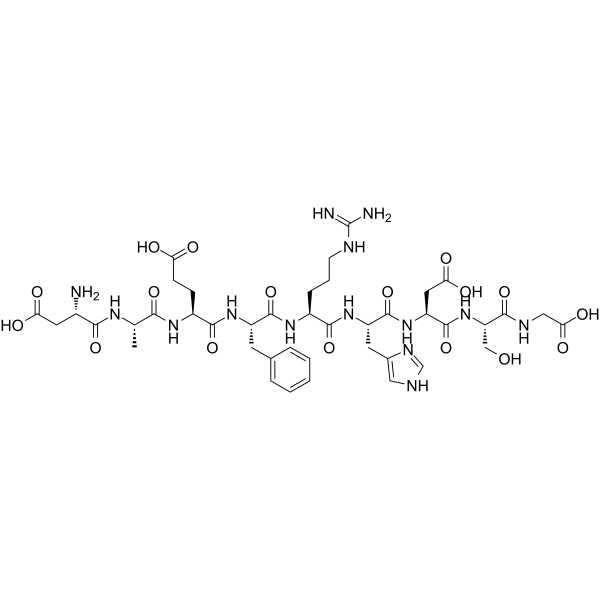
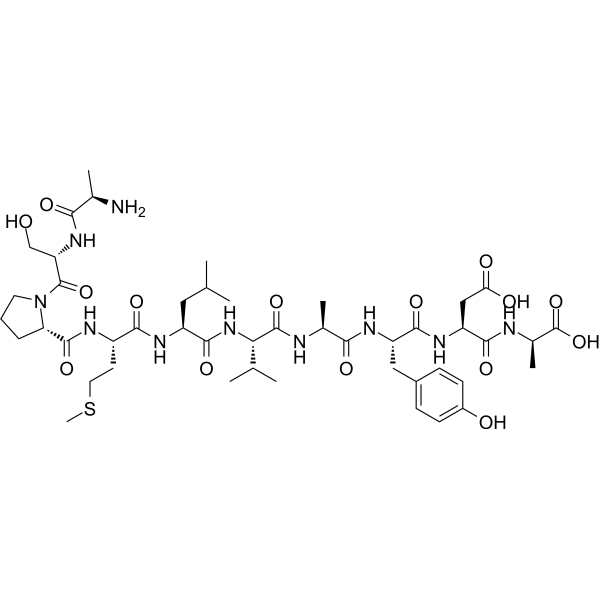
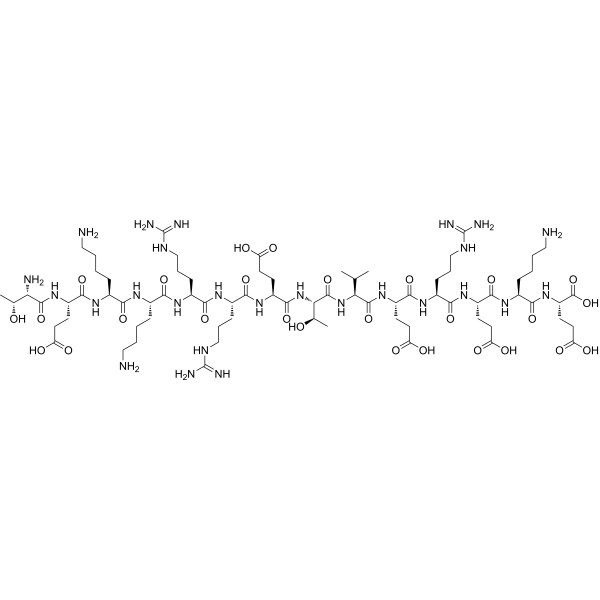
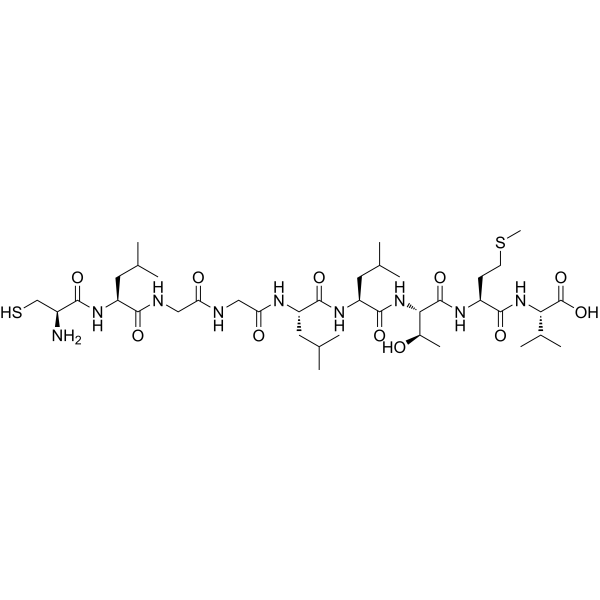
    Insulin β Chain Peptide (15-23) is one of the earliest antigenic epitopes to which CD8 T-cells respond .
    Insulin β Chain Peptide (15-23)
  • HY-114388
    QM385
    2 Publications Verification

    Reactive Oxygen Species (ROS) Inflammation/Immunology
    QM385 is a potent sepiapterin reductase (SPR) inhibitor with an IC50 of 1.49 nM, which blocks T-cell proliferation and autoimmunity at nanomolar potency and with good oral bioavailability .
    QM385
  • HY-P991526

    CD3 Cancer
    M701 is a T-cell engager bispecific humanized antibody targeting epithelial cell adhesion molecule (EpCAM) and cluster of differentiation 3 (CD3). M701 binds to EpCAM on tumor cells and CD3 on T cells, thereby linking the two cell populations to achieve targeted cytotoxicity and T cell-mediated cytotoxicity. M701 is applicable to research related to advanced epithelial solid tumors .
    M701
  • HY-111149A
    PS372424 hydrochloride
    2 Publications Verification

    CXCR Inflammation/Immunology
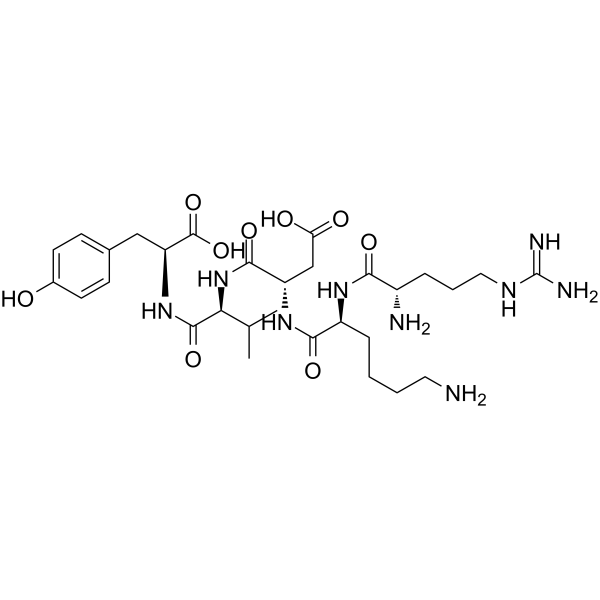
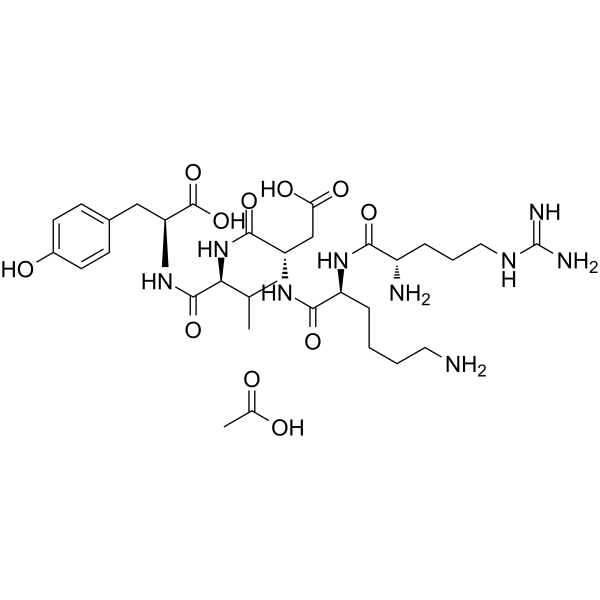
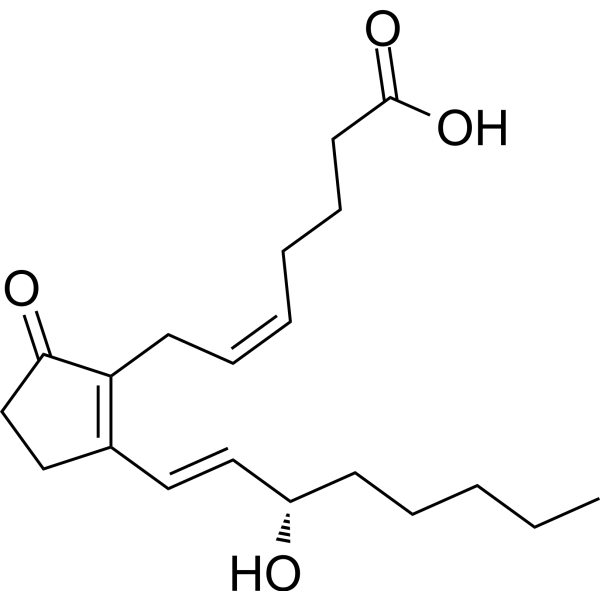
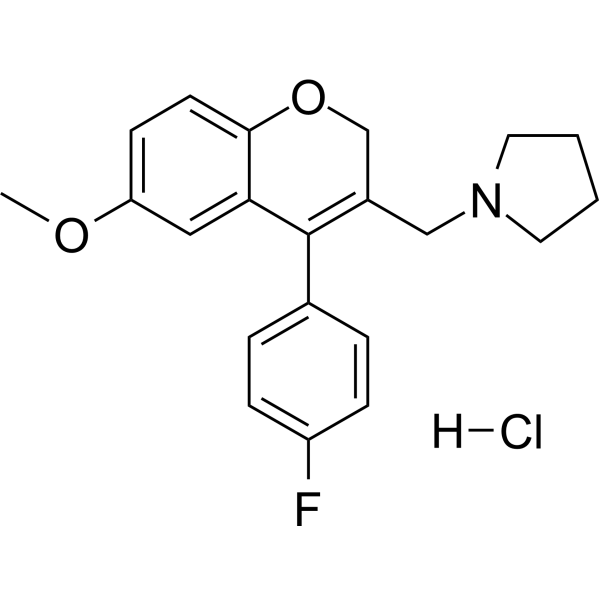
    PS372424 hydrochloride, a three amino-acid fragment of CXCL10, is a specific human CXCR3 agonist with anti-inflammatory activity. PS372424 hydrochloride prevents human T-cell migration in a humanized model of arthritic inflammation .
    PS372424 hydrochloride
  • HY-P99605

    PRS 343

    EGFR TNF Receptor Cancer
    Cinrebafusp alfa (PRS 343) is a high affinity CD137/HER2 bispecfic anticalin-based drug. Cinrebafusp alfa binds to recombinant human HER2 (Kd=0.3 nM) and human monomeric CD137 (4-1BB; Kd=5 nM). Cinrebafusp alfa facilitates T-cell costimulation by tumor-localized, HER2-dependent 4-1BB clustering and activation, further enhancing T-cell receptor-mediated activity and leading to tumor destruction. Cinrebafusp alfa has the potential for HER2+ solid tumors research .
    Cinrebafusp alfa
  • HY-156659

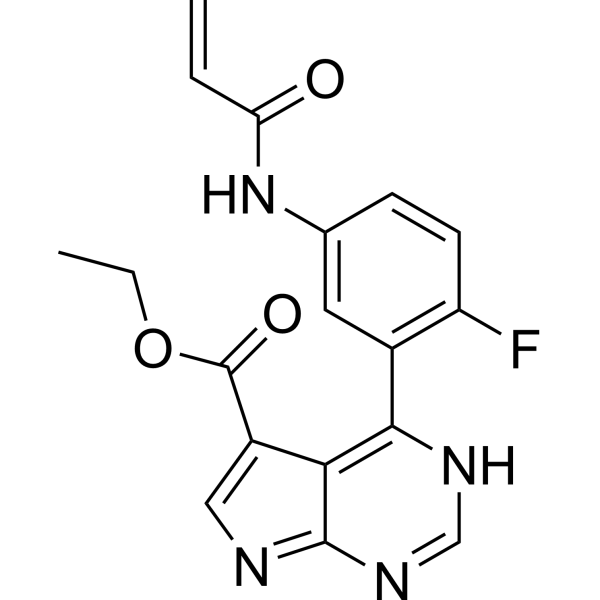
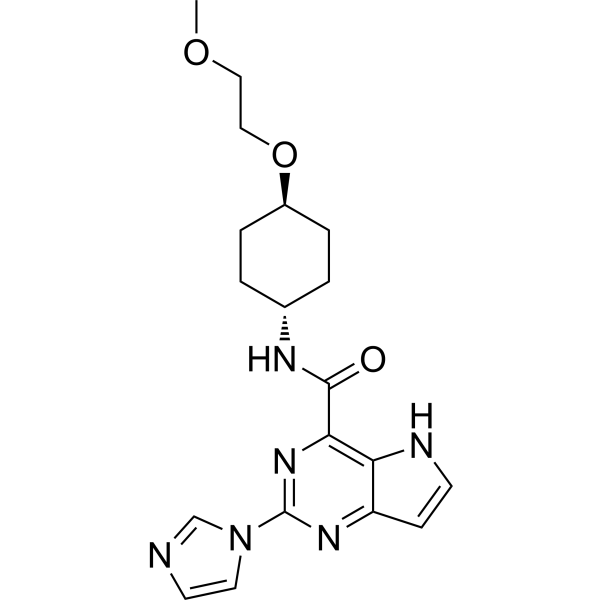
    Phosphatase ERK Inflammation/Immunology
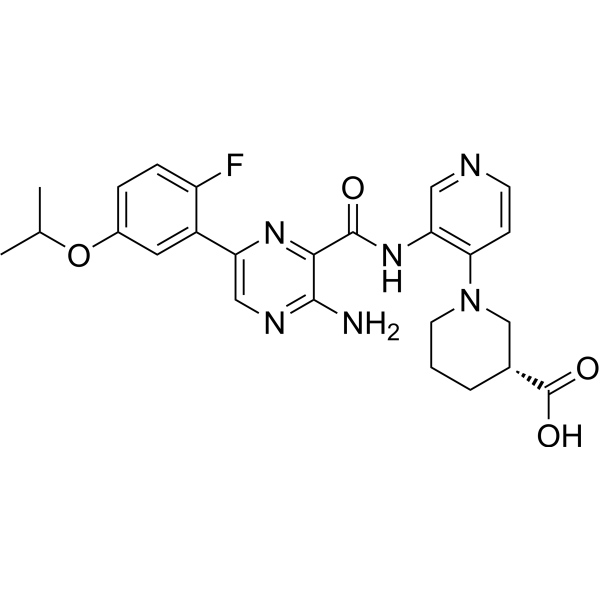
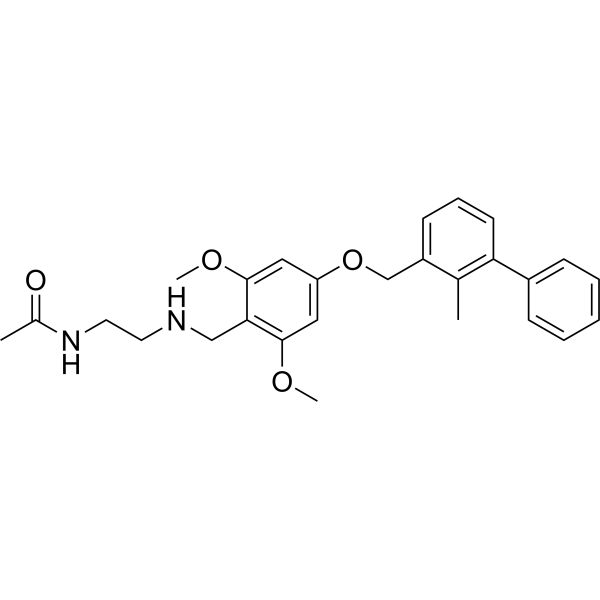
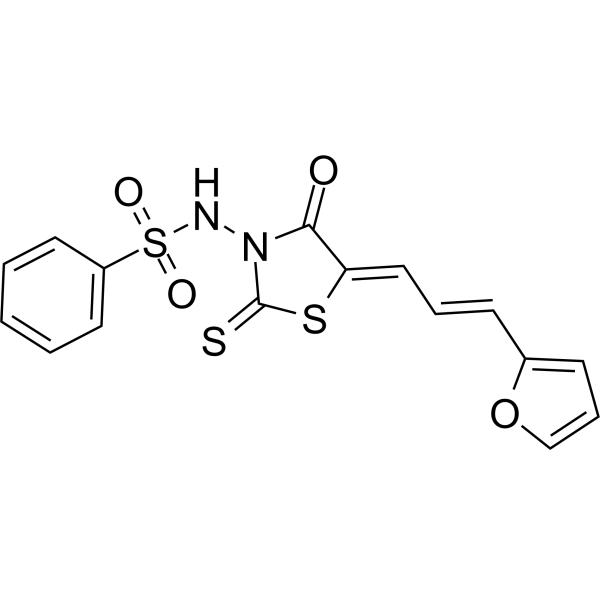
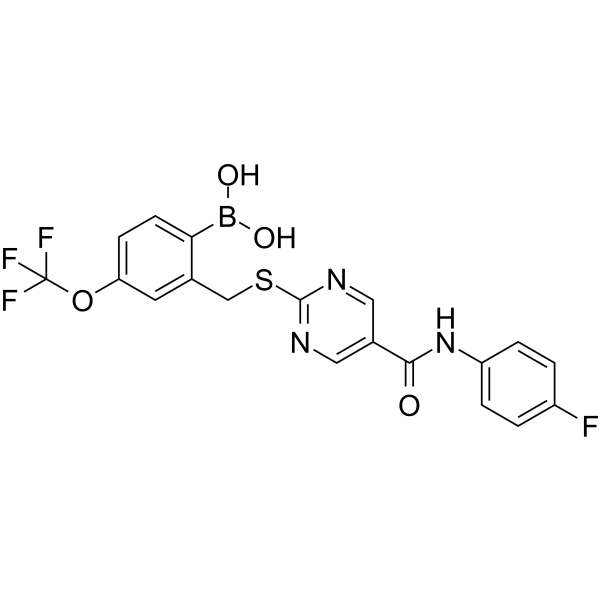
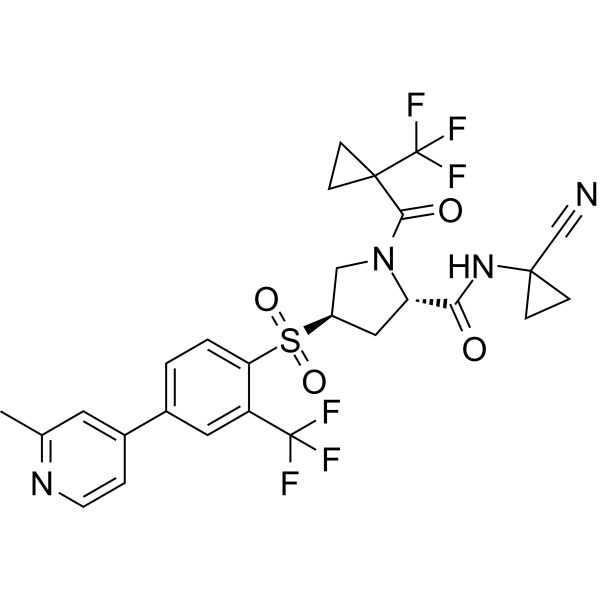
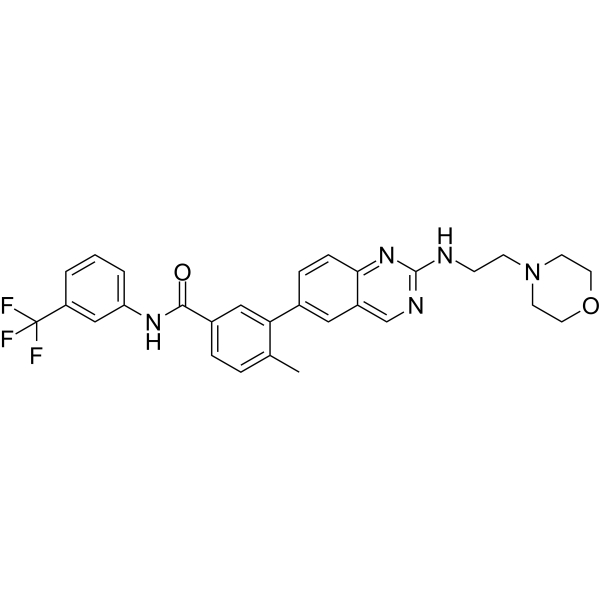
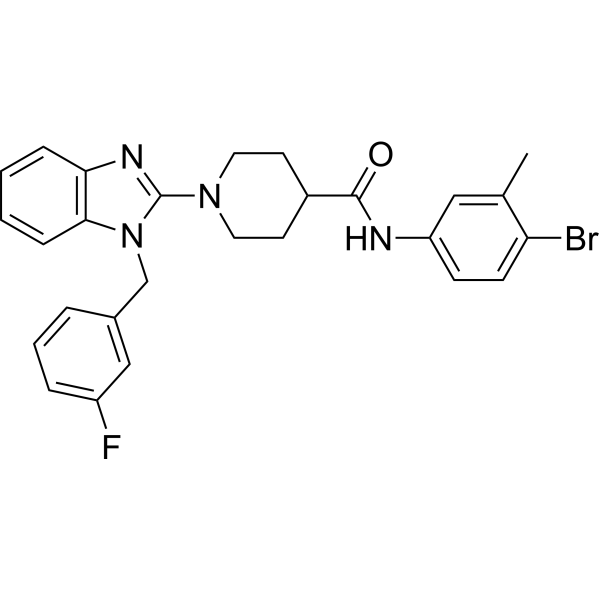
    NC1 is a selective non-competitive and allosteric lymphoid-specific tyrosine phosphatase (LYP) inhibitor, with a Ki value 4.3 μM. NC1 allosterically regulates LYP/PTPN22 activity by restricting WPD loop movement. NC1 inhibits LYP activity in lymphoid T cells and enhances T-cell receptor signaling. NC1 can be used for the research of autoimmune diseases .
    NC1
  • HY-P990785

    ABBV-383; TNB 383B

    CD3 Cardiovascular Disease Inflammation/Immunology Cancer
    Etentamig is a BCMA × CD3 bispecific T-cell engager (BiTE) that can inhibit the activity of B-cell maturation antigen (BCMA) and activate the T-cell surface glycoprotein CD3 complex. Etentamig can be used for research in multiple myeloma, immunoglobulin light chain amyloidosis, and cardiovascular diseases .
    Etentamig
  • HY-P99253
    Mogamulizumab
    1 Publications Verification

    KW-0761

    CCR Inflammation/Immunology Cancer
    Mogamulizumab (KW-0761) is a recombinant anti-CCR4 monoclonal antibody (MAb). Mogamulizumab can eliminate tumor cells by antibody-dependent cellular cytotoxicity (ADCC). Mogamulizumab can be used in the research of cancers, adult T-cell leukemia/lymphoma (ATLL), cutaneous T-cell lymphoma (CTCL) .
    Mogamulizumab
  • HY-P99884

    PF-06801591

    PD-1/PD-L1 Inflammation/Immunology Cancer
    Sasanlimab is a humanized IgG4 isotype anti-PD-1 antibody. Sasanlimab blocks PD-1 interaction with PD-L1/PD-L2, reverses PD-1-mediated inhibitory T-cell signaling, augments T-cell proliferation and cytokine production. Sasanlimab inhibits colon adenocarcinoma tumor growth, and accelerates graft-versus-host disease incidence via enhanced T-cell activity. Sasanlimab can be used for the research of cancer, such as bladder cancer and colon adenocarcinoma .
    Sasanlimab
  • HY-P99040
    Onvatilimab
    1 Publications Verification

    JNJ-61610588; CI-8993; VSTB112

    VISTA Cancer
    Onvatilimab (JNJ-61610588) is a human IgG1κ anti-VISTA (V-domain Ig Suppressor of T-cell Activation) monoclonal antibody. Onvatilimab can be used in colorectal cancer research .
    Onvatilimab
  • HY-124416
    ML604086
    1 Publications Verification

    CCR Inflammation/Immunology Endocrinology
    ML604086 is a selective CCR8 inhibitor, inhibiting CCL1 binding to CCR8 on circulating T-cells. ML604086 inhibits CCL1 mediated chemotaxis and increases in intracellular Ca 2+ concentrations .
    ML604086
  • HY-P990095

    REGN5459

    CD3 TNF Receptor Cancer
    Vonsetamig (REGN5459) is a human bispecific antibody targeting BCMA and CD3. Vonsetamig triggers T-cell activation, induces plasma cell depletion, and triggers low-level cytokine release. Vonsetamig can be used for the research of relapsed/refractory multiple myeloma .
    Vonsetamig
  • HY-136427

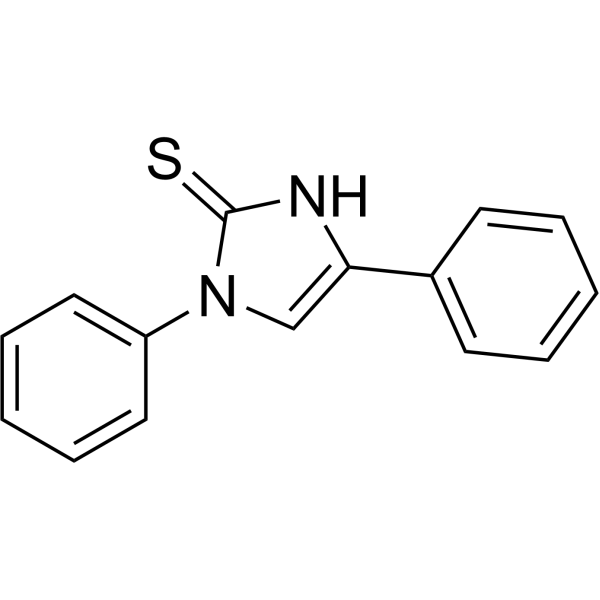
    Nuclear Factor of activated T Cells (NFAT) Inflammation/Immunology
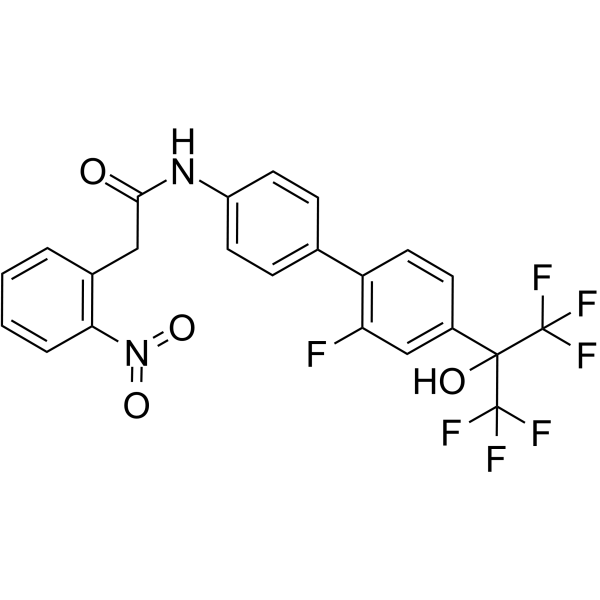
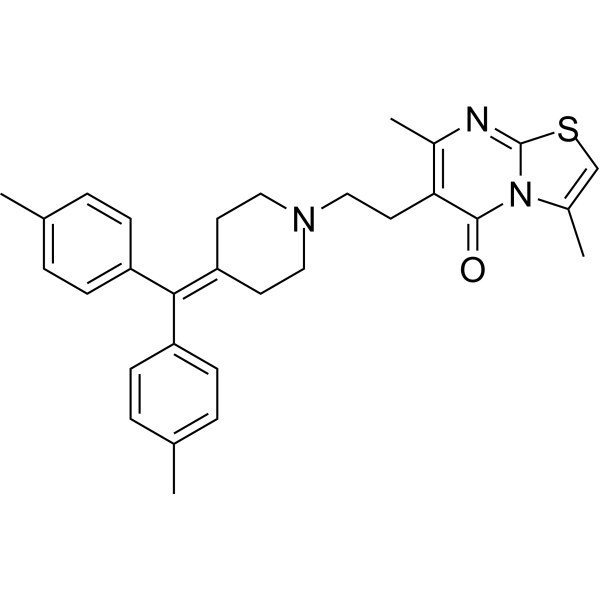
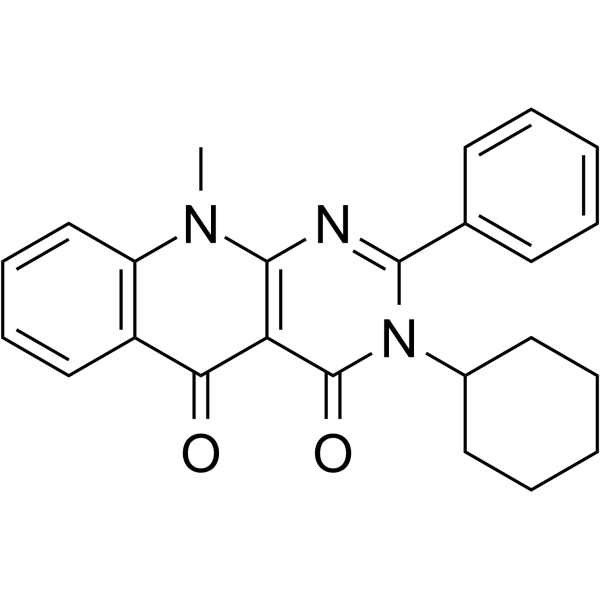
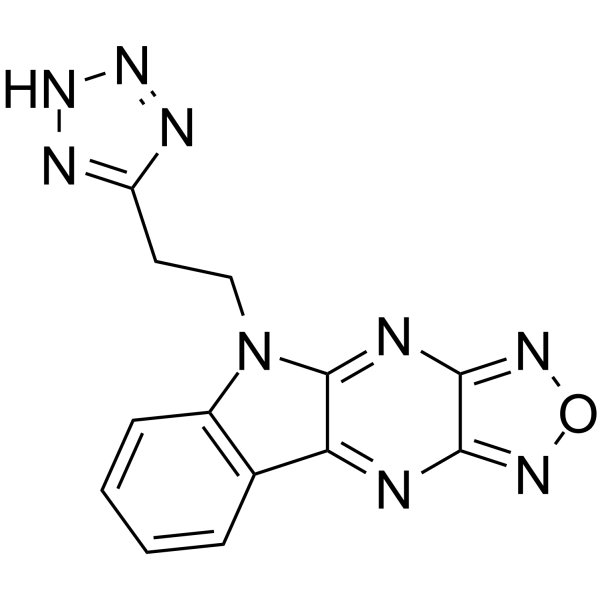
    KRM-III is a potent and orally active T-cell antigen receptor (TCR) inhibitor. KRM-III inhibits TCR- and phorbol myristate acetate/ionomycin-induced activation of nuclear factor of activated T cells (NFAT) and T-cell proliferation with an IC50 of ~5 μM. Anti-inflammatory activity .
    KRM-III
  • HY-N4053

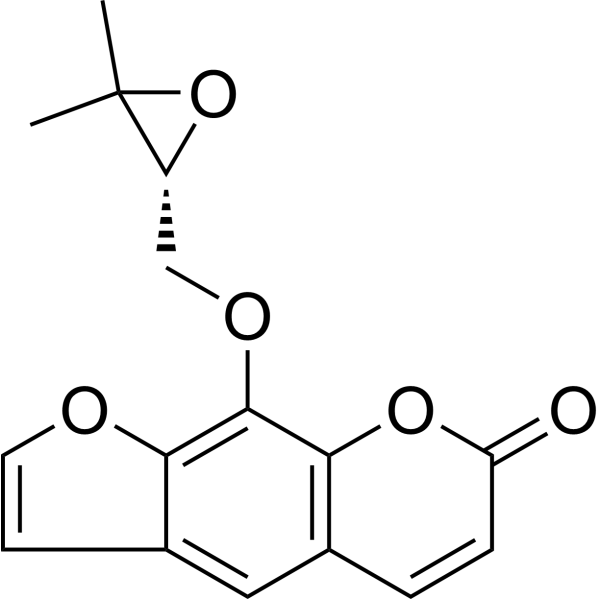
    Nuclear Factor of activated T Cells (NFAT) Inflammation/Immunology
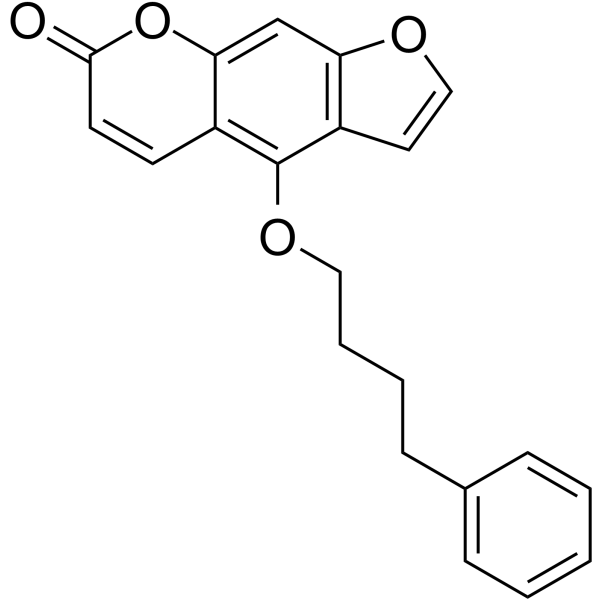
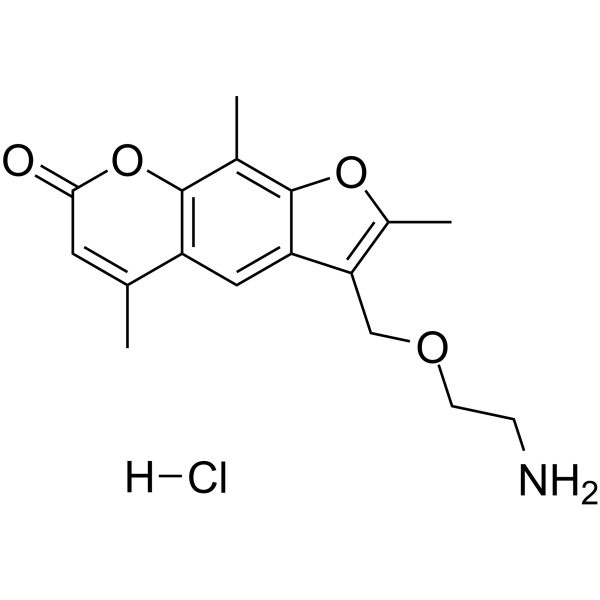
    Heraclenin, a natural furanocoumarin, significantly inhibits T cell receptor-mediated proliferation in human primary T cells in a concentration-dependent manner by targeting nuclear factor of activated T-cells (NFAT) .
    Heraclenin
  • HY-P99266

    Anti-Human CD4 Recombinant Antibody

    Transmembrane Glycoprotein Inflammation/Immunology Cancer
    Zanolimumab (Anti-Human CD4 Recombinant Antibody) is a fully human monoclonal antibody targets CD4. Zanolimumab effectively inhibits T-cell receptor (TCR) signal transduction. Zanolimumab can be used for the research of heumatoid arthritis, psoriasis, melanoma, cutaneous and peripheral T-cell lymphoma .
    Zanolimumab
  • HY-P5425A

    Transmembrane Glycoprotein Cancer
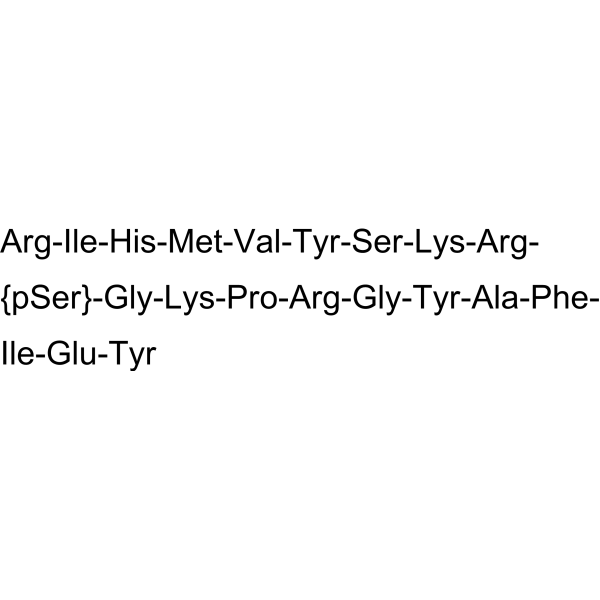
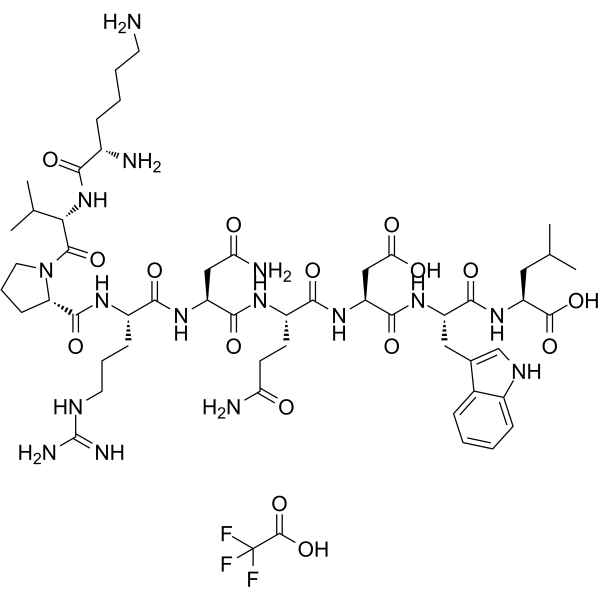
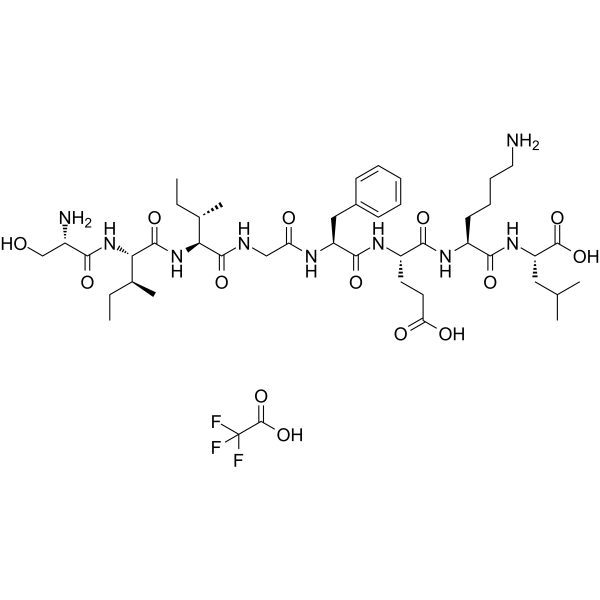
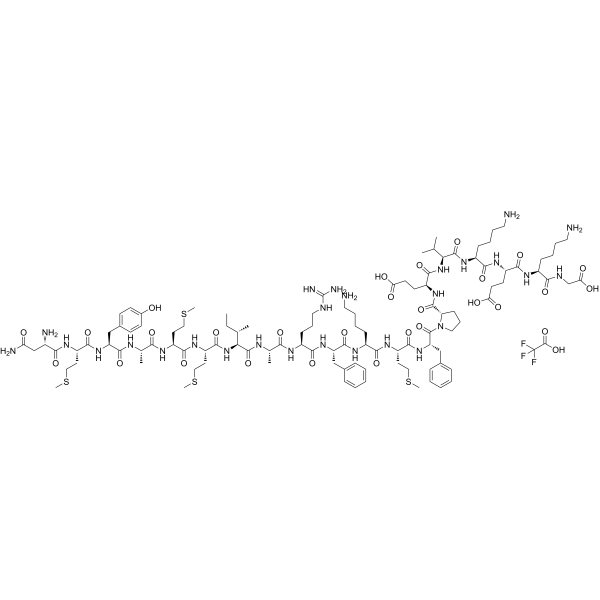
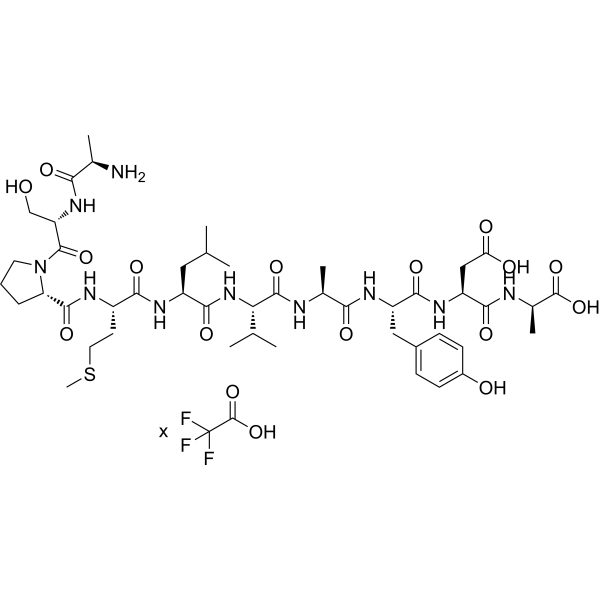
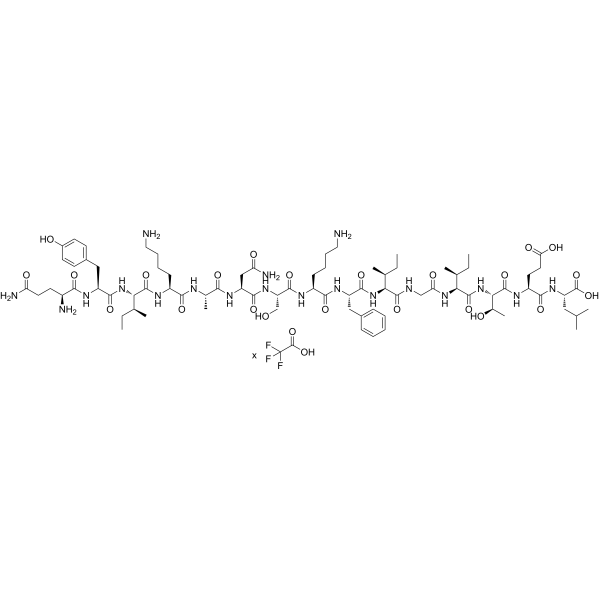
    Tetanus Toxin (830–844) TFA is a biological active peptide. (tetanus toxin-derived peptide TT830–844 CD4 + T-cell epitope. This promiscuous CD4 + T-cell epitope can bind to a wide range of HLA–DRB molecules and is thus expected to activate CD4 + T-cell responses in a large part of the human population) .
    Tetanus Toxin (830–844) TFA
  • HY-147311

    PD-1/PD-L1 Inflammation/Immunology
    NSC622608 is a V-domain Ig suppressor of T-cell activation (VISTA) ligand with an IC50 value of 4.8 μM .
    NSC622608
  • HY-106934A
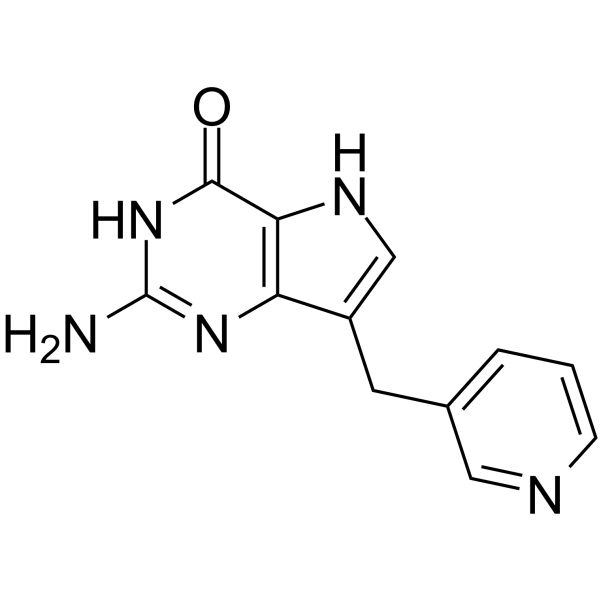
    Peldesine dihydrochloride
    1 Publications Verification

    BCX 34 dihydrochloride

    Nucleoside Antimetabolite/Analog HIV Infection Inflammation/Immunology Cancer
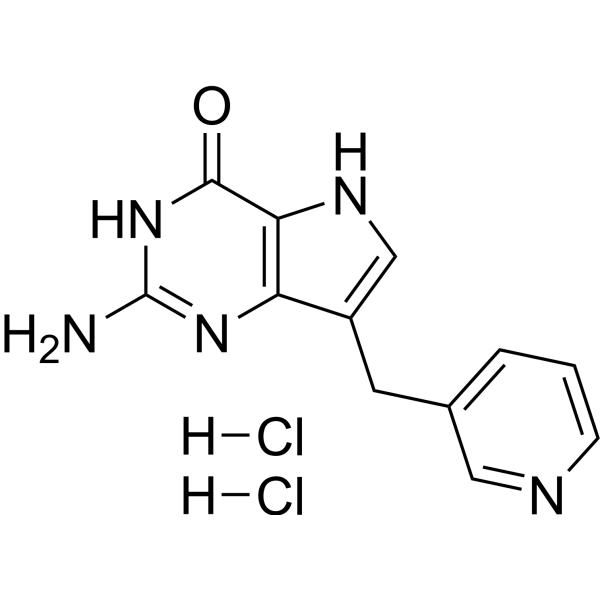
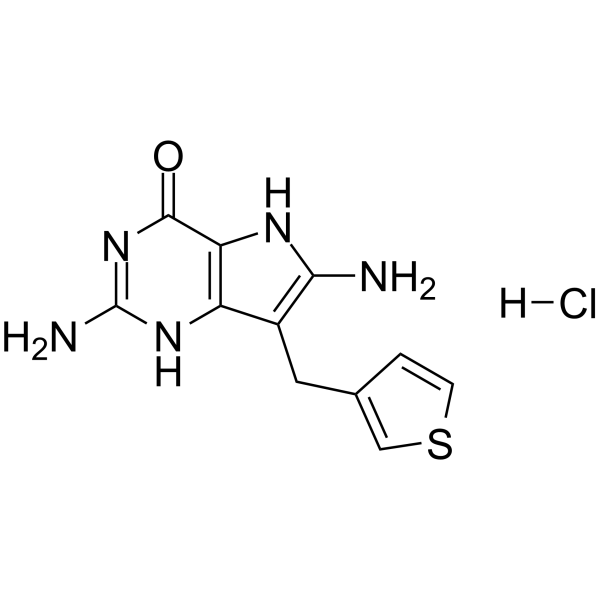
    Peldesine (BCX 34) dihydrochloride is a potent, competitive, reversible and orally active purine nucleoside phosphorylase (PNP) inhibitor with IC50s of 36 nM, 5 nM, and 32 nM for human, rat, and mouse red blood cell (RBC) PNP, respectively. Peldesine dihydrochloride is also a T-cell proliferation inhibitor with an IC50 of 800 nM. Peldesine dihydrochloride has the potential for cutaneous T-cell lymphoma, psoriasis and HIV infection research .
    Peldesine dihydrochloride
  • HY-157149

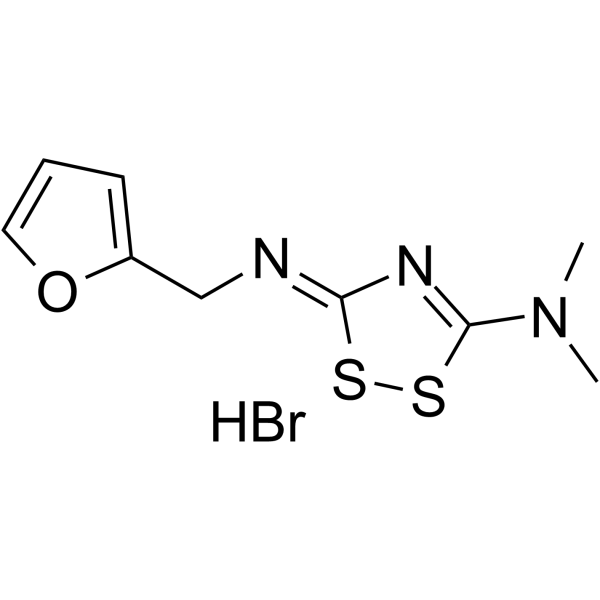
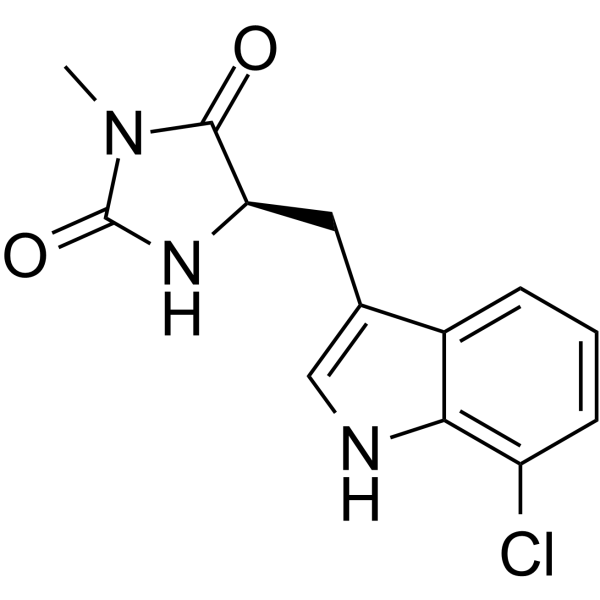
    MAP4K Cancer
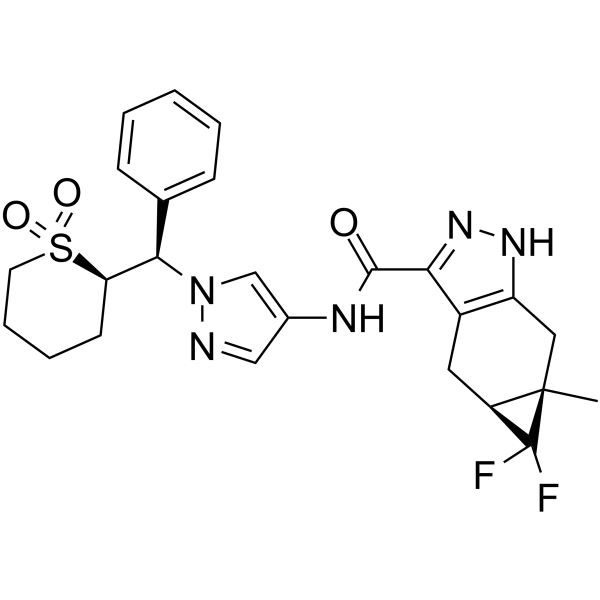
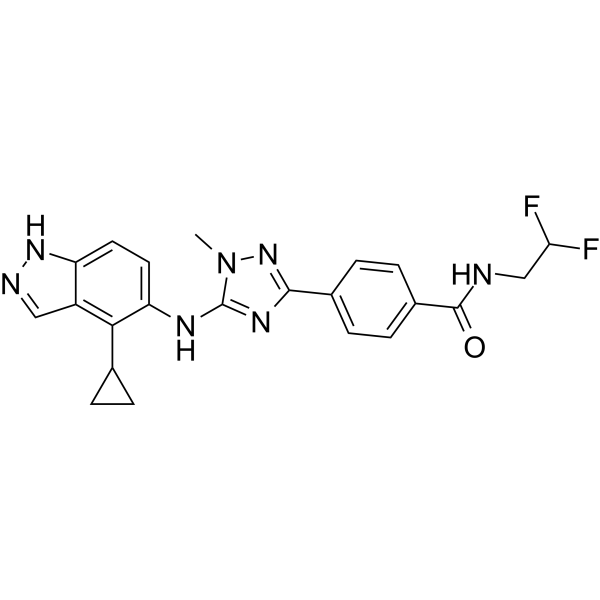
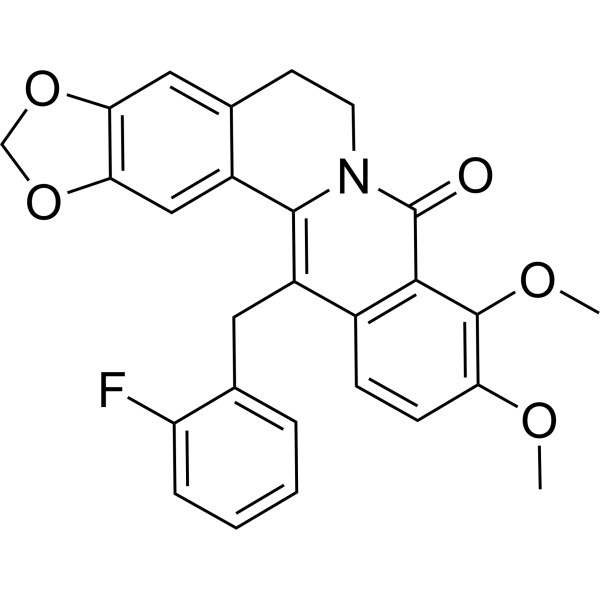
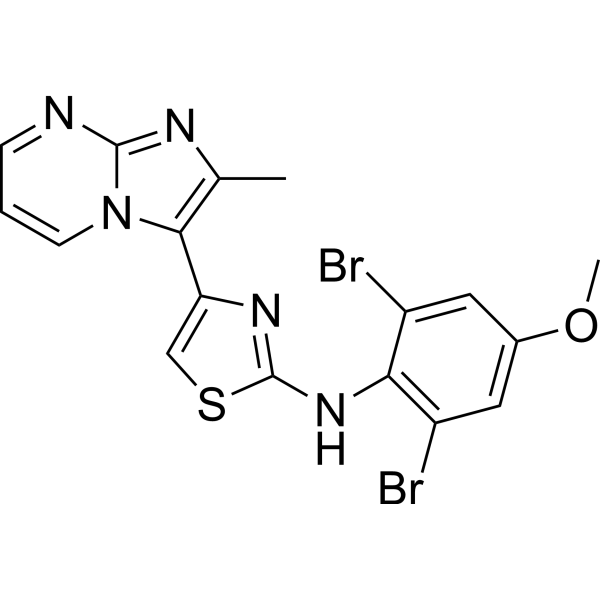
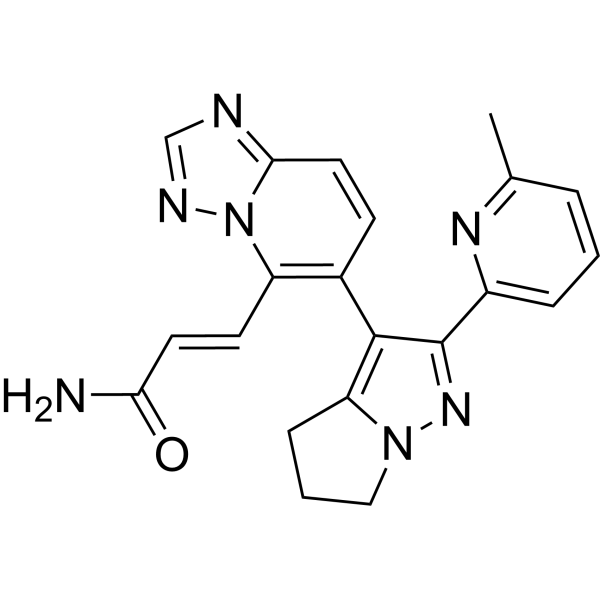
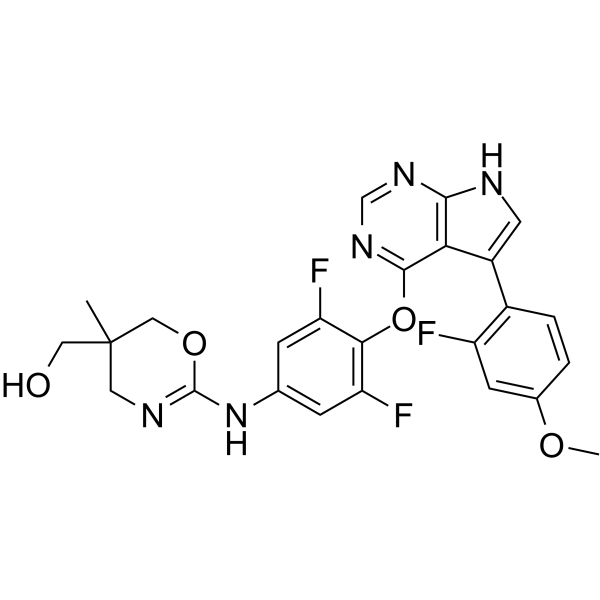
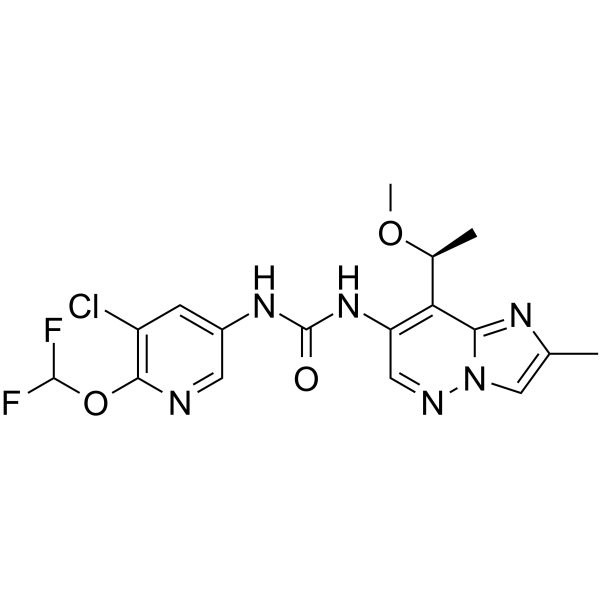
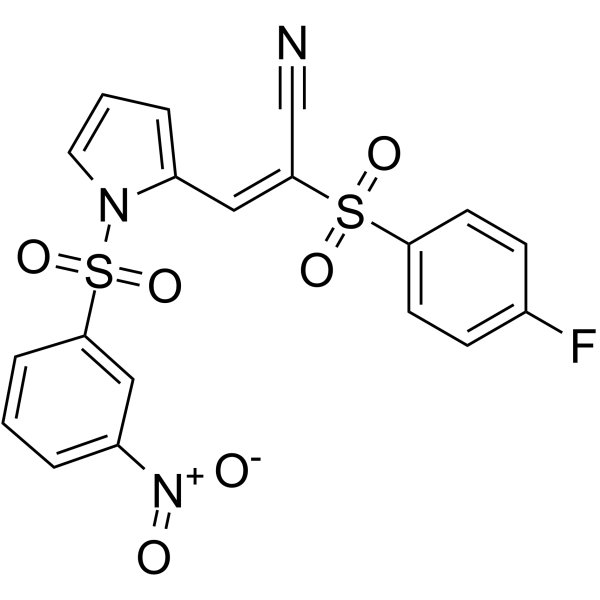
    DS21150768 is a potent, orally active HPK1 inhibitor. DS21150768 shows potent activity to enhance T-cell function. DS21150768 has anticancer effects .
    DS21150768
  • HY-P990953

    Gen1047

    CD3 Cancer
    Zubotamig (Gen1047) is an CD3E/VTCN1-targeting Ig(G1 -κ_G1 -λ2) type chimeric human antibody. The recommed isotype control is Human IgG1 kappa, Isotype Control (HY-P99001). Zubotamig induces T-cell mediated cytotoxicity of B7H4-positive tumor cells, triggers T-cell activation, and induces cytokine release from T cells in the presence of B7H4-expressing tumor cells. Zubotamig demonstrates antitumor activity in mouse patient-derived xenograft (PDX) models. Zubotamig can be used for the research of solid cancers (including breast, ovarian and lung cancer) .
    Zubotamig
  • HY-NP158A

    Biochemical Assay Reagents Others
    Type II Collagen, T Cell Grade, from Chick is a T-cell dependent antigen with unique immunological features. Type II Collagen, T Cell Chick, from Bovine can be used as a stimulating antigen for T-cells in in vitro culture systems .
    Type II Collagen, T Cell Grade, from Chick
  • HY-P991088

    CD3 Cancer
    HPN536 is a trispecific, T-cell-activating protein-based construct, which binds to mesothelin-expressing tumor cells, CD3ε on T cells, and to serum albumin. HPN536 specifically redirects T cells for potent redirected lysis of mesothelin-expressing cancer cells with concomitant T-cell activation .
    HPN536
  • HY-156769

    E1/E2/E3 Enzyme Inflammation/Immunology
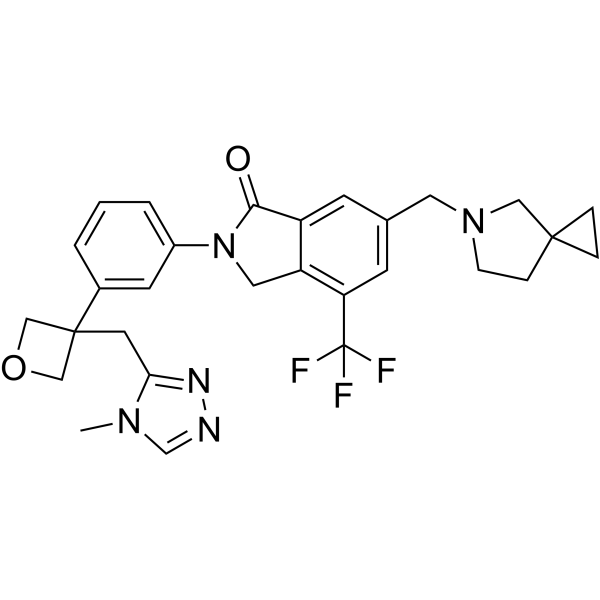
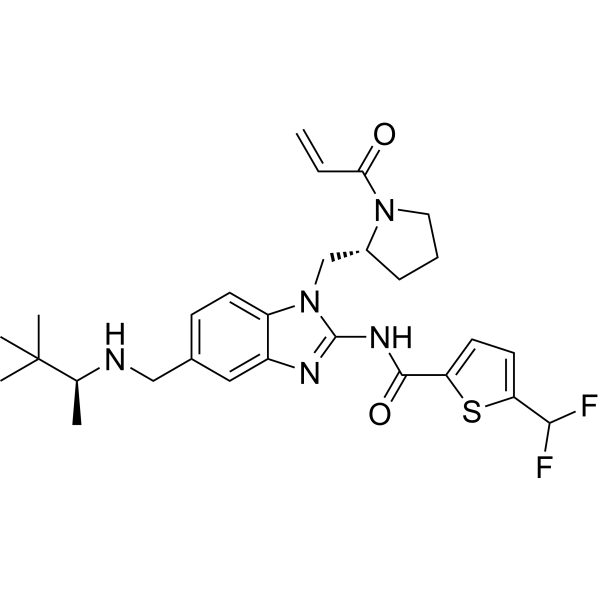
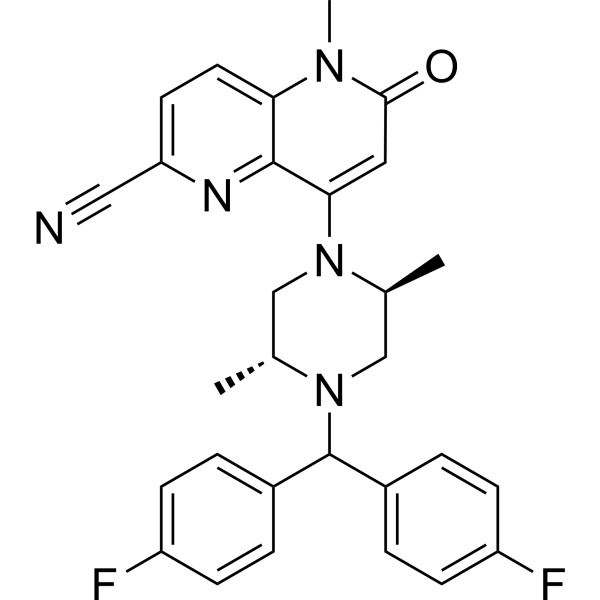
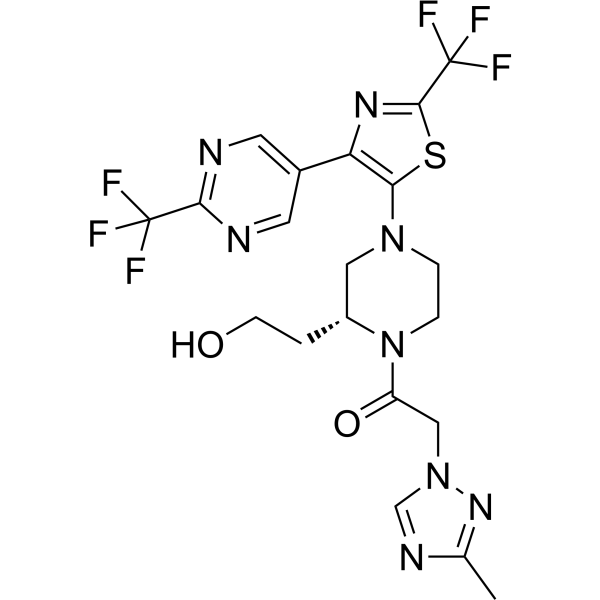
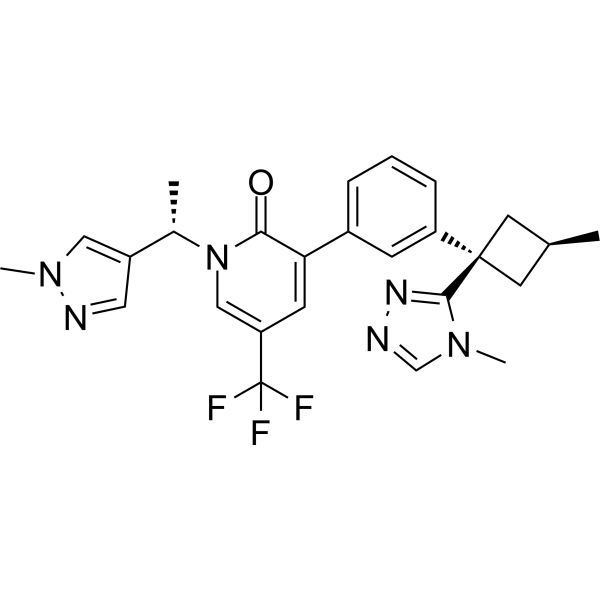
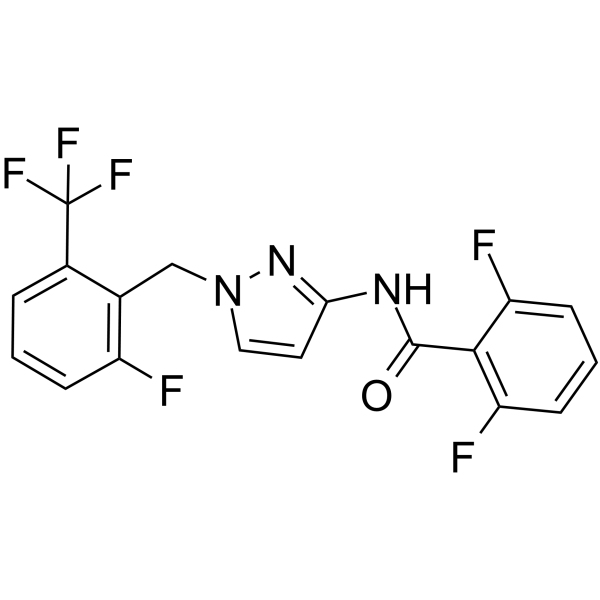
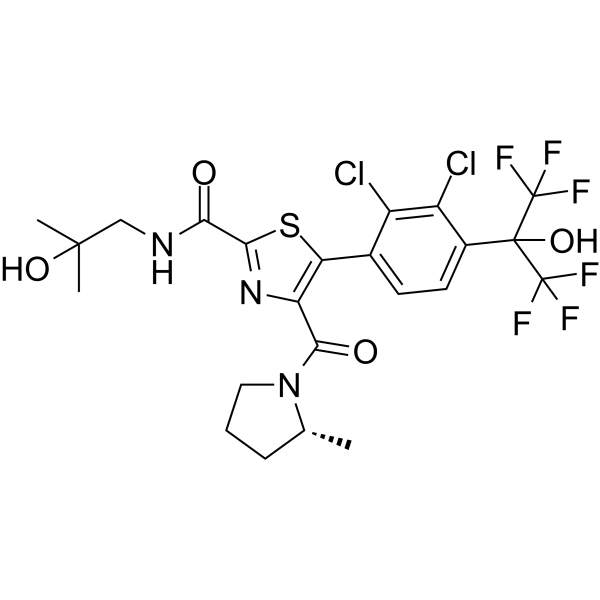
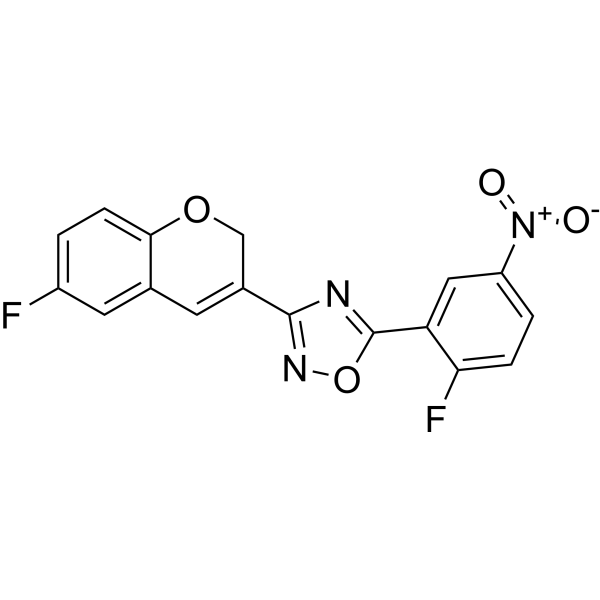
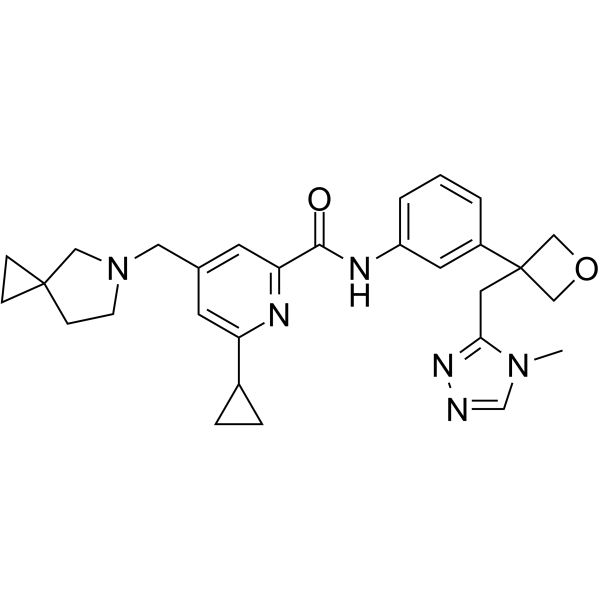
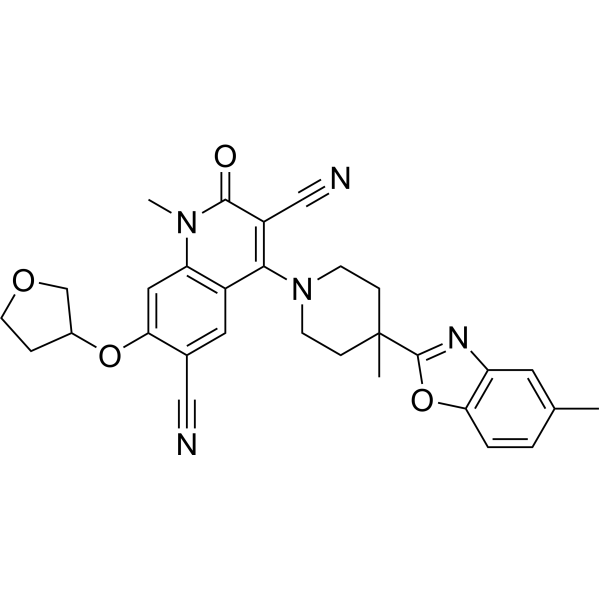
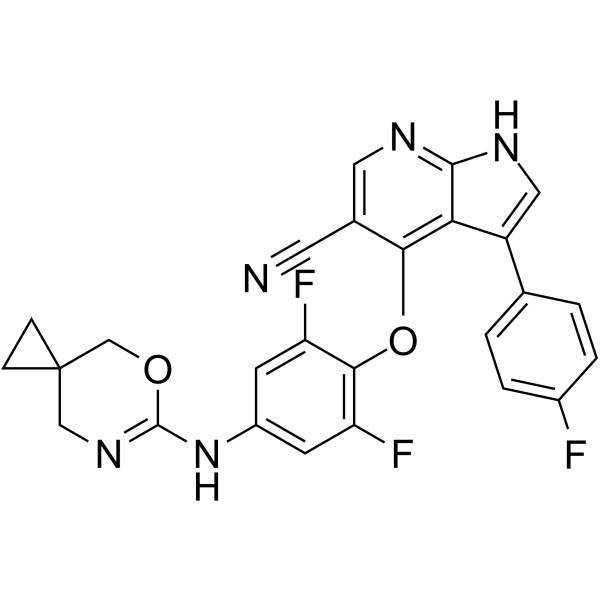
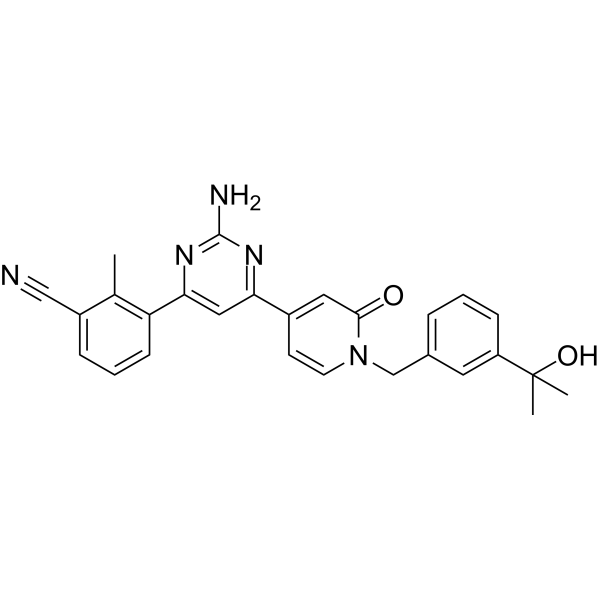
    Cbl-b-IN-13 (Example 520) is a Cbl-b inhibitor with an IC50 of <100 nM. Cbl-b-IN-13 has the ability to activate T-cells .
    Cbl-b-IN-13
  • HY-155847

    Phosphatase PD-1/PD-L1 Inflammation/Immunology Cancer
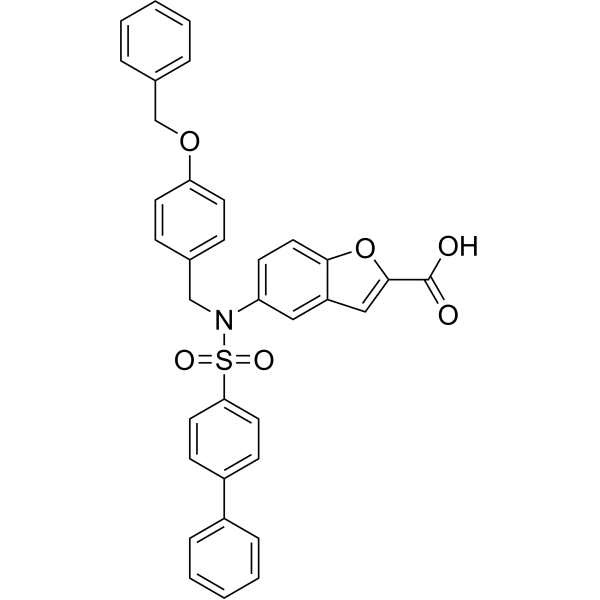
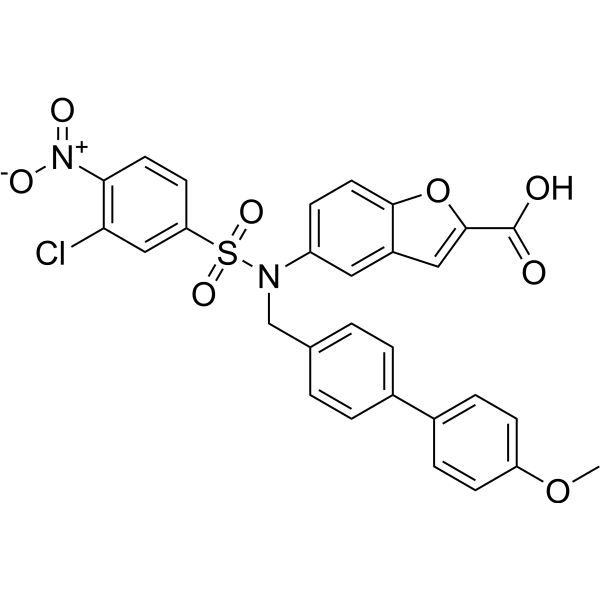
    LYP-IN-3 is a selective, orally active and reversible lymphoid-tyrosine phosphatase (LYP) inhibitor (IC50 = 2.55 μM, Ki = 0.93 μM). D34 exhibits high selectivity of PTP1B, PTPN12, PTPN5 and SSH2. LYP-IN-3 regulates the T-cell receptor (TCR) signaling by specifically inhibiting LYP. LYP-IN-3 does not significantly inhibit MC38 cell viability; its anti-tumor effect stems from immune regulation. LYP-IN-3 can significantly upregulate PD-L1 or PD-1 expression in different immune cells. LYP-IN-3 facilitates T-cell infiltration and enhances T-cell functions. LYP-IN-3 synergizes with PD-L1 blockade can significantly improve colorectal tumor regression. LYP-IN-3 can be used for the study of colorectal cancer .
    LYP-IN-3
  • HY-14171S

    LGD1069 d4

    RAR/RXR Autophagy Cancer
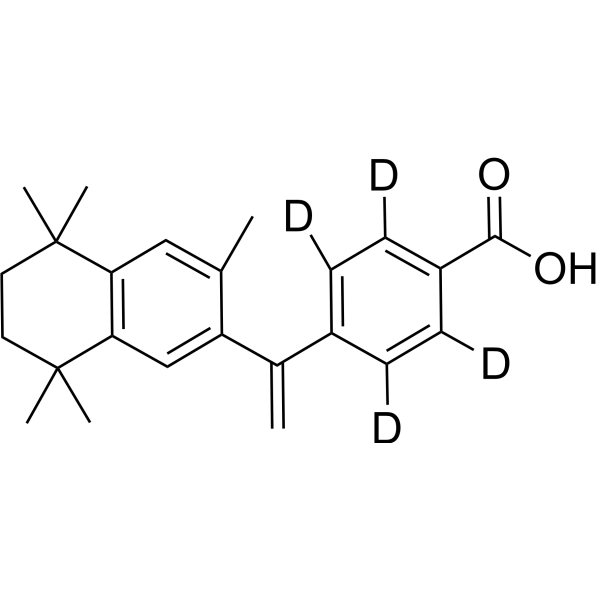
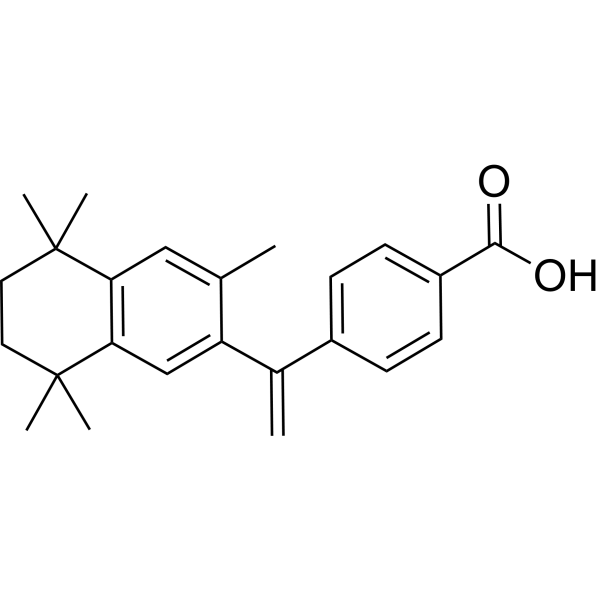
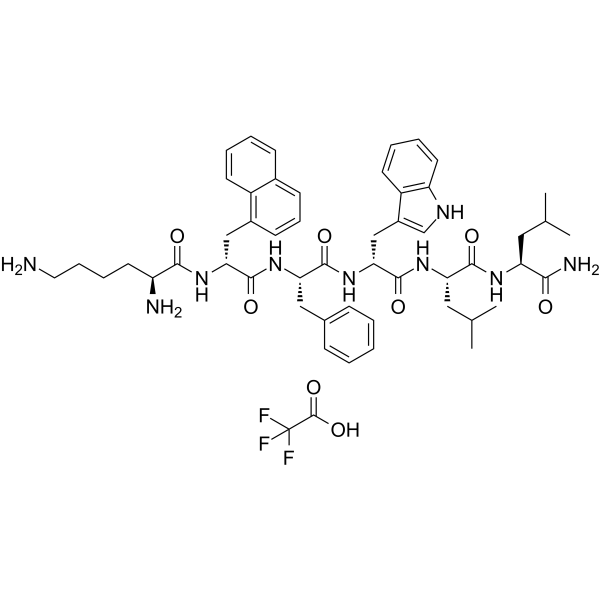
    Bexarotene-d4 is a deuterium labeled Bexarotene (LGD1069). Bexarotene (LGD1069) is a selective retinoid X receptors (RXR) agonist for the treatment of cutaneous T-cell lymphoma .
    Bexarotene-d4
  • HY-111149

    CXCR Inflammation/Immunology
    PS372424, a three amino-acid fragment of CXCL10, is a specific human CXCR3 agonist with anti-inflammatory activity. PS372424 prevents human T-cell migration in a humanized model of arthritic inflammation .
    PS372424
  • HY-156730A

    Molecular Glues STAT Cancer
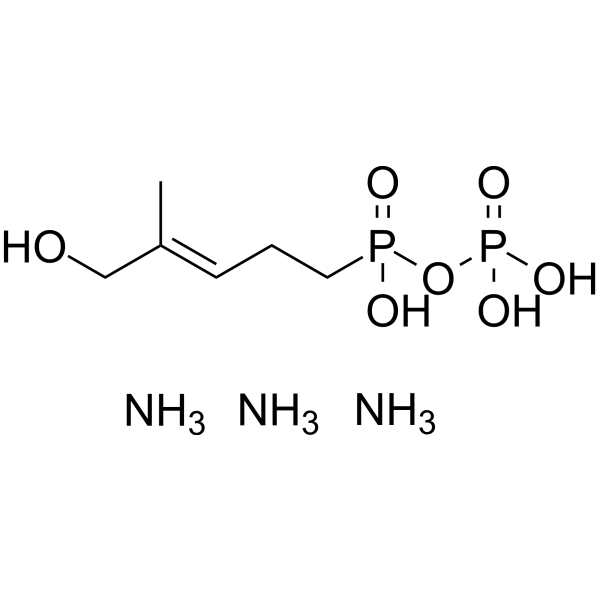
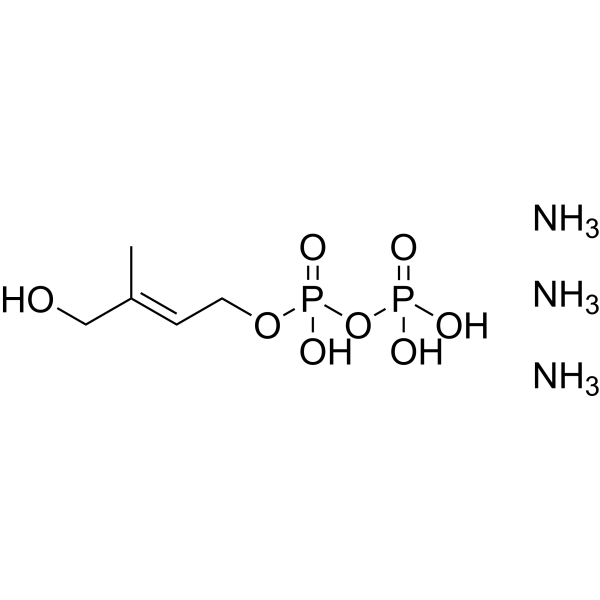
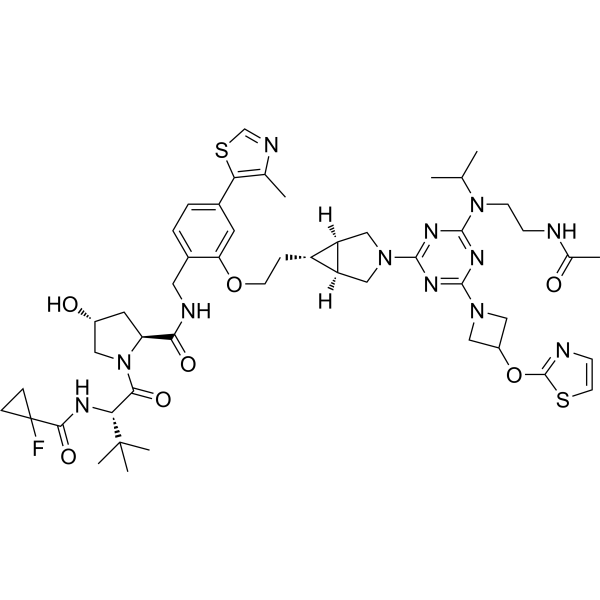
    KT-333 ammonium (Compound A) is a molecular glues that degrades STAT3 protein. KT-333 ammonium mediates the selective degradation of STAT3 through the ubiquitin-proteasome system by binding to STAT3 protein and E3 ubiquitin ligase von Hippel-Lindau protein (VHL). KT-333 ammonium has strong selectivity for STAT3 protein degradation and good antitumor activity. KT-333 ammonium can be used in the study of hematologic malignancies such as large granular lymphocytic leukemia (LGL-L), peripheral T-cell lymphoma (PTCL), and cutaneous T-cell lymphoma (CTCL) .
    KT-333 ammonium
  • HY-155477

    E1/E2/E3 Enzyme Cancer
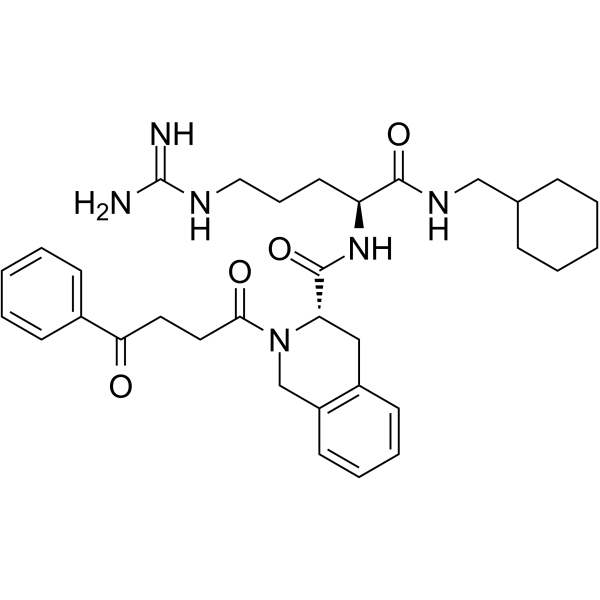
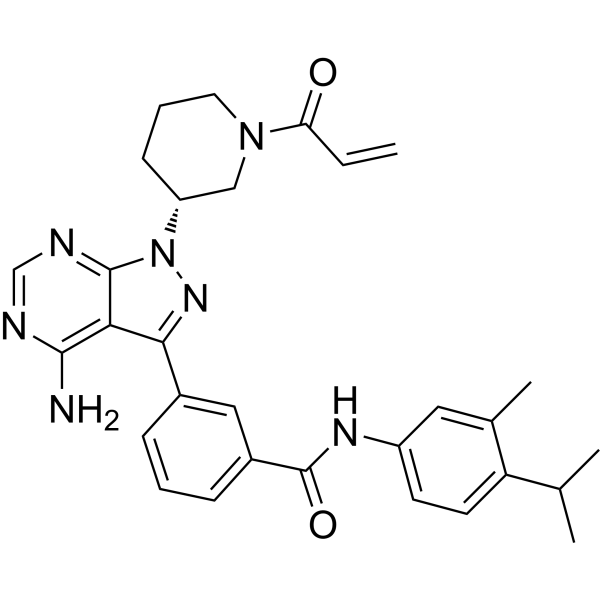
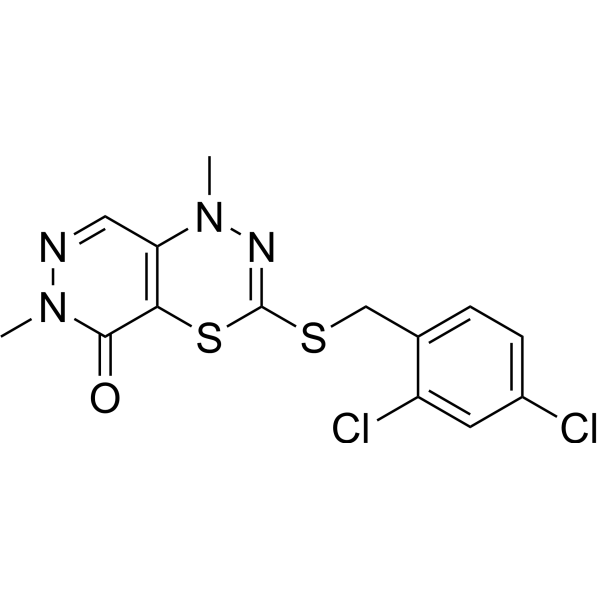
    Cbl-b-IN-15 (compound 25) is an inhibitor of the RING finger E3 ligase Cbl (IC50: 15 nM). Cbl-b refers to Casitas B-lineage lymphoma proto-oncogene-b, which inhibits T-cell, natural killer (NK) cell, and B-cell activation. Cbl-b-IN-15 activates T cell function with EC50=0.41 μM .
    Cbl-b-IN-15
  • HY-100365
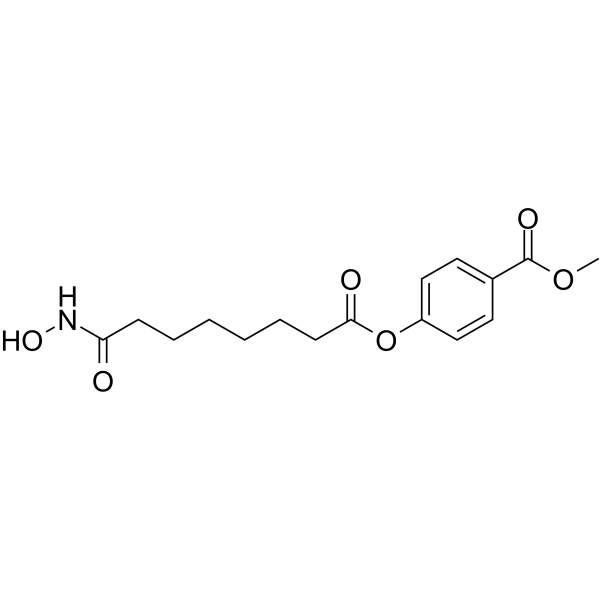
    Remetinostat
    1 Publications Verification

    SHP-141

    HDAC Inflammation/Immunology Cancer
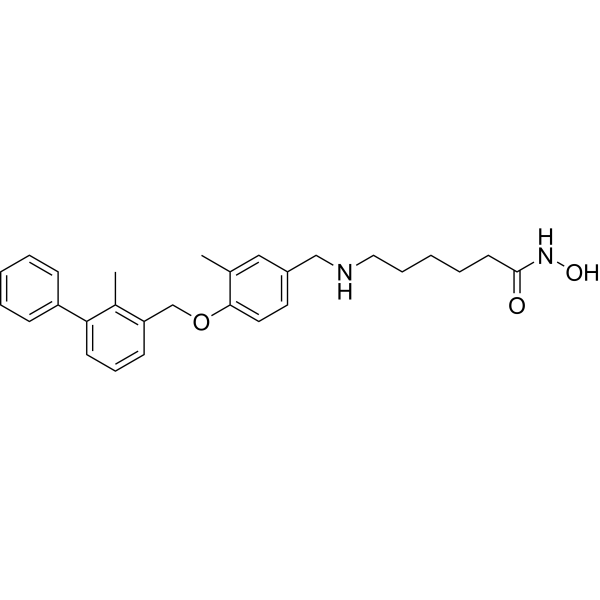
    Remetinostat (SHP-141) is a hydroxamic acid-based histone deacetylase (HDAC) inhibitor. Remetinostat alleviates Imiquimod (HY-B0180)-induced psoriatic dermatitis. Remetinostat can be used for study of cutaneous T-cell lymphoma .
    Remetinostat
  • HY-NP158

    Biochemical Assay Reagents Others
    Type II Collagen, T Cell Grade, from Bovine is a T-cell dependent antigen with unique immunological features. Type II Collagen, T Cell Grade, from Bovine can be used as a stimulating antigen for T-cells in in vitro culture systems .
    Type II Collagen, T Cell Grade, from Bovine
  • HY-NP157

    Biochemical Assay Reagents Others
    Type I Collagen, T Cell Grade, from Bovine has unique immunological features and plays an important role in the structure and function of skin, bones, tendons, etc. Type I Collagen, T Cell Grade, from Bovine can be used as a stimulating antigen for T-cells in in vitro culture systems .
    Type I Collagen, T Cell Grade, from Bovine
  • HY-174613

    mRNA Inflammation/Immunology
    Human IL27 mRNA encodes the human interleukin 27 (IL27) protein, one of the subunits of a heterodimeric cytokine complex. IL-27 has pro- and anti-inflammatory properties, that can regulate T-helper cell development, suppress T-cell proliferation, stimulate cytotoxic T-cell activity and induce isotype switching in B-cells.
    Human IL27 mRNA

Inquiry Online

Your information is safe with us. * Required Fields.

Salutation


Country or Region *

Applicant Name *


Organization Name *

Department *


Email Address *


Product Name *

Cat. No.


Requested quantity *

Phone Number *


Remarks

Inquiry Online

Inquiry Information

Product Name:
Cat. No.:
Quantity:
MCE Japan Authorized Agent: