1. Search Result
Search Result
Results for "

alpha+1B

" in MedChemExpress (MCE) Product Catalog:

61

Inhibitors & Agonists

1

Fluorescent Dye

2

Peptides

2

Natural
Products

2

Recombinant Proteins

10

Isotope-Labeled Compounds

4

Antibodies

Cat. No. Product Name Target Research Areas Chemical Structure
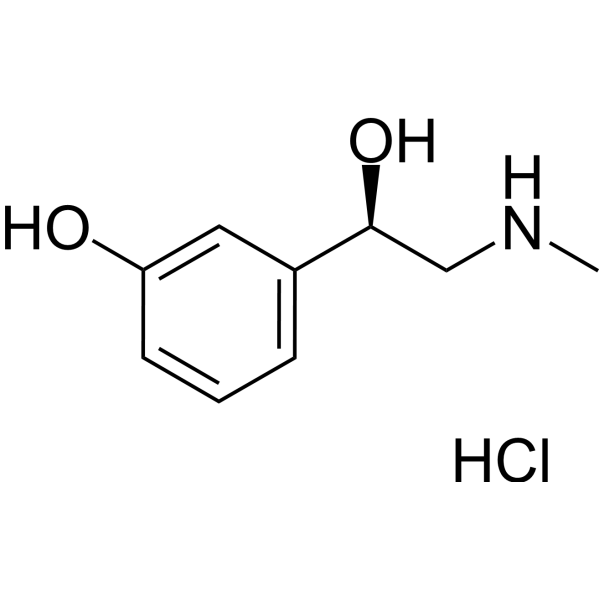
  • HY-B0471
    Phenylephrine hydrochloride
    30+ Cited Publications

    (R)-(-)-Phenylephrine hydrochloride; L-Phenylephrine hydrochloride

    Adrenergic Receptor Endogenous Metabolite Cardiovascular Disease Endocrinology Cancer
    (R)-(-)-Phenylephrine hydrochloride is a selective α1-adrenoceptor agonist with pKis of 5.86, 4.87 and 4.70 for α1D, α1B and α1A receptors respectively.
    Phenylephrine hydrochloride
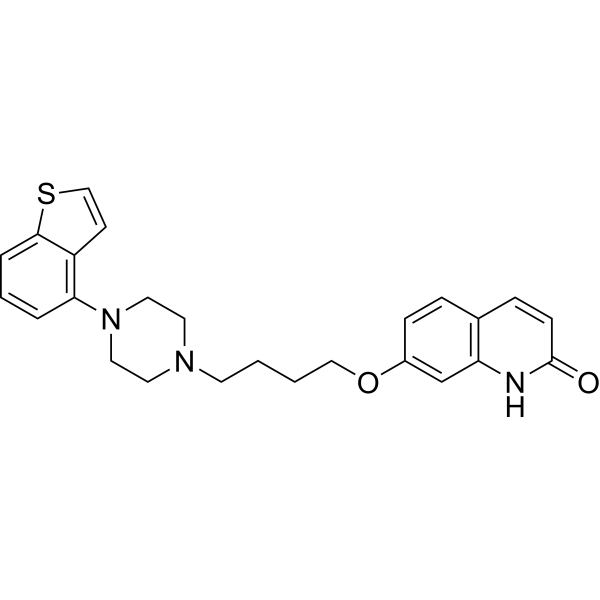
  • HY-15780
    Brexpiprazole
    5+ Cited Publications

    OPC-34712

    5-HT Receptor Dopamine Receptor Adrenergic Receptor Neurological Disease
    Brexpiprazole (OPC-34712), an atypical orally active antipsychotic agent, is a partial agonist of human 5-HT1A and dopamine D2L receptor with Kis of 0.12 nM and 0.3 nM, respectively. Brexpiprazole is also a 5-HT2A receptor antagonist with a Ki of 0.47 nM. Brexpiprazole also shows potent antagonist activity at human noradrenergic α1B (Ki=0.17 nM) and α2C receptors (Ki=0.59 nM) [1] .
    Brexpiprazole
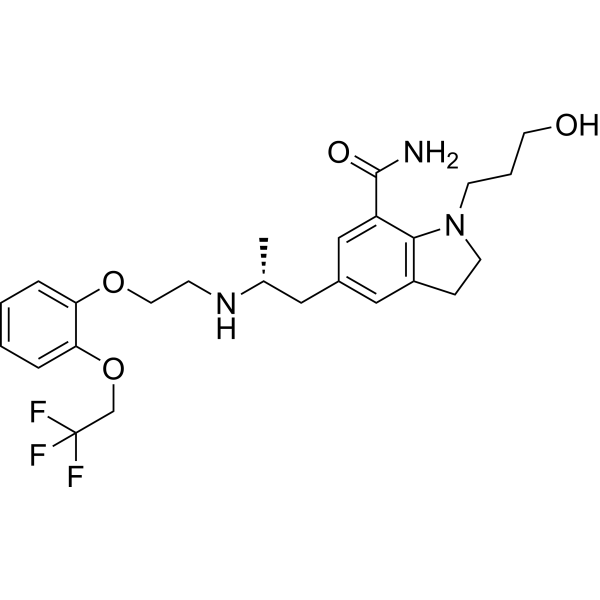
  • HY-10122
    Silodosin
    5 Publications Verification

    KAD 3213; KMD 3213

    Adrenergic Receptor Bacterial Endocrinology Cancer
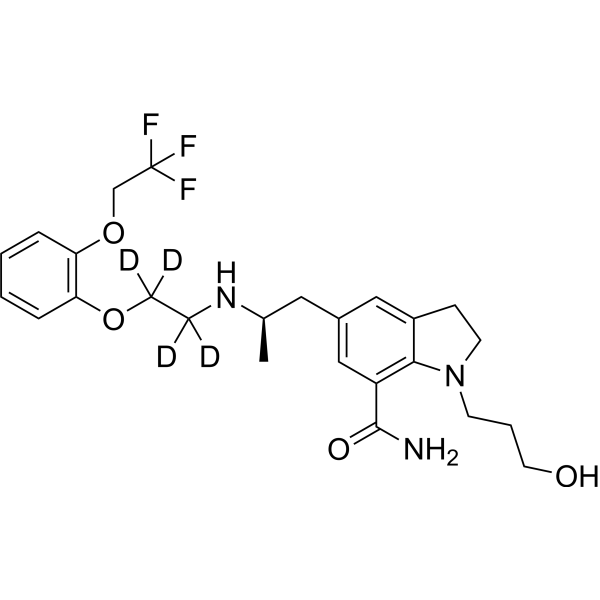
    Silodosin (KAD 3213; KMD 3213) is a potent, selective and orally active α1A-adrenergic receptor (α1A-AR) blocker. Silodosin exhibits high affinity for α1A-AR (Ki=0.036 nM), over 162-fold and 50-fold than for α1B-AR and α1D-AR with Ki values of 21 nM and 2.0 nM, respectively. Silodosin is an effective and well-tolerated agent, it can be used for the investigation of LUTS/BPH [1] .
    Silodosin
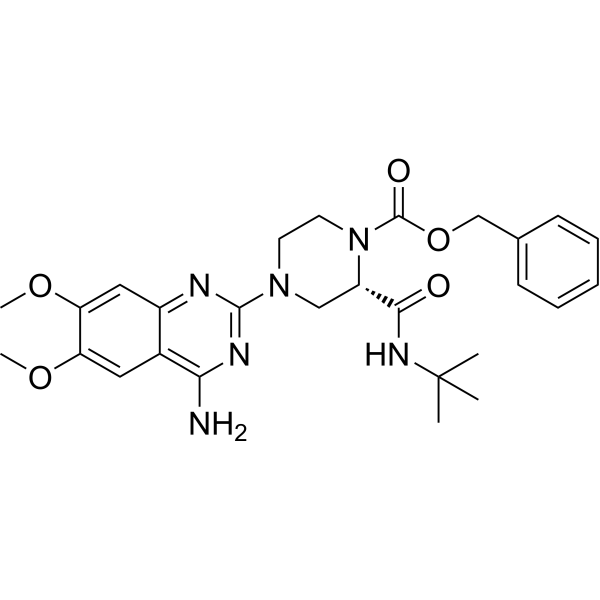
  • HY-101385
    L-765314
    2 Publications Verification

    Adrenergic Receptor Cardiovascular Disease Endocrinology
    L-765314 is a potent and selective α1b adrenergic receptor antagonist with Kis of 5.4 nM and 2.0 nM for rat and human α1b adrenergic receptor, respectively.
    L-765314
  • HY-101300

    LD 3098 hydrochloride

    Adenosine Receptor Neurological Disease
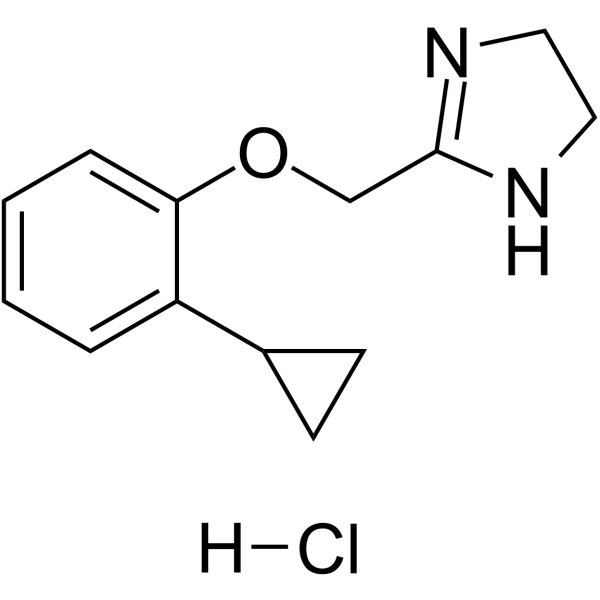
    Cirazoline hydrochloride (LD 3098 hydrochloride) is a potent competitive full α1A-adrenergic receptor (α1A-AR) agonist (Ki=120 nM) and only a partial agonist at α1B-AR (Ki= 960 nM) and α1D-AR (Ki=660 nM) [1].
    Cirazoline hydrochloride
  • HY-B0391
    Naftopidil
    1 Publications Verification

    KT-611; BM-15275

    Adrenergic Receptor Cardiovascular Disease Endocrinology
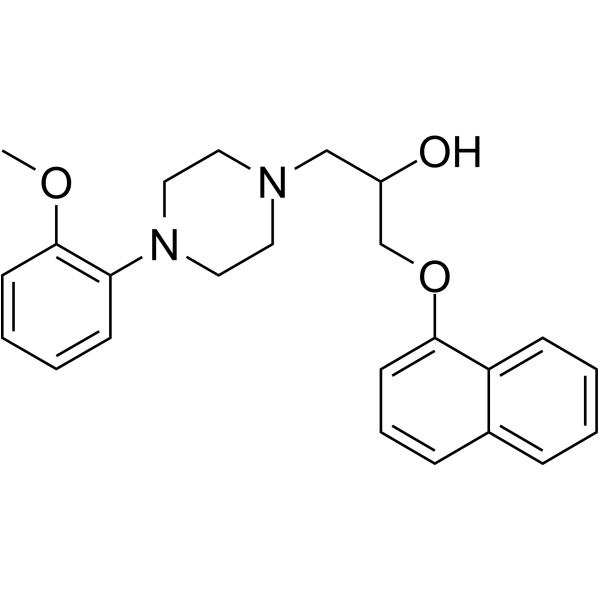
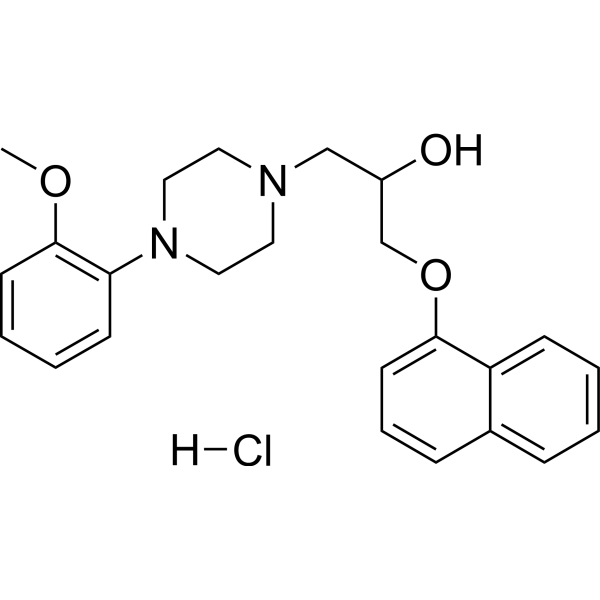
    Naftopidil (KT-611) is is a selective alpha1-adrenoceptor antagonist, with Kis of 3.7 nM, 20 nM and 1.2 nM for the cloned human α1a-, α1b- and α1d-adrenoceptor subtypes, respectively. Naftopidil has antiproliferative effects. Naftopidil can be used for the research of prostate hyperplasia [1] .
    Naftopidil
  • HY-100554
    BMY 7378
    2 Publications Verification

    Adrenergic Receptor 5-HT Receptor Cardiovascular Disease
    BMY 7378 is a selective antagonist of α1D-adrenoceptor 1D-AR). BMY 7378 binds to membranes expressing the cloned rat α1D-AR with a >100-fold higher affinity (Ki=2 nM) than binding to either the cloned rat α1A-AR (Ki=800 nM) or the hamster α1B-AR (Ki=600 nM). BMY 7378 is a 5-HT1A receptor partial agonist [1] .
    BMY 7378
  • HY-103100
    SB-699551
    1 Publications Verification

    5-HT Receptor Epigenetic Reader Domain Akt Ribosomal S6 Kinase (RSK) FOXO Neurological Disease Metabolic Disease Inflammation/Immunology Cancer
    SB-699551 is a selective and brain penetrant 5-HT5A receptor antagonist with a pKi of 8.2 nM. SB-699551 shows high selectivity over most other 5-HT receptor subtypes, dopamine receptors, and α1B adrenoceptor. SB-699551 disrupts Gαi/o-coupled and PI3K/AKT/mTOR signaling pathways, alters CREB, ATF1, AKT, PRAS40, S6K, and FOXO1 phosphorylation in breast tumor cells. SB-699551 can be used for the research of anxiety, breast cancer, and Alzheimer's disease [1] .
    SB-699551
  • HY-D1606

    Adrenergic Receptor Metabolic Disease
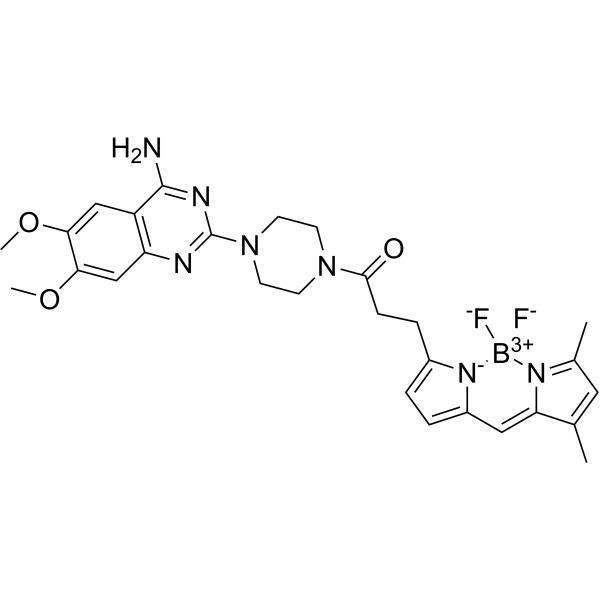
    BODIPY FL prazosin is a fluorescent α1-adrenergic antagonist with Ki values of 14.5, 43.3 nM for α1a-AR and α1b-AR, respectively. BODIPY FL prazosin also is a fluorescent ligand with the excitation and emission wavelengths are 485 and 535 nm, respectively. BODIPY FL prazosin can be used for study the differences in the subcellular localization of α1-adrenoceptor subtypes [1] .
    BODIPY FL prazosin
  • HY-B1371A
    Spiperone hydrochloride
    2 Publications Verification

    Spiroperidol hydrochloride

    Dopamine Receptor 5-HT Receptor Adrenergic Receptor Chloride Channel Neurological Disease Inflammation/Immunology
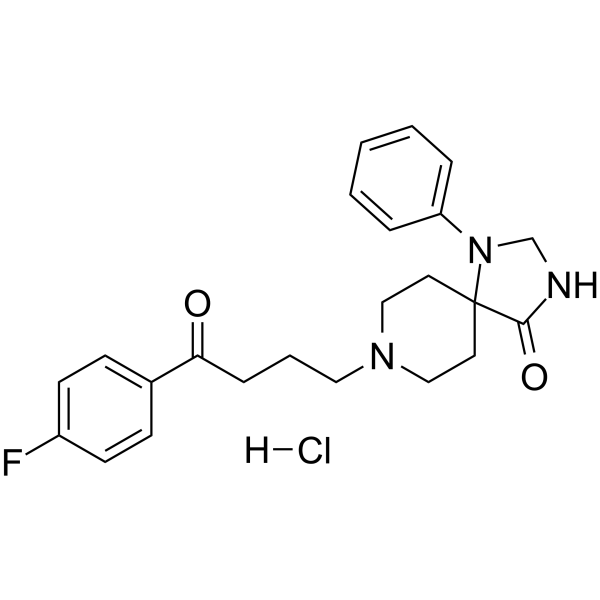
    Spiperone hydrochloride (Spiroperidol hydrochloride) is a selective dopamine D2 receptor (Ki values of 0.06 nM, 0.6 nM, 0.08 nM, ~350 nM, ~3500 nM for D2, D3, D4, D1 and D5 receptors, respectively) and 5-HT2A/5-HT1A receptor (Kis of 1 nM/49 nM) antagonist. Spiperone hydrochloride is also a selective α1B-adrenoceptor antagonist. Spiperone hydrochloride activates calcium-activated chloride channel (CaCC). Antipsychotic and anti-inflammatory activities [1] .
    Spiperone hydrochloride
  • HY-15780S1

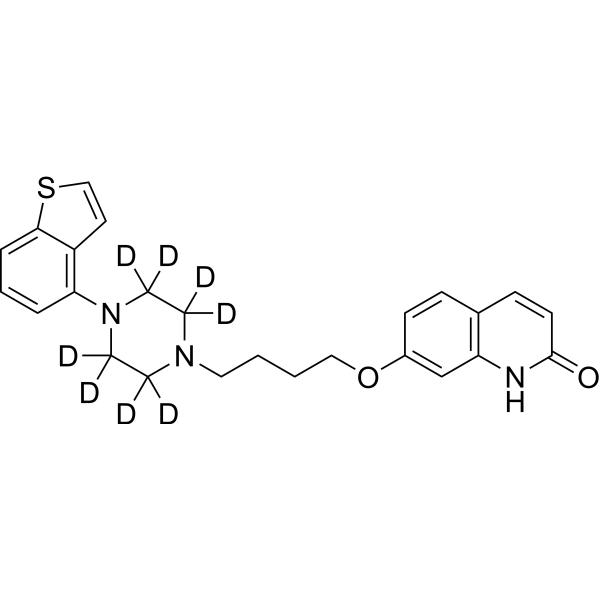
    OPC-34712-d8-1

    Isotope-Labeled Compounds Dopamine Receptor Adrenergic Receptor 5-HT Receptor Neurological Disease
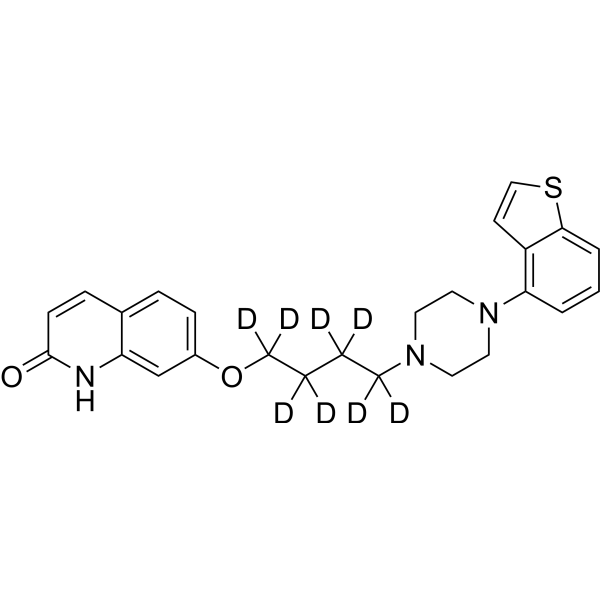
    Brexpiprazole-d8-1 (OPC-34712-d8-1) is the deuterium labeled Brexpiprazole (HY-15780) [1]. Brexpiprazole (OPC-34712), an atypical orally active antipsychotic agent, is a partial agonist of human 5-HT1A and dopamine D2L receptor with Kis of 0.12 nM and 0.3 nM, respectively. Brexpiprazole is also a 5-HT2A receptor antagonist with a Ki of 0.47 nM. Brexpiprazole also shows potent antagonist activity at human noradrenergic α1B (Ki=0.17 nM) and α2C receptors (Ki=0.59 nM) .
    Brexpiprazole-d8-1
  • HY-B0484

    Adrenergic Receptor Cardiovascular Disease
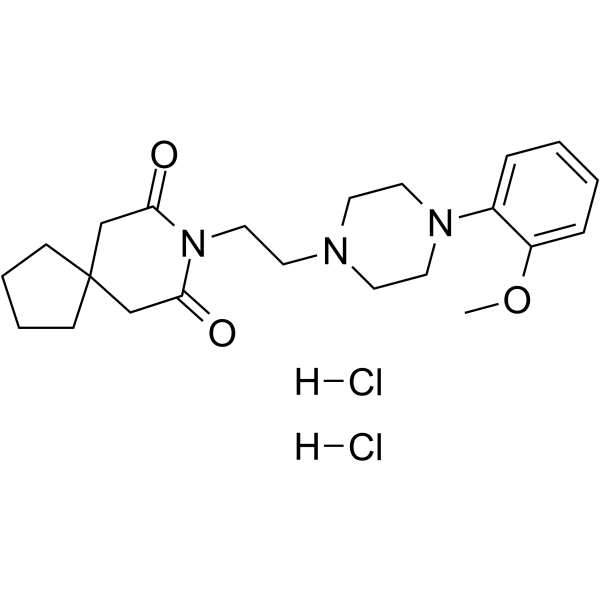
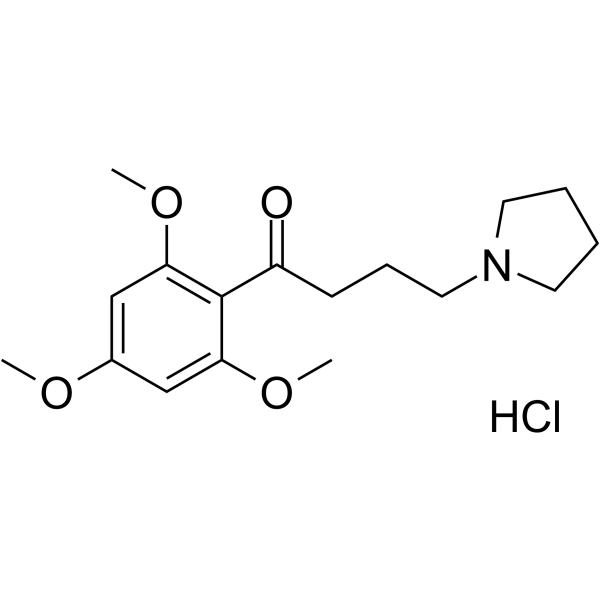
    Buflomedil hydrochloride, a vasodilator agent, is an orally active α1A-adrenoceptor antagonist with Kis of 4.06 µM and 6.84 µM for α1A-AR and α1B-AR, respectively. Buflomedil hydrochloride can be used for the study of peripheral circulatory disorders [1] .
    Buflomedil hydrochloride
  • HY-U00399A

    ABT 980

    Adrenergic Receptor Endocrinology
    Fiduxosin hydrochloride (ABT 980) is a potent α1-adrenoceptor antagonist, with Ki of 0.160 nM, 24.9 nM, and 0.920 nM for α1a-, α1b-, and α1d-adrenoceptors, respectively [1].
    Fiduxosin hydrochloride
  • HY-B0471R

    (R)-(-)-Phenylephrine hydrochloride (Standard); L-Phenylephrine hydrochloride (Standard)

    Reference Standards Adrenergic Receptor Endogenous Metabolite Cardiovascular Disease Endocrinology Cancer
    Phenylephrine (hydrochloride) (Standard) is the analytical standard of Phenylephrine (hydrochloride). This product is intended for research and analytical applications. (R)-(-)-Phenylephrine hydrochloride is a selective α1-adrenoceptor agonist with pKis of 5.86, 4.87 and 4.70 for α1D, α1B and α1A receptors respectively.
    Phenylephrine hydrochloride (Standard)
  • HY-B0371B

    Adrenergic Receptor Endocrinology
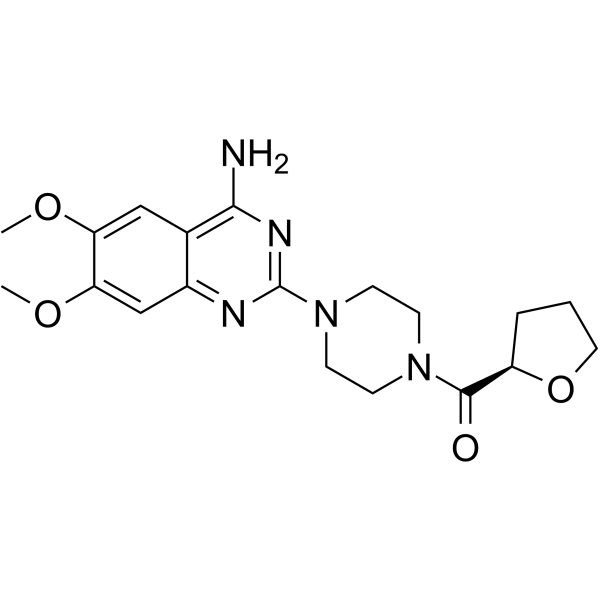
    (R)-Terazosin is an active R-enantiomer of Terazosin. (R)-Terazosin is a potent α1-adrenoceptor antagonist with Ki values of 6.51 nM, 1.01 nM and 1.97 nM for α1a, α1b and α1d-adrenoceptor, respectively [1].
    (R)-Terazosin
  • HY-103204

    Adrenergic Receptor Endocrinology
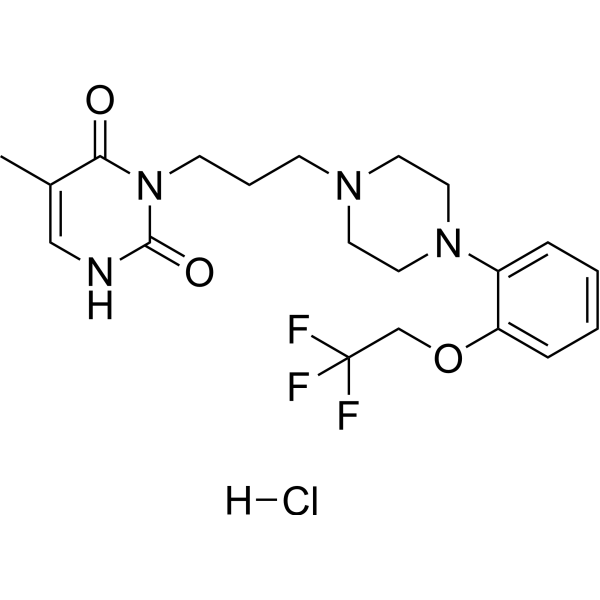
    RS100329 hydrochloride is a potent and selective α1A-adrenoceptor antagonist with pKi values of 9.6, 7.9 and 7.5 for α1A, α1D, and α1B, respectively. RS100329 hydrochloride inhibits reflex urethral contractions. RS100329 hydrochloride can be used in research of benign prostatic hyperplasia [1] .
    RS100329 hydrochloride
  • HY-118335

    SZL 49

    Adrenergic Receptor Cardiovascular Disease
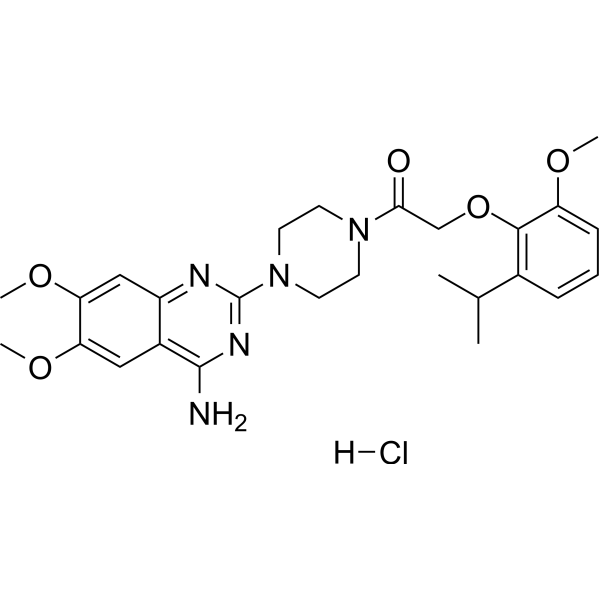
    Prazobind (SZL 49), a prazosin analog, is an irreversible α1-adrenoceptor antagonist. Prazobind competes for alpha 1-adrenoceptor binding sites with a similar potency (IC50 of 1 nM) in tissues enriched in both the alpha 1A (hippocampus) and alpha 1B (liver) subtypes. Prazobind partially inhibits the contractions of circular muscles, longitudinal muscles and smooth muscles of the spleen. Prazobind can be used for the study of blood pressure [1] .
    Prazobind
  • HY-B0371D

    Adrenergic Receptor Endocrinology
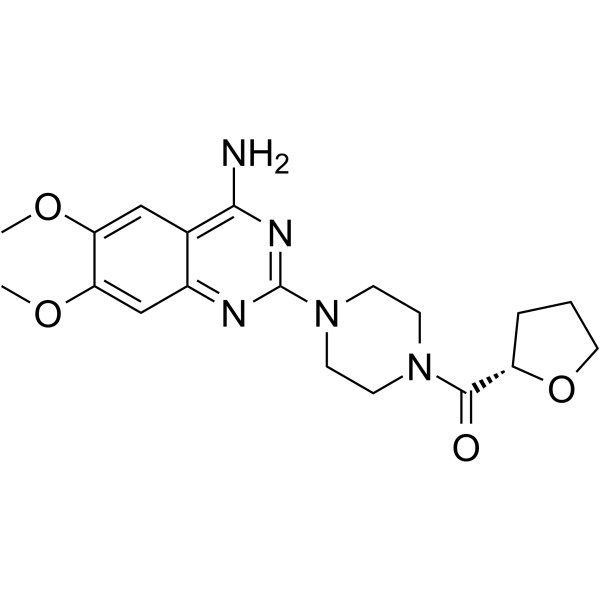
    (S)-Terazosin is an active S-enantiomer of Terazosin. (S)-Terazosin is a potent and high-affinity α-adrenoceptor antagonist with Ki values of 3.91 nM, 0.79 nM and 1.16 nM for α1a, α1b and α1d-adrenoceptor, respectively. (S)-Terazosin also has high-affinity for α2a, α2B and α2c-adrenoceptor with Ki values of 729 nM, 3.5 nM and 46.4 nM, respectively [1].
    (S)-Terazosin
  • HY-15780R

    OPC-34712 (Standard)

    Reference Standards 5-HT Receptor Dopamine Receptor Adrenergic Receptor Neurological Disease
    Brexpiprazole (Standard) is the analytical standard of Brexpiprazole. This product is intended for research and analytical applications. Brexpiprazole (OPC-34712), an atypical orally active antipsychotic agent, is a partial agonist of human 5-HT1A and dopamine D2L receptor with Kis of 0.12 nM and 0.3 nM, respectively. Brexpiprazole is also a 5-HT2A receptor antagonist with a Ki of 0.47 nM. Brexpiprazole also shows potent antagonist activity at human noradrenergic α1B (Ki=0.17 nM) and α2C receptors (Ki=0.59 nM) [1] .
    Brexpiprazole (Standard)
  • HY-15780S

    OPC-34712-d8

    Isotope-Labeled Compounds 5-HT Receptor Dopamine Receptor Adrenergic Receptor Neurological Disease
    Brexpiprazole-d8 (OPC-34712-d8) is the deuterium labeled Brexpiprazole (HY-15780). Brexpiprazole (OPC-34712), an atypical orally active antipsychotic agent, is a partial agonist of human 5-HT1A and dopamine D2L receptor with Kis of 0.12 nM and 0.3 nM, respectively. Brexpiprazole is also a 5-HT2A receptor antagonist with a Ki of 0.47 nM. Brexpiprazole also shows potent antagonist activity at human noradrenergic α1B (Ki=0.17 nM) and α2C receptors (Ki=0.59 nM) .
    Brexpiprazole-d8
  • HY-U00399

    Adrenergic Receptor Endocrinology
    Fiduxosin is a potent α1-adrenoceptor antagonist, with Ki of 0.160 nM, 24.9 nM, and 0.920 nM for α1a-, α1b-, and α1d-adrenoceptors, respectively.
    Fiduxosin
  • HY-15780A

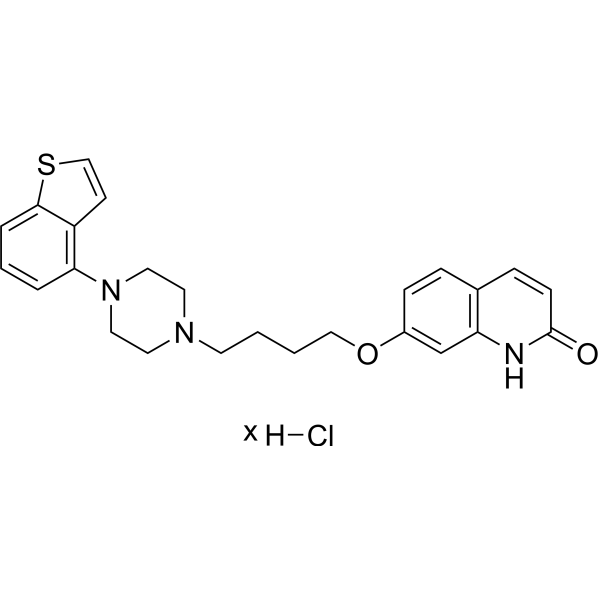
    OPC-34712 hydrochloride

    5-HT Receptor Dopamine Receptor Adrenergic Receptor Neurological Disease
    Brexpiprazole (OPC-34712) hydrochloride, an atypical orally active antipsychotic agent, is a partial agonist of human 5-HT1A and dopamine D2L receptor with Kis of 0.12 nM and 0.3 nM, respectively. Brexpiprazole hydrochloride is also a 5-HT2A receptor antagonist with a Ki of 0.47 nM. Brexpiprazole hydrochloride also shows potent antagonist activity at human noradrenergic α1B (Ki=0.17 nM) and α2C receptors (Ki=0.59 nM) [1] .
    Brexpiprazole hydrochloride
  • HY-W471937

    Adrenergic Receptor Cardiovascular Disease Neurological Disease
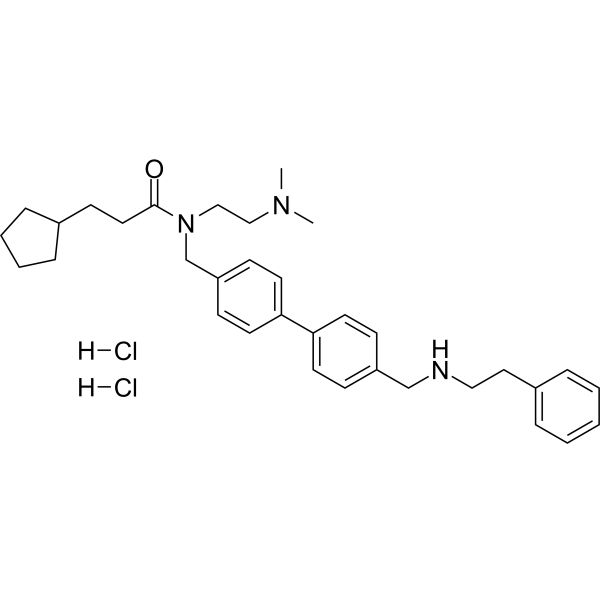
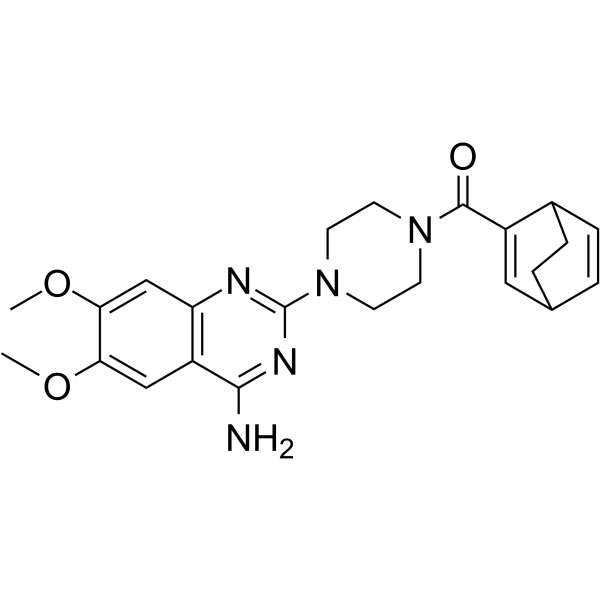
    α1b-AR antagonist 1 (Compound Cpd1) is a selective α1B-AR antagonist. Alpha1b-ar antagonist 1 can be used in the study of cardiovascular and central nervous system diseases [1].
    α1B-AR antagonist 1
  • HY-103209

    Adrenergic Receptor Cardiovascular Disease Endocrinology
    Rec 15/2615 hydrochloride is a potent and selective α-1B adrenoceptor antagonist with Ki values of 1.9 nM, 0.3 nM, 2.6 nM for α1A, α1B, α1D, respectively. Rec 15/2615 hydrochloride modulates vaginal smooth muscle contractility and genital engorgement [1] .
    Rec 15/2615 hydrochloride
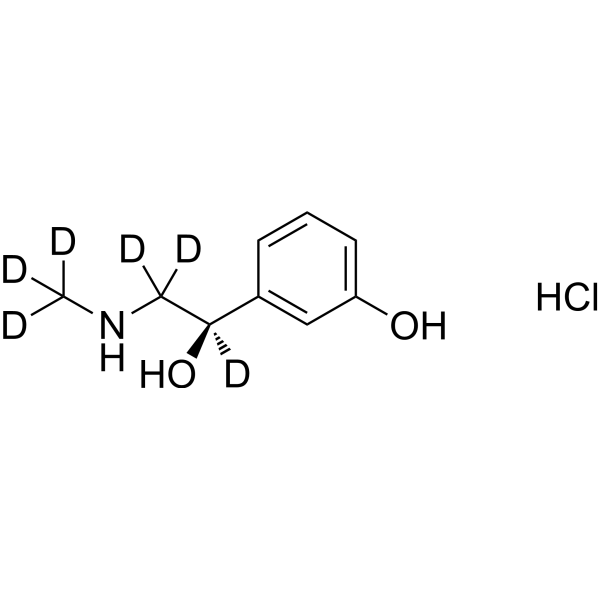
  • HY-B0471S

    (R)-(-)-Phenylephrine-d3 hydrochloride; L-Phenylephrine-d3 hydrochloride

    Adrenergic Receptor Endogenous Metabolite Cardiovascular Disease Endocrinology
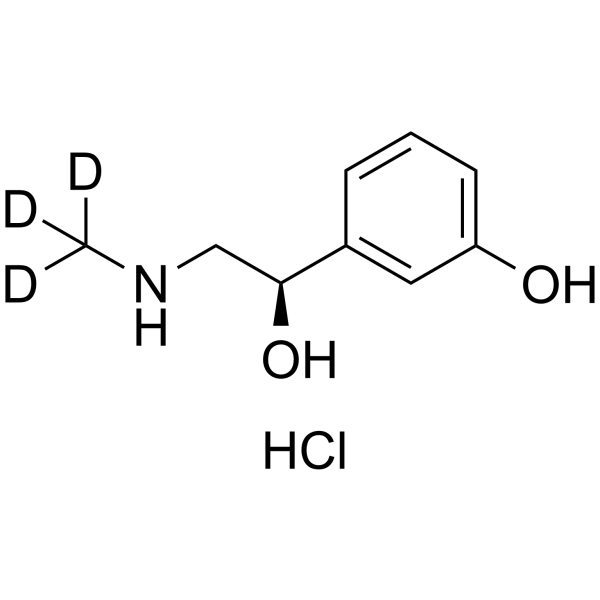
    Phenylephrine-d3 (hydrochloride) is the deuterium labeled Phenylephrine hydrochloride. (R)-(-)-Phenylephrine hydrochloride is a selective α1-adrenoceptor agonist with pKis of 5.86, 4.87 and 4.70 for α1D, α1B and α1A receptors respectively.
    Phenylephrine-d3 hydrochloride
  • HY-B0471S1

    (R)-(-)-Phenylephrine-2,4,6-d3 hydrochloride; L-Phenylephrine-2,4,6-d3 hydrochloride

    Adrenergic Receptor Endogenous Metabolite Cardiovascular Disease Endocrinology
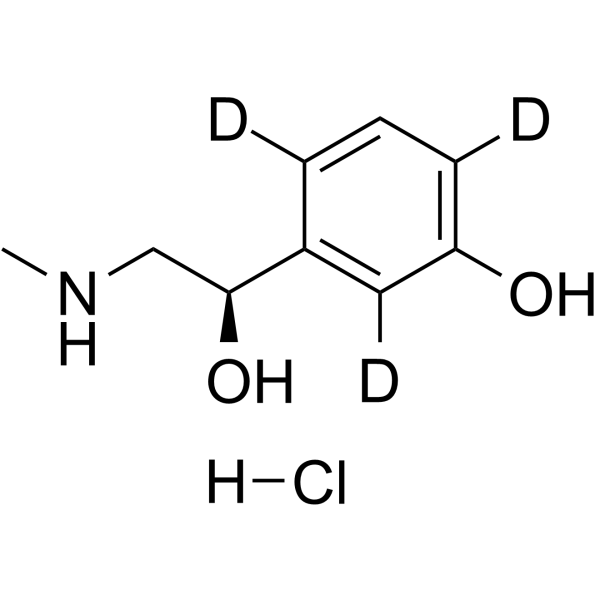
    Phenylephrine-2,4,6-d3 (hydrochloride) is the deuterium labeled Phenylephrine hydrochloride. (R)-(-)-Phenylephrine hydrochloride is a selective α1-adrenoceptor agonist with pKis of 5.86, 4.87 and 4.70 for α1D, α1B and α1A receptors respectively.
    Phenylephrine-2,4,6-d3 hydrochloride
  • HY-19268

    GW 1818

    Adrenergic Receptor Metabolic Disease
    GG-818 (GW 1818) is a potent and selective α1 adrenoceptor antagonist, with pKi values of 9.7 for α1a, 7.8 for α1b, and 7.6 for α1d. GG-818 (GW 1818) can be used for benign prostatic hyperplasia research [1].
    GG-818
  • HY-B0391A

    KT-611 dihydrochloride; BM-15275 dihydrochloride

    Adrenergic Receptor Cancer
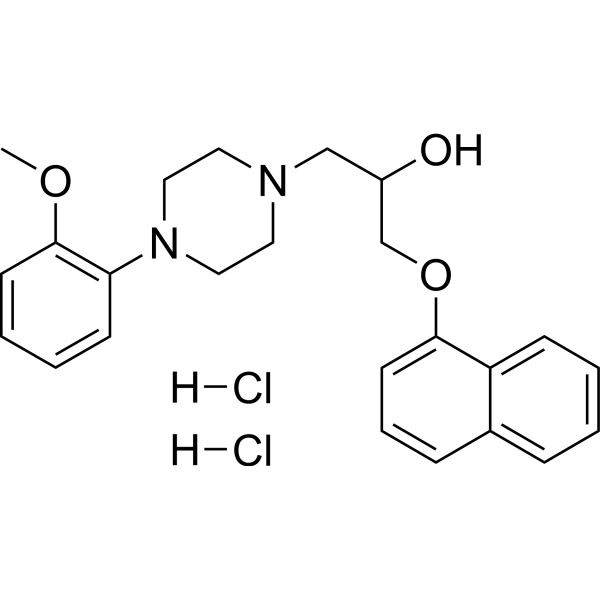
    Naftopidil dihydrochloride (KT-611 dihydrochloride) is a selective alpha1-adrenoceptor antagonist, with Kis of 3.7 nM, 20 nM and 1.2 nM for the cloned human α1a-, α1b- and α1d-adrenoceptor subtypes, respectively. Naftopidil dihydrochloride has antiproliferative effects. Naftopidil dihydrochloride can be used for the research of prostate hyperplasia [1] .
    Naftopidil dihydrochloride
  • HY-175669

    Chloride Channel Metabolic Disease Endocrinology
    ANO1-IN-5 is an orally active ANO1 inhibitor with an IC50 of 4.57 μM. J ANO1-IN-5 demonstrates 118-, 642-, and 10000-fold selectivity over α1A-1B-, andα1D-AR, respectively. ANO1-IN-5 exhibits significant inhibitory effects on osteoclast differentiation and function. ANO1-IN-5 can used for the study of osteoporosis [1].
    ANO1-IN-5
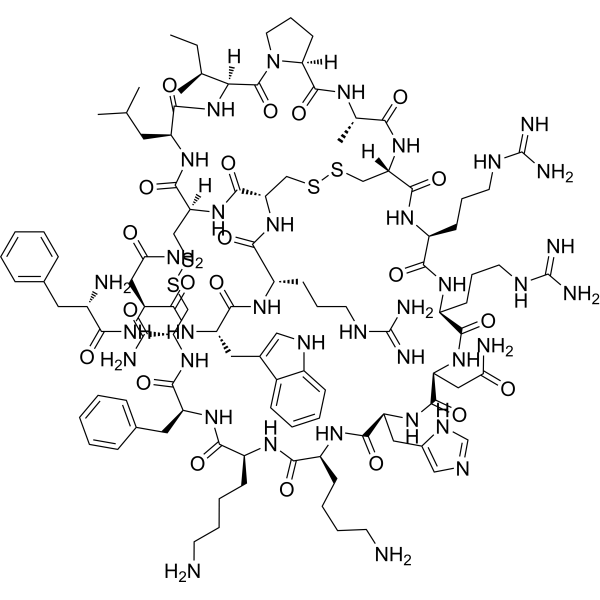
  • HY-P5158

    Adrenergic Receptor Others
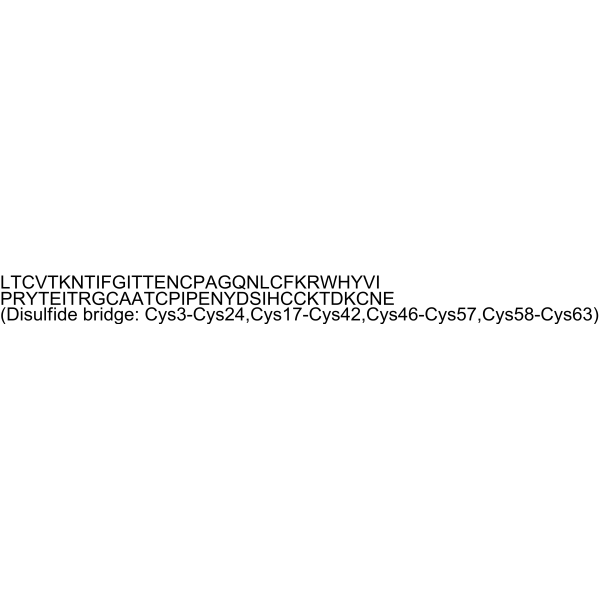
    Conopeptide rho-TIA is a peptide derived from the venom contained in the predatory sea snail Conus tulipa, has highly selective and noncompetitive inhibitor at human α1B-Adrenergic Receptor. Conopeptide rho-TIA acts a competitive inhibitor at human α1A-Adrenergic Receptor and α1D-Adrenergic Receptor. Conopeptide rho-TIA binds to each subtype and may provide useful information for the development of novel α1-Adrenergic Receptor subtype-selective drugs [1].
    Conopeptide rho-TIA
  • HY-123368

    Adrenergic Receptor Cardiovascular Disease
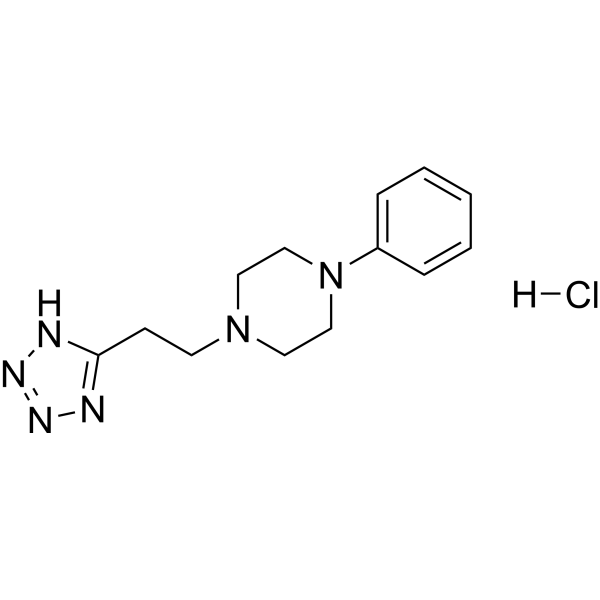
    Zolertine hydrochloride is an α-adrenoceptor antagonist with a pKi of 6.81 in rat liver 1B-adrenoceptors) and 6.35 in rabbit liver 1A-adrenoceptors) membranes [1].
    Zolertine hydrochloride
  • HY-100980

    BE2254 hydrochloride

    Adrenergic Receptor Neurological Disease Cancer
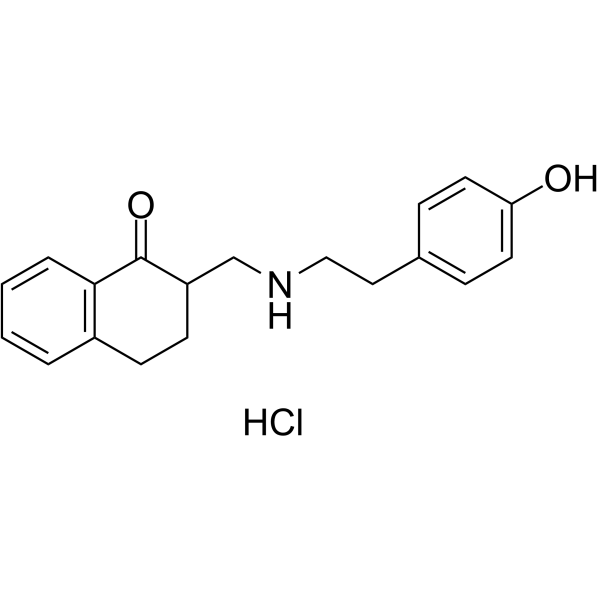
    HEAT (BE2254) hydrochloride is a selective alpha 1 adrenergic receptor antagonist. HEAT hydrochloride, a phenethylamine derivative, shows pKis of 9, 9.1, and 8.57 for alpha 1a, alpha 1b and alpha 1c, respectively [1] .
    HEAT hydrochloride
  • HY-119262

    Adrenergic Receptor Cardiovascular Disease Endocrinology
    ABT-866 is an α1A-adrenoceptor agonist and an antagonist at the α1B- and α1D-adrenoceptor subtypes. ABT-866 has an EC50 of 0.60 μM for the α1A in the rabbit urethra. ABT-866 has a pA2 value of 5.4 for the α1B in the rat spleen. ABT-866 has a pA2 value of 6.2 for the α1D in the rat aorta. ABT-866 exhibits good urethral selectivity and lower cardiovascular side effects in stress urinary incontinence models. ABT-866 can be used for the research of diseases such as stress urinary incontinence [1] .
    ABT-866
  • HY-B0471S3

    (R)-(-)-Phenylephrine-d6 hydrochloride; L-Phenylephrine-d6 hydrochloride

    Isotope-Labeled Compounds Adrenergic Receptor Endogenous Metabolite Cardiovascular Disease Endocrinology
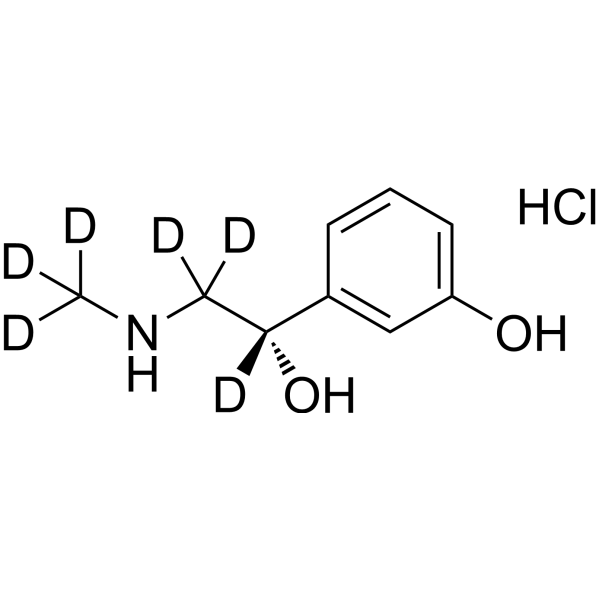
    Phenylephrine-d6 (hydrochloride) is deuterium labeled Phenylephrine (hydrochloride). (R)-(-)-Phenylephrine hydrochloride is a selective α1-adrenoceptor agonist with pKis of 5.86, 4.87 and 4.70 for α1D, α1B and α1A receptors respectively.
    Phenylephrine-d6 hydrochloride
  • HY-B0471S2

    Isotope-Labeled Compounds Adrenergic Receptor Endogenous Metabolite Cardiovascular Disease Endocrinology
    (S)-Phenylephrine-d6 (hydrochloride) is deuterium labeled Phenylephrine (hydrochloride). (R)-(-)-Phenylephrine hydrochloride is a selective α1-adrenoceptor agonist with pKis of 5.86, 4.87 and 4.70 for α1D, α1B and α1A receptors respectively.
    (S)-Phenylephrine-d6 hydrochloride
  • HY-B0484A

    Adrenergic Receptor Cardiovascular Disease
    Buflomedil, a vasodilator agent, is an orally active α1A-adrenoceptor antagonist with Kis of 4.06 µM and 6.84 µM for α1A-AR and α1B-AR, respectively. Buflomedil can be used for the study of peripheral circulatory disorders [1] .
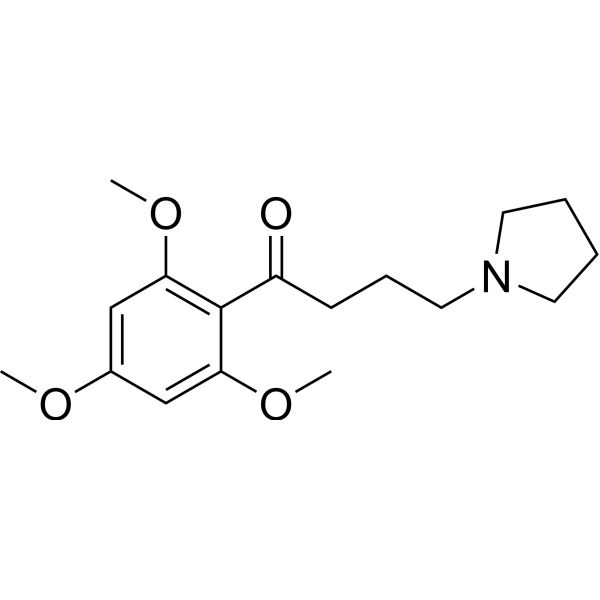
    Buflomedil
  • HY-101345

    Adrenergic Receptor Cardiovascular Disease Neurological Disease
    AH 11110A is an α1B-adrenoceptor antagonist, but it can't effectively distinguish between the different subtypes of alpha(1) adrenoceptors (A, B, and D), nor can it clearly differentiate between alpha(1) and alpha(2) adrenoceptors [1] .
    AH 11110A
  • HY-B0391B

    KT-611 hydrochloride; BM-15275 hydrochloride

    Adrenergic Receptor Cancer
    Naftopidil hydrochloride (KT-611 hydrochloride) is a selective alpha1-adrenoceptor antagonist, with Kis of 3.7 nM, 20 nM and 1.2 nM for the cloned human α1a-, α1b- and α1d-adrenoceptor subtypes, respectively. Naftopidil hydrochloride has antiproliferative effects. Naftopidil hydrochloride can be used for the research of prostate hyperplasia [1].
    Naftopidil hydrochloride
  • HY-135478

    NCC1048

    Calcium Channel Sodium Channel Neurological Disease
    LY393615 (NCC1048) is a novel neuronal Ca 2+ (calcium channel) and Na + channel (sodium channel) blocker with IC50s of 1.9 μΜ and 5.2 μΜ for α1A and α1B calcium channel subunits. LY393615 has good brain penetration and neuroprotective effects in models of in cerebral ischemia that can be used for neurological disease research [1].
    LY393615
  • HY-W724254

    Adrenergic Receptor Endocrinology
    SNAP-6201 is a selective α1a adrenoceptor antagonist with a Ki of 0.2 nM. SNAP-6201 exhibits >1400-fold selectivity over α1b and α1d adrenoceptors. SNAP-6201 exhibits excellent selectively to inhibit intraurethral pressure (IUP) in the anesthetized dog model. SNAP-6201 can be used for benign prostatic hyperplasia (BPH) research [1].
    SNAP-6201
  • HY-135478A

    NCC1048 free base

    Calcium Channel Sodium Channel Neurological Disease
    LY393615 (NCC1048) free base is a novel neuronal Ca 2+ (calcium channel) and Na + channel (sodium channel) blocker with IC50s of 1.9 μΜ and 5.2 μΜ for α1A and α1B calcium channel subunits. LY393615 free base has good brain penetration and neuroprotective effects in models of in cerebral ischemia that can be used for neurological disease research [1].
    LY393615 free base
  • HY-B0391S1

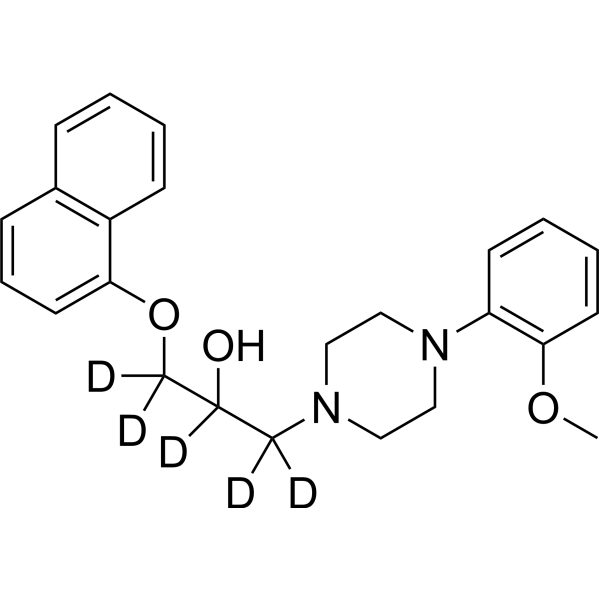
    KT-611-d5; BM-15275-d5

    Isotope-Labeled Compounds Adrenergic Receptor Cardiovascular Disease Endocrinology
    Naftopidil-d5 is deuterium labeled Naftopidil. Naftopidil (KT-611) is is a selective alpha1-adrenoceptor antagonist, with Kis of 3.7 nM, 20 nM and 1.2 nM for the cloned human α1a-, α1b- and α1d-adrenoceptor subtypes, respectively. Naftopidil has antiproliferative effects. Naftopidil can be used for the research of prostate hyperplasia [1] .
    Naftopidil-d5
  • HY-101300R

    LD 3098 hydrochloride (Standard)

    Reference Standards Adenosine Receptor Neurological Disease
    Cirazoline (hydrochloride) (Standard) is the analytical standard of Cirazoline (hydrochloride). This product is intended for research and analytical applications. Cirazoline hydrochloride (LD 3098 hydrochloride) is a potent competitive full?α1A-adrenergic receptor (α1A-AR) agonist (Ki=120 nM) and only a partial agonist at α1B-AR (Ki= 960 nM) and α1D-AR (Ki=660 nM) [1].
    Cirazoline hydrochloride (Standard)
  • HY-133214

    Adrenergic Receptor Cardiovascular Disease
    Cyclazosin hydrochloride is an α1B-adrenergic receptor antagonist. Cyclazosin hydrochloride has high specificity for α-adrenergic receptors, with pKi values of 9.23-9.57 and 8.18-8.41 for O/1A (O/la) and OflB (alb) adrenergic receptors, respectively. However, Cyclazosin hydrochloride cannot distinguish between cloned alb and alo adrenergic receptors, which have pKi values of 9.23 and 9.28, respectively [1].
    Cyclazosin hydrochloride
  • HY-B0484R

    Reference Standards Adrenergic Receptor Cardiovascular Disease
    Buflomedil hydrochloride (Standard) is the analytical standard of Buflomedil hydrochloride (HY-B0484). This product is intended for research and analytical applications. Buflomedil hydrochloride (Standard), a vasodilator agent, is an orally active α1A-adrenoceptor antagonist with Kis of 4.06 µM and 6.84 µM for α1A-AR and α1B-AR, respectively. Buflomedil hydrochloride can be used for the study of peripheral circulatory disorders [1] .
    Buflomedil hydrochloride (Standard)
  • HY-B0391R

    KT-611 (Standard); BM-15275 (Standard)

    Reference Standards Adrenergic Receptor Cardiovascular Disease Endocrinology
    Naftopidil (Standard) is the analytical standard of Naftopidil. This product is intended for research and analytical applications. Naftopidil (KT-611) is is a selective alpha1-adrenoceptor antagonist, with Kis of 3.7 nM, 20 nM and 1.2 nM for the cloned human α1a-, α1b- and α1d-adrenoceptor subtypes, respectively. Naftopidil has antiproliferative effects. Naftopidil can be used for the research of prostate hyperplasia [1] .
    Naftopidil (Standard)
  • HY-B0391S2

    KT-611-d7; BM-15275-d7

    Isotope-Labeled Compounds Adrenergic Receptor Cardiovascular Disease Endocrinology
    Naftopidil-d7 (KT-611-d7 ) is deuterium labeled Naftopidil. Naftopidil (KT-611) is is a selective alpha1-adrenoceptor antagonist, with Kis of 3.7 nM, 20 nM and 1.2 nM for the cloned human α1a-, α1b- and α1d-adrenoceptor subtypes, respectively. Naftopidil has antiproliferative effects. Naftopidil can be used for the research of prostate hyperplasia [1] .
    Naftopidil-d7
  • HY-118335S

    SZL 49-d8

    Isotope-Labeled Compounds Adrenergic Receptor Cardiovascular Disease
    Prazobind-d8 (SZL 49-d8) is the deuterium labeled Prazobind (HY-118335). Prazobind, a prazosin analog, is an irreversible α1-adrenoceptor antagonist. Prazobind competes for alpha 1-adrenoceptor binding sites with a similar potency (IC50 of 1 nM) in tissues enriched in both the alpha 1A (hippocampus) and alpha 1B (liver) subtypes. Prazobind partially inhibits the contractions of circular muscles, longitudinal muscles and smooth muscles of the spleen. Prazobind can be used for the study of blood pressure.
    Prazobind-d8
  • HY-101390

    (S)-Niguldipine hydrochloride

    Calcium Channel Adrenergic Receptor Cardiovascular Disease
    (+)-Niguldipine hydrochloride is a 1,4-DHP receptor ligand associated with L-type Ca 2+ channels (with Ki values of 85 pmol/L in guinea pig skeletal muscle, 140 pmol/L in brain, and 45 pmol/L in heart) as well as an α1-adrenergic receptor ligand (with a Ki value of 78 nmol/L). (+)-Niguldipine hydrochloride shows much higher binding selectivity for α-adrenergic receptors than for α1B-adrenergic receptors. (+)-Niguldipine hydrochloride can be used in studies related to hypertension [1] .
    (+)-Niguldipine hydrochloride
  • HY-P5846

    MT3

    mAChR Adrenergic Receptor Neurological Disease
    Muscarinic toxin 3 (MT3) is a potent and non-competitive mAChR and adrenoceptors antagonist with pIC50s of 6.71, 8.79, 8.86, 7.57, 8.13, 8.49, <6.5, 7.29 against M1, M4, α1A, α1B, α1D2A2B and α2C receptors, respectively. Muscarinic toxin 3 displays prominent adrenoceptor activity [1].
    Muscarinic toxin 3

Inquiry Online

Your information is safe with us. * Required Fields.

Salutation


Country or Region *

Applicant Name *


Organization Name *

Department *


Email Address *


Product Name *

Cat. No.


Requested quantity *

Phone Number *


Remarks

Inquiry Online

Inquiry Information

Product Name:
Cat. No.:
Quantity:
MCE Japan Authorized Agent: