1. Search Result
Search Result
Results for "

antibacterial effect

" in MedChemExpress (MCE) Product Catalog:

199

Inhibitors & Agonists

5

Screening Libraries

7

Biochemical Assay Reagents

6

Peptides

73

Natural
Products

11

Isotope-Labeled Compounds

1

Click Chemistry

3

Oligonucleotides

Cat. No. Product Name Target Research Areas Chemical Structure
  • HY-P2329
    Lysostaphin
    1 Publications Verification

    Bacterial Antibiotic Infection Inflammation/Immunology
    Lysostaphin is an antistaphylococcal agent. Lysostaphin has activities of three enzymes namely, glycylglycine endopeptidase, endo-β-N-acetyl glucosamidase and N-acteyl muramyl-L-alanine amidase .
    Lysostaphin
  • HY-N0709
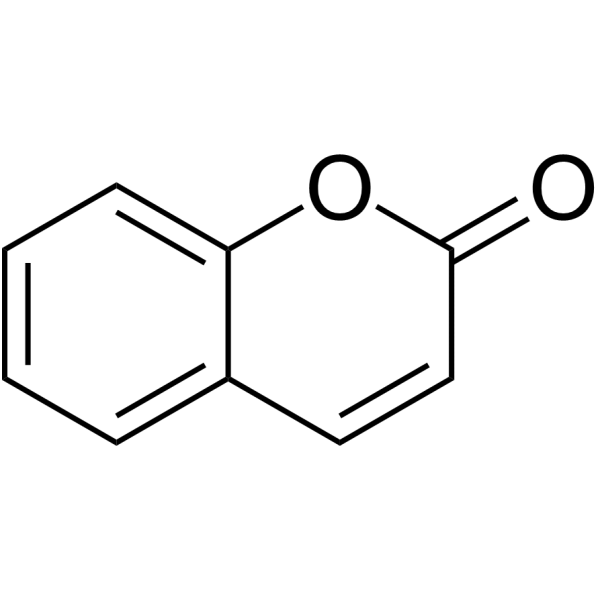
    Coumarin
    3 Publications Verification

    Environmental Pollutants Bacterial Fungal Infection Neurological Disease Inflammation/Immunology Cancer
    Coumarin is a potent and orally active anti-inflammatory agent. Coumarin shows an antinociceptive effect. Coumarin shows antibacterial, antifungal and anticancer activity .
    Coumarin
  • HY-N9448
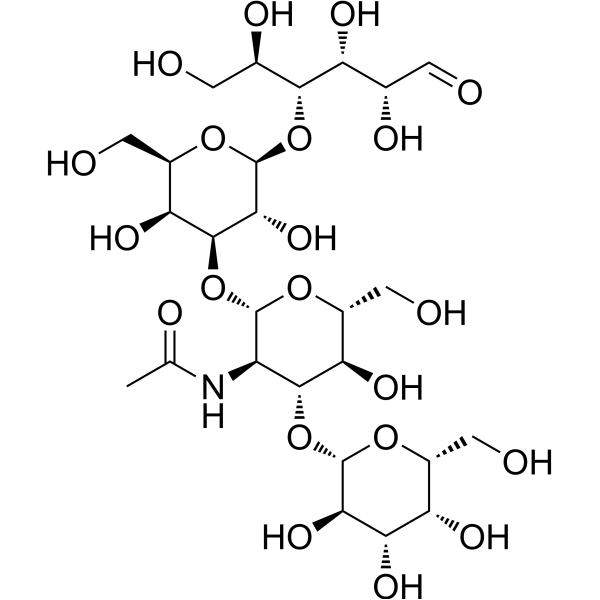
    Lacto-N-tetraose
    1 Publications Verification

    Bacterial Infection Inflammation/Immunology
    Lacto-N-tetraose is the significant core structure of human milk oligosaccharides (HMOs) naturally existing in human milk. Lacto-N-tetraose is consist of galactose, N-acetylglucosamine, and glucose moieties. Lacto-N-tetraose has prebiotic effect, immune regulatory effect, anti-inflammatory effects, intestinal cell responses regulatory effect, antibacterial activity and antiviral activity. Lacto-N-tetraose has been widely added to infant formula .
    Lacto-N-tetraose
  • HY-B0276
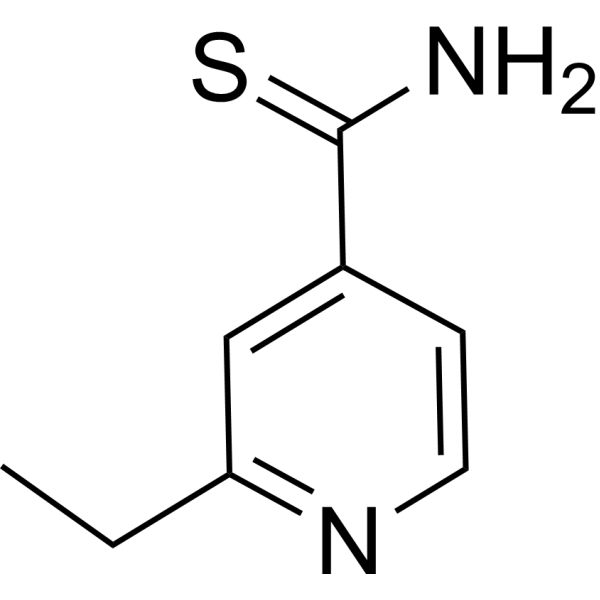
    Ethionamide
    5 Publications Verification

    2-Ethylthioisonicotinamide

    Bacterial Antibiotic Infection
    Ethionamide (2-ethylthioisonicotinamide) is a second-line anti-tuberculosis antibiotic with antibacterial effect and oral activity .
    Ethionamide
  • HY-137371

    Bacterial Apoptosis Antibiotic Infection Cancer
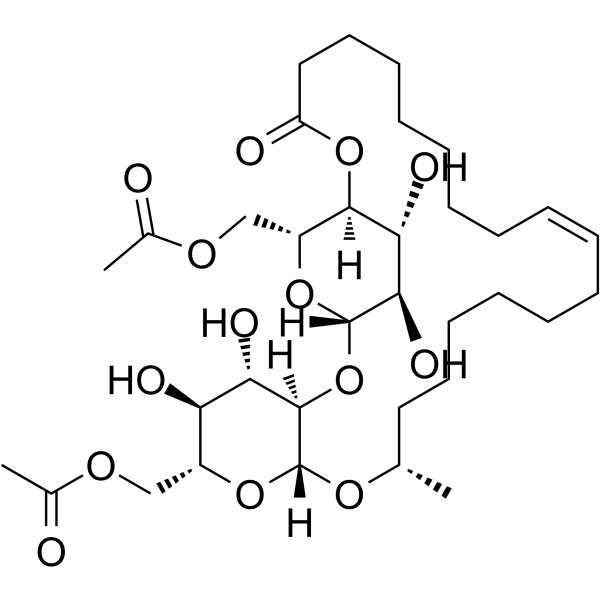
    Lactonic sophorolipid is an apoptosis inducer and antimicrobial surfactant with antitumor activity. Lactonic sophorolipid regulates Bax/Bcl-gene expression through caspase-3/9 and induces apoptosis in tumor cells. Lactonic sophorolipid can disrupt cell membrane permeability and exert antibacterial effects (MIC for oral pathogens is 100-400 μg/mL). Lactonic sophorolipid promotes mitochondrial membrane potential depolarization, activates the intrinsic apoptotic pathway, and can synergize with antibiotics to enhance the antibacterial effect. Lactonic sophorolipid can be used in liver cancer research and the development of oral hygiene antibacterial agents[1][2][3].
    Lactonic sophorolipid
  • HY-N8015
    Octanal
    1 Publications Verification

    Environmental Pollutants Endogenous Metabolite Fungal Bacterial Infection Cancer
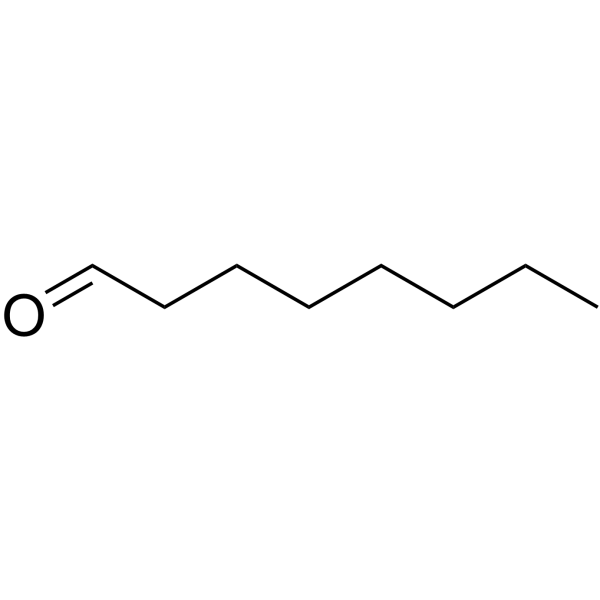
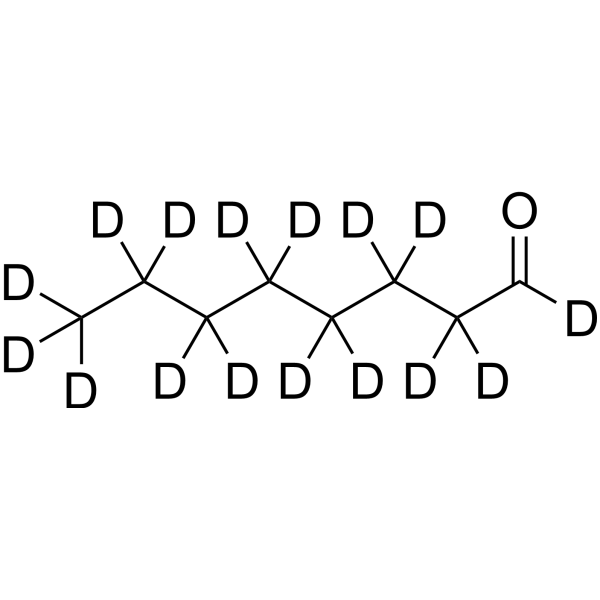
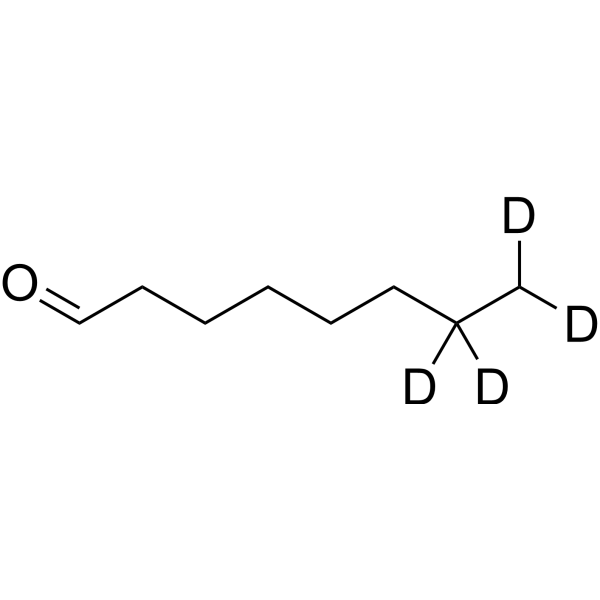
    Octanal is a fragrant aldehyde with antioxidant and antibacterial activity. Its antifungal effect against G. citri-aurantii may be related to the disruption of cell membrane integrity and the leakage of cellular components. Additionally, Octanal exhibits cytotoxicity towards HeLa cells, with an IC50 value of 3.5 μg/mL .
    Octanal
  • HY-144300

    TNP-2198

    Bacterial Infection
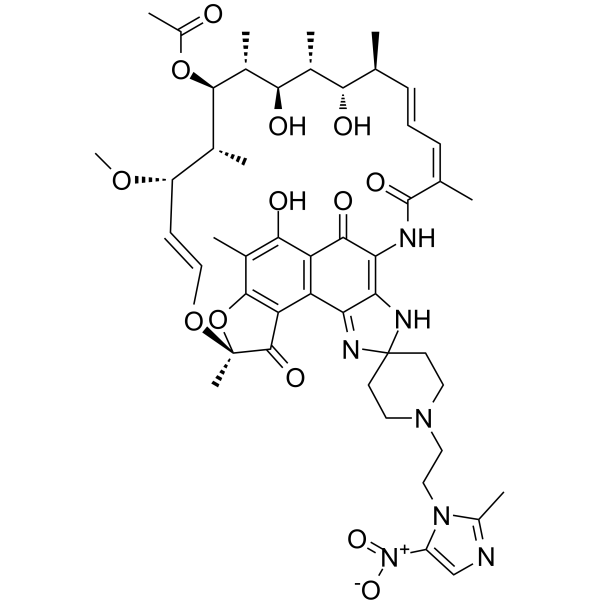
    Rifasutenizol (TNP-2198) is a dual-targeted antibacterial agent that has a good antibacterial effect on Helicobacter pylori infection. Rifasutenizol can be used in the study of microaerophilic and anaerobic bacterial infections .
    Rifasutenizol
  • HY-N1984

    Qing Hao acid; Artemisinic acid; Arteannuic acid

    JNK Interleukin Related Infection Metabolic Disease Inflammation/Immunology Cancer
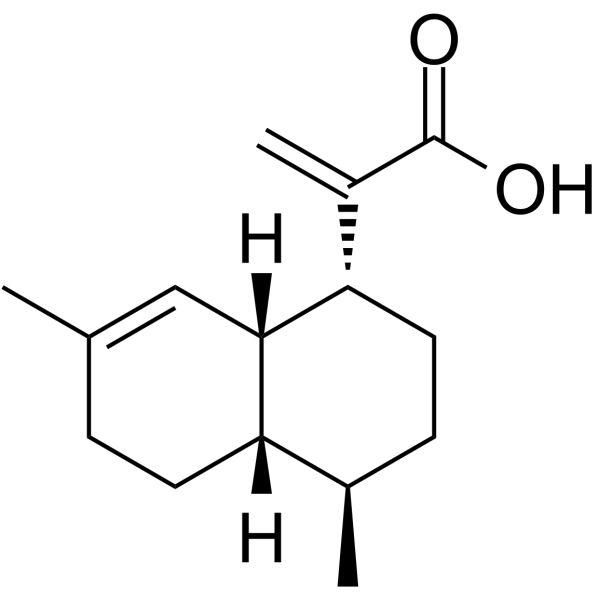
    Artemisinic acid (Qing Hao acid) is a sesquiterpene that can be isolated from Artemisia annua L. Artemisinic acid is also an important precursor for the synthesis of Artemisinin (HY-B0094). Artemisinic acid has various pharmacological activities, such as antimalarial activity, antitumor activity, antipyretic effect, antibacterial activity, allelopathic effect, and anti-adipogenic effect .
    Artemisic acid
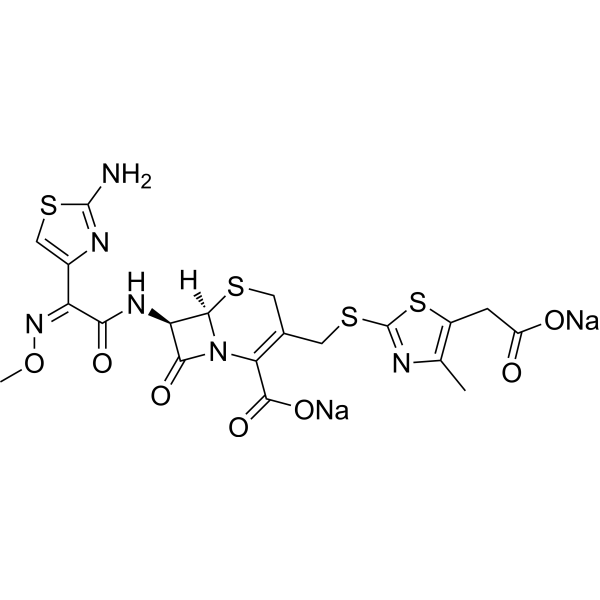
  • HY-108402A

    Penicillin-binding protein (PBP) Bacterial Antibiotic Infection
    Cefodizime sodium is a third generation cephalosporin antibiotic with a broad spectrum of antibacterial activity. Cefodizime sodium has no renal toxic effect, good tolerance and immune regulation activity, and can be used for the research of severe infections of the respiratory and urinary tracts .
    Cefodizime sodium
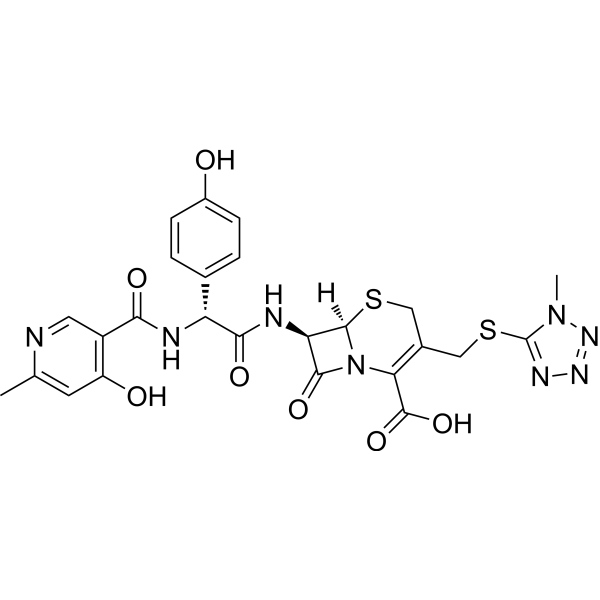
  • HY-B1354

    SM-1652 free acid; Wy-44635 free acid

    Beta-lactamase Antibiotic Bacterial Infection
    Cefpiramide (SM-1652) free acid is a semisynthetic cephalosporin with broad-spectrum antibacterial activity. Cefpiramide free acid shows strong antibacterial effect on both gram-positive bacteria and gram-negative bacteria. Cefpiramide free acid is moderately susceptible to β-lactamase .
    Cefpiramide
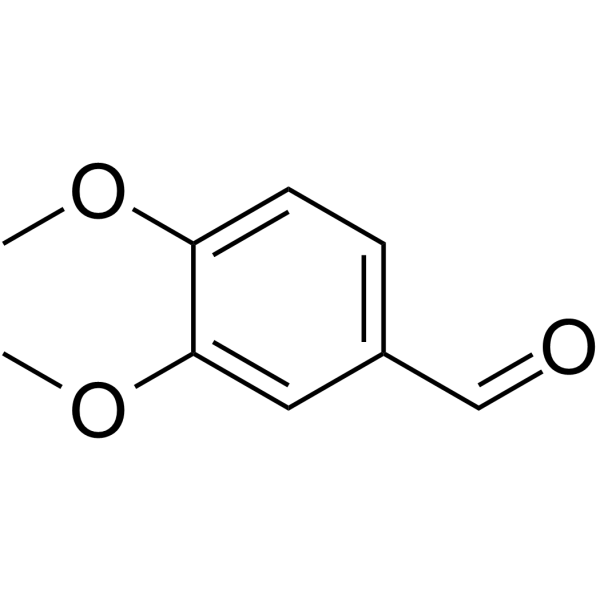
  • HY-N1096

    Environmental Pollutants Bacterial Parasite Infection
    Veratraldehyde is an orally active aromatic compound and antibacterial agent. Veratraldehyde can be isolated from essential oils of plants such as peppermint and ginger. Veratraldehyde targets the PilY1 protein. Veratraldehyde has antibacterial activity against Pseudomonas aeruginosa. Veratraldehyde has a repellent effect against mosquitoes and ticks. Veratraldehyde can be used as a flavoring agent .
    Veratraldehyde
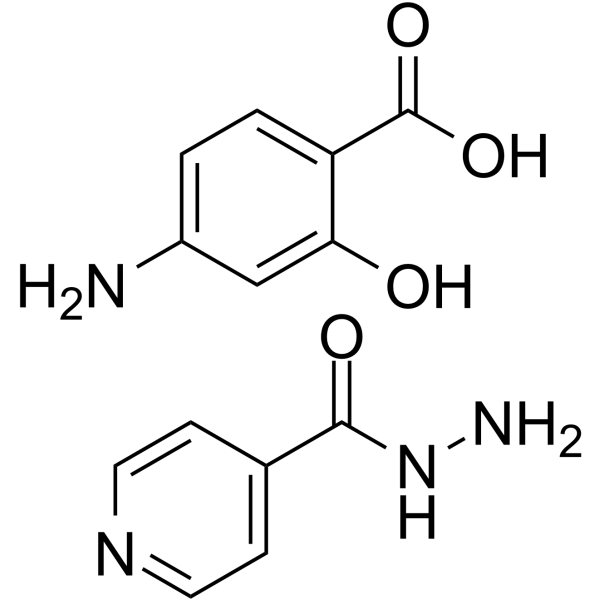
  • HY-B1048

    Paraniazide; Pasiniazide; Isonicotinic acid hydrazide p-aminosalicylate

    Bacterial Infection
    Pasiniazid is a chemical complex formed by Isoniazid (HY-B0329) and Para-aminosalicylic acid in a 1:1 molar ratio. Pasiniazid is an antibacterial agent. Pasiniazid is rapidly decomposed into isoniazid and para-aminosalicylic acid in the gastrointestinal tract. Isoniazid exerts a bactericidal effect, while para-aminosalicylic acid delays the acetylation process of isoniazid. Pasiniazid has antibacterial activity against Mycobacterium tuberculosis. Pasiniazid can be used in tuberculosis research .
    Pasiniazid
  • HY-W049970

    Environmental Pollutants Bacterial Infection
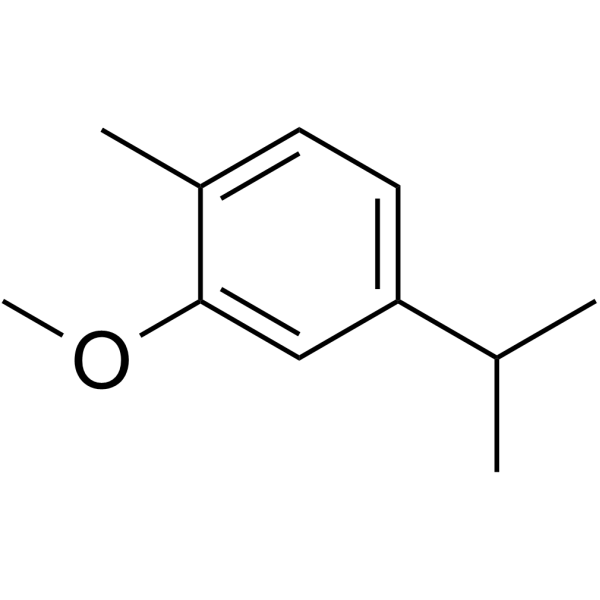
    Carvacrol methyl ether is a carvacrol derivative isolated from plant essential oils. Carvacrol methyl ether essentially lost its antibacterial activity, exhibiting only a weak inhibitory effect on Saccharomyces cerevisiae at the highest tested concentration of 3 g/L .
    Carvacrol methyl ether
  • HY-N3139

    Bacterial Infection
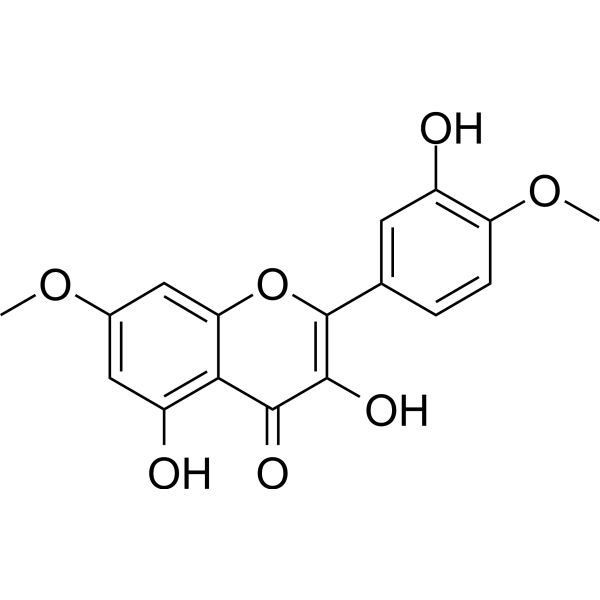
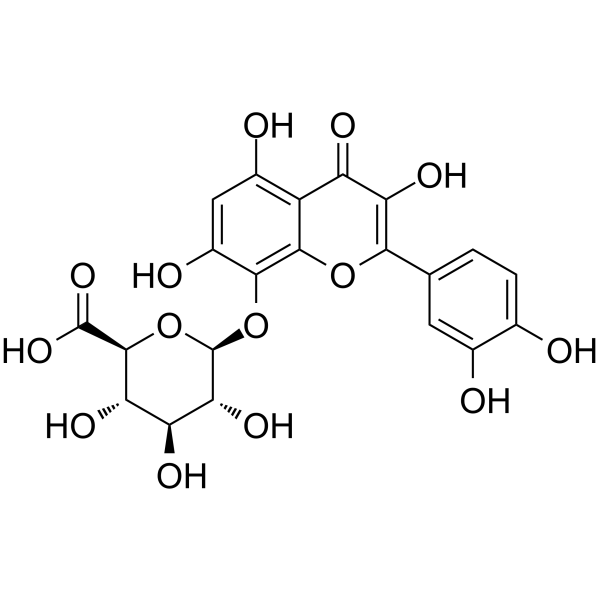
    Ombuin, isolated from Zanthoxylum armatum, displays broad spectrum antibacterial effect with MIC ranges from 125 to 500 μg/mL .
    Ombuin
  • HY-122207

    Antibiotic Infection
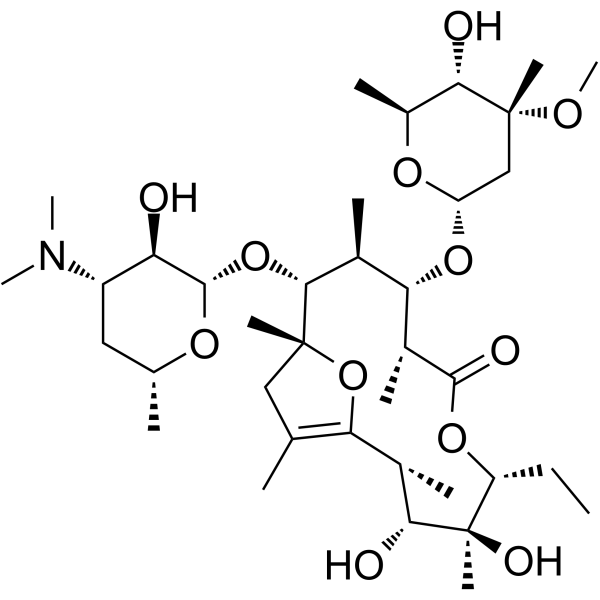
    Erythromycin A enol ether is an acidic degradation product of Erythromycin A (macrolide antibiotic) and has no antibacterial effect .
    Erythromycin A enol ether
  • HY-W041895

    Endogenous Metabolite DNA/RNA Synthesis Bacterial Infection
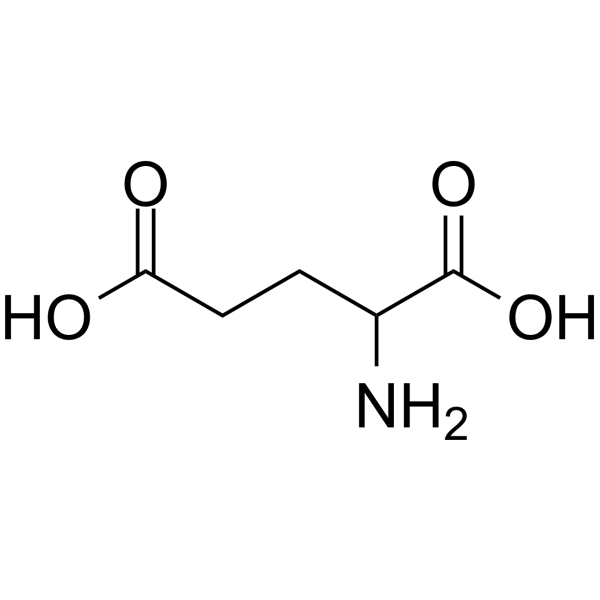
    DL-Glutamic acid is a racemic amino acid mixture and an antibacterial agent. DL-Glutamic acid reduces RNA and DNA levels, with a more significant effect on RNA. DL-Glutamic acid inhibits cell division of Rhodospirillum rubrum .
    DL-Glutamic acid
  • HY-N0709R

    Reference Standards Bacterial Fungal Infection Neurological Disease Inflammation/Immunology Cancer
    Coumarin (Standard) is the analytical standard of Coumarin. This product is intended for research and analytical applications. Coumarin is a potent and orally active anti-inflammatory agent. Coumarin shows an antinociceptive effect. Coumarin shows antibacterial, antifungal and anticancer activity .
    Coumarin (Standard)
  • HY-B1316

    Fungal Infection Neurological Disease
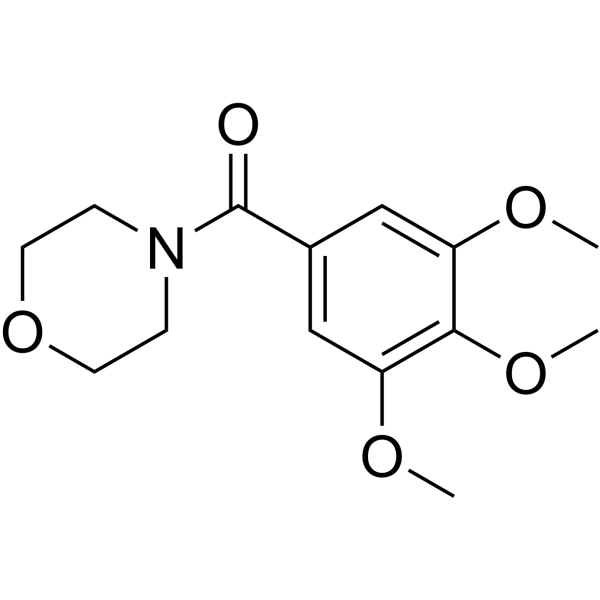
    Trimetozine is an Antifungal agent and sedative. Trimetozine exhibits antibacterial activity against Candida albicans, Candida glabrata, and Miconazole (HY-B0454)-resistant Candida glabrata cultures. Trimetozine exerts a sedative effect. Trimetozine can be used in research related to candidiasis and anxiety disorders .
    Trimetozine
  • HY-B0967

    Bacterial Infection
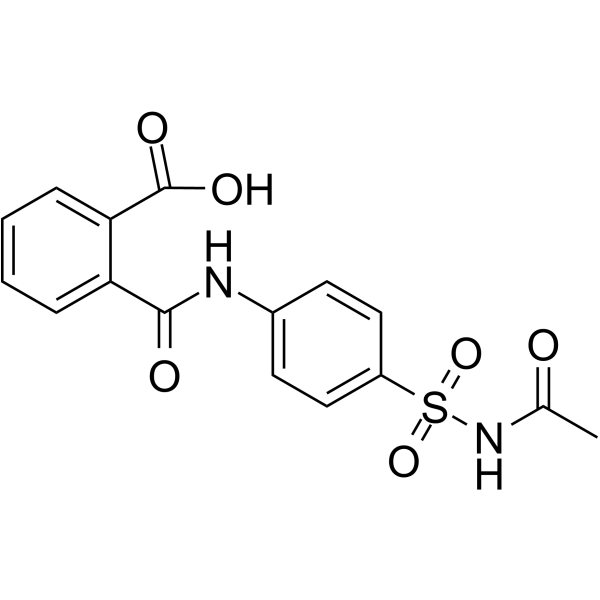
    Phthalylsulfacetamide is a sulfa drug, after oral administration, slowly decompose in the intestine,and release sulfacetamide ,generating antibacterial effect.
    Phthalylsulfacetamide
  • HY-W854341

    Antibiotic Bacterial Infection
    Chitotriose is a chitooligosaccharide that can be isolated from crab shell chitosan. Chitotriose has antibacterial effect against salmonella .
    Chitotriose
  • HY-108402

    Penicillin-binding protein (PBP) Bacterial Antibiotic Infection
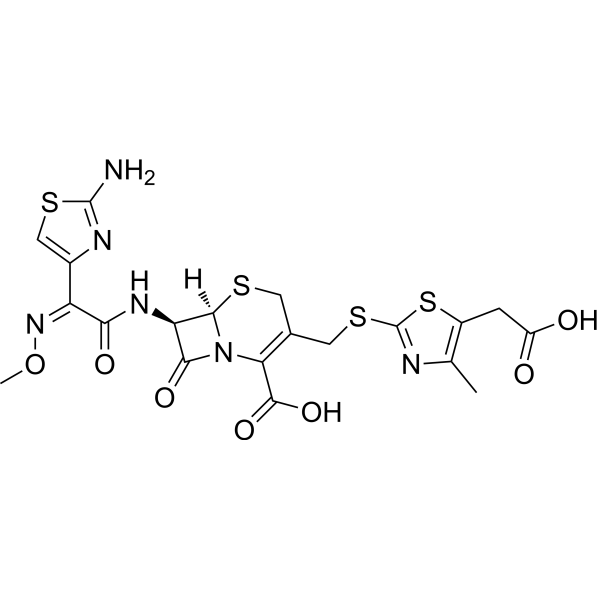
    Cefodizime is a third generation cephalosporin antibiotic with a broad spectrum of antibacterial activity. Cefodizime has no renal toxic effect, good tolerance and immune regulation activity, and has the potential for severe infections of the respiratory and urinary tracts .
    Cefodizime
  • HY-152249

    Antibiotic Bacterial Fungal Infection
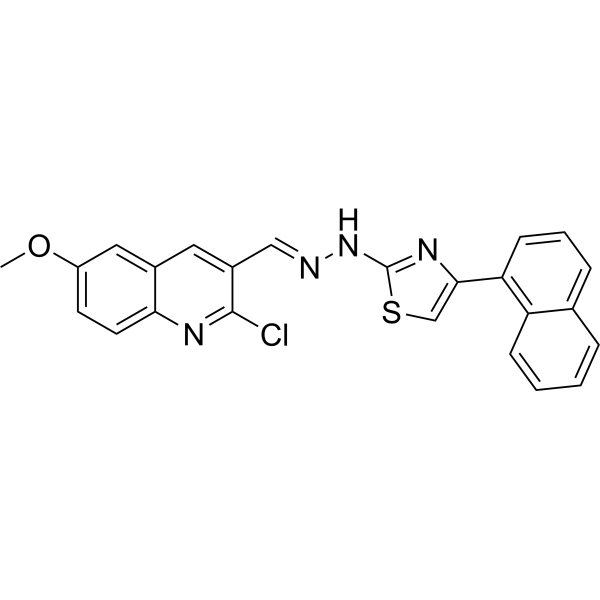
    Antibacterial agent 131 is a quinoline derivative. Antibacterial agent 131 has antimicrobial effect. Antibacterial agent 131 destroys the integrity of the fungal cells via blocking ergosterol production .
    Antibacterial agent 131
  • HY-146047

    Bacterial Infection
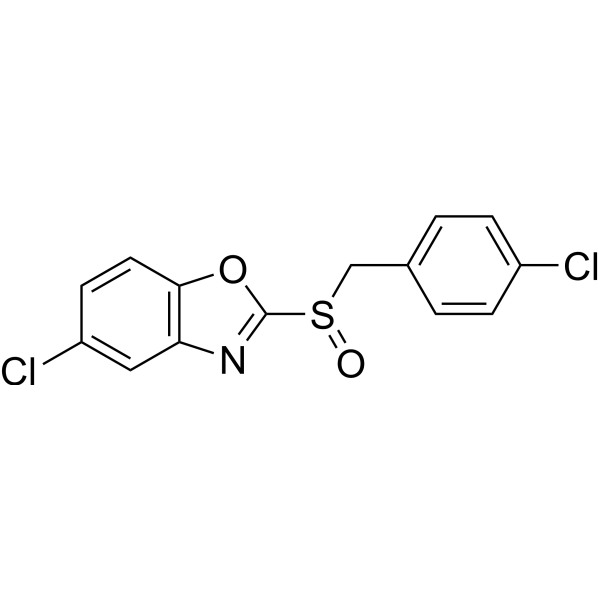
    Antibacterial agent 94 (compound 5b) is a potent antibacterial agent. Antibacterial agent 94 show antibacterial activities and show the capability of eradicating MRSA persisters. Antibacterial agent 94 has an effect on bacterial membrane. Antibacterial agent 94 interferes in phosphatidylglycerol (PG) synthesis pathway .
    Antibacterial agent 94
  • HY-N3056

    Bacterial Fungal Infection
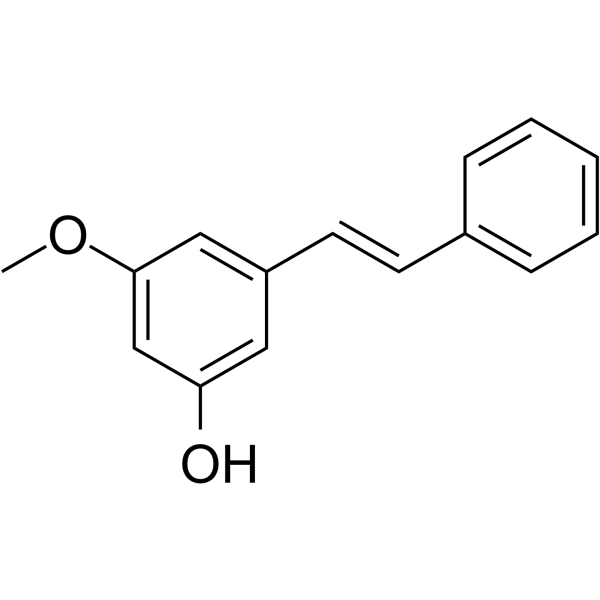
    Pinosylvin monomethyl ether has antibacterial effect and fungicidal activity .
    Pinosylvin monomethyl ether
  • HY-170386

    Bacterial Infection
    TXY541 is an orally active antibacterial agent that can be converted to PC190723 (HY-146331) under physiological conditions. TXY541 has good antibacterial effect against Staphylococcus aureus and low toxicity to mammalian cells .
    TXY541
  • HY-117108

    Antibiotic Bacterial Infection
    Nocardicin A is a beta-lactam antibiotic with selective antibacterial activity. Nocardicin A has moderate antibacterial activity against a broad spectrum of Gram-negative bacteria including Proteus and Pseudomonas; it has no inhibitory effect on Staphylococcus, Mycobacterium, fungi, and yeast .
    Nocardicin A
  • HY-161797

    Aminoacyl-tRNA Synthetase Infection
    Antibacterial agent 227 (Compd 29) is a SerRS (Seryl-tRNA synthetase) inhibitor. Antibacterial agent 227 has a significant inhibitory effect on the growth of planktonic and biofilm culture of Staphylococcus aureus 25923 with MIC (minimum inhibitory concentration) value of 32 µg/ml. Antibacterial agent 227 can be proposed as effective antiseptic toward multidrug-resistant biofilm-forming S. aureus isolates .
    Antibacterial agent 227
  • HY-W738288

    Bacterial Drug Derivative DNA/RNA Synthesis Infection
    Rifamdin is a derivative of Rifampicin (HY-B0272). Rifamdin is an anti-tuberculosis agent. Rifamdin exerts its antibacterial effect by inhibiting the synthesis of bacterial RNA .
    Rifamdin
  • HY-N14880

    Antibiotic Bacterial Infection Cardiovascular Disease
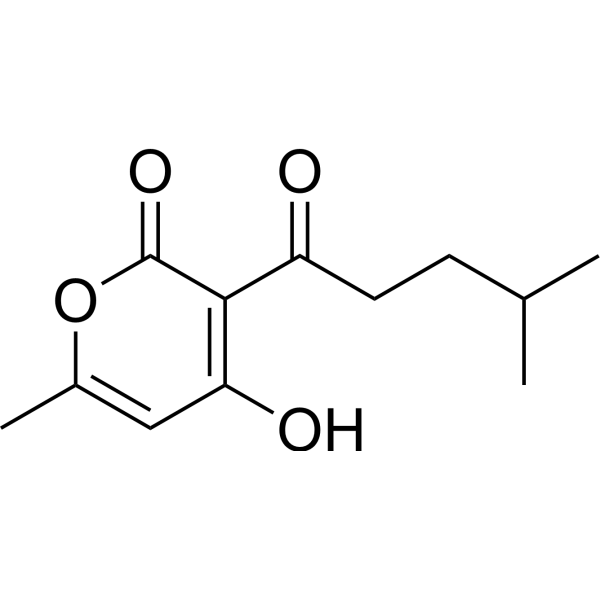
    Oudenone is an oxygen-containing heterocyclic antibiotic. Oudenone has weak antibacterial and fungal activity. Oudenone has antihypertensive effect on spontaneous hypertension in rats by intraperitoneal injection or oral administration .
    Oudenone
  • HY-B1241A

    DHSM

    Antibiotic Bacterial Infection
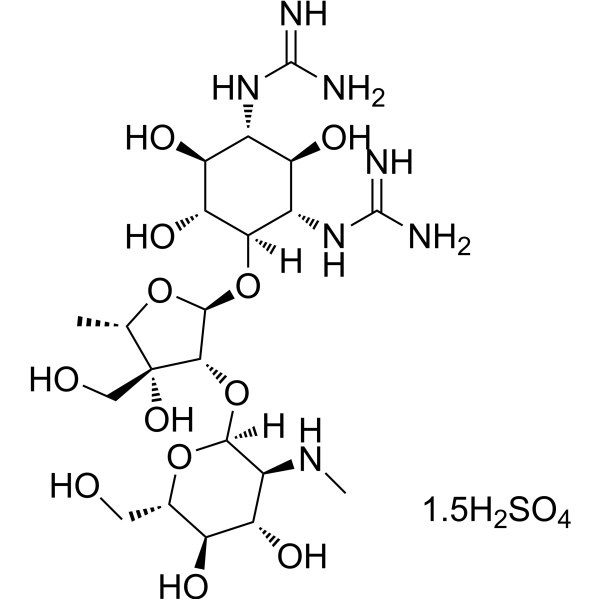
    Dihydrostreptomycin (DHSM) is an aminoglycoside antibiotic with antibacterial effect against Gram-negative bacteria. Dihydrostreptomycin exhibits ototoxicity that causes irreversible damage in inner ear hair cells, leading to hearing loss .
    Dihydrostreptomycin
  • HY-128514

    Oxazinomycin

    Antibiotic Bacterial Infection Cancer
    Minimycin (Oxazinomycin) is a nucleoside antibiotic with a broad-spectrum antibacterial activity. Minimycin has inhibitory effect on mouse Ehrlich ascites carcinoma, ascites type and solid type sarcoma-180 .
    Minimycin
  • HY-19071

    Antibiotic Bacterial Infection
    BK-218 is an orally active cephalosporin antibiotic that binds to penicillin-binding proteins (PBPs) and has a greater inhibitory effect than Cephalexin (HY-B0200) and Cefoxitin (HY-B1825). BK-218 has similar antibacterial activity to Cefamandole (HY-B1128) and can be used in the development of antibacterial drugs .
    BK-218
  • HY-N1984R

    Qing Hao acid (Standard); Artemisinic acid (Standard); Arteannuic acid (Standard)

    Reference Standards JNK Interleukin Related Infection Metabolic Disease Inflammation/Immunology Cancer
    Artemisic acid (Standard) (Qing Hao acid (Standard)) is the analytical standard of Artemisic acid (HY-N1984). This product is intended for research and analytical applications. Artemisinic acid (Qing Hao acid) is a sesquiterpene that can be isolated from Artemisia annua L. Artemisinic acid is also an important precursor for the synthesis of Artemisinin (HY-B0094). Artemisinic acid has various pharmacological activities, such as antimalarial activity, antitumor activity, antipyretic effect, antibacterial activity, allelopathic effect, and anti-adipogenic effect .
    Artemisic acid (Standard)
  • HY-125117

    DNA/RNA Synthesis Bacterial Infection Cancer
    Simocyclinone D8 is an anthracycline antibiotic with antibacterial and antitumor activity against Gram-positive bacteria. Simocyclinone D8 inhibits DNA gyrase and thus has an inhibitory effect on a variety of tumor cell lines .
    Simocyclinone D8
  • HY-N13075

    Antibiotic Bacterial Infection
    Mycoplanecin A is a cyclic peptide antibiotic. Mycoplanecin A has strong anti-mycobacterial, luteus, and Hypococcus activity. Mycoplanecin A also has moderate anti-Xanthomonas oryzae activity. Mycoplanecin A also has antibacterial effect on some strains of Actinomycetes .
    Mycoplanecin A
  • HY-N0709S1

    Bacterial Fungal Isotope-Labeled Compounds Cancer
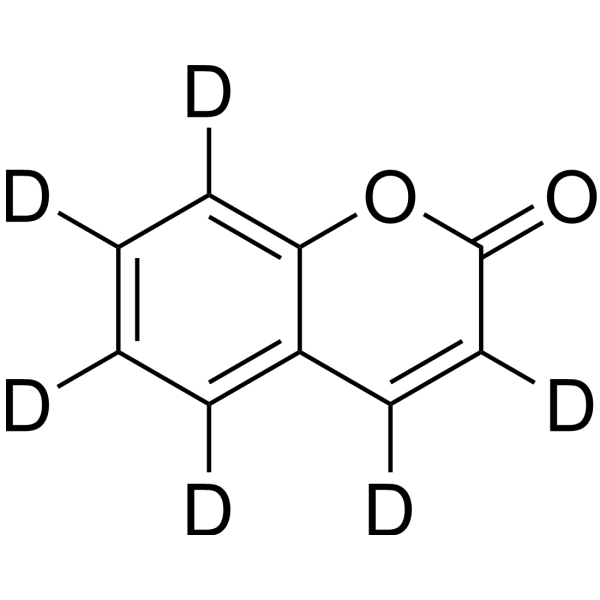
    Coumarin-d6 is deuterated labeled Coumarin (HY-N0709). Coumarin is a potent and orally active anti-inflammatory agent. Coumarin shows an antinociceptive effect. Coumarin shows antibacterial, antifungal and anticancer activity .
    Coumarin-d6
  • HY-W104527

    Bacterial Fungal Infection
    2,4-Dinitrobenzenesulfonamide (Compound 2d) is an antibacterial and antifungal agent. 2,4-Dinitrobenzenesulfonamide interacts with dihydrofolate synthetase. 2,4-Dinitrobenzenesulfonamide shows inhibitory effect against A. niger, C. albicans, B. subtilis, and S. aureus .
    2,4-Dinitrobenzenesulfonamide
  • HY-N1096S1

    Isotope-Labeled Compounds Bacterial Parasite Infection
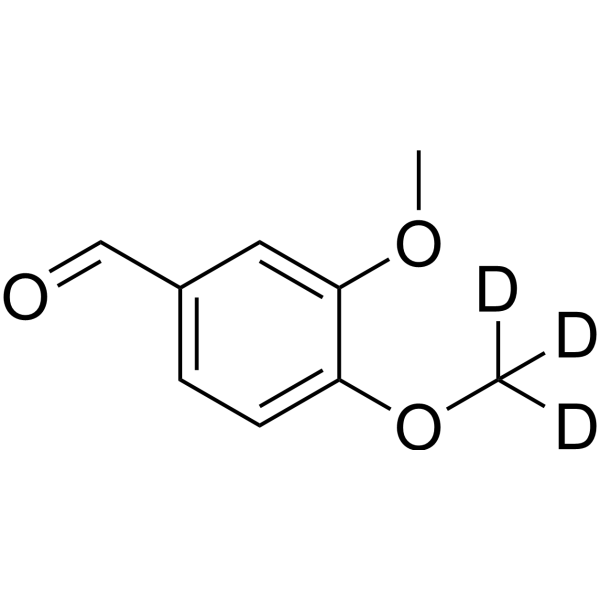
    Veratraldehyde-d3 is the deuterium labeled Veratraldehyde (HY-N1096). Veratraldehyde is an orally active aromatic compound and antibacterial agent. Veratraldehyde can be isolated from essential oils of plants such as peppermint and ginger. Veratraldehyde targets the PilY1 protein. Veratraldehyde has antibacterial activity against Pseudomonas aeruginosa. Veratraldehyde has a repellent effect against mosquitoes and ticks. Veratraldehyde can be used as a flavoring agent .
    Veratraldehyde-d3
  • HY-178384

    Bacterial Infection
    Antibacterial agent 294 is an antibacterial agent. Antibacterial agent 294 shows antibacterial effect against carbapenem-resistant Acinetobacter baumannii (CRAB) with a MIC of 0.5 μg/mL. Antibacterial agent 294 can be used for the research of infection .
    Antibacterial agent 294
  • HY-N14518

    Bacterial Infection
    Pacidamycin 6 has inhibitory effect on Pseudomonas aeruginosa. Pacidamycin 6 also has effect on a few strains of bacteria such as suppurative staphylococcus and Escherichia coli. Serum can reduce its antibacterial activity, pH also affects its antibacterial activity .
    Pacidamycin 6
  • HY-N14517

    Bacterial Infection
    Pacidamycin 4 has inhibitory effect on Pseudomonas aeruginosa. Pacidamycin 4 also has effect on a few strains of bacteria such as suppurative staphylococcus and Escherichia coli. Serum can reduce its antibacterial activity, pH also affects its antibacterial activity .
    Pacidamycin 4
  • HY-N14519

    Bacterial Infection
    Pacidamycin 7 has inhibitory effect on Pseudomonas aeruginosa. Pacidamycin 7 also has effect on a few strains of bacteria such as suppurative staphylococcus and Escherichia coli. Serum can reduce its antibacterial activity, pH also affects its antibacterial activity .
    Pacidamycin 7
  • HY-162130

    Bacterial Infection
    Antibacterial agent 176 (Compound 6f) is a potent PqsR antagonist. Antibacterial agent 176 has a good inhibitory effect on P. aeruginosa CF, and a significant inhibitory effect on the production of pyocyanin, 2-alkyl-4 (1H) -quinolones .
    Antibacterial agent 176
  • HY-123175

    Bacterial Others
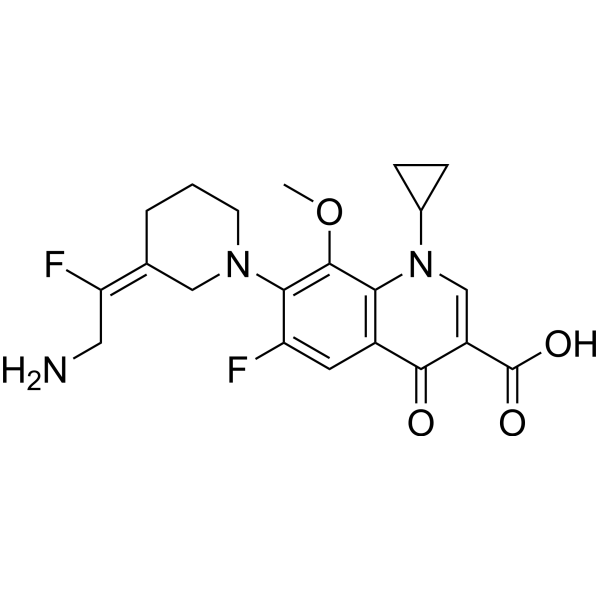
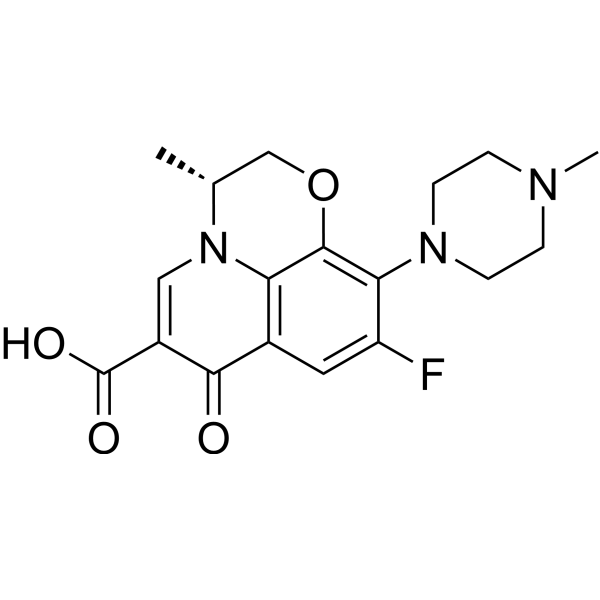
    Chinfloxacin is a compound with antibacterial activity. It is active against a variety of clinical isolates in vitro. Its antibacterial activity is similar to that of moxifloxacin, and it has a bactericidal effect in a concentration-dependent manner.
    Chinfloxacin
  • HY-163111

    Bacterial Infection
    Antibacterial agent 170 (compound 6b) is a potent antibacterial agent which inhibits the formation of P. aeruginosa PAO1 biofilm. Antibacterial agent 170 exhibits quorum sensing inhibitor effect by the las system. Antibacterial agent 170 can used in study microbial resistance .
    Antibacterial agent 170
  • HY-121610

    Bacterial Antibiotic Others
    FR-202306 is a compound with antibacterial and peptide deformylase inhibitory activities, isolated from microorganisms, which has an inhibitory effect on the peptide deformylase of Staphylococcus aureus and also has antibacterial activity.
    FR-202306
  • HY-163104

    Bacterial Infection
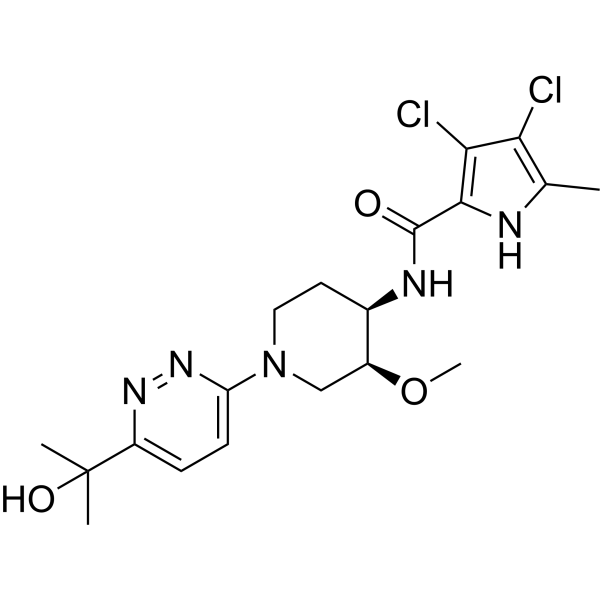
    Antibacterial agent 169 (Compound 28) is a pyrrolamide-type GyrB/ParE inhibitor with antibacterial activity. Antibacterial agent 169 has an inhibitory effect on Gyrase and Topo IV of Staphylococcus aureus, with IC50 values of 49 nmol/L and 1.513 μmol/L respectively .
    Antibacterial agent 169
  • HY-N14441

    Fungal Infection
    Haliangicin A has anti-filamentous fungi activity, and it also has effect on oomycetes, but has no antibacterial activity .
    Haliangicin A
  • HY-106668

    Sch 21420

    Antibiotic Bacterial Infection
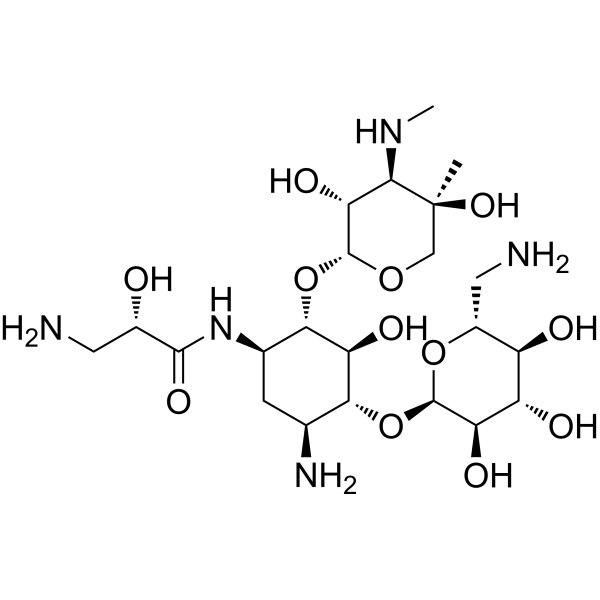
    Isepamicin (Sch 21420) is an aminoglycoside antibacterial. Isepamicin has better activity against strains producing type I 6'-acetyltransferase. Isepamicin’s antibacterial spectrum includes Enterobacteriaceae and staphylococci. Anaerobes, Neisseriaceae and streptococci are resistant. Isepamicin exhibits a strong concentration-dependent bactericidal effect, a long post-antibiotic effect (several hours) and induces adaptive resistance .
    Isepamicin
  • HY-N14192

    Antibiotic Fungal Infection
    Maltophilin is a broad-spectrum antifungal antibiotic that has no antibacterial effect against Gram-positive and Gram-negative bacteria .
    Maltophilin

Inquiry Online

Your information is safe with us. * Required Fields.

Salutation


Country or Region *

Applicant Name *


Organization Name *

Department *


Email Address *


Product Name *

Cat. No.


Requested quantity *

Phone Number *


Remarks

Inquiry Online

Inquiry Information

Product Name:
Cat. No.:
Quantity:
MCE Japan Authorized Agent: