1. Search Result
Search Result
Results for "

antioxidant+effect

" in MedChemExpress (MCE) Product Catalog:

34

Inhibitors & Agonists

1

Fluorescent Dye

2

Biochemical Assay Reagents

2

Peptides

15

Natural
Products

2

Isotope-Labeled Compounds

1

Oligonucleotides

1

GMP Molecules

Cat. No. Product Name Target Research Areas Chemical Structure
  • HY-101445
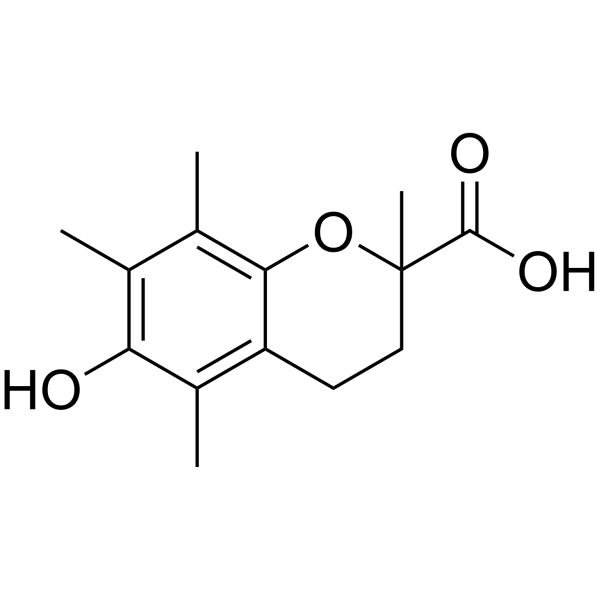
    Trolox
    Maximum Cited Publications
    34 Publications Verification

    Reactive Oxygen Species (ROS) Ferroptosis Apoptosis Cancer
    Trolox is an analogue of vitamin E with a powerful antioxidant effect. Trolox is also a powerful inhibitor of membrane damage .
    Trolox
  • HY-13315
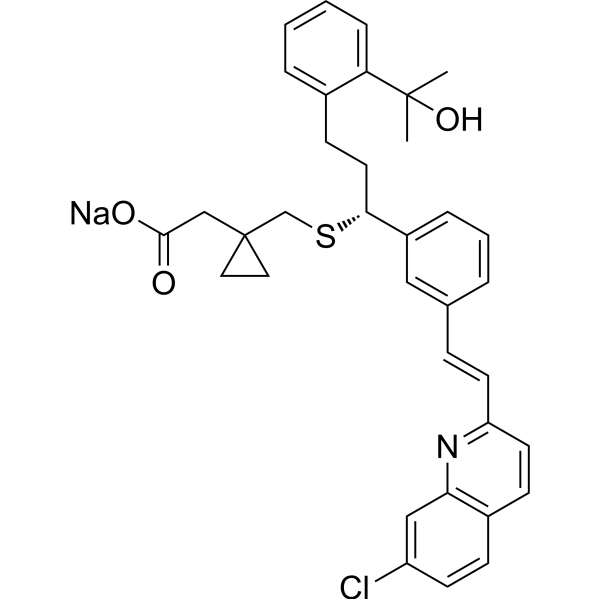
    Montelukast sodium
    10+ Cited Publications

    MK0476

    Leukotriene Receptor Inflammation/Immunology Cancer
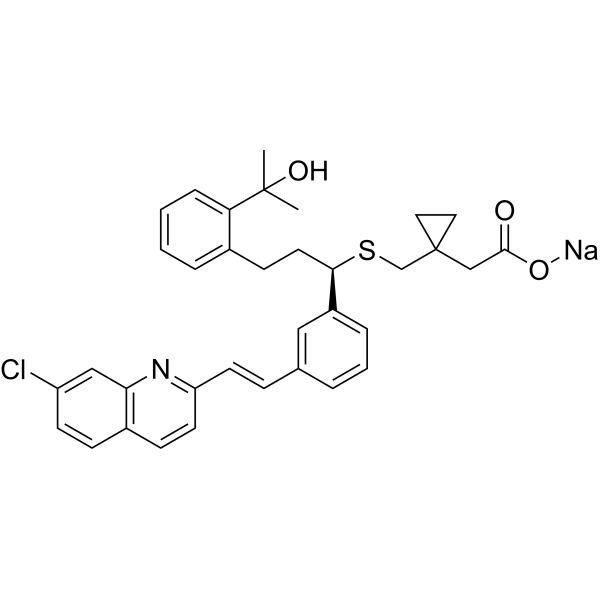
    Montelukast sodium (MK0476) is a potent, selective and orally active antagonist of cysteinyl leukotriene receptor 1 (CysLT1). Montelukast sodium can be used for the reseach of asthma and liver injury. Montelukast sodium also has an antioxidant effect in intestinal ischemia-reperfusion injury, and could reduce cardiac damage. Montelukast sodium decreases eosinophil infiltration into the asthmatic airways. Montelukast sodium can also be used for COVID-19 research .
    Montelukast sodium
  • HY-113556
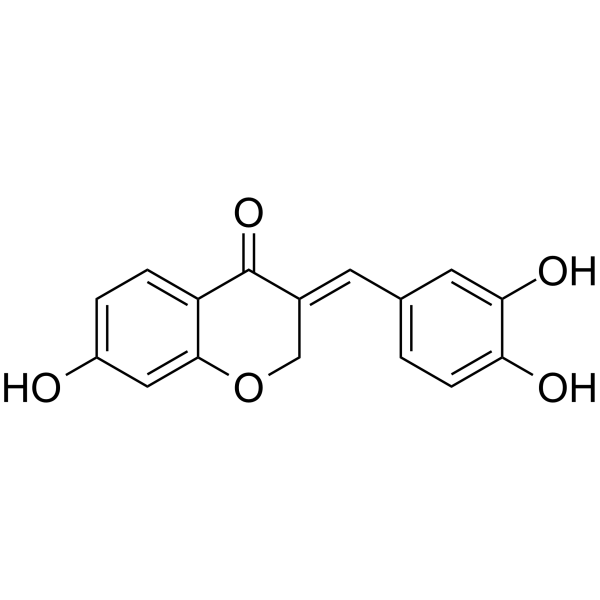
    Sappanone A
    5+ Cited Publications

    Phosphodiesterase (PDE) NF-κB Keap1-Nrf2 Reactive Oxygen Species (ROS) TNF Receptor Nuclear Factor of activated T Cells (NFAT) Akt ERK p38 MAPK NO Synthase Interleukin Related COX JNK Cardiovascular Disease Inflammation/Immunology
    Sappanone A is an orally active homoisoflavone found in sappan L. Sappanone A is a PDE4 and NF-κB inhibitor with anti-inflammatory and antioxidant effect. Sappanone A induces HO-1 expression through activation of Nrf2 pathway. Sappanone A also inhibits RANKL-induced osteoclastogenesis. Sappanone A has great potential in the research of inflammation-related and cardiovascular .
    Sappanone A
  • HY-13315A
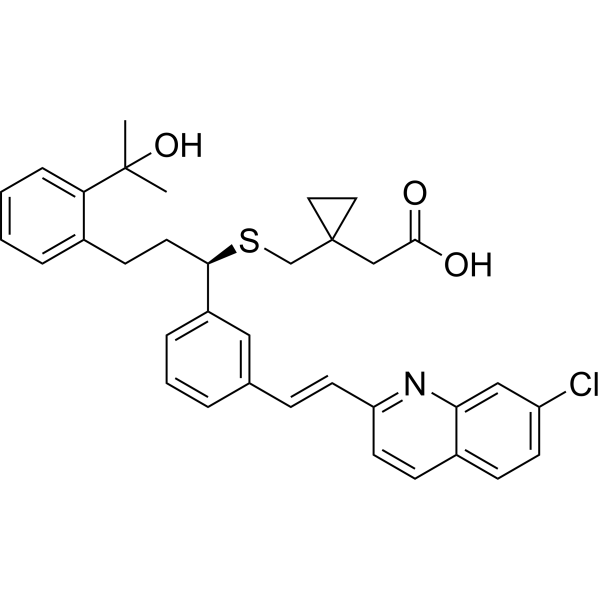
    Montelukast
    10+ Cited Publications

    MK0476 free base

    Leukotriene Receptor Inflammation/Immunology Cancer
    Montelukast (MK0476 free base) is a potent, selective and orally active antagonist of cysteinyl leukotriene receptor 1 (CysLT1). Montelukast can be used for the reseach of asthma and liver injury. Montelukast also has an antioxidant effect in intestinal ischemia-reperfusion injury, and could reduce cardiac damage. Montelukast decreases eosinophil infiltration into the asthmatic airways. Montelukast can also be used for COVID-19 research .
    Montelukast
  • HY-N0594

    SOD Interleukin Related TNF Receptor Inflammation/Immunology
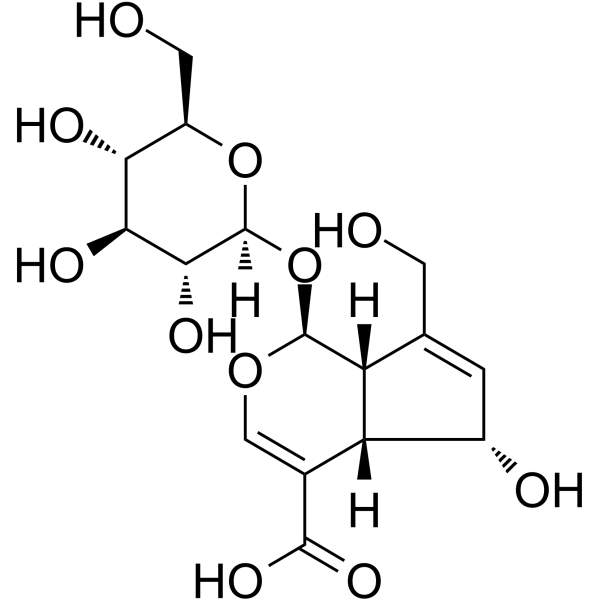
    Deacetylasperulosidic Acid is an orally active antioxidant. Deacetylasperulosidic Acid exerts a definite in vivo antioxidant effect and alleviates oxidative stress injury by enhancing SOD activity. In atopic dermatitis models, Deacetylasperulosidic Acid corrects Th2-skewed immune imbalance and reduces allergy-related factors; in immunosuppression models, it activates cellular immunity, enhances NK cell activity and IL-2 production. Deacetylasperulosidic Acid can be used in the research of atopic dermatitis .
    Deacetylasperulosidic Acid
  • HY-Y1282

    Environmental Pollutants Biochemical Assay Reagents SOD Cardiovascular Disease Infection Neurological Disease
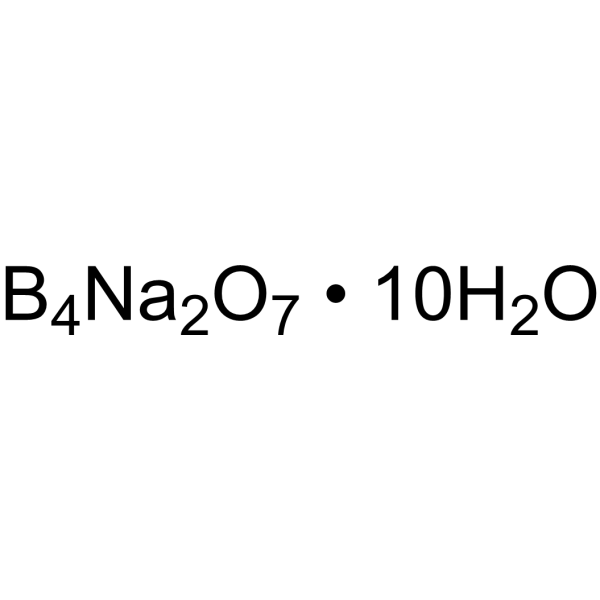
    Sodium tetraborate decahydrate is an orally active biochemical reagent and antibacterial agent. Sodium tetraborate decahydrate leads to an increase in the activity of Catalase, Superoxide dismutase. Sodium tetraborate decahydrate reduces Hydrogen sulfide and the sulfate-reducing bacteria population of swine manure. Sodium tetraborate decahydrate serves as flame suppressant for wood cellulose. Sodium tetraborate decahydrate is a triglyceride transesterification catalyst. Sodium tetraborate decahydrate suppresses the formation of chlorinated by-products in Cl -containing water. Sodium tetraborate decahydrate has a neuroprotective effect against chromium poisoning. Sodium tetraborate decahydrate can protect the heart from chromium damage at low doses. Sodium tetraborate in a low dose with an isolated application shows an antioxidant effect .
    Sodium tetraborate decahydrate
  • HY-N1780

    Tyrosinase Bacterial Infection
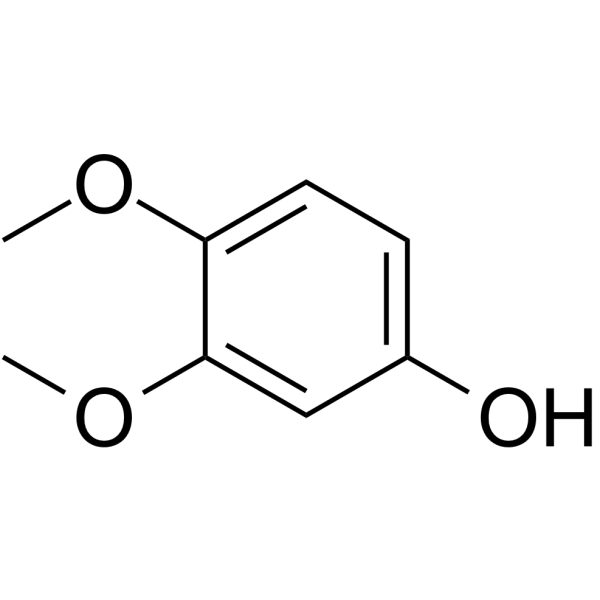
    3,4-Dimethoxyphenol is a plant-derived phenylpropanoid compound and can use as a whitening agent in cosmetics. 3,4-Dimethoxyphenol exhibits broad-spectrum antimicrobial activity. 3,4-Dimethoxyphenol has tyrosinase-inhibiting activity. 3,4-Dimethoxyphenol has potent antioxidant effect isolated from the bacterial fermentation broth. 3,4-Dimethoxyphenol can be used for the study of infection .
    3,4-Dimethoxyphenol
  • HY-159062

    Biochemical Assay Reagents NO Synthase Neurological Disease
    Goji Extract is a natural product with anti-aging, antioxidant, and neuroprotective effects. The antioxidant effect of Goji Extract has a positive impact on erectile dysfunction and can be used in research to improve erectile function .
    Goji Extract
  • HY-119152

    Insulin Receptor Tyrosinase Akt Others
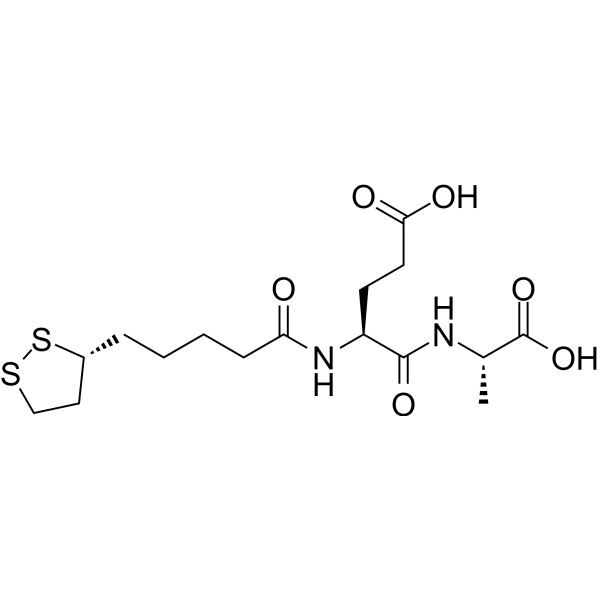
    CMX-2043 is a novel analogue of α-Lipoic Acid (HY-N0492). CMX-2043 is effective in antioxidant effect, activation of insulin receptor kinase, soluble tyrosine kinase, and Akt phosphorylation. CMX-2043 shows protection against ischemia-reperfusion injury (IRI) in rat model .
    CMX-2043
  • HY-109540

    AF-0150

    Heme Oxygenase (HO) Interleukin Related Inflammation/Immunology
    Perfluorohexane (AF-0150) is a perfluorocarbon. Perfluorohexane is also an enhancer of high-intensity focused ultrasound (HIFU) therapy. Perfluorohexane increases HO-1 and IL-10. Perfluorohexane exerts an antioxidant effect. Perfluorohexane alleviates lung injury induced by LPS (HY-D1056A1). Perfluorohexane improves the efficiency and precision of HIFU and reduces damage to surrounding normal tissues. Perfluorohexane can be used in the study of acute lung injury .
    Perfluorohexane
  • HY-N6669
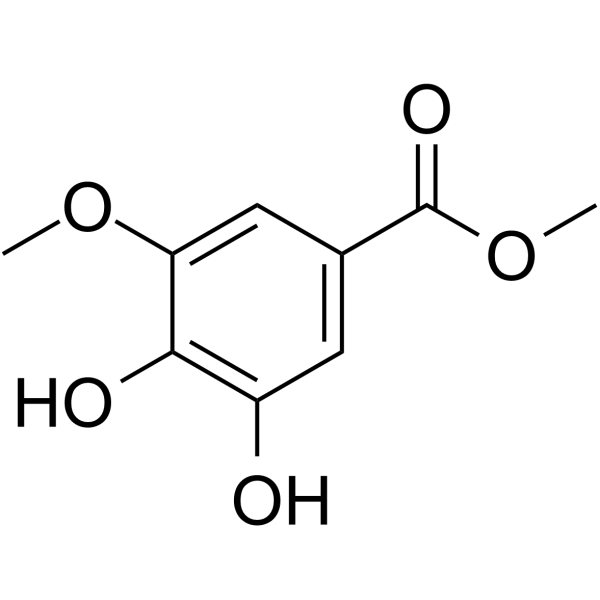
    Methyl 3-O-methylgallate
    2 Publications Verification

    M3OMG

    Others Neurological Disease
    Methyl 3-O-methylgallate (M3OMG) possesses antioxidant effect and can protect neuronal cells from oxidative damage .
    Methyl 3-O-methylgallate
  • HY-76779

    Drug Derivative Cancer
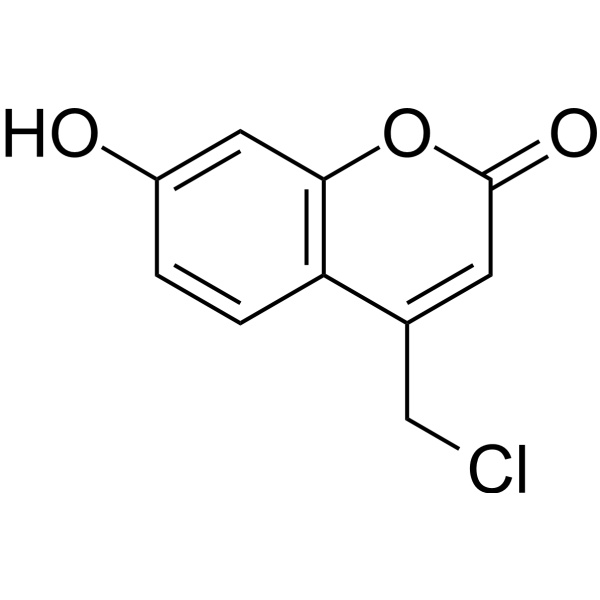
    4-(Chloromethyl)-7-hydroxycoumarin (compound 4) is a hydroxycoumarin derivative with potent antioxidant effect and high hydroxyl radical-scavenging property. 4-(Chloromethyl)-7-hydroxycoumarin contains a methyl group and a chlorine group in the heterocyclic ring. A series of coumarins incorporating hydroxy-, chloro- and/or chloromethyl-moieties has been investigated as potent inhibitors of the zinc enzyme carbonic anhydrase, expecially tumor-associated isoforms CA IX and XII .
    4-(Chloromethyl)-7-hydroxycoumarin
  • HY-P0100

    Reactive Oxygen Species (ROS) Inflammation/Immunology
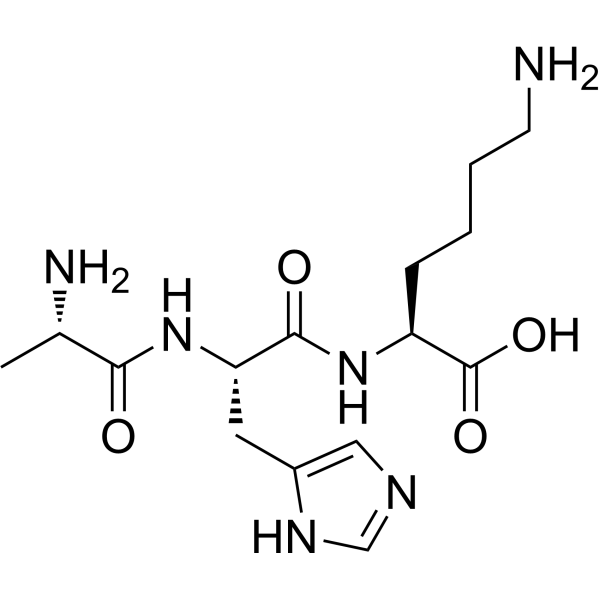
    AHK is a bioactive peptide with antioxidant effect and has been reported used as a cosmetic ingredient .
    AHK
  • HY-N1449

    Others Others
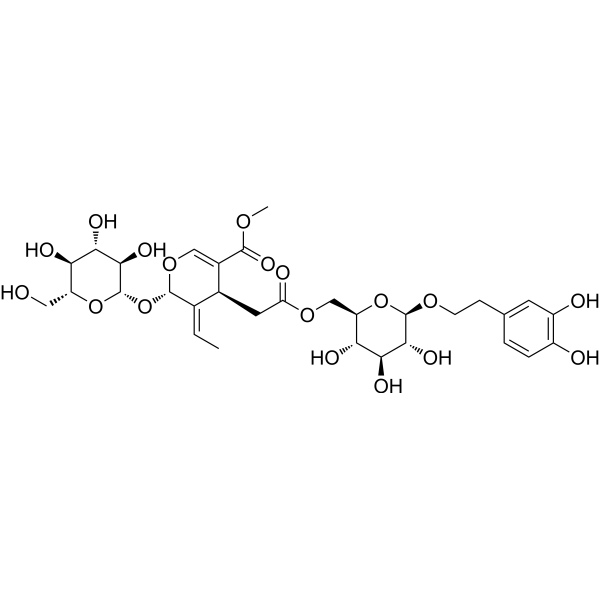
    Neonuezhenide exhibits strong antioxidant effect against hemolysis of red blood cells induced by free radicals .
    Neonuezhenide
  • HY-13315B

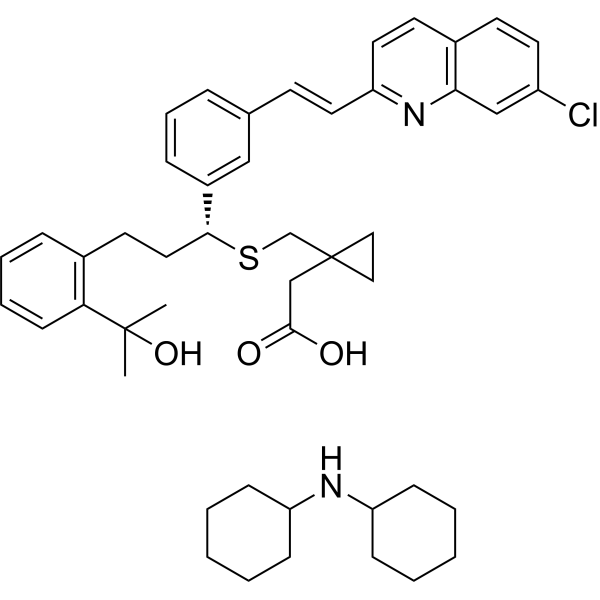
    MK0476 dicyclohexylamine

    Leukotriene Receptor Inflammation/Immunology Cancer
    Montelukast (MK0476) dicyclohexylamine is a potent, selective and orally active antagonist of cysteinyl leukotriene receptor 1 (CysLT1). Montelukast dicyclohexylamine can be used for the reseach of asthma and liver injury. Montelukast dicyclohexylamine also has an antioxidant effect in intestinal ischemia-reperfusion injury, and could reduce cardiac damage. Montelukast dicyclohexylamine decreases eosinophil infiltration into the asthmatic airways. Montelukast dicyclohexylamine can also be used for COVID-19 research .
    Montelukast dicyclohexylamine
  • HY-13315AR

    MK0476 free base (Standard)

    Reference Standards Leukotriene Receptor Inflammation/Immunology
    Montelukast (Standard) is the analytical standard of Montelukast. This product is intended for research and analytical applications. Montelukast (MK0476 free base) is a potent, selective and orally active antagonist of cysteinyl leukotriene receptor 1 (CysLT1). Montelukast can be used for the reseach of asthma and liver injury. Montelukast also has an antioxidant effect in intestinal ischemia-reperfusion injury, and could reduce cardiac damage. Montelukast decreases eosinophil infiltration into the asthmatic airways. Montelukast can also be used for COVID-19 research .
    Montelukast (Standard)
  • HY-N2267

    Reactive Oxygen Species (ROS) Inflammation/Immunology
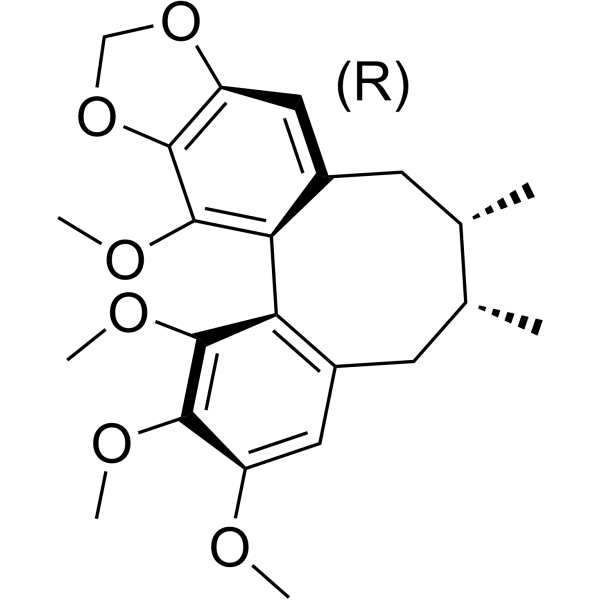
    (+)-Schisandrin B is an enantiomer of Schisandrin B. Schisandrin B is an active dibenzocyclooctadiene derivative isolated from the fruit of Schisandra chinensis, has antioxidant effect on rodent liver and heart .
    (+)-Schisandrin B
  • HY-101445G

    Reactive Oxygen Species (ROS) Ferroptosis Apoptosis Cancer
    Trolox (GMP) is Trolox (HY-101445) produced by using GMP guidelines. GMP small molecules works appropriately as an auxiliary reagent for cell therapy manufacture. Trolox is an analogue of vitamin E with a powerful antioxidant effect. Trolox is also a powerful inhibitor of membrane damage .
    Trolox
  • HY-13315S1

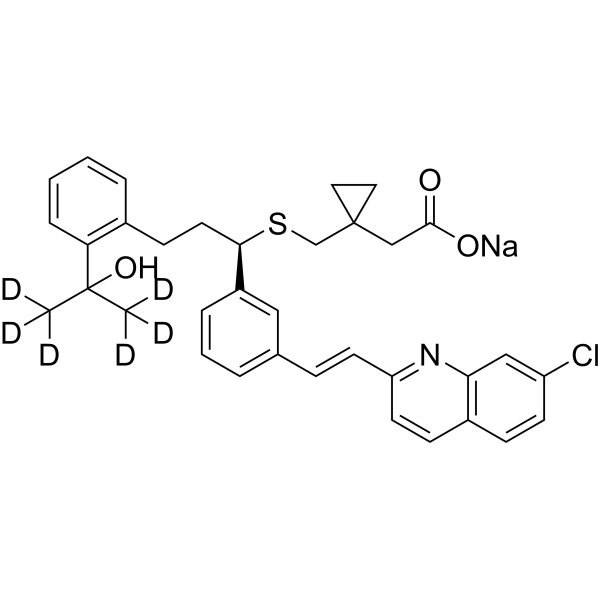
    MK0476-d6

    Leukotriene Receptor Inflammation/Immunology
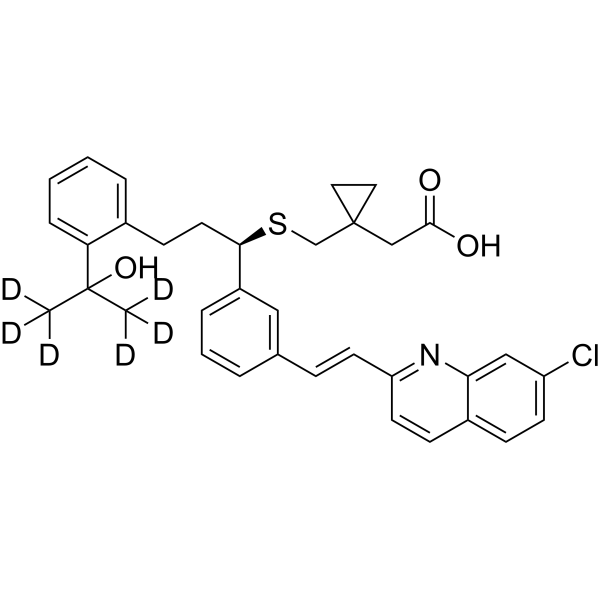
    Montelukast-d6 (sodium) is the deuterium labeled Montelukast (sodium). Montelukast sodium is a potent, selective and orally active antagonist of cysteinyl leukotriene receptor 1 (Cysltr1). Montelukast sodium can be used for the reseach of asthma and liver injury. Montelukast sodium also has an antioxidant effect in intestinal ischemia-reperfusion injury, and could reduce cardiac damage .
    Montelukast-d6 sodium
  • HY-N9595

    Others Inflammation/Immunology
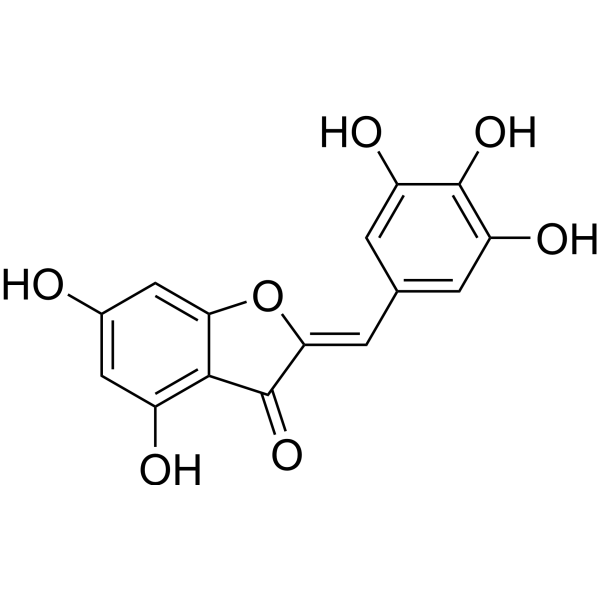
    Bracteatin is a natural product that can be isolated from Actinidia arguta. Bracteatin has antioxidant effect. .
    Bracteatin
  • HY-N14240

    Melanocortin Receptor Cancer
    Melanocin A is a Melanin biosynthesis inhibitor. Melanocin A inhibits the biosynthesis of melanin and tyrosinase (IC50 is 9.0 nM, MIC is 0.9 μM). Melanocin A also has antioxidant effect .
    Melanocin A
  • HY-173288

    Monoamine Oxidase Neurological Disease
    MAO-B-IN-40 (3a), a MAOB inhibitor (IC50 = 0.493 μM for hMAOB), demonstrates robust neuroprotective and antioxidant effect. MAO-B-IN-40 (3a) can be used in the research of Parkinson’s disease .
    MAO-B-IN-40
  • HY-13315S

    MK0476-d6 free acid

    Isotope-Labeled Compounds Leukotriene Receptor Inflammation/Immunology
    Montelukast-d6 is the deuterium labeled Montelukast (sodium). Montelukast sodium is a potent, selective and orally active antagonist of cysteinyl leukotriene receptor 1 (Cysltr1). Montelukast sodium can be used for the reseach of asthma and liver injury. Montelukast sodium also has an antioxidant effect in intestinal ischemia-reperfusion injury, and could reduce cardiac damage .
    Montelukast-d6
  • HY-W278582

    Topoisomerase Apoptosis Cancer
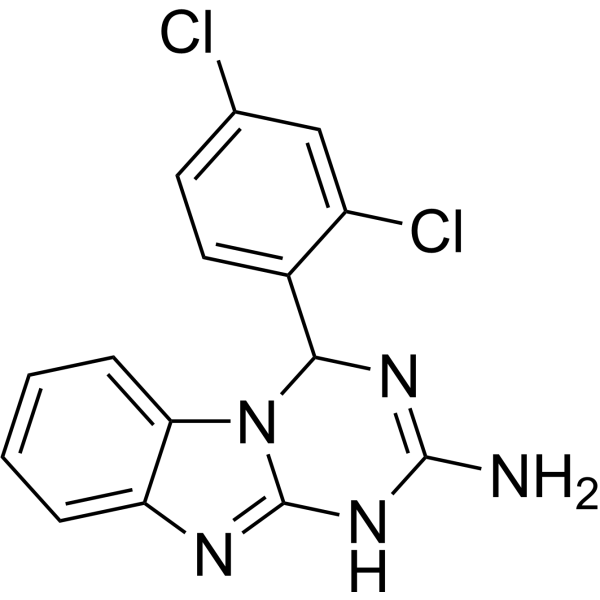
    Topoisomerase II inhibitor 14 is a potent topoisomerase II inhibtor. Topoisomerase II inhibitor 14 induces apoptosis and arrests cell cycle at S phase and G2-M phases. Topoisomerase II inhibitor 14 exhibits antioxidant effect and decreases the level of GSH, MDA, and NO. Topoisomerase II inhibitor 14 can be used for the study of neck squamous cell carcinoma (HNSCC) .
    Topoisomerase II inhibitor 14
  • HY-147851

    Beta-secretase Neurological Disease
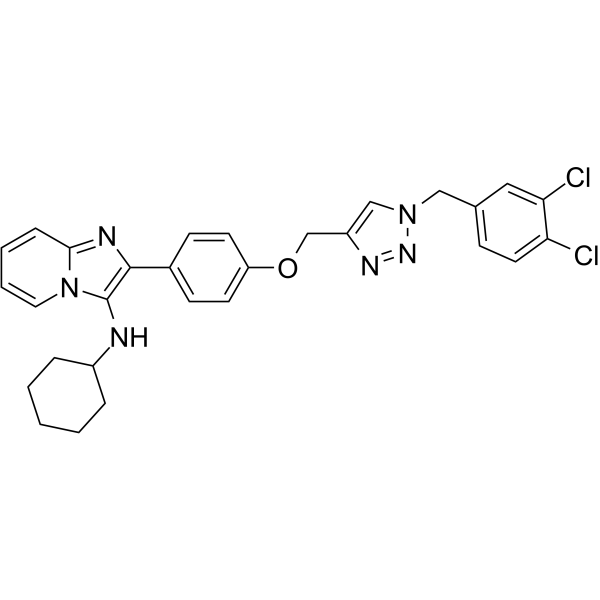
    BACE1-IN-12 (compound 7g) is a potent and BBB-penetrated BACE1 inhibitor, with an IC50 of 8.9 µM. BACE1-IN-12 shows selective BuChE (butyrylcholinesterase) inhibitory activity with an IC50 of 3.2 µM. BACE1-IN-12 shows effective antioxidant effect with an IC50 of 10.2 μM (DPPH). BACE1-IN-12 might be served as a potential anti-Alzheimer agent .
    BACE1-IN-12
  • HY-13315R

    MK0476 (Standard)

    Reference Standards Leukotriene Receptor Inflammation/Immunology
    Montelukast (sodium) (Standard) is the analytical standard of Montelukast (sodium). This product is intended for research and analytical applications. Montelukast sodium (MK0476) is a potent, selective and orally active antagonist of cysteinyl leukotriene receptor 1 (CysLT1). Montelukast sodium can be used for the reseach of asthma and liver injury. Montelukast sodium also has an antioxidant effect in intestinal ischemia-reperfusion injury, and could reduce cardiac damage. Montelukast sodium decreases eosinophil infiltration into the asthmatic airways. Montelukast sodium can also be used for COVID-19 research .
    Montelukast sodium (Standard)
  • HY-N0594R

    Reference Standards SOD TNF Receptor Interleukin Related Inflammation/Immunology
    Deacetylasperulosidic Acid (Standard) is the analytical standard of Deacetylasperulosidic Acid. This product is intended for research and analytical applications. Deacetylasperulosidic Acid is an orally active antioxidant. Deacetylasperulosidic Acid exerts a definite in vivo antioxidant effect and alleviates oxidative stress injury by enhancing SOD activity. In atopic dermatitis models, Deacetylasperulosidic Acid corrects Th2-skewed immune imbalance and reduces allergy-related factors; in immunosuppression models, it activates cellular immunity, enhances NK cell activity and IL-2 production. Deacetylasperulosidic Acid can be used in the research of atopic dermatitis.
    Deacetylasperulosidic Acid (Standard)
  • HY-N1780R

    Reference Standards Tyrosinase Bacterial Infection
    3,4-Dimethoxyphenol (Standard) is the analytical standard of Lithocholic acid. This product is intended for research and analytical applications. 3,4-Dimethoxyphenol is a plant-derived phenylpropanoid compound and can use as a whitening agent in cosmetics. 3,4-Dimethoxyphenol exhibits broad-spectrum antimicrobial activity. 3,4-Dimethoxyphenol has tyrosinase-inhibiting activity. 3,4-Dimethoxyphenol has potent antioxidant effect isolated from the bacterial fermentation broth. 3,4-Dimethoxyphenol can be used for the study of infection .
    3,4-Dimethoxyphenol (Standard)
  • HY-13315BR

    MK0476 dicyclohexylamine (Standard)

    Reference Standards Leukotriene Receptor Inflammation/Immunology Cancer
    Montelukast (dicyclohexylamine) (Standard) is the analytical standard of Montelukast (dicyclohexylamine). This product is intended for research and analytical applications. Montelukast (MK0476) dicyclohexylamine is a potent, selective and orally active antagonist of cysteinyl leukotriene receptor 1 (CysLT1). Montelukast dicyclohexylamine can be used for the reseach of asthma and liver injury. Montelukast dicyclohexylamine also has an antioxidant effect in intestinal ischemia-reperfusion injury, and could reduce cardiac damage. Montelukast dicyclohexylamine decreases eosinophil infiltration into the asthmatic airways. Montelukast dicyclohexylamine can also be used for COVID-19 research .
    Montelukast dicyclohexylamine (Standard)
  • HY-N14272

    Others Metabolic Disease
    Melanocin B does not inhibit the biosynthesis of melanin and tyrosinase. Melanocin B has antioxidant effect .
    Melanocin B
  • HY-N14241

    Others Metabolic Disease
    Melanocin C does not inhibit the biosynthesis of melanin and tyrosinase. Melanocin C has antioxidant effect .
    Melanocin C
  • HY-N9204

    Coumaric acid cinnamyl ester

    Others Others
    Cinnamyl coumarate (Coumaric acid cinnamyl ester) is a Phenylpropanoic acid ester. Cinnamyl coumarate can be isolated from Korean propolis. Cinnamyl coumarate shows no antioxidant effect. Cinnamyl coumarate does not protection against DNA breakage .
    Cinnamyl coumarate
  • HY-N9574

    RSV Influenza Virus Infection Inflammation/Immunology
    Oleoside dimethylester is a secoiridoid glucoside found in the fruits of Ligustrum lucidum. Oleoside dimethylester exhibits inhibitory activity against type 3 parainfluenza virus (Para 3) and respiratory syncytial virus (RSV), with IC50 values of 20.8 and 83.2 μg/mL. Oleoside dimethylester also shows antioxidant effect .
    Oleoside dimethylester
  • HY-N6669R

    M3OMG (Standard)

    Others Reference Standards Neurological Disease
    Methyl 3-O-methylgallate (Standard) (M3OMG (Standard)) is the analytical standard of Methyl 3-O-methylgallate (HY-N6669). This product is intended for research and analytical applications. Methyl 3-O-methylgallate (M3OMG) possesses antioxidant effect and can protect neuronal cells from oxidative damage .
    Methyl 3-O-methylgallate (Standard)

Inquiry Online

Your information is safe with us. * Required Fields.

Salutation


Country or Region *

Applicant Name *


Organization Name *

Department *


Email Address *


Product Name *

Cat. No.


Requested quantity *

Phone Number *


Remarks

Inquiry Online

Inquiry Information

Product Name:
Cat. No.:
Quantity:
MCE Japan Authorized Agent: