Search Result
Results for "
brain+membrane
" in MedChemExpress (MCE) Product Catalog:
3
Isotope-Labeled Compounds
| Cat. No. |
Product Name |
Target |
Research Areas |
Chemical Structure |
-
- HY-B0573
-
|
|
Adrenergic Receptor
Bacterial
|
Cardiovascular Disease
Infection
Neurological Disease
Metabolic Disease
Cancer
|
|
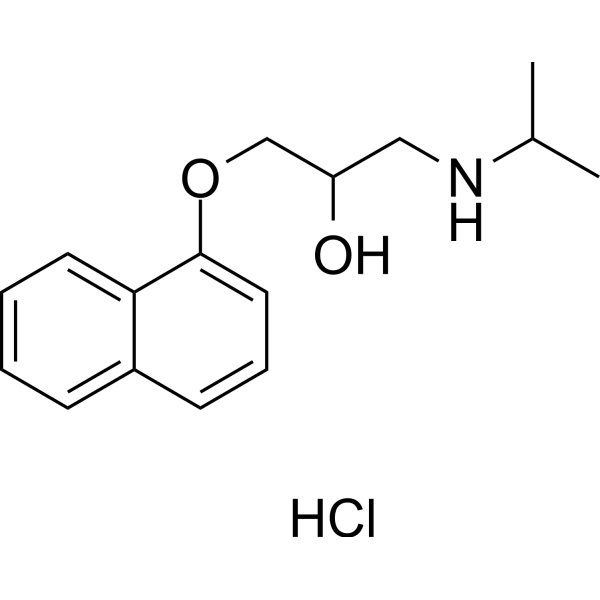
Propranolol hydrochloride is a nonselective and BBB-permeableβ-adrenergic receptor (βAR) antagonist, has high affinity for the β1AR and β2AR with Ki values of 1.8 nM and 0.8 nM, respectively. Propranolol hydrochloride inhibits [ 3H]-DHA binding to rat brain membrane preparation with an IC50 of 12 nM. Propranolol hydrochloride is used for study of hypertension, pheochromocytoma, myocardial infarction, cardiac arrhythmias, angina pectoris, and hypertrophic cardiomyopathy .
|
-
-
- HY-15084
-
|
(+)-MK 801 Maleate
|
iGluR
|
Neurological Disease
|
|
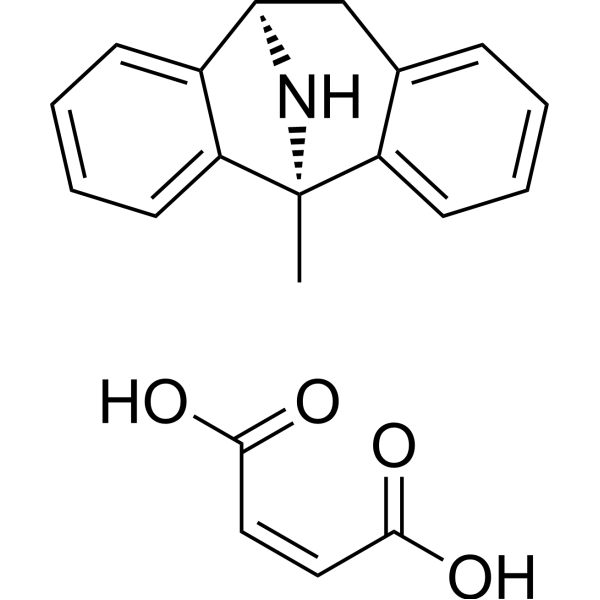
Dizocilpine maleate (MK-801 maleate) is a potent, selective and non-competitive NMDA receptor antagonist with Kd of 37.2 nM in rat brain membranes.
|
-
-
- HY-15084B
-
Dizocilpine
Maximum Cited Publications
44 Publications Verification
MK-801
|
iGluR
|
Neurological Disease
|
|
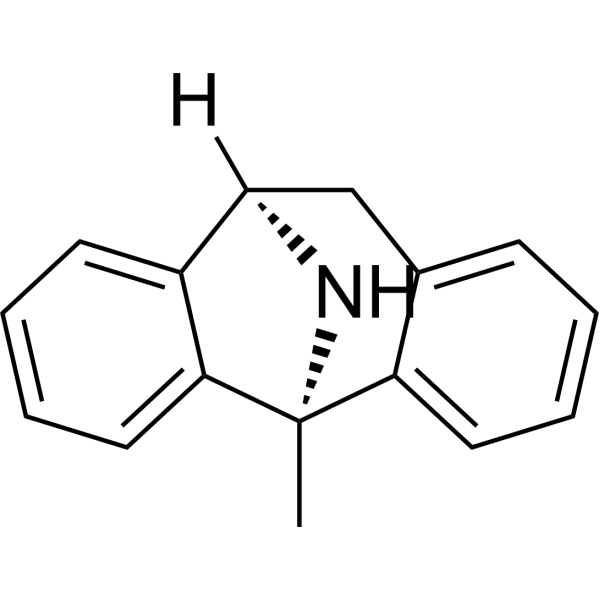
Dizocilpine (MK-801), a potent anticonvulsant, is a selective and non-competitive NMDA receptor antagonist, with a Kd of 37.2 nM in rat brain membranes. Dizocilpine acts by binding to a site located within the NMDA associated ion channel and thus prevents Ca 2+ flux .
|
-
-
- HY-B0573B
-
|
|
Adrenergic Receptor
Bacterial
|
Cardiovascular Disease
Infection
Neurological Disease
Metabolic Disease
Cancer
|
|
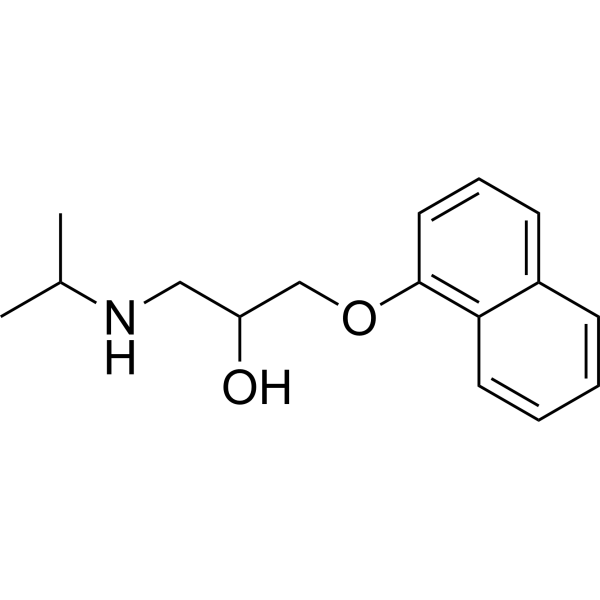
Propranolol is a nonselective and BBB-permeable β-adrenergic receptor (βAR) antagonist, has high affinity for the β1AR and β2AR with Ki values of 1.8 nM and 0.8 nM, respectively . Propranolol inhibits [ 3H]-DHA binding to rat brain membrane preparation with an IC50 of 12 nM . Propranolol is used for the study of hypertension, pheochromocytoma, myocardial infarction, cardiac arrhythmias, angina pectoris, and hypertrophic cardiomyopathy .
|
-
-
- HY-15249
-
|
|
MAGL
|
Neurological Disease
|
|
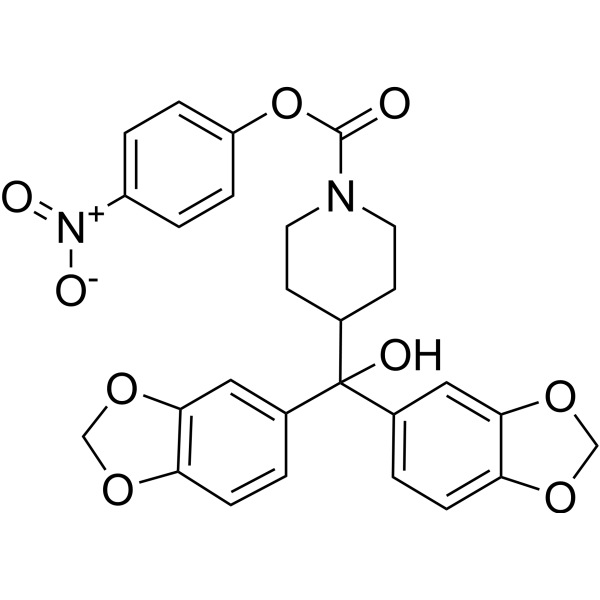
JZL 184 is a potent, selective and irreversible MAGL inhibitor that blocks 2-Arachidonoylglycerol (2-AG) hydrolysis in brain membranes (IC50 of 8 nM). JZL 184 displays >300-fold selectivity for MAGL over FAAH .
|
-
-
- HY-100937
-
|
PD 116948
|
Adenosine Receptor
|
Cardiovascular Disease
|
|
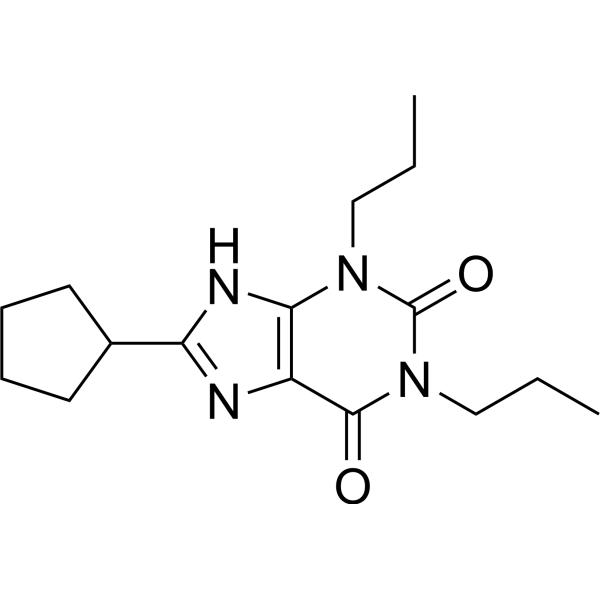
DPCPX (PD 116948), a xanthine derivative, is a highly potent and selective Adenosine A1 receptor antagonist, with a Ki of 0.46 nM in 3H-CHA binding to A1 receptors in rat whole brain membranes .
|
-
-
- HY-10864
-
URB-597
5 Publications Verification
KDS-4103
|
FAAH
Autophagy
Mitophagy
|
Neurological Disease
|
|
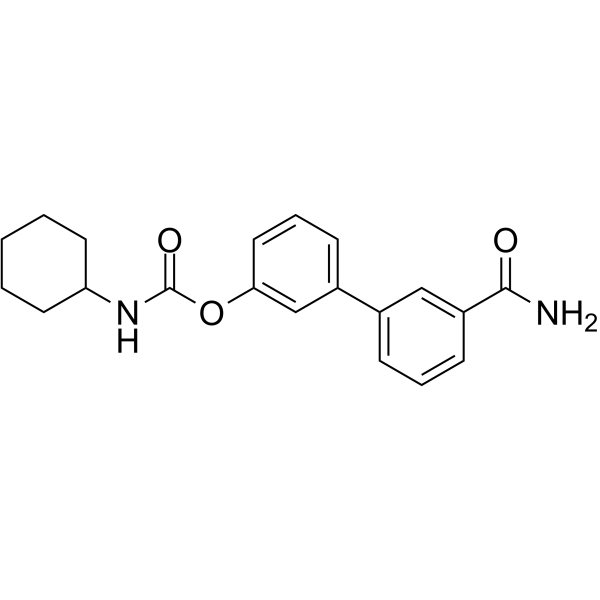
URB-597 (KDS-4103) is an orally bioavailable and selective FAAH inhibitor. URB-597 inhibits FAAH activity with an IC50s of approximately 5 nM in rat brain membranes, 0.5 nM in intact rat neurons, 3 nM in human liver microsomes. Antidepressant-like effects. Analgesic activity .
|
-
-
- HY-153714
-
|
BN-104; BNM-1192; Menin-MLL inhibitor 27
|
Epigenetic Reader Domain
Potassium Channel
|
Cancer
|
|
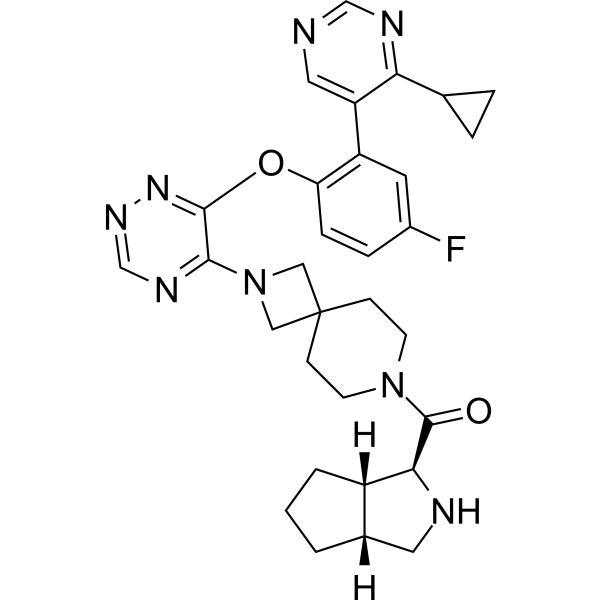
Zefamenib (BN-104) is an effective selective brain membrane protein inhibitor with oral activity, and it's also a Menin inhibitor, it can block the Menin-MLL interaction and leads to the degradation of Menin protein. Zefamenib is a weak hERG inhibitor, with an IC50 greater than 100 μM. Zefamenib has anti-tumor activity and can be used in cancer research, such as for acute myeloid leukemia .
|
-
-
- HY-18698
-
|
|
iGluR
|
Neurological Disease
|
|
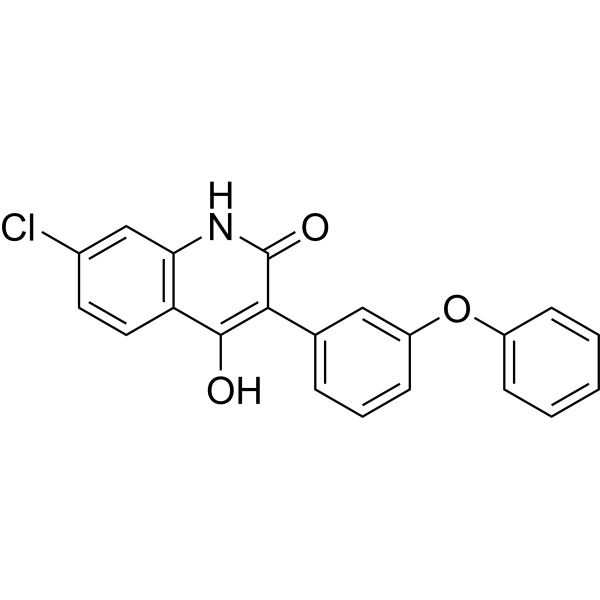
L-701324 is a potent, orally active NMDA receptor antagonist that antagonizes the activity of the NMDA receptor by blocking its glycine B binding site. L-701324 binds with high affinity to rat brain membranes (IC50=2 nM). L-701324 has antidepressant activity .
|
-
-
- HY-120645
-
|
|
Opioid Receptor
|
Neurological Disease
|
|
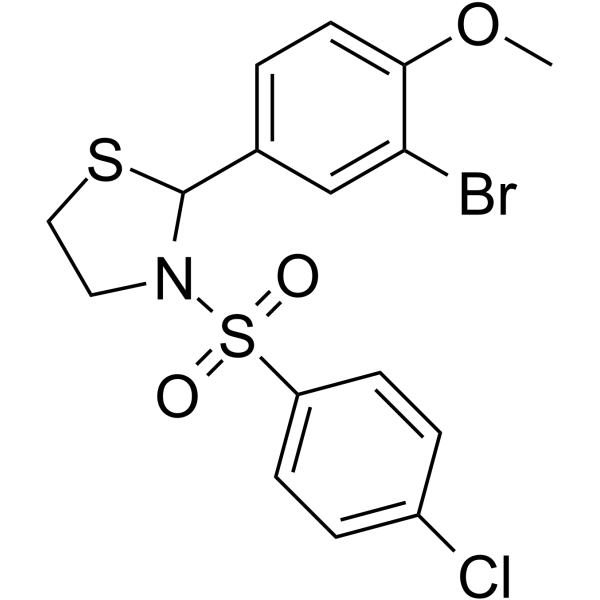
BMS-986122 is a selective, potent positive allosteric modulator of the mu-opioid receptor (µ-OR). BMS-986122 shows potentiation of orthosteric agonist-mediated β-arrestin recruitment, adenylyl cyclase inhibition, and G protein activation. BMS-986122 potentiates DAMGO-mediated [ 35S]GTPγS binding in mouse brain membranes .
|
-
-
- HY-13510
-
|
SA4503 dihydrochloride; AGY94806 dihydrochloride
|
Sigma Receptor
|
Neurological Disease
|
|
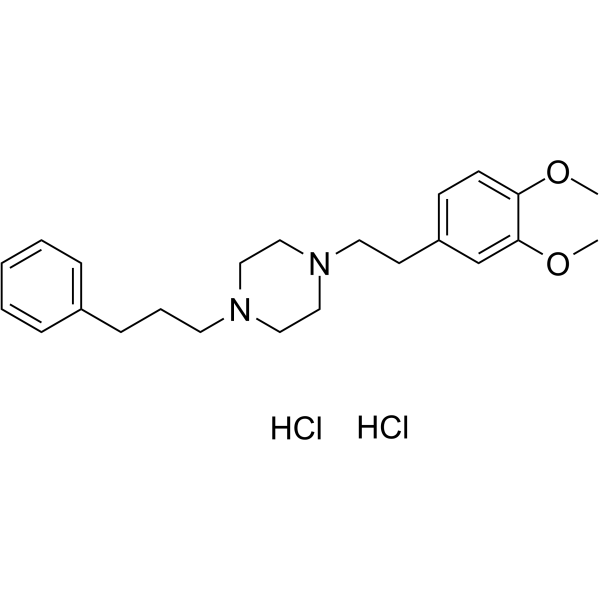
Cutamesine (SA4503) dihydrochloride is a potent and selective sigma 1 receptor agonist with an IC50 of 17.4 nM in guinea pig brain membranes. Cutamesine dihydrochloride shows >100-fold less affinity for the sigma 2 receptor (IC50 of 1784 nM). Cutamesine dihydrochloride has antidepressant effects .
|
-
-
- HY-B1055
-
|
Carbetapentane citrate
|
Sigma Receptor
mAChR
|
Neurological Disease
Inflammation/Immunology
|
|
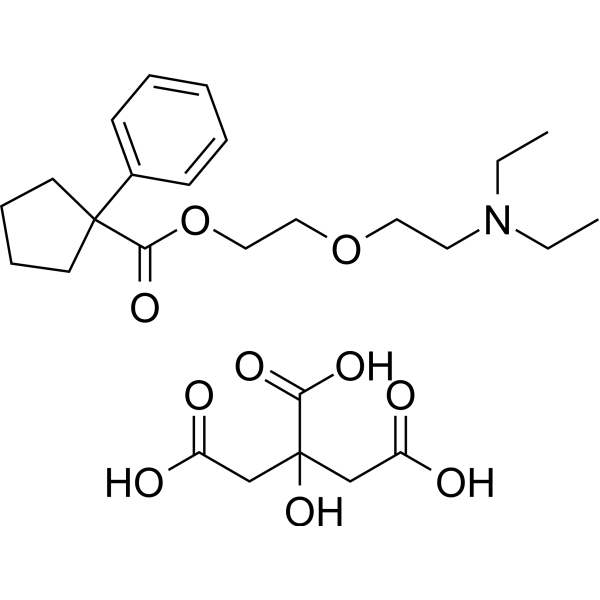
Pentoxyverine (Carbetapentane) citrate is an orally active and blood-brain barrier permeability sigma-1 receptor agonist, with Kis of 41 nM, 894 nM and 75 nM for σ1, σ2 and guinea-pig brain membrane σ1, respectively. Pentoxyverine citrate is a muscarinic antagonist. Pentoxyverine citrate is a potent antitussive, anticonvulsant, and spasmolytic agent. Pentoxyverine citrate can be used for inhibiting bronchial interceptor, weakening of cough reflex, bronchial smooth muscle relaxation and reduction of airway resistance .
|
-
-
- HY-12332
-
JW 642
3 Publications Verification
|
MAGL
|
Neurological Disease
|
|
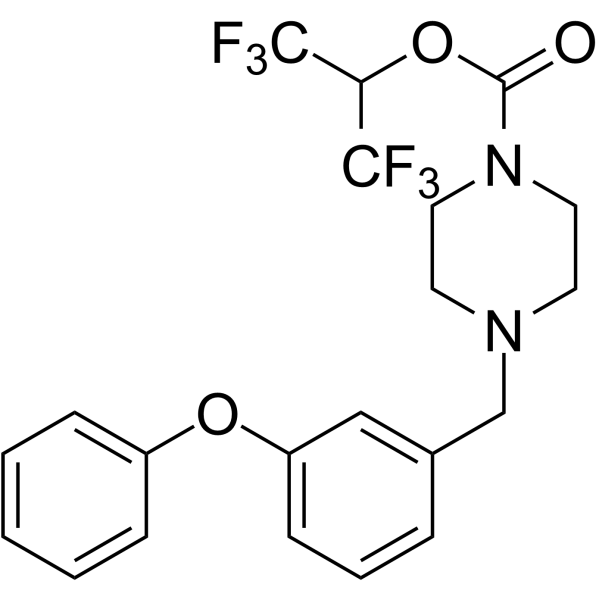
JW 642 is a potent inhibitor of monoacylglycerol lipase (MAGL) that displays IC50 values of 7.6, 14, and 3.7 nM for inhibition of MAGL in mouse, rat, and human brain membranes, respectively.
|
-
-
- HY-14813
-
|
SA4503; AGY 94806
|
Sigma Receptor
|
Neurological Disease
|
|
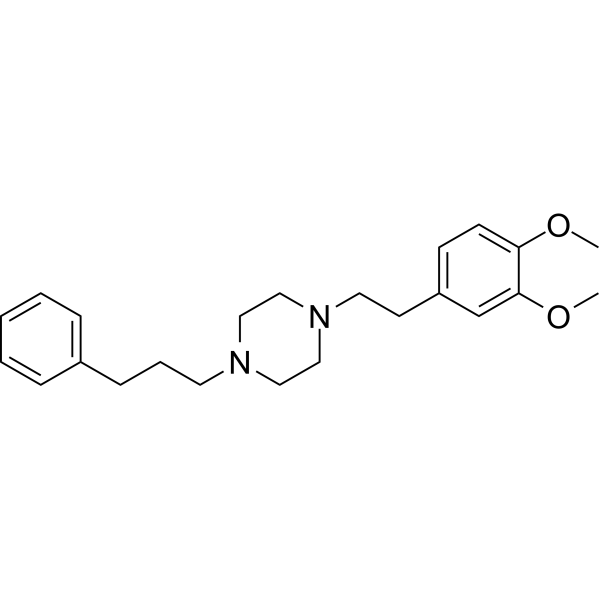
Cutamesine (SA4503) is a potent and selective sigma 1 receptor agonist with an IC50 of 17.4 nM in guinea pig brain membranes. Cutamesine shows >100-fold less affinity for the sigma 2 receptor (IC50 of 1784 nM). Cutamesine has antidepressant effects .
|
-
-
- HY-108483
-
|
|
Neurokinin Receptor
|
Neurological Disease
Inflammation/Immunology
|
|
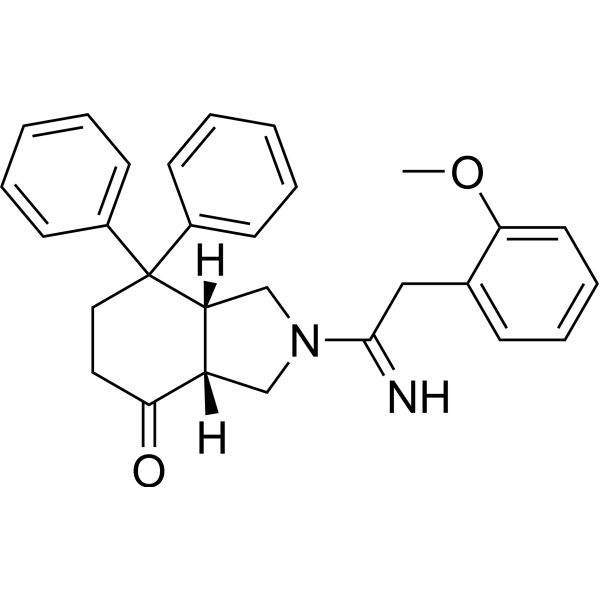
RP 67580 is a non-peptide antagonist of substance P (SP), competitively inhibits the binding of [3H]SP to neurokinin receptor 1 (NK1 receptor) in rat brain membranes with a Ki value of 4.16 nM. RP 67580 is a specific antagonist of NK1 receptors and can be used in the research of pain and neurogenic inflammation .
|
-
-
- HY-B0573S1
-
|
|
Adrenergic Receptor
|
Neurological Disease
Endocrinology
|
|
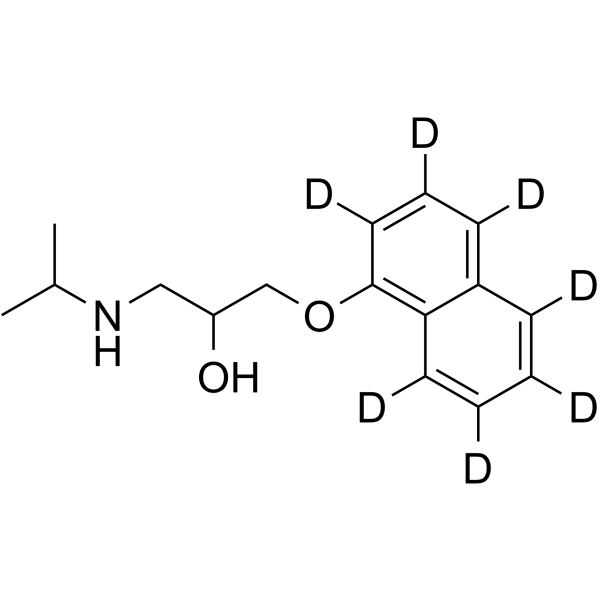
Propranolol-d7 (ring-d7) is the deuterium labeled Propranolol hydrochloride. Propranolol hydrochloride is a nonselective β-adrenergic receptor (βAR) antagonist, has high affinity for the β1AR and β2AR with Ki values of 1.8 nM and 0.8 nM, respectively . Propranolol hydrochloride inhibits [3H]-DHA binding to rat brain membrane preparation with an IC50 of 12 nM . Propranolol hydrochloride is used for study of hypertension, pheochromocytoma, myocardial infarction, cardiac arrhythmias, angina pectoris, and hypertrophic cardiomyopathy .
|
-
-
- HY-P3138
-
|
|
Angiotensin Receptor
|
Cardiovascular Disease
|
|
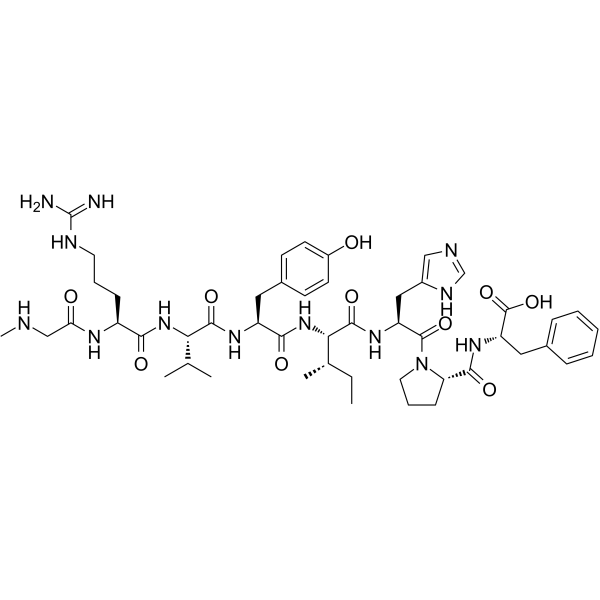
(Sar1)-Angiotensin II, an analogue of Angiotensin II, is a specific agonist of angiotensin AT1 receptor. (Sar1)-Angiotensin II binds to brain membrane-rich particles, with a Kd of 2.7 nM. (Sar1)-Angiotensin II can stimulate protein synthesis and cell growth in embryonic chick myocytes .
|
-
-
- HY-10061B
-
|
AZD-3355 hydrochloride
|
GABA Receptor
|
Metabolic Disease
|
|
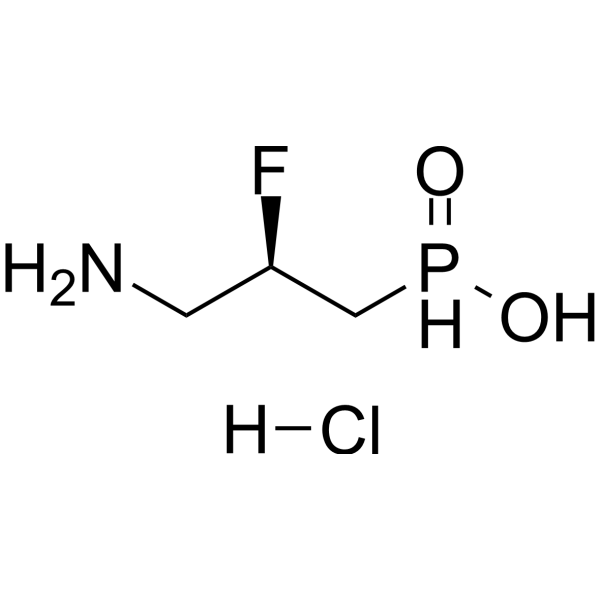
Lesogaberan (AZD-3355) hydrochloride is a potent and selective GABAB receptor agonist with an EC50 of 8.6 nM for human recombinant GABAB receptor. The affinity (Kis) of Lesogaberan hydrochloride for rat GABAB and GABAA receptors, as measured by displacement of [ 3H]GABA binding in brain membranes: 5.1 nM and 1.4 μM, respectively. Lesogaberan hydrochloride inhibits transient lower esophageal sphincter relaxation through a peripheral mode of action .
|
-
-
- HY-B0573BS
-
|
|
Adrenergic Receptor
|
Cardiovascular Disease
Neurological Disease
Endocrinology
|
|
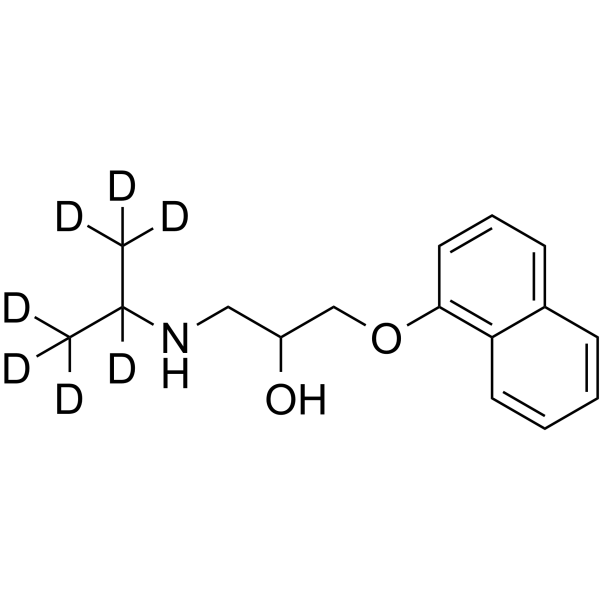
Propranolol-d7 is the deuterium labeled Propranolol. Propranolol is a nonselective β-adrenergic receptor (βAR) antagonist, has high affinity for the β1AR and β2AR with Ki values of 1.8 nM and 0.8 nM, respectively . Propranolol inhibits [3H]-DHA binding to rat brain membrane preparation with an IC50 of 12 nM . Propranolol is used for the study of hypertension, pheochromocytoma, myocardial infarction, cardiac arrhythmias, angina pectoris, and hypertrophic cardiomyopathy .
|
-
-
- HY-B0573S
-
|
|
Adrenergic Receptor
|
Cardiovascular Disease
Neurological Disease
Endocrinology
|
|
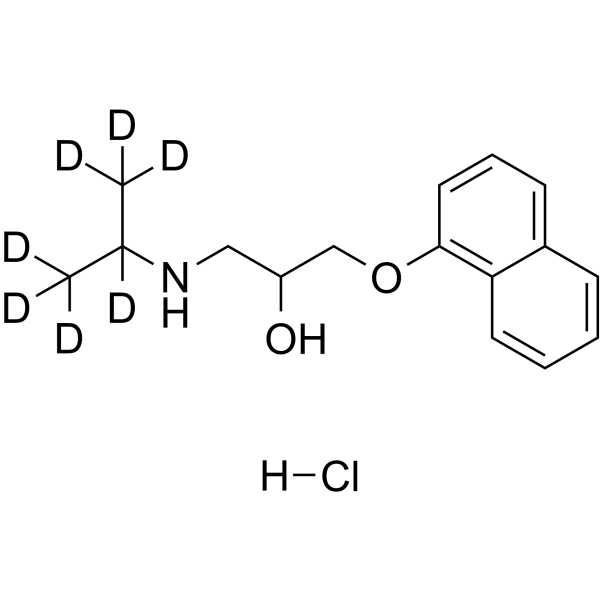
Propranolol-d7 (hydrochloride) is a deuterium labeled Propranolol hydrochloride. Propranolol hydrochloride is a nonselective β-adrenergic receptor (βAR) antagonist, has high affinity for the β1AR and β2AR with Ki values of 1.8 nM and 0.8 nM, respectively . Propranolol hydrochloride inhibits [3H]-DHA binding to rat brain membrane preparation with an IC50 of 12 nM . Propranolol hydrochloride is used for the study of hypertension, pheochromocytoma, myocardial infarction, cardiac arrhythmias, angina pectoris, and hypertrophic cardiomyopathy .
|
-
-
- HY-15249R
-
|
|
MAGL
Reference Standards
|
Neurological Disease
|
|
JZL 184 (Standard) is the analytical standard of JZL 184. This product is intended for research and analytical applications. JZL 184 is a potent, selective and irreversible MAGL inhibitor that blocks 2-Arachidonoylglycerol (2-AG) hydrolysis in brain membranes (IC50 of 8 nM). JZL 184 displays >300-fold selectivity for MAGL over FAAH .
|
-

-
- HY-118140
-
|
|
Cannabinoid Receptor
|
Neurological Disease
Inflammation/Immunology
|
|
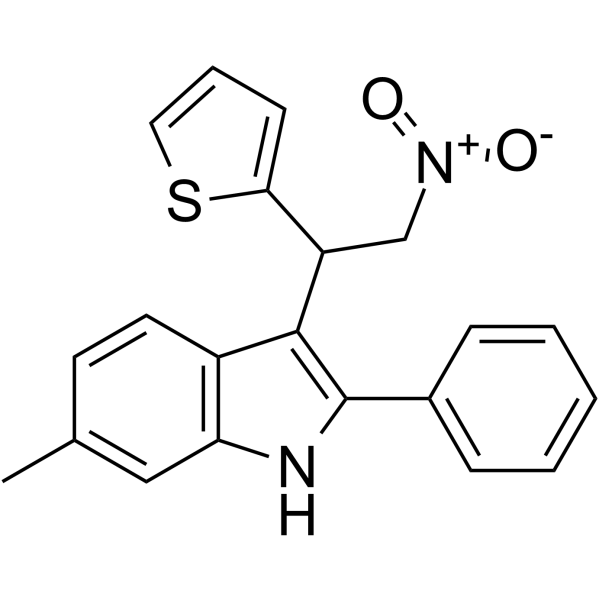
ZCZ011 is a potent and brain-penetrant cannabinoid 1 (CB1) receptor positive allosteric modulator. ZCZ011 potentiates binding of CP55,940 to the CB1 receptor, enhances anandamide (AEA)-stimulated GTPγS binding in mouse brain membranes. ZCZ011 increases β-arrestin recruitment and ERK phosphorylation in hCB1 cells. ZCZ011 can be used for researching neuropathic and inflammatory pain .
|
-
-
- HY-B0573R
-
|
|
Reference Standards
Adrenergic Receptor
Bacterial
|
Neurological Disease
Endocrinology
Cancer
|
|
Propranolol (hydrochloride) (Standard) is the analytical standard of Propranolol (hydrochloride). This product is intended for research and analytical applications. Propranolol hydrochloride is a nonselective β-adrenergic receptor (βAR) antagonist, has high affinity for the β1AR and β2AR with Ki values of 1.8 nM and 0.8 nM, respectively . Propranolol hydrochloride inhibits [ 3H]-DHA binding to rat brain membrane preparation with an IC50 of 12 nM . Propranolol hydrochloride is used for study of hypertension, pheochromocytoma, myocardial infarction, cardiac arrhythmias, angina pectoris, and hypertrophic cardiomyopathy .
|
-

-
- HY-N2326
-
|
|
nAChR
|
Neurological Disease
Metabolic Disease
|
|
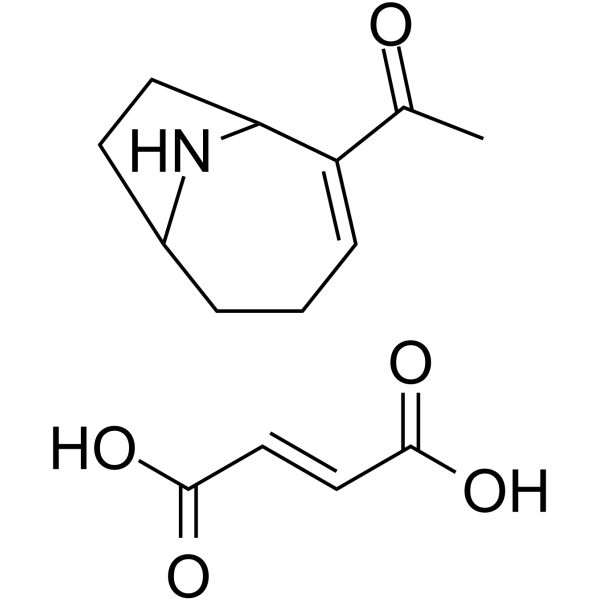
(±)-Anatoxin A fumarate is a natural alkaloid isolated from freshwater cyanobacterium.(±)-Anatoxin A fumarate is a potent nicotinic receptor agonist and exhibits Ki values of 1.25 nM and 1.84 μM for binding to α4β2- and α7-type nicotinic receptors in rat brain membranes, respectively. (±)-Anatoxin A fumarate stimulates [ 3H]-dopamine release from rat striatal synaptosomes (EC50=134 nM). (±)-Anatoxin A fumarate has toxic effect on fish .
|
-
-
- HY-19578B
-
|
(±)-Isamoltane hemifumarate
|
5-HT Receptor
Adrenergic Receptor
|
Neurological Disease
|
|
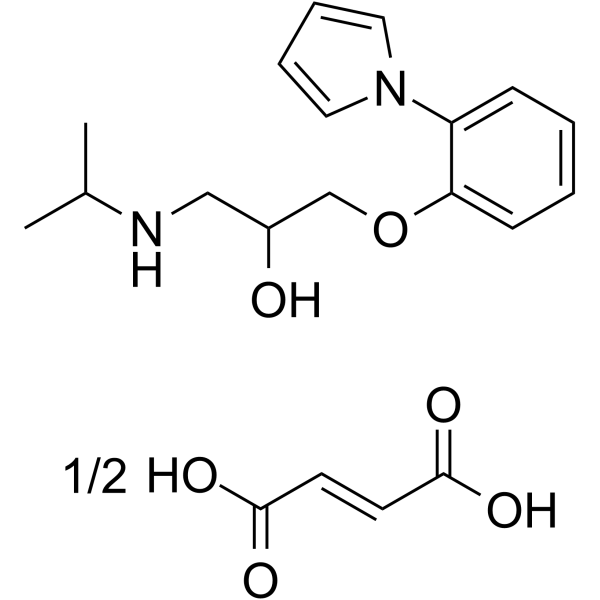
Isamoltane hemifumarate is a selective antagonist of 5-HT1B receptor, with an IC50 of 39 nM for inhibits the binding of [ 125I]ICYP to 5-HT1B recognition sites in rat brain membranes. Isamoltane hemifumarate is also a β-adrenoceptor ligand, with an IC50 of 8.4 nM. Isamoltane hemifumarate shows anxiolytic activity .
|
-
-
- HY-10061
-
|
AZD-3355
|
GABA Receptor
|
Metabolic Disease
|
|
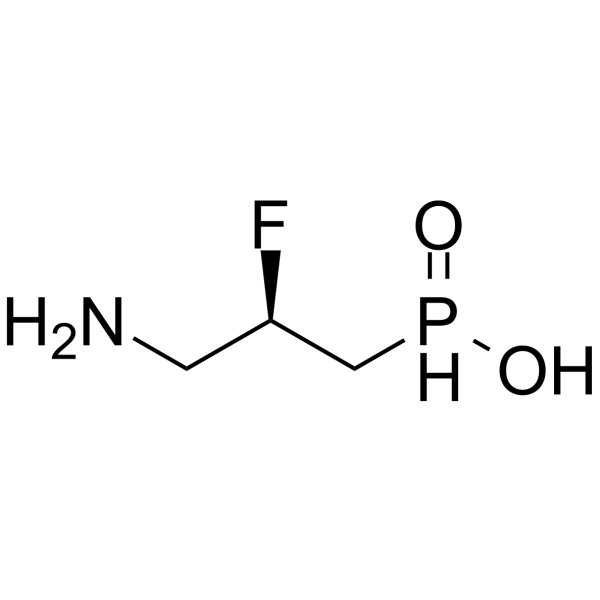
Lesogaberan (AZD-3355) is a potent and selective GABAB receptor agonist with an EC50 of 8.6 nM for human recombinant GABAB receptors. The affinity (Kis) of Lesogaberan for rat GABAB and GABAA receptors, as measured by displacement of [ 3H]GABA binding in brain membranes: 5.1 nM and 1.4 μM, respectively. Lesogaberan inhibits transient lower esophageal sphincter relaxation through a peripheral mode of action .
|
-
-
- HY-10864R
-
|
KDS-4103 (Standard)
|
FAAH
Autophagy
Mitophagy
Reference Standards
|
Neurological Disease
|
|
URB-597 (Standard) is the analytical standard of URB-597. This product is intended for research and analytical applications. URB-597 (KDS-4103) is an orally bioavailable and selective FAAH inhibitor. URB-597 inhibits FAAH activity with an IC50s of approximately 5 nM in rat brain membranes, 0.5 nM in intact rat neurons, 3 nM in human liver microsomes. Antidepressant-like effects. Analgesic activity .
|
-

-
- HY-123594
-
|
|
Cannabinoid Receptor
|
Neurological Disease
|
|
R-2 Methanandamide (Compound 2) is a cannabinoid Anandamide (HY-10863) analog with a Ki of 119 nM for the cannabinoid receptor (Ki is determined using rat brain membranes with PMSF) .
|
-

-
- HY-13510R
-
|
SA4503 dihydrochloride (Standard); AGY94806 dihydrochloride (Standard)
|
Sigma Receptor
Reference Standards
|
Neurological Disease
|
|
Cutamesine dihydrochloride (Standard) is the analytical standard of Cutamesine dihydrochloride. This product is intended for research and analytical applications. Cutamesine dihydrochloride (SA4503 dihydrochloride; AGY94806 dihydrochloride) is a potent Sigma 1 receptor agonist with an IC50 of 17.4 nM in guinea pig brain membranes.
|
-

-
- HY-10712
-
|
|
GlyT
|
Neurological Disease
|
|
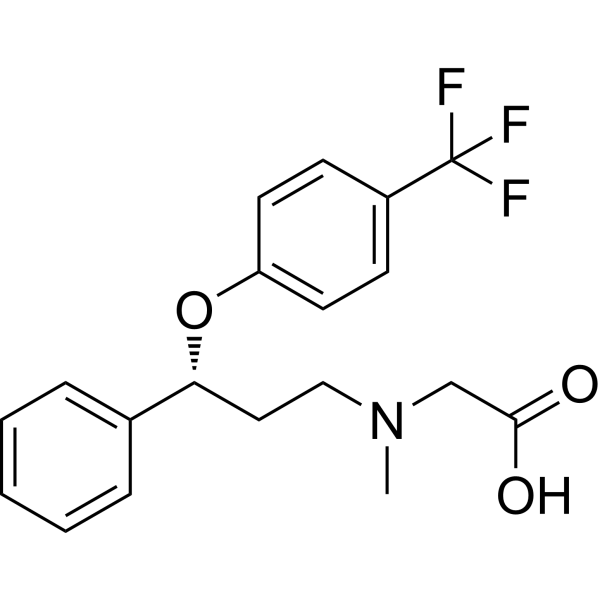
Org-24598 is an inhibitor of glycine transporter 1 GlyT-1 . Org-24598 can inhibit the specific binding of [ 3H] CHIBIA-3007 to the rat brain membranes with a Ki value of 16.9 nM .
|
-
-
- HY-10713
-
|
|
GlyT
|
Neurological Disease
|
|
Org-24598 lithium is an inhibitor of glycine transporter 1 GlyT-1 . Org-24598 lithium can inhibit the specific binding of [ 3H] CHIBIA-3007 to the rat brain membranes with a Ki value of 16.9 nM .
|
-

-
- HY-A0160
-
|
LM 5008
|
Serotonin Transporter
|
Neurological Disease
|
|
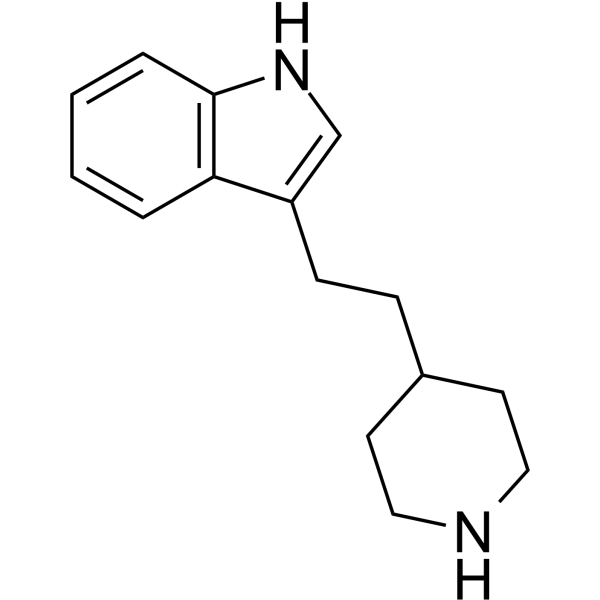
Indalpine (LM 5008) is a potent and selective 5-HT uptake blocker. Indalpine is potent in displacing 3H-5-HT bound to brain membranes with the IC50 of 36 μM . Indalpine, two antidepressant agent .
|
-
-
- HY-100937R
-
|
PD 116948 (Standard)
|
Reference Standards
Adenosine Receptor
|
Cardiovascular Disease
|
|
DPCPX (Standard) is the analytical standard of DPCPX. This product is intended for research and analytical applications. DPCPX (PD 116948), a xanthine derivative, is a highly potent and selective Adenosine A1 receptor antagonist, with a Ki of 0.46 nM in 3H-CHA binding to A1 receptors in rat whole brain membranes .
|
-

-
- HY-19578A
-
|
(±)-Isamoltane hydrochloride
|
Adrenergic Receptor
5-HT Receptor
|
Neurological Disease
|
|
Isamoltan ((±)-Isamoltane) hydrochloride is a selective antagonist of 5-HT1B receptor, with an IC50 of 39 nM for inhibits the binding of [ 125I]ICYP to 5-HT1B recognition sites in rat brain membranes. Isamoltan hydrochloride is also a β-adrenoceptor ligand, with an IC50 of 8.4 nM. Isamoltan hydrochloride shows anxiolytic activity .
|
-

-
- HY-10061A
-
|
AZD-3355 napadisylate
|
GABA Receptor
|
Metabolic Disease
|
|
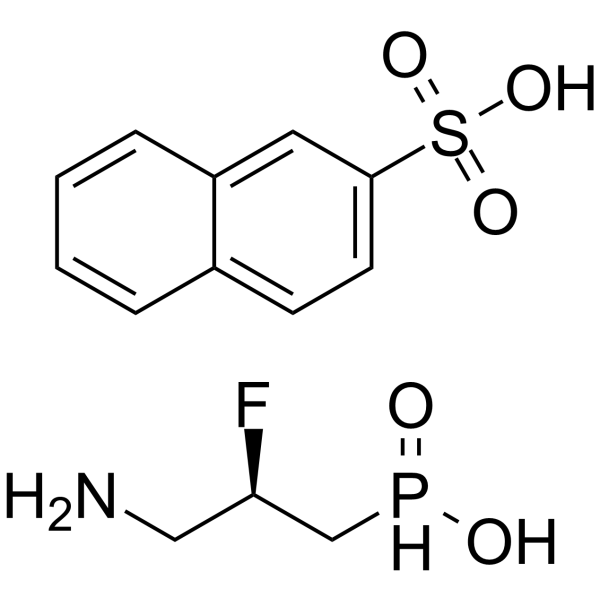
Lesogaberan (AZD-3355) napadisylate is a potent and selective GABAB receptor agonist with an EC50 of 8.6 nM for human recombinant GABAB receptors. The affinity (Kis) of Lesogaberan napadisylate for rat GABAB and GABAA receptors, as measured by displacement of [ 3H]GABA binding in brain membranes: 5.1 nM and 1.4 μM, respectively. Lesogaberan napadisylate inhibits transient lower esophageal sphincter relaxation through a peripheral mode of action .
|
-
-
- HY-118665
-
|
|
Cholecystokinin Receptor
|
Metabolic Disease
|
|
L-736380 is a high affinity CCK-B (cholecystokinin B receptor) receptor antagonist, with IC50 values of 0.054 nM and 400 nM for CCK-B and CCK-A, respectively. L-736380 dose-dependently inhibits gastric acid secretion in anesthetized rats (ID50, 0.064 mg/kg) and ex vivo binding of [125I]CCK-8S in BKTO mice brain membranes (ED50, 1.7 mg/kg) .
|
-

-
- HY-103521
-
|
|
GABA Receptor
|
Neurological Disease
|
|
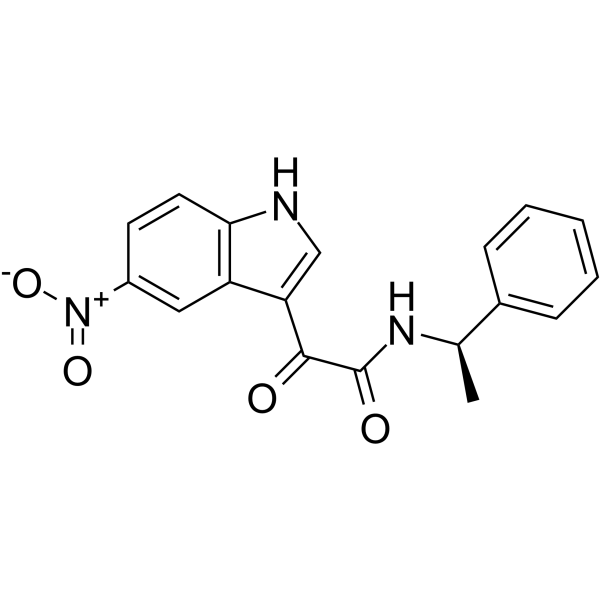
Anxiolytic/nonsedative agent-1 (compound 2b) is a potent and selective GABAA agonist. Anxiolytic/nonsedative agent-1 shows appreciable affinity for the BzR in bovine brain membranes with Kis of 14, 121, 239 nM for α1β2γ2, α2β2γ2, α5β3γ2, respectively. Anxiolytic/nonsedative agent-1 shows α2 selective efficacy in vitro and anxioselective effects in vivo .
|
-
-
- HY-B1055R
-
|
Carbetapentane citrate (Standard)
|
Reference Standards
Sigma Receptor
mAChR
|
Neurological Disease
Inflammation/Immunology
|
|
Pentoxyverine (citrate) (Standard) is the analytical standard of Pentoxyverine (citrate). This product is intended for research and analytical applications. Pentoxyverine (Carbetapentane) citrate is an orally active sigma-1 receptor agonist, with Kis of 41 nM, 894 nM and 75 nM for σ1, σ2 and guinea-pig brain membrane σ1, respectively. Pentoxyverine citrate is a muscarinic antagonist. Pentoxyverine citrate is a potent antitussive, anticonvulsant, and spasmolytic agent. Pentoxyverine citrate can be used for inhibiting bronchial interceptor, weakening of cough reflex, bronchial smooth muscle relaxation and reduction of airway resistance [4].
|
-

-
- HY-130349
-
|
L-656,748
|
GABA Receptor
|
Infection
|
|
Emamectin B1a (L-656,748) is a semisynthetic derivative of avermectin B1a that binds to GABA receptors (Ki=17.6 nM in rat brain membranes) and enhances GABA responses. Emamectin B1a acitivates GABAA receptors α1β1γ2, α1β2γ2, and α1β3γ2 with IC50s of 57, 210, and 49.8 nM, respectively. Emamectin B1a also binds to glycine receptors, inhibiting glycine receptors with an IC50=218 nM in rat spinal cord. Emamectin B1a (1.067 ng/mL) caused 90% mortality of S. exigua larvae in foliar spray bioassays and topical application, making it more toxic than avermectin B1.
|
-

-
- HY-W192276
-
|
N-Desisopropylpropranolol
|
Drug Metabolite
Adrenergic Receptor
|
Cardiovascular Disease
Neurological Disease
Endocrinology
Cancer
|
|
(±)-Desisopropylpropranolol (N-Desisopropylpropranolol) is a metabolite of Propranolol (HY-B0573B). Propranolol is a nonselective β-adrenergic receptor (βAR) antagonist, has high affinity for the β1AR and β2AR with Kis of 1.8 nM and 0.8 nM, respectively. Propranolol inhibits [ 3H]-DHA binding to rat brain membrane preparation with an IC50 of 12 nM. Propranolol is used for the study of hypertension, pheochromocytoma, myocardial infarction, cardiac arrhythmias, angina pectoris, and hypertrophic cardiomyopathy .
|
-

-
- HY-10061BR
-
|
AZD-3355 hydrochloride (Standard)
|
GABA Receptor
Reference Standards
|
Metabolic Disease
|
|
Lesogaberan (hydrochloride) (Standard) is the analytical standard of Lesogaberan (hydrochloride) (HY-10061B). This product is intended for research and analytical applications. Lesogaberan (AZD-3355) hydrochloride is a potent and selective GABAB receptor agonist with an EC50 of 8.6 nM for human recombinant GABAB receptor. The affinity (Kis) of Lesogaberan hydrochloride for rat GABAB and GABAA receptors, as measured by displacement of [3H]GABA binding in brain membranes: 5.1 nM and 1.4 μM, respectively. Lesogaberan hydrochloride inhibits transient lower esophageal sphincter relaxation through a peripheral mode of action .
|
-

| Cat. No. |
Product Name |
Target |
Research Area |
-
- HY-P3138
-
|
|
Angiotensin Receptor
|
Cardiovascular Disease
|
|
(Sar1)-Angiotensin II, an analogue of Angiotensin II, is a specific agonist of angiotensin AT1 receptor. (Sar1)-Angiotensin II binds to brain membrane-rich particles, with a Kd of 2.7 nM. (Sar1)-Angiotensin II can stimulate protein synthesis and cell growth in embryonic chick myocytes .
|
| Cat. No. |
Product Name |
Category |
Target |
Chemical Structure |
-
- HY-B0573
-
-
-
- HY-B0573B
-
-
-
- HY-B0573R
-
|
|
Alkaloids
Other Alkaloids
Endogenous metabolite
Source Classification
|
Reference Standards
Adrenergic Receptor
Bacterial
|
|
Propranolol (hydrochloride) (Standard) is the analytical standard of Propranolol (hydrochloride). This product is intended for research and analytical applications. Propranolol hydrochloride is a nonselective β-adrenergic receptor (βAR) antagonist, has high affinity for the β1AR and β2AR with Ki values of 1.8 nM and 0.8 nM, respectively . Propranolol hydrochloride inhibits [ 3H]-DHA binding to rat brain membrane preparation with an IC50 of 12 nM . Propranolol hydrochloride is used for study of hypertension, pheochromocytoma, myocardial infarction, cardiac arrhythmias, angina pectoris, and hypertrophic cardiomyopathy .
|
-
| Cat. No. |
Product Name |
Chemical Structure |
-
- HY-B0573S1
-
|
|
|
Propranolol-d7 (ring-d7) is the deuterium labeled Propranolol hydrochloride. Propranolol hydrochloride is a nonselective β-adrenergic receptor (βAR) antagonist, has high affinity for the β1AR and β2AR with Ki values of 1.8 nM and 0.8 nM, respectively . Propranolol hydrochloride inhibits [3H]-DHA binding to rat brain membrane preparation with an IC50 of 12 nM . Propranolol hydrochloride is used for study of hypertension, pheochromocytoma, myocardial infarction, cardiac arrhythmias, angina pectoris, and hypertrophic cardiomyopathy .
|
-
-
- HY-B0573BS
-
|
|
|
Propranolol-d7 is the deuterium labeled Propranolol. Propranolol is a nonselective β-adrenergic receptor (βAR) antagonist, has high affinity for the β1AR and β2AR with Ki values of 1.8 nM and 0.8 nM, respectively . Propranolol inhibits [3H]-DHA binding to rat brain membrane preparation with an IC50 of 12 nM . Propranolol is used for the study of hypertension, pheochromocytoma, myocardial infarction, cardiac arrhythmias, angina pectoris, and hypertrophic cardiomyopathy .
|
-
-
- HY-B0573S
-
|
|
|
Propranolol-d7 (hydrochloride) is a deuterium labeled Propranolol hydrochloride. Propranolol hydrochloride is a nonselective β-adrenergic receptor (βAR) antagonist, has high affinity for the β1AR and β2AR with Ki values of 1.8 nM and 0.8 nM, respectively . Propranolol hydrochloride inhibits [3H]-DHA binding to rat brain membrane preparation with an IC50 of 12 nM . Propranolol hydrochloride is used for the study of hypertension, pheochromocytoma, myocardial infarction, cardiac arrhythmias, angina pectoris, and hypertrophic cardiomyopathy .
|
-
Your information is safe with us. * Required Fields.
Inquiry Information
- Product Name:
- Cat. No.:
- Quantity:
- MCE Japan Authorized Agent:








