Search Result
Results for "
cAMP+levels
" in MedChemExpress (MCE) Product Catalog:
| Cat. No. |
Product Name |
Target |
Research Areas |
Chemical Structure |
-
- HY-N2118
-
|
|
PPAR
PKA
Akt
p38 MAPK
ERK
|
Metabolic Disease
|
|
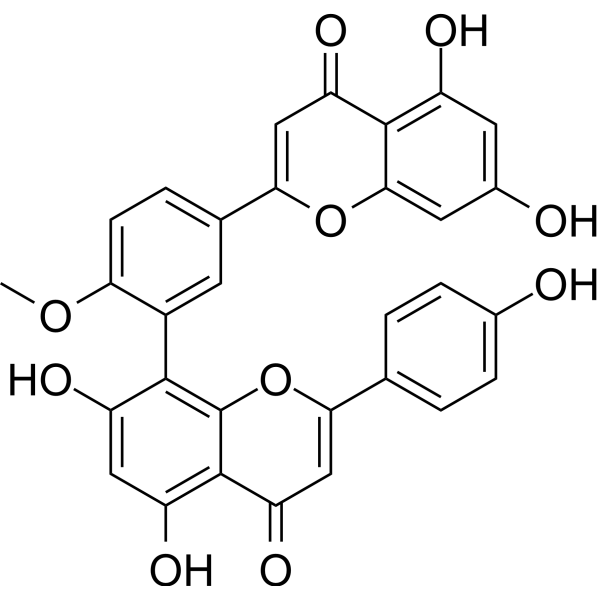
Bilobetin, an active component of Ginkgo biloba, can reduce blood lipids and improve the effects of insulin. Bilobetin ameliorated insulin resistance, increased the hepatic uptake and oxidation of lipids, reduced very-low-density lipoprotein triglyceride secretion and blood triglyceride levels, enhanced the expression and activity of enzymes involved in β-oxidation and attenuated the accumulation of triglycerides and their metabolites in tissues. Bilobetin also increased the phosphorylation, nuclear translocation and activity of PPARα accompanied by elevated cAMP level and PKA activity .
|
-
-
- HY-P4860
-
|
|
Akt
Gli
JNK
PKA
|
Metabolic Disease
|
|
Adropin (34-76) is a secretory domain of Adropin. Adropin (34-76) can inhibit cAMP level and glucose production in hepatocytes, and has a hypoglycemic effect. Adropin (34-76) plays an antifibrotic role by inhibiting the GLI1 signaling pathway .
|
-

-
- HY-125791
-
|
|
Succinate Receptor 1
|
Cardiovascular Disease
|
|
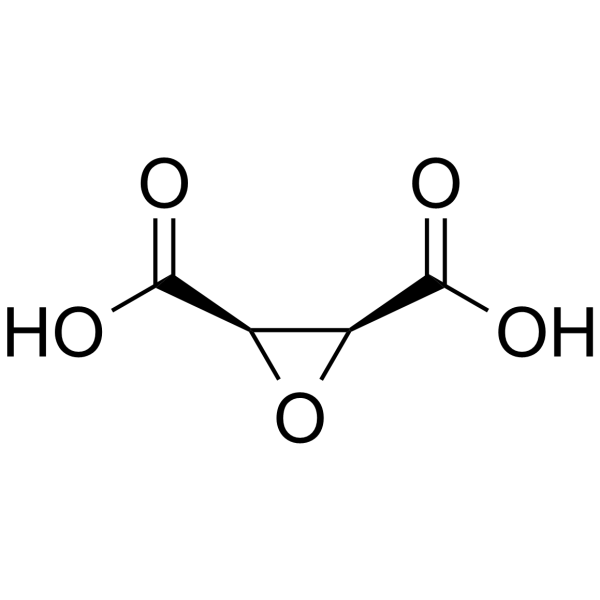
cis-Epoxysuccinic acid is a succinate receptor (SUCNR1/GPR91) agonist. cis-Epoxysuccinic acid inhibits cAMP levels with an EC50 value of 2.7 μM. cis-Epoxysuccinic acid can be used for the research of cardiovascular system .
|
-
-
- HY-15478
-
WZ811
3 Publications Verification
|
MOFs
CXCR
|
Endocrinology
Cancer
|
|
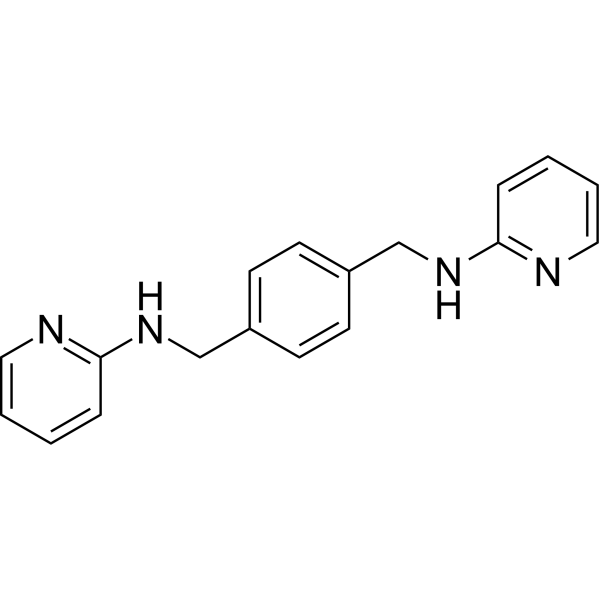
WZ811 is an orally active, highly potent competitive antagonist of CXCR4. WZ811 efficiently inhibits CXCR4/SDF-1 (or CXCL12)-mediated modulation of cAMP levels (EC50=1.2 nM) and SDF-1 induced Matrigel invasion in cells (EC50=5.2 nM) .
|
-
-
- HY-19929
-
-
-
- HY-B0327
-
|
Dicloguamine
|
Phosphodiesterase (PDE)
NF-κB
AP-1
TRP Channel
Interleukin Related
|
Inflammation/Immunology
Cancer
|
|
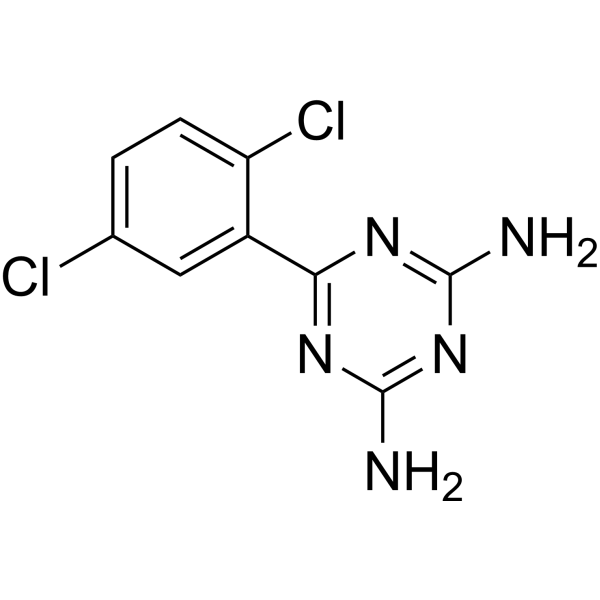
Irsogladine (Dicloguamine) is an orally active gastric mucosal protective agent. Irsogladine inhibits breast cancer recurrence and lung metastasis in nude mice . Irsogladine inhibits the transcriptional activities of NF-κB and AP-1, suppresses the activities of PDE and PDE4 to elevate intracellular cAMP levels, and activates TRPV1 and KATP channels. Irsogladine enhances iNOS expression, NO production, and the activation of cAMP-responsive elements. Irsogladine inhibits the development and progression of intestinal polyps in Apc-mutant mice. Irsogladine alleviates oxidative stress, increases gastric mucosal blood flow, and stimulates the production of endogenous prostaglandins. Irsogladine promotes insulin secretion in MIN6 cells. Irsogladine inhibits tumor angiogenesis, cancer cell proliferation, and the production of proinflammatory cytokines. Irsogladine exerts protective effects on astrocytes in ethanol/hydrochloric acid-induced gastric ulcers in mice. Irsogladine prevents colitis in IL-10 gene-deficient mice by reducing the production of IL-12 and IL-23. Irsogladine upregulates gap junction intercellular communication in pancreatic cancer cells via the PKA pathway. Irsogladine is applicable to research related to breast cancer, intestinal polyposis, gastric ulcer, spontaneous colitis, glioma, liver cancer, and pancreatic cancer [5][6] .
|
-
-
- HY-128879A
-
|
|
Phosphodiesterase (PDE)
GSK-3
Tau Protein
|
Cardiovascular Disease
Neurological Disease
Inflammation/Immunology
|
|
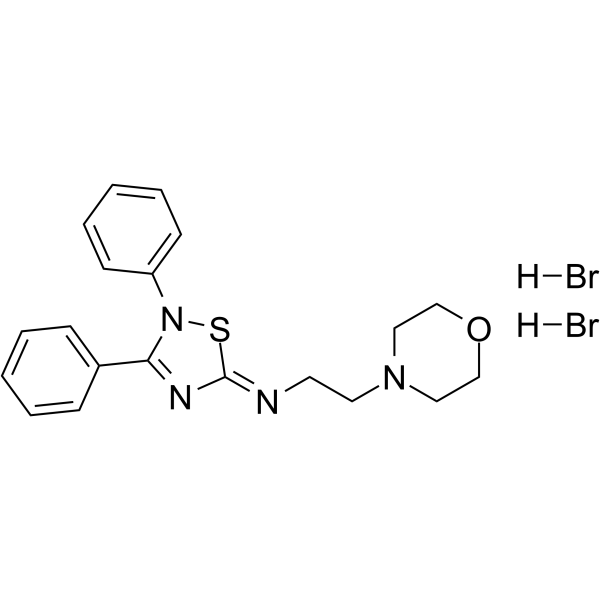
VP3.15 dihydrobromide is a highly potent, orally bioavailable, and CNS-penetrant PDE7-GSK3 dual inhibitor, with IC50 values of 1.59 μM and 0.88 μM against PDE7 and GSK3, respectively . VP3.15 dihydrobromide elevates intracellular cAMP levels, suppresses immune responses, enhances remyelination, limits excessive tau phosphorylation, and alleviates neuroinflammation and neuronal loss. VP3.15 dihydrobromide promotes oligodendrocyte precursor cell differentiation, improves in vivo remyelination, inhibits autoimmune encephalomyelitis, and mitigates germinal matrix-intraventricular hemorrhage-related brain injury, cerebral atrophy, ventricular enlargement, and cognitive impairment. VP3.15 dihydrobromide can be used in research related to multiple sclerosis and germinal matrix-intraventricular hemorrhage .
|
-
-
- HY-108618
-
BC11-38
2 Publications Verification
|
Phosphodiesterase (PDE)
|
Endocrinology
|
|
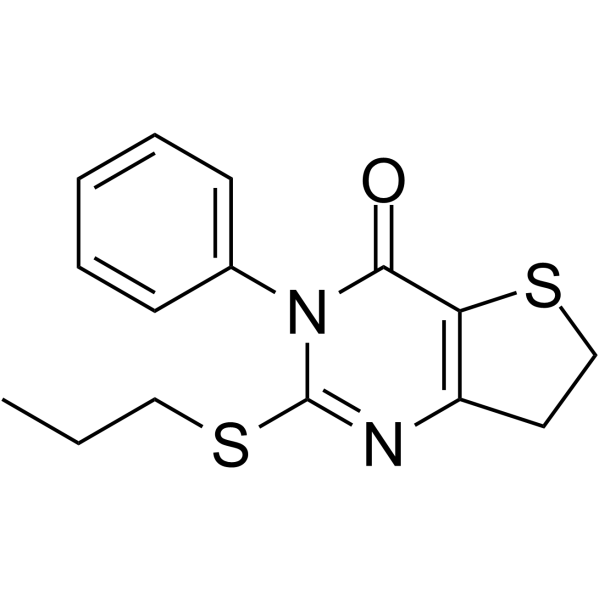
BC11-38 is a potent, selective, and biologically active PDE11 inhibitor, with IC50s of 0.28 µM and >100 µM for PDE11 and PDE1-10, respectively. BC11-38 elevates cAMP levels, PKA-mediated ATF-1 phosphorylation, and cortisol production in H295R cells .
|
-
-
- HY-110206
-
|
|
Cannabinoid Receptor
|
Metabolic Disease
|
|
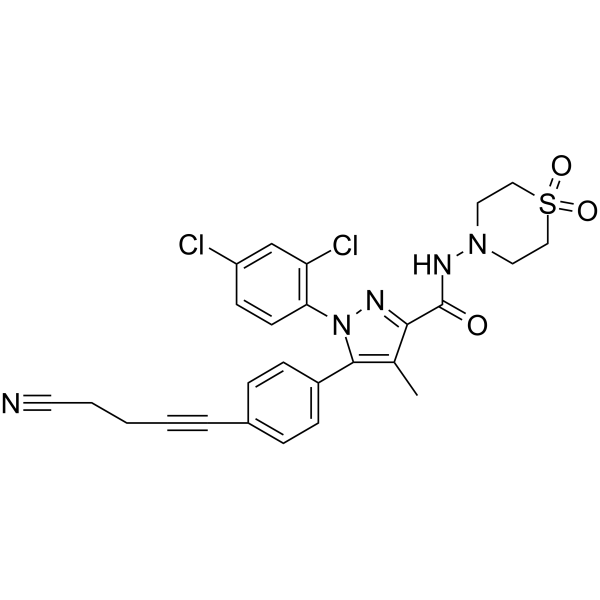
AM6545 is a highly selective, brain-free (peripherally active) CB1 receptor antagonist (Ki=1.7 nM). AM6545 inhibits endocannabinoid signaling by competitively antagonizing CB1 receptors, inhibiting CB1-mediated appetite stimulation and inflammatory responses without affecting cAMP levels. AM6545 significantly reduces food intake and body weight in mice, while improving metabolic syndrome-related renal impairment (such as proteinuria, fibrosis) and insulin resistance. AM6545 can be used in the study of obesity and its complications .
|
-
-
- HY-N0910
-
-
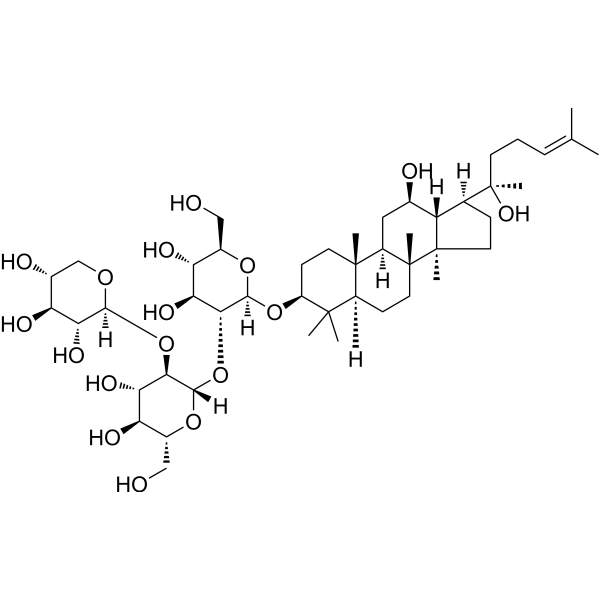
-
- HY-136637
-
|
|
Phosphodiesterase (PDE)
Parasite
|
Infection
|
|
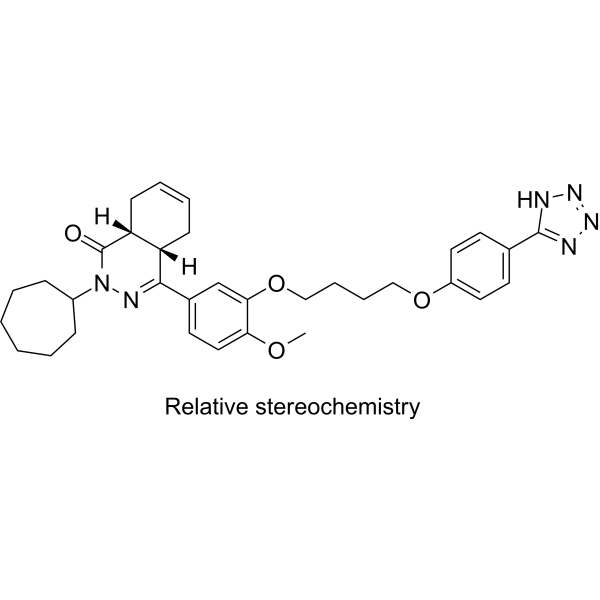
NPD-001 is a potent Trypanosoma brucei phosphodiesterases 1/2 (TbrPDEB1/2) inhibitor, with IC50 values of 4 and 3 nM, respectively. NPD-001 also inhibits hPDE4. NPD-001 can increase cAMP levels in parasites, prevent cytokinesis, and cause the parasites to form multinucleated, multi-flagellated cells that eventually lyse. NPD-001 can be used for the research of infection .
|
-
-
- HY-P5189A
-
|
|
Endogenous Metabolite
Cholinesterase (ChE)
|
Others
|
|
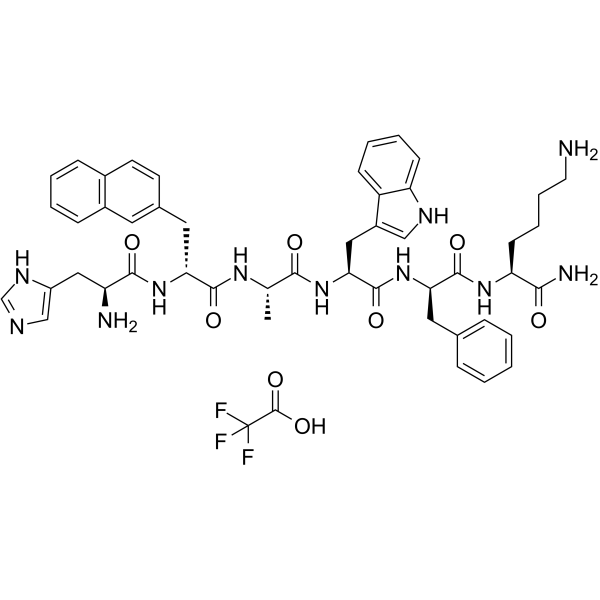
His-D-beta-Nal-Ala-Trp-D-Phe-Lys-NH2 TFA, is a growth hormone releasing peptide, as well as a metabolite of GHRP-1. GHRP-1, or Ala-His-D-beta Nal-Ala-Trp-D-Phe-Lys-NH2, has the effect of promoting the release of growth hormone (GH). GHRP-1 increases GH release and increases [Ca2+]i levels in static monolayer cells of rat pituitary gland, but does not affect cAMP levels .
|
-
-
- HY-P3570
-
|
Lom-AKH-II
|
Endogenous Metabolite
|
Metabolic Disease
|
|
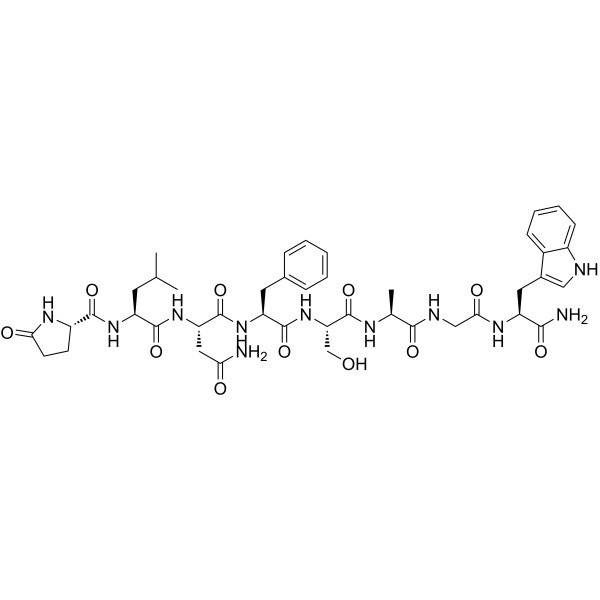
Adipokinetic hormone II (Locusta migratoria) (Lom-AKH-II) is a insect adipokinetic hormone (AKH), enhances fat body cAMP levels in vitro. Insect adipokinetic hormones (AKHs) controls flight-directed mobilization of carbohydrate and lipid from fat body stores, which depends on AKH receptor(s) coupling to cAMP formation and glycogen phosphorylase activation via the stimulatory guanine nucleotide-binding protein (Gs) .
|
-
-
- HY-100936
-
|
SQ 20009; EHT 0202 hydrochloride
|
Phosphodiesterase (PDE)
GABA Receptor
|
Neurological Disease
Inflammation/Immunology
|
|
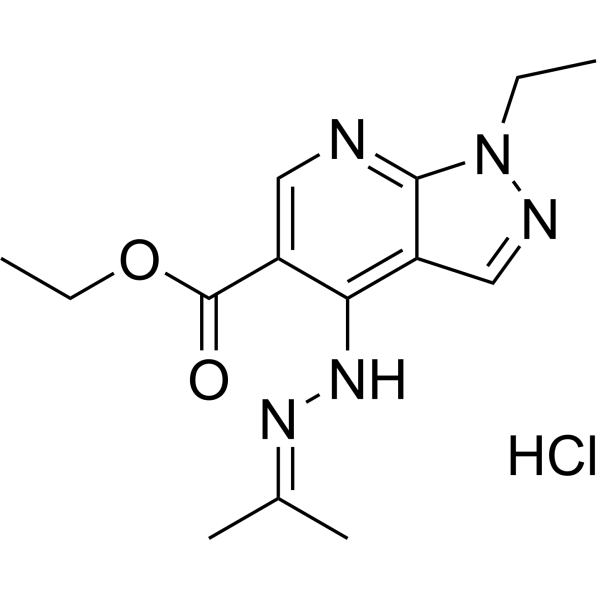
Etazolate hydrochloride (SQ 20009) is an orally active, selective inhibitor of type 4 phosphodiesterase (PDE4) with an IC50 of 2 μM. Etazolate hydrochloride is a γ-aminobutyric acid A (GABAA) receptor regulator. Etazolate hydrochloride is an α-secretase activator and induced the production of soluble amyloid precursor protein (sAPPα). Etazolate hydrochloride, a pyrazolopyridine class derivative, increases cAMP levels. Etazolate hydrochloride has anxiolyticlike, antidepressant-like and anti-inflammatory effects .
|
-
-
- HY-170788
-
|
|
Phosphodiesterase (PDE)
|
Metabolic Disease
|
|
PDE7A-IN-1 is an orally active and selective PDE7A inhibitor with an IC50 of 0.0037 μM against PDE7A. PDE7A-IN-1 shows excellent isozyme selectivity over PDE7B. PDE7A-IN-1 elevates intracellular cAMP levels, suppresses ECR5 enhancer activity and reduces sclerostin expression. PDE7A-IN-1 significantly increases bone mineral density in rats. PDE7A-IN-1 can be used for the study of osteoporosis .
|
-

-
- HY-P3572
-
|
Lom-AKH-I
|
Endogenous Metabolite
|
Endocrinology
|
|
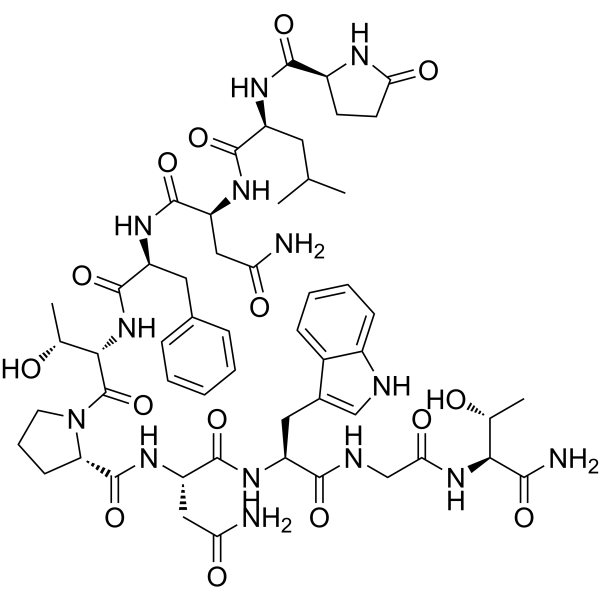
Adipokinetic hormone I (Locusta migratoria) (Lom-AKH-I) is a insect adipokinetic hormone (AKH), enhances fat body cAMP levels in vitro. Insect adipokinetic hormones (AKHs) controls flight-directed mobilization of carbohydrate and lipid from fat body stores, which depends on AKH receptor(s) coupling to cAMP formation and glycogen phosphorylase activation via the stimulatory guanine nucleotide-binding protein (Gs) .
|
-
-
- HY-P10365
-
|
|
Adhesion G Protein-coupled Receptors (AGPCRs)
|
Others
|
|
Vmm-p15 is a peptide agonist optimized for the adhesion G protein-coupled receptor GPR64 (also known as ADGRG2 or HE6). The affinity of VPM-p15 with GPR64 is significantly higher than that of the original p15 peptide. The cAMP level induced by VMM-P15 increased significantly, activated GPR64, and triggered downstream Gs, Gq, and G12/13 signaling. VPM-p15 can be used to study the activation mechanism of adherent GPCR family members .
|
-

-
- HY-114727
-
|
|
Phosphodiesterase (PDE)
|
Inflammation/Immunology
|
|
PDE7-IN-4 is a phosphodiesterase 7 (PDE7) inhibitor with activity that increases intracellular cyclic adenosine monophosphate (cAMP) levels. PDE7-IN-4 shows potential inhibitory effects in neurotransmission and anti-inflammatory applications. PDE7-IN-4 exerts its biological activity by acting on the cAMP/cAMP response element binding protein (CREB) pathway. The development of PDE7-IN-4 aims to improve its pharmacokinetic characteristics to more effectively target neurodegenerative diseases and other inflammation-related diseases .
|
-

-
- HY-178780
-
|
|
GPR119
|
Metabolic Disease
|
|
MKP10241 is an orally active GPR119 agonist. MKP10241 elevates cAMP levels in the GPR119 expressing cell line (EC50: 3.7 nM). MKP10241 reduces blood glucose levels and HbA1c in acute models and a chronic diabetic mouse model. MKP10241 also demonstrates excellent preclinical efficacy in acute as well as chronic rodent models of obesity, and MASH .
|
-

-
- HY-162394
-
|
|
Vasopressin Receptor
|
Metabolic Disease
|
|
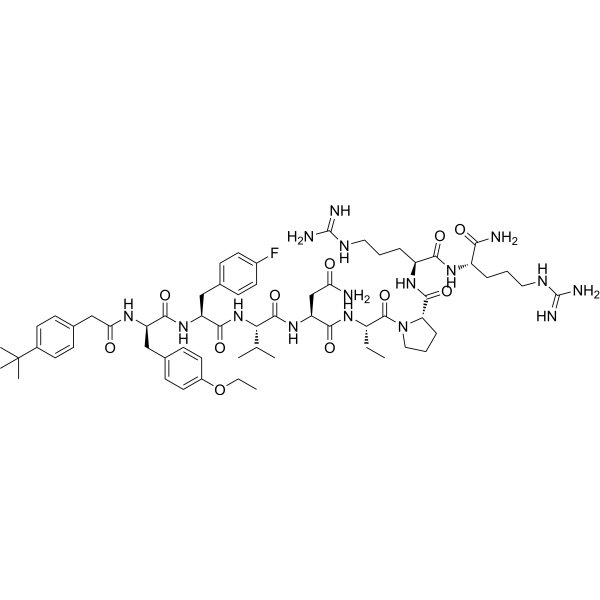
Vasopressin V2 receptor antagonist 2 (Compound 33) is an antagonist of the arginine vasopressin V2 receptor (V2R) with a Ki value of 6.2 nM. Vasopressin V2 receptor antagonist 2 can effectively reduce cAMP levels, thereby inhibiting the growth of renal cysts[1].
|
-
-
- HY-130629
-
|
|
Adenylate Cyclase
|
Neurological Disease
|
|
VHC-7 is a potent and selective adenylyl cyclase type 8 (AC8) agonist, with an EC50 value of 105.2 nM. VHC-7 increases cyclic adenosine monophosphate (cAMP) levels. VHC-7 can be used for the study of central nervous system disorders and heart diseases .
|
-

-
- HY-108623
-
|
CP-80,633
|
Phosphodiesterase (PDE)
|
Inflammation/Immunology
|
|
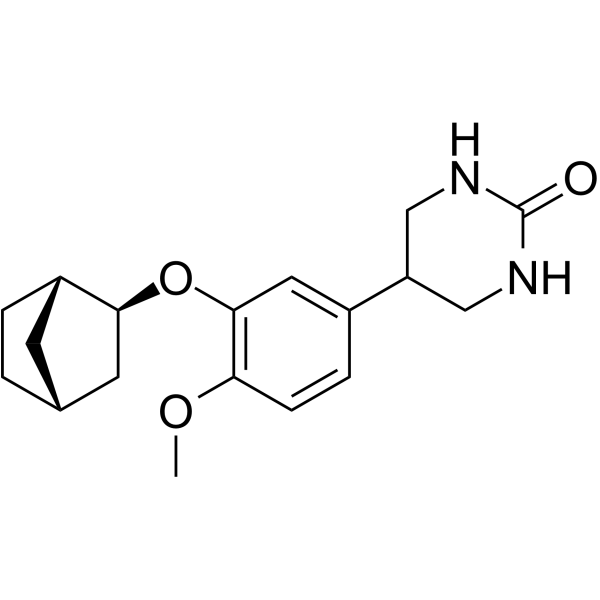
Atizoram (CP-80,633) is an orally active phosphodiesterase type 4 (PDE4) inhibitor. Atizoram blocks cAMP degradation, thereby increasing intracellular and plasma cAMP levels. Atizoram inhibits TNFα release. Atizoram can be used in research related to acute respiratory distress syndrome .
|
-
-
- HY-137370
-
|
HENECA; 2-Hexynyl-NECA
|
Adenosine Receptor
Amyloid-β
|
Neurological Disease
|
|
2-Hexynyl-5′-N-ethylcarboxamidoadenosine (HENECA) is a selective A2A adenosine receptor agonist. 2-Hexynyl-5′-N-ethylcarboxamidoadenosine increases intracellular cAMP level, and inhibits TNFα-evoked MMP-3 release. 2-Hexynyl-5′-N-ethylcarboxamidoadenosine induces Aβ42 production in SH-SY5Y cells .
|
-

-
- HY-179407
-
|
|
Phosphodiesterase (PDE)
|
Inflammation/Immunology
|
|
LT-104A is a potent PDE4 inhibitor that elevates intracellular cAMP levels (EC50 = 1.9 μM) and inhibits PDE4D3 activity (IC50 = 9.3 μM). LT-104A activates the cAMP-PKA-CREB anti-inflammatory signaling pathway and suppresses NF-κB-related gene expression (Il1b and Nos2). LT-104A can be used for inflammation-related disease research .
|
-

-
- HY-171850
-
|
|
GLP Receptor
|
Metabolic Disease
Inflammation/Immunology
|
|
GLP-1R modulator-1 (Compound 384) is an orally active, potent selective glucagon-like peptide-1 receptor (GLP-1R) agonist. GLP-1R modulator-1 activates G-protein coupled signaling, elevates intracellular cAMP levels, promotes insulin secretion, delays gastric emptying and suppresses appetite. GLP-1R modulator-1 is promising for research of type 2 diabetes, obesity, and non-alcoholic steatohepatitis (NASH) .
|
-

-
- HY-116540A
-
|
7DMB-Forskolin
|
Adenylate Cyclase
|
Cardiovascular Disease
|
|
L 858051 (7DMB-Forskolin) dihydrochloride, an analog of Forskolin (HY-15371), is an adenylyl cyclase stimulator. L 858051 dihydrochloride directly activates adenylyl cyclase to increase intracellular, cellular, and ciliary cAMP levels. L 858051 dihydrochloride activates recombinant cyclic nucleotide-gated (E583M CNGA2) channels to induce a non-selective, Mg 2+-sensitive current in adult rat ventricular myocytes. L 858051 dihydrochloride maximally stimulates L-type Ca 2+ current in adult rat ventricular myocytes. L 858051 dihydrochloride increases total PDE3 and PDE4 activities in adult rat ventricular myocytes, with effects insensitive to PKA inhibition. L 858051 dihydrochloride serves as a tool to elevate intracellular cAMP for studying subsarcolemmal cAMP dynamics and compartmentation in adult rat ventricular myocytes .
|
-

-
- HY-179504
-
|
|
Phosphodiesterase (PDE)
TNF Receptor
|
Inflammation/Immunology
|
|
PDE4B-IN-6 (compound 4i) is a potent and selective PDE4B inhibitor with an IC50 of 7.42 nM. PDE4B-IN-6 shows ~195- and ~169-fold selectivity for PDE4B over PDE4A (IC50 = 1540 nM) and PDE4C (IC50 = 1260 nM), respectively. PDE4B-IN-6 increases cAMP level and suppresses TNF-α expression. PDE4B-IN-6 shows favorable antioxidant profiles and low cytotoxicity. PDE4B-IN-6 can be used for chronic obstructive pulmonary disease (COPD) research .
|
-

-
- HY-105912
-
|
|
Drug Derivative
|
Endocrinology
|
|
ONO 1082 is a Prostaglandin E1 (PGE1) (HY-B0131) derivative and increases cAMP level in hepatocytes. ONO 1082 competes with the action of the cholestatic factor through the increase in the cAMP level .
|
-

-
- HY-114948
-
|
|
Adrenergic Receptor
|
Endocrinology
|
|
Rimiterol is a selective β2-adrenergic receptor agonist. Rimiterol activates adenylate cyclase and elevates intracellular cAMP levels to cause smooth muscle relaxation. Rimiterol is promising for research of asthma .
|
-

-
- HY-105482
-
|
|
Phosphodiesterase (PDE)
|
Cardiovascular Disease
|
|
BMY 20844 is an orally active platelet cAMP phosphodiesterase inhibitor with anti-thrombosis activity. BMY 20844 can elevate cAMP levels and activate protein kinase in platelets. BMY 20844 can be used for the research of cardiovascular disease .
|
-

-
- HY-137308
-
|
15R-PGD2
|
Prostaglandin Receptor
|
Inflammation/Immunology
|
|
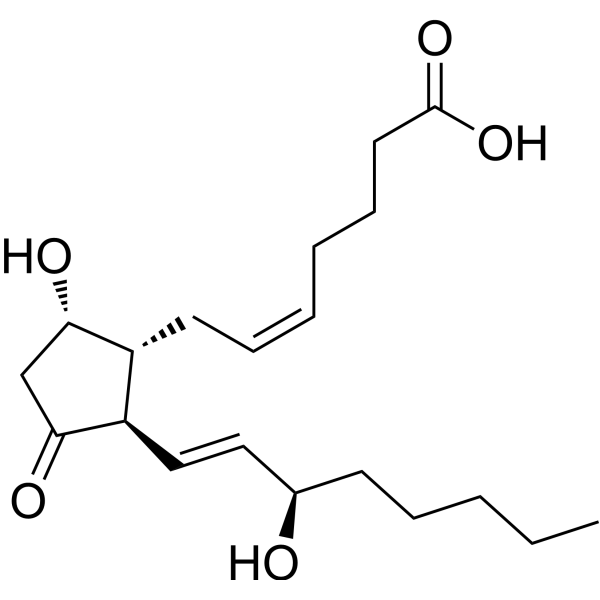
15(R)-Prostaglandin D2 is a potential prostatic hormone DP(2) receptor (Prostaglandin Receptor) agonist with anti-inflammatory activity. 15(R)-Prostaglandin D2 increases actin polymerization in human eosinophils and increases cAMP levels in platelets .
|
-
-
- HY-106893
-
|
SM 10902
|
Drug Derivative
Prostaglandin Receptor
|
Cardiovascular Disease
Metabolic Disease
|
|
Pimilprost (SM 10902) is a prostaglandin I1 analogue. Pimilprost exhibits antithrombotic and increases cAMP levels. Pimilprost can promote wound healing through the stimulation of angiogenesis and the improvement of blood flow in diabetic mice. Pimilprost can be used for the research of metabolic and cardiovascular disease, such as diabetes .
|
-

-
- HY-131664
-
|
|
Prostaglandin Receptor
|
Others
|
|
EP3 antagonist 2 (Compound Exp 1) is a potent and selective EP3 receptor antagonist. EP3 antagonist 2 has a strong binding affinity for the human EP3 receptor (Ki: 3.3 nM) and significant antagonistic activity (IC50: 30.8 nM, determined by cellular cAMP levels) .
|
-

-
- HY-129210
-
|
|
Phosphodiesterase (PDE)
Potassium Channel
|
Cardiovascular Disease
|
|
KMUP-4, as a xanthine derivative with cGMP-enhancing activity, induces aortic relaxation through endothelium-dependent and independent mechanisms. KMUP-4 increases cytoplasmic cyclic guanosine monophosphate (cGMP) and cyclic adenosine monophosphate (cAMP) levels by inhibiting phosphodiesterases (PDEs) and activating K + channels. KMUP-4 can be used in the study of cardiovascular diseases .
|
-

-
- HY-170908
-
|
|
5-HT Receptor
|
Neurological Disease
|
|
Pellotine is an alkaloid that can be isolated from Lophophora. Pellotine is the inverse agonist for 5-HT7 receptor with an EC50 of 291 nM. Pellotine exhibits good affinity to 5-HT1DR and 5-HT6R with Ki of 117 nM and 170 nM. Pellotine reduces intracellular cAMP levels, thereby reducing neuronal excitability and neurotransmitter release .
|
-

-
- HY-159917
-
|
|
Tyrosinase
Microtubule/Tubulin
|
Inflammation/Immunology
|
|
PPL agonist-1 is a highly selective Periplakin (PPL) agonist that increases cAMP levels by regulating PPL, thereby enhancing MITF expression and promoting melanin synthesis. Furthermore, PPL agonist-1 facilitates melanin production by regulating tryptophan metabolism. Compared to Ruxolitinib (HY-50856), PPL agonist-1 demonstrates superior efficacy. PPL agonist-1 holds potential for research into vitiligo treatment .
|
-

-
- HY-124371
-
|
|
Phosphodiesterase (PDE)
|
Cardiovascular Disease
|
|
Amentoflavone hexaacetate is a 3,5-cyclic nucleotide phosphodiesterase inhibitor with antiplatelet aggregation activity. Amentoflavone hexaacetate can inhibit the aggregation of eluted human platelets induced by ADP or collagen. Amentoflavone hexaacetate can also inhibit the cAMP phosphodiesterase activity in human platelets. Amentoflavone hexaacetate can significantly increase the cAMP level of platelets in the presence of prostaglandin E1. Amentoflavone hexaacetate has anti-angiogenic and anti-metastatic effects .
|
-

-
- HY-126250
-
|
|
Phosphodiesterase (PDE)
Parasite
|
Infection
Inflammation/Immunology
|
|
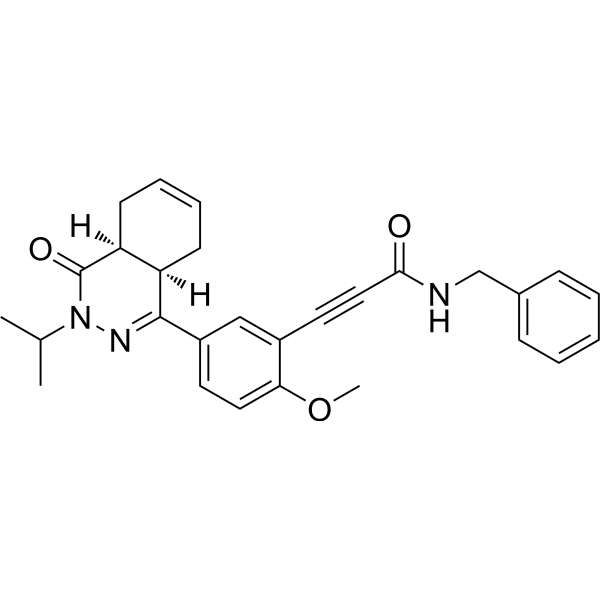
NPD1335 is a Trypanosoma brucei phosphodiesterase B1 (TbrPDEB1) inhibitor with submicromolar activities against T. brucei parasites. NPD1335 displays a greatly improved cytotoxicity profile. NPD1335 increases intracellular cAMP levels and results in the distortion of the cell cycle and cell death . NPD-1335 is a click chemistry reagent, it contains an Alkyne group and can undergo copper-catalyzed azide-alkyne cycloaddition (CuAAc) with molecules containing Azide groups.
|
-
-
- HY-N0113A
-
|
Ordenina sulfate; Peyocactine sulfate
|
Antibiotic
|
Others
|
|
Hordenine sulfate (Ordenina sulfate) is an active compound extracted from malted barley that has melanin-inhibiting activity. Hordenine sulfate significantly reduced melanin content and reduced intracellular cAMP levels. Hordenine sulfate inhibits the expression of proteins related to melanogenesis, including microblind transcription factor (MITF), tyrosinase, tyrosinase-related protein (TRP)-1, and TRP-2. Therefore, Hordenine sulfate can be used as an active ingredient to inhibit pigmentation .
|
-

-
- HY-100936R
-
|
SQ 20009 (Standard); EHT 0202 hydrochloride (Standard)
|
Reference Standards
Phosphodiesterase (PDE)
GABA Receptor
|
Neurological Disease
Inflammation/Immunology
|
|
Etazolate (hydrochloride) (Standard) is the analytical standard of Etazolate (hydrochloride). This product is intended for research and analytical applications. Etazolate hydrochloride (SQ 20009) is an orally active, selective inhibitor of type 4 phosphodiesterase (PDE4) with an IC50 of 2 μM. Etazolate hydrochloride is a γ-aminobutyric acid A (GABAA) receptor regulator. Etazolate hydrochloride is an α-secretase activator and induced the production of soluble amyloid precursor protein (sAPPα). Etazolate hydrochloride, a pyrazolopyridine class derivative, increases cAMP levels. Etazolate hydrochloride has anxiolyticlike, antidepressant-like and anti-inflammatory effects .
|
-

-
- HY-N2118R
-
|
|
Reference Standards
PPAR
PKA
Akt
p38 MAPK
ERK
|
Metabolic Disease
|
|
Bilobetin (Standard) is the analytical standard of Bilobetin. This product is intended for research and analytical applications. Bilobetin, an active component of Ginkgo biloba, can reduce blood lipids and improve the effects of insulin. Bilobetin ameliorated insulin resistance, increased the hepatic uptake and oxidation of lipids, reduced very-low-density lipoprotein triglyceride secretion and blood triglyceride levels, enhanced the expression and activity of enzymes involved in β-oxidation and attenuated the accumulation of triglycerides and their metabolites in tissues. Bilobetin also increased the phosphorylation, nuclear translocation and activity of PPARα accompanied by elevated cAMP level and PKA activity .
|
-

-
- HY-120246
-
|
|
Adrenergic Receptor
Phosphodiesterase (PDE)
|
Inflammation/Immunology
|
|
GS-5759 is both a β₂-adrenergic receptor agonist and a PDE4 inhibitor. GS-5759 increases intracellular cAMP levels by activating the β₂ receptor, promoting bronchial dilation. GS-5759 inhibits PDE4 activity, reduces cAMP degradation, and enhances anti-inflammatory effects. GS-5759 exhibits potent bronchial dilation and anti-inflammatory capabilities in animal models. GS-5759 can be used for research on respiratory diseases such as chronic obstructive pulmonary disease (COPD) .
|
-

-
- HY-176520
-
|
|
Phosphodiesterase (PDE)
|
Inflammation/Immunology
|
|
PDE4-IN-29 (Compound 55) is an orally active and selective PDE4 inhibitor (including subtypes such as PDE4A1, PDE4B2, PDE4D3) with IC50s of <5 nM against PDE4D3. PDE4-IN-29 inhibits the degradation of cyclic adenosine monophosphate (cAMP), increases intracellular cAMP levels, suppressing the release of inflammatory factors such as TNF-α. PDE4-IN-29 is promising for research of inflammatory diseases including psoriasis, atopic dermatitis, and chronic obstructive pulmonary disease .
|
-

-
- HY-116295
-
|
|
P2Y Receptor
p38 MAPK
Calcium Channel
|
Cardiovascular Disease
|
|
MRS2690 is a selective P2Y14 receptor agonist. MRS2690 inhibits adenylyl cyclase activity, thereby reducing intracellular cAMP levels and mediating concentration-dependent vasoconstriction of porcine coronary arteries. MRS2690 induces intracellular calcium mobilization, activates P38 and stimulates [ 35S]GTPγS binding to RBL-2H3 cell membranes. MRS2690 enhances antigen (NP-BSA)-, C3a-induced β-hexosaminidase (β-Hex) release. MRS2690can be used for ischemic heart disease .
|
-

-
- HY-116295A
-
|
|
P2Y Receptor
p38 MAPK
Calcium Channel
|
Cardiovascular Disease
|
|
MRS2690 disodium is a selective P2Y14 receptor agonist. MRS2690 disodium inhibits adenylyl cyclase activity, thereby reducing intracellular cAMP levels and mediating concentration-dependent vasoconstriction of porcine coronary arteries. MRS2690 disodium induces intracellular calcium mobilization, activates P38 and stimulates [ 35S]GTPγS binding to RBL-2H3 cell membranes. MRS2690 enhances antigen (NP-BSA)-, C3a-induced β-hexosaminidase (β-Hex) release. MRS2690 disodium can be used for ischemic heart disease .
|
-

-
- HY-116540
-
|
7DMB-Forskolin free base
|
Adenylate Cyclase
|
Cardiovascular Disease
|
|
L 858051 (7DMB-Forskolin free base), an analog of Forskolin (HY-15371), is an adenylyl cyclase stimulator. L 858051 directly activates adenylyl cyclase to increase intracellular, cellular, and ciliary cAMP levels. L 858051 activates recombinant cyclic nucleotide-gated (E583M CNGA2) channels to induce a non-selective, Mg 2+-sensitive current in adult rat ventricular myocytes. L 858051 maximally stimulates L-type Ca 2+ current in adult rat ventricular myocytes. L 858051 increases total PDE3 and PDE4 activities in adult rat ventricular myocytes, with effects insensitive to PKA inhibition. L 858051 serves as a tool to elevate intracellular cAMP for studying subsarcolemmal cAMP dynamics and compartmentation in adult rat ventricular myocytes .
|
-

-
- HY-182452
-
|
|
Phosphodiesterase (PDE)
Phospholipase
|
Cardiovascular Disease
|
|
U 84569 is a potent low-Km cAMP-dependent Phosphodiesterase inhibitor, with an IC50 value of 300 nM in platelet cytosol. By inhibiting phosphodiesterase and elevating cAMP levels, U 84569 indirectly blocks receptor-mediated Phospholipase C activation, thereby inhibiting platelet aggregation .
|
-

-
- HY-167201
-
|
|
Collagen
|
Others
|
|
2ccPA is a Cyclic phosphatidic acid derivative. 2ccPA decreases ECM expression, increases the intracellular cAMP levels. 2ccPA decreases the protein expression levels of type I collagen, CCN2 and αSMA. 2ccPA has inhibitory effects on the progression of skin fibrosis by abrogating ECM production from activated skin fibroblasts .
|
-

-
- HY-181738
-
|
|
Transmembrane Glycoprotein
|
Cardiovascular Disease
Neurological Disease
|
|
GPR17 agonist 2 (compound 10) is a human GPR17 agonist and selective P2Y receptor non-activator.GPR17 agonist 2 modulates intracellular cAMP levels through functional activation of its target receptor.GPR17 agonist 2 can be used for the research of multiple sclerosis, cerebral ischemia, traumatic brain injury, spinal cord injury .
|
-

-
- HY-183657A
-
|
|
|
Neurological Disease
|
|
GPR3 inverse agonist-1 TFA is a selective and competitive GPR3 inverse agonist with an EC50 of 5 μM. GPR3 inverse agonist-1 TFA inhibits GPR3-dependent Gs activity, stabilizes a specific receptor conformation, and reduces cAMP levels. GPR3 inverse agonist-1 TFA can be used for the research of Alzheimer's disease .
|
-

- HY-182414
-
|
|
Ser/Thr Protease
|
Inflammation/Immunology
|
|
NCO-650 free base is an antiallergic agent that acts by inhibiting tryptase, a key trypsin-like protease in mast cells. NCO-650 free base inhibits mast cell histamine release, increases intracellular cAMP levels in mast cells, suppresses bronchoconstriction, and prevents decreases in perfusion pressure and systemic blood pressure. NCO-650 free base is applicable to the research of allergic diseases and bronchial asthma .
|
-

- HY-183973
-
|
|
Thymidylate Synthase
|
Inflammation/Immunology
Cancer
|
|
MTXPG5 is a long-chain Methotrexate (HY-14519) metabolite and thymidylate synthase inhibitor with a Ki of 0.047 μM. MTXPG5 inhibits 5-aminoimidazole-4-carboxamide ribonucleotide transformylase, interferes with DNA synthesis and immune cell proliferation, and inhibits pro-inflammatory cytokine production via extracellular adenosine accumulation and elevated cAMP levels. MTXPG5 can be used for the research of leukaemia and rheumatoid arthritis .
|
-

- HY-182415
-
|
|
Phosphodiesterase (PDE)
|
Cardiovascular Disease
Cancer
|
|
RX-RA-69 is an orally active platelet phosphodiesterase (PDE) inhibitor with a IC50 of 1 nM. RX-RA-69 elevates cAMP levels in platelets, exerts anti-aggregatory effects, and inhibits the formation of coronary platelet thrombi. RX-RA-69 exhibits anti-metastatic activity in a mouse Lewis lung cancer model. RX-RA-69 can be used in research related to coronary platelet thrombi and Lewis lung cancer .
|
-

- HY-105931
-
|
RS-82856
|
Phosphodiesterase (PDE)
|
Cardiovascular Disease
Endocrinology
|
|
Lixazinone (RS-82856) is a selective inhibitor of cGMP-inhibited phosphodiesterase (PDE3) with an IC50 value of 22 nM. Lixazinone exhibits positive inotropic effects, afterload reduction and antithrombotic properties. Lixazinone increases cyclic adenosine monophosphate (cAMP) levels in human platelets, inhibits thrombin-induced aggregation of human platelets, and blocks the photolabeling of PDE3 active sites by [ 32P]cGMP. Lixazinone can be used in the research of polycystic kidney disease and congestive heart failure .
|
-

- HY-108618R
-
|
|
Reference Standards
Phosphodiesterase (PDE)
|
Endocrinology
|
|
BC11-38 (Standard) is the analytical standard of BC11-38 (HY-108618). This product is intended for research and analytical applications. BC11-38 is a potent, selective, and biologically active PDE11 inhibitor, with IC50s of 0.28 µM and >100 µM for PDE11 and PDE1-10, respectively. BC11-38 elevates cAMP levels, PKA-mediated ATF-1 phosphorylation, and cortisol production in H295R cells .
|
-

- HY-113822
-
|
RS-82856 hydrogensulfate
|
Phosphodiesterase (PDE)
|
Cardiovascular Disease
Endocrinology
|
|
Lixazinone (RS-82856) hydrogensulfate is a selective inhibitor of cGMP-inhibited phosphodiesterase (PDE3) with an IC50 value of 22 nM. Lixazinone hydrogensulfate exhibits positive inotropic effects, afterload reduction and antithrombotic properties. Lixazinone hydrogensulfate increases cyclic adenosine monophosphate (cAMP) levels in human platelets, inhibits thrombin-induced aggregation of human platelets, and blocks the photolabeling of PDE3 active sites by [ 32P]cGMP. Lixazinone hydrogensulfate can be used in the research of polycystic kidney disease and congestive heart failure .
|
-

| Cat. No. |
Product Name |
Target |
Research Area |
-
- HY-P4860
-
|
|
Akt
Gli
JNK
PKA
|
Metabolic Disease
|
|
Adropin (34-76) is a secretory domain of Adropin. Adropin (34-76) can inhibit cAMP level and glucose production in hepatocytes, and has a hypoglycemic effect. Adropin (34-76) plays an antifibrotic role by inhibiting the GLI1 signaling pathway .
|
-
- HY-P5189A
-
|
|
Endogenous Metabolite
Cholinesterase (ChE)
|
Others
|
|
His-D-beta-Nal-Ala-Trp-D-Phe-Lys-NH2 TFA, is a growth hormone releasing peptide, as well as a metabolite of GHRP-1. GHRP-1, or Ala-His-D-beta Nal-Ala-Trp-D-Phe-Lys-NH2, has the effect of promoting the release of growth hormone (GH). GHRP-1 increases GH release and increases [Ca2+]i levels in static monolayer cells of rat pituitary gland, but does not affect cAMP levels .
|
-
- HY-P3570
-
|
Lom-AKH-II
|
Endogenous Metabolite
|
Metabolic Disease
|
|
Adipokinetic hormone II (Locusta migratoria) (Lom-AKH-II) is a insect adipokinetic hormone (AKH), enhances fat body cAMP levels in vitro. Insect adipokinetic hormones (AKHs) controls flight-directed mobilization of carbohydrate and lipid from fat body stores, which depends on AKH receptor(s) coupling to cAMP formation and glycogen phosphorylase activation via the stimulatory guanine nucleotide-binding protein (Gs) .
|
-
- HY-P3572
-
|
Lom-AKH-I
|
Endogenous Metabolite
|
Endocrinology
|
|
Adipokinetic hormone I (Locusta migratoria) (Lom-AKH-I) is a insect adipokinetic hormone (AKH), enhances fat body cAMP levels in vitro. Insect adipokinetic hormones (AKHs) controls flight-directed mobilization of carbohydrate and lipid from fat body stores, which depends on AKH receptor(s) coupling to cAMP formation and glycogen phosphorylase activation via the stimulatory guanine nucleotide-binding protein (Gs) .
|
-
- HY-P10365
-
|
|
Adhesion G Protein-coupled Receptors (AGPCRs)
|
Others
|
|
Vmm-p15 is a peptide agonist optimized for the adhesion G protein-coupled receptor GPR64 (also known as ADGRG2 or HE6). The affinity of VPM-p15 with GPR64 is significantly higher than that of the original p15 peptide. The cAMP level induced by VMM-P15 increased significantly, activated GPR64, and triggered downstream Gs, Gq, and G12/13 signaling. VPM-p15 can be used to study the activation mechanism of adherent GPCR family members .
|
-
- HY-162394
-
|
|
Vasopressin Receptor
|
Metabolic Disease
|
|
Vasopressin V2 receptor antagonist 2 (Compound 33) is an antagonist of the arginine vasopressin V2 receptor (V2R) with a Ki value of 6.2 nM. Vasopressin V2 receptor antagonist 2 can effectively reduce cAMP levels, thereby inhibiting the growth of renal cysts[1].
|
| Cat. No. |
Product Name |
Category |
Target |
Chemical Structure |
-
- HY-N2118
-
-
-
- HY-N0910
-
-
-
- HY-124371
-
|
|
Flavonoids
Viburnaceae
Plants
Biflavones
Viburnum lantana L.
Source Classification
|
Phosphodiesterase (PDE)
|
|
Amentoflavone hexaacetate is a 3,5-cyclic nucleotide phosphodiesterase inhibitor with antiplatelet aggregation activity. Amentoflavone hexaacetate can inhibit the aggregation of eluted human platelets induced by ADP or collagen. Amentoflavone hexaacetate can also inhibit the cAMP phosphodiesterase activity in human platelets. Amentoflavone hexaacetate can significantly increase the cAMP level of platelets in the presence of prostaglandin E1. Amentoflavone hexaacetate has anti-angiogenic and anti-metastatic effects .
|
-
-
- HY-N0113A
-
|
Ordenina sulfate; Peyocactine sulfate
|
Monophenols
Gramineae
Phenols
Hordeum vulgare L.
Plants
Source Classification
|
Antibiotic
|
|
Hordenine sulfate (Ordenina sulfate) is an active compound extracted from malted barley that has melanin-inhibiting activity. Hordenine sulfate significantly reduced melanin content and reduced intracellular cAMP levels. Hordenine sulfate inhibits the expression of proteins related to melanogenesis, including microblind transcription factor (MITF), tyrosinase, tyrosinase-related protein (TRP)-1, and TRP-2. Therefore, Hordenine sulfate can be used as an active ingredient to inhibit pigmentation .
|
-
-
- HY-N2118R
-
|
|
Structural Classification
Flavonoids
Ginkgoaceae
Phenols
Polyphenols
Plants
Biflavones
Ginkgo biloba
Source Classification
|
Reference Standards
PPAR
PKA
Akt
p38 MAPK
ERK
|
|
Bilobetin (Standard) is the analytical standard of Bilobetin. This product is intended for research and analytical applications. Bilobetin, an active component of Ginkgo biloba, can reduce blood lipids and improve the effects of insulin. Bilobetin ameliorated insulin resistance, increased the hepatic uptake and oxidation of lipids, reduced very-low-density lipoprotein triglyceride secretion and blood triglyceride levels, enhanced the expression and activity of enzymes involved in β-oxidation and attenuated the accumulation of triglycerides and their metabolites in tissues. Bilobetin also increased the phosphorylation, nuclear translocation and activity of PPARα accompanied by elevated cAMP level and PKA activity .
|
-
Your information is safe with us. * Required Fields.
Inquiry Information
- Product Name:
- Cat. No.:
- Quantity:
- MCE Japan Authorized Agent:








