1. Search Result
Search Result
Results for "

cell+infiltration

" in MedChemExpress (MCE) Product Catalog:

63

Inhibitors & Agonists

1

Screening Libraries

2

Biochemical Assay Reagents

6

Peptides

13

Inhibitory Antibodies

5

Natural
Products

1

Oligonucleotides

Cat. No. Product Name Target Research Areas Chemical Structure
  • HY-146244
    Agatolimod
    1 Publications Verification

    ODN 2006; PF-3512676; CpG 7909; ODN 7909

    Toll-like Receptor (TLR) Bacterial NO Synthase Apoptosis Infection Cancer
    Agatolimod ((ODN 2006; PF-3512676; CpG 7909)) is a TLR9 agonist and immunomodulator with an EC50 of 180 nM against human TLR9. Agatolimod activates and upregulates the expression of both TLR9 and TLR6, and mediates downstream signaling pathways via IRAK4, IRF5, IRF7. Agatolimod induces Th1-type innate and adaptive immune responses, activates various immune cells and promotes antigen presentation, regulates antibody levels and immune cell infiltration, upregulates the secretion of multiple cytokines, induces apoptosis and cell cycle arrest, enhances cytotoxicity, and clears intracellular Salmonella. Agatolimod is applicable to research on COVID-19, breast cancer, lung adenocarcinoma, HPV-related tumors, melanoma, and salmonellosis .
    Agatolimod
  • HY-108910
    Chymotrypsin
    2 Publications Verification

    EC 3.4.21.1; Chymotrypsin A

    Toll-like Receptor (TLR) NF-κB MMP Others Inflammation/Immunology
    Chymotrypsin (EC 3.4.21.1; Chymotrypsin A) is an orally effective inhibitor targeting molecules such as TLR4, NF-κB, MMP-1, TNF-α, IL-1β, and IL-6. Chymotrypsin downregulates the TLR4/NF-κB signaling pathway, inhibiting the release of inflammatory factors, reducing cell infiltration and tissue damage. It also reduces the expression of tumor cell adhesion molecules (such as CD44 and CD54) and can be specifically detected by fluorescent probes (such as NBD-3). Chymotrypsin has anti-inflammatory, hepatoprotective, joint damage-reducing, liver protection against lipotoxicity, and anti-tumor metastasis functions. It can be used in research on diseases such as rheumatoid arthritis, non-alcoholic fatty liver disease, and melanoma metastasis. Chymotrypsin can be used in studies of inflammation, edema, and expectoration .
    Chymotrypsin
  • HY-P990106

    VEGFR Apoptosis Inflammation/Immunology Cancer
    Anti-Mouse VEGFR-2 Antibody (DC101) is a rat anti-mouse VEGFR2 monoclonal antibody. Anti-Mouse VEGFR-2 Antibody (DC101) inhibits tumor angiogenesis by blocking the binding of VEGF and VEGFR2. Anti-Mouse VEGFR-2 Antibody (DC101) promotes immune cell infiltration and induces tumor cell apoptosis. Anti-Mouse VEGFR-2 Antibody (DC101) can be used for researches on various types of cancer such as melanoma, lung cancer and breast cancer .
    Anti-Mouse VEGFR-2 Antibody (DC101)
  • HY-P990212
    Anti-Mouse IL-6 Antibody (MP5-20F3)
    1 Publications Verification

    Interleukin Related STAT Infection Inflammation/Immunology
    Anti-Mouse IL-6 Antibody (MP5-20F3) is an anti-mouse IL-6 IgG1 monoclonal antibody. Anti-Mouse IL-6 Antibody (MP5-20F3) reshapes the tumor microenvironment by blocking IL-6. Anti-Mouse IL-6 Antibody (MP5-20F3) can inhibit the STAT3 pathway and enhance T cell infiltration. Anti-Mouse IL-6 Antibody (MP5-20F3) can be used for researches on inflammation and infection conditions such as malignant pleural effusion (MPE) .
    Anti-Mouse IL-6 Antibody (MP5-20F3)
  • HY-P99259

    FPA 008; Anti-Human CSF1R Recombinant Antibody

    c-Fms Inflammation/Immunology Cancer
    Cabiralizumab (FPA 008) is an anti-CSF1R monoclonal antibody (MAb). Cabiralizumab enhances T cell infiltration and antitumor T cell immune responses. Cabiralizumab inhibits the activation of osteoclasts and blocks bone destruction, and can be used in the research of rheumatoid arthritis (RA). Cabiralizumab can combine with Nivolumab (HY-P9903) for lung cancer research .
    Cabiralizumab
  • HY-128481

    STING Inflammation/Immunology Cancer
    SB24011 is a STING modulator and a TRIM29-STING protein-protein interaction inhibitor. SB24011 blocks TRIM29-induced K48-linked specific ubiquitination by binding to STING, thereby upregulating intracellular STING protein levels. SB24011 enhances inflammatory cytokine expression and STING-mediated immune responses, and exhibits abscopal antitumor activity that promotes tumor regression and activates T cell infiltration. When combined with STING agonists or anti-PD1 antibodies, SB24011 synergistically enhances antitumor responses. SB24011 is suitable for research related to colon cancer and melanoma .
    SB24011
  • HY-108910A
    Chymotrypsin (MS grade)
    2 Publications Verification

    EC 3.4.21.1 (MS grade); Chymotrypsin A (MS grade)

    Toll-like Receptor (TLR) NF-κB MMP Others Inflammation/Immunology
    Chymotrypsin (EC 3.4.21.1; Chymotrypsin A) (MS grade) is an orally effective inhibitor targeting molecules such as TLR4, NF-κB, MMP-1, TNF-α, IL-1β, and IL-6. Chymotrypsin (MS grade) downregulates the TLR4/NF-κB signaling pathway, inhibits the release of inflammatory factors, reduces cell infiltration and tissue damage, and also reduces the expression of tumor cell adhesion molecules (such as CD44 and CD54). It can also be specifically detected by fluorescent probes (such as NBD-3). Chymotrypsin (MS grade) has anti-inflammatory, hepatoprotective, joint damage-reducing, liver protection against lipotoxicity, and anti-tumor metastasis functions, and can be used in the research of diseases such as rheumatoid arthritis, non-alcoholic fatty liver disease, and melanoma metastasis. Chymotrypsin (MS grade) can be used in studies of inflammation, edema, and expectoration .
    Chymotrypsin (MS grade)
  • HY-P10102
    Kp7-6
    2 Publications Verification

    Apoptosis PERK NF-κB Caspase JNK Inflammation/Immunology Cancer
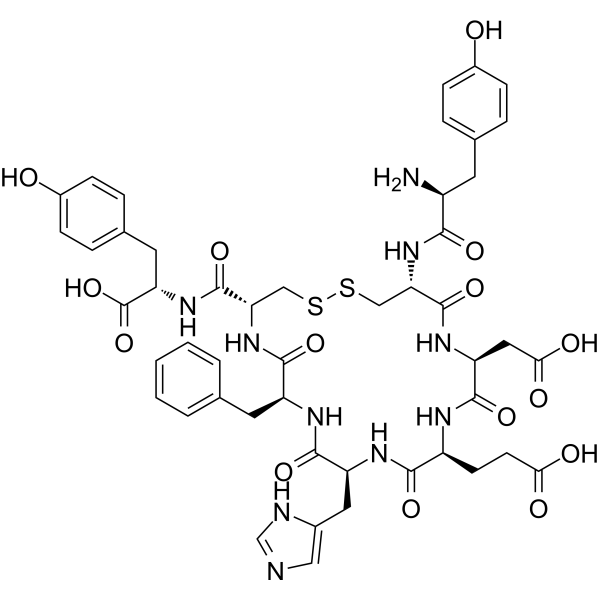
    Kp7-6 is a Fas mimetic peptide and also a Fas/FasL antagonist. Kp7-6 specifically binds to Fas and FasL, disrupts receptor complexes, and blocks downstream apoptosis signaling pathways. Kp7-6 inhibits the phosphorylation of ERK1-2, induces the phosphorylation of IκBα, and activates NF-κB. Kp7-6 inhibits the activation of caspase-8, caspase-3 and JNK, and suppresses human amylin-induced β-cell apoptosis. Kp7-6 inhibits FasL-induced lymphoid cytotoxicity and apoptosis. Kp7-6 reduces local tumor FasL expression, increases CD8 +Fas + T cell infiltration, and decreases tumor volume in pancreatic neuroendocrine tumor models. Kp7-6 prevents concanavalin A-induced liver injury in mice. Kp7-6 is applicable to research related to type 2 diabetes, concanavalin A-induced hepatitis and pancreatic neuroendocrine tumors .
    Kp7-6
  • HY-N5084

    TRP Channel HDAC p38 MAPK JNK ERK NF-κB TNF Receptor Interleukin Related Neurological Disease Inflammation/Immunology Cancer
    Pinocembrin 7-O-[3''-O-galloyl-4'',6''-hexahydroxydiphenoyl]-β-D-glucoside is a TRPV1 antagonist and HDAC7 inhibitor. Pinocembrin 7-O-[3''-O-galloyl-4'',6''-hexahydroxydiphenoyl]-β-D-glucoside blocks TRPV1-mediated calcium influx, suppresses phosphorylation of p65, IκBα, p38, JNK, and ERK1/2, inhibiting NF-κB and MAPK signaling cascades. Pinocembrin 7-O-[3''-O-galloyl-4'',6''-hexahydroxydiphenoyl]-β-D-glucoside reduces production and gene expression of pro-inflammatory cytokines IL-1β, IL-6, and TNF-α. Pinocembrin 7-O-[3''-O-galloyl-4'',6''-hexahydroxydiphenoyl]-β-D-glucoside exhibits potent analgesic activity, elevates thermal pain threshold and mechanical pain threshold in murine models. Pinocembrin 7-O-[3''-O-galloyl-4'',6''-hexahydroxydiphenoyl]-β-D-glucoside restores CD8 + T cell infiltration into bladder cancer tumors and improves bladder cancer immunotherapy efficacy. Pinocembrin 7-O-[3''-O-galloyl-4'',6''-hexahydroxydiphenoyl]-β-D-glucoside can be used for the researches of painand bladder cancer .
    Pinocembrin 7-O-[3''-O-galloyl-4'',6''-hexahydroxydiphenoyl]-β-D-glucoside
  • HY-P99244

    ILV 094

    Interleukin Related JAK STAT Caspase Bcl-2 Family Inflammation/Immunology
    Fezakinumab (ILV 094) is an anti-IL-22 monoclonal antibody. Fezakinumab inhibits IL-22 signal transduction, and regulates the JAK1/STAT3 pathway as well as apoptotic proteins. Fezakinumab alleviates airway remodeling, alveolar enlargement and inflammatory cell infiltration in lung tissues. Fezakinumab reduces the levels of neutrophils, lymphocytes, eosinophils and macrophages in lung tissues. Fezakinumab can be used in the research of chronic obstructive pulmonary disease and skin diseases .
    Fezakinumab
  • HY-N0352
    Tuberostemonine
    1 Publications Verification

    Parasite Infection
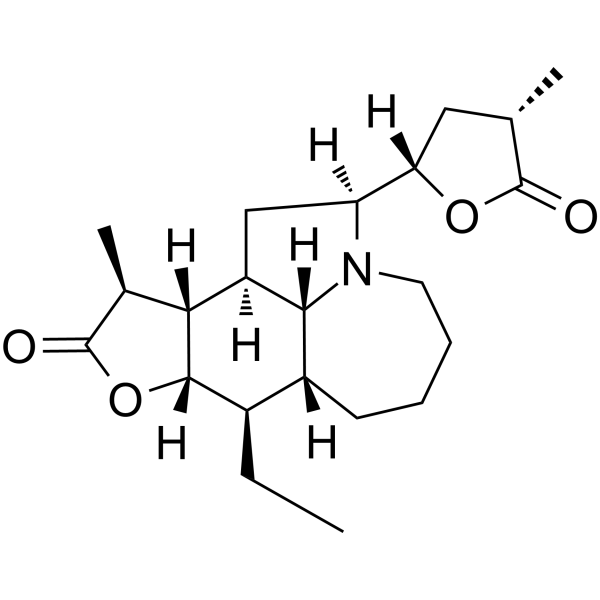
    Tuberostemonine is a stenine alkaloid that can be isolated from Stemona tuberosa and Stemona sessifolia. Tuberostemonine is an antimalarial agent that has inhibitory activity against Ferredoxin-NADP + reductases (FNRs) from Plasmodium falciparum (PfFNR). Tuberostemonine can reduce the number of citric acid-induced coughs in guinea pigs. Tuberostemonine decreases bronchoalveolar lavage fluid (BALF), neutrophil and macrophage infiltration and reduces peribronchial and perivascular inflammatory cell infiltration in mouse model of acute lung inflammation. Tuberostemonine has a level of activity as a feeding deterrent .
    Tuberostemonine
  • HY-P990094

    CSL311

    c-Fms Inflammation/Immunology
    Trabikibart (CSL311) is a specific inhibitor targeting the βc receptor (CSF2RB) that inhibits signal transduction mediated by GM-CSF, IL-5, and IL-3. Trabikibart exhibits significant anti-inflammatory and anti-edema effects, reduces myeloid cell infiltration, and inhibits inflammatory cell survival. Trabikibart also possesses antiviral immune functions, which alleviate pulmonary inflammation, reverse airway dysfunction and fibrosis, and thereby restore impaired pulmonary function. Trabikibart can be used in research on related diseases such as acute respiratory distress syndrome, viral pneumonia, asthma, and chronic rhinosinusitis with nasal polyps .
    Trabikibart
  • HY-177338

    STING Cyclic GMP-AMP Synthase IFNAR TNF Receptor Interleukin Related Inflammation/Immunology Cancer
    STING agonist-45 is a selective STING agonist (EC50 = 0.28 μM). STING agonist-45 activates the innate immune response through the cGAS-STING pathway, upregulating key markers such as p-TBK1 and IRF3. STING agonist-45 exhibits robust STING activation in human peripheral blood mononuclear cells (PBMCs), inducing the production of type I interferons (such as IFN-β) and downstream cytokines (such as TNF-α and IL-6). STING agonist-45 enhances anti-tumor immunity, inhibits tumor growth, and increases CD8 + T cell infiltration in mouse models. STING agonist-45 is promising for the study of STING-related diseases .
    STING agonist-45
  • HY-15178

    GRC 3886

    Phosphodiesterase (PDE) Inflammation/Immunology
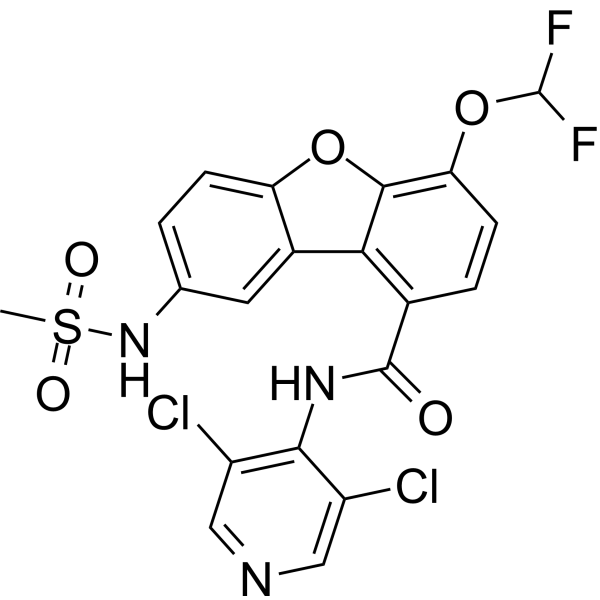
    Oglemilast (GRC 3886) is a potent and orally active phosphodiesterase-4 (PDE4) inhibitor with an IC50 of 0.5 nM for PDE4D3. Oglemilast inhibits pulmonary cell infiltration, including eosinophilia and neutrophilia in vitro and in vivo. Oglemilast has the potential for inflammatory airway diseases .
    Oglemilast
  • HY-W015445

    p38 MAPK Metabolic Disease
    SD-169 is an orally active ATP-competitive inhibitor of p38α MAPK, with an IC50 of 3.2 nM. SD-169 also weakly inhibits p38β MAPK with an IC50 of 122 nM. SD-169 prevents the development and progression of diabetes by inhibiting T cell infiltration and activation .
    SD-169
  • HY-145801
    XT2
    2 Publications Verification

    NF-κB Inflammation/Immunology
    XT2 is a potent, orally active, and selective inhibitor of NF-κB-inducing kinase (NIK) with an IC50 of 9.1 nM. XT2 suppresses CCl4-induced upregulation of ALT, a key biomarker of acute liver injury. XT2 also decreases immune cell infiltration into the injured liver tissue. XT2 has the potential for the research of liver inflammatory diseases . XT2 is a click chemistry reagent, it contains an Alkyne group and can undergo copper-catalyzed azide-alkyne cycloaddition (CuAAc) with molecules containing Azide groups.
    XT2
  • HY-N14001

    TNF Receptor Interleukin Related Arginase PD-1/PD-L1 Inflammation/Immunology Cancer
    Naamidine J is an imidazole-type alkaloids discovered in a sponge. Naamidine J inhibits inflammation by binding to the protein CSE1L (KD = 5.41 μM). Namidine J significantly inhibits the expression of pro-inflammatory factors such as TNF-α, IL-1β, and IL-6, and upregulates anti-inflammatory factors such as CD206 and Arg-1. Namidine J inhibits PD-L1 and shows antitumor activity. Namidine J significantly reduces pulmonary tissue edema, inflammatory cell infiltration and cytokine storm in mice. Namidine J can be used for the research on the immune microenvironment of acute lung injury and tumors .
    Naamidine J
  • HY-160696

    CD73 Cancer
    ORIC-533 is an orally active, highly selective, AMP-competitive CD73 inhibitor that potently blocks adenosine production with sub-nanomolar affinity (Ka=0.03 nM). In multiple myeloma, ORIC-533 restores and enhances the cytotoxicity of the immune system against tumor cells through multiple immunological mechanisms, including reversing the immunosuppressive microenvironment, inducing immunogenic cell death, and activating dendritic cells, T cells and NK cells, with no direct toxicity to normal cells. The combination of ORIC-533 with Daratumumab (HY-P9915) synergistically enhances anti-tumor efficacy, significantly increases intratumoral CD8 + T cell infiltration and inhibits tumor growth in vivo .
    ORIC-533
  • HY-150307

    Protein Arginine Deiminase Inflammation/Immunology
    KP-302 (Compound 23) is a selective inhibitor of protein arginine deaminase PAD2 with a Ki of 60 μM. KP-302 also reverses physical disability in the EAE mouse model of multiple sclerosis (MS) and eliminates T cell infiltration in the brain. KP-302 can be studied in research as a disease-modifying agent for MS .
    KP-302
  • HY-163719

    PARP Cancer
    PARP7-IN-22 (XLY-1) is a PARP7 inhibitor with an IC50 of 0.6 nM. PARP7-IN-22 (XLY-1) is orally active, enhances type I interferon signaling in vitro, restores type I interferon signaling, promotes T cell infiltration into tumor tissues, and significantly inhibits tumor growth. PARP7-IN-22 shows promise for research in the field of cancer immunotherapy .
    PARP7-IN-22
  • HY-174903

    Itk Inflammation/Immunology
    ITK-IN-6 is a highly potent and selective ITK inhibitor (Kd = 387 nM). ITK-IN-6 directly binds to the ITK kinase domain. ITK-IN-6 blocks the release of pro-inflammatory cytokines and the activation and differentiation of Th2 and Th17 cells. ITK-IN-6 improves asthma progression by reducing inflammatory cell infiltration, mucus and IgE production. ITK-IN-6 significantly inhibits airway inflammation and is used in asthma research .
    ITK-IN-6
  • HY-N12378

    NF-κB Toll-like Receptor (TLR) PKA Epigenetic Reader Domain Keap1-Nrf2 Sirtuin AMPK Caspase FASTK ERK ROCK Apoptosis Metabolic Disease Inflammation/Immunology Cancer
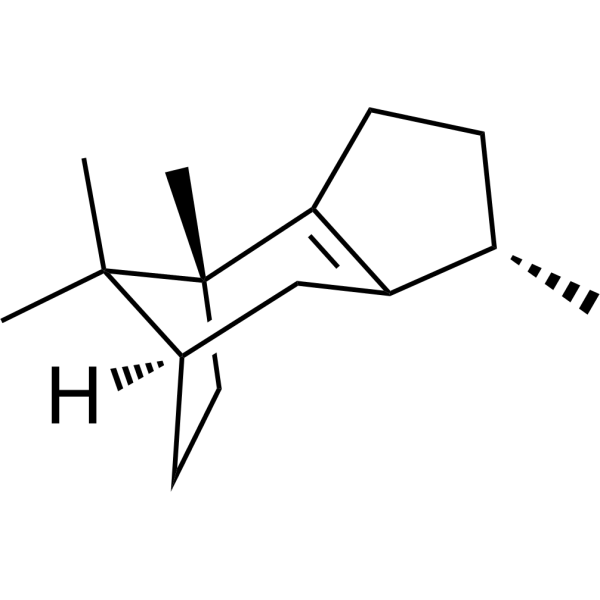
    β-Patchoulene is an orally active anti-inflammatory, antioxidant, and anti-apoptotic agent. β-Patchoulene inhibits the NF-κB, TLR4, and cAMP/PKA/CREB signaling pathways; activates the Sirt1/Nrf2 and AMPK signaling pathways; and targets Fas/FasL, Caspase-3, ERK1/2, ROCK1/MLC2 for inhibition. β-Patchoulene regulates cytokine secretion, inflammatory cell infiltration, lipid peroxidation, cell polarization, gut microbiota, and lipid metabolism, restores barrier function, mitochondrial function, and cell viability, and exhibits repellent activity against Spodoptera exigua larvae. β-Patchoulene can be used in research related to various inflammatory, ischemic, fibrosis-associated diseases, as well as hepatocellular carcinoma .
    β-Patchoulene
  • HY-P990250

    Wnt Inflammation/Immunology
    Anti-Mouse DKK3 Antibody (DKK3-4.22) is an anti-mouse DKK3 IgG1 monoclonal antibody. Anti-Mouse DKK3 Antibody (DKK3-4.22) can improve kidney function and increases T cell infiltration. Anti-Mouse DKK3 Antibody (DKK3-4.22) can reduce skin inflammation by blocking the immunosuppressive function of DKK3. Anti-Mouse DKK3 Antibody (DKK3-4.22) can be used for researches on inflammation conditions such as unilateral ureteral obstruction (UUO) and experimental autoimmune encephalomyelitis (EAE) .
    Anti-Mouse DKK3 Antibody (DKK3-4.22)
  • HY-P990242

    Galectin TNF Receptor IFNAR Interleukin Related Inflammation/Immunology Cancer
    Anti-Mouse Galectin-9 Antibody (RG9-1) is an anti-mouse Galectin-9 IgG2b monoclonal antibody. Anti-Mouse Galectin-9 Antibody (RG9-1) promotes inflammatory response by enhancing the secretion of IFN-γ, TNF-α, and IL-6. Anti-Mouse Galectin-9 Antibody (RG9-1) can increase CD8 T cell and Treg frequency. Anti-Mouse Galectin-9 Antibody (RG9-1) reduces graft survival time by increasing CD4 + and CD8 + T cell infiltration. Anti-Mouse Galectin-9 Antibody (RG9-1) can be used for researches on inflammation conditions, cancer and xenotransplantation such as ischemia-reperfusion, colon cancer, breast cancer and leukemia .
    Anti-Mouse Galectin-9 Antibody (RG9-1)
  • HY-155847

    Phosphatase PD-1/PD-L1 Inflammation/Immunology Cancer
    LYP-IN-3 is a selective, orally active and reversible lymphoid-tyrosine phosphatase (LYP) inhibitor (IC50 = 2.55 μM, Ki = 0.93 μM). D34 exhibits high selectivity of PTP1B, PTPN12, PTPN5 and SSH2. LYP-IN-3 regulates the T-cell receptor (TCR) signaling by specifically inhibiting LYP. LYP-IN-3 does not significantly inhibit MC38 cell viability; its anti-tumor effect stems from immune regulation. LYP-IN-3 can significantly upregulate PD-L1 or PD-1 expression in different immune cells. LYP-IN-3 facilitates T-cell infiltration and enhances T-cell functions. LYP-IN-3 synergizes with PD-L1 blockade can significantly improve colorectal tumor regression. LYP-IN-3 can be used for the study of colorectal cancer .
    LYP-IN-3
  • HY-178914

    Cuproptosis Reactive Oxygen Species (ROS) Mitochondrial Metabolism Cancer
    Copper ionophore I is an efficient copper ion carrier. Copper ionophore I can regulate various intracellular copper levels to induce cuproptosis, such as 4T1 (IC50 = 0.45 μM) and MDA-MB-231(IC50 = 1.21 μM) cells. Copper ionophore I can induce an increase in ROS and cause mitochondrial dysfunction. Copper ionophore I can reduce the expression of FDX1, DLAT, and LIAS proteins. Copper ionophore I can activate immune related pathways and promote T cell infiltration. Copper ionophore I can be used for cancer research .
    Copper ionophore I
  • HY-109151

    E6007

    Integrin Inflammation/Immunology
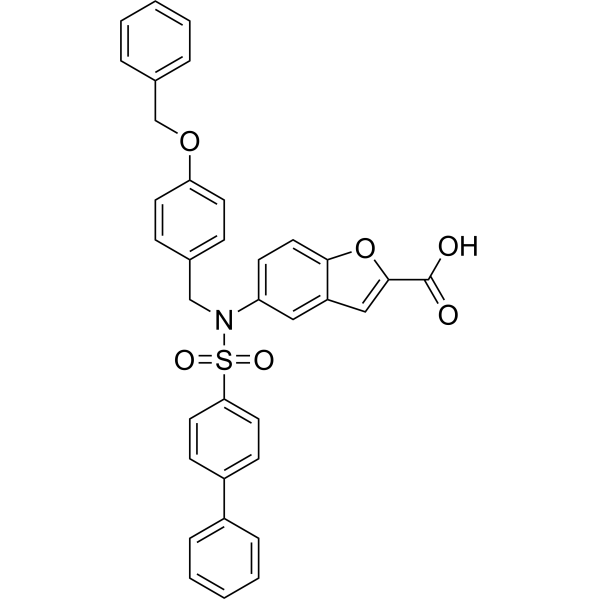
    Milategrast is useful as cell adhesion inhibitor or cell infiltration inhibitor. Milategrast in vitro inhibites the adhesion of Jurkat cells to human fibronectin with an IC50 of <5 μM .
    Milategrast
  • HY-172350

    SARS-CoV Virus Protease Interleukin Related Infection
    WEHI-P8 is an orally active SARS-CoV-2 papain-like protease (PLpro) inhibitor with an IC50 of 12 nM and a Kd of 9.0 nM. WEHI-P8 reduces viral load, body weight loss, pulmonary inflammation, immune cell infiltration and pro-inflammatory mediator levels in SARS-CoV-2-infected mice. WEHI-P8 prevents pulmonary hemorrhage, immune cell infiltration, fibrotic remodeling and neuroinflammation, and improves cognitive function in a mouse model of post-acute sequelae of SARS-CoV-2 infection (PASC). WEHI-P8 is applicable for the research of COVID-19 and PASC .
    WEHI-P8
  • HY-178465

    Prostaglandin Receptor Interleukin Related Neurological Disease Inflammation/Immunology
    EP4 receptor antagonist 8 is an orally active EP4 antagonist (human EP4 IC50 = 6.40 nM). EP4 receptor antagonist 8 significantly reduced paw and joint swelling, inflammatory cell infiltration, cartilage damage, pannus formation, and joint bone erosion in arthritis (AIA) mice in a dose-dependent manner. EP4 receptor antagonist 8 can be used for the study of inflammatory pain .
    EP4 receptor antagonist 8
  • HY-15048

    PARP Inflammation/Immunology
    GPI 15427 is a potent inhibitor of the enzyme poly (ADP-ribose) polymerase-1 (PARP-1), which plays a harmful role during inflammation. In a rat model of gut injury and inflammation, including splanchnic artery occlusion (SAO) shock and dinitrobenzene sulfonic acid (DNBS)-induced colitis, GPI 15427 demonstrates strong anti-inflammatory effects that reduces inflammatory cell infiltration, histological injury. GPI 15427 also diminishes the accumulation of poly (ADP-ribose) in the ileum and colon of treated rats .
    GPI 15427
  • HY-W585843

    Interleukin Related Inflammation/Immunology
    1,1′-Ethylidenebis[L-tryptophan] is an impurity in the synthesis of L-tryptophan. 1,1′-Ethylidenebis[L-tryptophan] promotes the proliferation of eosinophilic leukemia cells, induces the release of eosinophil cationic protein from eosinophils, and stimulates T cells to produce IL-5. 1,1′-Ethylidenebis[L-tryptophan] (40 µg/kg) can induce fascia thickening, mast cell infiltration, and fibrosis in adipose and subcutaneous muscle tissues in mice. 1,1′-Ethylidenebis[L-tryptophan] can be used in immunology and inflammation research .
    1,1′-Ethylidenebis[L-tryptophan]
  • HY-P10947

    Epigenetic Reader Domain YAP Cancer
    MACTIDE-V is an orally active and selective peptide-drug conjugate targeting CD206. MACTIDE-V delivers Verteporfin (HY-B0146) to CD206 + tumor-associated macrophages (TAM) to inhibit the YAP/TAZ signaling pathway, prompting YAP exclusion from the nucleus, inducing TAM polarization toward an anti-tumoral phenotype with enhanced phagocytosis and antigen presentation, and boosting T cell infiltration and NK cell activity. MACTIDE-V suppresses primary tumor growth and lung metastasis in triple-negative breast cancer (TNBC) mouse models .
    MACTIDE-V
  • HY-W795993

    Transmembrane Glycoprotein Inflammation/Immunology
    TJU103 is a CD4 inhibitor. TJU103 inhibits autoreactive CD4 + T cells by disrupting the function of the CD4 during activation. TJU103 decreases mononuclear cell infiltration in brain and spinal cord tissue of experimental allergic encephalomyelitis (EAE) mice model. TJU103 downregulates Th1 and Th2 cytokine levels in response to proteolipid protein epitope 139-151 (PLPe) and exhibits inhibitory effects both after the appearance of EAE symptoms and upon rechallenge with Ag. TJU103 can be used for autoimmune diseases like EAE and sclerosis (MS) research .
    TJU103
  • HY-124665

    TNF Receptor Interleukin Related Infection Metabolic Disease Inflammation/Immunology
    LMP-420 is a selective tumor necrosis factor-α (TNF-α) inhibitor. LMP-420 reduces the release of pro-inflammatory cytokines (e.g., IL-1β, IL-2), inducing the expression of anti-inflammatory cytokine IL-10 and anti-apoptotic molecules SOCS-1 and Mn-SOD. LMP-420 also downregulates chemokines (e.g., IP-10, MCP-1) to reduce immune cell infiltration. LMP-420 is promising for research of type 1 diabetes mellitus, inflammatory diseases (e.g., colitis), and HIV-Mycobacterium tuberculosis coinfection .
    LMP-420
  • HY-P10371

    txCD47

    Reactive Oxygen Species (ROS) Thrombopoietin Receptor Mitochondrial Metabolism HSP HSV CD47 Infection Inflammation/Immunology Cancer
    PKHB1 (txCD47) is a CD47 agonist and Thrombospondin-1 peptide mimetic. PKHB1 activates CD47 and triggers Caspase-independent, calcium-dependent cell death via mitochondrial alterations, ROS production, endoplasmic reticulum morphological changes, and dissipation of mitochondrial membrane potential. PKHB1 induces the exposure of Calreticulin, HSP70, and HSP90, thereby driving immunogenic cell death. PKHB1 promotes intratumoral CD8 + T cell infiltration and inhibits breast tumorigenesis. PKHB1 reduces HSV-1 levels and alleviates the severity of herpes simplex keratitis. PKHB1 can be used in research related to breast cancer, herpes simplex keratitis, and T-cell acute lymphoblastic leukemia .
    PKHB1
  • HY-178032

    PARP Apoptosis Reactive Oxygen Species (ROS) DNA/RNA Synthesis STING Cancer
    PARP1-IN-44, an Olaparib (HY-10162) derivative, is an orally active PARP1 inhibitor (IC50 = 0.6 nM), and also inhibits PARP2 (IC50 = 1.0 nM) and PARP7 (IC50 = 7.5 nM). PARP1-IN-44 has selective antiproliferative activity against BRCA-deficient cancer cells with minimal toxicity to normal cells. PARP1-IN-44 induces G2/M phase arrest, promotes apoptosis, elevates ROS levels, disrupts mitochondrial membrane potential. PARP1-IN-44 suppresses PARylation while increasing γH2AX accumulation. PARP1-IN-44 activates the cGAS-STING pathway, upregulating IFN-β and CXCL10 expression. PARP1-IN-44 enhancing CD8+ T cell infiltration in a CT26 tumor mouse model, demonstrating robust in vivo antitumor efficacy .
    PARP1-IN-44
  • HY-146421

    NO Synthase NF-κB Reactive Oxygen Species (ROS) Inflammation/Immunology
    Anti-inflammatory agent 21 (compound 9o) is an orally active and low cytotoxic anti-inflammatory agent, with an IC50 value of 0.76 μM for NO. Anti-inflammatory agent 21 acts via accumulation ROS and blocks the NF-κB/MAPK signaling pathway. Anti-inflammatory agent 21 can ameliorate cartilage destruction and inflammatory cell infiltration in arthritis rats model .
    Anti-inflammatory agent 21
  • HY-175472

    Phosphatase Apoptosis Cancer
    (GalNAc)3-CPT is a glycoconjugate prodrug that targets the asialoglyco-protein receptor (ASGR) overexpressed on hepatocytes. (GalNAc)3-CPT exhibits significant antitumor activity (IC50 value of 3.07 μM in HepG2 cells) by activating the cGAS-STING pathway and promoting CD8+ T cell infiltration into tumors, thereby inducing tumor cell apoptosis .
    (GalNAc)3-CPT
  • HY-161518

    PD-1/PD-L1 Cancer
    PD-1/PD-L1-IN-44 (Compound 22) selectively inhibits PD-1/PD-L1 proteins (IC50=1.21 nM). PD-1/PD-L1-IN-44 inhibits tumor growth without toxicity in animal models and increases CD8 + cell infiltration .
    PD-1/PD-L1-IN-44
  • HY-162797

    Phosphodiesterase (PDE) TNF Receptor Interleukin Related Inflammation/Immunology
    PDE4-IN-18 (compound 1l) is a PDE4 inhibitor (IC50=1.55 μM) with anti-inflammatory activity. PDE4-IN-18 exerts anti-inflammatory effects by reducing excessive immune cell infiltration and intestinal membrane formation, as well as reducing the mRNA expression of pro-inflammatory cytokines (such as TNF-α and IL-6) in synovial tissue. PDE4-IN-18 can be used in the study of rheumatoid arthritis and psoriasis .
    PDE4-IN-18
  • HY-168491

    Phosphodiesterase (PDE) STING PD-1/PD-L1 Cancer
    Enpp-1-IN-25 (Compound 30) is an ENPP1 inhibitor with an IC50 of 8.05 nM and low oral bioavailability. Enpp-1-IN-25 can effectively activate the intracellular STING pathway by inhibiting cGAMP degradation. Enpp-1-IN-25 can enhance immune cell infiltration in the tumor microenvironment and type I interferon responses, and potentiate the antitumor efficacy of the anti-PD-L1 antibody. Enpp-1-IN-25 can be used in the research of cancer immunotherapy .
    Enpp-1-IN-25
  • HY-P990243

    LAG-3 Inflammation/Immunology Cancer
    Anti-Mouse FGL-1 Antibody (177R4) is an anti-mouse FGL-1 IgG2a monoclonal antibody. Anti-Mouse FGL-1 Antibody (177R4) can increase CD8 + T cell infiltration. Anti-Mouse FGL-1 Antibody (177R4) enhances the anti-tumor immune effect by blocking FGL1. Anti-Mouse FGL-1 Antibody (177R4) can be used for research on cancer such as lung cancer and breast cancer .
    Anti-Mouse FGL-1 Antibody (177R4)
  • HY-163958

    PD-1/PD-L1 Cancer
    PD-L1-IN-7 (compound CB31) is an inhibitor of PD-L1, which can induce PD-L1 internalization and PD-L1 retention in cells. PD-L1-IN-7 can inhibit the interaction of PD-1/PD-L1 (IC50: 0.2 nM), change the glycosylation pattern, and promote PD-L1 degradation. PD-L1-IN-7 can also enhance T cell infiltration, amplify T cell function and the ability to kill tumor cells .
    PD-L1-IN-7
  • HY-172167

    PD-1/PD-L1 HDAC Inflammation/Immunology Cancer
    PD-L1/HDAC-IN-1 (Compound 14) is the inhibitor for PD-L1 and HDAC that inhibits PD-1/PD-L1 interaction, HDAC2 and HDAC3 with IC50 of 88.10, 27.98 and 14.47 nM, respectively. PD-L1/HDAC-IN-1 exhibits slight cytotoxicity in MCF-7 (IC50=19.34 μM). PD-L1/HDAC-IN-1 upregulates the expression of PD-L1 and CXCL10, promoting anti-tumour immune response by recruiting T-cell infiltration into TME .
    PD-L1/HDAC-IN-1
  • HY-W342458

    Biochemical Assay Reagents Others
    Betamethasone 17-Propionate is a compound used to study its effects on endotoxin-induced uveitis in rats. It has the activity of inhibiting the infiltration of cells into the aqueous humor in endotoxin-induced uveitis by eye drops and systemic administration at a certain dose. However, its inhibitory effect is relatively weak compared with some other compounds. At the same time, the dose for systemic administration is 1mg/kg. In addition, Betamethasone 17-Propionate has a weaker inhibitory effect on the release of IL-8 from rat peritoneal exudate cells in an in vitro interleukin-8 (IL-8) release assay than betamethasone. Moreover, the simultaneous addition of betamethasone dipropionate and betamethasone 17-Propionate reduces the inhibitory effect of betamethasone on cell infiltration and IL-1β gene expression.
    Betamethasone 17-Propionate
  • HY-162415

    c-Fms Apoptosis Cancer
    CSF1R-IN-22 (Compound C19) is an orally effective CSF-1R selective inhibitor (IC50<6 nM). CSF1R-IN-22 enhances the secretion of CXCL9 from M2 macrophages, increases CD8 + T cell infiltration. CSF1R-IN-22 boosts anti-tumor immune responses of anti-PD-1, and induces apoptosis in tumor cells. CSF1R-IN-22 can effectively reprogram M2-like TAMs (tumor-associated macrophages) to the M1 phenotype and reshape the TME by inducing the recruitment of CD8 + T cells into tumors and reducing the infiltration of immunosuppressive Tregs and MDSCs .
    CSF1R-IN-22
  • HY-W015445R

    Reference Standards p38 MAPK Metabolic Disease
    SD-169 is an orally active ATP-competitive inhibitor of p38α MAPK, with an IC50 of 3.2 nM. SD-169 also weakly inhibits p38β MAPK with an IC50 of 122 nM. SD-169 prevents the development and progression of diabetes by inhibiting T cell infiltration and activation .
    SD-169 (Standard)
  • HY-182422

    Lipoxygenase Leukotriene Receptor Inflammation/Immunology
    CGS 23885 is an orally active 5-lipoxygenase (5-lipoxygenase) inhibitor. CGS 23885 reduces the production of 5-hydroxyeicosatetraenoic acid (5-hydroxyeicosatetraenoic acid), LTB4, and LTC4/D4/E4. CGS 23885 inhibits cell infiltration in rat pleurisy. CGS 23885 can be used in pleurisy-related research .
    CGS 23885
  • HY-206870

    Interleukin Related STAT Inflammation/Immunology
    BP79 is a potent TSLP receptor inhibitor. BP79 disrupts TSLP-mediated ternary complex formation, blocks TSLPR-IL7Rα co-localization, binds and stabilizes TSLPR, and inhibits phosphorylated STAT3/6. BP79 suppresses immune cell infiltration, secretion of IL-13, IL-4. BP79 can be used for the research of inflammation diseases, such as atopic dermatitis, allergic asthma, and allergic rhinitis .
    BP79
  • HY-19086

    COX Lipoxygenase Inflammation/Immunology
    SKF-105809 is a dual-action inhibitor of lipoxygenase and COX. SKF-105809 inhibits edema and inflammatory cell infiltration in mouse models of ear, paw, and peritoneum inflammation. SKF-105809 inhibits the production of relevant acute-phase reactive proteins in a mouse model of arthritis. SKF-105809 exhibits analgesic activity in a mouse abdominal contraction test and inhibits ulceration. SKF-105809 can be used in research on inflammatory and immune system diseases such as peritonitis and arthritis .
    SKF-105809

Inquiry Online

Your information is safe with us. * Required Fields.

Salutation


Country or Region *

Applicant Name *


Organization Name *

Department *


Email Address *


Product Name *

Cat. No.


Requested quantity *

Phone Number *


Remarks

Inquiry Online

Inquiry Information

Product Name:
Cat. No.:
Quantity:
MCE Japan Authorized Agent: