Search Result
Results for "
chelating+agent
" in MedChemExpress (MCE) Product Catalog:
50
Biochemical Assay Reagents
5
Isotope-Labeled Compounds
| Cat. No. |
Product Name |
Target |
Research Areas |
Chemical Structure |
-
- HY-N0420
-
|
Wormwood acid
|
Environmental Pollutants
Endogenous Metabolite
|
Neurological Disease
|
|
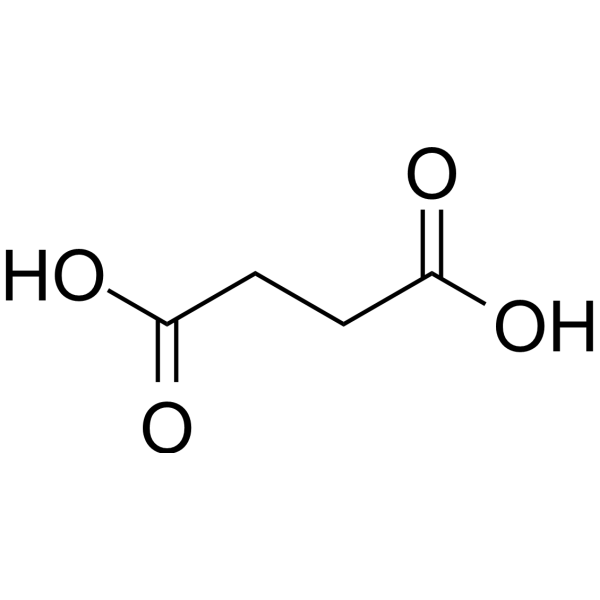
Succinic acid is an anti-anxiety agent with oral activity. Disodium succinate is the salt form of Succinic acid. Succinic acid is an intermediate product of the tricarboxylic acid cycle. Succinic acid is an important platform chemical. Succinic acid can be used as surfactant, additive, ion chelating agent, flavoring agent and other applications in chemical, pharmaceutical and food fields .
|
-
-
- HY-B0568
-
Deferiprone
Maximum Cited Publications
47 Publications Verification
|
Ferroptosis
HCV
Apoptosis
COX
Histone Demethylase
|
Cardiovascular Disease
Infection
Neurological Disease
Metabolic Disease
Inflammation/Immunology
Cancer
|
|
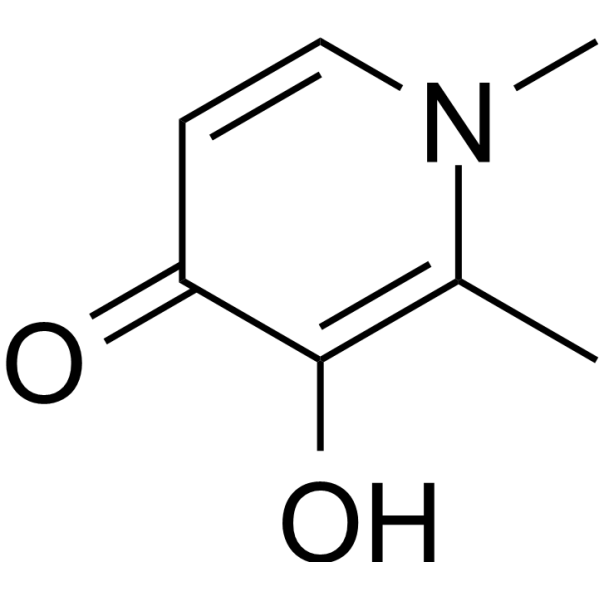
Deferiprone is a potent, orally active, brain-penetrant, cell-penetrant, skin-permeable, free iron chelating agent. Deferiprone inhibits the proliferation and migration, and stimulates apoptosis in tumor cell. Deferiprone can inhibit KDM. Deferiprone has antianemic, neuroprotective, anti-inflammatory, antioxidant, and antidotal activity. Deferiprone can be used in cancer, cardiovascular disease, infection, inflammation, and neurological disease study .
|
-
-
- HY-B0581
-
|
ICRF-187; ADR-529; NSC-169780
|
Ferroptosis
Apoptosis
|
Cardiovascular Disease
Neurological Disease
Inflammation/Immunology
Cancer
|
|
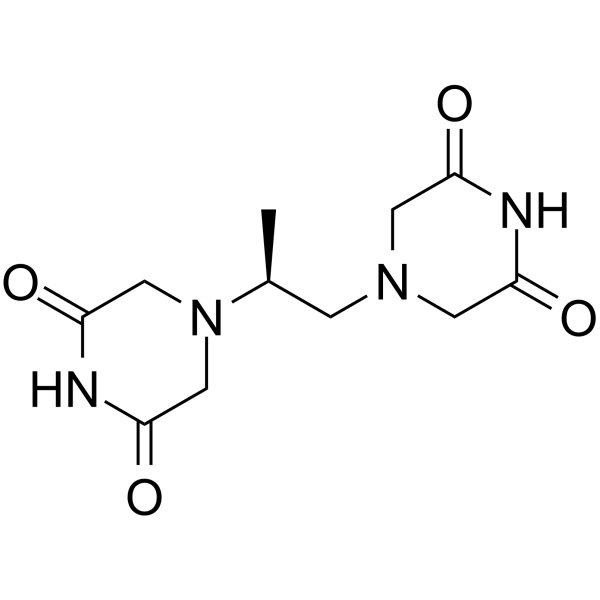
Dexrazoxane, as an intracellular iron chelating agent, reduces the formation of superoxide radicals and has cardioprotective, anti-inflammatory, antioxidant, anti-tumor and neuroprotective activities. Dexrazoxane inhibits ferroptosis of H9c2 cells by inhibiting HMGB1. Dexrazoxane induces DNA damage and apoptosis in human fibrosarcoma cells .
|
-
-
- HY-W015410
-
|
|
Endogenous Metabolite
|
Inflammation/Immunology
|
|
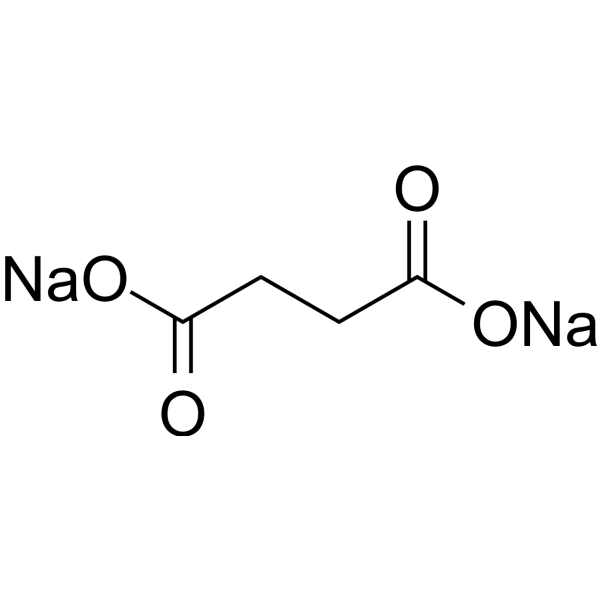
Disodium succinate is an anti-anxiety agent with oral activity. Disodium succinate is the salt form of Succinic acid. Disodium succinate is an intermediate product of the tricarboxylic acid cycle. Disodium succinate is an important platform chemical. Disodium succinate can be used as surfactant, additive, ion chelating agent, flavoring agent and other applications in chemical, pharmaceutical and food fields .
|
-
-
- HY-W018746
-
|
Ethylenediaminetetraacetic acid disodium
|
Environmental Pollutants
Biochemical Assay Reagents
|
Others
|
|
EDTA disodium salt, also known as ethylenediaminetetraacetic acid disodium, belongs to the chelating agent category, which is formed by chelating a central metal ion with four carboxylate groups and two amine groups. This compound, with its ability to bind and chelate metal ions such as calcium, magnesium and iron, is commonly used in a variety of applications, including industrial, medical and research settings. It is used as a preservative in food and beverage, as a stabilizer in medicine, as a chelating agent in water treatment, and as a reagent in biochemical and biomedical research. In addition, EDTA disodium salt has been studied for potential research effects such as improving heavy metal poisoning and cardiovascular disease.
|
-

-
- HY-W115718
-
|
|
Dopamine β-hydroxylase
|
Neurological Disease
|
|
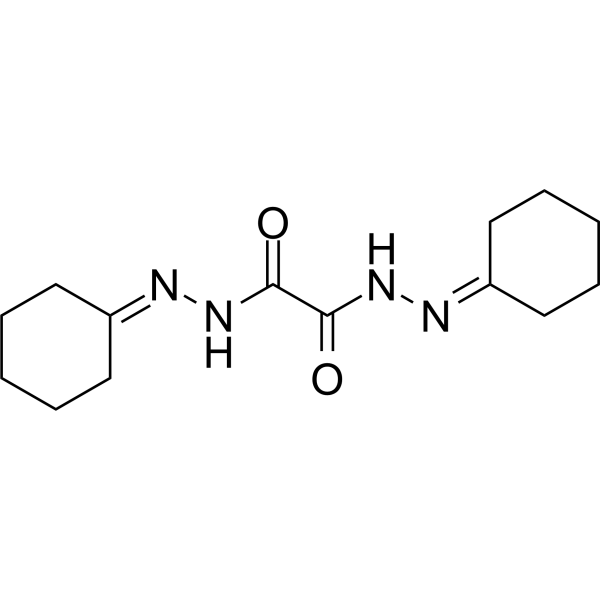
Cuprizone is a copper chelating agent that forms a deep blue copper ketone complex with copper (II). The copper ketone reaction can be used in colorimetric tests for the presence of trace copper. Cuprizone can be used to induce some schizophrenia-like behavior in mice. Cuprizone acts on copper enzymes, including SOD1, cytochrome oxidase, and DβH, thereby causing oxidative stress and increasing DA levels in certain brain regions such as the medial prefrontal cortex (PFC) .
|
-
-
- HY-114377
-
|
|
Radionuclide-Drug Conjugates (RDCs)
|
Cancer
|
|
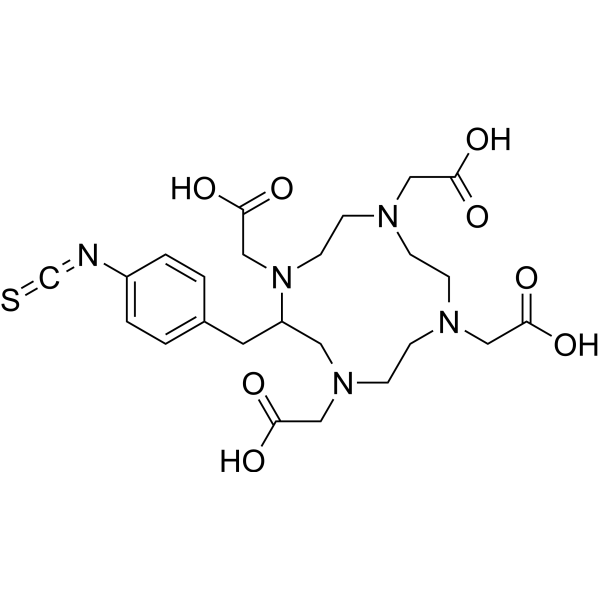
p-SCN-Bn-DOTA is a bifunctional chelating agent. p-SCN-Bn-DOTA can simultaneously chelate radionuclides and link monoclonal antibody for radioimmunoresearch of tumor .
|
-
-
- HY-W034551
-
|
|
Radionuclide-Drug Conjugates (RDCs)
|
Others
Cancer
|
|
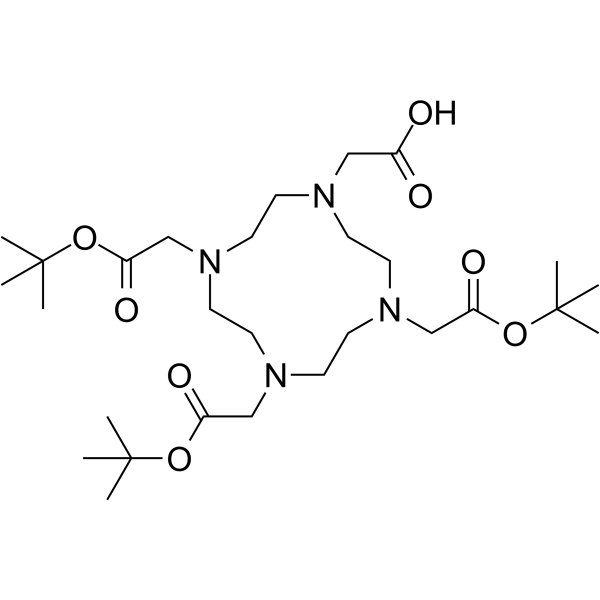
DOTA-tri(t-butyl ester) belongs to the DOTA class of chelating agents. DOTA-tri(t-butyl ester) is a key raw material for synthesizing nanospherical magnetic resonance imaging (MRI) contrast agents, which are used in MR angiography and tumor angiogenesis imaging .
|
-
-
- HY-B0302
-
|
Etidronate; HEDPA; HEDP
|
Environmental Pollutants
Apoptosis
|
Metabolic Disease
Cancer
|
|
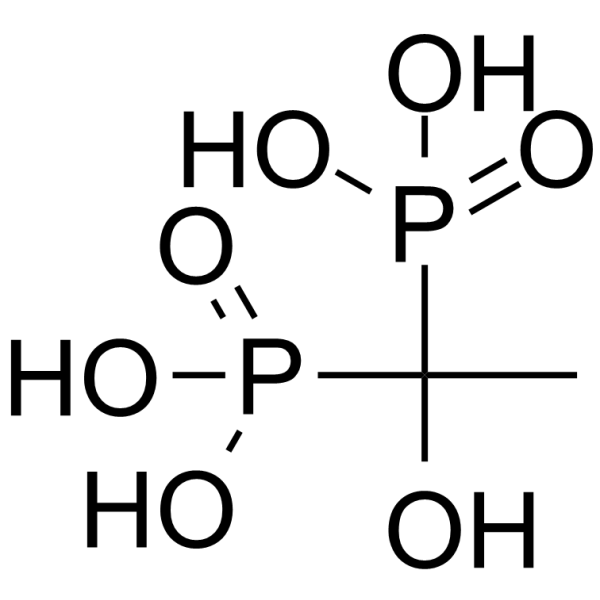
Etidronic acid (Etidronate) is an orally and intravenously active bisphosphonate. Etidronic acid inhibits resorption of bone, reduces arterial calcification and can be used for osteoporosis research. Etidronic acid has anticancer activity. Etidronic acid is a chelating agent and can be used to remove heavy metal in water .
|
-
-
- HY-131326
-
|
|
Biochemical Assay Reagents
|
Cancer
|
|
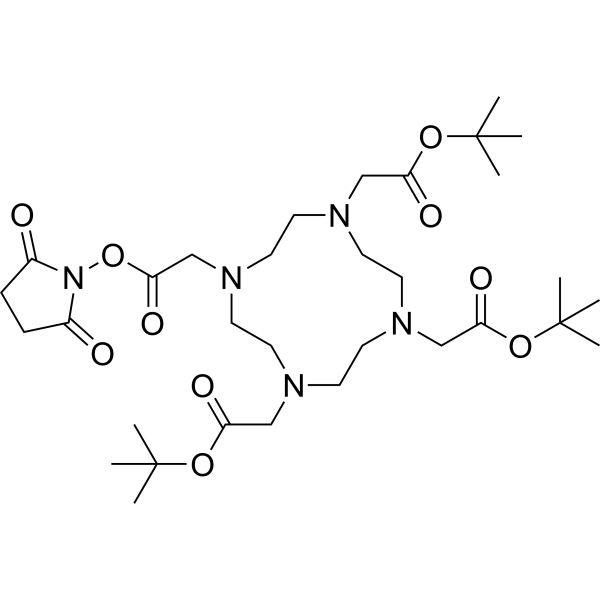
DOTA-tris(tBu)ester NHS ester is a bifunctional precursor to a DOTA-based chelating agent. DOTA-tris(tBu)ester NHS ester can be used to label primary amines (R-NH2) of proteins, amine-modified oligonucleotides, and other amine-containing molecules, and upon deprotection forms stable complexes with metal ions for applications in molecular imaging .
|
-
-
- HY-W053583
-
|
DOTA
|
Biochemical Assay Reagents
Radionuclide-Drug Conjugates (RDCs)
|
Cancer
|
|
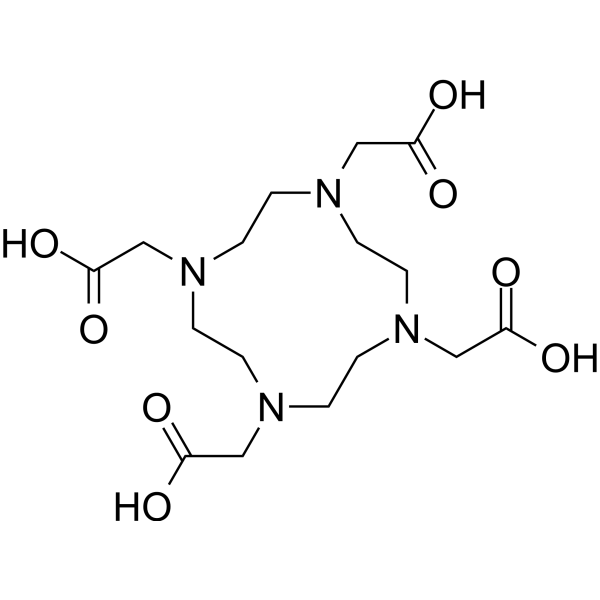
Tetraxetan (DOTA) is a macrocyclic chelating agent. Tetraxetan can form stable coordination complexes with a variety of metal ions (e.g., 68Ga, 111In, 177Lu). Tetraxetan can be conjugated with targeting molecules (e.g., RGD peptide, folic acid) to enable the complex to target specific biomolecules or cells. Tetraxetan can be used for imaging studies of tumors, including melanoma and folate receptor-positive tumors (e.g., cervical cancer) .
|
-
-
- HY-134797
-
|
|
Radionuclide-Drug Conjugates (RDCs)
|
Cancer
|
|
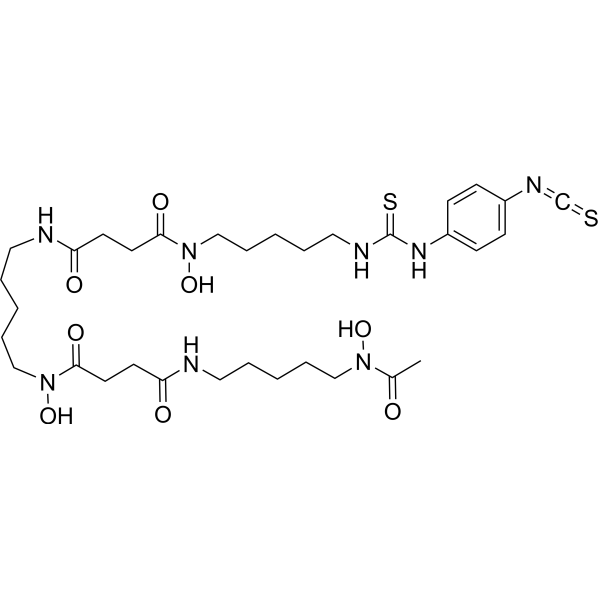
P-SCN-Bn-deferoxamine is a bifunctional chelating agent that can link radioactive metal nuclides (such as Zr-89) and biological targeting molecules (such as antibodies). P-SCN-Bn-deferoxamine can be used for the research of immune PET imaging .
|
-
-
- HY-B0302A
-
|
Etidronate disodium; HEDPA disodium; HEDP disodium
|
Apoptosis
|
Metabolic Disease
Cancer
|
|
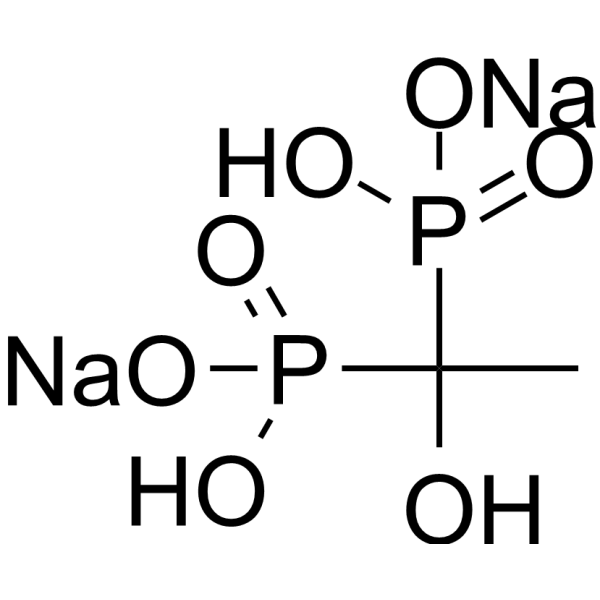
Etidronic acid (Etidronate) disodium is an orally and intravenously active bisphosphonate. Etidronic acid disodium inhibits resorption of bone, reduces arterial calcification and can be used for osteoporosis research. Etidronic acid disodium has anticancer activity. Etidronic acid disodium is a chelating agent and can be used to remove heavy metal in water .
|
-
-
- HY-D0190
-
|
HTTA; TTA; TTFA
|
Mitochondrial Metabolism
|
Infection
Others
Cancer
|
|
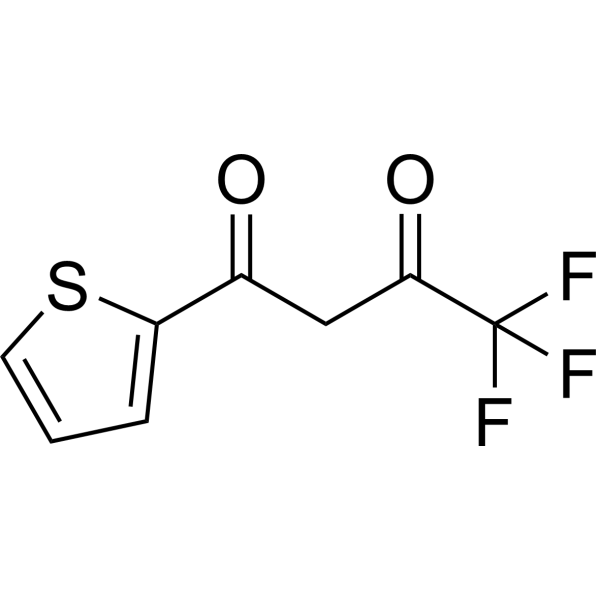
2-Theoyltrifluoroacetone is a chelating agent and mitochondrial electron transfer chain inhibitor, with a IC50 value of 51.5 μM. 2-Thermoyltrifluoroacetone can chelate with various metal ions and has cytotoxicity and anti-tumor activity, which is expected to play an important role in the treatment of mitochondrial dysfunction related diseases .
|
-
-
- HY-B1768
-
-
-
- HY-Y0308E
-
|
Disodium hydrogen phosphate, for cell culture
|
Environmental Pollutants
Biochemical Assay Reagents
|
Others
|
|
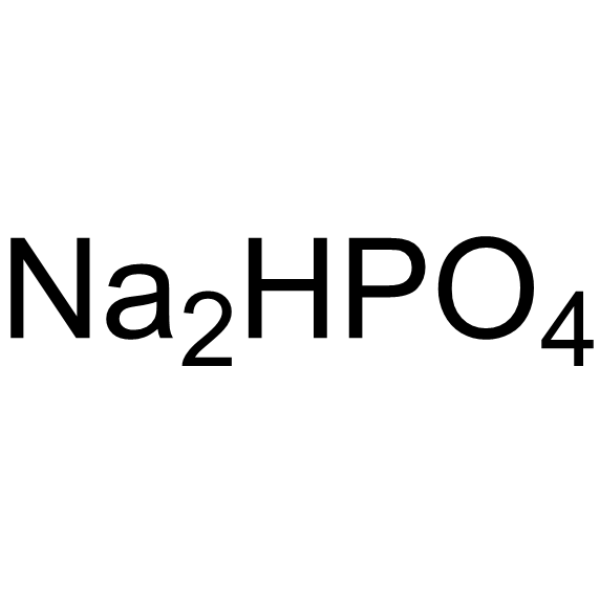
Sodium phosphate dibasic (Disodium hydrogen phosphate), for cell culture is a buffer and chelating agent. Sodium phosphate dibasic is used to adjust the pH of liquids. Sodium phosphate dibasic can be used in cell culture .
|
-
-
- HY-W102714
-
|
CDTA
|
Biochemical Assay Reagents
|
Neurological Disease
|
|
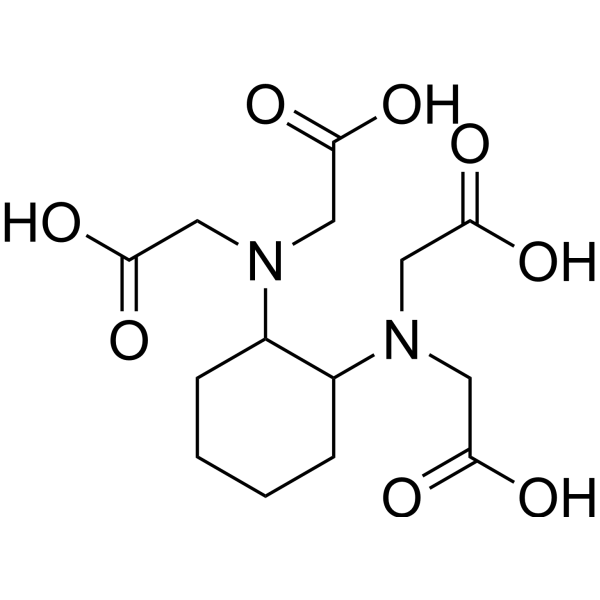
1,2-Cyclohexylenedinitrilotetraacetic acid (CDTA) is a chelating agent. 1,2-Cyclohexylenedinitrilotetraacetic acid has an ability to remove manganese from brain and liver (in vivo) and their sub-cellular fractions (in vitro), of rats pretreated with manganese sulphate .
|
-
-
- HY-W007656
-
|
|
Biochemical Assay Reagents
|
Others
|
|
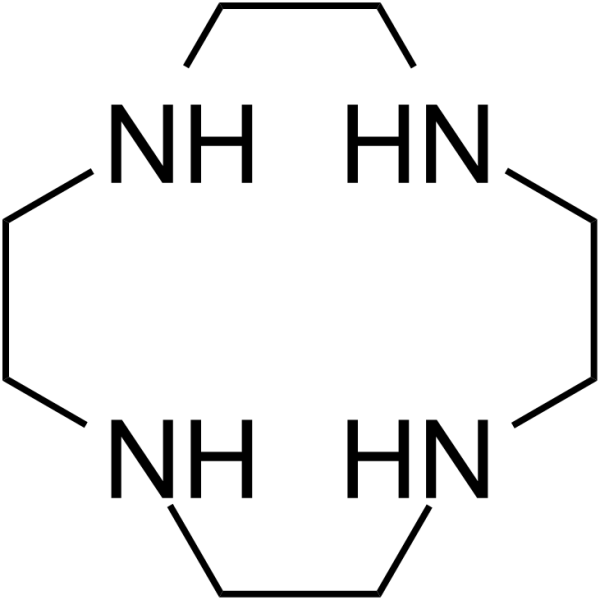
Cyclen is a macrocyclic tetraamine chelating agent. Cyclen is the aza analogue of crown ether, used as a precursor for MRI contrast agents, and is an intermediate for the preparation of effective macrocyclic chelates. Cyclen is employed as a structural regulator through interfacial polymerization of polyethleneimine (PEI) and trimesoyl chloride (TMC) to develop polyamide NF membrane with efficient Li +/Mg 2+ separation performance. Cyclen has specific cavity structure and exhibits selective coordination properties for Li + ions [1][2].
|
-
-
- HY-Y0998
-
|
Red prussiate, 99.5%
|
Biochemical Assay Reagents
|
Others
|
|
Potassium hexacyanoferrate(III), 99.5% (Red prussiate, 99.5%) is a chelating agent for metals such as iron and copper.
|
-

-
- HY-W094510
-
|
|
Biochemical Assay Reagents
|
Inflammation/Immunology
|
|
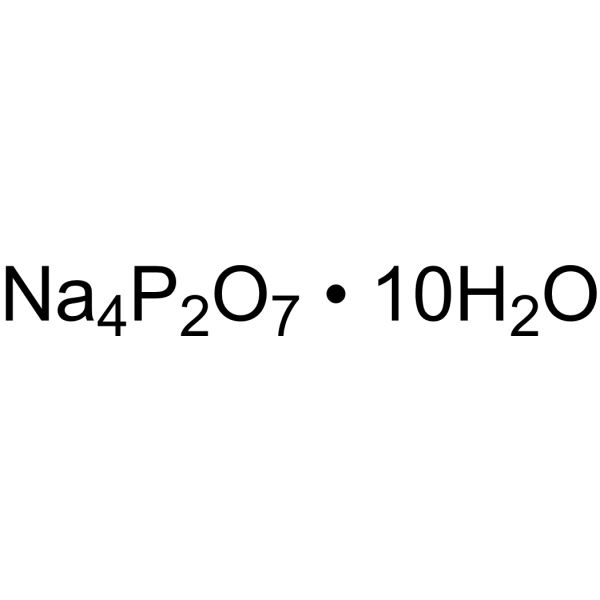
Sodium pyrophosphate decahydrate is a phosphate donor and mild chelating agent. Sodium pyrophosphate decahydrate serves as a phosphate source for Pseudomonas aeruginosa acid phosphatase and its Q6 variant, enabling phosphorylation of L‑ascorbic acid to L‑ascorbate‑2‑phosphate. Sodium pyrophosphate decahydrate facilitates 99mTc labeling of human polyclonal IgG. Sodium pyrophosphate decahydrate can be used in research on musculoskeletal infections .
|
-
-
- HY-W013178
-
|
|
Biochemical Assay Reagents
|
Others
|
|
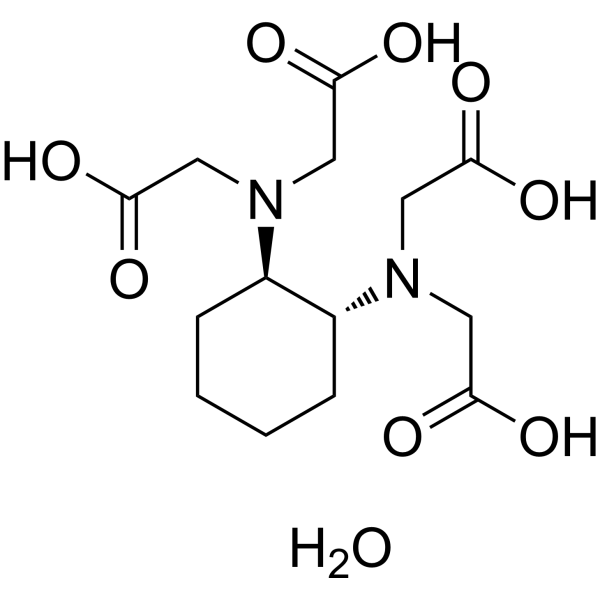
DCTA monohydrate is an organic acid. DCTA refers to N,N,N',N' -tetraacetic acid, which has a strong chelating ability. DCTA monohydrate can be used as a chelating agent and coordination reagent for metal ions. DCTA monohydrate, for example, forms stable complexes with many metal ions, including calcium, magnesium and zinc. DCTA modified with ethylene glycol is selective to calcium ions in the presence of magnesium ions .
|
-
-
- HY-W134072
-
-

-
- HY-107921
-
|
EDTA calcium disodium salt,98%; Adsorbonac,98%
|
Environmental Pollutants
Biochemical Assay Reagents
|
Others
|
|
EDTA Calcium disodium, 98% (EDTA calcium disodium salt, 98%; Adsorbonac, 98%) is a chelating agent for calcium and other metal ions, preventing them from participating in chemical reactions. It can effectively remove metal ions from solutions, preventing them from interfering with experimental processes.
|
-

-
- HY-Y1939A
-
|
Glacial phosphoric acid, 33.5-36.5%
|
Biochemical Assay Reagents
|
Others
|
|
Metaphosphoric acid, 33.5-36.5% (Glacial phosphoric acid, 33.5-36.5%) is a precipitant used for rapid enzymatic measurement of blood lactate and pyruvate. Metaphosphoric acid, 33.5-36.5% can also be used as a dehydrating agent, and its derivative sodium hexametaphosphate can be used as a chelating agent and food additive .
|
-

-
- HY-W034566
-
|
Hexaaza-18-crown-6; 1,4,7,10,13,16-Hexaazacyclooctadecane
|
Biochemical Assay Reagents
|
Others
|
|
Hexacyclen is an organic compound with a unique macrocyclic structure composed of six nitrogen-containing rings. It is commonly used as a chelating agent in chemistry and biochemistry due to its ability to bind metal ions. Inhibitors of certain diseases such as cancer. In biochemistry, Hexacyclen is often used to selectively bind metal ions in proteins or enzymes to study their structure and function. Due to its large size and complex structure, Hexacyclen is not widely used in daily products or applications .
|
-

-
- HY-D0202
-
|
|
Fluorescent Dye
|
Others
|
|
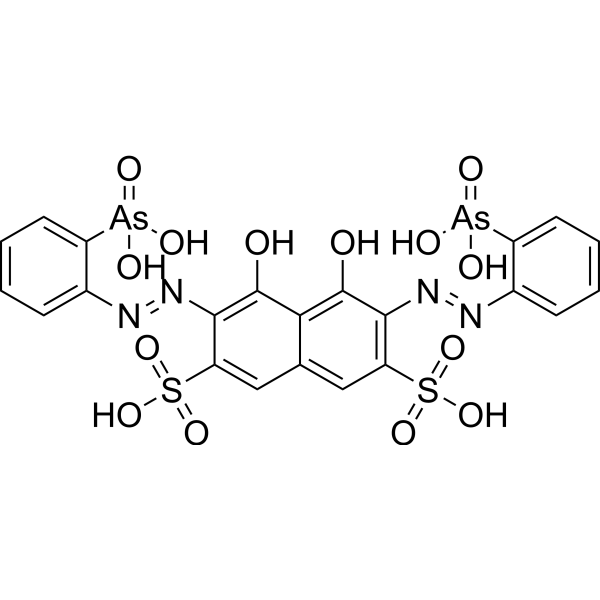
Arsenazo III is an azo derivative of chromotropic acid, a metal chrome dye, a chelating agent, and a cation complexing agent. Arsenazo III forms stable 1:1 complexes with Ca 2+, Mg 2+, Sr 2+, Ba 2+, K +, and Na +, and its binding affinity for Ca 2+ depends on pH, alkali metal cation concentration, and buffer parameters. Arsenazo III serves as a colorimetric indicator for micromolar ionized Ca 2+ in cells .
|
-
-
- HY-16564
-
-
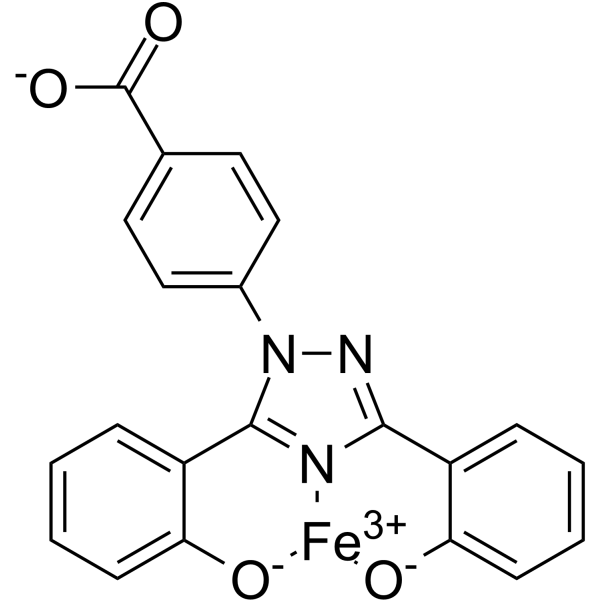
-
- HY-145955
-
|
Sodium stearoyl glutamate
|
Biochemical Assay Reagents
|
Others
|
|
Sodium stearoyl glutamate is a sodium salt of monocarboxylic acid anionic surfactant, which serves as a chelating agent, skin sensitizer and anionic co-emulsifier .
|
-

-
- HY-W013851
-
|
|
Environmental Pollutants
Biochemical Assay Reagents
|
Others
|
|
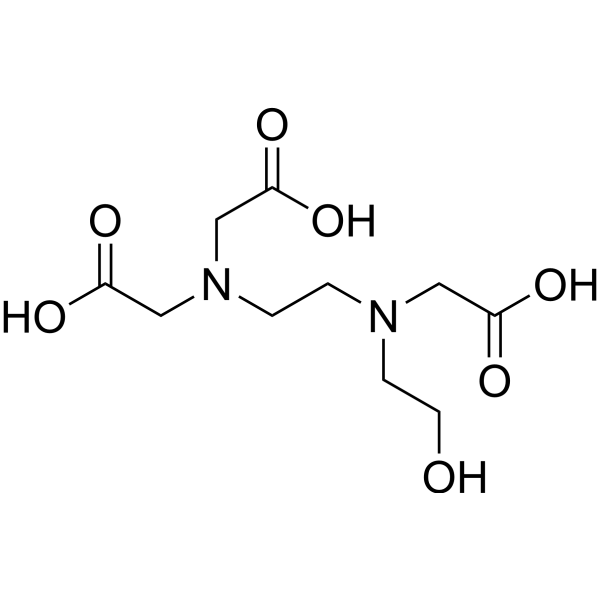
EDTA-OH is a chelating agent, which forms thermodynamically stable chelates with metal ions like calcium, magnesium, iron, zinc and copper . EDTA-OH exhibits ability of phytoremediation in heavy-metal-contaminated soils . EDTA-OH is able to cross brain-blood barrier .
|
-
-
- HY-W008951
-
|
EDTMP
|
Radionuclide-Drug Conjugates (RDCs)
|
Neurological Disease
Cancer
|
|
Ethylenediaminetetramethylenephosphonic acid (EDTMP) is a bone-targeted chelating agent. Ethylenediaminetetramethylenephosphonic acid sodium‘s phosphonic acid groups possess a unique ability to bind with high affinity to hydroxyapatite in bone, and can form radioactive compounds with 153Sm and 177Lu. Ethylenediaminetetramethylenephosphonic acid is used to study palliative therapy for pain associated with multiple bone metastatic cancers .
|
-

-
- HY-W017457
-
|
(±)-Penicillamine
|
Biochemical Assay Reagents
|
Others
|
|
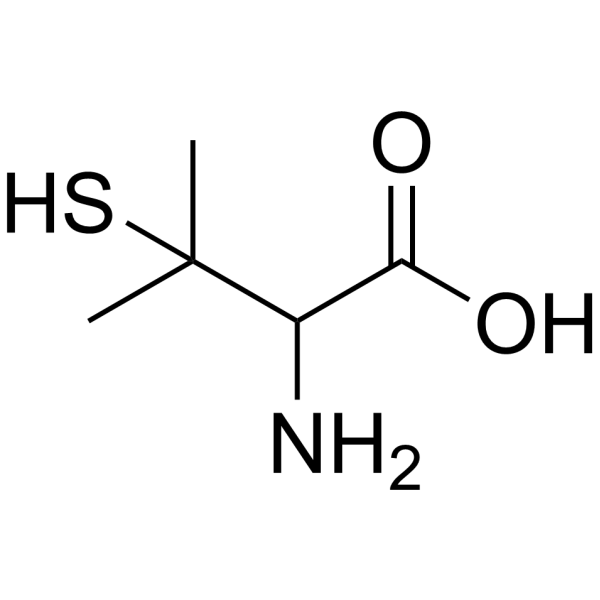
DL-Penicillamine [(±)-Penicillamine] is a copper chelating agent. DL-Penicillamine has antidotal effects in thallotoxicosis rats when co-treated with Prussian blue (HY-106594A). DL-Penicillamine can cause pyridoxine deficiency and then induce optic axial neuritis. DL-Penicillamine can also depress primary immune response .
|
-
-
- HY-W034674
-
|
Silver(1+) diethyldithiocarbamate
|
Biochemical Assay Reagents
|
Others
|
|
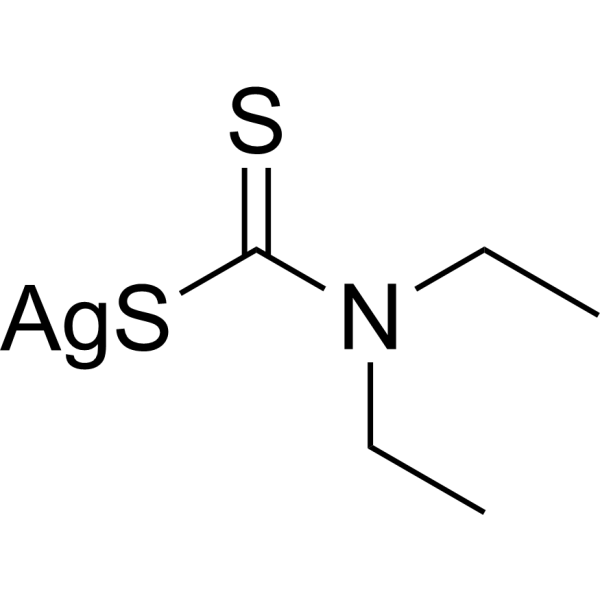
Silver diethyldithiocarbamate (SDDC) is an organic compound consisting of silver ions complexed with the ligand diethyldithiocarbamate. SDDC is mainly used as a reagent in analytical chemistry to detect the presence of copper, iron and other heavy metals in various materials. It acts as a chelating agent, binding to metal ions and forming stable complexes that can be easily analyzed using techniques such as UV-Vis spectroscopy.
|
-
-
- HY-W030778
-
|
Triglycollamic acid
|
Biochemical Assay Reagents
|
Others
|
|
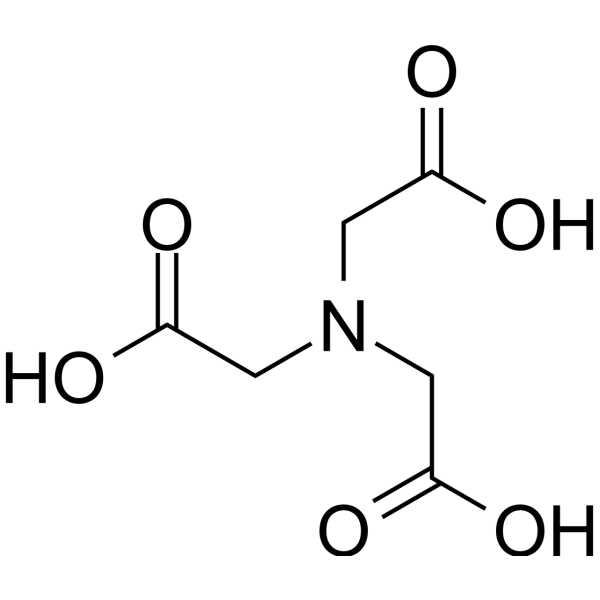
Nitrilotriacetic acid is an orally active chelating agent for metal ions. Nitrilotriacetic acid is an aminotricarboxylic acid that can sequester metal ions as water soluble complexes. Nitrilotriacetic acid reacts with strong oxidizing agents such as hypochlorite, chlorine, ozone, or oxygen in the presence of palladium/carbon catalyst. Nitrilotriacetic acid interacts with solid phases such as cell membranes and bone matrices in the mammalian system. Nitrilotriacetic acid is classified as an epigenetic rodent carcinogen .
|
-
-
- HY-W110793
-
|
Diphenylthiocarbazone
|
Biochemical Assay Reagents
|
Metabolic Disease
|
|
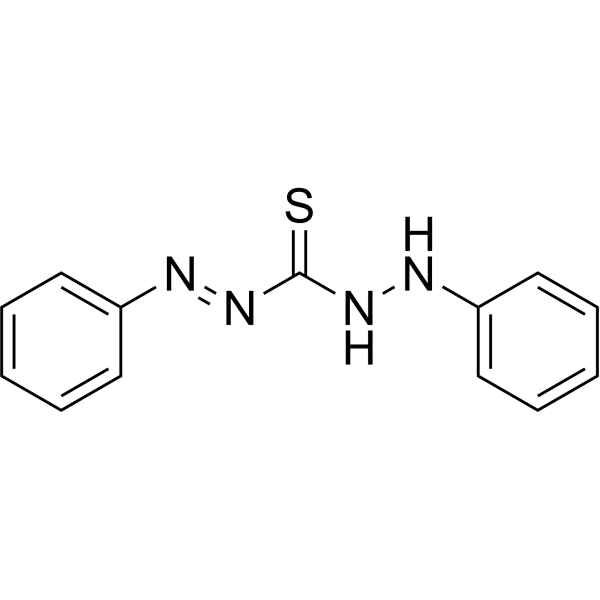
Dithizone can be toxic to pancreatic islet cells and cause experimental diabetes. Dithizone can be used for in vitro in vivo staining of transplanted islets and cytoplasmic granules of bone marrow cells. Dithizone can be used as a chelating agent and colorimetric indicator for the detection and extraction of various heavy metals, including lead and mercury, in analytical and biochemical applications. Dithizone forms stable colored complexes with metal ions and can be quantitatively analyzed by methods such as spectrophotometry .
|
-
-
- HY-W088011B
-
-

-
- HY-W102590
-
|
|
Biochemical Assay Reagents
|
Others
|
|
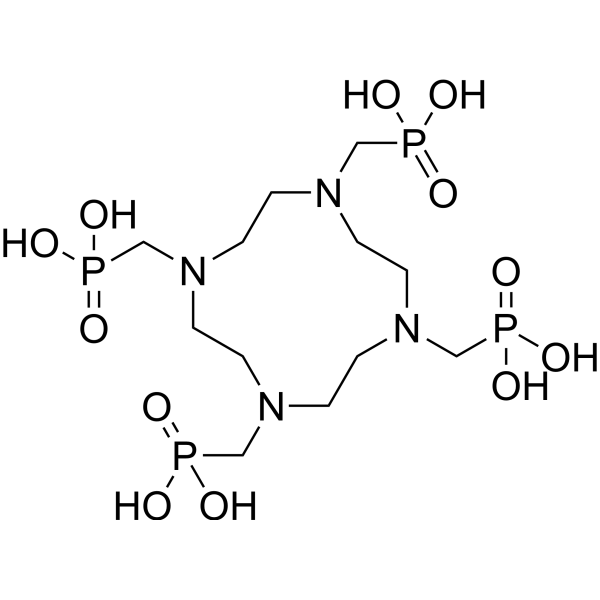
DOTMP is a bifunctional chelator. Bifunctional chelating agents are used to stably link the radiometal to the carrier moiety of the radiopharmaceutical .
|
-
-
- HY-W094516
-
|
Wormwood acid disodium hexahydrate
|
Endogenous Metabolite
|
Neurological Disease
Inflammation/Immunology
|
|
Disodium succinate hexahydrate (Wormwood acid disodium hexahydrate) is an anti-anxiety agent with oral activity. Disodium succinate hexahydrate is an intermediate product of the tricarboxylic acid cycle. Disodium succinate hexahydrate is an important platform chemical. Disodium succinate hexahydrate can be used as surfactant, additive, ion chelating agent, flavoring agent and other applications in chemical, pharmaceutical and food fields .
|
-

-
- HY-N0420R
-
|
Wormwood acid (Standard)
|
Reference Standards
Endogenous Metabolite
|
Neurological Disease
|
|
Succinic acid (Standard) is the analytical standard of Succinic acid. This product is intended for research and analytical applications. Succinic acid is an anti-anxiety agent with oral activity. Disodium succinate is the salt form of Succinic acid. Succinic acid is an intermediate product of the tricarboxylic acid cycle. Succinic acid is an important platform chemical. Succinic acid can be used as surfactant, additive, ion chelating agent, flavoring agent and other applications in chemical, pharmaceutical and food fields .
|
-

-
- HY-W013718
-
|
|
Biochemical Assay Reagents
|
Others
|
|
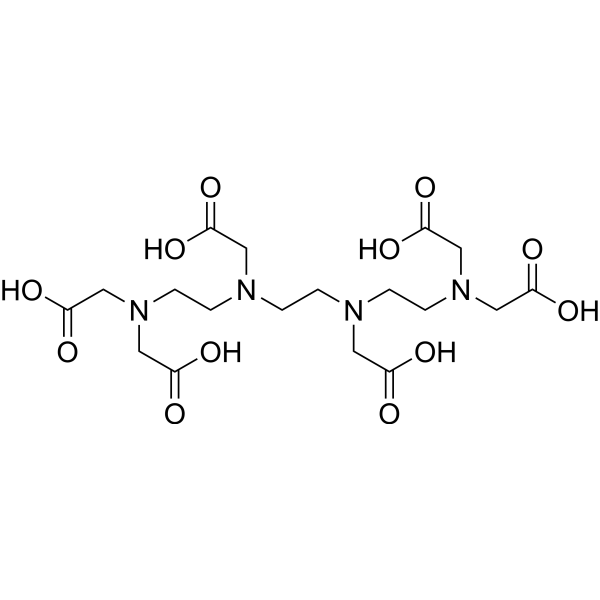
TTHA is an aminopolycarboxylic acid chelating agent with preferential affinity for lighter (lower atomic number) rare earth element (REE) ions. TTHA binds to REE ions through chelation as the primary coordination mechanism .
|
-
-
- HY-W018746R
-
|
Ethylenediaminetetraacetic acid disodium (Standard)
|
Biochemical Assay Reagents
Reference Standards
|
Others
|
|
EDTA (disodium) (Standard) is the analytical standard of EDTA (disodium). This product is intended for research and analytical applications. EDTA disodium salt, also known as ethylenediaminetetraacetic acid disodium, belongs to the chelating agent category, which is formed by chelating a central metal ion with four carboxylate groups and two amine groups. This compound, with its ability to bind and chelate metal ions such as calcium, magnesium and iron, is commonly used in a variety of applications, including industrial, medical and research settings. It is used as a preservative in food and beverage, as a stabilizer in medicine, as a chelating agent in water treatment, and as a reagent in biochemical and biomedical research. In addition, EDTA disodium salt has been studied for potential research effects such as improving heavy metal poisoning and cardiovascular disease.
|
-

-
- HY-W010488
-
|
|
Biochemical Assay Reagents
|
Others
|
|
Dithiooxamide (Rubeanic Acid) is a selective chelating agent and sulfur-containing analog of Oxamide. Dithiooxamide forms stable chelates with various metal ions (such as lead, iron, cadmium, manganese, and aluminum), which can be separated, enriched, and detected by adsorption on solid adsorbents or electrode surfaces .
|
-

-
- HY-P10369
-
-

-
- HY-W031536
-
|
2-Oxoimidazolidine, 96%
|
Biochemical Assay Reagents
|
Others
|
|
2-Imidazolidone, 96% is a chelating agent that forms complexes with metal ions, enabling its use in catalytic processes.
|
-

-
- HY-W012037
-
|
8-Quinolinol hemisulfate
|
Environmental Pollutants
Antibiotic
Bacterial
|
Infection
|
|
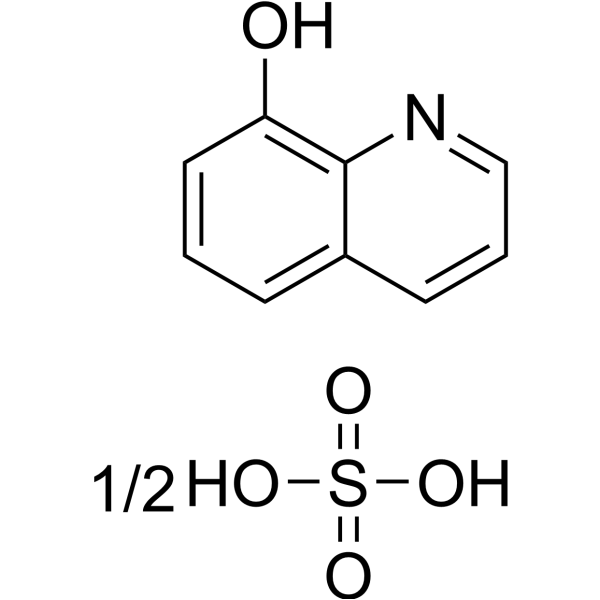
8-Hydroxyquinoline hemisulfate (8-Quinolinol hemisulfate) is a monoprotic bidentate chelating agent, exhibits antiseptic, disinfectant, and pesticide properties, functioning as a transcription inhibitor.
|
-
-
- HY-W099337
-
|
|
Biochemical Assay Reagents
|
|
|
N-Ethyl-D-glucamine is a glucose derivative with biological activity as a buffer and chelating agent. Therefore, it is widely used in biochemical research to regulate pH and bind metal ions.
|
-

-
- HY-165576
-
|
HOPO 14-1
|
Biochemical Assay Reagents
|
Others
|
|
3,4,3-LI(1,2-HOPO) (HOPO 14-1) is a metal chelating agent. 3,4,3-LI(1,2-HOPO) exhibits extremely high affinity for lanthanide metal ions .
|
-

-
- HY-W008585
-
-
-
- HY-W004650A
-
-

-
- HY-Y0569H
-
|
|
Biochemical Assay Reagents
|
Others
|
|
Magnesium D-gluconate hydrate, 98% is a strong chelating agent that chelates calcium, iron, aluminum, copper, and other heavy metal anions.
|
-

-
- HY-W133934A
-
|
|
Biochemical Assay Reagents
|
Others
|
|
EDTA magnesium disodium, 99% is a chelating agent with the ability to effectively bind metal ions (including calcium, magnesium, and iron) and remove them from solution.
|
-

- HY-W030778S
-
|
|
Isotope-Labeled Compounds
|
Others
|
|
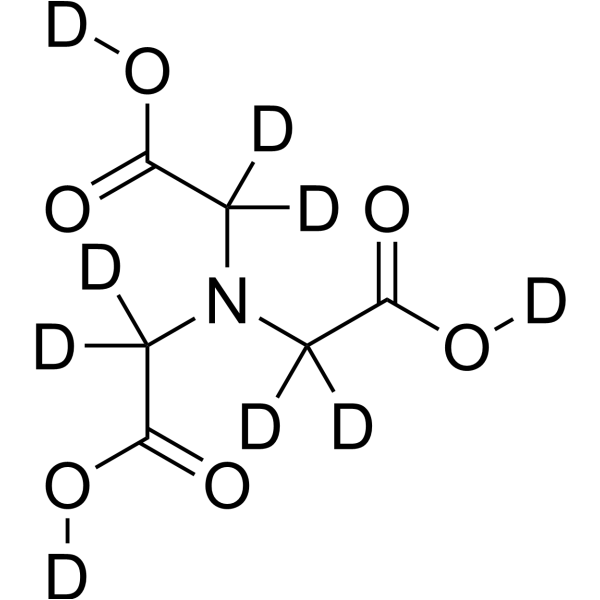
Nitrilotriacetic acid-d9 is the deuterium labeled Nitrilotriacetic acid . Nitrilotriacetic acid is an aminotricarboxylic acid. Nitrilotriacetic acid can be used as a chelating agent, forming coordination compounds with metal ions .
|
-
- HY-136952
-
|
|
Biochemical Assay Reagents
|
Others
|
|
p-SCN-Bn-HOPO is a bifunctional chelating agent. p-SCN-Bn-HOPO is used to bind to the radioactive isotope zirconium-89 (^89Zr) for use in ImmunoPET .
|
-

- HY-W012037R
-
|
8-Quinolinol hemisulfate (Standard)
|
Reference Standards
Bacterial
Antibiotic
|
Infection
|
|
8-Hydroxyquinoline (hemisulfate) (Standard) is the analytical standard of 8-Hydroxyquinoline (hemisulfate). This product is intended for research and analytical applications. 8-Hydroxyquinoline hemisulfate (8-Quinolinol hemisulfate) is a monoprotic bidentate chelating agent, exhibits antiseptic, disinfectant, and pesticide properties, functioning as a transcription inhibitor.
|
-

- HY-W115718R
-
|
|
Reference Standards
Dopamine β-hydroxylase
|
Neurological Disease
|
|
Cuprizone is a copper chelating agent that forms a deep blue copper ketone complex with copper (II). The copper ketone reaction can be used in colorimetric tests for the presence of trace copper. Cuprizone can be used to induce some schizophrenia-like behavior in mice. Cuprizone acts on copper enzymes, including SOD1, cytochrome oxidase, and DβH, thereby causing oxidative stress and increasing DA levels in certain brain regions such as the medial prefrontal cortex (PFC) .
|
-

- HY-148646
-
-
- HY-Y1175A
-
|
|
Biochemical Assay Reagents
|
Others
|
|
Calcium acetate monohydrate, ACS, 99% is a monohydrate form of calcium acetate used to precipitate oxalates in solution; it also serves as a stabilizer, buffer, and chelating agent.
|
-

- HY-N0151
-
-
- HY-W673626
-
|
Etidronate monohydrate; HEDPA monohydrate; HEDP monohydrate
|
Biochemical Assay Reagents
|
Others
|
|
Etidronic acid,60% in water (Etidronate) monohydrate is a strong complexing agent that can be used as a chelating agent to remove heavy metals from water .
|
-

- HY-B0300S
-
-
- HY-D0330
-
|
Sunchromine blue black R
|
Biochemical Assay Reagents
|
Others
|
|
Mordant black 17 (Sunchromine blue black R) is a versatile chelating agent, demonstrating significant adsorptive properties through its interaction with metal ions, enhancing the efficiency of polymeric materials in various applications.
|
-

- HY-N0621R
-
|
|
Reference Standards
Others
|
Cancer
|
|
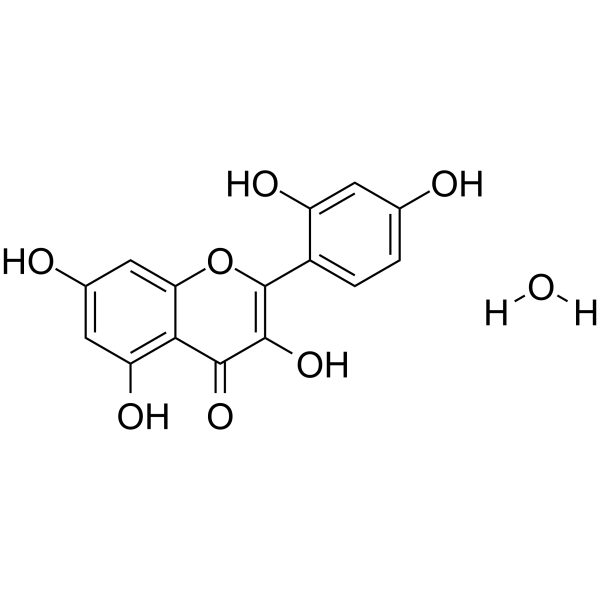
Morin (Standard) is the analytical standard of Morin. This product is intended for research and analytical applications. Morin, a plant-derived flavonoid, possesses low antioxidant activity. Morin is a fluorescing chelating agent used in aluminum speciation .
|
-

- HY-W048718
-
|
Fmoc-D-α-t-butylglycine
|
Amino Acid Derivatives
|
Others
|
|
Fmoc-D-Tle-OH (Fmoc-D-α-t-butylglycine) is an amino acid derivative with an Fmoc protecting group, which can be used to synthesize chelating agents that can form a single stereoisomer-enriched form after coordination with metal centers .
|
-

- HY-W127847
-
|
Triglycollamic acid trisodium salt
|
Environmental Pollutants
Biochemical Assay Reagents
|
Others
|
|
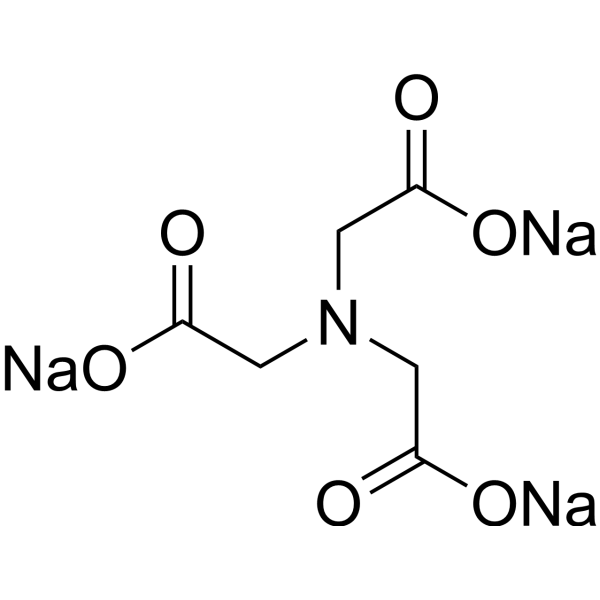
Nitrilotriacetic acid (Triglycollamic acid) trisodium salt is a chelating agent commonly used in various industrial processes, especially in the production of detergents, cleaners and metal plating solutions. Nitrilotriacetic acid trisodium salt has unique chemical properties that bind to metal ions, preventing them from reacting or precipitating out of solution.
|
-
- HY-P10012
-
|
GYK-DTPA
|
Biochemical Assay Reagents
Radionuclide-Drug Conjugates (RDCs)
|
Cancer
|
|
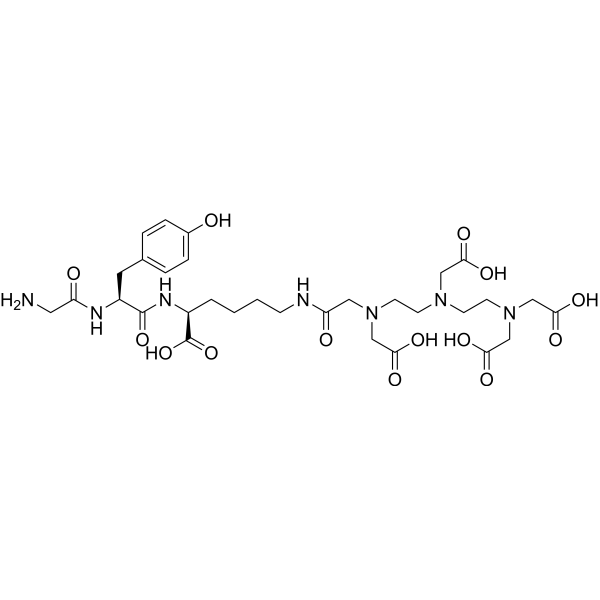
Pendetide is a chelating agent, can be conjugated with Indium (111In) Capromab for further diagnostic use. Capromab pendetide is a FDA-approved imaging agent for the detection of soft tissue metastases in prostate carcinoma . Pendetide can be used for the synthesis/research of Radionuclide-Drug Conjugates (RDCs).
|
-
- HY-121858
-
|
|
Angiotensin-converting Enzyme (ACE)
|
Metabolic Disease
|
|
Nicotianamine can be isolated from the leaves of Nicotiana Tabacum L.. Nicotianamine is a key biosynthetic precursor of phytosiderophores. Nicotianamine is an iron chelating agent and can promote the transport of iron. Nicotianamine is an angiotensin-converting enzyme (ACE) inhibitor with IC50 values of 76 nM and 59 nM for rhACE2 and rhACE, respectively. Nicotianamine is vital in metal nutrition and metal homeostasis of flowering plants .
|
-

- HY-W127819
-
-
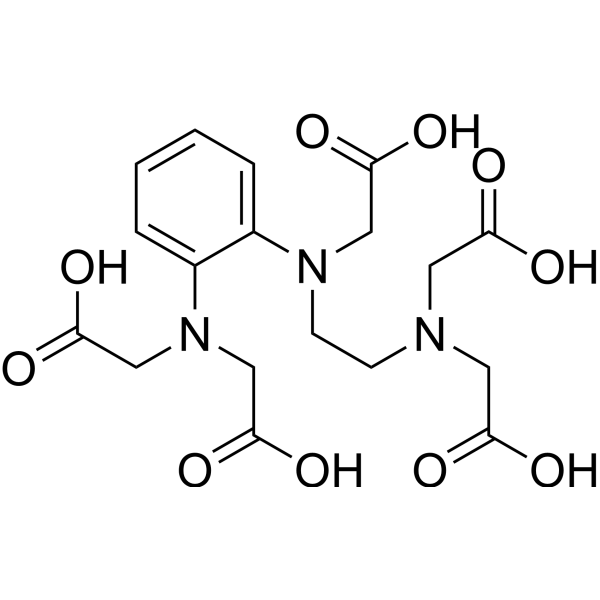
- HY-100332
-
-
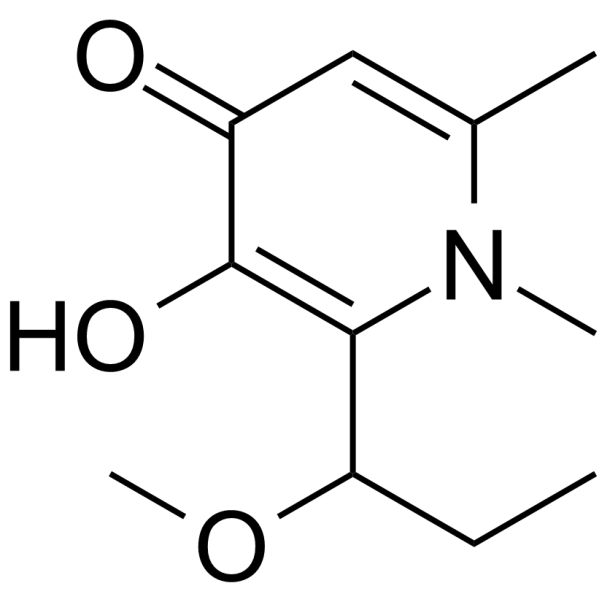
- HY-W691498
-
-

- HY-W402032
-
|
|
Biochemical Assay Reagents
|
Others
|
|
Bis-Cbz-cyclen is a bifunctional chelator. Bifunctional chelating agents are used to stably link the radiometal to the carrier moiety of the radiopharmaceutical .
|
-
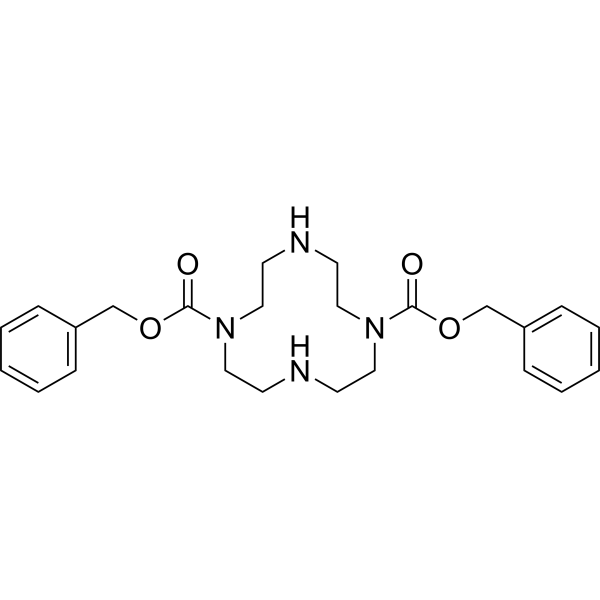
- HY-W002144
-
|
|
Drug Intermediate
|
Others
|
|
8-Quinolinesulfonic acid is an organic compound that can be used as chelating agents. 8-Quinolinesulfonic acid is also employed in the synthesis of pharmaceuticals and agrochemicals .
|
-

- HY-B1768R
-
|
Dimercaptosuccinic acid (Standard); DMSA (Standard)
|
Biochemical Assay Reagents
Reference Standards
|
Others
Cancer
|
|
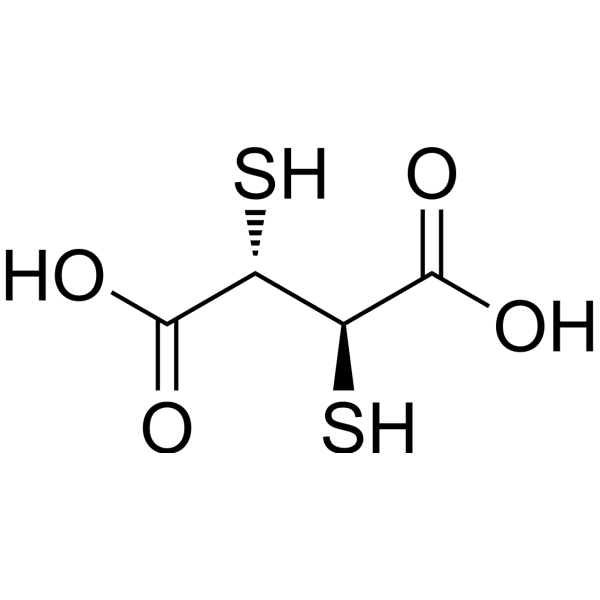
Succimer (Standard) is the analytical standard of Succimer. This product is intended for research and analytical applications. Succimer is a widely used chelating agent for the treatment of Pb poisoning.
|
-

- HY-W140537
-
|
|
Biochemical Assay Reagents
|
Others
|
|
EDTA diammonium salt hydrate, 97% is a derivative of ethylenediaminetetraacetic acid (EDTA), commonly used as a chelating agent in various applications due to its ability to bind with various metal ions and form stable complexes.
|
-

- HY-126565
-
|
|
Biochemical Assay Reagents
|
Others
|
|
Licam-C is a promising radiological decontaminant agent. Acting as a chelating agent, LICAM-C forms stable complexes with radioactive elements such as Plutonium (Pu) and Americium (Am). Licam-C is employed in research addressing the remediation of radioactive nucleotide contamination .
|
-

- HY-W745771
-
|
|
Isotope-Labeled Compounds
Biochemical Assay Reagents
|
Metabolic Disease
|
|
D-Penicillamine-d6 is the deuterium labeled L-Penicillamine (HY-116073). L-Penicillamine is a mechanism-based inhibitor of serine palmitoyltransferase by forming a pyridoxal-5 '-phosphate-thiazolidine adduct. L-Penicillamine is a metal chelating agent of intermediate strength .
|
-

- HY-145482R
-
|
|
Drug Metabolite
Reference Standards
|
Neurological Disease
|
|
8-Hydroxyquinoline (hemisulfate) (Standard) is the analytical standard of 8-Hydroxyquinoline (hemisulfate). This product is intended for research and analytical applications. 8-Hydroxyquinoline hemisulfate (8-Quinolinol hemisulfate) is a monoprotic bidentate chelating agent, exhibits antiseptic, disinfectant, and pesticide properties, functioning as a transcription inhibitor.
|
-

- HY-114377R
-
|
|
Others
|
Cancer
|
|
p-SCN-Bn-DOTA (Standard) is the analytical standard of p-SCN-Bn-DOTA. This product is intended for research and analytical applications. p-SCN-Bn-DOTA is a bifunctional chelating agent. p-SCN-Bn-DOTA can simultaneously chelate radionuclides and link monoclonal antibody for radioimmunoresearch of tumor .
|
-

- HY-113863
-
|
HOE 351
|
Fungal
|
Infection
|
|
Rilopirox (HOE 351) is a hydroxy-pyridone compound with antimycotic properties. Rilopirox, a chelating agent, can inhibit catalase. Rilopirox inhibits the respiratory chain. Rilopirox inhibits growth of yeast isolates with a MIC50 of 4 μg/mL. Rilopirox has the potential for vaginal candidosis and oropharyngeal Candida infections research .
|
-

- HY-W008951A
-
|
EDTMP sodium
|
Radionuclide-Drug Conjugates (RDCs)
|
Neurological Disease
Cancer
|
|
Ethylenediaminetetramethylenephosphonic acid (EDTMP) sodium is a bone-targeted chelating agent. Ethylenediaminetetramethylenephosphonic acid sodium‘s phosphonic acid groups possess a unique ability to bind with high affinity to hydroxyapatite in bone, and can form radioactive compounds with 153Sm and 177Lu. Ethylenediaminetetramethylenephosphonic acid sodium is used to study palliative therapy for pain associated with multiple bone metastatic cancers .
|
-

- HY-W034576
-
|
Hexaaza-18-crown-6 hexahydrochloride; 1,4,7,10,13,16-Hexaazacyclooctadecane hexahydrochloride
|
Biochemical Assay Reagents
|
Cancer
|
|
Hexacyclen (Cycloalkene) is an organic compound with a unique macrocyclic structure composed of six nitrogen-containing rings. Hexacyclen is commonly used as a chelating agent in chemistry and biochemistry due to its ability to bind metal ions, and is often used to selectively bind metal ions in proteins or enzymes to study their structure and function. Hexacyclen also acts as an inhibitor of cancer .
|
-
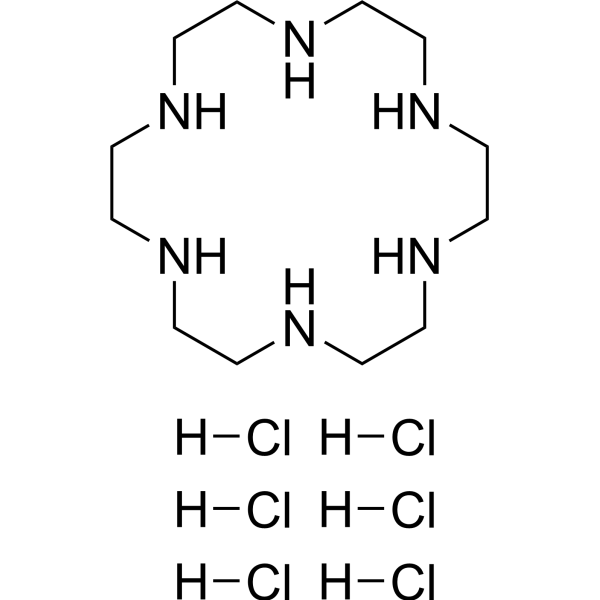
- HY-W102714R
-
|
CDTA (Standard)
|
Biochemical Assay Reagents
Reference Standards
|
Neurological Disease
|
|
1,2-Cyclohexylenedinitrilotetraacetic acid (Standard) is the analytical standard of 1,2-Cyclohexylenedinitrilotetraacetic acid (HY-W102714). This product is intended for research and analytical applications. 1,2-Cyclohexylenedinitrilotetraacetic acid (CDTA) is a chelating agent. 1,2-Cyclohexylenedinitrilotetraacetic acid has an ability to remove manganese from brain and liver (in vivo) and their sub-cellular fractions (in vitro), of rats pretreated with manganese sulphate .
|
-

- HY-W127801
-
|
EDTA trisodium hydrate
|
Biochemical Assay Reagents
|
Others
|
|
Ethylenediaminetetraacetic acid (trisodium hydrate) is a class of organic compounds containing carboxylic acid functional groups. It is commonly used as a chelating agent in various industrial and medical applications, especially in the food and pharmaceutical industries. Ethylenediaminetetraacetic acid (trisodium hydrate) has strong metal ion binding properties and can be used to chelate trace metals that may affect product quality or stability. In addition, it is used as an anticoagulant in blood collection tubes and as a stabilizer in some cosmetic and personal care products.
|
-
- HY-B0302AR
-
|
Etidronate disodium (Standard); HEDPA disodium (Standard); HEDP disodium (Standard)
|
Reference Standards
Apoptosis
|
Metabolic Disease
Cancer
|
|
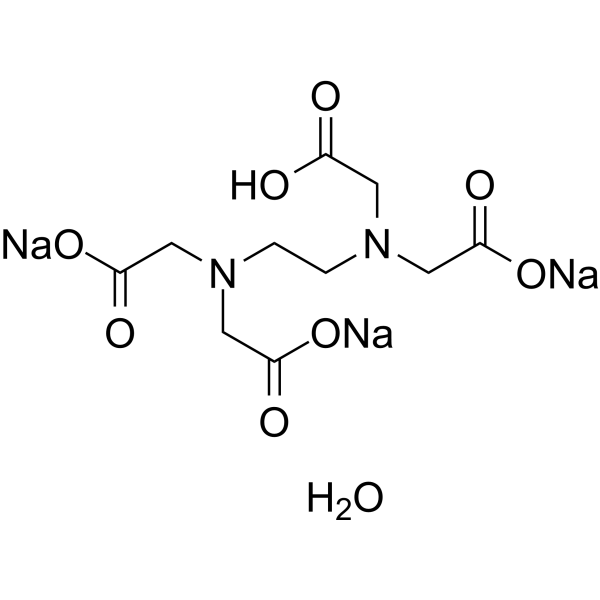
Etidronic acid (disodium) (Standard) is the analytical standard of Etidronic acid (disodium). This product is intended for research and analytical applications. Etidronic acid (Etidronate) disodium is an orally and intravenously active bisphosphonate. Etidronic acid disodium inhibits resorption of bone, reduces arterial calcification and can be used for osteoporosis research. Etidronic acid disodium has anticancer activity. Etidronic acid disodium is a chelating agent and can be used to remove heavy metal in water .
|
-

- HY-W127789
-
|
EDTA diammonium
|
Biochemical Assay Reagents
|
Others
|
|
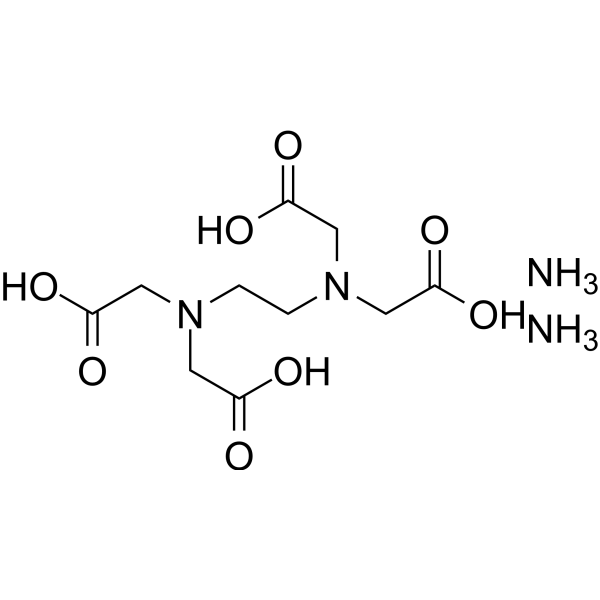
Ethylenediaminetetraacetic acid diammonium is a class of organic compounds containing both ammonium and carboxylic acid functional groups. It is commonly used as a chelating agent in various industrial and medical applications, especially in the food and pharmaceutical industries. Ethylenediaminetetraacetic acid diammonium has strong metal ion binding properties and can be used to chelate trace metals that may affect product quality or stability. In addition, it is used as an anticoagulant in blood collection tubes and as a clarifying agent in cosmetic and personal care products.
|
-
- HY-B0581R
-
|
ICRF-187 (Standard); ADR-529 (Standard); NSC-169780 (Standard)
|
Ferroptosis
Apoptosis
Reference Standards
|
Cardiovascular Disease
Neurological Disease
Inflammation/Immunology
Cancer
|
|
Dexrazoxane (Standard) is the analytical standard of Dexrazoxane. This product is intended for research and analytical applications. Dexrazoxane, as an intracellular iron chelating agent, reduces the formation of superoxide radicals and has cardioprotective, anti-inflammatory, antioxidant, anti-tumor and neuroprotective activities. Dexrazoxane inhibits ferroptosis of H9c2 cells by inhibiting HMGB1. Dexrazoxane induces DNA damage and apoptosis in human fibrosarcoma cells .
|
-

- HY-B0302R
-
|
Etidronate (Standard); HEDPA (Standard); HEDP (Standard)
|
Apoptosis
Reference Standards
|
Metabolic Disease
Cancer
|
|
Etidronic acid,60% in water (Standard) is the analytical standard of Etidronic acid,60% in water. This product is intended for research and analytical applications. Etidronic acid (Etidronate) is an orally and intravenously active bisphosphonate. Etidronic acid inhibits resorption of bone, reduces arterial calcification and can be used for osteoporosis research. Etidronic acid has anticancer activity. Etidronic acid is a chelating agent and can be used to remove heavy metal in water .
|
-

- HY-D0190R
-
|
HTTA (Standard); TTA (Standard); TTFA (Standard)
|
Mitochondrial Metabolism
Reference Standards
|
Infection
Others
Cancer
|
|
2-Thenoyltrifluoroacetone (Standard) is the analytical standard of 2-Thenoyltrifluoroacetone. This product is intended for research and analytical applications. 2-Theoyltrifluoroacetone is a chelating agent and mitochondrial electron transfer chain inhibitor, with a IC50 value of 51.5 μM. 2-Thermoyltrifluoroacetone can chelate with various metal ions and has cytotoxicity and anti-tumor activity, which is expected to play an important role in the treatment of mitochondrial dysfunction related diseases .
|
-

- HY-W034566A
-
|
Hexaaza-18-crown-6 trisulfate; 1,4,7,10,13,16-Hexaazacyclooctadecane trisulfate
|
Biochemical Assay Reagents
|
Others
|
|
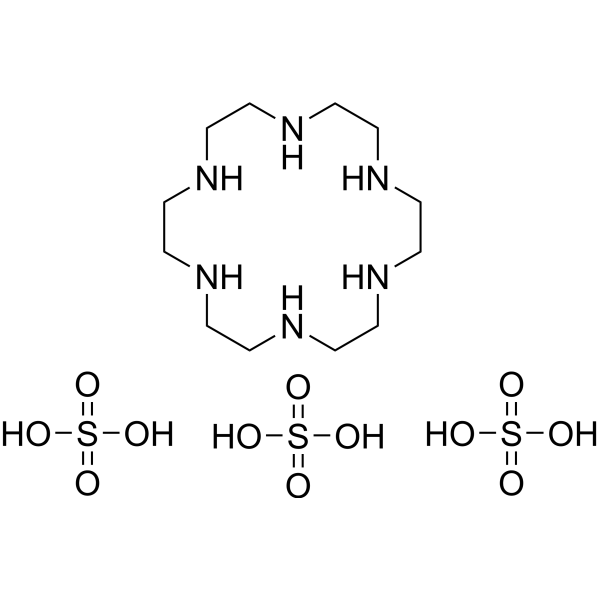
Hexacyclen, also known as cycloalkene, is an organic compound with a unique macrocyclic structure composed of six nitrogen-containing rings. It is commonly used as a chelating agent in chemistry and biochemistry due to its ability to bind metal ions. Inhibitors of certain diseases such as cancer. In biochemistry, Hexacyclen is often used to selectively bind metal ions in proteins or enzymes to study their structure and function. Due to its large size and complex structure, Hexacyclen is not widely used in daily products or applications.
|
-
- HY-W017457R
-
|
(±)-Penicillamine (Standard)
|
Biochemical Assay Reagents
Reference Standards
|
Others
|
|
DL-Penicillamine (Standard) is the analytical standard of DL-Penicillamine. This product is intended for research and analytical applications. DL-Penicillamine [(±)-Penicillamine] is a copper chelating agent. DL-Penicillamine has antidotal effects in thallotoxicosis rats when co-treated with Prussian blue (HY-106594A). DL-Penicillamine can cause pyridoxine deficiency and then induce optic axial neuritis. DL-Penicillamine can also depress primary immune response .
|
-

- HY-W030778R
-
|
Triglycollamic acid (Standard)
|
Biochemical Assay Reagents
Reference Standards
|
Others
|
|
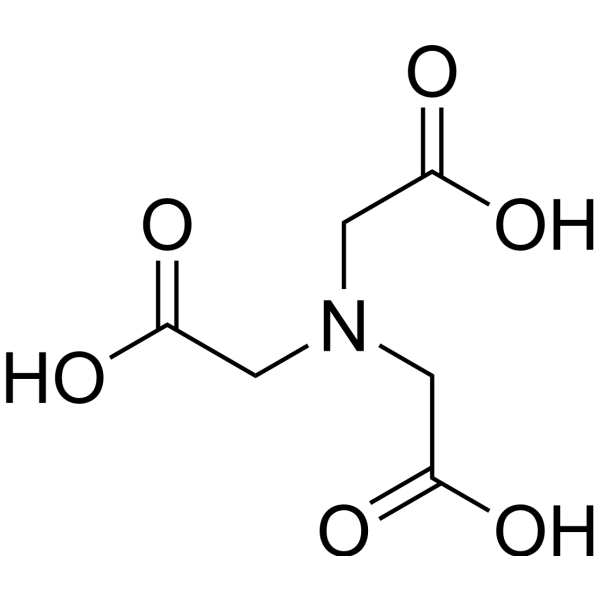
Nitrilotriacetic acid (Standard) is the analytical standard of Nitrilotriacetic acid. This product is intended for research and analytical applications. Nitrilotriacetic acid is an orally active chelating agent for metal ions. Nitrilotriacetic acid is an aminotricarboxylic acid that can sequester metal ions as water soluble complexes. Nitrilotriacetic acid reacts with strong oxidizing agents such as hypochlorite, chlorine, ozone, or oxygen in the presence of palladium/carbon catalyst. Nitrilotriacetic acid interacts with solid phases such as cell membranes and bone matrices in the mammalian system. Nitrilotriacetic acid is classified as an epigenetic rodent carcinogen .
|
-
- HY-W704772
-
-

- HY-156939
-
|
|
Biochemical Assay Reagents
|
Cancer
|
|
ZnDTPA is an orally effective chelating agent, which belongs to the class of amino carboxylic acid chelating agents and is mainly used to form stable complexes with metal ions. DTPA (diethylenetriaminepentaacetic acid) itself is a polydentate ligand that can form stable cyclic or chain-like complexes with a variety of metal ions. ZnDTPA can be used to reduce the long-term toxicity of 239Pu to rats and reduce the incidence of osteosarcoma, breast cancer, etc. in rats .
|
-

- HY-167789
-
-

- HY-167987
-
-

- HY-167790
-
-

- HY-185401A
-
-

- HY-167791
-
-

- HY-167788
-
|
|
Drug Intermediate
|
Cancer
|
|
DOTA-PEG4-Osu is a conjugate of a chelating agent and a linker, which can be used for the synthesis of the radionuclide reagent 68Ga-DOTA-PEG4-(GGG-cKiE)2.
|
-

- HY-W031536R
-
|
2-Oxoimidazolidine, 96% (Standard)
|
Biochemical Assay Reagents
Reference Standards
|
Others
|
|
2-Imidazolidone, 96% (Standard) is the analytical standard of 2-Imidazolidone, 96%. This product is intended for research and analytical applications. 2-Imidazolidone, 96% is a chelating agent that forms complexes with metal ions, enabling its use in catalytic processes.
|
-

- HY-178221
-
|
|
Drug Intermediate
|
Cancer
|
|
(S)-P-SCN-BN-NOTA is a bifunctional chelating agent that can covalently link the radioactive nuclide ⁶⁴Cu with the ZPDGFRβ affibody, thereby constructing a molecular probe [⁶⁴Cu]Cu-NOTA-ZPDGFRβ for positron emission tomography .
|
-

- HY-W077690
-
|
|
Bacterial
|
Infection
|
|
3-(2-Hydroxyethyl)quinazoline-2,4(1H,3H)-dione is an metal chelating agent and anti-bacterial agent. 3-(2-Hydroxyethyl)quinazoline-2,4(1H,3H)-dione shows inhibitory activity against gram-positive and gram-negative bacterial strains .
|
-

- HY-W015410R
-
|
|
Reference Standards
Endogenous Metabolite
|
Inflammation/Immunology
|
|
Disodium succinate (Standard) is the analytical standard of Disodium succinate. This product is intended for research and analytical applications. Disodium succinate is an anti-anxiety agent with oral activity. Disodium succinate is the salt form of Succinic acid. Disodium succinate is an intermediate product of the tricarboxylic acid cycle. Disodium succinate is an important platform chemical. Disodium succinate can be used as surfactant, additive, ion chelating agent, flavoring agent and other applications in chemical, pharmaceutical and food fields .
|
-

- HY-W127774
-
|
Ethylenediaminetetraacetic acid hydrate sodium
|
Biochemical Assay Reagents
Bacterial
SOD
|
Cardiovascular Disease
Neurological Disease
Cancer
|
|
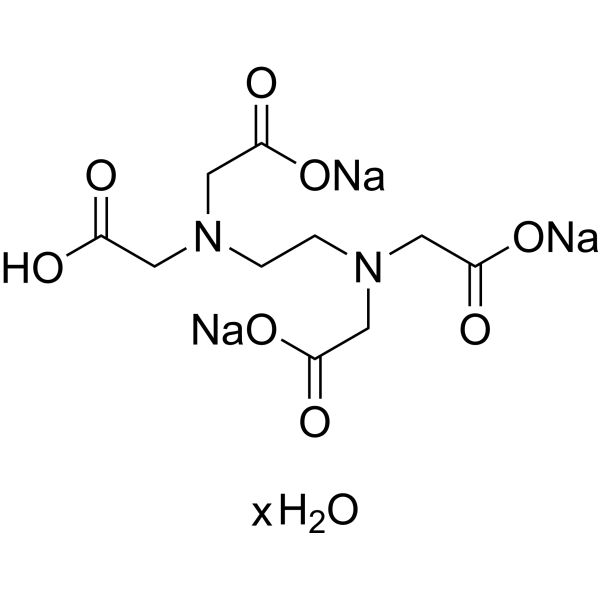
EDTA (Ethylenediaminetetraacetic acid) hydrate sodium is a kind of metal chelating agent (binds to bivalent and trivalent metal cations, including calcium). EDTA hydrate sodium has antibacterial, anti-inflammatory, antioxidant, anti-hypercalcemia and anticoagulant activities. EDTA hydrate sodium decreases the metal ion-catalyzed oxidative damage to proteins, and allows maintenance of reducing environment during protein purification. EDTA hydrate sodium can alleviate the liver fibrosis. Ethylenediaminetetraacetic acid can be used for coronary artery disease and neural system disease research .
|
-
- HY-W105700
-
|
EDTA sodium hydrate
|
Biochemical Assay Reagents
Bacterial
SOD
|
Cardiovascular Disease
Neurological Disease
Cancer
|
|
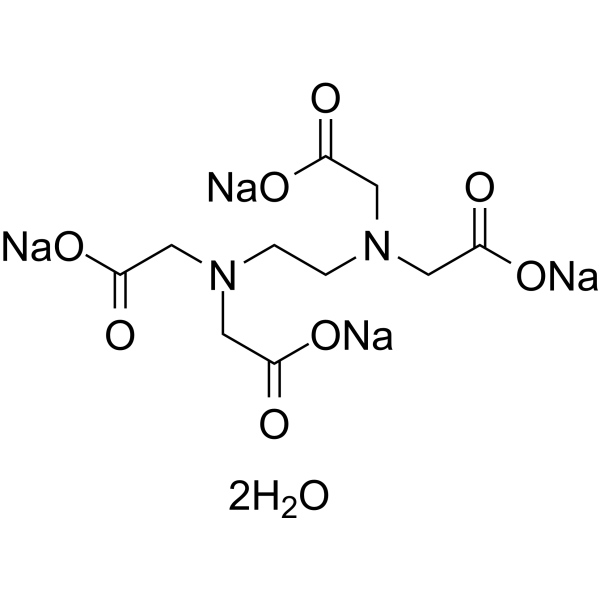
Ethylenediaminetetraacetic acid (EDTA) sodium hydrate is a kind of metal chelating agent (binds to bivalent and trivalent metal cations, including calcium). Ethylenediaminetetraacetic acid sodium hydrate has antibacterial, anti-inflammatory, antioxidant, anti-hypercalcemia and anticoagulant activities. Ethylenediaminetetraacetic acid sodium hydrate decreases the metal ion-catalyzed oxidative damage to proteins, and allows maintenance of reducing environment during protein purification. Ethylenediaminetetraacetic acid sodium hydrate can alleviate the liver fibrosis. Ethylenediaminetetraacetic acid sodium hydrate can be used for coronary artery disease and neural system disease research .
|
-
- HY-Y0682
-
|
EDTA
|
Environmental Pollutants
Biochemical Assay Reagents
Bacterial
SOD
|
Cardiovascular Disease
Neurological Disease
Cancer
|
|
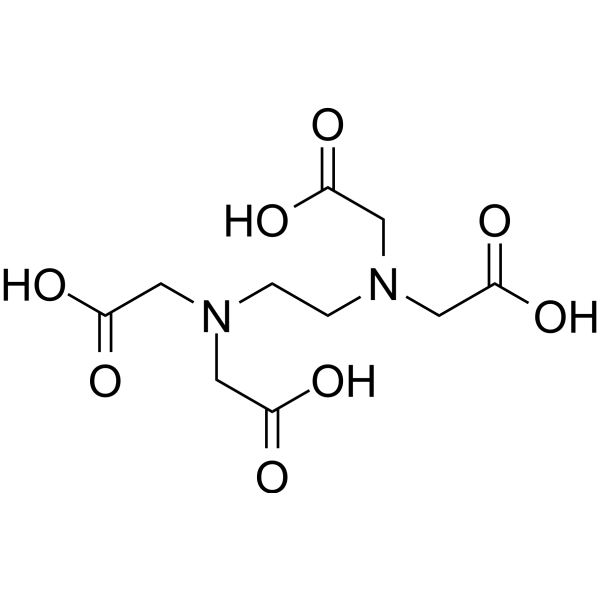
Ethylenediaminetetraacetic acid (EDTA) is a kind of metal chelating agent (binds to bivalent and trivalent metal cations, including calcium). Ethylenediaminetetraacetic acid has antibacterial, anti-inflammatory, antioxidant, anti-hypercalcemia and anticoagulant activities. Ethylenediaminetetraacetic acid decreases the metal ion-catalyzed oxidative damage to proteins, and allows maintenance of reducing environment during protein purification. Ethylenediaminetetraacetic acid can alleviate the liver fibrosis. Ethylenediaminetetraacetic acid can be used for coronary artery disease and neural system disease research .
|
-
- HY-B0568R
-
|
|
Reference Standards
Ferroptosis
HCV
Apoptosis
COX
|
Infection
Cardiovascular Disease
Neurological Disease
Inflammation/Immunology
Endocrinology
Cancer
|
|
Deferiprone (Standard) is the analytical standard of Deferiprone. This product is intended for research and analytical applications. Deferiprone is a potent, orally active, brain-penetrant, cell-penetrant, skin-permeable, free iron chelating agent. Deferiprone inhibits the proliferation and migration, and stimulates apoptosis in tumor cell. Deferiprone has antianemic, neuroprotective, anti-inflammatory, antioxidant, and antidotal activity. Deferiprone can be used in cancer, cardiovascular disease, infection, inflammation, and neurological disease study .
|
-

- HY-Y0682B
-
|
EDTA tetrasodium
|
Environmental Pollutants
Biochemical Assay Reagents
Bacterial
SOD
|
Cardiovascular Disease
Neurological Disease
Cancer
|
|
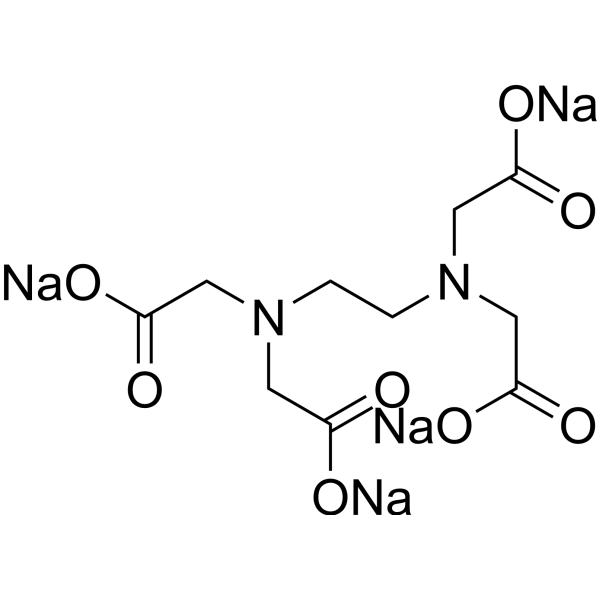
Ethylenediaminetetraacetic acid (EDTA) tetrasodium is a kind of metal chelating agent (binds to bivalent and trivalent metal cations, including calcium). Ethylenediaminetetraacetic acid tetrasodium has antibacterial, anti-inflammatory, antioxidant, anti-hypercalcemia and anticoagulant activities. Ethylenediaminetetraacetic acid tetrasodium decreases the metal ion-catalyzed oxidative damage to proteins, and allows maintenance of reducing environment during protein purification. Ethylenediaminetetraacetic acid tetrasodium can alleviate the liver fibrosis. Ethylenediaminetetraacetic acid tetrasodium can be used for coronary artery disease and neural system disease research .
|
-
- HY-B0568S
-
|
|
Isotope-Labeled Compounds
HCV
Ferroptosis
|
Cardiovascular Disease
Infection
Neurological Disease
Metabolic Disease
Inflammation/Immunology
Cancer
|
|
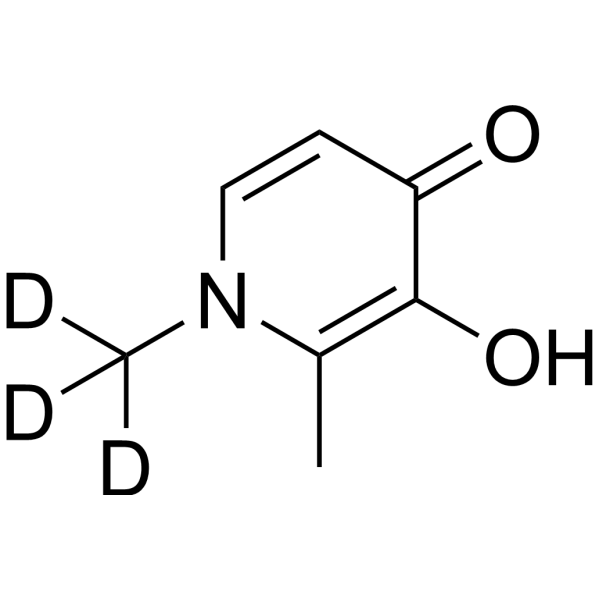
Deferiprone-d3 is the deuterium labeled Deferiprone (HY-B0568). Deferiprone is a potent, orally active, brain-penetrant, cell-penetrant, skin-permeable, free iron chelating agent. Deferiprone inhibits the proliferation and migration, and stimulates apoptosis in tumor cell. Deferiprone can inhibit KDM. Deferiprone has antianemic, neuroprotective, anti-inflammatory, antioxidant, and antidotal activity. Deferiprone can be used in cancer, cardiovascular disease, infection, inflammation, and neurological disease study .
|
-
- HY-B1009
-
|
EDTA trisodium salt; Trisodium EDTA
|
Environmental Pollutants
Bacterial
SOD
Ferroptosis
|
Cardiovascular Disease
Neurological Disease
Cancer
|
|
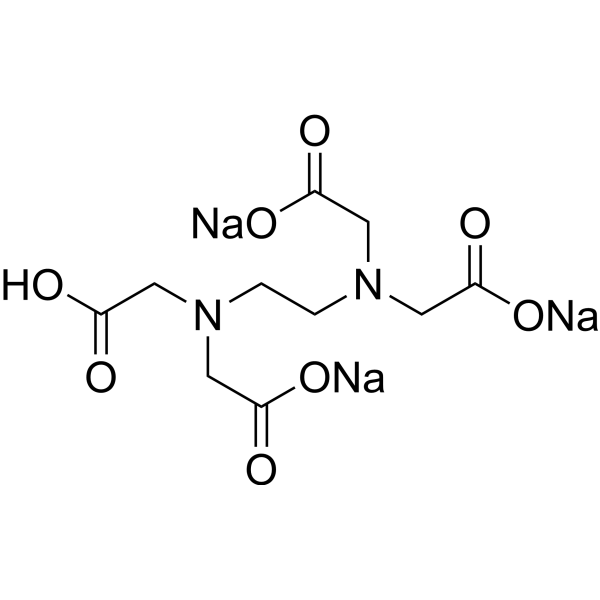
Ethylenediaminetetraacetic acid trisodium salt (EDTA trisodium salt; Trisodium EDTA) is a kind of metal chelating agent (binds to bivalent and trivalent metal cations, including calcium). Ethylenediaminetetraacetic acid trisodium salt has antibacterial, anti-inflammatory, antioxidant, anti-hypercalcemia and anticoagulant activities. Ethylenediaminetetraacetic acid trisodium salt decreases the metal ion-catalyzed oxidative damage to proteins, and allows maintenance of reducing environment during protein purification. Ethylenediaminetetraacetic acid trisodium salt can alleviate the liver fibrosis. Ethylenediaminetetraacetic acid can be used for coronary artery disease and neural system disease research .
|
-
- HY-158067
-
|
DFO-DBCO
|
Biochemical Assay Reagents
Radionuclide-Drug Conjugates (RDCs)
|
Cancer
|
|
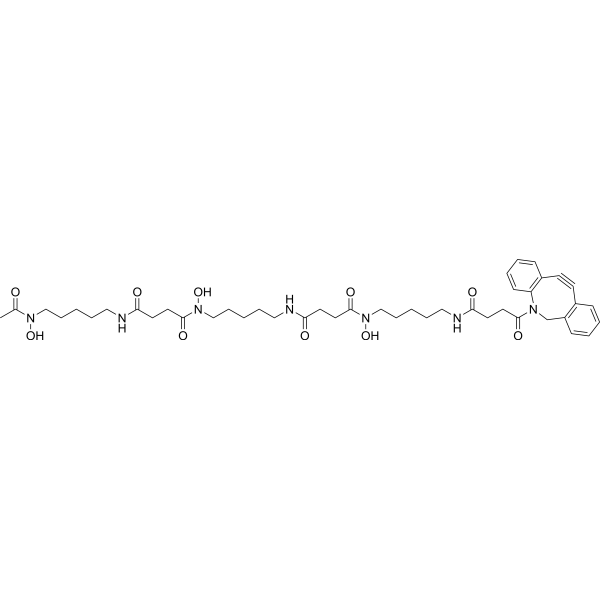
Deferoxamine-DBCO is a bifunctional chelating agent. Deferoxamine-DBCO efficiently chelates with radioactive metals (such as 89Zr) through the DFO structure to achieve radiolabeling. Deferoxamine-DBCO undergoes a metal-free Huisgen cycloaddition reaction with azide-containing biomolecules (such as siRNA, monoclonal antibodies) under bioorthogonal conditions through the DBCO structure to achieve targeted coupling. Deferoxamine-DBCO has efficient metal chelating ability and specific bioorthogonal reaction activity. Deferoxamine-DBCO can be used for targeted radioactive imaging studies of tumors .
|
-
- HY-158125
-
|
|
PSMA
|
Cancer
|
|
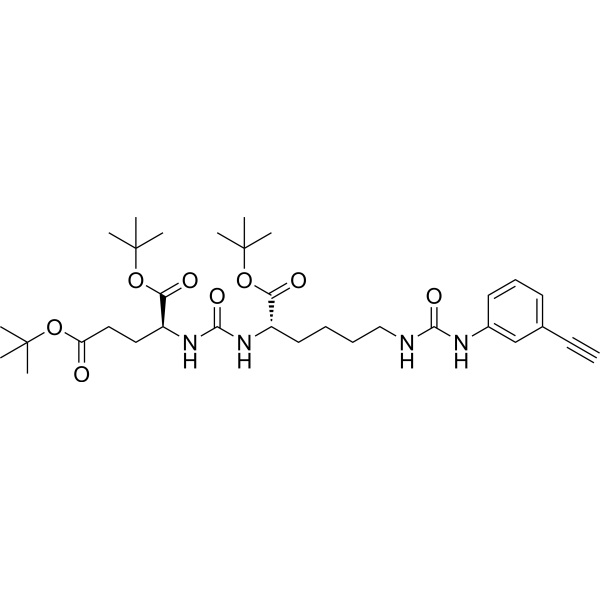
PSMA binder-2 is a ligand for PSMA and can be used to synthesize Ac-PSMA-trillium. Ac-PSMA-trillium is a suitable PSMA-targeting compound with improved PSMA binding properties and pharmacokinetic properties. PSMA ligands have different biological applications after being modified with different radioactive isotopes. If labeled with 111In, it can be used as DOTA chelating agent and imaging agent. Or labeled with 225Ac as a Macropa chelator for targeted radionuclide therapy (TRT) in the study of metastatic castration-resistant prostate cancer (mCRPC) .
|
-
- HY-W087028
-
|
|
Radionuclide-Drug Conjugates (RDCs)
Biochemical Assay Reagents
CXCR
|
Cancer
|
|
NOTA-NHS ester is a chelating agent. NOTA-NHS ester can be coupled with T140 (HY-P4810) to produce NOTA-T140. NOTA-T140 can be radiolabeled with Al[ 18F]. The uptake of Al[ 18F]NOTA-T140 in tumors is correlated with the expression level of CXCR4. Al[ 18F]NOTA-T140 can be used in tumor PET imaging studies. NOTA-NHS ester can be used for fluorescent labeling .
|
-

- HY-Y0682R
-
|
EDTA (Standard)
|
Biochemical Assay Reagents
Reference Standards
Bacterial
SOD
|
Cardiovascular Disease
Neurological Disease
Cancer
|
|
Ethylenediaminetetraacetic acid (Standard) is the analytical standard of Ethylenediaminetetraacetic acid. This product is intended for research and analytical applications. Ethylenediaminetetraacetic acid (EDTA) is a kind of metal chelating agent (binds to bivalent and trivalent metal cations, including calcium). Ethylenediaminetetraacetic acid has antibacterial, anti-inflammatory, antioxidant, anti-hypercalcemia and anticoagulant activities. Ethylenediaminetetraacetic acid decreases the metal ion-catalyzed oxidative damage to proteins, and allows maintenance of reducing environment during protein purification. Ethylenediaminetetraacetic acid can alleviate the liver fibrosis. Ethylenediaminetetraacetic acid can be used for coronary artery disease and neural system disease research [4] .
|
-

- HY-Y0682A
-
|
EDTA disodium dihydrate
|
Environmental Pollutants
Biochemical Assay Reagents
Bacterial
SOD
|
Cardiovascular Disease
Neurological Disease
Cancer
|
|
Ethylenediaminetetraacetic acid (EDTA) disodium dehydrate is a kind of metal chelating agent (binds to bivalent and trivalent metal cations, including calcium). Ethylenediaminetetraacetic acid disodium dehydrate has antibacterial, anti-inflammatory, antioxidant, anti-hypercalcemia and anticoagulant activities. Ethylenediaminetetraacetic acid disodium dehydrate decreases the metal ion-catalyzed oxidative damage to proteins, and allows maintenance of reducing environment during protein purification. Ethylenediaminetetraacetic acid disodium dehydrate can alleviate the liver fibrosis. Ethylenediaminetetraacetic acid disodium dehydrate can be used for coronary artery disease and neural system disease research .
|
-
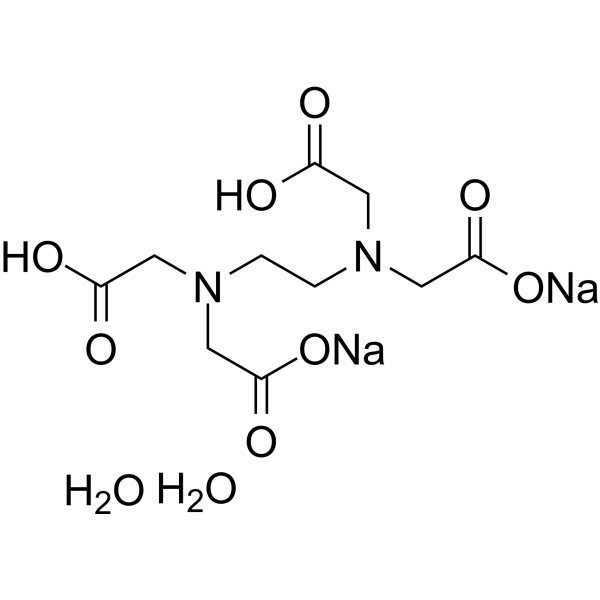
- HY-W053583R
-
|
DOTA (Standard)
|
Biochemical Assay Reagents
Reference Standards
Radionuclide-Drug Conjugates (RDCs)
|
Cancer
|
|
Tetraxetan (Standard) is the analytical standard of Tetraxetan (HY-W053583). This product is intended for research and analytical applications. Tetraxetan (DOTA) is a macrocyclic chelating agent. Tetraxetan can form stable coordination complexes with a variety of metal ions (e.g., 68Ga, 111In, 177Lu). Tetraxetan can be conjugated with targeting molecules (e.g., RGD peptide, folic acid) to enable the complex to target specific biomolecules or cells. Tetraxetan can be used for imaging studies of tumors, including melanoma and folate receptor-positive tumors (e.g., cervical cancer) .
|
-

- HY-W007656R
-
|
|
Reference Standards
|
Others
|
|
Cyclen (Standard) is the analytical standard substance of Cyclen. This product is used for research and analytical applications. Cyclen is a macrocyclic tetrathiolate chelating agent. Cyclen is a nitrogen-containing analogue of crown ethers and can be used as a precursor for MRI contrast agents, as well as an intermediate for preparing highly efficient macrocyclic chelates. As a structural regulator, Cyclen can be prepared into polyamide nanofiltration membranes with efficient Li +/Mg 2+ separation performance through the interfacial polymerization of polyethyleneimine (PEI) and meta-benzotriazole chloride (TMC). Cyclen has a unique cavity structure and exhibits selective coordination properties for Li + ions .
|
-

- HY-W009048
-
|
DCH18C6; Perhydrodibenzo-18-crown-6
|
Biochemical Assay Reagents
|
Others
|
|
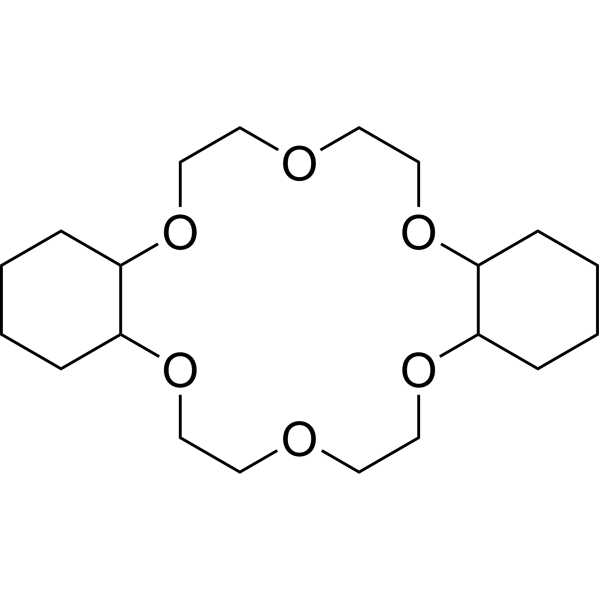
Dicyclohexano-18-crown-6-ether (DCH18C6) is an excellent strontium chelating agent. Dicyclohexano-18-crown-6-ether exhibits favorable extraction capacity and selectivity toward Sr (II). After chemical modification, Dicyclohexano-18-crown-6-ether is covalently bonded to an organosilicon matrix via co-condensation. DCH18C6-functionalized organosilicon materials are expected to be applied to the extraction and separation of strontium from radioactive waste liquid .
|
-
- HY-W011060R
-
|
4,7,13,16,21,24-Hexaoxa-1,10-diazabicyclo[8.8.8]hexacosane (Standard)
|
Biochemical Assay Reagents
Reference Standards
|
Others
|
|
Cryptand 2.2.2 (Standard) is the analytical standard of Cryptand 2.2.2 (HY-W011060). This product is intended for research and analytical applications. Cryptand 2.2.2 is a metal ion chelating agent that can selectively form complexes with metal ions. At room temperature, Cryptand 2.2.2 can serve as a host molecule, using the chelation effect to selectively bind desired ions (such as Zn 2+, Co 2+, Ni 2+, Cu 2+). Cryptand 2.2.2 can be used in the preparation of nanoparticles, transition metal compounds, and so on .
|
-

- HY-W087947
-
|
Ethylenediaminetetraacetic acid dihydrate tripotassium
|
Bacterial
SOD
|
Cardiovascular Disease
Neurological Disease
Cancer
|
|
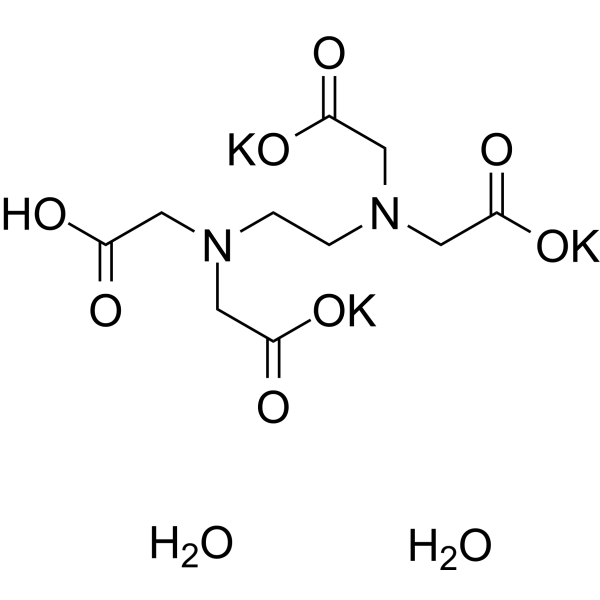
EDTA dihydrate tripotassium (Ethylenediaminetetraacetic acid dihydrate tripotassium) is a kind of metal chelating agent (binds to bivalent and trivalent metal cations, including calcium). EDTA dihydrate tripotassium has antibacterial, anti-inflammatory, antioxidant, anti-hypercalcemia and anticoagulant activities. EDTA dihydrate tripotassium decreases the metal ion-catalyzed oxidative damage to proteins, and allows maintenance of reducing environment during protein purification. EDTA dihydrate tripotassium can alleviate the liver fibrosis. EDTA dihydrate tripotassium can be used for coronary artery disease and neural system disease research .
|
-
- HY-W777365
-
|
EDTA-13C4
|
Isotope-Labeled Compounds
Bacterial
SOD
Biochemical Assay Reagents
|
Cardiovascular Disease
Neurological Disease
Cancer
|
|
Ethylenediaminetetraacetic acid- 13C4 (EDTA- 13C4) is the 13C-labeled Ethylenediaminetetraacetic acid (HY-Y0682). Ethylenediaminetetraacetic acid (EDTA) is a kind of metal chelating agent (binds to bivalent and trivalent metal cations, including calcium). Ethylenediaminetetraacetic acid has antibacterial, anti-inflammatory, antioxidant, anti-hypercalcemia and anticoagulant activities. Ethylenediaminetetraacetic acid decreases the metal ion-catalyzed oxidative damage to proteins, and allows maintenance of reducing environment during protein purification. Ethylenediaminetetraacetic acid can alleviate the liver fibrosis. Ethylenediaminetetraacetic acid can be used for coronary artery disease and neural system disease research .
|
-

- HY-B1009R
-
|
EDTA trisodium salt (Standard); Trisodium EDTA (Standard)
|
Ferroptosis
Bacterial
SOD
Reference Standards
|
Cardiovascular Disease
Neurological Disease
Cancer
|
|
Ethylenediaminetetraacetic acid (trisodium salt) (Standard) is the analytical standard of Ethylenediaminetetraacetic acid (trisodium salt). This product is intended for research and analytical applications. Ethylenediaminetetraacetic acid trisodium salt (EDTA trisodium salt; Trisodium EDTA) is a kind of metal chelating agent (binds to bivalent and trivalent metal cations, including calcium). Ethylenediaminetetraacetic acid trisodium salt has antibacterial, anti-inflammatory, antioxidant, anti-hypercalcemia and anticoagulant activities. Ethylenediaminetetraacetic acid trisodium salt decreases the metal ion-catalyzed oxidative damage to proteins, and allows maintenance of reducing environment during protein purification. Ethylenediaminetetraacetic acid trisodium salt can alleviate the liver fibrosis. Ethylenediaminetetraacetic acid can be used for coronary artery disease and neural system disease research .
|
-

- HY-W111692
-
|
|
Biochemical Assay Reagents
|
Others
|
|
Sodium polyphosphate, crystal,+200 mesh, 96% is an inorganic polyphosphate that also serves as a stabilizer, dispersant, chelating agent, and coacervate-forming agent. Sodium polyphosphate provides electrostatic stabilization for mineral and material suspensions, but its dispersing efficacy decreases under acidic pH, high temperature, high calcium concentration, or a combination of these conditions. Sodium polyphosphate can chelate alkaline earth metals, reduce solution pH, and alter the rate of pH decline at a divalent cation/phosphorus molar ratio of 0.18. Sodium polyphosphate forms coacervates with smaller divalent cations and precipitates with larger divalent cations, where the functional requirements of cations depend on polyphosphate concentration, average degree of polymerization, and cation type .
|
-

- HY-Y0682AR
-
|
EDTA disodium dihydrate (Standard)
|
Biochemical Assay Reagents
Reference Standards
Bacterial
SOD
|
Cardiovascular Disease
Neurological Disease
Cancer
|
|
Ethylenediaminetetraacetic acid (disodium dihydrate) (Standard) is the analytical standard of Ethylenediaminetetraacetic acid (disodium dihydrate). This product is intended for research and analytical applications. Ethylenediaminetetraacetic acid (EDTA) disodium dehydrate is a kind of metal chelating agent (binds to bivalent and trivalent metal cations, including calcium). Ethylenediaminetetraacetic acid disodium dehydrate has antibacterial, anti-inflammatory, antioxidant, anti-hypercalcemia and anticoagulant activities. Ethylenediaminetetraacetic acid disodium dehydrate decreases the metal ion-catalyzed oxidative damage to proteins, and allows maintenance of reducing environment during protein purification. Ethylenediaminetetraacetic acid disodium dehydrate can alleviate the liver fibrosis. Ethylenediaminetetraacetic acid disodium dehydrate can be used for coronary artery disease and neural system disease research [4] .
|
-

- HY-P10792
-
|
|
EGFR
|
Cancer
|
|
HER2-targeted peptide H6F is a HER2 targeting peptide that binds to HER2 to target breast cancer cells, with the amino acid sequence YLFFVFER. The HER2-targeted peptide H6F can be conjugated with the bifunctional chelating agent hydrazinonicotinamide (HYNIC) for radiolabeling with 99mTc. Single-photon emission computed tomography (SPECT) imaging shows that the labeled HER2-targeted peptide H6F specifically accumulates in HER2-positive MDA-MBA-453 tumor-bearing mice models. The HER2-targeted peptide H6F can be used for tumor molecular imaging studies .
|
-

- HY-W035903
-
|
2-Aminoethanol hydrochloride
|
Biochemical Assay Reagents
|
Others
|
|
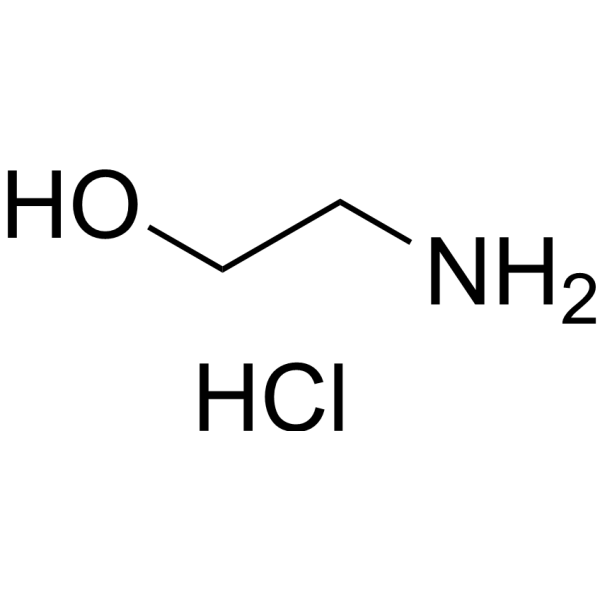
Ethanolamine hydrochloride, is an organic compound used in various industrial applications. It is a white or colorless solid that is soluble in water and has a faint odor. One of the major uses of Ethanolamine hydrochloride is in the production of detergents and surfactants. Used as a raw material in the manufacture of compounds such as ethylenediaminetetraacetic acid (EDTA) and diethanolamine, which are commonly used in household and industrial cleaning products. Ethanolamine hydrochloride is also used in the synthesis of pharmaceuticals, agrochemicals and rubber processing agents. It acts as a buffer in certain chemical reactions, helping to adjust pH and maintain stability. Ethanolamine hydrochloride can be used for gas purification and metal corrosion inhibitor. Its ability to react with acid gases such as carbon dioxide and sulfur dioxide makes it useful for removing impurities from natural gas and other industrial gases. Overall, Ethanolamine hydrochloride is a multifunctional compound with many potential industrial applications. Its ability to act as a buffer, chelating agent, and corrosion inhibitor makes it an important tool in a variety of industries.
|
-
- HY-P11485
-
|
|
Radionuclide-Drug Conjugates (RDCs)
Somatostatin Receptor
PSMA
|
Cancer
|
|
JR11-PEG3-HBED-CC-PSMA-03 (Compound 1) is an RDC-related compound containing the chelating agent HBED-CC, the JR11 peptide (SSTR2 antagonist), and the PSMA ligand. JR11-PEG3-HBED-CC-PSMA-03 shows SSTR2-binding affinities and PSMA-binding affinities, with IC50 s of 59.2 nM, 57.0 nM, respectively. JR11-PEG3-HBED-CC-PSMA-03 can be radiolabeled with [ 68Ga]. [ 68Ga] radiolabeled JR11-PEG3-HBED-CC-PSMA-03 can be used in diagnostic studies of neuroendocrine differentiated prostate cancer .
|
-

- HY-P11488
-
|
|
Radionuclide-Drug Conjugates (RDCs)
Somatostatin Receptor
PSMA
|
Cancer
|
|
JR11-PEG3-DOTA-PSMA-03 (Compound 2) is an RDC-related compound containing the chelating agent DOTA (HY-W053583), the JR11 peptide (SSTR2 antagonist), and the PSMA ligand. JR11-PEG3-DOTA-PSMA-03 shows SSTR2-binding affinities and PSMA-binding affinities, with IC50 s of 94.0 nM, 81.8 nM, respectively. JR11-PEG3-DOTA-PSMA-03 can be radiolabeled with [ 68Ga]. [ 68Ga] radiolabeled JR11-PEG3-DOTA-PSMA-03 can be used in diagnostic studies of neuroendocrine differentiated prostate cancer .
|
-

- HY-158118
-
|
|
DNA-PK
|
Cancer
|
|
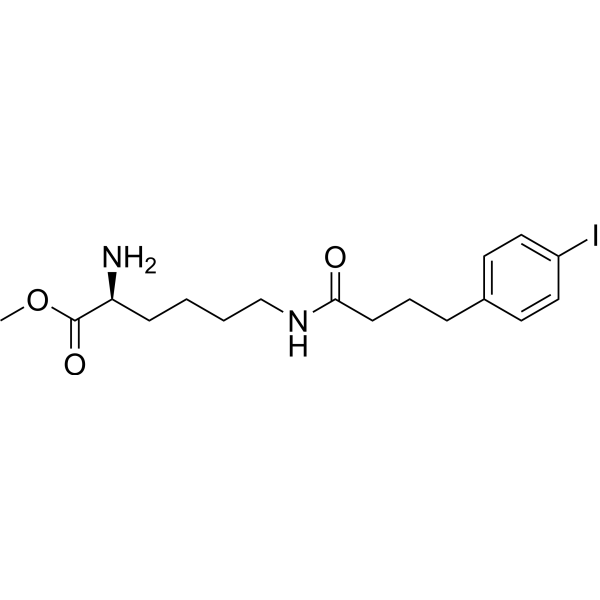
Lys(CO-C3-p-I-Ph)-OMe is a pharmacokinetic modifier (PK modifier) that can improve the PK properties of PSMA ligand molecules (such as Ac-PSMA-trillium). Lys(CO-C3-p-I-Ph)-OMe can increase the residence time of Ac-PSMA-trillium in plasma by increasing its binding capacity to albumin. Lys(CO-C3-p-I-Ph)-OMe also reduces salivary gland absorption of Ac-PSMA-trillium, potentially extending its half-life. Ac-PSMA-trillium is a suitable PSMA-targeting compound that has different biological applications after modification with different radioactive isotopes. If labeled with 111In, it can be used as DOTA chelating agent and imaging agent. Or labeled with 225Ac as a Macropa chelator for targeted radionuclide therapy (TRT) in the study of metastatic castration-resistant prostate cancer (mCRPC) .
|
-
| Cat. No. |
Product Name |
Type |
-
- HY-D0202
-
|
|
Fluorescent Dye
|
|
Arsenazo III is an azo derivative of chromotropic acid, a metal chrome dye, a chelating agent, and a cation complexing agent. Arsenazo III forms stable 1:1 complexes with Ca 2+, Mg 2+, Sr 2+, Ba 2+, K +, and Na +, and its binding affinity for Ca 2+ depends on pH, alkali metal cation concentration, and buffer parameters. Arsenazo III serves as a colorimetric indicator for micromolar ionized Ca 2+ in cells .
|
| Cat. No. |
Product Name |
Type |
-
- HY-Y0682
-
|
EDTA
|
Biochemical Assay Reagents
|
|
Ethylenediaminetetraacetic acid (EDTA) is a kind of metal chelating agent (binds to bivalent and trivalent metal cations, including calcium). Ethylenediaminetetraacetic acid has antibacterial, anti-inflammatory, antioxidant, anti-hypercalcemia and anticoagulant activities. Ethylenediaminetetraacetic acid decreases the metal ion-catalyzed oxidative damage to proteins, and allows maintenance of reducing environment during protein purification. Ethylenediaminetetraacetic acid can alleviate the liver fibrosis. Ethylenediaminetetraacetic acid can be used for coronary artery disease and neural system disease research .
|
-
- HY-W018746
-
|
Ethylenediaminetetraacetic acid disodium
|
Biochemical Assay Reagents
|
|
EDTA disodium salt, also known as ethylenediaminetetraacetic acid disodium, belongs to the chelating agent category, which is formed by chelating a central metal ion with four carboxylate groups and two amine groups. This compound, with its ability to bind and chelate metal ions such as calcium, magnesium and iron, is commonly used in a variety of applications, including industrial, medical and research settings. It is used as a preservative in food and beverage, as a stabilizer in medicine, as a chelating agent in water treatment, and as a reagent in biochemical and biomedical research. In addition, EDTA disodium salt has been studied for potential research effects such as improving heavy metal poisoning and cardiovascular disease.
|
-
- HY-Y0682A
-
|
EDTA disodium dihydrate
|
Biochemical Assay Reagents
|
|
Ethylenediaminetetraacetic acid (EDTA) disodium dehydrate is a kind of metal chelating agent (binds to bivalent and trivalent metal cations, including calcium). Ethylenediaminetetraacetic acid disodium dehydrate has antibacterial, anti-inflammatory, antioxidant, anti-hypercalcemia and anticoagulant activities. Ethylenediaminetetraacetic acid disodium dehydrate decreases the metal ion-catalyzed oxidative damage to proteins, and allows maintenance of reducing environment during protein purification. Ethylenediaminetetraacetic acid disodium dehydrate can alleviate the liver fibrosis. Ethylenediaminetetraacetic acid disodium dehydrate can be used for coronary artery disease and neural system disease research .
|
-
- HY-W053583
-
|
DOTA
|
Biochemical Assay Reagents
|
|
Tetraxetan (DOTA) is a macrocyclic chelating agent. Tetraxetan can form stable coordination complexes with a variety of metal ions (e.g., 68Ga, 111In, 177Lu). Tetraxetan can be conjugated with targeting molecules (e.g., RGD peptide, folic acid) to enable the complex to target specific biomolecules or cells. Tetraxetan can be used for imaging studies of tumors, including melanoma and folate receptor-positive tumors (e.g., cervical cancer) .
|
-
- HY-Y0308E
-
|
Disodium hydrogen phosphate, for cell culture
|
Biochemical Assay Reagents
|
|
Sodium phosphate dibasic (Disodium hydrogen phosphate), for cell culture is a buffer and chelating agent. Sodium phosphate dibasic is used to adjust the pH of liquids. Sodium phosphate dibasic can be used in cell culture .
|
-
- HY-W035903
-
|
2-Aminoethanol hydrochloride
|
Biochemical Assay Reagents
|
|
Ethanolamine hydrochloride, is an organic compound used in various industrial applications. It is a white or colorless solid that is soluble in water and has a faint odor. One of the major uses of Ethanolamine hydrochloride is in the production of detergents and surfactants. Used as a raw material in the manufacture of compounds such as ethylenediaminetetraacetic acid (EDTA) and diethanolamine, which are commonly used in household and industrial cleaning products. Ethanolamine hydrochloride is also used in the synthesis of pharmaceuticals, agrochemicals and rubber processing agents. It acts as a buffer in certain chemical reactions, helping to adjust pH and maintain stability. Ethanolamine hydrochloride can be used for gas purification and metal corrosion inhibitor. Its ability to react with acid gases such as carbon dioxide and sulfur dioxide makes it useful for removing impurities from natural gas and other industrial gases. Overall, Ethanolamine hydrochloride is a multifunctional compound with many potential industrial applications. Its ability to act as a buffer, chelating agent, and corrosion inhibitor makes it an important tool in a variety of industries.
|
-
- HY-Y0998
-
|
Red prussiate, 99.5%
|
Biochemical Assay Reagents
|
|
Potassium hexacyanoferrate(III), 99.5% (Red prussiate, 99.5%) is a chelating agent for metals such as iron and copper.
|
-
- HY-W094510
-
|
|
Biochemical Assay Reagents
|
|
Sodium pyrophosphate decahydrate is a phosphate donor and mild chelating agent. Sodium pyrophosphate decahydrate serves as a phosphate source for Pseudomonas aeruginosa acid phosphatase and its Q6 variant, enabling phosphorylation of L‑ascorbic acid to L‑ascorbate‑2‑phosphate. Sodium pyrophosphate decahydrate facilitates 99mTc labeling of human polyclonal IgG. Sodium pyrophosphate decahydrate can be used in research on musculoskeletal infections .
|
-
- HY-W013178
-
|
|
Biochemical Assay Reagents
|
|
DCTA monohydrate is an organic acid. DCTA refers to N,N,N',N' -tetraacetic acid, which has a strong chelating ability. DCTA monohydrate can be used as a chelating agent and coordination reagent for metal ions. DCTA monohydrate, for example, forms stable complexes with many metal ions, including calcium, magnesium and zinc. DCTA modified with ethylene glycol is selective to calcium ions in the presence of magnesium ions .
|
-
- HY-107921
-
|
EDTA calcium disodium salt,98%; Adsorbonac,98%
|
Biochemical Assay Reagents
|
|
EDTA Calcium disodium, 98% (EDTA calcium disodium salt, 98%; Adsorbonac, 98%) is a chelating agent for calcium and other metal ions, preventing them from participating in chemical reactions. It can effectively remove metal ions from solutions, preventing them from interfering with experimental processes.
|
-
- HY-Y1939A
-
|
Glacial phosphoric acid, 33.5-36.5%
|
Biochemical Assay Reagents
|
|
Metaphosphoric acid, 33.5-36.5% (Glacial phosphoric acid, 33.5-36.5%) is a precipitant used for rapid enzymatic measurement of blood lactate and pyruvate. Metaphosphoric acid, 33.5-36.5% can also be used as a dehydrating agent, and its derivative sodium hexametaphosphate can be used as a chelating agent and food additive .
|
-
- HY-W034566
-
|
Hexaaza-18-crown-6; 1,4,7,10,13,16-Hexaazacyclooctadecane
|
Biochemical Assay Reagents
|
|
Hexacyclen is an organic compound with a unique macrocyclic structure composed of six nitrogen-containing rings. It is commonly used as a chelating agent in chemistry and biochemistry due to its ability to bind metal ions. Inhibitors of certain diseases such as cancer. In biochemistry, Hexacyclen is often used to selectively bind metal ions in proteins or enzymes to study their structure and function. Due to its large size and complex structure, Hexacyclen is not widely used in daily products or applications .
|
-
- HY-W013851
-
|
|
Biochemical Assay Reagents
|
|
EDTA-OH is a chelating agent, which forms thermodynamically stable chelates with metal ions like calcium, magnesium, iron, zinc and copper . EDTA-OH exhibits ability of phytoremediation in heavy-metal-contaminated soils . EDTA-OH is able to cross brain-blood barrier .
|
-
- HY-W008951
-
|
EDTMP
|
Biochemical Assay Reagents
|
|
Ethylenediaminetetramethylenephosphonic acid (EDTMP) is a bone-targeted chelating agent. Ethylenediaminetetramethylenephosphonic acid sodium‘s phosphonic acid groups possess a unique ability to bind with high affinity to hydroxyapatite in bone, and can form radioactive compounds with 153Sm and 177Lu. Ethylenediaminetetramethylenephosphonic acid is used to study palliative therapy for pain associated with multiple bone metastatic cancers .
|
-
- HY-W034674
-
|
Silver(1+) diethyldithiocarbamate
|
Biochemical Assay Reagents
|
|
Silver diethyldithiocarbamate (SDDC) is an organic compound consisting of silver ions complexed with the ligand diethyldithiocarbamate. SDDC is mainly used as a reagent in analytical chemistry to detect the presence of copper, iron and other heavy metals in various materials. It acts as a chelating agent, binding to metal ions and forming stable complexes that can be easily analyzed using techniques such as UV-Vis spectroscopy.
|
-
- HY-W110793
-
|
Diphenylthiocarbazone
|
Biochemical Assay Reagents
|
|
Dithizone can be toxic to pancreatic islet cells and cause experimental diabetes. Dithizone can be used for in vitro in vivo staining of transplanted islets and cytoplasmic granules of bone marrow cells. Dithizone can be used as a chelating agent and colorimetric indicator for the detection and extraction of various heavy metals, including lead and mercury, in analytical and biochemical applications. Dithizone forms stable colored complexes with metal ions and can be quantitatively analyzed by methods such as spectrophotometry .
|
-
- HY-W127774
-
|
Ethylenediaminetetraacetic acid hydrate sodium
|
Biochemical Assay Reagents
|
|
EDTA (Ethylenediaminetetraacetic acid) hydrate sodium is a kind of metal chelating agent (binds to bivalent and trivalent metal cations, including calcium). EDTA hydrate sodium has antibacterial, anti-inflammatory, antioxidant, anti-hypercalcemia and anticoagulant activities. EDTA hydrate sodium decreases the metal ion-catalyzed oxidative damage to proteins, and allows maintenance of reducing environment during protein purification. EDTA hydrate sodium can alleviate the liver fibrosis. Ethylenediaminetetraacetic acid can be used for coronary artery disease and neural system disease research .
|
-
- HY-158067
-
|
DFO-DBCO
|
Biochemical Assay Reagents
|
|
Deferoxamine-DBCO is a bifunctional chelating agent. Deferoxamine-DBCO efficiently chelates with radioactive metals (such as 89Zr) through the DFO structure to achieve radiolabeling. Deferoxamine-DBCO undergoes a metal-free Huisgen cycloaddition reaction with azide-containing biomolecules (such as siRNA, monoclonal antibodies) under bioorthogonal conditions through the DBCO structure to achieve targeted coupling. Deferoxamine-DBCO has efficient metal chelating ability and specific bioorthogonal reaction activity. Deferoxamine-DBCO can be used for targeted radioactive imaging studies of tumors .
|
-
- HY-W111692
-
|
|
Biochemical Assay Reagents
|
|
Sodium polyphosphate, crystal,+200 mesh, 96% is an inorganic polyphosphate that also serves as a stabilizer, dispersant, chelating agent, and coacervate-forming agent. Sodium polyphosphate provides electrostatic stabilization for mineral and material suspensions, but its dispersing efficacy decreases under acidic pH, high temperature, high calcium concentration, or a combination of these conditions. Sodium polyphosphate can chelate alkaline earth metals, reduce solution pH, and alter the rate of pH decline at a divalent cation/phosphorus molar ratio of 0.18. Sodium polyphosphate forms coacervates with smaller divalent cations and precipitates with larger divalent cations, where the functional requirements of cations depend on polyphosphate concentration, average degree of polymerization, and cation type .
|
-
- HY-W088011B
-
-
- HY-W102590
-
|
|
Biochemical Assay Reagents
|
|
DOTMP is a bifunctional chelator. Bifunctional chelating agents are used to stably link the radiometal to the carrier moiety of the radiopharmaceutical .
|
-
- HY-W094516
-
|
Wormwood acid disodium hexahydrate
|
Biochemical Assay Reagents
|
|
Disodium succinate hexahydrate (Wormwood acid disodium hexahydrate) is an anti-anxiety agent with oral activity. Disodium succinate hexahydrate is an intermediate product of the tricarboxylic acid cycle. Disodium succinate hexahydrate is an important platform chemical. Disodium succinate hexahydrate can be used as surfactant, additive, ion chelating agent, flavoring agent and other applications in chemical, pharmaceutical and food fields .
|
-
- HY-W013718
-
|
|
Biochemical Assay Reagents
|
|
TTHA is an aminopolycarboxylic acid chelating agent with preferential affinity for lighter (lower atomic number) rare earth element (REE) ions. TTHA binds to REE ions through chelation as the primary coordination mechanism .
|
-
- HY-W018746R
-
|
Ethylenediaminetetraacetic acid disodium (Standard)
|
Biochemical Assay Reagents
|
|
EDTA (disodium) (Standard) is the analytical standard of EDTA (disodium). This product is intended for research and analytical applications. EDTA disodium salt, also known as ethylenediaminetetraacetic acid disodium, belongs to the chelating agent category, which is formed by chelating a central metal ion with four carboxylate groups and two amine groups. This compound, with its ability to bind and chelate metal ions such as calcium, magnesium and iron, is commonly used in a variety of applications, including industrial, medical and research settings. It is used as a preservative in food and beverage, as a stabilizer in medicine, as a chelating agent in water treatment, and as a reagent in biochemical and biomedical research. In addition, EDTA disodium salt has been studied for potential research effects such as improving heavy metal poisoning and cardiovascular disease.
|
-
- HY-W010488
-
|
|
Biochemical Assay Reagents
|
|
Dithiooxamide (Rubeanic Acid) is a selective chelating agent and sulfur-containing analog of Oxamide. Dithiooxamide forms stable chelates with various metal ions (such as lead, iron, cadmium, manganese, and aluminum), which can be separated, enriched, and detected by adsorption on solid adsorbents or electrode surfaces .
|
-
- HY-W031536
-
|
2-Oxoimidazolidine, 96%
|
Biochemical Assay Reagents
|
|
2-Imidazolidone, 96% is a chelating agent that forms complexes with metal ions, enabling its use in catalytic processes.
|
-
- HY-W099337
-
|
|
Biochemical Assay Reagents
|
|
N-Ethyl-D-glucamine is a glucose derivative with biological activity as a buffer and chelating agent. Therefore, it is widely used in biochemical research to regulate pH and bind metal ions.
|
-
- HY-W105700
-
|
EDTA sodium hydrate
|
Biochemical Assay Reagents
|
|
Ethylenediaminetetraacetic acid (EDTA) sodium hydrate is a kind of metal chelating agent (binds to bivalent and trivalent metal cations, including calcium). Ethylenediaminetetraacetic acid sodium hydrate has antibacterial, anti-inflammatory, antioxidant, anti-hypercalcemia and anticoagulant activities. Ethylenediaminetetraacetic acid sodium hydrate decreases the metal ion-catalyzed oxidative damage to proteins, and allows maintenance of reducing environment during protein purification. Ethylenediaminetetraacetic acid sodium hydrate can alleviate the liver fibrosis. Ethylenediaminetetraacetic acid sodium hydrate can be used for coronary artery disease and neural system disease research .
|
-
- HY-W053583R
-
|
DOTA (Standard)
|
Biochemical Assay Reagents
|
|
Tetraxetan (Standard) is the analytical standard of Tetraxetan (HY-W053583). This product is intended for research and analytical applications. Tetraxetan (DOTA) is a macrocyclic chelating agent. Tetraxetan can form stable coordination complexes with a variety of metal ions (e.g., 68Ga, 111In, 177Lu). Tetraxetan can be conjugated with targeting molecules (e.g., RGD peptide, folic acid) to enable the complex to target specific biomolecules or cells. Tetraxetan can be used for imaging studies of tumors, including melanoma and folate receptor-positive tumors (e.g., cervical cancer) .
|
-
- HY-W087947
-
|
Ethylenediaminetetraacetic acid dihydrate tripotassium
|
Biochemical Assay Reagents
|
|
EDTA dihydrate tripotassium (Ethylenediaminetetraacetic acid dihydrate tripotassium) is a kind of metal chelating agent (binds to bivalent and trivalent metal cations, including calcium). EDTA dihydrate tripotassium has antibacterial, anti-inflammatory, antioxidant, anti-hypercalcemia and anticoagulant activities. EDTA dihydrate tripotassium decreases the metal ion-catalyzed oxidative damage to proteins, and allows maintenance of reducing environment during protein purification. EDTA dihydrate tripotassium can alleviate the liver fibrosis. EDTA dihydrate tripotassium can be used for coronary artery disease and neural system disease research .
|
-
- HY-W009048
-
|
DCH18C6; Perhydrodibenzo-18-crown-6
|
Biochemical Assay Reagents
|
|
Dicyclohexano-18-crown-6-ether (DCH18C6) is an excellent strontium chelating agent. Dicyclohexano-18-crown-6-ether exhibits favorable extraction capacity and selectivity toward Sr (II). After chemical modification, Dicyclohexano-18-crown-6-ether is covalently bonded to an organosilicon matrix via co-condensation. DCH18C6-functionalized organosilicon materials are expected to be applied to the extraction and separation of strontium from radioactive waste liquid .
|
-
- HY-W008585
-
-
- HY-Y0569H
-
|
|
Biochemical Assay Reagents
|
|
Magnesium D-gluconate hydrate, 98% is a strong chelating agent that chelates calcium, iron, aluminum, copper, and other heavy metal anions.
|
-
- HY-W133934A
-
|
|
Biochemical Assay Reagents
|
|
EDTA magnesium disodium, 99% is a chelating agent with the ability to effectively bind metal ions (including calcium, magnesium, and iron) and remove them from solution.
|
-
- HY-Y1175A
-
|
|
Biochemical Assay Reagents
|
|
Calcium acetate monohydrate, ACS, 99% is a monohydrate form of calcium acetate used to precipitate oxalates in solution; it also serves as a stabilizer, buffer, and chelating agent.
|
-
- HY-W673626
-
|
Etidronate monohydrate; HEDPA monohydrate; HEDP monohydrate
|
Biochemical Assay Reagents
|
|
Etidronic acid,60% in water (Etidronate) monohydrate is a strong complexing agent that can be used as a chelating agent to remove heavy metals from water .
|
-
- HY-D0330
-
|
Sunchromine blue black R
|
Biochemical Assay Reagents
|
|
Mordant black 17 (Sunchromine blue black R) is a versatile chelating agent, demonstrating significant adsorptive properties through its interaction with metal ions, enhancing the efficiency of polymeric materials in various applications.
|
-
- HY-W127847
-
|
Triglycollamic acid trisodium salt
|
Biochemical Assay Reagents
|
|
Nitrilotriacetic acid (Triglycollamic acid) trisodium salt is a chelating agent commonly used in various industrial processes, especially in the production of detergents, cleaners and metal plating solutions. Nitrilotriacetic acid trisodium salt has unique chemical properties that bind to metal ions, preventing them from reacting or precipitating out of solution.
|
-
- HY-W127819
-
-
- HY-W691498
-
|
|
Biochemical Assay Reagents
|
|
Sodiumα-glucoheptonate, 97% is a multifunctional chelating agent capable of forming stable complexes with various metal ions.
|
-
- HY-W402032
-
|
|
Biochemical Assay Reagents
|
|
Bis-Cbz-cyclen is a bifunctional chelator. Bifunctional chelating agents are used to stably link the radiometal to the carrier moiety of the radiopharmaceutical .
|
-
- HY-W140537
-
|
|
Biochemical Assay Reagents
|
|
EDTA diammonium salt hydrate, 97% is a derivative of ethylenediaminetetraacetic acid (EDTA), commonly used as a chelating agent in various applications due to its ability to bind with various metal ions and form stable complexes.
|
-
- HY-W034576
-
|
Hexaaza-18-crown-6 hexahydrochloride; 1,4,7,10,13,16-Hexaazacyclooctadecane hexahydrochloride
|
Biochemical Assay Reagents
|
|
Hexacyclen (Cycloalkene) is an organic compound with a unique macrocyclic structure composed of six nitrogen-containing rings. Hexacyclen is commonly used as a chelating agent in chemistry and biochemistry due to its ability to bind metal ions, and is often used to selectively bind metal ions in proteins or enzymes to study their structure and function. Hexacyclen also acts as an inhibitor of cancer .
|
-
- HY-W127801
-
|
EDTA trisodium hydrate
|
Biochemical Assay Reagents
|
|
Ethylenediaminetetraacetic acid (trisodium hydrate) is a class of organic compounds containing carboxylic acid functional groups. It is commonly used as a chelating agent in various industrial and medical applications, especially in the food and pharmaceutical industries. Ethylenediaminetetraacetic acid (trisodium hydrate) has strong metal ion binding properties and can be used to chelate trace metals that may affect product quality or stability. In addition, it is used as an anticoagulant in blood collection tubes and as a stabilizer in some cosmetic and personal care products.
|
-
- HY-W127789
-
|
EDTA diammonium
|
Biochemical Assay Reagents
|
|
Ethylenediaminetetraacetic acid diammonium is a class of organic compounds containing both ammonium and carboxylic acid functional groups. It is commonly used as a chelating agent in various industrial and medical applications, especially in the food and pharmaceutical industries. Ethylenediaminetetraacetic acid diammonium has strong metal ion binding properties and can be used to chelate trace metals that may affect product quality or stability. In addition, it is used as an anticoagulant in blood collection tubes and as a clarifying agent in cosmetic and personal care products.
|
-
- HY-W034566A
-
|
Hexaaza-18-crown-6 trisulfate; 1,4,7,10,13,16-Hexaazacyclooctadecane trisulfate
|
Biochemical Assay Reagents
|
|
Hexacyclen, also known as cycloalkene, is an organic compound with a unique macrocyclic structure composed of six nitrogen-containing rings. It is commonly used as a chelating agent in chemistry and biochemistry due to its ability to bind metal ions. Inhibitors of certain diseases such as cancer. In biochemistry, Hexacyclen is often used to selectively bind metal ions in proteins or enzymes to study their structure and function. Due to its large size and complex structure, Hexacyclen is not widely used in daily products or applications.
|
-
- HY-Y0682R
-
|
EDTA (Standard)
|
Biochemical Assay Reagents
|
|
Ethylenediaminetetraacetic acid (Standard) is the analytical standard of Ethylenediaminetetraacetic acid. This product is intended for research and analytical applications. Ethylenediaminetetraacetic acid (EDTA) is a kind of metal chelating agent (binds to bivalent and trivalent metal cations, including calcium). Ethylenediaminetetraacetic acid has antibacterial, anti-inflammatory, antioxidant, anti-hypercalcemia and anticoagulant activities. Ethylenediaminetetraacetic acid decreases the metal ion-catalyzed oxidative damage to proteins, and allows maintenance of reducing environment during protein purification. Ethylenediaminetetraacetic acid can alleviate the liver fibrosis. Ethylenediaminetetraacetic acid can be used for coronary artery disease and neural system disease research [4] .
|
-
- HY-W011060R
-
|
4,7,13,16,21,24-Hexaoxa-1,10-diazabicyclo[8.8.8]hexacosane (Standard)
|
Biochemical Assay Reagents
|
|
Cryptand 2.2.2 (Standard) is the analytical standard of Cryptand 2.2.2 (HY-W011060). This product is intended for research and analytical applications. Cryptand 2.2.2 is a metal ion chelating agent that can selectively form complexes with metal ions. At room temperature, Cryptand 2.2.2 can serve as a host molecule, using the chelation effect to selectively bind desired ions (such as Zn 2+, Co 2+, Ni 2+, Cu 2+). Cryptand 2.2.2 can be used in the preparation of nanoparticles, transition metal compounds, and so on .
|
-
- HY-Y0682AR
-
|
EDTA disodium dihydrate (Standard)
|
Biochemical Assay Reagents
|
|
Ethylenediaminetetraacetic acid (disodium dihydrate) (Standard) is the analytical standard of Ethylenediaminetetraacetic acid (disodium dihydrate). This product is intended for research and analytical applications. Ethylenediaminetetraacetic acid (EDTA) disodium dehydrate is a kind of metal chelating agent (binds to bivalent and trivalent metal cations, including calcium). Ethylenediaminetetraacetic acid disodium dehydrate has antibacterial, anti-inflammatory, antioxidant, anti-hypercalcemia and anticoagulant activities. Ethylenediaminetetraacetic acid disodium dehydrate decreases the metal ion-catalyzed oxidative damage to proteins, and allows maintenance of reducing environment during protein purification. Ethylenediaminetetraacetic acid disodium dehydrate can alleviate the liver fibrosis. Ethylenediaminetetraacetic acid disodium dehydrate can be used for coronary artery disease and neural system disease research [4] .
|
-
- HY-W031536R
-
|
2-Oxoimidazolidine, 96% (Standard)
|
Biochemical Assay Reagents
|
|
2-Imidazolidone, 96% (Standard) is the analytical standard of 2-Imidazolidone, 96%. This product is intended for research and analytical applications. 2-Imidazolidone, 96% is a chelating agent that forms complexes with metal ions, enabling its use in catalytic processes.
|
| Cat. No. |
Product Name |
Target |
Research Area |
-
- HY-P10369
-
-
- HY-P10792
-
|
|
EGFR
|
Cancer
|
|
HER2-targeted peptide H6F is a HER2 targeting peptide that binds to HER2 to target breast cancer cells, with the amino acid sequence YLFFVFER. The HER2-targeted peptide H6F can be conjugated with the bifunctional chelating agent hydrazinonicotinamide (HYNIC) for radiolabeling with 99mTc. Single-photon emission computed tomography (SPECT) imaging shows that the labeled HER2-targeted peptide H6F specifically accumulates in HER2-positive MDA-MBA-453 tumor-bearing mice models. The HER2-targeted peptide H6F can be used for tumor molecular imaging studies .
|
-
- HY-W048718
-
|
Fmoc-D-α-t-butylglycine
|
Amino Acid Derivatives
|
Others
|
|
Fmoc-D-Tle-OH (Fmoc-D-α-t-butylglycine) is an amino acid derivative with an Fmoc protecting group, which can be used to synthesize chelating agents that can form a single stereoisomer-enriched form after coordination with metal centers .
|
-
- HY-P10012
-
|
GYK-DTPA
|
Biochemical Assay Reagents
Radionuclide-Drug Conjugates (RDCs)
|
Cancer
|
|
Pendetide is a chelating agent, can be conjugated with Indium (111In) Capromab for further diagnostic use. Capromab pendetide is a FDA-approved imaging agent for the detection of soft tissue metastases in prostate carcinoma . Pendetide can be used for the synthesis/research of Radionuclide-Drug Conjugates (RDCs).
|
-
- HY-P11485
-
|
|
Radionuclide-Drug Conjugates (RDCs)
Somatostatin Receptor
PSMA
|
Cancer
|
|
JR11-PEG3-HBED-CC-PSMA-03 (Compound 1) is an RDC-related compound containing the chelating agent HBED-CC, the JR11 peptide (SSTR2 antagonist), and the PSMA ligand. JR11-PEG3-HBED-CC-PSMA-03 shows SSTR2-binding affinities and PSMA-binding affinities, with IC50 s of 59.2 nM, 57.0 nM, respectively. JR11-PEG3-HBED-CC-PSMA-03 can be radiolabeled with [ 68Ga]. [ 68Ga] radiolabeled JR11-PEG3-HBED-CC-PSMA-03 can be used in diagnostic studies of neuroendocrine differentiated prostate cancer .
|
-
- HY-P11488
-
|
|
Radionuclide-Drug Conjugates (RDCs)
Somatostatin Receptor
PSMA
|
Cancer
|
|
JR11-PEG3-DOTA-PSMA-03 (Compound 2) is an RDC-related compound containing the chelating agent DOTA (HY-W053583), the JR11 peptide (SSTR2 antagonist), and the PSMA ligand. JR11-PEG3-DOTA-PSMA-03 shows SSTR2-binding affinities and PSMA-binding affinities, with IC50 s of 94.0 nM, 81.8 nM, respectively. JR11-PEG3-DOTA-PSMA-03 can be radiolabeled with [ 68Ga]. [ 68Ga] radiolabeled JR11-PEG3-DOTA-PSMA-03 can be used in diagnostic studies of neuroendocrine differentiated prostate cancer .
|
-
- HY-K3033
-
|
|
|
Hanks’ Balanced Salt Solution (HBSS) is widely used in various cell culture applications, including washing cells prior to dissociation, transporting cells or tissue samples, diluting cells for cell counting, and preparing a variety of reagent solutions. Formulations without calcium and magnesium are suitable for washing chelating agents prior to cell dissociation procedures. The 500 mL is defined as the base specification. All larger sizes correspond to incremental volumes of this base.
|
-
- HY-K3031
-
|
|
|
Hanks’ Balanced Salt Solution (HBSS) is widely used in various cell culture applications, including washing cells prior to dissociation, transporting cells or tissue samples, diluting cells for cell counting, and preparing a variety of reagent solutions. Formulations without calcium and magnesium are suitable for washing chelating agents prior to cell dissociation procedures. The 500 mL is defined as the base specification. All larger sizes correspond to incremental volumes of this base.
|
-
- HY-K3032
-
|
|
|
Hanks’ Balanced Salt Solution (HBSS) is widely used in various cell culture applications, including washing cells prior to dissociation, transporting cells or tissue samples, diluting cells for cell counting, and preparing a variety of reagent solutions. Formulations without calcium and magnesium are suitable for washing chelating agents prior to cell dissociation procedures. The 500 mL is defined as the base specification. All larger sizes correspond to incremental volumes of this base.
|
-
- HY-K3034
-
|
|
|
Hanks’ Balanced Salt Solution (HBSS) is widely used in various cell culture applications, including washing cells prior to dissociation, transporting cells or tissue samples, diluting cells for cell counting, and preparing a variety of reagent solutions. Formulations without calcium and magnesium are suitable for washing chelating agents prior to cell dissociation procedures. The 500 mL is defined as the base specification. All larger sizes correspond to incremental volumes of this base.
|
| Cat. No. |
Product Name |
Category |
Target |
Chemical Structure |
| Cat. No. |
Product Name |
Chemical Structure |
-
- HY-W030778S
-
|
|
|
Nitrilotriacetic acid-d9 is the deuterium labeled Nitrilotriacetic acid . Nitrilotriacetic acid is an aminotricarboxylic acid. Nitrilotriacetic acid can be used as a chelating agent, forming coordination compounds with metal ions .
|
-
-
- HY-B0300S
-
|
|
|
Penicillamine-d3 is the deuterium labeled Penicillamine. Penicillamine (D-(-)-Penicillamine) is the most characteristic degradation product of the penicillin antibiotics. It is used as an antirheumatic and as a chelating agent in Wilson's disease.
|
-
-
- HY-W745771
-
|
|
|
D-Penicillamine-d6 is the deuterium labeled L-Penicillamine (HY-116073). L-Penicillamine is a mechanism-based inhibitor of serine palmitoyltransferase by forming a pyridoxal-5 '-phosphate-thiazolidine adduct. L-Penicillamine is a metal chelating agent of intermediate strength .
|
-
-
- HY-B0568S
-
|
|
|
Deferiprone-d3 is the deuterium labeled Deferiprone (HY-B0568). Deferiprone is a potent, orally active, brain-penetrant, cell-penetrant, skin-permeable, free iron chelating agent. Deferiprone inhibits the proliferation and migration, and stimulates apoptosis in tumor cell. Deferiprone can inhibit KDM. Deferiprone has antianemic, neuroprotective, anti-inflammatory, antioxidant, and antidotal activity. Deferiprone can be used in cancer, cardiovascular disease, infection, inflammation, and neurological disease study .
|
-
-
- HY-W777365
-
|
|
|
Ethylenediaminetetraacetic acid- 13C4 (EDTA- 13C4) is the 13C-labeled Ethylenediaminetetraacetic acid (HY-Y0682). Ethylenediaminetetraacetic acid (EDTA) is a kind of metal chelating agent (binds to bivalent and trivalent metal cations, including calcium). Ethylenediaminetetraacetic acid has antibacterial, anti-inflammatory, antioxidant, anti-hypercalcemia and anticoagulant activities. Ethylenediaminetetraacetic acid decreases the metal ion-catalyzed oxidative damage to proteins, and allows maintenance of reducing environment during protein purification. Ethylenediaminetetraacetic acid can alleviate the liver fibrosis. Ethylenediaminetetraacetic acid can be used for coronary artery disease and neural system disease research .
|
-
| Cat. No. |
Product Name |
|
Classification |
-
- HY-158067
-
|
DFO-DBCO
|
|
DBCO
|
|
Deferoxamine-DBCO is a bifunctional chelating agent. Deferoxamine-DBCO efficiently chelates with radioactive metals (such as 89Zr) through the DFO structure to achieve radiolabeling. Deferoxamine-DBCO undergoes a metal-free Huisgen cycloaddition reaction with azide-containing biomolecules (such as siRNA, monoclonal antibodies) under bioorthogonal conditions through the DBCO structure to achieve targeted coupling. Deferoxamine-DBCO has efficient metal chelating ability and specific bioorthogonal reaction activity. Deferoxamine-DBCO can be used for targeted radioactive imaging studies of tumors .
|
| Cat. No. |
Product Name |
|
Classification |
-
- HY-N0420
-
|
Wormwood acid
|
|
Cosolvents
pH Modifiers
|
|
Succinic acid is an anti-anxiety agent with oral activity. Disodium succinate is the salt form of Succinic acid. Succinic acid is an intermediate product of the tricarboxylic acid cycle. Succinic acid is an important platform chemical. Succinic acid can be used as surfactant, additive, ion chelating agent, flavoring agent and other applications in chemical, pharmaceutical and food fields .
|
-
- HY-Y0682A
-
|
EDTA disodium dihydrate
|
|
Antioxidants
Chelating Agents
|
|
Ethylenediaminetetraacetic acid (EDTA) disodium dehydrate is a kind of metal chelating agent (binds to bivalent and trivalent metal cations, including calcium). Ethylenediaminetetraacetic acid disodium dehydrate has antibacterial, anti-inflammatory, antioxidant, anti-hypercalcemia and anticoagulant activities. Ethylenediaminetetraacetic acid disodium dehydrate decreases the metal ion-catalyzed oxidative damage to proteins, and allows maintenance of reducing environment during protein purification. Ethylenediaminetetraacetic acid disodium dehydrate can alleviate the liver fibrosis. Ethylenediaminetetraacetic acid disodium dehydrate can be used for coronary artery disease and neural system disease research .
|
Your information is safe with us. * Required Fields.
Inquiry Information
- Product Name:
- Cat. No.:
- Quantity:
- MCE Japan Authorized Agent:








