1. Search Result
Search Result
Results for "

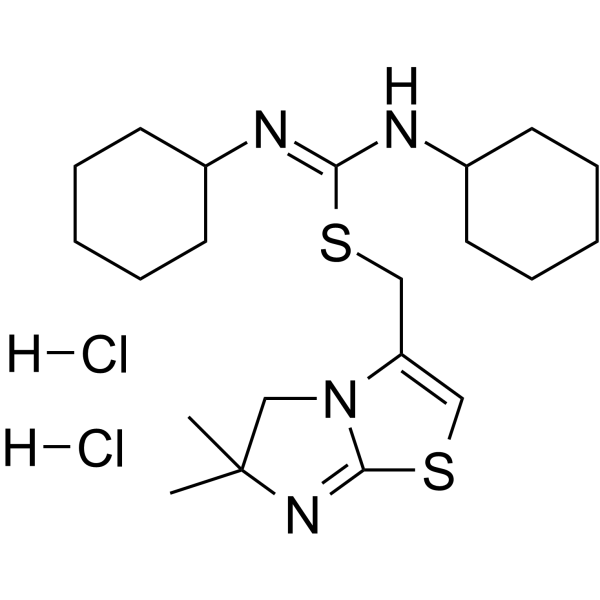
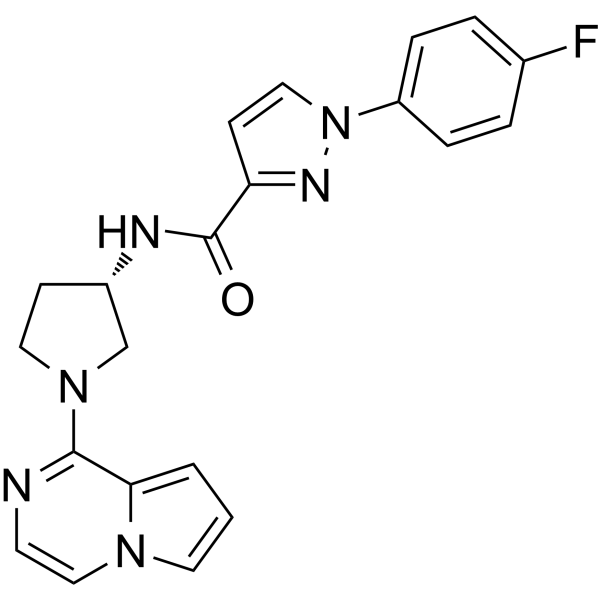
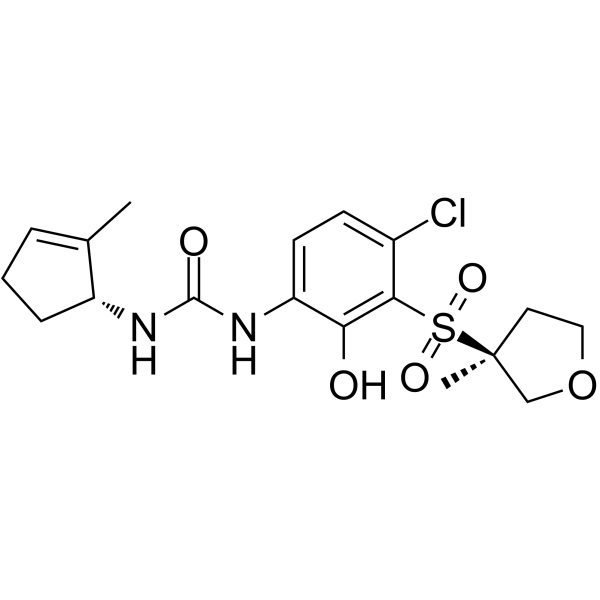
cxcr

" in MedChemExpress (MCE) Product Catalog:

279

Inhibitors & Agonists

1

Screening Libraries

1

Fluorescent Dye

48

Peptides

22

Inhibitory Antibodies

16

Natural
Products

13

Recombinant Proteins

6

Isotope-Labeled Compounds

18

Antibodies

24

Oligonucleotides

Targets Recommended:
Cat. No. Product Name Target Research Areas Chemical Structure
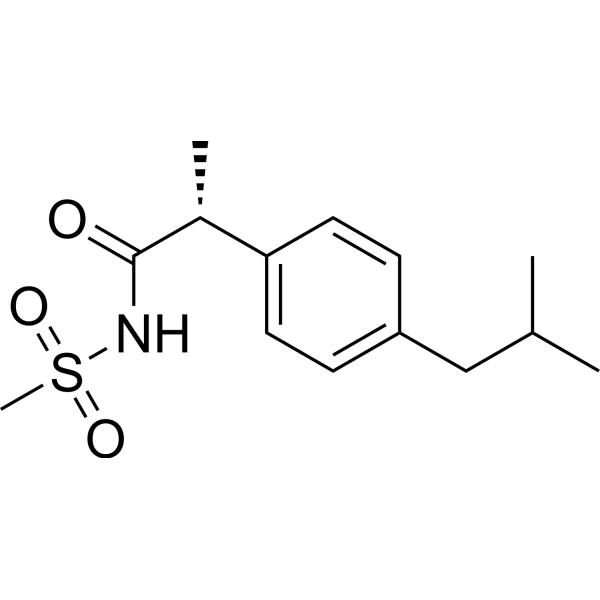
  • HY-15251
    Reparixin
    60+ Cited Publications

    Repertaxin; DF 1681Y

    CXCR Inflammation/Immunology Endocrinology Cancer
    Reparixin is a non-competitive allosteric inhibitor of the chemokine receptors CXCR1 and CXCR2 activation with IC50s of 1 and 100 nM, respectively.
    Reparixin
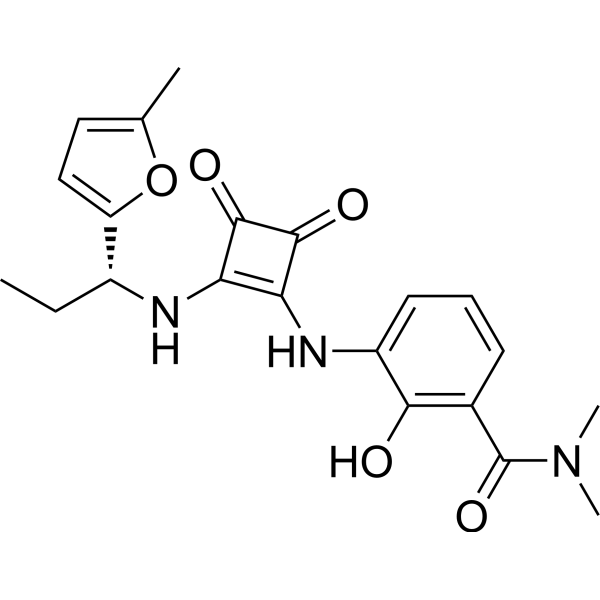
  • HY-10198
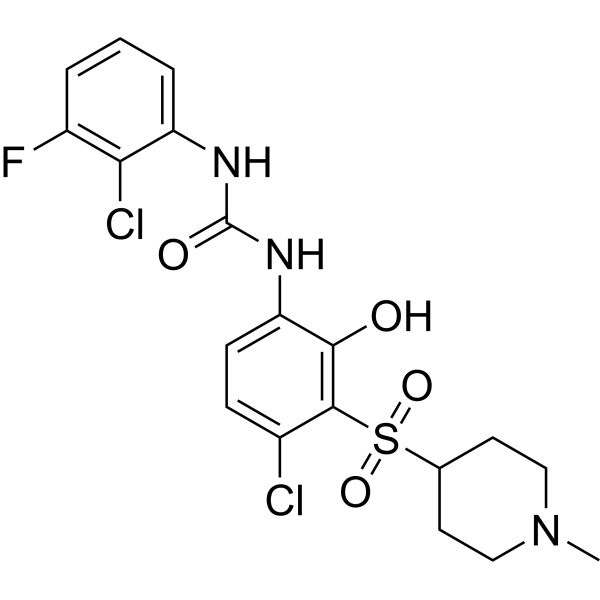
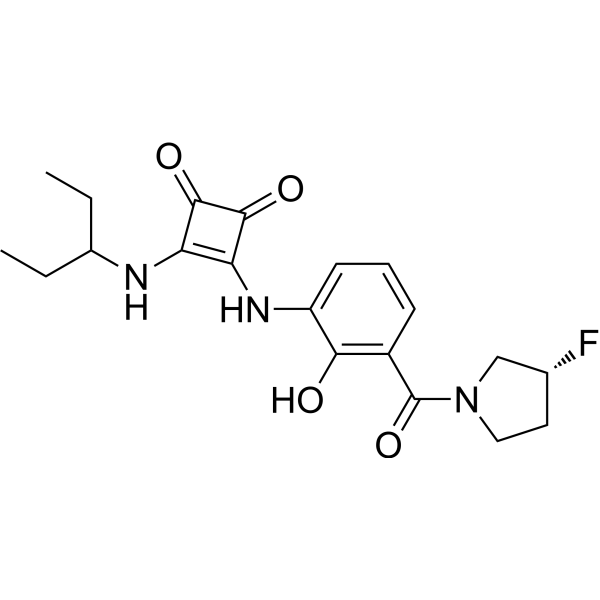
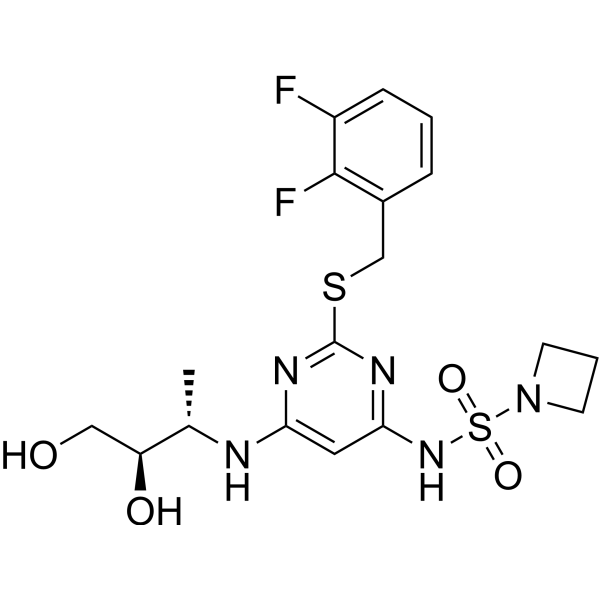
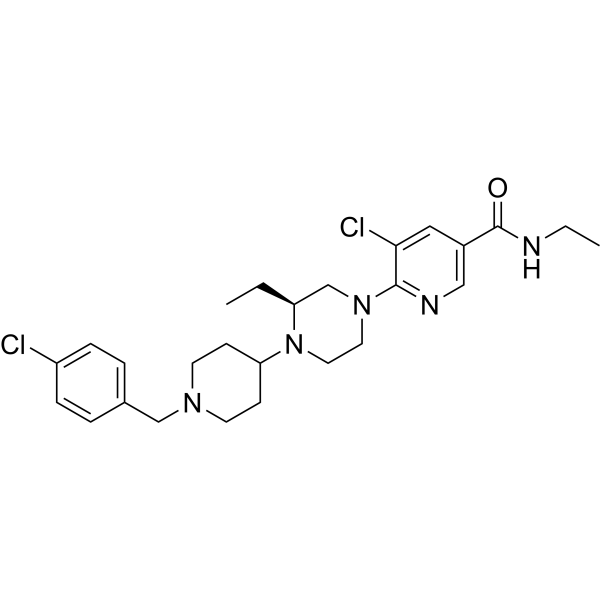
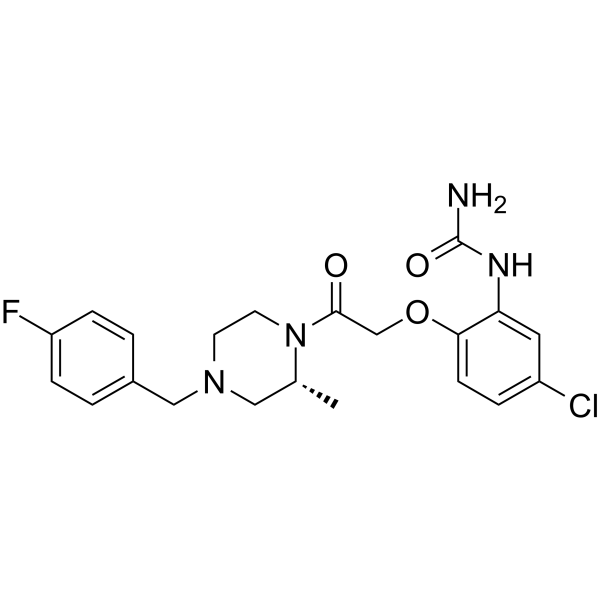
    Navarixin
    30+ Cited Publications

    SCH 527123; MK-7123

    CXCR Inflammation/Immunology Endocrinology Cancer
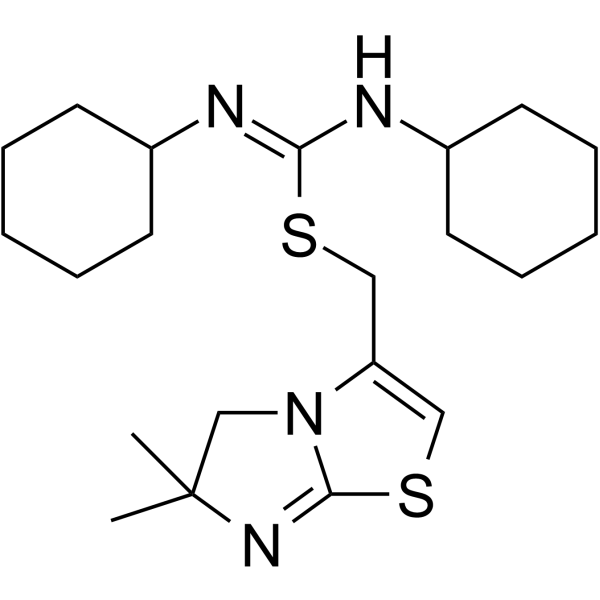
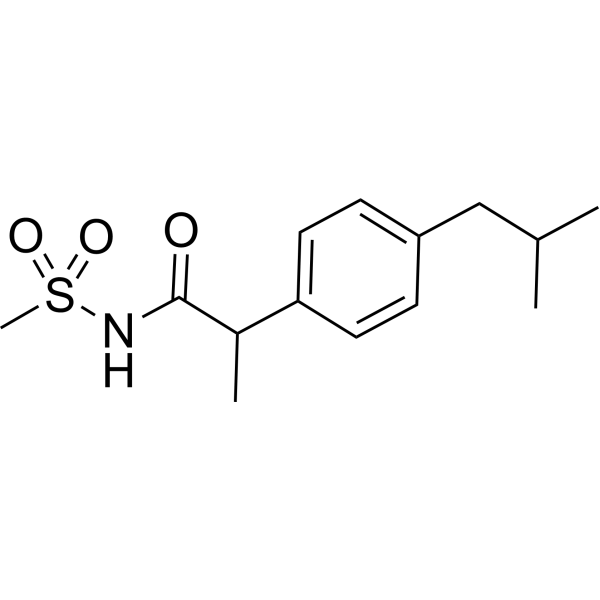
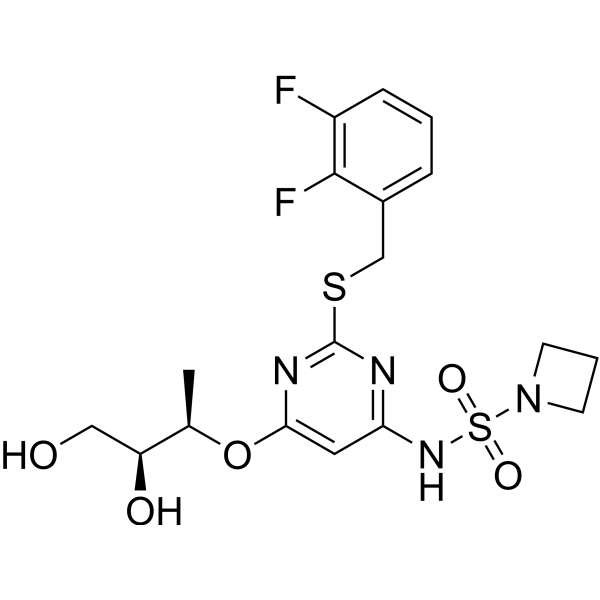
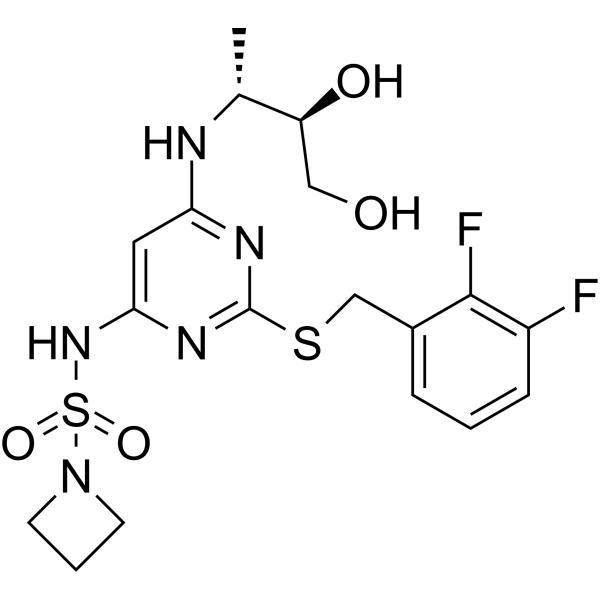
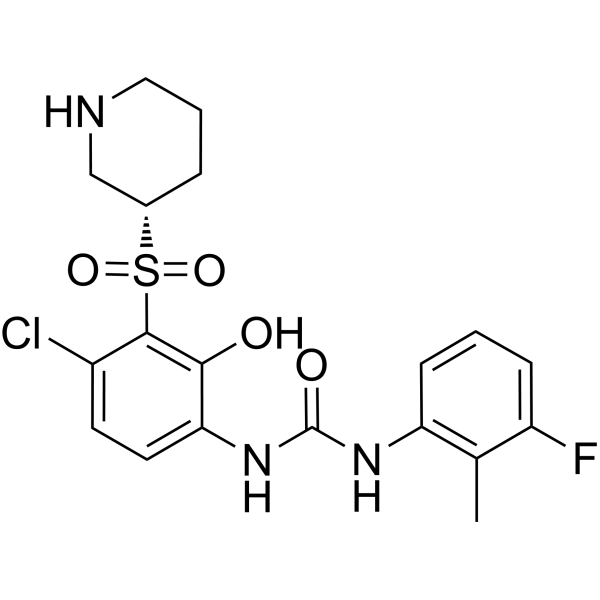
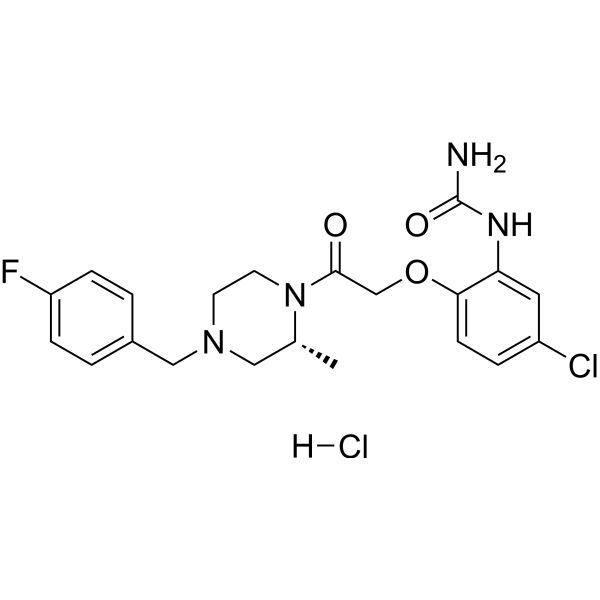
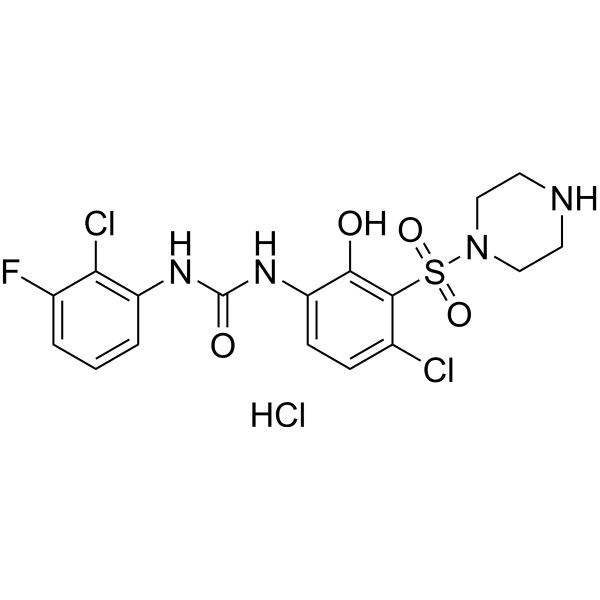
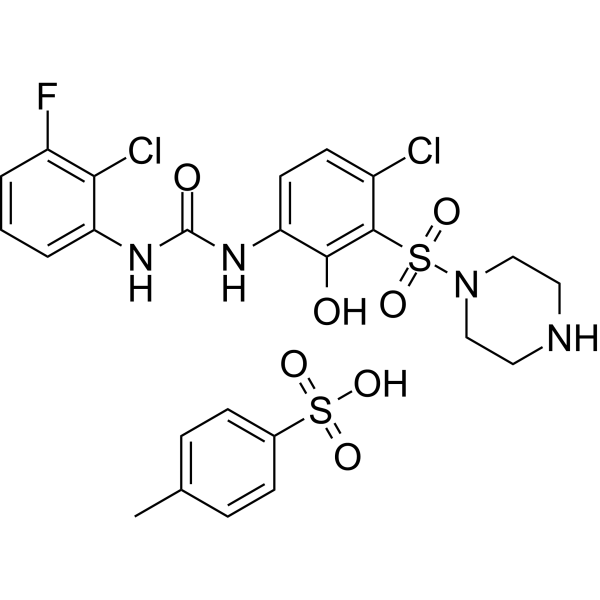
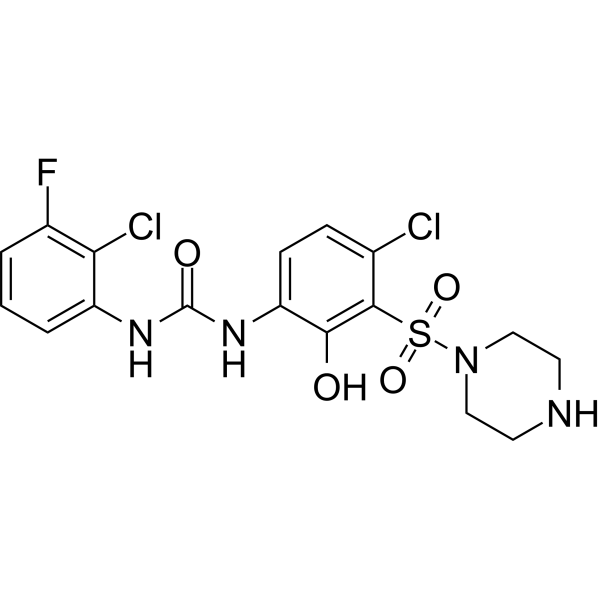
    Navarixin (SCH 527123) is a potent, allosteric and orally active antagonist of both CXCR1 and CXCR2, with Kd values of 41 nM for cynomolgus CXCR1 and 0.20 nM, 0.20 nM, 0.08 nM for mouse, rat and cynomolgus monkey CXCR2, respectivelly .
    Navarixin
  • HY-122197
    ML339
    4 Publications Verification

    CXCR Apelin Receptor (APJ) Arrestin Cancer
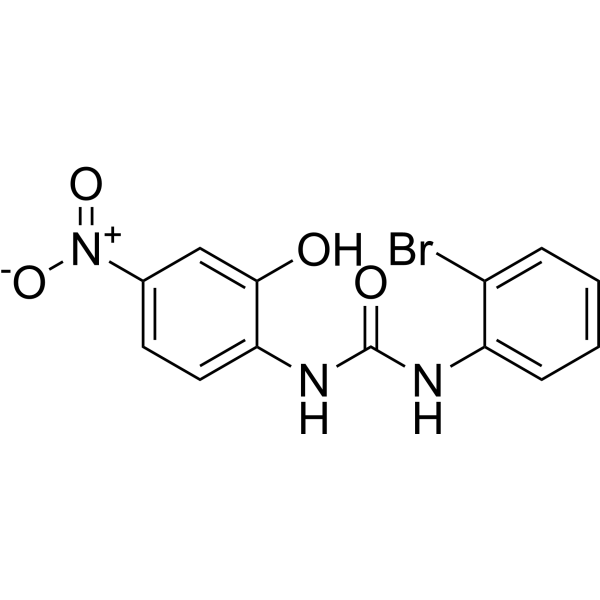
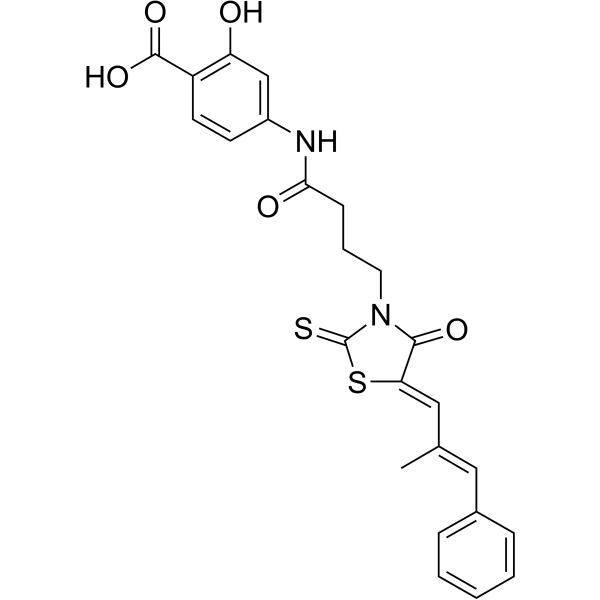
    ML339 is a selective CXCR6 antagonist with an IC50 of 140 nM. ML339 antagonizes β-arrestin recruitment and cAMP signaling pathway of human CXCR6 receptor induced by CXCL16, with IC50 of 0.3 μM and 1.4 μM, respectively. ML339 shows weaker activity against the recruitment of β-arrestin in mouse CXCR6 receptors, with an IC50 of 18 μM. ML339 has no inhibitory effect on CXCR5CXCR4CXCR6 and apelin receptor (APJ), with IC50 >79 μM. ML339 has the potential to promote the development of prostate cancer research .
    ML339
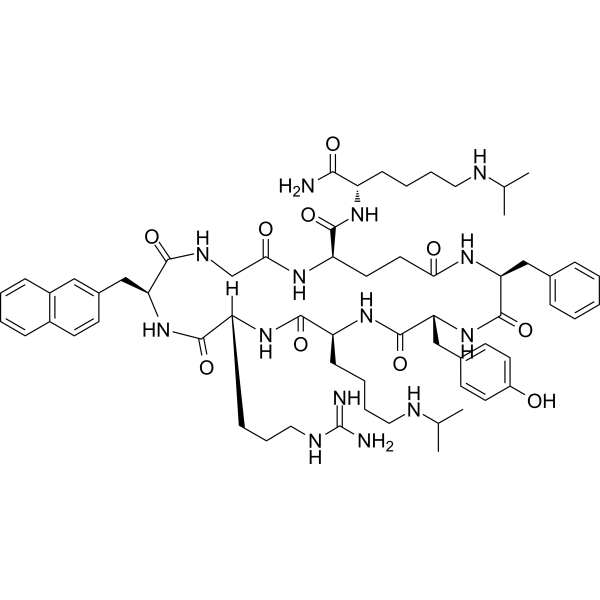
  • HY-12488
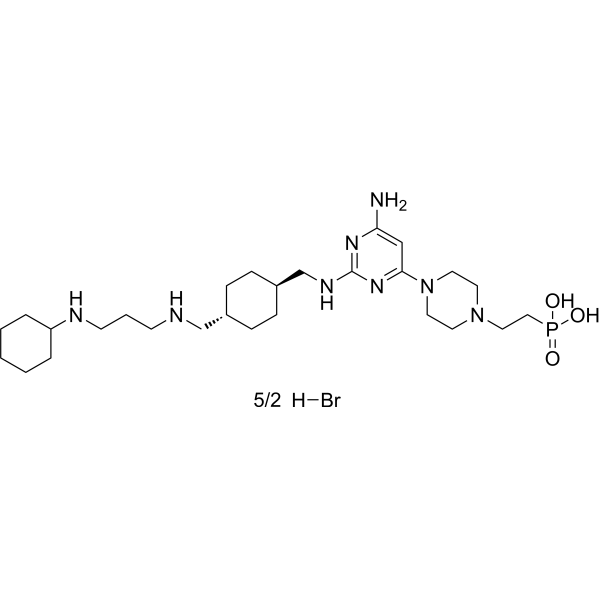
    LY2510924
    Maximum Cited Publications
    13 Publications Verification

    CXCR Endocrinology Cancer
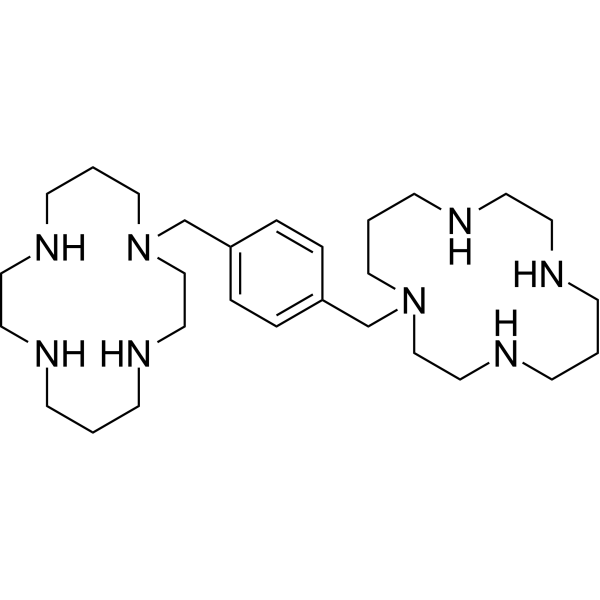
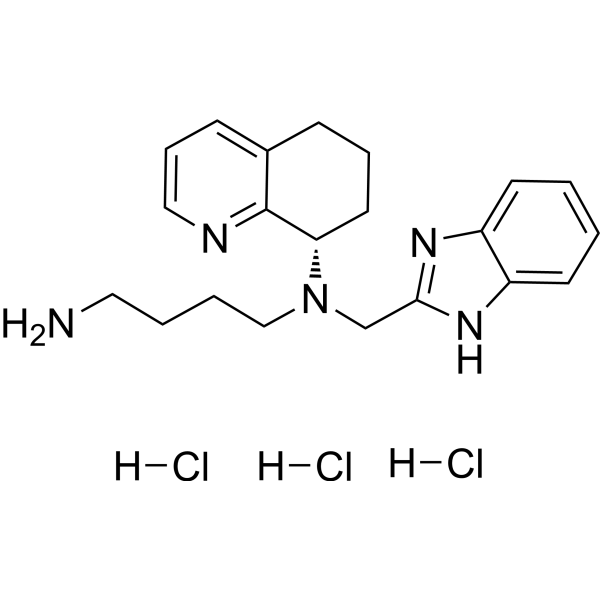
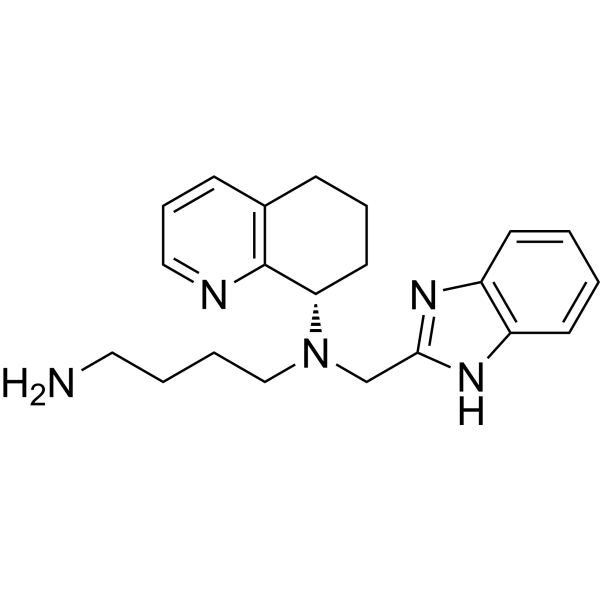
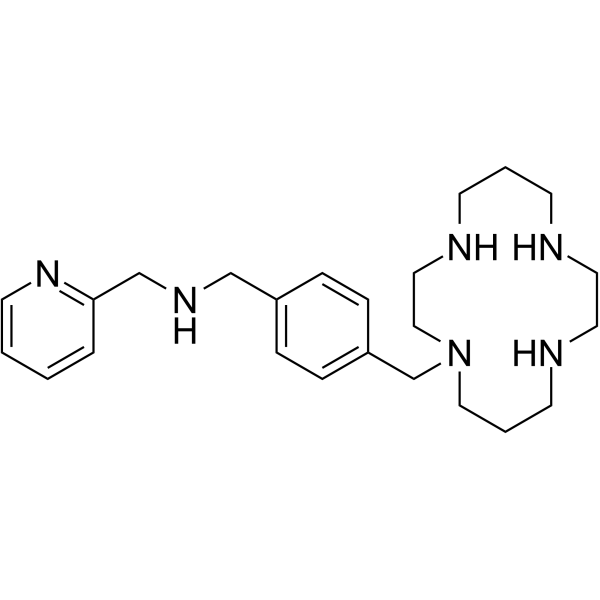
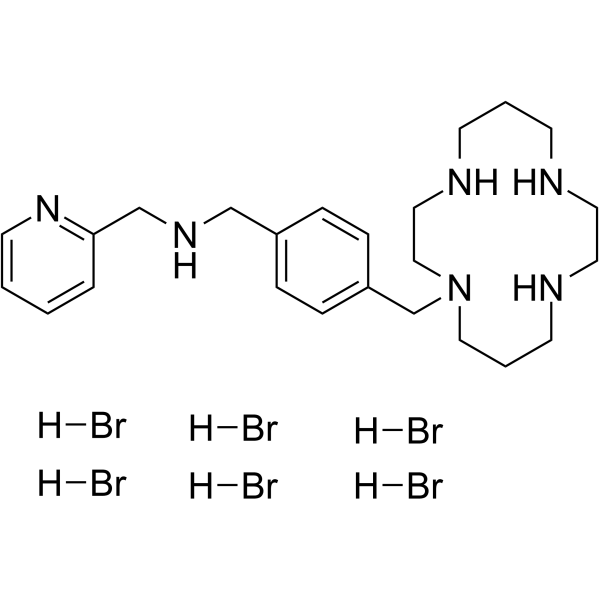
    LY2510924 is a potent and selective CXCR4 antagonist that blocks SDF-1 binding to CXCR4 with an IC50 of 0.079 nM.
    LY2510924
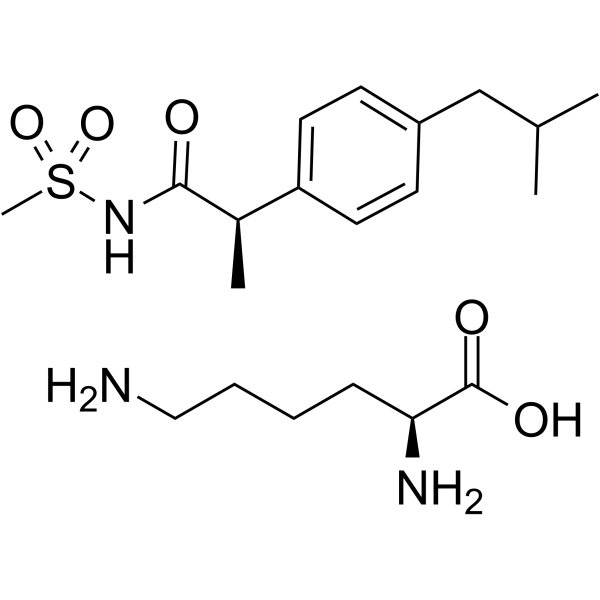
  • HY-15252
    Reparixin L-lysine salt
    60+ Cited Publications

    Repertaxin L-lysine salt

    CXCR Inflammation/Immunology Endocrinology Cancer
    Reparixin L-lysine salt is an allosteric inhibitor of chemokine receptor 1/2 (CXCR1/2) activation.
    Reparixin L-lysine salt
  • HY-101458A
    IT1t dihydrochloride
    5 Publications Verification

    CXCR HIV Inflammation/Immunology Endocrinology Cancer
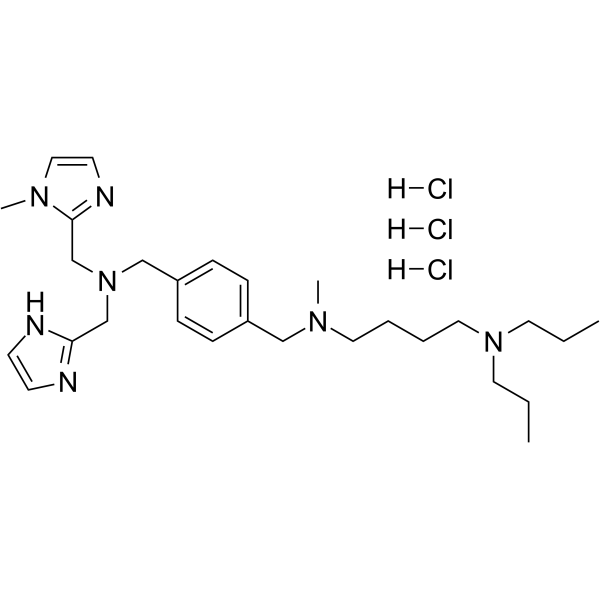
    IT1t dihydrochloride is a potent CXCR4 antagonist; inhibits CXCL12/CXCR4 interaction with an IC50 of 2.1 nM.
    IT1t dihydrochloride
  • HY-139643
    CXCR7 antagonist-1
    2 Publications Verification

    CXCR Adrenergic Receptor Inflammation/Immunology Cancer
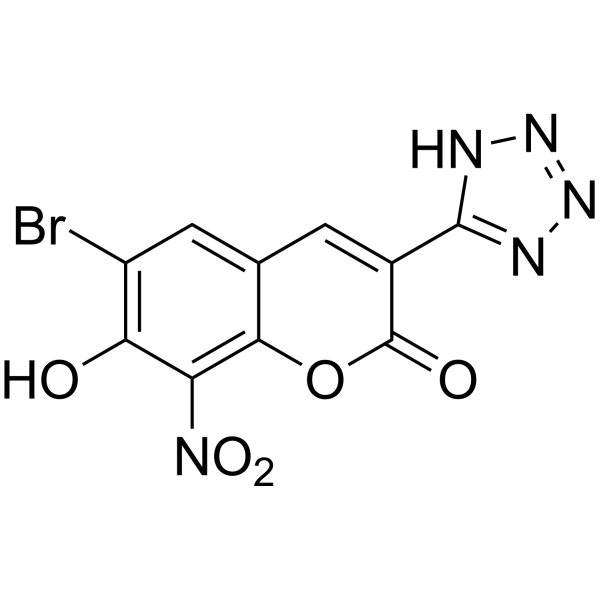
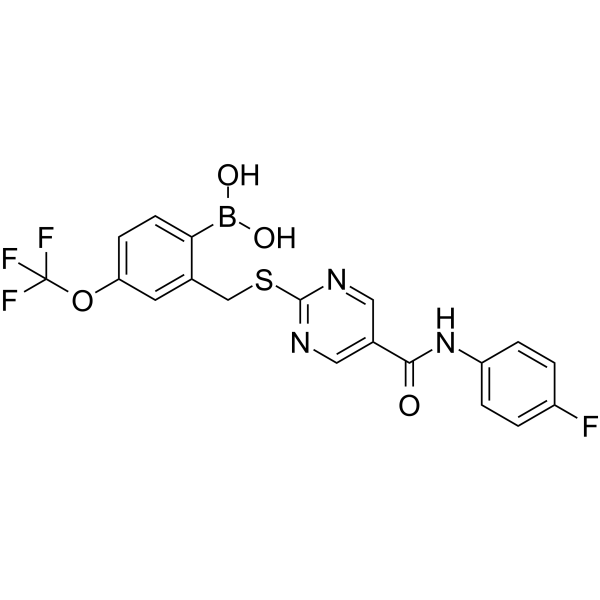
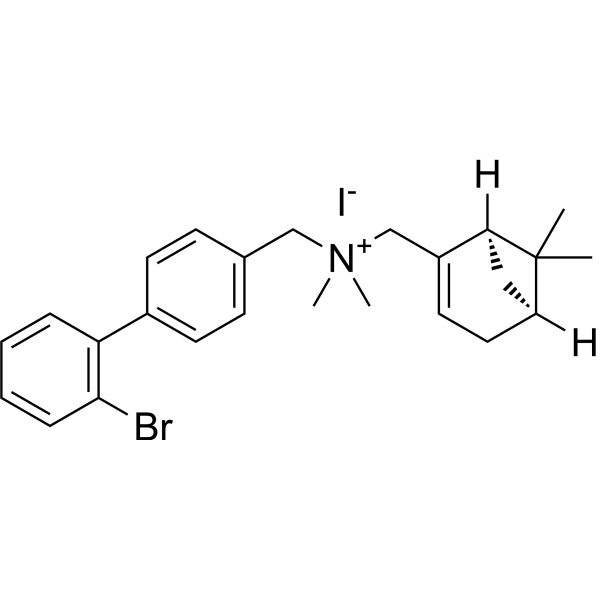
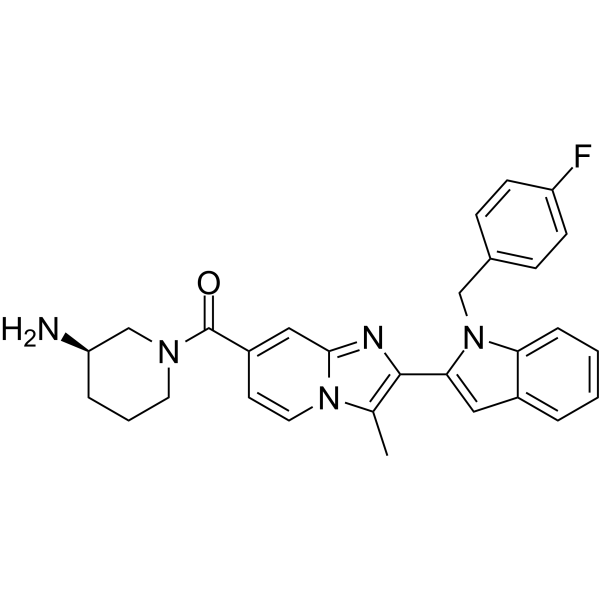
    CXCR7 antagonist-1 is a CXCR7 antagonist that inhibits the binding of the SDF-1 chemokine (also known as the CXCL12 chemokine) or I-TAC (also known as CXCL11) to the chemokine receptor CXCR7. CXCR7 antagonist-1 is useful in preventing tumor cell proliferation, tumor formation, inflammatory diseases, and many other diseases .
    CXCR7 antagonist-1
  • HY-P990254

    CXCR Inflammation/Immunology Cancer
    Anti-Mouse CXCR3/CD183 Antibody (CXCR3-173) is an anti-mouse CXCR3/CD183 IgG monoclonal antibody. Anti-Mouse CXCR3/CD183 Antibody (CXCR3-173) weakens the immune response by reducing the infiltration of CD4 + and CD8 + T cells. Anti-Mouse CXCR3/CD183 Antibody (CXCR3-173) significantly prolongs the survival time of heart or islet transplants in mice. Anti-Mouse CXCR3/CD183 Antibody (CXCR3-173) can be used for researches on immunology and cancer such as pancreatic cancer .
    Anti-Mouse CXCR3/CD183 Antibody (CXCR3-173)
  • HY-120878
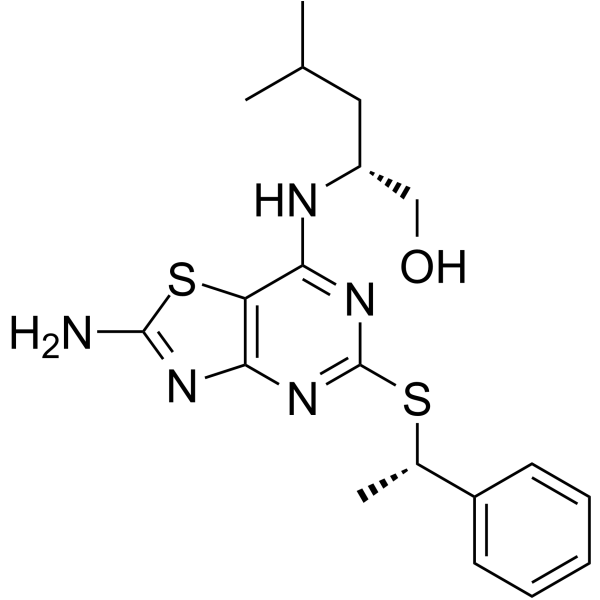
    CXCR2-IN-2
    1 Publications Verification

    CXCR Inflammation/Immunology
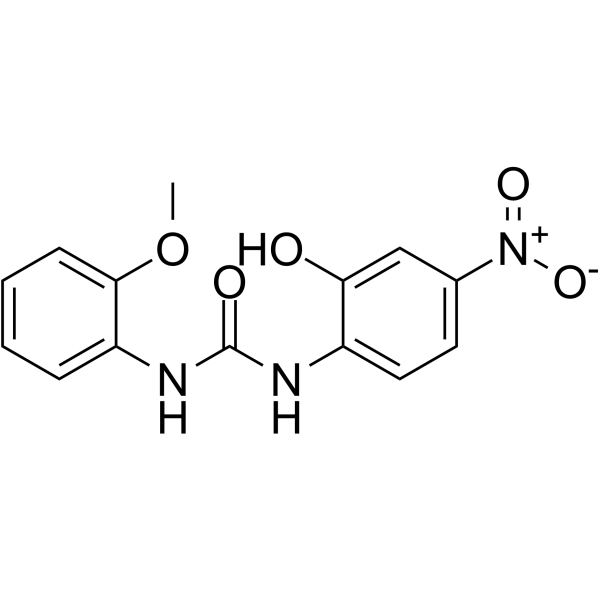
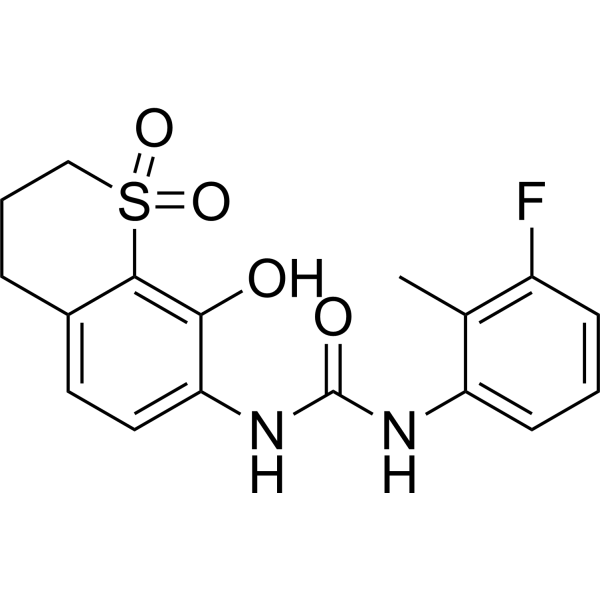
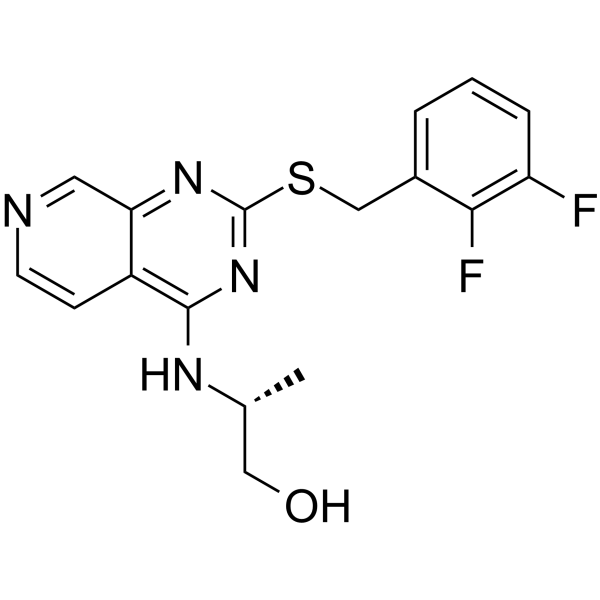
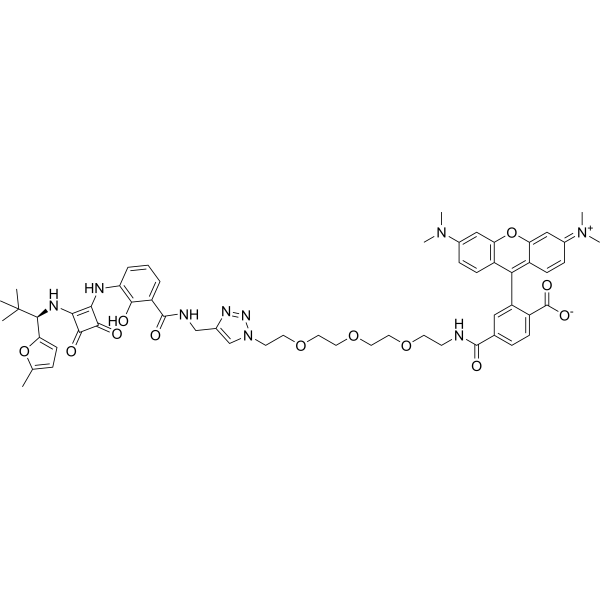
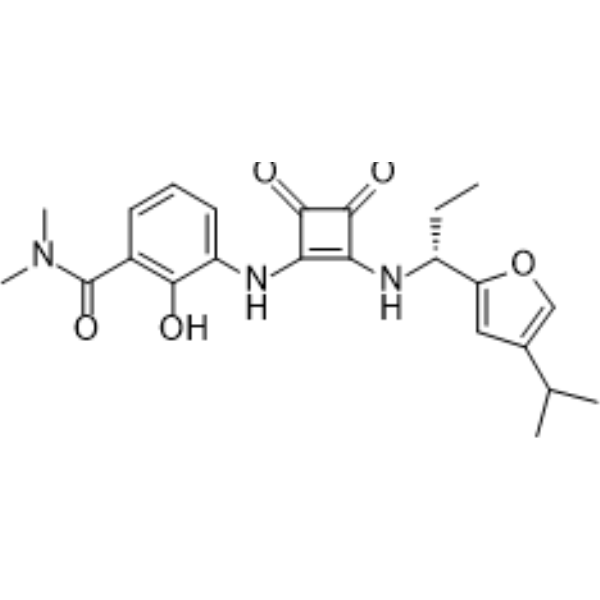
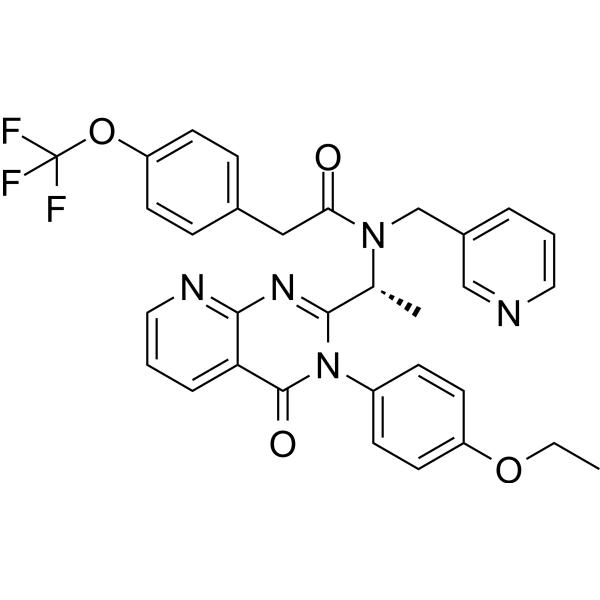
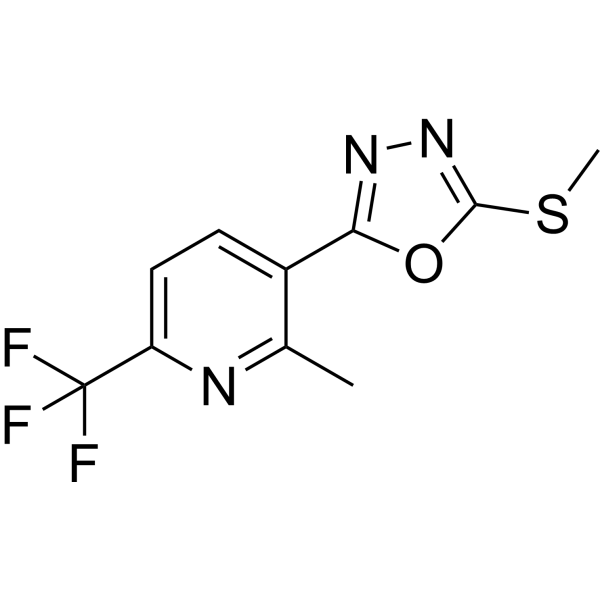
    CXCR2-IN-2 is a selective, brain penetrant, and orally bioavailable CXCR2 antagonist (IC50=5.2 nM/1 nM in β-arrestin assay/CXCR2 Tango assay, respectively). CXCR2-IN-2 displays ~730-fold selectivity over CXCR1 and >1900-fold selectivity over all other chemokine receptors. CXCR2-IN-2 inhibits human whole blood Gro-α induced CD11b expression with an IC50 of 0.04 μM .
    CXCR2-IN-2
  • HY-101022
    CXCR2-IN-1
    4 Publications Verification

    CXCR Inflammation/Immunology Endocrinology
    CXCR2-IN-1 is a central nervous system penetrant CXCR2 antagonist with a pIC50 of 9.3.
    CXCR2-IN-1
  • HY-P99272
    Ulocuplumab
    1 Publications Verification

    BMS 936564; MDX 1338; Anti-Human cxcr4 Recombinant Antibody

    CXCR Cancer
    Ulocuplumab (Anti-Human CXCR4 Recombinant Antibody/BMS-936564/MDX1338) is a fully human IgG4 anti-CXCR4 antibody. Ulocuplumab induces apoptosis and inhibits CXCL12 mediated CXCR4 activation-migration of chronic lymphocytic leukemia (CLL). Ulocuplumab exhibits antitumor activity in established tumors including acute myeloid leukemia (AML), non-Hodgkin lymphoma (NHL), and multiple myeloma xenograft models .
    Ulocuplumab
  • HY-P1103
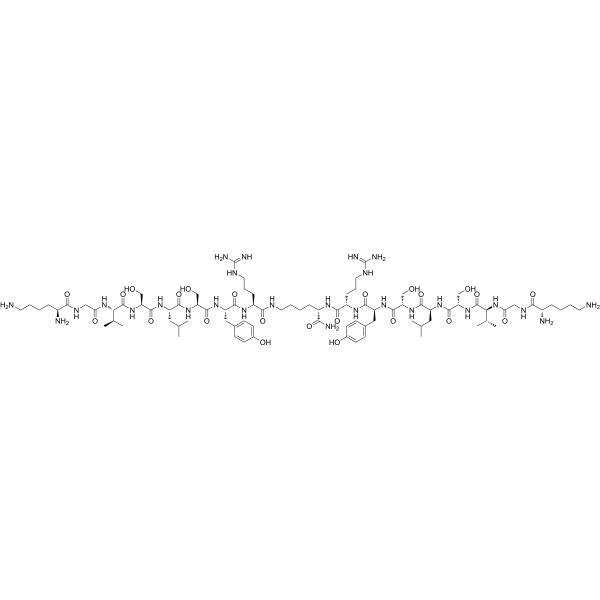
    CTCE-9908
    1 Publications Verification

    CXCR Cancer
    CTCE-9908 is a potent and selective CXCR4 antagonist. CTCE-9908 induces mitotic catastrophe, cytotoxicity and inhibits migration in CXCR4-expressing ovarian cancer cells .
    CTCE-9908
  • HY-13696
    MSX-122
    1 Publications Verification

    CXCR Inflammation/Immunology Endocrinology Cancer
    MSX-122 is an orally active partial antagonist of CXCR4, inhibiting CXCR4/CXCL12 actions, with an IC50 of ∼10 nM. MSX-122 has anti-inflammatory and anti-metastatic activity.
    MSX-122
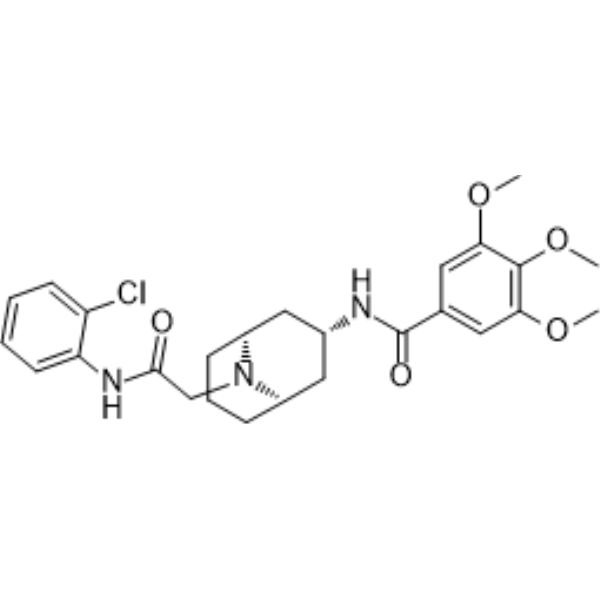
  • HY-167851

    CXCR Neurological Disease Cancer
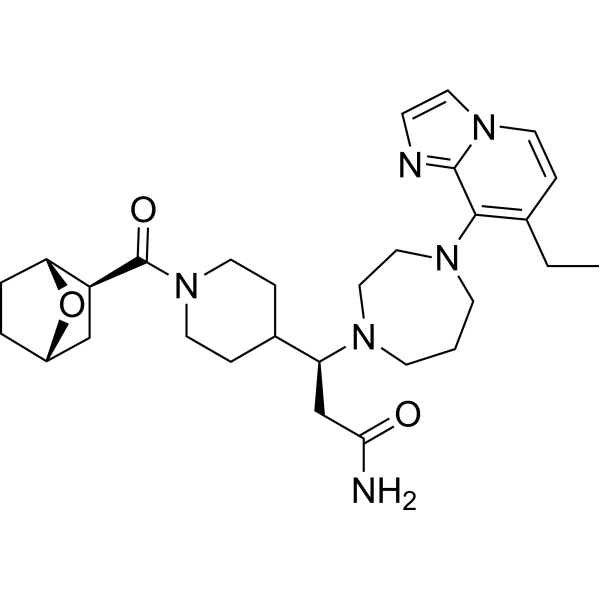
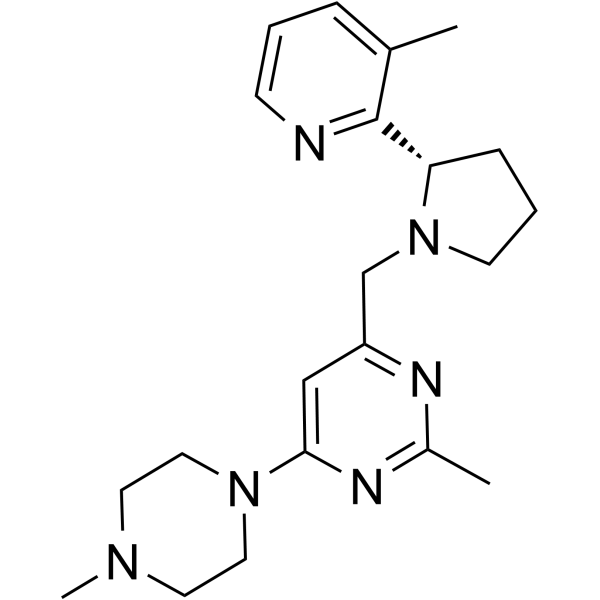
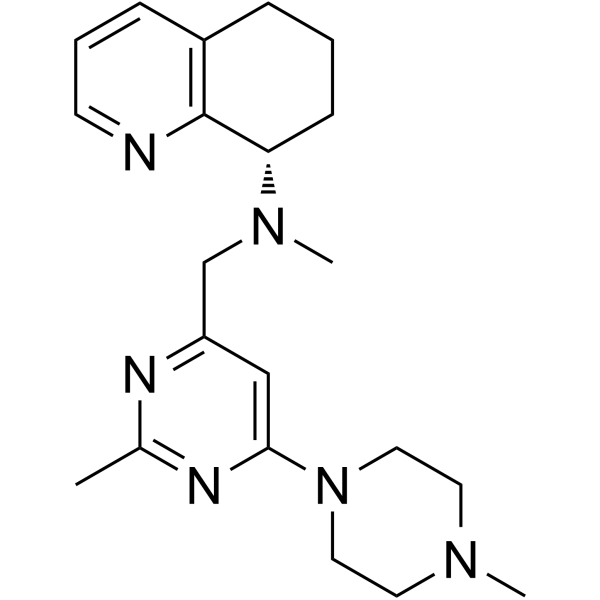
    CCX662 is a selective CXCR7 inhibitor with human IC50 values of 9 nM (buffer) and 18 nM (100% human serum), and rat IC50 of 14 nM (100% rat serum). CCX662 blocks CXCL12 binding to CXCR7, inhibits CXCR4-directed trans-endothelial migration of CXCR4 +/CXCR7 + cells. CCX662 can be used for the research of glioblastoma multiforme .
    CCX662
  • HY-139643A
    CXCR7 antagonist-1 hydrochloride
    2 Publications Verification

    CXCR Adrenergic Receptor Inflammation/Immunology Cancer
    CXCR7 antagonist-1 hydrochloride is a CXCR7 antagonist that inhibits the binding of the SDF-1 chemokine (also known as the CXCL12 chemokine) or I-TAC (also known as CXCL11) to the chemokine receptor CXCR7. CXCR7 antagonist-1 hydrochloride is useful in preventing tumor cell proliferation, tumor formation, inflammatory diseases, and many other diseases .
    CXCR7 antagonist-1 hydrochloride
  • HY-112154

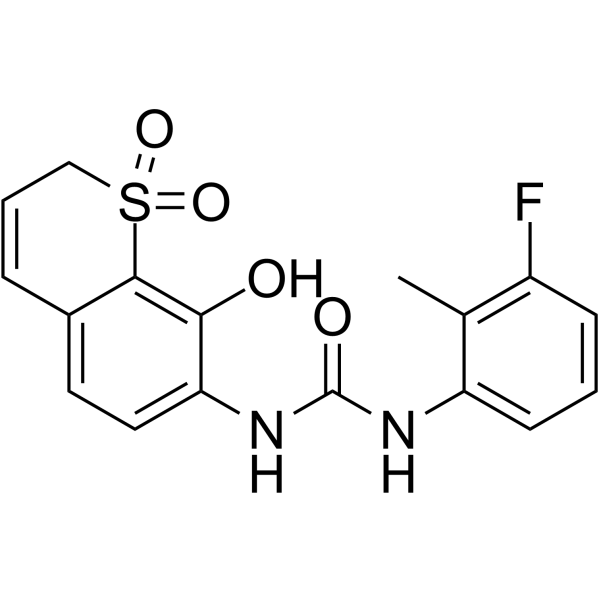
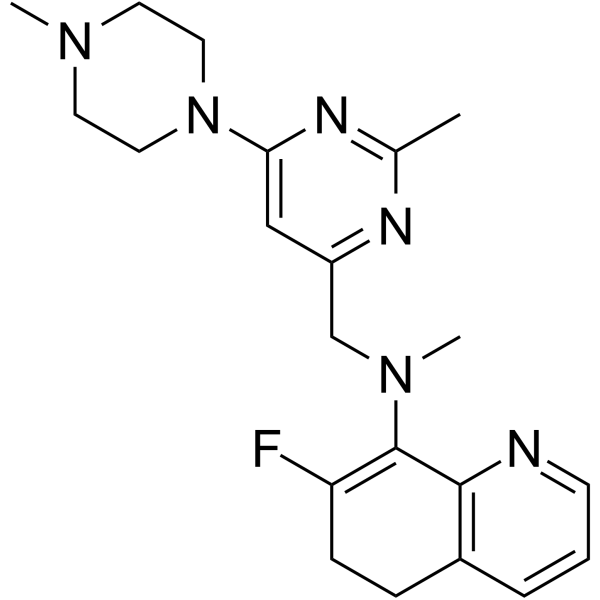
    CXCR Cardiovascular Disease Endocrinology
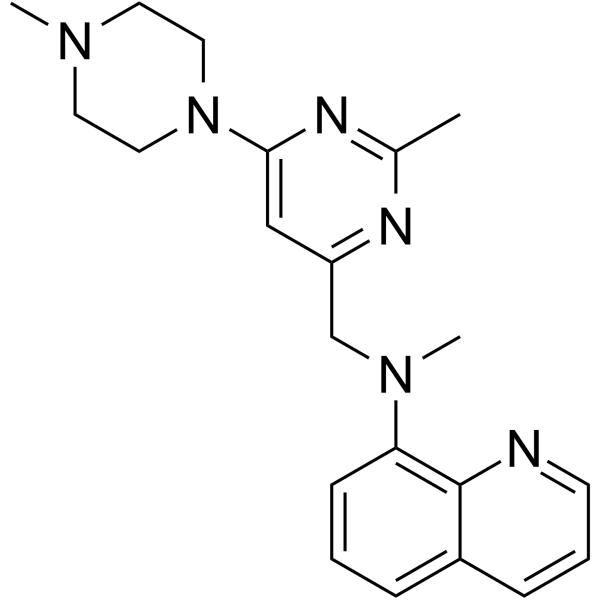
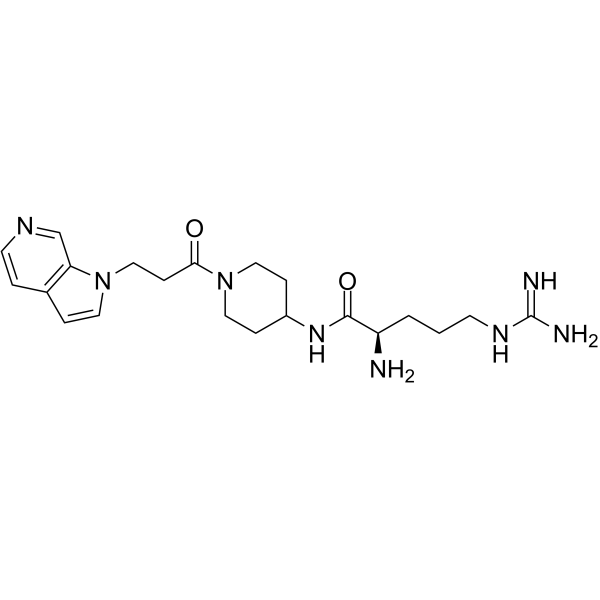
    CXCR7 modulator 2 is a modulator of C-X-C Chemokine Receptor Type 7 (CXCR7), with a Ki of 13 nM.
    CXCR7 modulator 2
  • HY-100677
    VUF11207
    3 Publications Verification

    CXCR Endocrinology
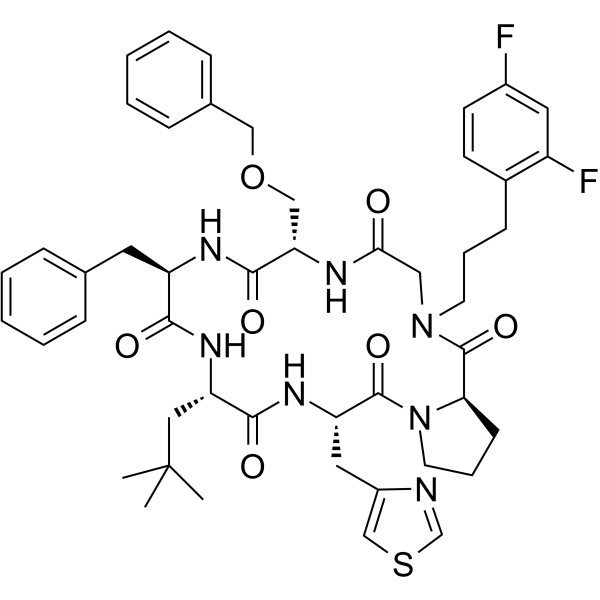
    VUF11207 (Compound 29) is a CXCR7 agonist and a high-potency CXCR7 (pKi of 8.1) ligand that induces recruitment of β-arrestin2 (pEC50 of 8.8) and subsequent internalization (pEC50 of 7.9) of CXCR7 .
    VUF11207
  • HY-161735

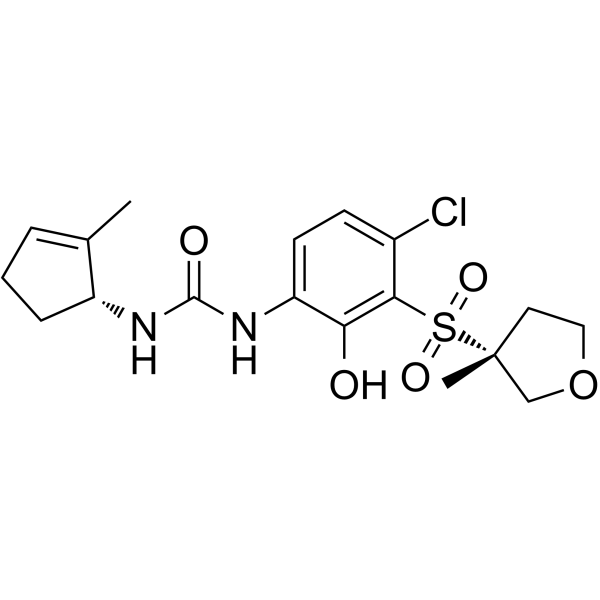
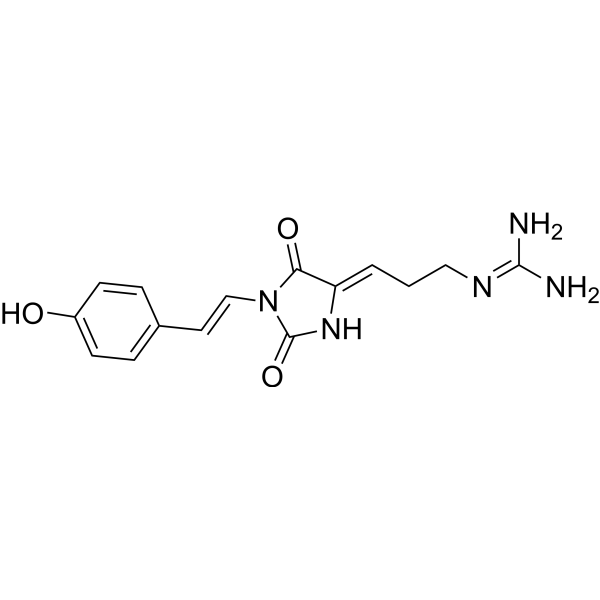
    CXCR Inflammation/Immunology
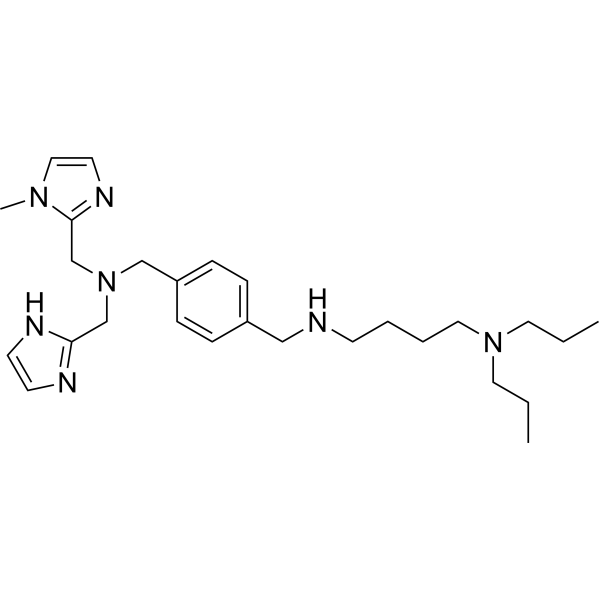
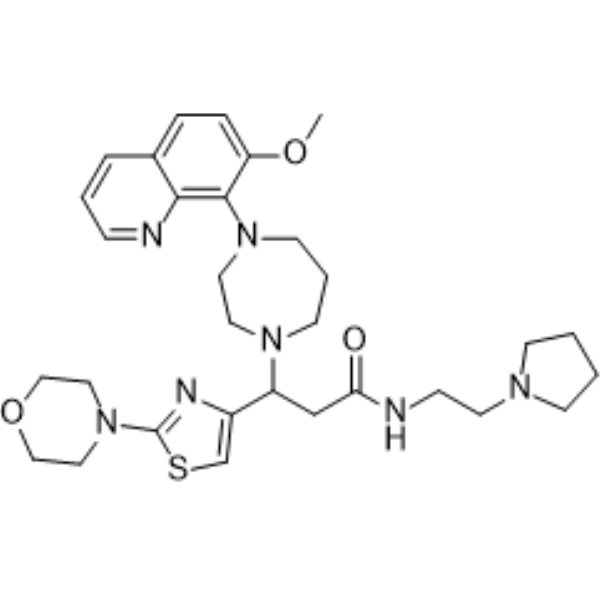
    CXCR4-IN-3 (compound XVI) is an orally active and potent inhibitor targeting the inflammation-related receptor CXCR4, with an IC50 of 3.2 nM. CXCR4-IN-3 exhibits potent antichemotactic activity, at 79.19±2.33% inhibition. CXCR4-IN-3 shows anti-inflammatory activity. CXCR4-IN-3 can be used for IBD (inflammatory bowel disease) research .
    CXCR4-IN-3
  • HY-147392

    CXCR Metabolic Disease
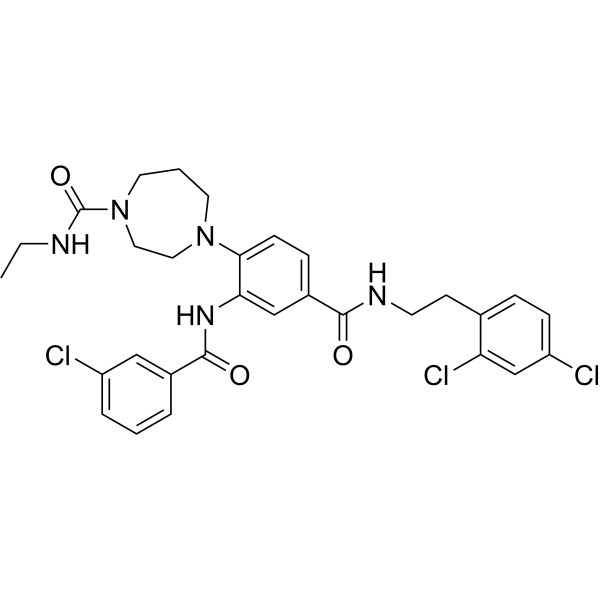
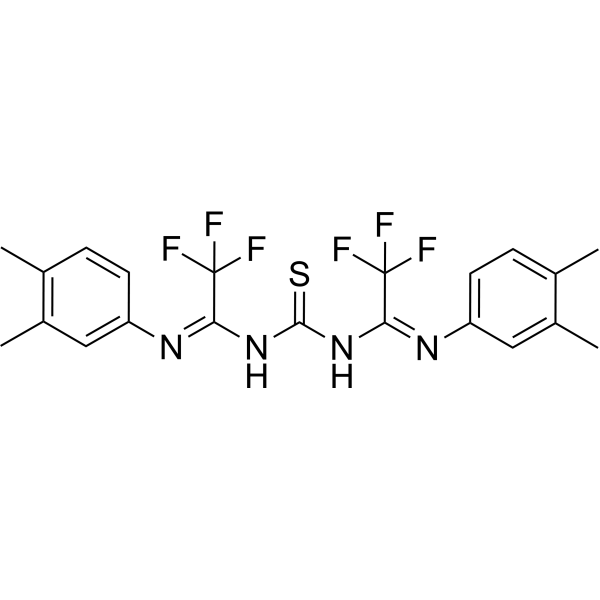
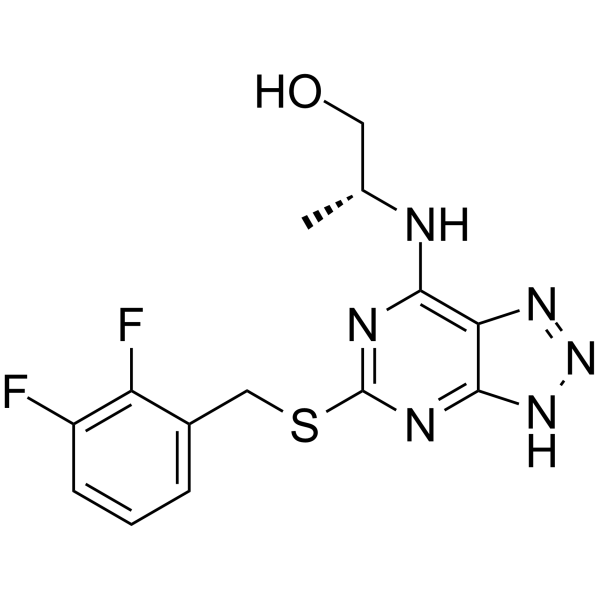
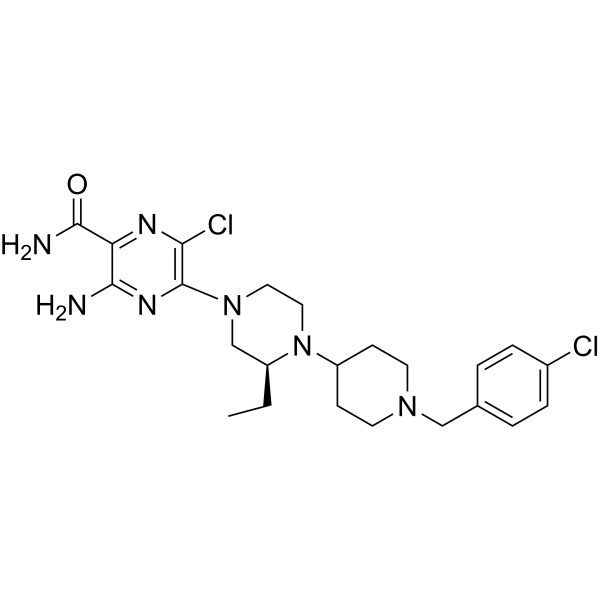
    CXCR2 antagonist 8 is a potent and selective CXCR2 antagonist. CXCR2 antagonist 8 can be used for insulin resistance research .
    CXCR2 antagonist 8
  • HY-107987

    CXCR Endocrinology
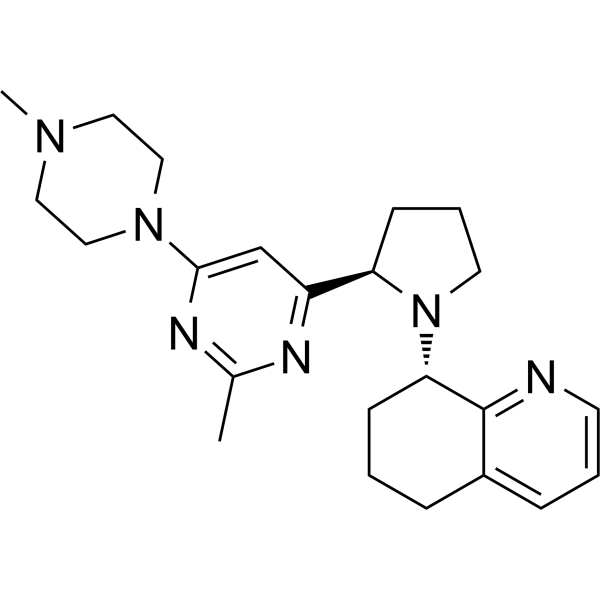
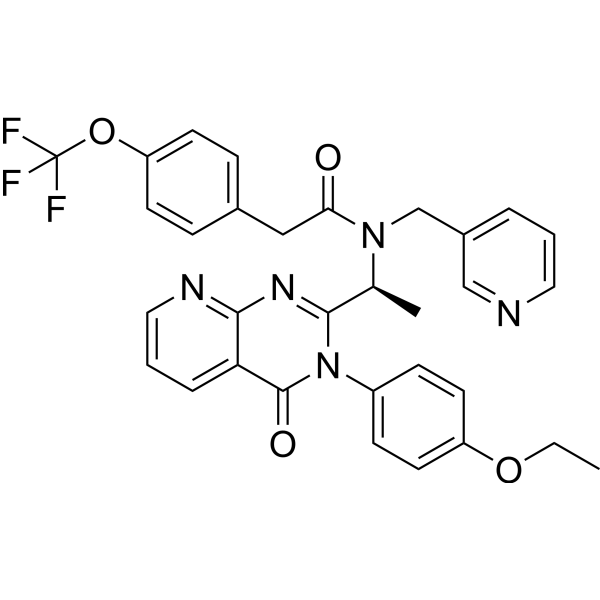
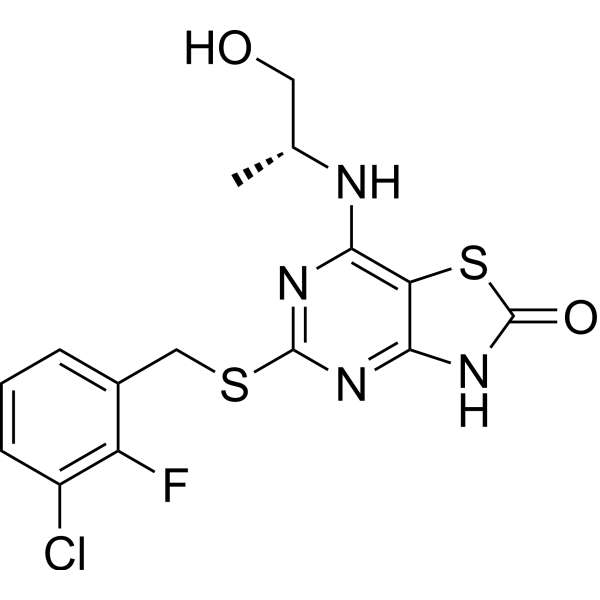
    CXCR7 modulator 1 (compound 25) is a potent and orally bioavailable peptoid hybrid CXCR7 modulator, with a Ki of 9 nM .
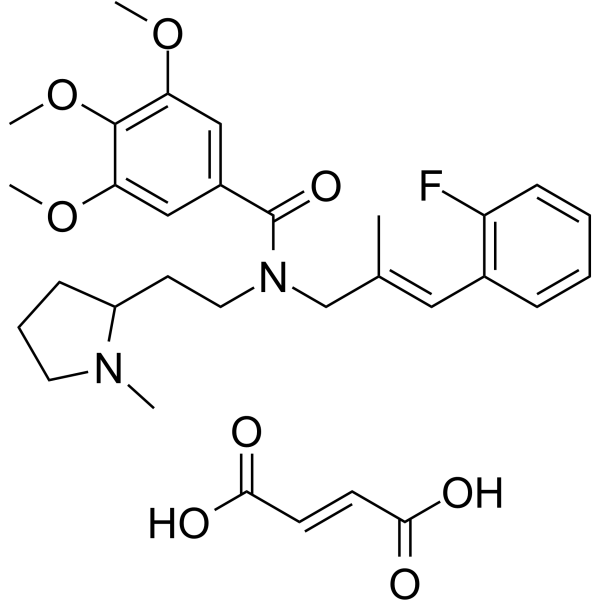
    CXCR7 modulator 1
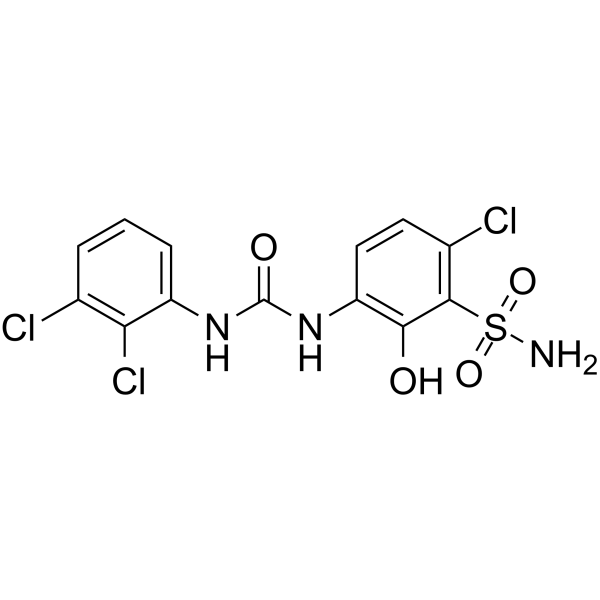
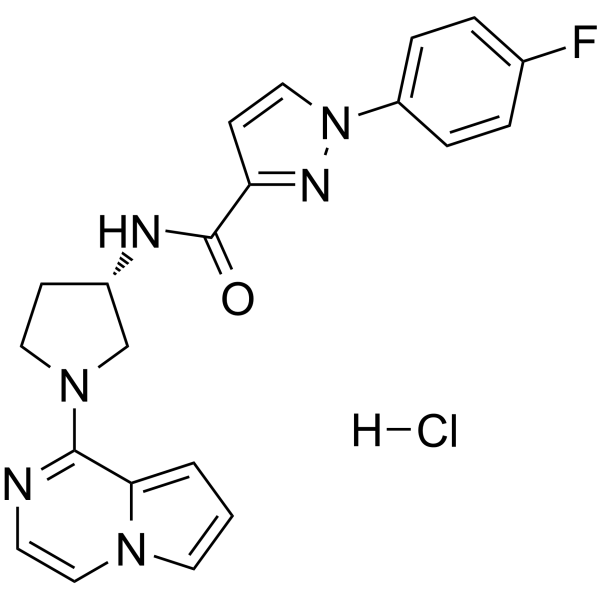
  • HY-128063

    CXCR Inflammation/Immunology
    CXCR3 antagonist 1 (compound 6c) is a selective and non-cytotoxic CXCR3 antagonist (IC50=0.06 µM). CXCR3 antagonist 1 has potential in researching inflammatory diseases (including inflammatory bowel disease, multiple sclerosis, rheumatoid arthritis, and diabetes) .
    CXCR3 antagonist 1
  • HY-RS03403

    Small Interfering RNA (siRNA) CXCR Others

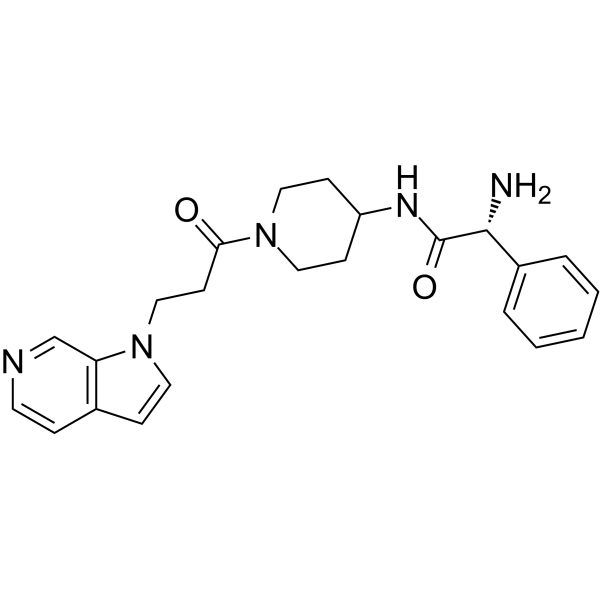
    CXCR3 Human Pre-designed siRNA Set A contains three designed siRNAs for CXCR3 gene (Human), as well as a negative control, a positive control, and a FAM-labeled negative control.

    CXCR3 Human Pre-designed siRNA Set A
    CXCR3 Human Pre-designed siRNA Set A
  • HY-163480

    CXCR Inflammation/Immunology
    PF-06835375 is a selective, humanized CXCR5-targeting immunoglobulin G1 antibody. PF-06835375 depletes CXCR5-positive B cells, follicular helper T cells and circulating Tfh-like cells. PF-06835375 is applicable to research related to autoimmune diseases .
    PF-06835375
  • HY-146401

    CXCR Cancer
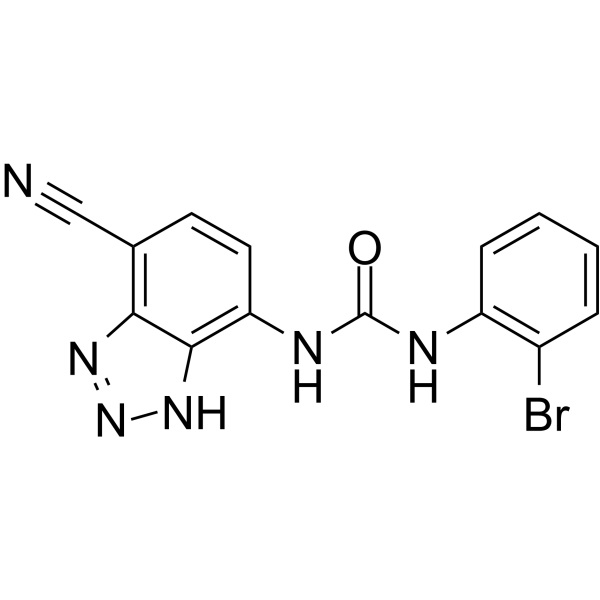
    CXCR4 antagonist 6 (compound 46) is a potent CXCR4 antagonist with an IC50 value of 79 nM. CXCR4 antagonist 6 inhibits CXCL12 induced cytosolic calcium flux (IC50 = 0.25 nM). CXCR4 antagonist 6 significantly mitigates CXCL12/CXCR4 mediated cell migration. CXCR4 antagonist 6 exhibits marked efficacy in a cancer metastasis model in mice .
    CXCR4 antagonist 6
  • HY-163475
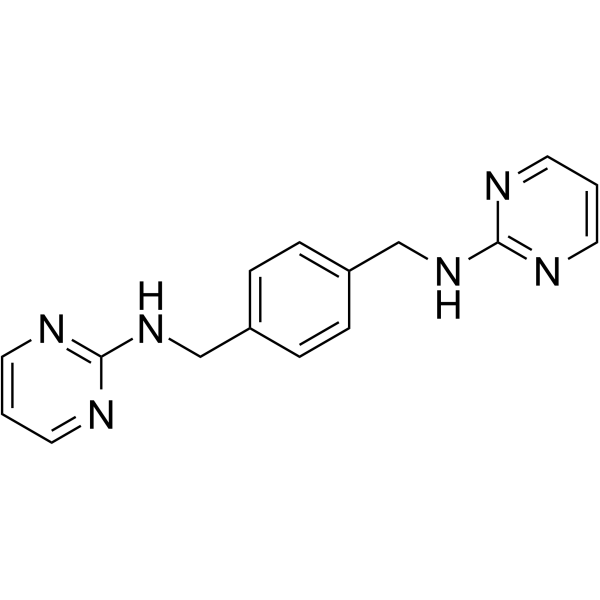
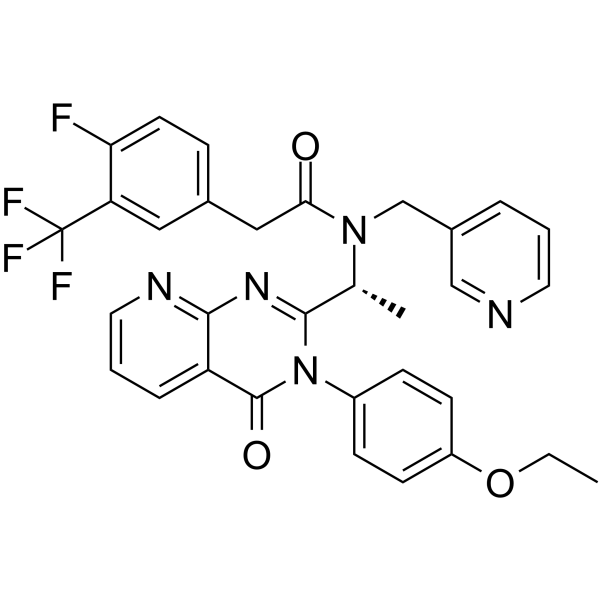
    CXCL-CXCR1/2-IN-1
    1 Publications Verification

    CXCR Cancer
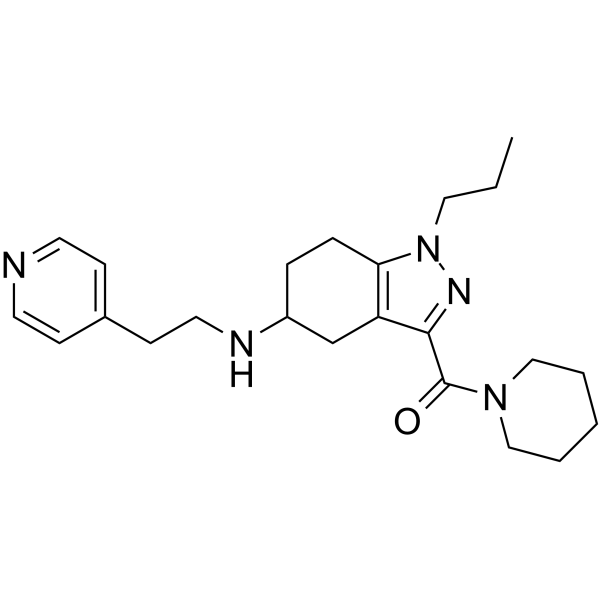
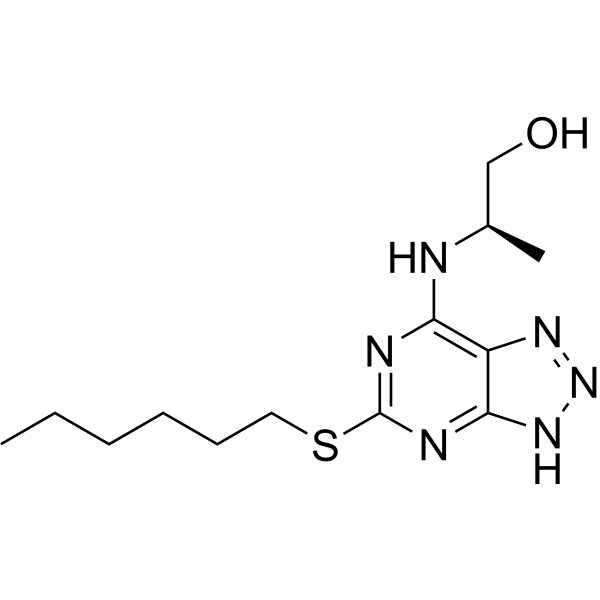
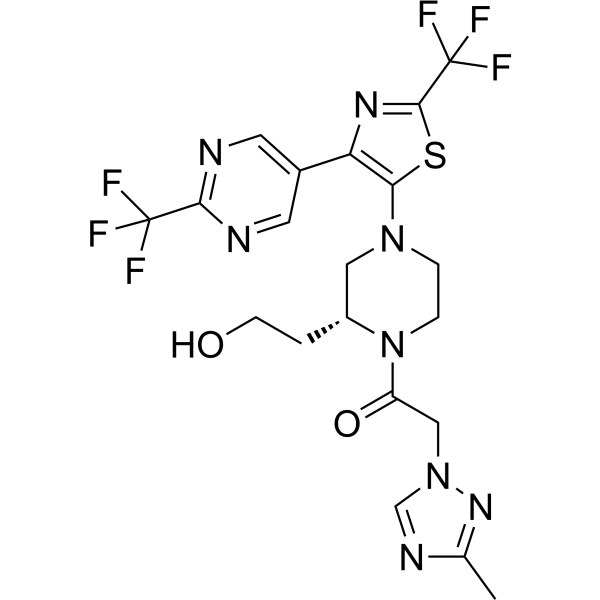
    CXCL-CXCR1/2-IN-1 is an orally active ELR +CXCL-CXCR1/2 pathway inhibitor with an EC50 of 42.7 nM for CXCR2 . CXCL-CXCR1/2-IN-1 shows anticancer and antiangiogenic effects .
    CXCL-CXCR1/2-IN-1
  • HY-139873

    CXCR Cancer
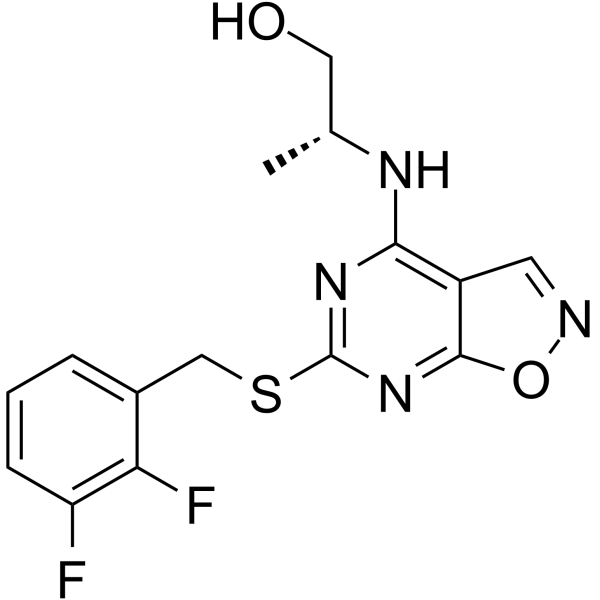
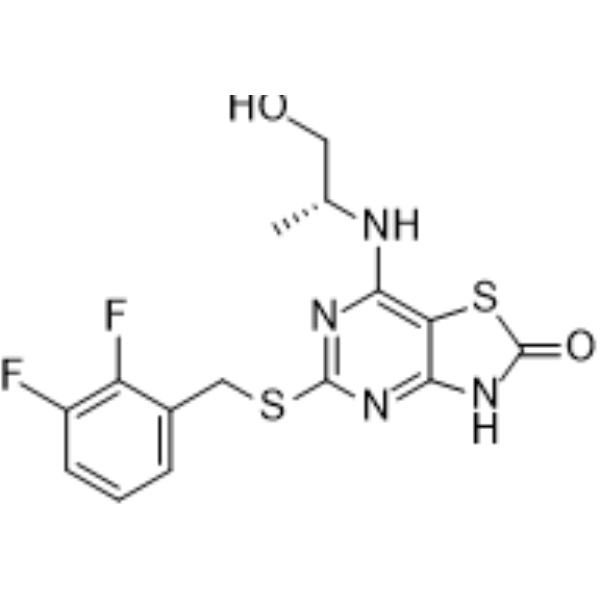
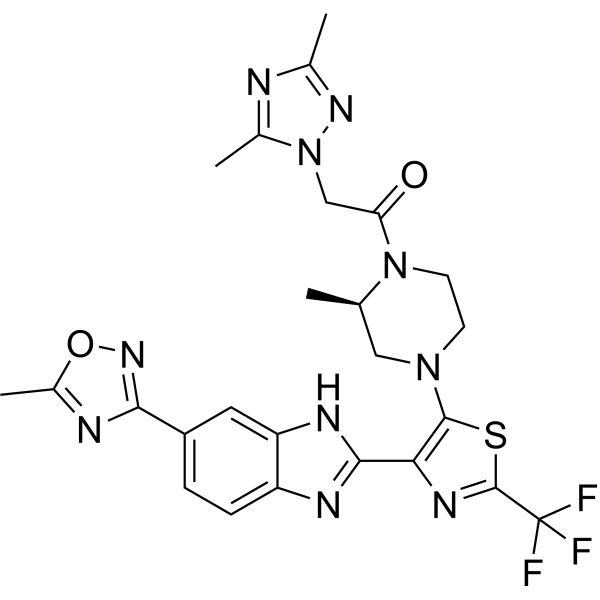
    CXCR2 antagonist 2 is a potent CXCR2 antagonist for cancer immunoresearch with an IC50 value of 95 nM.
    CXCR2 antagonist 2
  • HY-P990394

    CXCR Inflammation/Immunology
    Anti-CXCR3/GPR9/CD183 Antibody is a human-derived antibody expressed in CHO, targeting CXCR3/GPR9/CD183. The Anti-CXCR3/GPR9/CD183 Antibody has a huIgG1 heavy chain and a huκ light chain, with a predicted molecular weight (MW) of 150 kDa. For the isotype control of Anti-CXCR3/GPR9/CD183 Antibody, please refer to Human IgG1 kappa, Isotype Control (HY-P99001).
    Anti-CXCR3/GPR9/CD183 Antibody
  • HY-101458

    CXCR HIV Inflammation/Immunology Endocrinology
    IT1t is a potent CXCR4 antagonist; inhibits CXCL12/CXCR4 interaction with an IC50 of 2.1 nM.
    IT1t
  • HY-179387

    CXCR Autophagy NOD-like Receptor (NLR) Reactive Oxygen Species (ROS) Apoptosis Cancer
    CXCR2-IN-3 is a CXCR2 inhibitor with an IC50 of 11.37 μM. CXCR2-IN-3 mediates CXCR2-Ca 2+ signalling inhibition halted autophagic flux, subsequently facilitating ROS-mediated apoptotic cell death. CXCR2-IN-3 suppresses the CXCR2-NLRP3 canonical pathway, suppressing pre-tumorigenic markers. CXCR2-IN-3 causes autophagy-dependent cell death in polyploid giant cancer cells (PGCCs). CXCR2-IN-3 can be used for the research of oral squamous cell carcinoma (OSCC) .
    CXCR2-IN-3
  • HY-174728

    mRNA Inflammation/Immunology
    Human CXCR1 mRNA encodes the human C-X-C motif chemokine receptor 1 (CXCR1) protein, a member of the G-protein-coupled receptor family. CXCR1 is a receptor for interleukin 8 (IL8). It binds to IL8 with high affinity, and transduces the signal through a G-protein activated second messenger system.
    Human CXCR1 mRNA
  • HY-P5297

    Radionuclide-Drug Conjugates (RDCs) CXCR Cancer
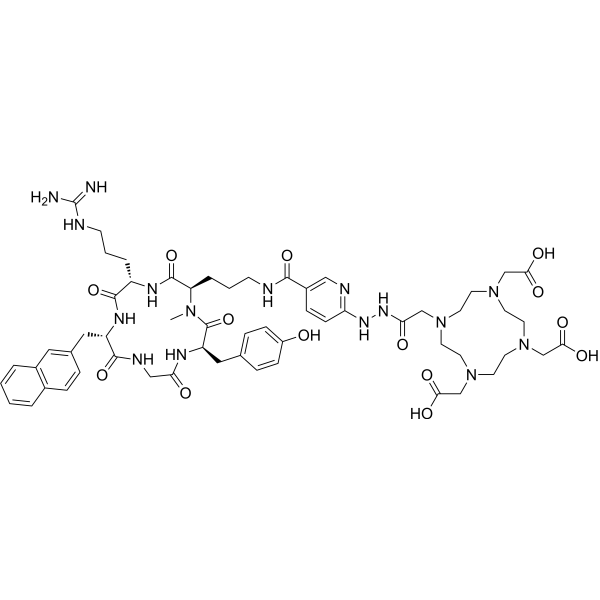
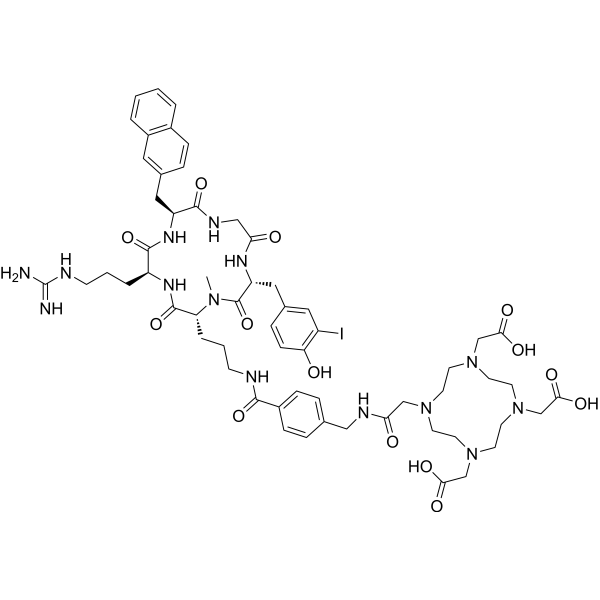
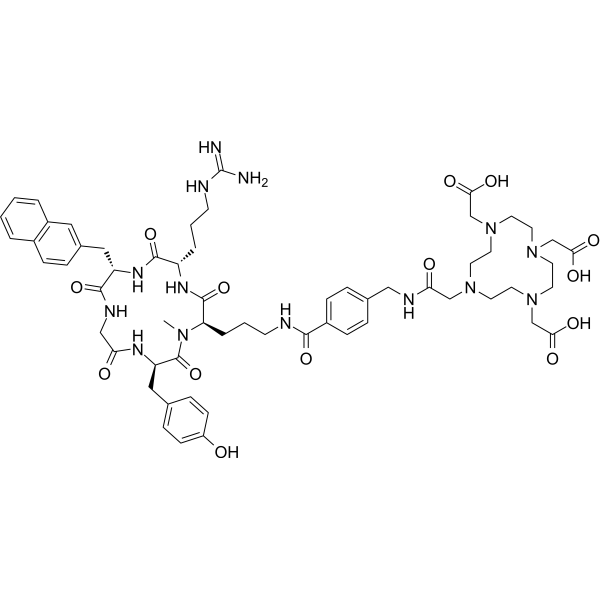
    DOTA-CXCR4-L is a CXCR4 targeting peptide. DOTA-CXCR4-L can be used in the study of cancers, including glioblastoma and triple-negative breast cancer. NODAGA-LM3 can be labeled with [68Ga]/[177Lu] for the synthesis/research of Radionuclide-Drug Conjugates (RDCs) .
    DOTA-CXCR4-L
  • HY-RS03400

    Small Interfering RNA (siRNA) CXCR Others

    CXCR2 Human Pre-designed siRNA Set A contains three designed siRNAs for CXCR2 gene (Human), as well as a negative control, a positive control, and a FAM-labeled negative control.

    CXCR2 Human Pre-designed siRNA Set A
    CXCR2 Human Pre-designed siRNA Set A
  • HY-RS03406

    Small Interfering RNA (siRNA) CXCR Others

    CXCR4 Human Pre-designed siRNA Set A contains three designed siRNAs for CXCR4 gene (Human), as well as a negative control, a positive control, and a FAM-labeled negative control.

    CXCR4 Human Pre-designed siRNA Set A
    CXCR4 Human Pre-designed siRNA Set A
  • HY-136437

    CXCR HIV Infection
    CXCR4 antagonist 1 is a potent CXCR4 antagonist. CXCR4 antagonist 1 has anti-HIV activity .
    CXCR4 antagonist 1
  • HY-144286

    CXCR Infection
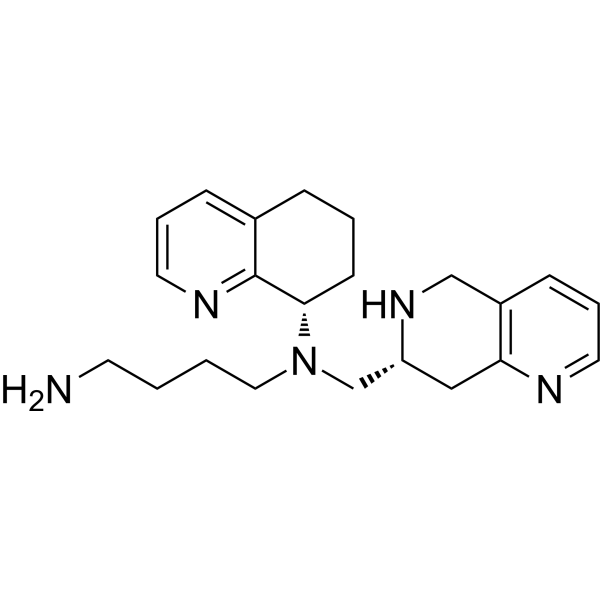
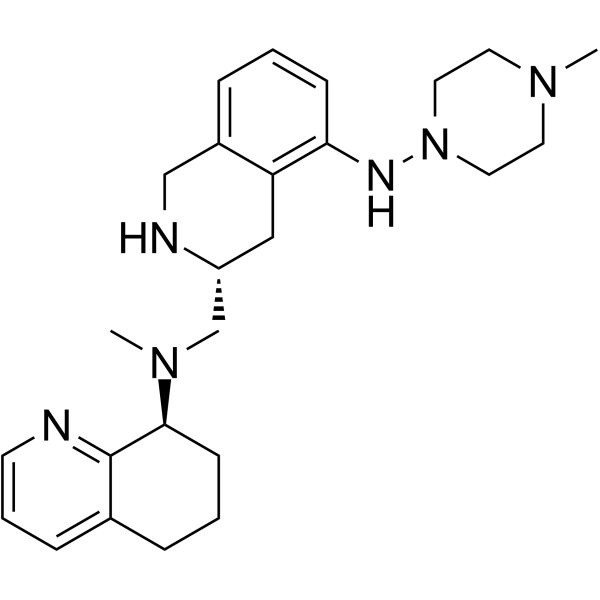
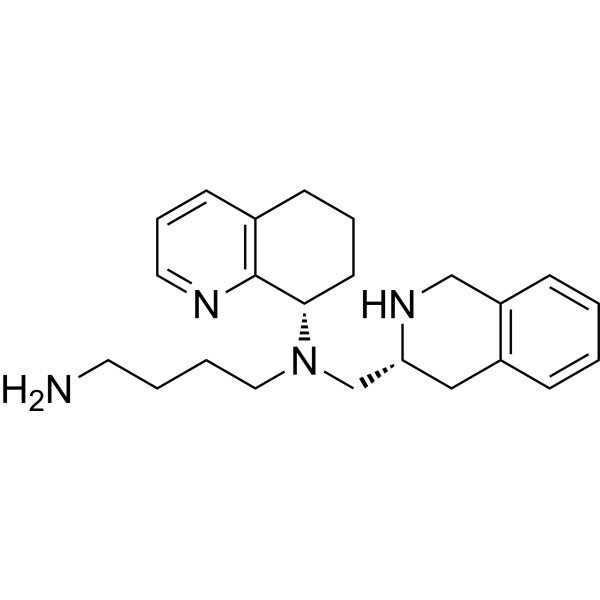
    CXCR4 antagonist 3 (compound 12a) is a potent antagonist of CXCR4 with an IC50 of 11 nM. CXCR4 antagonist 3 is a congener of TIQ15. CXCR4 antagonist 3 demonstrates the best overall properties including CXCR4 antagonism, CYP 2D6 inhibition, metabolic stability, and permeability. CXCR4 antagonist 3 has the potential for the research of human immunodeficiency virus .
    CXCR4 antagonist 3
  • HY-168095

    CXCR Cancer
    CXCR4 antagonist 10 (compound 21) is a potent antagonist of CXCR4, with the IC50 of 7.8 nM. CXCR4 antagonist 10 plays an important role in cancer research .
    CXCR4 antagonist 10
  • HY-139874

    CXCR Inflammation/Immunology Cancer
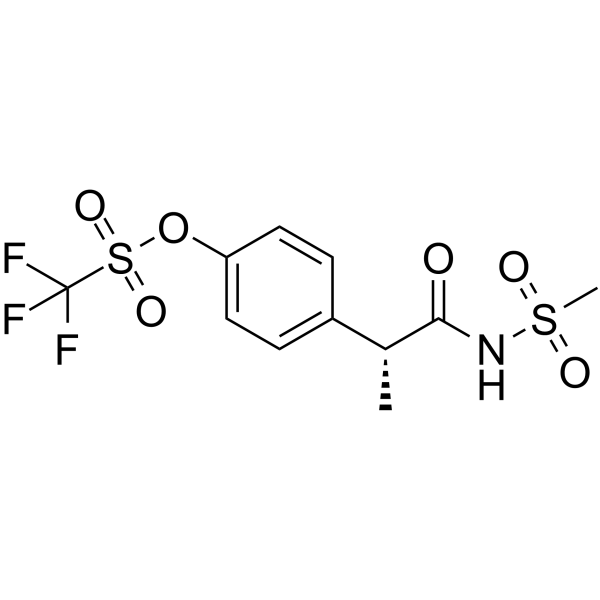
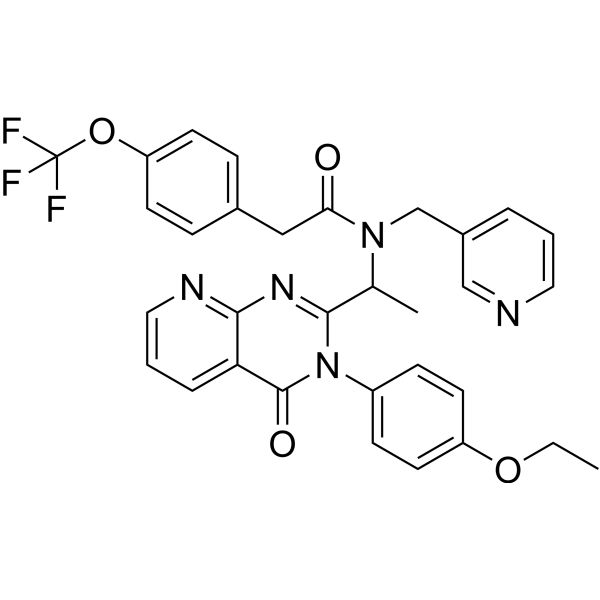
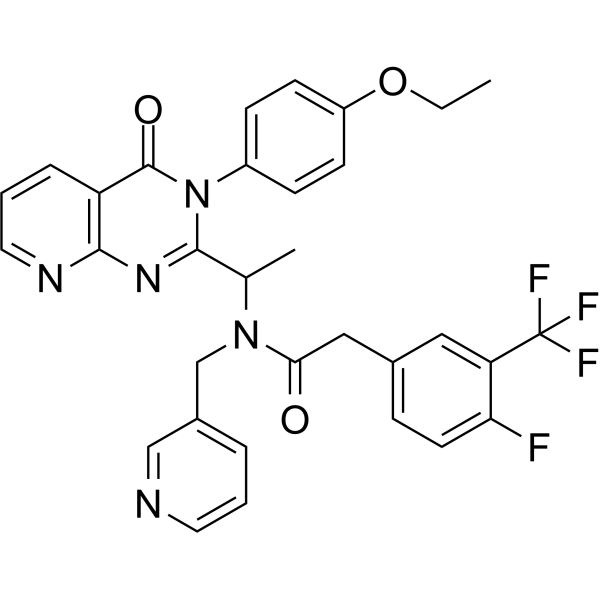
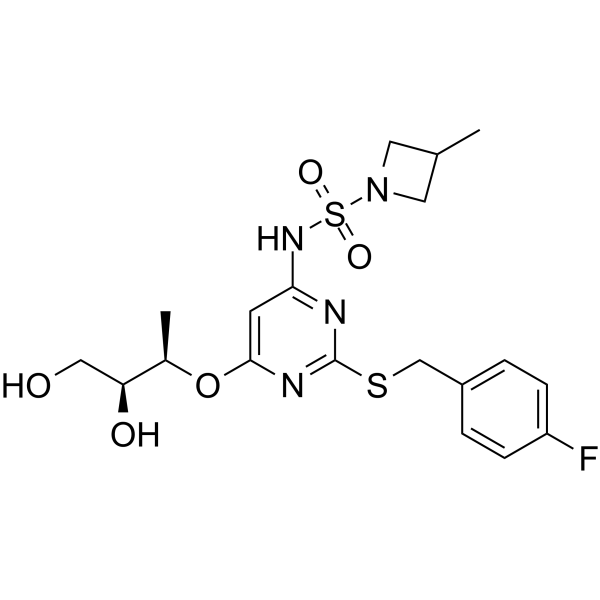
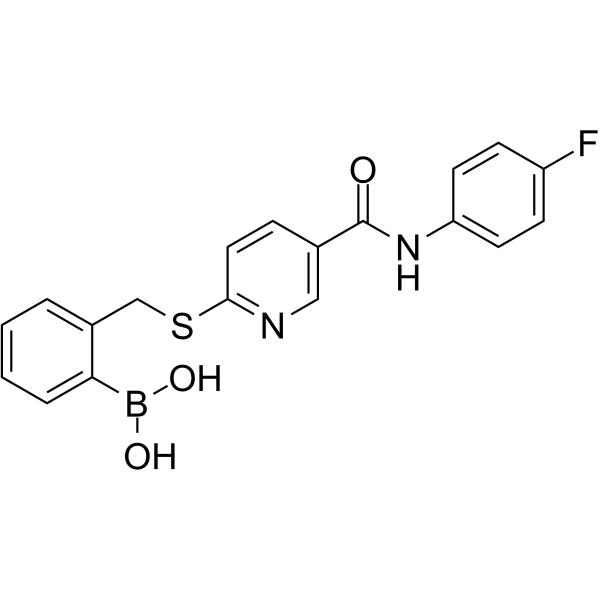
    CXCR2 antagonist 3 (compound 11h) is a potent antagonist of CXC chemokine receptor 2 (CXCR2). CXCR2 antagonist 3 demonstrates double-digit nanomolar potencies against CXCR2 and significantly inhibited neutrophil infiltration into the air pouch. CXCR2 antagonist 3 reduces the infiltration of neutrophils and MDSCs and enhance the infiltration of CD3 + T lymphocytes into the Pan02 tumor tissues .
    CXCR2 antagonist 3
  • HY-147979

    CXCR Infection Cancer
    CXCR4 antagonist 9 (Compound 2) is a CXCR4 antagonist with an IC50 of 15 nM. CXCR4 antagonist 9 inhibits CXCL12 induced cytosolic calcium increase with an IC50 of 1.3 nM .
    CXCR4 antagonist 9
  • HY-P991227

    BAY-924 antibody

    CXCR Cancer
    Anti-CD185/CXCR5 Antibody is an antibody inhibitor, targeting to human CD185/CXCR5.
    Anti-CD185/CXCR5 Antibody
  • HY-120878A

    CXCR Neurological Disease Inflammation/Immunology Cancer
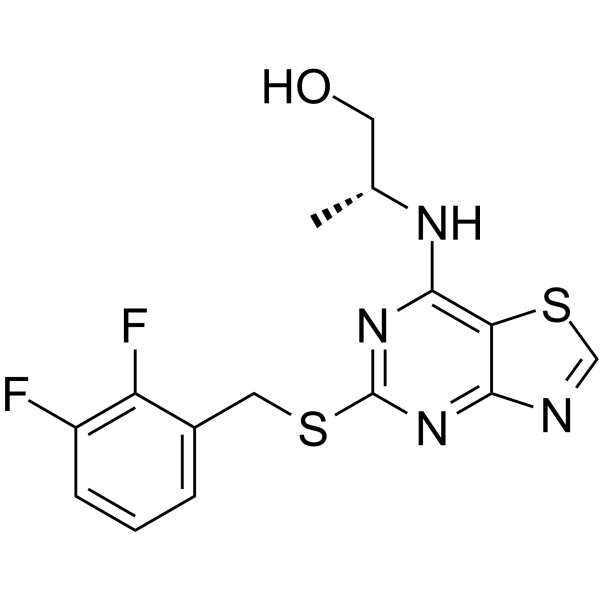
    (R,R)-CXCR2-IN-2 (compound 67), diastereoisomer of CXCR2-IN-2 (compound 68) (HY-120878), is a CXCR2 antagonist with a pIC50 of 9 and 6.8 in the Tango assay and d in the HWB Gro-α induced CD11b expression assay, respectively .
    (R,R)-CXCR2-IN-2
  • HY-147808

    CXCR HIV Infection Inflammation/Immunology Cancer
    CXCR4 antagonist 7 (Compound PARA-B) is a CXCR4 antagonist with the IC50 of 9.3 nM. CXCR4 antagonist 7 can be used for the research of HIV infection, inflammatory diseases, cancer, and WHIM syndrome .
    CXCR4 antagonist 7
  • HY-P990395

    CXCR Inflammation/Immunology
    Anti-CXCR4/CD184 Antibody is a CHO-expressed human antibody that targets CXCR4/CD184. The Anti-CXCR4/CD184 Antibody has a huIgG1 heavy chain and a huλ light chain, with a predicted molecular weight (MW) of 145 kDa. The isotype control for Anti-CXCR4/CD184 Antibody can be referenced as Human IgG1 kappa, Isotype Control (HY-P99001).
    Anti-CXCR4/CD184 Antibody
  • HY-144285

    CXCR HIV Inflammation/Immunology
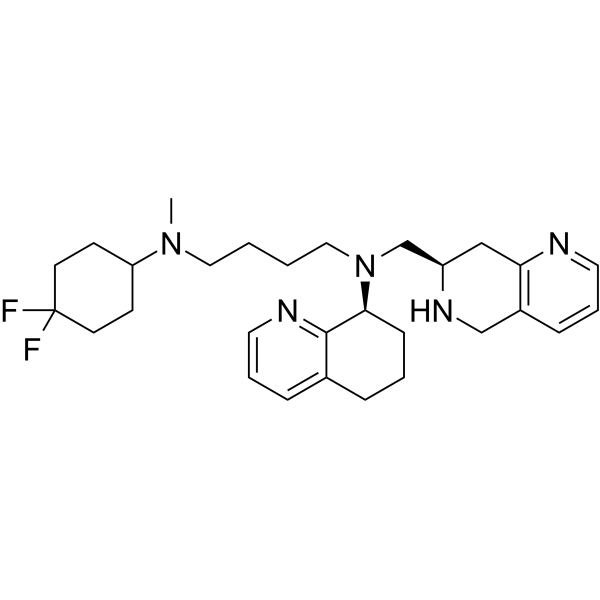
    CXCR4 antagonist 4 is a potent, orally active CXCR4 antagonist (IC50=24 nM) with diminished CYP 2D6 activity, improved PAMPA permeability, potent inhibition of human immunodeficiency virus entry (IC50=7 nM) .
    CXCR4 antagonist 4
  • HY-P11011

    Pep R54; cxcr4 antagonist peptide 19

    CXCR Cancer
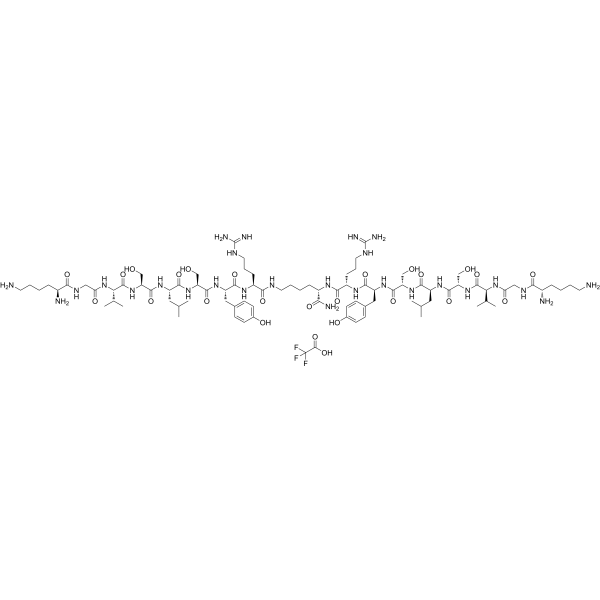
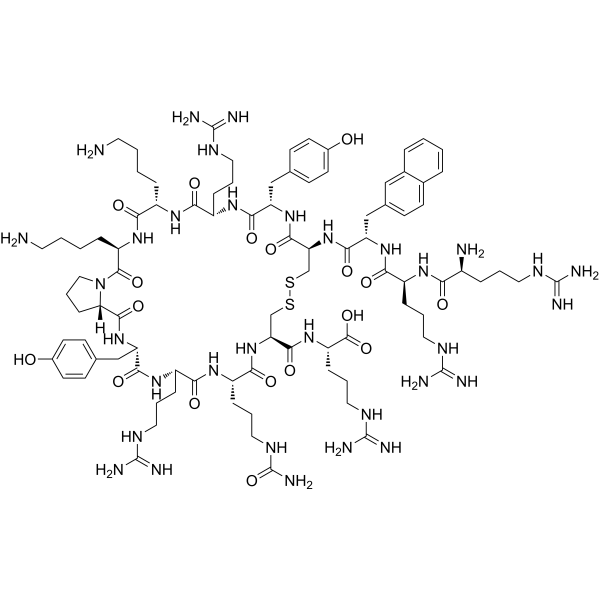
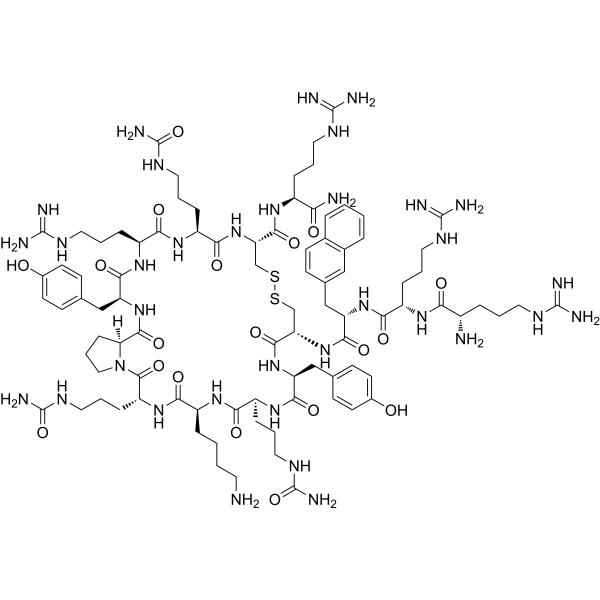
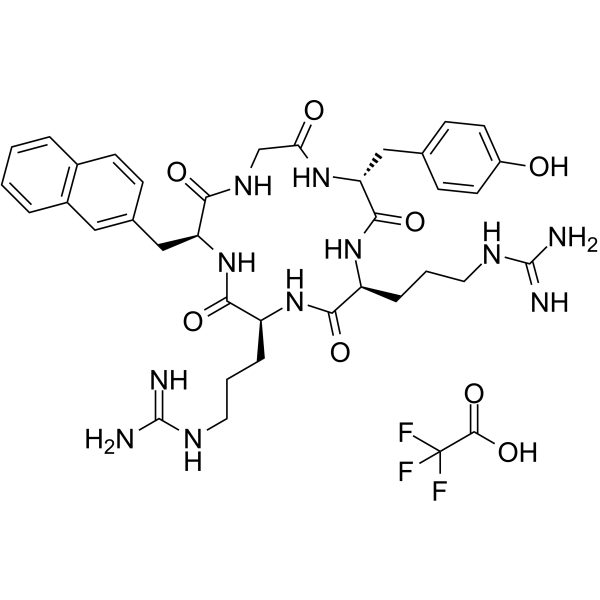
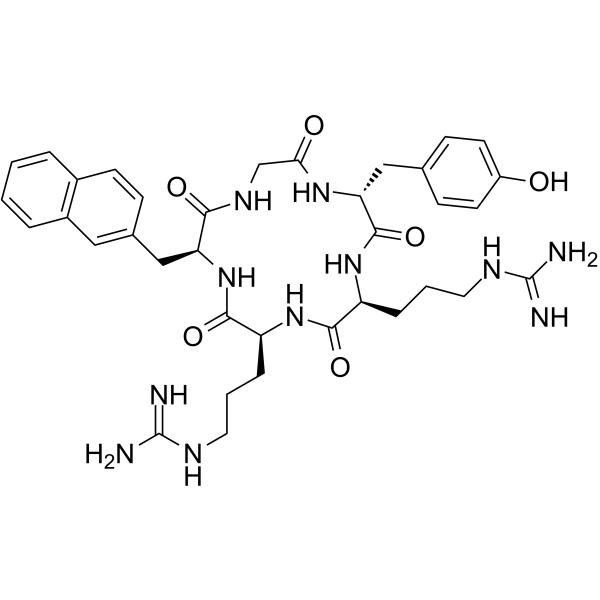
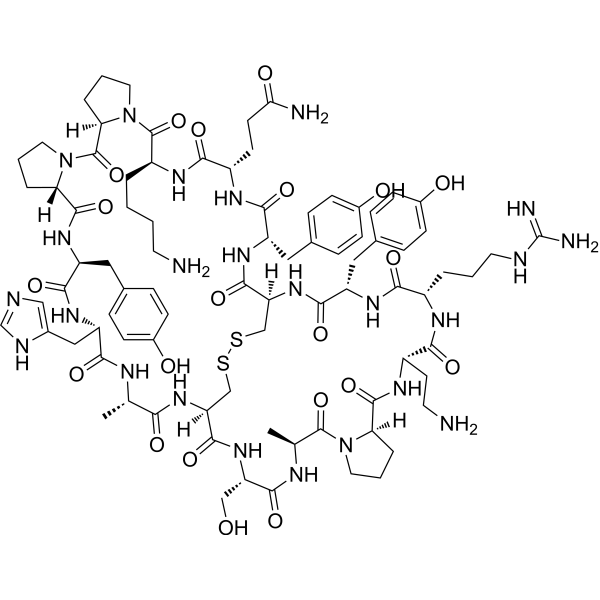
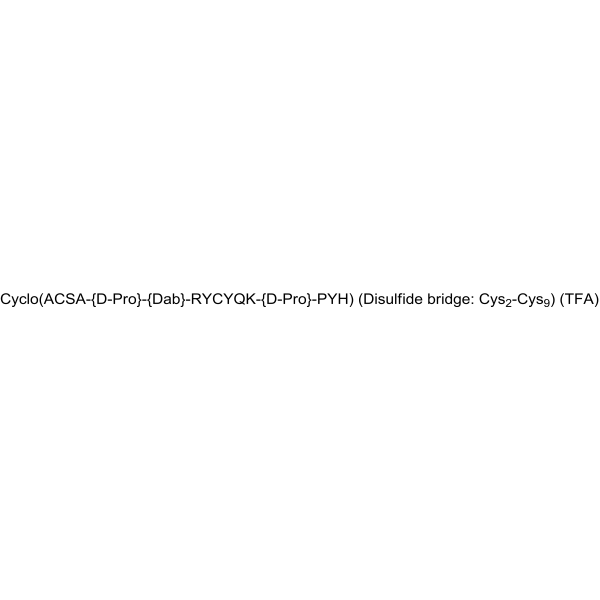
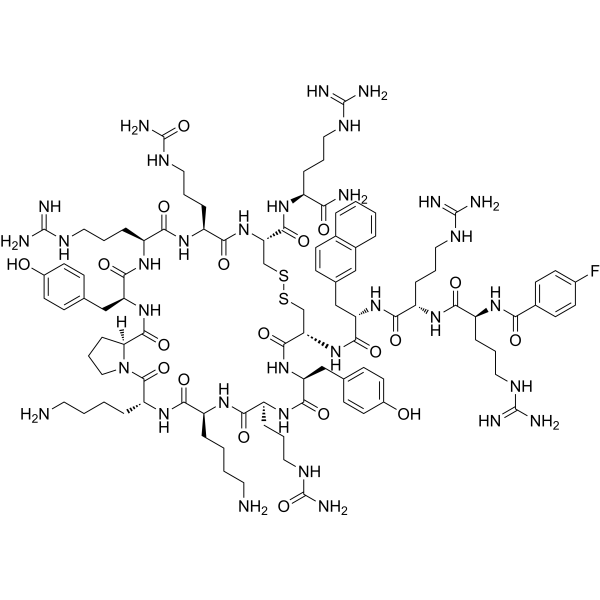
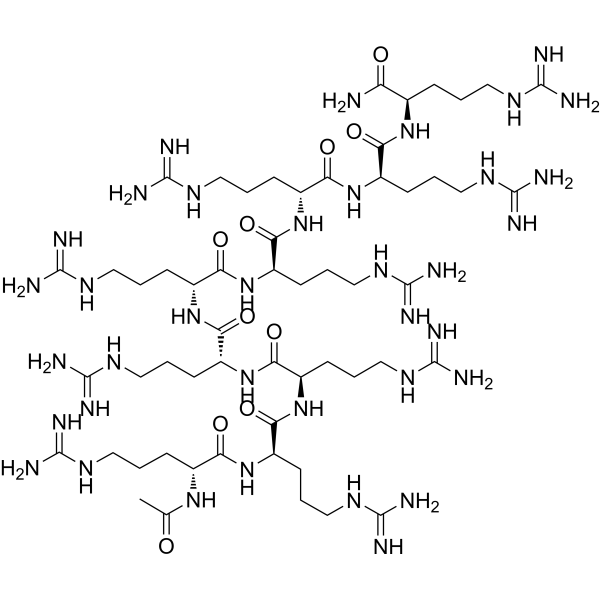
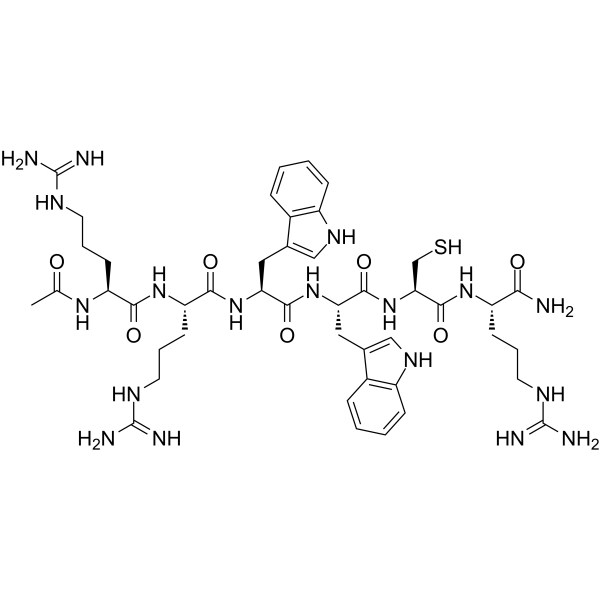
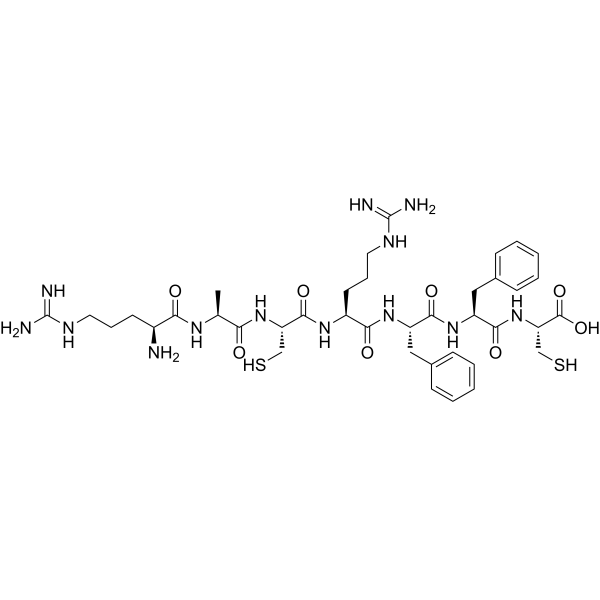
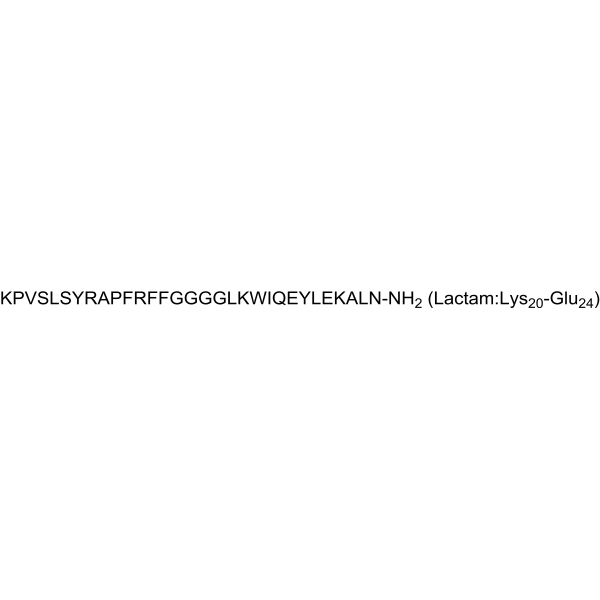
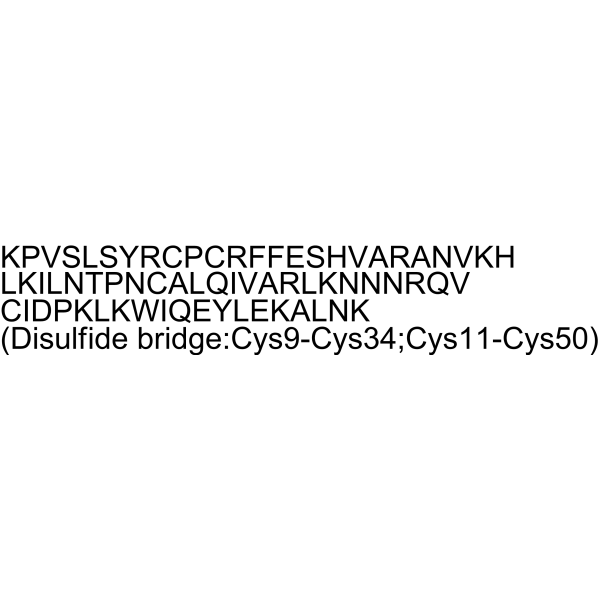
    Peptide R54 (Pep R54; CXCR4 antagonist peptide 19) is an antagonistic peptide targeting CXCR4 with significant anticancer activity. Peptide R54 inhibits CXCR4-dependent cell migration, epithelial-mesenchymal transition, and lung metastasis development, with better serum stability and higher CXCR4 affinity than the lead compound (IC50=20 nM). Peptide R54 synergizes with anti-PD-1 therapy to exert anti-tumor activity in vivo, enhances granzyme activity, and reduces infiltration of Foxp3 cells. Peptide R54 can be used in the study of colon cancer, ovarian cancer, and melanoma .
    Peptide R54
  • HY-P1103A

    CXCR Cancer
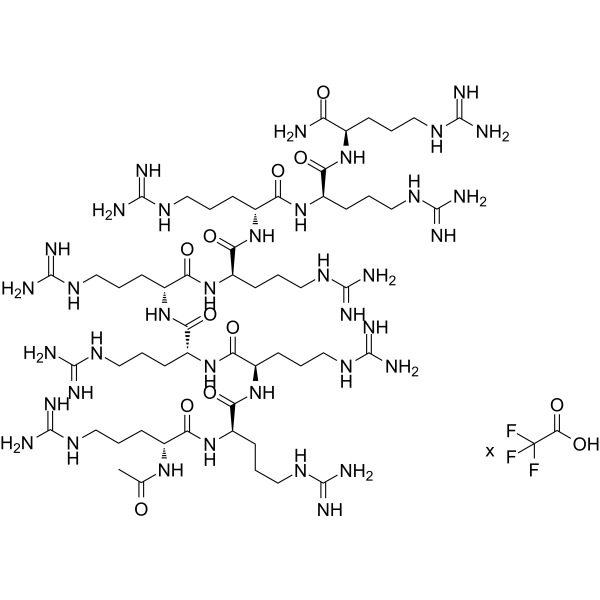
    CTCE-9908 TFA is a potent and selective CXCR4 antagonist. CTCE-9908 TFA induces mitotic catastrophe, cytotoxicity and inhibits migration in CXCR4-expressing ovarian cancer cells .
    CTCE-9908 TFA
  • HY-P4810

    T140

    CXCR Infection
    Polyphemusin II-Derived Peptide (T140), a CXCR4 inhibitor, shows high inhibitory activity against HIV-1 entry and the inhibitory effect on the binding of an anti-CXCR4 monoclonal antibody (12G5) to CXCR4 .
    Polyphemusin II-Derived Peptide
  • HY-153464

    CXCR Infection Cardiovascular Disease Inflammation/Immunology Cancer
    CXCR4-IN-1 (Example C5) is a CXCR4 inhibitor (IC50: 20 nM). CXCR4-IN-1 can be used for research of cancer, HIV, diabetic retinopathy, inflammation, etc .
    CXCR4-IN-1
  • HY-149558

    Apoptosis CXCR Cancer
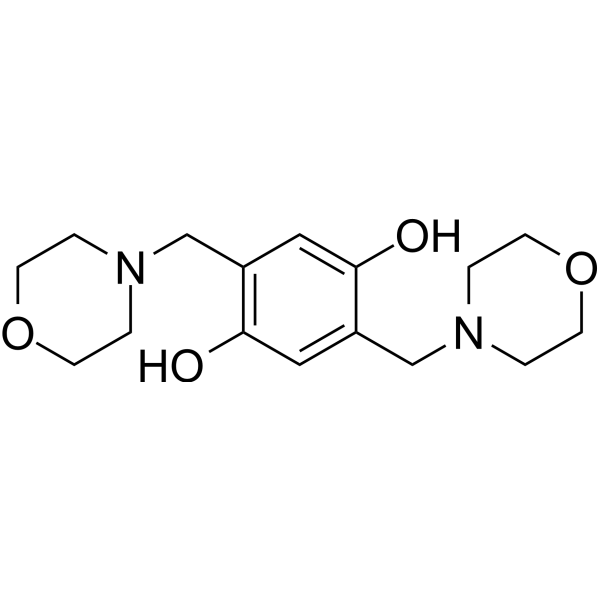
    CXCR4-IN-2 (compound A1) is a bifunctional fluorinated small molecule that is a potent CXCR4 inhibitor with anticancer activity. CXCR4-IN-2 has cytotoxic (IC50: 60 μg/mL; 72 h) and antiproliferative effects on mouse colorectal cancer (CRC) cells. CXCR4-IN-2 induces cell arrest in the G2/M phase and induces apoptosis .
    CXCR4-IN-2
  • HY-147978

    CXCR Infection Cancer
    CXCR4 antagonist 8 (Compound 3) is a CXCR4 antagonist with an IC50 of 57 nM. CXCR4 antagonist 8 inhibits CXCL12 induced cytosolic calcium increase with an IC50 of 0.24 nM. CXCR4 antagonist 8 inhibits CXLC12/CXCR4 mediated cell migration .
    CXCR4 antagonist 8
  • HY-146053

    CXCR Infection Inflammation/Immunology Cancer
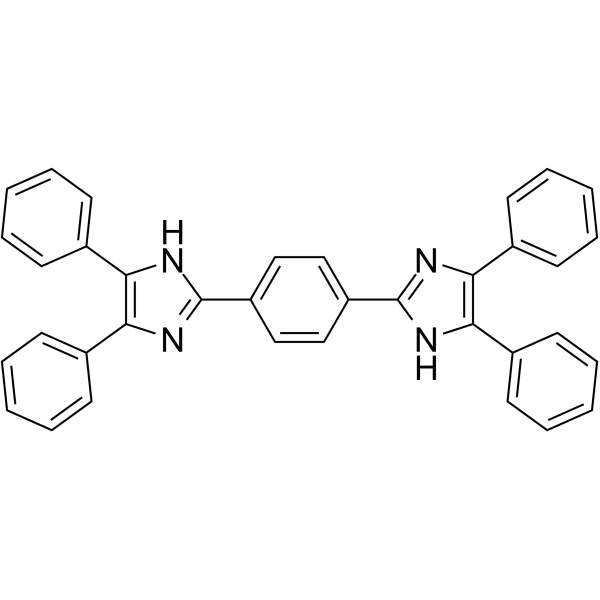
    CXCR4 modulator-1 (compound ZINC72372983) is a potent CXCR4 modulator with an EC50 value of 100 nM. CXCR4 modulator-1 can be used for researching anti-inflammatory, anticancer and anti-HIV .
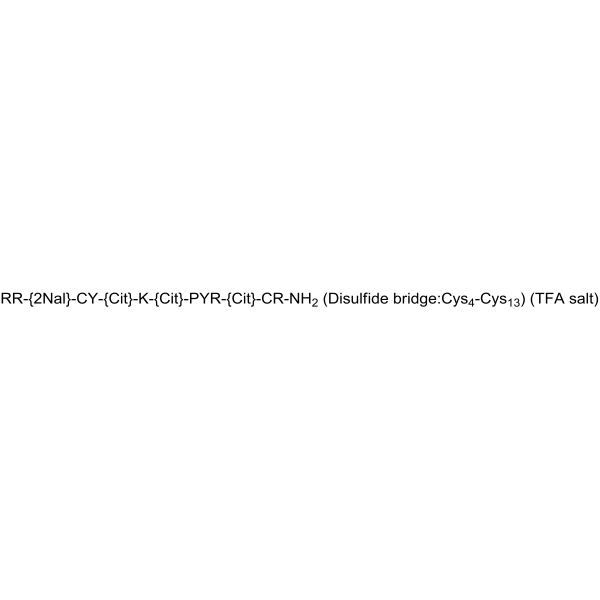
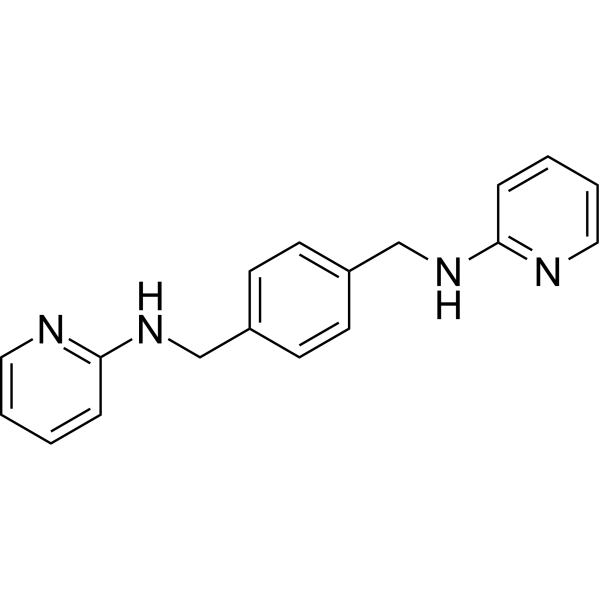
    CXCR4 modulator-1

Inquiry Online

Your information is safe with us. * Required Fields.

Salutation


Country or Region *

Applicant Name *


Organization Name *

Department *


Email Address *


Product Name *

Cat. No.


Requested quantity *

Phone Number *


Remarks

Inquiry Online

Inquiry Information

Product Name:
Cat. No.:
Quantity:
MCE Japan Authorized Agent: