Search Result
Results for "
double-stranded+DNA
" in MedChemExpress (MCE) Product Catalog:
1
Biochemical Assay Reagents
11
Isotope-Labeled Compounds
| Cat. No. |
Product Name |
Target |
Research Areas |
Chemical Structure |
-
- HY-D0815
-
|
|
Fluorescent Dye
DNA/RNA Synthesis
|
Others
|
|
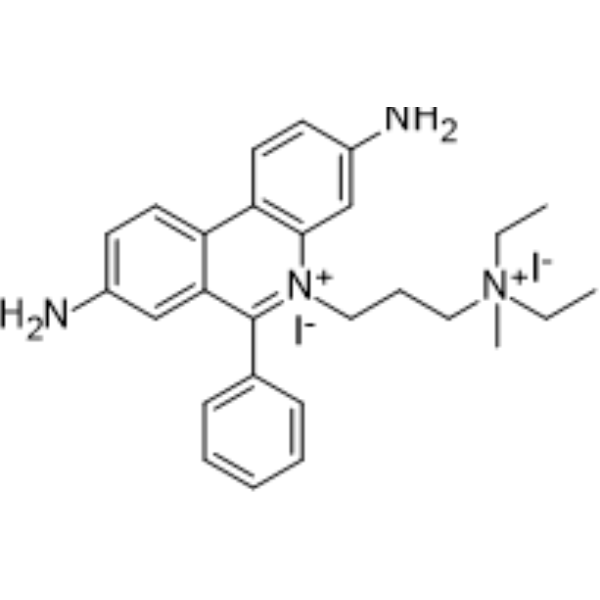
Propidium Iodide (PI) is a nuclear staining agent that stains DNA. Propidium Iodide is an analogue of ethidine bromide that emits red fluorescence upon embedding in double-stranded DNA. Propidium Iodide cannot pass through living cell membranes, but it can pass through damaged cell membranes to stain the nucleus. Propidium Iodide has a fluorescence wavelength of 493/617 nm and a wavelength of 536/635 nm after Mosaic with DNA. Propidium Iodide is commonly used in the detection of apoptosis (apoptosis) or necrosis (necrosis), and is often used in flow cytometry analysis.
|
-
-
- HY-D0814
-
|
4',6-Diamidino-2-phenylindole dihydrochloride
|
DNA Stain
Sodium Channel
|
Neurological Disease
|
|
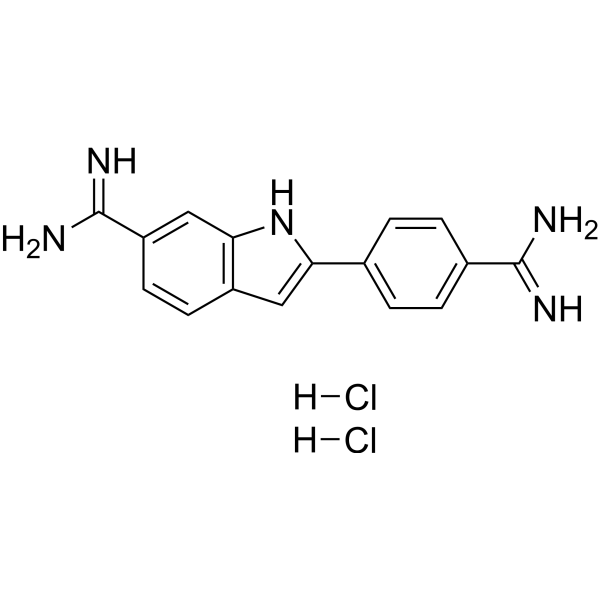
DAPI (4',6-Diamidino-2-phenylindole) dihydrochloride is a DAPI dye. DAPI is a fluorescent dye that binds strongly to DNA. It binds to the AT base pair of the double-stranded DNA minor groove, and one DAPI molecule can occupy three base pair positions. The fluorescence intensity of DAPI molecules bound to double-stranded DNA is increased by about 20 times, and it is commonly observed with fluorescence microscopy, and the amount of DNA can be determined based on the intensity of fluorescence. In addition, because DAPI can pass through intact cell membranes, it can be used to stain both live and fixed cells . DAPI (Compound 3) is an acid-sensing ion channel 3 (ASIC3) inhibitor. DAPI binds to ASIC3 and blocks the channel function. DAPI can be used in the study of chronic pain treatment (Ex/Em = 356/451 nm).
|
-
-
- HY-18174
-
|
LY2606368
|
Checkpoint Kinase (Chk)
Apoptosis
|
Cancer
|
|
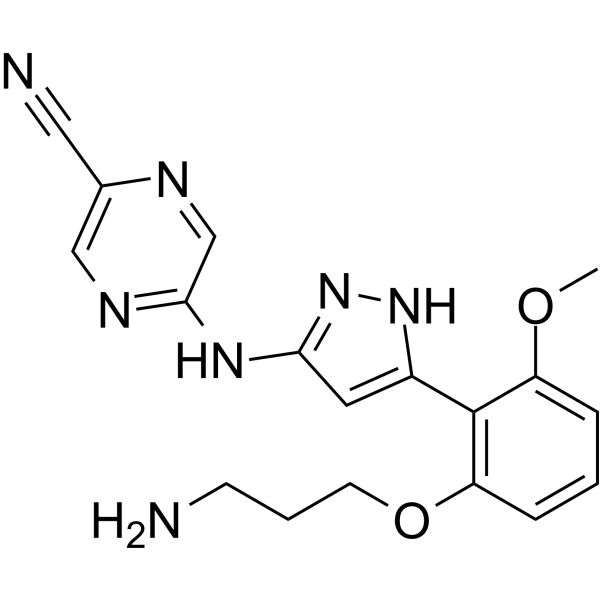
Prexasertib (LY2606368) is a selective, ATP-competitive second-generation checkpoint kinase 1 (CHK1) inhibitor with a Ki of 0.9 nM and an IC50 of <1 nM. Prexasertib inhibits CHK2 (IC50=8 nM) and RSK1 (IC50=9 nM). Prexasertib causes double-stranded DNA breakage and replication catastrophe resulting in apoptosis. Prexasertib shows potent anti-tumor activity .
|
-
-
- HY-W013049
-
|
Behenic acid
|
Endogenous Metabolite
DNA/RNA Synthesis
|
Metabolic Disease
Cancer
|
|
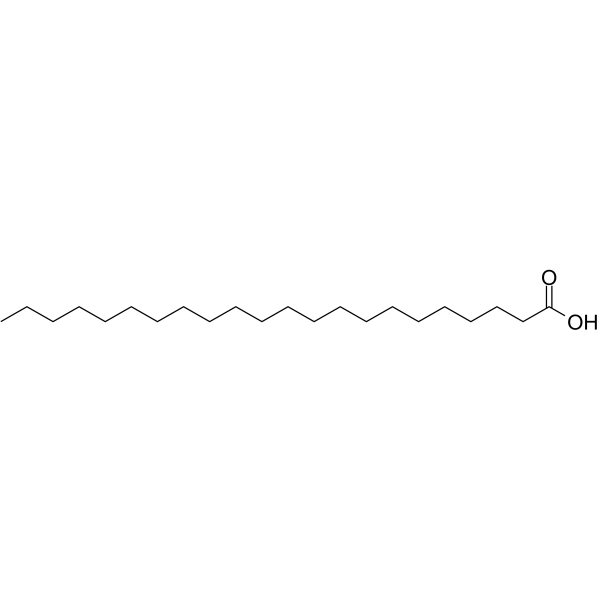
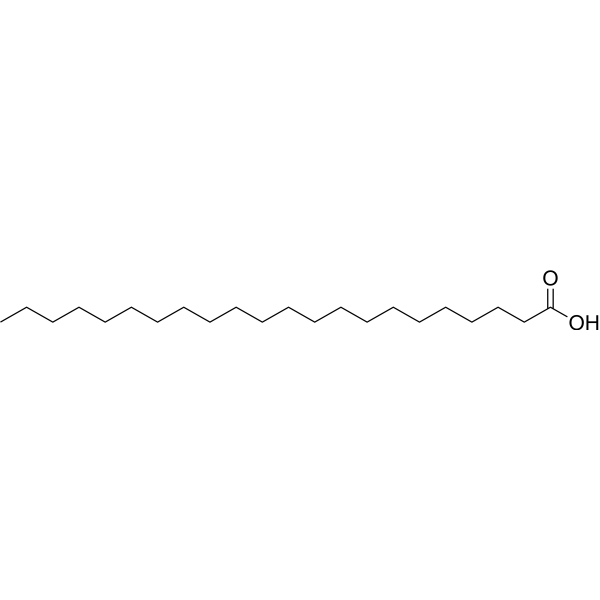
Docosanoic acid (Behenic acid) is a long-chain saturated fatty acid. Docosanoic acid inhibits the double-stranded DNA (dsDNA) binding activity of p53 DNA binding domain, with a Kd of 12 nM. Docosanoic acid has low bioavailability and can increase cholesterol in humans .
|
-
-
- HY-158116
-
|
RO7589831; VVD-133214
|
DNA/RNA Synthesis
|
Cancer
|
|
VVD-214 is a synthetic lethal allosteric inhibitor of WRN helicase with an IC50 of 0.1316 µM. VVD-214 covalently binds to cysteine 727 of WRN and inhibits ATP hydrolysis and helicase activity. VVD-214 is potent in causing double-stranded DNA breaks, nuclear swelling, and cell death in high microsatellite instability (MSI) cancers .
|
-
-
- HY-14532
-
|
CMX001; HDP-CDV
|
CMV
HSV
Orthopoxvirus
|
Infection
|
|
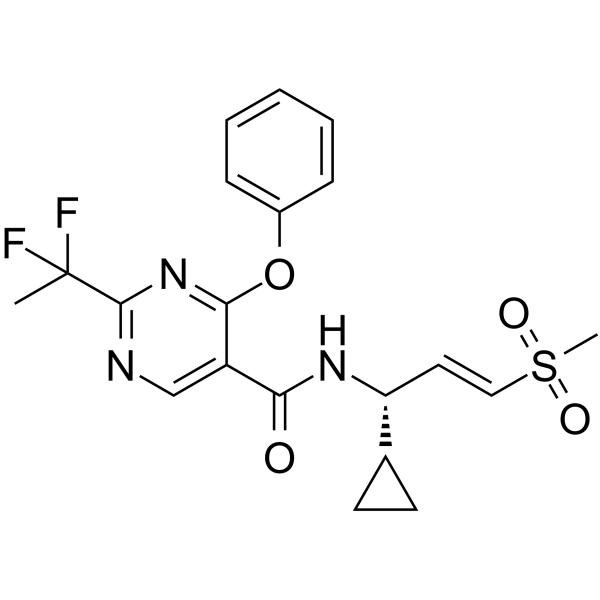
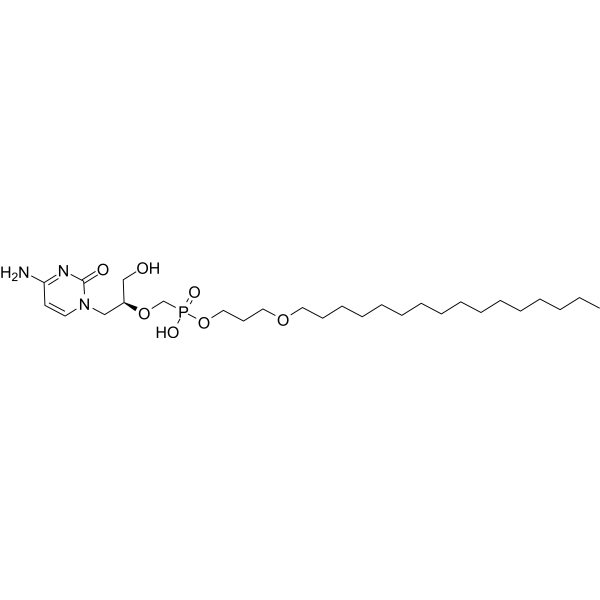
Brincidofovir (CMX001), the lipid-conjugated prodrug of Cidofovir (HY-17438), is an orally available, long-acting antiviral. Brincidofovir shows activity against a broad spectrum of DNA viruses including cytomegalovirus (CMV), adenovirus (ADV), varicella zoster virus, herpes simplex virus, polyomaviruses, papillomaviruses, poxviruses, and mixed double-stranded DNA virus infections. Brincidofovir, an oral antiviral in late stage development, has proven effective against orthopoxviruses in vitro and in vivo .
|
-
-
- HY-P2773
-
|
|
DNA/RNA Synthesis
|
Others
|
|
Nuclease S1, Aspergillus oryzae is a specific endonuclease that degrades single stranded DNA (ssDNA) and RNA. Nuclease S1 can also remove protruding single-strand ends from double-stranded DNA .
|
-

-
- HY-18174A
-
|
LY2606368 dihydrochloride
|
Checkpoint Kinase (Chk)
Apoptosis
|
Cancer
|
|
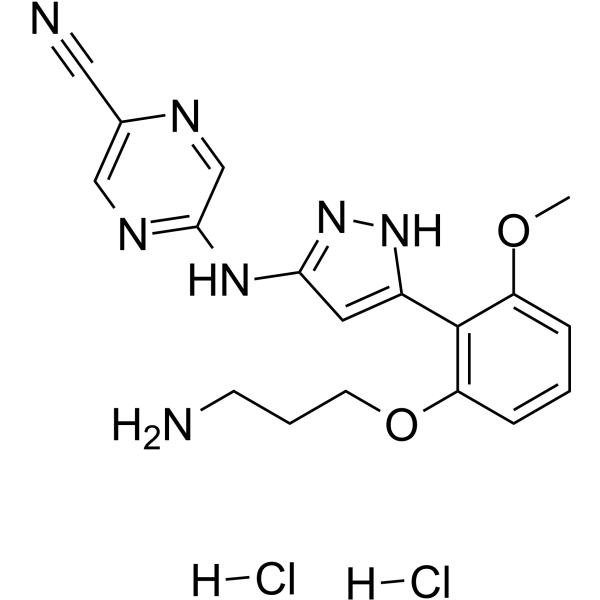
Prexasertib dihydrochloride (LY2606368 dihydrochloride) is a selective, ATP-competitive second-generation checkpoint kinase 1 (CHK1) inhibitor with a Ki of 0.9 nM and an IC50 of <1 nM. Prexasertib dihydrochloride inhibits CHK2 (IC50=8 nM) and RSK1 (IC50=9 nM). Prexasertib dihydrochloride causes double-stranded DNA breakage and replication catastrophe resulting in apoptosis. Prexasertib dihydrochloride shows potent anti-tumor activity .
|
-
-
- HY-D1738
-
|
4',6-Diamidino-2-phenylindole dilactate
|
Fluorescent Dye
|
Others
|
|
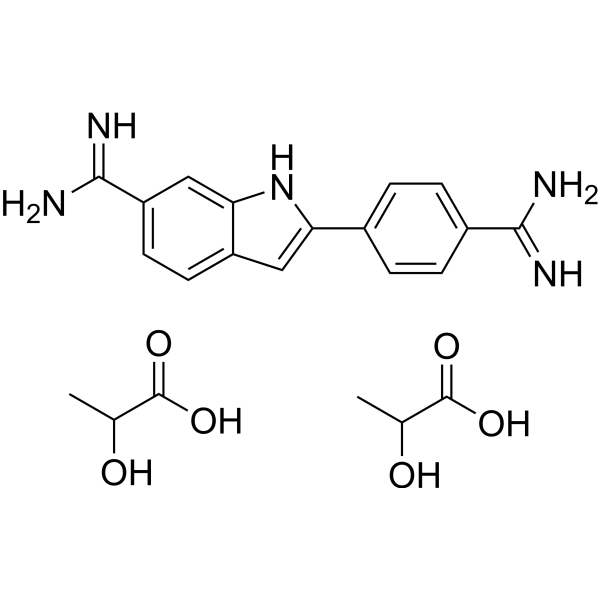
DAPI (4',6-Diamidino-2-phenylindole) dilactate is a DAPI dye. DAPI is a fluorescent dye that binds strongly to DNA. It binds to the AT base pair of the double-stranded DNA minor groove, and one DAPI molecule can occupy three base pair positions. The fluorescence intensity of DAPI molecules bound to double-stranded DNA is increased by about 20 times, and it is commonly observed with fluorescence microscopy, and the amount of DNA can be determined based on the intensity of fluorescence. DAPI cannot penetrate intact cell membranes and is commonly used for staining both live and fixed cells . DAPI (Compound 3) is an acid-sensing ion channel 3 (ASIC3) inhibitor. DAPI binds to ASIC3 and blocks the channel function. DAPI can be used in the study of chronic pain treatment (Ex/Em = 356/451 nm) .
|
-
-
- HY-110137
-
|
DB75 dihydrochloride; NSC 305831 dihydrochloride
|
Histone Methyltransferase
Phosphodiesterase (PDE)
Parasite
|
Infection
Inflammation/Immunology
Cancer
|
|
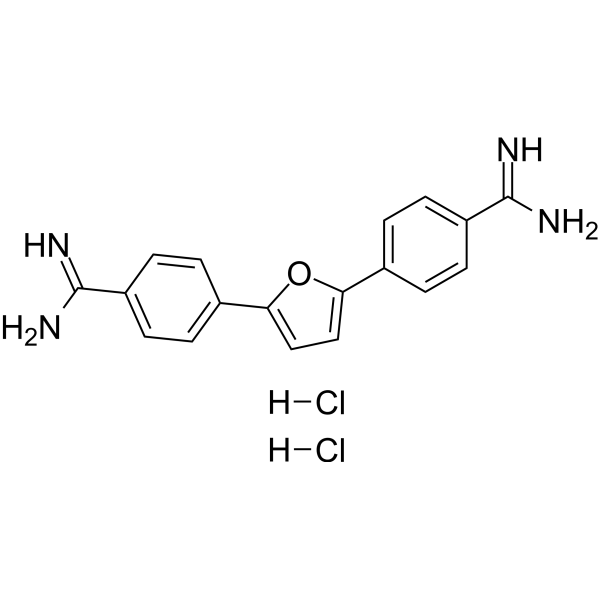
Furamidine dihydrochloride (DB75 dihydrochloride) is a selective protein arginine methyltransferase 1 (PRMT1) inhibitor with an IC50 of 9.4 μM. Furamidine dihydrochloride is selective for PRMT1 over PRMT5, PRMT6, and PRMT4 (CARM1) (IC50s of 166 µM, 283 µM, and >400 µM, respectively). Furamidine dihydrochloride is a potent, reversible and competitive tyrosyl-DNA phosphodiesterase 1 (TDP-1) inhibitor. Inhibition of TDP-1 by Furamidine dihydrochloride is effective both with single- and double-stranded DNA substrates but is slightly stronger with the duplex DNA. Furamidine dihydrochloride is also an antiparasite agent .
|
-
-
- HY-113306
-
|
|
Endogenous Metabolite
|
Others
|
|
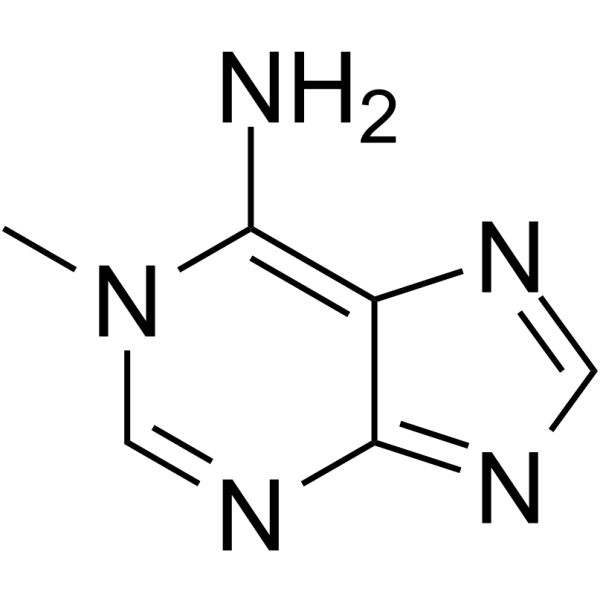
1-Methyladenine is a gonad maturation-promoting regulator. 1-Methyladenine is produced in testes and ovarian follicle cells of starfish under the induction of gonad-stimulating substance (GSS). 1-Methyladenine promotes starfish oocyte maturation and spawning, and modifies bases that regulate DNA structure. 1-Methyladenine converts T-A base pairs in double-stranded DNA into non-disruptive T (anti)m1A (syn) Hoogsteen conformation. If this conformational base is not repaired in a timely manner, 1-Methyladenine transforms into cytotoxic DNA damage and blocks the replication process .
|
-
-
- HY-135009
-
|
DASPI
|
G-quadruplex
|
Others
|
|
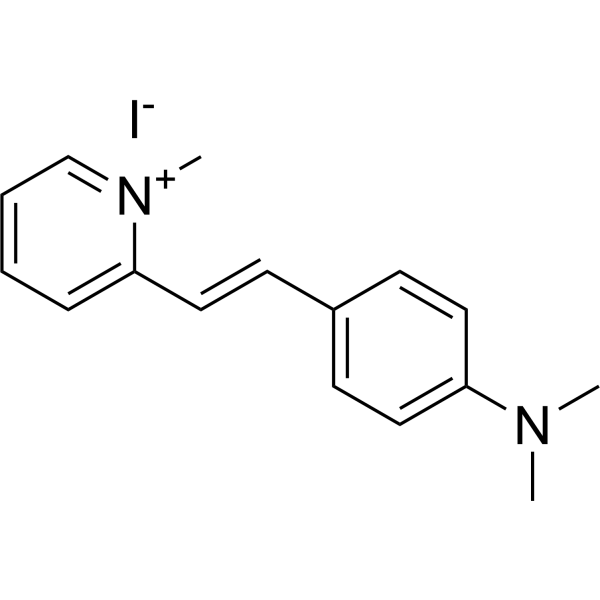
2-Di-1-ASP (DASPI; Compound 18a) is a mono-stryryl dye, and widely used as mitochondrial stain and groove-binding fluorescent probes for double-stranded DNA. 2-Di-1-ASP is selective for G-quadruplex (G4) and double-stranded DNA .
|
-
-
- HY-DY1006
-
|
|
Fluorescent Dye
DNA/RNA Synthesis
|
Others
|
Propidium Iodide (PI) (solution) is a nuclear staining agent that stains DNA. Propidium Iodide is an analogue of ethidine bromide that emits red fluorescence upon embedding in double-stranded DNA. Propidium Iodide cannot pass through living cell membranes, but it can pass through damaged cell membranes to stain the nucleus. Propidium Iodide has a fluorescence wavelength of 493/617 nm and a wavelength of 536/635 nm after Mosaic with DNA. Propidium Iodide is commonly used in the detection of apoptosis (apoptosis) or necrosis (necrosis) , and is often used in flow cytometry analysis.
Solvent and Concentration: Sterile water: 1 mg/mL
The 1 mL volume is defined as the base specification. All larger sizes correspond to incremental volumes of this base.
|
-

-
- HY-111183
-
|
Zinostatin; Vinostatin
|
DNA/RNA Synthesis
Bacterial
Apoptosis
Antibiotic
|
Infection
Cancer
|
|
Neocarzinostatin (solution), a potent DNA-damaging, anti-tumor antibiotic, recognizes double-stranded DNA bulge and induces DNA double strand breaks (DSBs). Neocarzinostatin induces apoptosis. Neocarzinostatin has potential for EpCAM-positive cancers treatment .
|
-

-
- HY-D2868
-
|
4',6-Diamidino-2-phenylindole
|
DNA Stain
Sodium Channel
|
Neurological Disease
|
|
DAPI (4',6-Diamidino-2-phenylindole) is a DAPI dye. DAPI is a fluorescent dye that binds strongly to DNA. It binds to the AT base pair of the double-stranded DNA minor groove, and one DAPI molecule can occupy three base pair positions. The fluorescence intensity of DAPI molecules bound to double-stranded DNA is increased by about 20 times, and it is commonly observed with fluorescence microscopy, and the amount of DNA can be determined based on the intensity of fluorescence. In addition, because DAPI can pass through intact cell membranes, it can be used to stain both live and fixed cells . DAPI (Compound 3) is an acid-sensing ion channel 3 (ASIC3) inhibitor. DAPI binds to ASIC3 and blocks the channel function. DAPI can be used in the study of chronic pain treatment (Ex/Em = 356/451 nm).
|
-

-
- HY-E70094
-
|
|
DNA/RNA Synthesis
|
Others
|
|
T4 UvsX Recombinase helps initiate DNA replication on a double-stranded DNA template by catalyzing synapsis between the template and a homologous DNA single strand that serves as primer. T4 UvsX Recombinase greatly amplifies the snap-back (hairpin-primed) DNA synthesis that is catalyzed by the T4 DNA polymerase holoenzyme on linear, single-stranded DNA templates .
|
-

-
- HY-D0947
-
|
|
DNA Stain
|
Others
|
|
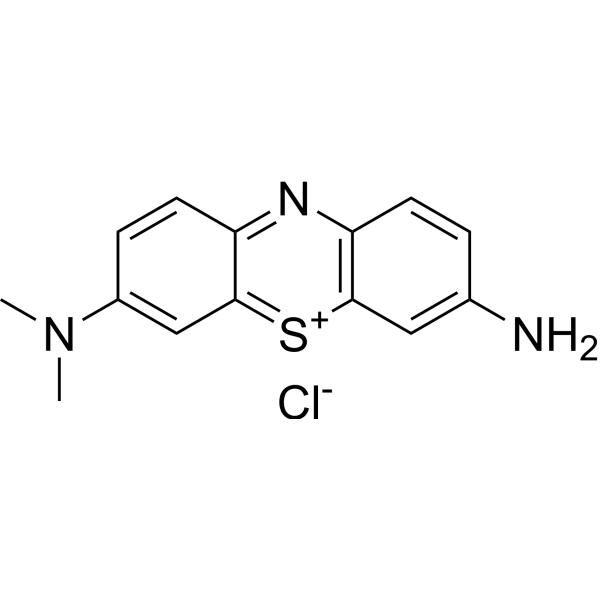
Azure A chloride is a phenothiazine dye. Azure A chloride is an alternative DNA dye used for the separation of DNA and protein fragments in agarose gel electrophoresis and PAGE. Azure A chloride can be chemisorbed on the surface of mild steel according to the Langmuir adsorption isotherm to form a protective film. Azure A chloride binds to double-stranded DNA in a non-cooperative manner via weak intercalation, triggering molecular conformational disturbance, restricted rotational motion, and changes in optical activity .
|
-
-
- HY-18174E
-
|
LY2606368 dimesylate
|
Checkpoint Kinase (Chk)
Apoptosis
|
Cancer
|
|
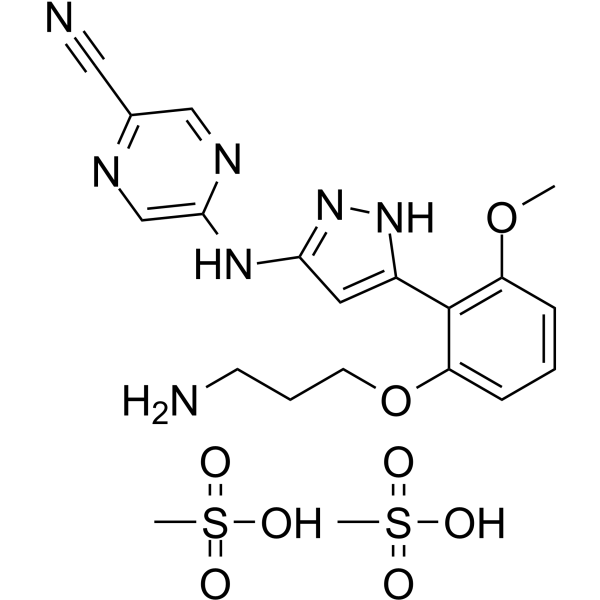
Prexasertib dimesylate (LY2606368 dimesylate) is a selective, ATP-competitive second-generation checkpoint kinase 1 (CHK1) inhibitor with a Ki of 0.9 nM and an IC50 of <1 nM. Prexasertib dimesylate inhibits CHK2 (IC50=8 nM) and RSK1 (IC50=9 nM). Prexasertib dimesylate causes double-stranded DNA breakage and replication catastrophe resulting in apoptosis. Prexasertib dimesylate shows potent anti-tumor activity .
|
-
-
- HY-172208
-
|
|
PROTACs
Cyclic GMP-AMP Synthase
|
Inflammation/Immunology
|
|
PROTAC cGAS degrader-1 is a potent and selective cGAS PROTAC degrader, with DC50 values of 0.9 μM and 4.6 μM in THP-1 and RAW 264.7 cells, respectively. PROTAC cGAS degrader-1 induces proteasome-mediated degradation of cGAS, inhibits the cGAS signaling pathway, and attenuates double-stranded DNA-induced activation of cGAS in human and mouse cells. PROTAC cGAS degrader-1 is applicable to research related to ulcerative colitis .
|
-

-
- HY-D0917
-
|
|
DNA Stain
|
Cancer
|
|
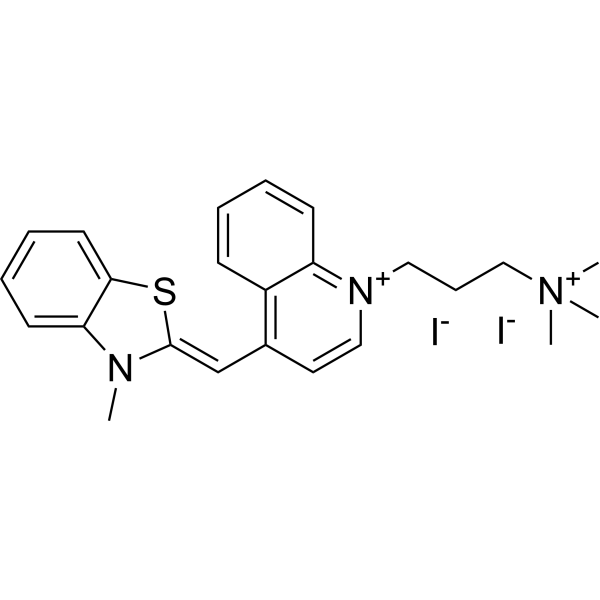
NIR-Red Dead Cell-1 Dye is a DNA-binding fluorescent dye for non-living cells (Ex/Em=515 nm/531 nm). NIR-Red Dead Cell-1 Dye can intercalate into base pairs of double-stranded DNA and produce stronger fluorescence. NIR-Red Dead Cell-1 Dye is suitable for necrotic cells or late apoptotic cells with damaged cell membranes, showing green fluorescence under fluorescence microscopy or flow cytometry. NIR-Red Dead Cell-1 Dye can be used to distinguish live cells from dead cells and distinguish cell membrane integrity. NIR-Red Dead Cell-1 Dye can be attached to the surface of Feraheme (FH) nanoparticles (NPs) to obtain fluorescent dye-functionalized NPs for drug delivery studies .
|
-
-
- HY-W013049S3
-
|
Behenic acid-d3
|
Isotope-Labeled Compounds
Endogenous Metabolite
DNA/RNA Synthesis
|
Metabolic Disease
Cancer
|
|
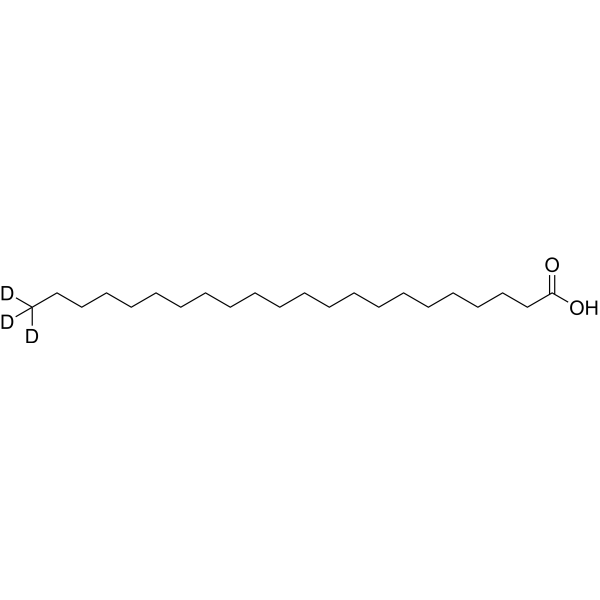
Docosanoic acid-d3 (Behenic acid-d3) is the deuterium labeled Docosanoic acid (HY-W013049). Docosanoic acid (Behenic acid) is a long-chain saturated fatty acid. Docosanoic acid inhibits the double-stranded DNA (dsDNA) binding activity of p53 DNA binding domain, with a Kd of 12 nM. Docosanoic acid has low bioavailability and can increase cholesterol in humans .
|
-
-
- HY-160222
-
|
|
HSV
STING
IFNAR
NF-κB
|
Infection
|
|
HSV-60mer sodium is a 60 bp double-stranded DNA oligonucleotide derived from the HSV-1 genome, and also an IFNβ inducer. HSV-60mer sodium colocalizes with endogenous cytoplasmic IFI16 in immune cells. HSV-60mer sodium activates the transcription factors IRF3 and NF-κB, induces the production of proinflammatory cytokines, and inhibits HSV-1 replication in immune cells. HSV-60mer sodium can be used in studies related to herpes simplex virus type 1 infection .
|
-

-
- HY-D1191
-
|
|
Fluorescent Dye
DNA/RNA Synthesis
|
Others
|
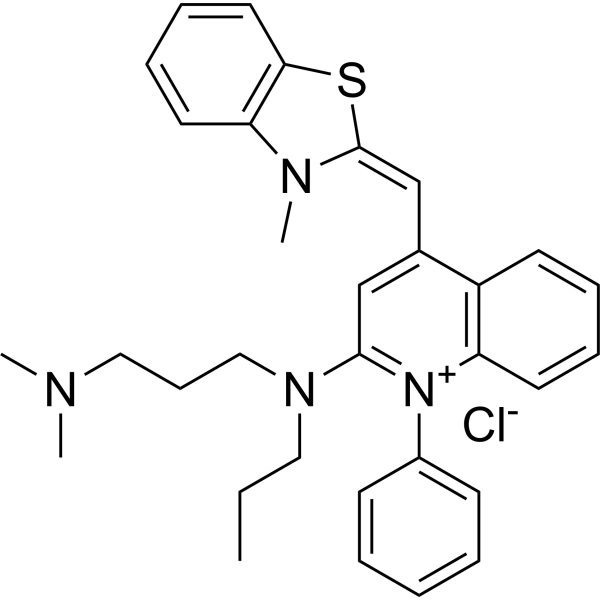
SYBR Green I chloride is a highly sensitive fluorescent nucleic acid dye that binds specifically to the minor groove of double-stranded DNA or intercalates between base pairs. SYBR Green I chloride exhibits weak fluorescence in the unbound state but emits bright fluorescence upon binding, and it preferentially binds to large-fragment DNA and DNA with high G+C content. SYBR Green I chloride is suitable for real-time PCR technology; its fluorescence intensity correlates with the amount and size of amplification products, enabling accurate quantification of gene expression and discrimination of amplicons via melting curve analysis without additional post-processing. SYBR Green I chloride is widely used in preclinical in vitro nucleic acid detection .
|
-
-
- HY-164288
-
|
TDI-006570
|
Cyclic GMP-AMP Synthase
STING
|
Neurological Disease
Inflammation/Immunology
|
|
TDI-6570 (TDI-006570) is a blood-brain barrier-permeable, orally active cGAS inhibitor with an IC50 of 1.64 μM. TDI-6570 exhibits high gastrointestinal absorption and a long brain half-life in mice, and shows no toxicity to primary neurons. By inhibiting the cGAS-STING-IFN signaling pathway, TDI-6570 reduces STING levels and the activation of TBK1, blocks double-stranded DNA-induced cGAS activation and downstream interferon-stimulated gene expression, thereby reducing tau protein spread and improving synaptic loss. TDI-6570 reverses memory deficits, increases the amplitude of long-term potentiation, enhances the MEF2C transcriptional network, restores PSD-95 and vGAT punctate structures, and significantly improves cognitive resilience. TDI-6570 can be applied to the research of Alzheimer's disease, Parkinson's disease, systemic lupus erythematosus, as well as various central nervous system and autoimmune diseases .
|
-

-
- HY-D0916
-
|
YOYO 1; YOYO1
|
Fluorescent Dye
|
Others
|
|
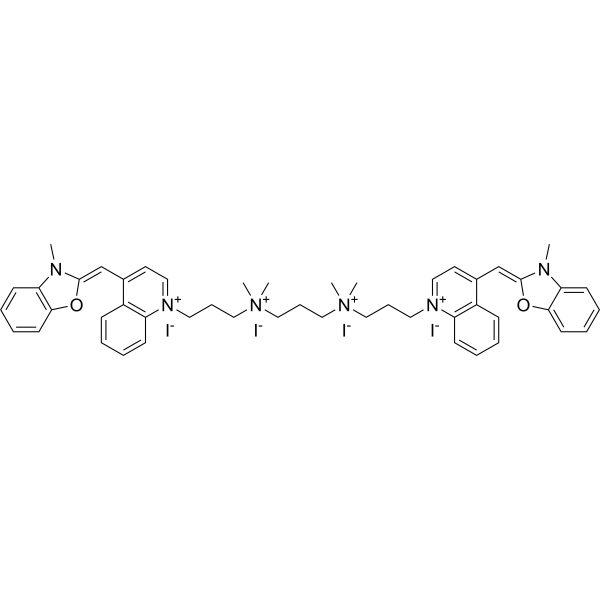
Thiazole orange dimer YOYO 1 (YOYO 1) is a cell-impermeable cyanine dimer with no inherent fluorescence, and its fluorescence intensity increases significantly upon binding to double-stranded DNA (dsDNA) . Thiazole orange dimer YOYO 1 can serve as a nuclear counterstain or a dead cell indicator (Ex/Em = 505/512 nm).
|
-
-
- HY-E70090
-
|
|
DNA/RNA Synthesis
|
Infection
|
|
T7 RNA polymerase is a polymerase expressed by Escherichia coli from the RNA polymerase gene of T7 bacteriophage. T7 RNA polymerase is highly specific and involved in in vitro transcription (IVT) of mRNA. In the presence of Mg 2+, T7 RNA polymerase only uses the single-stranded or double-stranded DNA containing the T7 promoter sequence as a template, and uses NTP as a substrate to synthesize RNA complementary to the single-stranded DNA downstream of the promoter .
|
-

-
- HY-W011376
-
|
|
Biochemical Assay Reagents
|
Others
|
|
5-Bromo-2'-deoxycytidine is a DNA photosensitizer. 5-Bromo-2'-deoxycytidine modifies the double-stranded DNA, and determinate the DNA damage 300 nm photon .
|
-

-
- HY-E70580
-
|
|
Endonuclease
|
Others
|
|
T5 Exonuclease is a DNA exonuclease that has 5′-3′ exonuclease activity on both single- and double-stranded DNA. T5 Exonuclease also has single-strand endonuclease and 5′-flap endonuclease activity .
|
-

-
- HY-P2754
-
|
|
Endonuclease
|
Infection
|
|
Micrococcal nuclease is an endonuclease derived from Staphylococcus aureus. Micrococcal nuclease is able to digest both single and double-stranded DNA (ssDNA and dsDNA) and RNA, and can cleave and hydrolyze the AT or AU-rich regions specifically. Micrococcal nuclease could be used as an indicator of Staphylococcus aureus contamination .
|
-

-
- HY-119993
-
|
BMH-23
|
DNA/RNA Synthesis
|
Cancer
|
|
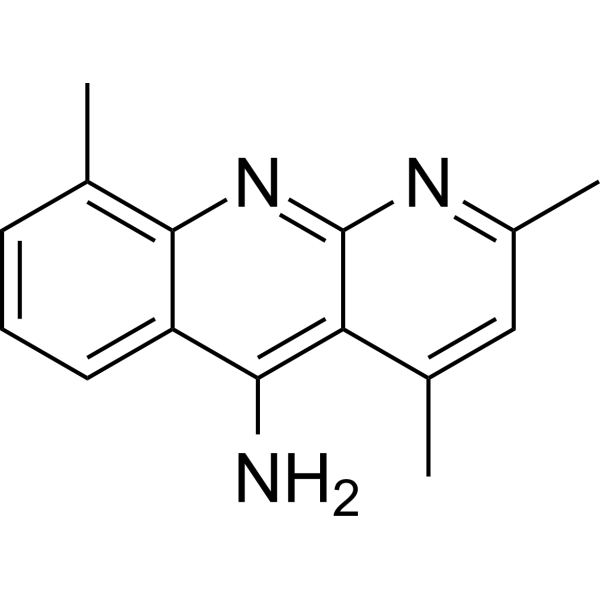
AR03 (BMH-23) is an apurinic/apyrimidinic endonuclease 1 (Ape1) inhibitor with an IC50 of 2.1 µM. AR03 has low affinity for double-stranded DNA. AR03 potentiates the cytotoxicity of methyl methanesulfonate and temozolomide in SF767 cells .
|
-
-
- HY-138646
-
|
Poly(dA:dT) sodium
|
Cyclic GMP-AMP Synthase
STING
|
Inflammation/Immunology
|
|
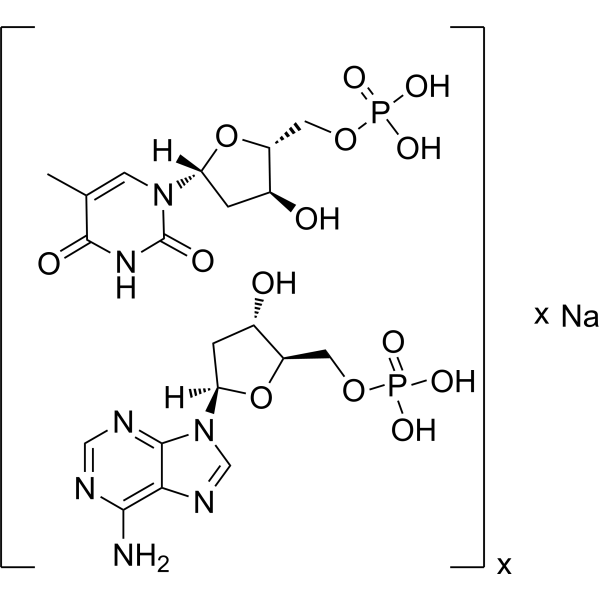
Poly(deoxyadenylic-thymidylic) acid (Poly(dA:dT)) sodium is a double-stranded DNA stimulant. Poly(deoxyadenylic-thymidylic) acid sodium is recognized by the intracellular DNA sensor DDX41 and activates the innate immune pathway via the adaptor protein STING, inducing the production of cytokines such as type I interferons. Poly(deoxyadenylic-thymidylic) acid sodium also serves as an in vitro transcription template for free RNA polymerase .
|
-
-
- HY-E70220
-
|
|
Biochemical Assay Reagents
|
Others
|
|
AsCas12a Nuclease is a nuclease, and can specifically cutting double-stranded DNA. AsCas12a Nuclease can be used for gene edited study .
|
-

-
- HY-E70206
-
|
CpG
|
DNA Methyltransferase
Biochemical Assay Reagents
|
Others
Cancer
|
|
CpG Methyltransferase is a DNA methyltransferase. CpG Methyltransferase can methylate the C5 position on the base moiety of all cytosine nucleotides contained in unmethylated or hemimethylated double stranded DNA in a 5’-CpG-3’ context .
|
-

-
- HY-E70579
-
|
|
DNA/RNA Synthesis
|
Others
|
|
Exonuclease III is a nuclease for specifically targeting double-stranded DNA (dsDNA). Exonuclease III is a DNA repair-associated nuclease with apurinic/apyrimidinic (AP)-endonuclease and 3'→5' exonuclease activities. Exonuclease III cleaves the ssDNA at 5'-bond of phosphodiester from 3' to 5' end by both exonuclease and endonuclease activities .
|
-

-
- HY-W013049S1
-
|
Behenic acid-d43
|
Isotope-Labeled Compounds
Endogenous Metabolite
DNA/RNA Synthesis
|
Metabolic Disease
Cancer
|
|
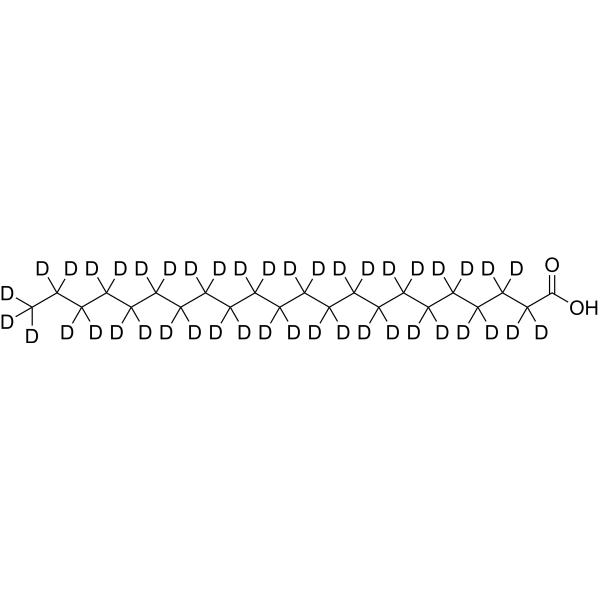
Docosanoic acid-d43 (Behenic acid-d43) is the deuterium labeled Docosanoic acid (HY-W013049). Docosanoic acid (Behenic acid) is a long-chain saturated fatty acid. Docosanoic acid inhibits the double-stranded DNA (dsDNA) binding activity of p53 DNA binding domain, with a Kd of 12 nM. Docosanoic acid has low bioavailability and can increase cholesterol in humans .
|
-
-
- HY-W013049S4
-
|
Behenic acid-d4-1
|
Isotope-Labeled Compounds
Endogenous Metabolite
DNA/RNA Synthesis
|
Metabolic Disease
Cancer
|
|
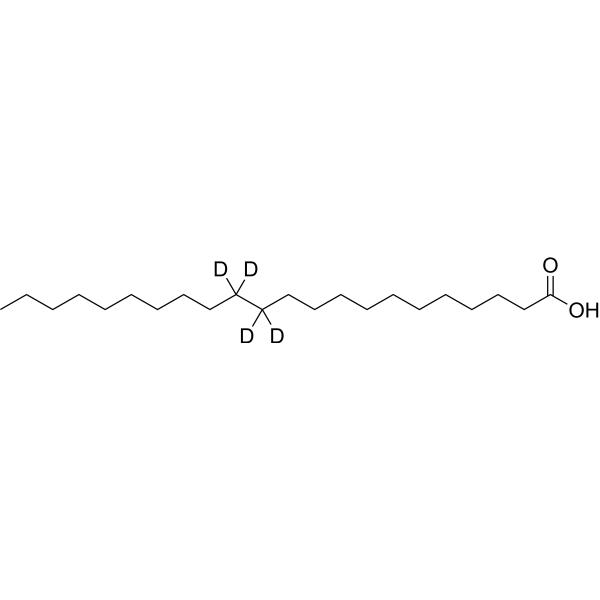
Docosanoic acid-d4-1 (Behenic acid-d4-1) is the deuterium labeled Docosanoic acid (HY-W013049). Docosanoic acid (Behenic acid) is a long-chain saturated fatty acid. Docosanoic acid inhibits the double-stranded DNA (dsDNA) binding activity of p53 DNA binding domain, with a Kd of 12 nM. Docosanoic acid has low bioavailability and can increase cholesterol in humans .
|
-
-
- HY-D3010
-
|
|
Fluorescent Dye
|
Others
|
|
VF dsDNA Green Dye is a fluorescent dye for detecting and quantifying double-stranded DNA (dsDNA). VF dsDNA Green Dye fluoresces only when bound to dsDNA, and the fluorescence intensity is proportional to the DNA concentration. VF dsDNA Green Dye does not fluoresce when bound to ssDNA, RNA, or free nucleotides. VF dsDNA Green Dye can detect dsDNA within the range of 25 pg/mL to 1000 ng/mL (Ex/Em = 480/520 nm).
|
-

-
- HY-110137A
-
|
DB75; NSC 305831
|
Histone Methyltransferase
Phosphodiesterase (PDE)
Parasite
|
Infection
Inflammation/Immunology
Cancer
|
|
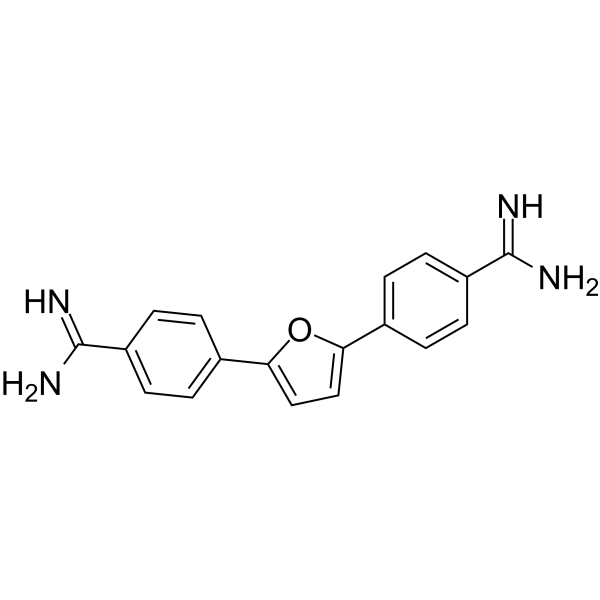
Furamidine (DB75) is a selective protein arginine methyltransferase 1 (PRMT1) inhibitor with an IC50 of 9.4 μM. Furamidine is selective for PRMT1 over PRMT5, PRMT6, and PRMT4 (CARM1) (IC50s of 166 µM, 283 µM, and >400 µM, respectively). Furamidine is a potent, reversible and competitive tyrosyl-DNA phosphodiesterase 1 (TDP-1) inhibitor. Inhibition of TDP-1 by Furamidine is effective both with single- and double-stranded DNA substrates but is slightly stronger with the duplex DNA. Furamidine is also an antiparasite agent .
|
-
-
- HY-18174H
-
|
LY2606368 lactate
|
Checkpoint Kinase (Chk)
Apoptosis
DNA/RNA Synthesis
|
Cancer
|
|
Prexasertib lactate (LY2606368 lactate) is the lactate form of Prexasertib (HY-18174). Prexasertib lactate is a selective, ATP-competitive second-generation checkpoint kinase 1 (CHK1) inhibitor with a Ki of 0.9 nM and an IC50 of <1 nM. Prexasertib lactate inhibits CHK2 (IC50=8 nM) and RSK1 (IC50=9 nM). Prexasertib lactate causes double-stranded DNA breakage and replication catastrophe resulting in apoptosis. Prexasertib lactate shows potent anti-tumor activity .
|
-

-
- HY-14532S
-
|
CMX001-d6; HDP-CDV-d6
|
Isotope-Labeled Compounds
HSV
CMV
Orthopoxvirus
|
Infection
|
|
Brincidofovir-d6 (CMX001-d6) is the deuterium labeled Brincidofovir (HY-14532). Brincidofovir (CMX001), the lipid-conjugated prodrug of Cidofovir (HY-17438), is an orally available, long-acting antiviral. Brincidofovir shows activity against a broad spectrum of DNA viruses including cytomegalovirus (CMV), adenovirus (ADV), varicella zoster virus, herpes simplex virus, polyomaviruses, papillomaviruses, poxviruses, and mixed double-stranded DNA virus infections. Brincidofovir, an oral antiviral in late stage development, has proven effective against orthopoxviruses in vitro and in vivo. .
|
-

-
- HY-16401
-
|
PM00104
|
Apoptosis
|
Cancer
|
|
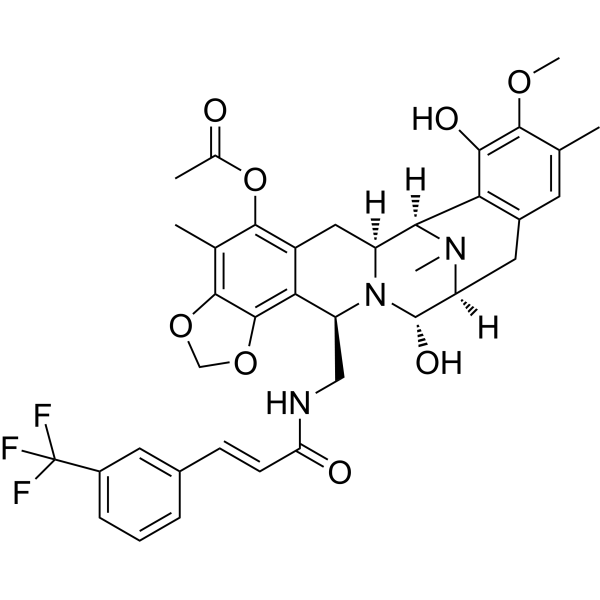
Zalypsis (PM00104) has anti-tumor activity. Zalypsis binds to DNA and shows cytotoxicity. Zalypsis inhibits cell cycle and transcription, and leads to double stranded DNA breaks .
|
-
-
- HY-105130
-
|
|
DNA/RNA Synthesis
|
Cancer
|
|
Menogaril is a potent and orally active anthracycline antitumor agent. Menogaril is ready penetration into cancer cells can cleave double-stranded DNA. Menogaril can be used for the research of cancer, such as malignant lymphoma .
|
-

-
- HY-D1396
-
Br-DAPI
3 Publications Verification
|
Fluorescent Dye
DNA Stain
|
Others
|
|
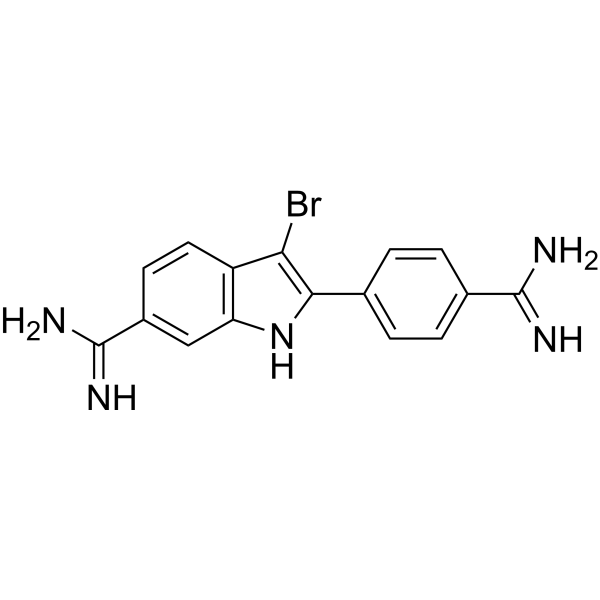
Br-DAPI is a marker dye in DAPI series. DAPI is a fluorescent dye that binds strongly to DNA. It binds to the AT base pair of the double-stranded DNA minor groove, and one DAPI molecule can occupy three base pair positions. The fluorescence intensity of DAPI molecules bound to double-stranded DNA is increased by about 20 times, and it is commonly observed with fluorescence microscopy, and the amount of DNA can be determined based on the intensity of fluorescence. In addition, because DAPI can pass through intact cell membranes, it can be used to stain both live and fixed cells . Storage: Keep away from light.
|
-
-
- HY-119182
-
|
NSC 300288
|
DNA/RNA Synthesis
|
Cancer
|
|
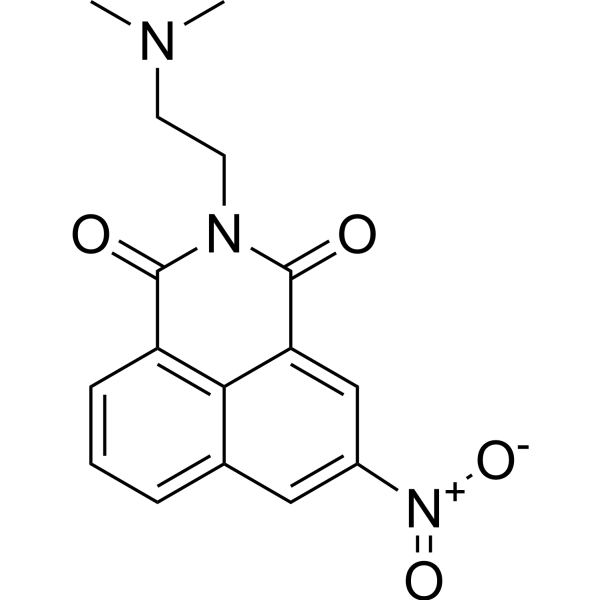
Mitonafide (NSC 300288) is a cytostatic agent. Mitonafide binds to double-stranded DNA through intercalation, and inhibits DNA and RNA synthesis. Mitonafide is an antitumor agent that can be used in the research of cancers, such as non-small cell lung cancer (NSCLC), leukemia .
|
-
-
- HY-148411
-
|
LJP 394 free base
|
DNA/RNA Synthesis
|
Inflammation/Immunology
|
|
Abetimus (LJP 394 free base) is an immunosuppressant consisting of four double-stranded DNA (dsDNA) oligonucleotides. Abetimus is capable of crosslinking anti-dsDNA antibodies on the surface of B cells, and decreases anti-dsDNA antibodies levels. Abetimus has the potential for research of systemic lupus erythematosus .
|
-

-
- HY-W013049S6
-
|
Behenic acid-13C4
|
Isotope-Labeled Compounds
Endogenous Metabolite
DNA/RNA Synthesis
|
Metabolic Disease
|
|
Docosanoic acid- 13C4 (Behenic acid- 13C4) is the 13C-labeled Docosanoic acid (HY-W013049). Docosanoic acid (Behenic acid) is a long-chain saturated fatty acid. Docosanoic acid inhibits the double-stranded DNA (dsDNA) binding activity of p53 DNA binding domain, with a Kd of 12 nM. Docosanoic acid has low bioavailability and can increase cholesterol in vivo .
|
-

-
- HY-18174C
-
|
LY2606368 mesylate
|
Checkpoint Kinase (Chk)
DNA/RNA Synthesis
Apoptosis
|
Cancer
|
|
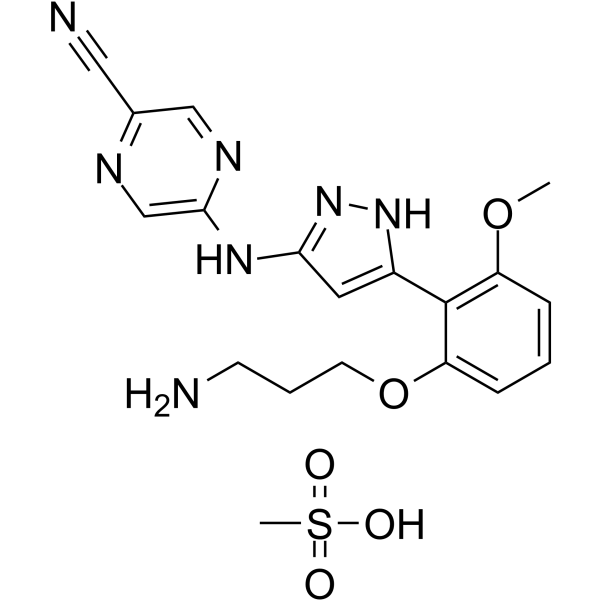
Prexasertib mesylate (LY2606368 mesylate) is a selective, ATP-competitive second-generation checkpoint kinase 1 (CHK1) inhibitor with a Ki of 0.9 nM and an IC50 of <1 nM. Prexasertib mesylate inhibits CHK2 (IC50=8 nM) and RSK1 (IC50=9 nM). Prexasertib mesylate causes double-stranded DNA breakage and replication catastrophe resulting in apoptosis. Prexasertib mesylate shows potent anti-tumor activity .
|
-
-
- HY-18174B
-
|
LY2606368 Mesylate Hydrate; LY2940930
|
Checkpoint Kinase (Chk)
Apoptosis
|
Cancer
|
|
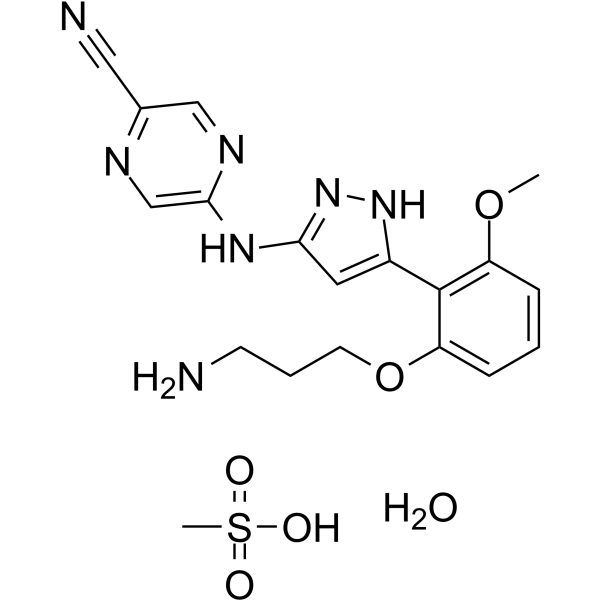
Prexasertib Mesylate Hydrate (LY2606368 Mesylate Hydrate) is a selective, ATP-competitive second-generation checkpoint kinase 1 (CHK1) inhibitor with a Ki of 0.9 nM and an IC50 of <1 nM. Prexasertib Mesylate Hydrate inhibits CHK2 (IC50=8 nM) and RSK1 (IC50=9 nM). Prexasertib Mesylate Hydrate causes double-stranded DNA breakage and replication catastrophe resulting in apoptosis. Prexasertib Mesylate Hydrate shows potent anti-tumor activity .
|
-
-
- HY-131606S
-
|
|
Isotope-Labeled Compounds
Orthopoxvirus
Drug Metabolite
CMV
DNA/RNA Synthesis
|
Infection
|
|
Cidofovir diphosphate- 13C3 is the 13C-labeled Cidofovir diphosphate (HY-131606). Cidofovir diphosphate is the intracellular active metabolite of Cidofovir (HY-17438) and its oral prodrug Brincidofovir (HY-14532). By inhibiting viral DNA polymerase (Ki ≈ 76.3 μM), cidofovir diphosphate is widely used in studies on double-stranded DNA virus infections, including cytomegalovirus (CMV), adenovirus (AdV), and poxviruses (such as monkeypox and molluscum contagiosum virus, MCV) .
|
-

-
- HY-P11351
-
|
|
DNA/RNA Synthesis
|
Cancer
|
|
Precursor-HhH is a nucleic acid-binding peptide capable of non-specific interactions with RNA and double-stranded DNA (dsDNA). Precursor-HhH is promising for research of nucleic acid-targeted therapeutics .
|
-

- HY-W013049R
-
-
- HY-149900
-
|
|
Biochemical Assay Reagents
|
Infection
|
|
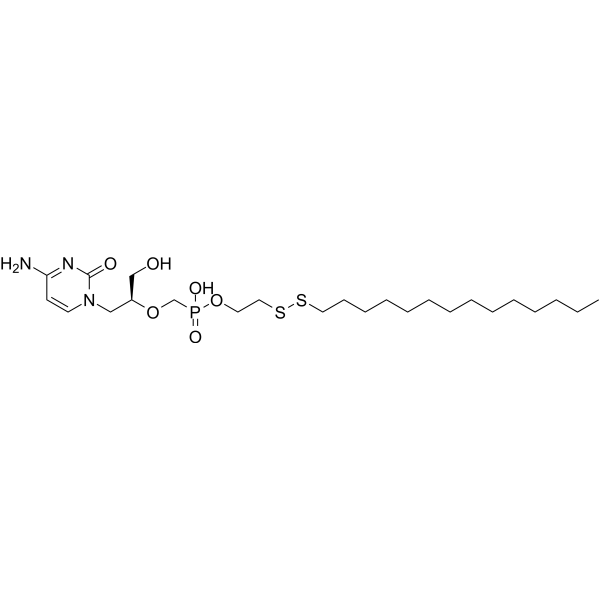
Antiviral agent 33 (compound 1c) is a double-stranded DNA (dsDNA) virus inhibitor with IC50 values of 0.0790 and 0.1572 µM for VACV and AdV5, respectively. Antiviral agent 33 also has potential for oral administration .
|
-
- HY-155693
-
|
|
Topoisomerase
Parasite
|
Infection
|
|
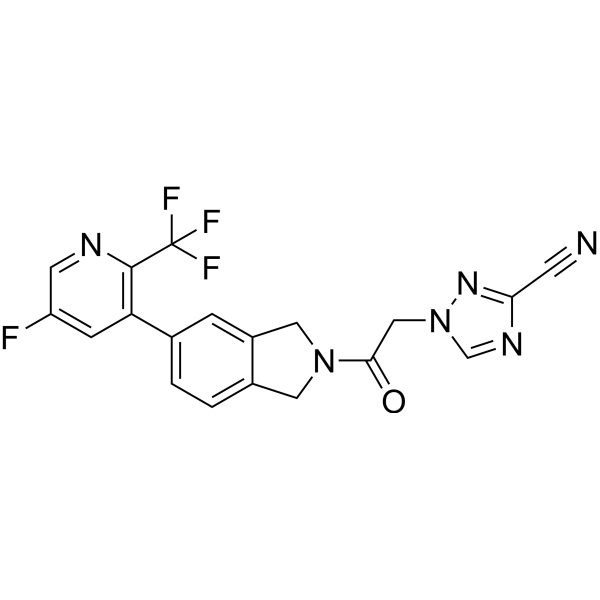
Topoisomerase II inhibitor 16 (compound CT3) is a selective, orally active, brain-penetrant and irreversible trypanosomal topoisomerase II inhibitor by stabilizing double-stranded DNA:enzyme cleavage complexes. Topoisomerase II inhibitor 16 has the potential for Chagas disease research .
|
-
- HY-117445
-
|
|
Fluorescent Dye
|
Others
|
|
Oxazole yellow is a cyanine dye composed of benzoxazole and quinoline rings connected by a linker. It is almost non-luminescent in water, but its green fluorescence is significantly enhanced after intercalation in double-stranded DNA. Oxazole yellow can be used to detect cell apoptosis .
|
-

- HY-W751961
-
-
- HY-119182R
-
|
NSC 300288 (Standard)
|
DNA/RNA Synthesis
Reference Standards
|
Cancer
|
|
Mitonafide (Standard) is the analytical standard of Mitonafide. This product is intended for research and analytical applications. Mitonafide (NSC 300288) is a cytostatic agent. Mitonafide binds to double-stranded DNA through intercalation, and inhibits DNA and RNA synthesis. Mitonafide is an antitumor agent that can be used in the research of cancers, such as non-small cell lung cancer (NSCLC), leukemia .
|
-

- HY-W013049S
-
|
Behenic acid-d4
|
Isotope-Labeled Compounds
Endogenous Metabolite
DNA/RNA Synthesis
|
Metabolic Disease
Cancer
|
|
Docosanoic acid-d4 (Behenic acid-4) is deuterium labeled Docosanoic acid (HY-W013049). Docosanoic acid (Behenic acid) is a long-chain saturated fatty acid. Docosanoic acid inhibits the double-stranded DNA (dsDNA) binding activity of p53 DNA binding domain, with a Kd of 12 nM. Docosanoic acid has low bioavailability and can increase cholesterol in humans .
|
-

- HY-W013049S2
-
|
Behenic acid-d2
|
Isotope-Labeled Compounds
Endogenous Metabolite
DNA/RNA Synthesis
|
Metabolic Disease
Cancer
|
|
Docosanoic acid-d2 (Behenic acid-d2) is deuterium labeled Docosanoic acid (HY-W013049).
Docosanoic acid (Behenic acid) is a long-chain saturated fatty acid. Docosanoic acid inhibits the double-stranded DNA (dsDNA) binding activity of p53 DNA binding domain, with a Kd of 12 nM. Docosanoic acid has low bioavailability and can increase cholesterol in humans .
|
-

- HY-W013049S5
-
|
Behenic acid-d4-2
|
Isotope-Labeled Compounds
Endogenous Metabolite
DNA/RNA Synthesis
|
Metabolic Disease
Cancer
|
|
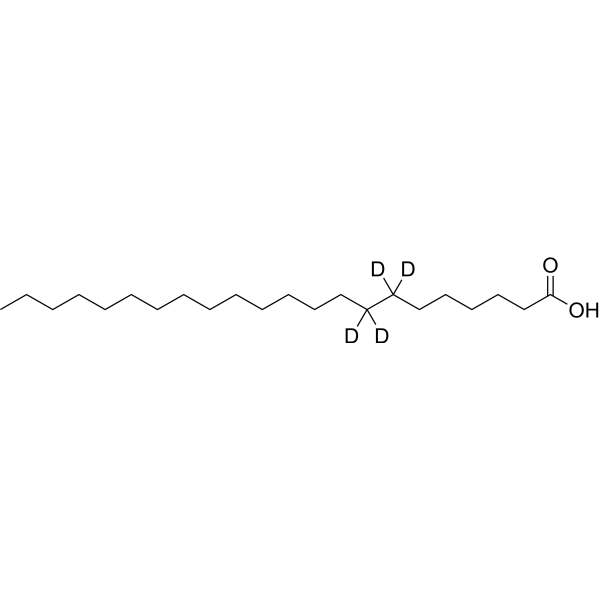
Docosanoic acid-d4-2 (Behenic acid-d4-2) is the deuterium labeled Docosanoic acid (HY-W013049). Docosanoic acid (Behenic acid) is a long-chain saturated fatty acid. Docosanoic acid inhibits the double-stranded DNA (dsDNA) binding activity of p53 DNA binding domain, with a Kd of 12 nM. Docosanoic acid has low bioavailability and can increase cholesterol in humans .
|
-
- HY-D0150A
-
|
|
Fluorescent Dye
|
Others
|
|
(Z)-Thiazole Orange iodide is an asymmetric cyanine dye whose fluorescence highly depends on the local environment.(Z)-Thiazole Orange iodide is essentially dark in solution; however, its fluorescence increases a thousandfold when (Z)-Thiazole Orange iodide is introduced into double-stranded DNA and RNA (dsDNA or dsRNA). The maximum absorption of Thiazole Orange in complex with DNA is 509 nm, and the maximum emission is 532 nm. Thiazole Orange solution is widely used for determining the percentage of reticulocytes in human peripheral blood with microscopy and flow cytometry.
|
-

- HY-18174S
-
|
LY2606368-d4
|
Isotope-Labeled Compounds
Checkpoint Kinase (Chk)
Apoptosis
|
Cancer
|
|
Prexasertib-d4 (LY2606368-d4) is the deuterium labeled Prexasertib (HY-18174). Prexasertib (LY2606368) is a selective, ATP-competitive second-generation checkpoint kinase 1 (CHK1) inhibitor with a Ki of 0.9 nM and an IC50 of <1 nM. Prexasertib inhibits CHK2 (IC50=8 nM) and RSK1 (IC50=9 nM). Prexasertib causes double-stranded DNA breakage and replication catastrophe resulting in apoptosis. Prexasertib shows potent anti-tumor activity .
|
-

- HY-110137R
-
|
DB75 dihydrochloride (Standard); NSC 305831 dihydrochloride (Standard)
|
Histone Methyltransferase
Phosphodiesterase (PDE)
Parasite
Reference Standards
|
Infection
Inflammation/Immunology
Cancer
|
|
Furamidine (dihydrochloride) (Standard) is the analytical standard of Furamidine (dihydrochloride). This product is intended for research and analytical applications. Furamidine dihydrochloride (DB75 dihydrochloride) is a selective protein arginine methyltransferase 1 (PRMT1) inhibitor with an IC50 of 9.4 μM. Furamidine dihydrochloride is selective for PRMT1 over PRMT5, PRMT6, and PRMT4 (CARM1) (IC50s of 166 μM, 283 μM, and >400 μM, respectively). Furamidine dihydrochloride is a potent, reversible and competitive tyrosyl-DNA phosphodiesterase 1 (TDP-1) inhibitor. Inhibition of TDP-1 by Furamidine dihydrochloride is effective both with single- and double-stranded DNA substrates but is slightly stronger with the duplex DNA. Furamidine dihydrochloride is also an antiparasite agent .
|
-

- HY-E70400
-
|
|
DNA/RNA Synthesis
|
Others
|
|
Thermostable T7 RNA Polymerase is a thermostable version of T7 RNA Polymerase (HY-E70090). Compared with T7 RNA Polymerase, it has high temperature resistance and stable activity. T7 RNA polymerase is a polymerase expressed by Escherichia coli from the RNA polymerase gene of T7 bacteriophage. T7 RNA polymerase is highly specific and involved in in vitro transcription (IVT) of mRNA. In the presence of Mg 2+, T7 RNA polymerase only uses the single-stranded or double-stranded DNA containing the T7 promoter sequence as a template, and uses NTP as a substrate to synthesize RNA complementary to the single-stranded DNA downstream of the promoter .
|
-

- HY-165400
-
|
|
Fluorescent Dye
DNA Alkylator/Crosslinker
|
Others
|
|
TODi-1 (TOTO) is a double-stranded DNA binder and Fluorescence enhancer (with a lambda max of 513 nm for dsDNA-TOTO). TODi-1 forms stable bis-intercalation complexes with double-stranded DNA. TODi-1 shows almost no fluorescence in free solution, but its fluorescence intensity increases significantly upon binding to double-stranded DNA .
|
-

- HY-E70607
-
|
|
DNA/RNA Synthesis
|
Others
|
|
MutS protein, thermophilic bacteria is a DNA mismatch-binding protein that can be used to detect mismatched double-stranded DNA (dsDNA) .
|
-

- HY-E70608
-
|
|
DNA/RNA Synthesis
|
Others
|
|
PcrA spirase is an ATP-driven 3′ to 5′ helicase responsible for unwinding double-stranded DNA (dsDNA). PcrA spirase binds to dsDNA and unwinds it into two single-stranded DNAs (ssDNA).
|
-

- HY-E70901
-
|
|
Topoisomerase
|
Metabolic Disease
|
|
Topoisomerase II α, Human (EC 5.99.1.3) is a nuclear enzyme that play essential roles in DNA replication, transcription, chromosome segregation, and recombination. All cells have two major forms of topoisomerases: type I, which makes single-stranded cuts in DNA, and type II enzymes, which cut and pass double-stranded DNA.
|
-

- HY-E70900
-
|
|
Topoisomerase
|
Metabolic Disease
|
|
Topoisomerase II β, Human (EC 5.99.1.3) is a nuclear enzyme that play essential roles in DNA replication, transcription, chromosome segregation, and recombination. All cells have two major forms of topoisomerases: type I, which makes single-stranded cuts in DNA, and type II enzymes, which cut and pass double-stranded DNA.
|
-

- HY-E70902
-
|
|
Topoisomerase
|
Metabolic Disease
|
|
Topoisomerase II, Yeast (EC 5.99.1.3) is a nuclear enzyme that play essential roles in DNA replication, transcription, chromosome segregation, and recombination. All cells have two major forms of topoisomerases: type I, which makes single-stranded cuts in DNA, and type II enzymes, which cut and pass double-stranded DNA.
|
-

- HY-185129
-
|
|
Biochemical Assay Reagents
|
Others
|
|
Headpiece is a short, covalently linked double-stranded DNA (dsDNA). It is designed as the starting point of DNA-Encoded Libraries (DELs) synthesis. In each chemical synthesis step, the compounds are encoded by enzymatically ligating the respective DNA tags to the Headpiece. Finally, a closing primer containing the distal primer-binding site for PCR amplification is added to complete the library synthesis/encoding.
|
-

- HY-DY1081
-
|
4',6-Diamidino-2-phenylindole dihydrochloride (solution)
|
Sodium Channel
DNA Stain
|
Neurological Disease
|
DAPI (4',6-Diamidino-2-phenylindole) dihydrochloride (solution) is a DAPI dye. DAPI is a fluorescent dye that binds strongly to DNA. It binds to the AT base pair of the double-stranded DNA minor groove, and one DAPI molecule can occupy three base pair positions. The fluorescence intensity of DAPI molecules bound to double-stranded DNA is increased by about 20 times, and it is commonly observed with fluorescence microscopy, and the amount of DNA can be determined based on the intensity of fluorescence. In addition, because DAPI can pass through intact cell membranes, it can be used to stain both live and fixed cells . DAPI (Compound 3) is an acid-sensing ion channel 3 (ASIC3) inhibitor. DAPI binds to ASIC3 and blocks the channel function. DAPI can be used in the study of chronic pain treatment (Ex/Em = 356/451 nm).
Solvent and concentration: ddH2O: 5 mg/mL
|
-

- HY-D3405
-
|
|
Fluorescent Dye
|
Others
|
|
BO-TAP-3 is an orange fluorescent carbocyanine monomer dye, and it is also a cell impermeable nucleic acid staining agent. When there is no nucleic acid present, BO-TAP-3 shows a non-fluorescent state. However, when it binds to double-stranded DNA, it exhibits multiple fluorescence enhancement effects. BO-TAP-3 can be used for cell nucleus and cytoplasm imaging, bacterial and sperm labeling, and can also be applied in nucleic acid detection and amplification research. It can also be used as a temperature sensor (Ex/Em = 564/600 nM).
|
-

- HY-181519
-
|
|
DNA Alkylator/Crosslinker
Aldose Reductase
Glycosidase
|
Metabolic Disease
Inflammation/Immunology
|
|
ALR2/α-GLY-IN-1 is a potent dual-target inhibitor that targets aldose reductase ALR2 and α-glucosidase (IC50 values are 0.72 μM and 0.82 μM, respectively; Ki values are 1.67 μM and 1.37 μM, respectively). ALR2/α-GLY-IN-1 also acts as a DNA binder, which stably interacts with calf thymus double-stranded DNA through non-covalent interactions such as groove-binding mode and water-bridged hydrogen bonds. ALR2/α-GLY-IN-1 can be used in studies related to diabetes and its complications .
|
-

- HY-182926
-
|
|
DNA/RNA Synthesis
Topoisomerase
|
Cancer
|
|
Topoisomerase I/II-IN-9 is a topoisomerase I/II inhibitor (IC50<10 μM) and a DNA damage inducer. Topoisomerase I/II-IN-9 blocks the interaction between the enzyme and DNA by binding to the DNA-binding pocket of the enzyme. Topoisomerase I/II-IN-9 activates the cGAS-STING pathway and promotes the accumulation of cytoplasmic double-stranded DNA. This further drives the production of type I interferons, CCL5, CXCL10 and interferon-stimulated genes, and induces anti-tumor immune responses in vivo. Topoisomerase I/II-IN-9 can be applied to the research of related diseases such as triple-negative breast cancer, colorectal cancer and gastric cancer .
|
-

- HY-181967
-
|
|
PROTACs
PARP
DNA/RNA Synthesis
PD-1/PD-L1
|
Cancer
|
|
PROTAC PARP1 degrader-5 is a PARP1 PROTAC degrader with a DC50 of 0.12 μM. PROTAC PARP1 degrader-5 hijacks the ubiquitin-proteasome system via catalytic ternary complex formation to drive sustained PARP1 degradation. PROTAC PARP1 degrader-5 induces DNA damage, drives marginal cytosolic double-stranded DNA accumulation in tumor cells, and up-regulates PD-L1 surface expression in tumor cells. PROTAC PARP1 degrader-5 shows tumor growth inhibition activity in murine melanoma models when encapsulated in lipid nanoparticles. PROTAC PARP1 degrader-5 can be used for the research of cancer, such as melanoma .
|
-

| Cat. No. |
Product Name |
Type |
-
- HY-D0815
-
|
|
Fluorescent Dye
|
|
Propidium Iodide (PI) is a nuclear staining agent that stains DNA. Propidium Iodide is an analogue of ethidine bromide that emits red fluorescence upon embedding in double-stranded DNA. Propidium Iodide cannot pass through living cell membranes, but it can pass through damaged cell membranes to stain the nucleus. Propidium Iodide has a fluorescence wavelength of 493/617 nm and a wavelength of 536/635 nm after Mosaic with DNA. Propidium Iodide is commonly used in the detection of apoptosis (apoptosis) or necrosis (necrosis), and is often used in flow cytometry analysis.
|
-
- HY-D0814
-
|
4',6-Diamidino-2-phenylindole dihydrochloride
|
Fluorescent Dye
|
|
DAPI (4',6-Diamidino-2-phenylindole) dihydrochloride is a DAPI dye. DAPI is a fluorescent dye that binds strongly to DNA. It binds to the AT base pair of the double-stranded DNA minor groove, and one DAPI molecule can occupy three base pair positions. The fluorescence intensity of DAPI molecules bound to double-stranded DNA is increased by about 20 times, and it is commonly observed with fluorescence microscopy, and the amount of DNA can be determined based on the intensity of fluorescence. In addition, because DAPI can pass through intact cell membranes, it can be used to stain both live and fixed cells . DAPI (Compound 3) is an acid-sensing ion channel 3 (ASIC3) inhibitor. DAPI binds to ASIC3 and blocks the channel function. DAPI can be used in the study of chronic pain treatment (Ex/Em = 356/451 nm).
|
-
- HY-D1738
-
|
4',6-Diamidino-2-phenylindole dilactate
|
Fluorescent Dye
|
|
DAPI (4',6-Diamidino-2-phenylindole) dilactate is a DAPI dye. DAPI is a fluorescent dye that binds strongly to DNA. It binds to the AT base pair of the double-stranded DNA minor groove, and one DAPI molecule can occupy three base pair positions. The fluorescence intensity of DAPI molecules bound to double-stranded DNA is increased by about 20 times, and it is commonly observed with fluorescence microscopy, and the amount of DNA can be determined based on the intensity of fluorescence. DAPI cannot penetrate intact cell membranes and is commonly used for staining both live and fixed cells . DAPI (Compound 3) is an acid-sensing ion channel 3 (ASIC3) inhibitor. DAPI binds to ASIC3 and blocks the channel function. DAPI can be used in the study of chronic pain treatment (Ex/Em = 356/451 nm) .
|
-
- HY-135009
-
|
DASPI
|
Fluorescent Dye
|
|
2-Di-1-ASP (DASPI; Compound 18a) is a mono-stryryl dye, and widely used as mitochondrial stain and groove-binding fluorescent probes for double-stranded DNA. 2-Di-1-ASP is selective for G-quadruplex (G4) and double-stranded DNA .
|
-
- HY-DY1006
-
|
|
Fluorescent Dye
|
Propidium Iodide (PI) (solution) is a nuclear staining agent that stains DNA. Propidium Iodide is an analogue of ethidine bromide that emits red fluorescence upon embedding in double-stranded DNA. Propidium Iodide cannot pass through living cell membranes, but it can pass through damaged cell membranes to stain the nucleus. Propidium Iodide has a fluorescence wavelength of 493/617 nm and a wavelength of 536/635 nm after Mosaic with DNA. Propidium Iodide is commonly used in the detection of apoptosis (apoptosis) or necrosis (necrosis) , and is often used in flow cytometry analysis.
Solvent and Concentration: Sterile water: 1 mg/mL
The 1 mL volume is defined as the base specification. All larger sizes correspond to incremental volumes of this base.
|
-
- HY-D2868
-
|
4',6-Diamidino-2-phenylindole
|
Fluorescent Dye
|
|
DAPI (4',6-Diamidino-2-phenylindole) is a DAPI dye. DAPI is a fluorescent dye that binds strongly to DNA. It binds to the AT base pair of the double-stranded DNA minor groove, and one DAPI molecule can occupy three base pair positions. The fluorescence intensity of DAPI molecules bound to double-stranded DNA is increased by about 20 times, and it is commonly observed with fluorescence microscopy, and the amount of DNA can be determined based on the intensity of fluorescence. In addition, because DAPI can pass through intact cell membranes, it can be used to stain both live and fixed cells . DAPI (Compound 3) is an acid-sensing ion channel 3 (ASIC3) inhibitor. DAPI binds to ASIC3 and blocks the channel function. DAPI can be used in the study of chronic pain treatment (Ex/Em = 356/451 nm).
|
-
- HY-D0947
-
|
|
Fluorescent Dye
|
|
Azure A chloride is a phenothiazine dye. Azure A chloride is an alternative DNA dye used for the separation of DNA and protein fragments in agarose gel electrophoresis and PAGE. Azure A chloride can be chemisorbed on the surface of mild steel according to the Langmuir adsorption isotherm to form a protective film. Azure A chloride binds to double-stranded DNA in a non-cooperative manner via weak intercalation, triggering molecular conformational disturbance, restricted rotational motion, and changes in optical activity .
|
-
- HY-D0917
-
|
|
Fluorescent Dye
|
|
NIR-Red Dead Cell-1 Dye is a DNA-binding fluorescent dye for non-living cells (Ex/Em=515 nm/531 nm). NIR-Red Dead Cell-1 Dye can intercalate into base pairs of double-stranded DNA and produce stronger fluorescence. NIR-Red Dead Cell-1 Dye is suitable for necrotic cells or late apoptotic cells with damaged cell membranes, showing green fluorescence under fluorescence microscopy or flow cytometry. NIR-Red Dead Cell-1 Dye can be used to distinguish live cells from dead cells and distinguish cell membrane integrity. NIR-Red Dead Cell-1 Dye can be attached to the surface of Feraheme (FH) nanoparticles (NPs) to obtain fluorescent dye-functionalized NPs for drug delivery studies .
|
-
- HY-D1191
-
|
|
Fluorescent Dye
|
SYBR Green I chloride is a highly sensitive fluorescent nucleic acid dye that binds specifically to the minor groove of double-stranded DNA or intercalates between base pairs. SYBR Green I chloride exhibits weak fluorescence in the unbound state but emits bright fluorescence upon binding, and it preferentially binds to large-fragment DNA and DNA with high G+C content. SYBR Green I chloride is suitable for real-time PCR technology; its fluorescence intensity correlates with the amount and size of amplification products, enabling accurate quantification of gene expression and discrimination of amplicons via melting curve analysis without additional post-processing. SYBR Green I chloride is widely used in preclinical in vitro nucleic acid detection .
|
-
- HY-D0916
-
|
YOYO 1; YOYO1
|
Fluorescent Dye
|
|
Thiazole orange dimer YOYO 1 (YOYO 1) is a cell-impermeable cyanine dimer with no inherent fluorescence, and its fluorescence intensity increases significantly upon binding to double-stranded DNA (dsDNA) . Thiazole orange dimer YOYO 1 can serve as a nuclear counterstain or a dead cell indicator (Ex/Em = 505/512 nm).
|
-
- HY-D3010
-
|
|
Fluorescent Dye
|
|
VF dsDNA Green Dye is a fluorescent dye for detecting and quantifying double-stranded DNA (dsDNA). VF dsDNA Green Dye fluoresces only when bound to dsDNA, and the fluorescence intensity is proportional to the DNA concentration. VF dsDNA Green Dye does not fluoresce when bound to ssDNA, RNA, or free nucleotides. VF dsDNA Green Dye can detect dsDNA within the range of 25 pg/mL to 1000 ng/mL (Ex/Em = 480/520 nm).
|
-
- HY-D0150A
-
|
|
Fluorescent Dye
|
|
(Z)-Thiazole Orange iodide is an asymmetric cyanine dye whose fluorescence highly depends on the local environment.(Z)-Thiazole Orange iodide is essentially dark in solution; however, its fluorescence increases a thousandfold when (Z)-Thiazole Orange iodide is introduced into double-stranded DNA and RNA (dsDNA or dsRNA). The maximum absorption of Thiazole Orange in complex with DNA is 509 nm, and the maximum emission is 532 nm. Thiazole Orange solution is widely used for determining the percentage of reticulocytes in human peripheral blood with microscopy and flow cytometry.
|
-
- HY-165400
-
|
|
Fluorescent Dye
|
|
TODi-1 (TOTO) is a double-stranded DNA binder and Fluorescence enhancer (with a lambda max of 513 nm for dsDNA-TOTO). TODi-1 forms stable bis-intercalation complexes with double-stranded DNA. TODi-1 shows almost no fluorescence in free solution, but its fluorescence intensity increases significantly upon binding to double-stranded DNA .
|
-
- HY-DY1081
-
|
4',6-Diamidino-2-phenylindole dihydrochloride (solution)
|
Fluorescent Dye
|
DAPI (4',6-Diamidino-2-phenylindole) dihydrochloride (solution) is a DAPI dye. DAPI is a fluorescent dye that binds strongly to DNA. It binds to the AT base pair of the double-stranded DNA minor groove, and one DAPI molecule can occupy three base pair positions. The fluorescence intensity of DAPI molecules bound to double-stranded DNA is increased by about 20 times, and it is commonly observed with fluorescence microscopy, and the amount of DNA can be determined based on the intensity of fluorescence. In addition, because DAPI can pass through intact cell membranes, it can be used to stain both live and fixed cells . DAPI (Compound 3) is an acid-sensing ion channel 3 (ASIC3) inhibitor. DAPI binds to ASIC3 and blocks the channel function. DAPI can be used in the study of chronic pain treatment (Ex/Em = 356/451 nm).
Solvent and concentration: ddH2O: 5 mg/mL
|
-
- HY-D3405
-
|
|
Fluorescent Dye
|
|
BO-TAP-3 is an orange fluorescent carbocyanine monomer dye, and it is also a cell impermeable nucleic acid staining agent. When there is no nucleic acid present, BO-TAP-3 shows a non-fluorescent state. However, when it binds to double-stranded DNA, it exhibits multiple fluorescence enhancement effects. BO-TAP-3 can be used for cell nucleus and cytoplasm imaging, bacterial and sperm labeling, and can also be applied in nucleic acid detection and amplification research. It can also be used as a temperature sensor (Ex/Em = 564/600 nM).
|
| Cat. No. |
Product Name |
Type |
-
- HY-W011376
-
|
|
Biochemical Assay Reagents
|
|
5-Bromo-2'-deoxycytidine is a DNA photosensitizer. 5-Bromo-2'-deoxycytidine modifies the double-stranded DNA, and determinate the DNA damage 300 nm photon .
|
| Cat. No. |
Product Name |
Target |
Research Area |
-
- HY-P11351
-
|
|
DNA/RNA Synthesis
|
Cancer
|
|
Precursor-HhH is a nucleic acid-binding peptide capable of non-specific interactions with RNA and double-stranded DNA (dsDNA). Precursor-HhH is promising for research of nucleic acid-targeted therapeutics .
|
-
- HY-KE8005
-
|
|
|
T7 Endonuclease I can recognize and cleave incompletely paired DNA, cruciform structure DNA, Holliday structure or crossover DNA, heterologous double-stranded DNA, or cleave nicked double-stranded DNA at a slower rate.
|
-
- HY-K1004
-
|
|
|
MCE SYBR Green I Nucleic Acid Gel Stain is one of the most sensitive stains available for detecting double-stranded DNA (dsDNA) in agarose and polyacrylamide gels.
|
-
- HY-KE8006
-
|
|
|
Terminal Deoxynucleotidyl Transferase (TdT) is a template-independent DNA polymerase that catalyzes the binding of deoxynucleotides to the 3'
hydroxyl end of oligonucleotides, single-stranded DNA, or double-stranded DNA.
|
| Cat. No. |
Product Name |
Category |
Target |
Chemical Structure |
| Cat. No. |
Product Name |
Chemical Structure |
-
- HY-W013049S3
-
|
|
|
Docosanoic acid-d3 (Behenic acid-d3) is the deuterium labeled Docosanoic acid (HY-W013049). Docosanoic acid (Behenic acid) is a long-chain saturated fatty acid. Docosanoic acid inhibits the double-stranded DNA (dsDNA) binding activity of p53 DNA binding domain, with a Kd of 12 nM. Docosanoic acid has low bioavailability and can increase cholesterol in humans .
|
-
-
- HY-W013049S1
-
|
|
|
Docosanoic acid-d43 (Behenic acid-d43) is the deuterium labeled Docosanoic acid (HY-W013049). Docosanoic acid (Behenic acid) is a long-chain saturated fatty acid. Docosanoic acid inhibits the double-stranded DNA (dsDNA) binding activity of p53 DNA binding domain, with a Kd of 12 nM. Docosanoic acid has low bioavailability and can increase cholesterol in humans .
|
-
-
- HY-W013049S4
-
|
|
|
Docosanoic acid-d4-1 (Behenic acid-d4-1) is the deuterium labeled Docosanoic acid (HY-W013049). Docosanoic acid (Behenic acid) is a long-chain saturated fatty acid. Docosanoic acid inhibits the double-stranded DNA (dsDNA) binding activity of p53 DNA binding domain, with a Kd of 12 nM. Docosanoic acid has low bioavailability and can increase cholesterol in humans .
|
-
-
- HY-14532S
-
|
|
|
Brincidofovir-d6 (CMX001-d6) is the deuterium labeled Brincidofovir (HY-14532). Brincidofovir (CMX001), the lipid-conjugated prodrug of Cidofovir (HY-17438), is an orally available, long-acting antiviral. Brincidofovir shows activity against a broad spectrum of DNA viruses including cytomegalovirus (CMV), adenovirus (ADV), varicella zoster virus, herpes simplex virus, polyomaviruses, papillomaviruses, poxviruses, and mixed double-stranded DNA virus infections. Brincidofovir, an oral antiviral in late stage development, has proven effective against orthopoxviruses in vitro and in vivo. .
|
-
-
- HY-W013049S6
-
|
|
|
Docosanoic acid- 13C4 (Behenic acid- 13C4) is the 13C-labeled Docosanoic acid (HY-W013049). Docosanoic acid (Behenic acid) is a long-chain saturated fatty acid. Docosanoic acid inhibits the double-stranded DNA (dsDNA) binding activity of p53 DNA binding domain, with a Kd of 12 nM. Docosanoic acid has low bioavailability and can increase cholesterol in vivo .
|
-
-
- HY-131606S
-
|
|
|
Cidofovir diphosphate- 13C3 is the 13C-labeled Cidofovir diphosphate (HY-131606). Cidofovir diphosphate is the intracellular active metabolite of Cidofovir (HY-17438) and its oral prodrug Brincidofovir (HY-14532). By inhibiting viral DNA polymerase (Ki ≈ 76.3 μM), cidofovir diphosphate is widely used in studies on double-stranded DNA virus infections, including cytomegalovirus (CMV), adenovirus (AdV), and poxviruses (such as monkeypox and molluscum contagiosum virus, MCV) .
|
-
-
- HY-W751961
-
|
|
|
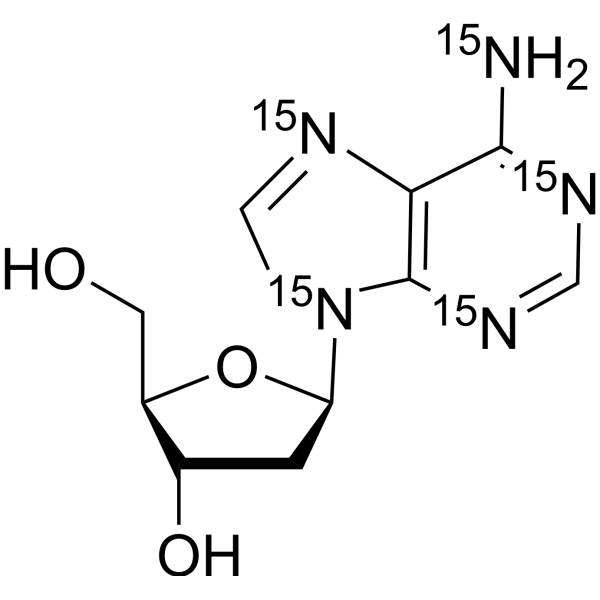
2'-Deoxyadenosine-15N5 is the 15N5-labeled version of 2'-Deoxyadenosine (HY-W040329). 2'-Deoxyadenosine is a nucleoside adenosine derivative that can pair with deoxythymidine in double-stranded DNA.
|
-
-
- HY-W013049S
-
|
|
|
Docosanoic acid-d4 (Behenic acid-4) is deuterium labeled Docosanoic acid (HY-W013049). Docosanoic acid (Behenic acid) is a long-chain saturated fatty acid. Docosanoic acid inhibits the double-stranded DNA (dsDNA) binding activity of p53 DNA binding domain, with a Kd of 12 nM. Docosanoic acid has low bioavailability and can increase cholesterol in humans .
|
-
-
- HY-W013049S2
-
|
|
|
Docosanoic acid-d2 (Behenic acid-d2) is deuterium labeled Docosanoic acid (HY-W013049).
Docosanoic acid (Behenic acid) is a long-chain saturated fatty acid. Docosanoic acid inhibits the double-stranded DNA (dsDNA) binding activity of p53 DNA binding domain, with a Kd of 12 nM. Docosanoic acid has low bioavailability and can increase cholesterol in humans .
|
-
-
- HY-W013049S5
-
|
|
|
Docosanoic acid-d4-2 (Behenic acid-d4-2) is the deuterium labeled Docosanoic acid (HY-W013049). Docosanoic acid (Behenic acid) is a long-chain saturated fatty acid. Docosanoic acid inhibits the double-stranded DNA (dsDNA) binding activity of p53 DNA binding domain, with a Kd of 12 nM. Docosanoic acid has low bioavailability and can increase cholesterol in humans .
|
-
-
- HY-18174S
-
|
|
|
Prexasertib-d4 (LY2606368-d4) is the deuterium labeled Prexasertib (HY-18174). Prexasertib (LY2606368) is a selective, ATP-competitive second-generation checkpoint kinase 1 (CHK1) inhibitor with a Ki of 0.9 nM and an IC50 of <1 nM. Prexasertib inhibits CHK2 (IC50=8 nM) and RSK1 (IC50=9 nM). Prexasertib causes double-stranded DNA breakage and replication catastrophe resulting in apoptosis. Prexasertib shows potent anti-tumor activity .
|
-
| Cat. No. |
Product Name |
|
Classification |
-
- HY-14532
-
|
CMX001; HDP-CDV
|
|
Phospholipids
|
|
Brincidofovir (CMX001), the lipid-conjugated prodrug of Cidofovir (HY-17438), is an orally available, long-acting antiviral. Brincidofovir shows activity against a broad spectrum of DNA viruses including cytomegalovirus (CMV), adenovirus (ADV), varicella zoster virus, herpes simplex virus, polyomaviruses, papillomaviruses, poxviruses, and mixed double-stranded DNA virus infections. Brincidofovir, an oral antiviral in late stage development, has proven effective against orthopoxviruses in vitro and in vivo .
|
-
- HY-W011376
-
|
|
|
Nucleoside Analogs
Cytidine
|
|
5-Bromo-2'-deoxycytidine is a DNA photosensitizer. 5-Bromo-2'-deoxycytidine modifies the double-stranded DNA, and determinate the DNA damage 300 nm photon .
|
-
- HY-148411
-
|
LJP 394 free base
|
|
Antisense Oligonucleotides
|
|
Abetimus (LJP 394 free base) is an immunosuppressant consisting of four double-stranded DNA (dsDNA) oligonucleotides. Abetimus is capable of crosslinking anti-dsDNA antibodies on the surface of B cells, and decreases anti-dsDNA antibodies levels. Abetimus has the potential for research of systemic lupus erythematosus .
|
Your information is safe with us. * Required Fields.
Inquiry Information
- Product Name:
- Cat. No.:
- Quantity:
- MCE Japan Authorized Agent:








