Search Result
Results for "
fluorescence+probe
" in MedChemExpress (MCE) Product Catalog:
3
Biochemical Assay Reagents
| Cat. No. |
Product Name |
Target |
Research Areas |
Chemical Structure |
-
- HY-D1730
-
|
|
Fluorescent Dye
|
Others
|
|
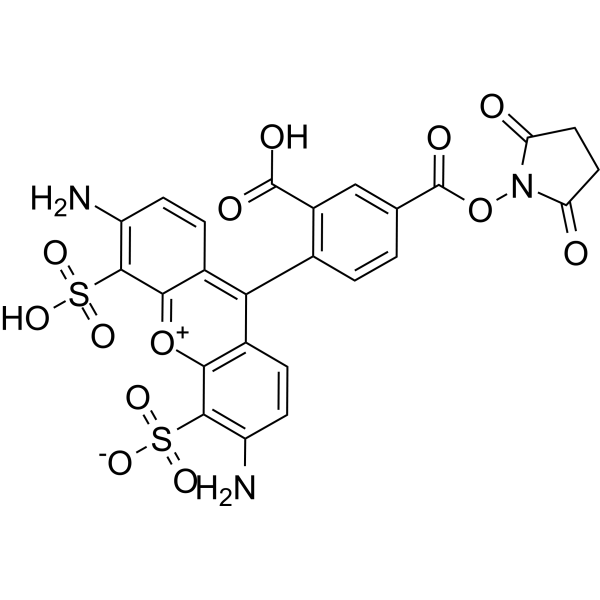
AF488 NHS ester is an amine specific fluorescence probe (Em=525 nm). AF488 NHS ester reacts with sulfhydryl groups and amines in aqueous and biological samples then change their chemical structure and fluorescence properties after derivatization .
|
-
-
- HY-110251
-
DFHBI-1T
Maximum Cited Publications
17 Publications Verification
|
DNA Stain
|
Others
|
|
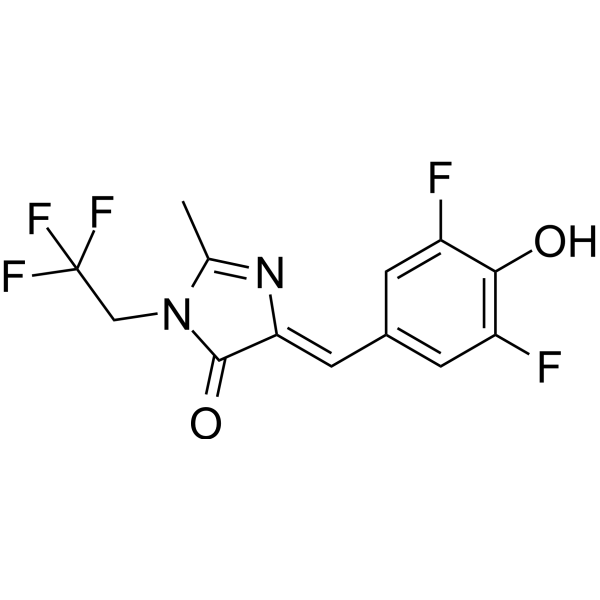
DFHBI-1T is a membrane-permeable RNA aptamers-activated fluorescence probe (ex/em=472 nm/507 nm). DFHBI-1T binds to RNA aptamers (Spinach, Spinach2, iSpinach, and Broccoli) and causes specific fluorescence and lower background fluorescence. DFHBI-1T is used to image RNA in live cells .
|
-
-
- HY-W009756
-
|
|
Fluorescent Dye
|
Others
|
|
N-Phenyl-1-naphthylamine is a dye that fluoresces strongly when bound to the inner phospholipid bilayer of Gram-negative bacteria. N-Phenyl-1-naphthylamine can be used to measure outer membrane permeability. N-Phenylnaphthalen-1-amine is a fluorescence probe for odorant-binding proteins (OBP) with a dissociation constant of 1.67 μM. N-Phenylnaphthalen-1-amine exhibits an excitation wavelength of 337 nM and an emission wavelength of 407 nM .
|
-

-
- HY-119287
-
TSQ
5 Publications Verification
|
Fluorescent Dye
|
Others
|
|
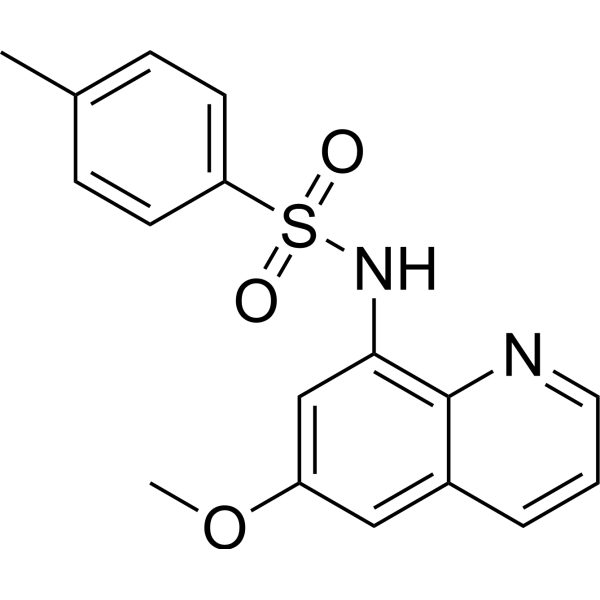
TSQ is a cytosolic zinc ion fluorescence probe that is membrane permeable and can be used for intracellular imaging of zinc proteins (λmax ~470 nm). TSQ can combine with Zn 2+ in the presence of Ca 2+ and Mg 2+ to produce blue fluorescence (Ex/Em = 334/495 nm) .
|
-
-
- HY-D1730A
-
|
|
Fluorescent Dye
|
Others
|
|
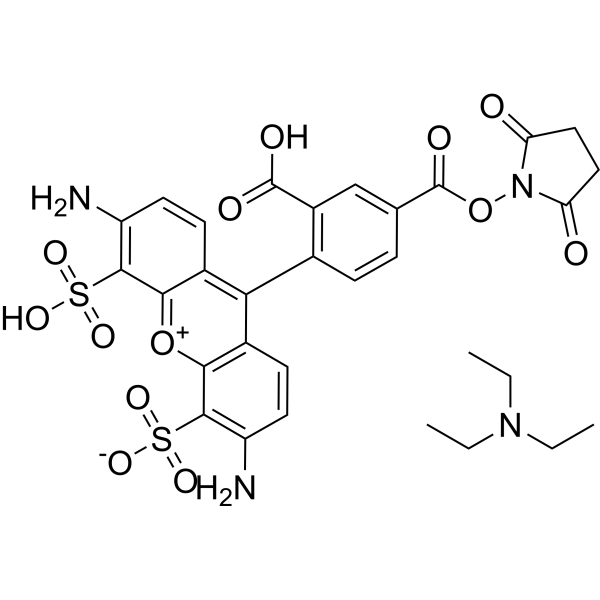
AF488 NHS ester TEA is an amine specific fluorescence probe (λem=525 nm=525 nm). AF488 NHS ester reacts with sulfhydryl groups and amines in aqueous and biological samples then change their chemical structure and fluorescence properties after derivatization. AF488 exhibits the λem and λex wavelength of 520 nm and 470 nm, respectively .
|
-
-
- HY-129109
-
|
|
Fluorescent Dye
|
Inflammation/Immunology
Cancer
|
|
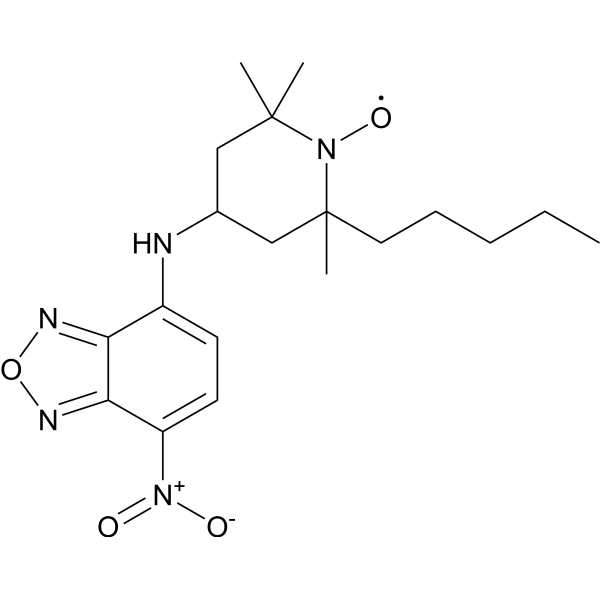
NBD-Pen is the first fluorescence probe for lipid radicals with high selectivity and sensitivity (λex: 470 nm, λem: 530 nm). NBD-Pen specifically detects lipid derived radicals over other reactive species present in biological systems, including H2O2, ClO -, O2 -?, and ?OH. NBD-Pen directly detects lipid radicals in living cells by turn-on fluorescence. NBD-Pen decreases inflammation, apoptosis, and oxidative stress markers. NBD-Pen can be studied in various disease models such as hepatic carcinoma .
|
-
-
- HY-147652
-
|
|
DNA Stain
|
Others
|
|
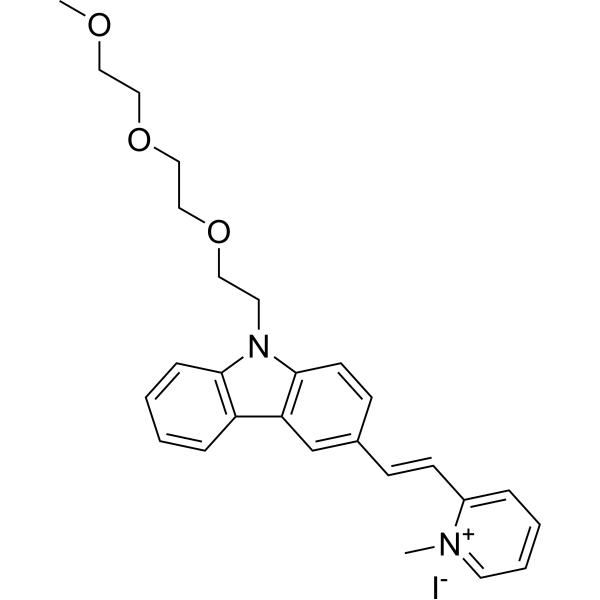
G-quadruplex DNA fluorescence probe 1 (Compound E1) is a selective G-quadruplex DNA targeting fluorescent probe. G-quadruplex DNA fluorescence probe 1 can pass through membrane and enter living cells with low cytotoxicity .
|
-
-
- HY-D1590
-
|
|
Fluorescent Dye
|
Others
|
|
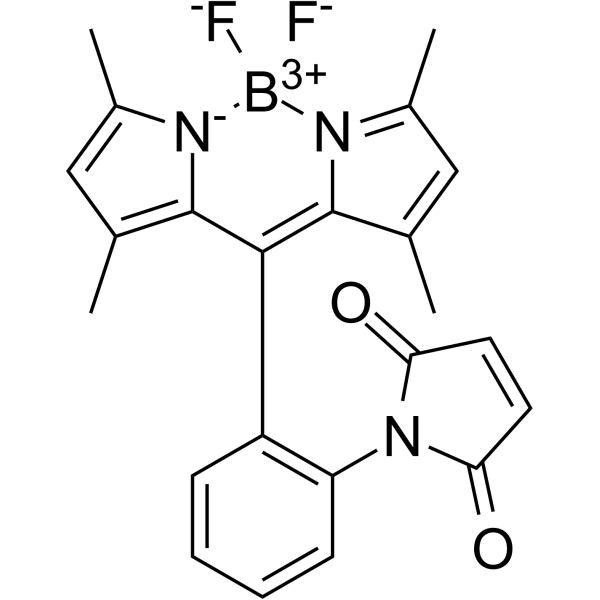
ODIPY Green 8-P2M is a novel thiol-reactive fluorescence probe based on the BODIPY fluorophore, the fluorescence is strongly quenched by d-PeT and then can be restored after reaction with thiol, resulting in an extremely high signal-to-noise ratio. ODIPY Green 8-P2M can be useful for detecting extremely low concentrations of protein in the gel after SDS-PAGE .
|
-
-
- HY-162160
-
|
|
Fluorescent Dye
|
Others
|
|
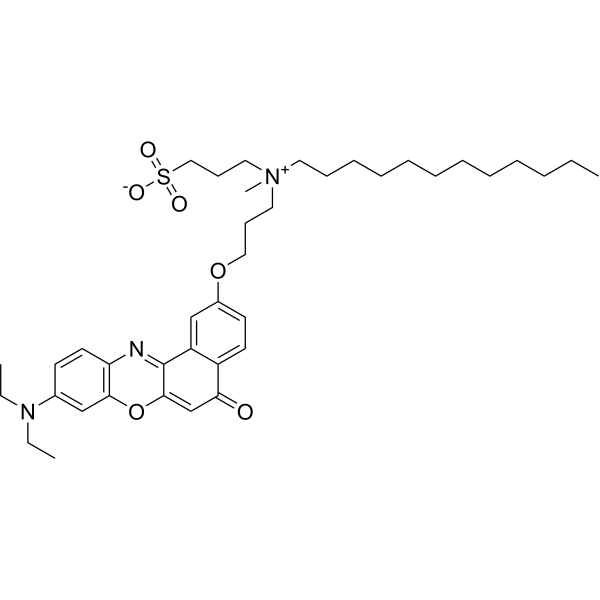
NR12S is a fluorescence probe. NR12S can be used for the research of studying cholesterol and lipid order in biomembranes .
|
-
-
- HY-D0896A
-
|
NSC 1746 ammonium; Peri acid, phenyl- ammonium; Phenyl peri acid ammonium
|
Bacterial
|
Infection
|
|
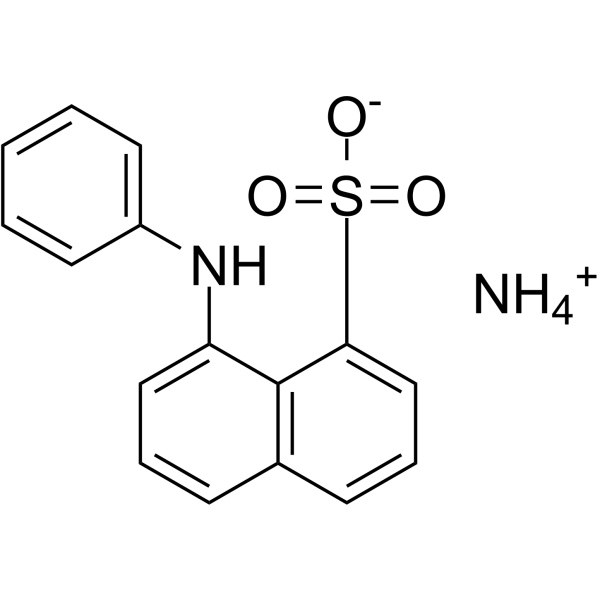
ANS ammonium is a potent antibacterial agent and a textile dye. ANS ammonium can be used as fluorescence probe. ANS ammonium blocks the binding of triiodothyronine to thyroxine binding globulin in radioimmunoassay of triiodothyronine .
|
-
-
- HY-D1261
-
|
Thiol-green 1
|
Fluorescent Dye
|
Others
|
|
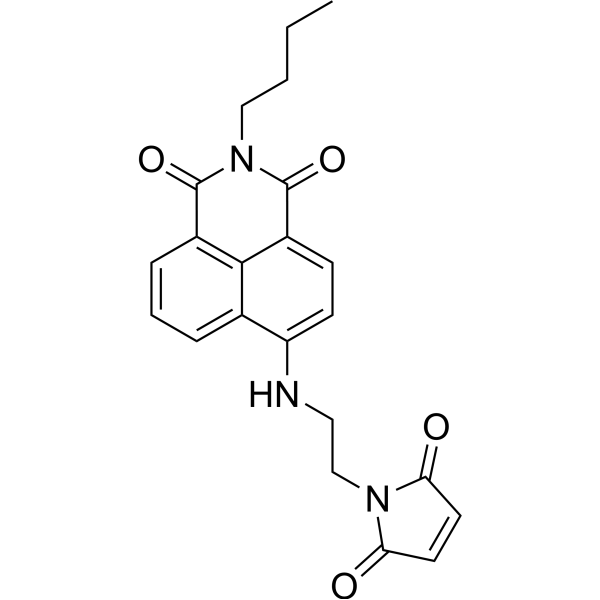
Naph-EA-mal (Thiol-green 1) is a rapid detect and ultrafast turn-on thiol fluorescence probe for protein labeling and bioimaging. Naph-EA-mal (Thiol-green 1) can be used to detect thiols in living cells, label the protein thiols, quantify the concentration of total thiols in cell lysate, and determine the reversible protein thiols oxidation in fixed cells . Ex: 488 nM; Em: 540 nM.
|
-
-
- HY-D1601
-
|
|
Fluorescent Dye
|
Others
|
|
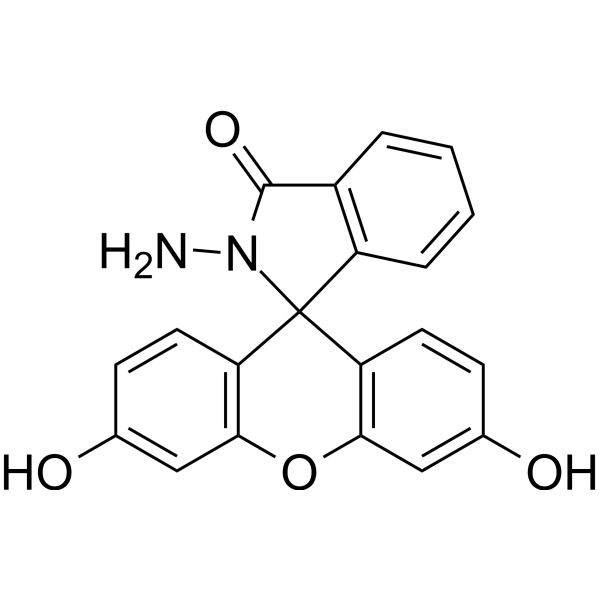
N-Aminofluorescein is a fluorescein hydrazide with spiro form, a highly selective and sensitive fluorescence probe for Cu 2+. N-Aminofluorescein has no selective fluorescence response to other common metal ions, can be used for direct detection of Cu 2+ in biological systems with λex/em=495/516 nm . N-Aminofluorescein can be used to measure the concentration of copper ions in cells .
|
-
-
- HY-W103047
-
|
|
Fluorescent Dye
Reactive Oxygen Species (ROS)
|
Others
|
|
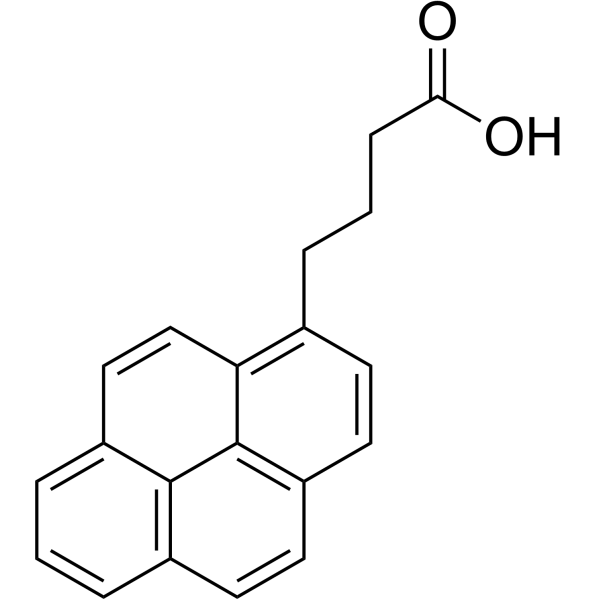
1-Pyrenebutyric acid is a fluorescence probe whose fluorescence lifetime depends on local oxygen and free radical concentrations. 1-Pyrenebutyric acid is used in fluorescence determination of DNA. 1-Pyrenebutyric acid can be used as a linker for biomolecules to form a self-assembled monolayer on grapheme. 1-Pyrenebutyric acid can also be used for the measurement of free radicals in solution and in living cells .
|
-
-
- HY-W005148
-
|
|
Biochemical Assay Reagents
|
Others
|
|
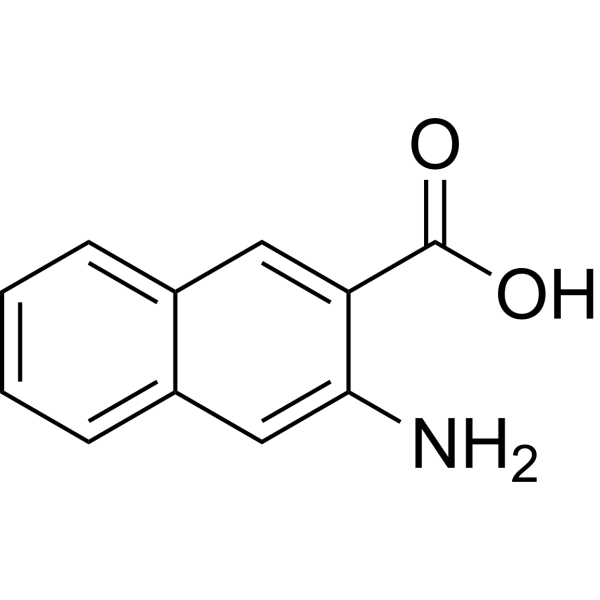
3-Amino-2-naphthoic acid is a derivative of naphthalene and can be used to synthesize other compounds. 3-Amino-2-naphthoic acid is commonly used as the base material for synthesizing various dyes and pigments. 3-Amino-2-naphthoic acid has been developed as a "turn-on" fluorescence probe for the specific detection of the cyanate anion (CNO -) .
|
-
-
- HY-DY1047
-
|
|
DNA Stain
|
Others
|
DFHBI-1T (solution) is a membrane-permeable RNA aptamers-activated fluorescence probe (ex/em=472 nm/507 nm). DFHBI-1T binds to RNA aptamers (Spinach, Spinach2, iSpinach, and Broccoli) and causes specific fluorescence and lower background fluorescence. DFHBI-1T is used to image RNA in live cells .
Solvent and concentration: DMSO: 20 mM
|
-

-
- HY-D2415
-
|
|
Fluorescent Dye
|
Others
|
|
BODIPY-FL staurosporine (Compound 8a) is a fluorescence probe based on staurosporine, exhibiting high specificity towards tyrosine kinases (TK) and tyrosine kinase-like (TKL) family kinases. BODIPY-FL staurosporine has the potential to develop binding assays for kinases that are not recommended for use with Kinase Tracer 236, such as PIM3, CDC42BPG, MAP2K7, TXK, and SIK3. BODIPY-FL staurosporine can be a powerful tool for analyzing kinase selectivity in kinase drug discovery .
|
-

-
- HY-D2344
-
|
3-Benzothiazole-daphnetin
|
Fluorescent Dye
|
Others
|
|
3-BTD (3-Benzothiazole-daphnetin) is a Catechol-O-methyltransferase (COMT) two-photon fluorescence probe. 3-BTD can also be used for biological imaging of endogenous COMT in living cells and tissue sections .
|
-

-
- HY-110251A
-
|
|
DNA Stain
|
Others
|
|
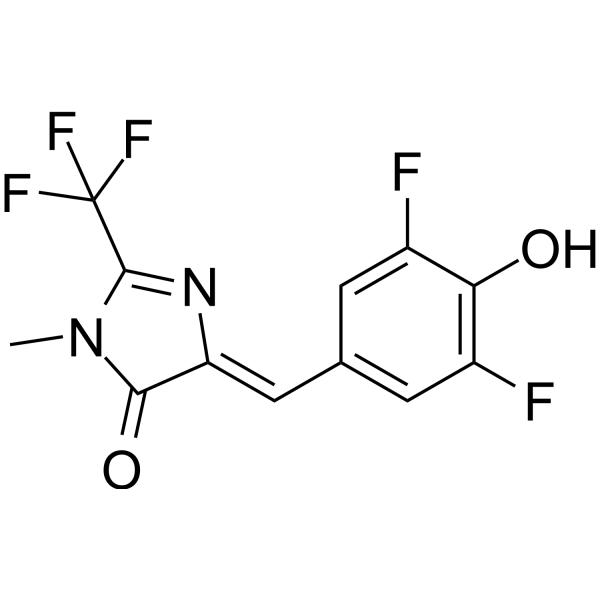
DFHBI-2T is a membrane-permeable RNA aptamers-activated fluorescence probe (ex/em=500 nm/523 nm). DFHBI-2T is used to image RNA in live cells .
|
-
-
- HY-D2175
-
|
|
Fluorescent Dye
|
Others
|
|
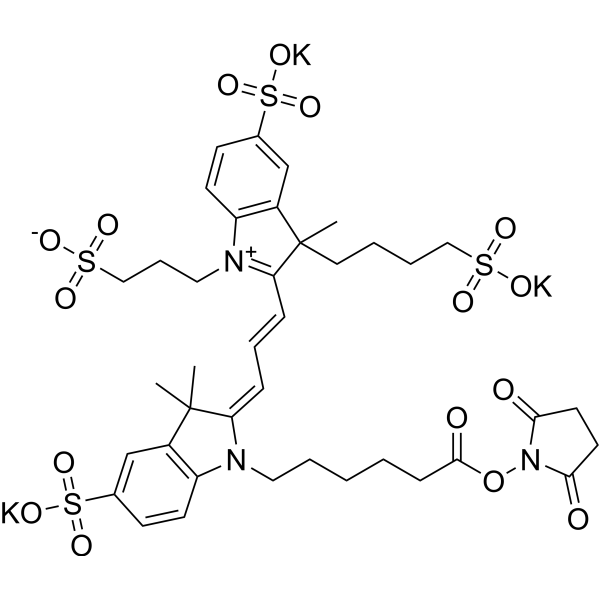
AF 555 NHS ester is a bright, orange-red fluorescence probe. AF 555 NHS ester can be used to label primary amines (R-NH2) of proteins, amine-modified oligonucleotides, and other amine-containing molecules (Ex/Em = 552/566 nm) .
|
-
-
- HY-139362
-
|
|
Phosphodiesterase (PDE)
|
Cancer
|
|
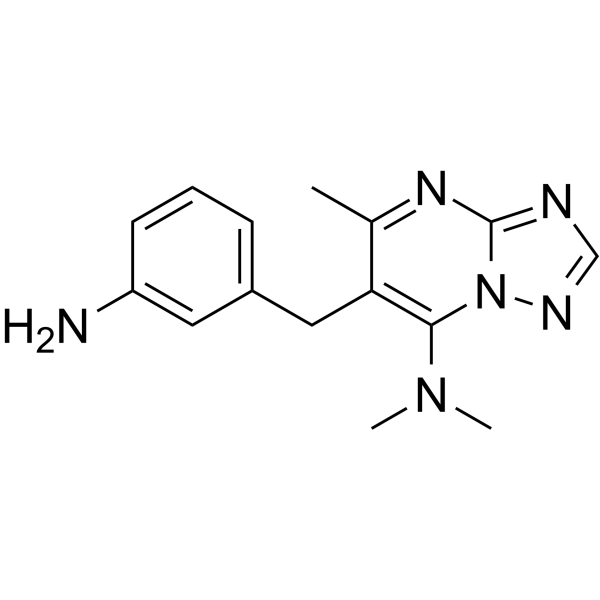
Enpp-1-IN-2 (Compound C) is a potent ENPP1 (ectonucleotide pyrophosphatase/phosphodiesterase 1) inhibitor with IC50 values of 0.26, 0.48 and 2.0 μM evaluated by means of TG-mAMP, pNP-TMP, and ATP assays, respectively. TG (Tokyo Green)-mAMP: a newly synthesized sensitive ENPP1 fluorescence probe .
|
-
-
- HY-P2496
-
|
|
Endothelin Receptor
|
Cardiovascular Disease
|
|
Endothelin 1 (swine, human), Alexa Fluor 488-labeled is a synthetic Endothelin 1 peptide labled with Alexa Fluor 488. Endothelin 1 (swine, human) is a synthetic peptide with the sequence of human and swine Endothelin 1, which is a potent endogenous vasoconstrictor. Endothelin 1 acts through two types of receptors ETA and ETB .
|
-

-
- HY-147104
-
|
|
Fluorescent Dye
|
Others
|
|
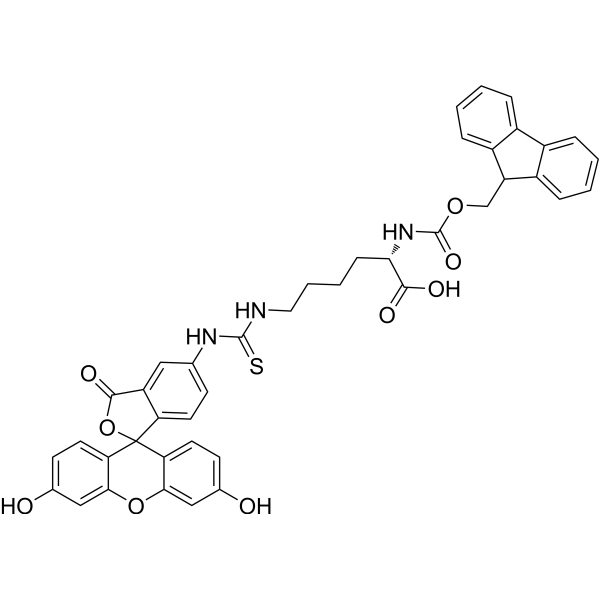
Fmoc-Lys(5-FITC)-OH is a marker for polypeptides or proteins. FITC is a fluorescence probe for the labeling of amines. FITC is a pH- and Cu 2+-sensitive fluorescence dye .
|
-
-
- HY-DY1055
-
|
|
Fluorescent Dye
|
Others
|
TSQ (solution) is a cytosolic zinc ion fluorescence probe that is membrane permeable and can be used for intracellular imaging of zinc proteins (λmax ~470 nm). TSQ can combine with Zn 2+ in the presence of Ca 2+ and Mg 2+ to produce blue fluorescence (Ex/Em = 334/495 nm) .
Solvent and concentration: DMSO: 10 mM
|
-

-
- HY-N16571
-
|
|
Fluorescent Dye
Endogenous Metabolite
|
Others
|
|
Marionol is a type of flavonol compound and belongs to the secondary metabolites of plants. Marionol exhibits significant specificity towards Cu²⁺ and possesses the characteristic of intramolecular proton transfer in excited state (ESIPT), enabling it to generate strong fluorescence upon excitation by ultraviolet light. The maximum excitation/emission wavelengths are 350 nm and 510 nm (depending on the solvent), respectively. Marionol can be used as a fluorescence probe for Cu²⁺ .
|
-

-
- HY-W110772
-
|
Coumarin 540A
|
Fluorescent Dye
|
Others
|
|
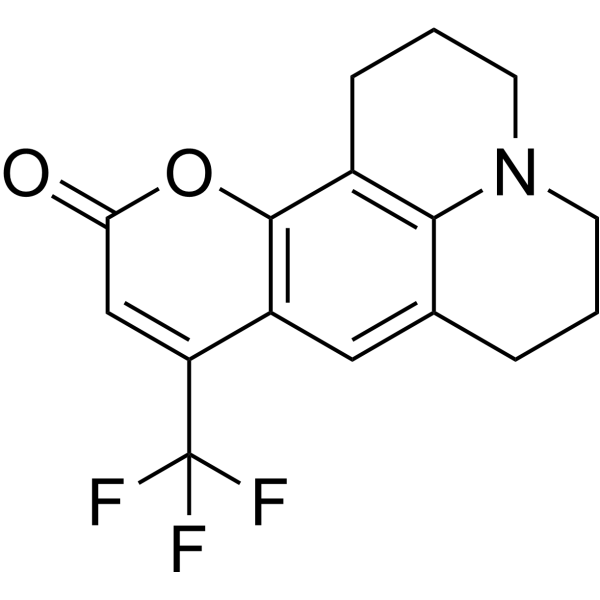
Coumarin153 is a coumarin. Coumarin153 can used as a fluorescence probe of Na dodecyl sulfate and cetyltrimethylammonium bromide .
|
-
-
- HY-D2952
-
|
|
Fluorescent Dye
|
Others
|
|
BOCA-1-BG is a BODIPY-labeled SNAP tag fluorescence probe. BOCA-1-BG can be used to detect Ca 2+ concentration and serves as a highly sensitive Ca 2+ fluorescent indicator .
|
-

-
- HY-D0896AR
-
|
NSC 1746 ammonium (Standard); Peri acid, phenyl- ammonium (Standard); Phenyl peri acid ammonium (Standard)
|
Bacterial
Reference Standards
|
Infection
|
|
ANS (ammonium) (Standard) is the analytical standard of ANS (ammonium). This product is intended for research and analytical applications. ANS ammonium is a potent antibacterial agent and a textile dye. ANS ammonium can be used as fluorescence probe. ANS ammonium blocks the binding of triiodothyronine to thyroxine binding globulin in radioimmunoassay of triiodothyronine .
|
-

-
- HY-D0141
-
-
-
- HY-157316
-
|
|
Fluorescent Dye
|
Others
|
|
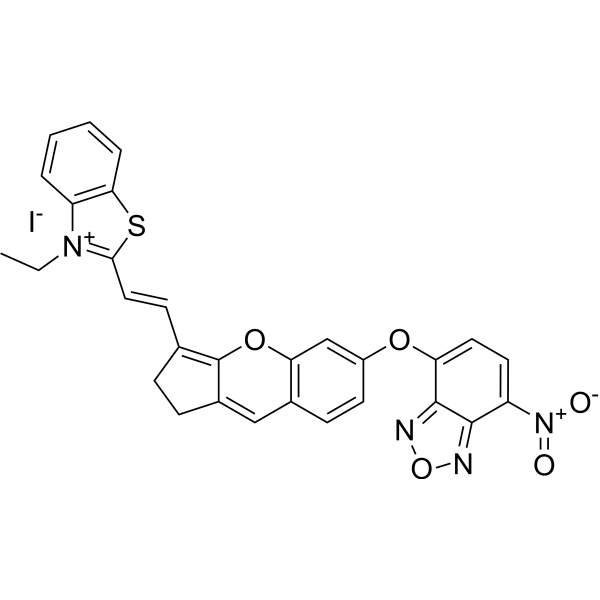
TZ-NBD is a dual-channel sensitive fluorescence probe that exhibits fast response, and excellent selectivity to detect biothiols in vitro and in vivo .
|
-
-
- HY-152102
-
|
|
Fluorescent Dye
|
Cancer
|
|
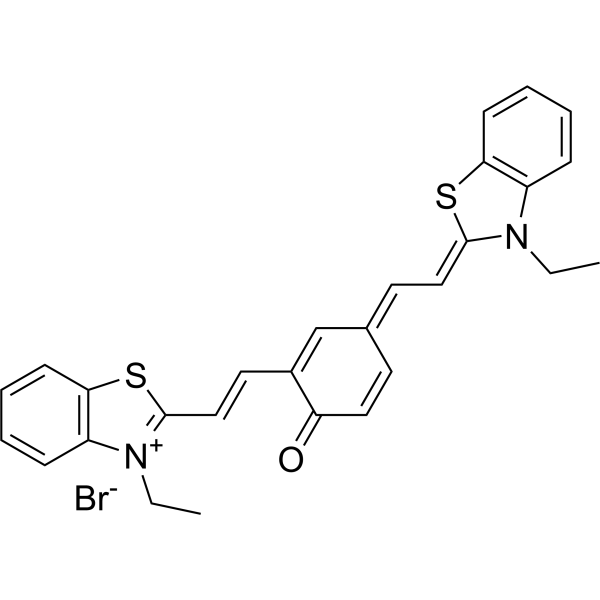
BTCy is a near-infrared (NIR) fluorescence probe with polarity-responsive and cell plasma membrane-targeting properties. BTCy can be used for in vivo imaging of tumor tissue (λex = 561 nm, λem = 600-700 nm) .
|
-
-
- HY-W012642A
-
|
|
DNA Stain
|
Others
|
|
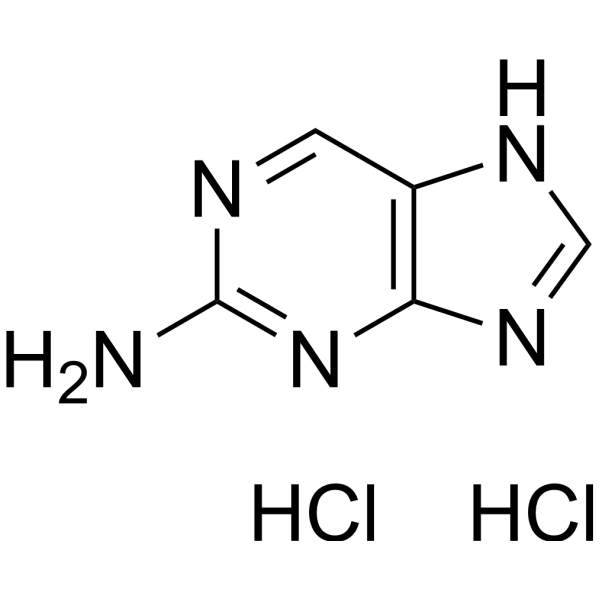
2-Aminopurine dihydrochloride is a fluorescent analog of guanosine. 2-Aminopurine dihydrochloride can be used as a fluorescence probe for nucleic acid structure and dynamics. Incorporating 2-Aminopurine dihydrochloride into DNA quenches its fluorescence .
|
-
-
- HY-145837
-
|
|
Neuropeptide Y Receptor
|
Cancer
|
|
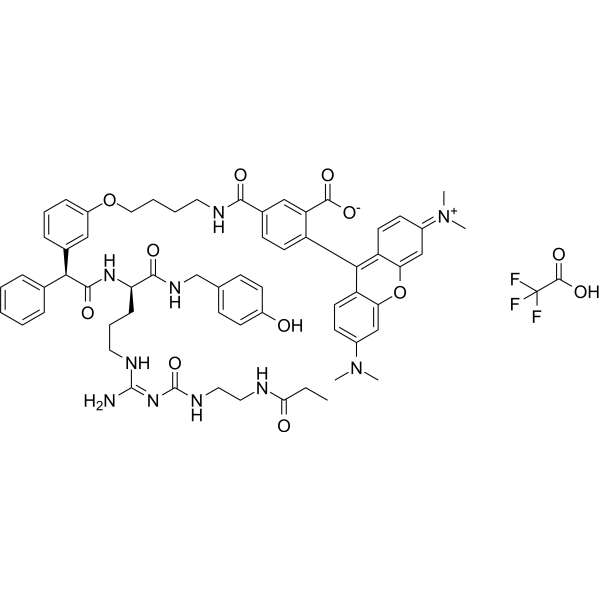
Y1R probe-1 (Compound 39) is a high-affinity fluorescence probe for the Neuropeptide Y Y1 Receptor. Y1R probe-1 has the potential for the research of cancer disease .
|
-
-
- HY-D2266
-
|
|
Fluorescent Dye
|
Neurological Disease
|
|
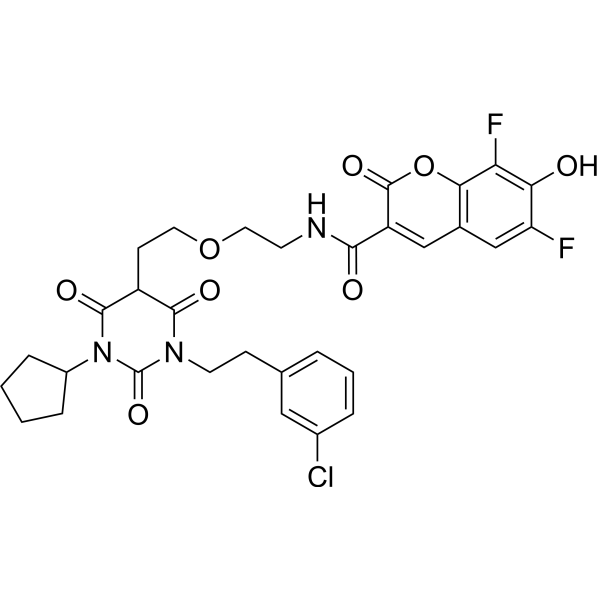
FluoBar1 is an imaging fluorescence probe modified by a barbiturate ligand with fluorescent coumarin. FluoBar1 can monitor L-type voltage-gated calcium channels (LTCC) in living cells in real time for the study of neurological diseases .
|
-
-
- HY-D2333
-
|
|
Fluorescent Dye
|
Inflammation/Immunology
|
|
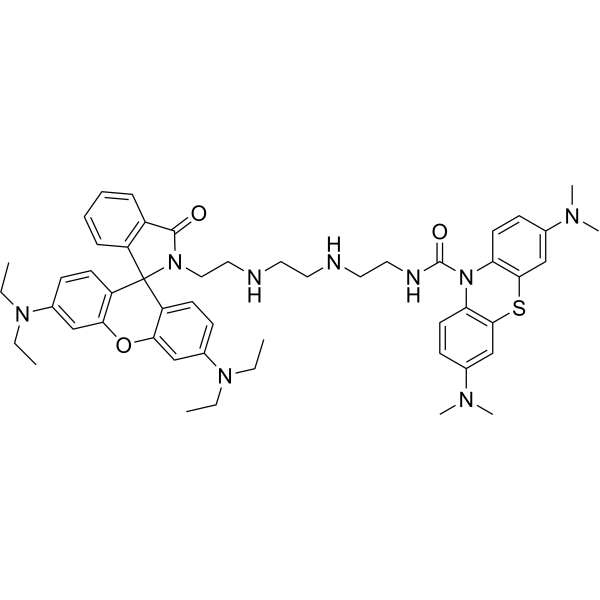
RhFNMB is a dualchannel/localization single-molecule fluorescence probe for ATP and HOCl, with independent fluorescence responses in the light red channel with ATP (λex = 520 nm, λem = 586 nm) and deep red channel with HOCl (λex = 620 nm, λem = 688 nm) .
|
-
-
- HY-D2336
-
|
|
PROTACs
|
Cancer
|
|
PROTAC Aster-A degrader-1 (compound NGF3) is a degrader of the sterol transport protein Aster-A. PROTAC Aster-A degrader-1 can be used as a fluorescence probe. (Red: Aster-A inhibitor, black: linker, Blue: E3 ligase ligand) .
|
-

-
- HY-P2608
-
|
|
Fluorescent Dye
|
Others
|
|
DNP-Pro-Leu-Ala-Leu-Trp-Ala-Arg-OH is the substrate for matrix metalloproteinase MMP-1, with a Km of 26.61 μM. DNP-Pro-Leu-Ala-Leu-Trp-Ala-Arg-OH is utilized as fluorescence probe for detecting protein activity .
|
-

-
- HY-D2968
-
|
|
Fluorescent Dye
|
Neurological Disease
|
|
DCM-ONOO is a near-infrared two-photon fluorescence probe specifically designed for real-time monitoring of the dynamic fluctuations of peroxynitrite (ONOO⁻) in epilepsy models. DCM-ONOO exhibits excellent optical properties, with a single photon excitation (Ex) of 520 nm; a single photon emission (Em) of 685 nm; a two-photon excitation of 820 nm; and a Stokes shift of 165 nm. When DCM-ONOO is combined with ONOO⁻, it shifts from 460 nm to 512 nm, and only generates a significant fluorescence response to ONOO⁻. DCM-ONOO has been successfully applied to rat epilepsy models .
|
-

-
- HY-D3009
-
|
|
Fluorescent Dye
|
Others
|
|
LCE1 is an azacrown ether-based NIR fluorescence probe. LCT can be used for the detection of Pb 2+ in food, environmental water, plant and animal samples .
|
-

-
- HY-179330
-
|
|
Fluorescent Dye
|
Cancer
|
|
PSMA-1092 is a fluorescence probe targeting prostate-specific membrane antigen (PSMA) with a Ki of 80 pM. PSMA-1092 can be used for tumor localization and imaging, such as prostate cancer .
|
-

| Cat. No. |
Product Name |
Type |
-
- HY-110251
-
DFHBI-1T
Maximum Cited Publications
17 Publications Verification
|
Fluorescent Dye
|
|
DFHBI-1T is a membrane-permeable RNA aptamers-activated fluorescence probe (ex/em=472 nm/507 nm). DFHBI-1T binds to RNA aptamers (Spinach, Spinach2, iSpinach, and Broccoli) and causes specific fluorescence and lower background fluorescence. DFHBI-1T is used to image RNA in live cells .
|
-
- HY-W009756
-
|
|
Fluorescent Dye
|
|
N-Phenyl-1-naphthylamine is a dye that fluoresces strongly when bound to the inner phospholipid bilayer of Gram-negative bacteria. N-Phenyl-1-naphthylamine can be used to measure outer membrane permeability. N-Phenylnaphthalen-1-amine is a fluorescence probe for odorant-binding proteins (OBP) with a dissociation constant of 1.67 μM. N-Phenylnaphthalen-1-amine exhibits an excitation wavelength of 337 nM and an emission wavelength of 407 nM .
|
-
- HY-119287
-
TSQ
5 Publications Verification
|
Fluorescent Dye
|
|
TSQ is a cytosolic zinc ion fluorescence probe that is membrane permeable and can be used for intracellular imaging of zinc proteins (λmax ~470 nm). TSQ can combine with Zn 2+ in the presence of Ca 2+ and Mg 2+ to produce blue fluorescence (Ex/Em = 334/495 nm) .
|
-
- HY-D1730A
-
|
|
Fluorescent Dye
|
|
AF488 NHS ester TEA is an amine specific fluorescence probe (λem=525 nm=525 nm). AF488 NHS ester reacts with sulfhydryl groups and amines in aqueous and biological samples then change their chemical structure and fluorescence properties after derivatization. AF488 exhibits the λem and λex wavelength of 520 nm and 470 nm, respectively .
|
-
- HY-129109
-
|
|
Fluorescent Dye
|
|
NBD-Pen is the first fluorescence probe for lipid radicals with high selectivity and sensitivity (λex: 470 nm, λem: 530 nm). NBD-Pen specifically detects lipid derived radicals over other reactive species present in biological systems, including H2O2, ClO -, O2 -?, and ?OH. NBD-Pen directly detects lipid radicals in living cells by turn-on fluorescence. NBD-Pen decreases inflammation, apoptosis, and oxidative stress markers. NBD-Pen can be studied in various disease models such as hepatic carcinoma .
|
-
- HY-162160
-
|
|
Fluorescent Dye
|
|
NR12S is a fluorescence probe. NR12S can be used for the research of studying cholesterol and lipid order in biomembranes .
|
-
- HY-D0896A
-
|
NSC 1746 ammonium; Peri acid, phenyl- ammonium; Phenyl peri acid ammonium
|
Fluorescent Dye
|
|
ANS ammonium is a potent antibacterial agent and a textile dye. ANS ammonium can be used as fluorescence probe. ANS ammonium blocks the binding of triiodothyronine to thyroxine binding globulin in radioimmunoassay of triiodothyronine .
|
-
- HY-D1261
-
|
Thiol-green 1
|
Fluorescent Dye
|
|
Naph-EA-mal (Thiol-green 1) is a rapid detect and ultrafast turn-on thiol fluorescence probe for protein labeling and bioimaging. Naph-EA-mal (Thiol-green 1) can be used to detect thiols in living cells, label the protein thiols, quantify the concentration of total thiols in cell lysate, and determine the reversible protein thiols oxidation in fixed cells . Ex: 488 nM; Em: 540 nM.
|
-
- HY-D1601
-
|
|
Fluorescent Dye
|
|
N-Aminofluorescein is a fluorescein hydrazide with spiro form, a highly selective and sensitive fluorescence probe for Cu 2+. N-Aminofluorescein has no selective fluorescence response to other common metal ions, can be used for direct detection of Cu 2+ in biological systems with λex/em=495/516 nm . N-Aminofluorescein can be used to measure the concentration of copper ions in cells .
|
-
- HY-W103047
-
|
|
Fluorescent Dye
|
|
1-Pyrenebutyric acid is a fluorescence probe whose fluorescence lifetime depends on local oxygen and free radical concentrations. 1-Pyrenebutyric acid is used in fluorescence determination of DNA. 1-Pyrenebutyric acid can be used as a linker for biomolecules to form a self-assembled monolayer on grapheme. 1-Pyrenebutyric acid can also be used for the measurement of free radicals in solution and in living cells .
|
-
- HY-DY1047
-
|
|
Fluorescent Dye
|
DFHBI-1T (solution) is a membrane-permeable RNA aptamers-activated fluorescence probe (ex/em=472 nm/507 nm). DFHBI-1T binds to RNA aptamers (Spinach, Spinach2, iSpinach, and Broccoli) and causes specific fluorescence and lower background fluorescence. DFHBI-1T is used to image RNA in live cells .
Solvent and concentration: DMSO: 20 mM
|
-
- HY-D2415
-
|
|
Fluorescent Dye
|
|
BODIPY-FL staurosporine (Compound 8a) is a fluorescence probe based on staurosporine, exhibiting high specificity towards tyrosine kinases (TK) and tyrosine kinase-like (TKL) family kinases. BODIPY-FL staurosporine has the potential to develop binding assays for kinases that are not recommended for use with Kinase Tracer 236, such as PIM3, CDC42BPG, MAP2K7, TXK, and SIK3. BODIPY-FL staurosporine can be a powerful tool for analyzing kinase selectivity in kinase drug discovery .
|
-
- HY-D2344
-
|
3-Benzothiazole-daphnetin
|
Fluorescent Dye
|
|
3-BTD (3-Benzothiazole-daphnetin) is a Catechol-O-methyltransferase (COMT) two-photon fluorescence probe. 3-BTD can also be used for biological imaging of endogenous COMT in living cells and tissue sections .
|
-
- HY-110251A
-
|
|
Fluorescent Dye
|
|
DFHBI-2T is a membrane-permeable RNA aptamers-activated fluorescence probe (ex/em=500 nm/523 nm). DFHBI-2T is used to image RNA in live cells .
|
-
- HY-D2175
-
|
|
Fluorescent Dye
|
|
AF 555 NHS ester is a bright, orange-red fluorescence probe. AF 555 NHS ester can be used to label primary amines (R-NH2) of proteins, amine-modified oligonucleotides, and other amine-containing molecules (Ex/Em = 552/566 nm) .
|
-
- HY-DY1055
-
|
|
Fluorescent Dye
|
TSQ (solution) is a cytosolic zinc ion fluorescence probe that is membrane permeable and can be used for intracellular imaging of zinc proteins (λmax ~470 nm). TSQ can combine with Zn 2+ in the presence of Ca 2+ and Mg 2+ to produce blue fluorescence (Ex/Em = 334/495 nm) .
Solvent and concentration: DMSO: 10 mM
|
-
- HY-D2952
-
|
|
Fluorescent Dye
|
|
BOCA-1-BG is a BODIPY-labeled SNAP tag fluorescence probe. BOCA-1-BG can be used to detect Ca 2+ concentration and serves as a highly sensitive Ca 2+ fluorescent indicator .
|
-
- HY-D0896AR
-
|
NSC 1746 ammonium (Standard); Peri acid, phenyl- ammonium (Standard); Phenyl peri acid ammonium (Standard)
|
Fluorescent Dye
|
|
ANS (ammonium) (Standard) is the analytical standard of ANS (ammonium). This product is intended for research and analytical applications. ANS ammonium is a potent antibacterial agent and a textile dye. ANS ammonium can be used as fluorescence probe. ANS ammonium blocks the binding of triiodothyronine to thyroxine binding globulin in radioimmunoassay of triiodothyronine .
|
-
- HY-D0141
-
-
- HY-W012642A
-
|
|
Fluorescent Dye
|
|
2-Aminopurine dihydrochloride is a fluorescent analog of guanosine. 2-Aminopurine dihydrochloride can be used as a fluorescence probe for nucleic acid structure and dynamics. Incorporating 2-Aminopurine dihydrochloride into DNA quenches its fluorescence .
|
-
- HY-D2266
-
|
|
Fluorescent Dye
|
|
FluoBar1 is an imaging fluorescence probe modified by a barbiturate ligand with fluorescent coumarin. FluoBar1 can monitor L-type voltage-gated calcium channels (LTCC) in living cells in real time for the study of neurological diseases .
|
-
- HY-D2333
-
|
|
Fluorescent Dye
|
|
RhFNMB is a dualchannel/localization single-molecule fluorescence probe for ATP and HOCl, with independent fluorescence responses in the light red channel with ATP (λex = 520 nm, λem = 586 nm) and deep red channel with HOCl (λex = 620 nm, λem = 688 nm) .
|
-
- HY-D2336
-
|
|
Fluorescent Dye
|
|
PROTAC Aster-A degrader-1 (compound NGF3) is a degrader of the sterol transport protein Aster-A. PROTAC Aster-A degrader-1 can be used as a fluorescence probe. (Red: Aster-A inhibitor, black: linker, Blue: E3 ligase ligand) .
|
-
- HY-D2968
-
|
|
Fluorescent Dye
|
|
DCM-ONOO is a near-infrared two-photon fluorescence probe specifically designed for real-time monitoring of the dynamic fluctuations of peroxynitrite (ONOO⁻) in epilepsy models. DCM-ONOO exhibits excellent optical properties, with a single photon excitation (Ex) of 520 nm; a single photon emission (Em) of 685 nm; a two-photon excitation of 820 nm; and a Stokes shift of 165 nm. When DCM-ONOO is combined with ONOO⁻, it shifts from 460 nm to 512 nm, and only generates a significant fluorescence response to ONOO⁻. DCM-ONOO has been successfully applied to rat epilepsy models .
|
-
- HY-D3009
-
|
|
Fluorescent Dye
|
|
LCE1 is an azacrown ether-based NIR fluorescence probe. LCT can be used for the detection of Pb 2+ in food, environmental water, plant and animal samples .
|
| Cat. No. |
Product Name |
Type |
-
- HY-D0896A
-
|
NSC 1746 ammonium; Peri acid, phenyl- ammonium; Phenyl peri acid ammonium
|
Biochemical Assay Reagents
|
|
ANS ammonium is a potent antibacterial agent and a textile dye. ANS ammonium can be used as fluorescence probe. ANS ammonium blocks the binding of triiodothyronine to thyroxine binding globulin in radioimmunoassay of triiodothyronine .
|
-
- HY-W005148
-
|
|
Biochemical Assay Reagents
|
|
3-Amino-2-naphthoic acid is a derivative of naphthalene and can be used to synthesize other compounds. 3-Amino-2-naphthoic acid is commonly used as the base material for synthesizing various dyes and pigments. 3-Amino-2-naphthoic acid has been developed as a "turn-on" fluorescence probe for the specific detection of the cyanate anion (CNO -) .
|
-
- HY-D0896AR
-
|
NSC 1746 ammonium (Standard); Peri acid, phenyl- ammonium (Standard); Phenyl peri acid ammonium (Standard)
|
Biochemical Assay Reagents
|
|
ANS (ammonium) (Standard) is the analytical standard of ANS (ammonium). This product is intended for research and analytical applications. ANS ammonium is a potent antibacterial agent and a textile dye. ANS ammonium can be used as fluorescence probe. ANS ammonium blocks the binding of triiodothyronine to thyroxine binding globulin in radioimmunoassay of triiodothyronine .
|
| Cat. No. |
Product Name |
Target |
Research Area |
-
- HY-P2496
-
|
|
Endothelin Receptor
|
Cardiovascular Disease
|
|
Endothelin 1 (swine, human), Alexa Fluor 488-labeled is a synthetic Endothelin 1 peptide labled with Alexa Fluor 488. Endothelin 1 (swine, human) is a synthetic peptide with the sequence of human and swine Endothelin 1, which is a potent endogenous vasoconstrictor. Endothelin 1 acts through two types of receptors ETA and ETB .
|
-
- HY-P2608
-
|
|
Fluorescent Dye
|
Others
|
|
DNP-Pro-Leu-Ala-Leu-Trp-Ala-Arg-OH is the substrate for matrix metalloproteinase MMP-1, with a Km of 26.61 μM. DNP-Pro-Leu-Ala-Leu-Trp-Ala-Arg-OH is utilized as fluorescence probe for detecting protein activity .
|
| Cat. No. |
Product Name |
Category |
Target |
Chemical Structure |
Your information is safe with us. * Required Fields.
Inquiry Information
- Product Name:
- Cat. No.:
- Quantity:
- MCE Japan Authorized Agent:








