Search Result
Results for "
hsp27
" in MedChemExpress (MCE) Product Catalog:
| Cat. No. |
Product Name |
Target |
Research Areas |
Chemical Structure |
-
- HY-10256
-
Adezmapimod
Maximum Cited Publications
601 Publications Verification
SB 203580; RWJ 64809
|
Organoid
p38 MAPK
Autophagy
Mitophagy
HSP
|
Inflammation/Immunology
Cancer
|
|
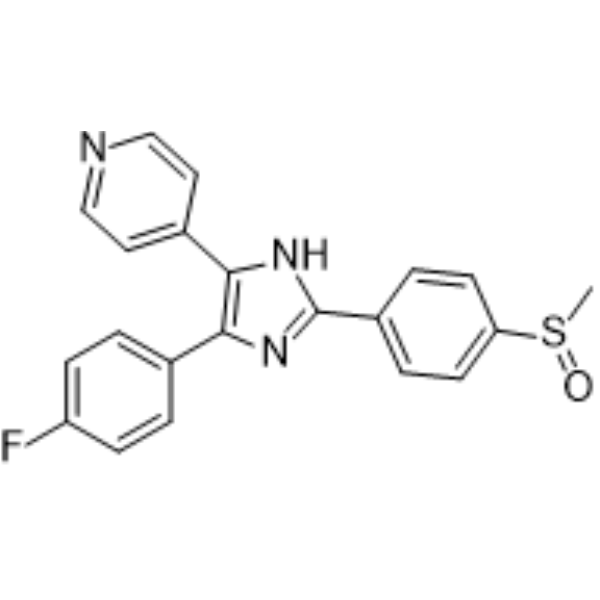
Adezmapimod (SB 203580) is a selective and ATP-competitive p38 MAPK inhibitor with IC50s of 50 nM and 500 nM for SAPK2a/p38 and SAPK2b/p38β2, respectively. Adezmapimod inhibits LCK, GSK3β and PKBα with IC50s of 100-500-fold higher than that for SAPK2a/p38. Adezmapimod can inhibit p38 MAPK and lead to the inhibition of downstream HSP27 phosphorylation. Adezmapimod does not disrupt JNK activity and is an autophagy and mitophagy activator .
|
-
-
- HY-124653
-
|
J2
|
HSP
|
Cancer
|
|
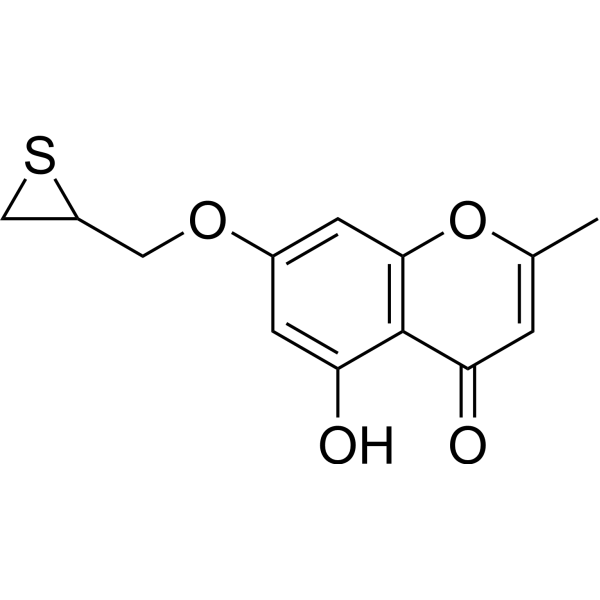
HSP27 inhibitor J2 (J2) is a HSP27 inhibitor, which significantly induces abnormal HSP27 dimer formation and inhibits a production of HSP27 giant polymers, thereby having an effect of inhibiting a chaperone function of the HSP27 and reducing a cell protection function thereof. HSP27 inhibitor J2 (J2) remarkably enhances the antiproliferative activity of 17-AAG and sensitizes cisplatin-induced lung cancer cell growth inhibition .
|
-
-
- HY-N2468
-
|
1,4-β-D-Xylobiose; 1,4-D-Xylobiose
|
TNF Receptor
Claudin
HSP
|
Metabolic Disease
Inflammation/Immunology
|
|
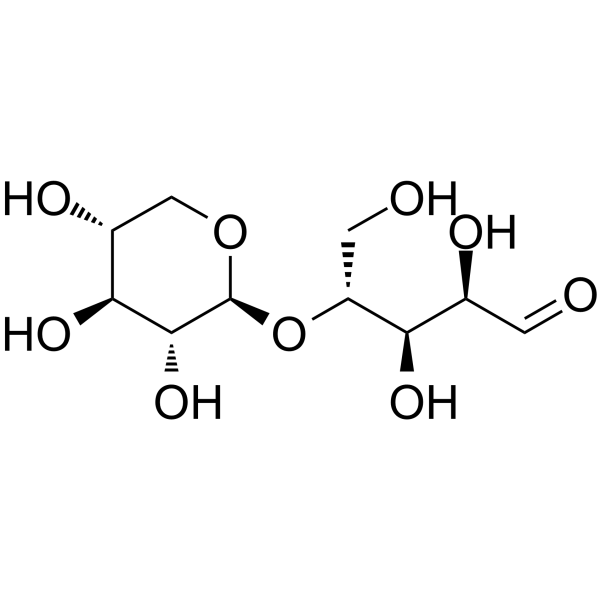
Xylobiose (1,4-β-D-Xylobiose; 1,4-D-Xylobiose) is an orally active Claudin 2/CLDN2 inhibitor and HSP27 inducer. Xylobiose works by regulating intestinal barrier function and glucose and lipid metabolism-related signaling pathways. Xylobiose inhibits CLDN2 expression to reduce intestinal permeability, induces HSP27 to enhance cell protection, and regulates the miR-122a/miR-33a axis to inhibit liver lipid synthesis and improve insulin resistance. Xylobiose can strengthen intestinal barrier integrity, reduce blood sugar and blood lipid levels, and reduce oxidative stress and inflammatory response. Xylobiose can be used in the study of type 2 diabetes and metabolic syndrome .
|
-
-
- HY-18669
-
|
|
HSP
|
Cancer
|
|
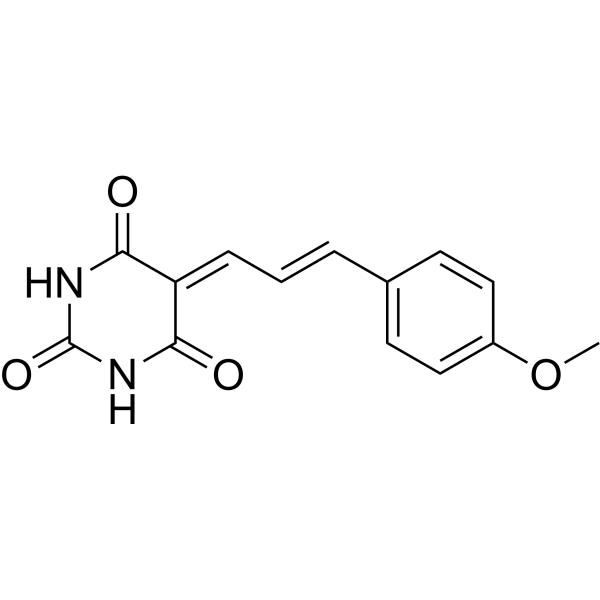
ML346 is an activator of Hsp70 expression and HSF-1 activity, with an EC50 of 4.6 μM for Hsp70. ML346 restores protein folding in conformational disease models, without significant cytotoxicity or lack of specificity. ML346 induces specific increases in genes and protein effectors of the heat shock response (HSR), including chaperones such as Hsp70, Hsp40, and Hsp27 .
|
-
-
- HY-18756
-
|
|
SHP2
SHP1
Phosphatase
Apoptosis
|
Others
|
|
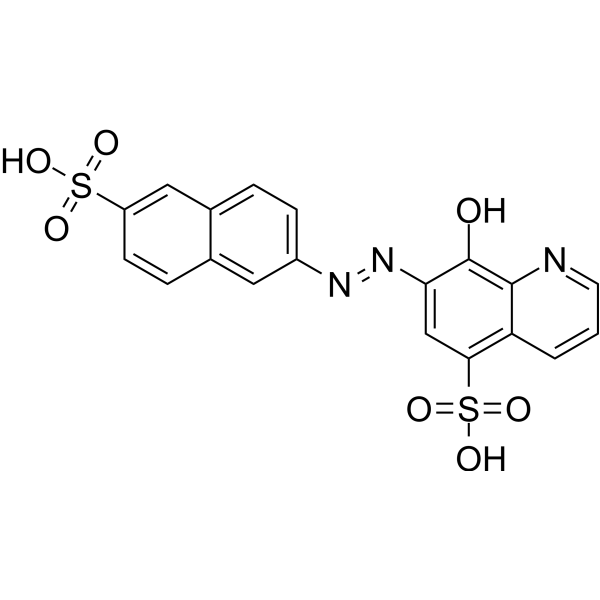
NSC-87877 is a potent inhibitor of Shp2 and Shp1 protein tyrosine phosphatases (SH-PTP2 and SH-PTP1), with IC50 values of 0.318 μM, 0.355 μM shp2 and shp1, respectively . NSC-87877 also inhibits dual-specificity phosphatase 26 (DUSP26) .
|
-
-
- HY-145722
-
|
OGX-427 sodium
|
HSP
|
Cancer
|
|
Apatorsen (OGX-427) sodium is a 2'-methoxyethyl-modified antisense oligonucleotide and also a Hsp27 inhibitor. Apatorsen sodium reduces Hsp27 mRNA and protein levels, impairs stress-induced cytoprotective functions, induces cell apoptosis, inhibits tumor growth and prevents metastasis. Apatorsen sodium is applicable to research related to non-small cell lung cancer, castration-resistant prostate cancer, breast cancer, ovarian cancer and bladder cancer .
|
-
-
- HY-138280
-
|
|
HSP
|
Cancer
|
|
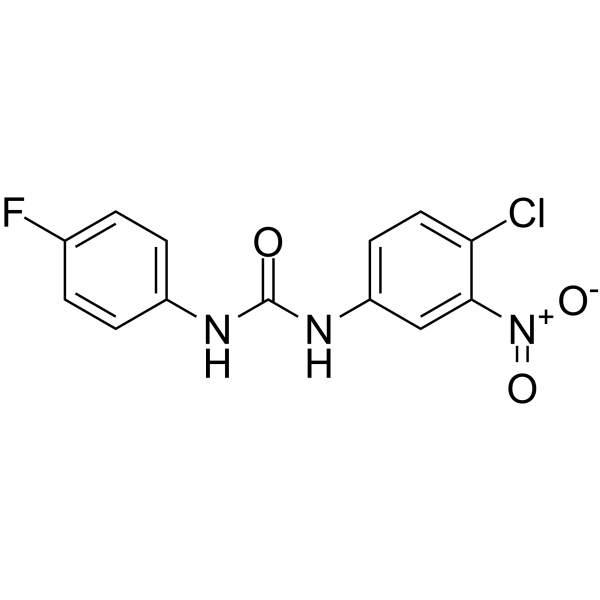
DTHIB is a direct and selective heat shock factor 1 (HSF1) inhibitor with a Kd of 160 nM for DTHIB binding to the HSF1 DNA binding domain (DBD). DTHIB inhibits HSF1 cancer gene signature (HSF1 CaSig) and selectively stimulates degradation of nuclear HSF1. DTHIB has potently anticancer activities and can be used for prostate cancer research .
|
-
-
- HY-B0369A
-
|
|
iGluR
|
Neurological Disease
Cancer
|
|
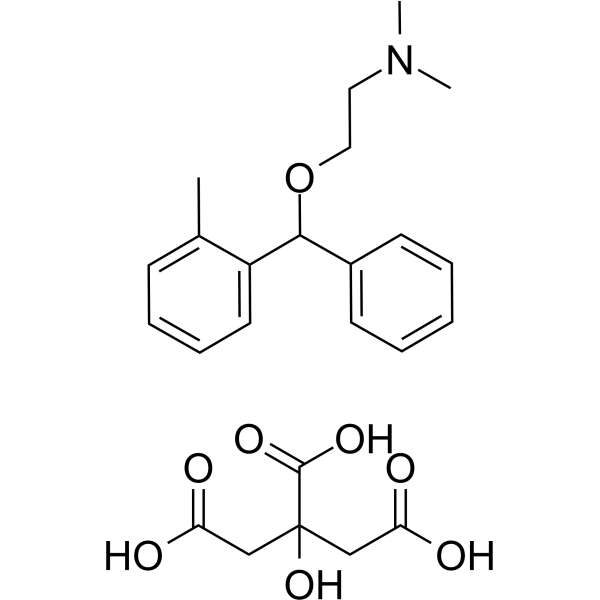
Orphenadrine citrate is an orally active and non-competitive NMDA receptor antagonist (crosses the blood-brain barrier) with a Ki of 6.0 μM. Orphenadrine citrate relieves stiffness, pain and discomfort due to muscle strains, sprains or other injuries. Orphenadrine citrate is also used to relieve tremors associated with parkinson's disease. Orphenadrine citrate has good neuroprotective properties, can be used in studies of neurodegenerative diseases .
|
-
-
- HY-10406
-
|
SCIO-469
|
p38 MAPK
TNF Receptor
Interleukin Related
VEGFR
Apoptosis
|
Neurological Disease
Metabolic Disease
Inflammation/Immunology
Cancer
|
|
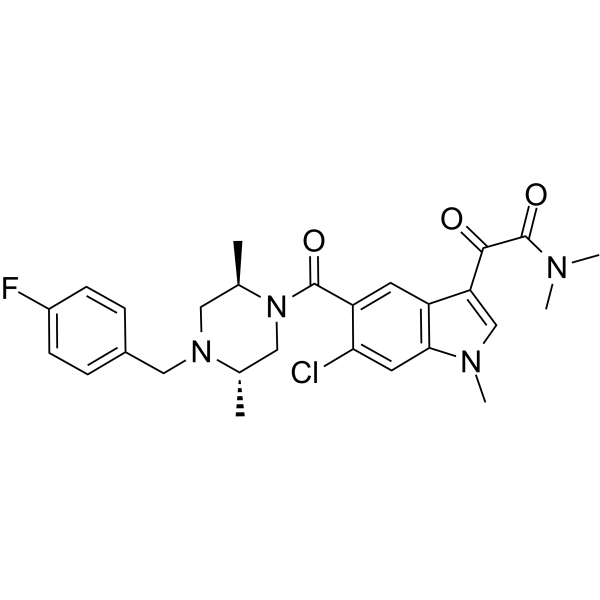
Talmapimod (SCIO-469) is an orally active and selective inhibitor of p38α MAPK with an IC50 of 9 nM. Talmapimod inhibits the secretion of inflammatory factors (such as TNFα, IL-1β, IL-6, and VEGF) by suppressing the p38α MAPK pathway, and it also inhibits angiogenesis and osteoclast activation. Talmapimod inhibits the growth of multiple myeloma cells and induces apoptosis. Talmapimod can be used to study various hematological malignancies (such as multiple myeloma, myelodysplastic syndrome) .
|
-
-
- HY-108494
-
|
|
LPL Receptor
|
Cardiovascular Disease
|
|
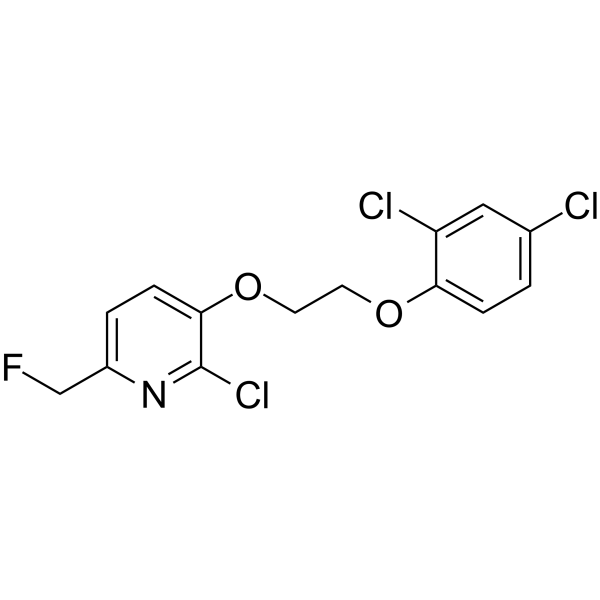
CYM50260 is a potent and exquisitely selective sphingosine-1-phosphate 4 receptor (S1P4-R) agonist with an EC50 of 45 nM. CYM50260 displays no activity against S1P1-R, S1P2-R, S1P3-R and S1P5-R .
|
-
-
- HY-145722A
-
|
OGX-427
|
HSP
|
Cancer
|
|
Apatorsen is a 2'-methoxyethyl-modified antisense oligonucleotide and also a Hsp27 inhibitor. Apatorsen reduces Hsp27 mRNA and protein levels, impairs stress-induced cytoprotective functions, induces cell apoptosis, inhibits tumor growth and prevents metastasis. Apatorsen is applicable to research related to non-small cell lung cancer, castration-resistant prostate cancer, breast cancer, ovarian cancer and bladder cancer .
|
-

-
- HY-18756A
-
|
|
SHP2
SHP1
Phosphatase
Apoptosis
|
Cancer
|
|
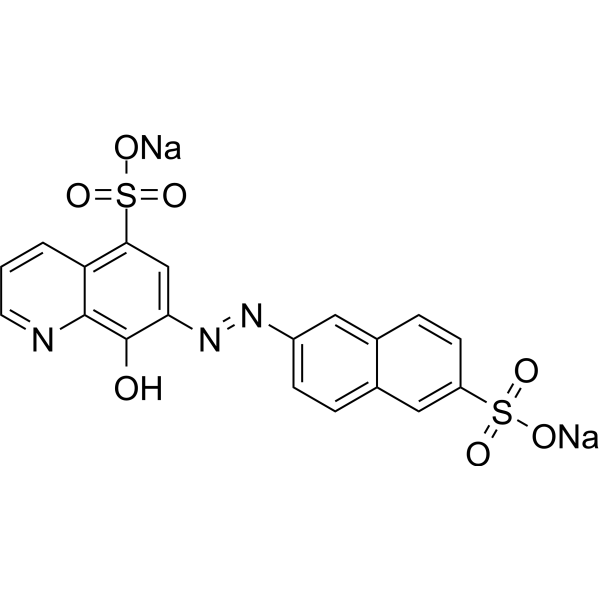
NSC-87877 disodium is a potent inhibitor of Shp2 and Shp1 protein tyrosine phosphatases (SH-PTP2 and SH-PTP1), with IC50 values of 0.318 μM, 0.355 μM shp2 and shp1, respectively . NSC-87877 also inhibits dual-specificity phosphatase 26 (DUSP26) .
|
-
-
- HY-P10072A
-
|
hsp25 kinase inhibitor acetate; Mk2 pseudosubstrate acetate
|
JNK
HSP
MAPKAPK2 (MK2)
p38 MAPK
ERK
|
Others
|
|
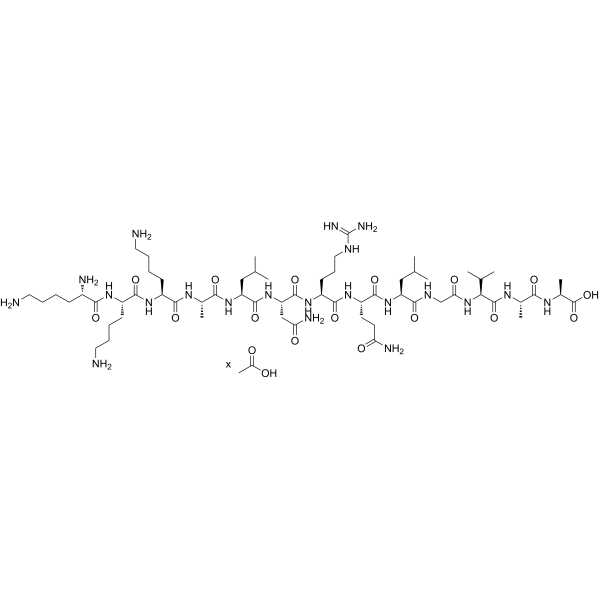
MK2-IN-5 (Hsp25 kinase inhibitor) acetate is a Mk2 pseudosubstrate (Ki= 8 μM). MK2-IN-5 acetate targets the protein interaction domain in the MAPK pathway. MK2-IN-5 acetate inhibits HSP25 and HSP27 phosphorylation .
|
-
-
- HY-N11262
-
|
|
Phosphodiesterase (PDE)
Sirtuin
PGC-1α
p38 MAPK
HSP
TNF Receptor
NO Synthase
Apoptosis
|
Metabolic Disease
Inflammation/Immunology
|
|
Sudachitin is an orally active compound that potently inhibits mouse PDE1C and human PDE4B, with IC50 values of 5.0 μM and 15.0 μM, respectively. Sudachitin upregulates Sirt1 and PGC‑1α expression in skeletal muscle to regulate energy metabolism and promote mitochondrial biogenesis. Sudachitin improves lipid metabolism, glucose tolerance, insulin sensitivity, energy expenditure, and fatty acid β‑oxidation. Sudachitin activates p38MAPK signaling, induces HSP27 phosphorylation and caspase‑dependent apoptosis, and blocks EGF‑driven keratinocyte migration and proliferation. Sudachitin suppresses LPS‑induced TNF‑α, NO, and iNOS expression in macrophages and shows potent anti‑inflammatory activity. Sudachitin can be used for the research of metabolic syndrome, type 2 diabetes, and psoriasis. .
|
-

-
- HY-RS06438
-
|
|
Small Interfering RNA (siRNA)
|
Others
|
|
HSPB1 Human Pre-designed siRNA Set A contains three designed siRNAs for HSPB1 gene (Human), as well as a negative control, a positive control, and a FAM-labeled negative control.
|
-
HSPB1 Human Pre-designed siRNA Set A
HSPB1 Human Pre-designed siRNA Set A
-
- HY-10256R
-
|
SB 203580 (Standard); RWJ 64809 (Standard)
|
Organoid
Reference Standards
p38 MAPK
Autophagy
Mitophagy
HSP
|
Inflammation/Immunology
Cancer
|
|
Adezmapimod (Standard) is the analytical standard of Adezmapimod. This product is intended for research and analytical applications. Adezmapimod (SB 203580) is a selective and ATP-competitive p38 MAPK inhibitor with IC50s of 50 nM and 500 nM for SAPK2a/p38 and SAPK2b/p38β2, respectively. Adezmapimod inhibits LCK, GSK3β and PKBα with IC50s of 100-500-fold higher than that for SAPK2a/p38. Adezmapimod can inhibit p38 MAPK and lead to the inhibition of downstream HSP27 phosphorylation. Adezmapimod does not disrupt JNK activity and is an autophagy and mitophagy activator .
|
-

-
- HY-117987
-
|
N-(Hydroxymethyl)thalidomide
|
Nuclear Factor of activated T Cells (NFAT)
NF-κB
Reactive Oxygen Species (ROS)
|
Cancer
|
|
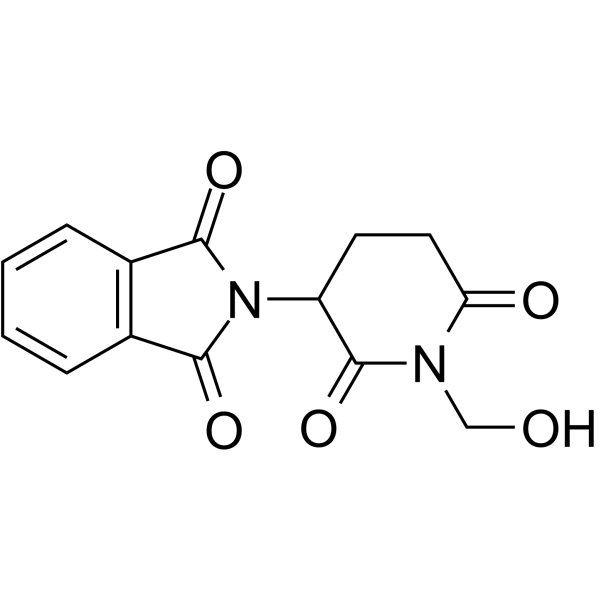
CPS-11 (N-(Hydroxymethyl)thalidomide) a Thalidomide (HY-14658) analogue, is a potent anti-cancer agent. CPS-11 inhibits NF-κB, activates NFAT, and repress cytokine expression through elevated ROS. CPS-11 exhibits a wider activity spectrum and higher potency against MM (multiple myeloma) cell lines .
|
-
-
- HY-B1126
-
|
|
iGluR
|
Neurological Disease
Cancer
|
|
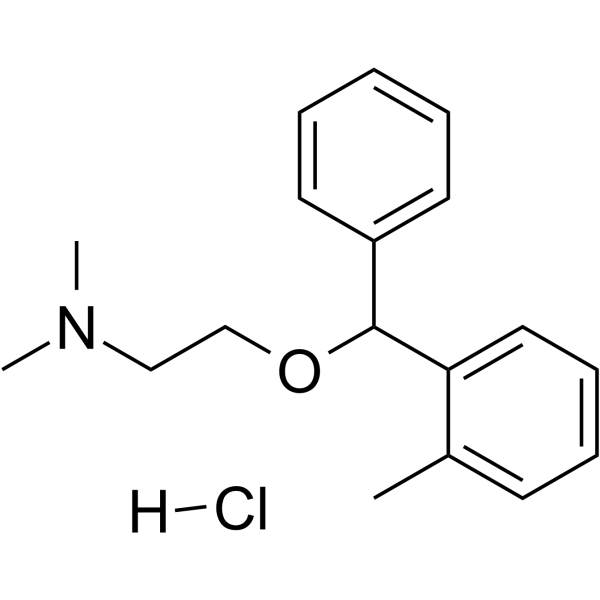
Orphenadrine hydrochloride is an orally active and non-competitive NMDA receptor antagonist (crosses the blood-brain barrier) with a Ki of 6.0 μM. Orphenadrine hydrochloride relieves stiffness, pain and discomfort due to muscle strains, sprains or other injuries. Orphenadrine hydrochloride is also used to relieve tremors associated with parkinson's disease. Orphenadrine citrate has good neuroprotective properties, can be used in studies of neurodegenerative diseases .
|
-
-
- HY-P10072
-
|
hsp25 kinase inhibitor; Mk2 pseudosubstrate
|
ERK
JNK
p38 MAPK
HSP
MAPKAPK2 (MK2)
|
Others
|
|
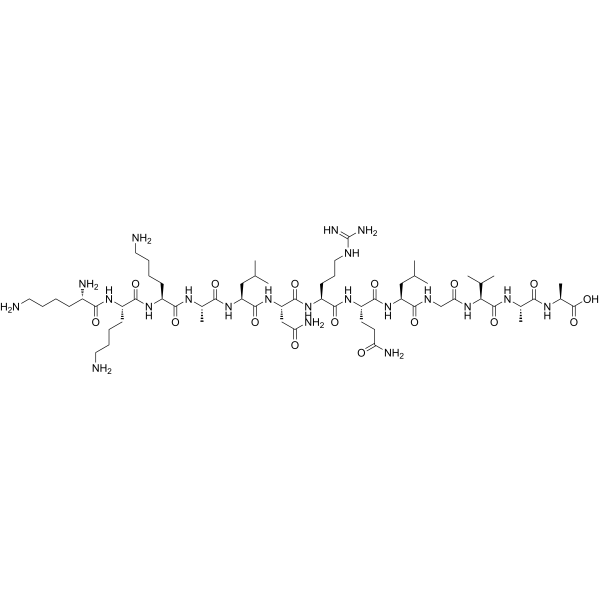
MK2-IN-5 is a Mk2 pseudosubstrate (Ki= 8 μM). MK2-IN-5 targets the protein interaction domain in the MAPK pathway. MK2-IN-5 inhibits HSP25 and HSP27 phosphorylation .
|
-
-
- HY-N2468R
-
|
1,4-β-D-Xylobiose (Standard); 1,4-D-Xylobiose (Standard)
|
Reference Standards
TNF Receptor
Claudin
HSP
|
Metabolic Disease
Inflammation/Immunology
|
|
Xylobiose (1,4-β-D-Xylobiose; 1,4-D-Xylobiose) is an orally active Claudin 2/CLDN2 inhibitor and HSP27 inducer. Xylobiose works by regulating intestinal barrier function and glucose and lipid metabolism-related signaling pathways. Xylobiose inhibits CLDN2 expression to reduce intestinal permeability, induces HSP27 to enhance cell protection, and regulates the miR-122a/miR-33a axis to inhibit liver lipid synthesis and improve insulin resistance. Xylobiose can strengthen intestinal barrier integrity, reduce blood sugar and blood lipid levels, and reduce oxidative stress and inflammatory response. Xylobiose can be used in the study of type 2 diabetes and metabolic syndrome .
|
-

-
- HY-182809
-
|
|
Hsp-targeting Chimeras
Androgen Receptor
HSP
|
Neurological Disease
Cancer
|
|
Androgen receptor degrader-6 is a blood-brain barrier-permeable AR degrader. Androgen receptor degrader-6 inhibits the chaperone activity of HSP27 and disrupts the HSP27-AR complex. Androgen receptor degrader-6 promotes the degradation of wild-type and mutant AR, reduces AR protein levels, and inhibits the growth of glioblastoma cells. Androgen receptor degrader-6 can be used in glioblastoma research .
|
-

-
- HY-123922
-
|
|
Bacterial
|
Infection
|
|
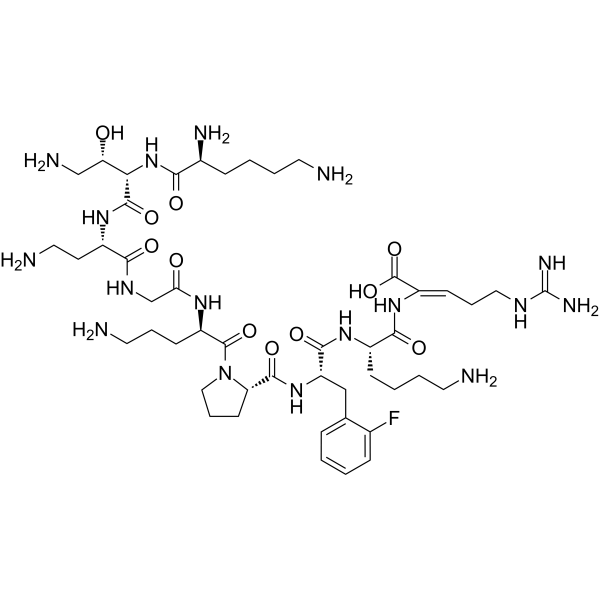
NOSO-502 is an inhibitor of bacterial translation. NOSO-502 exhibits inhibitory activity against Enterobacteriaceae. NOSO-502 has good safety and antibacterial properties .
|
-
-
- HY-123303
-
|
NZ-28
|
HSP
|
Cancer
|
|
NSC-134754 is a dehydroemetine derivative and heat shock protein induction inhibitor. NSC-134754 acts at the post-transcriptional level, targets Hsp72 and Hsp27, and does not alter general protein synthesis, HSF-1 transcriptional activity, or Hsp mRNA levels. NSC-134754 shows no significant toxicity in preclinical models and sensitizes cancer cells to proteasome and Hsp90 inhibitors. NSC-134754 can be used for the research of multiple myeloma, prostate carcinoma, colon carcinoma .
|
-

-
- HY-RS24382
-
|
|
Small Interfering RNA (siRNA)
|
Others
|
|
Hspb1 Rat Pre-designed siRNA Set A contains three designed siRNAs for Hspb1 gene (Rat), as well as a negative control, a positive control, and a FAM-labeled negative control.
|
-
Hspb1 Rat Pre-designed siRNA Set A
Hspb1 Rat Pre-designed siRNA Set A
-
- HY-182596
-
|
|
MAPKAPK2 (MK2)
|
Inflammation/Immunology
Cancer
|
|
INHIB1X is a tetracyclic MAPKAP-K2 (MK2) inhibitor with an IC50 of 0.02 μM. INHIB1X inhibits LPS-induced TNFα release in human peripheral blood mononuclear cells (hPBMCs). INHIB1X suppresses the phosphorylation of hsp27 in Anisomycin-stimulated THP-1 cells. INHIB1X can be used for the research of inflammatory and tumor diseases .
|
-

-
- HY-RS06439
-
|
|
Small Interfering RNA (siRNA)
|
Others
|
|
HSPB2 Human Pre-designed siRNA Set A contains three designed siRNAs for HSPB2 gene (Human), as well as a negative control, a positive control, and a FAM-labeled negative control.
|
-
HSPB2 Human Pre-designed siRNA Set A
HSPB2 Human Pre-designed siRNA Set A
-
- HY-RS20956
-
|
|
Small Interfering RNA (siRNA)
|
Others
|
|
Hspb2 Mouse Pre-designed siRNA Set A contains three designed siRNAs for Hspb2 gene (Mouse), as well as a negative control, a positive control, and a FAM-labeled negative control.
|
-
Hspb2 Mouse Pre-designed siRNA Set A
Hspb2 Mouse Pre-designed siRNA Set A
-
- HY-10406A
-
|
SCIO-469 hydrochloride
|
p38 MAPK
TNF Receptor
Interleukin Related
VEGFR
Apoptosis
|
Cancer
|
|
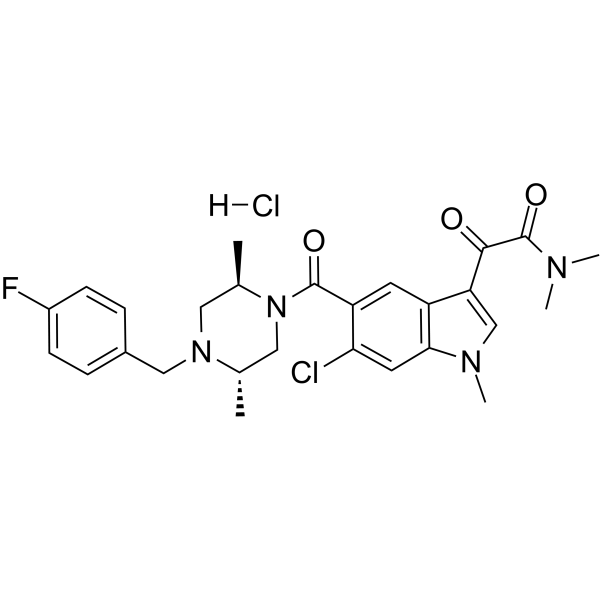
Talmapimod (SCIO-469) hydrochloride is an orally active and selective inhibitor of p38α MAPK with an IC50 of 9 nM. Talmapimod hydrochloride inhibits the secretion of inflammatory factors (such as TNFα, IL-1β, IL-6, and VEGF) by suppressing the p38α MAPK pathway, and it also inhibits angiogenesis and osteoclast activation. Talmapimod hydrochloride inhibits the growth of multiple myeloma cells and induces apoptosis. Talmapimod hydrochloride can be used to study various hematological malignancies (such as multiple myeloma, myelodysplastic syndrome) .
|
-
-
- HY-B1126R
-
|
|
Reference Standards
iGluR
|
Neurological Disease
Cancer
|
|
Orphenadrine (hydrochloride) (Standard) is the analytical standard of Orphenadrine (hydrochloride). This product is intended for research and analytical applications. Orphenadrine hydrochloride is an orally active and non-competitive NMDA receptor antagonist (crosses the blood-brain barrier) with a Ki of 6.0 μM. Orphenadrine hydrochloride relieves stiffness, pain and discomfort due to muscle strains, sprains or other injuries. Orphenadrine hydrochloride is also used to relieve tremors associated with parkinson's disease. Orphenadrine citrate has good neuroprotective properties, can be used in studies of neurodegenerative diseases .
|
-

-
- HY-B0369AR
-
|
|
Reference Standards
iGluR
|
Neurological Disease
|
|
Orphenadrine (citrate) (Standard) is the analytical standard of Orphenadrine (citrate). This product is intended for research and analytical applications. Orphenadrine citrate is an orally active and non-competitive NMDA receptor antagonist (crosses the blood-brain barrier) with a Ki of 6.0 μM. Orphenadrine citrate relieves stiffness, pain and discomfort due to muscle strains, sprains or other injuries. Orphenadrine citrate is also used to relieve tremors associated with parkinson's disease. Orphenadrine citrate has good neuroprotective properties, can be used in studies of neurodegenerative diseases .
|
-

-
- HY-164184
-
|
|
Apoptosis
Caspase
HSP
Early 2 Factor (E2F)
DNA/RNA Synthesis
|
Cancer
|
|
Ly101-4B is an apoptosis inducer and multi-target inhibitor with antiproliferative, antitumor and cycytotoxic effects. Ly101-4B reduces HSF1 expression, inhibits microRNA-214 synthesis, downregulates HSP27, HSP70 and HSP90 expression, while suppressing E2F-dependent transcriptional activity and downregulating its target genes. Ly101-4B induces caspase 3/7-mediated apoptosis by reducing DNA synthesis, inhibiting the cell cycle and G1/S phase transition, without affecting RNA synthesis or inducing necrosis. Ly101-4B is selective for pancreatic ductal adenocarcinoma cells with different genotypes and varying degrees of E2F dependence. Ly101-4B can be used in research related to epithelial ovarian cancer and pancreatic ductal adenocarcinoma .
|
-

-
- HY-10406B
-
|
rel-SCIO-469 hydrochloride
|
p38 MAPK
TNF Receptor
Interleukin Related
VEGFR
Apoptosis
|
Cancer
|
|
rel-Talmapimod (rel-SCIO-469) hydrochloride is an orally active and selective inhibitor of p38α MAPK with an IC50 of 9 nM. rel-Talmapimod hydrochloride inhibits the secretion of inflammatory factors (such as TNFα, IL-1β, IL-6, and VEGF) by suppressing the p38α MAPK pathway, and it also inhibits angiogenesis and osteoclast activation. rel-Talmapimod hydrochloride inhibits the growth of multiple myeloma cells and induces apoptosis. rel-Talmapimod hydrochloride can be used to study various hematological malignancies (such as multiple myeloma, myelodysplastic syndrome) .
|
-

-
- HY-10406R
-
|
SCIO-469 (Standard)
|
Reference Standards
p38 MAPK
TNF Receptor
Interleukin Related
VEGFR
Apoptosis
|
Neurological Disease
Metabolic Disease
Inflammation/Immunology
Cancer
|
|
Talmapimod (Standard) is the analytical standard of Talmapimod (HY-10406). This product is intended for research and analytical applications. Talmapimod (SCIO-469) is an orally active and selective inhibitor of p38α MAPK with an IC50 of 9 nM. Talmapimod inhibits the secretion of inflammatory factors (such as TNFα, IL-1β, IL-6, and VEGF) by suppressing the p38α MAPK pathway, and it also inhibits angiogenesis and osteoclast activation. Talmapimod inhibits the growth of multiple myeloma cells and induces apoptosis. Talmapimod can be used to study various hematological malignancies (such as multiple myeloma, myelodysplastic syndrome) .
|
-

-
- HY-181478
-
|
|
HSP
|
Cancer
|
|
Hsp90-IN-45 is a Hsp90 inhibitor. Hsp90-IN-45 competitively binds to the ATP-binding site of purified Hsp90α with a Kd of 70 nM, blocks ATP hydrolysis, and disrupts Hsp90 client signaling. Hsp90-IN-45 inhibits ATPase activity of purified Hsp90α. Hsp90-IN-45 will be radiolabeled with 76/ 77Br for use as a radiotheragnostic agent for PET imaging and Meitner-Auger electron therapy. Hsp90-IN-45 can be used for the research of cancer .
|
-

| Cat. No. |
Product Name |
Target |
Research Area |
-
- HY-P10072A
-
|
hsp25 kinase inhibitor acetate; Mk2 pseudosubstrate acetate
|
JNK
HSP
MAPKAPK2 (MK2)
p38 MAPK
ERK
|
Others
|
|
MK2-IN-5 (Hsp25 kinase inhibitor) acetate is a Mk2 pseudosubstrate (Ki= 8 μM). MK2-IN-5 acetate targets the protein interaction domain in the MAPK pathway. MK2-IN-5 acetate inhibits HSP25 and HSP27 phosphorylation .
|
-
- HY-P10072
-
|
hsp25 kinase inhibitor; Mk2 pseudosubstrate
|
ERK
JNK
p38 MAPK
HSP
MAPKAPK2 (MK2)
|
Others
|
|
MK2-IN-5 is a Mk2 pseudosubstrate (Ki= 8 μM). MK2-IN-5 targets the protein interaction domain in the MAPK pathway. MK2-IN-5 inhibits HSP25 and HSP27 phosphorylation .
|
| Cat. No. |
Product Name |
Category |
Target |
Chemical Structure |
-
- HY-N2468
-
|
1,4-β-D-Xylobiose; 1,4-D-Xylobiose
|
Zea mays L.
Polysaccharides
Classification of Application Fields
Gramineae
Other Diseases
Plants
Disease Research Fields
Saccharides
Source Classification
|
TNF Receptor
Claudin
HSP
|
|
Xylobiose (1,4-β-D-Xylobiose; 1,4-D-Xylobiose) is an orally active Claudin 2/CLDN2 inhibitor and HSP27 inducer. Xylobiose works by regulating intestinal barrier function and glucose and lipid metabolism-related signaling pathways. Xylobiose inhibits CLDN2 expression to reduce intestinal permeability, induces HSP27 to enhance cell protection, and regulates the miR-122a/miR-33a axis to inhibit liver lipid synthesis and improve insulin resistance. Xylobiose can strengthen intestinal barrier integrity, reduce blood sugar and blood lipid levels, and reduce oxidative stress and inflammatory response. Xylobiose can be used in the study of type 2 diabetes and metabolic syndrome .
|
-
-
- HY-N11262
-
|
|
Structural Classification
Flavonoids
Flavones
Rutaceae
Citrus sudachi Hort. ex Shirai.
Plants
Source Classification
|
Phosphodiesterase (PDE)
Sirtuin
PGC-1α
p38 MAPK
HSP
TNF Receptor
NO Synthase
Apoptosis
|
|
Sudachitin is an orally active compound that potently inhibits mouse PDE1C and human PDE4B, with IC50 values of 5.0 μM and 15.0 μM, respectively. Sudachitin upregulates Sirt1 and PGC‑1α expression in skeletal muscle to regulate energy metabolism and promote mitochondrial biogenesis. Sudachitin improves lipid metabolism, glucose tolerance, insulin sensitivity, energy expenditure, and fatty acid β‑oxidation. Sudachitin activates p38MAPK signaling, induces HSP27 phosphorylation and caspase‑dependent apoptosis, and blocks EGF‑driven keratinocyte migration and proliferation. Sudachitin suppresses LPS‑induced TNF‑α, NO, and iNOS expression in macrophages and shows potent anti‑inflammatory activity. Sudachitin can be used for the research of metabolic syndrome, type 2 diabetes, and psoriasis. .
|
-
-
- HY-N2468R
-
|
1,4-β-D-Xylobiose (Standard); 1,4-D-Xylobiose (Standard)
|
Structural Classification
Zea mays L.
Polysaccharides
Gramineae
Plants
Saccharides
Source Classification
|
Reference Standards
TNF Receptor
Claudin
HSP
|
|
Xylobiose (1,4-β-D-Xylobiose; 1,4-D-Xylobiose) is an orally active Claudin 2/CLDN2 inhibitor and HSP27 inducer. Xylobiose works by regulating intestinal barrier function and glucose and lipid metabolism-related signaling pathways. Xylobiose inhibits CLDN2 expression to reduce intestinal permeability, induces HSP27 to enhance cell protection, and regulates the miR-122a/miR-33a axis to inhibit liver lipid synthesis and improve insulin resistance. Xylobiose can strengthen intestinal barrier integrity, reduce blood sugar and blood lipid levels, and reduce oxidative stress and inflammatory response. Xylobiose can be used in the study of type 2 diabetes and metabolic syndrome .
|
-
| Cat. No. |
Compare |
Product Name |
Species |
Source |
Image |
Compare Products
|
| Products |
|
| Cat. No. |
|
| Species |
|
| Source |
|
| Tag |
|
| Accession |
|
| Gene ID |
|
| Molecular Weight |
|
| Purity |
|
| Endotoxin Level |
|
| Biological Activity |
|
| Appearance |
|
| Formulation |
|
| Storage & Stability |
|
| Shipping |
|
| Free Sample |
Yes
No
|
| Size |
* This product has been "discontinued".
Optimized version of product available:
|
| Cat. No. |
Product Name |
|
Classification |
-
- HY-145722
-
|
OGX-427 sodium
|
|
Antisense Oligonucleotides
|
|
Apatorsen (OGX-427) sodium is a 2'-methoxyethyl-modified antisense oligonucleotide and also a Hsp27 inhibitor. Apatorsen sodium reduces Hsp27 mRNA and protein levels, impairs stress-induced cytoprotective functions, induces cell apoptosis, inhibits tumor growth and prevents metastasis. Apatorsen sodium is applicable to research related to non-small cell lung cancer, castration-resistant prostate cancer, breast cancer, ovarian cancer and bladder cancer .
|
-
- HY-145722A
-
|
OGX-427
|
|
Antisense Oligonucleotides
|
|
Apatorsen is a 2'-methoxyethyl-modified antisense oligonucleotide and also a Hsp27 inhibitor. Apatorsen reduces Hsp27 mRNA and protein levels, impairs stress-induced cytoprotective functions, induces cell apoptosis, inhibits tumor growth and prevents metastasis. Apatorsen is applicable to research related to non-small cell lung cancer, castration-resistant prostate cancer, breast cancer, ovarian cancer and bladder cancer .
|
-
- HY-RS06438
-
|
|
|
siRNAs
Human Pre-designed siRNA Sets
|
|
HSPB1 Human Pre-designed siRNA Set A contains three designed siRNAs for HSPB1 gene (Human), as well as a negative control, a positive control, and a FAM-labeled negative control.
|
-
- HY-RS24382
-
|
|
|
siRNAs
Rat Pre-designed siRNA Sets
|
|
Hspb1 Rat Pre-designed siRNA Set A contains three designed siRNAs for Hspb1 gene (Rat), as well as a negative control, a positive control, and a FAM-labeled negative control.
|
-
- HY-RS06439
-
|
|
|
siRNAs
Human Pre-designed siRNA Sets
|
|
HSPB2 Human Pre-designed siRNA Set A contains three designed siRNAs for HSPB2 gene (Human), as well as a negative control, a positive control, and a FAM-labeled negative control.
|
-
- HY-RS20956
-
|
|
|
siRNAs
Mouse Pre-designed siRNA Sets
|
|
Hspb2 Mouse Pre-designed siRNA Set A contains three designed siRNAs for Hspb2 gene (Mouse), as well as a negative control, a positive control, and a FAM-labeled negative control.
|
Your information is safe with us. * Required Fields.
Inquiry Information
- Product Name:
- Cat. No.:
- Quantity:
- MCE Japan Authorized Agent:











