Search Result
Results for "
murine+model
" in MedChemExpress (MCE) Product Catalog:
| Cat. No. |
Product Name |
Target |
Research Areas |
Chemical Structure |
-
- HY-13535
-
ATN-161
Maximum Cited Publications
10 Publications Verification
|
Integrin
|
Cancer
|
|
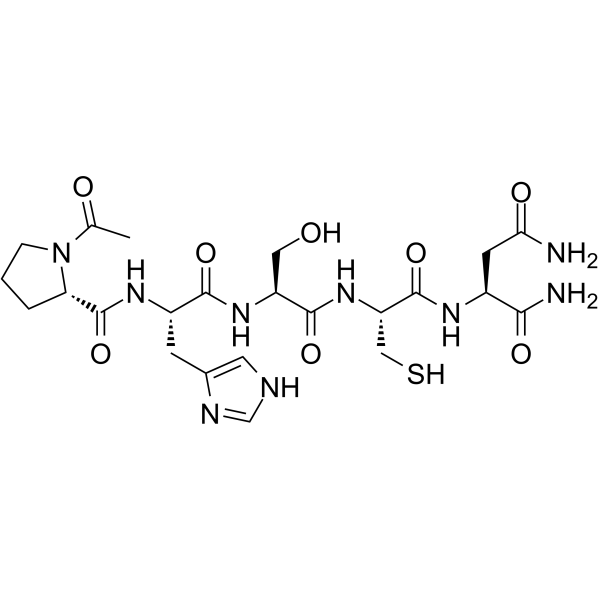
ATN-161 is a novel integrin α5β1 antagonist, which inhibits angiogenesis and growth of liver metastases in a murine model.
|
-
-
- HY-13535A
-
|
ATN-161 TFA salt
|
Integrin
|
Cancer
|
|
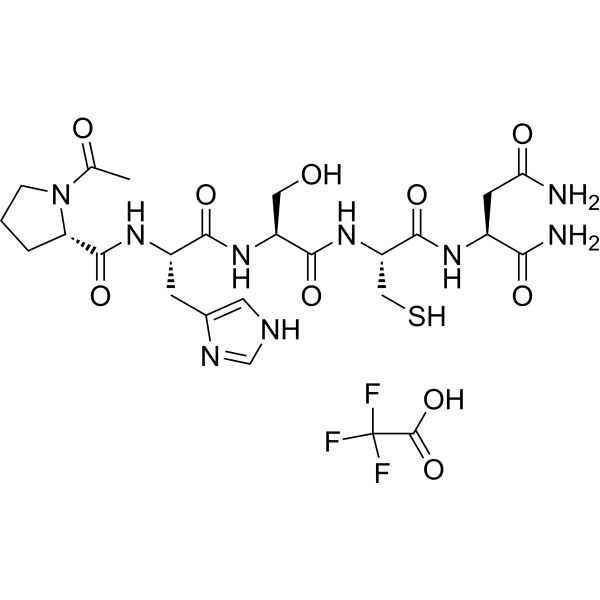
ATN-161 trifluoroacetate salt is a novel integrin α5β1 antagonist, which inhibits angiogenesis and growth of liver metastases in a murine model.
|
-
-
- HY-139400
-
|
FTX-6058
|
Histone Methyltransferase
|
Cardiovascular Disease
|
|
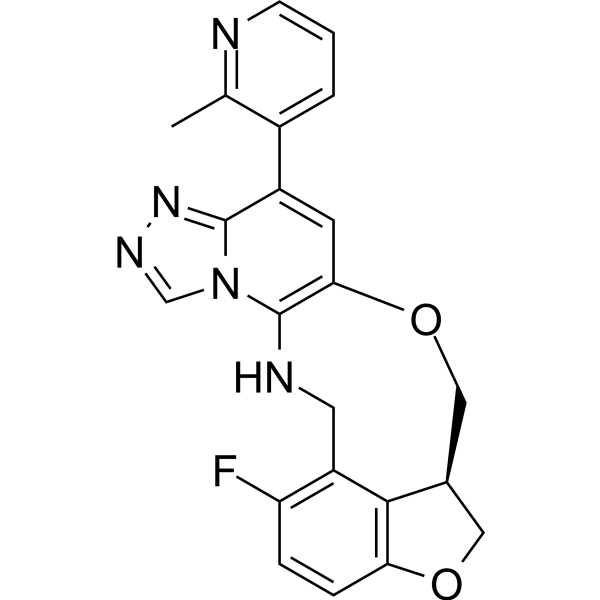
Pociredir (FTX-6058) is a potent and orally active inhibitor of Embryonic Ectoderm Development (EED). Pociredir can induce HbF protein expression in cell and murine models. Pociredir can be used for the research of select hemoglobinopathies, including sickle cell disease and β-thalassemia .
|
-
-
- HY-145586
-
|
ZSP1273
|
Influenza Virus
DNA/RNA Synthesis
|
Infection
|
|
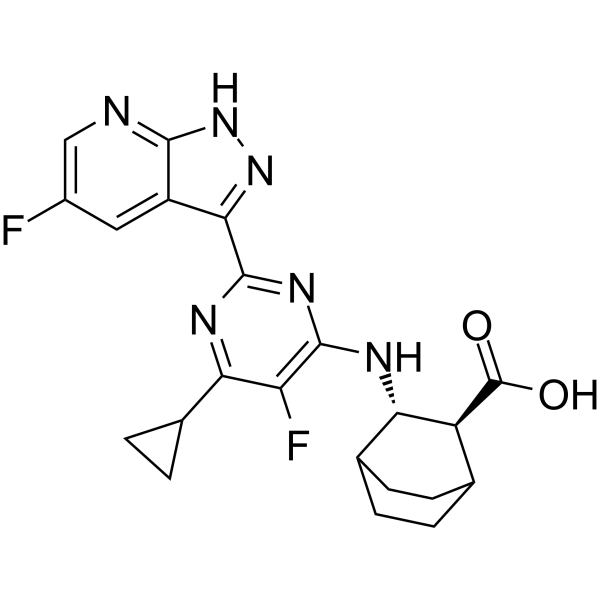
Onradivir (ZSP1273) is an orally active antiviral agent targeting influenza A virus RNA polymerase PB2 subunit with an IC50 of 0.562 nM. Onradivir inhibits cap binding to influenza A virus RNA polymerase PB2 subunit, suppresses viral replication, reduces viral titres and RNA loads, and inhibits influenza A virus infection. Onradivir maintains high survival rates in influenza A virus-infected mice, and reduces influenza A virus titers in a murine model. Onradivir can be used for the research of influenza A virus infection .
|
-
-
- HY-W746708
-
-

-
- HY-P2136
-
-
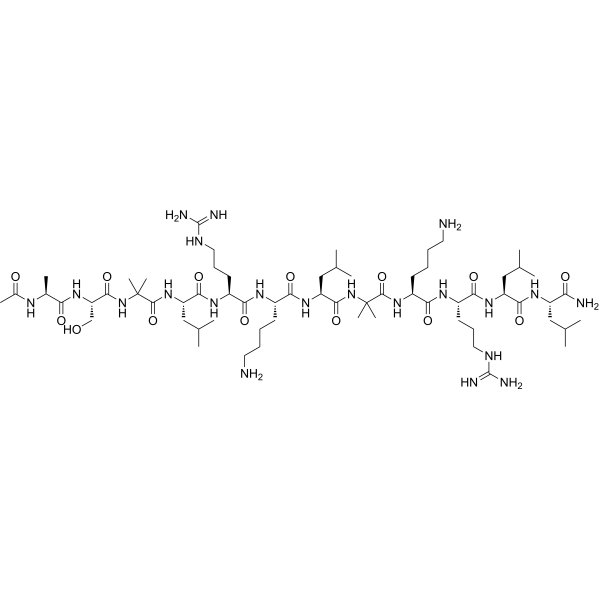
-
- HY-119515
-
|
(R)-(-)-Denopamine; TA-064
|
Adrenergic Receptor
|
Cardiovascular Disease
Cancer
|
|
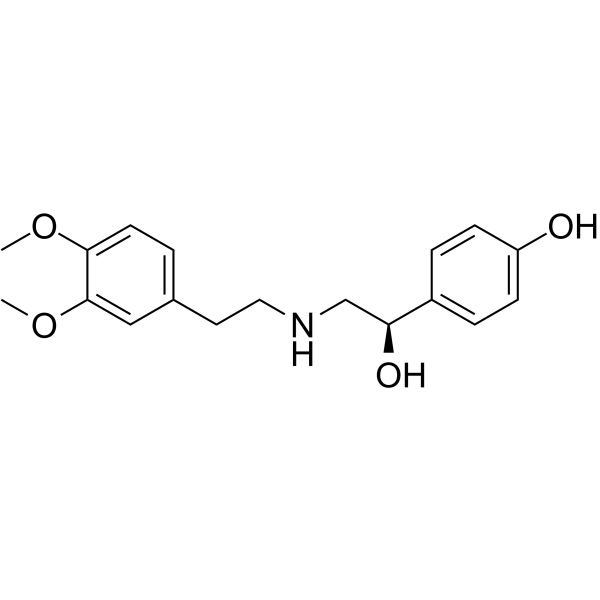
Denopamine ((R)-(-)-Denopamine) is an orally active, selective β1-adrenergic agonist. Denopamine prolongs survival in a murine model of congestive heart failure induced by viral myocarditis: suppression of tumor necrosis factor-α production in the heart. Cardiovascular effects .
|
-
-
- HY-117037
-
|
|
Apoptosis
ERK
|
Cardiovascular Disease
Cancer
|
|
FR900359 is a depsipeptide selective inhibitor of Gαq/11/14 in mammalia, can inhibits ERK pathway. FR900359 suppresses the proliferation of melanoma cells and decreases of blood pressure. FR900359 also protected against airway hyperreactivity in murine models of allergen sensitization in Ovalbumin, low endotoxin (HY-W250978A)-induced sensitization model of asthma. FR900359 can be used for cancer and cardiovascular disease research .
|
-

-
- HY-B1114
-
|
AR-DF 26
|
Potassium Channel
ERK
STAT
NF-κB
COX
Interleukin Related
Reactive Oxygen Species (ROS)
|
Metabolic Disease
|
|
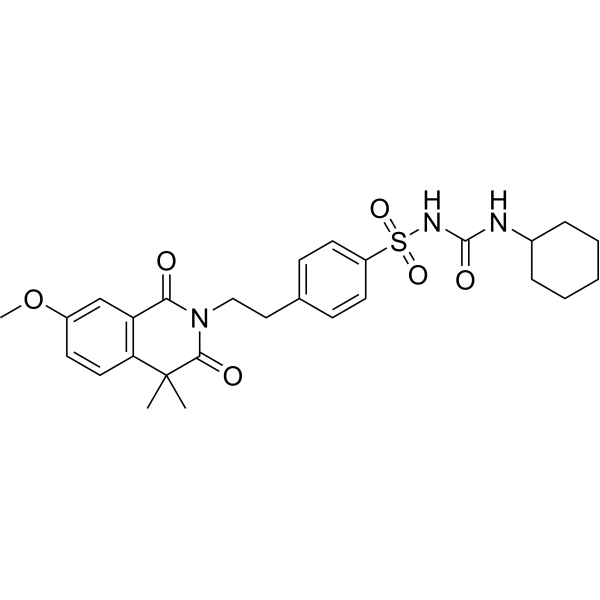
Gliquidone can bind to the pancreatic β-cells and increases insulin release to regulate blood glucose levels. Gliquidone significantly decreases LPS (HY-D1056)-induced proinflammatory responses and inhibits ERK/STAT3/NF-κB phosphorylation in BV2 microglial cells. Gliquidone can suppress microgliosis, microglial hypertrophy mediated by LPS, and proinflammatory cytokine COX-2 and IL-6 levels in murine model. Gliquidone also exhibits good anticancer activity in lung carcinoma cells. Gliquidone has antioxidant property. Gliquidone can be studied in research for type 2 diabetes and cancers .
|
-
-
- HY-N5084
-
|
|
TRP Channel
HDAC
p38 MAPK
JNK
ERK
NF-κB
TNF Receptor
Interleukin Related
|
Neurological Disease
Inflammation/Immunology
Cancer
|
|
Pinocembrin 7-O-[3''-O-galloyl-4'',6''-hexahydroxydiphenoyl]-β-D-glucoside is a TRPV1 antagonist and HDAC7 inhibitor. Pinocembrin 7-O-[3''-O-galloyl-4'',6''-hexahydroxydiphenoyl]-β-D-glucoside blocks TRPV1-mediated calcium influx, suppresses phosphorylation of p65, IκBα, p38, JNK, and ERK1/2, inhibiting NF-κB and MAPK signaling cascades. Pinocembrin 7-O-[3''-O-galloyl-4'',6''-hexahydroxydiphenoyl]-β-D-glucoside reduces production and gene expression of pro-inflammatory cytokines IL-1β, IL-6, and TNF-α. Pinocembrin 7-O-[3''-O-galloyl-4'',6''-hexahydroxydiphenoyl]-β-D-glucoside exhibits potent analgesic activity, elevates thermal pain threshold and mechanical pain threshold in murine models. Pinocembrin 7-O-[3''-O-galloyl-4'',6''-hexahydroxydiphenoyl]-β-D-glucoside restores CD8 + T cell infiltration into bladder cancer tumors and improves bladder cancer immunotherapy efficacy. Pinocembrin 7-O-[3''-O-galloyl-4'',6''-hexahydroxydiphenoyl]-β-D-glucoside can be used for the researches of painand bladder cancer .
|
-
![Pinocembrin 7-O-[3''-O-galloyl-4'',6''-hexahydroxydiphenoyl]-β-D-glucoside](//file.medchemexpress.com/product_pic/hy-n5084.gif)
-
- HY-13108
-
Bz 423
1 Publications Verification
BZ48
|
Bcl-2 Family
|
Inflammation/Immunology
|
|
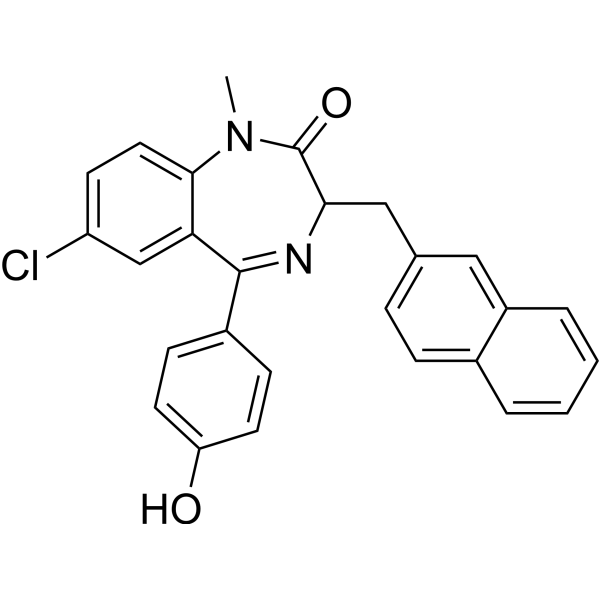
Bz 423 is a pro-apoptotic 1,4-benzodiazepine with therapeutic properties in murine models of lupus demonstrating selectivity for autoreactive lymphocytes, and activates Bax and Bak.
|
-
-
- HY-W010983
-
SC-236
2 Publications Verification
|
COX
PPAR
Apoptosis
|
Cardiovascular Disease
Inflammation/Immunology
Cancer
|
|
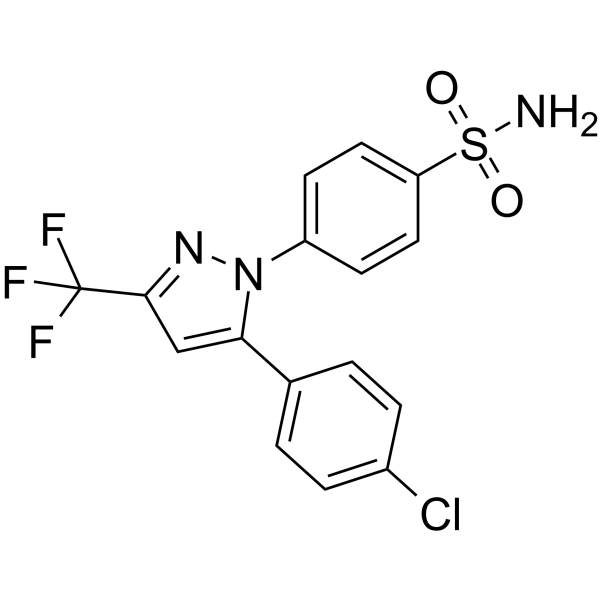
SC-236 is an orally active COX-2 specific inhibitor (IC50 = 10 nM) and a PPARγ agonist. SC-236 suppresses activator protein-1 (AP-1) through c-Jun NH2-terminal kinase. SC-236 exerts anti-inflammatory effects by suppressing phosphorylation of ERK in a murine model .
|
-
-
- HY-13545
-
ABT-510
1 Publications Verification
|
Apoptosis
|
Inflammation/Immunology
Cancer
|
|
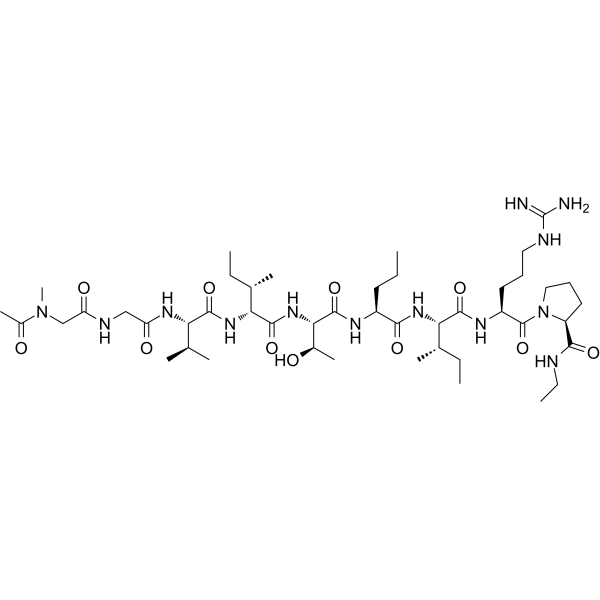
ABT-510 is an anti-angiogenic TSP peptide (Thrombospondin-1 analogue) that induces apoptosis and inhibits ovarian tumour growth in an orthotopic, syngeneic model of epithelial ovarian cancer. ABT-510 also reduces angiogenesis and inflammatory responses in a murine model of inflammatory bowel disease. ABT-510 can be used in studies of cancer (particularly epithelial ovarian cancer) and inflammatory bowel disease (IBD) .
|
-
-
- HY-12927
-
|
|
CXCR
|
Inflammation/Immunology
|
|
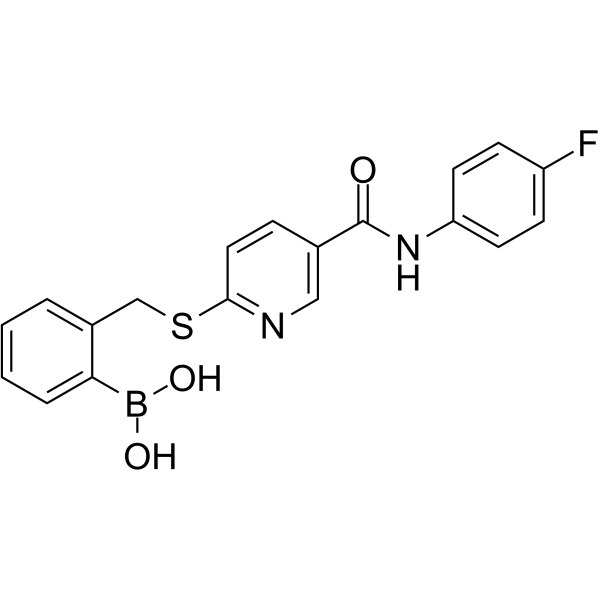
SX-517 is a dual CXCR2/1 antagonist, containing boronic acid. SX-517 inhibits CXCL1-induced Ca 2+ flux (IC50=38 nM), and antagonizes CXCL8-induced [(35)S]GTPγS binding (IC50=60 nM) and ERK1/2 phosphorylation. SX-517 has significant ability for inflammation suppression, in both humanized polymorphonuclear (PMN) cells and in murine model .
|
-
-
- HY-120548
-
|
|
TGF-β Receptor
Integrin
Raf
RIP kinase
ERK
|
Cancer
|
|
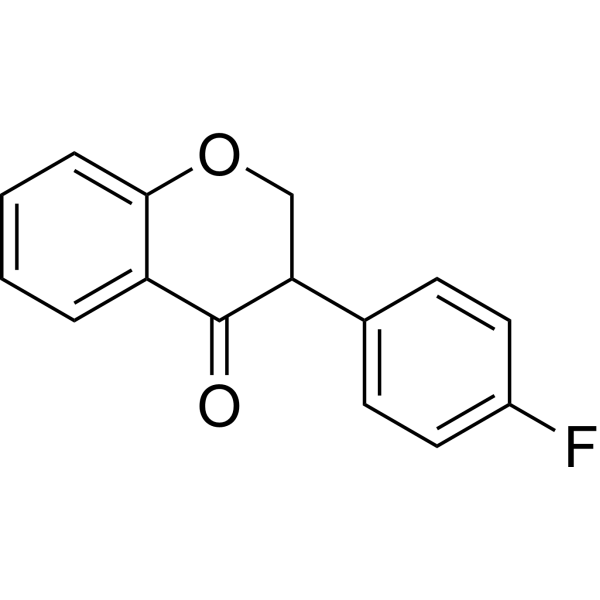
KBU2046 is an orally active transforming growth factor-β (TGF-β1) inhibitor. KBU2046 reduces integrin family protein expression, decreases Raf, RIPK1 and ERK phosphorylation to deactivate the ERK signaling pathway, and down-regulates genes linked to TGF-β1 maturation. KBU2046 suppresses tumor cell motility, impedes cancer invasion and metastasis, and inhibits human ESCC growth and metastasis in a murine model. KBU2046 can be used for the researches of triple-negative breast cancer and esophageal squamous cell carcinoma .
|
-
-
- HY-120060
-
|
|
Parasite
|
Infection
|
|
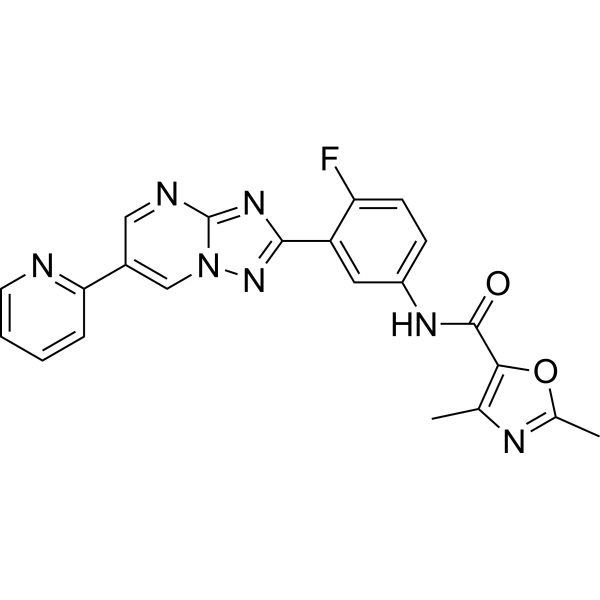
GNF6702 is a selective inhibitor of the kinetoplastid proteasome. GNF6702 clears parasites in murine models of leishmaniasis, Chagas disease, and human African trypanosomiasis .
|
-
-
- HY-139400A
-
|
FTX-6058 hydrochloride
|
Histone Methyltransferase
|
Cardiovascular Disease
|
|
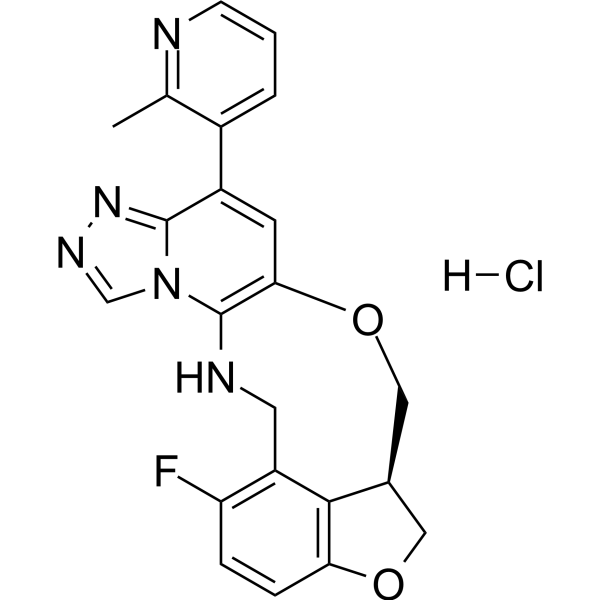
Pociredir (FTX-6058) hydrochloride is a potent and orally active inhibitor of Embryonic Ectoderm Development (EED). Pociredir hydrochloride can induce HbF protein expression in cell and murine models. Pociredir hydrochloride can be used for the research of select hemoglobinopathies, including sickle cell disease and β-thalassemia .
|
-
-
- HY-13545B
-
|
|
Apoptosis
|
Inflammation/Immunology
Cancer
|
|
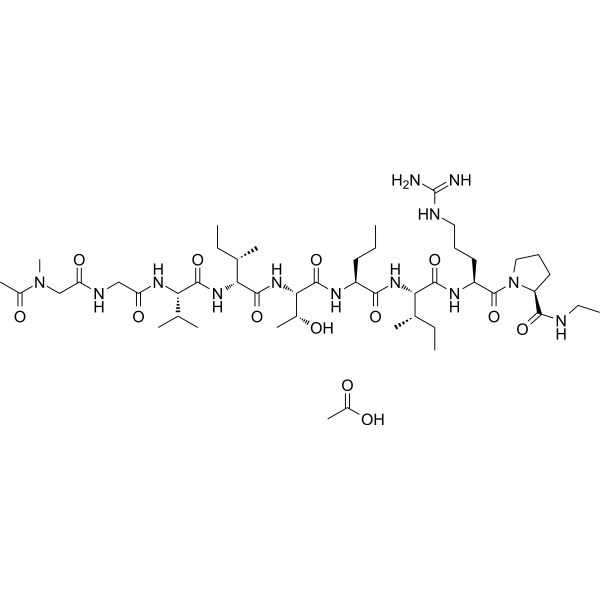
ABT-510 acetate is an anti-angiogenic TSP peptide (Thrombospondin-1 analogue) that induces apoptosis and inhibits ovarian tumour growth in an orthotopic, syngeneic model of epithelial ovarian cancer. ABT-510 acetate also reduces angiogenesis and inflammatory responses in a murine model of inflammatory bowel disease. ABT-510 acetate can be used in studies of cancer (particularly epithelial ovarian cancer) and inflammatory bowel disease (IBD) .
|
-
-
- HY-P2136F
-
|
|
Apoptosis
|
Neurological Disease
Inflammation/Immunology
Cancer
|
|
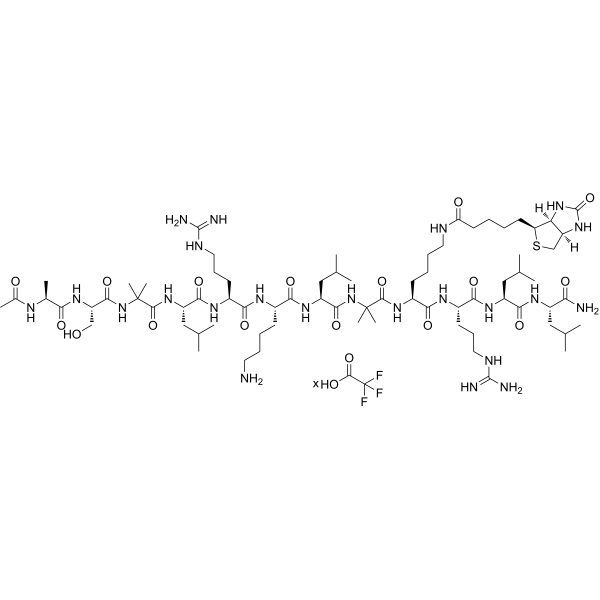
Biotin-COG1410 TFA is a biotin labled COG1410 (HY-P2136). COG1410 is an apolipoprotein E-derived peptide and an apoptosis inhibitor. COG1410 exerts neuroprotective and antiinflammatory effects in a murine model of traumatic brain injury (TBI). COG1410 can be used for the research of neurological disease .
|
-
-
- HY-155811
-
|
|
iGluR
|
Neurological Disease
|
|
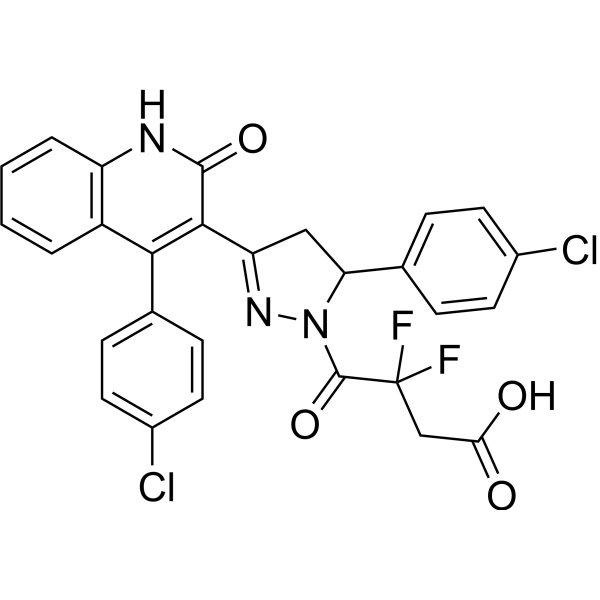
DQP-997-74 (compound 2i) is a selective negative allosteric modulator of N-methyl-d-aspartate receptor (NMDAR), specifically targeting GluN2C/D (IC50: 0.069 μM and 0.035 μM), with blood-brain barrier penetrability. Where DQP refers to dihydroquinoline-pyrazoline. DQP-997-74 acts synergistically with the agonist glutamate to exhibit time-dependent enhanced potency in inhibiting hypersynchronous activity driven by high-frequency excitatory synaptic transmission. DQP-997-74 reduces the number of epileptogenesis in a murine model of tuberous sclerosis complex (TSC)-induced epilepsy. DQP-997-74 can be used for research on NMDAR-related neurological diseases .
|
-
-
- HY-P5545
-
|
|
Bacterial
|
Infection
|
|
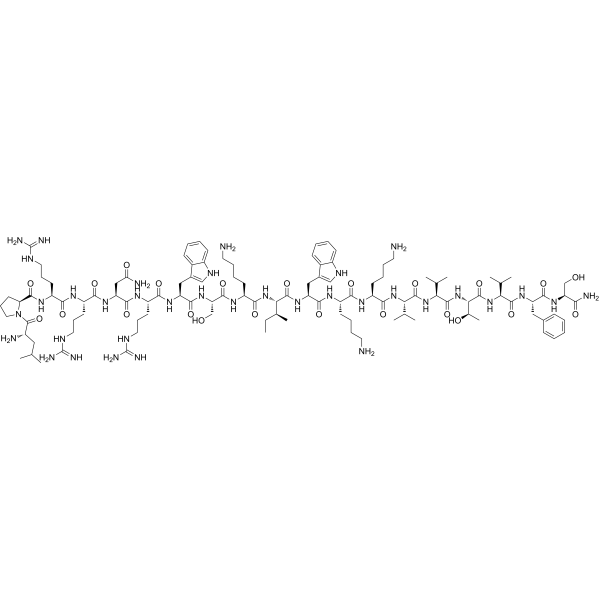
Lynronne-1 is an antimicrobial peptide. Lynronne-1 is active against Gram-positive bacterials, including MDR strains (MIC: 8-32 μg/mL for methicillin-resistant MRSA strains). Lynronne-1 reduces the bacterial load in MRSA infected wound murine model. Lynronne-1 is also effective against P. aeruginosa infection .
|
-
-
- HY-124995
-
|
|
IRAK
Toll-like Receptor (TLR)
ERK
NF-κB
Interleukin Related
|
Inflammation/Immunology
|
|
BMS-986126 is a potent, selective, and orally active IRAK4 inhibitor (IC50 = 5.3 nM). BMS-986126 broadly inhibits MyD88-dependent signaling pathways. BMS-986126 demonstrates robust activity in the MRL/lpr and NZB/NZW murine models of lupus, inhibiting multiple pathogenic responses. BMS-986126 can be used for autoimmune diseases research, such as lupus erythematosus (SLE) .
|
-

-
- HY-160876
-
|
|
Keap1-Nrf2
E1/E2/E3 Enzyme
|
Inflammation/Immunology
|
|
BC-1901S is a proteasome-independent NRF2 activator and stabilizer. BC-1901S binds to DCAF1 (E3 ligase subunit) and disrupts NRF2/DCAF1 interaction, and activates NRF2 by inhibiting NRF2 ubiquitination in a KEAP1-independent manner. BC-1901S shows anti-inflammatory effect in a murine model of LPS-induced acute lung injury .
|
-

-
- HY-116861
-
|
|
MetAP
|
Cancer
|
|
A-357300 is a reversible and selective MetAP2 inhibitor with IC50s of 0.12 and 57 μM against MetAP2 and MetAP1. A-357300 induces cytostasis by cell cycle arrest at the G1 phase selectively in endothelial cells and in a subset of tumor cells. A-357300 inhibits angiogenesis both in vitro and in vivo and shows potent antitumor efficacy in carcinoma, sarcoma, and neuroblastoma murine models. A-357300 can be used for the studies of neuroblastoma, fibrosarcoma and breast cancer .
|
-

-
- HY-W654372
-
|
|
Endogenous Metabolite
|
Cancer
|
|
Tigloyl-L-carnitine (chloride) is a short-chain acylacarnitine containing tiglic acid and L-carnitine. Tigloyl-L-carnitine (chloride) is increased in plasma in certain melanoma xenograft murine models. Tigloyl-L-carnitine (chloride) can be studied in research on melanoma .
|
-

-
- HY-162517
-
|
|
Orthopoxvirus
|
Infection
|
|
UMM-766 is an orally available nucleoside analog. UMM-766 has potent, broad-spectrum antiviral activity against multiple members of the pox virus family. UMM-766 provides protection in a murine model of orthopox disease .
|
-

-
- HY-122588A
-
|
|
Antibiotic
|
Cardiovascular Disease
Metabolic Disease
|
|
Negamycin (hydrochloride) is a dipeptide antibiotic. Negamycin (hydrochloride) can restore dystrophin expression in skeletal and cardiac muscles in mdx Duchenne muscular dystrophy (DMD) murine model. Negamycin (hydrochloride) can bind to a partial sequence of the eukaryotic rRNA-decoding A-site. Negamycin (hydrochloride) can be studied in DMD research .
|
-

-
- HY-146079
-
|
|
Fungal
|
Infection
|
|
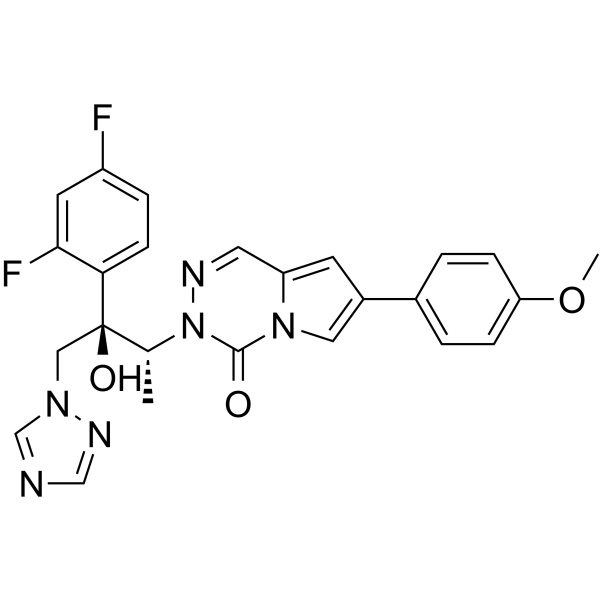
Antifungal agent 31 (compound 12) is a potent and orally active triazole antifungal agents with a pyrrolotriazinone scaffold. Antifungal agent 31 shows antifungal activity against Candida spp. and filamentous fungi. Antifungal agent 31 significantly reduced mortality rates and kidney fungal burden in two murine models of lethal systemic infections .
|
-
-
- HY-145586A
-
|
ZSP1273 monohydrate
|
Influenza Virus
DNA/RNA Synthesis
|
Infection
|
|
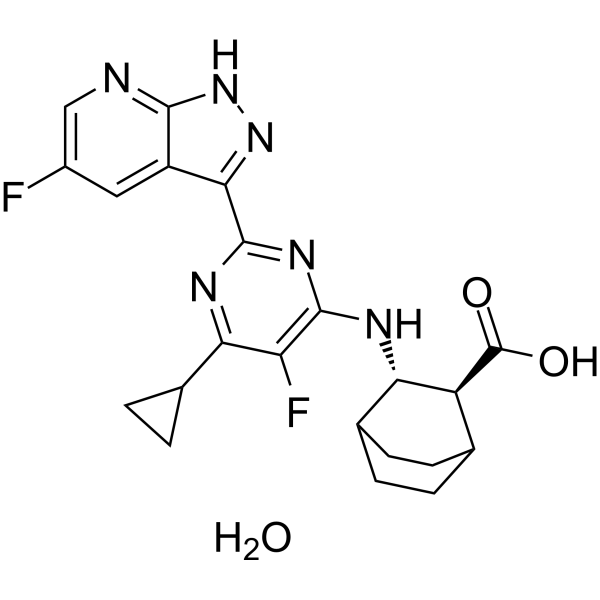
Onradivir (ZSP1273) monohydrate is an orally active antiviral agent targeting influenza A virus RNA polymerase PB2 subunit with an IC50 of 0.562 nM. Onradivir monohydrate inhibits cap binding to influenza A virus RNA polymerase PB2 subunit, suppresses viral replication, reduces viral titres and RNA loads, and inhibits influenza A virus infection. Onradivir monohydrate maintains high survival rates in influenza A virus-infected mice, and reduces influenza A virus titers in a murine model. Onradivir monohydrate can be used for the research of influenza A virus infection .
|
-
-
- HY-157793
-
|
|
Toll-like Receptor (TLR)
NF-κB
MAPKAPK2 (MK2)
|
Inflammation/Immunology
Cancer
|
|
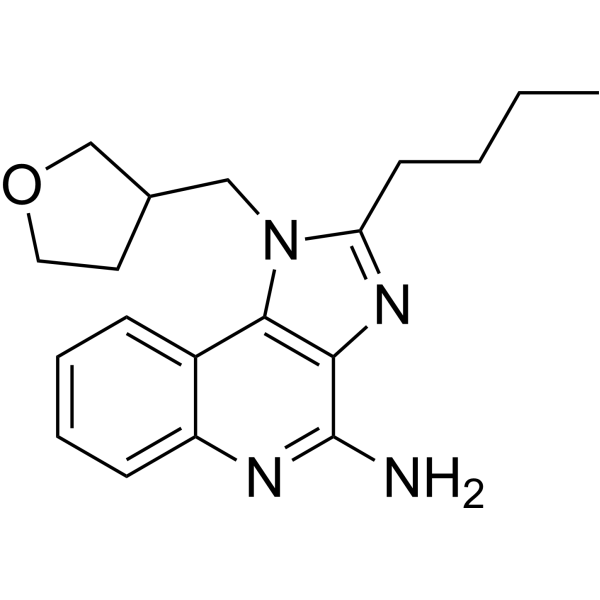
SMU-L11 is a specific TLR7 agonist (EC50=0.024 μM), which recruits MyD88 adapter protein and activates downstream NF-κB and MAPK signaling pathways. In murine models, SMU-L11 significantly enhances immune cell activation and promotes the proliferation of CD4 + T and CD8 + T cells, thereby directly killing tumor cells and inhibiting tumor growth. SMU-L11 can be used for cancer research, and also has the potential for studying immune system diseases .
|
-
-
- HY-178327
-
|
|
DGK
Interleukin Related
|
Inflammation/Immunology
Cancer
|
|
DGKα/ζ-IN-2 is a potent, orally active and selective dual DGKα/ζ inhibitor with IC50 values of 23 nM (DGKα) and 1.2 nM (DGKζ). DGKα/ζ-IN-2 exhibits selectivity over other DGK isoforms, such as DGKβ and DGKγ. DGKα/ζ-IN-2 shows robust and dose-dependent immune activation in the presence of antigen presentation in an OT-1 murine model. DGKα/ζ-IN-2 can be used for antitumor immunity .
|
-

-
- HY-175041
-
|
|
Glutathione Peroxidase
Reactive Oxygen Species (ROS)
Cannabinoid Receptor
Ferroptosis
|
Cancer
|
|
GPX4-IN-18 (Compound 17) is a ferrocene-containing inhibitor of glutathione peroxidase 4 (GPX4). GPX4-IN-18 is also an inducer of ferroptosis. GPX4-IN-18 can increase the production of ROS and malondialdehyde (MDA) levels in OS-RC-2 clear cell renal cell carcinoma cells. GPX4-IN-18 induces ferroptosis in HT-1080 cells with IC50s of 0.007 μM (absence of ferrostatin-1) and 1.486 μM (presence of ferrostatin-1). GPX4-IN-18 reduces in vivo tumor volume and intratumoral GPX4 levels in OS-RC-2 xenograft murine model .
|
-

-
- HY-179452
-
|
|
Ras
CDK
Mitochondrial Metabolism
|
Cancer
|
|
KRAS G13D-IN-2 (compound 8B) is a potent orally active KRAS G13D inhibitor with IC50 values of 1.95 μM (HCT-116 G13D) and 2.16 μM (HCT-15 G13D). KRAS G13D-IN-2 induces G1-phase arrest and mitochondrial membrane depolarization. KRAS G13D-IN-2 induces senescence through CDK6/TWIST1 inhibition. KRAS G13D-IN-2 inhibits tumor growth in murine models. KRAS G13D-IN-2 can be used for KRAS G13D-mutant colorectal cancer research .
|
-

-
- HY-P5949
-
|
|
Bacterial
|
Infection
|
|
AMPR-22 is an antimicrobial peptide. AMPR-22 can bind to the bacterial membrane and induces membrane permeabilization. AMPR-22 is effective against murine model of sepsis induced by MDR strains
|
-

-
- HY-145441
-
|
|
Drug Derivative
|
Cancer
|
|
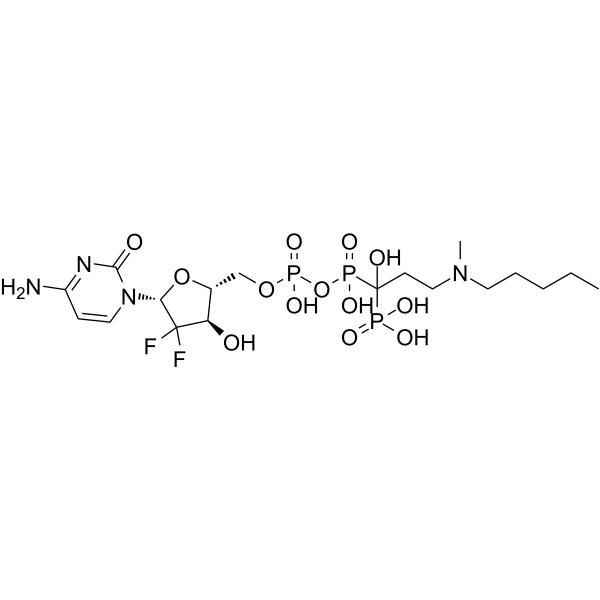
GEM–IB is the conjugate of gemcitabine (GEM)-5'-phosphate with ibandronate (IB). GEM–IB as a single agent or in combination with Docetaxel (DTX) demonstrates reduced tumor burden, preservation of the bone architecture, and improved the survival in a murine model of osteosarcoma (OS) .
|
-
-
- HY-130116A
-
|
|
STING
|
Cancer
|
|
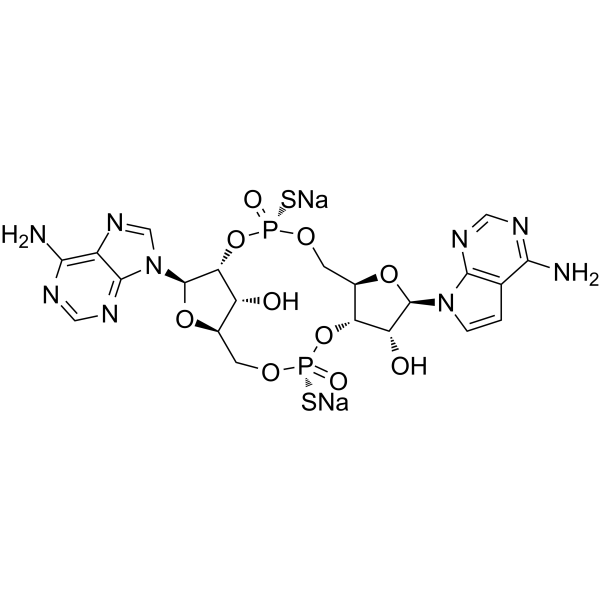
IACS-8779 disodium is a highly potent stimulator of interferon genes (STING) agonist with robust systemic antitumor efficacy. IACS-8779 disodium shows robust activation of the STING pathway in vitro and a superior systemic anti-tumor response in the B16 murine model of melanoma .
|
-
-
- HY-118704
-
|
|
mTOR
|
Inflammation/Immunology
Cancer
|
|
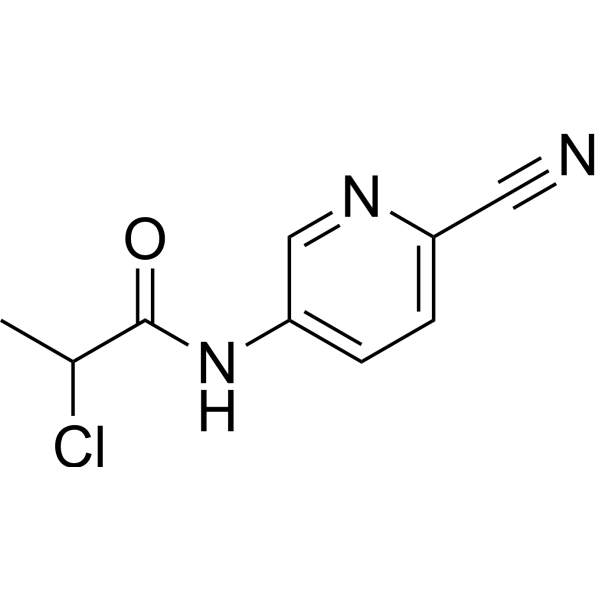
P-2281 is a mTOR inhibitor with anticancer and anti-inflammatory efficacies. P2281 inhibits mTOR activity in colon cancer cells. P-2281 suppresses Dextran sulfate sodium salt (HY-116282C) (DSS)-induced colitis by inhibiting T cell function and is efficacious in a murine model of human colitis .
|
-
-
- HY-114366
-
|
|
CXCR
|
Others
|
|
BC-1485 is a small molecule inhibitor of Fibrosis-inducing E3 ligase 1 (FIEL1). BC-1485 protects PIAS4 from ubiquitin-mediated degradation. BC-1485 decreases α-SMA, BAL and CXCL1. BC-1485 ameliorates fibrotic lung injury in murine models .
|
-

-
- HY-155741
-
|
|
Cannabinoid Receptor
|
Neurological Disease
|
|
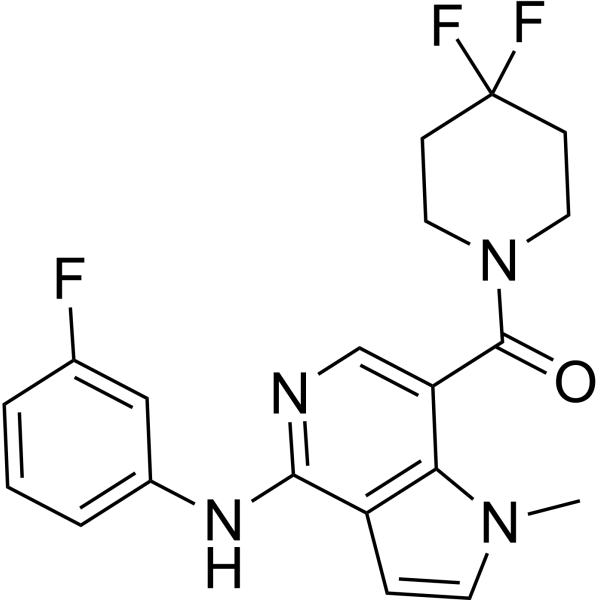
CB2 PET Radioligand 1 (compound [18F]9) is a PET Radioligand targeting to hCB2 (Ki=7.7 nM). CB2 PET Radioligand 1 is prepared with Cu-mediated 18F-fluorination. CB2 PET Radioligand 1 shows high brain uptake in a murine model of neuroinflammation .
|
-
-
- HY-119515R
-
|
(R)-(-)-Denopamine (Standard); TA-064 (Standard)
|
Adrenergic Receptor
Reference Standards
|
Cardiovascular Disease
Cancer
|
|
Denopamine (Standard) is the analytical standard of Denopamine. This product is intended for research and analytical applications. Denopamine ((R)-(-)-Denopamine) is an orally active, selective β1-adrenergic agonist. Denopamine prolongs survival in a murine model of congestive heart failure induced by viral myocarditis: suppression of tumor necrosis factor-α production in the heart. Cardiovascular effects .
|
-

-
- HY-169290
-
|
|
JAK
HDAC
|
Inflammation/Immunology
|
|
JAK/HDAC-IN-4 (compound 11 i) is a JAK/HDAC inhibitor with the IC50 values of 0.49 nM and 12 nM for JAK2 and HDAC6, respectively. JAK/HDAC-IN-4 inhibits the cell proliferation and the production of nitric oxide. JAK/HDAC-IN-4 ameliorates psoriasis-like skin lesions in an Imiquimod (HY-B0180)-induced murine model with low toxicity .
|
-

-
- HY-144705
-
|
|
Cannabinoid Receptor
|
Neurological Disease
|
|
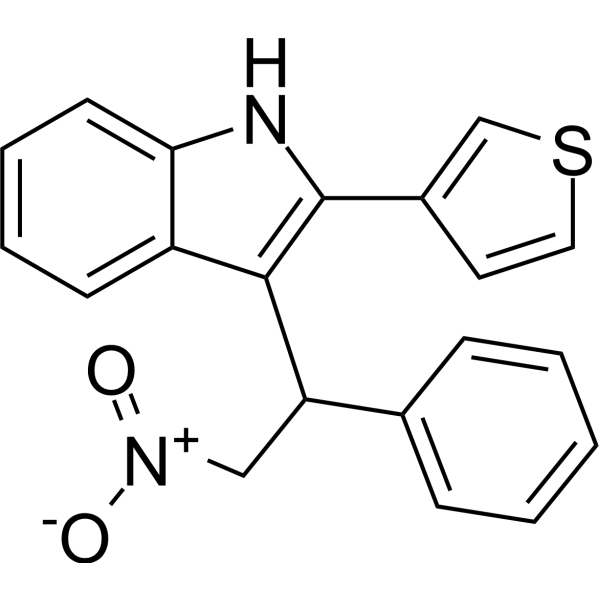
GAT564 (Compound 15d) is a potent allosteric modulator of cannabinoid 1 receptor (CB1R) with EC50s of 87 and 320 nM respectively for cAMP and β-arrestin2. GAT564 markedly promotes orthosteric ligand binding to hCB1R. GAT564 is efficacious as a topical agent that significantly reduces intraocular pressure (IOP) in the ocular normotensive murine model of glaucoma .
|
-
-
- HY-W010983R
-
-

-
- HY-147546
-
|
|
Bacterial
|
Infection
|
|
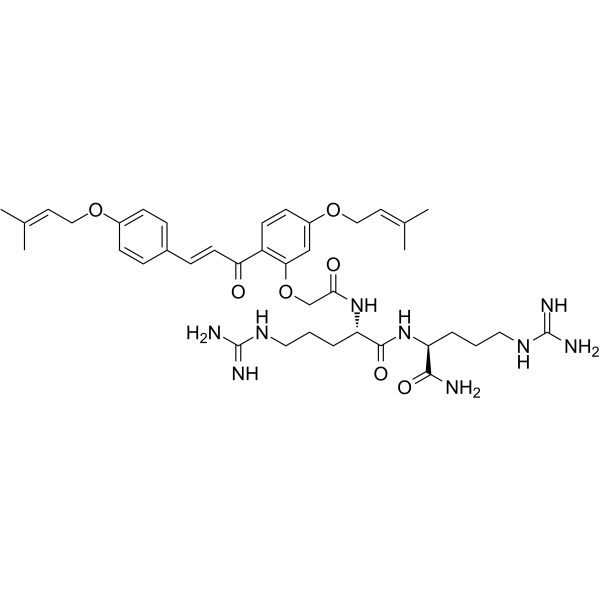
Antibacterial agent 107 (compound 14) is a potent antibacterial agent. Antibacterial agent 107 shows potent antibacterial activity against Gram-positive bacteria, with a MIC of 1.56 μg/mL (MRSA). Antibacterial agent 107 exhibits low hemolytic activity, high membrane selectivity, and rapid bactericidal activity. Antibacterial agent 107 shows effective in vivo efficacy in the murine model of bacterial keratitis caused by Staphylococcus aureus ATCC29213 .
|
-
-
- HY-170585
-
|
|
COX
NF-κB
|
Inflammation/Immunology
|
|
COX-2-IN-51 (E25) is a potent COX-2 inhibitor, with an IC50 of 70.7 nM. COX-2-IN-51 significantly inhibits LPS-induced release of NO and PGE2, expression of COX-2 and iNOS, and activation of NF-κB pathway. COX-2-IN-51 exhibits anti-inflammatory and analgesic effects in diverse murine models through inhibiting NF-κB pathway. COX-2-IN-51 has lower gastrointestinal side effects than Indomethacin (HY-14397) .
|
-

-
- HY-161827
-
|
|
Bacterial
|
Infection
|
|
Anti-MRSA agent 14 (Compound C17) has antibacterial agent against MRSA and MRSA-infected skin murine model. Anti-MRSA agent 14 is more potential than Norfloxacin (HY-B0132) against MRSA. Anti-MRSA agent 14 disrupts cell membrane and restrains metabolism. Anti-MRSA agent 14 shows antibacterial effects against S. aureus ATCC 6538, S. aureus ATCC 29213, S. epidermidis ATCC 12228, and MRSA with MIC values of 1, 2, 2, 1 μM respectively .
|
-

-
- HY-147849
-
|
|
Parasite
|
Infection
|
|
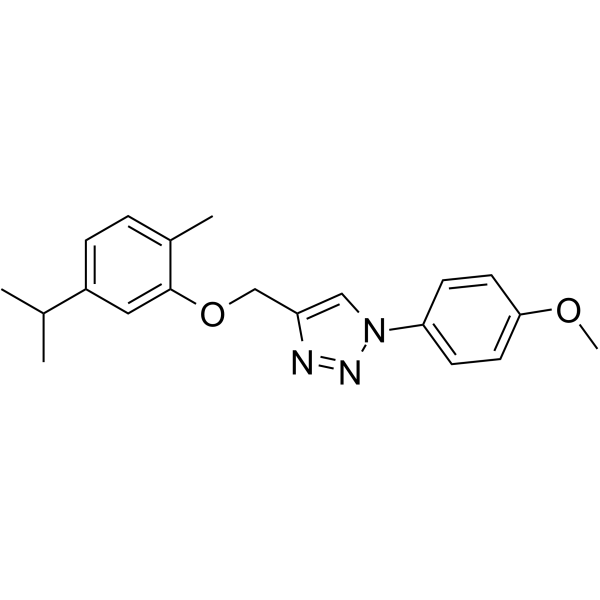
JMI-105 is a potent PfFP-2 (Plasmodium falciparum falcipain-2 protease) inhibitor. JMI-105 inhibits the growth of CQ S (3D7; IC50=8.8 µM) and CQ R (RKL-9; IC50=14.3 µM) strains of P. falciparum. JMI-105 significantly decreases parasitemia and prolonged host survival in a murine model with P. berghei ANKA infection. JMI-105 has the potential to be used as an anti-malarial agent .
|
-
-
- HY-B1114R
-
|
AR-DF 26 (Standard)
|
Potassium Channel
Reference Standards
ERK
STAT
NF-κB
COX
Interleukin Related
|
Metabolic Disease
|
|
Gliquidone (Standard) is the analytical standard of Gliquidone. This product is intended for research and analytical applications. Gliquidone can bind to the pancreatic β-cells and increases insulin release to regulate blood glucose levels. Gliquidone significantly decreases LPS (HY-D1056)-induced proinflammatory responses and inhibits ERK/STAT3/NF-κB phosphorylation in BV2 microglial cells. Gliquidone can suppress microgliosis, microglial hypertrophy mediated by LPS, and proinflammatory cytokine COX-2 and IL-6 levels in murine model. Gliquidone also exhibits good anticancer activity in lung carcinoma cells. Gliquidone has antioxidant property. Gliquidone can be studied in research for type 2 diabetes and cancers .
|
-

-
- HY-180418
-
|
|
Parasite
|
Infection
|
|
Homidium chloride is a potent antiparasitic agent exhibiting activity against Trypanosoma rhodesiense and Trypanosoma congolense. Homidium chloride can reduce parasitaemia in murine models of infection. Homidium chloride can be used for trypanosomiasis research .
|
-

-
- HY-109125
-
|
SPA-S-753 free base
|
Fungal
|
Infection
|
|
SPK-843 is an antifungal agent. SPK-843 shows inhibitory activity against A. fumigatus MF-13, A. flavus TIMM 0057, and A. niger TIMM 2814 with MICs of 0.5 μg/mL, 0.25 μg/mL, and 0.0625 μg/mL, respectively. SPK-843 exhibits dose-dependent efficacy in murine models of pulmonary aspergillosis. SPK-843 can be used for the research of related fungal infections .
|
-

- HY-180419
-
|
|
ERK
Apoptosis
c-Myc
|
Inflammation/Immunology
Cancer
|
|
SF-3-030 is a potent, selective and non-ATP competitive ERK1/2 inhibitor. SF-3-030 selectively induces apoptosis in melanoma cells containing mutated BRaf and constitutively active ERK1/2 signalling. SF-3-030 mitigates multiple features of asthma in a murine model of asthma. SF-3-030 can be used for the research of asthma and melanomasup .
|
-

- HY-183296
-
|
|
NOD-like Receptor (NLR)
Interleukin Related
Caspase
|
Inflammation/Immunology
|
|
NLRP3-IN-91 is a potent NLRP3 inflammasome inhibitor with a Kd of 558.4 nM. NLRP3-IN-91 directly targets the NLRP3 NACHT domain, blocks inflammasome assembly and activation, and exerts anti-inflammatory effects. NLRP3-IN-91 increases survival time in a murine model of LPS (HY-D1056)-induced sepsis. NLRP3-IN-91 can be used for the research of sepsis .
|
-

- HY-179518
-
|
|
Fungal
PKA
Ras
|
Infection
|
|
Antifungal agent 140 (compound 5p) is a potent antifungal agent with broad-spectrum antifungal activity. Antifungal agent 140 exerts a dual mechanism by targeting the Ras/cAMP/PKA pathway to inhibit hyphal formation and the ergosterol biosynthesis pathway. Antifungal agent 140 enhances survival, reduces fungal load in the kidneys, and strengthens host immune responses in a murine model of systemic candidiasis. Antifungal agent 140 can be used for research of resistant fungal infections .
|
-

- HY-179645
-
|
|
Phosphodiesterase (PDE)
PKA
Interleukin Related
TNF Receptor
Collagen
|
Inflammation/Immunology
|
|
Phosphodiesterase-IN-5 is a potent, orally active and selective phosphodiesterase 10A (PDE10A) inhibitor with an IC50 of 6.2 nM. Phosphodiesterase-IN-5 shows >1612-fold selectivity over other PDEs. Phosphodiesterase-IN-5 exhibits potent antifibrotic efficacy in a Bleomycin (BLM) (HY-108345)-induced murine model of pulmonary fibrosis (PF) by blocking myofibroblast differentiation via the cAMP/PKA/CREB signaling pathway. Phosphodiesterase-IN-5 can be used for the research of PF .
|
-

- HY-177933
-
|
|
CCR
|
Neurological Disease
Inflammation/Immunology
|
|
mNOX-E36 is a murine-specific analogue of NOX-E36 (HY-148100), an anti-CCL-2 L-RNA aptamer that binds and neutralises the mouse chemokine CCL-2. mNOX-E36 reduces scarring in an experimental murine model of glaucoma filtration surgery (GFS). mNOX-E36 ameliorates lupus nephritis in mice. mNOX-E36 can be used for GFS and lupus nephritis research .
|
-

- HY-186103
-
|
|
CD1
IFNAR
Interleukin Related
Bacterial
Influenza Virus
|
Infection
Inflammation/Immunology
|
|
Glycolipid C34, α-GalCer (HY-102022) analog, is a CD1d-binding glycolipid antinfection agent. Glycolipid C34 mediates invariant natural killer T cell activation and increases the secretion of IFN-γ and IL-4. Glycolipid C34 promotes clearance of bacterial infections in murine models and enhances protective immunity against viral infections. Glycolipid C34 can be used for the research of bacterial infection, viral infection .
|
-

- HY-120120
-
|
|
Microtubule/Tubulin
|
Cancer
|
|
DZ-2384 is a potent microtubule-targeting agent. DZ-2384 increases the rescue frequency and preserves the microtubule network in nonmitotic cells and primary neurons. DZ-2384 acts synergistically with anti-CTLA-4 immunotherapy in Taxane-sensitive and Taxane-resistant xenograft murine models of triple-negative breast cancer (TNBC). DZ-2384 exhibits potent antitumor activity in adult acute lymphocytic leukemia (ALL) models. DZ-2384 can be used for cancer research, such as TNBC and ALL [1][2].
|
-

- HY-181124
-
|
Idebenone-2S-FrFK-NH2
|
Drug Derivative
Reactive Oxygen Species (ROS)
Mitochondrial Metabolism
|
Cardiovascular Disease
Neurological Disease
Inflammation/Immunology
|
|
Idebenone-SS-20 (Idebenone-2S-FrFK-NH2) is a Idebenone (HY-N0303) derivative conjugated to the mitochondria-targeting peptide SS-20. Idebenone-SS-20 shows neuroprotective and anti-inflammatory effects. Idebenone-SS-20 can preserve mitochondrial membrane potential, enhance ATP production, reduce ROS accumulation, maintain mitochondrial morphology and elevate NAD+/NADH ratio. Idebenone-SS-20 confers robust neuroprotection in a murine model of transient middle cerebral artery occlusion. Idebenone-SS-20 can be used for the research of cerebral .
|
-

- HY-182030
-
|
|
RSV
|
Infection
|
|
RSV fusion protein IN-1 is an orally active RSV pre-fusion F protein inhibitor with an IC50 of 0.10 nM against RSV. RSV fusion protein IN-1 forms stable hydrogen bonds and π-π stacking interactions with pre-fusion F protein to block viral fusion and entry. RSV fusion protein IN-1 suppresses RSV F protein expression in epithelial cells. RSV fusion protein IN-1 reduces viral burden in the lungs of RSV-infected murine models.RSV fusion protein IN-1 can be used for the research of respiratory syncytial virus (RSV) infection .
|
-

| Cat. No. |
Product Name |
Target |
Research Area |
-
- HY-W746708
-
-
- HY-P2136
-
-
- HY-13545
-
ABT-510
1 Publications Verification
|
Apoptosis
|
Inflammation/Immunology
Cancer
|
|
ABT-510 is an anti-angiogenic TSP peptide (Thrombospondin-1 analogue) that induces apoptosis and inhibits ovarian tumour growth in an orthotopic, syngeneic model of epithelial ovarian cancer. ABT-510 also reduces angiogenesis and inflammatory responses in a murine model of inflammatory bowel disease. ABT-510 can be used in studies of cancer (particularly epithelial ovarian cancer) and inflammatory bowel disease (IBD) .
|
-
- HY-13545B
-
|
|
Apoptosis
|
Inflammation/Immunology
Cancer
|
|
ABT-510 acetate is an anti-angiogenic TSP peptide (Thrombospondin-1 analogue) that induces apoptosis and inhibits ovarian tumour growth in an orthotopic, syngeneic model of epithelial ovarian cancer. ABT-510 acetate also reduces angiogenesis and inflammatory responses in a murine model of inflammatory bowel disease. ABT-510 acetate can be used in studies of cancer (particularly epithelial ovarian cancer) and inflammatory bowel disease (IBD) .
|
-
- HY-P2136F
-
|
|
Apoptosis
|
Neurological Disease
Inflammation/Immunology
Cancer
|
|
Biotin-COG1410 TFA is a biotin labled COG1410 (HY-P2136). COG1410 is an apolipoprotein E-derived peptide and an apoptosis inhibitor. COG1410 exerts neuroprotective and antiinflammatory effects in a murine model of traumatic brain injury (TBI). COG1410 can be used for the research of neurological disease .
|
-
- HY-P5545
-
|
|
Bacterial
|
Infection
|
|
Lynronne-1 is an antimicrobial peptide. Lynronne-1 is active against Gram-positive bacterials, including MDR strains (MIC: 8-32 μg/mL for methicillin-resistant MRSA strains). Lynronne-1 reduces the bacterial load in MRSA infected wound murine model. Lynronne-1 is also effective against P. aeruginosa infection .
|
-
- HY-P5949
-
|
|
Bacterial
|
Infection
|
|
AMPR-22 is an antimicrobial peptide. AMPR-22 can bind to the bacterial membrane and induces membrane permeabilization. AMPR-22 is effective against murine model of sepsis induced by MDR strains
|
| Cat. No. |
Product Name |
Category |
Target |
Chemical Structure |
-
- HY-117037
-
-
-
- HY-N5084
-
|
|
Structural Classification
Flavonoids
Classification of Application Fields
Flavonones
Other Diseases
Phenols
Polyphenols
Saxifragaceae
Plants
Penthorum chinense Pursh
Disease Research Fields
Source Classification
|
TRP Channel
HDAC
p38 MAPK
JNK
ERK
NF-κB
TNF Receptor
Interleukin Related
|
|
Pinocembrin 7-O-[3''-O-galloyl-4'',6''-hexahydroxydiphenoyl]-β-D-glucoside is a TRPV1 antagonist and HDAC7 inhibitor. Pinocembrin 7-O-[3''-O-galloyl-4'',6''-hexahydroxydiphenoyl]-β-D-glucoside blocks TRPV1-mediated calcium influx, suppresses phosphorylation of p65, IκBα, p38, JNK, and ERK1/2, inhibiting NF-κB and MAPK signaling cascades. Pinocembrin 7-O-[3''-O-galloyl-4'',6''-hexahydroxydiphenoyl]-β-D-glucoside reduces production and gene expression of pro-inflammatory cytokines IL-1β, IL-6, and TNF-α. Pinocembrin 7-O-[3''-O-galloyl-4'',6''-hexahydroxydiphenoyl]-β-D-glucoside exhibits potent analgesic activity, elevates thermal pain threshold and mechanical pain threshold in murine models. Pinocembrin 7-O-[3''-O-galloyl-4'',6''-hexahydroxydiphenoyl]-β-D-glucoside restores CD8 + T cell infiltration into bladder cancer tumors and improves bladder cancer immunotherapy efficacy. Pinocembrin 7-O-[3''-O-galloyl-4'',6''-hexahydroxydiphenoyl]-β-D-glucoside can be used for the researches of painand bladder cancer .
|
-
| Cat. No. |
Product Name |
|
Classification |
-
- HY-177933
-
|
|
|
Aptamers
|
|
mNOX-E36 is a murine-specific analogue of NOX-E36 (HY-148100), an anti-CCL-2 L-RNA aptamer that binds and neutralises the mouse chemokine CCL-2. mNOX-E36 reduces scarring in an experimental murine model of glaucoma filtration surgery (GFS). mNOX-E36 ameliorates lupus nephritis in mice. mNOX-E36 can be used for GFS and lupus nephritis research .
|
Your information is safe with us. * Required Fields.
Inquiry Information
- Product Name:
- Cat. No.:
- Quantity:
- MCE Japan Authorized Agent:





![Pinocembrin 7-O-[3''-O-galloyl-4'',6''-hexahydroxydiphenoyl]-β-D-glucoside](http://file.medchemexpress.com/product_pic/hy-n5084.gif)





