1. Search Result
Search Result
Results for "

muscle+atrophy

" in MedChemExpress (MCE) Product Catalog:

26

Inhibitors & Agonists

5

Peptides

2

Inhibitory Antibodies

6

Natural
Products

1

Antibodies

Cat. No. Product Name Target Research Areas Chemical Structure
  • HY-14648
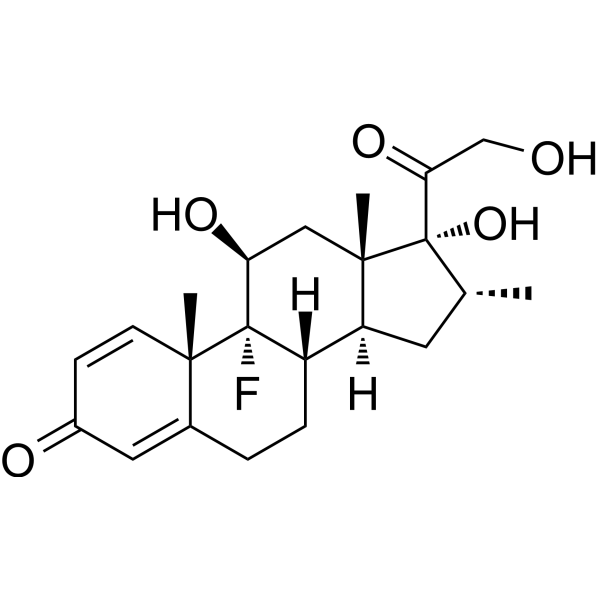
    Dexamethasone
    Maximum Cited Publications
    359 Publications Verification

    Hexadecadrol; Prednisolone F

    Exosomes Glucocorticoid Receptor SARS-CoV Autophagy Complement System Mitophagy Bacterial Antibiotic ADC Payload Infection Cardiovascular Disease Inflammation/Immunology Endocrinology Cancer
    Dexamethasone (Hexadecadrol) is a glucocorticoid receptor agonist, apoptosis inducer, and common disease inducer in experimental animals, constructing models of muscle atrophy, hypertension, and depression. Dexamethasone can inhibit the production of inflammatory miRNA-155 exosomes in macrophages and significantly reduce the expression of inflammatory factors in neutrophils and monocytes. Dexamethasone also has potential for use in COVID-19 research .
    Dexamethasone
  • HY-112288
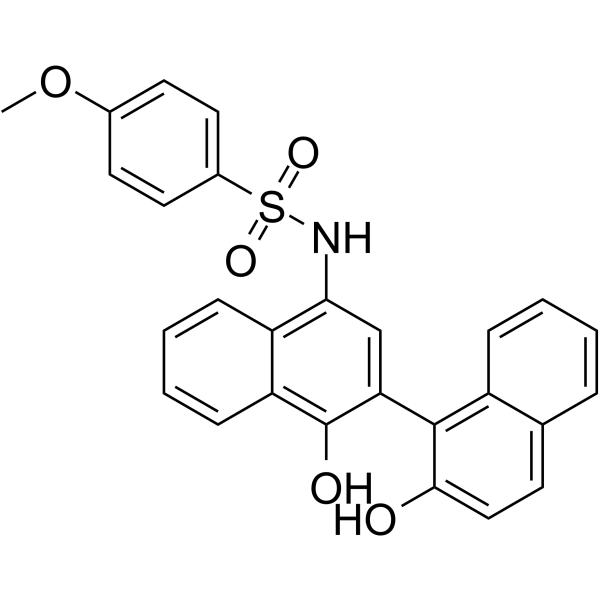
    C188-9
    30+ Cited Publications

    TTI-101

    STAT Apoptosis DNA Methyltransferase Metabolic Disease Inflammation/Immunology Cancer
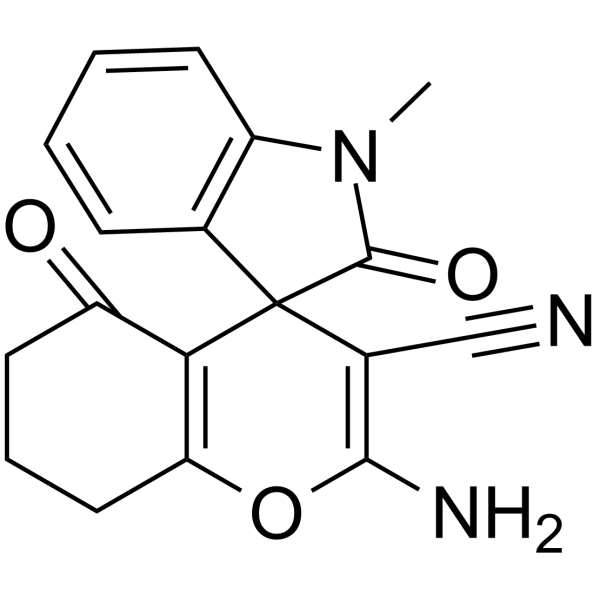
    C188-9 (TTI-101) is a STAT3 inhibitor with a Kd value of 4.7 nM. C188-9 targets the SH2 domain of STAT3, blocks the processes of STAT3 ligand binding, receptor recruitment, homodimerization and phosphorylation, and regulates STAT3-mediated genes associated with tumorigenesis and radioresistance. C188-9 regulates STAT1-mediated genes related to radioresistance and reduces the activation level of STAT1. C188-9 downregulates the expression of DNMT1, enhances DAC-induced demethylation and re-expression of RASSF1A, and simultaneously potentiates the anti-tumor effect of DAC on pancreatic cancer cells. C188-9 inhibits both anchorage-dependent and anchorage-independent growth of cancer cells, induces Apoptosis, blocks the growth of tumor xenografts, and suppresses muscle atrophy. C188-9 maintains muscle mass, increases body weight and improves grip strength in tumor-bearing mice. C188-9 can be used in research related to head and neck squamous cell carcinoma, pancreatic cancer, sepsis-related skeletal muscle wasting, non-small cell lung cancer, acute myeloid leukemia and cancer cachexia .
    C188-9
  • HY-14648C
    Dexamethasone (Water Soluble)
    355+ Cited Publications

    Dexamethasone cyclodextrin complex

    Exosomes Glucocorticoid Receptor SARS-CoV Autophagy Complement System Mitophagy Bacterial Antibiotic Infection Inflammation/Immunology Endocrinology Cancer
    Dexamethasone (Hexadecadrol) Water Soluble is a water-soluble form of Dexamethasone (HY-14648). Dexamethasone is a glucocorticoid receptor agonist, apoptosis inducer, and a common disease inducer in experimental animals. It can be used to construct models of muscle atrophy, hypertension, and depression. Dexamethasone can inhibit the production of inflammatory miRNA-155 exosomes in macrophages and significantly reduce the expression of inflammatory factors in neutrophils and monocytes. Dexamethasone also has the potential to be used in COVID-19 research .(Sale size is the weight of dexamethasone)
    Dexamethasone (Water Soluble)
  • HY-N2787
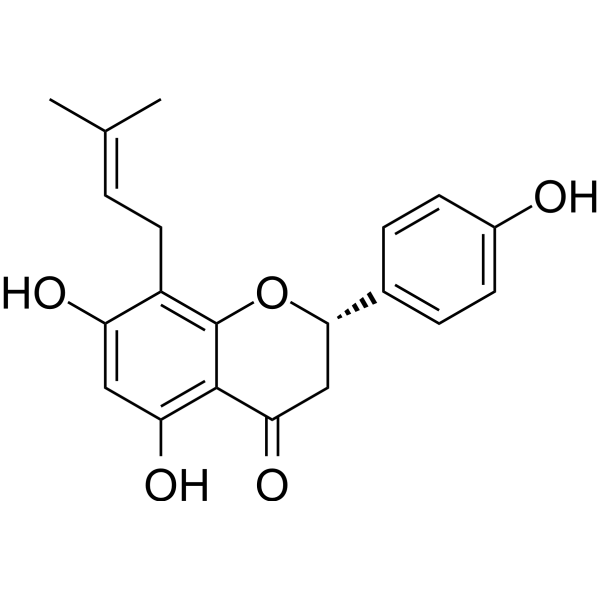
    8-​Prenylnaringenin
    1 Publications Verification

    PI3K Akt AMPK Sirtuin Reactive Oxygen Species (ROS) SOD Cardiovascular Disease Neurological Disease Metabolic Disease Endocrinology Cancer
    8-Prenylnaringenin is an orally active prenyl flavonoid. 8-Prenylnaringenin can be isolated from the hop spike Humulus lupulus. 8-Prenylnaringenin activates the PI3K/Akt pathway and the AMPK pathway, upregulates OXPHOS complexes (II, III, and V) and Sirt1, and reduces ROS production and SOD activity. 8-Prenylnaringenin improves muscle atrophy and obesity and inhibits angiogenesis. 8-Prenylnaringenin exhibits anticancer activity against glioblastoma and colon cancer. 8-Prenylnaringenin also has LH/FSH regulatory activity. 8-prenylnaringenin may be used in bone health research .
    8-​Prenylnaringenin
  • HY-108943
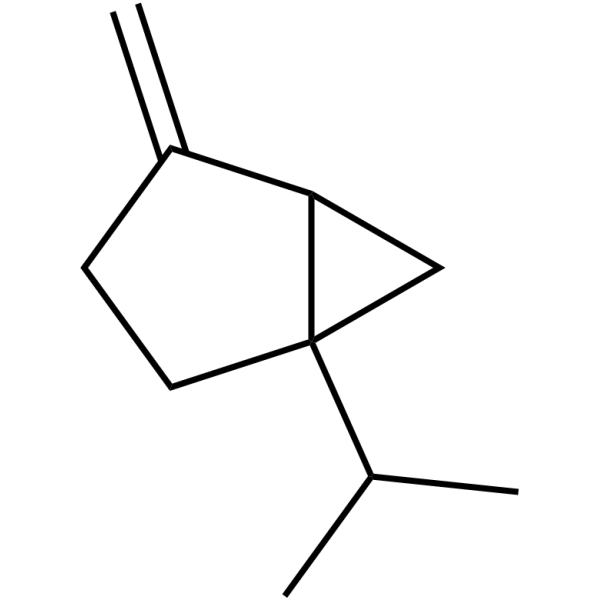
    Sabinene
    2 Publications Verification

    Others Others
    Sabinene is an naturally occurring bicyclic monoterpene which can be used as flavorings, perfume additives, fine chemicals, and advanced biofuels. Sabinene is also an orally active compound to attenuates skeletal muscle atrophy and regulates ROS-mediated MAPK/MuRF-1 pathways .
    Sabinene
  • HY-P10476

    TGF-beta/Smad Others
    Myostatin inhibitory peptide 2 (compd 2) is a myostatin inhibitor with a Kd of 35.9 nM. Myostatin inhibitory peptide 2 can be used for researches of muscle atrophic disorders .
    Myostatin inhibitory peptide 2
  • HY-129531

    E1/E2/E3 Enzyme Neurological Disease
    MuRF1-IN-1 is an orally active MuRF1 inhibitor. MuRF1-IN-1 can inhibit the interaction between MuRF1 and titin as well as E3 ligase activity. MuRF1-IN-1 can alleviate skeletal muscle atrophy and dysfunction in cardiac cachexia .
    MuRF1-IN-1
  • HY-107566

    Histamine Receptor Parasite MDM-2/p53 NF-κB FOXO Bacterial Infection Neurological Disease
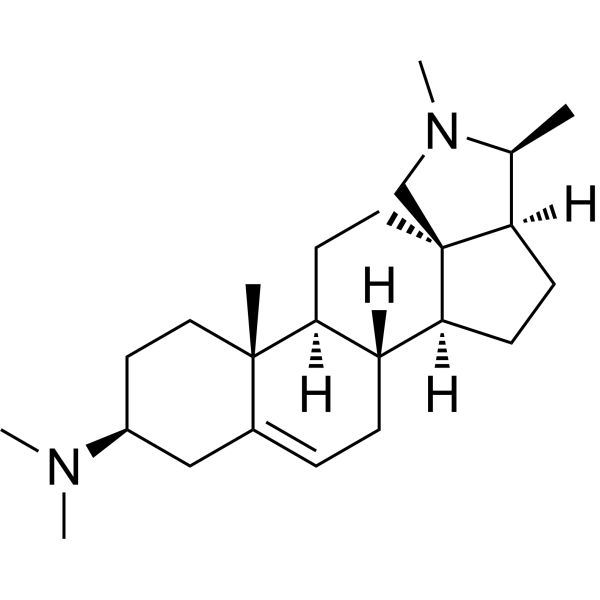
    Conessine is an orally active and BBB-penetrable selective histamine H3 receptor antagonist. The pKi values of Conessine for rat and human H3 receptors are 7.61 and 8.27, respectively. Conessine is an inhibitor of the multidrug efflux pump system in Pseudomonas aeruginosa and can enhance the activity of antibiotics. Conessine has antimalarial activity. Conessine can also be used in the research of muscle atrophy .
    Conessine
  • HY-P990993

    GYM-329, RG6237, RG-70240

    TGF-beta/Smad Inflammation/Immunology
    Emugrobart (GYM-329, RG6237, RG-70240) is a humanized IgG1κ antibody targeting myostatin (Myostatin; GDF8). Emugrobart binds to pro-myostatin and latent myostatin, blocking their cleavage into mature myostatin; it also has a clearance function, which transports bound myostatin for degradation and allows for cyclic reuse. Emugrobart enhances muscle strength in mouse models of muscle atrophy and increases muscle mass in cynomolgus monkeys. Emugrobart can be used in research on spinal muscular atrophy and facioscapulohumeral muscular dystrophy .
    Emugrobart
  • HY-18102
    GLPG0492
    5+ Cited Publications

    Androgen Receptor Neurological Disease
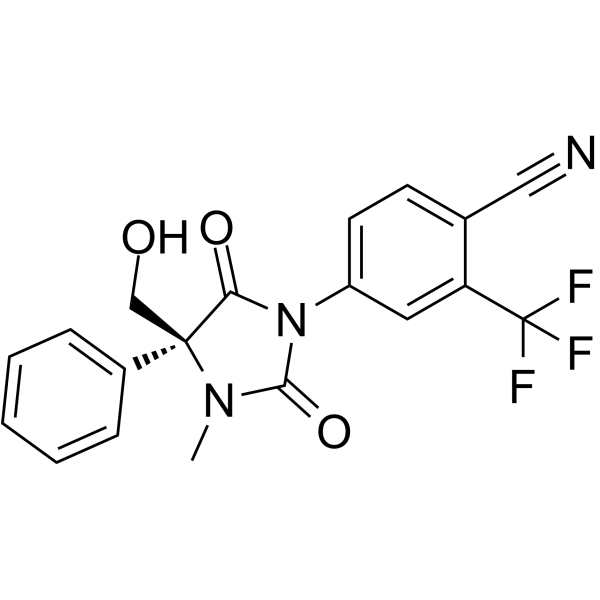
    GLPG0492 is an orally active, non-steroidal selective androgen receptor modulator. GLPG0492 exerts functional transactivation by binding to the ligand-binding domain of the receptor, exhibiting preferential partial agonist activity in muscle and bone tissues with low activity in reproductive tissues. GLPG0492 effectively counteracts muscle atrophy-related pathways, significantly enhances muscle strength, maintains motor ability, reduces fibrosis and improves electrophysiological parameters. GLPG0492 prevents immobilization-induced muscle atrophy and regulates muscle mass homeostasis, serving as a valuable tool compound for studies on Duchenne muscular dystrophy, muscle loss and various types of disuse musculoskeletal atrophy .
    GLPG0492
  • HY-P10242

    TGF-beta/Smad Others
    Myostatin inhibitory peptide 7 is a 23 amino acids peptide, which is derived from amino acids 21 to 43 of the mouse myostatin prodomain. Myostatin inhibitory peptide 7 inhibits myostatin with a Kd of 29.7 nM. Myostatin inhibitory peptide 7 can be used for researches of muscle atrophic disorders .
    Myostatin inhibitory peptide 7
  • HY-N3225

    NAMPT Sirtuin Microtubule/Tubulin Apoptosis Autophagy PDGFR NF-κB AMPK Cardiovascular Disease Neurological Disease Metabolic Disease Inflammation/Immunology Cancer
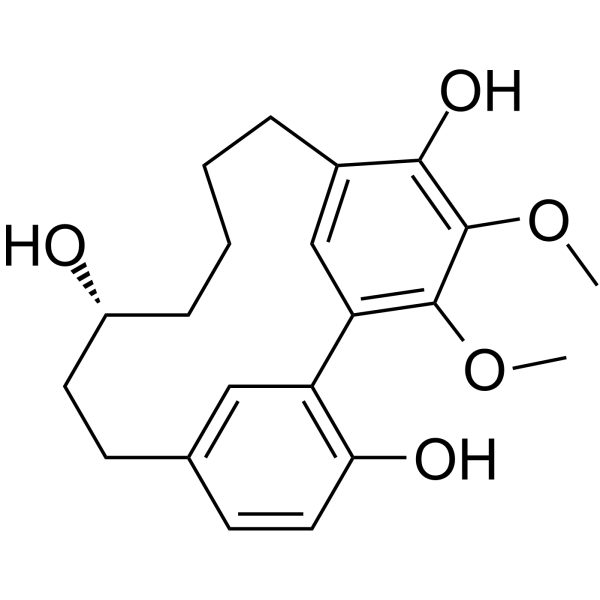
    Myricanol is a diarylheptanoid and a Nampt activator. Myricanol exerts anti-inflammatory effects and alleviates glucocorticoid-induced muscle atrophy by increasing Sirtuin 1 (SIRT1) and PRDX5 activities while regulating inflammatory factors. Myricanol exhibits growth inhibition and induces apoptosis in human lung adenocarcinoma A549 cells. Myricanol promotes autophagy-mediated clearance of microtubule-associated protein tau to exert neuroprotective effects. Myricanol protects cardiovascular function by inhibiting PDGFRβ and NF-κB signaling pathways. Myricanol activates mitochondrial transcription factor A (TFAM) expression to exert anti-renal fibrosis effects. Myricanol improves insulin resistance through AMPK activation .
    Myricanol
  • HY-P99818

    ACE-031

    TGF-β Receptor Metabolic Disease
    Ramatercept (ACE-031) is a soluble ActRIIB receptor and can be used as a soluble activin receptor 2 (ACVR2) antagonist. Ramatercept inhibits the signal pathway of muscle growth inhibition and has potential application in muscle atrophy .
    Ramatercept
  • HY-W184800

    Bacterial E1/E2/E3 Enzyme Inflammation/Immunology
    MuRF1-IN-2 (Example 3) is a MuRF1 inhibitor. MuRF1-IN-2 can be used for research of muscle wasting conditions, of skeletal or cardial muscle atrophy .
    MuRF1-IN-2
  • HY-N3741

    Didrovaltratum

    Calcium Channel Reactive Oxygen Species (ROS) Autophagy Inflammation/Immunology Cancer
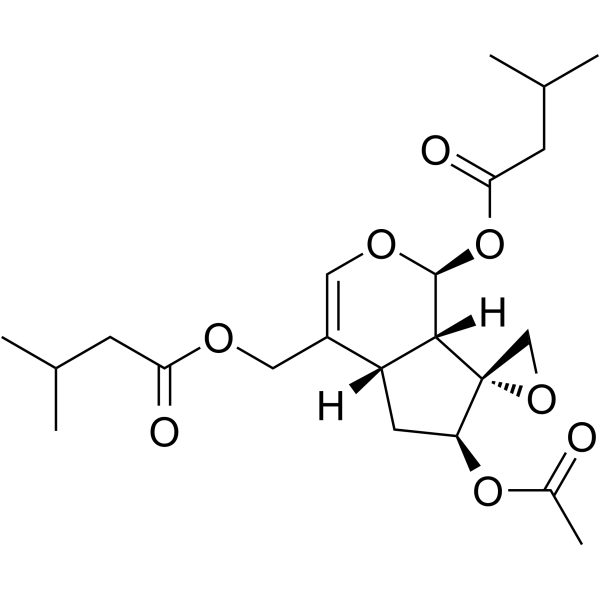
    Didrovaltrate (Didrovaltratum) is an L-type calcium channel blocker, ROS scavenger, autophagy enhancer, and lipid accumulation inhibitor. Didrovaltrate blocks L-type calcium currents in a concentration-dependent manner, shifts the current-voltage curve upward, modulates steady-state inactivation kinetics, and inhibits the nuclear translocation of glucocorticoid receptors. Didrovaltrate reduces ROS levels, downregulates the expression of muscle atrophy-related genes, enhances autophagy via lipophagy, and decreases Oleic acid-induced lipid accumulation. Didrovaltrate exhibits cytotoxic activity against cancer cells. Didrovaltrate can be used in research related to skeletal muscle atrophy, non-alcoholic fatty liver disease, breast cancer, lung cancer, gastric cancer, and prostate cancer .
    Didrovaltrate
  • HY-P10476A

    TGF-beta/Smad Others
    Myostatin inhibitory peptide 2 (compd 2) TFA is a myostatin inhibitor with a Kd of 35.9 nM. Myostatin inhibitory peptide 2 TFA can be used for researches of muscle atrophic disorders .
    Myostatin inhibitory peptide 2 TFA
  • HY-P10242A

    TGF-beta/Smad Others
    Myostatin inhibitory peptide 7 TFA is a 23 amino acids peptide, which is derived from amino acids 21 to 43 of the mouse myostatin prodomain. Myostatin inhibitory peptide 7 TFA inhibits myostatin with a Kd of 29.7 nM. Myostatin inhibitory peptide 7 TFA can be used for researches of muscle atrophic disorders .
    Myostatin inhibitory peptide 7 TFA
  • HY-107566A

    Histamine Receptor Parasite MDM-2/p53 NF-κB FOXO Bacterial Infection Neurological Disease
    Conessine dihydrobromide is an orally active and BBB-penetrable selective histamine H3 receptor antagonist. The pKi values of Conessine dihydrobromide for rat and human H3 receptors are 7.61 and 8.27, respectively. Conessine dihydrobromide is an inhibitor of the multidrug efflux pump system in Pseudomonas aeruginosa and can enhance the activity of antibiotics. Conessine dihydrobromide has antimalarial activity. Conessine dihydrobromide can also be used in the research of muscle atrophy .
    Conessine dihydrobromide
  • HY-N12489

    PI3K Akt Neurological Disease
    Ishophloroglucin A is an orally active phlorotannin compound found in Ishige okamurae. Ishophloroglucin A can alleviate Dexamethasone (HY-14648)-induced muscle atrophy through muscle protein metabolism. Ishophloroglucin A can improve impaired protein synthesis (PI3K and Akt) or degradation (muscle-specific ubiquitin ligase muscle RING finger and atrogin-1). Ishophloroglucin A can be used for research of muscle atrophy-related diseases .
    Ishophloroglucin A
  • HY-183504

    TGF-β Receptor Cancer
    ActRIIB-IN-3 is a ActRIIB inhibitor. ActRIIB-IN-3 inhibits the ActRIIB protein in the MSTN pathway and induces the reversal of skeletal muscle atrophy associated with cancer cachexia. ActRIIB-IN-3 is applicable for the research of cancer cachexia .
    ActRIIB-IN-3
  • HY-183005

    TGF-β Receptor Inflammation/Immunology Cancer
    ActRIIB-IN-1, 7-azaindole compound is an orally active activin type II receptor B (ActRIIB) inhibitor with an IC50 of 1.8 nM. ActRIIB-IN-1 can alleviate weight loss, muscle atrophy and decreased muscle strength caused by tumor cachexia, as well as improve appetite. ActRIIB-IN-1 can be used for the research of cancer cachexia .
    ActRIIB-IN-1
  • HY-128061

    Phospholipase Reactive Oxygen Species (ROS) Inflammation/Immunology
    CDIBA is a cytosolic phospholipase A2 (cPLA2) inhibitor. CDIBA inhibits the activation of cPLA2 in rat diaphragm tissue. CDIBA reduces the level of mitochondrial reactive oxygen species in rat diaphragm tissue after prolonged mechanical ventilation. CDIBA attenuates protein degradation, muscle atrophy and decreased muscle strength in the diaphragm of rats after prolonged mechanical ventilation. CDIBA can be used in studies related to ventilator-induced diaphragmatic dysfunction .
    CDIBA
  • HY-P11741

    Exosomes Biochemical Assay Reagents Neurological Disease
    BV2 is a delivery peptide that binds to BVES, with a Ka of 2.03 μM for the BVES target. BV2 specifically binds to the extracellular domain of BVES, achieving muscle homing and cellular internalization via caveolae-mediated endocytosis. When BV2 is modified on the surface of exosomes by PMO, it enhances dystrophin restoration in the peripheral muscles and myocardium of dystrophin-deficient mice. BV2 is applicable to research related to Duchenne muscular dystrophy and muscle atrophy .
    BV2
  • HY-181619

    MAP3K Neurological Disease Metabolic Disease Cancer
    TAO Kinase-IN-3 is a potent pan-TAOK (Thousand-And-One Kinase) inhibitor that specifically binds to and inhibits the kinase activities of TAOK1, TAOK2 and TAOK3 with Kd values of <0.17 nM, 0.34 nM, and 0.17 nM, respectively. TAO Kinase-IN-3 can be used to study Alzheimer's disease, primary tauopathies and related syndromes. In addition, TAO Kinase-IN-3 is also widely used in research on the mechanisms of cancer cachexia and the muscle atrophy it induces .
    TAO Kinase-IN-3
  • HY-W074912

    (S)-5,5,5-Trifluoronorvaline; H-Nva(5,5,5-triF)-OH

    mTOR Neurological Disease Metabolic Disease Cancer
    (S)-2-Amino-5,5,5-trifluoropentanoic acid ((S)-5,5,5-Trifluoronorvaline; H-Nva (5,5,5-triF)-OH) is a selective Sestrin-GATOR2 modulator that indirectly inhibits mTORC1 activity via a competitive binding mechanism. (S)-2-Amino-5,5,5-trifluoropentanoic acid can be used in research on cancer, metabolic diseases, neurodegenerative diseases, and muscle atrophy .\n

    (S)-2-Amino-5,5,5-trifluoropentanoic acid
  • HY-182062

    NAMPT E1/E2/E3 Enzyme Neurological Disease
    NAMPT activator-9 (Compound DIPM) is an allosteric, non-competitive NAMPT activator, with an EC50 of 3.366 μM against hNAMPT. NAMPT activator-9 enhances the enzymatic activity of NAMPT via an allosteric, non-competitive mechanism. NAMPT activator-9 increases intracellular NAD + levels. NAMPT activator-9 restores myotube diameter and reduces the expression of atrophy markers Atrogin-1 and MuRF1. NAMPT activator-9 is applicable to research related to muscle atrophy .
    NAMPT activator-9

Inquiry Online

Your information is safe with us. * Required Fields.

Salutation


Country or Region *

Applicant Name *


Organization Name *

Department *


Email Address *


Product Name *

Cat. No.


Requested quantity *

Phone Number *


Remarks

Inquiry Online

Inquiry Information

Product Name:
Cat. No.:
Quantity:
MCE Japan Authorized Agent: