Search Result
Results for "
personal+care
" in MedChemExpress (MCE) Product Catalog:
75
Biochemical Assay Reagents
14
Isotope-Labeled Compounds
| Cat. No. |
Product Name |
Target |
Research Areas |
Chemical Structure |
-
- HY-Y0304
-
|
|
Environmental Pollutants
|
Neurological Disease
Cancer
|
|
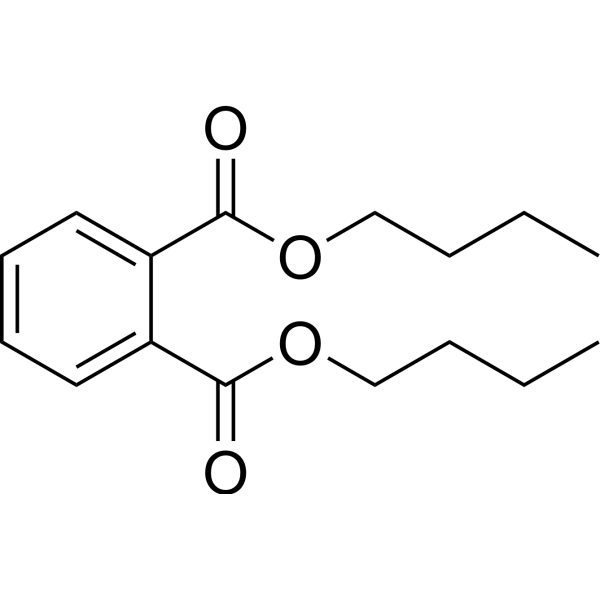
Dibutyl phthalate is a commonly used plasticizer commonly found in some food packaging materials, personal care products, and the coating of oral medications . May cause toxicity and adverse neurobehavioral effects .
|
-
-
- HY-B1464
-
|
|
Environmental Pollutants
Bacterial
HBV
|
Infection
Inflammation/Immunology
|
|
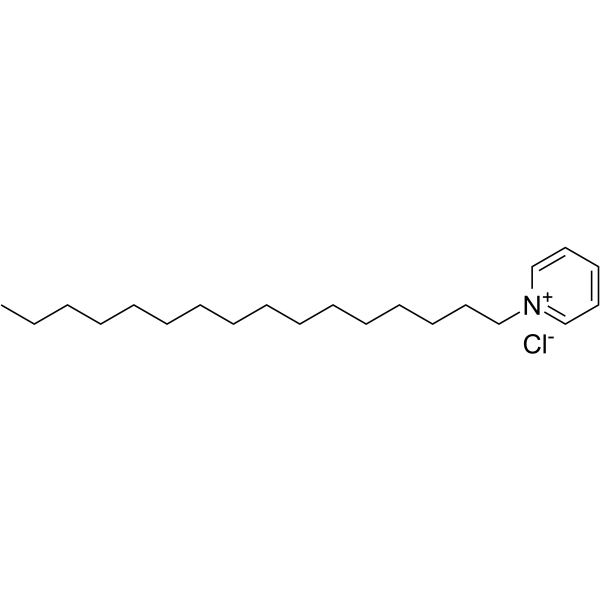
Cetylpyridinium chloride, a cationic quaternary ammonium compound, is an anti-bacterial agent with broad-spectrum activity. Cetylpyridinium chloride is an effective anti-HBV capsid assembly inhibitor with an IC50 of 2.5 μM. Cetylpyridinium chloride is used in pesticides and various types of mouthwashes, and other personal care products .
|
-
-
- HY-Y0316
-
|
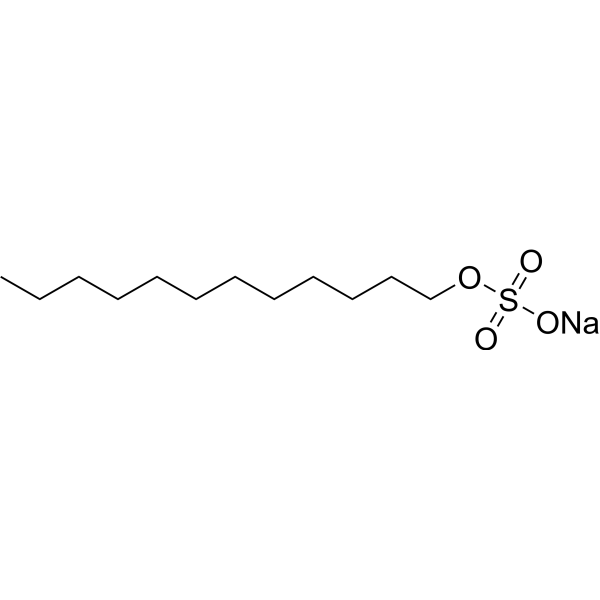
Sodium lauryl sulfate; Laurylsulfuric acid sodium salt
|
Environmental Pollutants
Biochemical Assay Reagents
|
Others
|
|
Sodium dodecyl sulfate is an anionic surfactant commonly used as a detergent, emulsifier, and protein denaturant in various industrial processes, especially in the production of personal care products, cleaners, and laboratory reagents. Sodium dodecyl sulfate has unique chemical properties that make it an effective ingredient in many applications, helping to reduce surface tension and enhance cleaning power.
|
-
-
- HY-125920
-
|
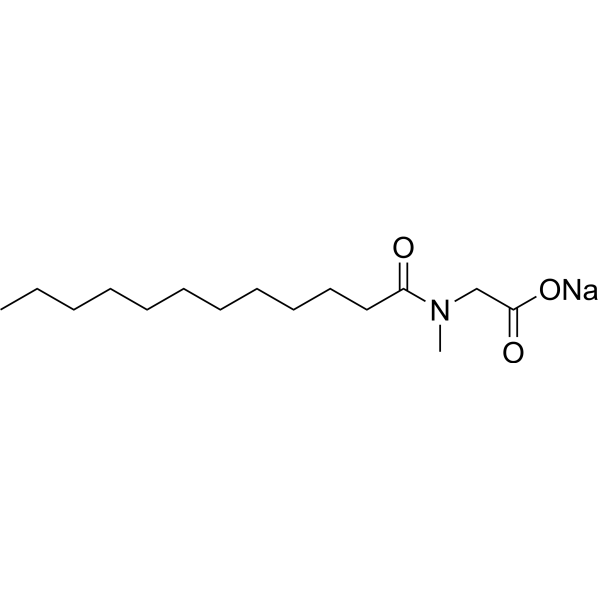
Sarkosyl NL sodium
|
Environmental Pollutants
Biochemical Assay Reagents
|
Others
|
|
Lauroylsarcosine sodium is a surfactant commonly used in personal care and cosmetics such as shampoos, facial cleansers and toothpaste. It works by lowering the surface tension of water, allowing it to better penetrate and clean surfaces. Lauroylsarcosine sodium is considered safe for cosmetic use and is approved for use in several countries. However, it can cause skin irritation in high concentrations or with prolonged exposure.
|
-
-
- HY-W250168
-
|
Polyethylene glycol oleyl ether, average Mn~709; Polyethylene glycol monooleyl ether, n~10
|
Environmental Pollutants
Biochemical Assay Reagents
|
Others
|
|
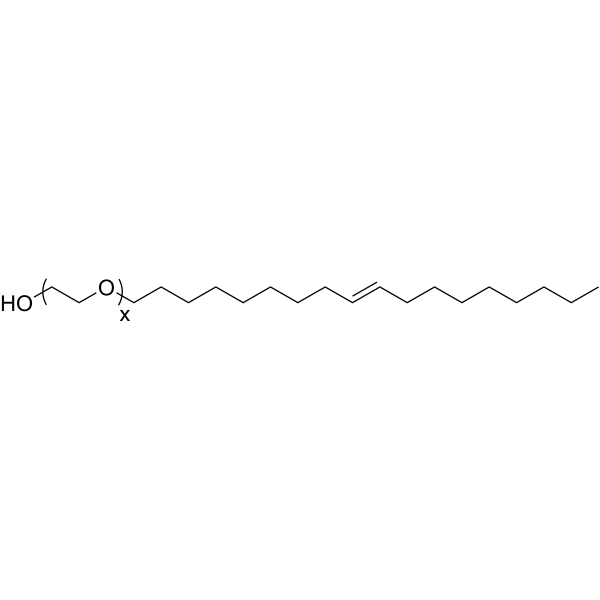
Polyoxyethylene(10) oleyl ether, also known as POE(10) monooleate, is a nonionic surfactant consisting of a polyethylene glycol chain with 10 ethylene oxide units and an oleic acid residue. It has excellent emulsifying, wetting and dispersing properties, making it suitable for a variety of applications including personal care products and pharmaceutical formulations. POE(10) monooleate is commonly used as a solubilizer to improve the solubility and bioavailability of poorly soluble drugs. Furthermore, it is biodegradable and has low toxicity, making it an environmentally friendly ingredient suitable for various industrial applications.
|
-
-
- HY-W127433
-
|
|
Apoptosis
Interleukin Related
|
Inflammation/Immunology
|
|
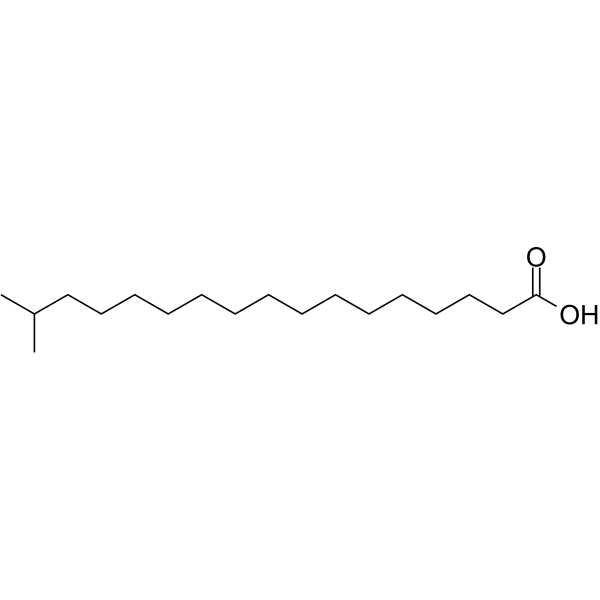
Isostearic acid is a unique fatty acid. Isostearic acid promotes IL-1 release and Apoptosis. Isostearic acid has potent inflammatory properties. Isostearic acid can be used in pharmaceutical, personal care, and cosmetic applications .
|
-
-
- HY-W010532
-
|
(E)-Hex-3-enoic acid
|
Biochemical Assay Reagents
|
Others
|
|
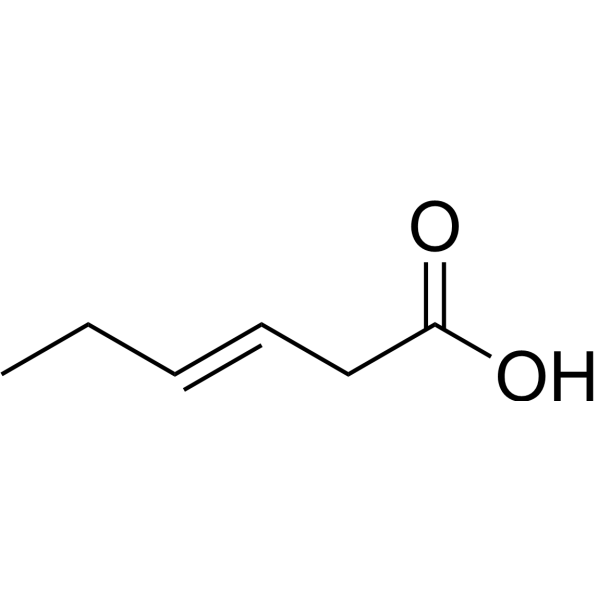
(E)-Hex-3-enoic acid is an unsaturated organic compound. It is commonly used as a fragrance ingredient in a variety of products, including food, beverages, and personal care products, and it can also be used as a starting material for the synthesis of various organic compounds, including pharmaceuticals and agrochemicals. In addition, (E)-Hex- 3-enoic acid has been investigated for its potential use as a biobased solvent due to its low toxicity and biodegradability, as well as its potential antibacterial and antifungal properties, which may make it useful for developing new Antibacterial agents.
|
-
-
- HY-W127534
-
|
Trihexanoin
|
Biochemical Assay Reagents
|
Others
|
|
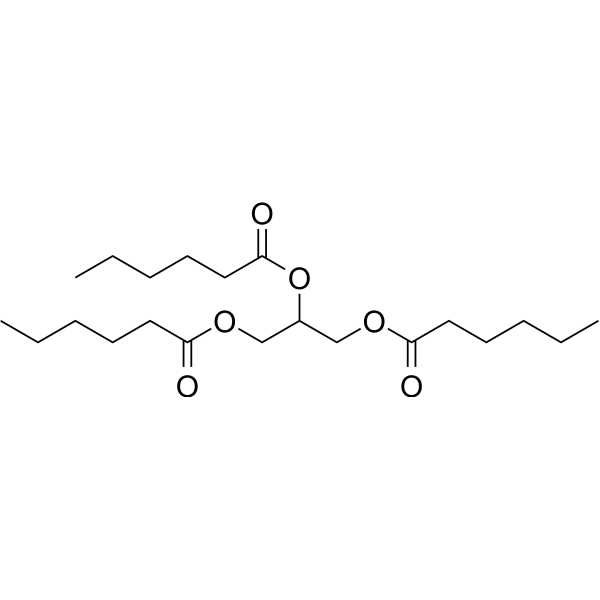
TricaproinIt is an organic compound belonging to the class of triacylglycerols. It consists of three molecules of caproic acid esterified to the glycerin backbone, with a mild fatty smell. TricaproinIt has a variety of applications in the cosmetic and personal care industries, especially as an emollient and conditioning agent in skin and hair care products. Additionally, it is used as a lubricant and surfactant in industrial settings.
|
-
-
- HY-W127445
-
|
Docosanamide
|
Biochemical Assay Reagents
|
Others
|
|
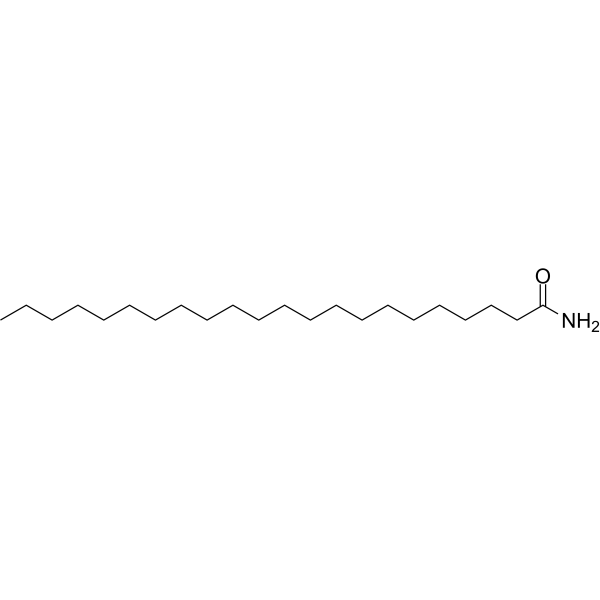
Behenamide is a fatty acid derived from plants such as rapeseed oil and can be synthesized by a variety of processes. Behenamide has unique properties that make it useful as a slip agent, A lubricant and release agent, it is also used in personal care products, including cosmetics and hair care, as a thickener and emollient because of its ability to improve the consistency and texture of formulations.
|
-
-
- HY-W127604
-
|
Myristic acid sodium
|
Biochemical Assay Reagents
|
Others
|
|
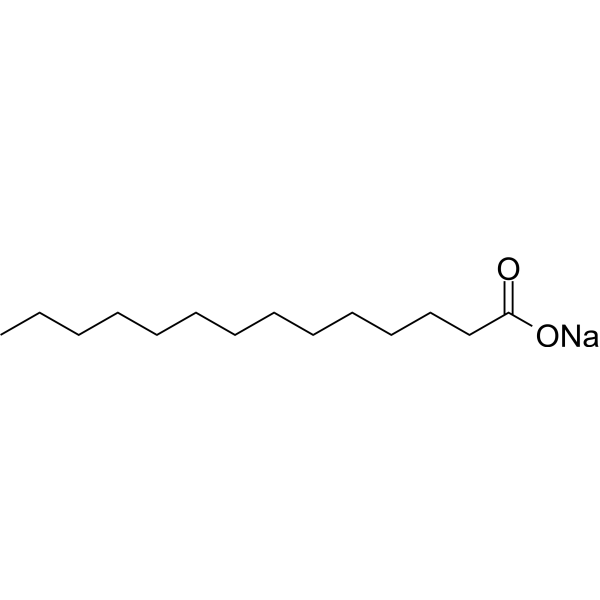
Sodium myristate is a salt-like compound commonly used as a surfactant or emulsifier in a variety of industrial applications, including the production of detergents, soaps, and personal care products. In addition, it can be used as an intermediate in the synthesis of various organic compounds, including fragrances and pharmaceuticals. Its unique chemical properties make it an important ingredient in a variety of industrial processes, especially in the manufacture of textiles and paper products.
|
-
-
- HY-134120
-
|
DL-2-Hydroxystearic acid
|
Biochemical Assay Reagents
|
Others
|
|
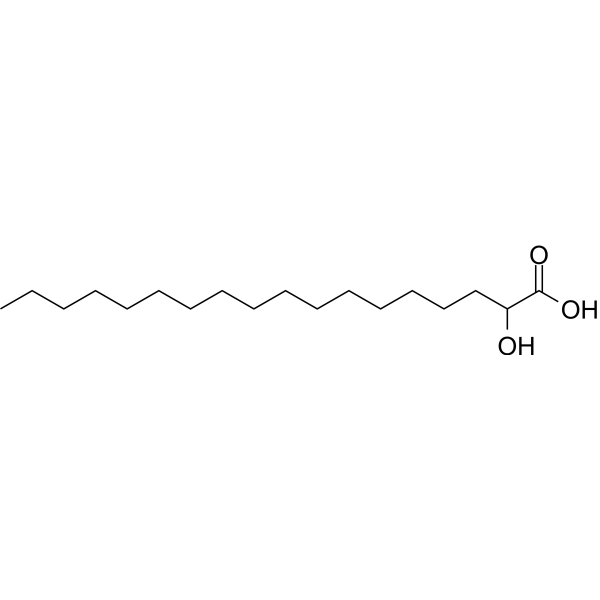
2-Hydroxystearic acid is an alpha-hydroxy fatty acid commonly used in a variety of personal care products, especially cosmetic and skin care formulations. 2-Hydroxystearic acid has unique chemical properties that make it an effective emulsifier and stabilizer, improving the texture and shelf life of cosmetic products. It also has a potential physiological role in improving skin hydration and elasticity, although its biological function is not fully understood.
|
-
-
- HY-W250186
-
|
Teterdecyl dimethyl amine oxide; Myristyldimethylamine N-oxide
|
Environmental Pollutants
Biochemical Assay Reagents
|
Others
|
|
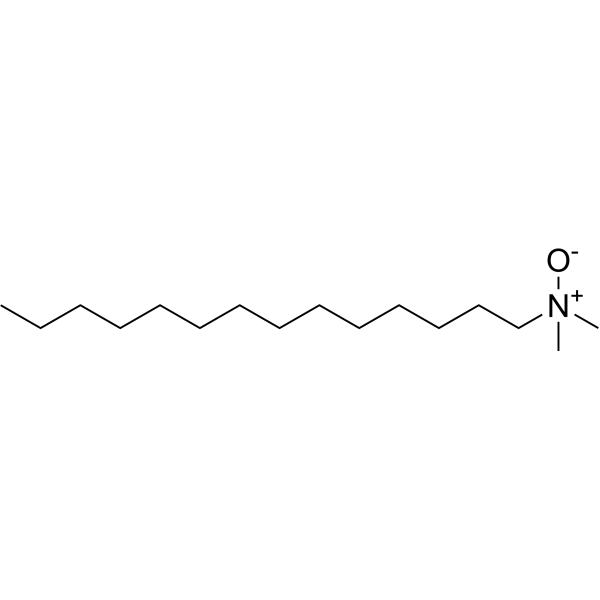
Myristyl dimethylamine oxide is a cationic surfactant belonging to the family of amine oxides. It is commonly used as a foam booster, thickener and conditioning agent in a variety of personal care and household cleaning products. Myristyl dimethylamine oxide has several properties suitable for these applications, including the ability to reduce surface tension, increase viscosity and provide antistatic properties. In addition, it can be used as a raw material for the production of other surfactants and specialty chemicals.
|
-
-
- HY-W250166
-
|
|
Environmental Pollutants
Biochemical Assay Reagents
|
Others
|
|
Poly(ethylene glycol) (12) tridecyl ether is a nonionic surfactant belonging to the family of ethoxylated fatty alcohols. It is commonly used as an emulsifier, solubilizer, and wetting agent in a variety of industrial and personal care products. Poly(ethylene glycol)(12) tridecyl ether has various properties that make it suitable for these applications, including its low toxicity, high solubility in water and organic solvents, and ability to stabilize emulsions. In addition, it can be used as a raw material for the production of other surfactants and specialty chemicals.
|
-
-
- HY-W250195
-
|
|
Biochemical Assay Reagents
|
Others
|
|
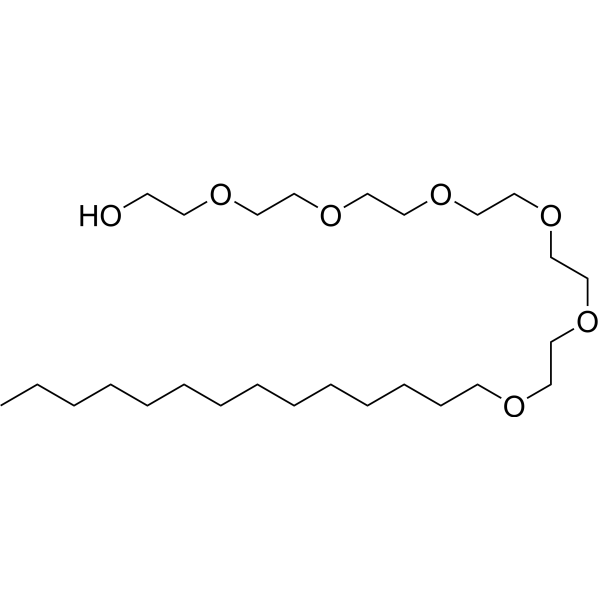
Hexaethylene glycol monotetradecyl ether is a kind of nonionic surfactant with hydrophilic head and lipophilic tail. It belongs to the class of polyethylene glycol (PEG) ethers and is widely used in different industrial and research applications. Due to its unique properties, Hexaethylene glycol monotetradecyl ether is commonly used in lotions, detergents and solubilizers. It is particularly useful in the study of membrane proteins and can be used to stabilize and solubilize proteins for use in structural analysis techniques. Due to its moisturizing and emulsifying properties, Hexaethylene glycol monotetradecyl ether is also used in personal care and cosmetics.
|
-
-
- HY-W009335
-
|
IPBC
|
Environmental Pollutants
Fungal
|
Infection
|
|
Iodopropynyl butylcarbamate (IPBC) is a potent fungicide and preservative, which has been used in the paints, coatings, wood preservatives, personal care, and cosmetics industries .
|
-

-
- HY-W013809
-
|
Stearic acid ethyl ester
|
Biochemical Assay Reagents
|
Others
|
|
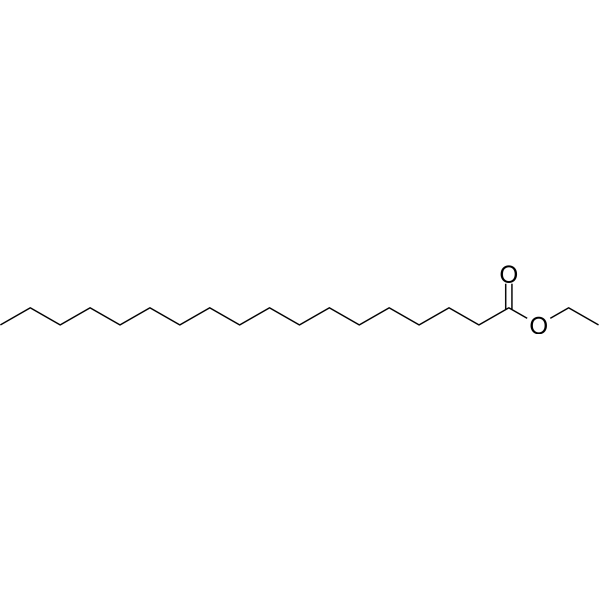
Ethyl stearate is an ester compound produced by the reaction of ethanol and stearic acid. It is commonly used as a flavoring agent in various foods such as baked goods, beverages and desserts. Ethyl stearate is also used as a fragrance ingredient in the manufacture of perfume, cologne and personal care products. Additionally, it has applications in industrial settings such as the production of lubricants and plasticizers.
|
-
-
- HY-W010164
-
|
|
Biochemical Assay Reagents
|
Others
|
|
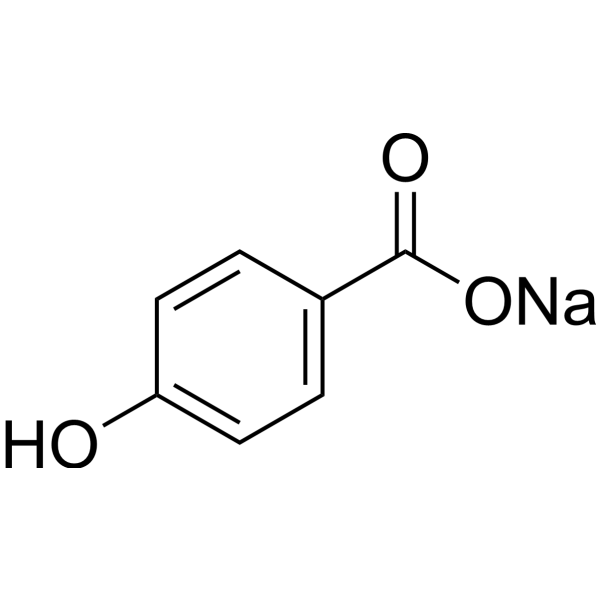
4-Hydroxybenzoate sodium, also known as sodium p-hydroxybenzoate or sodium paraben, is commonly used as a food preservative and cosmetic preservative. It can also be used as an additive in a variety of other products, including pharmaceuticals, personal care products, and industrial products. Additionally, 4-Hydroxybenzoate sodium has the potential to function as xenoestrogens, which may mimic the effects of estrogen in the body and affect hormonal balance.
|
-
-
- HY-W127785
-
|
N,N-Dimethyldodecan-1-amine oxide; Dodecyldimethylamine oxide
|
Environmental Pollutants
Biochemical Assay Reagents
|
Others
|
|
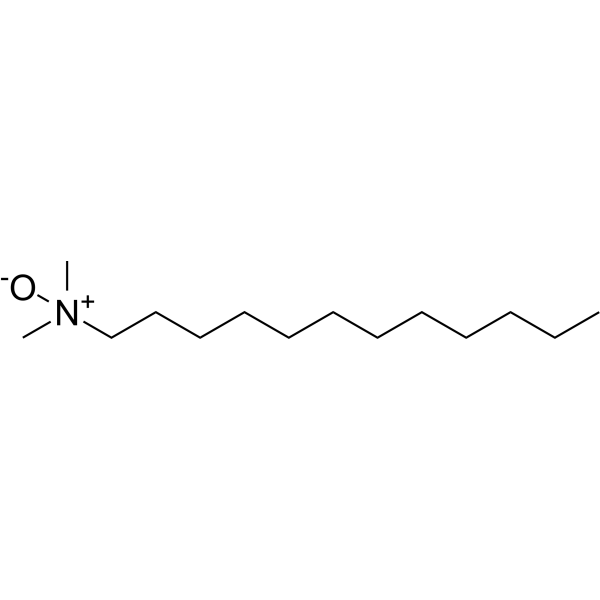
N,N-Dimethyldodecylamine N-oxide is an amine oxide surfactant commonly used as a detergent, emulsifier and wetting agent in various industrial processes, especially in personal care products and household cleaning in the production of agents. N,N-Dimethyldodecylamine N-oxide has unique chemical properties that make it an effective ingredient in many product formulations to help reduce surface tension and enhance cleaning power.
|
-
-
- HY-W130648
-
|
|
Environmental Pollutants
Biochemical Assay Reagents
|
Others
|
|
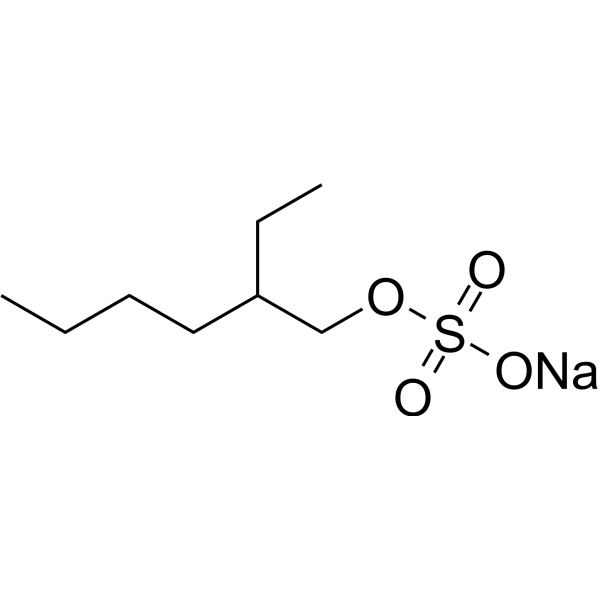
Sodium 2-ethylhexyl sulfate (40% in water) is an anionic surfactant commonly used as a detergent, wetting agent, and emulsifier in various industrial processes, especially in the production of personal care products, cleaning agents, and textile auxiliaries. Sodium 2-ethylhexyl sulfate (40% in water) has unique chemical properties that make it an effective ingredient in many applications, helping to reduce surface tension and enhance cleaning power.
|
-
-
- HY-W099601
-
|
Lauric acid sodium salt, 99-100%
|
Environmental Pollutants
Biochemical Assay Reagents
|
Others
|
|
Sodium LaurateIt is an organic compound belonging to fatty acids. It is the sodium salt of lauric acid, a medium-chain saturated fatty acid found in various animal and vegetable fats. Sodium LaurateCommonly used as surfactants, emulsifiers and cleaning agents in various industries such as cosmetics, personal care and detergent industries. It's found in a variety of products, including soaps, shampoos, toothpaste, and laundry detergent. Furthermore, it also has applications in the food industry where it is used as a food additive to improve texture and stability.
|
-

-
- HY-W036120
-
|
2,2′,4,4′-Tetrahydroxybenzophenone
|
Environmental Pollutants
Glycosidase
Estrogen Receptor/ERR
Pregnane X Receptor (PXR)
|
Metabolic Disease
Endocrinology
|
|
Benzophenone-2 (2,2',4,4'-Tetrahydroxybenzophenone) is an organic ultraviolet absorber that is widely used in personal care products and industrial products such as plastics and coatings. Benzophenone-2 is an endocrine disruptor that can interfere with estrogen receptors (ERα receptor) and pregnane X receptor (PXR receptor) activity, leading to reproductive toxicity, immune disorders, and metabolic abnormalities. Benzophenone-2 can inhibit the activity of α-glucosidase (IC50 = 49.72 μM), and can be used for research on diabetes .
|
-

-
- HY-W010807
-
|
|
Environmental Pollutants
Biochemical Assay Reagents
|
Others
|
|
Hexadecyl palmitate is an organic compound commonly used in the cosmetic industry as an emollient, thickener and skin conditioning agent. Cetyl palmitate is derived from a mixture of cetyl alcohol (a fatty alcohol) and palmitic acid (a saturated fatty acid). It is often used in skin care products such as moisturizers, lotions, and creams to improve their texture and Helps them glide smoothly on the skin. In addition to its use in cosmetics, cetyl palmitate is used in other industries including pharmaceuticals, food additives and lubricants. Overall, it's considered safe for use in personal care products, but like any other ingredient, it may cause irritation or an allergic reaction in some people.
|
-

-
- HY-W015026
-
-
-
- HY-Y0304S1
-
|
|
Isotope-Labeled Compounds
|
Cancer
|
|
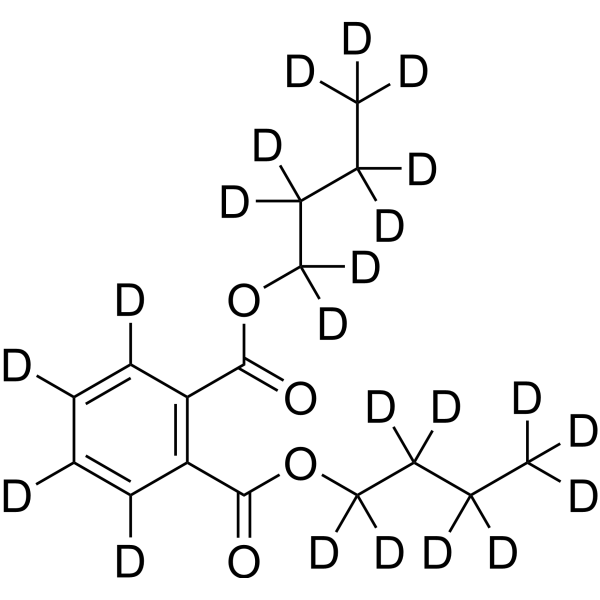
Dibutyl phthalate-d22 is the deuterium labeled Dibutyl phthalate . Dibutyl phthalate is a commonly used plasticizer commonly found in some food packaging materials, personal care products, and the coating of oral medications. May cause toxicity and adverse neurobehavioral effects .
|
-
-
- HY-W250302
-
|
|
Environmental Pollutants
Biochemical Assay Reagents
|
Others
|
|
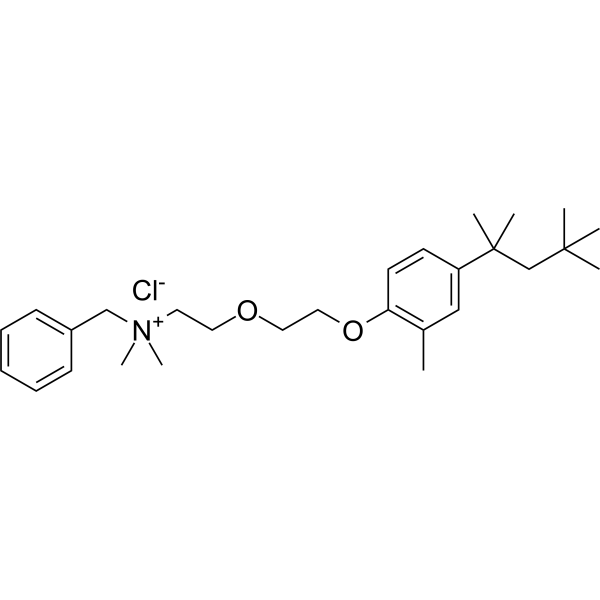
Methylbenzethonium chloride is a quaternary ammonium compound commonly used as a preservative and disinfectant in a variety of personal care and healthcare products. Methylbenzethonium chloride has several properties that make it suitable for these applications, including its broad-spectrum antibacterial activity against bacteria, viruses and fungi. In addition, it is used as a preservative in cosmetic and pharmaceutical formulations to prevent the growth of microorganisms.
|
-
-
- HY-W011087
-
|
|
Environmental Pollutants
Biochemical Assay Reagents
|
Others
|
|
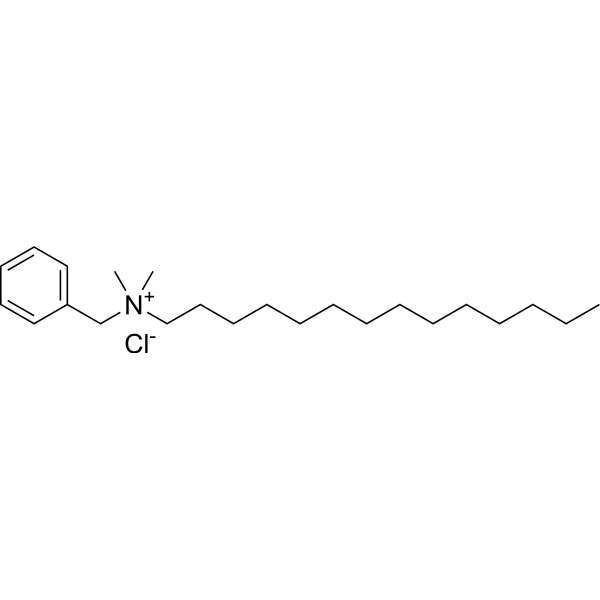
Benzyldimethyltetradecylammonium chloride is a quaternary ammonium salt consisting of a positively charged N-benzyl-N,N-dimethyltetradecyl-1-amine cation and a negatively charged chloride anion. The compound is commonly used as a surfactant and emulsifier in a variety of applications including detergents, fabric softeners and personal care products. It also has antimicrobial properties and is used as a disinfectant or antiseptic in some products.
|
-
-
- HY-W114581
-
|
|
Biochemical Assay Reagents
|
Others
|
|
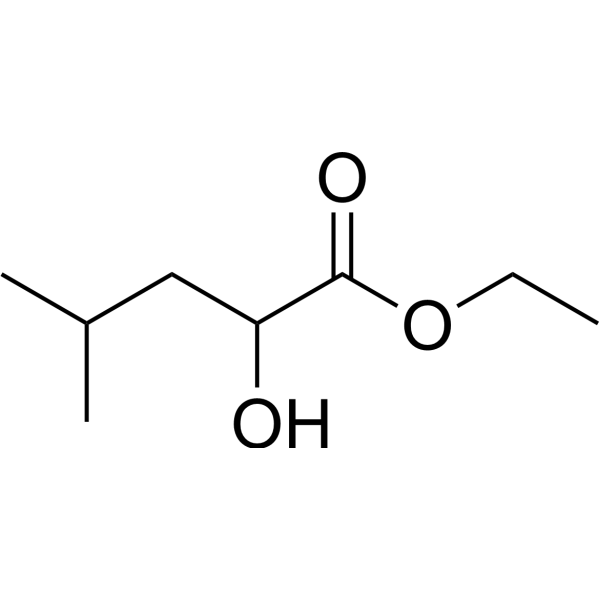
Ethyl2-hydroxy-4-methylpentanoate has a fruity odor and is commonly used as a flavoring agent in the food and beverage industry. In addition, it can be used as an intermediate in the synthesis of various organic compounds, including pharmaceuticals and agrochemicals. Its unique chemical properties make it an important ingredient in a variety of industrial processes, including the production of cosmetics and personal care products.
|
-
-
- HY-W127620
-
|
|
Biochemical Assay Reagents
|
Others
|
|
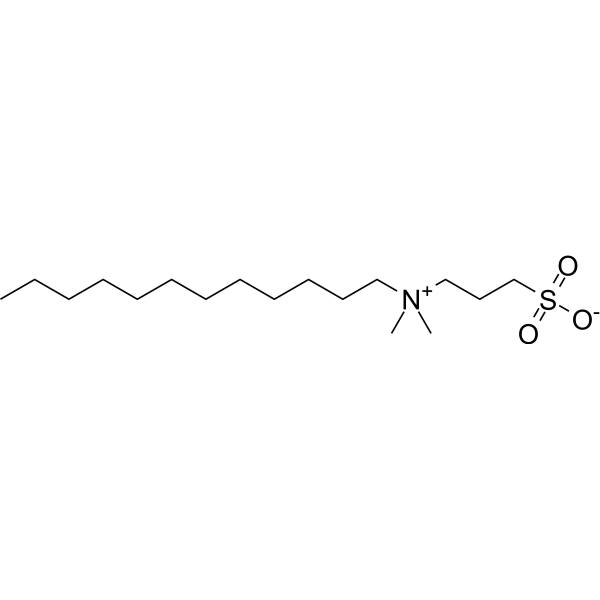
Sulfobetaine-12is a zwitterionic surfactant, which means it has both positive and negative charges in its molecules. It is used as a detergent in various industries, including pharmaceuticals, cosmetics, and personal care products. Sulfobetaine-12Often used as a mild surfactant due to its non-irritating properties and ability to stabilize emulsions. Plus, it has antistatic properties that can be used to clean electronics and other static-prone surfaces.
|
-
-
- HY-W127452
-
|
|
Environmental Pollutants
Biochemical Assay Reagents
|
Others
|
|
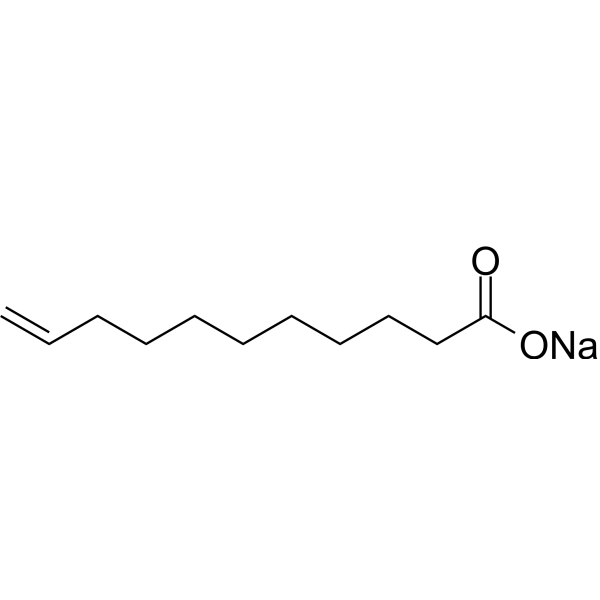
Undecylenate SodiumIt is an organic compound belonging to the class of carboxylates. It is formed by the reaction of undecylenic acid and sodium hydroxide. Undecylenate SodiumIt has a variety of applications in the cosmetic and personal care industries, especially as an antifungal agent in products such as face creams, lotions and shampoos. In addition, it can be used as a preservative in various formulations.
|
-
-
- HY-W127640
-
|
|
Biochemical Assay Reagents
|
Others
|
|
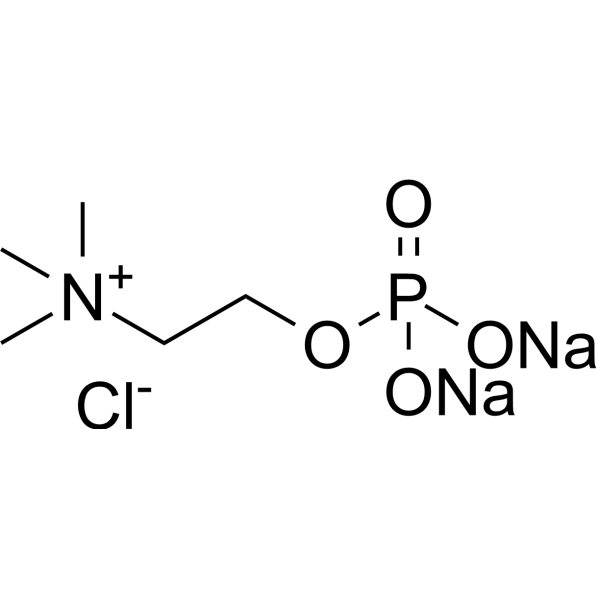
Phosphocholine Chloride Sodium Salt is an organic compound containing phosphate, choline and chloride ions. It is commonly used to prepare cell membranes and liposomes for drug delivery systems. Phosphocholine Chloride Sodium Salt has various applications in the pharmaceutical industry, especially as a stabilizer and surfactant. In addition, it is used as an emulsifier and conditioning agent in the manufacture of cosmetic and personal care products.
|
-
-
- HY-W127330
-
|
|
Biochemical Assay Reagents
|
Others
|
|
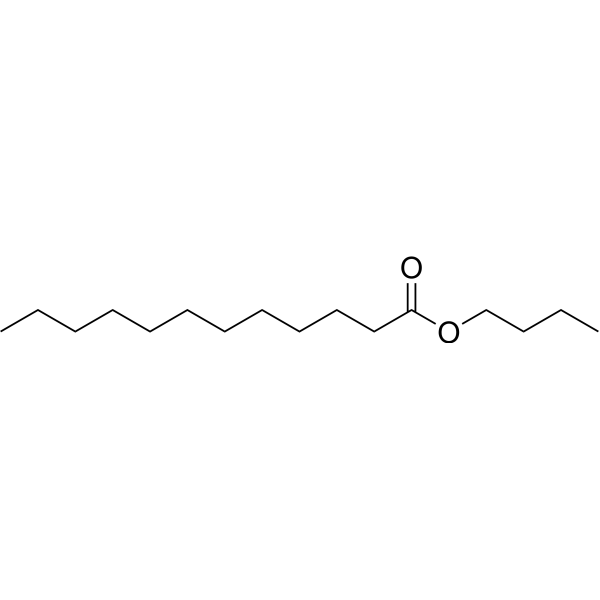
Butyl Laurate is an ester compound with a fruity odor commonly used as a flavoring agent in the food and beverage industry. In addition, it is used as a solvent, plasticizer or lubricant in various industrial applications. Its unique chemical properties make it an important ingredient in a variety of commercial products, including cosmetics, personal care products and cleaners.
|
-
-
- HY-W127338
-
|
|
Biochemical Assay Reagents
|
Others
|
|
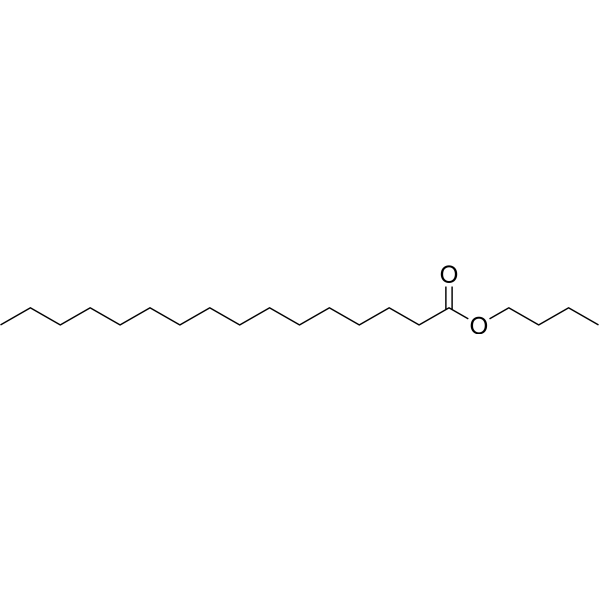
Butyl Palmitate is an ester compound commonly used as a conditioning, emollient or fragrance in a variety of cosmetic and personal care products. In addition, it can be used as a solvent or lubricant in various industrial applications. Its unique chemical properties make it an important ingredient in a variety of commercial products, including perfumes, lotions and hair care products.
|
-
-
- HY-W127653
-
|
Dimethylditetradecylammonium bromide
|
Biochemical Assay Reagents
|
Others
|
|
Dimethyldimyristylammonium bromide is a quaternary ammonium compound commonly used as a surfactant or emulsifier in a variety of industrial applications, including the production of detergents, fabric softeners and hair conditioners. In addition, it can also be used as an intermediate in the synthesis of various organic compounds. Its unique chemical properties make it an important ingredient in a variety of industrial processes, especially in the manufacture of personal care products and pharmaceuticals.
|
-

-
- HY-W013076
-
|
tetra(decyl)ammonium bromide
|
Biochemical Assay Reagents
|
Others
|
|
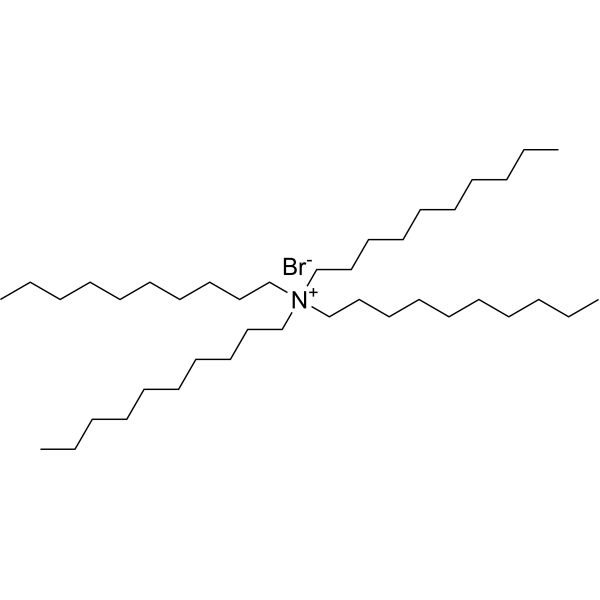
Tetrakis(decyl)ammonium bromide is a compound belonging to the class of quaternary ammonium compounds. It is a salt with cationic properties and is used in various industrial and biomedical applications. Tetrakis(decyl)ammonium bromide is commonly used as an emulsifier, solubilizer and antimicrobial agent in personal care products, cleansers and pharmaceutical formulations. It is also used as a phase transfer catalyst in organic synthesis reactions, facilitating the movement of reactants between immiscible phases.
|
-
-
- HY-W099570
-
|
|
Environmental Pollutants
Biochemical Assay Reagents
|
Others
|
|
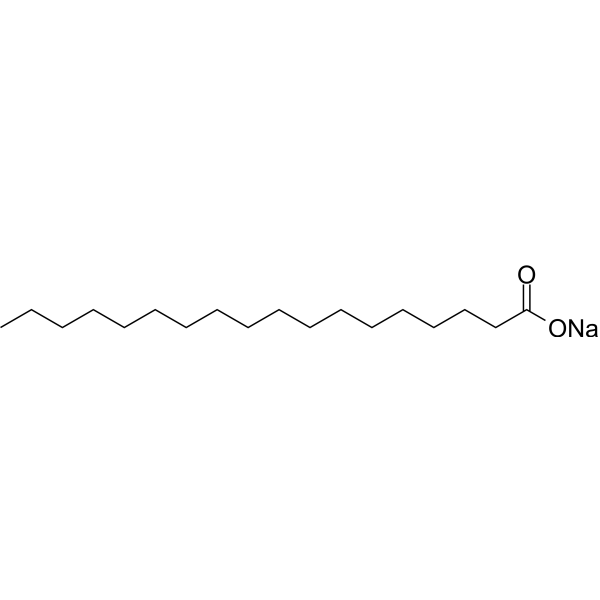
Stearate sodiumIt is an organic compound belonging to fatty acids. It is the sodium salt of stearic acid, a saturated fatty acid commonly found in various animal and vegetable fats. Stearate sodiumCommonly used as surfactants, emulsifiers and detergents, it is widely used in the cosmetics, personal care and detergent industries. It's found in a variety of products, including soaps, shampoos, toothpaste, and laundry detergent. Also, it has applications in the food industry where it is used as a food additive to improve texture and shelf life.
|
-
-
- HY-W012167
-
|
|
Environmental Pollutants
Biochemical Assay Reagents
|
Others
|
|
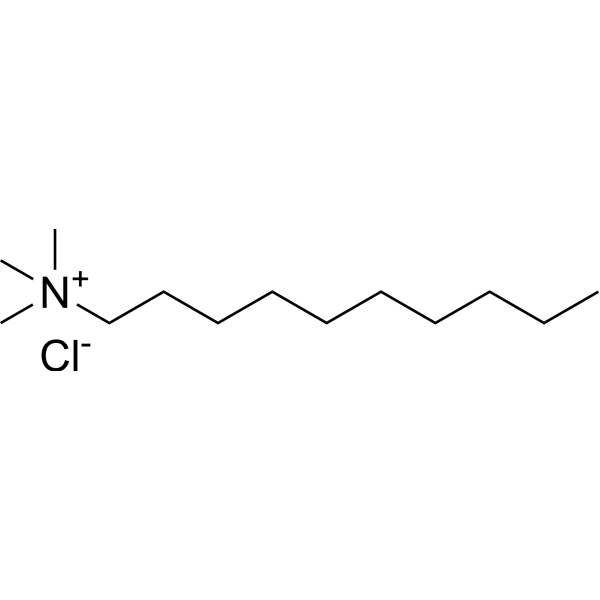
N,N,N-Trimethyldecan-1-aminium chloride is a compound belonging to the class of quaternary ammonium compounds. It is a salt with cationic properties and thus useful in various industrial and biomedical applications. Decyltrimethylammonium chloride is commonly used as a surfactant, emulsifier and disinfectant in personal care products, detergents, textiles and pharmaceutical formulations. It is also used as a phase transfer catalyst in organic synthesis reactions, which involves facilitating the movement of reactants between immiscible phases.
|
-
-
- HY-W099575
-
|
|
Biochemical Assay Reagents
|
Others
|
|
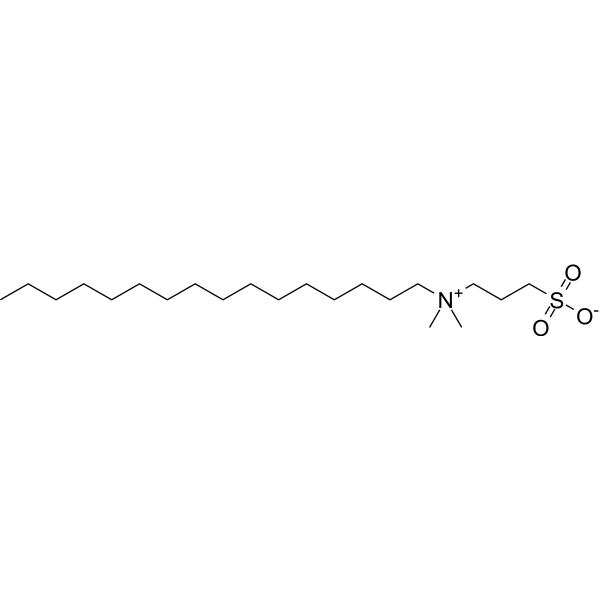
3-(Hexadecyldimethylammonio)propane-1-sulfonate is an organic compound belonging to the class of sulfonates. It is a quaternary ammonium surfactant commonly used in various industrial and laboratory applications such as the production of detergents, personal care products and pharmaceuticals. 3-(Hexadecyldimethylammonio)propane-1-sulfonate is surface active and can be used as an emulsifier, foaming agent and wetting agent. In addition, it is used as a solubilizer in protein purification and as a surfactant in chromatography.
|
-
-
- HY-W099644
-
|
Ethyl erucate
|
Biochemical Assay Reagents
|
Others
|
|
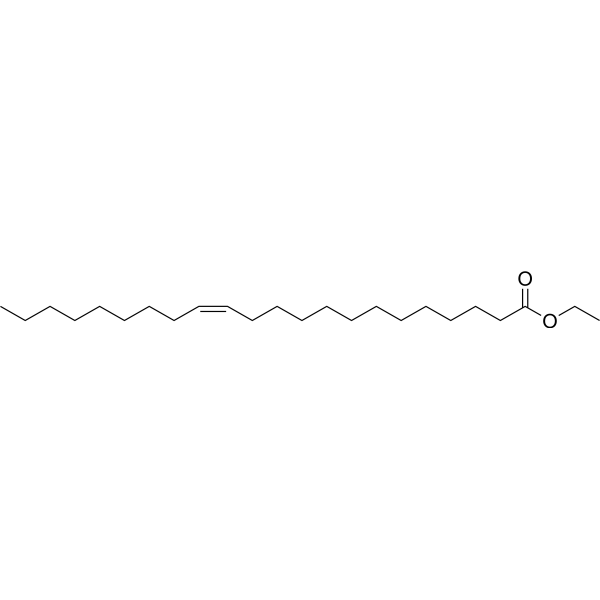
Ethyl docos-13-enoate is a colorless or pale yellow liquid with a sweet floral aroma, used as a flavoring agent in the food industry and as a flavor enhancer in perfumes and colognes. It is also found in some vegetable oils and is used as a surfactant and emulsifier in personal care products. Ethyl docos-13-enoate is a versatile compound used in various industries due to its pleasant odor and ability to mix ingredients together.
|
-
-
- HY-W015667
-
|
Ethyl 2-methylvalerate
|
Environmental Pollutants
Biochemical Assay Reagents
|
Others
|
|
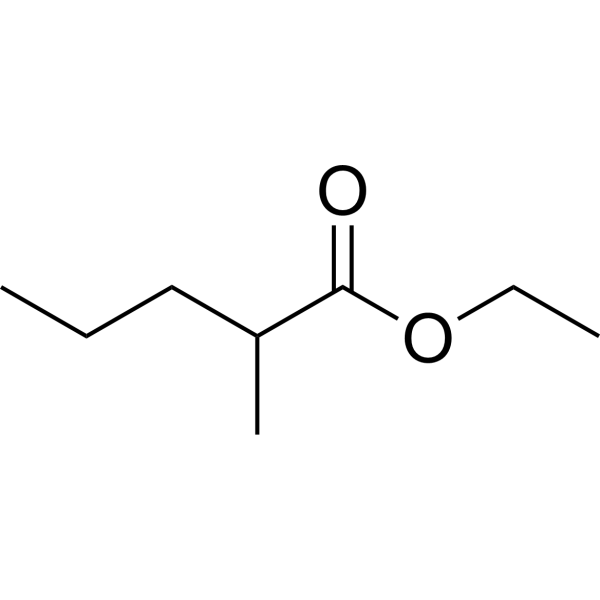
Ethyl 2-methylpentanoate is a class of esters consisting of branched-chain isovaleric acid esterified with ethanol. The compound has a fruity, pungent smell and is commonly used as a flavoring in foods such as baked goods, dairy products and beverages. It can also be used as a fragrance ingredient in personal care products, and as a solvent or plasticizer in various industrial applications. In addition, Ethyl 2-methylpentanoate can be used as a starting material for the synthesis of other organic compounds.
|
-
-
- HY-D0902
-
|
|
Biochemical Assay Reagents
|
Others
|
|
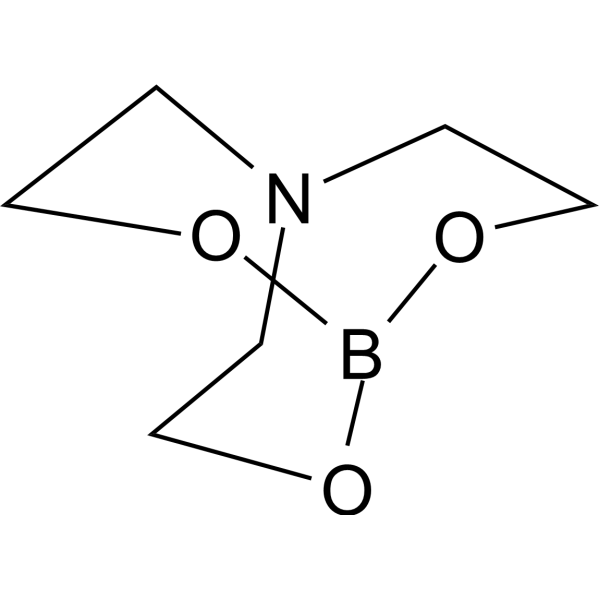
Triethanolamine borate is a compound belonging to the class of borates. It is commonly used in the manufacture of personal care and cosmetics as an emulsifier, pH adjuster and buffer. Triethanolamine borate helps stabilize and thicken products such as lotions and creams and can improve their overall texture. It is also used in industrial applications such as the production of lubricants and metalworking fluids.
|
-
-
- HY-Y0304S
-
|
|
Isotope-Labeled Compounds
|
Neurological Disease
Cancer
|
|
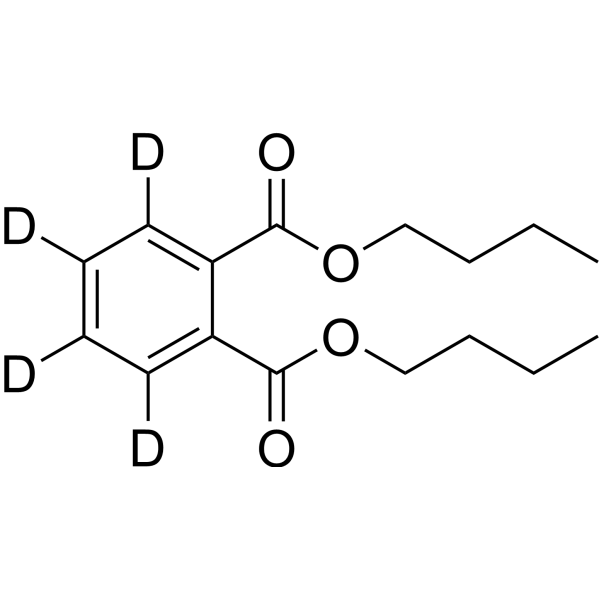
Dibutyl phthalate-3,4,5,6-d4 is the deuterium labeled Dibutyl phthalate. Dibutyl phthalate is a commonly used plasticizer commonly found in some food packaging materials, personal care products, and the coating of oral medications . May cause toxicity and adverse neurobehavioral effects .
|
-
-
- HY-W008816
-
|
Octyl carbinol; Pelargonic alcohol
|
Environmental Pollutants
|
Others
|
|
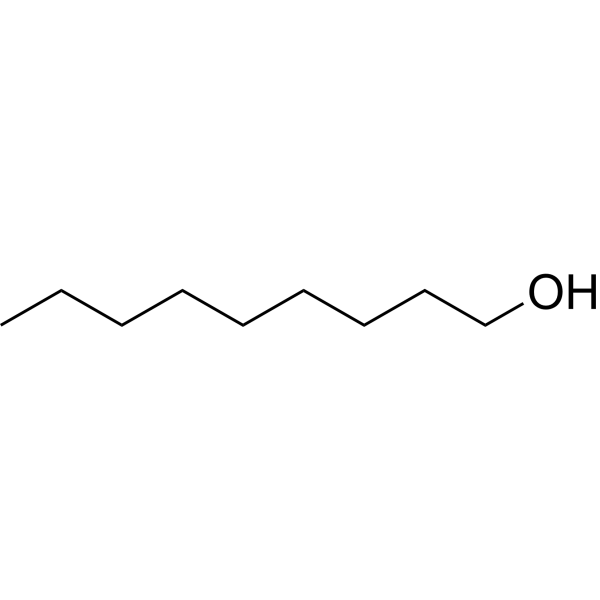
Nonan-1-ol is an organic compound commonly used in the manufacture of surfactants and lubricants, among others. It can be used as a detergent, emulsifier and stabilizer, and is widely used in some cosmetics, personal care products and printing inks. In addition, the compound has important applications in certain industrial fields, for example in the production of plastics and rubber.
|
-
-
- HY-W015308
-
|
Pelargonic acid methyl ester
|
Biochemical Assay Reagents
Endogenous Metabolite
|
Others
|
|
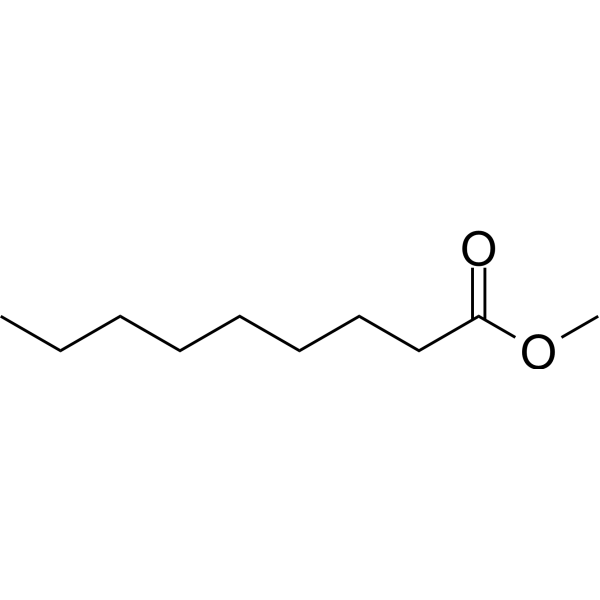
Methyl nonanoate is an ester compound obtained by the reaction of methanol and nonanoic acid. It has a fruity aroma and is commonly used as a flavoring agent in a variety of foods such as baked goods, confectionary and beverages. Methyl nonanoate is also used as a fragrance ingredient in the manufacture of perfume, cologne and personal care products. Furthermore, it has applications in industrial settings, for example in the production of solvents, resins and plasticizers.
|
-
-
- HY-W012412
-
|
|
Biochemical Assay Reagents
|
Others
|
|
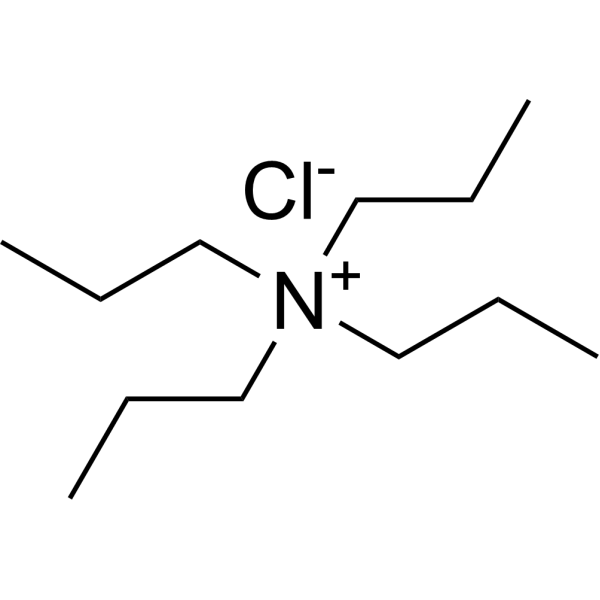
Tetrapropylammonium chloride is a compound belonging to the class of quaternary ammonium compounds. It is a salt with cationic properties and is used in various industrial and biomedical applications. Tetrapropylammonium chloride is commonly used as a phase transfer catalyst to facilitate the movement of reactants between immiscible phases in organic synthesis reactions. It is also used as a surfactant in the formulation of personal care products, detergents, textiles and pharmaceuticals. Additionally, it is used in the production of certain types of polymers and resins.
|
-
-
- HY-W015305
-
|
Octanoic acid ethyl ester
|
Environmental Pollutants
Biochemical Assay Reagents
|
Others
|
|
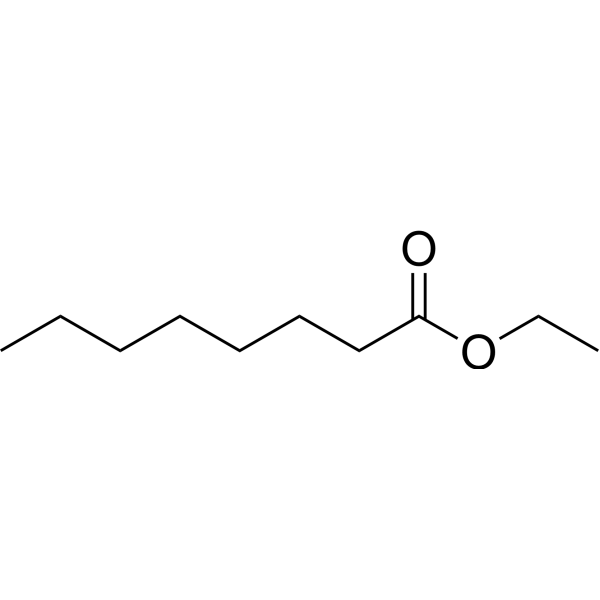
Ethyl octanoate is a class of esters consisting of the medium-chain fatty acid octanoic acid esterified with ethanol. The compound has a fruity smell and is commonly used as a flavoring in foods such as baked goods, candy and beverages. It can also be used as a fragrance ingredient in personal care products, and as a solvent or plasticizer in various industrial applications. In addition, Ethyl octanoate can be used as a starting material for the synthesis of other organic compounds.
|
-
-
- HY-W013231
-
|
Benzyltriethylammonium iodide
|
Biochemical Assay Reagents
|
Others
|
|
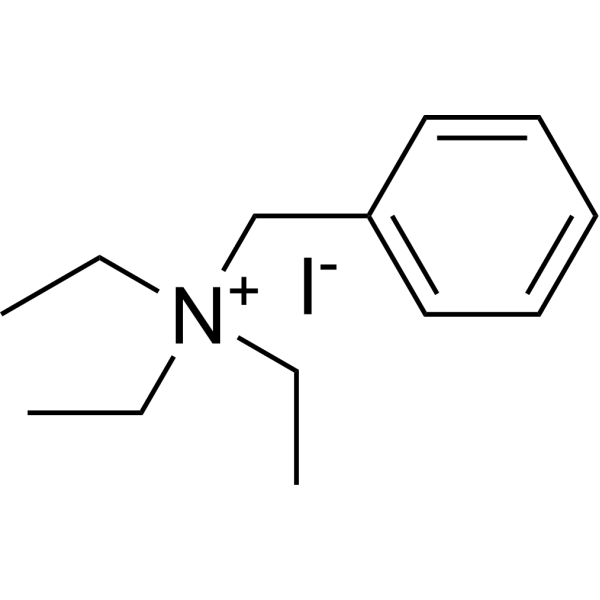
N-Benzyl-N,N-diethylethanaminium iodide is a quaternary ammonium salt consisting of a positively charged N-benzyl-N,N-diethylethylamine cation and a negatively charged iodide anion. This compound is commonly used as a phase transfer catalyst in organic chemical reactions, facilitating the transfer of reactants between immiscible phases. It can also be used as a reagent for the synthesis of various organic compounds, and as a surfactant or emulsifier in industrial and personal care products.
|
-
-
- HY-W127621
-
|
|
Biochemical Assay Reagents
|
Others
|
|
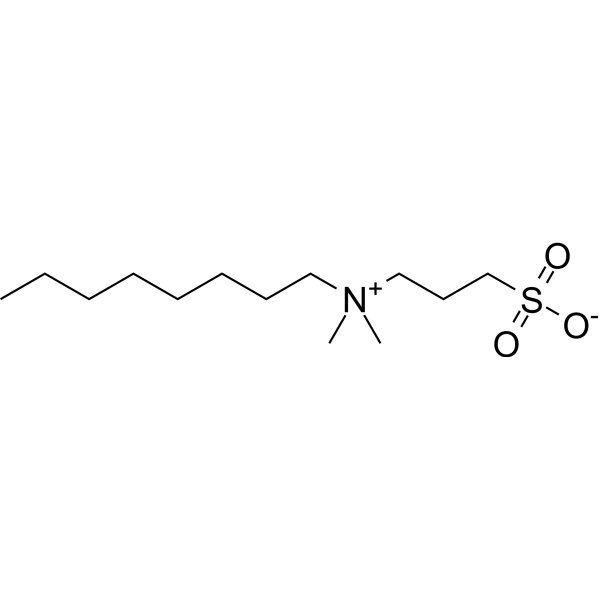
Sulfobetaine-8is a zwitterionic surfactant, which means it has both positive and negative charges in its molecules. It is used as a detergent in various industries, including pharmaceuticals, cosmetics, and personal care products. Sulfobetaine-8Often used as a mild surfactant because of its non-irritating and ability to stabilize emulsions. Plus, it has antistatic properties that can be used to clean electronics and other static-prone surfaces.
|
-
-
- HY-W015026S
-
-
-
- HY-W127565
-
|
|
Biochemical Assay Reagents
|
Others
|
|
HexatetracontaneIt is an organic compound belonging to hydrocarbons. It has a high melting point. HexatetracontaneIt has a variety of applications in the cosmetic and personal care industries, especially as an emollient and humectant in skin and hair care products. In addition, it is used as a lubricant and coating agent in industrial environments.
|
-

-
- HY-W127364
-
|
Pentaerythritol distearate [Lubricants]
|
Environmental Pollutants
Biochemical Assay Reagents
|
Others
|
|
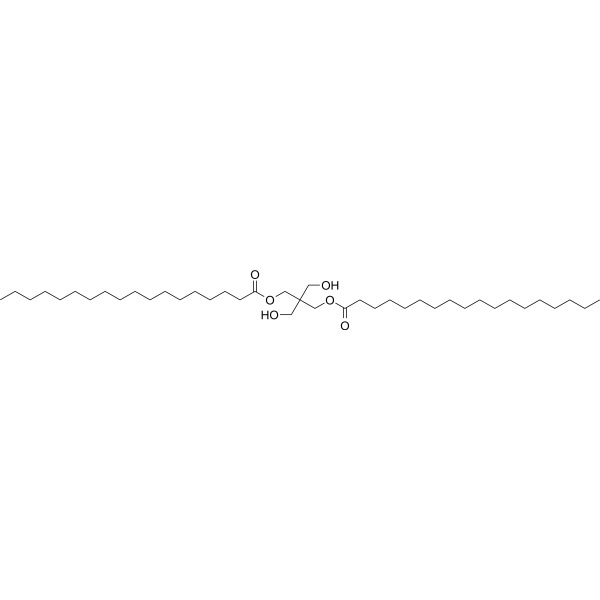
Pentaerythritol distearate (mixture) is a mixture of ester compounds commonly used as a thickener, emulsifier or lubricant in various cosmetic and personal care products. It is also used as a plasticizer or stabilizer in the production of plastics and resins. Pentaerythritol distearate (mixture) has unique chemical properties that make it an important ingredient in a variety of industrial processes, including the manufacture of adhesives, coatings and sealants.
|
-
- HY-W127465
-
|
|
Biochemical Assay Reagents
|
Others
|
|
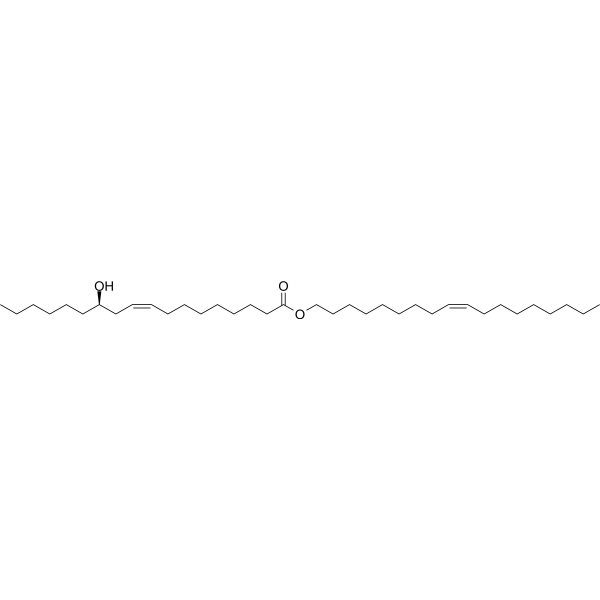
Oleyl RicinoleateIt is an organic compound belonging to esters. It is formed from the reaction between oleyl alcohol and ricinoleic acid and has a mild fatty odor. Oleyl RicinoleateIt has a variety of applications in the cosmetic and personal care industries, especially as an emollient and conditioning agent in skin and hair care products. Additionally, it is used as a lubricant and plasticizer in industrial settings.
|
-
- HY-W127375
-
|
Sodium pelargonate
|
Biochemical Assay Reagents
|
Others
|
|
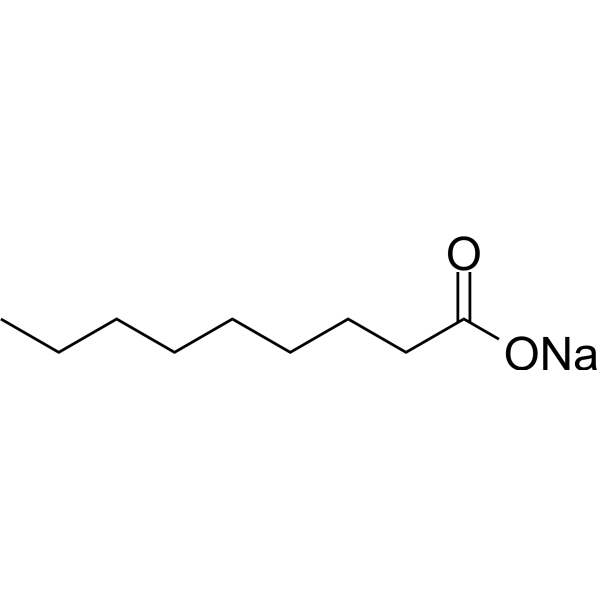
Sodium nonanoate is a salt-like compound commonly used as a surfactant or emulsifier in a variety of industrial applications, including the production of detergents, soaps and personal care products. In addition, it can be used as an intermediate in the synthesis of various organic compounds, including pharmaceuticals and agrochemicals. Its unique chemical properties make it an important ingredient in a variety of industrial processes, especially in the manufacture of textiles and paper products.
|
-
- HY-W013809R
-
|
Stearic acid ethyl ester (Standard)
|
Biochemical Assay Reagents
Reference Standards
|
Others
|
|
Ethyl stearate (Standard) is the analytical standard of Ethyl stearate. This product is intended for research and analytical applications. Ethyl stearate is an ester compound produced by the reaction of ethanol and stearic acid. It is commonly used as a flavoring agent in various foods such as baked goods, beverages and desserts. Ethyl stearate is also used as a fragrance ingredient in the manufacture of perfume, cologne and personal care products. Additionally, it has applications in industrial settings such as the production of lubricants and plasticizers.
|
-

- HY-W014206
-
|
|
Biochemical Assay Reagents
|
Others
|
|
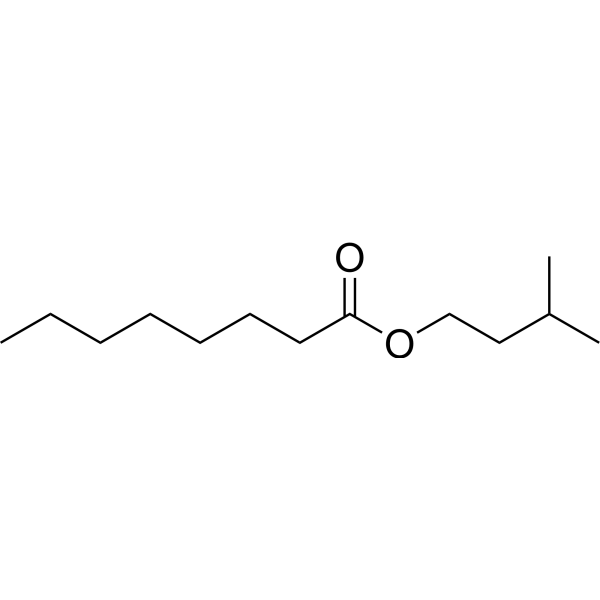
Isopentyl octanoate is a class of esters formed by the esterification of branched-chain isoamyl alcohol, also known as isoamyl alcohol, with octanoylate. The compound has a fruity smell and is commonly used as a flavoring in foods such as baked goods, candy and beverages. It can also be used as a fragrance ingredient in personal care products, and as a solvent or plasticizer in various industrial applications. In addition, Isopentyl octanoate can be used as a starting material for the synthesis of other organic compounds.
|
-
- HY-W250194
-
|
|
Biochemical Assay Reagents
|
Others
|
|
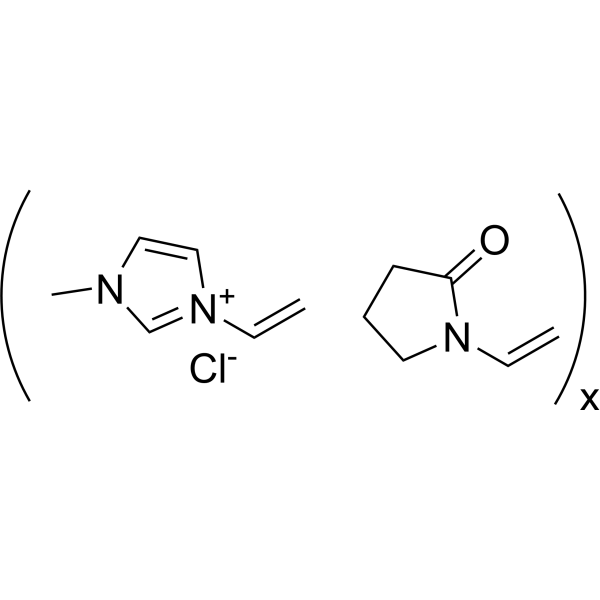
Luviquat FC 550 is a cationic polymer commonly used in a variety of personal care and cosmetics. It is a viscous liquid containing quaternary ammonium groups which give it a positive charge. Luviquat FC 550 has a variety of properties suitable for these applications including its ability to provide conditioning, antistatic and film-forming properties to hair and skin. In addition, it is used as a binder in oral care products and as a flocculant in industrial water treatment.
|
-
- HY-W127842
-
|
Decyldimethylamine oxide
|
Biochemical Assay Reagents
|
Others
|
|
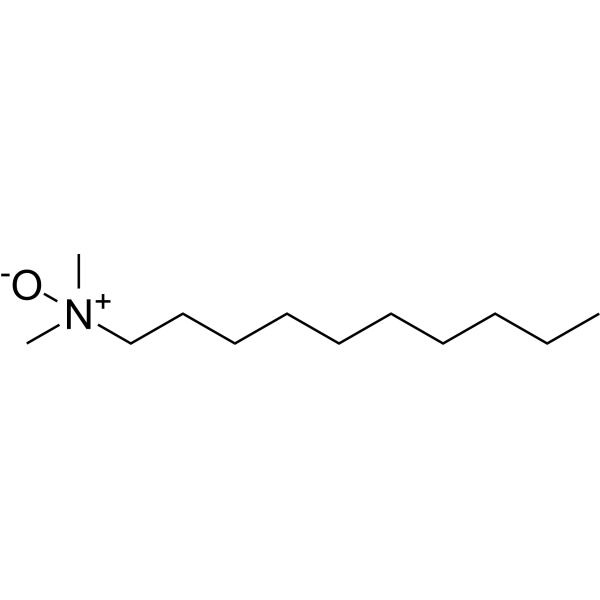
N,N-Dimethyldecylamine N-oxide is an organic compound belonging to the family of amine oxides. It is commonly used as a surfactant and cleaning agent in a variety of industrial and household applications, including detergents, personal care products and paints. N,N-Dimethyldecylamine N-oxide has various properties suitable for these applications, including the ability to lower surface tension, increase solubility, and act as a blowing agent. In addition, it can be used as a corrosion inhibitor in metalworking fluids and a flotation agent in mineral processing.
|
-
- HY-W127433R
-
|
|
Apoptosis
Interleukin Related
Reference Standards
|
Inflammation/Immunology
|
|
Isostearic acid (Standard) is the analytical standard of Isostearic acid. This product is intended for research and analytical applications. Isostearic acid is a unique fatty acid. Isostearic acid promotes IL-1 release and Apoptosis. Isostearic acid has potent inflammatory properties. Isostearic acid can be used in pharmaceutical, personal care, and cosmetic applications[1][2].
|
-

- HY-W127377
-
|
|
Biochemical Assay Reagents
|
Others
|
|
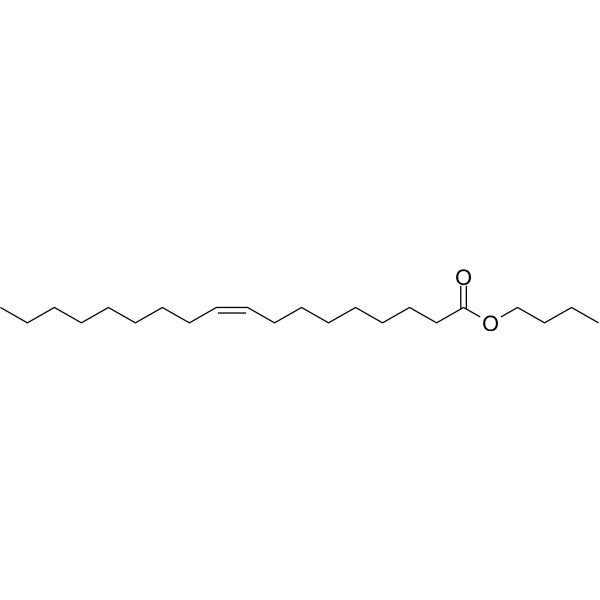
Butyl oleateIt is an organic compound belonging to esters. It is formed from the reaction of butanol and oleic acid and has a mild fruity smell. Butyl oleateIt has a variety of applications in the cosmetic and personal care industries, especially as an emollient and conditioning agent in skin and hair care products. Additionally, it is used as a lubricant and solvent in industrial settings.
|
-
- HY-W127437
-
|
Octadecanoic acid, octadecyl ester
|
Biochemical Assay Reagents
|
Others
|
|
Stearyl StearateIt is an organic compound belonging to esters. It is formed from the reaction between stearyl alcohol and stearic acid and has a mild fatty odor. Stearyl stearate has several applications in the cosmetic and personal care industries, especially as an emollient and conditioning agent in skin and hair care products. Additionally, it is used as a lubricant and surfactant in industrial settings.
|
-

- HY-W010900
-
|
|
Biochemical Assay Reagents
|
Others
|
|
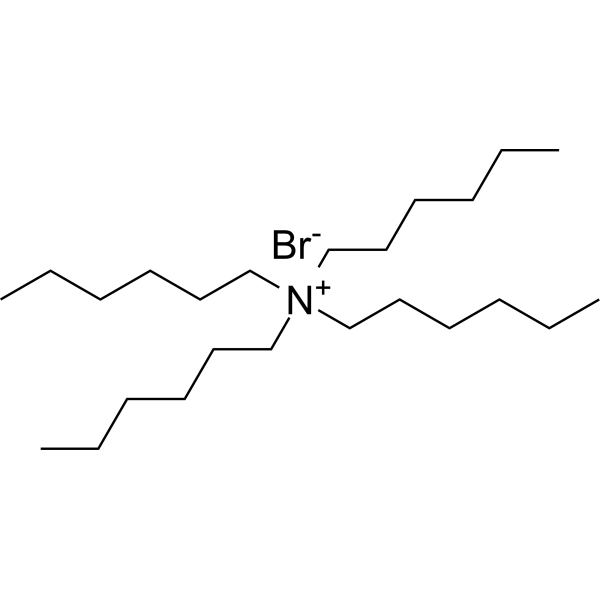
Tetrahexylammonium bromide is a compound that belongs to the class of quaternary ammonium compounds. It is a salt with cationic properties and thus useful in various industrial and biomedical applications. Tetrahexylammonium bromide is commonly used as a phase transfer catalyst to facilitate the movement of reactants between immiscible phases in various organic synthesis reactions. It is also used as a surfactant and emulsifier in the formulation of detergents, personal care products and pharmaceuticals.
|
-
- HY-133847
-
|
Laurylamidopropyldimethylamine oxide
|
Endogenous Metabolite
|
Others
|
|
LAPAO (Laurylamidopropyldimethylamine oxide) is an amphoteric surfactant with good biocompatibility and surface activity. LAPAO can be used as a detergent and foam enhancer for personal care and household cleaning products. LAPAO is stable at different pH values and can effectively remove dirt and grease. LAPAO also has a conditioning effect and is suitable for use in skin care and hair care products .
|
-

- HY-W011122
-
|
|
Biochemical Assay Reagents
|
Others
|
|
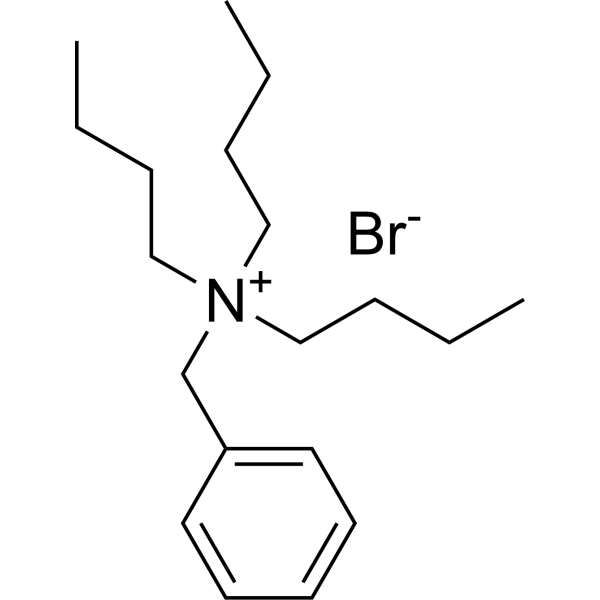
Tributylbenzylammonium bromide is a quaternary ammonium salt composed of a positively charged N-benzyl-N,N-dibutylbutan-1-amine cation and a negatively charged bromide anion composition. The compound is commonly used as a surfactant and emulsifier in a variety of applications including detergents, fabric softeners and personal care products. It also has antimicrobial properties and is used as a disinfectant or antiseptic in some products.
|
-
- HY-W014207
-
|
|
Biochemical Assay Reagents
|
Others
|
|
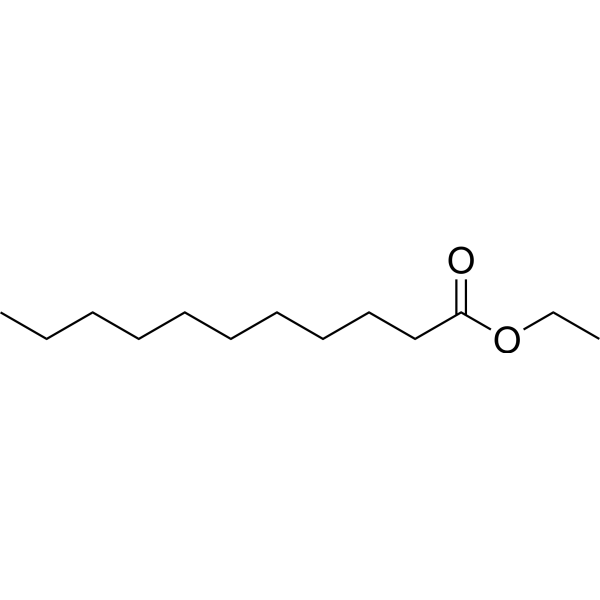
Ethyl undecanoate is a class of esters consisting of long-chain straight-chain fatty acids, undecanoic acid, esterified with ethanol. The compound has a fruity smell and is commonly used as a flavoring in foods such as baked goods, candy and beverages. It is also used as a fragrance ingredient in personal care products and as a lubricant or plasticizer in various industrial applications. In addition, Ethyl undecanoate can be used as a starting material for the synthesis of other organic compounds.
|
-
- HY-W107869
-
|
|
Biochemical Assay Reagents
|
Others
|
|
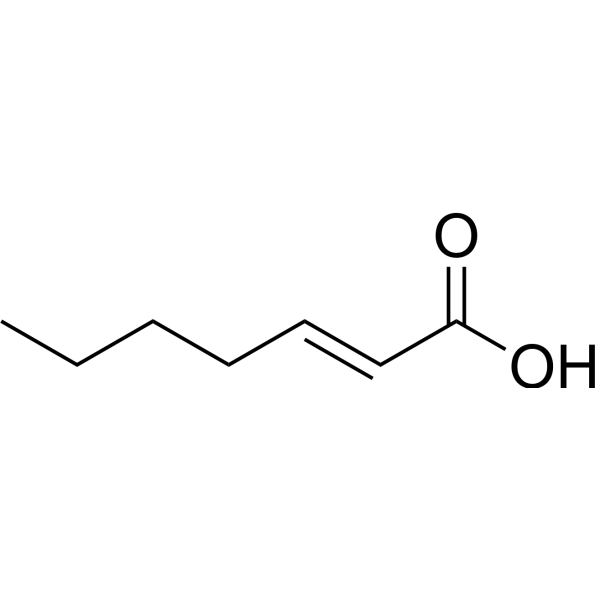
2-Heptenoic acid is an unsaturated fatty acid. It is a clear, colorless liquid with a strong odour, and is commonly used in the flavor and fragrance industry for its pungent, anise-like odor. In addition, it can be used as an intermediate in the synthesis of other organic compounds, including pharmaceuticals and agrochemicals. Its unique chemical properties make it an important ingredient in a variety of industrial applications, including food and beverage production, cosmetics and personal care products.
|
-
- HY-W013203
-
|
Icosanoic Acid Ethyl Ester
|
Biochemical Assay Reagents
|
Others
|
|
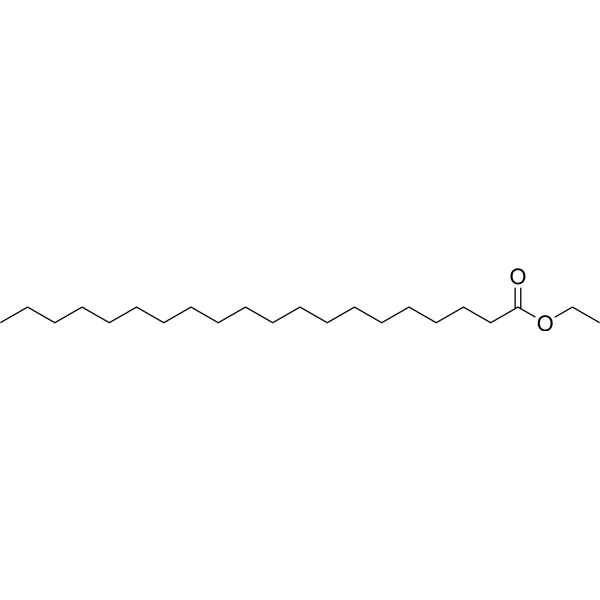
Ethyl icosanoate is an ester, which is formed by the esterification of long-chain straight-chain fatty acids, eicosanoic acid and ethanol. The compound has a fruity, waxy smell and is commonly used as a flavoring in foods such as baked goods, candy and beverages. It is also used as a fragrance ingredient in personal care products and as a lubricant or plasticizer in various industrial applications. In addition, Ethyl icosanoate can be used as a starting material for the synthesis of other organic compounds.
|
-
- HY-125920R
-
|
Sarkosyl NL sodium (Standard)
|
Biochemical Assay Reagents
Reference Standards
|
Others
|
|
Lauroylsarcosine (sodium) (Standard) is the analytical standard of Lauroylsarcosine (sodium). This product is intended for research and analytical applications. Lauroylsarcosine sodium is a surfactant commonly used in personal care and cosmetics such as shampoos, facial cleansers and toothpaste. It works by lowering the surface tension of water, allowing it to better penetrate and clean surfaces. Lauroylsarcosine sodium is considered safe for cosmetic use and is approved for use in several countries. However, it can cause skin irritation in high concentrations or with prolonged exposure.
|
-

- HY-W015487
-
|
Ethyl 3-oxohexanoate
|
Biochemical Assay Reagents
|
Others
|
|
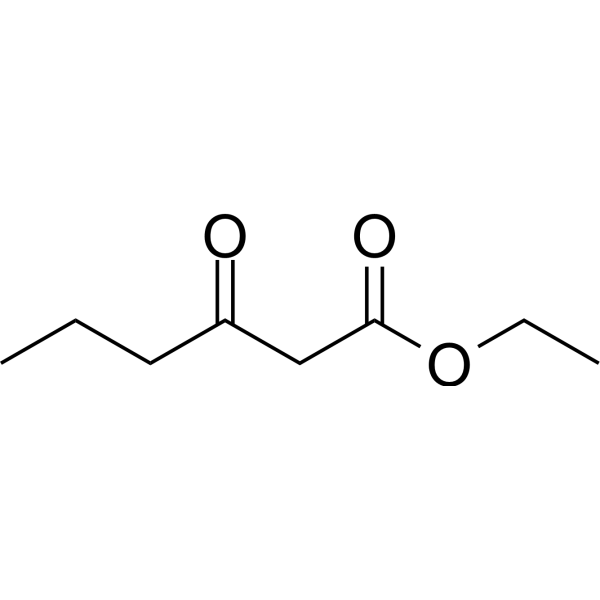
Ethyl butyrylacetate is an organic compound belonging to the class of esters. Synthesized by the reaction of ethyl acetate, butyric acid and acetic anhydride. Ethyl butyrylacetate has a fruity aroma and is commonly used as a flavoring agent in various food and beverages such as candies, ice cream and soft drinks. It is also used as a fragrance ingredient in perfumes and personal care products. In addition to its use in the food and fragrance industries, Ethyl butyrylacetate is also used in industrial settings, such as in the production of solvents.
|
-
- HY-W106486
-
|
N,N-Dimethyl-N-2-propenyl-2-propen-1-aminium chloride
|
Biochemical Assay Reagents
|
Others
|
|
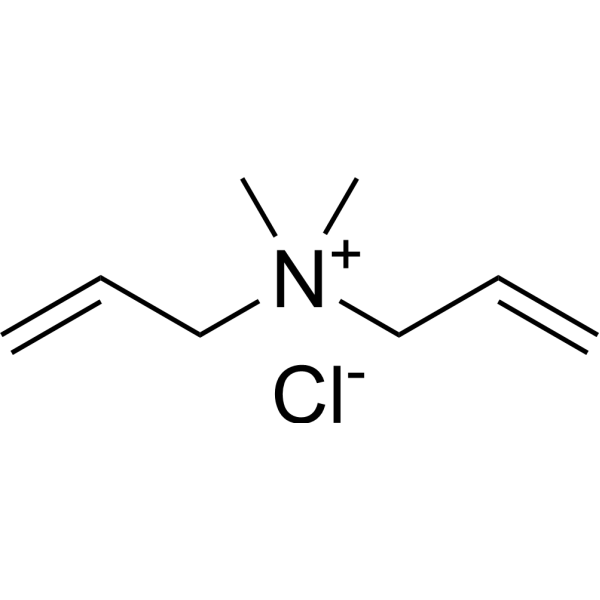
Diallyldimethylammonium chloride (60% in water) is a quaternary ammonium compound belonging to the class of alkylammonium salts. The compound is widely used as a cationic monomer in the production of water-soluble polymers, especially in the manufacture of flocculants and coagulants for water treatment processes. In addition, it can be used as an antimicrobial agent, surfactant or adhesive in various industrial applications. Its unique chemical properties make it an important ingredient in a variety of industrial processes, including papermaking, textiles and personal care products.
|
-
- HY-W010177
-
|
|
Environmental Pollutants
Biochemical Assay Reagents
|
Others
|
|
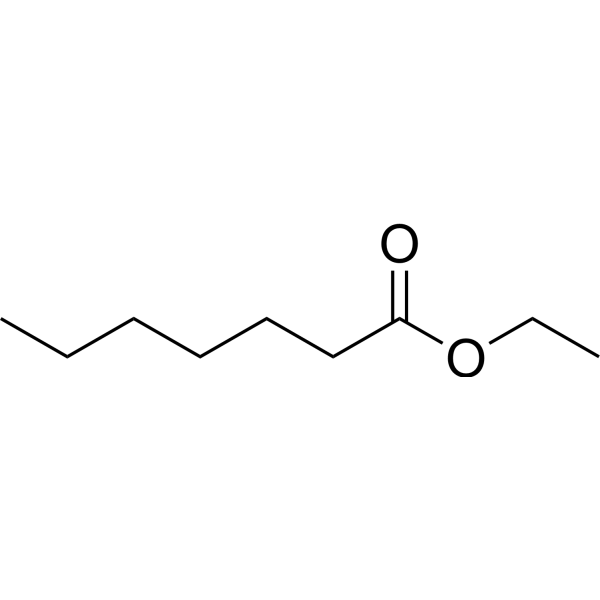
Ethyl heptanoate, Ethyl heptanoate is commonly used as a fragrance ingredient in a variety of products, including food, beverages, and personal care products, it can also be used as a solvent, and a building block for the synthesis of various organic compounds, including pharmaceuticals and agrochemicals, in addition , due to its low toxicity and biodegradability, Ethyl heptanoate has been investigated for its potential use as a bio-based solvent, as well as for its potential antimicrobial properties against certain bacteria and fungi.
|
-
- HY-W014536
-
|
Trimethyl-n-octylammonium Chloride
|
Biochemical Assay Reagents
|
Others
|
|
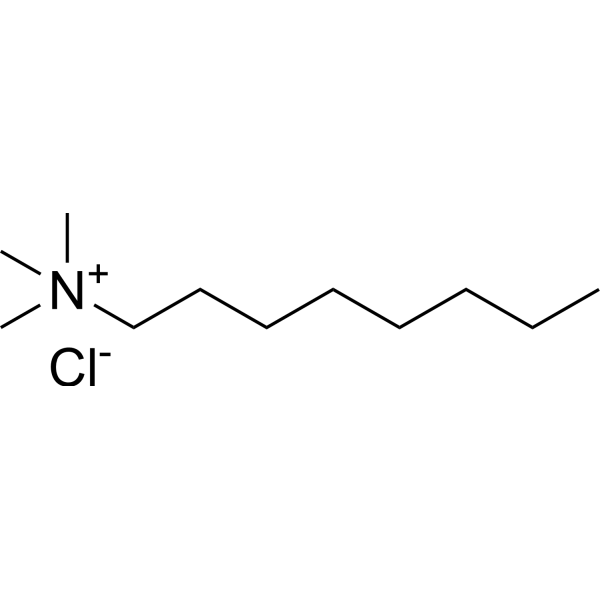
N,N,N-Trimethyloctan-1-aminium chloride is a quaternary ammonium salt consisting of a positively charged N,N,N-trimethyloctan-1-aminium cation and a negatively charged chloride anion. The compound is commonly used as a surfactant and emulsifier in a variety of applications including detergents, fabric softeners and personal care products. It can also be used as a phase transfer catalyst in organic chemical reactions, facilitating the transfer of reactants between immiscible phases. Additionally, it has antimicrobial properties and is used as a disinfectant or antiseptic in some products.
|
-
- HY-136441
-
|
|
Bacterial
|
Infection
|
|
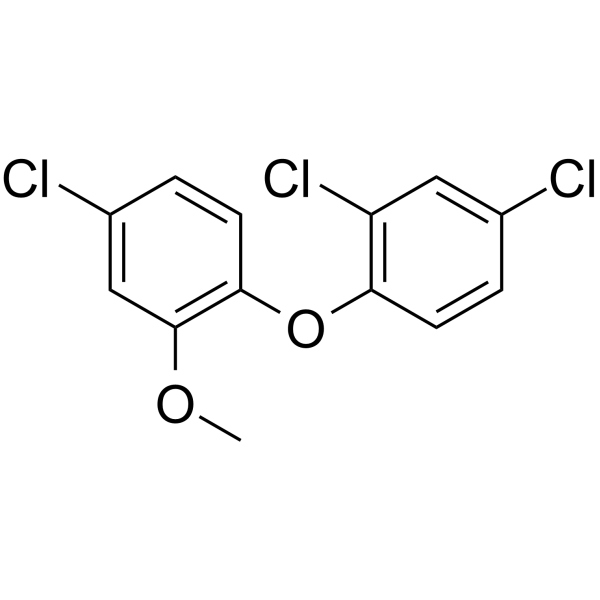
Triclosan-methyl is a transformation product of triclosan. Triclosan is a bactericide in personal care products such as toothpaste, shampoos, and soaps. Triclosan is also a stabilizing agent in a multitude of detergents and cosmetics .
|
-
- HY-136441S
-
|
|
Bacterial
|
Infection
|
|
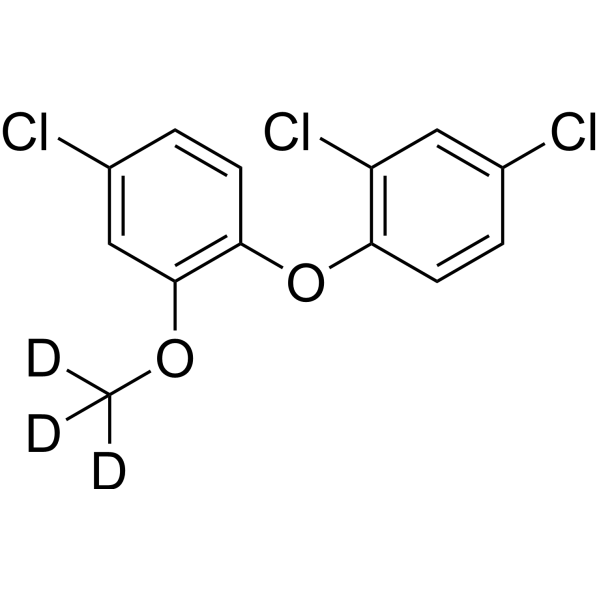
Triclosan-methyl-d3 is the deuterium labeled Triclosan-methyl. Triclosan-methyl is a transformation product of triclosan. Triclosan is a bactericide in personal care products such as toothpaste, shampoos, and soaps. Triclosan is also a stabilizing agent in a multitude of detergents and cosmetics .
|
-
- HY-W127549
-
|
cis-6-Octadecenoic acid
|
Biochemical Assay Reagents
|
Others
|
|
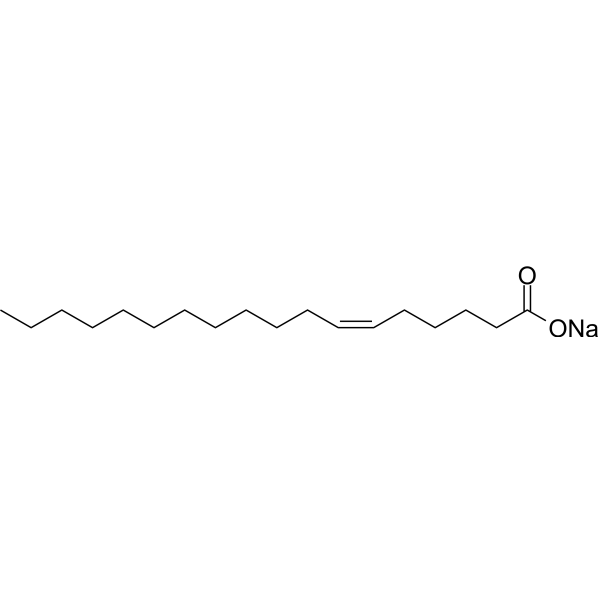
Petroselinic acid sodium is an organic compound belonging to the class of carboxylic acids. Petroselinic acid sodium has several applications in the cosmetic and personal care industries, especially as an emulsifier and conditioning agent in skin and hair care products. In addition, it has potential utility in inhibiting inflammation-related diseases and cancer.
|
-
- HY-W015026R
-
-

- HY-W127540
-
|
Hexadecyl acetate
|
Environmental Pollutants
Biochemical Assay Reagents
|
Others
|
|
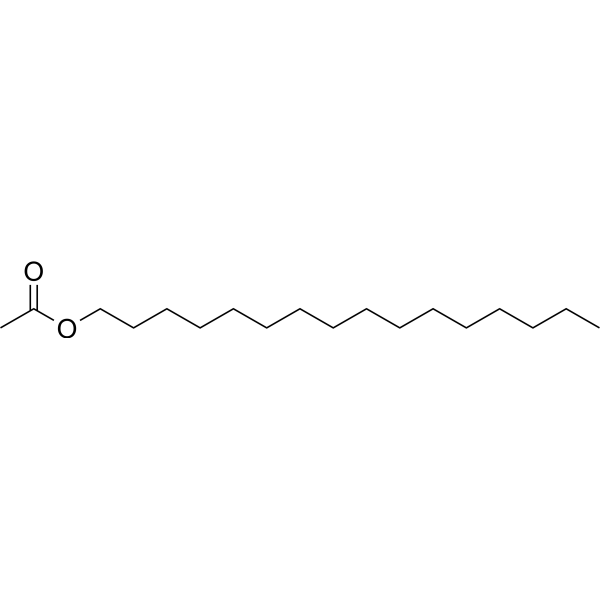
Palmityl acetate is an ester compound with a waxy odor commonly used as a lubricant or emollient in various cosmetic and personal care products. In addition, it can be used as a plasticizer or stabilizer in the production of plastics and resins. Its unique chemical properties make it an important ingredient in a variety of commercial products, including perfumes, lotions and hair care products.
|
-
- HY-W127346
-
|
|
Environmental Pollutants
Biochemical Assay Reagents
|
Others
|
|
Pentaerythrityl tetrastearate is an ester compound commonly used as a lubricant, emollient or thickener in various cosmetic and personal care products. It is also used as a plasticizer or stabilizer in the production of plastics and resins. Pentaerythrityl tetrastearate has unique chemical properties that make it an important ingredient in a variety of industrial processes, including the manufacture of adhesives, coatings and sealants.
|
-

- HY-W740833
-
|
IPBC-d9
|
Isotope-Labeled Compounds
Fungal
|
Infection
|
|
Iodopropynyl butylcarbamate-d9 (IPBC-d9) is the deuterium labeled Iodopropynyl butylcarbamate (HY-W009335). Iodopropynyl butylcarbamate (IPBC) is a potent fungicide and preservative, which has been used in the paints, coatings, wood preservatives, personal care, and cosmetics industries .
|
-

- HY-Y0304R
-
|
|
Biochemical Assay Reagents
Reference Standards
|
Neurological Disease
Cancer
|
|
Dibutyl phthalate (Standard) is the analytical standard of Dibutyl phthalate. This product is intended for research and analytical applications. Dibutyl phthalate is a commonly used plasticizer commonly found in some food packaging materials, personal care products, and the coating of oral medications . May cause toxicity and adverse neurobehavioral effects .
|
-

- HY-B1464R
-
|
|
Reference Standards
Bacterial
HBV
|
Infection
Inflammation/Immunology
|
|
Cetylpyridinium (chloride) (Standard) is the analytical standard of Cetylpyridinium (chloride). This product is intended for research and analytical applications. Cetylpyridinium chloride, a cationic quaternary ammonium compound, is an anti-bacterial agent with broad-spectrum activity. Cetylpyridinium chloride is an effective anti-HBV capsid assembly inhibitor with an IC50 of 2.5 μM. Cetylpyridinium chloride is used in pesticides and various types of mouthwashes, and other personal care products .
|
-

- HY-W014118S
-
|
|
Isotope-Labeled Compounds
|
Cancer
|
|
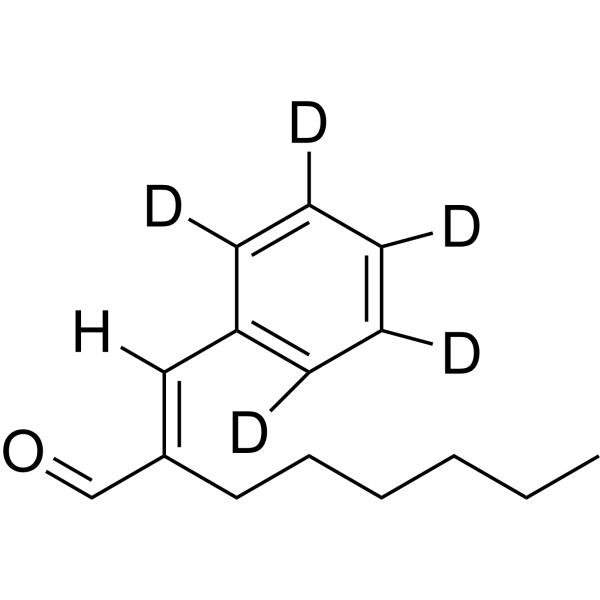
α-Hexylcinnamaldehyde-d5 is deuterated labeled α-Hexylcinnamaldehyde (HY-W014118). α-Hexylcinnamaldehyde, a compound derived from Cinnamaldehyde. α-Hexylcinnamaldehyde has the potential antimutagenic and chemosensitizing properties. α-Hexylcinnamaldehyde is widely used as an ingredient in many personal care, and as an additive in food and the pharmaceutical industry .
|
-
- HY-Y0284R
-
|
|
Apoptosis
Reference Standards
|
Endocrinology
|
|
Diethyl phthalate (Standard) is the analytical standard of Diethyl phthalate. This product is intended for research and analytical applications. Diethyl phthalate is an endocrine disruptor that has the activity of affecting the apoptosis system of PC12 cells. Diethyl phthalate is widely used in a variety of plastics and personal care products. Diethyl phthalate has shown the potential to induce male reproductive toxicity unrelated to androgens in animal experiments .
|
-

- HY-G0008AR
-
|
Mebeverine metabolite O-desmethyl Mebeverine alcohol hydrochloride (Standard)
|
Reference Standards
Adrenergic Receptor
Drug Metabolite
|
Metabolic Disease
|
|
Diethyl phthalate (Standard) is the analytical standard of Diethyl phthalate. This product is intended for research and analytical applications. Diethyl phthalate is an endocrine disruptor that has the activity of affecting the apoptosis system of PC12 cells. Diethyl phthalate is widely used in a variety of plastics and personal care products. Diethyl phthalate has shown the potential to induce male reproductive toxicity unrelated to androgens in animal experiments .
|
-

- HY-W250302R
-
|
|
Biochemical Assay Reagents
Reference Standards
|
Others
|
|
Methylbenzethonium (chloride) (Standard) is the analytical standard of Methylbenzethonium (chloride). This product is intended for research and analytical applications. Methylbenzethonium chloride is a quaternary ammonium compound commonly used as a preservative and disinfectant in a variety of personal care and healthcare products. Methylbenzethonium chloride has several properties that make it suitable for these applications, including its broad-spectrum antibacterial activity against bacteria, viruses and fungi. In addition, it is used as a preservative in cosmetic and pharmaceutical formulations to prevent the growth of microorganisms.
|
-

- HY-W127801
-
|
EDTA trisodium hydrate
|
Biochemical Assay Reagents
|
Others
|
|
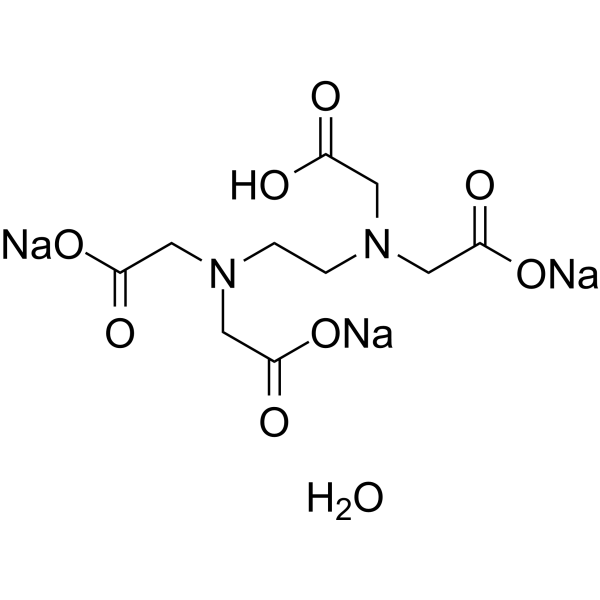
Ethylenediaminetetraacetic acid (trisodium hydrate) is a class of organic compounds containing carboxylic acid functional groups. It is commonly used as a chelating agent in various industrial and medical applications, especially in the food and pharmaceutical industries. Ethylenediaminetetraacetic acid (trisodium hydrate) has strong metal ion binding properties and can be used to chelate trace metals that may affect product quality or stability. In addition, it is used as an anticoagulant in blood collection tubes and as a stabilizer in some cosmetic and personal care products.
|
-
- HY-W127789
-
|
EDTA diammonium
|
Biochemical Assay Reagents
|
Others
|
|
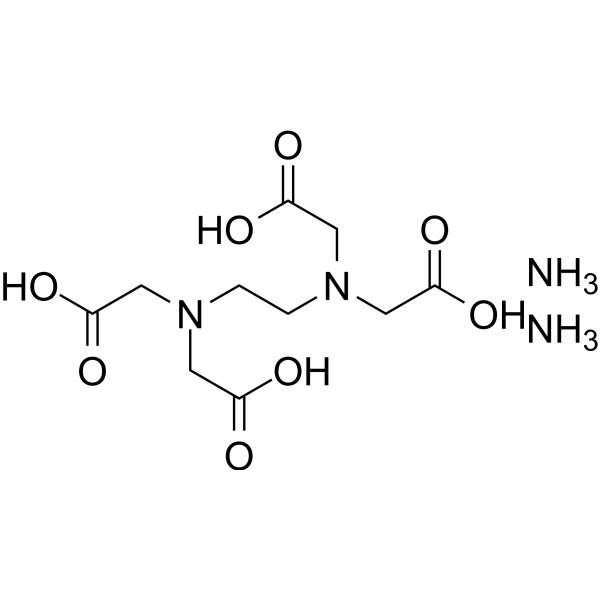
Ethylenediaminetetraacetic acid diammonium is a class of organic compounds containing both ammonium and carboxylic acid functional groups. It is commonly used as a chelating agent in various industrial and medical applications, especially in the food and pharmaceutical industries. Ethylenediaminetetraacetic acid diammonium has strong metal ion binding properties and can be used to chelate trace metals that may affect product quality or stability. In addition, it is used as an anticoagulant in blood collection tubes and as a clarifying agent in cosmetic and personal care products.
|
-
- HY-W011087R
-
|
|
Biochemical Assay Reagents
Reference Standards
|
Others
|
|
Benzyldimethyltetradecylammonium (chloride) (Standard) is the analytical standard of Benzyldimethyltetradecylammonium (chloride). This product is intended for research and analytical applications. Benzyldimethyltetradecylammonium chloride is a quaternary ammonium salt consisting of a positively charged N-benzyl-N,N-dimethyltetradecyl-1-amine cation and a negatively charged chloride anion. The compound is commonly used as a surfactant and emulsifier in a variety of applications including detergents, fabric softeners and personal care products. It also has antimicrobial properties and is used as a disinfectant or antiseptic in some products.
|
-

- HY-W015308R
-
|
Pelargonic acid methyl ester (Standard)
|
Biochemical Assay Reagents
Reference Standards
Endogenous Metabolite
|
Others
|
|
Methyl nonanoate (Standard) is the analytical standard of Methyl nonanoate. This product is intended for research and analytical applications. Methyl nonanoate is an ester compound obtained by the reaction of methanol and nonanoic acid. It has a fruity aroma and is commonly used as a flavoring agent in a variety of foods such as baked goods, confectionary and beverages. Methyl nonanoate is also used as a fragrance ingredient in the manufacture of perfume, cologne and personal care products. Furthermore, it has applications in industrial settings, for example in the production of solvents, resins and plasticizers.
|
-

- HY-W127386
-
|
3-Dodecyloxypropane-1,2-diol
|
Biochemical Assay Reagents
|
Others
|
|
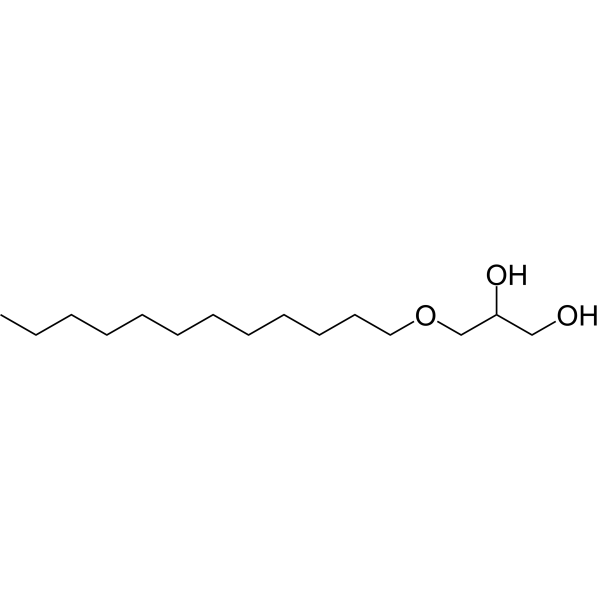
1-O-Dodecyl-rac-glycerol is a class of organic compounds belonging to the class of racemic glycerol derivatives. It consists of a dodecyl chain attached to the sn-1 position of the racemic glycerol molecule. 1-O-Dodecyl-rac-glycerol has various applications in the pharmaceutical industry, especially as an intermediate in the synthesis of lipid drug delivery systems and membranes. Additionally, it has potential use as an emulsifier and surfactant in cosmetic and personal care products.
|
-
- HY-W008974
-
|
|
Biochemical Assay Reagents
|
Others
|
|
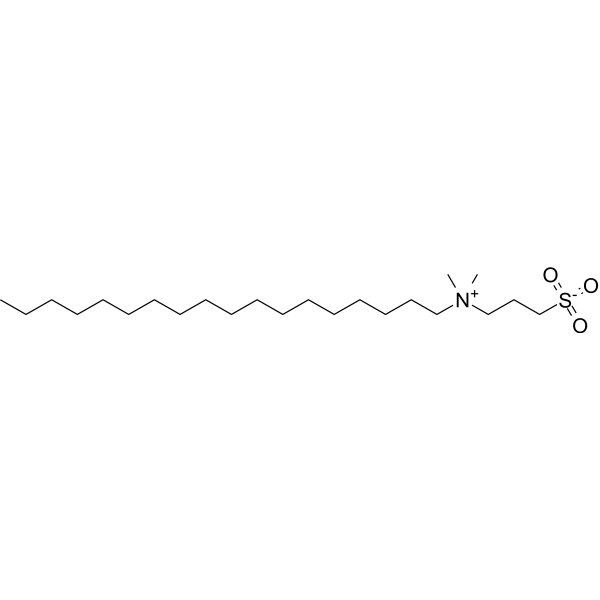
3-(Dimethyl(octadecyl)ammonio)propane-1-sulfonate is a class of quaternary ammonium compounds. It is a surfactant and cationic detergent with amphiphilic properties and therefore useful in various industrial and biomedical applications. 3-(Dimethyl(octadecyl)ammonium)propane-1-sulfonate is commonly used as an emulsifier, solubilizer and antimicrobial agent in personal care products, detergents, textiles and pharmaceutical formulations. It is also used as a reagent in analytical chemistry, especially in the analysis of proteins and DNA.
|
-
- HY-W127785R
-
|
N,N-Dimethyldodecan-1-amine oxide (Standard); Dodecyldimethylamine oxide (Standard)
|
Biochemical Assay Reagents
Reference Standards
|
Others
|
|
N,N-Dimethyldodecylamine N-oxide (Standard) is the analytical standard of N-ethyl-N-oxido-dodecan-1-amine. This product is intended for research and analytical applications. N,N-Dimethyldodecylamine N-oxide is an amine oxide surfactant commonly used as a detergent, emulsifier and wetting agent in various industrial processes, especially in personal care products and household cleaning in the production of agents. N,N-Dimethyldodecylamine N-oxide has unique chemical properties that make it an effective ingredient in many product formulations to help reduce surface tension and enhance cleaning power.
|
-

- HY-W715850
-
|
Ethyl 3-oxohexanoate-d5
|
Isotope-Labeled Compounds
Biochemical Assay Reagents
|
Others
|
|
Ethyl butyrylacetate-d5 (Ethyl 3-oxohexanoate-d5) is the deuterium labeled Ethyl butyrylacetate (HY-W015487). Ethyl butyrylacetate is an organic compound belonging to the class of esters. Synthesized by the reaction of ethyl acetate, butyric acid and acetic anhydride. Ethyl butyrylacetate has a fruity aroma and is commonly used as a flavoring agent in various food and beverages such as candies, ice cream and soft drinks. It is also used as a fragrance ingredient in perfumes and personal care products. In addition to its use in the food and fragrance industries, Ethyl butyrylacetate is also used in industrial settings, such as in the production of solvents.
|
-

- HY-185181
-
|
|
Biochemical Assay Reagents
|
Others
|
|
Monoethyl citrate is a citrate-based plasticizer with low migration rate and toxicity. It serves as an alternative to phthalate plasticizers and is used in food packaging, medical devices, and personal care products .
|
-

- HY-W127565R
-
|
|
Biochemical Assay Reagents
Reference Standards
|
Others
|
|
Hexatetracontane (Standard) is the analytical standard of Hexatetracontane. This product is intended for research and analytical applications. HexatetracontaneIt is an organic compound belonging to hydrocarbons. It has a high melting point. HexatetracontaneIt has a variety of applications in the cosmetic and personal care industries, especially as an emollient and humectant in skin and hair care products. In addition, it is used as a lubricant and coating agent in industrial environments.
|
-

- HY-W127534R
-
|
Trihexanoin (Standard)
|
Biochemical Assay Reagents
Reference Standards
|
Others
|
|
Tricaproin (Standard) is the analytical standard of Tricaproin. This product is intended for research and analytical applications. TricaproinIt is an organic compound belonging to the class of triacylglycerols. It consists of three molecules of caproic acid esterified to the glycerin backbone, with a mild fatty smell. TricaproinIt has a variety of applications in the cosmetic and personal care industries, especially as an emollient and conditioning agent in skin and hair care products. Additionally, it is used as a lubricant and surfactant in industrial settings.
|
-

- HY-W008816R
-
|
Octyl carbinol (Standard); Pelargonic alcohol (Standard)
|
Others
Reference Standards
|
Others
|
|
Nonanol (Standard) is the analytical standard of Nonanol (HY-W008816). This product is intended for research and analytical applications. Nonan-1-ol is an organic compound commonly used in the manufacture of surfactants and lubricants, among others. It can be used as a detergent, emulsifier and stabilizer, and is widely used in some cosmetics, personal care products and printing inks. In addition, the compound has important applications in certain industrial fields, for example in the production of plastics and rubber.
|
-

- HY-W724293
-
|
|
Isotope-Labeled Compounds
Biochemical Assay Reagents
|
Others
|
|
Tetrapropylammonium-d28 chloride is the deuterium labeled Tetrapropylammonium chloride (HY-W012412). Tetrapropylammonium chloride is a compound belonging to the class of quaternary ammonium compounds. It is a salt with cationic properties and is used in various industrial and biomedical applications. Tetrapropylammonium chloride is commonly used as a phase transfer catalyst to facilitate the movement of reactants between immiscible phases in organic synthesis reactions. It is also used as a surfactant in the formulation of personal care products, detergents, textiles and pharmaceuticals. Additionally, it is used in the production of certain types of polymers and resins.
|
-

- HY-W010164R
-
|
|
Biochemical Assay Reagents
Reference Standards
|
Others
|
|
4-Hydroxybenzoate (sodium) (Standard) is the analytical standard of 4-Hydroxybenzoate (sodium). This product is intended for research and analytical applications. 4-Hydroxybenzoate sodium, also known as sodium p-hydroxybenzoate or sodium paraben, is commonly used as a food preservative and cosmetic preservative. It can also be used as an additive in a variety of other products, including pharmaceuticals, personal care products, and industrial products. Additionally, 4-Hydroxybenzoate sodium has the potential to function as xenoestrogens, which may mimic the effects of estrogen in the body and affect hormonal balance.
|
-

- HY-178399S
-
|
Pelargonic acid methyl ester-d17
|
Isotope-Labeled Compounds
Endogenous Metabolite
Biochemical Assay Reagents
|
Others
|
|
Methyl nonanoate-d17 (Pelargonic acid methyl ester-d17) is the deuterium labeled Methyl nonanoate (HY-W015308). Methyl nonanoate is an ester compound obtained by the reaction of methanol and nonanoic acid. It has a fruity aroma and is commonly used as a flavoring agent in a variety of foods such as baked goods, confectionary and beverages. Methyl nonanoate is also used as a fragrance ingredient in the manufacture of perfume, cologne and personal care products. Furthermore, it has applications in industrial settings, for example in the production of solvents, resins and plasticizers.
|
-

- HY-W700634
-
|
|
Isotope-Labeled Compounds
Biochemical Assay Reagents
|
Others
|
|
Sulfobetaine-12-d25 is the deuterium labeled Sulfobetaine-12 (HY-W127620). Sulfobetaine-12is a zwitterionic surfactant, which means it has both positive and negative charges in its molecules. It is used as a detergent in various industries, including pharmaceuticals, cosmetics, and personal care products. Sulfobetaine-12Often used as a mild surfactant due to its non-irritating properties and ability to stabilize emulsions. Plus, it has antistatic properties that can be used to clean electronics and other static-prone surfaces.
|
-

- HY-178400S
-
|
|
Isotope-Labeled Compounds
Biochemical Assay Reagents
|
Others
|
|
Ethyl heptanoate-d13 is the deuterium labeled Ethyl heptanoate (HY-W010177). Ethyl heptanoate, Ethyl heptanoate is commonly used as a fragrance ingredient in a variety of products, including food, beverages, and personal care products, it can also be used as a solvent, and a building block for the synthesis of various organic compounds, including pharmaceuticals and agrochemicals, in addition , due to its low toxicity and biodegradability, Ethyl heptanoate has been investigated for its potential use as a bio-based solvent, as well as for its potential antimicrobial properties against certain bacteria and fungi.
|
-

- HY-W714323
-
|
Teterdecyl dimethyl amine oxide-d6; Myristyldimethylamine N-oxide-d6
|
Isotope-Labeled Compounds
Biochemical Assay Reagents
|
Others
|
|
Myristyl dimethylamine oxide-d6 (Teterdecyl dimethyl amine oxide-d6) is the deuterium labeled Myristyl dimethylamine oxide (HY-W250186). Myristyl dimethylamine oxide is a cationic surfactant belonging to the family of amine oxides. It is commonly used as a foam booster, thickener and conditioning agent in a variety of personal care and household cleaning products. Myristyl dimethylamine oxide has several properties suitable for these applications, including the ability to reduce surface tension, increase viscosity and provide antistatic properties. In addition, it can be used as a raw material for the production of other surfactants and specialty chemicals.
|
-

- HY-W015936
-
|
trans-Hex-2-en-1-ol
|
Environmental Pollutants
Biochemical Assay Reagents
|
Others
|
|
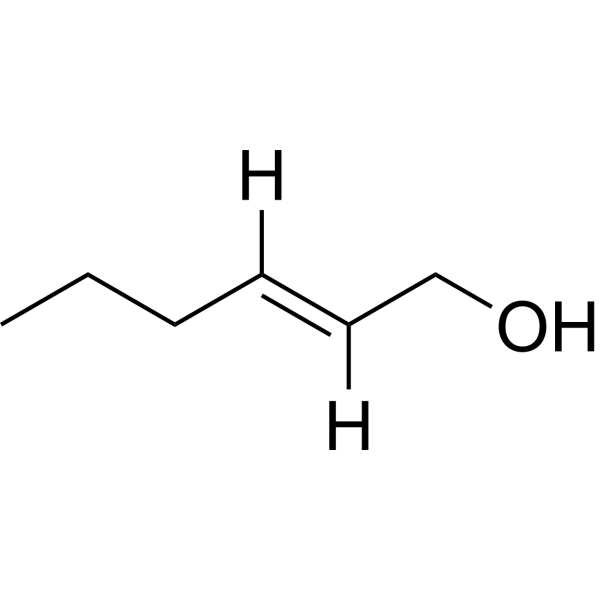
(E)-Hex-2-en-1-ol belongs to the class of unsaturated alcohols consisting of a six-carbon chain with a double bond between carbon atoms 2 and 3 and a hydroxyl group attached to carbon atom 1. The compound has a grassy or herbaceous smell and is commonly used as a flavoring in foods such as baked goods, candy and beverages. It can also be used as a fragrance ingredient in personal care products and as a starting material for the synthesis of other organic compounds. Furthermore, (E)-hex-2-en-1-ol can be used as a solvent or reagent in various chemical reactions.
|
-
- HY-W710279
-
|
|
Isotope-Labeled Compounds
Biochemical Assay Reagents
|
Others
|
|
N-ethyl-N-oxido-dodecan-1-amine-d6 is the deuterium labeled N-ethyl-N-oxido-dodecan-1-amine (HY-W127785). N-ethyl-N-oxido-dodecan-1-amine is an amine oxide surfactant commonly used as a detergent, emulsifier and wetting agent in various industrial processes, especially in personal care products and household cleaning in the production of agents. N,N-Dimethyldodecylamine N-oxide has unique chemical properties that make it an effective ingredient in many product formulations to help reduce surface tension and enhance cleaning power.
|
-

- HY-W109523
-
|
|
Environmental Pollutants
Bacterial
Fungal
|
Infection
|
|
2-Butylbenzo[d]isothiazol-3(2H)-one is a bioactive compound with potent antibacterial and antifungal activity. 2-Butylbenzo[d]isothiazol-3(2H)-one is often used as a pesticide ingredient in agriculture to protect crops from diseases. 2-Butylbenzo[d]isothiazol-3(2H)-one is also used in coatings to prevent the growth of mold and algae. 2-Butylbenzo[d]isothiazol-3(2H)-one is also used as a preservative in personal care products to extend the shelf life of the product .
|
-
![2-Butylbenzo[d]isothiazol-3(2H)-one](//file.medchemexpress.com/product_pic/hy-w109523.gif)
- HY-W127785S
-
|
N,N-Dimethyldodecylamine N-oxide-d31; Dodecyldimethylamine oxide-d31
|
Isotope-Labeled Compounds
|
Others
|
|
N-Ethyl-N-oxido-dodecan-1-amine-d31 (N,N-Dimethyldodecylamine N-oxide-d31) is the deuterium labeled N-Ethyl-N-oxido-dodecan-1-amine. N-ethyl-N-oxido-dodecan-1-amine is an amine oxide surfactant commonly used as a detergent, emulsifier and wetting agent in various industrial processes, especially in personal care products and household cleaning in the production of agents. N,N-Dimethyldodecylamine N-oxide has unique chemical properties that make it an effective ingredient in many product formulations to help reduce surface tension and enhance cleaning power.
|
-

- HY-W010807R
-
|
|
Biochemical Assay Reagents
Reference Standards
|
Others
|
|
Hexadecyl palmitate (Standard) is the analytical standard of Hexadecyl palmitate. This product is intended for research and analytical applications. Hexadecyl palmitate is an organic compound commonly used in the cosmetic industry as an emollient, thickener and skin conditioning agent. Cetyl palmitate is derived from a mixture of cetyl alcohol (a fatty alcohol) and palmitic acid (a saturated fatty acid). It is often used in skin care products such as moisturizers, lotions, and creams to improve their texture and Helps them glide smoothly on the skin. In addition to its use in cosmetics, cetyl palmitate is used in other industries including pharmaceuticals, food additives and lubricants. Overall, it's considered safe for use in personal care products, but like any other ingredient, it may cause irritation or an allergic reaction in some people.
|
-

- HY-W099594
-
|
Benzyldimethyldodecylammonium bromide
|
Environmental Pollutants
Biochemical Assay Reagents
|
Others
|
|
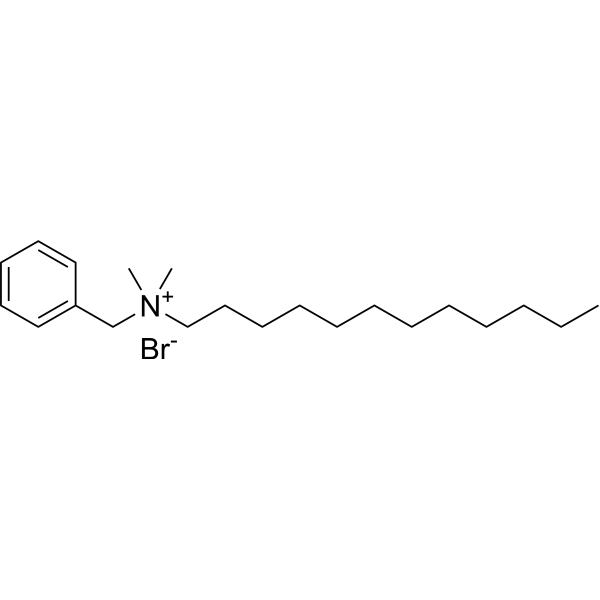
N-Benzyl-N, N-dimethyldodecan-1-aminium bromide, also known as Benzalkonium Chloride (BAC), is a quaternary ammonium compound widely used as an antimicrobial and surfactant in various industries. BAC is commonly used as a disinfectant and antiseptic in a variety of products including hand sanitizers, disinfectant wipes and eye drops. Its ability to kill bacteria, viruses and fungi makes it an effective tool in preventing the spread of infection. BAC is also used as a preservative and disinfectant in the food industry. It is added to food packaging and processing equipment to prevent the growth of microorganisms and increase the shelf life of foods. Additionally, BACs are found in many household products such as cleaning solutions, fabric softeners and personal care products. Its surfactant properties allow it to be used to reduce surface tension and increase the effectiveness of cleaning agents. Although BAC has many uses, ingestion or exposure to high concentrations of BAC can cause skin irritation and other adverse effects.
|
-
- HY-W127434A
-
|
(12R)-Octadecane-1,12-diol
|
Biochemical Assay Reagents
|
Others
|
|
(12R)-1,12-Octadecanediol ((12R)-Octadecane-1,12-diol) is a compound characterized by a linear chain of 18 carbon atoms with two hydroxyl groups (C18H38O2). This colorless substance has unique properties owing to the presence of two hydroxyl groups in its molecular structure.
Whether derived from natural sources or synthesized chemically, 12-Octadecanediol finds applications in various industries. It is often utilized in the formulation of cosmetics, personal care products, and pharmaceuticals due to its emollient properties, enhancing moisturization and conditioning effects in different formulations. The compound's distinctive structure may make it suitable for specific uses in research or industrial processes.
In industrial contexts, 12-Octadecanediol serves as a valuable chemical intermediate for synthesizing other compounds. Its specialized structure and adaptability in formulations make it a significant component across diverse industries, contributing to the development of products for various purposes.
|
-

| Cat. No. |
Product Name |
Type |
-
- HY-125920
-
|
Sarkosyl NL sodium
|
Biochemical Assay Reagents
|
|
Lauroylsarcosine sodium is a surfactant commonly used in personal care and cosmetics such as shampoos, facial cleansers and toothpaste. It works by lowering the surface tension of water, allowing it to better penetrate and clean surfaces. Lauroylsarcosine sodium is considered safe for cosmetic use and is approved for use in several countries. However, it can cause skin irritation in high concentrations or with prolonged exposure.
|
-
- HY-W250168
-
|
Polyethylene glycol oleyl ether, average Mn~709; Polyethylene glycol monooleyl ether, n~10
|
Biochemical Assay Reagents
|
|
Polyoxyethylene(10) oleyl ether, also known as POE(10) monooleate, is a nonionic surfactant consisting of a polyethylene glycol chain with 10 ethylene oxide units and an oleic acid residue. It has excellent emulsifying, wetting and dispersing properties, making it suitable for a variety of applications including personal care products and pharmaceutical formulations. POE(10) monooleate is commonly used as a solubilizer to improve the solubility and bioavailability of poorly soluble drugs. Furthermore, it is biodegradable and has low toxicity, making it an environmentally friendly ingredient suitable for various industrial applications.
|
-
- HY-W010532
-
|
(E)-Hex-3-enoic acid
|
Biochemical Assay Reagents
|
|
(E)-Hex-3-enoic acid is an unsaturated organic compound. It is commonly used as a fragrance ingredient in a variety of products, including food, beverages, and personal care products, and it can also be used as a starting material for the synthesis of various organic compounds, including pharmaceuticals and agrochemicals. In addition, (E)-Hex- 3-enoic acid has been investigated for its potential use as a biobased solvent due to its low toxicity and biodegradability, as well as its potential antibacterial and antifungal properties, which may make it useful for developing new Antibacterial agents.
|
-
- HY-W099594
-
|
Benzyldimethyldodecylammonium bromide
|
Biochemical Assay Reagents
|
|
N-Benzyl-N, N-dimethyldodecan-1-aminium bromide, also known as Benzalkonium Chloride (BAC), is a quaternary ammonium compound widely used as an antimicrobial and surfactant in various industries. BAC is commonly used as a disinfectant and antiseptic in a variety of products including hand sanitizers, disinfectant wipes and eye drops. Its ability to kill bacteria, viruses and fungi makes it an effective tool in preventing the spread of infection. BAC is also used as a preservative and disinfectant in the food industry. It is added to food packaging and processing equipment to prevent the growth of microorganisms and increase the shelf life of foods. Additionally, BACs are found in many household products such as cleaning solutions, fabric softeners and personal care products. Its surfactant properties allow it to be used to reduce surface tension and increase the effectiveness of cleaning agents. Although BAC has many uses, ingestion or exposure to high concentrations of BAC can cause skin irritation and other adverse effects.
|
-
- HY-W127534
-
|
Trihexanoin
|
Biochemical Assay Reagents
|
|
TricaproinIt is an organic compound belonging to the class of triacylglycerols. It consists of three molecules of caproic acid esterified to the glycerin backbone, with a mild fatty smell. TricaproinIt has a variety of applications in the cosmetic and personal care industries, especially as an emollient and conditioning agent in skin and hair care products. Additionally, it is used as a lubricant and surfactant in industrial settings.
|
-
- HY-W127445
-
|
Docosanamide
|
Biochemical Assay Reagents
|
|
Behenamide is a fatty acid derived from plants such as rapeseed oil and can be synthesized by a variety of processes. Behenamide has unique properties that make it useful as a slip agent, A lubricant and release agent, it is also used in personal care products, including cosmetics and hair care, as a thickener and emollient because of its ability to improve the consistency and texture of formulations.
|
-
- HY-W127604
-
|
Myristic acid sodium
|
Biochemical Assay Reagents
|
|
Sodium myristate is a salt-like compound commonly used as a surfactant or emulsifier in a variety of industrial applications, including the production of detergents, soaps, and personal care products. In addition, it can be used as an intermediate in the synthesis of various organic compounds, including fragrances and pharmaceuticals. Its unique chemical properties make it an important ingredient in a variety of industrial processes, especially in the manufacture of textiles and paper products.
|
-
- HY-134120
-
|
DL-2-Hydroxystearic acid
|
Biochemical Assay Reagents
|
|
2-Hydroxystearic acid is an alpha-hydroxy fatty acid commonly used in a variety of personal care products, especially cosmetic and skin care formulations. 2-Hydroxystearic acid has unique chemical properties that make it an effective emulsifier and stabilizer, improving the texture and shelf life of cosmetic products. It also has a potential physiological role in improving skin hydration and elasticity, although its biological function is not fully understood.
|
-
- HY-W250186
-
|
Teterdecyl dimethyl amine oxide; Myristyldimethylamine N-oxide
|
Biochemical Assay Reagents
|
|
Myristyl dimethylamine oxide is a cationic surfactant belonging to the family of amine oxides. It is commonly used as a foam booster, thickener and conditioning agent in a variety of personal care and household cleaning products. Myristyl dimethylamine oxide has several properties suitable for these applications, including the ability to reduce surface tension, increase viscosity and provide antistatic properties. In addition, it can be used as a raw material for the production of other surfactants and specialty chemicals.
|
-
- HY-W250166
-
|
|
Biochemical Assay Reagents
|
|
Poly(ethylene glycol) (12) tridecyl ether is a nonionic surfactant belonging to the family of ethoxylated fatty alcohols. It is commonly used as an emulsifier, solubilizer, and wetting agent in a variety of industrial and personal care products. Poly(ethylene glycol)(12) tridecyl ether has various properties that make it suitable for these applications, including its low toxicity, high solubility in water and organic solvents, and ability to stabilize emulsions. In addition, it can be used as a raw material for the production of other surfactants and specialty chemicals.
|
-
- HY-W250195
-
|
|
Biochemical Assay Reagents
|
|
Hexaethylene glycol monotetradecyl ether is a kind of nonionic surfactant with hydrophilic head and lipophilic tail. It belongs to the class of polyethylene glycol (PEG) ethers and is widely used in different industrial and research applications. Due to its unique properties, Hexaethylene glycol monotetradecyl ether is commonly used in lotions, detergents and solubilizers. It is particularly useful in the study of membrane proteins and can be used to stabilize and solubilize proteins for use in structural analysis techniques. Due to its moisturizing and emulsifying properties, Hexaethylene glycol monotetradecyl ether is also used in personal care and cosmetics.
|
-
- HY-W015936
-
|
trans-Hex-2-en-1-ol
|
Biochemical Assay Reagents
|
|
(E)-Hex-2-en-1-ol belongs to the class of unsaturated alcohols consisting of a six-carbon chain with a double bond between carbon atoms 2 and 3 and a hydroxyl group attached to carbon atom 1. The compound has a grassy or herbaceous smell and is commonly used as a flavoring in foods such as baked goods, candy and beverages. It can also be used as a fragrance ingredient in personal care products and as a starting material for the synthesis of other organic compounds. Furthermore, (E)-hex-2-en-1-ol can be used as a solvent or reagent in various chemical reactions.
|
-
- HY-W013809
-
|
Stearic acid ethyl ester
|
Biochemical Assay Reagents
|
|
Ethyl stearate is an ester compound produced by the reaction of ethanol and stearic acid. It is commonly used as a flavoring agent in various foods such as baked goods, beverages and desserts. Ethyl stearate is also used as a fragrance ingredient in the manufacture of perfume, cologne and personal care products. Additionally, it has applications in industrial settings such as the production of lubricants and plasticizers.
|
-
- HY-W010164
-
|
|
Biochemical Assay Reagents
|
|
4-Hydroxybenzoate sodium, also known as sodium p-hydroxybenzoate or sodium paraben, is commonly used as a food preservative and cosmetic preservative. It can also be used as an additive in a variety of other products, including pharmaceuticals, personal care products, and industrial products. Additionally, 4-Hydroxybenzoate sodium has the potential to function as xenoestrogens, which may mimic the effects of estrogen in the body and affect hormonal balance.
|
-
- HY-W127785
-
|
N,N-Dimethyldodecan-1-amine oxide; Dodecyldimethylamine oxide
|
Biochemical Assay Reagents
|
|
N,N-Dimethyldodecylamine N-oxide is an amine oxide surfactant commonly used as a detergent, emulsifier and wetting agent in various industrial processes, especially in personal care products and household cleaning in the production of agents. N,N-Dimethyldodecylamine N-oxide has unique chemical properties that make it an effective ingredient in many product formulations to help reduce surface tension and enhance cleaning power.
|
-
- HY-W130648
-
|
|
Biochemical Assay Reagents
|
|
Sodium 2-ethylhexyl sulfate (40% in water) is an anionic surfactant commonly used as a detergent, wetting agent, and emulsifier in various industrial processes, especially in the production of personal care products, cleaning agents, and textile auxiliaries. Sodium 2-ethylhexyl sulfate (40% in water) has unique chemical properties that make it an effective ingredient in many applications, helping to reduce surface tension and enhance cleaning power.
|
-
- HY-W099601
-
|
Lauric acid sodium salt, 99-100%
|
Biochemical Assay Reagents
|
|
Sodium LaurateIt is an organic compound belonging to fatty acids. It is the sodium salt of lauric acid, a medium-chain saturated fatty acid found in various animal and vegetable fats. Sodium LaurateCommonly used as surfactants, emulsifiers and cleaning agents in various industries such as cosmetics, personal care and detergent industries. It's found in a variety of products, including soaps, shampoos, toothpaste, and laundry detergent. Furthermore, it also has applications in the food industry where it is used as a food additive to improve texture and stability.
|
-
- HY-W010807
-
|
|
Biochemical Assay Reagents
|
|
Hexadecyl palmitate is an organic compound commonly used in the cosmetic industry as an emollient, thickener and skin conditioning agent. Cetyl palmitate is derived from a mixture of cetyl alcohol (a fatty alcohol) and palmitic acid (a saturated fatty acid). It is often used in skin care products such as moisturizers, lotions, and creams to improve their texture and Helps them glide smoothly on the skin. In addition to its use in cosmetics, cetyl palmitate is used in other industries including pharmaceuticals, food additives and lubricants. Overall, it's considered safe for use in personal care products, but like any other ingredient, it may cause irritation or an allergic reaction in some people.
|
-
- HY-W250302
-
|
|
Biochemical Assay Reagents
|
|
Methylbenzethonium chloride is a quaternary ammonium compound commonly used as a preservative and disinfectant in a variety of personal care and healthcare products. Methylbenzethonium chloride has several properties that make it suitable for these applications, including its broad-spectrum antibacterial activity against bacteria, viruses and fungi. In addition, it is used as a preservative in cosmetic and pharmaceutical formulations to prevent the growth of microorganisms.
|
-
- HY-W011087
-
|
|
Biochemical Assay Reagents
|
|
Benzyldimethyltetradecylammonium chloride is a quaternary ammonium salt consisting of a positively charged N-benzyl-N,N-dimethyltetradecyl-1-amine cation and a negatively charged chloride anion. The compound is commonly used as a surfactant and emulsifier in a variety of applications including detergents, fabric softeners and personal care products. It also has antimicrobial properties and is used as a disinfectant or antiseptic in some products.
|
-
- HY-W114581
-
|
|
Biochemical Assay Reagents
|
|
Ethyl2-hydroxy-4-methylpentanoate has a fruity odor and is commonly used as a flavoring agent in the food and beverage industry. In addition, it can be used as an intermediate in the synthesis of various organic compounds, including pharmaceuticals and agrochemicals. Its unique chemical properties make it an important ingredient in a variety of industrial processes, including the production of cosmetics and personal care products.
|
-
- HY-W127620
-
|
|
Biochemical Assay Reagents
|
|
Sulfobetaine-12is a zwitterionic surfactant, which means it has both positive and negative charges in its molecules. It is used as a detergent in various industries, including pharmaceuticals, cosmetics, and personal care products. Sulfobetaine-12Often used as a mild surfactant due to its non-irritating properties and ability to stabilize emulsions. Plus, it has antistatic properties that can be used to clean electronics and other static-prone surfaces.
|
-
- HY-W127452
-
|
|
Biochemical Assay Reagents
|
|
Undecylenate SodiumIt is an organic compound belonging to the class of carboxylates. It is formed by the reaction of undecylenic acid and sodium hydroxide. Undecylenate SodiumIt has a variety of applications in the cosmetic and personal care industries, especially as an antifungal agent in products such as face creams, lotions and shampoos. In addition, it can be used as a preservative in various formulations.
|
-
- HY-W127640
-
|
|
Biochemical Assay Reagents
|
|
Phosphocholine Chloride Sodium Salt is an organic compound containing phosphate, choline and chloride ions. It is commonly used to prepare cell membranes and liposomes for drug delivery systems. Phosphocholine Chloride Sodium Salt has various applications in the pharmaceutical industry, especially as a stabilizer and surfactant. In addition, it is used as an emulsifier and conditioning agent in the manufacture of cosmetic and personal care products.
|
-
- HY-W127330
-
|
|
Biochemical Assay Reagents
|
|
Butyl Laurate is an ester compound with a fruity odor commonly used as a flavoring agent in the food and beverage industry. In addition, it is used as a solvent, plasticizer or lubricant in various industrial applications. Its unique chemical properties make it an important ingredient in a variety of commercial products, including cosmetics, personal care products and cleaners.
|
-
- HY-W127338
-
|
|
Biochemical Assay Reagents
|
|
Butyl Palmitate is an ester compound commonly used as a conditioning, emollient or fragrance in a variety of cosmetic and personal care products. In addition, it can be used as a solvent or lubricant in various industrial applications. Its unique chemical properties make it an important ingredient in a variety of commercial products, including perfumes, lotions and hair care products.
|
-
- HY-W127653
-
|
Dimethylditetradecylammonium bromide
|
Biochemical Assay Reagents
|
|
Dimethyldimyristylammonium bromide is a quaternary ammonium compound commonly used as a surfactant or emulsifier in a variety of industrial applications, including the production of detergents, fabric softeners and hair conditioners. In addition, it can also be used as an intermediate in the synthesis of various organic compounds. Its unique chemical properties make it an important ingredient in a variety of industrial processes, especially in the manufacture of personal care products and pharmaceuticals.
|
-
- HY-W013076
-
|
tetra(decyl)ammonium bromide
|
Biochemical Assay Reagents
|
|
Tetrakis(decyl)ammonium bromide is a compound belonging to the class of quaternary ammonium compounds. It is a salt with cationic properties and is used in various industrial and biomedical applications. Tetrakis(decyl)ammonium bromide is commonly used as an emulsifier, solubilizer and antimicrobial agent in personal care products, cleansers and pharmaceutical formulations. It is also used as a phase transfer catalyst in organic synthesis reactions, facilitating the movement of reactants between immiscible phases.
|
-
- HY-W012167
-
|
|
Biochemical Assay Reagents
|
|
N,N,N-Trimethyldecan-1-aminium chloride is a compound belonging to the class of quaternary ammonium compounds. It is a salt with cationic properties and thus useful in various industrial and biomedical applications. Decyltrimethylammonium chloride is commonly used as a surfactant, emulsifier and disinfectant in personal care products, detergents, textiles and pharmaceutical formulations. It is also used as a phase transfer catalyst in organic synthesis reactions, which involves facilitating the movement of reactants between immiscible phases.
|
-
- HY-W099575
-
|
|
Biochemical Assay Reagents
|
|
3-(Hexadecyldimethylammonio)propane-1-sulfonate is an organic compound belonging to the class of sulfonates. It is a quaternary ammonium surfactant commonly used in various industrial and laboratory applications such as the production of detergents, personal care products and pharmaceuticals. 3-(Hexadecyldimethylammonio)propane-1-sulfonate is surface active and can be used as an emulsifier, foaming agent and wetting agent. In addition, it is used as a solubilizer in protein purification and as a surfactant in chromatography.
|
-
- HY-W099644
-
|
Ethyl erucate
|
Biochemical Assay Reagents
|
|
Ethyl docos-13-enoate is a colorless or pale yellow liquid with a sweet floral aroma, used as a flavoring agent in the food industry and as a flavor enhancer in perfumes and colognes. It is also found in some vegetable oils and is used as a surfactant and emulsifier in personal care products. Ethyl docos-13-enoate is a versatile compound used in various industries due to its pleasant odor and ability to mix ingredients together.
|
-
- HY-W015667
-
|
Ethyl 2-methylvalerate
|
Biochemical Assay Reagents
|
|
Ethyl 2-methylpentanoate is a class of esters consisting of branched-chain isovaleric acid esterified with ethanol. The compound has a fruity, pungent smell and is commonly used as a flavoring in foods such as baked goods, dairy products and beverages. It can also be used as a fragrance ingredient in personal care products, and as a solvent or plasticizer in various industrial applications. In addition, Ethyl 2-methylpentanoate can be used as a starting material for the synthesis of other organic compounds.
|
-
- HY-D0902
-
|
|
Biochemical Assay Reagents
|
|
Triethanolamine borate is a compound belonging to the class of borates. It is commonly used in the manufacture of personal care and cosmetics as an emulsifier, pH adjuster and buffer. Triethanolamine borate helps stabilize and thicken products such as lotions and creams and can improve their overall texture. It is also used in industrial applications such as the production of lubricants and metalworking fluids.
|
-
- HY-W008816
-
|
Octyl carbinol; Pelargonic alcohol
|
Biochemical Assay Reagents
|
|
Nonan-1-ol is an organic compound commonly used in the manufacture of surfactants and lubricants, among others. It can be used as a detergent, emulsifier and stabilizer, and is widely used in some cosmetics, personal care products and printing inks. In addition, the compound has important applications in certain industrial fields, for example in the production of plastics and rubber.
|
-
- HY-W015308
-
|
Pelargonic acid methyl ester
|
Biochemical Assay Reagents
|
|
Methyl nonanoate is an ester compound obtained by the reaction of methanol and nonanoic acid. It has a fruity aroma and is commonly used as a flavoring agent in a variety of foods such as baked goods, confectionary and beverages. Methyl nonanoate is also used as a fragrance ingredient in the manufacture of perfume, cologne and personal care products. Furthermore, it has applications in industrial settings, for example in the production of solvents, resins and plasticizers.
|
-
- HY-W012412
-
|
|
Biochemical Assay Reagents
|
|
Tetrapropylammonium chloride is a compound belonging to the class of quaternary ammonium compounds. It is a salt with cationic properties and is used in various industrial and biomedical applications. Tetrapropylammonium chloride is commonly used as a phase transfer catalyst to facilitate the movement of reactants between immiscible phases in organic synthesis reactions. It is also used as a surfactant in the formulation of personal care products, detergents, textiles and pharmaceuticals. Additionally, it is used in the production of certain types of polymers and resins.
|
-
- HY-W015305
-
|
Octanoic acid ethyl ester
|
Biochemical Assay Reagents
|
|
Ethyl octanoate is a class of esters consisting of the medium-chain fatty acid octanoic acid esterified with ethanol. The compound has a fruity smell and is commonly used as a flavoring in foods such as baked goods, candy and beverages. It can also be used as a fragrance ingredient in personal care products, and as a solvent or plasticizer in various industrial applications. In addition, Ethyl octanoate can be used as a starting material for the synthesis of other organic compounds.
|
-
- HY-W013231
-
|
Benzyltriethylammonium iodide
|
Biochemical Assay Reagents
|
|
N-Benzyl-N,N-diethylethanaminium iodide is a quaternary ammonium salt consisting of a positively charged N-benzyl-N,N-diethylethylamine cation and a negatively charged iodide anion. This compound is commonly used as a phase transfer catalyst in organic chemical reactions, facilitating the transfer of reactants between immiscible phases. It can also be used as a reagent for the synthesis of various organic compounds, and as a surfactant or emulsifier in industrial and personal care products.
|
-
- HY-W127621
-
|
|
Biochemical Assay Reagents
|
|
Sulfobetaine-8is a zwitterionic surfactant, which means it has both positive and negative charges in its molecules. It is used as a detergent in various industries, including pharmaceuticals, cosmetics, and personal care products. Sulfobetaine-8Often used as a mild surfactant because of its non-irritating and ability to stabilize emulsions. Plus, it has antistatic properties that can be used to clean electronics and other static-prone surfaces.
|
-
- HY-W127565
-
|
|
Biochemical Assay Reagents
|
|
HexatetracontaneIt is an organic compound belonging to hydrocarbons. It has a high melting point. HexatetracontaneIt has a variety of applications in the cosmetic and personal care industries, especially as an emollient and humectant in skin and hair care products. In addition, it is used as a lubricant and coating agent in industrial environments.
|
-
- HY-W127364
-
|
Pentaerythritol distearate [Lubricants]
|
Biochemical Assay Reagents
|
|
Pentaerythritol distearate (mixture) is a mixture of ester compounds commonly used as a thickener, emulsifier or lubricant in various cosmetic and personal care products. It is also used as a plasticizer or stabilizer in the production of plastics and resins. Pentaerythritol distearate (mixture) has unique chemical properties that make it an important ingredient in a variety of industrial processes, including the manufacture of adhesives, coatings and sealants.
|
-
- HY-W127465
-
|
|
Biochemical Assay Reagents
|
|
Oleyl RicinoleateIt is an organic compound belonging to esters. It is formed from the reaction between oleyl alcohol and ricinoleic acid and has a mild fatty odor. Oleyl RicinoleateIt has a variety of applications in the cosmetic and personal care industries, especially as an emollient and conditioning agent in skin and hair care products. Additionally, it is used as a lubricant and plasticizer in industrial settings.
|
-
- HY-W127375
-
|
Sodium pelargonate
|
Biochemical Assay Reagents
|
|
Sodium nonanoate is a salt-like compound commonly used as a surfactant or emulsifier in a variety of industrial applications, including the production of detergents, soaps and personal care products. In addition, it can be used as an intermediate in the synthesis of various organic compounds, including pharmaceuticals and agrochemicals. Its unique chemical properties make it an important ingredient in a variety of industrial processes, especially in the manufacture of textiles and paper products.
|
-
- HY-W013809R
-
|
Stearic acid ethyl ester (Standard)
|
Biochemical Assay Reagents
|
|
Ethyl stearate (Standard) is the analytical standard of Ethyl stearate. This product is intended for research and analytical applications. Ethyl stearate is an ester compound produced by the reaction of ethanol and stearic acid. It is commonly used as a flavoring agent in various foods such as baked goods, beverages and desserts. Ethyl stearate is also used as a fragrance ingredient in the manufacture of perfume, cologne and personal care products. Additionally, it has applications in industrial settings such as the production of lubricants and plasticizers.
|
-
- HY-W014206
-
|
|
Biochemical Assay Reagents
|
|
Isopentyl octanoate is a class of esters formed by the esterification of branched-chain isoamyl alcohol, also known as isoamyl alcohol, with octanoylate. The compound has a fruity smell and is commonly used as a flavoring in foods such as baked goods, candy and beverages. It can also be used as a fragrance ingredient in personal care products, and as a solvent or plasticizer in various industrial applications. In addition, Isopentyl octanoate can be used as a starting material for the synthesis of other organic compounds.
|
-
- HY-W250194
-
|
|
Biochemical Assay Reagents
|
|
Luviquat FC 550 is a cationic polymer commonly used in a variety of personal care and cosmetics. It is a viscous liquid containing quaternary ammonium groups which give it a positive charge. Luviquat FC 550 has a variety of properties suitable for these applications including its ability to provide conditioning, antistatic and film-forming properties to hair and skin. In addition, it is used as a binder in oral care products and as a flocculant in industrial water treatment.
|
-
- HY-W127842
-
|
Decyldimethylamine oxide
|
Biochemical Assay Reagents
|
|
N,N-Dimethyldecylamine N-oxide is an organic compound belonging to the family of amine oxides. It is commonly used as a surfactant and cleaning agent in a variety of industrial and household applications, including detergents, personal care products and paints. N,N-Dimethyldecylamine N-oxide has various properties suitable for these applications, including the ability to lower surface tension, increase solubility, and act as a blowing agent. In addition, it can be used as a corrosion inhibitor in metalworking fluids and a flotation agent in mineral processing.
|
-
- HY-W127377
-
|
|
Biochemical Assay Reagents
|
|
Butyl oleateIt is an organic compound belonging to esters. It is formed from the reaction of butanol and oleic acid and has a mild fruity smell. Butyl oleateIt has a variety of applications in the cosmetic and personal care industries, especially as an emollient and conditioning agent in skin and hair care products. Additionally, it is used as a lubricant and solvent in industrial settings.
|
-
- HY-W127437
-
|
Octadecanoic acid, octadecyl ester
|
Biochemical Assay Reagents
|
|
Stearyl StearateIt is an organic compound belonging to esters. It is formed from the reaction between stearyl alcohol and stearic acid and has a mild fatty odor. Stearyl stearate has several applications in the cosmetic and personal care industries, especially as an emollient and conditioning agent in skin and hair care products. Additionally, it is used as a lubricant and surfactant in industrial settings.
|
-
- HY-W010900
-
|
|
Biochemical Assay Reagents
|
|
Tetrahexylammonium bromide is a compound that belongs to the class of quaternary ammonium compounds. It is a salt with cationic properties and thus useful in various industrial and biomedical applications. Tetrahexylammonium bromide is commonly used as a phase transfer catalyst to facilitate the movement of reactants between immiscible phases in various organic synthesis reactions. It is also used as a surfactant and emulsifier in the formulation of detergents, personal care products and pharmaceuticals.
|
- HY-W011122
-
|
|
Biochemical Assay Reagents
|
|
Tributylbenzylammonium bromide is a quaternary ammonium salt composed of a positively charged N-benzyl-N,N-dibutylbutan-1-amine cation and a negatively charged bromide anion composition. The compound is commonly used as a surfactant and emulsifier in a variety of applications including detergents, fabric softeners and personal care products. It also has antimicrobial properties and is used as a disinfectant or antiseptic in some products.
|
- HY-W014207
-
|
|
Biochemical Assay Reagents
|
|
Ethyl undecanoate is a class of esters consisting of long-chain straight-chain fatty acids, undecanoic acid, esterified with ethanol. The compound has a fruity smell and is commonly used as a flavoring in foods such as baked goods, candy and beverages. It is also used as a fragrance ingredient in personal care products and as a lubricant or plasticizer in various industrial applications. In addition, Ethyl undecanoate can be used as a starting material for the synthesis of other organic compounds.
|
- HY-W107869
-
|
|
Biochemical Assay Reagents
|
|
2-Heptenoic acid is an unsaturated fatty acid. It is a clear, colorless liquid with a strong odour, and is commonly used in the flavor and fragrance industry for its pungent, anise-like odor. In addition, it can be used as an intermediate in the synthesis of other organic compounds, including pharmaceuticals and agrochemicals. Its unique chemical properties make it an important ingredient in a variety of industrial applications, including food and beverage production, cosmetics and personal care products.
|
- HY-W013203
-
|
Icosanoic Acid Ethyl Ester
|
Biochemical Assay Reagents
|
|
Ethyl icosanoate is an ester, which is formed by the esterification of long-chain straight-chain fatty acids, eicosanoic acid and ethanol. The compound has a fruity, waxy smell and is commonly used as a flavoring in foods such as baked goods, candy and beverages. It is also used as a fragrance ingredient in personal care products and as a lubricant or plasticizer in various industrial applications. In addition, Ethyl icosanoate can be used as a starting material for the synthesis of other organic compounds.
|
- HY-125920R
-
|
Sarkosyl NL sodium (Standard)
|
Biochemical Assay Reagents
|
|
Lauroylsarcosine (sodium) (Standard) is the analytical standard of Lauroylsarcosine (sodium). This product is intended for research and analytical applications. Lauroylsarcosine sodium is a surfactant commonly used in personal care and cosmetics such as shampoos, facial cleansers and toothpaste. It works by lowering the surface tension of water, allowing it to better penetrate and clean surfaces. Lauroylsarcosine sodium is considered safe for cosmetic use and is approved for use in several countries. However, it can cause skin irritation in high concentrations or with prolonged exposure.
|
- HY-W015487
-
|
Ethyl 3-oxohexanoate
|
Biochemical Assay Reagents
|
|
Ethyl butyrylacetate is an organic compound belonging to the class of esters. Synthesized by the reaction of ethyl acetate, butyric acid and acetic anhydride. Ethyl butyrylacetate has a fruity aroma and is commonly used as a flavoring agent in various food and beverages such as candies, ice cream and soft drinks. It is also used as a fragrance ingredient in perfumes and personal care products. In addition to its use in the food and fragrance industries, Ethyl butyrylacetate is also used in industrial settings, such as in the production of solvents.
|
- HY-W106486
-
|
N,N-Dimethyl-N-2-propenyl-2-propen-1-aminium chloride
|
Biochemical Assay Reagents
|
|
Diallyldimethylammonium chloride (60% in water) is a quaternary ammonium compound belonging to the class of alkylammonium salts. The compound is widely used as a cationic monomer in the production of water-soluble polymers, especially in the manufacture of flocculants and coagulants for water treatment processes. In addition, it can be used as an antimicrobial agent, surfactant or adhesive in various industrial applications. Its unique chemical properties make it an important ingredient in a variety of industrial processes, including papermaking, textiles and personal care products.
|
- HY-W010177
-
|
|
Biochemical Assay Reagents
|
|
Ethyl heptanoate, Ethyl heptanoate is commonly used as a fragrance ingredient in a variety of products, including food, beverages, and personal care products, it can also be used as a solvent, and a building block for the synthesis of various organic compounds, including pharmaceuticals and agrochemicals, in addition , due to its low toxicity and biodegradability, Ethyl heptanoate has been investigated for its potential use as a bio-based solvent, as well as for its potential antimicrobial properties against certain bacteria and fungi.
|
- HY-W014536
-
|
Trimethyl-n-octylammonium Chloride
|
Biochemical Assay Reagents
|
|
N,N,N-Trimethyloctan-1-aminium chloride is a quaternary ammonium salt consisting of a positively charged N,N,N-trimethyloctan-1-aminium cation and a negatively charged chloride anion. The compound is commonly used as a surfactant and emulsifier in a variety of applications including detergents, fabric softeners and personal care products. It can also be used as a phase transfer catalyst in organic chemical reactions, facilitating the transfer of reactants between immiscible phases. Additionally, it has antimicrobial properties and is used as a disinfectant or antiseptic in some products.
|
- HY-W127549
-
|
cis-6-Octadecenoic acid
|
Biochemical Assay Reagents
|
|
Petroselinic acid sodium is an organic compound belonging to the class of carboxylic acids. Petroselinic acid sodium has several applications in the cosmetic and personal care industries, especially as an emulsifier and conditioning agent in skin and hair care products. In addition, it has potential utility in inhibiting inflammation-related diseases and cancer.
|
- HY-W127540
-
|
Hexadecyl acetate
|
Biochemical Assay Reagents
|
|
Palmityl acetate is an ester compound with a waxy odor commonly used as a lubricant or emollient in various cosmetic and personal care products. In addition, it can be used as a plasticizer or stabilizer in the production of plastics and resins. Its unique chemical properties make it an important ingredient in a variety of commercial products, including perfumes, lotions and hair care products.
|
- HY-W127346
-
|
|
Biochemical Assay Reagents
|
|
Pentaerythrityl tetrastearate is an ester compound commonly used as a lubricant, emollient or thickener in various cosmetic and personal care products. It is also used as a plasticizer or stabilizer in the production of plastics and resins. Pentaerythrityl tetrastearate has unique chemical properties that make it an important ingredient in a variety of industrial processes, including the manufacture of adhesives, coatings and sealants.
|
- HY-W250302R
-
|
|
Biochemical Assay Reagents
|
|
Methylbenzethonium (chloride) (Standard) is the analytical standard of Methylbenzethonium (chloride). This product is intended for research and analytical applications. Methylbenzethonium chloride is a quaternary ammonium compound commonly used as a preservative and disinfectant in a variety of personal care and healthcare products. Methylbenzethonium chloride has several properties that make it suitable for these applications, including its broad-spectrum antibacterial activity against bacteria, viruses and fungi. In addition, it is used as a preservative in cosmetic and pharmaceutical formulations to prevent the growth of microorganisms.
|
- HY-W127801
-
|
EDTA trisodium hydrate
|
Biochemical Assay Reagents
|
|
Ethylenediaminetetraacetic acid (trisodium hydrate) is a class of organic compounds containing carboxylic acid functional groups. It is commonly used as a chelating agent in various industrial and medical applications, especially in the food and pharmaceutical industries. Ethylenediaminetetraacetic acid (trisodium hydrate) has strong metal ion binding properties and can be used to chelate trace metals that may affect product quality or stability. In addition, it is used as an anticoagulant in blood collection tubes and as a stabilizer in some cosmetic and personal care products.
|
- HY-W127789
-
|
EDTA diammonium
|
Biochemical Assay Reagents
|
|
Ethylenediaminetetraacetic acid diammonium is a class of organic compounds containing both ammonium and carboxylic acid functional groups. It is commonly used as a chelating agent in various industrial and medical applications, especially in the food and pharmaceutical industries. Ethylenediaminetetraacetic acid diammonium has strong metal ion binding properties and can be used to chelate trace metals that may affect product quality or stability. In addition, it is used as an anticoagulant in blood collection tubes and as a clarifying agent in cosmetic and personal care products.
|
- HY-W011087R
-
|
|
Biochemical Assay Reagents
|
|
Benzyldimethyltetradecylammonium (chloride) (Standard) is the analytical standard of Benzyldimethyltetradecylammonium (chloride). This product is intended for research and analytical applications. Benzyldimethyltetradecylammonium chloride is a quaternary ammonium salt consisting of a positively charged N-benzyl-N,N-dimethyltetradecyl-1-amine cation and a negatively charged chloride anion. The compound is commonly used as a surfactant and emulsifier in a variety of applications including detergents, fabric softeners and personal care products. It also has antimicrobial properties and is used as a disinfectant or antiseptic in some products.
|
- HY-W015308R
-
|
Pelargonic acid methyl ester (Standard)
|
Biochemical Assay Reagents
|
|
Methyl nonanoate (Standard) is the analytical standard of Methyl nonanoate. This product is intended for research and analytical applications. Methyl nonanoate is an ester compound obtained by the reaction of methanol and nonanoic acid. It has a fruity aroma and is commonly used as a flavoring agent in a variety of foods such as baked goods, confectionary and beverages. Methyl nonanoate is also used as a fragrance ingredient in the manufacture of perfume, cologne and personal care products. Furthermore, it has applications in industrial settings, for example in the production of solvents, resins and plasticizers.
|
- HY-W127386
-
|
3-Dodecyloxypropane-1,2-diol
|
Biochemical Assay Reagents
|
|
1-O-Dodecyl-rac-glycerol is a class of organic compounds belonging to the class of racemic glycerol derivatives. It consists of a dodecyl chain attached to the sn-1 position of the racemic glycerol molecule. 1-O-Dodecyl-rac-glycerol has various applications in the pharmaceutical industry, especially as an intermediate in the synthesis of lipid drug delivery systems and membranes. Additionally, it has potential use as an emulsifier and surfactant in cosmetic and personal care products.
|
- HY-W008974
-
|
|
Biochemical Assay Reagents
|
|
3-(Dimethyl(octadecyl)ammonio)propane-1-sulfonate is a class of quaternary ammonium compounds. It is a surfactant and cationic detergent with amphiphilic properties and therefore useful in various industrial and biomedical applications. 3-(Dimethyl(octadecyl)ammonium)propane-1-sulfonate is commonly used as an emulsifier, solubilizer and antimicrobial agent in personal care products, detergents, textiles and pharmaceutical formulations. It is also used as a reagent in analytical chemistry, especially in the analysis of proteins and DNA.
|
- HY-W127785R
-
|
N,N-Dimethyldodecan-1-amine oxide (Standard); Dodecyldimethylamine oxide (Standard)
|
Biochemical Assay Reagents
|
|
N,N-Dimethyldodecylamine N-oxide (Standard) is the analytical standard of N-ethyl-N-oxido-dodecan-1-amine. This product is intended for research and analytical applications. N,N-Dimethyldodecylamine N-oxide is an amine oxide surfactant commonly used as a detergent, emulsifier and wetting agent in various industrial processes, especially in personal care products and household cleaning in the production of agents. N,N-Dimethyldodecylamine N-oxide has unique chemical properties that make it an effective ingredient in many product formulations to help reduce surface tension and enhance cleaning power.
|
- HY-W010807R
-
|
|
Biochemical Assay Reagents
|
|
Hexadecyl palmitate (Standard) is the analytical standard of Hexadecyl palmitate. This product is intended for research and analytical applications. Hexadecyl palmitate is an organic compound commonly used in the cosmetic industry as an emollient, thickener and skin conditioning agent. Cetyl palmitate is derived from a mixture of cetyl alcohol (a fatty alcohol) and palmitic acid (a saturated fatty acid). It is often used in skin care products such as moisturizers, lotions, and creams to improve their texture and Helps them glide smoothly on the skin. In addition to its use in cosmetics, cetyl palmitate is used in other industries including pharmaceuticals, food additives and lubricants. Overall, it's considered safe for use in personal care products, but like any other ingredient, it may cause irritation or an allergic reaction in some people.
|
- HY-W127565R
-
|
|
Biochemical Assay Reagents
|
|
Hexatetracontane (Standard) is the analytical standard of Hexatetracontane. This product is intended for research and analytical applications. HexatetracontaneIt is an organic compound belonging to hydrocarbons. It has a high melting point. HexatetracontaneIt has a variety of applications in the cosmetic and personal care industries, especially as an emollient and humectant in skin and hair care products. In addition, it is used as a lubricant and coating agent in industrial environments.
|
- HY-W127534R
-
|
Trihexanoin (Standard)
|
Biochemical Assay Reagents
|
|
Tricaproin (Standard) is the analytical standard of Tricaproin. This product is intended for research and analytical applications. TricaproinIt is an organic compound belonging to the class of triacylglycerols. It consists of three molecules of caproic acid esterified to the glycerin backbone, with a mild fatty smell. TricaproinIt has a variety of applications in the cosmetic and personal care industries, especially as an emollient and conditioning agent in skin and hair care products. Additionally, it is used as a lubricant and surfactant in industrial settings.
|
- HY-W008816R
-
|
Octyl carbinol (Standard); Pelargonic alcohol (Standard)
|
Biochemical Assay Reagents
|
|
Nonanol (Standard) is the analytical standard of Nonanol (HY-W008816). This product is intended for research and analytical applications. Nonan-1-ol is an organic compound commonly used in the manufacture of surfactants and lubricants, among others. It can be used as a detergent, emulsifier and stabilizer, and is widely used in some cosmetics, personal care products and printing inks. In addition, the compound has important applications in certain industrial fields, for example in the production of plastics and rubber.
|
- HY-W010164R
-
|
|
Biochemical Assay Reagents
|
|
4-Hydroxybenzoate (sodium) (Standard) is the analytical standard of 4-Hydroxybenzoate (sodium). This product is intended for research and analytical applications. 4-Hydroxybenzoate sodium, also known as sodium p-hydroxybenzoate or sodium paraben, is commonly used as a food preservative and cosmetic preservative. It can also be used as an additive in a variety of other products, including pharmaceuticals, personal care products, and industrial products. Additionally, 4-Hydroxybenzoate sodium has the potential to function as xenoestrogens, which may mimic the effects of estrogen in the body and affect hormonal balance.
|
| Cat. No. |
Product Name |
Target |
Research Area |
-
- HY-W250166
-
|
|
Environmental Pollutants
Biochemical Assay Reagents
|
Others
|
|
Poly(ethylene glycol) (12) tridecyl ether is a nonionic surfactant belonging to the family of ethoxylated fatty alcohols. It is commonly used as an emulsifier, solubilizer, and wetting agent in a variety of industrial and personal care products. Poly(ethylene glycol)(12) tridecyl ether has various properties that make it suitable for these applications, including its low toxicity, high solubility in water and organic solvents, and ability to stabilize emulsions. In addition, it can be used as a raw material for the production of other surfactants and specialty chemicals.
|
| Cat. No. |
Product Name |
Category |
Target |
Chemical Structure |
-
- HY-Y0304
-
-
-
- HY-W127433
-
-
-
- HY-W015936
-
|
trans-Hex-2-en-1-ol
|
Source Classification
|
Environmental Pollutants
Biochemical Assay Reagents
|
|
(E)-Hex-2-en-1-ol belongs to the class of unsaturated alcohols consisting of a six-carbon chain with a double bond between carbon atoms 2 and 3 and a hydroxyl group attached to carbon atom 1. The compound has a grassy or herbaceous smell and is commonly used as a flavoring in foods such as baked goods, candy and beverages. It can also be used as a fragrance ingredient in personal care products and as a starting material for the synthesis of other organic compounds. Furthermore, (E)-hex-2-en-1-ol can be used as a solvent or reagent in various chemical reactions.
|
-
-
- HY-W008816
-
-
-
- HY-W015308
-
-
-
- HY-W127433R
-
-
-
- HY-W010177
-
|
|
Source Classification
|
Environmental Pollutants
Biochemical Assay Reagents
|
|
Ethyl heptanoate, Ethyl heptanoate is commonly used as a fragrance ingredient in a variety of products, including food, beverages, and personal care products, it can also be used as a solvent, and a building block for the synthesis of various organic compounds, including pharmaceuticals and agrochemicals, in addition , due to its low toxicity and biodegradability, Ethyl heptanoate has been investigated for its potential use as a bio-based solvent, as well as for its potential antimicrobial properties against certain bacteria and fungi.
|
-
-
- HY-Y0304R
-
-
-
- HY-W015308R
-
|
Pelargonic acid methyl ester (Standard)
|
Natural Products
Endogenous metabolite
Source Classification
|
Biochemical Assay Reagents
Reference Standards
Endogenous Metabolite
|
|
Methyl nonanoate (Standard) is the analytical standard of Methyl nonanoate. This product is intended for research and analytical applications. Methyl nonanoate is an ester compound obtained by the reaction of methanol and nonanoic acid. It has a fruity aroma and is commonly used as a flavoring agent in a variety of foods such as baked goods, confectionary and beverages. Methyl nonanoate is also used as a fragrance ingredient in the manufacture of perfume, cologne and personal care products. Furthermore, it has applications in industrial settings, for example in the production of solvents, resins and plasticizers.
|
-
-
- HY-W008816R
-
|
Octyl carbinol (Standard); Pelargonic alcohol (Standard)
|
Structural Classification
Natural Products
Rutaceae
Citrus × junos Siebold ex Tanaka
Plants
Source Classification
|
Others
Reference Standards
|
|
Nonanol (Standard) is the analytical standard of Nonanol (HY-W008816). This product is intended for research and analytical applications. Nonan-1-ol is an organic compound commonly used in the manufacture of surfactants and lubricants, among others. It can be used as a detergent, emulsifier and stabilizer, and is widely used in some cosmetics, personal care products and printing inks. In addition, the compound has important applications in certain industrial fields, for example in the production of plastics and rubber.
|
-
| Cat. No. |
Product Name |
Chemical Structure |
-
- HY-Y0304S1
-
|
|
|
Dibutyl phthalate-d22 is the deuterium labeled Dibutyl phthalate . Dibutyl phthalate is a commonly used plasticizer commonly found in some food packaging materials, personal care products, and the coating of oral medications. May cause toxicity and adverse neurobehavioral effects .
|
-
-
- HY-Y0304S
-
1 Publications Verification
|
|
Dibutyl phthalate-3,4,5,6-d4 is the deuterium labeled Dibutyl phthalate. Dibutyl phthalate is a commonly used plasticizer commonly found in some food packaging materials, personal care products, and the coating of oral medications . May cause toxicity and adverse neurobehavioral effects .
|
-
-
- HY-W015026S
-
|
|
|
Isobutylparaben-d4 is the deuterium labeled Isobutylparaben. Isobutylparaben (Isobutyl 4-hydroxybenzoate) is the agonist for PXR, CAR and PPAR. Isobutylparaben has a broad-spectrum antimicrobial activity and widely used in personal care products and cosmetics .
|
-
-
- HY-136441S
-
|
|
|
Triclosan-methyl-d3 is the deuterium labeled Triclosan-methyl. Triclosan-methyl is a transformation product of triclosan. Triclosan is a bactericide in personal care products such as toothpaste, shampoos, and soaps. Triclosan is also a stabilizing agent in a multitude of detergents and cosmetics .
|
-
-
- HY-W740833
-
|
|
|
Iodopropynyl butylcarbamate-d9 (IPBC-d9) is the deuterium labeled Iodopropynyl butylcarbamate (HY-W009335). Iodopropynyl butylcarbamate (IPBC) is a potent fungicide and preservative, which has been used in the paints, coatings, wood preservatives, personal care, and cosmetics industries .
|
-
-
- HY-W014118S
-
|
|
|
α-Hexylcinnamaldehyde-d5 is deuterated labeled α-Hexylcinnamaldehyde (HY-W014118). α-Hexylcinnamaldehyde, a compound derived from Cinnamaldehyde. α-Hexylcinnamaldehyde has the potential antimutagenic and chemosensitizing properties. α-Hexylcinnamaldehyde is widely used as an ingredient in many personal care, and as an additive in food and the pharmaceutical industry .
|
-
-
- HY-W715850
-
|
|
|
Ethyl butyrylacetate-d5 (Ethyl 3-oxohexanoate-d5) is the deuterium labeled Ethyl butyrylacetate (HY-W015487). Ethyl butyrylacetate is an organic compound belonging to the class of esters. Synthesized by the reaction of ethyl acetate, butyric acid and acetic anhydride. Ethyl butyrylacetate has a fruity aroma and is commonly used as a flavoring agent in various food and beverages such as candies, ice cream and soft drinks. It is also used as a fragrance ingredient in perfumes and personal care products. In addition to its use in the food and fragrance industries, Ethyl butyrylacetate is also used in industrial settings, such as in the production of solvents.
|
-
-
- HY-W710279
-
|
|
|
N-ethyl-N-oxido-dodecan-1-amine-d6 is the deuterium labeled N-ethyl-N-oxido-dodecan-1-amine (HY-W127785). N-ethyl-N-oxido-dodecan-1-amine is an amine oxide surfactant commonly used as a detergent, emulsifier and wetting agent in various industrial processes, especially in personal care products and household cleaning in the production of agents. N,N-Dimethyldodecylamine N-oxide has unique chemical properties that make it an effective ingredient in many product formulations to help reduce surface tension and enhance cleaning power.
|
-
-
- HY-W724293
-
|
|
|
Tetrapropylammonium-d28 chloride is the deuterium labeled Tetrapropylammonium chloride (HY-W012412). Tetrapropylammonium chloride is a compound belonging to the class of quaternary ammonium compounds. It is a salt with cationic properties and is used in various industrial and biomedical applications. Tetrapropylammonium chloride is commonly used as a phase transfer catalyst to facilitate the movement of reactants between immiscible phases in organic synthesis reactions. It is also used as a surfactant in the formulation of personal care products, detergents, textiles and pharmaceuticals. Additionally, it is used in the production of certain types of polymers and resins.
|
-
-
- HY-178399S
-
|
|
|
Methyl nonanoate-d17 (Pelargonic acid methyl ester-d17) is the deuterium labeled Methyl nonanoate (HY-W015308). Methyl nonanoate is an ester compound obtained by the reaction of methanol and nonanoic acid. It has a fruity aroma and is commonly used as a flavoring agent in a variety of foods such as baked goods, confectionary and beverages. Methyl nonanoate is also used as a fragrance ingredient in the manufacture of perfume, cologne and personal care products. Furthermore, it has applications in industrial settings, for example in the production of solvents, resins and plasticizers.
|
-
-
- HY-W700634
-
|
|
|
Sulfobetaine-12-d25 is the deuterium labeled Sulfobetaine-12 (HY-W127620). Sulfobetaine-12is a zwitterionic surfactant, which means it has both positive and negative charges in its molecules. It is used as a detergent in various industries, including pharmaceuticals, cosmetics, and personal care products. Sulfobetaine-12Often used as a mild surfactant due to its non-irritating properties and ability to stabilize emulsions. Plus, it has antistatic properties that can be used to clean electronics and other static-prone surfaces.
|
-
-
- HY-178400S
-
|
|
|
Ethyl heptanoate-d13 is the deuterium labeled Ethyl heptanoate (HY-W010177). Ethyl heptanoate, Ethyl heptanoate is commonly used as a fragrance ingredient in a variety of products, including food, beverages, and personal care products, it can also be used as a solvent, and a building block for the synthesis of various organic compounds, including pharmaceuticals and agrochemicals, in addition , due to its low toxicity and biodegradability, Ethyl heptanoate has been investigated for its potential use as a bio-based solvent, as well as for its potential antimicrobial properties against certain bacteria and fungi.
|
-
-
- HY-W714323
-
|
|
|
Myristyl dimethylamine oxide-d6 (Teterdecyl dimethyl amine oxide-d6) is the deuterium labeled Myristyl dimethylamine oxide (HY-W250186). Myristyl dimethylamine oxide is a cationic surfactant belonging to the family of amine oxides. It is commonly used as a foam booster, thickener and conditioning agent in a variety of personal care and household cleaning products. Myristyl dimethylamine oxide has several properties suitable for these applications, including the ability to reduce surface tension, increase viscosity and provide antistatic properties. In addition, it can be used as a raw material for the production of other surfactants and specialty chemicals.
|
-
-
- HY-W127785S
-
|
|
|
N-Ethyl-N-oxido-dodecan-1-amine-d31 (N,N-Dimethyldodecylamine N-oxide-d31) is the deuterium labeled N-Ethyl-N-oxido-dodecan-1-amine. N-ethyl-N-oxido-dodecan-1-amine is an amine oxide surfactant commonly used as a detergent, emulsifier and wetting agent in various industrial processes, especially in personal care products and household cleaning in the production of agents. N,N-Dimethyldodecylamine N-oxide has unique chemical properties that make it an effective ingredient in many product formulations to help reduce surface tension and enhance cleaning power.
|
-
| Cat. No. |
Product Name |
|
Classification |
-
- HY-Y0316
-
|
Sodium lauryl sulfate; Laurylsulfuric acid sodium salt
|
|
Emulsifiers
Surfactants
|
|
Sodium dodecyl sulfate is an anionic surfactant commonly used as a detergent, emulsifier, and protein denaturant in various industrial processes, especially in the production of personal care products, cleaners, and laboratory reagents. Sodium dodecyl sulfate has unique chemical properties that make it an effective ingredient in many applications, helping to reduce surface tension and enhance cleaning power.
|
-
- HY-W127433
-
|
|
|
Others
|
|
Isostearic acid is a unique fatty acid. Isostearic acid promotes IL-1 release and Apoptosis. Isostearic acid has potent inflammatory properties. Isostearic acid can be used in pharmaceutical, personal care, and cosmetic applications .
|
-
- HY-W010807
-
|
|
|
Emulsifiers
|
|
Hexadecyl palmitate is an organic compound commonly used in the cosmetic industry as an emollient, thickener and skin conditioning agent. Cetyl palmitate is derived from a mixture of cetyl alcohol (a fatty alcohol) and palmitic acid (a saturated fatty acid). It is often used in skin care products such as moisturizers, lotions, and creams to improve their texture and Helps them glide smoothly on the skin. In addition to its use in cosmetics, cetyl palmitate is used in other industries including pharmaceuticals, food additives and lubricants. Overall, it's considered safe for use in personal care products, but like any other ingredient, it may cause irritation or an allergic reaction in some people.
|
-
- HY-W127653
-
|
Dimethylditetradecylammonium bromide
|
|
Cationic Lipids
|
|
Dimethyldimyristylammonium bromide is a quaternary ammonium compound commonly used as a surfactant or emulsifier in a variety of industrial applications, including the production of detergents, fabric softeners and hair conditioners. In addition, it can also be used as an intermediate in the synthesis of various organic compounds. Its unique chemical properties make it an important ingredient in a variety of industrial processes, especially in the manufacture of personal care products and pharmaceuticals.
|
Your information is safe with us. * Required Fields.
Inquiry Information
- Product Name:
- Cat. No.:
- Quantity:
- MCE Japan Authorized Agent:





![2-Butylbenzo[d]isothiazol-3(2H)-one](http://file.medchemexpress.com/product_pic/hy-w109523.gif)





