Search Result
Results for "
proliferative+activity
" in MedChemExpress (MCE) Product Catalog:
2
Biochemical Assay Reagents
6
Isotope-Labeled Compounds
| Cat. No. |
Product Name |
Target |
Research Areas |
Chemical Structure |
-
- HY-W013032A
-
|
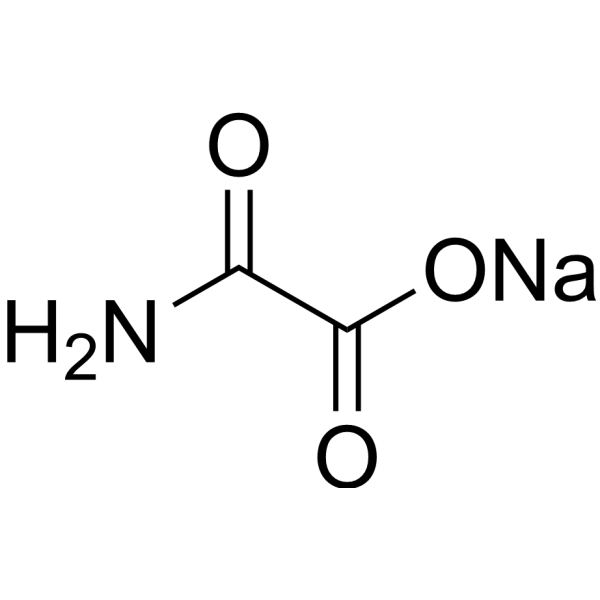
Sodium oxamate
|
Lactate Dehydrogenase
Apoptosis
|
Cancer
|
|
Oxamic acid (oxamate) sodium salt is a lactate dehydrogenase-A (LDH-A) inhibitor. Oxamic acid sodium salt shows anti-tumor activity, and anti-proliferative activity against cancer cells, and can induce apoptosis .
|
-
-
- HY-132167
-
|
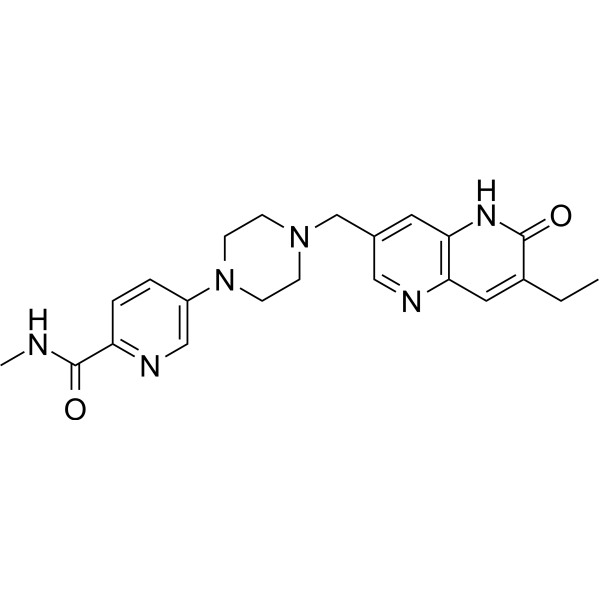
AZD5305
|
PARP
|
Cancer
|
|
Saruparib (AZD5305) is a potent, orally active and selective PARP inhibitor and trapper with IC50 values of 3 nM and 1400 nM for PARP1 and PARP2, respectively. Saruparib has anti-proliferative activity and inhibits growth in cells with deficiencies in DNA repair .
|
-
-
- HY-W013032
-
Oxamic acid
Maximum Cited Publications
58 Publications Verification
Oxamidic acid
|
Lactate Dehydrogenase
Apoptosis
|
Cancer
|
|
Oxamic acid is a lactate dehydrogenase-A (LDH-A) inhibitor. Oxamic acid shows anti-tumor activity, and anti-proliferative activity against cancer cells, and can induce apoptosis .
|
-

-
- HY-15187
-
|
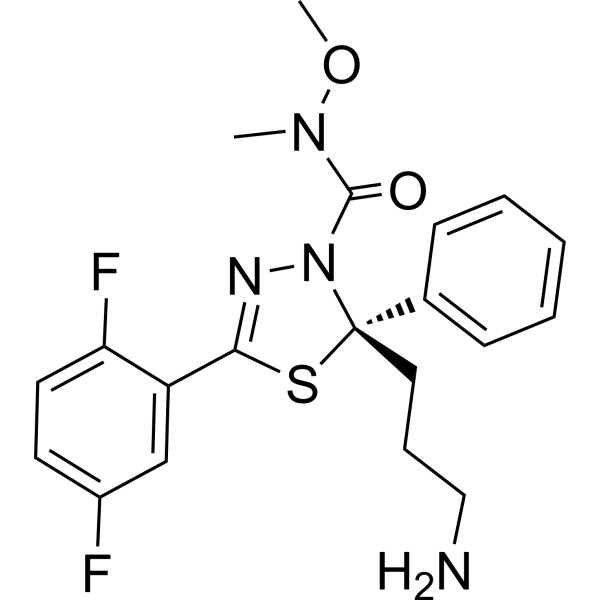
ARRY-520
|
Kinesin
Apoptosis
|
Cancer
|
|
Filanesib (ARRY-520) is a selective and noncompetitive kinesin spindle protein (KSP) inhibitor, with an IC50 of 6 nM for human KSP. Filanesib induces cell death by apoptosis in vitro. Filanesib has potent anti-proliferative activity .
|
-
-
- HY-128359
-
|
|
PROTACs
SWI/SNF Complex
Apoptosis
|
Cancer
|
|
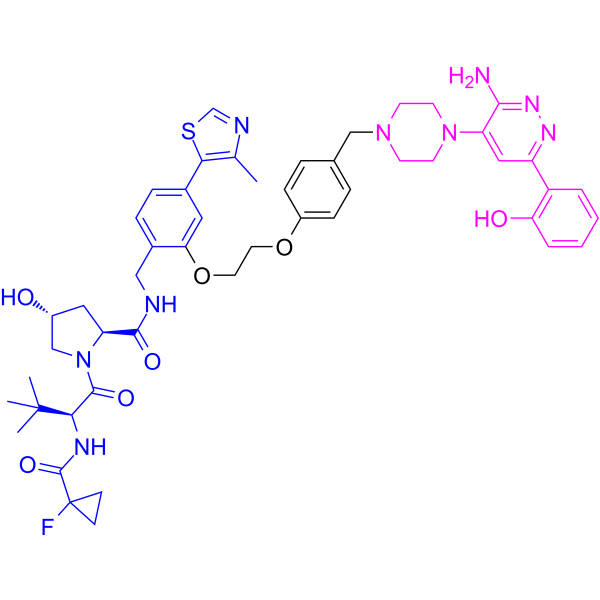
ACBI1 is a potent and cooperative SMARCA2, SMARCA4 and PBRM1 degrader with DC50s of 6, 11 and 32 nM, respectively. ACBI1 is a PROTAC degrader. ACBI1 shows anti-proliferative activity. ACBI1 induces apoptosis .
|
-
-
- HY-148185
-
|
KL610023
|
ADC Payload
|
Cancer
|
|
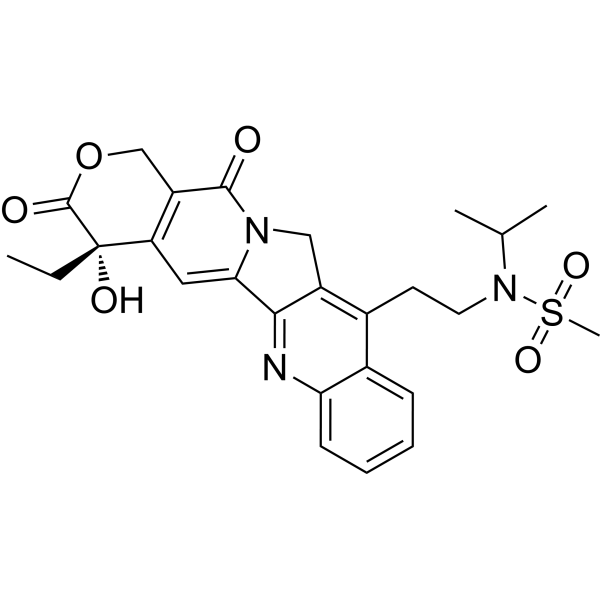
T01-1 is an anticancer agent (camptothecin derivative) with good anti-proliferative activity .
|
-
-
- HY-A0143
-
-
-
- HY-N2959
-
|
|
JAK
STAT
Apoptosis
Autophagy
|
Cancer
|
|
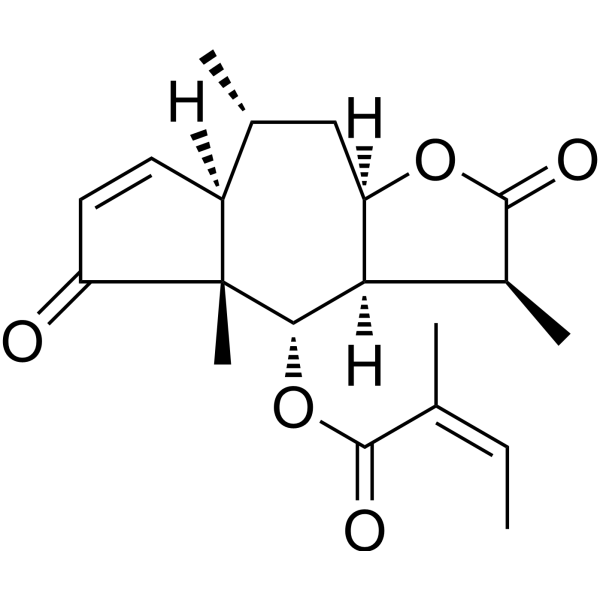
Brevilin A is an orally active STAT3/JAK inhibitor (STAT3 IC50=?10.6 μM). Brevilin A shows anti-tumor activity, anti-proliferative activity to cancer cells, and can induce apoptosis and autophagy .
|
-
-
- HY-110244
-
|
|
BRK
|
Cancer
|
|
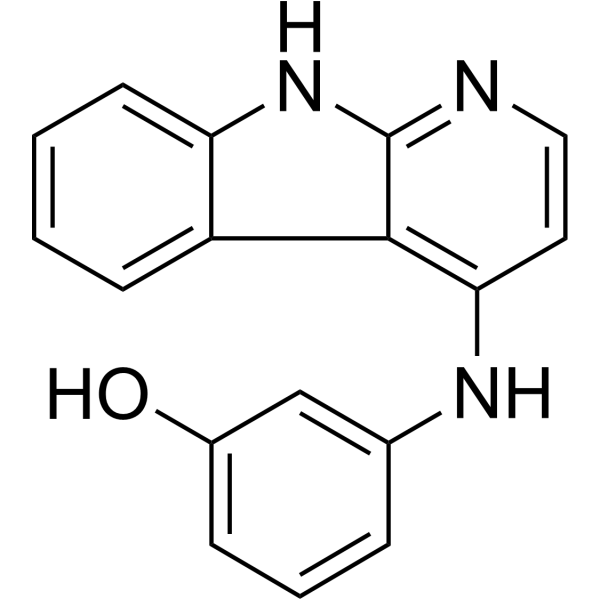
Tilfrinib (compound 4f) is a potent and selective Brk/PTK6 inhibitor with an IC50 value of 3.15 nM for Brk. Tilfrinib shows good anti-proliferative activity and has potential of anti-tumour .
|
-
-
- HY-17037
-
|
LS 519; Pirenzepin dihydrochloride; Gastrozepin dihydrochloride
|
mAChR
|
Metabolic Disease
Cancer
|
|
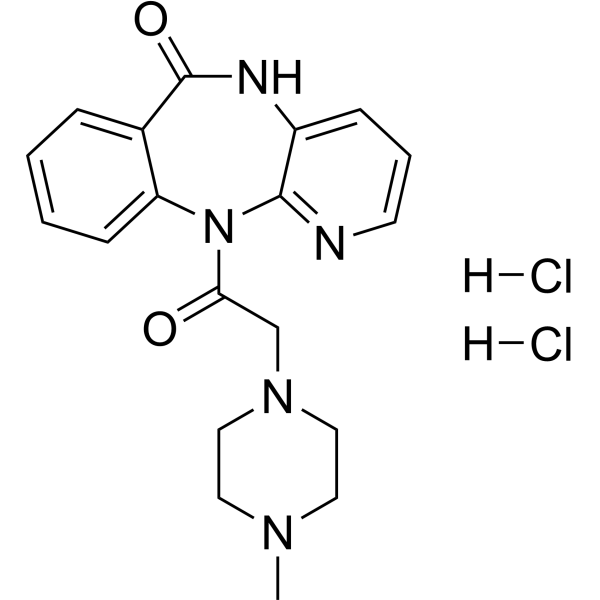
Pirenzepine (LS 519) dihydrochloride is a selective M1 mAChR (muscarinic acetylcholine receptor) antagonist, with poor penetration of the blood-brain barrier. Pirenzepine dihydrochloride reduces gastric acid secretion and reduces muscle spasm, can be used in peptic ulcers research. Pirenzepine dihydrochloride shows anti-proliferative activity to cancer cells .
|
-
-
- HY-12424
-
|
ABT-578; A 179578
|
Drug Derivative
|
Cardiovascular Disease
Inflammation/Immunology
Cancer
|
|
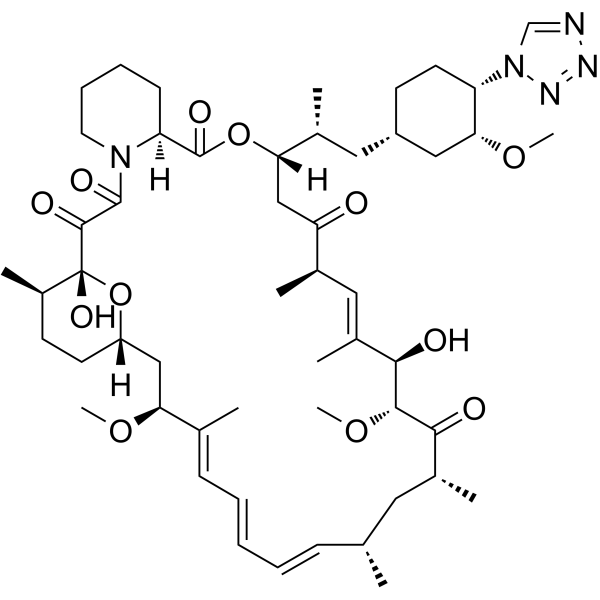
Zotarolimus (ABT-578) is a derivative of Rapamycin (HY-10219), with anti-proliferative activity. Zotarolimus is an immunosuppressant. Zotarolimus is developed specifically for local delivery from stents for the prevention of coronary artery restenosis .
|
-
-
- HY-N3845
-
|
|
Bacterial
|
Inflammation/Immunology
Cancer
|
|
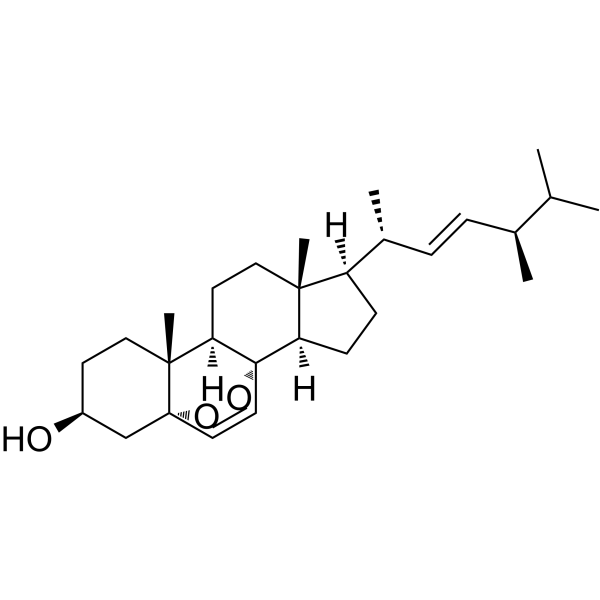
Ergosterol peroxide is a steroid derivative and can be isolated from a variety of fungi, yeast, lichens or sponges. Ergosterol peroxide has anti-tumour, proapoptotic, anti-inflammatory, anti-mycobacterial, and anti-proliferative activities .
|
-
-
- HY-15587
-
|
|
DNA/RNA Synthesis
|
Cancer
|
|
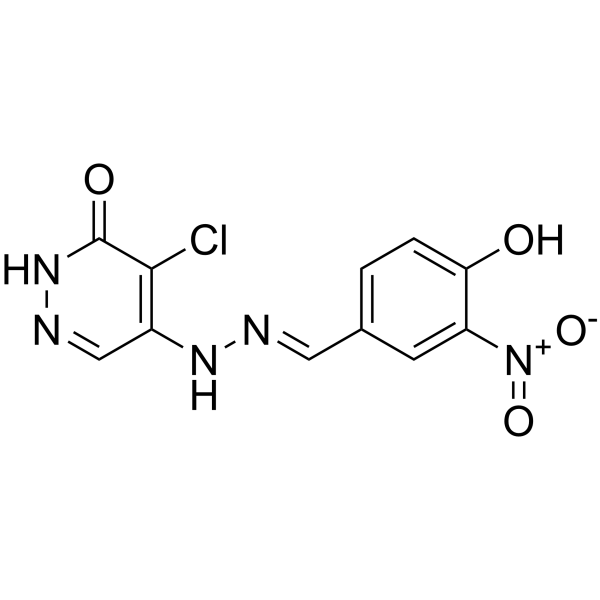
L82 is a selective and uncompetitive DNA ligase 1 (DNA Lig1) inhibitor (hLig1 IC50=12 μM). L82 shows anti-proliferative activity to breast cancer cells .
|
-
-
- HY-147322
-
|
|
YAP
|
Cancer
|
|
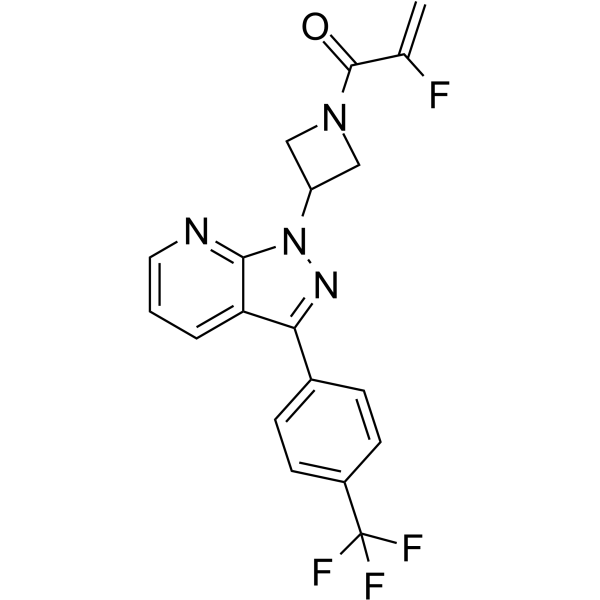
YAP/TAZ inhibitor-2 is a potent and orally active TEAD-YAP/TAZ inhibitor with an EC50 value of 3 nM. YAP/TAZ inhibitor-2 shows anti-proliferative activity. YAP/TAZ inhibitor-2 shows antitumor activity .
|
-
-
- HY-W016794
-
|
|
Reactive Oxygen Species (ROS)
Apoptosis
|
Cancer
|
|
NSC3852 exhibits anti-proliferative activity against cancer cell MCF-7. NSC3852 promotes the ROS generation, DNA damage, and apoptosis in MCF-7. NSC3852 exhibits anti-tumor against leukemia in mouse model
|
-

-
- HY-123159
-
|
|
Aurora Kinase
|
Cancer
|
|
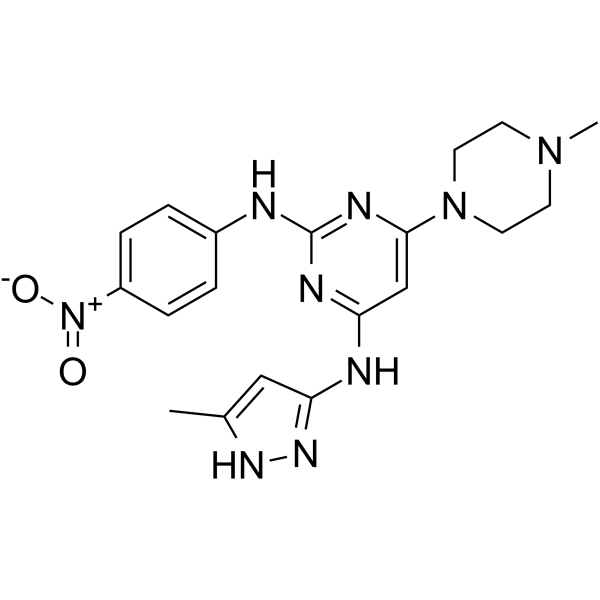
AKI603 is an inhibitor of Aurora kinase A (AurA), with an IC50 of 12.3 nM. AKI603 is developed to overcome resistance mediated by BCR-ABL-T315I mutation. AKI603 exhibits strong anti-proliferative activity in leukemic cells .
|
-
-
- HY-N2198
-
|
|
Topoisomerase
Apoptosis
|
Cancer
|
|
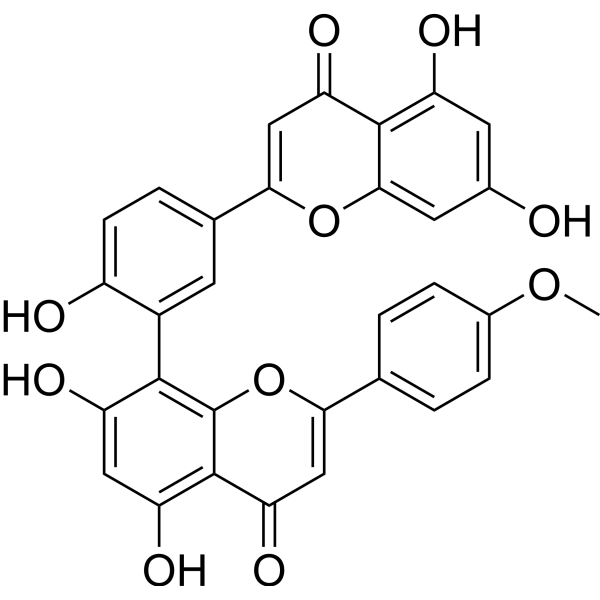
Podocarpusflavone A is a DNA topoisomerase I inhibitor. Podocarpusflavone A has moderated anti-proliferative activity and induces cell apoptosis in MCF-7. Podocarpusflavone A is developing anti-tumor agents .
|
-
-
- HY-147318
-
|
|
Apoptosis
|
Cancer
|
|
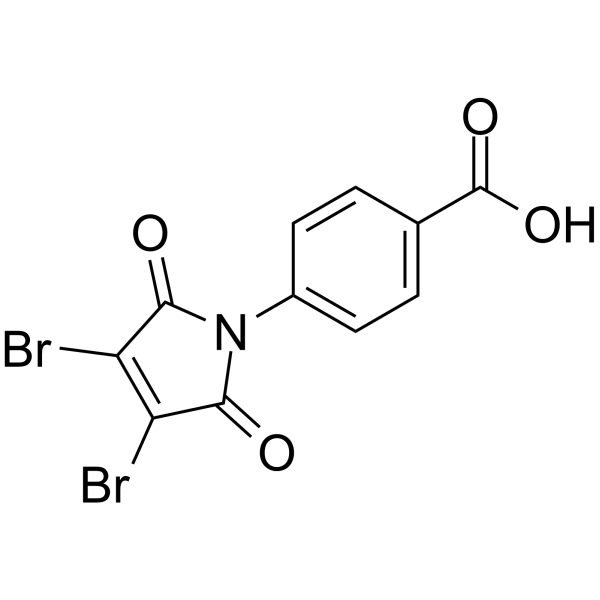
PBENZ-DBRMD is a potent iodothyronine deiodinase type 3 (DIO3) inhibitor. PBENZ-DBRMD has anti-proliferative activity and induces apoptosis. PBENZ-DBRMD can be used for cancer research .
|
-
-
- HY-B1394
-
Khellin
2 Publications Verification
|
EGFR
|
Cardiovascular Disease
Cancer
|
|
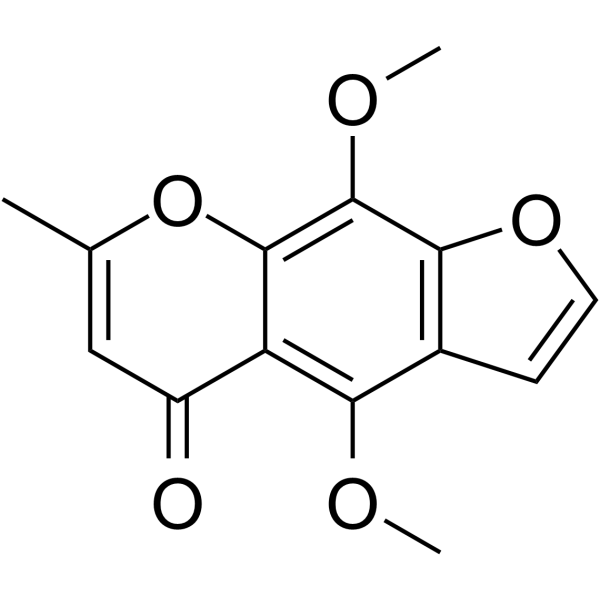
Khellin is a furochromone that can be isolated from Ammi visnuga L.. Khellin is an EGFR inhibitor with an IC50 of 0.15 µM. Khelline has anti-proliferative activity in vitro. Khellin has antispasmodic and coronary vasodilator effects .
|
-
-
- HY-N12503
-
|
|
Apoptosis
Caspase
|
Cancer
|
|
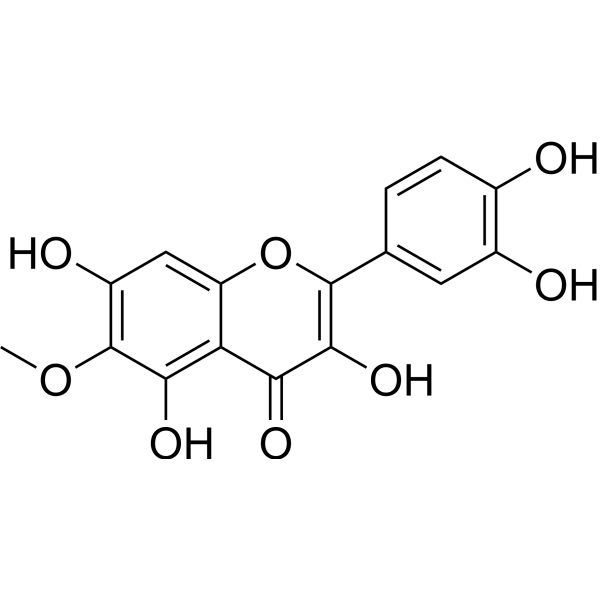
Patuletin is a flavonol, that can be isolated from the flowers of Tagetes patula. Patuletin shows anti-proliferative activity against cancer cells. Patuletin causes significant nuclear fragmentation and has a great capacity to induce caspase-3 activation .
|
-
-
- HY-100757
-
|
|
Histone Methyltransferase
|
Cancer
|
|
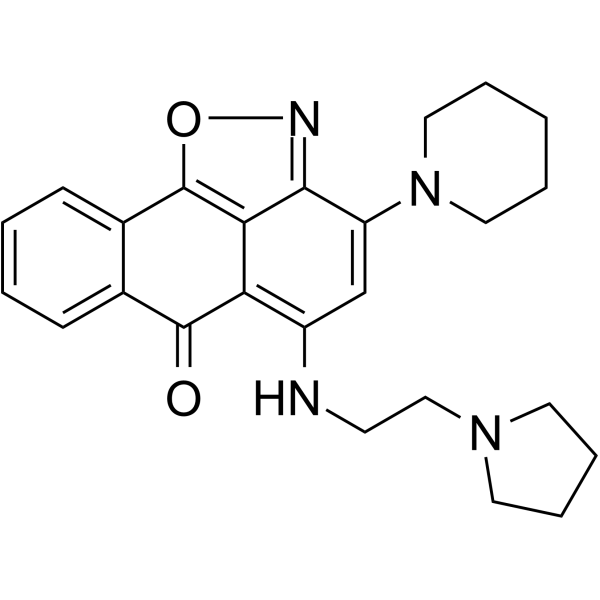
CPUY074020 is a potent and oral bioavailable inhibitor of histone methyltransferase G9a, with an IC50 of 2.18 μM. CPUY074020 possesses anti-proliferative activity .
|
-
-
- HY-W005130
-
|
|
NF-κB
|
Metabolic Disease
Cancer
|
|
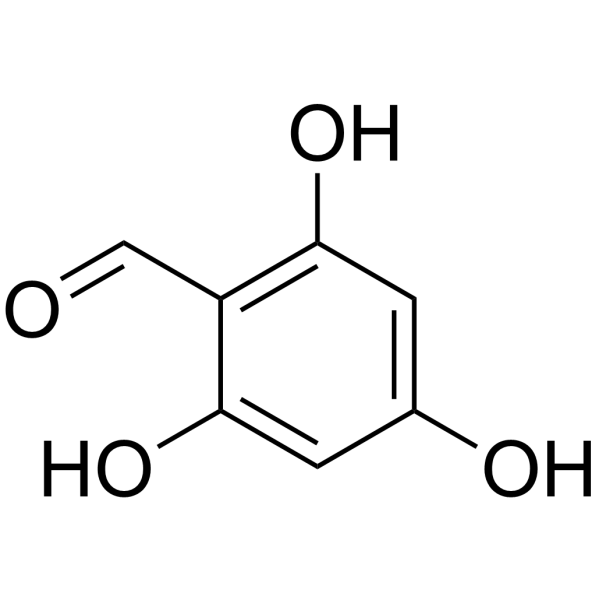
2,4,6-Trihydroxybenzaldehyde is an orally active NF- B inhibitor. 2,4,6-Trihydroxybenzaldehyde shows anti-tumor activity, anti-cancer cell proliferative activity and anti-obesity activity .
|
-
-
- HY-112316
-
|
|
Epigenetic Reader Domain
|
Cancer
|
|
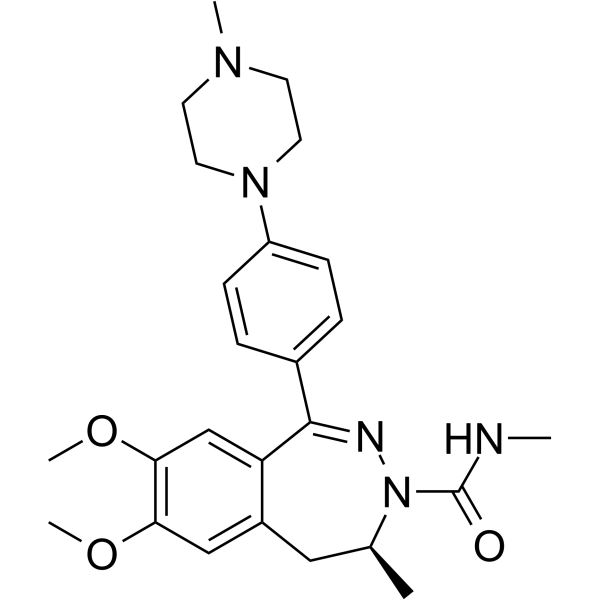
BAY1238097 is a potent and selective inhibitor of BET binding to histones and has strong anti-proliferative activity in different AML (acute myeloid leukemia) and MM (multiple myeloma) models through down-regulation of c-Myc levels and its downstream transcriptome (IC50 <100 nM).
|
-
-
- HY-153339
-
|
|
Eukaryotic Initiation Factor (eIF)
|
Cancer
|
|
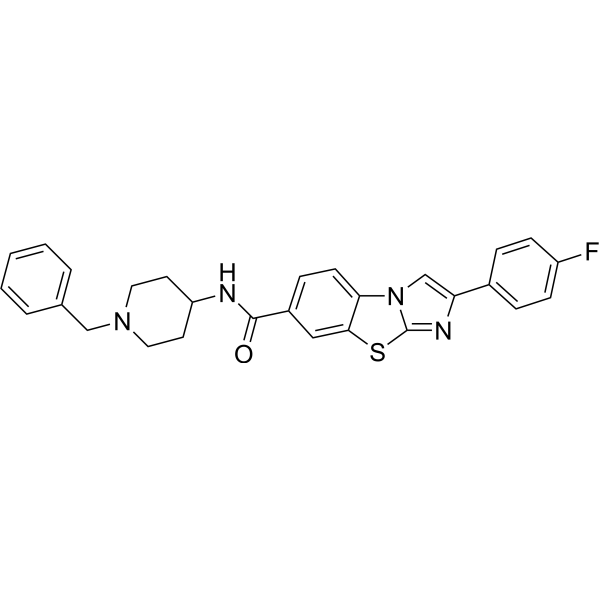
E235 is an expression regulator of activates transcription factor 4 (ATF4). E235 reduces cell viability by activating integrated stress response (ISR) and DNA damage response signals. E235 has anti-proliferative activity and can be used for tumor research .
|
-
-
- HY-162732
-
|
|
MASTL
|
Cancer
|
|
MASTL-IN-4(compound 70) is a potent MASTL inhibitor with a pIC50 value of 9.15. MASTL-IN-4 shows anti-proliferative activity .
|
-

-
- HY-16775
-
|
BAY 1002670
|
Progesterone Receptor
|
Cancer
|
|
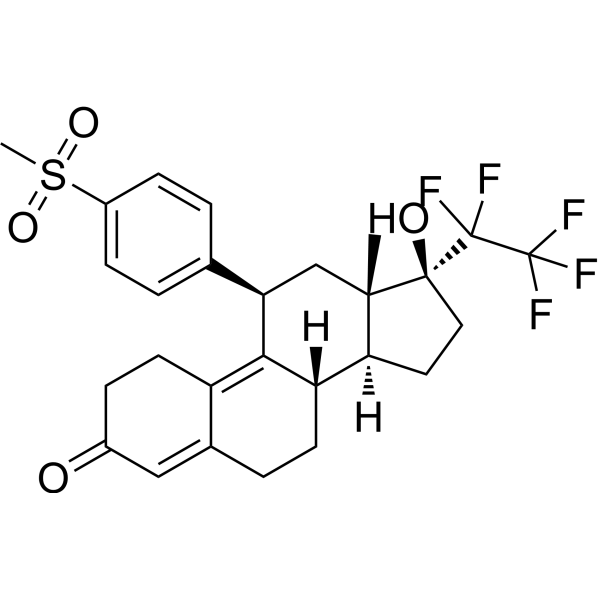
Vilaprisan is a selective progesterone receptor modulator (SPRM), which targets progesterone receptors. Vilaprisan can inhibit cell proliferation and stimulate apoptosis. Vilaprisan has oral efficacy and anti-proliferative activity against uterine leiomyoma (UF ).
|
-
-
- HY-151106
-
-
-
- HY-N0181A
-
|
9β,10α-Ergosterol
|
Endogenous Metabolite
|
Metabolic Disease
|
|
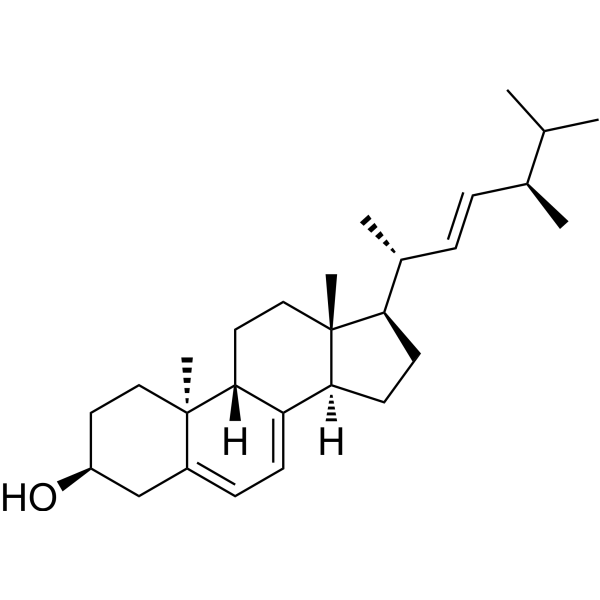
Lumisterol (9β,10α-Ergosterol), a steroid compound, is the (9β,10α)-stereoisomer of Ergosterol (HY-N0181). Lumisterol is a photoprotective agent against UVB-induced DNA damage and anti-proliferative activities .
|
-
-
- HY-15456
-
|
|
c-Met/HGFR
|
Cancer
|
|
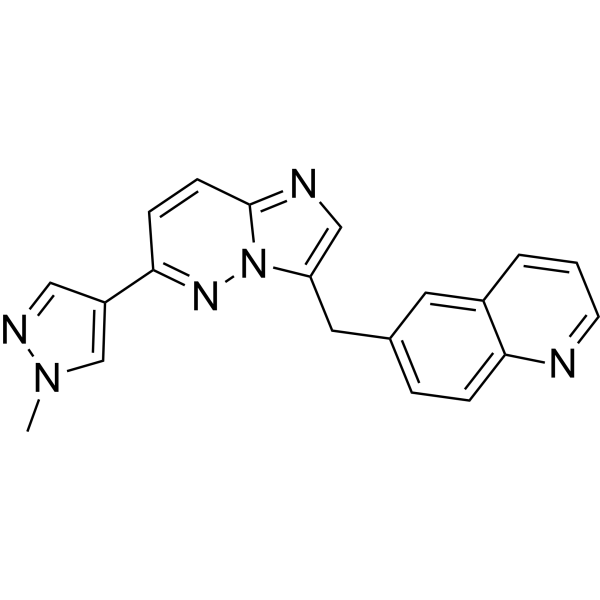
NVP-BVU972 is an selective and potent Met inhibitor, with an IC50 of 14 nM. NVP-BVU972 also exhibits good anti-proliferative activity against Met with drug-resistant mutations and inhibits phosphorylation. NVP-BVU972 can be used in study of cancer .
|
-
-
- HY-147929
-
|
|
Apoptosis
Caspase
Bcl-2 Family
|
Cancer
|
|
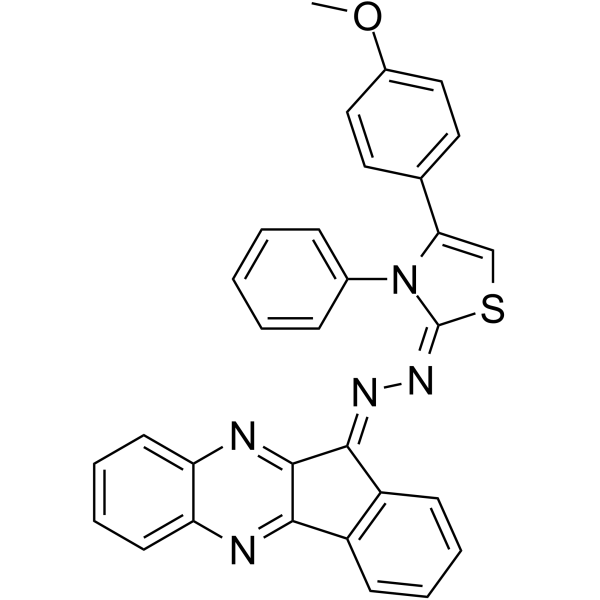
Apoptotic agent-3 (compound 15f) promotes apoptosis through the potential mitochondria-mediated Bcl-2/Bax pathway and activation of the Caspase 3 pathway. Apoptotic agent-3 exhibits anti-proliferative activities and can be used for cancer research .
|
-
-
- HY-162731
-
|
|
MASTL
|
Cancer
|
|
MASTL-IN-3 (compound 60) is a potent MASTL inhibitor with a pIC50 value of 9.10 M. MASTL-IN-3 shows anti-proliferative activity .
|
-

-
- HY-N8239
-
|
|
Others
|
Others
|
|
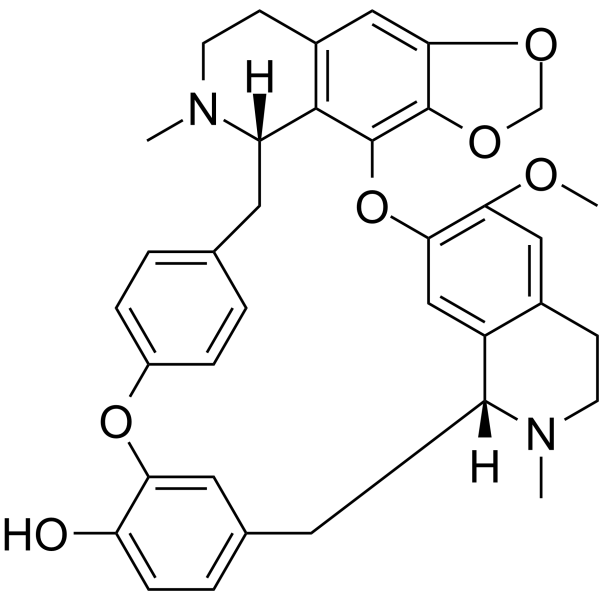
Cepharanoline is a compound isolated from Stephania cepharantha Hayata. Cepharanoline has proliferative activities .
|
-
-
- HY-146506
-
|
|
Microtubule/Tubulin
|
Cancer
|
|
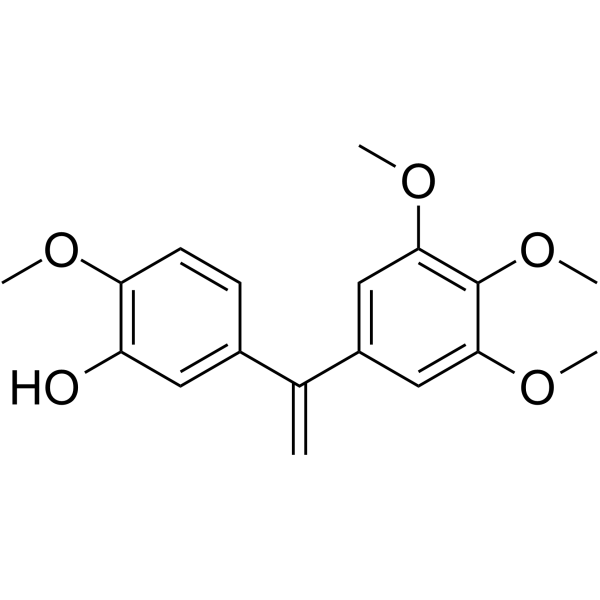
isoCA-4, a Combretastatin A4 derivative, is a tubulin polymerization inhibitor. isoCA-4 has anti-proliferative activities .
|
-
-
- HY-148109
-
|
|
FAK
|
Cancer
|
|
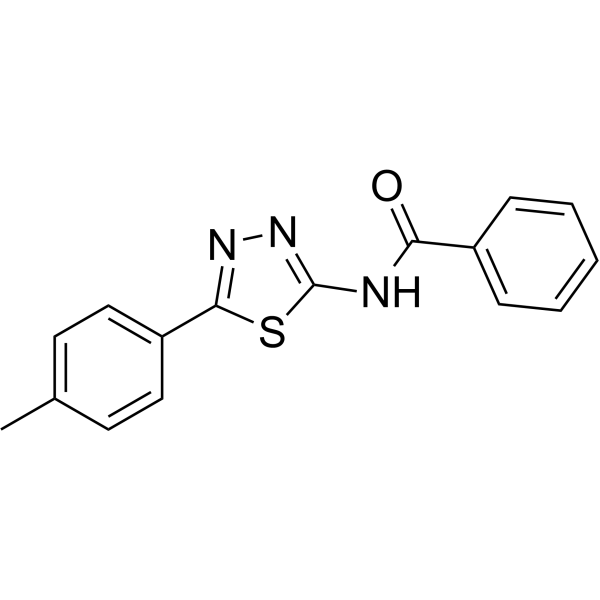
FAK-IN-7 (compound 5r) is a FAK inhibitor (IC50=11.72 µM). FAK-IN-7 has good anti-proliferative activity and can be used in cancer research .
|
-
-
- HY-149100
-
-
-
- HY-126423
-
|
Isorhamnetin 3-O-glucuronide
|
Apoptosis
|
Cancer
|
|
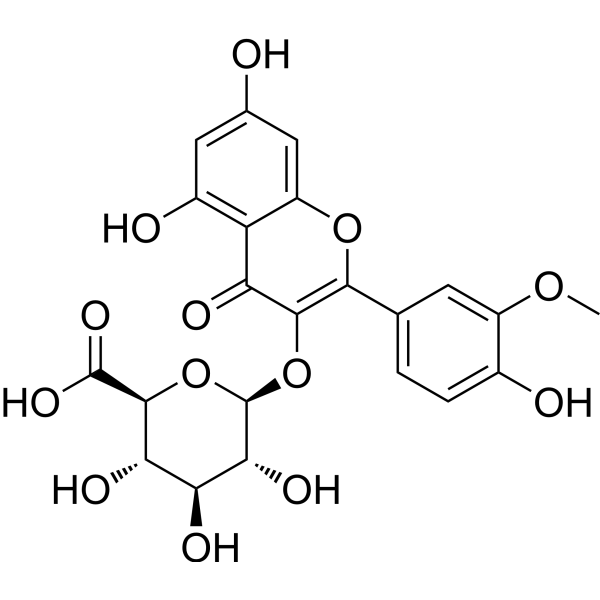
Isorhamnetin 3-glucuronide is a potent anticancer agent. Isorhamnetin 3-glucuronide shows anti-proliferative activity. Isorhamnetin 3-glucuronide induces Apoptosis and cell cycle arrest at S-phase .
|
-
-
- HY-156450
-
|
|
ERK
|
Cancer
|
|
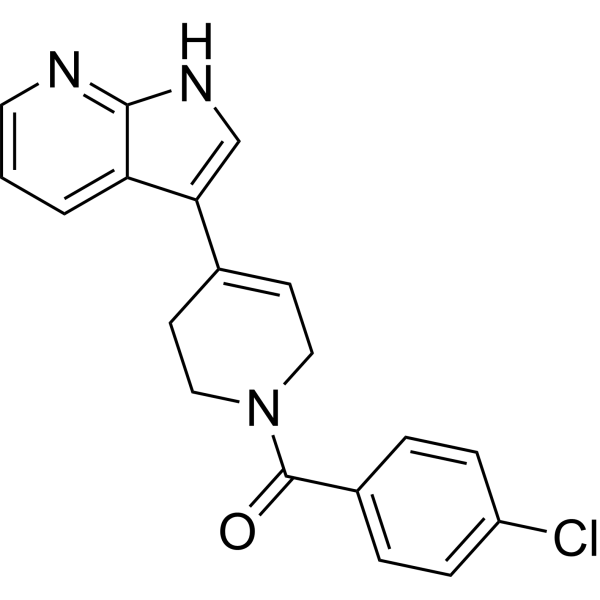
ERK5-IN-5 (compound 4a) is an ERK5 kinase inhibitor with anticancer activity. ERK5-IN-5 exhibits good anti-proliferative activity with the IC50 value of 6.23 µg/mL for A549 cells .
|
-
-
- HY-N6797
-
|
|
Bacterial
c-Met/HGFR
Antibiotic
|
Infection
Cancer
|
|
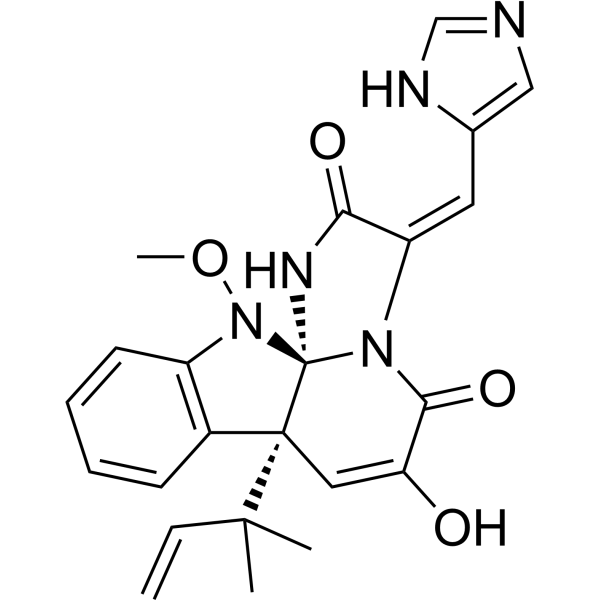
Meleagrin is a roquefortine C-derived alkaloid produced by fungi of the genus Penicillium and has antimicrobial and anti-proliferative activities. Meleagrin is a class of FabI inhibitor. Meleagrin is a lead c-Met inhibitory entity useful for the control of c-Met-dependent metastatic and invasive breast malignancies .
|
-
-
- HY-N8477
-
-
-
- HY-N10699
-
|
|
Others
|
Cancer
|
|
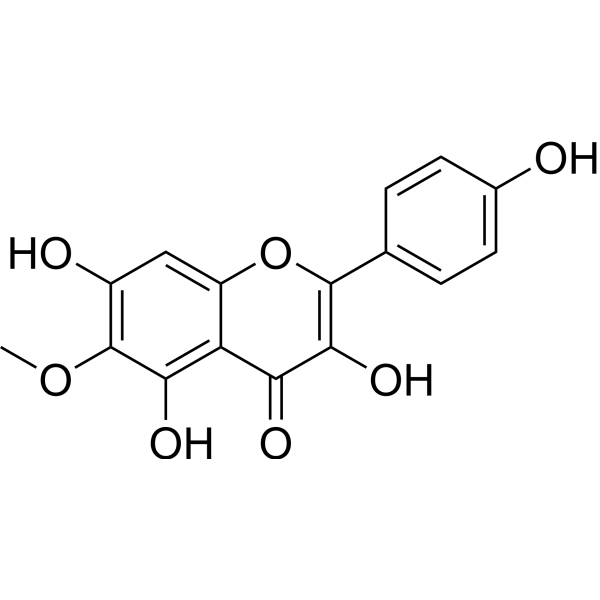
6-Methoxykaempferol is a flavone that can be found in brazilian propolis. 6-Methoxykaempferol shows anti-proliferative activity for cancer cells .
|
-
-
- HY-P10635
-
|
|
Biochemical Assay Reagents
|
Inflammation/Immunology
|
|
TKD (450-463) is a 14-mer peptide (TKDNNLLGRFELSG). TKD (450-463) is able to stimulate the cytolytic and proliferative activity of NK cells at concentrations equivalent to full-length Hsp70 protein .
|
-

-
- HY-152758
-
|
|
Apoptosis
Caspase
|
Cancer
|
|
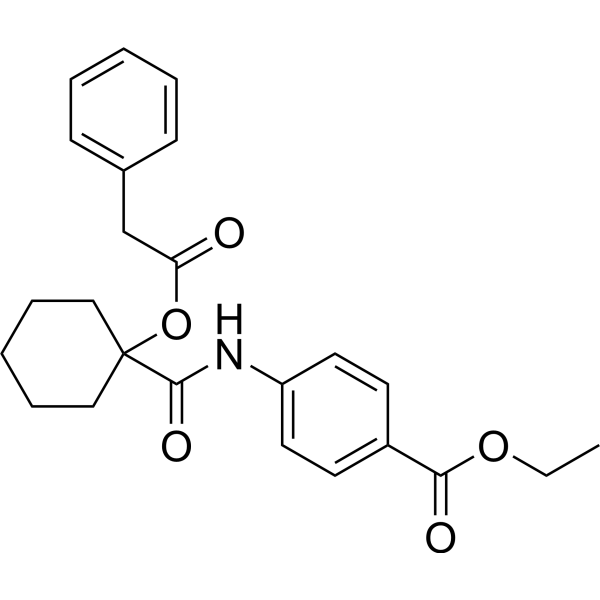
Caspase-3/7 activator 3 is an effective activator of Caspase-3/7. Caspase-3/7 activator 3 has tumor selectivity, anti-proliferative activity and high Apoptosis-inducing ability .
|
-
-
- HY-15187C
-
|
ARRY-520 hydrochloride
|
Kinesin
Apoptosis
|
Neurological Disease
Cancer
|
|
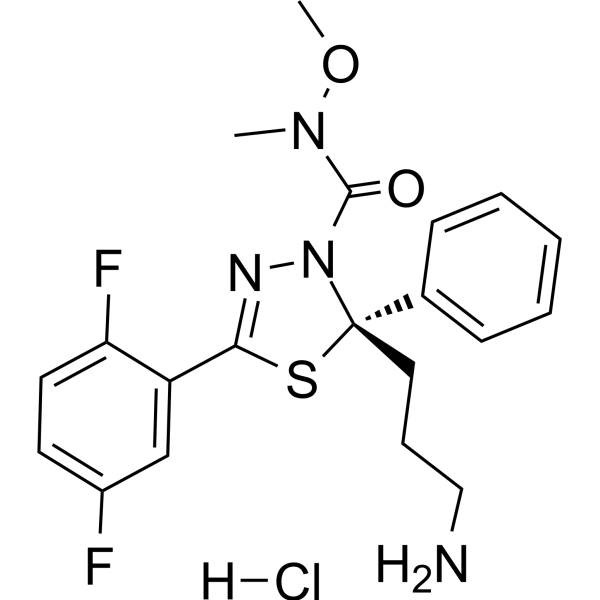
Filanesib (ARRY-520) hydrochloride is a selective and noncompetitive kinesin spindle protein (KSP) inhibitor, with an IC50 of 6 nM for human KSP. Filanesib induces cell death by apoptosis in vitro. Filanesib has potent anti-proliferative activity .
|
-
-
- HY-N7640
-
|
|
Others
|
Inflammation/Immunology
Cancer
|
|
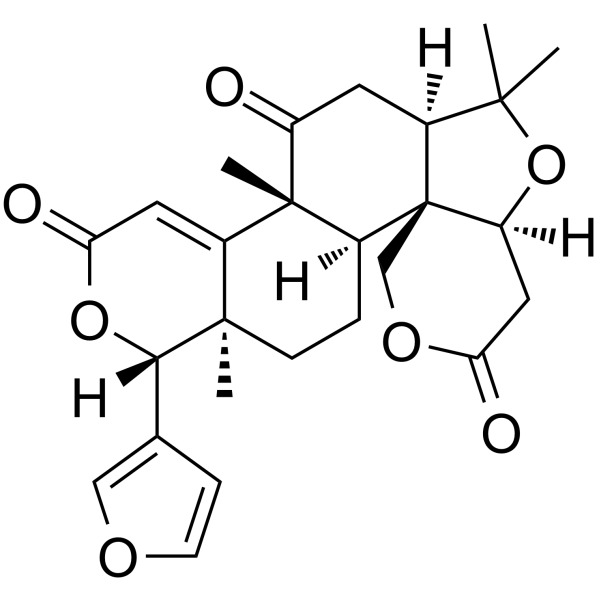
Desoxylimonin is an orally active triterpenoid compound found from grapefruit seed. Desoxylimonin shows anti-proliferative activities to breast cancer cells. Desoxylimonin derivatives shows better anticancer, analgesic and anti-inflammatory activity than the lead compound .
|
-
-
- HY-179119
-
|
|
ERK
|
Cancer
|
|
AB19 is a potent Vav1 inhibitor. AB19 inhibits Vav1 and reduces its downstream ERK phosphorylation. AB19 shows anti-proliferative activity in pancreatic cancer models. AB19 can be used for pancreatic cancer research .
|
-

-
- HY-177728
-
|
|
Molecular Glues
E1/E2/E3 Enzyme
|
Cancer
|
|
MG degrader 3 (Compound CM-3) is a molecular glucose degrading agent that targets the CRBN protein. MG degrader 3 has certain anti proliferative activity in MM.1S cells (IC50 = 8.7 nM). MG degrader 3 can be used for cancer research .
|
-

-
- HY-179239
-
|
|
METTL3
|
Cancer
|
|
METTL3-IN-12 (Compound 15) is a selective METTL3 inhibitor with an IC50 of 50 nM. METTL3-IN-12 exhibits significant anti-proliferative activity in various leukemia cell lines. METTL3-IN-12 can be used for research on leukemia .
|
-

-
- HY-161123
-
|
|
WDR5
|
Cancer
|
|
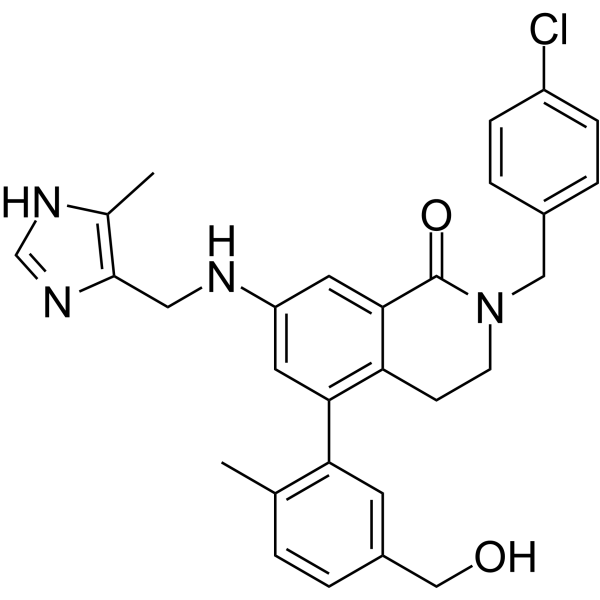
WDR5-IN-8 is a WDR5 inhibitor with IC50 value of 15.5 nM. WDR5-IN-8 shows good anti-proliferative activity in two human acute leukemia cell lines. WDR5-IN-8 has antitumor activity .
|
-
-
- HY-U00345
-
-
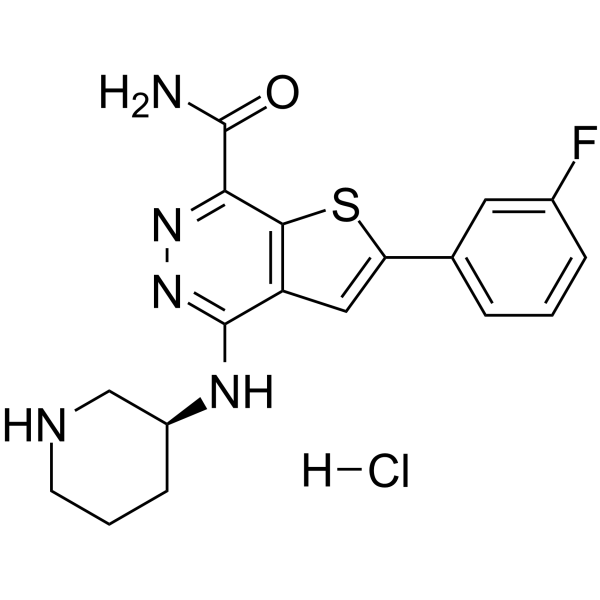
-
- HY-153753
-
|
|
Wnt
|
Cancer
|
|
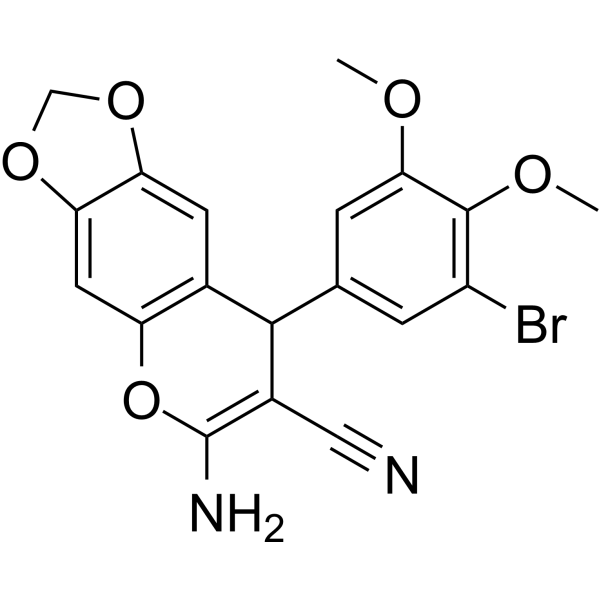
Wnt pathway inhibitor 4 (compound 16D) is an anticancer agent that has anti-proliferative activity .
|
-
- HY-170607
-
|
|
Apoptosis
|
Cancer
|
|
HPCR exhibits anti-proliferative activity against multi cancer cells. HPCR is involved in cell apoptosis .
|
-

- HY-N3355
-
|
|
Others
|
Cancer
|
|
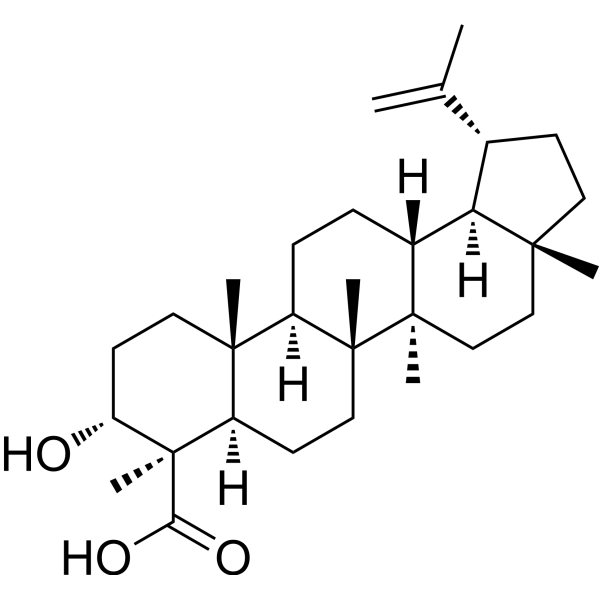
Lupeolic acid can be isolated from Boswellia sacra. Lupeolic acid has anti-proliferative activity and can be used in cancer research .
|
-
- HY-120736
-
|
|
Apoptosis
Caspase
|
Cancer
|
|
MEB55 is an antitumor agent. MEB55 shows anti-proliferative activity. MEB55 has the potential for the research of prostate cancer .
|
-

- HY-152001
-
|
|
Carbonic Anhydrase
|
Cancer
|
|
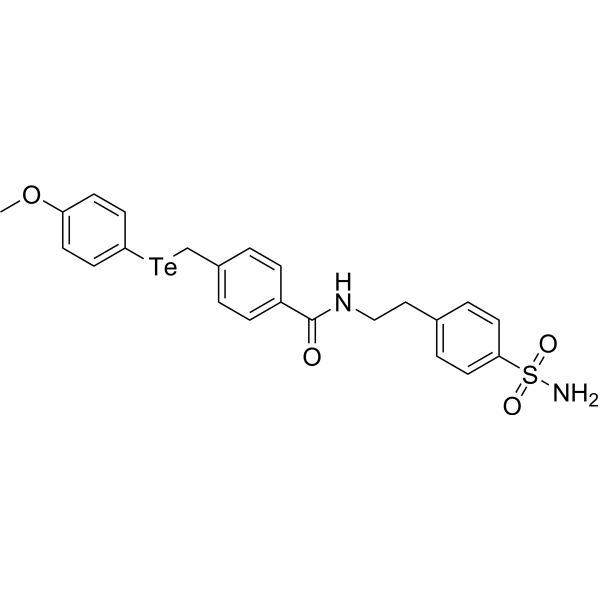
hCAIX-IN-24 is a potent and selectively hCA IX inhibitor with an KI value of 32.1 nM. hCAIX-IN-24 shows anti-proliferative activity .
|
-
- HY-N3527
-
|
|
Others
|
Cancer
|
|
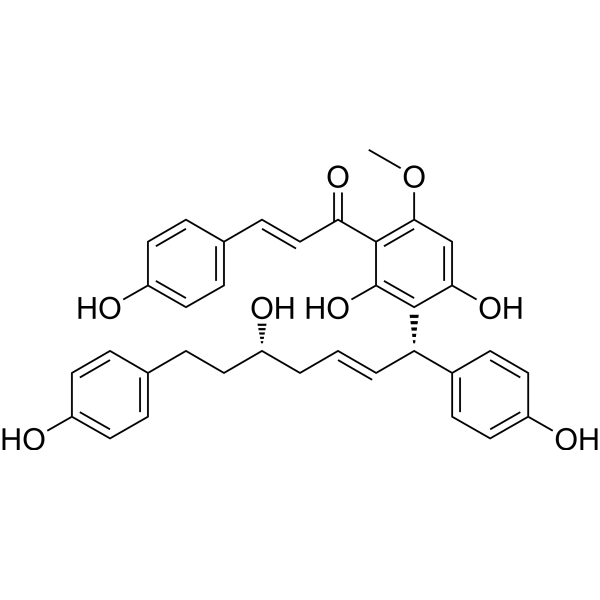
Calyxin B can be extracted from the seeds of Alpinia blepharocalyx. Calyxin B has anti-proliferative activity and can be used in cancer research .
|
-
- HY-N3428
-
|
|
Others
|
Cancer
|
|
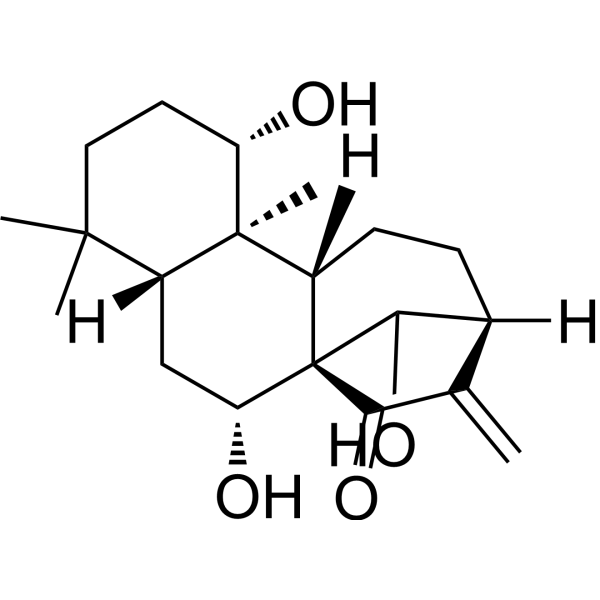
Kamebanin can be isolated from the leaves of Isodon weisiensis C. Y. Wu. Kamebanin has anti-proliferative activity and can be used in cancer research .
|
-
- HY-164459
-
|
AZ12908010
|
FGFR
|
Cancer
|
|
AZ8010 (AZ12908010) is a potent FGFR1-3 inhibitor. AZ8010 has anti-proliferative activity and can be used for the research of cancer .
|
-

- HY-161057
-
-
- HY-146889
-
|
|
Phosphodiesterase (PDE)
|
Cancer
|
|
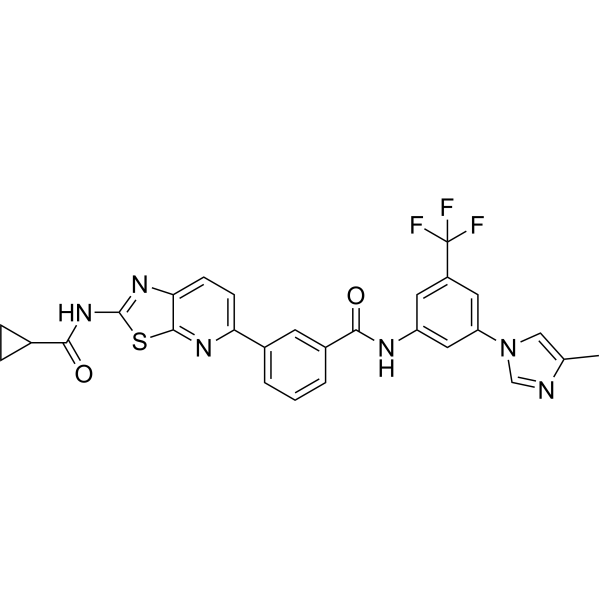
ATX inhibitor 16 is a potent ATX inhibitor with an IC50 of 0.0021 μM. ATX inhibitor 16 shows excellent anti-proliferative activities in breast cancer cells .
|
-
- HY-146890
-
|
|
Phosphodiesterase (PDE)
|
Cancer
|
|
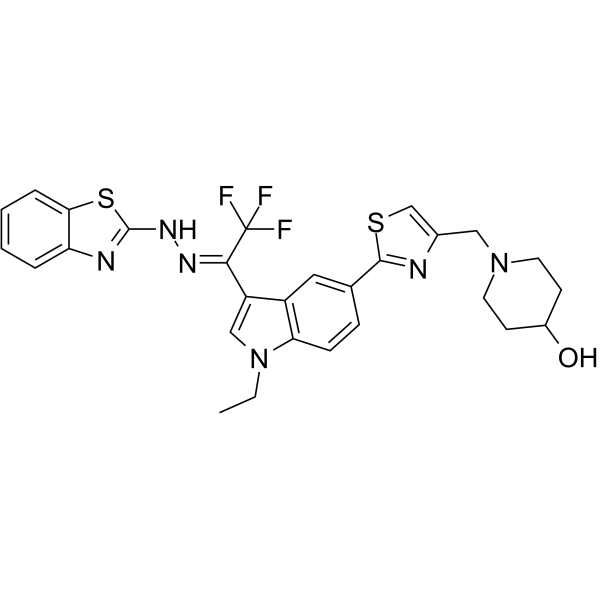
ATX inhibitor 17 is a potent ATX inhibitor with an IC50 of 0.019 μM. ATX inhibitor 17 shows excellent anti-proliferative activities in breast cancer cells .
|
-
- HY-N10670
-
|
Methylpluviatolide
|
Apoptosis
|
Cancer
|
|
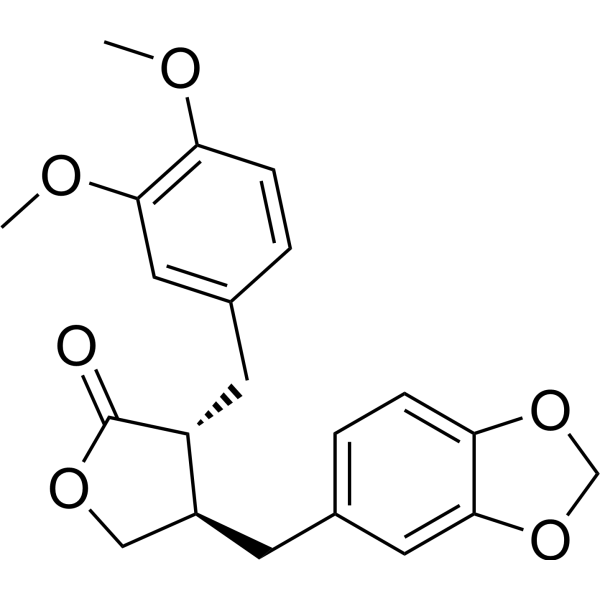
Bursehernin (Methylpluviatolide) is an antitumor agent. Bursehernin induces Apoptosis and cell cycle arrest at G2/M phase. Bursehernin shows anti-proliferative activity .
|
-
- HY-151996
-
|
|
Microtubule/Tubulin
|
Cardiovascular Disease
|
|
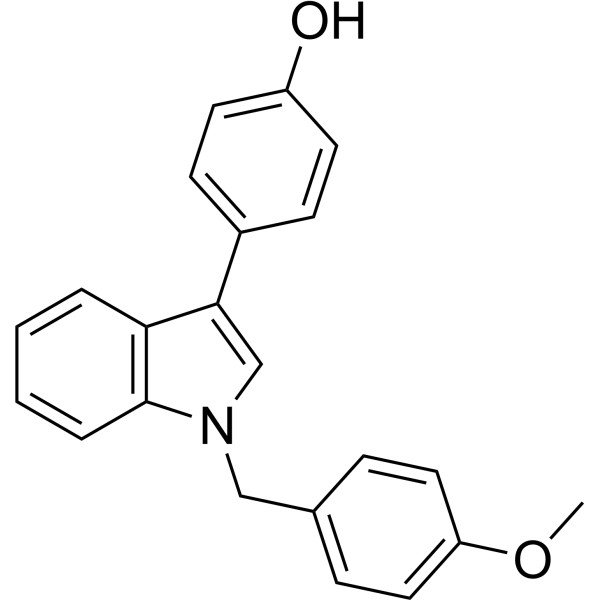
Tubulin inhibitor 31 is a potent tubulin inhibitor with an IC50 value of 4 μM. Tubulin inhibitor 31 shows anti-proliferative activity. Tubulin inhibitor 31 inhibits the HUVEC migration .
|
-
- HY-152520
-
|
|
Androgen Receptor
|
Cancer
|
|
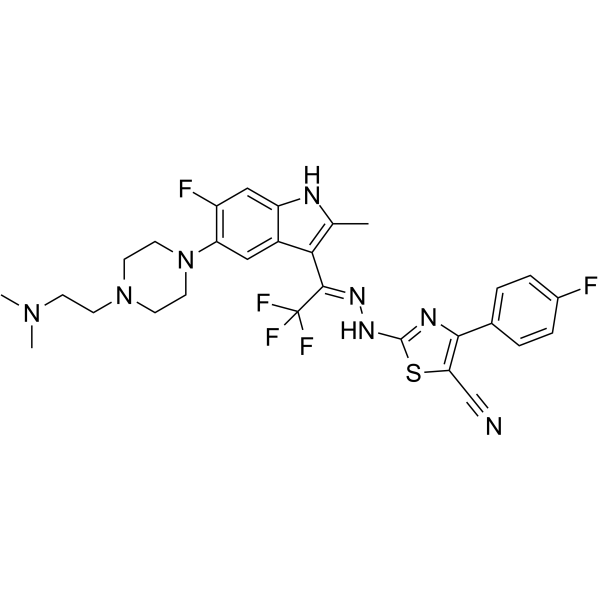
RLA-5331 is an iron activator containing anti-androgen. RLA-5331 has anti-proliferative activity on metastatic castration-resistant prostate cancer (mCRPC) cell line .
|
-
- HY-152512
-
|
|
Androgen Receptor
|
Cancer
|
|
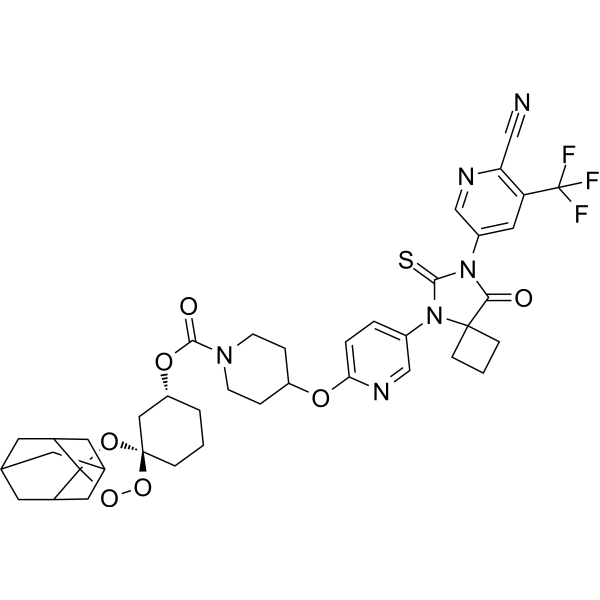
RLA-4842 is an iron activator containing anti-androgen. RLA-4842 has anti-proliferative activity on metastatic castration-resistant prostate cancer (mCRPC) cell line .
|
-
- HY-143250
-
|
|
Microtubule/Tubulin
|
Cancer
|
|
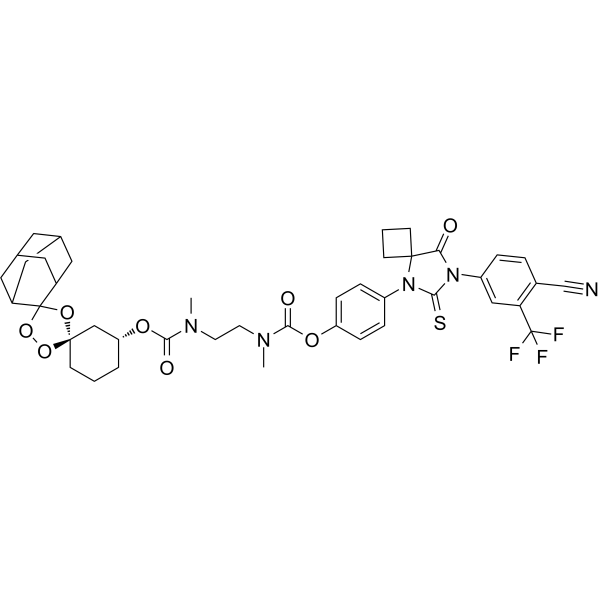
Tubulin inhibitor 12 (Hit 9) is a novel tubulin inhibitor (IC50=25.3 μM). Tubulin inhibitor 12 shows anti-tumor activity and anti-proliferative activity .
|
-
- HY-149927
-
|
|
Drug Derivative
|
Cancer
|
|
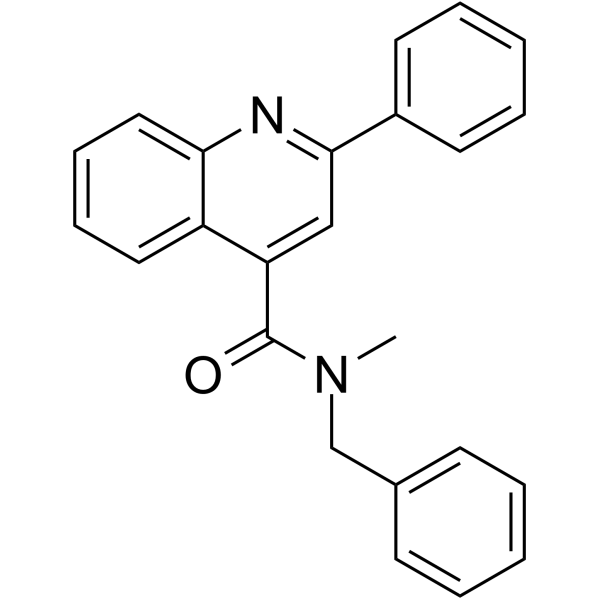
Antitumor agent-91 is a cyclic phosphate ester derivative with anticancer and anti-proliferative activities. Antitumor agent-91 has potential application in human castration resistant prostate cancer and pancreatic cancer .
|
-
- HY-N10392
-
|
|
Apoptosis
|
Cancer
|
|
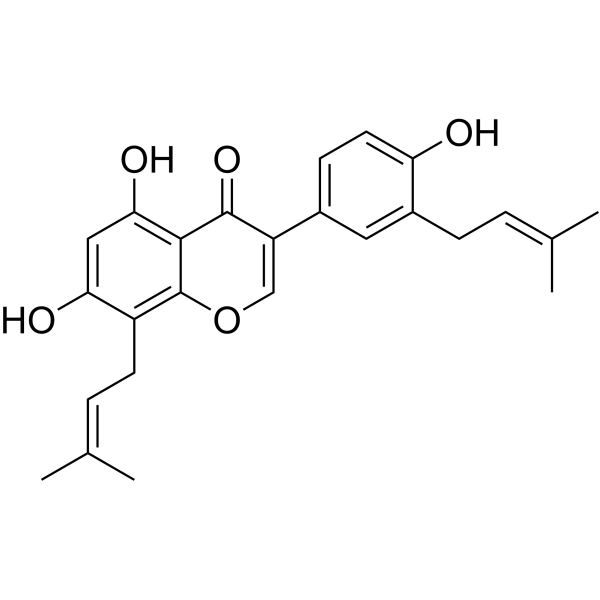
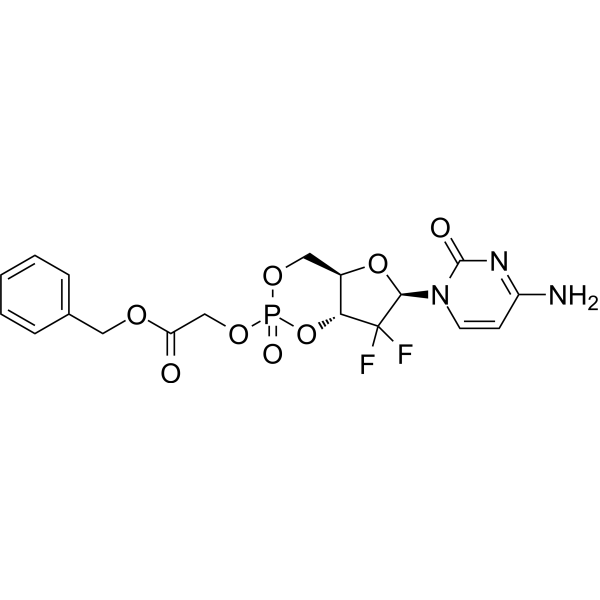
(S)-Erypoegin K is a potent anticancer agent. (S)-Erypoegin K shows potent anti-proliferative activity against HL-60 cells. (S)-Erypoegin K induces apoptosis .
|
-
- HY-147887
-
|
|
Microtubule/Tubulin
|
Cancer
|
|
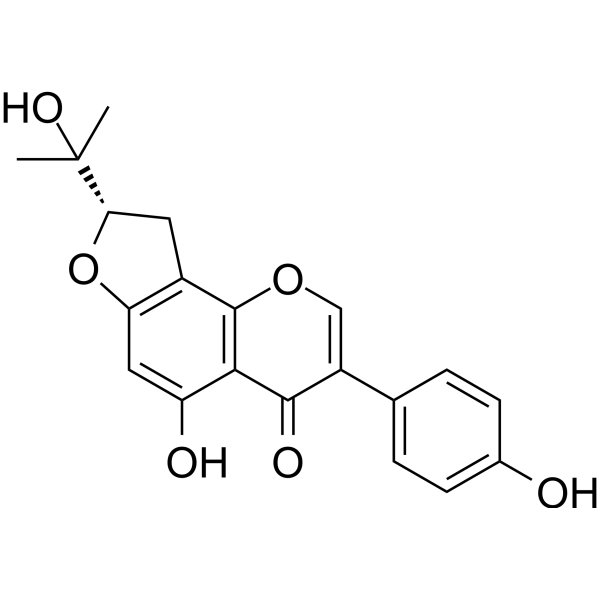
Tubulin inhibitor 28 (compound 2g) is a potent tubulin inhibitor with an IC50 value of 1.2 µM. Tubulin inhibitor 28 shows anti-proliferative activity for MCF-7 cells .
|
-
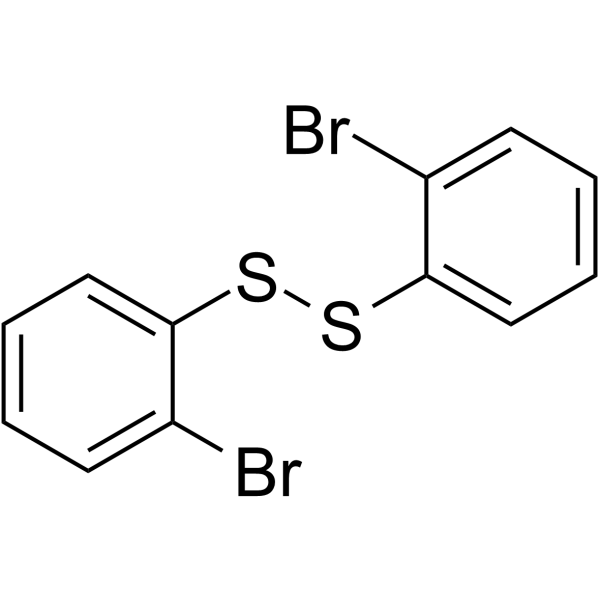
- HY-168206
-
|
|
Autophagy
|
Cancer
|
|
Autophagy-IN-6 (compound 1u) is a lysosomotropic autophagy inhibitor and can induces LC3-II protein accumulation. Autophagy-IN-6 shows anti-proliferative activity .
|
-

- HY-155748
-
|
|
MELK
Apoptosis
|
Cancer
|
|
Antitumor agent-116 (compound 6C) is an anti-tumor agent with anti-proliferative activities. Antitumor agent-11 induces cell apoptosis, and shows the binding affinity against the MELK receptor .
|
-
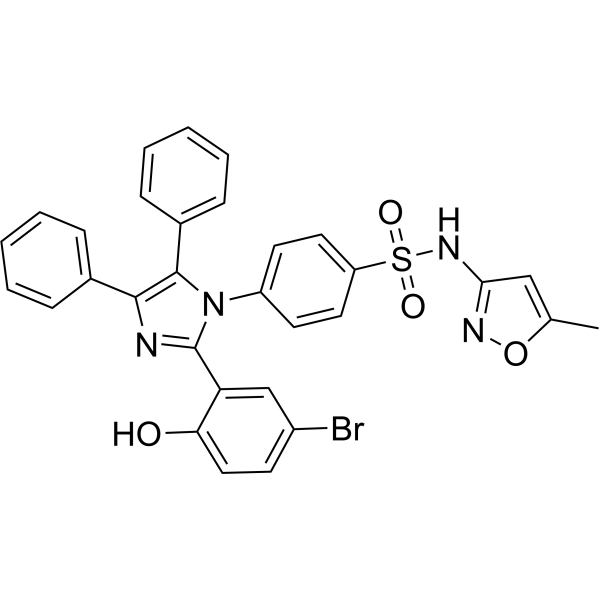
- HY-148110
-
|
|
FAK
|
Cancer
|
|
FAK-IN-8 (compound 5h) is a FAK inhibitor (IC50=5.32 µM). FAK-IN-8 has good anti-proliferative activity and can be used in cancer research .
|
-
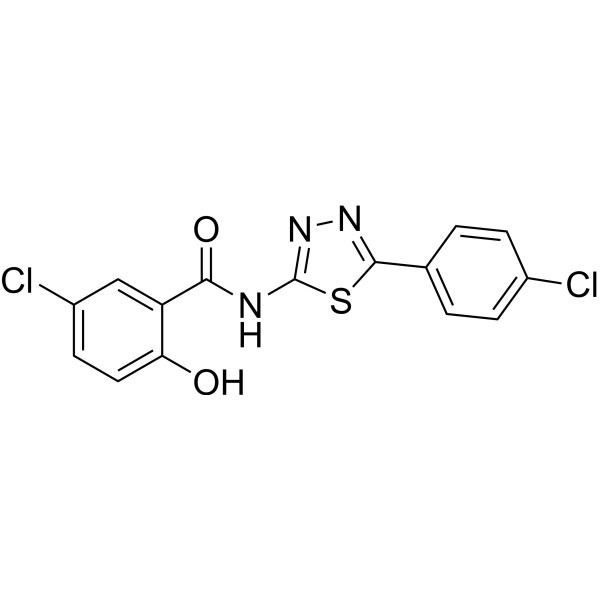
- HY-152756
-
|
|
Apoptosis
Caspase
|
Cancer
|
|
Caspase-3/7 activator 2 is an effective activator of Caspase-3/7. Caspase-3/7 activator 2 has tumor selectivity, anti-proliferative activity and high Apoptosis-inducing ability .
|
-
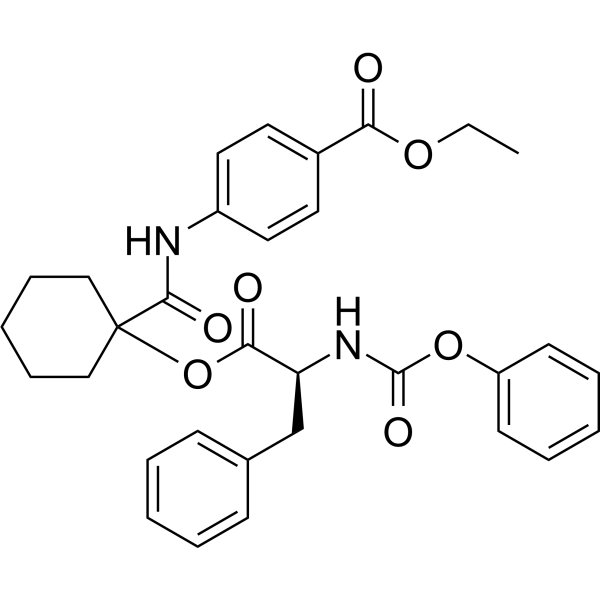
- HY-163275
-
|
|
MDM-2/p53
Apoptosis
|
Cancer
|
|
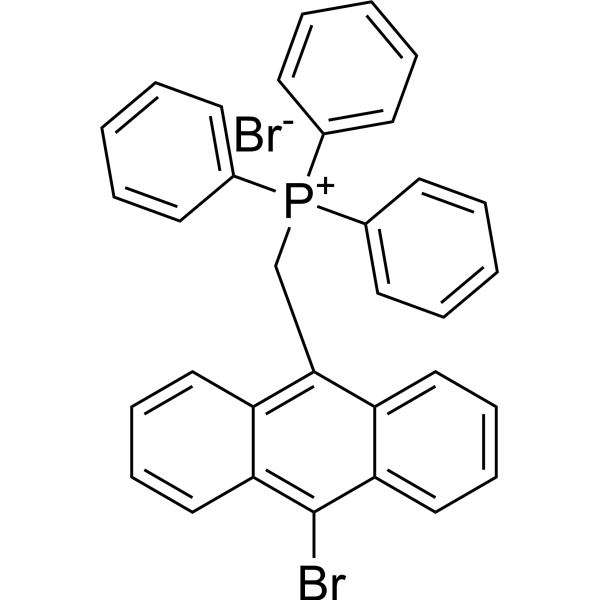
MDM2-IN-24 (compound A3f) exhibits MDM2-inhibiting and MDMX-activating properties in triple-negative breast cancer (TNBC) cells, with apoptotic and anti-proliferative activities .
|
-
- HY-152748
-
|
|
Apoptosis
Caspase
|
Cancer
|
|
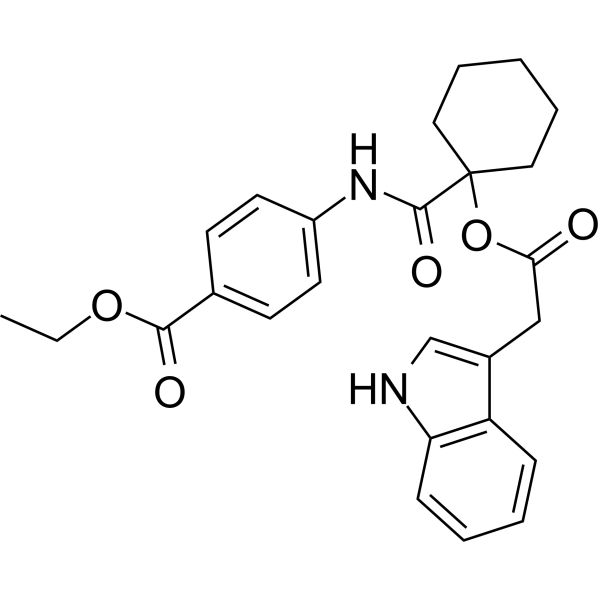
Caspase-3/7 activator 1 is an effective activator of Caspase-3/7. Caspase-3/7 activator 1 has tumor selectivity, anti-proliferative activity and high Apoptosis-inducing ability .
|
-
- HY-151191
-
|
|
Histone Demethylase
|
Cancer
|
|
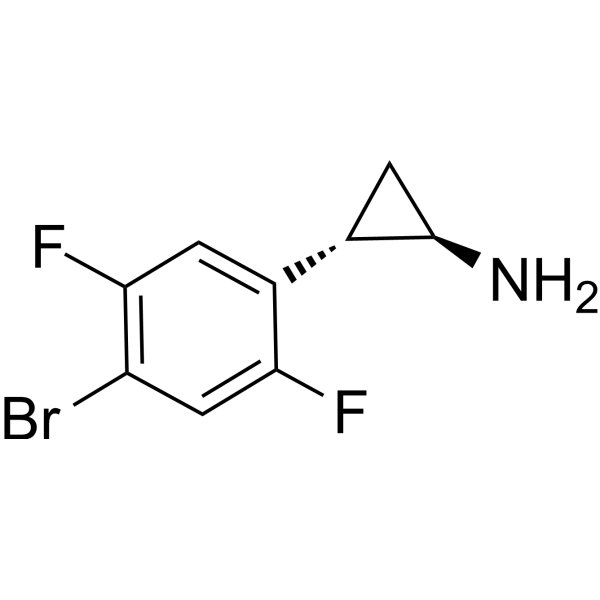
LSD1-IN-22 is a potent Lysine-specific demethylase 1 (LSD1) inhibitor with a Ki value of 98 nM. LSD1-IN-22 has anti-proliferative activity against certain cancer cells .
|
-
- HY-N16671
-
|
Bufogenin B; Deacetylbufotalin
|
Others
|
Cancer
|
|
Desacetylbufotalin (Bufogenin B; Deacetylbufotalin) is a bufadienolide found in Chinese drug "Chan'Su". Desacetylbufotalin shows strong anti-proliferative activity on the of Hela cells (IC50 = 0.01 μM). Desacetylbufotalin can be used for the research of cancer, such as cervical cancer .
|
-

- HY-15187B
-
|
ARRY-520 TFA
|
Kinesin
|
Cancer
|
|
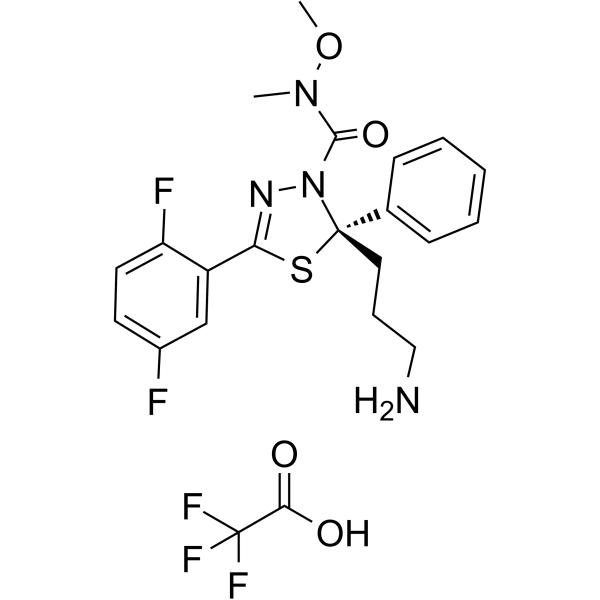
Filanesib TFA (ARRY-520 TFA) is a selective kinesin spindle protein (KSP) inhibitor, with an IC50 of 6 nM for human KSP. Filanesib TFA induces cell death by apoptosis in vitro. Filanesib TFA has potent anti-proliferative activity .
|
-
- HY-150730
-
|
|
FAK
|
Cancer
|
|
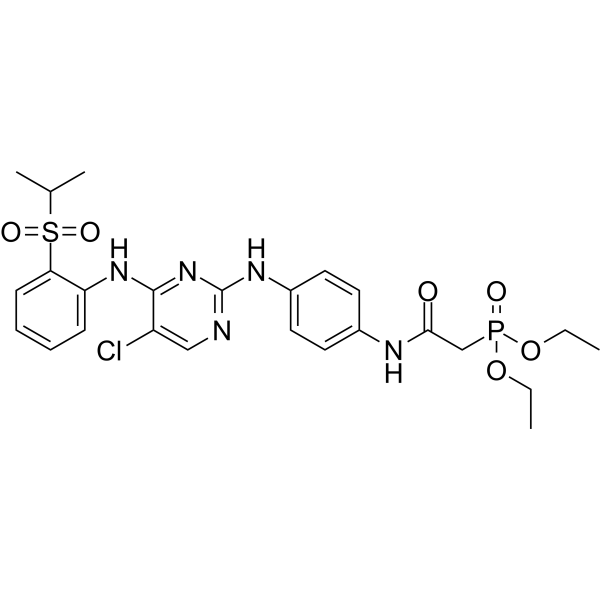
FAK-IN-6 is a potent FAK inhibitor with an IC50 value of 1.415 nM. FAK-IN-6 has anti-proliferative activity against certain cancer cell lines. FAK-IN-6 can be used for researching pancreatic cancer .
|
-
- HY-149402
-
|
|
Carbonic Anhydrase
|
Cancer
|
|
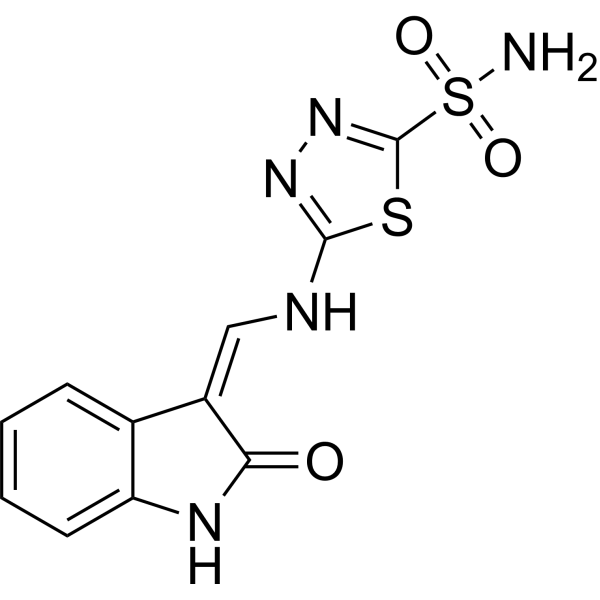
hCA XII-IN-6 (compound 4d) is a potent hCA XII inhibitor with a Ki value of 84.2 nM. hCA XII-IN-6 has anti-proliferative activity. hCA XII-IN-6 can be used in research of cancer .
|
-
- HY-156919
-
|
|
MDM-2/p53
|
Cancer
|
|
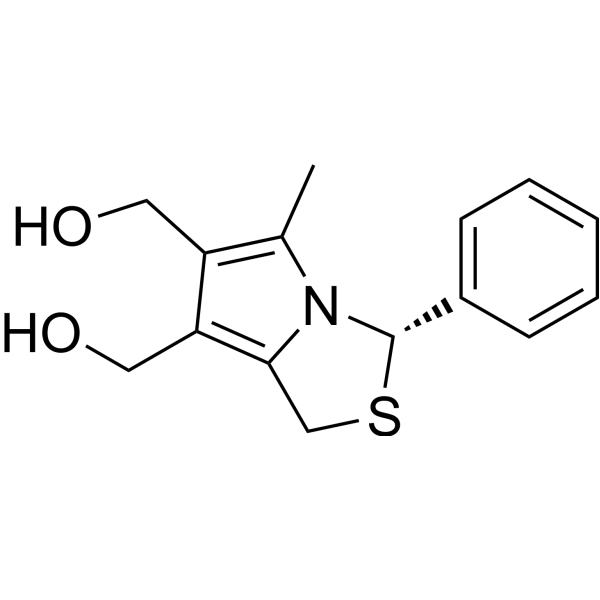
p53 Activator 8 (compound 5) is a p53 activator. p53 Activator 8 has potent anti-proliferative activity against MCF7 breast cancer cell lines with an IC 50 value of 0.5 μM .
|
-
- HY-147928
-
|
|
Apoptosis
Caspase
Bcl-2 Family
|
Cancer
|
|
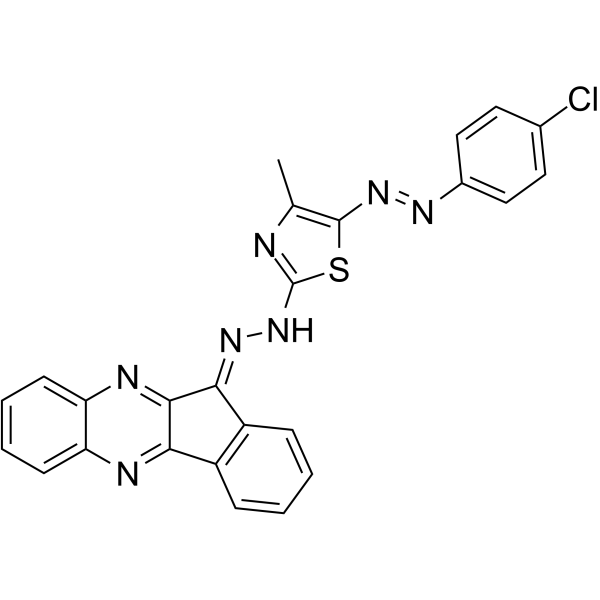
Apoptotic agent-2 (compound 14b) induces apoptosis by down-regulation of Bcl-2 and up-regulation of Bax and caspase-3. Apoptotic agent-2 exhibits anti-proliferative activities and can be used for cancer research .
|
-
- HY-W013032R
-
|
Oxamidic acid (Standard)
|
Reference Standards
Lactate Dehydrogenase
Apoptosis
|
Cancer
|
|
Oxamic acid (Standard) is the analytical standard of Oxamic acid. This product is intended for research and analytical applications. Oxamic acid is a lactate dehydrogenase-A (LDH-A) inhibitor. Oxamic acid shows anti-tumor activity, and anti-proliferative activity against cancer cells, and can induce apoptosis[1][2][3].
|
-

- HY-157137
-
|
|
PARP
Caspase
Apoptosis
|
Cancer
|
|
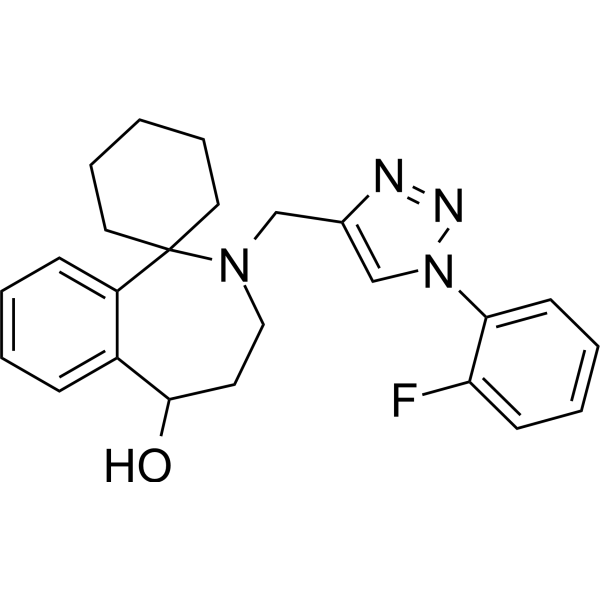
PARP1-IN-17 is a PARP-1 inhibitor (IC50 = 19.24 nM for PARP-1 and = 32.58 nM for PARP-2) and induce apoptosis. PARP1-IN-17 shows excellent anti-proliferative activity .
|
-
- HY-146209
-
|
|
Microtubule/Tubulin
Apoptosis
|
Cancer
|
|
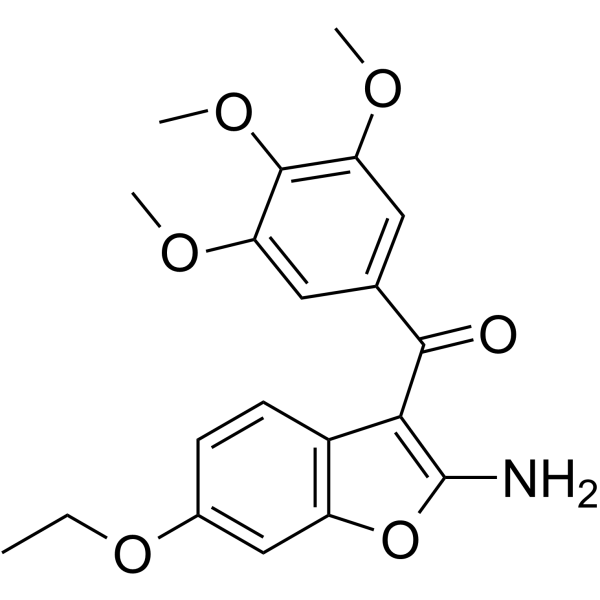
Tubulin polymerization-IN-13 (Compound 4f) is a tubulin polymerization inhibitor (IC50=0.37 μM). Tubulin polymerization-IN-13 shows anti-proliferative activity against cancer cells, induces apoptosis and potential antivascular activity .
|
-
- HY-N3451
-
|
|
Lipoxygenase
|
Cancer
|
|
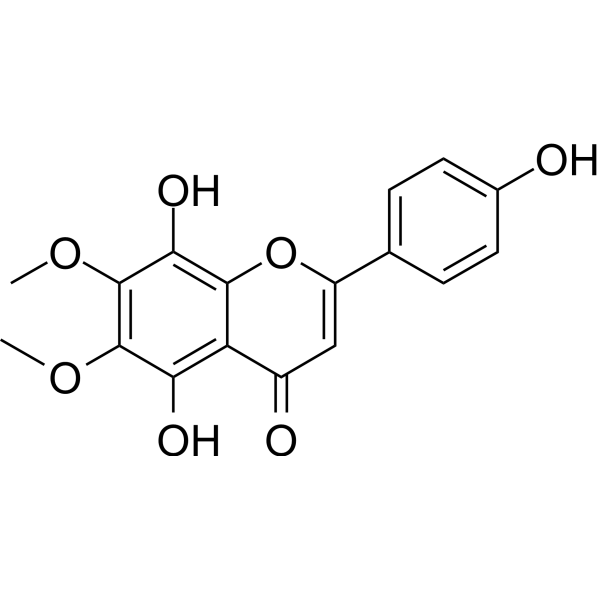
Isothymusin is a potent anti-oxidant agent. Isothymusin shows radical scavenging activities. Isothymusin shows anti-proliferative activities in cancer cell lines. Isothymusin inhibited the enzymes associated with the promotion stage of cancer, including cycloxygenase- 2 and lipoxygenase-5 .
|
-
- HY-120607
-
|
|
Parasite
|
Infection
Cancer
|
|
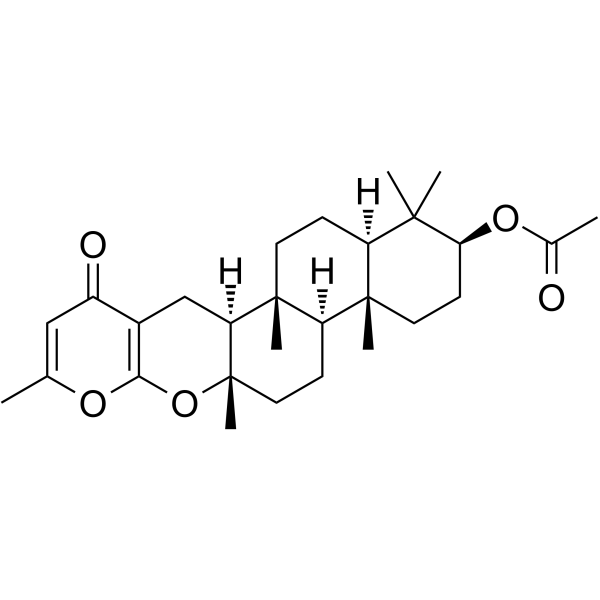
Chevalone C, a meroterpenoid fungal metabolite, shows antimalarial activity with IC50 value of 25.00 μg/mL. Chevalone C has anti-proliferative activity on colon HCT116, liver HepG2 and melanoma A375 cancer cell lines .
|
-
- HY-156451
-
|
|
ERK
|
Cancer
|
|
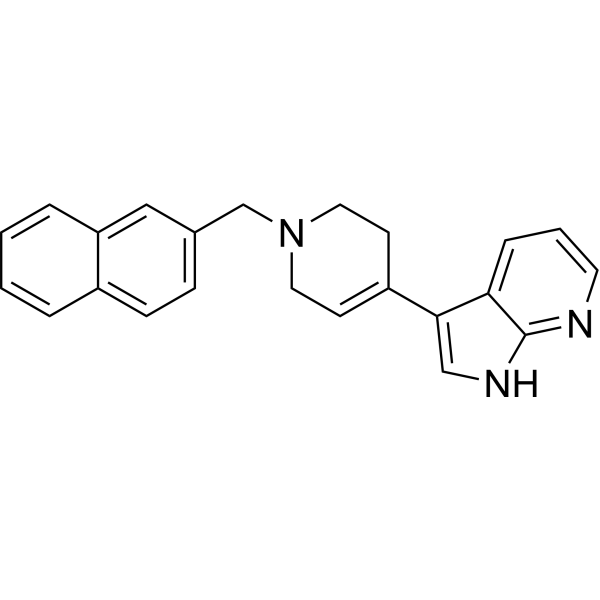
ERK5-IN-6 (compound 5J) is an ERK5 kinase inhibitor with anticancer activity. ERK5-IN-6 exhibits good anti-proliferative activity with the IC50 value of 4.56 µg/mL for A549 cells .
|
-
- HY-156553
-
|
|
Btk
|
Inflammation/Immunology
Cancer
|
|
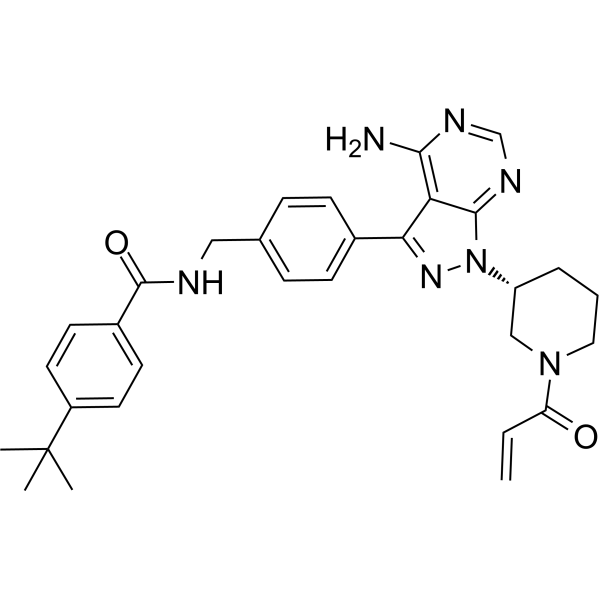
BTK-IN-27 (example 8) is a BTK inhibitor (IC50: 0.2 nM). BTK-IN-27 shows anti-proliferative activity in TMD8 cells (IC50: < 5 nM). BTK-IN-27 can be used for research of cancer, lymphoma, leukemia and immunological diseases .
|
-
- HY-115928
-
|
|
Bcl-2 Family
|
Cancer
|
|
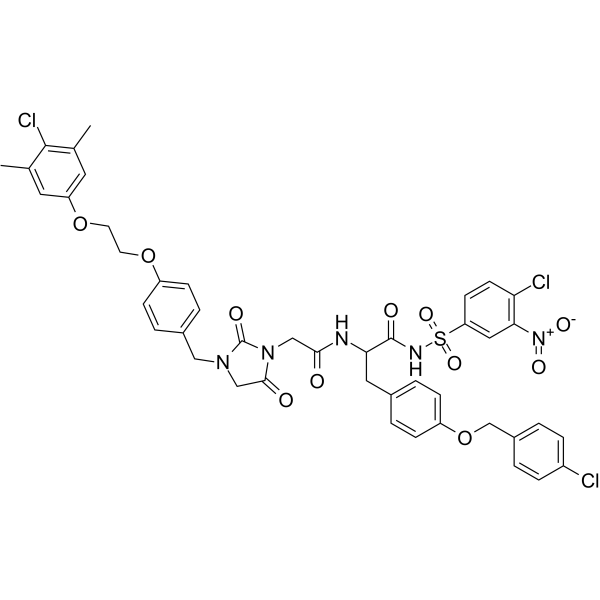
M24 is a Mcl-1 selective inhibitor. M24 exhibits good binding affinity against Mcl-1 with Ki value of 0.33 μM. M24 exhibits good anti-proliferative activity and induce apoptosis in HepG2 cells .
|
-
- HY-146188
-
|
|
Topoisomerase
|
Cancer
|
|
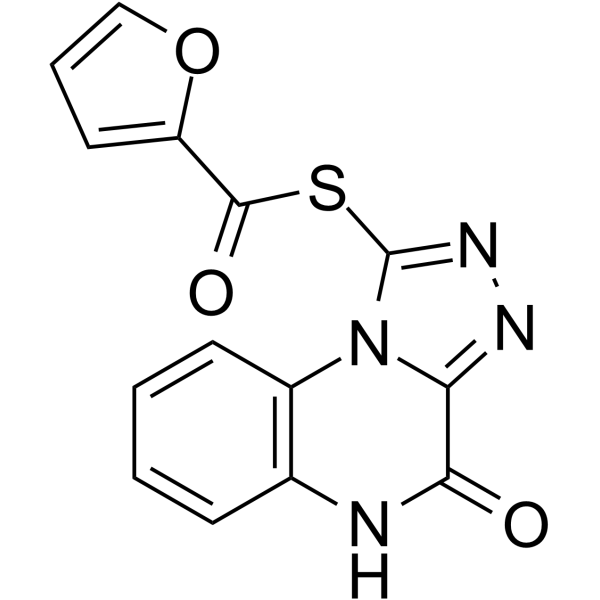
Topoisomerase II inhibitor 8 (compound 22) is a potent topoisomerase II inhibitor, with an IC50 of 0.52 μM. Topoisomerase II inhibitor 8 exhibits good anti-proliferative activities and can arrest the cell cycle at G2/M phase .
|
-
- HY-147741
-
|
|
JAK
Btk
EGFR
|
Inflammation/Immunology
Cancer
|
|
DPPY (compound 6) is a potent PTK inhibitor with IC50 values of <10, <10, <10 nM for EGFR, BTK, JAK3, respectively. DPPY shows anti-proliferative activity against B-cell lymphoma cells. DPPY has the potential for the research of idiopathic pulmonary fibrosis (IPF) .
|
-
- HY-163402
-
|
|
EGFR
Apoptosis
|
Cancer
|
|
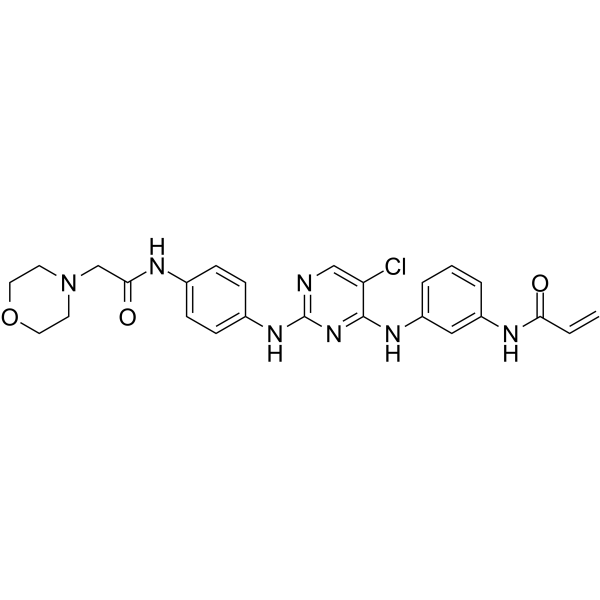
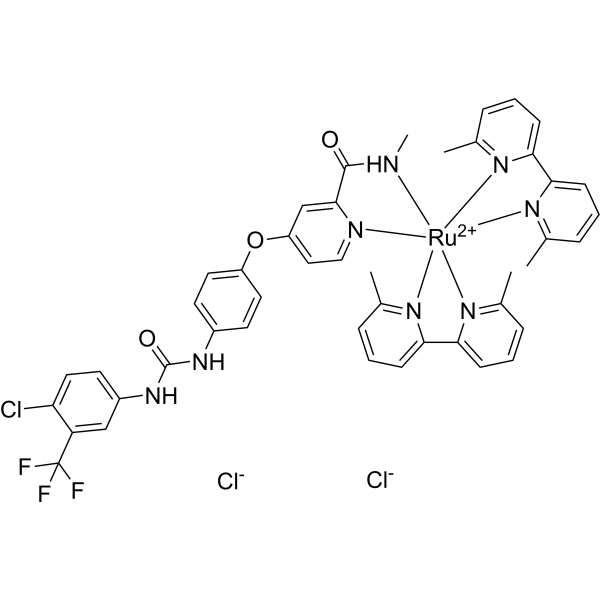
EGFR-IN-108 chloride (Compound Ru3S) is an EGFR inhibitor with an IC50 value of 5.8 nM for hEGFR. EGFR-IN-108 chloride induces apoptosis and has anti-proliferative activity against cancer cells. EGFR-IN-108 chloride also has anti-angiogenic effects .
|
-
- HY-N3523
-
|
|
Others
|
Cancer
|
|
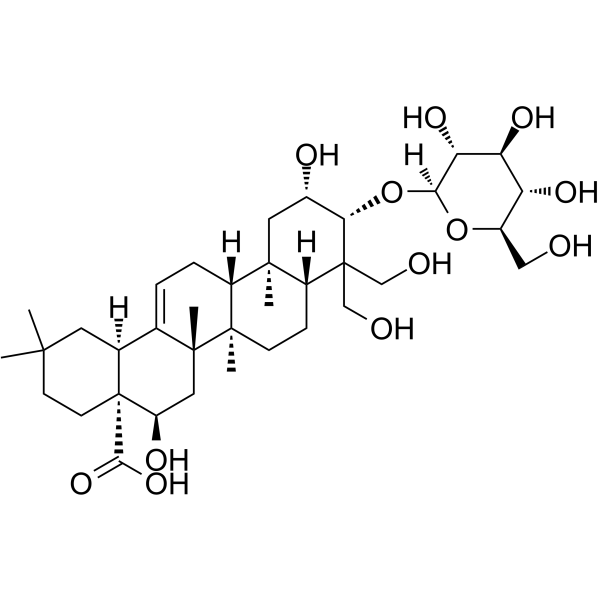
3-O-Beta-D-Glucopyranosylplatycodigenin is an oleanane-type triterpenoid isolated from roots of Platycodon grandiflorum. 3-O-Beta-D-Glucopyranosylplatycodigenin exhibits anti-proliferative activities against HSC-T6 cell line with an IC50 of 13.36 μM .
|
-
- HY-151914
-
|
|
Atg7
Autophagy
|
Cancer
|
|
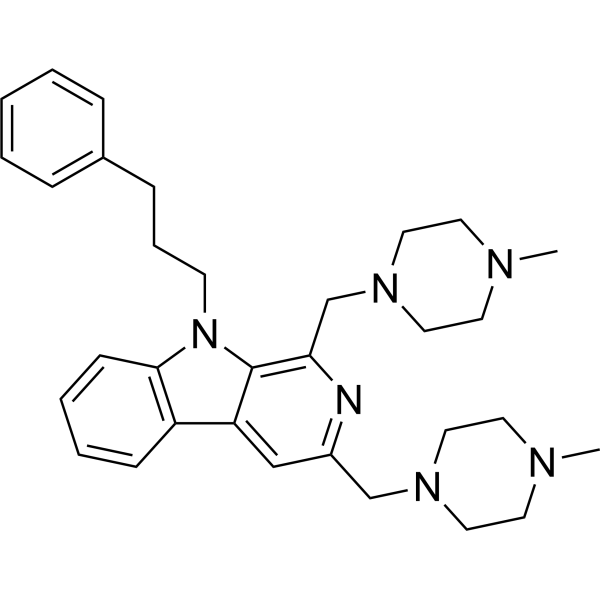
Antitumor agent-82 (compound 6g) is a potent anti-tumor agent. Antitumor agent-82 shows anti-proliferative activity. Antitumor agent-82 induces cell Autophagy by the ATG5/ATG7 signaling pathway .
|
-
- HY-146227
-
|
|
Topoisomerase
Apoptosis
|
Cancer
|
|
DNA topoisomerase II inhibitor 1 (compound 8ed) is a potent DNA topoisomerase II inhibitor. DNA topoisomerase II inhibitor 1 shows anti-proliferative activity. DNA topoisomerase II inhibitor 1 induces apoptosis and cell cycle arrest at sub G1 phase .
|
-
- HY-147030
-
|
|
PARP
|
Cancer
|
|
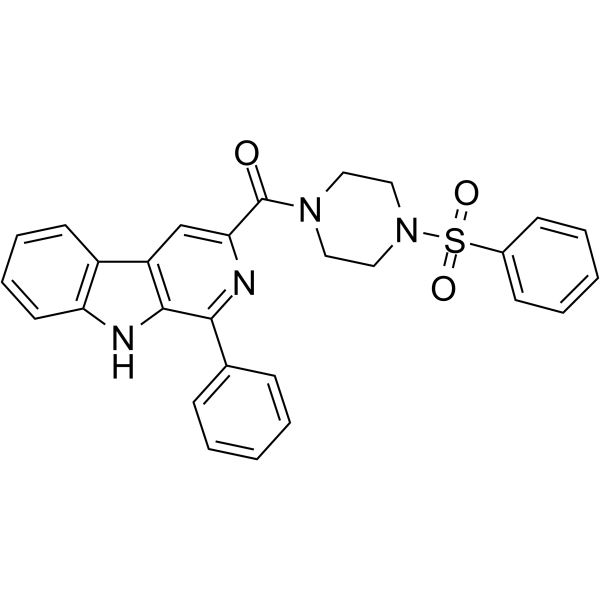
PARP1-IN-8 (compound 11c) is a potent and BBB-penetrated PARP1 inhibitor, with an IC50 of 97 nM. PARP1-IN-8 shows significantly potent anti-proliferative activity against Human lung adenocarcinoma epithelial cell line A549 .
|
-
- HY-W770773
-
|
|
Drug Derivative
|
Cancer
|
|
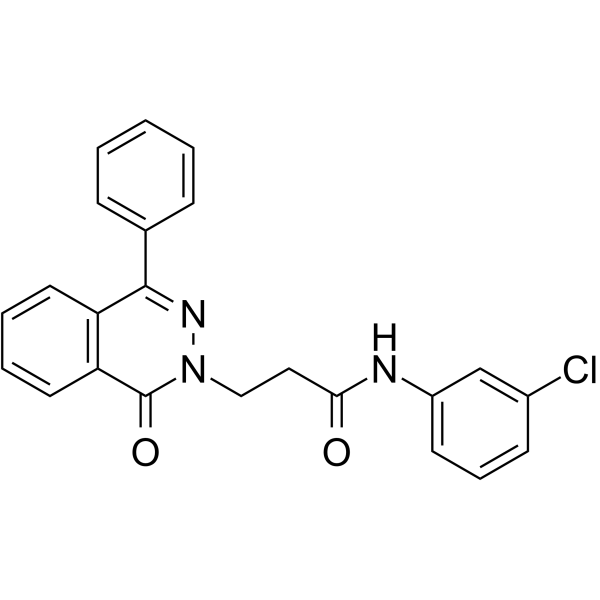
Bosutinib N-Oxide (Compound 80) is a quinoline-type heterocyclic compound. Bosutinib N-Oxide shows anti-proliferative activity and can be used for research of leukemia .
|
-

- HY-W005130R
-
|
|
Reference Standards
NF-κB
|
Metabolic Disease
Cancer
|
|
2,4,6-Trihydroxybenzaldehyde is an orally active NF- B inhibitor. 2,4,6-Trihydroxybenzaldehyde shows anti-tumor activity, anti-cancer cell proliferative activity and anti-obesity activity .
|
-

- HY-148185S
-
|
KL610023-d5
|
Isotope-Labeled Compounds
ADC Payload
|
Cancer
|
|
T01-1-d5 (KL610023-d5) is the deuterium labeled T01-1 (HY-148185). T01-1 is an anticancer agent (camptothecin derivative) with good anti-proliferative activity.
|
-

- HY-179340
-
|
|
Apoptosis
|
Cancer
|
|
Antiproliferative agent-74 (Compound 19a) is an anti-proliferative agent. Antiproliferative agent-74 suppresses Twist1 expression, induces weak Apoptosis. Antiproliferative agent-74 displays anti-proliferative activity against non-small cell lung cancer cells .
|
-

- HY-P99218
-
|
Sch 717454; 19D12
|
IGF-1R
|
Cancer
|
|
Robatumumab (Sch 717454) is an anti-human IGF-1R (insulin-like growth factor receptor-1) antibody. Robatumumab shows anti-tumor activity and anti-proliferative activity to cancer cells. Robatumumab can be used in osteosarcoma and Ewing sarcoma research .
|
-

- HY-122594
-
|
|
Topoisomerase
|
Cancer
|
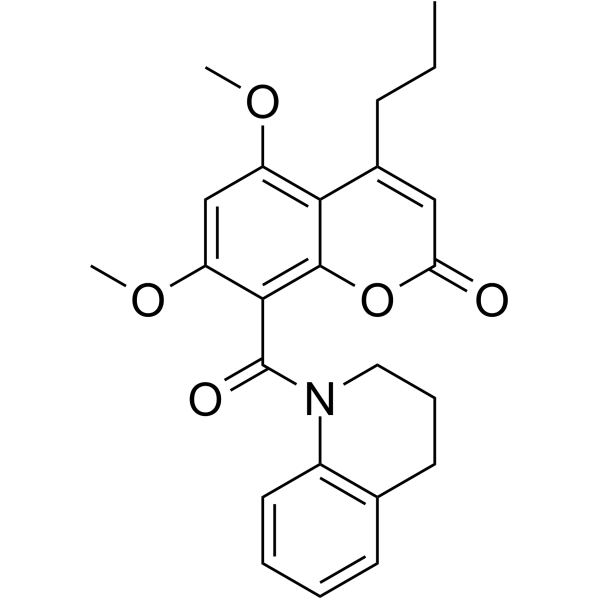
BNS-22 is a DNA topoisomerase II (TOP2) catalytic inhibitor with the IC50 values of 2.8 μM and 0.42 μM for human TOP2α and TOP2β, respectively. BNS-22 induces abnormal division and has anti-proliferative activity .
|
-
- HY-151480
-
|
|
STAT
Apoptosis
|
Cancer
|
|
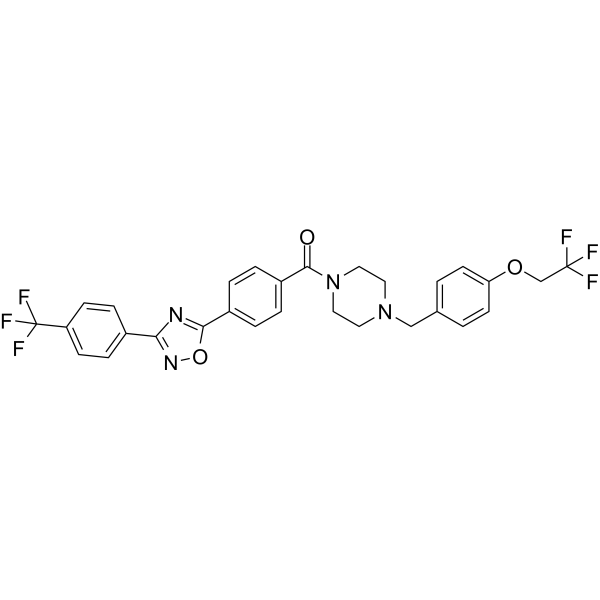
HP590 is an orally active, novel and potent STAT3 inhibitor (STAT3 luciferase activity: IC50=27.8 nM; ATP inhibition: IC50=24.7 nM). HP590 shows anti-proliferative activity to gastric cancer cells and induces apoptosis .
|
-
- HY-B1394R
-
|
|
Reference Standards
EGFR
|
Cardiovascular Disease
Cancer
|
|
Khellin (Standard) is the analytical standard of Khellin. This product is intended for research and analytical applications. Khellin is a furochromone that can be isolated from Ammi visnuga L.. Khellin is an EGFR inhibitor with an IC50 of 0.15 μM. Khelline has anti-proliferative activity in vitro. Khellin has antispasmodic and coronary vasodilator effects .
|
-

- HY-146368
-
|
|
PROTACs
VEGFR
|
Cancer
|
|
PROTAC VEGFR-2 degrader-1(PROTAC-1), a PROTAC VEGFR-2 degrader, exhibits little VEGFR-2 inhibition (IC50> 1 μM) and anti-proliferative activity against EA.hy926 cells (IC50> 100 μM) .
|
-
- HY-17037A
-
|
LS 519 free base; Pirenzepin; Gastrozepin
|
mAChR
|
Metabolic Disease
Cancer
|
|
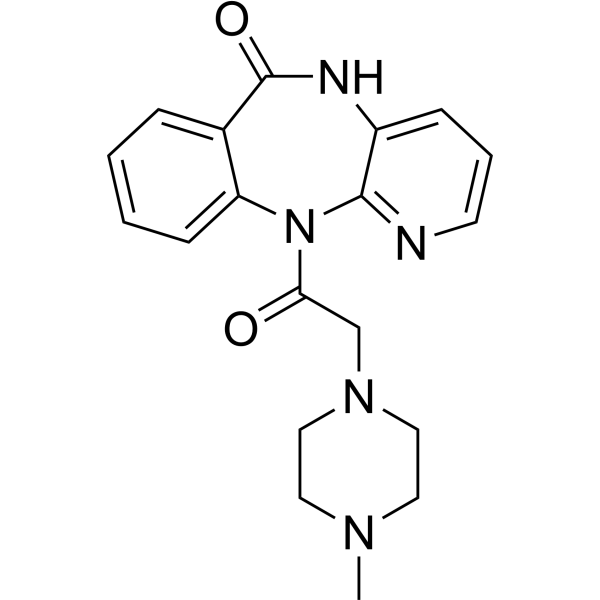
Pirenzepine (LS 519 free base) is a selective M1 mAChR (muscarinic acetylcholine receptor) antagonist, with poor penetration of the blood-brain barrier. Pirenzepine reduces gastric acid secretion and reduces muscle spasm, can be used in peptic ulcers research. Pirenzepine shows anti-proliferative activity to cancer cells .
|
-
- HY-101870B
-
|
INCB053914 phosphate
|
Pim
|
Cancer
|
|
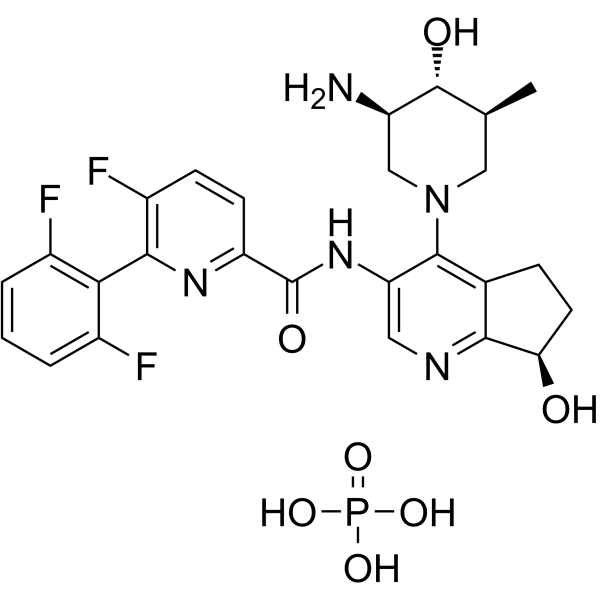
Uzansertib (INCB053914) phosphate is an orally active, ATP-competitive pan-PIM kinase inhibitor with IC50s of 0.24 nM, 30 nM, 0.12 nM for PIM1, PIM2, PIM3, respectively. Uzansertib phosphate has broad anti-proliferative activity against a variety of hematologic tumor cell lines .
|
-
- HY-115994
-
|
|
Carbonic Anhydrase
|
Cancer
|
|
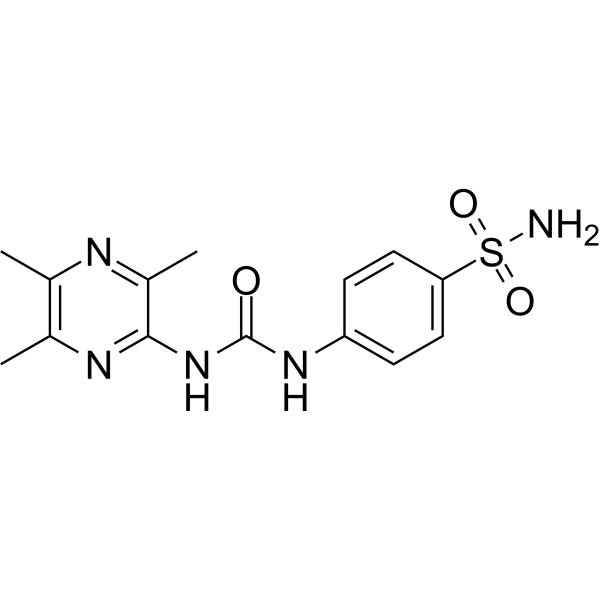
Carbonic anhydrase inhibitor 10 is a potent hCA IX inhibitor with a Ki value of 6.2 nM. Carbonic anhydrase inhibitor 10 exhibits anti-proliferative activity against MCF-7 cancer cell line with an IC50 of 11.9 μM. Carbonic anhydrase inhibitor 10 can be used for cancer research .
|
-
- HY-101870
-
|
INCB053914
|
Pim
|
Cancer
|
|
Uzansertib (INCB053914) is an orally active, ATP-competitive pan-PIM kinase inhibitor with IC50s of 0.24 nM, 30 nM, 0.12 nM for PIM1, PIM2, PIM3, respectively. Uzansertib has broad anti-proliferative activity against a variety of hematologic tumor cell lines .
|
-
- HY-176743
-
|
|
Microtubule/Tubulin
Apoptosis
|
Cancer
|
|
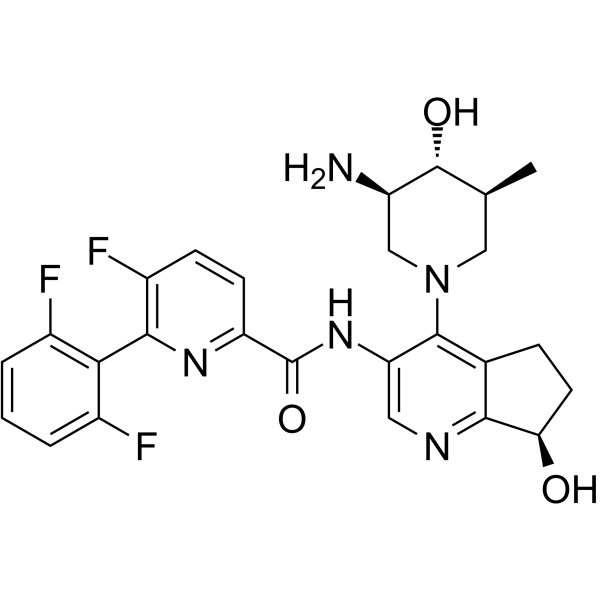
Tubulin polymerization-IN-81 is a selective Tubulin inhibitor with an IC50 of 5.41 μM. Tubulin polymerization-IN-81 possesses a significant anti-proliferative activity, unique ROS-mediated apoptotic mechanism and potent anti-microtubule activity. Tubulin polymerization-IN-81 can be used in anti-tumor research .
|
-

- HY-163282
-
|
|
HDAC
Epigenetic Reader Domain
|
Cancer
|
|
NB512 (compound 39a) is a dual inhibitor for BET and HDAC, which exhibits a efficient binding affinity with BRD4 bromodomains and HDAC1/2, with EC50s of 100-400 nM. NB512 exhibits an anti-proliferative activity towards cancer cells PaTu8988T and NMC .
|
-
- HY-147703
-
|
|
Aurora Kinase
|
Cancer
|
|
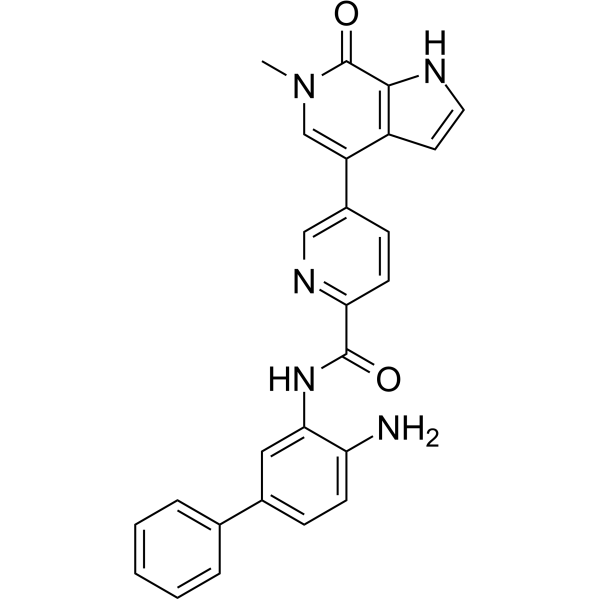
Aurora kinase inhibitor-9 (compound 9d) is a potent AURKA/B dual aurora kinase inhibitor with IC50s of 0.093, 0.09 µM for Aurora A, Aurora B, respectively. Aurora kinase inhibitor-9 shows broad spectrum anti-proliferative activity .
|
-
- HY-14543
-
-
- HY-147747
-
|
|
HSP
|
Cancer
|
|
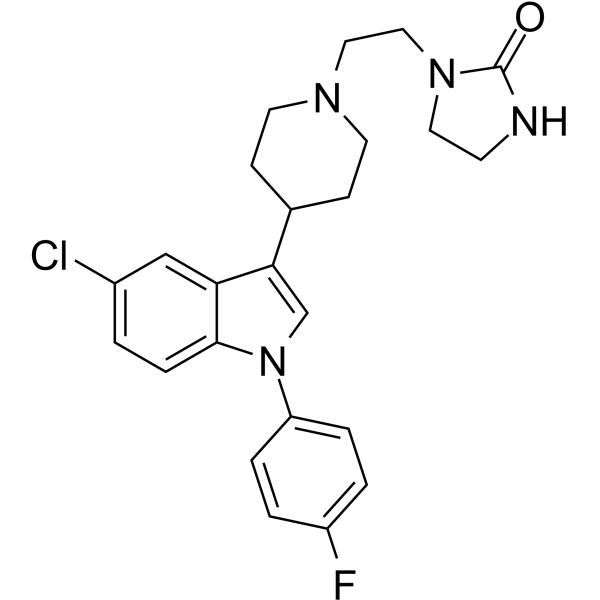
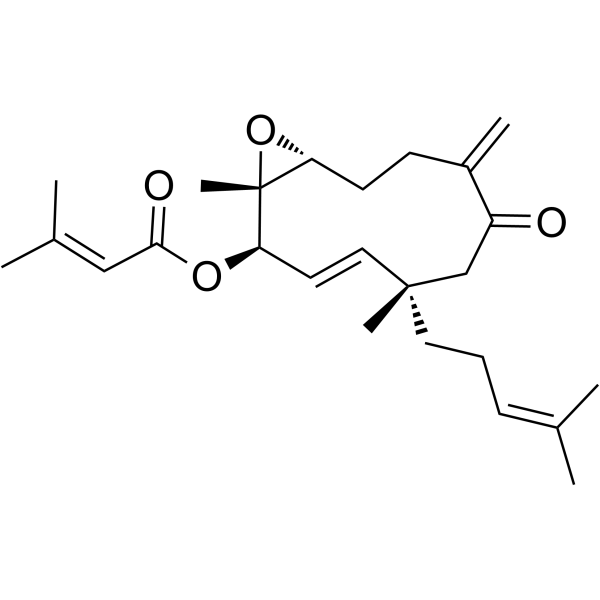
Among vibsanin a analogues, vibsanin a analog C (VAC) showed anti proliferative effect on various cancer cell lines, and the anti proliferative activity was the strongest among vibsanin a analogues. In addition, VAC fluctuated the amount of hsp90 related proteins in cells and inhibited hsp90 mediated protein refolding of luciferase in vitro.
|
-
- HY-122844
-
|
BI-853520; IN-10018
|
FAK
|
Cancer
|
|
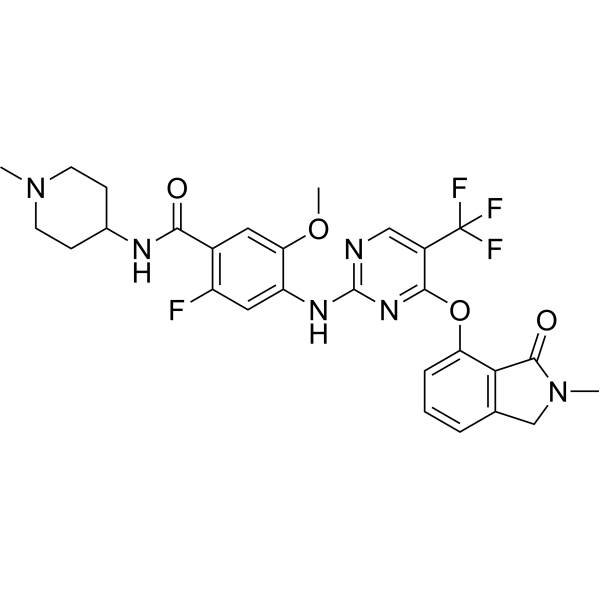
Ifebemtinib (BI 853520) is an orally active and potent focal adhesion kinase (FAK) inhibitor (recombinant FAK IC50=1 nM). Ifebemtinib shows anti-proliferative activity against cancer cells. Ifebemtinib inhibits FER Kinase and FES Kinase with IC50s of 900 nM and 1040 nM, respectively .
|
-
- HY-B0356B
-
|
Bay-09867 hydrochloride monohydrate
|
Topoisomerase
Apoptosis
Antibiotic
Bacterial
Mitochondrial Metabolism
Reactive Oxygen Species (ROS)
|
Infection
Cancer
|
|
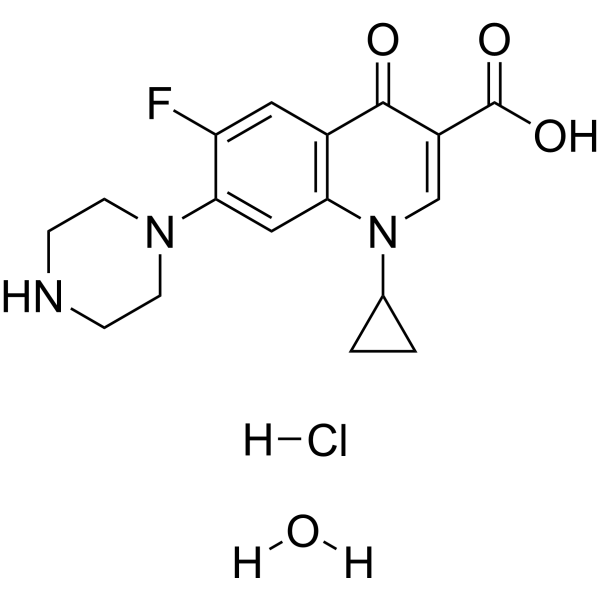
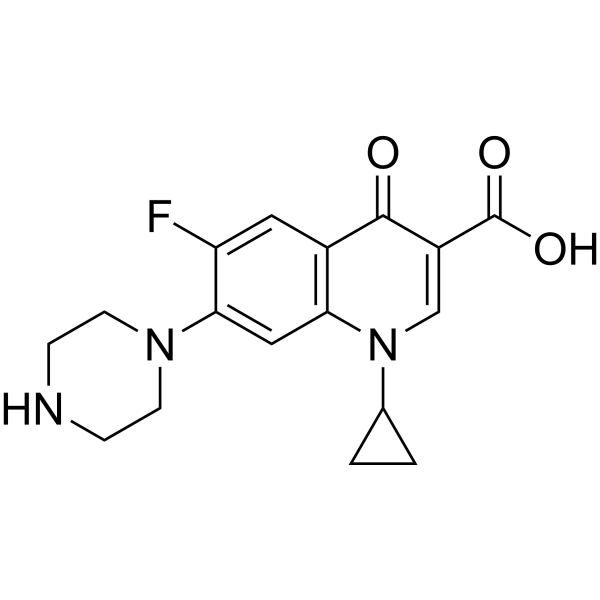
Ciprofloxacin (Bay-09867) hydrochloride monohydrate is a potent, orally active topoisomerase IV inhibitor. Ciprofloxacin hydrochloride monohydrate induces mitochondrial DNA and nuclear DNA damage and lead to mitochondrial dysfunction, ROS production. Ciprofloxacin hydrochloride monohydrate has anti-proliferative activity and induces apoptosis. Ciprofloxacin hydrochloride monohydrate is a fluoroquinolone antibiotic, exhibiting potent antibacterial activity .
|
-
- HY-149252
-
|
|
Apoptosis
Microtubule/Tubulin
|
Cancer
|
|
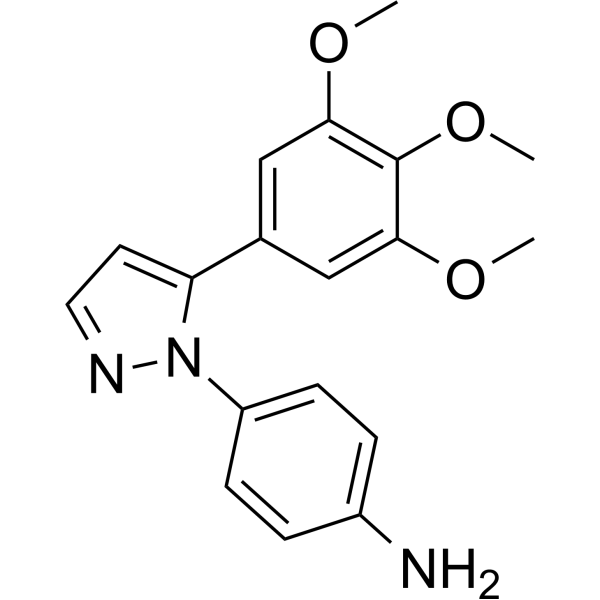
Tubulin inhibitor 32 is a potent and orally active tubulin inhibitor. Tubulin inhibitor 32 shows anti-proliferative activity and inhibits microtubule polymerization. Tubulin inhibitor 32 induces Apoptosis and cell cycle arrest at G2/M phase. Tubulin inhibitor 32 shows anti-tumor activity .
|
-
- HY-A0143A
-
|
DGLA sodium; all-cis-8,11,14-Eicosatrienoic acid sodium
|
Endogenous Metabolite
|
Cardiovascular Disease
Inflammation/Immunology
Cancer
|
|
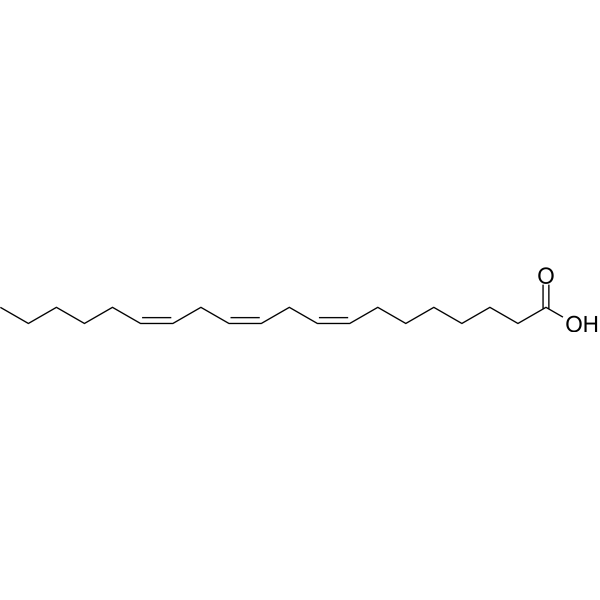
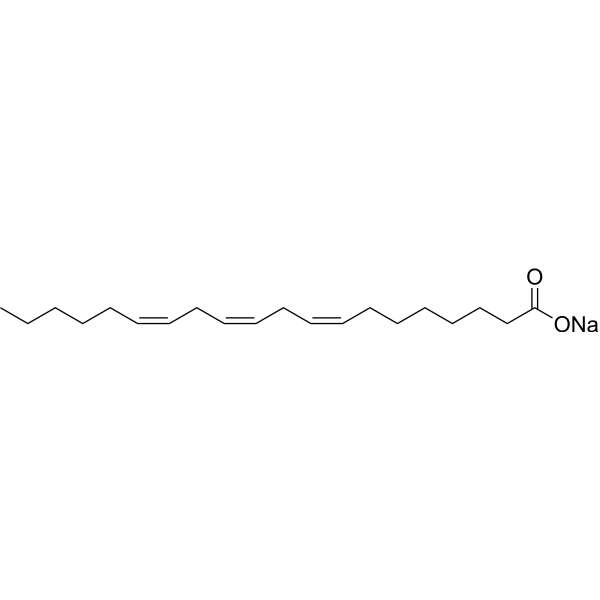
Dihomo-γ-linolenic acid (DGLA; all-cis-8,11,14-Eicosatrienoic acid) sodium is a 20-carbon ω-6 fatty acid, with anti-inflammatory and anti-proliferative activities. Dihomo-γ-linolenic acid (sodium) attenuates atherosclerosis in the apolipoprotein E deficient mouse model system .
|
-
- HY-N2959R
-
|
|
Reference Standards
JAK
STAT
Apoptosis
Autophagy
|
Cancer
|
|
Brevilin A (Standard) is the analytical standard of Brevilin A. This product is intended for research and analytical applications. Brevilin A is an orally active STAT3/JAK inhibitor (STAT3 IC50= 10.6 μM). Brevilin A shows anti-tumor activity, anti-proliferative activity to cancer cells, and can induce apoptosis and autophagy .
|
-

- HY-150611
-
|
|
EGFR
|
Cancer
|
|
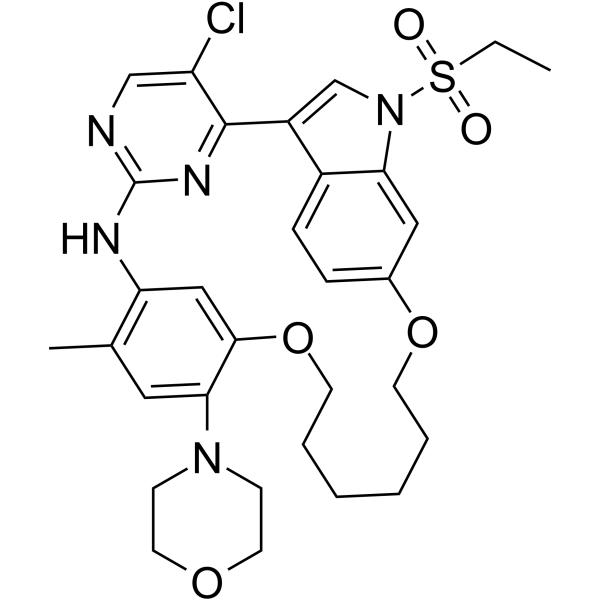
EGFR-IN-70 (compound 18j) is a potent EGFR inhibitor with IC50 values of 23.6 and 307.5 nM for EGFR LR/TM/CS and EGFR WT, respectively. EGFR-IN-70 has anti-proliferative activity and suppresses phosphorylation of the EGFR. EGFR-IN-70 can be used for cancer research .
|
-
- HY-123024
-
|
BL-S-640; SK&F 60771
|
Apoptosis
Bacterial
Antibiotic
|
Infection
Cancer
|
|
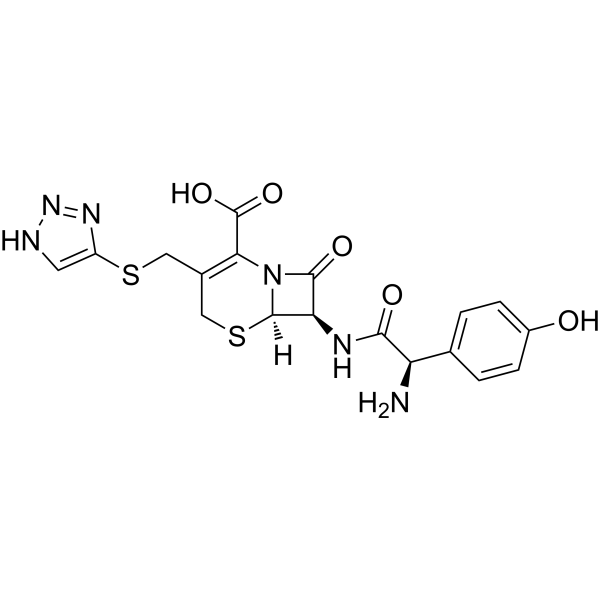
Cefatrizine (BL-S-640) is an orally active and broad-spectrum cephalosporin antibiotic. Cefatrizine is also a eEF2K inhibitor, with anti-proliferative activity in human breast cancer cells, which could induce ER stress, leading to cell death. Cefatrizine can be used in studies of cancer and bacterial infection .
|
-
- HY-175476
-
|
|
IPK Superfamily
|
Cancer
|
|
UNC7437 is a inositol phosphate multikinase (IPMK) inhibitor, with an IC50 value of 26.2 nM. UNC7437 exhibits anti-proliferative activity against glioblastoma cells. UNC7437 decreases the accumulation of InsP4, InsP5, and InsP6 in cells. UNC7437 can be used for the study of TEN-negative glioblastoma models .
|
-

- HY-N8519
-
|
|
Bacterial
Fungal
Antibiotic
|
Infection
Cancer
|
|
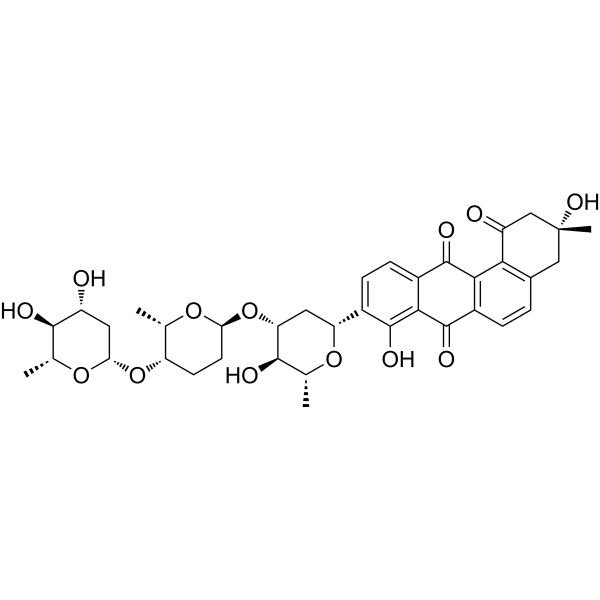
Urdamycin B is an antibiotic that effectively inhibits fungi and bacteria. Urdamycin B also exhibits anti-proliferative activity against mouse leukemia cells L1210. Urdamycin B can be obtained from the metabolic products of Streptomyces fradiae. Urdamycin B can be used for research on cancer as well as bacterial and fungal infections .
|
-
- HY-162580
-
|
|
SphK
|
Cancer
|
|
SphK2-IN-3 (compound 12q) is a selective active sphingosine kinase-2 inhibitor. SphK2-IN-3 has anti-proliferative activity against various cancer cells, inducing G2 phase arrest and apoptosis in liver cancer cells HepG2 .
|
-

- HY-151576
-
|
|
Histone Methyltransferase
|
Cancer
|
|
PRMT5:MEP50 PPI is a novel PRMT5:MEP50 protein-protein interaction (PRMT5:MEP50 PPI) inhibitor, shows anti-tumor activity and anti-proliferative activity of lung and prostate cancer cells .
|
-
- HY-151519
-
|
|
Sirtuin
|
Cancer
|
|
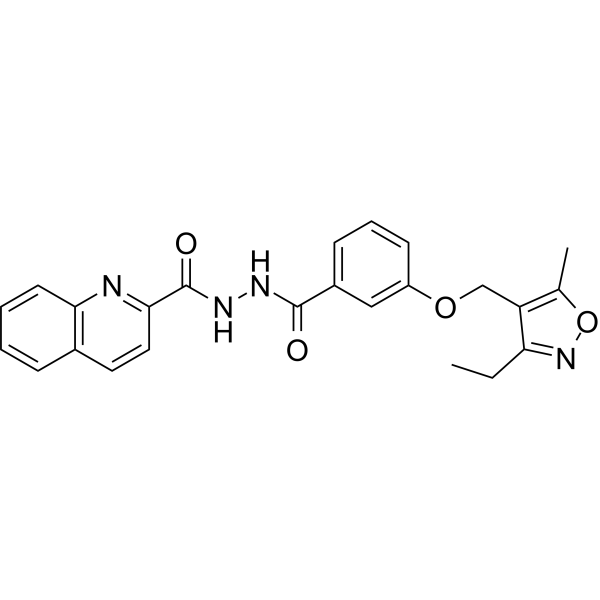
SIRT2-IN-9 (compound 12) is a selective inhibitor of SRIT2 with an IC50 value of 1.3 μM. SIRT2-IN-9 inhibits proliferative activity of MCF-7 breast cancer cells. SIRT2-IN-9 can be used for the research of cancer .
|
-
- HY-158438
-
|
|
MNK
|
Cancer
|
|
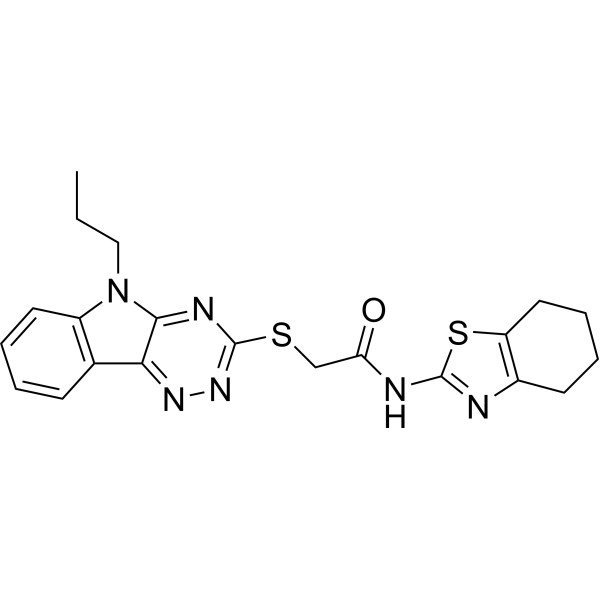
MNK1/2-IN-8 (compound 15b) is a MNK1/2 inhibitor with the IC50 values of 0.8 and 1.5 nM against Mnk1 and Mnk2. MNK1/2-IN-8 shows anti-proliferative activity and induces cell cycle arrest .
|
-

- HY-139054
-
|
|
Apoptosis
|
Cancer
|
|
4'-Methoxyflavone is a flavonoid with antioxidant properties and anti-proliferative activity against cancer cells. 4'-Methoxyflavone can inhibit cycle-dependent kinases leading to cell cycle arrest and regulate cell signaling pathways to influence cell proliferation and apoptosis. 4'-Methoxyflavone can be used in cancer chemoprevention research .
|
-

- HY-B0356
-
-
- HY-10082A
-
|
(E)-PAN-811; (E)-NSC# 663249; (E)-OCX191
|
DNA/RNA Synthesis
|
Cancer
|
|
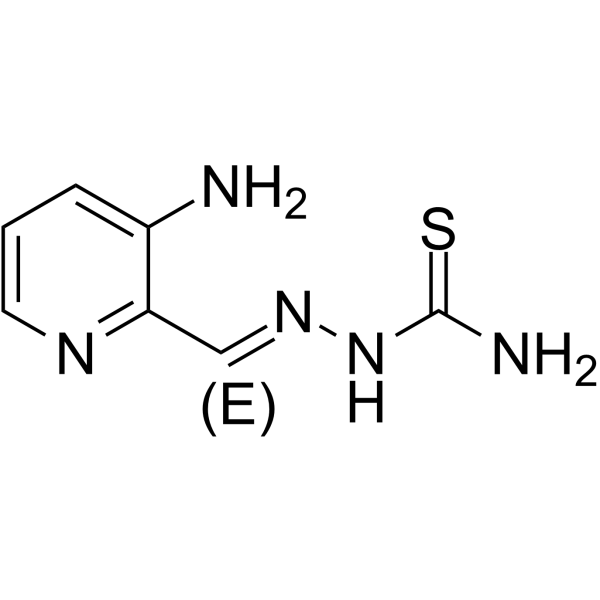
(E)-3-AP is the E configuration of 3-AP. 3-AP is a potent ribonucleotide reductase inhibitor. 3-AP shows anti-proliferative activity. 3-AP shows anticancer activity in L1210 leukemia model. 3-AP inhibits RR activity and DNA synthesis .
|
-
- HY-150595
-
|
|
HDAC
Microtubule/Tubulin
|
Cancer
|
|
HDAC6-IN-10 is a highly selective HDAC6 inhibitor with the IC50 of 0.73 nM. HDAC6-IN-10 has 144~10941-fold selectivity over other HDAC isoforms. HDAC6-IN-10 shows anti-proliferative activities against multiple myeloma cells .
|
-
- HY-128588
-
|
|
STAT
Apoptosis
|
Cancer
|
|
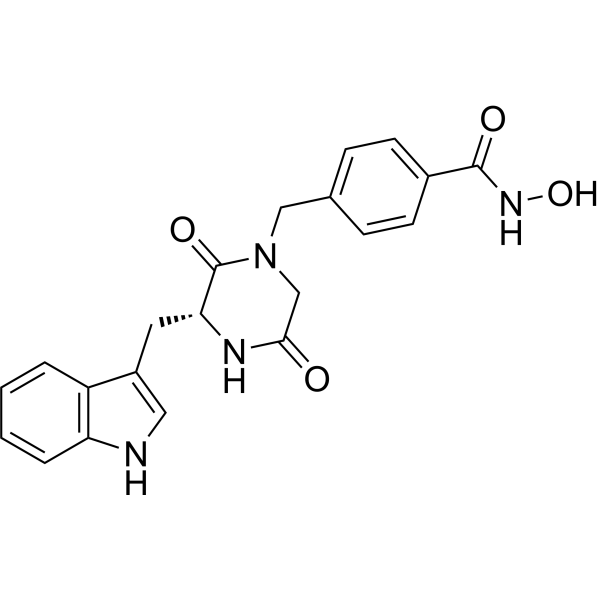
STAT3-IN-3 is a potent and selective inhibitor of signal transducer and activator of transcription 3 (STAT3), with anti-proliferative activity. STAT3-IN-3 induces apoptosis in breast cancer cells. STAT3-IN-3 acts as a promising mitochondria-targeting STAT3 inhibitor for cancer research .
|
-
- HY-147298
-
|
CYC140
|
Polo-like Kinase (PLK)
|
Cancer
|
|
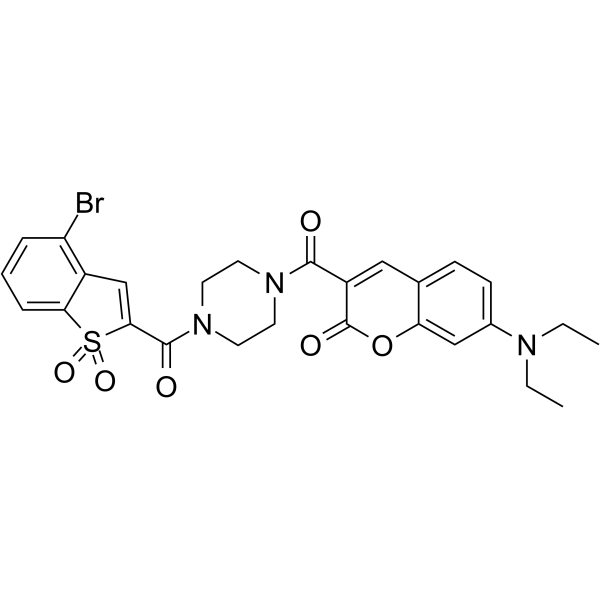
Plogosertib (CYC140) is a selective, potent, and orally active ATP-competitive PLK1 inhibitor (IC50: 3 nM). Plogosertib is an anti-cancer agent with anti-proliferative activity. Plogosertib can be used in the research of several tumors, including esophageal, gastric, leukemia, non–small cell lung cancer, ovarian, and squamous cell cancers .
|
-
- HY-118242
-
|
|
Estrogen Receptor/ERR
Calmodulin
|
Others
|
|
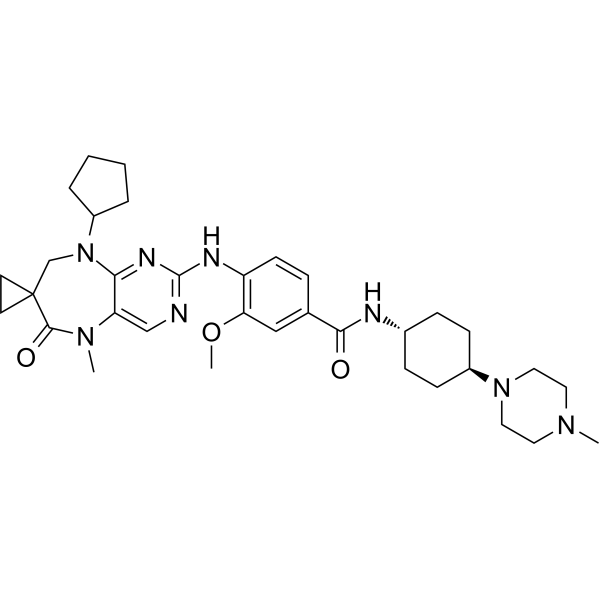
RU 45144 is an anti-estrogen compound that has the activity of antagonizing the binding of estrogen receptors to calmodulin. RU 45144 can inhibit the binding of estrogen receptors to calmodulin, and its effect is similar to that of tamoxifen. Its anti-estrogen effect may be related to specific side chains in the molecular structure, and the steroid skeleton may be involved in its anti-proliferative activity.
|
-

- HY-112316A
-
|
|
Epigenetic Reader Domain
|
Cancer
|
|
(R)-BAY1238097 is the R-isomer with lower activity of BAY1238097. BAY1238097 is a potent and selective inhibitor of BET binding to histones and has strong anti-proliferative activity in different AML (acute myeloid leukemia) and MM (multiple myeloma) models through down-regulation of c-Myc levels and its downstream transcriptome .
|
-
- HY-152945
-
|
|
NF-κB
|
Cancer
|
|
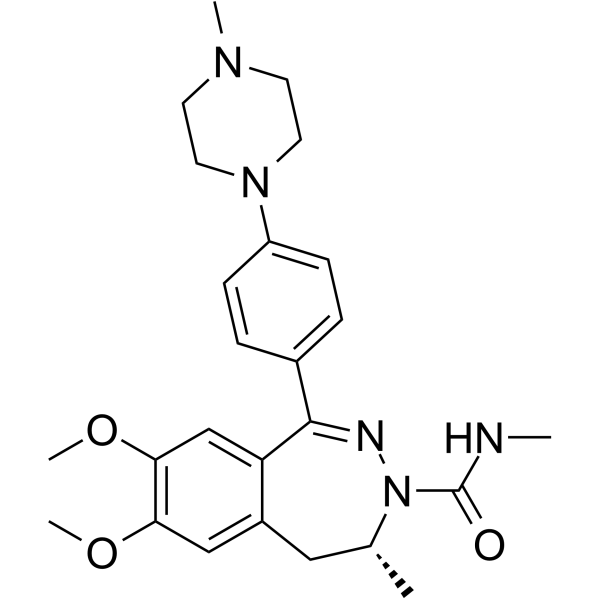
Antiproliferative agent-22 (compound 2) is an anticancer agent. Antiproliferative agent-22 shoes anti-proliferative activities against MCF-7, MDA-MB-231 and MDA-MB-468 cells with IC50 values of 6.2 μM, 3.3 μM and 3.3 μM, respectively .
|
-
- HY-124822
-
COH-SR4
2 Publications Verification
|
AMPK
|
Metabolic Disease
Cancer
|
|
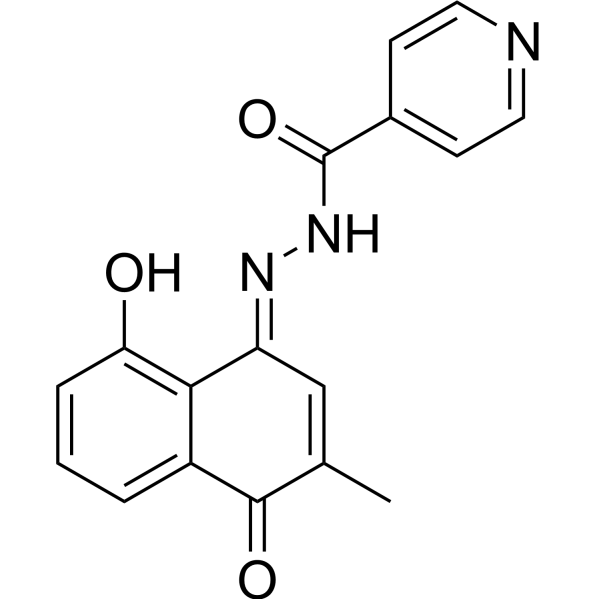
COH-SR4 is an AMPK activator. COH-SR4 shows potent anti-proliferative activities against leukemia, melanoma, breast and lung cancers. COH-SR4 inhibits adipocyte differentiation via AMPK activation. COH-SR4 can be used for the research of obesity and related metabolic disorders .
|
-
- HY-181045
-
|
|
Cytochrome P450
|
Cancer
|
|
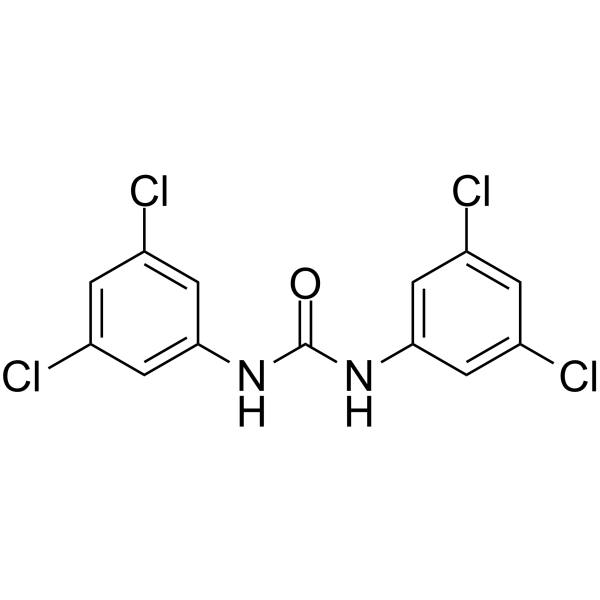
CYP17A1-IN-2 is a potent inhibitor of CYP17A1. CYP17A1-IN-2 exhibits anti-proliferative activity against prostate cancer cells. CYP17A1-IN-2 can be used in research related to castration-resistant prostate cancer .
|
-

- HY-17037R
-
|
LS 519 (Standard); Pirenzepin dihydrochloride (Standard); Gastrozepin dihydrochloride (Standard)
|
Reference Standards
mAChR
|
Metabolic Disease
Cancer
|
|
Pirenzepine (dihydrochloride) (Standard) is the analytical standard of Pirenzepine (dihydrochloride). This product is intended for research and analytical applications. Pirenzepine (LS 519) dihydrochloride is a selective M1 mAChR (muscarinic acetylcholine receptor) antagonist. Pirenzepine dihydrochloride reduces gastric acid secretion and reduces muscle spasm, can be used in peptic ulcers research. Pirenzepine dihydrochloride shows anti-proliferative activity to cancer cells .
|
-

- HY-150615
-
|
|
SphK
Apoptosis
|
Cancer
|
|
SphK1-IN-2 is a potent, selective SphK1 inhibitor with IC50 values of 19.81 nM and >10 μM for SphK1 and SphK2, respectively. SphK1-IN-2 exhibits anti-proliferative activities and induces cell cycle arrest and apoptosis. SphK1-IN-2 can be used for cancer research .
|
-
- HY-134601
-
|
|
HuR
|
Cancer
|
|
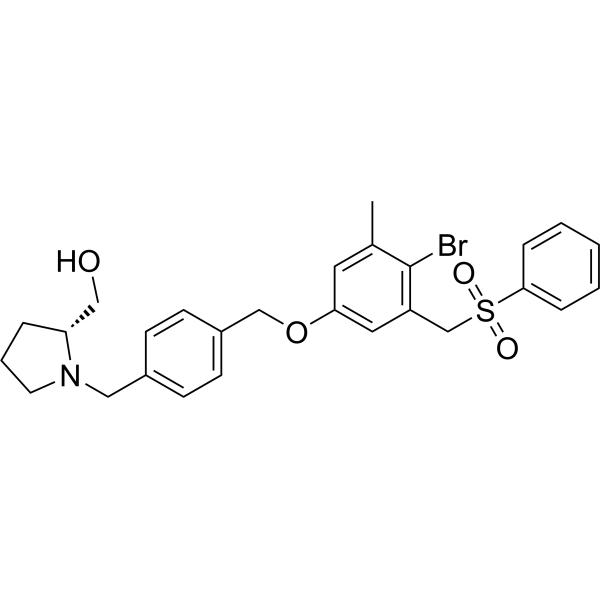
KH-3 is a potent RNA-binding protein Hu antigen R (HuR) inhibitor with an IC50 value of 0.35 μM. KH-3 has anti-proliferative activity. KH-3 suppresses breast cancer cell invasion as well as delays the initiation of lung colonies by disrupting HuR-FOXQ1 mRNA interaction .
|
-
- HY-179706
-
|
|
YAP
|
Cancer
|
|
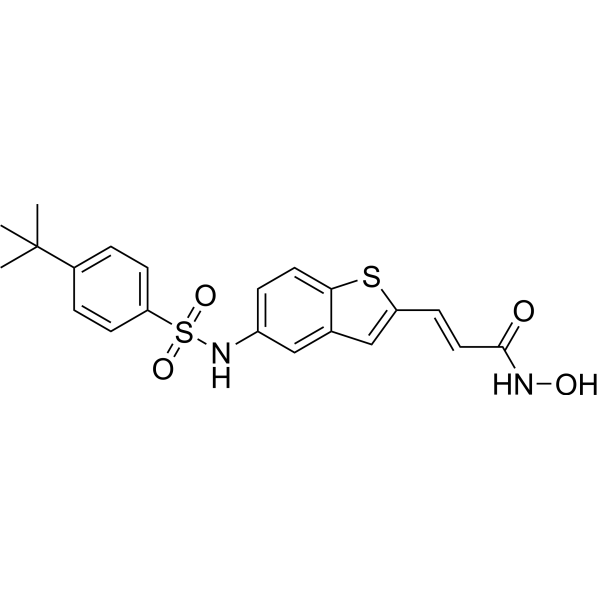
VS3 is a YAP-TEAD interaction inhibitor. VS3 directly disrupts the interaction between YAP-TEAD by binding to TEAD4 Interface 3 (Kd = 6 μM) on the surface. VS3 exhibits anti-proliferative activity against HT29, HCT116, and A2780. VS3 can be used for research on colorectal adenocarcinoma and ovarian cancer .
|
-

- HY-147966
-
|
|
HDAC
PI3K
mTOR
|
Cancer
|
|
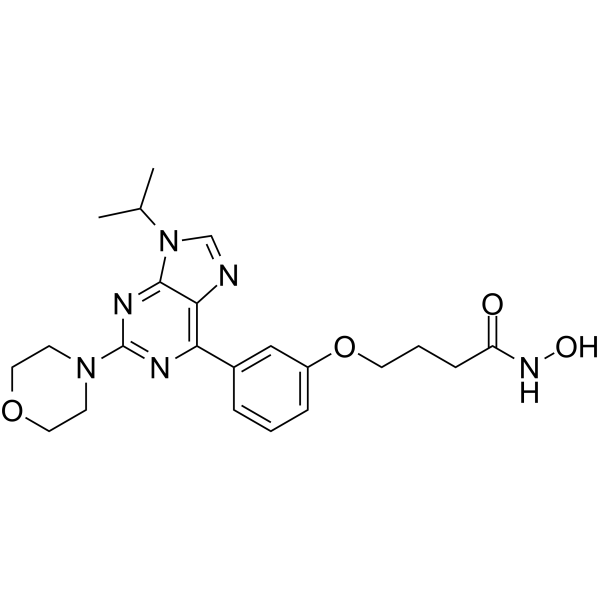
HDAC-IN-43 is a potent HDAC 1/3/6 inhibitor with IC50 values of 82, 45, and 24 nM, respectively. HDAC-IN-43 is a weak PI3K/mTOR inhibitors with IC50 values of 3.6 and 3.7 μM, respectively. HDAC-IN-43 shows broad anti-proliferative activity .
|
-
- HY-150694
-
|
|
HDAC
|
Cancer
|
|
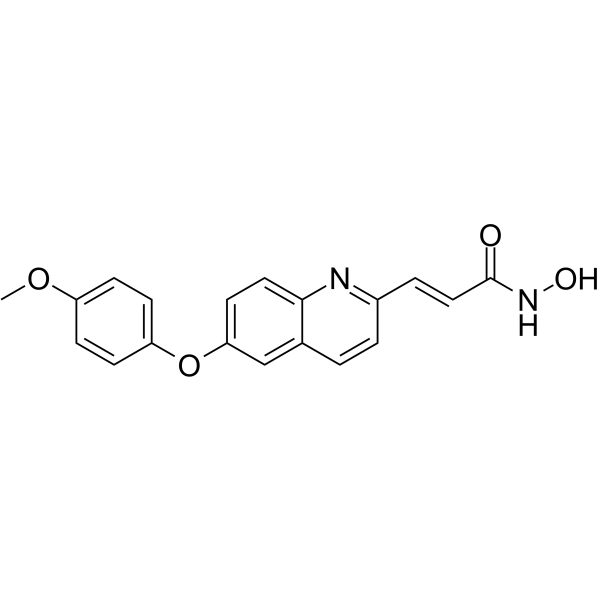
HDAC6-IN-11 (Compound 9) is a selective HDAC6 inhibitor with the IC50 value of 20.7 nM. HDAC6-IN-11 has more than 300-fold selectivity over HDAC other isoforms. HDAC6-IN-11 shows anti-proliferative activities against cancer cells .
|
-
- HY-147892
-
|
|
HDAC
Apoptosis
|
Cancer
|
|
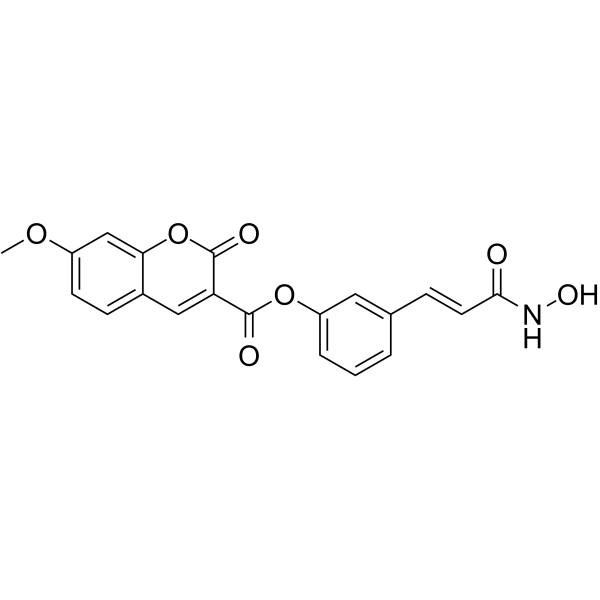
HDAC-IN-42 (compound 14f) is a potent and selective HDAC inhibitor with IC50 values of 0.19 and 4.98 µM for HDAC1 and HDAC6, respectively. HDAC-IN-42 shows anticancer and anti-proliferative activity. HDAC-IN-42 induces apoptosis and cell cycle arrest at G2/M phase .
|
-
- HY-142945
-
|
|
Ras
|
Cancer
|
|
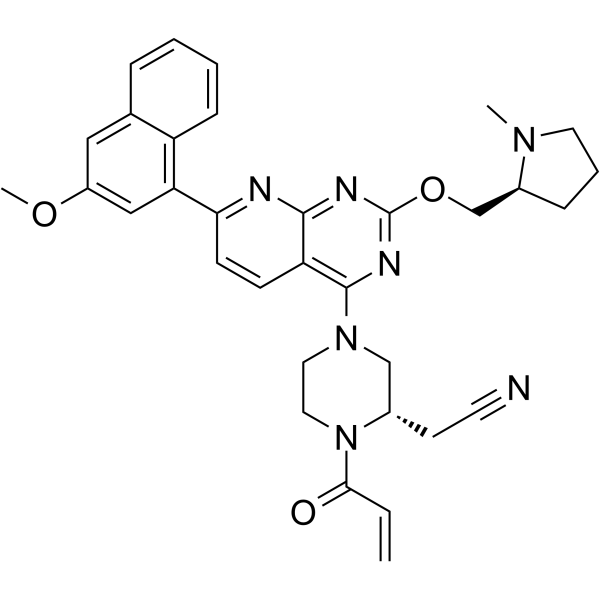
KRAS G12C inhibitor 43 (compound 59) is a potent KRAS G12C inhibitor. KRAS G12C inhibitor 43 shows antimigration and anti-proliferative activity with IC50s of 0.001-1 µM, >1 µM, >1 µM for H358, A549, HCC cells ,respectively .
|
-
- HY-136579
-
ASN007
5 Publications Verification
ERK-IN-3
|
ERK
|
Cancer
|
|
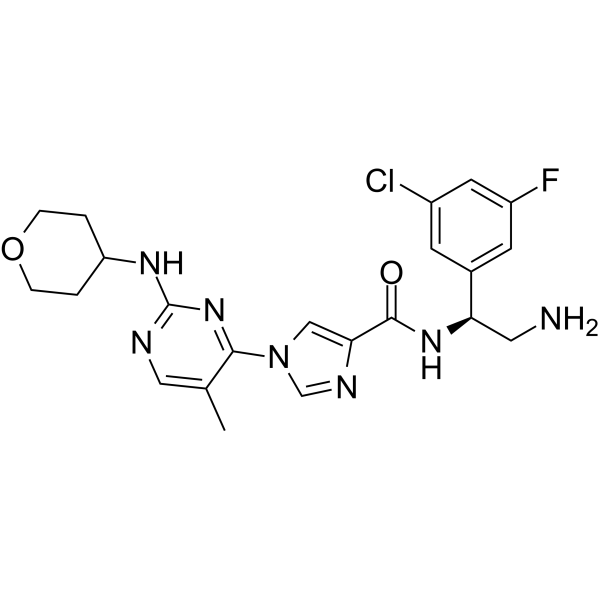
ASN007 (ERK-IN-3) is a potent and orally active inhibitor of ERK. ASN007 inhibits ERK1/2 with low single-digit nM IC50 values. ASN007 exhibits significant anti proliferative activity against various tumor cells. ASN007 can be used for the research of cancers driven by RAS mutations .
|
-
- HY-136579A
-
|
ERK-IN-3 benzenesulfonate
|
ERK
|
Cancer
|
|
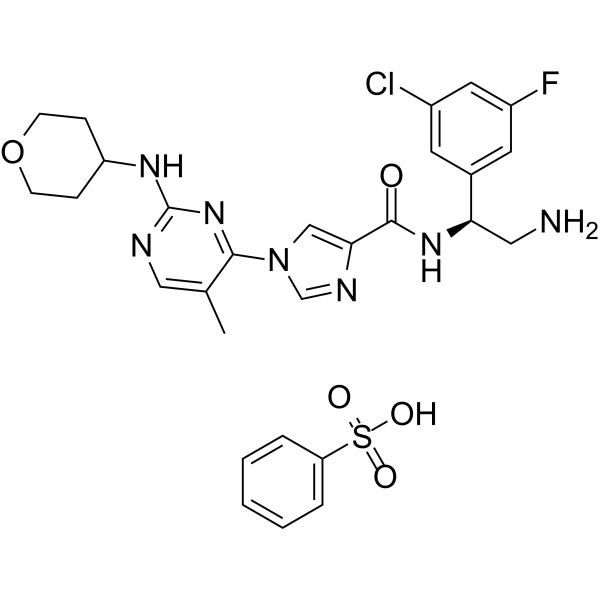
ASN007 (ERK-IN-3) benzenesulfonate is a potent and orally active inhibitor of ERK. ASN007 benzenesulfonate inhibits ERK1/2 with low single-digit nM IC50 values. ASN007 benzenesulfonate exhibits significant anti proliferative activity against various tumor cells. ASN007 benzenesulfonate can be used for the research of cancers driven by RAS mutations .
|
-
- HY-149889
-
|
|
Apoptosis
EGFR
|
Cancer
|
|
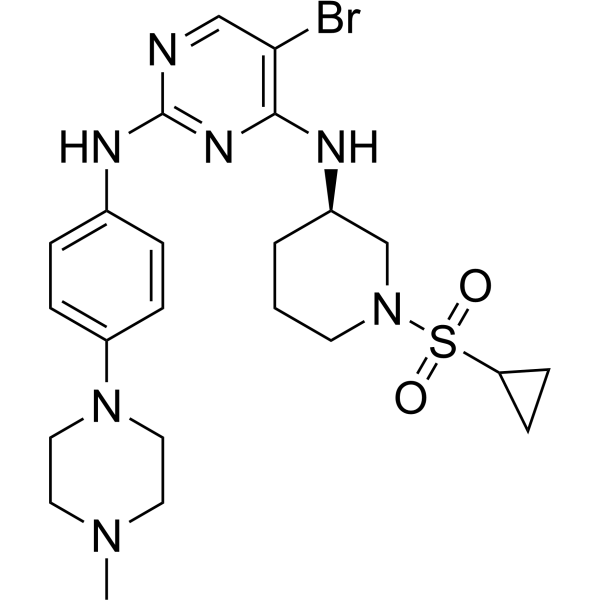
EGFR-IN-78 (compound A5),a 2-aminopyrimidine derivative,is a reversible inhibitor of EGFR C797S-TK,and also an inducer of apoptosis. EGFR-IN-78 shows anti-proliferative activity,inhibits EGFR phosphorylation and arrests cell cycle at G2/M phase .
|
-
- HY-172375
-
|
|
E3 Ligase Ligand-Linker Conjugates
|
Cancer
|
|
E3 Ligase Ligand-linker Conjugate 170 (Compound I) exhibits anti-proliferative activity in non-Hodgkin's lymphoma cell SU-DHL-4 with IC50 < 0.2 μM. E3 Ligase Ligand-linker Conjugate 170 is the conjugate composed of an E3 ligase ligand and a linker that can be used for PROTAC synthesis .
|
-

- HY-W040298
-
-
- HY-17037AR
-
|
LS 519 free base (Standard); Pirenzepin (Standard); Gastrozepin (Standard)
|
mAChR
Reference Standards
|
Metabolic Disease
Cancer
|
|
Pirenzepine (Standard) is the analytical standard of Pirenzepine. This product is intended for research and analytical applications. Pirenzepine (LS 519 free base) is a selective M1 mAChR (muscarinic acetylcholine receptor) antagonist. Pirenzepine reduces gastric acid secretion and reduces muscle spasm, can be used in peptic ulcers research. Pirenzepine shows anti-proliferative activity to cancer cells .
|
-

- HY-172426
-
|
|
Anaplastic lymphoma kinase (ALK)
|
Cancer
|
|
Dirozalkib (Compound 4) is the inhibitor for ALK with an IC50 of 0.9 nM. Dirozalkib exhibits anti-proliferative activity in cancer cells NCI-H3122, Karpas-299 and NCI-H2228 with IC50s of 130.4, 0.71 and 15.11 nM, respectively. Dirozalkib exhibits good pharmacokinetics characteristics with an bioavailbility of 30%~50% .
|
-

- HY-B0356A
-
|
Bay-09867 monohydrochloride
|
Topoisomerase
Apoptosis
Antibiotic
Bacterial
Mitochondrial Metabolism
Reactive Oxygen Species (ROS)
|
Infection
Cancer
|
|
Ciprofloxacin (Bay-09867) monohydrochloride is a potent, orally active topoisomerase IV inhibitor. Ciprofloxacin monohydrochloride induces mitochondrial DNA and nuclear DNA damage and lead to mitochondrial dysfunction, ROS production. Ciprofloxacin monohydrochloride has anti-proliferative activity and induces apoptosis. Ciprofloxacin monohydrochloride is a fluoroquinolone antibiotic, exhibiting potent antibacterial activity .
|
-
- HY-111551
-
FT113
3 Publications Verification
|
Fatty Acid Synthase (FASN)
|
Cancer
|
|
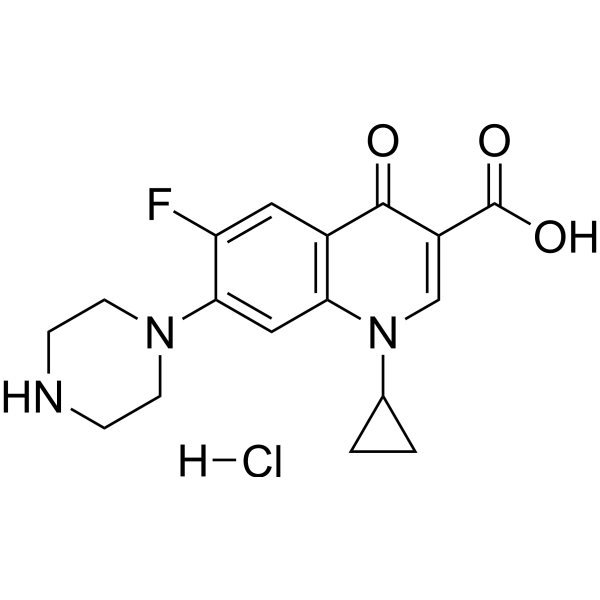
FT113 is a potent and orally active fatty acid synthase (FASN) inhibitor, with an IC50 of 213 nM for full-length recombinant human FASN enzyme. In cell-based assay, FT113 blocks FASN activity in BT474 cells (IC50, 90 nM). FT113 shows anti-proliferative activity, and exhibits anti-cancer activity both in vitro and in vivo .
|
-
- HY-12847
-
|
|
Raf
Src
Apoptosis
|
Cancer
|
|
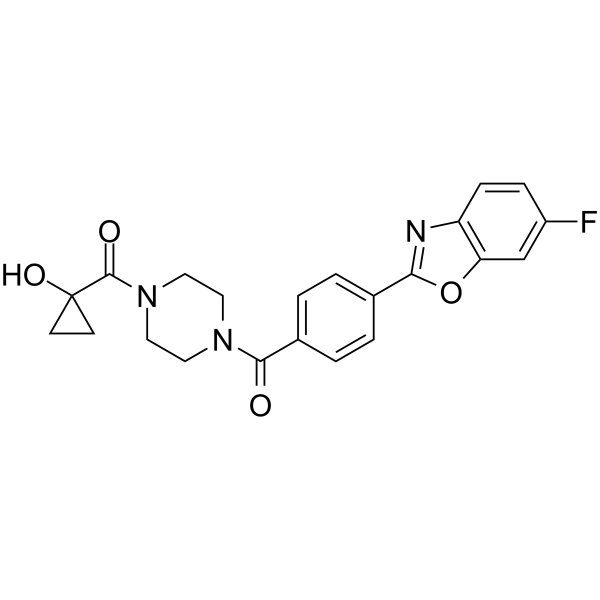
CCT241161 is an orally active pan-RAF inhibitor with IC50s of 3, 6, 10, 15 and 30 nM for LCK, CRAF, SRC, V600E-BRAF and BRAF, respectively. CCT241161 shows good activity to in BRAF and NRAS mutant melanomas. CCT241161 also exhibits anticancer cell proliferative activity .
|
-
- HY-146354
-
|
|
Apoptosis
Reactive Oxygen Species (ROS)
|
Cancer
|
|
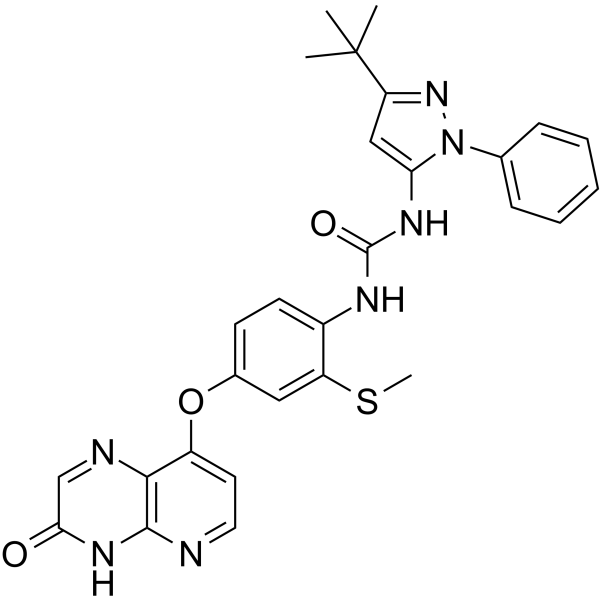
Antiproliferative agent-4 (compound 2y) has excellent anti-proliferative activity against certain cancer cell lines. Antiproliferative agent-4 reduces the mitochondrial membrane potential, and increases the apoptosis rate and the level of ROS on EC109. Antiproliferative agent-4 inhibits tumour growth in nude mice, with low toxicity .
|
-
- HY-178511
-
|
|
Kinesin
|
Cancer
|
|
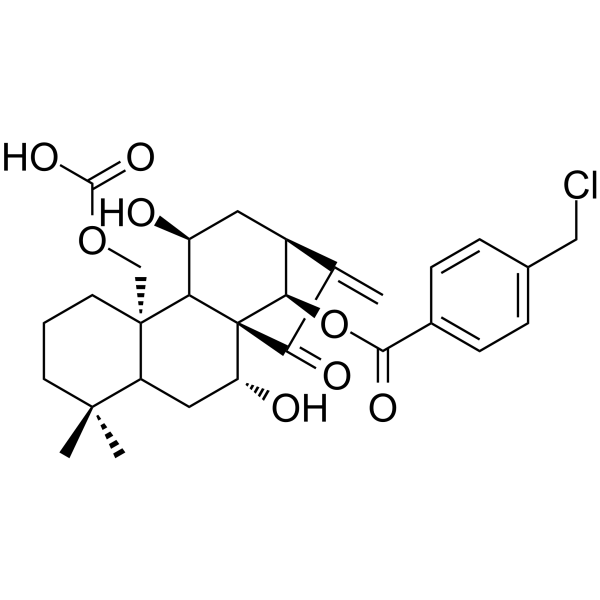
KIF18A-IN-17 (Example 37A) is a KIF18A inhibitor with racemic form with an IC50 of 48 nM. KIF18A-IN-17 exhibits anti-proliferative activity against HT29 cells. KIF18A-IN-17 can be used for the study of cancers such as breast cancer and ovarian cancer .
|
-

- HY-168934
-
|
|
DNA/RNA Synthesis
|
Cancer
|
|
KWR137 is a WRN degrader, with an IC50 of 8 nM. KWR137 exhibits good anti-proliferative activity against MSI-H cells, with a GI50 of 509 nM in SW48 cells and a GI50 of 824 μM in HCT116 cells. It also demonstrates anti-tumor growth effects in xenograft mouse models. KWR137 can be used for cancer research .
|
-

- HY-147742
-
|
|
JAK
|
Inflammation/Immunology
|
|
Thi-DPPY (compound 8e) is a potent and orally active JAK3 inhibitor with IC50 values of 62.4, 1.38 nM for BTK, JAK, respectively. Thi-DPPY shows anti-proliferative activity against HBE cells. Thi-DPPY shows anti-inflammatory activity in vivo. Thi-DPPY has the potential for the research of idiopathic pulmonary fibrosis (IPF) .
|
-
- HY-126193
-
|
|
NO Synthase
Apoptosis
Autophagy
Reactive Oxygen Species (ROS)
|
Cancer
|
|
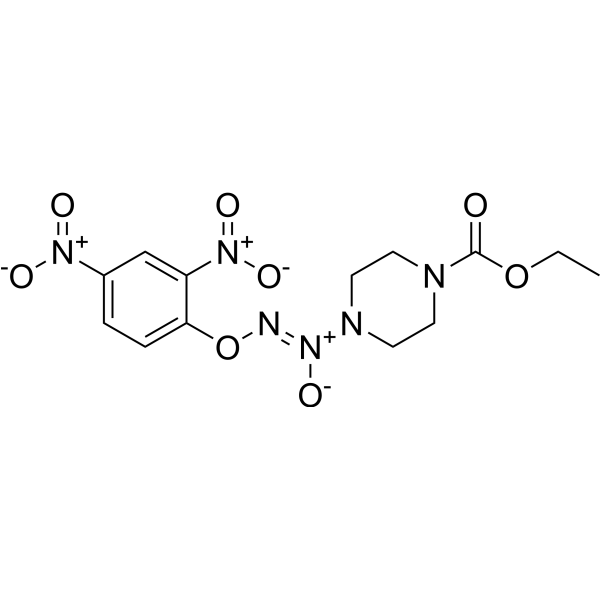
JS-K is a NO donor that reacts with glutathione to generate NO at physiological pH. JS-K induces reactive oxygen species (ROS) to mediate apoptosis. JS-K induces autophagy. JS-K inhibits invasion. JS-K has a broad spectrum anti-proliferative activity in cancer cells. JS-K reduces tumor volume and causes necrosis of implanted tumors in mice .
|
-
- HY-N15314
-
|
|
MDM-2/p53
Akt
Apoptosis
|
Cancer
|
|
Syringolin A is a plant elicitor that can be produced by the plant pathogen Pseudomonas syringae pv. syringae. Syringolin A exhibits anti-proliferative activity against a variety of cancer cells (IC50 for SK-N-SH, LAN-1, SKOV3 is 20-25 µM), induces apoptosis in SK-N-SH through upregulation of p53 expression and downregulation of Akt/PKB proteins .
|
-

- HY-50767C
-
|
PD-0332991 hydrochloride
|
CDK
|
Cancer
|
|
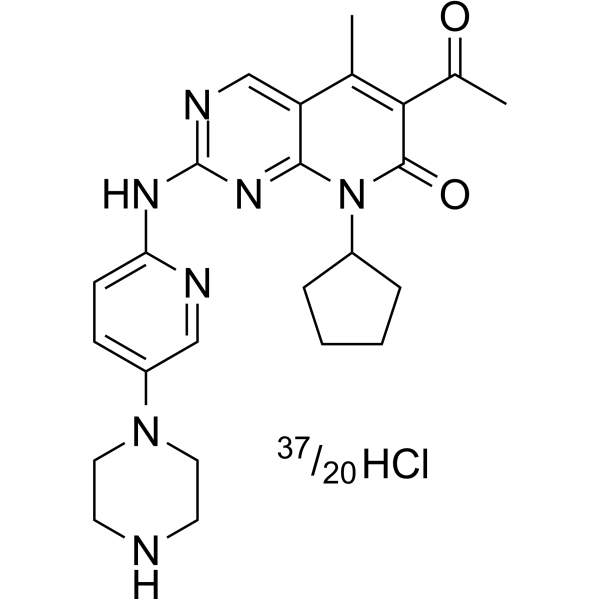
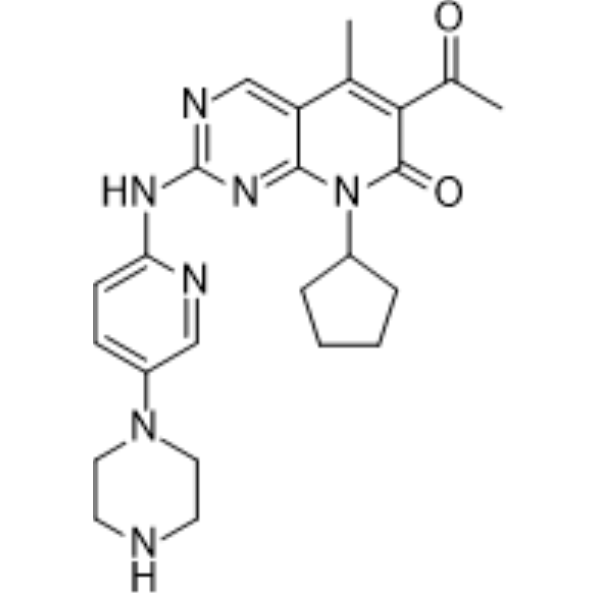
Palbociclib (PD 0332991) hydrochloride is an orally active selective CDK4 and CDK6 inhibitor with IC50 values of 11 and 16 nM, respectively. Palbociclib hydrochloride has potent anti-proliferative activity and induces cell cycle arrest in cancer cells. Palbociclib hydrochloride can be used in the research of HR-positive and HER2-negative breast cancer and hepatocellular carcinoma .
|
-
- HY-50767B
-
|
PD-0332991 dihydrochloride
|
CDK
|
Cancer
|
|
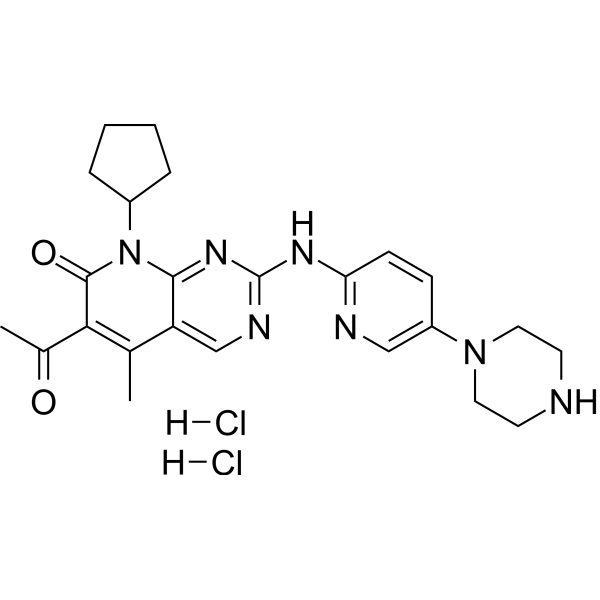
Palbociclib (PD 0332991) dihydrochloride is an orally active selective CDK4 and CDK6 inhibitor with IC50 values of 11 and 16 nM, respectively. Palbociclib dihydrochloride has potent anti-proliferative activity and induces cell cycle arrest in cancer cells, which can be used in the research of HR-positive and HER2-negative breast cancer and hepatocellular carcinoma .
|
-
- HY-177725
-
|
|
Molecular Glues
PI4K
|
Cancer
|
|
MG degrader 2 (Compound CM-2) is a CRBN-dependent molecular glue degrader. MG degrader 2 induces ZFP91, FIZ1 and PI4KB degradation. MG degrader 2 has anti-proliferative activity against MM.1S cells (IC50 = 162 nM). MG degrader 2 can be used for the research of cancer, such as multiple myeloma .
|
-

- HY-50767
-
|
PD 0332991
|
CDK
|
Cancer
|
|
Palbociclib (PD 0332991) is an orally active selective CDK4 and CDK6 inhibitor with IC50 values of 11 and 16 nM, respectively. Palbociclib has potent anti-proliferative activity and induces cell cycle arrest in cancer cells, which can be used in the research of HR-positive and HER2-negative breast cancer and hepatocellular carcinoma .
|
-
- HY-132578
-
|
|
Phosphatase
|
Cancer
|
|
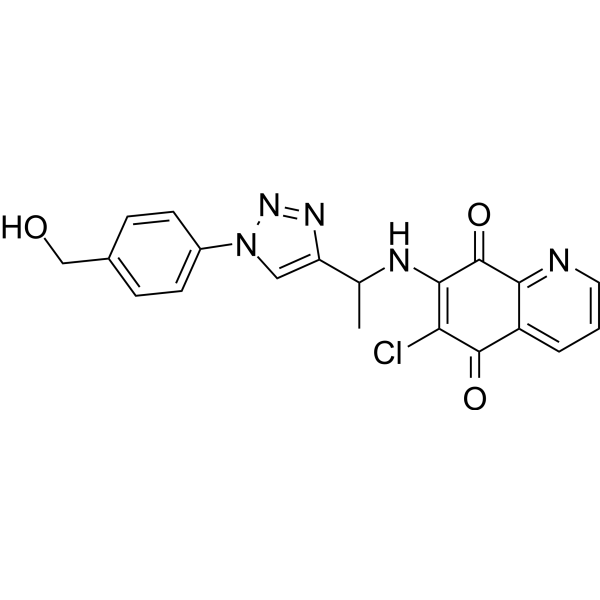
M5N36 is a potent and selective Cdc25C inhibitor with IC50 values of 0.15, 0.19, 0.06 µM for Cdc25A, Cdc25B, Cdc25C, respectively. M5N36 shows anti-proliferative activity and increases the expression of p-CDK1 and p-CDK2 .
|
-
- HY-150695
-
|
|
Carbonic Anhydrase
Apoptosis
|
Cancer
|
|
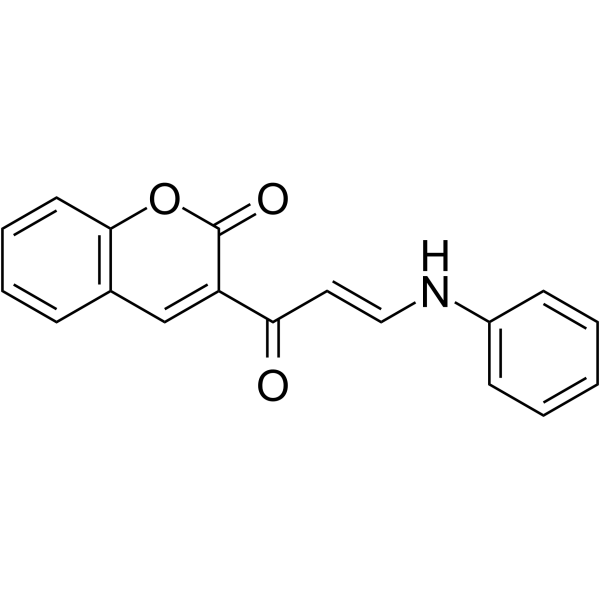
hCAIX/XII-IN-5 (Coumarin 9a) a carbonic anhydrase (CA) inhibitor, and exhibits excellent hCA IX/XII selectivity (Ki=93.9 and 85.7 nM, respectively) over hCA I and hCA II. hCAIX/XII-IN-5 shows anti-proliferative activities to cancer cells. hCAIX/XII-IN-5 can delay cell cycle and induce apoptosis .
|
-
- HY-147731
-
|
|
HDAC
|
Cancer
|
|
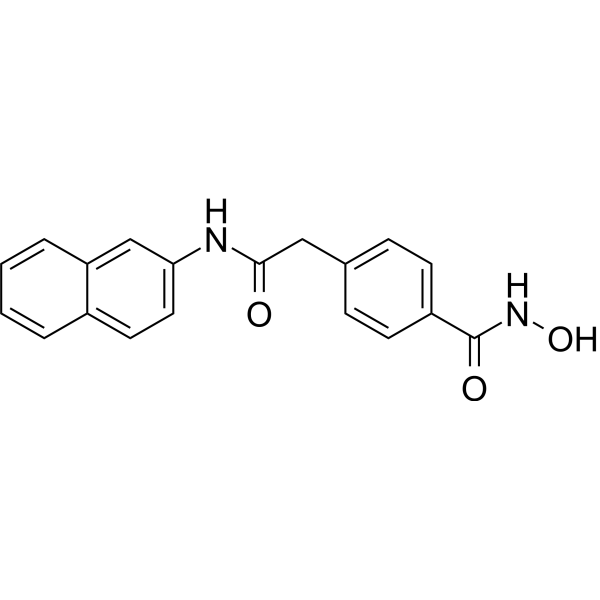
HDAC6-IN-9 (compound 12c) is a potent and selective HDAC6 inhibitor with IC50 values of 11.8, 15.2, 4.2, 139.6, 21.3 nM for HDAC1,HDAC3, HDAC6, HDAC8, HDAC10, respectively. HDAC6-IN-9 shows anti-proliferative activities .
|
-
- HY-121333
-
|
|
Antibiotic
Wnt
β-catenin
Bacterial
|
Infection
Neurological Disease
Cancer
|
|
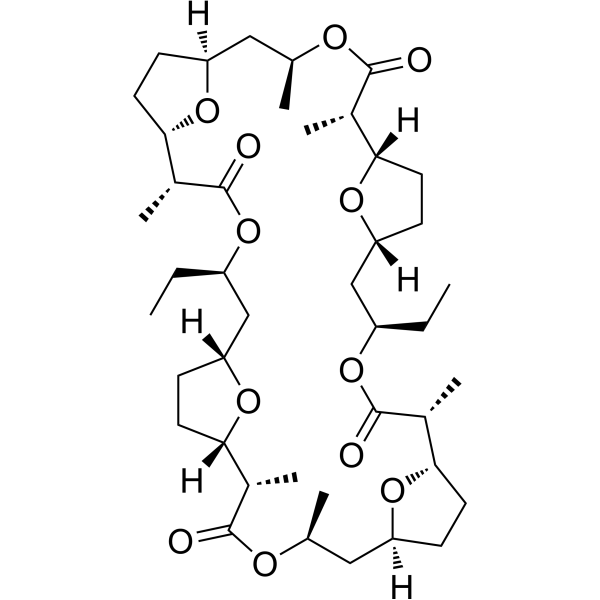
Dinactin, an antibiotic ionophore produced by Streptomyces species, as an effective small molecule targeting Wnt/β-catenin signaling pathway in cancer cells. Dinactin shows marked inhibition of HCT-116 cell growth with an IC50 of 1.1 μM. Dinactin shows anti-proliferative activity against the cancer cells in apoptosis-independent manner. Dinactin is also an effective agent for the research of neuropathic pain .
|
-
- HY-144732
-
|
|
Trk Receptor
Anaplastic lymphoma kinase (ALK)
|
Cancer
|
|
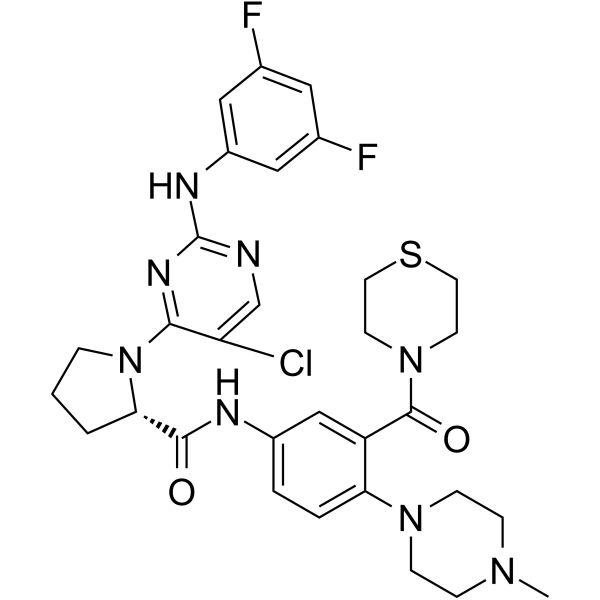
TRK/ALK-IN-1 (compound 21) is a potent and dual inhibitor of TRK and ALK. TRK/ALK-IN-1 in the enzymatic assays is in good accordance with anti-proliferative activity with IC50 values of 2.2, 9.3 and 38 nM towards TRKA, ALK WT and ALK L1196M, respectively. TRK/ALK-IN-1 has the potential for the research of cancer diseases .
|
-
- HY-177501
-
|
|
CDK
Apoptosis
|
Cancer
|
|
Otviciclib (Compound 86) is a CDK inhibitor. Otviciclib has potent anti-proliferative activity against solid tumor cells (such as HCT116, NCIH82 and DU145 cells) with no significant toxicity to normal cells, and effectively induces the G2/M phase cells arrest and apoptosis. Otviciclib has a broad-spectrum anticancer activity, such as colon, pancreatic and lung cancer .
|
-

- HY-17672
-
|
|
Drug Derivative
|
Cancer
|
|
Jasplakinolide probe-1 (Compound 12), a Jasplakinolide (HY-P0027) derivative, is a Jasplakinolide probe. Jasplakinolide probe-1 shows anti-proliferative activity and can inhibit the dynamics of actin, cause the collapse of cell lamellipodia, interfering with the dynamic balance of actin. Jasplakinolide probe-1 can be used for imaging of actin structure in cells conjugated with a fluorescent dye .
|
-

- HY-163440
-
|
|
PROTACs
NAMPT
|
Cancer
|
|
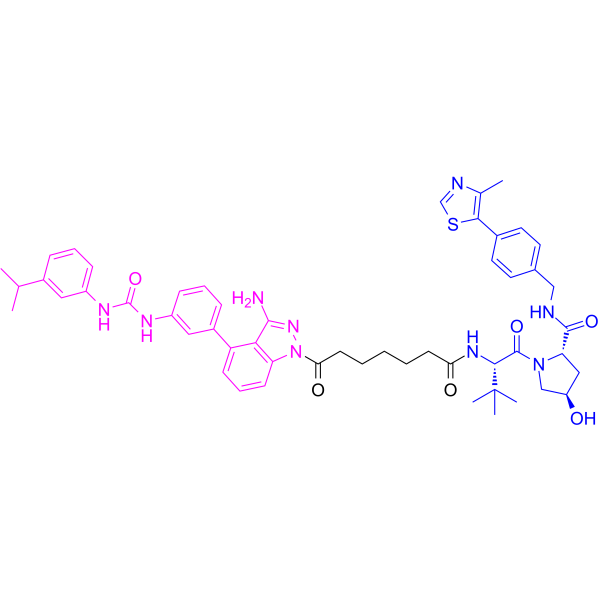
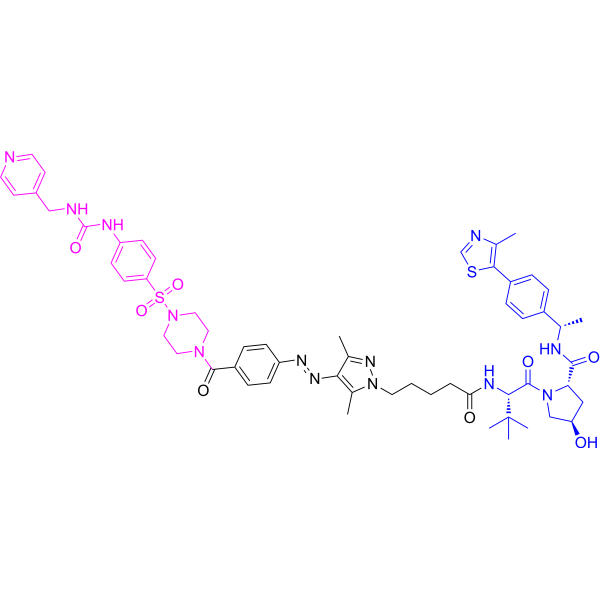
PROTAC NAMPT Degrader-1 is a potent PROTAC targeting NAMPT with aDC50 value of 217 nM. PROTAC NAMPT Degrader-1 has anti-proliferative activity with an IC50 value of 0.12μM against A2780 cells.
(Structure Note: PINK, NAMPT activator (HY-163445); Blue, VHL ligand (HY-163440); Black, linker) .
|
-
- HY-N12106
-
|
Fumicycline
|
Endogenous Metabolite
Fungal
|
Infection
|
|
Neosartoricin (Fumicycline) (Compound 3), a prenylated anthracenone, is a microbial secondary metabolite. Neosartoricin can be isolated from Aspergillus fumigatus and Neosartorya fischeri. Neosartoricin has immunosuppressive activity, and significantly inhibits T-cell proliferative activity with an IC50 of 3 μM. Neosartoricin may be beneficial to fungal defense, facilitating infection through suppressing the host adaptive immunity without involvement of primary virulence .
|
-

- HY-173361
-
|
|
Microtubule/Tubulin
|
Cancer
|
|
Anticancer agent 270 (Compound 8e) is an inhibitor that acts on tubulin. Its IC50 value against MCF-7 breast cancer cells is 1.02 μM. Through a dual mechanism of action, namely inducing Apoptosis and destabilizing microtubules, it exerts significant anti-proliferative activity against breast cancer cells. Anticancer agent 270 can be applied to research in the field of cancer .
|
-

- HY-15856B
-
|
Flupenthixol dihydrochloride
|
Dopamine Receptor
PI3K
Apoptosis
|
Neurological Disease
Cancer
|
|
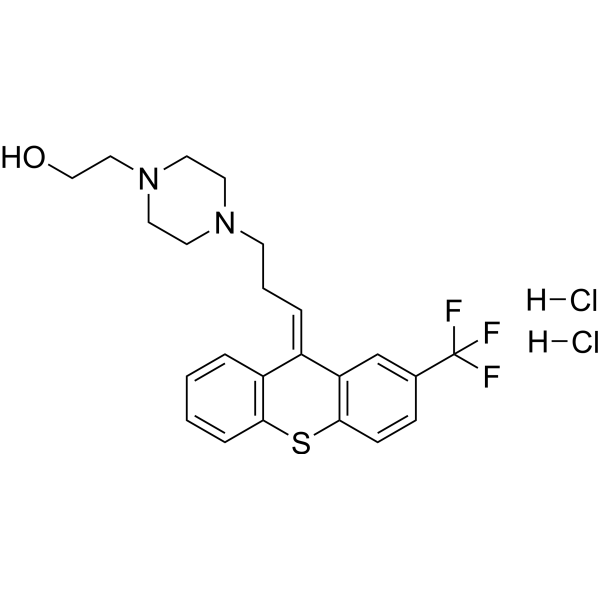
Flupentixol is an orally active D1/D2 dopamine receptor antagonist and new PI3K inhibitor (PI3Kα IC50=127 nM). Flupentixol shows anti-proliferative activity to cancer cells and induces apoptosis. Flupentixol can also be used in schizophrenia, anxiolytic and depressive research .
|
-
- HY-150566
-
|
|
Bcr-Abl
|
Cancer
|
|
BCR-ABL-IN-5 (compound II) is a Bcr-Abl kinase (Breakpoint cluster region-Abelson) inhibitor. BCR-ABL-IN-5 inhibits Bcr-Abl WT and Bcr-Abl T3151 with the IC50 value of 0.014 μM and 0.45 μM, respectively. BCR-ABL-IN-5 has some anti-proliferative activity against leukemic cells .
|
-
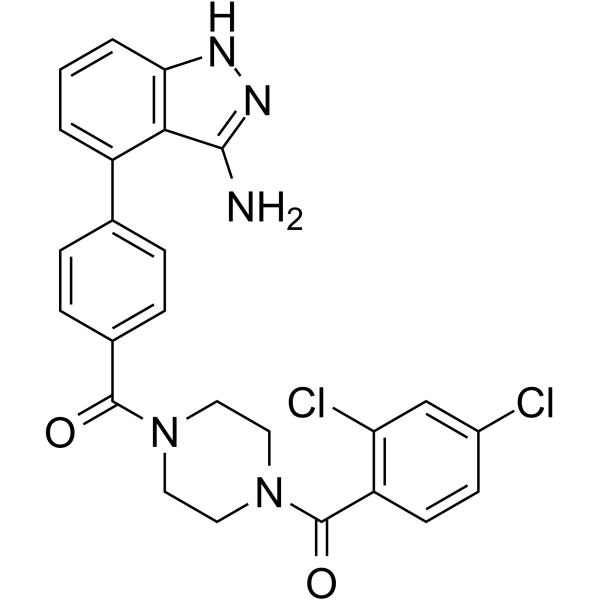
- HY-115672
-
KS15
3 Publications Verification
|
Cryptochrome
|
Cancer
|
|
KS15 is an inhibitor of the interactions between cryptochromes (CRYs: CRY1 and CRY2) and the CLOCK:BMAL1 heterodimer. KS15 impairs the feedback actions of CRYs on E-box-dependent transcription (EC50=4.9 μM) by CLOCK:BMAL1 heterodimer, an indispensable transcriptional regulator of the mammalian circadian clock. Anti-proliferative activity .
|
-
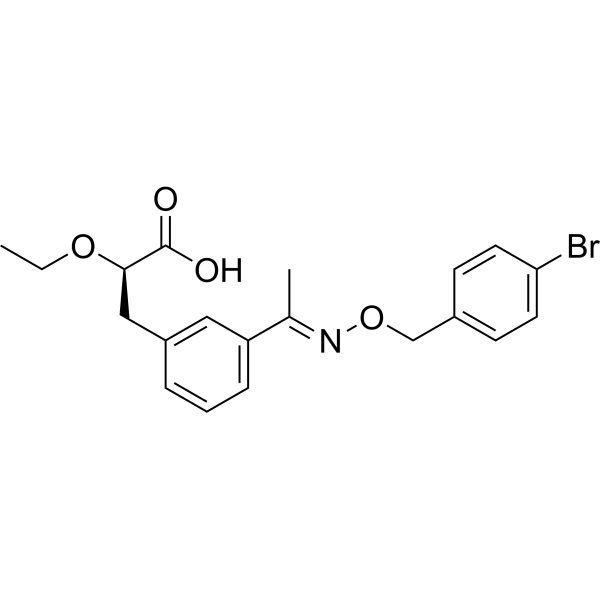
- HY-150654
-
|
|
WDR5
|
Cancer
|
|
WDR5-IN-5 is an orally active and selective inhibitor of WIN site of WD repeat domain 5 (WDR5). WDR5-IN-5 exhibits anti-proliferative activity towards cancer cells and good pharmacokinetics profile in mice. WDR5-IN-5 shows high affinity to WDR5 and the binding affinity Ki value <0.02 nM .
|
-
- HY-14543R
-
-

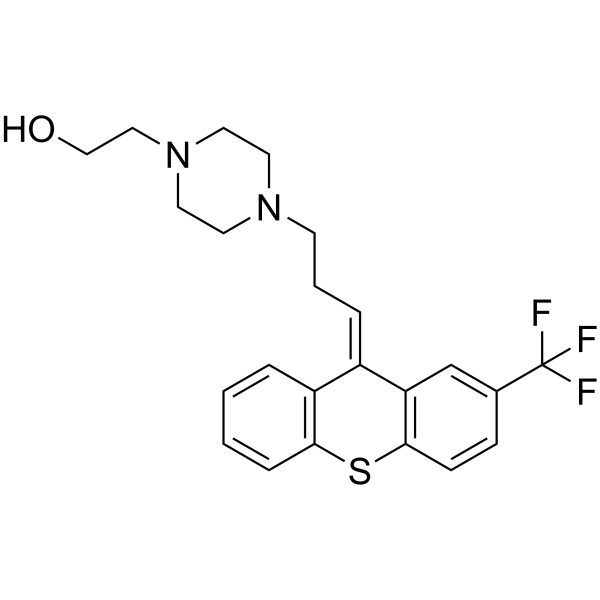
- HY-15856A
-
|
Flupenthixol
|
Dopamine Receptor
PI3K
Apoptosis
|
Neurological Disease
|
|
Flupentixol is an orally active D1/D2 dopamine receptor antagonist and new PI3K inhibitor (PI3Kα IC50=127 nM). Flupentixol shows anti-proliferative activity to cancer cells and induces apoptosis. Flupentixol can also be used in schizophrenia, anxiolytic and depressive research .
|
-
- HY-172170
-
|
|
Histone Demethylase
|
Cancer
|
|
LSD1-IN-39 (Compound 14) is a reversible inhibitor for LSD1 with an IC50 of 0.18 μM. LSD1-IN-39 exhibits broad-spectrum anti-proliferative activity against cancer cells, inhibits the cell migration of HepG2 and inhibits the epithelial-mesenchymal transition. LSD1-IN-39 exhibits antitumor activity in mouse models .
|
-

- HY-162489
-
|
|
Bcr-Abl
|
Others
|
|
Tyrosine kinase-IN-8 (compound 4e) is a BCR‐ABL1 tyrosine kinase inhibitor (TKI). Tyrosine kinase-IN-8 shows anti-proliferative activity against K562 cells, a chronic myeloid leukemia (CML) cell line (CC50=0.8 µM). Tyrosine kinase-IN-8 can be used in the study of chronic leukemia .
|
-

- HY-B0360
-
|
OPC12759; Proamipide
|
COX
|
Inflammation/Immunology
Cancer
|
|
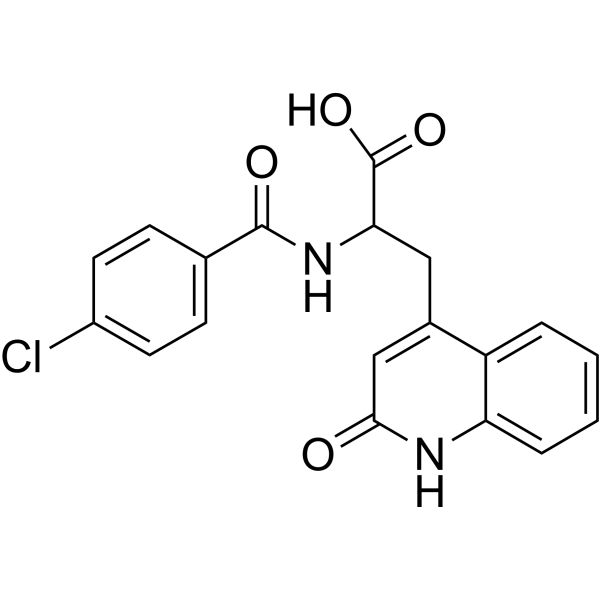
Rebamipide (OPC12759) is an orally active gastroprotective agent that enhances the production of endogenous PGs (especially intragastric PGE2) by inducing COX-2 expression, thereby protecting the gastric mucosa from injury. Rebamipide exerts anti-proliferative activity against gastric cancer cells. Rebamipide can be used in studies of mucosal protection, gastroduodenal ulcer, gastritis and gastric cancer .
|
-
- HY-15995
-
|
TubA
|
Antibiotic
Microtubule/Tubulin
ADC Payload
Mitosis
|
Cancer
|
|
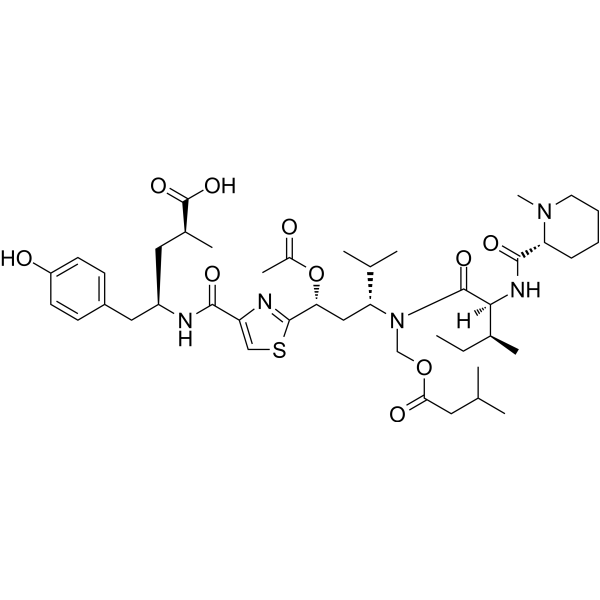
Tubulysin A (TubA) is an anticancer and antiangiogenic agent with anti-microtubule, anti-mitosis and anti-proliferative activity against a variety of cancer cells with IC50 values in the pmol range. It can induce apoptosis of cancer cells and has no effect on normal cells. Tubulysins are a group of potent cytotoxins consisting of nine members (A-I). Tubulysin A can synthesize ADC as ADC Cytotoxin .
|
-
- HY-50767D
-
|
PD 0332991 orotate
|
CDK
|
Cancer
|
|
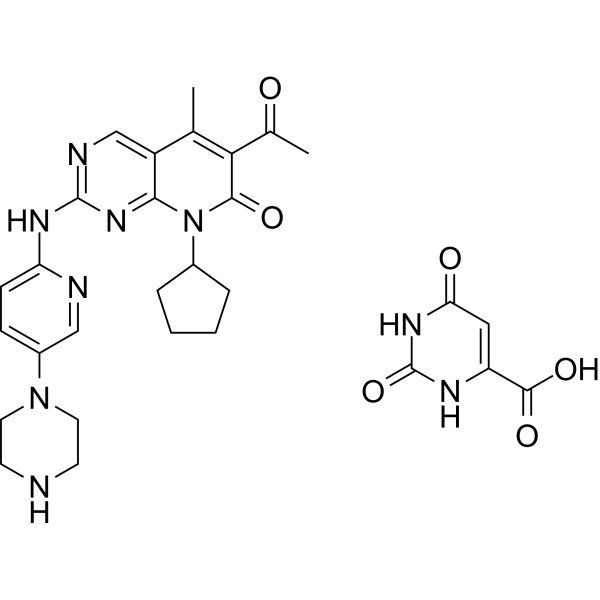
Palbociclib (PD 0332991) orotate is an orally active selective CDK4 and CDK6 inhibitor with IC50 values of 11 and 16 nM, respectively. Palbociclib orotate has potent anti-proliferative activity and induces cell cycle arrest in cancer cells. Palbociclib orotate can be used in the research of HR-positive and HER2-negative breast cancer and hepatocellular carcinoma .
|
-
- HY-179150
-
|
|
EGFR
Tyrosinase
|
Cancer
|
|
EGFR-TK-IN-6 (compound 10B) is an EGFR-TK inhibitor (IC50 = 0.65 μM). EGFR-TK-IN-6 has anti proliferative activity against MCF-7 cells (IC50 = 37.7 μM). EGFR-TK-IN-6 has low toxicity to normal cells. EGFR-TK-IN-6 can be used for cancer research .
|
-

- HY-50767A
-
|
PD 0332991 monohydrochloride
|
CDK
|
Cancer
|
|
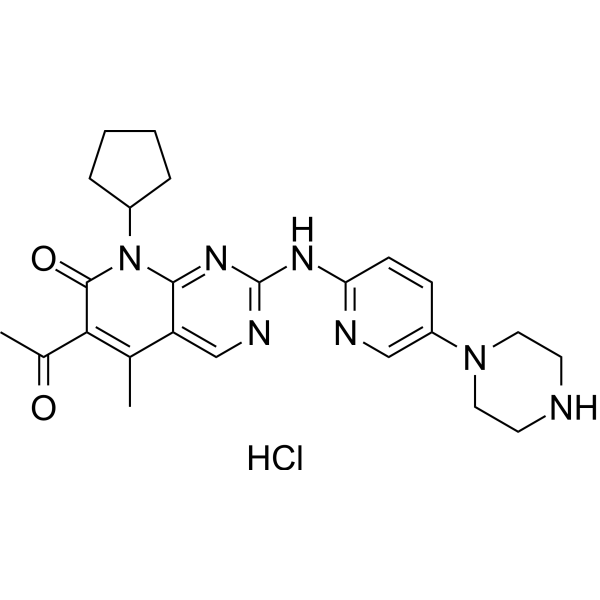
Palbociclib (PD 0332991) monohydrochloride is an orally active selective CDK4 and CDK6 inhibitor with IC50 values of 11 and 16 nM, respectively. Palbociclib monohydrochloride has potent anti-proliferative activity and induces cell cycle arrest in cancer cells, which can be used in the research of HR-positive and HER2-negative breast cancer and hepatocellular carcinoma .
|
-
- HY-A0065
-
|
PD 0332991 isethionate
|
CDK
|
Infection
Neurological Disease
Cancer
|
|
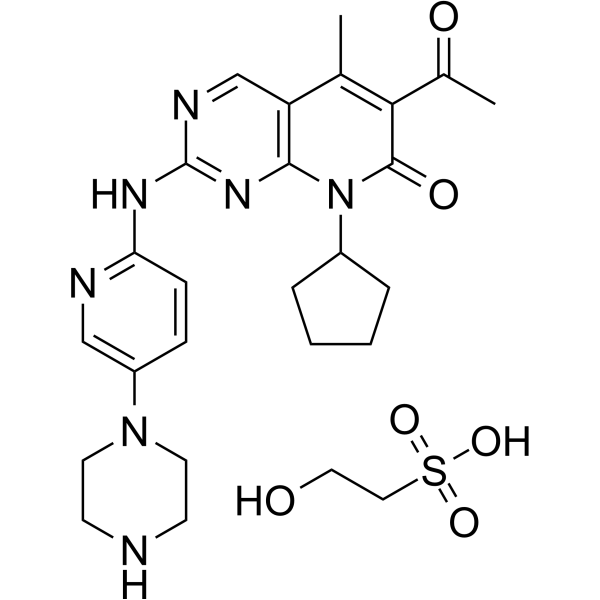
Palbociclib (PD 0332991) isethionate is an orally active selective CDK4 and CDK6 inhibitor with IC50 values of 11 and 16 nM, respectively. Palbociclib isethionate has potent anti-proliferative activity and induces cell cycle arrest in cancer cells, which can be used in the research of HR-positive and HER2-negative breast cancer and hepatocellular carcinoma .
|
-
- HY-13065
-
|
Corylifolinin; Isobacachalcone
|
Akt
Reactive Oxygen Species (ROS)
Apoptosis
Autophagy
|
Cancer
|
|
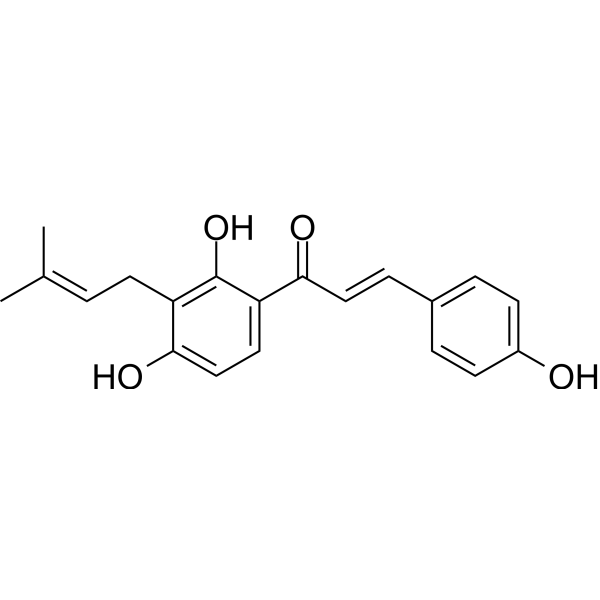
Isobavachalcone (Corylifolinin) is derived from Psoralea corylifolia Linn. and is a potent inhibitor of Akt signaling pathway, which induces apoptosis in human cancer cells (Inhibits OVCAR-8 cell growth with an IC50 value of 7.92 μM). Isobavachalcone also induces Reactive Oxyen Species (ROS) generation in OVCAR-8 cells and has exhibit cancer anti-promotive and anti-proliferative activity .
|
-
- HY-155542
-
|
|
ROR
|
Cancer
|
|
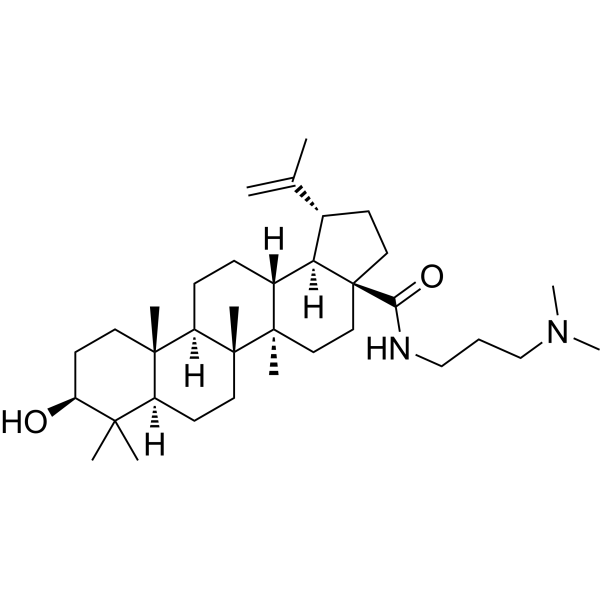
RORγ antagonist 1 (compound 22), a potent betulinic acid derivative, is an antagonist of RORγ (KD=0.18 μM). RORγ antagonist 1 exhibits anti-proliferative activity in HPAF-II pancreatic cancer xenograft model. RORγ antagonist 1 inhibits RAS/MAPK and AKT/mTORC1 pathway, and induces caspase-dependent apoptosis in pancreatic cancer cells .
|
-
- HY-W014785
-
|
|
Drug Intermediate
|
Cancer
|
|
1,4-Diphenylbuta-1,3-diyne (Compound 2a) is a synthetic symmetrical 1,3-diene derivative. 1,4-Diphenylbuta-1,3-diyne exhibits significant selective anti-proliferative activity against HeLa cells. 1,4-Diphenylbuta-1,3-diyne can be utilized in cervical cancer research .
|
-

- HY-146061
-
|
|
Ras
|
Cancer
|
|
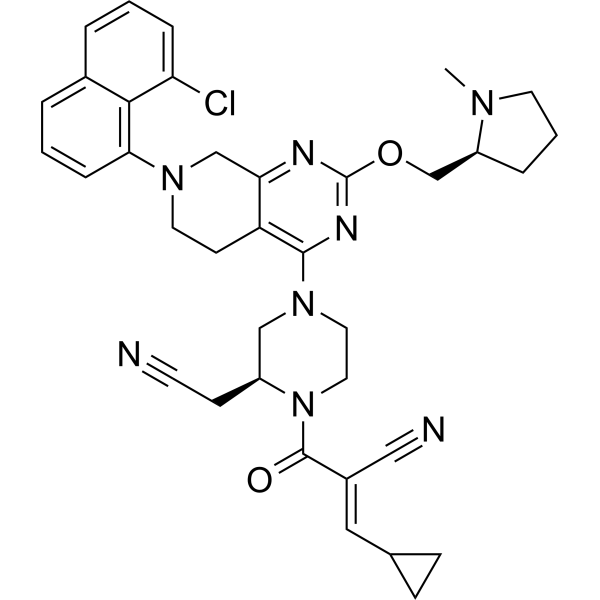
KRAS G12C inhibitor 48 (compound 6e) is a potent KRAS G12C inhibitor with an IC50 of 639.91 nM. KRAS G12C inhibitor 48 (0-50 µM) shows anti-proliferative activity with IC50s of 0.796, 6.33, 16.14 µM for H358, H23, A549 cells, respectively .
|
-
- HY-135317
-
|
CA-4948
|
IRAK
Apoptosis
FLT3
NF-κB
MyD88
|
Inflammation/Immunology
Cancer
|
|
Emavusertib is an orally active inhibitor for IRAK4 (IC50=57 nM) and FLT3. Emavusertib inhibits NF-κB and MyD88 signaling pathways, reduces the generation of pro-inflammatory cytokines like IL-6 and IL-10, thereby exhibiting anti-inflammatory and anti-proliferative activities against cancer cells, leading to cell apoptosis. Emavusertib exhibits antitumor activity in mouse model
|
-
- HY-B0356R
-
|
Bay-09867 (Standard)
|
Reference Standards
Topoisomerase
Apoptosis
Antibiotic
Bacterial
Mitochondrial Metabolism
Reactive Oxygen Species (ROS)
|
Infection
Cancer
|
|
Ciprofloxacin (Standard) is the analytical standard of Ciprofloxacin. This product is intended for research and analytical applications. Ciprofloxacin (Bay-09867) is a potent, orally active topoisomerase IV inhibitor. Ciprofloxacin induces mitochondrial DNA and nuclear DNA damage and lead to mitochondrial dysfunction, ROS production. Ciprofloxacin has anti-proliferative activity and induces apoptosis. Ciprofloxacin is a fluoroquinolone antibiotic, exhibiting potent antibacterial activity .
|
-

- HY-162900
-
|
|
HSP
|
Cancer
|
|
HSP90-IN-32 is a Hsp90 C-terminal inhibitor that displays anti-proliferative activities against SKMel173, SKMel103, SKMel19 and A375 cells with IC50 values of 1.01 μM, 0.782 μM, 0.607 μM and 1.413 μM , respectively. HSP90-IN-32 is promising for research of anti-cancer agents .
|
-

- HY-163001
-
|
|
Autophagy
p62
Atg8/LC3
|
Cancer
|
|
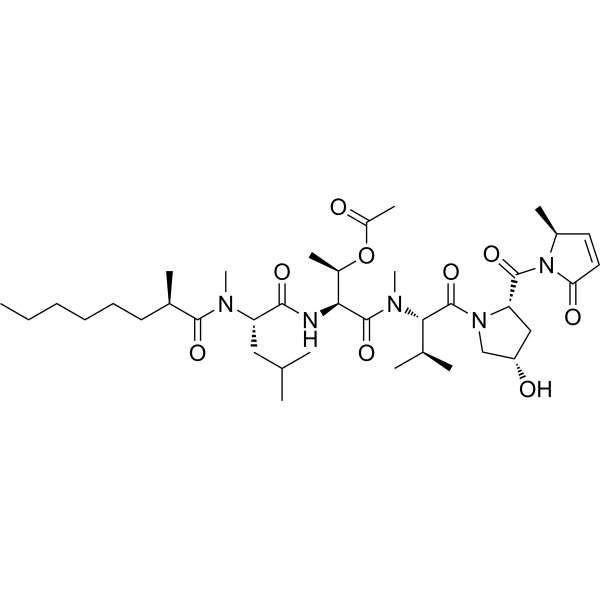
Microcolin H is a marine lipopeptide and phosphatidylinositol transfer protein ligand that targets PITPα/β. Microcolin H increases the conversion of LC3I to LC3II and reduces p62 levels in cancer cells, leading to autophagy cell death (Autophagy). Microcolin H effectively inhibits tumor development and has anti-proliferative activity in nude mouse subcutaneous tumor models .
|
-
- HY-155841
-
|
|
Microtubule/Tubulin
Mitosis
|
Cancer
|
|
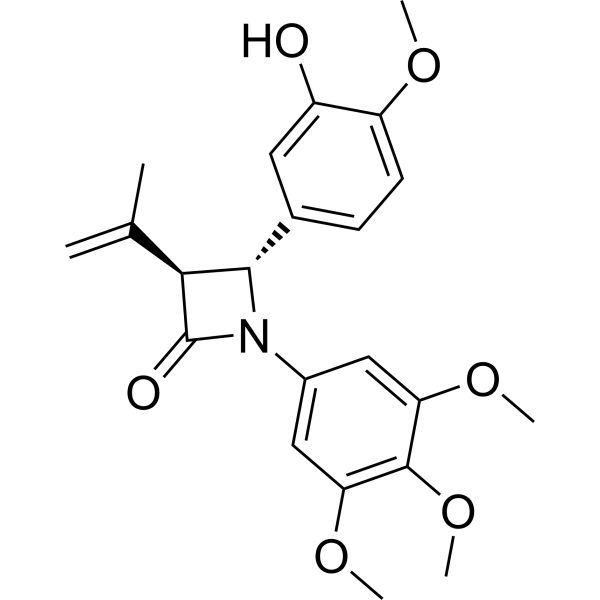
Tubulin polymerization-IN-46 (compound 9q) is a microtubule/Tubulin inhibitor that inhibits tubulin polymerization and induces apoptosis. Tubulin polymerization-IN-46 inhibits mitosis and arrests MCF-7 cells in the G2/M phase. Tubulin polymerization-IN-46 has anti-proliferative activity against MCF-7 breast cancer cells with an IC50 of 10 nM .
|
-
- HY-147575
-
|
|
TAM Receptor
c-Met/HGFR
|
Cancer
|
|
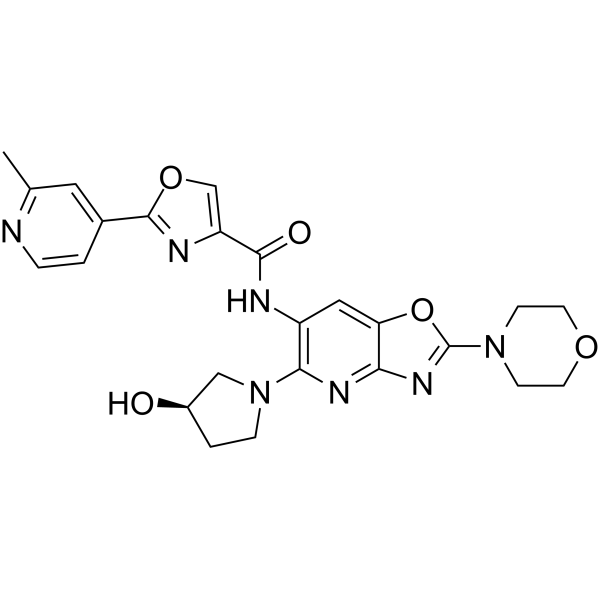
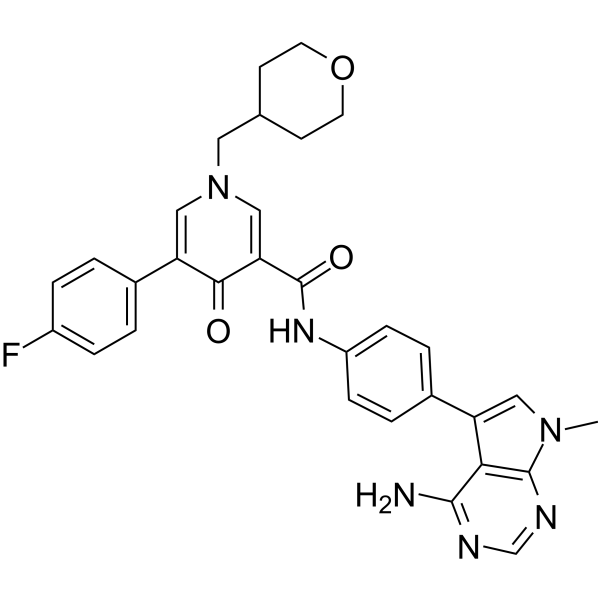
Axl-IN-8 (NO.1) is a potent AXL inhibitor, with an IC50 of <1 nM. Axl-IN-8 also inhibits c-MET, with an IC50 of 1-10 nM. Axl-IN-8 shows anti-proliferative activity against BaF3/TEL-AXL, MKN45, and EBC-1 cells, with IC50 values of <10, 226.6 and 120.3 nM, respectively .
|
-
- HY-160833
-
|
|
Carbonic Anhydrase
|
Cancer
|
|
hCAIX/XII-IN-12 (Compound 6) is a potent and highly selective dual inhibitor of hCA IX and hCA XII, with Ki values of 8.2 and 5.6 nM respectively. hCAIX/XII-IN-12 exhibits significant anti-proliferative activity against colon cancer cells, and this activity remains effective under hypoxic conditions. hCAIX/XII-IN-12 can be used for research on colon cancer .
|
-

- HY-151606
-
|
|
Akt
|
Cancer
|
|
Akt3 degrader 1 (compound 12l) is a selective Akt3 degrader that overcomesOsimertinib (HY-15772)-induced resistance in H1975OR NSCLC cells. Akt3 degrader 1 also has anti-proliferative activity and significantly inhibits tumour growth in mice. Akt3 degrader 1 can be used in the study of drug-resistant non-small cell lung cancer .
|
-
- HY-P991638
-
|
|
TNF Receptor
|
Cancer
|
|
XmAb-2513 is a humanized monoclonal antibody inhibitor targeting CD30. XmAb-2513 has significant anti-proliferative activity and superior antibody-dependent cell-mediated cytotoxicity (ADCC) as well as antibody-dependent cell-mediated phagocytosis (ADCP). XmAb-2513 can be used for hematologic malignancies like Hodgkin Lymphoma (HL) and Anaplastic Large Cell Lymphoma (ALCL) research .
|
-

- HY-B0356BR
-
|
Bay-09867 hydrochloride monohydrate (Standard)
|
Reference Standards
Topoisomerase
Apoptosis
Antibiotic
Bacterial
Mitochondrial Metabolism
Reactive Oxygen Species (ROS)
|
Infection
Cancer
|
|
Ciprofloxacin (hydrochloride monohydrate) (Standard) is the analytical standard of Ciprofloxacin (hydrochloride monohydrate). This product is intended for research and analytical applications. Ciprofloxacin (Bay-09867) hydrochloride monohydrate is a potent, orally active topoisomerase IV inhibitor. Ciprofloxacin hydrochloride monohydrate induces mitochondrial DNA and nuclear DNA damage and lead to mitochondrial dysfunction, ROS production. Ciprofloxacin hydrochloride monohydrate has anti-proliferative activity and induces apoptosis. Ciprofloxacin hydrochloride monohydrate is a fluoroquinolone antibiotic, exhibiting potent antibacterial activity .
|
-

- HY-110144
-
|
|
Isocitrate Dehydrogenase (IDH)
|
Cancer
|
|
TC-E 5008 is a potent mutant IDH1 inhibitor with Ki values of 190 nM and 120 nM for R132H and R132C IDH1 mutants, respectively. TC-E 5008 exhibits very weak activity against WT-IDH1 with a Ki value of 12.3 μM. TC-E 5008 has anti-proliferative activity on multiple ER positive breast cancer cell lines .
|
-
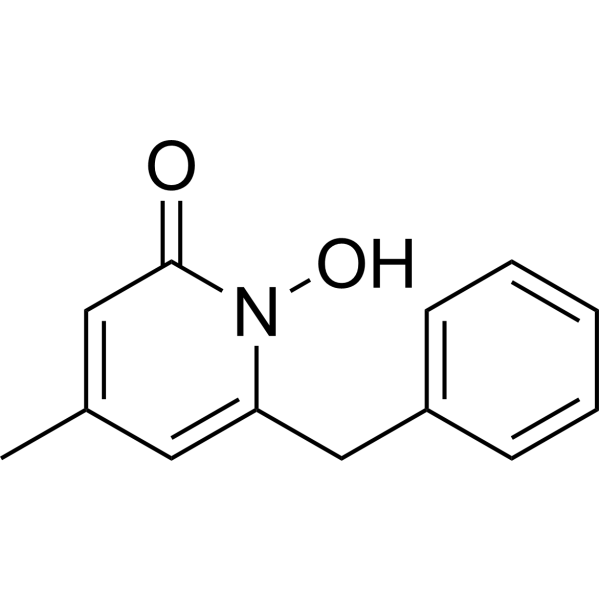
- HY-100900
-
|
|
Deubiquitinase
|
Cancer
|
|
ML364 is a selective ubiquitin specific peptidase 2 (USP2) inhibitor (IC50=1.1 μM) with anti-proliferative activity, which direct binds to USP2 (Kd=5.2 μM), induces an increase in cellular cyclin D1 degradation and causes cell cycle arrest. ML364 increases the levels of mitochondrial ROS and decreases in the intracellular content of ATP .
|
-
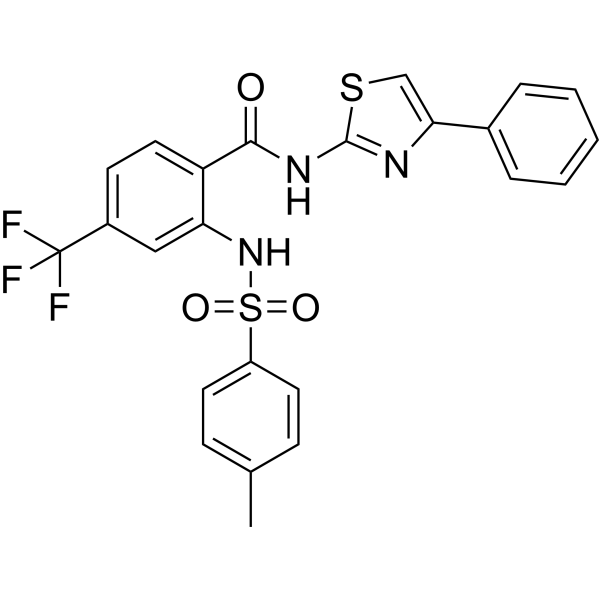
- HY-17037S1
-
|
LS 519-d8 dihydrochloride; Pirenzepin-d8 dihydrochloride; Gastrozepin-d8 dihydrochloride
|
Isotope-Labeled Compounds
mAChR
|
Cancer
|
|
Pirenzepine-d8 (LS 519-d8; Pirenzepin-d8) dihydrochloride is a deuterium labeled Pirenzepine (dihydrochloride) (HY-17037). Pirenzepine (LS 519) dihydrochloride is a selective M1 mAChR (muscarinic acetylcholine receptor) antagonist. Pirenzepine dihydrochloride reduces gastric acid secretion and reduces muscle spasm, can be used in peptic ulcers research. Pirenzepine dihydrochloride shows anti-proliferative activity to cancer cells .
|
-
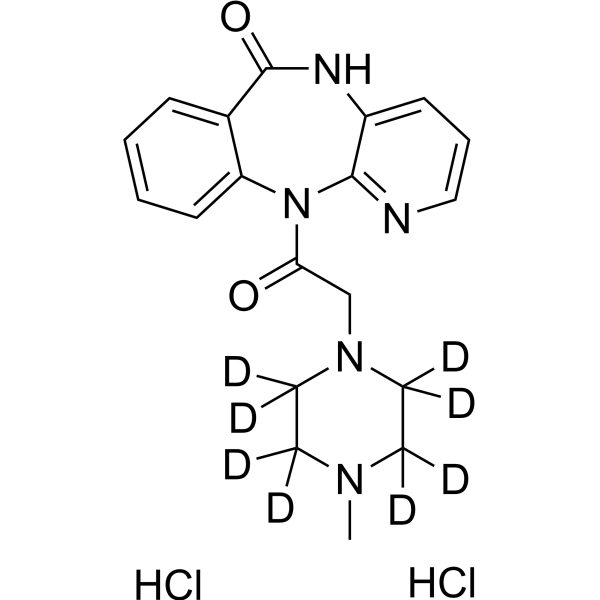
- HY-152019
-
|
|
EGFR
|
Cancer
|
|
EGFR/C797S-IN-1 is a potent EGFR-C797S inhibitor with an IC50 value of 0.128 µM. EGFR/C797S-IN-1 shows anti-proliferative activity and anti-tumor activity. EGFR/C797S-IN-1 inhibits the expression of p-EGFR in a dose-dependent manner .
|
-
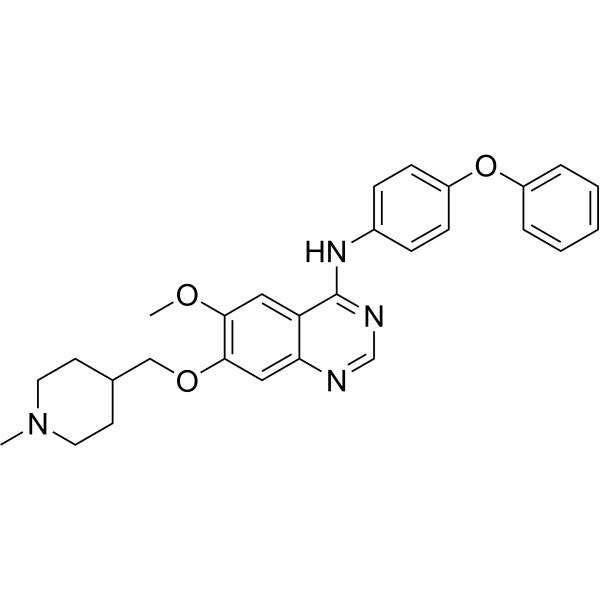
- HY-15990
-
|
|
HSP
|
Cancer
|
|
CH5164840 (16) shows high binding affinity for N-terminal Hsp90a (Kd = 0.52 nM) and strong anti-proliferative activity against human cancer cell lines (HCT116 IC50 = 0.15 μM, NCI-N87 IC50 = 0.066 μM). CH5164840 (16) is orally active (t1/2 = 2.64 h) with potent antitumor efficacy .
|
-

- HY-151110
-
|
|
PROTACs
CDK
|
Cancer
|
|
PROTAC CDK12/13 Degrader-1 (7f) is a highly selective cell cycle protein-dependent kinase CDK12/CDK13 dual degrader with the DC50 values of 2.2 nM and 2.1 nM, respectively. PROTAC CDK12/13 Degrader-1 has anti-proliferative activity and can be used in breast cancer research .
|
-
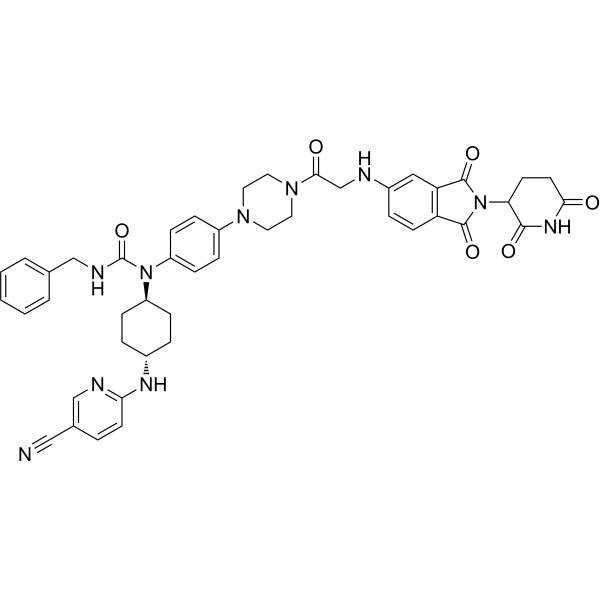
- HY-147949
-
|
|
Microtubule/Tubulin
Apoptosis
|
Cancer
|
|
SKLB0565 is a potent tubulin inhibitor. SKLB0565 shows significant anti-proliferative activity against CRC (colorectal carcinoma) cell lines, with IC50 values ranging from 0.012 μM to 0.081 μM. SKLB0565 causes G2/M phase arrest and mitochondria-mediated intrinsic apoptosis. SKLB0565 inhibits cell migration and disrupted the tube formation of HUVECs .
|
-
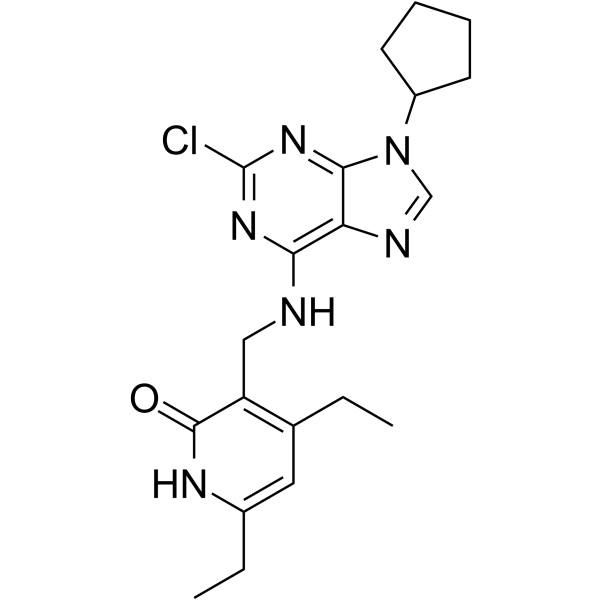
- HY-W654305
-
|
PD 0332991-d4
|
Isotope-Labeled Compounds
CDK
|
Cancer
|
|
Palbociclib-d4 is deuterium labeled Palbociclib. Palbociclib (PD 0332991) is an orally active selective CDK4 and CDK6 inhibitor with IC50 values of 11 and 16 nM, respectively. Palbociclib has potent anti-proliferative activity and induces cell cycle arrest in cancer cells, which can be used in the research of HR-positive and HER2-negative breast cancer and hepatocellular carcinoma .
|
-

- HY-15221
-
|
|
Apoptosis
Histone Demethylase
MDM-2/p53
|
Cardiovascular Disease
Cancer
|
|
Methylstat is a potent histone demethylases inhibitor. Methylstat shows anti-proliferative activity with low cytotoxicity. Methylstat induces apoptosis and cell cycle arrest at G0/G1 phase. Methylstat increases the expression of p53 and p21 protein levels. Methylstat inhibits angiogenesis induced by various cytokines. Methylstat can be used as a chemical probe for addressing its role in angiogenesis .
|
-
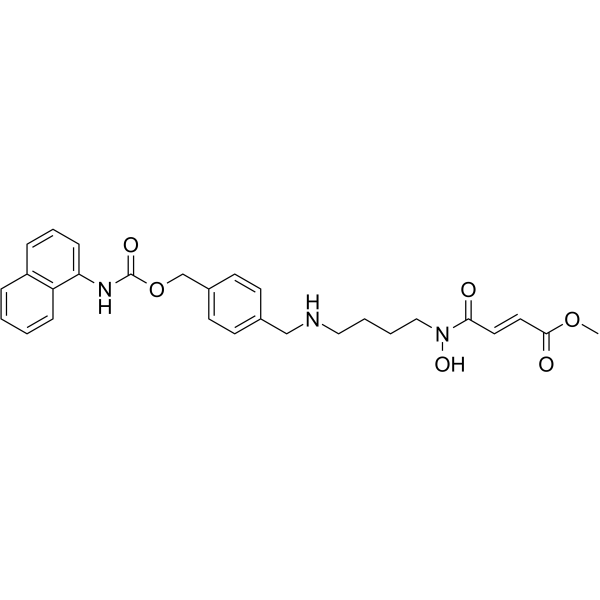
- HY-179039
-
|
|
EGFR
|
Cancer
|
EGFR-IN-183 (Compound 5q) is an EGFR inhibitor. EGFR-IN-183 strongly binds to EGFR (T790M/L858R) mutants. EGFR-IN-183 exhibits anti-proliferative activity against MDA-MB-231, with an IC50 value of 16.4 μM. EGFR-IN-183 can be used for research on triple-negative breast cancer .
|
-

- HY-N7085
-
|
5,7-Dimethoxycoumarin; Limettin
|
Environmental Pollutants
ERK
p38 MAPK
JNK
|
Neurological Disease
Inflammation/Immunology
Cancer
|
|
Citropten (5, 7-dimethoxycoumarin) is one of the coumarin derivatives. Citropten is an effective oral anticancer agent. Citropten has anti-proliferative activity against A2058 and B16 melanoma cells. Citropten exerts anti-inflammatory effects through the NFκB and MAPK signaling pathways. Citropten acts as an antidepressant through heat shock protein-70, monoamine oxidase-A and inhibition of apoptosis .
|
-
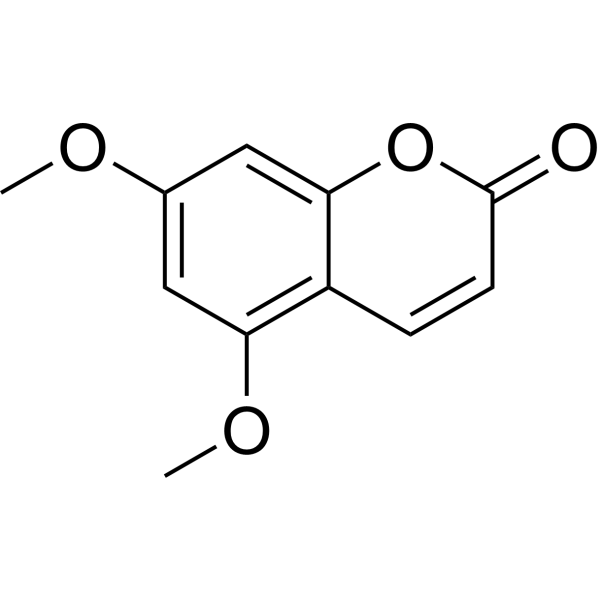
- HY-155522
-
|
|
Carbonic Anhydrase
|
Cancer
|
|
WES-1 (Compound 8g) is an inhibitor of carbonic anhydrase IX (Ki: 55.9 μM). WES-1 has broad spectrum anti-proliferative activity against the cancer cells, such as leukemia (K-562 and MOLT-4), non-small cell lung cancer (NCI–H460), colon cancer (HCT 116 and HCT-15) and melanoma (LOX IMVI) cell lines .
|
-
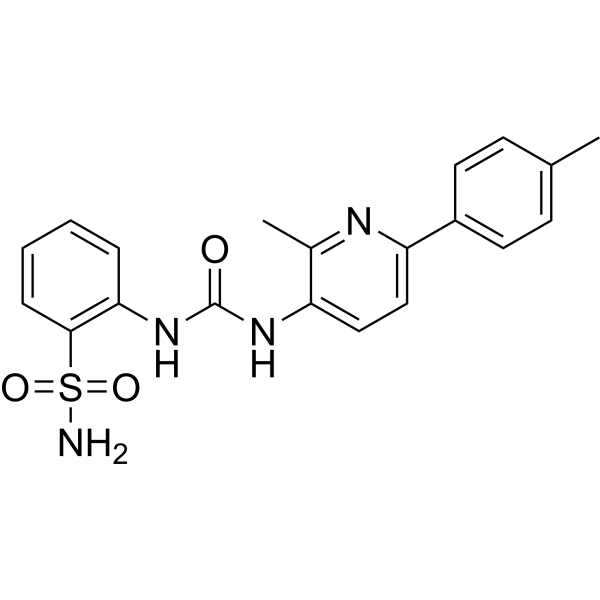
- HY-151110A
-
|
|
PROTACs
CDK
|
Cancer
|
|
PROTAC CDK12/13 Degrader-1 (7f) TFA is a highly selective cell cycle protein-dependent kinase CDK12/CDK13 dual degrader with the DC50 values of 2.2 nM and 2.1 nM, respectively. PROTAC CDK12/13 Degrader-1 TFA has anti-proliferative activity and can be used in breast cancer research .
|
-
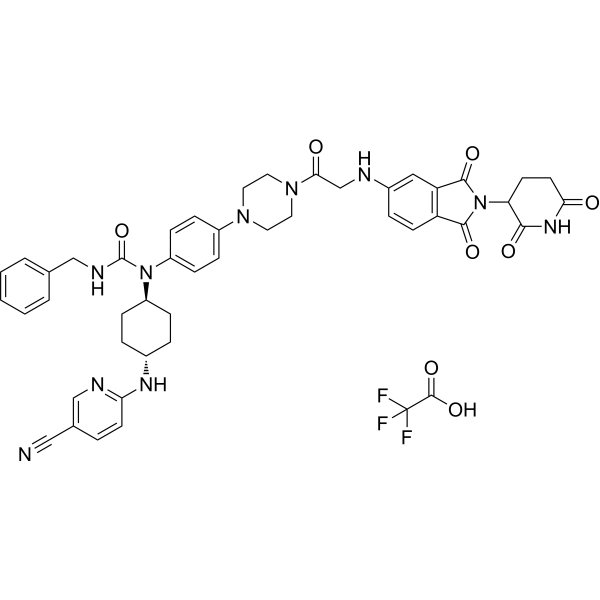
- HY-18684
-
|
5'-Isobutylthioadenosine; 5'-Deoxy-5'-isobutylthioadenosine
|
Nucleoside Antimetabolite/Analog
HSV
Parasite
|
Infection
Metabolic Disease
Cancer
|
|
SIBA (5'-Isobutylthioadenosine) is a transmethylation inhibitor (SAH (HY-19528) analogue), with potent anti-proliferative activity. SIBA reversibly inhibits the production of HSV-1 by blocking methylation, specifically by blocking the 5' end-capping of viral mRNA. SIBA also inhibits the growth of tumour cells in vitro and metastatic spread in vivo. SIBA can be used in cancer, HSV-1 infection and anti-malaria studies .
|
-
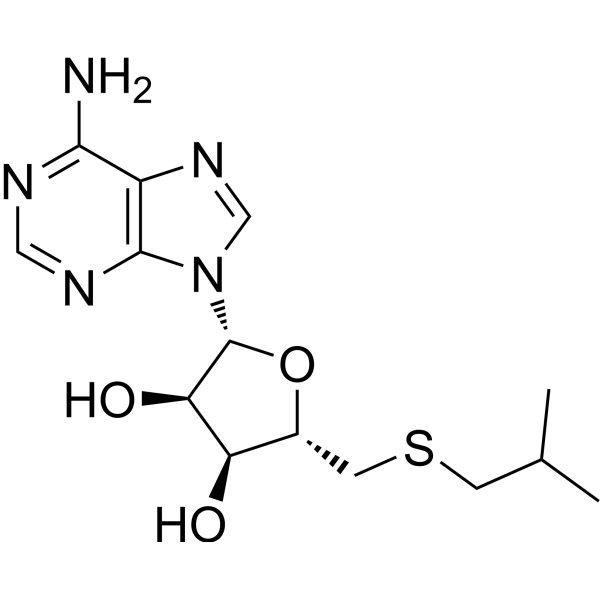
- HY-156083
-
|
|
CDK
|
Cancer
|
|
PROTAC CDK9/CycT1 Degrader-1 (compounds 10) is a potent inhibitor of CDK9. PROTAC CDK9/CycT1 Degrader-1 can be used as a PROTAC target protein ligand for PROTAC synthesis. PROTAC CDK9/CycT1 Degrader-1 shows strong anti-proliferative activity in solid tumors .
|
-
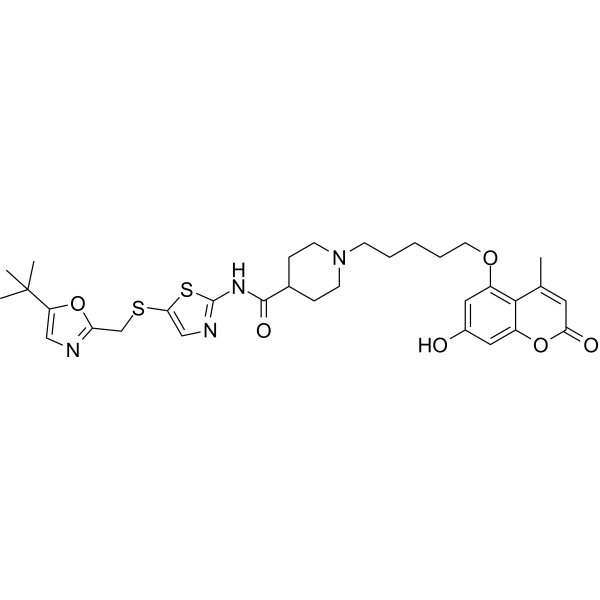
- HY-163396
-
|
|
EGFR
Apoptosis
|
Cancer
|
|
EGFR-IN-107 (compound 3r) is an orally active EGFR inhibitor with IC50 values of 0.4333 μM for EGFR WT and 0.0438 μM for EGFR L858R/T790M. EGFR-IN-107 has anti-proliferative activity and can inhibit the proliferation of H1975 cells and induce their apoptosis. EGFR-IN-107 can be used in cancer research .
|
-
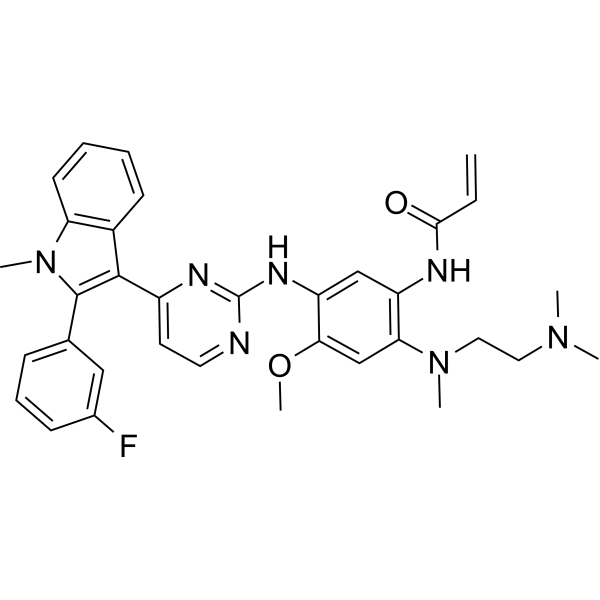
- HY-179395
-
|
|
YAP
|
Cancer
|
|
TEAD-IN-23 (Compound 22) is an efficient pan-TEAD inhibitor with an IC50 of 10 nM. TEAD-IN-23 exhibits potent anti-proliferative activity in both NCI-H226 and MSTO-211H. TEAD-IN-23 causes complete tumor regression in the MSTO-211H xenograft tumor model. TEAD-IN-23 can be used for the study of mesothelioma and hepatocellular carcinoma .
|
-

- HY-A0143S
-
|
DGLA-d6; all-cis-8,11,14-Eicosatrienoic acid-d6
|
Endogenous Metabolite
|
Cardiovascular Disease
Inflammation/Immunology
Cancer
|
|
Dihomo-γ-linolenic acid-d6 (DGLA-d6) is the deuterium labeled Dihomo-γ-linolenic acid. Dihomo-γ-linolenic acid (all-cis-8,11,14-Eicosatrienoic acid) is a 20-carbon ω-6 fatty acid, with anti-inflammatory and anti-proliferative activities. Dihomo-γ-linolenic acid attenuates atherosclerosis in the apolipoprotein E deficient mouse model system .
|
-
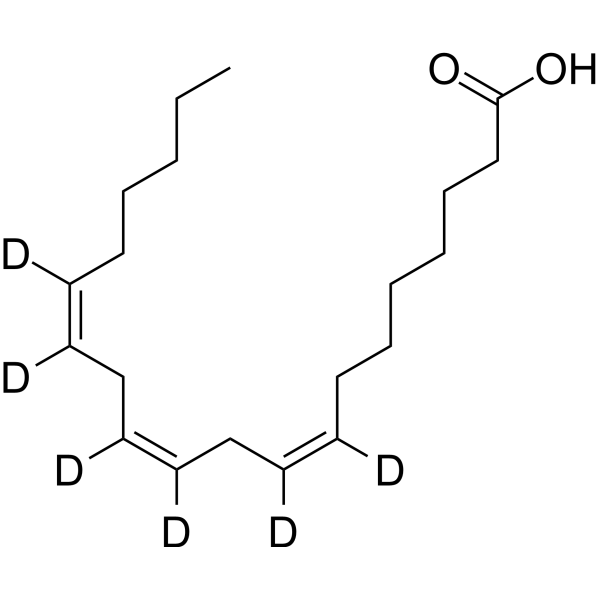
- HY-101870BR
-
|
INCB053914 phosphate (Standard)
|
Reference Standards
Pim
|
Cancer
|
|
Uzansertib phosphate (Standard) is the analytical standard of Uzansertib phosphate (HY-101870B). This product is intended for research and analytical applications. Uzansertib (INCB053914) phosphate is an orally active, ATP-competitive pan-PIM kinase inhibitor with IC50s of 0.24 nM, 30 nM, 0.12 nM for PIM1, PIM2, PIM3, respectively. Uzansertib phosphate has broad anti-proliferative activity against a variety of hematologic tumor cell lines .
|
-

- HY-179058
-
|
|
Deubiquitinase
Ras
|
Cancer
|
|
JOSD2-IN-1 (Compound 31) is a covalent JOSD2 inhibitor with an IC50 value of 1.95 μM. JOSD2-IN-1 inhibits JOSD2, thereby down-regulating KRAS expression. JOSD2-IN-1 exhibits significant anti-proliferative activity against HCT116 cells. JOSD2-IN-1 can be used for research on colorectal cancer .
|
-

- HY-W778375
-
|
|
Apoptosis
|
Inflammation/Immunology
Cancer
|
|
Hesperetin triacetate is an active compound with anti-inflammatory and anti-tumor activities. Hesperetin triacetate inhibits bovine serum albumin denaturation in vitro. Hesperetin triacetate inhibits carrageenan-induced paw swelling in mice in vivo. Hesperetin triacetate exhibits anti-proliferative activity against breast cancer cells. Hesperetin triacetate induces DNA degradation and apoptosis in breast cancer cells. Hesperetin triacetate can be used in studies related to breast cancer and inflammation .
|
-

- HY-180509
-
|
|
Topoisomerase
MDM-2/p53
|
Cancer
|
|
Topoisomerase I/IIα-IN-1 (Compound 20i) is a Topoisomerase I/IIα inhibitor. MDM2-IN-27 can effectively block the inhibitory effect of MDM2 on p53, thereby activating the p53 pathway. MDM2-IN-27 has relatively poor anti-proliferative activity against breast cancer, colon cancer, and cutaneous squamous cell carcinoma .
|
-

- HY-143400
-
|
|
HSP
Hedgehog
|
Cancer
|
|
HSP70-IN-3 is a potent HSP70 inhibitor (IC50s of 1.1 and 1.9 μM in ASZ001 and C3H10T1/2, respectively). HSP70-IN-3 has anti-Hh (Hedgehog signaling) activity and anti-proliferative activity and reduces expression of the oncogenic transcription factor GLI1 .
|
-
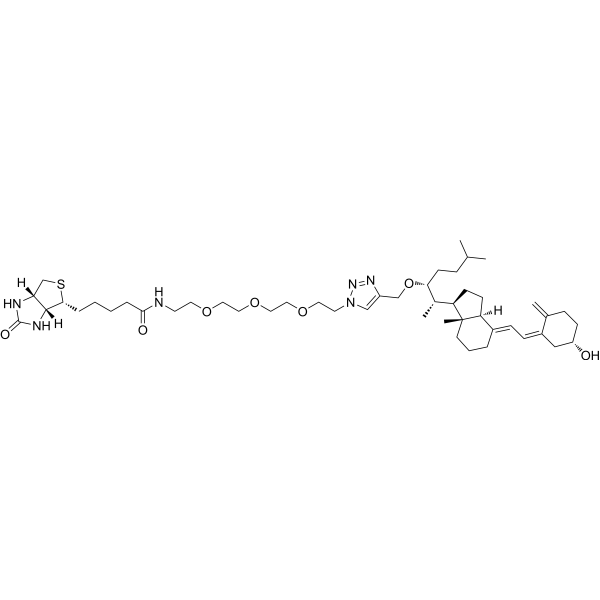
- HY-147027
-
|
|
PARP
Caspase
Apoptosis
|
Neurological Disease
Inflammation/Immunology
Cancer
|
|
PARP-1-IN-2 (compound 11g) is a potent PARP1 inhibitor, with an IC50 of 149 nM, and ADME prediction indicates it has high blood-brain barrier permeability. PARP1-IN-2 shows significantly potent anti-proliferative activity against Human lung adenocarcinoma epithelial cell line A549. PARP1-IN-2 can induce A549 cells apoptosis .
|
-
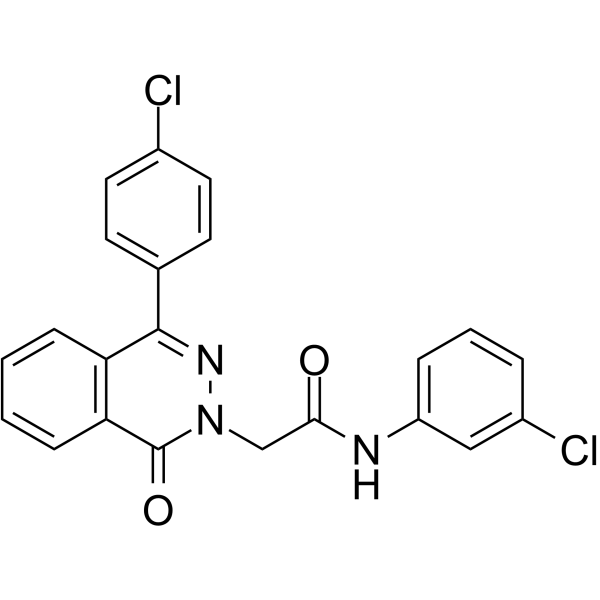
- HY-B0356S2
-
-

- HY-157814
-
|
|
Apoptosis
Epigenetic Reader Domain
|
Cancer
|
|
Menin-MLL inhibitor-25 (compound A6) is a potent Menin-MLL interaction inhibitor with an IC50 value of 0.38 µM. Menin-MLL inhibitor-25 shows anti-proliferative activity. Menin-MLL inhibitor-25 induces apoptosis and cell cycle arrest at G0/G1 phase. Menin-MLL inhibitor-25 reverses the differentiation arrest .
|
-
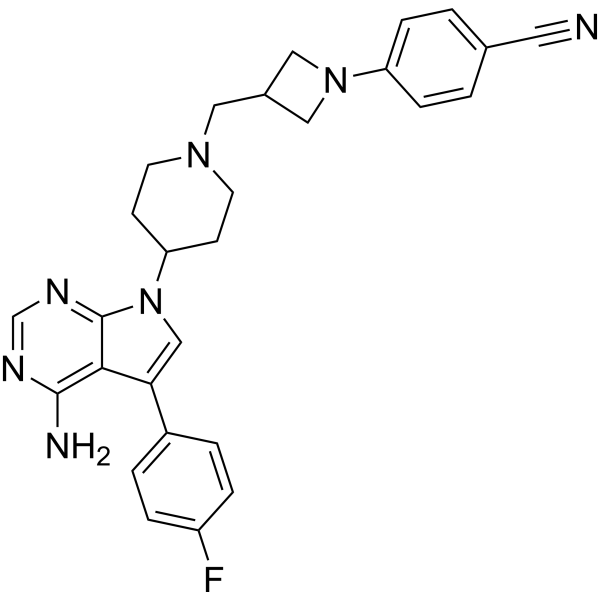
- HY-180198
-
|
|
Melatonin Receptor
|
Cancer
|
|
UCM1400 is a melatonin receptor (MT) subtype-selective modulator. UCM1400 shows agonistic effect for MT1 and antagonistic effect for MT2 with pKi values of 7.94 and 8.11. UCM1400 can inhibit the decrease in cAMP mediated by the MT2 receptor with a pIC50 of 7.87. UCM1400 exhibits anti-proliferative activity against human glioma cells and inhibit tumor growth. UCM1400 can be used for the research of cancer, such as glioma .
|
-

- HY-173368
-
|
|
PI3K
|
Cancer
|
|
Antiproliferative agent-67 (Compound 5g) is a PI3K inhibitor with a selectivity index SI of 7.72 for breast cancer cells (MCF-7). Antiproliferative agent-67 inhibits the activity of PI3K protein by forming hydrogen bonds and intermolecular hydrophobic forces with it, exerting anti - proliferative activity against breast cancer cells (MCF-7), and can be used in the research of breast cancer .
|
-

- HY-144184
-
|
|
Methionine Adenosyltransferase (MAT)
|
Cancer
|
|
MAT2A-IN-6 is a potent inhibitor of MAT2A. The expression level of MAT2A is abnormally elevated in several types of tumors, including gastric, colon, liver and pancreatic cancers. MAT2A-IN-6 reduces the proliferative activity of MTAP-deficient cancer cells. MAT2A-IN-6 has the potential for the potential for the research of cancer diseases (extracted from patent WO2021254529A1, compound 18) .
|
-
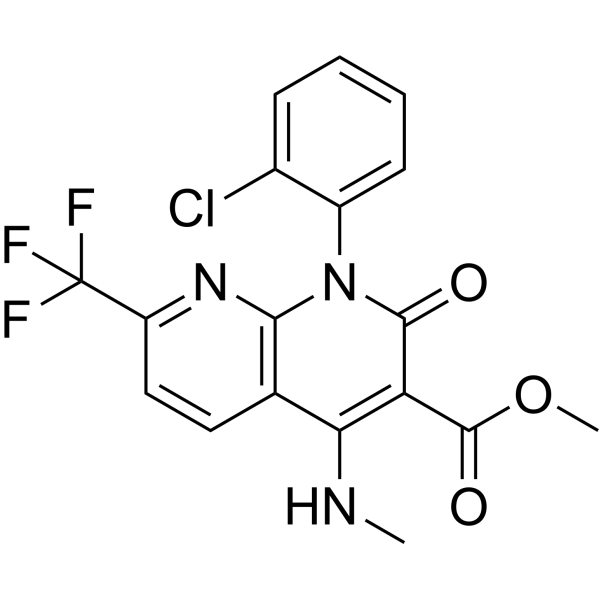
- HY-148278
-
|
|
SOS1
Ras
|
Cancer
|
|
BI-0474 is a potent KRAS G12C inhibitor with an IC50 value of 7.0 nM for the GDP-KRAS::SOS1 protein-protein interaction. BI-0474 exhibits good anti-proliferative activity against NCI-H358 cells carrying the G12C mutation. BI-0474 also shows good anti-tumour activity in non-small cell lung cancer xenograft models .
|
-
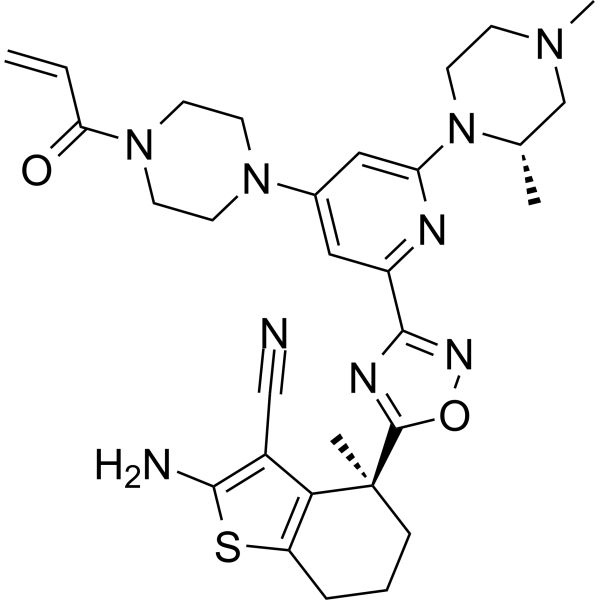
- HY-144185
-
|
|
Methionine Adenosyltransferase (MAT)
|
Cancer
|
|
MAT2A-IN-7 is a potent inhibitor of MAT2A. The expression level of MAT2A is abnormally elevated in several types of tumors, including gastric, colon, liver and pancreatic cancers. MAT2A-IN-7 reduces the proliferative activity of MTAP-deficient cancer cells. MAT2A-IN-7 has the potential for the potential for the research of cancer diseases (extracted from patent WO2021254529A1, compound 24) .
|
-
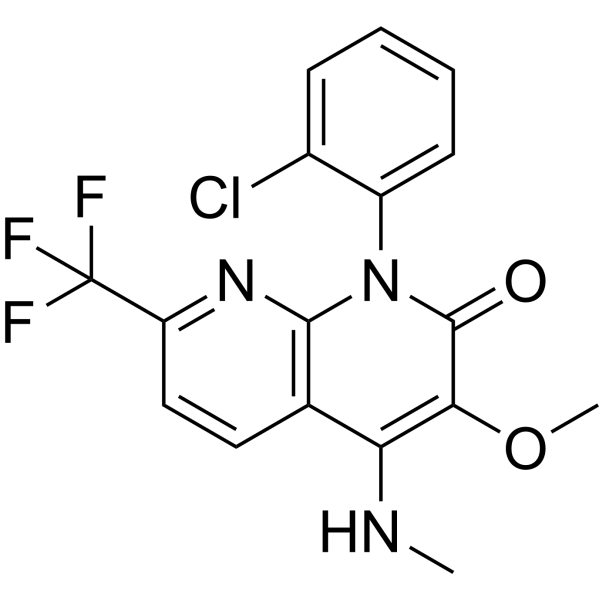
- HY-15856BR
-
|
Flupenthixol dihydrochloride (Standard)
|
Reference Standards
Dopamine Receptor
PI3K
Apoptosis
|
Neurological Disease
Cancer
|
|
Flupentixol (dihydrochloride) (Standard) is the analytical standard of Flupentixol (dihydrochloride). This product is intended for research and analytical applications. Flupentixol is an orally active D1/D2 dopamine receptor antagonist and new PI3K inhibitor (PI3Kα IC50=127 nM). Flupentixol shows anti-proliferative activity to cancer cells and induces apoptosis. Flupentixol can also be used in schizophrenia, anxiolytic and depressive research .
|
-
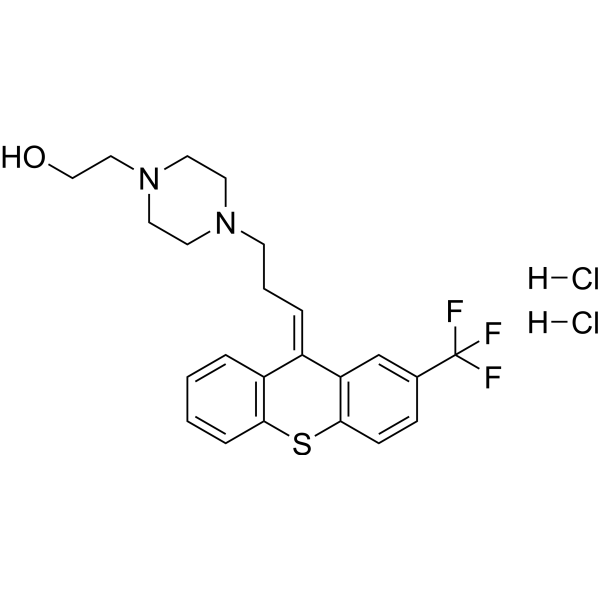
- HY-W040298R
-
|
Bay-09867 lactate (Standard)
|
Reference Standards
Topoisomerase
Apoptosis
Antibiotic
Bacterial
Mitochondrial Metabolism
Reactive Oxygen Species (ROS)
|
Infection
Cancer
|
|
Ciprofloxacin (lactate) (Standard) is the analytical standard of Ciprofloxacin (lactate). This product is intended for research and analytical applications. Ciprofloxacin (Bay-09867) lactate is a potent, orally active topoisomerase IV inhibitor. Ciprofloxacin lactate induces mitochondrial DNA and nuclear DNA damage and lead to mitochondrial dysfunction, ROS production. Ciprofloxacin lactate has anti-proliferative activity and induces apoptosis. Ciprofloxacin lactate is a fluoroquinolone antibiotic, exhibiting potent antibacterial activity [4].
|
-

- HY-144181
-
|
|
Methionine Adenosyltransferase (MAT)
|
Cancer
|
|
MAT2A-IN-5 is a potent inhibitor of MAT2A. The expression level of MAT2A is abnormally elevated in several types of tumors, including gastric, colon, liver and pancreatic cancers. MAT2A-IN-5 reduces the proliferative activity of MTAP-deficient cancer cells. MAT2A-IN-5 has the potential for the potential for the research of cancer diseases (extracted from patent WO2021254529A1, compound 1) .
|
-
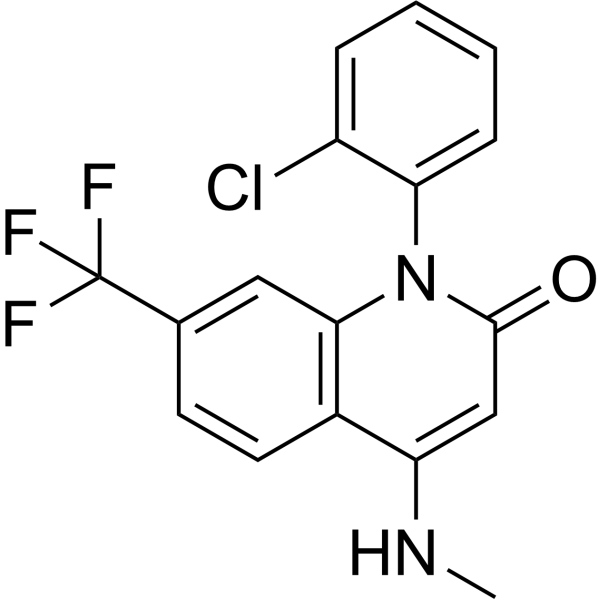
- HY-B0360R
-
|
|
COX
Reference Standards
|
Inflammation/Immunology
Cancer
|
|
Rebamipide (Standard) is the analytical standard of Rebamipide. This product is intended for research and analytical applications. Rebamipide (OPC12759) is an orally active gastroprotective agent that enhances the production of endogenous PGs (especially intragastric PGE2) by inducing COX-2 expression, thereby protecting the gastric mucosa from injury. Rebamipide exerts anti-proliferative activity against gastric cancer cells. Rebamipide can be used in studies of mucosal protection, gastroduodenal ulcer, gastritis and gastric cancer .
|
-

- HY-180793
-
|
|
PROTACs
Deubiquitinase
|
Cancer
|
|
PROTAC USP7 Degrader-2 (Compound D16) is an efficient and selective USP7 PROTAC degrader with a DC50 of 1.91 μM (in TE-12 cells). PROTAC USP7 Degrader-2 inhibits the migration of upper gastrointestinal tract (UGI) cancer cells and shows relatively weak anti-proliferative activity. PROTAC USP7 Degrader-2 can be used in the research of metastatic upper gastrointestinal cancer.
|
-

- HY-156003
-
|
|
HDAC
|
Cancer
|
|
HDAC-IN-64 (Compound 13) is a HDAC inhibitor. HDAC-IN-64 inhibits HDAC4/5/6/7/9 with IC50s of 24, 45, 85, 31, 37 nM. HDAC-IN-64 has anti-proliferative activity and anti-migration properties on prostate cancer (PCA) cells. HDAC-IN-64 inhibits LNCaP and RWPE-1 cell growth with GI50 of 0.32 and 1.1 μM respectively .
|
-
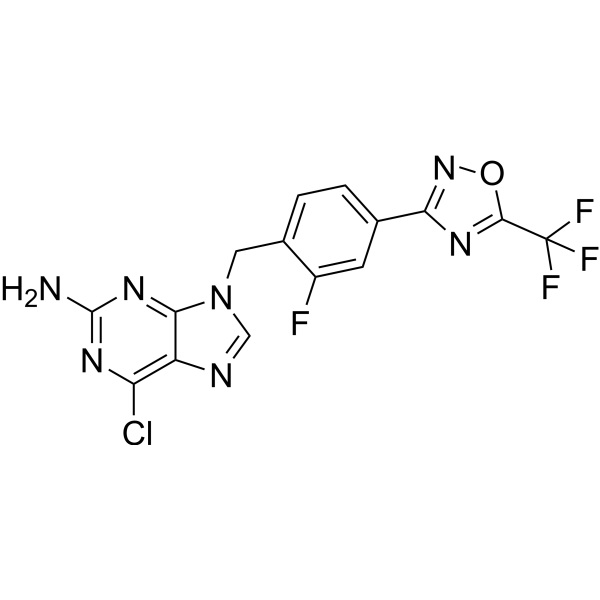
- HY-114461A
-
|
|
Drug Derivative
|
Cancer
|
|
(16R,17S)-FD-895, a similar compound to FD-895 (HY-114461), is a potent in vivo splice regulatory agent. (16R,17S)-FD-895 retains the similar anti-proliferative activity as FD-895. (16R,17S)-FD-895 can be used for research on colon cancer .
|
-

- HY-B0356AR
-
|
Bay-09867 monohydrochloride (Standard)
|
Reference Standards
Topoisomerase
Apoptosis
Antibiotic
Bacterial
Mitochondrial Metabolism
Reactive Oxygen Species (ROS)
|
Infection
Cancer
|
|
Ciprofloxacin (monohydrochloride) (Standard) is the analytical standard of Ciprofloxacin (monohydrochloride). This product is intended for research and analytical applications. Ciprofloxacin (Bay-09867) monohydrochloride is a potent, orally active topoisomerase IV inhibitor. Ciprofloxacin monohydrochloride induces mitochondrial DNA and nuclear DNA damage and lead to mitochondrial dysfunction, ROS production. Ciprofloxacin monohydrochloride has anti-proliferative activity and induces apoptosis. Ciprofloxacin monohydrochloride is a fluoroquinolone antibiotic, exhibiting potent antibacterial activity [4].
|
-

- HY-146210
-
|
|
EGFR
|
Cancer
|
|
EGFR-IN-50 (Compound 9h) is a potent EGFR inhibitor against L858R resistance mutation (TEL-EGFR-L858R-BaF3: GI50=8 nM, TEL-EGFR-T790M-L858R-BaF3: GI50=6.03 μM). EGFR-IN-50 shows anti-proliferative activity to cancer cells .
|
-
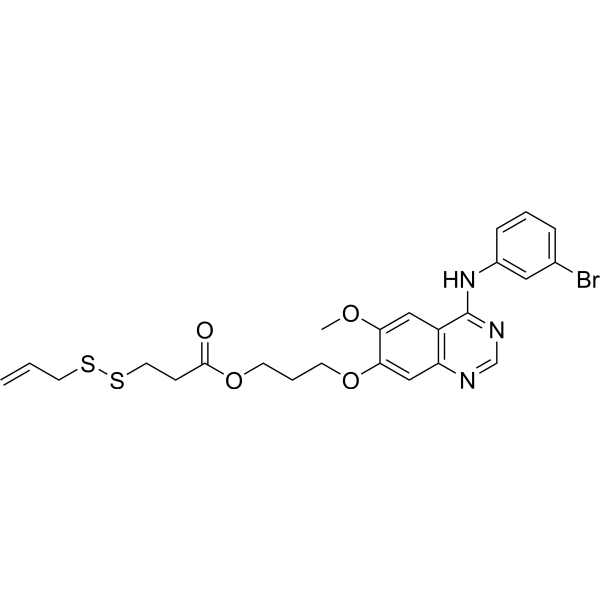
- HY-186024
-
|
|
Ras
ERK
|
Cancer
|
|
KRAS-IN-51 (Compound 597a) is a KRas G12V inhibitor, with its IC50 for KRas G12V being 2.9 nM; KD values are 17 (at 20°C) and 68 (at 37°C) nM. KRAS-IN-51 inhibits the phosphorylation of pERK. KRAS-IN-51 has anti-proliferative activity against SW620 and MIAPaCa-2. KRAS-IN-51 can be used for research on colorectal cancer and pancreatic cancer .
|
-

- HY-180981
-
|
|
PROTACs
Bcr-Abl
|
Cancer
|
|
P19As is a BCR-ABL PROTAC degrader based on Asciminib (HY-104010), with a DC50 value of approximately 200 nM for the wild-type BCR-ABL protein. P19As can degrade the T315I mutant and exhibits potent anti-proliferative activity in BaF3-BCR-ABL (T315I) cells. P19As can be used for the study of chronic myeloid leukemia and acute lymphoblastic leukemia .
|
-

- HY-B0413
-
|
|
Parasite
HIF/HIF Prolyl-Hydroxylase
Microtubule/Tubulin
Antibiotic
|
Infection
Cancer
|
|
Fenbendazole is an orally active benzimidazole anthelmintic agent, with a broad antiparasitic range. Fenbendazole is a microtubule destabilizing agent and acts on helminthes primarily by binding to tubulin and disrupting the tubulin microtubule equilibrium. Fenbendazole stabilizes the transcriptional activator HIF-1α. Fenbendazole possesses an efficient anti-proliferative activity and induces apoptosis. Fenbendazole causes cell-cycle arrest and mitotic cell death, and has antitumor activity in mice xenografted with wild-type p53 .
|
-
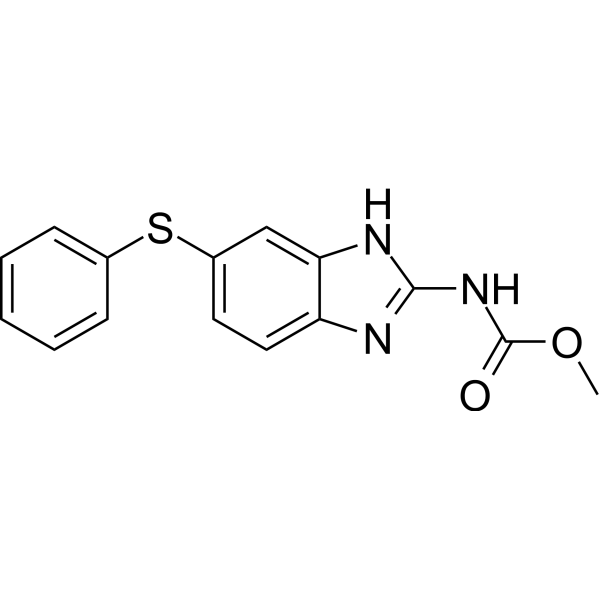
- HY-147839
-
|
|
Topoisomerase
Apoptosis
|
Cancer
|
|
Topoisomerase II inhibitor 10 (compound 32a) is a potent topoisomerase II inhibitor with an IC50 value of 7.45 μM. Topoisomerase II inhibitor 10 causes cell cycle arrest at G2-M phase and induces apoptosis of HepG-2 cells. Topoisomerase II inhibitor 10 has excellent anti-proliferative activities against HepG-2, MCF-7, and HCT-116 cells .
|
-
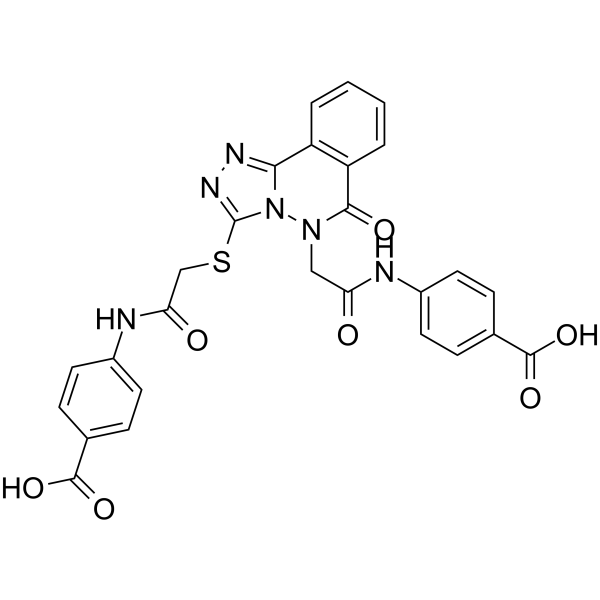
- HY-142929
-
|
|
Somatostatin Receptor
|
Cancer
|
|
MAT2A-IN-2 is a potent inhibitor of MAT2A. The expression level of MAT2A is abnormally high in several types of tumors, including gastric, colon, liver and pancreatic cancers. MAT2A-IN-2 reduces the proliferative activity of MTAP-deficient cancer cells. MAT2A-IN-2 has the potential for the research of cancer diseases (extracted from patent WO2020243376A1, compound 172) .
|
-
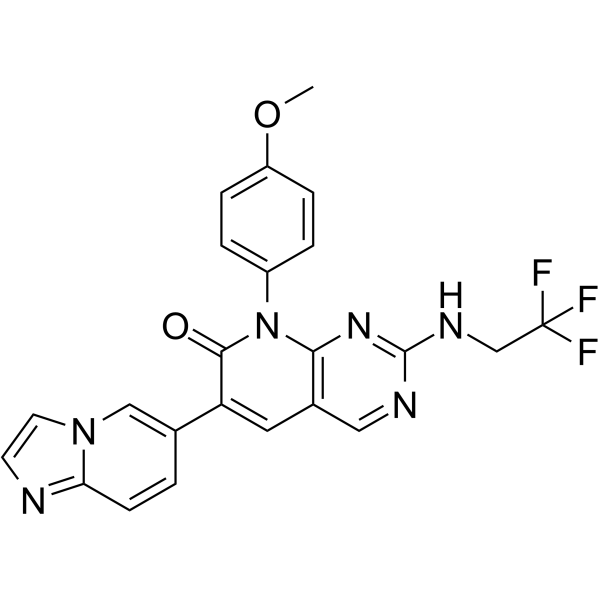
- HY-173165
-
|
3-O-(6-Bromo-D-mannosyl)-28-acylamino-n-caproate methyl oleanolic acid
|
Phosphatase
Apoptosis
|
Cancer
|
|
OA-Br-1 is an orally active and selective inhibitor of PTP1B with an IC50 value of 7.08 μM. OA-Br-1 induces apoptosis. OA-Br-1 has broad spectrum anti-proliferative activity against cancer cells, and plays an anti-breast cancer role through the PTP1B/PI3K/AKT signaling pathway both in vitro and in vivo .
|
-

- HY-175357
-
|
|
YAP
|
Cancer
|
|
YAP/TEAD-IN-2 (Compound T-1) is a YAP/TEAD inhibitor. YAP/TEAD-IN-2 inhibits the luciferase activity driven by YAP/TEAD in 293T cells. YAP/TEAD-IN-2 exhibits strong anti-proliferative activity against human pleural mesothelioma NCI-H226 cells. YAP/TEAD-IN-2 can be used for the study of diseases associated with Hippo pathway dysregulation, particularly cancers .
|
-

- HY-142928
-
|
|
Somatostatin Receptor
|
Cancer
|
|
MAT2A-IN-1 is a potent inhibitor of MAT2A. The expression level of MAT2A is abnormally high in several types of tumors, including gastric, colon, liver and pancreatic cancers. MAT2A-IN-1 reduces the proliferative activity of MTAP-deficient cancer cells. MAT2A-IN-1 has the potential for the research of cancer diseases (extracted from patent WO2021139775A1, compound 64) .
|
-
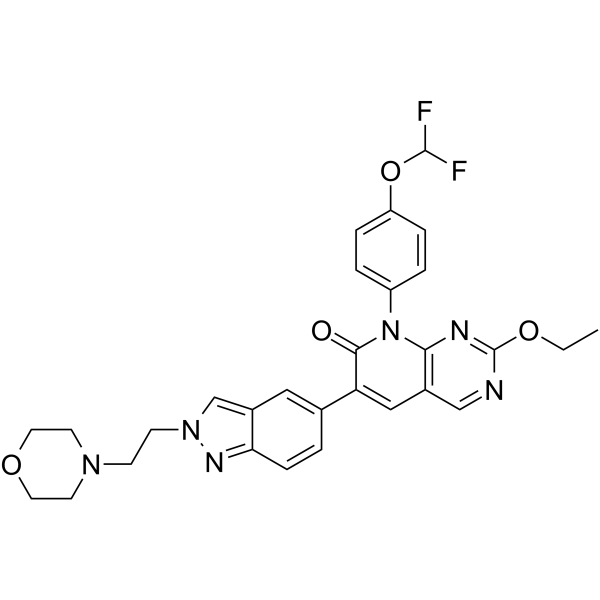
- HY-142930
-
|
|
Somatostatin Receptor
|
Cancer
|
|
MAT2A-IN-3 is a potent inhibitor of MAT2A. The expression level of MAT2A is abnormally high in several types of tumors, including gastric, colon, liver and pancreatic cancers. MAT2A-IN-3 reduces the proliferative activity of MTAP-deficient cancer cells. MAT2A-IN-3 has the potential for the research of cancer diseases (extracted from patent WO2019191470A1, compound 265) .
|
-
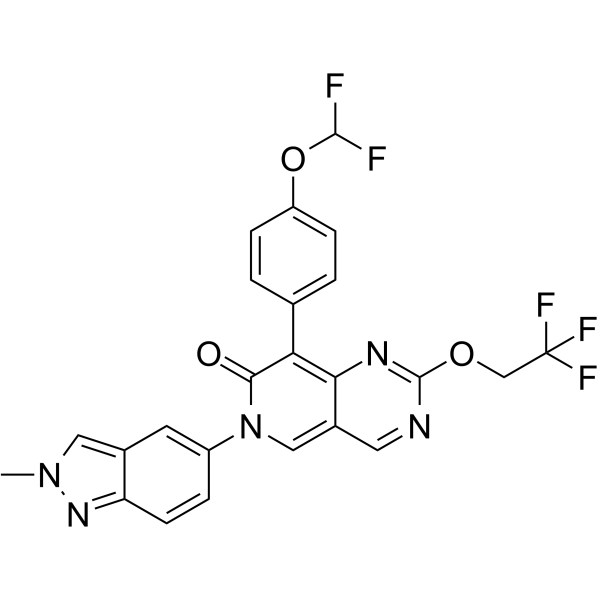
- HY-50767R
-
|
PD 0332991 (Standard)
|
Reference Standards
CDK
|
Cancer
|
|
Palbociclib (Standard) is the analytical standard of Palbociclib. This product is intended for research and analytical applications. Palbociclib (PD 0332991) is an orally active selective CDK4 and CDK6 inhibitor with IC50 values of 11 and 16 nM, respectively. Palbociclib has potent anti-proliferative activity and induces cell cycle arrest in cancer cells, which can be used in the research of HR-positive and HER2-negative breast cancer and hepatocellular carcinoma .
|
-

- HY-117744
-
|
|
Pim
|
Endocrinology
Cancer
|
|
NMS-P645 is a PIM1 inhibitor. NMS-P645 exhibits anti-proliferative activity when combined with GDC-0941 (HY-50094) in TMPRSS2/ERG positive and negative PCa cells. NMS-P645 can reverse PIM1-induced pro-survival signals in prostate cells. NMS-P645 can be studied in research on prostate cancer .
|
-

- HY-157164
-
|
|
PROTACs
Histone Methyltransferase
Apoptosis
|
Cancer
|
|
PROTAC EZH2 Degrader-2 is a PROTAC EZH2 inhibitor. PROTAC EZH2 Degrader-2 degrades EZH2 in SU-DHL-6 cells in a dose-dependent manner. PROTAC EZH2 Degrader-2 induces apoptosis and reduces mitochondrial membrane potential in SU-DHL-6 cells. PROTAC EZH2 Degrader-2 has anti-cancer and anti-proliferative activity .
|
-
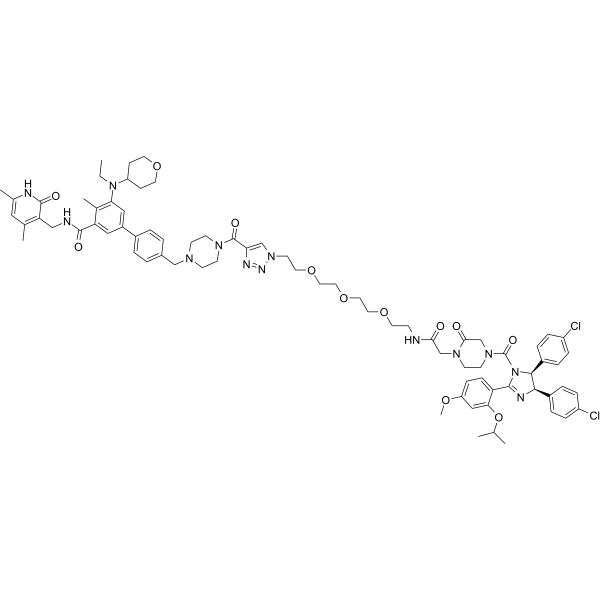
- HY-N15424
-
|
|
Apoptosis
Bcl-2 Family
|
|
|
Himachalol, a sesquiterpene, is an orally active antispasmodic and anticancer constituent found in the wood of Cedrus deodara. Himachalol has anti-proliferative activity against the melanoma cells, and induces apoptosis (decreases Bcl-2 level and increases Bax level). Himachalol has systemic hypotension and peripheral vasodilation effect. Himachalol inhibits Carbachol-induced spasm of the intestine. The LD50 of Himachalol in mice is 265 mg/kg (p.o.) and 247 mg/kg (i.p.) .
|
-

- HY-17037AS
-
|
LS 519 free base-d11; Pirenzepin-d11; Gastrozepin-d11
|
Isotope-Labeled Compounds
mAChR
|
Cancer
|
|
Pirenzepine-d11 (LS 519 (free base)-d11; Pirenzepin-d11; Gastrozepin-d11) is the deuterium labeled Pirenzepine (HY-17037A). Pirenzepine (LS 519 free base) is a selective M1 mAChR (muscarinic acetylcholine receptor) antagonist. Pirenzepine reduces gastric acid secretion and reduces muscle spasm, can be used in peptic ulcers research. Pirenzepine shows anti-proliferative activity to cancer cells .
|
-

- HY-112083
-
|
|
AMPK
|
Cancer
|
|
BAY-3827, a chemical probe, is a potent and selective AMPK inhibitor with IC50 values of 1.4 nM at low (10 μM ATP concentration) and 15 nM at high (2 mM ATP concentration). BAY-3827 shows over 500-fold selectivity for most of the 331 kinases. BAY-3827 prevents phosphorylation of acetyl-CoA carboxylase 1 and shows strongest anti-proliferative activity in androgen-dependent prostate cancer cell lines .
|
-
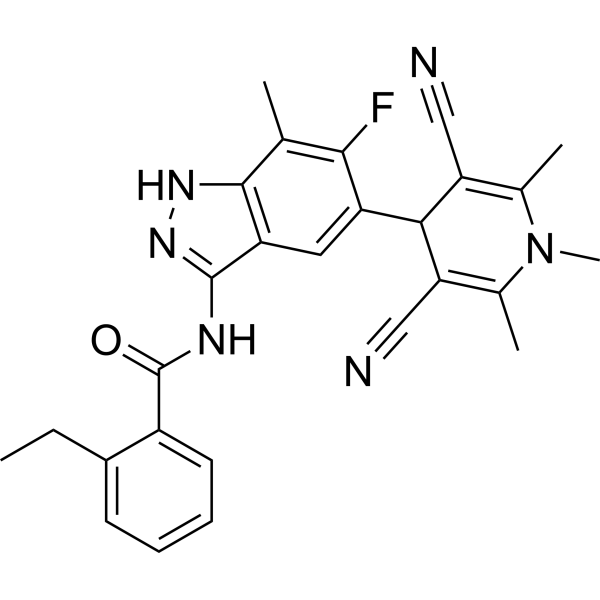
- HY-106963
-
|
LGD1550
|
RAR/RXR
|
Cancer
|
|
ALRT1550 (LGD1550) is a selective retinoic acid receptor (RAR) agonist that binds RARs with exceptional potency, with Kd values of approximately 1-4 nM. ALRT1550 exhibits anti-proliferative activity, with an IC50 value of 0.22 nM in UMSCC-22B squamous carcinoma cells. In a mouse tumor xenograft model, ALRT1550 inhibited tumor growth in a dose-dependent manner, achieving a maximum inhibition rate of 89%. ALRT1550 is applicable for research in the field of cancer .
|
-

- HY-178910
-
|
|
Bcl-2 Family
Apoptosis
|
Cancer
|
|
Mcl-1-IN-20 (Compound 26d) is a Mcl-1 inhibitor with Kis of 0.59, 6.6 and 3.6 μM against Mcl-1, Bcl-xL and Bcl-2. Mcl-1-IN-20 exhibits significant anti-proliferative activity against pancreatic cancer cells and can induce apoptosis in BxPC-3 cells. Mcl-1-IN-20 can be used for the study of pancreatic cancer .
|
-

- HY-135317F
-
|
CA-4948 phosphate
|
IRAK
FLT3
NF-κB
MyD88
Apoptosis
|
Inflammation/Immunology
Cancer
|
|
Emavusertib phosphate (CA-4948 phosphate) is the phosphate salt form of Emavusertib (HY-135317). Emavusertib phosphate is an orally active inhibitor for IRAK4 (IC50=57 nM) and FLT3. Emavusertib phosphate inhibits NF-κB and MyD88 signaling pathways, reduces the generation of pro-inflammatory cytokines like IL-6 and IL-10, thereby exhibiting anti-inflammatory and anti-proliferative activities against cancer cells, leading to cell apoptosis. Emavusertib phosphate exhibits antitumor activity in mouse model .
|
-

- HY-N7085R
-
|
5,7-Dimethoxycoumarin (Standard); Limettin (Standard)
|
ERK
JNK
p38 MAPK
Reference Standards
|
Neurological Disease
Inflammation/Immunology
Cancer
|
|
Citropten (Standard) is the analytical standard of Citropten. This product is intended for research and analytical applications. Citropten (5, 7-dimethoxycoumarin) is one of the coumarin derivatives. Citropten is an effective oral anticancer agent. Citropten has anti-proliferative activity against A2058 and B16 melanoma cells. Citropten exerts anti-inflammatory effects through the NFκB and MAPK signaling pathways. Citropten acts as an antidepressant through heat shock protein-70, monoamine oxidase-A and inhibition of apoptosis .
|
-

- HY-N12253
-
|
|
Others
|
Cancer
|
|
(19R)-13-Deoxy-19-hydroxyenmein is the parent compound of enmein-type diterpenoid analogs. (19R)-13-Deoxy-19-hydroxyenmein has anti-proliferative activities with IC50 values of 0.41, 0.85, 0.43, 1.89 μM against human cancer cell lines K562, MGC-803, CaEs-17, and Bel-7402, respectively .
|
-
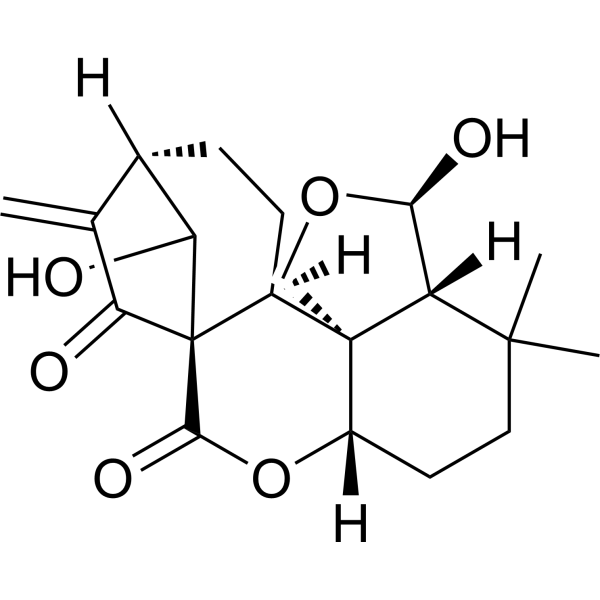
- HY-135317E
-
|
CA-4948 maleate
|
IRAK
FLT3
NF-κB
MyD88
Apoptosis
|
Inflammation/Immunology
Cancer
|
|
Emavusertib maleate (CA-4948 maleate) is the maleate salt form of Emavusertib (HY-135317). Emavusertib maleate is an orally active inhibitor for IRAK4 (IC50=57 nM) and FLT3. Emavusertib maleate inhibits NF-κB and MyD88 signaling pathways, reduces the generation of pro-inflammatory cytokines like IL-6 and IL-10, thereby exhibiting anti-inflammatory and anti-proliferative activities against cancer cells, leading to cell apoptosis. Emavusertib maleate exhibits antitumor activity in mouse model .
|
-

- HY-168234
-
|
|
PROTACs
Epigenetic Reader Domain
|
Cancer
|
|
PROTAC SMARCA2-degrader-36 (compound 38) is a SMARCA2 degrader and can reach the the degradation rate of 99 % at the 100 nM in H929 cells. PROTAC SMARCA2-degrader-36 shows anti-proliferative activity and can be used for study of cancer(Structure Note: PINK SMARCA2 ligand HY-44012; Blue, VHL ligand (HY-112078); Black, linker HY-W014125) .
|
-

- HY-180550
-
|
|
PROTACs
RET
Trk Receptor
|
Endocrinology
Cancer
|
|
ZW-18-116 (compound 9) is a dual-target PROTAC degrader for the oncoproteins TRKA and RET. ZW-18-116 induces the degradation of oncoproteins TRKA and RET by recruiting the CRBN E3 ligase. ZW-18-116 exhibits potent anti-proliferative activity in various cancer cell lines harboring RET or TRKA fusions. ZW-18-116 can be used for RET or TRKA-derived cancer research, such as thyroid, lung, and colon cancers .
|
-

- HY-B0988
-
-
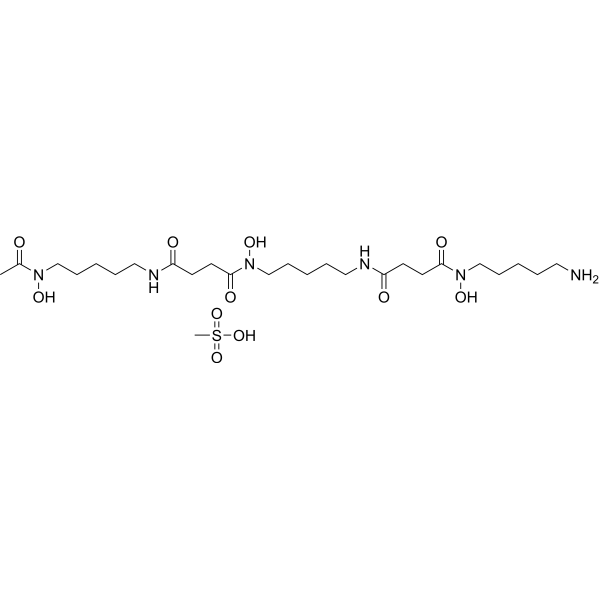
- HY-174275
-
|
|
YAP
|
Inflammation/Immunology
Cancer
|
|
TEAD1/3/4-IN-1 is an orally active inhibitor of TEAD1/3/4. TEAD1/3/4-IN-1 inhibits the YAP/TAZ-TEAD interaction, with its EC50 being 2 nM. TEAD1/3/4-IN-1 has anti-proliferative activity against NCI-H226 cells. TEAD1/3/4-IN-1 can be used in the research of lung squamous cell carcinoma .
|
-

- HY-B1625
-
-
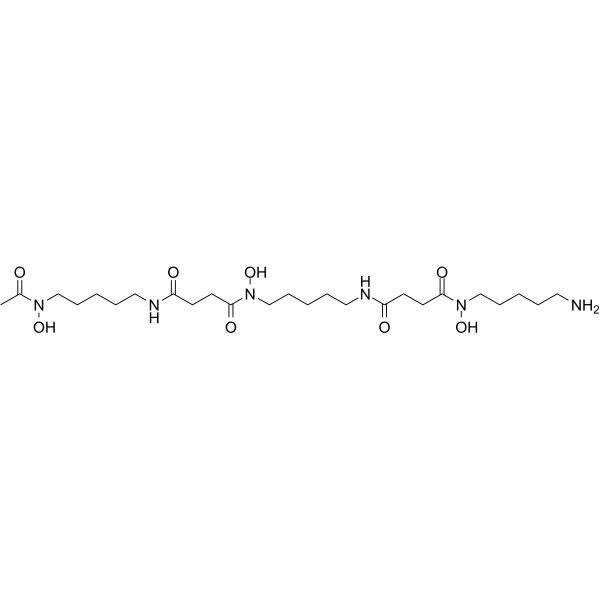
- HY-135317C
-
|
CA-4948 tosylate
|
IRAK
FLT3
NF-κB
MyD88
Apoptosis
|
Inflammation/Immunology
Cancer
|
|
Emavusertib tosylate (CA-4948 tosylate) is the tosylate salt form of Emavusertib (HY-135317). Emavusertib tosylate is an orally active inhibitor for IRAK4 (IC50=57 nM) and FLT3. Emavusertib tosylate inhibits NF-κB and MyD88 signaling pathways, reduces the generation of pro-inflammatory cytokines like IL-6 and IL-10, thereby exhibiting anti-inflammatory and anti-proliferative activities against cancer cells, leading to cell apoptosis. Emavusertib tosylate exhibits antitumor activity in mouse model .
|
-

- HY-50767AR
-
|
PD 0332991 monohydrochloride (Standard)
|
CDK
Reference Standards
|
Cancer
|
|
Palbociclib (monohydrochloride) (Standard) is the analytical standard of Palbociclib (monohydrochloride). This product is intended for research and analytical applications. Palbociclib (PD 0332991) monohydrochloride is an orally active selective CDK4 and CDK6 inhibitor with IC50 values of 11 and 16 nM, respectively. Palbociclib monohydrochloride has potent anti-proliferative activity and induces cell cycle arrest in cancer cells, which can be used in the research of HR-positive and HER2-negative breast cancer and hepatocellular carcinoma .
|
-

- HY-182378
-
|
|
|
Cancer
|
|
Vps34-IN-5 is an orally active VPS34 inhibitor, 98% target inhibition, and an IC50 categorized as B. Vps34-IN-5 induces additive or synergistic anti-proliferative activity with EGFR inhibitors in cancer cells. Vps34-IN-5 is administered orally alone or with Erlotinib (HY-50896) in mouse xenograft models. Vps34-IN-5 can be used for the research of non-small cell lung cancer .
|
-

- HY-400684
-
|
|
Bacterial
|
Cancer
|
|
Tubulysin A intermediate-1 is an intermediate in the synthesis of the cytotoxic peptide Tubulysin A (HY-15995). Tubulysin A (TubA) is an antibiotic, anti-microtubule toxins, and apoptosis inducer isolated from myxobacteria. Tubulysin A has anti-angiogenic, anti-microtubule, anti-mitotic, and anti-proliferative activities. Tubulysin A arrests cells in the G2/M phase, effectively inhibits tubulin polymerization, and induces depolymerization of detached microtubules. Tubulysin A acts as an ADC cytotoxin (ADC Cytotoxin) to synthesize ADC .
|
-
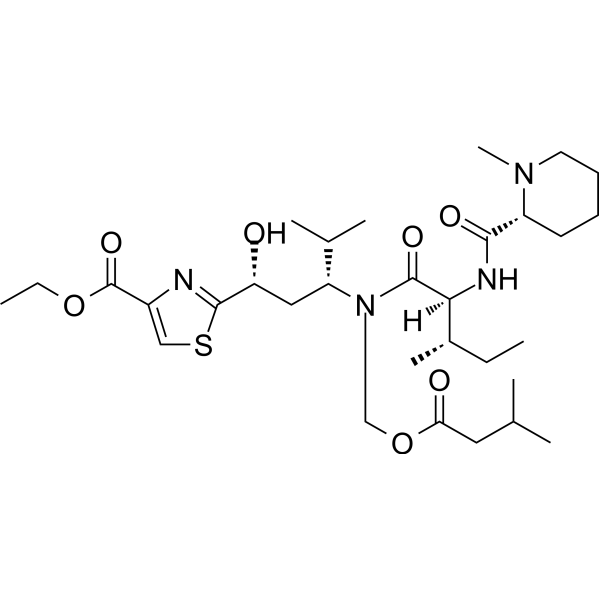
- HY-13065R
-
|
Corylifolinin (Standard); Isobacachalcone (Standard)
|
Reference Standards
Akt
Reactive Oxygen Species (ROS)
Apoptosis
Autophagy
|
Cancer
|
|
Isobavachalcone (Standard) is the analytical standard of Isobavachalcone. This product is intended for research and analytical applications. Isobavachalcone (Corylifolinin) is derived from Psoralea corylifolia Linn. and is a potent inhibitor of Akt signaling pathway, which induces apoptosis in human cancer cells (Inhibits OVCAR-8 cell growth with an IC50 value of 7.92 μM). Isobavachalcone also induces Reactive Oxyen Species (ROS) generation in OVCAR-8 cells and has exhibit cancer anti-promotive and anti-proliferative activity .
|
-

- HY-179148
-
|
|
EGFR
Apoptosis
|
Cancer
|
|
EGFR-IN-184 (compound 5p) is an EGFR inhibitor (IC50 = 65.6 nM). EGFR-IN-184 has anti proliferative activity against various tumor cells, such as T47D (IC50 = 15 μM), PC3 (IC50 = 55 μM), HCT116 (IC50 = 36 μM) cells. EGFR-IN-184 can significantly induce cell apoptosis and block the cell cycle. EGFR-IN-184 can be used for research on various types of cancer .
|
-

- HY-180192
-
|
|
PI3K
Akt
Apoptosis
|
Cancer
|
|
Dehydroxy-oridonin-vinyl ester (Compound 6k) is an anti-cancer agent. Dehydroxy-oridonin-vinyl ester exhibits extremely strong anti-proliferative activity against SU-DHL-6 cells, with its IC₅₀ value being 0.12 μM. Dehydroxy-oridonin-vinyl ester induces cell apoptosis by inhibiting the activation of the PI3K/Akt signaling pathway, without affecting the cell cycle progression. Dehydroxy-oridonin-vinyl can be used for the study of lymphoma .
|
-

- HY-178947
-
|
|
METTL3
Apoptosis
|
Cancer
|
|
ZINC13000658 is a METTL inhibitor. ZINC13000658 exhibits significant anti proliferative activity in various cells and can induce G1 phase cell cycle arrest and apoptosis such as HepG2 (IC50 = 5.632 µM) and SNU-449 (IC50 = 6.184 µM) cells. ZINC13000658 may be related to the inhibition of the activity of multiple methyltransferases such as METTL1, 3, 6, 16, 18, etc. ZINC13000658 can be used for research on various types of cancer .
|
-

- HY-135317B
-
|
CA-4948 hydrochloride
|
IRAK
FLT3
Apoptosis
NF-κB
MyD88
|
Inflammation/Immunology
Cancer
|
|
Emavusertib hydrochloride (CA-4948 tosylate) is the hydrochloride salt form of Emavusertib (HY-135317). Emavusertib hydrochloride is an orally active inhibitor for IRAK4 (IC50=57 nM) and FLT3. Emavusertib hydrochloride inhibits NF-κB and MyD88 signaling pathways, reduces the generation of pro-inflammatory cytokines like IL-6 and IL-10, thereby exhibiting anti-inflammatory and anti-proliferative activities against cancer cells, leading to cell apoptosis. Emavusertib hydrochloride exhibits antitumor activity in mouse model .
|
-
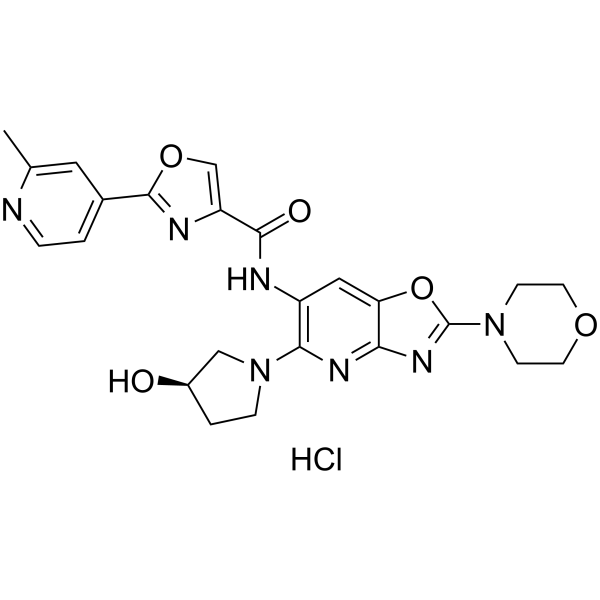
- HY-178954
-
|
|
Indoleamine 2,3-Dioxygenase (IDO)
|
Cancer
|
|
IDO1-IN-32 (Compound 45) is a potent and orally effective IDO1 inhibitor with an IC50 of 10 pM. IDO1-IN-32 exhibits significant anti-proliferative activity against Hela cells. IDO1-IN-32 can significantly inhibit tumor growth in CT26 and LCC transplanted mouse models by activating anti-tumor immunity. IDO1-IN-32 can be used for research on colon cancer and breast cancer .
|
-

- HY-173166
-
|
|
PPAR
|
Cancer
|
|
PPARγ agonist 17 (Compound C1) is a PPARγ agonist. PPARγ agonist 17 enhances PPARγ activity and blocks the cell cycle in G2/M phase, inhibits cell migration and induces apoptosis in HT-29 cells. PPARγ agonist 17 has a broad spectrum anti-proliferative activity in cancer cells with relatively low toxicity in normal cells which cannot cross the blood-brain barrier .
|
-

- HY-168925
-
|
|
Wnt
PARP
β-catenin
|
Cancer
|
|
EXQ-2d is the inhibitor for tankyrase and inhibits TNKS1 and TNKS2 with an IC50 of 48.8 nM and 13.8 nM (pIC50=7.31 and 7.86). EXQ-2d inhibits WNT/β-catenin signaling pathway with IC50 of 515 nM. EXQ-2d exhibits anti-proliferative activity in cancer cells COLO 320DM and RKO with GI50 of 4.9 μM and 77 μM .
|
-

- HY-177761
-
|
|
Molecular Glues
|
Cancer
|
|
GSPT1 degrader-15 (Compound Lib-B-15O) is a potent and highly selective GSPT1 molecular gel degrader, with a DC50 of 154 nM. GSPT1 degrader-15 has almost no effect on the expression of other proteins. GSPT1 degrader-15 exhibits significant anti-proliferative activity against leukemia cells and lymphoma cells. GSPT1 degrader-15 can be used in leukemia and lymphoma research .
|
-

- HY-180848
-
|
|
Bcl-2 Family
Apoptosis
|
Cancer
|
|
Bcl-2-IN-24 (Compound 11g) is an efficient and selective Bcl-2 inhibitor with a Kd value of 11.3 μM. Bcl-2-IN-24 exhibits anti-proliferative activity against HCT-116 cells and A549 cells. Bcl-2-IN-24 effectively inhibits the colony-forming ability of tumor cells and induces cell apoptosis. Bcl-2-IN-24 can be used for research on colon cancer and lung cancer .
|
-

- HY-135317D
-
|
CA-4948 mesylate
|
IRAK
FLT3
NF-κB
MyD88
Apoptosis
|
Inflammation/Immunology
Cancer
|
|
Emavusertib mesylate (CA-4948 mesylate) is the mesylate salt form of Emavusertib (HY-135317). Emavusertib mesylate is an orally active inhibitor for IRAK4 (IC50=57 nM) and FLT3. Emavusertib mesylate inhibits NF-κB and MyD88 signaling pathways, reduces the generation of pro-inflammatory cytokines like IL-6 and IL-10, thereby exhibiting anti-inflammatory and anti-proliferative activities against cancer cells, leading to cell apoptosis. Emavusertib mesylate exhibits antitumor activity in mouse model .
|
-

- HY-168628
-
|
|
Epigenetic Reader Domain
|
Cancer
|
|
BET-IN-27 (compound 6C) is an oral BET inhibitor with the IC50 values of 3.3 nM (BRD4-BD2)、3.4 nM (BRD4-BD1)、4.1 nM (BRD2-BD1)、20.4 nM (BRD3-BD1) and 42.0 nM (BRDT-BD1), respectively. BET-IN-27 shows anti-proliferative activity .
|
-

- HY-180925
-
|
|
PROTACs
Bcr-Abl
|
Cancer
|
|
Leu-PEG1-Dasa is a potent BCR-ABL PROTAC degrader with a DC50 of 0.48 nM. Leu-PEG1-Dasa uses a single amino acid as the E3 ligand and belongs to a mini-PROTAC, functioning through the N-terminal canonical pathway. Leu-PEG1-Dasa exhibits potent anti-proliferative activity against K562 cells. Leu-PEG1-Dasa can be used for the study of chronic myeloid leukemia (CML) .
|
-

- HY-181735
-
|
|
Ligands for Target Protein for PROTAC
Epigenetic Reader Domain
|
Cancer
|
|
BET-IN-30 (Compound 11d) is a BTE family protein inhibitor, which can act as a BRD2/BRD3/BRD4 target protein ligand and be used for the synthesis of PROTACs, such as PROTAC BET Degrader-15 (HY-181729). BET-IN-30 exhibits potent anti-proliferative activity against acute myeloid leukemia (AML) cells such as MV4-11. BET-IN-30 can be used for the study of AML .
|
-

- HY-100900R
-
|
|
Deubiquitinase
Reference Standards
|
Cancer
|
|
ML364 (Standard) is the analytical standard of ML364 (HY-100900). This product is intended for research and analytical applications. ML364 is a selective ubiquitin specific peptidase 2 (USP2) inhibitor (IC50=1.1 μM) with anti-proliferative activity, which direct binds to USP2 (Kd=5.2 μM), induces an increase in cellular cyclin D1 degradation and causes cell cycle arrest. ML364 increases the levels of mitochondrial ROS and decreases in the intracellular content of ATP .
|
-

- HY-175555
-
|
|
Microtubule/Tubulin
Apoptosis
|
Cancer
|
|
Tubulin-IN-54 is a tubulin inhibitor. Tubulin-IN-54 exhibits anti-proliferative activity against various cancer cells. Tubulin-IN-54 inhibits tubulin polymerization, disrupts microtubule networks, induces G2/M cell cycle arrest, and promotes cancer cell apoptosis. Tubulin-IN-54 demonstrates significant anti-tumor efficacy in mice bearing PC-3/TxR xenografts. Tubulin-IN-54 can be used for the study of taxane-resistant cancers (prostate cancer, melanoma) .
|
-

- HY-180199
-
|
|
Glutathione Peroxidase
Ferroptosis
Reactive Oxygen Species (ROS)
|
Cancer
|
|
GPX4-IN-21 (Compound 4d) is a selective glutathione peroxidase 4 (GPX4) inhibitor. GPX4-IN-21 can induce ferroptosis and downregulate the ferroptosis-related proteins SLC7A11, SLC11A2 and GPX4 levels. GPX4-IN-21 can induce ROS and MDA accumulation GPX4-IN-21 exhibits potent anti-proliferative activity. GPX4-IN-21 can be used for the research of cancer, such as melanoma .
|
-

- HY-160167A
-
|
(R,R)-DZD8586
|
Btk
|
Cancer
|
|
(R,R)-Birelentinib ((R,R)-DZD8586) (Compound 14) is a potent BTK inhibitor with IC50 values for BTK WT and BTK C481S of 0.7 and 0.86 nM, respectively. (R,R)-Birelentinib inhibits the self-phosphorylation of BTK and its IC50 is 24.3 nM. (R,R)-Birelentinib exhibits significant anti-proliferative activity against wild-type and C481S mutant HEK293 cells. (R,R)-Birelentinib can be used for the study of drug-resistant B-cell malignancies .
|
-

- HY-172798
-
|
|
Bcl-2 Family
|
Cancer
|
|
XZ338 is a highly selective degrader targeting BCL-XL. XZ338 does not degrade BCL-2. XZ338 inhibits MOLT-4 cells with a IC50 value of 3.7 nM. XZ338 has anti-proliferative activity. XZ338 can be used for anti-cancer study. (Target protein ligand: HY-19741; E3 ligase: HY-112078; linker: HY-172799; E3+liner: HY-172800) .
|
-

- HY-P11340
-
|
|
MHC
|
Infection
Inflammation/Immunology
|
|
VMAPRTLFL is a 9-mer peptide derived from the signal peptide of HLA-G and can serve as a peptide ligand for HLA-E. VMAPRTLFL plays a crucial role in regulating the functions of adaptive natural killer (NK) cells. Specifically, VMAPRTLFL enriches FcεRγ - adaptive NK cells, upregulates the expression of CD25, and enhances their proliferative activity, antibody-dependent cellular cytotoxicity (ADCC), and IFN-γ release. VMAPRTLFL can be used in research related to human cytomegalovirus (HCMV) infection, transplant rejection, and pregnancy immunity .
|
-

- HY-174321
-
|
|
p38 MAPK
PI3K
Akt
NF-κB
|
Cancer
|
|
A2073 is a flavagline derivative that potently inhibits the proliferation of erythroleukemia cells by causing cell cycle arrest and suppressing the MAPK, NF-κB, and PI3K signaling pathways. A2073 formes stable interactions with cell cycle-related proteins (CDK1, CCNA2, PRIM1). A2073 exhibits significant anti-proliferative activity against tumor cells while maintaining a favorable toxicity profile in a zebrafish xenograft tumor model. A2073 can be used for the study of acute erythroleukemia.
|
-

- HY-151477
-
|
|
SARS-CoV
|
Infection
Cancer
|
|
SARS-CoV-2-IN-32 (compound 3g) is a COVID-19 inhibitor. SARS-CoV-2-IN-32 shows anti-proliferative activity against cancer cells. SARS-CoV-2-IN-32 exhibits comparatively high binding affinity (-8.8 Kcal/mole) to COVID-19 main protease (M pro) (PDB ID: 6LU7). SARS-CoV-2-IN-32 can be used in studies of cancer and COVID-19 .
|
-
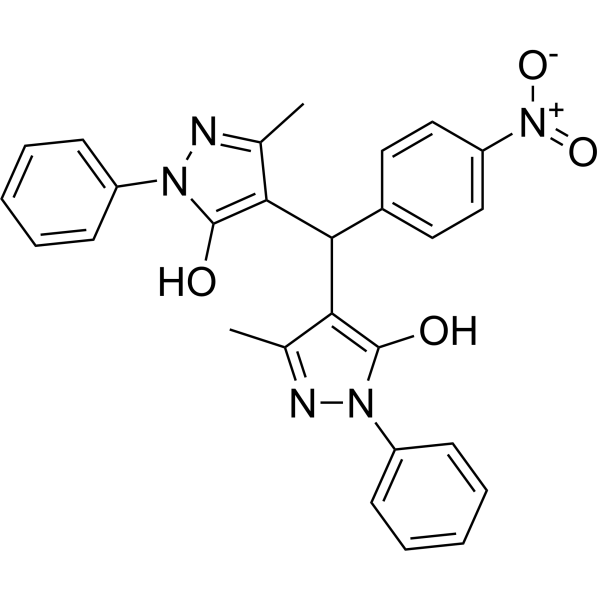
- HY-177786
-
|
|
Molecular Glues
CDK
|
Cancer
|
|
CDK12 ligand-3 is a molecular glucose degrading agent that targets the CDK12 protein (DC50 = 35 nM). CDK12 ligand-3 degrades CDK12, CDK13 and their regulatory subunit Cyclin K in a concentration dependent manner, and inhibits RNA polymerase II CTD (Ser2) phosphorylation. CDK12 ligand-3 exhibits potent anti proliferative activity against Jurkat cells. CDK12 ligand-3 can be used for research on cancers such as leukemia .
|
-

- HY-B0413R
-
|
|
Reference Standards
Parasite
HIF/HIF Prolyl-Hydroxylase
Microtubule/Tubulin
Antibiotic
|
Infection
|
|
Fenbendazole (Standard) is the analytical standard of Fenbendazole. This product is intended for research and analytical applications. Fenbendazole is an orally active benzimidazole anthelmintic agent, with a broad antiparasitic range. Fenbendazole is a microtubule destabilizing agent and acts on helminthes primarily by binding to tubulin and disrupting the tubulin microtubule equilibrium. Fenbendazole stabilizes the transcriptional activator HIF-1α. Fenbendazole possesses an efficient anti-proliferative activity and induces apoptosis. Fenbendazole causes cell-cycle arrest and mitotic cell death, and has antitumor activity in mice xenografted with wild-type p53 .
|
-

- HY-113831
-
|
|
CDK
SRPK
|
Cancer
|
|
LK1/2-IN-3 (compound 3) is a potent and selective CLK1 and CLK2 inhibitor with IC50 values of 1.1, 2.1, 130, 260, 260 nM for CLK1, CLK2, SRPK1, SRPK2, SRPK3, respectively. CLK1/2-IN-3 shows anti-proliferative activity. CLK1/2-IN-3 reduces the levels of endogenous phosphorylated SR proteins and increases the expression of S6K mRNAs .
|
-
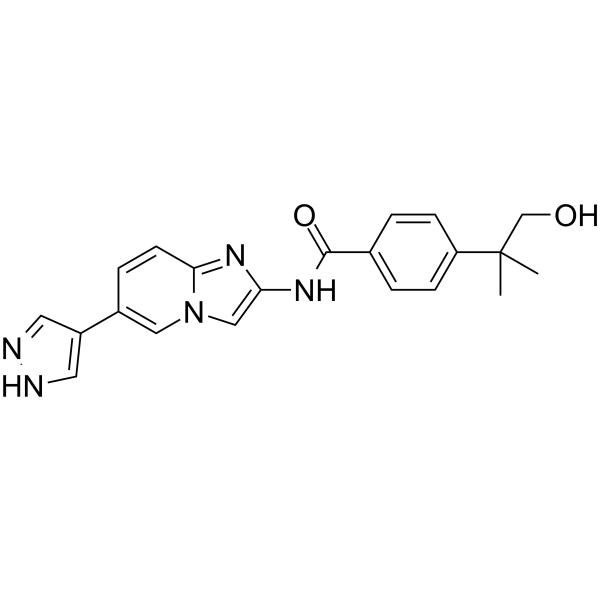
- HY-183758
-
|
|
Nuclear Hormone Receptor 4A/NR4A
Apoptosis
|
Cancer
|
|
Nur77 modulator 6 is a Nur77 modulator with a Kd of 0.40 μM. Nur77 modulator 6 functionally modulates Nur77 to induce mitotic arrest and apoptosis in colorectal tumor cells. Nur77 modulator 6 suppresses colorectal cancer cell proliferation via Nur77-dependent mitotic arrest induction. Nur77 modulator 6 exhibits anti-proliferative activity against colorectal tumor cells. Nur77 modulator 6 can be used for the research of colorectal cancer .
|
-

- HY-180969
-
|
|
PROTACs
Bcr-Abl
|
Cancer
|
|
SIAIS056 is a BCR-ABL PROTAC degrader with a DC50 value of 0.18 nM. SIAIS056 time-dependently inhibits the BCR-ABL signaling pathway, accompanied by decreased phosphorylation of BCR-ABL and the downstream molecules STAT5 and CRKL in K562 cells. SIAIS056 induces the degradation of several clinically relevant resistance-conferring mutations of BCR-ABL. SIAIS056 exhibits anti-proliferative activity and induces substantial tumor regression in K562 xenograft models. SIAIS056 can be used for leukemia research .
|
-

- HY-155808
-
|
|
STAT
JAK
Apoptosis
COX
|
Cancer
|
|
STAT3-IN-18 (compound SPP) is a platinum (IV) complex with an axial ligand derived from sandalwood. STAT3-IN-18 inhibits the JAK2-STAT3 pathway in breast cancer (BC) cells, with anti-proliferative activity. STAT3-IN-18 activates caspase-3 and increases cleaved polyADP-ribose polymerase to induce apoptosis. STAT3-IN-18 promotes maturation and antigen presentation of dendritic cells and demonstrates safety in vivo.
|
-
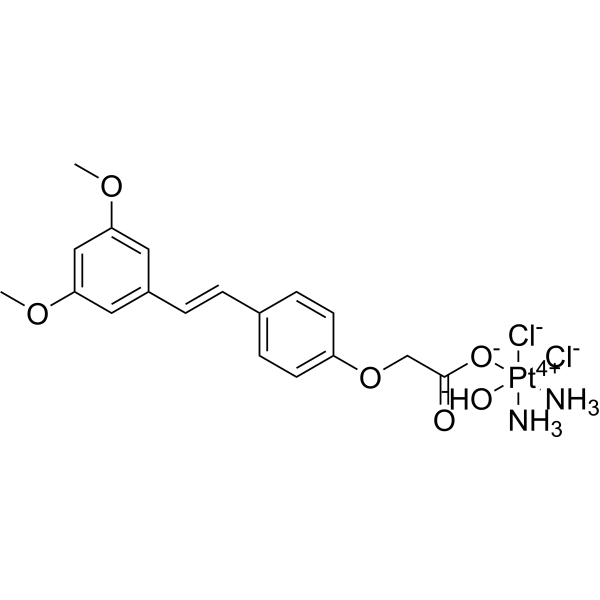
- HY-182623
-
|
|
MDM-2/p53
|
Cancer
|
|
WB214 is an MDM2 and GSPT1 degrader with human MDM2 Ki >10 μM. WB214 induces a neo-interaction between MDM2 and the cereblon E3 ligase complex, triggering MDM2 ubiquitination, proteasomal degradation, and bystander p53 degradation, and does not bind MDM2’s p53 binding region. WB214 induces GSPT1 degradation, and exhibits anti-proliferative activity in leukemia cells. WB214 can be used for the research of leukemia .
|
-

- HY-180913
-
|
|
Connective Peptide
|
Cancer
|
|
FQI2-34 is an orally active TFCP2 (LSF) small molecule allosteric inhibitor. FQI2-34 directly binds to the LSF protein (Ki = 63 nM), inhibits the oligomerization of LSF, efficiently suppresses the transcriptional activity of LSF (IC₅₀ = 48 nM), and interferes with the SF-DNA interaction. FQI2-34 exhibits significant anti-proliferative activity against Huh7 cells and induces tumor regression in mouse models. FQI2-34 can be used for research on liver cancer .
|
-

- HY-179103
-
|
|
Polo-like Kinase (PLK)
Apoptosis
|
Cancer
|
|
PLK4-IN-5 (compound 5f) is a PLK4 (IC50 = 0.8 nM) inhibitor. PLK4-IN-5 can inhibit MCF-7 cell clone formation, induce cell cycle arrest (S/G2 phase), and apoptosis. PLK4-IN-5 has anti proliferative activity against MCF-7 cells (IC50 = 0.48 μM). PLK4-IN-5 can be used in the research of cancer such as breast cancer .
|
-

- HY-151478
-
|
|
SARS-CoV
|
Infection
Cancer
|
|
SARS-CoV-2-IN-33 (compound 3m) is a COVID-19 inhibitor. SARS-CoV-2-IN-33 shows anti-proliferative activity against cancer cells. SARS-CoV-2-IN-33 exhibits comparatively good binding affinity (-8.0 Kcal/mole) to COVID-19 main protease (M pro) (PDB ID: 6LU7). SARS-CoV-2-IN-33 can be used in studies of cancer and COVID-19 .
|
-
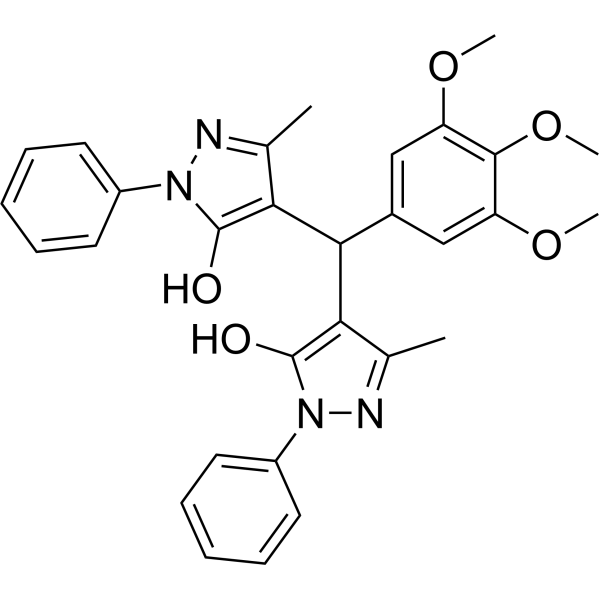
- HY-N14773
-
|
|
Ser/Thr Protease
|
Infection
Cancer
|
|
Laccaridione B can inhibit the activity of antiserine protease. Laccaridione B inhibits trypsin, papain, thermophilic protease, collagenase and zinc protease with IC50s of 10.9 μg/mL, 5.1 μg/mL, 8.4 μg/mL, 5.7 μg/mL and 3.0 μg/mL, respectively. Laccaridione B also has a strong anti-proliferative activity against L-929, K-562 and HeLa cells with IC50s of 2.4 μg/mL, 1.8 μg/mL and 13.9 μg/mL, respectively .
|
-

- HY-179031
-
|
|
EGFR
VEGFR
Apoptosis
|
Cancer
|
|
EGFR/VEGFR2-IN-7 (Compound 3e) is a dual-target EGFR/VEGFR2 inhibitor, with IC50 values of 142 (EGFR) and 71 nM (VEGFR2). EGFR/VEGFR2-IN-7 exhibits broad-spectrum and potent anti-proliferative activity, especially being sensitive to breast cancer. EGFR/VEGFR2-IN-7 induces cell cycle arrest and apoptosis, inhibits cell migration and invasion. EGFR/VEGFR2-IN-7 can be used for research on breast cancer .
|
-

- HY-B0988R
-
|
Desferrioxamine B mesylate (Standard); DFOM (Standard)
|
Reference Standards
Autophagy
HIF/HIF Prolyl-Hydroxylase
Reactive Oxygen Species (ROS)
Apoptosis
Akt
|
Infection
Neurological Disease
Metabolic Disease
Inflammation/Immunology
Cancer
|
|
Deferoxamine (mesylate) (Standard) is the analytical standard of Deferoxamine (mesylate). This product is intended for research and analytical applications. Deferoxamine mesylate (Deferoxamine B mesylate) is an iron chelator (binds to Fe(III) and many other metal cations), is widely used to reduce iron accumulation and deposition in tissues. Deferoxamine mesylate upregulates HIF-1α levels with good antioxidant activity. Deferoxamine mesylate also shows anti-proliferative activity, can induce apoptosis and autophagy in cancer cells. Deferoxamine mesylate can be used in studies of diabetes, neurodegenerative diseases as well as anti-cancer and anti-COVID-19 .
|
-

- HY-181023
-
|
|
PROTACs
HDAC
|
Cancer
|
|
PROTAC HDAC8 Degrader-3 (Compound BP1) is an efficient and selective HDAC8 PROTAC degrader with a DC50 of 20 nM. PROTAC HDAC8 Degrader-3 exhibits IC50 for HDAC8 and CRBN of 0.46 and 7.5 μM, respectively. PROTAC HDAC8 Degrader-3 exhibits potent anti-proliferative activity against MM.1S and HL-60 cells. PROTAC HDAC8 Degrader-3 can be used for research on multiple myeloma and acute myeloid leukemia .
|
-

- HY-104048
-
|
|
Histone Demethylase
|
Cancer
|
|
QC6352 is an orally active KDM4 inhibitor with anti-tumor and anti-proliferative activity. QC6352 has in vivo inhibitory effects on PDX models of breast and colon cancer and reduces the number of chemoresistant cell populations. QC6352 inhibits KDM4 different isoforms with IC50s of 104 nM (KDM4A), 56 nM (KDM4B), 35 nM (KDM4C), and 104 nM (KDM4D), respectively. QC6352 has moderate inhibitory activity against KDM5 with an IC50 of 750 nM (KDM5B) .
|
-
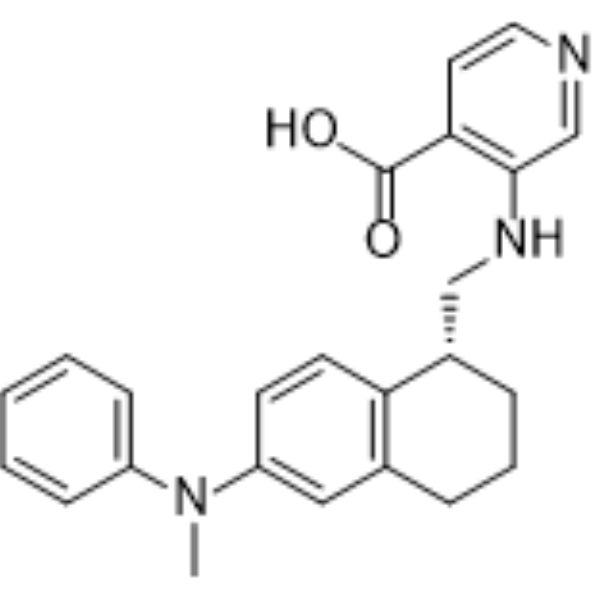
- HY-175530
-
|
|
OLIG2
|
Cancer
|
|
OLIG2-IN-1 is a potent and selective oligodendrocyte transcription factor 2 (OLIG2) inhibitor. OLIG2-IN-1 directly and dose-dependently downregulates nuclear OLIG2 levels with an IC50 value of 0.88 μM. OLIG2-IN-1 exhibits strong anti-proliferative activity in U87 and U251 cells with IC50 values of 7.02 μM and 6.43 μM, respectively. OLIG2-IN-1 can be used for the research of cancer, such as glioblastoma multiforme .
|
-

- HY-180920
-
|
|
Ras
ERK
|
Cancer
|
|
KRAS G12D-IN-36 (Compound 53a) is a highly selective and orally active KRAS-G12D inhibitor with an IC50 of 1.63 nM. KRAS G12D-IN-36 effectively inhibits p-ERK with an IC50 of 8.4 nM. KRAS G12D-IN-36 shows potent anti-proliferative activity against AsPC-1 cells. KRAS G12D-IN-36 can be used for research on pancreatic cancer .
|
-

- HY-119944
-
JND3229
1 Publications Verification
|
EGFR
|
Cancer
|
|
JND3229 is a reversible EGFR C797S inhibitor with IC50 values of 5.8, 6.8 and 30.5 nM for EGFR L858R/T790M/C797S, EGFR WT and EGFR L858R/T790M, respectively. JND3229 has good anti-proliferative activity and can effectively inhibit tumour growth in vivo. JND3229 can be used in cancer research, especially in non-small cell carcinoma .
|
-
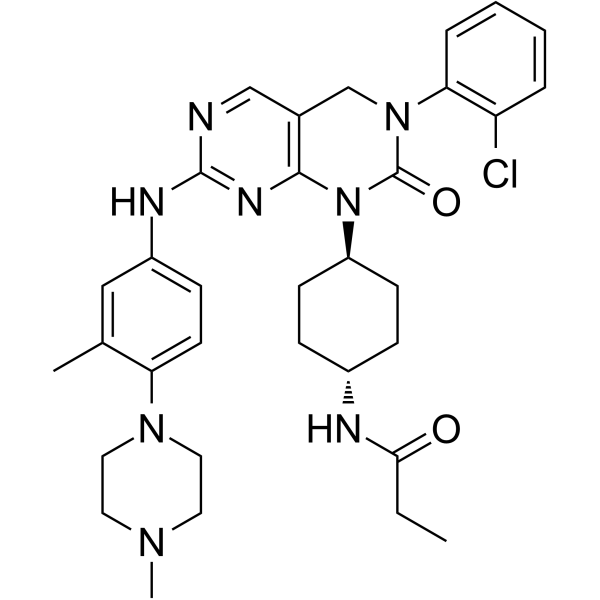
- HY-147793
-
|
|
FGFR
|
Cancer
|
|
FGFR4-IN-12 (Compound A34) is a potent inhibitor of FGFR4. FGFR4-IN-12 exhibits improved FGFR4 inhibitory capability and selectivity and excellent anti-proliferative activities against FGFR4-dependent HCC cell lines. FGFR4-IN-12 has the potential for the research of cancer diseases . FGFR4-IN-12 is a click chemistry reagent, it contains an Alkyne group and can undergo copper-catalyzed azide-alkyne cycloaddition (CuAAc) with molecules containing Azide groups.
|
-
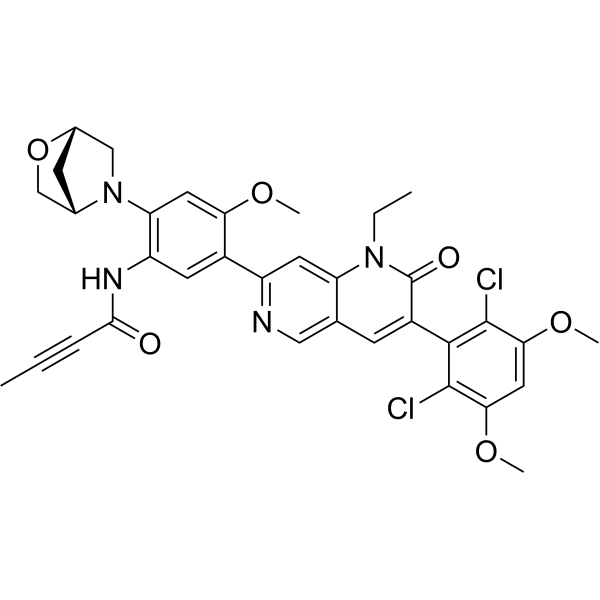
- HY-180562
-
|
|
Ras
|
Cancer
|
|
KARS-IN-1 (152) is a AKR1C3 dependent KARS inhibitor with an AC50 of 9.1 nM for human KARS. KARS-IN-1 shows anti-proliferative activity in H460 (NRF2 pathway mutant cell line with high AKR1C3 expression) and Hara (NRF2 pathway wild type cell line with low AKR1C3 expression), with AC50 values ??of 21 nM and 16 nM, respectively. KARS-IN-1 can be used for the study of non-small cell lung cancer (NSCLC) .
|
-

- HY-B1625R
-
|
Deferoxamine B (Standard); Deferriferrioxamine B (Standard); Deferrioxamine (Standard)
|
Reference Standards
HIF/HIF Prolyl-Hydroxylase
Reactive Oxygen Species (ROS)
Apoptosis
Akt
Autophagy
|
Infection
Neurological Disease
Metabolic Disease
Inflammation/Immunology
Cancer
|
|
Deferoxamine (Standard) is the analytical standard of Deferoxamine. This product is intended for research and analytical applications. Deferoxamine (Deferoxamine B) is an iron chelator (binds to Fe(III) and many other metal cations), is widely used to reduce iron accumulation and deposition in tissues. Deferoxamine upregulates HIF-1α levels with good antioxidant activity. Deferoxamine also shows anti-proliferative activity, can induce apoptosis and autophagy in cancer cells. Deferoxamine can be used in studies of diabetes, neurodegenerative diseases as well as anti-cancer and anti-COVID-19 .
|
-

- HY-163105
-
|
|
Microtubule/Tubulin
|
Cancer
|
|
Tubulin/NEDDylation-IN-1 (compound C11) is a dual inhibitor of tubulin (Microtubule/Tubulin)-NEDDylation (IC50 for tubulin=2.40 μM), which has strong anti-proliferative activity. Neddylation is a protein post-translational modification that covalently tags the ubiquitin-like protein NEDD8 to target proteins. Tubulin/NEDDylation-IN-1 forms hydrogen bonds with residues of tubulin and E1 NEDD8 activating enzyme (NAE) through methoxy and dithiocarbamate groups and inhibits NEDDylation and microtubulin in an ATP-dependent manner. tube polymerization .
|
-
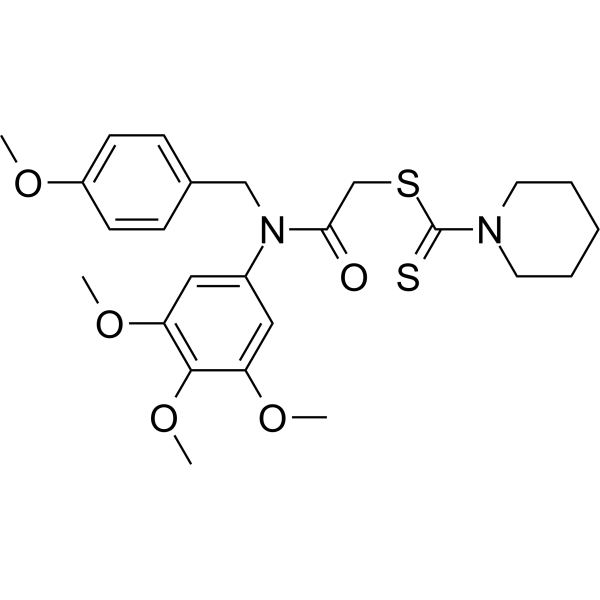
- HY-180508
-
|
|
MDM-2/p53
Topoisomerase
|
Cancer
|
|
MDM2-IN-27 (Compound 20k) is an MDM2 inhibitor. MDM2-IN-27 can effectively block the inhibitory effect of MDM2 on p53, thereby activating the p53 pathway. MDM2-IN-27 has a certain topoisomerase I inhibitory activity and has a very weak inhibitory effect on topoisomerase IIα. MDM2-IN-27 exhibits significant anti-proliferative activity against breast cancer, colon cancer, and cutaneous squamous cell carcinoma .
|
-

- HY-142690A
-
|
|
Apoptosis
HDAC
|
Cancer
|
|
HDAC-IN-27 dihydrochloride (Compound 11h) is a potent, orally active class I HDAC-selective inhibitor with IC50 values ranging from 0.43 to 3.01 nM against HDAC1-3. HDAC-IN-27 dihydrochloride exhibits both in vivo and in vitro antitumor activity. HDAC-IN-27 dihydrochloride demonstrates significant anti-proliferative activity against acute myeloid leukemia (AML) cell lines by inducing apoptosis and histone acetylation (AcHH3 and AcHH4). HDAC-IN-27 dihydrochloride can be used for research in acute myeloid leukemia (AML) .
|
-

- HY-180983
-
|
|
PROTACs
Bcr-Abl
|
Cancer
|
|
Azo-PROTAC-4C-trans is a BCR-ABL PROTAC degrader that can efficiently degrade the BCR-ABL fusion protein and ABL protein. Azo-PROTAC-4C-trans exhibits potent selective anti-proliferative activity against K562 cells. Azo-PROTAC-4C-trans allows real-time, reversible regulation of its activity via UV (to inactivate it) /visible light (to activate it) irradiation. Azo-PROTAC-4C-trans can be used for the study of myeloid leukemia .
|
-

- HY-179045
-
|
|
Estrogen Receptor/ERR
Apoptosis
|
Cancer
|
ERα degrader 14 (Compound B7) is a potent ERα degrader. ERα degrader 14 exhibits significantly potent and selective anti-proliferative activity on two ERα-positive breast cancer cell lines (MCF-7 and T47D). ERα degrader 14 induces cell cycle arrest, inhibits cell migration, and induces cell apoptosis. ERα degrader 14 effectively inhibits tumor growth in mouse models. ERα degrader 14 can be used for the study of breast cancer .
|
-

- HY-142690
-
|
|
HDAC
Apoptosis
|
Cancer
|
|
HDAC-IN-27 (Compound 11h) is a potent, orally active class I HDAC-selective inhibitor with IC50 values ranging from 0.43 to 3.01 nM against HDAC1-3. HDAC-IN-27 exhibits both in vivo and in vitro antitumor activity. HDAC-IN-27 demonstrates significant anti-proliferative activity against acute myeloid leukemia (AML) cell lines by inducing apoptosis and histone acetylation (AcHH3 and AcHH4). HDAC-IN-27 can be used for research in acute myeloid leukemia (AML) .
|
-
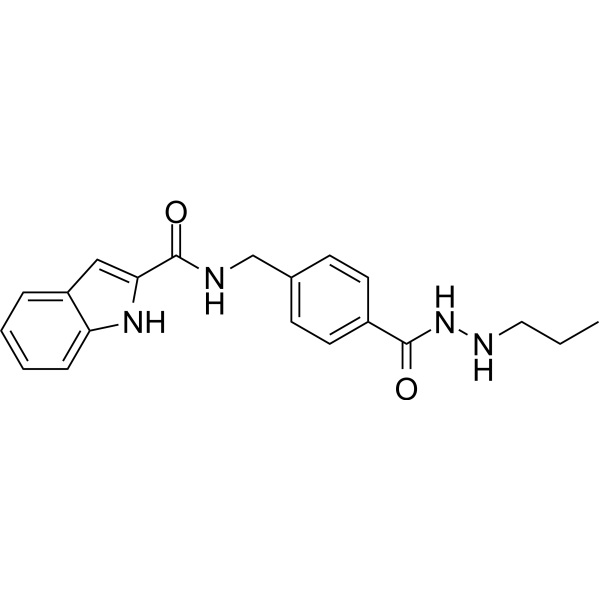
- HY-W783415
-
|
|
FAK
|
Cancer
|
|
STARD3-IN-1 (Compound VS1) is a STARD3 inhibitor with an IC₅₀ of 35 μM. STARD3 is a protein that is overexpressed in various cancers and is involved in cholesterol transport. STARD3-IN-1 exhibits anti-proliferative activity in breast cancer and colon cancer cells, significantly weakening the clonogenic ability of cancer cells. STARD3-IN-1 increases the protein levels of FAK and pTyr397-FAK. STARD3-IN-1 can be used for research on breast cancer and colon cancer .
|
-

- HY-175805
-
|
|
EGFR
HDAC
Apoptosis
|
Cancer
|
|
EGFR/HDAC-IN-2 (Compound 38) is dual-functional inhibitor of EGFR and HDAC3 with IC50s of 20.34 and 1.09 nM for CDK9 and HDAC3, respectively. EGFR/HDAC-IN-2 has superior anti-proliferative activity against cancer cells, inhibits cell migration and induces late-stage cell apoptosis. EGFR/HDAC-IN-2 significantly inhibits triple-negative breast cancer (TNBC) tumor growth in xenograft mouse models. EGFR/HDAC-IN-2 can be used for cancers like TNBC research .
|
-

- HY-178364
-
|
|
Glutathione Peroxidase
Ferroptosis
Lipoxygenase
Reactive Oxygen Species (ROS)
DNA/RNA Synthesis
|
Cancer
|
|
GPX4-IN-19 is an effective GPX4 inhibitor (IC50 = 0.311 μM), covalently binds to the Sec 46 site of GPX4. GPX4-IN-19 shows strong anti-proliferative activity with high ferroptosis selectivity. GPX4-IN-19 causes intracellular Fe 2+ accumulation, leading to increased levels of lipid peroxides (LPOs) and reactive oxygen species (ROS), which induces ferroptosis and subsequently results in DNA damage. GPX4-IN-19 can be used for the study of Triple-Negative Breast Cancer (TNBC) .
|
-

- HY-168716
-
|
|
SOS1
Ras
|
Cancer
|
|
SOS1-IN-17 (Compound 8d) is an orally active inhibitor for SOS1-KRASG12C interaction with an IC50 of 5.1 nM. SOS1-IN-17 inhibits ERK phosphorylation in DLD-1 cell with an IC50 of 18 nM. SOS1-IN-17 exhibits anti-proliferative activity in KRASG12C mutated Mia-Paca-2 cell with an IC50 of 0.11 μM. SOS1-IN-17 exhibits antitumor efficacy against pancreatic cancer in mouse model .
|
-

- HY-181490
-
|
|
PROTACs
CDK
Apoptosis
|
Cancer
|
|
WWZ-11-098 is a selective CDK6 PROTAC degrader with DC50 of 2.6 nM. WWZ-11-098 induces degradation of CDK6 in a CRBN-dependent manner, while sparing CDK1, CDK2, CDK4, and CDK9. WWZ-11-098 induces apoptosis, G1-S cell cycle arrest and shows anti-proliferative activity in cancer cells. WWZ-11-098 exhibits antitumor efficacy in a xenograft model without signs of toxicity. WWZ-11-098 can be used for the research of leukemia .
|
-

- HY-180836
-
|
|
Molecular Glues
IKZF Family
Apoptosis
|
Cancer
|
|
DIX-01 is a molecular gel degrader that can simultaneously induce the degradation of IKZF1/3 and GSPT1 mediated by CRBN. Its DC50 values are: IKZF1 (19.80 nM), IKZF3 (45.31 nM), and GSPT1 (120.1 nM). DIX-01 exhibits nanomolar-level potent anti-proliferative activity in various cancer cell lines. DIX-01 induces apoptosis in MV4-11 cells and significantly inhibits the growth of leukemia cells in zebrafish. DIX-01 can be used for the study of malignant hematological tumors .
|
-

- HY-178178
-
|
|
PARP
Reactive Oxygen Species (ROS)
DNA/RNA Synthesis
Apoptosis
|
Cancer
|
|
PARP1-IN-46 is a potent PARP-1 inhibitor with an IC50 of 2.4 nM. PARP1-IN-46 demonstrates remarkable anti-proliferative activity in both rat (C6) and human (U87MG) glioma cells. PARP1-IN-46 promotes PARP cleavage, triggers DNA damage, and increases ROS. PARP1-IN-46 effectively inhibits the migration, invasion and colony formation of glioma cells, and ultimately induces cell apoptosis. PARP1-IN-46 can be used to the study of glioma .
|
-

- HY-107551
-
|
|
Hedgehog
Gli
|
Cancer
|
|
Hh Pathway-IN-1, a Hedgehog (Hh) pathway inhibitor, is a potent Gli antagonist. Hh Pathway-IN-1 inhibits Hh pathway functional with an IC50 value of 1.1 µM in C3H10T1/2 cells. Hh Pathway-IN-1 does not inhibit Wnt signaling. Hh Pathway-IN-1 shows anti-proliferative activity. Hh Pathway-IN-1 decreases the GLI1 mRNA expression. Hh Pathway-IN-1 inhibits colony formation in a dose-dependent manner .
|
-
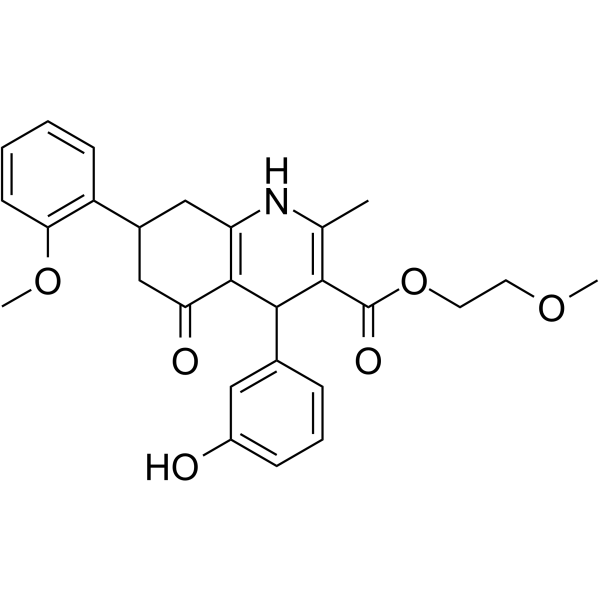
- HY-144693
-
|
|
MEK
PI3K
PERK
|
Cancer
|
|
MEK/PI3K-IN-2 (compound 6s) is a potent MEK/PI3K inhibitor, with IC50 values of 352 nM (MEK1), 107 nM (PI3Kα), and 137 nM (PI3Kδ), respectively. MEK/PI3K-IN-2 suppresses pAKT and pERK1/2 levels. MEK/PI3K-IN-2 shows anti-proliferative activity against tumor cell lines .
|
-
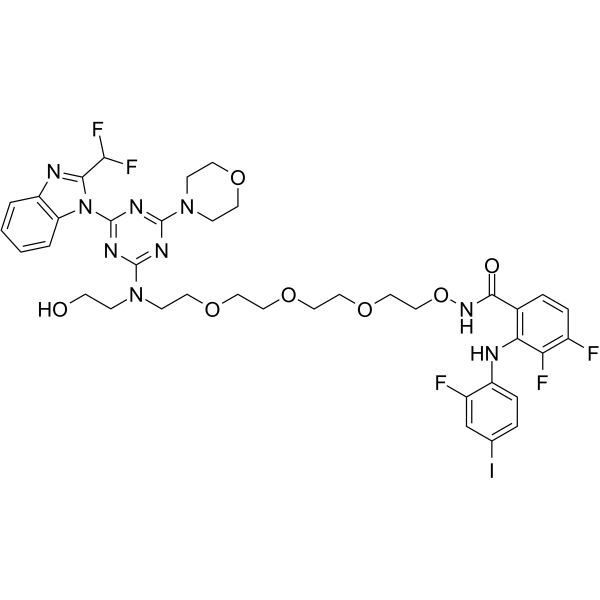
- HY-103019A
-
|
(±)-BAY-1251152; (±)-VIP152
|
CDK
Apoptosis
DNA/RNA Synthesis
|
Cancer
|
|
(±)-Enitociclib ((±)-BAY-1251152) is the racemic mixture of Enitociclib (HY-103019E). Enitociclib is a selective CDK9 inhibitor and apoptosis inducer. Enitociclib inhibits CDK9 activity and reduces the phosphorylation of Ser2 in the carboxyl-terminal domain (CTD) of RNA polymerase Pol II, thereby downregulating the transcription of key oncogenes such as MYC and MCL1. Enitociclib has anti-proliferative activity targeting MYC + lymphoma and multiple myeloma (MM) cells, and has synergistic effects with Bortezomib (HY-10227) and Lenalidomide (HY-A0003), and can be used in the research of hematological malignancies .
|
-
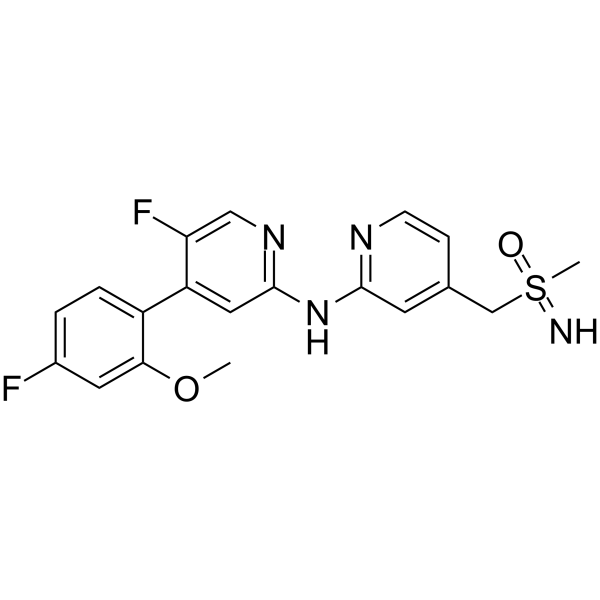
- HY-180193
-
|
|
Microtubule/Tubulin
Apoptosis
|
Cancer
|
|
Tubulin polymerization-IN-86 (Compound B6) is an effective inhibitor of tubulin polymerization. Tubulin polymerization-IN-86 effectively inhibits microtubulin polymerization by binding to the colchicine binding sites on microtubulin, thereby disrupting the microtubule cytoskeleton within the cell. Tubulin polymerization-IN-86 exhibits potent anti-proliferative activity against a variety of cancer cell lines. Tubulin polymerization-IN-86 induces cell cycle arrest, apoptosis, inhibits cell migration, invasion, and long-term survival ability. Tubulin polymerization-IN-86 inhibits tumor growth in mice and can be used for the study of melanoma .
|
-

- HY-144692
-
|
|
MEK
PI3K
PERK
|
Cancer
|
|
MEK/PI3K-IN-1 (compound 6r) is a potent MEK/PI3K inhibitor, with IC50 values of 124 nM (MEK1), 130 nM (PI3Kα), and 236 nM (PI3Kδ), respectively. MEK/PI3K-IN-1 suppresses pAKT and pERK1/2 levels. MEK/PI3K-IN-1 shows anti-proliferative activity against tumor cell lines .
|
-
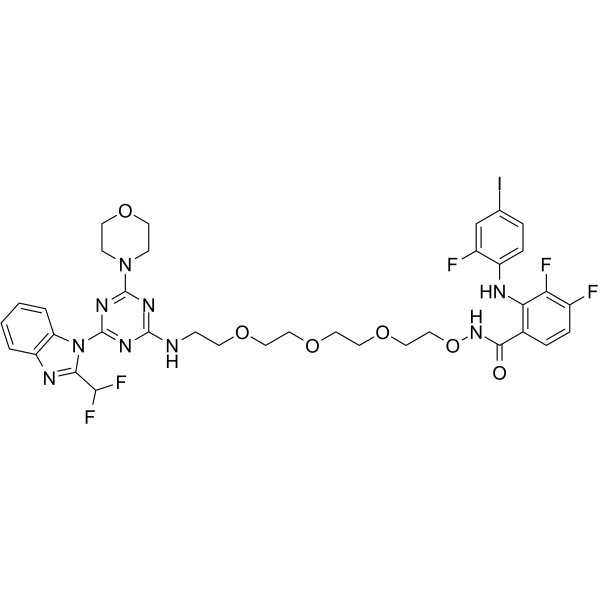
- HY-103019B
-
|
(R)-Enitociclib; (-)-BAY-1251152; (-)-VIP152
|
Drug Isomer
CDK
Apoptosis
DNA/RNA Synthesis
|
Cancer
|
|
(-)-Enitociclib ((R)-Enitociclib) is an enantiomer of Enitociclib (HY-103019E) with an optical rotation of (-). Enitociclib is a selective CDK9 inhibitor and apoptosis inducer. Enitociclib inhibits CDK9 activity and reduces the phosphorylation of Ser2 in the carboxyl-terminal domain (CTD) of RNA polymerase Pol II, thereby downregulating the transcription of key oncogenes such as MYC and MCL1. Enitociclib has anti-proliferative activity targeting MYC + lymphoma and multiple myeloma (MM) cells, and has synergistic effects with Bortezomib (HY-10227) and Lenalidomide (HY-A0003), and can be used in the research of hematological malignancies .
|
-
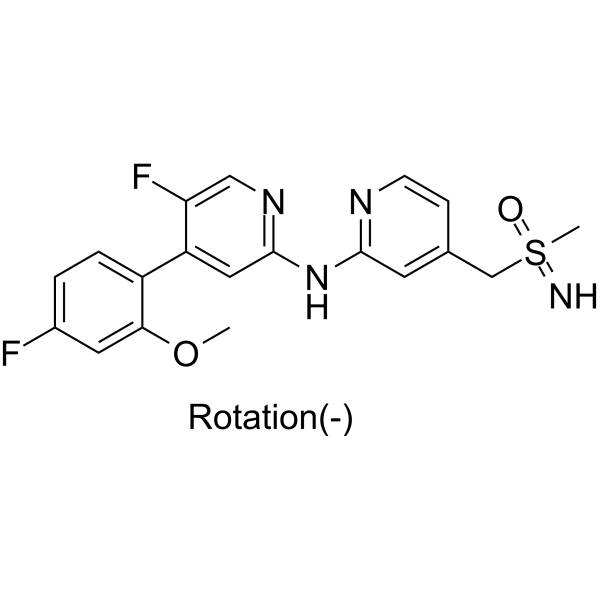
- HY-179149
-
|
|
Polo-like Kinase (PLK)
Apoptosis
|
Cancer
|
|
PLK4-IN-6 (compound C05) is an PLK4 inhibitor (IC50 < 0.1 nM). PLK4-IN-6 has anti proliferative activity against various tumor cells, such as IMR-32 (IC50 = 0.948 μM), MCF-7 (IC50 = 0.979 μM), H460 (IC50 = 1.679 μM) cells. PLK4-IN-6 can significantly induce cell apoptosis and block the cell cycle. PLK4-IN-6 can be used for research on various types of cancer .
|
-

- HY-P99744
-
|
TAK-573
|
CD38
|
Inflammation/Immunology
Cancer
|
|
Modakafusp alfa (TAK-573) is a humanized, anti-CD38 IgG4 monoclonal antibody fused to 2 attenuated IFNα2b molecules, which delivers interferon-alpha to CD38-expressing cells. Modakafusp alfa has direct anti-proliferative activity on multiple myeloma (MM) cancer cells in vitro and induces robust and durable antitumor responses in MM xenograft tumor models. Modakafusp alfa in combination with anti-PD-1 antibodies induces immunomodulation and antitumor responses with good tolerance in mice .
|
-

- HY-100555
-
|
|
HSP
|
Infection
Cancer
|
|
CH5138303 is a potent and orally active Hsp90 inhibitor. CH5138303 shows high binding affinity for N-terminal Hsp90α, with Kd of 0.52 nM. CH5138303 shows potent anti-proliferative activity against human cancer cell lines (HCT116 and NCI-N87), with IC50 values of 0.098 and 0.066 μM, respectively. CH5138303 shows high oral bioavailability in mice (F=44.0%). CH5138303 shows potent antitumor efficacy in a human NCI-N87 gastric cancer xenograft model .
|
-
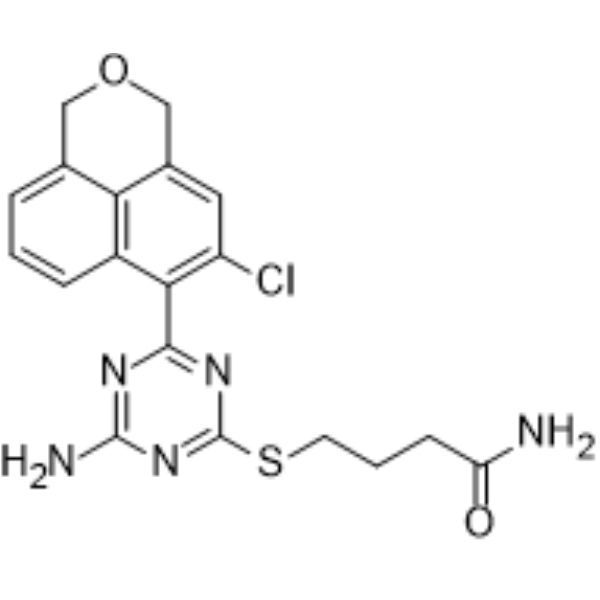
- HY-124309
-
|
|
Lactate Dehydrogenase
Apoptosis
|
Cancer
|
|
NHI-2 is a lactate dehydrogenase A (LDHA) inhibitor with an IC50 of 14.7 µM. NHI-2 shows selective for LDHA over LDHB (IC50 = 55.8 µM). NHI-2 is an efficient anti-glycolytic agent. NHI-2 enhances apoptosis, induces cell cycle arrest at S and G2 phases. NHI-2 has a broad spectrum anti-proliferative activity in cancer cells. NHI-2 affects extracellular acidification rate and ATP production. NHI-2 suppresses tumor growth in murine B78 melanoma tumor model .
|
-
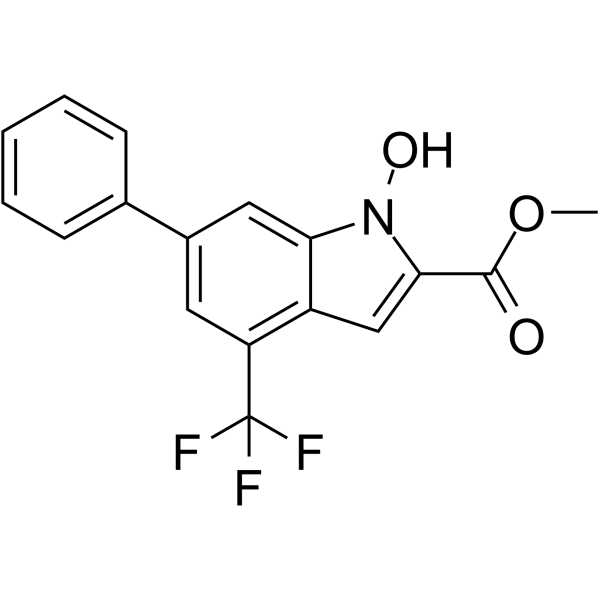
- HY-176556
-
|
|
EGFR
|
Cancer
|
|
EGFR-IN-1671 is a selective EGFR inhibitor with an IC50 of 0.19 nM. EGFR-IN-167 exhibits good potency against various EGFR mutants (IC50 = 0.109 nM, 0.75 nM and <0.05 nM against EGFR (L858R), EGFR (C797S) and EGFR (del19), respectively). EGFR-IN-1671 covalently engages the catalytically conserved lysine of EGFR in live mammalian cells. EGFR-IN-1671 demonstrates excellent anti-proliferative activity by inhibiting EGFR autophosphorylation. EGFR-IN-1671 can be used for the study of non-small-cell lung carcinomas (NSCLC), glioblastoma and many solid tumors .
|
-

- HY-179033
-
|
|
Nuclear Hormone Receptor 4A/NR4A
Apoptosis
ASK1
JNK
p38 MAPK
|
Cancer
|
|
Nur77 antagonist 2 (Compound 12b) is an orally active Nur77 antagonist with a KD value of 0.42 μM. Nur77 antagonist 2 exhibits proliferative activity on liver cancer cells. Nur77 antagonist 2 stabilizes Nur77 by inhibiting its ubiquitin-proteasomal degradation,
leading to Nur77-dependent apoptosis via the ASK1-JNK/p38 pathway. Nur77 antagonist 2 inhibits tumor growth in the HCCLM3 xenograft model. Nur77 antagonist 2 can be used for the study of hepatocellular carcinoma (HCC) .
|
-

- HY-P991270
-
|
|
Interleukin Related
|
Inflammation/Immunology
|
|
MT204 is a humanized IgG1 antibody inhibitor targeting IL-2 of human and rhesus monkey origin. MT204 prevents soluble IL-2 from binding to intermediate-affinity IL-2 receptors and blocks CD25-bound IL-2 on high-affinity IL-2 receptors. MT204 has potently anti-proliferative activity with NKL cells and primary NK cells. MT204 has good tolerability and potent immunosuppressive activity in allogeneic skin graft model of rhesus monkey, promising for immunosuppressive and anti-proliferative therapy .
|
-

- HY-118385
-
|
|
Microtubule/Tubulin
|
Cancer
|
ER-67880 is a potent microtubule inhibitor with an IC50 of 9.5 μM. ER-67880 exhibits anti-proliferative activity against KB, Colon 38 and P338 cells with IC50s of 0.55, 0.2 and 0.76 μg/mL. ER-67880 causes G2/M phase arrest and is accompanied by abnormal DNA replication. ER-67880 exhibits a down-regulation pattern of G1 phase-related genes. ER-67880 can be used in various cancer studies, including those of nasopharyngeal carcinoma and murine adenocarcinoma .
|
-

- HY-178453
-
|
|
VEGFR
Apoptosis
|
Cancer
|
|
VEGFR-2-IN-74 (compound 55) is a potent VEGFR-2 inhibitor (IC50 = 0.035 µM). VEGFR-2-IN-74 exhibits good anti proliferative activity and can induce apoptosis in various cancer cells, such as A549 (IC50 = 2.67 µM) and HCT116 (IC50 = 10.87 µM) cells. VEGFR-2-IN-74 has low toxicity to normal cells. VEGFR-2-IN-74 shows significant anti angiogenic effects in chicken embryo models. VEGFR-2-IN-74 can be used in the research of cancer .
|
-

- HY-169096
-
|
|
Microtubule/Tubulin
Apoptosis
|
Cancer
|
|
DPP-21 is an inhibitor of tubulin polymerization (IC50: 2.4 μM). DPP-21 shows anti-proliferative activity against cancer cell lines, with IC50s of 0.38 nM (HCT116), 11.69 nM (B16), 5.37 nM (HeLa), 9.53 nM (MCF7), 8.94 nM (H23) and 9.37 nM (HepG2) respectively. DPP-21 arrests the cell cycle in the G2/M phase of mitosis, subsequently inducing tumor cell apoptosis (decreases Bcl-2 but upregulates the pro-apoptotic protein Bax) .
|
-

- HY-Z12208
-
|
|
Drug Derivative
|
Cancer
|
|
N1-Phenylsuberamide is an organic amide compound, and its structure can be regarded as a simplified analogue of Vorinostat (HY-10221). N1-Phenylsuberamide exhibits moderate anti-proliferative activity against MDA-MB-231 and MCF-7 cells. N1-Phenylsuberamide does not show significant HDAC inhibitory activity and can only weakly induce the expression of the p21 gene. N1-Phenylsuberamide has extremely low relative binding affinity of estrogen receptor. N1-Phenylsuberamide can be used as a control compound .
|
-

- HY-180956
-
|
|
PROTACs
Anaplastic lymphoma kinase (ALK)
STAT
|
Cancer
|
|
PROTAC ALK degrader-5 (Compound 17) is an efficient ALK PROTAC degrader, with its inhibitory effects on EML4-ALK and NPM-ALK being 27.4 nM and 116.5 nM respectively. PROTAC ALK degrader-5 exhibits potent anti-proliferative activity against H3122 and Karpas 299. PROTAC ALK degrader-5 effectively inhibits the phosphorylation of ALK and STAT3. PROTAC ALK degrader-5 can be used for the study of ALK-driven malignant tumors, such as human non-small cell lung cancer and anaplastic large cell lymphoma .
|
-

- HY-179529
-
|
|
EGFR
Bacterial
|
Infection
Cancer
|
|
EGFR/InhA-IN-1 (Compound 15) is an inhibitor of the anti-cancer target EGFR tyrosine kinase (1M17) (Ki = 0.05 μM) and the anti-tuberculosis target InhA enzyme (1OUZ) (Ki = 0.02 μM). EGFR/InhA-IN-1 exhibits anti-proliferative activity against A549 cells, with an IC50 of 10.38 μM. EGFR/InhA-IN-1 has inhibitory activity against Mycobacterium tuberculosis H37Rv, with a MIC of 6.25 μM. EGFR/InhA-IN-1 can be used for research on non-small cell lung cancer and Mycobacterium tuberculosis infection .
|
-

- HY-179734
-
|
|
PROTACs
Epigenetic Reader Domain
Apoptosis
c-Myc
|
Cancer
|
|
PROTAC BRD4 Degrader-41 (Compound A5) is a BRD4 PROTAC degrader with a DC50 of 0.97 nM. PROTAC BRD4 Degrader-41 exhibits potent anti-proliferative activity against various types of cancer cells such as AML, lymphoma, breast cancer, ovarian cancer, and non-small cell lung cancer. PROTAC BRD4 Degrader-41 can induce G0/G1 phase arrest and apoptosis in MV4-11 cells. PROTAC BRD4 Degrader-41 downregulates the transcriptional level of c-Myc .
|
-

- HY-181074
-
|
|
Microtubule/Tubulin
Apoptosis
Bcl-2 Family
|
Neurological Disease
Cancer
|
|
Tubulin polymerization-IN-88 is a tubulin inhibitor that blocks tubulin polymerization, leading to microtubule destabilization and disruption of the mitotic spindle. Tubulin polymerization-IN-88 induces G2/M phase arrest and apoptosis in cancer cells, and inhibits cancer cell migration and self-renewal of cancer stem cells. It exhibits in vitro anti-proliferative activity against cancer cells with selectivity over normal cells. Tubulin polymerization-IN-88 also demonstrates in vivo anti-cancer activity without significant toxicity. Tubulin polymerization-IN-88 is applicable for research on glioblastoma, lung cancer, endometrial cancer, ovarian cancer, and leukemia .
|
-

- HY-P991571
-
|
GC-1118A
|
EGFR
PERK
Akt
|
Cancer
|
|
GC1118 (GC-1118A) is a fully human anti-EGFR monoclonal antibody with binding affinity of 0.16 nM (KD) to EGFR. GC1118 displays potent inhibitory effects on high- and low-affinity EGFR ligand-induced signaling. GC1118 shows potent anti proliferative activity in KRAS wild-type and KRAS mutant cells. GC1118 can reach the tumor by crossing both BBB (blood-brain barrier) and BTB (brain-tumor barrier) and shows superior anti-tumor effects in various mice xenograft models. GC1118 can be used for the researches of cancer, such as colorectal cancer .
|
-

- HY-P991243
-
|
|
EGFR
Akt
|
Cancer
|
|
MP-RM-1 is an antibody-based, non-competitive ErbB-3 inhibitor with a Kd value of 32.7 nM. MP-RM-1 inhibits both ligand-dependent and ligand-independent ErbB-3 activation, blocks ErbB-2/ErbB-3 heterodimerization, induces ErbB-3 internalization and degradation, and suppresses the phosphorylation of downstream Akt. MP-RM-1 exerts its antagonistic effect through a non-competitive mechanism. MP-RM-1 inhibits tumor growth in melanoma and prostate cancer xenograft models in nude mice and reduces the proliferative activity of tumor cells .
|
-

- HY-178960
-
|
|
Microtubule/Tubulin
Apoptosis
|
Cancer
|
|
Tubulin-IN-59 (Compound 8g) is an orally active Tubulin inhibitor. Tubulin-IN-59 exhibits potent anti-proliferative activity against HCT116 colorectal cancer, HeLa cervical cancer, and HepG2 liver cancer cell lines, with its IC₅₀ value ranging from 16 to 35 nM. Tubulin-IN-59 arrests HeLa cells in the G2/M phase and induces cell apoptosis. Tubulin-IN-59 demonstrates significant anti-tumor activity in the HT29 human colon cancer mouse xenograft model. Tubulin-IN-59 can be used for the study of colorectal cancer and cervical cancer .
|
-

- HY-170982
-
|
|
MEK
PROTACs
|
Cancer
|
|
MS910 is an efficient and selective MEK1/2 PROTAC degrader. MS910 exhibits effective MEK1/2 degradation ability and anti proliferative activity in various cancer cells, such as HT-29 (MEK1 DC50 = 118 nM, MEK2 DC50 = 55 nM) and SK-MEL-28 (MEK1 DC50 = 94 nM, MEK2 DC50 = 38 nM) cells. MS910 is commonly used in cancer research. (Pink: MEK1/2 Ligand (HY-10254); Blue: CRBN Ligand (HY-W087383); Black: Linker (HY-W022240))
|
-

- HY-179140
-
|
|
EGFR
VEGFR
Apoptosis
|
Cancer
|
|
EGFR/VEGFR2-IN-8 (compound 10k) is a dual EGFR/VEGFR-2 inhibitor (EGFR IC50 = 57 nM, VEGFR-2 IC50 = 21 nM). EGFR/VEGFR2-IN-8 has anti proliferative activity against various tumor cells, such as MCF-7 (IC50 = 20 nM), Panc-1 (IC50 = 22 nM), A-549 (IC50 = 23 nM), HT-29 (IC50 = 23 nM) cells. EGFR/VEGFR2-IN-8 has antioxidant and apoptosis inducing activity. EGFR/VEGFR2-IN-8 can be used for research on various types of cancer .
|
-

- HY-178955
-
|
|
EGFR
HSP
PI3K
Caspase
Apoptosis
CDK
ERK
Akt
|
Cancer
|
|
EGFR-IN-182 (Compound 4) is an EGFR inhibitor with an IC50 value of 199 nM. EGFR-IN-182 inhibits HSP90 and PI3K, with IC50 values of 5.007 and 13.596 μM respectively. EGFR-IN-182 exhibits strong anti-proliferative activity against MCF-7 and MDA-MB-231 cells. EGFR-IN-182 downregulates Cyclin D1, inducing cell cycle arrest; it enhances the activity of caspase-9, inducing cell apoptosis. EGFR-IN-182 downregulates the expressions of ERK and AKT. EGFR-IN-182 can be used for research on breast cancer .
|
-

- HY-149401
-
|
|
EGFR
|
Cancer
|
|
EGFR-IN-82 (Cmpound 8a) is a potent and orally active EGFR inhibitor with IC50 values of 0.09 and 0.06 nM for EGFR L858R/T790M/C797S and EGFR Del19/T790M/C797S, respectively. EGFR-IN-82 has no significant effect on EGFR WT. EGFR-IN-82 has anti-proliferative activity and inhibits tumor formation in nude mice. EGFR-IN-82 can be used in non-small cell lung cancer research .
|
-
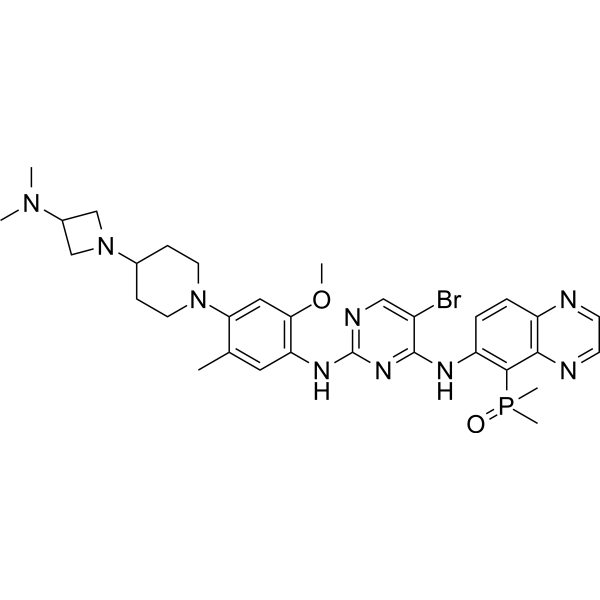
- HY-168251
-
|
|
PROTACs
Epigenetic Reader Domain
|
Cancer
|
|
PROTAC BRM/BRG1 degrader-3 (compound 304) is a PROTACs-based BRM/BRG1 degrader with a DC50 of less than 1 nM for BRM degradation in SW1573 cells and a DC50 of greater than 1 nM for BRG1 degradation in SW1573 cells. PROTAC BRM/BRG1 degrader-3 has anti-tumor activity and anti-proliferative activity against A549 cells (IC50=0.6 nM). (Structure Note: PINK, Target protein ligand (HY-168252); Blue, E3 (HY-168253); Black, linker (HY-69260)).
|
-

- HY-118447
-
|
|
CDK
Survivin
|
Cancer
|
|
RO0505124 is a selective CDK4 inhibitor with an IC50 of 20 nM. RO0505124 reversibly binds the ATP pocket of the kinase. RO0505124 induces G1 phase arrest in cancer cells via reduced retinoblastoma protein (Rb) phosphorylation, blocking S phase progression. RO0505124 exhibits anti-proliferative activity against various cancer cells. RO0505124 delays mitotic entry, induces aberrant mitosis with lagging chromosomes, driving mitotic slippage and formation of multinucleated or micronucleated cells. RO0505124 inhibits G2/M phase accumulation of survivin and borealin. RO0505124 can be used for the research of cancer .
|
-

- HY-171744
-
|
|
Casein Kinase
|
Cancer
|
|
CX-5279 is an efficient and selective CK2 inhibitor with IC50 values for nCK2 and CK2α of 2.73 and 0.91 nM, respectively. CX-5279 is sensitive to mutations at Val66, Ile174, and V66I174AA, with IC50 values of 13.8, 12.5, and 23.35 nM, respectively. CX-5279's inhibitory activity against PIM1 is very weak, with a IC50 value of 8.52 μM. CX-5279 exhibits anti-proliferative activity in various cancer cell lines. CX-5279 can be used for research on cancers such as pancreatic cancer and leukemia .
|
-

- HY-179003
-
|
|
mTOR
Glutaminase
Reactive Oxygen Species (ROS)
Autophagy
Apoptosis
Ferroptosis
Glutathione Peroxidase
|
Cancer
|
|
mTOR/GLS1-IN-1 (Compoud 9d) is a potent dual targeted mTOR/GLS1 inhibitor. Has anti proliferative activity against various tumor cells. mTOR/GLS1-IN-1 dose dependently induces ROS accumulation, induces autophagosome formation, and induces apoptosis. mTOR/GLS1-IN-1 can increase Fe 2+, decrease GPX4, and induce ferroptosis. mTOR/GLS1-IN-1 can inhibit cell migration, invasion, and angiogenesis. mTOR/GLS1-IN-1 can be used in the research of cancer, such as breast cancer .
|
-

- HY-W877997
-
|
|
E3 Ligase Ligand-Linker Conjugates
Drug Derivative
|
Cancer
|
|
Pomalidomide 5'-pip-acid is an E3 ligase ligand-linker conjugate derived from the molecular glue Pomalidomide (HY-10984), which can be used to synthesize the dual-target PROTAC degrader PROTAC CBP/p300/BRD4 Degrader-1 (HY-181758) targeting CBP/p300 and BRD4. Pomalidomide 5'-pip-acid shows anti-proliferative activity against cancer cells with an IC50 of 2.73 nM. Pomalidomide 5'-pip-acid induces anti-proliferative effects in cancer cells. Pomalidomide 5'-pip-acid is applicable to research related to prostate cancer and colorectal cancer .
|
-

- HY-168936
-
|
|
PROTACs
Epigenetic Reader Domain
Apoptosis
|
Cancer
|
|
DP-15 is the degrader for GSPT1 and BRD4 with DC50s of 5.25 nM and 0.48 nM. DP-15 exhibits anti-proliferative activity of AML cells and NHL cells with an IC50 of nanomolar levels, arrests the cell cycle at G1 phase, and induces apoptosis in MOLM13. DP-15 exhibits anti-leukemia activity in MOLM-13 xenograft mouse models . (Pink: ligand for target protein JQ-1 carboxylic acid (HY-78695); Black: linker (HY-W262798); Blue: ligand for E3 ligase Cereblon Thalidomide-5-OH (HY-23095))
|
-

- HY-175502
-
|
|
Molecular Glues
IKZF Family
Apoptosis
|
Cancer
|
|
MGD-22, a molecular glue, is an orally active IKZF1/2/3 degrader with DC50 values of 8.33 nM, 9.91 nM, and 5.74 nM, respectively. MGD-22 exhibits extremely potent anti-proliferative activity against diverse hematological cancer cells. MGD-22 induces apoptosis in cancer cells. MGD-22 demonstrates potent anti-tumor efficacy in mice bearing NCI-H929 xenografts or WSU-DLCL-2 xenografts. MGD-22 can be used for the study of hematological cancers, including multiple myeloma (MM), acute myeloid leukemia (AML), and diffuse large B-cell lymphoma (DLBCL) .
|
-

- HY-103019AR
-
|
(±)-BAY-1251152 (Standard); (±)-VIP152 (Standard)
|
Reference Standards
CDK
Apoptosis
DNA/RNA Synthesis
|
Cancer
|
|
(±)-Enitociclib (Standard) is the analytical standard of (±)-Enitociclib (HY-103019A). This product is intended for research and analytical applications. (±)-Enitociclib ((±)-BAY-1251152) is the racemic mixture of Enitociclib (HY-103019E). Enitociclib is a selective CDK9 inhibitor and apoptosis inducer. Enitociclib inhibits CDK9 activity and reduces the phosphorylation of Ser2 in the carboxyl-terminal domain (CTD) of RNA polymerase Pol II, thereby downregulating the transcription of key oncogenes such as MYC and MCL1. Enitociclib has anti-proliferative activity targeting MYC+ lymphoma and multiple myeloma (MM) cells, and has synergistic effects with Bortezomib (HY-10227) and Lenalidomide (HY-A0003), and can be used in the research of hematological malignancies .
|
-

- HY-179732
-
|
|
PROTACs
Anaplastic lymphoma kinase (ALK)
IGF-1R
ERK
STAT
|
Cancer
|
|
PROTAC ALK degrader-4 (Compound B8) is an ALK PROTAC degrader with a DC50 of 445.25 nM. PROTAC ALK degrader-4 exhibits excellent anti-proliferative activity against NCI-H2228 and NCI-H3122. PROTAC ALK degrader-4 leads to a significant downregulation of 390 proteins, including IGF-1R and its downstream proteins such as ERK1/2 and STAT3. PROTAC ALK degrader-4 can be used for research on lung adenocarcinoma. (Pink: ALK ligand (HY-15656); Blue: CRBN ligand (HY-179733); Black: linker) .
|
-

- HY-104048R
-
|
|
Reference Standards
Histone Demethylase
|
Cancer
|
|
QC6352 (Standard) is the analytical standard of QC6352 (HY-104048). This product is intended for research and analytical applications. QC6352 is an orally active KDM4 inhibitor with anti-tumor and anti-proliferative activity. QC6352 has in vivo inhibitory effects on PDX models of breast and colon cancer and reduces the number of chemoresistant cell populations. QC6352 inhibits KDM4 different isoforms with IC50s of 104 nM (KDM4A), 56 nM (KDM4B), 35 nM (KDM4C), and 104 nM (KDM4D), respectively. QC6352 has moderate inhibitory activity against KDM5 with an IC50 of 750 nM (KDM5B) .
|
-

- HY-183363
-
|
|
Deubiquitinase
|
Cancer
|
|
USP1-IN-17 is an orally active USP1/UAF1 complex inhibitor. USP1-IN-17 exhibits potent anti-proliferative activity against BRCA1-mutant human breast cancer MDA-MB-436 cells, with an IC50 value of 8.1 nM. USP1-IN-17 binds to USP1 to stabilize the enzyme conformation, impairs deubiquitination function, elevates the monoubiquitination level of PCNA, inhibits cancer cell proliferation, and induces DNA damage accumulation. USP1-IN-17 can be used for the research of BRCA1-mutated cancers .
|
-

- HY-175874
-
|
|
Microtubule/Tubulin
PI3K
Akt
Apoptosis
|
Cancer
|
|
Tubulin-IN-55 is a tubulin inhibitor. Tubulin-IN-55 disrupts the PI3K/Akt signaling pathway in cancer cells. Tubulin-IN-55 exerts broad-spectrum anti-proliferative activity against multiple tumor cells (HeLa, HCT116, 4T1, A549, H1299, MDA-MB231). Tubulin-IN-55 induces G2/M phase arrest and apoptosis, and inhibits tumor cell migration/invasion in cancer cells. Tubulin-IN-55 demonstrates potent antitumor efficacy in orthotopic autologous transplantation mice. Tubulin-IN-55 can be used for the study of cancer .
|
-

- HY-179457
-
|
|
PI3K
mTOR
Akt
HSP
|
Cancer
|
|
CC-11 is an orally active small molecule drug conjugate (SMDC) that links the PI3K/mTOR inhibitor with the extracellular heat shock protein 90 (EHSP90) targeting ligand through a cleavable linker. CC-11 exhibits strong HSP90 binding activity (IC50 = 15 nM) and inhibits PI3Kα kinase activity (IC50 = 0.54 nM). CC-11 has anti-proliferative activity against colon cancer cells. CC-11 shows significant efficacy in the HCT-116 xenograft tumor model. CC-11 can be used for research on colon cancer .
|
-

- HY-175497
-
|
|
ROR
Apoptosis
Bcl-2 Family
PARP
|
Cancer
|
|
ROR1-IN-4 is a selective ROR1 inhibitor with a Kd of 52 nM. ROR1-IN-4 shows potent anti-proliferative activity against TNBC cell line MDA-MB-231 (IC50 = 75 nM). ROR1-IN-4 reduces colony formation, induces apoptosis and inhibits the phosphorylation of ROR1 (Tyr786) in MDA-MB-231 cells. ROR1-IN-4 demonstrates superior anti-tumor efficacy in nude mice bearing MDA-MB-231 subcutaneous xenografts. ROR1-IN-4 can be used for the study of triple-negative breast cancer (TNBC) .
|
-

- HY-178962
-
|
|
Drug Metabolite
|
Cancer
|
|
Antitumor agent-207 (compound 10K) is a Pt(IV)-NO prodrug with high lipid solubility, good stability, and excellent tumor targeted release ability. Antitumor agent-207 has significant anti proliferative activity in various cells such as TE-1 (IC50 = 1.79 μM), TE-10 (IC50 = 1.95 μM), KYSE-30 IC50 = 5.99 μM), KYSE-520 (IC50 = 5.53 μM) cells. Antitumor agent-207 can significantly enhance intracellular Pt accumulation and DNA platformization levels, and effectively release NO. Antitumor agent-207 can be used for research on cancers such as esophageal cancer .
|
-

- HY-171334A
-
|
|
PROTACs
PIN1
CDK
Akt
c-Myc
Apoptosis
Reactive Oxygen Species (ROS)
|
Cancer
|
|
P1D-34 is a Pin1 PROTAC degrader with a DC50 value of 177 nM. P1D-34 also down-regulates Pin1 client proteins such as Cyclin D1, Rb, Mcl-1, Akt, and c-Myc. P1D-34 shows anti-proliferative activities in a panel of acute myeloid leukemia (AML) cell lines. P1D-34 induces cell DNA damage and apoptosis by releasing ROS generation. Pink: PIN1 ligand (HY-171442A), Blue: CRBN ligand (HY-14658), Black: Linker (HY-W014883) .
|
-

- HY-123034
-
|
|
CDK
Bcl-2 Family
Apoptosis
|
Cancer
|
|
CDKI-83 is a potent CDK9 and CDK1 inhibitor with Ki values of 21 nM and 72 nM for CDK9/T1 and CDK1/B, respectively. CDKI-83 demonstrates effective anti-proliferative activity in human tumour cell lines with a GI50<1 μM. CDKI-83 effectively induces apoptosis in A2780 human ovarian cancer cells. CDKI-83 reduces phosphorylation at Ser-2 of RNA polymerase II (RNAPII) by inhibiting cellular CDK9 activity, and down-regulates Mcl-1 and Bcl-2. CDKI-83 has the potential for anti-cancer research .
|
-

- HY-112356
-
|
|
Apoptosis
Reactive Oxygen Species (ROS)
Polo-like Kinase (PLK)
|
Inflammation/Immunology
Cancer
|
|
Scytonemin is a hydrophobic alkaloid pigment that can be isolated from the outer sheath of cyanobacteria. Scytonemin has protective function against short-wave solar ultraviolet (UV) radiation, which can reduce the generation of reactive oxygen species (ROS) and the formation of DNA damage. Scytonemin also has anti-inflammatory and anti-proliferative activities, produces concentration-dependent inhibition (IC50=2.0 μM) of polo-like kinase 1 (PLK1)-mediated cdc25C phosphorylation, and plays an important role in regulating the G2/M transition in the cell cycle. It can be used in the research of cancer, acute inflammation and sunscreen cosmetics .
|
-
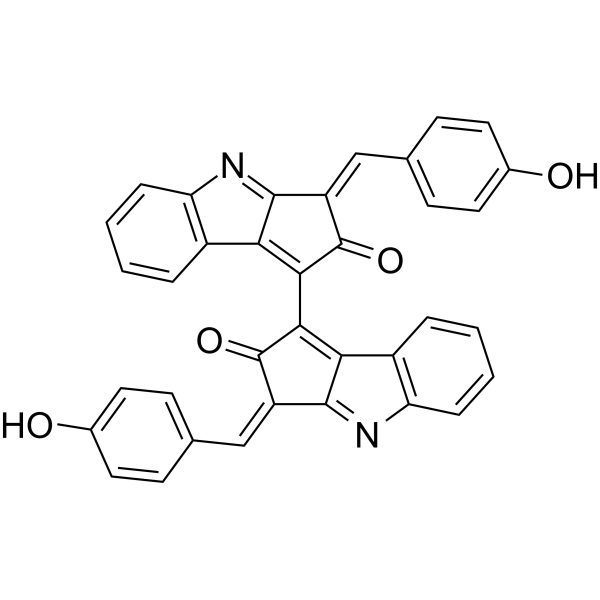
- HY-180817
-
|
|
CDK
Aurora Kinase
Apoptosis
|
Cancer
|
|
CDK2-IN-55 (Compound 12c) is a CDK2 inhibitor with an IC50 value of 4.7 nM. CDK2-IN-55 also has a strong inhibitory effect on CDK1 (IC50 = 26.3 nM), moderate inhibitory effects on Aurora A (IC50 = 92.0 nM) and CDK9 (IC50 = 288 nM), and very weak inhibitory activities on CDK4, CDK6, DYRK1A, and GSK3β (IC50 > 1000 nM). CDK2-IN-55 shows strong anti-proliferative activity against various cancer cell lines, inducing cell cycle arrest and apoptosis. CDK2-IN-55 can be used for research on colorectal cancer, lung cancer, and cervical cancer .
|
-

- HY-180355
-
|
|
CDK
Ser/Thr Kinase
c-Myc
Apoptosis
|
Cancer
|
|
SY-5102 is a potent, selective and orally active cyclin-dependent kinase (CDK7) inhibitor with a Kd of 0.03 nM. SY-5102 shows anti-proliferative activity against HCC70 cells with an EC50 of 9 nM. SY-5102 can inhibit CDK7-mediated CAK function (downregulate CDK2 Thr160 phosphorylation) and TFIIH transcription function (downregulate RNA polymerase II Ser5 phosphorylation). SY-5102 can induce G2/M cell cycle arrest, downregulate the expression of the oncogene c-Myc, and ultimately trigger cancer cell apoptosis. SY-5102 can be used for the research of triple-negative breast cancer (TNBC) .
|
-

- HY-168641
-
|
|
PROTACs
Apoptosis
HIF/HIF Prolyl-Hydroxylase
|
Cancer
|
|
PROTAC HIF-1α degrader-1 (compound V2) is a potent hypoxia-inducible factor-1α (HIF-1α) PROTAC degrader with an IC50 value of 7.54 µM. PROTAC HIF-1α degrader-1 shows anti-proliferative activity. PROTAC HIF-1α degrader-1 decreases the HIF-1α protein expression. PROTAC HIF-1α degrader-1 induces apoptosis. (Pink: ligand for target protein (HY-111387); black: linker (HY-W013731); Blue: E3 ligase ligand (HY-112078)) .
|
-

- HY-103019BR
-
|
(R)-Enitociclib (Standard); (-)-BAY-1251152 (Standard); (-)-VIP152 (Standard)
|
Reference Standards
Drug Isomer
CDK
Apoptosis
DNA/RNA Synthesis
|
Cancer
|
|
(-)-Enitociclib (Standard) is the analytical standard of (-)-Enitociclib (HY-103019B). This product is intended for research and analytical applications. (-)-Enitociclib ((R)-Enitociclib) is an enantiomer of Enitociclib (HY-103019E) with an optical rotation of (-). Enitociclib is a selective CDK9 inhibitor and apoptosis inducer. Enitociclib inhibits CDK9 activity and reduces the phosphorylation of Ser2 in the carboxyl-terminal domain (CTD) of RNA polymerase Pol II, thereby downregulating the transcription of key oncogenes such as MYC and MCL1. Enitociclib has anti-proliferative activity targeting MYC+ lymphoma and multiple myeloma (MM) cells, and has synergistic effects with Bortezomib (HY-10227) and Lenalidomide (HY-A0003), and can be used in the research of hematological malignancies .
|
-

- HY-159519
-
|
|
Apoptosis
EGFR
|
Cancer
|
|
EGFR/HER2-IN-16 (compound 12K) is an effective dual-target inhibitor of EGFR (IC50=6.15 nM) and HER-2 (IC50=9.78 nM) with anti-tumor activity. EGFR/HER2-IN-16 can inhibit the migration of SK-BR-3 cells, arrest the cell cycle in the G0/G1 phase, and induce apoptosis. EGFR/HER2-IN-16 exhibits good anti-proliferative activity against tumor cell models and has little damage to healthy cells. EGFR/HER2-IN-16 can be used in breast cancer research .
|
-

- HY-157319
-
|
|
PI3K
|
Cancer
|
|
PI3Kα-IN-15 is a potent PI3Kα inhibitor with an IC50 of 0.15?μM. PI3Kα-IN-15 also has acceptable anti-proliferative activity (inhibits SKOV-3, T47D, NCI-H1975, NCI-H460, and MCF-7 growth with IC50 values of 26.6?μM, 7.9?μM,? 32.1?μM,? 17.7??μM, and 9.4??μM, respectively. PI3Kα-IN-15 can be used for cancer research .
|
-
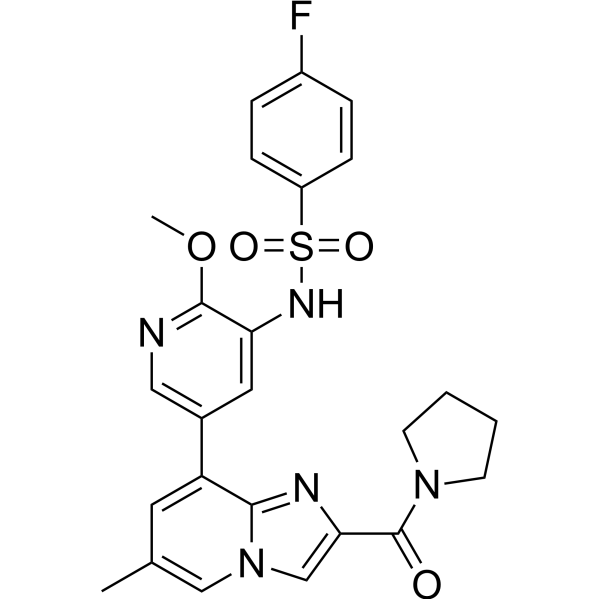
- HY-157125
-
|
|
PI3K
Apoptosis
|
Cancer
|
|
PI3Kα-IN-14 (compound F8) is a selective PI3Kα inhibitor with an IC50 of 0.14 nM. PI3Kα-IN-14 induces a great decrease in mitochondrial membrane which caused cell cycle arrest at G1 phase and apoptosis in U87-MG cells. PI3Kα-IN-14 shows significant anti-proliferative activities against three tumor-derived cell lines (PC-3: IC50 of 0.28 μM; HCT-116: IC50 of 0.57 μM; and U87-MG: IC50 of 1.37 μM) .
|
-
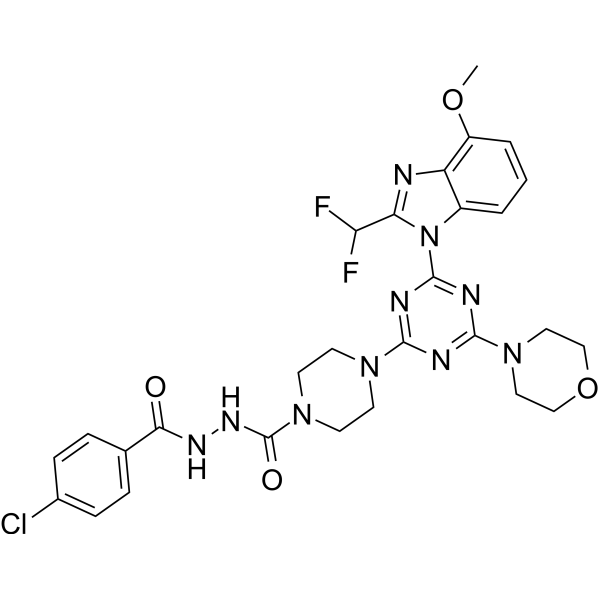
- HY-181954
-
|
|
EGFR
Apoptosis
|
Cancer
|
|
ZW-49 is an orally active pan-EGFR inhibitor with IC50 values at 0.03-1.5 nM. ZW-49 inhibits all subgroups of EGFR mutations with selectivity over wild-type EGFR and other target families. ZW-49 blocks the ATP-binding pocket, occupies a conserved hydrophobic subpocket, avoids steric conflicts with PACC mutation P loops. ZW-49 inhibits cancer cells proliferation, induces G0/G1 phase cell-cycle arrest and apoptosis, and demonstrates anti-proliferative activity in xenograft mice models. ZW-49 can be used for the research of cancer, such as non-small cell lung cancer .
|
-

- HY-112296
-
T025
4 Publications Verification
|
CDK
Apoptosis
DYRK
|
Cancer
|
|
T025 is an orally active and highly potent inhibitor of Cdc2-like kinase (CLKs), with Kd values of 4.8, 0.096, 6.5, 0.61, 0.074, 1.5 and 32 nM for CLK1, CLK2, CLK3, CLK4, DYRK1A, DYRK1B and DYRK2, respectively. T025 induces caspase-3/7-mediated cell apoptosis. T025 reduces CLK-dependent phosphorylation. T025 exerts anti-proliferative activities in both hematological and solid cancer cell lines (IC50 values: 30-300 nM). T025 has an anti-tumor efficiency, mainly for MYC-driven disease research .
|
-
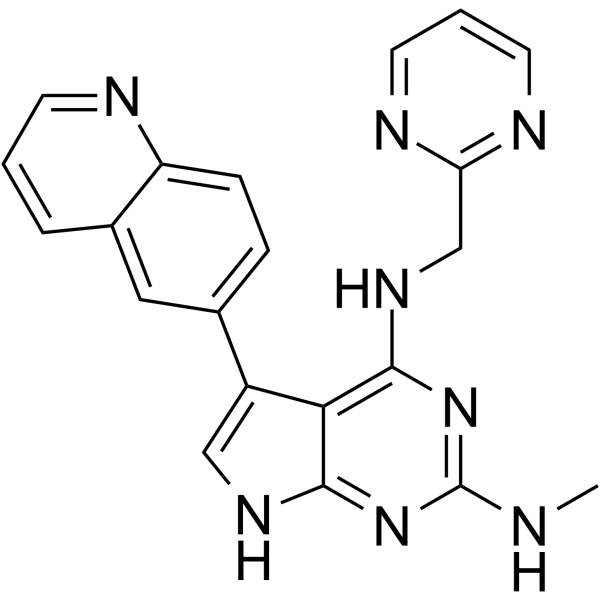
- HY-182958
-
|
|
Hsp-targeting Chimeras
Epigenetic Reader Domain
HSP
|
Cancer
|
|
Hsp70TAC BRD4 Degrader-1 is a degrader targeting BRD4, with a KD value of 0.22 μM. Hsp70TAC BRD4 Degrader-1 forms a ternary complex with Hsp70 (KD: 5.13 μM), and specifically and efficiently degrades intracellular BRD4 via the ubiquitin-proteasome pathway. Hsp70TAC BRD4 Degrader-1 exhibits potent anti-tumor proliferative activity. Hsp70TAC BRD4 Degrader-1 can be used in studies related to triple-negative breast cancer and glioblastoma multiforme. (Pink: BRD4 ligand (HY-78695); Blue: HSP70 ligand (HY-182979); Black: linker (HY-B0236)) .
|
-

- HY-W583350
-
|
|
Apoptosis
|
Cancer
|
|
Chloro(triphenylphosphine)[2-(2'-amino-1,1'-biphenyl)]palladium(II) (Compound 4C) is a metal palladium (II) complex. Chloro(triphenylphosphine)[2-(2'-amino-1,1'-biphenyl)]palladium(II) exhibits potent anti-proliferative activity against cells such as MDA-MB-231 and HCT116, significantly inducing apoptosis. Chloro(triphenylphosphine)[2-(2'-amino-1,1'-biphenyl)]palladium(II) does not directly damage DNA or cause significant cell cycle arrest. Chloro(triphenylphosphine)[2-(2'-amino-1,1'-biphenyl)]palladium(II) can be used in studies on Cisplatin (HY-17394) resistance .
|
-
![Chloro(triphenylphosphine) [2-(2'-amino-1,1'-biphenyl)]palladium(II)](//file.medchemexpress.com/product_pic/hy-w583350.gif)
- HY-168131
-
|
|
PROTACs
Histone Methyltransferase
Apoptosis
|
Cancer
|
|
PROTAC EZH2 Degrader-3 (compound ZJ-20) is a EZH2 PROTAC degrader. PROTAC EZH2 Degrader-3 (5 μM, 24 h) not only potently inhibits the expression of EZH2 protein, but also had a strong inhibits effect on the expression levels of other subunits of PRC2 as well as H3k27me3 protein. PROTAC EZH2 Degrader-3 shows anti-proliferative activity and blocks the cell cycle in the G0-G1 phase and induces cell apoptosis((Blue: cereblon ligand Pomalidomide (HY-10984), Black: linker HY-W361751;Pink: EZH2 inhibitor Tazemetostat (HY-13803)) .
|
-

- HY-119618
-
|
|
Endogenous Metabolite
|
Cancer
|
|
R1498 is a multi-target kinase inhibitor with anti-angiogenic and anti-proliferative activities. R1498 mainly targets targets such as Aurora kinase and VEGFR2, which are associated with tumor development. R1498 showed moderate in vitro growth inhibition in a variety of tumor cells, with IC50 values in the micromolar range. R1498 showed anti-tumor efficacy superior to sorafenib in a variety of gastric cancer and hepatocellular carcinoma xenograft models, with tumor growth inhibition rates exceeding 80%, and tumor shrinkage was observed in some models. R1498 showed a 10-30% tumor shrinkage rate in three xenograft models derived from human primary gastric cancer tumors, further demonstrating its inhibitory potential. R1498 effectively inhibited Aurora A activity in vivo and reduced tumor vascularization .
|
-

- HY-179388
-
|
|
PROTACs
Sirtuin
Apoptosis
Akt
mTOR
|
Cancer
|
|
PROTAC Sirt2 Degrader-2 is a highly efficient and selective PROTAC degrader targeting SIRT2. PROTAC Sirt2 Degrader-2 demonstrates the most potent anti-proliferative activity both in vitro and in vivo. PROTAC Sirt2 Degrader-2 leads to a marked increase in H4K16Ac levels. PROTAC Sirt2 Degrader-2 significantly suppresses clonogenic formation and migration, induces cell cycle arrest, and promotes apoptosis. PROTAC Sirt2 Degrader-2 inhibits the AKT/mTOR signaling pathway by indirectly degrading SIRT2 and blocking downstream protein phosphorylation, thereby disrupting the signaling cascade and suppressing tumor development. PROTAC Sirt2 Degrader-2 can be used for the study of ovarian cancer .
|
-

- HY-180977
-
|
|
PROTACs
Bcr-Abl
|
Cancer
|
|
P19P is a BCR-ABL PROTAC degrader based on Ponatinib (HY-12047), with a DC50 value of approximately 20 nM for the wild-type BCR-ABL protein. P19P can effectively degrade various drug-resistant mutants such as T315I, E255K, H396R, and V468F, and exhibits potent anti-proliferative activity in BaF3-BCR-ABL (T315I) cells. P19P maintains strong inhibitory activity against ABL (T315I), with a IC50 of 13.1 nM. P19P does not inhibit the formation of vascular lumens in HUVEC. P19P can be used for research on chronic myeloid leukemia and acute lymphoblastic leukemia .
|
-

- HY-120406
-
|
|
Btk
Akt
mTOR
p38 MAPK
ERK
CCR
Apoptosis
|
Cancer
|
|
LPS-123 is a covalently irreversible BTK inhibitor with an IC50 of < 5 nM. LPS-123 simultaneously inhibits the catalytic activity of BTK at Tyr551 and its self-activation at Tyr223. LPS-123 inhibits phosphorylation of the AKT/mTOR and MAPK signaling pathways, activation of PLCγ2, ERK1/2, p38, AKT, and mTOR, and blocks the production of CCL3 and CCL4 chemokines. LPS-123 exhibits significant anti-proliferative activity against various B-cell lymphoma cell lines and effectively induces apoptosis via a caspase-dependent pathway. LPS-123 also demonstrates significant antitumor activity in the OCI-Ly7 xenograft model. LPS-123 can be used for lymphoma research .
|
-

- HY-179585
-
|
|
Apoptosis
|
Cancer
|
|
DD-CIP2 is a DNA damage and apoptosis inducer. DD-CIP2 demonstrates effective anti-proliferative activity against multiple cancer cell. DD-CIP2 modulates the DNA damage response pathway, triggering robust DNA damage, cell cycle arrest, and apoptosis in vitro. DD-CIP2 demonstrates significant anti-tumor efficacy in vivo at well-tolerated doses, without substantial toxicity. DD-CIP2 exhibits superior cytotoxic potency against a broad panel of blood-and solid-tumor-derived cancer cell lines independent of their BRCA1/2 status. DD-CIP2 can be used for small-cell lung cancer (SCLC) and non small-cell lung cancer (NSCLC) research .
|
-

- HY-159510
-
|
|
Apoptosis
VEGFR
Microtubule/Tubulin
Reactive Oxygen Species (ROS)
|
Cancer
|
|
VEGFR-2-IN-51 (compound 19) is an orally active dual-target inhibitor of VEGFR-2 (IC50=15.33 μM) and tubulin (IC50=0.76 μM) with anti-tumor activity. VEGFR-2-IN-51 induces tumor cell apoptosis by reducing mitochondrial membrane potential and increasing reactive oxygen species (ROS) levels. VEGFR-2-IN-51 exerts anti-angiogenic effects by blocking the VEGFR-2/PI3K/AKT signaling pathway. In addition, VEGFR-2-IN-51 has significant anti-proliferative activity against the gastric cancer cell line MGC-803 (IC50=0.005 μM) .
|
-

- HY-178485
-
|
|
PI3K
HDAC
Akt
Histone Methyltransferase
|
Cancer
|
|
SJY26 is a PI3K/HDAC dual-target inhibitor with IC50s of 0.59 nM (PI3Kα and PI3Kδ), 2.02 nM (PI3Kγ), 12.69 nM (PI3Kβ) and 114 nM (HDAC1). SJY26 exhibits potent broad-spectrum anti-proliferative activity, and is particularly sensitive to Jurkat and PC9R cells. SJY26 inhibited the migration of PC9R cells, arrested the cell cycle and induced cell apoptosis. SJY26 reduces AKT phosphorylation, and decreases histone H3 deacetylation (Ac-H3). SJY26 can be used for the studies of non-small cell lung cancer and leukemia .
|
-

- HY-179020
-
|
|
PARP
VEGFR
DNA/RNA Synthesis
Apoptosis
Autophagy
|
Cancer
|
|
PARP/VEGFR3-IN-1 (Compound 18) is a dual PARP-VEGFR3 target inhibitor. Its IC50 values for PARP1, PARP2, and VEGFR3 are 0.0763, 0.0366, and 4.25 nM respectively. PARP/VEGFR3-IN-1 has no inhibitory effect on VEGFR1/2 and shows subtype selectivity. PARP/VEGFR3-IN-1 exhibits significant anti-proliferative activity in various cancer cells (leukemia, lung cancer, and triple-negative breast cancer). PARP/VEGFR3-IN-1 induces DNA damage and cell cycle arrest. PARP/VEGFR3-IN-1 triggers various forms of cell death by inducing apoptosis and autophagy. PARP/VEGFR3-IN-1 can be formulated into nanodelivery systems, significantly enhancing tumor targeting and therapeutic window .
|
-

- HY-B0633A
-
|
Hyaluronan; Hyaluronate
|
Endogenous Metabolite
Bacterial
Akt
PI3K
|
Infection
Neurological Disease
Inflammation/Immunology
Cancer
|
|
Hyaluronic acid is a biopolymer composed of repeating units of disaccharides with various applications. Hyaluronic acid is a major component of the extracellular matrix (ECM). Hyaluronic acid is synthesized at the plasma membrane. Increased hyaluronic acid levels are associated with tumor cell growth, adhesion, migration, invasion and angiogenesis in digestive cancers. Hyaluronic acid participates in tissue remodeling and rapid cell proliferation in some physiological processes including embryonic morphogenesis and wound-healing. Hyaluronic acid activates the PI3K-Akt signaling. Hyaluronic acid acts as a regulator of cancer-associated lymphangiogenesis. Hyaluronic acid also enhances cell invasion and angiogenesis by promoting proteolytic MMP-9 binding to cell surface or stimulating MMP-9 binding to cell surface. Hyaluronic acid can be used as drug delivery for sodium butyrate to improve the anti-proliferative activity on breast cancer cell line. Hyaluronic acid can be studied in joint diseases, wound healing and cancer .
|
-
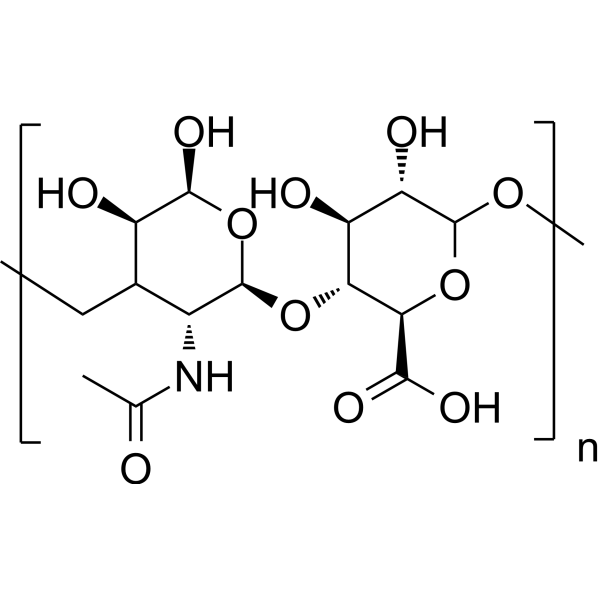
- HY-151375
-
|
|
CDK
|
Cancer
|
|
CDK9/10/GSK3β-IN-1 (compound 13c) is a kinase inhibitor (Flavopiridol (HY-10005) analogue) that effectively inhibits HsGSK3β (IC50=59 nM), HsCDK9/CyclinT (IC50=64 nM), HsCDK5/p25 (IC50=1.093 μM) and HsCDK2/CyclinA (IC50=1.725 μM). CDK9/10/GSK3β-IN-1 has anti-cancer cellular activity comparable to or higher than that of Flavopiridol. CDK9/10/GSK3β-IN-1 shows high anti-proliferative activity in vitro against up to seven cancer cell lines .
|
-
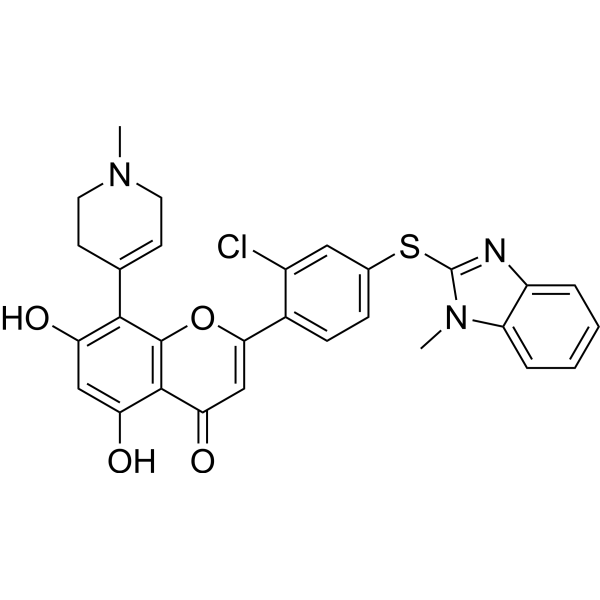
- HY-178020
-
|
|
FLT3
ERK
Akt
Apoptosis
|
Cancer
|
|
FLT3-IN-34 is a FLT3 inhibitor, with an IC50 value of 1.4 nM. FLT3-IN-34 blocks the phosphorylation of FLT3 and its downstream signaling molecules AKT and ERK1/2. FLT3-IN-34 induces concentration-dependent G0/G1 phase arrest and mild apoptosis in FLT3-ITD-positive MV4-11 cells. FLT3-IN-34 shows potent anti-proliferative activity against FLT3-ITD-positive MV4-11 cells (IC50 = 14.95 nM) and MOLM-13 (IC50 = 18.5 nM). FLT3-IN-34 can be used for the study of FLT3-positive acute myeloid leukemia (AML) .
|
-

- HY-180811
-
|
|
Anaplastic lymphoma kinase (ALK)
HDAC
Apoptosis
|
Neurological Disease
|
|
ALK/HDAC-IN-2 (Compound 19b) is an ALK/HDAC inhibitor with IC₅₀ values for ALK WT and total HDACs of 8 nM and 1.18 μM, respectively. ALK/HDAC-IN-2 exhibits inhibitory activity against ALK mutants G1202R, F1174L, and L1196M, with IC₅₀ values of 2.74, 9.23, and 34.28 nM, respectively. ALK/HDAC-IN-2 shows potent and selective inhibition against HDAC1 (IC₅₀ = 0.24 μM), while its inhibitory activity against HDAC7, HDAC6, and HDAC11 is weak (IC₅₀ > 10 μM). ALK/HDAC-IN-2 has broad-spectrum anti-proliferative activity against various cancer cells, inducing cell cycle arrest and apoptosis. ALK/HDAC-IN-2 can be used for the study of neuroblastoma .
|
-

- HY-B0633
-
|
Sodium hyaluronate
|
Endogenous Metabolite
Bacterial
PI3K
Akt
|
Inflammation/Immunology
Cancer
|
|
Hyaluronic acid sodium (Sodium hyaluronate) is a biopolymer composed of repeating units of disaccharides with various applications. Hyaluronic acid sodium is a major component of the extracellular matrix (ECM). Hyaluronic acid sodium is synthesized at the plasma membrane. Increased hyaluronic acid sodium levels are associated with tumor cell growth, adhesion, migration, invasion and angiogenesis in digestive cancers. Hyaluronic acid sodium participates in tissue remodeling and rapid cell proliferation in some physiological processes including embryonic morphogenesis and wound-healing. Hyaluronic acid sodium activates the PI3K-Akt signaling. Hyaluronic acid sodium acts as a regulator of cancer-associated lymphangiogenesis. Hyaluronic acid sodium also enhances cell invasion and angiogenesis by promoting proteolytic MMP-9 binding to cell surface or stimulating MMP-9 binding to cell surface. Hyaluronic acid sodium can be used as drug delivery for sodium butyrate to improve the anti-proliferative activity on breast cancer cell line. Hyaluronic acid sodium can be studied in joint diseases, wound healing and cancer .
|
-
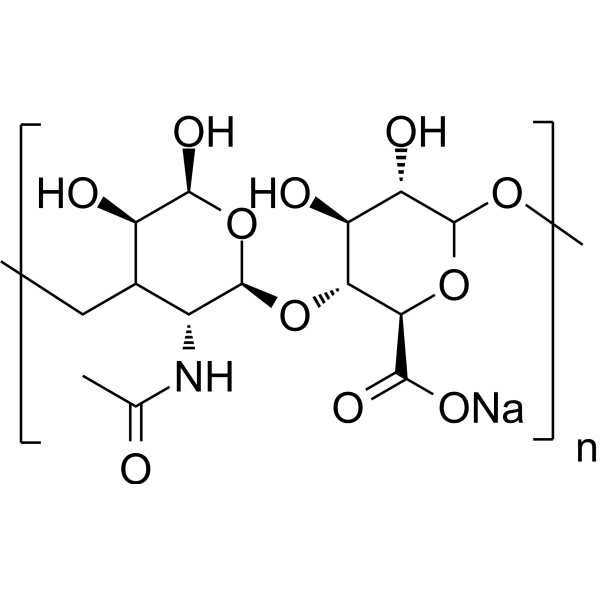
- HY-159591
-
|
|
Ras
Akt
ERK
|
Cancer
|
|
YK-8S is a dual-targeted K-Ras (G12D/G12C) covalent inhibitor. YK-8S shows no significant binding to wild-type K-Ras and other mutants (G12R, G13D, Q61R/K). YK-8S exhibits anti-proliferative activity against H358 (G12C) and AGS (G12D) cells. YK-8S inhibits the phosphorylation of p-AKT/p-ERK in BaF3/G12D and G12C cells. YK-8S can be used for pancreatic cancer, colorectal cancer and other tumors with high incidence of G12D .
|
-

- HY-178964
-
|
|
PROTACs
RET
|
Cancer
|
|
PROTAC RET Degrader 1 (Compound 20) is an orally active and blood-brain barrier-crossing RET PROTAC degrader with DC50 values for RET (WT), RET (G810S), RET (G810C), and RET (G810R) of 1.7, 3, 12, and 21 nM, respectively. PROTAC RET Degrader 1 exhibits potent anti-proliferative activity in cancer cell lines carrying oncogenic RET fusions (such as KIF5B-RET, CCDC6-RET) or mutations (such as RET (C634W)). PROTAC RET Degrader 1 shows significant anti-tumor activity in human tumor xenograft (PDX) mouse models. PROTAC RET Degrader 1 can be used for the study of RET-positive cancers Pink: RET ligand (HY-179308); Blue: CRBN ligand (HY-179307); Black: Linker) .
|
-

- HY-175542
-
|
|
STAT
Apoptosis
Reactive Oxygen Species (ROS)
PARP
|
Cancer
|
KB-15 is a STAT3 inhibitor. KB-15 exhibits potent anti-proliferative activity against AGS gastric cancer cells (IC50 = 0.29 μM) and BGC-823 gastric cancer cells (IC50 = 0.65 μM). KB-15 exerts anti-tumor effects by inhibiting STAT3 phosphorylation, downregulating HO-1 expression, and promoting intracellular ROS accumulation. KB-15 induces G0/G1 phase cell cycle arrest and apoptosis, as well as suppresses colony formation and migration of gastric cancer cells. KB-15 demonstrates excellent anti-tumor efficacy in BGC-823 subcutaneous xenograft model. KB-15 can be used for the study of gastric cancer .
|
-

- HY-163985
-
|
|
PROTACs
FGFR
Apoptosis
|
Cancer
|
|
PROTAC FGFR2 degrader 1 (compound N5) is a PROTAC that effectively targets FGFR2 with DC50 of 6.46 nM, the FGFR2 IC50 is 0.08 nM. PROTAC FGFR2 degrader 1 has anti-proliferative activity and highly selective, induces G0/G1 arrest of KATOIII and SNU16 cell cycle and inhibits apoptosis by reducing the activation of p-ERK and p-PLCγ, the downstream proteins of FGFR2.
PROTAC FGFR2 degrader 1 inhibits gastric cancer cells remained above 50% at a concentration of 0.17 nM.
PROTAC FGFR2 degrader 1 potently inhibits the growth of SNU16 xenograft tumors in mouse model (Structure Note: Pink, FGFR2 activator: HY-18708; Blue, E3 ligase ligand: HY--10984; Black, linker: HY-163989; E3 ligase ligand + linker:HY-163986) .
|
-

- HY-162098
-
|
|
PROTACs
Microtubule/Tubulin
Apoptosis
|
Cancer
|
|
PROTAC tubulin-Degrader-1 is a α/β/β3-tubulin PROTAC degrader. PROTAC tubulin-Degrader-1 exhibits potent anti-proliferative activity against multiple human tumor cell lines. PROTAC tubulin-Degrader-1 induces G2/M phase arrest and apoptosis and inhibits colony formation in A549 and A549/Taxol cells. PROTAC tubulin-Degrader-1demonstrates potent anti-tumor efficacy in A549 and A549/Taxol (Taxol-resistant) xenograft model. PROTAC tubulin-Degrader-1 can be used for the study of non-small cell lung cancer (NSCLC). (Pink: Tubulin ligand (HY-N2146), Blue: CRBN Ligand (HY-10984), Black: Linker (HY-N6056)) .
|
-
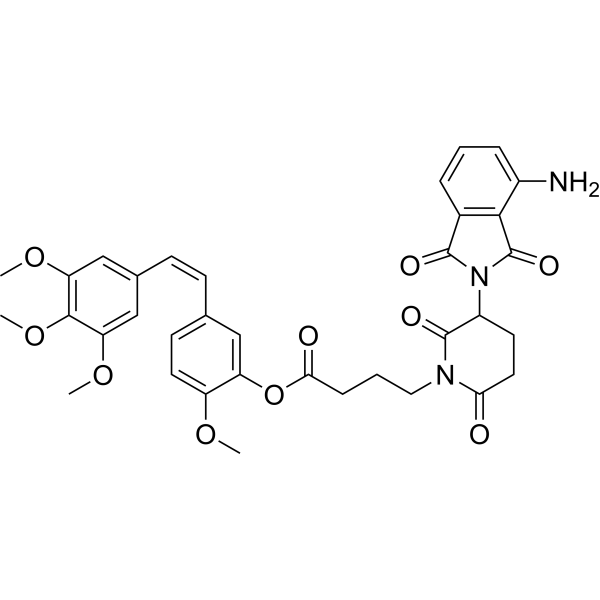
- HY-B0633I
-
|
|
Endogenous Metabolite
Bacterial
PI3K
Akt
|
Inflammation/Immunology
Cancer
|
|
Hyaluronic acid sodium (MW 800kDa) is a biopolymer composed of repeating units of disaccharides with various applications. Hyaluronic acid sodium is a major component of the extracellular matrix (ECM). Hyaluronic acid sodium is synthesized at the plasma membrane. Increased hyaluronic acid sodium levels are associated with tumor cell growth, adhesion, migration, invasion and angiogenesis in digestive cancers. Hyaluronic acid sodium participates in tissue remodeling and rapid cell proliferation in some physiological processes including embryonic morphogenesis and wound-healing. Hyaluronic acid sodium activates the PI3K-Akt signaling. Hyaluronic acid sodium acts as a regulator of cancer-associated lymphangiogenesis. Hyaluronic acid sodium also enhances cell invasion and angiogenesis by promoting proteolytic MMP-9 binding to cell surface or stimulating MMP-9 binding to cell surface. Hyaluronic acid sodium can be used as drug delivery for sodium butyrate to improve the anti-proliferative activity on breast cancer cell line. Hyaluronic acid sodium can be studied in joint diseases, wound healing and cancer .
|
-

- HY-175298
-
|
|
STAT
Src
Apoptosis
|
Cancer
|
|
STAT-3/c-Src-IN-1 (Compound 12d) is a dual STAT-3 (IC50=0.844 μM) and c-Src (IC50=0.268 μM) inhibitor. STAT-3/c-Src-IN-1 blocks tumor cell proliferation, migration, and angiogenesis signaling pathways. STAT-3/c-Src-IN-1 exhibits potent anti-proliferative activity against melanoma (SK-MEL-2) and CNS cancer (SNB-75) cell lines (GI50=-5.75 μM and -5.63 μM), inducing tumor cell apoptosis via G0/G1 and G2/M phase cell cycle arrest. STAT-3/c-Src-IN-1 is promising for research of melanoma and glioblastoma .
|
-

- HY-139997
-
|
|
PROTACs
EGFR
|
Cancer
|
|
DDC-01-163 is an allosteric PROTAC degrader targeting EGFR. DDC-01-163 is dependent on the ubiquitin–proteasome system. DDC-01-163 can selectively inhibit the proliferation of L858R/T790M (L/T) mutant Ba/F3 cells. DDC-01-163 is effective against Osimertinib (HY-15772)-resistant cells with L/T/C797S and L/T/L718Q EGFR mutations. DDC-01-163 exhibits enhanced anti-proliferative activity against L858R/T790M EGFR-Ba/F3 cells when combined with the ATP-site EGFR inhibitor Osimertinib. DDC-01-163 can be used for the study of non-small cell lung cancer .
|
-

- HY-N0448
-
|
|
AMPK
Reactive Oxygen Species (ROS)
Akt
PI3K
Interleukin Related
TNF Receptor
Apoptosis
|
Neurological Disease
Inflammation/Immunology
Cancer
|
|
10-Gingerol is an AMPK agonist, which is found in the ginger oleoresin from fresh rhizome with anti-inflammatory, antioxidant and anti-proliferative activities. 10-Gingerol suppresses neointimal hyperplasia and inhibits vascular smooth muscle cell proliferation. 10-Gingerol exhibits substantial scavenging activities with an IC50 value of 10.47 μM against DPPH radical, an IC50 value of 1.68 μM against superoxide radical and an IC50 value of 1.35 μM against hydroxyl radical. 10-Gingerol inhibits the proliferation of MDA-MB-231 tumor cell line with an IC50 of 12.1 μM. 10-Gingerol suppresses the proliferation, migration, invasion, and induced apoptosis through targeting the PI3K/Akt signaling pathway in MDA-MB-231/IR cells. 10-Gingerol can be used in research on various common cancers such as ovarian cancer and colon cancer, as well as colitis and neurodegenerative diseases .
|
-
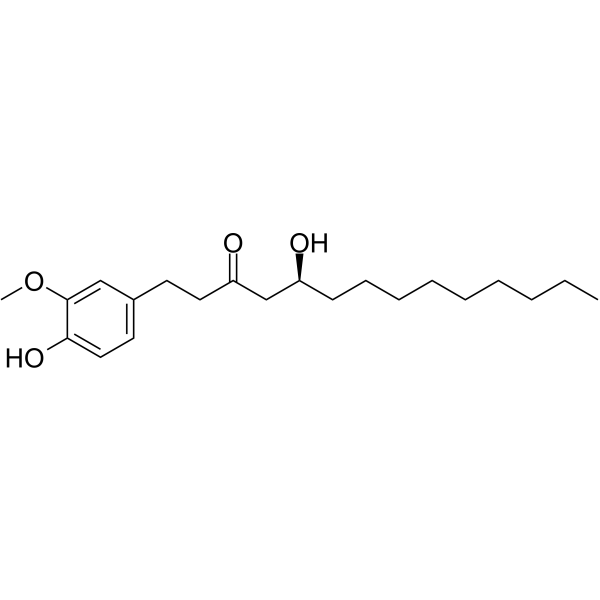
- HY-N0448R
-
|
|
Reference Standards
Others
|
Neurological Disease
Inflammation/Immunology
Cancer
|
|
10-Gingerol (Standard) is the analytical standard of 10-Gingerol (HY-N0448). This product is intended for research and analytical applications. 10-Gingerol is an AMPK agonist, which is found in the ginger oleoresin from fresh rhizome with anti-inflammatory, antioxidant and anti-proliferative activities. 10-Gingerol suppresses neointimal hyperplasia and inhibits vascular smooth muscle cell proliferation. 10-Gingerol exhibits substantial scavenging activities with an IC50 value of 10.47 μM against DPPH radical, an IC50 value of 1.68 μM against superoxide radical and an IC50 value of 1.35 μM against hydroxyl radical. 10-Gingerol inhibits the proliferation of MDA-MB-231 tumor cell line with an IC50 of 12.1 μM. 10-Gingerol suppresses the proliferation, migration, invasion, and induced apoptosis through targeting the PI3K/Akt signaling pathway in MDA-MB-231/IR cells. 10-Gingerol is promising for research of ulcerative colitis .
|
-

- HY-173044
-
|
|
5-HT Receptor
Dopamine Receptor
|
Neurological Disease
|
|
5-HT1AR/5-HT6R ligand-1 (Compound PP13) is the ligand for 5-HT receptor that exhibits good affinity to 5-HT1AR, 5-HT6R and 5-HT7R (Ki of 19, 69 and 198 nM, respectively), thereby inhibiting the cAMP production in HEK293 cell with EC50 of 1535, 488 and 53 nM, respectively. 5-HT1AR/5-HT6R ligand-1 exhibits anti-proliferative activity against a variety of cancer cells (IC50 for 1321N1, U87MG, MCF7, and AsPC-1 is 9.6, 13.6, 19.3 and 14.6 μM, respectively). 5-HT1AR/5-HT6R ligand-1 also exhibits antagonist activity for dopamine receptor D2R with Ki of 1903 nM .
|
-

- HY-182759
-
|
|
DNA Alkylator/Crosslinker
Topoisomerase
Caspase
Bcl-2 Family
Apoptosis
|
Cancer
|
|
MN33-47 is a multi-target anti-tumor compound with broad-spectrum anti-proliferative activity. MN33-47 relieves the inhibition of the mitochondrial apoptosis pathway by downregulating the anti-apoptotic protein Bcl-2, while activating caspase-3 and inhibiting Topoisomerase I activity, thereby promoting its degradation through the ubiquitin-proteasome and autophagy-lysosome pathways. MN33-47 can also induce DNA cross-linking and G2/M cell cycle arrest, inhibit cancer cell migration and activate the mitochondrial apoptosis pathway, thus exerting potent anti-tumor effects. MN33-47 can improve the water solubility of SN-38 (HY-13704), and exhibits dose-dependent tumor growth inhibition effects in CT26 tumor-bearing mouse models without obvious toxic and side effects. MN33-47 can be used in related studies on colorectal adenocarcinoma, cervical adenocarcinoma, hepatocellular carcinoma, alveolar basal epithelial adenocarcinoma, gastric cancer and colon cancer .
|
-

- HY-B0633D
-
|
|
CD44
Endogenous Metabolite
Bacterial
Akt
PI3K
|
Neurological Disease
Metabolic Disease
Inflammation/Immunology
Cancer
|
|
Hyaluronic acid sodium (MW 200-1560) is a biopolymer composed of repeating disaccharide units, with a molecular weight of 200-1560. Hyaluronic acid sodium is a major component of the extracellular matrix (ECM). It is synthesized on the plasma membrane. Hyaluronic acid sodium exerts its effects by binding to receptors CD44 and RHAMM. Hyaluronic acid sodium activates PI3K-Akt signaling. Hyaluronic acid sodium also enhances cell invasion and angiogenesis by promoting or stimulating the binding of proteolytic MMP-9 to the cell surface. Elevated hyaluronic acid levels are associated with tumor cell growth, adhesion, migration, invasion, and angiogenesis in digestive system cancers. Hyaluronic acid sodium is involved in tissue remodeling and rapid cell proliferation in several physiological processes, including embryonic morphogenesis and wound healing. Hyaluronic acid sodium can be used as a regulator of cancer-associated lymphangiogenesis. Hyaluronic acid sodium can be used as a drug delivery carrier for sodium butyrate, enhancing its anti-proliferative activity against breast cancer cell lines. Hyaluronic acid sodium can lubricate the corneal endothelium. Hyaluronic acid sodium can improve tissue hydration and enhance the resistance of cells to mechanical damage. Hyaluronic acid sodium has been conjugated with antibodies to ensure that the active compound continues to exert its effects at the site of inflammation. Hyaluronic acid sodium can be used in research in the fields of osteoarthritis, ophthalmology, cosmetic dermatology, oncology, and liver diseases .
|
-

- HY-B0633E
-
|
Hyaluronan, low endotoxin; Hyaluronate, low endotoxin
|
Endogenous Metabolite
CD44
Bacterial
Akt
PI3K
|
Neurological Disease
Metabolic Disease
Inflammation/Immunology
Cancer
|
|
Hyaluronic acid, low endotoxin (Hyaluronan, low endotoxin) is a biopolymer composed of repeating disaccharide units containing low levels of endotoxin. Hyaluronic acid is a major component of the extracellular matrix (ECM). It is synthesized on the plasma membrane. Hyaluronic acid exerts its effects by binding to receptors CD44 and RHAMM. Hyaluronic acid activates PI3K-Akt signaling. Hyaluronic acid also enhances cell invasion and angiogenesis by promoting or stimulating the binding of proteolytic MMP-9 to the cell surface. Elevated hyaluronic acid levels are associated with tumor cell growth, adhesion, migration, invasion, and angiogenesis in digestive system cancers. Hyaluronic acid is involved in tissue remodeling and rapid cell proliferation in several physiological processes, including embryonic morphogenesis and wound healing. Hyaluronic acid can be used as a regulator of cancer-associated lymphangiogenesis. Hyaluronic acid can be used as a drug delivery carrier for sodium butyrate, enhancing its anti-proliferative activity against breast cancer cell lines. Hyaluronic acid can lubricate the corneal endothelium. Hyaluronic acid can improve tissue hydration and enhance the resistance of cells to mechanical damage. Hyaluronic acid has been conjugated with antibodies to ensure that the active compound continues to exert its effects at the site of inflammation. Hyaluronic acid can be used in research in the fields of osteoarthritis, ophthalmology, cosmetic dermatology, oncology, and liver diseases .
|
-

| Cat. No. |
Product Name |
Type |
-
- HY-B0633A
-
|
Hyaluronan; Hyaluronate
|
Biochemical Assay Reagents
|
|
Hyaluronic acid is a biopolymer composed of repeating units of disaccharides with various applications. Hyaluronic acid is a major component of the extracellular matrix (ECM). Hyaluronic acid is synthesized at the plasma membrane. Increased hyaluronic acid levels are associated with tumor cell growth, adhesion, migration, invasion and angiogenesis in digestive cancers. Hyaluronic acid participates in tissue remodeling and rapid cell proliferation in some physiological processes including embryonic morphogenesis and wound-healing. Hyaluronic acid activates the PI3K-Akt signaling. Hyaluronic acid acts as a regulator of cancer-associated lymphangiogenesis. Hyaluronic acid also enhances cell invasion and angiogenesis by promoting proteolytic MMP-9 binding to cell surface or stimulating MMP-9 binding to cell surface. Hyaluronic acid can be used as drug delivery for sodium butyrate to improve the anti-proliferative activity on breast cancer cell line. Hyaluronic acid can be studied in joint diseases, wound healing and cancer .
|
-
- HY-B0633E
-
|
Hyaluronan, low endotoxin; Hyaluronate, low endotoxin
|
Biochemical Assay Reagents
|
|
Hyaluronic acid, low endotoxin (Hyaluronan, low endotoxin) is a biopolymer composed of repeating disaccharide units containing low levels of endotoxin. Hyaluronic acid is a major component of the extracellular matrix (ECM). It is synthesized on the plasma membrane. Hyaluronic acid exerts its effects by binding to receptors CD44 and RHAMM. Hyaluronic acid activates PI3K-Akt signaling. Hyaluronic acid also enhances cell invasion and angiogenesis by promoting or stimulating the binding of proteolytic MMP-9 to the cell surface. Elevated hyaluronic acid levels are associated with tumor cell growth, adhesion, migration, invasion, and angiogenesis in digestive system cancers. Hyaluronic acid is involved in tissue remodeling and rapid cell proliferation in several physiological processes, including embryonic morphogenesis and wound healing. Hyaluronic acid can be used as a regulator of cancer-associated lymphangiogenesis. Hyaluronic acid can be used as a drug delivery carrier for sodium butyrate, enhancing its anti-proliferative activity against breast cancer cell lines. Hyaluronic acid can lubricate the corneal endothelium. Hyaluronic acid can improve tissue hydration and enhance the resistance of cells to mechanical damage. Hyaluronic acid has been conjugated with antibodies to ensure that the active compound continues to exert its effects at the site of inflammation. Hyaluronic acid can be used in research in the fields of osteoarthritis, ophthalmology, cosmetic dermatology, oncology, and liver diseases .
|
| Cat. No. |
Product Name |
Target |
Research Area |
-
- HY-163001
-
|
|
Autophagy
p62
Atg8/LC3
|
Cancer
|
|
Microcolin H is a marine lipopeptide and phosphatidylinositol transfer protein ligand that targets PITPα/β. Microcolin H increases the conversion of LC3I to LC3II and reduces p62 levels in cancer cells, leading to autophagy cell death (Autophagy). Microcolin H effectively inhibits tumor development and has anti-proliferative activity in nude mouse subcutaneous tumor models .
|
-
- HY-P10635
-
|
|
Biochemical Assay Reagents
|
Inflammation/Immunology
|
|
TKD (450-463) is a 14-mer peptide (TKDNNLLGRFELSG). TKD (450-463) is able to stimulate the cytolytic and proliferative activity of NK cells at concentrations equivalent to full-length Hsp70 protein .
|
-
- HY-P11340
-
|
|
MHC
|
Infection
Inflammation/Immunology
|
|
VMAPRTLFL is a 9-mer peptide derived from the signal peptide of HLA-G and can serve as a peptide ligand for HLA-E. VMAPRTLFL plays a crucial role in regulating the functions of adaptive natural killer (NK) cells. Specifically, VMAPRTLFL enriches FcεRγ - adaptive NK cells, upregulates the expression of CD25, and enhances their proliferative activity, antibody-dependent cellular cytotoxicity (ADCC), and IFN-γ release. VMAPRTLFL can be used in research related to human cytomegalovirus (HCMV) infection, transplant rejection, and pregnancy immunity .
|
-
- HY-P3817
-
|
|
Peptides
|
Neurological Disease
|
|
Des-[Gly77,His78] Myelin Basic Protein (68-84) is a 68-84 sequence fragment of guinea pig myelin basic protein (GPMBP). Des-[Gly77,His78] Myelin Basic Protein (68-84) regulates functionally diverse encephalitogenic and proliferative activities of experimental autoimmune encephalomyelitis (EAE)-associated T cells .
|
| Cat. No. |
Product Name |
Target |
Research Area |
Image |
-
- HY-P99744
-
|
TAK-573
|
CD38
|
Inflammation/Immunology
Cancer
|
|
Modakafusp alfa (TAK-573) is a humanized, anti-CD38 IgG4 monoclonal antibody fused to 2 attenuated IFNα2b molecules, which delivers interferon-alpha to CD38-expressing cells. Modakafusp alfa has direct anti-proliferative activity on multiple myeloma (MM) cancer cells in vitro and induces robust and durable antitumor responses in MM xenograft tumor models. Modakafusp alfa in combination with anti-PD-1 antibodies induces immunomodulation and antitumor responses with good tolerance in mice .
|
-

(5)
-
- HY-P99218
-
|
Sch 717454; 19D12
|
IGF-1R
|
Cancer
|
|
Robatumumab (Sch 717454) is an anti-human IGF-1R (insulin-like growth factor receptor-1) antibody. Robatumumab shows anti-tumor activity and anti-proliferative activity to cancer cells. Robatumumab can be used in osteosarcoma and Ewing sarcoma research .
|
-
(5)
-
- HY-P991571
-
|
GC-1118A
|
EGFR
PERK
Akt
|
Cancer
|
|
GC1118 (GC-1118A) is a fully human anti-EGFR monoclonal antibody with binding affinity of 0.16 nM (KD) to EGFR. GC1118 displays potent inhibitory effects on high- and low-affinity EGFR ligand-induced signaling. GC1118 shows potent anti proliferative activity in KRAS wild-type and KRAS mutant cells. GC1118 can reach the tumor by crossing both BBB (blood-brain barrier) and BTB (brain-tumor barrier) and shows superior anti-tumor effects in various mice xenograft models. GC1118 can be used for the researches of cancer, such as colorectal cancer .
|
-
(5)
-
- HY-P991638
-
|
|
TNF Receptor
|
Cancer
|
|
XmAb-2513 is a humanized monoclonal antibody inhibitor targeting CD30. XmAb-2513 has significant anti-proliferative activity and superior antibody-dependent cell-mediated cytotoxicity (ADCC) as well as antibody-dependent cell-mediated phagocytosis (ADCP). XmAb-2513 can be used for hematologic malignancies like Hodgkin Lymphoma (HL) and Anaplastic Large Cell Lymphoma (ALCL) research .
|
-
(5)
-
- HY-P991243
-
|
|
EGFR
Akt
|
Cancer
|
|
MP-RM-1 is an antibody-based, non-competitive ErbB-3 inhibitor with a Kd value of 32.7 nM. MP-RM-1 inhibits both ligand-dependent and ligand-independent ErbB-3 activation, blocks ErbB-2/ErbB-3 heterodimerization, induces ErbB-3 internalization and degradation, and suppresses the phosphorylation of downstream Akt. MP-RM-1 exerts its antagonistic effect through a non-competitive mechanism. MP-RM-1 inhibits tumor growth in melanoma and prostate cancer xenograft models in nude mice and reduces the proliferative activity of tumor cells .
|
-
(5)
-
- HY-P991270
-
|
|
Interleukin Related
|
Inflammation/Immunology
|
|
MT204 is a humanized IgG1 antibody inhibitor targeting IL-2 of human and rhesus monkey origin. MT204 prevents soluble IL-2 from binding to intermediate-affinity IL-2 receptors and blocks CD25-bound IL-2 on high-affinity IL-2 receptors. MT204 has potently anti-proliferative activity with NKL cells and primary NK cells. MT204 has good tolerability and potent immunosuppressive activity in allogeneic skin graft model of rhesus monkey, promising for immunosuppressive and anti-proliferative therapy .
|
-
(5)
| Cat. No. |
Product Name |
Category |
Target |
Chemical Structure |
-
- HY-B0633A
-
-
-
- HY-B0633
-
|
Sodium hyaluronate
|
Structural Classification
Microorganisms
Animals
Classification of Application Fields
Cosmetic Research
Disease Research Fields
Saccharides
Source Classification
Cancer
|
Endogenous Metabolite
Bacterial
PI3K
Akt
|
|
Hyaluronic acid sodium (Sodium hyaluronate) is a biopolymer composed of repeating units of disaccharides with various applications. Hyaluronic acid sodium is a major component of the extracellular matrix (ECM). Hyaluronic acid sodium is synthesized at the plasma membrane. Increased hyaluronic acid sodium levels are associated with tumor cell growth, adhesion, migration, invasion and angiogenesis in digestive cancers. Hyaluronic acid sodium participates in tissue remodeling and rapid cell proliferation in some physiological processes including embryonic morphogenesis and wound-healing. Hyaluronic acid sodium activates the PI3K-Akt signaling. Hyaluronic acid sodium acts as a regulator of cancer-associated lymphangiogenesis. Hyaluronic acid sodium also enhances cell invasion and angiogenesis by promoting proteolytic MMP-9 binding to cell surface or stimulating MMP-9 binding to cell surface. Hyaluronic acid sodium can be used as drug delivery for sodium butyrate to improve the anti-proliferative activity on breast cancer cell line. Hyaluronic acid sodium can be studied in joint diseases, wound healing and cancer .
|
-
-
- HY-W013032
-
-
-
- HY-13065
-
-
-
- HY-A0143
-
-
-
- HY-N2959
-
-
-
- HY-N0448
-
-
-
- HY-112356
-
-
-
- HY-N7085
-
-
-
- HY-N3845
-
-
-
- HY-N2198
-
-
-
- HY-B1394
-
-
-
- HY-N12503
-
-
-
- HY-W005130
-
|
|
Monophenols
Animals
Phenols
|
NF-κB
|
|
2,4,6-Trihydroxybenzaldehyde is an orally active NF- B inhibitor. 2,4,6-Trihydroxybenzaldehyde shows anti-tumor activity, anti-cancer cell proliferative activity and anti-obesity activity .
|
-
-
- HY-163001
-
|
|
Microorganisms
Source Classification
|
Autophagy
p62
Atg8/LC3
|
|
Microcolin H is a marine lipopeptide and phosphatidylinositol transfer protein ligand that targets PITPα/β. Microcolin H increases the conversion of LC3I to LC3II and reduces p62 levels in cancer cells, leading to autophagy cell death (Autophagy). Microcolin H effectively inhibits tumor development and has anti-proliferative activity in nude mouse subcutaneous tumor models .
|
-
-
- HY-N0181A
-
-
-
- HY-A0143A
-
|
DGLA sodium; all-cis-8,11,14-Eicosatrienoic acid sodium
|
Microorganisms
Ketones, Aldehydes, Acids
Source Classification
|
Endogenous Metabolite
|
|
Dihomo-γ-linolenic acid (DGLA; all-cis-8,11,14-Eicosatrienoic acid) sodium is a 20-carbon ω-6 fatty acid, with anti-inflammatory and anti-proliferative activities. Dihomo-γ-linolenic acid (sodium) attenuates atherosclerosis in the apolipoprotein E deficient mouse model system .
|
-
-
- HY-139054
-
|
|
Flavonoids
Flavones
Endogenous metabolite
Source Classification
|
Apoptosis
|
|
4'-Methoxyflavone is a flavonoid with antioxidant properties and anti-proliferative activity against cancer cells. 4'-Methoxyflavone can inhibit cycle-dependent kinases leading to cell cycle arrest and regulate cell signaling pathways to influence cell proliferation and apoptosis. 4'-Methoxyflavone can be used in cancer chemoprevention research .
|
-
-
- HY-N7085R
-
-
-
- HY-N8239
-
-
-
- HY-126423
-
-
-
- HY-N6797
-
-
-
- HY-N15314
-
|
|
Microorganisms
Ketones, Aldehydes, Acids
Source Classification
|
MDM-2/p53
Akt
Apoptosis
|
|
Syringolin A is a plant elicitor that can be produced by the plant pathogen Pseudomonas syringae pv. syringae. Syringolin A exhibits anti-proliferative activity against a variety of cancer cells (IC50 for SK-N-SH, LAN-1, SKOV3 is 20-25 µM), induces apoptosis in SK-N-SH through upregulation of p53 expression and downregulation of Akt/PKB proteins .
|
-
-
- HY-Z12208
-
|
|
Structural Classification
Microorganisms
Terpenoids
Diterpenoids
Source Classification
|
Drug Derivative
|
|
N1-Phenylsuberamide is an organic amide compound, and its structure can be regarded as a simplified analogue of Vorinostat (HY-10221). N1-Phenylsuberamide exhibits moderate anti-proliferative activity against MDA-MB-231 and MCF-7 cells. N1-Phenylsuberamide does not show significant HDAC inhibitory activity and can only weakly induce the expression of the p21 gene. N1-Phenylsuberamide has extremely low relative binding affinity of estrogen receptor. N1-Phenylsuberamide can be used as a control compound .
|
-
-
- HY-N8477
-
-
-
- HY-N10699
-
-
-
- HY-N7640
-
-
-
- HY-N8519
-
-
-
- HY-N0448R
-
|
|
Zingiber officinale Roscoe
Structural Classification
Natural Products
Monophenols
Phenols
Plants
Source Classification
Zingiberaceae
|
Reference Standards
Others
|
|
10-Gingerol (Standard) is the analytical standard of 10-Gingerol (HY-N0448). This product is intended for research and analytical applications. 10-Gingerol is an AMPK agonist, which is found in the ginger oleoresin from fresh rhizome with anti-inflammatory, antioxidant and anti-proliferative activities. 10-Gingerol suppresses neointimal hyperplasia and inhibits vascular smooth muscle cell proliferation. 10-Gingerol exhibits substantial scavenging activities with an IC50 value of 10.47 μM against DPPH radical, an IC50 value of 1.68 μM against superoxide radical and an IC50 value of 1.35 μM against hydroxyl radical. 10-Gingerol inhibits the proliferation of MDA-MB-231 tumor cell line with an IC50 of 12.1 μM. 10-Gingerol suppresses the proliferation, migration, invasion, and induced apoptosis through targeting the PI3K/Akt signaling pathway in MDA-MB-231/IR cells. 10-Gingerol is promising for research of ulcerative colitis .
|
-
-
- HY-N3355
-
-
-
- HY-N3527
-
-
-
- HY-N3428
-
-
-
- HY-N10670
-
-
-
- HY-N10392
-
-
-
- HY-N16671
-
|
Bufogenin B; Deacetylbufotalin
|
Structural Classification
Animals
Animal Venoms
Steroids
Source Classification
|
Others
|
|
Desacetylbufotalin (Bufogenin B; Deacetylbufotalin) is a bufadienolide found in Chinese drug "Chan'Su". Desacetylbufotalin shows strong anti-proliferative activity on the of Hela cells (IC50 = 0.01 μM). Desacetylbufotalin can be used for the research of cancer, such as cervical cancer .
|
-
-
- HY-W013032R
-
|
Oxamidic acid (Standard)
|
Microorganisms
Source Classification
|
Reference Standards
Lactate Dehydrogenase
Apoptosis
|
|
Oxamic acid (Standard) is the analytical standard of Oxamic acid. This product is intended for research and analytical applications. Oxamic acid is a lactate dehydrogenase-A (LDH-A) inhibitor. Oxamic acid shows anti-tumor activity, and anti-proliferative activity against cancer cells, and can induce apoptosis[1][2][3].
|
-
-
- HY-N3451
-
-
-
- HY-120607
-
-
-
- HY-N3523
-
-
-
- HY-B1394R
-
-
-
- HY-N2959R
-
-
-
- HY-N12106
-
|
Fumicycline
|
Microorganisms
Phenols
Polyphenols
Source Classification
|
Endogenous Metabolite
Fungal
|
|
Neosartoricin (Fumicycline) (Compound 3), a prenylated anthracenone, is a microbial secondary metabolite. Neosartoricin can be isolated from Aspergillus fumigatus and Neosartorya fischeri. Neosartoricin has immunosuppressive activity, and significantly inhibits T-cell proliferative activity with an IC50 of 3 μM. Neosartoricin may be beneficial to fungal defense, facilitating infection through suppressing the host adaptive immunity without involvement of primary virulence .
|
-
-
- HY-N15424
-
|
|
Cedrus deodara (Roxburgh) G. Don
Pinaceae
Terpenoids
Sesquiterpenes
Plants
Source Classification
|
Apoptosis
Bcl-2 Family
|
|
Himachalol, a sesquiterpene, is an orally active antispasmodic and anticancer constituent found in the wood of Cedrus deodara. Himachalol has anti-proliferative activity against the melanoma cells, and induces apoptosis (decreases Bcl-2 level and increases Bax level). Himachalol has systemic hypotension and peripheral vasodilation effect. Himachalol inhibits Carbachol-induced spasm of the intestine. The LD50 of Himachalol in mice is 265 mg/kg (p.o.) and 247 mg/kg (i.p.) .
|
-
-
- HY-N12253
-
-
-
- HY-13065R
-
-
-
- HY-W005130R
-
-
-
- HY-N14773
-
|
|
Quinones
Microorganisms
Naphthalene Quinones
Source Classification
|
Ser/Thr Protease
|
|
Laccaridione B can inhibit the activity of antiserine protease. Laccaridione B inhibits trypsin, papain, thermophilic protease, collagenase and zinc protease with IC50s of 10.9 μg/mL, 5.1 μg/mL, 8.4 μg/mL, 5.7 μg/mL and 3.0 μg/mL, respectively. Laccaridione B also has a strong anti-proliferative activity against L-929, K-562 and HeLa cells with IC50s of 2.4 μg/mL, 1.8 μg/mL and 13.9 μg/mL, respectively .
|
-
| Cat. No. |
Product Name |
Chemical Structure |
-
- HY-A0143S
-
|
|
|
Dihomo-γ-linolenic acid-d6 (DGLA-d6) is the deuterium labeled Dihomo-γ-linolenic acid. Dihomo-γ-linolenic acid (all-cis-8,11,14-Eicosatrienoic acid) is a 20-carbon ω-6 fatty acid, with anti-inflammatory and anti-proliferative activities. Dihomo-γ-linolenic acid attenuates atherosclerosis in the apolipoprotein E deficient mouse model system .
|
-
-
- HY-W654305
-
|
|
|
Palbociclib-d4 is deuterium labeled Palbociclib. Palbociclib (PD 0332991) is an orally active selective CDK4 and CDK6 inhibitor with IC50 values of 11 and 16 nM, respectively. Palbociclib has potent anti-proliferative activity and induces cell cycle arrest in cancer cells, which can be used in the research of HR-positive and HER2-negative breast cancer and hepatocellular carcinoma .
|
-
-
- HY-17037S1
-
|
|
|
Pirenzepine-d8 (LS 519-d8; Pirenzepin-d8) dihydrochloride is a deuterium labeled Pirenzepine (dihydrochloride) (HY-17037). Pirenzepine (LS 519) dihydrochloride is a selective M1 mAChR (muscarinic acetylcholine receptor) antagonist. Pirenzepine dihydrochloride reduces gastric acid secretion and reduces muscle spasm, can be used in peptic ulcers research. Pirenzepine dihydrochloride shows anti-proliferative activity to cancer cells .
|
-
-
- HY-B0356S2
-
|
|
|
Ciprofloxacin-d4 (Bay-09867-d4) is deuterium labeled Ciprofloxacin. Ciprofloxacin (Bay-09867) is a potent, orally active topoisomerase IV inhibitor. Ciprofloxacin induces mitochondrial DNA and nuclear DNA damage and lead to mitochondrial dysfunction, ROS production. Ciprofloxacin has anti-proliferative activity and induces apoptosis. Ciprofloxacin is a fluoroquinolone antibiotic, exhibiting potent antibacterial activity .
|
-
-
- HY-17037AS
-
|
|
|
Pirenzepine-d11 (LS 519 (free base)-d11; Pirenzepin-d11; Gastrozepin-d11) is the deuterium labeled Pirenzepine (HY-17037A). Pirenzepine (LS 519 free base) is a selective M1 mAChR (muscarinic acetylcholine receptor) antagonist. Pirenzepine reduces gastric acid secretion and reduces muscle spasm, can be used in peptic ulcers research. Pirenzepine shows anti-proliferative activity to cancer cells .
|
-
-
- HY-148185S
-
|
|
|
T01-1-d5 (KL610023-d5) is the deuterium labeled T01-1 (HY-148185). T01-1 is an anticancer agent (camptothecin derivative) with good anti-proliferative activity.
|
-
| Cat. No. |
Product Name |
|
Classification |
-
- HY-178962
-
|
|
|
Alkynes
|
|
Antitumor agent-207 (compound 10K) is a Pt(IV)-NO prodrug with high lipid solubility, good stability, and excellent tumor targeted release ability. Antitumor agent-207 has significant anti proliferative activity in various cells such as TE-1 (IC50 = 1.79 μM), TE-10 (IC50 = 1.95 μM), KYSE-30 IC50 = 5.99 μM), KYSE-520 (IC50 = 5.53 μM) cells. Antitumor agent-207 can significantly enhance intracellular Pt accumulation and DNA platformization levels, and effectively release NO. Antitumor agent-207 can be used for research on cancers such as esophageal cancer .
|
-
- HY-159519
-
|
|
|
Azide
|
|
EGFR/HER2-IN-16 (compound 12K) is an effective dual-target inhibitor of EGFR (IC50=6.15 nM) and HER-2 (IC50=9.78 nM) with anti-tumor activity. EGFR/HER2-IN-16 can inhibit the migration of SK-BR-3 cells, arrest the cell cycle in the G0/G1 phase, and induce apoptosis. EGFR/HER2-IN-16 exhibits good anti-proliferative activity against tumor cell models and has little damage to healthy cells. EGFR/HER2-IN-16 can be used in breast cancer research .
|
-
- HY-180920
-
|
|
|
Alkynes
|
|
KRAS G12D-IN-36 (Compound 53a) is a highly selective and orally active KRAS-G12D inhibitor with an IC50 of 1.63 nM. KRAS G12D-IN-36 effectively inhibits p-ERK with an IC50 of 8.4 nM. KRAS G12D-IN-36 shows potent anti-proliferative activity against AsPC-1 cells. KRAS G12D-IN-36 can be used for research on pancreatic cancer .
|
| Cat. No. |
Product Name |
|
Classification |
-
- HY-B0633A
-
|
Hyaluronan; Hyaluronate
|
|
Polymers
|
|
Hyaluronic acid is a biopolymer composed of repeating units of disaccharides with various applications. Hyaluronic acid is a major component of the extracellular matrix (ECM). Hyaluronic acid is synthesized at the plasma membrane. Increased hyaluronic acid levels are associated with tumor cell growth, adhesion, migration, invasion and angiogenesis in digestive cancers. Hyaluronic acid participates in tissue remodeling and rapid cell proliferation in some physiological processes including embryonic morphogenesis and wound-healing. Hyaluronic acid activates the PI3K-Akt signaling. Hyaluronic acid acts as a regulator of cancer-associated lymphangiogenesis. Hyaluronic acid also enhances cell invasion and angiogenesis by promoting proteolytic MMP-9 binding to cell surface or stimulating MMP-9 binding to cell surface. Hyaluronic acid can be used as drug delivery for sodium butyrate to improve the anti-proliferative activity on breast cancer cell line. Hyaluronic acid can be studied in joint diseases, wound healing and cancer .
|
Your information is safe with us. * Required Fields.
Inquiry Information
- Product Name:
- Cat. No.:
- Quantity:
- MCE Japan Authorized Agent:





![Chloro(triphenylphosphine) [2-(2'-amino-1,1'-biphenyl)]palladium(II)](http://file.medchemexpress.com/product_pic/hy-w583350.gif)





