Search Result
Results for "
proteasome-dependent
" in MedChemExpress (MCE) Product Catalog:
| Cat. No. |
Product Name |
Target |
Research Areas |
Chemical Structure |
-
- HY-159607
-
|
|
PROTACs
SWI/SNF Complex
|
Cancer
|
|
PRT3789 is a selective SMARCA2 PROTAC degrader (DC50 in HeLa cell: 0.72 nM for SMARCA2, 14 nM for SMARCA4). PRT3789 forms a stable ternary complex with Von Hippel-Lindau (VHL) E3 ligase, induces polyubiquitination at SMARCA2-specific lysine residues, and drives proteasome-dependent SMARCA2 degradation. PRT3789 disrupts SWI/SNF chromatin remodeling complex integrity, induces dissociation of specific subunits, suppresses oncogenic gene expression, reduces chromatin accessibility, and upregulates antigen processing/presentation-related gene expression. PRT3789 induces synthetic lethality, inhibits proliferation and colony formation, and drives tumor growth inhibition and regression in SMARCA4-deficient contexts. PRT3789 can be used for the research of SMARCA4-mutated solid tumors, non-small cell lung cancer, endometrial cancer, colorectal cancer, bladder cancer, esophageal cancer, ovarian cancer, and gastric cancer .
|
-

-
- HY-175759
-
|
|
Molecular Glues
IFNAR
|
Inflammation/Immunology
|
|
EN1033 is a covalent immune regulatory transcription factor 5/8 (IRF5/8) molecular glue degrader. EN1033 degrades IRF5 in a proteasome-dependent manner. EN1033 engages and degrades IRF8 more robustly and rapidly. EN1033 covalently targets C28 and C223 to destabilize and degrade IRF5 and IRF8 respectively, thereby inhibiting their pro-inflammatory transcriptional activity. EN1033 serves as a promising tool for the study of autoimmune and inflammatory disorders .
|
-

-
- HY-168162
-
|
|
PROTACs
CDK
|
Cancer
|
|
ZLC491 is an orally active PROTAC degrader that selectively targets CDK12/CDK13 and exhibits certain oral bioavailability. ZLC491 induces cereblon- and proteasome-dependent selective degradation of CDK12 and CDK13. ZLC491 inhibits the transcription and expression of long genes, and mainly acts on a subset of DNA damage response genes. ZLC491 inhibits the proliferation of various triple-negative breast cancer cells. ZLC491 can be used in research related to triple-negative breast cancer .
|
-

-
- HY-174864
-
|
|
PROTACs
NF-κB
Apoptosis
|
Cancer
|
|
JP-163-16 is a RelA/p65 PROTAC degrader. JP-163-16 selectively reduces the expression of RelA/p65 in a proteasome-dependent manner in cells. JP-163-16 can induce cell apoptosis by inhibiting the NF-κB signaling pathway. JP-163-16 can be used for research on RelA/p65-dependent tumours, such as chronic lymphocytic leukaemia (CLL). (Pink: RelA/p65 Ligand (HY-174865); Blue: CRBN Ligand (HY-A0003); Black: Linker; CRBN Ligand+Linker (HY-160241)) .
|
-

-
- HY-159099
-
|
|
Molecular Glues
Histone Acetyltransferase
|
Cardiovascular Disease
|
|
WIZ degrader 9 is an orally active molecular glue degrader of the WIZ transcription factor. As a molecular glue, WIZ degrader 9 recruits WIZ to the cereblon E3 ubiquitin ligase complex via its ZF7 domain, driving proteasome-dependent degradation of WIZ. WIZ degrader 9 induces hemoglobin production, reduces the level of H3K9 dimethylation across the whole genome and at the β-globin locus, upregulates the transcription of γ-globin and BGLT3, and increases the level of histone H3K9 acetylation in the promoter region of HBG1/2. WIZ degrader 9 effectively induces fetal hemoglobin production in both mice and cynomolgus monkeys. WIZ degrader 9 can be used for research on sickle cell disease .
|
-

-
- HY-145162
-
|
|
PROTACs
SHP2
Phosphatase
|
Cancer
|
|
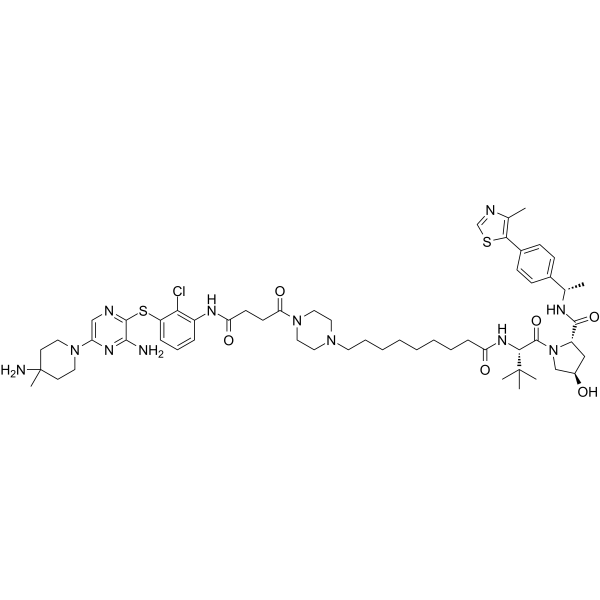
SHP2-D26 is a first, potent and effective SHP2 PROTAC degrader. SHP2-D26 induces SHP2 degradation requires binding to VHL-1 and SHP2 proteins. SHP2-D26 is also neddylation- and proteasome-dependent. SHP2-D26 can be used for the study of esophageal cancer and acute myeloid leukemia (Pink: SHP2 ligand (HY-176797); Blue: VHL ligand (HY-150803); Black: linker) .
|
-
-
- HY-49444
-
|
|
NF-κB
Molecular Glues
E1/E2/E3 Enzyme
|
Cancer
|
|
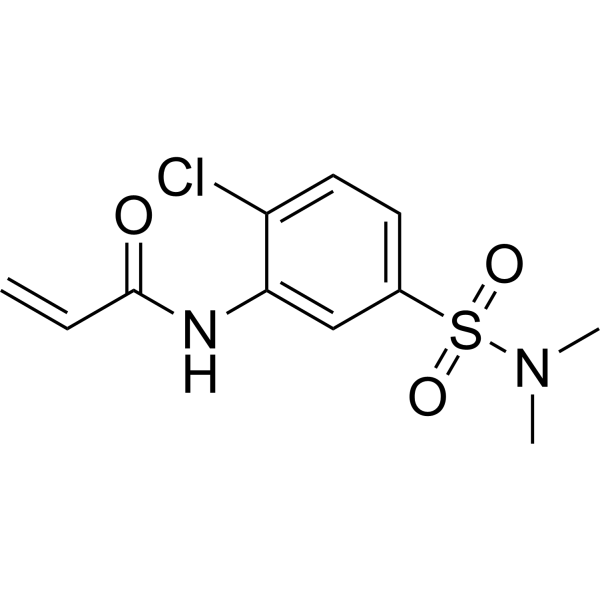
EN450 is a cysteine-reactive covalent molecular glue degrader targeting NF-κB. EN450 interacts with allosteric C111 in the E2 ubiquitin ligase UBE2D. EN450 induces the ternary complex formation between UBE2D and NFKB1. EN450 exerts its anti-proliferative effects through a Cullin E3 ligase and proteasome-dependent mechanism .
|
-
-
- HY-138669
-
|
|
PROTACs
Tau Protein
|
Neurological Disease
|
|
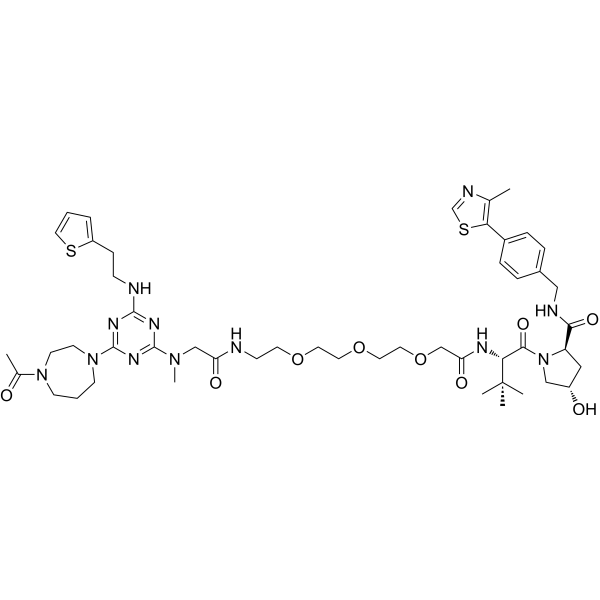
C004019 is a BBB-penetrable and small-molecule PROTAC that targets tau. C004019 can simultaneously recruit tau and E3 ligase, and effectively clear tau proteins by promoting the ubiquitination and proteasome-dependent degradation of tau, thereby improving synaptic and cognitive functions in Alzheimer's disease (AD) mice. C004019 can be used in the research of AD and tau protein-related diseases. (Pink: Ligand for target protein (HY-138679); Black: linker (HY-140189); Blue: E3 Ligase Ligand (HY-138678))
|
-
-
- HY-149760
-
|
|
PROTACs
Phosphatase
IFNAR
STAT
|
Cancer
|
|
PVD-06 is a selective PROTAC PTPN2 degrader with a DC50 of 217 nM (selectivity index >60-fold over PTP1B). PVD-06 induces PTPN2 degradation via a VHL-, ubiquitin, and proteasome-dependent pathway. PVD-06 can promote T cell activation and amplify IFN-γ-mediated anticancer activity. PVD-06 can be used to further investigate PTPN2 in diseases such as leukemia and melanoma . (Pink: PTPN2 ligand (HY-168691), Black: linker (HY-B0236), Blue: VHL ligand (HY-112078)).
|
-
-
- HY-159098
-
|
|
Molecular Glues
PROTACs
Histone Acetyltransferase
|
Cardiovascular Disease
|
|
dWIZ-1 is an orally active molecular glue and chemical probe targeting the WIZ transcription factor, which based on an IMiD backbone, binding to human WIZ with an affinity of 3.5 μM. dWIZ-1 recruits WIZ to the cereblon-DDB1 complex via its ZF7 domain, thereby triggering proteasome-dependent degradation of WIZ. dWIZ-1 significantly induces fetal hemoglobin expression in erythroblasts while reducing the level of inhibitory H3K9 dimethylation at WIZ binding sites such as the β-globin locus. Meanwhile, dWIZ-1 does not affect the proliferation and differentiation of erythroblasts, and no cytotoxicity is observed in in vitro cells or cynomolgus monkey models. dWIZ-1 serves as a critical tool molecule for investigating the mechanism and underlying pathways of sickle cell disease .
|
-

-
- HY-157251
-
|
|
Histone Methyltransferase
|
Cancer
|
|
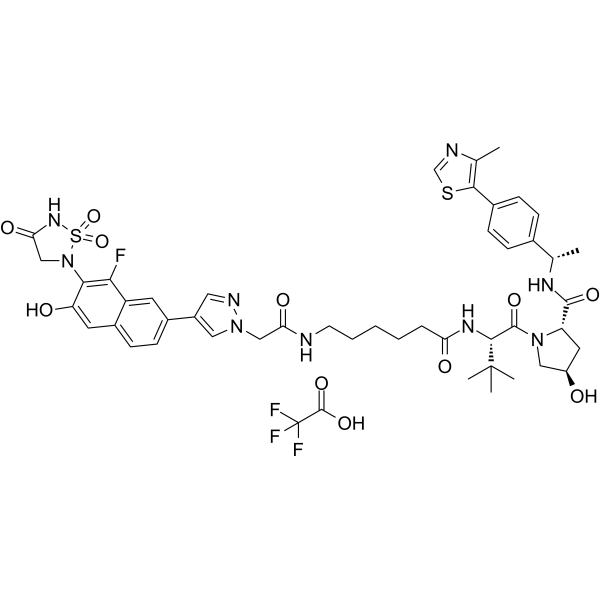
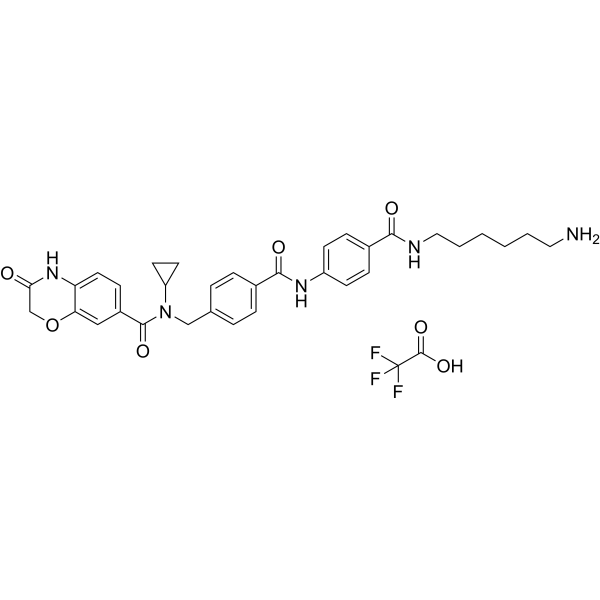
UNC8153 TFA is a potent and selective nuclear receptor-binding SET domain-containing 2 (NSD2)-targeted degrader with a Kd of 24 nM. UNC8153 TFA reduces the cellular levels of both NSD2 protein (DC50 in cell U2OS is 0.35 μM) and the H3K36me2 chromatin mark. UNC8153 TFA contains a simple warhead that confers proteasome-dependent degradation of NSD2 .
|
-
-
- HY-161719
-
NF764
1 Publications Verification
|
β-catenin
|
Cancer
|
|
NF764 is a potent β-catenin (CTNNB1) degrader. NF764 reduces CTNNB1 protein levels in a proteasome-dependent manner. NF764 can be used in the study of cancer .
|
-

-
- HY-W039233
-
|
|
Ligands for E3 Ligase
|
Cancer
|
|
Lenalidomide-F is a E3 ligase ligand for LWY713. LWY713 is a PROTAC-class FLT3 degrader (DC50 = 0.64 nM), which selectively induces FLT3 degradation via cereblon and proteasome-dependent pathways .
|
-

-
- HY-161574
-
|
|
PROTACs
Histone Methyltransferase
|
Cancer
|
|
LLC0424 is a potent and selective cereblon-based PROTAC nuclear receptor-binding SET domain-containing 2 (NSD2) degrader. LLC0424 effectively degraded NSD2 with a DC50 of 20 nM in RPMI-8402 cells. LLC0424 selectively induces NSD2 degradation in a cereblon- and proteasome-dependent fashion. (Blue: CRBN ligand (HY-14658), Black: linker (HY-40002); Pink: NSD2 inhibitor (HY-161575)) .
|
-

-
- HY-153793
-
|
DGKζ-IN-1
|
DGK
IFNAR
Interleukin Related
ERK
|
Cancer
|
|
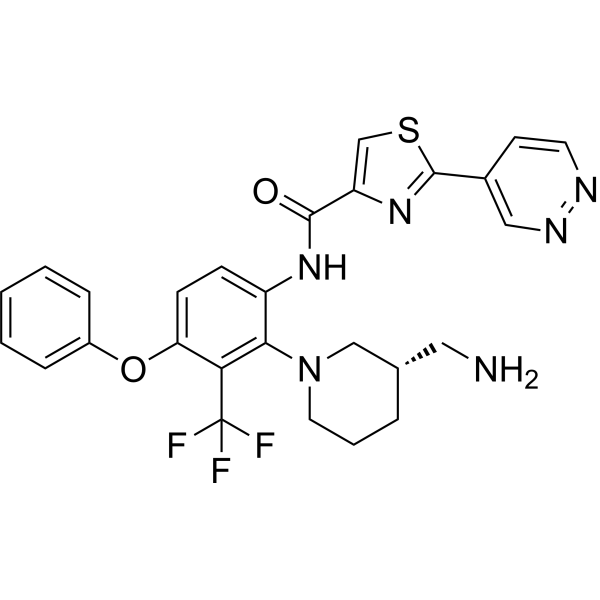
Alcudacigib (ASP1570; DGKζ-IN-1) is an orally active diacylglycerol kinase ζ (DGKζ) inhibitor, with an IC50 of 4.7 nM against human DGKζ and an IC50 of 3.0 nM against mouse DGKζ. Alcudacigib selectively inhibits the kinase activity of DGKζ and induces proteasome-dependent degradation of DGKζ protein. Alcudacigib enhances the anti-tumor functions of T cells and NK cells. Alcudacigib can be used for the research of advanced/metastatic solid tumors .
|
-
-
- HY-159779
-
|
|
PROTACs
Nuclear Hormone Receptor 4A/NR4A
|
Inflammation/Immunology
Cancer
|
|
NR-V04 is a selective NR4A1 PROTAC degrader. NR-V04 forms a ternary complex with NR4A1 and the VHL E3 ligase, mediates proteasome-dependent degradation of NR4A1. NR-V04 induces tumor-infiltrating B cells and effector memory CD8 + T cells and reduces monocytic myeloid-derived suppressor cells in tumor microenvironments. NR-V04 can be used for the research of melanoma and colon cancer .
|
-

-
- HY-122822
-
|
|
PROTACs
Histone Acetyltransferase
Interleukin Related
CXCR
TNF Receptor
CD28
|
Inflammation/Immunology
Cancer
|
|
GSK699 is a KAT2A/B/PCAF/GCN5 PROTAC degrader . GSK699 induces proteasome-dependent degradation of KAT2A, KAT2B, PCAF and GCN5, regulates the histone acetyltransferase activity of the SAGA complex, and reduces the level of histone H3K9ac. GSK699 inhibits the growth of neuroblastoma, acute myeloid leukemia and small cell lung cancer cells. GSK699 reduces the production of inflammatory cytokines and chemokines, and impairs LPS-stimulated immune cell responses. GSK699 is applicable to research related to acute myeloid leukemia, small cell lung cancer, neuroblastoma and inflammatory diseases .
|
-

-
- HY-149508
-
|
|
Keap1-Nrf2
Reactive Oxygen Species (ROS)
|
Cancer
|
|
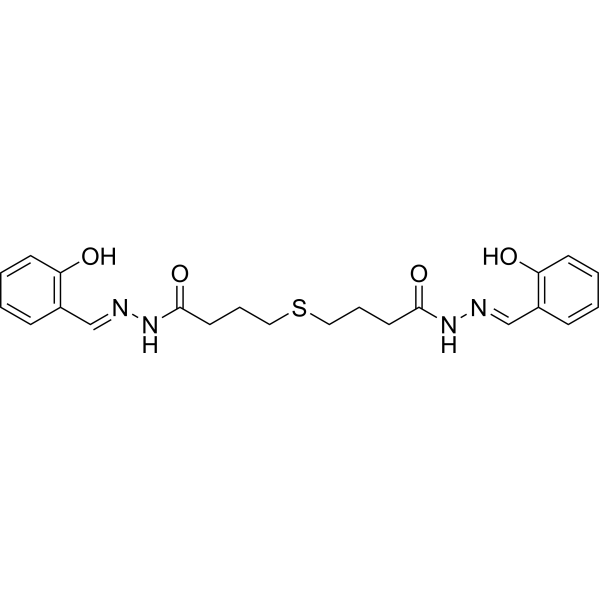
Nrf2-IN-3 (Compound R16) is a small-molecule NRF2 inhibitor and increases reactive oxygen species (ROS) production. Nrf2-IN-3 selectively binds KEAP1 mutants and restores their NRF2-inhibitory function by repairing the disrupted KEAP1/NRF2 interactions, leading to proteasome-dependent NRF2 degradation in cells. Nrf2-IN-3 sensitizes KEAP1-mutated tumor cells to Cisplatin (HY-17394), Gefitinib (HY-50895), and KEAP1 G333C-mutated xenograft to Cisplatin .
|
-
-
- HY-175839
-
|
|
PROTACs
EGFR
ATP Synthase
|
Cancer
|
|
PROTAC EGFR degrader 15 is a Pomalidomide (HY-10984)-based Gefitinib (HY-50895) EGFR PROTAC degrader. PROTAC EGFR degrader 15 triggers EGFR degradation via ubiquitin-proteasome-dependent proteolysis and autophagy-lysosome activation pathways. PROTAC EGFR degrader 15 targets ETFA to enhance ATP production. PROTAC EGFR degrader 15 significantly suppresses tumor growth in a Gefitinib-acquired resistant HCC-827 xenograft model. PROTAC EGFR degrader 15 can be used for the study of non-small cell lung cancer (NSCLC) (Pink: EGFR ligand (HY-W109039); Blue: CRBN ligand (HY-10984); Black: Linker (HY-W679737)) .
|
-

-
- HY-172825
-
|
|
c-Myc
|
Cancer
|
|
KL4-219A is a selective covalent oncogenic transcription factor MYC degrader. KL4-219A potently and durably degrades MYC in cancer cells. KL4-219A binds covalently to MYC at C203, leading to the destabilization of MYC and subsequent proteasome-dependent degradation. KL4-219A is promising for research of cancers driven by MYC overexpression .
|
-

-
- HY-158432
-
|
|
Histone Demethylase
PROTACs
|
Cancer
|
|
GT-653 is a PROTAC degrader for lysine-specific demethylase 5B (KDM5B). GT-653 degrades 68.35% KDM5B at 10 μM in a ubiquitin proteasome-dependent manner, upregulates H3K4me3 levels, and activates the type-I interferon signaling pathway in prostate cancer cells 22RV1. (Pink: KDM5B ligand (HY-158433); Black: Linker (HY-W004896); Blue: E3 ligase ligand (HY-103596))
|
-

-
- HY-154860
-
|
|
PROTACs
Btk
Apoptosis
Caspase
Bcl-2 Family
NF-κB
Akt
|
Inflammation/Immunology
Cancer
|
|
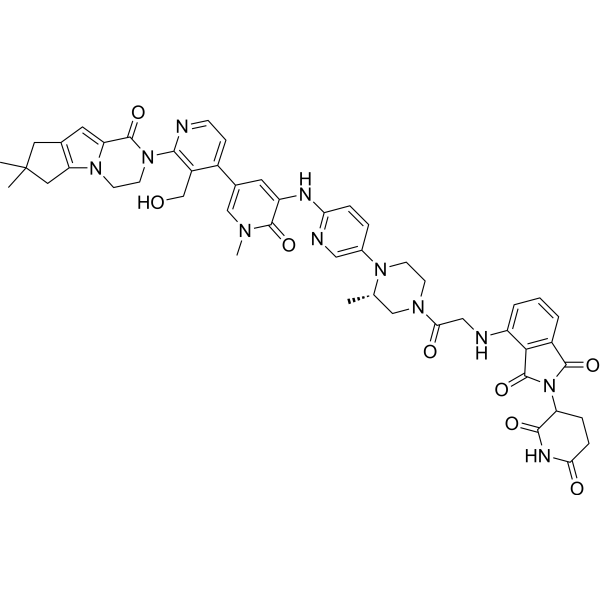
PTD10 is a selective and potent BTK PROTAC degrader (DC50 = 0.5 nM, KD = 2.28 nM). PTD10 can recruit cereblon (CRBN) E3 ligase and form a ternary complex with BTK, thereby mediating the ubiquitination and proteasome-dependent degradation of BTK. PTD10 inhibits cancer cells proliferation, and induces cell apoptosis via activation of the caspase-dependent pathway and mitochondrial pathway. PTD10 potently inhibits the BCR, AKT and NF-κB signaling pathway. PTD10 can be used for researches of B-cell malignancies and autoimmune disease .
|
-
-
- HY-175252
-
|
|
PROTACs
EGFR
Apoptosis
|
Cancer
|
|
PROTAC EGFR degrader 14 is a potent and selective EGFR PROTACdegrader with a DC50 of about 2.9 nM and a Dmax of 93.1% for EGFR L858R/T790M/C797S. PROTAC EGFR degrader 14 selectively induces EGFR C797S degradation through a VHL and proteasome-dependent manner and downregulated EGFR-associated transcriptome and exhibits good selectivity over EGFR WT. PROTAC EGFR degrader 14 induces cell cycle arrest and apoptosis and significantly inhibits tumor growth. PROTAC EGFR degrader 14 can be used for the study of nonsmall cell lung cancer (NSCLC) (Pink: Target protein ligand: (HY-143337); Blue: E3 ligand (HY-125845); Black: Linker (HY-W004688)) .
|
-

-
- HY-158345
-
|
|
PROTACs
ATM/ATR
DNA/RNA Synthesis
Apoptosis
|
Cancer
|
|
PROTAC ATM degrader-1 is a ATM PROTAC degrader with a KD value of 1.17 nM. PROTAC ATM degrader-1 triggers DNA damage response, cell cycle arrest, and apoptosis in cancer cells via the ubiquitin-proteasome-dependent degradation pathway. PROTAC ATM degrader-1 can be used for research on colorectal cancer .
|
-

-
- HY-157251A
-
|
|
Histone Methyltransferase
|
Cancer
|
|
UNC8153 is a potent and selective nuclear receptor-binding SET domain-containing 2 (NSD2)-targeted degrader with a Kd of 24 nM. UNC8153 reduces the cellular levels of both NSD2 protein (DC50 in cell U2OS is 0.35 μM) and the H3K36me2 chromatin mark. UNC8153 contains a simple warhead that confers proteasome-dependent degradation of NSD2 .
|
-

-
- HY-175652
-
|
|
PROTACs
Adenosine Receptor
|
Cancer
|
|
AZD9750 is an orally active, Cereblon (CRBN)-recruiting, androgen receptor (AR)-targeted PROTAC degrader. AZD9750 induces the proteasome-dependent degradation of both wild-type AR and the drug-resistant mutant AR L702H, thereby inhibiting the AR signaling pathway. AZD9750 suppresses tumor growth in mouse prostate cancer xenograft models and has been utilized in prostate cancer research .
|
-

-
- HY-118723
-
|
|
DNA/RNA Synthesis
|
Cancer
|
|
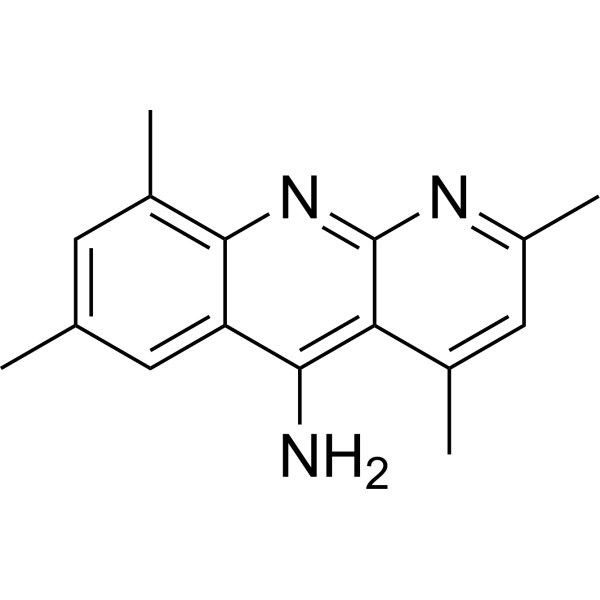
BMH-22, a benzonaphthyridin, is a RNA polymerase I (Pol I) transcription inhibitor independent of p53 function. BMH-22 causes reorganization of nucleolar marker proteins consistent with segregation of the nucleolus. BMH-22 destabilizes RPA194 in a proteasome-dependent manner and inhibits nascent rRNA synthesis and expression of the 45S rRNA precursor. BMH-22 shows potent anticancer activity across many tumor types .
|
-
-
- HY-153793A
-
|
DGKζ-IN-1 TFA
|
DGK
IFNAR
Interleukin Related
ERK
|
Cancer
|
|
Alcudacigib (ASP1570; DGKζ-IN-1) TFA is an orally active diacylglycerol kinase ζ (DGKζ) inhibitor, with an IC50 of 4.7 nM against human DGKζ and an IC50 of 3.0 nM against mouse DGKζ. Alcudacigib TFA selectively inhibits the kinase activity of DGKζ and induces proteasome-dependent degradation of DGKζ protein. Alcudacigib TFA enhances the anti-tumor functions of T cells and NK cells. Alcudacigib TFA can be used for the research of advanced/metastatic solid tumors .
|
-

-
- HY-156152A
-
|
|
PROTACs
Histone Methyltransferase
|
Cancer
|
|
CARM1 degrader-1 hydrochloride is a CARM1 PROTAC degrader (DC50 = 8.1 nM) with high selectivity over other protein arginine methyltransferases. CARM1 degrader-1 hydrochloride degrades CARM1 in a VHL- and proteasome-dependent manner. CARM1 degrader-1 hydrochloride downregulates the methylation level of CARM1 substrates in cell-based assays. CARM1 degrader-1 hydrochloride inhibits cancer cell migration in cell-based assays. CARM1 degrader-1 hydrochloride can be used in breast cancer research .
|
-

-
- HY-178825
-
|
|
PROTACs
Histone Demethylase
Apoptosis
|
Cancer
|
|
LD-110 is a highly efficient and effective LSD1 PROTAC degrader (DC50 = 0.44 μM). LD-110 promotes LSD1 degradation and increases the level of H3K4 dimethylation in a ubiquitin-proteasome-dependent manner. LD-110 inhibits the growth and survival of multiple esophagus squamous cancer cell (ESCC) lines by inducing apoptosis. LD-110 can be used for the study of esophagus squamous cancer .
|
-

-
- HY-163019
-
-
-
- HY-141797
-
|
|
Histone Methyltransferase
PROTACs
WDR5
|
Cancer
|
|
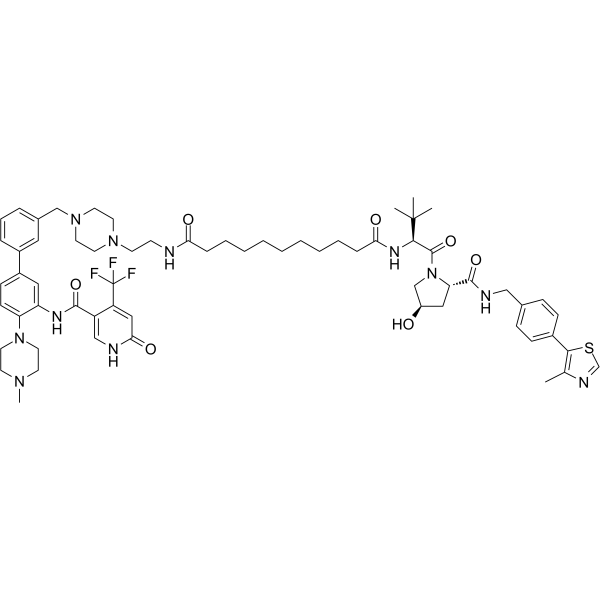
MS33 is a potent WDR5 degrader, with Kds of 870 nM and 120 nM for VCB and WDR5, respectively. MS33 induces WDR5 degradation in an E3 ligase VHL, and proteasome-dependent manner. MS33 can be used for the research of acute myeloid leukemia .
|
-
-
- HY-164895
-
|
|
PIN1
|
Cancer
|
|
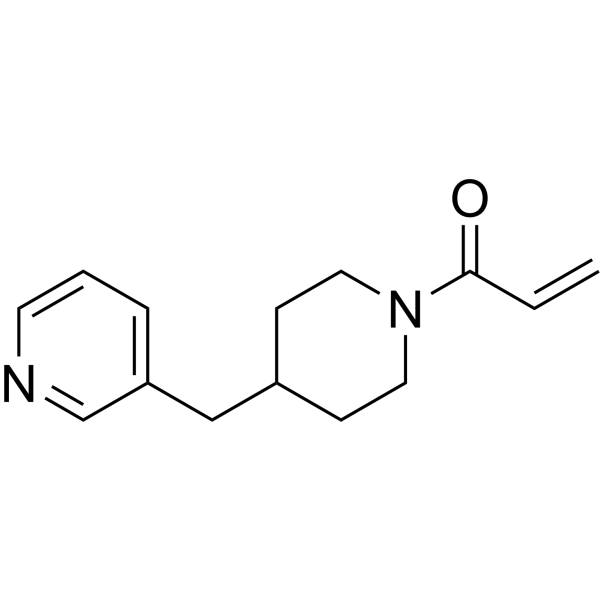
PIN1 degrader-1 (Compound 158H9) is the inhibitor for proline cis trans isomerase (Pin1) with an IC50 of 21.5 nM. PIN1 degrader-1 forms covalent bond with Cys113 of Pin1, induces conformational changes in Pin1, reduces its stability, and leads to a proteasome-dependently degradation. PIN1 degrader-1 inhibits the cell viability of multi cancer cells, and can be used in cancer research .
|
-

-
- HY-156152
-
|
|
PROTACs
Histone Methyltransferase
|
Cancer
|
|
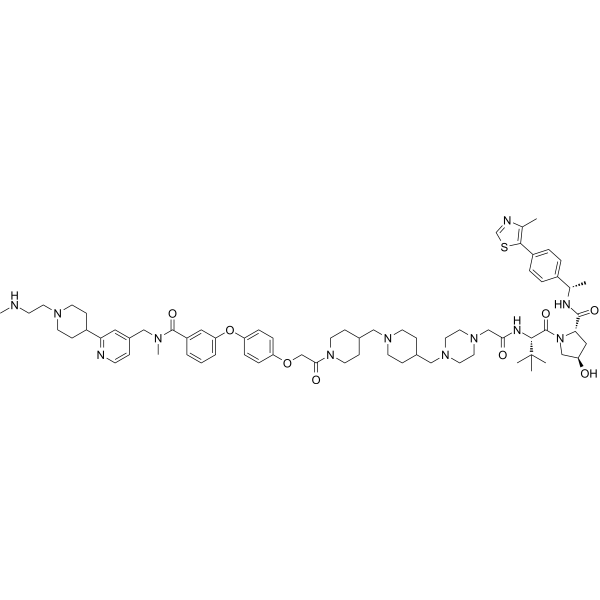
CARM1 degrader-1 is a CARM1 PROTAC degrader (DC50 = 8.1 nM) with high selectivity over other protein arginine methyltransferases. CARM1 degrader-1 degrades CARM1 in a VHL- and proteasome-dependent manner. CARM1 degrader-1 downregulates the methylation level of CARM1 substrates in cell-based assays. CARM1 degrader-1 inhibits cancer cell migration in cell-based assays. CARM1 degrader-1 can be used for the research of breast cancer .
|
-
-
- HY-157213
-
|
|
Apoptosis
PROTACs
FLT3
|
Cancer
|
|
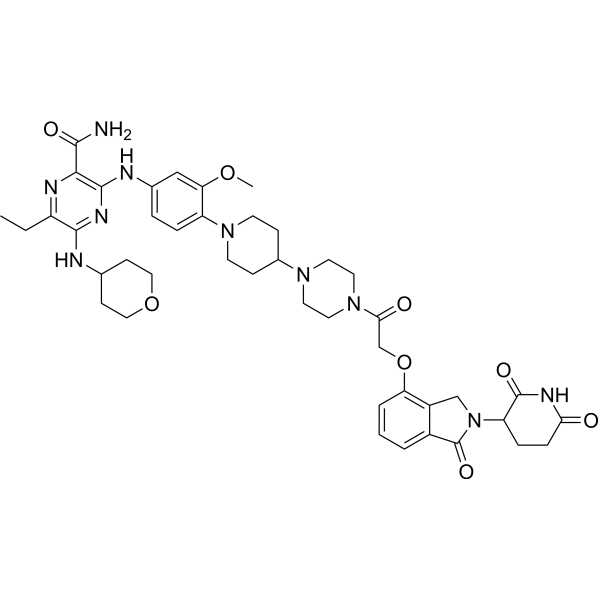
LWY713 is a PROTAC-class FLT3 degrader (DC50=0.64 nM), which selectively induces FLT3 degradation via cereblon and proteasome-dependent pathways. LWY713 inhibits cell proliferation and induces G0/G1 phase arrest and apoptosis in MV4-11 cells. LWY713 shows effective in vivo antitumor activity in MV4-11 xenograft models . LWY713 consists of a target protein ligand (red part) Gilteritinib (HY-12432), an E3 ubiquitin ligase ligand (blue part) Lenalidomide-F (HY-W039233), and a PROTAC linker (black part) Glycolic acid (HY-W015967). E3 ubiquitin ligase and linker can form Lenalidomide-Glycolic acid (HY-169373); the active control for the target protein ligand is Naproxen Gilteritinib (HY-169374).
|
-
-
- HY-155643
-
|
|
PROTACs
Glutaminase
|
Cancer
|
|
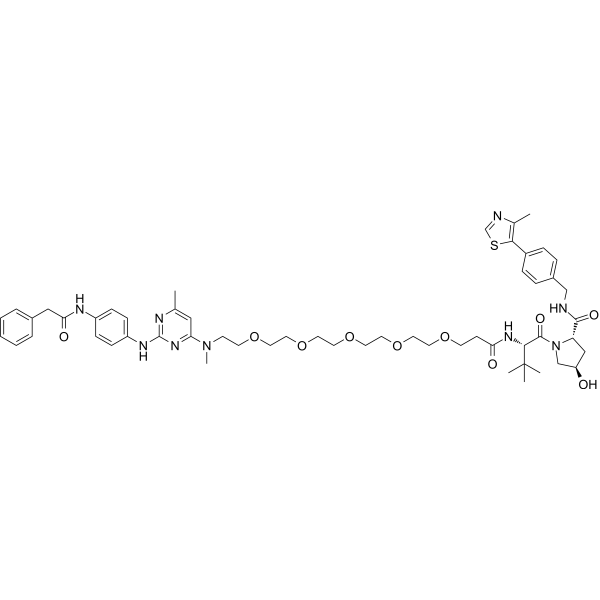
PROTAC TG2 degrader-1 (compound 11) is a von Hippel-Lindau (VHL)-based PROTAC targeting tissue transglutaminase (TG2) with a KD of 68.9 μM. PROTAC TG2 degrader-1 reduces TG2 in ovarian cancer cells in a proteasome-dependent manner .
|
-
-
- HY-170429
-
|
|
PIN1
|
Cancer
|
|
BJP-07-017-3 is the inhibitor for proline cis trans isomerase (Pin1) with an IC50 of 9 nM. BJP-07-017-3 forms covalent bond with Cys113 of Pin1, induces conformational changes in Pin1, reduces its stability, and leads to a proteasome-dependently degradation .
|
-

-
- HY-156153
-
|
|
Histone Methyltransferase
|
Cancer
|
|
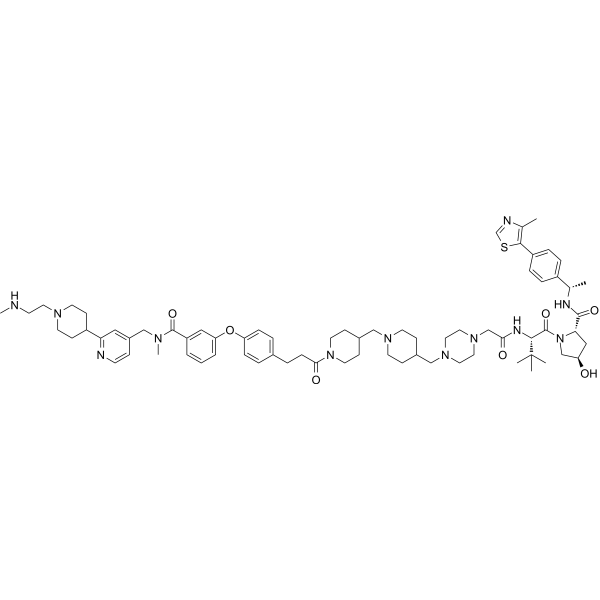
PROTAC CARM1 degrader-2 (compound 3e) is a degrader (DC50=8.8 nM) of co-activator associated argininemethyltransferase (CARM1). PROTAC CARM1 degrader-2 degrades CARM1 in a VHL- and proteasome-dependent manner. Thus, PROTAC CARM1 degrader-2 inhibits methylation of CARM1 substrates such as poly(A)-binding protein PABP1 and BGR1-associated factor BAF155 and inhibits breast cancer cell migration .
|
-
-
- HY-177782
-
|
|
Molecular Glues
MicroRNA
|
Cancer
|
|
SB1349 is a molecular glucose degrading agent that targets the Lin28 protein. SB1349 can effectively induce proteasome dependent degradation of Lin28A and Lin28B. SB1349 can increase the level of mature let-7 miRNA, downregulate the oncogenes targeted by let-7, and effectively induce the differentiation of neuroblastoma cells. SB1349 can be used for cancer research .
|
-

-
- HY-170820
-
|
|
Molecular Glues
Bcl-2 Family
CDK
EGFR
HSP
Androgen Receptor
c-Myc
|
Cancer
|
|
XYD049 is a CRBN-based molecular glue degrader targeting GSPT1, with a DC50 of 19 nM. XYD049 mediates the formation of a ternary complex between CRBN and GSPT1, thereby triggering CRBN- and proteasome-dependent degradation of GSPT1. By degrading GSPT1, XYD049 downregulates castration-resistant prostate cancer (CRPC)-related oncogenes, including BCL2, CDK2, E2F3, EGFR, HSP90B1, TMPRSS2, AR, AR-V7, PSA and c-Myc. XYD049 inhibits cancer cell growth and suppresses tumor growth in mice. XYD049 can be used for research on castration-resistant prostate cancer. XYD049 consists of a linker (black part) NH2-C5-NH-Boc (HY-W004710), a CRBN-based E3 ligase ligand (blue part) Thalidomide 4-fluoride (HY-41547), and a target protein ligand (red part) GSPT1 ligand-1 (HY-170821), among which the E3 ligase ligand plus linker forms the conjugate E3 Ligase Ligand-linker Conjugate 158 (HY-170822) .
|
-

-
- HY-139996
-
|
|
PROTACs
Apoptosis
FLT3
c-Kit
FGFR
VEGFR
PDGFR
c-Fms
|
Cancer
|
|
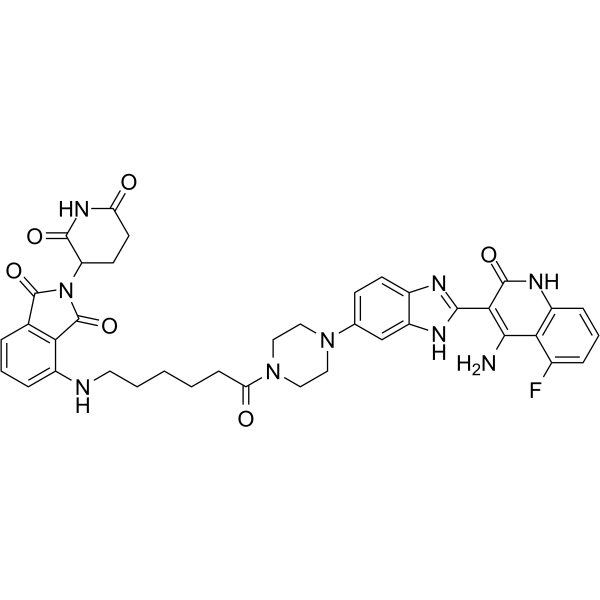
Pomalidomide-C5-Dovitinib (compound 2) is a PROTAC containing Pomalidomide, Dovitinib and connected with CRBN. Pomalidomide-C5-Dovitinib shows enhanced antiproliferative effects against FLT3-ITD+ AML cells. Pomalidomide-C5-Dovitinib induces the degradation of the FLT3-ITD and KIT proteins in a ubiquitin-proteasome-dependent manner and completely blocks their downstream signaling pathway. Pomalidomide-C5-Dovitinib has the potential for the research of FLT3-ITD + acute myeloid leukemia .
|
-
-
- HY-178114
-
|
|
Histone Methyltransferase
Apoptosis
|
Cancer
|
|
SKLB-0124 is a selective PRMT6 degrader with DC50s of 15.4 μM and a 16.4 μM in HCC827 and MDA-MB-435 cells. SKLB-0124 does not degrade PRMT1 or PRMT8. SKLB-0124 exhibits an IC50 on PRMT6 of 1.6 μM. SKLB-0124 induces proteasome dependent degradation of PRMT6 and significantly inhibits the proliferation. SKLB-0124 effectively induces apoptosis and cell cycle arrest. SKLB-0124 can be used for the studies of lung cancer and breast cancer .
|
-

-
- HY-161654
-
|
|
SOS1
PROTACs
Ras
|
Cancer
|
|
PROTAC SOS1 degrader-10 (Compound 11o) is a degrader for son of sevenless 1 (SOS1) in a CRBN and proteasome dependent manner. PROTAC SOS1 degrader-10 degrades SOS1 in KRAS mutant cancer cells SW620, A549 and DLD-1, with DC50s of 2.23, 1.85 and 7.53 nM, respectively. PROTAC SOS1 degrader-10 inhibits the proliferations of cells SW620, A549 and DLD-1, with IC50s of 36.7, 52.2 and 107 nM, respectively. PROTAC SOS1 degrader-10 inhibits phosphorylation of ERK. (Pink: SOS1 ligand (HY-161655); Black: linker (HY-161656); Blue: E3 ligase ligand (HY-W249500))
|
-

-
- HY-153582
-
|
|
PROTACs
Bcr-Abl
|
Cancer
|
|
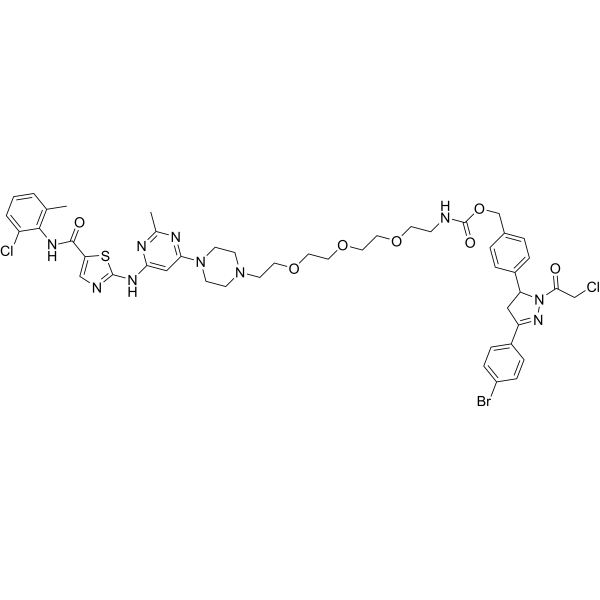
ML 2-23 is a potent PROTAC BCR-ABL degrader. ML 2-23 is selectively degrade BCR-ABL in a proteasome-dependent manner in leukemia cells .
|
-
-
- HY-160864
-
|
HWA 448
|
Phosphodiesterase (PDE)
|
Cancer
|
|
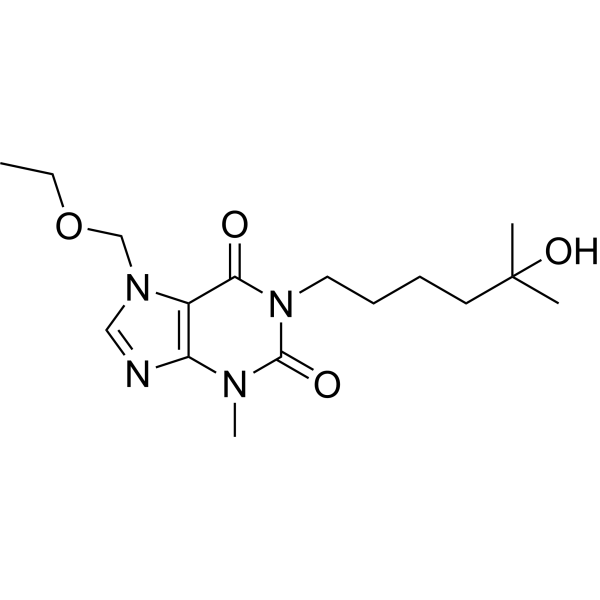
Torbafylline is a PDE inhibitor. Torbafylline mitigates protein breakdown in rat skeletal muscle following burns by activating the PDE4/cAMP/EPAC/PI3K/Akt signaling pathway. Torbafylline suppresses the increased ubiquitin-proteasome-dependent protein degradation observed in the skeletal muscles of rats susceptible to cancer and sepsis .
|
-
-
- HY-12440
-
|
|
IAP
Apoptosis
|
Cancer
|
|
HM90822 is an orally active IAP antagonist. HM90822 induces ubiquitination and proteasome-dependent degradation of XIAP, cIAP1 and cIAP2 in sensitive pancreatic cancer cells. HM90822 induces Apoptotic cell death. HM90822 inhibits tumor growth in Panc-1 pancreatic cancer xenograft and orthotopic mouse models. HM90822 can be used for the research of pancreatic cancer .
|
-

-
- HY-181521
-
-

-
- HY-185230
-
|
|
PROTACs
YAP
|
Cancer
|
|
HC278 is a selective TEAD1/TEAD3 PROTAC degrader. HC278 induces proteasome-dependent degradation by forming a stable ternary complex with CRBN/DDB1. HC278 is applicable to the research of mesothelioma .
|
-

-
- HY-181498
-
|
|
Proteasome Cap Targeting Chimeras
FKBP
Proteasome
|
Others
|
|
RAFKBP12 is a FKBP12 CAP-TAC (proteinase complex cap-targeted chimera) degrader. RAFKBP12 demonstrates the feasibility of the CAP-TAC strategy, which enables proteasome-dependent degradation of FKBP12 that is independent of E3 ubiquitin ligases and protein ubiquitination .
|
-

-
- HY-182779
-
|
|
NOD-like Receptor (NLR)
COX
NO Synthase
|
Inflammation/Immunology
|
|
JNUTS013 is a NLRP3 inflammasome inhibitor. JNUTS013 promotes proteasome-dependent degradation of NLRP3 and inhibits the release of downstream cytokines. JNUTS013 downregulates the expression of inflammation-related proteins including iNOS and COX-2. JNUTS013 exhibits anti-inflammatory activity and can be used in the research of inflammatory diseases .
|
-

- HY-181154
-
|
|
PROTACs
SARS-CoV
Virus Protease
|
Infection
|
|
PROTAC SARS-CoV-2 Mpro degrader-5 is a SARS-CoV-2 main protease (Mpro) PROTAC. PROTAC SARS-CoV-2 Mpro degrader-5 engages CRBN E3 ubiquitin ligase to form a ternary complex with SARS-CoV-2 Mpro, induces K48-linked polyubiquitination of SARS-CoV-2 Mpro, and drives proteasome-dependent turnover of SARS-CoV-2 Mpro with a high selectivity index (CC50/DC50 > 10) in human embryonic kidney cells.PROTAC SARS-CoV-2 Mpro degrader-5 can be used for the research of COVID-19 .
|
-

- HY-181231
-
|
|
PROTACs
CDK
HIV
DNA/RNA Synthesis
|
Infection
|
|
PROTAC CDK9 degrader-12 is a selective CDK9 PROTAC degrader with a DC50 of 23 nM. PROTAC CDK9 degrader-12 induces proteasome-dependent degradation of CDK9, blocks CDK9-mediated HIV-1 transcriptional elongation, and reduces HIV-1 RNA synthesis. PROTAC CDK9 degrader-12 is applicable to research related to HIV-1 infection .
|
-

- HY-181193
-
|
|
PROTACs
SARS-CoV
Virus Protease
|
Infection
|
|
PROTAC SARS-CoV-2 Mpro degrader-7 is a SARS-CoV-2 main protease (Mpro) PROTAC degrader with a DC50 of 0.985 μM. PROTAC SARS-CoV-2 Mpro degrader-7 promotes K48-linked polyubiquitination of SARS-CoV-2 Mpro, leading to proteasome-dependent degradation via the ubiquitin-proteasome system.PROTAC SARS-CoV-2 Mpro degrader-7 forms a ternary complex with SARS-CoV-2 Mpro and CRBN E3 ubiquitin ligase to enable viral protease ubiquitination.PROTAC SARS-CoV-2 Mpro degrader-7 exhibits a high selectivity index, and induces dose-dependent degradation of SARS-CoV-2 Mpro in stable cells expressing the viral protease.PROTAC SARS-CoV-2 Mpro degrader-7 can be used for the research of COVID-19 .
|
-

- HY-181495
-
|
|
Proteasome Cap Targeting Chimeras
PROTACs
Proteasome
Epigenetic Reader Domain
|
Cancer
|
|
RAJQ14 is a BRD4 PROTAC-like CAP-TAC (Proteasome Cap Targeting Chimeras) degrader. RAJQ14 binds to 19S proteasome cap subunits RPN1, RPN10, RPN13, and USP14 to recruit target proteins to the proteasome for ubiquitination-independent, proteasome-dependent degradation. RAJQ14 can be used for the research of cancer (Pink: BRD4 Ligand (HY-181496); Blue: Proteasome Ligand (HY-128978); Black: Linker).
|
-

- HY-181951
-
|
|
PROTACs
Epigenetic Reader Domain
|
Cancer
|
|
PROTAC BRD9 Degrader-11 is a VHL-based BRD9 PROTAC degraderwith an IC50 of 0.66 μM. PROTAC BRD9 Degrader-11 induces selective, proteasome-dependent degradation of BRD9 via the ubiquitin-proteasome system. PROTAC BRD9 Degrader-11 impairs cell viability, suppresses proliferation, and arrests growth of acute myeloid leukemia cells. PROTAC BRD9 Degrader-11 can be used for the research of acute myeloid leukemia .
|
-

- HY-179727
-
|
|
PROTACs
MAP4K
Interleukin Related
IFNAR
|
Inflammation/Immunology
|
|
PROTAC HPK1 Degrader-7 (compound D02) is a potent and selective PROTAC HPK1 degrader with an DC50 of 3.07 nM. PROTAC HPK1 Degrader-7 exhibits selectivity over GLK. PROTAC HPK1 Degrader-7 induces HPK1 degradation in a CRBN- and proteasome-dependent manner. PROTAC HPK1 Degrader-7 inhibits SLP-76 phosphorylation, induces IL-2 and IFN-γ secretion in human primary T cells. PROTAC HPK1 Degrader-7 can be used for immunology research .
|
-

- HY-183073
-
|
|
PROTACs
CDK
Apoptosis
c-Myc
|
Cancer
|
|
TZ1104 is a PROTAC-based CDK7 degrader, with a DC50 of 0.88 nM. TZ1104 forms a ternary complex with VHL E3 ligase and CDK7 to trigger proteasome-dependent CDK7 degradation, destabilizing the CDK7-cyclin H-MAT1 complex. TZ1104 suppresses phosphorylation of RNA polymerase II CTD Ser5, CDK1 Thr161, and CDK2 Thr160. TZ1104 activates the p53-p21 axis and suppresses oncogenic Myc signaling. TZ1104 induces cell cycle arrest, apoptosis, and differentiation of acute leukemia cells. TZ1104 can be used for the research of acute leukemia .
|
-

- HY-182275
-
|
|
PROTACs
Histone Methyltransferase
|
Cancer
|
|
PROTAC PRMT1 degrader-1 (compound 4) is a PRMT1 PROTAC degrader, with a DC50 of 0.77 μM (MCF-7 cells). PROTAC PRMT1 degrader-1 recruits the CRBN E3 ubiquitin ligase to induce proteasome-dependent degradation of PRMT1; it also forms a ternary complex with PRMT1 and CRBN, promoting ubiquitination and subsequent proteasomal degradation of PRMT1. PROTAC PRMT1 degrader-1 reduces the level of asymmetric dimethylarginine in cancer cells, as well as the level of asymmetric dimethylation of arginine 3 on histone H4, while inhibiting the growth of various cancer cells. PROTAC PRMT1 degrader-1 can be used in the research of breast cancer and melanoma .
|
-

- HY-181758
-
|
|
PROTACs
Epigenetic Reader Domain
Histone Acetyltransferase
c-Myc
Apoptosis
|
Cancer
|
|
PROTAC CBP/p300/BRD4 Degrader-1 is a dual-target PROTAC degrader with DC50 values of 8.8 pM (BRD4), 6.55 nM (CBP), and 1.05 nM (p300). PROTAC CBP/p300/BRD4 Degrader-1 induces CRBN- and proteasome-dependent degradation of BRD4 and CBP/p300, downregulates c-Myc and acetyl-H3K27, induces apoptosis. PROTAC CBP/p300/BRD4 Degrader-1 acts as an antiproliferative and antitumor agent, induces tumor growth inhibition in xenograft models. PROTAC CBP/p300/BRD4 Degrader-1 can be used for the research of prostate cancer and colorectal cancer .
|
-

- HY-182044
-
|
|
Ras
Apoptosis
PARP
Caspase
CDK
|
Cancer
|
|
MRTX849-amide-C4-(o)-carborane is a KRAS G12C inhibitor with mutation selectivity for cells expressing KRAS G12C. MRTX849-amide-C4-(o)-carborane shows low intrinsic cytotoxicity in cancer cells. MRTX849-amide-C4-(o)-carborane covalently binds to Cys12 of KRAS G12C, recruits Hsp70, promotes ubiquitination, and induces proteasome-dependent degradation of the target protein. MRTX849-amide-C4-(o)-carborane inhibits the activity of the downstream ERK signaling pathway and induces apoptosis signaling in cancer cells. MRTX849-amide-C4-(o)-carborane is applicable for the research of KRAS G12C-positive cancers .
|
-

- HY-178825B
-
|
|
PROTACs
Histone Demethylase
Apoptosis
|
Cancer
|
|
LD-110 trihydrochloride is a highly efficient and effective LSD1 PROTAC degrader (DC50 = 0.44 μM). LD-110 trihydrochloride promotes LSD1 degradation and increases the level of H3K4 dimethylation in a ubiquitin-proteasome-dependent manner. LD-110 trihydrochloride inhibits the growth and survival of multiple esophagus squamous cancer cell (ESCC) lines by inducing apoptosis. LD-110 trihydrochloride can be used for the study of esophagus squamous cancer .
|
-

- HY-178825A
-
|
|
Histone Demethylase
Apoptosis
PROTACs
|
Cancer
|
|
LD-110 triTFA is a highly efficient and effective LSD1 PROTAC degrader (DC50 = 0.44 μM). LD-110 triTFA promotes LSD1 degradation and increases the level of H3K4 dimethylation in a ubiquitin-proteasome-dependent manner. LD-110 triTFA inhibits the growth and survival of multiple esophagus squamous cancer cell (ESCC) lines by inducing apoptosis. LD-110 triTFA can be used for the study of esophagus squamous cancer .
|
-

- HY-179602
-
|
|
PROTACs
11β-HSD
|
Metabolic Disease
|
|
PROTAC 11β-HSD1 Degrader 1 is a highly efficient PROTAC targeting 11β-HSD1 (Hydroxysteroid 11-beta dehydrogenase 1). PROTAC 11β-HSD1 Degrader 1 demonstrates ubiquitin-proteasome-dependent degradation of 11β-HSD1. PROTAC 11β-HSD1 Degrader 1 can be used for the study of type 2 diabetes mellitus (T2DM) .
|
-

- HY-183070
-
|
|
PROTACs
CDK
Apoptosis
|
Cancer
|
|
CXJ2080 is a selective PROTAC-based CDK7 degrader with a DC50 of 0.88 nM. CXJ2080 recruits VHL E3 ligase to induce ubiquitin-proteasome-dependent CDK7 degradation, disrupts the CDK7-cyclin H-MAT1 complex, suppresses CDK7-dependent phosphorylation of RNA polymerase II CTD Ser5, CDK1 Thr161, and CDK2 Thr160. CXJ2080 activates the p53-p21 axis, suppresses MYC-driven signaling, induces leukemia cell cycle arrest, apoptosis, and differentiation, reduces CD117 expression, spares platelets and normal PBMCs, maintains sustained CDK7 degradation post-washout. CXJ2080 can be used for the research of acute leukemia .
|
-

Your information is safe with us. * Required Fields.
Inquiry Information
- Product Name:
- Cat. No.:
- Quantity:
- MCE Japan Authorized Agent:








