1. Search Result
Search Result
Results for "

protein+aggregation

" in MedChemExpress (MCE) Product Catalog:

42

Inhibitors & Agonists

1

Screening Libraries

1

Fluorescent Dye

2

Biochemical Assay Reagents

8

Peptides

1

Inhibitory Antibodies

4

Natural
Products

1

Isotope-Labeled Compounds

Cat. No. Product Name Target Research Areas Chemical Structure
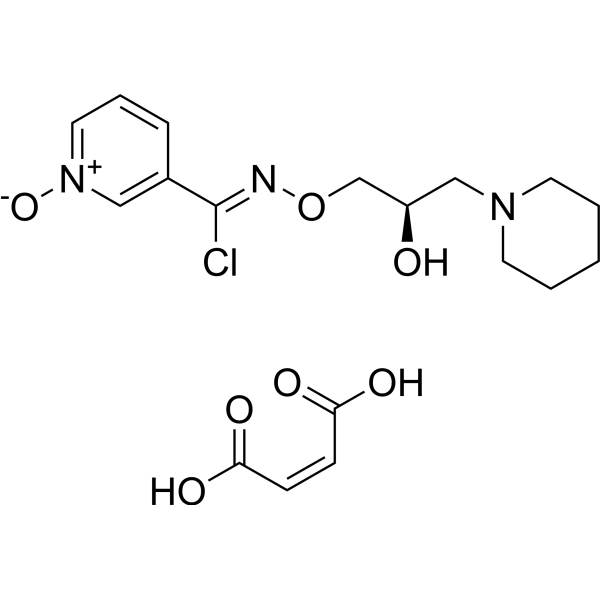
  • HY-106443A
    Arimoclomol maleate
    5 Publications Verification

    BRX-220

    HSP Neurological Disease Metabolic Disease Inflammation/Immunology
    Arimoclomol maleate (BRX-220) is an orally active co-inducer of heat shock proteins (HSP) . Arimoclomol protects motor neurons by enhancing Hsp expression, thus directly affecting protein aggregation and clearance of misfolded assemblies via the proteasome-ubiquitin system .Arimoclomol maleate can be used for the study of Niemann–Pick disease type C.
    Arimoclomol maleate
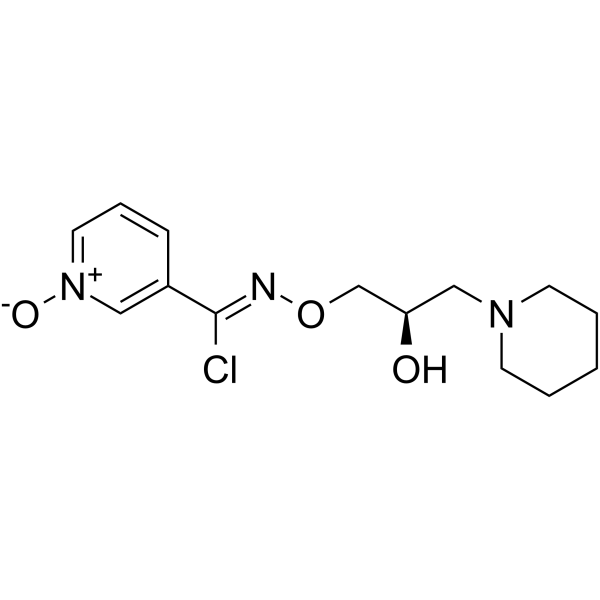
  • HY-106443
    Arimoclomol
    5 Publications Verification

    BRX-220 free base

    HSP Neurological Disease Metabolic Disease Inflammation/Immunology
    Arimoclomol (BRX-220 free base) is an orally active co-inducer of heat shock proteins (HSP). Arimoclomol protects motor neurons by enhancing Hsp expression, thus directly affecting protein aggregation and clearance of misfolded assemblies via the proteasome-ubiquitin system.Arimoclomol can be used for the study of Niemann–Pick disease type C. Arimoclomol can cross the blood-brain barrier and can be used in research on Niemann-Pick disease type C .
    Arimoclomol
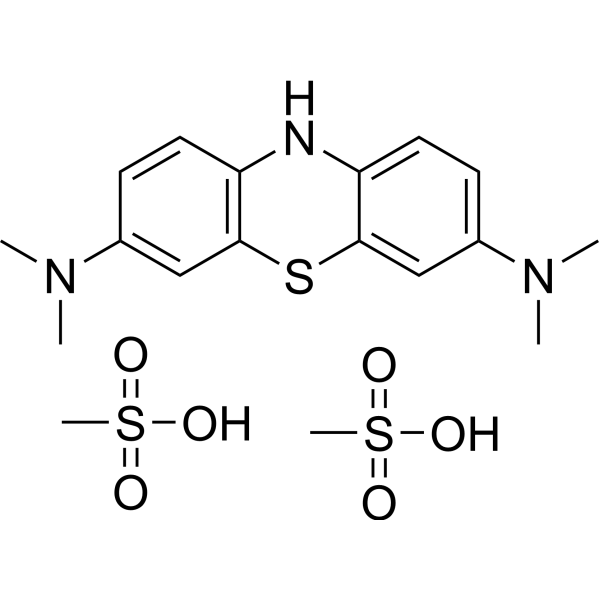
  • HY-19948
    Leucomethylene blue mesylate
    5+ Cited Publications

    TRx0237 mesylate; Methylene blue leuco base mesylate

    Tau Protein Neurological Disease
    Leucomethylene blue (TRx0237) mesylate, an orally active second-generation tau protein aggregation inhibitor (Ki of 0.12 μM), could be used for the study of Alzheimer's Disease. Leucomethylene blue mesylate is a common reduced form of Methylene Blue, Methylene Blue is a member of the thiazine class of dyes .
    Leucomethylene blue mesylate
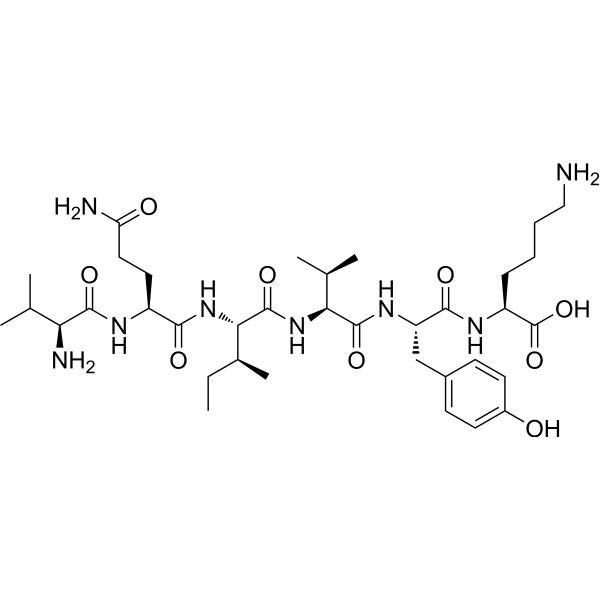
  • HY-P4808

    Amyloid-β Autophagy Neurological Disease
    PHF6 (VQIVYK) is a self-assembly sequence capable of initiating the full-length tau protein aggregation and is mapped to the third microtubule-binding repeat region of the tau protein .
    PHF6
  • HY-106443B
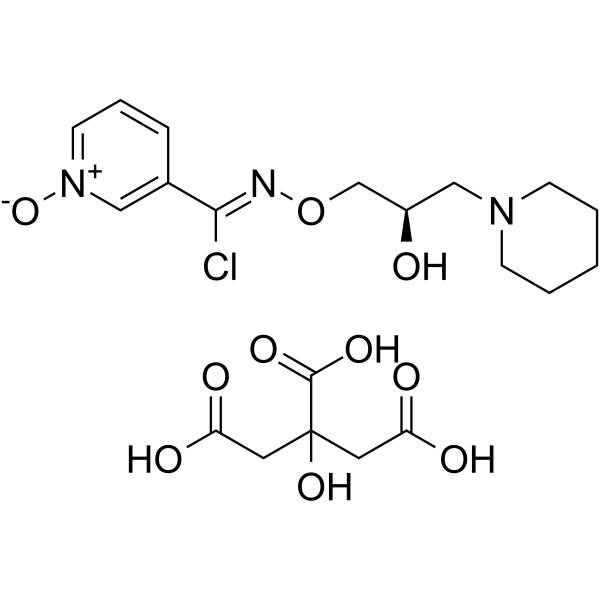
    Arimoclomol citrate
    5 Publications Verification

    BRX-220 citrate

    HSP Neurological Disease Metabolic Disease Inflammation/Immunology
    Arimoclomol citrate (BRX-220 citrate) is an orally active co-inducer of heat shock proteins (HSP) . Arimoclomol citrate protects motor neurons by enhancing Hsp expression, thus directly affecting protein aggregation and clearance of misfolded assemblies via the proteasome-ubiquitin system . Arimoclomol citrate can be used for the study of Niemann–Pick disease type C.
    Arimoclomol citrate
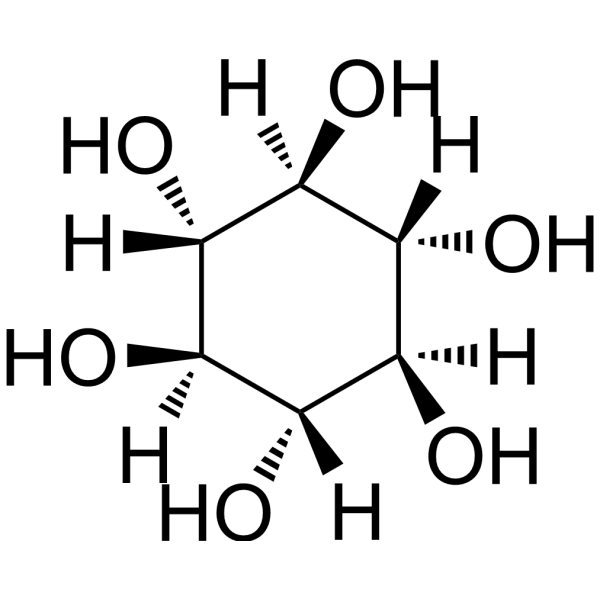
  • HY-W010041

    α-synuclein Amyloid-β Neurological Disease
    Scyllo-Inositol is an inhibitor that targets the aggregation of misfolded proteins (such as α-synuclein and Amyloid-β), is orally effective, and can cross the blood-brain barrier. Scyllo-Inositol can selectively bind to and stabilize non-toxic oligomers, preventing them from converting into toxic fibers, exerting protein homeostasis regulation and neuroprotective activity. Scyllo-Inositol binds to the hydrophobic region of pathogenic proteins, inhibits protein aggregation, and promotes lysosome- and proteasome-mediated degradation pathways, thereby reducing neurotoxicity. Scyllo-Inositol can be used in the study of neurodegenerative diseases such as Parkinson's disease, Alzheimer's disease, and Huntington's disease .
    Scyllo-Inositol
  • HY-137441
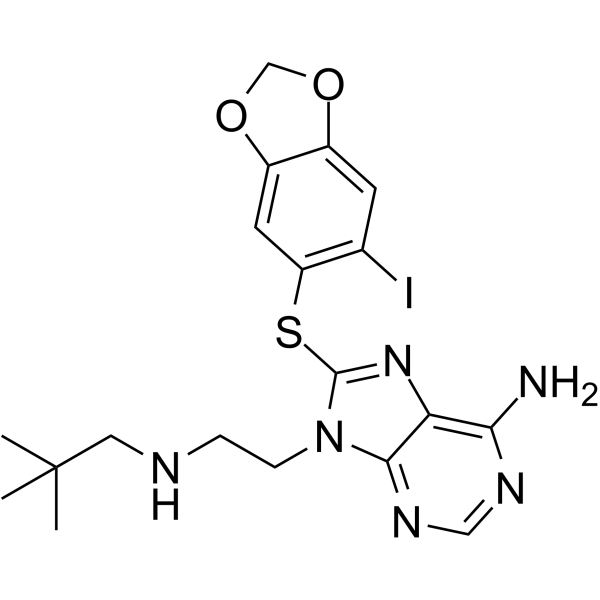
    Icapamespib
    1 Publications Verification

    PU-HZ151

    HSP Neurological Disease Cancer
    Icapamespib (PU-HZ151; PU-AD) is a selective, orally active inhibitor of Epichaperomes assembled by HSP90 with slow dissociation kinetics. Icapamespib can cross the blood-brain barrier (BBB) ??and induce epichaperome disassembly by non-covalently binding to HSP90, restoring the normal protein-protein interaction network. Icapamespib can specifically disrupt disease-related abnormal protein interaction networks, reduce neurotoxic protein aggregation and tumor cell survival signals. Icapamespib can be used in the research of neurodegenerative diseases such as Alzheimer's disease, as well as cancers such as glioblastoma and metastatic breast cancer .
    Icapamespib
  • HY-P9995

    JNJ-63733657

    Tau Protein Neurological Disease
    Posdinemab (JNJ-63733657) is a humanized IgG1/κ monoclonal antibody that selectively targets phosphorylated tau (pT217). Posdinemab specifically binds to the pT217+tau epitope rich in the proline domain, blocks tau protein aggregation and seed propagation, and promotes the clearance of extracellular tau species. Posdinemab reduces the levels of free and total p217+tau in cerebrospinal fluid, thereby inhibiting the pathological propagation of tau protein and the formation of neurofibrillary tangles. Posdinemab can be used for the study of progressive supranuclear palsy syndrome and Alzheimer's disease (AD), especially for prodromal or mild AD disease .
    Posdinemab
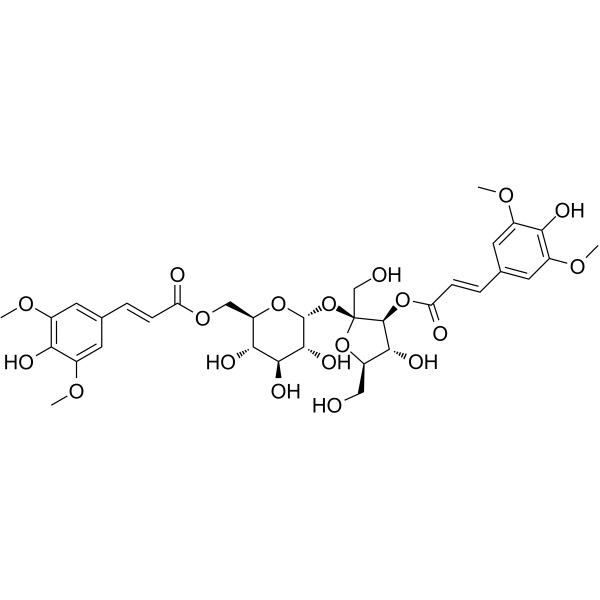
  • HY-N1414

    Trk Receptor NF-κB Amyloid-β Neurological Disease
    (E)-3',6-Disinapoylsucrose is an orally active, blood-brain barrier permeable neuroprotective agent that inhibits protein aggregation. (E)-3',6-Disinapoylsucrose exerts anxiolytic, anti-inflammatory and cognitive-enhancing effects. (E)-3',6-Disinapoylsucrose regulates the TrkB/BDNF signaling pathway, inhibits the expression of NF-κB p65, reduces pro-inflammatory cytokine levels, and alleviates neuronal damage. (E)-3',6-Disinapoylsucrose also enhances the functions of central 5-HT and noradrenergic systems, thereby improving spatial learning and memory abilities and reducing anxiety-like behaviors. (E)-3',6-Disinapoylsucrose can be used for the research of related diseases such as Alzheimer's disease, depression, memory impairment and anxiety disorder .
    (E)-3',6-Disinapoylsucrose
  • HY-153430

    Amyloid-β Neurological Disease
    Aβ/tau aggregation-IN-3 is a potent amyloid protein aggregation inhibitor with an IC50 of 0.85 μM by Aβ-Thioflavin T (Aβ-ThT) functional aggregation assay. Aβ/tau aggregation-IN-3 has anti-amyloid activity .
    Aβ/tau aggregation-IN-3
  • HY-P3414A
    Proteasome-activating peptide 1 TFA
    3 Publications Verification

    Proteasome Neurological Disease
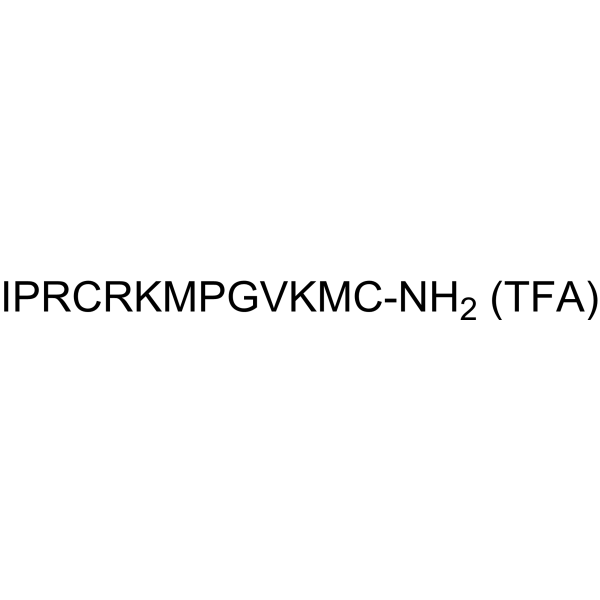
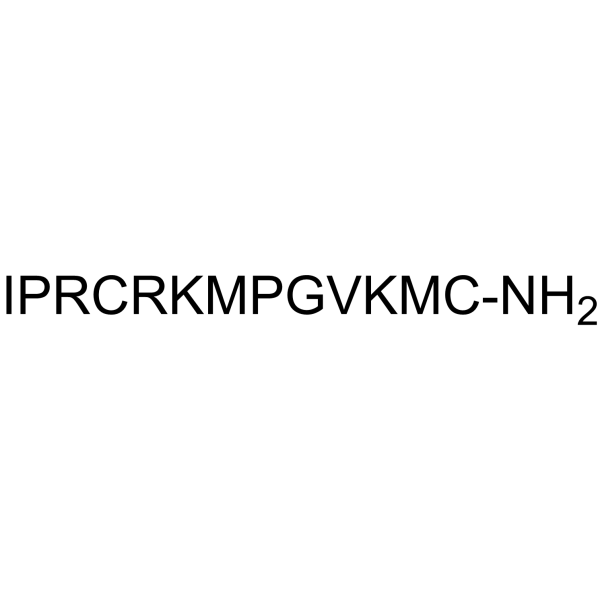
    Proteasome-activating peptide 1 TFA is a peptide and a potent proteasome activator. Proteasome-activating peptide 1 TFA increases the chymotrypsin-like proteasomal catalytic activity and, consequently, proteolytic rates both in vitro and in culture. Proteasome-activating peptide 1 TFA prevents protein aggregation in a cellular model of amyotrophic lateral sclerosis .
    Proteasome-activating peptide 1 TFA
  • HY-P4808A

    Amyloid-β Autophagy Neurological Disease
    PHF6 (VQIVYK) TFA is a self-assembly sequence capable of initiating the full-length tau protein aggregation. PHF6 TFA is mapped to the third microtubule-binding repeat region of the tau protein .
    PHF6 TFA
  • HY-137441A
    Icapamespib hydrochloride
    1 Publications Verification

    PU-HZ151 hydrochloride

    HSP Neurological Disease Cancer
    Icapamespib (PU-HZ151; PU-AD) hydrochloride is a selective, orally active inhibitor of Epichaperomes assembled by HSP90 with slow dissociation kinetics. Icapamespib hydrochloride can cross the blood-brain barrier (BBB) ??and induce epichaperome disassembly by non-covalently binding to HSP90, restoring the normal protein-protein interaction network. Icapamespib hydrochloride can specifically disrupt disease-related abnormal protein interaction networks, reduce neurotoxic protein aggregation and tumor cell survival signals. Icapamespib hydrochloride can be used in the research of neurodegenerative diseases such as Alzheimer's disease, as well as cancers such as glioblastoma and metastatic breast cancer .
    Icapamespib hydrochloride
  • HY-148629

    JNK Neurological Disease
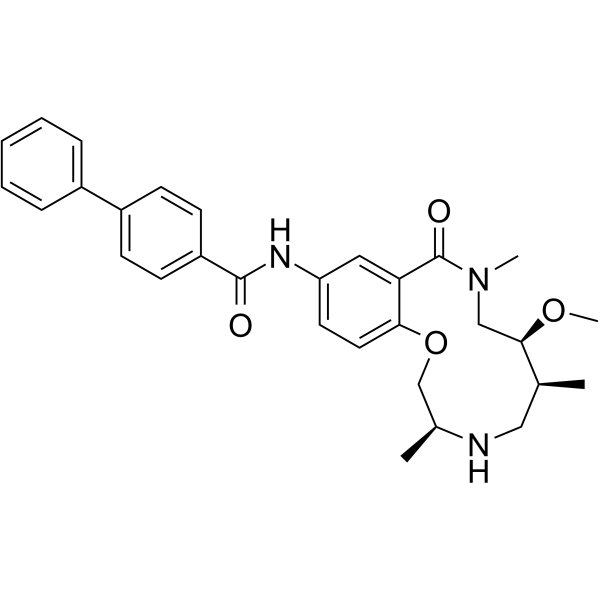
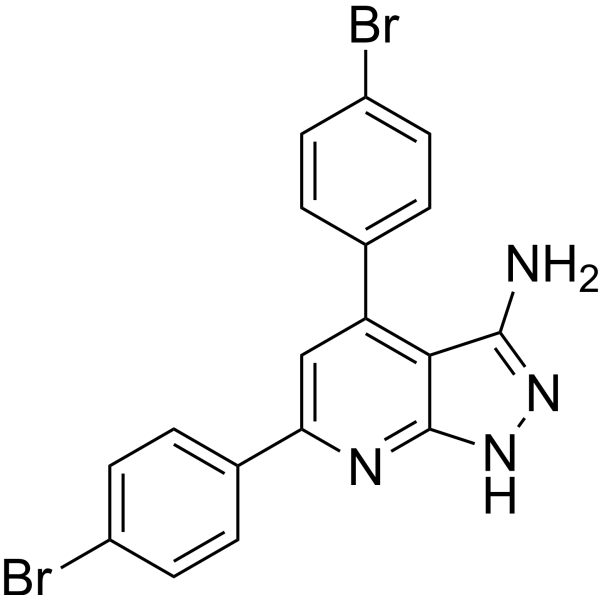
    GDC-0134 (RG6000) is a modulator targeting dual leucine zipper kinase (DLK) that can cross the blood-brain barrier. By inhibiting the kinase activity of DLK, GDC-0134 blocks the activation of the downstream JNK signaling pathway, suppresses DLK-dependent retrograde signal transduction of axon-to-soma degeneration, and exerts neuroprotective activity. GDC-0134 reduces TDP-43 protein aggregation and decreases the degree of neuromuscular junction denervation in motor neurons. GDC-0134 can be used in the research of amyotrophic lateral sclerosis (ALS), Alzheimer's disease and other DLK-related neurodegenerative diseases .
    GDC-0134
  • HY-W392413

    Drug Derivative Reactive Oxygen Species (ROS) Cardiovascular Disease Neurological Disease Metabolic Disease Inflammation/Immunology
    Glutathione monoethyl ester is a glutathione derivative that can be transported into cells and hydrolyzed into glutathione. Glutathione monoethyl ester downregulates the gene expression of TEN1 and CTC1 while upregulating TERT expression. Glutathione monoethyl ester enhances telomerase activity, promotes proliferation and differentiation in aged bone marrow stromal cells, while elevating glutathione levels and reducing oxidative stress, protein aggregation and cell death in motor neuronal cells. Glutathione monoethyl ester confers broad multi-organ protection against cerebral ischemia, renal injury, liver damage, and pancreatitis. Glutathione monoethyl ester can be used for the research of amyotrophic lateral sclerosis, stroke, acute renal failure, liver injury, and acute pancreatitis .
    Glutathione monoethyl ester
  • HY-153427

    Tau Protein Neurological Disease
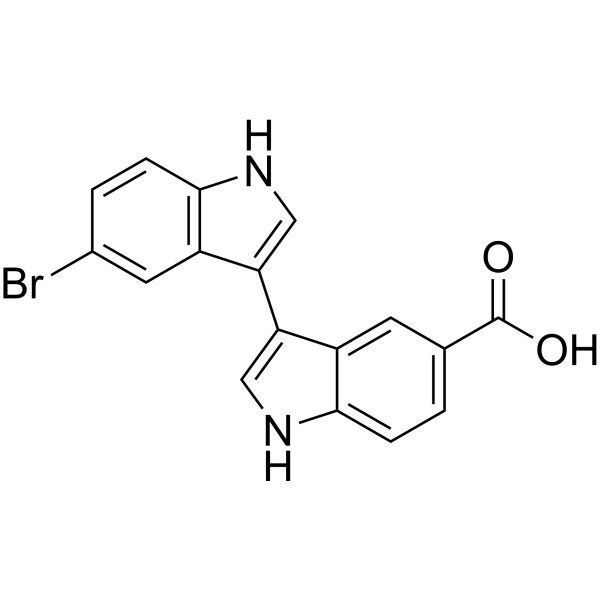
    Tau protein aggregation-IN-1 (Compound 0c) is a Tau protein aggregation inhibitor. Tau protein aggregation-IN-1 can be used in the study of protein folding disorders such as Alzheimer's disease, dementia, Parkinson's disease, Huntington's disease and prion-based spongiform encephalopathies .
    Tau protein aggregation-IN-1
  • HY-W011831

    3-(Benzyldimethylammonio)propane-1-sulfonate; PDA

    Biochemical Assay Reagents Others
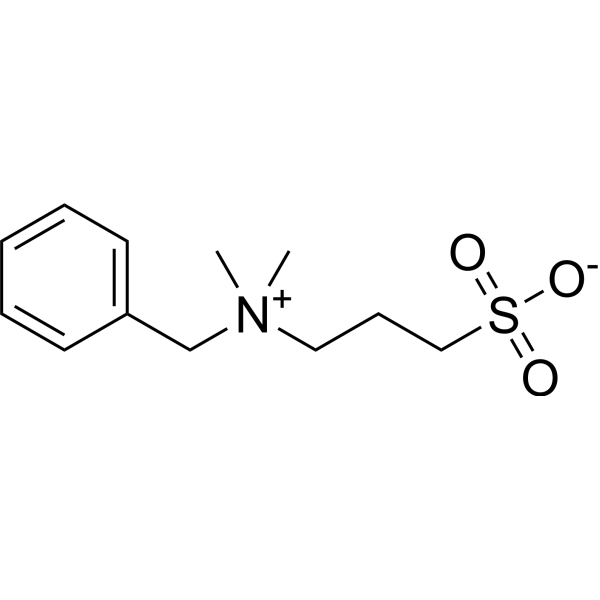
    NDSB-256 is a non-stain remover sulfabetaine. NDSB-256 prevents protein aggregation and promotes denaturation of chemically and thermally denatured proteins .
    NDSB-256
  • HY-148901

    SOD Neurological Disease
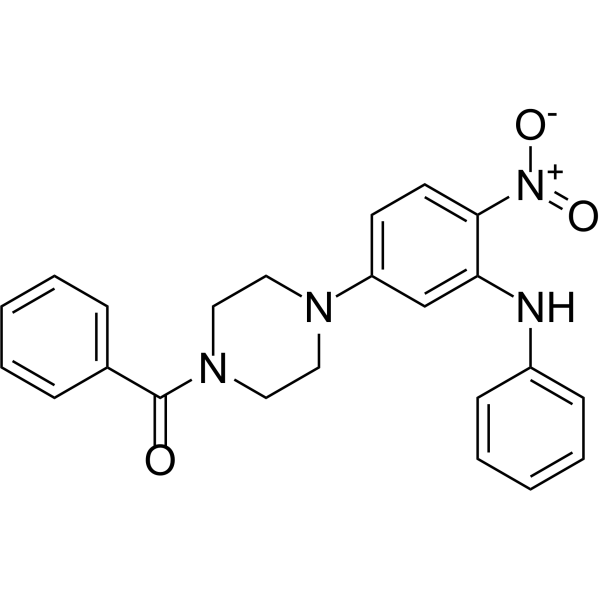
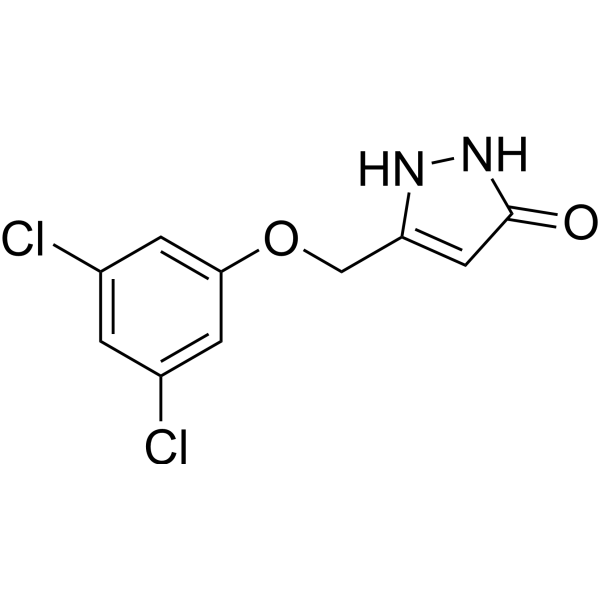
    CMB-087229 is a mutant superoxide dismutase 1 (SOD1) protein aggregation inhibitor with IC50 of 67 nM, which can be used in the research of amyotrophic lateral sclerosis .
    CMB-087229
  • HY-P3414

    Proteasome Neurological Disease
    Proteasome-activating peptide 1 is a peptide, which increases the chymotrypsin-like proteasomal catalytic activity and, consequently, proteolytic rates both in vitro and in culture. Proteasome-activating peptide 1 prevents protein aggregation in a cellular model of amyotrophic lateral sclerosis .
    Proteasome-activating peptide 1
  • HY-125197

    Autophagy Inflammation/Immunology
    BRD5631 is an autophagy enhancer, enhances autophagy through an mTOR-independent pathway. BRD5631 affects several cellular disease phenotypes previously linked to autophagy, including protein aggregation, cell survival, bacterial replication, and inflammatory cytokine production .
    BRD5631
  • HY-W835959

    Tau Protein Neurological Disease
    ACI-3024 is an an orally active and highly selective Tau protein aggregation inhibitor. ACI-3024 decrease the β-sheet content and seeding properties of pathological Tau from different Tauopathies, leading to a significant rescue of the Tau-induced neurodegeneration and neuroinflammation in a cellular model. ACI-3024 is promising for research of neurodegenerative diseases .
    ACI-3024
  • HY-W127622

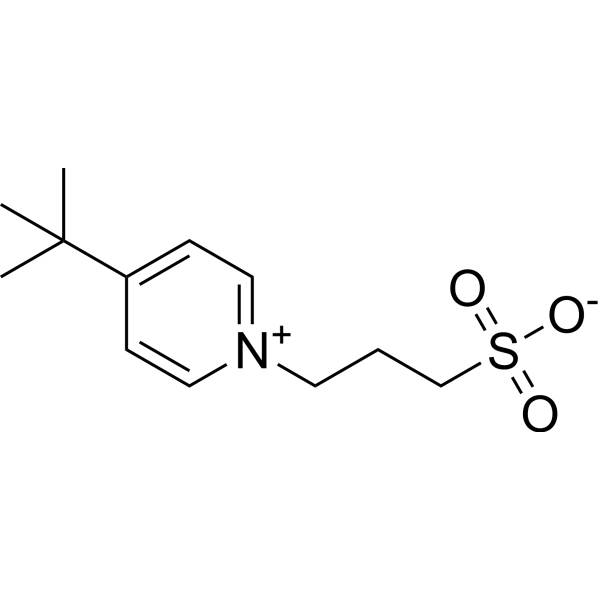
    3-(4-(tert-Butyl)pyridinio)-1-propanesulfonate

    Biochemical Assay Reagents Others
    NDSB 256-4T is a non-washing sulfabetaine compound. NDSB-256-4T prevents protein aggregation and promotes protein folding by interacting with early folding intermediates .
    NDSB 256-4T
  • HY-P10818

    Huntingtin Neurological Disease
    Polyglutamine binding peptide 1 (QBP1) is a peptide inhibitor of polyglutamine (polyQ). Polyglutamine binding peptide 1 inhibits polyQ protein aggregation in vitro and suppresses polyQ-induced cell death in cell culture .
    Polyglutamine binding peptide 1
  • HY-146135

    Microtubule/Tubulin Dopamine Receptor Neurological Disease
    Tau-aggregation-IN-1 (Compound D-519) is a tau441 protein aggregation inhibitor with an IC50 of 21 µM. Tau-aggregation-IN-1 is also a dopamine D2 and D3 receptor agonist .
    Tau-aggregation-IN-1
  • HY-109116A

    Leukomethylene blue dihydrobromide; LMTM dihydrobromide

    Tau Protein Neurological Disease
    Hydromethylthionine dihydrobromide (Leukomethylene blue dihydrobromide) is a potent inhibitor of TAU protein aggregation. Hydromethylthionine dihydrobromide reduces neurodegeneration by interacting with TAU proteins and preventing them from forming neurotoxic aggregates. Hydromethylthionine dihydrobromide can be used in the study of Alzheimer's disease and other TAU related disorders .
    Hydromethylthionine dihydrobromide
  • HY-179377

    HSP Tau Protein Neurological Disease
    Aha1/Hsp90-IN-2 is a selective inhibitor of the Hsp90/Aha1 interaction, with its IC50 being 1.46 μM. Aha1/Hsp90-IN-2 inhibits the activation of Hsp90 ATPase activity mediated by Aha1 by specifically blocking the binding of Hsp90 to Aha1, thereby reducing tau protein aggregation. Aha1/Hsp90-IN-2 can be used for the study of neurodegenerative diseases, such as Alzheimer's disease .
    Aha1/Hsp90-IN-2
  • HY-W741557

    (±)-Griseofulvic acid

    Fungal Infection
    Griseofulvic acid is a metabolite of the antifungal Griseofulvin (HY-17583). It induces protein aggregation and tubulin polymerization in cell-free assays.
    Griseofulvic Acid
  • HY-164539

    HDAC Autophagy Cancer
    TMU 35435 is a histone deacetylase (HDAC) inhibitor. TMU-35435 inhibits the NHEJ pathway through ubiquitination of DNA-dependent protein kinase catalytic subunit (DNA-PKcs). In addition, TMU 35435 enhances radiosensitivity by inducing misfolded protein aggregation and autophagy in TNBC .
    TMU 35435
  • HY-N10352

    Others Cancer
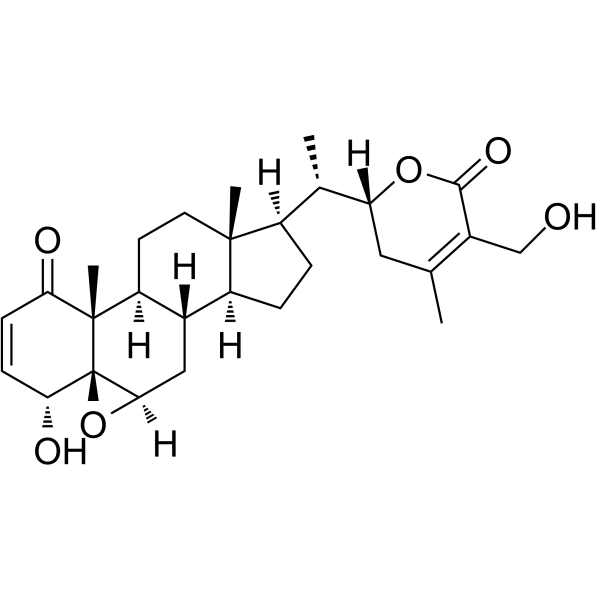
    4-epi-Withaferin A (compound 28) is the analogue of Withaferin A. 4-epi-Withaferin A enhances cytotoxicity and cytoprotective heat-shock-inducing activity (HSA). 4-epi-Withaferin A has the potential for the research of protein aggregation-associated diseases by stimulating cellular defense mechanisms .
    4-epi-Withaferin A
  • HY-161448

    Tau Protein Neurological Disease
    Tau-aggregation-IN-3 (compound 9) a Tau protein aggregation inhibitor (TAI). Tau-aggregation-IN-3 shows activity in cell-based aggregation inhibition experiments (EC50=4.816 μM). Tau-aggregation-IN-3 can be used in Alzheimer's disease research .
    Tau-aggregation-IN-3
  • HY-P10534

    Prion Protein Infection Neurological Disease
    CCβ is a simple 17-amino acid peptide designed in research. CCβ is able to mimic the conformational transition of proteins from α-helix to β-sheet, which is a key step in the aggregation of proteins associated with many diseases, such as Alzheimer's disease and prion disease. CCβ can be used to study diseases related to protein aggregation .
    ccβ
  • HY-149273

    Cholinesterase (ChE) Amyloid-β Tau Protein Neurological Disease
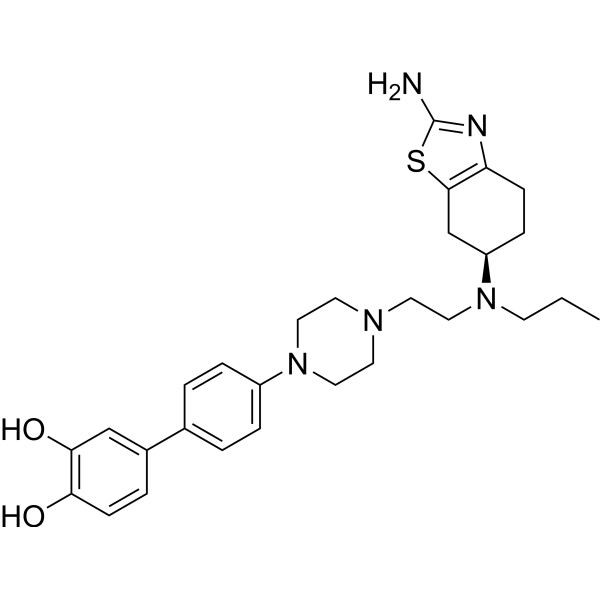
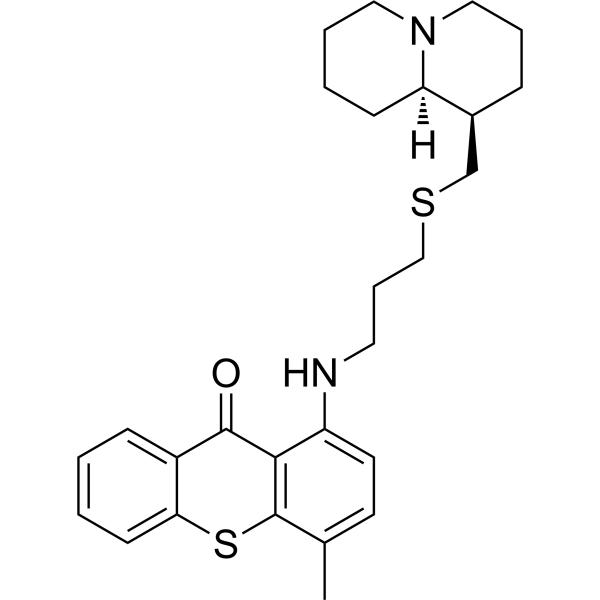
    hBChE-IN-1 (compound 4), a quinolizidinyl derivative, is a potent hBChE inhibitor (IC50=7 nM) and highly selective over hAChE. hBChE-IN-1 shows inhibitory activity against tau and 40 protein aggregation, with IC50 values of 20 and 4.3 μM, respectively. hBChE-IN-1 can be used for Alzheimer's disease research .
    hBChE-IN-1
  • HY-174272

    GSK-3 Amyloid-β Neurological Disease
    GSK-3β inhibitor 27 (Compound 1c) is a reversible and competitive GSK-3β inhibitor with an IC50 value of 2.2 μM. GSK-3β inhibitor 27 inhibits tau hyperphosphorylation, reduces Aβ protein aggregation and possesses metal chelation and neuroprotective potential. GSK-3β inhibitor 27 is promising for research of neurodegenerative diseases (such as Alzheimer’s disease) .
    GSK-3β inhibitor 27
  • HY-170417

    Cholinesterase (ChE) GSK-3 Neurological Disease
    hAChE/hBuChE/GSK-3β-IN-1 (Compound 6c) is a BBB-penetrable and multi-target anti-Alzheimer's disease compound. hAChE/hBuChE/GSK-3β-IN-1 is the inhibitors of hAChE (IC50: 28.88 nM), hBuChE (IC50: 131.90 nM) and GSK-3β (IC50: 51.42 nM). hAChE/hBuChE/GSK-3β-IN-1 is the tau and protein aggregation inhibitors .
    hAChE/hBuChE/GSK-3β-IN-1
  • HY-175658

    Cholinesterase (ChE) Amyloid-β Tau Protein Neurological Disease
    AChE/BChE-IN-29 is an AChE/BChE inhibitor. AChE/BChE-IN-29 exhibits balanced dual cholinesterase inhibitory activity with IC50 values of 2.1 μM for Electrophorus electricus AChE (eeAChE) and 6.3 μM for equine serum butyrylcholinesterase (eqBChE). AChE/BChE-IN-29 effectively inhibits amyloid-β (42) aggregation and tau protein aggregation in E. coli cell models. AChE/BChE-IN-29 can be used for the study of Alzheimer’s disease (AD) .
    AChE/BChE-IN-29
  • HY-W010041R

    Reference Standards α-synuclein Amyloid-β Neurological Disease
    Scyllo-Inositol is an inhibitor that targets the aggregation of misfolded proteins (such as α-synuclein and Amyloid-β), is orally effective, and can cross the blood-brain barrier. Scyllo-Inositol can selectively bind to and stabilize non-toxic oligomers, preventing them from converting into toxic fibers, exerting protein homeostasis regulation and neuroprotective activity. Scyllo-Inositol binds to the hydrophobic region of pathogenic proteins, inhibits protein aggregation, and promotes lysosome- and proteasome-mediated degradation pathways, thereby reducing neurotoxicity. Scyllo-Inositol can be used in the study of neurodegenerative diseases such as Parkinson's disease, Alzheimer's disease, and Huntington's disease .
    Scyllo-Inositol (Standard)
  • HY-155365

    Cholinesterase (ChE) GSK-3 Amyloid-β Neurological Disease
    hAChE-IN-5 (compound 49) is a potent hAChE and hBuChE inhibitor with IC50 values of 0.17 μM and 0.17 μM, respectively. hAChE-IN-5 shows potent GSK3β inhibition with an IC50 value of 0.21 μM. hAChE-IN-5 is used as tau protein aggregation and Aβ1-42 self-aggregation inhibitor. hAChE-IN-5 can bind virtually with the PAS affecting Aβ aggregation, thus preventing Aβ-dependent neurotoxicity. hAChE-IN-5 can penetrate BBB and has the potential for multi-targeted anti-Alzheimer's agents research .
    hAChE-IN-5
  • HY-159898

    Cholinesterase (ChE) Amyloid-β Tau Protein NOD-like Receptor (NLR) Reactive Oxygen Species (ROS) Mitochondrial Metabolism Neurological Disease
    AChE/BChE-IN-23 (Compound 6e) is an AChE/BChE inhibitor (IC50: 0.91 μM, 1.19 μM and 1.01 μM for hAChE, eq BChE and hBChE, respectively). AChE/BChE-IN-23 has antioxidant activity and inhibits 1-42 and Tau protein aggregation. AChE/BChE-IN-23 also inhibits microglial activation by reducing ROS release and mitochondrial injury. AChE/BChE-IN-23 suppresses NLRP3 inflammasome and pro-inflammatory cytokines in human microglial cells. AChE/BChE-IN-23 also reverses the Scopolamine (HY-N0296)-induced memory impairment in mice model .
    AChE/BChE-IN-23
  • HY-145858

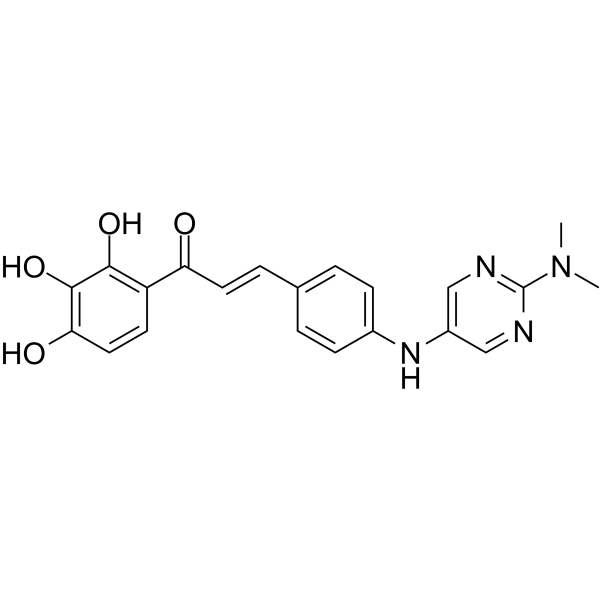
    Ferroptosis Cancer
    Chalcones A-N-5 is a trihydroxy chalcone derivative compound. Chalcones A-N-5 doesn’t show cytotoxicity at the concentration lower than 100 µM (with IC50 > 1 mM), but has a significant effect on promoting cell proliferation. Chalcones A-N-5 potentially promotes neuronal cell growth in the damaged brain tissue. Chalcones A-N-5 also inhibits ferroptosis induced by RSL or erastin and reduces the lipid peroxidation levels induced by Aβ1-42 protein aggregation. Chalcones A-N-5 is a promising molecular skeleton candidate for further development of lead compound for in vivo test to research AD .
    Chalcones A-N-5
  • HY-W707693

    Isotope-Labeled Compounds Amyloid-β α-synuclein Neurological Disease
    Scyllo-Inositol-d6 is the deuterium labeled Scyllo-Inositol (HY-W010041). Scyllo-Inositol is an inhibitor that targets the aggregation of misfolded proteins (such as α-synuclein and Amyloid-β), is orally effective, and can cross the blood-brain barrier. Scyllo-Inositol can selectively bind to and stabilize non-toxic oligomers, preventing them from converting into toxic fibers, exerting protein homeostasis regulation and neuroprotective activity. Scyllo-Inositol binds to the hydrophobic region of pathogenic proteins, inhibits protein aggregation, and promotes lysosome- and proteasome-mediated degradation pathways, thereby reducing neurotoxicity. Scyllo-Inositol can be used in the study of neurodegenerative diseases such as Parkinson's disease, Alzheimer's disease, and Huntington's disease .
    Scyllo-Inositol-d6
  • HY-106443AR

    BRX-220 (Standard)

    Reference Standards HSP Neurological Disease Metabolic Disease Inflammation/Immunology
    Arimoclomol maleate (Standard) is the analytical standard of Arimoclomol maleate (HY-106443A). This product is intended for research and analytical applications. Arimoclomol maleate (BRX-220) is an orally active co-inducer of heat shock proteins (HSP) . Arimoclomol protects motor neurons by enhancing Hsp expression, thus directly affecting protein aggregation and clearance of misfolded assemblies via the proteasome-ubiquitin system .Arimoclomol maleate can be used for the study of Niemann–Pick disease type C.
    Arimoclomol maleate (Standard)
  • HY-181879

    PROTACs Huntingtin Neurological Disease
    PROTAC mHTT Degrader-1 is a blood-brain barrier-penetrant mutant huntingtin (mHTT) PROTAC degrader. PROTAC mHTT Degrader-1 specifically recognizes pathogenic mHTT aggregates and recruits Cereblon (CRBN), thereby inducing ubiquitination and proteasomal degradation of mHTT. PROTAC mHTT Degrader-1 alleviates mHTT-induced cytotoxicity and neuroinflammation. In the R6/2 Huntington's disease mouse model, PROTAC mHTT Degrader-1 reduces cerebral protein aggregation levels and improves body weight, motor coordination and survival rate of animals. PROTAC mHTT Degrader-1 can be used for research on PROTAC therapies for Huntington's disease and other neurodegenerative diseases .
    PROTAC mHTT Degrader-1

Inquiry Online

Your information is safe with us. * Required Fields.

Salutation


Country or Region *

Applicant Name *


Organization Name *

Department *


Email Address *


Product Name *

Cat. No.


Requested quantity *

Phone Number *


Remarks

Inquiry Online

Inquiry Information

Product Name:
Cat. No.:
Quantity:
MCE Japan Authorized Agent: