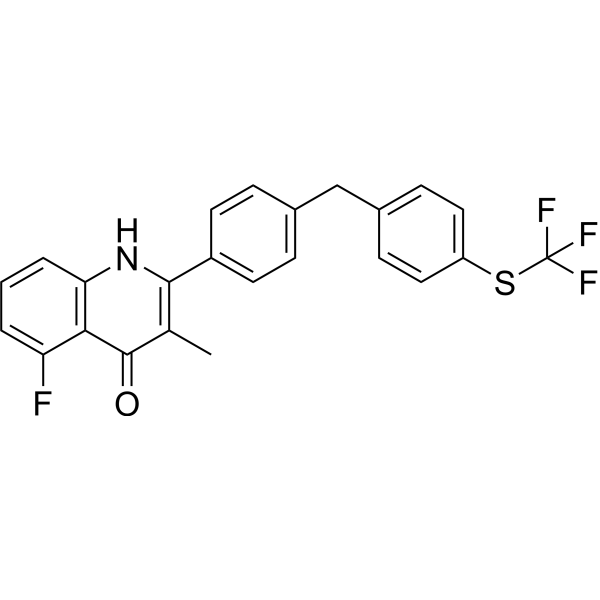
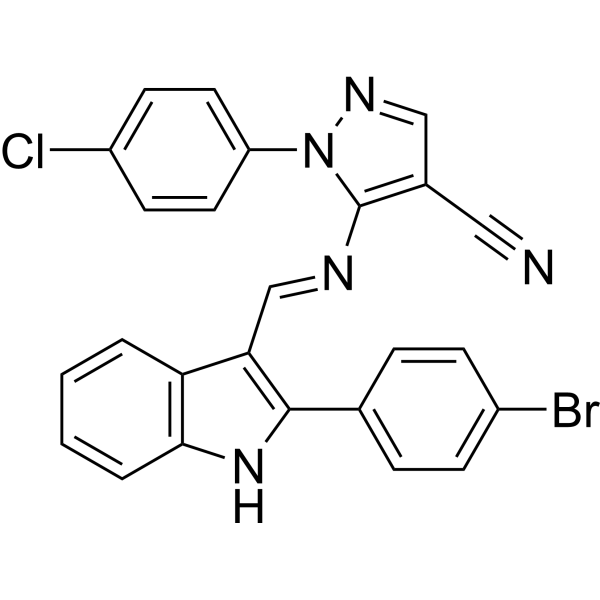
1. Search Result
Search Result
Results for "

resistant+strain

" in MedChemExpress (MCE) Product Catalog:

145

Inhibitors & Agonists

1

Screening Libraries

5

Peptides

1

Inhibitory Antibodies

32

Natural
Products

3

Isotope-Labeled Compounds

Cat. No. Product Name Target Research Areas Chemical Structure
  • HY-B0509A
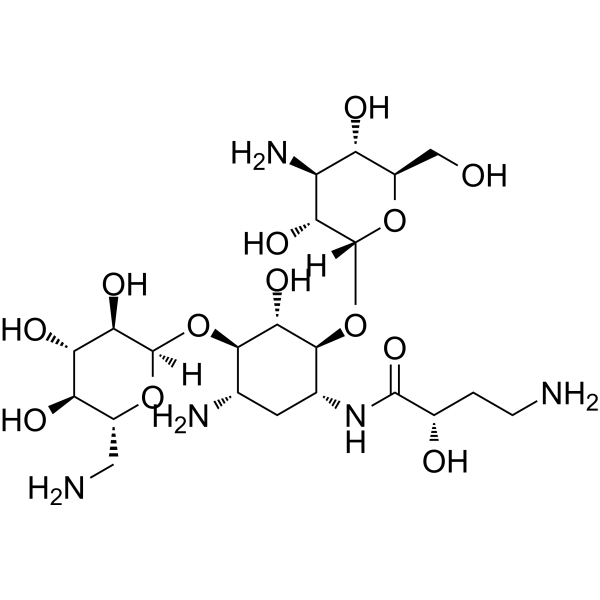
    Amikacin
    Maximum Cited Publications
    26 Publications Verification

    BAY 41-6551

    Bacterial Antibiotic Infection Cancer
    Amikacin (BAY 41-6551) is a semisynthetic kanamycin analog that is active against most Gram-negative bacteria, including gentamicin- and tobramycin-resistant strains. Significant inhibitory effect. Amikacin is ototoxic and nephrotoxic. Amikacin can be used in bacteriostatic, anti-cancer and analgesic studies .
    Amikacin
  • HY-N0315
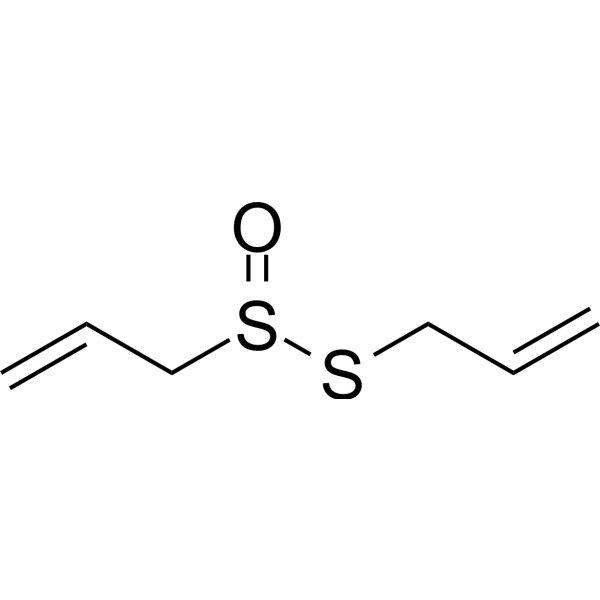
    Allicin
    Maximum Cited Publications
    17 Publications Verification

    Diallyl thiosulfinate

    Bacterial Antibiotic Infection
    Allicin (diallyl thiosulfinate) is isolated from garlic including Diallyl monosulfide, Diallyl disulfide, Diallyl trisulfide, Diallyl tetrasulfide, and Methyl allyl disulphide etc. They accounts for 98% of the extract. Allicin (diallyl thiosulfinate) has highly potent antimicrobial activity, and inhibits growth of a variety of microorganisms, among them antibiotic-resistant strains .
    Allicin
  • HY-N0402
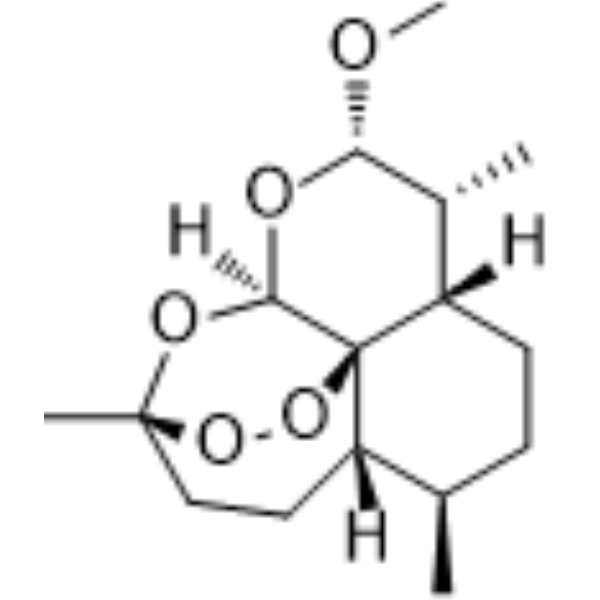
    Artemether
    3 Publications Verification

    Dihydroqinghaosu methyl ether; Dihydroartemisinin methyl ether; SM224

    Parasite Infection Inflammation/Immunology Cancer
    Artemether is an anti-malarial compound that targets drug-resistant strains of falciparum malaria .
    Artemether
  • HY-B1268
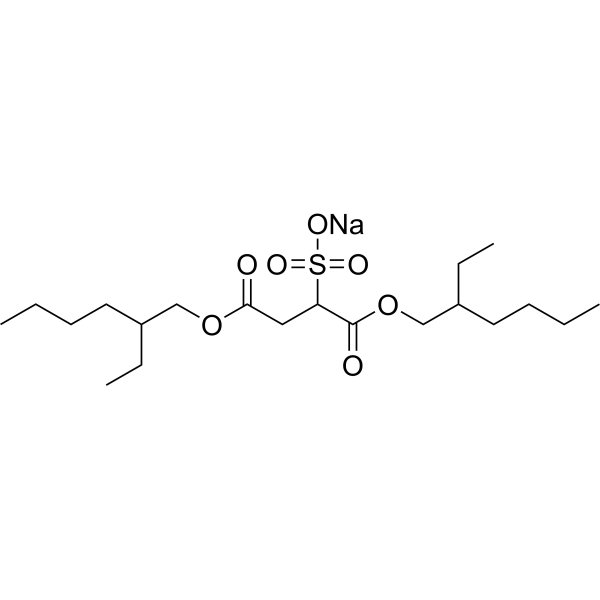
    Docusate Sodium
    2 Publications Verification

    Dioctyl sulfosuccinate sodium salt

    Environmental Pollutants HSV Others
    Docusate Sodium (Dioctyl sulfosuccinate sodium salt) is one of the main components in stool softeners. Docusate Sodium is a sulfated surfactant and may inactivate viral pathogens by disrupting viral envelopes and/or denaturing/disassociating proteins. Docusate Sodium is effective in vitro against wild type and drug-resistant strains of HSV type 1 and 2. Docusate Sodium is an obesogen. Docusate Sodium with developmental exposure leads to increased adult adiposity, inflammation, metabolic disorder and dyslipidemia in offspring fed a standard diet in mice .
    Docusate Sodium
  • HY-B0509B
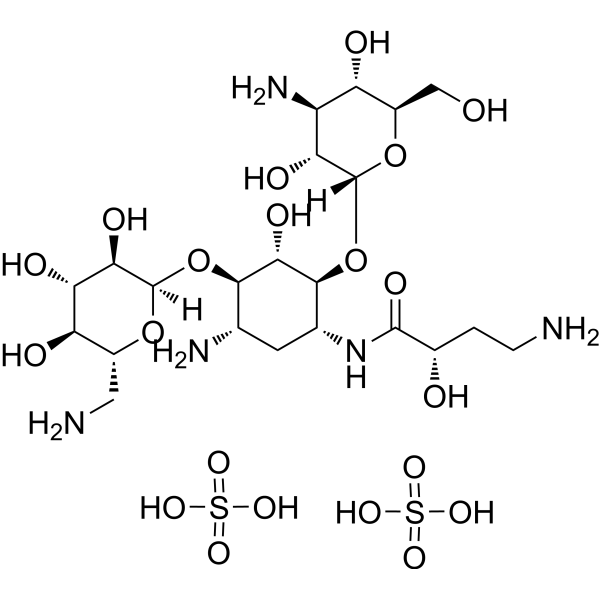
    Amikacin disulfate
    Maximum Cited Publications
    26 Publications Verification

    BAY 41-6551 disulfate

    Bacterial Antibiotic Infection Cancer
    Amikacin disulfate (BAY 41-6551 dissulfate) is an aminoglycoside antibiotic and a semisynthetic analog of kanamycin. Amikacin disulfate is bactericidal, acting directly on the 30S and 50S bacerial ribosomal subunits to inhibit protein synthesis. Amikacin disulfate is very active against most Gram-negative bacteria including gentamicin- and tobramycin-resistant strains. Amikacin disulfate also inhibits the infections caused by susceptible Nocardia and nontuberculous mycobacteria .
    Amikacin disulfate
  • HY-A0086

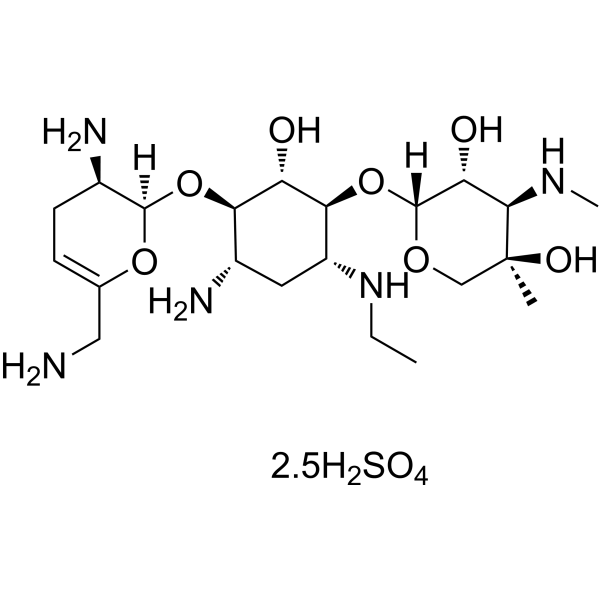
    SCH-20569 sulfate

    Bacterial Antibiotic Infection
    Netilmicin (Sch 20569) sulfate is a broad-spectrum semisynthetic aminoglycoside antibiotic. Netilmicin sulfate exhibits antibacterial activity against aminoglycoside-susceptible gram-negative strains and aminoglycoside-resistant strain, such as Escherichia coli, Pseudomonas aeruginosa, Proteus, Staphylococcus aureus, Streptococcus, Serratia, and Enterobacter, with MIC of 0.125-8 μg/mL .
    Netilmicin sulfate
  • HY-107813
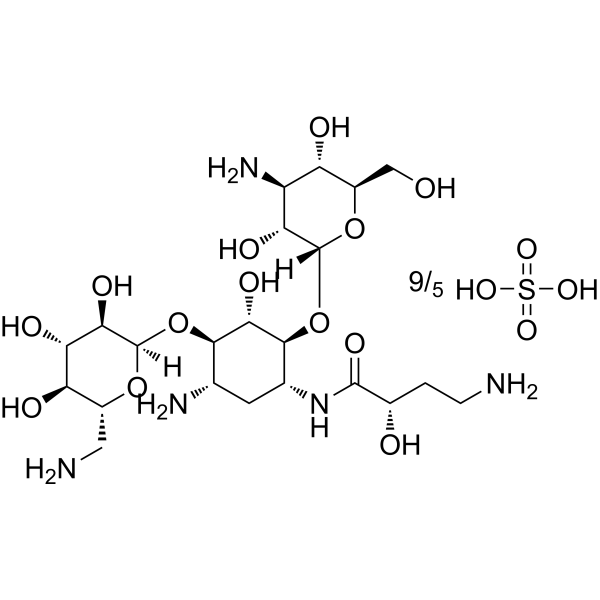
    Amikacin sulfate
    Maximum Cited Publications
    26 Publications Verification

    BAY 41-6551 sulfate

    Bacterial Antibiotic Infection Cancer
    Amikacin sulfate (BAY 41-6551 sulfate) is an aminoglycoside antibiotic and a semisynthetic analog of kanamycin. Amikacin sulfate is bactericidal, acting directly on the 30S and 50S bacerial ribosomal subunits to inhibit protein synthesis. Amikacin sulfate is very active against most Gram-negative bacteria including gentamicin- and tobramycin-resistant strains. Amikacin sulfate also inhibits the infections caused by susceptible Nocardia and nontuberculous mycobacteria .
    Amikacin sulfate
  • HY-14267

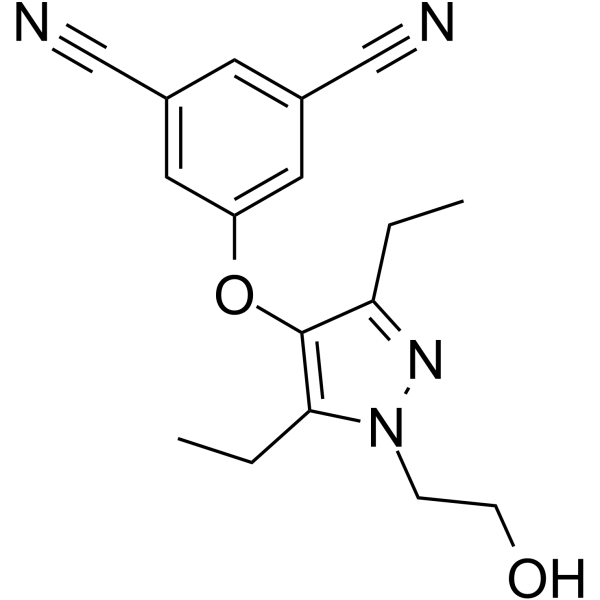
    UK-453061

    HIV Reverse Transcriptase Infection
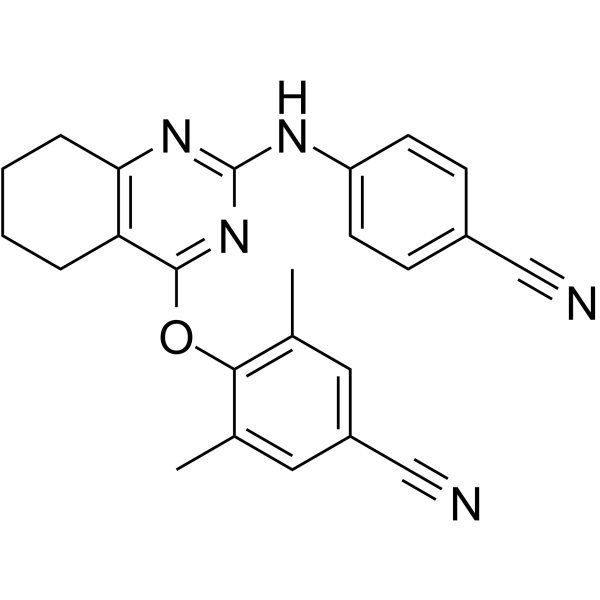
    Lersivirine (UK-453061) is potent and selective non-nucleoside reverse transcription inhibitor (NNRTI; IC50=119 nM) with excellent efficacy against NNRTI-resistant viruses. Lersivirine exhibits potent antiretroviral activity against wild-type HIV virus and clinically relevant NNRTI-resistant strains .
    Lersivirine
  • HY-14800
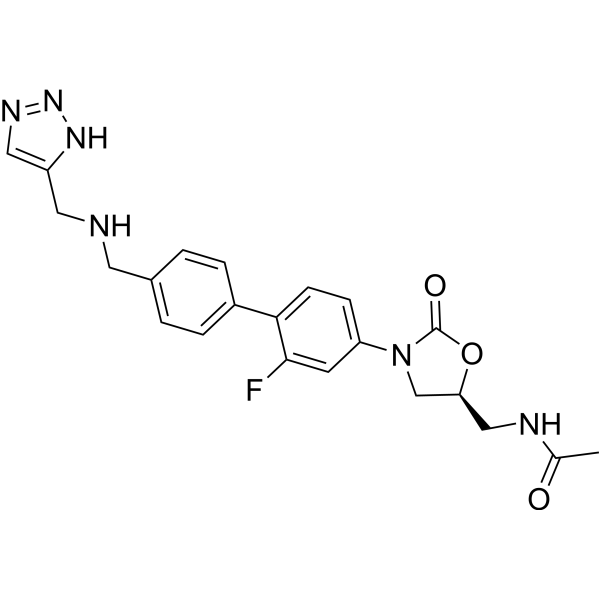
    Radezolid
    10+ Cited Publications

    RX-1741

    Bacterial Antibiotic Infection
    Radezolid (RX-1741) is a oxazolidinone antibiotic. Radezolid is active against Staphylococcus, Chlamydia, and Legionella species, and remains active against Linezolid-resistant strains .
    Radezolid
  • HY-B0343A
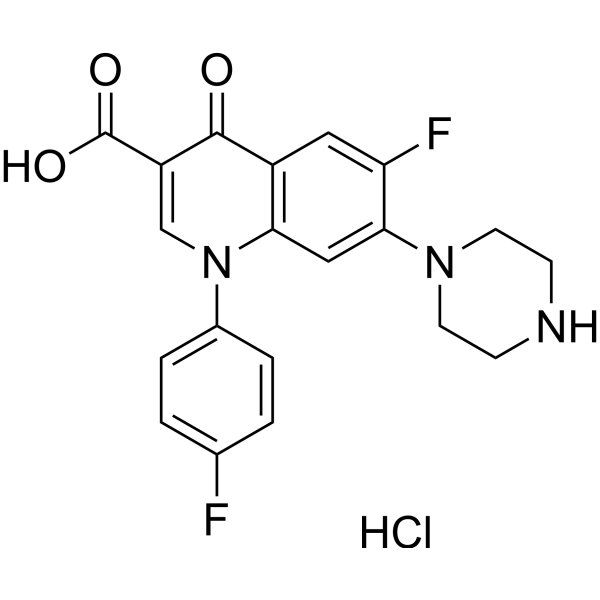
    Sarafloxacin hydrochloride
    2 Publications Verification

    A-56620 hydrochloride

    Bacterial Infection Inflammation/Immunology
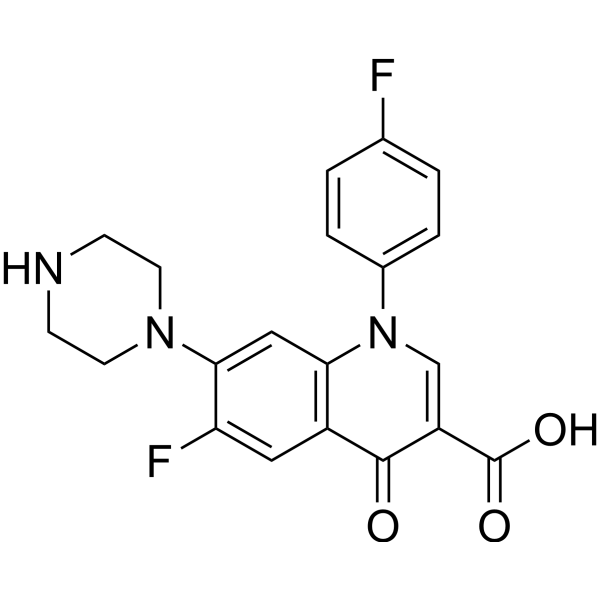
    Sarafloxacin hydrochloride (A-56620 hydrochloride) is a fluoroquinolone Antibacterial agent. Sarafloxacin inhibits the growth of Staphylococcus aureus, Enterobacteriaceae, and both aminoglycoside-sensitive and aminoglycoside-resistant strains of Pseudomonas aeruginosa .
    Sarafloxacin hydrochloride
  • HY-15975

    Parasite Infection
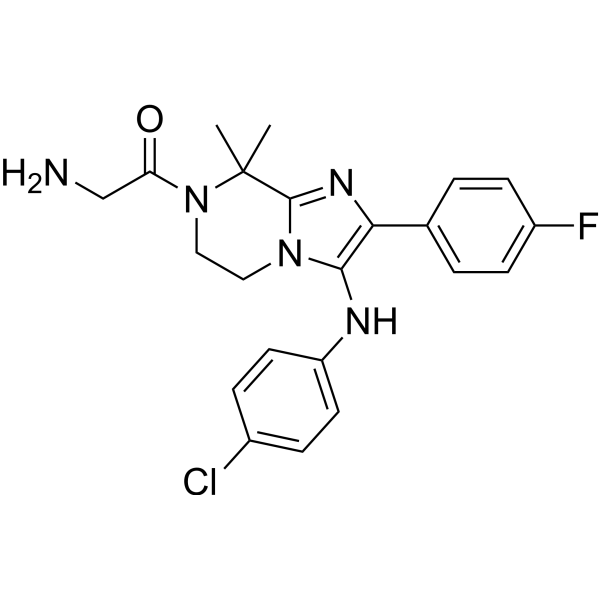
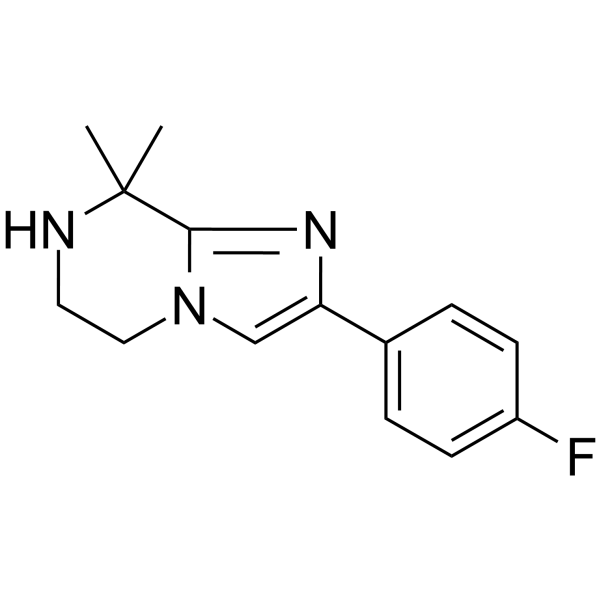
    GNF179 is an optimized 8,8-dimethyl imidazolopiperazine analog that exhibits antimalarial potency (IC50 of 4.8 nM against the multidrug resistant strain W2). GNF179 is orally active .
    GNF179
  • HY-B0509
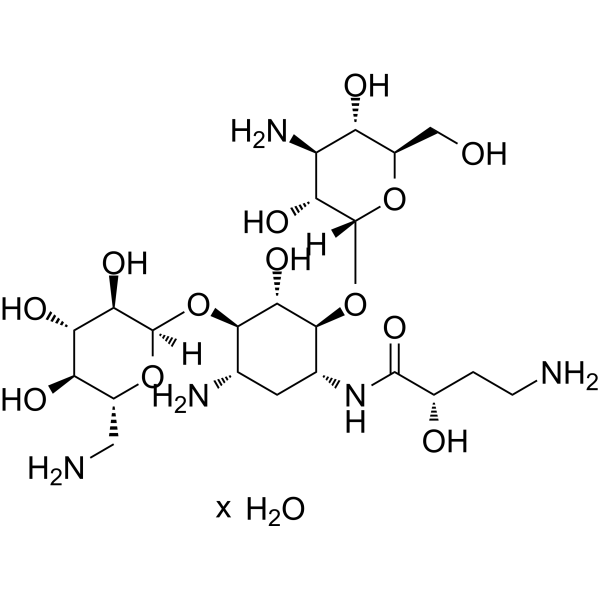
    Amikacin hydrate
    Maximum Cited Publications
    26 Publications Verification

    BAY 41-6551 hydrate

    Bacterial Antibiotic Infection Cancer
    Amikacin hydrate (BAY 41-6551 hydrate) is an aminoglycoside antibiotic and a semisynthetic analog of kanamycin. Amikacin hydrate is bactericidal, acting directly on the 30S and 50S bacerial ribosomal subunits to inhibit protein synthesis. Amikacin hydrate is very active against most Gram-negative bacteria including gentamicin- and tobramycin-resistant strains. Amikacin hydrate also inhibits the infections caused by susceptible Nocardia and nontuberculous mycobacteria .
    Amikacin hydrate
  • HY-117766

    Fungal Cytochrome P450 Infection
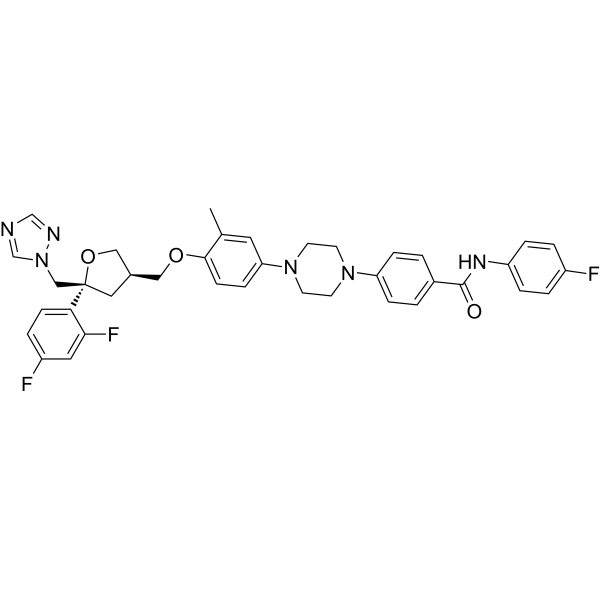
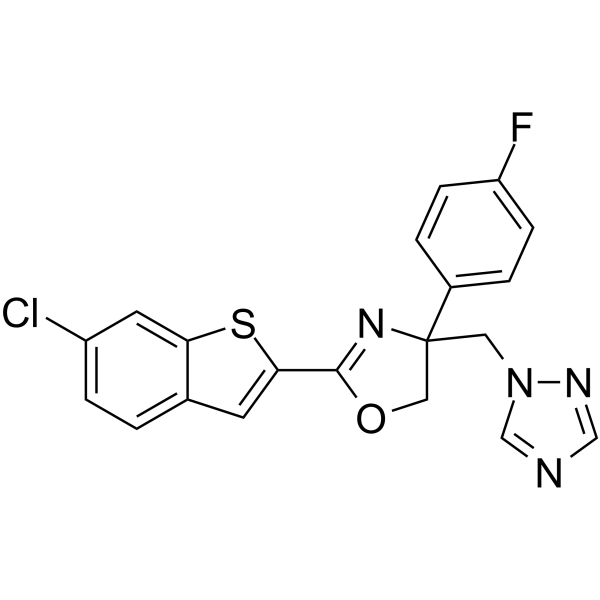
    PC945, a potent, long-acting antifungal triazole, possesses activity against a broad range of both azole-susceptible and azole-resistant strains of Aspergillus fumigatus. PC945 is also a potent, tightly binding inhibitor of A. fumigatus sterol 14α-demethylase activity, CYP51A and CYP51B, with IC50s of 0.23 μM and 0.22 μM, respectively .
    PC945
  • HY-128914

    ADC Payload Microtubule/Tubulin Apoptosis Cancer
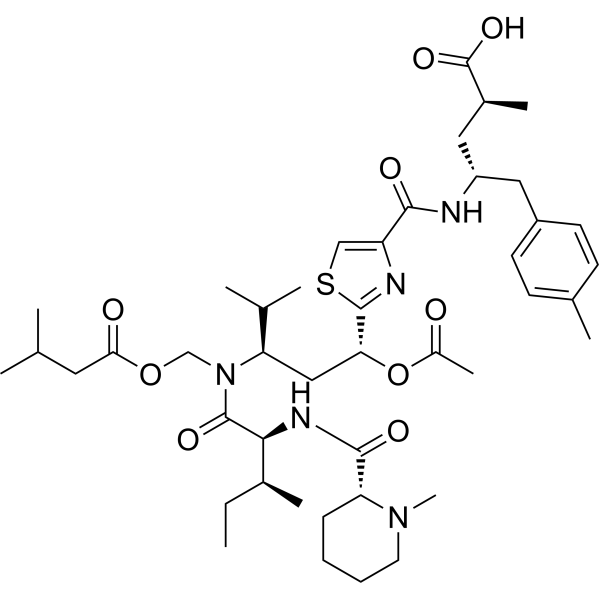
    Tubulysin is a microtubule destabilizer that binds to the β-tubulin peptide site adjacent to the vinca alkaloid binding site and inhibits tubulin polymerization. Tubulysin induces apoptosis and exhibits antiproliferative activity against a variety of human cancer cells, including multidrug-resistant strains. Tubulysin can be conjugated to antibodies via a disulfide-containing quaternary ammonium linker for ADC synthesis . Tubulysin is applicable to tumor-related research .
    Tubulysin
  • HY-125576

    Bacterial Infection
    Griselimycin is a cyclic lipopeptide produced by Streptomyces. Griselimycin specifically binds to the sliding clamp of bacterial DNA polymerase and does not interact with human PCNA. Griselimycin exhibits potent antibacterial activity against Mycobacterium tuberculosis (including drug-resistant strains) and a variety of Gram-negative bacteria .
    Griselimycin
  • HY-A0248B

    Antibiotic Bacterial Infection
    Polymyxin B2 is a polypeptide antibiotic that has antibacterial activity, particularly against gram-negative bacteria. Polymyxin B2 kills the bacteria by binding to lipopolysaccharide molecules on the bacterial cell membrane, disrupting the integrity of the cell membrane and causing the cell contents to leak. Polymyxin B2 can be used in antibiotic development and treatment of drug-resistant strains .
    Polymyxin B2
  • HY-N3386

    Bacterial Infection
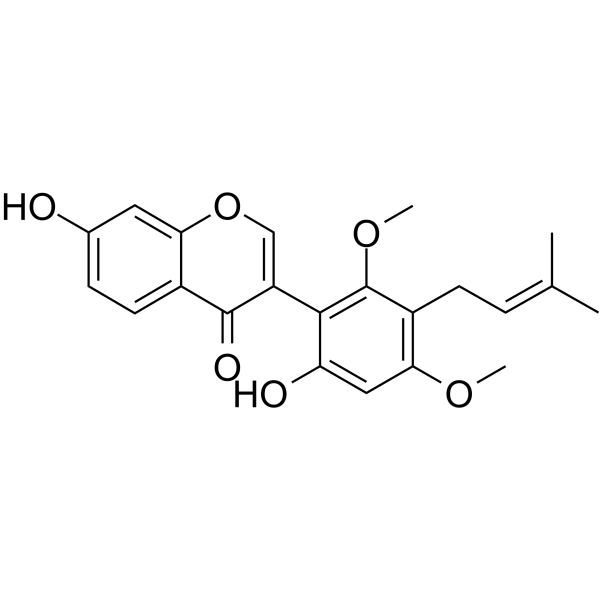
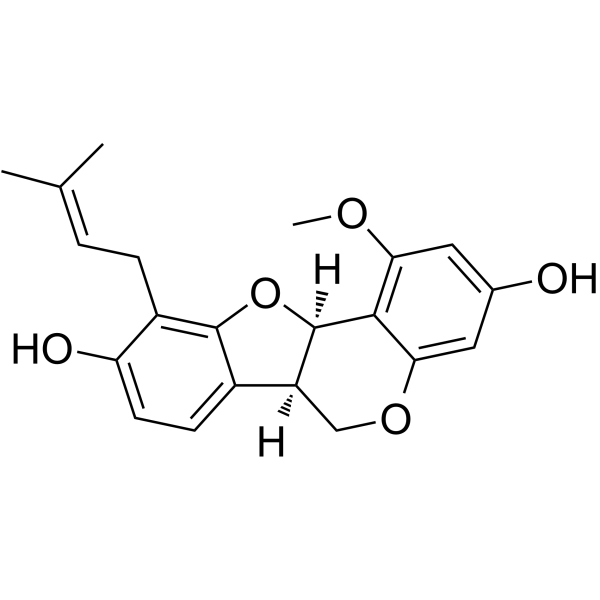
    Licoricone is an flavonoid extracted from licorice, exhibits anti-helicobacter pylori activity against the CLAR and AMOX-resistant strain as well as four CLAR (AMOX)-sensitive strains .
    Licoricone
  • HY-143899

    Fructose-1,6-bisphosphate aldolase Fungal Infection
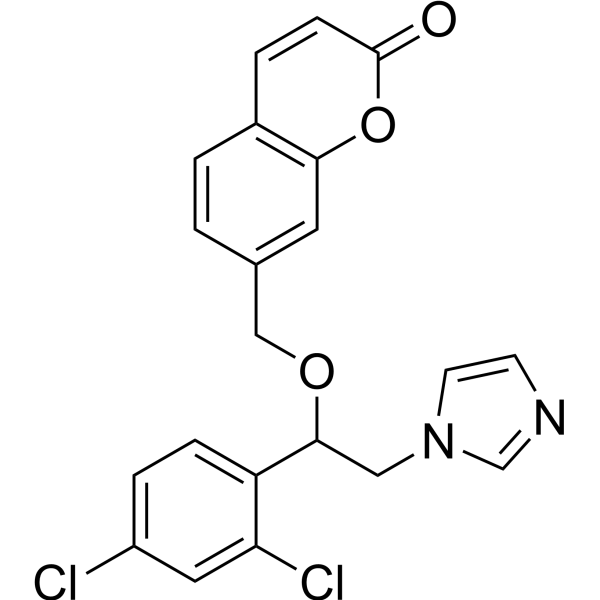
    FBA-IN-1 (compound 2a11) is a first-in-class, covalent and allosteric inhibitor of fructose-1,6-bisphosphate aldolase from Candida albicans (CaFBA). FBA-IN-1 inhibits the growth of Azole-resistant strains 103 with the MIC80 of 1 μg/mL .
    FBA-IN-1
  • HY-16745

    KRP-AM1977

    Beta-lactamase Bacterial Antibiotic Infection
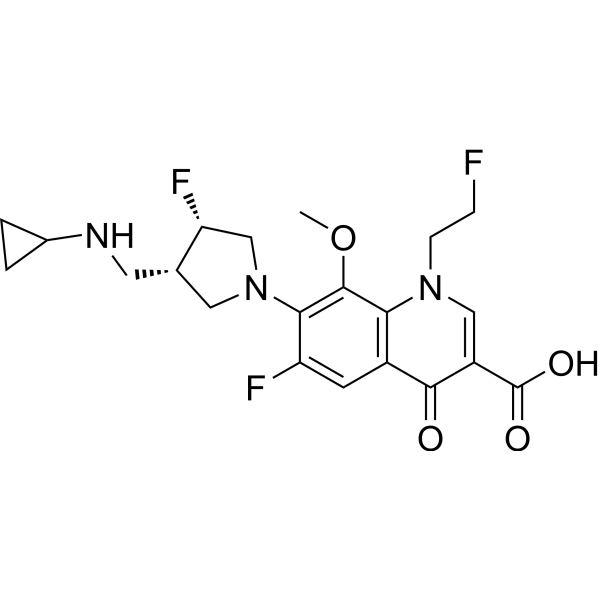
    Lascufloxacin (KRP-AM1977X) is a potent and orally active fluoroquinolone antibacterial agent. Lascufloxacin potently inhibits infections caused by various pathogens, including quinolone-resistant strains. Lascufloxacin has the potential for various infectious diseases treatment, including lower respiratory tract infections .
    Lascufloxacin
  • HY-131981
    TP0586532
    2 Publications Verification

    Bacterial Infection Cardiovascular Disease
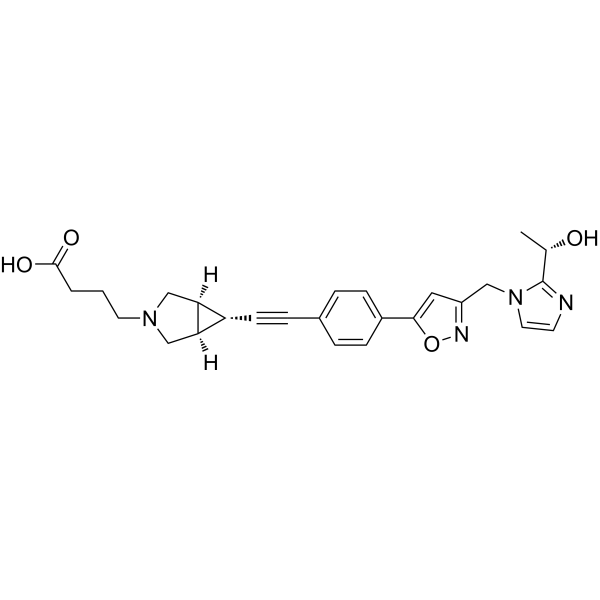
    TP0586532 is a non-hydroxamate LpxC inhibitor (IC50=0.101 μM). TP0586532 as a compound with a low cardiovascular risk that is effective against K. pneumoniae, including resistant strains . TP0586532 is a click chemistry reagent, it contains an Alkyne group and can undergo copper-catalyzed azide-alkyne cycloaddition (CuAAc) with molecules containing Azide groups.
    TP0586532
  • HY-100358

    Parasite Infection
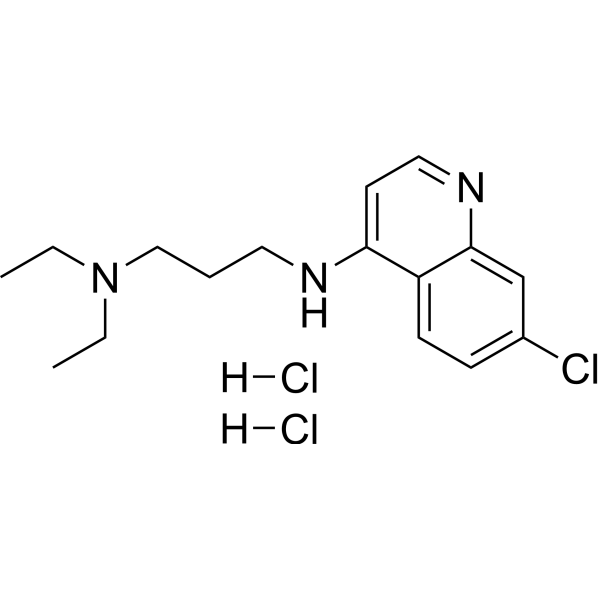
    AQ-13 dihydrochloride is an aminoquinoline antimalarial agent that is effective against drug-resistant strains of Plasmodium falciparum.
    AQ-13 dihydrochloride
  • HY-N0402S

    Dihydroqinghaosu methyl ether-d3; Dihydroartemisinin methyl ether-d3; SM224-d3

    Isotope-Labeled Compounds Parasite Infection Cancer
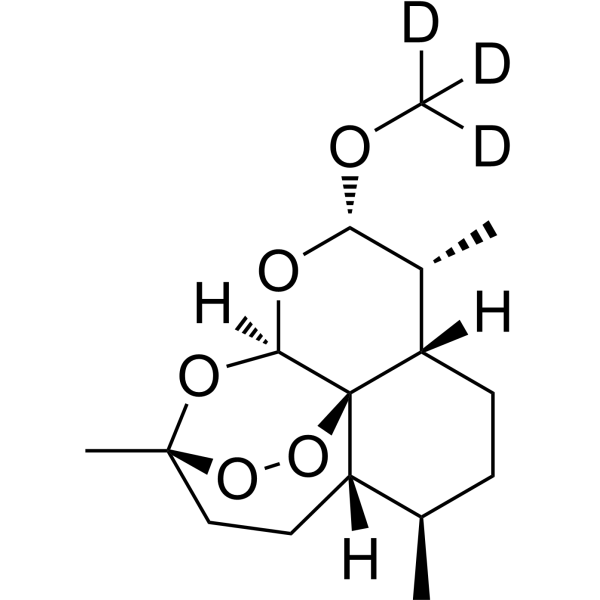
    Artemether-d3 is the deuterium labeled Artemether. Artemether is an antimalarial for the treatment of resistant strains of falciparum malaria.
    Artemether-d3
  • HY-135578

    Parasite Infection
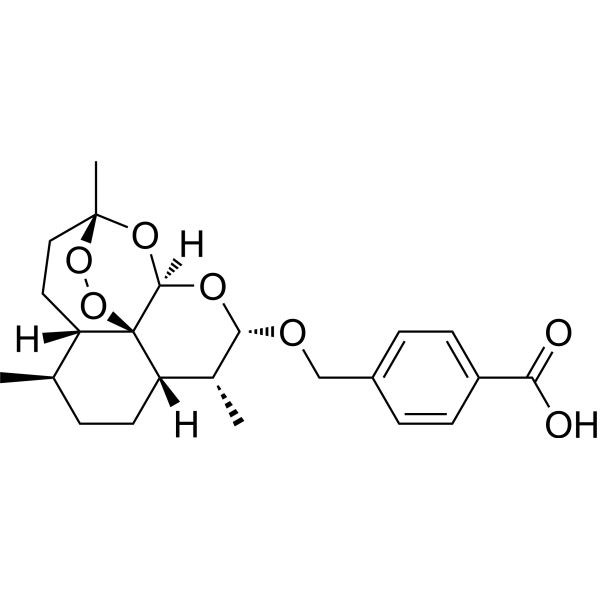
    Artelinic acid, a derivative of Artemisinin, is an antimalarial agent for the treatment of multidrug resistant strains of Plasmodium falciparum. Artelinic acid can be administered by various routes of administration, including intravenous, intramuscular and oral routes .
    Artelinic acid
  • HY-146145

    Fungal Mitochondrial Metabolism Infection
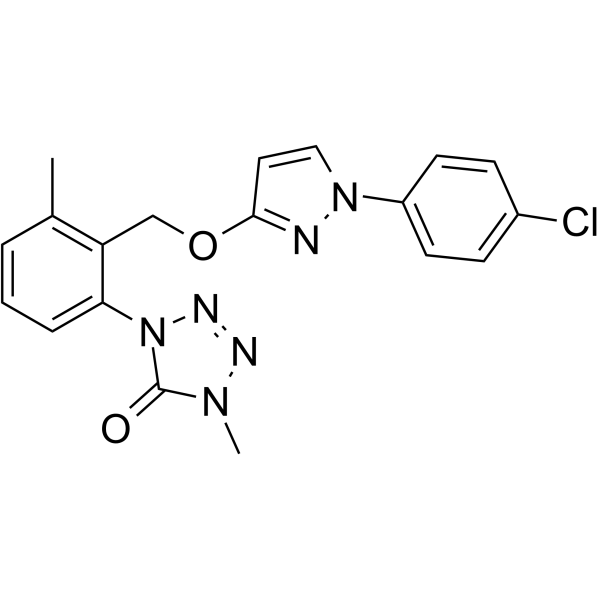
    Metyltetraprole is a promising fungicide with EC50 values of both 0.002 ppm against sensitive wild-type and G143A mutant of Zymoseptoria tritici. Metyltetraprole is effective against QoI (quinone outside inhibitor) resistant strains. Metyltetraprole inhibits the respiratory chain via complex III .
    Metyltetraprole
  • HY-B0509AR

    BAY 41-6551 (Standard)

    Reference Standards Bacterial Antibiotic Infection Cancer
    Amikacin (Standard) is the analytical standard of Amikacin. This product is intended for research and analytical applications. Amikacin (BAY 41-6551), a semisynthetic analog of kanamycin, is very active against most gram-negative bacteria including gentamicin- and tobramycin-resistant strains. Amikacin (BAY 41-6551) is ototoxic and nephrotoxic .
    Amikacin (Standard)
  • HY-127054

    Sch 20569

    Antibiotic Bacterial Infection
    Netilmicin (Sch 20569) is a broad-spectrum semisynthetic aminoglycoside antibiotic. Netilmicin exhibits antibacterial activity against aminoglycoside-susceptible gram-negative strains and aminoglycoside-resistant strain, such as Escherichia coli, Pseudomonas aeruginosa, Proteus, Staphylococcus aureus, Streptococcus, Serratia, and Enterobacter, with MIC of 0.125-8 μg/mL .
    Netilmicin
  • HY-N7634

    Farnesyl Transferase Parasite Infection Cancer
    Tectol, isolated from Lippia sidoides, exhibits significant activity against human leukemia cell lines HL60 and CEM . Tectol is a farnesyltransferase (FTase) inhibitor with IC50s of 2.09 and 1.73 μM for human and T. brucei FTase, respectively. Tectol inhibits drug-resistant strain of P. falciparum (FcB1) with an IC50 of 3.44 μM .
    Tectol
  • HY-N10430

    HIV Infection
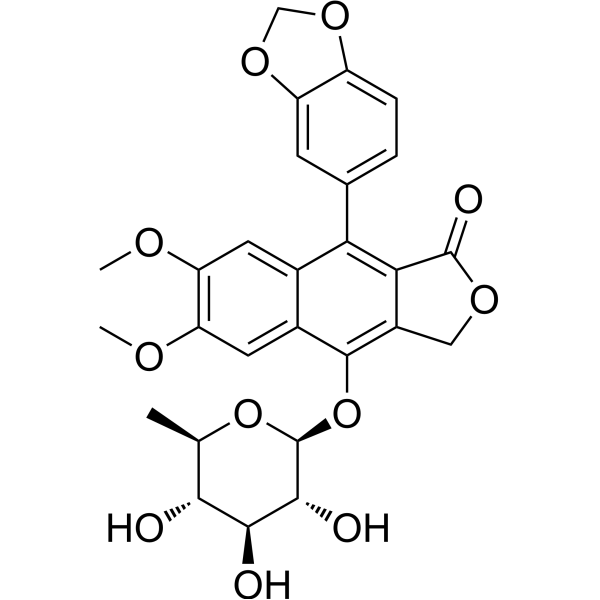
    Patentiflorin A is a potent, broadspectrum HIV-1 inhibitor. Patentiflorin A also inhibits HIV drug-resistant strains .
    Patentiflorin A
  • HY-B0343

    A-56620

    Bacterial Infection Inflammation/Immunology
    Sarafloxacin (A-56620) is a fluoroquinolone Antibacterial agent. Sarafloxacin inhibits the growth of Staphylococcus aureus, Enterobacteriaceae, and both aminoglycoside-sensitive and aminoglycoside-resistant strains of Pseudomonas aeruginosa .
    Sarafloxacin
  • HY-172734

    Bacterial Infection
    FG-2101 is a selective and orally active non-hydroxamate LpxC inhibitor with an IC50 of ~1 nM. FG-2101 exhibits exquisite selectivity over other bacterial and human metalloenzymes. FG-2101 can be used for the study of Gram-negative bacteria infections including drug-resistant strains .
    FG-2101
  • HY-130613

    Bacterial Infection
    MAC-545496 is a nanomolar inhibitor of glycopeptide-resistance-associated protein R (GraR). MAC-545496 displays strong binding affinity to the full-length GraR protein (Kd ≤ 0.1 nM). MAC-545496 is an antivirulence agent that reverses β-lactam resistance in Methicillin-resistant strains (MRSA) .
    MAC-545496
  • HY-116271

    Antibiotic Bacterial Infection
    Sperabillin C is an antibacterial antibiotic with activity against both Gram-negative and Gram-positive bacteria, including resistant strains of Pseudomonas aeruginosa and Staphylococcus aureus .
    Sperabillin C
  • HY-113958

    LM-2219

    VD/VDR Others
    Difethialone (LM-2219) is an anticoagulant rodenticide. Difethialone shows high rodenticide activity in warfarin-sensitive and resistant strains of rats and mice. Difethialone interferes with the circulation of vitamin K in the liver, preventing the synthesis of coagulation factors, resulting in the inability of the blood to coagulate properly, ultimately causing internal bleeding and death. Difethialone can be used in studies of ecological impacts .
    Difethialone
  • HY-E70077

    Endogenous Metabolite Infection Metabolic Disease
    Penicillinase (from calf stomach) is an enzyme that degrades penicillin by hydrolyzing the cyclic amide bonds in the lactam ring of penicillin, which can inactivate penicillin. Penicillinase (from calf stomach) can be isolated from penicillin resistant strains. Penicillinase (from calf stomach) has potential application as a marker for steroid hormone enzyme linked immunosorbent assay .
    Penicillinase (from calf stomach)
  • HY-P991653

    CCR HIV Infection
    HGS004 is a humanized IgG4 monoclonal antibody inhibitor targeting CCR5. HGS004 has potent antivival activity against a diverse panel of CCR5-tropic HIV-1 and durg (such as Maraviroc (HY-13004))-resistant strains. HGS004 can be used for HIV-1 infections research .
    HGS004
  • HY-153696

    DNA/RNA Synthesis Bacterial Infection
    MRL-436 is a RNA polymerase inhibitor with antibacterial activity. MRL-436 exerts its antibacterial activity dependent on residue 622 of the RNA polymerase β' subunit and the RNAP ω subunit. MRL-436 inhibits Rifampicin (HY-B0272)-resistant RNA polymerase derivatives and exhibits antibacterial activity against Rifampicin-resistant strains .
    MRL-436
  • HY-16745A

    KRP-AM1977 hydrochloride

    Bacterial Infection
    Lascufloxacin (KRP-AM1977) hydrochloride is a potent antibacterial compound candidate with broad-spectrum activity against various clinical isolates. Lascufloxacin hydrochloride shows the most potent activity against Gram-positive bacteria compared to other tested quinolones. Lascufloxacin hydrochloride demonstrates incomplete cross-resistance against existing quinolone-resistant strains. Lascufloxacin hydrochloride has potent inhibitory activity against both wild-type and mutated target enzymes.
    Lascufloxacin hydrochloride
  • HY-121348

    U-47929

    Antibiotic Bacterial DNA/RNA Synthesis Infection
    Ficellomycin is a nitrogen-containing bicyclic antibiotic with strong activity against Gram-positive bacteria, including multidrug-resistant strains of Staphylococcus aureus. Ficellomycin works by inducing the formation of defective 34S DNA fragments, which interfere with the semi-conservative DNA replication process. These fragments lack the ability to integrate into larger DNA segments and eventually form a complete bacterial chromosome. Ficellomycin can be used in research for various bacterial diseases .
    Ficellomycin
  • HY-178436

    Bacterial Infection
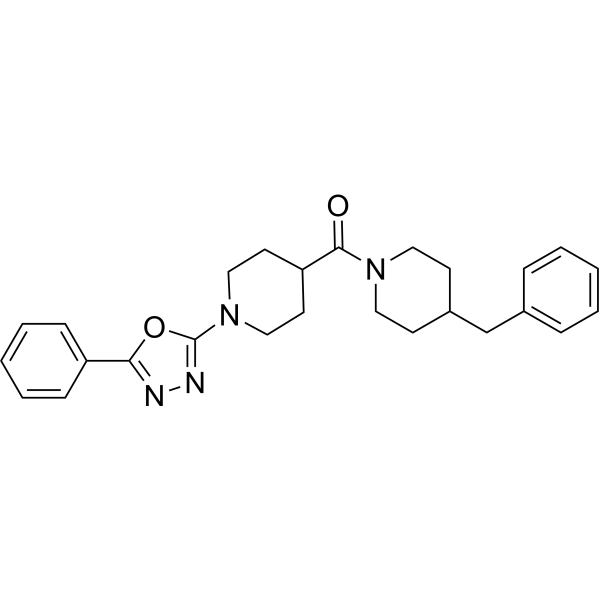
    Antituberculosis agent-16 is an orally active antituberculosis agent. Antituberculosis agent-16 exhibits stable antituberculosis activity with a MIC of 0.48 μg/mL against Mycobacterium tuberculosis H37Rv sensitive strain and 0.49 μg/mL against multidrug-resistant strain 14862. Antituberculosis agent-16 shows high Caco-2 permeability. Antituberculosis agent-16 can be used for the research of infection .
    Antituberculosis agent-16
  • HY-126640

    Parasite Infection Cancer
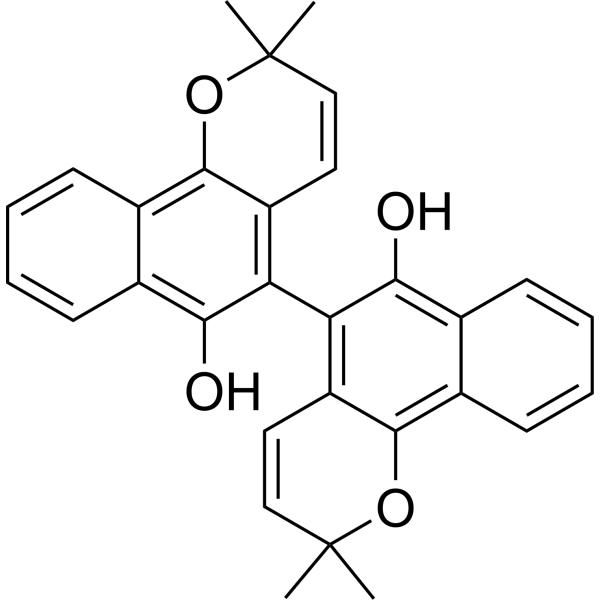
    Phomoxanthone A is a xanthone dimer, which can be isolated from Phomopsis. Phomoxanthone A exhibits antimalarial and antitubercular activities against Plasmodium falciparum (K1, multidrug-resistant strain, IC50 is 0.11 µg/mL) and Mycobacterium tuberculosis (H37Ra strain, MIC is 0.50 µg/mL). Phomoxanthone A exhibits cytotoxicity in cells KB, BC-1 and Vero, IC50 is 0.99, 0.51 and 1.4 µg/mL, respectively .
    Phomoxanthone A
  • HY-N14902

    Antibiotic Bacterial Infection
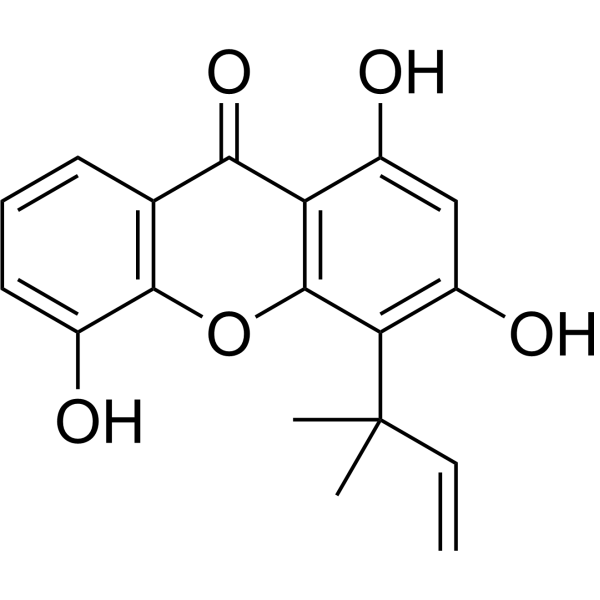
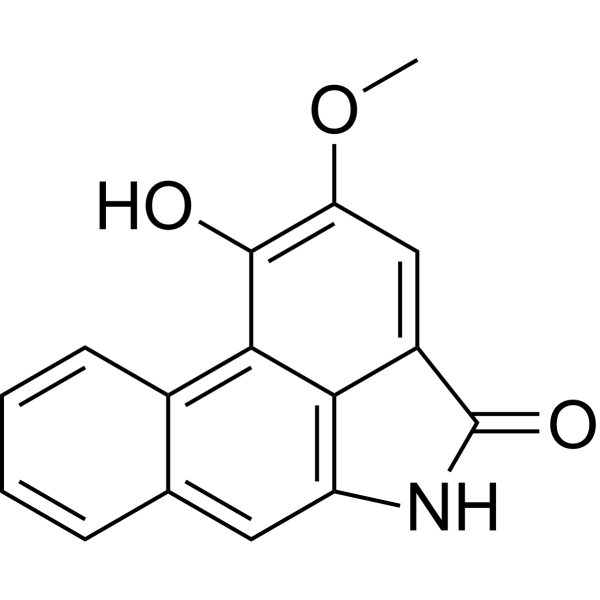
    Mimosamycin is an antibiotic. Mimosamycin has activity against mycobacteria and streptomyces resistant strains .
    Mimosamycin
  • HY-N15059

    Bacterial Infection
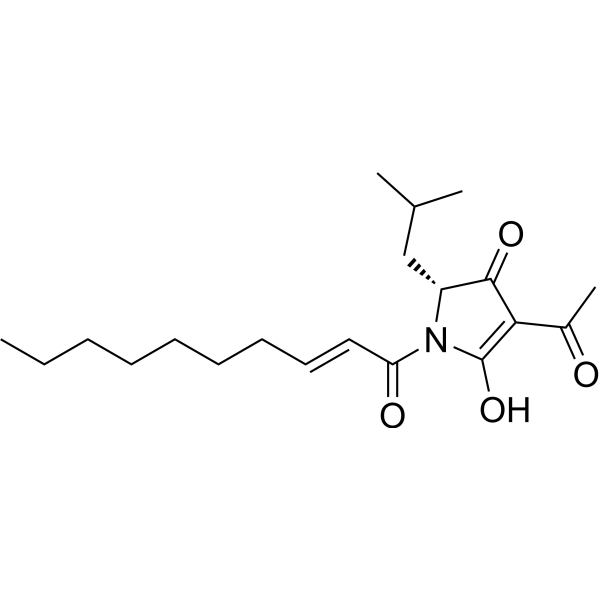
    Cissetin shows activity against Gram-positive bacteria, including drug-resistant strains .
    Cissetin
  • HY-122551

    Insecticide Others
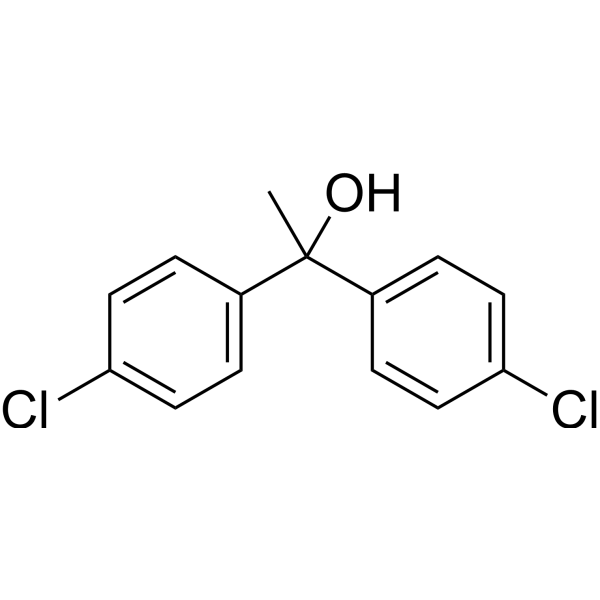
    Chlorfenethol is a dehydrochlorinase inhibitor. Chlorfenethol can be used as a synergist for insecticide DDT to increase its effect on resistant strains .
    Chlorfenethol
  • HY-N15526

    Bacterial Infection
    Austroside A is found in Evodia austrosinensis. Austroside A shows antibacterial activity against the Staphylococcus aureus antibiotic resistant strain .
    Austroside A
  • HY-136384

    Fungal Infection
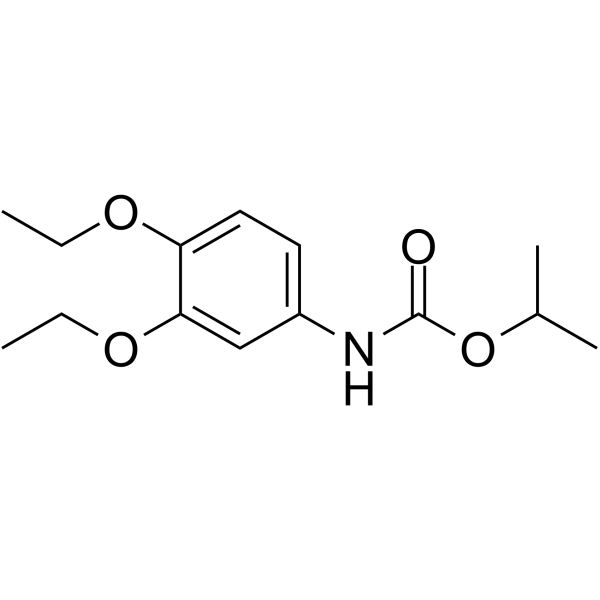
    Diethofencarb is a fungicide with strong activity against Botrytis cinerea and Benzimidazole-resistant strains of Botryis spp. Diethofencarb has a role as an antifungal agrochemical .
    Diethofencarb
  • HY-122073

    Bacterial Infection
    Furalazine is an antimicrobial agent. Furalazine shows activity against drug-resistant strains of cholera bacteria. Furalazine has the potential for the research of cholera .
    Furalazine
  • HY-N14706

    Bacterial Infection
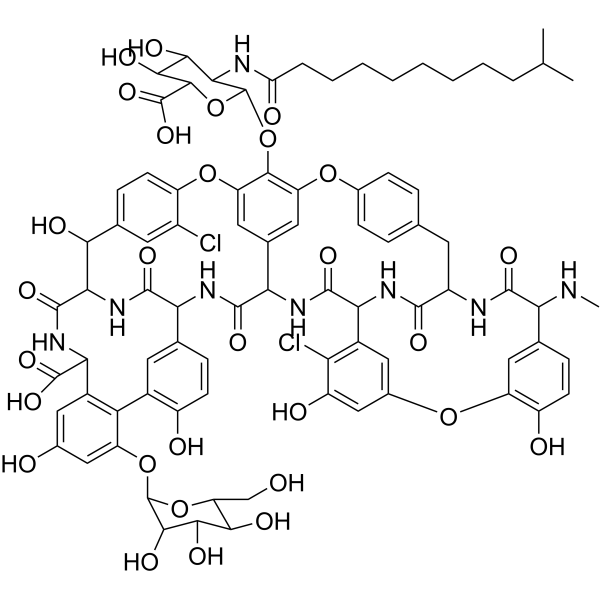
    Kibdelin A is resistant to Gram-positive bacteria and has similar effects against Staphylococcus aureus (including methicillin-resistant strains) as Vancomycin (HY-B0671) .
    Kibdelin A
  • HY-N0402R

    Dihydroqinghaosu methyl ether (Standard); Dihydroartemisinin methyl ether (Standard); SM224 (Standard)

    Reference Standards Parasite Infection Inflammation/Immunology Cancer
    Artemether (Standard) is the analytical standard of Artemether. This product is intended for research and analytical applications. Artemether is an anti-malarial compound that targets drug-resistant strains of falciparum malaria .
    Artemether (Standard)
  • HY-N14707

    Bacterial Infection
    Kibdelin B is resistant to Gram-positive bacteria and has similar effects against Staphylococcus aureus (including methicillin-resistant strains) as Vancomycin (HY-B0671) .
    Kibdelin B
  • HY-N8455

    Assiguxanthone A

    Parasite Infection
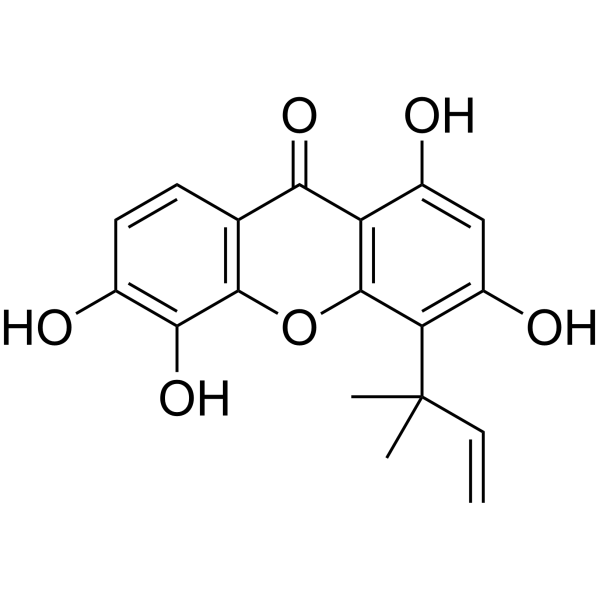
    Isocudraniaxanthone A is a xanthone that can be isolated from Garcinia vieillardii. Isocudraniaxanthone A has antimalarial activity against chloroquino-resistant strains of Plasmodium falciparum with an IC50 of 2.3 μg/mL .
    Isocudraniaxanthone A

Inquiry Online

Your information is safe with us. * Required Fields.

Salutation


Country or Region *

Applicant Name *


Organization Name *

Department *


Email Address *


Product Name *

Cat. No.


Requested quantity *

Phone Number *


Remarks

Inquiry Online

Inquiry Information

Product Name:
Cat. No.:
Quantity:
MCE Japan Authorized Agent: