1. Search Result
Search Result
Results for "

use+disorders

" in MedChemExpress (MCE) Product Catalog:

37

Inhibitors & Agonists

3

Oligonucleotides

Cat. No. Product Name Target Research Areas Chemical Structure
  • HY-B0193A
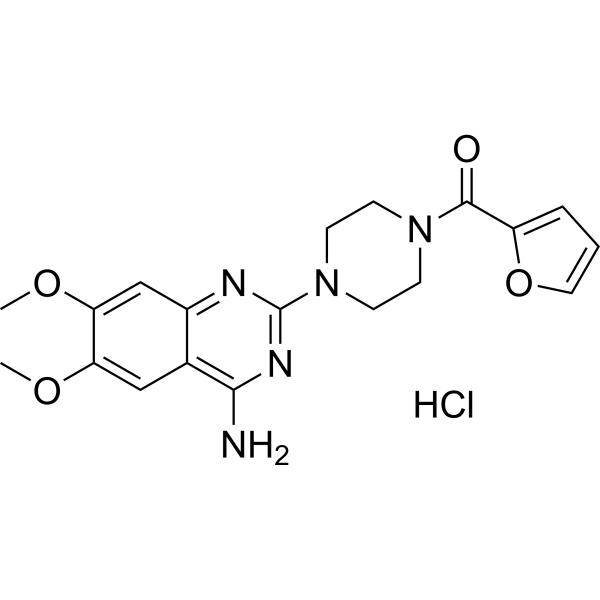
    Prazosin hydrochloride
    15+ Cited Publications

    Adrenergic Receptor Autophagy Cardiovascular Disease Endocrinology Cancer
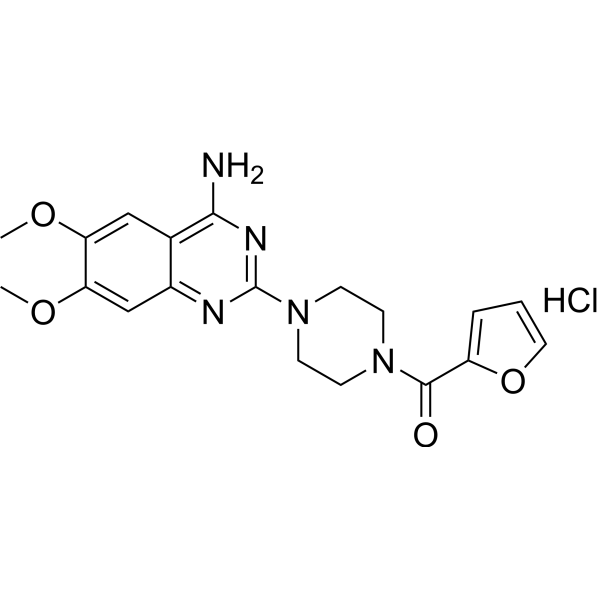
    Prazosin hydrochloride is a well-tolerated, CNS-active α1-adrenergic receptor antagonist for the research of high blood pressure and alcohol use disorders . Prazosin hydrochloride potently inhibits Norepinephrine (NE)-stimulated 45Ca efflux with an IC50 of 0.15 nM .Prazosin hydrochloride inhibits organic cation transporters OCT-1 and OCT-3 with IC50s of 1.8, and 13 μM, respectively .
    Prazosin hydrochloride
  • HY-175199

    BPN-0026709

    Myosin Neurological Disease
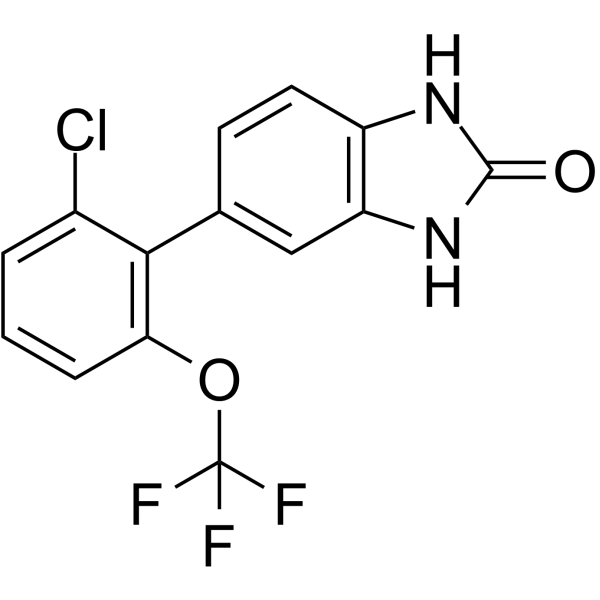
    MT-228 (BPN-0026709) is a selective and blood-brain barrier permeable non-muscle myosin II inhibitor. MT-228 markedly improves tolerability by selectively targeting NMIIB (KI = 1.5 μM) over CMII (KI = 17 μM), and the sequence of SmMll MD is 83.6% identical to that of NMllB. MT-228 shows long-lasting efficacy in animal models of stimulant use disorder .
    MT-228
  • HY-118424

    iGluR Neurological Disease Metabolic Disease
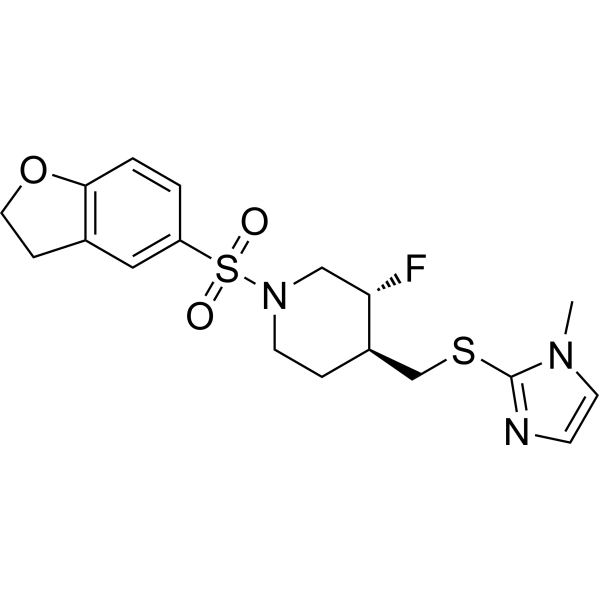
    JNJ-55511118 is a selective TARP γ-8 binding AMPA receptor modulator with oral bioavailability and blood-brain barrier permeability, with a Ki of 26 nM. JNJ-55511118 reduces voluntary intake of sweetened alcohol in male mice. In rodent models, JNJ-55511118 inhibits hippocampal neurotransmission, reduces specific electroencephalogram frequency bands, induces transient hyperlocomotion, impairs learning and memory abilities, and exerts anticonvulsant effects. JNJ-55511118 is applicable to research related to alcohol use disorder and seizures .
    JNJ-55511118
  • HY-175188

    BPN-0027490

    Myosin Neurological Disease
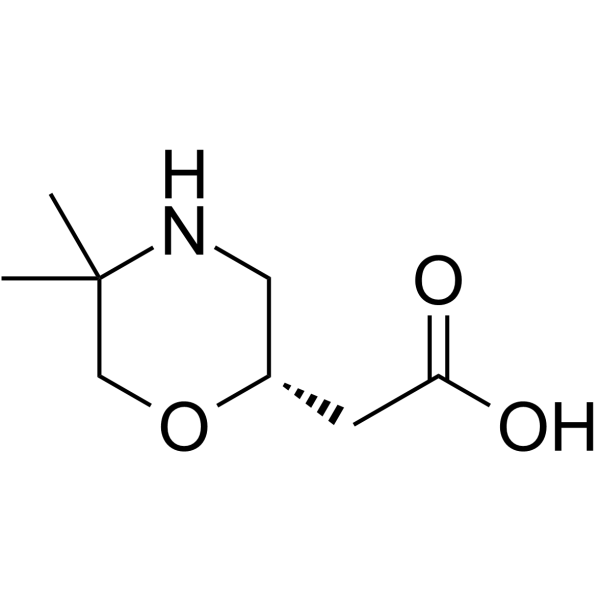
    MT-110 (BPN-0027490) is a non-muscle myosin NMIIB-selective inhibitor with high brain penetration and favorable safety profile. MT-110 specifically disrupts NMIIB-dependent actin dynamics in dendritic spines, while it exerts no significant adverse effects on cardiac myosin II and cardiac functions (such as cardiac output and heart rate) at tested concentrations. A single administration of MT-110 produces long-lasting (sustained for several weeks) blockade of methamphetamine motivation associated with environmental cues. MT-110 exhibits extremely high specificity, with no interference with cocaine motivation, hippocampus-dependent memory, fear memory, or locomotor and anxiety-like behaviors. MT-110 serves as a valuable tool compound for investigating the mechanisms of methamphetamine use disorder .
    MT-110
  • HY-167856

    GPR88 Neurological Disease
    RTI-122 is a selective, blood-brain barrier-permeable GPR88 agonist (cAMP EC50=11 nM), with EC50 values of 11.5 nM and 155 nM for human and mouse GPR88, respectively ([ 35S]GTPγS assay). By activating the GPR88 receptor to regulate the cAMP signaling pathway and G protein activity, RTI-122 significantly attenuates Binge-like drinking, reduces alcohol intake, and decreases alcohol-seeking motivation. RTI-122 blocks the reinstatement of alcohol-seeking behavior without affecting water or sucrose intake. RTI-122 exhibits metabolic stability in mice (T1/2=5.8 h) and can be used to investigate alcohol use disorder .
    RTI-122
  • HY-148502
    VU6019650
    2 Publications Verification

    mAChR Neurological Disease
    VU6019650 is a potent and selective orthosteric antagonist of M5 mAChR (IC50=36 nM), can be used for opioid use disorder (OUD) relief. VU6019650 can cross blood brain barrier, potentially modulates the mesolimbic dopaminergic reward circuitry. VU6019650 blocks Oxotremorine M iodide (HY-101372A) induced increases of neuronal firing rates of midbrain dopamine neurons in the ventral tegmental area (VTA) .
    VU6019650
  • HY-12783A

    GABA Receptor Neurological Disease
    SCH 50911 is a selective, orally active, blood-brain barrier permeable GABA-B receptor (GABA-B Receptor) antagonist with an IC50 of 1.1 μM in rats. SCH 50911 blocks baclofen-induced antitussive effects, regulates neuronal firing and GABA release. SCH 50911 promotes spontaneous seizures during withdrawal in ethanol-dependent rats, alters reward-related neurotransmission, and reduces or suppresses lever responding and self-administration behaviors of alcohol and sucrose in rats. SCH 50911 is applicable to research related to ethanol withdrawal syndrome, absence epilepsy and alcohol use disorder .
    SCH 50911
  • HY-158013A

    Dopamine Transporter Neurological Disease
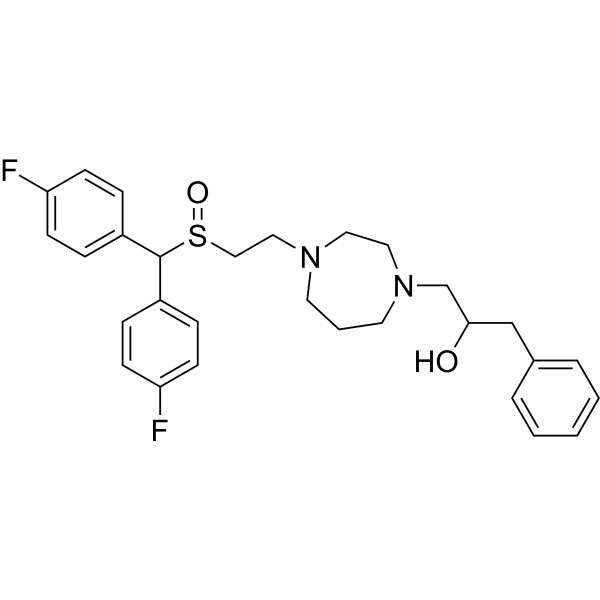
    JJC8-088 dioxalate is the dioxalate salt form of JJC8-088 (HY-158013). JJC8-088 dioxalate is a derivative of modafinil. JJC8-088 dioxalate is an inhibitor for dopamine transporter (DAT). JJC8-088 dioxalate exhibits behavioral characteristics similar to cocaine in rat models, and can be to study psychostimulant use disorders .
    JJC8-088 dioxalate
  • HY-158013

    Dopamine Transporter Neurological Disease
    JJC8-088, a Modafinil-derived ligand, is a dopamine transporter (DAT) inhibitor with a Ki of 2.53 nM. JJC8-088 dioxalate can be to study psychostimulant use disorders .
    JJC8-088
  • HY-107121

    LY 2196044

    Opioid Receptor Neurological Disease
    Ondelopran (LY 2196044) is a non-selective opioid receptor antagonist. Ondelopran inhibits the release of dopamine in the nucleus accumbens induced by alcohol, reduces the rewarding effect of alcohol consumption, and lowers the craving. Ondelopran can be used for alcohol use disorder (AUD) .
    Ondelopran
  • HY-145486

    20:4 Lyso PA

    Liposome Neurological Disease
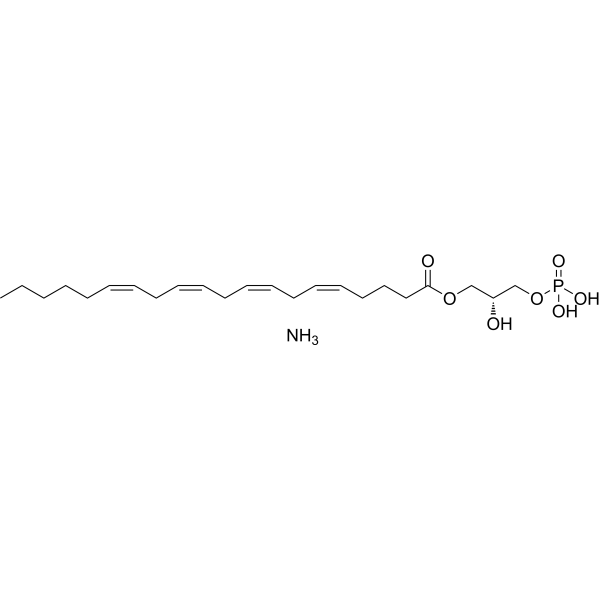
    1-Arachidonoyl-sn-glycerol 3-phosphate ammonium (20:4 Lyso PA) is a phospholipid and an LPA derived from arachidonic acid. The concentration of 1-Arachidonoyl-sn-glycerol 3-phosphate ammonium in plasma is significantly correlated with the age of onset of cocaine use and the duration of abstinence. 1-Arachidonoyl-sn-glycerol 3-phosphate ammonium can be used in the research of biomarkers for cocaine use disorder (CUD) .
    1-Arachidonoyl-sn-glycerol 3-phosphate ammonium
  • HY-175504

    Dopamine Receptor PERK Neurological Disease
    MLS6357 is a D3 dopamine receptor (D3R)-selective positive allosteric modulator (PAM)-antagonist. MLS6357 exhibits antagonist activity in the D3R-mediated and the BRET-based β-arrestin recruitment assay with IC50s of 13 and 14 μM, and no activity for other DAR subtypes (D1R/D2R/D4R/D5R) (IC50 > 100 μM). MLS6357 is also an antagonist in the D3R-mediated Go-BRET assay with an IC50 of 17 μM. MLS6357 can be used for the study of neuropsychiatric disorders, including substance use disorder .
    MLS6357
  • HY-177639A

    NN-6020 sodium

    Aldehyde Dehydrogenase (ALDH) Metabolic Disease
    Lefelsiran sodium is a siRNA targeted to ALDH2. It is used for the study of alcohol use disorder.
    Lefelsiran sodium
  • HY-177639

    NN-6020

    Aldehyde Dehydrogenase (ALDH) Metabolic Disease
    Lefelsiran (NN-6020) is a siRNA targeted to ALDH2. It is used for the study of alcohol use disorder.
    Lefelsiran
  • HY-155320

    Opioid Receptor Neurological Disease
    Mu opioid receptor antagonist 7 (compound 24) is a potent and CNS permeable antagonist of µOR (µ-opioid receptor), with an IC50 of 29 ± 3.0 nM. Mu opioid receptor antagonist 7 can be used for the research of pain and opioid use disorder .
    Mu opioid receptor antagonist 7
  • HY-144609

    Opioid Receptor Neurological Disease
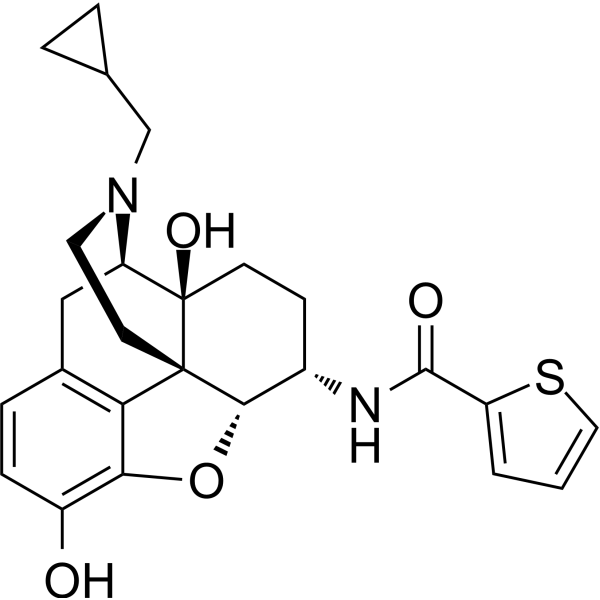
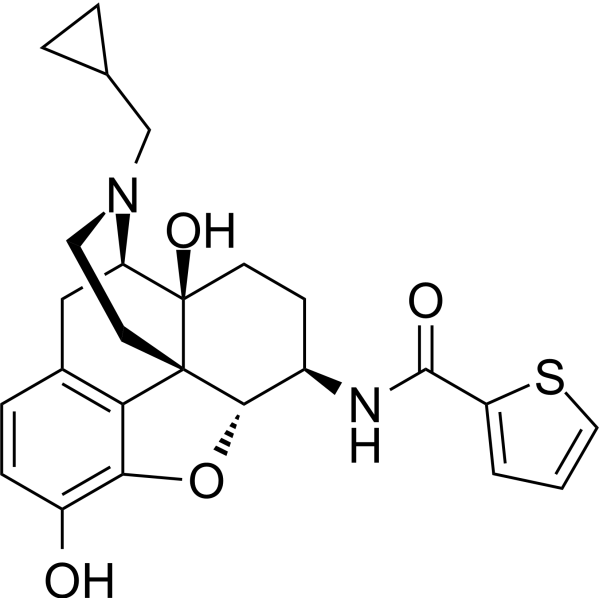
    Mu opioid receptor antagonist 4 (compound 31) is a potent and selective μ opioid receptor (MOR) antagonist with a Ki of 0.38 nM and an EC50 of 1.07 nM. Mu opioid receptor antagonist 4 has remarkable CNS antagonism against morphine, and precipitated fewer withdrawal symptoms than Naloxone. Mu opioid receptor antagonist 4 Mu opioid receptor antagonist 4 can be used for researching opioid use disorders (OUD) .
    Mu opioid receptor antagonist 4
  • HY-144607

    Opioid Receptor Neurological Disease
    Mu opioid receptor antagonist 2 (compound 25) is a potent, selective and blood-brain barrier (BBB) penetrant μ opioid receptor (MOR) antagonist with a Ki of 0.37 nM and an EC50 of 0.44 nM. Mu opioid receptor antagonist 2 has remarkable CNS antagonism against morphine, and precipitated fewer withdrawal symptoms than Naloxone. Mu opioid receptor antagonist 2 can be used for researching opioid use disorders (OUD) .
    Mu opioid receptor antagonist 2
  • HY-175275

    BEM

    MMP Lipoxygenase Reactive Oxygen Species (ROS) Neurological Disease Inflammation/Immunology Cancer
    10-Butyl Ether Minocycline (BEM), a Minocycline (HY-17412A) derivative, is an MMP-8 and MMP-9 inhibitor with IC50s of 69.4 µM and 47.0 µM, respectively. 10-Butyl Ether Minocycline suppresses LPS (HY-D1056)-induced microglial activation. 10-Butyl Ether Minocycline inhibits VEGF-induced endothelial cell migration and L-Glutamine (HY-N0390)-induced ROS levels. 10-Butyl Ether Minocycline significantly reduces alcohol consumption in the Chronic Intermittent Ethanol (CIE) mouse model of alcohol dependence. 10-Butyl Ether Minocycline can be used for the study of neuroimmune-inflammatory diseases and Alcohol use disorder (AUD) .
    10-Butyl Ether Minocycline
  • HY-163138

    Dopamine Transporter Neurological Disease
    DAT-IN-1 (Coumpound 12b) is an atypical DAT inhibitor with a Ki of 8.37 nM. DAT-IN-1 can be used in the study of psychostimulant use disorder (PSUD) .
    DAT-IN-1
  • HY-163154

    Dopamine Transporter Neurological Disease
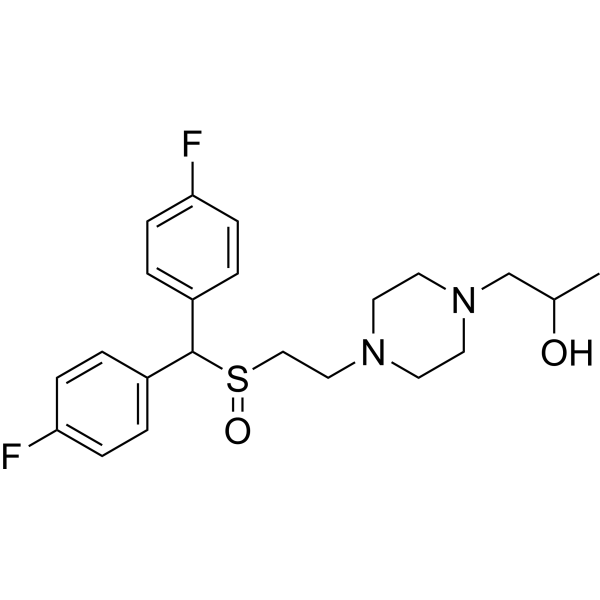
    JJC8-091 is a potent dopamine transporter (DAT) inhibitor with Ki values of 230, 97800 nM for DAT, SERT, respectively. JJC8-091 has the potential for the research of psychostimulant use disorders (PSUD) .
    JJC8-091
  • HY-118615

    Opioid Receptor Neurological Disease
    LY2048978 is a non-selective opioid receptor antagonist with Ki of 0.287, 0.471 and 1.05 nM for human mu, kappa and delta opioid receptors in vitro, respectively. LY2048978 can be used in the research of major depressive disorder and alcohol use disorder .
    LY2048978
  • HY-174307

    Dopamine Receptor Neurological Disease
    Dopamine D3 receptor ligand-6 (Compound 196476) is a selective dopamine D3 receptor (D3) antagonist. Dopamine D3 receptor ligand-6 is promising for research of substance use disorders (such as opioid and psychostimulant addiction) .
    Dopamine D3 receptor ligand-6
  • HY-144610

    Opioid Receptor Neurological Disease
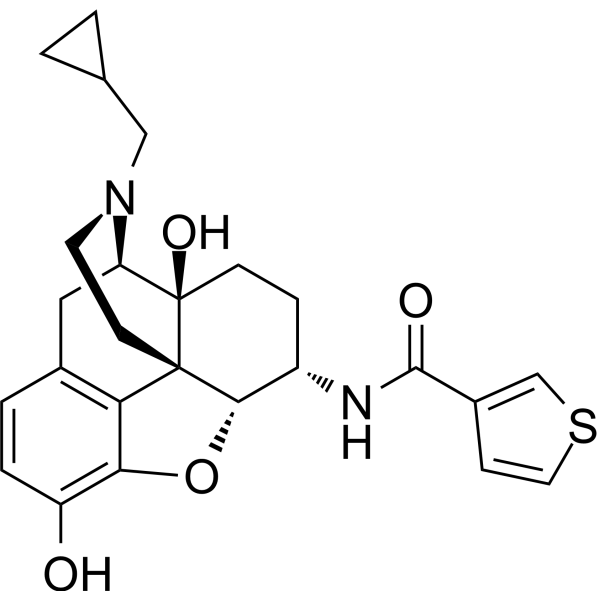
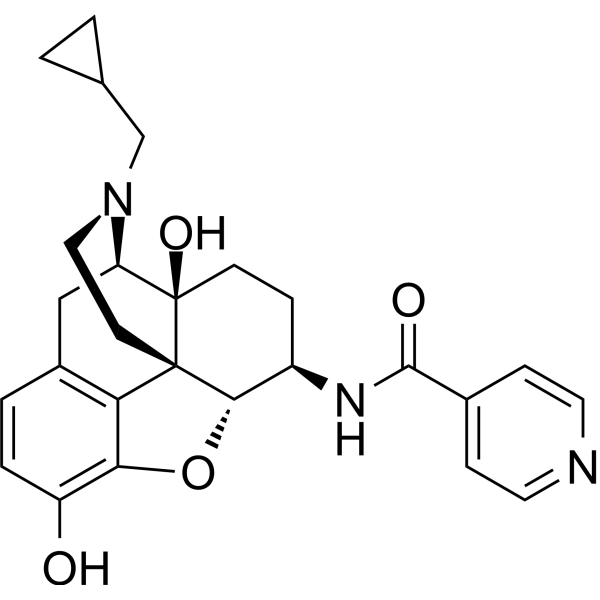
    Mu opioid receptor antagonist 5 (compound NAP) is a selective and blood-brain barrier (BBB) penetrant μ opioid receptor (MOR) antagonist with an EC50 value of 1.14 nM and a Ki value of 0.37 nM. Mu opioid receptor antagonist 5 can be used for researching opioid use disorders (OUD) .
    Mu opioid receptor antagonist 5
  • HY-172407

    Opioid Receptor Others
    KOR agonist 5 (Compound 10a) is a KOR/MOR modulator with agonistic activity towards KOR and antagonistic activity towards MOR. KOR agonist 5 can effectively block morphine-induced antinociception and inhibition of intestinal motility. KOR agonist 5 can be used in the research of Substance Use Disorder (SUD) .
    KOR agonist 5
  • HY-144608

    Opioid Receptor Neurological Disease
    Mu opioid receptor antagonist 3 (compound 26) is a potent and selective μ opioid receptor (MOR) antagonist with a Ki of 0.24 nM and an EC50 of 0.54 nM. Mu opioid receptor antagonist 3 has remarkable CNS antagonism against morphine, and precipitated fewer withdrawal symptoms than Naloxone. Mu opioid receptor antagonist 3 can be used for researching opioid use disorders (OUD) .
    Mu opioid receptor antagonist 3
  • HY-174282

    Dopamine Transporter Neurological Disease
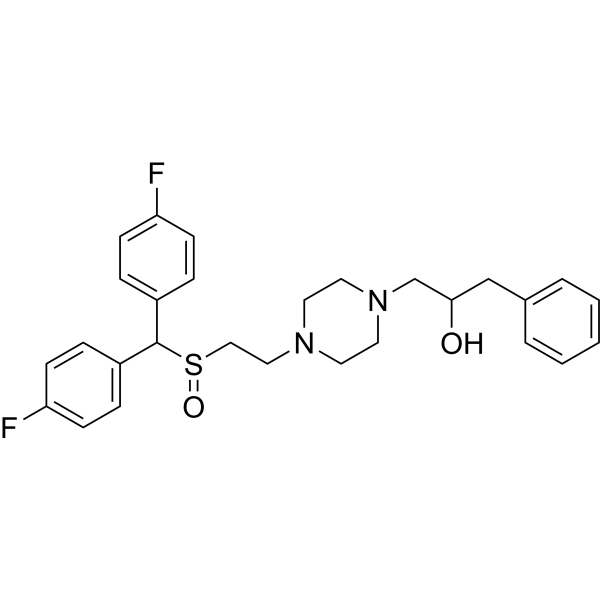
    RDS-04-010 is an atypical dopamine transporter (DAT) inhibitor. RDS-04-010 has the effect of inhibiting cocaine intake and seeking behavior. RDS-04-010 exerts its modulatory effect mainly by binding to the inward conformation of DAT, thereby reducing the reinforcing effect of cocaine. RDS-04-010 can be used in the study of cocaine use disorder (CUD) .
    RDS-04-010
  • HY-152171

    Monoamine Transporter Neurological Disease
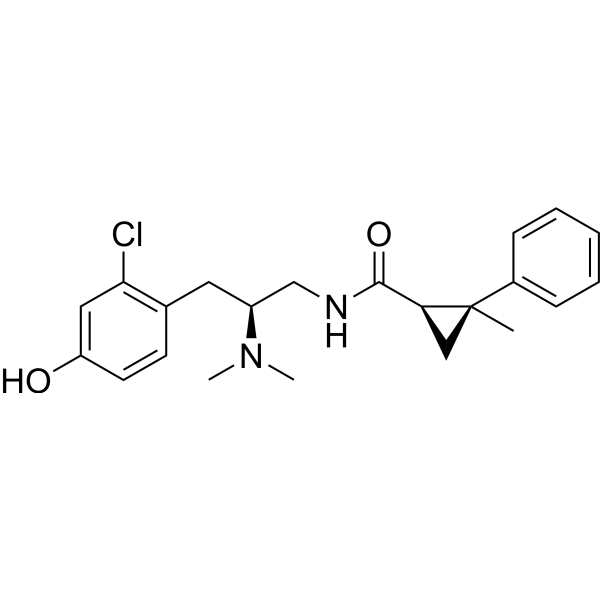
    GZ-11608 is a potent and selective vesicular monoamine transporter-2 (VMAT2) inhibitor with high affinity (Ki = 25 nM). GZ-11608 decreases methamphetamine-induced dopamine release from isolated synaptic vesicles from brain dopaminergic neurons. GZ-11608 exhibits rapid brain penetration and without neurotoxicity. GZ-11608 can be used for the research of methamphetamine use disorder .
    GZ-11608
  • HY-B0193AR

    Reference Standards Adrenergic Receptor Autophagy Cardiovascular Disease Endocrinology Cancer
    Prazosin (hydrochloride) (Standard) is the analytical standard of Prazosin (hydrochloride). This product is intended for research and analytical applications. Prazosin hydrochloride is a well-tolerated, CNS-active α1-adrenergic receptor antagonist for the research of high blood pressure and alcohol use disorders . Prazosin hydrochloride potently inhibits Norepinephrine (NE)-stimulated 45Ca efflux with an IC50 of 0.15 nM .Prazosin hydrochloride inhibits organic cation transporters OCT-1 and OCT-3 with IC50s of 1.8, and 13 μM, respectively .
    Prazosin hydrochloride (Standard)
  • HY-12783

    GABA Receptor Neurological Disease
    SCH 50911 dihydrochloride is a selective, orally active, blood-brain barrier permeable GABA-B receptor (GABA-B Receptor) antagonist with an IC50 of 1.1 μM in rats. SCH 50911 dihydrochloride blocks baclofen-induced antitussive effects, regulates neuronal firing and GABA release. SCH 50911 dihydrochloride promotes spontaneous seizures during withdrawal in ethanol-dependent rats, alters reward-related neurotransmission, and reduces or suppresses lever responding and self-administration behaviors of alcohol and sucrose in rats. SCH 50911 dihydrochloride is applicable to research related to ethanol withdrawal syndrome, absence epilepsy and alcohol use disorder .
    SCH 50911 hydrochloride
  • HY-175505

    Dopamine Receptor Neurological Disease
    Dopamine D3 receptor antagonist-3 is a D3 dopamine receptor (D3R)-selective positive allosteric modulator (PAM)-antagonist that can cross the blood-brain barrier. Dopamine D3 receptor antagonist-3 exhibits antagonist activity in the D3R-mediated β-arrestin recruitment assay with an IC50 and a Kd of 2.5 μM and 0.49 μM. amine D3 receptor antagonist-3 is also an antagonist in the D3R-mediated Go-BRET assay with an IC50 of 0.34 μM. Dopamine D3 receptor antagonist-3 can be used for the study of neuropsychiatric disorders, including substance use disorder .
    Dopamine D3 receptor antagonist-3
  • HY-181721

    Dopamine Receptor Neurological Disease
    Dopamine D3 receptor agonist 1 is a dopamine D3 Receptor agonist with a Ki value of 0.268 nM. Dopamine D3 receptor agonist 1 exhibits metabolic stability in rat liver microsomes. Dopamine D3 receptor agonist 1 can be used to study severe mental disorders comorbid with substance use disorders .
    Dopamine D3 receptor agonist 1
  • HY-182697

    Cannabinoid Receptor Metabolic Disease
    RTICBM-74 is a blood-brain barrier-permeable, selective CB1 allosteric modulator with IC50 values of 23 nM (calcium mobilization assay) and 153 nM ([ 35S]GTPγS assay). RTICBM-74 inhibits CB1 receptor signaling. RTICBM-74 reduces alcohol intake in rats. RTICBM-74 can be used for the research of alcohol use disorder .
    RTICBM-74
  • HY-179282

    Opioid Receptor Neurological Disease
    Mu opioid receptor antagonist 9 is potent, selective and CNS-pentrant mu-opioid receptor (MOR) antagonist with a Ki of 77.3 nM. Mu opioid receptor antagonist 9 exhibits selectivity over kappa-opioid receptor (KOR), and delta-opioid receptor (DOR). Mu opioid receptor antagonist 9 effectively blocks the antinociceptive effects of psychoactive substances. Mu opioid receptor antagonist 9 can reverse psychoactive substances-induced respiratory depression in mice. Mu opioid receptor antagonist 9 can be used for the research of Opioid Use Disorder (OUD) .
    Mu opioid receptor antagonist 9
  • HY-181605

    Opioid Receptor Neurological Disease
    MOR antagonist 2 hydrochloride is a blood-brain barrier-permeable μ-opioid receptor (MOR) antagonist, with an IC50 of 28.37 nM, an EC50 of 4.25 nM, and a Ki of 0.18 nM against MOR. MOR antagonist 2 hydrochloride stabilizes the inactive conformation of MOR to reduce receptor activation levels. MOR antagonist 2 hydrochloride antagonizes analgesic effects in the mouse warm-water tail-flick test. MOR antagonist 2 hydrochloride induces fewer opioid withdrawal symptoms (wet dog shakes, paw tremors) in mice with opioid withdrawal symptoms. MOR antagonist 2 hydrochloride can be used for the research of opioid use disorder .
    MOR antagonist 2 hydrochloride
  • HY-181960

    Histamine Receptor Neurological Disease
    BP1.3656B is a selective, orally active, blood-brain barrier-permeable histamine H3 receptor (histamine H3 receptor) inverse agonist/antagonist, with a KB value of 0.08 nM for antagonizing agonist-induced activity and an IC50 value of 0.38 nM for directly inhibiting the basal activity of the receptor. BP1.3656B reduces alcohol consumption, alcohol-seeking behavior, alcohol self-administration, motivation to drink, alcohol relapse, alcohol-induced hyperlocomotion, and binge alcohol intake. BP1.3656B is applicable for the research of alcohol use disorder .
    BP1.3656B
  • HY-182601

    EAAT Interleukin Related Neurological Disease
    MC-100093 is an orally active, blood-brain barrier-permeable GLT-1 expression upregulator . MC-100093 upregulates the expression of GLT-1 and xCT in rats, and alleviates fentanyl-induced GLT-1 downregulation, IL-6 upregulation and motor hyperactivity. MC-100093 upregulates GLT-1 expression and enhances glutamate uptake in astrocyte-neuron co-culture systems. MC-100093 reduces ethanol consumption and preference, and exerts gender-specific antidepressant-like effects . MC-100093 can be used in studies related to fentanyl overdose, mood disorders and alcohol use disorders .
    MC-100093
  • HY-167856A

    GPR88 Neurological Disease
    RTI-122 dihydrochloride is a selective, blood-brain barrier-permeable GPR88 agonist (cAMP EC50=11 nM), with EC50 values of 11.5 nM and 155 nM for human and mouse GPR88, respectively ([ 35S]GTPγS assay). By activating the GPR88 receptor to regulate the cAMP signaling pathway and G protein activity, RTI-122 dihydrochloride significantly attenuates Binge-like drinking, reduces alcohol intake, and decreases alcohol-seeking motivation. RTI-122 dihydrochloride blocks the reinstatement of alcohol-seeking behavior without affecting water or sucrose intake. RTI-122 dihydrochloride exhibits metabolic stability in mice (T1/2=5.8 h) and can be used to investigate alcohol use disorder .
    RTI-122 dihydrochloride

Inquiry Online

Your information is safe with us. * Required Fields.

Salutation


Country or Region *

Applicant Name *


Organization Name *

Department *


Email Address *


Product Name *

Cat. No.


Requested quantity *

Phone Number *


Remarks

Inquiry Online

Inquiry Information

Product Name:
Cat. No.:
Quantity:
MCE Japan Authorized Agent: