Search Result
Results for "
vity
" in MedChemExpress (MCE) Product Catalog:
12
Biochemical Assay Reagents
36
Isotope-Labeled Compounds
| Cat. No. |
Product Name |
Target |
Research Areas |
Chemical Structure |
-
- HY-112683
-
|
|
ASCT
|
Cancer
|
|
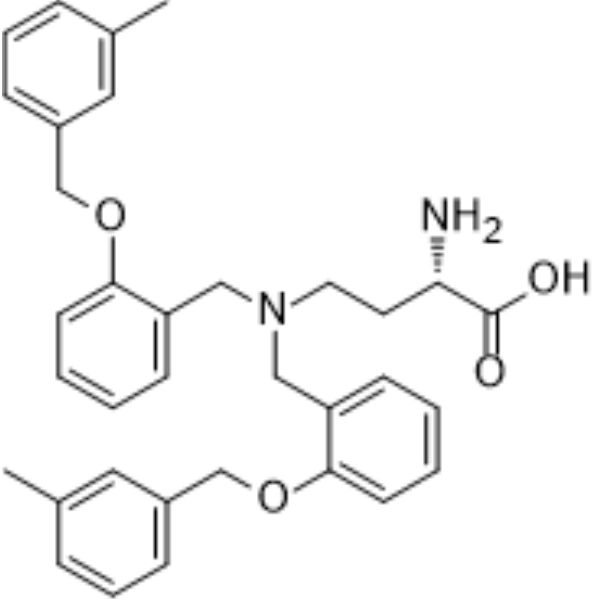
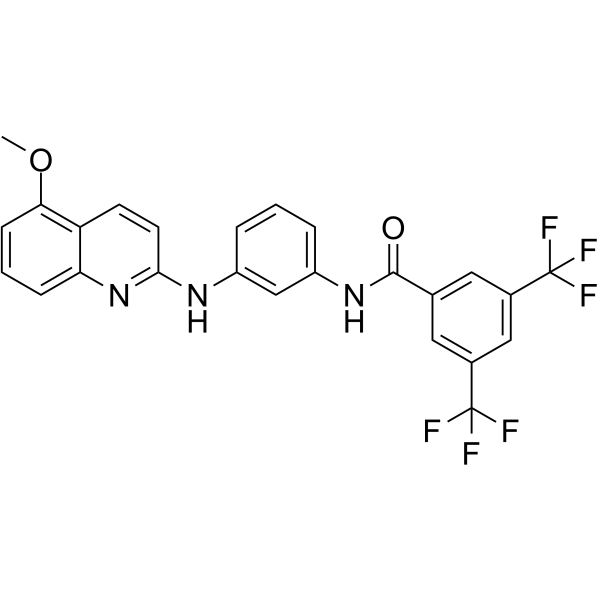
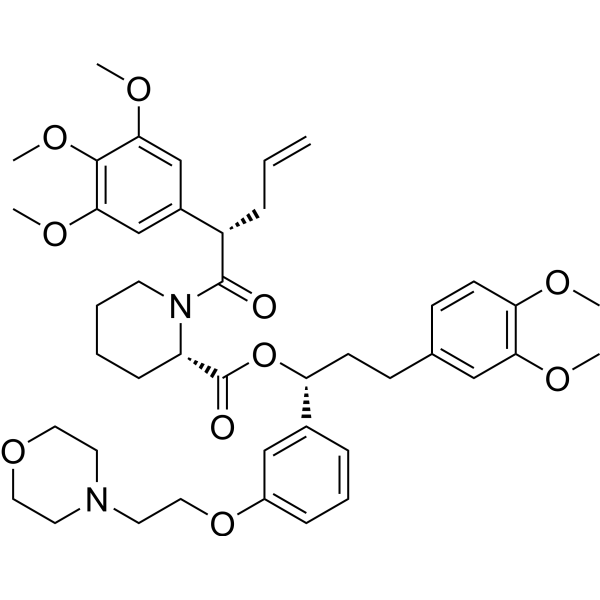
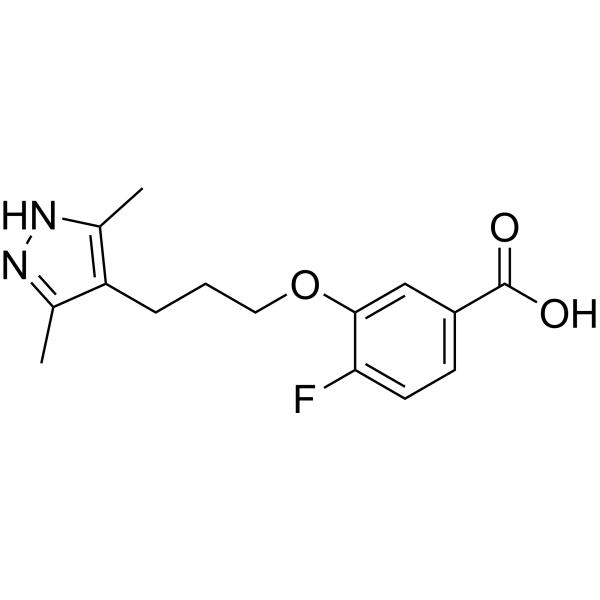
V-9302 is a competitive antagonist of transmembrane glutamine flux. V-9302 selectively and potently targets the amino acid transporter ASCT2 (SLC1A5) not ASCT1. V-9302 inhibits ASCT2-mediated glutamine uptake (IC50=9.6 μM) in HEK-293 cells .
|
-
-
- HY-P0049
-
|
Arg8-vasopressin; AVP
|
Vasopressin Receptor
|
Neurological Disease
Cancer
|
|
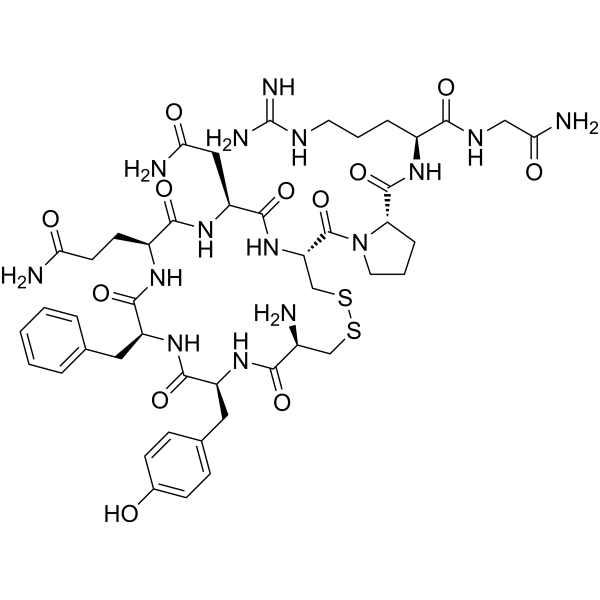
Argipressin (Arg8-vasopressin) binds to the V1, V2, V3-vascular arginine vasopressin receptor, with a Kd value of 1.31 nM in A7r5 rat aortic smooth muscle cells for V1.
|
-
-
- HY-N0502
-
|
|
Reactive Oxygen Species (ROS)
|
Metabolic Disease
Cancer
|
|
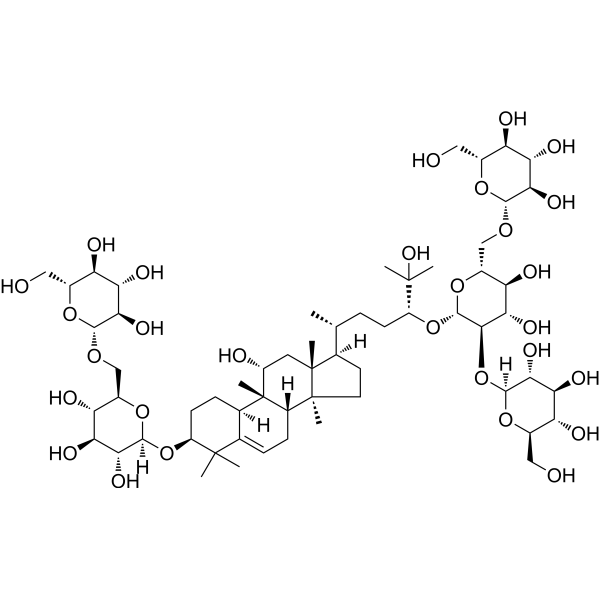
Mogroside V is a the major active constituent of a traditional Chinese medicine Siraitiae Fructus. Mogroside V reduces the intracellular reactive oxygen species (ROS) levels and enhances mitochondrial function. Mogroside V has anti-oxidative, anti-diabetic and anti-carcinogenic effects. Mogroside V can be used for diabetic diseases research .
|
-
-
- HY-14852
-
-
-
- HY-112683A
-
|
|
ASCT
|
Cancer
|
|
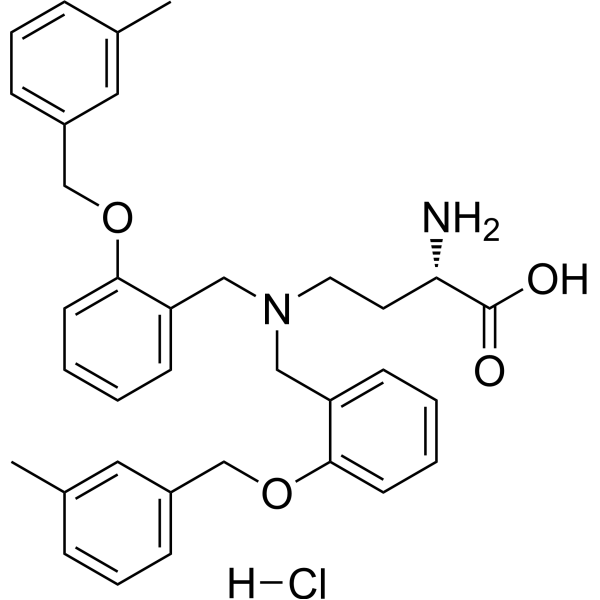
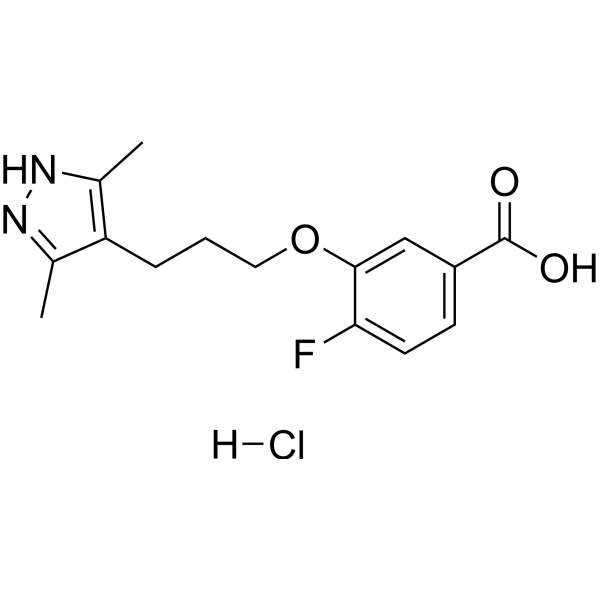
V-9302 hydrochloride is a competitive antagonist of transmembrane glutamine flux. V-9302 hydrochloride selectively and potently targets the amino acid transporter ASCT2 (SLC1A5) not ASCT1. V-9302 hydrochloride inhibits ASCT2-mediated glutamine uptake (IC50=9.6 µM) in HEK-293 cells .
|
-
-
- HY-B0975
-
|
Phenoxymethylpenicillin potassium salt
|
Bacterial
Antibiotic
|
Infection
|
|
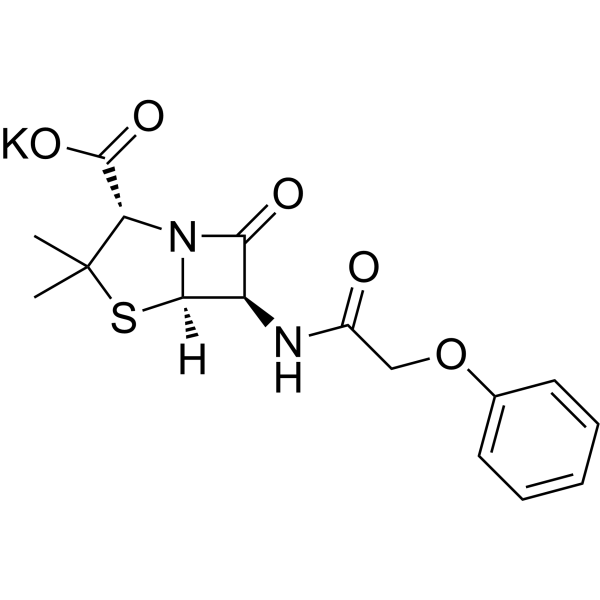
Penicillin V Potassium (Phenoxymethylpenicillin potassium salt) is an orally active antibiotic. Penicillin V Potassium inhibits the growth of Streptococci, C. difficile and S. aureus. Penicillin V Potassium can be used for the research of otitis, sinusitis, pharyngitis and tonsillitis .
|
-
-
- HY-14852A
-
|
Fx-1006A
|
Transthyretin (TTR)
|
Neurological Disease
|
|
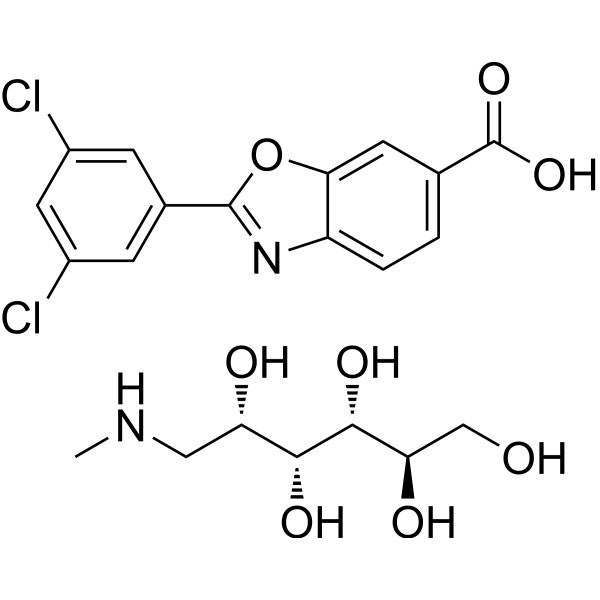
Tafamidis meglumine (Fx-1006A) is a potent and selective transthyretin (TTR) stabilizer, shows comparable potency and efficacy to the mutumant homotetramers V30M-TTR, V122I-TTR and wild type WT-TTR, with EC50s of 2.7-3.2 μM. Tafamidis meglumine inhibits amyloidogenesis .
|
-
-
- HY-P0081
-
|
BIP-V5; BAX Inhibiting Peptide V5
|
Bcl-2 Family
Apoptosis
|
Cancer
|
|
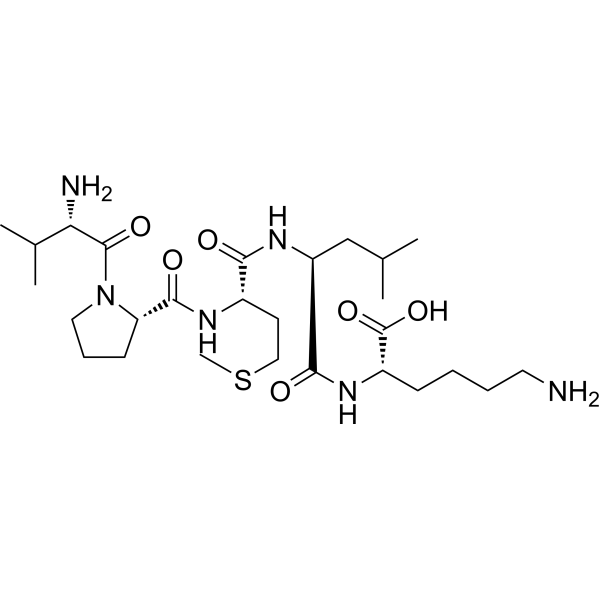
Bax inhibitor peptide V5 (BIP-V5) is a Bax-mediated apoptosis inhibitor, used for cancer treatment.
|
-
-
- HY-B0975A
-
|
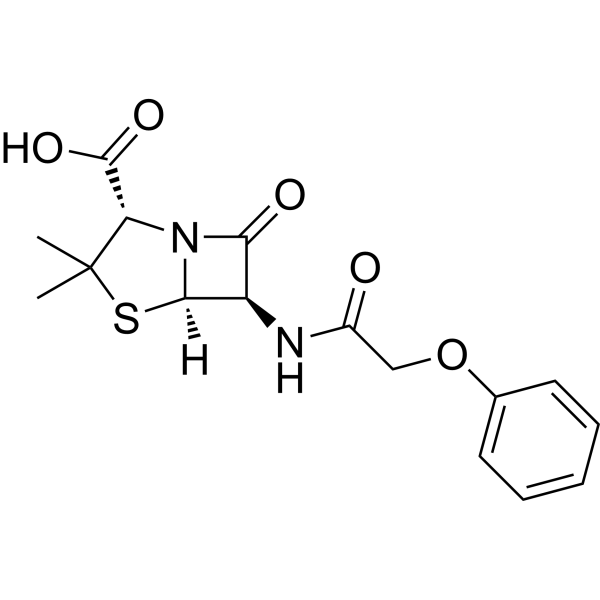
Phenoxymethylpenicillin
|
Antibiotic
Bacterial
|
Infection
|
|
Penicillin V (Phenoxymethylpenicillin) is a potent and orally active antibiotic. Penicillin V shows antibacterial activity for Streptococci, Clostridium difficile and staphylococcus aureus. Penicillin V has the potential for the research of otitis, sinusitis, pharyngitis and tonsillitis .
|
-
-
- HY-N10790
-
|
|
Wnt
c-Myc
Notch
|
Cancer
|
|
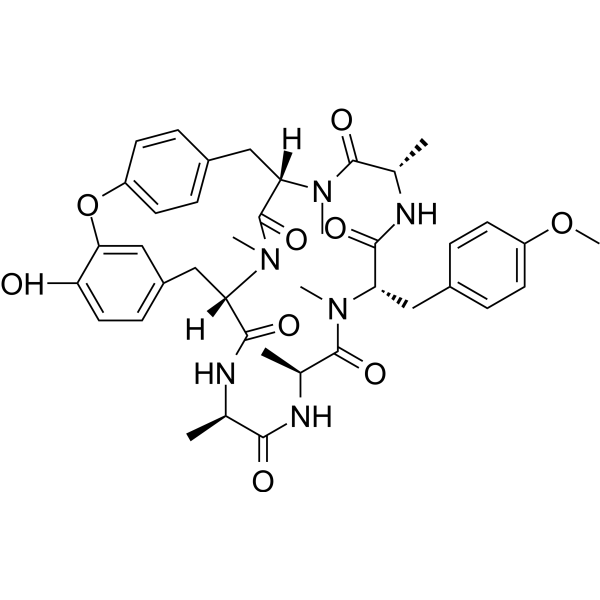
RA-V is a cyclic hexapeptide. RA-V has activity against Wnt, Myc and Notch with IC50 values of 50, 75, and 93 ng/mL, respectively. RA-V can be used for the research of cancer-related signaling pathways .
|
-
-
- HY-103195
-
NKY80
2 Publications Verification
|
Adenylate Cyclase
|
Metabolic Disease
|
|
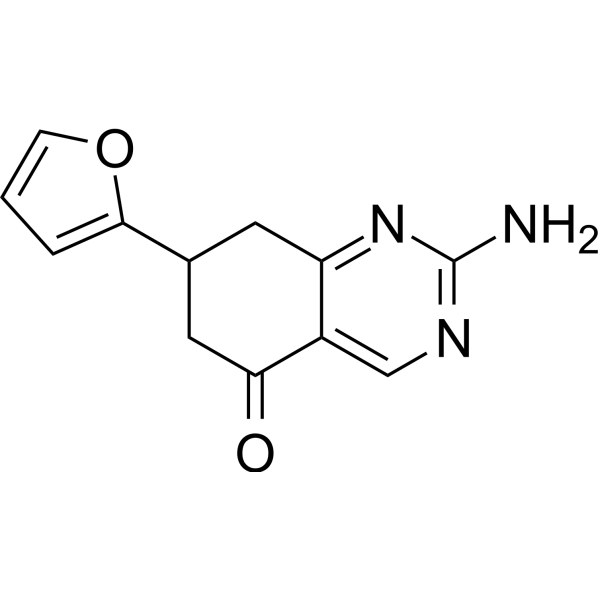
NKY80 is a potent, selective and non-competitive adenylyl cyclase (AC) type V isoform inhibitor with IC50s of 8.3 µM, 132 µM and 1.7 mM for type V, III and II, respectively. NKY80 is a non-nucleoside quinazolinone and regulates the AC catalytic activity in heart and lung tissues .
|
-
-
- HY-P991506
-
|
SGN-PDL1V Antibody; PF-08046054 Antibody
|
ADC Antibody
|
Cancer
|
|
SGN-PDL1V Antibody is a PD-L1 targeting antibody. SGN-PDL1V Antibody can be used for synthesis of ADC SGN-PDL1V (HY-171821) .
|
-

-
- HY-113285
-
|
3-Ureidopropionic acid
|
Oxidative Phosphorylation
|
Metabolic Disease
|
|
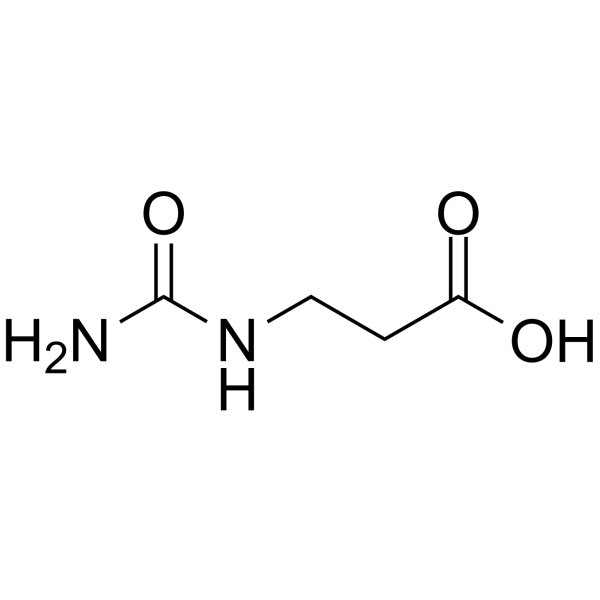
Ureidopropionic acid is a mitochondrial respiratory chain complex V inhibitor that selectively inhibits the activity of mitochondrial respiratory chain complex V, with no effect on respiratory chain complexes I-IV or mitochondrial fatty acid β-oxidation. Ureidopropionic acid induces the production of reactive oxygen species, delayed elevation of intracellular calcium concentration, secondary energy-dependent excitotoxicity and neurodegeneration in neurons. Ureidopropionic acid promotes neuropathological changes by impairing mitochondrial energy metabolism, oxidative stress and excitotoxicity pathways. Ureidopropionic acid can be used in studies related to 3-ureidopropionase deficiency and severe propionic aciduria .
|
-
-
- HY-W539944
-
|
Arg8-vasopressin acetate; AVP acetate
|
Vasopressin Receptor
Apoptosis
|
Neurological Disease
Cancer
|
|
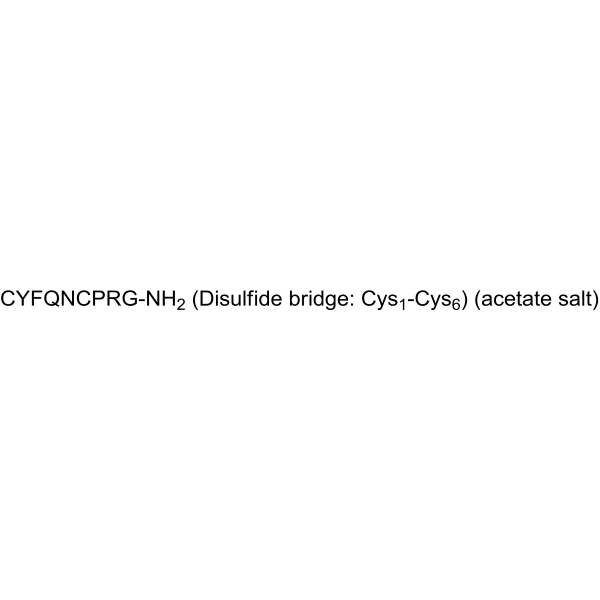
Argipressin (Arg8-vasopressin) (acetate) binds to the V1, V2, V3-vascular arginine vasopressin receptor, with a Kd value of 1.31 nM in A7r5 rat aortic smooth muscle cells for V1 .
|
-
-
- HY-16732
-
-
-
- HY-19381
-
-
-
- HY-152949
-
|
|
Myosin
|
Neurological Disease
|
|
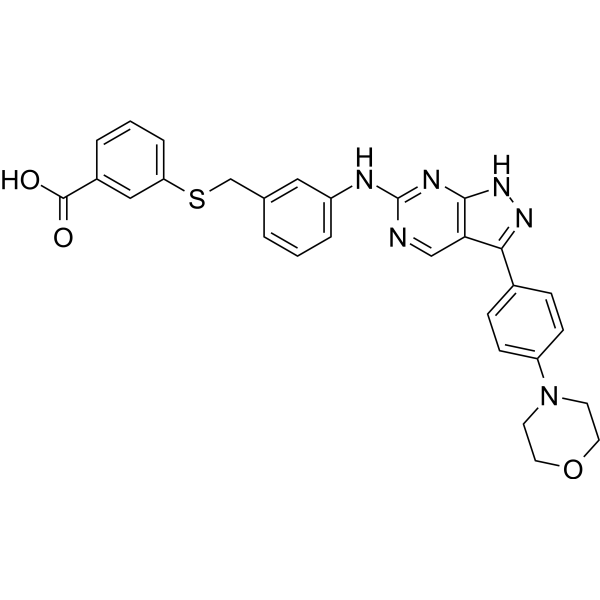
Myosin V-IN-1 (compound 8) is a potent and selective Myosin V inhibitor, with a Ki of 6 μM. Myosin V-IN-1 shows acute inhibition of myosin V. Myosin V-IN-1 slows the actin-activated myosin V ATPase by specifically inhibiting ADP release from the actomyosin complex .
|
-
-
- HY-120337
-
|
|
Choline Kinase
Apoptosis
|
Cancer
|
|
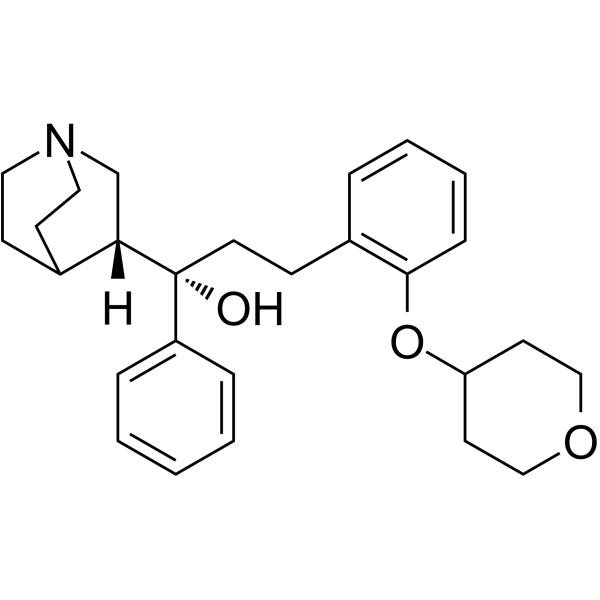
V-11-0711 is a potent and selective Chk-α (IC50 = 20 nM) inhibitor. V-11-0711 can significantly reduce PCho levels. V-11-0711 causes a reversible growth arrest. V-11-0711 induces apoptosis at high concentrations. V-11-0711 can be used for the study of cervical cancer and triple-negative breast cancer .
|
-
-
- HY-143312
-
|
|
GLP Receptor
|
Metabolic Disease
Inflammation/Immunology
|
|
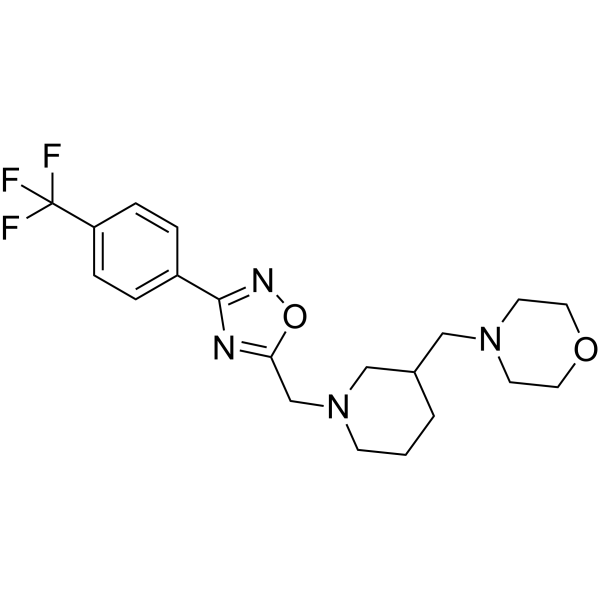
V-0219 is an orally active glucagon-like peptide-1 receptor (GLP-1R) positive allosteric modulator. V-0219 potentiates GLP-1R stimulation, and enhances GLP-1-induced cAMP production and insulin secretion. V-0219 potentiates glucose-dependent insulin secretion. V-0219 improves glucose handling in normal and diabetic rodents. V-0219 can be used for the research of obesity-associated diabetes .
|
-
-
- HY-160957
-
|
|
DNA/RNA Synthesis
|
Others
|
|
Cap A (Acetonitrile/Acetic Anhydride, 80/20 v/v) is a capping reagent that can be used in DNA/RNA synthesis .
|
-

-
- HY-143312A
-
|
|
GLP Receptor
|
Metabolic Disease
Inflammation/Immunology
|
|
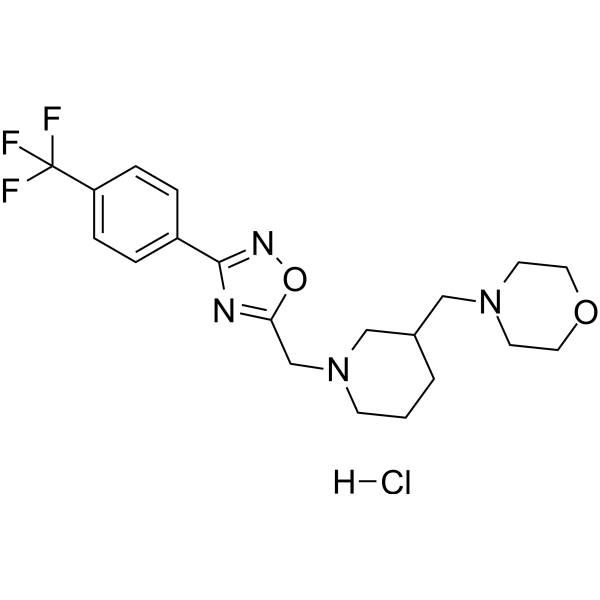
V-0219 hydrochloride is an orally active glucagon-like peptide-1 receptor (GLP-1R) positive allosteric modulator. V-0219 hydrochloride potentiates GLP-1R stimulation, and enhances GLP-1-induced cAMP production and insulin secretion. V-0219 hydrochloride potentiates glucose-dependent insulin secretion. V-0219 hydrochloride improves glucose handling in normal and diabetic rodents. V-0219 hydrochloride can be used for the research of obesity-associated diabetes .
|
-
-
- HY-P1390
-
|
|
Vasopressin Receptor
|
Endocrinology
|
|
d[Cha4]-AVP is a potent and selective vasopressin (AVP) V1b receptor agonist with a Ki of 1.2 nM for human V1b receptor. d[Cha4]-AVP shows more selective for V1b receptor than human V1a receptor, V2 receptor, and oxytocin receptors .
|
-
![d[Cha4]-AVP](//file.medchemexpress.com/product_pic/hy-p1390.gif)
-
- HY-N6970
-
|
Congmunoside V
|
Others
|
Metabolic Disease
|
|
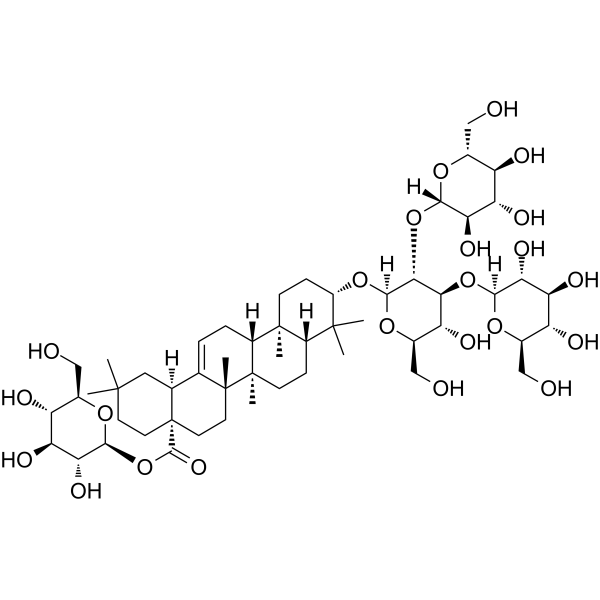
Araloside V (Congmunoside V) is a triterpenoid saponin isolated from Aralia elata .
|
-
-
- HY-115605
-
|
|
EGFR
p38 MAPK
ERK
Phosphatase
|
Cancer
|
|
CN009543V is an epidermal growth factor receptor (EGFR) agonist. CN009543V enhances tyrosine phosphorylation of EGFR at Tyr1068 and Tyr1173, thereby activating the MAPK/ERK cascade. CN009543V inhibits the activity of PTP-1B in MDA MB468 cells. CN009543V can be used in cancer research .
|
-

-
- HY-160958
-
|
|
Biochemical Assay Reagents
|
Others
|
|
Cap B (Acetonitrile/N-methylimidazole /pyridine, 50/20/30 v/v/v) is a biochemical reagent, which contains 50% Acetonitrile, 20 N-methylimidazole and 30% pyridine. Cap B (Acetonitrile/N-methylimidazole /pyridine, 50/20/30 v/v/v) is utilized as capping agent in oligonucleotide synthesis .
|
-

-
- HY-143312D
-
|
|
GLP Receptor
|
Metabolic Disease
|
|
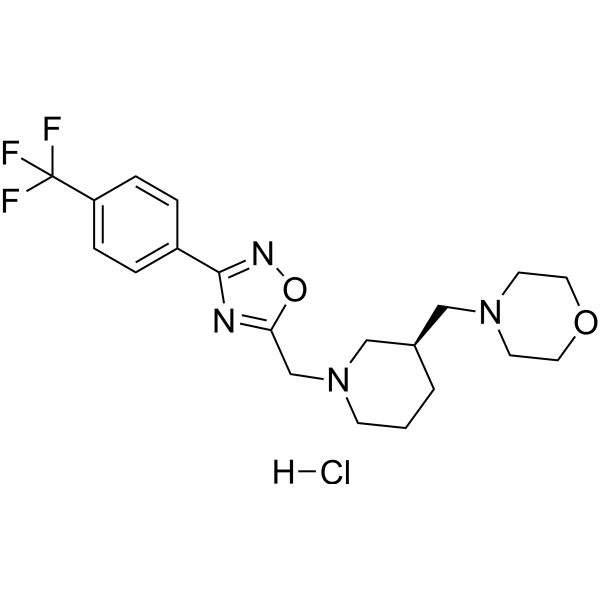
(R)-V-0219 hydrochloride is an enantiomer of V-0219 (HY-143312). V-0219 is an orally active and positive allosteric modulator (PAM) of the GLP Receptor-1 (GLP-1R). (R)-V-0219 hydrochloride activates calcium fluxes in HEK cells stably expressing hGLP-1R .
|
-
-
- HY-143312E
-
|
|
GLP Receptor
|
Metabolic Disease
|
|
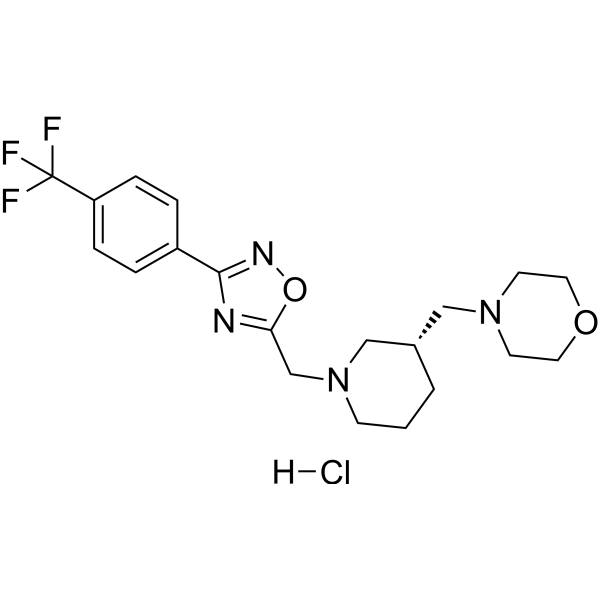
(S)-V-0219 hydrochloride is an enantiomer of V-0219 (HY-143312). V-0219 is an orally active and positive allosteric modulator (PAM) of the GLP Receptor-1 (GLP-1R). (S)-V-0219 hydrochloride activates calcium fluxes in HEK cells stably expressing hGLP-1R. (S)-V-0219 hydrochloride is orally active and ameliorates high glucose levels in mice and inhibits feeding behavior in fasted mice .
|
-
-
- HY-P5969
-
-
-
- HY-N16617
-
|
|
Lipase
|
Metabolic Disease
|
|
Platycodin V is a triterpenoid saponin. Platycodin V has a relatively weak inhibitory effect on pancreatic lipase.
|
-

-
- HY-114564
-
|
E5510
|
Prostaglandin Receptor
|
Cardiovascular Disease
|
|
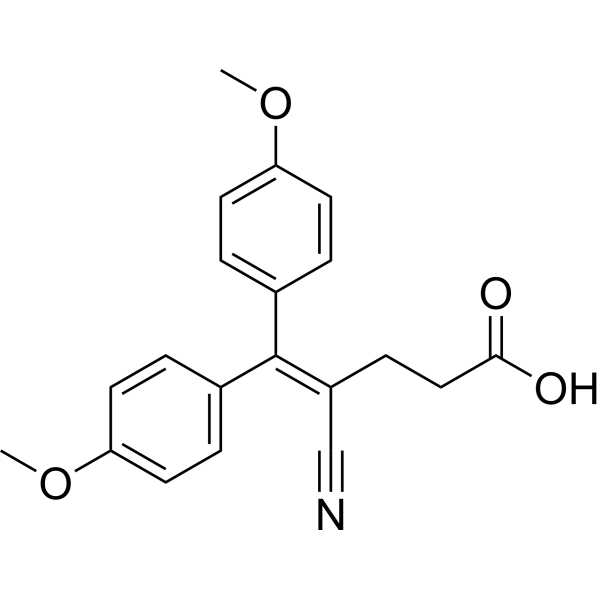
Satigrel (E5510) is a potent inhibitor of platelet aggregation. Satigrel inhibits collagen- and arachidonic acid-induced platelet aggregation through preventing thromboxane A2 synthesis by selective inhibition of the target enzyme, PGHS1, which exists in platelets. Satigrel inhibits PGHS1 (IC50: 0.081 μM) and PGHS2 (IC50: 5.9 μM). Satigrel is against Type III PDE, Type V and Type II (IC50: 15.7 μM, 39.8 μM and 62.4 μM, respectively) .
|
-
-
- HY-P991525
-
|
|
TNF Receptor
|
Cancer
|
|
2141-V11 is an anti-CD40 agonist antibody with enhanced binding to FcγRIIB. 2141-V11 results in effective tumor-specific T-cell responses in vivo. 2141-V11 can be used for the study of BCG-unresponsive non-muscle invasive bladder cancer .
|
-

-
- HY-B0975S1
-
|
Phenoxymethylpenicillin-d5 potassium salt
|
Bacterial
Antibiotic
|
Infection
|
|
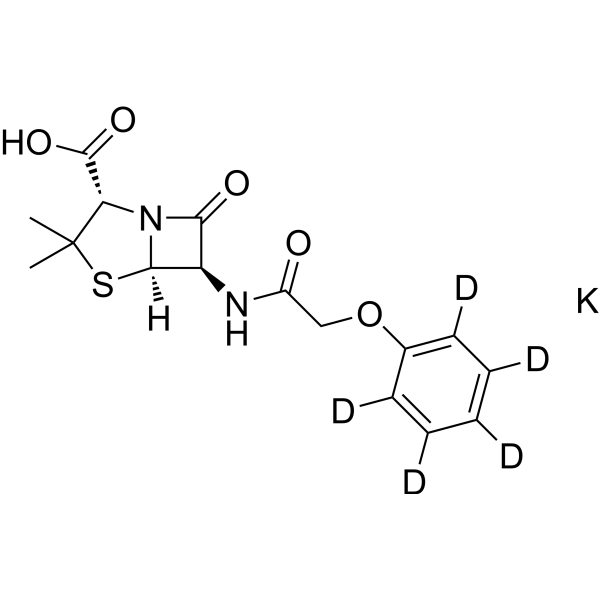
Penicillin V-d5 (potassium) is the deuterium labeled Penicillin V Potassium . Penicillin V Potassium (Phenoxymethylpenicillin potassium salt) is an orally active antibiotic. Penicillin V Potassium inhibits the growth of Streptococci, C. difficile and S. aureus. Penicillin V Potassium can be used for the research of otitis, sinusitis, pharyngitis and tonsillitis .
|
-
-
- HY-P11356A
-
|
|
IFNAR
|
Cancer
|
|
KRAS G12V Peptide TFA is the trifluoroacetate salt of KRAS G12V Peptide (HY-P11355). KRAS G12V Peptide is a specific peptide derived from the Kirsten rat sarcoma virus (KRAS) gene carrying the G12V oncogenic mutation. KRAS G12V Peptide induces responses like IFN-γ secretion and cytotoxicity. KRAS G12V Peptide can be used for the study of immune responses against KRAS G12V-mutant tumors .
|
-

-
- HY-146272
-
|
|
Vasopressin Receptor
|
Endocrinology
|
|
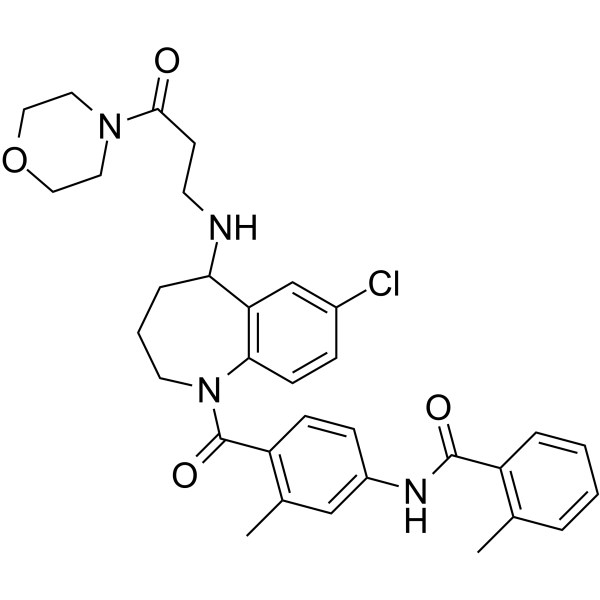
Vasopressin V2 receptor antagonist 1 is a vasopressin V2 receptor (V2R) antagonist with a Ki value of 3.8 nM. Vasopressin V2 receptor antagonist 1 inhibits renal cyst formation in embryonic renal cyst models and mouse models. Vasopressin V2 receptor antagonist 1 can be used in research related to autosomal dominant polycystic kidney disease .
|
-
-
- HY-P11356
-
|
|
IFNAR
|
Cancer
|
|
KRAS G12V Peptide is a specific peptide derived from the Kirsten rat sarcoma virus (KRAS) gene carrying the G12V oncogenic mutation. KRAS G12V Peptide induces responses like IFN-γ secretion and cytotoxicity. KRAS G12V Peptide can be used for the study of immune responses against KRAS G12V-mutant tumors .
|
-

-
- HY-152157
-
|
|
HIV
|
Infection
|
|
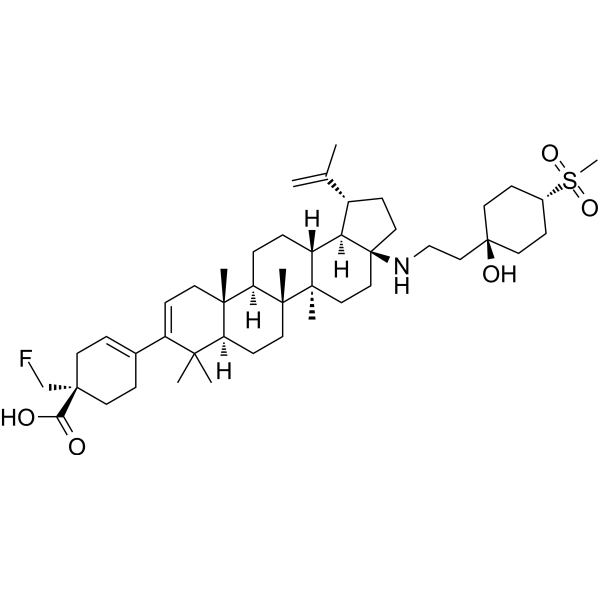
HIV-1 inhibitor-52 is a potent broad-spectrum HIV-1 activity inhibitor with EC50s of 1.6 nM-6.4 nM for WT HIV-1, HIV-1 V370A, HIV-1 ΔV370, HIV-1 V362I/V370A, HIV-1 T332S/V362I/prR41G, HIV-1 A326T/V362I/V370A, HIV-1 R361K/V362I/L363M .
|
-
-
- HY-N0502R
-
|
|
Reactive Oxygen Species (ROS)
Reference Standards
|
Metabolic Disease
Cancer
|
|
Mogroside V (Standard) is the analytical standard of Mogroside V. This product is intended for research and analytical applications. Mogroside V is a the major active constituent of a traditional Chinese medicine Siraitiae Fructus. Mogroside V reduces the intracellular reactive oxygen species (ROS) levels and enhances mitochondrial function. Mogroside V has anti-oxidative, anti-diabetic and anti-carcinogenic effects. Mogroside V can be used for diabetic diseases research .
|
-

-
- HY-117390
-
|
|
Phosphodiesterase (PDE)
|
Cardiovascular Disease
Metabolic Disease
|
|
FR-181074 is a selective and orally active PDE V inhibitor. FR-181074 can specifically block PDE V to inhibit the degradation of cyclic guanosine monophosphate (cGMP) in order to relax smooth muscle. FR-181074 can be used for the researches of cardiovascular disease and endocrinology, such as hypertension and erectile dysfunction .
|
-

-
- HY-W436428
-
|
|
Na+/K+ ATPase
Bacterial
|
Infection
|
|
V-161 is the orally active inhibitor for Na +-V-ATPase with an IC50 of 144 nM. V-161 inhibits Enterococcus hirae and Vancomycin-resistant Enterococcus faecium (VRE) under alkaline condition with MIC of 4 µg/mL and 4 µg/mL. V-161 inhibits colonization of VRE in mouse small intestine .
|
-

-
- HY-179167
-
-

-
- HY-B0975AR
-
|
Phenoxymethylpenicillin (Standard)
|
Reference Standards
Antibiotic
Bacterial
|
Infection
|
|
Penicillin V (Standard) is the analytical standard of Penicillin V. This product is intended for research and analytical applications. Penicillin V (Phenoxymethylpenicillin) is a potent and orally active antibiotic. Penicillin V shows antibacterial activity for Streptococci, Clostridium difficile and staphylococcus aureus. Penicillin V has the potential for the research of otitis, sinusitis, pharyngitis and tonsillitis [4].
|
-

-
- HY-P5155
-
|
|
Potassium Channel
|
Neurological Disease
|
|
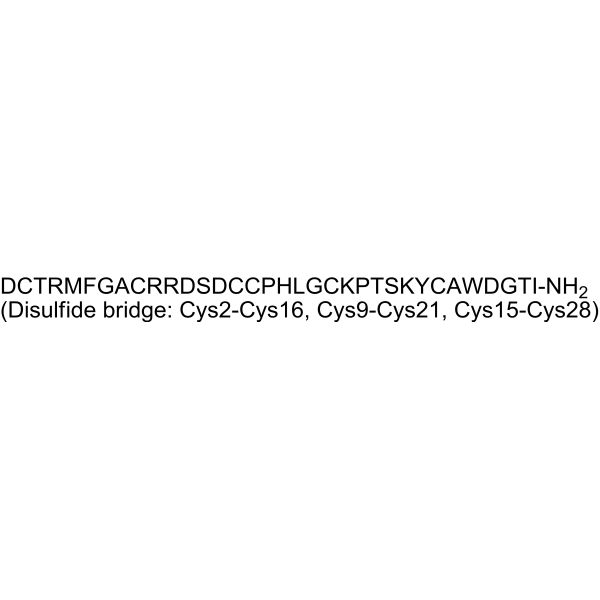
Stromatoxin 1 is an inhibitor of Potassium Channel, a peptide which can be isolated from tarantulas. Stromatoxin 1 selectively inhibits K(V)2.1, K(V)2.2, K(V)4.2, and K(V)2.1/9.3 channels. K(V)2.1 and K(V)2.2, but not K(V)4.2, channel subunits play a key role in opposing both myogenic and neurogenic urinary bladder smooth muscle (UBSM) contractions in rats .
|
-
-
- HY-P1390A
-
|
|
Vasopressin Receptor
|
Endocrinology
|
|
d[Cha4]-AVP TFA is a potent and selective vasopressin (AVP) V1b receptor agonist with a Ki of 1.2 nM for human V1b receptor. d[Cha4]-AVP TFA shows more selective for V1b receptor than human V1a receptor, V2 receptor, and oxytocin receptors .
|
-
![d[Cha4]-AVP TFA](//file.medchemexpress.com/product_pic/hy-p1390a.gif)
-
- HY-E70649
-
|
|
Raf
|
Cancer
|
|
BRAF is a member of the Raf kinase family of growth signal transduction protein kinases. BRAF has multiple mutants. BRAF V600E is commonly found in melanoma. BRAF V600E Recombinant Human Active Protein Kinase is a recombinant BRAF V600E protein that can be used to study BRAF V600E-related functions .
|
-

-
- HY-162394
-
|
|
Vasopressin Receptor
|
Metabolic Disease
|
|
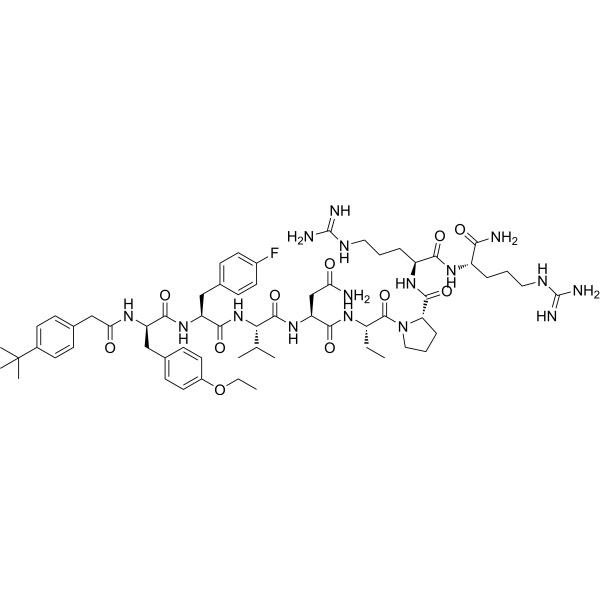
Vasopressin V2 receptor antagonist 2 (Compound 33) is an antagonist of the arginine vasopressin V2 receptor (V2R) with a Ki value of 6.2 nM. Vasopressin V2 receptor antagonist 2 can effectively reduce cAMP levels, thereby inhibiting the growth of renal cysts[1].
|
-
-
- HY-N8265
-
|
|
HSV
DNA/RNA Synthesis
ATP Synthase
|
Infection
|
|
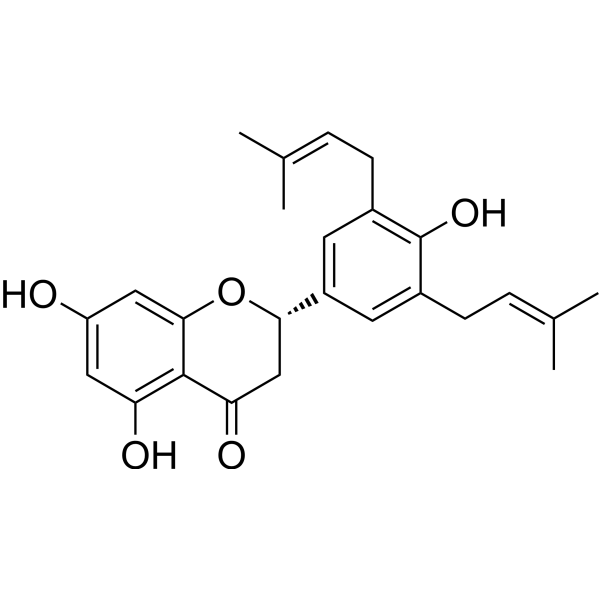
Abyssinone V is a prenylated flavonoid with predicted anti-viral activity. Abyssinone V can be isolated from the stem bark of Erythrina melanacantha. Abyssinone V possesses good pharmacodynamics properties. Abyssinone V is predicted to be antivirals including anti-herpes (HSV) agent, with mechanisms comprising inhibition of polymerase, ATPase and membrane integrity .
|
-
-
- HY-147215
-
|
|
Toll-like Receptor (TLR)
|
Inflammation/Immunology
|
|
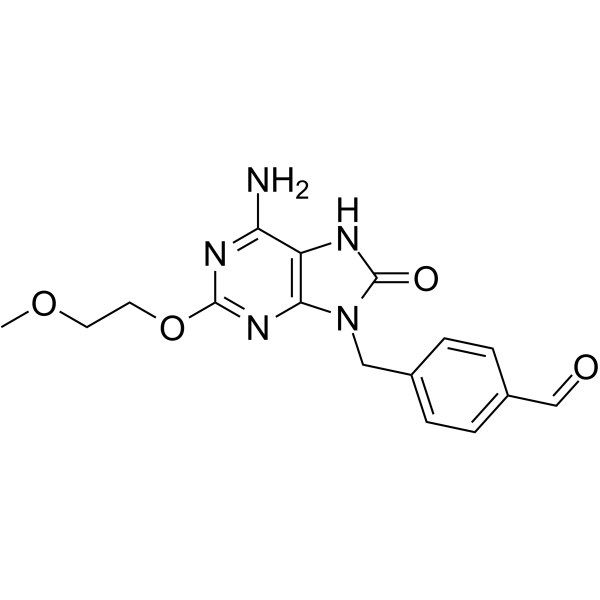
UC-1V150 is a specific TLR7 (Toll-like receptor) agonist that stimulates cellular immune responses and has anti-tumor activity. UC-1V150 can be used to synthesize ISAC (Immune-Stimulating Antibody Conjugates) molecule .
|
-
-
- HY-N14504
-
-

-
- HY-137488
-
|
|
PROTACs
Raf
|
Cancer
|
|
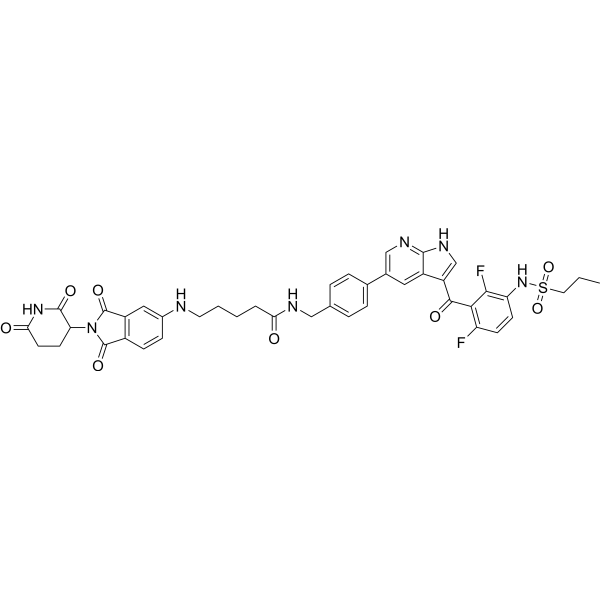
PROTAC BRAF-V600E degrader-2 (compound 12) is a potent BRAF-V600E degrader with Kds of 14.4 nM and 9.5 nM for BRAF and BRAF-V600E, respectively. PROTAC BRAF-V600E degrader-2 selectively degraded the kinase domain of BRAF-V600E but not the wild-type BRAF. PROTAC BRAF-V600E degrader-2 inhibits melanoma cell growth .
|
-
-
- HY-178573
-
|
|
Vasopressin Receptor
|
Neurological Disease
|
|
V1b receptor antagonist-1 is a potent, selective and brain-penetrant vasopressin 1b (V1b) receptor antagonist. V1b receptor antagonist-1 exhibits anti-depressant activity. V1b receptor antagonist-1 can be used for the research of neurological disease, such as depression .
|
-

- HY-P5010
-
|
|
Vasopressin Receptor
|
Cardiovascular Disease
|
|
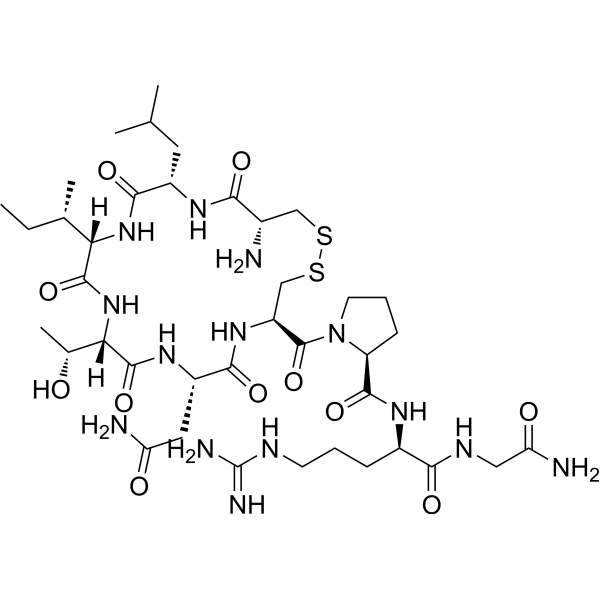
(D-Arg8)-Inotocin is a potent, selective and competitive antagonist of vasopressin receptor (V1aR), with a Ki of 1.3 nM. (D-Arg8)-Inotocin shows more than 3000-fold selectivity for the human V1aR over the other three subtypes, OTR, V1bR and V2R .
|
-
- HY-14852S
-
|
|
Transthyretin (TTR)
Isotope-Labeled Compounds
|
Neurological Disease
|
|
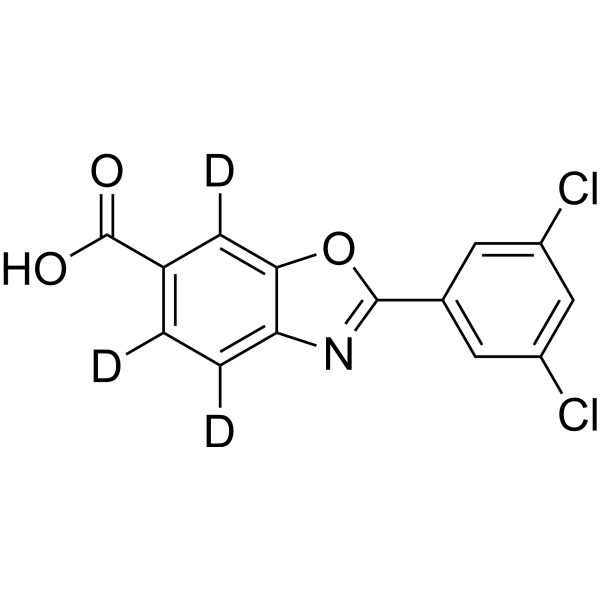
Tafamidis-d3 is deuterium labeled Tafamidis. Tafamidis is a potent and selective transthyretin (TTR) stabilizer, shows comparable potency and efficacy to the mutumant homotetramers V30M-TTR, V122I-TTR and wild type WT-TTR, with EC50s of 2.7-3.2 μM. Tafamidis inhibits amyloidogenesis .
|
-
- HY-P2442
-
|
|
Bacterial
|
Others
|
|
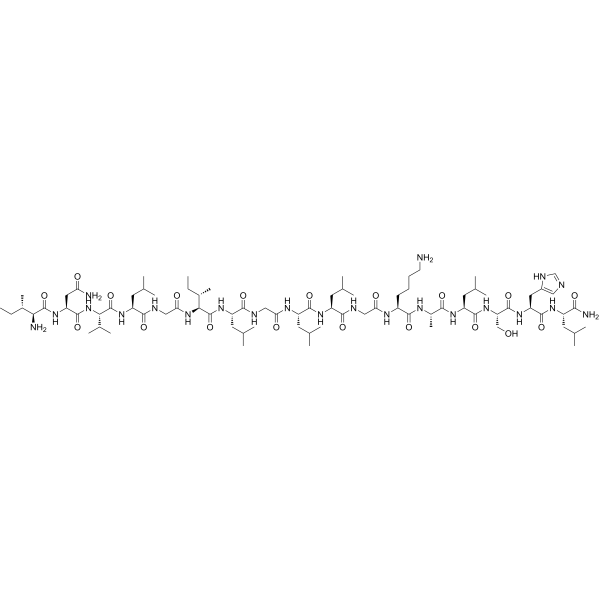
Bombolitin V is a potent antimicrobial peptide with an ED 50 value of 2 micrograms/ml in causing mast cell degranulation .
|
-
- HY-E70155
-
|
EC:2.4.1.65; Fucosyltransferase 5; Fucosyltransferase V
|
Biochemical Assay Reagents
|
Others
|
|
Fucosyltransferase 5 (EC:2.4.1.65, Fucosyltransferase 5, Fucosyltransferase V) is responsible for the terminal step in the synthesis of Lex, sialy-Lex, and Lea antigens .
|
-

- HY-105686
-
-
- HY-139796
-
|
|
HDAC
|
Cancer
|
|
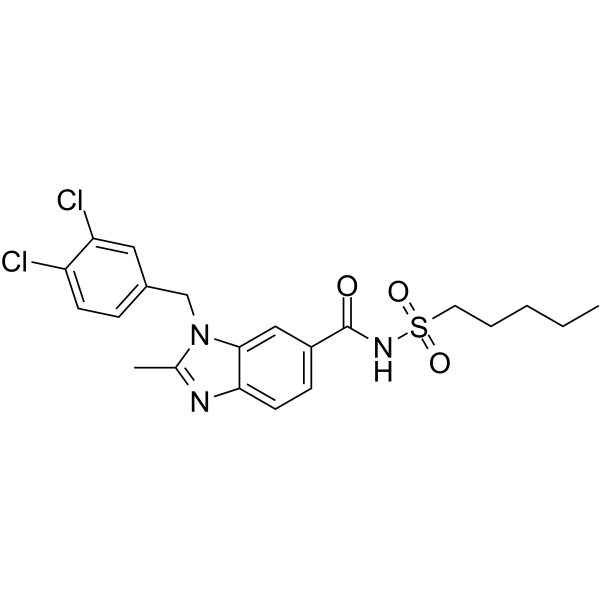
ZYJ-34v is an orally active histone deacetylase inhibitor. ZYJ-34v has antitumor activity .
|
-

- HY-E70740
-
|
|
c-Kit
|
Cancer
|
|
KIT (CD117) is an important cell surface marker used to identify certain types of hematopoietic(blood) progenitors in the bone marrow. KIT is a cytokine receptor expressed on the surface of hematopoietic stem cells as well as other cell types. Altered forms of this receptor may be associated with some types of cancer. KIT V559D/V654A is a mutant of KIT. KIT V559D/V654A Recombinant Human Active Protein Kinase is a recombinant KIT V559D/V654A protein that can be used to study KIT V559D/V654A-related functions .
|
-

- HY-168742
-
|
|
Vasopressin Receptor
|
Neurological Disease
|
|
V1a/V2 antagonist 1 (Compound 18j) is an orally active dual V1a and V2 receptor antagonist with high binding affinity for both receptors (Ki: 0.13 nM for hV1a, 0.53 nM for hV2 and 0.5 nM for mV1a; IC50: 2.2 nM for hV1a). V1a/V2 antagonist 1 inhibits Oxytocin (HY-17571)-induced scratching behavior in mice .
|
-

- HY-N16596
-
|
|
Others
|
Others
|
|
V1-iridoid is a type of iridoid compound. V1-iridoid has been identified as the characteristic component of the plants G. humifusumBieb. and G. verumL. .
|
-

- HY-146442
-
|
|
Raf
|
Cancer
|
|
BRAF V600E/CRAF-IN-1 (Compound 8b) is a potent inhibitor of BRAF V600E/CRAF. BRAF V600E/CRAF-IN-1 triggers apoptosis and cell cycle arrest at G0/G1 phase in HCT-116 colon cancer cell. BRAF V600E/CRAF-IN-1 has the potential for the research of cancer diseases .
|
-
- HY-B0975S
-
|
Phenoxymethylpenicillin-13C6 potassium salt
|
Isotope-Labeled Compounds
Bacterial
Antibiotic
|
Infection
|
|
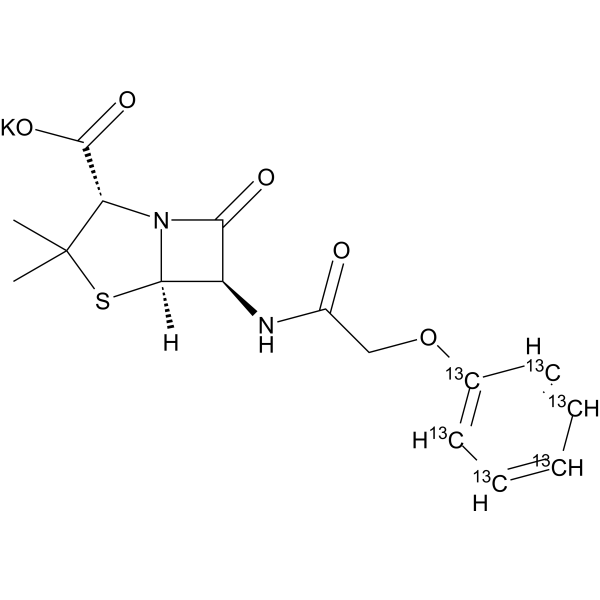
Penicillin V- 13C6 (potassium) is the 13C6 labeled Penicillin V (potassium). Penicillin V Potassium (Phenoxymethylpenicillin potassium salt) is an orally active antibiotic. Penicillin V Potassium inhibits the growth of Streptococci, C. difficile and S. aureus. Penicillin V Potassium can be used for the research of otitis, sinusitis, pharyngitis and tonsillitis.
|
-
- HY-143312B
-
|
|
GLP Receptor
|
Metabolic Disease
|
|
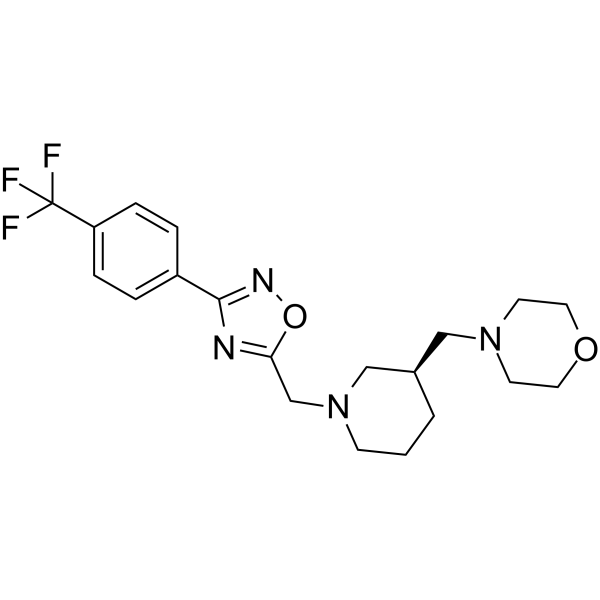
(R)-V-0219 is an enantiomer of V-0219 (HY-143312). V-0219 is an orally active and positive allosteric modulator (PAM) of the GLP Receptor-1 (GLP-1R). (R)-V-0219 activates calcium fluxes in HEK cells stably expressing hGLP-1R .
|
-
- HY-122143
-
|
|
Bacterial
|
Infection
|
|
V-06-018 is a potent LasR antagonist with an IC50 value of 5.2 µM. V-06-018 can be used as chemical probes of quorum sensing (QS) in Pseudomonas aeruginosa .
|
-

- HY-143312C
-
|
|
GLP Receptor
|
Metabolic Disease
|
|
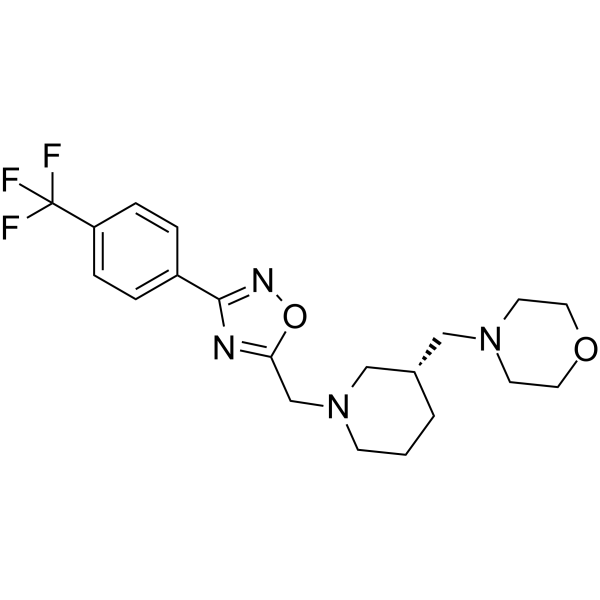
(S)-V-0219 is an enantiomer of V-0219 (HY-143312). V-0219 is an orally active and positive allosteric modulator (PAM) of the GLP Receptor-1 (GLP-1R). (S)-V-0219 activates calcium fluxes in HEK cells stably expressing hGLP-1R. (S)-V-0219 is orally active and ameliorates high glucose levels in mice and inhibits feeding behavior in fasted mice .
|
-
- HY-146443
-
|
|
Raf
|
Cancer
|
|
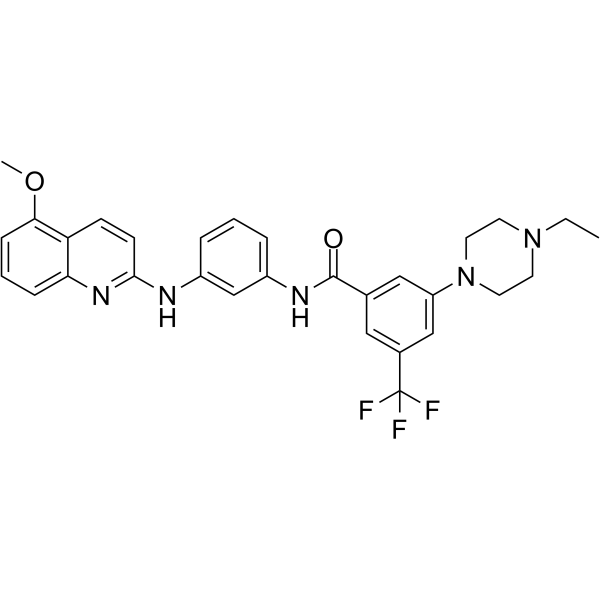
BRAF V600E/CRAF-IN-2 (Compound 9c) is a potent inhibitor of BRAF V600E/CRAF with IC50s of 0.888 and 0.229 μM, respectively. BRAF V600E/CRAF-IN-2 triggers apoptosis and cell cycle arrest at G0/G1 phase in HCT-116 colon cancer cell. BRAF V600E/CRAF-IN-2 has the potential for the research of cancer diseases .
|
-
- HY-B0975AS
-
|
|
Isotope-Labeled Compounds
Bacterial
Antibiotic
|
Infection
|
|
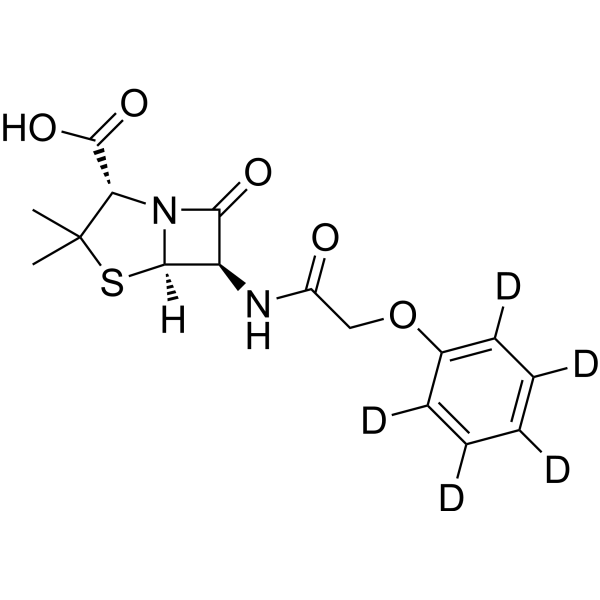
Penicillin V-d5 (Phenoxymethylpenicillin-d5) is the deuterium labeled Penicillin V. Penicillin V (Phenoxymethylpenicillin) is an orally active antibiotic. Penicillin V inhibits the growth of Streptococci, C. difficile and S. aureus. Penicillin V can be used for the research of otitis, sinusitis, pharyngitis and tonsillitis .
|
-
- HY-B0975R
-
|
Phenoxymethylpenicillin potassium salt (Standard)
|
Reference Standards
Bacterial
Antibiotic
|
Infection
|
|
Penicillin V (Potassium) (Standard) is the analytical standard of Penicillin V (Potassium). This product is intended for research and analytical applications. Penicillin V Potassium (Phenoxymethylpenicillin potassium salt) is an orally active antibiotic. Penicillin V Potassium inhibits the growth of Streptococci, C. difficile and S. aureus. Penicillin V Potassium can be used for the research of otitis, sinusitis, pharyngitis and tonsillitis .
|
-

- HY-E70828
-
|
|
FGFR
|
Cancer
|
|
FGFR3 kinase mutations are associated with a variety of malignancies. FGFR3 V555L mutation leads to resistance to FGFR inhibitors. FGFR3 V555L Recombinant Human Active Protein Kinase is a recombinant FGFR3 V555L protein that can be used to study FGFR3 V555L-related functions .
|
-

- HY-19880
-
-

- HY-P11086
-
|
|
Bacterial
|
Infection
|
|
c(R3W4V) is an antimicrobial peptide. c(R3W4V) has a relatively stable transmembrane structure. c(R3W4V) has IC50 values of 0.27 μM, 0.46 μM, and 0.05 μM for E. coli, S. aureus, and B. subtilis, respectively .
|
-

- HY-N6815R
-
|
|
Reference Standards
Others
|
Others
|
|
Isomogroside V (Standard) is the analytical standard of Isomogroside V. This product is intended for research and analytical applications. Isomogroside V is a sweetener, which extracted from Siraitia grosvenorii (Swingle).
|
-

- HY-B1125R
-
-

- HY-E70827
-
|
|
FGFR
|
Cancer
|
|
FGFR2 is a receptor tyrosine kinase that is involved in many human cancers such as intrahepatic cholangiocarcinomas and hepatocellular carcinomas. FGFR2 V564L is a mutant of FGFR3. FGFR2 V564L Recombinant Human Active Protein Kinase is a recombinant FGFR2 V564L protein that can be used to study FGFR2 V564L-related functions .
|
-

- HY-E70829
-
|
|
FGFR
|
Cancer
|
|
FGFR3 kinase mutations are associated with a variety of malignancies. FGFR3 V555M mutation leads to resistance to FGFR inhibitors. FGFR3 V555M Recombinant Human Active Protein Kinase is a recombinant FGFR3 V555M protein that can be used to study FGFR3 V555M-related functions .
|
-

- HY-E70739
-
|
|
c-Kit
|
Cancer
|
|
KIT (CD117) is an important cell surface marker used to identify certain types of hematopoietic(blood) progenitors in the bone marrow. KIT is a cytokine receptor expressed on the surface of hematopoietic stem cells as well as other cell types. Altered forms of this receptor may be associated with some types of cancer. KIT V559D/T670I is a mutant of KIT. KIT V559D/T670I Recombinant Human Active Protein Kinase is a recombinant KIT V559D/T670I protein that can be used to study KIT V559D/T670I-related functions .
|
-

- HY-E70825
-
|
|
FGFR
|
Cancer
|
|
FGFR2 is a receptor tyrosine kinase that is involved in many human cancers such as intrahepatic cholangiocarcinomas and hepatocellular carcinomas. FGFR2 V564F is a mutant of FGFR3. FGFR2 V564F Recombinant Human Active Protein Kinase is a recombinant FGFR2 V564F protein that can be used to study FGFR2 V564F-related functions .
|
-

- HY-E70826
-
|
|
FGFR
|
Cancer
|
|
FGFR2 is a receptor tyrosine kinase that is involved in many human cancers such as intrahepatic cholangiocarcinomas and hepatocellular carcinomas. FGFR2 V564I is a mutant of FGFR3. FGFR2 V564I Recombinant Human Active Protein Kinase is a recombinant FGFR2 V564I protein that can be used to study FGFR2 V564I-related functions .
|
-

- HY-N8671R
-
|
|
Reference Standards
Others
|
Neurological Disease
|
|
Withanoside V (Standard) is the analytical standard of Withanoside V. This product is intended for research and analytical applications. Withanoside V, a withanolide glycoside, exhibits inhibitory activity for tachyphylaxis to Clonidine in isolated guinea-pig ileum .
|
-

- HY-E70764
-
|
|
PDGFR
|
Cancer
|
|
PDGFRalpha is a receptor tyrosine kinases that stimulate cell survival, proliferation and motility. Upon PDGF binding, the receptor dimerizes and undergoes a conformational change, which activates the kinase domain. PDGFRalpha V561D is a mutant of PDGFRalpha. PDGFRalpha V561D Recombinant Human Active Protein Kinase is a recombinant PDGFRalpha V561D protein that can be used to study PDGFRalpha V561D-related functions .
|
-

- HY-Q25865
-
|
|
VISTA
|
Cancer
|
|
MG-V-53 is a potent small molecule V domain T-cell activating immunoglobulin suppressor (VISTA) inhibitor with IC50 value of 121 nM. MG-V-53 has antitumor activity .
|
-

- HY-E70778
-
|
|
RET
|
Cancer
|
|
Rearranged during transfection (RET) is a transmembrane receptor protein tyrosine kinase (PTK) activated normally by forming ternary complexes with its cognate ligands and co-receptors. RET alterations by point mutations and gene fusions were found in diverse cancers. RET V804L is a mutant of RET. RET V804L Recombinant Human Active Protein Kinase is a recombinant RET V804L protein that can be used to study RET V804L-related functions .
|
-

- HY-P991315
-
|
RG7600 antibody
|
|
Cancer
|
|
Anti-MSLN/Mesothelin (h7D9.v3) is a human monoclonal antibody (mAb) targeting MSLN. Anti-MSLN/Mesothelin (h7D9.v3) can be used in ovarian cancer, mesothelioma, and pancreatic cancer research .
|
-

- HY-N16660
-
|
|
Drug Derivative
|
Neurological Disease
Inflammation/Immunology
|
|
Tangshenoside V is a phenylpropanoid glucoside found in the roots of Codonopsis tangshen. Tangshenoside V has potential anti-inflammatory, immunomodulatory and mucosal protective effects. Tangshenoside V can be used for the researches of inflammation, immunology and neurological disease .
|
-

- HY-126395R
-
|
|
Fluorescent Dye
Reference Standards
|
Others
|
|
Patent Blue V (calcium salt) (Standard) is the analytical standard of Patent Blue V (calcium salt). This product is intended for research and analytical applications. Patent Blue V has been widely used in sentinel lymph node mapping. Patent Blue V is also a food coloring agent and an alternative dye for trypan blue (TB) in descemet membrane endothelial keratoplasty (DMEK) .
|
-

- HY-N10529
-
|
LNFP V
|
Others
|
Others
|
|
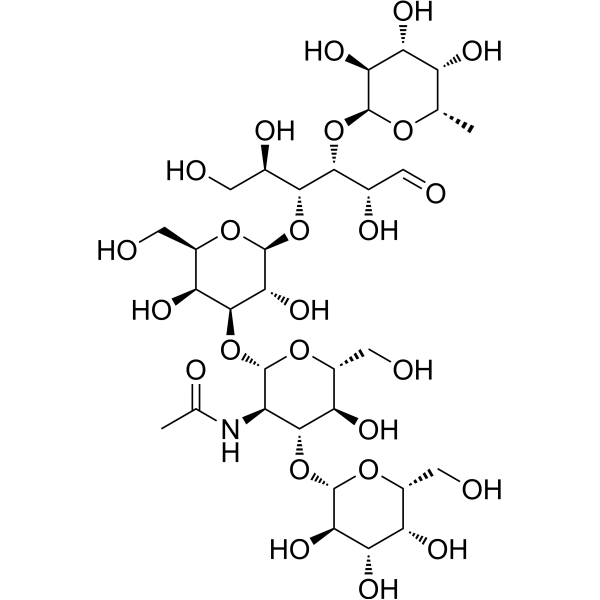
Lacto-N-fucopentaose V (LNFP V), a new pentasaccharide, is an oligosaccharide found in human milk and other biofluids .
|
-
- HY-E70777
-
|
|
RET
|
Cancer
|
|
Rearranged during transfection (RET) is a transmembrane receptor protein tyrosine kinase (PTK) activated normally by forming ternary complexes with its cognate ligands and co-receptors. RET alterations by point mutations and gene fusions were found in diverse cancers. RET V804E is a mutant of RET. RET V804E Recombinant Human Active Protein Kinase is a recombinant RET V804E protein that can be used to study RET V804E-related functions .
|
-

- HY-E70779
-
|
|
RET
|
Cancer
|
|
Rearranged during transfection (RET) is a transmembrane receptor protein tyrosine kinase (PTK) activated normally by forming ternary complexes with its cognate ligands and co-receptors. RET alterations by point mutations and gene fusions were found in diverse cancers. RET V804M is a mutant of RET. RET V804M Recombinant Human Active Protein Kinase is a recombinant RET V804M protein that can be used to study RET V804M-related functions .
|
-

- HY-E70722
-
|
|
FGFR
|
Cancer
|
|
FGFR4 is a transcriptional target of the PAX3-FOXO1 fusion gene. FGFR4 expression is significantly higher in rhabdomyosarcoma. FGFR4 V550E is a mutant of FGFR3 that may be present in rhabdomyosarcoma. FGFR4 V550E Recombinant Human Active Protein Kinase is a recombinant FGFR4 V550E protein that can be used to study FGFR4 V550EK-related functions .
|
-

- HY-162264
-
|
|
Microtubule/Tubulin
Proton Pump
Apoptosis
|
Inflammation/Immunology
Cancer
|
|
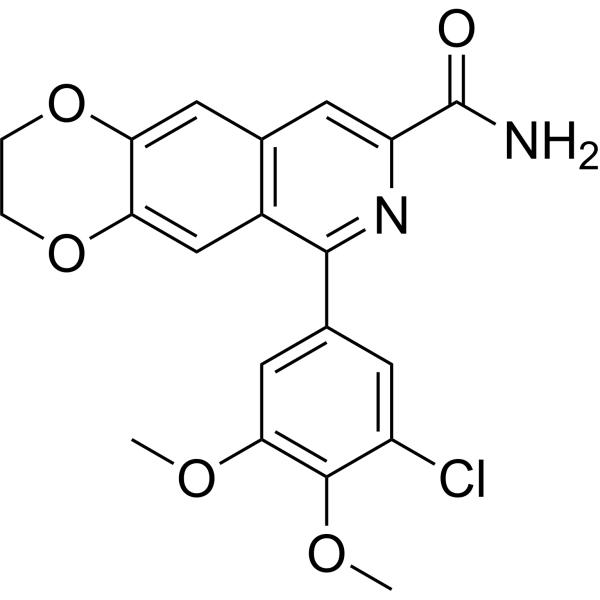
Tubulin polymerization/V-ATPase-IN-1 (compound F10) is a Tubulin polymerization/V-ATPase inhibitor. Tubulin polymerization/V-ATPase-IN-1 shows robust antiproliferation activity against four human cancer cell lines, and exerts antiproliferative activity by inhibiting tubulin and V-ATPase. Tubulin polymerization/V-ATPase-IN-1 induces immunogenic cell death in addition to apoptosis, and inhibits tumor growth in an RM-1 homograft model with enhanced T lymphocyte infiltration .
|
-
- HY-153990
-
|
|
FKBP
|
Neurological Disease
|
|
FKBP51F67V-selective antagonist Ligand2 (example 3-3) is a potent FKBP51 F67V-selective antagonist ligand. FKBP51F67V-selective antagonist Ligand2 reverses the anxiogenic phenotype induced by overexpression of FKBP51 F67V in the amygdala. FKBP51F67V-selective antagonist Ligand2 binds to FKBP51 F67V, but not to wild-type FKBP51 or FKBP52 .
|
-
- HY-P990142
-
|
|
MHC
|
Infection
Inflammation/Immunology
|
|
Anti-Mouse Vβ4 TCR Antibody (KT4) is an anti-mouse Vβ4 TCR IgG2b monoclonal antibody. Anti-Mouse Vβ4 TCR Antibody (KT4) can reduce the proportion of Vβ4 + T cells without affecting their function. Anti-Mouse Vβ4 TCR Antibody (KT4) can be used for research on immunology and infection conditions such as virus infection. Anti-Mouse Vβ4 TCR Antibody (KT4) is often used in flow cytometry .
|
-
- HY-E70542
-
-

- HY-N17887
-
|
|
|
Others
|
|
7β-Methoxy-mogroside V is a cucurbitane glycoside found in the fruits of Siraitia grosvenori SWINGLE .
|
-

- HY-105686R
-
|
|
Reference Standards
Phosphodiesterase (PDE)
|
Cardiovascular Disease
|
|
FR-229934 (Standard) is the analytical standard of FR-229934 (HY-105686). This product is intended for research and analytical applications. FR-229934 is a PDE V inhibitor extracted from patent WO2019130052A1. FR-229934 can be used for the research of pulmonary arterial hypertension and erectile dysfunction .
|
-

- HY-103195R
-
|
|
Reference Standards
Adenylate Cyclase
|
Metabolic Disease
|
|
NKY80 (Standard) is the analytical standard of NKY80 (HY-103195). This product is intended for research and analytical applications. NKY80 is a potent, selective and non-competitive adenylyl cyclase (AC) type V isoform inhibitor with IC50s of 8.3 µM, 132 µM and 1.7 mM for type V, III and II, respectively. NKY80 is a non-nucleoside quinazolinone and regulates the AC catalytic activity in heart and lung tissues .
|
-

- HY-120337B
-
|
|
Drug Isomer
Choline Kinase
Apoptosis
|
Cancer
|
|
cis-V-11-0711 is the cis form of V-11-0711 (HY-120337). V-11-0711 is a potent and selective Chk-α (IC50 = 20 nM) inhibitor. V-11-0711 can significantly reduce PCho levels. V-11-0711 causes a reversible growth arrest. V-11-0711 induces apoptosis at high concentrations. V-11-0711 can be used for the study of cervical cancer and triple-negative breast cancer .
|
-

- HY-120337A
-
|
|
Choline Kinase
Apoptosis
|
Cancer
|
|
V-11-0711 hydrochloride is a potent and selective Chk-α (IC50 = 20 nM) inhibitor. V-11-0711 hydrochloride can significantly reduce PCho levels. V-11-0711 hydrochloride causes a reversible growth arrest. V-11-0711 induces apoptosis at high concentrations. V-11-0711 hydrochloride can be used for the study of cervical cancer and triple-negative breast cancer .
|
-

- HY-116066
-
|
|
Endogenous Metabolite
|
Endocrinology
|
|
YM471 free base is a non-peptide antagonist of vasopressin V1A and V2 receptors with potent and persistent antagonistic activity. YM471 exhibits high affinity for rat V1A and V2 receptors with K values of 0.16 and 0.77 nM, respectively .
|
-

- HY-W779241
-
-

- HY-17676
-
|
|
Drug Intermediate
|
Others
|
|
Gilvocarcin V intermediate-1 (Compound 4) is an intermediate in the biosynthesis pathway of Gilvocarcin V (HY-129307) .
|
-

- HY-W159870R
-
|
|
Reference Standards
DNA/RNA Synthesis
|
Others
|
|
N-Nitrosodibenzylamine (Standard) is the analytical standard of N-Nitrosodibenzylamine. This product is intended for research and analytical applications. N-Nitrosodibenzylamine is a potent and orally activity DNA damage inducer. N-Nitrosodibenzylamine induces DNA single-strand breaks (SSBs) .
|
-

- HY-W159870
-
|
|
DNA/RNA Synthesis
|
Others
|
|
N-Nitrosodibenzylamine is a potent and orally activity DNA damage inducer. N-Nitrosodibenzylamine induces DNA single-strand breaks (SSBs) .
|
-

- HY-P2657
-
|
|
HIF/HIF Prolyl-Hydroxylase
Proton Pump
Endogenous Metabolite
|
Cancer
|
|
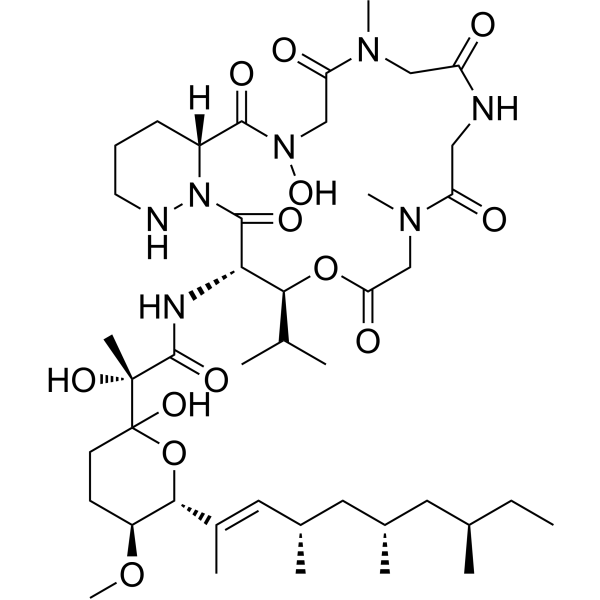
Verucopeptin is a potent HIF-1 (IC50=0.22 μM) inhibitor and decreases the expression of HIF-1 target genes and HIF-1α protein levels. Verucopeptin strongly inhibits v-ATPase activity by directly targeting the v-ATPase ATP6V1G subunit but not ATP1V1B2 or ATP6V1D. Verucopeptin exhibits antitumor activity against multidrug resistance (MDR) cancers and can be used for cancer research.
|
-
- HY-E70742
-
|
|
c-Kit
|
Cancer
|
|
KIT (CD117) is an important cell surface marker used to identify certain types of hematopoietic(blood) progenitors in the bone marrow. KIT is a cytokine receptor expressed on the surface of hematopoietic stem cells as well as other cell types. Altered forms of this receptor may be associated with some types of cancer. KIT V654A is a mutant of KIT. KIT V654A Recombinant Human Active Protein Kinase is a recombinant KIT V654A protein that can be used to study KIT V654A-related functions .
|
-

- HY-P990141
-
|
|
MHC
|
Inflammation/Immunology
|
|
Anti-Mouse Vβ8 TCR Antibody (F23.1) is an anti-mouse Vβ8 TCR IgG2a monoclonal antibody. Anti-Mouse Vβ8 TCR Antibody (F23.1) can clear Vβ8 + T cells to alleviate immune conditions. Anti-Mouse Vβ8 TCR Antibody (F23.1) can be used for research on autoimmune conditions. Anti-Mouse Vβ8 TCR Antibody (F23.1) is often used in flow cytometry .
|
-
- HY-P5213
-
-
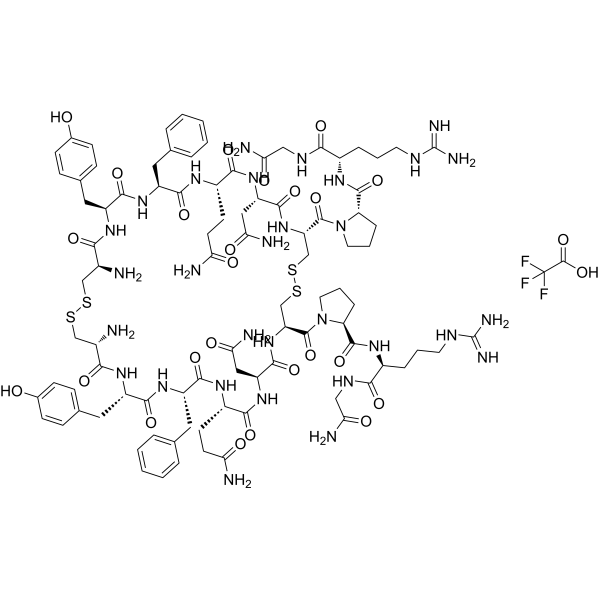
- HY-P99147
-
|
|
CD3
|
Infection
Inflammation/Immunology
|
|
Anti-Mouse TCR V gamma 2 Antibody (UC3-10A6) is an Armenian Hamster-derived IgG antibody inhibitor, targeting to mouse TCR V gamma 2. Anti-Mouse TCR V gamma 2 Antibody (UC3-10A6) reacts with an epitope on the delta chain of the mouse Vγ2 TCR (V gamma 2 T cell receptor). Anti-Mouse TCR V gamma 2 Antibody (UC3-10A6) can deplete γδ T cell. Anti-Mouse TCR V gamma 2 Antibody (UC3-10A6) can be used for the researches of infection and immunology, such as herpes simplex virus-1 (HSV-1) infection .
|
-
- HY-14852R
-
|
|
Endoplasmic Reticulum Oxidoreductase 1 (ERO1)
Reference Standards
|
Neurological Disease
|
|
Tafamidis (Standard) is the analytical standard of Tafamidis. This product is intended for research and analytical applications. Tafamidis is a potent and selective transthyretin (TTR) stabilizer, shows comparable potency and efficacy to the mutumant homotetramers V30M-TTR, V122I-TTR and wild type WT-TTR, with EC50s of 2.7-3.2 μM. Tafamidis inhibits amyloidogenesis .
|
-

- HY-162935
-
|
|
Proton Pump
|
Others
|
|
V-ATPase-IN-1 (Compound 3b-03) is a Vacuolar-type H +-ATPases (V-ATPase) inhibitor (IC50 = 194.80 μM) that can effectively target the V-ATPase subunit A (Kd = 0.803 μM). V-ATPase-IN-1 exhibits insecticidal activity against M. separata (LC50 = 2.64 mM) and contributes to research in the development of chemical insecticides .
|
-

- HY-E70820
-
|
|
FGFR
|
Cancer
|
|
FGFR2 is a receptor tyrosine kinase that is involved in many human cancers such as intrahepatic cholangiocarcinomas and hepatocellular carcinomas. FGFR2 L617V is a mutant of FGFR3. FGFR2 L617V Recombinant Human Active Protein Kinase is a recombinant FGFR2 L617V protein that can be used to study FGFR2 L617V-related functions .
|
-

- HY-E70809
-
|
|
Btk
|
Inflammation/Immunology
Cancer
|
|
Bruton's tyrosine kinase (BTK) plays a vital role in B-cell antigen receptor (BCR) signalling transduction pathway. BTK can be used for the study of lymphomas and autoimmune diseases. BTK has multiple mutants. BTK V416L Recombinant Human Active Protein Kinase is a recombinant BTK V416L protein that can be used to study BTK V416L-related functions .
|
-

- HY-163071
-
|
|
FXR
|
Metabolic Disease
|
|
V023-9340 is a potent FXR inhibitor with IC50 of 4.27 μM that can be used in NASH (nonalcoholic steatohepatitis) research .
|
-
- HY-161412
-
|
|
HDAC
|
Cancer
|
|
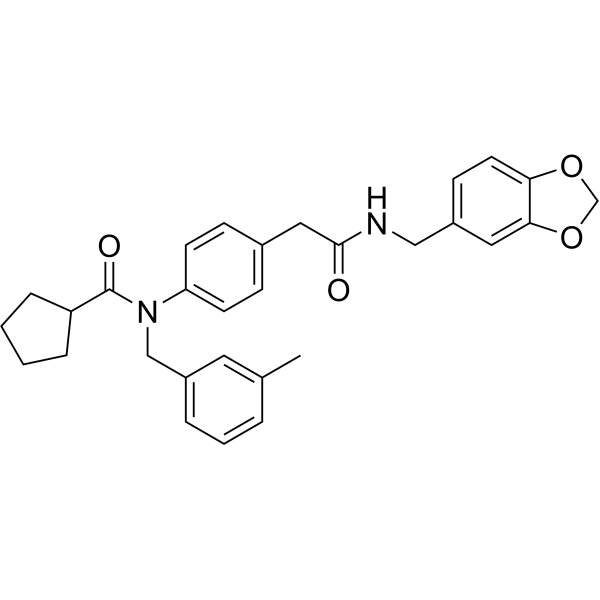
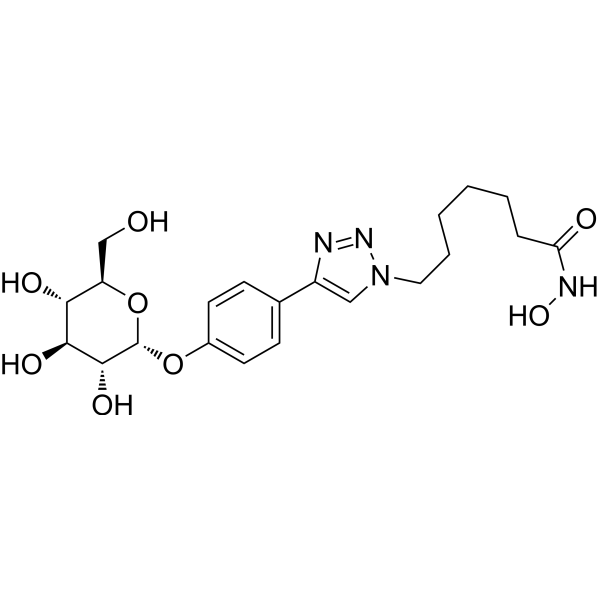
STR-V-53 is an HDAC inhibitor (IC50 in nM).STR-V-53 increases histone acetylation in tumor cells by inhibiting the activity of these enzymes, which in turn regulates gene expression.STR-V-53 inhibits tumor growth, and induces apoptosis .
|
-
- HY-P0154
-
|
ε-V1-2; EAVSLKPT
|
PKC
|
Inflammation/Immunology
|
|
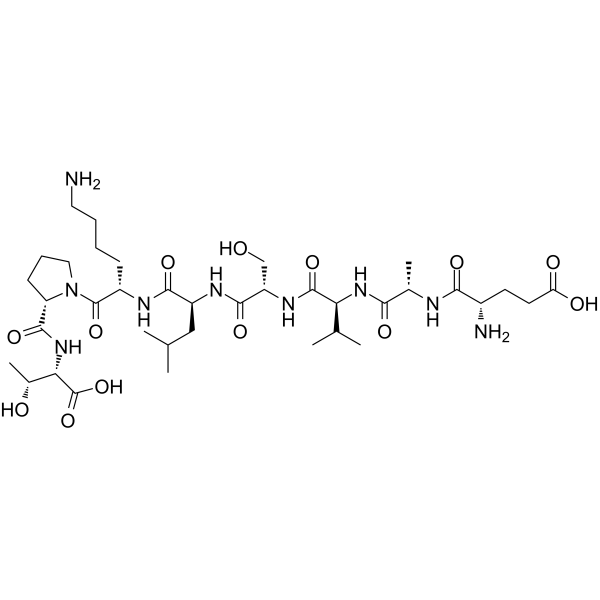
Epsilon-V1-2 (ε-V1-2), a PKCε-derived peptide, is a selective PKCε inhibitor. Epsilon-V1-2 inhibits the translocationof PKCε, but not α-, β-, and δPKC .
|
-
- HY-N17908
-
|
|
CCR
|
Inflammation/Immunology
|
|
Viscumneoside V is a plant-derived anti-inflammatory agent present in Viscum album var. coloratum. Viscumneoside V inhibits the expression of MCP-1 and promotes the production of RANTES in LPS-stimulated immune cells. Viscumneoside V can be used for research related to skin rashes .
|
-

- HY-175769
-
|
|
VSV
|
Infection
|
|
SMU-V18 is a vesicular stomatitis virus (VSV) inhibitor, with an EC50 of 6.2 μM. SMU-V18 inhibits VSV-GFP fluorescence intensity, viral mRNA/protein expression, and progeny virus replication. SMU-V18 interferes with early viral infection stages, also effective against wild-type VSV (VSV-WT). SMU-V18 inhibits VSV-GFP in mouse tissues and prolongs survival. SMU-V18 can be used for the study of vesicular stomatitis virus (VSV) infection .
|
-

- HY-E70738
-
|
|
c-Kit
|
Cancer
|
|
KIT (CD117) is an important cell surface marker used to identify certain types of hematopoietic(blood) progenitors in the bone marrow. KIT is a cytokine receptor expressed on the surface of hematopoietic stem cells as well as other cell types. Altered forms of this receptor may be associated with some types of cancer. KIT V559D is a mutant of KIT. KIT V559D Recombinant Human Active Protein Kinase is a recombinant KIT V559D protein that can be used to study KIT V559D-related functions .
|
-

- HY-E70741
-
|
|
c-Kit
|
Cancer
|
|
KIT (CD117) is an important cell surface marker used to identify certain types of hematopoietic(blood) progenitors in the bone marrow. KIT is a cytokine receptor expressed on the surface of hematopoietic stem cells as well as other cell types. Altered forms of this receptor may be associated with some types of cancer. KIT V560G is a mutant of KIT. KIT V560G Recombinant Human Active Protein Kinase is a recombinant KIT V560G protein that can be used to study KIT V560G-related functions .
|
-

- HY-114421
-
|
dTAG-13
|
PROTACs
FKBP
|
Cancer
|
|
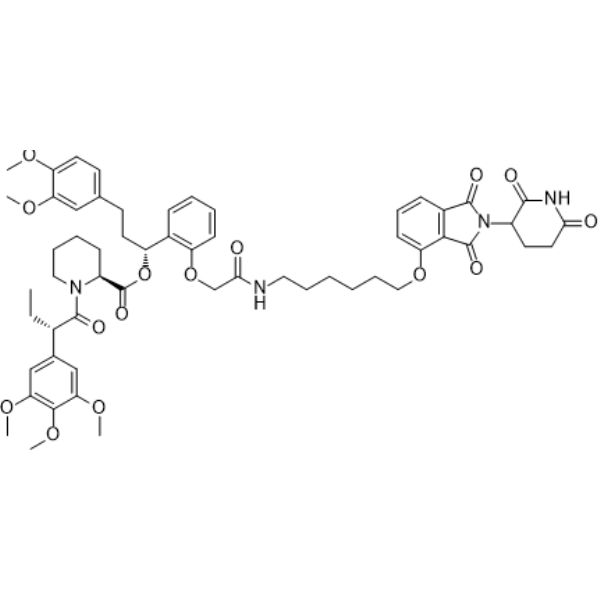
FKBP12 PROTAC dTAG-13 (dTAG-13), a PROTAC-based heterobifunctional degrader, is a selective degrader of FKBP12 F36V with expression of FKBP12F36V in-frame with a protein of interest. FKBP12 PROTAC dTAG-13 effectively engages FKBP12 F36V and CRBN, thereby selectively degrading FKBP12 F36V .
|
-
- HY-12895
-
SKI V
1 Publications Verification
|
SphK
PI3K
Apoptosis
|
Cancer
|
|
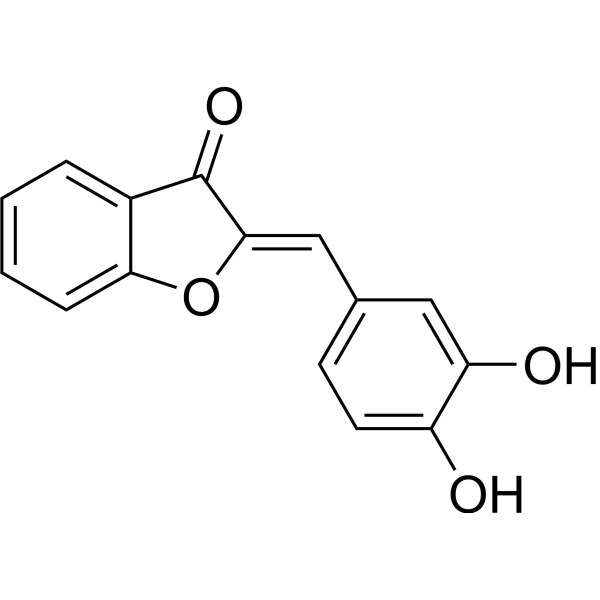
SKI V is a noncompetitive and potent non-lipid sphingosine kinase (SPHK; SK) inhibitor with an IC50 of 2 μM for GST-hSK. SKI V potently inhibits PI3K with an IC50 of 6 μM for hPI3k. SKI V decreases formation of the mitogenic second messenger sphingosine-1-phosphate (S1P). SKI V induces apoptosis and has antitumor activity .
|
-
- HY-145709
-
|
|
Androgen Receptor
|
Cancer
|
|
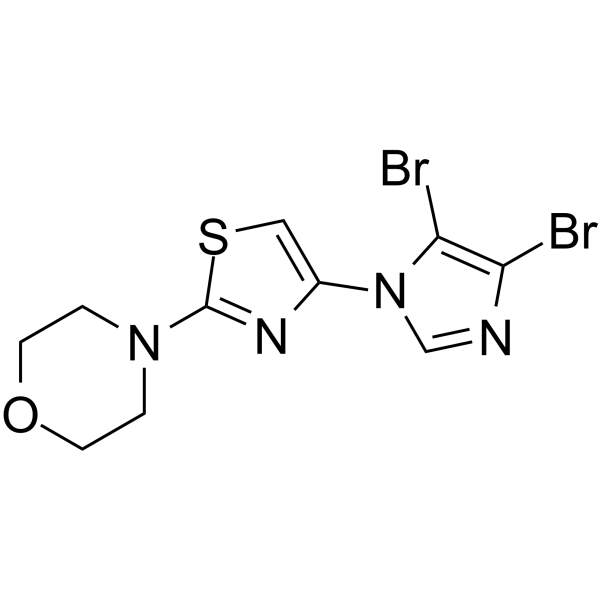
Ar-V7-IN-1 is a potent inhibitor of Ar-V7. Ar-V7-IN-1 inhibits the transcriptional activity of androgen receptor (AR) and the secretion of prostate-specific antigen (PSA) with an eGFP IC50 of 1232 nM and the PSA IC50 of 1391 μM. Ar-V7-IN-1 has the potential for the research of various indications, in particular cancers such as prostate cancer .
|
-
- HY-145120
-
|
RG6344; RO7276389; B-Raf IN 2
|
Raf
|
Cancer
|
|
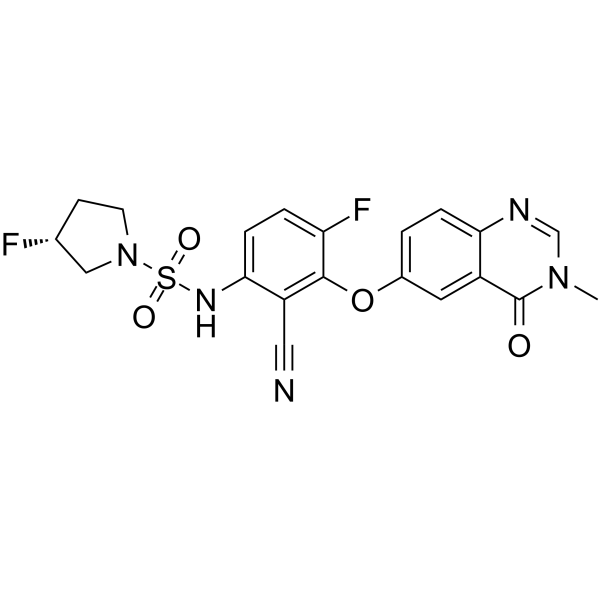
BRAF inhibitor. RG6344 can be used for the study of BRAF V600-mutant solid tumors, such as colorectal cancer (CRC) .
|
-
- HY-N8383
-
|
|
Parasite
|
Infection
|
|
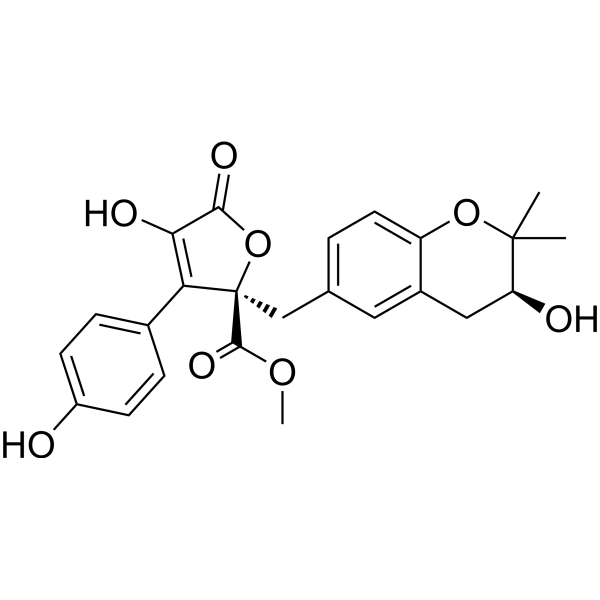
Butyrolactone V is a butanolide compound. Butyrolactone V shows antiplasmodial activity against Plasmodium falciparum K1 with an IC50 of 7.9 µg/ml .
|
-
- HY-163072
-
|
|
FXR
|
Metabolic Disease
|
|
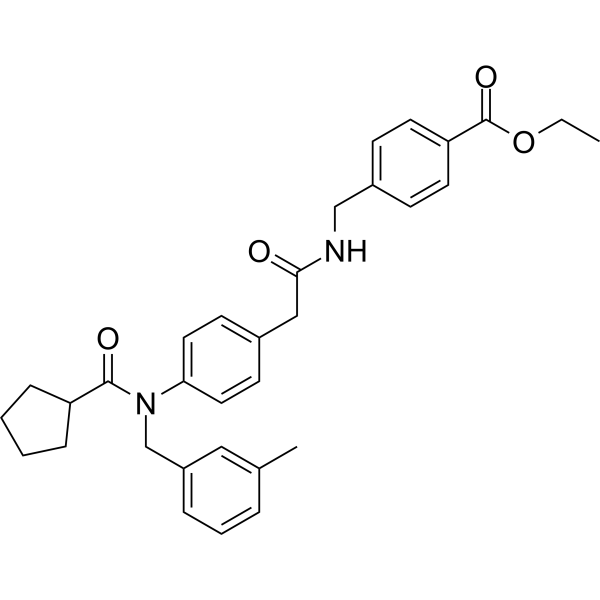
FXR antagonist 3 (V02-8) is an intestine-specific farnesoid X receptor (FXR) antagonist, with an IC50 of 0.89 μM .
|
-
- HY-181727
-
|
|
Androgen Receptor
HSP
CDK
|
Cancer
|
|
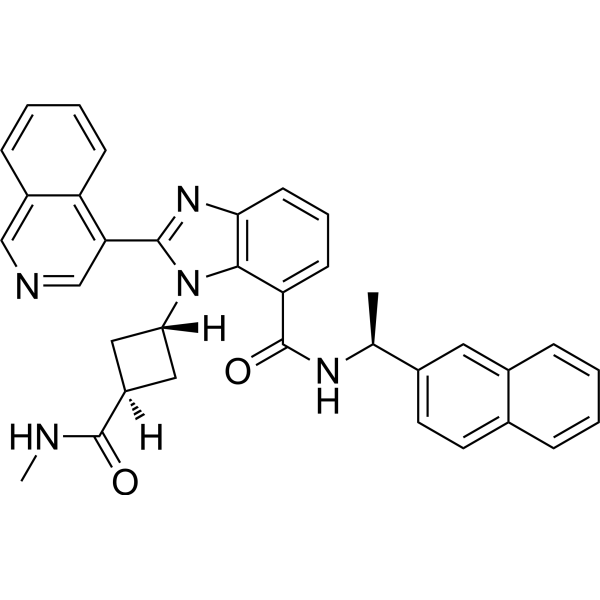
AR/AR-V7 degrader-1 is an orally active AR and AR-V7 degrader. AR/AR-V7 degrader-1 disrupts the interaction between AR/AR-V7 and HSP90, leading to their ubiquitination and degradation in castration-resistant prostate cancer cells. AR/AR-V7 degrader-1 regulates the expression of cell cycle-related proteins in prostate cancer cells (downregulates CDK4, CDK6, Cyclin D1, Cyclin E1; upregulates P21) and induces G0/G1 phase arrest. AR/AR-V7 degrader-1 inhibits the proliferation and migration of prostate cancer cells. AR/AR-V7 degrader-1 suppresses the growth of castration-resistant prostate cancer tumors in nude mice and induces the degradation of AR and AR-V7 in tumor tissues. AR/AR-V7 degrader-1 is applicable to the research of castration-resistant prostate cancer .
|
-

- HY-155142
-
|
|
SARS-CoV
|
Infection
|
|
CDD-1819 is a non-covalent and non-peptide potent SARS-CoV-2 Mpro inhibitor with a Ki of 5 nM. CDD-1819 also inhibits ΔP168, A173V, and ΔP168/A173V Mpro variants .
|
-
- HY-P0325
-
|
|
Biochemical Assay Reagents
|
Others
|
|
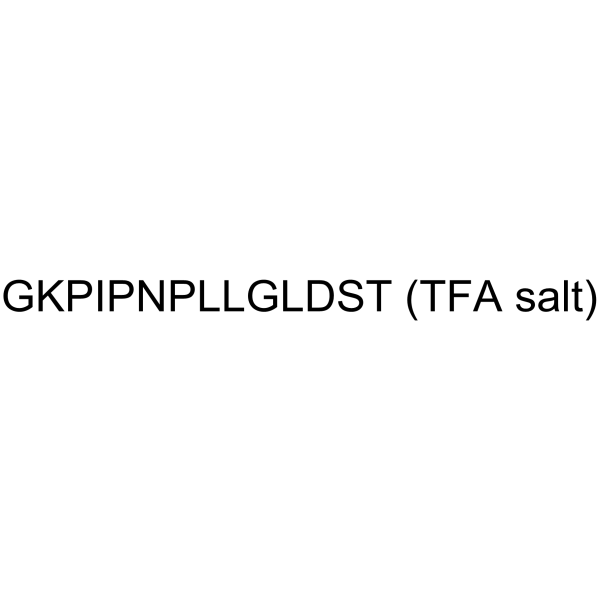
V5 Epitope Tag Peptide TFA is a tag peptide derived from a small epitope present on the P and V proteins of the paramyxovirus of simian virus 5. V5 Epitope Tag Peptide TFA can be used for protein separation and purification, and competitive elution with target proteins .
|
-
- HY-155143
-
|
|
SARS-CoV
|
Infection
|
|
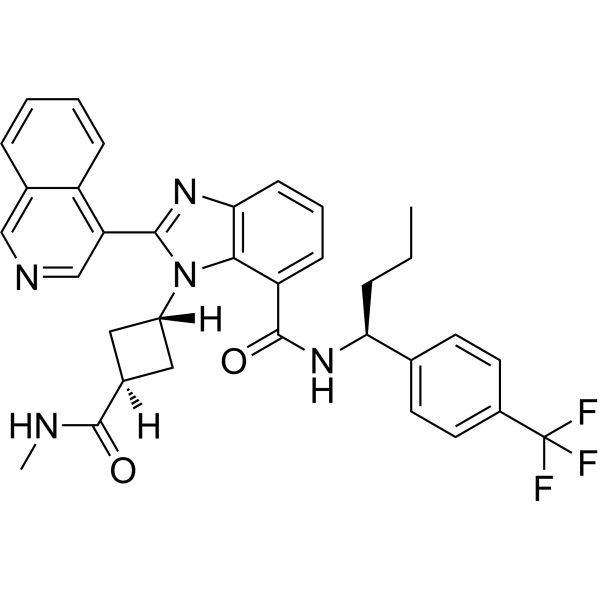
CDD-1733 is a non-covalent and non-peptide potent SARS-CoV-2 Mpro inhibitor with a Ki of 12 nM. CDD-1733 also inhibits ΔP168, A173V, and ΔP168/A173V Mpro variants .
|
-
- HY-P5214
-
|
|
Vasopressin Receptor
Oxytocin Receptor
|
Endocrinology
|
|
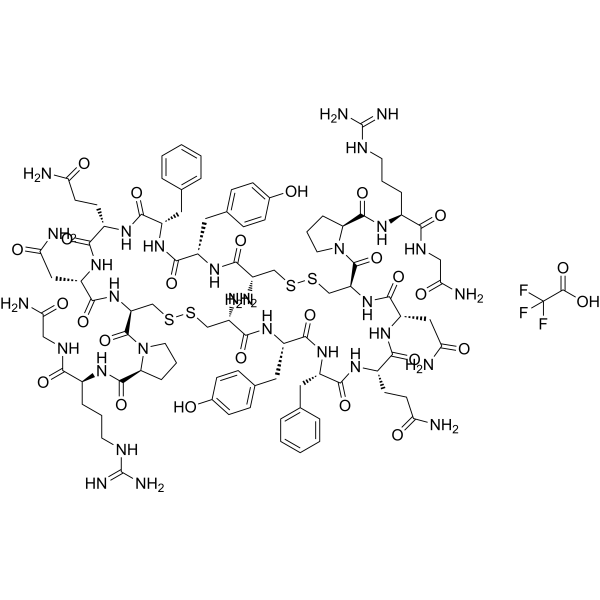
Vasopressin Dimer (anti-parallel) TFA is an anti-parallel dimer of Vasopressin (HY-B1811). Vasopressin Dimer (anti-parallel) TFA can activate four G protein-coupled receptors, V1aR, V1bR, V2R, and OTR .
|
-
- HY-155144
-
|
|
SARS-CoV
|
Infection
|
|
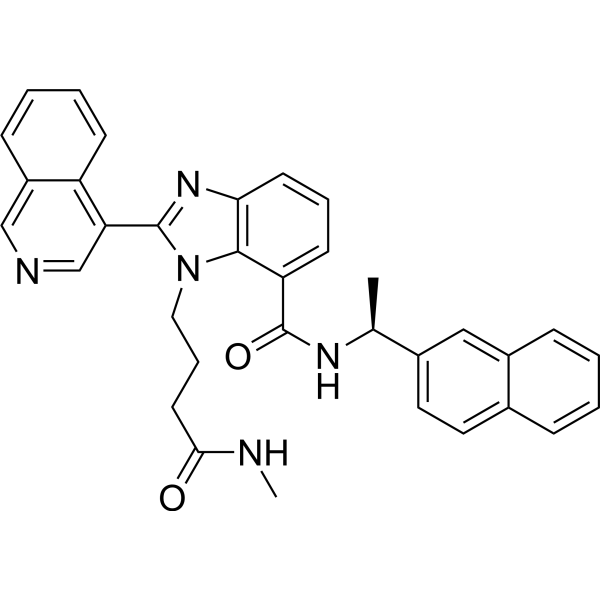
CDD-1845 is a non-covalent and non-peptide potent SARS-CoV-2 Mpro inhibitor with a Ki of 3 nM. CDD-1845 also inhibits ΔP168, A173V, and ΔP168/A173V Mpro variants .
|
-
- HY-109133
-
|
BAY 1753011
|
Vasopressin Receptor
|
Neurological Disease
Metabolic Disease
|
|
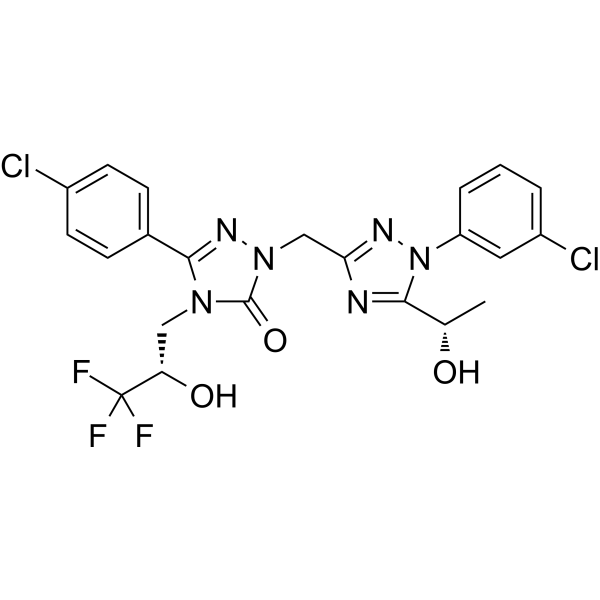
Pecavaptan, a chemical probe, is an orally active and dual antagonist of V1a/V2 receptor (Ki=0.5 nM and 0.6 nM for human, respectively). Pecavaptan promotes an increase in urine production, which reduces the associated symptoms of water retention and edema .
|
-
- HY-116030
-
|
|
Integrin
|
Metabolic Disease
|
|
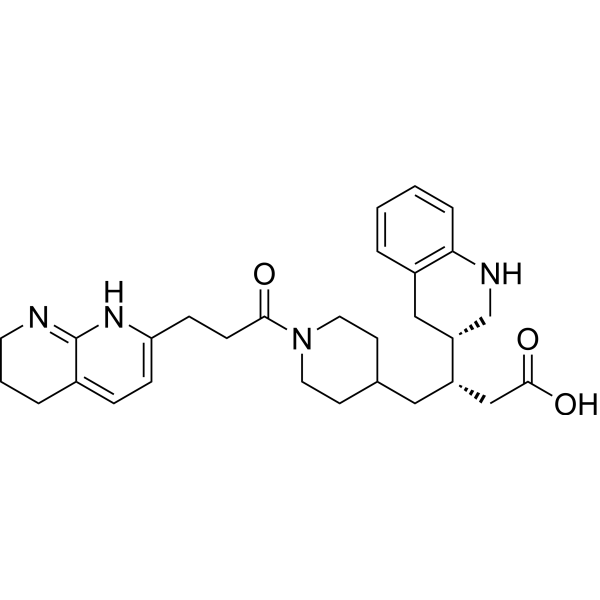
JNJ-26076713 is a potent and orally active alpha V integrin antagonist with IC50 values of 2.3 nM and 6.3 nM for alpha(V)beta(3) and alpha(V)beta(5), respectively. JNJ-26076713 inhibits retinal neovascularization .
|
-
- HY-15480
-
|
JAK2 Inhibitor V; Z3
|
JAK
|
Cancer
|
|
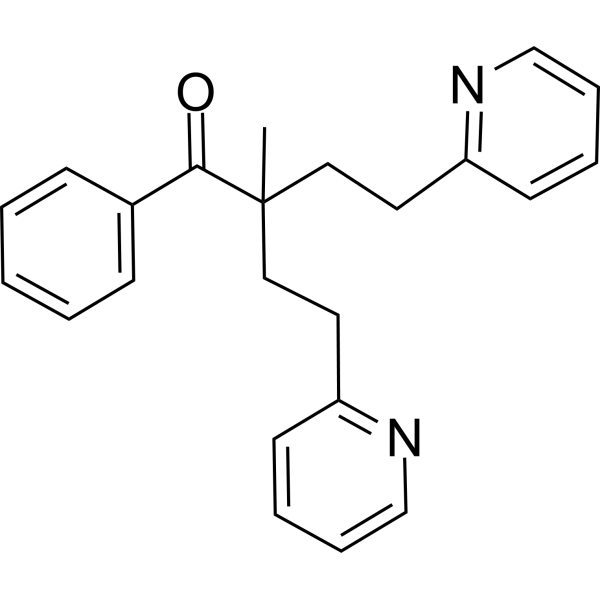
NSC 42834 (JAK2 Inhibitor V), a novel specific inhibitor of Jak2, inhibits Jak2-V617F and Jak2-WT autophosphorylation in a dose-dependent manner but was not cytotoxic to cells at concentrations that inhibited kinase activity.
|
-
- HY-N8671
-
|
|
Amyloid-β
Apoptosis
Reactive Oxygen Species (ROS)
SARS-CoV
|
Infection
Neurological Disease
|
|
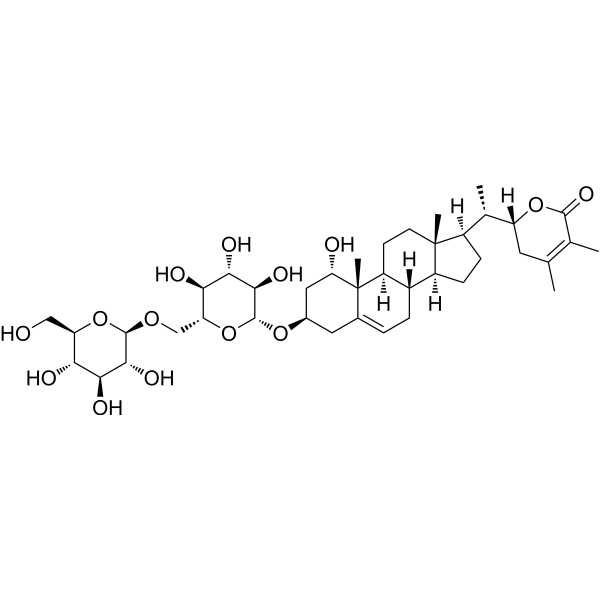
Withanoside V is a blood-brain barrier-permeable withanolide derivative . Withanoside V binds strongly to Sudlow I (domain IIA) of human serum albumin (HSA) to form a stable complex and alter the secondary structure of albumin, thereby increasing helix content and reducing β-sheet and random coil. Withanoside V binds to Aβ (1-42) to block the interaction between monomers and subsequent aggregation. Withanoside V inhibits the viability of neuroblastoma cells, reduces the number of apoptotic cells induced by Aβ (1-42), and decreases ROS production. Withanoside V inhibits SARS-CoV-2 Mpro. Withanoside V can be used for research on Alzheimer's disease and coronavirus disease 2019 .
|
-
- HY-N10985
-
|
|
Drug Derivative
|
Cancer
|
|
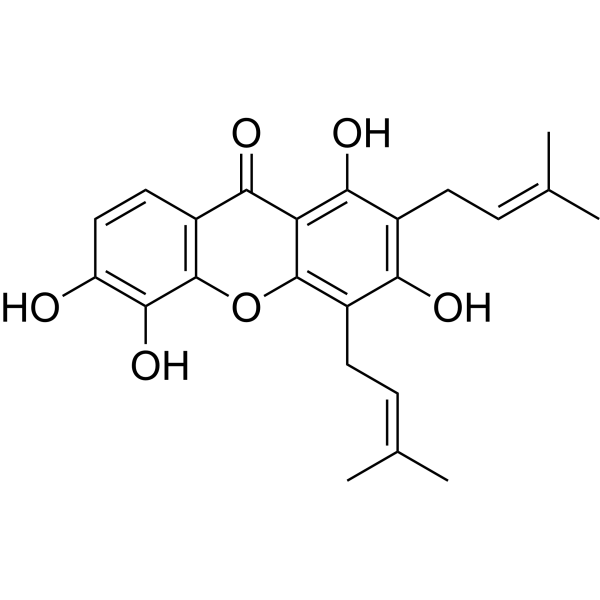
Xanthone V1a, a derivative of Xanthone (HY-N0126), is an antioxidant that can be found in the roots of Cudrania tricuspidata and twig extracts of Maclura fruticosa. Xanthone V1a exerts cytotoxic effects against colon, hepatocellular, and gastric carcinoma cells. Xanthone V1a exhibits scavenging activitys against DPPH and ABTS. Xanthone V1a can be used for the research of colon carcinoma, hepatocellular carcinoma, and gastric carcinoma .
|
-
- HY-E70762
-
|
|
PDGFR
|
Cancer
|
|
PDGFRalpha is a receptor tyrosine kinases that stimulate cell survival, proliferation and motility. Upon PDGF binding, the receptor dimerizes and undergoes a conformational change, which activates the kinase domain. PDGFRalpha D842V is a mutant of PDGFRalpha. PDGFRalpha D842V Recombinant Human Active Protein Kinase is a recombinant PDGFRalpha D842V protein that can be used to study PDGFRalpha D842V-related functions .
|
-

- HY-105685
-
|
|
Vasopressin Receptor
|
Cardiovascular Disease
Neurological Disease
|
|
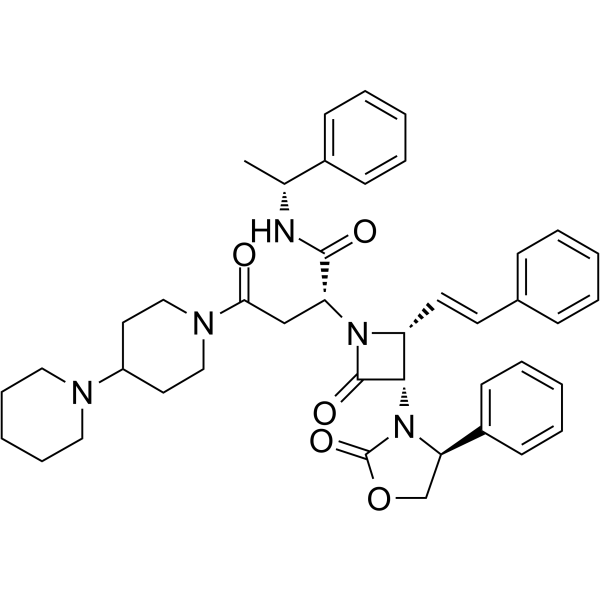
SRX246 is a potent, BBB-penetrant, highly selective vasopressin 1a (V1a) receptor antagonist (Ki=0.3 nM for human V1a). SRX246 has no interaction at V1b and V2 receptors. SRX246 also displays negligible binding at 64 others receptors classes, including 35 G-proteincoupled receptors. SRX246 can be used for treatment of stress-related disorders .
|
-
- HY-N17638
-
|
|
EBV
NO Synthase
|
Infection
Cancer
|
|
7-Oxomogroside V is a cucurbitane-type glycoside isolated from the fruits of Siraitia grosvenorii. 7-Oxomogroside V inhibits the activation of Epstein-Barr virus early antigen (EBV-EA) induced by TPA (HY-18739). 7-Oxomogroside V also exerts weak inhibitory effects on the activation of the nitric oxide donor NOR 1. 7-Oxomogroside V is applicable to tumor-related research .
|
-

- HY-N14762
-
|
|
Antibiotic
Bacterial
|
Infection
|
|
Leucomycin V is a macrolide antibiotic. Leucomycin V has strong anti-Gram-positive bacterial effect, and also has an effect on spirochetes, Rickettsium and Chlamydia .
|
-

- HY-N11507
-
|
TKV
|
PPAR
|
Metabolic Disease
|
|
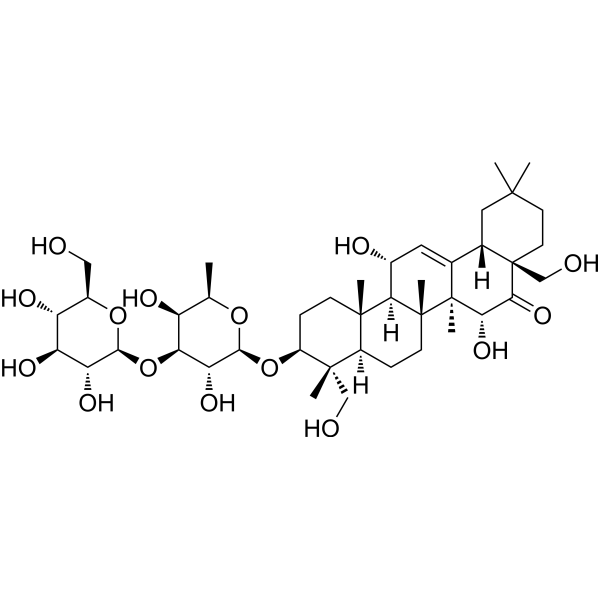
Tibesaikosaponin V (TKV) is a triterpene diglycoside, which can be isolated from the methanol extract of the roots of Bupleurum chinense DC.. Tibesaikosaponin V inhibits lipid accumulation and triacylglycerol content occurred without cytotoxicity to adipocytes. Tibesaikosaponin V suppresses the mRNA expression of nuclear transcription factors, such as peroxisome proliferator-activated receptor γ (PPARγ) and CCAAT/enhancer binding protein α (C/EBPα). Tibesaikosaponin V inhibits 3T3-L1 preadipocyte differentiation. Tibesaikosaponin V can be used fro research of obesity and its associated metabolic disorders .
|
-
- HY-162874
-
|
|
STING
IFNAR
|
Cancer
|
|
diABZI-V/C-DBCO is a STING agonist with an EC50 of 1.47 nM. diABZI-V/C-DBCO activates the STING pathway, induces the production of IFN-I, and stimulates the secretion of IFN-β. diABZI-V/C-DBCO serves as a substrate for cathepsin B, and releases active diABZI-amine via cathepsin B-mediated cleavage. In an orthotopic mouse model of breast cancer, diABZI-V/C-DBCO increases serum IFN-β levels and the frequency of granzyme B + CD8 + T cells. diABZI-V/C-DBCO is applicable to research related to triple-negative breast cancer .
|
-

- HY-P990146
-
|
|
Ras
|
Inflammation/Immunology
|
|
Anti-Mouse/Rat/Human v-H-Ras Antibody (Y13-238) is an anti-mouse/rat/human v-H-Ras IgG2a monoclonal antibody. Anti-Mouse/Rat/Human v-H-Ras Antibody (Y13-238) can be used as a control antibody. Anti-Mouse/Rat/Human v-H-Ras Antibody (Y13-238) is often used for immunofluorescence and immunoprecipitation .
|
-

- HY-162412
-
|
|
PROTACs
Adrenergic Receptor
Apoptosis
|
Cancer
|
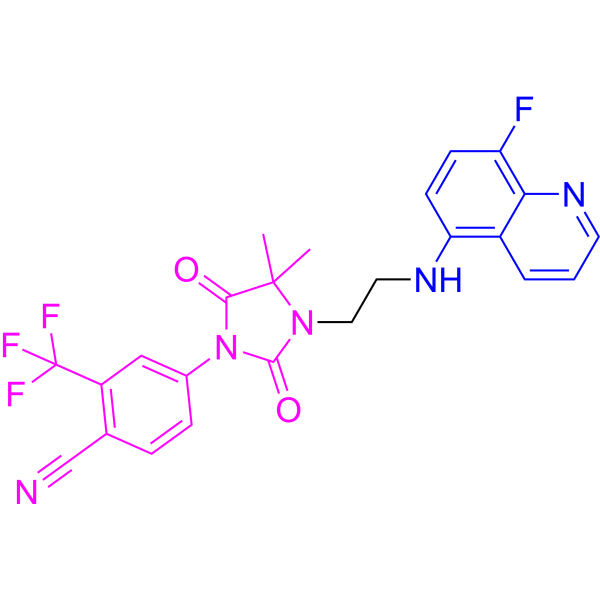
PROTAC AR/AR-V7 degrader-1 (27c) is a PROTAC-based and dual AR, AR-V7 degrader, with DC50 values of 2.67 and 2.64 μM for AR and AR-V7, respectively. PROTAC AR/AR-V7 degrader-1 (27c) induces apoptosis (Red: AR antagonist; Blue: E3 ligase ligand; Black: linker) .
|
-
- HY-14852AR
-
|
Fx-1006A (Standard)
|
Transthyretin (TTR)
Reference Standards
|
Neurological Disease
|
|
Tafamidis meglumine (Standard) is the analytical standard of Tafamidis meglumine. This product is intended for research and analytical applications. Tafamidis meglumine (Fx-1006A) is a potent and selective transthyretin (TTR) stabilizer, shows comparable potency and efficacy to the mutumant homotetramers V30M-TTR, V122I-TTR and wild type WT-TTR, with EC50s of 2.7-3.2 μM. Tafamidis meglumine inhibits amyloidogenesis .
|
-

- HY-136534
-
|
|
RET
|
Cancer
|
|
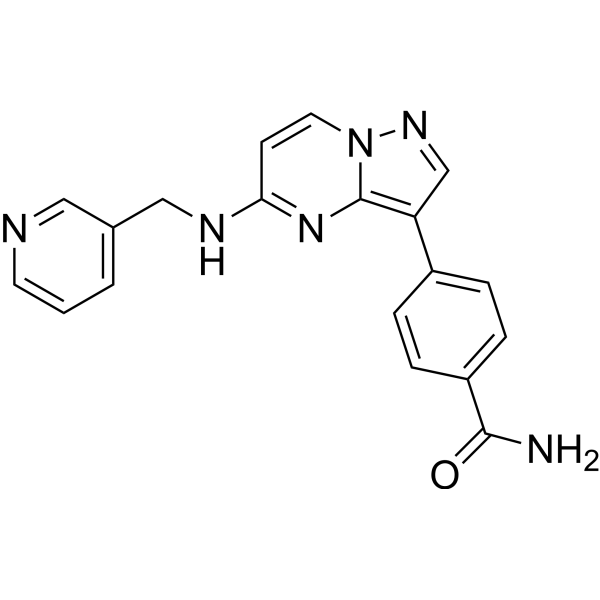
RET V804M-IN-1 (compound 5) is a wt-RET -selective inhibitors of RETV804M kinase, with an IC50 of 20 nM .
|
-
- HY-129307
-
|
|
Antibiotic
Bacterial
|
Infection
Cancer
|
|
Gilvocarcin V is an antibiotic with antibacterial activity and can be isolated from Actinomycete. Gilvocarcin V also has anti-tumor activity and can be used in cancer research .
|
-

- HY-N11619
-
|
|
Others
|
Others
|
|
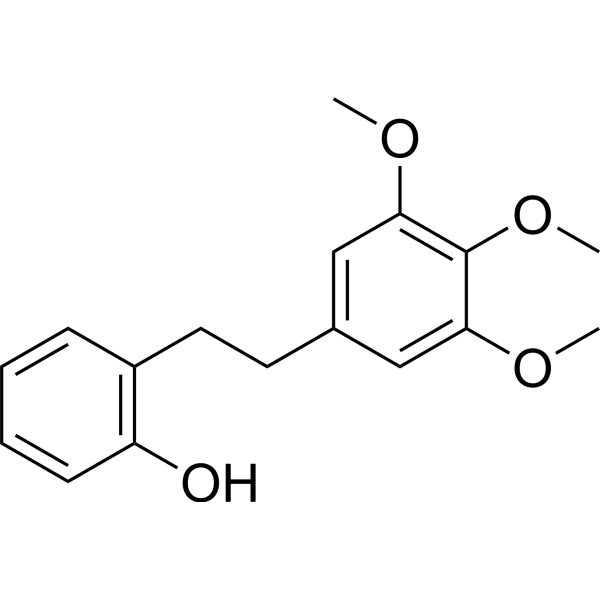
Batatasin V is a natural product that could be isolated from dormant bulbils of Chinese yam (Dioscorea batatus). Batatasin V has the effect of inhibiting plant growth .
|
-
- HY-182451
-
-

- HY-P991991
-
|
|
Thrombin
|
Cardiovascular Disease
|
|
Anti-Factor V Antibody is an anti-Factor V antibody. Recommend Isotype Controls: Human IgG1 kappa, Isotype Control (HY-P99001).
|
-

- HY-N12003
-
|
|
Biochemical Assay Reagents
|
Cancer
|
|
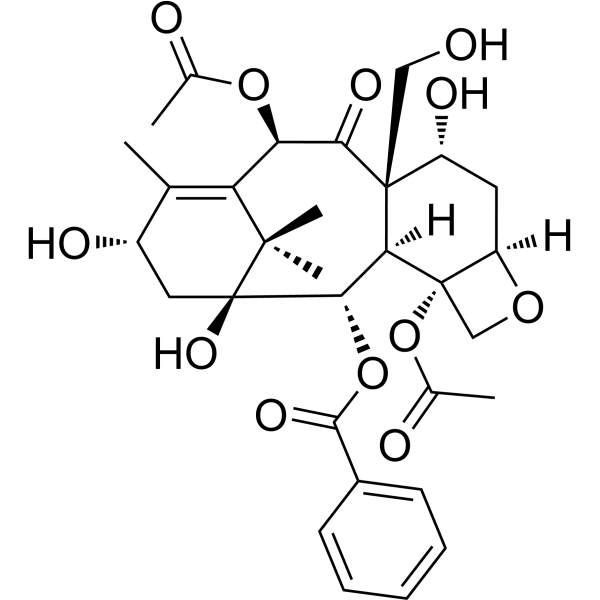
19-Hydroxybaccatin V (compound 14) is a diterpenoid that can be obtained from Taxus chinensis. 19-Hydroxybaccatin V has potential in cancer research .
|
-
- HY-121540
-
|
|
Wnt
|
Cancer
|
|
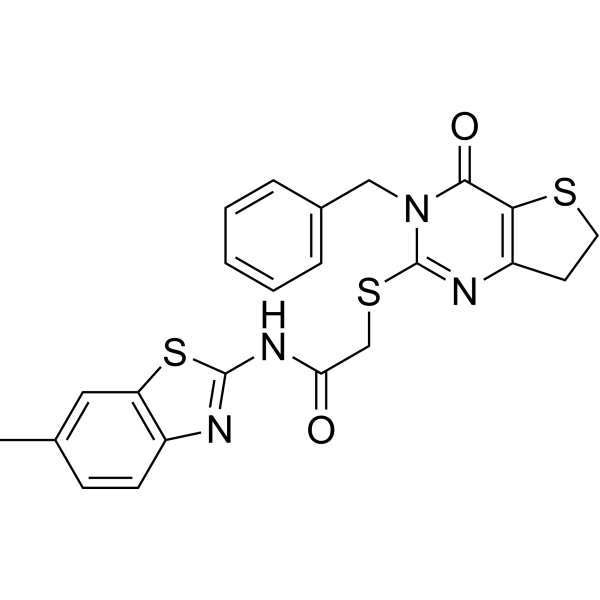
IWP-2-V2 is a IWP-2 (HY-13912) analogue that retains activity against the Wnt/β-catenin pathway .
|
-
- HY-18347A
-
-
- HY-14887
-
|
VA106483
|
Vasopressin Receptor
|
Metabolic Disease
|
|
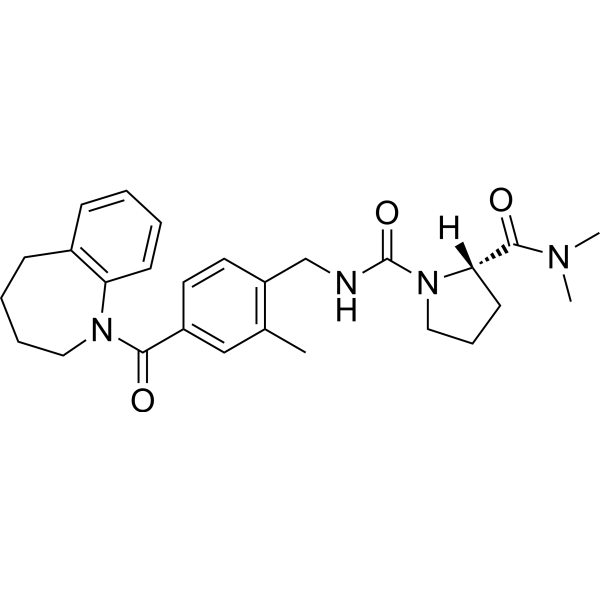
Fedovapagon (VA106483) is a selective and orally active vasopressin V2 receptor (V2R) agonist with an EC50 of 24 nM. Fedovapagon can be used in the research of nocturia .
|
-
- HY-N13811
-
-

- HY-N13770
-
-

- HY-153341
-
|
CFT1946
|
PROTACs
Raf
|
Cancer
|
|
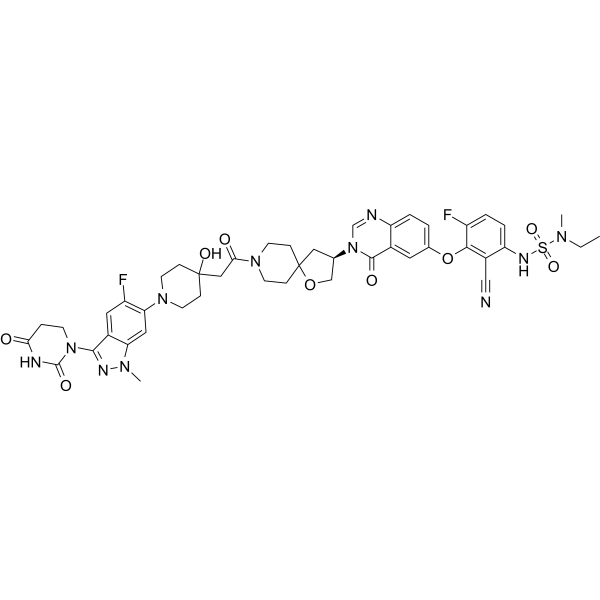
Tagarafdeg (CFT1946) is an orally active, CRBN-based and mutant-selective bifunctional degradation activating compound (BiDAC) degrader of BRAF V600E with a DC50 of 14 nM in A375 cells. Tagarafdeg is capable of degrading BRAF V600E (Class I), G469A (Class II), G466V (Class III) mutations, and the p61-BRAF V600E splice variant. Tagarafdeg can be used in tumor research .
|
-
- HY-19476
-
|
|
Virus Protease
|
Infection
|
|
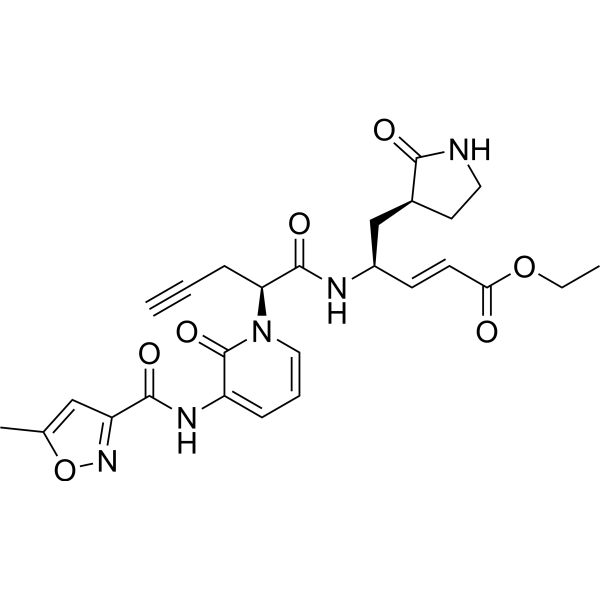
AG-7404 is an orally active, irreversible inhibitor of the picornavirus 3C protease. AG-7404 blocks the processing of viral polyproteins, thereby inhibiting viral replication. AG-7404 has synergistic antiviral activity with capsid inhibitors such as V-073 (HY-104074) or BTA798 (HY-106254) and is effective against V-073-resistant variants. AG-7404 is used in the study of enterovirus infections such as poliovirus .
|
-
- HY-128892
-
EN6
5 Publications Verification
|
Autophagy
|
Neurological Disease
|
|
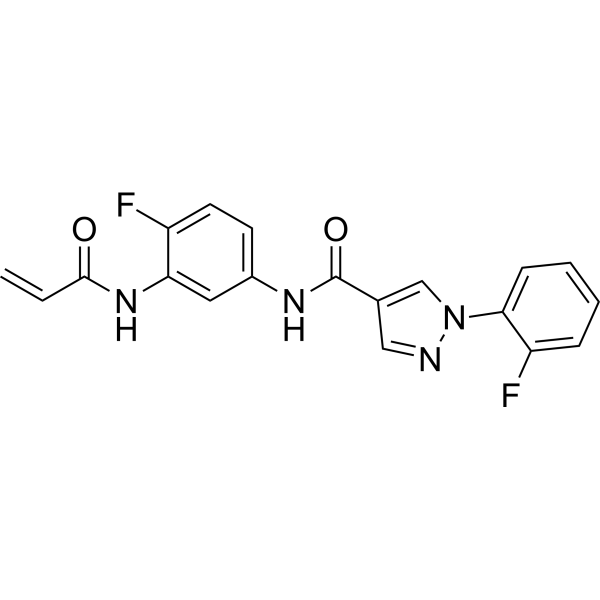
EN6 is a small-molecule in vivo autophagy activator that covalently targets cysteine 277 in the ATP6V1A subunit of the lysosomal v-ATPase. EN6-mediated modification of ATP6V1A uncouples v-ATPase from Rag, leading to inhibition of mTORC1 signalling, increased lysosomal acidification, and activation of autophagy. EN6 also scavenges TDP-43 aggregates (causative agents of frontotemporal dementia) in a lysosome-dependent manner .
|
-
- HY-N14202
-
|
|
Antibiotic
Bacterial
|
Infection
|
|
Maridomycin V is a macrolide antibiotic. Maridomycin Vhas the activity against Gram-positive bacteria and mycoplasma. Maridomycin V has the effect of protecting Gram-positive bacterial infection mice .
|
-

- HY-N17559
-
|
|
Others
|
Others
|
|
Praeroside V is an angular-type pyranocoumarm glycoside. Praeroside V can be isolated from the n-butanol extracts of Bai-Hua Qian-Hu, the root of Peucedanum praeruptorum Dunn .
|
-

- HY-164278
-
|
|
STING
Cathepsin
|
Cancer
|
|
diABZI-V/C-Mal is a STING agonist (with a STING EC50 of 314 nM in TH1 dual reporter cells) and a Cathepsin B substrate. diABZI-V/C-Mal activates STING, thereby triggering the IRF3 signaling pathway. diABZI-V/C-Mal is cleaved by Cathepsin B to regenerate diABZI-NH2 .
|
-

- HY-E70717
-
|
|
FGFR
|
Cancer
|
|
FGFR1 has been implicated in numerous cancer types including non-small cell lung cancer (NSCLC). FGFR1 is activated upon FGF binding to its extracellular domain, resulting in protein dimerization and transautophosphorylation of the intracellular tyrosine kinase domains. FGFR1 V561M gatekeeper mutation drives Fexagratinib (AZD4547) (HY-13330) resistance through STAT3 Activation and EMT. FGFR1 V561M Recombinant Human Active Protein Kinase is a recombinant FGFR1 V561M protein that can be used to study FGFR1 V561M-related functions .
|
-

- HY-18347
-
|
YM 087 free base
|
Vasopressin Receptor
|
Cardiovascular Disease
|
|
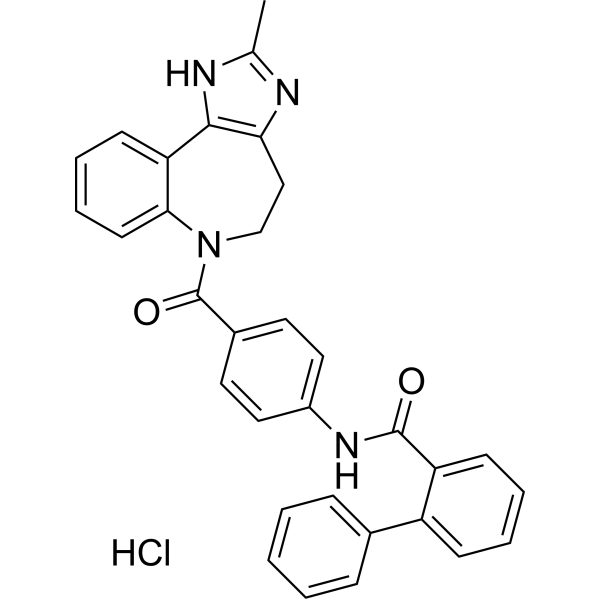
Conivaptan (YM 087 free base) is antagonist for vasopressin V1A receptor and vasopressin V2 receptor. Conivaptan ameliorates congestive heart failure, improves cardiac systolic function .
|
-

- HY-107840
-
|
|
Drug Derivative
|
Others
|
|
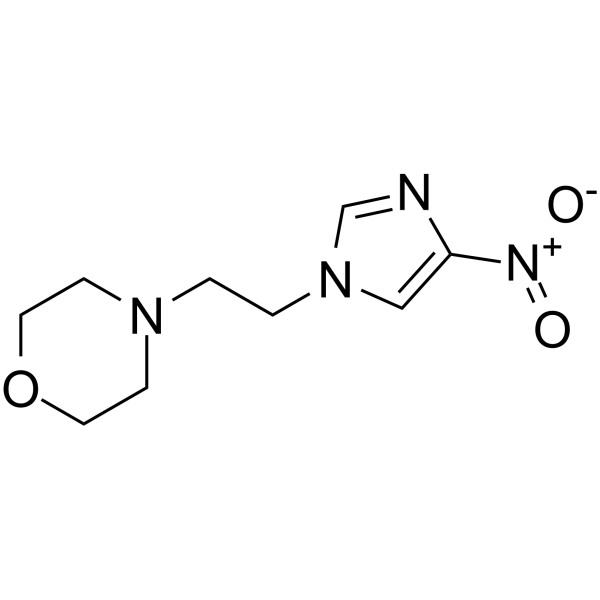
RGW 611 is a morpholine derivative that enhances radiation-induced cell death of hypoxic V79-379A cells. RGW 611 also stimulates fatty acid synthesis .
|
-
- HY-P3744
-
|
|
EGFR
|
Others
|
|
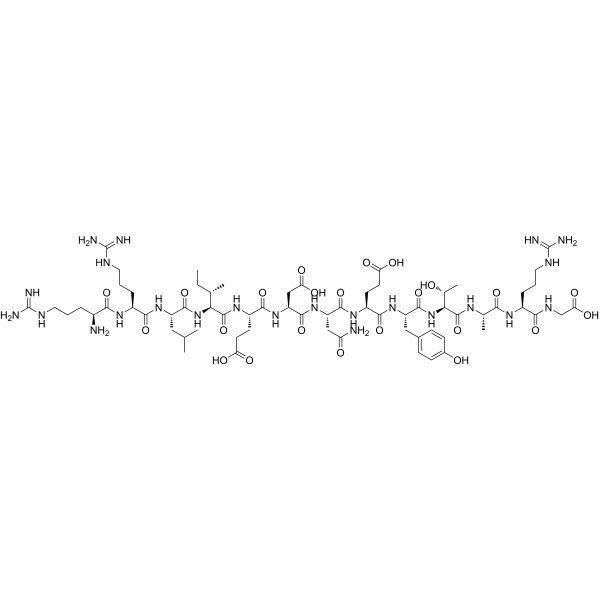
pp60v-src Autophosphorylation site is a synthetic peptide. pp60v-src Autophosphorylation site can be used for various biochemical studies .
|
-
- HY-R01700
-
|
|
MicroRNA
|
Cancer
|
|
hsa-miR-548v mimics are small, chemically synthesized double-stranded RNAs that mimic endogenous miRNAs and enable miRNA functional analysis by up-regulation of miRNA activity.
|
-
hsa-miR-548v mimic
hsa-miR-548v mimic
- HY-N16812
-
-

- HY-N18029
-
|
|
Drug Derivative
|
Inflammation/Immunology
Cancer
|
|
(24S)-Ginsenoside V is a monooxygenated derivative of Ginsenoside Rb1 (HY-N0039). (24S)-Ginsenoside V is the major circulating metabolite of Ginsenoside Rb1 in rat plasma. (24S)-Ginsenoside V appears in rat urine after intravenous and oral administration of Ginsenoside Rb1 to rats .
|
-

- HY-123264
-
|
|
Potassium Channel
|
Neurological Disease
|
|
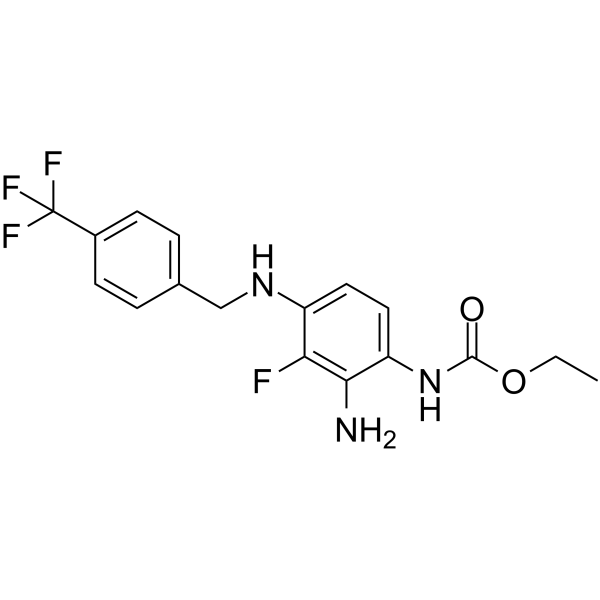
RL648_81 is a specific KQT-like subfamily 2/3 (KCNQ2/3) activator with an EC50 of 190 nM. RL648_81 robustly shifts the V1/2 of KCNQ2/3 channels towards hyperpolarized potentials.RL648_81 does not shift the V1/2 of either KCNQ4 or KCNQ5.RL648_81 has?the?potential?for?neurologic disorders associated with neuronal hyperexcitability research .
|
-
- HY-159779
-
|
|
PROTACs
Nuclear Hormone Receptor 4A/NR4A
|
Inflammation/Immunology
Cancer
|
|
NR-V04 is a selective NR4A1 PROTAC degrader. NR-V04 forms a ternary complex with NR4A1 and the VHL E3 ligase, mediates proteasome-dependent degradation of NR4A1. NR-V04 induces tumor-infiltrating B cells and effector memory CD8 + T cells and reduces monocytic myeloid-derived suppressor cells in tumor microenvironments. NR-V04 can be used for the research of melanoma and colon cancer .
|
-

- HY-174154
-
|
|
FGFR
|
Cancer
|
|
INCB126503 is an orally activeM, selective FGFR2/3 Inhibitor with IC50 values of 70 nM (FGFR1), 2.1 nM (FGFR2), 1.2 nM (FGFR3), 0.92 nM (FGFR3-V555L), 0.85 nM (FGFR3-V555M) and 64 nM (FGFR4). INCB126503 suppresses FGFR signaling in vivo without causing hyperphosphatemia and shows antitumor efficacy in xenograft models harboring FGFR3 genetic alterations .
|
-

- HY-109165A
-
|
AG10 hydrochloride
|
Transthyretin (TTR)
|
Metabolic Disease
Endocrinology
|
|
Acoramidis (AG10) hydrochloride is an orally active and selective kinetic stabilizer of WT and V122I-TTR (transthyretin). Acoramidis (AG10) hydrochloride is used in the study for transthyretin amyloidosis .
|
-
- HY-158163
-
|
|
Herbicide
|
Inflammation/Immunology
|
|
Herbicidal agent 4 (compound V-2) is an auxinic herbicidal agent. Herbicidal agent 4 may also be an immune activator while upregulating the defense genes and increasing content of jasmonic acid .
|
-

- HY-P2372
-
|
|
Src
|
Others
|
|
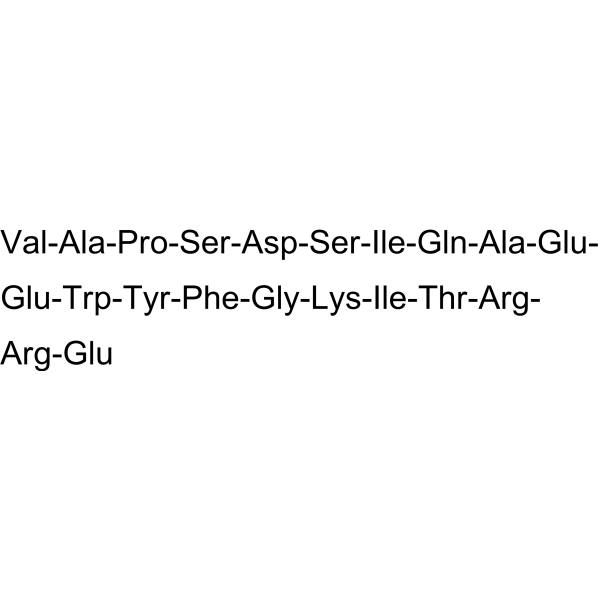
P60v-src(137-157) is a synthetic peptide that inhibits the tyrosine kinase activity of p60 v-src (IC50: 7.5 μM) .
|
-
- HY-N12413
-
|
|
Proton Pump
|
Others
|
|
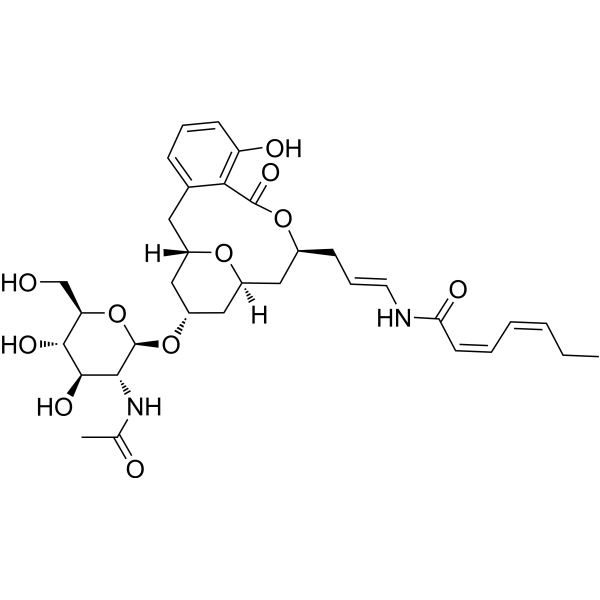
Apicularen B is a V-ATPase inhibitor and cytotoxic macrolide that can be obtained from the myxobacterium Archangium gephyra. Apicularen B can be used in the study of V-ATPase-related diseases, such as osteopetrosis .
|
-
- HY-109165
-
-
- HY-W094464
-
-

- HY-E70005E
-
|
|
MMP
|
Others
|
Collagenase, Type V is a microbially derived matrix metalloproteinases (MMPs) and zinc peptidase. Collagenase, Type V breaksdown collagens1, 3, 5, 7, 8, 10, fibronectin, gelatin, aggrecann .
|
-

- HY-120247
-
|
|
Vasopressin Receptor
P-glycoprotein
|
Others
|
|
TASP0434299 (Compound 10) is a radiolabeled ligand for the vasopressin V1b receptor. TASP0434299 exhibits high binding affinity for human and murine V1B receptors, with IC50 values of 0.526 nM and 0.641 nM, respectively, and shows potent antagonistic activity against the human V1B receptor with an IC50 of 0.639 nM. TASP0434299 is a substrate for human and rhesus monkey P-glycoprotein, resulting in low brain uptake in rhesus monkeys. TASP0434299 binds to V1B receptors in rat and monkey pituitary tissues in a saturable and specific manner both in vitro and in vivo. When radiolabeled with tritium or 11C, TASP0434299 serves as a prototype V1B receptor radiotracer to visualize V1B receptor in the pituitary gland of anesthetized monkeys via positron emission tomography .
|
-

- HY-W104304
-
|
|
Vasopressin Receptor
|
Cardiovascular Disease
|
|
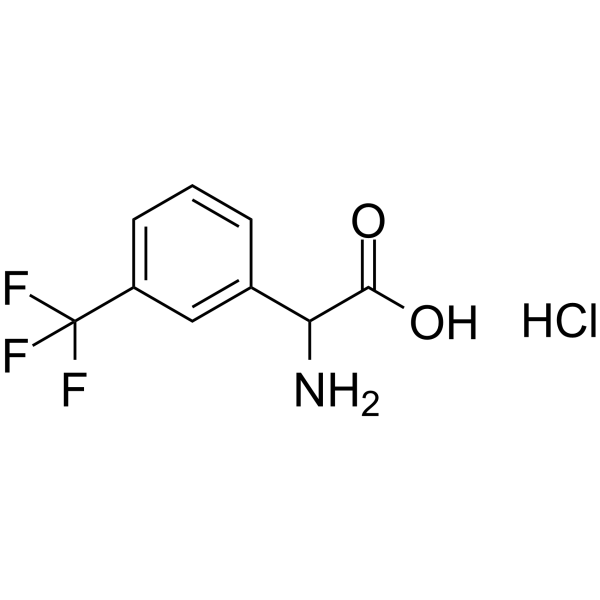
2-(3-Trifluoromethylphenyl)glycine hydrochloride is a precursor of substituted 2-acetamido-5-aryl-l, 2,4-triazolones. Substituted 2-acetamido-5-aryl-l, 2,4-triazolones are dual V1a/V2 receptor antagonists and can be used in cardiovascular disease research .
|
-
- HY-177764
-
|
|
Amino Acid Derivatives
|
Others
|
|
Tet-v2.0-ethyl is a tetrazine non-canonical amino acid. Tet-v2.0-ethyl can stably exist within living cells without being degraded, enabling in situ labeling of intracellular biomolecules. Tet-v2.0-ethyl is mainly used as a bioorthogonal labeling tool compound .
|
-

- HY-177764A
-
|
|
Amino Acid Derivatives
|
Others
|
|
Tet-v2.0-ethyl hydrochloride is a tetrazine non-canonical amino acid. Tet-v2.0-ethyl hydrochloride can stably exist within living cells without being degraded, enabling in situ labeling of intracellular biomolecules. Tet-v2.0-ethyl hydrochloride is mainly used as a bioorthogonal labeling tool compound .
|
-

- HY-N16118
-
|
|
PI3K
Akt
p38 MAPK
ERK
|
Metabolic Disease
|
|
Asperosaponin V is an indirect modulator of bone metabolism-related targets (e.g., PI3K/AKT, BMP-2/p38, and ERK 1/2 pathways). Asperosaponin V promotes marrow stromal cell proliferation and induces osteoblast differentiation. Asperosaponin V is promising for research of osteoporosis and fracture healing .
|
-

- HY-N12011
-
|
|
PGC-1α
|
Others
|
|
11-Oxoisomogroside V (compound 3) is a cucurbitacin isolated from the crude extract of Luo Han Guo. 11-Oxoisomogroside V activates the transcriptional activity of PGC-1α. In the luciferase experiment, the results showed that 10 μM and 20 μM 11-Oxoisomogroside V could increase the luciferase activity to 133.79% and 143.81% .
|
-
- HY-N7605
-
|
|
Others
|
Metabolic Disease
|
|
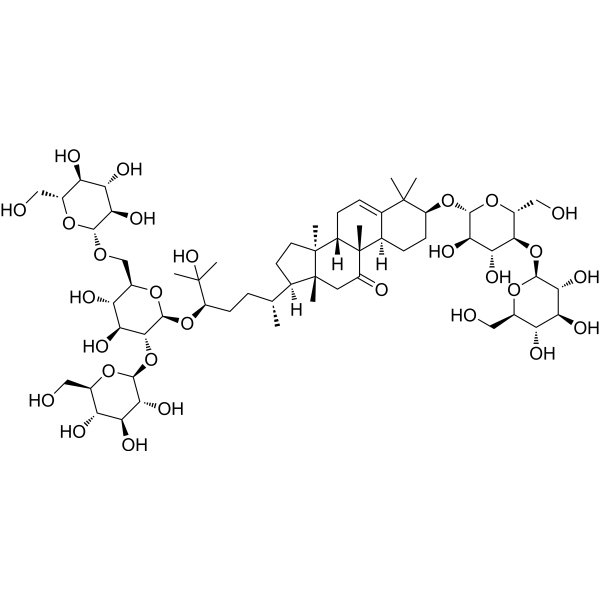
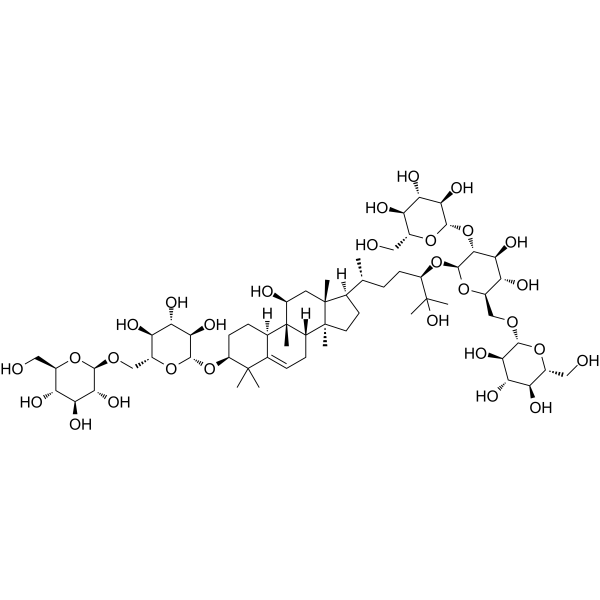
11-epi-mogroside V is a mogroside in the fruit of Siraitia grosvenori. 11-epi-mogroside V exhibits considerable bioactivity in promoting glucose uptake in human HepG2 cells in vitro .
|
-
- HY-N8395
-
|
Tunicamycin A
|
Bacterial
|
Infection
|
|
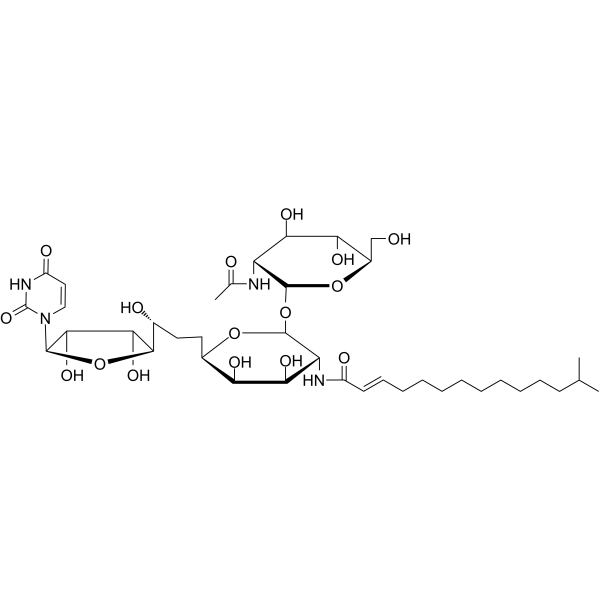
Tunicamycin V (Tunicamycin A) is a nucleoside natural product that inhibits bacterial phospho-N-acetylmuramyl-pentapeptide transferase (MraY) with an IC50 of 0.35?μM. Tunicamycin V has antibacterial activties .
|
-
- HY-P99498
-
|
CEA-IL2v; RG 7813; RO 6895882
|
Interleukin Related
|
Inflammation/Immunology
Cancer
|
|
Cergutuzumab amunaleukin (CEA-IL2v) is a monomeric carcinoembryonic antigen (CEA)-targeted IL-2 variant-based immunocytokine. Cergutuzumab amunaleukin has immunostimulating and antineoplastic activities .
|
-

- HY-W010929
-
|
|
Biochemical Assay Reagents
|
Others
|
|
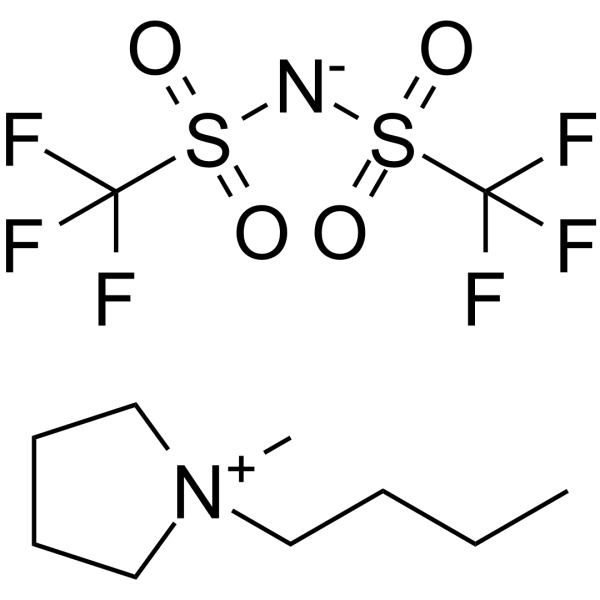
PYR14-TFSI is a room temperature ionic liquid (RTIL) with a wide electrochemical window (5.5V) and a high viscosity, making it a useful candidate for electrochemical energy applications .
|
-
- HY-14185
-
-
- HY-P990161
-
|
|
MHC
|
Inflammation/Immunology
Cancer
|
|
Anti-Mouse TCR Vγ1.1/Cr4 Antibody (2.11) is an anti-mouse TCR Vγ1.1/Cr4 IgG monoclonal antibody. Anti-Mouse TCR Vγ1.1/Cr4 Antibody (2.11) can deplete Vγ1 γδ T cells. Anti-Mouse TCR Vγ1.1/Cr4 Antibody (2.11) can be used for research on cancer and inflammation conditions such as mastitis and colon cancer .
|
-
- HY-173629
-
|
|
Ras
Apoptosis
|
Cancer
|
|
RMC-5127 is a small molecule inhibitor that binds to GTP-targeted KRAS G12V, with oral bioavailability and blood-brain barrier permeability. RMC-5127 inhibits the activities of the RAS and MAPK pathways, suppresses the proliferation of KRAS G12V-mutant cancer cells and induces their apoptosis. RMC-5127 can be used for the research of KRAS G12V-mutant non-small cell lung cancer, pancreatic ductal adenocarcinoma, colorectal cancer and intracranial KRAS G12V tumors .
|
-

- HY-105685R
-
|
|
Reference Standards
Vasopressin Receptor
|
Cardiovascular Disease
Neurological Disease
|
|
SRX246 (Standard) is the analytical standard of SRX246 (HY-105685). This product is intended for research and analytical applications. SRX246 is a potent, BBB-penetrant, highly selective vasopressin 1a (V1a) receptor antagonist (Ki=0.3 nM for human V1a). SRX246 has no interaction at V1b and V2 receptors. SRX246 also displays negligible binding at 64 others receptors classes, including 35 G-proteincoupled receptors. SRX246 can be used for treatment of stress-related disorders .
|
-

- HY-117707
-
|
|
Raf
|
Cancer
|
|
EBI-907 is an orally active and highly potent B-Raf V600E inhibitor. EBI-907 demonstrates excellent A375 and Colo-205 cellular antiproliferative activity with IC50 values of 13 nM and 14 nM, respectively. EBI-907 can also cause tumor regression in a B-Raf V600E-dependent Colo-205 tumor xenograft model of mice. EBI-907 is promising for research of melanoma and B-Raf V600E associated cancers .
|
-

- HY-126876
-
GL-V9
1 Publications Verification
|
Apoptosis
AMPK
Reactive Oxygen Species (ROS)
|
Cancer
|
|
GL-V9 inhibits proliferation of HepG2 cell (IC50 is 35.2 μM) through induction of apoptosis and cell cycle arrest at G2/M phase. GL-V9 regulates mitochondrial membrane potential and increases the production of intracellular reactive oxygen species. GL-V9 inhibits the pentose phosphate pathway (PPP), enhances fatty acid oxidation (FAO) through activation of AMPK, and thus inhibits the metastasis of cancer cells. GL-V9 exhibits antitumor efficacy in mouse model .
|
-

- HY-E70736
-
|
|
c-Kit
|
Cancer
|
|
KIT (CD117) is an important cell surface marker used to identify certain types of hematopoietic(blood) progenitors in the bone marrow. KIT is a cytokine receptor expressed on the surface of hematopoietic stem cells as well as other cell types. Altered forms of this receptor may be associated with some types of cancer. KIT D816V is a mutant of KIT. KIT D816V Recombinant Human Active Protein Kinase is a recombinant KIT D816V protein that can be used to study KIT D816V-related functions .
|
-

- HY-107415
-
|
|
Raf
|
Cancer
|
|
PLX7922, a RAF inhibitor, can bind with BRAF V600E. PLX7922 inhibits pERK in BRAF V600E cell lines, and activates pERK in mutant NRAS cell lines .
|
-
- HY-159758
-
|
|
Others
|
Neurological Disease
Cancer
|
|
EcDHFR/FKBP12 F36V binder-1 (compound 1) is a bifunctional molecule that combines the Escherichia coli dihydrofolate reductase domain (EcDHFR) with the FKBP12 F36V domain .
|
-

- HY-169764
-
|
|
Endogenous Metabolite
|
Others
|
|
Pseudane V is the secondary metabolite that can be isolated from the marine bacterium Pseudoalteromonas sp. M2. Pseudane V inhibits the melanin synthesis in cell Melan-A, and can be used as a potential skin whitening agent .
|
-

- HY-110162
-
|
|
Potassium Channel
|
Neurological Disease
|
|
QO 58 is a potent modulator of K(v)7 channels. QO-58 increases the current amplitudes, shifts the voltage-dependent activation curve in a more negative direction and slows the deactivation of K(v)7.2/K(v)7.3 currents. QO-58 has the potential for the research of diseases associated with neuronal hyperexcitability .
|
-
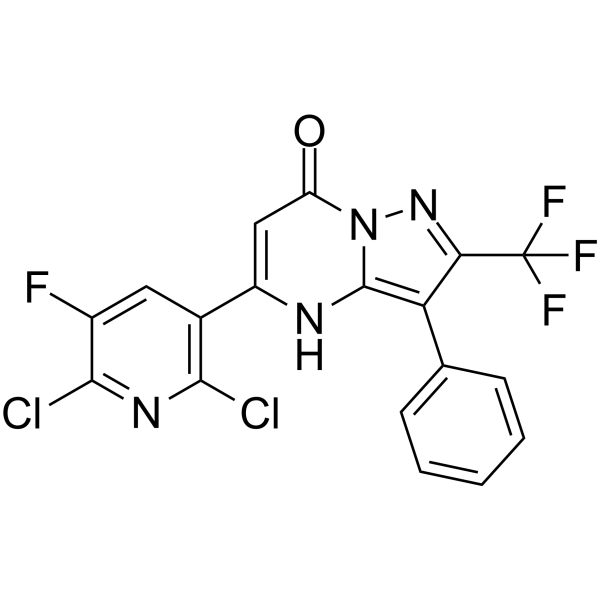
- HY-P5770
-
|
|
Sodium Channel
|
Neurological Disease
|
|
Jingzhaotoxin-V, a 29-residue polypeptide, is derived from the venom of the spider Chilobrachys jingzhao. Jingzhaotoxin-V inhibits tetrodotoxin-resistant and tetrodotoxin-sensitive sodium currents in rat dorsal root ganglion neurons with IC50 values of 27.6 nM and 30.2 nM, respectively. Jingzhaotoxin-V also inhibits Kv4.2 potassium currents expressed in Xenpus Laevis oocytes (IC50 of 604.2 nM) .
|
-

- HY-134891
-
|
(E)-4-Hydroxy-3-methyl-but-2-enyl diphosphate lithium
|
Nuclear Factor of activated T Cells (NFAT)
|
Infection
Inflammation/Immunology
|
|
HMBPP lithium is an intermediate in isoprenoid biosynthesis that can be produced by bacteria and protozoa that use the non-mevalonate pathway for isoprenoid biosynthesis. HMBPP lithium is a ligand of the internal domain of BTN3A1 and is an activator for human Vγ9/Vδ2 T cells. HMBPP lithium exhibits phagostimulant property in mosquitos .
|
-
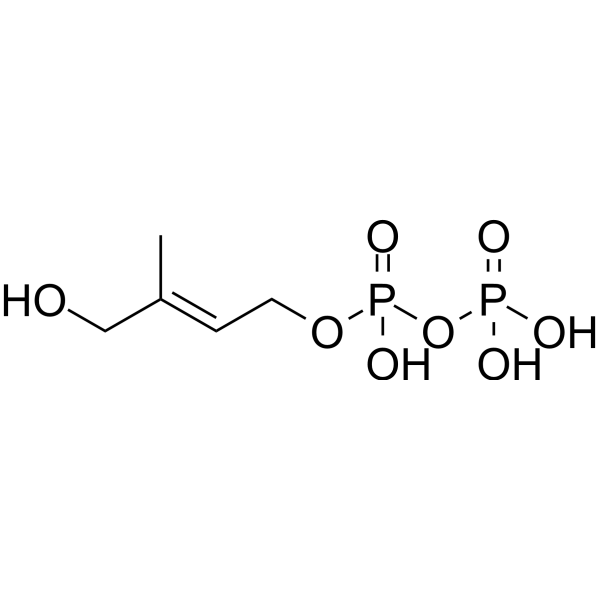
- HY-137487
-
|
|
PROTACs
Raf
|
Cancer
|
|
PROTAC BRAF-V600E degrader-1 (compound 23) is a potent PROTAC BRAF-V600E degrader whlie no degradation activity against BRAF-WT. PROTAC BRAF-V600E degrader-1 exhibits Kd values of 2.4 nM and 2 nM for BRAF and BRAF-V600E, respectively. PROTAC BRAF-V600E degrader-1 degrades BRAF-V600E via the ubiquitin-proteasome system (UPS) and inhibits the growth of melanoma cells . (In the molecular structure, target protein ligand: BI-882370 (HY-107779), red part; E3 ubiquitin enzyme ligand: Pomalidomide (HY-10984), blue part; PROTAC linker: G007-LK (HY-12438), black part.
|
-
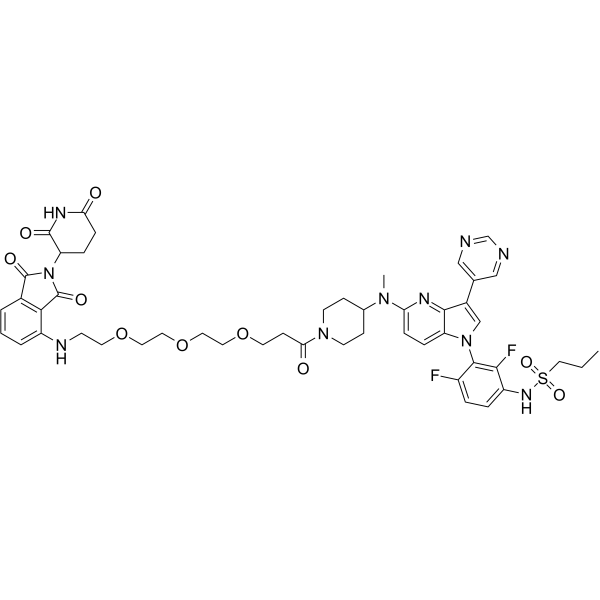
- HY-RS18574
-
|
|
Small Interfering RNA (siRNA)
|
Others
|
|
Atp6v1a Mouse Pre-designed siRNA Set A contains three designed siRNAs for Atp6v1a gene (Mouse), as well as a negative control, a positive control, and a FAM-labeled negative control.
|
-
Atp6v1a Mouse Pre-designed siRNA Set A
Atp6v1a Mouse Pre-designed siRNA Set A
- HY-RS29446
-
-
ATP6V1A Monkey Pre-designed siRNA Set A
ATP6V1A Monkey Pre-designed siRNA Set A
- HY-RS10356
-
|
|
Small Interfering RNA (siRNA)
|
Others
|
|
PF4V1 Human Pre-designed siRNA Set A contains three designed siRNAs for PF4V1 gene (Human), as well as a negative control, a positive control, and a FAM-labeled negative control.
|
-
PF4V1 Human Pre-designed siRNA Set A
PF4V1 Human Pre-designed siRNA Set A
- HY-RS15364
-
|
|
Small Interfering RNA (siRNA)
|
Others
|
|
UBE2V1 Human Pre-designed siRNA Set A contains three designed siRNAs for UBE2V1 gene (Human), as well as a negative control, a positive control, and a FAM-labeled negative control.
|
-
UBE2V1 Human Pre-designed siRNA Set A
UBE2V1 Human Pre-designed siRNA Set A
- HY-RS28489
-
|
|
Small Interfering RNA (siRNA)
|
Others
|
|
Ube2v2 Rat Pre-designed siRNA Set A contains three designed siRNAs for Ube2v2 gene (Rat), as well as a negative control, a positive control, and a FAM-labeled negative control.
|
-
Ube2v2 Rat Pre-designed siRNA Set A
Ube2v2 Rat Pre-designed siRNA Set A
- HY-RS26708
-
|
|
Small Interfering RNA (siRNA)
|
Others
|
|
Ube2v1 Rat Pre-designed siRNA Set A contains three designed siRNAs for Ube2v1 gene (Rat), as well as a negative control, a positive control, and a FAM-labeled negative control.
|
-
Ube2v1 Rat Pre-designed siRNA Set A
Ube2v1 Rat Pre-designed siRNA Set A
- HY-RS15365
-
|
|
Small Interfering RNA (siRNA)
|
Others
|
|
UBE2V2 Human Pre-designed siRNA Set A contains three designed siRNAs for UBE2V2 gene (Human), as well as a negative control, a positive control, and a FAM-labeled negative control.
|
-
UBE2V2 Human Pre-designed siRNA Set A
UBE2V2 Human Pre-designed siRNA Set A
- HY-RS25058
-
|
|
Small Interfering RNA (siRNA)
|
Others
|
|
Atp6v1a Rat Pre-designed siRNA Set A contains three designed siRNAs for Atp6v1a gene (Rat), as well as a negative control, a positive control, and a FAM-labeled negative control.
|
-
Atp6v1a Rat Pre-designed siRNA Set A
Atp6v1a Rat Pre-designed siRNA Set A
- HY-RS20204
-
|
|
Small Interfering RNA (siRNA)
|
Others
|
|
Ube2v1 Mouse Pre-designed siRNA Set A contains three designed siRNAs for Ube2v1 gene (Mouse), as well as a negative control, a positive control, and a FAM-labeled negative control.
|
-
Ube2v1 Mouse Pre-designed siRNA Set A
Ube2v1 Mouse Pre-designed siRNA Set A
- HY-RS21972
-
|
|
Small Interfering RNA (siRNA)
|
Others
|
|
Ube2v2 Mouse Pre-designed siRNA Set A contains three designed siRNAs for Ube2v2 gene (Mouse), as well as a negative control, a positive control, and a FAM-labeled negative control.
|
-
Ube2v2 Mouse Pre-designed siRNA Set A
Ube2v2 Mouse Pre-designed siRNA Set A
- HY-RS01223
-
|
|
Small Interfering RNA (siRNA)
|
Others
|
|
ATP6V1A Human Pre-designed siRNA Set A contains three designed siRNAs for ATP6V1A gene (Human), as well as a negative control, a positive control, and a FAM-labeled negative control.
|
-
ATP6V1A Human Pre-designed siRNA Set A
ATP6V1A Human Pre-designed siRNA Set A
- HY-RS03483
-
|
|
Small Interfering RNA (siRNA)
|
Others
|
|
CYP4V2 Human Pre-designed siRNA Set A contains three designed siRNAs for CYP4V2 gene (Human), as well as a negative control, a positive control, and a FAM-labeled negative control.
|
-
CYP4V2 Human Pre-designed siRNA Set A
CYP4V2 Human Pre-designed siRNA Set A
- HY-173329
-
|
|
Ras
|
Cancer
|
|
KRAS-IN-41 is an inhibitor of KRAS with IC50 values of <0.01 μM for KRAS G12D and KRAS G12V. KRAS-IN-41 inhibits RAS mutant cell lines, GP2D (KRAS-G12D) and SW620 (KRAS-G12V). KRAS-IN-41 can be used in cancer research .
|
-

- HY-P990113
-
|
|
CD3
|
Inflammation/Immunology
|
|
Anti-Rat TCR gamma/delta Antibody (V65) is a mouse-derived IgG1 κ type antibody inhibitor, targeting to rat TCR gamma/delta. Anti-Rat TCR gamma/delta Antibody (V65) can deplete γδ T cells. Anti-Rat TCR gamma/delta Antibody (V65) can be used for the research of immunology .
|
-
- HY-12914
-
|
|
TRP Channel
|
Neurological Disease
Inflammation/Immunology
|
|
V116517 is a potent, orally active transient receptor potential vanilloid (TRPV1) antagonist. V116517 shows potent activity in inhibiting both capsaicin (CAP)- and acid (pH 5)-induced currents in rat DRG neurons expressing native TRPV (IC50=423.2 nM for CAP; IC50=180.3 nM for acid). V116517 can be used for the research of pain .
|
-
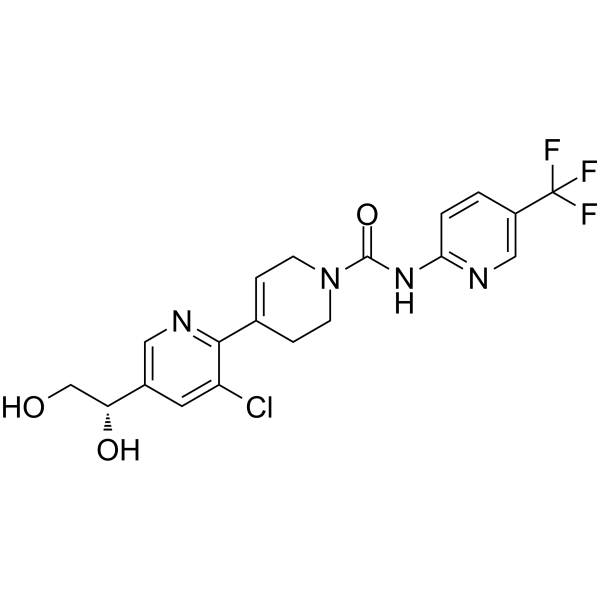
- HY-163510
-
|
|
Androgen Receptor
|
Cancer
|
|
AR/AR-V7-IN-1 (Compound 20i) is an AR/ARV7 inhibitor (IC50 = 172.85 nM). AR/AR-V7-IN-1 potently inhibits cell growth with IC50 values of 4.87 and 2.07 μM in the LNCaP and 22RV1 cell lines, respectively. AR/AR-V7-IN-1 exhibits effective tumor growth inhibition in the 22RV1 xenograft study. AR/AR-V7-IN-1 can be used for the research of prostate cancer .
|
-
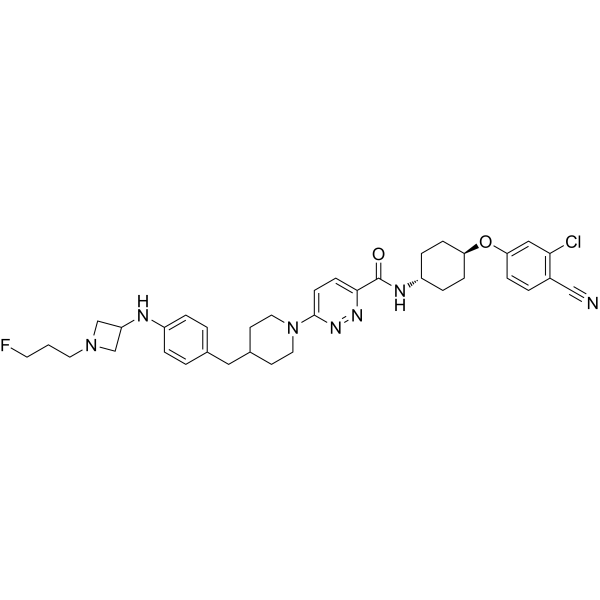
- HY-137990
-
|
|
Bacterial
Parasite
Phosphatase
|
Infection
Cancer
|
|
Questin is an anthraquinone compound and antibacterial agent. Questin can be isolated from marine-derived fungi and plants. Questin inhibits Cdc25B phosphatase. Questin exhibits antibacterial activity against V. harveyi, V. anguillarum, V. cholerae, and V. parahemolyticus with MIC values of 31.25 µg/mL, 62.5 µg/mL, 62.5 µg/mL, and 125 µg/mL. Questin displays antiprotozoal activity against the animal protozoan pathogen Tritrichomonas foetus, with a MIC of 12.5 µg/mL. Questin has anticancer activity against lung and colon cancer .
|
-
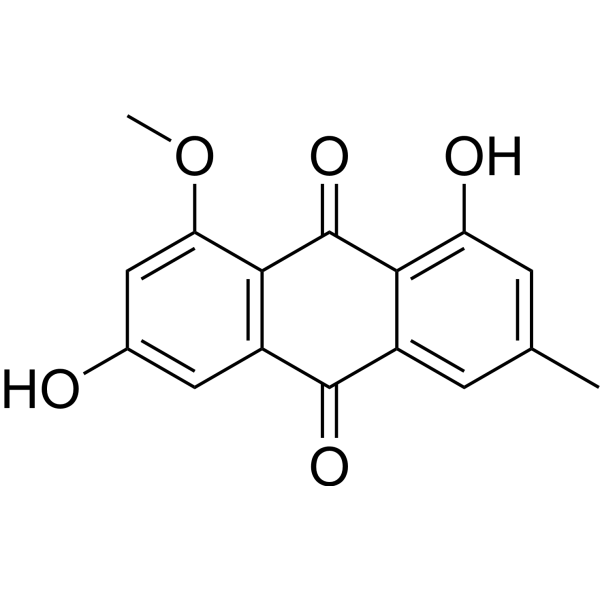
- HY-E70578
-
|
|
DNA Glycosylase
|
Others
|
|
T4 Endonuclease V is a dual-activity DNA glycosylase that combines the activities of DNA N-glycosylase and AP lyase. T4 Endonuclease V can repair ultraviolet (UV)-induced cyclobutane pyrimidine dimers in DNA .
|
-

- HY-N2154
-
|
|
Others
|
Inflammation/Immunology
|
|
Rhodojaponin V is a diterpenoid from the leaves of Rhododendron molle with anti-inflammatory activity. Rhodojaponin V is the C-14 acetylation product of Rhodojaponen III. L-Aspartic aicd sodium is commonly used in the study of inflammatory conditions .
|
-
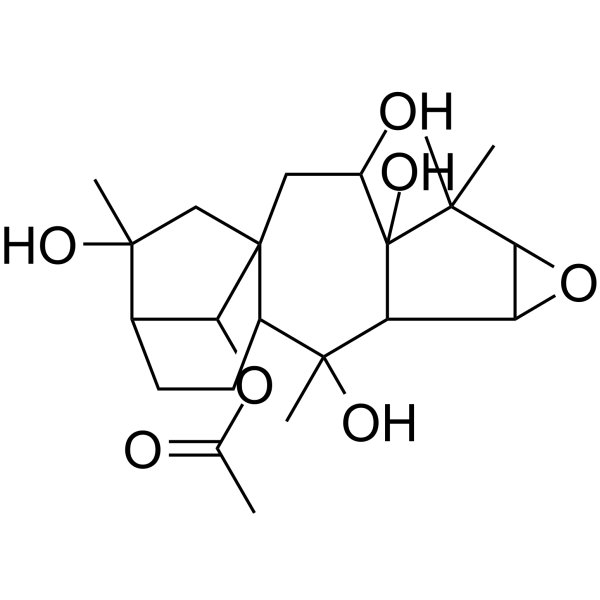
- HY-P2548
-
|
|
EGFR
|
Others
|
|
pp60 (v-SRC) Autophosphorylation Site, Phosphorylated is the phosphorylated peptide of an EGFR substrate. pp60 (v-SRC) Autophosphorylation Site, Phosphorylated can be used for the screening of EGFR Kinase inhibitors via phosphorylated-substrate quantification .
|
-
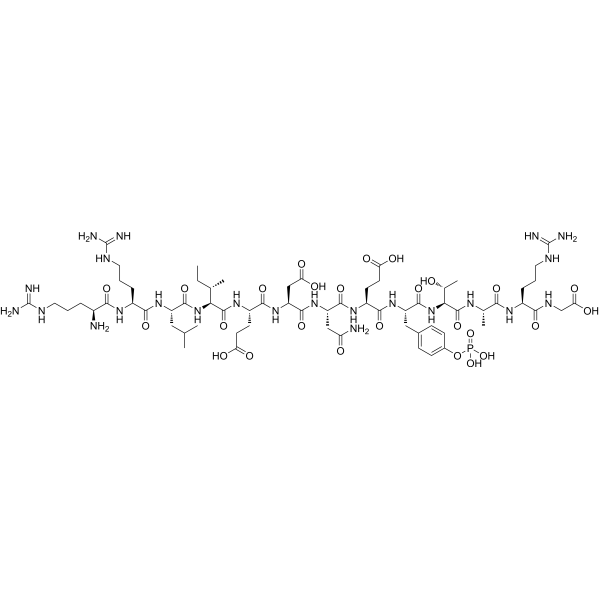
- HY-N0501R
-
|
|
Reference Standards
Reactive Oxygen Species (ROS)
|
Metabolic Disease
|
|
11-oxo-mogroside V (Standard) is the analytical standard of 11-oxo-mogroside V. This product is intended for research and analytical applications. 11-oxo-mogroside V is a natural sweetener that exhibits strong antioxidant activity. It exhibits significant inhibitory effects on reactive oxygen species (O2-, H2O2 and *OH) with EC50 of 4.79, 16.52, and 146.17 μg/mL, respectively.
|
-

- HY-RS01220
-
|
|
Small Interfering RNA (siRNA)
|
Others
|
|
ATP6V0C Human Pre-designed siRNA Set A contains three designed siRNAs for ATP6V0C gene (Human), as well as a negative control, a positive control, and a FAM-labeled negative control.
|
-
ATP6V0C Human Pre-designed siRNA Set A
ATP6V0C Human Pre-designed siRNA Set A
- HY-RS01228
-
|
|
Small Interfering RNA (siRNA)
|
Others
|
|
ATP6V1D Human Pre-designed siRNA Set A contains three designed siRNAs for ATP6V1D gene (Human), as well as a negative control, a positive control, and a FAM-labeled negative control.
|
-
ATP6V1D Human Pre-designed siRNA Set A
ATP6V1D Human Pre-designed siRNA Set A
- HY-RS01218
-
|
|
Small Interfering RNA (siRNA)
|
Others
|
|
ATP6V0A4 Human Pre-designed siRNA Set A contains three designed siRNAs for ATP6V0A4 gene (Human), as well as a negative control, a positive control, and a FAM-labeled negative control.
|
-
ATP6V0A4 Human Pre-designed siRNA Set A
ATP6V0A4 Human Pre-designed siRNA Set A
- HY-RS01216
-
|
|
Small Interfering RNA (siRNA)
|
Others
|
|
ATP6V0A1 Human Pre-designed siRNA Set A contains three designed siRNAs for ATP6V0A1 gene (Human), as well as a negative control, a positive control, and a FAM-labeled negative control.
|
-
ATP6V0A1 Human Pre-designed siRNA Set A
ATP6V0A1 Human Pre-designed siRNA Set A
- HY-RS01230
-
|
|
Small Interfering RNA (siRNA)
|
Others
|
|
ATP6V1F Human Pre-designed siRNA Set A contains three designed siRNAs for ATP6V1F gene (Human), as well as a negative control, a positive control, and a FAM-labeled negative control.
|
-
ATP6V1F Human Pre-designed siRNA Set A
ATP6V1F Human Pre-designed siRNA Set A
- HY-RS27747
-
|
|
Small Interfering RNA (siRNA)
|
Others
|
|
Atp6v1f Rat Pre-designed siRNA Set A contains three designed siRNAs for Atp6v1f gene (Rat), as well as a negative control, a positive control, and a FAM-labeled negative control.
|
-
Atp6v1f Rat Pre-designed siRNA Set A
Atp6v1f Rat Pre-designed siRNA Set A
- HY-RS01219
-
|
|
Small Interfering RNA (siRNA)
|
Others
|
|
ATP6V0B Human Pre-designed siRNA Set A contains three designed siRNAs for ATP6V0B gene (Human), as well as a negative control, a positive control, and a FAM-labeled negative control.
|
-
ATP6V0B Human Pre-designed siRNA Set A
ATP6V0B Human Pre-designed siRNA Set A
- HY-RS01217
-
|
|
Small Interfering RNA (siRNA)
|
Others
|
|
ATP6V0A2 Human Pre-designed siRNA Set A contains three designed siRNAs for ATP6V0A2 gene (Human), as well as a negative control, a positive control, and a FAM-labeled negative control.
|
-
ATP6V0A2 Human Pre-designed siRNA Set A
ATP6V0A2 Human Pre-designed siRNA Set A
- HY-RS21230
-
|
|
Small Interfering RNA (siRNA)
|
Others
|
|
Atp6v1f Mouse Pre-designed siRNA Set A contains three designed siRNAs for Atp6v1f gene (Mouse), as well as a negative control, a positive control, and a FAM-labeled negative control.
|
-
Atp6v1f Mouse Pre-designed siRNA Set A
Atp6v1f Mouse Pre-designed siRNA Set A
- HY-RS01234
-
|
|
Small Interfering RNA (siRNA)
|
Others
|
|
ATP6V1H Human Pre-designed siRNA Set A contains three designed siRNAs for ATP6V1H gene (Human), as well as a negative control, a positive control, and a FAM-labeled negative control.
|
-
ATP6V1H Human Pre-designed siRNA Set A
ATP6V1H Human Pre-designed siRNA Set A
- HY-N8351
-
|
NSC 180540; Vobtusin
|
Apoptosis
|
Others
|
|
Vobtusine is an alkaloid that has been found in V. africana leaves.
|
-

- HY-N7899
-
|
|
Others
|
Others
|
|
11-Deoxymogroside V is a cucurbitane triterpene glycoside .
|
-
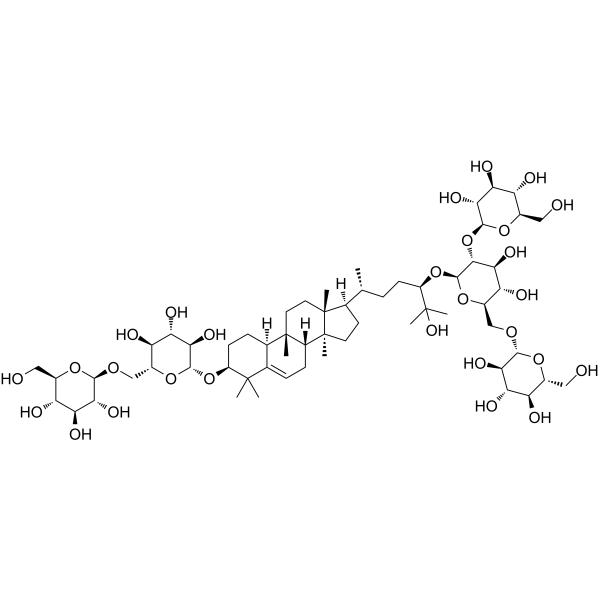
- HY-150652
-
|
|
FGFR
Apoptosis
|
Cancer
|
|
FGFR-IN-8 (Compound 17a) is a highly potent and orally active panFGFR inhibitor against wild-type and mutant FGFRs. FGFR-IN-8 shows inhibition with IC50 values of <0.5, 189.1, <0.5, 22.6, <0.5 and 7.30 nM against FGFR1, V564F-FGFR2, N549H-FGFR2, V555M-FGFR3, FGFR3 and FGFR4, respectively. GFR-IN-8 induces cancer cell apoptosis and shows anticancer activities .
|
-
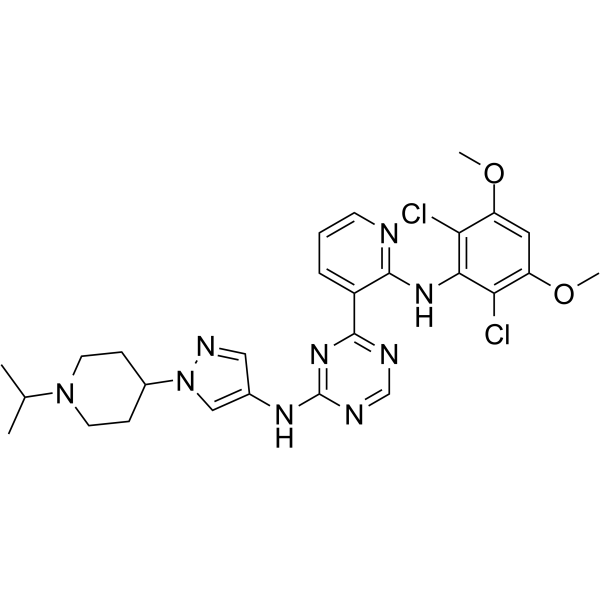
- HY-145479
-
|
|
PROTACs
Androgen Receptor
|
Cancer
|
|
PROTAC AR-V7 degrader-1 is an orally active and selective AR-V7 PROTAC degrader with a DC50 of 0.32 μM (in 22Rv1 cells). PROTAC AR-V7 degrader-1 can inhibit the proliferation of tumor cells and exhibit anti-tumor activity. PROTAC AR-V7 degrader-1 can be used for the research of cancers such as prostate cancer .(Pink: VPC-14228 (HY-117669); Black: linker (HY-W041652); Blue: VHL Ligand (HY-112078))
|
-
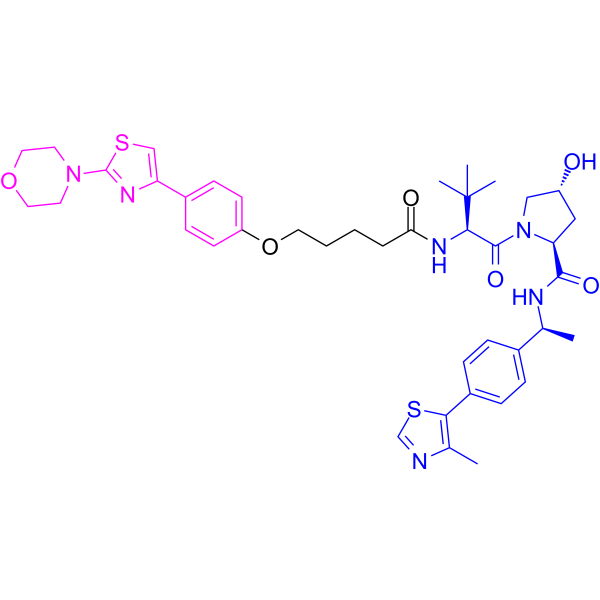
- HY-E70752
-
|
|
c-Met/HGFR
|
Cancer
|
|
Mesenchymal-to-epithelial transition (MET) is a receptor tyrosine kinase for hepatocyte growth factor (HGF). MET overactivation is strongly associated with angiogenesis, cellular motility, growth, and invasion. Aberrant MET signaling can drive tumorigenesis in several cancer types through various molecular mechanisms, including MET amplification, MET exon 14 skipping mutation, MET overexpression, and MET fusions. MET L1195V is a mutant of MET. MET L1195V Recombinant Human Active Protein Kinase is a recombinant MET L1195V protein that can be used to study MET L1195V-related functions .
|
-

- HY-122849
-
|
|
c-Kit
|
Cancer
|
|
CHMFL-KIT-031 is a highly selective KIT V559D inhibitor, with an IC50 of 28 nM. CHMFL-KIT-031 potently affects KIT V559D mutant’s phosphorylation at Y703/719/823 sites. CHMFL-KIT-031 inhibits the tumor growth in BaF3-TEL-KIT-V559D cell inoculated mouse model .
|
-

- HY-185042
-
|
|
Apoptosis
|
Cancer
|
|
Mel56 is a melanogenin analogue. Mel56 can promote the melanin production in human melanoma cells. Mel56 is cytotoxic to cancer cells and induces apoptosis in melanoma cells. Mel56 can be used for the study of melanoma .
|
-

- HY-RS01224
-
|
|
Small Interfering RNA (siRNA)
|
Others
|
|
ATP6V1B1 Human Pre-designed siRNA Set A contains three designed siRNAs for ATP6V1B1 gene (Human), as well as a negative control, a positive control, and a FAM-labeled negative control.
|
-
ATP6V1B1 Human Pre-designed siRNA Set A
ATP6V1B1 Human Pre-designed siRNA Set A
- HY-RS01232
-
|
|
Small Interfering RNA (siRNA)
|
Others
|
|
ATP6V1G2 Human Pre-designed siRNA Set A contains three designed siRNAs for ATP6V1G2 gene (Human), as well as a negative control, a positive control, and a FAM-labeled negative control.
|
-
ATP6V1G2 Human Pre-designed siRNA Set A
ATP6V1G2 Human Pre-designed siRNA Set A
- HY-RS01233
-
|
|
Small Interfering RNA (siRNA)
|
Others
|
|
ATP6V1G3 Human Pre-designed siRNA Set A contains three designed siRNAs for ATP6V1G3 gene (Human), as well as a negative control, a positive control, and a FAM-labeled negative control.
|
-
ATP6V1G3 Human Pre-designed siRNA Set A
ATP6V1G3 Human Pre-designed siRNA Set A
- HY-RS01225
-
|
|
Small Interfering RNA (siRNA)
|
Others
|
|
ATP6V1B2 Human Pre-designed siRNA Set A contains three designed siRNAs for ATP6V1B2 gene (Human), as well as a negative control, a positive control, and a FAM-labeled negative control.
|
-
ATP6V1B2 Human Pre-designed siRNA Set A
ATP6V1B2 Human Pre-designed siRNA Set A
- HY-RS01229
-
|
|
Small Interfering RNA (siRNA)
|
Others
|
|
ATP6V1E1 Human Pre-designed siRNA Set A contains three designed siRNAs for ATP6V1E1 gene (Human), as well as a negative control, a positive control, and a FAM-labeled negative control.
|
-
ATP6V1E1 Human Pre-designed siRNA Set A
ATP6V1E1 Human Pre-designed siRNA Set A
- HY-RS01227
-
|
|
Small Interfering RNA (siRNA)
|
Others
|
|
ATP6V1C2 Human Pre-designed siRNA Set A contains three designed siRNAs for ATP6V1C2 gene (Human), as well as a negative control, a positive control, and a FAM-labeled negative control.
|
-
ATP6V1C2 Human Pre-designed siRNA Set A
ATP6V1C2 Human Pre-designed siRNA Set A
- HY-18347AR
-
|
YM 087 (Standard)
|
Reference Standards
Vasopressin Receptor
|
Cardiovascular Disease
Endocrinology
|
|
Conivaptan (hydrochloride) (Standard) is the analytical standard of Conivaptan (hydrochloride). This product is intended for research and analytical applications. Conivaptan (hydrochloride) is a non-peptide antagonist of vasopressin receptor, with Ki values of 0.48 and 3.04 nM for rat liver V1A receptor and rat kidney V2 receptor respectively.
|
-

- HY-RS01226
-
|
|
Small Interfering RNA (siRNA)
|
Others
|
|
ATP6V1C1 Human Pre-designed siRNA Set A contains three designed siRNAs for ATP6V1C1 gene (Human), as well as a negative control, a positive control, and a FAM-labeled negative control.
|
-
ATP6V1C1 Human Pre-designed siRNA Set A
ATP6V1C1 Human Pre-designed siRNA Set A
- HY-RS01231
-
|
|
Small Interfering RNA (siRNA)
|
Others
|
|
ATP6V1G1 Human Pre-designed siRNA Set A contains three designed siRNAs for ATP6V1G1 gene (Human), as well as a negative control, a positive control, and a FAM-labeled negative control.
|
-
ATP6V1G1 Human Pre-designed siRNA Set A
ATP6V1G1 Human Pre-designed siRNA Set A
- HY-RS01221
-
|
|
Small Interfering RNA (siRNA)
|
Others
|
|
ATP6V0D1 Human Pre-designed siRNA Set A contains three designed siRNAs for ATP6V0D1 gene (Human), as well as a negative control, a positive control, and a FAM-labeled negative control.
|
-
ATP6V0D1 Human Pre-designed siRNA Set A
ATP6V0D1 Human Pre-designed siRNA Set A
- HY-RS01222
-
|
|
Small Interfering RNA (siRNA)
|
Others
|
|
ATP6V0D2 Human Pre-designed siRNA Set A contains three designed siRNAs for ATP6V0D2 gene (Human), as well as a negative control, a positive control, and a FAM-labeled negative control.
|
-
ATP6V0D2 Human Pre-designed siRNA Set A
ATP6V0D2 Human Pre-designed siRNA Set A
- HY-N6815
-
|
|
Others
|
Others
|
|
Isomogroside V is a sweetener, which extracted from Siraitia grosvenorii (Swingle).
|
-
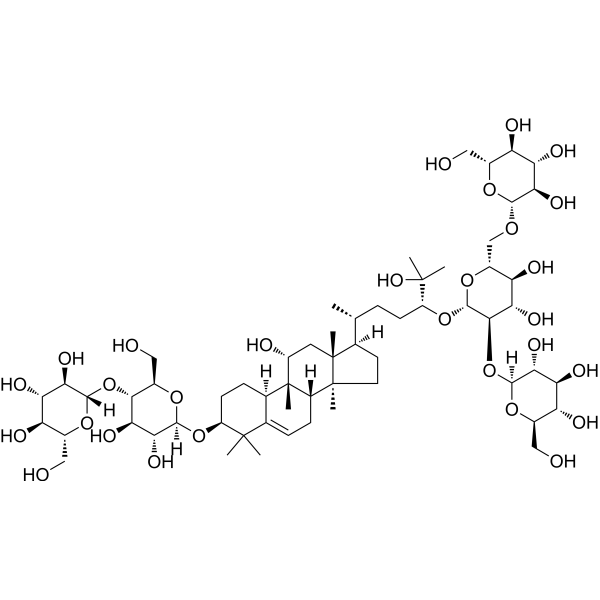
- HY-P0049A
-
|
Arg8-vasopressin diacetate; AVP diacetate; ADH
|
Apoptosis
Vasopressin Receptor
|
Neurological Disease
Cancer
|
|
Argipressin (diacetate) (AVP (diacetate), also known as antidiuretic hormone (ADH)) is a 9 amino acid neuropeptide secreted by the posterior pituitary. Argipressin (diacetate) (AVP (diacetate)) can regulate the biological effects of fluid balance, osmolality and cardiovascular through three separate G-protein coupled receptors (GPCRs), namely Avpr1a (V1a), Avpr1b (V1b) and Avpr2 (V2). Argipressin (diacetate) (AVP (diacetate)) also have potentially important effects on centrally regulated metabolic processes .
|
-
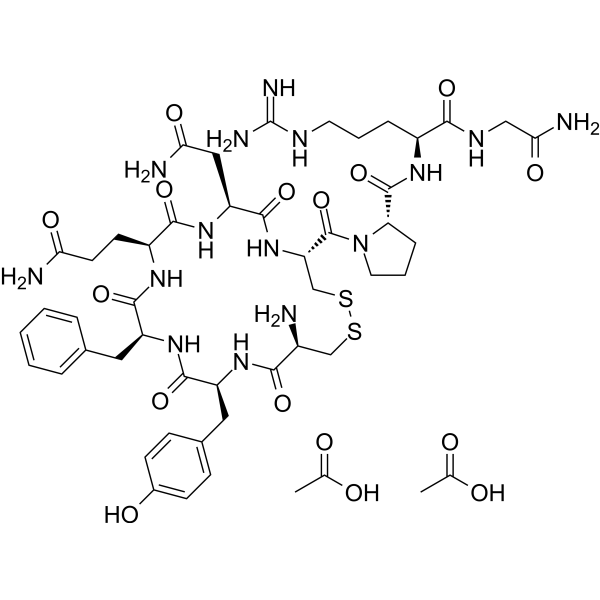
- HY-138143
-
|
Chromozym-TH
|
Fluorescent Dye
|
Others
|
|
N-(p-Tosyl)-GPR-pNA acetate (Chromozym-TH) is a chromogenic substrate targeting the synthetic peptides Hirunorm IV and Hirunorm V and can be used to detect the dissociation constants (KI) of both peptides. Hirunorm IV and Hirunorm V are reversible inhibitors of amidolytic thrombin activity. By varying the peptide concentration at a fixed concentration of the chromogenic substrate N-(p-Tosyl)-GPR-pNA acetate, the dissociation constants determined were 0.134 nM (Hirunorm IV) and 0.245 nM (Hirunorm V) .
|
-

- HY-118918
-
|
|
Vasopressin Receptor
|
Endocrinology
|
|
YM218 free base is an orally active non-peptide vasopressin (AVP) receptor antagonist. YM218 free base has a high affinity for rat liver V1A receptors with a Ki value of 0.50 nM; it has a lower affinity for rat pituitary V1B, kidney V2, and uterine oxytocin receptors with Ki values of 1510 nM, 72.2 nM, and 150 nM, respectively. YM218 free base can be used in the study of diabetes and kidney disease .
|
-

- HY-P10872
-
|
|
SARS-CoV
|
Infection
|
|
P315V3 is an pan inhibitor for coronavirus, that inhibits SARS-CoV-2 prototypePT, Delta, BA.1 and BA.4 strain with IC50s of 10.9, 8.9, 8.6, and 2.7 nM. P315V3 exhibits cytotoxicity in Vero cell with CC50 of 4.3 μM. P315V3 exhibits anti-infectious efficacy in mouse models .
|
-

- HY-18346
-
|
OPC-31260
|
Vasopressin Receptor
|
Cardiovascular Disease
Metabolic Disease
Endocrinology
Cancer
|
|
Mozavaptan (OPC-31260) is a benzazepine derivative and a potent, selective, competitive and orally active vasopressin V2 receptor antagonist with an IC50 of 14 nM. Mozavaptan shows ~85-fold selectivity for V2 receptor over V1 receptor (IC50 of 1.2 μM), and can antagonize the antidiuretic action of arginine vasopressin (AVP) in vivo. Mozavaptan has the potential for hyponatremia, syndrome of inappropriate antidiuretic hormone (SIADH), and congestive heart failure treatment .
|
-
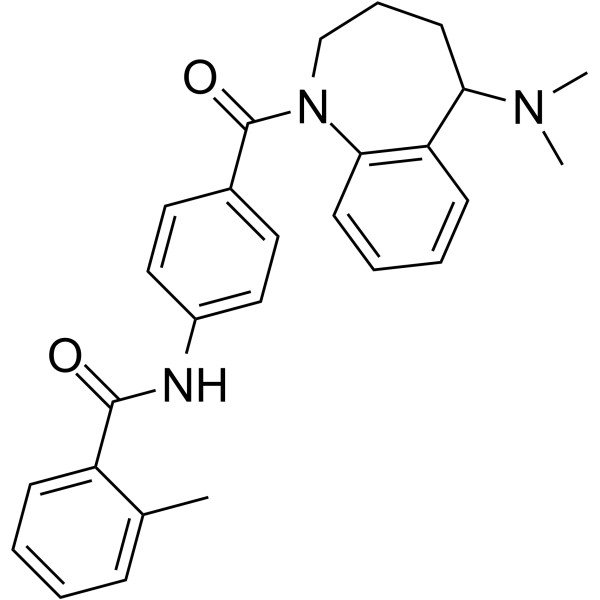
- HY-123593
-
|
OPC-31260 hydrochloride
|
Vasopressin Receptor
|
Cardiovascular Disease
Metabolic Disease
Endocrinology
Cancer
|
|
Mozavaptan hydrochloride (OPC-31260 hydrochloride) is a benzazepine derivative and a potent, selective, competitive and orally active vasopressin V2 receptor antagonist with an IC50 of 14 nM. Mozavaptan hydrochloride shows ~85-fold selectivity for V2 receptor over V1 receptor (IC50 of 1.2 μM), and can antagonize the antidiuretic action of arginine vasopressin (AVP) in vivo. Mozavaptan hydrochloride has the potential for hyponatremia, syndrome of inappropriate antidiuretic hormone (SIADH), and congestive heart failure treatment .
|
-
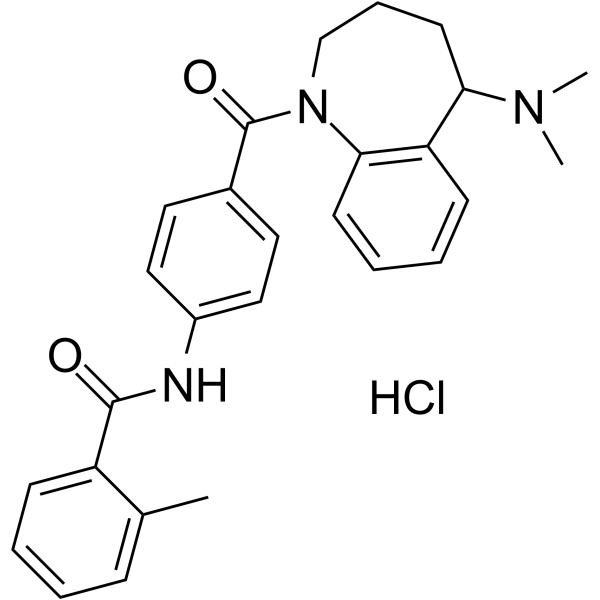
- HY-14716
-
|
|
DNA/RNA Synthesis
Raf
|
Cancer
|
|
CCT239065 is an orally available, effective inhibitor of the mutant protein kinase V600EBRAF (RAF) with anti-tumor activity. CCT239065 inhibits downstream signaling of V600EBRAF in cancer cells, blocking DNA synthesis and suppressing proliferation .
|
-

- HY-P5180
-
|
|
Sodium Channel
|
Neurological Disease
|
|
Jingzhaotoxin-V is a peptide that inhibits potassium currents in Xenopus laevis oocytes with an IC50 value of 604.2 nM. Jingzhaotoxin-V also inhibits tetrodotoxin-resistant and tetrodotoxin-sensitive sodium currents in rat dorsal root ganglion neurons with IC50 values of 27.6 and 30.2 nM, respectively .
|
-

- HY-120331
-
|
|
HIV
HIV Protease
|
Infection
|
|
U-89360E is an inhibitor for HIV-1 protease. U-89360E inhibits the protease of HIV-1 wildtype, V82D mutant and V82N mutant with Ki of 20 nM, 560 nM and 2100 nM, respectively .
|
-

- HY-176354S
-
-

- HY-N14819
-
-

- HY-N8817
-
|
|
Others
|
Others
|
|
Decuroside V is a coumarin-glycoside found in a Chinese agent “Qian-Hu” .
|
-
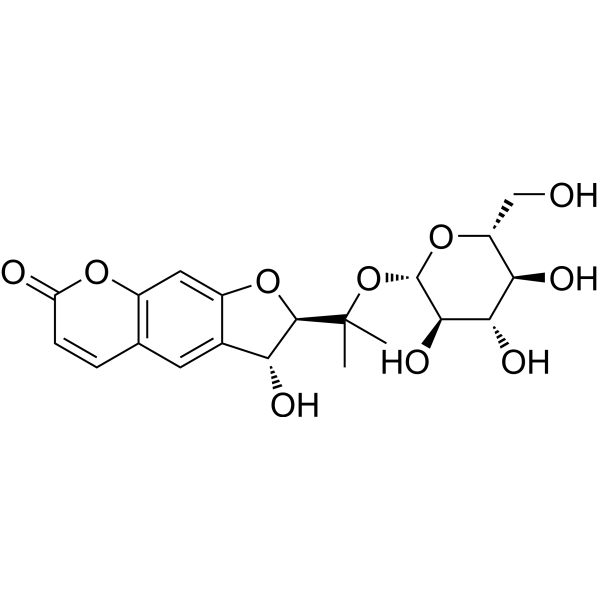
- HY-W585826
-
-

- HY-130210
-
|
|
Fluorescent Dye
|
Others
|
|
Oxonol V is a slow-response sensitive probe for measuring cellular membrane potential.
|
-
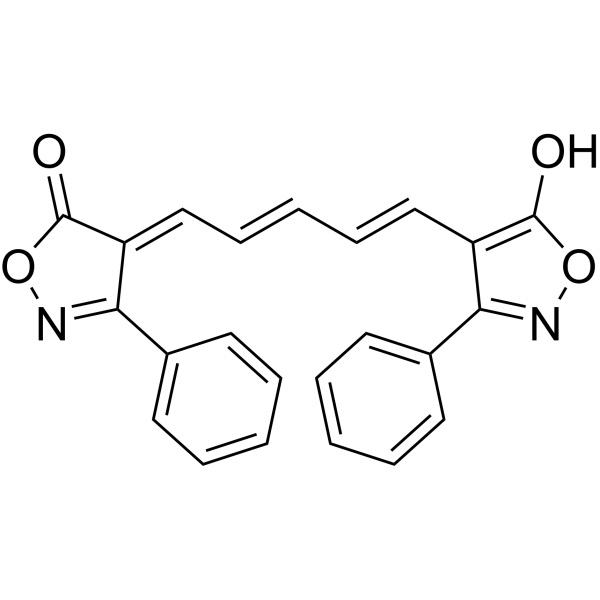
- HY-N2280
-
|
|
Others
|
Cancer
|
|
Baohuoside V is a flavonoid isolated from the dried herb of Epimedium davidii .
|
-
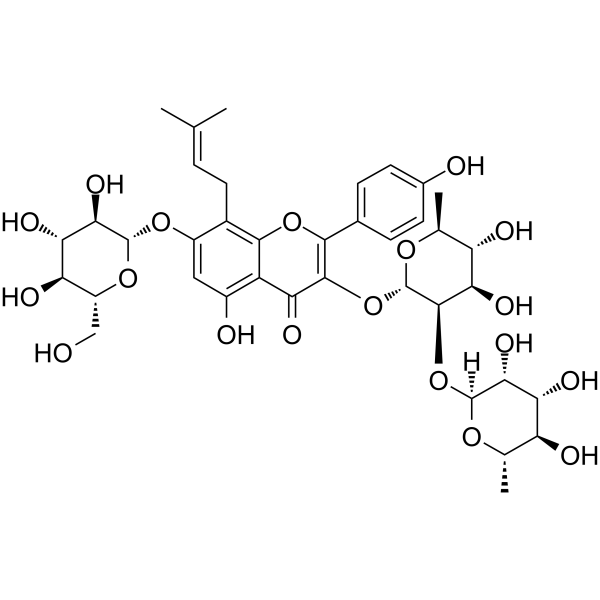
- HY-182331
-
|
|
PROTACs
RAR/RXR
Androgen Receptor
Apoptosis
Caspase
MDM-2/p53
|
Cancer
|
|
WCF-598 is a RXRγ (Kd: 234.2 nM) PROTAC degrader. WCF-598 induces RXRγ degradation via the ubiquitin-proteasome pathway and binds directly to RXRγ. WCF-598 indirectly induces AR-V7 degradation, impairs the stability of the RXRγ-AR-V7 complex, downregulates AR-V7 levels, and inhibits the transcription of downstream target genes of AR-V7. WCF-598 induces tumor cell apoptosis, inhibits cell proliferation, activates the p53 signaling pathway, and suppresses cell cycle progression. WCF-598 can be used for the research of prostate cancer .
|
-

- HY-129333
-
|
|
Oxytocin Receptor
Vasopressin Receptor
|
Metabolic Disease
|
|
L-364918 is a potent and selective oxytocin and arginine vasopressin antagonist with Ki values of 30, 1300, 2400 nM for OT, AVP-V1, AVP-V2, respectively. L-364918 has the potential for the research of preterm labor and disturbances in water balance .
|
-

- HY-P99902
-
|
FAP-IL2v; RO6874281; RG7461
|
Interleukin Related
|
Cancer
|
|
Simlukafusp alfa (FAP-IL2v) is an immunocytokine comprising an antibody against fibroblast activation protein α (FAPα) and an IL-2 variant that only binds IL-2Rβγ. Isotype: human IgG1 .
|
-

- HY-162782A
-
|
|
Antibiotic
Bacterial
|
Infection
|
|
V–C6–Bg-PhCl TFA (compound 5e) is a biguanide-vancomycin conjugate. V–C6–Bg-PhCl TFA has broad-spectrum antibacterial activity against both Gram-negative and Gram-positive bacteria .
|
-

- HY-176954
-
|
|
Proton Pump
Ras
Autophagy
Apoptosis
|
Cancer
|
|
RSC-1255 is a potent and selective Vacuolar H⁺-ATPase (V-ATPase) inhibitor that directly binds the mammalian V-ATPase complex with a Kd = 23 nM. RSC-1255 exhibits preferential cytotoxicity toward KRAS-mutant cancer cells, especially KRAS G13D and KRAS G12V cells. RSC-1255 induces apoptosis and blocks lysosomal acidification, autophagy, and macropinocytosis in cancer cells. RSC-1255 can be used for the study of KRAS-driven lung and colon cancers .
|
-

- HY-W009724
-
|
2-APB
|
Calcium Channel
TRP Channel
CRAC Channel
|
Cardiovascular Disease
Inflammation/Immunology
|
|
2-Aminoethyl diphenylborinate (2-APB) is a cell-permeable inhibitor of Inositol triphosphate receptor (IP3R). 2-Aminoethyl diphenylborinate also inhibits the store-operated Ca 2+ (SOC) channel and activates some TRP channels (V1, V2 and V3). Additionally, 2-Aminoethyl diphenylborinate has inhibitory effects on vasospasm. At high concentrations, it exhibits specific anti-inflammatory and antioxidant effects in neural tissue .
|
-
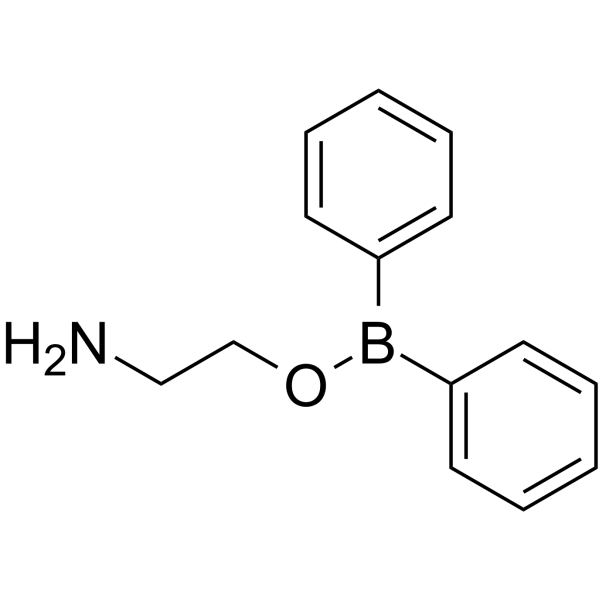
- HY-126395
-
|
|
Fluorescent Dye
|
Others
|
|
Patent Blue V calcium salt is a triarylmethane dye used for tissue staining and lymphatic tracing, mainly applied by topical injection or eye drops. Patent Blue V calcium salt has affinity for specific tissues (such as corneal endothelium, lymphatic system), and stains the target structure by adsorption or binding, assisting in precise operation during surgery. Patent Blue V calcium salt is mainly used in ophthalmic surgery (such as graft staining for Descemet's membrane endothelial keratoplasty) and lymphatic drainage localization for sentinel lymph node biopsy of tumors .
|
-
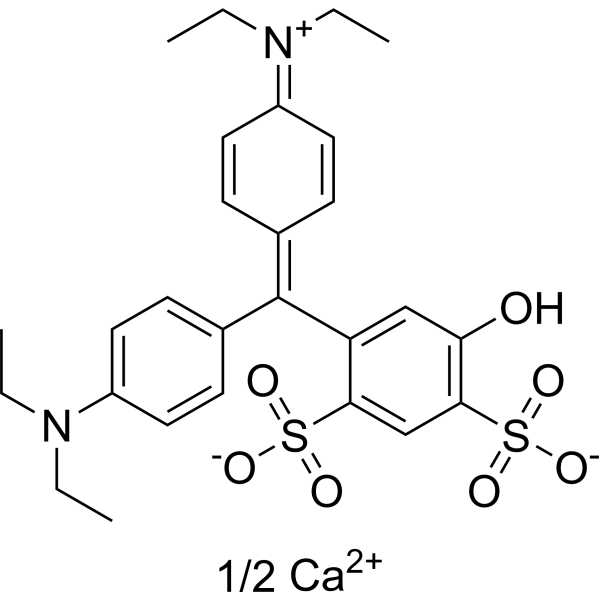
- HY-D2942
-
|
|
Fluorescent Dye
|
Others
|
|
BDP-V BG-BODIPY is a SNAP tag fluorescent probe labeled with a BODIPY molecular motor. BDP-V BG-BODIPY contains a BODIPY molecular rotor that functions as a viscosity-sensitive fluorophore, which is highly responsive to local viscosity changes and enables the specific monitoring of the local microviscosity of proteins. BDP-V BG-BODIPY supports one-photon and two-photon imaging, with an excitation wavelength (Ex) of 488 nm (for one-photon excitation) and 850 nm (for two-photon excitation), and an emission wavelength (Em) of 500-600 nm .
|
-

- HY-176067
-
|
|
Androgen Receptor
|
Cancer
|
|
LO-4-25 is a covalent degrader targeting the androgen receptor (AR) and its truncated variant AR-V7. LO-4-25 covalently binds to the E3 ubiquitin ligase CUL4 DCAF16, promoting the ubiquitination of AR and AR-V7, which subsequently are recognized and degraded by the proteasome, reducing the protein levels of AR and AR-V7 in cells. LO-4-25 is promising for research of androgen-independent prostate cancers .
|
-

- HY-P1810
-
|
|
Vasopressin Receptor
|
Neurological Disease
|
|
c(Bua-Cpa-Thi-Val-Asn-Cys)-Pro-Agm is a is a potent, selective and short-acting peptidic V2 receptor (V2R) agonist with EC50s of 0.25 and 0.05 nM for hV2R and rV2R, respectively .
|
-
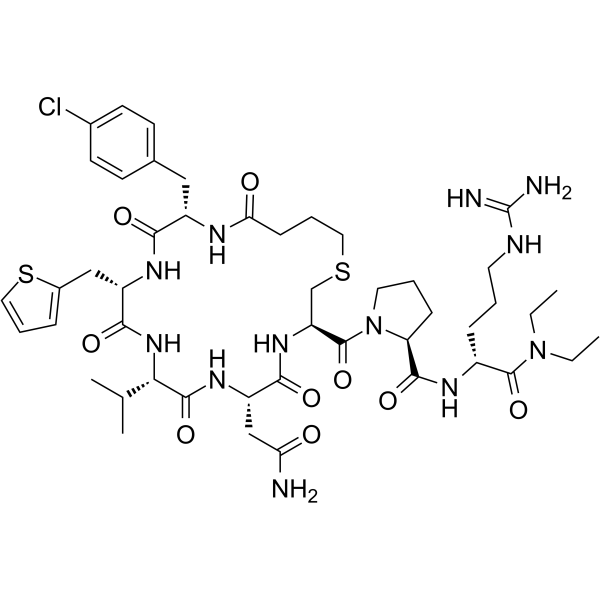
- HY-P2478
-
|
|
PD-1/PD-L1
|
Inflammation/Immunology
|
|
Human PD-L1 inhibitor V, a human PD-1 protein binding peptide with a Kd value of 3.32 μM. Human PD-L1 inhibitor V inhibit the interaction of hPD-1/hPD-L1 .
|
-
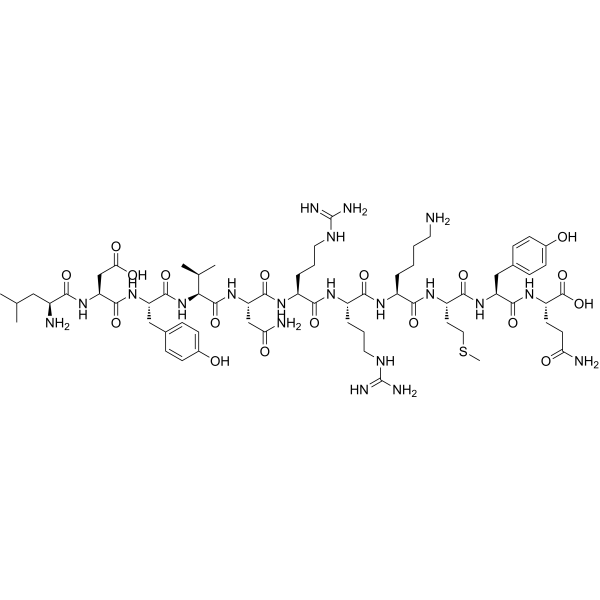
- HY-130257
-
CP5V
1 Publications Verification
|
PROTACs
|
Cancer
|
|
CP5V is a PROTAC connected by ligands for von Hippel-Lindau and CDK, which specifically degrades Cdc20 by linking Cdc20 to the VHL/VBC complex for ubiquitination followed by proteasomal degradation. CP5V induces mitotic inhibition and suppresses cancer cell proliferation .
|
-
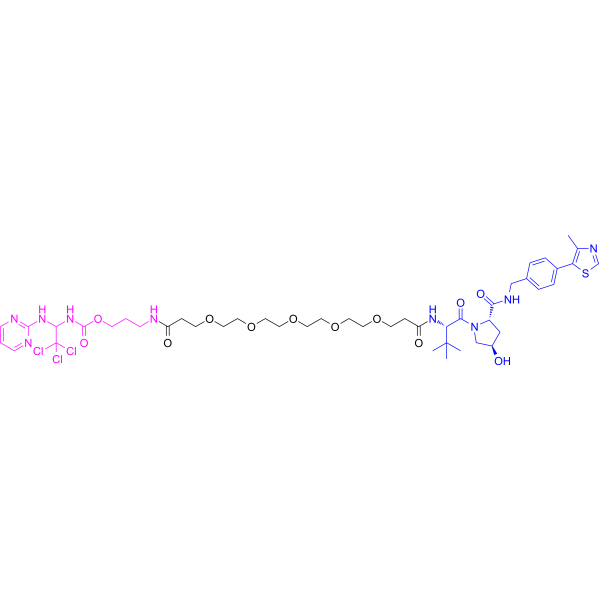
- HY-179300A
-
|
|
Ras
|
Cancer
|
|
KRAS-IN-48 (Compound 1-01) is a KRAS mutant inhibitor, with Kd values of 2.58 nM and 5.49 μM for KRAS-G12D and KRAS-G12V, respectively. KRAS-IN-48 can be used in the research of cancer .
|
-

- HY-122018
-
|
|
HIV
Reverse Transcriptase
|
Infection
|
|
GS-9148 is a ribose-modified HIV-1 nucleotide reverse transcriptase (RT) inhibitor with an EC50 value of 10.6 µM. GS-9148 shows antiretroviral activity for K65R, L74V, or M184V RT mutation .
|
-

- HY-14185R
-
|
VPA-985 (Standard); WAY-VPA 985 (Standard)
|
Vasopressin Receptor
Reference Standards
|
Cardiovascular Disease
Endocrinology
|
|
Lixivaptan (Standard) is the analytical standard of Lixivaptan. This product is intended for research and analytical applications. Lixivaptan (VPA-985, WAY-VPA 985) is an orally active and selective vasopressin receptor V2 antagonist, with IC50 values of 1.2 and 2.3 nM for human and rat V2, respectively.
|
-

- HY-N8582
-
|
|
Others
|
Others
|
|
Momordicine V is a Triterpenoids product that can be isolated from the fruits of Momordica charantia .
|
-

- HY-N18026
-
-

- HY-15199
-
|
CEP-32496 hydrochloride; RXDX-105 hydrochloride
|
Raf
|
Cancer
|
|
Agerafenib hydrochloride is a highly potent and orally efficacious inhibitor of BRAF V600E with a Kd of 14 nM.
|
-
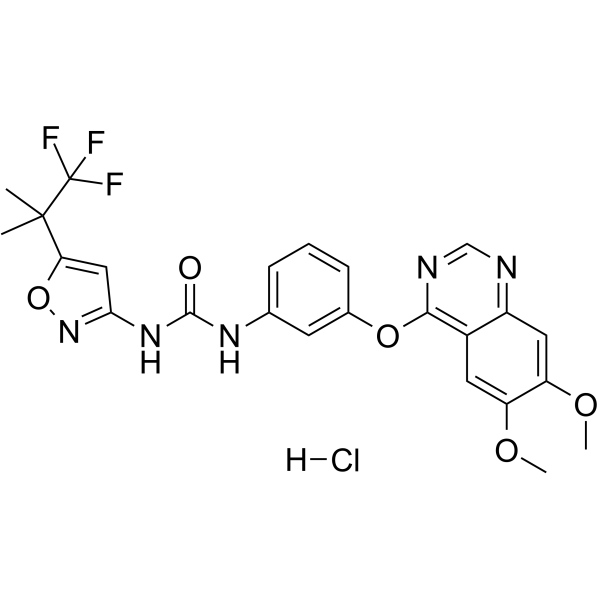
- HY-122765
-
|
HOE 216V
|
Parasite
|
Infection
|
|
Luxabendazole (HOE 216V) is an effective anthelmintic against trematodes, cestodes and nematodes .
|
-
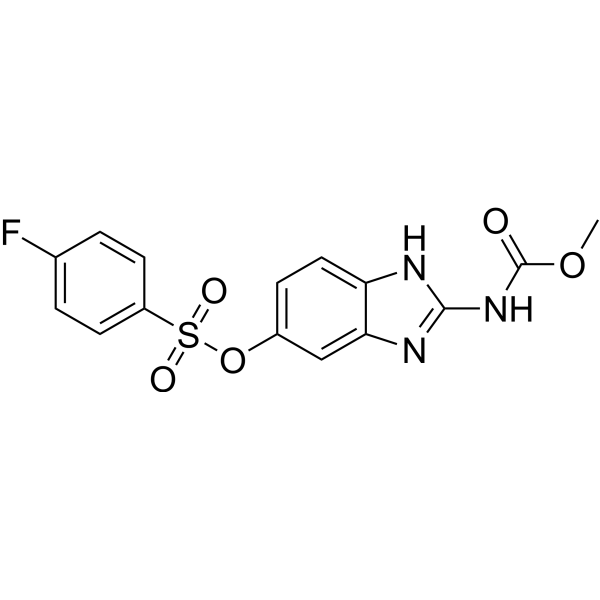
- HY-N3189
-
|
|
Others
|
Others
|
|
Nigrolineaxanthone V is a Xanthones product that can be isolated from the fruits of Garcinia mangostana L. .
|
-

- HY-126745
-
-

- HY-N5148
-
|
|
Others
|
Others
|
Vaccarin E is a natural C-glycosylflavone that could be isolated from V. hispanica .
|
-
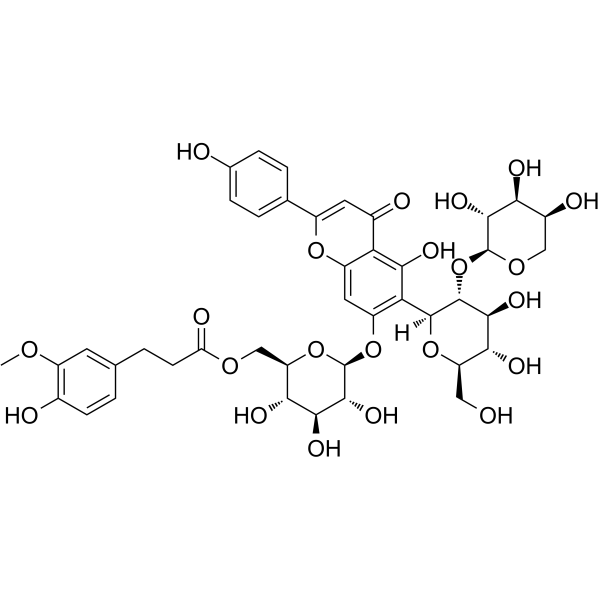
- HY-100404
-
|
MK5435
|
mGluR
|
Cancer
|
|
DFMTI can completely block the rmGlu1 L757V glutamate response.
|
-
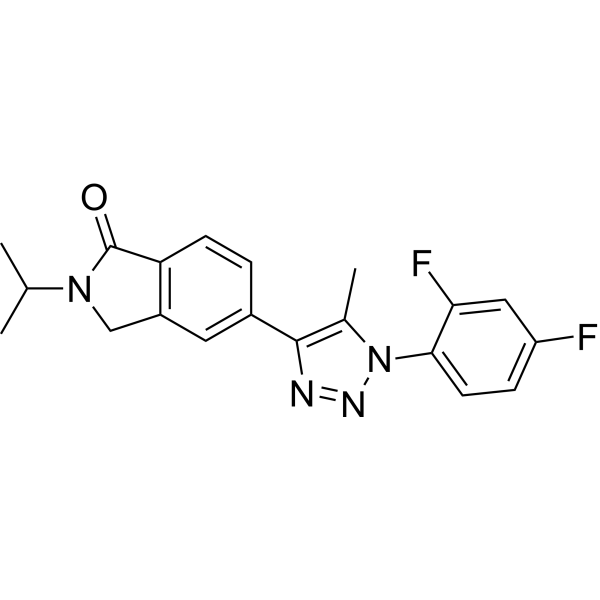
- HY-174974
-
|
|
FGFR
|
Cancer
|
|
ISM7594 is an orally active FGFR2/3 inhibitor. ISM7594 shows broad-spectrum antiproliferative potency in
FGFR2- or FGFR3-altered cancer cell panels, including FGFR2/3 amplification, fusion, and mutation (BaF3-TEL-FGFR2-V564F (IC50 = 0.067 nM), BaF3-TEL-FGFR2-V564I (IC50 = 2 nM)) types. ISM7594 inhibits tumor growth in a dose-dependent manner. ISM7594 can be used for the study of advanced solid tumors with FGFR2/3 aberrations .
|
-

- HY-E70286
-
|
MGAT4B
|
Biochemical Assay Reagents
|
Cancer
|
|
N-Acetylglucosaminyltransferase V (MGAT4B) is the enzyme that catalyzes the formation of the β1,6-GlcNAc branch of N-glycans in the Golgi apparatus using UDP-GlcNAc as the donor substrate. N-Acetylglucosaminyltransferase V is involved in cancer malignancy and autoimmune disease etiology .
|
-
- HY-107931
-
|
β-propiolactone; 2-Oxetanone; Betaprone
|
Environmental Pollutants
SARS-CoV
|
Infection
|
|
Propiolactone (β-propiolactone; 2-Oxetanone) is a viral chemical inactivator that causes the infectious inactivation of viruses. Propiolactone was co-incubated with SARS-CoV at a ratio of 1:1000 (v:v) and used as a bacteriostatic agent to formulate the BPL-inactivated influenza virus vaccine (Flu-BPL) .
|
-
- HY-115400
-
1V209
4 Publications Verification
TLR7 agonist T7
|
Toll-like Receptor (TLR)
|
Cancer
|
|
1V209 (TLR7 agonist T7) is a Toll-like receptor 7 (TLR7) agonist and has anti-tumor effects. 1V209 can be conjugated with various polysaccharides to improve its water solubility, and enhance its efficacy, and maintain low toxicity .
|
-
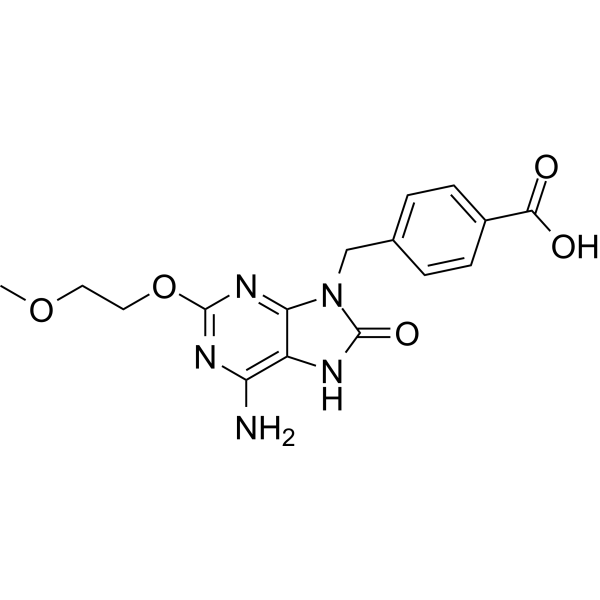
- HY-P2478A
-
|
|
PD-1/PD-L1
|
Inflammation/Immunology
|
|
Human PD-L1 inhibitor V TFA, a human PD-1 protein binding peptide with a Kd value of 3.32 μM. Human PD-L1 inhibitor V TFA inhibit the interaction of hPD-1/hPD-L1 .
|
-

- HY-12944
-
|
|
HIV
CCR
|
Infection
|
|
GSK163929 (compound 122) is an orally active, anti-HIV CCR5 antagonist with low inhibitory potency against hEGR. GSK163929 had no adverse effects in rats at 2000 mg/kg/day (i.v., 7 d) and in dogs at 250 mg/kg/day (i.v., 7 d) .
|
-

- HY-109181
-
|
SK-1404; KRP-N118
|
Vasopressin Receptor
|
Others
|
|
Lazuvapagon (SK-1404) is a vasopressin V2 receptor agonist for the research of nocturia .
|
-
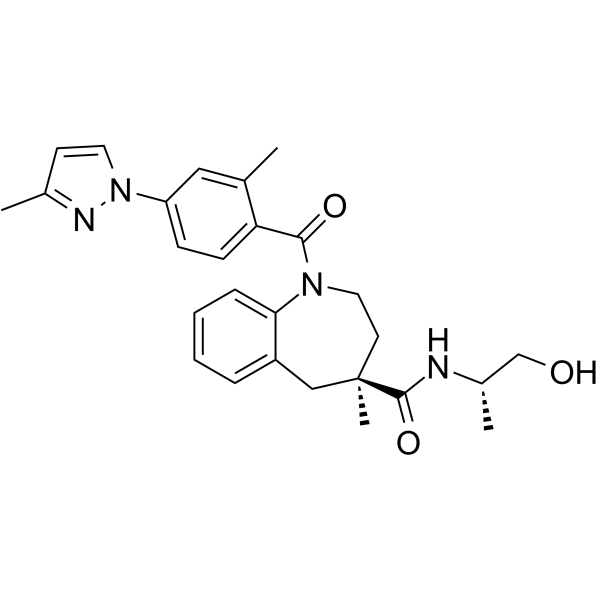
- HY-W721593
-
|
|
Drug Intermediate
|
Others
|
|
(Rac)-Desmethyl lacosamide (formula V) is an Lacosamide impurity, and a key intermediate in the synthesis of Lacosamide .
|
-

- HY-136471
-
-

- HY-P3949
-
|
|
Fluorescent Dye
|
Others
|
|
Fluorescent Substrate for Glu-Specific Proteases is a V8 protease-Specific chromogenic substrate .
|
-
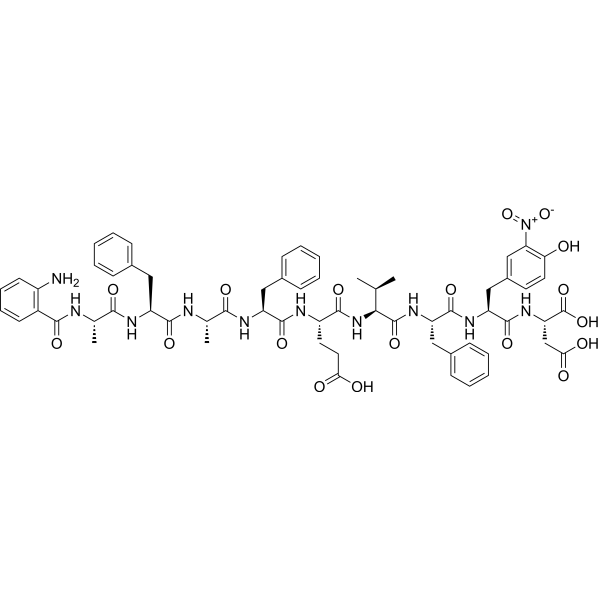
- HY-N6782
-
-

- HY-128554S
-
|
|
Isotope-Labeled Compounds
Parasite
|
Infection
|
|
N-Desethyl amodiaquine-d5 is the deuterium labeled N-Desethyl amodiaquine. N-Desethyl amodiaquine is the major biologically active metabolite of Amodiaquine. N-Desethyl amodiaquine is an antiparasitic agent. IC50 values for strains V1/S and 3D7 are 97 nM and 25 nM, respectively .
|
-
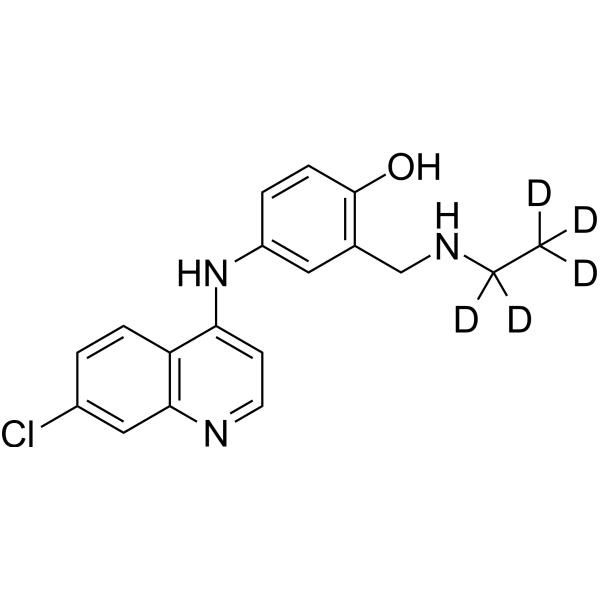
- HY-116006
-
|
PROTAC Linker 36
|
PROTAC Linkers
|
Cancer
|
|
Bis-PEG5-acid (PROTAC Linker 36) is a PROTAC linker, which belongs to a polyethylene glycol (PEG) linker. Bis-PEG5-acid (PROTAC Linker 36) can be used in the synthesis of the CP5V. CP5V is a PROTAC, and specifically degrades Cdc20 .
|
-
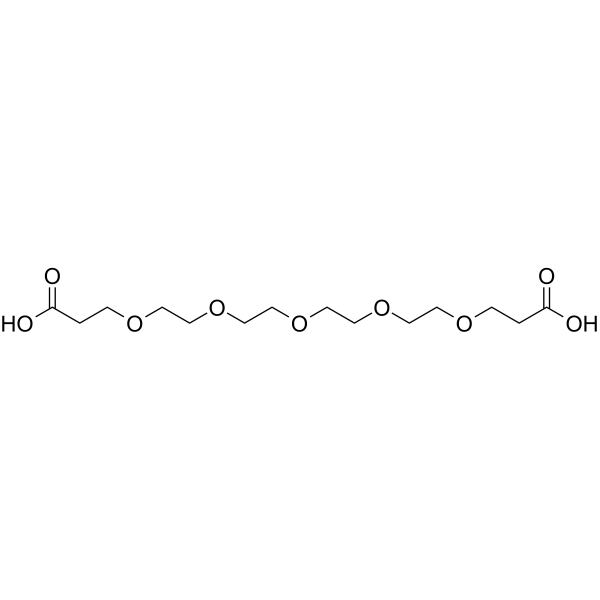
- HY-128554S1
-
|
|
Isotope-Labeled Compounds
Parasite
|
Infection
|
|
N-Desethyl amodiaquine-d5 dihydrochloride is the deuterium labeled N-Desethyl amodiaquine dihydrochloride. N-Desethyl amodiaquine dihydrochloride is the major biologically active metabolite of Amodiaquine. N-Desethyl amodiaquine dihydrochloride is an antiparasitic agent. IC50 values for strains V1/S and 3D7 are 97 nM and 25 nM, respectively .
|
-
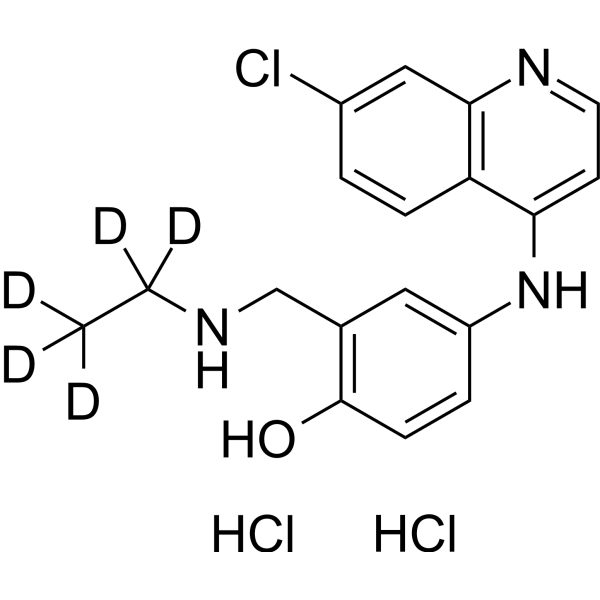
- HY-149645
-
|
|
Cannabinoid Receptor
|
Others
|
|
CB2 receptor antagonist 2 (compound 39) is a potent antagonist of CB2 with an IC50 value of 0.33 μM. CB2 receptor antagonist 2 has strong interactions with L17, W6.48, V6.51, and C7.42 .
|
-
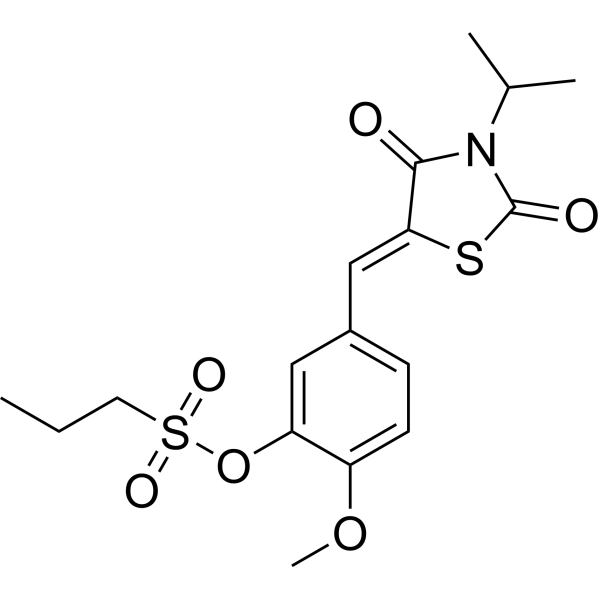
- HY-161157
-
|
|
PROTACs
|
Cancer
|
|
dTAG-13-NEG is a negative control of dTAG-13 (HY-114421). dTAG-13, a PROTAC-based heterobifunctional degrader, is a selective degrader of FKBP12 F36V with expression of FKBP12F36V in-frame with a protein of interest .
|
-

- HY-123095
-
|
JBIR 100
|
Antibiotic
Bacterial
Proton Pump
|
Infection
Inflammation/Immunology
Endocrinology
|
|
TS 155-2 (JBIR 100), an antimicrobial agent, is a Bafilomycin analogue and an antibiotic. TS 155-2 can be isolated from a culture of Streptomyces sp. TS 155-2 inhibits V-ATPase activity. V-ATPase is correlated with an increasing number of diseases such as osteopetrosis, male infertility and renal acidosis .
|
-

- HY-161157A
-
|
|
PROTACs
|
Cancer
|
|
dTAG-13-NEG TFA is a negative control of dTAG-13 (HY-114421). dTAG-13, a PROTAC-based heterobifunctional degrader, is a selective degrader of FKBP12 F36V with expression of FKBP12F36V in-frame with a protein of interest .
|
-
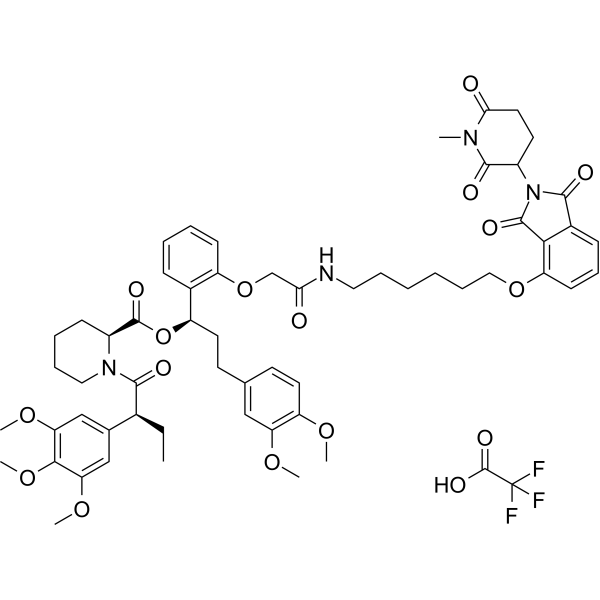
- HY-128554A
-
|
|
Parasite
|
Infection
|
|
N-Desethyl amodiaquine dihydrochloride is the biologically active metabolite of Amodiaquine (HY-B1322A). N-Desethyl amodiaquine dihydrochloride is an antiparasitic agent, has inhibitory for strains V1/S and 3D7 with IC50 values of 97 nM and 25 nM, respectively. N-Desethyl amodiaquine dihydrochloride can be used for the research of malaria .
|
-
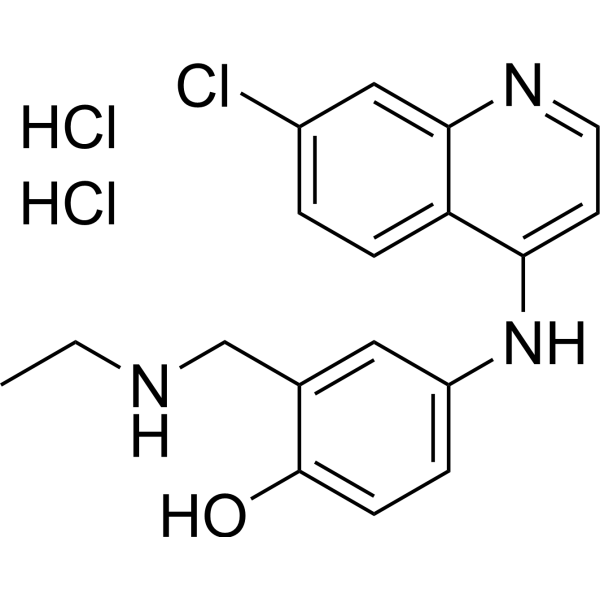
- HY-144211
-
|
|
SOS1
Ras
|
Cancer
|
|
SOS1-IN-7 (compound 18-p1) is a potent SOS1 inhibitor with IC50s of 20 and 67 nM for SOS1-G12D and SOS1-G12V, respectively .
|
-
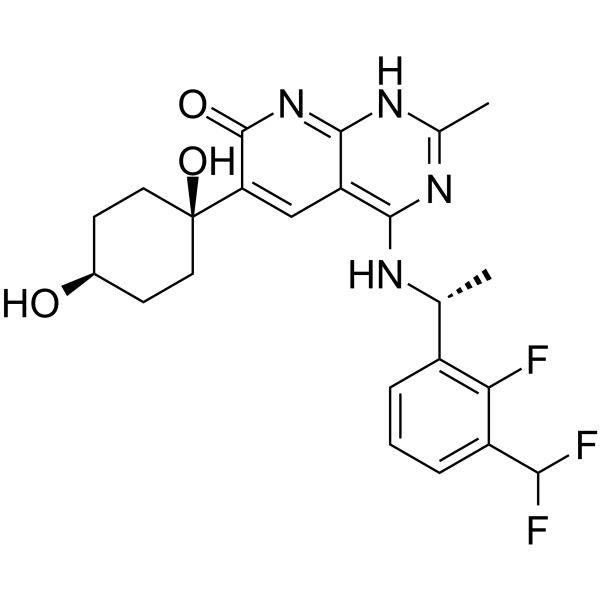
- HY-155084
-
|
|
Fungal
|
Infection
|
|
Antifungal agent 61 (Compound 38) is an antifungal agent. Antifungal agent 61 inhibits V. mali with an EC50 value of 0.50 mg/L. Antifungal agent 61 inhibits V. mali by causing cell deformation and contraction, reducing the number of intracellular mitochondria, thickening the cell wall, and increasing the permeability of the cell membrane .
|
-
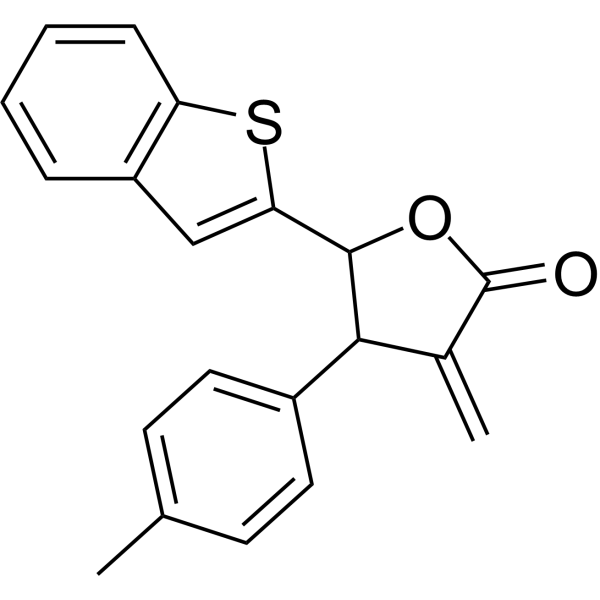
- HY-128554
-
|
|
Parasite
|
Infection
|
|
N-Desethyl amodiaquine is the biologically active metabolite of Amodiaquine (HY-B1322A). N-Desethyl amodiaquine is an antiparasitic agent, has inhibitory for strains V1/S and 3D7 with IC50 values of 97 nM and 25 nM, respectively. N-Desethyl amodiaquine can be used for the research of malaria .
|
-
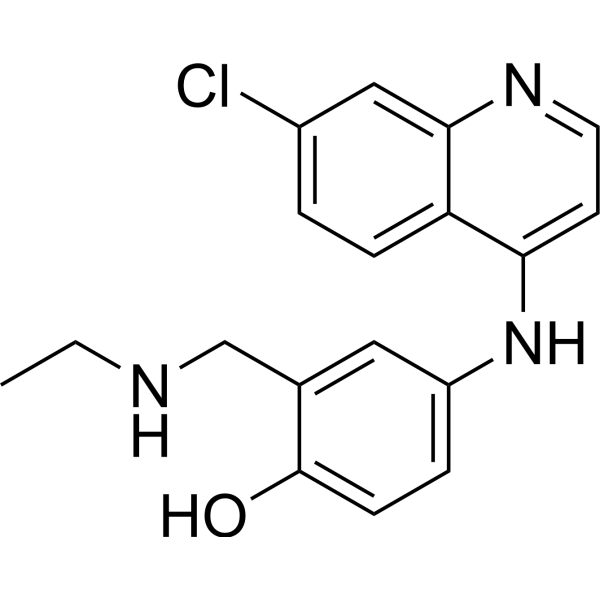
- HY-P1809
-
|
c(Bua-Cpa-Thi-Val-Asn-Cys)-Pro-d-Arg-NEt2
|
Vasopressin Receptor
|
Metabolic Disease
|
|
Velmupressin (c(Bua-Cpa-Thi-Val-Asn-Cys)-Pro-d-Arg-NEt2) is a potent, selective and short-acting peptidic V2 receptor (V2R) agonist with EC50s of 0.07 and 0.02 nM for hV2R and rV2R, respectively .
|
-
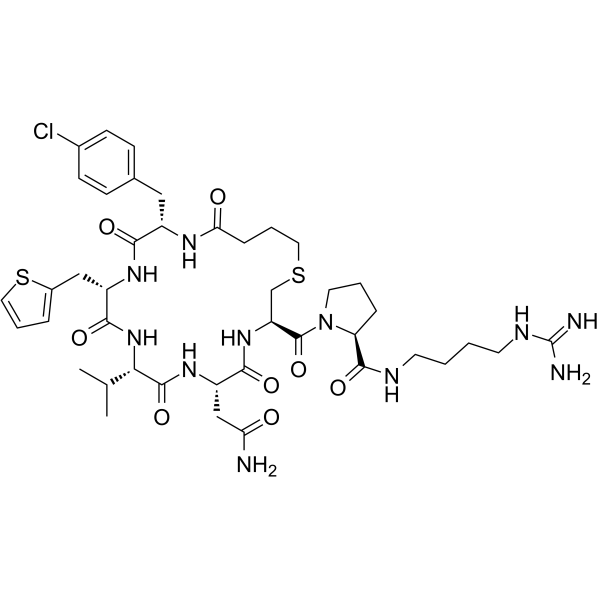
- HY-NP104
-
|
Bovine Amnion Type V collagen, immunization grade
|
MMP
|
Inflammation/Immunology
|
|
Highly purified Type V collagen, from bovine amnion (Bovine Amnion Type V collagen, immunization grade) is an immune grade collagen derived from bovine amnion, which can stimulate the animal's immune system to produce specific antibodies against this collagen. Collagen is also a substrate for hydrolysis by MMPs .
|
-

- HY-144212
-
|
|
SOS1
Ras
|
Cancer
|
|
SOS1-IN-8 is a potent SOS1 inhibitor with IC50s of 11.6 and 40.7 nM for SOS1-G12D and SOS1-G12V, respectively (WO2022017339A1, compound 2) .
|
-
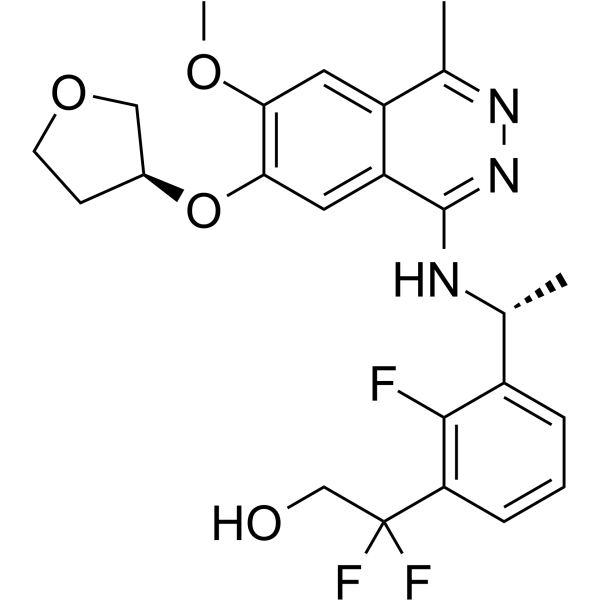
- HY-RI01700
-
|
|
MicroRNA
|
Cancer
|
|
hsa-miR-548v inhibitors are chemically-modified oligonucleotides that hybridize with mature miRNAs. The miRNA inhibitors have full-length nucleotide 2'-methoxy modification. The miRNA inhibitors strongly compete with mature miRNAs to prevent the complementary pairing of miRNAs and their target genes, thereby inhibiting miRNAs from functioning.
|
-
hsa-miR-548v inhibitor
hsa-miR-548v inhibitor
- HY-P1809A
-
|
c(Bua-Cpa-Thi-Val-Asn-Cys)-Pro-d-Arg-NEt2 acetate
|
Vasopressin Receptor
|
Metabolic Disease
|
|
Velmupressin (c(Bua-Cpa-Thi-Val-Asn-Cys)-Pro-d-Arg-NEt2) acetate is a potent, selective and short-acting peptidic V2 receptor (V2R) agonist with EC50s of 0.07 and 0.02 nM for hV2R and rV2R, respectively .
|
-
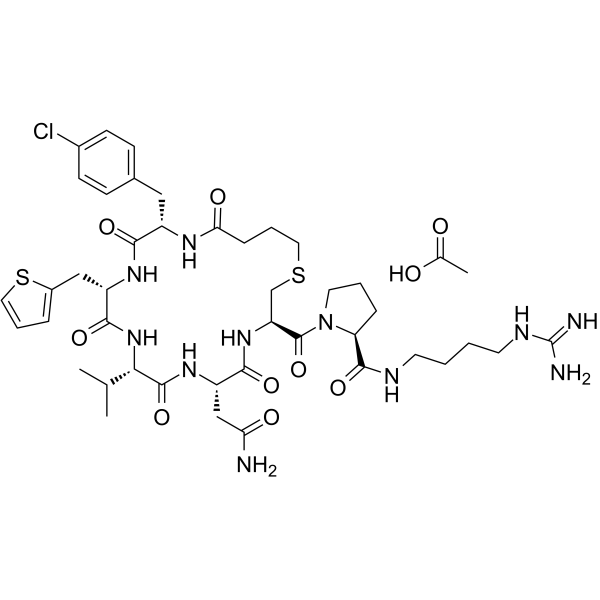
- HY-114434
-
AP1867
4 Publications Verification
|
FKBP
|
Cancer
|
|
AP1867 is a synthetic FKBP12 F36V-directed ligand .
|
-
- HY-18972
-
|
PLX8394; FORE8394
|
Raf
|
Cancer
|
|
PLX8394 is a potent and selective BRaf inhibitor, with an IC50 of appr 5 nM for BRAF V600E.
|
-
- HY-101661
-
-
- HY-N15006
-
|
|
EBV
|
Infection
|
|
14-O-Acetylindolactam V can induce early Epstein-Barr virus antigen .
|
-

- HY-123593R
-
|
OPC-31260 hydrochloride (Standard)
|
Vasopressin Receptor
Reference Standards
|
Cardiovascular Disease
Metabolic Disease
Endocrinology
Cancer
|
|
Mozavaptan (hydrochloride) (Standard) is the analytical standard of Mozavaptan (hydrochloride). This product is intended for research and analytical applications. Mozavaptan hydrochloride (OPC-31260 hydrochloride) is a benzazepine derivative and a potent, selective, competitive and orally active vasopressin V2 receptor antagonist with an IC50 of 14 nM. Mozavaptan hydrochloride shows ~85-fold selectivity for V2 receptor over V1 receptor (IC50 of 1.2 μM), and can antagonize the antidiuretic action of arginine vasopressin (AVP) in vivo. Mozavaptan hydrochloride has the potential for hyponatremia, syndrome of inappropriate antidiuretic hormone (SIADH), and congestive heart failure treatment .
|
-

- HY-149517
-
|
|
EGFR
Raf
Caspase
Bcl-2 Family
Apoptosis
|
Inflammation/Immunology
Cancer
|
|
EGFR/BRAFV600E-IN-2 (compound 3g) is a potential multi-target inhibitor of EGFR, BRAF V600E, and EGFR T790M, and an inducer of apoptosis. EGFR/BRAFV600E-IN-2 can activate caspase-3, 8, and Bax, and downregulate the anti-apoptotic protein Bcl2, inducing apoptosis. EGFR/BRAF V600E-IN-2 also has antioxidant activity and DPPH free radical scavenging potency .
|
-
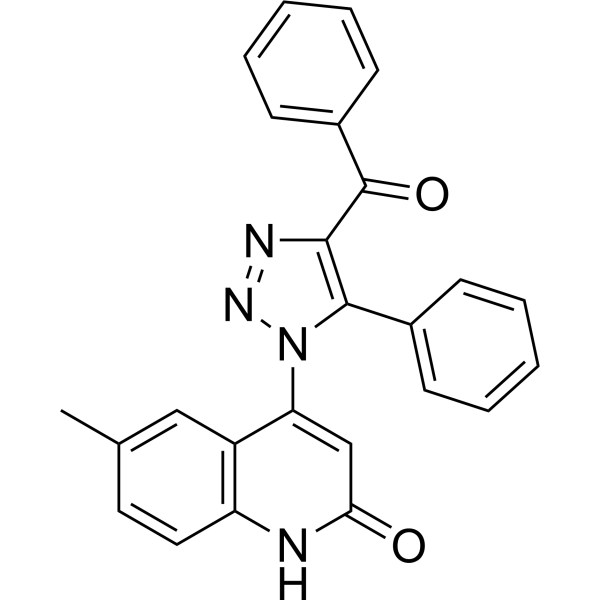
- HY-149434
-
|
|
Androgen Receptor
PROTACs
Apoptosis
|
Cancer
|
|
PROTAC AR-NTD antagonist 1 (compound 18) is a small molecule protein-targeting chimera (PROTACs) targeting the Androgen Receptor AR-V7. PROTAC AR-NTD antagonist 1 antagonizes the N-terminal domain of AR (AR-NTD), degrades AR-V7 protein, and induces apoptosis in prostate cancer (PC) cells. The efficiencies of PROTAC AR-NTD antagonist 1 in degrading AR-V7 in VCaP cells were 62.2% (1 μM) and 71.1% (5 μM), respectively .
|
-
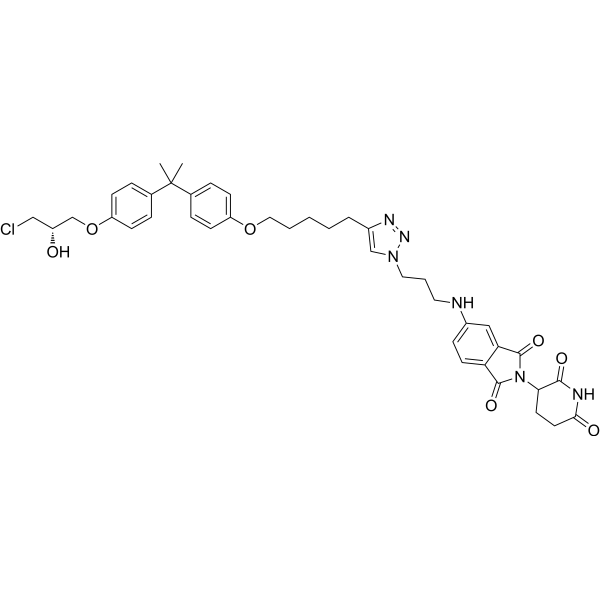
- HY-18346R
-
|
OPC-31260 (Standard)
|
Vasopressin Receptor
Reference Standards
|
Cardiovascular Disease
Metabolic Disease
Endocrinology
Cancer
|
|
Mozavaptan (Standard) is the analytical standard of Mozavaptan. This product is intended for research and analytical applications. Mozavaptan (OPC-31260) is a benzazepine derivative and a potent, selective, competitive and orally active vasopressin V2 receptor antagonist with an IC50 of 14 nM. Mozavaptan shows ~85-fold selectivity for V2 receptor over V1 receptor (IC50 of 1.2 μM), and can antagonize the antidiuretic action of arginine vasopressin (AVP) in vivo. Mozavaptan has the potential for hyponatremia, syndrome of inappropriate antidiuretic hormone (SIADH), and congestive heart failure treatment .
|
-

- HY-P10947
-
|
|
Epigenetic Reader Domain
YAP
|
Cancer
|
|
MACTIDE-V is an orally active and selective peptide-drug conjugate targeting CD206. MACTIDE-V delivers Verteporfin (HY-B0146) to CD206 + tumor-associated macrophages (TAM) to inhibit the YAP/TAZ signaling pathway, prompting YAP exclusion from the nucleus, inducing TAM polarization toward an anti-tumoral phenotype with enhanced phagocytosis and antigen presentation, and boosting T cell infiltration and NK cell activity. MACTIDE-V suppresses primary tumor growth and lung metastasis in triple-negative breast cancer (TNBC) mouse models .
|
-

- HY-149880
-
|
|
c-Met/HGFR
|
Cancer
|
|
c-Met-IN-18 is ATP competitive type-III c-MET inhibitor of WT and D1228V mutant c-MET. c-Met-IN-18 has inhibitory for WT/D1228V with an IC50 value of 0.013/0.20 e.c-Met-IN-18 can be used for the research of c-MET driven cancers . c-Met-IN-18 is a click chemistry reagent, it contains an Alkyne group and can undergo copper-catalyzed azide-alkyne cycloaddition (CuAAc) with molecules containing Azide groups.
|
-
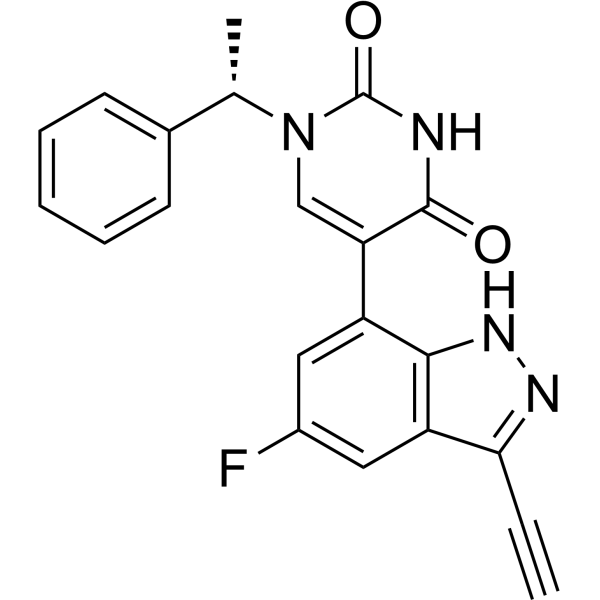
- HY-147098
-
dTAG-47
1 Publications Verification
|
PROTACs
FKBP
|
Cancer
|
|
dTAG-47 is a FKBP12F36V PROTAC degrader. dTAG-47 efficiently degrades FKBP12F36V-MELK(sg3R) in MELK ⁻/⁻ MDA-MB-468-FKBP12F36V-MELK(sg3R) cells. dTAG-47 can be used for the research of basal-like breast cancers (BBC). (Pink: FKBP12F36V ligand (HY-114420), Blue: CRBN Ligand (HY-W087383), Black: Linker (HY-42773), E3 ligase ligand-linker conjugate (HY-175952)) .
|
-
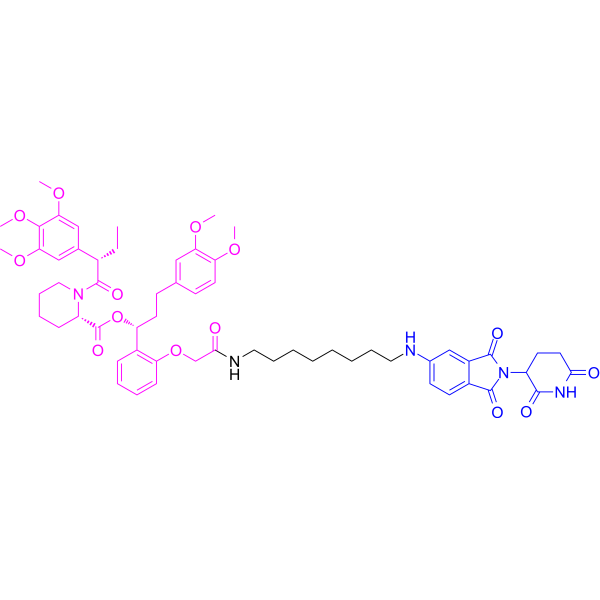
- HY-162403
-
|
|
Reactive Oxygen Species (ROS)
|
Infection
|
|
Antiviral agent 53 (Compound (S)-4v) is an antiviral agent that can inhibit the activity of Potato virus Y (PVY) and exhibit excellent curative and protective effects against PVY with EC50 values of 328.6 and 256.1 μg/mL, respectively. Antiviral agent 53 can be used in the research and development of novel pesticides .
|
-
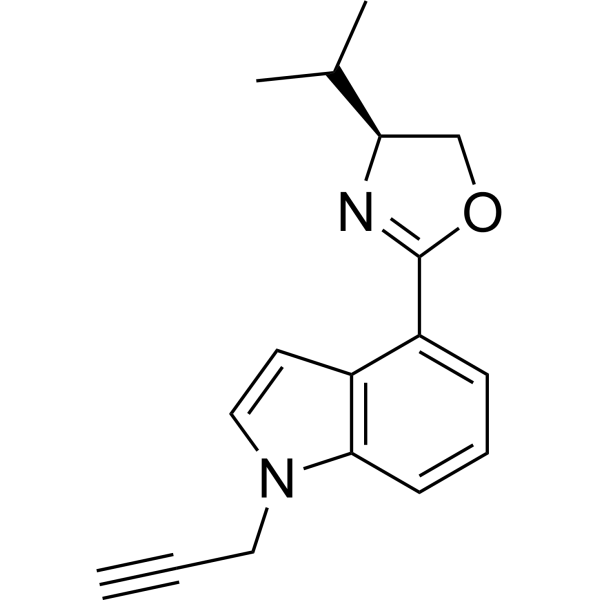
- HY-168461
-
|
|
Bacterial
|
Infection
|
|
AK-968-11563024 is an inhibitor of marine V. vulnificus NAT [ (VIBVN)NAT] with an IC50 of 18.86 µM. NATs (Arylamine N-acetyltransferases) in marine V. vulnificus plays a role in drug metabolism, contributing to the development of drug resistance. Therefore, AK-968-11563024 can be utilized in research related to drug resistance .
|
-

- HY-183672
-
|
|
c-Met/HGFR
|
Cancer
|
|
c-Met-IN-28 is a type III allosteric inhibitor of c-MET, with pKi values of 7.4 (WT) and 7.1 (D1228V), and IC50 values of 37 nM (WT) and 72 nM (D1228V) against human c-MET. c-Met-IN-28 can be used for research on c-MET-driven cancers .
|
-

- HY-P992152
-
|
|
Factor VIIa
Drug Derivative
|
Cardiovascular Disease
|
|
Vatreptacog alfa is a recombinant hFVIIa analog, differing from native FVIIa by three amino acid substitutions (V158D, E296V and M298Q) in the protease domain. Vatreptacog alfa exhibits enhanced tissue factor-independent enzymatic activity toward activated platelets. Vatreptacog alfa can be used in the research of hemophilia .
|
-

- HY-168105
-
|
|
RET
|
Cancer
|
|
RET-IN-27 (compound 20p) is a potent inhibitor of RET, with IC50s of 3.6 nM, 0.1 nM, 2.1 nM, 0.3 nM for RET WT, RET V804L, RET V804M, RET M918T, respectively. RET-IN-27 plays an important role in cancer research .
|
-

- HY-144210
-
|
|
SOS1
Ras
|
Cancer
|
|
SOS1-IN-6 (compound 33-P1) is a potent SOS1 inhibitor with IC50s of 14.9 and 73.3 nM for SOS1-G12D and SOS1-G12V, respectively .
|
-
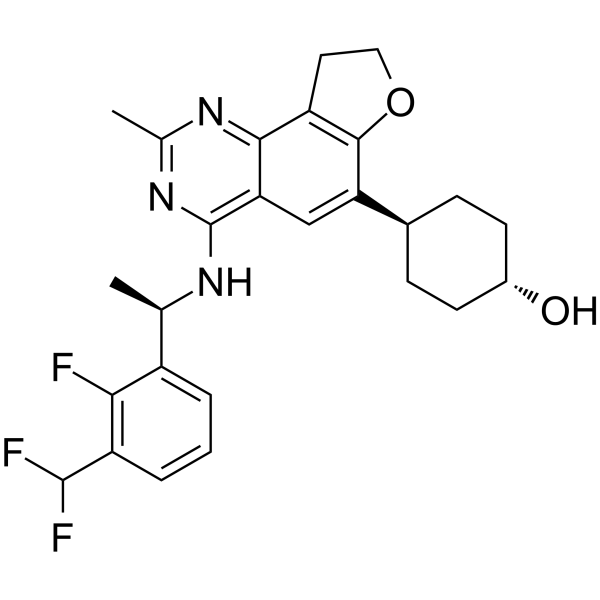
- HY-112605
-
|
|
Phospholipase
|
Cardiovascular Disease
|
|
sPLA2-X Inhibitor 31 is a selective secreted phospholipase A2 type X (sPLA2-X) inhibitor with IC50s of 26 nM, 310 nM, and 2230 nM for sPLA2-X, sPLA2-IIa, and sPLA2-V, respectively .
|
-
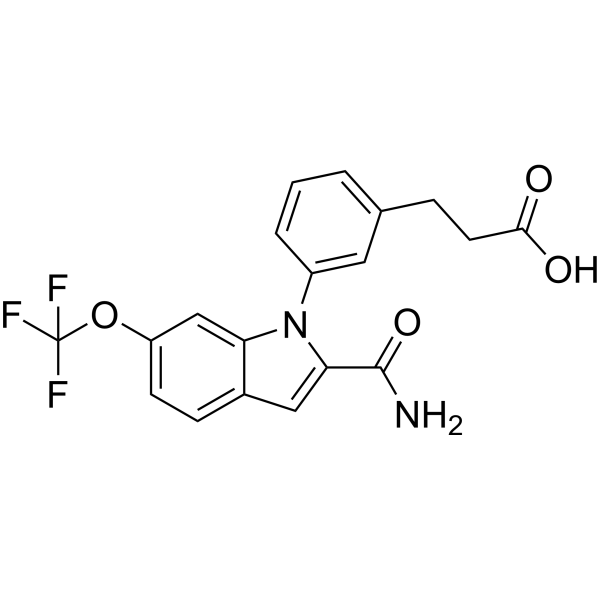
- HY-N4295
-
|
|
Others
|
Neurological Disease
|
|
Bacopaside V is a bioactive triterpenoid glycoside of Bacopa monniera, a herb having confirmed nervine tonic activity .
|
-
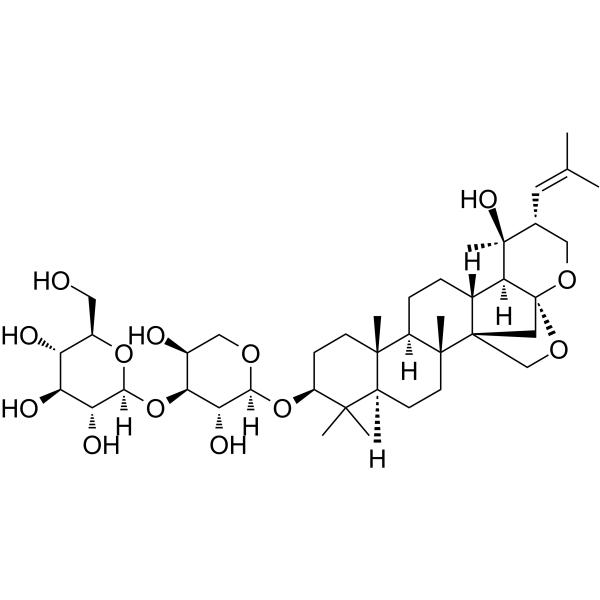
- HY-N8005
-
|
|
Others
|
Others
|
|
11-Dehydroxyisomogroside V is a Triterpenoids product that can be isolated from the fruits of Siraitia grosvenorii Swingle .
|
-

- HY-120374
-
-

- HY-14445
-
|
COX-2 Inhibitor V
|
COX
|
Inflammation/Immunology
|
|
FK 3311 (COX-2 Inhibitor V) is a selective inhibitor of COX-2 with antiinflammatory agent.
|
-
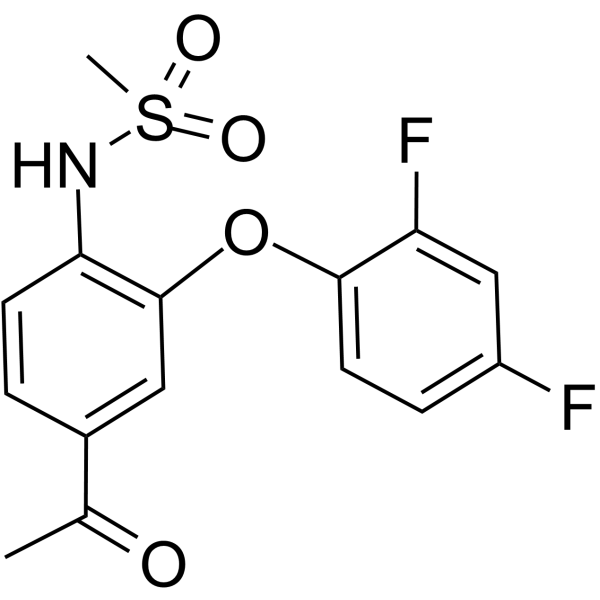
- HY-164365
-
|
|
PROTACs
Ras
|
Cancer
|
|
PROTAC K-Ras degrader-2 (compound 48) is a KRAS G12V PROTAC degrader with an IC50 of 20-200 nM for KRAS G12V/RAF1. PROTAC K-Ras degrader-2 degrades SW620 KRAS G12V with a DC50 of 1-10 nM. PROTAC K-Ras degrader-2 inhibits cell growth of SW620 3D cell with an IC50 of ≤10 nM. PROTAC K-Ras degrader-2 can be used for the study of colorectal cancer (CRC) .
|
-

- HY-143873
-
|
|
Bcl-2 Family
|
Cancer
|
|
Bcl-2-IN-5 is a BCL-2 inhibitor with IC50s of 0.12 nM, 0.14 nM and 0.22 nM for Bcl-2 wild type, Bcl-2 D103Y and Bcl-2 G101V, respectively. Bcl-2-IN-5 inhibits the cell growth with IC50 values of 0.2 nM and 0.44 nM for Bcl 2-G101V knock-in RS4; 11 and RS4; 11 cells, respectively (WO2021208963A1; Example 155) .
|
-
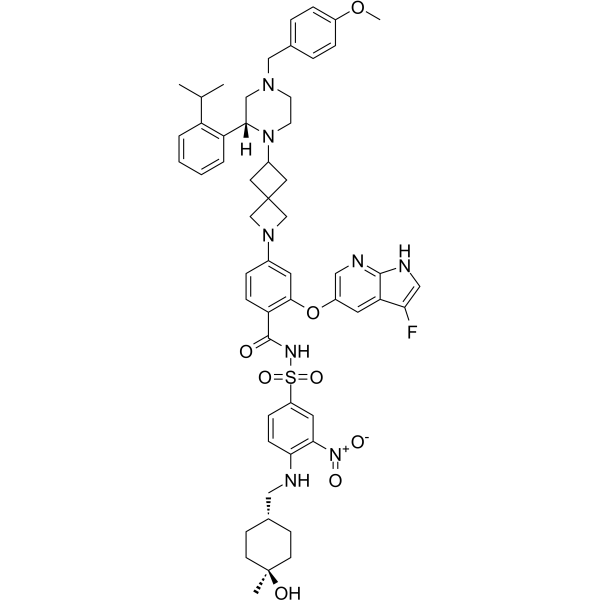
- HY-18346S
-
|
OPC-31260-d6
|
Isotope-Labeled Compounds
Vasopressin Receptor
|
Metabolic Disease
Endocrinology
Cancer
|
|
Mozavaptan-d6 (OPC-31260-d6) is the deuterium labeled Mozavaptan. Mozavaptan (OPC-31260) is a benzazepine derivative and a potent, selective, competitive and orally active vasopressin V2 receptor antagonist with an IC50 of 14 nM. Mozavaptan shows ~85-fold selectivity for V2 receptor over V1 receptor (IC50 of 1.2 μM), and can antagonize the antidiuretic action of arginine vasopressin (AVP) in vivo. Mozavaptan has the potential for hyponatremia, syndrome of inappropriate antidiuretic hormone (SIADH), and congestive heart failure treatment .
|
-

- HY-10066
-
|
SSR-149415
|
Vasopressin Receptor
|
Cardiovascular Disease
Neurological Disease
|
|
Nelivaptan (SSR-149415) is a selective and orally active vasopressin V1b receptor antagonist (Ki: 3.7 and 1.3 nM for native and recombinant rat V1b receptors, respectively). Nelivaptan inhibits arginine vasopressin (AVP)-induced Ca 2+ increase and corticotropin secretion. Nelivaptan can be used for research of stress, anxiety and depression .
|
-
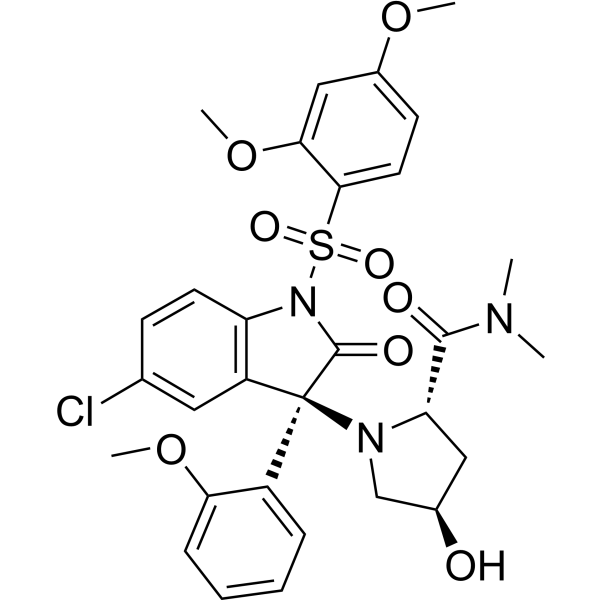
- HY-173626
-
|
|
Androgen Receptor
|
Cancer
|
|
EN1441 is a covalent degrader targeting the androgen receptor (AR) with an EC50 value of 4.2 μM and its truncated variant AR-V7. EN1441 selectively and potently degrades both AR and AR-V7 in androgen-independent prostate cancer cells. EN1441 is promising for research of androgen-independent prostate cancers .
|
-

- HY-P99711
-
|
RB4v1.2
|
CD19
ADC Antibody
|
Cancer
|
|
Loncastuximab (RB4v1.2) is an anti-CD19 monoclonal antibody. Loncastuximab has antitumor activity and can be used in the research of Non-Hodgkin Lymphoma (NHL) and Diffuse Large B-cell Lymphoma (DLBCL). Loncastuximab is capable of synthesizing the ADC molecule Loncastuximab tesirine (HY-P99349) .
|
-

- HY-12847
-
|
|
Raf
Src
Apoptosis
|
Cancer
|
|
CCT241161 is an orally active pan-RAF inhibitor with IC50s of 3, 6, 10, 15 and 30 nM for LCK, CRAF, SRC, V600E-BRAF and BRAF, respectively. CCT241161 shows good activity to in BRAF and NRAS mutant melanomas. CCT241161 also exhibits anticancer cell proliferative activity .
|
-
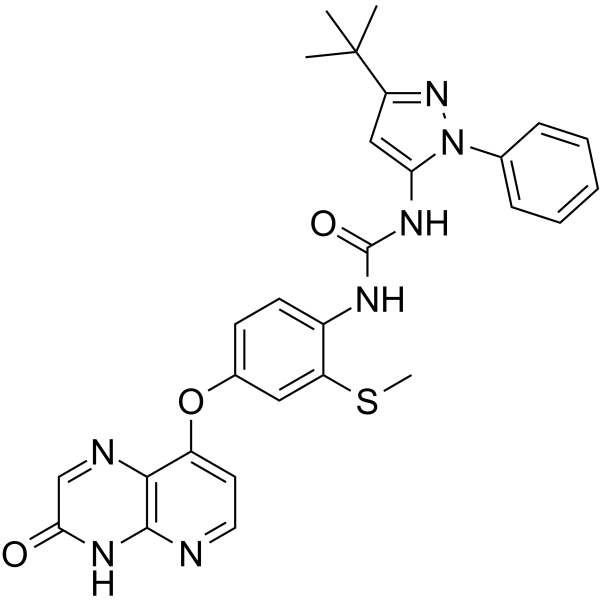
- HY-P5554
-
|
|
Bacterial
|
Infection
|
|
cOB1 phermone, a bacterial sex pheromone, effectively inhibits multidrug-resistant Enterococcus faecalis V583 .
|
-
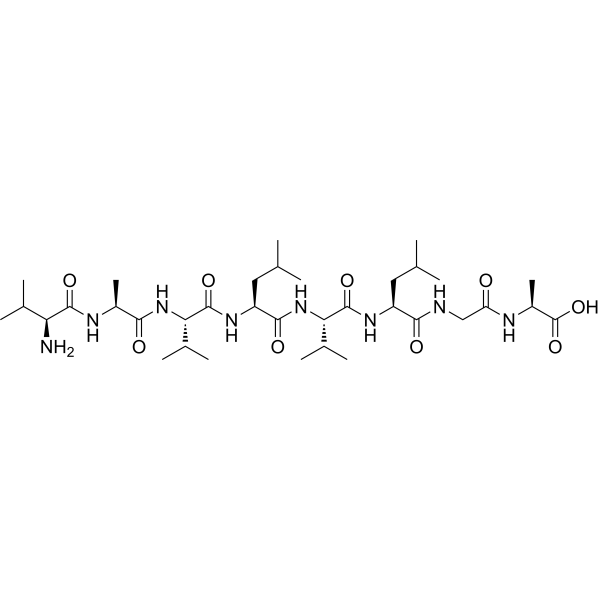
- HY-180142
-
|
|
Vasopressin Receptor
|
Endocrinology
|
|
XYDC2050 (Compound 29) is a selective vasopressin V2 receptor (V2R) antagonist with an IC50 of 27 nM and a Ki of 2.8 nM. XYDC2050 shows a Ki of 420.7 nM (SI = 162 fold) for V1R. XYDC2050 can inhibit Vasopressin (HY-B1811)-induced intracellular cyclic adenosine monophosphate (cAMP) accumulation with an IC50 of 12 nM. XYDC2050 can inhibit the growth of renal cysts, reduce the ratio of kidney weight to body weight and decrease the area of cysts and the cystic index. XYDC2050 can be used for the research of autosomal dominant polycystic kidney disease (ADPKD) .
|
-

- HY-180329
-
|
|
Ligands for E3 Ligase
ERK
Raf
|
|
|
CG 858-Neg (compound 13) is a negative control for Thalidomide (HY-14658)-derived PROTAC degraders, targeting BRAF and BRAF V600E with Ki values of 9.5 nM and 14.4 nM, respectively. CG 858-Neg inhibits downstream ERK phosphorylation and suppresses BRAF V600E-driven melanoma (e.g., A375 cells, IC50=492 nM) and colorectal cancer (e.g., HT-29 cells, IC50=459 nM) cells. CG 858-Neg can be used in research related to melanoma and colorectal cancer .
|
-

- HY-112301
-
|
BLU-667
|
RET
|
Cancer
|
|
Pralsetinib (BLU-667) is a highly potent, selective RET inhibitor. Pralsetinib (BLU-667) inhibits WT RET, RET mutants V804L, V804M, M918T and CCDC6-RET fusion with IC50s of 0.4, 0.3, 0.4, 0.4, and 0.4 nM, respectively .
|
-
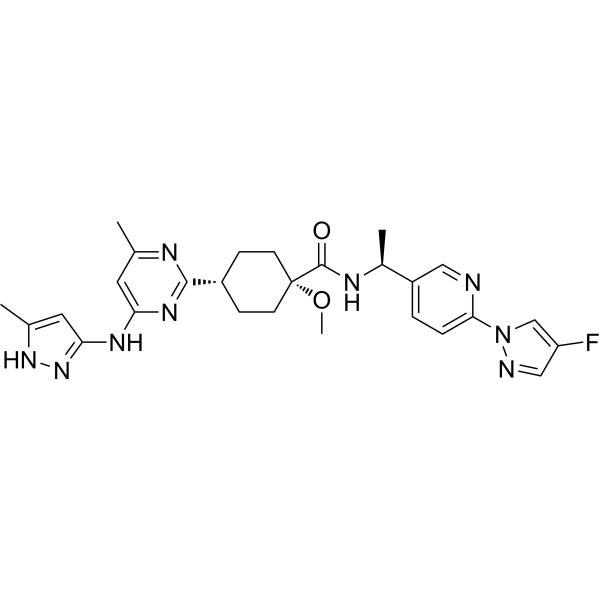
- HY-N0025
-
|
|
Reactive Oxygen Species (ROS)
Apoptosis
|
Metabolic Disease
|
|
Jionoside D is a hydroxycinnamic acid ester with antioxidant property. Jionoside D has scavenging activity of intracellular reactive oxygen species (ROS) and of DPPH radical, and lipid peroxidation inhibitory activity. Jionoside D reduces the apoptotic cells induced by H2O2 in V79-4 cells. Jionoside D increases the activities of cellular antioxidant enzymes, SOD and catalase .
|
-
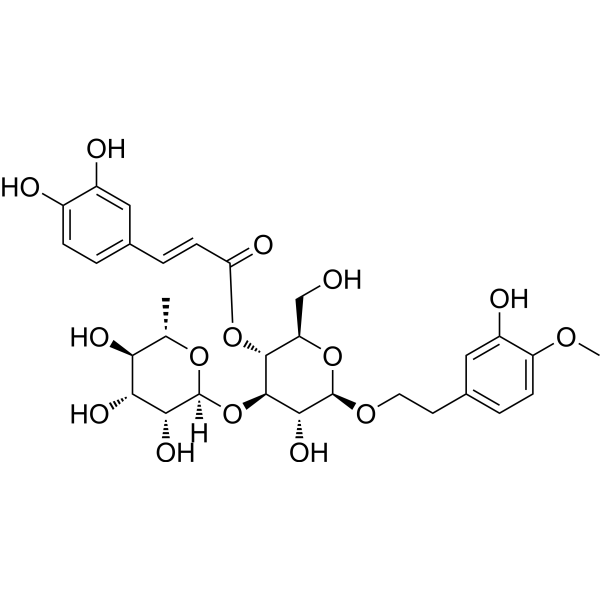
- HY-175167
-
|
|
STING
IFNAR
|
Inflammation/Immunology
|
|
diABZI-i is an orthogonal STING inhibitor. diABZI-i significantly inhibits cGAMP-induced IFNβ in PBMCs. diABZI-i also activates constitutive signaling of V155M SAVI and exerts potent agonistic effects in the STING V155M THP-1 cell model. diABZI-i can be used for research on monogenic autoinflammatory diseases such as SAVI .
|
-

- HY-112400
-
|
BIM V
|
Ribosomal S6 Kinase (RSK)
|
Cancer
|
|
Bisindolylmaleimide V is a cell-permeable negative control for protein kinase C inhibition studies with an IC50 value over 100 µM . Bisindolylmaleimide V blocks the activation of mitogen-stimulated protein kinase p70 s6k/p85 s6k (S6K) in vivo with an IC50 of 8 µM .
|
-
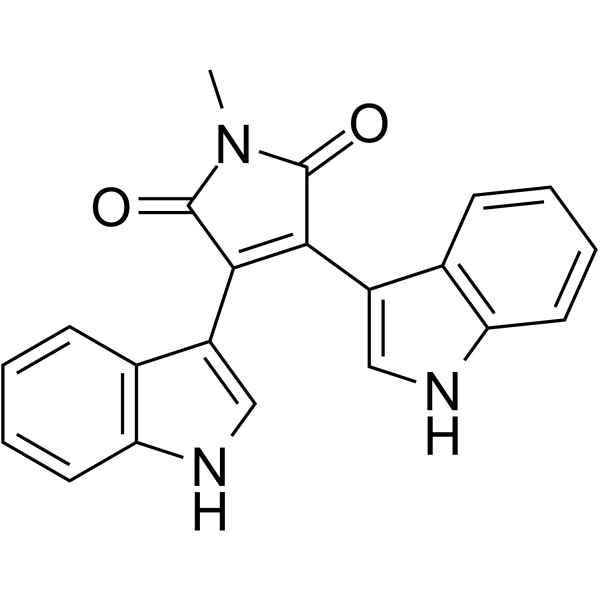
- HY-107931R
-
|
β-propiolactone (Standard); 2-Oxetanone (Standard); Betaprone (Standard)
|
SARS-CoV
Reference Standards
|
Infection
|
|
Propiolactone (Standard) is the analytical standard of Propiolactone. This product is intended for research and analytical applications. Propiolactone (β-propiolactone; 2-Oxetanone) is a viral chemical inactivator that causes the infectious inactivation of viruses. Propiolactone was co-incubated with SARS-CoV at a ratio of 1:1000 (v:v) and used as a bacteriostatic agent to formulate the BPL-inactivated influenza virus vaccine (Flu-BPL) .
|
-

- HY-116567A
-
|
|
Endogenous Metabolite
|
Endocrinology
|
|
(S)-OPC-51803 is an agonist of the vasopressin V2 receptor, with activity in suppressing nocturia and urinary incontinence. (S)-OPC-51803 was evaluated in terms of biological activity and showed a stronger V2 receptor agonist effect compared to its (R)-isomer. The use of (S)-OPC-51803 may improve the patient's ability to control nocturnal polyuria .
|
-

- HY-51424
-
|
|
Raf
|
Cancer
|
|
PLX-4720 is a potent and selective inhibitor of B-Raf V600E with IC50 of 13 nM in a cell-free assay, equally potent to c-Raf-1(Y340D and Y341D mutations), and 10-fold selectivity for B-Raf V600E than wild-type B-Raf.
|
-
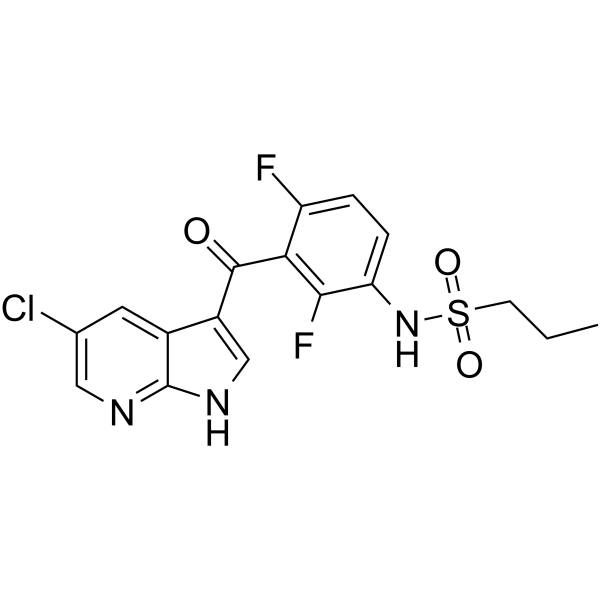
- HY-W796158
-
-
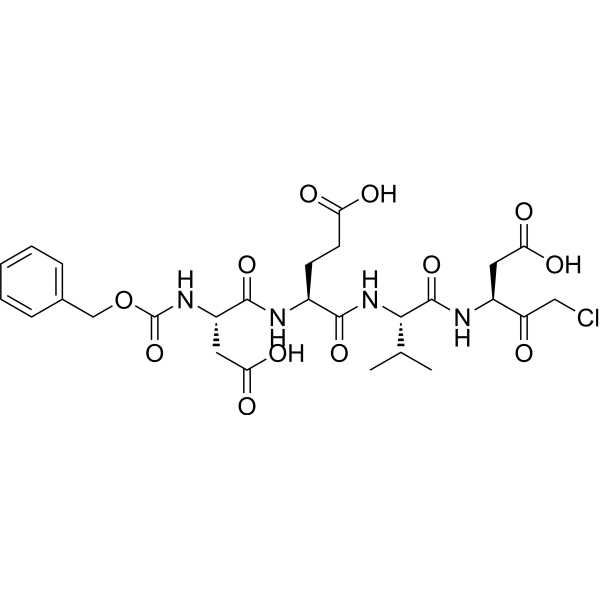
- HY-126715
-
-

- HY-15009
-
-
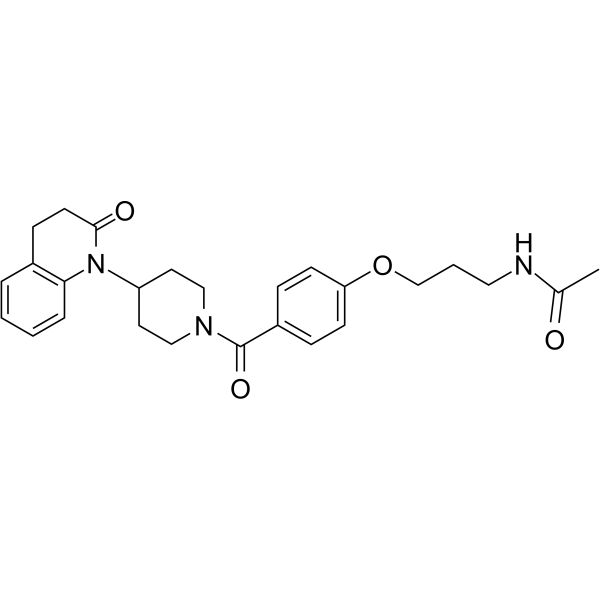
- HY-114165
-
-
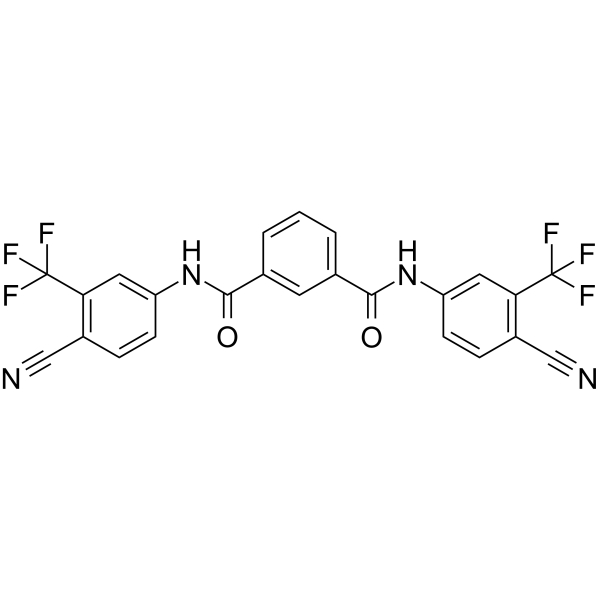
- HY-114840
-
|
|
Ras
|
Cancer
|
|
L 731734 is a prodrug of L-731735 (HY-129273), and inhibits Ras processing in cells transformed with v-ras .
|
-

- HY-153888
-
|
|
Others
|
Others
|
|
M351-110 is a T-cell activating V-domain immunoglobulin inhibitory factor agonist for cancer research .
|
-
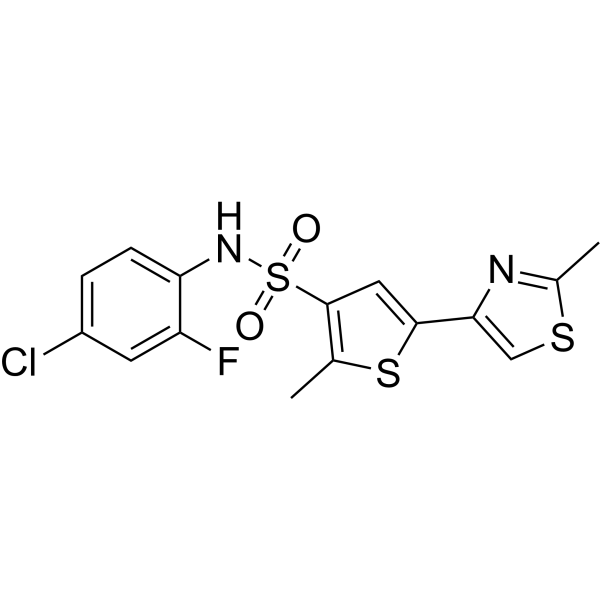
- HY-145226
-
|
|
PROTACs
Epigenetic Reader Domain
|
Cancer
|
|
XY-06-007 is a selective and potent bump-and-hole (B&H)-PROTAC BRD4BD1L94V degrader. XY-06-007 shows a DC50, 6 h of 10 nM against BRD4BD1L94V with no degradation of off-targets. XY-06-007 demonstrates suitable pharmacokinetics for in vivo studies .
|
-
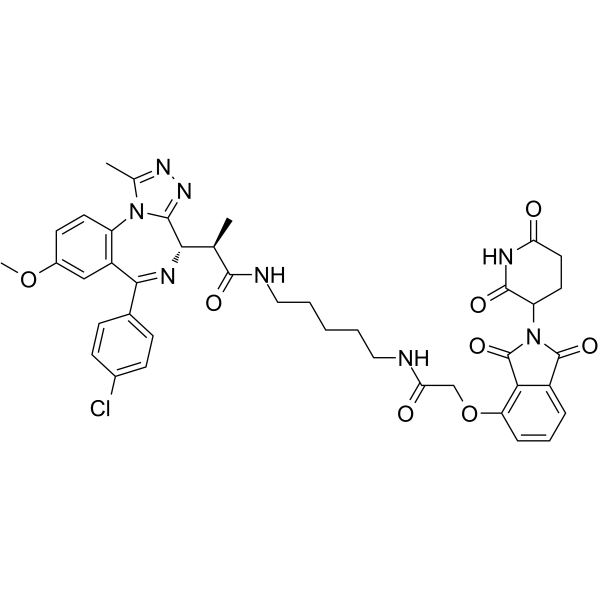
- HY-77113
-
|
|
Raf
|
Cancer
|
|
B-Raf IN 11 is a B-Raf V600E mutant kinase inhibitor with an IC50 of 76 nM, and exhibits an IC50 of 238 nM against wild-type B-Raf kinase. B-Raf IN 11 inhibits the kinase activities of B-Raf V600E mutant and wild-type B-Raf kinase. B-Raf IN 11 is applicable to relevant research on colorectal cancer .
|
-
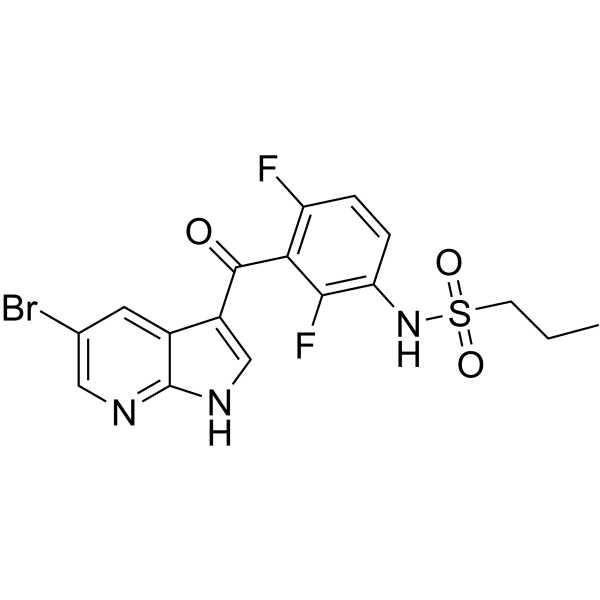
- HY-106017
-
|
|
Potassium Channel
Sodium Channel
|
Neurological Disease
|
|
Nerispirdine is an ion channel inhibitor with IC50s of 3.6, 3.7 and 11.9 μM against K(v)1.1, K(v)1.2 and voltage-dependent Na(+) channel, respectively. Nerispirdine is a 4-aminopyridine (4-AP, HY-B0604) derivative and can be utilized in research on neurological disorders .
|
-

- HY-144715
-
|
|
HIV
|
Infection
|
|
HIV-1 inhibitor-18 (compound V-25i) is a potent HIV-1 capsid inhibitor with an EC50 value of 2.57 μM for HIV-1 NL4-3. HIV-1 inhibitor-18 has certain cytotoxicity (MT-4 cells CC50 >8.55) .
|
-
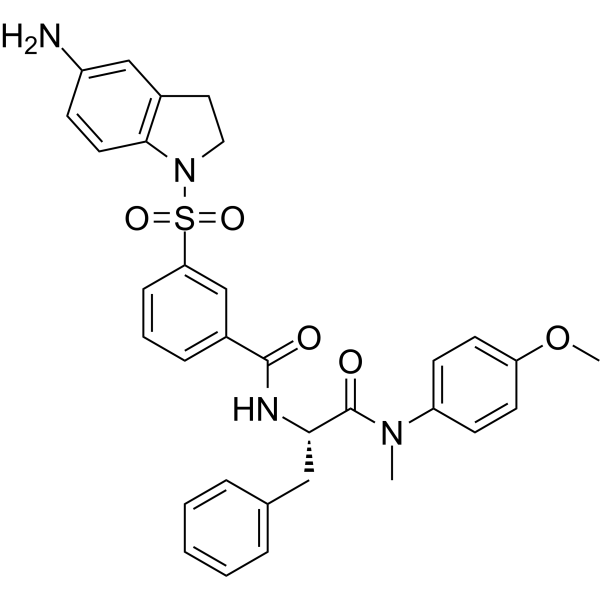
- HY-161409
-
|
|
Androgen Receptor
Apoptosis
|
Cancer
|
|
SC912 is an AR-V7 inhibitor (IC50 = 0.36 μM). SC912 possesses safety, potency and selectivity. SC912 binds directly to AR-FL and AR-V7 proteins, inhibites nuclear localization and chromatin binding capabilities. SC912 exerts anticancer activity through inhibition of proliferation, induction of cell cycle arrest and apoptosis .
|
-
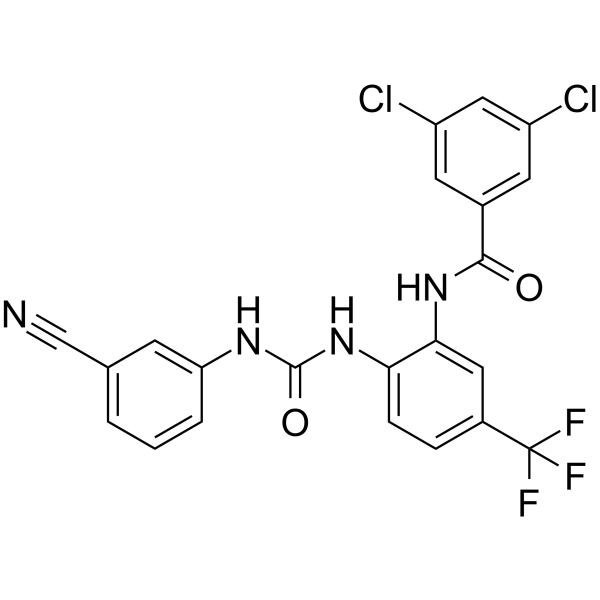
- HY-147311
-
-
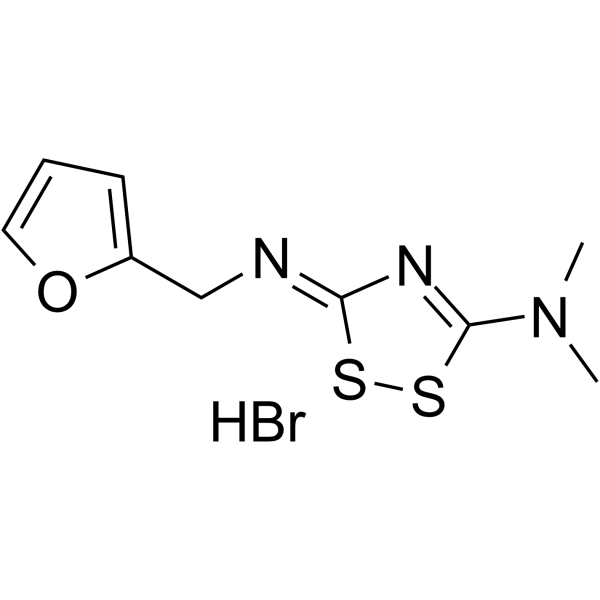
- HY-18345
-
-
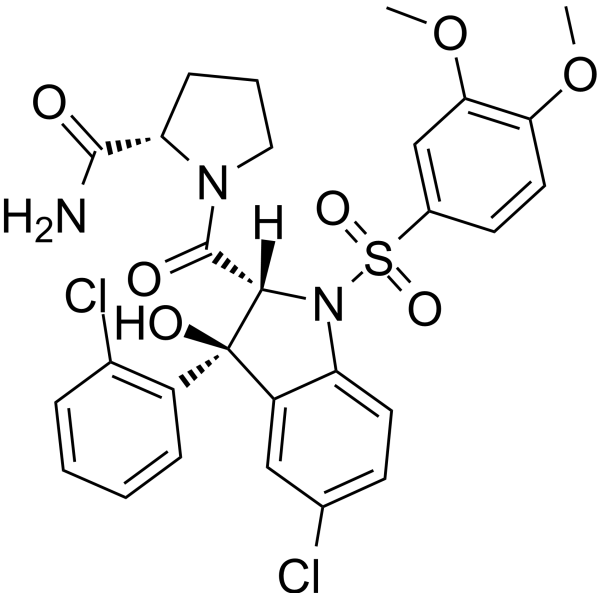
- HY-E70368
-
|
|
Biochemical Assay Reagents
|
Others
|
|
Collagenase G Recombinant is involved in the islet isolation process, and digests specific collagens from the N-terminus, especially Col-V .
|
-

- HY-15200
-
|
CEP-32496; RXDX-105
|
Raf
|
Cancer
|
|
Agerafenib (CEP-32496; RXDX-105) is a highly potent and orally efficacious inhibitor of BRAF V600E with a Kd of 14 nM.
|
-
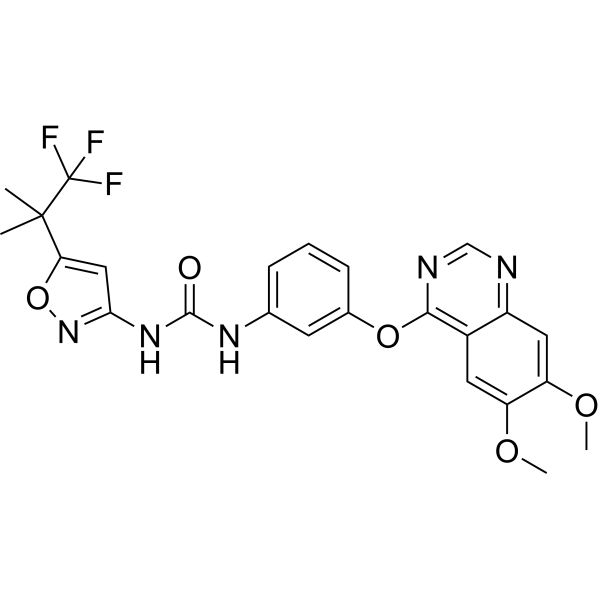
- HY-P5626
-
|
|
Bacterial
|
Infection
|
|
Seabream hepcidin is an antimicrobial peptide with anti-bacterial (V.anguillarum), fungal (S.cerevisiae) and viral hemorrhagic septicemia virus activity .
|
-
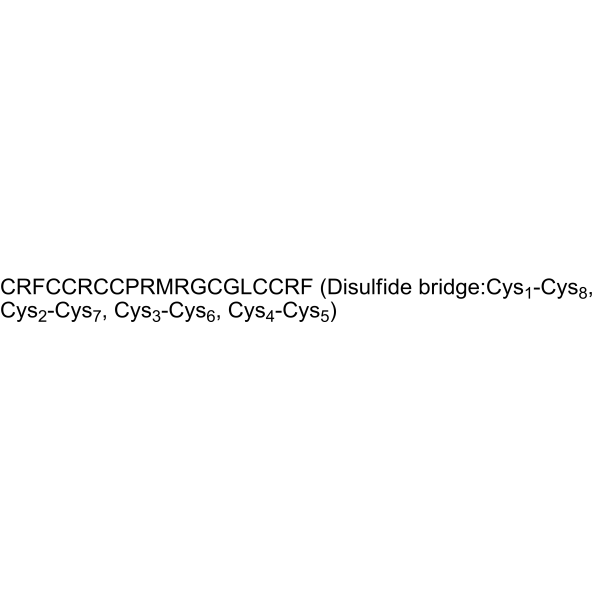
- HY-161680
-
-

- HY-170911
-
|
|
PDGFR
|
Cancer
|
|
KIT/PDGFRA-IN-1 (compound 19) is a stem cell growth factor receptor (KIT) and platelet-derived growth factor receptor alpha (PDGFRA) inhibitor. KIT/PDGFRA-IN-1 inhibits KIT-wt, KIT-D816H, KIT-T670I, PDGFRA-wt, PDGFRA-D842V, PDGFRA-T674I and PDGFRA-G680R with IC50s of 2.3, 12, 492, 0.8, 99.9, 42.3, and 4.3 μM, respectively. KIT/PDGFRA-IN-1 inhibits GIST-T1, T1-a-D842V and GIST-48B cells (PDGFR- and KIT-Mutant GIST cell Lines) with GR50s of 12, 8900, ≥10 000 nM, respectively .
|
-

- HY-182763
-
|
|
EGFR
Raf
Caspase
Apoptosis
Bcl-2 Family
|
Cancer
|
|
EGFR/BRAFV600E-IN-7 is a dual EGFR and BRAF V600E kinase inhibitor with human IC50 values of 0.12 μM, 0.80 μM, 1.20 μM for EGFR and 0.05 μM, 0.22 μM, 0.78 μM for BRAF V600E.EGFR/BRAFV600E-IN-7 interacts with key ATP-binding site residues of EGFR and BRAF V600E, including hydrogen bonding with EGFR Met769 and BRAF V600E Cys532.EGFR/BRAFV600E-IN-7 induces apoptosis via caspase-3/8/9 activation, modulates Bax and Bcl-2 expression, scavenges free radicals, and exhibits antiproliferative activity against human cancer cell lines.EGFR/BRAFV600E-IN-7 displays drug-likeness with no PAINS/Brenk structural alerts per in silico predictions.EGFR/BRAFV600E-IN-7 can be used for the research of colon cancer, pancreatic cancer, lung cancer, breast cancer .
|
-

- HY-178043
-
|
|
Epigenetic Reader Domain
|
Others
|
|
BTR2038 is a BRD9 degrader. BTR2038 consistis of a BRD9 bromodomain ligand (Bl-7273 analoag), a linker and BTR2000 (HY-172563). BTR2038 induces targeted degradation of V5-tagged human BRD9. BTR2038 can be used for the study of biological processes and diseases associated with abnormal BRD9 protein function .
|
-

- HY-186028
-
|
|
Olfactory Receptor
|
Metabolic Disease
|
|
HOR1-C59 is a highly selective Or5v1/Olfr110 agonist with an EC50 of 7.12 nM. HOR1-C59 can improve glucose homeostasis, alleviate obesity and insulin resistance. HOR1-C59 is applicable for obesity-related research .
|
-

- HY-144271
-
|
|
Raf
|
Cancer
|
|
RAF-IN-1 is a potent b/cRAF inhibitor with an IC50s of 3.8 nM, 36 nM, 29.4 nM for cRAF, bRAF wt, and bRAF V600E. RAF-IN-1 shows cell growth inhibition with GI50s of 3.4 and 2.9 nM for H358 and A375 cell line bearing bRAF V600E mutation, respectively .
|
-
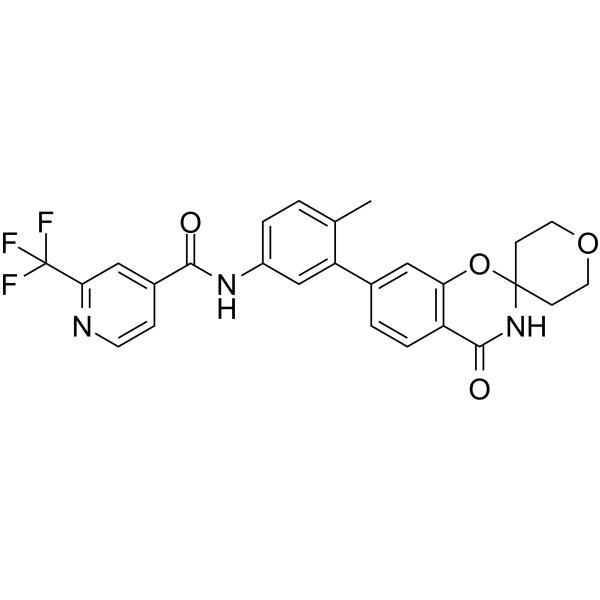
- HY-17458R
-
|
Azilsartan kamedoxomil (Standard); TAK 491 monopotassium (Standard)
|
Reference Standards
Angiotensin Receptor
|
Cardiovascular Disease
Metabolic Disease
|
|
Azilsartan medoxomil monopotassium (Standard) is the analytical standard of Azilsartan medoxomil monopotassium (HY-17458V). This product is intended for research and analytical applications. Azilsartan medoxomil (TAK 491) monopotassium, a prodrug form of Azilsartan (HY-14914), is an orally active angiotensin II receptor type 1 antagonist. Azilsartan medoxomil monopotassium can be used for the study of essential hypertension .
|
-

- HY-P5697
-
|
|
Bacterial
|
Infection
|
|
Tilapia piscidin 3 is an antimicrobial peptide with antibacterial activity against gram-positive and -negative bacteria (MIC: 2.44, 2.44, 9.78, 19.55, 0.61 μg/mL for V. vulnificus 204, V. alginolyticus, S. agalactiae 819, E. faecalis BCRC 10066, S. agalactiae BCRC 10787). Tilapia piscidin 3 has hemolytic activity in fish red blood cells .
|
-

- HY-N12396
-
|
|
Others
|
Inflammation/Immunology
|
|
Cyclosporin U (SMP0V32C6L) is an cytostatic agent that plays an important role in preventing rejection of transplanted organs .
|
-
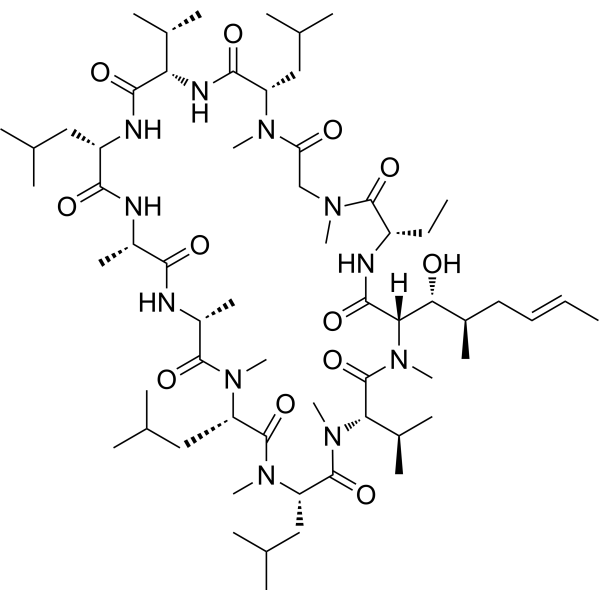
- HY-P5989
-
|
Mu-Val-HPh-FMK
|
Antibiotic
|
Infection
|
|
Calpain inhibitor V (Mu-Val-HPh-FMK) is a cell-permeable and irreversible inhibitor of calpain that has anti-chlamydial activity .
|
-
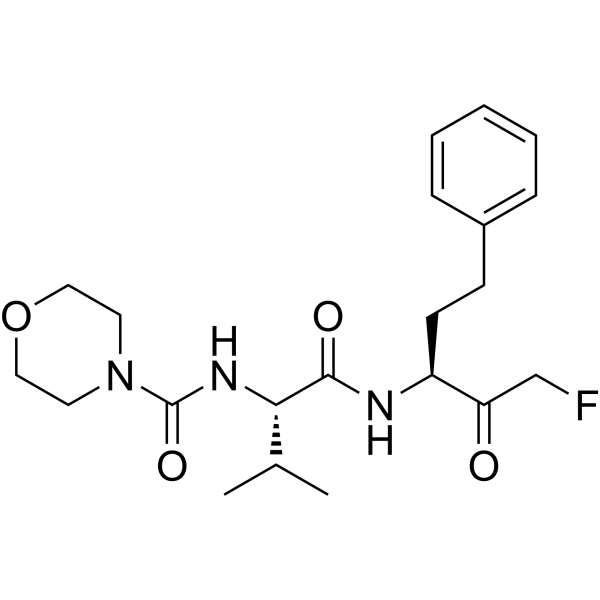
- HY-P5945
-
-
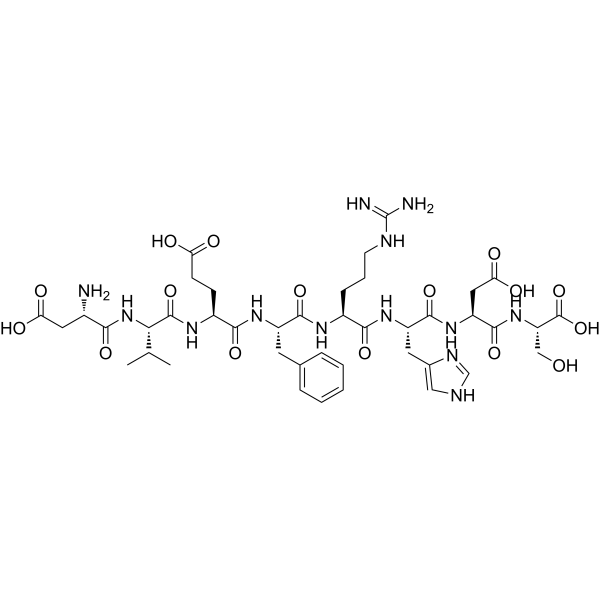
- HY-N12638
-
|
|
Vasopressin Receptor
|
Endocrinology
|
|
Endolide F (Compound 2) is a proline-containing lactone. Endolide F is a moderate antagonist of the arginine antidiuretic hormone V1A receptor .
|
-
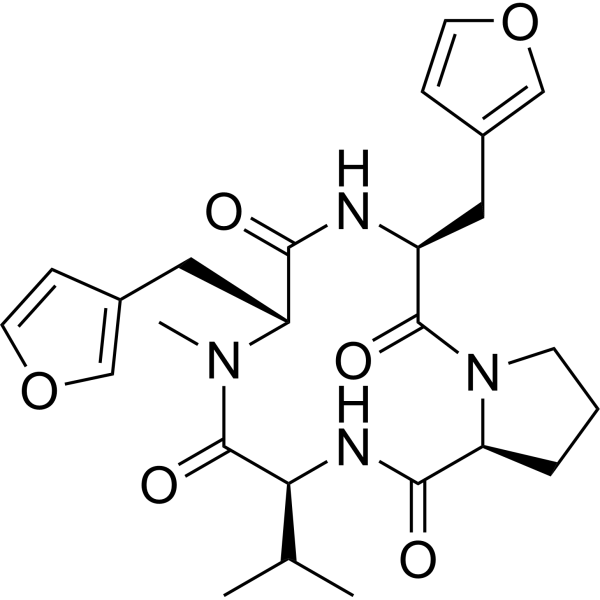
- HY-18997
-
PLX7904
3 Publications Verification
PB04
|
Raf
|
Cancer
|
|
PLX7904 is a potent and selective BRAF inhibitor, with IC50 of appr 5 nM against BRAF V600E in mutant RAS expressing cells.
|
-
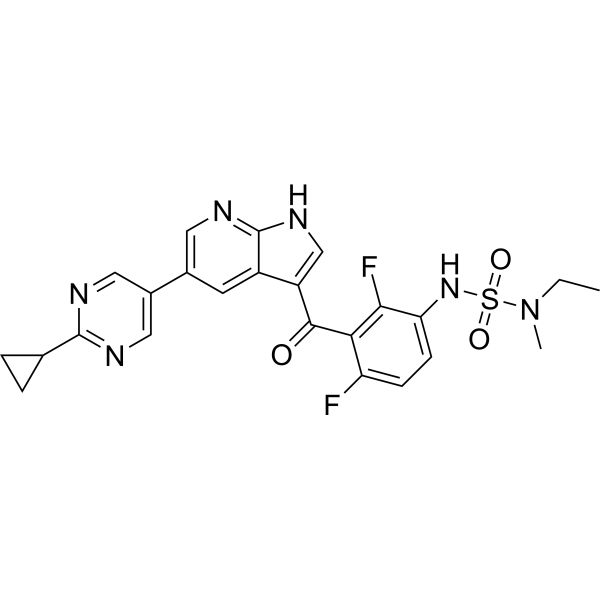
- HY-105239A
-
|
FE 202158 acetate
|
Vasopressin Receptor
|
Cardiovascular Disease
|
|
Selepressin (FE 202158) acetate is a selective vasopressin V1A receptor agonist. Selepressin acetate is a potent vasopressin. Selepressin acetate can be used in the study of septic shock.
|
-
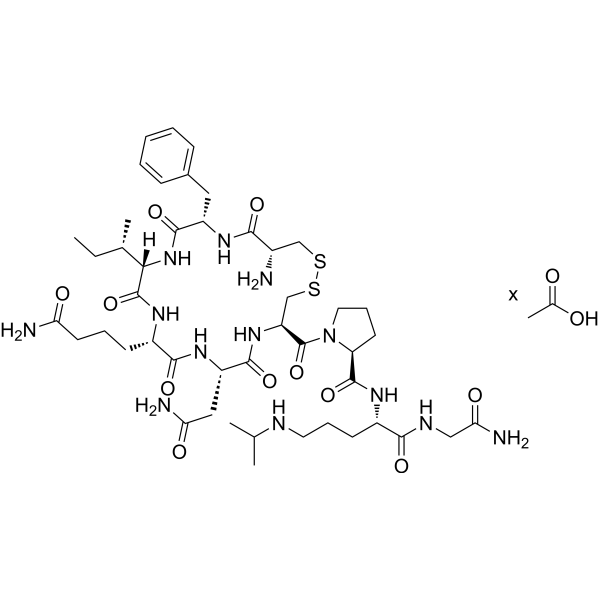
- HY-108970
-
|
|
Proton Pump
Bacterial
Fungal
|
Infection
|
|
Bafilomycin D is a specific inhibitor of vacuolar-type ATPase (V-ATPase). Bafilomycin D has antimicrobial, insecticidal, herbicidal and cytotoxic activity .
|
-
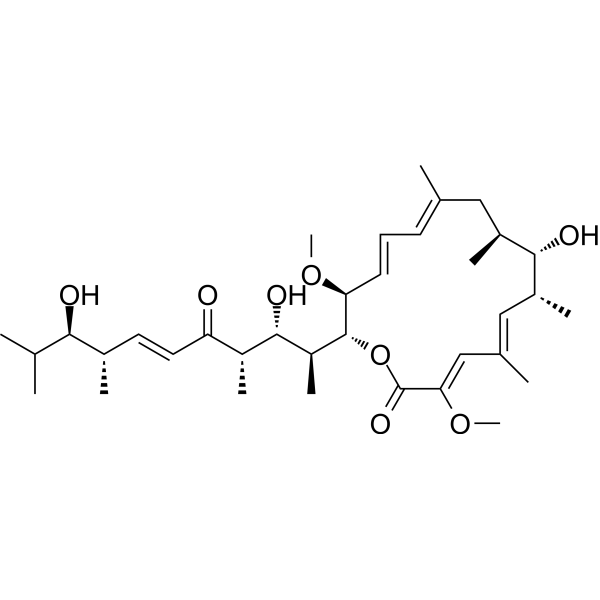
- HY-16906
-
|
|
Src
|
Cancer
|
|
T338C Src-IN-2 is a mutant c-Src kinase inhibitor, with an IC50 of 317 nM against T338C c-Src, 57 nM against T338C/V323A c-Src, and 19 nM against T338C/V323S c-Src. T338C Src-IN-2 inhibits the kinase activity of endogenous cysteine gatekeeper MOK. T338C Src-IN-2 reduces global phosphotyrosine levels in v-Src-ES1-transformed NIH-3T3 cells .
|
-
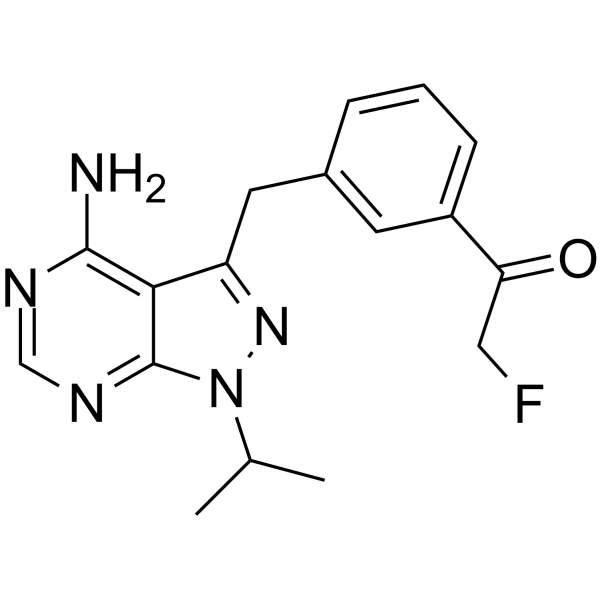
- HY-104074S
-
|
SCH-48973-d3; V-073-d3
|
Isotope-Labeled Compounds
Enterovirus
|
Others
|
|
Pocapavir-d3 (SCH-48973-d3; V-073-d3) is the deuterium labeled Pocapavir (HY-104074) . Pocapavir (SCH-48973) is an orally active capsid inhibitor. Pocapavir prevents virion uncoating upon entry into the cell. Pocapavir has antiviral activity against polioviruses. Pocapavir also inhibits enterovirus infections .
|
-
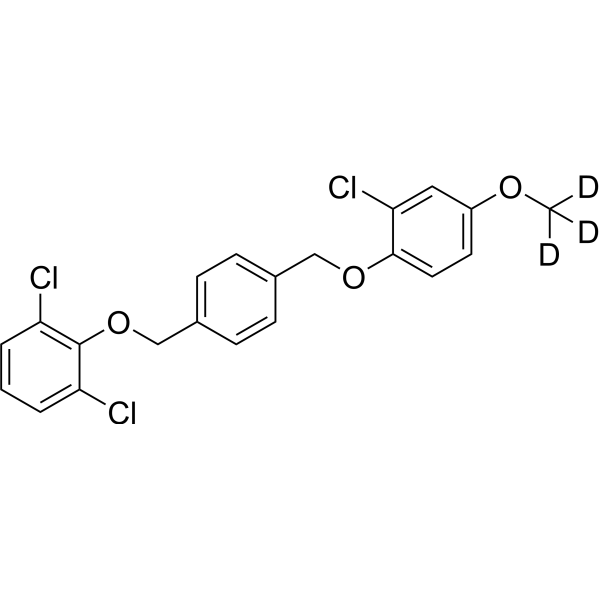
- HY-P990986
-
|
|
Interleukin Related
|
Inflammation/Immunology
Cancer
|
|
Efdelikofusp alfa is a bispecific Fc fusion protein. Efdelikofusp alfa is formed by fusing the N-terminal extracellular domain of human CD80 (B7.1) with the Fc fragment of human immunoglobulin G4 (IgG4), and is linked to an interleukin-2 variant (IL-2v) as the C-terminal part. Efdelikofusp alfa exhibits potential immunostimulatory, immune checkpoint inhibitory, and antitumor activities.
|
-

- HY-P1163
-
|
|
Vasopressin Receptor
|
Cardiovascular Disease
Neurological Disease
|
|
D[LEU4,LYS8]-VP is a selective agonist of vasopressin V1b receptor, with the Kis of 0.16 nM, 0.52 nM, and 0.1.38 nM for rat, human and mouse V1b receptor, respectively. D[LEU4,LYS8]-VP has weak antidiuretic, vasopressor, and in vitro oxytocic activities .
|
-
![D[LEU4,LYS8]-VP](//file.medchemexpress.com/product_pic/hy-p1163.gif)
- HY-P990992
-
|
GI-102
|
Interleukin Related
|
Inflammation/Immunology
Cancer
|
|
Efzilonkofusp alfa is a bispecific Fc fusion protein. Efzilonkofusp alfa is formed by fusing the N-terminal extracellular domain of human CD80 (B7.1) with the Fc fragment of human immunoglobulin G4 (IgG4), and is linked to an interleukin-2 variant (IL-2v) as the C-terminal part. Efzilonkofusp alfa exhibits potential immunostimulatory, immune checkpoint inhibitory, and antitumor activities.
|
-

- HY-121136A
-
|
|
Antibiotic
Bacterial
|
Infection
|
|
Chartreusin sodium is an antibiotic that is active against certain Gram-positive organisms and mycobacteria. Chartreusin is also active against the Micrococcus fiyogenes v. aureus phage .
|
-

- HY-169202
-
|
|
Fungal
|
Infection
|
|
Antifungal agent 118 (compund C22) inhibits the hyphal growth of V. mali by inducing oxidative damage and disrupting the integrity of the cell membrane .
|
-

- HY-D0852A
-
|
Sodium vanadate(V), 99%
|
Biochemical Assay Reagents
|
Others
|
|
Sodium metavanadate, 99% (Sodium vanadate(V), 99%) is a biochemical reagent used as a vanadium source in microbial cultures to study vanadium reduction in mesophilic and thermophilic methanogens .
|
-

- HY-108504
-
|
V 102862
|
Sodium Channel
|
Neurological Disease
|
|
Co 102862 (V 102862) is a potent, broad-spectrum, state-dependent Na + channel blocker. Co 102862 is also an orally active anticonvulsant .
|
-
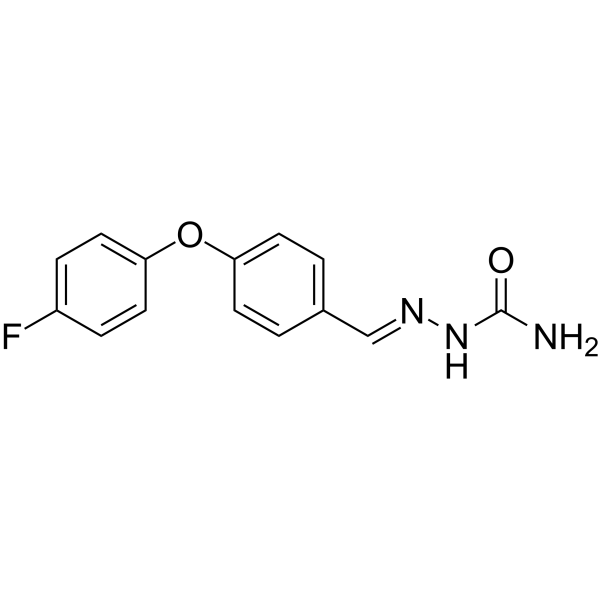
- HY-186040
-
-

- HY-121136
-
|
|
Antibiotic
Bacterial
|
Infection
|
|
Chartreusin is an antibiotic that is active against certain Gram-positive organisms and mycobacteria. Chartreusin is also active against the Micrococcus fiyogenes v. aureus phage .
|
-
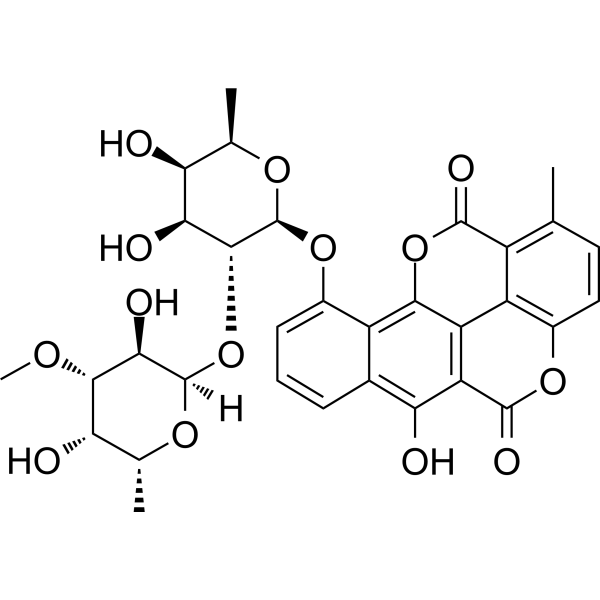
- HY-115839A
-
|
Detajmium bitartrate; Tachmalcor
|
Sodium Channel
|
Cardiovascular Disease
|
|
Detajmium (L-tartrate) is an antiarrhythmic compound. Detajmium has effect on V max in both dog ventricular muscle and Purkinje fibers was frequency dependent .
|
-
- HY-N14635
-
|
|
EGFR
|
Infection
|
|
Paeciloquinone A can inhibit EGFR protein tyrosine kinase. Paeciloquinone A inhibits the V-abl protein tyrosine kinase with an IC50 of 0.59 μM .
|
-

- HY-145836
-
|
|
FGFR
|
Cancer
|
|
FGFR4-IN-8 (Compound 7v) is an ATP-competitive, highly selective covalent inhibitor of wild-type and gatekeeper mutant FGFR4. FGFR4-IN-8 exhibits excellent potency against FGFR4, FGFR4 V550L, FGFR4 V550M and FGFR4 C552S with IC50s of 0.5, 0.25, 1.6, 931 nM, respectively. FGFR4-IN-8 exhibits potent antiproliferative activity against Hep3B hepatocellular carcinoma cells with the IC50 value of 29 nM. FGFR4-IN-8 demonstrates modest in vivo antitumor efficacy in nude mice bearing the Huh-7 xenograft model .
|
-
- HY-149380
-
|
|
Raf
|
Cancer
|
|
Vem-L-Cy5 (compound 3),modified with the NIR fluorophore cyanine-5 (Cy5),is a Vemurafenib (HY-12057)-based inhibitor of BRAF. Vem-L-Cy5 targets to BRAF V600E,and also inhibits MEK phosphorylation. Vem-L-Cy5 has cell permeability,and inhibits cell growth of many types of cancer .
|
-
- HY-R01700A
-
|
|
MicroRNA
|
Cancer
|
|
hsa-miR-548v agomirs are chemically-modified double-strand miRNA mimics with modified mature miRNA strand: 2 phosphorothioates at the 5' end, 4 phosphorothioates at the 3' end, 3' end cholesterol group, and full-length nucleotide 2'-methoxy modification. They are designed to mimic endogenous miRNAs and recommended for miRNA functional studies. Compared with miRNA mimics, they exhibits enhanced cellular uptake, stability and regulatory activity in vivo.
|
-
hsa-miR-548v agomir
hsa-miR-548v agomir
- HY-12928
-
|
|
Virus Protease
|
Infection
|
|
ML336 is quinazolinone-based inhibitor against venezuelan equine encephalitis virus (VEEV), with IC50s of 32, 20, and 42 nM for VEEV TC-83 CPE , VEEV V3526 CPE, VEEV Wild Type CPE, respectively. ML336 potently inhibits a VEEV-induced cytopathic effect in three strains of the virus (TC-83, V3526, and wild type Trinidad donkey) in the low nanomolar range .
|
-
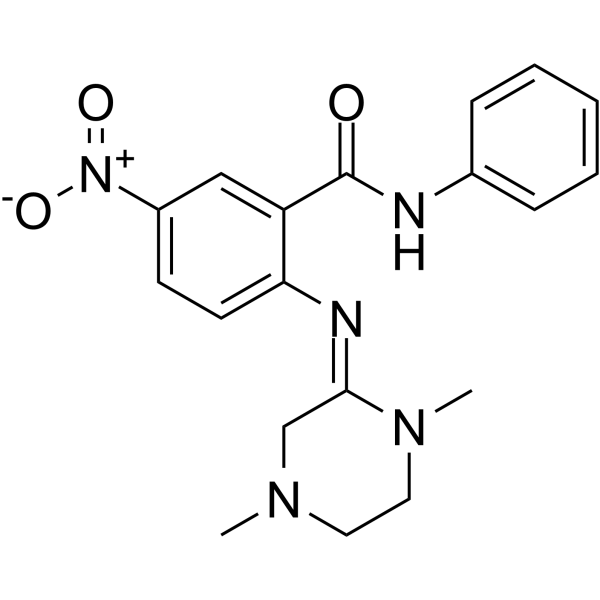
- HY-168069
-
|
|
Parasite
Dihydrofolate reductase (DHFR)
|
Infection
|
|
DHFR-IN-20 (Compound LA1) is a Plasmodium falciparum dihydrofolate reductase (DHFR) inhibitor, with Kis of 0.16, 0.30, 6.6 nM for PfDHFR-WT, PfDHFR-QM, HsDHFR. DHFR-IN-20 has antimalarial activities (IC50: 1.4 nM and 1.6 μM for P. falciparum carrying the wild-type (TM4/8.2) and the quadruple mutant (V1/S) PfDHFR enzyme .
|
-

- HY-P1163A
-
|
|
Vasopressin Receptor
|
Cardiovascular Disease
Neurological Disease
|
|
D[LEU4,LYS8]-VP TFA is a selective agonist of vasopressin V1b receptor, with the Kis of 0.16 nM, 0.52 nM, and 0.1.38 nM for rat, human and mouse V1b receptor, respectively. D[LEU4,LYS8]-VP TFA has weak antidiuretic, vasopressor, and in vitro oxytocic activities .
|
-
![D[LEU4,LYS8]-VP TFA](//file.medchemexpress.com/product_pic/hy-p1163a.gif)
- HY-153676
-
|
|
RET
|
Cancer
|
|
RET-IN-23 (compound 17) is a potent and orally active RET inhibitor with IC50 values of 1.32, 2.50, 6.54, 1.03, 1.47 nM for RET-WT, RET-CCDC6, RET-V804L, RET-V804M, RET-M918T, respectively. RET-IN-23 shows anti-tumor activity .
|
-
- HY-128554AR
-
|
|
Reference Standards
Parasite
|
Infection
|
|
N-Desethyl amodiaquine dihydrochloride (Standard) is the analytical standard of N-Desethyl amodiaquine dihydrochloride. This product is intended for research and analytical applications. N-Desethyl amodiaquine dihydrochloride is the biologically active metabolite of Amodiaquine (HY-B1322A). N-Desethyl amodiaquine dihydrochloride is an antiparasitic agent, has inhibitory for strains V1/S and 3D7 with IC50 values of 97 nM and 25 nM, respectively. N-Desethyl amodiaquine dihydrochloride can be used for the research of malaria .
|
-

- HY-173214
-
|
|
FLT3
Apoptosis
|
Cancer
|
FLT3-ITD-IN-3 (13v), an orally active FLT3-ITD (FLT3 internal tandem duplication) inhibitor, disrupts FLT3 signal transduction and induced G0/G1 cell cycle arrest and apoptosis. FLT3-ITD-IN-3 (13v) is used in the research of acute myeloid leukemia (AML) .
|
-

- HY-186052
-
|
|
Nuclear Factor of activated T Cells (NFAT)
|
Inflammation/Immunology
|
|
4-M-HMBPP is a weak agonist for Vγ9Vδ2 T cell activation and a potent competitive inhibitor of HMBPP. 4-M-HMBPP binds to BTN3A1 with high affinity (KD: 26.2 μM), but fails to induce its complex formation with BTN2A1. 4-M-HMBPP can be used in studies on γδ T cell activation .
|
-

- HY-139590
-
|
BOS-172738; DS-5010
|
RET
PDGFR
|
Cancer
|
|
Zeteletinib (BOS-172738; DS-5010) is an orally active, selective RET kinase inhibitor with nanomolar potency against RET and >300-fold selectivity against VEGFR2. Zeteletinib shows exquisite potency for the wild type RET, RET V804M/L gatekeeper mutants, and the most common oncogenic RET mutation M918T. Zeteletinib has potent antitumor activity .
|
-
- HY-W572386
-
|
|
Fungal
Bacterial
|
Infection
|
|
2-n-Heptyl-4-quinolinol has activity against Candida albicans, Staphylococcus aureus, Vibrio anguillarum and V. Harveyi .
|
-

- HY-117820
-
-
- HY-179253
-
|
|
Ras
|
Cancer
|
|
KRAS-IN-47 is a KRAS inhibitor with IC50 < 50 nM against KRAS G12V. KRAS-IN-47 can be used for the study of cancers .
|
-

- HY-Z16210
-
|
Nebramine factor 5′; 6′′-O-Carbamoyltobramycin
|
Antibiotic
Bacterial
|
Infection
|
|
Nebramycin V' (Nebramine factor 5′) is a multi-component aminoglycoside antibiotic with a broad-spectrum activity against Gram-positive and Gram-negative bacteria and mycobacteria .
|
-

- HY-14660A
-
|
GSK2118436 Mesylate; GSK 2118436B
|
Raf
|
Cancer
|
|
Dabrafenib Mesylate is a potent and selective Raf kinase inhibitor with IC50s of 0.6 and 5.0 nM for Raf V600E and c-Raf, respectively.
|
-
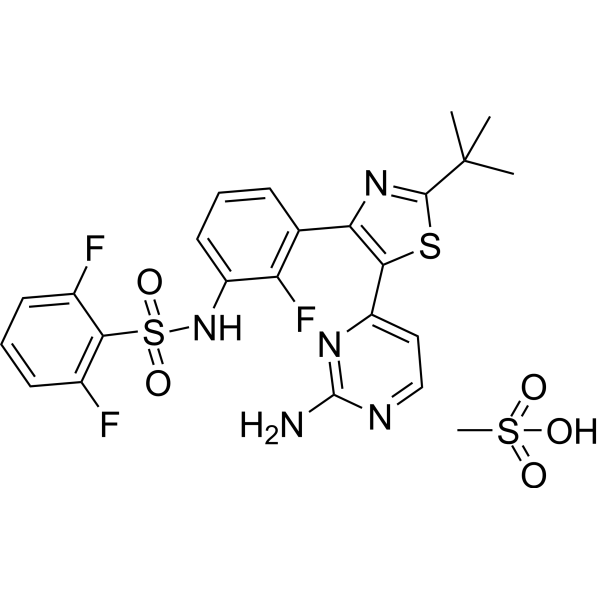
- HY-139590A
-
|
BOS-172738 hemiadipate; DS-5010 hemiadipate
|
RET
PDGFR
|
Cancer
|
|
Zeteletinib (BOS-172738; DS-5010) hemiadipate is an orally active, selective RET kinase inhibitor with nanomolar potency against RET and >300-fold selectivity against VEGFR2. Zeteletinib hemiadipate shows exquisite potency for the wild type RET, RET V804M/L gatekeeper mutants, and the most common oncogenic RET mutation M918T. Zeteletinib hemiadipate has potent antitumor activity .
|
-
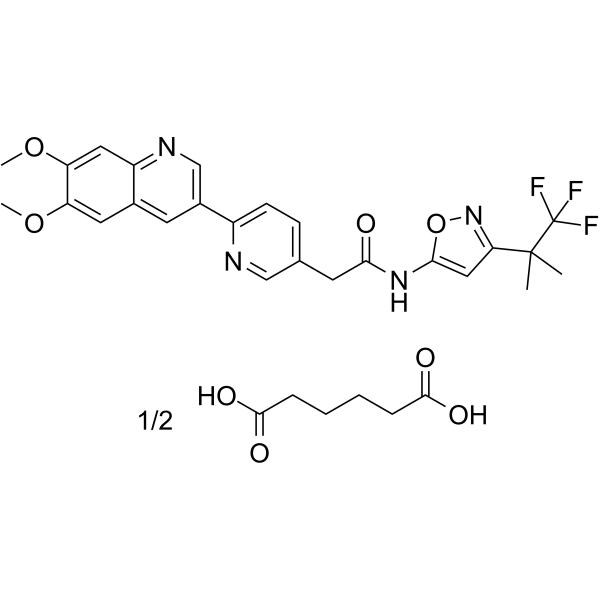
- HY-146710
-
|
|
RET
|
Cancer
|
|
RET-IN-16 is a potent and selective RET inhibitor with IC50s of 3.98 nM, 8.42 nM, 15.05 nM, 7.86 nM, 5.43 nM and 8.86 nM for RET(WT), RET(M918T), RET(V804L), RET(V804M), RET-CCDC6 and RET-KIF5B, respectively. RET-IN-16 has anticancer effects .
|
-
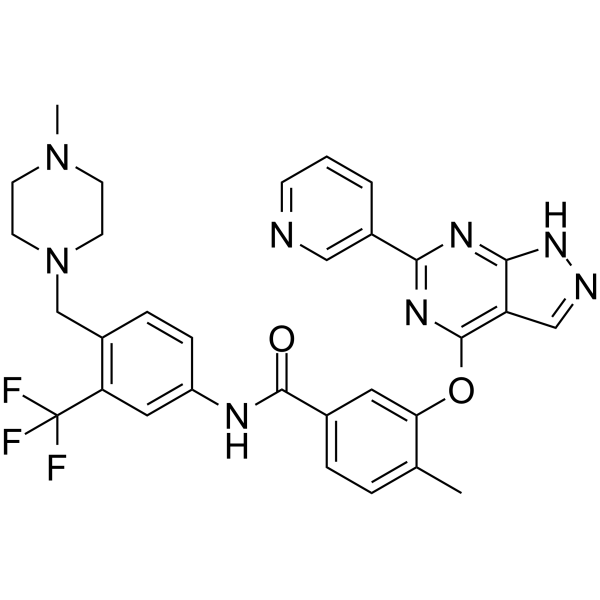
- HY-155594
-
|
|
FLT3
|
Cancer
|
|
LT-540-717 (compound 32) is a potent FLT3 inhibitor (IC50=0.62 nM) with antiproliferative activity. LT-540-717 also inhibits several acquired FLT3 mutations, FLT3 (ITD, D835V), FLT3 (ITD, F691L), FLT3 (D835Y) and FLT3 (D835V). LT-540-717 has potential to be an anti-AML agent .
|
-
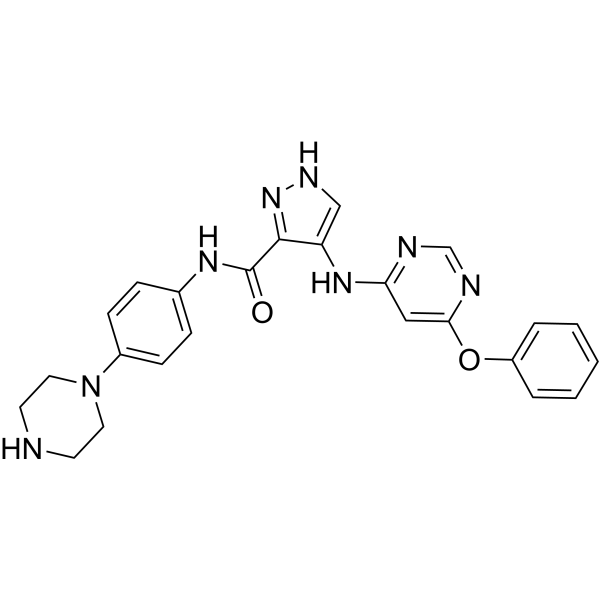
- HY-145514D
-
dTAGV-1
5 Publications Verification
|
PROTACs
FKBP
|
Cancer
|
|
dTAGV-1 is a potent and selective degrader of FKBP12 F36V-tagged proteins PROTAC degrader. dTAGV-1 can induce degradation of FKBP12 F36V-Nluc in vivo. (Pink: Target Protein Ligand (HY-114420); Black: Linker (HY-W012001); Blue: VHL Ligand (HY-112078); VHL Ligan+Linker (HY-173628A)) .
|
-

- HY-107779
-
|
|
Raf
|
Cancer
|
|
BI-882370 is a potent and selective RAF kinase inhibitor that binds to the ATP binding site of the kinase positioned in the DFG-out (inactive) conformation of the BRAF kinase. BI-882370 (BI 882370) inhibits the oncogenic BRAF V600E-mutant, the WT BRAF and CRAF kinases with IC50s of 0.4, 0.8, and 0.6 nM, respectively. BI-882370 also inhibits SRC family kinases .
|
-
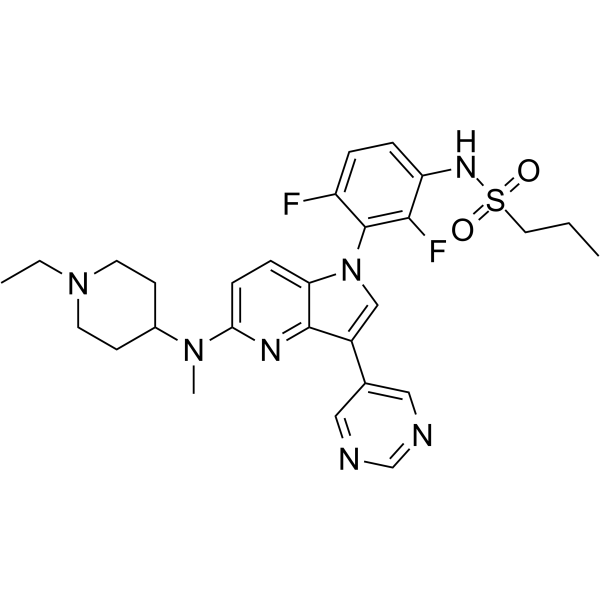
- HY-186024
-
|
|
Ras
ERK
|
Cancer
|
|
KRAS-IN-51 (Compound 597a) is a KRas G12V inhibitor, with its IC50 for KRas G12V being 2.9 nM; KD values are 17 (at 20°C) and 68 (at 37°C) nM. KRAS-IN-51 inhibits the phosphorylation of pERK. KRAS-IN-51 has anti-proliferative activity against SW620 and MIAPaCa-2. KRAS-IN-51 can be used for research on colorectal cancer and pancreatic cancer .
|
-

- HY-P11397
-
|
|
MHC
|
Cancer
|
|
VLPDVFIRCV, a melanoma antigen-derived peptide, is the intron sequence (nt 38-67) of the N-acetylglucosamine transferase V (GnT-V) gene. VLPDVFIRCV has a high affinity for MHC-I class molecules, but it cannot activate the immune response against natural tumor cells. The cytotoxic T lymphocytes (CTL) induced by VLPDVFIRCV can specifically lyse T2 cells loaded with this peptide in the chromium release experiment. VLPDVFIRCV can be used for vaccine design research .
|
-

- HY-112301R
-
|
BLU-667 (Standard)
|
Reference Standards
RET
|
Cancer
|
|
Pralsetinib (Standard) is the analytical standard of Pralsetinib. This product is intended for research and analytical applications. Pralsetinib (BLU-667) is a highly potent, selective RET inhibitor. Pralsetinib (BLU-667) inhibits WT RET, RET mutants V804L, V804M, M918T and CCDC6-RET fusion with IC50s of 0.4, 0.3, 0.4, 0.4, and 0.4 nM, respectively .
|
-

- HY-171821
-
|
SGN-PDL1V
|
Antibody-Drug Conjugates (ADCs)
PD-1/PD-L1
|
Cancer
|
|
PF-08046054 (SGN-PDL1V) is a PD-L1-directed Antibody-drug conjugate (ADC), which is comprised of an anti-PD-L1 antibody conjugated to VcMMAE (HY-15575). PF-08046054 is direct cytotoxicity to PD-L1-expressing tumor cells via the intracellular delivery of MMAE. PF-08046054 can be used for the study of solid tumors
|
-

- HY-124727
-
|
|
JAK
Apoptosis
|
Cancer
|
|
ZT55 is an orally active and highly-selective JAK2 inhibitor with an IC50 value of 0.031 μM. ZT55 inhibits the proliferation of JAK2 V617F-expressing HEL cell lines and induces apoptosis and cycle arrest. ZT-55 also effectively inhibits the growth of HEL xenograft tumours in a mice model. ZT-55 can be used in studies of myeloproliferative neoplasms, polycythemia vera and primary thrombocythemia .
|
-
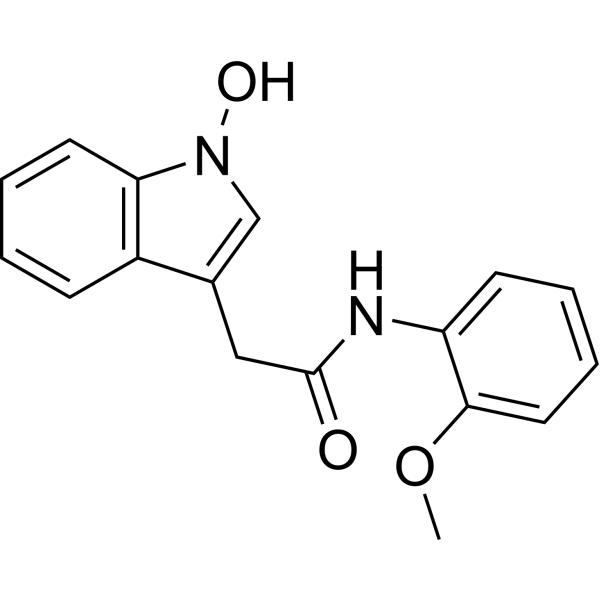
- HY-N0751
-
|
|
STAT
Akt
HIV
|
Infection
Cancer
|
|
Scutellarin, an active flavone isolated from Scutellaria baicalensis, can down-regulates the STAT3/Girdin/Akt signaling in HCC cells, and inhibits RANKL-mediated MAPK and NF-κB signaling pathway in osteoclasts. Scutellarin is active against HIV-1IIIB, HIV-1(74V) and HIV-1KM018 with EC50s of 26 μM, 253 μM and 136 μM, respectively.
|
-
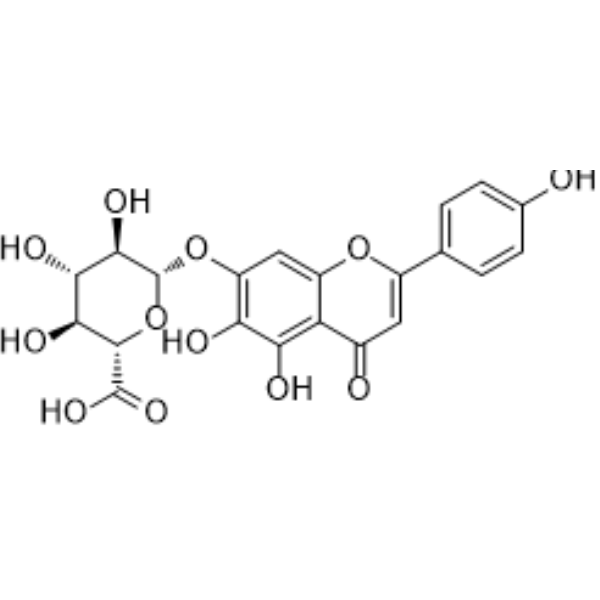
- HY-101561
-
|
BLU-285
|
c-Kit
PDGFR
|
Cancer
|
|
Avapritinib (BLU-285) is a highly potent, selective, and orally active KIT and PDGFRA activation loop mutant kinases inhibitor with IC50s of 0.27 and 0.24 nM for KIT D816V and PDGFRA D842V, respectively. Avapritinib (BLU-285) binds the active conformation of the kinase and shows antitumor activity. Avapritinib (BLU-285) attenuates the transport function of both ABCB1 and ABCG2 .
|
-
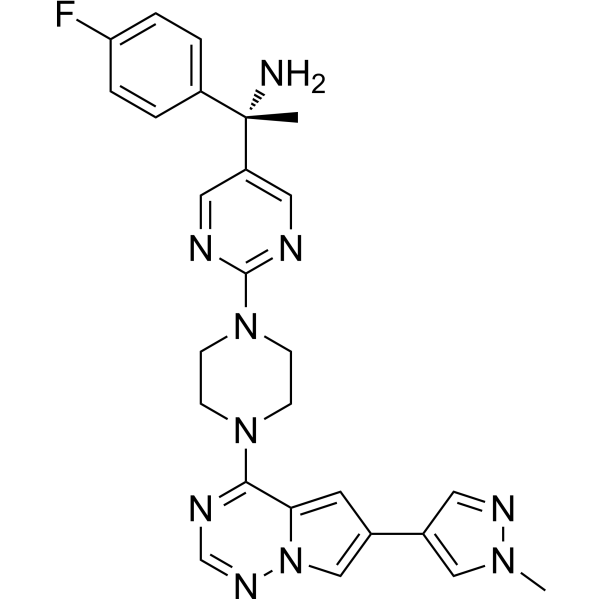
- HY-145514C
-
|
|
FKBP
PROTACs
|
Cancer
|
|
dTAGV-1 hydrochloride is a potent and selective degrader of FKBP12 F36V-tagged proteins PROTAC degrader. dTAGV-1 hydrochloride can induce degradation of FKBP12 F36V-Nluc in vivo. (Pink: Target Protein Ligand (HY-114420); Black: Linker (HY-W012001); Blue: VHL Ligand (HY-112078); VHL Ligan+Linker (HY-173628A)) .
|
-
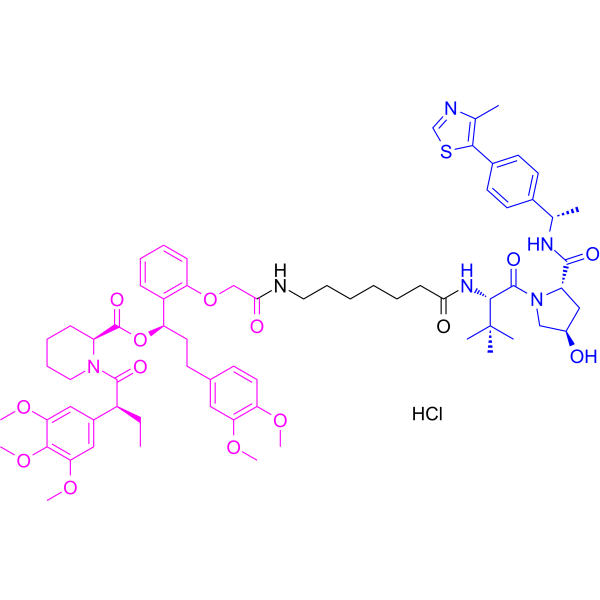
- HY-105239
-
|
FE 202158
|
Vasopressin Receptor
|
Cardiovascular Disease
|
|
Selepressin (FE 202158) is a selective vasopressin V1A receptor agonist. Selepressin is a potent vasopressor. Selepressin can be used in the research of septic shock .
|
-
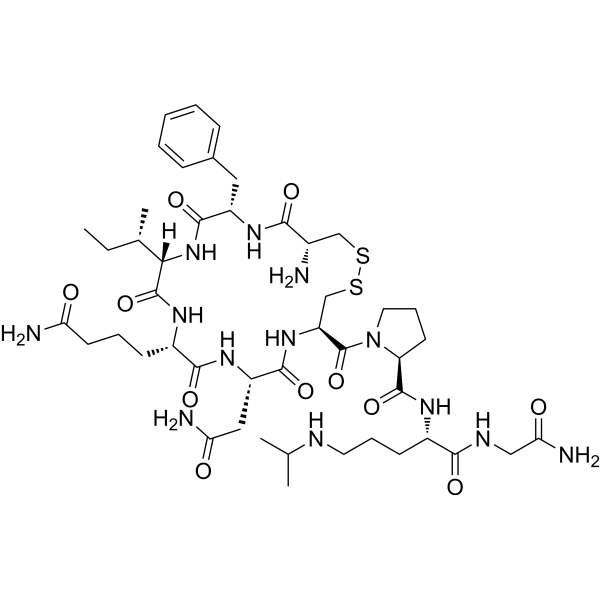
- HY-167641
-
|
|
Fungal
Antibiotic
|
Infection
|
|
Malvone A is an antifungal compound found in Malva sylvestris, with an ED50 of 24 μg/mL against V. dahliae. Malvone A may be used for research in the field of anti-infective agents .
|
-

- HY-P3879
-
|
PKC βII (660-673)
|
PKC
|
Others
|
|
Protein Kinase C (660-673) (PKC βII (660-673)) is the PKC βII V5 peptide with RACK1-binding affinity .
|
-
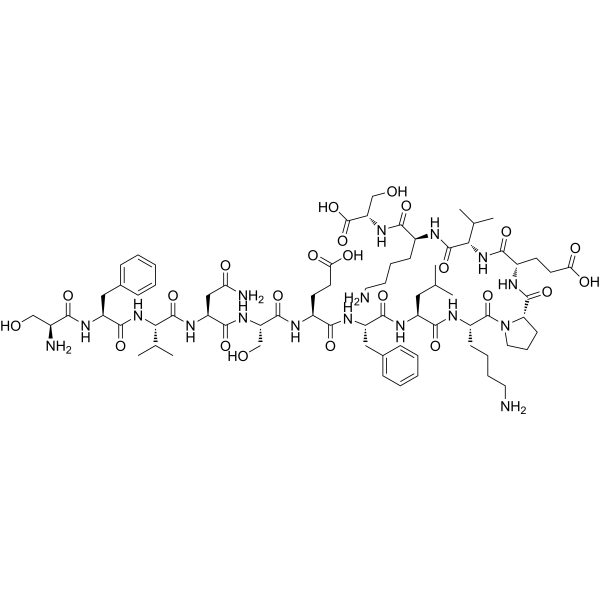
- HY-18957
-
|
BGB-283
|
EGFR
Raf
|
Cancer
|
|
Lifirafenib (BGB-283) is a novel and potent Raf Kinase and EGFR inhibitor with IC50 values of 23 and 29 nM for recombinant BRaf V600E and EGFR, respectively.
|
-
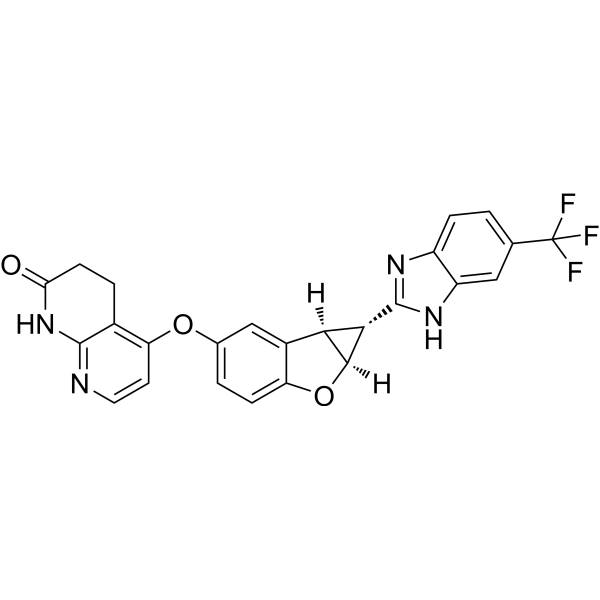
- HY-112915
-
|
|
Kinesin
|
Cancer
|
|
Eg5 Inhibitor V, trans-24 is a potent and specific kinesin Eg5 inhibitor with an IC50 of 0.65 μM, and can be used in the research of cancer.
|
-
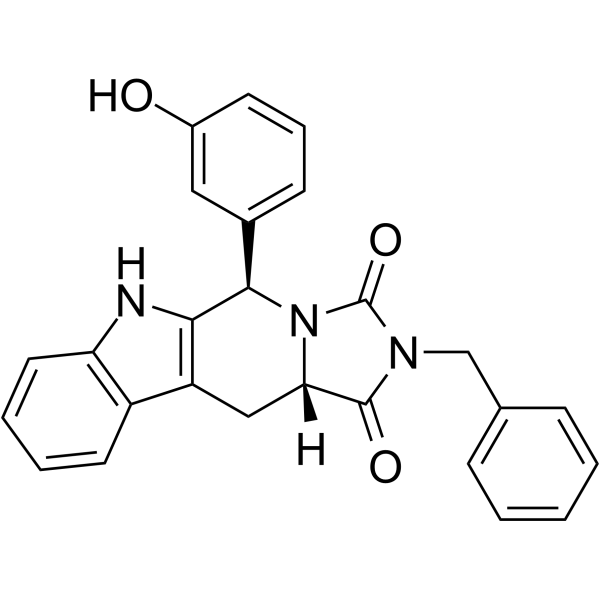
- HY-N14637
-
|
|
EGFR
|
Infection
|
|
Paeciloquinone C can inhibit the EGFR protein tyrosine kinase. Paeciloquinone C inhibits the V-abl protein tyrosine Kinase with an IC50 of 0.56 μM .
|
-

- HY-14660
-
|
GSK2118436A; GSK2118436
|
Raf
|
Cancer
|
|
Dabrafenib (GSK2118436A) is an ATP-competitive inhibitor of Raf with IC50s of 5 nM and 0.6 nM for C-Raf and B-Raf V600E, respectively .
|
-
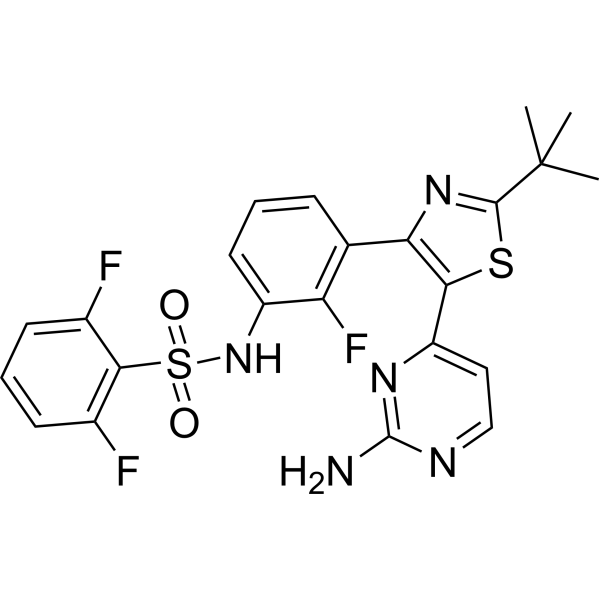
- HY-144030
-
|
|
RET
|
Others
|
|
RET-IN-12 (compound 2) is a RET inhibitor, with IC50 values of 0.3 nM and 1 nM for RET(WT) and RET(V804M), respectively .
|
-
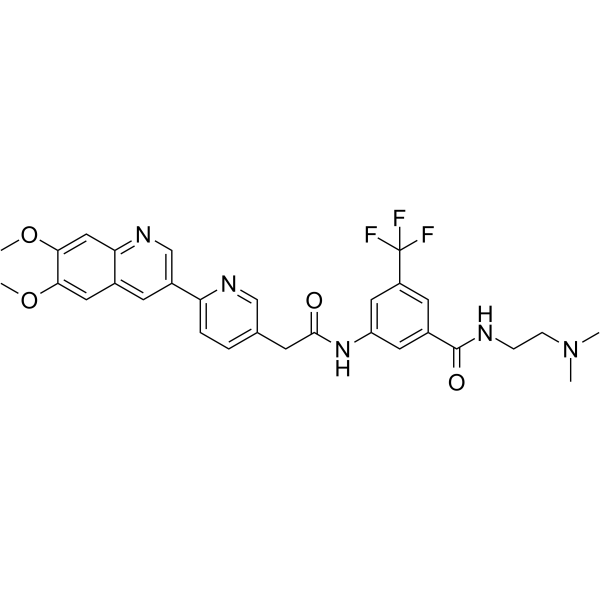
- HY-18344
-
|
SR 121463
|
Vasopressin Receptor
|
Metabolic Disease
|
|
Satavaptan (SR 121463) is an antagonist for vasopressin V2 receptor. Satavaptan regulates the vasopressin regulated phosphopeptides and vasopressin-mediated signaling pathway. Satavaptan is potential in ameliorating hyponatremia .
|
-

- HY-12981
-
-
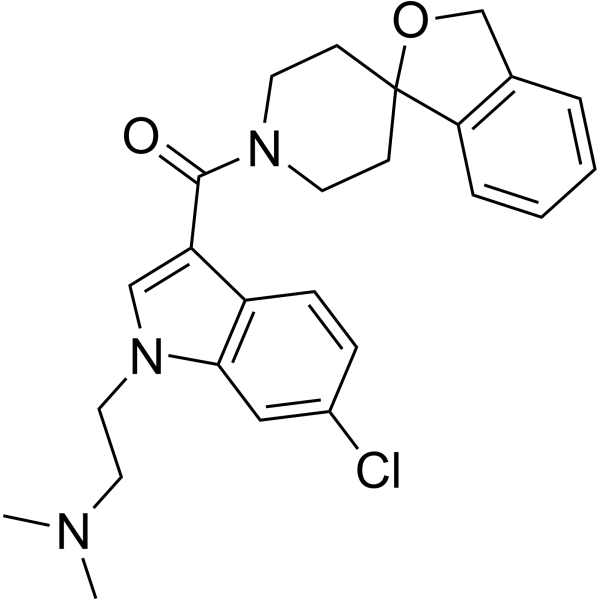
- HY-15605
-
|
LGX818
|
Raf
|
Cancer
|
|
Encorafenib (LGX818) is a highly potent BRAF inhibitor with selective anti-proliferative and apoptotic activity in cells expressing BRAF V600E (EC50=4 nM).
|
-
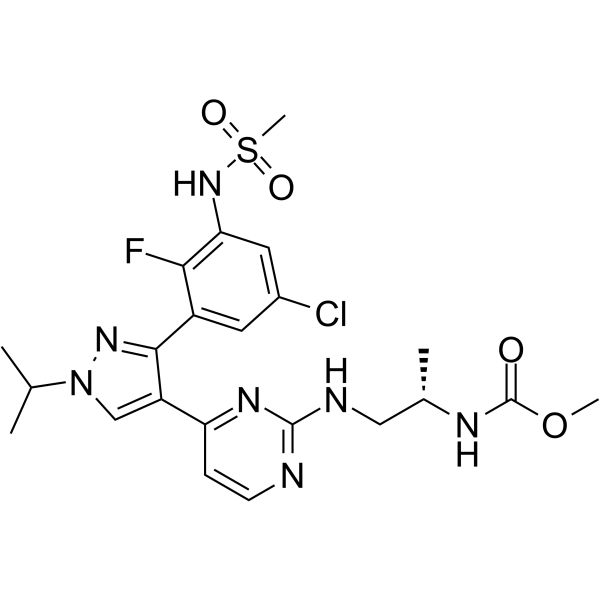
- HY-15767
-
TAK-632
4 Publications Verification
|
Raf
Aurora Kinase
|
Cancer
|
|
TAK-632 is a potent pan-RAF inhibitor with IC50 of 1.4, 2.4 and 8.3 nM for CRAF, BRAF V600E, BRAF WT, respectively.
|
-
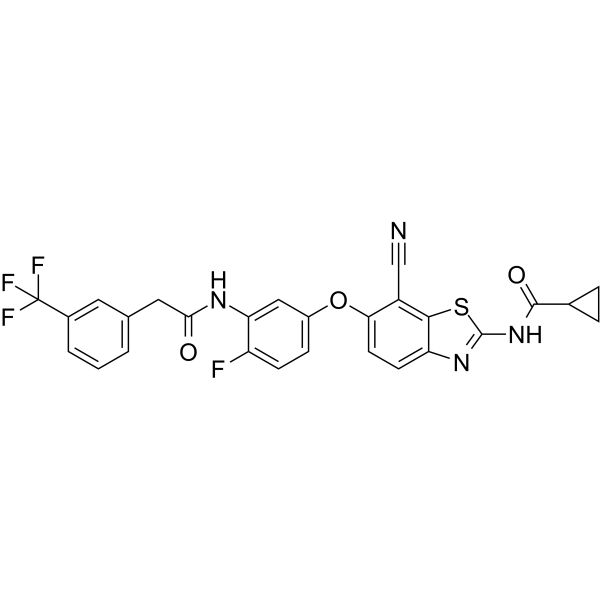
- HY-18957B
-
|
BGB-283 maleate
|
EGFR
Raf
|
Others
Cancer
|
|
Lifirafenib (BGB-283) maleate is a novel and potent Raf Kinase and EGFR inhibitor with IC50 values of 23 and 29 nM for recombinant BRaf V600E and EGFR, respectively .
|
-
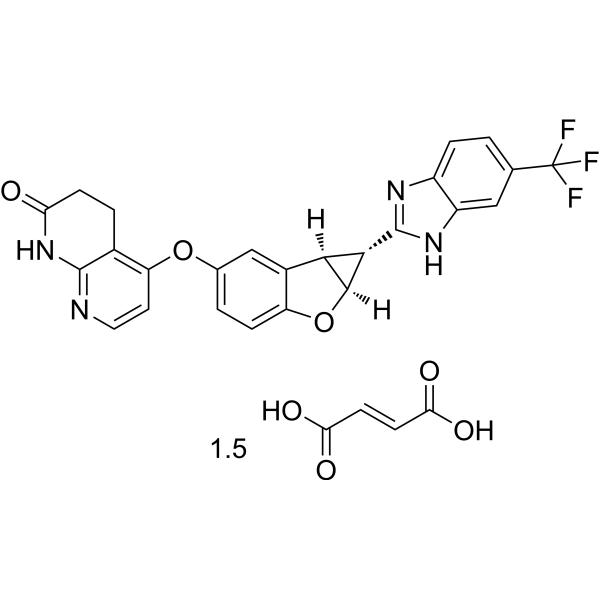
- HY-155046
-
|
|
FGFR
|
Cancer
|
|
FGFR4-IN-14 (Compound 27i) is a FGFR4 inhibitor (IC50: 2.4 nM. FGFR4-IN-14 inhibits the proliferation of V550L and N535K mutant strains, with IC50s of 21 nM, 2.5 nM, 171 nM against huh7, BaF3/ETV6-FGFR4-V550L and BaF3/ETV6-FGFR4-N535K cells respectively. FGFR4-IN-14 has potent antitumor efficacy in the Huh7 xenograft model. FGFR4-IN-14 can be used for research of hepatocellular carcinoma (HCC) .
|
-
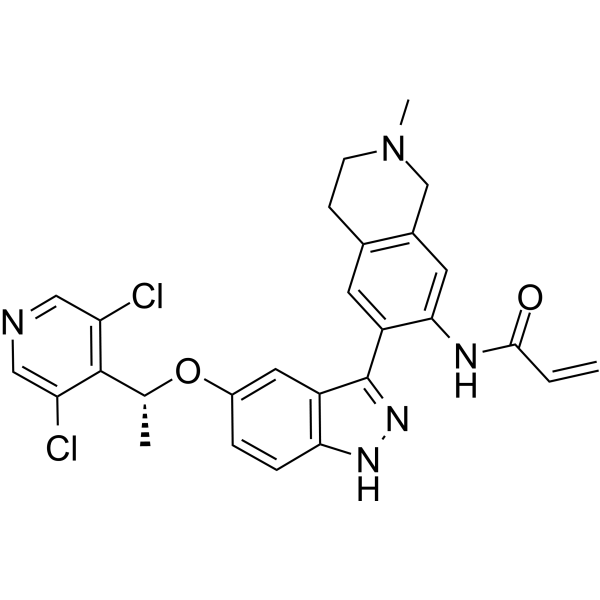
- HY-179220
-
|
|
HIV Protease
HIV
|
Infection
|
|
HIV-1-IN-88 (compound 20a) is a potent HIV‑1 protease inhibitor (IC50 = 10 pM) with an antiviral EC50 of 10.4 nM. HIV-1-IN-88 exhibits potency against the multidrug-resistant variants HIV-1Muta and HIV-1I50V with EC50 values of 30.0 and 34.3 nM, respectively. HIV-1-IN-88 can be used for HIV research .
|
-

- HY-115371
-
|
|
Endogenous Metabolite
|
Neurological Disease
|
|
Butaperazine dimaleate is an antipsychotic compound with activity for the detection of vanadium (V). Butaperazine dimaleate can react with vanadium (V) in a phosphoric acid medium to form a red radical cation. The absorption spectrum of butaperazine dimaleate reaches a maximum at 513 nm, which conforms to Beer's law and corresponds to a concentration range of 0.25-5.0 μg/ml. Butaperazine dimaleate has a sensitivity value of 6.1 ng/cm2 and is suitable for the analysis of vanadium steel, minerals, biological samples, and soil samples .
|
-

- HY-147405
-
|
PF-07284890; ARRY-461
|
Raf
ERK
|
Cancer
|
|
Tinlorafenib (PF-07284890) is the orally active inhibitor for BRAF and CRAF with IC50s of 5.8 nM and 4.1 nM. Tinlorafenib (Compound 10) inhibits V600E mutated BRAF and V600K mutanted BRAF with IC50s of 4.25 nM and 2.7 nM. Tinlorafenib can cross the blood brain barrier. Tinlorafenib demonstrates CNS penetration and can be used in the research of BRAF-associated malignant and benign tumors of the CNS as well as extracranial malignancies .
|
-
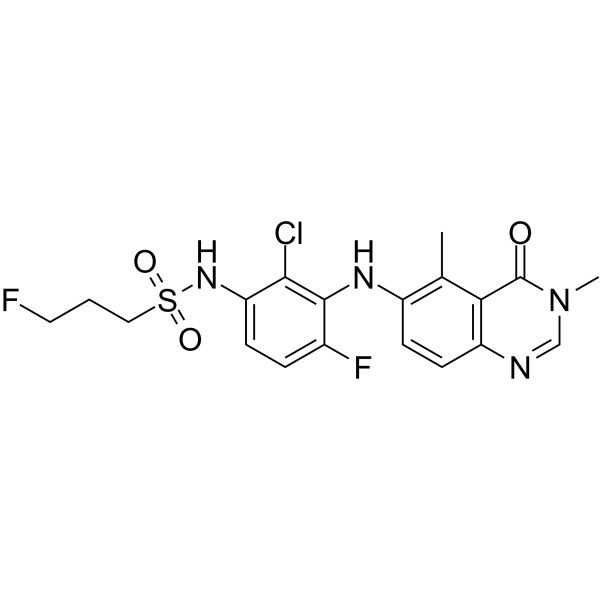
- HY-119706
-
|
|
Apoptosis
Arrestin
|
Others
|
|
Barbadin is a novel and selective β-arrestin/β2-adaptin interaction inhibitor, has IC50 values of 19.1 μM for β-arrestin1 and 15.6 μM for β-arrestin2. Barbadin blocks agonist-promoted endocytosis of the prototypical β2-adrenergic, V2-vasopressin and angiotensin-II type-1 receptors. Barbadin can induce apoptosis .
|
-
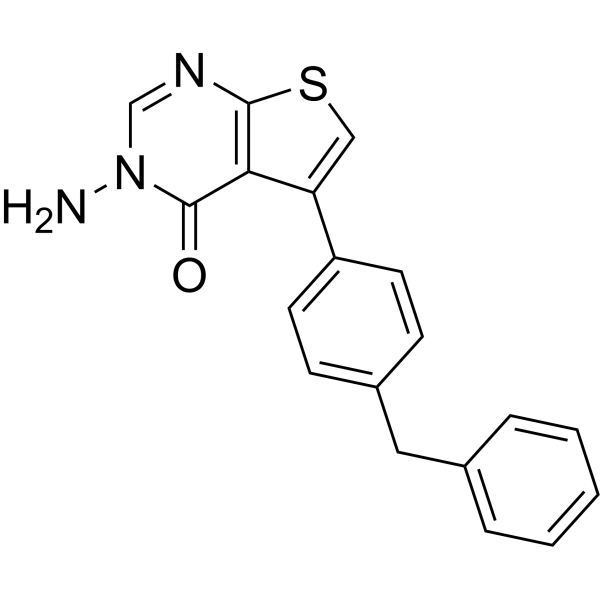
- HY-145514
-
|
|
PROTACs
FKBP
|
Cancer
|
|
dTAGV-1 TFA is a potent and selective degrader of FKBP12 F36V-tagged proteins PROTAC degrader. dTAGV-1 TFA can induce degradation of FKBP12 F36V-Nluc in vivo. (Pink: Target Protein Ligand (HY-114420); Black: Linker (HY-W012001); Blue: VHL Ligand (HY-112078); VHL Ligan+Linker (HY-173628A))
|
-
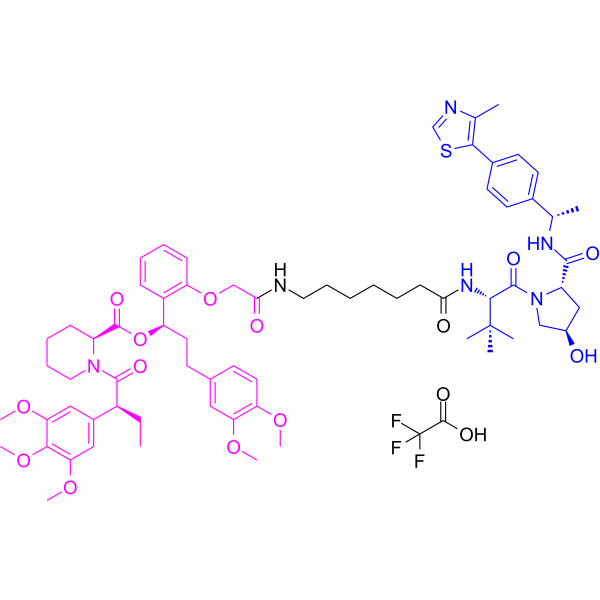
- HY-14979A
-
|
|
Raf
Bcr-Abl
Discoidin Domain Receptor
VEGFR
RET
Ephrin Receptor
|
Cancer
|
|
ML786 dihydrochloride is a potent and orally bioavailable Raf inhibitor, with IC50s of 2.1, 4.2, and 2.5 nM for V600EΔB-Raf, wt B-Raf, and C-Raf, respectively. ML786 dihydrochloride also inhibits Abl-1, DDR2, EPHA2, KDR, and RET (IC50=<0.5, 7.0, 11, 6.2, 0.8 nM). ML786 dihydrochloride can be used for the research of cancers .
|
-
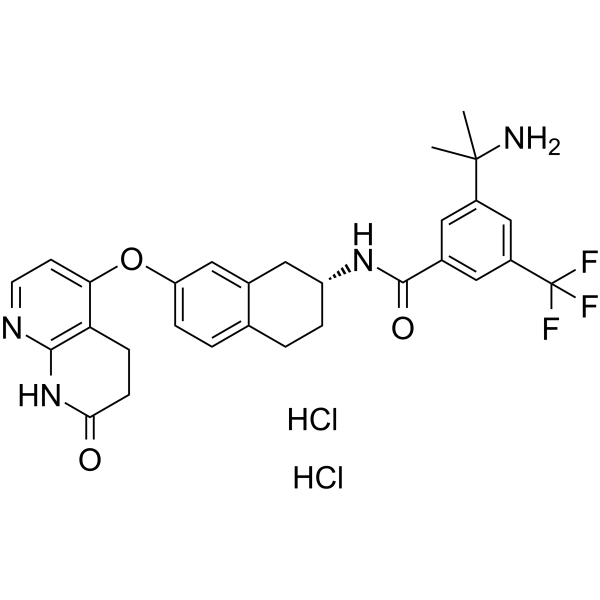
- HY-P0003A
-
|
Brain Natriuretic Peptide-32 human acetate; BNP-32 acetate
|
Natriuretic Peptide Receptor (NPR)
Calcium Channel
|
Cardiovascular Disease
|
|
Nesiritide (Brain Natriuretic Peptide-32 human) acetate is a recombinant human B-type natriuretic peptide. Nesiritide acetate is a NPRs agonist, with Kd values of 7.3 and 13 pM for NPR-A and NPR-C, respectively. Nesiritide acetate regulates V1/2 activation/inactivation of the L-type calcium channel. Nesiritide acetate shows vasodilatory, diuretic, and natriuretic activities. Nesiritide acetate is used in cardiovascular diseases such as heart failure and vascular remodeling after arterial injury .
|
-

- HY-182043
-
|
|
c-Kit
PDGFR
|
Cancer
|
|
BLU-654 is an orally active antineoplastic agent and KIT inhibitor. BLU-654 is a highly selective inhibitor targeting wild-type KIT, PDGFRβ, and KIT V654A over most other kinases in the kinome. BLU-654 exerts sustained antineoplastic activity in KIT V654A cell-derived xenograft mouse models. BLU-654 can be used in research related to Imatinib (HY-15463)-resistant gastrointestinal stromal tumors .
|
-

- HY-120078
-
|
|
Phospholipase
|
|
|
AZD2716 is a selective sPLA2 (secretory phospholipase A2) inhibitor. AZD2716 significantly reduces the production of pro-inflammatory lipids by inhibiting sPLA2-IIa (IC50 = 10 nM), sPLA2-V (IC50 = 40 nM), and sPLA2-X (IC50 = 400 nM), thereby decreasing macrophage activation and foam cell formation. AZD2716 is promising for studying mechanisms related to atherosclerosis and inflammatory diseases associated with sPLA2 .
|
-

- HY-153724
-
|
|
Ras
|
Cancer
|
|
BI-2865 is a none-covalent pan-KRAS Inhibitor. BI-2865 binds to WT, G12C, G12D, G12V and G13D mutant KRAS with KDs of 6.9, 4.5, 32, 26, 4.3 nM respectively. BI-2865 inhibits the proliferation of G12C, G12D or G12V mutant KRAS expressing BaF3 cells (mean IC50: roughly 140 nM) .
|
-
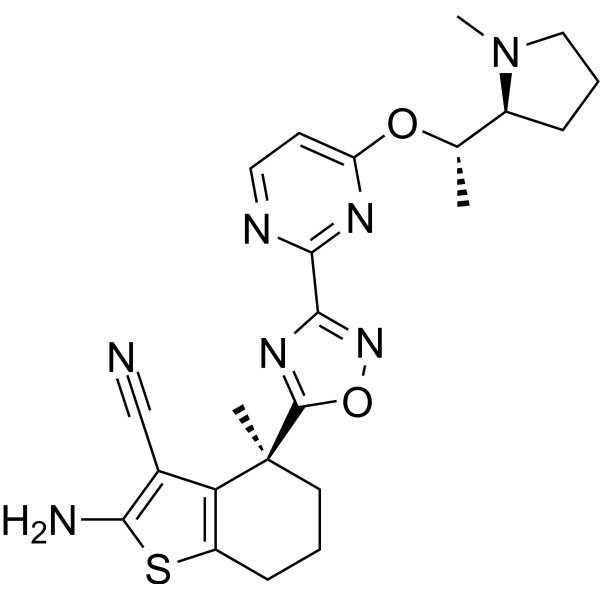
- HY-P0003
-
|
Brain Natriuretic Peptide-32 human; BNP-32
|
Natriuretic Peptide Receptor (NPR)
Calcium Channel
|
Cardiovascular Disease
|
|
Nesiritide (Brain Natriuretic Peptide-32 human) is a recombinant human B-type natriuretic peptide. Nesiritide is a NPRs agonist, with Kd values of 7.3 and 13 pM for NPR-A and NPR-C, respectively. Nesiritide regulates V1/2 activation/inactivation of the L-type calcium channel. Nesiritide shows vasodilatory, diuretic, and natriuretic activities. Nesiritide is used in cardiovascular diseases such as heart failure and vascular remodeling after arterial injury .
|
-
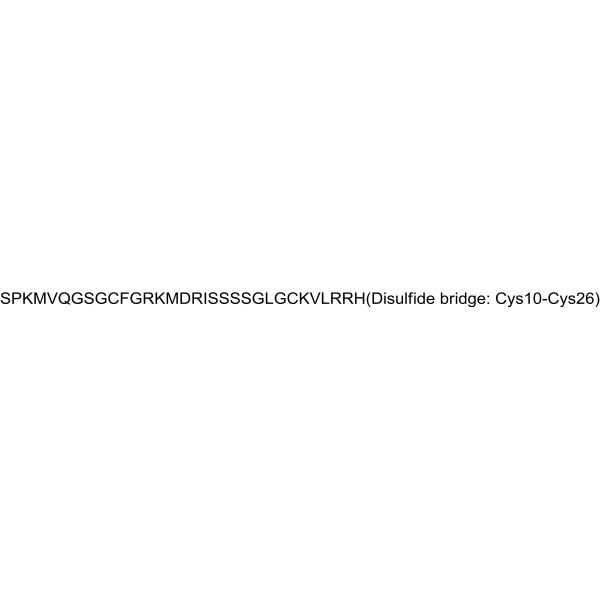
- HY-14979
-
|
|
Raf
Bcr-Abl
Discoidin Domain Receptor
VEGFR
RET
Ephrin Receptor
|
Cancer
|
|
ML786 is a potent and orally bioavailable Raf inhibitor, with IC50s of 2.1, 4.2, and 2.5 nM for V600EΔB-Raf, wt B-Raf, and C-Raf, respectively. ML786 also inhibits Abl-1, DDR2, EPHA2, KDR, and RET (IC50=<0.5, 7.0, 11, 6.2, 0.8 nM). ML786 can be used for the research of cancers .
|
-

- HY-159474
-
|
|
Ras
|
Cancer
|
|
KRAS inhibitor-24 (compound 115c) is a pyridopyrimidine KRAS inhibitor, with an IC50 of < 100 nM for KRas G12V, KRas WT and KRas G12R .
|
-

- HY-P5555
-
|
|
Bacterial
|
Infection
|
|
LMW peptide is an antimicrobial peptide. LMW peptide is active against Gram-positive and Gram-negative bacterial, such as B. subtilis, L. monocytogenes, E. coli, P. aeruginosa, V. cholera .
|
-
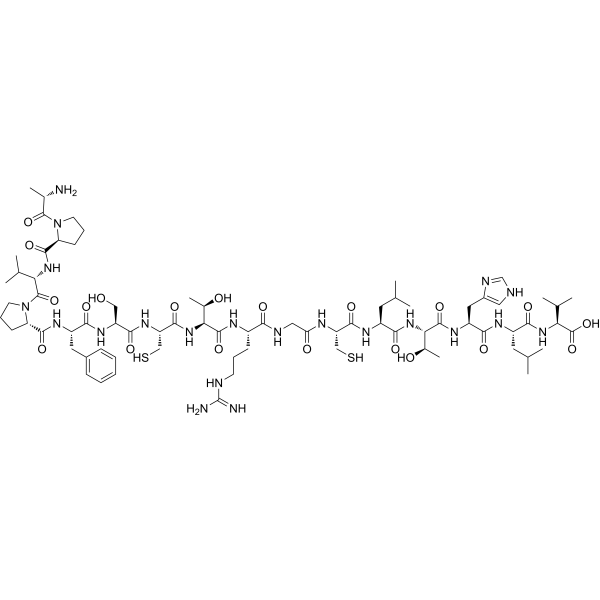
- HY-14177
-
|
|
Raf
|
Cancer
|
|
Raf inhibitor 1 is a potent Raf kinase inhibitor with Kis of 1 nM, 1 nM, and 0.3 nM for B-Raf WT, B-Raf V600E, and C-Raf, respectively.
|
-
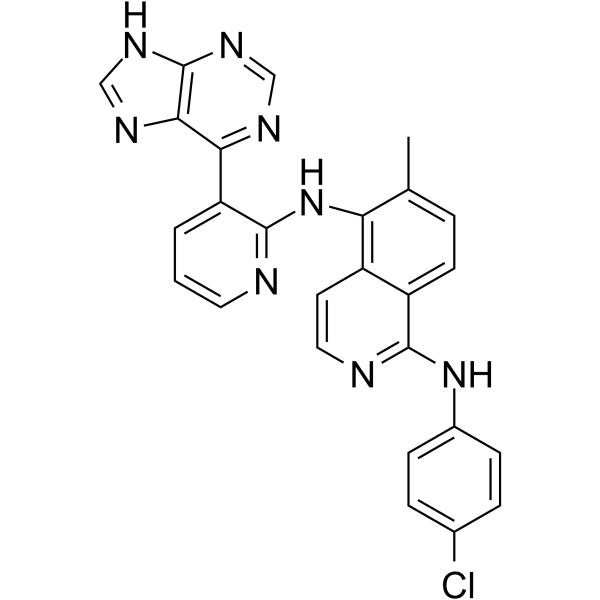
- HY-147179
-
|
|
ADC Payload
|
Inflammation/Immunology
|
|
INX-SM-56 is a cytotoxin that can be used for the synthesis of anti-VISTA antibody agent conjugate. VISTA: V-region Immunoglobulin-containing Suppressor of T cell Activation .
|
-
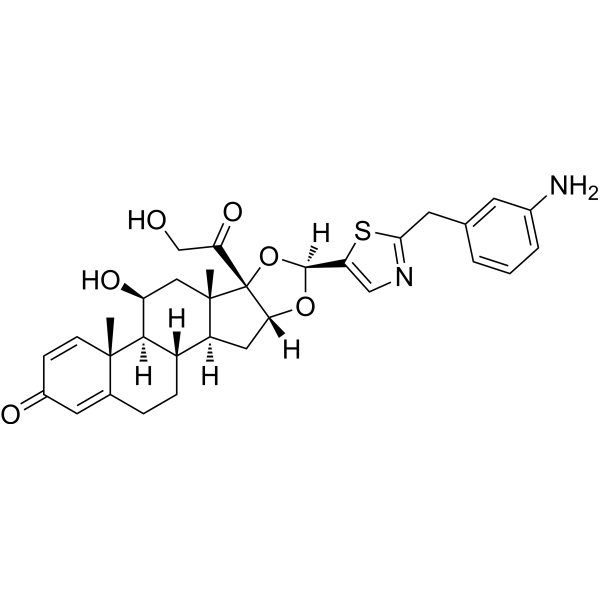
- HY-159476
-
|
|
Ras
|
Cancer
|
|
KRAS inhibitor-26 (compound 194a) is a potent KRAS G12V inhibitor (IC50: ≤100 nM). KRAS inhibitor-26 can be used for cancer research .
|
-

- HY-W041652
-
|
|
ADC Linker
|
Cancer
|
|
5-Hydroxypentanoic acid is a PROTAC linker. 5-Hydroxypentanoic acid can be used in the synthesis of PROTAC AR-V7 degrader-1 (HY-145479) .
|
-

- HY-159475
-
|
|
Ras
|
Cancer
|
|
KRAS inhibitor-25 (compound 151a) is a pyridopyrimidine KRAS inhibitor, with an IC50 of < 100 nM against KRas G12V, KRas WT and KRas G12R .
|
-

- HY-107331
-
|
|
Parasite
|
Infection
|
|
Chlorproguanil is an antifolate with an IC50 of 4.68 μM against Plasmodium falciparum female gamete formation. Chlorproguanil can be used for the research of malaria .
|
-

- HY-P0272
-
|
|
HIV
|
Infection
|
|
Peptide T is an octapeptide from the V2 region of HIV-1 gp120. Peptide T is a ligand for the CD4 receptor and prevents binding of HIV to the CD4 receptor.
|
-
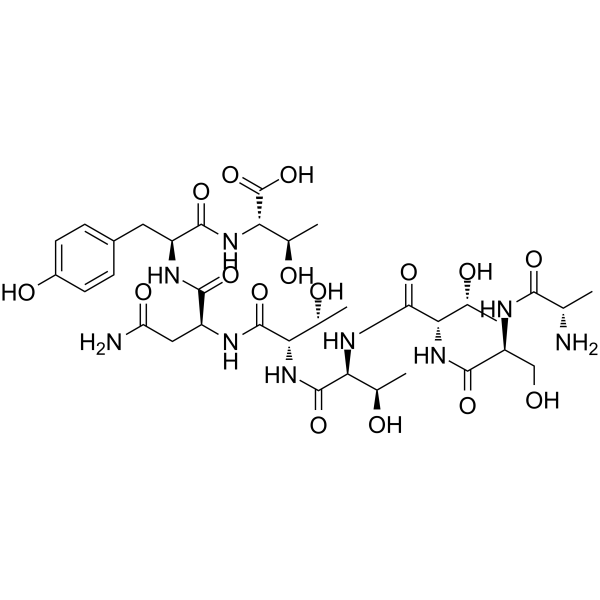
- HY-17436R
-
-

- HY-162446
-
|
|
Ras
|
Cancer
|
|
pan-KRAS-IN-13 (compound 2) is a potent inhibitor of KRAS, with IC50s of 2.75 nM and 2.89 nM for G12D and G12V, respectively
|
-

- HY-136567
-
|
|
Raf
|
Cancer
|
|
TBAP-001 (Synthesis 13), extracted from patent WO2015075483A1, is a pan-RAF kinase inhibitor, with an IC50 of 62 nM in BRAF V600E kinase assay .
|
-
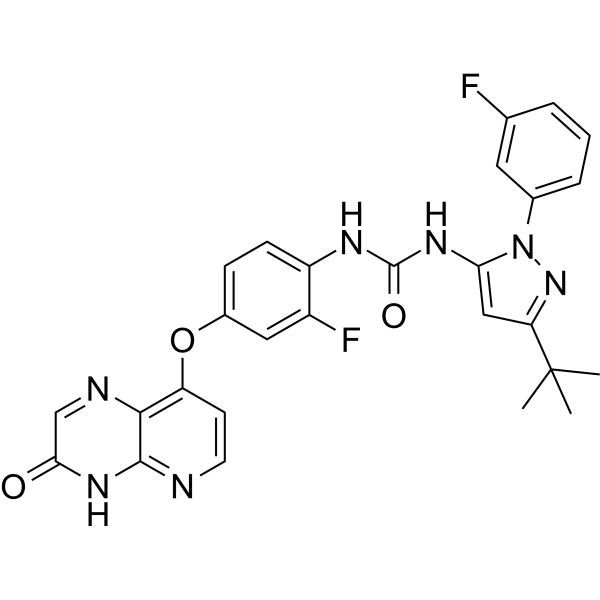
- HY-121648
-
|
|
Biochemical Assay Reagents
|
Cancer
|
|
PK 130 is a 2-nitroimidazole derivative that has radiosensitizing effects on hypoxic cells. PK 130 increases the radiosensitivity of Chinese hamster V79 cells under hypoxic conditions .
|
-

- HY-160919
-
|
|
JAK
|
Cancer
|
|
JAK2-IN-16 (Compound Example 4) is a JAK2 V617F inhibitor. JAK2-IN-16 can be used for the research of cancer .
|
-

- HY-167887
-
|
|
Endogenous Metabolite
|
Infection
|
|
7PPD-Q is a substituted p-phenylenediamine antioxidants derivatives. 7PPD-Q has toxic to the bacterium V. fischeri (EC50 = 14.9 mg/L) .
|
-

- HY-14177A
-
|
|
Raf
|
Cancer
|
|
B-Raf inhibitor 1 dihydrochloride is a potent Raf kinase inhibitor with Kis of 1 nM, 1 nM, and 0.3 nM for B-Raf WT, B-Raf V600E, and C-Raf, respectively.
|
-
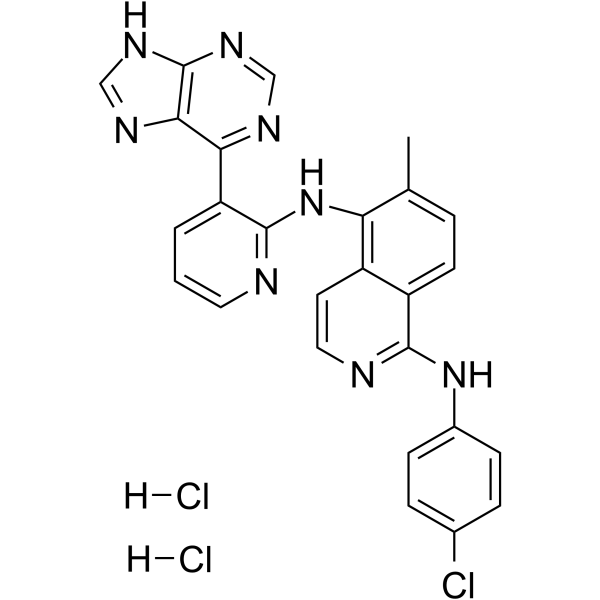
- HY-N14427
-
|
|
Fungal
|
Infection
|
|
Concanamycin G has antifungal, antiviral, immunosuppressive, cytotoxic and other activities, and is a specific inhibitor of V-type ATPase (Ki=0.02 nM), which is an important tool for biochemical research .
|
-

- HY-169210
-
|
|
Apoptosis
|
Cancer
|
|
ECDD-S18 (compund ECDD-S18) induces apoptosis in a dose-dependent manner, effectively targets vacuolar ATPase (V-ATPase), and impairs lysosomal acidification .
|
-

- HY-N14426
-
|
|
Fungal
|
Infection
|
|
Concanamycin F has antifungal, antiviral, immunosuppressive, cytotoxic and other activities, and is a specific inhibitor of V-type ATPase (Ki=0.02 nM), which is an important tool for biochemical research .
|
-

- HY-179300
-
|
|
Ras
|
Cancer
|
|
KRAS-IN-48 free base (Compound 1-01) is a mutant KRAS inhibitor, with Kd values of 2.58 nM and 5.49 μM for KRAS G12D and KRAS G12V, respectively. KRAS-IN-48 free base affects pERK expression in cells harboring KRAS G12D and KRAS G12V mutations, with IC50 values of 1.1 μM and 1.51 μM, respectively. KRAS-IN-48 free base can be used in the research of cancer .
|
-

- HY-173275
-
|
|
PDGFR
|
Cancer
|
|
PDGFRα kinase inhibitor 3 (Compound L7) is a highly potent inhibitor targeting the PDGFRα D842V kinase with IC50s values of 23.8 nM and 2.1 nM in biochemical and cellular assays, respectively. PDGFRα kinase inhibitor 3 binds to the ATP-binding pocket of PDGFRα D842V to block its downstream signaling pathways and inhibit kinase activity. PDGFRα kinase inhibitor 3 can be used for gastrointestinal stromal tumors (GISTs) study .
|
-

- HY-151903S
-
|
|
FGFR
|
Cancer
|
|
FGFR2/3-IN-1 is a potent and selective FGFR2 and FGFR3 (FGFR) inhibitor with IC50s of 1 nM and 0.5 nM, respectively. FGFR2/3-IN-1 displays >40-fold selectivity over FGFR1/FGFR4 and other kinome. FGFR2/3-IN-1 also inhibits FGFR3 V555L and V555M mutants with IC50s of 2.7 nM and 6.1 nM, respectively .
|
-
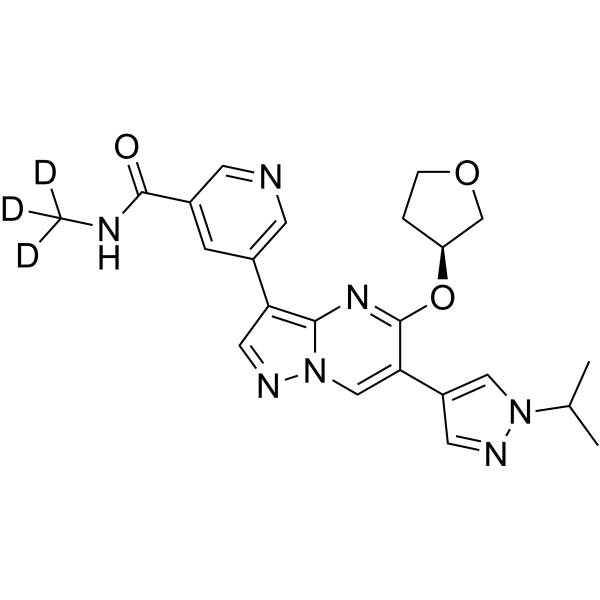
- HY-P10897A
-
|
|
Toll-like Receptor (TLR)
NF-κB
|
Cardiovascular Disease
Inflammation/Immunology
|
|
SjDX5-271v is a negative control of SjDX5-271 (HY-P10897). SjDX5-271 is a small 3 kDa peptide. SjDX5-271 inhibits the TLR4/MyD88/NF-κB signaling pathway. SjDX5-271 induces cell polarization. SjDX5-271 alleviats hepatic inflammation. SjDX5-271 protects mice against liver ischemia-reperfusion injury .
|
-

- HY-156632
-
|
KIN-3248
|
FGFR
|
Cancer
|
|
Resigratinib (KIN-3248) is an irreversible and orally active covalent inhibitor of FGFR1-4 that effectively inhibits wild-type and drug-resistant mutations (such as FGFR2 V565F, FGFR3 V555M). Resigratinib covalently binds to the Cys492 site of FGFR, blocks the FGFR signaling pathway, inhibits tumor cell proliferation and induces apoptosis. Resigratinib can be used for the study of FGFR2/3-driven solid tumors (such as cholangiocarcinoma and bladder cancer) .
|
-
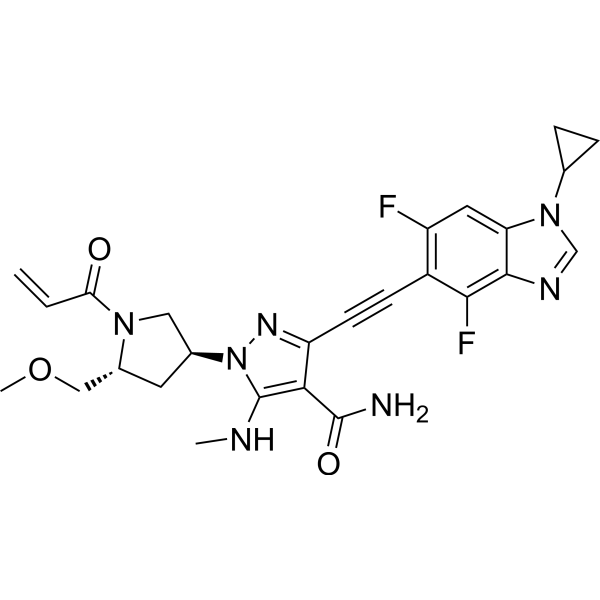
- HY-175317
-
|
|
PI3K
Akt
NF-κB
Bcl-2 Family
Apoptosis
|
Cancer
|
|
Nogo-B-IN-1 ((S,R)-4v) is a covalent Nogo-B inhibitor. Nogo-B-IN-1 inhibits the progression of osteosarcoma (OS) by suppressing Nogo-B activity and the PI3K/AKT/NF-κB/Bcl-2 signaling pathway. Nogo-B-IN-1 inhibits the proliferation of OS 143B cells (IC50 = 0.28 µM) and induces apoptosis. Nogo-B-IN-1 can be used for OS targeting research .
|
-

- HY-P4683A
-
|
|
Vasopressin Receptor
|
Cardiovascular Disease
|
|
(Phenylac1,D-Tyr(Et)2,Lys6,Arg8,des-Gly9)-Vasopressin is a potent vasopressin V1 receptor (VP V1R) antagonist. (Phenylac1,D-Tyr(Et)2,Lys6,Arg8,des-Gly9)-Vasopressin significantly decreases the mean arterial pressure (MAP) in rats .
|
-
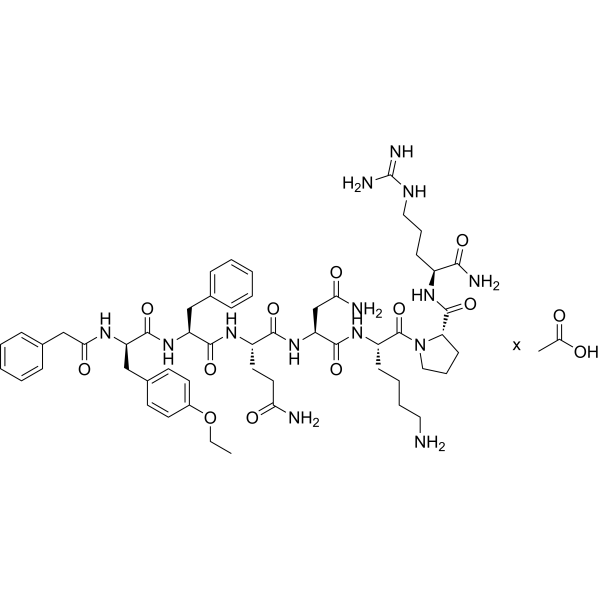
- HY-101561R
-
|
BLU-285 (Standard)
|
Reference Standards
c-Kit
PDGFR
|
Cancer
|
|
Avapritinib (Standard) is the analytical standard of Avapritinib. This product is intended for research and analytical applications. Avapritinib (BLU-285) is a highly potent, selective, and orally active KIT and PDGFRA activation loop mutant kinases inhibitor with IC50s of 0.27 and 0.24 nM for KIT D816V and PDGFRA D842V, respectively. Avapritinib (BLU-285) binds the active conformation of the kinase and shows antitumor activity. Avapritinib (BLU-285) attenuates the transport function of both ABCB1 and ABCG2 .
|
-

- HY-P4683
-
|
|
Vasopressin Receptor
|
Cardiovascular Disease
|
|
(Phenylac1,D-Tyr(Et)2,Lys6,Arg8,des-Gly9)-Vasopressin is a potent vasopressin V1 receptor (VP V1R) antagonist. (Phenylac1,D-Tyr(Et)2,Lys6,Arg8,des-Gly9)-Vasopressin significantly decreases the mean arterial pressure (MAP) in rats .
|
-
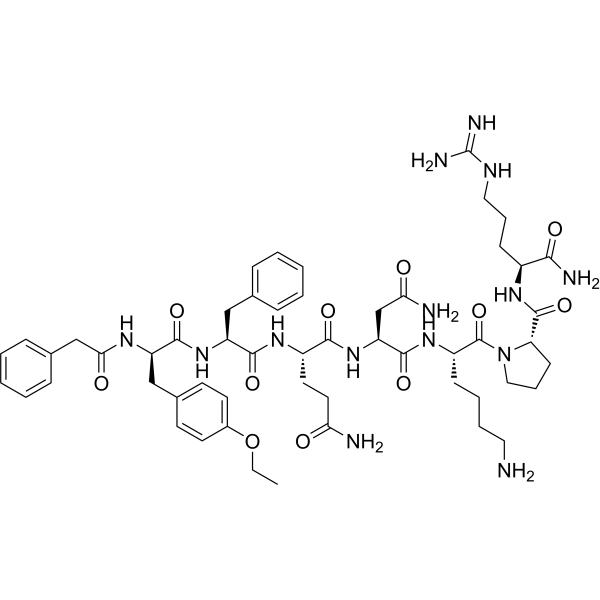
- HY-162439
-
|
|
Ras
|
Cancer
|
|
pan-KRAS-IN-6 (compound 12) is a potent pan KRAS inhibitor with IC50 values of 9.79 nM (Kras G12D) and 6.03 nM (Kras G12V) .
|
-

- HY-P5535
-
|
OCE-205
|
Vasopressin Receptor
|
Inflammation/Immunology
|
|
Invopressin (Compound 42) is a vasopressin V1A receptor partial agonist (EC50: 1.0 nM). Invopressin can be used for research of cirrhosis, including bacterial peritonitis, HRS2 and refractory ascites .
|
-
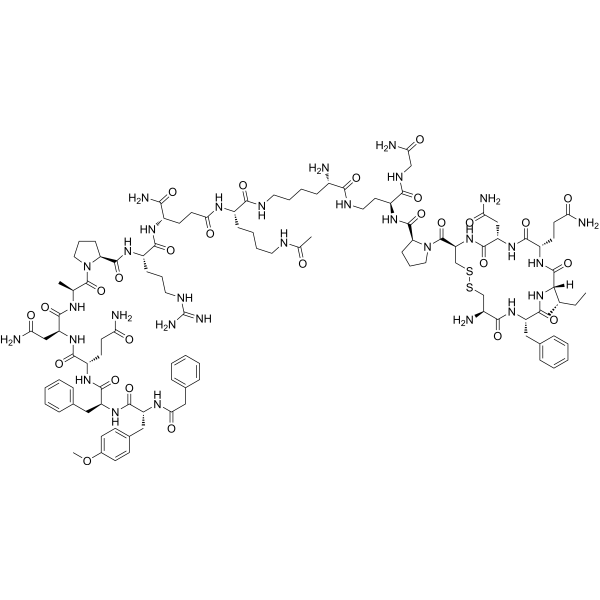
- HY-168125
-
|
|
JNK
|
Cancer
|
|
JNK-IN-18 (compund 23b) is a JNK1 inhibitor with IC50 of 2 nM, compared to JNK2 and BRAF(V600E) with IC50 of 125 nM and 98 nM, respectively .
|
-

- HY-41749
-
|
v-Triazole-4,5-dicarboxylic acid; 1,2,3-Triazole-4,5-Dicarboxylicacid
|
MOFs
|
Others
|
|
1H-1,2,3-Triazole-4,5-dicarboxylic acid (v-Triazole-4,5-dicarboxylic acid) is a metal-organic framework (MOF).
|
-

- HY-P0272A
-
|
|
HIV
|
Infection
|
|
Peptide T (TFA) is an octapeptide from the V2 region of HIV-1 gp120. Peptide T is a ligand for the CD4 receptor and prevents binding of HIV to the CD4 receptor.
|
-
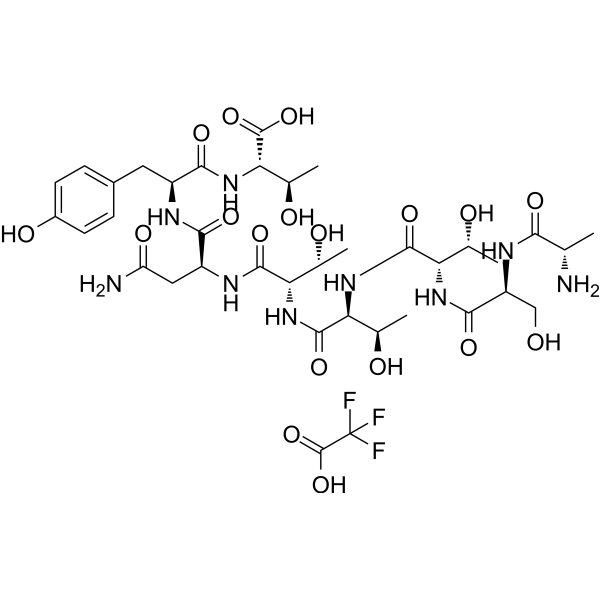
- HY-12846
-
|
|
Raf
|
Cancer
|
|
CCT196969 is a pan-Raf inhibitor, which inhibits B-Raf, BRaf V600E and CRAF with IC50s of 0.1, 0.04, and 0.01 μM, respectively.
|
-
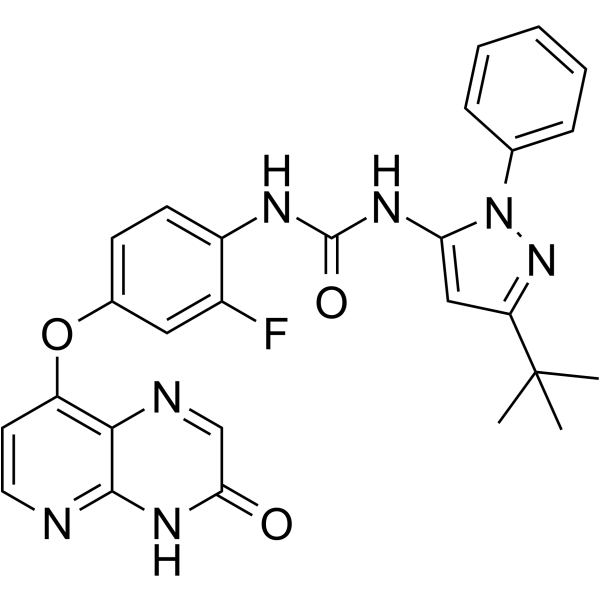
- HY-169312
-
|
|
Ras
|
Cancer
|
|
KRAS inhibitor-38 (Example 18) is a KRAS inhibitor that effectively suppresses the activity of KRAS G12C, KRAS G12D, and KRAS G12V in vivo .
|
-

- HY-P1162
-
-
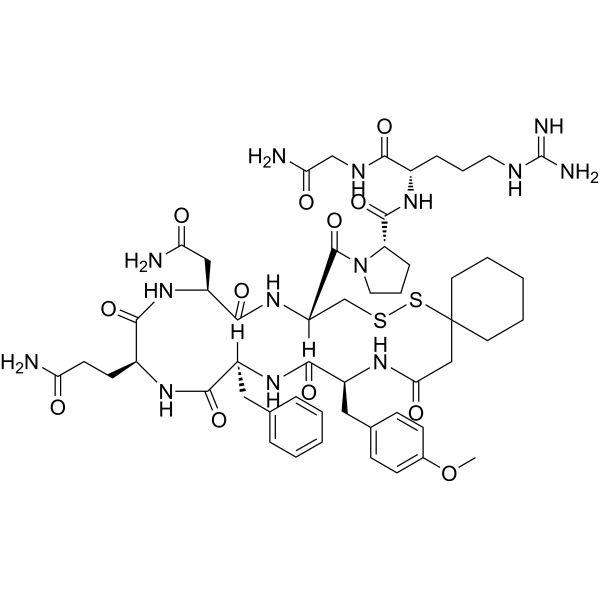
- HY-145514A
-
|
|
PROTACs
FKBP
|
Cancer
|
|
dTAGV-1-NEG is a diastereomer and as a heterobifunctional negative control of dTAGV-1. dTAGV-1 is an FKBP12 F36V-selective degrader .
|
-
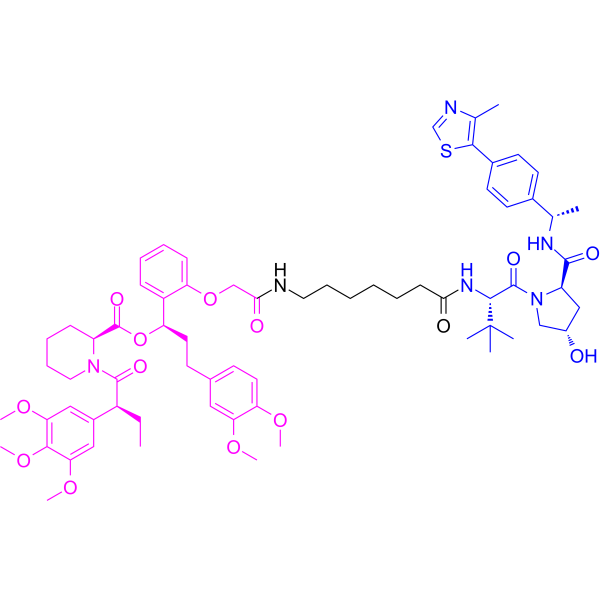
- HY-18652
-
|
Ro 5126766; CH5126766
|
MEK
Raf
|
Cancer
|
|
Avutometinib (Ro 5126766) is a first-in-class dual MEK/RAF inhibitor that allosterically inhibits BRAF V600E, CRAF, MEK, and BRAF (IC50: 8.2, 56, 160 nM, and 190 nM, respectively).
|
-
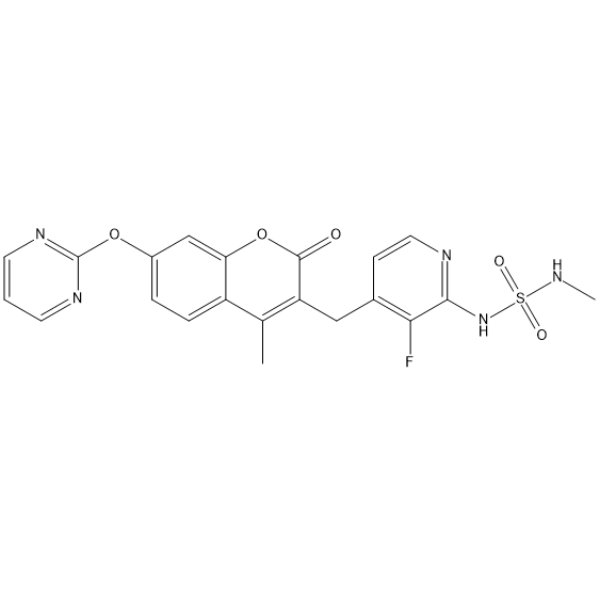
- HY-164393
-
|
|
JAK
Bcr-Abl
Apoptosis
|
Cancer
|
|
ON044580, an α-benzoyl styryl benzyl sulfide, is a potent and non-ATP-competitive JAK2 kinase inhibitor with IC50s of 1.23 μM, 1.09 μM for WT and V617F mutant JAK2, respectively. ON044580 inhibits the JAK2 kinase activity either by binding to the STAT-5 binding domain of JAK2 or by binding to an allosteric site. ON044580 exerts its antiproliferative effect in JAK2 V617F-positive leukemic cells. ON044580 effectively induces apoptosis of Imatinib (HY-15463)-resistant chronic myelogenous leukemia (CML) cells. ON044580 also inhibits both WT and T315I mutant forms of the BCR-ABL kinase. ON044580 has the potential for myeloproliferative disorders typified by aberrant JAK/STAT signaling .
|
-

- HY-121708
-
|
|
c-Kit
|
Cancer
|
|
KI-328 is a novel inhibitor targeting KIT kinase that has selective activity against some KIT mutant kinases commonly found in acute myeloid leukemia (AML). KI-328 showed specificity for KIT kinase in in vitro kinase assays and inhibited the growth of wild-type (Wt) and mutant KIT-expressing cells, but had lower activity against D816V-KIT. Comparative analysis of the inhibitory effects of several potent KIT inhibitors on the growth of multiple mutant KIT-expressing cells showed that the multi-kinase inhibitors had comparable activity against D816V-KIT as against other mutant KITs; however, heat shock protein 90 (HSP90) inhibitors showed significant activity against D816V-KIT, inhibiting the growth of D816V-KIT-expressing cells at concentrations that did not affect the growth of other mutant KIT-expressing cells. These results suggest that potent KIT inhibitors have different activities against different types of KIT mutant kinases. Therefore, in clinical development, KIT inhibitors need to validate their activity against multiple types of KIT mutant kinases.
|
-

- HY-159473
-
|
|
Ras
|
Cancer
|
|
K-Ras-IN-3 (compound 3) is a potent GDP-KRAS G12V inhibitor with an IC50 value of 0.371 nM. K-Ras-IN-3 has the potential for the research of cancer .
|
-

- HY-150250
-
|
|
Raf
|
Cancer
|
|
B-Raf IN 13 is a BRAF inhibitor with an IC50 of 3.55 nM in BRAF V600E enzyme assay. B-Raf IN 13 has anticaner effects (WO2020261156A1, Example 74) .
|
-
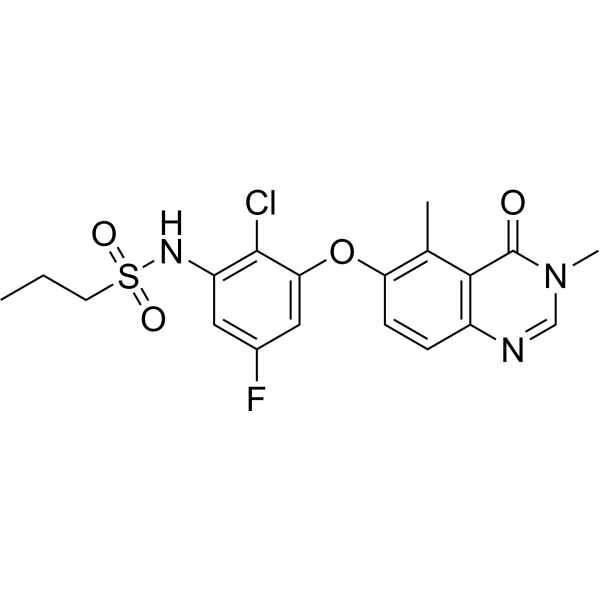
- HY-175831
-
|
|
Raf
|
Cancer
|
|
BRAFV600E-IN-2 is a BRAF V600E inhibitor with IC50 ≤10 nM. BRAFV600E-IN-2 has anti-tumor activity .
|
-

- HY-14445R
-
|
COX-2 Inhibitor V (Standard)
|
COX
Reference Standards
|
Inflammation/Immunology
|
|
FK 3311 (Standard) is the analytical standard of FK 3311. This product is intended for research and analytical applications. FK 3311 (COX-2 Inhibitor V) is a selective inhibitor of COX-2 with antiinflammatory agent.
|
-

- HY-148771
-
MTX-23
1 Publications Verification
PROTAC AR-V7 degrader-2
|
PROTACs
Androgen Receptor
Apoptosis
|
Cancer
|
|
MTX-23 is an AR-based PROTAC. MTX-23 inhibits CaP cellular proliferation by degrading AR-V7 and AR-FL. MTX-23 induces apoptosis .
|
-
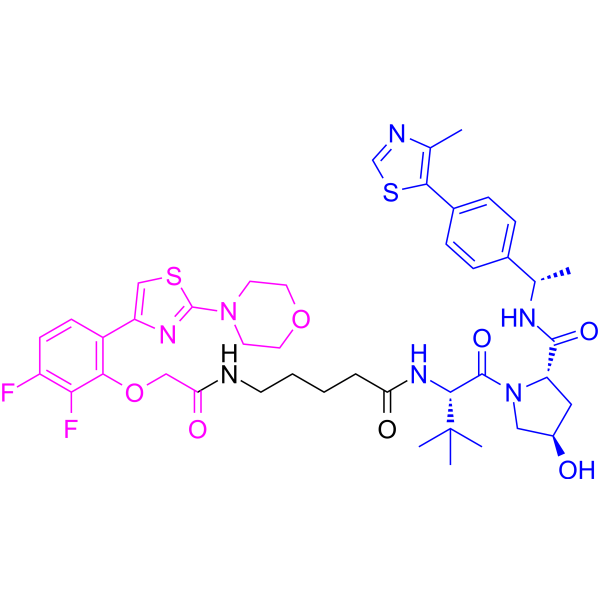
- HY-145557
-
|
CGT9486; PLX 9486
|
c-Kit
|
Cancer
|
|
Bezuclastinib (CGT9486) is an orally active, highly selective tyrosine kinase inhibitor with potent activity against KIT D816V. Bezuclastinib can be used for the research of nonadvanced systemic mastocytosis (NonAdvSM) .
|
-
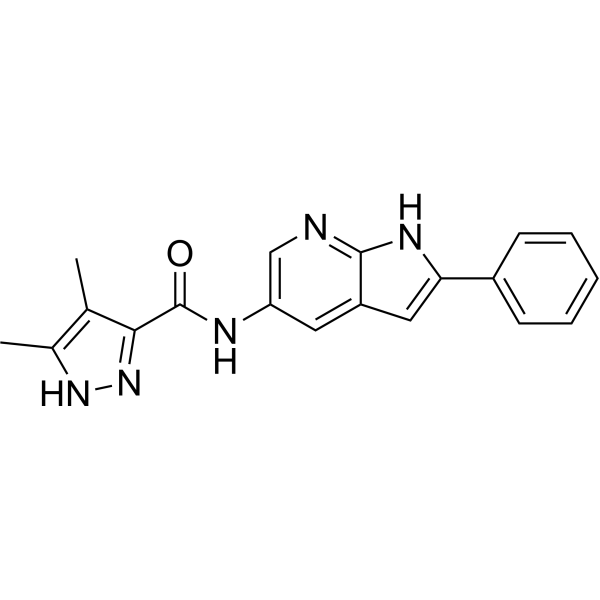
- HY-159474A
-
|
|
Ras
|
Cancer
|
|
(1R)-KRAS inhibitor-24 (compound 115c) is a pyridopyrimidine KRAS inhibitor, with an IC50 of < 100 nM for KRas G12V, KRas WT and KRas G12R .
|
-

- HY-W010347
-
-
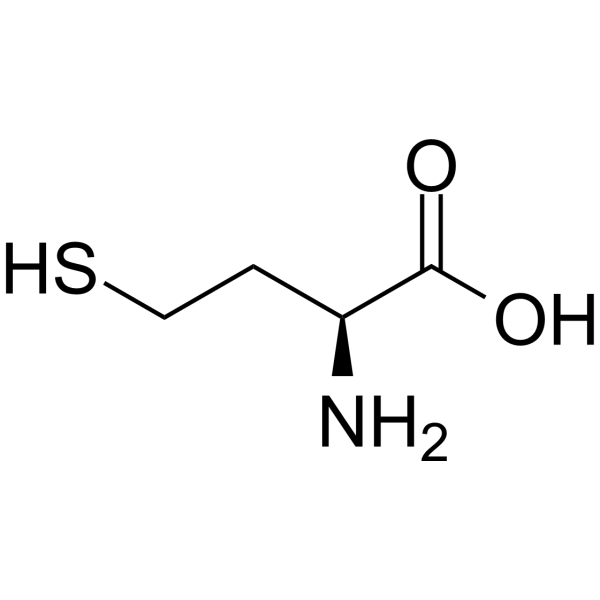
- HY-156528
-
|
|
Ras
|
Cancer
|
|
pan-KRAS-IN-4 (compound 5) is a potent inhibitor of KRAS with IC50s of 0.37 nM (Kras G12C), 0.19 nM (Kras G12V), respectively .
|
-
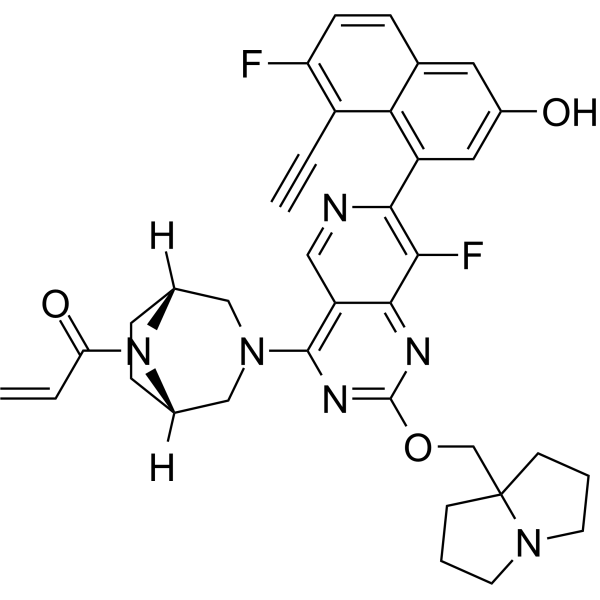
- HY-110314
-
|
|
LPL Receptor
|
Infection
|
|
CYM50358 hydrochloride (compound 4v) is a potent, selective sphingosine-1-phosphate 4 (S1P4) receptor antagonist. CYM50358 hydrochloride can be used in the study of influenza infection .
|
-
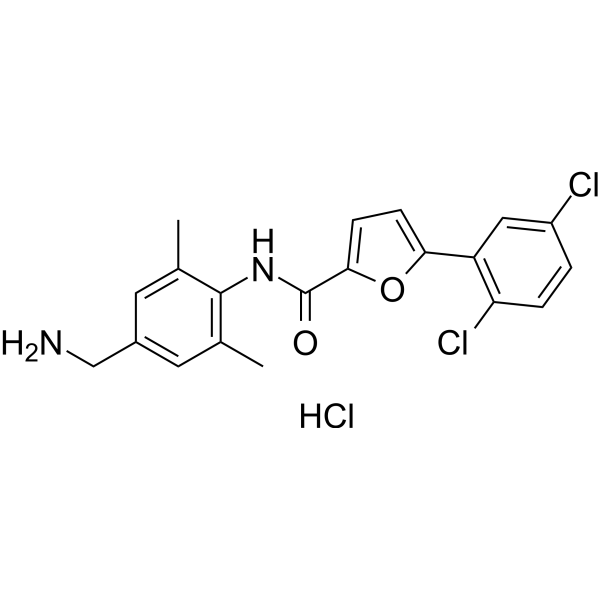
- HY-W002040
-
|
1-Aminoglycerol, 97%
|
Drug Intermediate
|
Others
|
|
(±)-3-Amino-1,2-propanediol, 97% (1-Aminoglycerol, 97%) is a chiral raw material that can be used for the synthesis of chiral vanadium (V) Schiff base complexes .
|
-

- HY-181263
-
|
|
SARS-CoV
Virus Protease
|
Infection
|
|
Jun13698 is a SARS-CoV-2 main protease (M pro) inhibitor with Ki values of 65.6 nM, 510.0 nM, and 117.5 nM against the wild-type, E166V, and E166A mutants, respectively. Jun13698 forms stable complexes with wild-type and mutant M pro to mediate enzyme inhibition. Jun13698 exhibits antiviral activity against SARS-CoV-2 variants carrying the E166V/A mutation. Jun13698 is applicable to COVID-19-related research .
|
-

- HY-164350
-
|
|
Ras
ERK
p38 MAPK
|
Cancer
|
|
KRAS inhibitor-27 (Compound 15h) is the inhibitor for KRAS. KRAS inhibitor-27 inhibits KRAS G12D/G12V mutated cells AsPC-1, SW620 and KRAS wildtype cell HT-29 with IC50 of 378, 0.6 and 3230 nM, respectively. KRAS inhibitor-27 inhibits ERK phosphorylation (IC50 in cell AsPC-1 and SW620 is 0.6 nM and 1 nM), reduces the expression of DUSP4, thereby inhibiting MAPK signaling pathway .
|
-

- HY-126619
-
|
|
Bacterial
Apoptosis
|
Infection
|
|
Aspochalasin D is a co-metabolite originally isolated from A. microcysticus with aspochalasins A, B, and C, that is initially thought to be inactive. It has antibacterial activity against Gram-positive and Gram-negative bacteria at a concentration of 1 mg/ml.2 Aspochalasin D is more cytotoxic, via apoptosis, to Ba/F3-V12 cells in an IL-3-free medium than in an IL-3-containing medium (IC50s=0.49 and 1.9 μg/mL, respectively).
|
-

- HY-135474
-
KM91104
2 Publications Verification
|
ATP Synthase
Toll-like Receptor (TLR)
|
Others
|
|
KM91104 is a cell-permeable V-ATPase a3-b2 inhibitor (IC50 = 2.3 µM). KM91104 reduces the metabolic activity, cell proliferation capacity and V-ATPase subunit protein expression levels of primary human hepatic stellate cells, increases intracellular ATP levels and decreases cytoplasmic pH. KM91104 reduces TLR4 expression on the surface of oligodendrocyte precursor cells, blocks the ENV-TLR4 interaction, and reverses oligodendrocyte myelination defects induced by ENV protein .
|
-
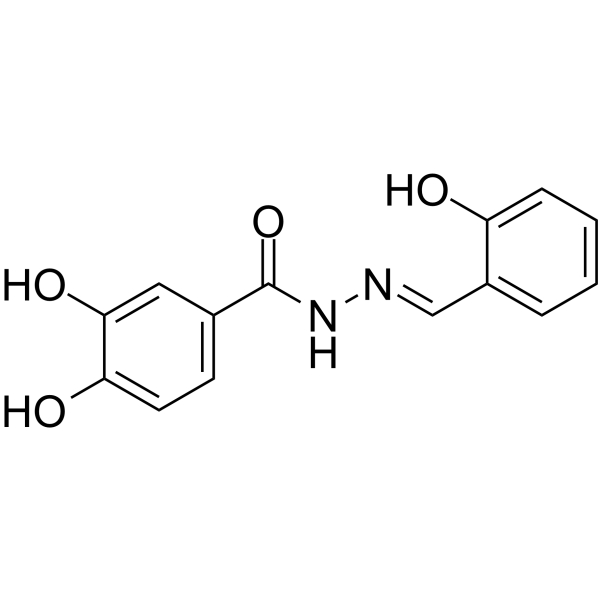
- HY-W754911
-
|
BLU-285-d3
|
Isotope-Labeled Compounds
PDGFR
c-Kit
|
Cancer
|
|
Avapritinib-d3 (BLU-285-d3) is deuterium labeled Avapritinib. Avapritinib (BLU-285) is a highly potent, selective, and orally active KIT and PDGFRA activation loop mutant kinases inhibitor with IC50s of 0.27 and 0.24 nM for KIT D816V and PDGFRA D842V, respectively. Avapritinib (BLU-285) binds the active conformation of the kinase and shows antitumor activity. Avapritinib (BLU-285) attenuates the transport function of both ABCB1 and ABCG2 .
|
-

- HY-164373
-
|
|
Androgen Receptor
Apoptosis
|
Cancer
|
|
SC428 is an androgen receptor (AR) inhibitor that targets the N-terminal domain. SC428 potently decrease the transactivation of (AR)-V7, (AR)v567es, as well as full-length ( AR ) (AR-FL) and its LBD mutants, substantially. SC428 inhibits androgen-stimulated (AR)-FL nuclear translocation, chromatin binding, and (AR) -regulated gene transcription. SC428 inhibits the proliferation of tumor cells in vitro. SC428 inhibits tumor cell growth by inducing apoptosis in mice transplanted with 22RV1 .
|
-

- HY-N0751R
-
|
|
Reference Standards
STAT
Akt
HIV
|
Infection
Cancer
|
|
Scutellarin (Standard) is the analytical standard of Scutellarin. This product is intended for research and analytical applications. Scutellarin, an active flavone isolated from Scutellaria baicalensis, can down-regulates the STAT3/Girdin/Akt signaling in HCC cells, and inhibits RANKL-mediated MAPK and NF-κB signaling pathway in osteoclasts. Scutellarin is active against HIV-1IIIB, HIV-1(74V) and HIV-1KM018 with EC50s of 26 μM, 253 μM and 136 μM, respectively.
|
-

- HY-RI01700A
-
|
|
MicroRNA
|
Cancer
|
|
hsa-miR-548v antagomirs are chemically-modified oligonucleotides that hybridize with mature miRNAs. The miRNA antagomirs have 2 phosphorothioates at the 5' end, 4 phosphorothioates at the 3' end, 1 cholesterol group at the 3' end, and full-length nucleotide 2'-methoxy modification. The miRNA antagomirs strongly compete with mature miRNAs to prevent the complementary pairing of miRNAs and their target genes, thereby inhibiting miRNAs from functioning. Stability of miRNA antagomirs appears to be significantly higher than miRNA inhibitors, they exhibits enhanced cellular uptake, stability and regulatory activity in vivo.
|
-
hsa-miR-548v antagomir
hsa-miR-548v antagomir
- HY-100818
-
|
TAS-120
|
FGFR
|
Cancer
|
|
Futibatinib (TAS-120) is an orally bioavailable, highly selective, and irreversible FGFR inhibitor, with IC50s of 3.9, 1.3, 1.6, and 8.3 nM for FGFR 1-4, respectively. Futibatinib inhibits mutant and wild-type FGFR2 with similar IC50s (wild-type FGFR2=0.9 nM; V5651=1-3 nM; N550H=3.6 nM; E566G=2.4 nM) .
|
-
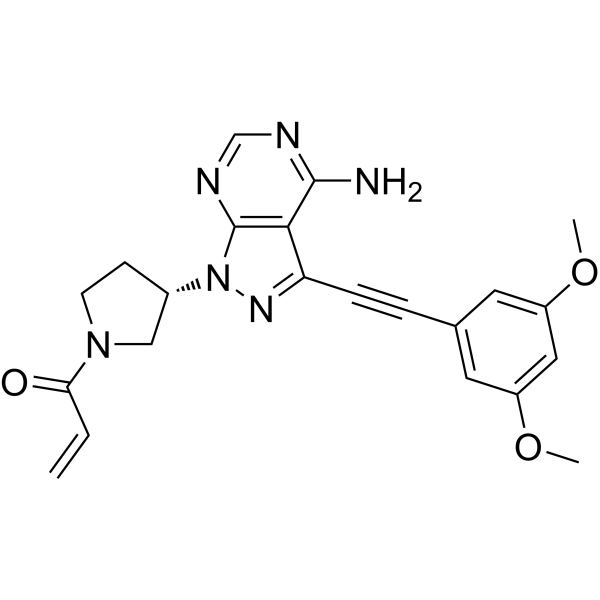
- HY-100080
-
|
|
Sodium Channel
|
Neurological Disease
|
|
A-887826 is a potent, selective, oral bioavailable and voltage-dependent Na(v)1.8 sodium channel blocker with an IC50 of 11 nM . A-887826 attenuates neuropathic tactile allodynia in vivo .
|
-
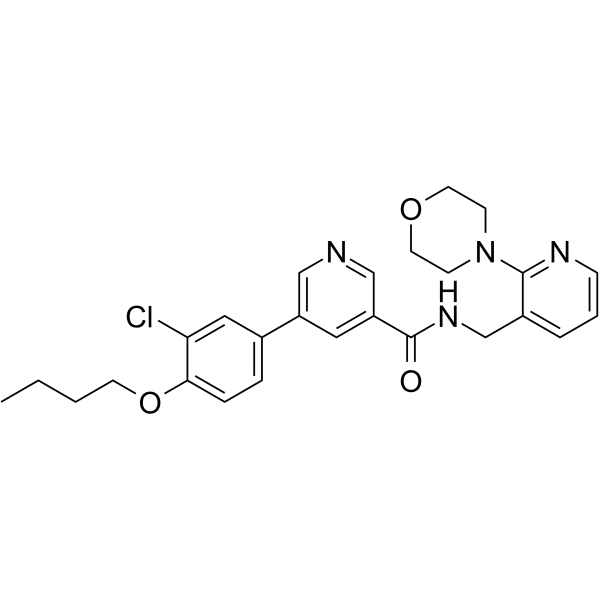
- HY-109080
-
|
HM95573; GDC-5573; RG6185
|
Raf
|
Cancer
|
|
Belvarafenib (HM95573) is a potent and pan RAF (Rapidly Accelerated Fibrosarcoma) inhibitor, with IC50s of 56 nM, 7 nM and 5 nM for B-RAF, B-RAF v600E and C-RAF respectively .
|
-
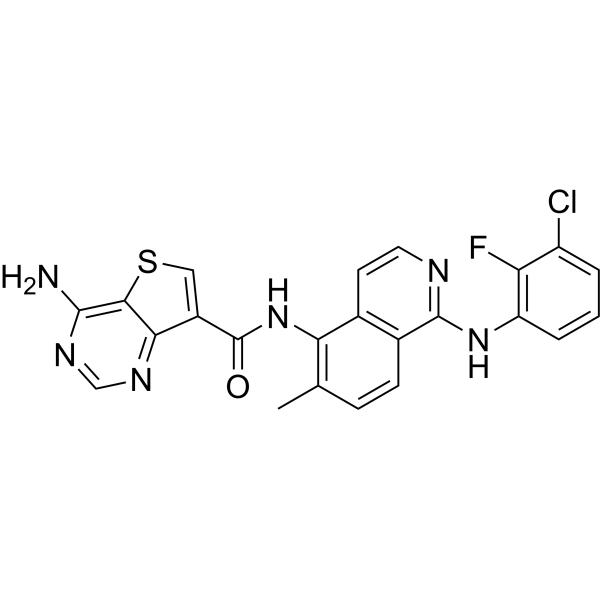
- HY-P2360
-
|
Ras 5-17
|
Ras
|
Others
|
|
G12 (Ras 5-17) is a wild-type Ras peptide consisted of amino acids 5-17 (KLVVVGAGGVGKS). G12 can be used as a control of mutant Ras peptides studies (such V12) .
|
-
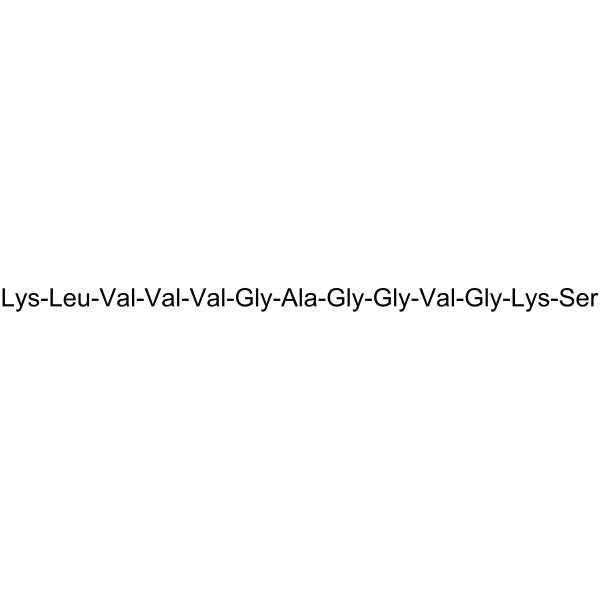
- HY-N2169
-
|
|
Bacterial
|
Inflammation/Immunology
|
|
Polygalasaponin V is a triterpenoid saponin isolated from the aerial parts of Polygala japonica. Polygala japonica has been a folk medicine herb used as expectorant, anti-inflammatory, antibacterial and antidepressant agents in the south of China .
|
-
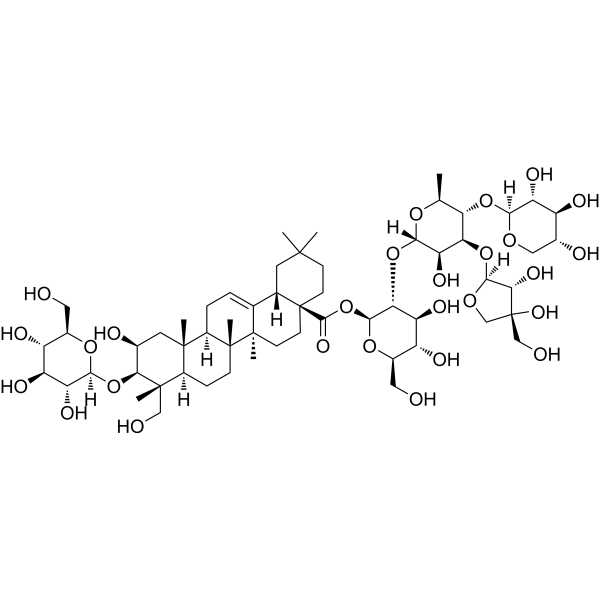
- HY-108887
-
|
|
Raf
|
Cancer
|
|
Anticancer agent 124 is an orally active, highly selective and potent pan RAF inhibitor. Anticancer agent 124 inhibits MAPK signalling in BRAF V600E, NRAS and KRAS mutant tumor cells .
|
-
- HY-12558
-
|
DP-4978
|
Raf
Autophagy
|
Cancer
|
|
LY3009120 (DP-4978) is a pan RAF inhibitor which inhibits BRAF V600E, BRAF WT and CRAF WT with IC50s of 5.8, 9.1 and 15 nM, respectively.
|
-
- HY-W456399
-
|
|
MOFs
|
Others
|
|
(E)-3-Ethyl-2-(4-(1,2,2-triphenylvinyl)styryl)benzo[d]thiazol-3-ium hexafluorophosphate(V) is a metal-organic framework (MOF).
|
-
![(E)-3-Ethyl-2-(4-(1,2,2-triphenylvinyl)styryl)benzo[d]thiazol-3-ium hexafluorophosphate(V)](//file.medchemexpress.com/product_pic/hy-w456399.gif)
- HY-P99040
-
|
JNJ-61610588; CI-8993; VSTB112
|
VISTA
|
Cancer
|
|
Onvatilimab (JNJ-61610588) is a human IgG1κ anti-VISTA (V-domain Ig Suppressor of T-cell Activation) monoclonal antibody. Onvatilimab can be used in colorectal cancer research .
|
-

- HY-17436S1
-
-
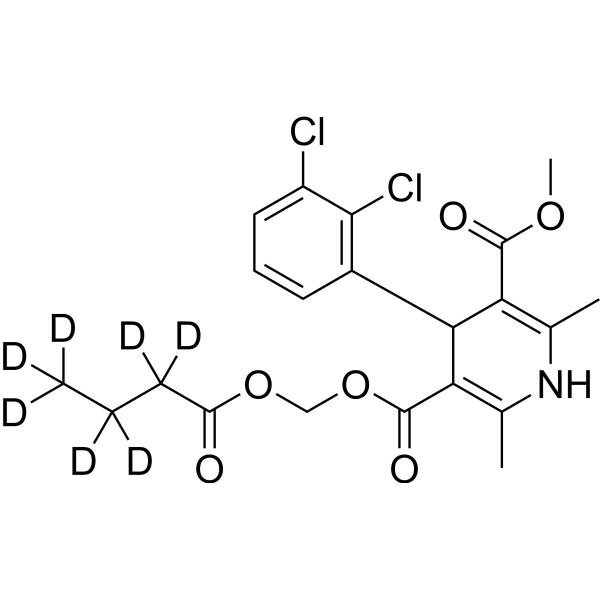
- HY-W778547
-
|
10-Dehydrobaccatin V
|
Drug Intermediate
|
Cancer
|
|
7-epi-10-Oxo-10-deacetyl baccatin III (10-Dehydrobaccatin V) can be isolated from the degradation impurities in Docetaxel (HY-B0011) .
|
-
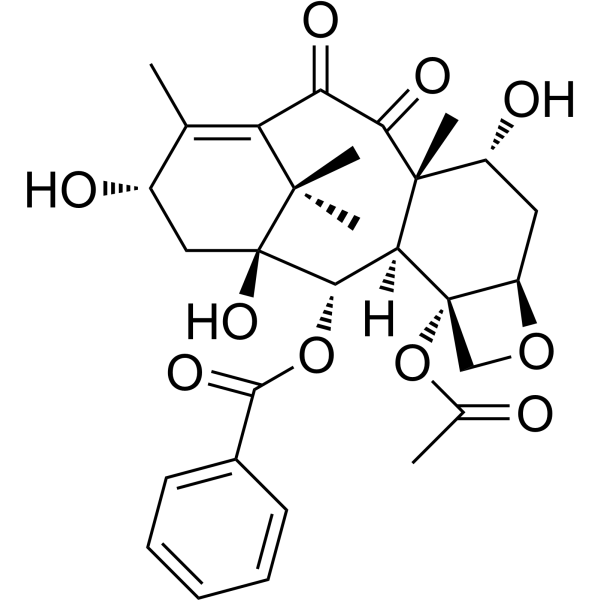
- HY-121710
-
|
7-Monohydroxyethylrutoside
|
Carbonyl Reductase
|
Cardiovascular Disease
|
|
MonoHER (7-Monohydroxyethylrutoside) is a Carbonyl reductase 1 (CBR1) inhibitor and can be used as a cardioprotective agent. MonoHER inhibits the activity of CBR1 V88 and CBR1 I88 in a concentration-dependent manner .
|
-
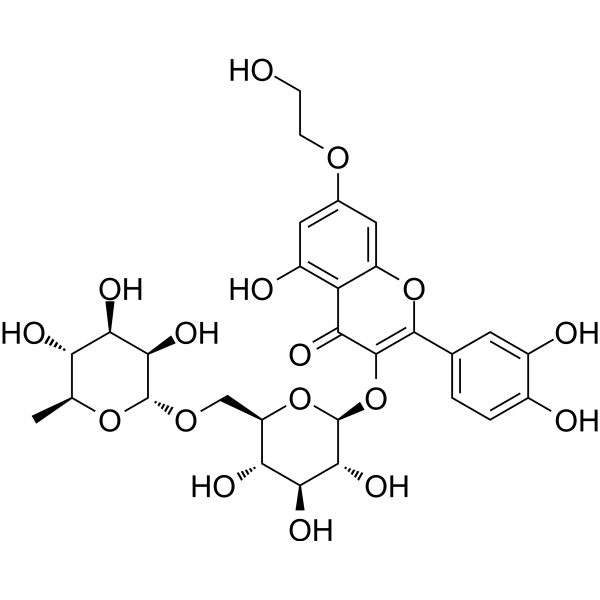
- HY-15463S
-
|
STI571-d8; CGP-57148B-d8
|
Bcr-Abl
PDGFR
c-Kit
SARS-CoV
Autophagy
|
Cancer
|
|
Imatinib-d8 is a deuterium labeled Imatinib (STI571). Imatinib is an orally bioavailable tyrosine kinases inhibitor that selectively inhibits BCR/ABL, v-Abl, PDGFR and c-kit kinase activity .
|
-
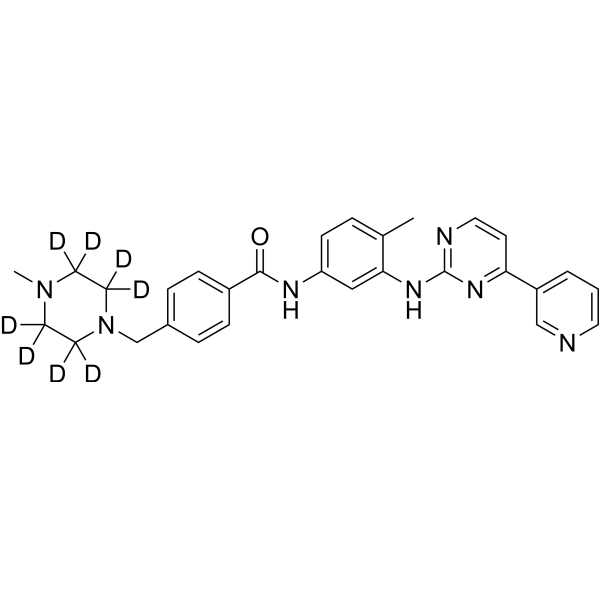
- HY-17000A
-
|
(R)-(+)-OPC-41061
|
Vasopressin Receptor
|
Others
|
|
(R)-(+)-Tolvaptan ((R)-(+)-OPC-41061) is the (R)-(+) enantiomer of Tolvaptan (HY-17000). Tolvaptan (OPC-41061) is a selective, competitive and orally active vasopressin receptor 2 (V2R) antagonist .
|
-

- HY-15958
-
VBY-825
1 Publications Verification
|
Cathepsin
|
Inflammation/Immunology
Cancer
|
|
VBY-825 is an orally available novel reversible cathepsin inhibitor that has high inhibitory potency against cathepsin B, L, S and V, and possesses anti-tumor, anti-inflammatory and analgesic effects .
|
-
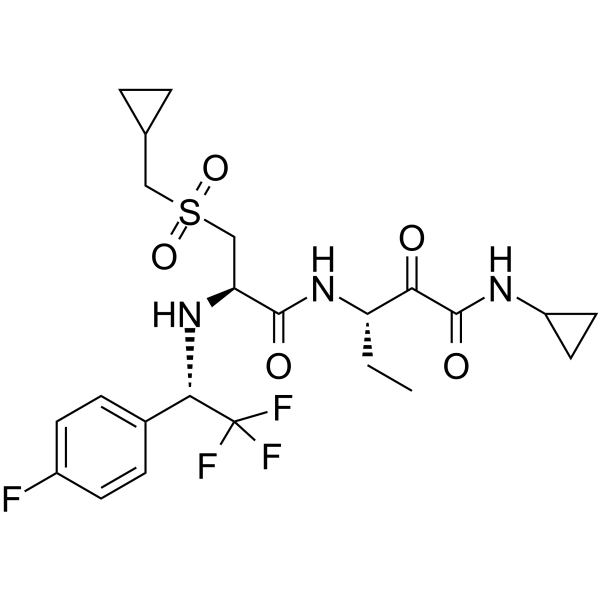
- HY-P4994
-
-
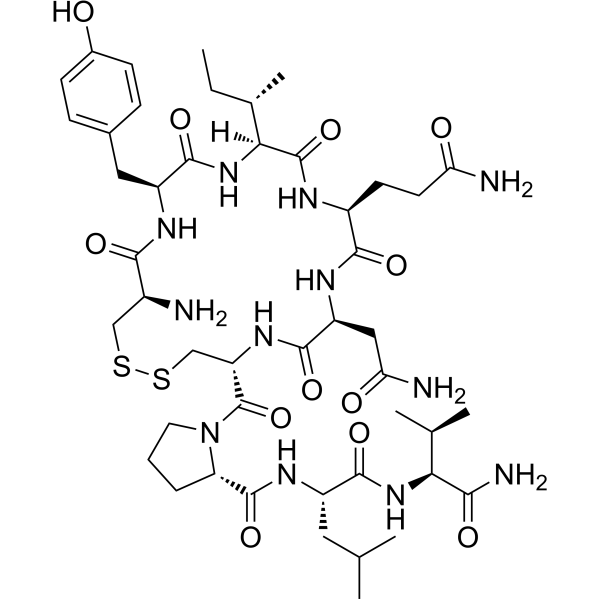
- HY-P11702
-
|
|
Bacterial
|
Others
|
|
f-MFFINTLTL is a formylated nonapeptide and a natural ligand from mitochondria or bacteria. f-MFFINTLTL serves as a tool chemical stimulant for the specific activation of sensory neurons expressing the specific vomeronasal receptor (V2rf2) .
|
-

- HY-P10325
-
-

- HY-162450
-
|
|
PROTACs
MDM-2/p53
Apoptosis
|
Cancer
|
Antitumor agent-150 (V10), an anti-breast cancer agent, is a PROTAC-based MDM2 protein degrader (Red: Ganoderic acid A; Black: 4O-PEG linker; Blue: VHL ligand) .
|
-
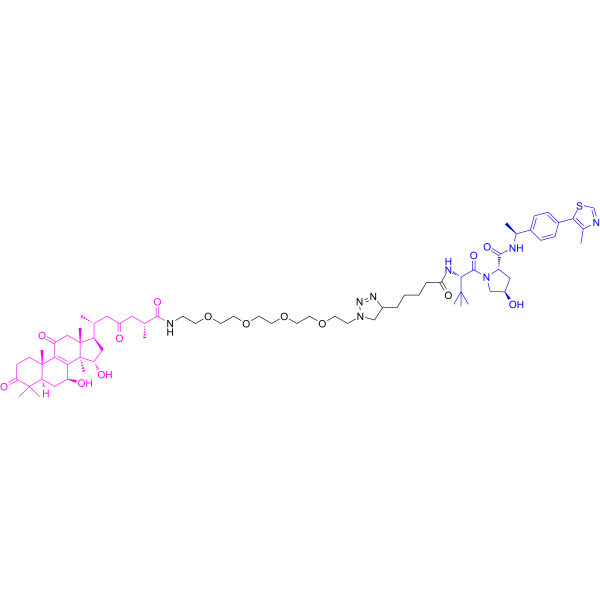
- HY-N14903
-
|
|
Antibiotic
Bacterial
|
Infection
Cancer
|
|
Oximidine III is an anti-tumor antibiotic. Oximidine III can selectively inhibit the growth of 3Y1 in rat fibroblasts with degeneration of various tumor genes. Oximidine III inhibits v-H-ras-3Y1, v-src-3Y1 cells and the normal 3Y1 cells with IC50s (nM) of 14, 4.5 and 140, respectively. Oximidine III stops RAS-or SRC-denatured cells at G1 phase of the cell cycle and increases p21WAF1 expression .
|
-

- HY-115407
-
|
|
Bacterial
|
Infection
Cancer
|
|
Cochliodone A is an active compound extracted from cultures of the deep-sea derived fungus Chaetomium sp. and has antibacterial and anticancer activity. Cochliodone A is toxic to a variety of bacteria, with MICs of 15.3 μg/mL (V. vulnificus), 32.7 μg/mL (V. rotiferianus), 15.9 μg/mL (S. aureus ATCC 43300), and 16.3 μg/mL (S . aureus CGMCC 1.12409). Cochliodone A also inhibits a variety of cancer cell lines, with IC50s of 28.1 μM (A549), 20.7 μM (HeLa), and 23.2 μM (Hep G2) .
|
-
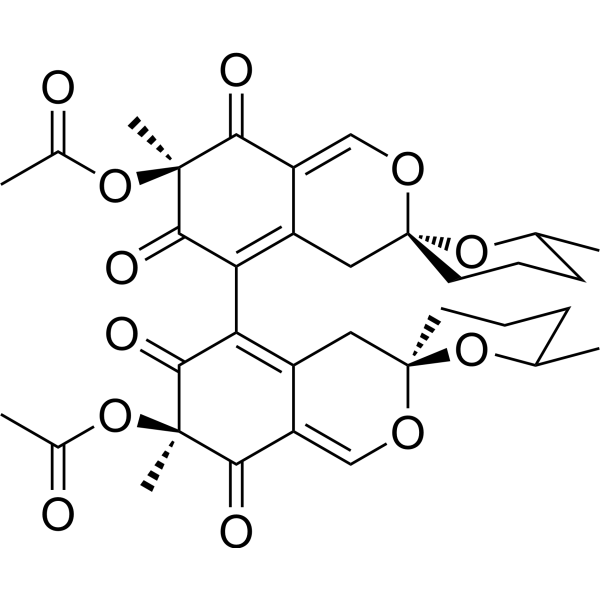
- HY-118084
-
|
Tyrene CR-4
|
JAK
Bcr-Abl
FLT3
Apoptosis
|
Cardiovascular Disease
Inflammation/Immunology
Cancer
|
|
LS-104 (Tyrene CR-4) is a non-ATP-competitive kinase inhibitor against JAK2, Bcr-Abl and FLT3. LS-104 potently induces apoptosis in JAK2V617F-positive cells and inhibits JAK2 autophosphorylation and downstream signal transduction. LS-104 also inhibits proliferation and induces potent cytotoxic effects in FLT3 expressing leukemic cells. LS-104 is a hydroxystyryl-acrylonitrile compound, which is promising for research of myeloproliferative disorders and refractory/relapsed hematologic malignancies .
|
-

- HY-132133
-
-
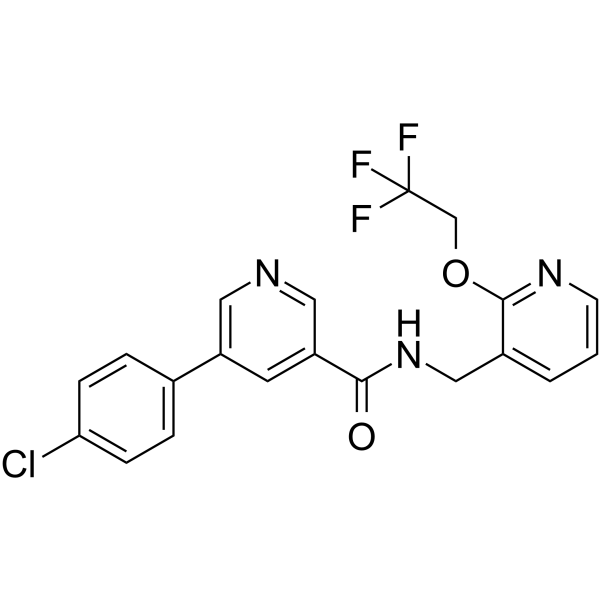
- HY-P2360A
-
|
Ras 5-17 TFA
|
Ras
|
Others
|
|
G12 (Ras 5-17) TFA is a wild-type Ras peptide consisted of amino acids 5-17 (KLVVVGAGGVGKS). G12 TFA can be used as a control of mutant Ras peptides studies (such V12) .
|
-

- HY-145514B
-
|
|
PROTACs
FKBP
|
Cancer
|
|
dTAGV-1-NEG TFA is a diastereomer and as a heterobifunctional negative control of dTAGV-1. dTAGV-1-NEG TFA is an FKBP12 F36V-selective degrader .
|
-
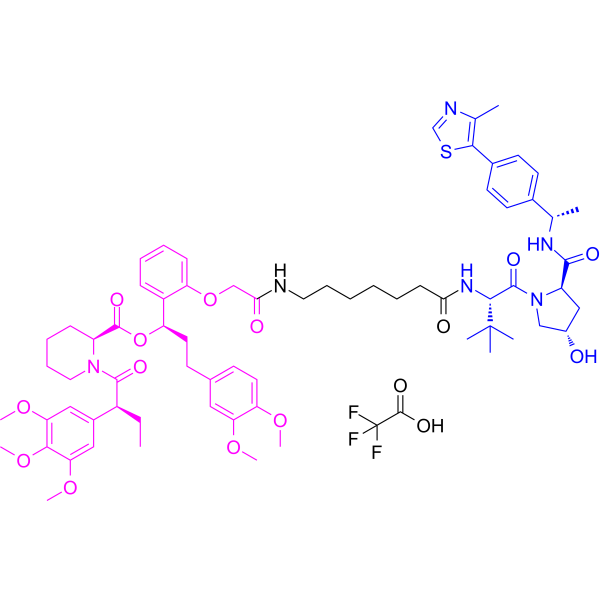
- HY-P99308
-
|
AME 133v; LY 2469298; Humanized Anti-MS4A1 Recombinant Antibody
|
CD20
|
Cancer
|
|
Ocaratuzumab (AME 133v) is an Fc-engineered humanized IgG1 anti-CD20 monoclonal antibody, with a Kd of ~100 pM. Ocaratuzumab exhibits more effective antibody-dependent cell-mediated cytotoxicity (ADCC) .
|
-

- HY-N1724
-
|
Antibiotic X 4357B; Folimycin; X 4357B
|
Proton Pump
Bacterial
Antibiotic
|
Infection
Inflammation/Immunology
Cancer
|
|
Concanamycin A (Folimycin; Antibiotic X 4357B) is a macrolide antibiotic, a vacuolar type H +-ATPase (V-ATPase) inhibitor. Concanamycin A is also an inhibitor of lysosomal acidification, can be used to T cell-mediated inflammation research - .
|
-
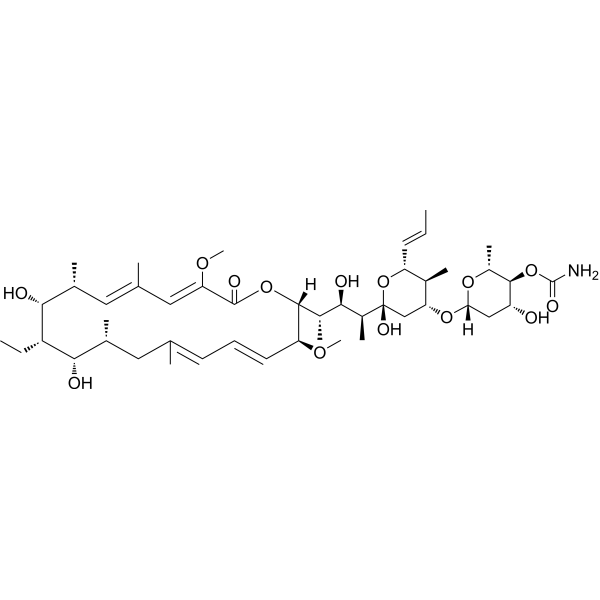
- HY-P99102
-
|
10-1074
|
HIV
|
Infection
|
|
Zinlirvimab is a human IgG1-λ2, HIV neutralising antibody targeting to HIV-1 gp120 envelope glycoprotein (IIIB gp120 V3 loop) .
|
-

- HY-114420
-
-
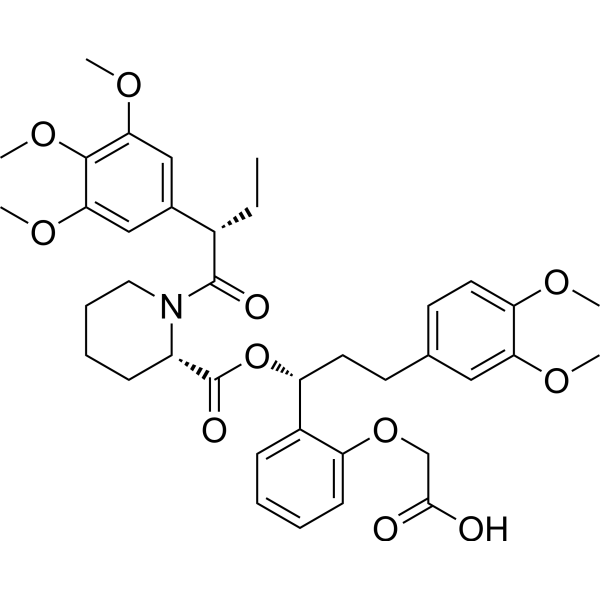
- HY-152839A
-
|
BLU-263 phosphate
|
c-Kit
|
Cancer
|
|
Elenestinib (BLU-263) phosphate is an orally active inhibitor of Tyrosine kinase with an IC50 of 0.2 nM for KIT D816V. Elenestinib phosphate minimally penetrates the blood-brain barrier. Elenestinib phosphate can be used in the study of systemic mastocytosis .
|
-
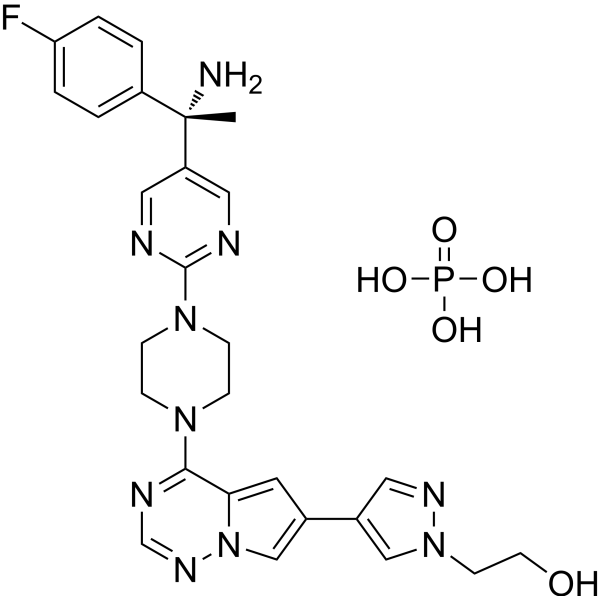
- HY-P1785
-
|
Abltide
|
Bcr-Abl
|
Cancer
|
|
Abl Cytosolic Substrate is a substrate for Abelson tyrosine kinase (Abl ). Abl Protein Tyrosine Kinase (AbI) is a truncated form of the v-AbI Protein Tyrosine Kinase, a partner in the Gag-Abl fusion protein of the Abelson murine leukemia virus .
|
-

- HY-161684
-
|
|
JAK
STAT
|
Cancer
|
|
JAK2-IN-10 is a selective JAK2 V617F inhibitor with an IC50 value of ≤10 nM . JAK2-IN-10 can be used for the research of myeloproliferative neoplasms and other related diseases .
|
-

- HY-159652
-
|
|
Ras
|
Cancer
|
|
KRAS inhibitor-31 (compound 33) is a KRAS inhibitor, with KD (SPR) values of 0.019 nM, 0.019 nM and 0.096 nM for KRas G12D, KRas G12C and KRas G12V, respectively .
|
-

- HY-125511
-
|
|
Fungal
|
Infection
|
|
Chaetoviridin A exhibits antifungal activity against several plants pathogen, inhibits growth of Verticillium dahliae through cell necrosis and mycelial deformation, and thus improves sensitivity of V. dahliae to stress, increases the emergence rate and plant height of cotton .
|
-

- HY-15958A
-
|
|
Ser/Thr Protease
|
Cancer
|
|
(S,R,R)-VBY-825 is the isomer of VBY-825 (HY-15958), and can be used as an experimental control. VBY-825 is a novel reversible inhibitor of cathepsin with high inhibition of cathepsin B, L, S and V.
|
-
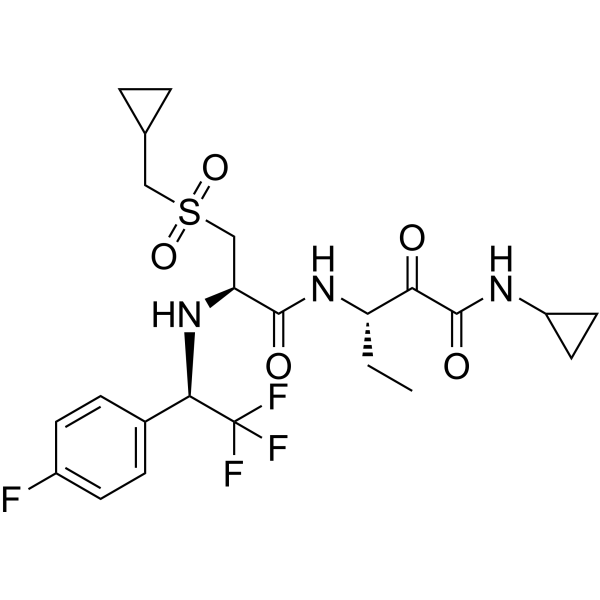
- HY-176052
-
|
|
Bacterial
|
Neurological Disease
|
|
PPO-allene is a covalent botulinum neurotoxin (BoNT) light chain inhibitor (IC50: 20.9 μM). PPO-allene (0.3 mg/kg, i.v.) demonstrates an in vivo half-life of approximately 1.5 h in mice .
|
-

- HY-124275
-
|
|
Vasopressin Receptor
|
Neurological Disease
|
|
ML389 is a highly selective vasopressin 1a (V1a) receptor antagonist (IC50=40 nM). ML389 is promising for research of central nervous system disorders such as anxiety, depression, and post-traumatic stress disorder (PTSD) .
|
-

- HY-17436S4
-
-
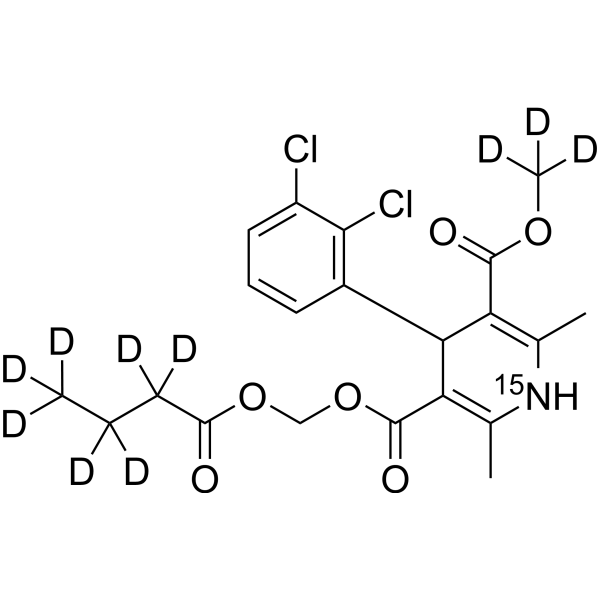
- HY-19306
-
|
|
Integrin
|
Cancer
|
|
SB-267268 is a selective and nonpeptidic alpha(v)beta3 (αvβ3) and alpha(v)beta5 (αvβ5) integrins antagonist, with Kis of 0.9, 0.5 and 0.7 nM for human αvβ3, monkey αvβ3 and human αvβ5, respectively. SB-267268 inhibits human and mouse αvβ3 with IC50s of 0.68 and 0.29 nM, respectively. SB-267268 reduces angiogenesis and VEGF expression .
|
-
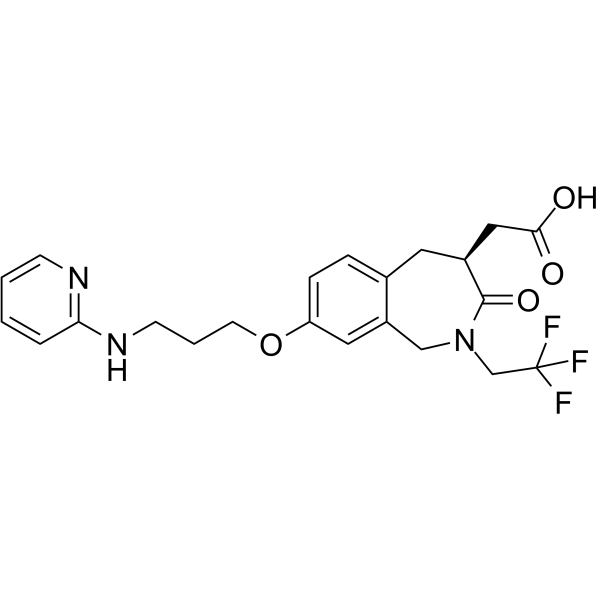
- HY-100818R
-
|
TAS-120 (Standard)
|
Reference Standards
FGFR
|
Cancer
|
|
Futibatinib (Standard) is the analytical standard of Futibatinib. This product is intended for research and analytical applications. Futibatinib (TAS-120) is an orally bioavailable, highly selective, and irreversible FGFR inhibitor, with IC50s of 3.9, 1.3, 1.6, and 8.3 nM for FGFR 1-4, respectively. Futibatinib inhibits mutant and wild-type FGFR2 with similar IC50s (wild-type FGFR2=0.9 nM; V5651=1-3 nM; N550H=3.6 nM; E566G=2.4 nM) .
|
-

- HY-111036
-
|
|
TRP Channel
|
Others
|
|
AMG0347 is a transient receptor potential type V1 receptor antagonist. AMG0347 inhibits activation of the rat TRPV1 channel by heat (IC50 = 0.2 nm), protons (IC50= 0.8 nm), or capsaicin (IC50 = 0.7 nm) .
|
-
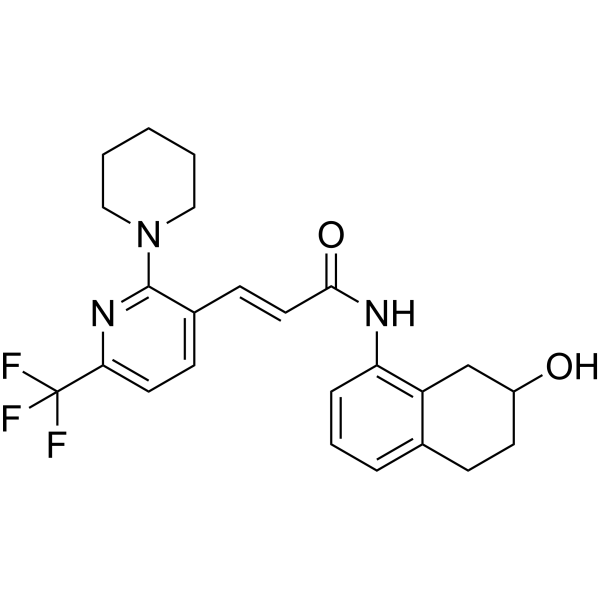
- HY-400766
-
|
|
Drug Intermediate
|
Cancer
|
|
BWA-522 intermediate-2 is a BWA-522 intermediate. BWA-522 is an orally available small molecule protein-targeting chimera (PROTACs) with significant degradation effect on AR-FL and AR-V7 .
|
-
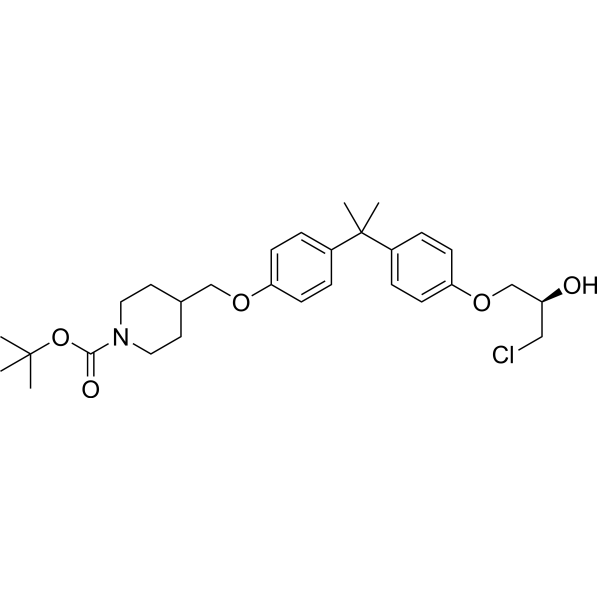
- HY-172814A
-
-

- HY-112908
-
|
|
HDAC
Proteasome
|
Cancer
|
|
RTS-V5 is a dual HDAC/proteasome inhibitor with IC50s of 6.9, 18, 15, 0.27, 0.53 μM for HDAC1, HDAC2, HDAC3, HDAC6, HDAC8, respectively.
|
-
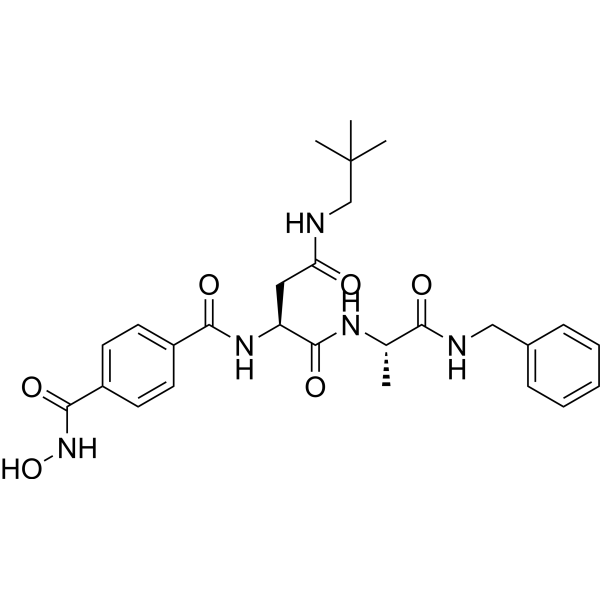
- HY-175045
-
|
|
Bacterial
|
Infection
|
|
77PD-Q is a p-phenylenediamine (PPD) derivative. 77PD-Q exhibits toxic to the aquatic bacterium V. fischeri. 77PD-Q can be used as an exposure biomarker in environmental monitoring .
|
-

- HY-116567
-
|
|
Vasopressin Receptor
|
Metabolic Disease
|
|
OPC-51803 is an orally active nonpeptide vasopressin V2 receptor agonist. OPC-51803 can be used for the research of micturition disorders that result in frequent micturition, such as that from polyuria, nocturnal polyuria, and some kinds of urinary incontinence .
|
-

- HY-125747
-
|
Actinomycin V (purity≥85%)
|
Bacterial
Antibiotic
Apoptosis
|
Infection
Cancer
|
|
Actinomycin X2 (Actinomycin V), produced by many Streptomyces sp., shows strong inhibition of MRSA with a minimum inhibitory concentration (MIC) value of 0.25 μg/mL. Actinomycin X2 can be used for cancer and bacterial infection .
|
-
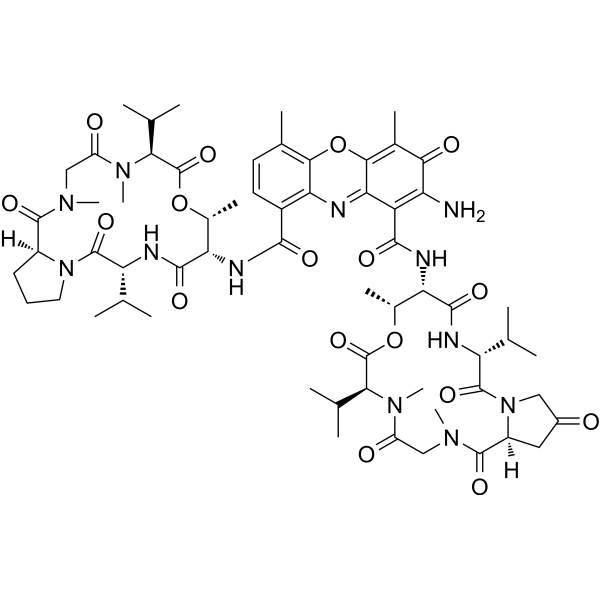
- HY-170019
-
|
|
RET
|
Cancer
|
|
RET-IN-28 (Compound 16) is a RET (transmembrane receptor tyrosine protein kinase) inhibitor. RET-IN-28 inhibits the activity of the mutant RET enzyme (RET-V804M), and can be applied to cancer research .
|
-

- HY-152839
-
|
BLU-263
|
c-Kit
|
Cancer
|
|
Elenestinib (BLU-263) is an orally active inhibitor of Tyrosine kinase with an IC50 value of 6 nM for KIT D816V. Elenestinib minimally penetrates the blood-brain barrier. Elenestinib can be used in the study of systemic mastocytosis .
|
-
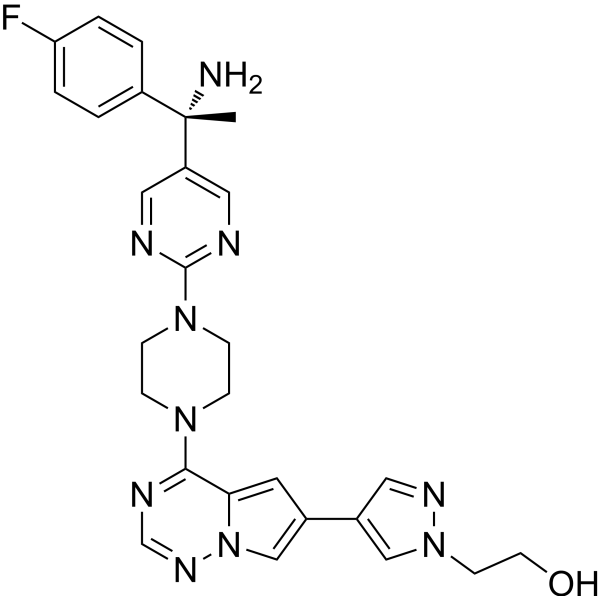
- HY-186110
-
|
|
PROTACs
LRRK2
|
Neurological Disease
|
|
PROTAC LRRK2 Degrader-5 Formula (V) is a LRRK2 PROTAC degrader. PROTAC LRRK2 Degrader-5 can be used for thet study of the diseases associated with LRRK2, such as Parkinson’s Disease (PD) .
|
-

- HY-401056
-
|
|
Drug Intermediate
|
Cancer
|
|
BWA-522 intermediate-3 is a BWA-522 intermediate. BWA-522 is an orally available small molecule protein-targeting chimera (PROTACs) with significant degradation effect on AR-FL and AR-V7 .
|
-
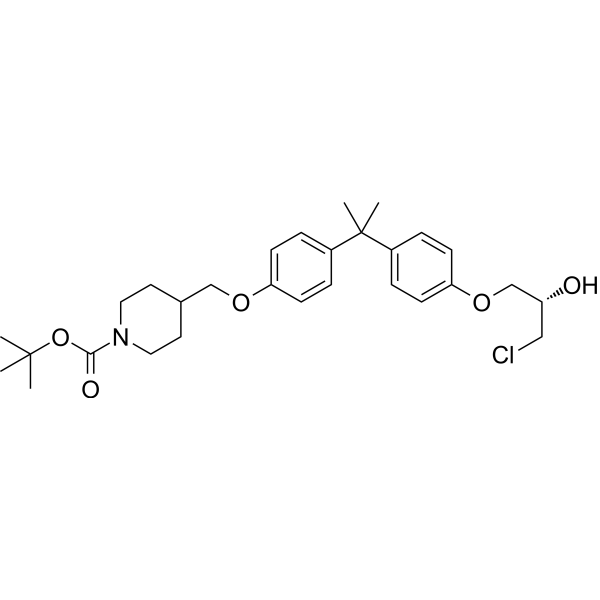
- HY-176938A
-
|
|
EGFR
PhosTACs
|
Cancer
|
|
iAfaPhos1 is a FKBP12F36V epimer ligand. iAfaPhos1 leads to reduced dephosphorylation of EGFR at pY1068 and pY845 sites. iAfaPhos1 has anticancer activity against non-small cell lung cancer .
|
-

- HY-P4678
-
|
|
Vasopressin Receptor
|
Neurological Disease
|
|
(Phe2,Orn8)-Oxytocin is a selective V1 vasopressin agonist. (Phe2,Orn8)-Oxytocin induces a sustained contractility of rabbit epididymis with EC50 value of 280 nM .
|
-
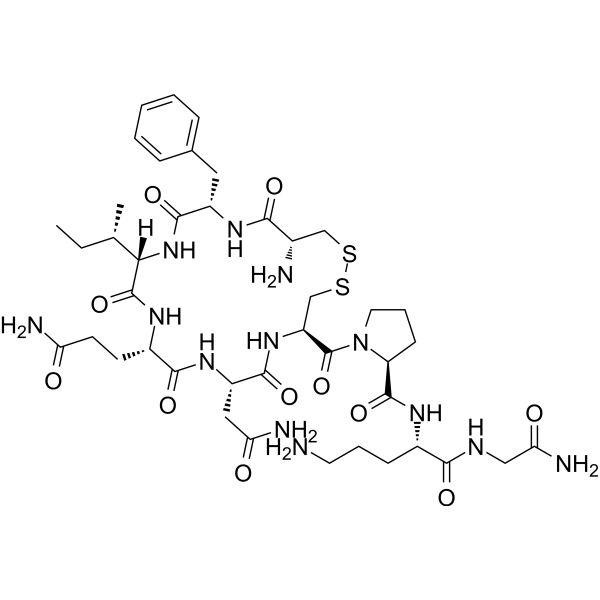
- HY-135250B
-
-
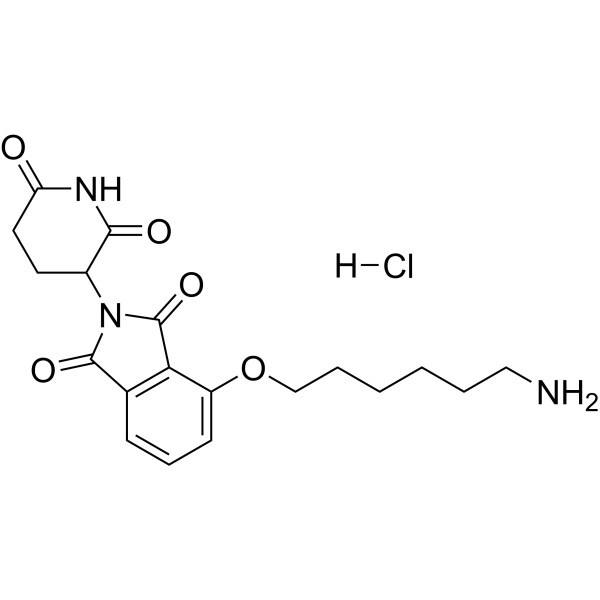
- HY-14660R
-
|
GSK2118436A (Standard); GSK2118436 (Standard)
|
Reference Standards
Raf
|
Cancer
|
|
Dabrafenib (Standard) is the analytical standard of Dabrafenib. This product is intended for research and analytical applications. Dabrafenib (GSK2118436A) is an ATP-competitive inhibitor of Raf with IC50s of 5 nM and 0.6 nM for C-Raf and B-Raf V600E, respectively .
|
-

- HY-131959
-
-
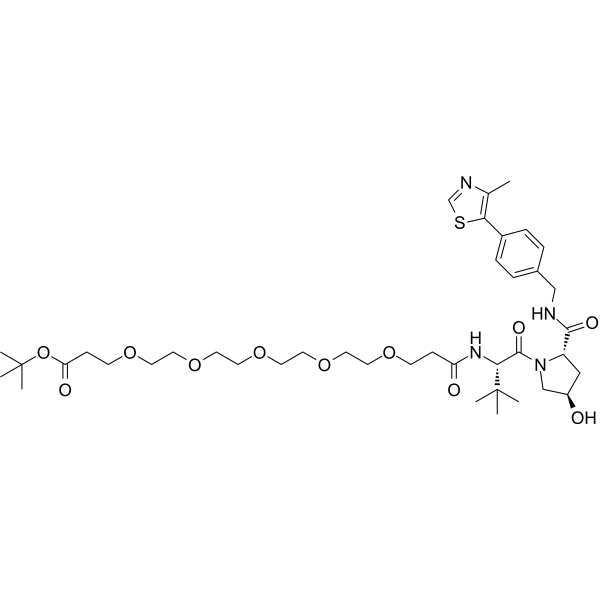
- HY-12057
-
|
PLX4032; RG7204; RO5185426
|
Raf
Autophagy
|
Cancer
|
|
Vemurafenib (PLX4032) is a first-in-class, selective, potent inhibitor of B-RAF kinase, with IC50s of 31 and 48 nM for RAF V600E and c-RAF-1, respectively . Vemurafenib induces cell autophagy .
|
-
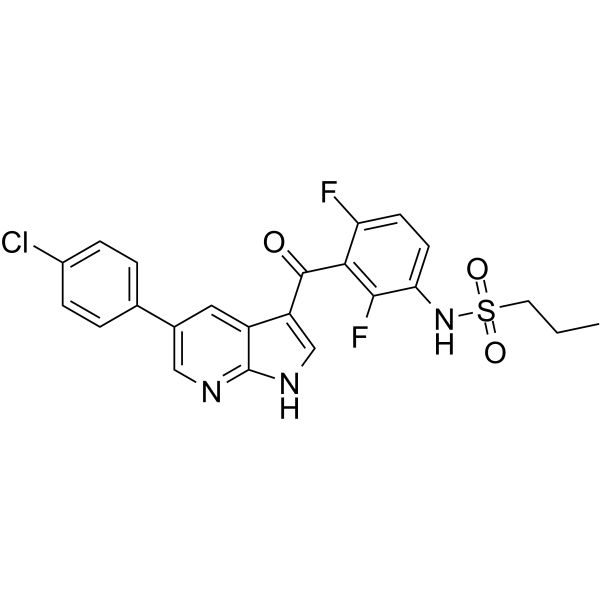
- HY-169326S
-
-

- HY-148742
-
|
|
RET
|
Cancer
|
|
RET-IN-21 (compound 5) is a selective RET V804M inhibitor with the IC50 of 0.02 μM. RET-IN-21 does not inhibit the wild type isoforms of RET or KDR. RET-IN-21 has antitumor activity .
|
-
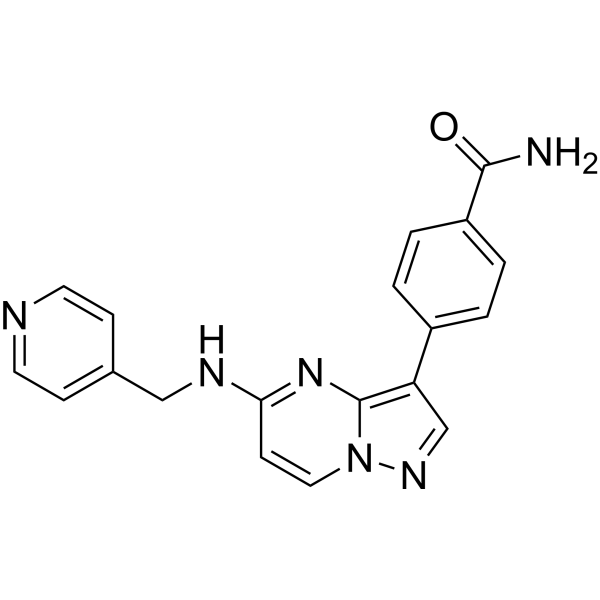
- HY-120285
-
|
RWJ-351647 hydrochloride; SPD-556 hydrochloride
|
Endogenous Metabolite
|
Endocrinology
|
|
M-0002 hydrochloride (RWJ-351647 hydrochloride) is a biologically active compound that acts as an antagonist of the vasopressin V2 receptor. M-0002 hydrochloride is potentially useful for inhibiting ascites. M-0002 hydrochloride shows excellent properties that are favorable for clinical development .
|
-

- HY-10172
-
|
IKK2 Inhibitor V
|
IKK
|
Cancer
|
|
IMD-0354 (IKK2 Inhibitor V) is a selective IKKβ inhibitor which inhibits NF-κB activity . IMD0354 inhibits TNF-α induced NF-κB transcription activity with an IC50 of 1.2 uM .
|
-
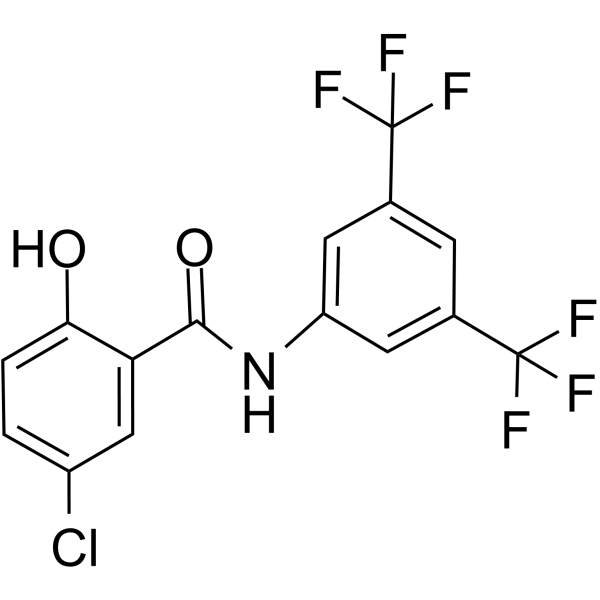
- HY-15605R
-
|
LGX818 (Standard)
|
Reference Standards
Raf
|
Cancer
|
|
Encorafenib (Standard) is the analytical standard of Encorafenib. This product is intended for research and analytical applications. Encorafenib (LGX818) is a highly potent BRAF inhibitor with selective anti-proliferative and apoptotic activity in cells expressing BRAF V600E (EC50=4 nM).
|
-

- HY-P11701
-
|
|
MHC
|
Others
|
|
SEIDLILGY is a nonapeptide identified as a peptide ligand derived from mouse major histocompatibility complex class I (MHC). SEIDLILGY serves as a tool chemical stimulant for the specific activation of sensory neurons expressing the particular vomeronasal receptor (V2rf2) .
|
-

- HY-P4678A
-
|
|
Vasopressin Receptor
|
Neurological Disease
|
|
(Phe2,Orn8)-Oxytocin acetate is a selective V1 vasopressin agonist. (Phe2,Orn8)-Oxytocin acetate induces a sustained contractility of rabbit epididymis with EC50 value of 280 nM .
|
-
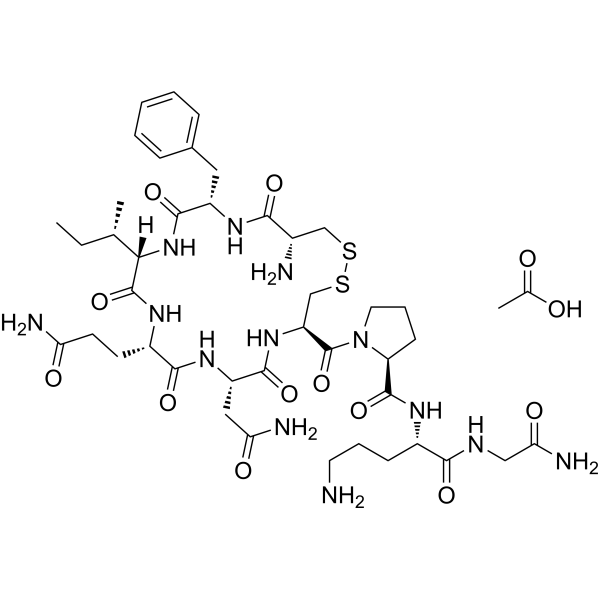
- HY-169201
-
|
|
Keap1-Nrf2
|
Cancer
|
|
Nrf2 activator-12 (compund 10v) potently activates Nrf2 (EC50=83.5 nM) and exhibits promising pharmacological properties, reversing disease progression and alleviating demyelination in an experimental autoimmune encephalomyelitis mouse model .
|
-

- HY-156292
-
|
|
Histone Methyltransferase
|
Cancer
|
|
IHMT-EZH2-426 (compound 38) is an effective covalent EZH2 degrader, with IC50 values of 1.3 nM, 1.2 nM, and 1.7-3.5 nM for EZH2 wild type, EZH2-A687V, and EZH2-Y641F/Y641N/Y641S, respectively. IHMT-EZH2-426 reduces H3K27me3 and EZH2 levels and shows effective anti-proliferative effects in B-cell lymphoma and TNBC cell lines.
|
-
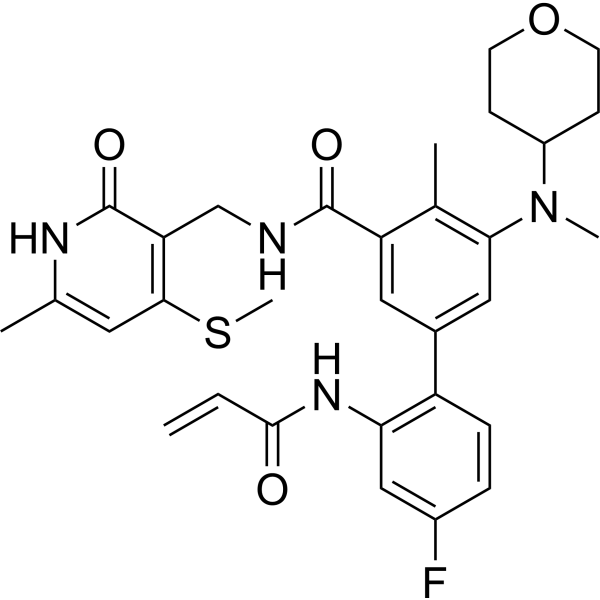
- HY-P11040
-
|
|
Bacterial
Antibiotic
|
Infection
|
|
Peptide P2.2, a non-ribosomal peptide, is an antimicrobial peptide. Peptide P2.2 has potent antibacterial activity with MIC50s of 4 and 32 μM for V. parahaemolyticus and V. alginolyticus, respectively. Peptide P2.2 increases synergistic antibacterial effects with antibiotics (such as Ofloxacin (HY-B0125) and Linezolid (HY-10394)) with negligible hemolytic activity. Peptide P2.2 disrupts bacterial membranes and increases permeability by modulating proteins involved in the type VI and III secretion systems. Peptide P2.2 can be used for bacterial infections research .
|
-

- HY-178059
-
|
|
FGFR
p38 MAPK
Akt
ERK
Apoptosis
|
Cancer
|
|
FGFR-IN-23 (Compound 9p) is a covalent pan FGFR inhibitor with IC50s of 14, 4.2, 5 and 220 nM for FGFR1, FGFR2, FGFR3 and FGFR4, respectively. FGFR-IN-23 also has potent inhibitory activity against gatekeeper mutants, such as FGFR1 V561M and FGFR3 V555M. FGFR-IN-23 suppresses the activation of FGFR-mediated signaling and induces apoptosis. FGFR-IN-23 shows significant antitumor efficacy in RT112 xenograft mouse models. FGFR-IN-23 can be used for cancers and its drug resistance research .
|
-

- HY-101261
-
|
|
iGluR
|
Neurological Disease
|
|
ATPA is a selective glutamate receptor GluR5 activator with EC50s of 0.66, 9.5, 1.4, 23, 32, 18, and 14 μM for GluR5wt, GluR5(S741M), GluR5(S721T), GluR5(S721T, S741M), GluR5(S741A), GluR5(S741L), and GluR5(S741V), respectively .
|
-
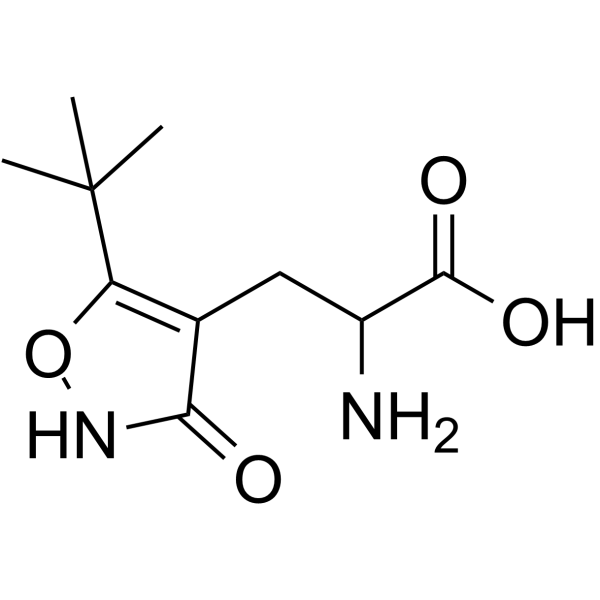
- HY-153603
-
|
|
Raf
|
Cancer
|
|
B-Raf IN 15 (Compound 7) is a BRAF inhibitor. B-Raf IN 15 inhibits BRAF WT and BRAF V600E with IC50s of 2.0 and 0.8 μM. B-Raf IN 15 can be used for the research of cancer .
|
-
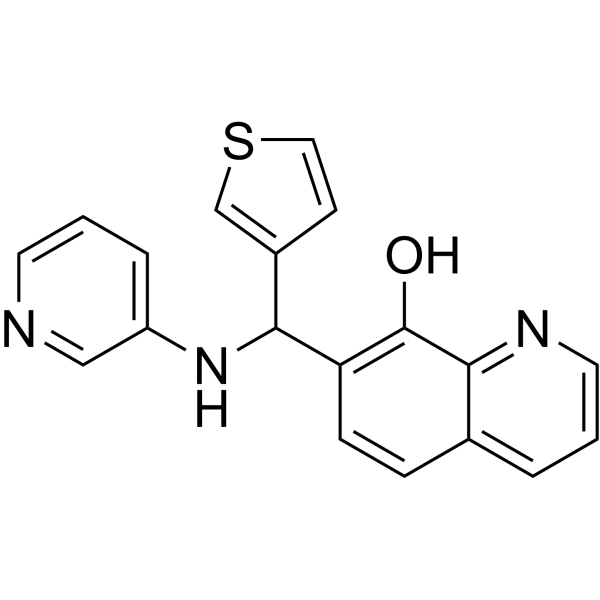
- HY-W543736
-
|
|
MOFs
|
Others
|
|
Mono(4,4',4'',4'''-([1,1'-biphenyl]-3,3',5,5'-tetrayl)tetrakis(1-methylpyridin-1-ium))mono(hexafluorophosphate(V)) is a metal-organic framework (MOF).
|
-
![Mono(4,4',4'',4'''-([1,1'-biphenyl]-3,3',5,5'-tetrayl)tetrakis(1-methylpyridin-1-ium))monohexafluorophosphate(V)](//file.medchemexpress.com/product_pic/hy-w543736.gif)
- HY-147654
-
|
|
PROTACs
Influenza Virus
|
Infection
|
|
PROTAC Hemagglutinin Degrader-1 (Compound V3) is a potent PROTAC influenza hemagglutinin (HA) degrader with a median degradation concentration of 1.44 μM. PROTAC Hemagglutinin Degrader-1 shows broad-spectrum anti-influenza virus activity .
|
-
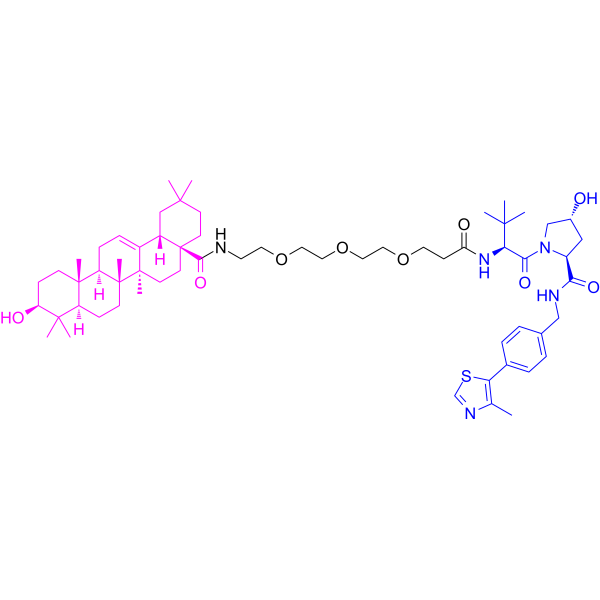
- HY-P4579
-
|
|
Biochemical Assay Reagents
|
Others
|
|
Pyr-Phe-OH is an effective pyrene-based hydrogel. Pyr Phe OH can self-assemble into hydrogels in the range of pH=7.5-14.0, and also shows a very low gel concentration (0.037% (w/v)) in phosphate buffer .
|
-
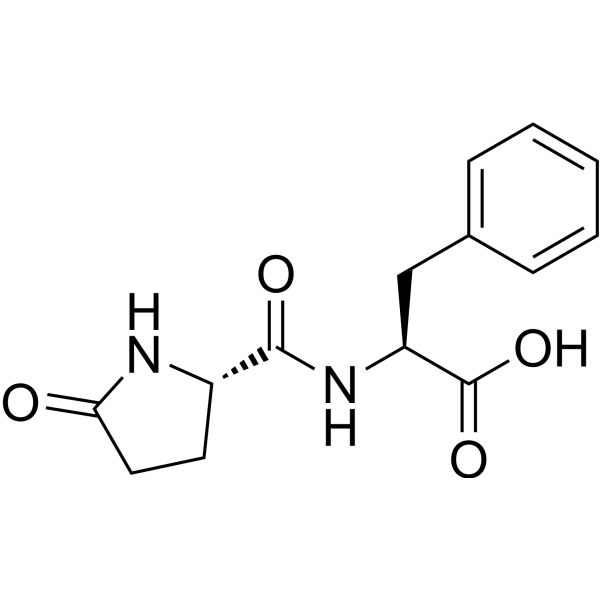
- HY-148060
-
|
|
JAK
|
Cancer
|
|
JAK-IN-21 (Example 4) is a selective and potent JAK inhibitor with IC50s of 1.73, 2.04, 109 and 62.9 nM against JAK1, JAK2, J2V617F and TYK2, respectively .
|
-
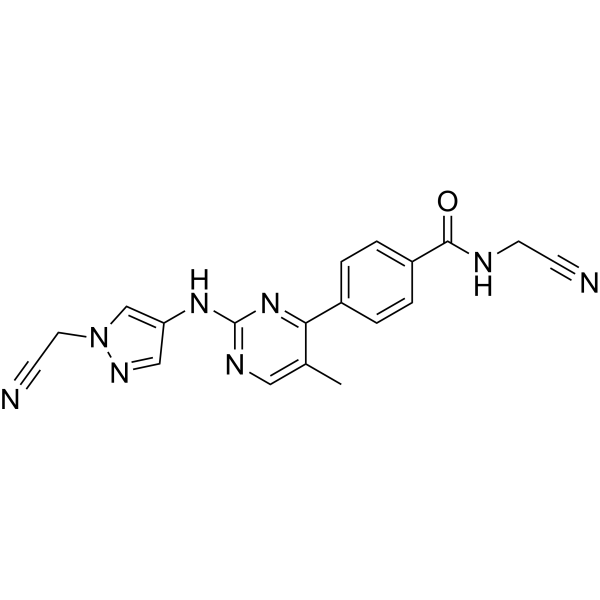
- HY-W614725
-
|
|
APC
Ligands for Target Protein for PROTAC
|
Cancer
|
|
Apcin-A monohydrochloride, an Apcin derivative, is an anaphase-promoting complex (APC) inhibitor. Apcin-A monohydrochloride interacts strongly with Cdc20, and inhibits the ubiquitination of Cdc20 substrates. Apcin-A monohydrochloride can be used to synthesize the PROTAC CP5V (HY-130257) .
|
-

- HY-129363
-
-
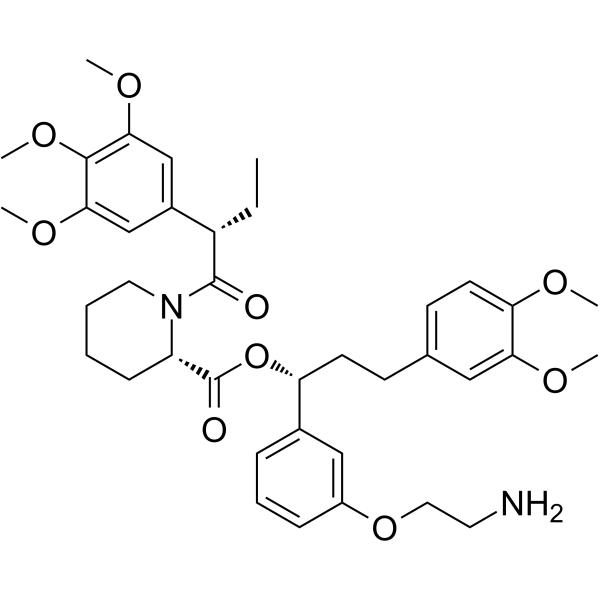
- HY-129363A
-
|
|
Ligands for Target Protein for PROTAC
FKBP
|
Cancer
|
|
AP1867-3-(aminoethoxy) hydrochloride, the AP1867 (HY-114434) based moiety, is a synthetic ligand for FKBP. AP1867-3-(aminoethoxy) hydrochloride can be used in the synthesis of PROTAC FKBP12 F36V degrader .
|
-

- HY-125714
-
-

- HY-N0607
-
|
Polysciasaponin P3; Chikusetsusaponin 5; Chikusetsusaponin V
|
Calcium Channel
Prostaglandin Receptor
|
Cardiovascular Disease
Endocrinology
|
|
Ginsenoside Ro (Polysciasaponin P3; Chikusetsusaponin 5; Chikusetsusaponin V) exhibits a Ca 2+-antagonistic antiplatelet effect with an IC50 of 155 μM. Ginsenoside Ro reduces the production of TXA2 more than it reduces the activities of COX-1 and TXAS.
|
-
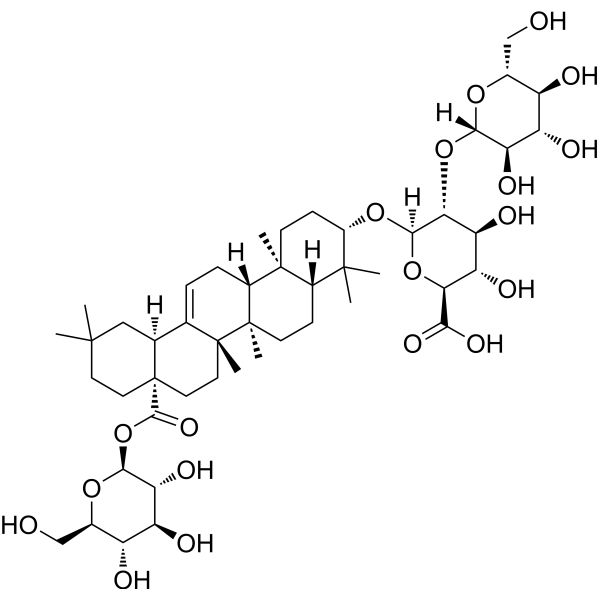
- HY-100435
-
|
MCB-3837; DNV3837
|
Bacterial
|
Infection
|
|
Oxaquin (MCB-3837) is a injectable proagent that is rapidly converted to the active substance MCB3681 in vivo following intravenous (i.v.) administration, active against Gram-positive bacterial species. Oxaquin (MCB-3837) itself has no antimicrobial effects .
|
-
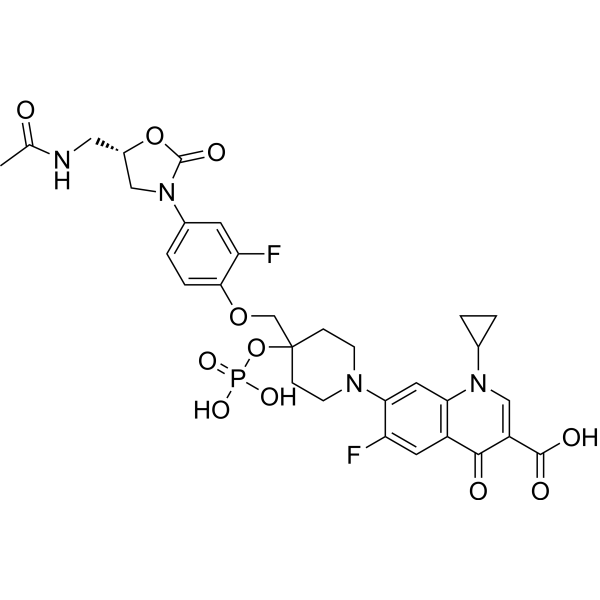
- HY-155942
-
|
|
p38 MAPK
Raf
|
Cancer
|
|
B-Raf IN 19 (compound 31) is a BRAF inhibitor that inhibits BRAF(WT) and BRAF(V600E) (IC50: 0.57 μM and 0.28 μM, respectively). B-Raf IN 19 inhibits MAPK signaling in melanoma cells .
|
-

- HY-111138
-
|
CZC-00008004
|
EGFR
VEGFR
|
Cancer
|
|
CZC-8004 (CZC-00008004) is a pan-kinase inhibitor. CZC-8004 has IC50 values of 650 and 437 nM for EGFR WT and VEGFR2 V916M, respectively. CZC-8004 can be used in the study of cancer .
|
-
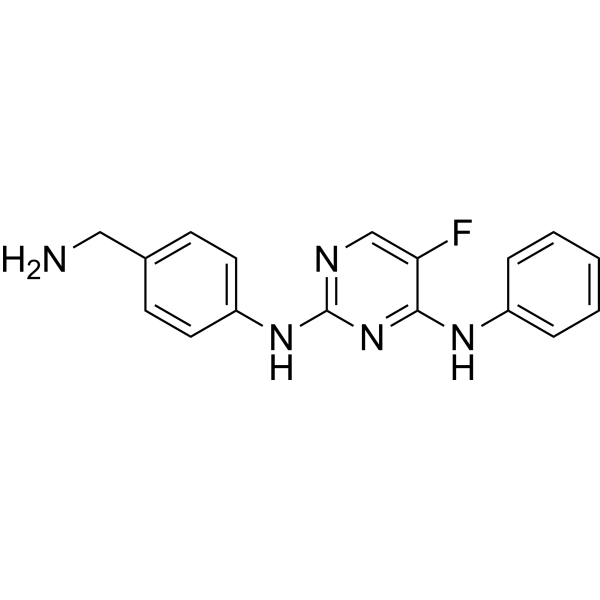
- HY-17436S3
-
|
|
Calcium Channel
|
Cardiovascular Disease
|
|
(R)-Clevidipine- 13C,d3 is the deuterium and 13C labeled Clevidipine . Clevidipine is a short-acting dihydropyridine calcium channel antagonist (IC50= 7.1 nM, V(H) = -40 mV ) under development for treatment of perioperative hypertension .
|
-
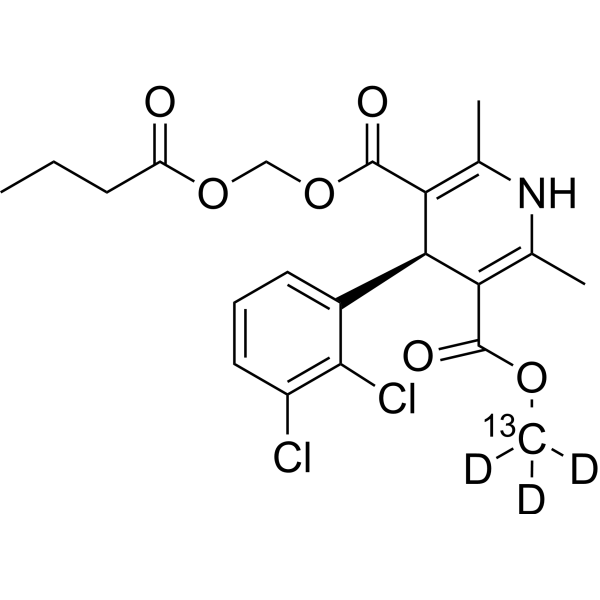
- HY-114370
-
|
LOXO-292
|
RET
|
Cancer
|
|
Selpercatinib (LOXO-292) is a potent, selective RET kinase inhibitor with IC50 values of 14.0 nM, 24.1 nM, and 530.7 nM for RET (WT), RET (V804M), and RET (G810R), respectively. Selpercatinib has anticancer activity .
|
-
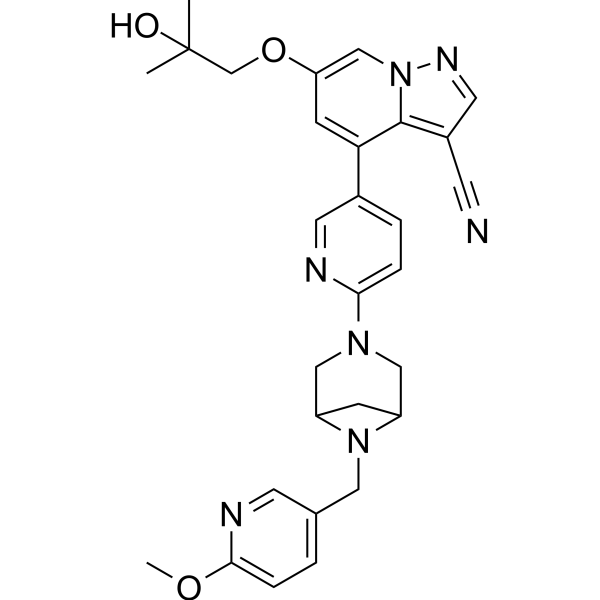
- HY-44650
-
|
|
MOFs
|
Others
|
|
2,2',2'',2'''-(Porphyrin-5,10,15,20-tetrayl)tetrakis(1,3-diethyl-1H-imidazol-3-ium) hexafluorophosphate(V) is a metal-organic framework (MOF).
|
-

- HY-112950
-
|
|
RET
|
Cancer
|
|
RET-IN-1 is a RET kinase inhibitor extracted from patent WO2018071447A1, Compound Example 552, has IC50s of 1 nM, 7 nM, and 101 nM for RET (WT), RET (V804M) , and RET (G810R), respectively .
|
-
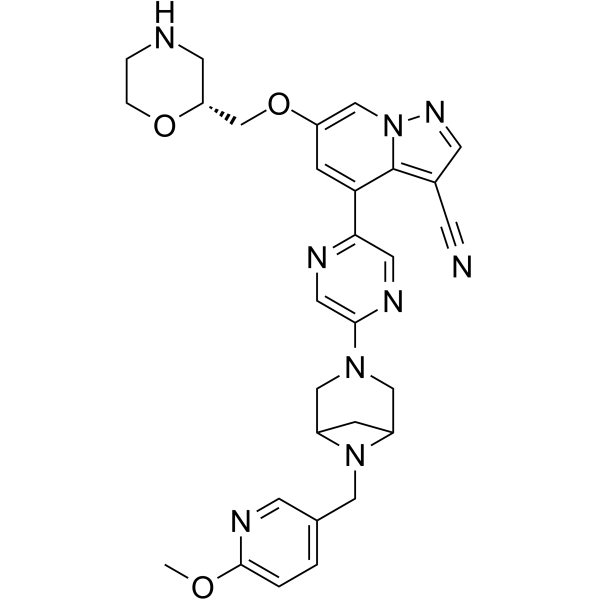
- HY-105185
-
|
SNK 860
|
Aldose Reductase
|
Metabolic Disease
|
|
Fidarestat (SNK 860) is an inhibitor of aldose reductase, with IC50s of 26 nM, 33 μM, and 1.8 μM for aldose reductase, AKR1B10 and V301L AKR1B10, respectively; Fidarestat (SNK 860) has the potential to treat diabetic disease.
|
-
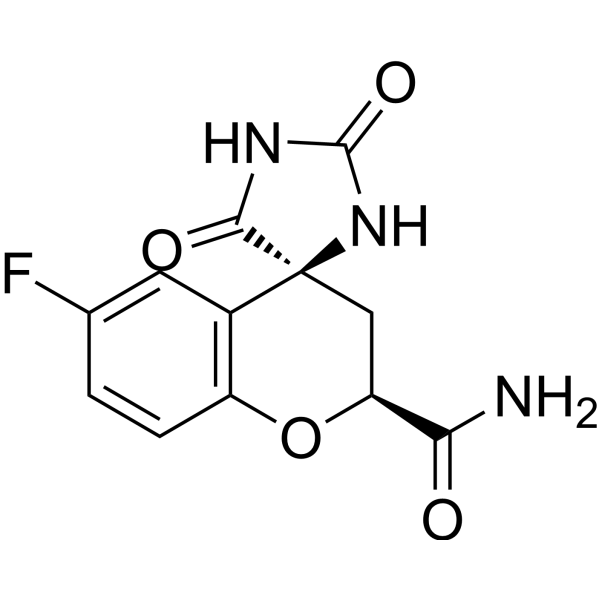
- HY-P991148
-
|
|
PD-1/PD-L1
|
Cancer
|
|
Moflerafusp alfa is a fusion protein targeting the human signal regulatory protein α (SIRPα) variant V2 D1 domain and human programmed death ligand 1 (PD-L1). Moflerafusp alfa is promising for research of various cancers .
|
-

- HY-105239R
-
|
FE 202158 (Standard)
|
Reference Standards
Vasopressin Receptor
|
Cardiovascular Disease
|
|
Selepressin (Standard) is the analytical standard of Selepressin (HY-105239). This product is intended for research and analytical applications. Selepressin (FE 202158) is a selective vasopressin V1A receptor agonist. Selepressin is a potent vasopressor. Selepressin can be used in the research of septic shock .
|
-

- HY-108504R
-
|
V 102862 (Standard)
|
Reference Standards
Sodium Channel
|
Neurological Disease
|
|
Co 102862 (Standard) is the analytical standard of Co 102862 (HY-108504). This product is intended for research and analytical applications. Co 102862 (V 102862) is a potent, broad-spectrum, state-dependent Na+ channel blocker. Co 102862 is also an orally active anticonvulsant .
|
-

- HY-N0501
-
|
|
Reactive Oxygen Species (ROS)
|
Metabolic Disease
|
|
11-oxo-mogroside V is a natural sweetener that exhibits strong antioxidant activity. It exhibits significant inhibitory effects on reactive oxygen species (O2 -, H2O2 and *OH) with EC50 of 4.79, 16.52, and 146.17 μg/mL, respectively.
|
-
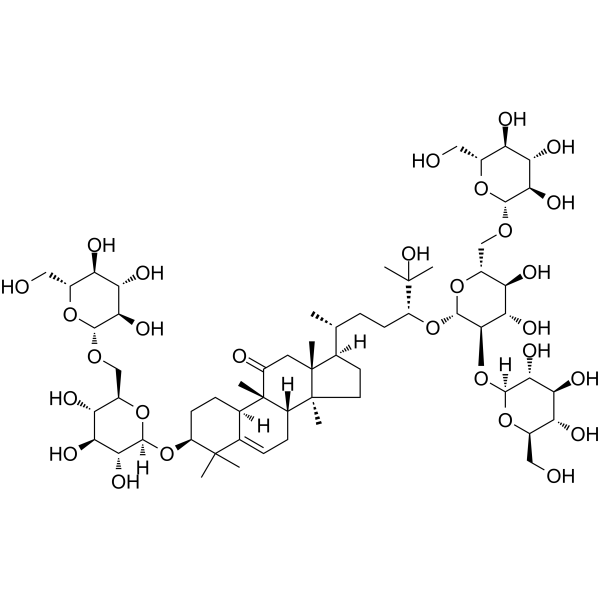
- HY-183931
-
|
|
RET
VEGFR
Trk Receptor
c-Fms
|
Cancer
|
|
NPA101.3 is an orally active RET receptor tyrosine kinase and VEGFR2 inhibitor (RET IC50 = 0.001 μM, RET V804M IC50 = 0.008 μM, VEGFR2 IC50 = 0.003 μM). NPA101.3 inhibits purified TRKA (IC50 = 32 nM) and CSF1R (IC50 = 46 nM). NPA101.3 completely suppresses tumor formation in RET /C634Y-transformed cells and also attenuates tumor formation in HRAS /G12V-transformed cells. NPA101.3 can be used in the research of RET-driven cancers .
|
-

- HY-113137
-
|
|
Endogenous Metabolite
|
Cancer
|
|
N2,N2-Dimethylguanosine is a methylated modified nucleoside present in RNA and serves as a structural modification component of tRNA. N2,N2-Dimethylguanosine inhibits reverse transcriptase-mediated cDNA synthesis and is one of the key modifications affecting sequencing efficiency in high-throughput RNA sequencing. N2,N2-Dimethylguanosine can be selectively demethylated at one methyl group by AlkB mutant enzymes (such as D135S/L118V) and converted to N2-methylguanosine, thereby reducing the inhibition of reverse transcription .
|
-
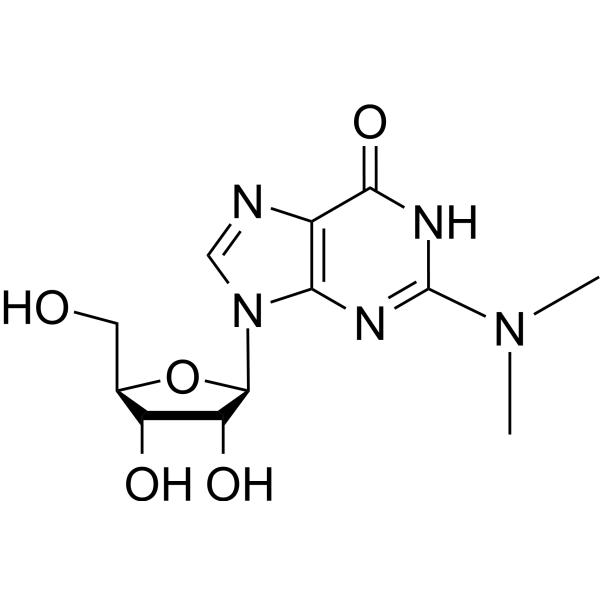
- HY-15463S1
-
|
STI571 d4; CGP-57148B d4
|
Bcr-Abl
PDGFR
c-Kit
SARS-CoV
Autophagy
|
Cancer
|
|
Imatinib-d4 (STI571-d4) is a deuterium labeled Imatinib (STI571). Imatinib is an orally bioavailable tyrosine kinases inhibitor that selectively inhibits BCR/ABL, v-Abl, PDGFR and c-kit kinase activity .
|
-
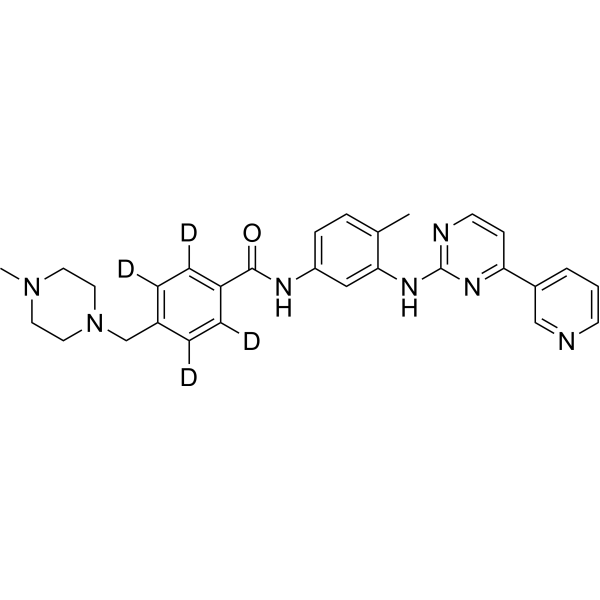
- HY-174597
-
|
|
mRNA
|
Inflammation/Immunology
|
|
Human IL7R mRNA encodes the human interleukin 7 receptor (IL7R) protein, a receptor for interleukin 7 (IL7). IL7R has been shown to play a critical role in V(D)J recombination during lymphocyte development.
|
-

- HY-120504
-
|
|
Bacterial
|
Infection
Cancer
|
|
N-Acetyltyramine is a quorum-sensing inhibitor (QSI) compound produced by V. alginolyticus M3-10. N-Acetyltyramine is capable of inhibiting the QS of C. violaceum ATCC 12472. N-acetyltyramine reverses resistance in Doxorubicin-resistant leukemia P388 cells .
|
-
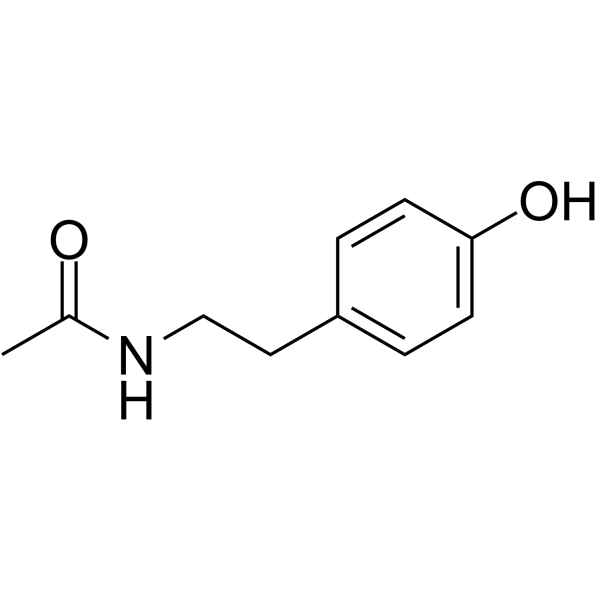
- HY-13942
-
|
PP1 Analog II
|
Src
|
Cancer
|
|
1-NM-PP1, a cell-permeable PP1 analog, is a potent Src family kinases inhibitor with IC50s of 4.3 nM and 3.2 nM for v-Src-as1 and c-Fyn-as1, respectively .
|
-
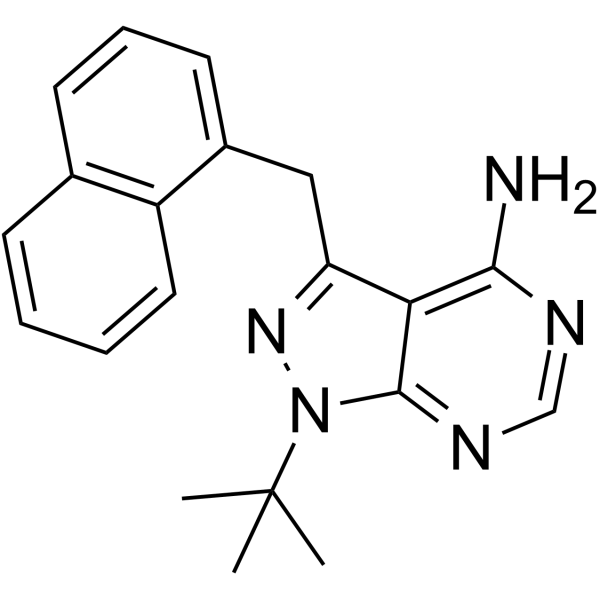
- HY-126143
-
|
|
Bcr-Abl
|
Cancer
|
|
CHMFL-ABL-039 is a type II native ABL kinase and drug-resistant V299L mutant BCR-ABL inhibitor with the IC50s of 7.9 nM and 27.9 nM, respectively. CHMFL-ABL-039 is used in the research of chronic myeloid leukemia .
|
-
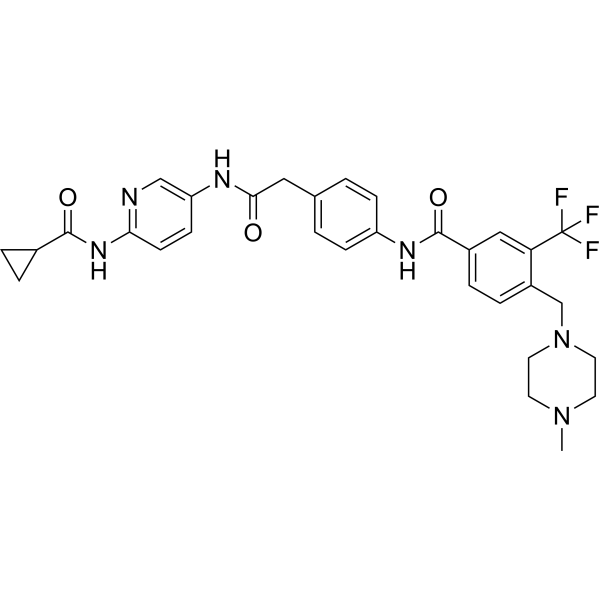
- HY-163202
-
|
|
MAGL
Calcium Channel
|
Neurological Disease
Cancer
|
|
MAGL-IN-13 (compound (3R, 4S) - 5v) is a selective, irreversible inhibitor for MAGL,with IC50 values of 0.026, 0.021 and 0.24 nM for mMAGL, hMAGL and rMAGL, respectively. MAGL-IN-13 can penetrant blood brain barrier. .
|
-
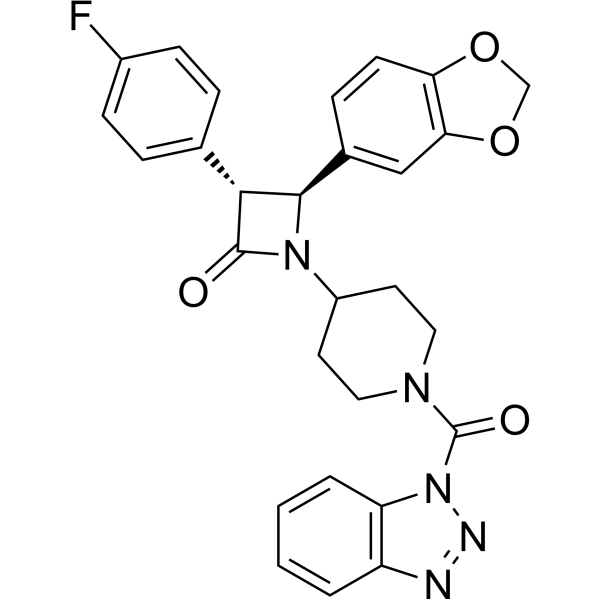
- HY-P99490
-
|
hzVSF-v13
|
Interleukin Related
SARS-CoV
|
Infection
Inflammation/Immunology
|
|
Burfiralimab (hzVSF-v13) is a monoclonal IgG4 antibody against vimentin expressed on the surface of virus-infected cells, with broad-spectrum antiviral activity and anti-inflammatory effects against virus-induced inflammation. Burfiralimab can be used in severe COVID-19 studies .
|
-

- HY-D1749
-
|
|
Fluorescent Dye
|
Others
|
|
C6 NBD L-threo-ceramide is a cell-permeable analog of ceramides that is tagged with a fluorescent group C6 nitrobenzoxadiazole (C6 NBD). It is rapidly transferred between liposomes, labels the Golgi apparatus, and is metabolized to C6 NBD sphingomyelin in BHK cells and V79 fibroblasts.
|
-
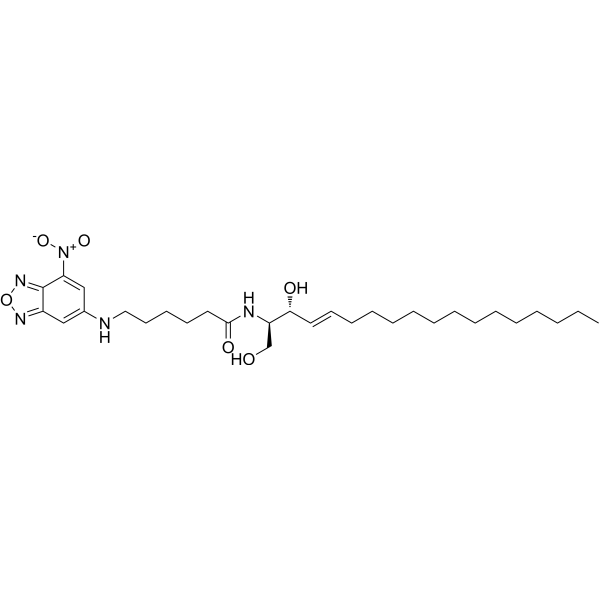
- HY-157917
-
|
|
Biochemical Assay Reagents
|
Others
|
|
Nitro-PAPS disodium dihydrate is a highly sensitive colometric reagent for Fe(II) detection with a maximal absorption wavelength of 592 nm. Nitro-PAPS disodium dihydrate is suitable for the determination of Fe(II) in serum and also be used to determine micro molar levels of Cu, Zn, Ni, Co and V .
|
-
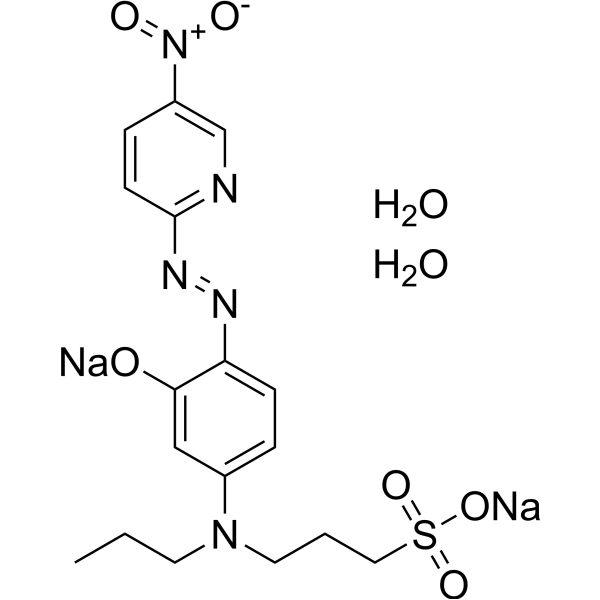
- HY-135250A
-
-
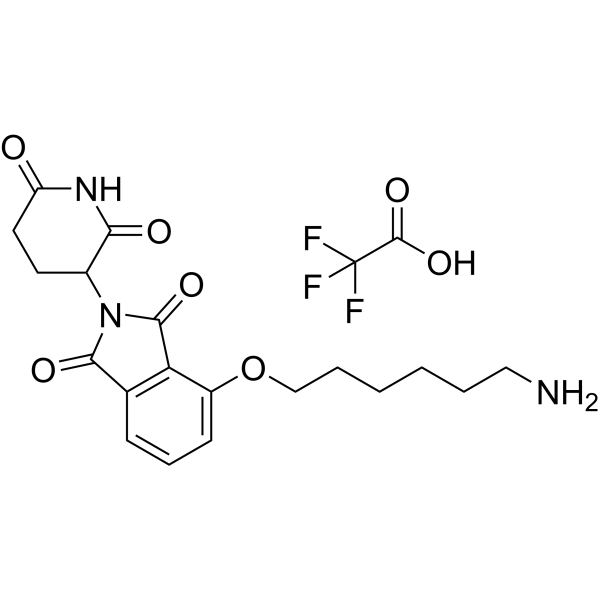
- HY-157220
-
|
|
Vasopressin Receptor
|
Cardiovascular Disease
|
|
Tolvaptan phosphate ester sodium, a prodrug of Tolvaptan (HY-17000), can be used in the study of cardiac edema. Tolvaptan is a selective, competitive and orally active vasopressin receptor 2 (V2R) antagonist with an IC50 of 1.28 μM for the inhibition of arginine vasopressin (AVP)-induced platelet aggregation .
|
-
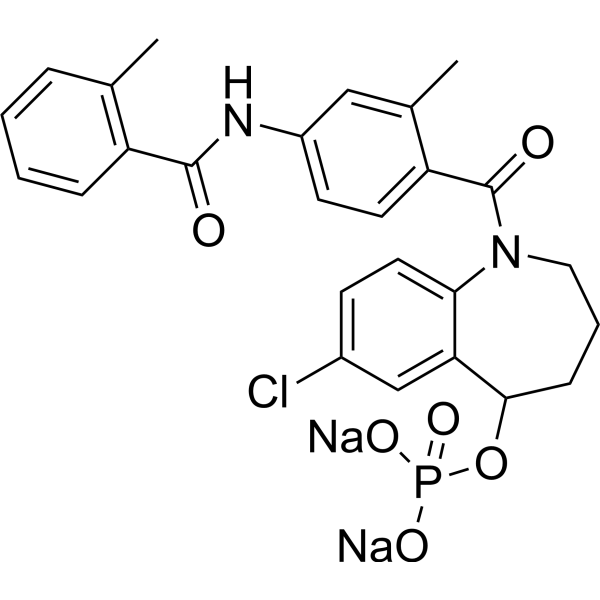
- HY-177099
-
|
|
GABA Receptor
|
Neurological Disease
|
|
Lorotomidate (Example 16) is a GABAA receptor agonist. Lorotomidate has anaesthetic effects (ED50: i.v., 2 mg/kg in KM mice; LD50: 46.5 mg/kg in KM mice). Lorotomidate has no inhibitory effect on the secretion of corticosteroids in animals, and thus has good safety .
|
-

- HY-W543737
-
|
|
MOFs
|
Others
|
|
Mono(4,4',4'',4'''-([1,1'-biphenyl]-3,3',5,5'-tetrayl)tetrakis(1-(4-(bromomethyl)benzyl)pyridin-1-ium))mono(hexafluorophosphate(V)) is a metal-organic framework (MOF).
|
-
![Mono(4,4',4'',4'''-([1,1'-biphenyl]-3,3',5,5'-tetrayl)tetrakis(1-(4-(bromomethyl)benzyl)pyridin-1-ium))monohexafluorophosphate(V)](//file.medchemexpress.com/product_pic/hy-w543737.gif)
- HY-162678
-
|
|
HDAC
|
Neurological Disease
|
|
HDAC-IN-75 (5d) is a HDAC inhibitor, with IC50 values of 6.32 nM and 1352 nM for HDAC6 and HDAC1, respectively. HDAC-IN-75 (5d) promotes vision rescue in the atp6v0e1 –/– zebrafish model of photoreceptor dysfunction .
|
-

- HY-180561
-
|
|
Deubiquitinase
JAK
STAT
Apoptosis
|
Cancer
|
|
WWQ-03-012 is a selective deSUMOylating isopeptidases DESI2 inhibitor with an IC50 of 47.3 μM. WWQ-03-012 cans induce JAK2-V617F ubiquitination-proteasome degradation with no significant effect on wild-type JAK2. WWQ-03-012 can block JAK2-STAT3/5 signaling, inhibit cell proliferation and induce apoptosis. WWQ-03-012 has a synergistic effect in combination with Ruxolitinib (HY-50856), further enhancing its killing effect on JAK2 mutant cells. WWQ-03-012 can be used for the research of cancer, such as myeloproliferative neoplasms .
|
-

- HY-185274
-
|
|
DNA/RNA Synthesis
|
Others
|
|
3'-O-(2-Nitrobenzyl)-dTTP acts as a reversible terminator for DNA chain elongation. 3'-O-(2-Nitrobenzyl)-dTTP interacts with 9°N polymerase (exo-) A485L/Y409V, gets recognized and incorporated into the elongating DNA chain, thereby temporarily terminating the polymerase reaction. 3'-O-(2-Nitrobenzyl)-dTTP carries a 3'-O-(2-nitrobenzyl) blocking group, which can be removed by laser irradiation to regenerate the free 3'-OH − group and restore polymerase activity. 3'-O-(2-Nitrobenzyl)-dTTP is applicable in DNA sequencing studies .
|
-

- HY-181031
-
|
|
FGFR
Apoptosis
Akt
p38 MAPK
|
Cancer
|
|
FGFR-IN-24 (Compound 8r) is a FGFR inhibitor. FGFR-IN-24 potently inhibits FGFR1/2/3 with IC50 values of 10.0, 6.9, and 30.2 nM, respectively. FGFR-IN-24 exhibits superior inhibitory activity toward FGFR1 V561M, FGFR2 V564F, and FGFR2 N549K mutations with IC50 values of 6.8, 0.7, and 0.8 nM, respectively. FGFR-IN-24 induces Apoptosis. FGFR-IN-24 efficiently suppresses the phosphorylation of FGFR2 and its downstream signaling mediators (AKT and MAPK). FGFR-IN-24 demonstrates favorable antitumor efficacy in an RT112/84 bladder cancer xenograft model .
|
-

- HY-P11706
-
|
|
Bcl-2 Family
|
Cancer
|
|
MS-1 peptide is a peptide for BH3 profiling. MS-1 peptide triggers higher depolarization of mitochondrial membrane in melanoma cells pre-treated with Encorafenib (HY-15605). MS1 peptide can be used for the research of BRAF V600E melanoma .
|
-

- HY-183274
-
|
|
Nuclear Hormone Receptor 4A/NR4A
Apoptosis
PARP
|
Cancer
|
|
Nur77 modulator 5 is a Nur77 modulator. Nur77 modulator 5 induces lysosomal dysfunction, impaired autophagic flux, and apoptosis with increased PARP cleavage, TUNEL positivity, and Annexin V/PI staining. Nur77 modulator 5 can be used for the research of gastric cancer .
|
-

- HY-129733
-
|
|
Na+/K+ ATPase
|
Cardiovascular Disease
|
|
LND 623 is an inotropic aminosteroid with positive inotropic properties. LND 623 inhibits Na +/K + ATPase activity. The LD50 of LND 623 infused i.v. is around 45 mg/kg, a value ten times higher than the LD50 for Ouabain (HY-B1457) .
|
-

- HY-146577
-
|
|
Keap1-Nrf2
|
Inflammation/Immunology
|
|
Keap1-Nrf2-IN-7 (compound 7v) is a potent Keap1-Nrf2 PPI (Keap1-Nrf2 protein−protein interaction) inhibitor with an IC50 of 0.45 µM .
|
-
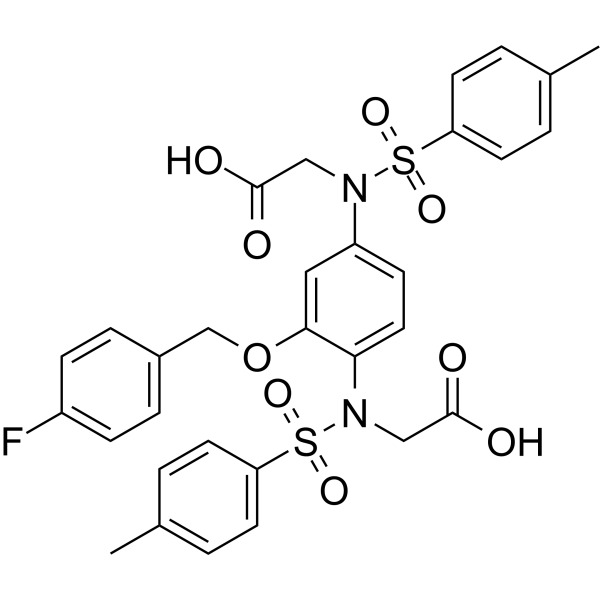
- HY-N12728
-
|
|
Others
|
Others
|
|
Heteroclitin G is a lignan which can be extracted from Dian-Jixueteng. Heteroclitin G (2.0 mg/kg, i.v.) exerts an C5min of 665.97 ± 29.89 ng/mL and T1/2z of 5.04 ± 1.84 h .
|
-
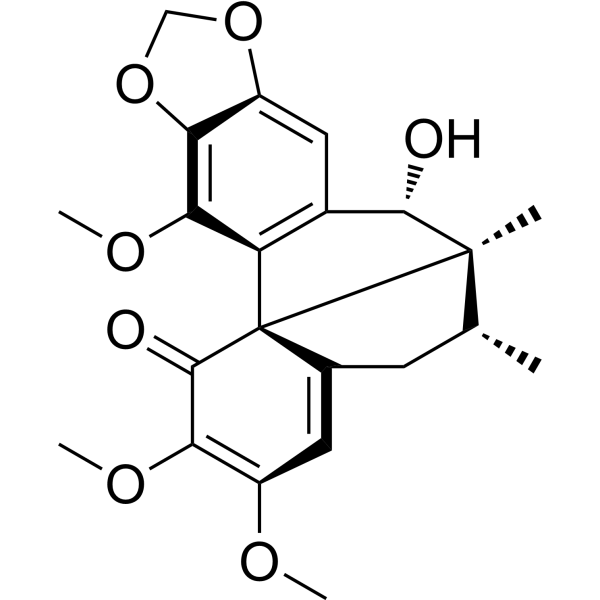
- HY-17000
-
|
OPC-41061
|
Vasopressin Receptor
Autophagy
|
Cardiovascular Disease
Endocrinology
Cancer
|
|
Tolvaptan is a selective, competitive and orally active vasopressin receptor 2 (V2R) antagonist with an IC50 of 1.28 μM for the inhibition of arginine vasopressin (AVP)-induced platelet aggregation. Tolvaptan induces cell apoposis and affects cell cycle. Tolvaptan can be used for the research of hyponatremia .
|
-
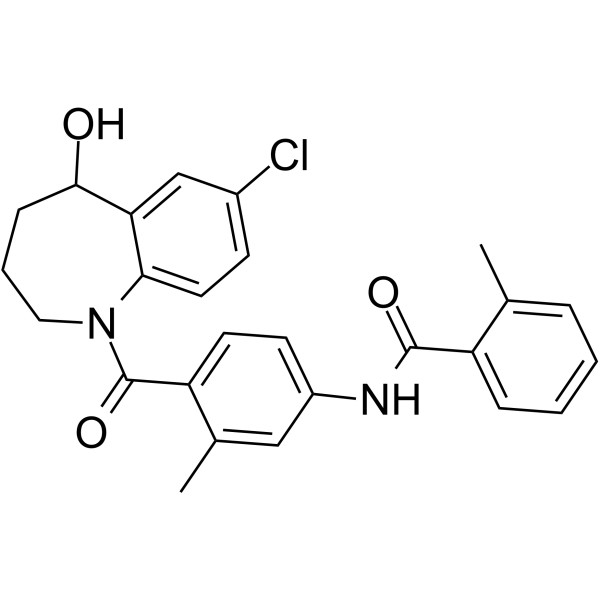
- HY-12343
-
ML277
1 Publications Verification
CID-53347902
|
Potassium Channel
|
Cardiovascular Disease
|
|
ML277 (CID-53347902) is a potent and selective activator of K(v)7.1 (KCNQ1) potassium channel activator (EC50=270 nM), rescues function of pathophysiologically important mutant channel complexes in human induced pluripotent stem cell-derived cardiomyocytes .
|
-
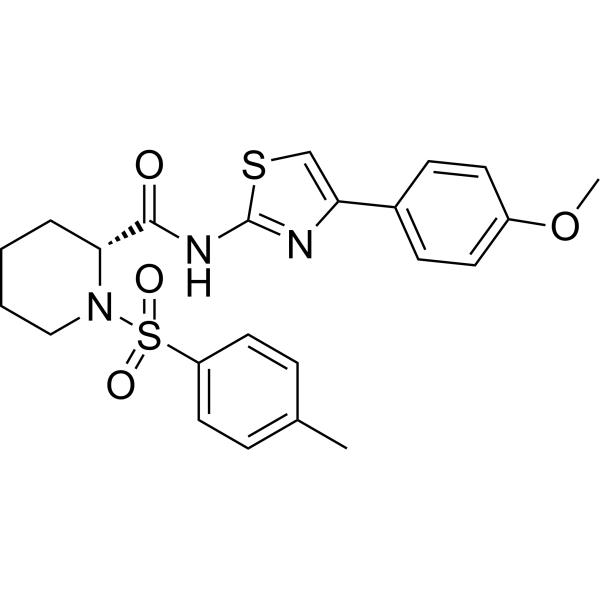
- HY-111225
-
|
VT-913
|
Vasopressin Receptor
|
Cardiovascular Disease
Neurological Disease
|
|
VA-111913 (VT-913) is a vasopressin receptor V1A antagonist (Ki = 1.74 nM). VA-111913 reduces uterine contractions and improves uterine blood flow by inhibiting vasopressin, thereby alleviating dysmenorrhea. VA-111913 can be used for research on menstrual pain .
|
-

- HY-113646
-
|
|
FKBP
|
Others
|
|
Shield-2 is an efficient stabilizing ligand binding to the FKBP (F36V) protein with a dissociation constant of 29 nM. Shield-2 binds tightly to the FKBP mutants destabilizing domains and prevents degradation, thus providing small molecule regulation over intracellular protein levels .
|
-

- HY-162441
-
|
|
Ras
|
Cancer
|
|
pan-KRAS-IN-8 (Compound 38) is an inhibitor for in human tumor mutated genes KRAS, which inhibits proliferation of KRAS mutated cells AsPC-1 (G12D mutant) and SW480 (G12V mutant) with IC50 of 0.07 and 0.18 nM, respectively .
|
-
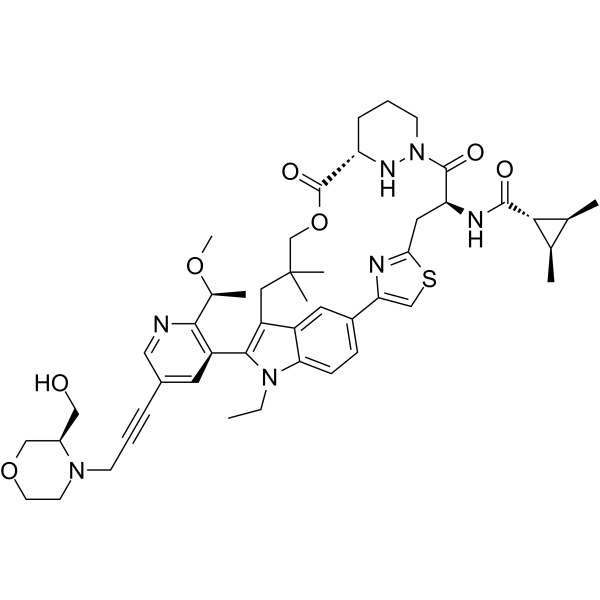
- HY-152104
-
|
|
FGFR
|
Cancer
|
|
FGFR-IN-9 (Compound 19) is a potent, reversible and orally active FGFR inhibitor with an IC50 of 17.1, 29.6, 30.7, 46.7 and 64.3 nM against FGFR4 WT, FGFR3, FGFR4 V550L, FGFR2 and FGFR1, respectively .
|
-
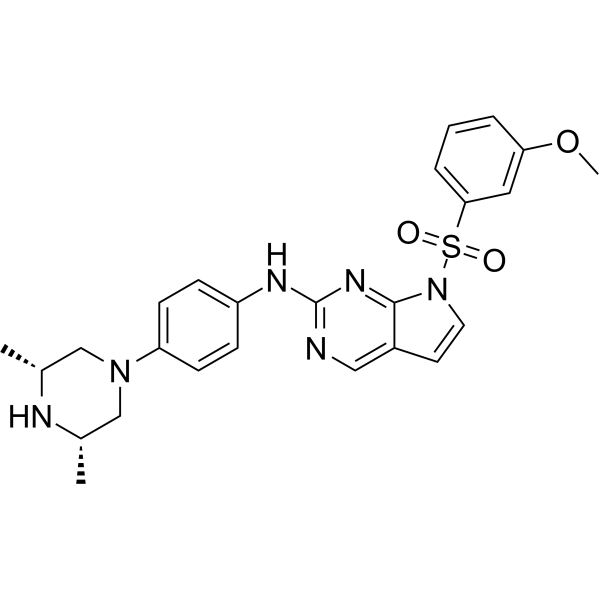
- HY-P3361
-
|
|
Parasite
Bacterial
Antibiotic
|
Infection
Inflammation/Immunology
|
|
IDR-1018 is an innate defense regulator conjugate, with MICs of 16 μg/mL for MRSA USA300 LAC, MRSA SAP 0017 and S. epidermidis ATCC14990. IDR-1018 can be used to synthesis V-IDR1018 (vancomycin-innate defense regulator conjugate) .
|
-
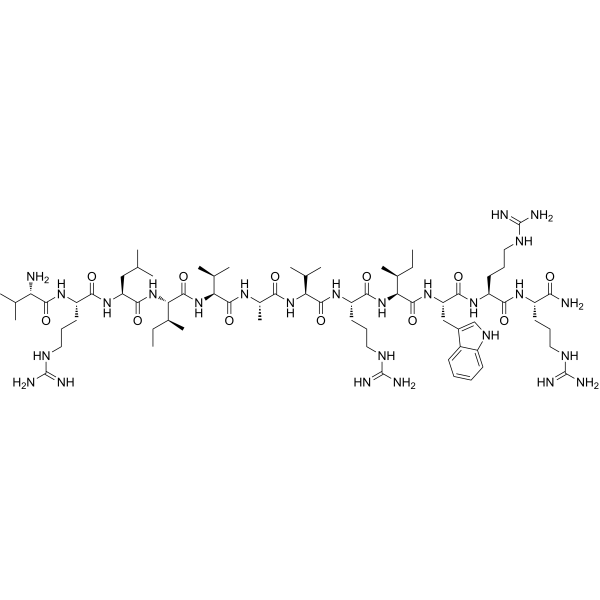
- HY-157018
-
|
|
Fungal
|
Infection
|
|
Antifungal agent 82 (compound G34) is a antifungal agent. Antifungal agent 82 exhibits excellent in vitro antifungal activity against Valsa mali, with an EC50 of 0.57 μg/mL. Antifungal agent 82 also exhibits excellent in vivo protective effects against V. mali at 40 μg/mL .
|
-
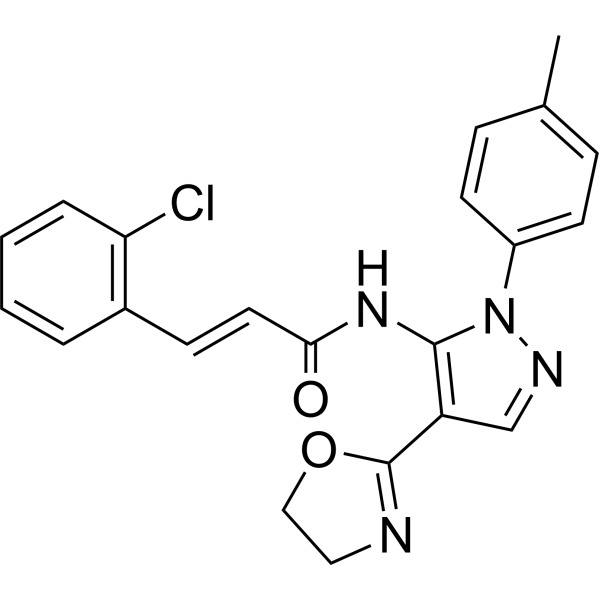
- HY-162440
-
|
|
Ras
|
Cancer
|
|
pan-KRAS-IN-7 (Compound 25) is an inhibitor for in human tumor mutated genes KRAS, which inhibits proliferation of KRAS mutated cells AsPC-1 (G12D mutant) and SW480 (G12V mutant) with IC50 of 0.35 and 0.51 nM, respectively .
|
-
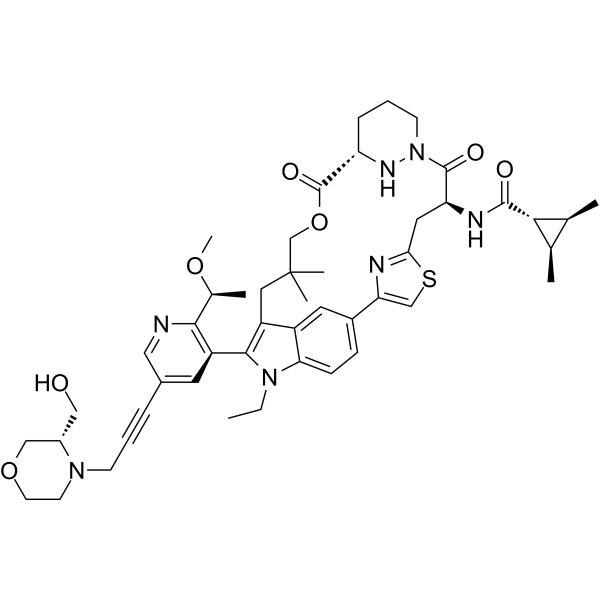
- HY-138621
-
|
|
Bacterial
|
Infection
|
|
Antibacterial agent 19 (compound 8) is a potent antibacterial agent. Antibacterial agent 19 has antibacterial activity against K. pneumoniae, (M-R)S. aureus and (M-R,V-R)S. aureus with MIC values of 0.022, 0.022 and 0.045 mg/mL, respectively .
|
-
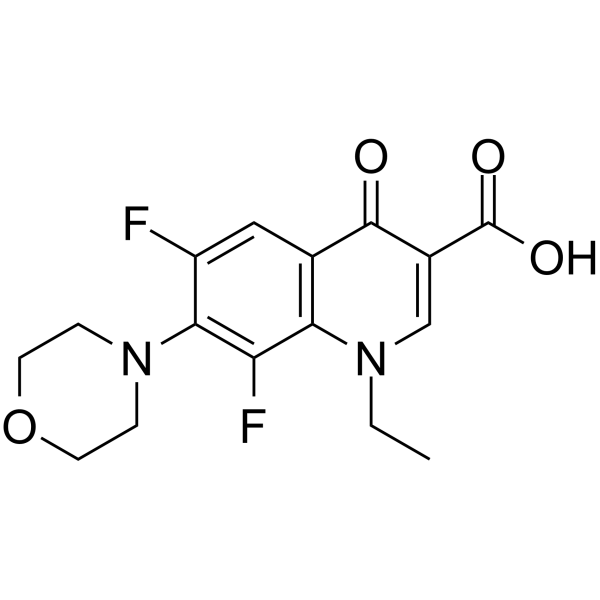
- HY-162442
-
|
|
Ras
|
Cancer
|
|
pan-KRAS-IN-9 (Compound 52) is an inhibitor for in human tumor mutated genes KRAS, which inhibits proliferation of KRAS mutated cells AsPC-1 (G12D mutant) and SW480 (G12V mutant) with IC50 of 0.24 and 0.30 nM, respectively .
|
-
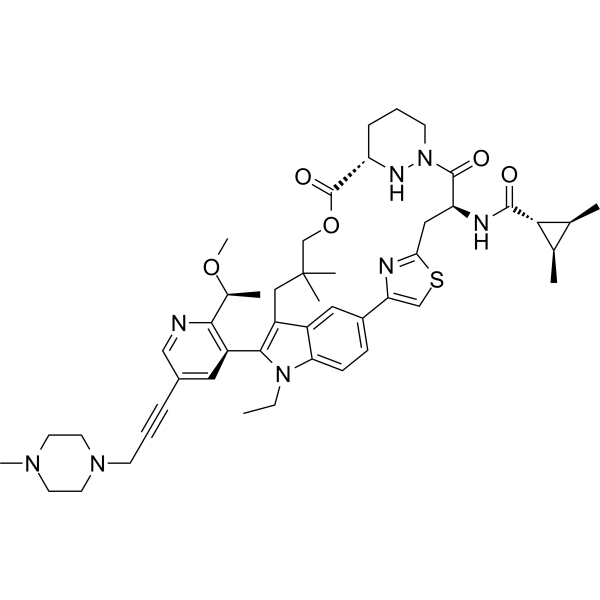
- HY-P3361A
-
|
|
Parasite
Bacterial
Antibiotic
|
Infection
Inflammation/Immunology
|
|
IDR-1018 acetate is an innate defense regulator conjugate, with MICs of 16 μg/mL for MRSA USA300 LAC, MRSA SAP 0017 and S. epidermidis ATCC14990. IDR-1018 acetate can be used to synthesis V-IDR1018 (vancomycin-innate defense regulator conjugate) .
|
-

- HY-10410
-
|
|
FLT3
JAK
RET
Autophagy
Apoptosis
|
Cancer
|
|
TG101209 is a selective JAK2 inhibitor with IC50 of 6 nM, less potent to Flt3 and RET with IC50 of 25 nM and 17 nM, appr 30-fold selective for JAK2 than JAK3, and sensitive to JAK2V617F and MPLW515L/K mutations.
|
-
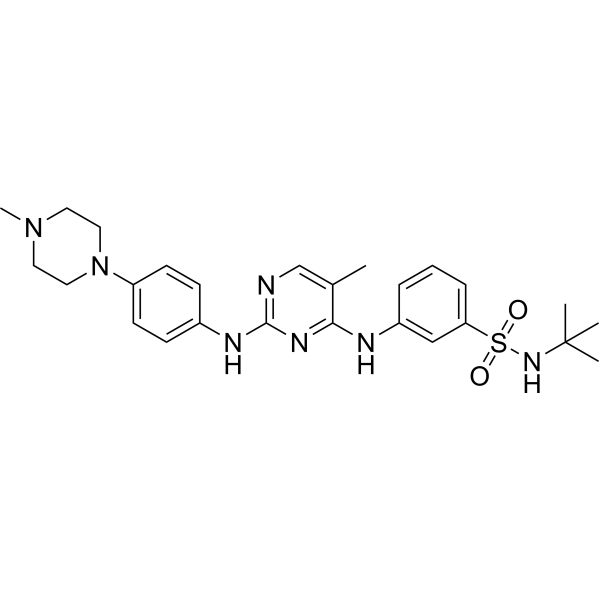
- HY-162443
-
|
|
Ras
|
Cancer
|
|
pan-KRAS-IN-10 (Compound 58) is an inhibitor for in human tumor mutated genes KRAS, which inhibits proliferation of KRAS mutated cells AsPC-1 (G12D mutant) and SW480 (G12V mutant) with IC50 of 0.7 and 0.24 nM, respectively .
|
-
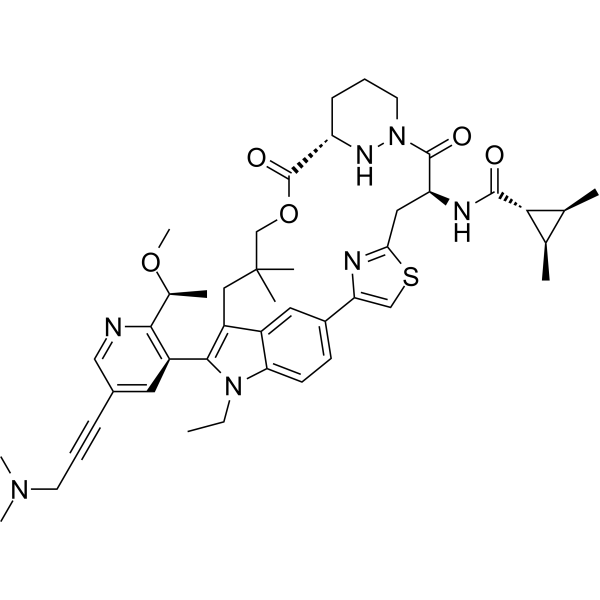
- HY-144029
-
|
|
RET
|
Cancer
|
|
RET-IN-13 (compound 1), a quinoline compound, is a potent RET inhibitor with IC50s of 0.5 nM, 0.9 nM for RET (WT) and RET (V804M), respectively. RET-IN-13 has the potential for tumors or intestinal diseases related to abnormal activation of RET research .
|
-
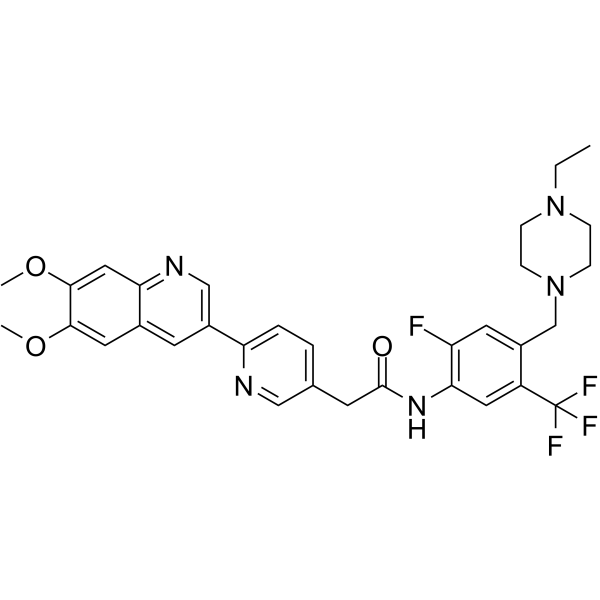
- HY-W653733
-
-

- HY-126298
-
|
|
Raf
|
Cancer
|
|
RAF mutant-IN-1 is a RAF kinase inhibitor, extracted from patent WO2019107987A1, with IC50 values of 21 nM, 30 nM and 392 nM for C-RAF 340D/Y341D, B-RAF V600E and B-RAF WT, respectively .
|
-
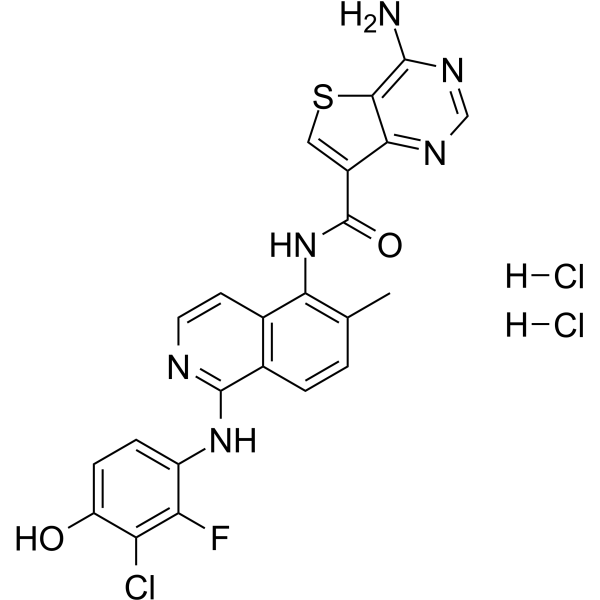
- HY-162406
-
|
|
TAM Receptor
|
Cancer
|
|
UNC8969 (compound 43) is a MERTK/AXL dual inhibitor with IC50s of 1.1±0.8 nM for MERTK and 5.3 ± 2.7 nM for AXL. UNC8969 also exerts a T1/2 of 7.3 h with 5 mg/kg i.v. in mice .
|
-
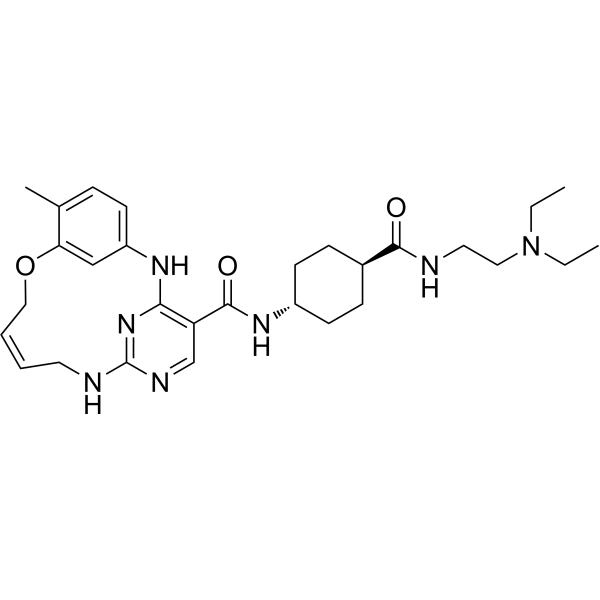
- HY-159780
-
-

- HY-108486
-
|
|
Bacterial
Antibiotic
|
Infection
|
|
Herbimycin A, an ansamycin antibiotic, acts as a Src family kinase inhibitor. Herbimycin A binds to the SH domain and inhibits the activity of p60 v-src and p210 BCR-ABL Herbimycin A inhibits Hsp90 and impairs recovery from heat shock. Herbimycin A exhibits antiangiogenic activity in endothelial cells in vitro.
|
-
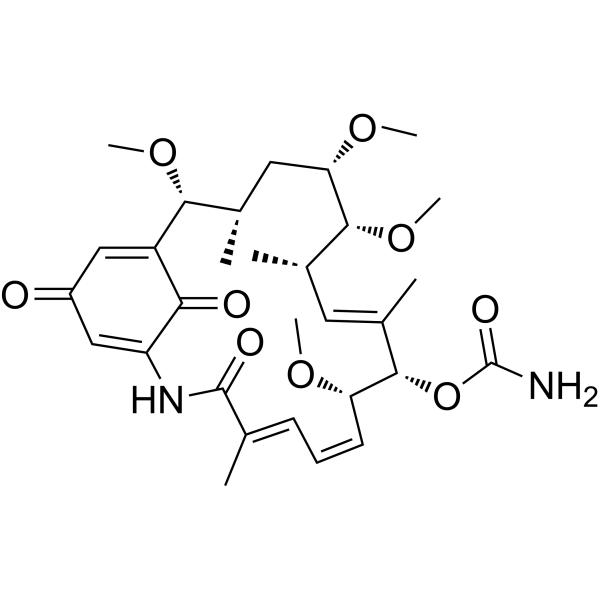
- HY-154995
-
|
|
Glycosidase
|
Infection
|
|
N-4′-(p-Trifluoromethylphenyl)butyl-DAB (compound 5g) is an agonit of lysosomal acid α-glucosidase (GAA). N-4′-(p-Trifluoromethylphenyl)butyl-DAB increases intracellular GAA activities dose-dependently, in Pompe patient's fibroblasts with the M519V mutation .
|
-
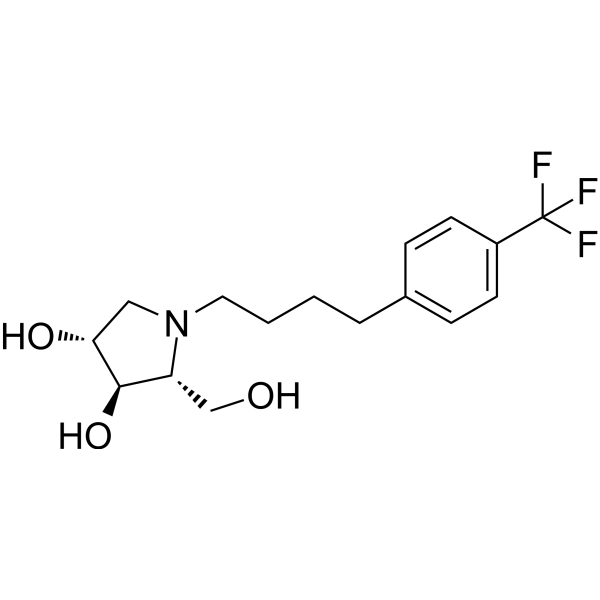
- HY-NP111
-
|
Mouse Type V collagen, immunization grade
|
MMP
|
Inflammation/Immunology
|
|
Highly purified Type V collagen, from mouse intestine (Mouse Type II collagen, immunization grade) is an immune grade collagen derived from mouse intestine, which can stimulate the animal's immune system to produce specific antibodies against this collagen. Collagen is also a substrate for hydrolysis by MMPs .
|
-

- HY-W010347R
-
|
|
Reference Standards
Endogenous Metabolite
Cathepsin
|
Cardiovascular Disease
Inflammation/Immunology
|
|
L-Homocysteine (Standard) is the analytical standard of L-Homocysteine. This product is intended for research and analytical applications. L-Homocysteine, an amino acid, is a homocysteine that has L configuration. Homocysteine is an essential intermediate in normal mammalian metabolism of methionine. L-Homocysteine induces upregulation of Cathepsin V that mediates vascular endothelial inflammation in hyperhomocysteinaemia[1][2].
|
-

- HY-109098
-
|
LYC30937
|
ATP Synthase
Apoptosis
|
Inflammation/Immunology
|
|
Parimifasor (LYC-30937) is an orally active agent for inflammatory bowel disease. Parimifasor targets F1F0-ATPase. Parimifasor acts on respiratory complex V, slows ATP production and induces Apoptosis. Parimifasor can be used in the research of inflammatory bowel disease .
|
-
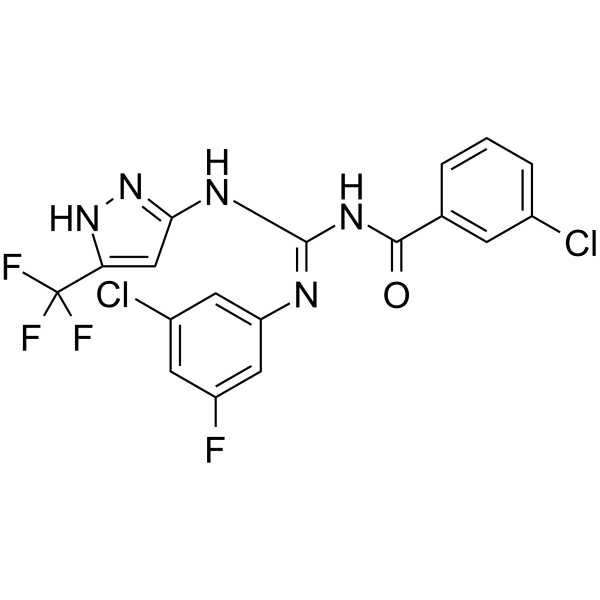
- HY-15010
-
-
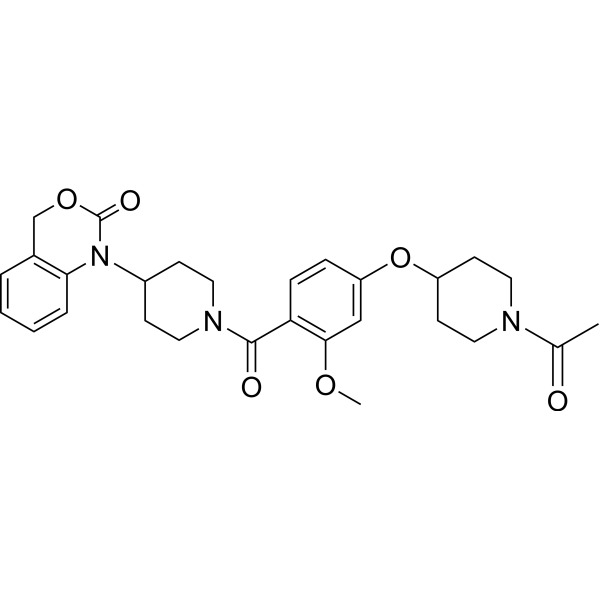
- HY-123875A
-
|
EPI-506
|
Androgen Receptor
|
Cancer
|
|
Ralaniten triacetate (EPI-506), the pro-agent of Ralaniten, is a first-in-class, orally active androgen receptor (AR) N-terminal domain (NTD) inhibitor. Ralaniten triacetate shows activity against both full length and resistance-related AR species, including AR-v7 .
|
-
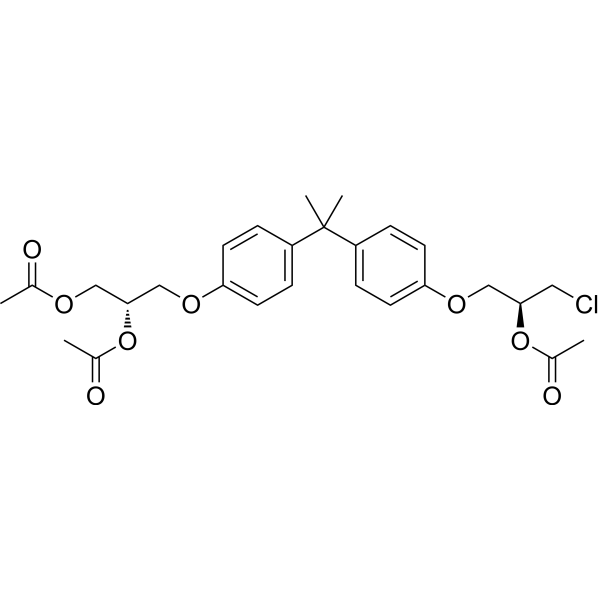
- HY-B1446
-
|
(S)-Omeprazole magnesium; (-)-Omeprazole magnesium
|
Exosomes
Proton Pump
|
Endocrinology
Cancer
|
|
Esomeprazole magnesium ((S)-Omeprazole magnesium) is a potent and orally active H +, K +-ATPase inhibitor. Esomeprazole magnesium has the potential for upper intestinal disorders and gastroesophageal reflux disease research . Esomeprazole magnesium acts as an exosome inhibitor by blocking the exosome release via the inhibition of V-H +-ATPases .
|
-
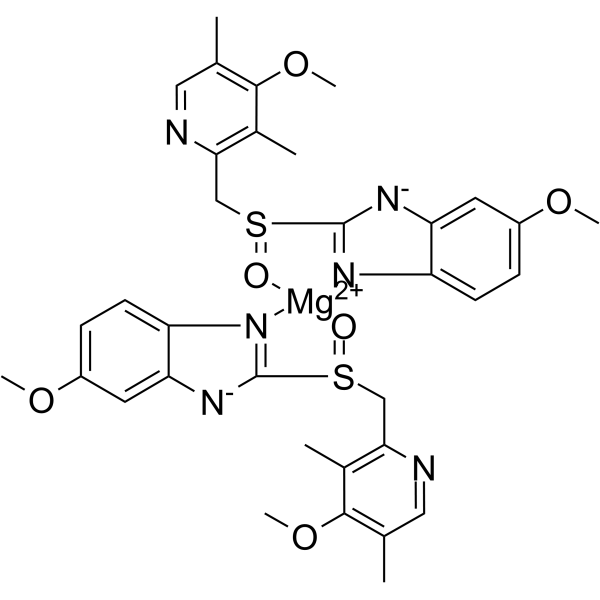
- HY-148820
-
|
|
Drug-Linker Conjugates for ADC
Topoisomerase
|
Cancer
|
|
Br-Val-Ala-NH2-bicyclo[1.1.1]pentane-7-MAD-MDCPT (Formula V) is a agent-linker conjugate that composed of a potent topoisomerase I inhibitor and a linker to make an antibody agent conjugate (ADC), ABBV-969 .
|
-
![Br-Val-Ala-NH2-bicyclo[1.1.1]pentane-7-MAD-MDCPT](//file.medchemexpress.com/product_pic/hy-148820.gif)
- HY-163890
-
|
|
Succinate Dehydrogenase
Parasite
|
Infection
|
|
Succinate dehydrogenase-IN-2 (Compound 12x) is an inhibitor for succinate dehydrogenase (SDH) with an IC50 of 1.22 mg/L. Succinate dehydrogenase-IN-2 exhibits antifungal activity, that inhibits S. sclerotiorum, V. mali, G. graminis, R. solani and B. cinerea with EC50 of 0.52-3.42 mg/L .
|
-

- HY-E70016
-
|
TdT
|
DNA/RNA Synthesis
|
Others
Cancer
|
|
Terminal deoxyribonucleotidyltransferase (TdT) catalyses the condensation of deoxyribonucleotide triphosphates onto the 3' hydroxyl ends of DNA strands and adds N-regions to gene segment junctions during V(D)J recombination. Terminal deoxyribonucleotidyltransferase is expressed in immature, pre-B, pre-T lymphoid cells, and acute lymphoblastic leukemia/lymphoma cells .
|
-

- HY-123087
-
|
N-(3-oxodecanoyl)-homoserine lactone
|
Bacterial
|
Infection
|
|
N-(3-Hydroxytetradecanoyl)-DL-homoserine lactone (N-(3-oxodecanoyl)-homoserine lactone) is a member of N-Acyl homoserine lactone (AHL) from V. alginolyticus strains. N-(3-Hydroxytetradecanoyl)-DL-homoserine lactone is used for biofilm formation and has antibacterial activity .
|
-
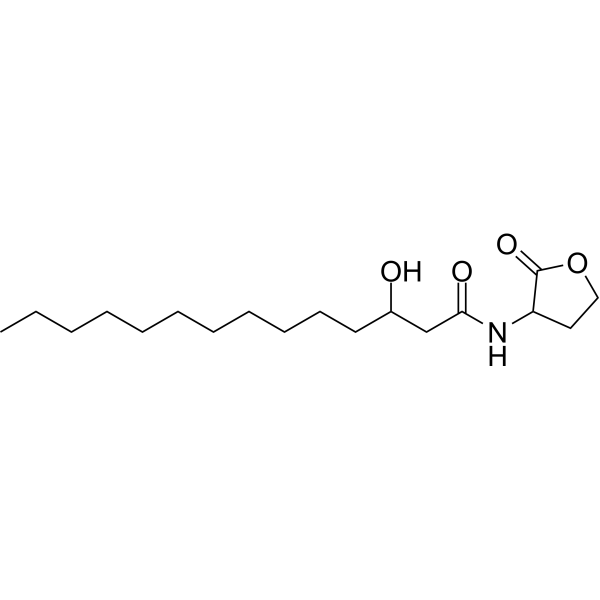
- HY-126076A
-
|
|
DNA/RNA Synthesis
|
Cancer
|
|
VPC-80051 is an inhibitor of hnRNP A1 splicing activity. VPC-80051 directly interacts with hnRNP A1 RBD and reduces AR-V7 messenger levels in 22Rv1 CRPC cell line. VPC-80051 can be used in prostate cancer research .
|
-

- HY-155557
-
|
|
Apoptosis
|
Cancer
|
|
Anti-inflammatory agent 45 (compound 2v) is an anticancer agent with direct inhibitory effects on the growth of different blood cancers including leukemia, lymphoma and myeloma cell lines. Anti-inflammatory agent 45 induces apoptosis and inhibits NO production in HL60 leukemia cells (IC50=14.7 μM) .
|
-
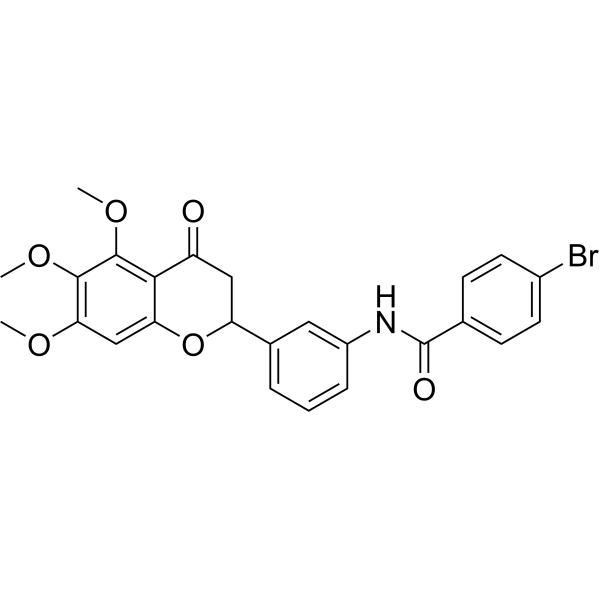
- HY-180221
-
|
|
FXR
|
Metabolic Disease
|
|
FXR agonist 14 (Compound V15) is a partial, selective, orally active FXR agonist with an EC50 of 0.67 nM. FXR agonist 14 ameliorates pathological features in high-fat and high-sugar diet-induced MASH mice. FXR agonist 14 shows significant anti-cholestatic liver disease effects .
|
-

- HY-151377
-
|
|
RET
EGFR
Aurora Kinase
c-Fms
MAP4K
|
Cancer
|
|
RET-IN-19 (compound 59) is a potent RET inhibitor, with IC50 values of 6.8 and 13.51 nM against RET-wt and RET V804M, respectively. RET-IN-19 shows anticancer activity. RET-IN-19 can be used for non-small cell lung cancer (NSCLC) research .
|
-
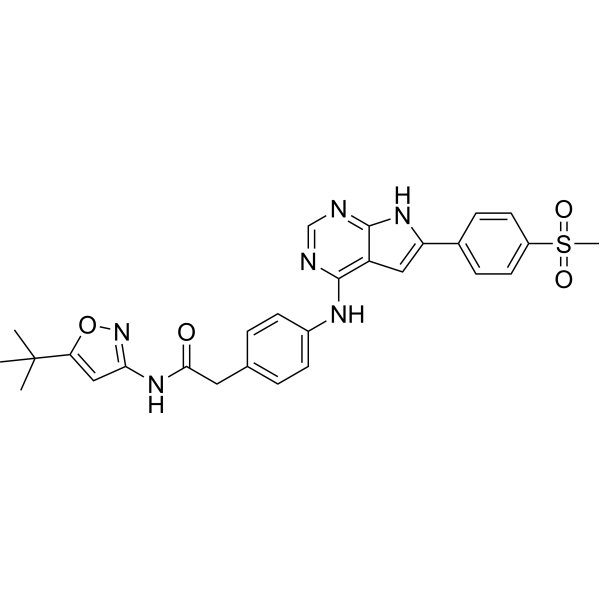
- HY-178123
-
|
|
Others
|
Inflammation/Immunology
|
|
BAY-439 is a human Group V Phospholipase A2 (hPLA2-G5) inhibitor. BAY-439 can be used as a chemical probe for investigating hPLA2-G5-mediated inflammatory-related diseases, especially inflammatory pain.
|
-

- HY-122650
-
|
|
Autophagy
|
Cancer
|
|
PHY34 is an inhibitor that inhibits ATP6V0A2 and CAS thereby inhibiting autophagy, and has a nanomolar effect. PHY34 inhibits cancer cell growth by inducing apoptosis and inhibits tumor growth in xenograft models. PHY34 can be used for research on high grade serous ovarian cancer .
|
-
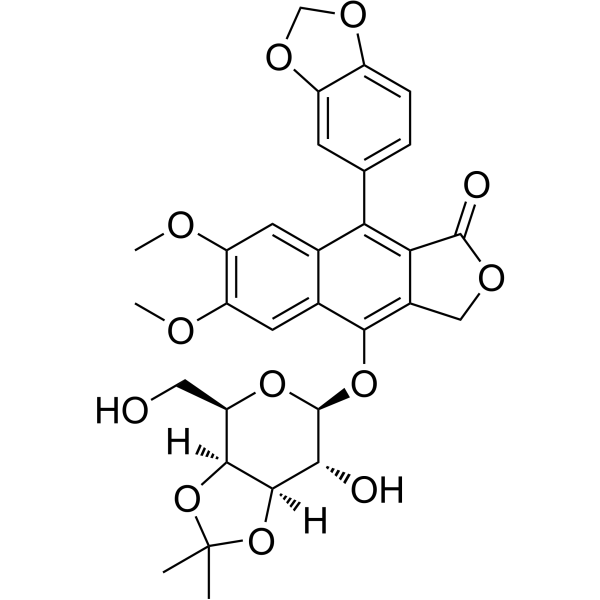
- HY-161661
-
|
|
Caspase
|
Cancer
|
|
Anticancer agent 223 (Compound V-d) is an anticancer agent that triggers cell death through caspase-dependent and caspase-independent mechanisms. Anticancer agent 223 inhibits tumor spheroid formation and resensitizes cisplatin (HY-17394)-resistant A2780 cells to cisplatin (HY-17394) treatment .
|
-

- HY-165423
-
|
|
Vasopressin Receptor
Drug Metabolite
|
Cardiovascular Disease
|
|
DM-4111, one of the major monohydroxyl metabolites of Tolvaptan (HY-17000), is a potent vasopressin V2 receptor inhibitor. DM-4111 inhibits water reabsorption in the renal tubules, thereby promoting the excretion of electrolyte-free water. DM-4111 is promising for research of cardiovascular diseases .
|
-

- HY-162960
-
|
|
Ras
|
Cancer
|
|
pan-KRAS-IN-18 is a panKRAS inhibitor that inhibits KRAS WT and KRAS G12V with IC50s of 29 and 9 nM, respectively. pan-KRAS-IN-18 exhibits antiproliferative activity in KRAS-mutant cell lines. pan-KRAS-IN-18 can be used for lung cancer research .
|
-

- HY-N16523
-
|
|
Glycosidase
|
Cancer
|
|
Ferruginoside C is a phenylethanoid. Ferruginoside C can be isolated from V. leiocarpum. Ferruginoside C shows potent alpha-glucosidase inhibitory activity with an IC50 of 19.93 μM. Ferruginoside C shows antioxidant activities. Ferruginoside C can be used in the research of cervical cancer, ovarian cancer, and colon cancer .
|
-

- HY-136734
-
|
|
JAK
|
Inflammation/Immunology
|
|
JAK2-IN-5 (Compound 13) is a selective JAK kinase inhibitor, with an IC50 of 0.078 μM against JAK-2 and an IC50 of 0.206 μM against JAK-2 V617F. JAK2-IN-5 can be used for the research of myeloproliferative disorders .
|
-

- HY-Y1890B
-
|
|
Biochemical Assay Reagents
|
Others
|
|
Cremophor EL-10 is a nonionic polyoxyethylene castor oil surfactant with multiple functions including organic solubilizer, mixed zinc anode corrosion inhibitor and dendrite growth inhibitor. By forming a physical barrier to block electrolyte contact and constructing oriented hydration channels to reduce the desolvation energy barrier of Zn 2+ , Cremophor EL-10 achieves a corrosion inhibition efficiency of over 99%. Cremophor EL-10 exerts no significant effects on the mitochondrial activity and cell viability of epithelial cells, making it suitable for in vitro drug delivery and biopharmaceutical research at concentrations ≤10% v/v. However, Cremophor EL-10 may induce sustained non-endothelium-dependent contraction in rat aortic rings and exert concentration-dependent inhibitory effects on acetylcholine-induced endothelium-dependent relaxation responses .
|
-

- HY-149914
-
|
|
Androgen Receptor
|
Cancer
|
|
WCA-814 is an androgen receptor (AR) antagonist-Hsp90 inhibitor conjugate. WCA-814 induces the degradation of full-length and AR-V7. WCA-814 has cytotoxic effect in prostatic cancer cells (IC50: 171.2 nM, 26.5 nM for LNCaP, 22Rv1 cell) .
|
-
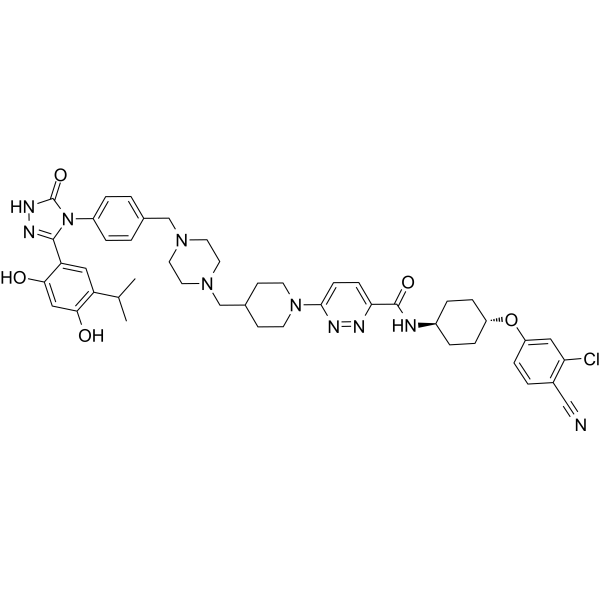
- HY-155474
-
|
|
Apoptosis
|
Cancer
|
|
Me4Phen (compound 3) is an oxygen rhenium (V) complex that depletes mitochondrial membrane potential and upregulates intracellular reactive oxygen species (ROS), leading to endoplasmic reticulum stress-mediated necrosis of cancer cells. Me4Phen is highly lipophilic and effectively overcomes Cisplatin (HY-17394) resistance in a variety of cancer cells .
|
-
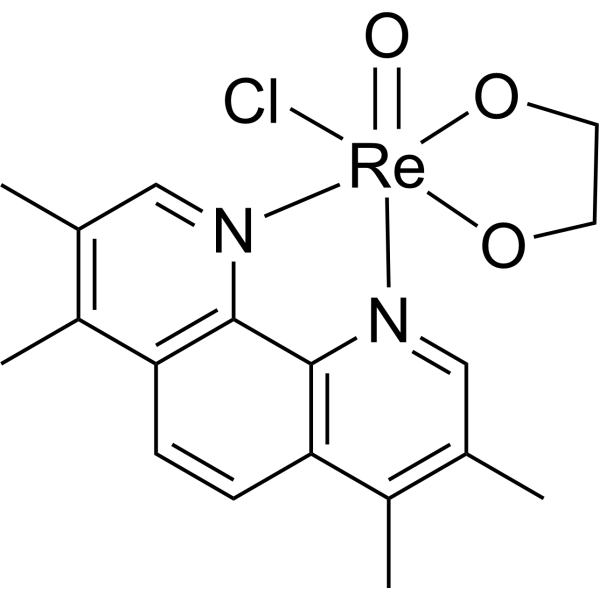
- HY-178995
-
|
|
Raf
|
Cancer
|
|
BRAFV600E-IN-3 (Compound AV05) is a BRAF V600E inhibitor with an IC50 value of 0.89 μM. BRAFV600E-IN-3 inhibits the proliferation of melanoma cells. BRAFV600E-IN-3 can be used for the study of melanoma .
|
-

- HY-175435
-
|
|
PROTACs
Raf
|
Cancer
|
|
CST905 is a potent PROTAC degrader of BRAF-V600E with a DC50 of 18 nM. CST905 is suitable for cancer research. (Structure Note: Pink: target protein ligand (HY-41747); Blue: E3 ligase ligand (HY-125845); Black: linker (HY-78378)) .
|
-

- HY-114672
-
|
|
Phosphodiesterase (PDE)
|
Cardiovascular Disease
|
|
MBCQ is a potent and selective cGMP-specific phosphodiesterase (PDE V; PDE5) inhibitor with an IC50 of 19 nM. MBCQ lacks inhibitory activity toward other PDE isozymes (all IC50s>100 μM). MBCQ dilates coronary arteries via specific inhibition of cGMP-PDE .
|
-
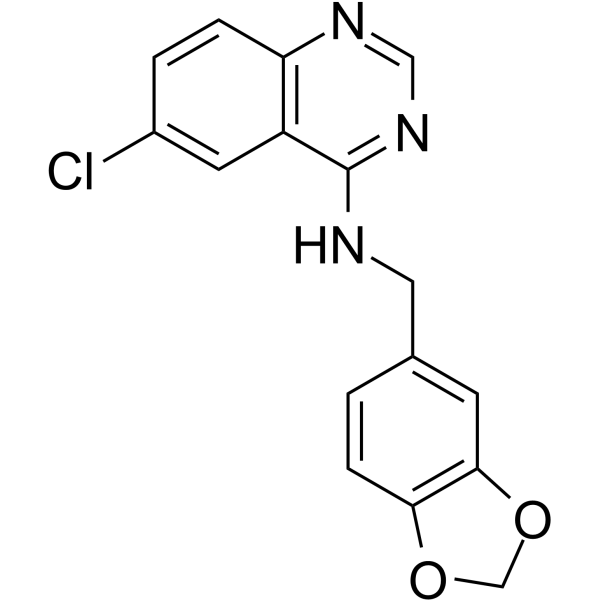
- HY-159088
-
|
|
Opioid Receptor
|
Neurological Disease
|
|
KOR agonist 2 (Compound 23p) is an agonist for κ opioid receptor (KOR) with Ki of 1.9 nM. KOR agonist 2 exhibits analgesic effect in mouse models with ED50 of 1.30 mg/kg. KOR agonist 2 exhibits high clearance rate (2 mg/kg, i.v.) in mice, high metabolism and clearance in liver microsomes .
|
-

- HY-B0124S
-
-
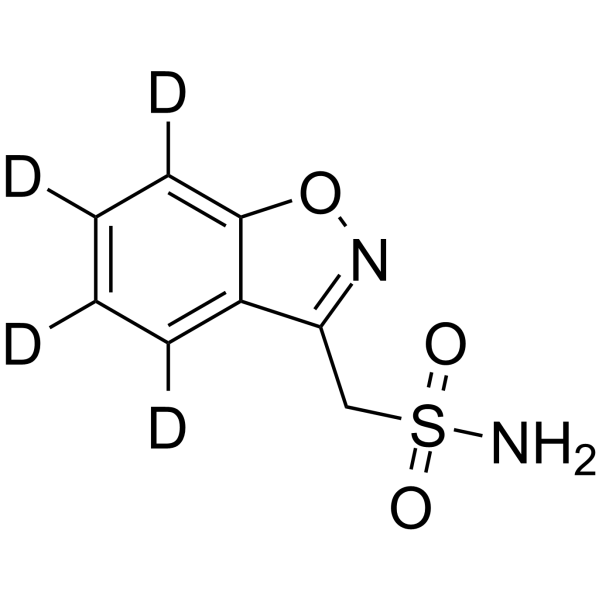
- HY-15011
-
|
|
Oxytocin Receptor
|
Others
|
|
L-372662 is a potent and orally active non-peptide oxytocin antagonist with a Ki value of 4.8. The Kd value of L-372662 for wild-type hOTR and [A318G]OTR is 5.8 nM and 73 nM. L-372662 shows selectivity to OTR:V1aR .
|
-
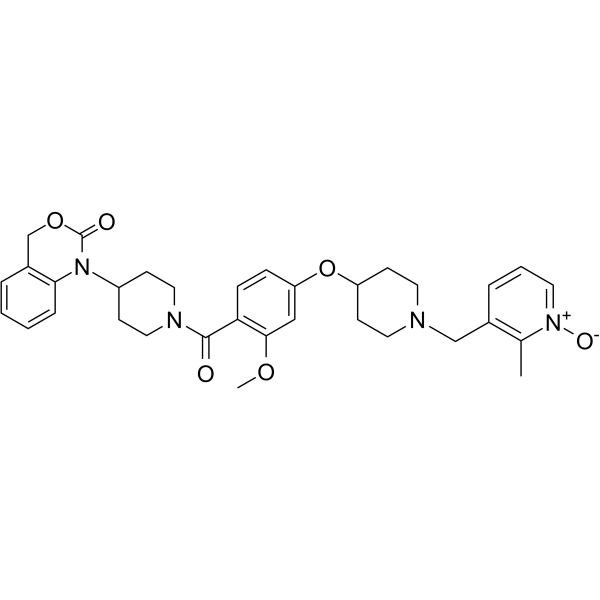
- HY-17022
-
|
(S)-Omeprazole magnesium trihydrate; (-)-Omeprazole magnesium trihydrate
|
Exosomes
Proton Pump
|
Endocrinology
Cancer
|
|
Esomeprazole magnesium trihydrate ((S)-Omeprazole magnesium trihydrate) is a potent and orally active H +, K +-ATPase inhibitor. Esomeprazole magnesium trihydrate has the potential for upper intestinal disorders and gastroesophageal reflux disease research . Esomeprazole magnesium trihydrate acts as an exosome inhibitor by blocking the exosome release via the inhibition of V-H +-ATPases .
|
-
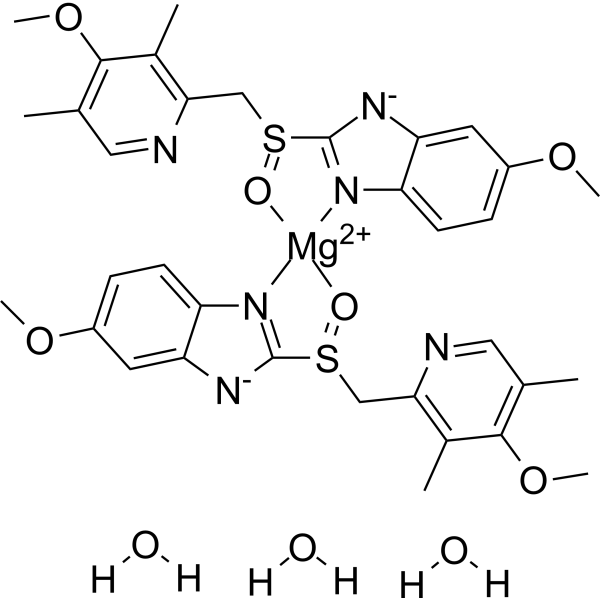
- HY-W673589
-
|
2-Me-C26
|
Insecticide
|
Infection
|
|
2-Methylhexacosane is a saturated hydrocarbon and an insect pheromone. It has been found in the cuticle of M. dasystomus females, but not males, where it contributes to the mating behavior of males, as well as in D. melanogaster females where it modulates aggression of males towards females. 2-methylhexacosane has also been found in yellow jacket (V. vulgaris) trail extracts.
|
-

- HY-12057R
-
|
PLX4032 (Standard); RG7204 (Standard); RO5185426 (Standard)
|
Reference Standards
Raf
Autophagy
|
Cancer
|
|
Vemurafenib (Standard) is the analytical standard of Vemurafenib. This product is intended for research and analytical applications. Vemurafenib (PLX4032) is a first-in-class, selective, potent inhibitor of B-RAF kinase, with IC50s of 31 and 48 nM for RAF V600E and c-RAF-1, respectively . Vemurafenib induces cell autophagy .
|
-

- HY-112714B
-
|
BMS-955176 hydrochloride
|
HIV
|
Infection
|
|
GSK3532795 hydrochloride is a potent, orally active, second-generation HIV-1 maturation inhibitor, with EC50s of 1.9, 10.2, 2.7 and 13 nM for HIV-1 WT, HIV-1 WT(human serum), HIV-1 V370A, and HIV-1 ΔV370, respectively .
|
-

- HY-114370R
-
|
LOXO-292 (Standard)
|
Reference Standards
RET
|
Cancer
|
|
Selpercatinib (Standard) is the analytical standard of Selpercatinib. This product is intended for research and analytical applications. Selpercatinib (LOXO-292) is a potent, selective RET kinase inhibitor with IC50 values of 14.0 nM, 24.1 nM, and 530.7 nM for RET (WT), RET (V804M), and RET (G810R), respectively. Selpercatinib has anticancer activity .
|
-

- HY-P0083
-
|
POR-8
|
Vasopressin Receptor
|
Cardiovascular Disease
|
|
Ornipressin (POR-8) is a vasopressin agonist specific for the V1 receptor. Ornipressin can be used as a local vasoconstrictor. Ornipressin can reverse the hypotension associated with combine general/epidural anesthesia. Ornipressin has antidiuretic activity. Ornipressin decreases renal vascular resistance and increases renal blood flow in renal failure model .
|
-
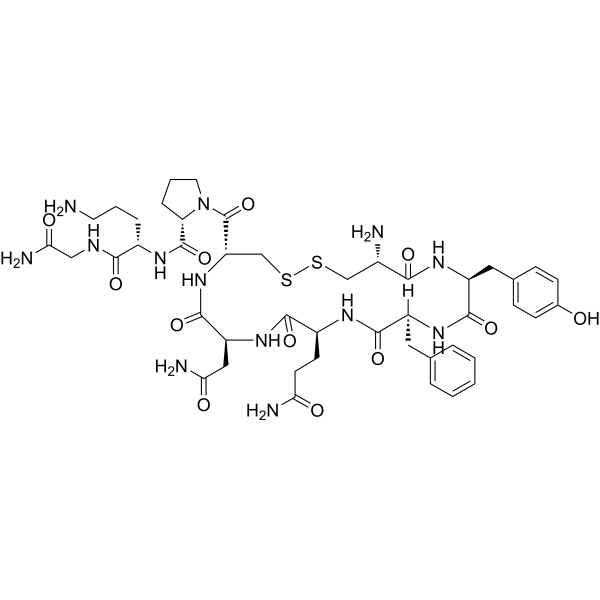
- HY-W335896
-
|
|
Bacterial
|
Infection
Inflammation/Immunology
|
|
4-(2-Octylamino)diphenylamine is an aromatic amine antioxidant, which is toxic to V. fischeri with an IC50 value of 0.68 mg/mL. 4-(2-Octylamino)diphenylamine induces skin sensitization and contact dermatitis in a local lymph node assay in mice. 4-(2-Octylamino)diphenylamine can be used as an additive in rubber .
|
-

- HY-112714A
-
|
BMS-955176 oxalate
|
HIV
|
Infection
|
|
GSK3532795 oxalate is a potent, orally active, second-generation HIV-1 maturation inhibitor, with EC50s of 1.9, 10.2, 2.7 and 13 nM for HIV-1 WT, HIV-1 WT(human serum), HIV-1 V370A, and HIV-1 ΔV370, respectively .
|
-

- HY-154823
-
|
|
Glycosidase
|
Metabolic Disease
|
|
Gcase activator 2 (compound 14), a pyrrolo[2,3-b]pyrazine, is alos a β-Glucocerebrosidase (GCase) activator (EC50=3.8 μM). Gcase activator 2 induces GCase dimerizatio (both K-type and V-type). And Gcase activator 2 has low metabolic clearance in human and mouse .
|
-
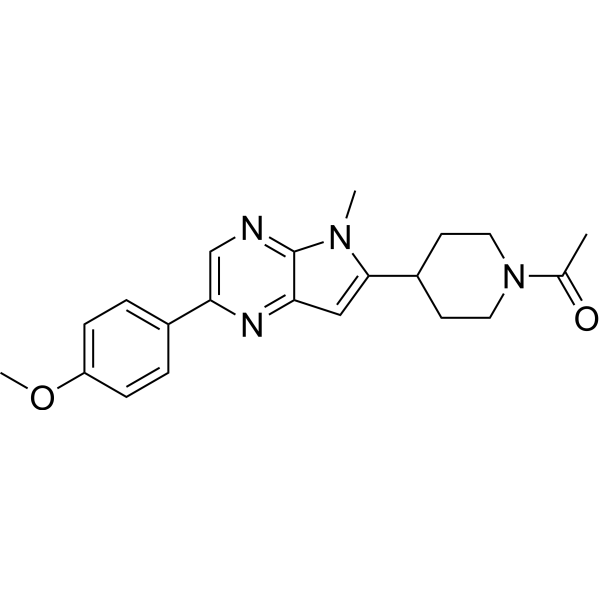
- HY-100080R
-
|
|
Sodium Channel
Reference Standards
|
Neurological Disease
|
|
A-887826 (Standard) is the analytical standard of A-887826 (HY-100080). This product is intended for research and analytical applications. A-887826 is a potent, selective, oral bioavailable and voltage-dependent Na(v)1.8 sodium channel blocker with an IC50 of 11 nM . A-887826 attenuates neuropathic tactile allodynia in vivo .
|
-

- HY-W877989
-
|
|
Ligands for E3 Ligase
|
Cancer
|
|
BWA-522 intermediate-1 is an intermediate in the synthesis of PROTAC BWA-522 (HY-149433) and serves as a ligand molecule for cereblon E3 ubiquitin ligase. BWA-522 is an orally active small molecule protein-targeting chimera (PROTAC) that has significant degradation effects on AR-FL and AR-V7 .
|
-
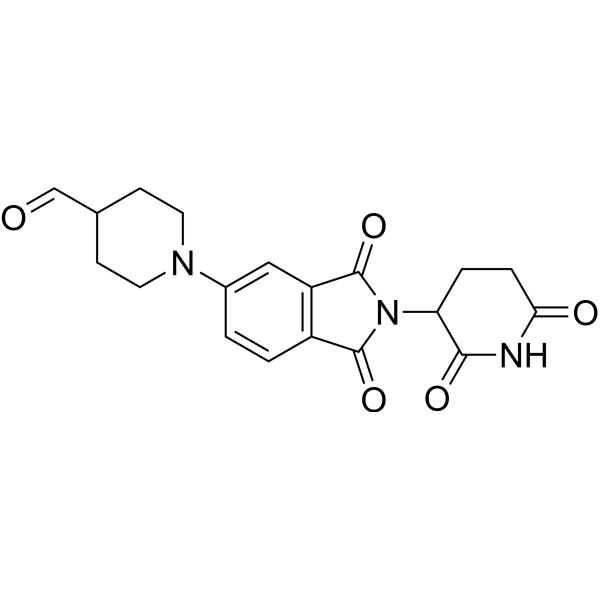
- HY-144170
-
|
|
RET
Btk
|
Cancer
|
|
RET-IN-14 (compound 49) is a potent RET inhibitor with IC50s of <0.51 nM, 9.3 nM, 1.3 nM, 9.2 nM, 15 nM for RET (WT), RET (G810R), RET (V804M), BTK and BTK (C481S), respectively. RET-IN-14 has the potential for tumors research
|
-
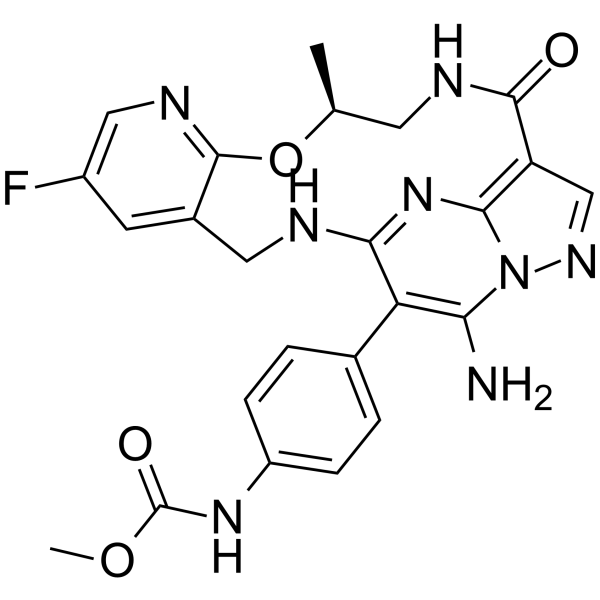
- HY-155543
-
|
|
Androgen Receptor
|
Cancer
|
|
Anticancer agent 135 (compound 26h) is a potent androgen receptor (AR) antagonist. Anticancer agent 135 can effectively block AR nuclear translocation and inhibit AR/AR-V7 heterodimerization, thereby inhibiting downstream gene transcription. Anticancer agent 135 displays potent robust efficacy in prostate cancer xenograft models .
|
-
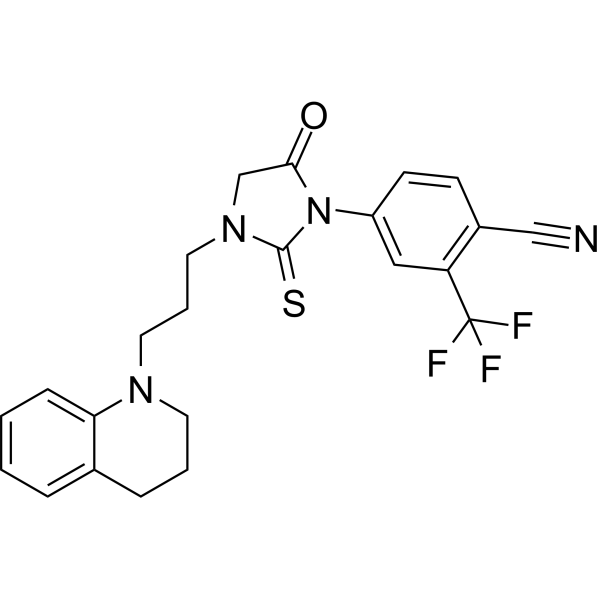
- HY-15610
-
|
RG 7421; MEK inhibitor 1
|
MEK
Apoptosis
|
Cancer
|
|
GDC-0623 (RG 7421) is a potent, ATP-uncompetitive inhibitor of MEK1 (Ki=0.13 nM, +ATP), and displays 6-fold weaker potency against HCT116 (KRAS (G13D), EC50=42 nM) versus A375 (BRAF V600E, EC50=7 nM).
|
-
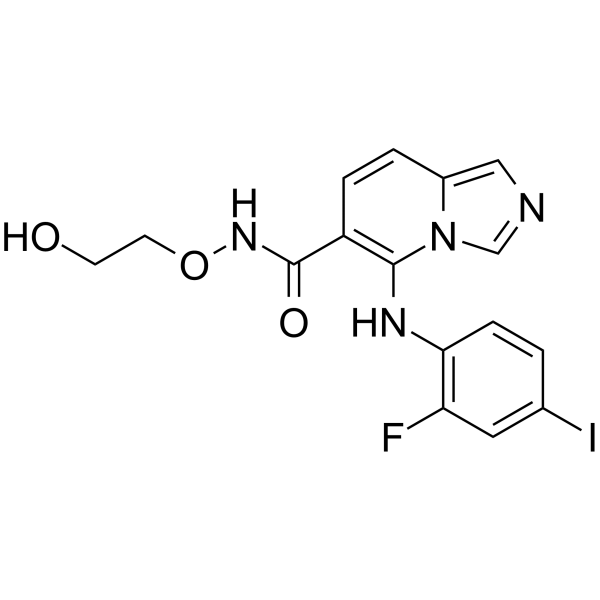
- HY-19976
-
RN-1747
5 Publications Verification
|
TRP Channel
|
Cardiovascular Disease
|
|
RN-1747 is a selective transient receptor potential cation channel subfamily V member 4 (TRPV4) agonist, with EC50 values are 0.77 μM, 4.0 μM and 4.1 μM for hTRPV4, mTRPV4 and rTRPV4 respectively. RN-1747 also antagonizes TRPM8, with an IC50 of 4 μM .
|
-
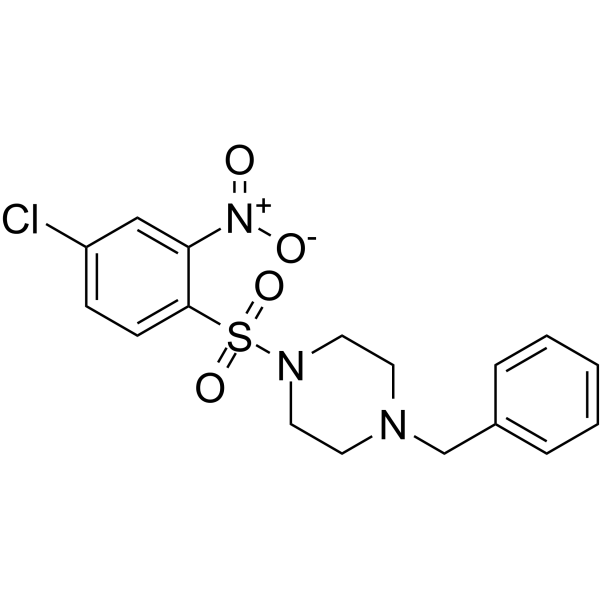
- HY-16379
-
|
SB1518
|
JAK
FLT3
|
Cancer
|
|
Pacritinib (SB1518) is a potent inhibitor of both wild-type JAK2 (IC50=23 nM) and JAK2 V617F mutant (IC50=19 nM). Pacritinib also inhibits FLT3 (IC50=22 nM) and its mutant FLT3 D835Y (IC50=6 nM).
|
-
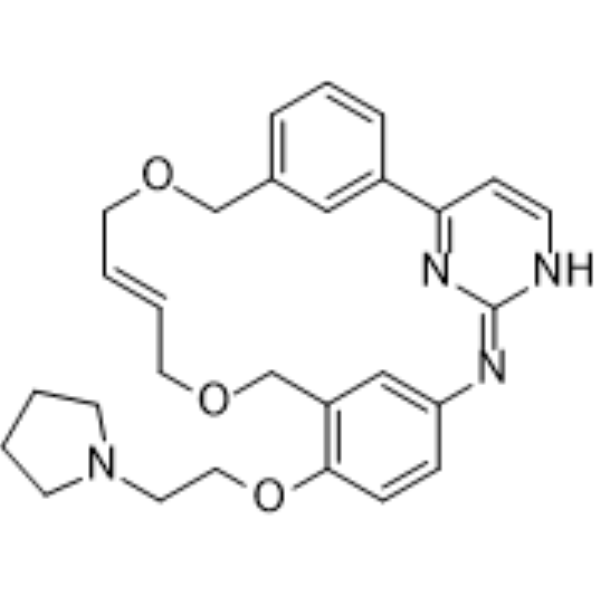
- HY-17023
-
|
(S)-Omeprazole sodium; (-)-Omeprazole sodium
|
Exosomes
Proton Pump
Bacterial
|
Endocrinology
Cancer
|
|
Esomeprazole sodium ((S)-Omeprazole sodium) is a potent and orally active proton pump inhibitor. Esomeprazole reduces acid secretion through inhibition of the H +, K +-ATPase in gastric parietal cells. Esomeprazole acts as an exosome inhibitor by blocking the exosome release via the inhibition of V-H +-ATPases . Esomeprazole has the potential for symptomatic gastroesophageal reflux disease research .
|
-
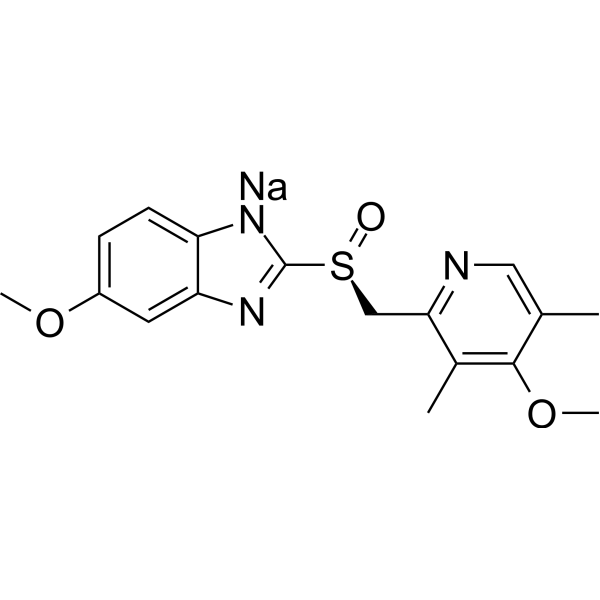
- HY-179428
-
|
|
JAK
|
Cancer
|
|
JAK2-IN-17 (compound 20) is a potent JAK2 allosteric inhibitor. JAK2-IN-17 inhibits full-length JAK2 and JAK2 V617F with IC50s of 160 and 130 nM, respectively. JAK2-IN-17 covalently modifies Lys677 in the pseudokinase domain .
|
-

- HY-130173
-
|
|
Bacterial
Fungal
Na+/K+ ATPase
Apoptosis
Antibiotic
|
Infection
Cancer
|
|
Bafilomycin C1 is a macrolide antibiotic isolated from Streptomyces sp. Bafilomycin C1 is a potent, specific and reversible inhibitor of vacuolar-type H +-ATPases (V-ATPases). Bafilomycin C1 inhibits growth of gram-positive bacteria and fungi . Bafilomycin C1 induces cell apoptosis and can be used for the study of hepatocellular carcinoma (HCC) .
|
-
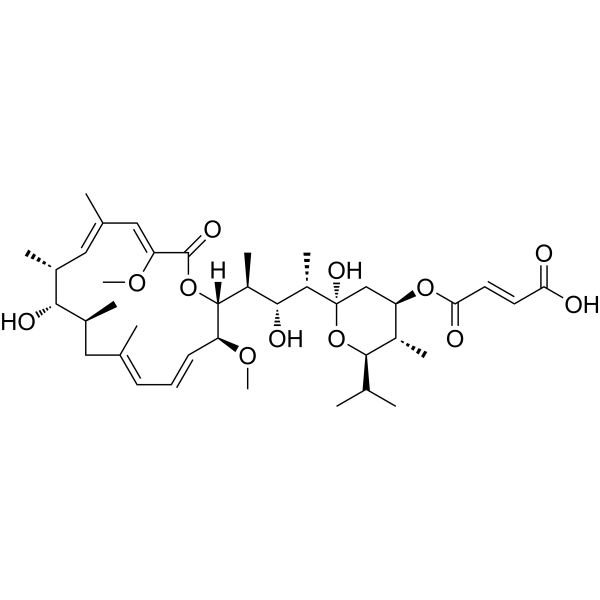
- HY-P99395
-
|
JNJ 56022473; CSL 362
|
Interleukin Related
|
Cancer
|
|
Talacotuzumab (JNJ 56022473; CSL 362) is an IgG1-type fully humanized, CD123-neutralizing monoclonal antibody containing a modified Fc structure. Talacotuzumab has KDs of 0.43 nM, 188 nM, 46 nM, 16.8 nM for CD123, CD32b/c, CD16-158F, CD16-158V, respectively. Talacotuzumab inhibits IL-3 binding to CD123, antagonizing IL-3 signaling in target cells. Talacotuzumab has mutated the Fc region to increase affinity for CD16 (FcγRIIIa), thereby enhancing antibody-dependent cell-mediated cytotoxicity (ADCC). Talacotuzumab is highly effective in vivo reducing leukemic cell growth in acute myeloid leukemia (AML) xenograft mouse models .
|
-

- HY-175025
-
|
|
PROTACs
Ras
Apoptosis
|
Cancer
|
|
CH091138 is a potent and selective KRASG12D PROTAC degrader with DC50s of 148.3 nM in HeLa cells and 469.8 nM in AsPC-1 cells. CH091138 selectively degrades exogenous and endogenous KRASG12D but not KRAS WT or other KRAS mutants (G12C/G12S/G12V), depending on the VHL-mediated ubiquitin-proteasome system. CH091138 exhibits potent anti-tumor activity and induces cancer cell apoptosis. CH091138 can be used for the studies of pancreatic cancer and colon cancer. (Pink: KRASG12D ligand (HY-175144); Blue: VHL E3 ligase ligand (HY-138678); Black: Linker; VHL E3 ligase ligand + Linker (HY-136006B)) .
|
-

- HY-174984
-
|
|
p97
Caspase
p62
|
Cancer
|
|
VCP/p97 IN-3 is a VCP/p97 allosteric inhibitor. VCP/p97 IN-3 shows the inhibitory activity against the VCP proteins with an IC50 of 9 nM and the mutant VCP proteins with IC50 of 12 nM (N660K) and 19 nM (V474A/D649A). VCP/p97 IN-3 increases K48-linked ubiquitination and the level of cleaved caspase-3. VCP/p97 IN-3 activates ER-stress and the UPR. VCP/p97 IN-3 inhibits tumor growth in RPMI-8226 cell subcutaneous xenograft mouse models. VCP/p97 IN-3 can be used for the study of multiple myeloma .
|
-

- HY-178786
-
|
|
RET
Potassium Channel
Cytochrome P450
|
Cancer
|
|
RET-IN-31 (Compound 13) is an orally active, selective RET inhibitor (IC50s: 1.4 nM, 1.9 nM, 3.8 nM for RET WT, RET V804L, RET V804M, respectively). RET-IN-31 inhibits hERG and Cytochrome P450 (IC50s: 13.6 μM, 7.9 μM, 12.8 μM, 16.9 μM, 8.9 μM, 13.0 μM for CYP1A2, CYP2C9, CYP2C19, CYP2D6, CYP3A4-M, CYP3A4-T, respectively). RET-IN-31 has anti-cancer effects against activated RET mutations and gene fusion-driven cancers .
|
-

- HY-15523A
-
|
|
DNA/RNA Synthesis
CMV
|
Infection
Cancer
|
|
Braco-19 trihydrochloride is a potent telomerase/telomere inhibitor, preventing the capping and catalytic action of telomerase. Braco-19 acts as G-quadruplex (GQ) binding ligand, stabilizing G-quadruplexes formation at the 3V telomeric DNA overhang and produce rapid senescence or selective cell death. Braco-19 is also a HAdV virus replication inhibitor .
|
-
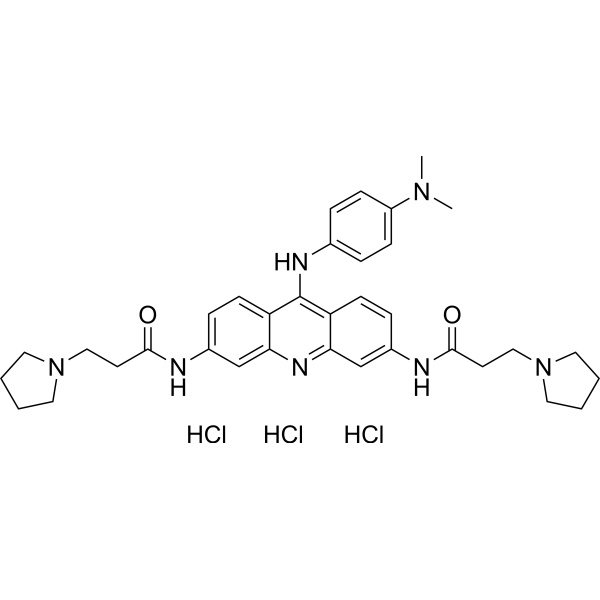
- HY-12554
-
|
|
Vasopressin Receptor
|
Cardiovascular Disease
Inflammation/Immunology
Endocrinology
|
|
Terlipressin is a vasopressin analogue with potent vasoactive properties. Terlipressin is a highly selective vasopressin V1 receptor agonist that reduces the splanchnic blood flow and portal pressure and controls acute variceal bleeding. Terlipressin exerts anti-inflammatory and anti-oxidative effects. Terlipressin has the potential for hepatorenal syndrome and norepinephrine-resistant septic shock research .
|
-
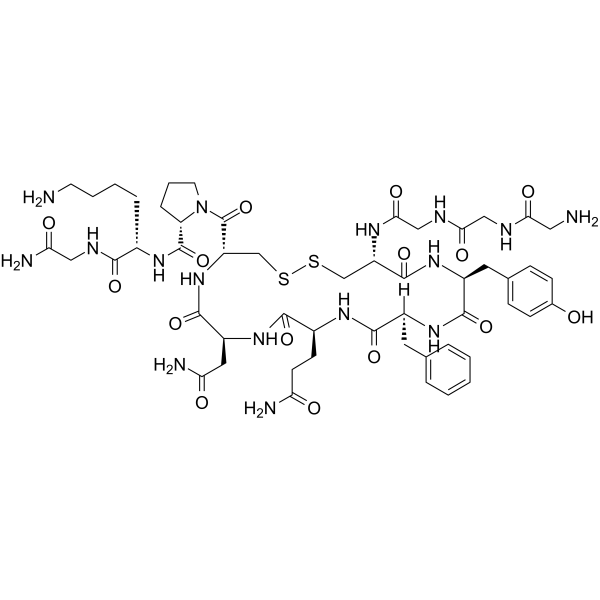
- HY-155960
-
|
|
Cathepsin
MMP
|
Inflammation/Immunology
|
|
SH491 (Compound 33) is an antiosteoporosis agent. SH491 inhibits RANKL-induced osteoclast differentiation on bone-marrow-derived monocytes (BMMs) (IC50: 11.8 nM). SH491 inhibits the expression of osteoclastogenesis-related marker genes (TRAP, CTSK, MMP-9, and ATPase v0d2) and proteins (TRAP, CTSK, MMP-9) .
|
-
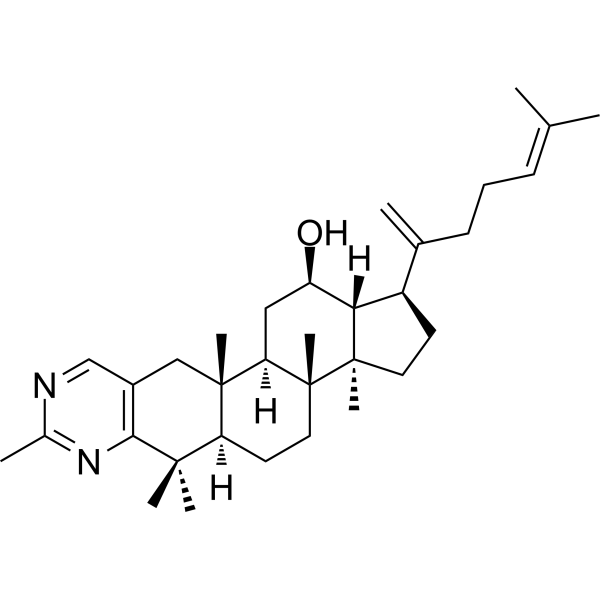
- HY-W333530
-
|
1,1'-[Biphenyl-4,4'-diylbis(methylene)]bis(4,4'-bipyridinium) bishexafluorophosphate
|
MOFs
|
Others
|
|
1,1''-([1,1'-Biphenyl]-4,4'-diylbis(methylene))bis(([4,4'-bipyridin]-1-ium)) hexafluorophosphate(V)(1,1'-[Biphenyl-4,4'-diylbis(methylene)]bis(4,4'-bipyridinium) bis(hexafluorophosphate)) is a metal-organic framework (MOF).
|
-
![1,1''-([1,1'-Biphenyl]-4,4'-diylbis(methylene))bis(([4,4'-bipyridin]-1-ium)) hexafluorophosphate(V)](//file.medchemexpress.com/product_pic/hy-w333530.gif)
- HY-P5006
-
|
d(CH2)5[Tyr(Me)2, Dab5]AVP
|
Vasopressin Receptor
|
Cardiovascular Disease
|
|
(d(CH2)51,Tyr(Me)2,Dab5,Arg8)-Vasopressin (d(CH2)5[Tyr(Me)2, Dab5]AVP) is a specific antagonist of vasopressin V1a receptor, with a pA2 of 6.71 .
|
-
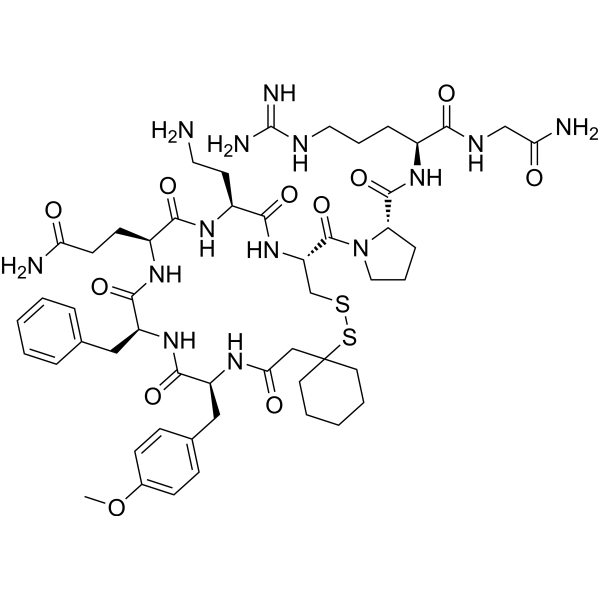
- HY-146466
-
|
|
Others
|
Cancer
|
|
Anticancer agent 61 (compound 3v) is an orally active and potent anticancer agent. Anticancer agent 61 shows antiproliferative activity in HepG2, Bel-7402 and MCF-7 cancer cells, with IC50 values of 1.12, 1.97 and 1.08 μM, respectively. Anticancer agent 61 shows effective tumor growth inhibition .
|
-
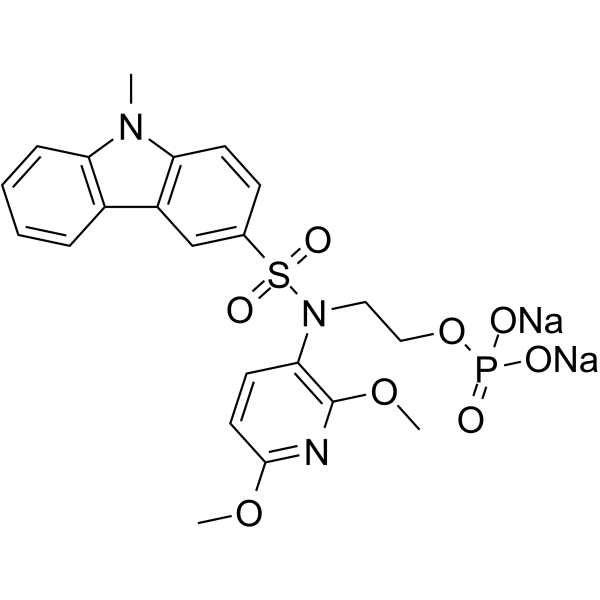
- HY-170809
-
|
|
RET
|
Cancer
|
|
RET-IN-29 (Compound 8W) is a selective RET kinase inhibitor. RET-IN-29 exhibits inhibitory potency against the BaF3 cells harboring CCDC6-RET V804M mutation with an IC50 value of 0.715 μM. RET-IN-29 is promising for research of non-small cell lung cancer (NSCLC) .
|
-

- HY-12554A
-
|
|
Vasopressin Receptor
|
Cardiovascular Disease
Inflammation/Immunology
Endocrinology
|
|
Terlipressin diacetate is a vasopressin analogue with potent vasoactive properties. Terlipressin diacetate is a highly selective vasopressin V1 receptor agonist that reduces the splanchnic blood flow and portal pressure and controls acute variceal bleeding. Terlipressin diacetate exerts anti-inflammatory and anti-oxidative effects. Terlipressin diacetate has the potential for hepatorenal syndrome and norepinephrine-resistant septic shock research .
|
-
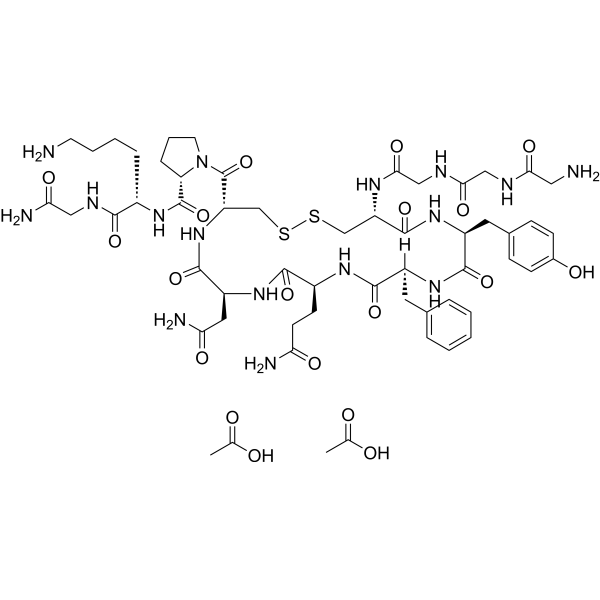
- HY-14920
-
|
Reverset; d-d4FC
|
Reverse Transcriptase
HIV
|
Infection
|
|
Dexelvucitabine (Reverset; d-d4FC), a Cytidine (HY-B0158) analog, is an orally active nucleoside reverse transcriptase inhibitor. Dexelvucitabine is a powerful agent against HIV-1-resistant viruses containing a thymidine analog and/or M184V mutation in the viral polymerase. Dexelvucitabine is a 2′-Deoxycytidine antiretroviral agent .
|
-
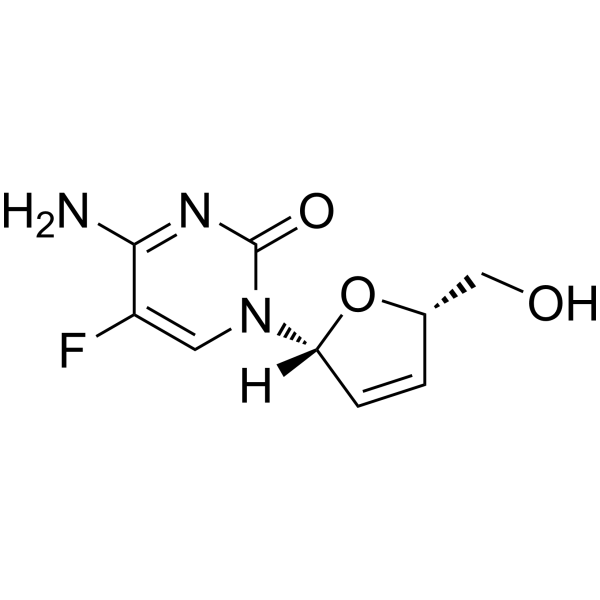
- HY-N0607R
-
|
Polysciasaponin P3 (Standard); Chikusetsusaponin 5 (Standard); Chikusetsusaponin V (Standard)
|
Reference Standards
Calcium Channel
Prostaglandin Receptor
|
Cardiovascular Disease
Endocrinology
|
|
Ginsenoside Ro (Standard) is the analytical standard of Ginsenoside Ro. This product is intended for research and analytical applications. Ginsenoside Ro (Polysciasaponin P3; Chikusetsusaponin 5; Chikusetsusaponin V) exhibits a Ca2+-antagonistic antiplatelet effect with an IC50 of 155 μM. Ginsenoside Ro reduces the production of TXA2 more than it reduces the activities of COX-1 and TXAS.
|
-

- HY-112714
-
|
BMS-955176
|
HIV
|
Infection
|
|
GSK3532795 (BMS-955176) is a potent, orally active, second-generation HIV-1 maturation inhibitor, with EC50s of 1.9, 10.2, 2.7 and 13 nM for HIV-1 WT, HIV-1 WT(human serum), HIV-1 V370A, and HIV-1 ΔV370, respectively .
|
-
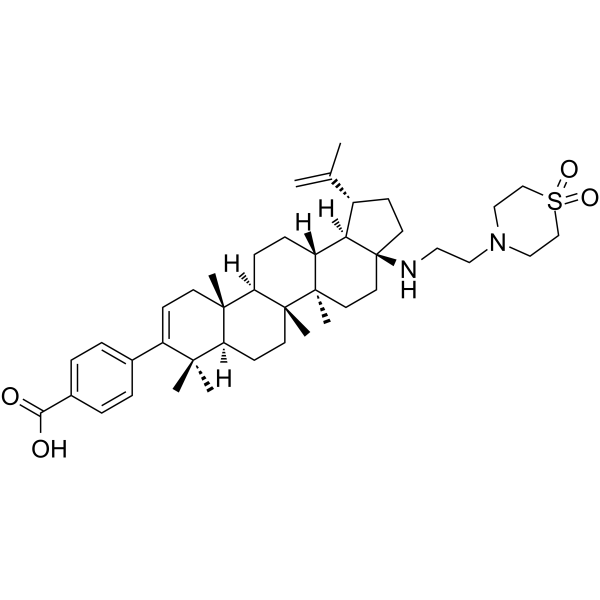
- HY-158162
-
|
|
Sirtuin
|
Cardiovascular Disease
|
|
SIRT3 activator 1 (Compound 5v) is a SIRT3 activator. SIRT3 activator 1 selectively elevates SIRT3 expression, leading to the upregulation of SOD2 and OPA1 expression, effectively preventing mitochondrial dysfunction, mitigating oxidative stress, and preserving cardiomyocyte viability. SIRT3 activator 1 can be used for research of cardiovascular diseases .
|
-
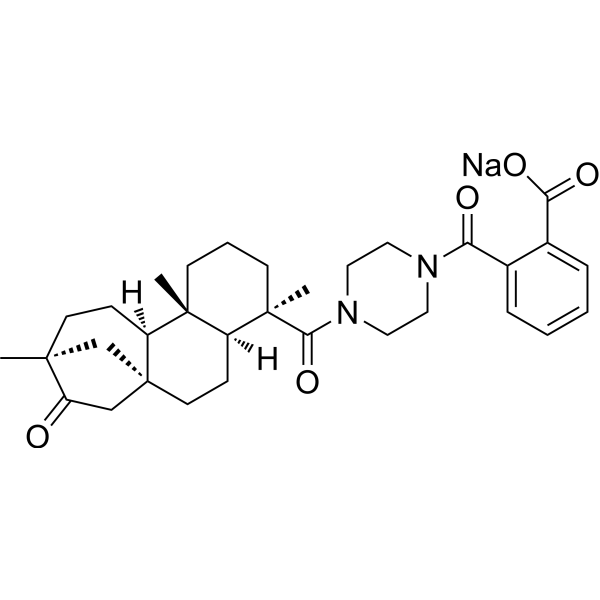
- HY-105185R
-
|
SNK 860 (Standard)
|
Reference Standards
Aldose Reductase
|
Metabolic Disease
|
|
Fidarestat (Standard) is the analytical standard of Fidarestat (HY-105185). This product is intended for research and analytical applications. Fidarestat (SNK 860) is an inhibitor of aldose reductase, with IC50s of 26 nM, 33 μM, and 1.8 μM for aldose reductase, AKR1B10 and V301L AKR1B10, respectively; Fidarestat (SNK 860) has the potential to treat diabetic disease.
|
-

- HY-10172R
-
|
IKK2 Inhibitor V (Standard)
|
Reference Standards
IKK
|
Cancer
|
|
IMD-0354 (Standard) is the analytical standard of IMD-0354. This product is intended for research and analytical applications. IMD-0354 (IKK2 Inhibitor V) is a selective IKKβ inhibitor which inhibits NF-κB activity . IMD0354 inhibits TNF-α induced NF-κB transcription activity with an IC50 of 1.2 uM .
|
-

- HY-P0162
-
|
|
HCV
|
Infection
|
|
HCV-IN-4 is a potent and orally active HCV NS5A inhibitor, shows great potency against GT1a, GT2b, GT3a, GT1a Y93H and GT1a L31V, with EC90s of 3 pM, 0.3 nM, 0.01 nM, 0.5 nM and 0.02 nM, respectively .
|
-
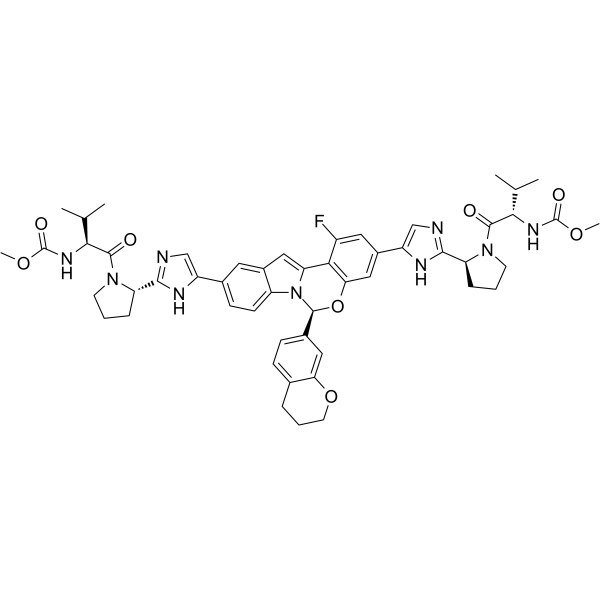
- HY-144131
-
|
|
Apoptosis
RET
|
Cancer
|
|
RET-IN-11 is a potent and selective RET inhibitor with IC50s of 6.20 nM, 18.68 nM for RET and RET V804M, respectively. RET-IN-11 shows anti-proliferation and migration activity in CCDC6-RET-driven LC-2/ad cells. RET-IN-11 induces cell apoptosis .
|
-
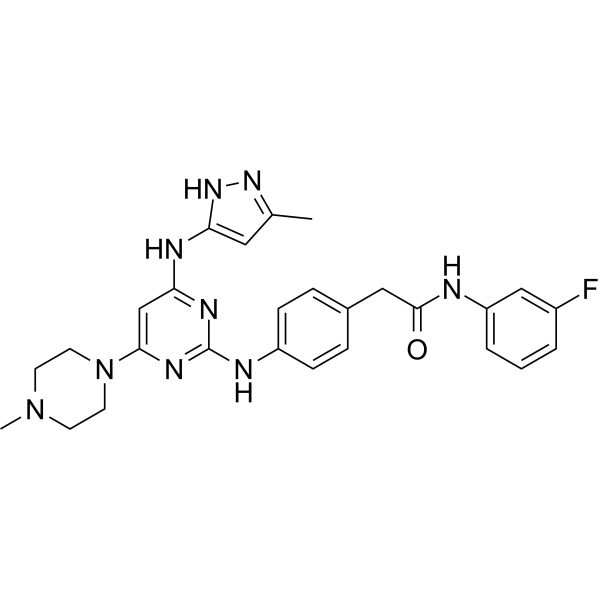
- HY-17000R
-
|
OPC-41061 (Standard)
|
Reference Standards
Vasopressin Receptor
Autophagy
|
Cardiovascular Disease
Endocrinology
Cancer
|
|
Tolvaptan (Standard) is the analytical standard of Tolvaptan. This product is intended for research and analytical applications. Tolvaptan is a selective, competitive and orally active vasopressin receptor 2 (V2R) antagonist with an IC50 of 1.28 μM for the inhibition of arginine vasopressin (AVP)-induced platelet aggregation. Tolvaptan induces cell apoposis and affects cell cycle. Tolvaptan can be used for the research of hyponatremia .
|
-

- HY-15523
-
|
|
CMV
DNA/RNA Synthesis
G-quadruplex
|
Cancer
|
|
Braco-19 is a potent telomerase/telomere inhibitor, preventing the capping and catalytic action of telomerase. Braco-19 acts as G-quadruplex (GQ) binding ligand, stabilizing G-quadruplexes formation at the 3V telomeric DNA overhang and produce rapid senescence or selective cell death. Braco-19 is also a HAdV virus replication inhibitor .
|
-
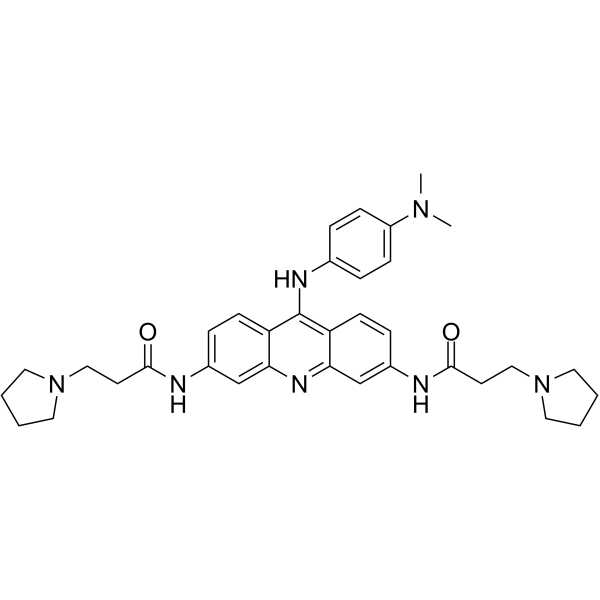
- HY-W754293
-
|
V0191; DMAE pidolate; DMAE PCA
|
mAChR
|
Neurological Disease
|
|
Deanol pidolate (V0191; DMAE pidolate) is an orally active pro-cholinergic agent that improves cognitive symptoms by increasing the release of acetylcholine (Ach) and avoids the typical side effects of cholinesterase inhibitors. Deanol pidolate can alleviate the harmful effects of scopolamine on long-term memory and restore to baseline levels more quickly. Deanol pidolate can be used in research on Alzheimer's disease .
|
-

- HY-N7160
-
|
|
Src
Apoptosis
|
Cancer
|
|
2-Hydroxy-3-methylanthraquinone (compound 1) is a natural compound isolated from a water extract of Hedyotis diffusa WILLD. 2-Hydroxy-3-methylanthraquinone shows inhibitory activity against protein tyrosine kinases v-src and pp60src, and induces growth arrest and apoptosis in the HepG2 cancer cells .
|
-
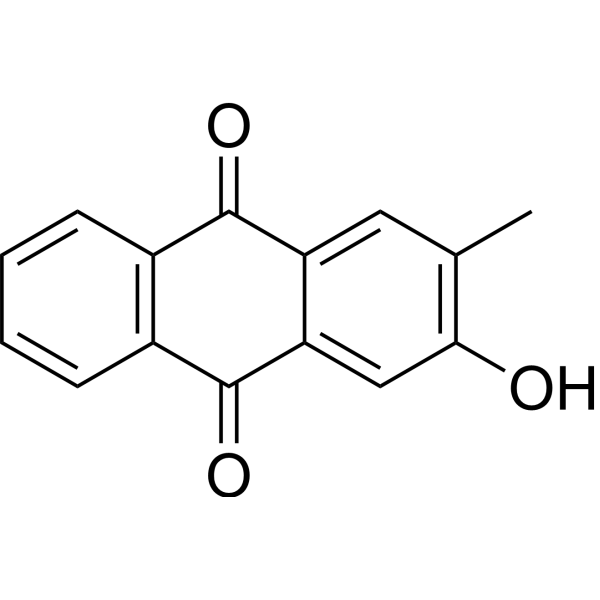
- HY-179056
-
|
|
PROTACs
PSMA
Androgen Receptor
HSP
Apoptosis
|
Cancer
|
|
Psa-AR is a PROTAC degrader targeting PSMA, with a Kd of 7.2 nM. Psa-AR exhibits strong degradation capabilities for AR, AR-V7, and HSP90, and induces cell apoptosis. Psa-AR demonstrates potent tumor suppressive activity in the 22Rv1 xenograft tumor model. Psa-AR can be used in the research of castration-resistant prostate cancer .
|
-

- HY-12554B
-
|
|
Vasopressin Receptor
|
Cardiovascular Disease
Inflammation/Immunology
Endocrinology
|
|
Terlipressin acetate is a vasopressin analogue with potent vasoactive properties. Terlipressin acetate is a highly selective vasopressin V1 receptor agonist that reduces the splanchnic blood flow and portal pressure and controls acute variceal bleeding. Terlipressin acetate exerts anti-inflammatory and anti-oxidative effects. Terlipressin acetate has the potential for hepatorenal syndrome and norepinephrine-resistant septic shock research .
|
-
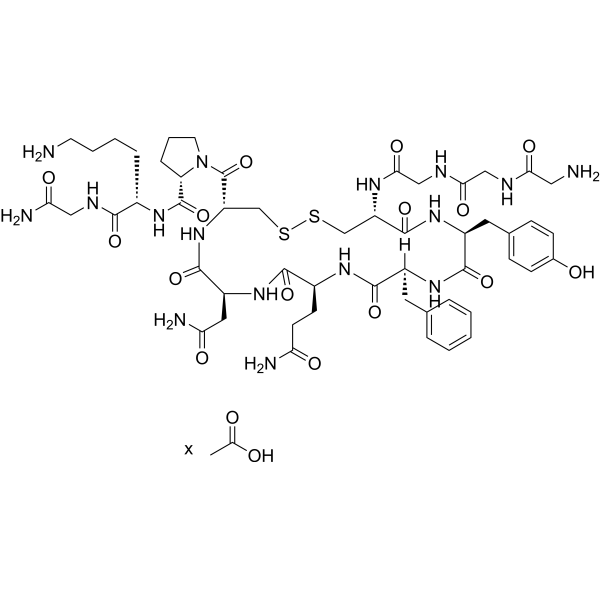
- HY-P5452
-
|
|
PKC
|
Others
|
|
PKCd (8-17) is a biological active peptide. (This peptide is derived from the V1 domain of protein kinase C (PKC)d. It inhibits phorbol 12-myristate 13-acetate (PMA)-induced PKCd translocation and activation. Inhibition of PKCd reduces ischemia damage in cardiac and cerebral cells, induces proliferation of fibroblasts, and inhibits graft coronary artery disease in mice.)
|
-
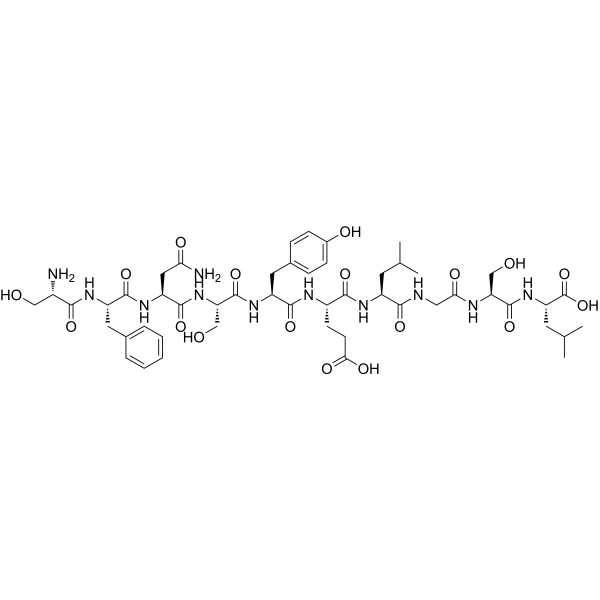
- HY-E70893
-
|
|
Endogenous Metabolite
|
Metabolic Disease
|
|
α-Lytic Protease is an alternative specificity protease for proteomics applications, whose wild-type (WT) version cleaves after T, A, S, and V residues. α-Lytic Protease M190A Mutant has different cleavage specificities, and cleaves after M, F, and L residues. Both the WT and M190A forms of aLP geneRate peptides of similar average length as trypsin.
|
-

- HY-181500
-
|
|
Target Protein Ligand-Linker Conjugates
FKBP
|
Cancer
|
|
AP1867-NH-PEG3-acid (Compound S15) is a Target Protein Ligand-Linker Conjugate that contains the FKBP12 F36V ligand AP1867 (HY-114434) and a PROTAC linker, and recruits E3 ligase. JQ-1-Azidopropylamine is available for the synthesis of PROTAC RAFKBP12 (HY-181498) .
|
-

- HY-107458
-
|
|
c-Kit
|
Cancer
|
|
AP23848 is an ATP-dependent kinase inhibitor that effectively and selectively targets the Kit activation loop mutation both in vitro and in vivo, showing anti-tumor activity. AP23848 can inhibit the phosphorylation of the activated Kit mutation and tumor growth in mice, making it suitable for targeting diseases with the D816V mutation, such as systemic mastocytosis (SM) and acute myeloid leukemia (AML) research .
|
-

- HY-117273
-
|
|
Raf
Autophagy
|
Cancer
|
|
AZ304 is an ATP-competitive dual BRAF kinase inhibitor, potently inhibits wild type BRAF, V600E mutant BRAF and wild type CRAF, with IC50s of 79 nM, 38 nM and 68 nM, respectively. AZ304 also has significant effect on other kinases, such as p38 (IC50, 6 nM), CSF1R (IC50, 35 nM). Anti-tumor activity .
|
-
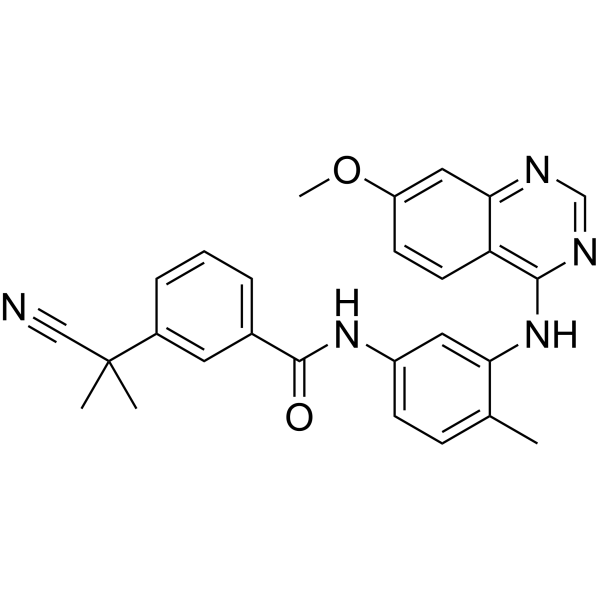
- HY-124796
-
|
|
Bacterial
|
Infection
|
|
QStatin is a potent and selective inhibitor of SmcR (V. harveyi LuxR homologue) with an EC50 of 208.9 nM, binding tightly to SmcR and changes the flexibility of the protein, thereby altering its transcription regulatory activity. QStatin shows pan-QS (Vibrio quorum sensing) inhibitor activity in diverse Vibrio species and attenuates their virulence in an aquatic host. QStatin may be a sustainable antivibriosis agent useful in aquacultures .
|
-
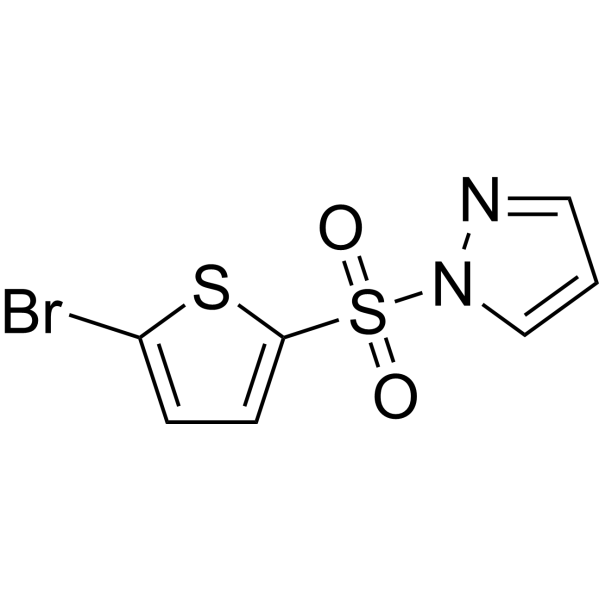
- HY-P991854
-
|
|
Interleukin Related
|
Inflammation/Immunology
|
|
Anti-iNKT Cell Antibody (6B11) recognizes an epitope on T cell receptor (TCR) V alpha 24-J alpha 18. Anti-iNKT Cell Antibody is specific for cloned and primary human but not rodent iNKT and the human invariant TCR-α. Recommend Isotype Controls: Mouse IgG1 kappa, Isotype Control (HY-P99977) .
|
-

- HY-169869
-
|
|
Raf
|
Cancer
|
|
Pan-Raf/RTK inhibitor 1 (compound I-16) is a potent pan-Raf inhibitor with IC50 values of 3.49 nM (BRaf V600E), 8.86 nM (ARaf), 5.78 nM (BRaf WT), and 1.65 nM (CRaf). Pan-Raf/RTK inhibitor 1 exhibits antiproliferative activities against various cancer cell lines and can be utilized in cancer research .
|
-

- HY-141641
-
|
HSL
|
Bacterial
|
Infection
|
|
N-(3-Oxopentanoyl)-L-homoserine lactone is an autoinducer, a kind of chemical signal molecule which passively diffuses across the bacterial envelope and accumulates intracellularly at high bacterial densities. It may bind to a protein related to the LuxR protein of V. fischeri and causes cell density-dependent gene expression. N-(3-Oxopentanoyl)-L-homoserine can be used for research of quorum sensing .
|
-
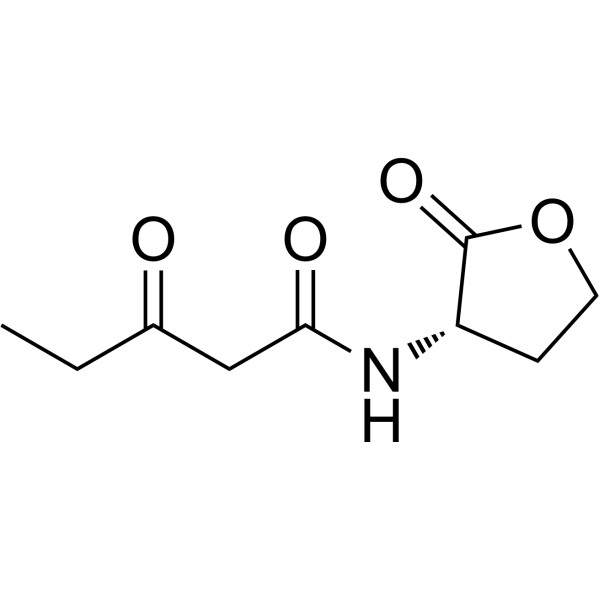
- HY-W062835
-
|
|
Src
|
Cancer
|
|
CGP77675 is an orally active and potent inhibitor of Src family kinases. CGP77675 inhibits phosphorylation of peptide substrates and autophosphorylation of purified Src (IC50s of 5-20 and 40 nM, respectively), and also inhibits Src, EGFR, KDR, v-Abl, and Lck with IC50s of 5-20, 40, 20, 150, 1000, 310, and 290 nM, respectively. Anticancer activity .
|
-
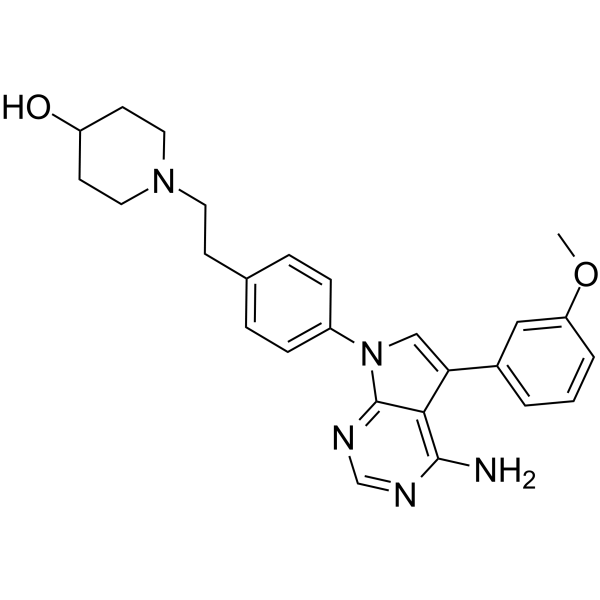
- HY-181714
-
|
|
EGFR
|
Cancer
|
|
EGFR-IN-203 is a EGFR kinase domain inhibitor targeting EGFR T790M/C797S/V948R. EGFR-IN-203 stably binds to the allosteric pocket of EGFR in an inactive conformation. EGFR-IN-203 can be used in research related to cancers such as non-small cell lung cancer .
|
-

- HY-P2726
-
|
Fructose-diphosphate aldolase
|
Fructose-1,6-bisphosphate aldolase
Endogenous Metabolite
|
Metabolic Disease
|
|
Aldolase, Rabbit muscle (Fructose-diphosphate aldolase) is a glycolytic enzyme and glucose availability sensor. Aldolase, Rabbit muscle catalyzes the reversible carbon-carbon cleavage of fructose-1,6-bisphosphate to produce dihydroxyacetone phosphate and glyceraldehyde 3-phosphate. Aldolase, Rabbit muscle is an essential component for v-ATPase activity. Aldolase, Rabbit muscle participates in processes such as gluconeogenesis, the Calvin cycle and glycolysis .
|
-

- HY-179596
-
|
|
Phosphatase
|
Others
|
|
AtSAL1-IN-1 (compound V20) is a competitive inhibitor of AtSAL1. AtSAL1-IN-1 elevates the levels of 3’-phosphoadenosine 5’-phosphate (PAP), activates stress-responsive genes and improves oxidative stress tolerance in Arabidopsis. AtSAL1-IN-1 can be used for study of chloroplast-mediated cellular signaling pathways .
|
-

- HY-149099
-
|
|
RET
|
Cancer
|
|
RET-IN-22 (compound 17b) is a potent, selective and orally active RET inhibitor with an IC50 of 20.9 nM and 18.3 nM for wild-type RET and RET-V804M, respectively. RET-IN-22 shows highly selective profile to most kinases, especially to EGFR and VEGFR2. RET-IN-22 has anticancer effects .
|
-
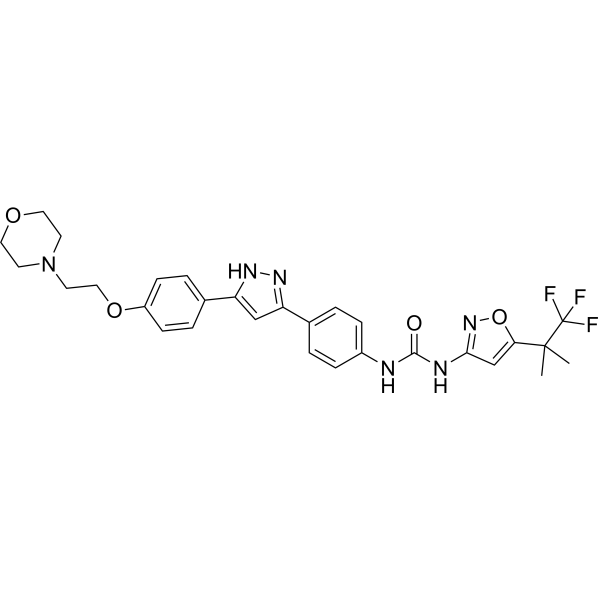
- HY-115516
-
|
|
HCV
HCV Protease
Ras
|
Infection
|
|
BI-1388 is a macrocyclic acylsulfonamide-based HCV NS3-4A protease inhibitor. BI-1388 inhibits clinically relevant drug-resistant mutant strains (KRAS D168V gt 1b and KRAS R155K gt 1a) and exhibits high liver distribution. BI-1388 is applicable for the research of HCV infection .
|
-

- HY-139104
-
|
|
DNA/RNA Synthesis
Apoptosis
|
Cancer
|
|
Thailanstatin D, an analogue of Thailanstatin A, is able to inhibit AR-V7 gene splicing by interfering the interaction between U2AF65 and SAP155 and preventing them from binding to polypyrimidine tract located between the branch point and the 3' splice site. Thailanstatin D exhibits a potent tumor inhibitory effect on human CRPC xenografts leading to cell apoptosis .
|
-
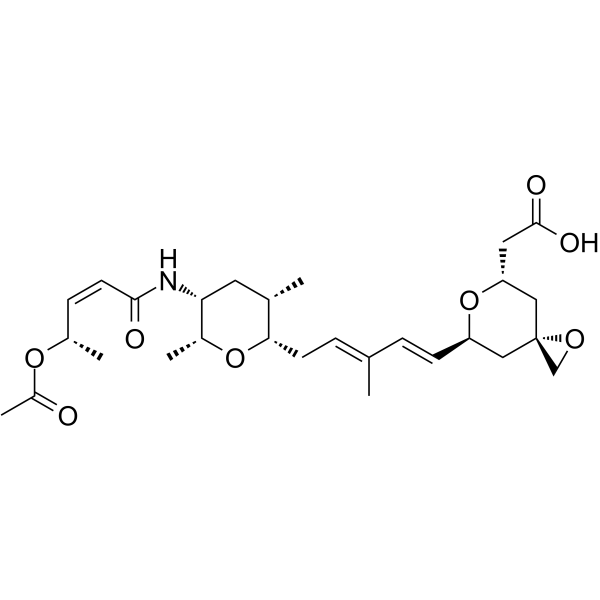
- HY-138697
-
|
VOB560
|
Bcl-2 Family
Apoptosis
|
Cancer
|
|
S65487 (VOB560), a potent and selective BCL-2 inhibitor, is a proagent of S55746. S65487 is also active on BCL-2 mutations, such as G101V and D103Y. S65487 has poor affinity with MCL-1, BFL-1 and BCL-XL. S65487 induces apoptosis and has anticaner activities .
|
-
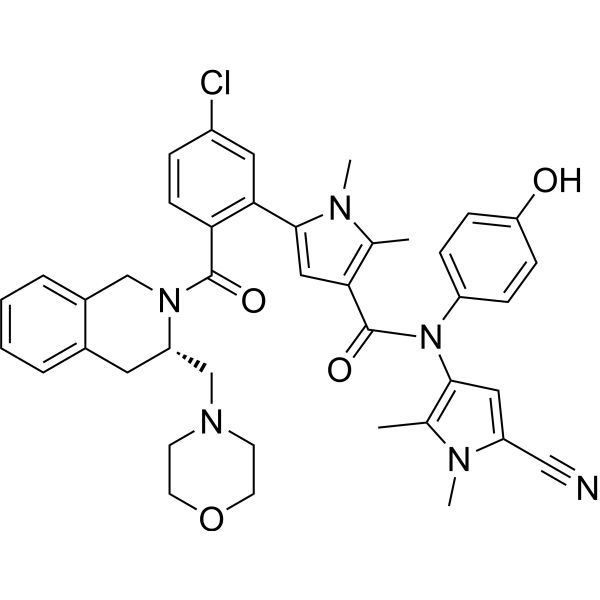
- HY-103086
-
|
|
Raf
Autophagy
Apoptosis
|
Cancer
|
|
INU-152 is a potent and selective B-Raf inhibitor. INU-152 reduces tumor cell proliferation, enhances autophagy, and induces apoptosis by inhibiting B-Raf activity. INU-152 exhibits significant cytotoxicity against cancer cells transformed with v-Ha-ras (Ras-NIH 3T3). INU-152 can be utilized in cancer research .
|
-

- HY-138697B
-
|
VOB560 hydrochloride
|
Bcl-2 Family
Apoptosis
|
Cancer
|
|
S65487 (VOB560) hydrochloride, a potent and selective Bcl-2 inhibitor, is a proagent of S55746. S65487 hydrochloride is also active on BCL-2 mutations, such as G101V and D103Y. S65487 hydrochloride has poor affinity with MCL-1, BFL-1 and BCL-XL. S65487 hydrochloride induces apoptosis and has anticaner activities .
|
-
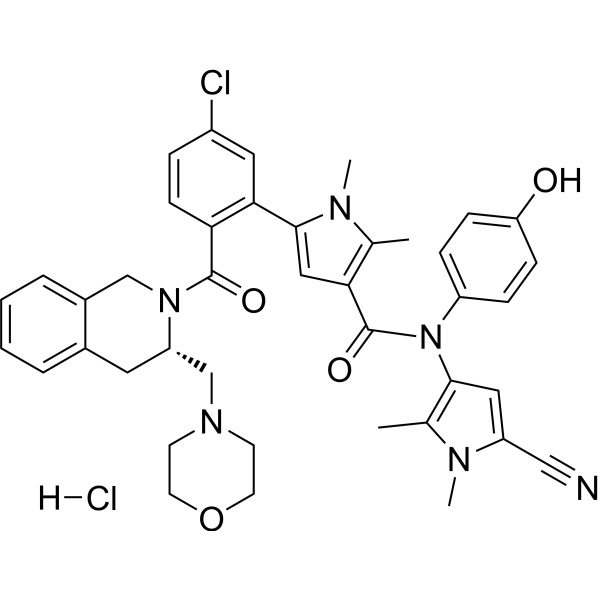
- HY-W759629
-
|
LOXO-292-d3
|
Isotope-Labeled Compounds
RET
|
Cancer
|
|
Selpercatinib-d3 (LOXO-292-d3) is deuterium labeled Selpercatinib. Selpercatinib (LOXO-292) is a potent, selective RET kinase inhibitor with IC50 values of 14.0 nM, 24.1 nM, and 530.7 nM for RET (WT), RET (V804M), and RET (G810R), respectively. Selpercatinib has anticancer activity .
|
-

- HY-150639
-
|
|
Raf
|
Cancer
|
|
Everafenib is a potent and blood-brain barrier (BBB) penetrant BRAF inhibitor, also inhibits MAPK signaling. Everafenib has inhibitory activity against a panel of V600EBRAF melanoma cell lines with IC50 values of 2-10 nM, which is better than Dabrafenib (HY-14660) and Vemurafenib (HY-12057). Everafenib has efficacy in an intracranial mouse model of metastatic melanoma .
|
-
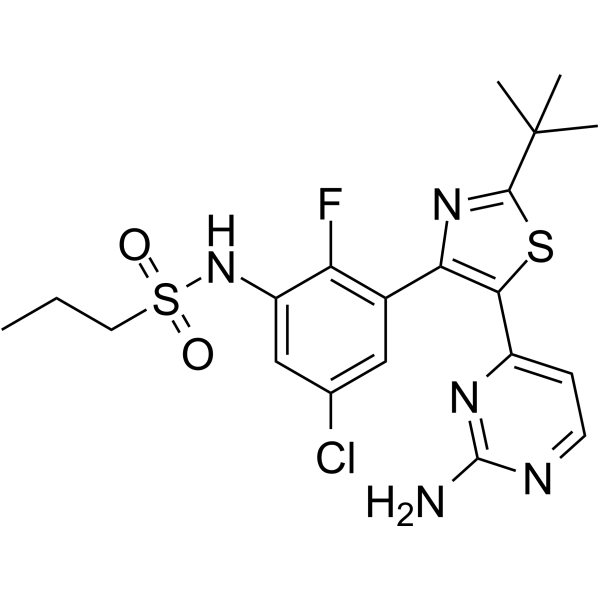
- HY-W854844B
-
|
|
Molecular Glues
E1/E2/E3 Enzyme
|
Cancer
|
|
JP-2-196 hydrochloride is a covalent molecular glue degrader targeting RNF126. JP-2-196 hydrochloride induces the formation of a ternary complex between RNF126 and target proteins (e.g., BRD4, AR-V7), promoting their ubiquitination and proteasomal degradation. JP-2-196 hydrochloride is promising for research of cancers (e.g., prostate cancer, leukemia) .
|
-

- HY-13941B
-
|
1-NA-PP 1 hydrochloride
|
Src
PKD
|
Neurological Disease
Inflammation/Immunology
Cancer
|
|
1-Naphthyl PP1 hydrochloride (1-NA-PP 1 hydrochloride) is a selective inhibitor of src family kinases and Protein Kinase D. 1-Naphthyl PP1 hydrochloride inhibits v-Src and c-Fyn, c-Abl, CDK2 and CAMK II with IC50s of 1.0, 0.6, 0.6, 18 and 22 μM, respectively .
|
-
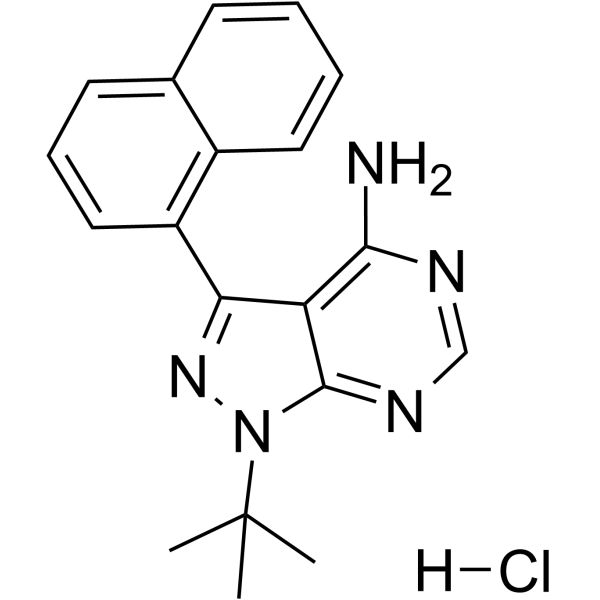
- HY-W062835A
-
|
|
Src
|
Cancer
|
|
CGP77675 hydrate is an orally active and potent inhibitor of Src family kinases. CGP77675 hydrate inhibits phosphorylation of peptide substrates and autophosphorylation of purified Src (IC50s of 5-20 and 40 nM, respectively),and also inhibits Src, EGFR, KDR, v-Abl, and Lck with IC50s of 0.02, 0.15, 1.0, 0.31, and 0.29 μM, respectively. Anticancer activity .
|
-
- HY-176068
-
|
|
Androgen Receptor
|
Cancer
|
|
3-Cl-Pyridine-amide-acrylaldehyde-piperazine is a synthetic intermediate of LO-4-25 (HY-176067). LO-4-25 is an androgen receptor (AR) DNA binding domain ligand linked via a linker to the truncated fumaramide handle. LO-4-25 shows robust degradation of both AR and AR-V7 in 22Rv1 cells .
|
-

- HY-13941
-
|
1-NA-PP 1
|
Src
PKD
|
Neurological Disease
Inflammation/Immunology
Cancer
|
|
1-Naphthyl PP1 (1-NA-PP 1) is a selective inhibitor of src family kinases and Protein Kinase D. 1-Naphthyl PP1 inhibits v-Src and c-Fyn, c-Abl, CDK2 and CAMK II with IC50s of 1.0, 0.6, 0.6, 18 and 22 μM, respectively .
|
-
- HY-15463
-
|
STI571; CGP-57148B
|
Bcr-Abl
PDGFR
c-Kit
SARS-CoV
Autophagy
|
Cancer
|
|
Imatinib (STI571) is an orally bioavailable tyrosine kinases inhibitor that selectively inhibits BCR/ABL, v-Abl, PDGFR and c-kit kinase activity. Imatinib (STI571) works by binding close to the ATP binding site, locking it in a closed or self-inhibited conformation, therefore inhibiting the enzyme activity of the protein semicompetitively . Imatinib also is an inhibitor of SARS-CoV and MERS-CoV .
|
-
- HY-155971
-
|
|
Autophagy
|
Inflammation/Immunology
Cancer
|
|
VISTA-IN-2 (Compound 1) is an inhibitor of V-domain Ig suppressor of T-cell activation (VISTA). VISTA-IN-2 induces VISTA degradation in cells through an autophagic mechanism. VISTA-IN-2 rescues VISTA-mediated immunosuppression, and enhances antitumor activity of immune cells. VISTA-IN-2 also activates the antitumor immunity and inhibits tumor growth in a CT26 mouse model .
|
-
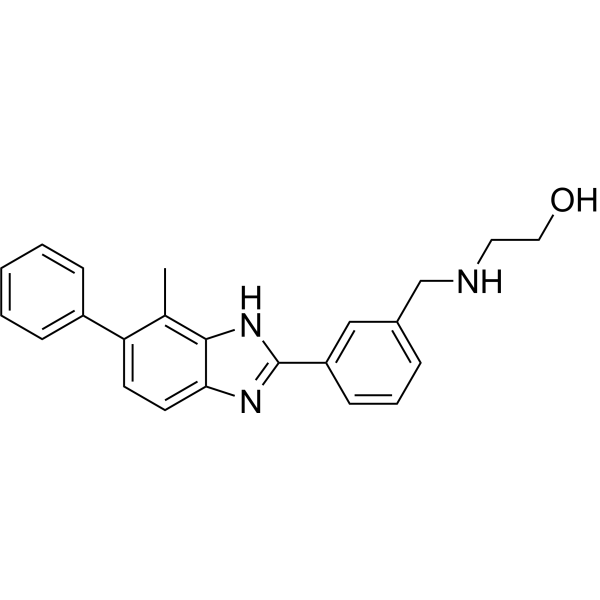
- HY-153856
-
|
|
EGFR
|
Cancer
|
|
TAS2940 is a brain-penetrable, orally active, irreversible and selective pan-ERBB inhibitor. TAS2940 against wild-type HER2, HER2 V777L, and A775_G776insYVMA with IC50 values of 5.6 nM, 2.1 nM, and 1.0 nM, respectively. TAS2940 can be used for the study of tumors with HER2 and EGFR aberrations .
|
-

- HY-P5344
-
|
Fluorigenic PEXEL peptide
|
Parasite
|
Others
|
|
Dabcyl-LNKRLLHETQ-Edans (Fluorigenic PEXEL peptide) is a biological active peptide. (This FRET substrate peptide for Plasmepsin V (PMV) is derived from the conserved Plasmodium Export Element (PEXEL) motif of Histidine-Rich Protein II (HRPII). PMV is an ER aspartic protease that recognizes and cleaves the RXL sequence within the PEXEL motif of proteins exported by human malaria parasite Plasmodium falciparum, allowing them to translocate into host erythrocytes.)
|
-
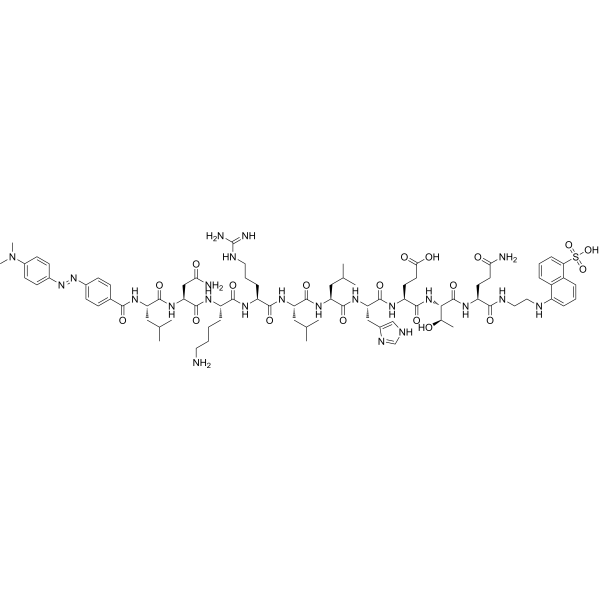
- HY-153856A
-
|
|
EGFR
|
Cancer
|
|
TAS2940 fumarate is a brain-penetrable, orally active, irreversible and selective pan-ERBB inhibitor. TAS2940 fumarate against wild-type HER2, HER2 V777L, and A775_G776insYVMA with IC50 values of 5.6 nM, 2.1 nM, and 1.0 nM, respectively. TAS2940 fumarate can be used for the study of tumors with HER2 and EGFR aberrations .
|
-

- HY-P0083A
-
|
POR-8 acetate
|
Vasopressin Receptor
|
Cardiovascular Disease
|
|
Ornipressin (POR-8) acetate is a potent vasoconstrictor, hemostatic and renal agent. Ornipressin acetate is a vasopressin agonist specific for the V1 receptor. Ornipressin acetate can be used as a local vasoconstrictor. Ornipressin acetate can reverse the hypotension associated with combine general/epidural anesthesia. Ornipressin acetate has antidiuretic activity. Ornipressin acetate decreases renal vascular resistance and increases renal blood flow in renal failure model .
|
-

- HY-100558
-
Bafilomycin A1
Maximum Cited Publications
802 Publications Verification
BafA1
|
Proton Pump
Autophagy
Antibiotic
Bacterial
Apoptosis
|
Infection
Cancer
|
|
Bafilomycin A1 (BafA1) is a specific and reversible inhibitor of vacuolar H +-ATPase (V-ATPase) with IC50 values of 4-400 nmol/mg. Bafilomycin A1, a macrolide antibiotic, is also used as an autophagy inhibitor at the late stage. Bafilomycin A1 blocks autophagosome-lysosome fusion and inhibits acidification and protein degradation in lysosomes of cultured cells. Bafilomycin A1 induces apoptosis .
|
-
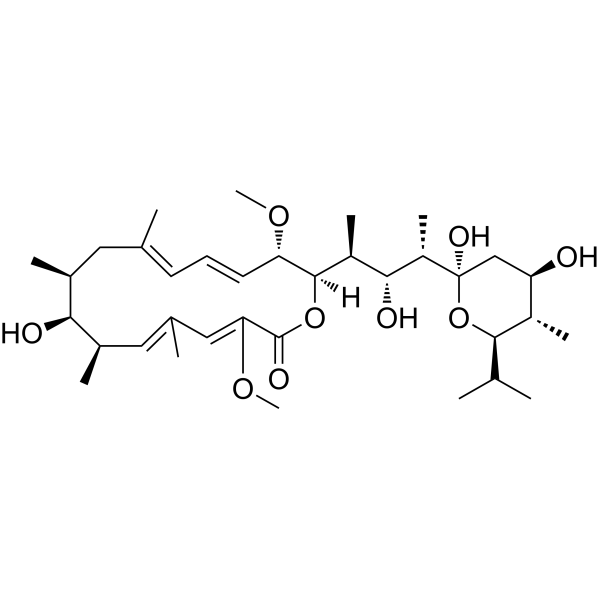
- HY-10409
-
|
TG-101348; SAR 302503
|
JAK
Apoptosis
|
Cancer
|
|
Fedratinib (TG-101348) is a potent, selective, ATP-competitive and orally active JAK2 inhibitor with IC50s of 3 nM for both JAK2 and JAK2V617F kinase. Fedratinib shows 35- and 334-fold selectivity over JAK1 and JAK3, respectively. Fedratinib induces cancer cell apoptosis and has the potential for myeloproliferative disorders research .
|
-
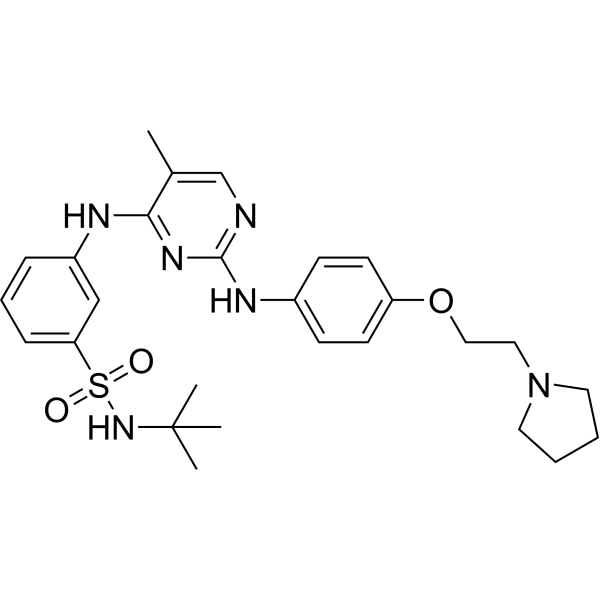
- HY-10409A
-
|
TG-101348 hydrochloride hydrate; SAR 302503 hydrochloride hydrate
|
JAK
Apoptosis
|
Cancer
|
|
Fedratinib hydrochloride hydrate (TG-101348 hydrochloride hydrate) is a potent, selective, ATP-competitive and orally active JAK2 inhibitor with IC50s of 3 nM for both JAK2 and JAK2V617F kinase. Fedratinib hydrochloride hydrate shows 35- and 334-fold selectivity over JAK1 and JAK3, respectively. Fedratinib hydrochloride hydrate induces cancer cell apoptosis and has the potential for myeloproliferative disorders research .
|
-
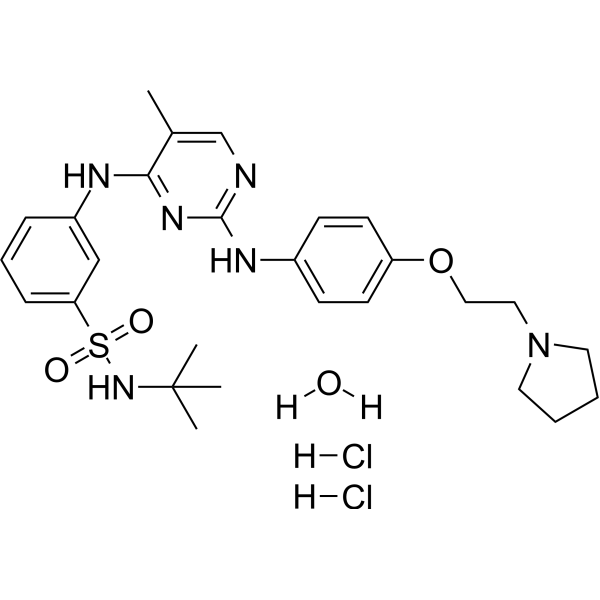
- HY-177301
-
|
|
Bacterial
|
Infection
|
|
PDF-IN-2 is a peptidyl deformylase (PDF) inhibitor. PDF-IN-2 has average IC50 values of 0.25, 0.50 and 0.34 nM, and average MIC values of 0.16, 0.33 and 0.25 μg/mL for Streptococcus pneumoniae PDF WT, G70V and G70D, respectively. PDF-IN-2 can be used in the research of infectious diseases .
|
-

- HY-173164
-
|
|
EGFR
Raf
Apoptosis
|
Cancer
|
|
EGFR/BRAFV600E-IN-4 (Compound 10f) is a dual EGFR and BRAF V600E inhibitor with IC50 values of 61 nM and 43 nM, respectively. EGFR/BRAFV600E-IN-4 arrests cell cycle, induces apoptosis in both early and late stages and inhibits cancer cells growth in vitro, and has a broad anticancer activity .
|
-

- HY-10294
-
|
SB-462795
|
Cathepsin
|
Metabolic Disease
Cancer
|
|
Relacatib (SB-462795) is a novel, potent, and orally active inhibitor of human cathepsins K, L, and V with Ki values of 41 pM, 68 pM, and 53 pM, respectively. Relacatib inhibits endogenous cathepsin K in situ in human osteoclasts and human osteoclast-mediated bone resorption with IC50 values of 45 nM and 70 nM, respectively. Relacatib inhibits bone resorption in vitro in human tissue as well as in cynomolgus monkeys in vivo .
|
-
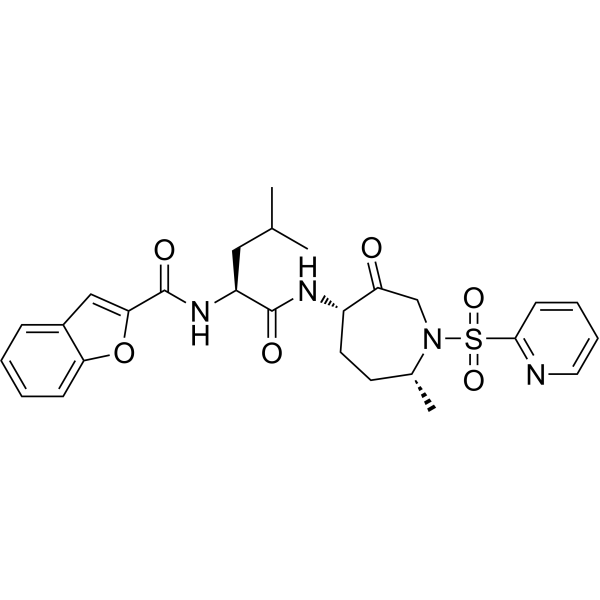
- HY-115933
-
|
|
EGFR
Raf
|
Cancer
|
|
EGFR/BRAF-IN-1 (compound 21), a 2,3-dihydropyrazino[1,2-a]indole-1,4-dione derivative, is a potent EGFR/BRAF inhibitor with an IC50 of 45 nM for BRAF V600E. EGFR/BRAF-IN-1 inhibits cancer cell proliferation (GI50=35 nM). EGFR/BRAF-IN-1 shows good antioxidant activity .
|
-
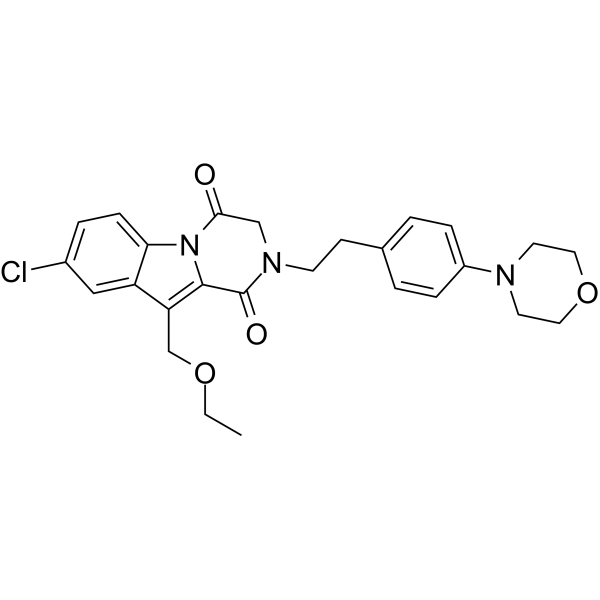
- HY-174831
-
|
|
Fungal
Succinate Dehydrogenase
|
Infection
|
|
SDH-IN-28 is a succinate dehydrogenase inhibitor with an IC50 value of 2.65 mg/L. SDH-IN-28 demonstrates broad-spectrum fungicidal efficacy, with EC50 values of 0.21 (Valsa mali), 0.95 (Botrytis cinerea), 0.64 (Rhizoctonia solani), 1.33 (Fusarium graminearum), and 0.66 mg/L (Gaeumannomyces graminis). SDH-IN-28 effectively prevents V. mali infection in apples .
|
-

- HY-146492
-
|
|
VEGFR
Raf
Apoptosis
|
Cancer
|
|
VEGFR-2/BRAF-IN-2 (Compound 4a) is a dual VEGFR-2 and BRAF kinases inhibitor with IC50 values of 0.111, 0.089 and 0.071 µM against VEGFR-2, BRAF V600E and BRAF WT, respectively. VEGFR-2/BRAF-IN-2 induces apoptosis and arrests the cell cycle mainly in the G1 phase .
|
-
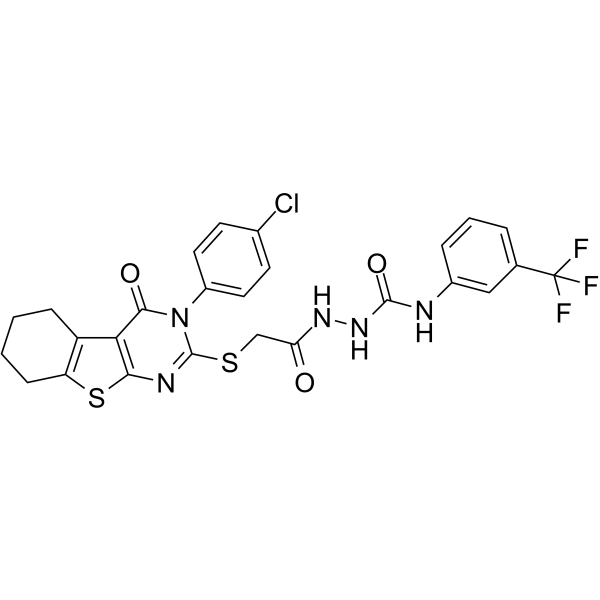
- HY-177946
-
|
|
Raf
|
Cancer
|
|
RAF-IN-4 (Compound 120) is a Raf Kinase inhibitor. RAF-IN-4 shows IC50 values of 134.3, 118.6 and 276.7 nM for B-Raf, B-Raf (V600E) and C-Raf. RAF-IN-4 can inhibit the proliferation of cancer cells by blocking the Raf signaling pathway. RAF-IN-4 can be used for research of cancer, such as lung cancer and breast cancer .
|
-

- HY-10410R
-
|
|
Reference Standards
FLT3
JAK
RET
Autophagy
Apoptosis
|
Cancer
|
|
TG101209 (Standard) is the analytical standard of TG101209 (HY-10410). This product is intended for research and analytical applications. TG101209 is a selective JAK2 inhibitor with IC50 of 6 nM, less potent to Flt3 and RET with IC50 of 25 nM and 17 nM, appr 30-fold selective for JAK2 than JAK3, and sensitive to JAK2V617F and MPLW515L/K mutations.
|
-

- HY-N6738
-
|
|
Antibiotic
Bacterial
Fungal
Proton Pump
|
Infection
Neurological Disease
|
|
Bafilomycin B1 is a macrolide antibiotic that can be isolated from mycelium of Streptomyces gresuis. Bafilomycin B1 is neuroprotective against Chloroquine (HY-17589A)-induced death. Bafilomycin B1 is a structural analog of Bafilomycin A1 and has the ability to inhibit V-ATPase. Bafilomycin B1 inhibits significantly the oxidized low density lipoprotein (LDL)-induced accumulation of lipid droplets .
|
-
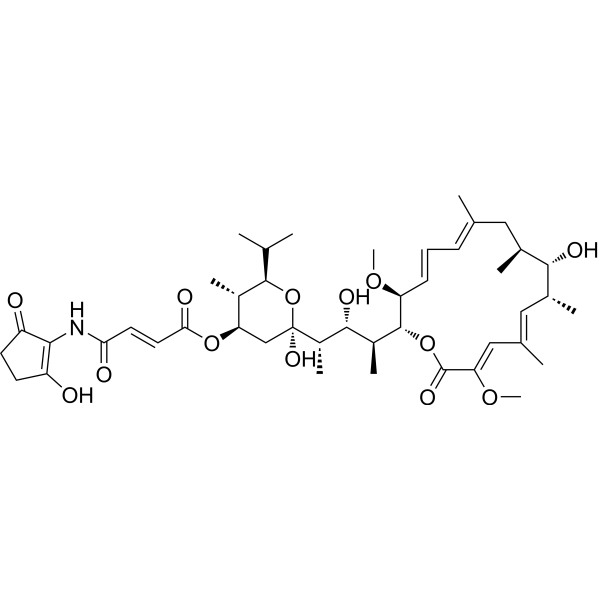
- HY-175870
-
|
|
Ras
|
Cancer
|
|
Eras-4001 (Compound 14-1) is a pan-KRAS inhibitor. Eras-4001 has potent antitumor activities and significantly inhibits the proliferation of wild-type and mutant (such as KRAS G12D, KRAS G12V and KRAS G12C) cancer cells. Eras-4001 effectively inhibits tumor growth in GP2D and Panc0403 xenograft mouse models .
|
-

- HY-138697A
-
|
VOB560 sulfate
|
Bcl-2 Family
Apoptosis
|
Cancer
|
|
S65487 (VOB560) sulfate, a potent and selective Bcl-2 inhibitor, is a proagent of S55746. S65487 sulfate is also active on BCL-2 mutations, such as G101V and D103Y. S65487 sulfate has poor affinity with MCL-1, BFL-1 and BCL-XL. S65487 sulfate induces apoptosis and has anticaner activities .
|
-
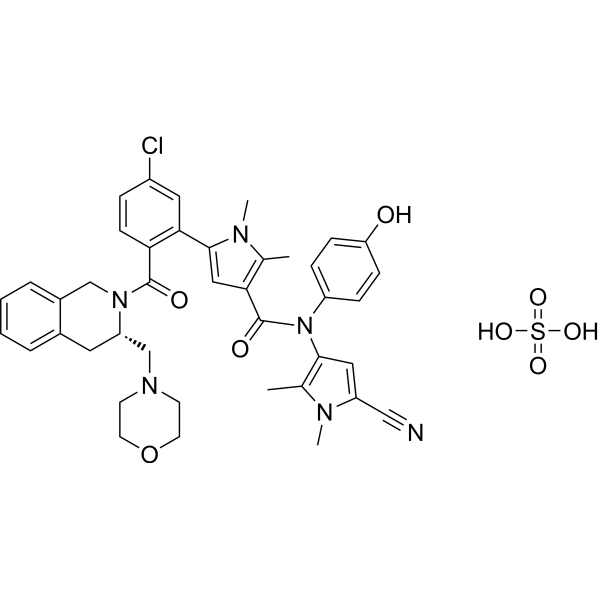
- HY-147291
-
|
|
c-Myc
PARP
Apoptosis
|
Cancer
|
|
VPC-70063 is a potent Myc-Max inhibitor with an IC50 value of 8.9 μM for Myc-Max transcriptional activity inhibition. VPC-70063 reduces UBE2C promotor activity and AR-V7 levels, and induces PARP cleavage. VPC-70063 induces apoptosis and blocks Myc-Max interactions with DNA. VPC-70063 can be used for researching anticancer .
|
-
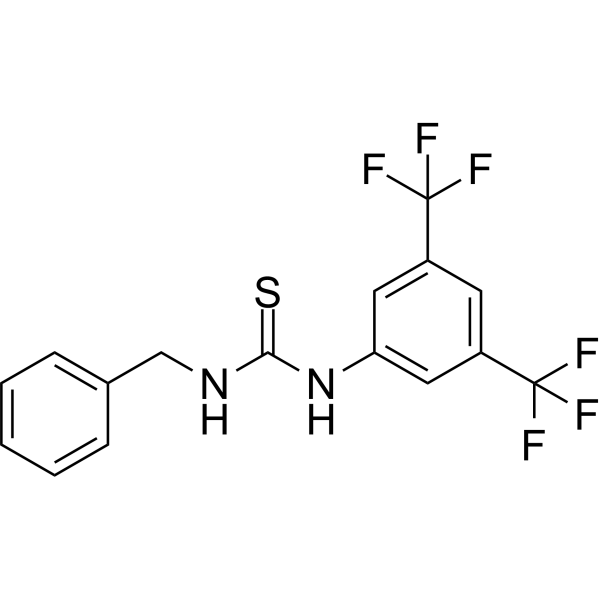
- HY-N4201
-
|
|
EGFR
Src
|
Cancer
|
|
Beta-hydroxyisovalerylshikonin is a natural product isolated from Lithospermum erythrorhizon, acts as a potent inhibitor of protein tyrosine kinases (PTK), with IC50s of 0.7μM and 1μM for EGFR and v-Src receptor, respectively. Beta-hydroxyisovalerylshikonin is effective against a wide variety of tumor cell lines, and most efficiently induces cell-death in NCI-H522 and DMS114 cells .
|
-
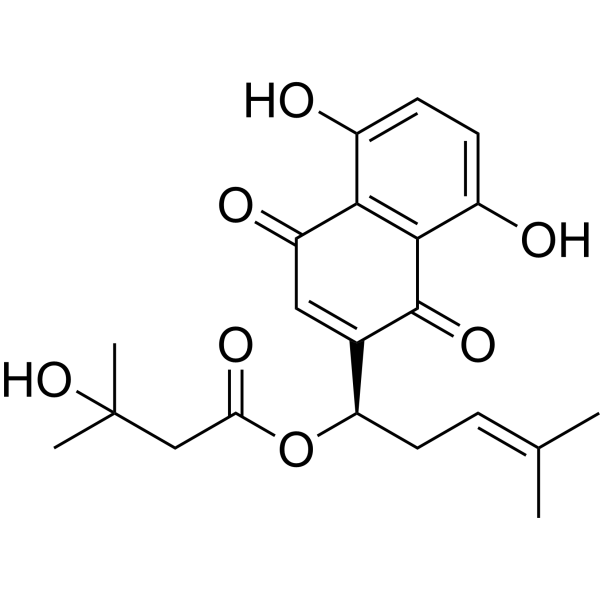
- HY-174274
-
|
|
ERK
|
Cancer
|
|
ERK2-IN-6 (Compound 20) is a highly selective ERK1/2 inhibitor with an IC50 value of 7.9 nM for ERK2. ERK2-IN-6 inhibits the proliferation of BRAF V600E mutant cells (IC50=250 nM in A375 cells). ERK2-IN-6 is promising for research of solid tumors, such as BRAF-mutated melanoma .
|
-

- HY-15463S2
-
|
STI571-d3 hydrochloride; CGP-57148B-d3 hydrochloride
|
Autophagy
Bcr-Abl
c-Kit
SARS-CoV
PDGFR
|
Cancer
|
|
Imatinib-d3 (hydrochloride) is the deuterium labeled Imatinib. Imatinib (STI571) is an orally bioavailable tyrosine kinases inhibitor that selectively inhibits BCR/ABL, v-Abl, PDGFR and c-kit kinase activity. Imatinib (STI571) works by binding close to the ATP binding site, locking it in a closed or self-inhibited conformation, therefore inhibiting the enzyme activity of the protein semicompetitively. Imatinib also is an inhibitor of SARS-CoV and MERS-CoV.
|
-
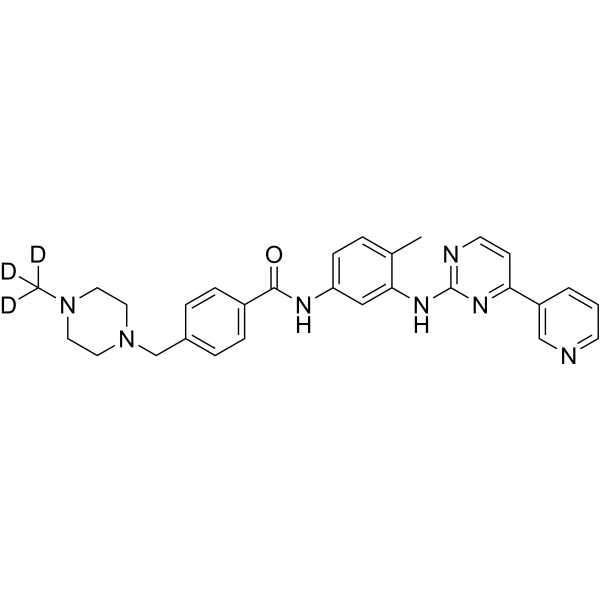
- HY-169982
-
|
|
EGFR
|
Cancer
|
|
EGFR-IN-136 (compound 21v) is a potent EGFR inhibitor with IC50 values of 20.2, 1.2, 2.3, 12.5 nM for EGFR WT, EGFR LR/TM, EGFR 19D/TM/CS, EGFR LR/TM/CS, respectively. EGFR-IN-136 shows antiproliferative activity. EGFR-IN-136 shows antitumor activity and has the potential for the research of NSCLC .
|
-

- HY-P11837
-
|
|
Biochemical Assay Reagents
|
Cancer
|
|
NECT-224 is a bifunctional chelator and a nectin-4 targeting peptide conjugate. NECT-224 can be used as a PET imaging agent when labeled with 64Cu or 68Ga .
|
-

- HY-158196
-
|
|
PERK
Apoptosis
|
Cancer
|
|
PERK/eIF2α activator 1 (compound V8) is a flavonoid with an anti-tumor activity. PERK/eIF2α activator 1 induces apoptosis and activates the PERK-eIF2α-ATF4 pathway. PERK/eIF2α activator 1 inhibits HepG2 cell proliferation with an IC50 value of 23 μM .
|
-
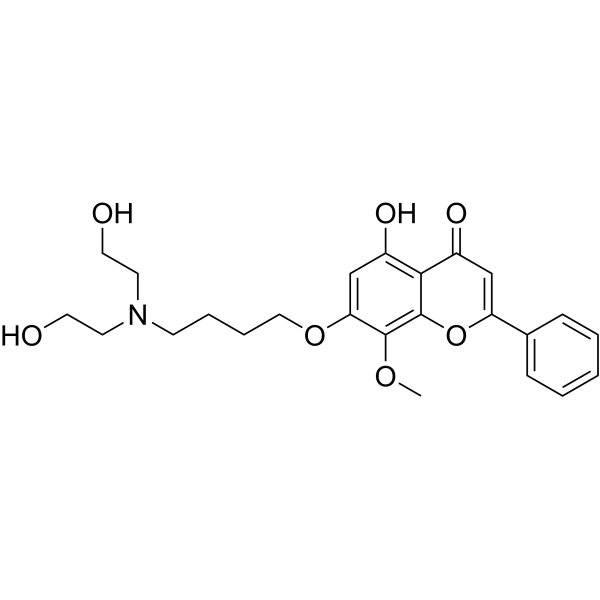
- HY-114370S
-
|
LOXO-292-13C,d3
|
Isotope-Labeled Compounds
|
Cancer
|
|
Selpercatinib- 13C,d3 (LOXO-292- 13C,d3) is 13C labeled Selpercatinib. Selpercatinib (LOXO-292) is a potent, selective RET kinase inhibitor with IC50 values of 14.0 nM, 24.1 nM, and 530.7 nM for RET (WT), RET (V804M), and RET (G810R), respectively. Selpercatinib has anticancer activity .
|
-

- HY-174847
-
|
|
p97
|
Cancer
|
|
VCP/p97 IN-2 (Compound V13) is a VCP/p97 inhibitor with IC50 of 32 nM for p97. VCP/p97 IN-2 has excellent antitumor activities and significantly inhibits tumor growth in Molm-13 xenograft mice model. VCP/p97 IN-2 can be used for acute myeloid leukemia (AML) research .
|
-

- HY-132193
-
|
|
RET
|
Cancer
|
|
RET-IN-4 is a potent, selective and orally active RET inhibitor with IC50s of 1.29 nM, 1.97 nM, and 0.99 nM for RET (WT), RET (V804M), and RET (M918T), respectively. RET-IN-4 exhibits better kinases selectivity against JAK2 (IC50 of 4.4 nM) and FLT3 (IC50 of 30.8 nM). RET-IN-4 has anticancer effects .
|
-
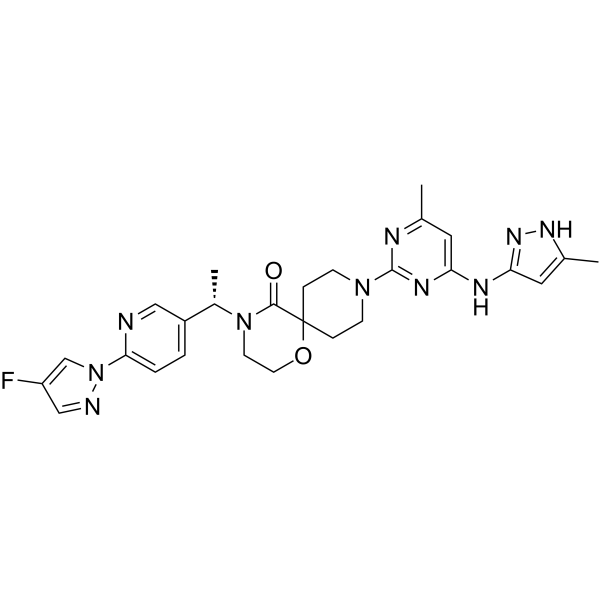
- HY-169388
-
|
|
AUTACs
|
Cancer
|
|
YT 6-2 is the p62/SQSTM1 targeting, autophagy-targeting ligand (ATL) of AUTOTAC ATC-324 (HY-169385), which is an bivalent AR (Androgen Receptor) degrader. ATC-324 can reduce nuclear AR levels and downregulate target gene expression of AR and AR-v7, and also has a degradation effect on common AR mutants in PCa .
|
-

- HY-B0124A
-
|
AD 810 sodium; CI 912 sodium
|
Carbonic Anhydrase
Apoptosis
|
Cardiovascular Disease
Neurological Disease
|
|
Zonisamide (AD 810) sodium is an orally active carbonic anhydrase inhibitor, with Kis of 35.2 and 20.6 nM for hCA II and hCA V, respectively. Zonisamide sodium exerts neuroprotective effects through anti-apoptosis and upregulating MnSOD levels. Zonisamide sodium also increases the expression of Hrd1, thereby improving cardiac function in AAC rats. Zonisamide sodium can be used in studies of seizure, parkinson’s disease and cardiac hypertrophy .
|
-
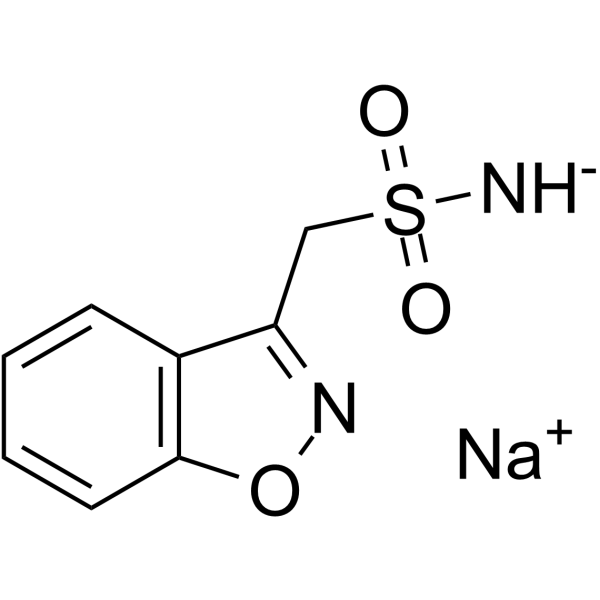
- HY-131275
-
|
|
Drug Metabolite
|
Others
|
|
Imatinib Impurity E is the impurity of Imatinib. Imatinib is an orally bioavailable tyrosine kinases inhibitor that selectively inhibits BCR/ABL, v-Abl, PDGFR and c-kit kinase activity. Imatinib (STI571) works by binding close to the ATP binding site, locking it in a closed or self-inhibited conformation, therefore inhibiting the enzyme activity of the protein semicompetitively . Imatinib also is an inhibitor of SARS-CoV and MERS-CoV .
|
-
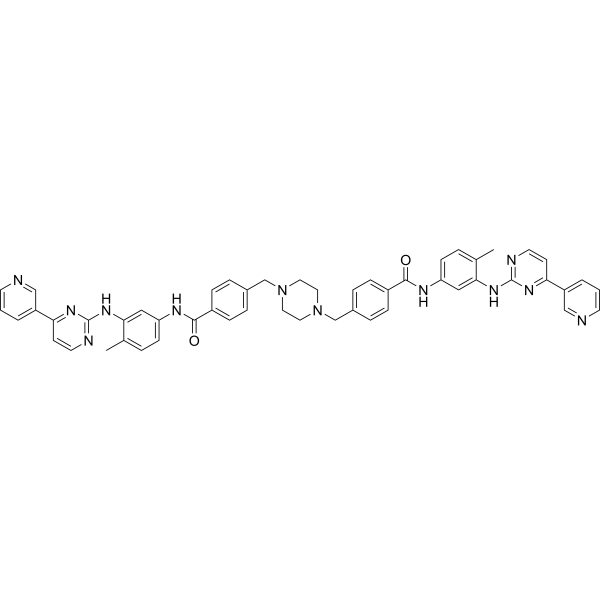
- HY-16379A
-
|
SB1518 hydrochloride
|
JAK
FLT3
|
Cancer
|
|
Pacritinib hydrochloride is a potent inhibitor of both wild-type JAK2 (IC50=23 nM) and JAK2 V617F mutant (IC50=19 nM). Pacritinib hydrochloride also inhibits FLT3 (IC50=22 nM) and its mutant FLT3 D835Y (IC50=6 nM). Pacritinib hydrochloride can be used for the research of acute myeloid leukemia (AML) and myelofibrosis (MF) .
|
-
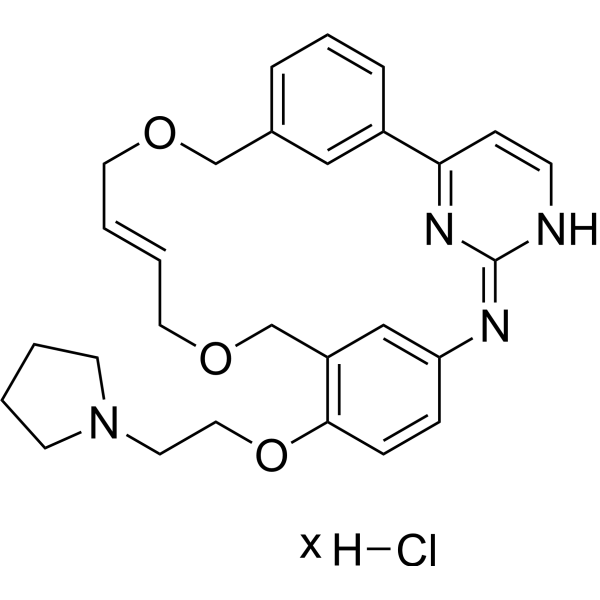
- HY-16379R
-
|
SB1518 (Standard)
|
Reference Standards
JAK
FLT3
|
Cancer
|
|
Pacritinib (Standard) is the analytical standard of Pacritinib. This product is intended for research and analytical applications. Pacritinib (SB1518) is a potent inhibitor of both wild-type JAK2 (IC50=23 nM) and JAK2V617F mutant (IC50=19 nM). Pacritinib also inhibits FLT3 (IC50=22 nM) and its mutant FLT3D835Y (IC50=6 nM).
|
-

- HY-B0124
-
|
AD 810; CI 912
|
Carbonic Anhydrase
Apoptosis
|
Neurological Disease
|
|
Zonisamide (AD 810) is an orally active carbonic anhydrase inhibitor, with Kis of 35.2 and 20.6 nM for hCA II and hCA V, respectively. Zonisamide exerts neuroprotective effects through anti-apoptosis and upregulating MnSOD levels. Zonisamide also increases the expression of Hrd1, thereby improving cardiac function in AAC rats. Zonisamide can be used in studies of seizure, parkinson’s disease and cardiac hypertrophy .
|
-
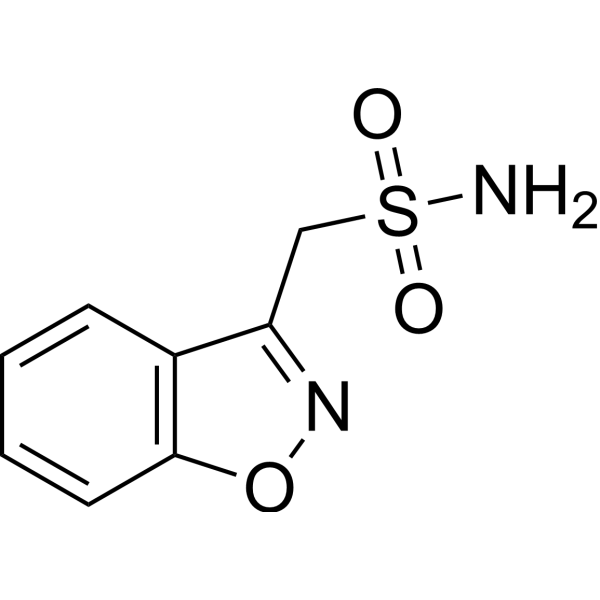
- HY-136784A
-
|
|
Fluorescent Dye
|
Others
|
|
Rhod-2 sodium is a cell impermeant, red fluorescent calcium indicator. Rhod-2 sodium exhibits a significant shift in fluorescence intensity upon calcium binding (ex max=549 nm; calcium-free v. ex/em max=552/581 nm; calcium-bound). Unlike the UV-excitable indicators Fura-2 and Indo-1 (HY-D0121), there is no accompanying spectral shift .
|
-

- HY-17023R
-
|
(S)-Omeprazole sodium (Standard); (-)-Omeprazole sodium (Standard)
|
Reference Standards
Exosomes
Proton Pump
Bacterial
|
Endocrinology
Cancer
|
|
Esomeprazole (sodium) (Standard) is the analytical standard of Esomeprazole (sodium). This product is intended for research and analytical applications. Esomeprazole sodium ((S)-Omeprazole sodium) is a potent and orally active proton pump inhibitor. Esomeprazole reduces acid secretion through inhibition of the H +, K +-ATPase in gastric parietal cells. Esomeprazole acts as an exosome inhibitor by blocking the exosome release via the inhibition of V-H +-ATPases . Esomeprazole has the potential for symptomatic gastroesophageal reflux disease research .
|
-
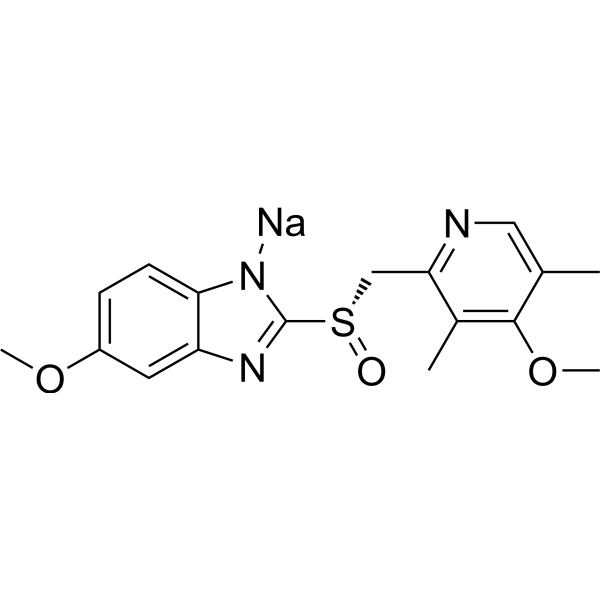
- HY-136784
-
|
|
Fluorescent Dye
|
Others
|
|
Rhod-2 potassium is a cell impermeant, red fluorescent calcium indicator. Rhod-2 potassium exhibits a significant shift in fluorescence intensity upon calcium binding (ex max=549 nm; calcium-free v. ex/em max=552/581 nm; calcium-bound). Unlike the UV-excitable indicators Fura-2 and Indo-1 (HY-D0121), there is no accompanying spectral shift .
|
-

- HY-146746
-
|
|
HIV
|
Infection
|
|
HIV-1 inhibitor-19 is a potent HIV-1 non-nucleoside reverse transcriptase inhibitor (NNRTI). HIV-1 inhibitor-19 maintains its inhibitory activity against L100I, K103N and V106A/ F227L mutant strains with EC50s of 7.3 nM, 9.2 nM and 21.0 nM, respectively.
|
-
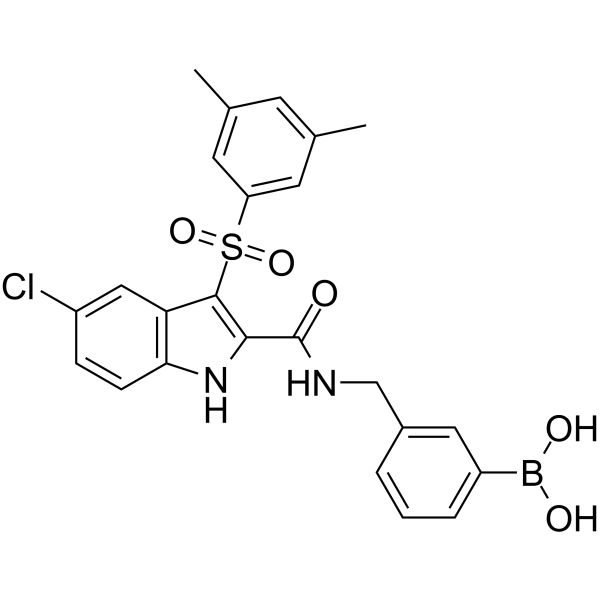
- HY-156529
-
|
|
Ras
|
Cancer
|
|
pan-KRAS-IN-2 (Compound 6) is a pan-inhibitor with IC50s ≤ 10 nM for KRAS WT and mutants (G12D, G12C, G12V, G12S, G12A and Q61H); and an IC50 > 10 μM for KRAS G13D. pan-KRAS-IN-2 can be used to study various KRAS-mediated cancers, such as pancreatic cancer and colorectal cancer .
|
-
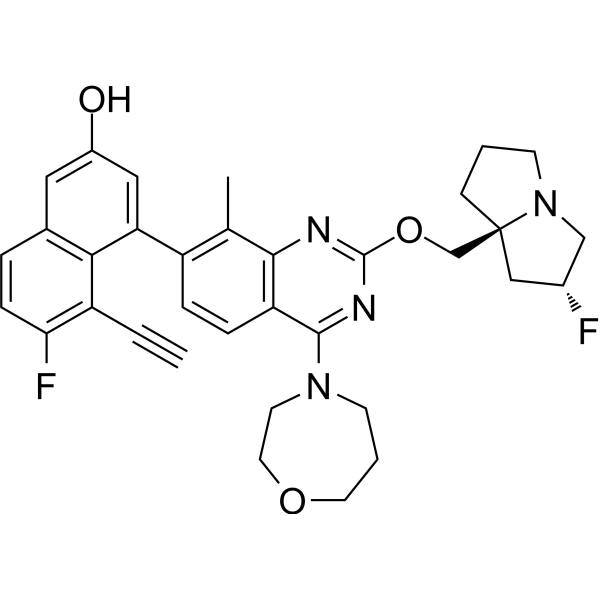
- HY-146491
-
|
|
VEGFR
Raf
Apoptosis
|
Cancer
|
|
VEGFR-2/BRAF-IN-1 (Compound 4b) is a dual VEGFR-2 and BRAF kinases inhibitor with IC50 values of 0.049, 0.063 and 0.005 µM against VEGFR-2, BRAF V600E and BRAF WT, respectively. VEGFR-2/BRAF-IN-1 induces apoptosis and arrests the cell cycle mainly in the G1/S phase .
|
-
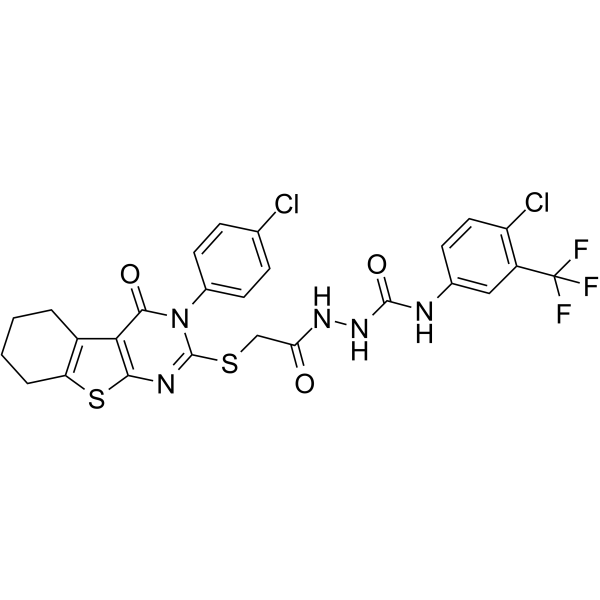
- HY-P991922
-
|
|
Fc Receptor (FcR)
Complement System
Radionuclide-Drug Conjugates (RDCs)
|
Cancer
|
|
AKIR001 is a high-affinity human IgG1 antibody targeting CD44v6. AKIR001 carries LALA-silencing mutations in its FcγR-binding domain to reduce FcγR and C1q interactions, minimizing tissue interactions and limiting CDC and ADCC risks. [ 177Lu] radiolabeled AKIR001, namely [ 177Lu]Lu-AKIR001, has anticancer activity against epidermoid carcinoma .
|
-

- HY-17598
-
|
|
Oxidative Phosphorylation
Parasite
p38 MAPK
Raf
Apoptosis
|
Infection
Cancer
|
|
Rafoxanide is a poent, orally active halogenated salicylaniline agent with antiparasitic activity. Rafoxanide interferes with energy metabolism in trematodes by uncoupling oxidative phosphorylation. Rafoxanide is also found to be a potent inhibitor of the BRAF V600E mutant protein, which is important in colorectal cancer. Rafoxanide can be used for the control of infestation with Hemonchus species or Fasciola species in sheep and cattle as well as Oestrus ovis in sheep. Rafoxanide can also be used for cancer research .
|
-
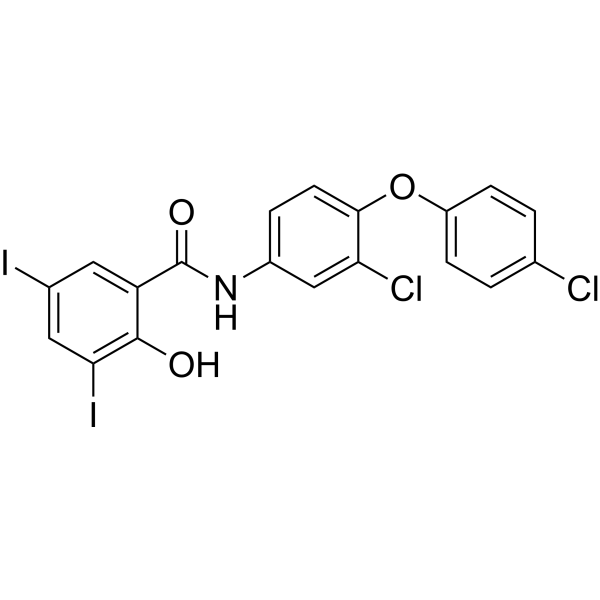
- HY-W127781
-
|
|
Fluorescent Dye
|
Others
|
|
Rhod-2 triammonium is a cell impermeant, red fluorescent calcium indicator. Rhod-2 triammonium exhibits a significant shift in fluorescence intensity upon calcium binding (ex max=549 nm; calcium-free v. ex/em max=552/581 nm; calcium-bound). Unlike the UV-excitable indicators Fura-2 and Indo-1 (HY-D0121), there is no accompanying spectral shift .
|
-
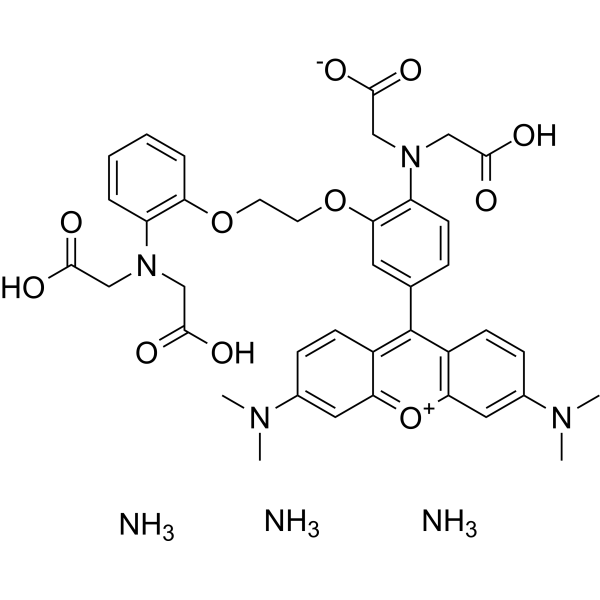
- HY-176250
-
|
|
Ras
ERK
|
Cancer
|
|
KRAS-IN-43 (Compound 9) is a pan-KRAS inhibitor with IC50 values of 0.15 μM, 0.14 μM, and 0.47 μM against KRAS G12V, KRAS G12C and wild-type KRAS, respectively. KRAS-IN-43 disrupts the interaction between KRAS and cRAF, and inhibits ERK phosphorylation. KRAS-IN-43 is promising for research of KRAS mutation-related cancers (such as pancreatic cancer, colorectal cancer, and lung cancer) .
|
-

- HY-101663
-
|
MK-8408
|
HCV
|
Infection
|
|
Ruzasvir (MK-8408) is an orally active inhibitor for genotypic HCV nonstructural protein 5A (NS5A), which inhibits the replication of NS5A mutants GT1a, GT1a L31V, GT1a Y93H, GT2b, GT3a and GT4a with EC90 ranging from 0.003 to 0.067 nM. Ruzasvir exhibits good pharmacokinetic characters in rhesus monkey model .
|
-

- HY-A0104C
-
|
Hypromellose (Type I,Viscosity:400mPa.s); (Hydroxypropyl)methyl cellulose (Type I,Viscosity:400mPa.s); Celacol HPM 5000 (Type I,Viscosity:400mPa.s)
|
Environmental Pollutants
Biochemical Assay Reagents
|
Others
|
|
HPMC (Hypromellose) (Type I, Viscosity: 400mPa.s) is a first-grade sodium alginate with an average viscosity of 400 mPa.s. Typically, a 1% w/v HPMC aqueous solution has a viscosity of 20-400mPa.s (20-400cp) at 20°C. The viscosity of HPMC may vary depending on concentration, pH, temperature, or the presence of metal ions. Viscosity decreases at pH values above 10 .
|
-
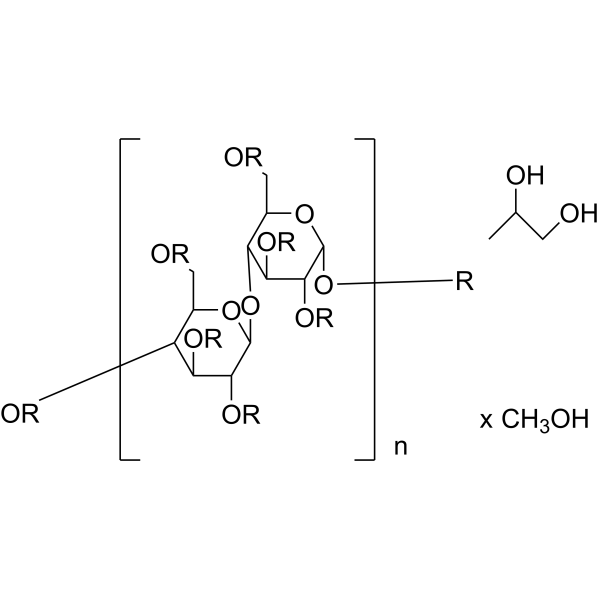
- HY-126634
-
|
|
Others
|
Infection
|
|
Lyngbyatoxin B is a complex compound in a versatile biosynthetic pathway from the marine cyanobacterium Moorea producens. By heterologously expressing the lyngbyatoxin biosynthetic pathway in Escherichia coli, lyngbyatoxin A (25.6 mg/L) and its precursor indolactam-V (150 mg/L) were successfully produced. This approach confirmed the biosynthetic route of lyngbyatoxin and laid a chemical foundation for future pathway engineering. In addition, the successful production of lyngbyatoxin A in E. coli opens the possibility for heterologous expression and characterization of other cyanobacterial natural products.
|
-

- HY-14920R
-
|
Reverset (Standard); d-d4FC (Standard)
|
Reverse Transcriptase
HIV
Reference Standards
|
Infection
|
|
Dexelvucitabine (Standard) is the analytical standard of Dexelvucitabine. This product is intended for research and analytical applications. Dexelvucitabine (Reverset; d-d4FC), a Cytidine (HY-B0158) analog, is an orally active nucleoside reverse transcriptase inhibitor. Dexelvucitabine is a powerful agent against HIV-1-resistant viruses containing a thymidine analog and/or M184V mutation in the viral polymerase. Dexelvucitabine is a 2′-Deoxycytidine antiretroviral agent .
|
-

- HY-130609
-
|
|
γ-secretase
|
Neurological Disease
|
|
Aβ42-IN-1, compound 1v, is a novel, potent and orally active?γ-secretase modulator (GSM). Aβ42-IN-1 potently reduced Aβ42 levels with an IC50?value of 0.091?μM without CYP3A4 inhibition. Aβ42-IN-1 shows a sustained pharmacokinetic profile.
|
-
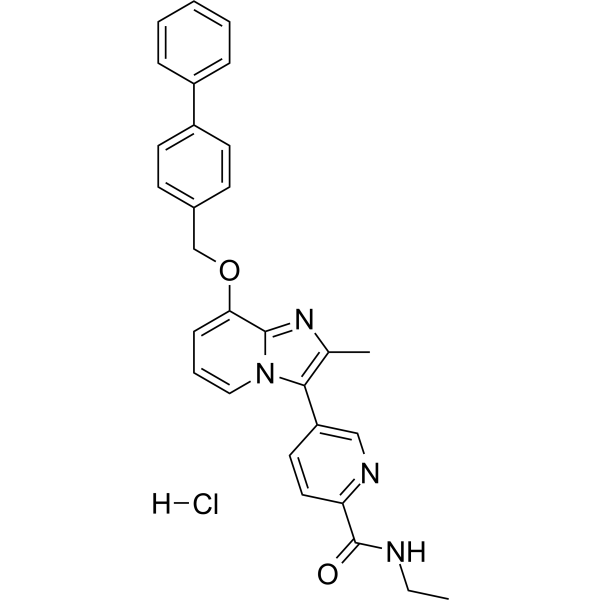
- HY-128449
-
|
Cefradine monohydrate
|
Bacterial
Antibiotic
TOPK
|
Infection
Inflammation/Immunology
|
|
Cephradine (Cefradine) monohydrate is a broad-spectrum and orally active cephalosporin. Cephradine monohydrate is active against both grampositive and gram-negative pathogens and effective in eradicating most penicillinase-producing organisms known to be resistant to penicillin G, penicillin V, and ampicillin. Cephradine monohydrate has been used in the research of genitourinary, gastrointestinal and respiratory tract infections, and in infections of the skin and soft tissues. Cephradine monohydrate blocks solar-ultraviolet induced skin inflammation through direct inhibition of TOPK .
|
-
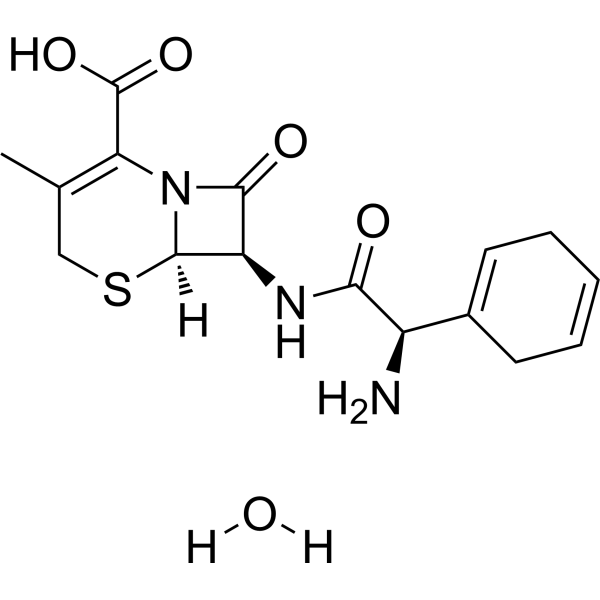
- HY-P10417
-
|
|
Integrin
IFNAR
|
Cancer
|
|
RTDLDSLRTYTL is an Alpha (v) beta (6) integrin (avb6) inhibitor with high affinity and specificity. RTDLDSLRTYTL binds to avb6 integrin, a peptide sequence that activates cytotoxicity and cytokine production in T cells, such as interferon-gamma. RTDLDSLRTYTL is designed through a chimeric T cell antigen receptor (CAR) so that T cells can be redirected to specifically recognize and attack tumor cells. RTDLDSLRTYTL can be used in the research of cancer immunotherapy and targeted drug development .
|
-

- HY-12554AR
-
|
|
Vasopressin Receptor
Reference Standards
|
Cardiovascular Disease
Inflammation/Immunology
Endocrinology
|
|
Terlipressin (diacetate) (Standard) is the analytical standard of Terlipressin (diacetate). This product is intended for research and analytical applications. Terlipressin diacetate is a vasopressin analogue with potent vasoactive properties. Terlipressin diacetate is a highly selective vasopressin V1 receptor agonist that reduces the splanchnic blood flow and portal pressure and controls acute variceal bleeding. Terlipressin diacetate exerts anti-inflammatory and anti-oxidative effects. Terlipressin diacetate has the potential for hepatorenal syndrome and norepinephrine-resistant septic shock research .
|
-

- HY-141601
-
|
ABBV-399
|
Antibody-Drug Conjugates (ADCs)
c-Met/HGFR
Microtubule/Tubulin
|
Cancer
|
|
Telisotuzumab vedotin (ABBV-399) (Teliso-V) is an anti-c-Met antibody-drug conjugate. Telisotuzumab vedotin consists of an anti-c-Met monoclonal antibody Telisotuzumab (ABT-700) (HY-P99391) and Monomethyl Auristatin E (HY-15162). Telisotuzumab vedotin exerts antitumor activity with acceptable toxicity in vivo. Telisotuzumab vedotin can be used for non-small cell lung cancer (NSCLC) research .
|
-

- HY-104012
-
|
MK-8591
|
HIV
Reverse Transcriptase
|
Infection
Inflammation/Immunology
|
|
Islatravir (MK-8591) is a potent anti-HIV-1 agent, acting as a nucleoside reverse transcriptase inhibitor, with EC50s of 0.068 nM, 3.1 nM and 0.15 nM for HIV-1 (WT), HIV-1 (M184V), HIV-1 (MDR), respectively. Islatravir is a click chemistry reagent, it contains an Alkyne group and can undergo copper-catalyzed azide-alkyne cycloaddition (CuAAc) with molecules containing Azide groups.
|
-
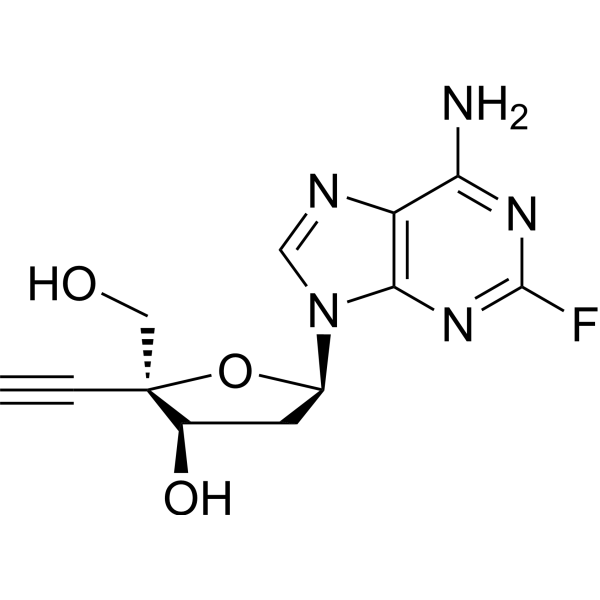
- HY-167690
-
|
|
Endogenous Metabolite
|
Infection
|
|
MK-6186 is a novel non-nucleoside reverse transcriptase inhibitor with sub-nanomolar activity against wild-type viruses and the two most common NNRTI-resistant RT mutants (K103N and Y181C). MK-6186 exhibits excellent antiviral activity against K103N and Y181C mutant viruses. When MK-6186 targets 12 common NNRTI-associated mutant viruses, only two relatively rare mutants (Y188L and V106I/Y188L) show high resistance, with FC values exceeding 100, while the FC values of the remaining viruses are all below 10. In addition, when MK-6186 faces 96 clinical virus isolates carrying NNRTI-resistant mutations, most (70%) viruses show more than 10-fold resistance to efavirenz (EFV), while only 29% of mutant viruses show more than 10-fold resistance to MK-6186 .
|
-

- HY-178061
-
|
|
ERK
RET
|
Cancer
|
|
APS03118 is an orally active, potent and selective rearranged during transfection (RET) inhibitor. APS03118 broadly inhibits RET fusions and mutations (including G810, V804, L730, and Y806 variants), with IC50 values predominantly below 1 nM (0.095 nM for WT; ranging from 0.00438 to 5.72 nM for mutants), and demonstrates marked superiority against RET G810 mutations. APS03118 inhibits the entire RET signaling pathway (including RET, Shc, and ERK1/2), with >20-fold selectivity over most off-target kinases (except FLT3 and YES). APS03118 induces complete tumor regression in KIF5B-RET and CCDC6-RET V804 M patient derived xenografts (PDXs) and significantly prolongs survival in an intracranial CCDC6-RET metastasis mice model. APS03118 can be used for selective RET inhibitor (SRI)-resistant, RET-driven cancer research .
|
-

- HY-179484
-
|
|
Reactive Oxygen Species (ROS)
ERK
|
Cancer
|
|
KRASG12C IN-19 is a selective and orally active KRAS G12C inhibitor. KRASG12C IN-19 exerts potent antiproliferative activity against the KRAS G12C-mutant non small cell lung cancer (NSCLC) cell line H358 with an IC50 of 7.6 nM, and effectively suppresses downstream ERK phosphorylation (IC50 = 24.06 nM). KRASG12C IN 19 has no significant inhibitory activity against KRAS G12V and KRAS G12D-mutant cancer cells (PANC 1, Panc, AsPC 1, and GP2d cells) with IC50 > 10,000 nM. KRASG12C IN-19 rapidly forms a covalent bond with KRAS G12V-GDP, leading to dose-dependent inhibition of the downstream KRAS pathway. KRASG12C IN 19 can be employed for research in KRAS G12C driven cancers, including non small cell lung cancer, pancreatic cancer, and colorectal cancer .
|
-

- HY-162577
-
|
|
FGFR
|
Cancer
|
|
FGFR-IN-14 (compound 10h) is a pan-FGFR inhibitor. FGFR-IN-14 inhibits FGFR1, FGFR2, FGFR3 and FGFR2 V564F gatekeeper mutant with IC50s of 46, 41, 99, and 62 nM, respectively. FGFR-IN-14 strongly suppresses NCI-H520 lung cancer cells, SNU-16 and KATO III gastric cancer cells proliferation with IC50s of 19, 59, and 73 nM, respectively .
|
-

- HY-149433
-
|
|
PROTACs
Androgen Receptor
Apoptosis
|
Cancer
|
|
BWA-522 is an orally active PROTAC degrader targeting full-length androgen receptor (AR-FL) and androgen receptor splice variant 7 (AR-V7). BWA-522 antagonizes the N-terminal domain (AR-NTD) of the androgen receptor, suppresses AR downstream signaling proteins and induces cancer cells apoptosis. BWA-522 inhibits tumor growth in LNCaP xenograft mouse model. BWA-522 can be used for the research of prostate cancer .
|
-
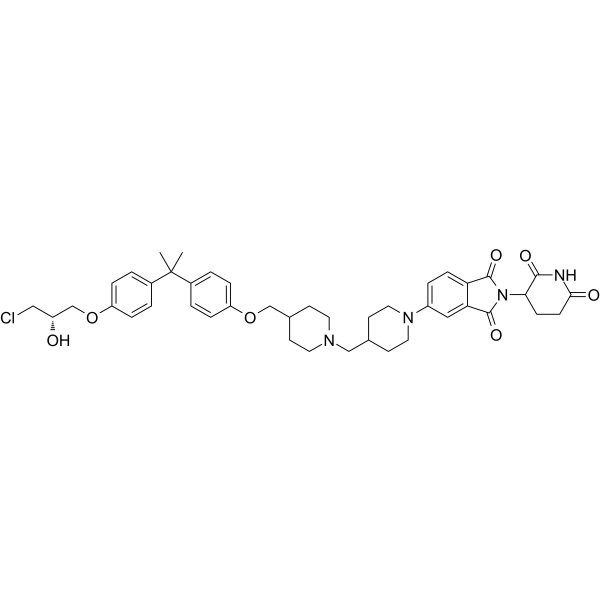
- HY-16379S
-
|
SB1518-d4
|
Isotope-Labeled Compounds
JAK
FLT3
|
Cancer
|
|
Pacritinib-d8 (SB1518-d8) is the deuterium labeled Pacritinib (HY-16379). Pacritinib (SB1518) is a potent inhibitor of both wild-type JAK2 (IC50=23 nM) and JAK2 V617F mutant (IC50=19 nM). Pacritinib also inhibits FLT3 (IC50=22 nM) and its mutant FLT3 D835Y (IC50=6 nM).
|
-

- HY-W762012
-
|
OCDD
|
Cytochrome P450
Environmental Pollutants
|
Others
|
|
Octachlorodibenzo-p-dioxin (OCDD) is an environmental contaminant but is not acutely toxic. In rats, Octachlorodibenzo-p-dioxin (50 μg/kg i.v. or 50-5000 μg/kg p.o.) has a systemic elimination half-life of 3-5 months and accumulates and concentrates in the liver and adipose tissue after low-dose, repeated exposure. Repeated administration of octachlorodibenzo-p-dioxin causes increases in 7-ethoxyresorufin-O-deethylase (7-EROD) activity and total cytochrome P-450 levels .
|
-

- HY-10409AR
-
|
TG-101348 hydrochloride hydrate (Standard); SAR 302503 hydrochloride hydrate (Standard)
|
Reference Standards
JAK
Apoptosis
|
Cancer
|
|
Fedratinib (hydrochloride hydrate) (Standard) is the analytical standard of Fedratinib (hydrochloride hydrate). This product is intended for research and analytical applications. Fedratinib hydrochloride hydrate (TG-101348 hydrochloride hydrate) is a potent, selective, ATP-competitive and orally active JAK2 inhibitor with IC50s of 3 nM for both JAK2 and JAK2V617F kinase. Fedratinib hydrochloride hydrate shows 35- and 334-fold selectivity over JAK1 and JAK3, respectively. Fedratinib hydrochloride hydrate induces cancer cell apoptosis and has the potential for myeloproliferative disorders research .
|
-

- HY-P10417B
-
|
|
Integrin
IFNAR
|
Cancer
|
|
RTDLDSLRTYTL TFA is an Alpha (v) beta (6) integrin (avb6) inhibitor with high affinity and specificity. RTDLDSLRTYTL TFA binds to avb6 integrin, a peptide sequence that activates cytotoxicity and cytokine production in T cells, such as interferon-gamma. RTDLDSLRTYTL TFA is designed through a chimeric T cell antigen receptor (CAR) so that T cells can be redirected to specifically recognize and attack tumor cells. RTDLDSLRTYTL TFA can be used in the research of cancer immunotherapy and targeted drug development .
|
-

- HY-144269
-
|
|
Raf
|
Cancer
|
|
SHR902275 is a potent, selective, and orally active RAF inhibitor targeting RAS mutant cancers. SHR902275 has IC50s of 1.6 nM, 10 nM, and 5.7 nM for cRAF, bRAF wt, and bRAF V600E, respectively. SHR902275 shows cell growth inhibition with GI50s of 1.5 and 0.17 nM, 0.4 nM and 0.32 nM for H358, A375, Calu6, and SK-MEL2 cells respectively .
|
-
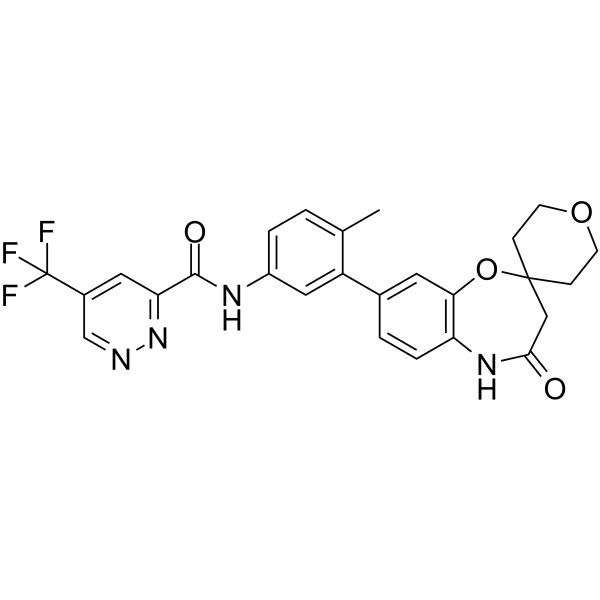
- HY-108417
-
|
|
STAT
JAK
Bcr-Abl
|
Cancer
|
|
Debio 0617B, a multi-kinase inhibitor, reduces maintenance and self-renewal of primary human AML CD34 + stem/progenitor cells. Debio 0617B has a unique profile targeting key kinases upstream of STAT3/STAT5 signaling such as JAK, SRC, ABL, and class III/V receptor tyrosine kinases (TKs). Debio 0617B has documented efficacy in STAT3-driven solid tumors .
|
-
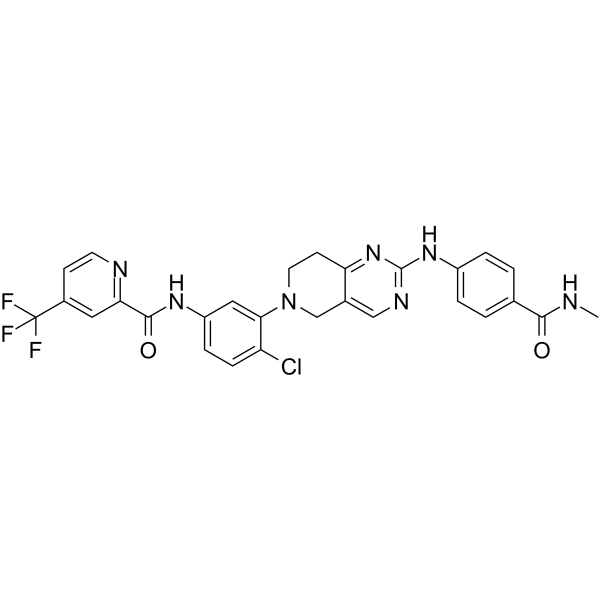
- HY-169386
-
|
|
AUTOTACs
|
Cancer
|
|
YT 6-2 analog-1 (compound 2-3) is the p62/SQSTM1 targeting, autophagy-targeting ligand (ATL) of AUTOTAC ATC-324 (HY-169385), which is an bivalent AR (Androgen Receptor) degrader. ATC-324 can reduce nuclear AR levels and downregulate target gene expression of AR and AR-v7, and also has a degradation effect on common AR mutants in PCa .
|
-

- HY-P10251
-
|
|
HIV
|
Infection
|
|
HIV gp120 (318-327) is a short sequence of the HIV-1 strain IIIB envelope peptide (rgpgrafvti) that corresponds to the conserved C-terminal region of the glycoprotein. HIV gp120 (318-327) is part of the HIV vaccine V3 peptide epitope, also known as the I10 peptide. However, HIV gp120 (318-327) lacks the A2 anchor residues recognized by epitope-specific CTLs but has structural features that confer promiscuous A2 binding .
|
-

- HY-172408
-
|
|
Reverse Transcriptase
HIV
|
Infection
|
|
NNRT-IN-6 (Compound 13a) is the non-nucleoside reverse transcriptase inhibitor (NNRT) for HIV-1 reverse transcriptase (HIV-1 RT) with IC50 of 0.41 μM. NNRT-IN-6 inhibits HIV-1 wildtype and mutant strains L100I, K103N, Y181C, Y188L, E138K, F227L/V106A and RES056 with EC50 of 6.2-250 nM .
|
-

- HY-173559
-
|
|
Androgen Receptor
|
Cancer
|
|
AR antagonist 12 (compound 20i) is an orally active androgen receptor antagonist wiith IC50 values of 119.3 μM and 98.2 μM for wt-AR and AR-F877L,respectively. AR antagonist 12 induces a dose-dependent and time-dependent reduction in AR, AR-V7, and PSA protein levels. AR antagonist 1 shows anticancer activuty and can be used for the study of Enzalutamide (HY-70002)-resistant Prostate cancer .
|
-

- HY-76573
-
|
|
Apoptosis
|
Cardiovascular Disease
Cancer
|
|
ML-10 is a small molecule apoptosis probe. Due to the presence of fluorine atoms, ML-10 can be radiolabeled with 18F isotopes and can be used for apoptosis positron emission tomography imaging studies. ML-10 is selectively taken up and accumulated in apoptotic cells, while being excluded from live or necrotic cells. In addition, the uptake of ML-10 is associated with apoptotic features such as caspase activation, Annexin-V binding, and disruption of mitochondrial membrane potential .
|
-

- HY-163940
-
|
|
Aldose Reductase
Androgen Receptor
|
Cancer
|
|
LX1 is an anti-prostate cancer compound that targets androgen receptor (AR), AR variants and steroidogenic enzyme AKR1C3. LX1 inhibits the enzymatic activity of AKR1C3, reduces the conversion of androstenedione to testosterone and reduces the expression of AR and AR-V7 and downregulates their target genes. LX1 overcomes the resistance of tumor cells to Enzalutamide (HY-70002), and the combination with Enzalutamide (HY-70002) further inhibits tumor growth .
|
-

- HY-14845
-
|
(S)-Mequitazine
|
Drug Isomer
Histamine Receptor
|
Inflammation/Immunology
|
|
Levomequitazine (Compound V0114) ((S)-Mequitazine), the levorotatory enantiomer of Mequitazine (HY-B2168), is an orally active, inverse H4 receptor agonist (IC50s: 94 nM (hM2), 17 nM (hM3)). Levomequitazine strongly binds to human histamine H4 receptor. Levomequitazine antagonizes the activating action induced by histamine on H4 receptor. Levomequitazine induces a powerful and statistically significant anti-inflammatory effect. Levomequitazine can be used for research on inflammatory diseases .
|
-

- HY-146460
-
|
|
Reactive Oxygen Species (ROS)
|
Infection
|
|
Antimicrobial agent-2 (compound V-a) is a broad-spectrum antimicrobial agent, possessing inhibitory activity against various Gram-positive and -negative bacteria. Antimicrobial agent-2 has excellent inhibitory effect on Methicillin-resistant Staphylococcus aureus (MRSA) with a MIC of 1 μg/mL. Antimicrobial agent-2 can effectively damage the membrane and lead to the leakage of protein, also can induce the generation of ROS. Antimicrobial agent-2 exhibits low toxicity, no obvious resistance and good bioavailability .
|
-
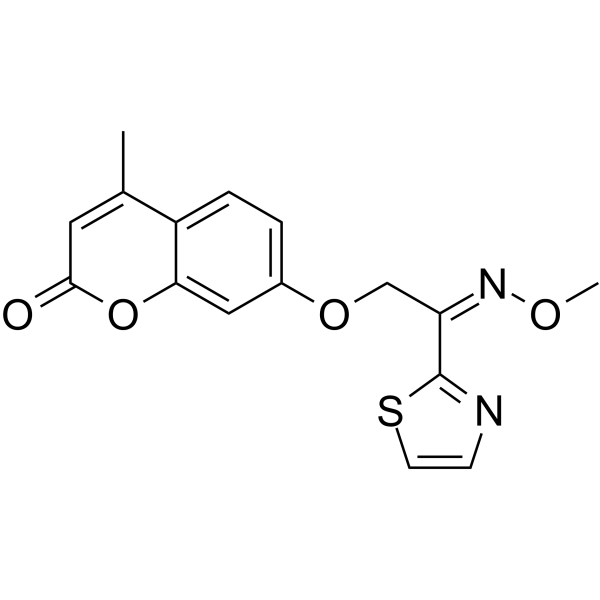
- HY-16379B
-
|
SB1518 citrate
|
JAK
FLT3
|
Cancer
|
|
Pacritinib (SB1518) citrate is a potent inhibitor of both wild-type JAK2 (IC50=23 nM) and JAK2 V617F mutant (IC50=19 nM). Pacritinib citrate also inhibits FLT3 (IC50=22 nM) and its mutant FLT3 D835Y (IC50=6 nM). Pacritinib citrate can be used for the research of acute myeloid leukemia (AML) and myelofibrosis (MF) .
|
-
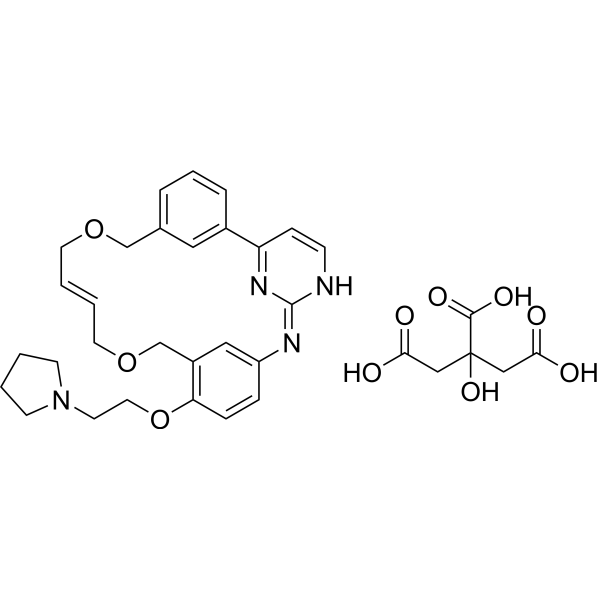
- HY-110292
-
|
|
TRP Channel
Calcium Channel
|
Inflammation/Immunology
|
|
A-425619 is an orally active and selective transient receptor potential type V1 (TRPV1) antagonist. A-425619 blocks Capsaicin (HY-10448)- and N-arachidonoyl-dopamine (NADA)-induced Ca 2+ influx in dorsal root ganglia and trigeminal ganglia. A-425619 relieves pathophysiological pain associated with inflammation and tissue injury in rats. A-425619 can be used for the study of pain related to inflammation and tissue injury .
|
-
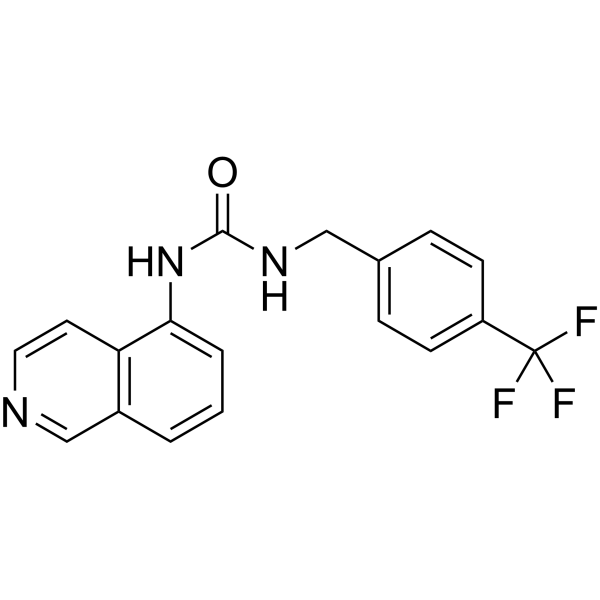
- HY-180148
-
|
|
Microtubule/Tubulin
Reactive Oxygen Species (ROS)
Apoptosis
|
Cancer
|
|
Microtubule-IN-15 (Compound 10v) is a microtubule inhibitor. Microtubule-IN-15 inhibits the polymerization of tubulin, thereby preventing the formation of the spindle apparatus in cell mitosis and blocking the cell cycle at the G2/M phase. Microtubule-IN-15 induces a decrease in mitochondrial membrane potential and a burst of reactive oxygen species (ROS), promoting tumor cell apoptosis. Microtubule-IN-15 can be used for the study of non-small cell lung cancer and liver cancer .
|
-

- HY-180907
-
|
|
PROTACs
|
Cancer
|
|
PROTAC USP39 Degrader-1 (compound USP39_PROTAC_V1) is a potent and selective PROTAC USP39 degrader. PROTAC USP39 Degrader-1 induces degradation of USP39 by recruiting the VHL E3 ligase via a hydroxyl-proline-containing ligand, forming a ternary complex with a Kd of 232 nM. PROTAC USP39 Degrader-1 degrades USP39 in a VHL-, proteasome-, and the neddylation pathway-dependent manner .
|
-

- HY-10409R
-
|
TG-101348 (Standard); SAR 302503 (Standard)
|
Reference Standards
JAK
Apoptosis
|
Cancer
|
|
Fedratinib (Standard) is the analytical standard of Fedratinib. This product is intended for research and analytical applications. Fedratinib (TG-101348) is a potent, selective, ATP-competitive and orally active JAK2 inhibitor with IC50s of 3 nM for both JAK2 and JAK2V617F kinase. Fedratinib shows 35- and 334-fold selectivity over JAK1 and JAK3, respectively. Fedratinib induces cancer cell apoptosis and has the potential for myeloproliferative disorders research .
|
-

- HY-15463R
-
|
STI571 (Standard); CGP-57148B (Standard)
|
Reference Standards
Bcr-Abl
PDGFR
c-Kit
SARS-CoV
Autophagy
|
Cancer
|
|
Imatinib (Standard) is the analytical standard of Imatinib. This product is intended for research and analytical applications. Imatinib (STI571) is an orally bioavailable tyrosine kinases inhibitor that selectively inhibits BCR/ABL, v-Abl, PDGFR and c-kit kinase activity. Imatinib (STI571) works by binding close to the ATP binding site, locking it in a closed or self-inhibited conformation, therefore inhibiting the enzyme activity of the protein semicompetitively . Imatinib also is an inhibitor of SARS-CoV and MERS-CoV .
|
-

- HY-182317
-
|
|
Drug Isomer
Dengue Virus
|
Infection
|
|
(+)-Mosnodenvir is an isomer of Mosnodenvir (HY-153810). Mosnodenvir (JNJ-1802) is an orally active pan serotype dengue virus (DENV) inhibitor, with EC50 values ranging from 0.057 to 11 nM for four dengue virus (DENV) serotypes. Mosnodenvir blocks viral replication by inhibiting the formation of complexes between two viral proteins, nonstructural protein 3 (NS3) and NS4B, thereby preventing the formation of new viral RNA. Mosnodenvir exhibits picomolar to nanomolar antiviral activity in vitro and has antiviral efficacy in mice and non-human primates .
|
-

- HY-181966
-
|
|
Bacterial
DNA/RNA Synthesis
Potassium Channel
|
Infection
|
|
Sideromycin 7 is an antibacterial agent. Sideromycin 7 forms a 7-Bi 3+ coordination complex with bismuth citrate, exerting a three-pronged antibacterial mode of action: direct DNA binding to induce damage and arrest replication, suppression of KdpC synthesis to block KdpFABC-mediated potas-sium transport, and inhibition of ATP production. Sideromycin 7 exhibits potent antibacterial activity against Ciprofloxacin (HY-B0356)-resistant Pseudomonas aeruginosa strains. Sideromycin 7 exerts antibiofilm activity against Pseudomonas aeruginosa. Sideromycin 7 can be used for the research of ciprofloxacin-resistant Pseudomonas aeruginosa infection .
|
-

- HY-182741
-
|
|
RET
|
Endocrinology
Cancer
|
|
RET-IN-32 is an orally active RET inhibitor with IC50 values of 0.285, 4.602 and 103.5 nM against wild-type, V804M and G810S mutant forms, respectively. RET-IN-32 inhibits the autophosphorylation of Tyr1062. RET-IN-32 completely suppresses tumor growth induced by BAF3-KIF3B-RET-WT xenografts. RET-IN-32 can be used in the research of thyroid cancer and lung cancer .
|
-

- HY-W752502
-
|
|
Dopamine Receptor
Vasopressin Receptor
Adrenergic Receptor
|
Cardiovascular Disease
|
|
Docarpamine is an orally active dopamine prodrug that can be hydroxylated in the small intestine and liver to form active dopamine. Docarpamine mainly activates D1-like receptors in peripheral blood vessels to lower blood pressure and heart rate in a state of spontaneous hypertension. Docarpamine exerts a pressor and tachycardic effect by activating D1-like receptors, vasopressin V1 receptors, and α-adrenergic receptors in normal blood pressure conditions. Docarpamine can be used for research on renal vascular dilation and diuresis .
|
-

- HY-179563
-
|
|
c-Kit
|
Cancer
|
|
C-Kit-IN-12 (Compound 2a) is a potent c-Kit inhibitor, with its IC50 value for c-Kit being less than 10 nM in four KIT mutant cell models (BAF3 KIT EX11 DEL, EX11 DEL/D816H, EX11 DEL/T670I, EX11 DEL/V654A). C-Kit-IN-12 can be used for studying diseases or disorders related to c-Kit, such as cancer .
|
-

- HY-17598R
-
|
|
Oxidative Phosphorylation
Reference Standards
Parasite
p38 MAPK
Raf
Apoptosis
|
Infection
Cancer
|
|
Rafoxanide (Standard) is the analytical standard of Rafoxanide. This product is intended for research and analytical applications. Rafoxanide is a poent, orally active halogenated salicylaniline agent with antiparasitic activity. Rafoxanide interferes with energy metabolism in trematodes by uncoupling oxidative phosphorylation. Rafoxanide is also found to be a potent inhibitor of the BRAF V600E mutant protein, which is important in colorectal cancer. Rafoxanide can be used for the control of infestation with Hemonchus species or Fasciola species in sheep and cattle as well as Oestrus ovis in sheep. Rafoxanide can also be used for cancer research .
|
-
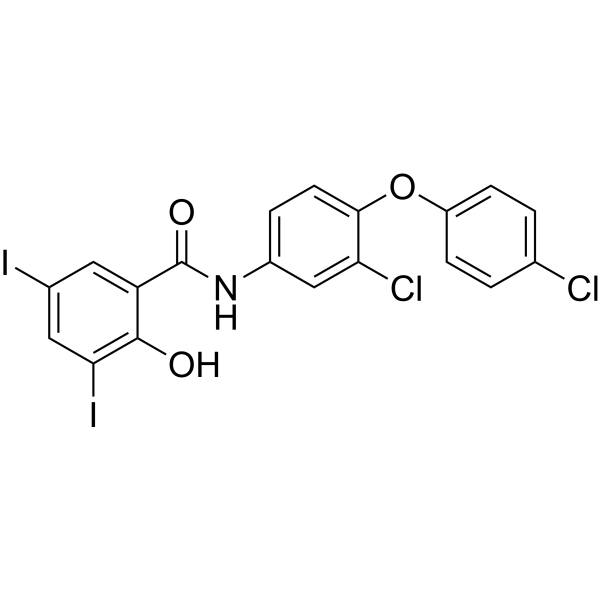
- HY-131577A
-
|
Dispase I
|
Collagen
|
Others
|
|
Neutral protease I (Dispase I) is a rapid, effective, gentle and neutral protease that can separate intact epidermis from the dermis. Neutral protease I can also separate intact epithelial sheets in culture from the substratum. Neutral protease I preserves the viability of the epithelial cells while cleaving the basement membrane zone region. Neutral protease I can also be used to prevent clumping in suspension cultures. Neutral protease I cleaves fibronectin and type IV collagen, but not laminin, type V collagen, serum albumin, or transferrin .
|
-

- HY-B1119
-
|
|
Environmental Pollutants
Antibiotic
Apoptosis
Bacterial
Fungal
|
Infection
Cancer
|
|
Triclosan is a broad-spectrum antibacterial agent that inhibits bacterial fatty acid synthesis at the enoyl-acyl carrier protein reductase (FabI) step. Triclosan inhibits E. coli enoyl-acyl carrier protein reductase (FabI) and FabI containing a glycine-to-valine substitution at position 93 (FabIG93V) with IC50s of 2 µM and 10 µM, respectively. Triclosan causes apoptotic effect in cultured rat neural stem cells (NSC). Triclosan exacerbates colitis and colitis-associated colorectal tumorigenesis in animal models .
|
-
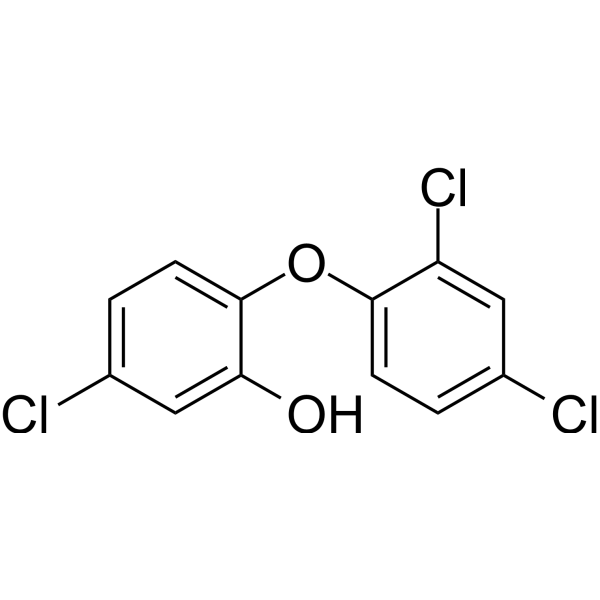
- HY-172265
-
|
|
PROTACs
FKBP
|
Cancer
|
|
FKBP12 PROTAC FM4 is a PROTAC degrader of FKBP12, with a DC50 value of 0.09-0.22 nM. FKBP12 PROTAC FM4 inhibits global protein synthesis, induces apoptosis, and selectively reduces the viability of cervical cancer cells expressing MTH1-E6 and FKBP12 F36V-tagged SARS1. FKBP12 PROTAC FM4 is applicable to research related to HPV-positive cervical cancer .
|
-

- HY-122862
-
|
|
Ras
|
Cancer
|
|
RAS inhibitor Abd-7, a potent RAS-binding compound (Kd=51 nM), is a RAS-effector protein-protein interaction (PPI) inhibitor. RAS inhibitor Abd-7 interacts with RAS inside the cells, prevents RAS-effector interactions and inhibits endogenous RAS-dependent signaling. RAS inhibitor Abd-7 impairs the PPI of various mutant KRAS proteins with PI3K, CRAF and RALGDS as well as NRAS Q61H and HRAS G12V .
|
-
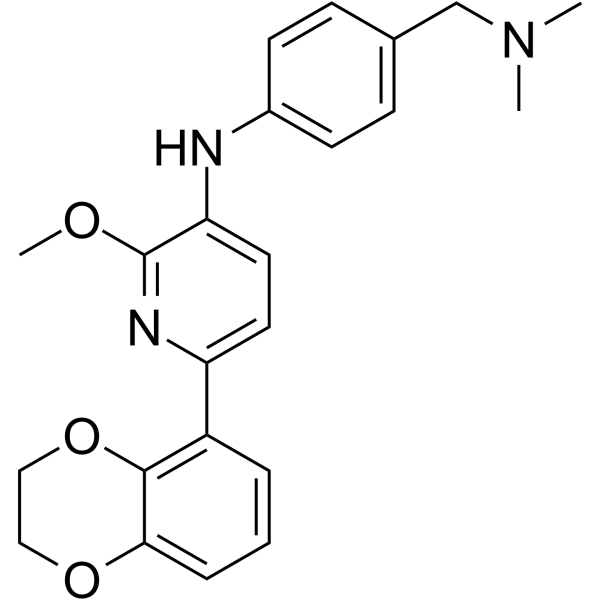
- HY-172363
-
|
|
Succinate Dehydrogenase
Fungal
|
Infection
|
|
Succinate dehydrogenase-IN-6 (Compound E23) is the inhibitor for succinate dehydrogenase that inhibits SDH in Rhizoctonia solani with an IC50 of 11.76 μM. Succinate dehydrogenase-IN-6 disrupts fungal cell membrane, exhibits board-spectrum antifungal activity that inhibits R. solani, V. dahliae, A. solani and C. gloeosporioides with EC50s of 0.41, 0.27, 1.15, 0.27 μg/mL, respectively. Succinate dehydrogenase-IN-6 exhibits no significant toxicity in rice and zebrafish (LC50 > 12.5 μg/mL) .
|
-

- HY-10294R
-
|
SB-462795 (Standard)
|
Reference Standards
Cathepsin
|
Metabolic Disease
Cancer
|
|
Relacatib (Standard) is the analytical standard of Relacatib (HY-10294). This product is intended for research and analytical applications. Relacatib (SB-462795) is a novel, potent, and orally active inhibitor of human cathepsins K, L, and V with Ki values of 41 pM, 68 pM, and 53 pM, respectively. Relacatib inhibits endogenous cathepsin K in situ in human osteoclasts and human osteoclast-mediated bone resorption with IC50 values of 45 nM and 70 nM, respectively. Relacatib inhibits bone resorption in vitro in human tissue as well as in cynomolgus monkeys in vivo .
|
-

- HY-W103463
-
|
1-Phenylpyrrolidin-2-one
|
GABA Receptor
|
Neurological Disease
|
|
1-Phenyl-2-pyrrolidinone (1-Phenylpyrrolidin-2-one) is a phenyl analogue of GABA with sedative effect, decreasing the exploratory behavior of rats at 50-100 mg/kg (i.v.). 1-Phenyl-2-pyrrolidinone also has been proved to inhibit emotional reactions in dogs and cats. 1-Phenyl-2-pyrrolidinone induces decreases in the pressor reaction to emotional stress without accompanied by normalization of the function of baroreceptor reflexes .
|
-
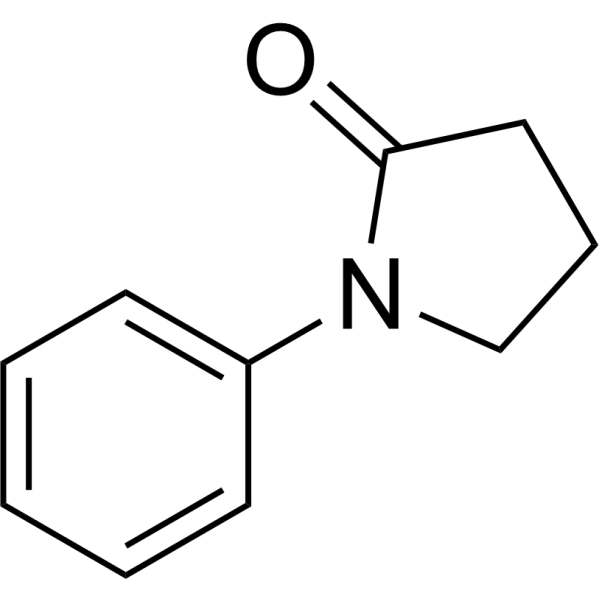
- HY-163595
-
|
|
Ras
|
Cancer
|
|
KRAS G12D-IN-31 is a potent KRAS G12D inhibitor with an IC50 of < 100 nM. KRAS G12D-IN-31 inhibits the proliferation of RAS-dependent cells (KRAS G12C, KRAS G12D, KRAS G12V and KRAS WT). KRAS G12D-IN-31 can be used to study non-small cell lung cancer, gastric cancer, colon cancer, and malignant melanoma .
|
-

- HY-169387
-
|
|
AUTOTACs
|
Cancer
|
|
YT 6-2-PEG3-C2-NH2 is the p62/SQSTM1 targeting, autophagy-targeting ligand-linker conjugate of AUTOTAC ATC-324 (HY-169385), which is an bivalent AR (Androgen Receptor) degrader. ATC-324 can reduce nuclear AR levels and downregulate target gene expression of AR and AR-v7, and also has a degradation effect on common AR mutants in PCa .
|
-

- HY-10409S
-
|
TG-101348-d9; SAR 302503-d9
|
Isotope-Labeled Compounds
Apoptosis
JAK
|
Cancer
|
|
Fedratinib-d9 (TG-101348-d9) is deuterium labeled Fedratinib. Fedratinib (TG-101348) is a potent, selective, ATP-competitive and orally active JAK2 inhibitor with IC50s of 3 nM for both JAK2 and JAK2V617F kinase. Fedratinib shows 35- and 334-fold selectivity over JAK1 and JAK3, respectively. Fedratinib induces cancer cell apoptosis and has the potential for myeloproliferative disorders research .
|
-

- HY-D0967
-
|
|
Fluorescent Dye
|
Others
|
|
Cy5-bifunctional dye is a bifunctional dye used for covalent labeling of primary amines on proteins or oligonucleotides (Ex/Em = 649 nm/670 nm). Cy5-bifunctional dye can label recombinant annexin-V to assess phosphatidylserine exposure on the cell surface via flow cytometry. Cy5-bifunctional dye can label anti-human IgG (H + L) secondary antibodies. Cy5-bifunctional dye is applicable to studies of glanders and melioidosis .
|
-

- HY-164474
-
|
|
MEK
|
Cancer
|
|
DS03090629 is an orally active MEK inhibitor that inhibits MEK activity in an ATP-competitive manner. DS03090629 exhibits high affinity for both MEK and phosphorylated MEK, with Kd values of 0.11 and 0.15 nM, respectively. It effectively inhibits the proliferation of BRAF-mutant overexpressing melanoma cell lines, with IC50 values of 74.3 and 97.8 nM for BRAF V600E and MEK1 F53L transfected A375 cells, respectively. DS03090629 holds potential value in the field of anti-melanoma therapy .
|
-

- HY-111545
-
|
|
FLT3
|
Cancer
|
|
BSc5371 is a potent and irreversible FLT3 inhibitor, with Kds of 1.3, 0.83, 1.5, 5.8 and 2.3 nM for mutant FLT3(D835H), FLT3(ITD, D835V), FLT3(ITD, F691L), FLT3-ITD and wild type FLT3wt, respectively. BSc5371 is cytotoxic to FLT3-dependent cell lines .
|
-
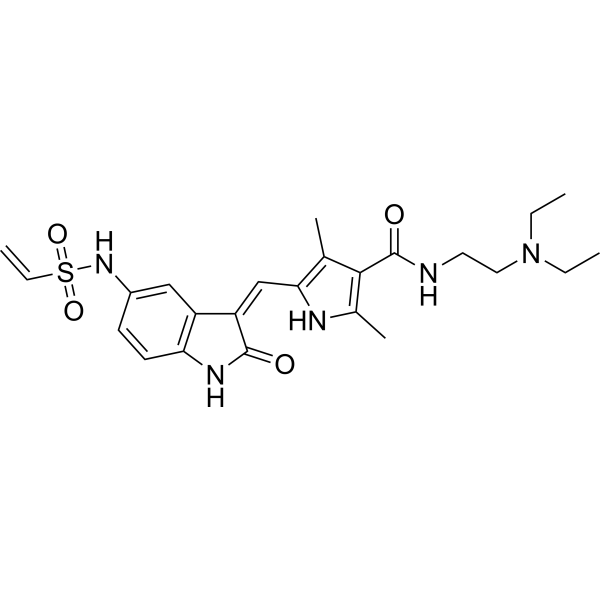
- HY-B0124R
-
|
AD 810 (Standard); CI 912 (Standard)
|
Reference Standards
Carbonic Anhydrase
Apoptosis
|
Neurological Disease
|
|
Zonisamide (Standard) is the analytical standard of Zonisamide. This product is intended for research and analytical applications. Zonisamide (AD 810) is an orally active carbonic anhydrase inhibitor, with Kis of 35.2 and 20.6 nM for hCA II and hCA V, respectively. Zonisamide exerts neuroprotective effects through anti-apoptosis and upregulating MnSOD levels. Zonisamide also increases the expression of Hrd1, thereby improving cardiac function in AAC rats. Zonisamide can be used in studies of seizure, parkinson’s disease and cardiac hypertrophy .
|
-

- HY-174261
-
|
|
Ras
|
Cancer
|
|
KRAS-IN-5 (Compound Ex 6) is an orally active and selective inhibitor targeting KRAS mutants (including KRAS G12D, KRAS G12V, KRAS WT) with a GNE IC50 value of 1.3 nM against KRAS G12D. KRAS-IN-5 blocks tumor cell proliferation by inhibiting KRAS-mediated signaling pathways (e.g., reducing ERK phosphorylation). KRAS-IN-5 is promising for research of KRAS mutation-related cancers, such as pancreatic cancer, colorectal cancer, lung cancer .
|
-

- HY-130609A
-
|
|
γ-secretase
|
Neurological Disease
|
|
Aβ42-IN-1 free base (compound 1v) is an orally active, high brain exposure γ-secretase modulator. Aβ42-IN-1 free base potently reduces Aβ42 levels with an IC50 value of 0.091 μM, and significantly reduces brain Aβ42 levels in mice. Aβ42-IN-1 free base is a promising compound for the treatment of Alzheimer’s disease .
|
-
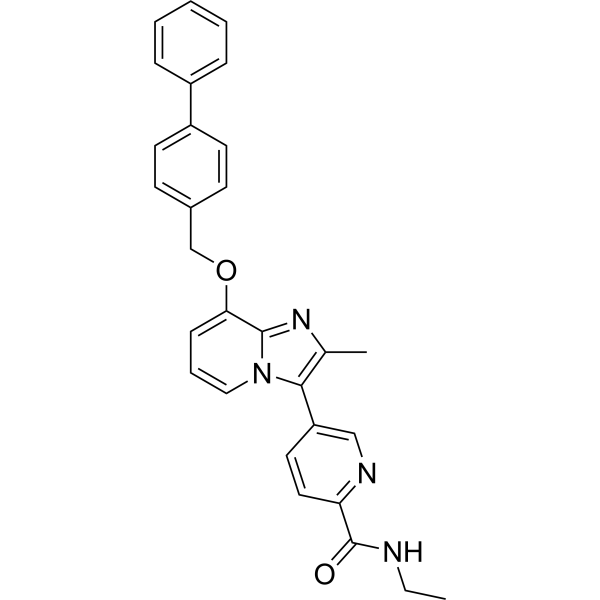
- HY-B0124S2
-
|
AD 810-13C6; CI 912-13C6
|
Isotope-Labeled Compounds
Carbonic Anhydrase
Apoptosis
|
Neurological Disease
|
|
Zonisamide- 13C6 (AD 810- 13C6) is 13C labeled Zonisamide. Zonisamide (AD 810) is an orally active carbonic anhydrase inhibitor, with Kis of 35.2 and 20.6 nM for hCA II and hCA V, respectively. Zonisamide exerts neuroprotective effects through anti-apoptosis and upregulating MnSOD levels. Zonisamide also increases the expression of Hrd1, thereby improving cardiac function in AAC rats. Zonisamide can be used in studies of seizure, parkinson’s disease and cardiac hypertrophy .
|
-

- HY-183684
-
|
|
RET
VEGFR
PDGFR
Akt
ERK
|
Endocrinology
Cancer
|
|
RET-IN-33 (Compound CN-3) is a moderately selective inhibitor of RET mutants. RET-IN-33 potently inhibits G810 mutants, with IC50 values of 4.43 nM (G810R), 3.28 nM (G810C) and 0.51 nM (G810S), respectively. RET-IN-33 also inhibits other RET mutants: V804M (IC50 0.73 nM), V804L (IC50 0.36 nM), Y806H (IC50 0.74 nM) and M918T (IC50 0.55 nM). RET-IN-33 also inhibits other kinases, with an IC50 of 1.50 nM against VEGFR2 and 1.60 nM against PDGFRα. RET-IN-33 blocks the autophosphorylation of RET mutants and the downstream SHC/AKT/ERK signaling pathway. RET-IN-33 selectively inhibits the proliferation of RET-driven cell models without affecting non-RET-dependent or normal cells. RET-IN-33 exhibits dose-dependent antitumor efficacy in RET-driven xenograft models. RET-IN-33 can be used for the research of medullary thyroid carcinoma, papillary thyroid carcinoma and non-small cell lung cancer .
|
-

- HY-179630
-
|
|
Deubiquitinase
SARS-CoV
VISTA
|
Infection
Cancer
|
|
MS102 is an orally active ubiquitin specific peptidase 2 (USP2) inhibitor with an IC50 of 5.46 μM. MS102 has viable antiviral activity against ACE2-dependent coronaviruses. MS102 significantly reduces V-domain Ig suppressor of T cell activation (VISTA) protein abundance in vitro and in vivo. MS102 can be used for the study of SARS-CoV-2. MS102 can be used in combination with anti-PD-1 immunotherapy to enhance the anti-tumor immune response .
|
-

- HY-B0124S3
-
|
|
Isotope-Labeled Compounds
Carbonic Anhydrase
Apoptosis
|
Neurological Disease
|
|
Zonisamide- 15N,d4 is the 15N- and deuterium labeled Zonisamide (HY-B0124). Zonisamide (AD 810) is an orally active carbonic anhydrase inhibitor, with Kis of 35.2 and 20.6 nM for hCA II and hCA V, respectively. Zonisamide exerts neuroprotective effects through anti-apoptosis and upregulating MnSOD levels. Zonisamide also increases the expression of Hrd1, thereby improving cardiac function in AAC rats. Zonisamide can be used in studies of seizure, parkinson’s disease and cardiac hypertrophy .
|
-

- HY-179563A
-
|
|
c-Kit
|
Cancer
|
|
(S)-c-Kit-IN-12 (Compound 2b) is a potent c-Kit inhibitor, with its IC50 value for c-Kit being less than 10 nM in four KIT mutant cell models (BAF3 KIT EX11 DEL, EX11 DEL/D816H, EX11 DEL/T670I, EX11 DEL/V654A). (S)-c-Kit-IN-12 can be used for studying diseases or disorders related to c-Kit, such as cancer .
|
-

- HY-P991217
-
|
|
Transmembrane Glycoprotein
|
Cancer
|
|
EU-103 is a humanized monoclonal antibody targeting V-Set And Immunoglobulin Domain Containing 4 (VSIG4) with a KD value ranging from 10 −7 and 10 −9. EU-103 blocks the interaction between VSIG4 and CD8+ T cells, promotes the conversion of M2 macrophages into M1 macrophages, induces the proliferation of CD8+ T cells and the secretion of pro-inflammatory cytokines, thereby inhibiting tumor growth. EU-103 is promising for research of cancers, such as bladder cancer, breast cancer, and colon cancer .
|
-

- HY-148597
-
|
|
FGFR
Cytochrome P450
|
Cancer
|
|
FGFR-IN-10 is an orally active inhibitor of FGFR and Cytochrome P450 (CYPs). FGFR-IN-10 inhibits wide type and V564F mutant FGFR2 with IC50s of 104.1 nM and 43.6 nM, respectively. FGFR-IN-10 also inhibits CYPs with IC50s of 3.33 μM (CYP2C9), 18.75 μM (CYP2C19), 4.34 μM (CYP2CD6), and 0.69 μM (CYP3A4), respectively .
|
-
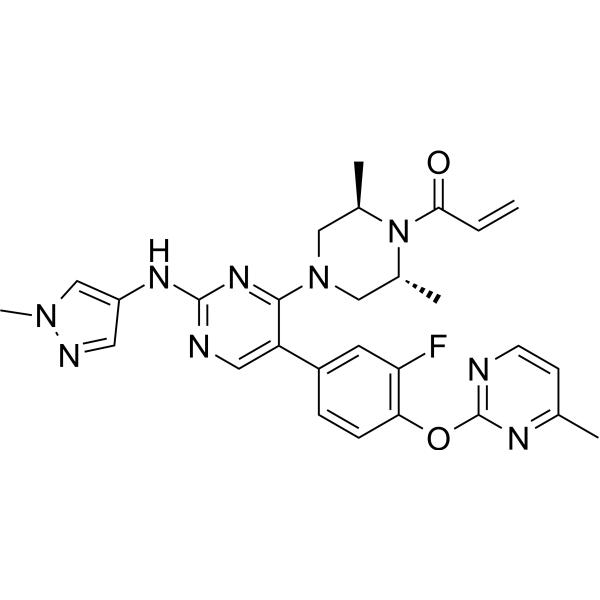
- HY-104012R
-
|
MK-8591 (Standard)
|
Reference Standards
HIV
Reverse Transcriptase
|
Infection
Inflammation/Immunology
|
|
Islatravir (Standard) is the analytical standard of Islatravir (HY-104012). This product is intended for research and analytical applications. Islatravir (MK-8591) is a potent anti-HIV-1 agent, acting as a nucleoside reverse transcriptase inhibitor, with EC50s of 0.068 nM, 3.1 nM and 0.15 nM for HIV-1 (WT), HIV-1 (M184V), HIV-1 (MDR), respectively. Islatravir is a click chemistry reagent, it contains an Alkyne group and can undergo copper-catalyzed azide-alkyne cycloaddition (CuAAc) with molecules containing Azide groups.
|
-

- HY-131906
-
|
|
JAK
FLT3
Apoptosis
|
Cancer
|
|
JAK2-IN-7 is a selective JAK2 inhibitor with IC50s of 3, 11.7, and 41 nM for JAK2, SET-2, and Ba/F3 V617F cells, respectively. JAK2-IN-7 possesses >14-fold selectivity over JAK1, JAK3, FLT3. JAK2-IN-7 stimulates cell cycle arrest in the G0/G1 phase and induces tumor cellapoptosis. Antitumor activities .
|
-
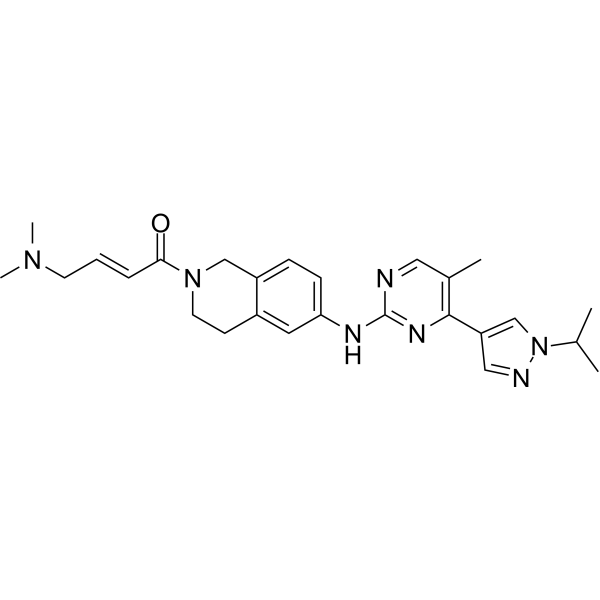
- HY-146353
-
|
|
HIV
|
Infection
Inflammation/Immunology
|
|
HIV-1 inhibitor-29 (compound 14d2) is a potent HIV-1 inhibitor with an EC50 of 2.18 μM for HIV-1 IIIB. HIV-1 inhibitor-29 has high anti-resistance profile toward F227L/V106A strain (EC50 = 0.974 μM), and exhibits low cytotoxicity in MT-4 cells (CC50 = 211 μM). HIV-1 inhibitor-29 can be used for researching AIDS .
|
-
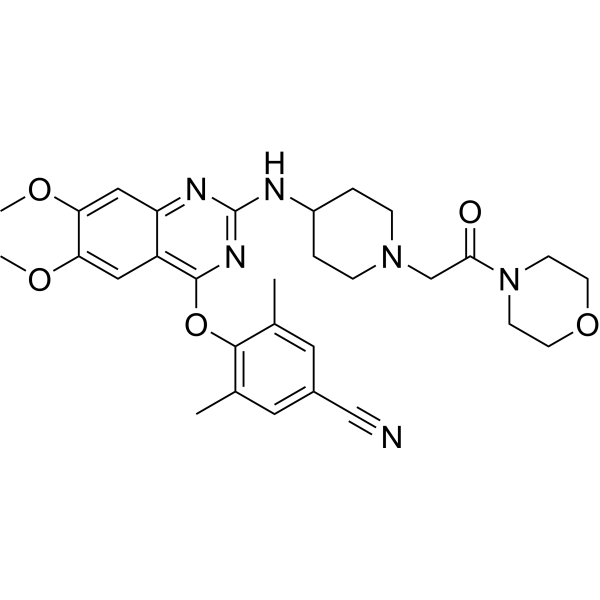
- HY-15463S3
-
|
STI571-13C,d3; CGP-57148B-13C,d3
|
Isotope-Labeled Compounds
Autophagy
SARS-CoV
Bcr-Abl
PDGFR
c-Kit
|
Cancer
|
|
Imatinib- 13C,d3 (STI571- 13C,d3) is 13C labeled Imatinib. Imatinib (STI571) is an orally bioavailable tyrosine kinases inhibitor that selectively inhibits BCR/ABL, v-Abl, PDGFR and c-kit kinase activity. Imatinib (STI571) works by binding close to the ATP binding site, locking it in a closed or self-inhibited conformation, therefore inhibiting the enzyme activity of the protein semicompetitively . Imatinib also is an inhibitor of SARS-CoV and MERS-CoV .
|
-

- HY-169311
-
|
|
Ras
|
Cancer
|
|
KRAS inhibitor-37 (compound 2) is a potent KRAS inhibitor with KDs of 0.004 nM, 0.041 nM, 0.019 nM and 0.144 nM for KRAS wild type, KRAS G12D, KRAS G12C and KRAS G12V by SPR binding assay, respectively. KRAS inhibitor-37 inhibits cell proliferation with IC50s of <2 nM-14 nM for H358, SW620, PANC08.13 cells, respectively. KRAS inhibitor-37 has the potential for cancer research .
|
-

- HY-124456
-
|
|
Bacterial
|
Infection
|
|
Unguinol is a depsidone originally isolated from A. unguis. It is an inhibitor of pyruvate phosphate dikinase (PPDK; IC50=42.3 μM). It inhibits the growth of plants utilizing C4, but not C3, carbon fixation. Unguinol also inhibits the growth of the bacteria S. aureus and V. harveyi (GI50s=8.7 and 69.5 μM, respectively) and H460, MCF-7, and SF-268 cancer cells (GI50s=28.2, 50.8, and 44.3 μM, respectively).
|
-

- HY-174435
-
|
|
P-glycoprotein
|
Cancer
|
|
ABCB1/ABCG2-IN-1 (Compound (S,Z)-4b) is an inhibitor of ABCB1 and ABCB2 transporters. ABCB1/ABCG2-IN-1 shows moderate activity in SW620M, -V, and –Mito variants (IC50 ≈ 50 μM). ABCB1/ABCG2-IN-1 affects methotrexate resistance in vitro. ABCB1/ABCG2-IN-1 can be studied in anticancer research .
|
-

- HY-12291
-
|
HMSL 10017-101-1
|
Raf
Apoptosis
|
Cancer
|
|
HG6-64-1 (HMSL 10017-101-1) is a B-raf kinase modulator.HG6-64-1 modulates B-raf kinase activity, including the V600E mutant form and the drug-resistant gatekeeper mutation T529I. HG6-64-1 is a germinal center kinase inhibitor. HG6-64-1 induces cell cycle arrest and apoptosis. HG6-64-1 can be used for the research of diffuse large B-cell lymphoma (DLBCL) .
|
-
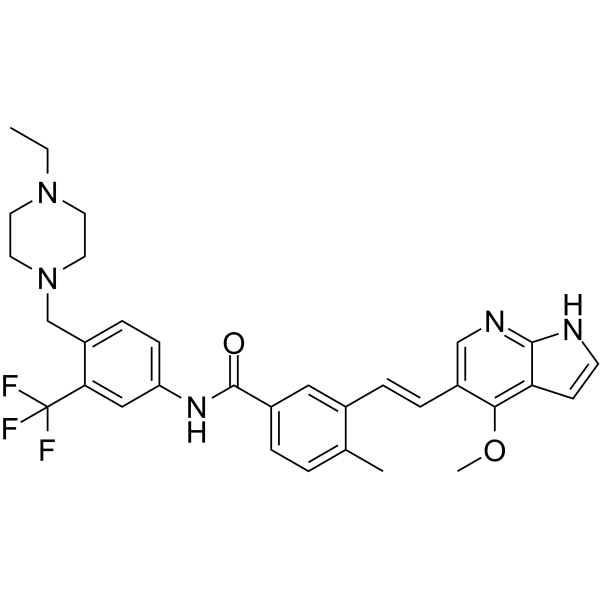
- HY-D0293
-
|
Xylene blue free acid; C.I. Acid blue 1 free acid
|
Fluorescent Dye
|
Cancer
|
|
Acid blue 1 free acid (Patent Blue V) is a novel biological dye that can be used as an intraocular dye for retinectomy. Retinectomy refers to the removal of the translucent inner limiting membrane (ILM). The application of appropriate dyes in vitreoretinal surgery can achieve the purpose of complete removal. Acid blue 1 free acid can be used to stain retinal premembranous structures. Spectral analysis shows that Acid blue 1 free acid has strong absorption below 450 nm and above 600 nm, showing a blue-green color. Acid blue 1 free acid is also used as a marker in lymphangiography for resection of neoplastic lymph nodes .
|
-
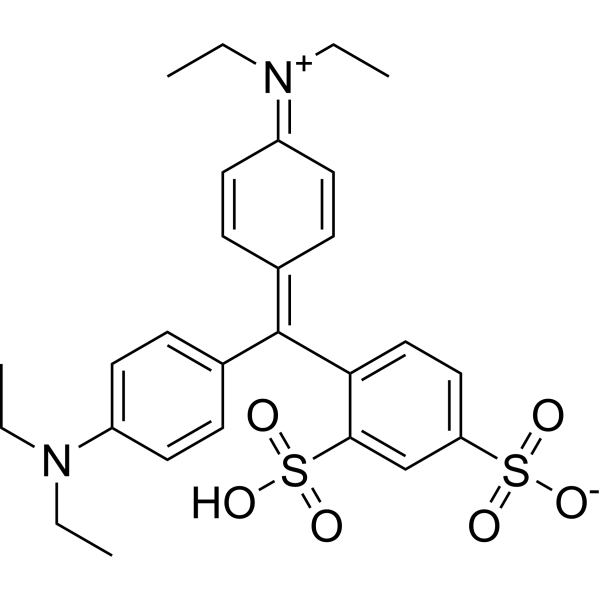
- HY-W145053
-
|
Sodium chloro(4-methylbenzenesulfonyl)azanide hydrate
|
Factor Xa
Bacterial
|
Infection
|
|
ChloraMine-T hydrate (Sodium chloro(4-methylbenzenesulfonyl)azanide (hydrate)) is a common reagent in various synthetic processes. It has been used as a reagent in aminohydroxylation and allylic amination reactions, a nitrogen source in aziridination reactions of alkenes and alkenes, and deprotection of sulfur groups in sulfur-containing compounds. It has been used as a reagent in the synthesis of factor Xa inhibitors. ChloraMine-T hydrate (Sodium chloro(4-methylbenzenesulfonyl)azanide (hydrate)) (0.2% w/v) is also an antimicrobial agent that kills Staphylococcus epidermidis, Staphylococcus aureus, Enterococcus faecalis, Escherichia coli, Proteus mirabilis, and Enterococcus cloacae.
|
-

- HY-159788
-
|
|
PROTACs
Ras
|
Cancer
|
|
PROTAC K-Ras Degrader-4 (Compound 4) is a PROTAC degrader for KRAS that degrades KRAS G12D in GP5d and degrades KRAS G12V in cell SW620 with DC50s of 1 nM and 13 nM. PROTAC K-Ras Degrader-4 inhibits MAPK signaling pathway . (Pink: ligand for target protein pan-KRAS degrader 1 (HY-162960); Black: linker (HY-159790); Blue: ligand for E3 ligase VHL (HY-W998248))
|
-

- HY-127020
-
|
|
Bacterial
|
Infection
|
|
Deoxyenterocin is a bacterial metabolite originally isolated from Streptomyces that has diverse biological activities, including antibiotic, antiviral, and antioxidant properties. It inhibits the growth of S. lutea, S. aureus, K. pneumoniae, and V. percolans in vitro when used at a concentration of 500 μg/mL. Deoxyenterocin (50 μg/mL) inhibits the cytopathic effect of influenza A H1N1 virus by 60.6% in vitro. It also prevents hydrogen peroxide-induced decreases in glutathione (GSH) levels and in the mitochondrial membrane potential in mouse primary cortical neuronal cultures when used at a concentration of 1 μM.
|
-

- HY-143616
-
|
|
Histone Methyltransferase
|
Cancer
|
|
EZH2-IN-7 is a potent inhibitor of EZH2. EZH2 overexpression or mutations in the SET region (Y641F, Y641N, A687V, A677G point mutations) all lead to abnormal elevation of H3K27me3 and promote the growth and development of many types of tumors, such as breast cancer, prostate cancer, leukemia, etc. EZH2-IN-7 has the potential for the research of cancer diseases (extracted from patent WO2021129629A1, compound 259) .
|
-
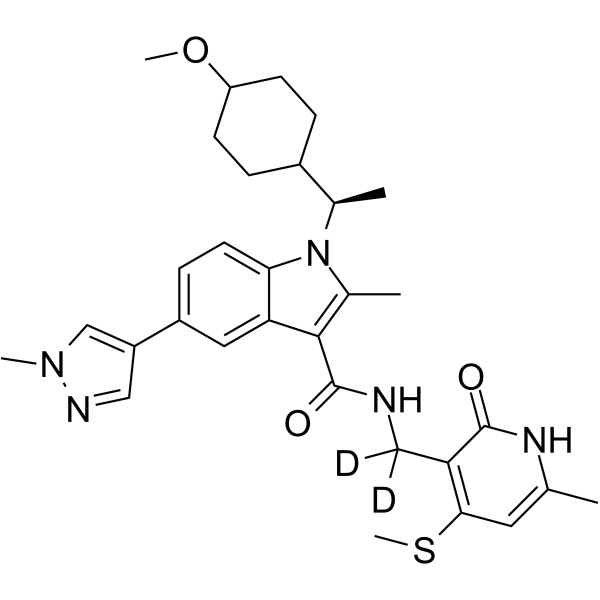
- HY-P2265
-
|
|
SOS1
Ras
|
Cancer
|
|
SAH-SOS1A is a peptide-based SOS1/KRAS protein interaction inhibitor. SAH-SOS1A binds to wild-type and mutant KRAS (G12D, G12V, G12C, G12S, and Q61H) with nanomolar affinity (EC50=106-175 nM), directly and independently blocks nucleotide association, impairs KRAS-driven cancer cell viability, and exerts its effects by on-mechanism blockade of the ERK-MAPK phosphosignaling cascade downstream of KRAS .
|
-
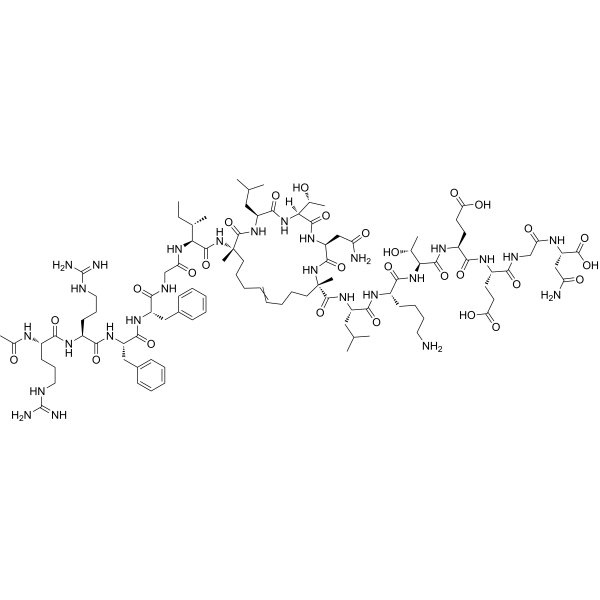
- HY-131905S
-
|
|
Isotope-Labeled Compounds
HCV Protease
HCV
|
Infection
Inflammation/Immunology
Cancer
|
|
BMS-986144 is a third-generation, pan-genotype (GT) NS3/4A protease inhibitor. BMS-986144 inhibits HCV replicon with EC50s of 2.3, 0.7, 1.0, 12, 8.0, and 5.8 nM for GT-1a, GT-1b, GT-2a, GT-3a, 1a R155X, and 1b D168V, respectively. BMS-986144 has the potential for the research of HCV infection .
|
-
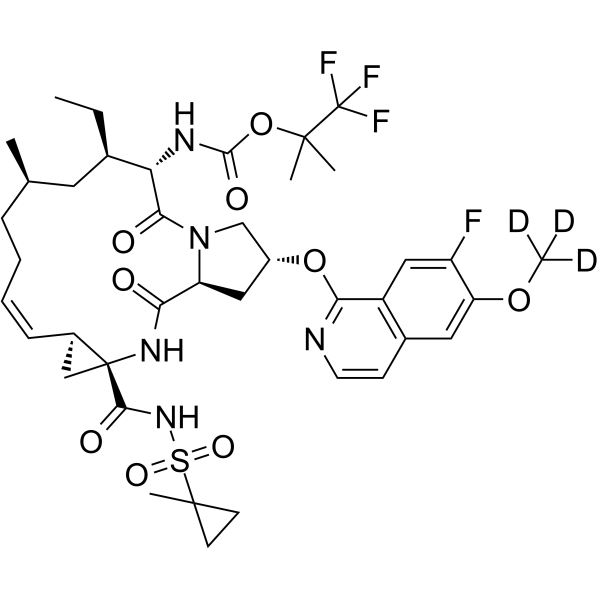
- HY-158265
-
|
|
FLT3
|
Cancer
|
|
FLT3D835Y/F691L-IN-1 (compd 8v) is an orally active inhibitor of FLT3 3-tyrosine kinase domain D835Y/F691L secondary mutations with IC50s of 1.5 and 9.7 nM. FLT3D835Y/F691L-IN-1 can be used for acute myeloid leukemia research .
|
-

- HY-165456
-
|
|
Adrenergic Receptor
Vasopressin Receptor
|
Endocrinology
|
|
AGN-190851 is a potent and selective agonist of α2-adrenergic receptor (α2 adrenoceptor). AGN-190851 induces dose-dependent water diuresis in rats, and inhibits vasopressin V2 receptor in a species-dependent manner in vitro, thereby suppressing cAMP production. AGN-190851 enhances the contraction of porcine myometrium. AGN 190851 can be used in studies on renal diuretic mechanisms, pharmacology of α2-adrenergic receptor subtypes, and parturition .
|
-

- HY-100388
-
|
|
SHP2
Phosphatase
|
Cancer
|
|
SHP099 is an allosteric SHP2 inhibitor, with IC50s of 0.690, 1.241, 0.416, 1.968, 2.896 μM for SHP2, SHP2 D61Y, SHP2E69K, SHP2 A72V, SHP2 E76K. SHP099 inhibits cancer cell growth, such as MV4-11 and TF-1 cell (IC50: 0.32 and 1.73 μM). SHP099 inhibits RAS-ERK signaling and inhibits tumor growth .
|
-
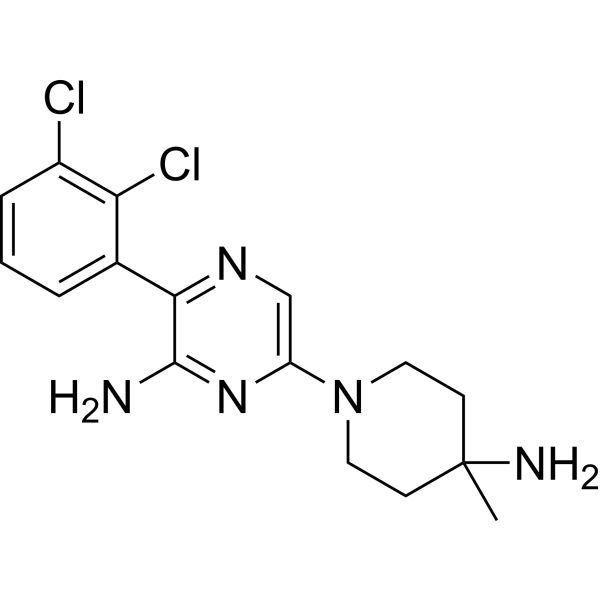
- HY-18696
-
AMG-337
3 Publications Verification
|
c-Met/HGFR
Caspase
Apoptosis
|
Cancer
|
|
AMG-337 is a potent, orally active, selective MET kinase inhibitor with IC50 values of 1, 1, 4.7, 5, 21.5, 1077 and >4000 nM of WT MET, H1094R MET, M1250T MET, HGF-stimulated pMET (PC3 cells) MET, V1092I MET, Y1230H MET, and D1228H MET, respectively. AMG 337 inhibits the phosphorylation of MET and downstream effectors in MET-amplified cancer cell lines, resulting in an inhibition of MET-dependent cell proliferation and induction of apoptosis .
|
-
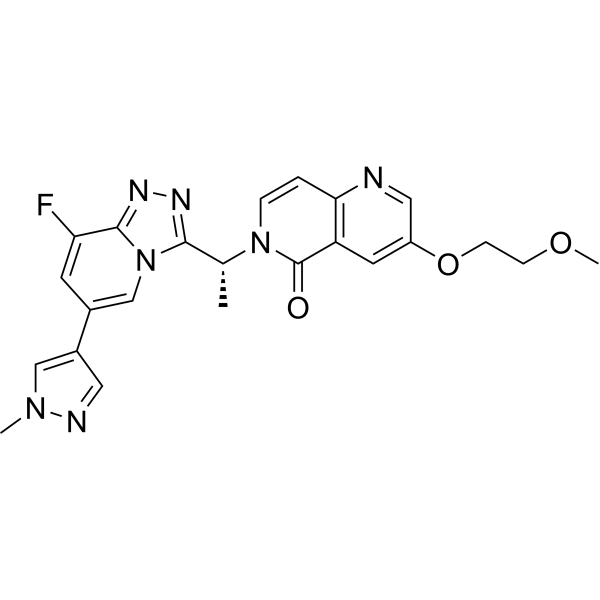
- HY-W653962
-
|
|
Isotope-Labeled Compounds
Apoptosis
Antibiotic
Fungal
Bacterial
|
Infection
Cancer
|
|
Triclosan- 13C6 is 13C labeled Triclosan. Triclosan is a broad-spectrum antibacterial agent that inhibits bacterial fatty acid synthesis at the enoyl-acyl carrier protein reductase (FabI) step. Triclosan inhibits E. coli enoyl-acyl carrier protein reductase (FabI) and FabI containing a glycine-to-valine substitution at position 93 (FabIG93V) with IC50s of 2 μM and 10 μM, respectively. Triclosan causes apoptotic effect in cultured rat neural stem cells (NSC). Triclosan exacerbates colitis and colitis-associated colorectal tumorigenesis in animal models .
|
-

- HY-N2532
-
|
|
VSV
HIV
Proton Pump
Influenza Virus
|
Infection
Inflammation/Immunology
Cancer
|
|
Diphyllin is an orally active V-ATPase inhibitor (IC50=17 nM) and HIV-1 inhibitor (IC50=0.38 μM). Diphyllin blocks the acidification of osteoclast lysosomes and bone resorption lacunas (IC50=0.6 nM for acid influx inhibition), thereby inhibiting bone resorption. Diphyllin can effectively inhibit osteoclast-mediated bone resorption and has no effect on osteoblastic bone formation. Diphyllin can be used in the research of bone metabolism-related diseases and has the potential to inhibit diseases related to excessive bone resorption .
|
-
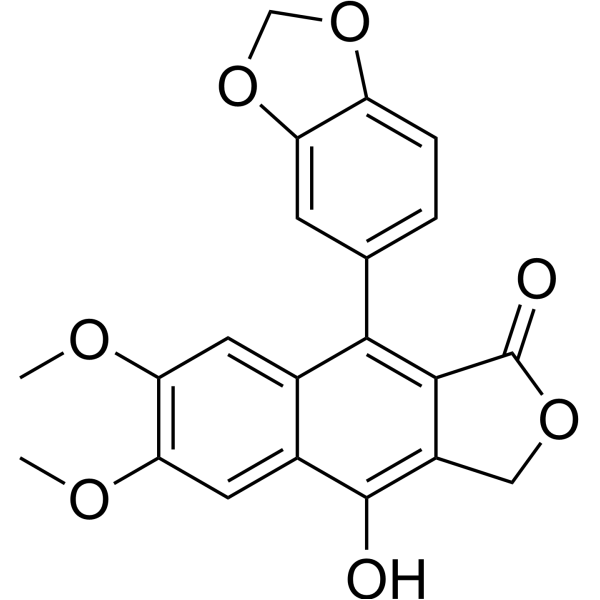
- HY-117669
-
|
|
Androgen Receptor
|
Cancer
|
|
VPC-14228 is an inhibitor that selectively targets androgen receptor DNA binding domain (AR-DBD). VPC-14228 inhibits the interaction between AR and DNA, thereby blocking AR-mediated transcriptional activation. VPC-14228 does not rely on nuclear localization inhibition, but rather inhibits the activity of full-length AR and splice variant AR-V7 by interfering with AR binding to chromatin. And VPC-14228 has high selectivity for other nuclear receptors such as ER and PR. VPC-14228 can be used in the study of prostate cancer [2].
|
-
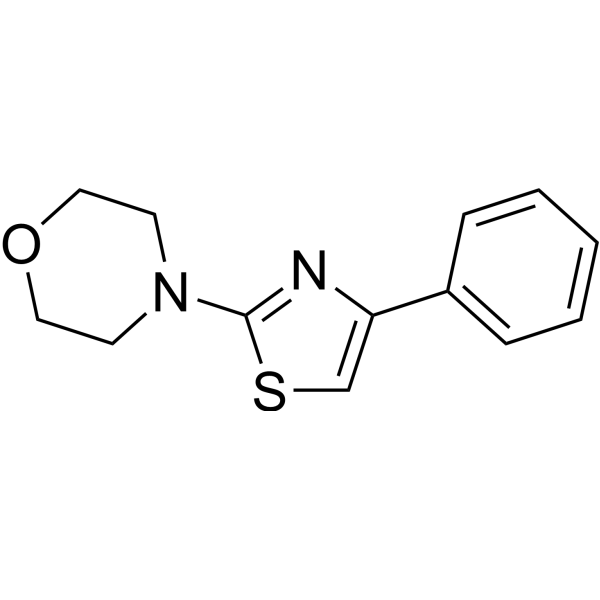
- HY-156498
-
|
|
Ras
ERK
Raf
Ribosomal S6 Kinase (RSK)
AMPK
Apoptosis
PARP
|
Cancer
|
|
RMC-7977 is an orally active triple-complex RAS inhibitor that can simultaneously bind to cyclophilin A (CYPA) (Kd = 195 nM) and KRAS (G12V) (Kd = 292 μM). It exhibits broad-spectrum inhibitory activity against KRAS, NRAS, and HRAS proteins and their various wild-type and mutant variants. RMC-7977 induces apoptosis by inhibiting the phosphorylation of ERK, CRAF, and RSK, as well as increasing PARP cleavage. This leads to tumor regression, reduces resistance in KRAS G12C cancer models, and demonstrates good tolerability across various RAS cancer models .
|
-
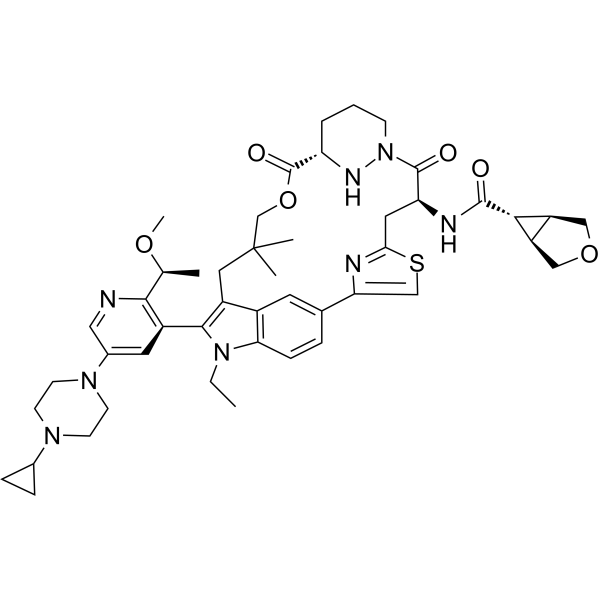
- HY-160799
-
HA-9104
1 Publications Verification
|
E1/E2/E3 Enzyme
Apoptosis
|
Cancer
|
|
HA-9104 is a potent and selective inhibitor of cullin-5 neddylation via virtually targeting the V30 pocket of UBE2F. HA-9104 binds to UBE2F, reduces its protein levels, and consequently inhibits cullin-5 neddylation. HA-9104 has potent growth suppression and radiosensitizing activities via targeting the UBE2F-CRL5 axis and causing DNA damage, leading to induction of apoptosis and G2/M arrest in lung and pancreatic cancer cells .
|
-

- HY-13775
-
XL019
5 Publications Verification
|
JAK
Apoptosis
|
Cancer
|
|
XL019?is a potent, orally active, and selective JAK2 inhibitor, with IC50s of 2.2, 134.3, and 214.2 nM for JAK2, JAK1 and JAK3, respectively. XL019 shows 50-fold or greater selectivity for JAK2, versus a panel of over 100 serine/threonine and tyrosine kinases, including other members of the JAK family. XL019 potently inhibits STAT3 and STAT5 phosphorylation in cells harboring either JAK2V617F or wild-type JAK2 .
|
-
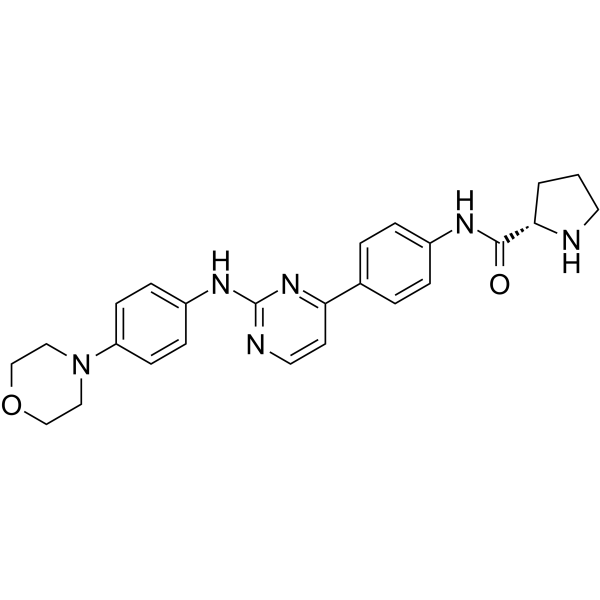
- HY-174850
-
|
|
Btk
|
Cancer
|
|
CFON-026 is a selective, orally active and non-covalent BTK inhibitor with an IC50 of 0.27 nM. CFON-026 has significant antitumor activity against wild-type BTK (TMD8 and REC-1) and all clinically relevant BTK resistance mutations (BTK C481S, T474I, L528W and V416L). CFON-026 induces complete tumor regression in TMD8 xenograft mice model. CFON-026 can be used for research of hematological cancers like chronic lymphocytic leukemia and waldenström macroglobulinemia .
|
-

- HY-B1119R
-
|
|
Reference Standards
Bacterial
Fungal
Antibiotic
Apoptosis
|
Infection
Cancer
|
|
Triclosan (Standard) is the analytical standard of Triclosan. This product is intended for research and analytical applications. Triclosan is a broad-spectrum antibacterial agent that inhibits bacterial fatty acid synthesis at the enoyl-acyl carrier protein reductase (FabI) step. Triclosan inhibits E. coli enoyl-acyl carrier protein reductase (FabI) and FabI containing a glycine-to-valine substitution at position 93 (FabIG93V) with IC50s of 2 µM and 10 µM, respectively. Triclosan causes apoptotic effect in cultured rat neural stem cells (NSC). Triclosan exacerbates colitis and colitis-associated colorectal tumorigenesis in animal models .
|
-

- HY-123941
-
|
dTAG-7
|
PROTACs
FKBP
Epigenetic Reader Domain
|
Others
|
|
FKBP12 PROTAC dTAG-7 (dTAG-7) is a heterobifunctional PROTAC degrader. FKBP12 PROTAC dTAG-7 targets FKBP12 F36V and BET BRD4. FKBP12 PROTAC dTAG-7 enables rapid and selective degradation of target proteins, and is suitable for cellular and in vivo studies to analyze protein functions and validate targets . (Pink: target protein ligand (HY-114420); Black: linker (HY-128844); Blue: CRBN Ligand (HY-103597); CRBN Ligand+linker: (HY-W722323))
|
-
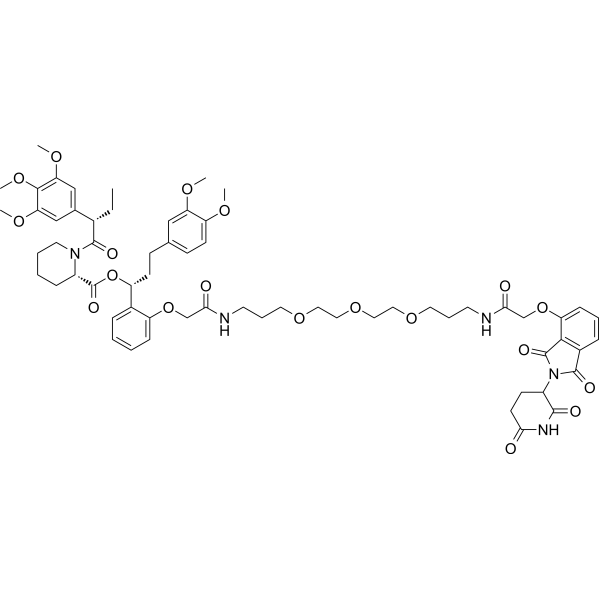
- HY-NP159
-
|
|
Mucin
Interleukin Related
|
Inflammation/Immunology
|
|
House Dust Mite Extract, from D.farinae is a house dust mite allergen extract derived from Dermatophagoides farinae. House Dust Mite Extract, from D.farinae significantly increases the levels of cytokines (IL-4, IL-5, IL-6) in bronchoalveolar lavage fluid. House Dust Mite Extract, from D.farinae upregulates the overexpression of MUC5AC. House Dust Mite Extract, from D.farinae induces allergic asthma and pulmonary inflammation .
|
-

- HY-171808
-
|
|
Androgen Receptor
PROTACs
Apoptosis
|
Cancer
|
|
ITRI-90 is an orally active androgen receptor (AR) PROTAC degrader. ITRI-90 effectively degrades both full-length AR (AR-FL) and the splice variant AR-V7 protein via the ubiquitin-proteasome system, thereby inhibiting AR transcriptional activity and the target gene expression. ITRI-90 significantly inhibits the proliferation of prostate cancer cells and induces apoptosis, include Enzalutamide-resistant growth cell. ITRI-90 exhibits favorable pharmacokinetic properties and demonstrates potent antitumor efficacy in vivo. ITRI-90 can be used for prostate cancer research .
|
-

- HY-183710
-
|
|
CDK
Androgen Receptor
c-Myc
Apoptosis
DNA/RNA Synthesis
|
Cancer
|
|
CDK9-IN-50 is a selective and orally active CDK9 inhibitor with an IC50 of 2.2 nM. CDK9-IN-50 targets a distinct CDK9-specific subpocket to disrupt RNA polymerase II Ser2 phosphorylation and downregulate short-lived oncoproteins, including AR-V7 and Myc. CDK9-IN-50 exhibits antiproliferative activity against cancer cells, induces apoptosis and induces tumor growth inhibition in CRPC orthotopic mice models. CDK9-IN-50 can be used for the research of cancer, such as prostate cancer .
|
-

- HY-149591
-
|
|
TGF-β Receptor
Anaplastic lymphoma kinase (ALK)
|
Cancer
|
|
M4K-2009 is an orally bioactive ALK2 inhibitor with an IC50 of 13 nM. M4K-2009 exerts comparable inhibitory potency against wild-type and mutant ALK2 G328V, ALK2 R206H, and ALK2 R258G. M4K-2009 exhibits moderate off-target inhibitory activity against hERG potassium channels. M4K-2009 can be used in studies related to diffuse intrinsic pontine glioma .
|
-

- HY-W747491
-
|
|
Isotope-Labeled Compounds
Antibiotic
Apoptosis
Bacterial
Fungal
|
Infection
Cancer
|
|
Triclosan- 13C12 is 13C labeled Triclosan (HY-B1119). Triclosan is a broad-spectrum antibacterial agent that inhibits bacterial fatty acid synthesis at the enoyl-acyl carrier protein reductase (FabI) step. Triclosan inhibits E. coli enoyl-acyl carrier protein reductase (FabI) and FabI containing a glycine-to-valine substitution at position 93 (FabIG93V) with IC50s of 2 μM and 10 μM, respectively. Triclosan causes apoptotic effect in cultured rat neural stem cells (NSC). Triclosan exacerbates colitis and colitis-associated colorectal tumorigenesis in animal models .
|
-

- HY-181883
-
|
|
Ras
Raf
PI3K
p38 MAPK
|
Cancer
|
|
KRAS-IN-55 is a pan-KRAS inhibitor with IC50 values of 4.3, 9.6 and 1.6 nM against KRAS G12C, KRAS G12D and KRAS G12V, respectively. KRAS-IN-55 induces the formation of a new binding pocket on KRAS, thereby forming a high-affinity ternary complex with cyclophilin A (CYPA), inhibiting the interactions of KRAS with downstream effectors RAF and PI3K, and blocking oncogenic MAPK and PI3K signaling pathways. KRAS-IN-55 is applicable to cancer research such as colorectal cancer and non-small cell lung cancer .
|
-

- HY-180154
-
|
|
EGFR
Raf
Caspase
Bcl-2 Family
Apoptosis
|
Cancer
|
|
EGFR/BRAFV600E-IN-6 (Compound 7c) is a dual EGFR/BRAF V600E inhibitor with IC50 values of 0.12 and 0.05 μM. EGFR/BRAFV600E-IN-6 can activate caspase-3/8/9, unregulate Bax expression and downregulate Bcl-2 levels. EGFR/BRAFV600E-IN-6 can induce apoptosis and shows antioxidant activity. EGFR/BRAFV600E-IN-6 can be used for the research of cancer, such as colon cancer .
|
-

- HY-173235
-
|
|
Galectin
|
Cardiovascular Disease
Inflammation/Immunology
Cancer
|
|
Galectin-3-IN-6 (Compound 12) is a human and murine galectin-3 (Gal-3) inhibitor, with an IC50 of 12 nM against human galectin-3, an IC50 of 12.6 nM against mutant murine galectin-3 (V160A), and a Kd of 13 nM for human galectin-3, as well as oral bioavailability. Galectin-3-IN-6 reduces the levels of liver fibrosis markers type I collagen and α-smooth muscle actin in mouse models of acute liver injury and fibrosis. Galectin-3-IN-6 can be used for the research of acute liver injury and fibrosis .
|
-

- HY-172930
-
|
|
Molecular Glues
IKZF Family
Potassium Channel
|
Inflammation/Immunology
Cancer
|
|
PVTX-405 is a selective and oral active IKZF2 molecular glue degrader with a DC50 of 0.7 nM and a Dmax of 91%. PVTX-405 enhances degradation efficiency, significantly reduces off-target degradation, and alleviates hERG inhibition with IC50 of 48 µM. PVTX-405 significantly inhibits the growth of MC38 tumors, with greater synergistic anti-cancer efficacy in combination with immune checkpoint therapies (ICTs) (anti-PD1 or anti-LAG3) in the MC38 mouse tumor xenograft model using Crbn 391V C57BL/6 mice .
|
-

- HY-W775362
-
|
77PD; DHPPD
|
Biochemical Assay Reagents
|
Others
|
|
N,N'-Bis(1,4-dimethylpentyl)-p-phenylenediamine is a substituted p-phenylenediamine. N,N'-Bis(1,4-dimethylpentyl)-p-phenylenediamine scavenges ozone and forms nitroxyl radical. N,N'-Bis(1,4-dimethylpentyl)-p-phenylenediamine xhibits toxicity towards the aqatic bacterium V. fischeri (EC50 = 0.41 mg/L). N,N'-Bis(1,4-dimethylpentyl)-p-phenylenediamine can be used as an antiozonant. N,N'-Bis(1,4-dimethylpentyl)-p-phenylenediamine can be found in river water and sediment .
|
-

- HY-185379
-
|
|
STING
|
Inflammation/Immunology
|
|
STING antagonist-3 is a potent STING antagonist with an IC50 of 2.3 nM against human wild-type STING. STING antagonist-3 inhibits human wild-type STING and the gain-of-function STING mutants N154S and V155M. STING antagonist-3 suppresses IFN‑α2a production in stimulated human whole blood. STING antagonist-3 inhibits IP-10 production in activated human dermal microvascular endothelial cells (HMVEC-d). STING antagonist-3 can be used for the research of autoimmune diseases, autoinflammatory diseases, interferonopathies, and fibrotic disorders .
|
-

- HY-181752
-
|
|
FGFR
TNK1
Apoptosis
Caspase
|
Cancer
|
|
FGFR3-IN-12 is a selective fibroblast growth factor receptor 3 (FGFR3) inhibitor with an IC50 of 6.8 nM. FGFR3-IN-12 shows an IC50 of 19.2 nM against FGFR3 V555M and an IC50 of 16.9 nM against TNK1 (Thirty-eight Negative Kinase 1). FGFR3-IN-12 inhibits cancer cells proliferation and induces caspase-mediated apoptosis. FGFR3-IN-12 exhibits antitumor activity in bladder cancer xenografts mice models. FGFR3-IN-12 can be used for the research of cancer, such as bladder cancer .
|
-

- HY-179098
-
|
|
Raf
c-Met/HGFR
Pim
EGFR
VEGFR
Apoptosis
|
Cancer
|
|
Multi-target kinase-IN-8 (3d) is an anti-cancer agent. Multi-target kinase-IN-8 exhibits inhibitory activity against various protein kinases (B-Raf V600E (IC50 = 0.078 µg/mL), c-Met (IC50 = 0.405 µg/mL), Pim-1 (IC50 = 1.053 µg/mL), EGFR WT (IC50 = 0.177 µg/mL), VEGFR-2 (IC50 = 0.275 µg/mL)). Multi-target kinase-IN-8 can induce cell cycle arrest and promote early and late apoptosis. Multi-target kinase-IN-8 is commonly used in cancer research .
|
-

- HY-178042
-
|
|
Ras
Akt
ERK
|
Cancer
|
|
SS-3091 is a pan-KRas inhibitor active across KRas G12D, KRas G12C, KRas G12V, KRas G12S mutants, with minimal effects on non-KRas-driven cancer cells. SS-3091 binds to the KRas·ARaf interaction interface, destabilizes the complex, and attenuates KRas activity. SS-3091 suppresses phosphorylation of S6K, Akt, and ERK. SS-3091 reduces proliferation and decreases colony formation of cancer cells bearing KRas G12 mutations. SS-3091 can be used for the research of KRas-driven cancers .
|
-

- HY-173632
-
|
|
Ras
|
Cancer
|
|
AMG410 is a non-covalent and selective pan-KRAS inhibitor with IC50 values of 1-4 nM for KRAS G12D, KRAS G12V, and KRAS G13D. AMG410 shows greater than 100-fold selectivity against both HRAS and NRAS. AMG410 is a dual GTP(on)- and GDP(off)-state inhibitor (Kd(GDP-state) of 1 nM; Kd(GTP-state) of 22 nM). AMG410 blocks KRAS signaling in a cycling state-independent manner and also blocks proliferation in wildtype KRAS-amplified tumor cells. AMG410 can be used for the study of colorectal, pancreatic, and lung cancers .
|
-

- HY-171744
-
|
|
Casein Kinase
|
Cancer
|
|
CX-5279 is an efficient and selective CK2 inhibitor with IC50 values for nCK2 and CK2α of 2.73 and 0.91 nM, respectively. CX-5279 is sensitive to mutations at Val66, Ile174, and V66I174AA, with IC50 values of 13.8, 12.5, and 23.35 nM, respectively. CX-5279's inhibitory activity against PIM1 is very weak, with a IC50 value of 8.52 μM. CX-5279 exhibits anti-proliferative activity in various cancer cell lines. CX-5279 can be used for research on cancers such as pancreatic cancer and leukemia .
|
-

- HY-153918
-
|
|
Androgen Receptor
|
Cancer
|
|
(R)-SKBG-1 is a covalent inhibitor targeting the RNA binding protein NONO. (R)-SKBG-1 can reduce the expression of androgen receptor (AR) and its splice variants, inhibiting cancer cell proliferation. (R)-SKBG-1 inhibits androgen receptor expression with IC50 of 3.1 μM and 5.5 μM for AR-FL mRNA and AR-V7 mRNA, respectively. (R)-SKBG-1 interferes with the gene regulatory network of cancer cells and inhibits cancer cell growth by stabilizing the interaction between NONO and mRNA. (R)-SKBG-1 can be used in the study of cancers related to NONO dysfunction, such as prostate cancer .
|
-
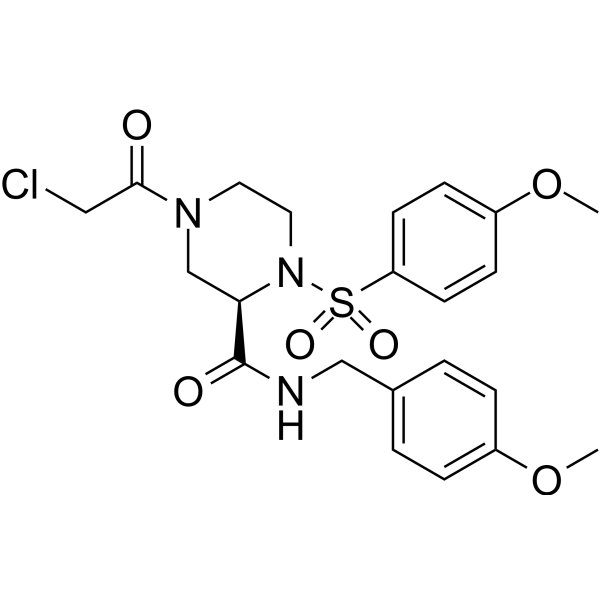
- HY-173632A
-
|
|
Ras
|
Cancer
|
|
AMG410 diTFA is a non-covalent and selective pan-KRAS inhibitor with IC50 values of 1-4 nM for KRAS G12D, KRAS G12V, and KRAS G13D. AMG410 diTFA shows greater than 100-fold selectivity against both HRAS and NRAS. AMG410 diTFA is a dual GTP(on)- and GDP(off)-state inhibitor (Kd(GDP-state) of 1 nM; Kd(GTP-state) of 22 nM). AMG410 diTFA blocks KRAS signaling in a cycling state-independent manner and also blocks proliferation in wildtype KRAS-amplified tumor cells. AMG410 diTFA can be used for the study of colorectal, pancreatic, and lung cancers .
|
-

- HY-175804
-
|
|
SARS-CoV
|
Infection
|
|
M2 ion channel blocker-2 (Compound 10) is a M2 channel blocker. M2 ion channel blocker-2 significantly blocks wild-type and mutant M2 (L27F and V27A) ion channels. M2 ion channel blocker-2 has potent antiviral activity against HCoV-229E (EC50: 4.7 μM in cytopathic effect) but not against influenza A virus. M2 ion channel blocker-2 has no significant inhibition of hERG and cytochrome P450 (CYP1A2, CYP2C19, and CYP3A4) activity .
|
-

- HY-173364
-
|
BAK-04-212
|
BCL6
|
Cancer
|
EB-TCIP (BAK-04-212) is a proof-of-concept tool specifically designed for Ewing sarcoma research, serving as an EWSR1::FLI1 binder tagged with BCL6 and FKBP12 F36V. EB-TCIP forms a ternary complex with the tagged fusion protein, specifically recruits EWSR1::FLI1 to BCL6-bound DNA loci, and induces rapid chromatin remodeling and relocalization. By mediating relocalization, EB-TCIP remodels the transcriptional machinery and activates the expression of BCL6 target genes that are originally repressed. EB-TCIP is used in studies related to novel epigenetic therapies for Ewing sarcoma .
|
-

- HY-100388R
-
|
|
SHP2
Reference Standards
Phosphatase
|
Cancer
|
|
SHP099 (Standard) is the analytical standard of SHP099. This product is intended for research and analytical applications. SHP099 is an allosteric SHP2 inhibitor, with IC50s of 0.690, 1.241, 0.416, 1.968, 2.896 μM for SHP2, SHP2D61Y, SHP2E69K, SHP2A72V, SHP2E76K. SHP099 inhibits cancer cell growth, such as MV4-11 and TF-1 cell (IC50: 0.32 and 1.73 μM). SHP099 inhibits RAS-ERK signaling and inhibits tumor growth .
|
-

- HY-168012
-
|
|
Ras
Phosphatase
|
Cancer
|
|
Pan-RAS-IN-6 (compound 24) is an inhibitor targeting DUSP6, which reduces MAPK activation in the brain of the NCI-H1373-Luc model (DUSP6), at the same time, it shows significant tumor growth inhibition and tumor regression effects in the NSCLC brain metastasis mouse model. Pan-RAS-IN-6 shows high selectivity and strong inhibitory effects, especially in KRAS mutation-related signaling pathways, demonstrating varying inhibitory activity against different KRAS mutants and interacting proteins. The IC50 values for KRAS G12C, G12D, and G12V are 1.3 nM, 4.7 nM, and 0.3 nM, respectively .
|
-

- HY-P2265A
-
|
|
SOS1
Ras
|
Cancer
|
|
SAH-SOS1A TFA is a peptide-based SOS1/KRAS protein interaction inhibitor. SAH-SOS1A TFA binds to wild-type and mutant KRAS (G12D, G12V, G12C, G12S, and Q61H) with nanomolar affinity (EC50=106-175 nM). SAH-SOS1A TFA directly and independently blocks nucleotide association. SAH-SOS1A TFA impairs KRAS-driven cancer cell viability and exerts its effects by on-mechanism blockade of the ERK-MAPK phosphosignaling cascade downstream of KRAS .
|
-

- HY-155736
-
|
|
p38 MAPK
EGFR
Raf
CDK
c-Met/HGFR
|
Cancer
|
|
MAPK-IN-2 (compound 3h) is a potent MAPK inhibitor with antineoplastic activity. MAPK-IN-2 inhibits cancer cell proliferation among serval cancer cell lines, and suppresses MAPK pathway with potant efficacy (EGFR WT IC50=281 nM, c-MET IC50=205 nM, B-RAF WT IC50=112 nM, and CDK4/6 IC50=95 and 184 nM, respectively). MAPK-IN-2 even shows a remarkable potency against mutated EGFR and B-RAF (EGFR T790M IC50=69 nM and B-RAF V600E IC50=83 nM) .
|
-
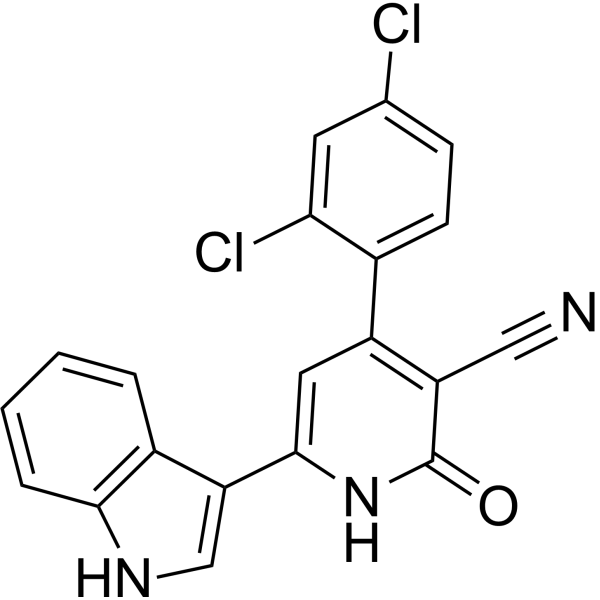
- HY-152161
-
|
|
HIV
Reverse Transcriptase
|
Infection
|
|
HIV-1 inhibitor-51, a non-nucleoside reverse transcriptase inhibitor (NNRTI), exhibits outstanding antiviral activity against WT HIV-1 (IIIB) and a panel of mutant strains. HIV-1 inhibitor-51 has high binding affinity (KD=2.50 μM) and inhibitory activity (IC50=0.03 μM) to WT HIV-1 RT. HIV-1 inhibitor-51 has EC50s of 2.22-53.3 nM for mutant strains (L100I, K103N, Y181C, Y188L, E138K, F227L + V106A, RES056) .
|
-
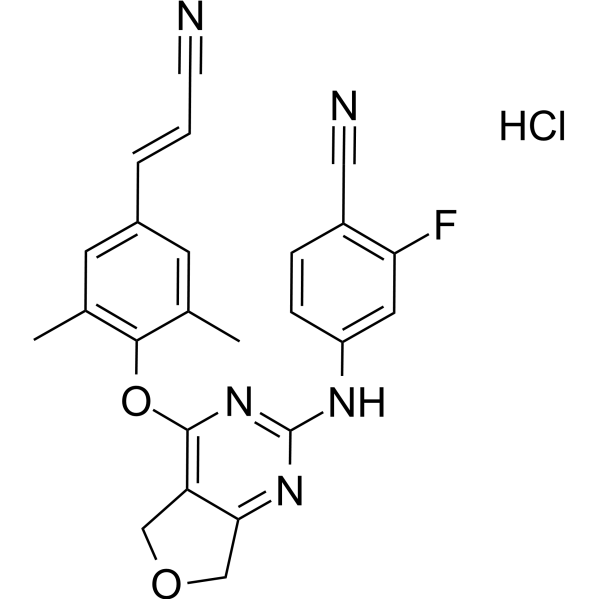
- HY-178497
-
|
|
PROTACs
Ras
p38 MAPK
TNF Receptor
|
Inflammation/Immunology
Cancer
|
|
ZJK-807 is a highly effective and selective PROTAC degrader targeting KRASG12D (DC50 = 79.5 nM in AsPC-1 cells). ZJK-807 shows minimal impact on wild-type KRAS or other mutants (G12C/S/V, G13D), inducing mutant-specific cytotoxicity. ZJK-807 suppresses RAS/MAPK signaling and uniquely modulates TNF signaling and eukaryotic ribosome biogenesis. ZJK-807 can be used for the study of KRAS-driven pancreatic cancer. Yellow: KRASG12D ligand (HY-W087383); Green: E3 ligase CRBN ligand (HY-178507); Black: Linker (HY-178506) .
|
-

- HY-115443
-
|
|
FLT3
|
Cancer
|
|
MZH29 is a potent and orally active FLT3 inhibitor. MZH29 shows inhibitory effects on wild-type and mutant FLT3, including the FLT3-ITD, FLT3-D835H/Y/V and FLT3-K663Q mutants. MZH29 retains its potent inhibitory effect against the FLT3-ITD/F691L mutation, a drug resistance mutation against the well-known FLT3 inhibitor, AC220 (HY-13001). MZH29 can be used for the research of cancer, such as acute myeloid leukemia (AML) .
|
-

- HY-164529
-
|
|
Raf
Ras
MEK
ERK
VEGFR
Tie
c-Fms
|
Cancer
|
|
SJ-C1044 is an orally available pan-RAF inhibitor with immunomodulatory and anti-tumor activities. SJ-C1044 inhibits wild-type BRAF, wild-type CRAF, and BRAF (V600E) with IC50 values ??of 331, 257, and 187 nM, respectively. SJ-C1044 inhibits tumor cell proliferation by inhibiting kras activation and MEK-ERK phosphorylation. In addition, SJ-C1044 also has a certain inhibitory effect on VEGFR2, TIE2, and CSF1R, with IC50 values ??of 100, 23, and 235 nM, respectively. SJ-C1044 improves the tumor immune microenvironment by inhibiting angiogenesis and regulating macrophage function. SJ-C1044 can be used in the study of colorectal cancer .
|
-

- HY-116748
-
|
|
PDI
Phosphatase
|
|
|
(±)-trans-1,2-Bis(2-mercaptoacetamido)cyclohexane is a small-molecule dithiol catalyst with a low thiol pKa value (8.3) and high reduction potential (-0.24 V), capable of mimicking PDI activity. It catalyzes the activation of scrambled ribonuclease A (scrambled ribonuclease A) and promotes the formation of native disulfide bonds, thereby significantly enhancing protein folding efficiency. Adding (±)-trans-1,2-Bis(2-mercaptoacetamido)cyclohexane to the culture medium of Saccharomyces cerevisiae can increase the secretion of exogenously expressed Schizosaccharomyces pombe acid phosphatase by more than threefold. (±)-trans-1,2-Bis(2-mercaptoacetamido)cyclohexane holds great potential for applications in protein production and secretion research .
|
-

- HY-175491
-
|
|
HIV
Reverse Transcriptase
|
Infection
|
|
HIV-1-IN-85 is an orally active HIV-1 inhibitor (IC50 = 72 nM). HIV-1-IN-85 exhibits strong inhibitory activity against wild-type (WT) HIV-1 and NNRTI-resistant single mutant strains (L100I, K103N, Y181C, Y188L, E138K) and moderate efficacy against double mutant strains (F227L+V106A, RES056). HIV-1-IN-85 shows good in vivo safety in ICR mice. HIV-1-IN-85 can be used for the study of HIV-1 infection .
|
-

- HY-176128
-
|
|
PROTACs
Androgen Receptor
Apoptosis
PARP
Caspase
|
Cancer
|
|
BWA-6047 is an oral active PROTAC degrader targeting AR/AR-V7 and GSPT1 with DC50 values of 3.7, 3.0 and 1.2 nM in 22Rv1 cells. BWA-6047 suppresses the expression of AR downstream target genes and and transcriptional activity. BWA-6047 inhibits cancer cells proliferation, causes G1 phase cell cycle arrest and induces apoptosis. BWA-6047 increases cleaved-PARP-1 and cleaved-caspase-3 levels. BWA-6047 reduces growth of LNCaP xenograft tumors in mice models without obvious toxicity. BWA-6047 can be used for the research of prostate cancer .
|
-

- HY-132844
-
|
HL-085
|
MEK
|
Cancer
|
|
Tunlametinib is a highly selective, orally active MEK1/2 inhibitor (IC50=1.9 nM, MEK1). Tunlametinib blocks the RAS-RAF-MEK-ERK signaling pathway, arrests tumor cell cycle and promotes apoptosis. Tunlametinib potently inhibits the proliferation of RAS/RAF mutant cancer cells (such as BRAF V600E, KRAS G12C mutant cells). Tunlametinib shows synergistic anti-tumor effects with BRAF/KRASG12C/SHP2 inhibitors, Docetaxel (HY-B0011). Tunlametinib can be used to study targeted therapy for RAS/RAF mutation-driven malignancies (such as melanoma, colorectal cancer, and non-small cell lung cancer) .
|
-
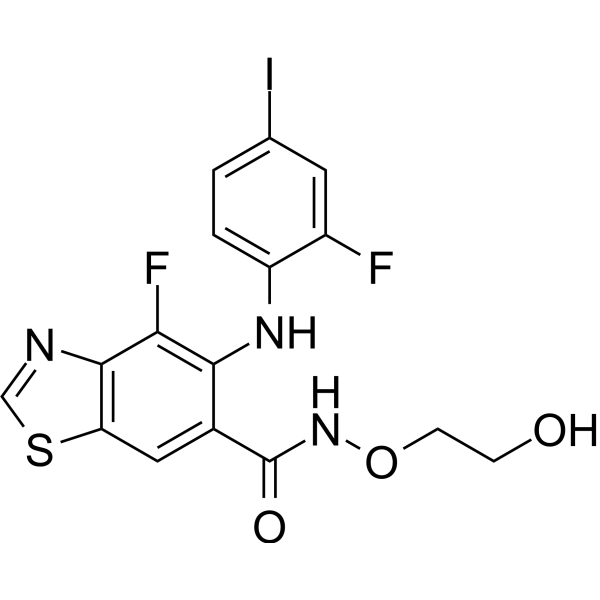
- HY-147245
-
|
STP1002
|
PARP
|
Cancer
|
|
Basroparib (STP1002) is a selective, orally active inhibitor of tankyrase (TNKS1/TNKS2) with IC50 of 29.94 nM and 3.68 nM for TNKS1 and TNKS2, respectively. Basroparib has an IC50 of >10 μM for PARP1. Basroparib binds to TNKS, stabilizes AXIN1/2 proteins, blocks Wnt/β-catenin signaling pathway, inhibits tumor cell proliferation and induces apoptosis, while reducing cancer stem cell properties. Basroparib can be used in colorectal cancer (CRC) studies with KRAS mutations (such as G12V/G12D) to overcome acquired resistance to MEK inhibitors. STP1002 has synergistic antitumor activity with MEK inhibitors .
|
-
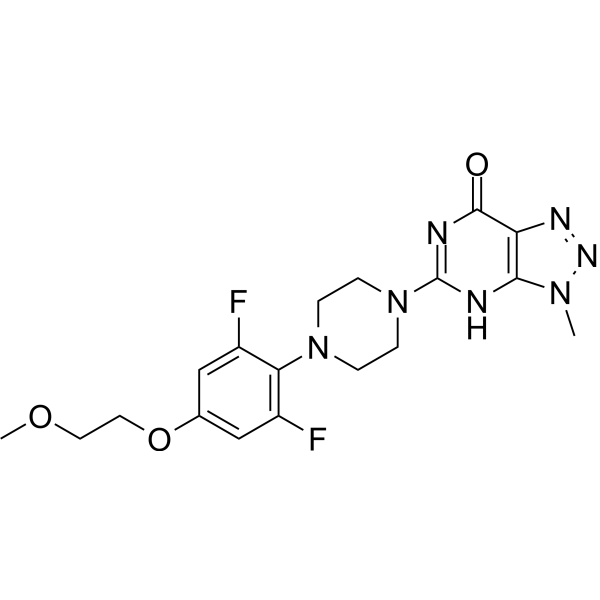
- HY-160167
-
|
DZD8586
|
Src
Btk
|
Inflammation/Immunology
Cancer
|
|
Birelentinib (DZD8586) is an orally effective, selective, non-covalent inhibitor targeting LYN tyrosine kinase and BTK tyrosine kinase, capable of penetrating the blood-brain barrier. Birelentinib exhibits concentration-dependent antiproliferative effects in RI-1 cells and diffuse large B-cell lymphoma (DLBCL) cell lines carrying BTK resistance mutations (such as C481X, V416L, etc.). Birelentinib blocks both BTK-dependent and independent signaling of the B-cell receptor (BCR), thereby inhibiting tumor cell proliferation and inducing cell death. Birelentinib can be used in research to overcome resistance to existing covalent and non-covalent BTK inhibitors in B-cell non-Hodgkin lymphoma (B-NHL) .
|
-
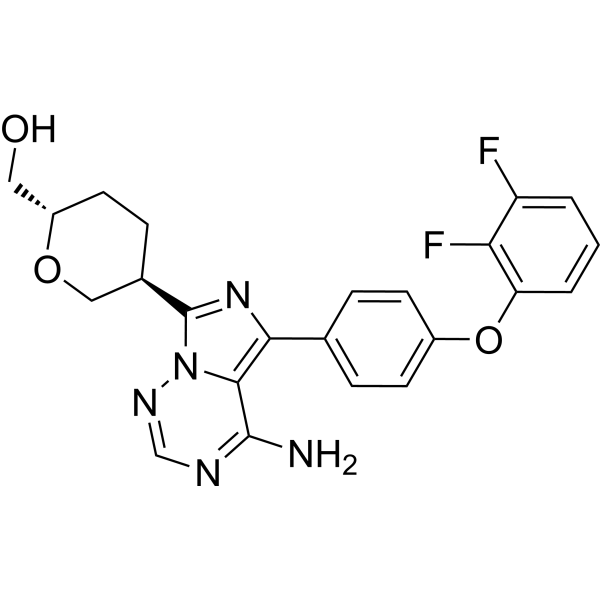
- HY-N2787
-
|
|
PI3K
Akt
AMPK
Sirtuin
Reactive Oxygen Species (ROS)
SOD
|
Cardiovascular Disease
Neurological Disease
Metabolic Disease
Endocrinology
Cancer
|
|
8-Prenylnaringenin is an orally active prenyl flavonoid. 8-Prenylnaringenin can be isolated from the hop spike Humulus lupulus. 8-Prenylnaringenin activates the PI3K/Akt pathway and the AMPK pathway, upregulates OXPHOS complexes (II, III, and V) and Sirt1, and reduces ROS production and SOD activity. 8-Prenylnaringenin improves muscle atrophy and obesity and inhibits angiogenesis. 8-Prenylnaringenin exhibits anticancer activity against glioblastoma and colon cancer. 8-Prenylnaringenin also has LH/FSH regulatory activity. 8-prenylnaringenin may be used in bone health research .
|
-
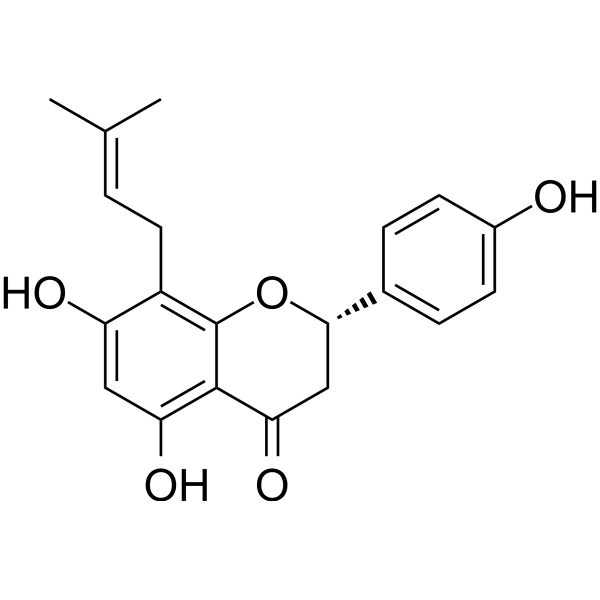
- HY-14805
-
|
ST-246
|
Orthopoxvirus
Arenavirus
|
Infection
|
|
Tecovirimat (ST-246) is an orally bioavailable and selective compound against orthopoxviruses including vaccinia, monkeypox, camelpox, cowpox, ectromelia (mousepox), smallpox and variola viruses. Tecovirimat is evaluated against vaccinia, cowpox virus, ectromelia virus with EC50 values of 0.01 μM, 0.48 μM and 0.05 μM, respectively. Tecovirimat targets the orthopoxvirus protein VP37 which is necessary for membrane envelopment of intracellular mature virus particles to form enveloped virus. Tecovirimat exerts antiviral activity on the target of the cowpox virus V061 gene, which is homologous to vaccinia virus F13L, encoding a major envelope protein (p37) required for production of extracellular virus .
|
-
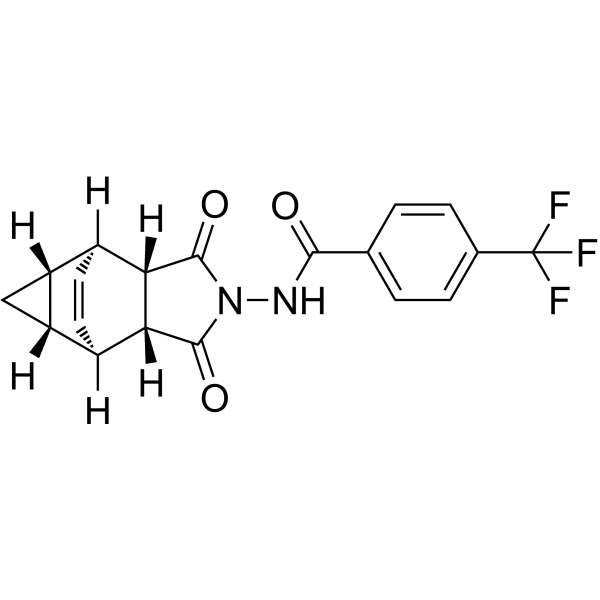
- HY-176489
-
|
|
PROTACs
Ras
|
Cancer
|
|
PROTAC pan-KRAS degrader-1 is a pan-KRAS PROTAC degrader for degrading different KRAS mutation types, such as G12D, G12C, G12V, and G13D. PROTAC pan-KRAS degrader-1 potently degrades KRAS mutation (G12D) in AGS cells, with a DC50 of 1.1 nM, Dmax of 95%. PROTAC pan-KRAS degrader-1 can be used to search diseases caused by KRAS mutation or amplification, especially cancers such as breast cancer, bladder cancer, gastric cancer, etc . Pink: pan-KRAS ligand (HY-176490); Blue: VHL ligase ligand (HY-170353); Black: linker (HY-176491);
|
-

- HY-175455
-
|
|
PROTACs
Androgen Receptor
Akt
|
Cancer
|
|
LYA914 is an orally active AR/AR-V7 PROTAC degrader. LYA914 targets the proteolytic degradation of the conserved DNA binding domain (DBD) of the androgen receptor (AR). LYA914 exhibits potent antiproliferative effects in Enzalutamide (HY-70002)-insensitive/resistant cells. LYA914 inhibits tumor growth in VCaP/LNCaP tumor mouse models. LYA914 can be used to study castration-resistant prostate cancer (CRPC). (Pink: AR-DBD ligand-1: HY-175456, Blue: Thalidomide: HY-14658, Pink + Black: AR-DBD ligand-Linker Conjugate 1: HY-175457, Black: Boc-piperidine-oxopiperidin: HY-175458) .
|
-

- HY-182924
-
|
|
PROTACs
Enterovirus
|
Infection
|
|
Jun15702 is a PROTAC degrader targeting the capsid protein VP1 of enterovirus D68. Jun15702 recruits the Cereblon (CRBN) E3 ligase and activates the ubiquitin-proteasome pathway. Jun15702 inhibits viral entry and exerts inhibitory effects during the early, middle and late stages of viral replication. Jun15702 exhibits antiviral activity against multiple wild-type enterovirus D68 strains, and also shows submicromolar antiviral activity against the Pleconaril (HY-19952)-resistant enterovirus D68 variant rMO-VP1 F159V. Jun15702 can be used in studies related to enterovirus D68 (EV-D68) infection .
|
-

- HY-168641
-
|
|
PROTACs
Apoptosis
HIF/HIF Prolyl-Hydroxylase
|
Cancer
|
|
PROTAC HIF-1α degrader-1 (compound V2) is a potent hypoxia-inducible factor-1α (HIF-1α) PROTAC degrader with an IC50 value of 7.54 µM. PROTAC HIF-1α degrader-1 shows anti-proliferative activity. PROTAC HIF-1α degrader-1 decreases the HIF-1α protein expression. PROTAC HIF-1α degrader-1 induces apoptosis. (Pink: ligand for target protein (HY-111387); black: linker (HY-W013731); Blue: E3 ligase ligand (HY-112078)) .
|
-

- HY-147825
-
|
|
EGFR
Raf
Apoptosis
|
Cancer
|
|
EGFR/BRAFV600E-IN-1 (Compound 23) is a potent EGFR and BRAF V600E dual inhibitor with IC50s of 0.08 and 0.15 µM, respectively. EGFR/BRAFV600E-IN-1 induces apoptosis and cell cycle arrest in both pre-G1 and G2/M phases. EGFR/BRAFV600E-IN-1 exhibits antiproliferative activity againist A-549, MCF-7, Panc-1, HT-29 with IC50s of 1.2, 0.79, 1.3, and 1.23 µM, respectively .
|
-
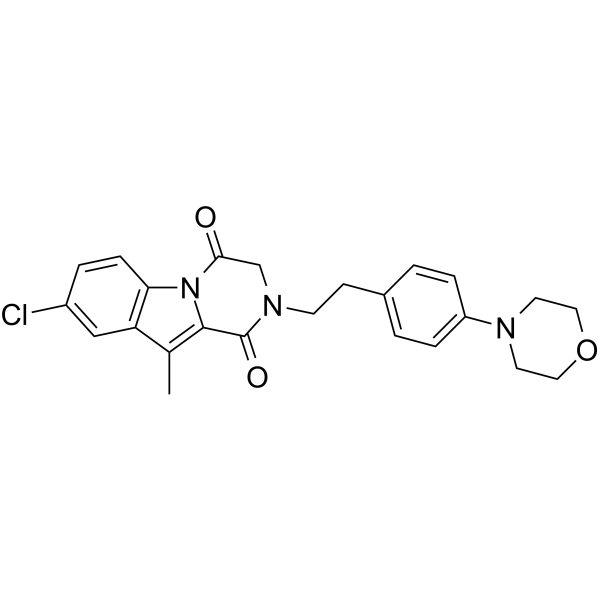
- HY-D3389
-
|
|
Fluorescent Dye
Bacterial
|
Infection
|
|
sCy5DL-amide is an amidated fluorescent D-amino acid conjugated to Sulfo-Cyanine 5, and a peptidoglycan labeling agent. sCy5DL-amide incorporates into bacterial peptidoglycan cell wall via transpeptidase-mediated reactions, replacing the fourth or fifth D-amino acid of the peptidoglycan stem peptide for visualization of nascent peptidoglycan biosynthesis. sCy5DL-amide produces clear cell outline, septum labeling, and high localization density in Bacillus subtilis, including a 'V-shape' pattern at cell-cell contact areas. sCy5DL-amide exhibits robust incorporation into Gram-positive bacteria and mycobacteria, with reduced incorporation into Gram-negative bacteria (Ex/Em = 646/666 nm) .
|
-

- HY-W391671
-
|
|
Endogenous Metabolite
Biochemical Assay Reagents
|
Others
|
|
Poly[bis(4-phenyl)(2,4,6-trimethylphenyl)amine] is a poly(triarylamine) that is an organic p-type semiconductor with hole mobilities ranging from 10 3 to 10 2 cm 2/V/s, which significantly improves carrier mobility. This stable, glassy polymer has an ionization potential suitable for thick film diodes. Committed to providing green alternatives that meet one or more of the 12 principles of green chemistry, this material falls into the enabling category of green alternatives, in line with the principle of "energy efficient design". In addition, while hole transport organic materials like these ensure optimal energy level alignment with the absorber layer for efficient charge collection, they can be susceptible to degradation under ambient conditions.
|
-
![Poly[bis(4-phenyl)(2,4,6-trimethylphenyl)amine]](//file.medchemexpress.com/product_pic/hy-w391671.gif)
- HY-N17304
-
|
|
Drug Derivative
P-glycoprotein
|
Cancer
|
|
10S,13aR-Antofine N-oxide is a phenanthroindolizidine N-oxide alkaloid and cytotoxic agent found in Cynanchum vincetoxicum. 10S,13aR-Antofine N-oxide exerts cytotoxic effects in drug-sensitive (KB-3-1, IC50 = 0.11 μM) and multi-drug-resistant (KB-V1, IC50 = 0.16 μM) carcinoma cells. 10S, 13aR-Antofine N-oxide acts as a poor substrate for the P-glycoprotein (P-170) efflux pump. 10S,13aR-Antofine N-oxide can be used for the research of cancers .
|
-

- HY-14805A
-
|
ST-246 monohydrate
|
Orthopoxvirus
Arenavirus
|
Infection
|
Tecovirimat (ST-246) monohydrate is the monohydrate form of Tecovirimat (HY-14805). Tecovirimat monohydrate is an orally bioavailable and selective compound against orthopoxviruses [including vaccinia, monkeypox, camelpox, cowpox, ectromelia (mousepox), smallpox and variola viruses]. Tecovirimat monohydrate is evaluated against vaccinia, cowpox virus, ectromelia virus with EC50 values of 0.01 μM, 0.48 μM and 0.05 μM, respectively. Tecovirimat monohydrate targets the orthopoxvirus protein VP37 which is necessary for membrane envelopment of intracellular mature virus particles to form enveloped virus. Tecovirimat monohydrate exerts antiviral activity on the target of the cowpox virus V061 gene, which is homologous to vaccinia virus F13L, encoding a major envelope protein (p37) required for production of extracellular virus. Tecovirimat monohydrate could be used in the study for orthopoxvirus-induced diseases .
|
-

- HY-155297
-
|
FLA-136
|
Histamine Receptor
|
Cardiovascular Disease
|
|
Nebidrazine is a centrally-acting hypotensive agent compared to clonidine, demonstrating weaker cardiovascular effects in rats. It induces dose-dependent hypotension and bradycardia when administered intracerebroventricularly (i.c.v.), with significantly lower sedative potential than clonidine in conscious rats. Yohimbine attenuates the cardiovascular effects of both Nebidrazine and clonidine, suggesting involvement of central alpha-autoreceptors sensitive to yohimbine. Unlike clonidine, Nebidrazine does not affect peripheral alpha-adrenoceptors in pithed rats, indicating a selective central mechanism. Chemical sympathectomy reduces Nebidrazine's cardiovascular effects more than clonidine's, and metiamide diminishes responses to both drugs, implicating central histamine receptors. These findings highlight Nebidrazine's distinct pharmacological profile and potential therapeutic application in managing hypertension through central alpha-autoreceptor stimulation .
|
-

- HY-P5439
-
|
|
PKC
MARCKS
|
Others
|
|
Epsilon-V1-2, Cys-conjugated is a biological active peptide. (This peptide is the εPKC specific inhibitor. Its inhibitory activity is based on εPKC translocation and MARCKS phosphorylation. This peptide interferes with εPKC interaction with the anchoring protein εRACK. This peptide contains a cysteine residue added to the C-terminus for potential S-S bond formation with a carrier protein.Pyroglutamyl (pGlu) peptides may spontaneously form when either Glutamine (Q) or Glutamic acid (E) is located at the sequence N-terminus. The conversion of Q or E to pGlu is a natural occurrence and in general it is believed that the hydrophobic γ-lactam ring of pGlu may play a role in peptide stability against gastrointestinal proteases. Pyroglutamyl peptides are therefore considered a normal subset of such peptides and are included as part of the peptide purity during HPLC analysis.)
|
-
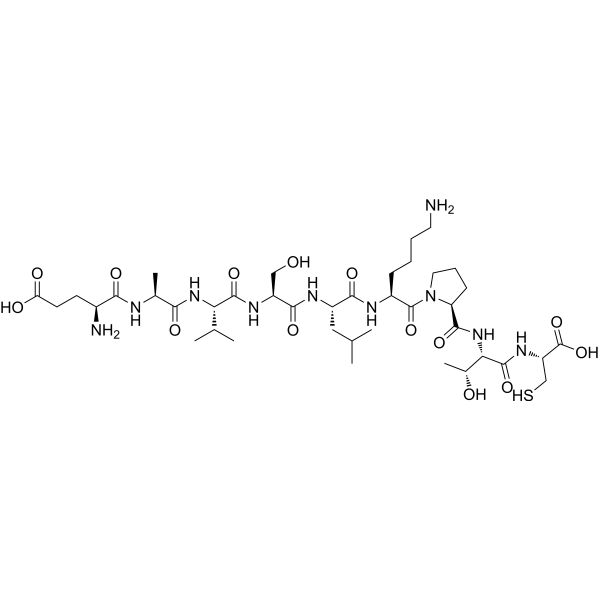
- HY-12307
-
|
Indolactam V
|
PKC
|
Cancer
|
|
(-)-Indolactam V is a PKC activator, with Kis of 3.36 nM, 1.03 μM for η-CRD2 (PKCη surrogate peptide), γ-CRD2 (PKCγ surrogate peptide), and Kds of 5.5 nM (η-C1B), 7.7 nM (ε-C1B), 8.3 nM (δ-C1B), 18.9 nM (β-C1A-long), 20.8 nM (α-C1A-long), 137 nM (β-C1B), 138 nM (γ-C1A), 213 nM (γ-C1B), and has antitumor activity.
|
-
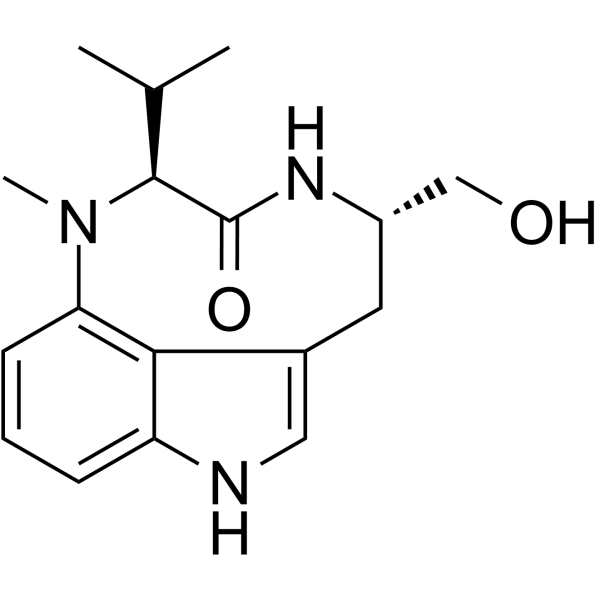
- HY-180977
-
|
|
PROTACs
Bcr-Abl
|
Cancer
|
|
P19P is a BCR-ABL PROTAC degrader based on Ponatinib (HY-12047), with a DC50 value of approximately 20 nM for the wild-type BCR-ABL protein. P19P can effectively degrade various drug-resistant mutants such as T315I, E255K, H396R, and V468F, and exhibits potent anti-proliferative activity in BaF3-BCR-ABL (T315I) cells. P19P maintains strong inhibitory activity against ABL (T315I), with a IC50 of 13.1 nM. P19P does not inhibit the formation of vascular lumens in HUVEC. P19P can be used for research on chronic myeloid leukemia and acute lymphoblastic leukemia .
|
-

- HY-P5377
-
|
Cathepsin K substrate
|
Ser/Thr Protease
|
Others
|
|
Abz-HPGGPQ-EDDnp (Cathepsin K substrate) is a biological active peptide. (Cathepsins are a class of globular lysosomal proteases, playing a vital role in mammalian cellular turnover. They degrade polypeptides and are distinguished by their substrate specificities. Cathepsin K is the lysosomal cysteine protease involved in bone remodeling and resorption. It has potential as a drug target in autoimmune diseases and osteoporosis.This FRET peptide can be used to monitor selectively cathepsin K activity in physiological fluids and cell lysates. Abz-HPGGPQ-EDDnp [where Abz represents o-aminobenzoic acid and EDDnp represents N -(2, 4-dinitrophenyl)-ethylenediamine], a substrate initially developed for trypanosomal enzymes, is efficiently cleaved at the Gly-Gly bond by cathepsin K. This peptide is resistant to hydrolysis by cathepsins B, F, H, L, S and V, Ex/Em=340 nm/420 nm.)
|
-
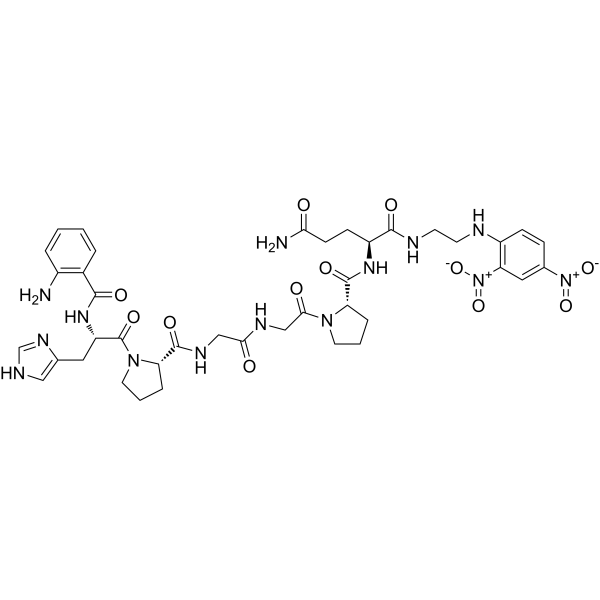
- HY-176786
-
|
|
PROTACs
Ras
Apoptosis
PERK
p38 MAPK
Caspase
TNF Receptor
|
Cancer
|
|
MCB-36 is a VHL-recruiting pan-KRAS PROTAC degrader without affecting KRAS transcription. MCB-36 exhibits minimal effects on HRAS and NRAS protein levels. MCB-36 binds to the GDP-loaded state of G12D, G12C, G12V, and wild-type KRAS with high affinities Kd ≈ 1 pM). MCB-36 decreases p-ERK levels, leading to cell apoptosis. MCB-36 effectively suppress KRAS G12C inhibitor-resistant cancer cells and remodel the tumor immune microenvironment. MCB-36 can be used for the study of colorectal cancer and lung cancer (Pink: Target protein ligand; Blue: E3 ligand (HY-112078); Black: Linker (HY-W091879)) .
|
-

- HY-130841
-
|
|
APC
Ligands for Target Protein for PROTAC
|
Cancer
|
|
Apcin-A is a small molecule inhibitor that selectively targets the cell division cycle protein Cdc20 and is a derivative of Apcin (HY-110287). Apcin-A competitively binds to the D-box binding pocket of Cdc20 and inhibits substrate ubiquitination mediated by the anaphase promoting complex APC/C-Cdc20. Apcin-A also blocks the binding of Cdc20 to substrates (such as securin and cyclin B1), inhibiting anaphase initiation and cell cycle exit. Apcin-A can promote or prolong mitotic slippage in coordination with p31 comet under conditions of high spindle assembly checkpoint (SAC) activity. Apcin-A can be used to develop anti-mitotic drugs and overcome tumor chemotherapy resistance. Apcin-A can be used to synthesize PROTAC CP5V (HY-130257)[1][2][3].
|
-
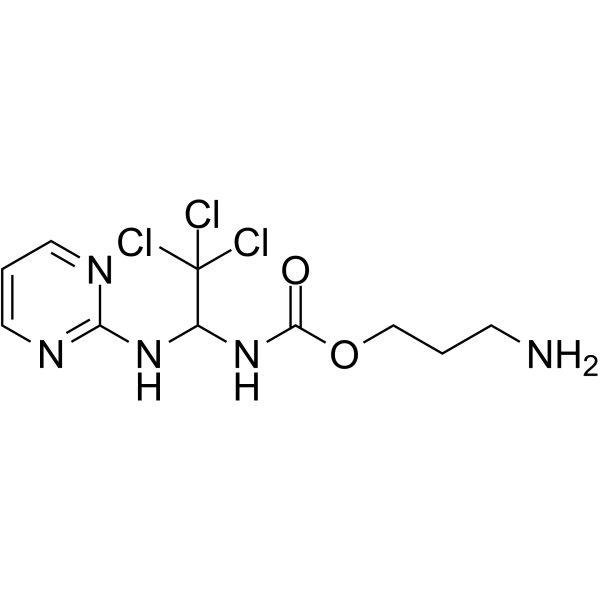
- HY-W276164
-
|
Sodium stearyl sulfate
|
Biochemical Assay Reagents
|
Others
|
|
Sodium octadecyl sulfate (Sodium stearyl sulfate) is a long-chain alkyl sodium sulfate that functions as an emulsifier, crosslinking agent, and regulator. Sodium octadecyl sulfate has high safety, with a LD50 greater than 3.00 Gm./Kg for both intraperitoneal injection in mice and oral administration in rats. Sodium octadecyl sulfate enhances continuous contraction of the gastrocnemius muscle in frogs and boosts intestinal smooth muscle activity in albino rats. However, Sodium octadecyl sulfate exerts no significant effect on isolated tortoise myocardium and does not alter the conduction function of frog sciatic nerves. Sodium octadecyl sulfate can also be used to coat the surface of starch aggregates, promote crosslinking and increase aggregate size through hydrophobic and electrostatic interactions, and further form a coexistent B-V type crystalline structure with acid-hydrolyzed gelatinized starch, thereby effectively modifying the structure and surface properties of high-starch systems .
|
-

- HY-176785S
-
|
|
Ras
Apoptosis
p38 MAPK
Caspase
TNF Receptor
|
Cancer
|
|
MCB-294 is a dual-state pan-KRAS inhibitor that selectively inhibits KRAS over NRAS and HRAS. MCB-294 capable of binding both the active (GTP-bound) and inactive (GDP-bound) forms of KRAS with Kds of approximately 1 pM and 10 nM, respectively. MCB-294 broadly impairs the growth of hTERT-HPNE cells expressing G12D, G12C, G12V, G12S, G13D, and wild-type KRAS, with IC50s of approximately 700 nM. MCB-294 induces irreversible apoptosis in KRAS-mutated tumors. MCB-294 effectively suppress KRAS G12C inhibitor-resistant cancer cells and remodel the tumor immune microenvironment. MCB-294 can be used for the study of pancreatic cancer, colorectal cancer and lung cancer .
|
-

- HY-146019A
-
|
|
HIV
|
Infection
|
|
HIV-1 inhibitor-25 (compound R-12a) is a highly potent HIV-1 reverse transcriptase, with an IC50 value of 0.1061 μM. HIV-1 inhibitor-25 has high antiretroviral activity against WT HIV-1 with an EC50 of 13.6 nM, and exhibits relatively low cytotoxicity with a CC50 of 33.13 μM in MT-4 cells. HIV-1 inhibitor-25 also has inhibitory activity against HIV-1 mutant strains (L100I, K103N, Y181C, Y188L, E138K, F227L+V106A) with EC50 of 0.1961 ~ 5.8136 μM. HIV-1 inhibitor-25 can be used for researching AIDS .
|
-
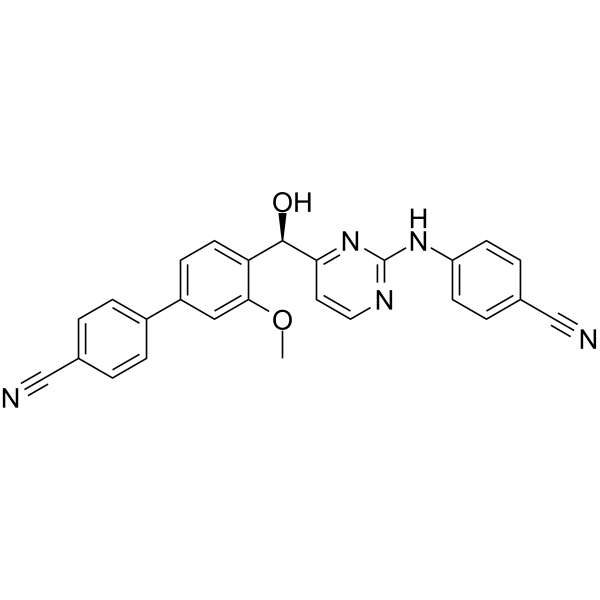
- HY-14805S
-
|
ST-246-d4
|
Isotope-Labeled Compounds
Orthopoxvirus
Arenavirus
|
Infection
|
Tecovirimat-d4 (ST-246-d4) is a deuterium-labelled Tecovirimat (HY-14805). Tecovirimat is an orally bioavailable and selective compound against orthopoxviruses [including vaccinia, monkeypox, camelpox, cowpox, ectromelia (mousepox), smallpox and variola viruses]. Tecovirimat is evaluated against vaccinia, cowpox virus, ectromelia virus with EC50 values of 0.01 μM, 0.48 μM and 0.05 μM, respectively. Tecovirimat targets the orthopoxvirus protein VP37 which is necessary for membrane envelopment of intracellular mature virus particles to form enveloped virus. Tecovirimat exerts antiviral activity on the target of the cowpox virus V061 gene, which is homologous to vaccinia virus F13L, encoding a major envelope protein (p37) required for production of extracellular virus. Tecovirimat could be used in the study for orthopoxvirus-induced diseases .
|
-
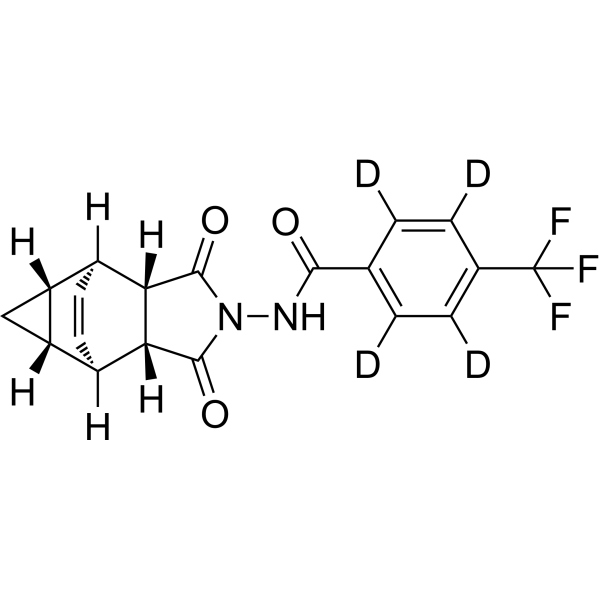
- HY-170329
-
|
|
PROTACs
Androgen Receptor
Apoptosis
|
Cancer
|
|
PROTAC AR Degrader-8 is the PROTAC degrader for androgen receptor (AR) that degrades AR-FL with DC50s of 0.018 μM and 0.14 μM in 22Rv1 cell and LNCaP cell, degrades AR-V7 with DC50 of 0.026 μM in 22Rv1 cell. PROTAC AR Degrader-8 inhibits the proliferation of cancer cell 22Rv1 and LNCaP with IC50 values of 0.038 μM and 1.11 μM. PROTAC AR Degrader-8 arrests cell cycle at G2/M phase, induces apoptosis in 22Rv1 cell. PROTAC AR Degrader-8 exhibits anticancer efficacy in mouse and zebrafish model. PROTAC AR Degrader-8 can be used for the research of prostate cancer, castration-resistant prostate cancer .
|
-

- HY-170852
-
|
|
PROTACs
RET
|
Cancer
|
|
QZ2135 (compound 20) is a RET-targeted PROTAC degrader with in vivo antitumor properties in a Ba/F3-KIF5B-RET-G810C xenograft mouse model. The degradation activities of QZ2135 targeting KIF5B-RET have DC50 values of 4.7 nM (WT), 17.2 nM (V804M), and 73.8 nM (G810C), respectively. QZ2135 is composed of a target protein ligand (red part) RET ligand-3 (HY-170853), an E3 ligase ligand (blue part) Lenalidomide-F (HY-W039233), and a PROTAC Linker (black part) 7-Iodohept-1-yne (HY-W587352), in which the target protein ligand + linker form a conjugate RET Ligand-Linker Conjugate-1 (HY-170854) .
|
-

- HY-N3097R
-
-

- HY-N3097
-
-
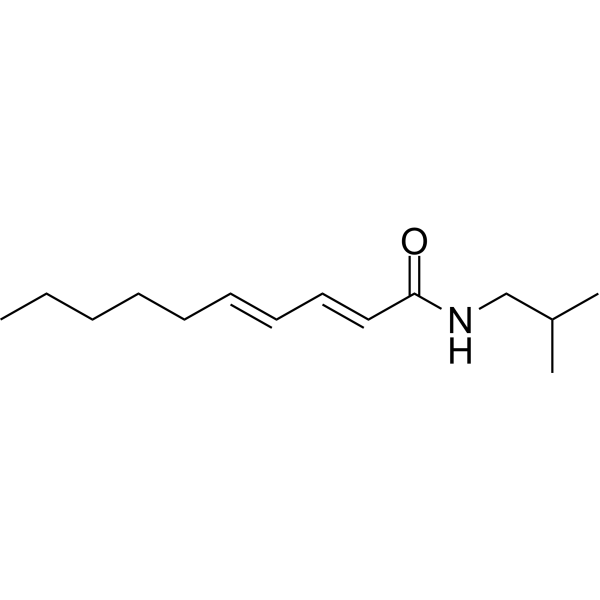
- HY-175991S
-
|
Sodium stearyl sulfate sulfate-d37
|
Isotope-Labeled Compounds
Biochemical Assay Reagents
|
Others
|
|
Sodium octadecyl sulfate-d37 (Sodium stearyl sulfate-d37) is the deuterium labeled Sodium octadecyl sulfate (HY-W276164). Sodium octadecyl sulfate (Sodium stearyl sulfate) is a long-chain alkyl sodium sulfate that functions as an emulsifier, crosslinking agent, and regulator. Sodium octadecyl sulfate has high safety, with a LD50 greater than 3.00 Gm./Kg for both intraperitoneal injection in mice and oral administration in rats. Sodium octadecyl sulfate enhances continuous contraction of the gastrocnemius muscle in frogs and boosts intestinal smooth muscle activity in albino rats. However, Sodium octadecyl sulfate exerts no significant effect on isolated tortoise myocardium and does not alter the conduction function of frog sciatic nerves. Sodium octadecyl sulfate can also be used to coat the surface of starch aggregates, promote crosslinking and increase aggregate size through hydrophobic and electrostatic interactions, and further form a coexistent B-V type crystalline structure with acid-hydrolyzed gelatinized starch, thereby effectively modifying the structure and surface properties of high-starch systems .
|
-

- HY-146365
-
|
|
DNA/RNA Synthesis
HIV
|
Infection
Inflammation/Immunology
|
|
HIV-1 inhibitor-30 (compound 10i) is a potent HIV-1 inhibitor with an EC50 value of 40 nM and an IC50 value of 80 nM for HIV-1 RT DNA polymerase. HIV-1 inhibitor-30 has highly antiretroviral activity against seven non-nucleoside reverse transcriptase inhibitor (NNRTI)-resistant HIV-1 strains (RT-K103N; RT-Y181C; RT-K103N,Y181C; RT-L100I,K103N; RT-Y188L; RT-K103N,G190A; RT-K103N,V108I) with IC50s of 0.04~1.42 μM. HIV-1 inhibitor-30 can be used for researching AIDS .
|
-
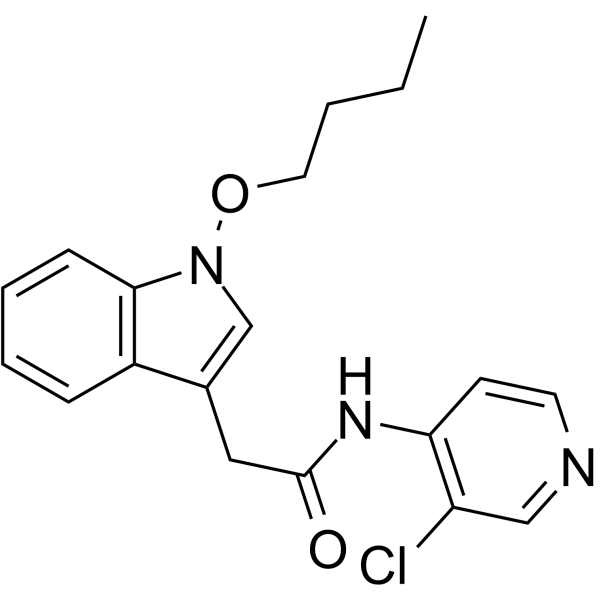
- HY-169385
-
|
|
AUTOTACs
Androgen Receptor
|
Cancer
|
|
ATC-324 is an bivalent AR (Androgen Receptor) degrader based on the protein degradation technology platform AUTOphagy-TArgeting Chimera (AUTOTAC). ATC-324 induces the formation of AR/p62 complex, leading to autophagy-lysosomal degradation of AR. ATC-324 can reduce nuclear AR levels and downregulate target gene expression of AR and AR-v7, and also has a degradation effect on common AR mutants in PCa . ATC-324 is composed of target-binding ligand (TBL) Enzalutamide (HY-70002) and p62/SQSTM1 autophagy-targeting ligand (ATL) YT 6-2 analog-1 (HY-169386), connected by Boc-NH-PEG4-CH2CH2NH2 (HY-W008352). Among them, the active control of the target protein ligand is Enzalutamide carboxylic acid (HY-70002B), and the conjugate composed of the autophagy-targeting ligand and the linker is YT 6-2-PEG3-C2-NH2 (HY-169387).
|
-

- HY-170820
-
|
|
Molecular Glues
Bcl-2 Family
CDK
EGFR
HSP
Androgen Receptor
c-Myc
|
Cancer
|
|
XYD049 is a CRBN-based molecular glue degrader targeting GSPT1, with a DC50 of 19 nM. XYD049 mediates the formation of a ternary complex between CRBN and GSPT1, thereby triggering CRBN- and proteasome-dependent degradation of GSPT1. By degrading GSPT1, XYD049 downregulates castration-resistant prostate cancer (CRPC)-related oncogenes, including BCL2, CDK2, E2F3, EGFR, HSP90B1, TMPRSS2, AR, AR-V7, PSA and c-Myc. XYD049 inhibits cancer cell growth and suppresses tumor growth in mice. XYD049 can be used for research on castration-resistant prostate cancer. XYD049 consists of a linker (black part) NH2-C5-NH-Boc (HY-W004710), a CRBN-based E3 ligase ligand (blue part) Thalidomide 4-fluoride (HY-41547), and a target protein ligand (red part) GSPT1 ligand-1 (HY-170821), among which the E3 ligase ligand plus linker forms the conjugate E3 Ligase Ligand-linker Conjugate 158 (HY-170822) .
|
-

-
-
HY-E0076
-
|
|
0 compounds
|
|
MCE 96-well storage plates are the ideal storage plate for compound library. Conical bottom (V) improves sample recovery and decreases dead volume. MCE 96-well storage plates are completely designed according to ANSI/SBS standards and can be adapted to various testing equipment and automatic workstations.
|
-
-
HY-L0122V
-
|
|
1,122 compounds
|
|
Several CNS multi-parameter scoring approaches have been reported: CNS-MPO, CNS-MPO V.2, CNS-TEMPO, which suggesting an algorithm to predict CNS-ike properties of new chemical entities. We have applied these scoring algorithms to select macrocycles satisfying multiple cut-offs and structural desirability criteria. The resulting set consists of 1,122 macrocyclic compounds with CNS-MPO > 4, CNS-MPO.v2 > 4, and CNS-TEMPO < 4 for CNS-related drug discovery and research.
|
| Cat. No. |
Product Name |
Type |
-
- HY-141601
-
|
ABBV-399
|
Fluorescent Dye
|
|
Telisotuzumab vedotin (ABBV-399) (Teliso-V) is an anti-c-Met antibody-drug conjugate. Telisotuzumab vedotin consists of an anti-c-Met monoclonal antibody Telisotuzumab (ABT-700) (HY-P99391) and Monomethyl Auristatin E (HY-15162). Telisotuzumab vedotin exerts antitumor activity with acceptable toxicity in vivo. Telisotuzumab vedotin can be used for non-small cell lung cancer (NSCLC) research .
|
-
- HY-171821
-
|
SGN-PDL1V
|
Fluorescent Dye
|
|
PF-08046054 (SGN-PDL1V) is a PD-L1-directed Antibody-drug conjugate (ADC), which is comprised of an anti-PD-L1 antibody conjugated to VcMMAE (HY-15575). PF-08046054 is direct cytotoxicity to PD-L1-expressing tumor cells via the intracellular delivery of MMAE. PF-08046054 can be used for the study of solid tumors
|
-
- HY-D0967
-
|
|
Fluorescent Dye
|
|
Cy5-bifunctional dye is a bifunctional dye used for covalent labeling of primary amines on proteins or oligonucleotides (Ex/Em = 649 nm/670 nm). Cy5-bifunctional dye can label recombinant annexin-V to assess phosphatidylserine exposure on the cell surface via flow cytometry. Cy5-bifunctional dye can label anti-human IgG (H + L) secondary antibodies. Cy5-bifunctional dye is applicable to studies of glanders and melioidosis .
|
-
- HY-130210
-
|
|
Fluorescent Dye
|
|
Oxonol V is a slow-response sensitive probe for measuring cellular membrane potential.
|
-
- HY-D1749
-
|
|
Fluorescent Dye
|
|
C6 NBD L-threo-ceramide is a cell-permeable analog of ceramides that is tagged with a fluorescent group C6 nitrobenzoxadiazole (C6 NBD). It is rapidly transferred between liposomes, labels the Golgi apparatus, and is metabolized to C6 NBD sphingomyelin in BHK cells and V79 fibroblasts.
|
-
- HY-136784A
-
|
|
Fluorescent Dye
|
|
Rhod-2 sodium is a cell impermeant, red fluorescent calcium indicator. Rhod-2 sodium exhibits a significant shift in fluorescence intensity upon calcium binding (ex max=549 nm; calcium-free v. ex/em max=552/581 nm; calcium-bound). Unlike the UV-excitable indicators Fura-2 and Indo-1 (HY-D0121), there is no accompanying spectral shift .
|
-
- HY-136784
-
|
|
Fluorescent Dye
|
|
Rhod-2 potassium is a cell impermeant, red fluorescent calcium indicator. Rhod-2 potassium exhibits a significant shift in fluorescence intensity upon calcium binding (ex max=549 nm; calcium-free v. ex/em max=552/581 nm; calcium-bound). Unlike the UV-excitable indicators Fura-2 and Indo-1 (HY-D0121), there is no accompanying spectral shift .
|
-
- HY-D0293
-
|
Xylene blue free acid; C.I. Acid blue 1 free acid
|
Fluorescent Dye
|
|
Acid blue 1 free acid (Patent Blue V) is a novel biological dye that can be used as an intraocular dye for retinectomy. Retinectomy refers to the removal of the translucent inner limiting membrane (ILM). The application of appropriate dyes in vitreoretinal surgery can achieve the purpose of complete removal. Acid blue 1 free acid can be used to stain retinal premembranous structures. Spectral analysis shows that Acid blue 1 free acid has strong absorption below 450 nm and above 600 nm, showing a blue-green color. Acid blue 1 free acid is also used as a marker in lymphangiography for resection of neoplastic lymph nodes .
|
-
- HY-D2942
-
|
|
Fluorescent Dye
|
|
BDP-V BG-BODIPY is a SNAP tag fluorescent probe labeled with a BODIPY molecular motor. BDP-V BG-BODIPY contains a BODIPY molecular rotor that functions as a viscosity-sensitive fluorophore, which is highly responsive to local viscosity changes and enables the specific monitoring of the local microviscosity of proteins. BDP-V BG-BODIPY supports one-photon and two-photon imaging, with an excitation wavelength (Ex) of 488 nm (for one-photon excitation) and 850 nm (for two-photon excitation), and an emission wavelength (Em) of 500-600 nm .
|
-
- HY-D3389
-
|
|
Fluorescent Dye
|
|
sCy5DL-amide is an amidated fluorescent D-amino acid conjugated to Sulfo-Cyanine 5, and a peptidoglycan labeling agent. sCy5DL-amide incorporates into bacterial peptidoglycan cell wall via transpeptidase-mediated reactions, replacing the fourth or fifth D-amino acid of the peptidoglycan stem peptide for visualization of nascent peptidoglycan biosynthesis. sCy5DL-amide produces clear cell outline, septum labeling, and high localization density in Bacillus subtilis, including a 'V-shape' pattern at cell-cell contact areas. sCy5DL-amide exhibits robust incorporation into Gram-positive bacteria and mycobacteria, with reduced incorporation into Gram-negative bacteria (Ex/Em = 646/666 nm) .
|
| Cat. No. |
Product Name |
Type |
-
- HY-NP159
-
|
|
Biochemical Assay Reagents
|
|
House Dust Mite Extract, from D.farinae is a house dust mite allergen extract derived from Dermatophagoides farinae. House Dust Mite Extract, from D.farinae significantly increases the levels of cytokines (IL-4, IL-5, IL-6) in bronchoalveolar lavage fluid. House Dust Mite Extract, from D.farinae upregulates the overexpression of MUC5AC. House Dust Mite Extract, from D.farinae induces allergic asthma and pulmonary inflammation .
|
-
- HY-A0104C
-
|
Hypromellose (Type I,Viscosity:400mPa.s); (Hydroxypropyl)methyl cellulose (Type I,Viscosity:400mPa.s); Celacol HPM 5000 (Type I,Viscosity:400mPa.s)
|
Biochemical Assay Reagents
|
|
HPMC (Hypromellose) (Type I, Viscosity: 400mPa.s) is a first-grade sodium alginate with an average viscosity of 400 mPa.s. Typically, a 1% w/v HPMC aqueous solution has a viscosity of 20-400mPa.s (20-400cp) at 20°C. The viscosity of HPMC may vary depending on concentration, pH, temperature, or the presence of metal ions. Viscosity decreases at pH values above 10 .
|
-
- HY-W010929
-
|
|
Biochemical Assay Reagents
|
|
PYR14-TFSI is a room temperature ionic liquid (RTIL) with a wide electrochemical window (5.5V) and a high viscosity, making it a useful candidate for electrochemical energy applications .
|
-
- HY-D0852A
-
|
Sodium vanadate(V), 99%
|
Biochemical Assay Reagents
|
|
Sodium metavanadate, 99% (Sodium vanadate(V), 99%) is a biochemical reagent used as a vanadium source in microbial cultures to study vanadium reduction in mesophilic and thermophilic methanogens .
|
-
- HY-W002040
-
|
1-Aminoglycerol, 97%
|
Biochemical Assay Reagents
|
|
(±)-3-Amino-1,2-propanediol, 97% (1-Aminoglycerol, 97%) is a chiral raw material that can be used for the synthesis of chiral vanadium (V) Schiff base complexes .
|
-
- HY-Y1890B
-
|
|
Biochemical Assay Reagents
|
|
Cremophor EL-10 is a nonionic polyoxyethylene castor oil surfactant with multiple functions including organic solubilizer, mixed zinc anode corrosion inhibitor and dendrite growth inhibitor. By forming a physical barrier to block electrolyte contact and constructing oriented hydration channels to reduce the desolvation energy barrier of Zn 2+ , Cremophor EL-10 achieves a corrosion inhibition efficiency of over 99%. Cremophor EL-10 exerts no significant effects on the mitochondrial activity and cell viability of epithelial cells, making it suitable for in vitro drug delivery and biopharmaceutical research at concentrations ≤10% v/v. However, Cremophor EL-10 may induce sustained non-endothelium-dependent contraction in rat aortic rings and exert concentration-dependent inhibitory effects on acetylcholine-induced endothelium-dependent relaxation responses .
|
-
- HY-W276164
-
|
Sodium stearyl sulfate
|
Biochemical Assay Reagents
|
|
Sodium octadecyl sulfate (Sodium stearyl sulfate) is a long-chain alkyl sodium sulfate that functions as an emulsifier, crosslinking agent, and regulator. Sodium octadecyl sulfate has high safety, with a LD50 greater than 3.00 Gm./Kg for both intraperitoneal injection in mice and oral administration in rats. Sodium octadecyl sulfate enhances continuous contraction of the gastrocnemius muscle in frogs and boosts intestinal smooth muscle activity in albino rats. However, Sodium octadecyl sulfate exerts no significant effect on isolated tortoise myocardium and does not alter the conduction function of frog sciatic nerves. Sodium octadecyl sulfate can also be used to coat the surface of starch aggregates, promote crosslinking and increase aggregate size through hydrophobic and electrostatic interactions, and further form a coexistent B-V type crystalline structure with acid-hydrolyzed gelatinized starch, thereby effectively modifying the structure and surface properties of high-starch systems .
|
-
- HY-W127781
-
|
|
Biochemical Assay Reagents
|
|
Rhod-2 triammonium is a cell impermeant, red fluorescent calcium indicator. Rhod-2 triammonium exhibits a significant shift in fluorescence intensity upon calcium binding (ex max=549 nm; calcium-free v. ex/em max=552/581 nm; calcium-bound). Unlike the UV-excitable indicators Fura-2 and Indo-1 (HY-D0121), there is no accompanying spectral shift .
|
-
- HY-NP111
-
|
Mouse Type V collagen, immunization grade
|
Biochemical Assay Reagents
|
|
Highly purified Type V collagen, from mouse intestine (Mouse Type II collagen, immunization grade) is an immune grade collagen derived from mouse intestine, which can stimulate the animal's immune system to produce specific antibodies against this collagen. Collagen is also a substrate for hydrolysis by MMPs .
|
-
- HY-E70155
-
|
EC:2.4.1.65; Fucosyltransferase 5; Fucosyltransferase V
|
Biochemical Assay Reagents
|
|
Fucosyltransferase 5 (EC:2.4.1.65, Fucosyltransferase 5, Fucosyltransferase V) is responsible for the terminal step in the synthesis of Lex, sialy-Lex, and Lea antigens .
|
-
- HY-157917
-
|
|
Biochemical Assay Reagents
|
|
Nitro-PAPS disodium dihydrate is a highly sensitive colometric reagent for Fe(II) detection with a maximal absorption wavelength of 592 nm. Nitro-PAPS disodium dihydrate is suitable for the determination of Fe(II) in serum and also be used to determine micro molar levels of Cu, Zn, Ni, Co and V .
|
-
- HY-NP104
-
|
Bovine Amnion Type V collagen, immunization grade
|
Biochemical Assay Reagents
|
|
Highly purified Type V collagen, from bovine amnion (Bovine Amnion Type V collagen, immunization grade) is an immune grade collagen derived from bovine amnion, which can stimulate the animal's immune system to produce specific antibodies against this collagen. Collagen is also a substrate for hydrolysis by MMPs .
|
| Cat. No. |
Product Name |
Target |
Research Area |
-
- HY-P0049
-
|
Arg8-vasopressin; AVP
|
Vasopressin Receptor
|
Neurological Disease
Cancer
|
|
Argipressin (Arg8-vasopressin) binds to the V1, V2, V3-vascular arginine vasopressin receptor, with a Kd value of 1.31 nM in A7r5 rat aortic smooth muscle cells for V1.
|
-
- HY-P0003
-
|
Brain Natriuretic Peptide-32 human; BNP-32
|
Natriuretic Peptide Receptor (NPR)
Calcium Channel
|
Cardiovascular Disease
|
|
Nesiritide (Brain Natriuretic Peptide-32 human) is a recombinant human B-type natriuretic peptide. Nesiritide is a NPRs agonist, with Kd values of 7.3 and 13 pM for NPR-A and NPR-C, respectively. Nesiritide regulates V1/2 activation/inactivation of the L-type calcium channel. Nesiritide shows vasodilatory, diuretic, and natriuretic activities. Nesiritide is used in cardiovascular diseases such as heart failure and vascular remodeling after arterial injury .
|
-
- HY-P0081
-
|
BIP-V5; BAX Inhibiting Peptide V5
|
Bcl-2 Family
Apoptosis
|
Cancer
|
|
Bax inhibitor peptide V5 (BIP-V5) is a Bax-mediated apoptosis inhibitor, used for cancer treatment.
|
-
- HY-P2657
-
|
|
HIF/HIF Prolyl-Hydroxylase
Proton Pump
Endogenous Metabolite
|
Cancer
|
|
Verucopeptin is a potent HIF-1 (IC50=0.22 μM) inhibitor and decreases the expression of HIF-1 target genes and HIF-1α protein levels. Verucopeptin strongly inhibits v-ATPase activity by directly targeting the v-ATPase ATP6V1G subunit but not ATP1V1B2 or ATP6V1D. Verucopeptin exhibits antitumor activity against multidrug resistance (MDR) cancers and can be used for cancer research.
|
-
- HY-105239
-
|
FE 202158
|
Vasopressin Receptor
|
Cardiovascular Disease
|
|
Selepressin (FE 202158) is a selective vasopressin V1A receptor agonist. Selepressin is a potent vasopressor. Selepressin can be used in the research of septic shock .
|
-
- HY-W539944
-
|
Arg8-vasopressin acetate; AVP acetate
|
Vasopressin Receptor
Apoptosis
|
Neurological Disease
Cancer
|
|
Argipressin (Arg8-vasopressin) (acetate) binds to the V1, V2, V3-vascular arginine vasopressin receptor, with a Kd value of 1.31 nM in A7r5 rat aortic smooth muscle cells for V1 .
|
-
- HY-P0154
-
|
ε-V1-2; EAVSLKPT
|
PKC
|
Inflammation/Immunology
|
|
Epsilon-V1-2 (ε-V1-2), a PKCε-derived peptide, is a selective PKCε inhibitor. Epsilon-V1-2 inhibits the translocationof PKCε, but not α-, β-, and δPKC .
|
-
- HY-P0325
-
|
|
Biochemical Assay Reagents
|
Others
|
|
V5 Epitope Tag Peptide TFA is a tag peptide derived from a small epitope present on the P and V proteins of the paramyxovirus of simian virus 5. V5 Epitope Tag Peptide TFA can be used for protein separation and purification, and competitive elution with target proteins .
|
-
- HY-125747
-
|
Actinomycin V (purity≥85%)
|
Bacterial
Antibiotic
Apoptosis
|
Infection
Cancer
|
|
Actinomycin X2 (Actinomycin V), produced by many Streptomyces sp., shows strong inhibition of MRSA with a minimum inhibitory concentration (MIC) value of 0.25 μg/mL. Actinomycin X2 can be used for cancer and bacterial infection .
|
-
- HY-P3949
-
|
|
Fluorescent Dye
|
Others
|
|
Fluorescent Substrate for Glu-Specific Proteases is a V8 protease-Specific chromogenic substrate .
|
-
- HY-P0272
-
|
|
HIV
|
Infection
|
|
Peptide T is an octapeptide from the V2 region of HIV-1 gp120. Peptide T is a ligand for the CD4 receptor and prevents binding of HIV to the CD4 receptor.
|
-
- HY-P0083
-
|
POR-8
|
Vasopressin Receptor
|
Cardiovascular Disease
|
|
Ornipressin (POR-8) is a vasopressin agonist specific for the V1 receptor. Ornipressin can be used as a local vasoconstrictor. Ornipressin can reverse the hypotension associated with combine general/epidural anesthesia. Ornipressin has antidiuretic activity. Ornipressin decreases renal vascular resistance and increases renal blood flow in renal failure model .
|
-
- HY-12554A
-
|
|
Vasopressin Receptor
|
Cardiovascular Disease
Inflammation/Immunology
Endocrinology
|
|
Terlipressin diacetate is a vasopressin analogue with potent vasoactive properties. Terlipressin diacetate is a highly selective vasopressin V1 receptor agonist that reduces the splanchnic blood flow and portal pressure and controls acute variceal bleeding. Terlipressin diacetate exerts anti-inflammatory and anti-oxidative effects. Terlipressin diacetate has the potential for hepatorenal syndrome and norepinephrine-resistant septic shock research .
|
-
- HY-105239A
-
|
FE 202158 acetate
|
Vasopressin Receptor
|
Cardiovascular Disease
|
|
Selepressin (FE 202158) acetate is a selective vasopressin V1A receptor agonist. Selepressin acetate is a potent vasopressin. Selepressin acetate can be used in the study of septic shock.
|
-
- HY-P5535
-
|
OCE-205
|
Vasopressin Receptor
|
Inflammation/Immunology
|
|
Invopressin (Compound 42) is a vasopressin V1A receptor partial agonist (EC50: 1.0 nM). Invopressin can be used for research of cirrhosis, including bacterial peritonitis, HRS2 and refractory ascites .
|
-
- HY-P1785
-
|
Abltide
|
Bcr-Abl
|
Cancer
|
|
Abl Cytosolic Substrate is a substrate for Abelson tyrosine kinase (Abl ). Abl Protein Tyrosine Kinase (AbI) is a truncated form of the v-AbI Protein Tyrosine Kinase, a partner in the Gag-Abl fusion protein of the Abelson murine leukemia virus .
|
-
- HY-P2265A
-
|
|
SOS1
Ras
|
Cancer
|
|
SAH-SOS1A TFA is a peptide-based SOS1/KRAS protein interaction inhibitor. SAH-SOS1A TFA binds to wild-type and mutant KRAS (G12D, G12V, G12C, G12S, and Q61H) with nanomolar affinity (EC50=106-175 nM). SAH-SOS1A TFA directly and independently blocks nucleotide association. SAH-SOS1A TFA impairs KRAS-driven cancer cell viability and exerts its effects by on-mechanism blockade of the ERK-MAPK phosphosignaling cascade downstream of KRAS .
|
-
- HY-P1390
-
|
|
Vasopressin Receptor
|
Endocrinology
|
|
d[Cha4]-AVP is a potent and selective vasopressin (AVP) V1b receptor agonist with a Ki of 1.2 nM for human V1b receptor. d[Cha4]-AVP shows more selective for V1b receptor than human V1a receptor, V2 receptor, and oxytocin receptors .
|
-
- HY-W796158
-
-
- HY-P1163A
-
|
|
Vasopressin Receptor
|
Cardiovascular Disease
Neurological Disease
|
|
D[LEU4,LYS8]-VP TFA is a selective agonist of vasopressin V1b receptor, with the Kis of 0.16 nM, 0.52 nM, and 0.1.38 nM for rat, human and mouse V1b receptor, respectively. D[LEU4,LYS8]-VP TFA has weak antidiuretic, vasopressor, and in vitro oxytocic activities .
|
-
- HY-P3361A
-
|
|
Parasite
Bacterial
Antibiotic
|
Infection
Inflammation/Immunology
|
|
IDR-1018 acetate is an innate defense regulator conjugate, with MICs of 16 μg/mL for MRSA USA300 LAC, MRSA SAP 0017 and S. epidermidis ATCC14990. IDR-1018 acetate can be used to synthesis V-IDR1018 (vancomycin-innate defense regulator conjugate) .
|
-
- HY-P5969
-
-
- HY-P2478
-
|
|
PD-1/PD-L1
|
Inflammation/Immunology
|
|
Human PD-L1 inhibitor V, a human PD-1 protein binding peptide with a Kd value of 3.32 μM. Human PD-L1 inhibitor V inhibit the interaction of hPD-1/hPD-L1 .
|
-
- HY-P4678
-
|
|
Vasopressin Receptor
|
Neurological Disease
|
|
(Phe2,Orn8)-Oxytocin is a selective V1 vasopressin agonist. (Phe2,Orn8)-Oxytocin induces a sustained contractility of rabbit epididymis with EC50 value of 280 nM .
|
-
- HY-P3361
-
|
|
Parasite
Bacterial
Antibiotic
|
Infection
Inflammation/Immunology
|
|
IDR-1018 is an innate defense regulator conjugate, with MICs of 16 μg/mL for MRSA USA300 LAC, MRSA SAP 0017 and S. epidermidis ATCC14990. IDR-1018 can be used to synthesis V-IDR1018 (vancomycin-innate defense regulator conjugate) .
|
-
- HY-P0083A
-
|
POR-8 acetate
|
Vasopressin Receptor
|
Cardiovascular Disease
|
|
Ornipressin (POR-8) acetate is a potent vasoconstrictor, hemostatic and renal agent. Ornipressin acetate is a vasopressin agonist specific for the V1 receptor. Ornipressin acetate can be used as a local vasoconstrictor. Ornipressin acetate can reverse the hypotension associated with combine general/epidural anesthesia. Ornipressin acetate has antidiuretic activity. Ornipressin acetate decreases renal vascular resistance and increases renal blood flow in renal failure model .
|
-
- HY-P11356A
-
|
|
IFNAR
|
Cancer
|
|
KRAS G12V Peptide TFA is the trifluoroacetate salt of KRAS G12V Peptide (HY-P11355). KRAS G12V Peptide is a specific peptide derived from the Kirsten rat sarcoma virus (KRAS) gene carrying the G12V oncogenic mutation. KRAS G12V Peptide induces responses like IFN-γ secretion and cytotoxicity. KRAS G12V Peptide can be used for the study of immune responses against KRAS G12V-mutant tumors .
|
-
- HY-P11356
-
|
|
IFNAR
|
Cancer
|
|
KRAS G12V Peptide is a specific peptide derived from the Kirsten rat sarcoma virus (KRAS) gene carrying the G12V oncogenic mutation. KRAS G12V Peptide induces responses like IFN-γ secretion and cytotoxicity. KRAS G12V Peptide can be used for the study of immune responses against KRAS G12V-mutant tumors .
|
-
- HY-P0049A
-
|
Arg8-vasopressin diacetate; AVP diacetate; ADH
|
Apoptosis
Vasopressin Receptor
|
Neurological Disease
Cancer
|
|
Argipressin (diacetate) (AVP (diacetate), also known as antidiuretic hormone (ADH)) is a 9 amino acid neuropeptide secreted by the posterior pituitary. Argipressin (diacetate) (AVP (diacetate)) can regulate the biological effects of fluid balance, osmolality and cardiovascular through three separate G-protein coupled receptors (GPCRs), namely Avpr1a (V1a), Avpr1b (V1b) and Avpr2 (V2). Argipressin (diacetate) (AVP (diacetate)) also have potentially important effects on centrally regulated metabolic processes .
|
-
- HY-P0162
-
|
|
HCV
|
Infection
|
|
HCV-IN-4 is a potent and orally active HCV NS5A inhibitor, shows great potency against GT1a, GT2b, GT3a, GT1a Y93H and GT1a L31V, with EC90s of 3 pM, 0.3 nM, 0.01 nM, 0.5 nM and 0.02 nM, respectively .
|
-
- HY-P2265
-
|
|
SOS1
Ras
|
Cancer
|
|
SAH-SOS1A is a peptide-based SOS1/KRAS protein interaction inhibitor. SAH-SOS1A binds to wild-type and mutant KRAS (G12D, G12V, G12C, G12S, and Q61H) with nanomolar affinity (EC50=106-175 nM), directly and independently blocks nucleotide association, impairs KRAS-driven cancer cell viability, and exerts its effects by on-mechanism blockade of the ERK-MAPK phosphosignaling cascade downstream of KRAS .
|
-
- HY-P5155
-
|
|
Potassium Channel
|
Neurological Disease
|
|
Stromatoxin 1 is an inhibitor of Potassium Channel, a peptide which can be isolated from tarantulas. Stromatoxin 1 selectively inhibits K(V)2.1, K(V)2.2, K(V)4.2, and K(V)2.1/9.3 channels. K(V)2.1 and K(V)2.2, but not K(V)4.2, channel subunits play a key role in opposing both myogenic and neurogenic urinary bladder smooth muscle (UBSM) contractions in rats .
|
-
- HY-P1390A
-
|
|
Vasopressin Receptor
|
Endocrinology
|
|
d[Cha4]-AVP TFA is a potent and selective vasopressin (AVP) V1b receptor agonist with a Ki of 1.2 nM for human V1b receptor. d[Cha4]-AVP TFA shows more selective for V1b receptor than human V1a receptor, V2 receptor, and oxytocin receptors .
|
-
- HY-162394
-
|
|
Vasopressin Receptor
|
Metabolic Disease
|
|
Vasopressin V2 receptor antagonist 2 (Compound 33) is an antagonist of the arginine vasopressin V2 receptor (V2R) with a Ki value of 6.2 nM. Vasopressin V2 receptor antagonist 2 can effectively reduce cAMP levels, thereby inhibiting the growth of renal cysts[1].
|
-
- HY-P5010
-
|
|
Vasopressin Receptor
|
Cardiovascular Disease
|
|
(D-Arg8)-Inotocin is a potent, selective and competitive antagonist of vasopressin receptor (V1aR), with a Ki of 1.3 nM. (D-Arg8)-Inotocin shows more than 3000-fold selectivity for the human V1aR over the other three subtypes, OTR, V1bR and V2R .
|
-
- HY-P5213
-
-
- HY-P2548
-
|
|
EGFR
|
Others
|
|
pp60 (v-SRC) Autophosphorylation Site, Phosphorylated is the phosphorylated peptide of an EGFR substrate. pp60 (v-SRC) Autophosphorylation Site, Phosphorylated can be used for the screening of EGFR Kinase inhibitors via phosphorylated-substrate quantification .
|
-
- HY-P2478A
-
|
|
PD-1/PD-L1
|
Inflammation/Immunology
|
|
Human PD-L1 inhibitor V TFA, a human PD-1 protein binding peptide with a Kd value of 3.32 μM. Human PD-L1 inhibitor V TFA inhibit the interaction of hPD-1/hPD-L1 .
|
-
- HY-P10947
-
|
|
Epigenetic Reader Domain
YAP
|
Cancer
|
|
MACTIDE-V is an orally active and selective peptide-drug conjugate targeting CD206. MACTIDE-V delivers Verteporfin (HY-B0146) to CD206 + tumor-associated macrophages (TAM) to inhibit the YAP/TAZ signaling pathway, prompting YAP exclusion from the nucleus, inducing TAM polarization toward an anti-tumoral phenotype with enhanced phagocytosis and antigen presentation, and boosting T cell infiltration and NK cell activity. MACTIDE-V suppresses primary tumor growth and lung metastasis in triple-negative breast cancer (TNBC) mouse models .
|
-
- HY-P5989
-
|
Mu-Val-HPh-FMK
|
Antibiotic
|
Infection
|
|
Calpain inhibitor V (Mu-Val-HPh-FMK) is a cell-permeable and irreversible inhibitor of calpain that has anti-chlamydial activity .
|
-
- HY-P1163
-
|
|
Vasopressin Receptor
|
Cardiovascular Disease
Neurological Disease
|
|
D[LEU4,LYS8]-VP is a selective agonist of vasopressin V1b receptor, with the Kis of 0.16 nM, 0.52 nM, and 0.1.38 nM for rat, human and mouse V1b receptor, respectively. D[LEU4,LYS8]-VP has weak antidiuretic, vasopressor, and in vitro oxytocic activities .
|
-
- HY-P1737
-
|
Con-S
|
Peptides
|
Cardiovascular Disease
|
|
Conopressin S, isolated from Conus striatus, shows high affinity with vasopressin V1b receptor (AVPR1B), with a Ki of 8.3 nM .
|
-
- HY-P0272A
-
|
|
HIV
|
Infection
|
|
Peptide T (TFA) is an octapeptide from the V2 region of HIV-1 gp120. Peptide T is a ligand for the CD4 receptor and prevents binding of HIV to the CD4 receptor.
|
-
- HY-P1162
-
-
- HY-P2360
-
|
Ras 5-17
|
Ras
|
Others
|
|
G12 (Ras 5-17) is a wild-type Ras peptide consisted of amino acids 5-17 (KLVVVGAGGVGKS). G12 can be used as a control of mutant Ras peptides studies (such V12) .
|
-
- HY-P10325
-
-
- HY-12554B
-
|
|
Vasopressin Receptor
|
Cardiovascular Disease
Inflammation/Immunology
Endocrinology
|
|
Terlipressin acetate is a vasopressin analogue with potent vasoactive properties. Terlipressin acetate is a highly selective vasopressin V1 receptor agonist that reduces the splanchnic blood flow and portal pressure and controls acute variceal bleeding. Terlipressin acetate exerts anti-inflammatory and anti-oxidative effects. Terlipressin acetate has the potential for hepatorenal syndrome and norepinephrine-resistant septic shock research .
|
-
- HY-P5006
-
|
d(CH2)5[Tyr(Me)2, Dab5]AVP
|
Vasopressin Receptor
|
Cardiovascular Disease
|
|
(d(CH2)51,Tyr(Me)2,Dab5,Arg8)-Vasopressin (d(CH2)5[Tyr(Me)2, Dab5]AVP) is a specific antagonist of vasopressin V1a receptor, with a pA2 of 6.71 .
|
-
- HY-P5452
-
|
|
PKC
|
Others
|
|
PKCd (8-17) is a biological active peptide. (This peptide is derived from the V1 domain of protein kinase C (PKC)d. It inhibits phorbol 12-myristate 13-acetate (PMA)-induced PKCd translocation and activation. Inhibition of PKCd reduces ischemia damage in cardiac and cerebral cells, induces proliferation of fibroblasts, and inhibits graft coronary artery disease in mice.)
|
-
- HY-P10417
-
|
|
Integrin
IFNAR
|
Cancer
|
|
RTDLDSLRTYTL is an Alpha (v) beta (6) integrin (avb6) inhibitor with high affinity and specificity. RTDLDSLRTYTL binds to avb6 integrin, a peptide sequence that activates cytotoxicity and cytokine production in T cells, such as interferon-gamma. RTDLDSLRTYTL is designed through a chimeric T cell antigen receptor (CAR) so that T cells can be redirected to specifically recognize and attack tumor cells. RTDLDSLRTYTL can be used in the research of cancer immunotherapy and targeted drug development .
|
- HY-P5377
-
|
Cathepsin K substrate
|
Ser/Thr Protease
|
Others
|
|
Abz-HPGGPQ-EDDnp (Cathepsin K substrate) is a biological active peptide. (Cathepsins are a class of globular lysosomal proteases, playing a vital role in mammalian cellular turnover. They degrade polypeptides and are distinguished by their substrate specificities. Cathepsin K is the lysosomal cysteine protease involved in bone remodeling and resorption. It has potential as a drug target in autoimmune diseases and osteoporosis.This FRET peptide can be used to monitor selectively cathepsin K activity in physiological fluids and cell lysates. Abz-HPGGPQ-EDDnp [where Abz represents o-aminobenzoic acid and EDDnp represents N -(2, 4-dinitrophenyl)-ethylenediamine], a substrate initially developed for trypanosomal enzymes, is efficiently cleaved at the Gly-Gly bond by cathepsin K. This peptide is resistant to hydrolysis by cathepsins B, F, H, L, S and V, Ex/Em=340 nm/420 nm.)
|
- HY-P2442
-
|
|
Bacterial
|
Others
|
|
Bombolitin V is a potent antimicrobial peptide with an ED 50 value of 2 micrograms/ml in causing mast cell degranulation .
|
- HY-P11086
-
|
|
Bacterial
|
Infection
|
|
c(R3W4V) is an antimicrobial peptide. c(R3W4V) has a relatively stable transmembrane structure. c(R3W4V) has IC50 values of 0.27 μM, 0.46 μM, and 0.05 μM for E. coli, S. aureus, and B. subtilis, respectively .
|
- HY-P5214
-
|
|
Vasopressin Receptor
Oxytocin Receptor
|
Endocrinology
|
|
Vasopressin Dimer (anti-parallel) TFA is an anti-parallel dimer of Vasopressin (HY-B1811). Vasopressin Dimer (anti-parallel) TFA can activate four G protein-coupled receptors, V1aR, V1bR, V2R, and OTR .
|
- HY-P11128
-
|
|
Peptides
|
Others
|
|
Mastoparan-V1 is a peptide belonging to the Mastoparan family. Mastoparan-V1 exhibits modest mast cell degranulation activity, with EC50 of 130.24 μM in RBL-2H3 cells. Mastoparan-V1 can be used for the study of allergic reactions induced by wasp stings .
|
- HY-P3744
-
|
|
EGFR
|
Others
|
|
pp60v-src Autophosphorylation site is a synthetic peptide. pp60v-src Autophosphorylation site can be used for various biochemical studies .
|
- HY-P2372
-
|
|
Src
|
Others
|
|
P60v-src(137-157) is a synthetic peptide that inhibits the tyrosine kinase activity of p60 v-src (IC50: 7.5 μM) .
|
- HY-W104304
-
|
|
Vasopressin Receptor
|
Cardiovascular Disease
|
|
2-(3-Trifluoromethylphenyl)glycine hydrochloride is a precursor of substituted 2-acetamido-5-aryl-l, 2,4-triazolones. Substituted 2-acetamido-5-aryl-l, 2,4-triazolones are dual V1a/V2 receptor antagonists and can be used in cardiovascular disease research .
|
- HY-P5770
-
|
|
Sodium Channel
|
Neurological Disease
|
|
Jingzhaotoxin-V, a 29-residue polypeptide, is derived from the venom of the spider Chilobrachys jingzhao. Jingzhaotoxin-V inhibits tetrodotoxin-resistant and tetrodotoxin-sensitive sodium currents in rat dorsal root ganglion neurons with IC50 values of 27.6 nM and 30.2 nM, respectively. Jingzhaotoxin-V also inhibits Kv4.2 potassium currents expressed in Xenpus Laevis oocytes (IC50 of 604.2 nM) .
|
- HY-P10872
-
|
|
SARS-CoV
|
Infection
|
|
P315V3 is an pan inhibitor for coronavirus, that inhibits SARS-CoV-2 prototypePT, Delta, BA.1 and BA.4 strain with IC50s of 10.9, 8.9, 8.6, and 2.7 nM. P315V3 exhibits cytotoxicity in Vero cell with CC50 of 4.3 μM. P315V3 exhibits anti-infectious efficacy in mouse models .
|
- HY-P5180
-
|
|
Sodium Channel
|
Neurological Disease
|
|
Jingzhaotoxin-V is a peptide that inhibits potassium currents in Xenopus laevis oocytes with an IC50 value of 604.2 nM. Jingzhaotoxin-V also inhibits tetrodotoxin-resistant and tetrodotoxin-sensitive sodium currents in rat dorsal root ganglion neurons with IC50 values of 27.6 and 30.2 nM, respectively .
|
- HY-P2585
-
|
|
Peptides
|
Others
|
|
Sporidesmolide V is a cyclodepsipeptide compound isolated from the cultures of Pithornyces chartarum .
|
- HY-P1810
-
|
|
Vasopressin Receptor
|
Neurological Disease
|
|
c(Bua-Cpa-Thi-Val-Asn-Cys)-Pro-Agm is a is a potent, selective and short-acting peptidic V2 receptor (V2R) agonist with EC50s of 0.25 and 0.05 nM for hV2R and rV2R, respectively .
|
- HY-P1809A
-
|
c(Bua-Cpa-Thi-Val-Asn-Cys)-Pro-d-Arg-NEt2 acetate
|
Vasopressin Receptor
|
Metabolic Disease
|
|
Velmupressin (c(Bua-Cpa-Thi-Val-Asn-Cys)-Pro-d-Arg-NEt2) acetate is a potent, selective and short-acting peptidic V2 receptor (V2R) agonist with EC50s of 0.07 and 0.02 nM for hV2R and rV2R, respectively .
|
- HY-P1809
-
|
c(Bua-Cpa-Thi-Val-Asn-Cys)-Pro-d-Arg-NEt2
|
Vasopressin Receptor
|
Metabolic Disease
|
|
Velmupressin (c(Bua-Cpa-Thi-Val-Asn-Cys)-Pro-d-Arg-NEt2) is a potent, selective and short-acting peptidic V2 receptor (V2R) agonist with EC50s of 0.07 and 0.02 nM for hV2R and rV2R, respectively .
|
- HY-P5554
-
|
|
Bacterial
|
Infection
|
|
cOB1 phermone, a bacterial sex pheromone, effectively inhibits multidrug-resistant Enterococcus faecalis V583 .
|
- HY-P5626
-
|
|
Bacterial
|
Infection
|
|
Seabream hepcidin is an antimicrobial peptide with anti-bacterial (V.anguillarum), fungal (S.cerevisiae) and viral hemorrhagic septicemia virus activity .
|
- HY-P5697
-
|
|
Bacterial
|
Infection
|
|
Tilapia piscidin 3 is an antimicrobial peptide with antibacterial activity against gram-positive and -negative bacteria (MIC: 2.44, 2.44, 9.78, 19.55, 0.61 μg/mL for V. vulnificus 204, V. alginolyticus, S. agalactiae 819, E. faecalis BCRC 10066, S. agalactiae BCRC 10787). Tilapia piscidin 3 has hemolytic activity in fish red blood cells .
|
- HY-P5945
-
- HY-P3879
-
|
PKC βII (660-673)
|
PKC
|
Others
|
|
Protein Kinase C (660-673) (PKC βII (660-673)) is the PKC βII V5 peptide with RACK1-binding affinity .
|
- HY-P5085
-
|
|
Peptides
|
Others
|
|
Acetyl-octreotide is a reduced linear peptide. Acetyl-octreotide can synthesize Re(V)-cyclized peptides in aqueous methanol solutions with low Sst receptor binding affinities .
|
- HY-P0003A
-
|
Brain Natriuretic Peptide-32 human acetate; BNP-32 acetate
|
Natriuretic Peptide Receptor (NPR)
Calcium Channel
|
Cardiovascular Disease
|
|
Nesiritide (Brain Natriuretic Peptide-32 human) acetate is a recombinant human B-type natriuretic peptide. Nesiritide acetate is a NPRs agonist, with Kd values of 7.3 and 13 pM for NPR-A and NPR-C, respectively. Nesiritide acetate regulates V1/2 activation/inactivation of the L-type calcium channel. Nesiritide acetate shows vasodilatory, diuretic, and natriuretic activities. Nesiritide acetate is used in cardiovascular diseases such as heart failure and vascular remodeling after arterial injury .
|
- HY-P5555
-
|
|
Bacterial
|
Infection
|
|
LMW peptide is an antimicrobial peptide. LMW peptide is active against Gram-positive and Gram-negative bacterial, such as B. subtilis, L. monocytogenes, E. coli, P. aeruginosa, V. cholera .
|
- HY-P4683A
-
|
|
Vasopressin Receptor
|
Cardiovascular Disease
|
|
(Phenylac1,D-Tyr(Et)2,Lys6,Arg8,des-Gly9)-Vasopressin is a potent vasopressin V1 receptor (VP V1R) antagonist. (Phenylac1,D-Tyr(Et)2,Lys6,Arg8,des-Gly9)-Vasopressin significantly decreases the mean arterial pressure (MAP) in rats .
|
- HY-P10897A
-
|
|
Toll-like Receptor (TLR)
NF-κB
|
Cardiovascular Disease
Inflammation/Immunology
|
|
SjDX5-271v is a negative control of SjDX5-271 (HY-P10897). SjDX5-271 is a small 3 kDa peptide. SjDX5-271 inhibits the TLR4/MyD88/NF-κB signaling pathway. SjDX5-271 induces cell polarization. SjDX5-271 alleviats hepatic inflammation. SjDX5-271 protects mice against liver ischemia-reperfusion injury .
|
- HY-P4683
-
|
|
Vasopressin Receptor
|
Cardiovascular Disease
|
|
(Phenylac1,D-Tyr(Et)2,Lys6,Arg8,des-Gly9)-Vasopressin is a potent vasopressin V1 receptor (VP V1R) antagonist. (Phenylac1,D-Tyr(Et)2,Lys6,Arg8,des-Gly9)-Vasopressin significantly decreases the mean arterial pressure (MAP) in rats .
|
- HY-P4994
-
- HY-P2360A
-
|
Ras 5-17 TFA
|
Ras
|
Others
|
|
G12 (Ras 5-17) TFA is a wild-type Ras peptide consisted of amino acids 5-17 (KLVVVGAGGVGKS). G12 TFA can be used as a control of mutant Ras peptides studies (such V12) .
|
- HY-P4678A
-
|
|
Vasopressin Receptor
|
Neurological Disease
|
|
(Phe2,Orn8)-Oxytocin acetate is a selective V1 vasopressin agonist. (Phe2,Orn8)-Oxytocin acetate induces a sustained contractility of rabbit epididymis with EC50 value of 280 nM .
|
- HY-P11040
-
|
|
Bacterial
Antibiotic
|
Infection
|
|
Peptide P2.2, a non-ribosomal peptide, is an antimicrobial peptide. Peptide P2.2 has potent antibacterial activity with MIC50s of 4 and 32 μM for V. parahaemolyticus and V. alginolyticus, respectively. Peptide P2.2 increases synergistic antibacterial effects with antibiotics (such as Ofloxacin (HY-B0125) and Linezolid (HY-10394)) with negligible hemolytic activity. Peptide P2.2 disrupts bacterial membranes and increases permeability by modulating proteins involved in the type VI and III secretion systems. Peptide P2.2 can be used for bacterial infections research .
|
- HY-P4579
-
|
|
Biochemical Assay Reagents
|
Others
|
|
Pyr-Phe-OH is an effective pyrene-based hydrogel. Pyr Phe OH can self-assemble into hydrogels in the range of pH=7.5-14.0, and also shows a very low gel concentration (0.037% (w/v)) in phosphate buffer .
|
- HY-P5344
-
|
Fluorigenic PEXEL peptide
|
Parasite
|
Others
|
|
Dabcyl-LNKRLLHETQ-Edans (Fluorigenic PEXEL peptide) is a biological active peptide. (This FRET substrate peptide for Plasmepsin V (PMV) is derived from the conserved Plasmodium Export Element (PEXEL) motif of Histidine-Rich Protein II (HRPII). PMV is an ER aspartic protease that recognizes and cleaves the RXL sequence within the PEXEL motif of proteins exported by human malaria parasite Plasmodium falciparum, allowing them to translocate into host erythrocytes.)
|
- HY-12554AR
-
|
|
Vasopressin Receptor
Reference Standards
|
Cardiovascular Disease
Inflammation/Immunology
Endocrinology
|
|
Terlipressin (diacetate) (Standard) is the analytical standard of Terlipressin (diacetate). This product is intended for research and analytical applications. Terlipressin diacetate is a vasopressin analogue with potent vasoactive properties. Terlipressin diacetate is a highly selective vasopressin V1 receptor agonist that reduces the splanchnic blood flow and portal pressure and controls acute variceal bleeding. Terlipressin diacetate exerts anti-inflammatory and anti-oxidative effects. Terlipressin diacetate has the potential for hepatorenal syndrome and norepinephrine-resistant septic shock research .
|
- HY-P10251
-
|
|
HIV
|
Infection
|
|
HIV gp120 (318-327) is a short sequence of the HIV-1 strain IIIB envelope peptide (rgpgrafvti) that corresponds to the conserved C-terminal region of the glycoprotein. HIV gp120 (318-327) is part of the HIV vaccine V3 peptide epitope, also known as the I10 peptide. However, HIV gp120 (318-327) lacks the A2 anchor residues recognized by epitope-specific CTLs but has structural features that confer promiscuous A2 binding .
|
- HY-P5439
-
|
|
PKC
MARCKS
|
Others
|
|
Epsilon-V1-2, Cys-conjugated is a biological active peptide. (This peptide is the εPKC specific inhibitor. Its inhibitory activity is based on εPKC translocation and MARCKS phosphorylation. This peptide interferes with εPKC interaction with the anchoring protein εRACK. This peptide contains a cysteine residue added to the C-terminus for potential S-S bond formation with a carrier protein.Pyroglutamyl (pGlu) peptides may spontaneously form when either Glutamine (Q) or Glutamic acid (E) is located at the sequence N-terminus. The conversion of Q or E to pGlu is a natural occurrence and in general it is believed that the hydrophobic γ-lactam ring of pGlu may play a role in peptide stability against gastrointestinal proteases. Pyroglutamyl peptides are therefore considered a normal subset of such peptides and are included as part of the peptide purity during HPLC analysis.)
|
- HY-P11397
-
|
|
MHC
|
Cancer
|
|
VLPDVFIRCV, a melanoma antigen-derived peptide, is the intron sequence (nt 38-67) of the N-acetylglucosamine transferase V (GnT-V) gene. VLPDVFIRCV has a high affinity for MHC-I class molecules, but it cannot activate the immune response against natural tumor cells. The cytotoxic T lymphocytes (CTL) induced by VLPDVFIRCV can specifically lyse T2 cells loaded with this peptide in the chromium release experiment. VLPDVFIRCV can be used for vaccine design research .
|
- HY-P11702
-
|
|
Bacterial
|
Others
|
|
f-MFFINTLTL is a formylated nonapeptide and a natural ligand from mitochondria or bacteria. f-MFFINTLTL serves as a tool chemical stimulant for the specific activation of sensory neurons expressing the specific vomeronasal receptor (V2rf2) .
|
- HY-P11701
-
|
|
MHC
|
Others
|
|
SEIDLILGY is a nonapeptide identified as a peptide ligand derived from mouse major histocompatibility complex class I (MHC). SEIDLILGY serves as a tool chemical stimulant for the specific activation of sensory neurons expressing the particular vomeronasal receptor (V2rf2) .
|
- HY-105239R
-
|
FE 202158 (Standard)
|
Reference Standards
Vasopressin Receptor
|
Cardiovascular Disease
|
|
Selepressin (Standard) is the analytical standard of Selepressin (HY-105239). This product is intended for research and analytical applications. Selepressin (FE 202158) is a selective vasopressin V1A receptor agonist. Selepressin is a potent vasopressor. Selepressin can be used in the research of septic shock .
|
- HY-P2111
-
|
|
Peptides
|
Neurological Disease
|
|
Achatin I is a neuroexcitatory tetrapeptide. Achatin I can be derived from Achatina fulica férussac. Achatin-I induces a voltage-dependent inward current. Achatin-I shows marked excitatory effects on the three Achatina giant neurones, PON, TAN and V-RCDN .
|
- HY-P11706
-
|
|
Bcl-2 Family
|
Cancer
|
|
MS-1 peptide is a peptide for BH3 profiling. MS-1 peptide triggers higher depolarization of mitochondrial membrane in melanoma cells pre-treated with Encorafenib (HY-15605). MS1 peptide can be used for the research of BRAF V600E melanoma .
|
- HY-P11837
-
|
|
Biochemical Assay Reagents
|
Cancer
|
|
NECT-224 is a bifunctional chelator and a nectin-4 targeting peptide conjugate. NECT-224 can be used as a PET imaging agent when labeled with 64Cu or 68Ga .
|
- HY-P10417B
-
|
|
Integrin
IFNAR
|
Cancer
|
|
RTDLDSLRTYTL TFA is an Alpha (v) beta (6) integrin (avb6) inhibitor with high affinity and specificity. RTDLDSLRTYTL TFA binds to avb6 integrin, a peptide sequence that activates cytotoxicity and cytokine production in T cells, such as interferon-gamma. RTDLDSLRTYTL TFA is designed through a chimeric T cell antigen receptor (CAR) so that T cells can be redirected to specifically recognize and attack tumor cells. RTDLDSLRTYTL TFA can be used in the research of cancer immunotherapy and targeted drug development .
|
-
- HY-K1073
-
Maximum Cited Publications
66 Publications Verification
|
|
MCE Annexin V-FITC/PI Apoptosis Detection Kit provides a rapid and convenient method to detect cell apoptosis and necrosis. After staining, live cells show little or no fluorescence (Annexin V-/PI-), early apoptosis cells show green fluorescence(Annexin V+/PI-), late apoptosis cells and necrosis cells show red and green fluorescence (Annexin V+/PI+).
|
-
- HY-K1080
-
1 Publications Verification
|
|
MCE Annexin V-iFluor 488/PI Apoptosis Detection Kit provides a rapid and convenient method to detect cell apoptosis and necrosis. After staining, live cells show little or no fluorescence (Annexin V-/PI-),, early apoptosis cells show green fluorescence (Annexin V+/PI-), late apoptosis cells and necrosis cells show red and green fluorescence (Annexin V+/PI+).
|
-
- HY-K0249
-
|
|
|
MCE Anti-V5 Magnetic Beads are well suited for the detection and purification of V5-tagged fusion proteins, as well as for applications such as immunoprecipitation (IP) and co-immunoprecipitation (Co-IP). The 1 mL is defined as the base specification. All larger sizes correspond to incremental volumes of this base.
|
-
- HY-K1093
-
1 Publications Verification
|
|
MCE VF 647A-Annexin V/PI Apoptosis Detection Kit can be utilized to detect the level of cell apoptosis.
|
-
- HY-K1096
-
|
|
|
MCE Annexin V-FITC/7-AAD Apoptosis Detection Kit can be utilized to detect the occurrence of early apoptosis.
|
-
- HY-KE7015
-
|
|
|
MCE EcoR V is a restriction enzyme for rapid DNA digestion, including plasmid, genomic DNA as well as PCR products. Isoschizomers: Eco32 I.
|
-
- HY-K1076
-
|
|
|
Annexin V-mCherry Apoptosis Detection Kit provides a rapid and convenient method to detect cell apoptosis and necrosis. After staining, live cells show little or no fluorescence, apoptosis cells and necrosis cells show red fluorescence.
|
-
- HY-K1075
-
1 Publications Verification
|
|
MCE Annexin V-PE Apoptosis Detection Kit provides a rapid and convenient method to detect cell apoptosis and necrosis. After staining, live cells show little or no fluorescence, apoptosis cells and necrosis cells show red fluorescence.
|
-
- HY-KE7008
-
|
|
|
MCE BstB I is a restriction enzyme for rapid DNA digestion, including plasmid, genomic DNA as well as PCR products. Isoschizomers: Asu II, Bpu14 I, Bsp119 I, BspT104 I, Nsp V, Sfu I.
|
-
- HY-K1077
-
2 Publications Verification
|
|
Annexin V-mCherry/SYTOX Green Apoptosis Detection Kit provides a rapid and convenient method to detect cell apoptosis and necrosis. After staining, live cells show little or no fluorescence, apoptosis cells show red fluorescence, necrosis cells show red and green fluorescence.
|
-
- HY-E0209
-
|
|
|
MCE 384-well storage plate can be used for the storage of compound, and the V-shaped bottom design can improve the sample recovery rate and reduce the dead volume. This plate is made of polypropylene material with high heat resistance and free of detectable DNase, RNase, human DNA. ANSI/SBS compliant and suitable for automated pipette workstations and high-throughput screening platforms.
|
| Cat. No. |
Product Name |
Target |
Research Area |
Image |
-
- HY-P99281
-
|
BIWA 4; Anti-CD44 Recombinant Antibody
|
Inhibitory Antibodies
|
Cancer
|
|
Bivatuzumab (Anti-CD44 Recombinant Antibody; BIWA 4) is a humanized monoclonal antibody directed against CD44v6. CD44v6 could acts as a sarcoma target for CAR-redirected CIK cells .
|
-


(5)
-
- HY-P99711
-
|
RB4v1.2
|
CD19
ADC Antibody
|
Cancer
|
|
Loncastuximab (RB4v1.2) is an anti-CD19 monoclonal antibody. Loncastuximab has antitumor activity and can be used in the research of Non-Hodgkin Lymphoma (NHL) and Diffuse Large B-cell Lymphoma (DLBCL). Loncastuximab is capable of synthesizing the ADC molecule Loncastuximab tesirine (HY-P99349) .
|
-
(5)
-
- HY-P991506
-
|
SGN-PDL1V Antibody; PF-08046054 Antibody
|
ADC Antibody
|
Cancer
|
|
SGN-PDL1V Antibody is a PD-L1 targeting antibody. SGN-PDL1V Antibody can be used for synthesis of ADC SGN-PDL1V (HY-171821) .
|
-
(5)
-
- HY-P99902
-
|
FAP-IL2v; RO6874281; RG7461
|
Interleukin Related
|
Cancer
|
|
Simlukafusp alfa (FAP-IL2v) is an immunocytokine comprising an antibody against fibroblast activation protein α (FAPα) and an IL-2 variant that only binds IL-2Rβγ. Isotype: human IgG1 .
|
-
(5)
-
- HY-P99498
-
|
CEA-IL2v; RG 7813; RO 6895882
|
Interleukin Related
|
Inflammation/Immunology
Cancer
|
|
Cergutuzumab amunaleukin (CEA-IL2v) is a monomeric carcinoembryonic antigen (CEA)-targeted IL-2 variant-based immunocytokine. Cergutuzumab amunaleukin has immunostimulating and antineoplastic activities .
|
-
(5)
-
- HY-P99040
-
|
JNJ-61610588; CI-8993; VSTB112
|
VISTA
|
Cancer
|
|
Onvatilimab (JNJ-61610588) is a human IgG1κ anti-VISTA (V-domain Ig Suppressor of T-cell Activation) monoclonal antibody. Onvatilimab can be used in colorectal cancer research .
|
-
(5)
-
- HY-P99395
-
|
JNJ 56022473; CSL 362
|
Interleukin Related
|
Cancer
|
|
Talacotuzumab (JNJ 56022473; CSL 362) is an IgG1-type fully humanized, CD123-neutralizing monoclonal antibody containing a modified Fc structure. Talacotuzumab has KDs of 0.43 nM, 188 nM, 46 nM, 16.8 nM for CD123, CD32b/c, CD16-158F, CD16-158V, respectively. Talacotuzumab inhibits IL-3 binding to CD123, antagonizing IL-3 signaling in target cells. Talacotuzumab has mutated the Fc region to increase affinity for CD16 (FcγRIIIa), thereby enhancing antibody-dependent cell-mediated cytotoxicity (ADCC). Talacotuzumab is highly effective in vivo reducing leukemic cell growth in acute myeloid leukemia (AML) xenograft mouse models .
|
-
(5)
-
- HY-P99308
-
|
AME 133v; LY 2469298; Humanized Anti-MS4A1 Recombinant Antibody
|
CD20
|
Cancer
|
|
Ocaratuzumab (AME 133v) is an Fc-engineered humanized IgG1 anti-CD20 monoclonal antibody, with a Kd of ~100 pM. Ocaratuzumab exhibits more effective antibody-dependent cell-mediated cytotoxicity (ADCC) .
|
-
(5)
-
- HY-P99102
-
|
10-1074
|
HIV
|
Infection
|
|
Zinlirvimab is a human IgG1-λ2, HIV neutralising antibody targeting to HIV-1 gp120 envelope glycoprotein (IIIB gp120 V3 loop) .
|
-
(5)
-
- HY-P99490
-
|
hzVSF-v13
|
Interleukin Related
SARS-CoV
|
Infection
Inflammation/Immunology
|
|
Burfiralimab (hzVSF-v13) is a monoclonal IgG4 antibody against vimentin expressed on the surface of virus-infected cells, with broad-spectrum antiviral activity and anti-inflammatory effects against virus-induced inflammation. Burfiralimab can be used in severe COVID-19 studies .
|
-
(5)
-
- HY-P991525
-
|
|
TNF Receptor
|
Cancer
|
|
2141-V11 is an anti-CD40 agonist antibody with enhanced binding to FcγRIIB. 2141-V11 results in effective tumor-specific T-cell responses in vivo. 2141-V11 can be used for the study of BCG-unresponsive non-muscle invasive bladder cancer .
|
-
(5)
-
- HY-P990958
-
|
|
Inhibitory Antibodies
|
Inflammation/Immunology
|
|
HY-P990958 is an T cell receptor germline-encoded variable chain Vβ6/β10-targeting IgG1κ type humanized antibody, the recommed isotype control is Human IgG1 kappa, Isotype Control (HY-P99001) .
|
-

(5)
-
- HY-P991217
-
|
|
Transmembrane Glycoprotein
|
Cancer
|
|
EU-103 is a humanized monoclonal antibody targeting V-Set And Immunoglobulin Domain Containing 4 (VSIG4) with a KD value ranging from 10 −7 and 10 −9. EU-103 blocks the interaction between VSIG4 and CD8+ T cells, promotes the conversion of M2 macrophages into M1 macrophages, induces the proliferation of CD8+ T cells and the secretion of pro-inflammatory cytokines, thereby inhibiting tumor growth. EU-103 is promising for research of cancers, such as bladder cancer, breast cancer, and colon cancer .
|
-
(5)
-
- HY-P991315
-
|
RG7600 antibody
|
|
Cancer
|
|
Anti-MSLN/Mesothelin (h7D9.v3) is a human monoclonal antibody (mAb) targeting MSLN. Anti-MSLN/Mesothelin (h7D9.v3) can be used in ovarian cancer, mesothelioma, and pancreatic cancer research .
|
-
(5)
-
- HY-P990142
-
|
|
MHC
|
Infection
Inflammation/Immunology
|
|
Anti-Mouse Vβ4 TCR Antibody (KT4) is an anti-mouse Vβ4 TCR IgG2b monoclonal antibody. Anti-Mouse Vβ4 TCR Antibody (KT4) can reduce the proportion of Vβ4 + T cells without affecting their function. Anti-Mouse Vβ4 TCR Antibody (KT4) can be used for research on immunology and infection conditions such as virus infection. Anti-Mouse Vβ4 TCR Antibody (KT4) is often used in flow cytometry .
|
-
(5)
-
- HY-P990141
-
|
|
MHC
|
Inflammation/Immunology
|
|
Anti-Mouse Vβ8 TCR Antibody (F23.1) is an anti-mouse Vβ8 TCR IgG2a monoclonal antibody. Anti-Mouse Vβ8 TCR Antibody (F23.1) can clear Vβ8 + T cells to alleviate immune conditions. Anti-Mouse Vβ8 TCR Antibody (F23.1) can be used for research on autoimmune conditions. Anti-Mouse Vβ8 TCR Antibody (F23.1) is often used in flow cytometry .
|
-
(5)
-
- HY-P99147
-
|
|
CD3
|
Infection
Inflammation/Immunology
|
|
Anti-Mouse TCR V gamma 2 Antibody (UC3-10A6) is an Armenian Hamster-derived IgG antibody inhibitor, targeting to mouse TCR V gamma 2. Anti-Mouse TCR V gamma 2 Antibody (UC3-10A6) reacts with an epitope on the delta chain of the mouse Vγ2 TCR (V gamma 2 T cell receptor). Anti-Mouse TCR V gamma 2 Antibody (UC3-10A6) can deplete γδ T cell. Anti-Mouse TCR V gamma 2 Antibody (UC3-10A6) can be used for the researches of infection and immunology, such as herpes simplex virus-1 (HSV-1) infection .
|
-
(5)
-
- HY-P990146
-
|
|
Ras
|
Inflammation/Immunology
|
|
Anti-Mouse/Rat/Human v-H-Ras Antibody (Y13-238) is an anti-mouse/rat/human v-H-Ras IgG2a monoclonal antibody. Anti-Mouse/Rat/Human v-H-Ras Antibody (Y13-238) can be used as a control antibody. Anti-Mouse/Rat/Human v-H-Ras Antibody (Y13-238) is often used for immunofluorescence and immunoprecipitation .
|
-
(5)
-
- HY-P990161
-
|
|
MHC
|
Inflammation/Immunology
Cancer
|
|
Anti-Mouse TCR Vγ1.1/Cr4 Antibody (2.11) is an anti-mouse TCR Vγ1.1/Cr4 IgG monoclonal antibody. Anti-Mouse TCR Vγ1.1/Cr4 Antibody (2.11) can deplete Vγ1 γδ T cells. Anti-Mouse TCR Vγ1.1/Cr4 Antibody (2.11) can be used for research on cancer and inflammation conditions such as mastitis and colon cancer .
|
-
(5)
-
- HY-P990113
-
|
|
CD3
|
Inflammation/Immunology
|
|
Anti-Rat TCR gamma/delta Antibody (V65) is a mouse-derived IgG1 κ type antibody inhibitor, targeting to rat TCR gamma/delta. Anti-Rat TCR gamma/delta Antibody (V65) can deplete γδ T cells. Anti-Rat TCR gamma/delta Antibody (V65) can be used for the research of immunology .
|
-
(5)
-
- HY-P990065
-
-

(5)
-
- HY-P990986
-
|
|
Interleukin Related
|
Inflammation/Immunology
Cancer
|
|
Efdelikofusp alfa is a bispecific Fc fusion protein. Efdelikofusp alfa is formed by fusing the N-terminal extracellular domain of human CD80 (B7.1) with the Fc fragment of human immunoglobulin G4 (IgG4), and is linked to an interleukin-2 variant (IL-2v) as the C-terminal part. Efdelikofusp alfa exhibits potential immunostimulatory, immune checkpoint inhibitory, and antitumor activities.
|
-
(5)
-
- HY-P990992
-
|
GI-102
|
Interleukin Related
|
Inflammation/Immunology
Cancer
|
|
Efzilonkofusp alfa is a bispecific Fc fusion protein. Efzilonkofusp alfa is formed by fusing the N-terminal extracellular domain of human CD80 (B7.1) with the Fc fragment of human immunoglobulin G4 (IgG4), and is linked to an interleukin-2 variant (IL-2v) as the C-terminal part. Efzilonkofusp alfa exhibits potential immunostimulatory, immune checkpoint inhibitory, and antitumor activities.
|
-
(5)
-
- HY-P990064
-
-

(5)
-
- HY-P991148
-
|
|
PD-1/PD-L1
|
Cancer
|
|
Moflerafusp alfa is a fusion protein targeting the human signal regulatory protein α (SIRPα) variant V2 D1 domain and human programmed death ligand 1 (PD-L1). Moflerafusp alfa is promising for research of various cancers .
|
-
(5)
-
- HY-P991991
-
|
|
Thrombin
|
Cardiovascular Disease
|
|
Anti-Factor V Antibody is an anti-Factor V antibody. Recommend Isotype Controls: Human IgG1 kappa, Isotype Control (HY-P99001).
|
-
(5)
-
- HY-P992152
-
|
|
Factor VIIa
Drug Derivative
|
Cardiovascular Disease
|
|
Vatreptacog alfa is a recombinant hFVIIa analog, differing from native FVIIa by three amino acid substitutions (V158D, E296V and M298Q) in the protease domain. Vatreptacog alfa exhibits enhanced tissue factor-independent enzymatic activity toward activated platelets. Vatreptacog alfa can be used in the research of hemophilia .
|
-
(5)
-
- HY-P992414
-
|
|
Inhibitory Antibodies
|
Cancer
|
|
MS17-38 is a monoclonal antibody targeting PODXL-v2. MS17-38 binds to a specific conformational epitope of PODXL-v2 on gastric cancer cells, modulates target function, inhibits gastric cancer cell growth and migration, and blocks tumor growth and lung metastasis. MS17-38 can be used for the research of gastric cancer .
|
-

(5)
-
- HY-P991854
-
|
|
Interleukin Related
|
Inflammation/Immunology
|
|
Anti-iNKT Cell Antibody (6B11) recognizes an epitope on T cell receptor (TCR) V alpha 24-J alpha 18. Anti-iNKT Cell Antibody is specific for cloned and primary human but not rodent iNKT and the human invariant TCR-α. Recommend Isotype Controls: Mouse IgG1 kappa, Isotype Control (HY-P99977) .
|
-
(5)
-
- HY-P991922
-
|
|
Fc Receptor (FcR)
Complement System
Radionuclide-Drug Conjugates (RDCs)
|
Cancer
|
|
AKIR001 is a high-affinity human IgG1 antibody targeting CD44v6. AKIR001 carries LALA-silencing mutations in its FcγR-binding domain to reduce FcγR and C1q interactions, minimizing tissue interactions and limiting CDC and ADCC risks. [ 177Lu] radiolabeled AKIR001, namely [ 177Lu]Lu-AKIR001, has anticancer activity against epidermoid carcinoma .
|
-
(5)
| Cat. No. |
Product Name |
Category |
Target |
Chemical Structure |
- HY-N16660
-
-
- HY-N10529
-
-
- HY-N8383
-
-
- HY-N14762
-
-
- HY-N11507
-
|
TKV
|
Triterpenes
Sonchus asper (L.) Hill
Terpenoids
Plants
Umbelliferae
Source Classification
|
PPAR
|
|
Tibesaikosaponin V (TKV) is a triterpene diglycoside, which can be isolated from the methanol extract of the roots of Bupleurum chinense DC.. Tibesaikosaponin V inhibits lipid accumulation and triacylglycerol content occurred without cytotoxicity to adipocytes. Tibesaikosaponin V suppresses the mRNA expression of nuclear transcription factors, such as peroxisome proliferator-activated receptor γ (PPARγ) and CCAAT/enhancer binding protein α (C/EBPα). Tibesaikosaponin V inhibits 3T3-L1 preadipocyte differentiation. Tibesaikosaponin V can be used fro research of obesity and its associated metabolic disorders .
|
-
- HY-129307
-
-
- HY-N11619
-
-
- HY-N12003
-
-
- HY-N14202
-
-
- HY-N12413
-
-
- HY-N16118
-
-
- HY-169764
-
-
- HY-N0501R
-
-
- HY-N14819
-
-
- HY-P2585
-
-
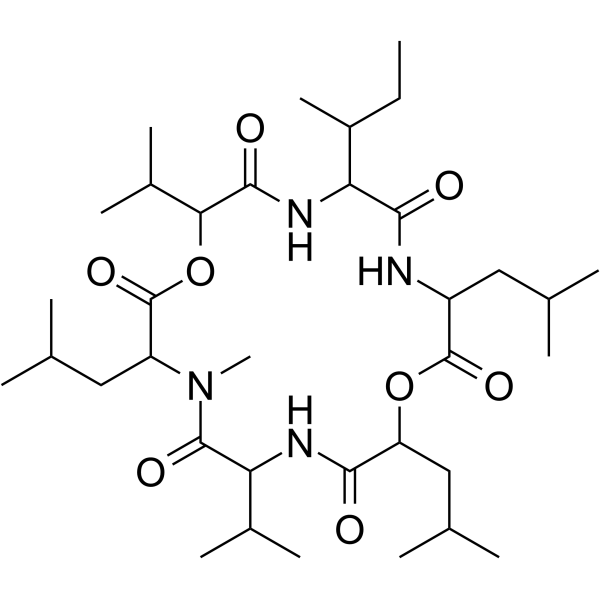
- HY-N8582
-
-
- HY-N3189
-
-
- HY-N5148
-
-
- HY-123095
-
-
- HY-N15006
-
-
- HY-N4295
-
-
- HY-N8005
-
-
- HY-N0025
-
-
- HY-N12638
-
-
- HY-121136A
-
-
- HY-121136
-
-
- HY-N14635
-
-
- HY-167641
-
-
- HY-N14637
-
-
- HY-N14427
-
-
- HY-W778547
-
-
- HY-N14903
-
|
|
Microorganisms
Antibiotics
Other Antibiotics
Source Classification
|
Antibiotic
Bacterial
|
|
Oximidine III is an anti-tumor antibiotic. Oximidine III can selectively inhibit the growth of 3Y1 in rat fibroblasts with degeneration of various tumor genes. Oximidine III inhibits v-H-ras-3Y1, v-src-3Y1 cells and the normal 3Y1 cells with IC50s (nM) of 14, 4.5 and 140, respectively. Oximidine III stops RAS-or SRC-denatured cells at G1 phase of the cell cycle and increases p21WAF1 expression .
|
-
- HY-115407
-
|
|
Natural Products
Microorganisms
Source Classification
|
Bacterial
|
|
Cochliodone A is an active compound extracted from cultures of the deep-sea derived fungus Chaetomium sp. and has antibacterial and anticancer activity. Cochliodone A is toxic to a variety of bacteria, with MICs of 15.3 μg/mL (V. vulnificus), 32.7 μg/mL (V. rotiferianus), 15.9 μg/mL (S. aureus ATCC 43300), and 16.3 μg/mL (S . aureus CGMCC 1.12409). Cochliodone A also inhibits a variety of cancer cell lines, with IC50s of 28.1 μM (A549), 20.7 μM (HeLa), and 23.2 μM (Hep G2) .
|
-
- HY-125511
-
|
|
Natural Products
Microorganisms
Source Classification
|
Fungal
|
|
Chaetoviridin A exhibits antifungal activity against several plants pathogen, inhibits growth of Verticillium dahliae through cell necrosis and mycelial deformation, and thus improves sensitivity of V. dahliae to stress, increases the emergence rate and plant height of cotton .
|
-
- HY-N12728
-
-
- HY-N0607R
-
-
- HY-126634
-
|
|
Structural Classification
Alkaloids
other families
Plants
Lyngbya majuscule
Indole Alkaloids
Source Classification
|
Others
|
|
Lyngbyatoxin B is a complex compound in a versatile biosynthetic pathway from the marine cyanobacterium Moorea producens. By heterologously expressing the lyngbyatoxin biosynthetic pathway in Escherichia coli, lyngbyatoxin A (25.6 mg/L) and its precursor indolactam-V (150 mg/L) were successfully produced. This approach confirmed the biosynthetic route of lyngbyatoxin and laid a chemical foundation for future pathway engineering. In addition, the successful production of lyngbyatoxin A in E. coli opens the possibility for heterologous expression and characterization of other cyanobacterial natural products.
|
-
- HY-N3097R
-
-
- HY-N17887
-
-
- HY-N17908
-
-
- HY-N17638
-
-
- HY-N13811
-
-
- HY-N13770
-
-
- HY-N17559
-
-
- HY-N16812
-
-
- HY-N18029
-
-
- HY-N18026
-
-
- HY-W572386
-
-
- HY-N14426
-
-
- HY-N17304
-
-
- HY-N3097
-
-
| Cat. No. |
Product Name |
Chemical Structure |
-
- HY-128554S
-
|
|
|
N-Desethyl amodiaquine-d5 is the deuterium labeled N-Desethyl amodiaquine. N-Desethyl amodiaquine is the major biologically active metabolite of Amodiaquine. N-Desethyl amodiaquine is an antiparasitic agent. IC50 values for strains V1/S and 3D7 are 97 nM and 25 nM, respectively .
|
-
-
- HY-W653733
-
1 Publications Verification
|
|
L-Homocysteine-d4 is deuterium labeled L-Homocysteine (HY-W010347) . L-Homocysteine, an amino acid, is a homocysteine that has L configuration. Homocysteine is an essential intermediate in normal mammalian metabolism of methionine. L-Homocysteine induces upregulation of Cathepsin V that mediates vascular endothelial inflammation in hyperhomocysteinaemia
|
-
-
- HY-169326S
-
|
|
|
JAK2-IN-11 (Example 6) is a JAK2 kinase inhibitor with IC50 ≤10 nM against JH2 BIND WT/V617F. JAK2-IN-11 has antitumor activity .
|
-
-
- HY-15463S1
-
|
|
|
Imatinib-d4 (STI571-d4) is a deuterium labeled Imatinib (STI571). Imatinib is an orally bioavailable tyrosine kinases inhibitor that selectively inhibits BCR/ABL, v-Abl, PDGFR and c-kit kinase activity .
|
-
-
- HY-176785S
-
|
|
|
MCB-294 is a dual-state pan-KRAS inhibitor that selectively inhibits KRAS over NRAS and HRAS. MCB-294 capable of binding both the active (GTP-bound) and inactive (GDP-bound) forms of KRAS with Kds of approximately 1 pM and 10 nM, respectively. MCB-294 broadly impairs the growth of hTERT-HPNE cells expressing G12D, G12C, G12V, G12S, G13D, and wild-type KRAS, with IC50s of approximately 700 nM. MCB-294 induces irreversible apoptosis in KRAS-mutated tumors. MCB-294 effectively suppress KRAS G12C inhibitor-resistant cancer cells and remodel the tumor immune microenvironment. MCB-294 can be used for the study of pancreatic cancer, colorectal cancer and lung cancer .
|
-
-
- HY-179253
-
|
|
|
KRAS-IN-47 is a KRAS inhibitor with IC50 < 50 nM against KRAS G12V. KRAS-IN-47 can be used for the study of cancers .
|
-
-
- HY-15463S
-
1 Publications Verification
|
|
Imatinib-d8 is a deuterium labeled Imatinib (STI571). Imatinib is an orally bioavailable tyrosine kinases inhibitor that selectively inhibits BCR/ABL, v-Abl, PDGFR and c-kit kinase activity .
|
-
-
- HY-161684
-
|
|
|
JAK2-IN-10 is a selective JAK2 V617F inhibitor with an IC50 value of ≤10 nM . JAK2-IN-10 can be used for the research of myeloproliferative neoplasms and other related diseases .
|
-
-
- HY-128554S1
-
|
|
|
N-Desethyl amodiaquine-d5 dihydrochloride is the deuterium labeled N-Desethyl amodiaquine dihydrochloride. N-Desethyl amodiaquine dihydrochloride is the major biologically active metabolite of Amodiaquine. N-Desethyl amodiaquine dihydrochloride is an antiparasitic agent. IC50 values for strains V1/S and 3D7 are 97 nM and 25 nM, respectively .
|
-
-
- HY-16379S
-
|
|
|
Pacritinib-d8 (SB1518-d8) is the deuterium labeled Pacritinib (HY-16379). Pacritinib (SB1518) is a potent inhibitor of both wild-type JAK2 (IC50=23 nM) and JAK2 V617F mutant (IC50=19 nM). Pacritinib also inhibits FLT3 (IC50=22 nM) and its mutant FLT3 D835Y (IC50=6 nM).
|
-
-
- HY-W747491
-
|
|
|
Triclosan- 13C12 is 13C labeled Triclosan (HY-B1119). Triclosan is a broad-spectrum antibacterial agent that inhibits bacterial fatty acid synthesis at the enoyl-acyl carrier protein reductase (FabI) step. Triclosan inhibits E. coli enoyl-acyl carrier protein reductase (FabI) and FabI containing a glycine-to-valine substitution at position 93 (FabIG93V) with IC50s of 2 μM and 10 μM, respectively. Triclosan causes apoptotic effect in cultured rat neural stem cells (NSC). Triclosan exacerbates colitis and colitis-associated colorectal tumorigenesis in animal models .
|
-
-
- HY-B0975S1
-
|
|
|
Penicillin V-d5 (potassium) is the deuterium labeled Penicillin V Potassium . Penicillin V Potassium (Phenoxymethylpenicillin potassium salt) is an orally active antibiotic. Penicillin V Potassium inhibits the growth of Streptococci, C. difficile and S. aureus. Penicillin V Potassium can be used for the research of otitis, sinusitis, pharyngitis and tonsillitis .
|
-
-
- HY-151903S
-
|
|
|
FGFR2/3-IN-1 is a potent and selective FGFR2 and FGFR3 (FGFR) inhibitor with IC50s of 1 nM and 0.5 nM, respectively. FGFR2/3-IN-1 displays >40-fold selectivity over FGFR1/FGFR4 and other kinome. FGFR2/3-IN-1 also inhibits FGFR3 V555L and V555M mutants with IC50s of 2.7 nM and 6.1 nM, respectively .
|
-
-
- HY-B0124S
-
|
|
|
Zonisamide-d4 is the deuterium labeled Zonisamide. Zonisamide (AD 810) is an inhibitor of zinc enzyme carbonic anhydrase (CA), with Kis of 35.2 nM and 20.6 nM for human mitochondrial isozyme hCA II and hCA V, respectively. Zonisamide has antiepileptic activity. Zonisamide can be used for the rsearch for epilepsy, seizures and Parkinson's disease .
|
-
-
- HY-W653962
-
|
|
|
Triclosan- 13C6 is 13C labeled Triclosan. Triclosan is a broad-spectrum antibacterial agent that inhibits bacterial fatty acid synthesis at the enoyl-acyl carrier protein reductase (FabI) step. Triclosan inhibits E. coli enoyl-acyl carrier protein reductase (FabI) and FabI containing a glycine-to-valine substitution at position 93 (FabIG93V) with IC50s of 2 μM and 10 μM, respectively. Triclosan causes apoptotic effect in cultured rat neural stem cells (NSC). Triclosan exacerbates colitis and colitis-associated colorectal tumorigenesis in animal models .
|
-
-
- HY-14805S
-
|
|
Tecovirimat-d4 (ST-246-d4) is a deuterium-labelled Tecovirimat (HY-14805). Tecovirimat is an orally bioavailable and selective compound against orthopoxviruses [including vaccinia, monkeypox, camelpox, cowpox, ectromelia (mousepox), smallpox and variola viruses]. Tecovirimat is evaluated against vaccinia, cowpox virus, ectromelia virus with EC50 values of 0.01 μM, 0.48 μM and 0.05 μM, respectively. Tecovirimat targets the orthopoxvirus protein VP37 which is necessary for membrane envelopment of intracellular mature virus particles to form enveloped virus. Tecovirimat exerts antiviral activity on the target of the cowpox virus V061 gene, which is homologous to vaccinia virus F13L, encoding a major envelope protein (p37) required for production of extracellular virus. Tecovirimat could be used in the study for orthopoxvirus-induced diseases .
|
-
-
- HY-14852S
-
|
|
|
Tafamidis-d3 is deuterium labeled Tafamidis. Tafamidis is a potent and selective transthyretin (TTR) stabilizer, shows comparable potency and efficacy to the mutumant homotetramers V30M-TTR, V122I-TTR and wild type WT-TTR, with EC50s of 2.7-3.2 μM. Tafamidis inhibits amyloidogenesis .
|
-
-
- HY-W754911
-
|
|
|
Avapritinib-d3 (BLU-285-d3) is deuterium labeled Avapritinib. Avapritinib (BLU-285) is a highly potent, selective, and orally active KIT and PDGFRA activation loop mutant kinases inhibitor with IC50s of 0.27 and 0.24 nM for KIT D816V and PDGFRA D842V, respectively. Avapritinib (BLU-285) binds the active conformation of the kinase and shows antitumor activity. Avapritinib (BLU-285) attenuates the transport function of both ABCB1 and ABCG2 .
|
-
-
- HY-15463S3
-
|
|
|
Imatinib- 13C,d3 (STI571- 13C,d3) is 13C labeled Imatinib. Imatinib (STI571) is an orally bioavailable tyrosine kinases inhibitor that selectively inhibits BCR/ABL, v-Abl, PDGFR and c-kit kinase activity. Imatinib (STI571) works by binding close to the ATP binding site, locking it in a closed or self-inhibited conformation, therefore inhibiting the enzyme activity of the protein semicompetitively . Imatinib also is an inhibitor of SARS-CoV and MERS-CoV .
|
-
-
- HY-131905S
-
|
|
|
BMS-986144 is a third-generation, pan-genotype (GT) NS3/4A protease inhibitor. BMS-986144 inhibits HCV replicon with EC50s of 2.3, 0.7, 1.0, 12, 8.0, and 5.8 nM for GT-1a, GT-1b, GT-2a, GT-3a, 1a R155X, and 1b D168V, respectively. BMS-986144 has the potential for the research of HCV infection .
|
-
-
- HY-B0975S
-
|
|
|
Penicillin V- 13C6 (potassium) is the 13C6 labeled Penicillin V (potassium). Penicillin V Potassium (Phenoxymethylpenicillin potassium salt) is an orally active antibiotic. Penicillin V Potassium inhibits the growth of Streptococci, C. difficile and S. aureus. Penicillin V Potassium can be used for the research of otitis, sinusitis, pharyngitis and tonsillitis.
|
-
-
- HY-B0975AS
-
|
|
|
Penicillin V-d5 (Phenoxymethylpenicillin-d5) is the deuterium labeled Penicillin V. Penicillin V (Phenoxymethylpenicillin) is an orally active antibiotic. Penicillin V inhibits the growth of Streptococci, C. difficile and S. aureus. Penicillin V can be used for the research of otitis, sinusitis, pharyngitis and tonsillitis .
|
-
-
- HY-176354S
-
|
|
|
KRAS 2B G12V mutant, Arg- 13C36, 15N4, Lys- 13C6, 15N2 is the 13C- and 15N-labeled KRAS 2B G12V mutant.
|
-
-
- HY-18346S
-
|
|
|
Mozavaptan-d6 (OPC-31260-d6) is the deuterium labeled Mozavaptan. Mozavaptan (OPC-31260) is a benzazepine derivative and a potent, selective, competitive and orally active vasopressin V2 receptor antagonist with an IC50 of 14 nM. Mozavaptan shows ~85-fold selectivity for V2 receptor over V1 receptor (IC50 of 1.2 μM), and can antagonize the antidiuretic action of arginine vasopressin (AVP) in vivo. Mozavaptan has the potential for hyponatremia, syndrome of inappropriate antidiuretic hormone (SIADH), and congestive heart failure treatment .
|
-
-
- HY-104074S
-
|
|
|
Pocapavir-d3 (SCH-48973-d3; V-073-d3) is the deuterium labeled Pocapavir (HY-104074) . Pocapavir (SCH-48973) is an orally active capsid inhibitor. Pocapavir prevents virion uncoating upon entry into the cell. Pocapavir has antiviral activity against polioviruses. Pocapavir also inhibits enterovirus infections .
|
-
-
- HY-17436S1
-
|
|
|
Clevidipine-d7 is the deuterium labeled Clevidipine. Clevidipine is a short-acting dihydropyridine calcium channel antagonist (IC50= 7.1 nM, V(H) = -40 mV ) under development for treatment of perioperative hypertension .
|
-
-
- HY-17436S4
-
|
|
|
Clevidipine- 15N,d10 is 15N and deuterated labeled Clevidipine (HY-17436). Clevidipine is a short-acting dihydropyridine calcium channel antagonist (IC50= 7.1 nM, V(H)=-40 mV ).
|
-
-
- HY-17436S3
-
|
|
|
(R)-Clevidipine- 13C,d3 is the deuterium and 13C labeled Clevidipine . Clevidipine is a short-acting dihydropyridine calcium channel antagonist (IC50= 7.1 nM, V(H) = -40 mV ) under development for treatment of perioperative hypertension .
|
-
-
- HY-W759629
-
|
|
|
Selpercatinib-d3 (LOXO-292-d3) is deuterium labeled Selpercatinib. Selpercatinib (LOXO-292) is a potent, selective RET kinase inhibitor with IC50 values of 14.0 nM, 24.1 nM, and 530.7 nM for RET (WT), RET (V804M), and RET (G810R), respectively. Selpercatinib has anticancer activity .
|
-
-
- HY-15463S2
-
|
|
|
Imatinib-d3 (hydrochloride) is the deuterium labeled Imatinib. Imatinib (STI571) is an orally bioavailable tyrosine kinases inhibitor that selectively inhibits BCR/ABL, v-Abl, PDGFR and c-kit kinase activity. Imatinib (STI571) works by binding close to the ATP binding site, locking it in a closed or self-inhibited conformation, therefore inhibiting the enzyme activity of the protein semicompetitively. Imatinib also is an inhibitor of SARS-CoV and MERS-CoV.
|
-
-
- HY-114370S
-
|
|
|
Selpercatinib- 13C,d3 (LOXO-292- 13C,d3) is 13C labeled Selpercatinib. Selpercatinib (LOXO-292) is a potent, selective RET kinase inhibitor with IC50 values of 14.0 nM, 24.1 nM, and 530.7 nM for RET (WT), RET (V804M), and RET (G810R), respectively. Selpercatinib has anticancer activity .
|
-
-
- HY-10409S
-
|
|
|
Fedratinib-d9 (TG-101348-d9) is deuterium labeled Fedratinib. Fedratinib (TG-101348) is a potent, selective, ATP-competitive and orally active JAK2 inhibitor with IC50s of 3 nM for both JAK2 and JAK2V617F kinase. Fedratinib shows 35- and 334-fold selectivity over JAK1 and JAK3, respectively. Fedratinib induces cancer cell apoptosis and has the potential for myeloproliferative disorders research .
|
-
-
- HY-B0124S2
-
|
|
|
Zonisamide- 13C6 (AD 810- 13C6) is 13C labeled Zonisamide. Zonisamide (AD 810) is an orally active carbonic anhydrase inhibitor, with Kis of 35.2 and 20.6 nM for hCA II and hCA V, respectively. Zonisamide exerts neuroprotective effects through anti-apoptosis and upregulating MnSOD levels. Zonisamide also increases the expression of Hrd1, thereby improving cardiac function in AAC rats. Zonisamide can be used in studies of seizure, parkinson’s disease and cardiac hypertrophy .
|
-
-
- HY-W779241
-
|
|
|
Penicillin V b-sulfoxide-d3 is the deuterium labeled Penicillin V b-sulfoxide.
|
-
-
- HY-B0124S3
-
|
|
|
Zonisamide- 15N,d4 is the 15N- and deuterium labeled Zonisamide (HY-B0124). Zonisamide (AD 810) is an orally active carbonic anhydrase inhibitor, with Kis of 35.2 and 20.6 nM for hCA II and hCA V, respectively. Zonisamide exerts neuroprotective effects through anti-apoptosis and upregulating MnSOD levels. Zonisamide also increases the expression of Hrd1, thereby improving cardiac function in AAC rats. Zonisamide can be used in studies of seizure, parkinson’s disease and cardiac hypertrophy .
|
-
-
- HY-175991S
-
|
|
|
Sodium octadecyl sulfate-d37 (Sodium stearyl sulfate-d37) is the deuterium labeled Sodium octadecyl sulfate (HY-W276164). Sodium octadecyl sulfate (Sodium stearyl sulfate) is a long-chain alkyl sodium sulfate that functions as an emulsifier, crosslinking agent, and regulator. Sodium octadecyl sulfate has high safety, with a LD50 greater than 3.00 Gm./Kg for both intraperitoneal injection in mice and oral administration in rats. Sodium octadecyl sulfate enhances continuous contraction of the gastrocnemius muscle in frogs and boosts intestinal smooth muscle activity in albino rats. However, Sodium octadecyl sulfate exerts no significant effect on isolated tortoise myocardium and does not alter the conduction function of frog sciatic nerves. Sodium octadecyl sulfate can also be used to coat the surface of starch aggregates, promote crosslinking and increase aggregate size through hydrophobic and electrostatic interactions, and further form a coexistent B-V type crystalline structure with acid-hydrolyzed gelatinized starch, thereby effectively modifying the structure and surface properties of high-starch systems .
|
-
| Cat. No. |
Product Name |
|
Classification |
-
- HY-162874
-
|
|
|
DBCO
|
|
diABZI-V/C-DBCO is a STING agonist with an EC50 of 1.47 nM. diABZI-V/C-DBCO activates the STING pathway, induces the production of IFN-I, and stimulates the secretion of IFN-β. diABZI-V/C-DBCO serves as a substrate for cathepsin B, and releases active diABZI-amine via cathepsin B-mediated cleavage. In an orthotopic mouse model of breast cancer, diABZI-V/C-DBCO increases serum IFN-β levels and the frequency of granzyme B + CD8 + T cells. diABZI-V/C-DBCO is applicable to research related to triple-negative breast cancer .
|
-
- HY-176786
-
|
|
|
Alkynes
|
|
MCB-36 is a VHL-recruiting pan-KRAS PROTAC degrader without affecting KRAS transcription. MCB-36 exhibits minimal effects on HRAS and NRAS protein levels. MCB-36 binds to the GDP-loaded state of G12D, G12C, G12V, and wild-type KRAS with high affinities Kd ≈ 1 pM). MCB-36 decreases p-ERK levels, leading to cell apoptosis. MCB-36 effectively suppress KRAS G12C inhibitor-resistant cancer cells and remodel the tumor immune microenvironment. MCB-36 can be used for the study of colorectal cancer and lung cancer (Pink: Target protein ligand; Blue: E3 ligand (HY-112078); Black: Linker (HY-W091879)) .
|
-
- HY-19476
-
|
|
|
Alkynes
|
|
AG-7404 is an orally active, irreversible inhibitor of the picornavirus 3C protease. AG-7404 blocks the processing of viral polyproteins, thereby inhibiting viral replication. AG-7404 has synergistic antiviral activity with capsid inhibitors such as V-073 (HY-104074) or BTA798 (HY-106254) and is effective against V-073-resistant variants. AG-7404 is used in the study of enterovirus infections such as poliovirus .
|
-
- HY-159652
-
|
|
|
Alkynes
|
|
KRAS inhibitor-31 (compound 33) is a KRAS inhibitor, with KD (SPR) values of 0.019 nM, 0.019 nM and 0.096 nM for KRas G12D, KRas G12C and KRas G12V, respectively .
|
-
- HY-176785S
-
|
|
|
Alkynes
|
|
MCB-294 is a dual-state pan-KRAS inhibitor that selectively inhibits KRAS over NRAS and HRAS. MCB-294 capable of binding both the active (GTP-bound) and inactive (GDP-bound) forms of KRAS with Kds of approximately 1 pM and 10 nM, respectively. MCB-294 broadly impairs the growth of hTERT-HPNE cells expressing G12D, G12C, G12V, G12S, G13D, and wild-type KRAS, with IC50s of approximately 700 nM. MCB-294 induces irreversible apoptosis in KRAS-mutated tumors. MCB-294 effectively suppress KRAS G12C inhibitor-resistant cancer cells and remodel the tumor immune microenvironment. MCB-294 can be used for the study of pancreatic cancer, colorectal cancer and lung cancer .
|
-
- HY-179253
-
|
|
|
Alkynes
|
|
KRAS-IN-47 is a KRAS inhibitor with IC50 < 50 nM against KRAS G12V. KRAS-IN-47 can be used for the study of cancers .
|
-
- HY-159474
-
|
|
|
Azide
|
|
KRAS inhibitor-24 (compound 115c) is a pyridopyrimidine KRAS inhibitor, with an IC50 of < 100 nM for KRas G12V, KRas WT and KRas G12R .
|
-
- HY-179300A
-
|
|
|
Alkynes
|
|
KRAS-IN-48 (Compound 1-01) is a KRAS mutant inhibitor, with Kd values of 2.58 nM and 5.49 μM for KRAS-G12D and KRAS-G12V, respectively. KRAS-IN-48 can be used in the research of cancer .
|
-
- HY-159476
-
|
|
|
Azide
|
|
KRAS inhibitor-26 (compound 194a) is a potent KRAS G12V inhibitor (IC50: ≤100 nM). KRAS inhibitor-26 can be used for cancer research .
|
-
- HY-179167
-
|
|
|
Alkynes
|
|
K2V-9 is an AChE and MAO-B inhibitor with IC50 values of 1.72 μM and 0.950 μM against AChE and MAO-B, respectively. K2V-9 inhibits amyloid β self-aggregation and reduces ROS. K2V-9 has neuroprotective effects .
|
-
- HY-162446
-
|
|
|
Alkynes
|
|
pan-KRAS-IN-13 (compound 2) is a potent inhibitor of KRAS, with IC50s of 2.75 nM and 2.89 nM for G12D and G12V, respectively
|
-
- HY-149880
-
|
|
|
Alkynes
|
|
c-Met-IN-18 is ATP competitive type-III c-MET inhibitor of WT and D1228V mutant c-MET. c-Met-IN-18 has inhibitory for WT/D1228V with an IC50 value of 0.013/0.20 e.c-Met-IN-18 can be used for the research of c-MET driven cancers . c-Met-IN-18 is a click chemistry reagent, it contains an Alkyne group and can undergo copper-catalyzed azide-alkyne cycloaddition (CuAAc) with molecules containing Azide groups.
|
-
- HY-159475
-
|
|
|
Azide
|
|
KRAS inhibitor-25 (compound 151a) is a pyridopyrimidine KRAS inhibitor, with an IC50 of < 100 nM against KRas G12V, KRas WT and KRas G12R .
|
-
- HY-159473
-
|
|
|
Alkynes
|
|
K-Ras-IN-3 (compound 3) is a potent GDP-KRAS G12V inhibitor with an IC50 value of 0.371 nM. K-Ras-IN-3 has the potential for the research of cancer .
|
-
- HY-167690
-
|
|
|
Alkynes
|
|
MK-6186 is a novel non-nucleoside reverse transcriptase inhibitor with sub-nanomolar activity against wild-type viruses and the two most common NNRTI-resistant RT mutants (K103N and Y181C). MK-6186 exhibits excellent antiviral activity against K103N and Y181C mutant viruses. When MK-6186 targets 12 common NNRTI-associated mutant viruses, only two relatively rare mutants (Y188L and V106I/Y188L) show high resistance, with FC values exceeding 100, while the FC values of the remaining viruses are all below 10. In addition, when MK-6186 faces 96 clinical virus isolates carrying NNRTI-resistant mutations, most (70%) viruses show more than 10-fold resistance to efavirenz (EFV), while only 29% of mutant viruses show more than 10-fold resistance to MK-6186 .
|
-
- HY-179300
-
|
|
|
Alkynes
|
|
KRAS-IN-48 free base (Compound 1-01) is a mutant KRAS inhibitor, with Kd values of 2.58 nM and 5.49 μM for KRAS G12D and KRAS G12V, respectively. KRAS-IN-48 free base affects pERK expression in cells harboring KRAS G12D and KRAS G12V mutations, with IC50 values of 1.1 μM and 1.51 μM, respectively. KRAS-IN-48 free base can be used in the research of cancer .
|
| Cat. No. |
Product Name |
|
Classification |
-
- HY-RS01225
-
|
|
|
siRNAs
Human Pre-designed siRNA Sets
|
|
ATP6V1B2 Human Pre-designed siRNA Set A contains three designed siRNAs for ATP6V1B2 gene (Human), as well as a negative control, a positive control, and a FAM-labeled negative control.
|
-
- HY-RS29446
-
|
|
|
siRNAs
|
|
ATP6V1A Monkey Pre-designed siRNA Set A contains three designed siRNAs for ATP6V1A gene (Monkey), as well as a negative control, a positive control, and a FAM-labeled negative control.
|
-
- HY-RS03483
-
|
|
|
siRNAs
Human Pre-designed siRNA Sets
|
|
CYP4V2 Human Pre-designed siRNA Set A contains three designed siRNAs for CYP4V2 gene (Human), as well as a negative control, a positive control, and a FAM-labeled negative control.
|
-
- HY-RS01217
-
|
|
|
siRNAs
Human Pre-designed siRNA Sets
|
|
ATP6V0A2 Human Pre-designed siRNA Set A contains three designed siRNAs for ATP6V0A2 gene (Human), as well as a negative control, a positive control, and a FAM-labeled negative control.
|
-
- HY-RS18574
-
|
|
|
siRNAs
Mouse Pre-designed siRNA Sets
|
|
Atp6v1a Mouse Pre-designed siRNA Set A contains three designed siRNAs for Atp6v1a gene (Mouse), as well as a negative control, a positive control, and a FAM-labeled negative control.
|
-
- HY-RS10356
-
|
|
|
siRNAs
Human Pre-designed siRNA Sets
|
|
PF4V1 Human Pre-designed siRNA Set A contains three designed siRNAs for PF4V1 gene (Human), as well as a negative control, a positive control, and a FAM-labeled negative control.
|
-
- HY-RS15364
-
|
|
|
siRNAs
Human Pre-designed siRNA Sets
|
|
UBE2V1 Human Pre-designed siRNA Set A contains three designed siRNAs for UBE2V1 gene (Human), as well as a negative control, a positive control, and a FAM-labeled negative control.
|
-
- HY-RS28489
-
|
|
|
siRNAs
Rat Pre-designed siRNA Sets
|
|
Ube2v2 Rat Pre-designed siRNA Set A contains three designed siRNAs for Ube2v2 gene (Rat), as well as a negative control, a positive control, and a FAM-labeled negative control.
|
-
- HY-RS26708
-
|
|
|
siRNAs
Rat Pre-designed siRNA Sets
|
|
Ube2v1 Rat Pre-designed siRNA Set A contains three designed siRNAs for Ube2v1 gene (Rat), as well as a negative control, a positive control, and a FAM-labeled negative control.
|
-
- HY-RS15365
-
|
|
|
siRNAs
Human Pre-designed siRNA Sets
|
|
UBE2V2 Human Pre-designed siRNA Set A contains three designed siRNAs for UBE2V2 gene (Human), as well as a negative control, a positive control, and a FAM-labeled negative control.
|
-
- HY-RS21972
-
|
|
|
siRNAs
Mouse Pre-designed siRNA Sets
|
|
Ube2v2 Mouse Pre-designed siRNA Set A contains three designed siRNAs for Ube2v2 gene (Mouse), as well as a negative control, a positive control, and a FAM-labeled negative control.
|
-
- HY-RS01223
-
|
|
|
siRNAs
Human Pre-designed siRNA Sets
|
|
ATP6V1A Human Pre-designed siRNA Set A contains three designed siRNAs for ATP6V1A gene (Human), as well as a negative control, a positive control, and a FAM-labeled negative control.
|
-
- HY-RS01230
-
|
|
|
siRNAs
Human Pre-designed siRNA Sets
|
|
ATP6V1F Human Pre-designed siRNA Set A contains three designed siRNAs for ATP6V1F gene (Human), as well as a negative control, a positive control, and a FAM-labeled negative control.
|
-
- HY-RS01220
-
|
|
|
siRNAs
Human Pre-designed siRNA Sets
|
|
ATP6V0C Human Pre-designed siRNA Set A contains three designed siRNAs for ATP6V0C gene (Human), as well as a negative control, a positive control, and a FAM-labeled negative control.
|
-
- HY-RS01228
-
|
|
|
siRNAs
Human Pre-designed siRNA Sets
|
|
ATP6V1D Human Pre-designed siRNA Set A contains three designed siRNAs for ATP6V1D gene (Human), as well as a negative control, a positive control, and a FAM-labeled negative control.
|
-
- HY-RS01218
-
|
|
|
siRNAs
Human Pre-designed siRNA Sets
|
|
ATP6V0A4 Human Pre-designed siRNA Set A contains three designed siRNAs for ATP6V0A4 gene (Human), as well as a negative control, a positive control, and a FAM-labeled negative control.
|
-
- HY-RS01216
-
|
|
|
siRNAs
Human Pre-designed siRNA Sets
|
|
ATP6V0A1 Human Pre-designed siRNA Set A contains three designed siRNAs for ATP6V0A1 gene (Human), as well as a negative control, a positive control, and a FAM-labeled negative control.
|
-
- HY-RS01219
-
|
|
|
siRNAs
Human Pre-designed siRNA Sets
|
|
ATP6V0B Human Pre-designed siRNA Set A contains three designed siRNAs for ATP6V0B gene (Human), as well as a negative control, a positive control, and a FAM-labeled negative control.
|
-
- HY-RS01234
-
|
|
|
siRNAs
Human Pre-designed siRNA Sets
|
|
ATP6V1H Human Pre-designed siRNA Set A contains three designed siRNAs for ATP6V1H gene (Human), as well as a negative control, a positive control, and a FAM-labeled negative control.
|
-
- HY-RS01224
-
|
|
|
siRNAs
Human Pre-designed siRNA Sets
|
|
ATP6V1B1 Human Pre-designed siRNA Set A contains three designed siRNAs for ATP6V1B1 gene (Human), as well as a negative control, a positive control, and a FAM-labeled negative control.
|
-
- HY-RS01232
-
|
|
|
siRNAs
Human Pre-designed siRNA Sets
|
|
ATP6V1G2 Human Pre-designed siRNA Set A contains three designed siRNAs for ATP6V1G2 gene (Human), as well as a negative control, a positive control, and a FAM-labeled negative control.
|
-
- HY-RS01233
-
|
|
|
siRNAs
Human Pre-designed siRNA Sets
|
|
ATP6V1G3 Human Pre-designed siRNA Set A contains three designed siRNAs for ATP6V1G3 gene (Human), as well as a negative control, a positive control, and a FAM-labeled negative control.
|
-
- HY-RS01229
-
|
|
|
siRNAs
Human Pre-designed siRNA Sets
|
|
ATP6V1E1 Human Pre-designed siRNA Set A contains three designed siRNAs for ATP6V1E1 gene (Human), as well as a negative control, a positive control, and a FAM-labeled negative control.
|
-
- HY-RS01227
-
|
|
|
siRNAs
Human Pre-designed siRNA Sets
|
|
ATP6V1C2 Human Pre-designed siRNA Set A contains three designed siRNAs for ATP6V1C2 gene (Human), as well as a negative control, a positive control, and a FAM-labeled negative control.
|
-
- HY-RS01226
-
|
|
|
siRNAs
Human Pre-designed siRNA Sets
|
|
ATP6V1C1 Human Pre-designed siRNA Set A contains three designed siRNAs for ATP6V1C1 gene (Human), as well as a negative control, a positive control, and a FAM-labeled negative control.
|
-
- HY-RS01231
-
|
|
|
siRNAs
Human Pre-designed siRNA Sets
|
|
ATP6V1G1 Human Pre-designed siRNA Set A contains three designed siRNAs for ATP6V1G1 gene (Human), as well as a negative control, a positive control, and a FAM-labeled negative control.
|
-
- HY-RS01221
-
|
|
|
siRNAs
Human Pre-designed siRNA Sets
|
|
ATP6V0D1 Human Pre-designed siRNA Set A contains three designed siRNAs for ATP6V0D1 gene (Human), as well as a negative control, a positive control, and a FAM-labeled negative control.
|
-
- HY-RS01222
-
|
|
|
siRNAs
Human Pre-designed siRNA Sets
|
|
ATP6V0D2 Human Pre-designed siRNA Set A contains three designed siRNAs for ATP6V0D2 gene (Human), as well as a negative control, a positive control, and a FAM-labeled negative control.
|
-
- HY-R01700A
-
|
|
|
MicroRNAs
miRNA agomirs
|
|
hsa-miR-548v agomirs are chemically-modified double-strand miRNA mimics with modified mature miRNA strand: 2 phosphorothioates at the 5' end, 4 phosphorothioates at the 3' end, 3' end cholesterol group, and full-length nucleotide 2'-methoxy modification. They are designed to mimic endogenous miRNAs and recommended for miRNA functional studies. Compared with miRNA mimics, they exhibits enhanced cellular uptake, stability and regulatory activity in vivo.
|
-
- HY-174597
-
|
|
|
mRNA
Interleukin & Receptors
|
|
Human IL7R mRNA encodes the human interleukin 7 receptor (IL7R) protein, a receptor for interleukin 7 (IL7). IL7R has been shown to play a critical role in V(D)J recombination during lymphocyte development.
|
-
- HY-R01700
-
|
|
|
MicroRNAs
miRNA mimics
|
|
hsa-miR-548v mimics are small, chemically synthesized double-stranded RNAs that mimic endogenous miRNAs and enable miRNA functional analysis by up-regulation of miRNA activity.
|
-
- HY-RS25058
-
|
|
|
siRNAs
Rat Pre-designed siRNA Sets
|
|
Atp6v1a Rat Pre-designed siRNA Set A contains three designed siRNAs for Atp6v1a gene (Rat), as well as a negative control, a positive control, and a FAM-labeled negative control.
|
-
- HY-RS20204
-
|
|
|
siRNAs
Mouse Pre-designed siRNA Sets
|
|
Ube2v1 Mouse Pre-designed siRNA Set A contains three designed siRNAs for Ube2v1 gene (Mouse), as well as a negative control, a positive control, and a FAM-labeled negative control.
|
-
- HY-RS27747
-
|
|
|
siRNAs
Rat Pre-designed siRNA Sets
|
|
Atp6v1f Rat Pre-designed siRNA Set A contains three designed siRNAs for Atp6v1f gene (Rat), as well as a negative control, a positive control, and a FAM-labeled negative control.
|
-
- HY-RS21230
-
|
|
|
siRNAs
Mouse Pre-designed siRNA Sets
|
|
Atp6v1f Mouse Pre-designed siRNA Set A contains three designed siRNAs for Atp6v1f gene (Mouse), as well as a negative control, a positive control, and a FAM-labeled negative control.
|
-
- HY-RI01700
-
|
|
|
MicroRNAs
miRNA inhibitors
|
|
hsa-miR-548v inhibitors are chemically-modified oligonucleotides that hybridize with mature miRNAs. The miRNA inhibitors have full-length nucleotide 2'-methoxy modification. The miRNA inhibitors strongly compete with mature miRNAs to prevent the complementary pairing of miRNAs and their target genes, thereby inhibiting miRNAs from functioning.
|
-
- HY-RI01700A
-
|
|
|
MicroRNAs
miRNA antagomirs
|
|
hsa-miR-548v antagomirs are chemically-modified oligonucleotides that hybridize with mature miRNAs. The miRNA antagomirs have 2 phosphorothioates at the 5' end, 4 phosphorothioates at the 3' end, 1 cholesterol group at the 3' end, and full-length nucleotide 2'-methoxy modification. The miRNA antagomirs strongly compete with mature miRNAs to prevent the complementary pairing of miRNAs and their target genes, thereby inhibiting miRNAs from functioning. Stability of miRNA antagomirs appears to be significantly higher than miRNA inhibitors, they exhibits enhanced cellular uptake, stability and regulatory activity in vivo.
|
-
- HY-185274
-
|
|
|
Nucleotide Analogs
Thymine Nucleotide
|
|
3'-O-(2-Nitrobenzyl)-dTTP acts as a reversible terminator for DNA chain elongation. 3'-O-(2-Nitrobenzyl)-dTTP interacts with 9°N polymerase (exo-) A485L/Y409V, gets recognized and incorporated into the elongating DNA chain, thereby temporarily terminating the polymerase reaction. 3'-O-(2-Nitrobenzyl)-dTTP carries a 3'-O-(2-nitrobenzyl) blocking group, which can be removed by laser irradiation to regenerate the free 3'-OH − group and restore polymerase activity. 3'-O-(2-Nitrobenzyl)-dTTP is applicable in DNA sequencing studies .
|
Your information is safe with us. * Required Fields.
Inquiry Information
- Product Name:
- Cat. No.:
- Quantity:
- MCE Japan Authorized Agent:





![d[Cha4]-AVP](http://file.medchemexpress.com/product_pic/hy-p1390.gif)


![d[Cha4]-AVP TFA](http://file.medchemexpress.com/product_pic/hy-p1390a.gif)


![D[LEU4,LYS8]-VP](http://file.medchemexpress.com/product_pic/hy-p1163.gif)


![D[LEU4,LYS8]-VP TFA](http://file.medchemexpress.com/product_pic/hy-p1163a.gif)


![(E)-3-Ethyl-2-(4-(1,2,2-triphenylvinyl)styryl)benzo[d]thiazol-3-ium hexafluorophosphate(V)](http://file.medchemexpress.com/product_pic/hy-w456399.gif)


![Mono(4,4',4'',4'''-([1,1'-biphenyl]-3,3',5,5'-tetrayl)tetrakis(1-methylpyridin-1-ium))monohexafluorophosphate(V)](http://file.medchemexpress.com/product_pic/hy-w543736.gif)


![Mono(4,4',4'',4'''-([1,1'-biphenyl]-3,3',5,5'-tetrayl)tetrakis(1-(4-(bromomethyl)benzyl)pyridin-1-ium))monohexafluorophosphate(V)](http://file.medchemexpress.com/product_pic/hy-w543737.gif)


![Br-Val-Ala-NH2-bicyclo[1.1.1]pentane-7-MAD-MDCPT](http://file.medchemexpress.com/product_pic/hy-148820.gif)


![1,1''-([1,1'-Biphenyl]-4,4'-diylbis(methylene))bis(([4,4'-bipyridin]-1-ium)) hexafluorophosphate(V)](http://file.medchemexpress.com/product_pic/hy-w333530.gif)


![Poly[bis(4-phenyl)(2,4,6-trimethylphenyl)amine]](http://file.medchemexpress.com/product_pic/hy-w391671.gif)





