Anidulafungin
HY-13553
(Ecalta; Eraxis; LY303366)
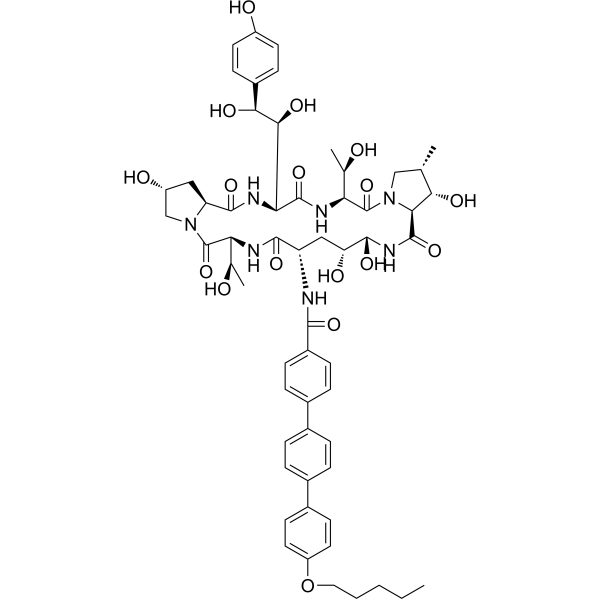
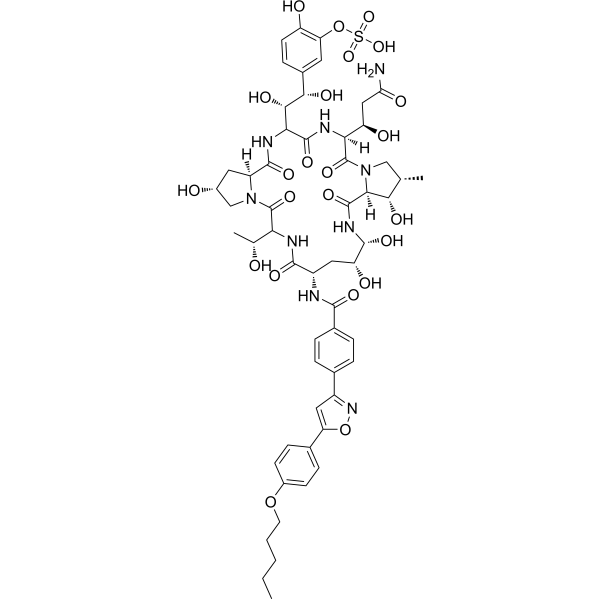
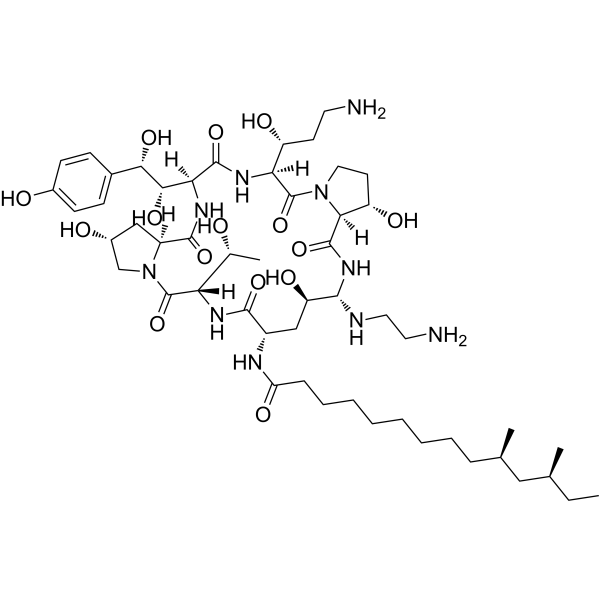
Anidulafungin Chemical Structure
Anidulafungin (LY303366) is a semisynthetic echinocandin used as an antifungal drug. Anidulafungin acts by inhibiting (1,3)-beta-D-glucan synthesis in the fungal cell wall.
Price and Availability of Anidulafungin
We offer a substantial discount on larger orders.Inquiry for price and availability only.
Please place your order via our email or fax.
Inquiry Online
Contact Us
Anidulafungin Data Sheet
-
DataSheet
Anidulafungin
Related Products
PDF File 1.64MB
Recommended Products
-
- Name
- Catalog No
- Target
- Brief Description
-
-
(+)-Ketoconazole
-
HY-B0105A
-
Antifungal
-
(+)-Ketoconazole is an imidazole anti-fungal agent, a CYP3A4 inhibitor.
Target: CYP3A4
(+)-Ketoconazole, an imidazole anti-fungal agent, has often produced features of androgen deficiency including decreased libido, gynecomastia, impotence, oligospermia, and decreased testosterone levels, in men being treated for chronic mycotic infections [1]. (+)-Ketoconazole also is a cytochrome P450 inhibitor [2].
(+)-Ketoconazole (KTZ), on the antischistosomal potential of these quinolines against Schistosoma mansoni infection by evaluating parasitological, histopathological, and biochemical parameters. Mice were classified into 7 groups: uninfected untreated (I), infected untreated (II), infected treated orally with PZQ (1,000 mg/kg) (III), QN (400 mg/kg) (IV), KTZ (10 mg/kg)+QN as group IV (V), HF (400 mg/kg) (VI), and KTZ (as group V)+HF (as group VI) (VII). KTZ plus QN or HF produced more inhibition (P<0.05) in hepatic CYP450 (85.7% and 83.8%) and CYT b5 (75.5% and 73.5%) activities, respectively, than in groups treated with QN or HF alone. This was accompanied with more reduction in female (89.0% and 79.3%), total worms (81.4% and 70.3%), and eggs burden (hepatic; 83.8%, 66.0% and intestinal; 68%, 64.5%), respectively, and encountering the granulomatous reaction to parasite eggs trapped in the liver [3].
Clinical indications: Candida infection; Dermatophytosis; Folliculitis
FDA Approved Date:
Toxicity: teratogenesis; liver injuries; adrenal gland problems
-
-
Amorolfine hydrochloride
-
HY-B0238
-
Antifungal
-
Amorolfine hydrochloride is a antifungal reagent.
Target: Antifungal
Amorolfine is an antifungal showing activity against fungi pathogenic to plants, animals and humans. Amorolfine possesses a broad antifungal spectrum including dermatophytes, yeasts, dimorphic fungi and moulds and is not only fungistatic but fungicidal against most species [1].
At 0.2, 2 and 5 micrograms/ml amorolfine did not have any significant inhibitory or enhancing effect on phagocytosis whether following simultaneous addition of blastospores and drug to the neutrophils, prior treatment of neutrophils for 2 h before addition of blastospores or prior treatment of blastospores for 2 h. Simultaneous addition of amorolfine resulted in a significant increase in killing at all concentrations. This increase was not significantly enhanced by either preincubation of neutrophils or blastospores for 2 h with the drug [2].
-
-
Amphotericin B
-
HY-B0221
-
Antifungal
-
Amphotericin B is a polyene, antifungal antibiotic produced from a strain of Streptomyces nodosus. (IC50=0.028–0.290 μg/ml)
Target: Antifungal
Amphotericin B (Fungilin, Fungizone, Abelcet, AmBisome, Fungisome, Amphocil, Amphotec) is a polyene antifungal drug, often used intravenously for systemic fungal infections. It was originally extracted from Streptomyces nodosus, a filamentous bacterium, in 1955 at the Squibb Institute for Medical Research from cultures of an undescribed streptomycete isolated from the soil collected in the Orinoco River region of Venezuela. Its name originates from the chemical's amphoteric properties.
As with other polyene antifungals, amphotericin B binds with ergosterol, a component of fungal cell membranes, forming a transmembrane channel that leads to monovalent ion leakage, which is the primary effect leading to fungal cell death. Recently, however, researchers found evidence that pore formation is not necessarily linked to cell death. Amphotericin administration is limited by infusion-related toxicity. This is thought to result from innate immune production of proinflammatory cytokines.
-
-
AN-2690
-
HY-10980
-
Antifungal
-
AN-2690(Tavaborole), an antifungal agent with activity against Trichophyton species, in a topical solution formulation, for the potential treatment of onychomycosis.
IC50 value:
Target: Antifungal agent
AN-2690, a broad-spectrum drug, is a very promising candidate for treatment of ungual and periungual infections with improved nail penetration and low keratin binding. AN-2690 is an antifungal agent with activity against Trichophyton species. AN-2690 inhibits yeast cytoplasmic leucyl-tRNA synthetase by formation of a stable tRNA(Leu)-AN2690 adduct in the editing site of the enzyme. AN-2690 is currently in clinical trials for onychomycosis topical treatment.
-
-
Ascomycin
-
HY-13557
-
Antifungal
-
Ascomycin(Immunomycin, FR-900520, FK520) is an ethyl analog of tacrolimus (FK506) with strong immunosuppressant properties.
IC50 Value: 0.55 nM [1]
Target:
in vitro: When we used either CD4+CD8+ thymocytes or peripheral T cells activated by phorbol ester and ionomycin, the cell surface induction of CD5 was also partially blocked by CsA, FK-520 and rapamycin [2]. Ascomycinalso had a 3-fold lower immunosuppressive potency in a popliteal lymph node hyperplasia assay, resulting in an equivalent therapeutic index consistent with a common mechanistic dependence on calcineurin inhibition [3].
in vivo: In 14-day studies, nephrotoxicity was not induced by continuous i.p. infusion of ascomycin at 10 mg/kg/day or daily oral administration (up to 50 mg/kg/day) in rats on a normal diet, nor by continuous i.v. infusion (up to 6 mg/kg/day) in rats on a low salt diet to enhance susceptibility [3].
-
-
Bifonazole
-
HY-B0301
-
Antifungal
-
Bifonazole is an imidazole antifungal drug.
Target: Antifungal
Bifonazole, a new broad-spectrum antimycotic, interferes with sterol biosynthesis. In dermatophytes bifonazole additionally inhibits directly HMG-CoA-reductase. bifonazole possesses a sequential mode of action, namely inhibition of cytochrome P450-dependent C14-demethylation of sterols and direct inhibition of HMG-CoA-reductase. In vitro bifonazole shows a strongly pH-dependent efficacy. The uptake kinetics of bifonazole have been measured with different pathogens [1]. Bifonazole additionally leads to a generally decreased rate of sterol biosynthesis as compared to clotrimazole, due to a direct inhibition of microsomal HMG-CoA-reductase. The additional fungicidal effects of bifonazole are considered to originate from a sequential action by inhibition of HMG-CoA-reductase and of cytochrome P450 [2]. bifonazole were affected by choice of medium with Kimmig's agar generally giving the lowest MIC's. Bifonazole MICs were shown to vary with pH (maximal activity at pH 6 . 5) with selected yeasts when tested on Kimmig's agar [3].
-
-
Butenafine Hydrochloride
-
HY-17396
-
Antifungal
-
Butenafine hydrochloride is a synthetic benzylamine antifungal, works by inhibiting the synthesis of sterols by inhibiting squalene epoxidase.
IC50 Value:
Target: Antifungal; squalene epoxidase
Butenafine Hydrochloride, a benzylamine derivative, is an antifungal which is used to control dermal fungal infections such as athletes foot and ring worm. Butenafine Hydrochloride is squalene epoxidase inhibitor, inhibits the synthesis of ergosterol needed in fungal cell membranes. The drug has excellent penetration into the epidermis and a prolonged retention time following topical application, conferring residual therapeutic activity after treatment cessation. Butenafine possess anti-inflammatory activity too. Butenafine hydrochloride 1% cream is safe and effective for tinea corporis cruris and tinea manuum pedis.
-
-
Butoconazole nitrate
-
HY-B0293
-
Antifungal
-
Butoconazole nitrate is an anti-fungal agent.
Target: Antifungal
butoconazole 1-BSR is an effective and safe alternative to longer-term therapy with miconazole nitrate (seven days) for vulvovaginal candidiasis [1]. A sustained-release (SR) bioadhesive vaginal cream (2% butoconazole nitrate) has incorporated VagiSite technology, a topical drug delivery system that allows SR of the drug [2].
-
-
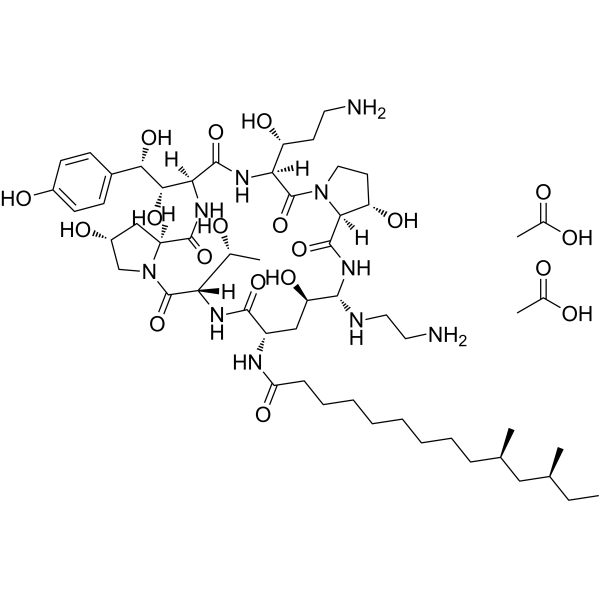
Caspofungin Acetate
-
HY-17006
-
Antifungal
-
Caspofungin (Cancidas; L 743872; L 743873; MK 0991) is an antifungal drug.
IC50 value:
Target: antifungal; β(1,3)-D-Glucan synthase
The first of a new class termed the echinocandins from Merck & Co., Inc. Caspofungin (Cancidas; L 743872; L 743873; MK 0991) shows activity against infections with Aspergillus and Candida, and works by inhibiting the enzyme β(1,3)-D-Glucan synthase and thereby disturbing the integrity of the fungal cell wall. Caspofungin (Cancidas; L 743872; L 743873; MK 0991) is administered intravenously.
-
-
Ciclopirox
-
HY-B0450
-
Antifungal
-
Ciclopirox (Penlac) is a synthetic antifungal agent.
Target: Antifungal
Ciclopirox is a synthetic antifungal agent for topical dermatologic treatment of superficial mycoses. It is most useful against Tinea versicolor. The mechanism of action of ciclopirox is poorly understood [1]. However, loss of function of certain catalase and peroxidase enzymes has been implicated as the mechanism of action, as well as various other components of cellular metabolism. In a study conducted to further elucidate ciclopirox's mechanism, several Saccharomyces cerevisiae mutants were screened and tested. Results from interpretation of the effects of both the drug treatment and mutation suggested that ciclopirox may exert its effect by disrupting DNA repair, cell division signals and structures (mitotic spindles) as well as some elements of intracellular transport [2]. It acts by inhibiting the membrane transfer system by interrupting the Na+ K+ ATPase [1]. It is currently being investigated as an alternative treatment to ketoconazole for seborrhoeic dermatitis as it suppresses growth of the yeast Malassezia furfur. Initial results show similar efficacy to ketoconazole with a relative increase in subjective symptom relief due to its inherent anti-inflammatory properties [3].
-
-
Clotrimazole
-
HY-10882
-
Antifungal
-
Clotrimazole is an imidazole derivative, an antifungal compound and is a CYP (cytochrome P450) inhibitor.
Target: Antifungal; CYP
Clotrimazole (brand name Canesten or Lotrimin) is an antifungal medication commonly used in the treatment of fungal infections (of both humans and other animals) such as vaginal yeast infections, oral thrush, and ringworm. It is also used to treat athlete's foot and jock itch.It is commonly available as an over-the-counter substance in various dosage forms, such as a cream, and also (especially in the case of ear infection) as a combination medicine. It is also available as a troche or throat lozenge (prescription only). For ear infection, it is often applied in liquid form, as ear drops.
The antimycotic drug clotrimazole inhibits the function of the gastric H,K-ATPase in a manner similar to that observed for the Na,K-ATPase. Because of the high hydrophobicity of the compound, the interaction between clotrimazole and the ion pump occurs at the membrane domain in the apolar core of the membrane. The enzymatic activity was inhibited with a half-saturating concentration of 5.2 microM. Various partial reactions of the pump cycle were analyzed with the electrochromic styryl dye RH421 that has been widely used to study the transport mechanism of P-type ATPases.
-
-
Econazole nitrate
-
HY-B0453
-
Antifungal
-
Econazole nitrate (Spectazole) is an imidazole class antifungal medication.
Target: Antifungal
Econazole nitrate is an antifungal medication of the imidazole class. It is used as a cream to treat skin infections such as athlete's foot, tinea, pityriasis versicolor, ringworm, and jock itch. In each of these tests the activity of econazole was compared with that of different reference drugs. Vaginal candidiasis in rats was cured after oral administration of econazole. Toxicity and teratogenicity studies in different laboratory animals indicate that econazole is well tolerated [1].
-
-
Efinaconazole
-
HY-15660
-
Antifungal
-
Efinaconazole(KP-103) is a novel triazole antifungal drug currently under development as a topical treatment for onychomycosis.
IC50 value: 0.0039 ug/ml (MIC for T. mentagrophytes SM-110) [1]
Target: antifungal agent
in vitro: Efinaconazole was 4-fold more active than itraconazole against T. mentagrophytes SM-110 (MICs of 0.0039 and 0.016 μg/ml, respectively). Similarly, efinaconazole was 8-fold more active than clotrimazole against C. albicans ATCC 10231 (MICs of 0.00098 and 0.0078 μg/ml, respectively) [1]. In a comprehensive survey of 1,493 isolates, efinaconazole MICs against T. rubrum and T. mentagrophytes ranged from ≤ 0.002 to 0.06 μg/ml, with 90% of isolates inhibited (MIC90) at 0.008 and 0.015 μg/ml, respectively. Efinaconazole MICs against 105 C. albicans isolates ranged from ≤ 0.0005 to >0.25 μg/ml, with 50% of isolates inhibited (MIC50) by 0.001 and 0.004 μg/ml at 24 and 48 h, respectively [2].
in vivo: The therapeutic efficacy of KP-103, a triazole derivative, for 10 guinea pigs with interdigital tinea pedis or tinea corporis was investigated. Topical KP-103 solution (0.25 to 1%) was dose-dependently effective in treating both dermatophytoses. A 1% KP-103-treatment rendered all infected skins culture-negative on day-2 posttreatment [3].
-
-
Fenticonazole Nitrate
-
HY-B0359
-
Antifungal
-
Fenticonazole Nitrate is an azole antifungal agent.
Target: Antifungal
Fenticonazole is an azole antifungal drug, used locally as the nitrate in the treatment of vulvovaginal candidiasis. It is active against a range of organisms including dermatophyte pathogens, Malassezia furfur, and Candida albicans. Application of fenticonazole nitrate 1 g intravaginal ovules on 2 alternate days is a suitable first-line treatment of vulvovaginitis with acceptable broad-spectrum efficacy against the most commonly involved pathogens and with a low rate of early relapse, reserving antibiotics for patients with treatment failure or relapse of infection [1].
-
-
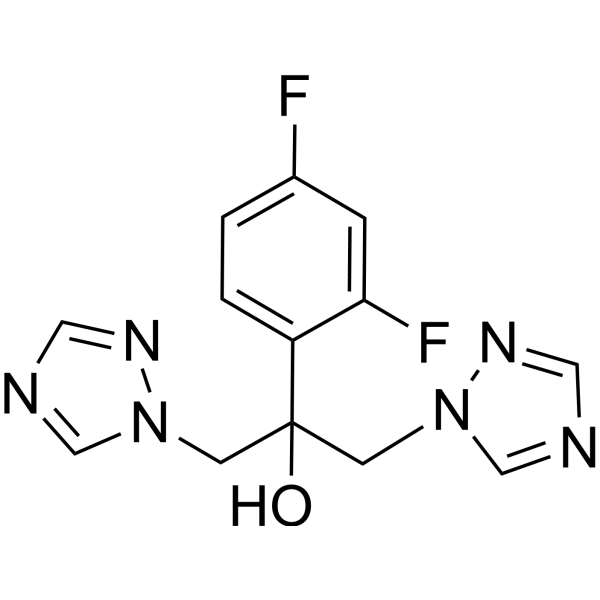
Fluconazole
-
HY-B0101
-
Antifungal
-
Fluconazole is a triazole antifungal drug used in the treatment and prevention of superficial and systemic fungal infections.
Target: Antifungal
Fluconazole is a triazole antifungal intended for oral treatment of superficial and systemic mycoses. In tests done in standard mycological media, the compound had minimal inhibitory concentrations against pathogenic Candida species that were usually in excess of 100 mg/l. Fluconazole inhibited branching and hyphal development in C. albicans at concentrations as low as 10(-6) M (0.3 mg/l), but miconazole and ketoconazole were still active in these tests at concentrations 100 times lower than this [1]. Oral fluconazole was not associated with a significantly increased risk of birth defects overall or of 14 of the 15 specific birth defects of previous concern. Fluconazole exposure may confer an increased risk of tetralogy of Fallot [2]. Fluconazole is predicted to be ineffective against Cryptococcus gattii in the koala as a sole therapeutic agent administered at 10 mg/kg p.o. every 12 h [3].
Clinical indications: Balanitis; Candida infection; Cryptococcus infection; Cryptococcus neoformans meningitis; Dermatomycosis; Female genital tract infection; Fungal infection; Fungal respiratory tract infection; Fungal urinary tract infection; Prophylaxis; Tinea capitis; Tinea corporis; Tinea cruris; Tinea pedis .
Toxicity: Symptoms of overdose include hallucinations and paranoid behavior.
-
-
Fluconazole hydrate
-
HY-B0101A
-
Antifungal
-
Fluconazole (hydrate) is a triazole antifungal drug used in the treatment and prevention of superficial and systemic fungal infections.
Target: Antifungal
Fluconazole (hydrate) is the hydrate salt form of fluconazole, which is a triazole antifungal intended for oral treatment of superficial and systemic mycoses. In tests done in standard mycological media, the compound had minimal inhibitory concentrations against pathogenic Candida species that were usually in excess of 100 mg/l. Fluconazole inhibited branching and hyphal development in C. albicans at concentrations as low as 10(-6) M (0.3 mg/l), but miconazole and ketoconazole were still active in these tests at concentrations 100 times lower than this [1]. Oral fluconazole was not associated with a significantly increased risk of birth defects overall or of 14 of the 15 specific birth defects of previous concern. Fluconazole exposure may confer an increased risk of tetralogy of Fallot [2]. Fluconazole is predicted to be ineffective against Cryptococcus gattii in the koala as a sole therapeutic agent administered at 10 mg/kg p.o. every 12 h [3].
Clinical indications: Balanitis; Candida infection; Cryptococcus infection; Cryptococcus neoformans meningitis; Dermatomycosis; Female genital tract infection; Fungal infection; Fungal respiratory tract infection; Fungal urinary tract infection; Prophylaxis; Tinea capitis; Tinea corporis; Tinea cruris; Tinea pedis .
Toxicity: Symptoms of overdose include hallucinations and paranoid behavior.
-
-
Fluconazole mesylate
-
HY-B0101B
-
Antifungal
-
Fluconazole (mesylate) is a triazole antifungal drug used in the treatment and prevention of superficial and systemic fungal infections.
Target: Antifungal
Fluconazole (mesylate) is the mesylate salt form of fluconazole, which is a triazole antifungal intended for oral treatment of superficial and systemic mycoses. In tests done in standard mycological media, the compound had minimal inhibitory concentrations against pathogenic Candida species that were usually in excess of 100 mg/l. Fluconazole inhibited branching and hyphal development in C. albicans at concentrations as low as 10(-6) M (0.3 mg/l), but miconazole and ketoconazole were still active in these tests at concentrations 100 times lower than this [1]. Oral fluconazole was not associated with a significantly increased risk of birth defects overall or of 14 of the 15 specific birth defects of previous concern. Fluconazole exposure may confer an increased risk of tetralogy of Fallot [2]. Fluconazole is predicted to be ineffective against Cryptococcus gattii in the koala as a sole therapeutic agent administered at 10 mg/kg p.o. every 12 h [3].
Clinical indications: Balanitis; Candida infection; Cryptococcus infection; Cryptococcus neoformans meningitis; Dermatomycosis; Female genital tract infection; Fungal infection; Fungal respiratory tract infection; Fungal urinary tract infection; Prophylaxis; Tinea capitis; Tinea corporis; Tinea cruris; Tinea pedis .
Toxicity: Symptoms of overdose include hallucinations and paranoid behavior.
-
-
Flucytosine
-
HY-B0139
-
Antifungal
-
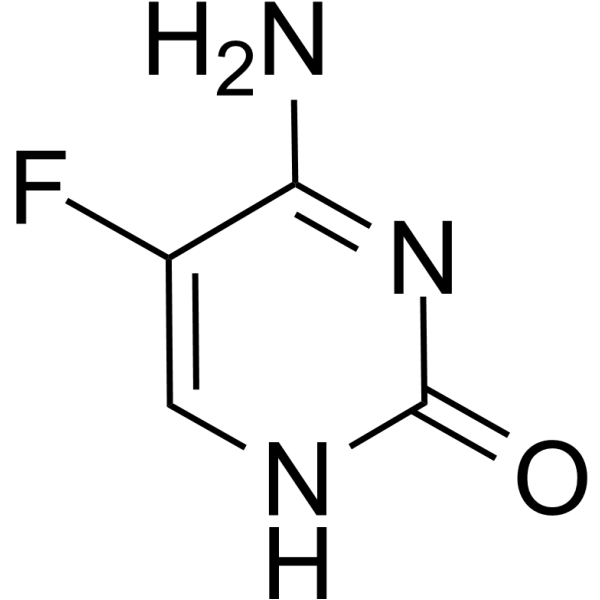
Flucytosine (5-Fluorocytosine, 5-FC, Ancobon), a fluorinated pyrimidine analogue, is an antifungal drug.
Target: antifungal
Flucytosine, or 5-fluorocytosine, a fluorinated pyrimidine analogue, is a synthetic antimycotic drug. It is structurally related to the cytostatic fluorouracil and to floxuridine. It is available in oral and in some countries also in injectable form. A common brand name is Ancobon. Flucytosine was first synthesized in 1957 but its antifungal properties were discovered in 1964. The drug is dispensed in capsules of 250 mg and 500 mg strength. The injectable form is diluted in 250 mL saline solution to contain 2.5 g total (10 mg/mL). The solution is physically incompatible with other drugs including amphotericin B.
Flucytosine is well absorbed (75 to 90%) from the gastrointestinal tract. Intake with meals slows the absorption, but does not decrease the amount absorbed. Following an oral dose of 2 grams peak serum levels are reached after approximately 6 hours. The time to peak level decreases with continued therapy. After 4 days peak levels are measured after 2 hours. The drug is eliminated renally. In normal patients flucytosine has reportedly a half-life of 2.5 to 6 hours. In patients with impaired renal function higher serum levels are seen and the drug tends to cumulate in these patients. The drug is mainly excreted unchanged in the urine (90% of an oral dose) and only traces are metabolized and excreted in the feces. Therapeutic serum levels range from 25 to 100 ?g/ml. Serum levels in excess of 100 ug are associated with a higher incidence of side effects. Periodic measurements of serum levels are recommended for all patients and are a must in patients with renal damage.
-
-
Flumorph
-
HY-17521
-
Antifungal
-
Flumorph(SYP-L190) is a carboxylic acid amide (CAA) fungicide.
IC50 value:
Target: Fungicide agent
Flumorph did not inhibit the synthesis of cell wall materials, but disturbed the polar deposition of newly synthesized cell wall materials during cystospore germination and hyphal growth. In flumorph-treated hyphae, the most characteristic change was the development of periodic swelling ("beaded" morphology) and the disruption of tip growth. Upon removing flumorph, normal tip growth and organized F-actin were observed again [1]. Flumorph had induced systemic genotoxicity in mammals as it caused DNA damage in all tested vital organs, especially in brain and spleen [2].
-
-
Griseofulvin
-
HY-17583
-
Antifungal
-
Griseofulvin(Gris-PEG; Grifulvin) is a spirocyclic fungal natural product used in treatment of fungal dermatophytes; Antifungal drug.
-
-
Hygromycin B
-
HY-B0490
-
Antibacterial;
Antifungal
-
Hygromycin B, a selective antibiotic that is effective on most bacteria, fungi and higher eukaryotes.
Target: Antifungal; Antibacterial
Hygromycin B is an antibiotic produced by the bacterium Streptomyces hygroscopicus. It is an aminoglycoside that kills bacteria, fungi and higher eukaryotic cells by inhibiting protein synthesis. Hygromycin B has a single binding site within the 30S, it locates in the major groove of the helix very close to the helical axis, and makes contact with nucleotides from both RNA strands in the region 1490-1500 and 1400-1410. Ring I of HygB is involved in nonsequence-specific interactions with the backbone phosphate oxygen atoms of G1494 in addition to base-specific interactions with G1494 and U1495. Rings II and III make weak base-specific hydrogen bonds to both C1404 and U1498, but their main role apparently is to position ring IV for interaction with bases in the 1496-1498 region. Ring IV of HygB comes within 4A of the second base of the P site bound mRNA codon [1]. Hygromycin B (0.38 mM) completely halts yeast cell growth in rich media. Hygromycin B strongly block Polypeptide synthesis in cell-free extracts from rabbit reticulocytes, wheat germ and yeast. Hygromycin B inhibits peptide chain elongation by yeast polysomes by preventing elongation factor EF-2-dependent translocation [2]. Hygromycin B inhibits (80%) the elogation-factor-(EF)G-plus-GTP-dependent reaction of either AcPhe-tRNA or natural peptideyl-tRNA with puromycin in Escherichia coli cell-free systems. Hygromycin B blocks the nascnet peptide chains of either purified endogenous E. coli polysomes or poly(uridylic acid)-programmed ribosomes during polypeptide synthesis. Hygromycin B inhibits the non-enzymic translocation and the release of AcPhe-tRNA from the ribosomal acceptor site promoted by depletion of NH4 ions [3].
-
-
Isavuconazole
-
HY-14273
-
Antifungal
-
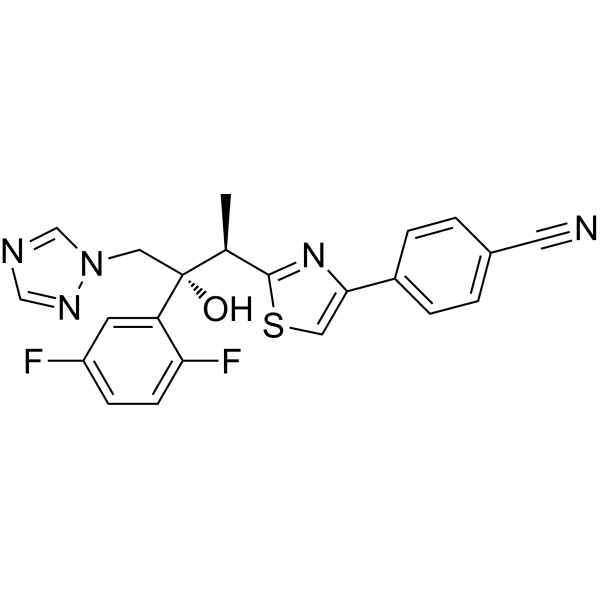
Isavuconazole(BAL-4815; RO-0094815) is the active component of the new azole antifungal agent BAL8557, exhibits MIC(50)s/MIC(90)s ranged from 0.002/0.004 mg/liter for C. albicans to 0.25/0.5 mg/liter for C. glabrata.
IC50 value:
Target: antifungal agent
in vitro: Isavuconazole was more active (0.004 mg/liter) than amphotericin B (0.5 mg/liter), itraconazole (0.008 mg/liter), voriconazole (0.03 mg/liter), flucytosine (0.125 mg/liter), and fluconazole (8 mg/liter). There were only two isolates with MICs for isavuconazole that were >0.5 mg/liter: both were C. glabrata isolates, and the MICs were 2 and 4 mg/liter, respectively [1]. Isavuconazole has MIC90 value of 0.016 microg/ml against Cryptococcus neoformans isolates from Cuba [2].
-
-
Itraconazole
-
HY-17514
-
Antifungal
-
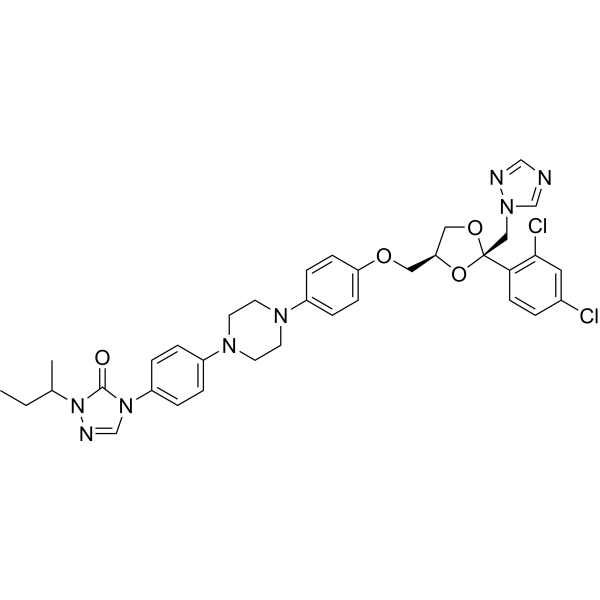
Itraconazole is a triazole antifungal agent.
IC50 Value: N/A
Target: antifungal
in vitro: Itraconazole is pharmacologically distinct from other azole antifungal agents in that it is the only inhibitor in this class that has been shown to inhibit both the hedgehog signaling pathway and angiogenesis[1, 2]. These distinct activities are unrelated to inhibition of the cytochrome P450 lanosterol 14 alpha-demethylase and the exact molecular targets responsible remain unidentified. Functionally, the antiangiogenic activity of itraconazole has been shown to be linked to inhibition of glycosylation, VEGFR2 phosphorylation and cholesterol biosynthesis pathways [2].Evidence suggests the structural determinants for inhibition of hedgehog signaling by itraconazole are recognizably different from those associated with antiangiogenic activity [3].
in vivo: Nine volunteers were given either 200 mg itraconazole, or matched placebo orally once daily for 4 days. On day 4, itraconazole increased the area under the midazolam concentration-time curve from 10 to 15 times (p < 0.001) and mean peak concentrations three to four times (p < 0.001) compared with the placebo phase. In psychomotor tests, the interaction was statistically significant (p < 0.05) until at least 6 hours after drug administration. Inhibition of the cytochrome P450IIIA by itraconazole may explain the observed pharmacokinetic interaction [4].
-
-
Ketoconazole
-
HY-B0105
-
Antifungal
-
Ketoconazole is an imidazole anti-fungal agent, a CYP3A4 inhibitor.
Target: CYP3A4
Ketoconazole, an imidazole anti-fungal agent, has often produced features of androgen deficiency including decreased libido, gynecomastia, impotence, oligospermia, and decreased testosterone levels, in men being treated for chronic mycotic infections [1]. Ketoconazole also is a cytochrome P450 inhibitor [2].
Ketoconazole (KTZ), on the antischistosomal potential of these quinolines against Schistosoma mansoni infection by evaluating parasitological, histopathological, and biochemical parameters. Mice were classified into 7 groups: uninfected untreated (I), infected untreated (II), infected treated orally with PZQ (1,000 mg/kg) (III), QN (400 mg/kg) (IV), KTZ (10 mg/kg)+QN as group IV (V), HF (400 mg/kg) (VI), and KTZ (as group V)+HF (as group VI) (VII). KTZ plus QN or HF produced more inhibition (P<0.05) in hepatic CYP450 (85.7% and 83.8%) and CYT b5 (75.5% and 73.5%) activities, respectively, than in groups treated with QN or HF alone. This was accompanied with more reduction in female (89.0% and 79.3%), total worms (81.4% and 70.3%), and eggs burden (hepatic; 83.8%, 66.0% and intestinal; 68%, 64.5%), respectively, and encountering the granulomatous reaction to parasite eggs trapped in the liver [3].
Clinical indications: Candida infection; Dermatophytosis; Folliculitis
FDA Approved Date:
Toxicity: teratogenesis; liver injuries; adrenal gland problems
-
-
Liranaftate
-
HY-B0348
-
Antifungal
-
Liranaftate is a squalene epoxidase inhibitor with anti-fungicidal activities.
Target: Antifungal
Liranaftate showed excellent fungistatic activity against the conidia of T. rubrum. For each of these agents, the MIC after 14 days of contact was 0.009 g/ml. The liranaftate-induced decrease in the MCC occurred from 9 days onwards; MCC at 14 days was 0.039 g/ml [1]. In time-kill studies, liranaftate showed the greatest decrease to a below detection limit in viable counts of T rubrum. The degree of killing of the strain by amorolfine was not greater than that seen by liranaftate, and little reduction of the viable counts by luliconazole and ketoconazole was observed irrespective of concentrations of the agents [2].
-
-
Luliconazole
-
HY-14283
-
Antifungal
-
Luliconazole(NND 502) is an azole antifungal indicated for the topical treatment of interdigital tinea pedis.
IC50 Value:
Target: Antifungal
Luliconazole is an antifungal that belongs to the azole class. Although the exact mechanism of action against dermatophytes is unknown, luliconazole appears to inhibit ergosterol synthesis by inhibiting the enzyme lanosterol demethylase. Inhibition of this enzyme’s activity by azoles results in decreased amounts of ergosterol, a constituent of fungal cell membranes, and a corresponding accumulation of lanosterol.
In a fertility study in rats, subcutaneous doses of 1, 5 and 25 mg/kg/day luliconazole were administered prior to and during mating and through early pregnancy. Treatment related effects on reproductive function were noted in females (decreased live embryos and decreased corpus luteum) at 5 and 25 mg/kg/day and males (decreased sperm counts) at 25 mg/kg/day. No treatment related effects on fertility or reproductive function were noted at 1 mg/kg/day (0.1X MRHD based on BSA comparisons).
-
-
Micafungin
-
HY-17579
-
Antifungal
-
Micafungin (Mycamine; FK463) is an echinocandin antifungal drug which can inhibit 1,3-beta-D-glucan synthase.
-
-
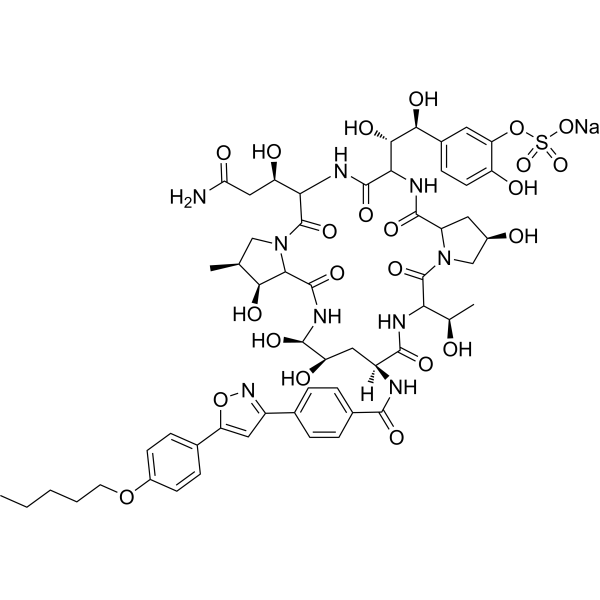
Micafungin sodium
-
HY-16321
-
Antifungal
-
Micafungin(FK463) is an echinocandin antifungal drug, Micafungin inhibits the production of beta-1,3-glucan, an essential component of fungal cell walls.
IC50 Value: > 100 ug/ml (ATCC 90028) [1]
Target: antifungal; 1,3-beta-D-glucan synthase
in vitro: MCFG is also not active against deoxyribonucleic acid, ribonucleic acid or protein synthesis in C. albicans ATCC 90028 (IC50 s were both over 100 .MU.g/mL) [1]. The effect of an optimal therapeutic dose of 10?mg?ml-1 micafungin on the production of biofilm was monitored in vitro using a microtiter plate assay. For all the genes tested, the levels of mRNA transcription were also decreased significantly (p?<?0.05) in micafungin-treated samples cf. their untreated counterparts [2].
in vivo: In a mouse model of septic A. fumigatus infection, although non-treated mice survived for a maximum of only 6 days, the survival rate of micafungin-treated mice (0.1?mg?kg-1) increased to 20%, while the survival rate of mice treated with a combination of micafungin (0.1?mg?kg-1) and KB425796-C (32?mg?kg-1) increased to 100% during the 31-day post-infection period [3].
Clinical trial: Pharmacokinetics of Micafungin in Critically Ill Patients. Phase not specified
-
-
Miconazole
-
HY-B0454
-
Antifungal
-
Miconazole (Monistat) is an imidazole antifungal agent.
Target: Antifungal
Miconazole is an imidazole antifungal agent, developed by Janssen Pharmaceutica, commonly applied topically to the skin or to mucous membranes to cure fungal infections. It works by inhibiting the synthesis of ergosterol, a critical component of fungal cell membranes. It can also be used against certain species of Leishmania protozoa which are a type of unicellular parasite that also contain ergosterol in their cell membranes. In addition to its antifungal and antiparasitic actions, it also has some antibacterial properties. Miconazole is also used in Ektachrome film developing in the final rinse of the Kodak E-6 process and similar Fuji CR-56 process, replacing formaldehyde. Fuji Hunt also includes miconazole as a final rinse additive in their formulation of the C-41RA rapid access color negative developing process. From Wikipedia.
-
-
Miconazole nitrate
-
HY-B0454A
-
Antifungal
-
Miconazole Nitrate is an imidazole antifungal agent.
Target: Antifungal
Miconazole is an imidazole antifungal agent, developed by Janssen Pharmaceutica, commonly applied topically to the skin or to mucous membranes to cure fungal infections. It works by inhibiting the synthesis of ergosterol, a critical component of fungal cell membranes. It can also be used against certain species of Leishmania protozoa which are a type of unicellular parasite that also contain ergosterol in their cell membranes. In addition to its antifungal and antiparasitic actions, it also has some antibacterial properties. Miconazole is also used in Ektachrome film developing in the final rinse of the Kodak E-6 process and similar Fuji CR-56 process, replacing formaldehyde. Fuji Hunt also includes miconazole as a final rinse additive in their formulation of the C-41RA rapid access color negative developing process. From Wikipedia.
-
-
Naftifine hydrochloride
-
HY-B0518A
-
Antifungal
-
Naftifine Hydrochloride is a synthetic, broad spectrum, antifungal agent.
Target: Antifungal
Naftifine exhibits an interesting in vitro spectrum of activity against dermatophytes (38 strains; minimal inhibitory concentration (MIC) range 0.1 to 0.2 mg/mL), aspergilli (6 strains; MIC range, 0.8 to 12.5 mg/mL), Sporothrix schenckii (2 strains; MICs, 0.8 and 1.5 mg/mL), and yeasts of the genus Candida (77 strains; MIC range, 1.5 to greater than 100 mg/mL) [1]. The MIC of naftifine for C. albicans Δ63 is 100 mg/L in Sabouraud medium (initial pH 6.5). Naftifine (50 mg/L) gives greater than 99% inhibition of sterol biosynthesis both in whole cells and in cell extracts of C. albicans. The primary action of naftifine appears to be the blocking of fungal squalene epoxidation [2].
Naftifine HCl 2% cream results in clinical cure rate and clinical success rate of 33% and 84% after treatment for 4 weeks, and week 2 efficacy response rates in Naftifine HCl 2% subjects are all lower than at week 4 but are significantly higher than week 2 vehicle-treated counterparts [3]. Naftifine causes interruption of fungal ergosterol synthesis and accumulation of squalene in fungal organisms. Naftifine also has demonstrated anti-inflammatory properties such as a reduction in superoxide production and a reduction in polymorphonuclear leukocyte chemotaxis/endothelial adhesion. Naftifine has shown good efficacy and safety for a variety of conditions and is a useful treatment that provides both antifungal action and relief of inflammatory signs and symptoms. Few adverse events have been noted with naftifine use, the most frequent being mild and transient burning, stinging, or itching in the application area [4].
-
-
Natamycin
-
HY-B0133
-
Antifungal
-
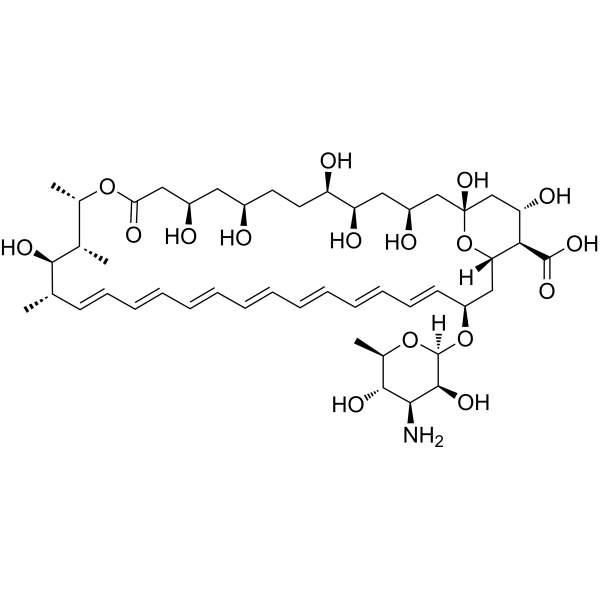
Natamycin (pimaricin) is an antifungal macrolide polyene that binds to cell membrane sterols.
Target: Antifungal
Natamycin (INN), also known as pimaricin and sometimes sold as Natacyn, is a naturally occurring antifungal agent produced during fermentation by the bacterium Streptomyces natalensis, commonly found in soil. Natamycin has a very low solubility in water; however, natamycin is effective at very low levels. There is an MIC (minimum inhibitory concentration) of less than 10 ppm for most molds. Natamycin is classified as a macrolide polyene antifungal and, as a drug, is used to treat fungal keratitis. It is especially effective against Aspergillus and Fusarium corneal infections. Other common members of the polyene macrolide antifungal family are amphotericin B, nystatin, and filipin. Natamycin is also used in the food industry as a natural preservative.
Natamycin is used to treat fungal infections, including Candida, Aspergillus, Cephalosporium, Fusarium and Penicillium. It is applied as a cream, in eyedrops, or (for oral infections) in a lozenge. Natamycin shows negligible absorption into the body when administered in these ways. When taken orally, little or none is absorbed from the gastrointestinal tract, making it inappropriate for systemic infections.
-
-
Nystatin
-
HY-17409
-
Antifungal
-
Nystatin (Fungicidin) is a polyene antifungal antibiotic effective against yeast and mycoplasma.
IC50 Value:
Target: Antifungal
Nystatin increases the permeability of the cell membrane of sensitive fungi by binding to sterols. Nystatin induces loss of low molecular weight substances from cells with low selectivity. Nystatin is a cation-selective ionophore that exhibits selectivity for Na+. Nystatin increases the activity of Na+ - K+ pump.
-
-
Pneumocandin B0
-
HY-17578
-
Antifungal
-
Pneumocandin B0(L-688786), a key intermediate in the synthesis of the antifungal agent, Cancidas, has led to the identification of several materials with potential for improved performance.
-
-
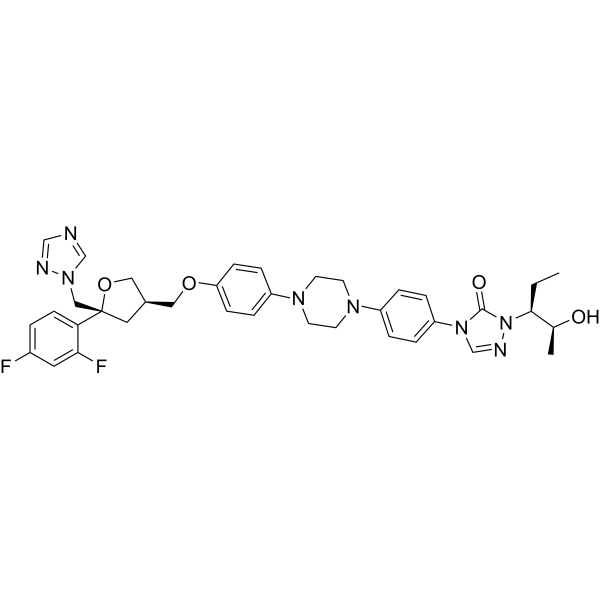
Posaconazole
-
HY-17373
-
Antifungal
-
Posaconazole is a broad-spectrum, second generation, triazole compound with antifungal activity.
IC50 Value:
Target: Antifungal; 14-alpha demethylase
Posaconazole strongly inhibits 14-alpha demethylase, a cytochrome P450-dependent enzyme. Posaconazole is a sterol C14ɑ demethylase inhibitor with an IC50 of 0.25 nM. Inhibition of 14-alpha-demethylase prevents the conversion of lanosterol to ergosterol, an important component of the fungal cell wall. Inhibition of ergosterol synthesis changes the fungal cell membrane composition and integrity, alters membrane permeability and eventually leads to fungal cell lysis. Compared to other azole antifungals, posaconazole is a significantly more potent inhibitor of sterol 14-alpha demethylase. Posaconazole is the most advanced candidate for the treatment of Chagas disease. Posaconazole has entered in a phase II clinical trial in the treatment of mycoses.
-
-
Posaconazole hydrate
-
HY-17373A
-
Antifungal
-
Posaconazole is a Lanosterol-14 demethylase inhibitor with an IC50 of 0.25 nM.
Target: Lanosterol-14 demethylase inhibitor(or CYP51A1, P45014DM)
Posaconazole has the minimal inhibitory concentration and IC50 values of 3 nM and 0.25 nM [1]. Posaconazole was active against isolates of Candida and Aspergillus spp. that exhibit resistance to fluconazole, voriconazole, and amphotericin B and was much more active than the other triazoles against zygomycetes. Posaconazole exhibited potent antifungal activity against a wide variety of clinically important fungal pathogens and was frequently more active than other azoles and amphotericin B [2].
The animals infected with C. albicansSC5314 and treated with posaconazole at 2 mg/kg and caspofungin at 0.1 mg/kg survived longer than infected groups treated with posaconazole (2 mg/kg; P = 0.002) or caspofungin (0.1 mg/kg; P = 0.03) monotherapy [3].
Clinical indications: Aspergillus infection; Candida infection; Chromoblastomycosis; Coccidioides infection; Fungal infection; Fusarium infection; Prophylaxis; Trypanosoma cruzi infection
FDA Approved Date:
Toxicity: Nausea; vomiting; diarrhea; headache; abdominal pain; dizziness; trouble sleeping
-
-
Sertaconazole nitrate
-
HY-B0736A
-
Antifungal
-
Sertaconazole nitrate is a topical broad-spectrum antifungal that is developed to provide an additional agent for the treatment of superficial cutaneous and mucosal infections.
Target: Antifungal
Sertaconazole nitrate reduces the release of cytokines from activated lymphocytes and mitigated inflammation in animal models of irritant contact dermatitis and neurogenic inflammation in a dose-dependent fashion. Sertaconazole nitrate is found to inhibit the proliferation of stimulated human lymphocytes with IC50 of 4 μg/mL [1]. Sertaconazole nitrate inhibits ergosterol synthesis by blockade of the P450-dependent enzyme pathway that catalyzes the methylation of lanosterol to ergosterol, thus inhibits fungal cell growth. Sertaconazole nitrate binds directly to nonsterol lipids in the membrane, which interferes with the regulation of the permeability of fungal cell membranes, thus induces fungal cell death [2].
The mean ear weight of Tetradecanoyl phorbol acetate (TPA)-challenged murine treated with sertaconazole nitrate (1%) is 7.23 mg compared with 14.7 mg for controls, indicating a statistically significant reduction in irritant dermatitis. Sertaconazole nitrate 1% elicits a significant reduction in Resiniferatoxin-induced ear edema when compared with controls in CD-1 mice. Topical treatment with sertaconazole nitrate 1% significantly inhibits contact hypersensitivity and decreases the content of the pro-inflammatory cytokines TNFα, IL-2, and IFNγ in oxazolone exposed murine skin [1]. Clinical trials with sertaconazole nitrate cream 2% show efficacy in the treatment of superficial cutaneous fungal infections [2]. Sertaconazole reduces inflammation via inducing PGE2 production and the COX-2 inhibitor blocks sertaconazole from exerting its anti-inflammatory effects in a mouse model of TPA-induced ear edema [3].
-
-
Terbinafine
-
HY-17395A
-
Antifungal
-
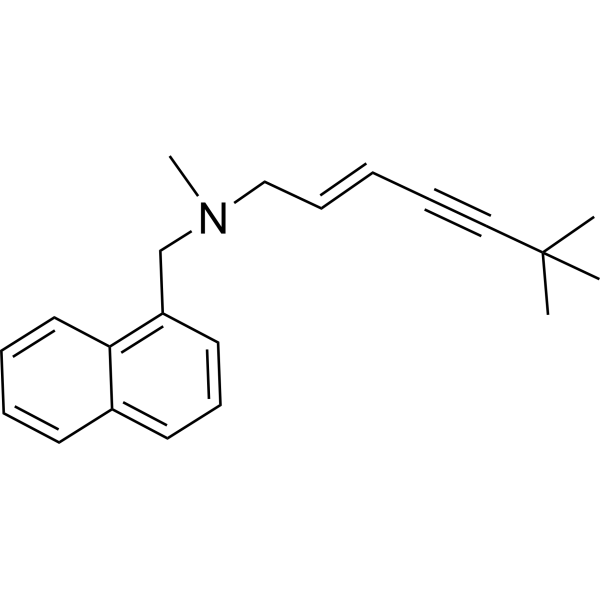
Terbinafine is an allylamine antifungal agent which has fungicidal activity against a wide variety of dermatophytes, moulds and certain dimorphic fungi, and fungistatic activity against Candida albicans.
Target: Antifungal
Terbinafine is an allylamine antifungal agent which has fungicidal activity against a wide variety of dermatophytes, moulds and certain dimorphic fungi, and fungistatic activity against Candida albicans. It is highly lipophilic in nature and tends to accumulate in skin, nails, and fatty tissues. Like other allylamines, terbinafine inhibits ergosterol synthesis by inhibiting squalene epoxidase, an enzyme that is part of the fungal cell membranesynthesis pathway. Because terbinafine prevents conversion of squalene to lanosterol, ergosterol cannot be synthesized. This is thought to change cell membrane permeability, causing fungal cell lysis.
Terbinafine hydrochloride is a white fine crystalline powder that is freely soluble in methanol and dichloromethane, soluble in ethanol, and slightly soluble in water. Terbinafine is mainly effective on the dermatophyte group of fungi.As a 1% cream or powder it is used topically for superficial skin infections such as jock itch (Tinea cruris), athlete's foot (Tinea pedis) and other types of ringworm (Tinea corporis). Studies have shown that terbinafine cream works in about half the time required by other antifungals.
-
-
Terbinafine hydrochloride
-
HY-17395
-
Antifungal
-
Terbinafine Hcl is a synthetic allylamine antifungal, which is highly active against dermatophytes, mold, other basic fungi, and some strains of yeast.
IC50 value:
Target: antifungal; squalene epoxidase
Terbinafine hydrochloride is used to treat dermatophyte infections of the toenail/fingernail, ringworm and jock itch, inhibiting ergosterol synthesis at the stage of squalene epoxidation (IC50 = 30 nM for C. albicans). Terbinafine inhibits squalene monooxygenase thereby blocking the biosynthesis of ergosterol, which is an essential component of fungal cell membranes. At 90-120 ?M, Terbinafine exhibits anti-tumor and anti-angiogenic activity by inducing cell cycle arrest at the G0/G1 stage in COLO 205 tumor cells and human vascular endothelial cells.
-
-
Tioconazole
-
HY-B0319
-
Antifungal
-
Tioconazole is an antifungal medication.
Target: Antifungal
Tioconazole is an antifungal medication of the Imidazole class used to treat infections caused by a fungus or yeast. Tioconazole topical (skin) preparations are also available for ringworm, jock itch, athlete's foot, and tinea versicolor or "sun fungus". Tioconazole interacts with 14-alpha demethylase, a cytochrome P-450 enzyme that converts lanosterol to ergosterol, an essential component of the yeast membrane. In this way, tioconazole inhibits ergosterol synthesis, resulting in increased cellular permeability [1].
-
-
Tolnaftate
-
HY-B0370
-
Antifungal
-
Tolnaftate is a synthetic thiocarbamate used as an anti-fungal agent.
Target: Antifungal
Tolnaftate blocked sterol biosynthesis in fungal cells and cell extracts, with accumulation of squalene. This point of action was confirmed by the direct inhibition of microsomal squalene epoxidase from Candida albicans [1]. Tolnaftate inhibited sterol biosynthesis, At 100 microM, tolnaftate caused up to a 30% release of intracellular [14C]aminoisobutyric acid [2].
-
-
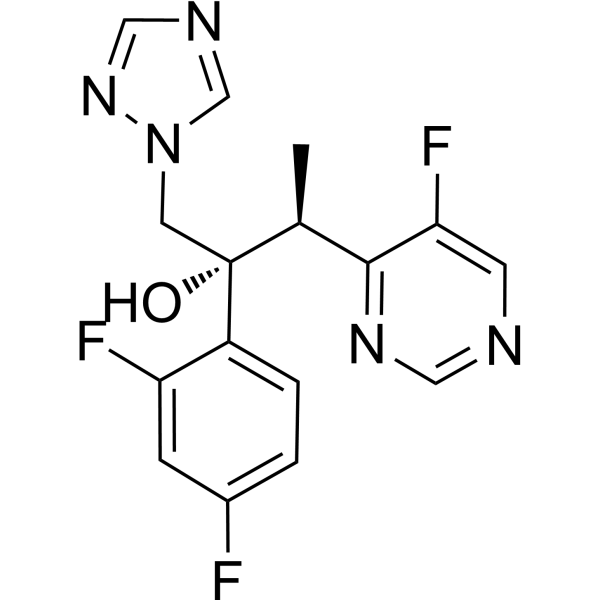
Voriconazole
-
HY-76200
-
Antifungal
-
Voriconazole(UK-109496) is a second-generation triazole antifungal used to treat serious fungal infections.
IC50 Value:
Target: Antifungal
Voriconazole displays potent activity against Candida, Cryptococcus and Aspergillus species. Voriconazole inhibits ergosterol synthesis by inhibiting CYP450-dependent 14-α sterol demethylase resulting in a depletion of ergosterol in fungal cell membranes.
MORE
Collapse
Biological Activity of Anidulafungin
Anidulafungin (LY303366) is a semisynthetic echinocandin used as an antifungal drug. Anidulafungin acts by inhibiting (1,3)-beta-D-glucan synthesis in the fungal cell wall.
IC50 Value:
Target: Antifungal
in vitro: LY-303366 had MICs of < or = 0.32 microg/ml for all Candida albicans (n = 99), Candida glabrata (n = 18), and Candida tropicalis (n = 10) isolates tested. LY-303366 was also active against Aspergillus species (minimum effective concentration at which 90% of the isolates are inhibited, 0.02 microg/ml) (n = 20), was less active against Candida parapsilosis (MIC at which 90% of the isolates are inhibited [MIC90], 5.12 microg/ml) (n = 10), and was inactive against C. neoformans (MIC90, >10.24 microg/ml) (n = 15) and B. dermatitidis (MIC90, 16 microg/ml) (n = 29) [1]. The Anidulafungin's MICs at which 50% of the isolates were inhibited were 0.125 microg/ml for Candida albicans and C. tropicalis, 0.25 microg/ml for C. krusei, C. kefyr, and C. glabrata, and 2.0 microg/ml for C. parapsilosis [2].
in vivo: Anidulafungin produced a maximal fungal kill (E(max)) of 1.4 to 1.9 log(10) CFU/g in kidneys and was not influenced by resistance to either fluconazole or amphotericin B. Anidulafungin exhibited delayed peak concentrations in kidneys compared to those in serum, after which the concentrations declined, with a serum terminal half-life of 21.6 (+/-4.6) h. This was accompanied by a persistent 96-h decrease in the kidney fungal burden after treatment with a single anidulafungin dose of >/=8 mg/kg of body weight [3]. The efficacy of AFG at 1, 5 and 10 mg/kg was tested against six of the isolates in a murine model of disseminated infection. AFG was able to reduce mortality, showing survival rates of 70-100%, 60-100% and 30-60% in mice treated with AFG at 10, 5 and 1 mg/kg, respectively [4].
[1]. Zhanel GG, et al. In vitro activity of a new semisynthetic echinocandin, LY-303366, against systemic isolates of Candida species, Cryptococcus neoformans, Blastomyces dermatitidis, and Aspergillus species. Antimicrob Agents Chemother. 1997 Apr;41(4):863-5.
[2]. Uzun O, et al. In vitro activity of a new echinocandin, LY303366, compared with those of amphotericin B and fluconazole against clinical yeast isolates. Antimicrob Agents Chemother. 1997 May;41(5):1156-7.
[3]. Gumbo T, et al. Anidulafungin pharmacokinetics and microbial response in neutropenic mice with disseminated candidiasis. Antimicrob Agents Chemother. 2006 Nov;50(11):3695-700.
[4]. Calvo E, et al. Efficacy of anidulafungin against Aspergillus niger in vitro and in vivo. Int J Antimicrob Agents. 2011 Oct;38(4):360-3.
-
Chemical Information
| M.Wt |
1140.24 |
Storage |
Please store the product under the recommended conditions in the Certificate of Analysis. |
| Formula |
C58H73N7O17 |
| CAS No |
166663-25-8 |
| Solubility |
DMSO |
-
Resources
Dilution Calculator
Molarity Calculator
Products are for research use only. Not for human use. We do not sell to patients.