1. Search Result
Search Result
Results for "

item/HY-N0005

" in MedChemExpress (MCE) Product Catalog:

30

Inhibitors & Agonists

3

Screening Libraries

1

Biochemical Assay Reagents

9

Natural
Products

2

Isotope-Labeled Compounds

2

Oligonucleotides

Targets Recommended:
Cat. No. Product Name Target Research Areas Chemical Structure
  • HY-N0005
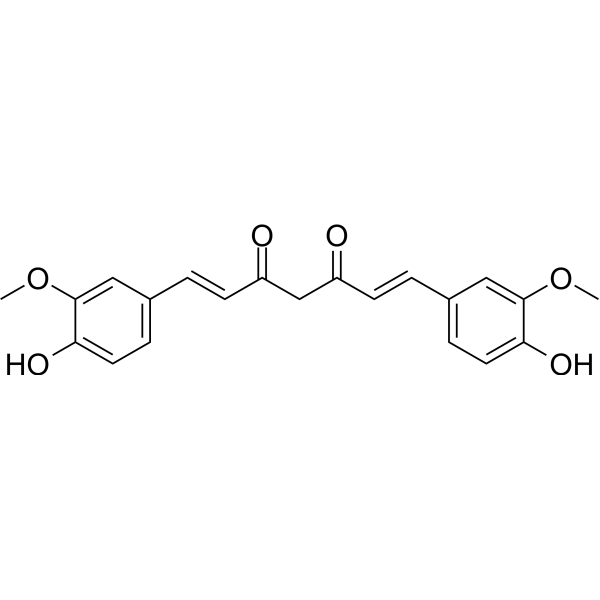
    Curcumin
    Maximum Cited Publications
    123 Publications Verification

    Diferuloylmethane; Natural Yellow 3; Turmeric yellow

    Histone Acetyltransferase Epigenetic Reader Domain Keap1-Nrf2 Autophagy Mitophagy Influenza Virus Ferroptosis Apoptosis Infection Metabolic Disease Inflammation/Immunology Cancer
    Curcumin (Diferuloylmethane), a natural phenolic compound, is a p300/CREB-binding protein-specific inhibitor of acetyltransferase, represses the acetylation of histone/nonhistone proteins and histone acetyltransferase-dependent chromatin transcription. Curcumin is a photosensitizer against microorganisms. Curcumin shows inhibitory effects on NF-κB and MAPKs, and has diverse pharmacologic effects including anti-inflammatory, antioxidant, antiproliferative and antiangiogenic activities. Curcumin induces stabilization of Nrf2 protein through Keap1 cysteine modification.
    Curcumin
  • HY-N0005R
    Curcumin (Standard)
    1 Publications Verification

    Diferuloylmethane (Standard); Natural Yellow 3 (Standard); Turmeric yellow (Standard)

    Reference Standards Histone Acetyltransferase Epigenetic Reader Domain Keap1-Nrf2 Autophagy Mitophagy Influenza Virus Ferroptosis Infection Neurological Disease Inflammation/Immunology Cancer
    Curcumin (Standard) is the analytical standard of Curcumin (HY-N0005). This product is intended for research and analytical applications. Curcumin (Diferuloylmethane), a natural phenolic compound, is a p300/CREB-binding protein-specific inhibitor of acetyltransferase, represses the acetylation of histone/nonhistone proteins and histone acetyltransferase-dependent chromatin transcription. Curcumin is a photosensitizer against microorganisms. Curcumin shows inhibitory effects on NF-κB and MAPKs, and has diverse pharmacologic effects including anti-inflammatory, antioxidant, antiproliferative and antiangiogenic activities. Curcumin induces stabilization of Nrf2 protein through Keap1 cysteine modification.
    Curcumin (Standard)
  • HY-B1513
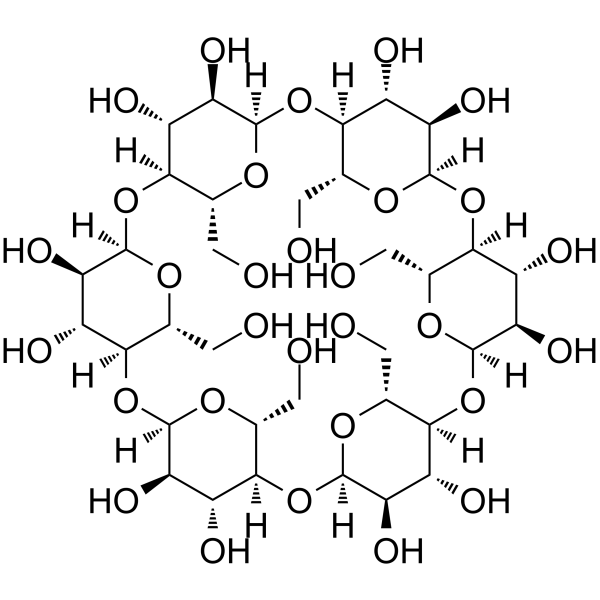
    α-Cyclodextrin
    2 Publications Verification

    Environmental Pollutants SARS-CoV Microtubule/Tubulin Infection Metabolic Disease Cancer
    α-Cyclodextrin (α-CD) is a soluble fiber derived from corn. α-Cyclodextrin can deplete sphingolipids and phospholipids from cell membranes. α-Cyclodextrin interacts with tubulin. α-Cyclodextrin improves defenses against SARS-CoV-2 infection. α-Cyclodextrin enhances the anticancer efficacy of Crcumin (HY-N0005) against breast, lung and cervical cancer. α-Cyclodextrin has beneficial effects on body weight and blood lipids .
    α-Cyclodextrin
  • HY-154644

    Environmental Pollutants Biochemical Assay Reagents Cancer
    Soya Lecithin is a phospholipid mixture that can be used as a drug delivery vehicle and is a pharmaceutical excipient. Soya Lecithin can form a lipid bilayer structure through self-assembly, and its binding properties are amphiphilic (hydrophilic head and hydrophobic tail), encapsulating hydrophobic drugs. Soya Lecithin forms stable nanoliposomes or microemulsions, improves the solubility and cellular uptake efficiency of poorly soluble drugs (such as Curcumin (HY-N0005)), and exerts activities such as enhancing drug delivery and regulating cell proliferation .
    Soya Lecithin
  • HY-N0894
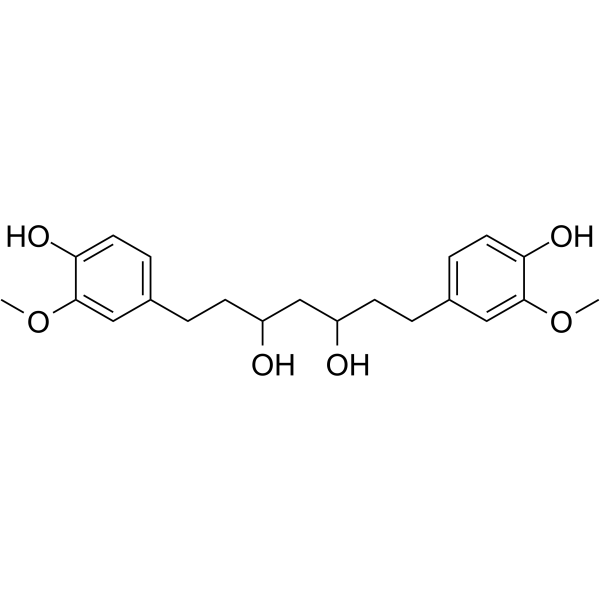
    Octahydrocurcumin
    1 Publications Verification

    HexaHYdrobisdemethoxycurcumin

    Apoptosis MAP4K NF-κB COX Inflammation/Immunology Cancer
    Octahydrocurcumin (Hexahydrobisdemethoxycurcumin) is an orally active anticancer and anti-inflammatory agent, and is the final hydrogenated metabolite of Curcumin (HY-N0005) in vivo. Octahydrocurcumin exerts its anti-tumor and anti-inflammatory effects by inducing the mitochondrial apoptosis pathway and inhibiting the TAK1-NF-κB-COX-2 pathway, respectively .
    Octahydrocurcumin
  • HY-W010056
    Diethyl fumarate
    1 Publications Verification

    Keap1-Nrf2 Neurological Disease Inflammation/Immunology
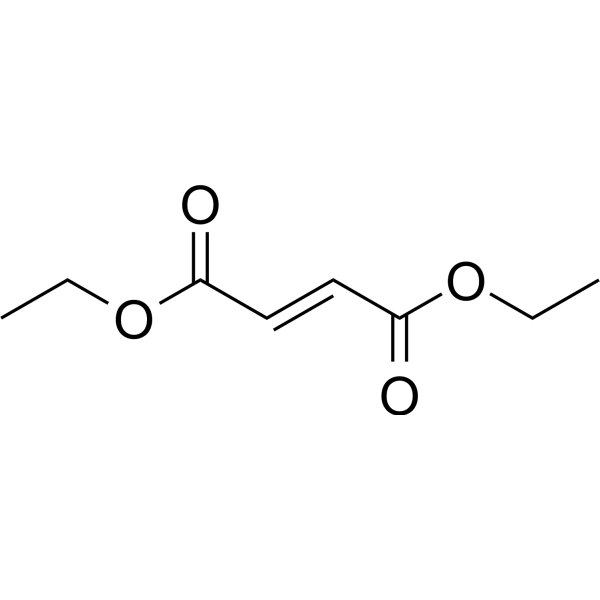
    Diethyl fumarate is a Nrf2 inducer. Diethyl fumarate induces non-immunological contact urticaria, causing erythema, edema, and dose-dependent skin responses characterized by rapid onset, peak response, and subsequent resolution. The hybrid of Diethyl fumarate and Curcumin (HY-N0005) exerts neuroprotective effects. Diethyl fumarate can be used in the research of Parkinson's disease and non-immunological contact urticaria .
    Diethyl fumarate
  • HY-N0005S

    Diferuloylmethane-d6; Natural Yellow 3-d6; Turmeric yellow-d6

    Isotope-Labeled Compounds Keap1-Nrf2 Ferroptosis Autophagy Histone Acetyltransferase Epigenetic Reader Domain Mitophagy Influenza Virus Infection Metabolic Disease Inflammation/Immunology Cancer
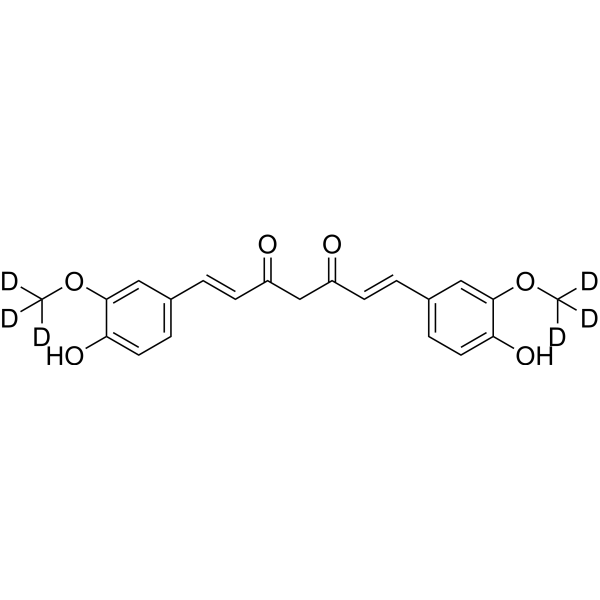
    Curcumin-d6 (Diferuloylmethane-d6 ) is deuterium labeled Curcumin (HY-N0005). Curcumin (Diferuloylmethane), a natural phenolic compound, is a p300/CREB-binding protein-specific inhibitor of acetyltransferase, represses the acetylation of histone/nonhistone proteins and histone acetyltransferase-dependent chromatin transcription. Curcumin is a photosensitizer against microorganisms. Curcumin shows inhibitory effects on NF-κB and MAPKs, and has diverse pharmacologic effects including anti-inflammatory, antioxidant, antiproliferative and antiangiogenic activities. Curcumin induces stabilization of Nrf2 protein through Keap1 cysteine modification.
    Curcumin-d6
  • HY-126154
    L48H37
    1 Publications Verification

    Toll-like Receptor (TLR) Inflammation/Immunology
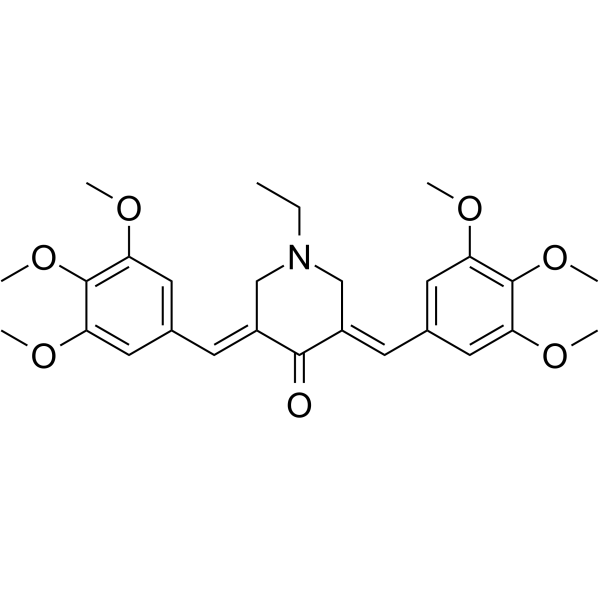
    L48H37 is an analog of Curcumin (HY-N0005) with improved chemical stability. L48H37 is a potent and specific myeloid differentiation protein 2 (MD2) inhibitor and inhibits the interaction and signaling transduction of LPS-TLR4/MD2. L48H37 is used for the research of sepsis or lung injury treatment .
    L48H37
  • HY-W002879

    Reactive Oxygen Species (ROS) Inflammation/Immunology
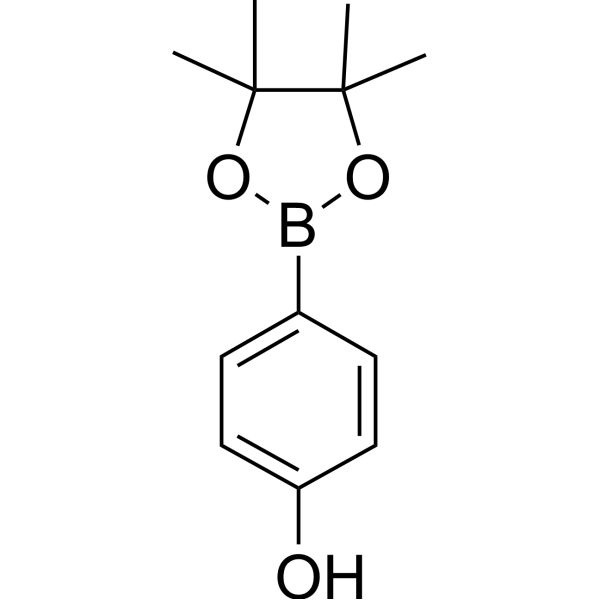
    4-Hydroxyphenylboronic acid pinacol ester is a ROS-responsive component. 4-Hydroxyphenylboronic acid pinacol ester can structurally modify hyaluronic acid to prepare ROS-responsive intelligent nanocarriers and compound delivery systems. 4-Hydroxyphenylboronic acid pinacol ester endows hyaluronic acid-based nanocarriers with ROS responsiveness, enabling them to rapidly release the encapsulated Curcumin (HY-N0005) in the presence of reactive oxygen species. 4-Hydroxyphenylboronic acid pinacol ester is applicable to research related to periodontitis. 4-Hydroxyphenylboronic acid pinacol ester can also be used for the synthesis of boronic acid-modified resins .
    4-Hydroxyphenylboronic acid pinacol ester
  • HY-W105318

    PBP

    TGF-beta/Smad Apoptosis Cancer
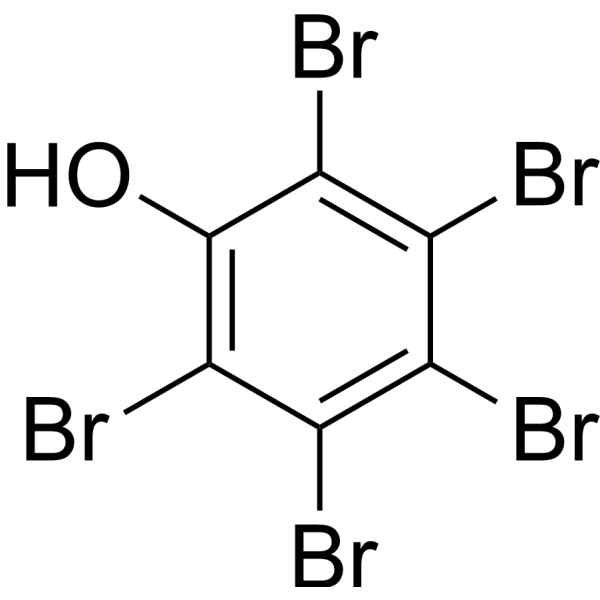
    Pentabromophenol (PBP) is a brominated flame retardant (BFR) widely used in various consumer products to reduce the flammability of materials used in different utility items. Pentabromophenol can accelerate the degradation of transforming growth factor-β (TGF-β) receptors by promoting clathrin-mediated endocytosis, thereby inhibiting the TGF-β signaling pathway. Additionally, Pentabromophenol can also induce apoptosis in peripheral blood mononuclear cells (PBMCs) .
    Pentabromophenol
  • HY-N0894R

    HexaHYdrobisdemethoxycurcumin (Standard)

    Reference Standards Apoptosis COX NF-κB MAP4K Inflammation/Immunology Cancer
    Octahydrocurcumin (Hexahydrobisdemethoxycurcumin) is a hydrogenated derivative of curcumin and a metabolite of curcumin. Octahydrocurcumin is an orally active anticancer and anti-inflammatory agent, and is the final hydrogenated metabolite of Curcumin (HY-N0005) in vivo. Octahydrocurcumin exerts its anti-tumor and anti-inflammatory effects by inducing the mitochondrial apoptosis pathway and inhibiting the TAK1-NF-κB-COX-2 pathway, respectively .
    Octahydrocurcumin (Standard)
  • HY-145525

    CAR 18:2; C18:2 Carnitine; L-Carnitine linoleoyl ester

    Endogenous Metabolite Others
    Linoleoyl-L-carnitine is a naturally occurring long-chain acylcarnitine. Hepatic levels of linoleoyl-L-carnitine are increased following high-dose (200 mg/kg) administration of Isoniazid (Item No. 20378) in mice.
    Linoleoyl-L-carnitine chloride
  • HY-15668

    MMP Bcl-2 Family Caspase Apoptosis Drug Derivative Cancer
    ST09 is an efficient and low toxicity Curcumin (HY-N0005) derivative. ST09 significantly inhibits cell migration and downregulates the expression of MMP1, MMP2, and Vimentin. ST09 has strong cytotoxicity to breast cancer cells, such as MDA-MB-231, MCF7 and T47D cells. ST09 induces cell apoptosis by upregulating Bax and cleaved caspase-3/9. ST09 can be used in the research of cancer such as breast cancer .
    ST09
  • HY-179228

    CTLA-4 TGF-beta/Smad Cancer
    AN02 is a derivative of Curcumin (HY-N0005). AN02 inhibits the proliferation and clonogenicity, migration and invasion of ovarian cancer cells. AN02 dose-dependently upregulates the expression of APC and mediates the degradation of CTLA-4 through SMAD4. In the small xenograft model, AN02 significantly inhibits tumor growth and reverses the tumor immune-suppressive microenvironment. AN02, when combined with Ipilimumab (HY-P9901), can enhance efficacy and inhibit epithelial-mesenchymal transition. AN02 can be used for the study of ovarian cancer .
    AN02
  • HY-N0005S1

    Diferuloylmethane-d3; Natural Yellow 3-d3; Turmeric yellow-d3

    Isotope-Labeled Compounds Autophagy Histone Acetyltransferase Keap1-Nrf2 Influenza Virus Mitophagy Epigenetic Reader Domain Ferroptosis Infection Metabolic Disease Inflammation/Immunology Cancer
    Curcumin-d3 (Diferuloylmethane-d3 ) is deuterium labeled Curcumin (HY-N0005). Curcumin (Diferuloylmethane), a natural phenolic compound, is a p300/CREB-binding protein-specific inhibitor of acetyltransferase, represses the acetylation of histone/nonhistone proteins and histone acetyltransferase-dependent chromatin transcription. Curcumin is a photosensitizer against microorganisms. Curcumin shows inhibitory effects on NF-κB and MAPKs, and has diverse pharmacologic effects including anti-inflammatory, antioxidant, antiproliferative and antiangiogenic activities. Curcumin induces stabilization of Nrf2 protein through Keap1 cysteine modification.
    Curcumin-d3
  • HY-137555

    11-deHYdro-2,3-dinor TXB2

    Endogenous Metabolite Metabolic Disease
    11-dehydro-2,3-dinor Thromboxane B2 (11-dehydro-2,3-dinor TXB2) is a metabolite of the TXA2 inactive metabolite TXB2 (Item No. 19030). It is formed from TXB2 by cytosolic aldehyde dehydrogenase (ALDH) and β-oxidation. Levels of 11-dehydro-2,3-dinor TXB2 are increased 5.2-fold in a surgery-induced rat model of tendon overuse.
    11-dehydro-2,3-dinor Thromboxane B2
  • HY-151342

    Drug Derivative Others
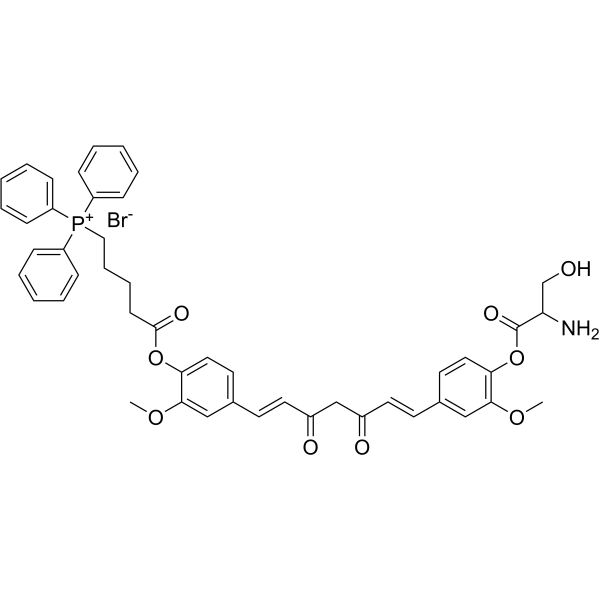
    Ser@TPP@CUR is a Curcumin (HY-N0005) derivative. Ser@TPP@CUR effectively ameliorates injured renal tubular epithelial cells and improves renal functions of acute kidney injury (AKI) mice. Ser@TPP@CUR can be used for the research of AKI .
    Ser@TPP@CUR
  • HY-186012

    Drug Intermediate Others
    TPP@CUR is the product formed by the esterification reaction between Curcumin (HY-N0005) and (5-hydroxy-5-oxopentyl)triphenylphosphonium bromide (TPP). TPP@CUR can be used to synthesize Ser@TPP@CUR (HY-151342), which can then be used in studies of acute kidney injury .
    TPP@CUR
  • HY-120914

    GO-Y015

    TrxR Apoptosis Cancer
    TrxR1-IN-B19 (GO-Y015) (Compound B19) is a Curcumin (HY-N0005) derivative and colvalent TrxR1 inhibitor. TrxR1-IN-B19 inhibits TrxR1 enzyme activity to elevate oxidative stress, and then induce ROS-mediated ER Stress and mitochondrial dysfunction, subsequently resulting in cell cycle arrest and apoptosis .
    TrxR1-IN-B19
  • HY-179398

    Keap1-Nrf2 Cancer
    Keap1-Nrf2-IN-29 (Compound 1a), a Curcumin (HY-N0005) analog, is a Keap1 protein inhibitor. Keap1-Nrf2-IN-29 exhibits significant inhibitory activity against A549, PC-3 and MCF-7 cells. Keap1-Nrf2-IN-29 can be used for the study of prostate cancer .
    Keap1-Nrf2-IN-29
  • HY-W114419

    Estrogen Receptor/ERR mTOR Cardiovascular Disease Metabolic Disease
    Bisphenol C is an estrogen receptor-α (ERα) agonist and an ERβ antagonist, with IC50 values of 2.65 nM for ERα and 1.94 nM for ERβ. Bisphenol C is a material of manufacturing polyester polymers like polycarbonate, is widely used in daily items like water bottles, food packaging, textile and so on .
    Bisphenol C
  • HY-116661

    CBGV

    Cannabinoid Receptor Metabolic Disease
    Cannabigerovarin (CRM) (Item No. 29117) is a certified reference material categorized as a phytocannabinoid.1 This product is intended for research and forensic applications.
    Cannabigerovarin
  • HY-134635R

    Bacterial Fungal HIV Infection Neurological Disease Cancer
    Dehydrozingerone (Standard) is the analytical standard of Dehydrozingerone. This product is intended for research and analytical applications. Dehydrozingerone (Compound 10), a structural half analogue of Curcumin (HY-N0005), is a phenolic compound with antibacterial, anticancer, antioxidant, anti-Alzheimer’s and antifungal activity, which is isolated from ginger (Zingiber officinale) rhizomes. Dehydrozingerone shows moderate inhibitory activities on the secretion of HBsAg in HepG 2 cells with an IC50 value of 0.50 mM .
    Dehydrozingerone (Standard)
  • HY-N0894A

    (3R,5R)-HexaHYdrobisdemethoxycurcumin

    Drug Metabolite Neurological Disease Inflammation/Immunology
    (3R,5R)-Octahydrocurcumin (Compound 7) is gut microbial metabolite of Curcumin (HY-N0005). (3R,5R)-Octahydrocurcumin exhibits neuroprotective efficacy against Aβ25-35-induced cell damage in SH-SY5Y, and anti-inflammatory activity against LPS-stimulated mouse microglial BV-2 .
    (3R,5R)-Octahydrocurcumin
  • HY-130340

    Teichomycin A3 factor 1; Antibiotic L 17054

    Antibiotic Infection
    Teicoplanin A3-1 is a degradation product of teicoplanins A2-1 to 5 (Item Nos. 20187, 20188, 20189, 20192). Teicoplanins are glycopeptide antibiotics produced by A. teichomyceticus that are broadly effective against Gram-positive bacteria in vitro.
    Teicoplanin A3-1
  • HY-124200

    Prostaglandin Receptor Endocrinology
    AL 8810 (Item No. 16735) is an 11β-fluoro analog of prostaglandin F2α which acts as a potent and selective antagonist at the FP receptor. AL 8810 isopropyl ester is a lipid soluble, esterified prodrug form of AL 8810 analogous to the commonly used therapeutic intraocular prostaglandin compounds such as Latanoprost (HY-B0577) and Travoprost (HY-B0584).
    AL 8810 isopropyl ester
  • HY-129303

    Endogenous Metabolite Metabolic Disease
    AP39 (Item No. 17100) is a compound used to increase the levels of hydrogen sulfide (H2S) within mitochondria. It consists of a mitochondria-targeting motif (triphenylphosphonium) coupled to an H2S-donating moiety (dithiolethione) by an aliphatic linker. AP219 is a control compound for AP39, containing the triphenylphosphonium scaffold but lacking the H2S-releasing portion.
    AP219
  • HY-134123

    LXB4 metHYl ester

    Drug Intermediate Leukotriene Receptor Metabolic Disease
    Lipoxin B4 (LXB4) methyl ester is a lipid soluble prodrug form of the transcellular metabolite LXB4. LXB4 is a positional isomer of LXA4 produced by the metabolism of 15-HETE or 15-HpETE by human leukocytes. At a concentration of 100 nM, LXB4 inhibits polymorphonuclear leukocyte (PMN) migration stimulated by leukotriene B4 (LTB4; Item No. 20110) and inhibits LTB4-induced adhesion of PMNs with an IC50 value of 0.3 nM.
    Lipoxin B4 methyl ester
  • HY-N17436

    Bacterial Inflammation/Immunology Cancer
    Demethoxyhexahydrocurcumin is a Curcumin (HY-N0005) biotransformation metabolite and diarylheptanoid with antioxidant and antimicrobial activities. Demethoxyhexahydrocurcumin scavenges free radicals, inhibits cancer cell viability, and suppresses microbial growth. Demethoxyhexahydrocurcumin can be used for the research of colorectal cancer .
    Demethoxyhexahydrocurcumin
  • HY-W010056R

    Others Reference Standards Neurological Disease Inflammation/Immunology
    Diethyl fumarate (Standard) is the analytical standard of Diethyl fumarate (HY-W010056). This product is intended for research and analytical applications. Diethyl fumarate is a decomposition product of Malathion 9 (a pesticide) and reactant in the Diels-Alder reaction. Diethyl fumarate is a reputed skin irritant. Diethyl fumarate can causes non-immunologic contact urticaria on skin. Diethyl fumarate and Curcumin (HY-N0005) hybridize to exert neuroprotective effects .
    Diethyl fumarate (Standard)

Inquiry Online

Your information is safe with us. * Required Fields.

Salutation


Country or Region *

Applicant Name *


Organization Name *

Department *


Email Address *


Product Name *

Cat. No.


Requested quantity *

Phone Number *


Remarks

Inquiry Online

Inquiry Information

Product Name:
Cat. No.:
Quantity:
MCE Japan Authorized Agent: