



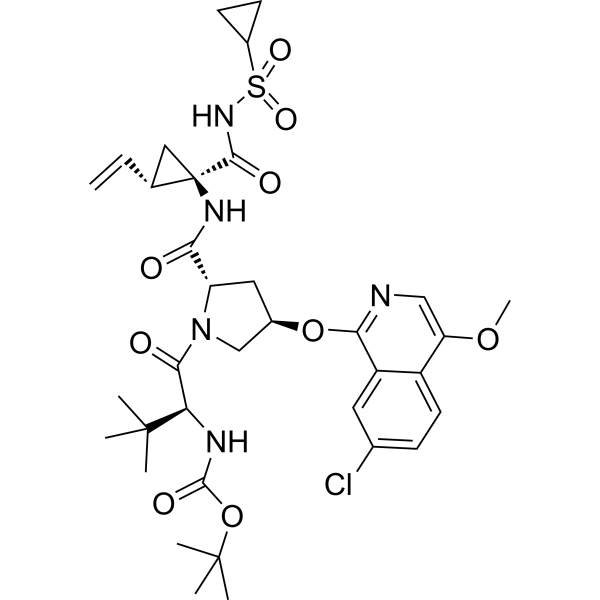
Asunaprevir
Based on 45 publication(s) in Google Scholar
Asunaprevir (BMS-650032) is a potent and orally bioavailable hepatitis C virus (HCV) NS3 protease inhibitor, with IC50 of 0.2 nM-3.5 nM. Asunaprevir inhibits SARS-CoV-2 3CLpro activity.
For research use only. We do not sell to patients.
- Purity : 99.84%
- CAS No.: 630420-16-5
- Formula: C35H46ClN5O9S
- Molecular Weight:748.29
-
Storage:Powder -20°C, 3 years , 4°C, 2 years ; In solvent -80°C, 2 years , -20°C, 1 year

To place orders, for customer services and technical support, please contact: MedChemExpress USA
Tel: 609-228-6898 E-mail: [email protected] [email protected]


-
 Biological Activity
-
Chemical Information
-
Solvent & Solubility
- Protocols
- Purity & Documentation
- References
-
 Help & FAQs


-
HY-15298
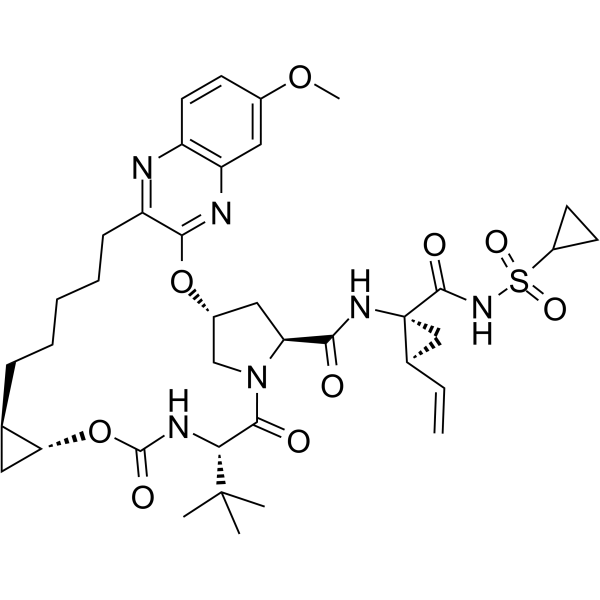
GrazoprevirHCV Protease Inhibitor -
HY-10238
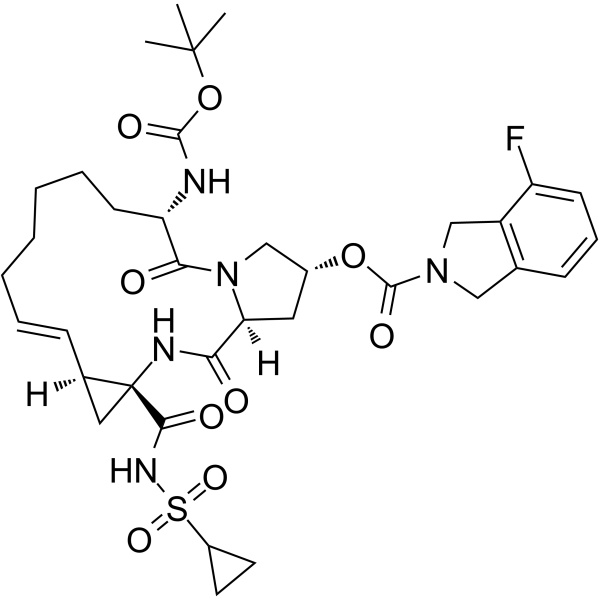
DanoprevirHCV NS3/4A Inhibitor -
HY-10235
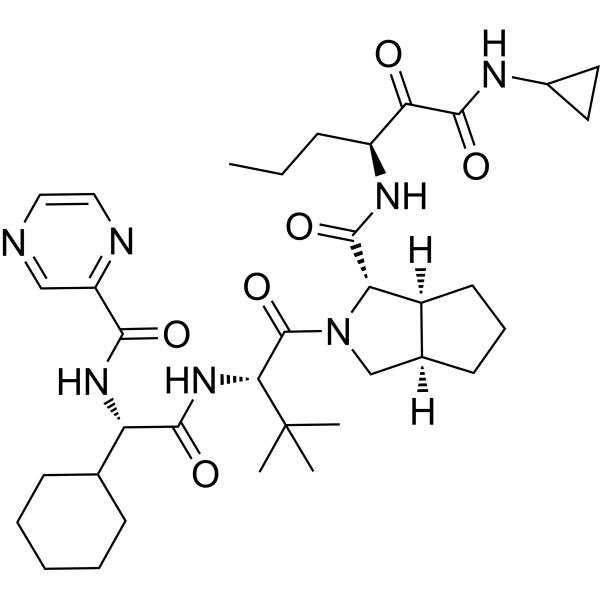
TelaprevirHCV NS3-4A Protease Inhibitor -
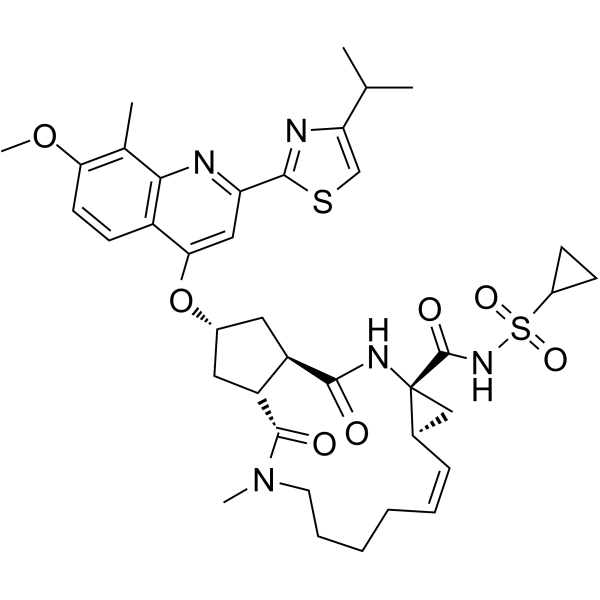
HY-10241
SimeprevirHCV NS3/4A Inhibitor -
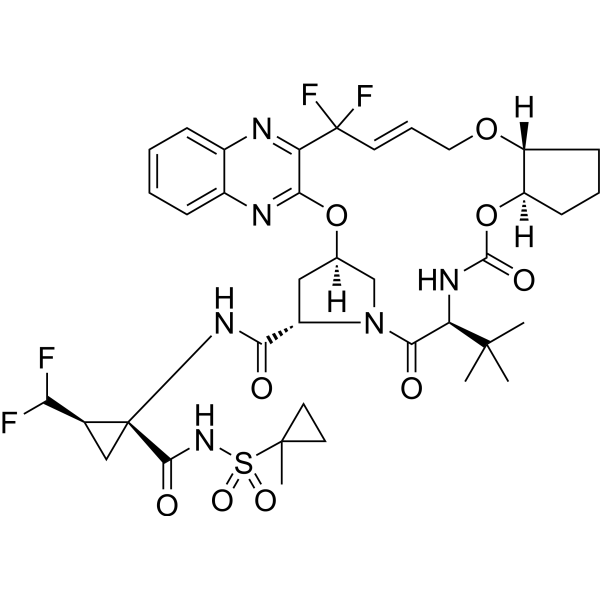
HY-17634
GlecaprevirHCV NS3/4A Protease Inhibitor -
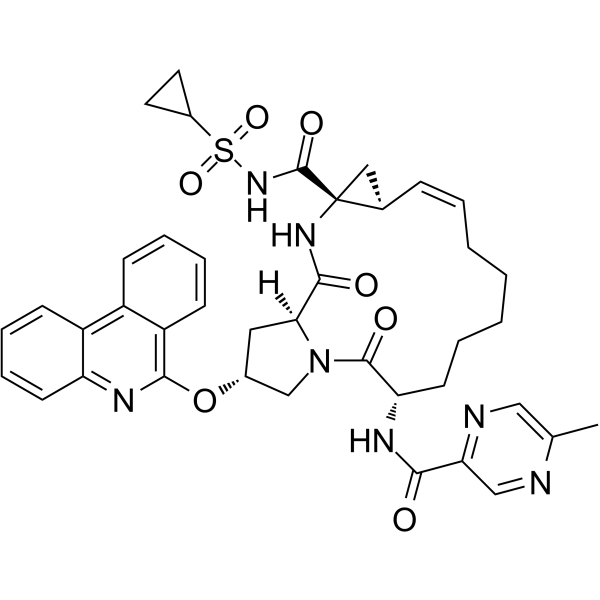
HY-12594
ParitaprevirNS3/4A Protease Inhibitor -
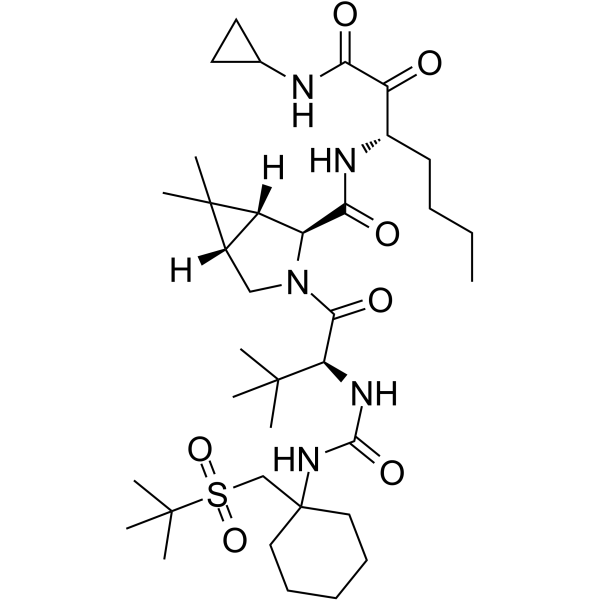
HY-10300
NarlaprevirNS3 Protease Inhibitor -
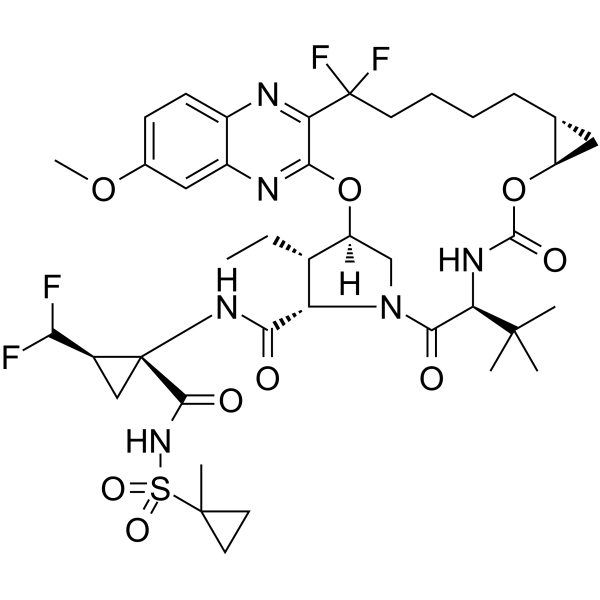
HY-19840
VoxilaprevirHCV NS3/4A Protease Inhibitor -
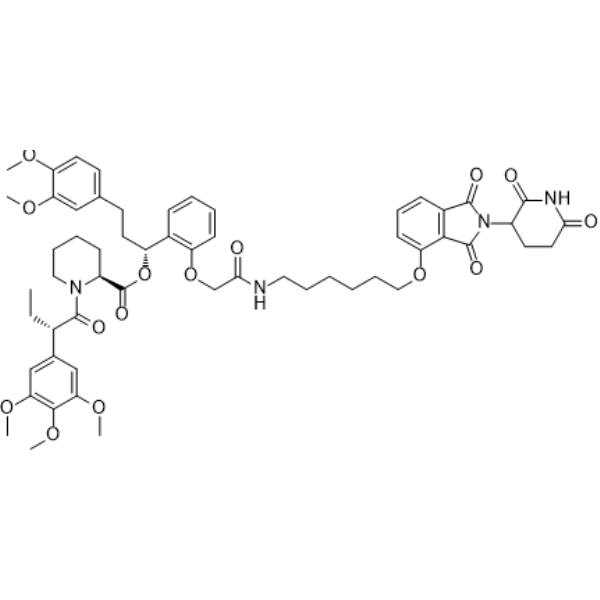
HY-114421
FKBP12 PROTAC dTAG-13FKBP12F36V PROTAC Degrader -
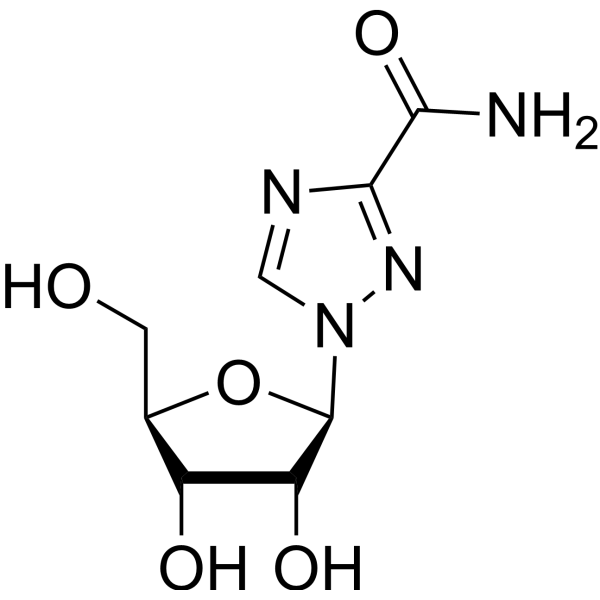
HY-B0434
RibavirinAntiviral Agent -
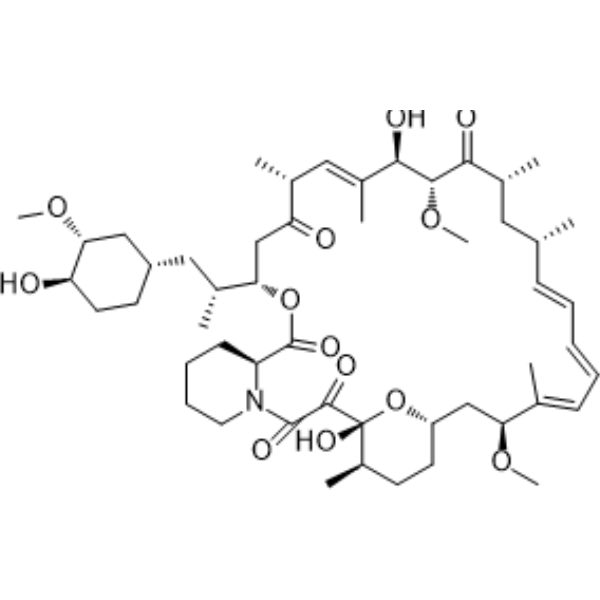
HY-10219
RapamycinmTOR Inhibitor -
HY-10237
BoceprevirHCV NS3 Protease Inhibitor
Publications Citing Use of MedChemExpress (MCE) Asunaprevir
More- Signal Transduct Target Ther. 2021 May 29;6(1):212. [Abstract]
- Nature. 2020 Oct;586(7829):407-411. [Abstract]
- Science. 2026 Aug 13;393(6812):eaeh1834.
- Cell. 2019 Aug 22;178(5):1145-1158.e20. [Abstract]
- Nat Methods. 2018 Jul;15(7):519-522. [Abstract]
- Nat Neurosci. 2020 Feb;23(2):281-292. [Abstract]
- Nat Commun. 2021 Nov 22;12(1):6786. [Abstract]
- Nat Commun. 2020 Sep 4;11(1):4417. [Abstract]
- Nat Commun. 2014 Oct 30:5:5352. [Abstract]
- Cell Discov. 2024 Jan 23;10(1):9. [Abstract]
- Theranostics. 2024 Jul 22;14(11):4481-4498. [Abstract]
- Proc Natl Acad Sci U S A. 2017 Feb 21;114(8):1922-1927. [Abstract]
- Cancer Immunol Res. 2021 Sep;9(9):999-1007. [Abstract]
- J Genet Genomics. 2020 Nov 20;47(11):705-712. [Abstract]
- Int J Radiat Oncol Biol Phys. 2016 Nov 15;96(4):867-876. [Abstract]
- J Med Chem. 2018 May 10;61(9):4189-4202. [Abstract]
- Pharmaceuticals (Basel). 2022 Feb 18;15(2):242. [Abstract]
- J Gastroenterol. 2019 May;54(5):449-458. [Abstract]
- Sci Rep. 2022 Jul 16;12(1):12197. [Abstract]
- Sci Rep. 2018 Aug 20;8(1):12469. [Abstract]
- Sci Rep. 2016 Oct 5:6:34652. [Abstract]
- BMC Biotechnol. 2019 Jul 3;19(1):44. [Abstract]
- Hum Gene Ther. 2021 Oct;32(19-20):1029-1043. [Abstract]
- Antiviral Res. 2019 Nov:171:104612. [Abstract]
- Antiviral Res. 2017 Mar:139:18-24. [Abstract]
- Biotechnol Bioeng. 2025 Apr;122(4):1051-1061. [Abstract]
- J Pharm Sci. 2019 Dec;108(12):3898-3902. [Abstract]
- ACS Med Chem Lett. 2018 Jan 12;9(2):109-113. [Abstract]
- J Med Virol. 2023 Dec;95(12):e29290. [Abstract]
- J Hum Genet. 2020 Jan;65(2):143-153. [Abstract]
- Boston University. 2026.
- Preprints. 2026 Jun 19.
- bioRxiv. 2026 Jun 16.
- bioRxiv. 2026 Jan 2:2026.01.02.697403. [Abstract]
- bioRxiv. 2024 Nov 30:2024.11.30.626186. [Abstract]
- Patent. US12065501.
- University of Glasgow. 2024 Mar.
- bioRxiv. 2023 Oct 26:2023.10.26.561921. [Abstract]
- Patent. US20210238569A1.
- Patent. US20200140560A1
- bioRxiv. 2020 Jul 17.
- Patent. US20190010245A1.
- Patent. US20180346589A1.
- Patent. US20170233708A1.
- Seoul National University. 2016 Aug.
 Customer Validation & Images

-
In Vivo Efficacy Study
-
In Vivo Efficacy Study
-
WB
-
In Vivo Efficacy Study
-
Bio/Physico-chemical Assay


Biological Activity
Description
IC50 & Target
IC50: 0.2 nM-3.5 nM (HCV NS3 protease)
Cellular Effect
|
Cell Line

|
Type | Value | Description | References |
|---|---|---|---|---|
| Huh-7 | EC50 |
3 nM
Compound: 2
|
Antiviral activity against HCV genotype 1b Con1 expressing NS3 protease infected in human Huh7.5 cells assessed as reduction in viral RNA replication by luciferase reporter gene assay
Antiviral activity against HCV genotype 1b Con1 expressing NS3 protease infected in human Huh7.5 cells assessed as reduction in viral RNA replication by luciferase reporter gene assay
|
[PMID: 27564532] |
In Vitro
In multiple experiments, populations of resistant colonies are markedly reduced when cells are treated with a combination of DCV and Asunaprevir[1].
Asunaprevir (ASV) inhibits the NS3 proteolytic activity of genotype 1a (H77 strain) and genotype 1b (J4L6S strain), with IC50s of 0.7 and 0.3 nM, respectively. The EC50s of ASV against replicons encoding the NS3 protease domains representing genotypes 1a, 1b, and 4a, range from 1.2 to 4.0 nM[2].
Replicon cells are maintained under selective pressure with asunaprevir at concentrations of 10 and 30 times the EC50 values (50 or 150 nM final concentrations, respectively). For genotype 1b resistance selection, replicon cells are maintained in the presence of asunaprevir at 10 or 30 times the EC50 values (30 or 90 nM final concentrations, respectively)[3].
MedChemExpress (MCE) has not independently confirmed the accuracy of these methods. They are for reference only. Further protocols information, click here.
In Vivo
MedChemExpress (MCE) has not independently confirmed the accuracy of these methods. They are for reference only.
Clinical Trial
| NCT Number | Sponsor | Condition | Start Date |
Phase
|
|---|---|---|---|---|
| NCT01329991 | Plexxikon| | 2011-05 | PHASE1 |


Chemical Information
-
CAS No. 630420-16-5
-
Appearance Solid
-
Molecular Weight 748.29
-
Formula C35H46ClN5O9S
-
Color White to off-white
-
SMILES
ClC1=CC=C2C(C(O[C@H]3CN(C([C@@H](NC(OC(C)(C)C)=O)C(C)(C)C)=O)[C@H](C(N[C@@]4(C(NS(C5CC5)(=O)=O)=O)[C@H](C=C)C4)=O)C3)=NC=C2OC)=C1
-
Synonyms
BMS-650032
-
Shipping
Room temperature in continental US; may vary elsewhere.
-
Storage
Powder -20°C 3 years 4°C 2 years In solvent -80°C 2 years -20°C 1 year


Publications (45)
-
Journal Impact Factor
-
Most Recent
-
Signal Transduct Target Ther
Bardoxolone and bardoxolone methyl, two Nrf2 activators in clinical trials, inhibit SARS-CoV-2 replication and its 3C-like protease. [Abstract]2021 May 29;6(1):212. PMID: 34052830 -
Nature
2020 Oct;586(7829):407-411. PMID: 33029009
Asunaprevir purchased from MedChemExpress. Usage Cited in: Nature. 2020 Oct;586(7829):407-411. [Abstract]
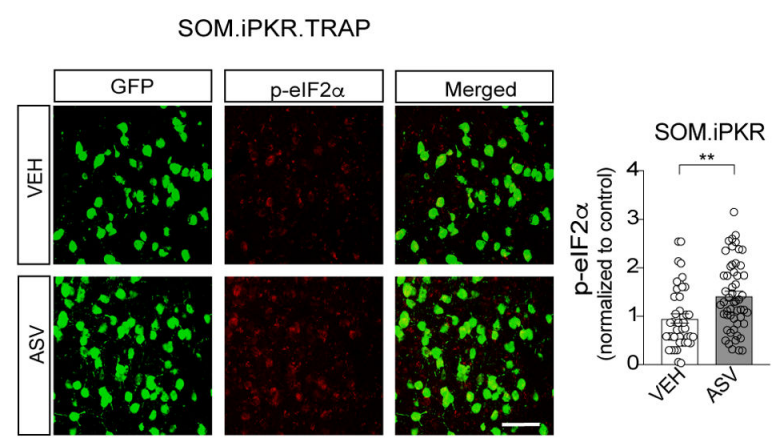
Compared to vehicle controls, Asunaprevir (10 mM, 0.5 μL) infusion in the central amygdala of SOM.iPKR.TRAP animals significantly increased phosphorylation of eIF2α in SOM neurons.
Asunaprevir purchased from MedChemExpress. Usage Cited in: Nature. 2020 Oct;586(7829):407-411. [Abstract]
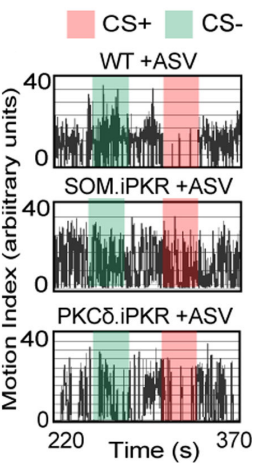
Representative LTM motion traces for WT + Asunaprevir (10 mM, 0.5 μL), SOM.iPKR + Asunaprevir and PKCδ.iPKR + Asunaprevir animals.
-
-
Cell
A Pliable Mediator Acts as a Functional Rather Than an Architectural Bridge between Promoters and Enhancers. [Abstract]2019 Aug 22;178(5):1145-1158.e20. PMID: 31402173
Asunaprevir purchased from MedChemExpress. Usage Cited in: Cell. 2019 Aug 22;178(5):1145-1158.e20. [Abstract]
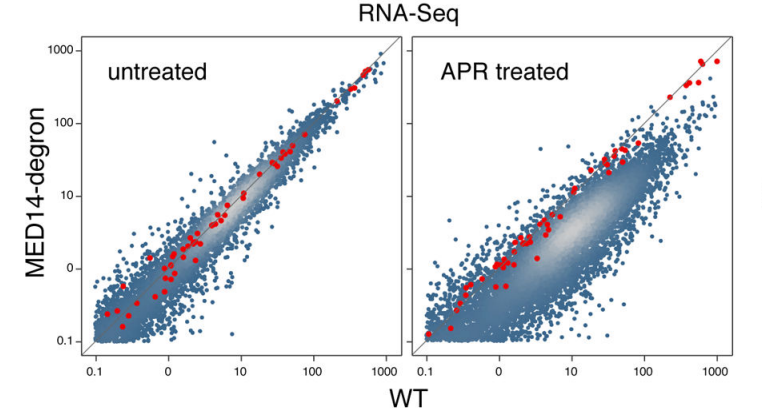
Transcriptome analysis of Asunaprevir (3 μM, 60 h)-treated Med14SMASh vs. control cells. Red dots represent mRNA spike-ins used to normalize signals on a per cell basis.
Asunaprevir purchased from MedChemExpress. Usage Cited in: Cell. 2019 Aug 22;178(5):1145-1158.e20. [Abstract]
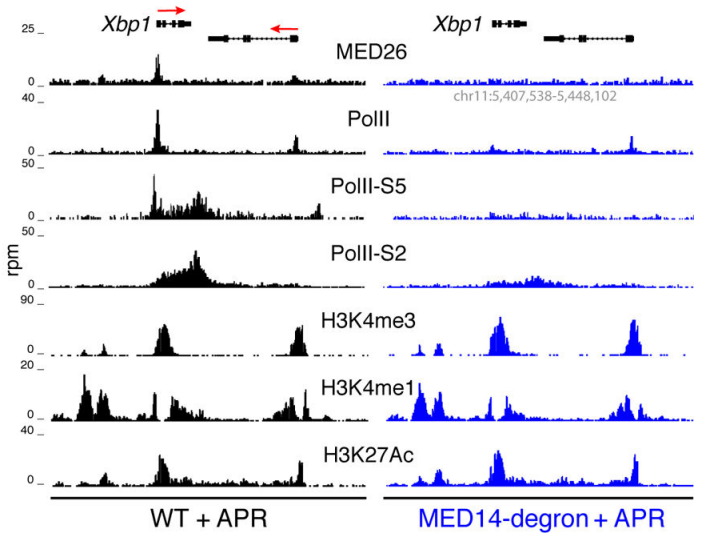
Med26, PolII, PolII-S5, PolII-S2, H3K4me3, H3K4me1, and H3K27Ac ChIP-Seq profiles at the Xbp1 locus in Asunaprevir (3 μM, 60 h)-treated WT (left) or Med14SMASh (right) cells. The orientation of genes is denoted with red arrows.
-
Nat Methods
2018 Jul;15(7):519-522. PMID: 29967495 -
Nat Neurosci
Cell-type-specific drug-inducible protein synthesis inhibition demonstrates that memory consolidation requires rapid neuronal translation. [Abstract]2020 Feb;23(2):281-292. PMID: 31959934
Asunaprevir purchased from MedChemExpress. Usage Cited in: Nat Neurosci. 2020 Feb;23(2):281-292. [Abstract]
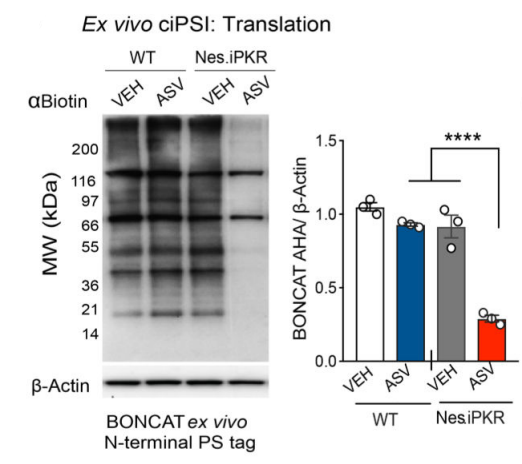
De novo translation labeled at the N-terminus using BONCAT in Nes.iPKR amygdala slices showed a robust decrease in translation in mutant amygdala treated with 1 μM Asunaprevir (ASV) compared to vehicle (VEH)-treated mutant amygdala as well as ASV-treated wild-type amygdala.
Asunaprevir purchased from MedChemExpress. Usage Cited in: Nat Neurosci. 2020 Feb;23(2):281-292. [Abstract]
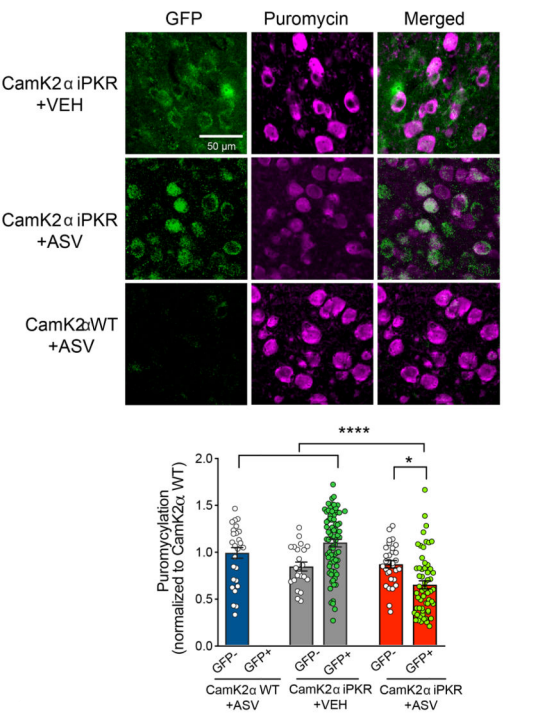
In vivo SUnSET assay: Asunaprevir treated CamK2α.iPKR mice have significantly reduced translation in LA principal neurons compared to VEH treatment and Asunaprevir-treated WT mice. One-way ANOVA followed by Bonferroni's post-hoc test. n [CamK2α WT + Asunaprevir] = 36 (GFP-) neurons, n [CamK2α.iPKR +VEH] = 22 (GFP-) neurons, 78 (GFP+) neurons, and n[CamK2α.iPKR + Asunaprevir] = 31 (GFP-) neurons, 58 (GFP+) neurons from 3 mice/group.
-
Nat Commun
Design of modular autoproteolytic gene switches responsive to anti-coronavirus drug candidates. [Abstract]2021 Nov 22;12(1):6786. PMID: 34811361 -
Nat Commun
Both Boceprevir and GC376 efficaciously inhibit SARS-CoV-2 by targeting its main protease. [Abstract]2020 Sep 4;11(1):4417. PMID: 32887884 -
Nat Commun
A system for the continuous directed evolution of proteases rapidly reveals drug-resistance mutations. [Abstract]2014 Oct 30:5:5352. PMID: 25355134 -
Cell Discov
Integrated compact regulators of protein activity enable control of signaling pathways and genome-editing in vivo. [Abstract]2024 Jan 23;10(1):9. PMID: 38263404 -
Theranostics
Endosome-microautophagy targeting chimera (eMIATAC) for targeted proteins degradation and enhance CAR-T cell anti-tumor therapy. [Abstract]2024 Jul 22;14(11):4481-4498. PMID: 39113807 -
Proc Natl Acad Sci U S A
Quantifying antiviral activity optimizes drug combinations against hepatitis C virus infection. [Abstract]2017 Feb 21;114(8):1922-1927. PMID: 28174263 -
Cancer Immunol Res
CRASH-IT Switch Enables Reversible and Dose-Dependent Control of TCR and CAR T-cell Function. [Abstract]2021 Sep;9(9):999-1007. PMID: 34193461 -
J Genet Genomics
A tunable, rapid, and precise drug control of protein expression by combining transcriptional and post-translational regulation systems. [Abstract]2020 Nov 20;47(11):705-712. PMID: 33549479 -
Int J Radiat Oncol Biol Phys
Targeting Phosphatidylinositol 4-Kinase IIIα for Radiosensitization: A Potential Model of Drug Repositioning Using an Anti-Hepatitis C Viral Agent. [Abstract]2016 Nov 15;96(4):867-876. PMID: 27788957 -
J Med Chem
Impact of Dynamically Exposed Polarity on Permeability and Solubility of Chameleonic Drugs Beyond the Rule of 5. [Abstract]2018 May 10;61(9):4189-4202. PMID: 29608068 -
Pharmaceuticals (Basel)
Evaluation of the Potency of Anti-HIV and Anti-HCV Drugs to Inhibit P-Glycoprotein Mediated Efflux of Digoxin in Caco-2 Cell Line and Human Precision-Cut Intestinal Slices. [Abstract]2022 Feb 18;15(2):242. PMID: 35215354 -
J Gastroenterol
Combinations of two drugs among NS3/4A inhibitors, NS5B inhibitors and non-selective antiviral agents are effective for hepatitis C virus with NS5A-P32 deletion in humanized-liver mice. [Abstract]2019 May;54(5):449-458. PMID: 30684016 -
Sci Rep
Hepatitis C virus NS3/4A inhibitors and other drug-like compounds as covalent binders of SARS-CoV-2 main protease. [Abstract]2022 Jul 16;12(1):12197. PMID: 35842458 -
Sci Rep
HA1077 displays synergistic activity with daclatasvir against hepatitis C virus and suppresses the emergence of NS5A resistance-associated substitutions in mice. [Abstract]2018 Aug 20;8(1):12469. PMID: 30127498 -
Sci Rep
Effects of Resistance-Associated NS5A Mutations in Hepatitis C Virus on Viral Production and Susceptibility to Antiviral Reagents. [Abstract]2016 Oct 5:6:34652. PMID: 27703205 -
BMC Biotechnol
2019 Jul 3;19(1):44. PMID: 31269942 -
Hum Gene Ther
Multimodular Optimization of Chemically Regulated T Cell Switches Demonstrates Flexible and Interchangeable Nature of Immune Cell Signaling Domains. [Abstract]2021 Oct;32(19-20):1029-1043. PMID: 34662227 -
Antiviral Res
Construction and characterization of Genotype-3 hepatitis C virus replicon revealed critical genotype-3-specific polymorphism for drug resistance and viral fitness. [Abstract]2019 Nov:171:104612. PMID: 31542377 -
Antiviral Res
A profiling study of a newly developed HCVcc strain PR63cc's sensitivity to direct-acting antivirals. [Abstract]2017 Mar:139:18-24. PMID: 28025084 -
Biotechnol Bioeng
Engineering Gene and Protein Switches for Regulation of Lineage-Specifying Transcription Factors. [Abstract]2025 Apr;122(4):1051-1061. PMID: 39801452 -
J Pharm Sci
Proposal of a Parameter for OATP1B1 Inhibition Screening at the Early Drug Discovery Stage. [Abstract]2019 Dec;108(12):3898-3902. PMID: 31446145 -
ACS Med Chem Lett
2018 Jan 12;9(2):109-113. PMID: 29456797 -
J Med Virol
Identification and characterization of Sofosbuvir-resistant mutations of hepatitis C virus genotype 3a replicon. [Abstract]2023 Dec;95(12):e29290. PMID: 38102947 -
J Hum Genet
Effect of CYP3A5*3 genetic variant on the metabolism of direct-acting antivirals in vitro: a different effect on asunaprevir versus daclatasvir and beclabuvir. [Abstract]2020 Jan;65(2):143-153. PMID: 31645655 -
-
-
-
bioRxiv
2026 Jan 2:2026.01.02.697403. PMID: 41509395 -
bioRxiv
2024 Nov 30:2024.11.30.626186. PMID: 39651145 -
-
-
bioRxiv
2023 Oct 26:2023.10.26.561921. PMID: 37961502 -
-
-
-
-
-
-


Solvent & Solubility
In Vitro:
DMSO : ≥ 100 mg/mL (133.64 mM; Hygroscopic DMSO has a significant impact on the solubility of product, please use newly opened DMSO)
Ethanol : 20 mg/mL (26.73 mM; Need ultrasonic)
* "≥" means soluble, but saturation unknown.
Please refer to the solubility information to select the appropriate solvent. Once prepared, please aliquot and store the solution to prevent product inactivation from repeated freeze-thaw cycles.
Storage method and period of stock solution: -80°C, 2 years; -20°C, 1 year. When stored at -80°C, please use it within 2 years. When stored at -20°C, please use it within 1 year.
Please refer to the solubility information to select the appropriate solvent. Once prepared, please aliquot and store the solution to prevent product inactivation from repeated freeze-thaw cycles.
Storage method and period of stock solution: -80°C, 2 years; -20°C, 1 year. When stored at -80°C, please use it within 2 years. When stored at -20°C, please use it within 1 year.
Concentration (start) × Volume (start) = Concentration (final) × Volume (final)
In Vivo:
Select the appropriate dissolution method based on your experimental animal and administration route.
- For the following dissolution methods, please ensure to first prepare a clear stock solution using an In Vitro approach and then sequentially add co-solvents:
- To ensure reliable experimental results, the clarified stock solution can be appropriately stored based on storage conditions. As for the working solution for In Vivo experiments, it is recommended to prepare freshly and use it on the same day.
- The percentages shown for the solvents indicate their volumetric ratio in the final prepared solution. If precipitation or phase separation occurs during preparation, heat and/or sonication can be used to aid dissolution.
Add each solvent one by one: 10% DMSO 40% PEG300 5% Tween-80 45% Saline
Solubility: ≥ 2.5 mg/mL (3.34 mM); Clear solution
This protocol yields a clear solution of ≥ 2.5 mg/mL (saturation unknown).
Taking 1 mL working solution as an example, add 100 μL DMSO stock solution (25.0 mg/mL) to 400 μL PEG300, and mix evenly; then add 50 μL Tween-80 and mix evenly; then add 450 μL Saline to adjust the volume to 1 mL.
Preparation of Saline: Dissolve 0.9 g sodium chloride in ddH₂O and dilute to 100 mL to obtain a clear Saline solution.
Add each solvent one by one: 10% DMSO 90% (20% SBE-β-CD in Saline)
Solubility: ≥ 2.5 mg/mL (3.34 mM); Clear solution
This protocol yields a clear solution of ≥ 2.5 mg/mL (saturation unknown).
Taking 1 mL working solution as an example, add 100 μL DMSO stock solution (25.0 mg/mL) to 900 μL 20% SBE-β-CD in Saline, and mix evenly.
Preparation of 20% SBE-β-CD in Saline (4°C, storage for one week): 2 g SBE-β-CD powder is dissolved in 10 mL Saline, completely dissolve until clear.
Add each solvent one by one: 10% EtOH 40% PEG300 5% Tween-80 45% Saline
Solubility: 2 mg/mL (2.67 mM); Clear solution; Need ultrasonic
This protocol yields a clear solution of 2 mg/mL.
Taking 1 mL working solution as an example, add 100 μL EtOH stock solution (20.0 mg/mL) to 400 μL PEG300, and mix evenly; then add 50 μL Tween-80 and mix evenly; then add 450 μL Saline to adjust the volume to 1 mL.
Preparation of Saline: Dissolve 0.9 g sodium chloride in ddH₂O and dilute to 100 mL to obtain a clear Saline solution.
Add each solvent one by one: 10% EtOH 90% Corn Oil
Solubility: ≥ 2 mg/mL (2.67 mM); Clear solution
This protocol yields a clear solution of ≥ 2 mg/mL (saturation unknown). If the continuous dosing period exceeds half a month, please choose this protocol carefully.
Taking 1 mL working solution as an example, add 100 μL EtOH stock solution (20.0 mg/mL) to 900 μL Corn oil, and mix evenly.
In Vivo Dissolution Calculator
Please enter the basic information of animal experiments:
-
-
-
-
Recommended: Prepare an additional quantity of animals to account for potential losses during experiments.
Please enter your animal formula composition:
-
%DMSO +
Recommended: Keep the proportion of DMSO in working solution below 2% if your animal is weak.
-
%+
-
+%Tween-80 + +
-
%Saline +
The co-solvents required include: DMSO, . All of co-solvents are available by MedChemExpress (MCE). , Tween 80. All of co-solvents are available by MedChemExpress (MCE).
Working solution concentration: 0.22 mg/mL
Method for preparing stock solution: mg drug dissolved in μL DMSO. Stock solution concentration: mg/mL.
1. Take μL DMSO stock solution;
2. Add μL .
μL , mix evenly;
3. Then add μL Tween 80, mix evenly;
4. Then add μL
Please ensure that the stock solution in the first step is dissolved to a clear state, and add co-solvents in sequence. You can use ultrasonic heating (ultrasonic cleaner, recommended frequency 20-40 kHz), vortexing, etc. to assist dissolution.

Protocols
-
Cell Cytotoxicity Assay
Cytotoxicity assays are usually based on the assessment of cell membrane damage, which can also be indirectly detected by measuring cell viability. Detection methods include MTT assay, CKK-8 assay, LDH assay and ATP assay, etc.


Purity & Documentation
-
Data Sheet (286 KB)
-
SDS (419 KB)
- English - EN (419 KB)
- Français - FR (419 KB)
- Deutsch - DE (419 KB)
- Norwegian - NO (419 KB)
- Español - ES (419 KB)
- Swedish - SV (419 KB)
- Italian - IT (419 KB)
- Korean - KR (419 KB)
- Portuguese - PT (419 KB)
-
Handling Instructions (2659 KB)
References
[1]. Pelosi LA, et al. Effect on HCV Replication by Combinations of Direct Acting Antivirals Including NS5A Inhibitor BMS-790052. Antimicrob Agents Chemother. 2012 Jul 30. [Content Brief]
[2]. McPhee F, et al. Preclinical Profile and Characterization of the Hepatitis C Virus NS3 Protease Inhibitor Asunaprevir (BMS-650032). Antimicrob Agents Chemother. 2012 Aug 6. [Content Brief]
[3]. McPhee F, et al. Resistance analysis of the hepatitis C virus NS3 protease inhibitor asunaprevir. Antimicrob Agents Chemother. 2012 Jul;56(7):3670-81. [Content Brief]
[4]. Pasquinelli C, et al. Single- and multiple-ascending-dose studies of the NS3 protease inhibitor asunaprevir in subjects with or without chronic hepatitis C. Antimicrob Agents Chemother. 2012 Apr;56(4):1838-44. [Content Brief]
[5]. Qi Sun, et al. Bardoxolone and bardoxolone methyl, two Nrf2 activators in clinical trials, inhibit SARS-CoV-2 replication and its 3C-like protease. Signal Transduct Target Ther. 2021 May 29;6(1):212. [Content Brief]


Complete Stock Solution Preparation Table
Please refer to the solubility information to select the appropriate solvent. Once prepared, please aliquot and store the solution to prevent product inactivation from repeated freeze-thaw cycles.
Storage method and period of stock solution: -80°C, 2 years; -20°C, 1 year. When stored at -80°C, please use it within 2 years. When stored at -20°C, please use it within 1 year.
| Optional Solvent | Concentration Solvent Mass | 1 mg | 5 mg | 10 mg | 25 mg |
|---|---|---|---|---|---|
| Ethanol / DMSO | 1 mM | 1.3364 mL | 6.6819 mL | 13.3638 mL | 33.4095 mL |
| 5 mM | 0.2673 mL | 1.3364 mL | 2.6728 mL | 6.6819 mL | |
| 10 mM | 0.1336 mL | 0.6682 mL | 1.3364 mL | 3.3410 mL | |
| 15 mM | 0.0891 mL | 0.4455 mL | 0.8909 mL | 2.2273 mL | |
| 20 mM | 0.0668 mL | 0.3341 mL | 0.6682 mL | 1.6705 mL | |
| 25 mM | 0.0535 mL | 0.2673 mL | 0.5346 mL | 1.3364 mL | |
| DMSO | 30 mM | 0.0445 mL | 0.2227 mL | 0.4455 mL | 1.1137 mL |
| 40 mM | 0.0334 mL | 0.1670 mL | 0.3341 mL | 0.8352 mL | |
| 50 mM | 0.0267 mL | 0.1336 mL | 0.2673 mL | 0.6682 mL | |
| 60 mM | 0.0223 mL | 0.1114 mL | 0.2227 mL | 0.5568 mL | |
| 80 mM | 0.0167 mL | 0.0835 mL | 0.1670 mL | 0.4176 mL | |
| 100 mM | 0.0134 mL | 0.0668 mL | 0.1336 mL | 0.3341 mL |


Asunaprevir Related Classifications
HY-14434 Related Classifications
 Powered by Bioz