



Enzastaurin
Based on 12 publication(s) in Google Scholar
Enzastaurin (LY317615) is a potent, selective, and CNS-penetrant PKCβ inhibitor with an IC50 of 6 nM, showing 6- to 20-fold selectivity over PKCα, PKCγ and PKCε.
For research use only. We do not sell to patients.
- Purity : 99.80%
- CAS No.: 170364-57-5
- Formula: C32H29N5O2
- Molecular Weight:515.61
-
Storage:Powder -20°C, 3 years , 4°C, 2 years ; In solvent -80°C, 1 year , -20°C, 6 months

To place orders, for customer services and technical support, please contact: MedChemExpress USA
Tel: 609-228-6898 E-mail: [email protected] [email protected]


-
 Biological Activity
-
Chemical Information
-
Solvent & Solubility
- Protocols
- Purity & Documentation
- References
-
 Help & FAQs


-
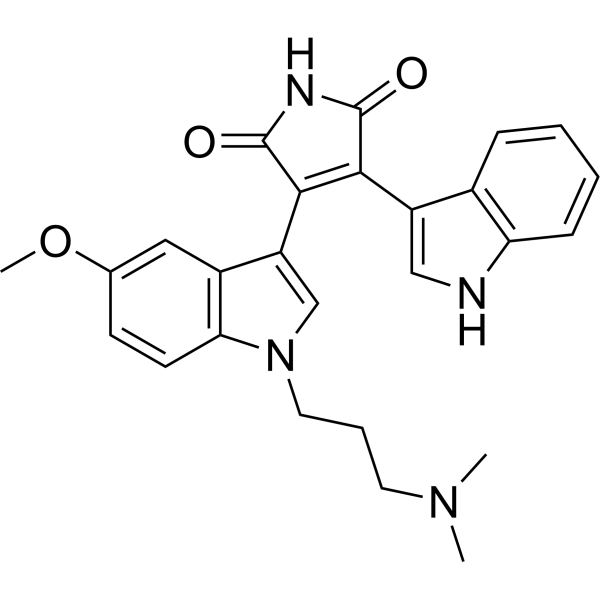
HY-13689
Go 6983PKC Inhibitor -
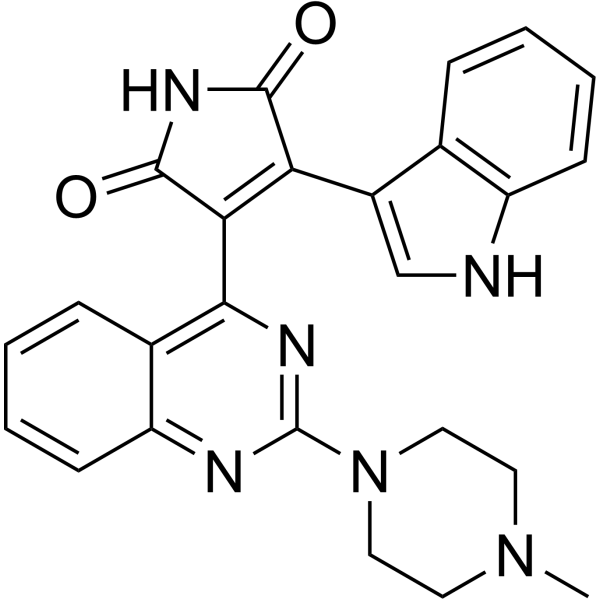
HY-10343
SotrastaurinPan-PKC Inhibitor -
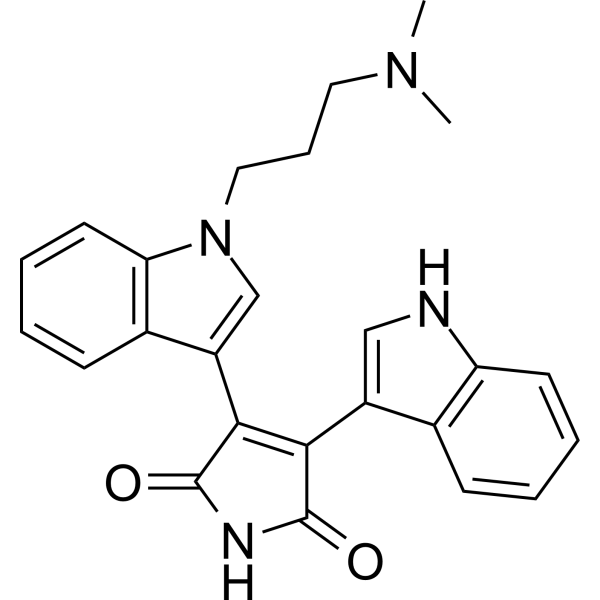
HY-13867
Bisindolylmaleimide IPKC Inhibitor -
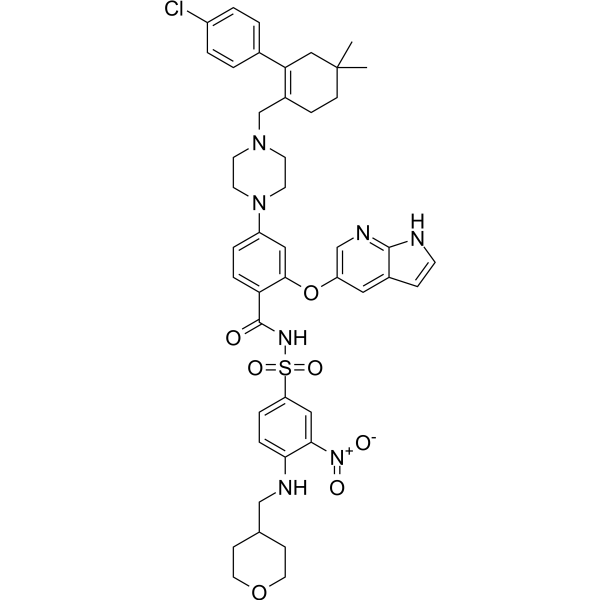
HY-15531
VenetoclaxBCL-2 Inhibitor -
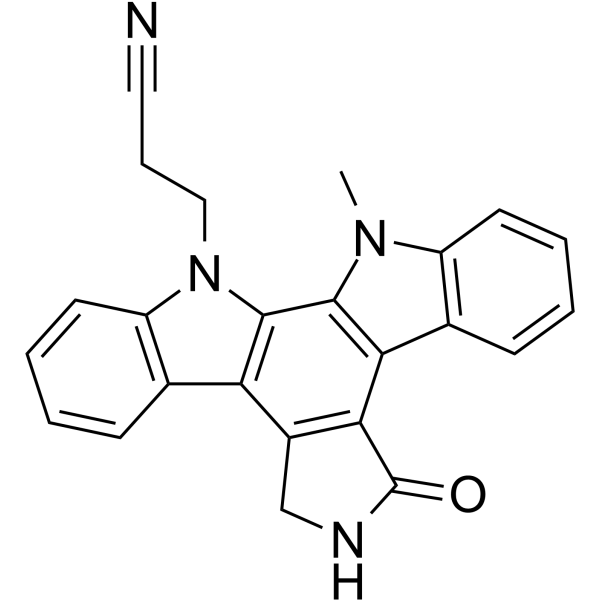
HY-10183
Go6976PKC Inhibitor -
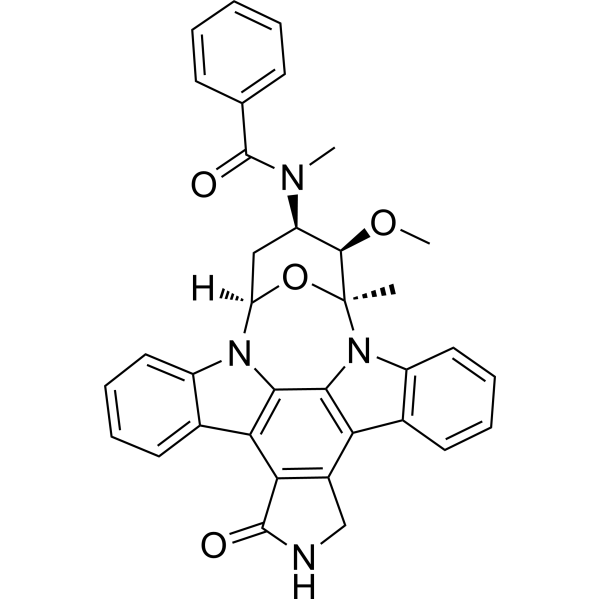
HY-10230
MidostaurinMulti-targeted Protein Kinase Inhibitor -
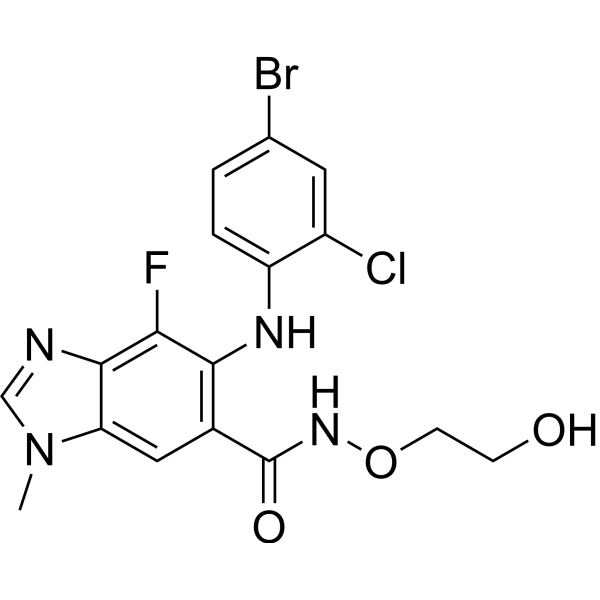
HY-50706
SelumetinibMEK1/2 Inhibitor -
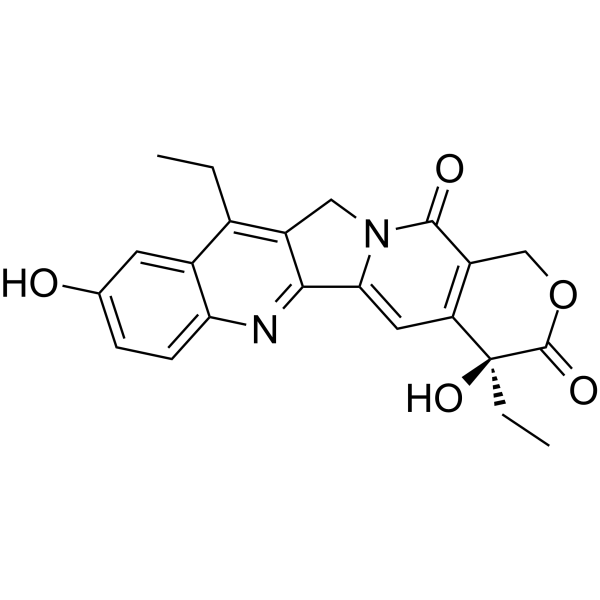
HY-13704
SN-38Topoisomerase I Inhibitor -
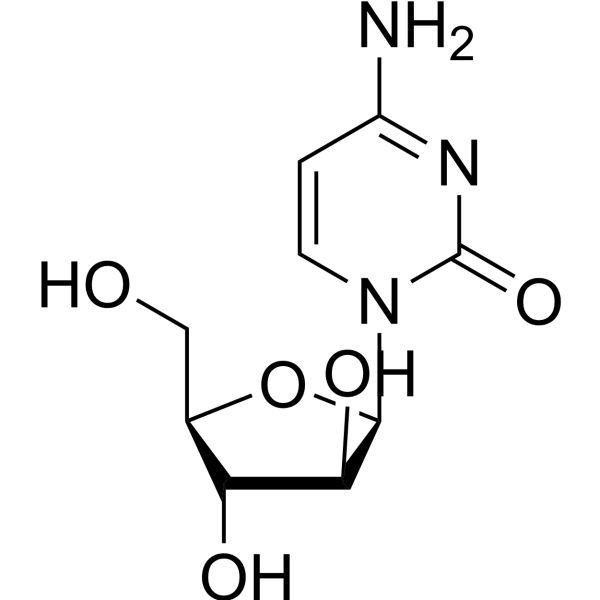
HY-13605
CytarabineDNA Synthesis Inhibitor -
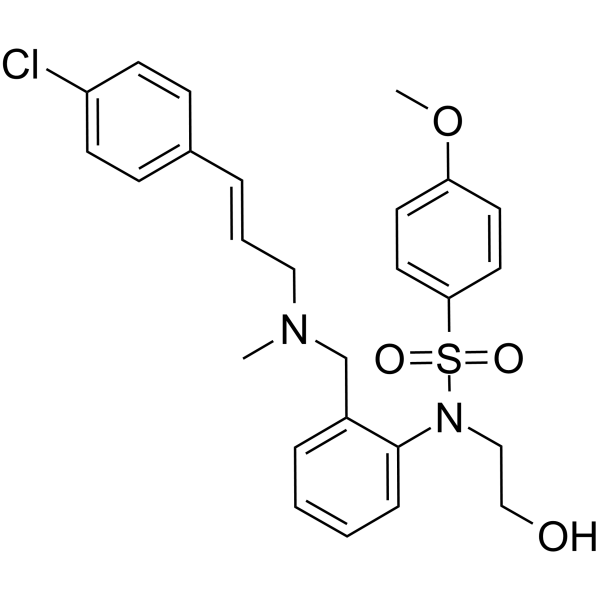
HY-15465
KN-93CaMK II Inhibitor -
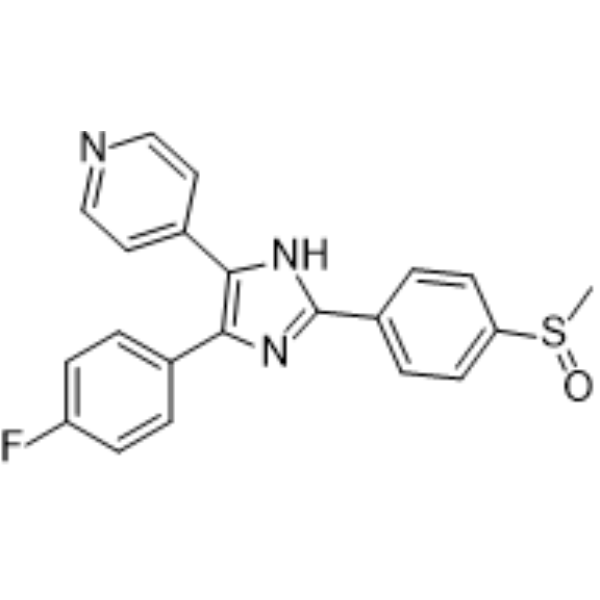
HY-10256
Adezmapimodp38 MAPK Inhibitor -
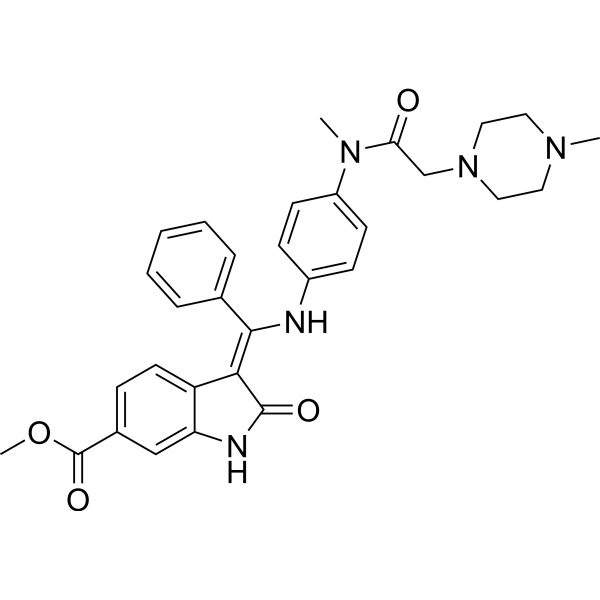
HY-50904
NintedanibPDGFR/VEGFR/FGFR Inhibitor
Publications Citing Use of MedChemExpress (MCE) Enzastaurin
More- Cell. 2023 Jun 22;186(13):2929-2949.e20. [Abstract]
- Autophagy. 2024 Nov;20(11):2460-2477. [Abstract]
- Nat Commun. 2020 Apr 14;11(1):1792. [Abstract]
- Mol Cell. 2026 Jun 18;86(12):2294-2308.e7. [Abstract]
- Sci Transl Med. 2018 Jul 18;10(450):eaaq1093. [Abstract]
- Oncogene. 2022 Mar;41(11):1536-1549. [Abstract]
- NPJ Breast Cancer. 2020 Jan 6:6:1. [Abstract]
- Biochem Pharmacol. 2023 Mar:209:115443. [Abstract]
- Rheumatology (Oxford). 2025 Aug 13:keaf437. [Abstract]
- Microbiol Spectr. 2022 Oct 26;10(5):e0105622. [Abstract]
- bioRxiv. 2025 Sep 21.
- Patent. US20210299273A1.
 Customer Validation & Images

-
WB
-
Cell Proliferation/Viability Assay
-
RT-PCR
-
Cell Proliferation/Viability Assay
-
IF


Biological Activity
Description
IC50 & Target
[3]|
PKCβ 6 nM (IC50) |
PKCα 39 nM (IC50) |
PKCγ 83 nM (IC50) |
PKCε 110 nM (IC50) |
Cellular Effect
|
Cell Line

|
Type | Value | Description | References |
|---|---|---|---|---|
| PANC-1 | IC50 |
6.59 μM
Compound: Enzastaurin
|
Cytotoxicity against human PANC-1 cells assessed as inhibition of cell growth incubated for 72 hrs by SRB assay
Cytotoxicity against human PANC-1 cells assessed as inhibition of cell growth incubated for 72 hrs by SRB assay
|
[PMID: 39151060] |
In Vitro
Enzastaurin (LY317615) application results in a marked dose-dependent inhibition of growth in all MM cell lines investigated, including MM.1S, MM.1R, RPMI 8226 (RPMI), RPMI-Dox40 (Dox40), NCI-H929, KMS-11, OPM-2, and U266, with IC50 from 0.6-1.6 μM. Enzastaurin direct impacts human tumor cells, inducing apoptosis and suppressing proliferation in cultured tumor cells. Enzastaurin also suppresses the phosphorylation of GSK3βser9, ribosomal protein S6S240/244, and AKTThr308 while having no direct effect on VEGFR phosphorylation[1].
Enzastaurin increases apoptosis in malignant lymphocytes of CTCL. When combined with GSK3 inhibitors, enzastaurin demonstrates an enhancement of cytotoxicity levels. Treatment with a combination of enzastaurin and the GSK3 inhibitor AR-A014418 leads to increased levels of β-catenin total protein and β-catenin-mediated transcription. Blocking of β-catenin-mediated transcription or small hairpin RNA (shRNA) knockdown of β-catenin induces the same cytotoxic effects as that of enzastaurin plus AR-A014418. Additionally, treatment with enzastaurin and AR-A014418 decreases the mRNA levels and surface expression of CD44[2].
MedChemExpress (MCE) has not independently confirmed the accuracy of these methods. They are for reference only. Further protocols information, click here.
In Vivo
MedChemExpress (MCE) has not independently confirmed the accuracy of these methods. They are for reference only.


Chemical Information
-
CAS No. 170364-57-5
-
Appearance Solid
-
Molecular Weight 515.61
-
Formula C32H29N5O2
-
Color Orange to red
-
SMILES
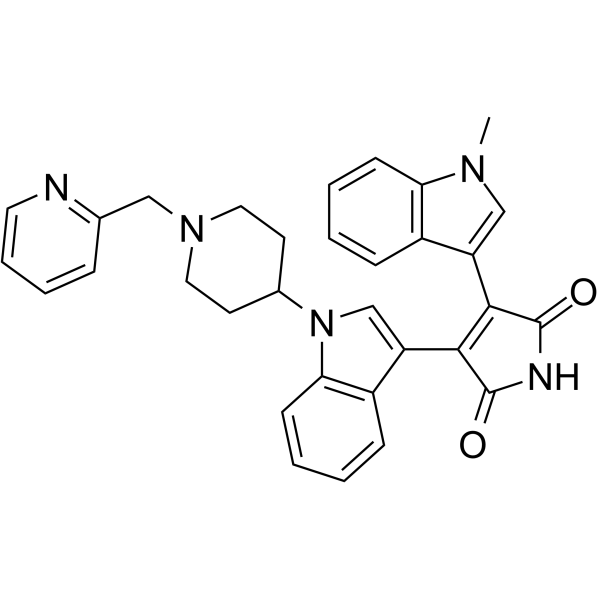
O=C(C(C1=CN(C)C2=C1C=CC=C2)=C3C4=CN(C5CCN(CC6=NC=CC=C6)CC5)C7=C4C=CC=C7)NC3=O
-
Synonyms
LY317615
-
Shipping
Room temperature in continental US; may vary elsewhere.
-
Storage
Powder -20°C 3 years 4°C 2 years In solvent -80°C 1 year -20°C 6 months


Publications (12)
-
Journal Impact Factor
-
Most Recent
-
Cell
Distinct longevity mechanisms across and within species and their association with aging. [Abstract]2023 Jun 22;186(13):2929-2949.e20. PMID: 37269831 -
Autophagy
(-)-Epigallocatechin 3-gallate protects pancreatic β-cell against excessive autophagy-induced injury through promoting FTO degradation. [Abstract]2024 Nov;20(11):2460-2477. PMID: 38910554 -
Nat Commun
Selective inhibition of cancer cell self-renewal through a Quisinostat-histone H1.0 axis. [Abstract]2020 Apr 14;11(1):1792. PMID: 32286289 -
Mol Cell
2026 Jun 18;86(12):2294-2308.e7. PMID: 42314650 -
Sci Transl Med
PP2A inhibition is a druggable MEK inhibitor resistance mechanism in KRAS-mutant lung cancer cells. [Abstract]2018 Jul 18;10(450):eaaq1093. PMID: 30021885 -
Oncogene
Targeting a splicing-mediated drug resistance mechanism in prostate cancer by inhibiting transcriptional regulation by PKCβ1. [Abstract]2022 Mar;41(11):1536-1549. PMID: 35087237
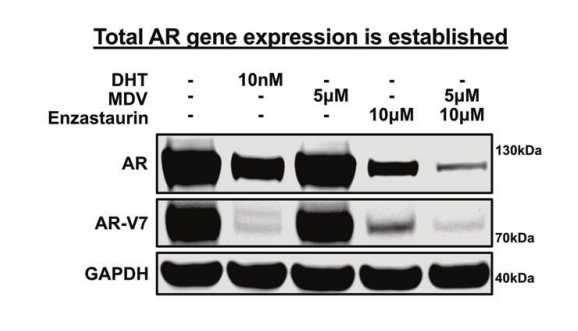
Enzastaurin purchased from MedChemExpress. Usage Cited in: Oncogene. 2022 Mar;41(11):1536-1549. [Abstract]
Enzastaurin (10 μM). VCaP cells cultured in RPMI1640 supplemented with 5% CSS for 48 h were treated as indicated for 72 h and then immunoblotted for AR and AR-V7.
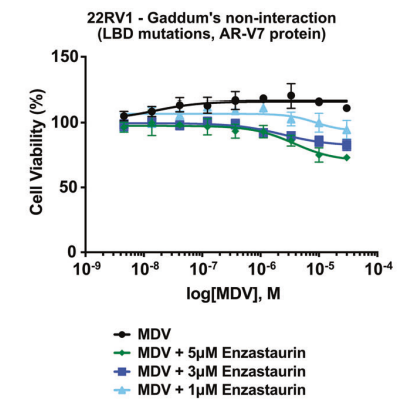
Enzastaurin purchased from MedChemExpress. Usage Cited in: Oncogene. 2022 Mar;41(11):1536-1549. [Abstract]
22RV1 cells express AR-V7 protein and contain LBD mutation H875Y. 22RV1 (2000 cells/well) cells were cultured in RPMI1640 supplemented with 5% CSS for 48 h in 96 well plates. In the presence of 0.1 nM DHT, cells were treated with a nine-point threefold dilution series of MDV (beginning at 30 μM) in the presence or absence of a constant concentration of Enzastaurin for five days.
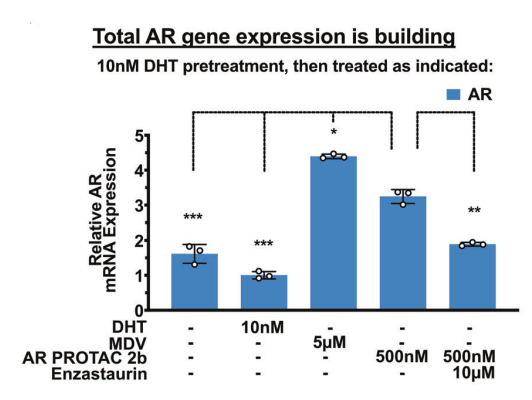
Enzastaurin purchased from MedChemExpress. Usage Cited in: Oncogene. 2022 Mar;41(11):1536-1549. [Abstract]
Enzastaurin (10 μM). VCaP cells were cultured in RPMI 1640 medium supplemented with 5% CSS for 48 h, pretreated with DHT for 24 h, then washed off the medium, and treated again as shown for 24 h. Finally, AR mRNA transcription levels were analyzed by RT-qPCR.
-
NPJ Breast Cancer
LncRNA RP11-19E11 is an E2F1 target required for proliferation and survival of basal breast cancer. [Abstract]2020 Jan 6:6:1. PMID: 31934613 -
Biochem Pharmacol
Enzastaurin cardiotoxicity: QT interval prolongation, negative inotropic responses and negative chronotropic action. [Abstract]2023 Mar:209:115443. PMID: 36720353 -
Rheumatology (Oxford)
Autophagy inhibitors block pathogenic NET release in immune-mediated inflammatory disease without impairing host defence. [Abstract]2025 Aug 13:keaf437. PMID: 40802538 -
Microbiol Spectr
2022 Oct 26;10(5):e0105622. PMID: 36000889
Enzastaurin purchased from MedChemExpress. Usage Cited in: Microbiol Spectr. 2022 Oct 26;10(5):e0105622. [Abstract]
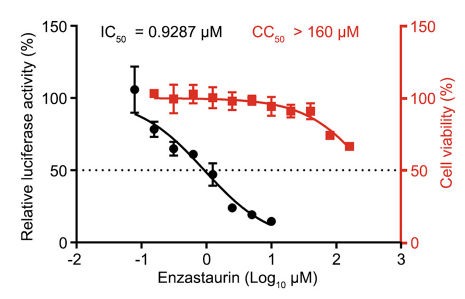
IC50 and CC50 values of Enzastaurin in BHK-21 cells.
Enzastaurin purchased from MedChemExpress. Usage Cited in: Microbiol Spectr. 2022 Oct 26;10(5):e0105622. [Abstract]
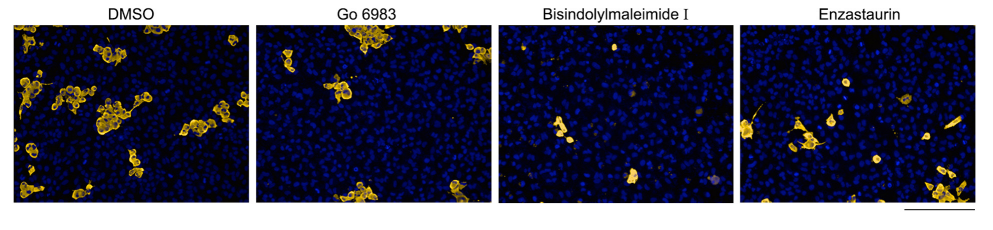
A549-ACE2 cells were treated with DMSO, Go 6983, Bisindolylmaleimide I, or Enzastaurin for 1 h, followed by virus infection. At 24 h p.i., cells or supernatants were harvested for an immunofluorescence assay.
-
-


Solvent & Solubility
In Vitro:
DMSO : 8.33 mg/mL (16.16 mM; Need ultrasonic; Hygroscopic DMSO has a significant impact on the solubility of product, please use newly opened DMSO)
Please refer to the solubility information to select the appropriate solvent. Once prepared, please aliquot and store the solution to prevent product inactivation from repeated freeze-thaw cycles.
Storage method and period of stock solution: -80°C, 1 year; -20°C, 6 months. When stored at -80°C, please use it within 1 year. When stored at -20°C, please use it within 6 months.
Please refer to the solubility information to select the appropriate solvent. Once prepared, please aliquot and store the solution to prevent product inactivation from repeated freeze-thaw cycles.
Storage method and period of stock solution: -80°C, 1 year; -20°C, 6 months. When stored at -80°C, please use it within 1 year. When stored at -20°C, please use it within 6 months.
Concentration (start) × Volume (start) = Concentration (final) × Volume (final)
In Vivo:
Select the appropriate dissolution method based on your experimental animal and administration route.
- For the following dissolution methods, please ensure to first prepare a clear stock solution using an In Vitro approach and then sequentially add co-solvents:
- To ensure reliable experimental results, the clarified stock solution can be appropriately stored based on storage conditions. As for the working solution for In Vivo experiments, it is recommended to prepare freshly and use it on the same day.
- The percentages shown for the solvents indicate their volumetric ratio in the final prepared solution. If precipitation or phase separation occurs during preparation, heat and/or sonication can be used to aid dissolution.
Add each solvent one by one: 10% DMSO 40% PEG300 5% Tween-80 45% Saline
Solubility: ≥ 0.83 mg/mL (1.61 mM); Clear solution
This protocol yields a clear solution of ≥ 0.83 mg/mL (saturation unknown).
Taking 1 mL working solution as an example, add 100 μL DMSO stock solution (8.3 mg/mL) to 400 μL PEG300, and mix evenly; then add 50 μL Tween-80 and mix evenly; then add 450 μL Saline to adjust the volume to 1 mL.
Preparation of Saline: Dissolve 0.9 g sodium chloride in ddH₂O and dilute to 100 mL to obtain a clear Saline solution.
Add each solvent one by one: 10% DMSO 90% (20% SBE-β-CD in Saline)
Solubility: 0.83 mg/mL (1.61 mM); Suspended solution; Need ultrasonic
This protocol yields a suspended solution of 0.83 mg/mL. Suspended solution can be used for oral and intraperitoneal injection.
Taking 1 mL working solution as an example, add 100 μL DMSO stock solution (8.3 mg/mL) to 900 μL 20% SBE-β-CD in Saline, and mix evenly.
Preparation of 20% SBE-β-CD in Saline (4°C, storage for one week): 2 g SBE-β-CD powder is dissolved in 10 mL Saline, completely dissolve until clear.
In Vivo Dissolution Calculator
Please enter the basic information of animal experiments:
-
-
-
-
Recommended: Prepare an additional quantity of animals to account for potential losses during experiments.
Please enter your animal formula composition:
-
%DMSO +
Recommended: Keep the proportion of DMSO in working solution below 2% if your animal is weak.
-
%+
-
+%Tween-80 + +
-
%Saline +
The co-solvents required include: DMSO, . All of co-solvents are available by MedChemExpress (MCE). , Tween 80. All of co-solvents are available by MedChemExpress (MCE).
Working solution concentration: 0.22 mg/mL
Method for preparing stock solution: mg drug dissolved in μL DMSO. Stock solution concentration: mg/mL.
1. Take μL DMSO stock solution;
2. Add μL .
μL , mix evenly;
3. Then add μL Tween 80, mix evenly;
4. Then add μL
Please ensure that the stock solution in the first step is dissolved to a clear state, and add co-solvents in sequence. You can use ultrasonic heating (ultrasonic cleaner, recommended frequency 20-40 kHz), vortexing, etc. to assist dissolution.

Protocols
-
Cell Cytotoxicity Assay
Cytotoxicity assays are usually based on the assessment of cell membrane damage, which can also be indirectly detected by measuring cell viability. Detection methods include MTT assay, CKK-8 assay, LDH assay and ATP assay, etc.


Purity & Documentation
-
Data Sheet (287 KB)
-
SDS (396 KB)
- English - EN (396 KB)
- Français - FR (396 KB)
- Deutsch - DE (396 KB)
- Norwegian - NO (396 KB)
- Español - ES (396 KB)
- Swedish - SV (396 KB)
- Italian - IT (396 KB)
- Korean - KR (396 KB)
- Portuguese - PT (396 KB)
-
Handling Instructions (2659 KB)
References
[1]. Graff JR, et al. The protein kinase Cbeta-selective inhibitor, Enzastaurin (LY317615.HCl), suppresses signaling through the AKT pathway, induces apoptosis, and suppresses growth of human colon cancer and glioblastoma xenografts. Cancer Res, 2005, 65(16), [Content Brief]
[2]. Rovedo MA, et al. Inhibition of glycogen synthase kinase-3 increases the cytotoxicity of enzastaurin. J Invest Dermatol, 2011, 131(7), 1442-1449. [Content Brief]
[3]. Podar K, et al. Targeting PKC in multiple myeloma: in vitro and in vivo effects of the novel, orally available small-molecule inhibitor enzastaurin (LY317615.HCl). Blood, 2007, 109(4), 1669-1677. [Content Brief]
[4]. Grønberg BH, et al. A placebo-controlled, randomized phase II study of maintenance enzastaurin following whole brain radiation therapy in the treatment of brain metastases from lung cancer. Lung Cancer. 2012 Oct;78(1):63-9. [Content Brief]


Complete Stock Solution Preparation Table
Please refer to the solubility information to select the appropriate solvent. Once prepared, please aliquot and store the solution to prevent product inactivation from repeated freeze-thaw cycles.
Storage method and period of stock solution: -80°C, 1 year; -20°C, 6 months. When stored at -80°C, please use it within 1 year. When stored at -20°C, please use it within 6 months.
| Optional Solvent | Concentration Solvent Mass | 1 mg | 5 mg | 10 mg | 25 mg |
|---|---|---|---|---|---|
| DMSO | 1 mM | 1.9395 mL | 9.6973 mL | 19.3945 mL | 48.4863 mL |
| 5 mM | 0.3879 mL | 1.9395 mL | 3.8789 mL | 9.6973 mL | |
| 10 mM | 0.1939 mL | 0.9697 mL | 1.9395 mL | 4.8486 mL | |
| 15 mM | 0.1293 mL | 0.6465 mL | 1.2930 mL | 3.2324 mL |


Enzastaurin Related Classifications
HY-10342 Related Classifications
 Powered by Bioz