



Keap1-Nrf2 Agonist
- 1
-
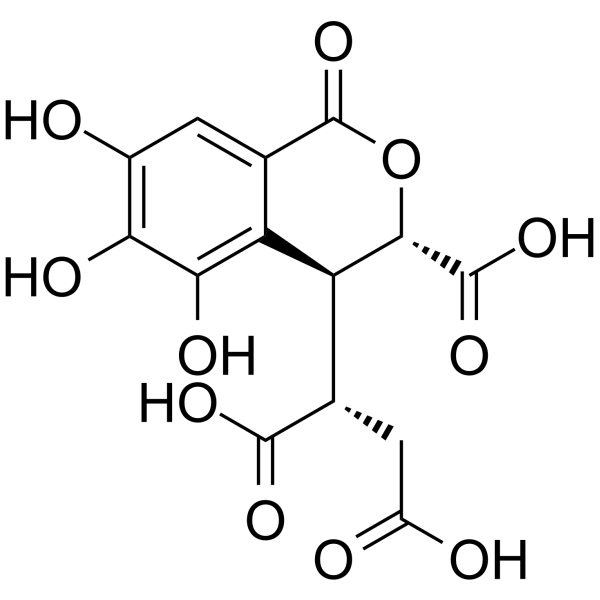
Chebulic acid
 0 Images
Chebulic acid is a phenolic acid compound isolated from Terminalia chebula with strong antioxidant activity, which breaks protein cross-links induced by advanced glycation end products (AGEs) and inhibits the formation of AGEs. Chebulic acid is effective in controlling elevated metabolic parameters, oxidative stress, and liver damage, supporting its beneficial role in asthma, diabetes, and liver protection.
-
Methyl 3,4-dihydroxybenzoate
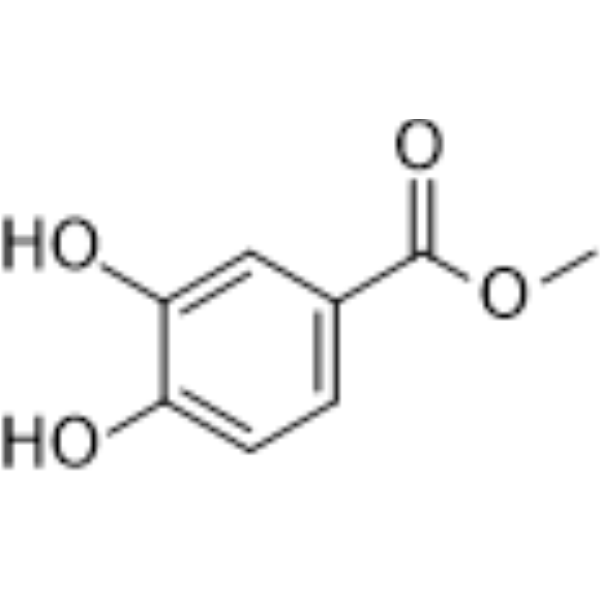 0 ImagesSynonyms: Protocatechuic acid methyl ester; Methyl protocatechuate
Methyl 3,4-dihydroxybenzoate (Protocatechuic acid methyl ester; Methyl protocatechuate) is a major metabolite of antioxidant polyphenols found in green tea. Antioxidant and anti-inflammatory effect.
-
(-)-(E)-Guggulsterone
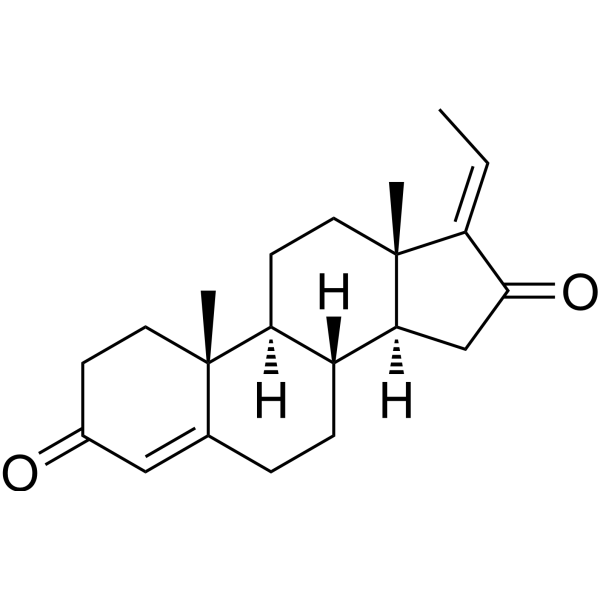 0 ImagesSynonyms: (E)-Guggulsterone
(-)-(E)-Guggulsterone ((E)-Guggulsterone) is an orally active natural stereoisomer of Guggulsterone (HY-107738). (-)-(E)-Guggulsterone is an antagonist for the Farnesoid X Receptor (FXR) with an IC50 of 24.06 μM and possesses potent hypolipidemic properties. (-)-(E)-Guggulsterone suppresses dengue virus (DENV) replication by upregulating antiviral interferon responses by inducing HO-1 expression via Nrf2 activation. (-)-(E)-Guggulsterone exhibits antibacterial activities against Bacillus subtilis, Staphylococcus aureus and Pseudomonas aeruginosa. (-)-(E)-Guggulsterone has cardiac protective and antioxidant activities in rats.
-
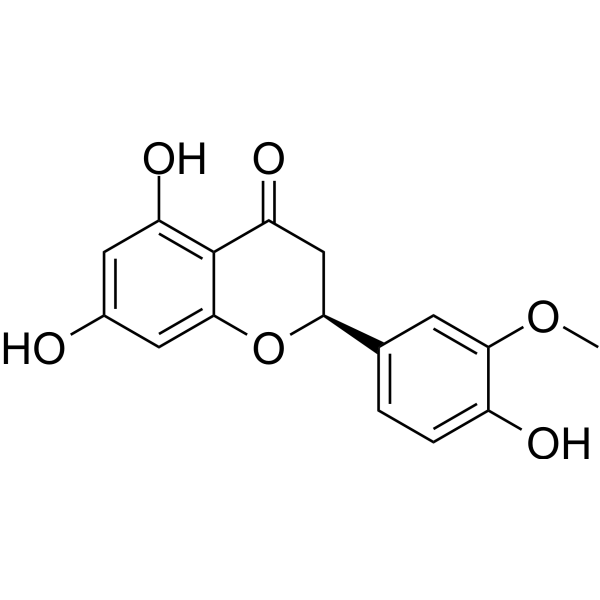
Homoeriodictyol
 0 Images
Homoeriodictyol is an orally active, bitter-tasting flavanone that can penetrate the blood-brain barrier. Homoeriodictyol enhances synaptic-related protein expression through NCOA4-mediated ferritin autophagy. Homoeriodictyol improves memory impairment in mice by inhibiting the NLRP3 inflammasome. Homoeriodictyol protects human endothelial cells from oxidative damage by activating Nrf2 and inhibiting mitochondrial dysfunction. Homoeriodictyol enhances ROS activity and induces apoptosis, exhibiting anticancer effects. Homoeriodictyol inhibits the survival and migration of androgen-resistant prostate cancer cells in vitro. Homoeriodictyol exerts antinociceptive activity in mice in vivo.
-
Momordicine I
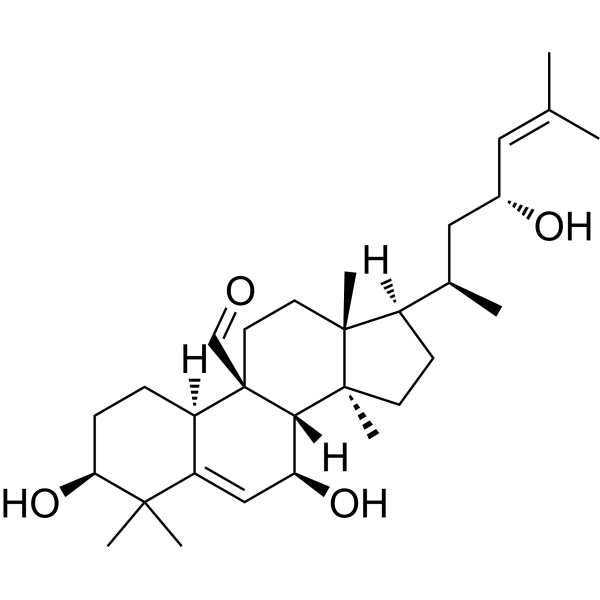 0 ImagesCat. No.: HY-122949CAS No.: 91590-76-0
Momordicine I is a cucurbitane-type triterpenoids. Momordicine I suppresses glioma growth by promoting apoptosis and impairing mitochondrial oxidative phosphorylation. Momordicine I inhibits glycolysis, lipid metabolism, induces autophagy in HNC cells to suppress head and neck cancer growth. Momordicine I alleviates isoproterenol-induced cardiomyocyte hypertrophy through suppression of PLA2G6 and DGK-ζ. Momordicine I exerts its cardiovascular benefits by upregulating nitric oxide, inhibiting the activity of angiotensin-converting enzyme (ACE), activating the PI3K/Akt pathway, reducing oxidative stress and inflammation. Momordicine I inhibits AKT1, IL-6, and SRC, suggesting its potential application in type 2 diabetes.
-
Pellitorine
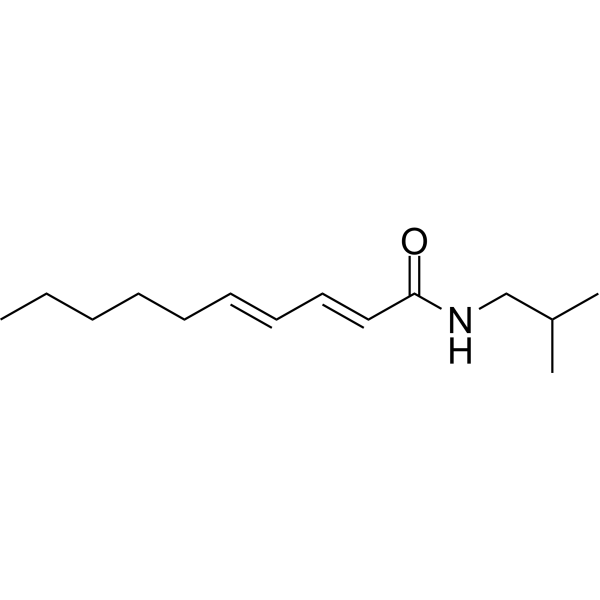 0 Images
Pellitorine is a bioactive natural amide compound. Pellitorine can competitively antagonize the activation of TRPV1 by Capsaicin (HY-10448), thereby reducing pain signal transmission. Pellitorine improves cognitive dysfunction by upregulating the BDNF-ERK1/2-CREB and Nrf2-HO-1 pathways. Pellitorine exerts anti-inflammatory and anti-sepsis effects by inhibiting the release of high mobility group protein B1 (HMGB1) and the expression of RAGE/TLR4. Pellitorine exerts its antithrombotic effect by prolonging the clotting time, inhibiting the activity of clotting factors and thrombin. Pellitorine inhibits lipid peroxidation and resists ferroptosis by upregulating GPX4 and DHODH. Pellitorine kills Aedes aegypti mosquito larvae by inhibiting V-type H⁺-ATPase and aquaporin 4 (AaAQP4). Pellitorine exhibits anti-cancer activity (e.g., leukemia and breast cancer) and has inhibitory effects on certain bacteria.
-
Pellitorine (Standard)
 0 ImagesCat. No.: HY-N3097RCAS No.: 18836-52-7
Pellitorine (Standard) is the analytical standard of Pellitorine (HY-N3097). Pellitorine is a bioactive natural amide compound. Pellitorine can competitively antagonize the activation of TRPV1 by Capsaicin (HY-10448), thereby reducing pain signal transmission. Pellitorine improves cognitive dysfunction by upregulating the BDNF-ERK1/2-CREB and Nrf2-HO-1 pathways. Pellitorine exerts anti-inflammatory and anti-sepsis effects by inhibiting the release of high mobility group protein B1 (HMGB1) and the expression of RAGE/TLR4. Pellitorine exerts its antithrombotic effect by prolonging the clotting time, inhibiting the activity of clotting factors and thrombin. Pellitorine inhibits lipid peroxidation and resists ferroptosis by upregulating GPX4 and DHODH. Pellitorine kills Aedes aegypti mosquito larvae by inhibiting V-type H⁺-ATPase and aquaporin 4 (AaAQP4). Pellitorine exhibits anti-cancer activity (e.g., leukemia and breast cancer) and has inhibitory effects on certain bacteria.
-
NF-κB/HIF-1α-IN-1
 0 ImagesCat. No.: HY-173488
NF-κB/HIF-1α-IN-1 (compound 9c) is a potent blocker of the NF-κB activation pathway and demonstrates selective anti-fibrotic activity. NF-κB/HIF-1α-IN-1 shows no significant cytotoxicity in NCI tumor cell lines. In rat models. NF-κB/HIF-1α-IN-1 has been shown to effectively ameliorate liver fibrosis by inhibiting the expression levels of NF-κB and HIF-1α, while simultaneously inducing the activation of Nrf2.
-
Nrf2 activator-23
 0 ImagesCat. No.: HY-181887CAS No.: 3109883-60-2
Nrf2 activator-23 is an orally active Keap1 binder and Nrf2 activator, with KD values of 28.68 nM and 54.55 nM for Keap1 and its Kelch domain, respectively. Nrf2 activator-23 disrupts the Keap1-Nrf2 interaction, reduces ubiquitination and degradation of Nrf2, and activates the Nrf2 signaling pathway. Nrf2 activator-23 inhibits RANKL-induced osteoclast formation, bone resorptive activity, ROS production, and activation of the MAPK and NF-κB signaling pathways, while downregulating the expression of osteoclast-specific genes and proteins. Nrf2 activator-23 attenuates bone loss and reduces osteoclast formation in vivo without affecting osteoblast differentiation and mineralization. Nrf2 activator-23 can be used for the research of osteoporosis.
-
Methyl 3,4-dihydroxybenzoate (Standard)
 0 ImagesSynonyms: Protocatechuic acid methyl ester (Standard); Methyl protocatechuate (Standard)
Methyl 3,4-dihydroxybenzoate (Standard) is the analytical standard of Methyl 3,4-dihydroxybenzoate. This product is intended for research and analytical applications. Methyl 3,4-dihydroxybenzoate (Protocatechuic acid methyl ester; Methyl protocatechuate) is a major metabolite of antioxidant polyphenols found in green tea. Antioxidant and anti-inflammatory effect.
-
(-)-(E)-Guggulsterone (Standard)
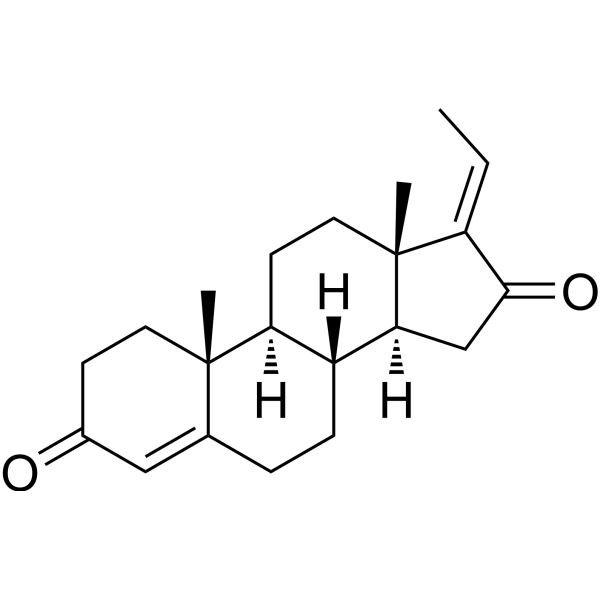 0 ImagesSynonyms: (E)-Guggulsterone (Standard)
(-)-(E) -guggulsterone (Standard) is the analytical standard for (-)-(E) -guggulsterone ((E)-Guggulsterone) (HY-N7781). (-)-(E)-Guggulsterone is an orally active natural stereoisomer of Guggulsterone (HY-107738). (-)-(E)-Guggulsterone is an antagonist for the Farnesoid X Receptor (FXR) with an IC50 of 24.06 μM and possesses potent hypolipidemic properties. (-)-(E)-Guggulsterone suppresses dengue virus (DENV) replication by upregulating antiviral interferon responses by inducing HO-1 expression via Nrf2 activation. (-)-(E)-Guggulsterone exhibits antibacterial activities against Bacillus subtilis, Staphylococcus aureus and Pseudomonas aeruginosa. (-)-(E)-Guggulsterone has cardiac protective and antioxidant activities in rats.
-
Methyl 3,4-dihydroxybenzoate-d3-1
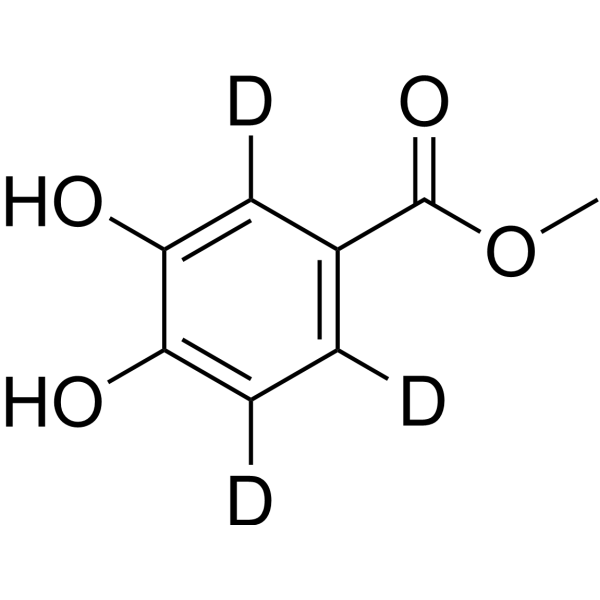 0 ImagesCat. No.: HY-Z0548S1CAS No.: 2733147-54-9
Methyl 3,4-dihydroxybenzoate-d3-1 is the deuterium labeled Methyl 3,4-dihydroxybenzoate. Methyl 3,4-dihydroxybenzoate (Protocatechuic acid methyl ester; Methyl protocatechuate) is a major metabolite of antioxidant polyphenols found in green tea. Antioxidant and anti-inflammatory effect.
-
NF-κB-IN-20
 0 ImagesCat. No.: HY-175833
NF-κB-IN-20 is an orally active NF-κB inhibitor. NF-κB-IN-20 directly binds to the Keap1 protein, activating the Keap1/Nrf2/HO-1 antioxidant pathway, and simultaneously inhibiting the NF-κB inflammatory pathway, thereby synergistically reducing oxidative stress and inflammatory responses. NF-κB-IN-20 M11 inhibits the expression of IL-6, IL-1β, and TNF-α, significantly reduces the level of ROS, and restores the mitochondrial membrane potential. NF-κB-IN-20 can be used for the study of acute lung injury (ALI).
-
Homoeriodictyol (Standard)
 0 Images
Homoeriodictyol (Standard) is the analytical standard of Homoeriodictyol (HY-N8210). This product is intended for research and analytical applications. Homoeriodictyol is an orally active, bitter-tasting flavanone that can penetrate the blood-brain barrier. Homoeriodictyol enhances synaptic-related protein expression through NCOA4-mediated ferritin autophagy. Homoeriodictyol improves memory impairment in mice by inhibiting the NLRP3 inflammasome. Homoeriodictyol protects human endothelial cells from oxidative damage by activating Nrf2 and inhibiting mitochondrial dysfunction. Homoeriodictyol enhances ROS activity and induces apoptosis, exhibiting anticancer effects. Homoeriodictyol inhibits the survival and migration of androgen-resistant prostate cancer cells in vitro. Homoeriodictyol exerts antinociceptive activity in mice in vivo.
-
Chebulic acid (Standard)
 0 ImagesCat. No.: HY-N4170RCAS No.: 23725-05-5
Chebulic acid (Standard) is the analytical standard of Chebulic acid (HY-N4170). This product is intended for research and analytical applications. Chebulic acid is a phenolic acid compound isolated from Terminalia chebula with strong antioxidant activity, which breaks protein cross-links induced by advanced glycation end products (AGEs) and inhibits the formation of AGEs. Chebulic acid is effective in controlling elevated metabolic parameters, oxidative stress, and liver damage, supporting its beneficial role in asthma, diabetes, and liver protection.
- 1



