



p62
Sequestosome-1; SQSTM1
p62 (SQSTM1 or Sequestosome 1 ), a ubiquitous and multifunctional protein, can direct ubiquitinated proteins to the proteasome or the growing autophagosome. p62 serves as an essential adaptor to identify and deliver specific organelles and protein aggregates to autophagosomes for degradation, a process known as selective autophagy.
All Product Categories
-
p62 Related Products (70)
Related Products (70)

-
RSL3
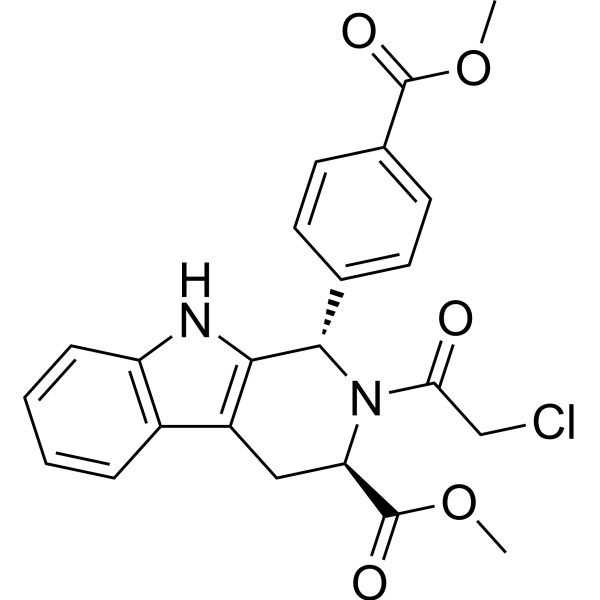 0 ImagesSynonyms: (1S,3R)-RSL3RSL3 ((1S,3R)-RSL3) is an inhibitor of glutathione peroxidase 4 (GPX4) (ferroptosis activator), reduces the expression of GPX4 protein, and induces ferroptotic death of head and neck cancer cell. RSL3 increases the expression of p62 and Nrf2 and inactivates Keap1 in HN3-rslR cells.
-
Leupeptin hemisulfate
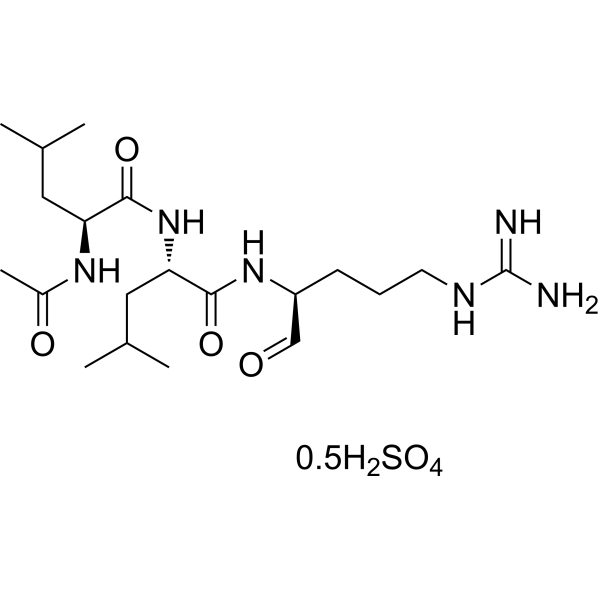 0 ImagesLeupeptin hemisulfate is a broad-spectrum protease inhibitor. By inhibiting the activation of the PTEN/PI3K/Akt/NF-κB/ERK1/2/p38 signaling pathway, Leupeptin hemisulfate significantly reduces LPS-induced NO and ROS production, mitochondrial membrane potential hyperpolarization, phagocytic activity, pro-inflammatory cytokine release, and M1 polarization in mouse peritoneal macrophages, and reverses autophagic flux impairment. It also decreases Concanavalin A (HY-P2149)-induced proliferation index of mouse splenic lymphocytes and the Th1/IL-10 and Th2/IL-10 cytokine ratios, thereby modulating innate and adaptive immune responses. Leupeptin hemisulfate inhibits blood coagulation and tumorigenesis in mouse skin. Leupeptin hemisulfate can be used in research on chronic inflammatory diseases and skin tumorigenesis.
-
Clemastine fumarate
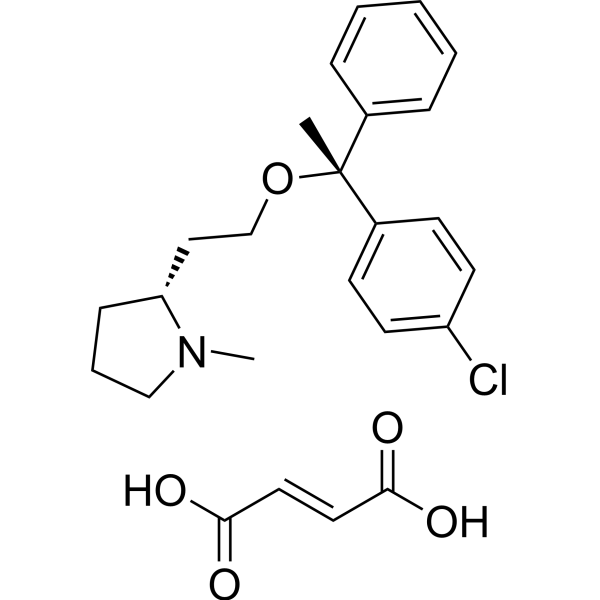 0 ImagesSynonyms: HS-592 fumarate; Meclastine fumarateClemastine (HS-592; Meclastine) fumarate is an orally active, blood-brain barrier-permeable H1 histamine receptor (H1 histamine receptor) antagonist with potent antiallergic effects. Clemastine fumarate also antagonizes muscarinic acetylcholine receptors (mAChR), particularly the M1 and M4 subtypes. In addition to antihistamine effects, Clemastine fumarate exhibits multiple pharmacological activities, especially in promoting central nervous system remyelination, activating autophagy and pyroptosis, exerting anti-apoptotic and neuroprotective effects, and suppressing inflammation .
-
P62-mediated mitophagy inducer
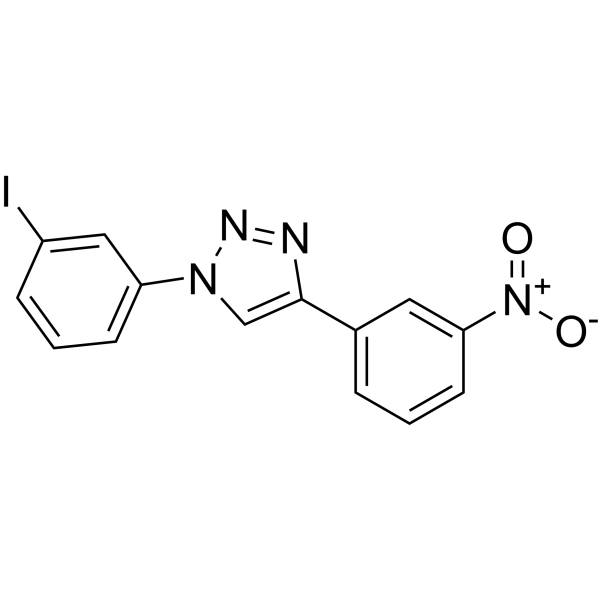 0 ImagesP62-mediated mitophagy inducer (PMI) is a P62-mediated mitophagy activator. P62-mediated mitophagy inducer activates mitochondrial autophagy without recruitment of Parkin or collapse of the mitochondrial membrane potential and remains active in cells lacking a fully functional PINK1/Parkin pathway. P62-mediated mitophagy inducer serves as a pharmacological tool to study the molecular mechanisms of mitosis, avoiding toxicity and some of the non-specific effects associated with the sudden dissipation of mitochondria lacking membrane potential.
-
XRK3F2
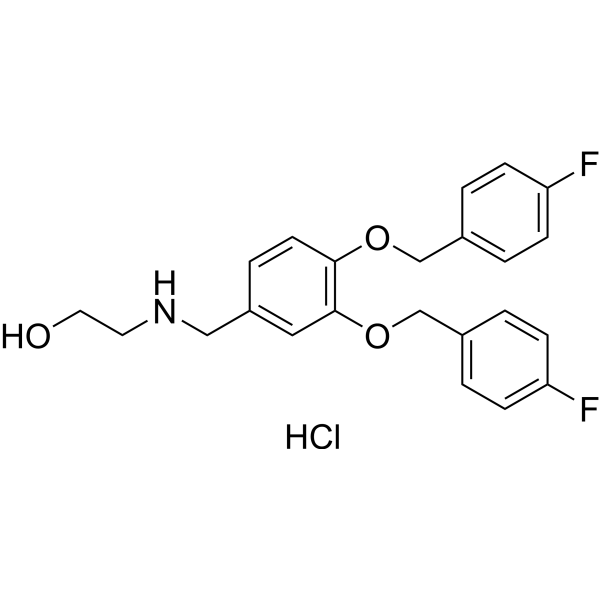 0 ImagesXRK3F2 is a p62 (sequestosome-1) ZZ domain inhibitor that has specificity for the p62-ZZ domain over other p62 signaling domains. XRK3F2 blocks TNFα effects and upregulation in bone marrow stromal cells, and induces multiple myeloma cell apoptosis. XRK3F2 can be used for the research of multiple myeloma bone disease, acute myeloid leukemia, and multiple myeloma.

-
YOK-1304
 0 ImagesYOK-1304 is a p62/Sequestosome-1/SQSTM1 ligand that binds to the p62-ZZ domain. YOK-1304 promotes p62 self-oligomerization and LC3 interaction to facilitate autophagic targeting and p62-dependent selective autophagy. YOK-1304 enhances autophagic flux, induces LC3 puncta formation and p62-LC3 colocalization, and serves as an autophagy-targeting ligand (ATL) that can be linked to target-binding ligands to generate AUTOTAC degraders. YOK-1304 is used in research on cervical cancer and pancreatic cancer.
-
Bifendate
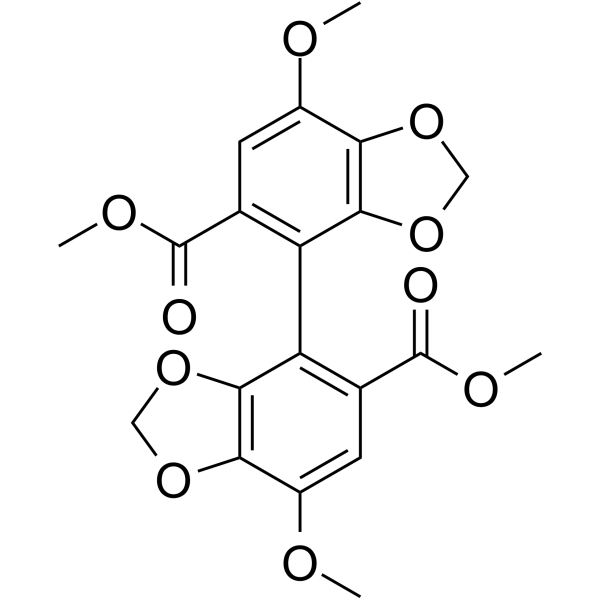 0 ImagesSynonyms: DDBBifendate (DDB), extracted from Schisandrae chinensis, is an orally active anti-HBV agent against chronic hepatitis B. Bifendate inhibits ATG5-dependent autophagy and attenuates oleic acid-induced lipid accumulation with anti-oxidant properties in vitro. Bifendate can decrease alanine transaminase (ALT) level in mice. Bifendate attenuates hepatic steatosis in cholesterol/bile salt- and high-fat diet-induced hypercholesterolemia in mice. Bifendate potently increases the activity of cytochrome proteins (CYPs) and reverse P-gp-mediated multi-drug resistance (MDR).
-
Citronellol
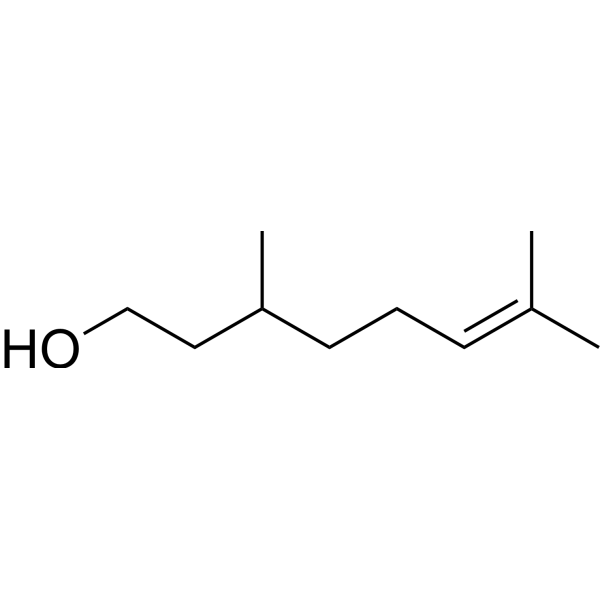 0 ImagesSynonyms: (±)-Citronellol; (±)-β-CitronellolCitronellol ((±)-Citronellol) is an orally active inducer of apoptosis. Citronellol can prevent oxidative stress, mitochondrial dysfunction, and apoptosis in the SH-SY5Y cell Parkinson's disease model induced by 6-OHDA by regulating the ROS-NO, MAPK/ERK, and PI3K/Akt signaling pathways. Citronellol can induce necroptosis in human lung cancer cells through the TNF-α pathway and accumulation of ROS. Citronellol can reduce the levels of LC-3 and p62 to regulate the autophagy pathway, inhibit oxidative stress and neuroinflammation, and thus have neuroprotective effects on Parkinson's rats. Citronellol exhibits anti-fungal activity against Trichophyton rubrum by inhibiting ergosterol synthesis.
-
K67
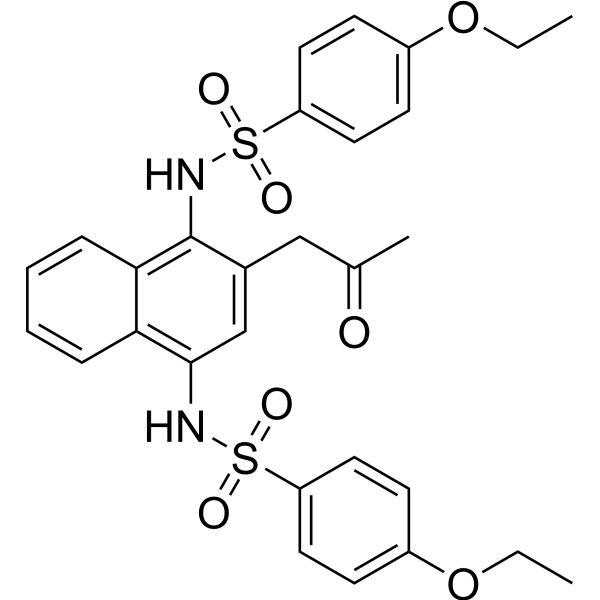 0 ImagesK67 is a selective the interaction between Keap1 and S349 phosphorylated p62 inhibitor, with an IC50 of 1.5 μM. K67 has a weaker inhibitory effect on the interaction between Keap1 and Nrf2 (IC50 is 6.2 μM). K67 competitively binds to the binding site of Keap1 with p-p62, blocking the abnormal activation of the p62-dependent Nrf2 pathway. K67 inhibits tumor cell proliferation and enhances the sensitivity of hepatocellular carcinoma (HCC) to chemotherapeutic drugs by restoring Keap1-mediated ubiquitination and degradation of Nrf2.
-
Isoschaftoside
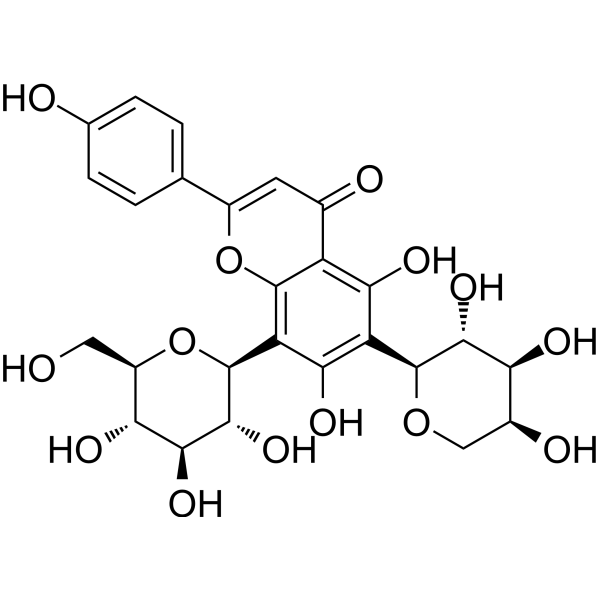 0 ImagesIsoschaftoside, a C-glycosylflavonoid from Desmodium uncinatum root exudate, can inhibit the growth of germinated S. hermonthica radicles. Isoschaftoside reduces reactive oxygen species (ROS) and induces proliferation in senescent cells. Isoschaftoside activates autophagy. Isoschaftoside can be used for anti-tumor, anti-inflammatory, antioxidant, antihypertensive, hepatoprotective and nematicidal study.
-
Clemastine
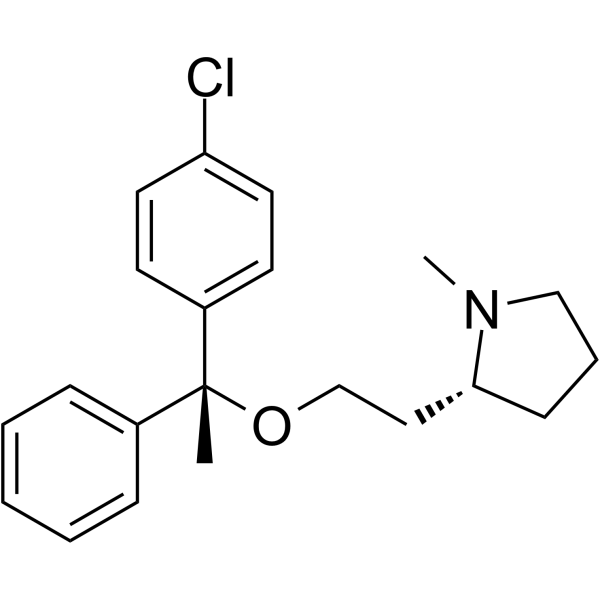 0 ImagesSynonyms: HS-592; MeclastineClemastine (HS-592; Meclastine) is an orally active, blood-brain barrier-permeable H1 histamine receptor (H1 histamine receptor) antagonist with potent antiallergic effects. Clemastine also antagonizes muscarinic acetylcholine receptors (mAChR), particularly the M1 and M4 subtypes. In addition to antihistamine effects, Clemastine exhibits multiple pharmacological activities, especially in promoting central nervous system remyelination, activating autophagy and pyroptosis, exerting anti-apoptotic and neuroprotective effects, and suppressing inflammation.
-
Dusquetide
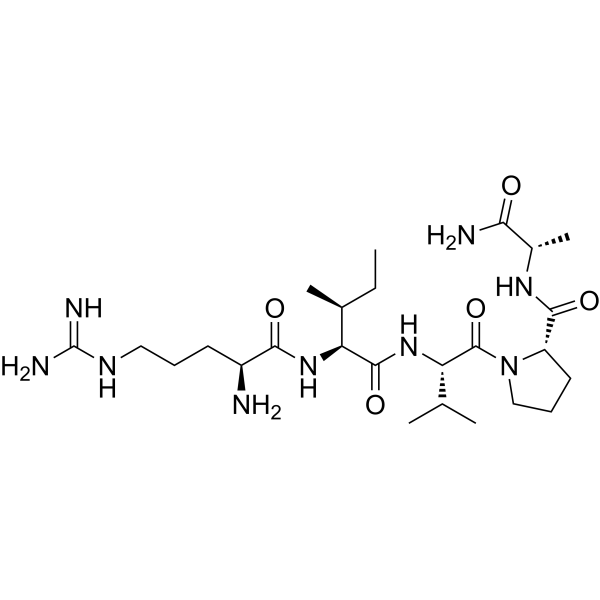 0 ImagesSynonyms: SGX942Dusquetide (SGX942) is a first-in-class innate defense regulator (IDR). Dusquetide modulates the innate immune response to both PAMPs and DAMPs by binding to p62. Dusquetide shows activity in both reducing inflammation and increasing clearance of bacterial infection. DAMPs: damage-associated molecular patterns; PAMPs: pathogen-associated molecular patterns
-
2'-Aminoacetophenone
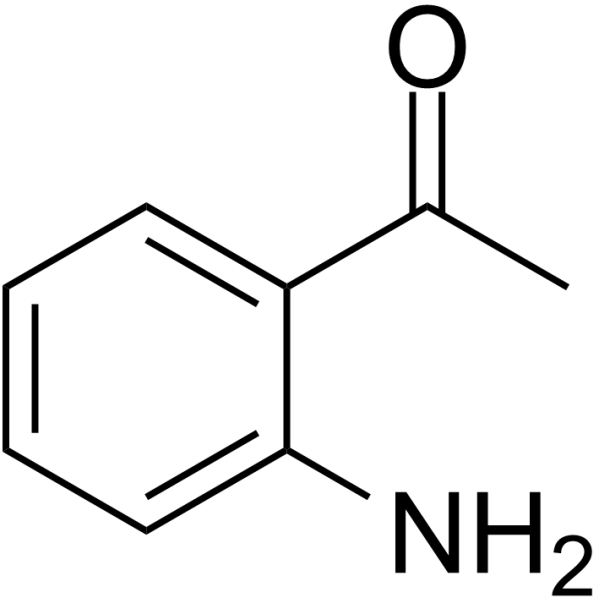 0 Images2'-Aminoacetophenone is an orally active inducer of apoptosis and respiratory biomarker. 2'-Aminoacetophenone can be used to detect Pseudomonas aeruginosa infections in the lungs of cystic fibrosis patients. 2'-Aminoacetophenone can inhibit the protein levels of LC3BII and p62 in macrophages infected with pqsA or mvfR and regulate autophagy. 2'-Aminoacetophenone can disrupt mitochondrial function by inducing oxidative stress and apoptosis signaling, leading to dysfunction in mouse skeletal muscle.
-
Triptohypol C
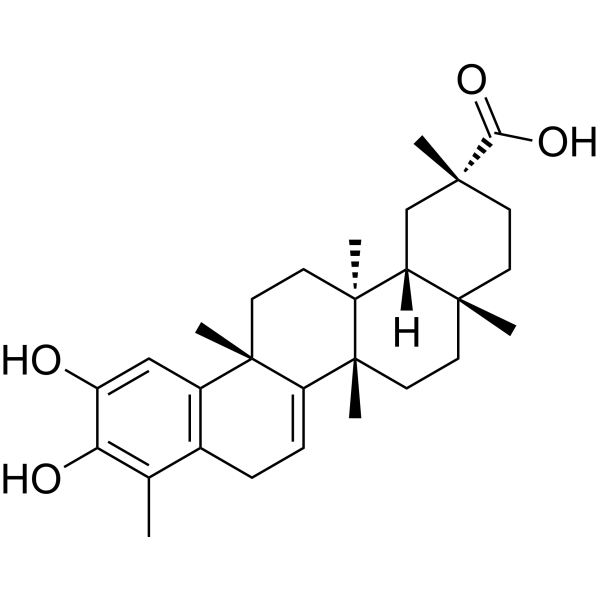 0 ImagesCat. No.: HY-117469CAS No.: 193957-88-9Triptohypol C, a Tripterin (HY-13067) derivative, is a potent Nur77-targeting anti-inflammatory agent with an Kd value of 0.87 μM. Triptohypol C inhibits inflammatory response by promoting the interactions of Nur77 with TRAF2 and p62/SQSTM1.
-
Perfluoroundecanoic acid
 0 ImagesPerfluoroundecanoic acid is a perfluoroalkyl substance (PFAS). Perfluoroundecanoic acid is an orally active oxidative stress inducer. Perfluoroundecanoic acid promotes macrophage M2 polarization, activates Wnt/β-catenin signaling and enhances β-catenin nuclear accumulation. Perfluoroundecanoic acid -induced M2 phenotype macrophage accelerates tumor progression in vitro and in vivo. Perfluoroundecanoic acid induces DNA damage, reproductive and pathophysiological dysfunctions via oxidative stress in male Swiss mice. Perfluoroundecanoic acid inhibits Leydig cell development in pubertal male rats via inducing oxidative stress and autophagy. Perfluoroundecanoic acid accelerates insulitis development in a mouse model of type 1 diabetes. Perfluoroundecanoic acid can be used for the study of ovarian cancer, type 1 diabetes and inflammation.
-
PTX80
 0 ImagesPTX80 is an antagonist of p62 with an IC50 value of 31.18 nM. PTX80 reduces tumor volume in an HCT116 colorectal cancer mouse xenograft model.



