



Osteosarcoma
-
Osteosarcoma (35)

- 1
- 2
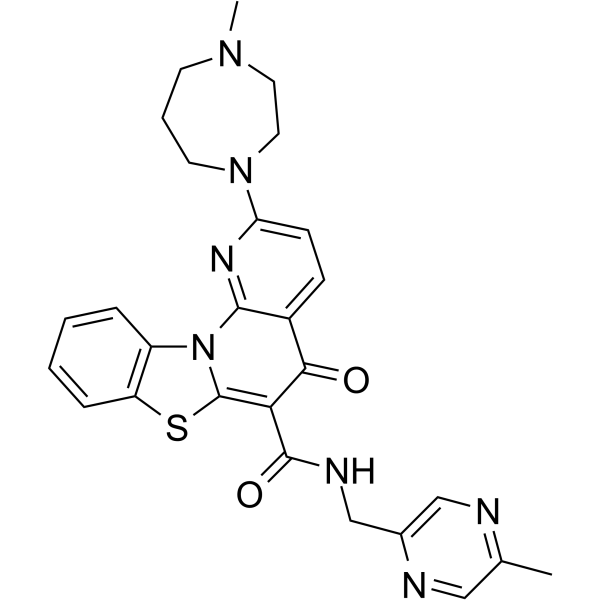
- Formula: C27H27N7O2S
- Molecular Weight: 513.61
CX-5461 is a selective, orally active RNA polymerase I inhibitor. CX-5461 disrupts the formation of the SL1-rDNA complex, thereby blocking the transcription initiation of ribosomal RNA without altering the activity of RNA polymerase II, DNA replication, or protein translation processes. CX-5461 upregulates the expression of p21, MDM2, Sestrin1/2, and phosphorylated AMPKα, and reduces the level of phosphorylated Akt. CX-5461 induces G2/G2/M cell cycle arrest, Autophagy, Apoptosis, and cellular senescence, and activates CHK1, CHK2, and RPA. CX-5461 can be used in research related to osteosarcoma, cervical cancer, hematologic malignancies, high-grade serous ovarian cancer, and solid tumors.
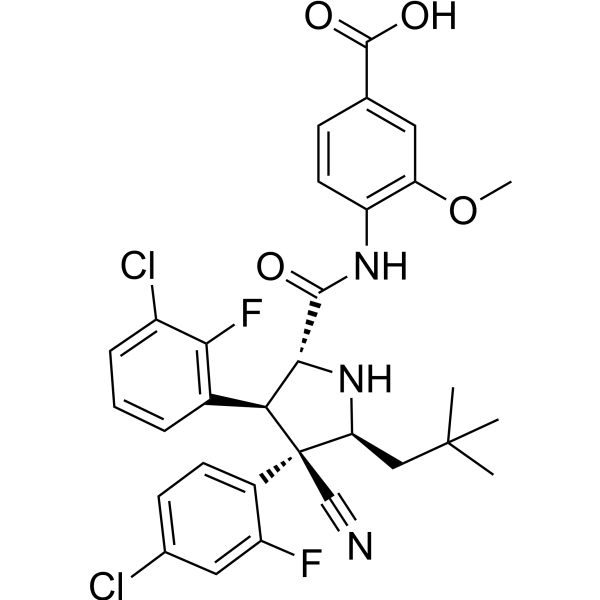
- Formula: C31H29Cl2F2N3O4
- Molecular Weight: 616.48
Idasanutlin (RG7388) is an orally bioavailable MDM2 inhibitor with an IC50 of 6 nM. Idasanutlin disrupts MDM2-p53 binding, stabilizes and activates p53, triggering cell cycle arrest, apoptosis, and reduced cancer cell viability. Idasanutlin reduces EGFR protein expression and phosphorylation, suppresses downstream SHP2, MEK1/2, ERK1/2, AKT, mTOR, p70(S6K1), and S6 signaling. Idasanutlin induces mitochondrial ROS production, drives p38 MAPK phosphorylation, upregulates NOXA, and mediates caspase-3-dependent apoptosis and gasdermin E-mediated pyroptosis. Idasanutlin can be used for the research of TP53-mutant non-small cell lung cancer, T-cell acute lymphoblastic leukemia, colorectal carcinoma, melanoma, diffuse large B-cell lymphoma, mantle cell lymphoma, non-Hodgkin lymphoma, severe fever with thrombocytopenia syndrome, neuroblastoma, acute lymphoblastic leukemia, relapsed or refractory acute myeloid leukemia, osteosarcoma, solid tumors, and hematological tumors.
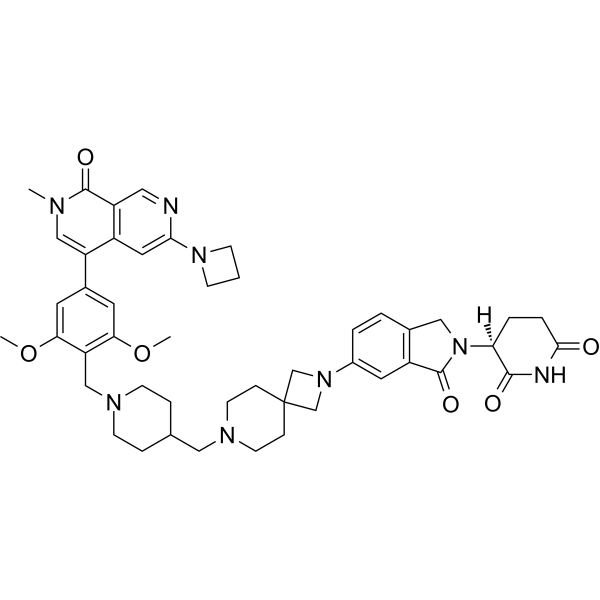
- Formula: C47H56N8O6
- Molecular Weight: 829.00
FHD-609 is a BRD9 PROTAC degrader. FHD-609 induces BRD9 degradation, downregulates primary transcripts of HBG/HBD, Myc expression and proliferation gene sets, reduces the levels of synovial sarcoma tumor proliferation markers, and inhibits tumor growth. FHD-609 can be used in research related to advanced synovial sarcoma, SMARCB1-deficient tumors and adrenocortical carcinoma.
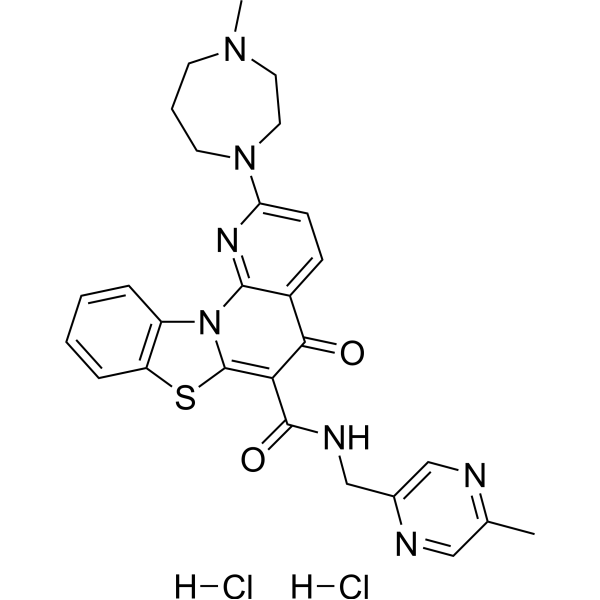
- Formula: C27H29Cl2N7O2S
- Molecular Weight: 586.54
CX-5461 dihydrochloride is a selective, orally active RNA polymerase I inhibitor. CX-5461 dihydrochloride disrupts the formation of the SL1-rDNA complex, thereby blocking the transcription initiation of ribosomal RNA without altering the activity of RNA polymerase II, DNA replication, or protein translation processes. CX-5461 dihydrochloride upregulates the expression of p21, MDM2, Sestrin1/2, and phosphorylated AMPKα, and reduces the level of phosphorylated Akt. CX-5461 dihydrochloride induces G2/G2/M cell cycle arrest, Autophagy, Apoptosis, and cellular senescence, and activates CHK1, CHK2, and RPA. CX-5461 dihydrochloride can be used in research related to osteosarcoma, cervical cancer, hematologic malignancies, high-grade serous ovarian cancer, and solid tumors.

- Molecular Weight: 145.92 kDa
Samrotamab (PR-1498487) is a humanized IgG1-κ chimeric monoclonal antibody targeting LRRC15, with a Kd of 5.42 nM for human LRRC15. Samrotamab can be used to synthesize antibody-drug conjugates (ADC). Samrotamab disrupts the LRRC15-SCG5 signaling module, binds to a membrane-proximal conformational epitope within the C-terminal leucine-rich repeat region of LRRC15, and binds to the lateral edge of the LRR solenoid while leaving the canonical concave β-sheet surface fully exposed. Samrotamab reduces the viability of bladder cancer cells, inhibits clonogenic growth, impairs cell migration, and compromises cell invasion. Samrotamab induces compensatory upregulation of LRRC15 transcripts while suppressing the expression of SCG5 mRNA. Samrotamab is applicable to research related to urothelial carcinoma, sarcoma, osteosarcoma, and undifferentiated pleomorphic sarcoma.

- Molecular Weight: 144.98 kDa
Omburtamab (Mab 8H9) is a mouse monoclonal immunoglobulin G1 (IgG1) antibody targeting B7-H3. Omburtamab specifically binds to the glycoprotein antigen B7-H3, which is widely expressed on the surface of tumor cells. As a targeting carrier for recombinant toxins, it delivers PE38 to inhibit cellular protein synthesis and induce cytotoxicity in antigen-expressing cancer cells. Omburtamab can be used in research related to glioma, breast cancer, osteosarcoma and neuroblastoma.
- Formula: C43H46N10O6
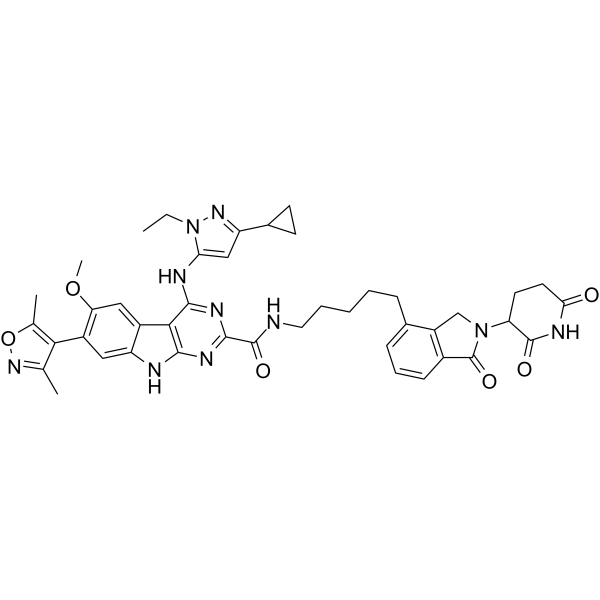
- Molecular Weight: 798.89
BETd-260 (ZBC 260) is a BET PROTAC degrader. BETd-260 recruits BRD2, BRD3, and BRD4 to the CUL4-RBX1-DDB1-CRBN E3 ubiquitin ligase complex, driving cereblon-, proteasome-, and NEDD8-activating enzyme-dependent ubiquitination and degradation, with a DC50 of approximately 30-100 pM in RS4;11 cells. BETd-260 induces cancer cell apoptosis via endogenous signaling pathways, regulates the expression of the Bcl-2 family, inhibits the oncogene c-Myc, and reduces cell viability. BETd-260 suppresses tumor growth in mouse xenograft models with good biosafety. BETd-260 can be used in research related to acute leukemia, hepatocellular carcinoma, osteosarcoma, and triple-negative breast cancer.
- Formula: C24H25N3O3
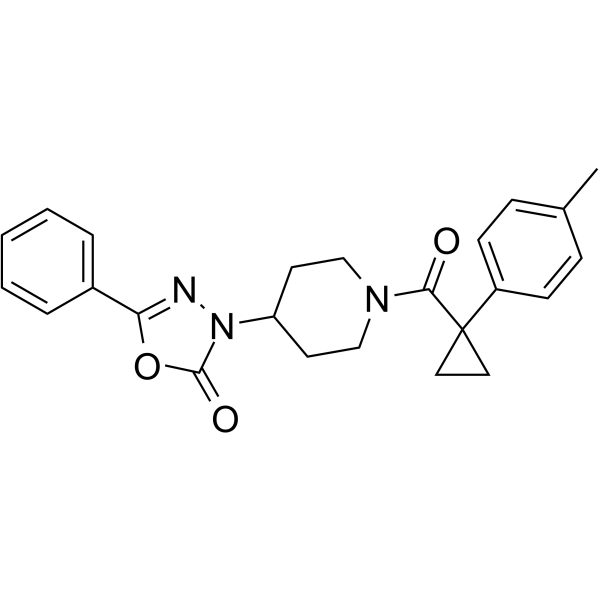
- Molecular Weight: 403.47
ML191 (CID23612552) is a GPR55 antagonist. ML191 inhibits ERK phosphorylation and PKC β II translocation downstream of GPR55 signaling. ML191 suppresses LPI-induced activation of ERK1/2 and p38 MAPK signaling, blocks the transcription of RANKL-induced osteoclastogenesis markers, and reduces the bone resorption activity of mature osteoclasts promoted by RANKL. ML191 can be used to investigate diseases associated with bone degradation caused by excessive osteoclast activation, such as osteoporosis and bone damage during the formation stage of bone metastases.
- Formula: C58H82N8O14S2
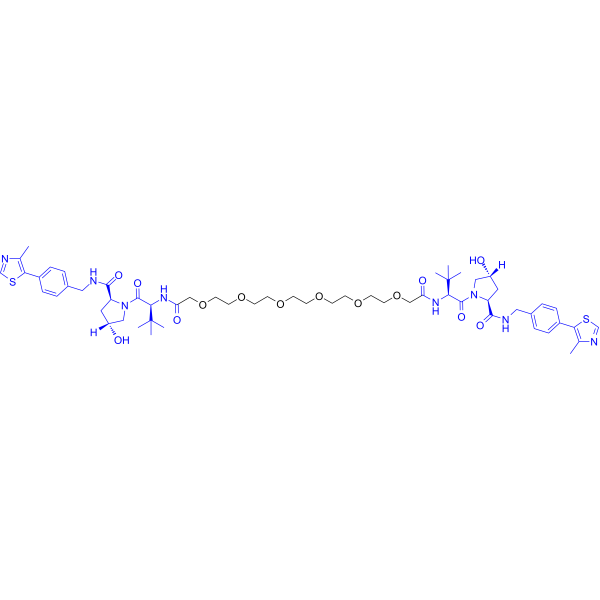
- Molecular Weight: 1179.45
Homo-PROTAC pVHL30 degrader 1 is a Homo-PROTAC autodegraders targeting the von Hippel-Lindau E3 ubiquitin ligase (VHL), with Kd values of 11 nM and 25 nM for pVHL19-EloBC and pVHL30-EloBC, respectively. Homo-PROTAC pVHL30 degrader 1 induces Cullin2 depletion, promotes VHL dimerization to form a ternary complex, and drives proteasome-dependent and CRL2-VHL-like ubiquitination-dependent autodegradation. Homo-PROTAC pVHL30 degrader 1 does not trigger hypoxic responses, and only causes extremely mild stabilization of hypoxia-inducible factor α subunits. Homo-PROTAC pVHL30 degrader 1 can be used in studies related to cervical cancer and osteosarcoma.
- Formula: C20H22Cl3N3S
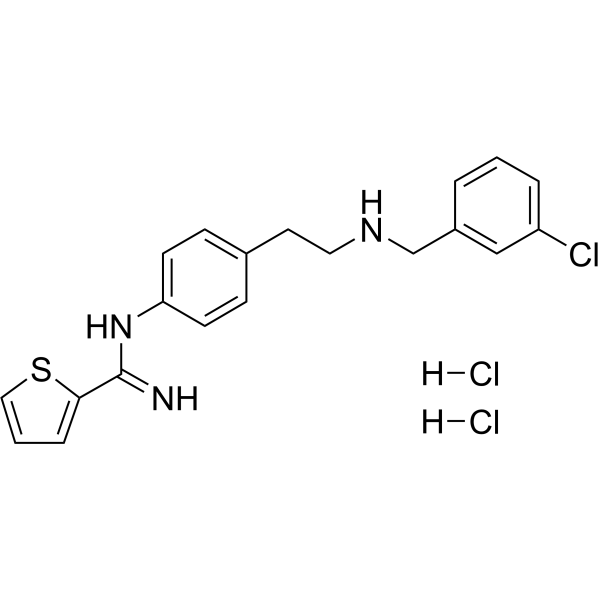
- Molecular Weight: 442.83
ARL 17477 is a blood-brain barrier-penetrant selective neuronal nitric oxide synthase (nNOS) inhibitor with an IC50 of 1 μM. ARL 17477 reduces nitric oxide production and activates TFEB and lysosomal biogenesis, induces lysosomal membrane permeabilization, but inhibits autophagy-lysosomal function, autophagic flux, protein aggregate clearance, and proliferation. ARL 17477 induces ERK hyperphosphorylation and slight AKT inhibition. ARL 17477 exhibits NOS1 -independent anticancer activity against multiple cancer cells. ARL 17477 inhibits xenograft tumor growth in vivo. ARL 17477 can be used in research on colon cancer, non-small cell lung cancer, osteosarcoma, pancreatic cancer, arterial occlusion, and pain.

- Formula: C48H48F5N9O8
- Molecular Weight: 973.94
BT-O2C is a p300 PROTAC degrader. BT-O2C induces p300 degradation via proteasome- and ubiquitin-like modification-dependent pathways, downregulates the expression of CIC::DUX4 sarcoma target genes, and exerts cytotoxicity against such sarcoma cells. BT-O2C can be used in CIC::DUX4 sarcoma-related studies.
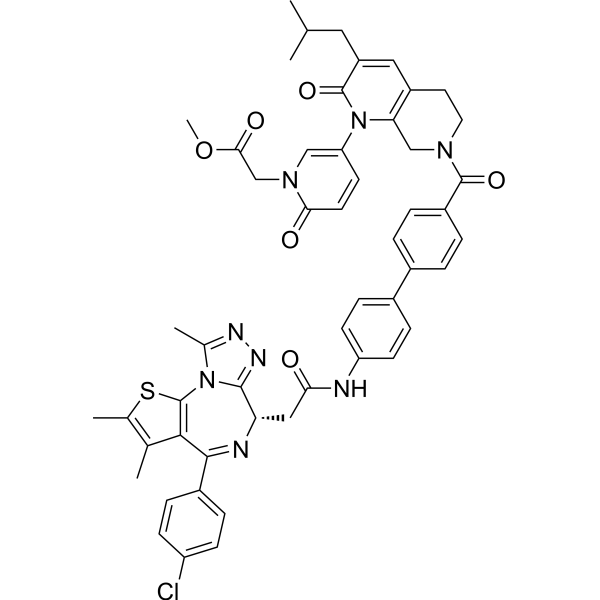
- Formula: C52H49ClN8O6S
- Molecular Weight: 949.51
K2-B4-5e is a BRD4 PROTAC degrader with a DC50 of 6.2 nM. K2-B4-5e triggers the degradation of BRD4 and BRD2 mediated by KLHDC2 in a ubiquitin-proteasome system-dependent manner. K2-B4-5e induces BRD4 degradation in mouse cells. K2-B4-5e can be used in research related to prostate cancer, breast cancer and osteosarcoma.

- Formula: C11H11NOS
- Molecular Weight: 205.28
Cetzole is a Ferroptosis inducer. Cetzole can be used in research on non-small cell lung cancer, breast cancer, cervical cancer, colorectal cancer, and osteosarcoma.
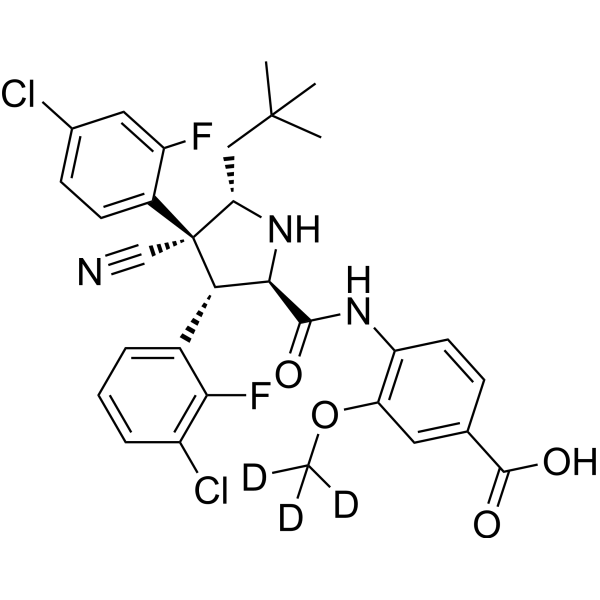
- Formula: C31H26D3Cl2F2N3O4
- Molecular Weight: 619.50
Idasanutlin-d3-1 (RG7388-d3-1) is the deuterated-labeled Idasanutlin (HY-15676). Idasanutlin (RG7388) is an orally bioavailable MDM2 inhibitor with an IC50 of 6 nM. Idasanutlin disrupts MDM2-p53 binding, stabilizes and activates p53, triggering cell cycle arrest, apoptosis, and reduced cancer cell viability. Idasanutlin reduces EGFR protein expression and phosphorylation, suppresses downstream SHP2, MEK1/2, ERK1/2, AKT, mTOR, p70(S6K1), and S6 signaling. Idasanutlin induces mitochondrial ROS production, drives p38 MAPK phosphorylation, upregulates NOXA, and mediates caspase-3-dependent apoptosis and gasdermin E-mediated pyroptosis. Idasanutlin can be used for the research of TP53-mutant non-small cell lung cancer, T-cell acute lymphoblastic leukemia, colorectal carcinoma, melanoma, diffuse large B-cell lymphoma, mantle cell lymphoma, non-Hodgkin lymphoma, severe fever with thrombocytopenia syndrome, neuroblastoma, acute lymphoblastic leukemia, relapsed or refractory acute myeloid leukemia, osteosarcoma, solid tumors, and hematological tumors.

- Formula: C14H12N2OS
- Molecular Weight: 256.32
TM-2-51 is a HDAC8 activator with a Kd value of 0.28 μM. TM-2-51 inhibits α-glucosidase with an IC50 of 171.21 μM. TM-2-51 upregulates HDAC8 expression, modulates the TP53, STAT3/ERK and PI3K-AKT pathways, alleviates LeTx-induced cell cycle arrest, downregulates JMJD3 and increases H3K27me3 levels. TM-2-51 selectively induces apoptosis in tumor cell and upregulates p53/p21 expression. TM-2-51 inhibits tumor cell proliferation, migration and invasion, induces G1-phase arrest and suppresses tumor growth in vivo. TM-2-51 can be used in research on osteosarcoma, anthrax, type 2 diabetes and neuroblastoma.

- Formula: C23H20N2O2S
- Molecular Weight: 388.48
IBR120 is a RAD51 inhibitor. IBR120 inhibits homologous recombination (HR) repair and attenuates RAD51-DNA interaction by binding to the hydrophobic pocket of the RAD51 core domain and disrupting RAD51 multimerization. IBR120 induces apoptotic cell death and inhibits the proliferation of a broad spectrum of cancer cell lines. IBR120 in combination with anticancer agents such as EGFR inhibitors and microtubule agents produces synergistic anti-proliferative effects. IBR120 can be used in research related to breast cancer, chronic myeloid leukemia, osteosarcoma, cervical cancer, and glioblastoma.

- Formula: C28H22N6O4S
- Molecular Weight: 538.58
Anticancer agent-362 is a chimeric pyrrolidinedione-pyrrolidine-phthalazine-triazole (PPPT) heterocyclic derivative with antitumor activity. Anticancer agent-362 exhibits antiproliferative activity against breast adenocarcinoma and osteosarcoma cancer cell lines, with low toxicity to normal fibroblasts. Anticancer agent-362 is predicted to be a multi-target ligand that binds to the active sites of VEGFR-2, PARP-1, and others. Anticancer agent-362 can be used in research related to breast adenocarcinoma and osteosarcoma.

- Formula: C14H9N3O3
- Molecular Weight: 267.24
PTP1B-IN-36 is a PTP1B inhibitor (IC50 0.70 μM) and a SHP2-E76K inhibitor (IC50 0.36 μM). PTP1B-IN-36 exhibits broad-spectrum inhibitory activity against PTP family enzymes, including TCPTP, SHP1-PTP, SHP2-PTP, and SHP1-WT. PTP1B-IN-36 shows anticancer activity against osteosarcoma. PTP1B-IN-36 can be used for research on osteosarcoma.

- Formula: C16H14ClN3O
- Molecular Weight: 299.75
SW393109 is a CDK8 inhibitor with an IC50 of 3.16 nM and an EC50 of 5 nM against the DKK1 reporter gene. SW393109 inhibits IFNγ-induced phosphorylation of STAT1 S727, impairs the EWSR1::FLI1 transcriptional program in Ewing sarcoma cells and suppresses tumor cell proliferation. SW393109 acts as a gain-of-function molecular trap that induces the retention of the CDK8 kinase module (CKM) and Mediator complex on chromatin. SW393109 can be used in studies related to Ewing sarcoma.

- Formula: C50H56ClN11O3S
- Molecular Weight: 926.57
NEP162 is a BRD4 PROTAC degrader based on the E3 ubiquitin ligase GID4, with DC50 values of 1.2 μM and 1.6 μM in SW480 and U2OS cells, respectively, and a Kd value of 0.13 µM for GID4. NEP162 bridges the E3 ligase GID4 and BRD4 to form a ternary complex, promotes polyubiquitination and subsequent degradation of BRD4 via the ubiquitin-proteasome system, reduces the proliferation capacity of tumor cells and induces apoptosis. NEP162 can be used for research on cancers such as osteosarcoma, colorectal cancer and non-small cell lung cancer.
- 1
- 2



