WB/IP Lysis Buffer
Based on 8 publication(s) in Google Scholar
MCE WB/IP Lysis Buffer is a lysis buffer used to lyse cell or tissue samples under non-denaturing conditions to prepare protein samples. The lysed cell or tissue samples can be used for PAGE, Western Blot, Immunoprecipitation (IP), Co-Immunoprecipitation (Co-IP), ELISA, and other assays.
-
Storage :-20℃,1 year.


To place orders, for customer services and technical support, please contact: MedChemExpress USA
Tel: 609-228-6898 E-mail: [email protected] [email protected]



-
HY-K0202
Protein A/G Magnetic Beads -
HY-K0010
Protease Inhibitor Cocktail (EDTA-Free, 100× in DMSO) -

HY-K1001
RIPA Lysis Buffer (Strong) -
HY-K1002
NP-40 Lysis Buffer -
HY-K0207
Anti-Flag Magnetic Beads -
HY-K0201
Anti-HA Magnetic Beads -
HY-K1027
Rapid Blocking Buffer (TBS-T) Powder (100 mL of 1×) -

HY-K1100
SDS-PAGE Sample Loading Buffer (4×) -
HY-13259
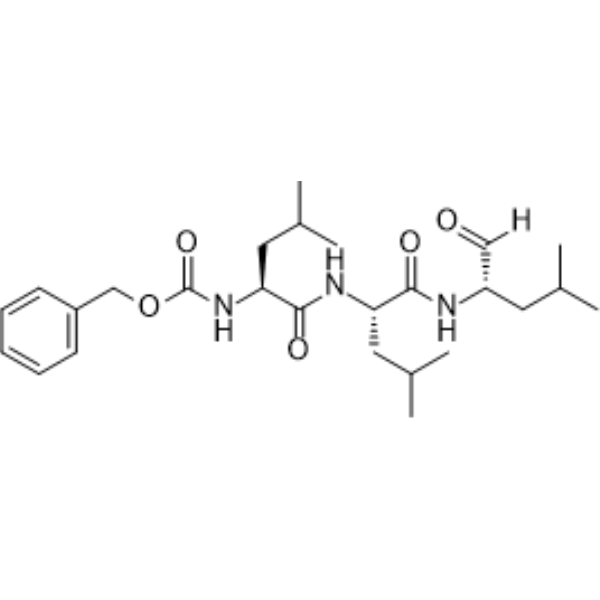
MG-132Proteasome Inhibitor -
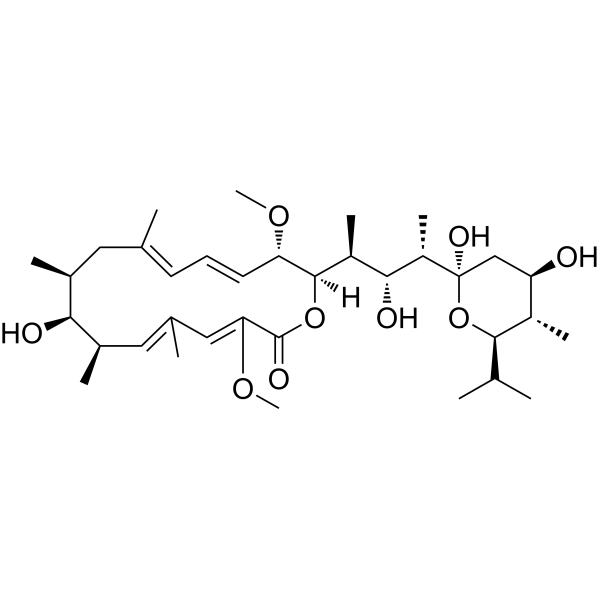
HY-100558
Bafilomycin A1V-ATPase Inhibitor -
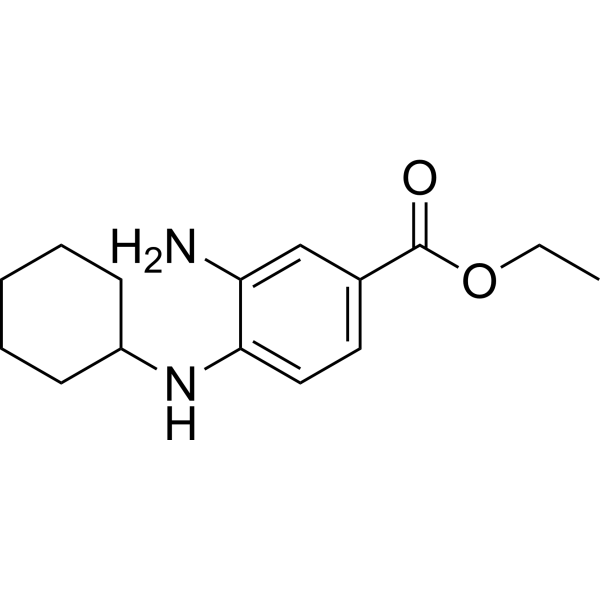
HY-100579
Ferrostatin-1Ferroptosis Inhibitor -
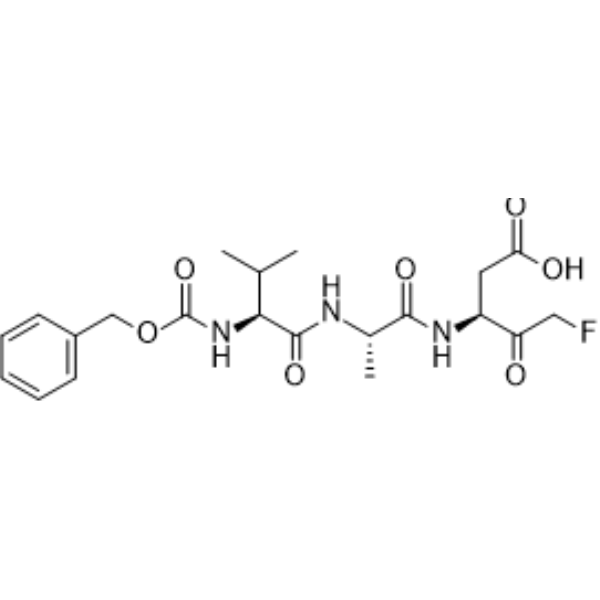
HY-16658B
Z-VAD-FMKPan-Caspase Inhibitor


Description & Advantages
MCE WB/IP Lysis Buffer is a lysis buffer used to lyse cell or tissue samples under non-denaturing conditions to prepare protein samples. The lysed cell or tissue samples can be used for PAGE, Western Blot, Immunoprecipitation (IP), Co-Immunoprecipitation (Co-IP), ELISA, and other assays.
This product contains various inhibitors such as sodium pyrophosphate, β-glycerophosphate, sodium orthovanadate, EDTA, and leupeptin, which effectively prevent protein degradation and maintain the original protein-protein interactions.


Protocols
General Protocol
Experiment Preparation
Take an appropriate amount of WB/IP Lysis Buffer and add PMSF, protease inhibitor, or phosphatase inhibitor according to experimental needs. Mix and keep on ice.
1. Cell protein extraction
Adherent cells:
1) Carefully remove culture medium and wash once with PBS, saline, or serum-free medium. Washing may be omitted if serum proteins do not interfere with downstream experiments.
2) Add 100-200 μL lysis buffer per well of a 6-well plate and pipette several times to ensure full contact with the cells.
Suspension cells:
1) Collect cells by centrifugation at 2,500 × g for 10 min at 4°C and gently tap the tube to loosen the pellet.
2) Add lysis buffer at an amount equivalent to 100-200 μL per well of a 6-well plate. For large cell numbers, divide into 5 × 10⁵-1 × 10⁶ cells/tube before lysis.
Recommended lysis volumes for different culture vessels:
| Culture vessel | Lysis Buffer volume |
|---|---|
| 100 mm dish | 500-1000 μL |
| 60 mm dish | 200-400 μL |
| 6-well | 100-200 μL |
| 12-well | 50-100 μL |
| 24-well | 25-50 μL |
| 48-well | 12.5-25 μL |
| 96-well | 5-10 μL |
3) Incubate the sample on ice for 2-10 min for complete cell lysis.
4) Collect the lysate and centrifuge at 14,000 × g for 3-5 min at 4°C.
5) Transfer the supernatant to a new tube for PAGE, Western Blot, IP, Co-IP, or other downstream analyses.
2. Tissue protein extraction
1) Quickly cut tissue into small pieces or freeze in liquid nitrogen and grind into powder.
2) Add 100-200 μL WB/IP Lysis Buffer per 20 mg tissue, homogenize thoroughly, and incubate on ice for 2-10 min.
3) Centrifuge at 14,000 × g for 3-5 min at 4°C.
4) Transfer the supernatant to a new tube for PAGE, Western Blot, IP, Co-IP, or other downstream analyses.
Note: Perform all protein extraction steps on ice or at 4°C whenever possible. Because of the detergent concentration, Bradford assays are not recommended; BCA assays may be used for protein quantification.


Publications
-
Journal Impact Factor
-
Most Recent
-
Nat AgingmRNA metabolism regulator human antigen R (HuR) regulates age-related hearing loss in aged mice. [Abstract]2025 May;5(5):848-867. PMID: 40394214
-
Mol Med Rep2025 Sep;32(3):253. PMID: 40641109
Storage
-20℃,1 year.


Components
| Components | HY-K1000-100 mL |
|---|---|
| WB/IP Lysis Buffer | 100 mL |


 Please enter the correct Lot Number