



Marine natural products
-
Marine natural products (245)

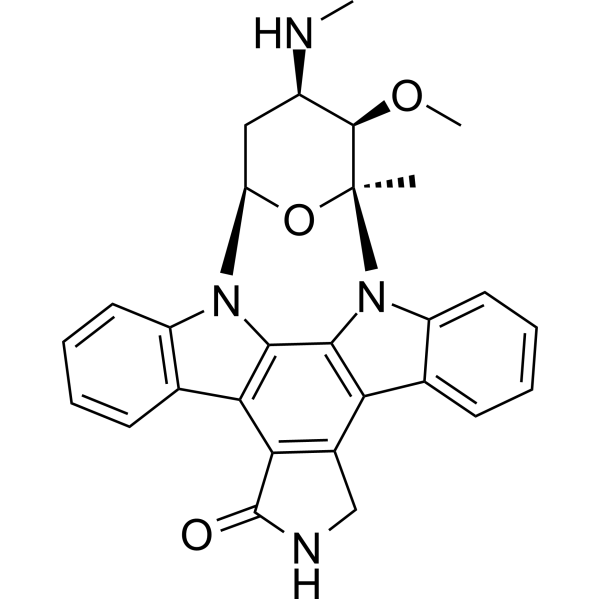
- Formula: C28H26N4O3
- Molecular Weight: 466.53
Staurosporine is a potent, ATP-competitive and non-selective inhibitor of protein kinases with IC50s of 6 nM, 15 nM, 2 nM, and 3 nM for PKC, PKA, c-Fgr, and Phosphorylase kinase respectively. Staurosporine also inhibits TAOK2 with an IC50 of 3 μM. Staurosporine is an apoptosis inducer.
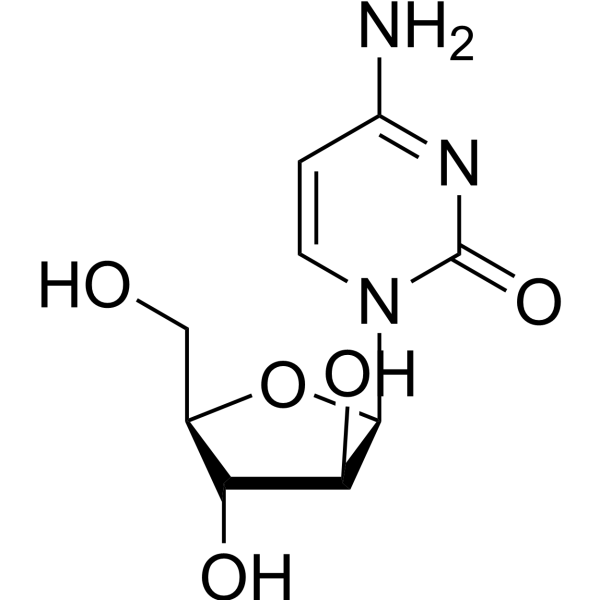
- Formula: C9H13N3O5
- Molecular Weight: 243.22
Cytarabine, a nucleoside analog, causes S phase cell cycle arrest and inhibits DNA polymerase. Cytarabine inhibits DNA synthesis with an IC50 of 16 nM. Cytarabine has antiviral effects against HSV. Cytarabine shows anti-orthopoxvirus activity.
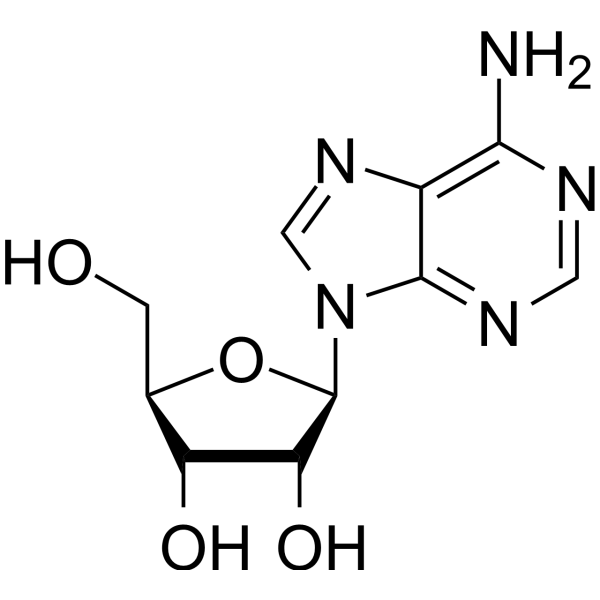
- Formula: C10H13N5O4
- Molecular Weight: 267.25
Adenosine (Adenine riboside), a ubiquitous and BBB-permeable endogenous autacoid, acts through the enrollment of four G protein-coupled receptors: A1, A2A, A2B, and A3. Adenosine affects almost all aspects of cellular physiology, including neuronal activity, vascular function, platelet aggregation, and blood cell regulation.
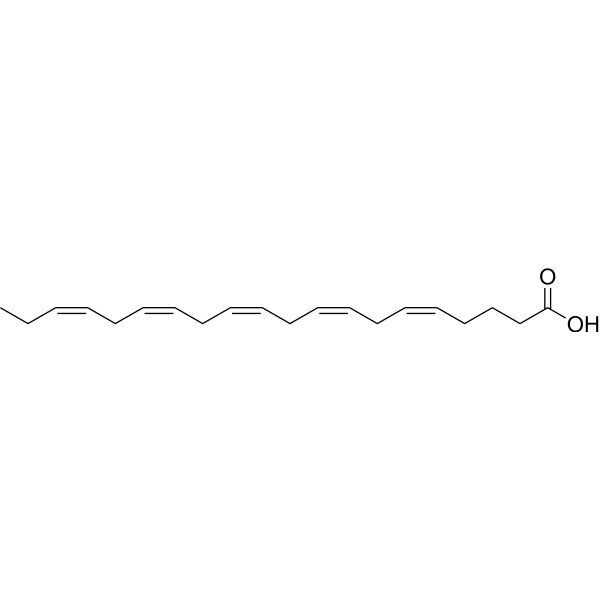
- Formula: C20H30O2
- Molecular Weight: 302.45
Eicosapentaenoic Acid (EPA) is an orally active Omega-3 long-chain polyunsaturated fatty acid (ω-3 LC-PUFA). Eicosapentaenoic Acid exhibits a DNA demethylating action that promotes the re-expression of the tumor suppressor gene CCAAT/enhancer-binding protein δ (C/EBPδ). Eicosapentaenoic Acid activates RAS/ERK/C/EBPβ pathway through H-Ras intron 1 CpG island demethylation in U937 leukemia cells. Eicosapentaenoic Acid can promote relaxation of vascular smooth muscle cells and vasodilation.
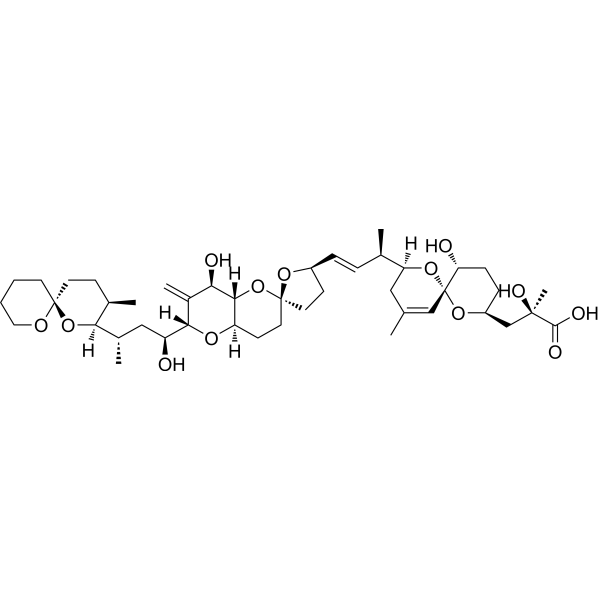
- Formula: C44H68O13
- Molecular Weight: 805.00
Okadaic acid, a marine toxin, is an inhibitor of protein phosphatases (PP). Okadaic acid has a significantly higher affinity for PP2A (IC50=0.1-0.3 nM), and inhibits PP1 (IC50=15-50 nM), PP3 (IC50=3.7-4 nM), PP4 (IC50=0.1 nM), PP5 (IC50=3.5 nM), but does not inhibit PP2C. Okadaic acid increases of phosphorylation of a number of proteins by inhibiting PP, and acts a tumor promoter. Okadaic acid induces tau phosphorylation.
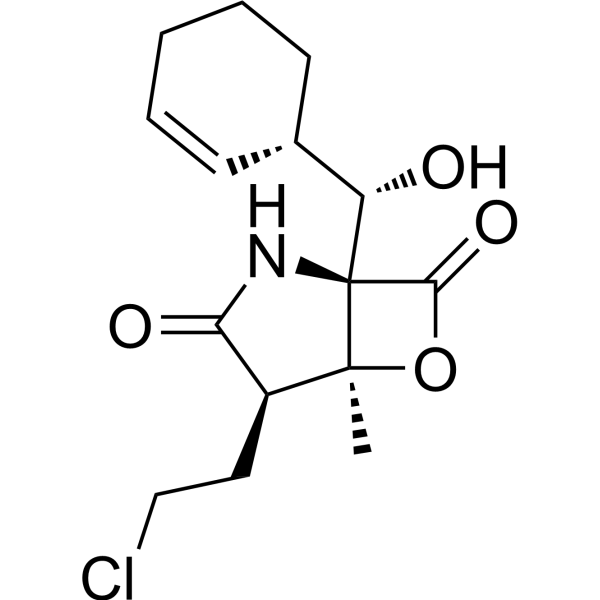
- Formula: C15H20ClNO4
- Molecular Weight: 313.78
Marizomib (Salinosporamide A) is a second-generation, irreversible, brain-penetrant, pan-proteasome inhibitor. Marizomib inhibits the CT-L (β5), CT-T-laspase-like (C-L, β1) and trypsin-like (T-L, β2) activities of the 20S proteasome (IC50=3.5, 28, and 430 nM, respectively).
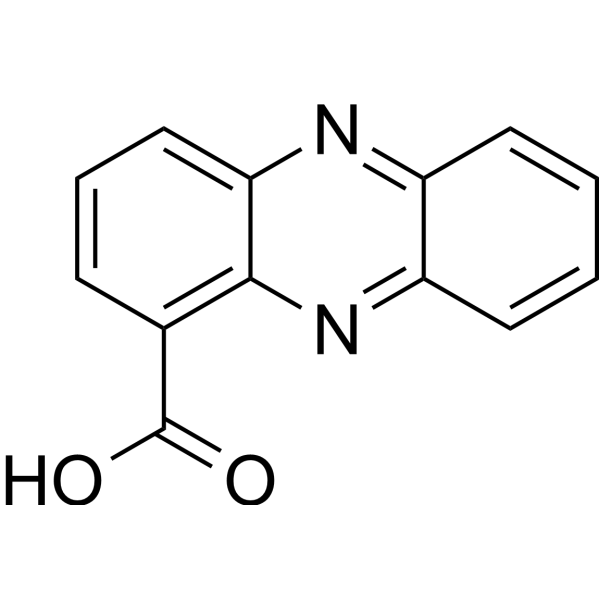
- Formula: C13H8N2O2
- Molecular Weight: 224.21
Phenazine-1-carboxylic acid (Tubermycin B) is an antifungal agent. Additionally, Phenazine-1-carboxylic acid exhibits anticancer activity by inducing apoptosis in cancer cells through the regulation of ROS generation. Phenazine-1-carboxylic acid can upregulate the expression of IL-8 and ICAM-1 while inhibiting the release of RANTES and MCP-1, demonstrating its potential immunomodulatory effects. Phenazine-1-carboxylic acid holds significant research value in the areas of anti-infection, anticancer, and immune response modulation.
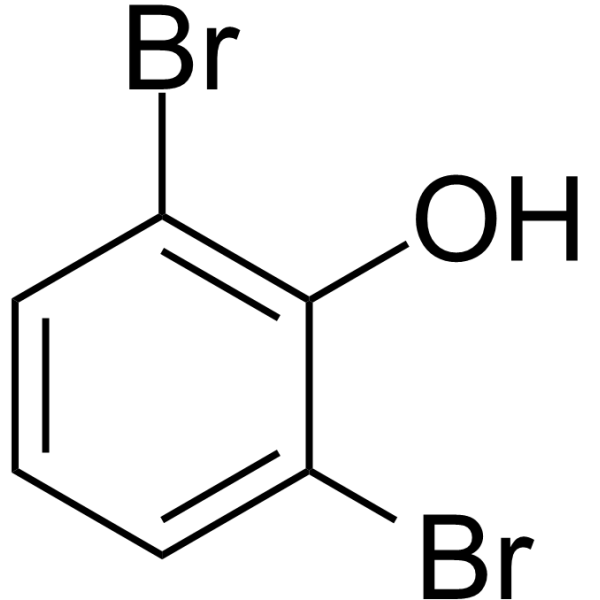
- Formula: C6H4Br2O
- Molecular Weight: 251.91
2,6-Dibromophenol (2,6-DBP) is a weak inhibitor targeting voltage-gated Ca2+ channels. 2,6-Dibromophenol has no significant effect on potassium-induced calcium elevation in PC12 cells. 2,6-Dibromophenol shows a 48 h EC50 of 2.78 mg/L for Daphnia magna and a 96 h EC50 of 9.90 mg/L for algae (Scenedesmus quadricauda).
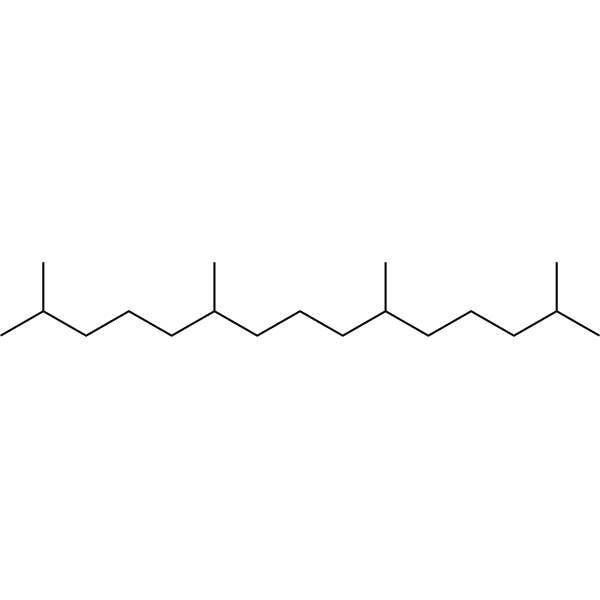
- Formula: C19H40
- Molecular Weight: 268.52
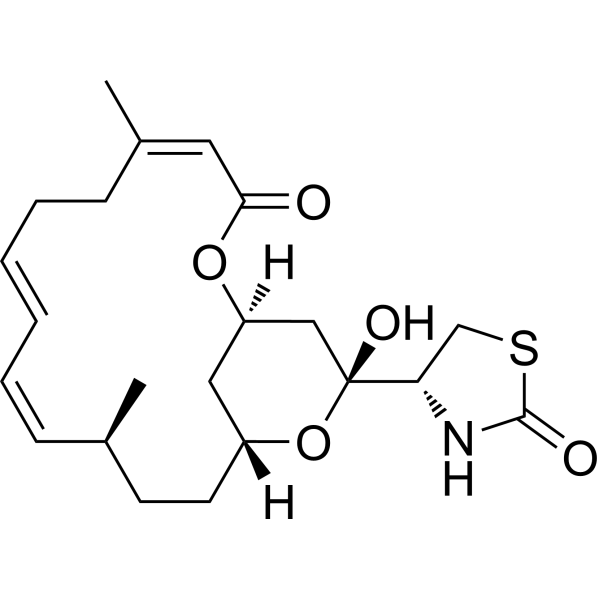
- Formula: C22H31NO5S
- Molecular Weight: 421.55
Latrunculin A (LAT-A), found in the red sea sponge Latrunculia magnifica, is a G-actin polymerization inhibitor. Latrunculin A binds to actin monomers and inhibits polymerization of actin with Kds of 0.1, 0.4, 4.7 μM and 0.19 μM for ATP-actin, ADP-Pi-actin, ADP-actin and G-actin, respectively. Latrunculin A has effective anti-metastatic properties for cancer research. Latrunculin A blocks cell migration.
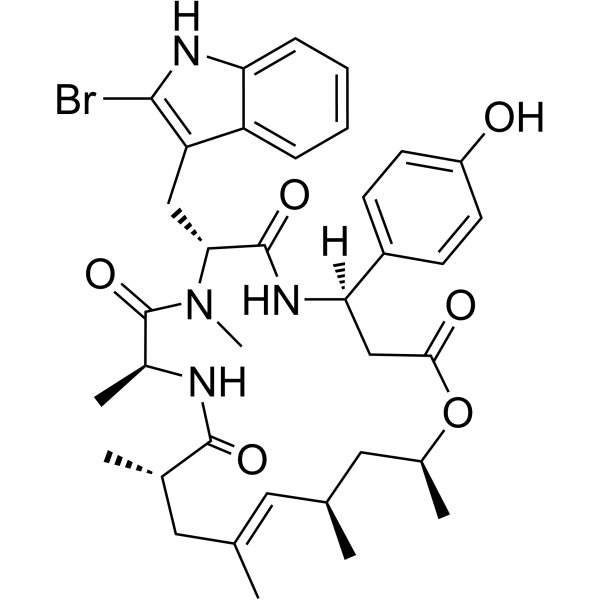
- Formula: C36H45BrN4O6
- Molecular Weight: 709.67
Jasplakinolide is a potent actin polymerization inducer and stabilizes pre-existing actin filaments. Jasplakinolide binds to F-actin competitively with phalloidin with a Kd of 15 nM. Jasplakinolide, a naturally occurring cyclic peptide from the marine sponge, has both fungicidal and anti-cancer activity.
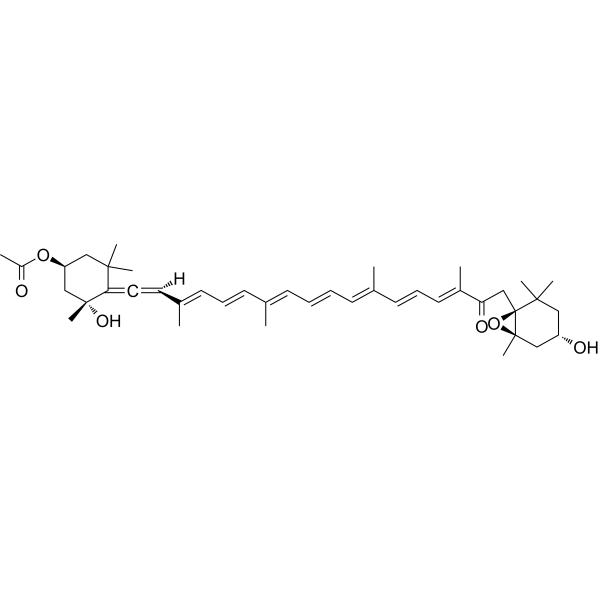
- Formula: C42H58O6
- Molecular Weight: 658.91
Fucoxanthin (all-trans-Fucoxanthin) is a marine carotenoid and shows anti-obesity, anti-diabetic, anti-oxidant, anti-inflammatory and anticancer activities.
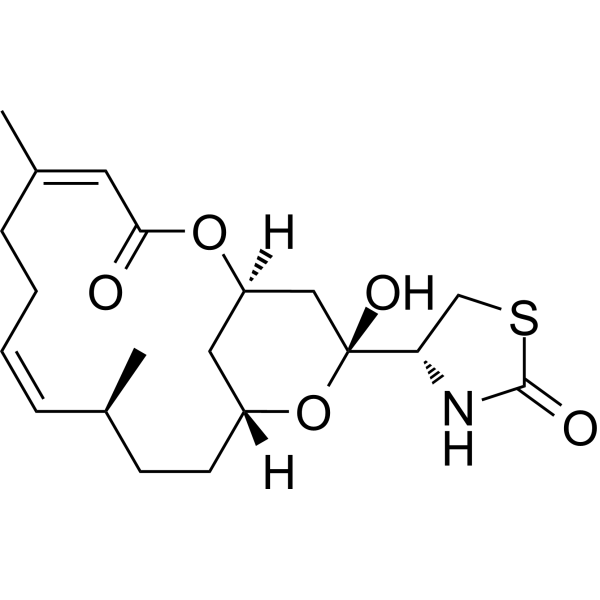
- Formula: C20H29NO5S
- Molecular Weight: 395.51
Latrunculin B, an antimicrobial marine alkaloid, is an actin polymerization inhibitor. Latrunculin B regulates pulmonary vein electrophysiological characteristics and attenuates stretch-induced arrhythmogenesis. Antifungal and antiprotozoal activity.
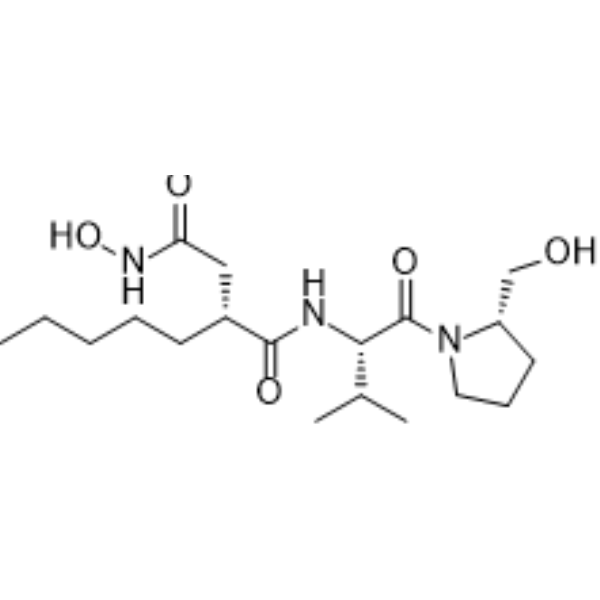
- Formula: C19H35N3O5
- Molecular Weight: 385.50
Actinonin ((-)-Actinonin) is a naturally occurring antibacterial agent produced by Actinomyces. Actinonin inhibits aminopeptidase M, aminopeptidase N and leucine aminopeptidase. Actinonin is a potent reversible peptide deformylase (PDF) inhibitor with a Ki of 0.28 nM. Actinonin also inhibits MMP-1, MMP-3, MMP-8, MMP-9, and hmeprin α with Ki values of 300 nM, 1,700 nM, 190 nM, 330 nM, and 20 nM, respectively. Actinonin is an apoptosis inducer. Actinonin has antiproliferative and antitumor activities.
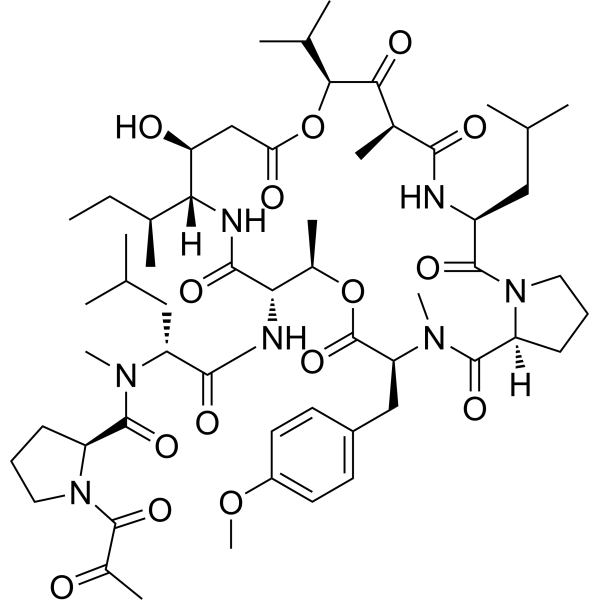
- Formula: C57H87N7O15
- Molecular Weight: 1110.34
Plitidepsin (Aplidine) is a potent anti-cancer agent by targeting eEF1A2 ( KD=80 nM). Plitidepsin possesses antiviral activity and is against SARS-CoV-2 with an IC90 of 0.88 nM. Plitidepsin is usually used for multiple myeloma and advanced cancer research, and has the potential for COVID-19 research.
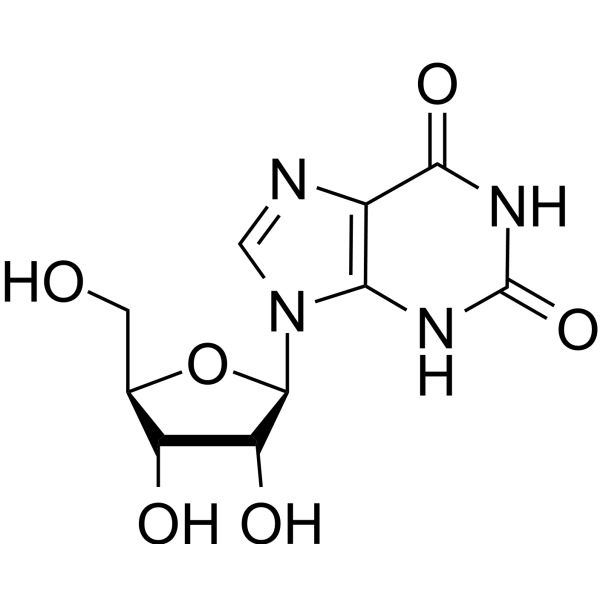
- Formula: C10H12N4O6
- Molecular Weight: 284.23
Xanthosine is a nucleoside derived from xanthine and ribose. Xanthosine activates the AMPK/FoxO1/AKT/GSK3β signaling cascade. Xanthosine promotes cell proliferation and regulates blood glucose metabolism. Xanthosine increases milk production in cows and goats. Xanthosine is used in mammary stem cell and type 2 diabetes research.
Sodium alginate is the sodium salt of alginic acid. Sodium alginate can be extracted and purified from brown seaweed Laminaria japonica. Sodium alginate can be used in food additives and pharmaceuticals, adsorb heavy metal ions, and has mucosal-protective and hemostatic effects.
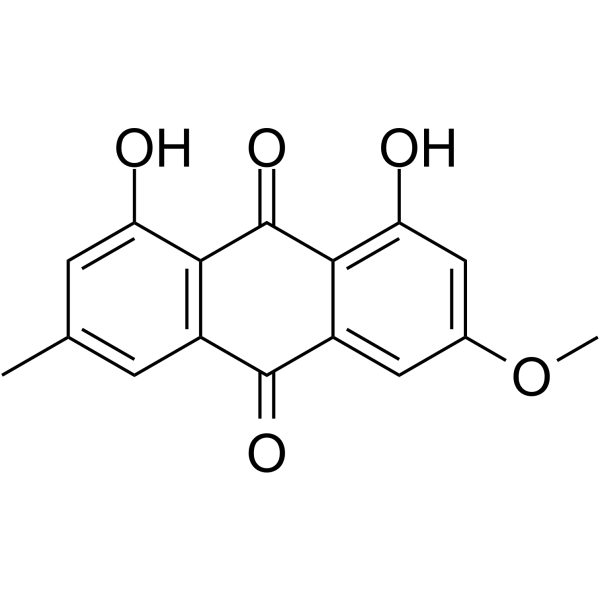
- Formula: C16H12O5
- Molecular Weight: 284.26
Physcion (Parietin), an anthraquinone derivative derived from the traditional Chinese medicine rhubarb, is an effective oral active 6-phosphogluconate dehydrogenase inhibitor with blood-brain barrier permeability, with IC50 and Kd values of 38.5 μM and 26.0 μM, respectively. Additionally, Physcion is an inhibitor of the <>bTLR4/NF-κB signaling pathway, exhibiting anti-inflammatory, antibacterial, and anticancer effects, and can induce Apoptosis and Autophagy in cancer cells.
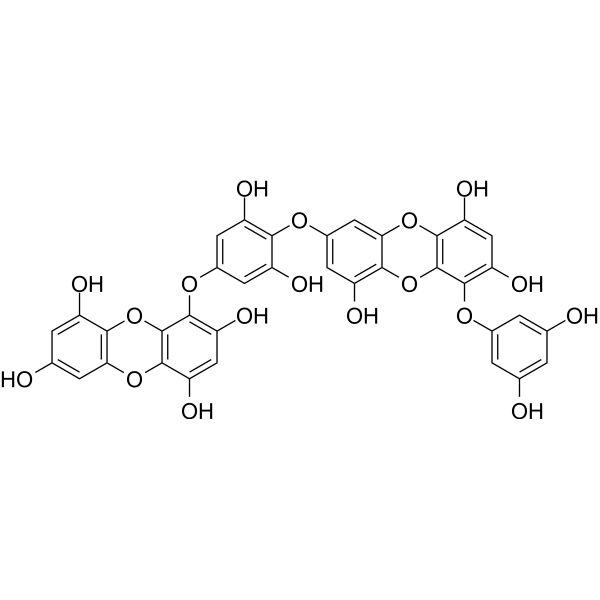
- Formula: C36H22O18
- Molecular Weight: 742.55
Dieckol, is a naturally occurring phlorotannin found in some brown algal species. Dieckol has anti-bacterial, anti-cancer, anti-oxidant, anti-aging, anti-diabetic, neuroprotective actions.



