



Glyco Building Blocks
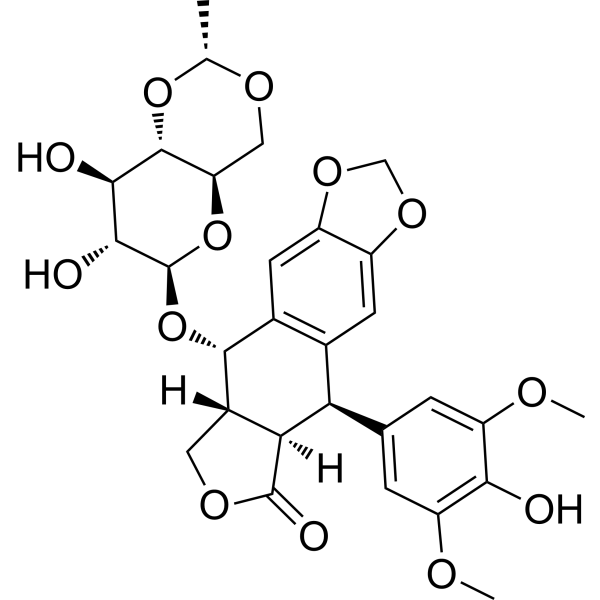
- Formula: C29H32O13
- Molecular Weight: 588.56
Etoposide (VP-16; VP-16-213) is an anti-cancer chemotherapy agent. Etoposide inhibits topoisomerase II, thus stopping DNA replication. Etoposide induces cell cycle arrest, apoptosis and autophagy.
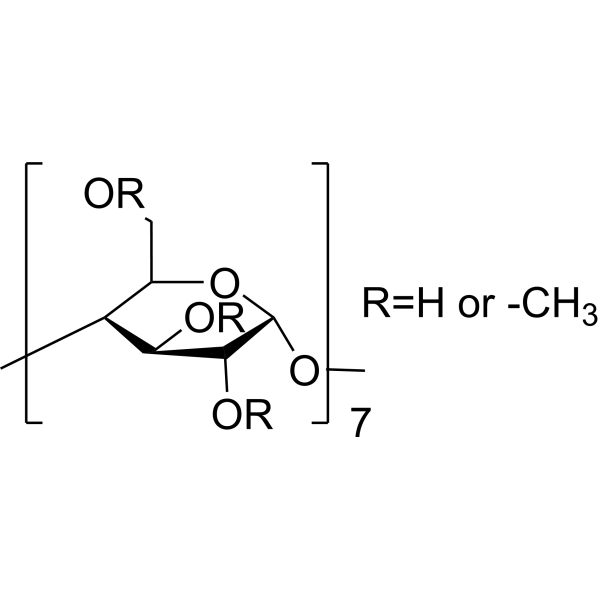
- Molecular Weight: 1310 (Average)
Methyl-β-cyclodextrin (Methyl-beta-cyclodextrin) is a cyclic heptasaccharide used to deliver hydrophobic agents based on its property of solubilizing non-polar substances. Methyl-β-cyclodextrin is also extensively used as a cholesterol-depleting reagent. Methyl-β-cyclodextrin strongly reduces clathrin-dependent endocytosis. Methyl-β-cyclodextrin blocks cell migrasome formation.
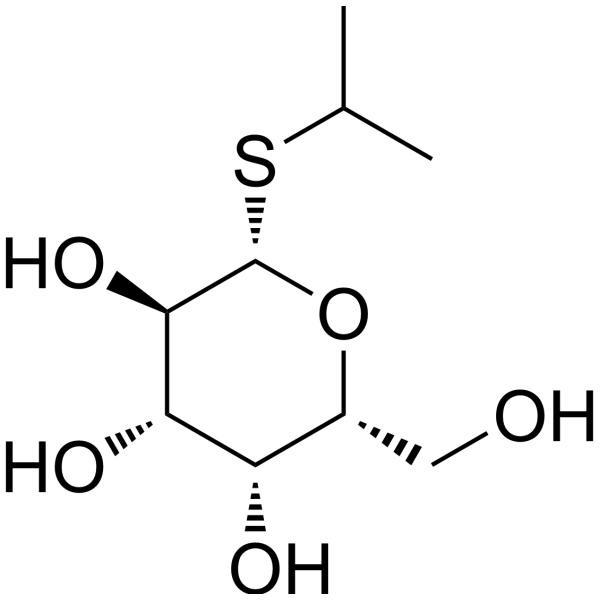
- Formula: C9H18O5S
- Molecular Weight: 238.30
IPTG is a molecular mimic of allolactose, a lactose metabolite that triggers transcription of the lac operon, and it is therefore used to induce protein expression where the gene is under the control of the lac operator.
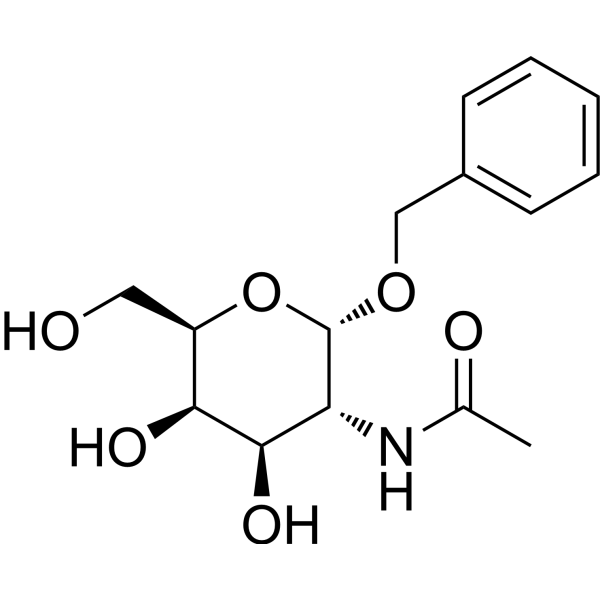
- Formula: C15H21NO6
- Molecular Weight: 311.33
Benzyl-α-GalNAc is a potent O-glycosylation inhibitor. Benzyl-α-GalNAc effectively inhibits the proliferation and activation of LX-2 cells and suppresses the expression of collagen I/III, which has good potential for investigation in liver fibrosis. Benzyl-α-GalNAc also significantly enhances the anti-tumour activity of 5-Fluorouracil (HY-90006) (e.g. pancreatic cancer) by inhibiting O-glycosylation.
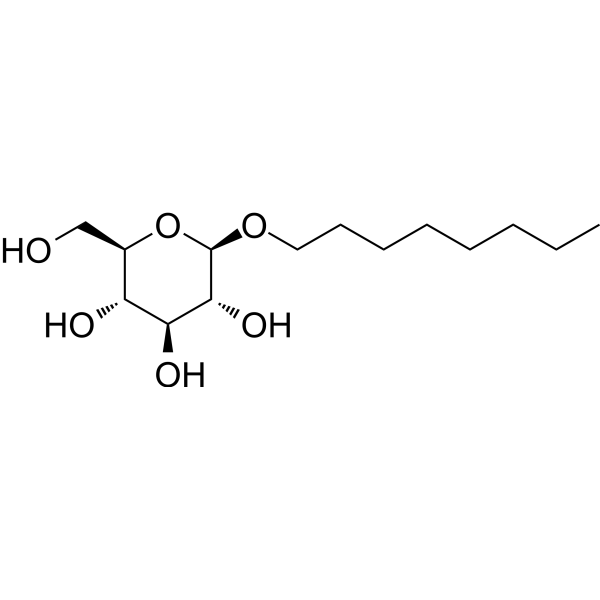
- Formula: C14H28O6
- Molecular Weight: 292.37
n-Octyl-β-d-glucopyranoside is a non-ionic detergent, it can be widely used in the research of biotechnical, biochemical applications, solubilization and crystallization of membrane proteins. n-Octyl-β-d-glucopyranoside can completely inhibit cavitation-induced cell lysis in vitro.
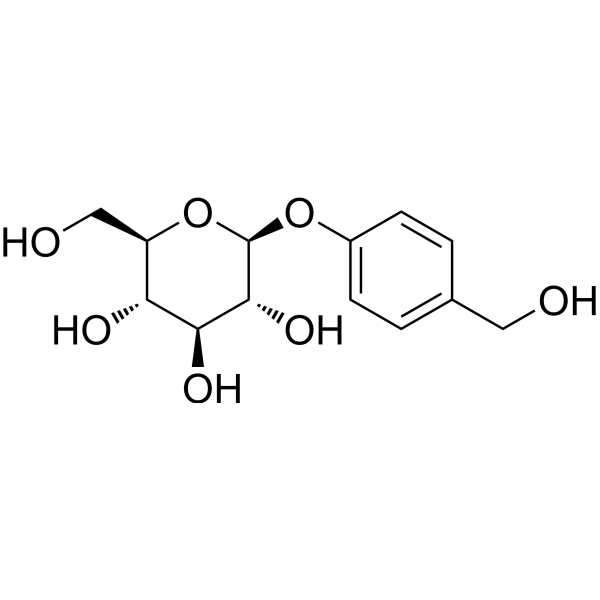
- Formula: C13H18O7
- Molecular Weight: 286.28
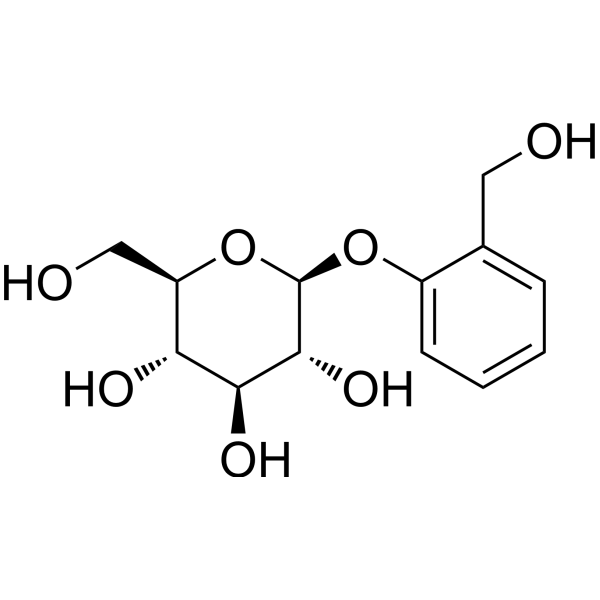
Gastrodin, a main constituent of a Chinese herbal medicine Tianma, has been known to display anti-inflammatory effects. Gastrodin inhibits ethanol-induced hepatocellular apoptosis. Gastrodin inhibits H2O2-induced ferroptosis through its antioxidative effect. Gastrodin can be used for study of dizziness, epilepsy, stroke and dementia.
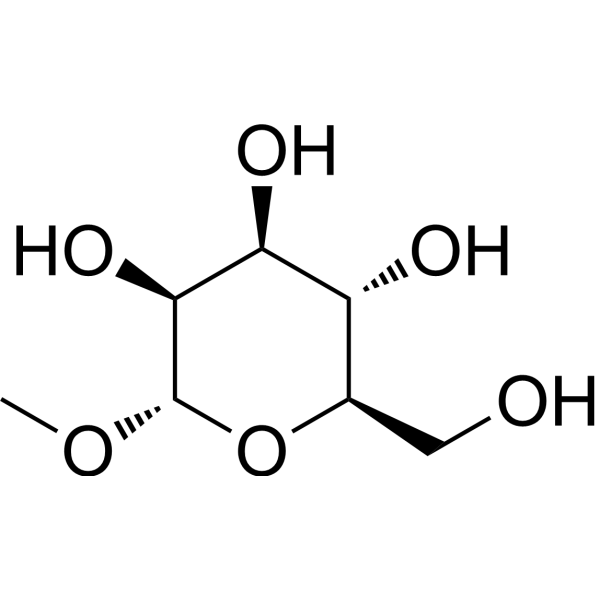
- Formula: C7H14O6
- Molecular Weight: 194.18
Methyl α-D-mannopyranoside (α-Methyl-D-mannoside) is a methyl glycoside derivative and conformational stabilizer of α-D-mannopyranose. The glycosidic bond conformation of Methyl α-D-mannopyranoside is significantly affected by the environment. In aqueous solution, Methyl α-D-mannopyranoside stabilizes into a trans conformation via intermolecular hydrogen bonds; in the gas phase, however, steric interactions drive Methyl α-D-mannopyranoside to prefer a clockwise gauche conformation. Methyl α-D-mannopyranoside also serves as a major component of secondary cell wall polymers in some bacteria and an active precursor site for virus-targeted glycoproteins. Methyl α-D-mannopyranoside acts as an acceptor substrate for alternansucrase, mediating the transfer of D-glucopyranosyl groups to generate a variety of glycosylated oligosaccharide products, with methyl α-D-glucopyranosyl-(1→6)-α-D-mannopyranoside as the main component. Methyl α-D-mannopyranoside is applicable to studies on bacterial pathogenic mechanisms associated with mannose-specific fimbrial lectins.
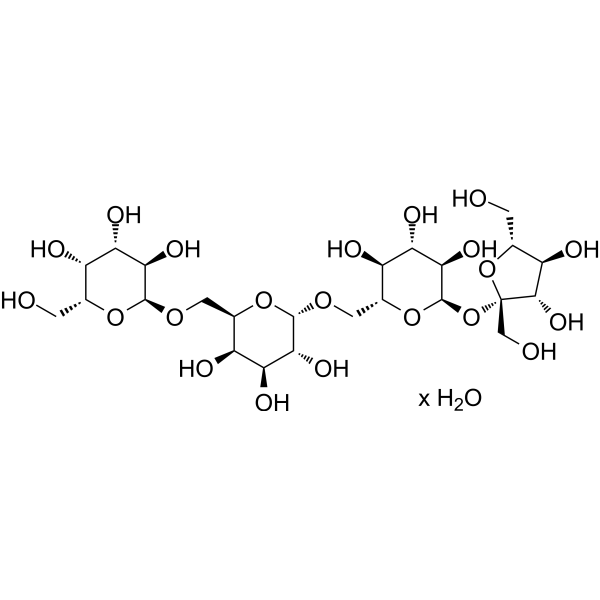
- Formula: C24H42O21.xH2O
Stachyose hydrate is an orally active prebiotic that enhances the growth and activity of beneficial bacteria. Stachyose hydrate has hypoglycemic effects and can improve inflammation by regulating gut microbiota. In addition, Stachyose hydrate can induce plant cell apoptosis (Apoptosis). Stachyose hydrate can be used in research on inflammation, gastrointestinal diseases, and agriculture .
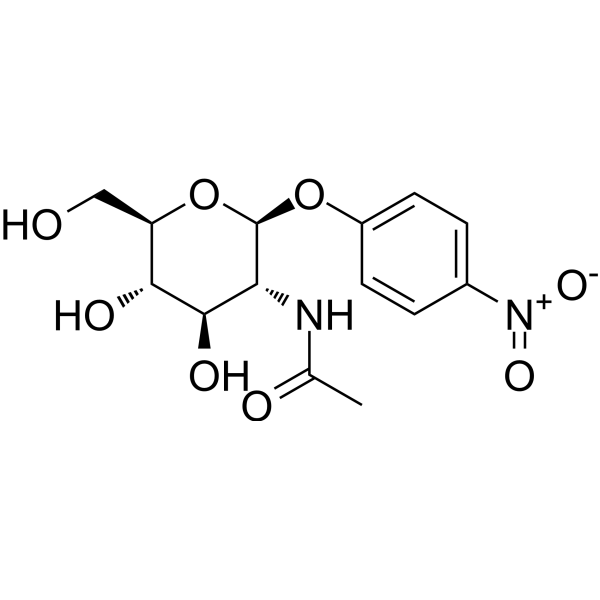
- Formula: C14H18N2O8
- Molecular Weight: 342.30
4-Nitrophenyl-N-acetyl-β-D-glucosaminide, an artificial substrate of N-acetyl-beta-D-hexosaminidase (NAGase), can be used in rapid and accurate rate assay for N-acetyl-beta-D-hexosaminidase. 4-Nitrophenyl-N-acetyl-β-D-glucosaminide is highly soluble and stable. 4-Nitrophenyl-N-acetyl-β-D-glucosaminide can be used for the study of renal tubular injury.
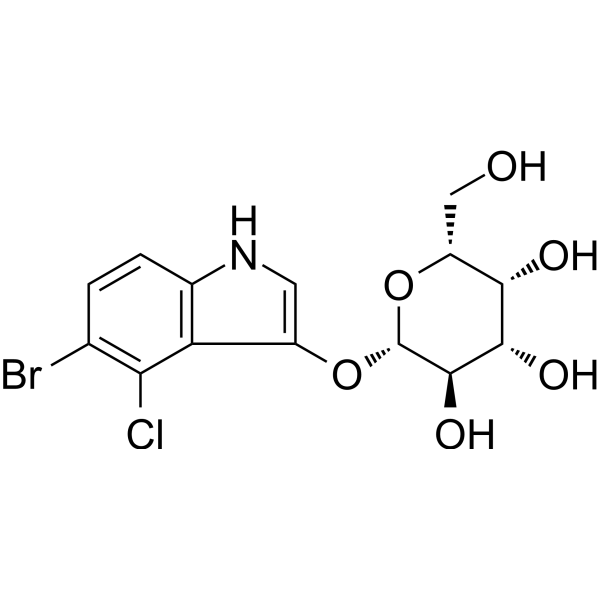
- Formula: C14H15BrClNO6
- Molecular Weight: 408.63
X-GAL (BCIG) is a widely used chromogenic β-galactosidase substrate. X-GAL is a colorless compound until cleaved by β-galactosidase, at which point X-GAL turns to an insoluble and detectable blue compound, making X-GAL particularly useful in techniques such as blue-white screening for cloning in bacteria. X-GAL can also be used for detection of β-galactosidase activity.

- Formula: C13H17BrO9
- Molecular Weight: 397.17
Acetobromo-α-D-glucuronic acid methyl ester, 98% is a glucuronosyl donor. Acetobromo-α-D-glucuronic acid methyl ester, 98% is applicable to the synthesis of other compounds.
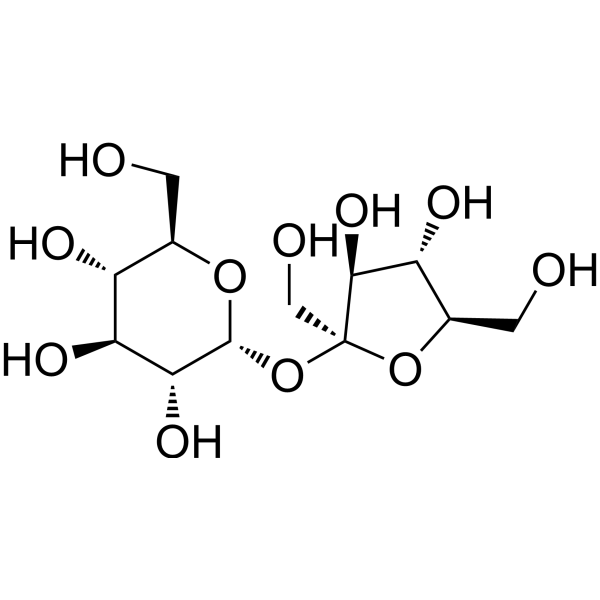
- Formula: C12H22O11
- Molecular Weight: 342.30
Sucrose (D-(+)-Saccharose) is a disaccharide which is composed of two monosaccharides, glucose and fructose. Sucrose can be applied in some animal models, including metabolic disease, obesity, diet on preference, and diabetes, et al.
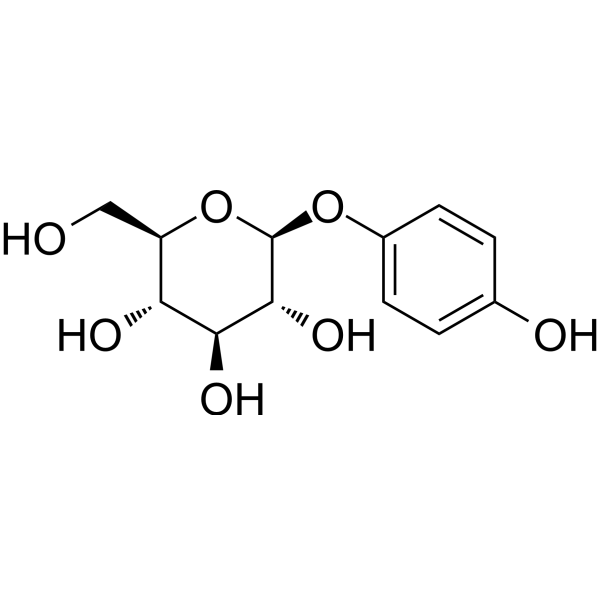
- Formula: C12H16O7
- Molecular Weight: 272.25
Arbutin (β-Arbutin) is a competitive inhibitor of tyrosinase, with Kiapp values of 1.42 mM for monophenolase; 0.9 mM for diphenolase. Arbutin is also used as depigmenting agents. Arbutin is a natural polyphenol isolated from the bearberry plant Arctostaphylos uvaursi, possesses with anti-oxidant, anti-inflammatory and anti-tumor properties.
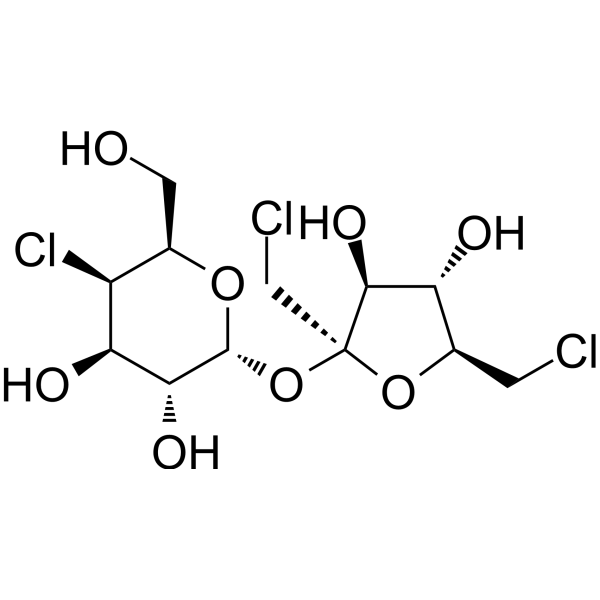
- Formula: C12H19Cl3O8
- Molecular Weight: 397.63
Sucralose (E955; Trichlorosucrose) is a non-nutritive artificial sweetener and sugar substitute. Sucralose can activate a conserved neural fasting response and thereby exerts an appetite-stimulating effect in rodents.
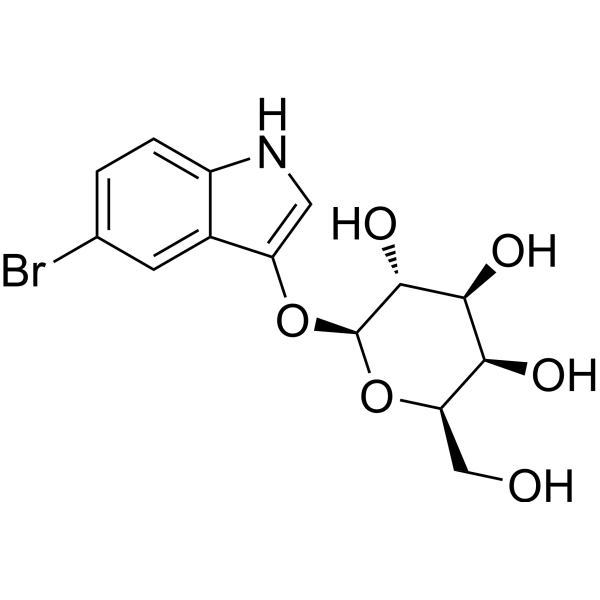
- Formula: C14H16BrNO6
- Molecular Weight: 374.18
5-Bromo-3-indolyl β-D-galactopyranoside (Bluo-Gal) is a chromogenic substrate for β-galactosidase. 5-Bromo-3-indolyl β-D-galactopyranoside is hydrolyzed by the enzyme to generate a 5-bromoindole intermediate, which is further oxidized to form an insoluble blue precipitate. 5-Bromo-3-indolyl β-D-galactopyranoside can specifically recognize bacterial β-galactosidases (such as the product of the Escherichia coli lacZ gene) and reacts at pH 7.4, making it suitable for light and electron microscopic observations. 5-Bromo-3-indolyl β-D-galactopyranoside can be used in histochemical detection of reporter gene expression in transgenic organisms, such as the localization analysis of β-galactosidase activity in mouse embryos or muscle tissues.
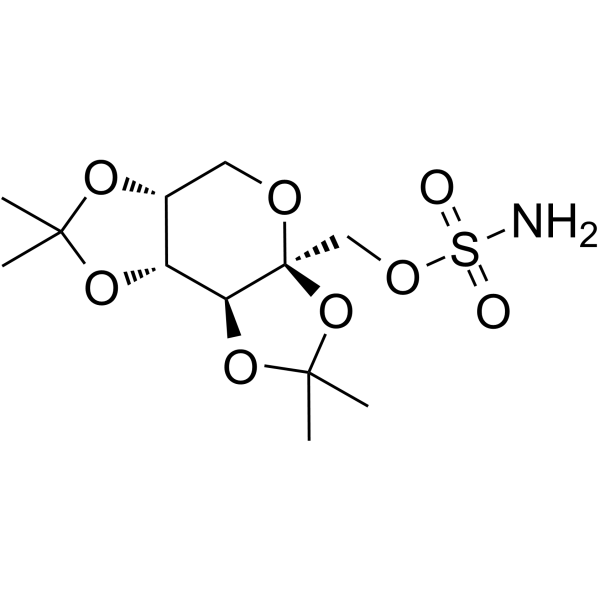
- Formula: C12H21NO8S
- Molecular Weight: 339.36
Topiramate (McN 4853) is a broad-spectrum antiepileptic agent. Topiramate is a GluR5 receptor antagonist. Topiramate produces its antiepileptic effects through enhancement of GABAergic activity, inhibition of kainate/AMPA receptors, inhibition of voltage-sensitive sodium and calcium channels, increases in potassium conductance, and inhibition of carbonic anhydrase.
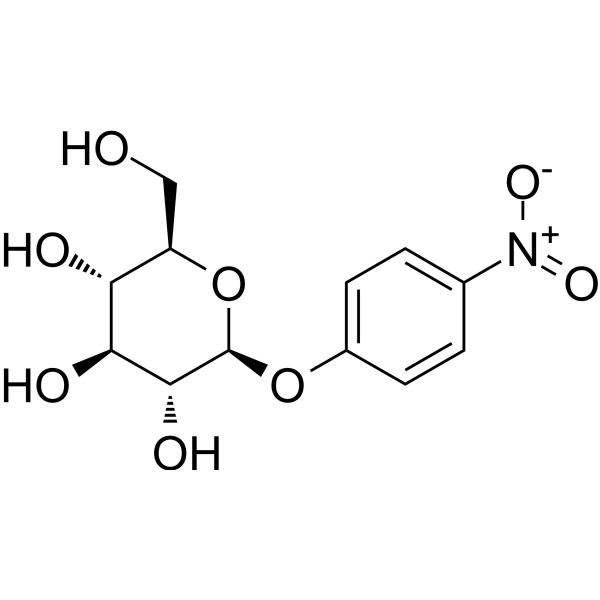
- Formula: C12H15NO8
- Molecular Weight: 301.25
4-Nitrophenyl β-D-glucopyranoside is a chromogenic substrate for β-glucosidase. 4-Nitrophenyl β-D-glucopyranoside is converted to a colored product, p-nitrophenol that is easily detected spectrophotometrically at 405 nm when used in a β-glycosidase assay. 4-Nitrophenyl β-D-glucopyranoside is hydrolysed through intramolecular nucleophilic catalysis by the phosphate group in the 2-position. 4-Nitrophenyl β-D-glucopyranoside is promising for research of postmenopausal osteoporosis.
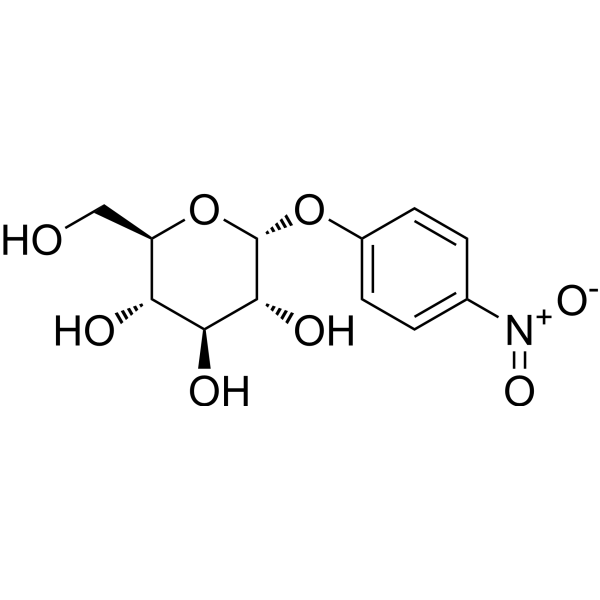
- Formula: C12H15NO8
- Molecular Weight: 301.25
4-Nitrophenyl a-D-glucopyranoside is a chromogenic substrate for α-glucosidase. 4-Nitrophenyl a-D-glucopyranoside can be used to measure of α-glucosidase activity.
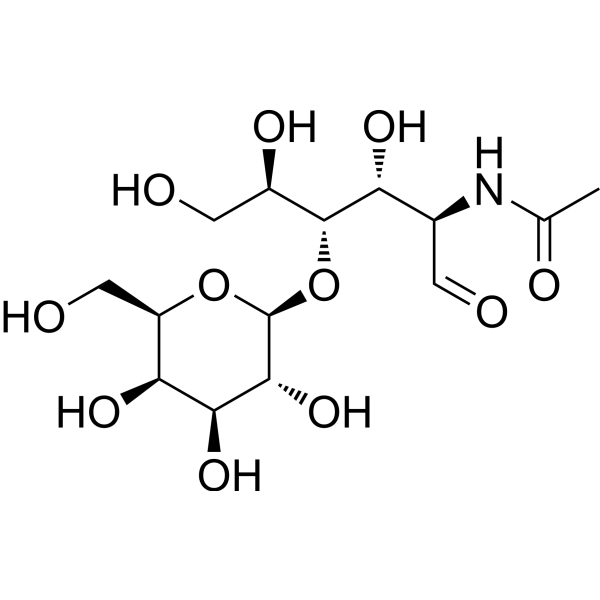
- Formula: C14H25NO11
- Molecular Weight: 383.35
N-Acetyllactosamine (N-Acetyl-D-lactosamine), a nitrogen-containing disaccharide, is a galectin-3 inhibitor, which is an important component of various oligosaccharides such as glycoproteins and sialyl Lewis X. N-Acetyllactosamine can be used as the starting material for the synthesis of various oligosaccharides. N-Acetyllactosamine has prebiotic effects.



