



Internal Standard for Environmental Contaminants
Some substances present in the environment can cause pollution due to direct or indirect damage to the environment or human health. These substances are the objects of environmental monitoring research. MedChemExpress ( MCE ) provide multiple Stable Isotope-Labeled Environmental Contaminants which include polychlorinated biphenyls ( PCBs ), polybrominated diphenyl ethers ( PBDEs ), gases, and plastics etc. These Stable Isotope-Labeled Environmental Analytes can be used for quantitative internal standards for GC/LC-MS[1].
References:
[1] Water Res. 2020 Sep 1;182:115977.
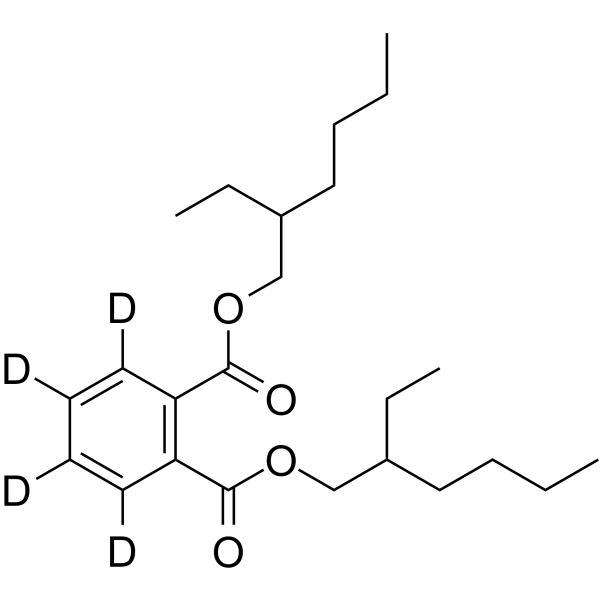
- Formula: C24H34D4O4
- Molecular Weight: 394.58
DEHP-d4 is the deuterium labeled DEHP. DEHP (Bis(2-ethylhexyl) phthalate) is an endogenous metabolite.
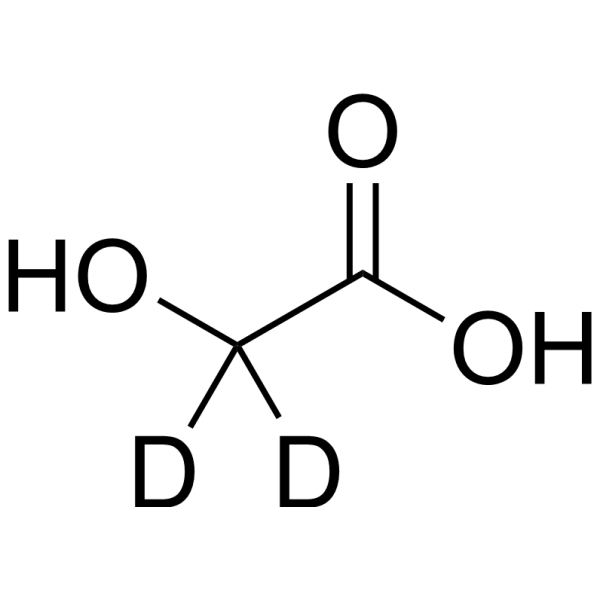
- Formula: C2H2D2O3
- Molecular Weight: 78.06
Glycolic acid-d2 is the deuterium labeled Glycolic acid. Glycolic acid is an inhibitor of tyrosinase, suppressing melanin formation and lead to a lightening of skin colour.
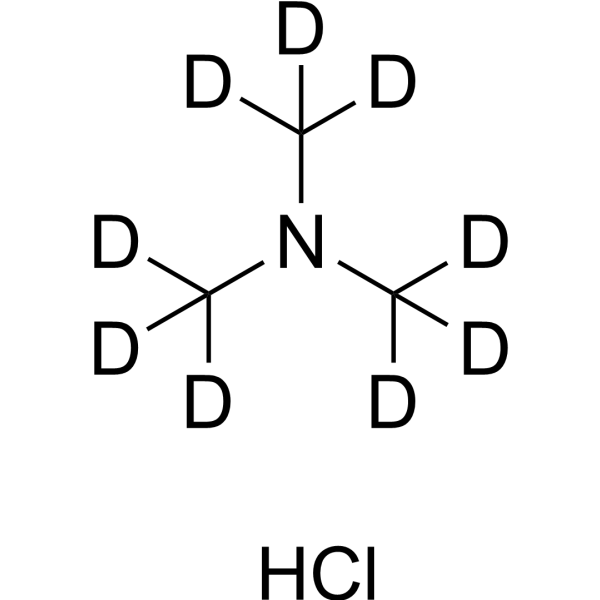
- Formula: C3HD9ClN
- Molecular Weight: 104.63
Trimethylammonium chloride-d9 is the d9-labeled Trimethylammonium chloride (HY-Y0504). Trimethylammonium chloride (Hegzadesil) is a non-competitive Acetylcholinesterase inhibitor. Trimethylammonium chloride reversibly blocks the deacetylation of acetylcholinesterase.
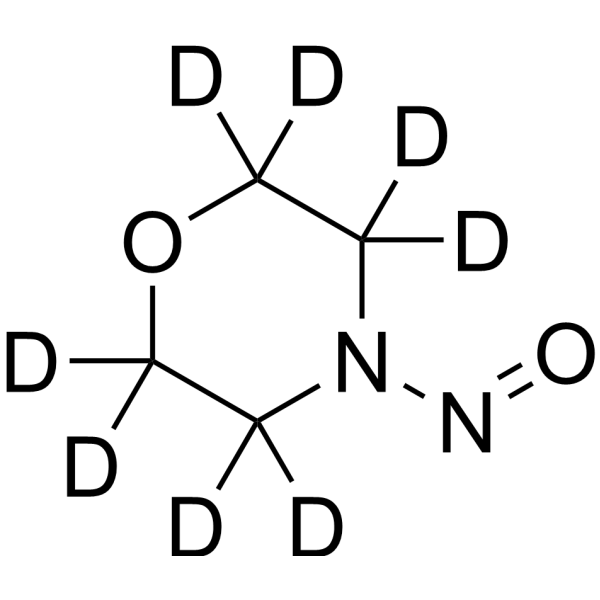
- Formula: C4D8N2O2
- Molecular Weight: 124.17
N-Nitrosomorpholine-d8 is deuterium labeled N-Nitrosomorpholine. N-Nitrosomorpholine is a nitrosamine that is sensitive to light. N-nitrosomorpholine is a strong animal carcinogen.
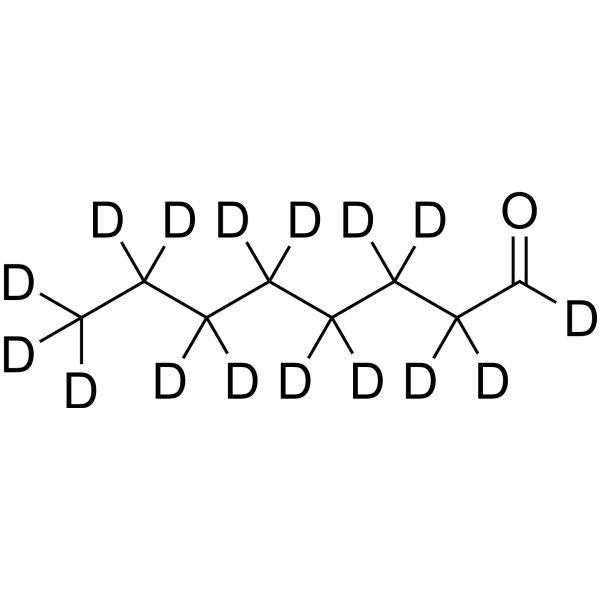
- Formula: C8D16O
- Molecular Weight: 144.31
Octanal-d16 is the deuterium labeled Octanal. Octanal is a fragrant aldehyde with antioxidant and antibacterial activity. Its antifungal effect against G. citri-aurantii may be related to the disruption of cell membrane integrity and the leakage of cellular components. Additionally, Octanal exhibits cytotoxicity towards HeLa cells, with an IC50 value of 3.5 μg/mL.

- Formula: 13C12H7Cl3O2
- Molecular Weight: 301.45
Triclosan-13C12 is 13C labeled Triclosan (HY-B1119). Triclosan is a broad-spectrum antibacterial agent that inhibits bacterial fatty acid synthesis at the enoyl-acyl carrier protein reductase (FabI) step. Triclosan inhibits E. coli enoyl-acyl carrier protein reductase (FabI) and FabI containing a glycine-to-valine substitution at position 93 (FabIG93V) with IC50s of 2 μM and 10 μM, respectively. Triclosan causes apoptotic effect in cultured rat neural stem cells (NSC). Triclosan exacerbates colitis and colitis-associated colorectal tumorigenesis in animal models.
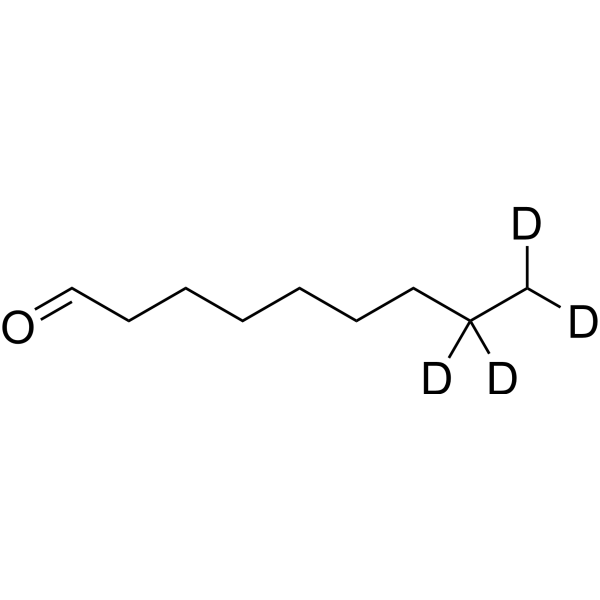
- Formula: C9H14D4O
- Molecular Weight: 146.26
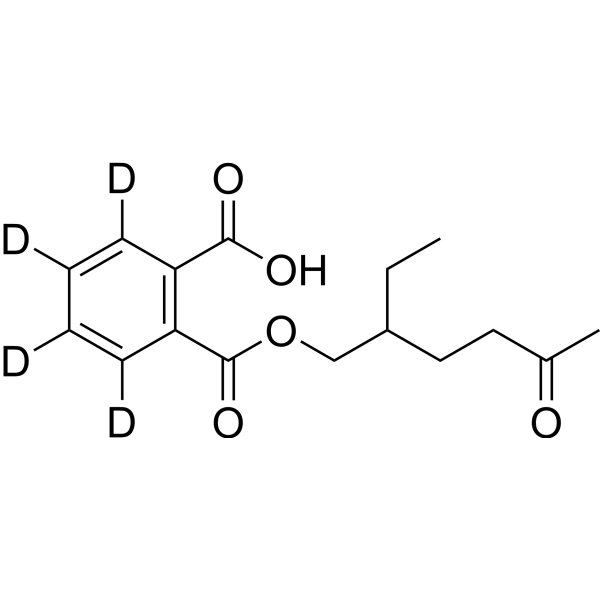
- Formula: C16H16D4O5
- Molecular Weight: 296.35
Mono(2-ethyl-5-oxohexyl) phthalate-d4 (MEOHP-d4; 5-oxo-MEHP-d4) is the deuterated-labeled Mono(2-ethyl-5-oxohexyl) phthalate (HY-133676). Mono (2-ethyl-5-oxohexyl) phthalate (MEOHP; 5-oxo-MEHP) is a secondary metabolite produced by cytochrome P450 enzyme-mediated oxidation of di(2-ethylhexyl) phthalate. Exposure levels of Mono (2-ethyl-5-oxohexyl) phthalate are associated with late-onset hypogonadism. Mono (2-ethyl-5-oxohexyl) phthalate can be used for research on mechanisms related to male reproductive endocrine disorders.
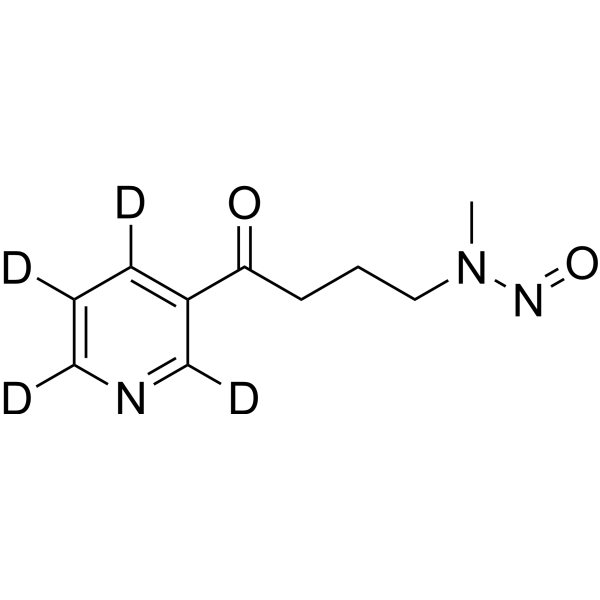
- Formula: C10H9D4N3O2
- Molecular Weight: 211.25
NNK-d4 is the deuterium labeled NNK.
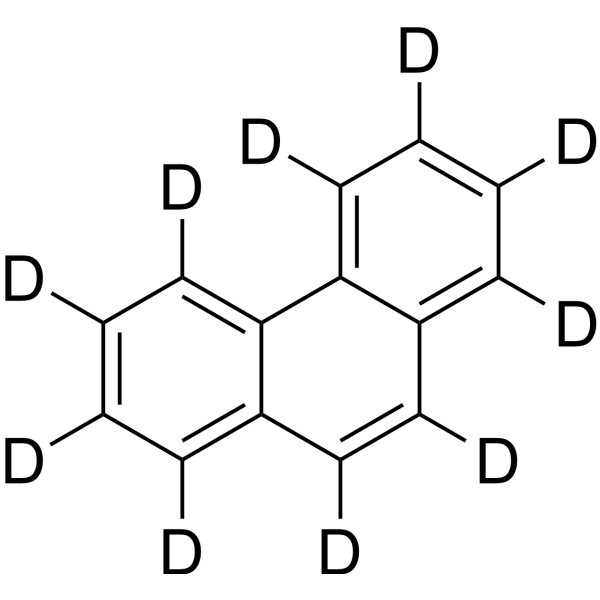
- Formula: C14D10
- Molecular Weight: 188.30
Phenanthrene-d10 is the deuterium labeled Phenanthrene. Phenanthrene is a polycyclic aromatic hydrocarbon (PAH) and has been frequently used as an indicator for monitoring PAH contaminated matrices. Phenanthrene induces oxidative stress and inflammation.
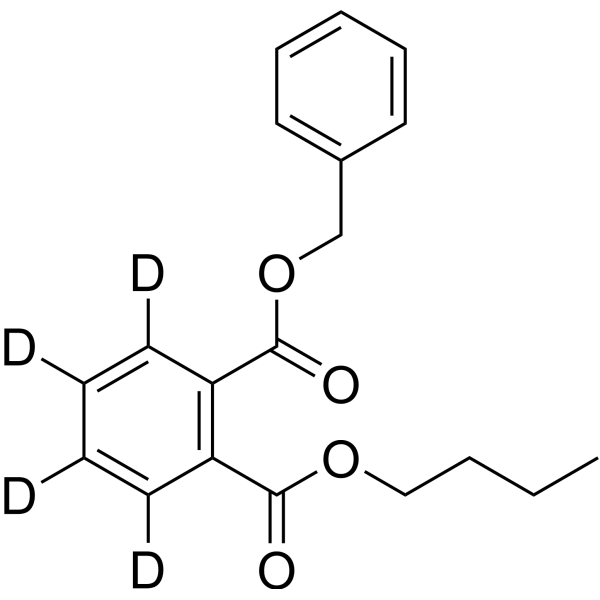
- Formula: C19H16D4O4
- Molecular Weight: 316.38
Benzyl butyl phthalate-d4 is the deuterium labeled Benzyl butyl phthalate. Benzyl butyl phthalate, a member of phthalic acid esters (PAEs), can trigger the migration and invasion of hemangioma (HA) cells via upregulation of Zeb1. Benzyl butyl phthalate activates aryl hydrocarbon receptor (AhR) in breast cancer cells to stimulate SPHK1/S1P/S1PR3 signaling and enhances formation of metastasis-initiating breast cancer stem cells (BCSCs).
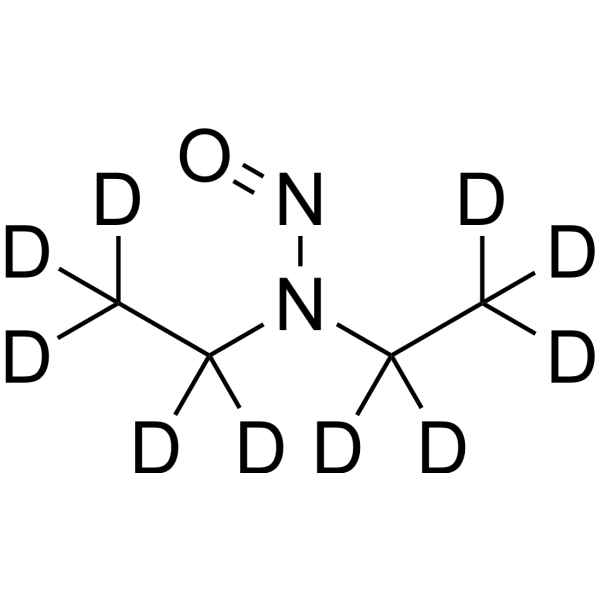
- Formula: C4D10N2O
- Molecular Weight: 112.20
N-Nitrosodiethylamine-d10 is the deuterium labeled N-Nitrosodiethylamine. N-Nitrosodiethylamine (Diethylnitrosamine) is a potent hepatocarcinogenic dialkylnitrosoamine. N-Nitrosodiethylamine is mainly present in tobacco smoke, water, cheddar cheese, cured, fried meals and many alcoholic beverages. N-Nitrosodiethylamine is responsible for the changes in the nuclear enzymes associated with DNA repair/replication. N-Nitrosodiethylamine results in various tumors in all animal species. The main target organs are the nasal cavity, trachea, lung, esophagus and liver.
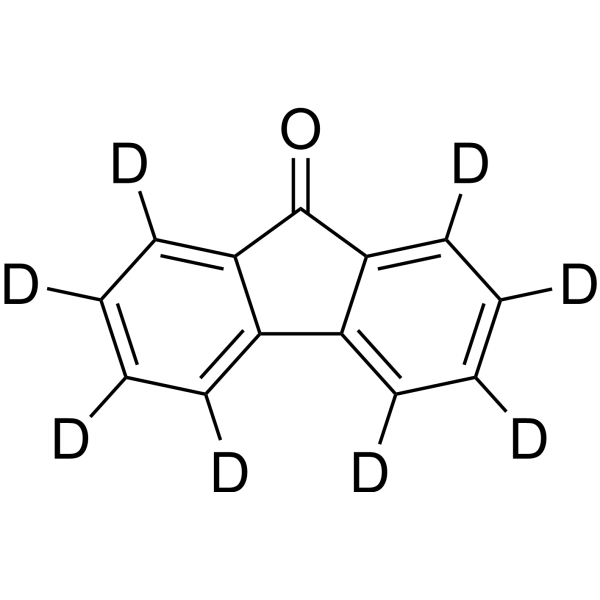
- Formula: C13D8O
- Molecular Weight: 188.25
9H-fluoren-9-one-d8 is the deuterium labeled 9H-fluoren-9-one[1].
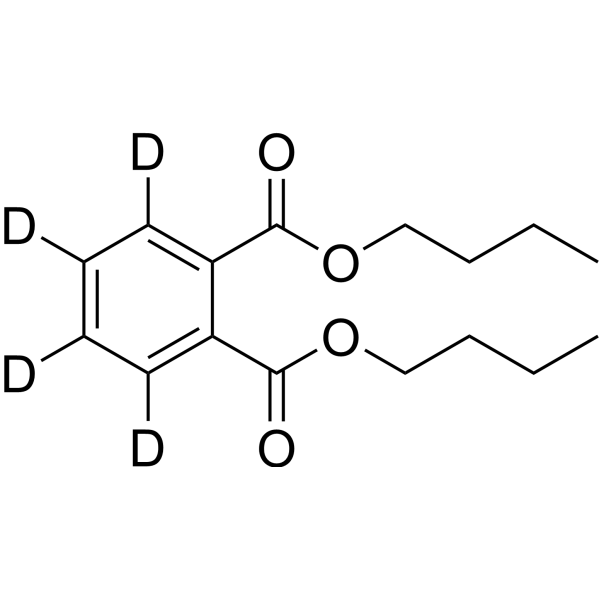
- Formula: C16H18D4O4
- Molecular Weight: 282.37
Dibutyl phthalate-3,4,5,6-d4 is the deuterium labeled Dibutyl phthalate. Dibutyl phthalate is a commonly used plasticizer commonly found in some food packaging materials, personal care products, and the coating of oral medications. May cause toxicity and adverse neurobehavioral effects.

- Formula: C10D7Br
- Molecular Weight: 214.11
2-Bromonaphthalene-d7 is the deuterium labeled 2-Bromonaphthalene.
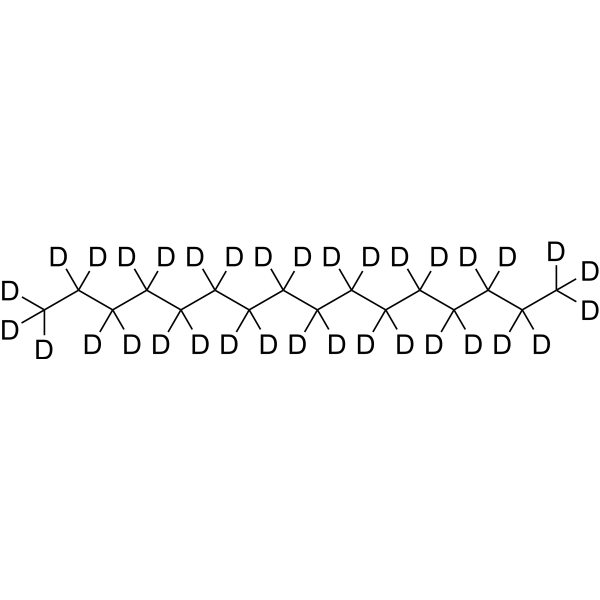
- Formula: C16D34
- Molecular Weight: 260.65
Hexadecane-d34 (n-Hexadecane-d34) is the deuterium labeled Hexadecane (HY-W099580). Hexadecane (n-Hexadecane) is a saturated hydrocarbon of alkanes or paraffins and can be used as an organic solvent. Hexadecane is a component of petroleum, belongs to hydrophobic substrates, and is a model substance for studying bacterial degradation of hydrophobic compounds.
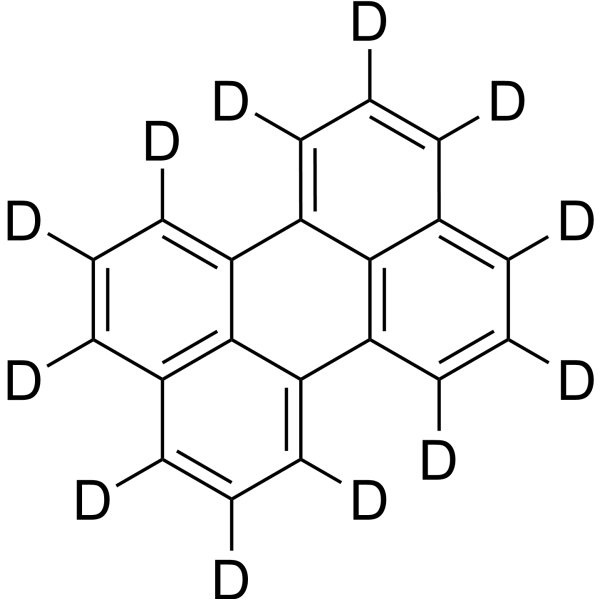
- Formula: C20D12
- Molecular Weight: 264.39
Perylene-d12 is the deuterium labeled Perylene.
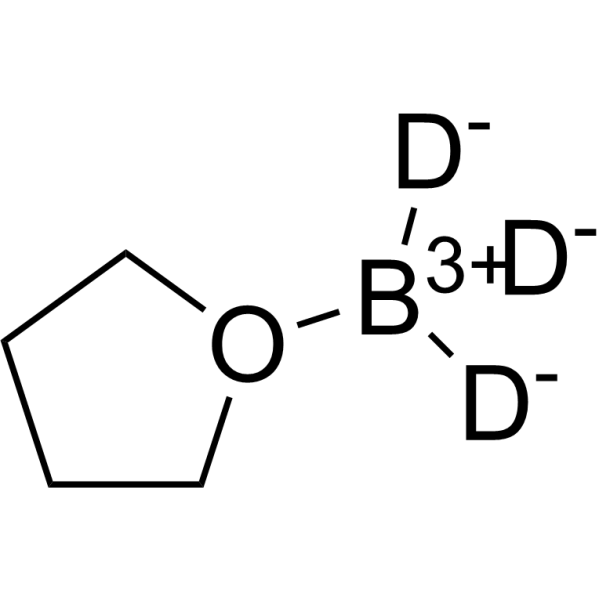
- Formula: C4H8D3BO
- Molecular Weight: 88.96
Trihydro(tetrahydrofuran)boron-d3 is the deuterium labeled Trihydro(tetrahydrofuran)boron.
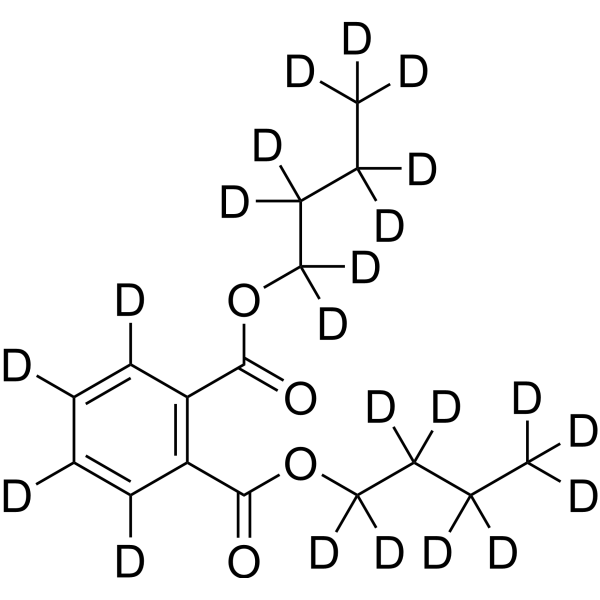
- Formula: C16D22O4
- Molecular Weight: 300.48
Dibutyl phthalate-d22 is the deuterium labeled Dibutyl phthalate. Dibutyl phthalate is a commonly used plasticizer commonly found in some food packaging materials, personal care products, and the coating of oral medications. May cause toxicity and adverse neurobehavioral effects.
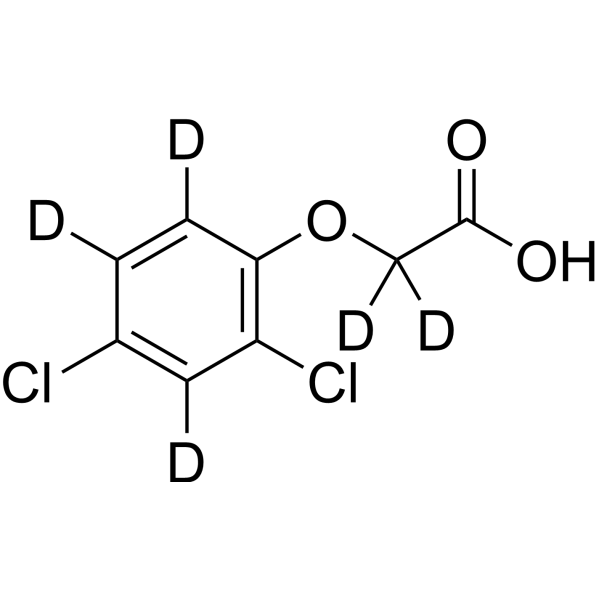
- Formula: C8HD5Cl2O3
- Molecular Weight: 226.07
2,4-D-d5 (2,4-Dichlorophenoxyacetic acid-d5) is the deuterium labeled 2,4-D (HY-18572). 2,4-D (2,4-Dichlorophenoxyacetic acid) is a selective systemic herbicide for the control of broad-leaved weeds. 2,4-D acts as a plant hormone, causing uncontrolled growth in the meristematic tissues. 2,4-D inhibits DNA and protein synthesis and thereby prevents normal plant growth and development.



