



Schizophrenia
-
Schizophrenia (126)

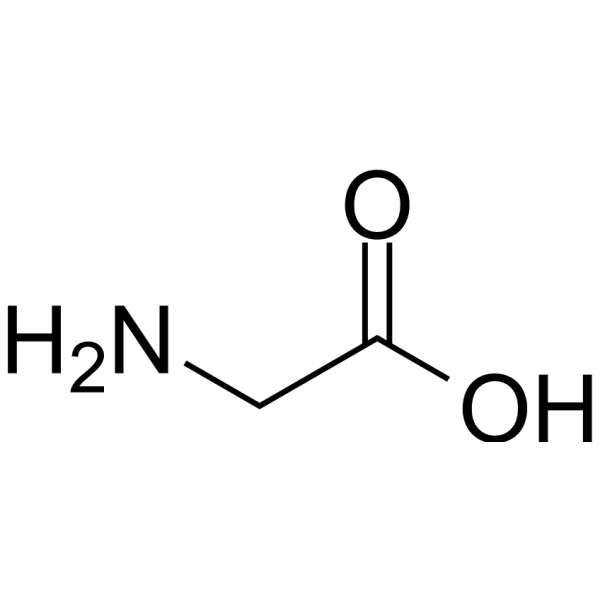
- Formula: C2H5NO2
- Molecular Weight: 75.07
Glycine is an inhibitory neurotransmitter in the CNS and also acts as a co-agonist along with glutamate, facilitating an excitatory potential at the glutaminergic N-methyl-D-aspartic acid (NMDA) receptors. Glycine is orally active. Glycine inhibits the membrane aggregation of NINJ1 and prevents plasma membrane rupture during cell death. Glycine can be used to study cell protection, cancer, neurological diseases, and angiogenesis.
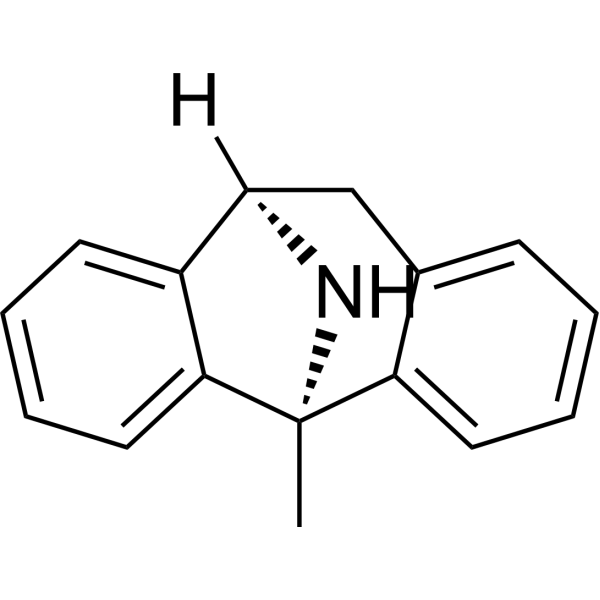
- Formula: C16H15N
- Molecular Weight: 221.30
Dizocilpine (MK-801), a potent anticonvulsant, is a selective and non-competitive NMDA receptor antagonist, with a Kd of 37.2 nM in rat brain membranes. Dizocilpine acts by binding to a site located within the NMDA associated ion channel and thus prevents Ca2+ flux.
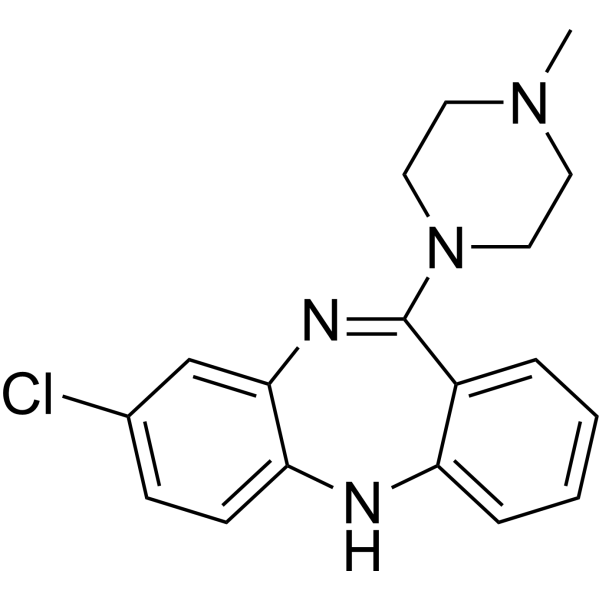
- Formula: C18H19ClN4
- Molecular Weight: 326.83
Clozapine (HF 1854) is an antipsychotic used for the research of schizophrenia. Clozapine has high affinity for a number of neuroreceptors. Clozapine is a potent antagonist of dopamine D2 with a Ki of 75 nM. Clozapine inhibits the muscarinic M1 receptor and serotonin 5HT2A receptor with Kis of 9.5 nM and 4 nM, respectively. Clozapine is also a potent and selective agonist at the muscarinic M4 receptor (EC50=11 nM).
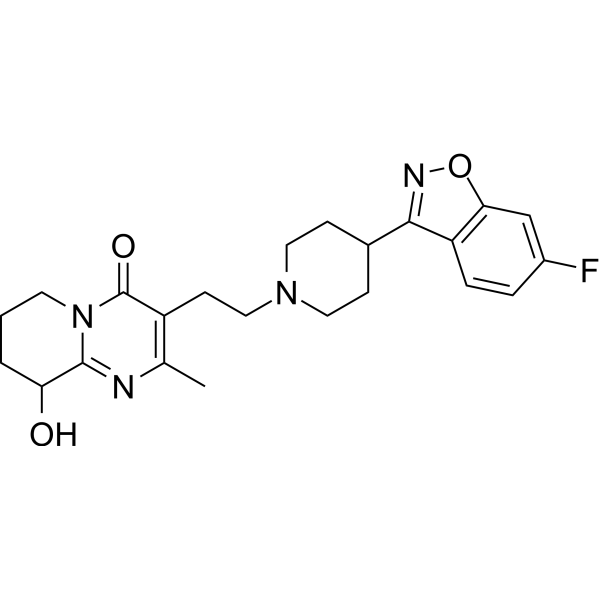
- Formula: C23H27FN4O3
- Molecular Weight: 426.48
Paliperidone (9-Hydroxyrisperidone), the major active metabolite of Risperidone, is a dopamine D2 antagonist and 5-HT2A antagonist. Paliperidone is also active as an antagonist at α1 and α2 adrenergic receptors and H1-histaminergic receptors. Paliperidone, a antipsychotic agent, shows efficacy against schizophrenia.
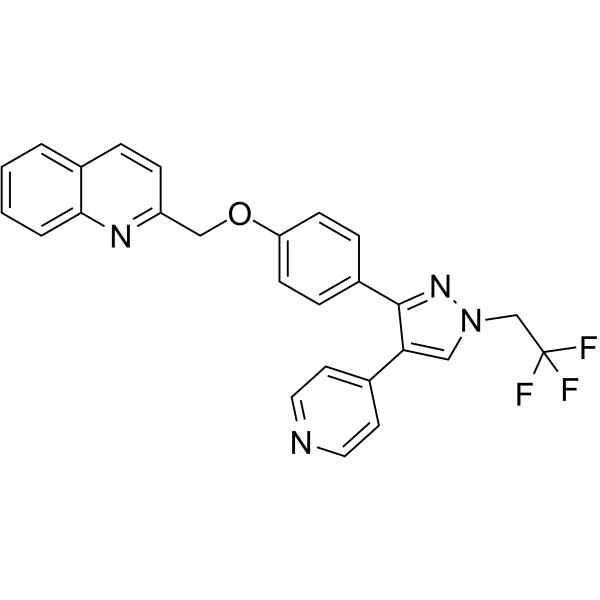
- Formula: C26H19F3N4O
- Molecular Weight: 460.45
TP-10 is a selective PDE10A inhibitor with an IC50 value of 0.8 nM. TP-10 shows an antioxidant activity with IC50s of 31.72 and 16.04 μg/ml for DPPH and CUPRAC, respectively. TP-10 can be used for the research of neuropathy.
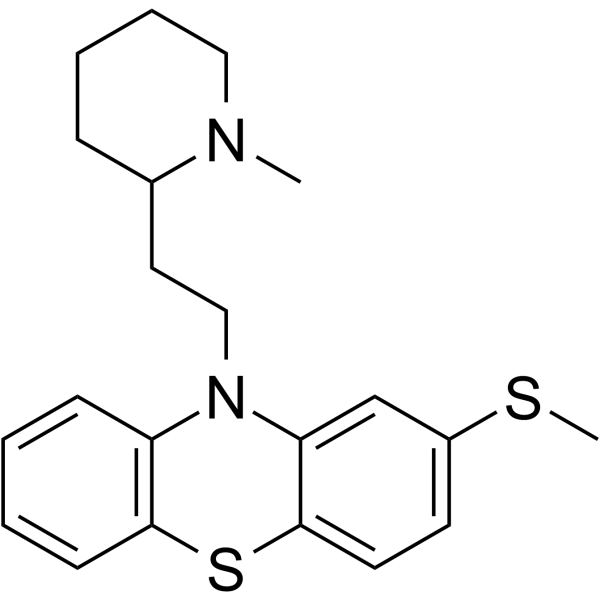
- Formula: C21H26N2S2
- Molecular Weight: 370.57
Thioridazine, an antagonist of the dopamine receptor D2 family proteins, exhibits potent anti-psychotic and anti-anxiety activities. Thioridazine is also a potent inhibitor of PI3K-Akt-mTOR signaling pathways with anti-angiogenic effect. Thioridazine shows antiproliferative and apoptosis induction effects in various types of cancer cells, with specificity on targeting cancer stem cells (CSCs).
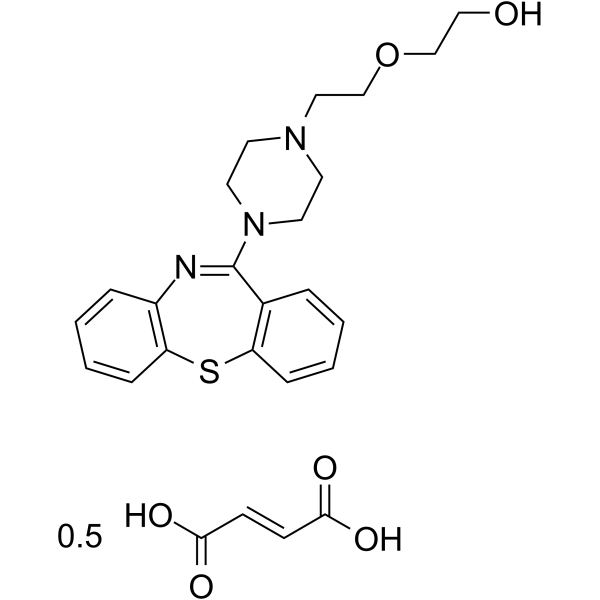
- Formula: C23H27N3O4S
- Molecular Weight: 441.54
Quetiapine hemifumarate is a 5-HT receptors agonist with a pEC50 of 4.77 for human 5-HT1A receptor. Quetiapine hemifumarate is a dopamine receptor antagonist with a pIC50 of 6.33 for human D2 receptor. Quetiapine hemifumarate has moderate to high affinity for the human D2, HT1A, 5-HT2A, 5-HT2C receptor with pKis of 7.25, 5.74, 7.54, 5.55. Antidepressant and anxiolytic effects.
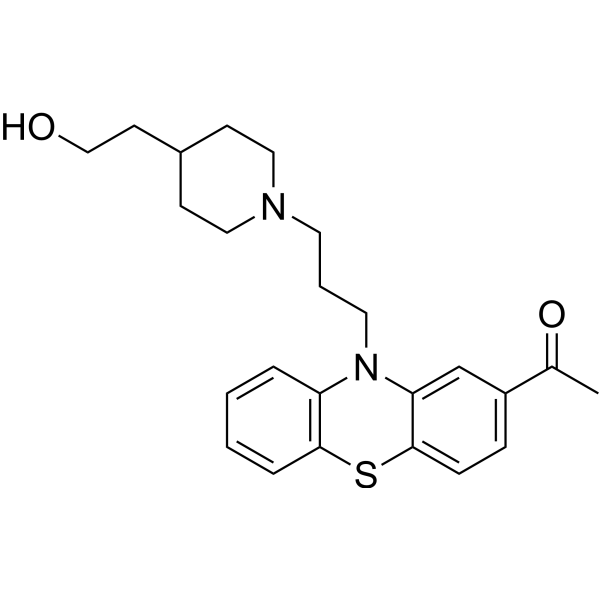
- Formula: C24H30N2O2S
- Molecular Weight: 410.57
Piperacetazine is an orally active dopamine receptor antagonist and phenothiazine antipsychotic. Piperacetazine can directly bind to the PAX3::FOXO1 fusion protein and inhibit its transcriptional activity. Piperacetazine also exhibits antitumor activity with an IC50 of 7.627 μM against PANC-1 cells. Piperacetazine can be used for the research of diseases such as schizophrenia and pancreatic cancer and other tumors.
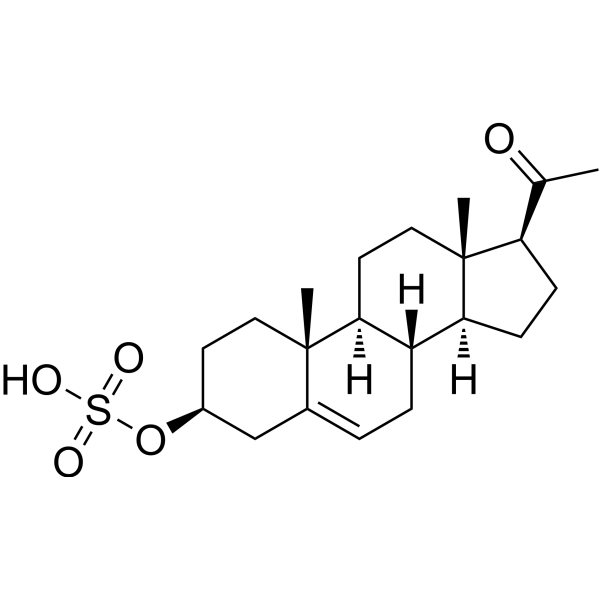
- Formula: C21H32O5S
- Molecular Weight: 396.54
Pregnenolone monosulfate (3β-Hydroxy-5-pregnen-20-one monosulfate) is a powerful neurosteroid, the main precursor of various steroid hormones including steroid ketones. Pregnenolone monosulfate acts as a signaling-specific inhibitor of cannabinoid CB1 receptor, inhibits the effects of tetrahydrocannabinol (THC) that are mediated by the CB1 receptors. Pregnenolone monosulfate can protect the brain from cannabis intoxication. Pregnenolone monosulfate is also a TRPM3 channel activator, and also can weakly activate TRPM1 channels.
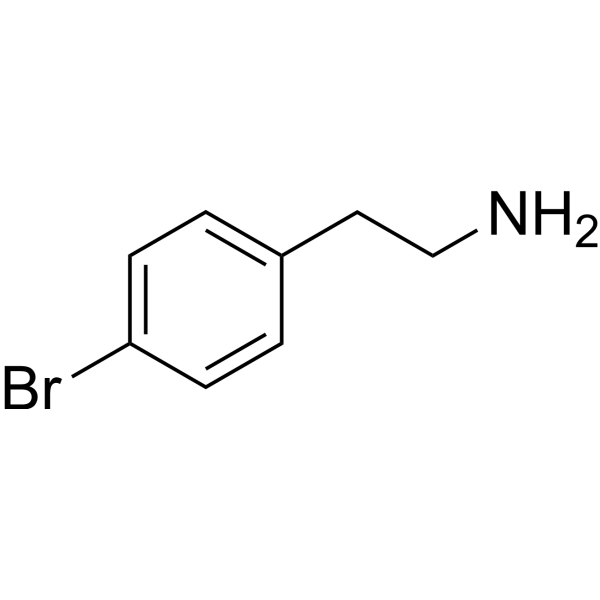
- Formula: C8H10BrN
- Molecular Weight: 200.08
ZH8651 is an orally active TAAR1 agonist. ZH8651 activates the Gs and Gq signaling pathways. ZH8651 alleviates dizocilpine-induced hyperactivity, improves prepulse inhibition deficits, and attenuates cognitive impairment in mice. ZH8651 can be used for the research of schizophrenia.

- Formula: C6H5N5O
- Molecular Weight: 163.14
Pterin is a pteridine with antibacterial activity. Pterin binds to the Fe2+ active site via its carbonyl group, reducing the oxygen activation energy barrier in hydroxylases. Pterin participates in metabolic redox processes. Pterin can be used in research related to cancer, vitiligo, bacterial infections, phenylketonuria, Parkinson's disease, schizophrenia and depression.
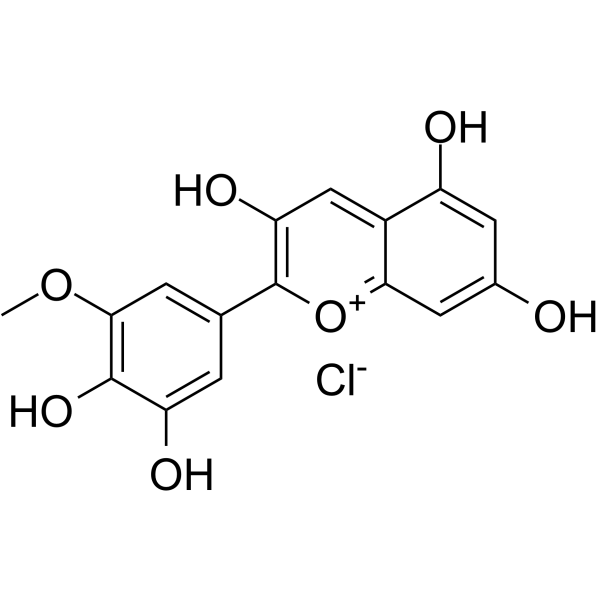
- Formula: C16H13ClO7
- Molecular Weight: 352.72
Petunidin chloride is an anthocyanin and also a pentoside (PEN) synthesis inhibitor. Petunidin chloride directly inhibits the synthesis of PEN without degrading or sequestering already synthesized PEN. Petunidin chloride can be used in studies related to PEN accumulation and advanced glycation associated with schizophrenia.
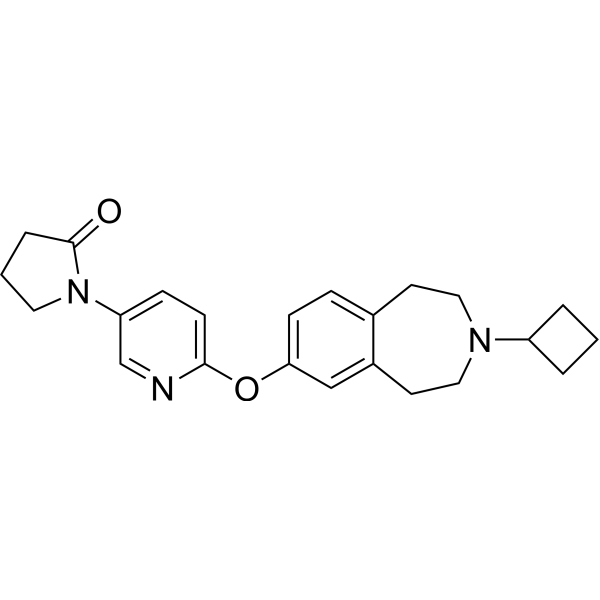
- Formula: C23H27N3O2
- Molecular Weight: 377.48
GSK239512 is a blood-brain barrier-permeable, orally active H3 receptor antagonist, with a human pKi ranging from <5.5 to 9.92 and a murine pKi ranging from 9.44 to 9.83. GSK239512 modulates cholinergic and monoaminergic neurotransmission, blocks the inhibitory feedback of H3 receptors, and increases the release of pro-cognitive neurotransmitters. GSK239512 induces oligodendrocyte precursor cell differentiation and restores myelin gene expression at the cellular level. GSK239512 reverses Scopolamine (HY-N0296)-induced memory deficits and improves recognition memory in animal models. GSK239512 can be used in research related to Alzheimer's disease, chronic traumatic encephalopathy, relapsing-remitting multiple sclerosis, and schizophrenia.
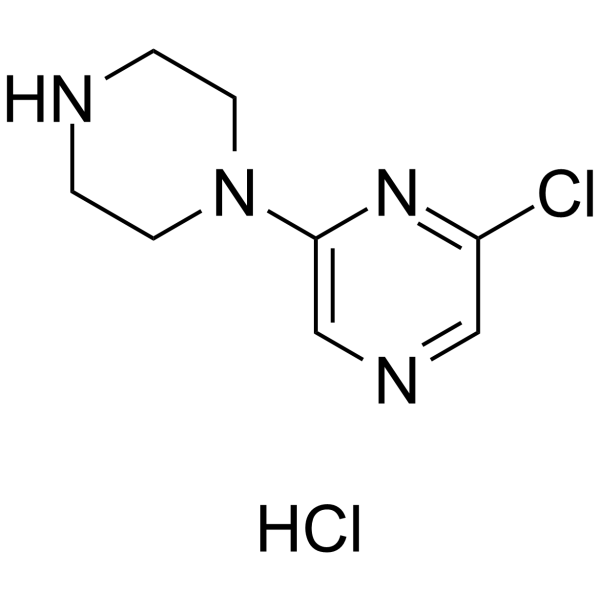
- Formula: C8H12Cl2N4
- Molecular Weight: 235.12
MK-212 monohydrochloride (CPP monohydrochloride) is an orally active, blood-brain barrier permeable agonist of 5-HT1C, 5-HT2 and 5-HT1A receptors. MK-212 monohydrochloride induces hyperthermia, nausea, arousal, irritability and restlessness, inhibits the elevation of plasma cortisol and prolactin, and reduces feelings of calmness and overall positive affect. MK-212 monohydrochloride mediates anxiety-like behaviors and motor inhibition. MK-212 monohydrochloride is applicable to research related to schizophrenia and anxiety disorders.

- Formula: C17H20N4OS
- Molecular Weight: 328.43
Olanzapine N-oxide is a phase I metabolite of Olanzapine (HY-14541). Olanzapine N-oxide serves as a substrate for reduction reactions and converts to Olanzapine in whole blood in vitro. Olanzapine is an antipsychotic compound widely used in research on schizophrenia and other psychotic disorders.
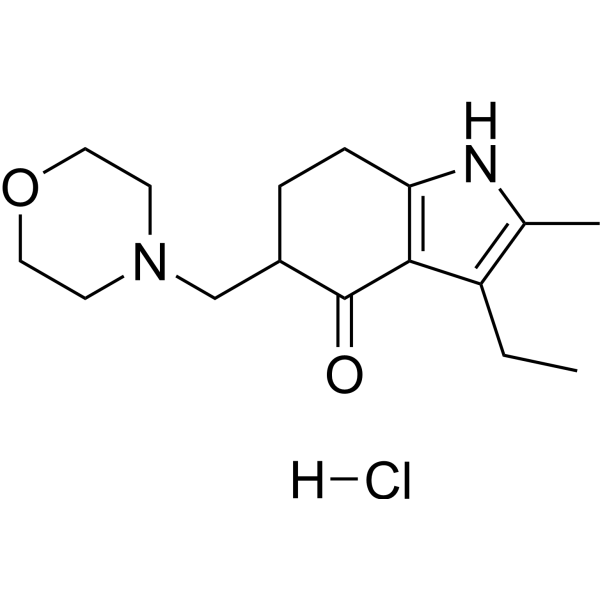
- Formula: C16H25ClN2O2
- Molecular Weight: 312.83
Molindone hydrochloride (EN-1733A) is an orally active and brain-penetrant dopamine D2/D5 receptor antagonist. Molindone hydrochloride shows antipsychotic and antidepressant-like activities. Molindone hydrochloride suppresses spontaneous locomotion, and antagonizes apomorphine-induced emesis. Molindone hydrochloride can be used for the research of neurological disease.

- Formula: C23H28N2O5S
- Molecular Weight: 444.54
Levomepromazine maleate (Methotrimeprazine maleate) is an orally active antipsychotic compound and Ca2+ release inducer. Levomepromazine maleate inhibits SERCA pump and induces an increase in cytoplasmic Ca2+ levels. Levomepromazine maleate has antagonistic effects on a variety of neurotransmitter receptors, including dopamine, cholinergic, serotonin, and histamine receptors. Levomepromazine maleate can induce adaptive ER stress and autophagy. In addition, Levomepromazine maleate has antiviral, anti-inflammatory, neuroprotective and analgesic, sedative and anti-injurious activities. Levomepromazine maleate can be used in the study psychiatric disorders and relieving nausea and vomiting.
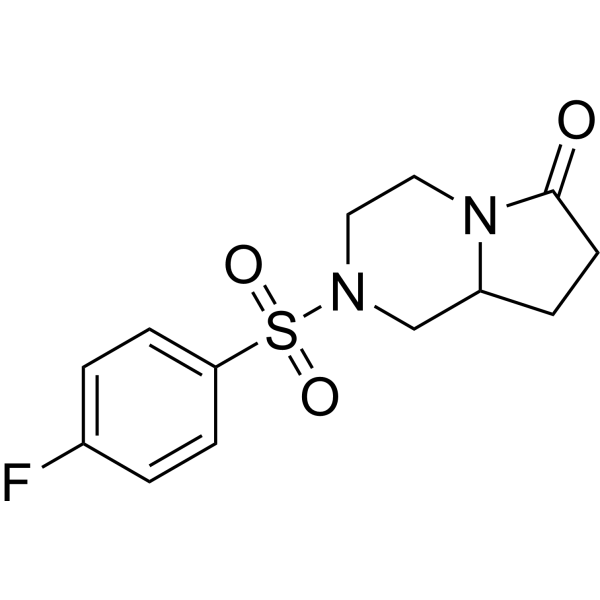
- Formula: C13H15FN2O3S
- Molecular Weight: 298.34
Unifiram (DM232) is a AMPA receptor activator and cognitive enhancer. Unifiram activates the AMPA-mediated neurotransmission system. Unifiram reverses NBQX-induced amnesia in the passive avoidance test in mice. Unifiram reverses the antagonistic effect of kynurenic acid on NMDA-mediated [3H]NA release in rat hippocampal slices. Unifiram enhances excitatory synaptic transmission in the rat hippocampus in vitro. Unifiram can be used in studies related to amnesia and cognitive dysfunction, including age-related memory decline, neurodegenerative diseases such as Alzheimer's disease or Parkinson's disease, multiple sclerosis, schizophrenia, and attention deficit hyperactivity disorder.
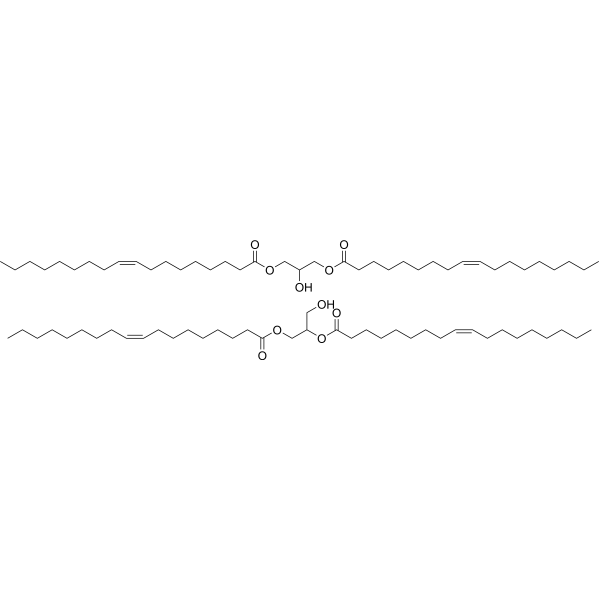
- Formula: C39H72O5
- Molecular Weight: 621.00
Glycerol dioleate is a lipid capable of forming Lyotropic Liquid Crystal (LLC). When formulated with phosphatidylcholine and exposed to aqueous media, glycerol dioleate constructs an inverted hexagonal (HII) phase structure with sustained-release properties. The in-situ forming gel prepared by optimizing glycerol dioleate with phosphatidylcholine and N-methyl-2-pyrrolidone enables stable release of Risperidone (HY-11018) for up to 60 days in vitro and in vivo. Glycerol dioleate causes minimal side effects in rabbits, making it an ideal carrier component for the development of antischizophrenia agents.Note: Lyotropic liquid crystals (Lyotropic Liquid Crystal, LLC) are ordered fluid phases self-assembled by amphipathic molecules (e.g., lipids, surfactants) in solvents (usually water) at specific concentrations.

- Formula: C13H21N3
- Molecular Weight: 219.33
Quinpirole (LY 171555; (-)-LY 141865) is a D2/D3 dopamine receptor agonist and a CaV1.3 calcium channel modulator. Quinpirole normalizes dendritic spine density in dopamine-depleted striatum, upregulates the protein expression of BCL2 and GluR2, downregulates the protein expression of BAX, and delays the onset of seizures. Quinpirole enhances learning and memory, inhibits neuronal apoptosis (apoptosis), and induces anxiety-like, stereotyped, and compulsive behaviors. Quinpirole disrupts prepulse inhibition in rhesus monkeys, enhances the activity of paraventricular thalamic neurons to promote recovery from Isoflurane anesthesia, and alters the composition of the gut microbiota in rats. Quinpirole can be used in research related to dyskinesia, pain, epilepsy, and neurological disorders including anxiety disorder, obsessive-compulsive disorder, and schizophrenia.



