



Isotope-Labeled Environmental Contaminants
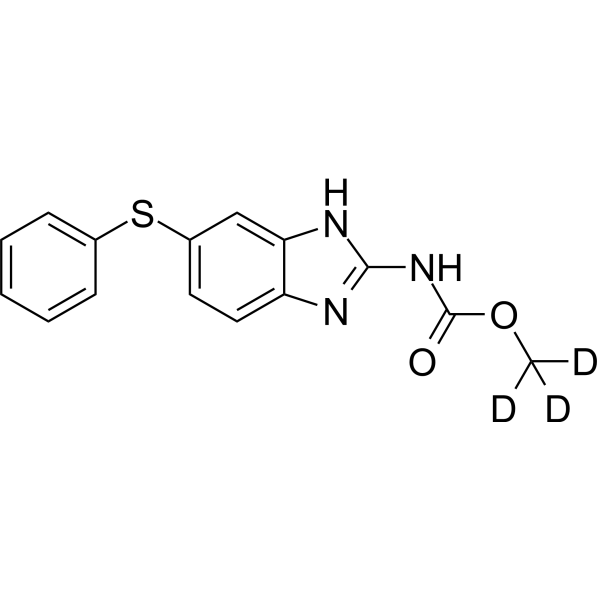
- Formula: C15H10D3N3O2S
- Molecular Weight: 302.37
Fenbendazole-d3 is a deuterium labeled Fenbendazole. Fenbendazole-d3 is a HIF-1α agonist and activates the HIF-1α-related GLUT1 pathway. Fenbendazole is an orally active benzimidazole anthelmintic agent, with a broad antiparasitic range. Fenbendazole is a microtubule destabilizing agent. Fenbendazole causes cell-cycle arrest and mitotic cell death, and has antitumor activity in mice xenografted with wild-type p53.
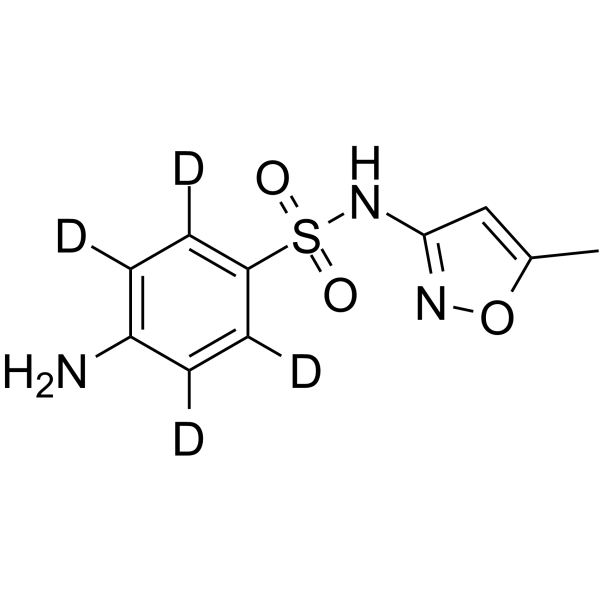
- Formula: C10H7D4N3O3S
- Molecular Weight: 257.30
Sulfamethoxazole-d4 (Ro 4-2130-d4) is a deuterium labeled Sulfamethoxazole (HY-B0322). Sulfamethoxazole (Ro 4-2130) is a sulfonamide antibiotic with a widespread antibacterial activity. Sulfamethoxazole inhibits bacterial folate metabolism by competing with 4-Aminobenzoic acid (HY-B1008) (PABA) to act on dihydropteroate synthetase and dihydropteroate reductase. Sulfamethoxazole can be used for the study of urinary tract infections (UTIs), prostatitis, and bronchitis.
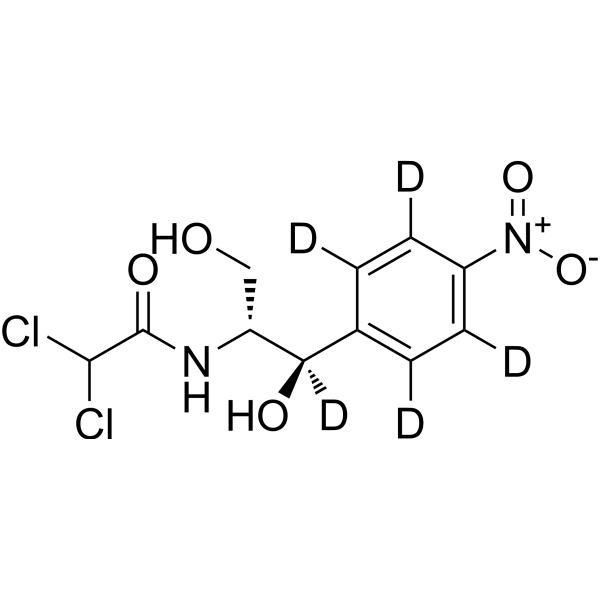
- Formula: C11H7D5Cl2N2O5
- Molecular Weight: 328.16
Chloramphenicol-d5 is the deuterium labeled Chloramphenicol. Chloramphenicol is a broad-spectrum antibiotic against bacterial infections.
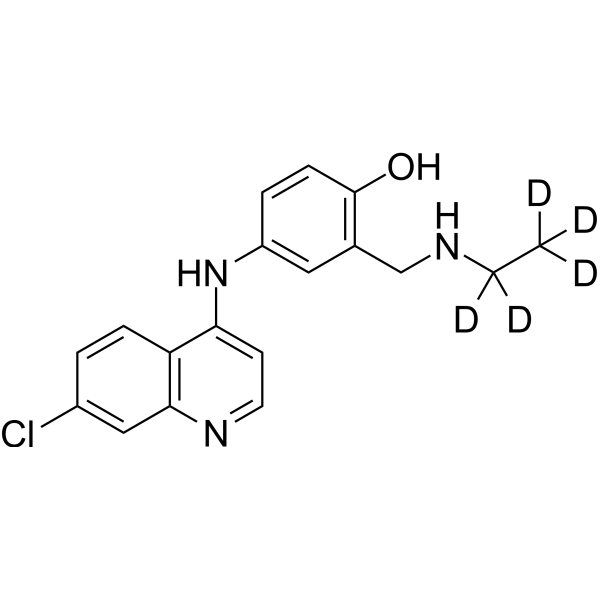
- Formula: C18H13D5ClN3O
- Molecular Weight: 332.84
N-Desethyl amodiaquine-d5 is the deuterium labeled N-Desethyl amodiaquine. N-Desethyl amodiaquine is the major biologically active metabolite of Amodiaquine. N-Desethyl amodiaquine is an antiparasitic agent. IC50 values for strains V1/S and 3D7 are 97 nM and 25 nM, respectively.
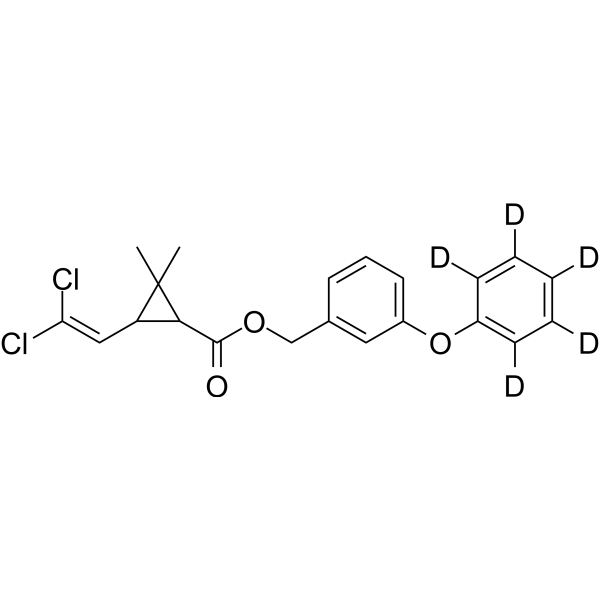
- Formula: C21H15D5Cl2O3
- Molecular Weight: 396.32
Permethrin-d5 (NRDC-143-d5) is the deuterium labeled Permethrin. Permethrin (NRDC-143) is an insecticide, acaricide, and insect repellent; functions as a neurotoxin, affecting neuron membranes by prolonging sodium channel activation.

- Formula: 13C12H7Cl3O2
- Molecular Weight: 301.45
Triclosan-13C12 is 13C labeled Triclosan (HY-B1119). Triclosan is a broad-spectrum antibacterial agent that inhibits bacterial fatty acid synthesis at the enoyl-acyl carrier protein reductase (FabI) step. Triclosan inhibits E. coli enoyl-acyl carrier protein reductase (FabI) and FabI containing a glycine-to-valine substitution at position 93 (FabIG93V) with IC50s of 2 μM and 10 μM, respectively. Triclosan causes apoptotic effect in cultured rat neural stem cells (NSC). Triclosan exacerbates colitis and colitis-associated colorectal tumorigenesis in animal models.
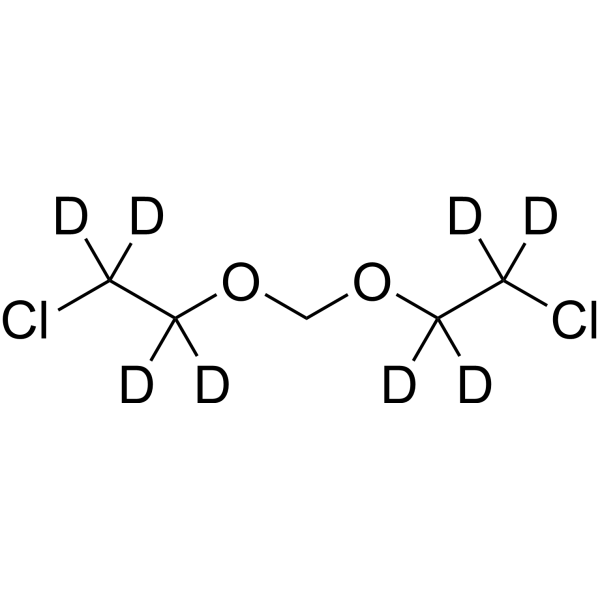
- Formula: C5H2D8Cl2O2
- Molecular Weight: 181.09
Bis(2-chloroethoxy)-methane-d8 is the deuterium labeled Bis(2-chloroethoxy)-methane.
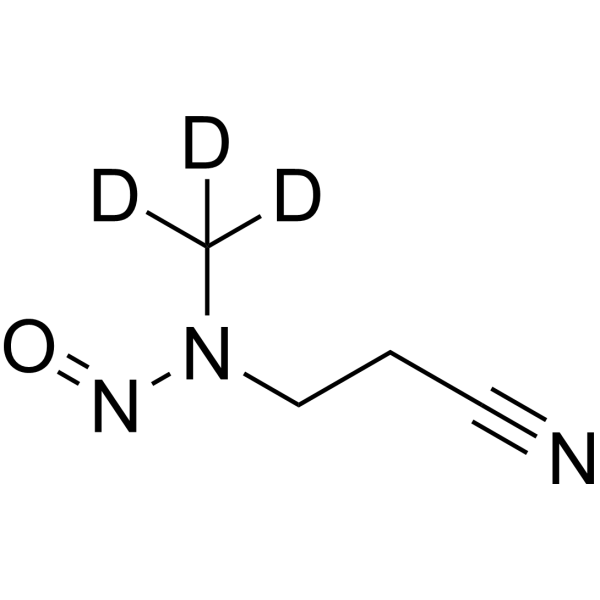
- Formula: C4H4D3N3O
- Molecular Weight: 116.14
3-(Methyl-nitrosoamino)propionitrile-d3 is the deuterium labeled 3-(Methyl-nitrosoamino)propionitrile.
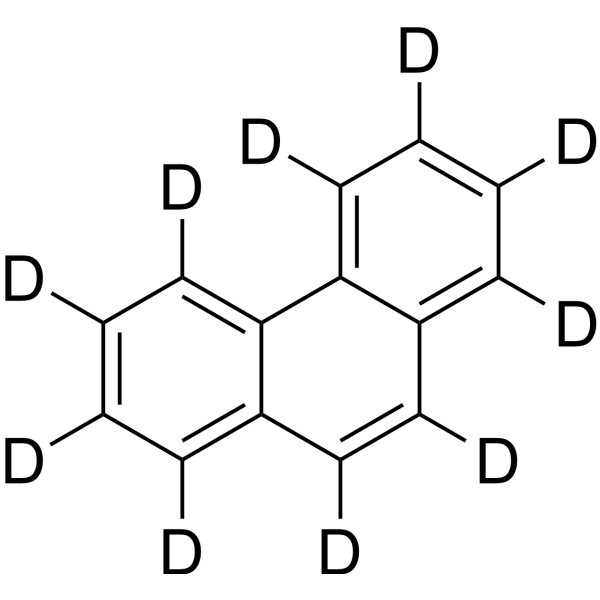
- Formula: C14D10
- Molecular Weight: 188.30
Phenanthrene-d10 is the deuterium labeled Phenanthrene. Phenanthrene is a polycyclic aromatic hydrocarbon (PAH) and has been frequently used as an indicator for monitoring PAH contaminated matrices. Phenanthrene induces oxidative stress and inflammation.
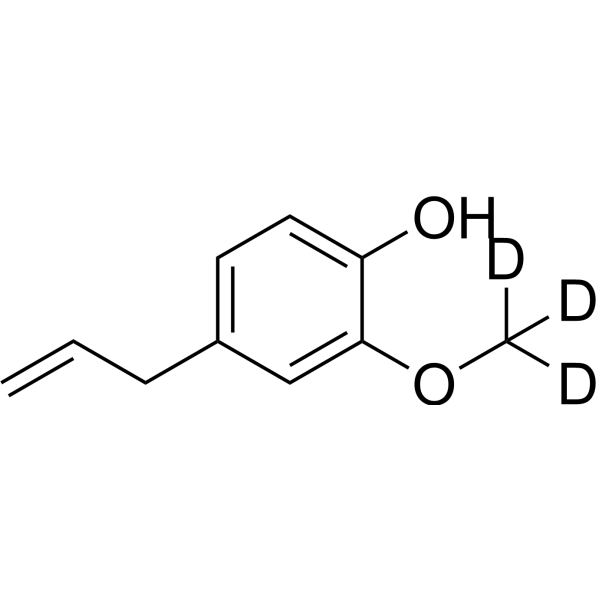
- Formula: C10H9D3O2
- Molecular Weight: 167.22
Eugenol-d3 is the deuterium labeled Eugenol. Eugenol is an essential oil found in cloves with antibacterial, anthelmintic and antioxidant activity. Eugenol is shown to inhibit lipid peroxidation.
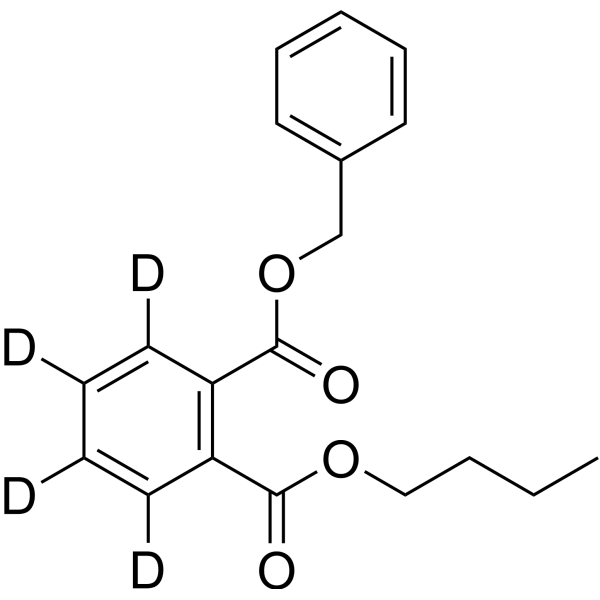
- Formula: C19H16D4O4
- Molecular Weight: 316.38
Benzyl butyl phthalate-d4 is the deuterium labeled Benzyl butyl phthalate. Benzyl butyl phthalate, a member of phthalic acid esters (PAEs), can trigger the migration and invasion of hemangioma (HA) cells via upregulation of Zeb1. Benzyl butyl phthalate activates aryl hydrocarbon receptor (AhR) in breast cancer cells to stimulate SPHK1/S1P/S1PR3 signaling and enhances formation of metastasis-initiating breast cancer stem cells (BCSCs).
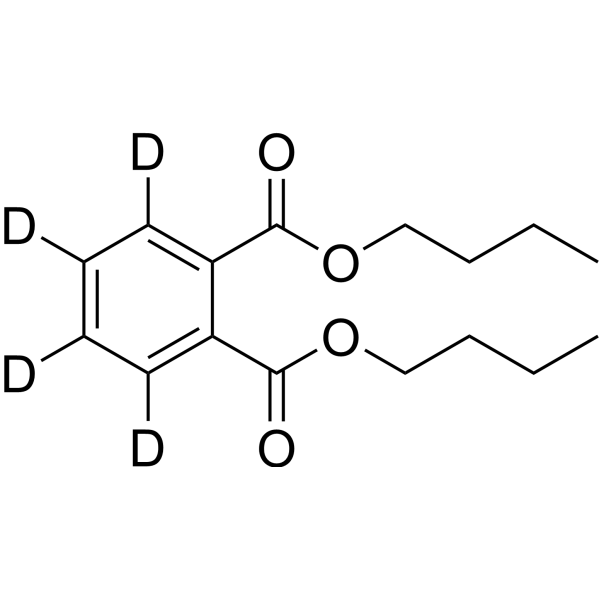
- Formula: C16H18D4O4
- Molecular Weight: 282.37
Dibutyl phthalate-3,4,5,6-d4 is the deuterium labeled Dibutyl phthalate. Dibutyl phthalate is a commonly used plasticizer commonly found in some food packaging materials, personal care products, and the coating of oral medications. May cause toxicity and adverse neurobehavioral effects.
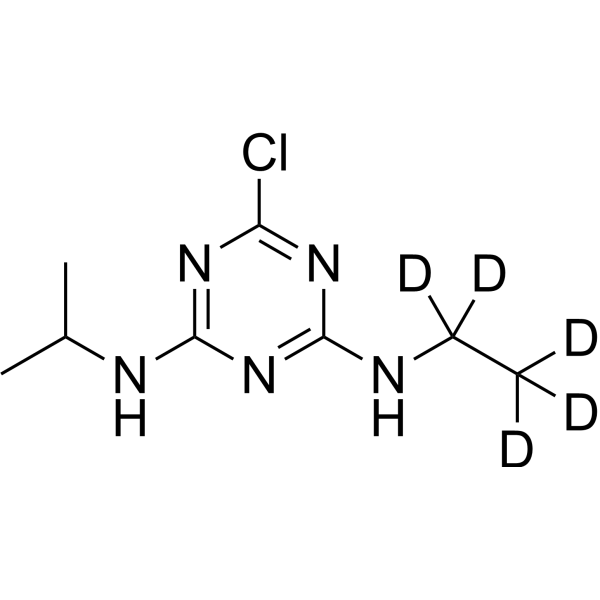
- Formula: C8H9D5ClN5
- Molecular Weight: 220.71
Atrazine-d5 is deuterium labeled Atrazine. Atrazine is principally used for control of certain annual broadleaf and grass weeds. Atrazine inhibits photophosphorylation but typically does not result in lethality or permanent cell damage in the short term.
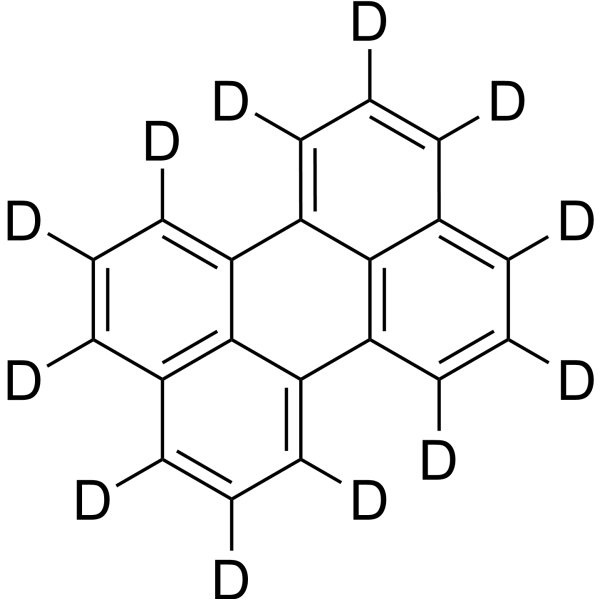
- Formula: C20D12
- Molecular Weight: 264.39
Perylene-d12 is the deuterium labeled Perylene.
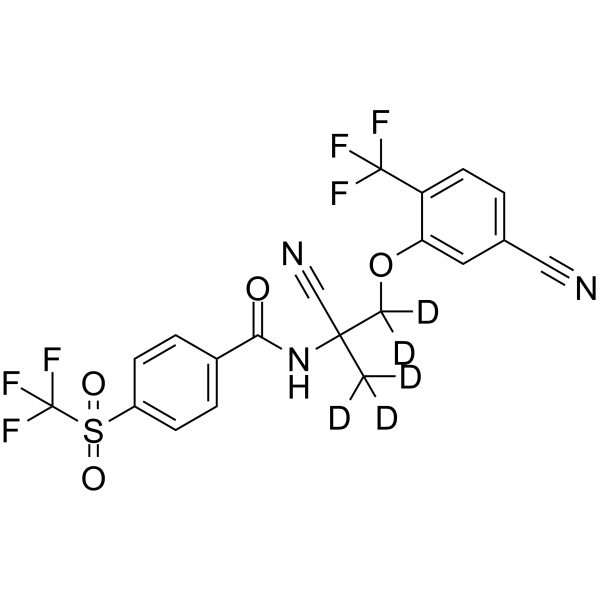
- Formula: C20H8D5F6N3O4S
- Molecular Weight: 510.42
(Rac)-Monepantel sulfone-d5 is deuterium labeled Monepantel. Monepantel is organic anthelmintic, and acts as a positive allosteric modulator of a nematode-specific clade of nicotinic acetylcholine receptor (nAChR) subunits.
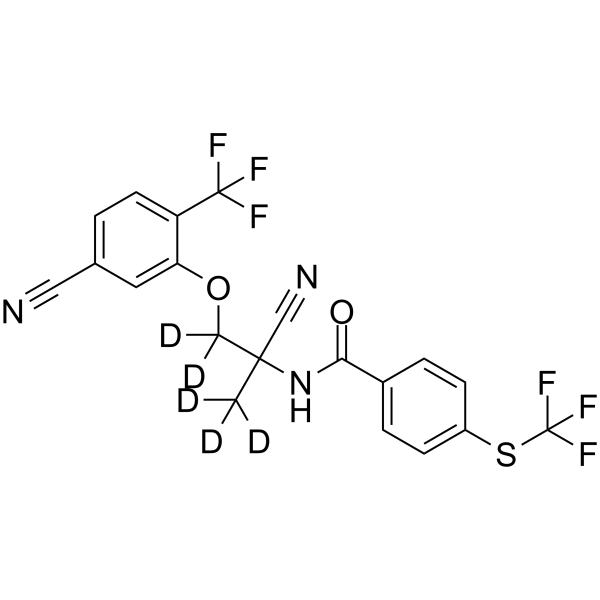
- Formula: C20H8D5F6N3O2S
- Molecular Weight: 478.42
(Rac)-Monepantel-d5 is deuterium labeled Monepantel. Monepantel is organic anthelmintic, and acts as a positive allosteric modulator of a nematode-specific clade of nicotinic acetylcholine receptor (nAChR) subunits.
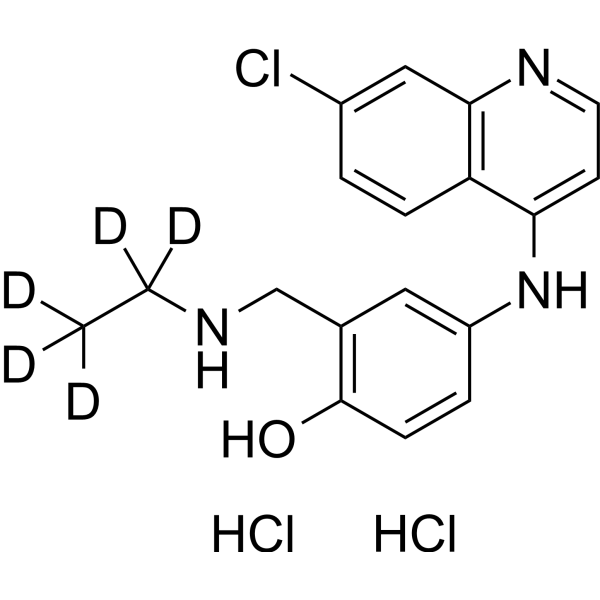
- Formula: C18H15D5Cl3N3O
- Molecular Weight: 405.76
N-Desethyl amodiaquine-d5 dihydrochloride is the deuterium labeled N-Desethyl amodiaquine dihydrochloride. N-Desethyl amodiaquine dihydrochloride is the major biologically active metabolite of Amodiaquine. N-Desethyl amodiaquine dihydrochloride is an antiparasitic agent. IC50 values for strains V1/S and 3D7 are 97 nM and 25 nM, respectively.
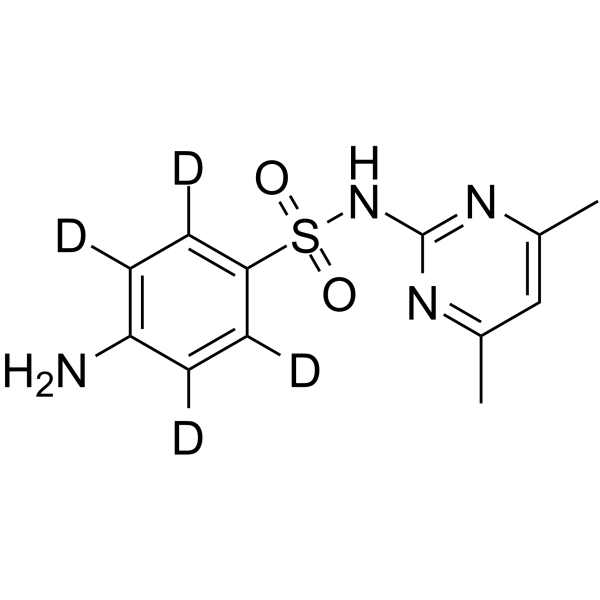
- Formula: C12H10D4N4O2S
- Molecular Weight: 282.35
Sulfamethazine-d4 (Sulfadimidine-d4) is a deuterium labeled Sulfamethazine (Sulfadimidine). Sulfamethazine (Sulfadimidine) is a brain-penetrant sulfonamide antibiotic. Sulfamethazine inhibits bacterial growth by blocking the synthesis of folic acid. Sulfamethazine can be used for research on bacterial infections.
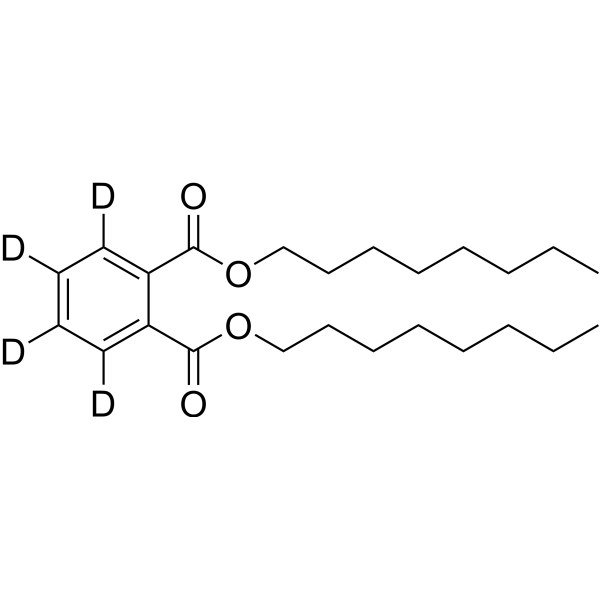
- Formula: C24H34D4O4
- Molecular Weight: 394.58
Dioctyl phthalate-d4 (DNOP-d4) is the d4-labeled Dioctyl phthalate (HY-W013755). Dioctyl phthalate (DNOP) is a plasticizer. Dioctyl phthalate increases the activities of alanine aminotransferase (ALT) and alkaline phosphatase (ALP) in the liver, as well as the levels of creatinine and urea in the kidney. Exposure to Dioctyl phthalate disrupts the homeostasis of the intestinal microbial community, increases the abundance of pathogenic bacteria, and reduces the abundance of beneficial bacteria such as Lactobacillus. Dioctyl phthalate induces significant and dose-dependent inflammatory responses in the liver, spleen and kidney of mice.
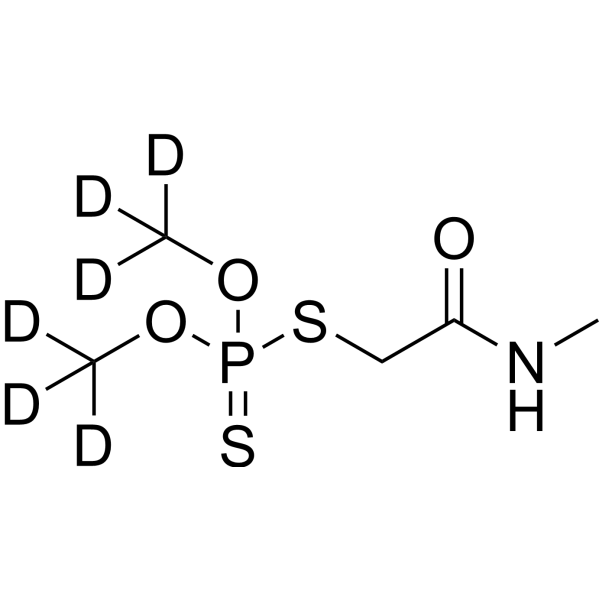
- Formula: C5H6D6NO3PS2
- Molecular Weight: 235.29
Dimethoate-d6 is the deuterium labeled Dimethoate. Dimethoate is an organophosphate insecticide and acaricide. Dimethoate is an orally active acetylcholinesterase inhibitor. Dimethoate induces reactive oxygen species (ROS). Dimethoate induces DNA damage and cell apoptosis in vivo. Dimethoate affect immune system in mice.



