



γ-secretase
Gamma secretase
γ-Secretase is a multimeric aspartyl protease that cleaves the membrane-spanning region of the β-carboxyl terminal fragment (βCTF) generated from β-amyloid precursor protein. γ-Secretase defines the generated molecular species of amyloid β-protein (Aβ), a critical molecule in the pathogenesis of Alzheimer's disease (AD).
γ-Secretase is composed of four subunits: Aph-1, nicastrin (Nct), Pen-2 and presenilin (PS), which is the catalytic subunit of the enzyme. Endoproteolysis of PS, which results in the formation of PS1-NTF (N-terminal fragment) and CTF (C-terminal fragment) heterodimer, is required for γ-secretase activation. γ-Secretase cleaves amyloid precursor protein (APP), Notch and many other substrates. Aberrant cleavage of APP contributes to the pathogenesis of AD and abnormal Notch signaling promotes tumor growth. γ-Secretase is a highly valued drug target in Alzheimer's disease and cancer. Multiple classes of small molecules that target γ-secretase have been developed, including both inhibitors (GSIs) and modulators (GSMs).
All Product Categories
-
γ-secretase Related Products (118)
Related Products (118)

-
Antibodies (5)
-
DAPT
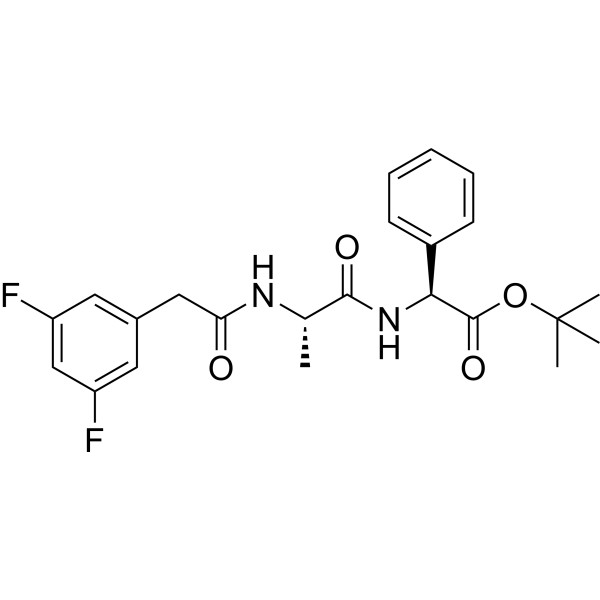 0 ImagesSynonyms: GSI-IXDAPT (GSI-IX) is a potent and orally active γ-secretase inhibitor with IC50s of 115 nM and 200 nM for total amyloid-β (Aβ) and Aβ42, respectively. DAPT inhibits the activation of Notch 1 signaling and induces cell differentiation. DAPT also induces autophagy and apoptosis. DAPT has neuroprotection activity and has the potential for autoimmune and lymphoproliferative diseases, degenerative disease and cancers treatment.
-
Compound E
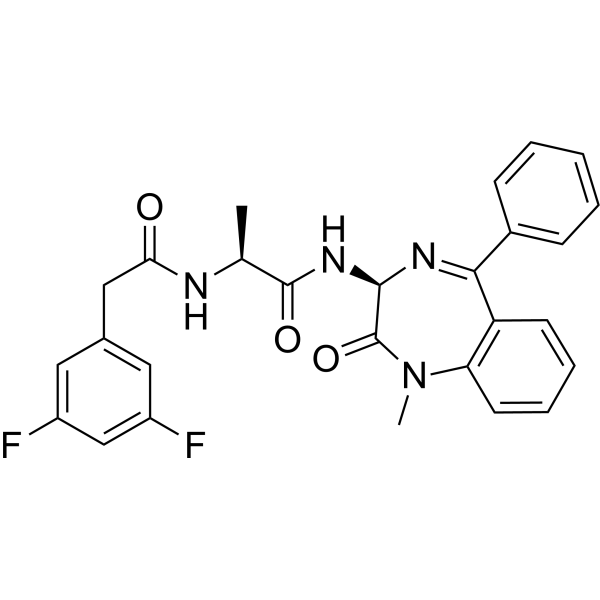 0 ImagesSynonyms: γ-Secretase-IN-1Compound E is a γ-secretase inhibitor. Compound E blocks β-amyloid(40), β-amyloid(42), and Notch γ-secretase cleavage with IC50s of 0.24, 0.37, 0.32 nM, respectively.
-
LY-411575
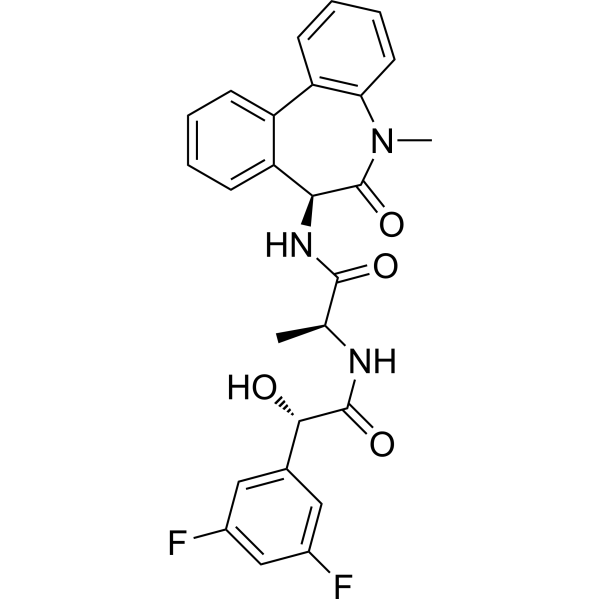 0 ImagesLY-411575 is a potent γ-secretase inhibitor with IC50 of 0.078 nM/0.082 nM (membrane/cell-based), and also inhibits Notch S3 cleavage with an IC50 of 0.39 nM.
-
Nirogacestat
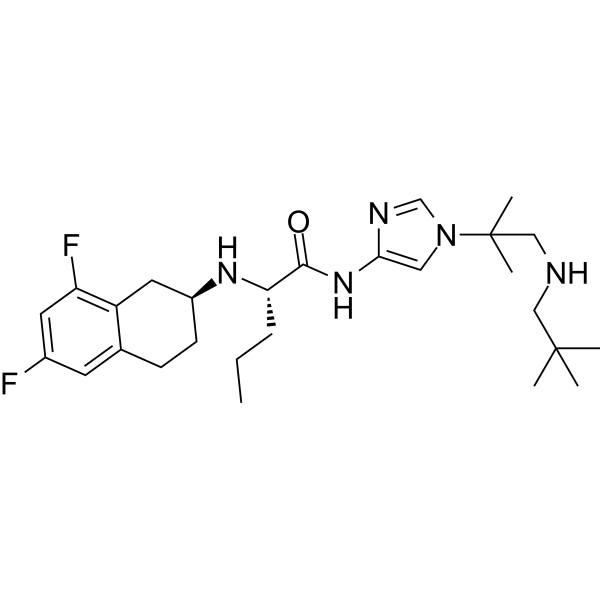 0 ImagesSynonyms: PF-3084014Nirogacestat (PF-3084014) is a reversible, orally bioavailable, noncompetitive, and selective γ-secretase inhibitor with an IC50 of 6.2 nM. Inhibition of Notch signaling by Nirogacestat while minimizing gastrointestinal toxicity presents a promising approach for research of Notch receptor-dependent cancers.
-
YO-01027
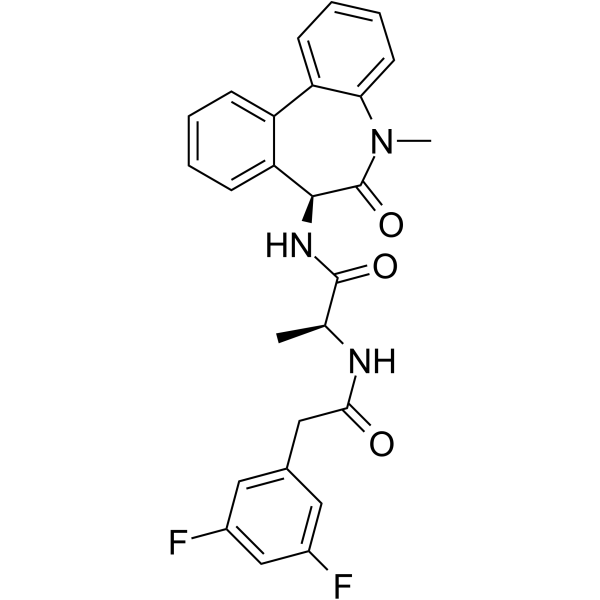 0 ImagesSynonyms: Dibenzazepine; DBZYO-01027 (Dibenzazepine;DBZ) is a potent γ-secretase inhibitor with IC50 values of 2.92 and 2.64 nM for Notch and APPL cleavage, respectively.
-
Bepridil hydrochloride
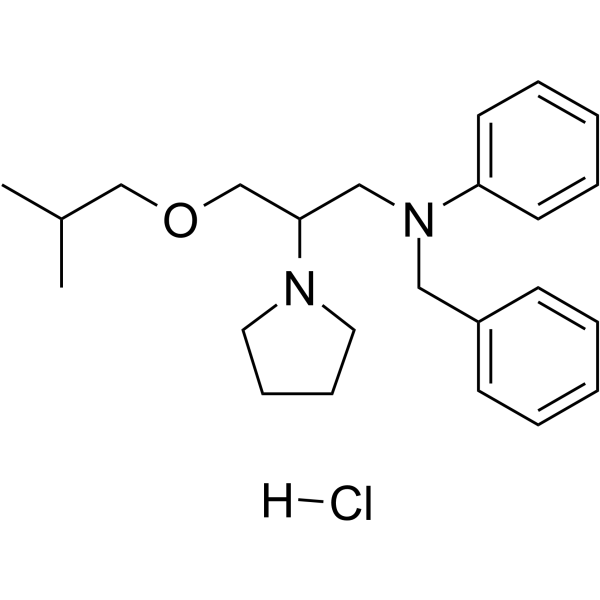 0 ImagesSynonyms: CERM 1978; Org 5730 hydrochlorideBepridil hydrochloride (CERM 1978; Org 5730 hydrochloride) is an orally active non-selective calcium channel antagonist with multi-ion channel blocking activity. Bepridil hydrochloride modulates Calmodulin, the 20S proteasome, T-type/L-type calcium channels, cardiac sodium channels, multiple potassium channels, γ-secretase, β-secretase, and mitoKATP/sarcKATP channels. Bepridil hydrochloride acts as a hydroxyl radical scavenger, regulates mitochondrial and intracellular calcium handling, and exerts antiarrhythmic, antianginal, and cardioprotective effects. Bepridil hydrochloride alters amyloid precursor protein processing, reduces β-amyloid and thalamic calcium levels, restores seladin-1/DHCR24 expression, and improves sensorimotor recovery after cerebral ischemia. Bepridil hydrochloride also exhibits potent inhibitory effects on SARS-CoV-2 replication. Bepridil hydrochloride is used in studies related to stable angina, arrhythmias, cerebral ischemia, Alzheimer's disease, and SARS-CoV-2 infection.
-
Bepridil hydrochloride hydrate
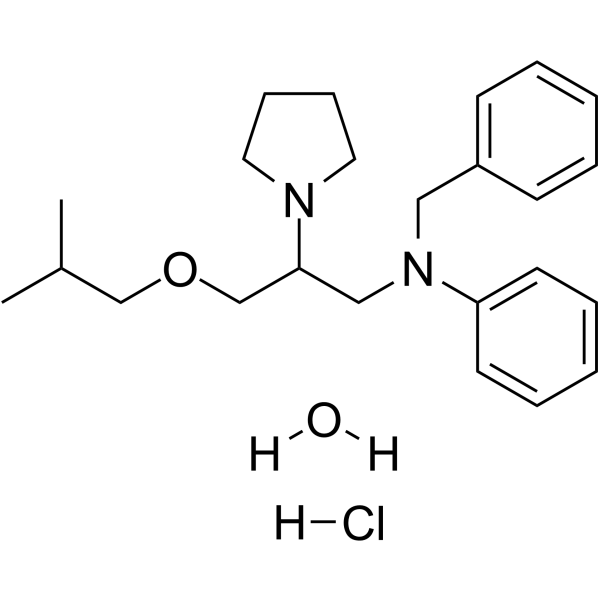 0 ImagesSynonyms: CERM 1978 hydrate; Org 5730 hydrochloride hydrateBepridil hydrochloride hydrate (CERM 1978 hydrate; Org 5730 hydrochloride hydrate) is an orally active non-selective calcium channel antagonist with multi-ion channel blocking activity. Bepridil hydrochloride hydrate modulates Calmodulin, the 20S proteasome, T-type/L-type calcium channels, cardiac sodium channels, multiple potassium channels, γ-secretase, β-secretase, and mitoKATP/sarcKATP channels. Bepridil hydrochloride hydrate acts as a hydroxyl radical scavenger, regulates mitochondrial and intracellular calcium handling, and exerts antiarrhythmic, antianginal, and cardioprotective effects. Bepridil hydrochloride hydrate alters amyloid precursor protein processing, reduces β-amyloid and thalamic calcium levels, restores seladin-1/DHCR24 expression, and improves sensorimotor recovery after cerebral ischemia. Bepridil hydrochloride hydrate also exhibits potent inhibitory effects on SARS-CoV-2 replication. Bepridil hydrochloride hydrate is used in studies related to stable angina, arrhythmias, cerebral ischemia, Alzheimer's disease, and SARS-CoV-2 infection.
-
Bepridil
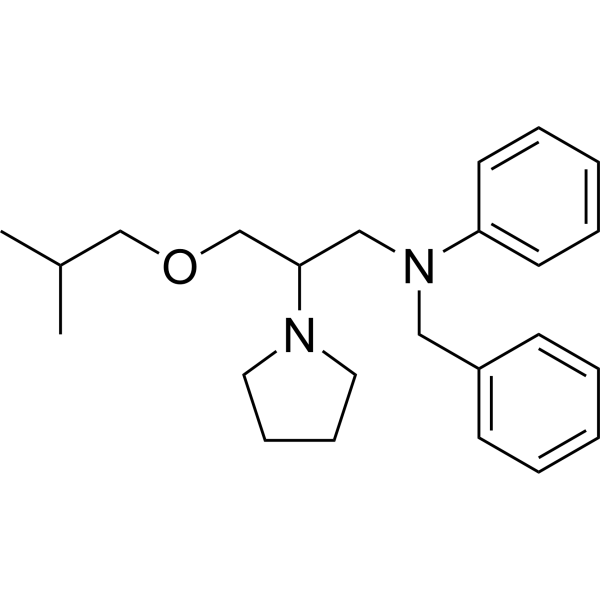 0 ImagesSynonyms: CERM 1978 free base; Org 5730Bepridil (CERM 1978 (free base); Org 5730) is an orally active non-selective calcium channel antagonist with multi-ion channel blocking activity. Bepridil modulates Calmodulin, the 20S proteasome, T-type/L-type calcium channels, cardiac sodium channels, multiple potassium channels, γ-secretase, β-secretase, and mitoKATP/sarcKATP channels. Bepridil acts as a hydroxyl radical scavenger, regulates mitochondrial and intracellular calcium handling, and exerts antiarrhythmic, antianginal, and cardioprotective effects. Bepridil alters amyloid precursor protein processing, reduces β-amyloid and thalamic calcium levels, restores seladin-1/DHCR24 expression, and improves sensorimotor recovery after cerebral ischemia. Bepridil also exhibits potent inhibitory effects on SARS-CoV-2 replication. Bepridil is used in studies related to stable angina, arrhythmias, cerebral ischemia, Alzheimer's disease, and SARS-CoV-2 infection.
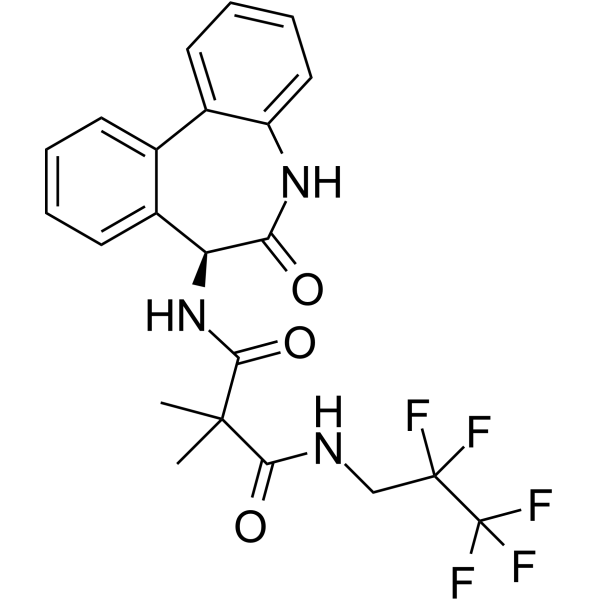
-
MK-0752
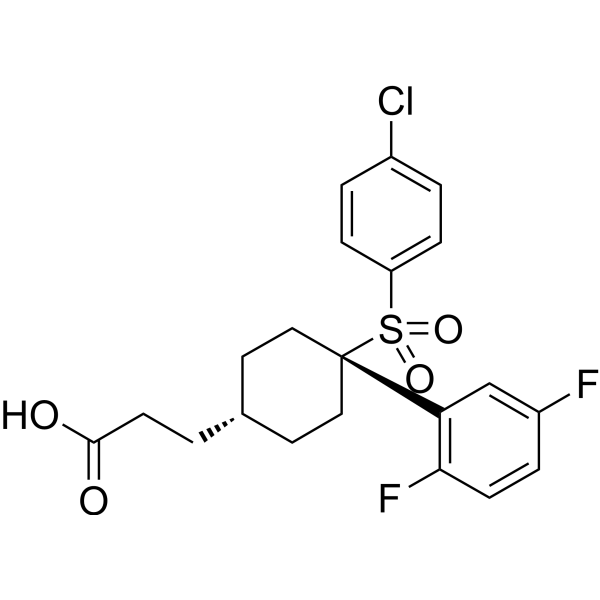 0 ImagesMK-0752 is a potent, orally active and specific γ-secretase inhibitor, showing dose-dependent reduction of Aβ40 with an IC50 of 5 nM in human SH-SY5Y cells. MK-0752 crosses the blood-brain barrier. MK-0752 reduces newly generated CNS Aβ in vivo.
-
Crenigacestat
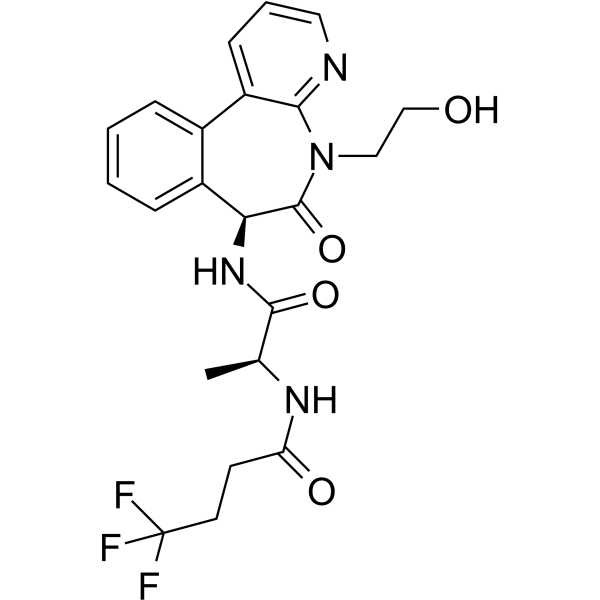 0 ImagesSynonyms: LY3039478Crenigacestat (LY3039478) is an orally active Notch and γ-secretase inhibitor, with an IC50 of 1 nM in most of the tumor cell lines tested.
-
L-685458
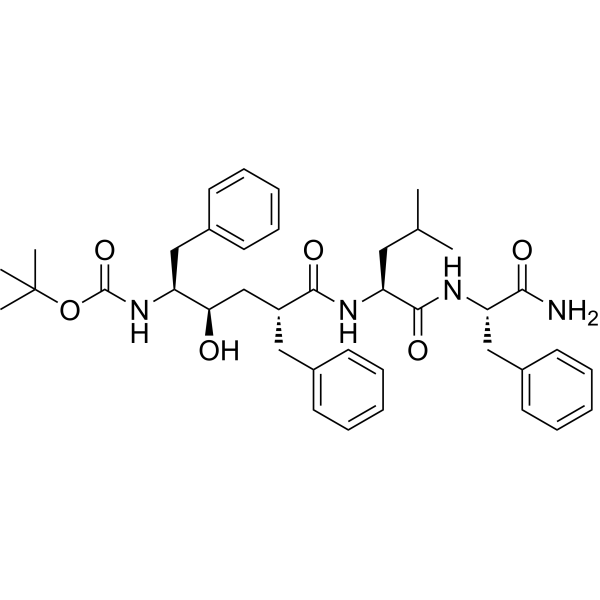 0 ImagesSynonyms: L-685,458L-685458 is a potent transition state analog (TSA) γ-secretase inhibitor (GSI). L-685458 inhibits amyloid β-protein precursor γ-secretase activity with IC50 of 17 nM, shows greater than 50-100-fold selectivity over other aspartyl proteases tested. L685458 inhibits γ-secretase-mediated cleavage of APP-C99 and Notch-100 with IC50s of 301.3 nM and 351.3 nM, respectively. L-685458 can be used for the research of alzheimer’s disease (AD) and cancers.
-
Semagacestat
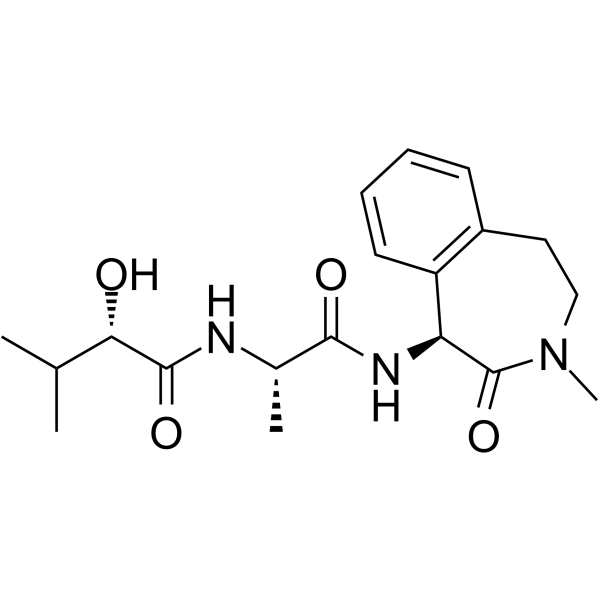 0 ImagesSynonyms: LY450139Semagacestat is a γ-secretase inhibitor, inhibits β-amyloid (Aβ42), Aβ38 and Aβ40 with IC50s of 10.9, 12 and 12.1 nM, respectively; also inhibits Notch signaling with IC50 of 14.1 nM. Semagacestat can be used for the research of alzheimer's disease.
-
Nirogacestat dihydrobromide
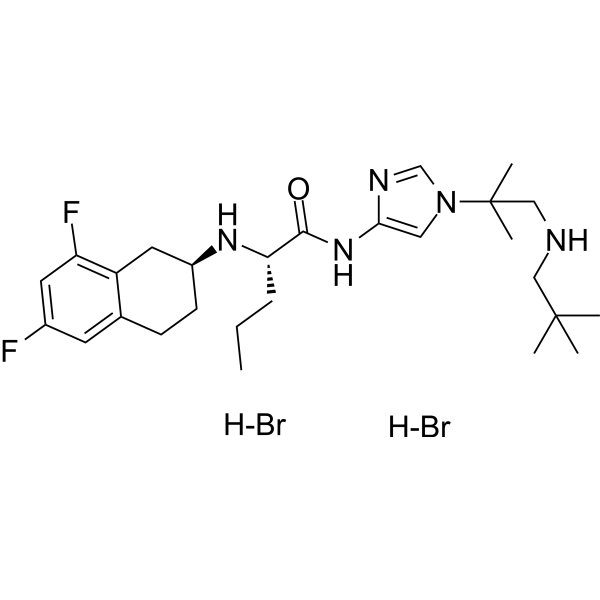 0 ImagesSynonyms: PF-3084014 dihydrobromide; PF-03084014 dihydrobromideNirogacestat dihydrobromide (PF-3084014 dihydrobromide) is a reversible, orally bioavailable, noncompetitive, and selective γ-secretase inhibitor with an IC50 of 6.2 nM. Inhibition of Notch signaling by Nirogacestat dihydrobromide while minimizing gastrointestinal toxicity presents a promising approach for research of Notch receptor-dependent cancers.
-
Avagacestat
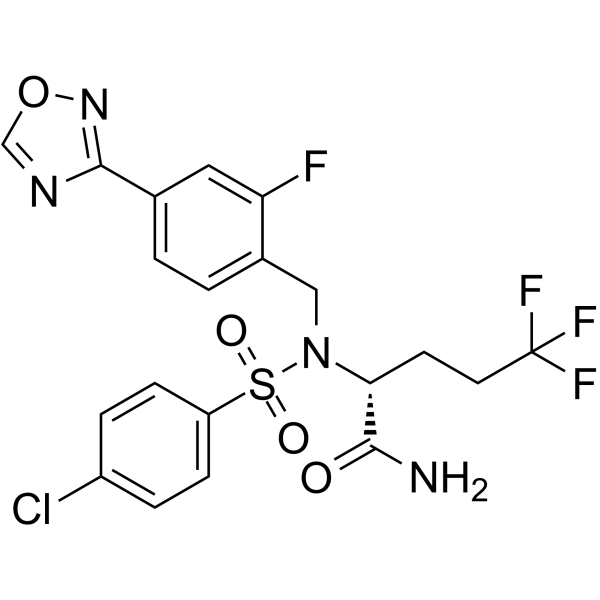 0 ImagesSynonyms: BMS-708163Avagacestat (BMS-708163) is a potent inhibitor of γ-secretase, with IC50s of 0.27 nM and 0.30 nM for Aβ42 and Aβ40 inhibition; Avagacestat (BMS-708163) also inhibits NICD (Notch IntraCellular Domain) with IC50 of 0.84 nM and shows weak inhibition of CYP2C19, with IC50 of 20 μM. Avagacestat can be used for Alzheimer disease research.
-
Itanapraced
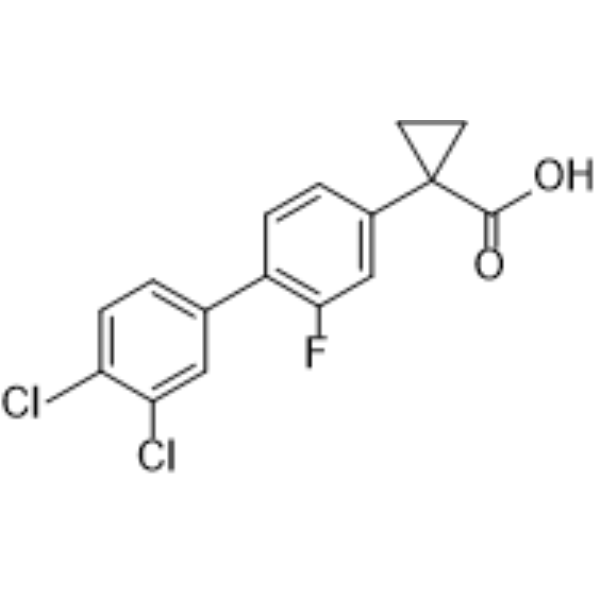 0 ImagesSynonyms: CHF5074; CSP-1103Itanapraced (CHF5074) is an orally active γ-secretase modulator and a non-steroidal anti-inflammatory derivative. Itanapraced reduces Aβ42 and Aβ40 secretion with IC50 values of 3.6 and 18.4 μM, respectively. Itanapraced inhibits cell apoptosis of hippocampal neurons induced by oxygen and glucose deprivation (OGD). Itanapraced can be used for the research of Alzheimer's disease.
-
MRK-560
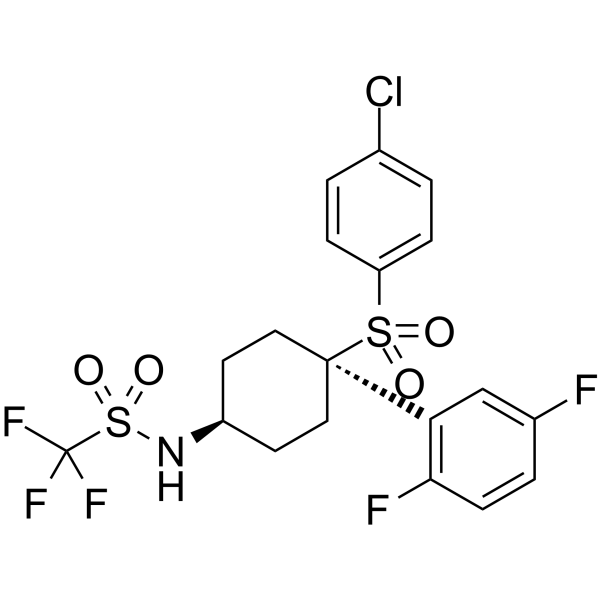 0 ImagesMRK-560, a chemical probe, is an orally active, brain barrier-penetrated γ-Secretase inhibitor, reducing Aβ peptide in rat brain and cerebrospinal fluid. MRK-560 decreases mutant NOTCH1 processing by selectively inhibiting PSEN1. MRK-560 can be used in studies of Alzheimer's disease and T-cell acute lymphoblastic leukaemia (T-ALL).
-
E 2012
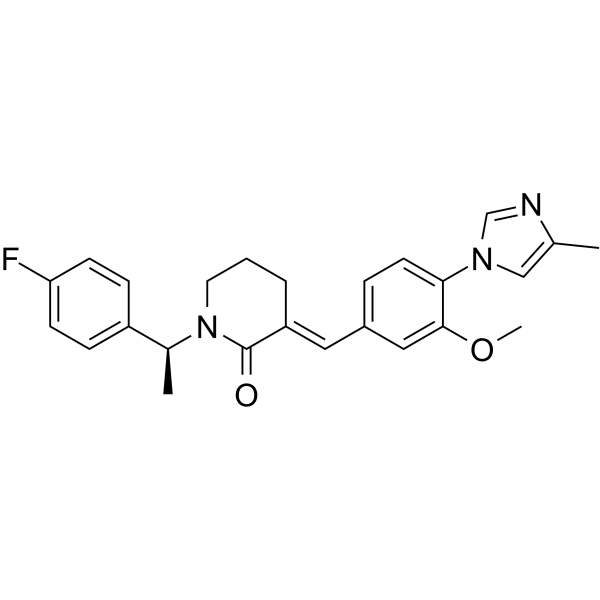 0 ImagesCat. No.: HY-10016CAS No.: 870843-42-8E 2012 is a potent gamma (γ) secretase modulator without affecting Notch processing. E 2012 inhibits 3β-hydroxysterol Δ24-reductase (DHCR24) at the final step in the cholesterol biosynthesis. E 2012 aims at Alzheimer's disease by reduction of amyloid β-42, and induces cataract following repeated doses in the rat.
-
DAPT (GMP)
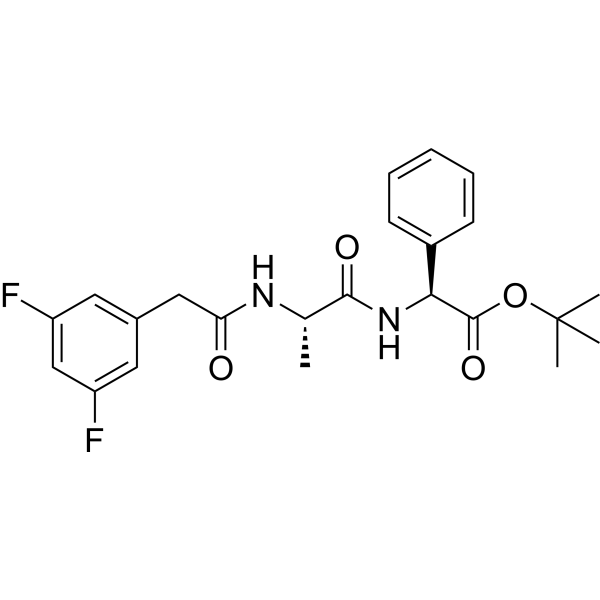 0 ImagesCat. No.: HY-13027GCAS No.: 208255-80-5Synonyms: GSI-IX (GMP)DAPT (GSI-IX) (GMP) is DAPT (HY-13027) produced by using GMP guidelines. GMP small molecules works appropriately as an auxiliary reagent for cell therapy manufacture. DAPT is a potent and orally active γ-secretase inhibitor.
-
BMS-906024
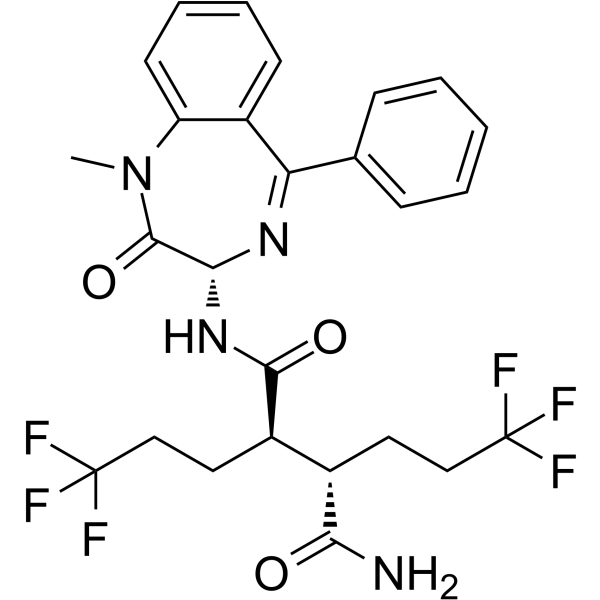 0 ImagesBMS-906024 is an orally active and selective γ-secretase (gamma secretase) inhibitor. BMS-906024 is a potent pan-Notch receptors inhibitor with IC50s of 1.6 nM, 0.7 nM, 3.4 nM, and 2.9 nM for Notch1, -2, -3, and -4 receptors, respectively. BMS-906024 demonstrates broad-spectrum antineoplastic activity.




