



Bladder Cancer
-
Bladder Cancer (80)

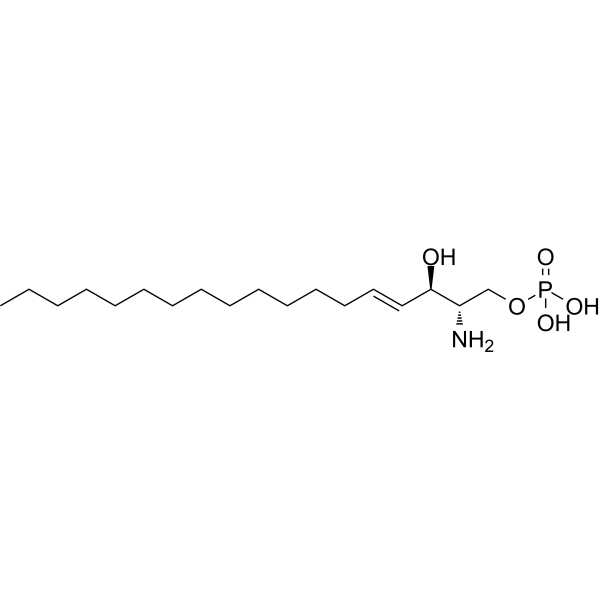
- Formula: C18H38NO5P
- Molecular Weight: 379.47
Sphingosine-1-phosphate (S1P) is an agonist of S1P1-5 receptors and a ligand of GPR3, GPR6 and GPR12. Sphingosine-1-phosphate is an intracellular second messenger and mobilizes Ca2+ as an extracellular ligand for G protein-coupled receptors. Sphingosine-1-phosphate is an important lipid mediator generated from Sphingomyelin (HY-113498) or other membrane phospholipids. Sphingosine-1-phosphate stimulates the DNA synthesis, cell proliferation and migration.
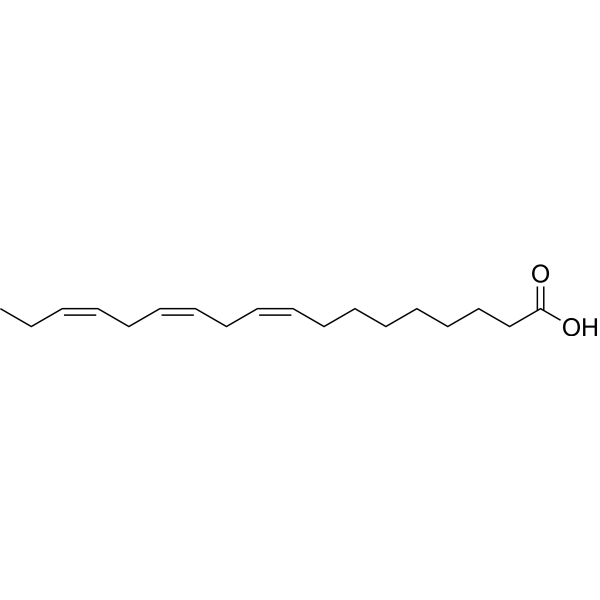
- Formula: C18H30O2
- Molecular Weight: 278.43
α-Linolenic acid (ALA (free base); C18:3 (9Z,12Z,15Z) (free base); C18:3 n-3 (free base)) is an essential fatty acid that cannot be synthesized by humans. α-Linolenic acid can affect the process of thrombotic through the modulation of PI3K/Akt signaling. α-Linolenic acid possess the anti-arrhythmic properties and is related to cardiovascular disease and cancer.

- Molecular Weight: 144.32 kDa
- Molecular Weight: 152000 (average)
Enfortumab vedotin-ejfv (solution) is an anti-Nectin-4 antibody-drug conjugate (ADC). Enfortumab vedotin-ejfv (solution) is a fully humanized IgG1 antibody conjugated to the microtubule disrupting agent MMAE (HY-15162) via a protease-cleavable Val-Cit linker. The antibody portion is Enfortumab (HY-P99016), and the drug-linker conjugate for ADC is VcMMAE (HY-15575). Nectin-4 is an adhesion protein involved in cellular processes and tumorigenesis, and Enfortumab vedotin-ejfv (solution) is indicated for the inhibition of locally advanced or metastatic urothelial carcinoma.
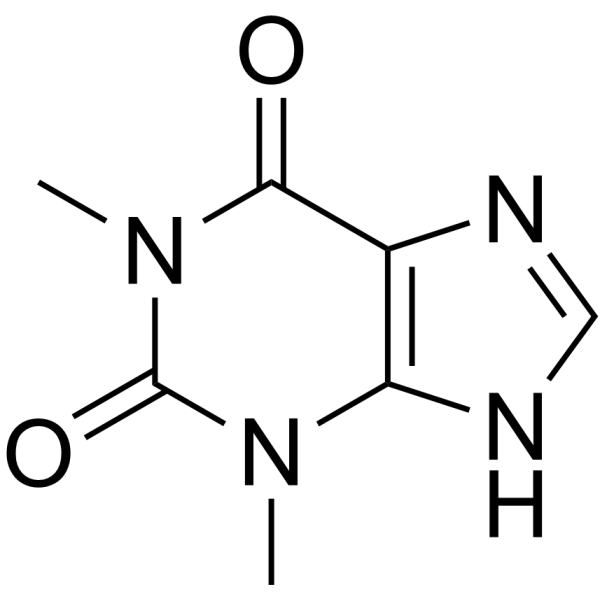
- Formula: C7H8N4O2
- Molecular Weight: 180.17
Theophylline (1,3-Dimethylxanthine) is a potent phosphodiesterase (PDE) inhibitor, adenosine receptor antagonist, and histone deacetylase (HDAC) activator. Theophylline (1,3-Dimethylxanthine) inhibits PDE3 activity to relax airway smooth muscle. Theophylline (1,3-Dimethylxanthine) has anti-inflammatory activity by increase IL-10 and inhibit NF-κB into the nucleus. Theophylline (1,3-Dimethylxanthine) induces apoptosis. Theophylline (1,3-Dimethylxanthine) can be used for asthma and chronic obstructive pulmonary disease (COPD) research.

- Molecular Weight: 152000 (average)
Enfortumab vedotin-ejfv is an anti-Nectin-4 antibody-drug conjugate. Enfortumab vedotin-ejfv is a fully humanized IgG1 antibody conjugated to the microtubule disrupting agent MMAE (HY-15162) via a protease-cleavable Val-Cit linker. The antibody portion is Enfortumab (HY-P99016), and the drug-linker conjugate for ADC is VcMMAE (HY-15575). Nectin-4 is an adhesion protein involved in cellular processes and tumorigenesis, and Enfortumab vedotin-ejfv is indicated for the inhibition of locally advanced or metastatic urothelial carcinoma.
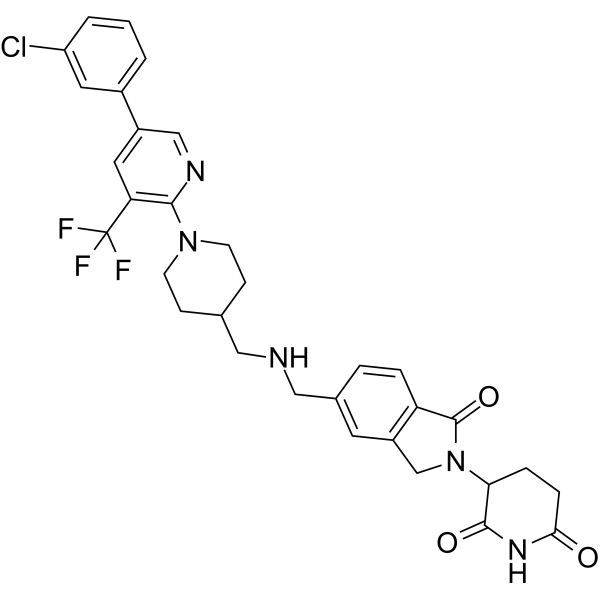
- Formula: C32H31ClF3N5O3
- Molecular Weight: 626.07
MYC degrader 1 is a MYC degrader that recruits Cereblon (CRBN), with a Kd value of 145 nM and oral activity. MYC degrader 1 specifically binds MYC and GSPT1, recruits the CRBN E3 ubiquitin ligase complex, and induces MYC degradation via the ubiquitin-proteasome pathway. MYC degrader 1 downregulates KLHL42 expression, restores pRB1 protein levels, and re-establishes the sensitivity of MYC-overexpressing cancer cells to CDK4/6 inhibitors. MYC degrader 1 combined with Palbociclib (HY-50767) shows significant inhibition of tumor growth. MYC degrader 1 can be used in studies related to bladder cancer, prostate cancer, and breast cancer.
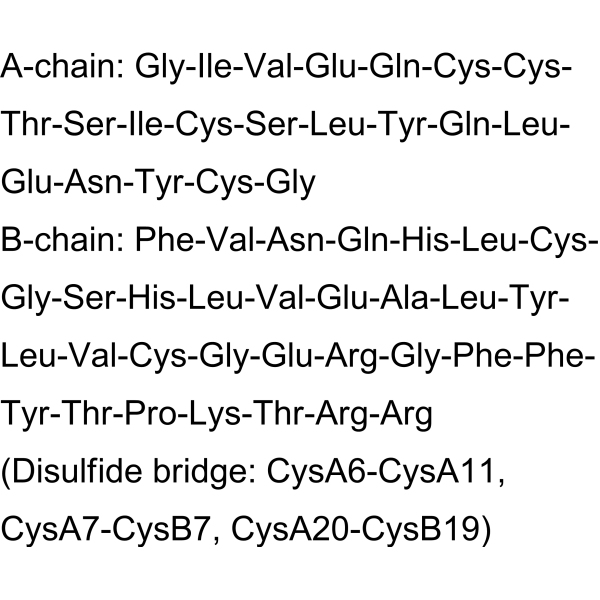
- Formula: C267H404N72O78S6
- Molecular Weight: 6062.89
Insulin glargine is a long-acting insulin analog. Insulin glargine has the effect of lowering blood sugar and can be used in the research of diabetes. In addition, high doses of Insulin glargine can promote the proliferation of bladder cancer cells.

- Molecular Weight: 150626 (average)
Trastuzumab vedotin (MRG002; Trastuzumab MMAE) is an antibody-drug conjugate and cytotoxin targeting HER2, with a Kd of 7.50E-11 M for human HER2. After binding to HER2, Trastuzumab vedotin undergoes internalization and lysosomal trafficking, delivering a cytotoxic payload to HER2-expressing cells and inducing tumor regression in in vivo xenograft models with HER2-expressing tumors. The anti-tumor activity of Trastuzumab vedotin is enhanced when used in combination with anti-PD-1 antibodies, and it exhibits preclinical anti-tumor activity in drug-resistant breast cancer, gastric cancer, and urothelial carcinoma PDX models. Trastuzumab vedotin has low antibody-dependent cellular cytotoxicity activity and can be used in studies related to HER2-positive breast cancer, HER2-positive gastric cancer, and unresectable locally advanced or metastatic HER2-positive urothelial carcinoma.
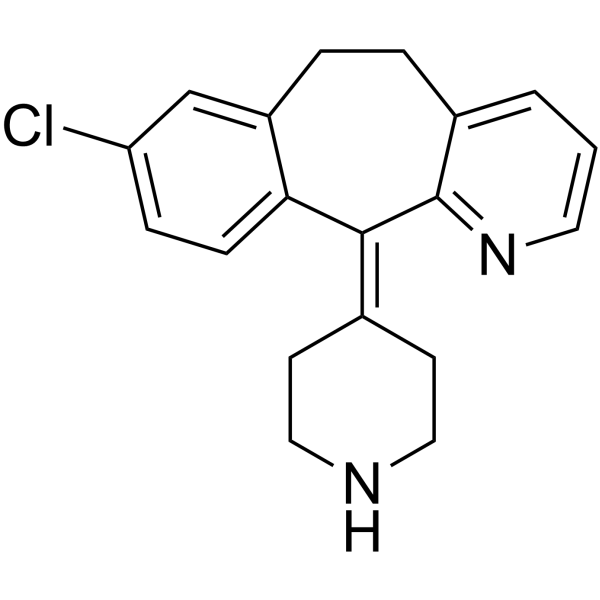
- Formula: C19H19ClN2
- Molecular Weight: 310.83
Desloratadine (Sch34117) is an orally active and selective H1 receptor antagonist (Ki=0.9 nM) with anti-inflammatory and anti-allergic activities. Desloratadine inhibits the release of histamine and LTC4 from human basophils and targets the regulatory signals of IL-4 and IL-13 production in basophils. Desloratadine significantly alleviates SAR symptoms in patients with concurrent asthma and can be used in the study of seasonal allergic rhinitis and chronic idiopathic urticaria.
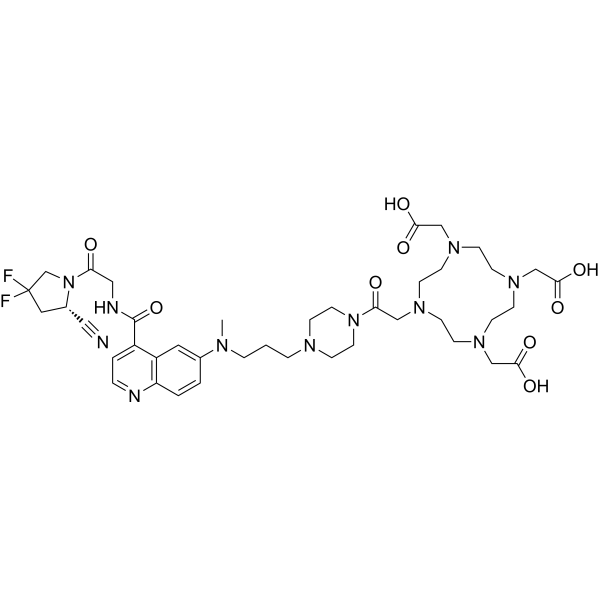
- Formula: C41H57F2N11O9
- Molecular Weight: 885.96
FAPI-46 is a quinoline-based fibroblast activation protein (FAP)-targeted tracer. Use radioactivity FAPI-46 labeled with 68Ga or 177Lu can be used for tumor imaging in a variety of cancers and has higher tumor uptake rates and longer tumor accumulation.

- Molecular Weight: 144.56 kDa
Visugromab (CTL-002) is a GDF-15 neutralizing IgG4 mAb. Visugromab has synergistic anticancer activity with the anti-PD1 antibody Nivolumab (HY-P9903) and can effectively act on PD-1/PD-L1 relapsed/refractory metastatic solid tumors. Recommend Isotype Controls: Human IgG4 (S228P) kappa, Isotype Control (HY-P99003).
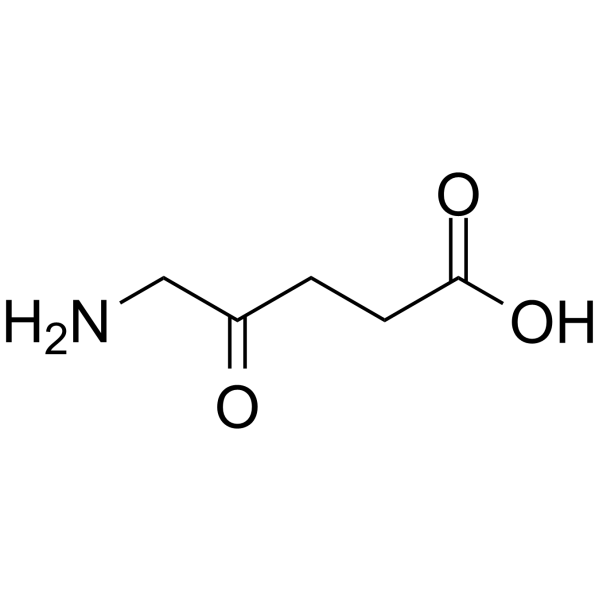
- Formula: C5H9NO3
- Molecular Weight: 131.13
5-Aminolevulinic acid (5-ALA; δ-Aminolevulinic acid; 5-Amino-4-oxopentanoic acid) is an orally active heme precursor. 5-Aminolevulinic acid promotes aerobic energy metabolism and increases ATP levels by enhancing the activity of cytochrome c oxidase. 5-Aminolevulinic acid enhances LPS-induced proinflammatory cytokine production and gene activation, and restores the phagocytic activity and ROS generation capacity of neutrophils. 5-Aminolevulinic acid selectively accumulates protoporphyrin IX in tumor cells; as a photosensitizer and radiosensitizer, it induces ROS burst upon light or X-ray irradiation to inhibit tumor growth. 5-Aminolevulinic acid can be applied to the research of septic shock, melanoma, and cancer radiotherapy.

- Molecular Weight: 145.92 kDa
Samrotamab (PR-1498487) is a humanized IgG1-κ chimeric monoclonal antibody targeting LRRC15, with a Kd of 5.42 nM for human LRRC15. Samrotamab can be used to synthesize antibody-drug conjugates (ADC). Samrotamab disrupts the LRRC15-SCG5 signaling module, binds to a membrane-proximal conformational epitope within the C-terminal leucine-rich repeat region of LRRC15, and binds to the lateral edge of the LRR solenoid while leaving the canonical concave β-sheet surface fully exposed. Samrotamab reduces the viability of bladder cancer cells, inhibits clonogenic growth, impairs cell migration, and compromises cell invasion. Samrotamab induces compensatory upregulation of LRRC15 transcripts while suppressing the expression of SCG5 mRNA. Samrotamab is applicable to research related to urothelial carcinoma, sarcoma, osteosarcoma, and undifferentiated pleomorphic sarcoma.

RNase A (Bovine pancreatic RNase) is a widely used Endonuclease in DNA purification by specifically hydrolyzing cytosine or uracil residues of RNA. RNase A degrades the RNA in the RNA/DNA duplex. RNase A catalyses the breakdown of 3',5'-phosphodiester linkages of single stranded RNA. RNase A family members in organisms are tightly involved in various physiological and pathological processes including cell growth and development, proliferation, differentiation and migration. Dysregulation of RNase A activity or expression level is closely related to pancreatic, ovarian, bladder and thyroid cancer. RNase A has tumor cell-killing ability. RNase B, Bovine Pancreas (Ribonuclease B, Bovine Pancreas) is the N-glycosylated form of RNase A. RNase B, Bovine Pancreas can promote the folding of polypeptide chains and play a role similar to molecular chaperones.
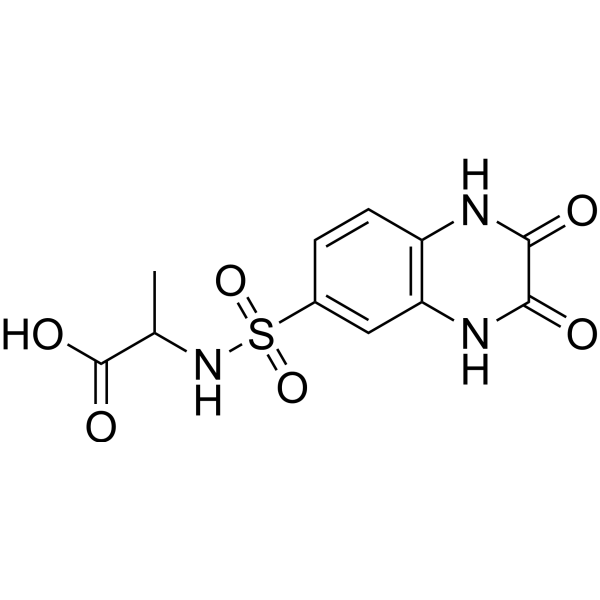
- Formula: C11H11N3O6S
- Molecular Weight: 313.29
BCI-137 is a Argonaute 2 (AGO2) inhibitor. By inhibiting AGO2 function, reducing PTPN6/SHP-1 protein levels and enhancing STAT1 phosphorylation, BCI-137 restores the sensitivity of tumor cells to IFN-γ. BCI-137 effectively enhances the recruitment, activation and cytotoxicity of CD8+ T cells. BCI-137 exerts a synergistic effect with anti-PD-1 antibodies and significantly reduces tumor volume in preclinical mouse models. BCI-137 exhibits favorable safety profiles and does not cause significant weight loss or death in mice. BCI-137 can be used in research related to bladder cancer, colorectal cancer, melanoma and other related fields.

- Molecular Weight: 145.26 kDa
Daratumumab (PBS) (Anti-Human CD38) is the first-in-class human-specific anti-CD38 monoclonal antibody (IgG1). Daratumumab (PBS) has anti-multiple myeloma (MM) effect. Daratumumab (PBS) impairs MM cell adhesion, which results in an increased sensitivity of MM to proteasome inhibition.
- Molecular Weight: 146.32 kDa

- Formula: C25H24Cl2N6O3S
- Molecular Weight: 559.47
Dabogratinib (TYRA-300) is an orally active, selective FGFR3 inhibitor with an IC50 of 11 nM. Dabogratinib exhibits antitumor activity against urothelial carcinoma and solid tumors. Dabogratinib downregulates the FGFR3 and ERK1/2 signaling pathways, and induces tumor growth inhibition and regression in FGFR3-altered xenograft models. Dabogratinib promotes chondrocyte proliferation and differentiation, drives endochondral bone formation and overall body growth, partially restores long bone proportions, and improves craniofacial and spinal morphology. Dabogratinib can be used for the research of metastatic urothelial carcinoma, achondroplasia and hypochondroplasia.
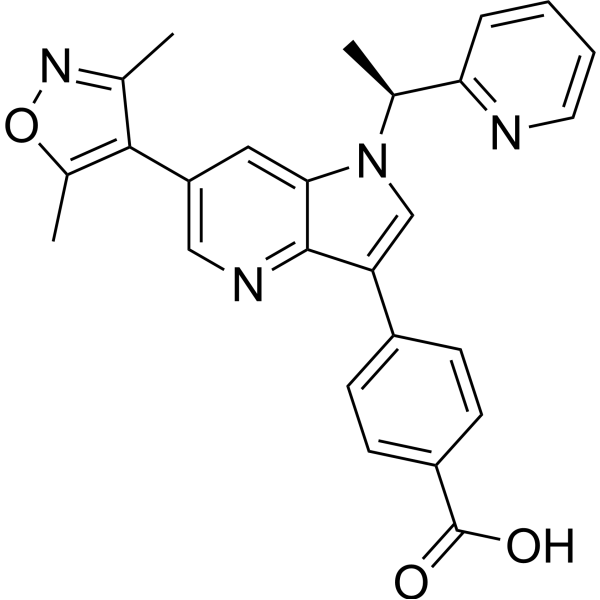
- Formula: C26H22N4O3
- Molecular Weight: 438.48



