



α-Linolenic acid
Based on 13 publication(s) in Google Scholar
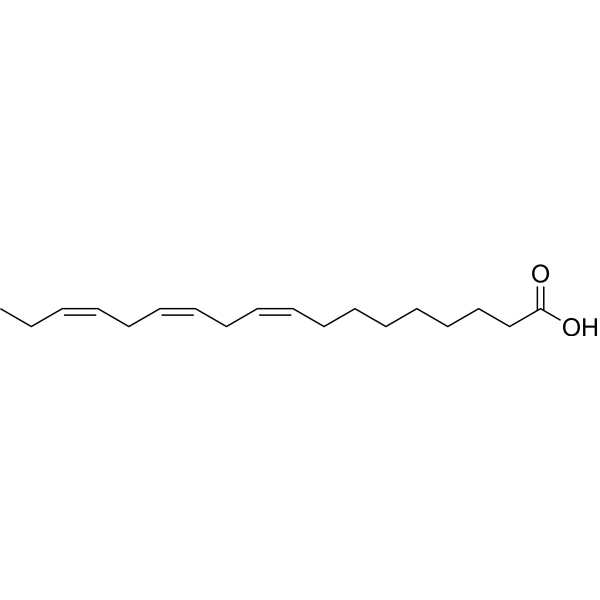
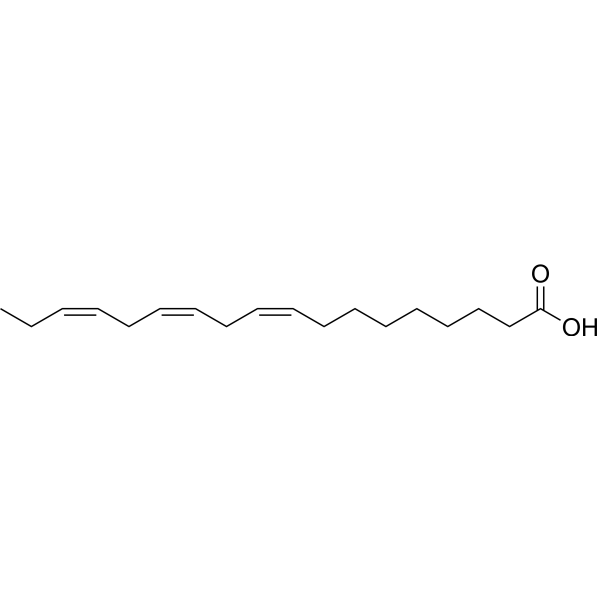
α-Linolenic acid (ALA (free base); C18:3 (9Z,12Z,15Z) (free base); C18:3 n-3 (free base)) is an essential fatty acid that cannot be synthesized by humans. α-Linolenic acid can affect the process of thrombotic through the modulation of PI3K/Akt signaling. α-Linolenic acid possess the anti-arrhythmic properties and is related to cardiovascular disease and cancer.
For research use only. We do not sell to patients.
- Purity : 99.32%
- CAS No.: 463-40-1
- Formula: C18H30O2
- Molecular Weight:278.43
-
Storage:
-20°C, protect from light, stored under nitrogen
* In solvent : -80°C, 6 months; -20°C, 1 month (protect from light, stored under nitrogen)

To place orders, for customer services and technical support, please contact: MedChemExpress USA
Tel: 609-228-6898 E-mail: [email protected] [email protected]


-
 Biological Activity
-
Chemical Information
-
Solvent & Solubility
- Protocols
- Purity & Documentation
- References
-
 Help & FAQs


-
HY-N0729
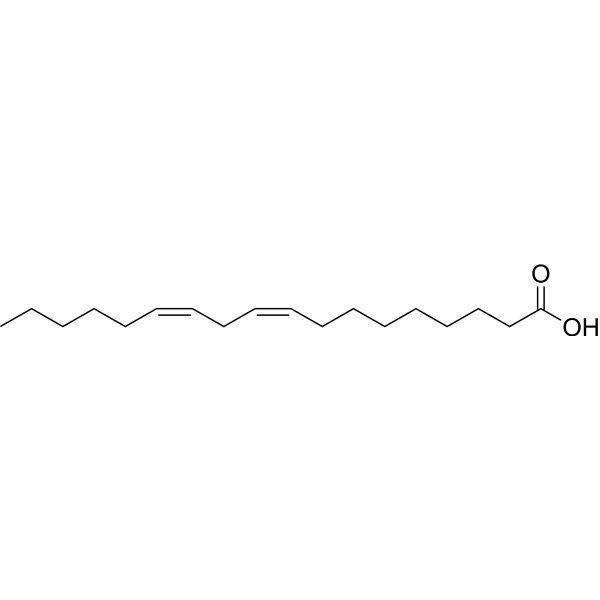
Linoleic acidHuman Endogenous Metabolite -
HY-B2167
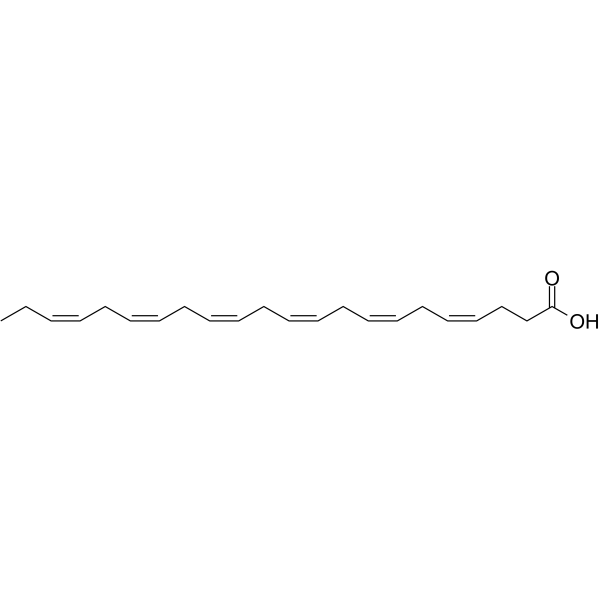
Docosahexaenoic acidomega-3 Fatty Acid -
HY-B0660
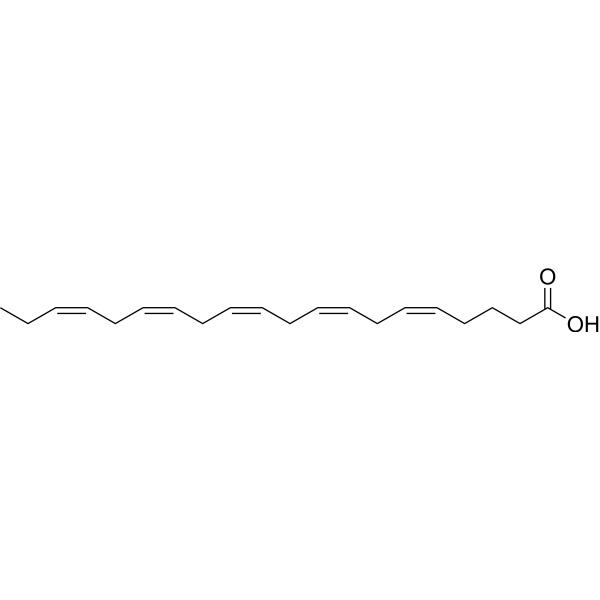
Eicosapentaenoic AcidLC-PUFA -
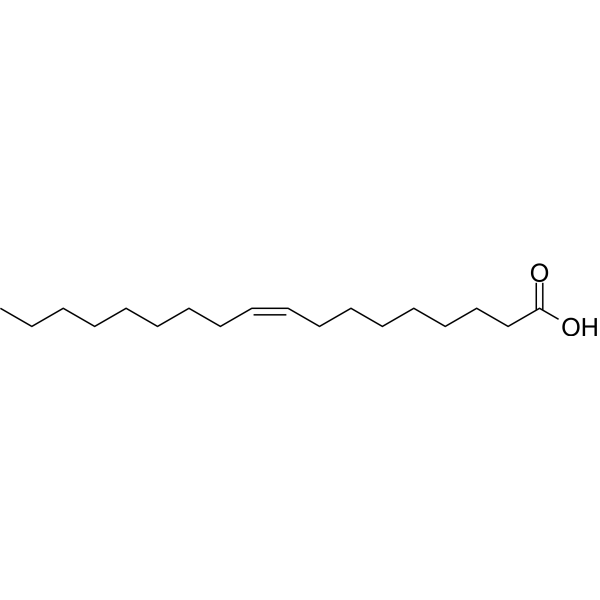
HY-N1446
Oleic acidMonounsaturated Fatty Acid -
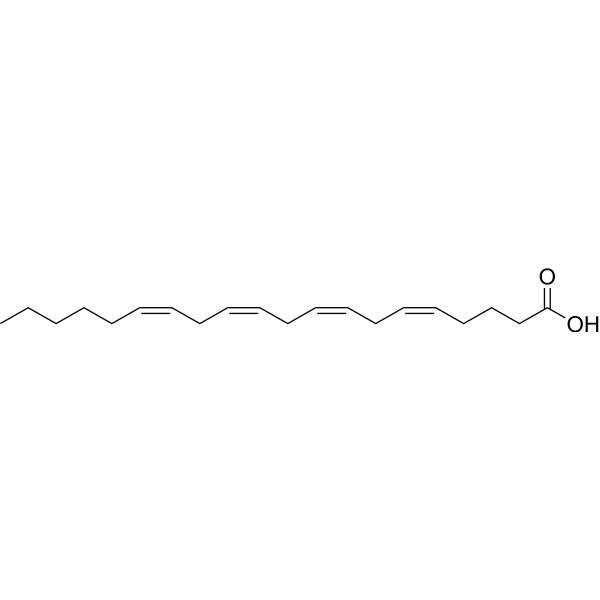
HY-109590
Arachidonic acidPolyunsaturated Fatty Acid -
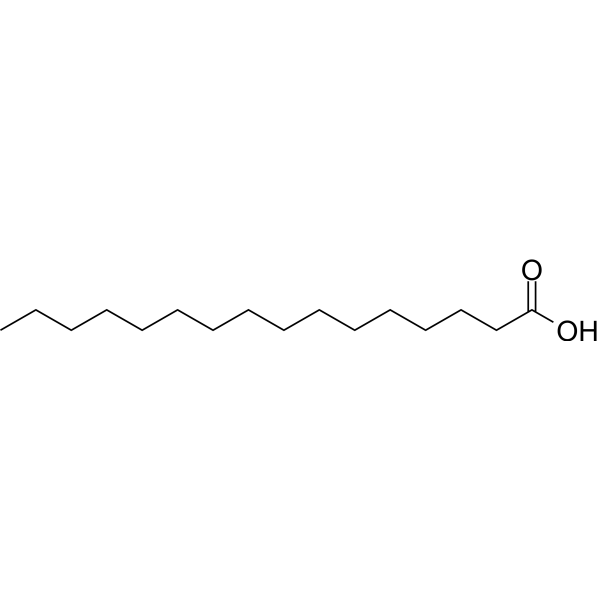
HY-N0830
Palmitic acidEndogenous Metabolite -
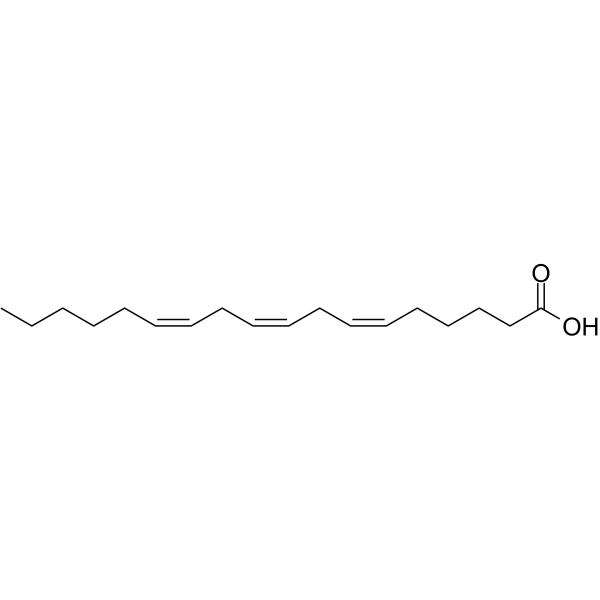
HY-N7140
Gamma-Linolenic acidEndogenous Metabolite -
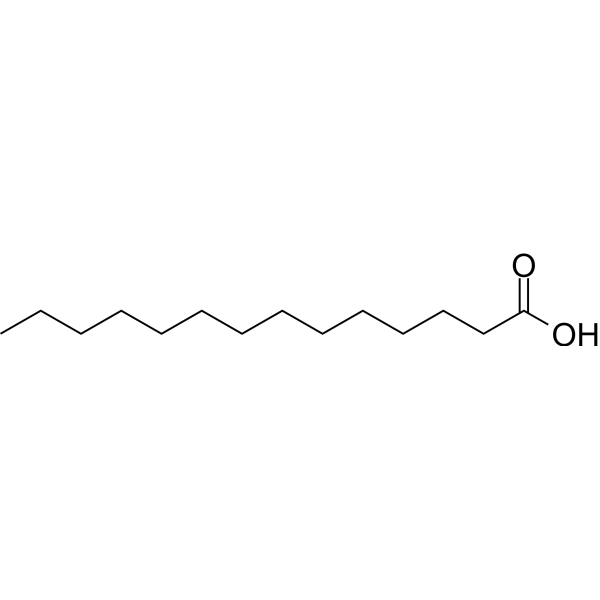
HY-N2041
Myristic acidEndogenous Metabolite -
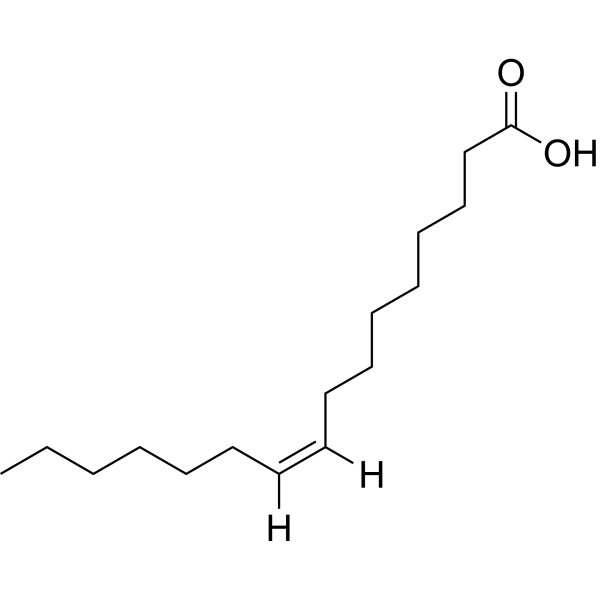
HY-W011873
Palmitoleic acid -
HY-Y0366
Lauric acidMiddle Chain-free Fatty Acid -
HY-N0728R
α-Linolenic acid (Standard)Essential Fatty Acid
Publications Citing Use of MedChemExpress (MCE) α-Linolenic acid
More- Nat Commun. 2024 Sep 27;15(1):8273. [Abstract]
- Exp Mol Med. 2026 May;58(5):1642-1656. [Abstract]
- J Adv Res. 2025 Apr:70:339-353. [Abstract]
- Redox Biol. 2023 Oct:66:102857. [Abstract]
- Adv Sci (Weinh). 2025 Aug;12(32):e00058. [Abstract]
- Phytomedicine. 2025 Nov:147:157214. [Abstract]
- J Ethnopharmacol. 2025 May 28:348:119891. [Abstract]
- Food Biosci. 2025 Jul.
- Eur J Pharmacol. 2023 Apr 15:945:175618. [Abstract]
- Molecules. 2023 Apr 11;28(8):3375. [Abstract]
- ACS Pharmacol Transl Sci. 2025 Oct 4;8(11):4095-4106. [Abstract]
- Bulletin of Medical Sciences. 2026;99(2):125-146.
- bioRxiv. 2025 Jun 16.
 Customer Validation & Images

-
Histological Imaging/Staining
-
In Vivo Efficacy Study
-
Bio/Physico-chemical Assay
-
RT-PCR
-
Cell Proliferation/Viability Assay


Biological Activity
Description
IC50 & Target
[1]|
PI3K |
Cellular Effect
|
Cell Line

|
Type | Value | Description | References |
|---|---|---|---|---|
| HEK293 | EC50 |
2.6 μM
Compound: 1, alpha-LA
|
Agonist activity at human GPR120-G-alpha-16 fusion protein expressed in Flp-in HEK293 cells assessed as effect on intracellular calcium concentration by FLIPR assay
Agonist activity at human GPR120-G-alpha-16 fusion protein expressed in Flp-in HEK293 cells assessed as effect on intracellular calcium concentration by FLIPR assay
|
[PMID: 19007110] |
| HEK293 | EC50 |
5.2 μM
Compound: 1, alpha-LA
|
Agonist activity at human GPR40 expressed in T-REx HEK293 cells assessed as effect on intracellular calcium concentration by FLIPR assay
Agonist activity at human GPR40 expressed in T-REx HEK293 cells assessed as effect on intracellular calcium concentration by FLIPR assay
|
[PMID: 19007110] |
| HepG2 | EC50 |
0.002 μM
Compound: Linolenic Acid
|
Activation of human PXR expressed in human HepG2 (DPX-2) cells assessed as induction of CYP3A4 after 24 hrs by luminescent analysis
Activation of human PXR expressed in human HepG2 (DPX-2) cells assessed as induction of CYP3A4 after 24 hrs by luminescent analysis
|
[PMID: 20966043] |
| RBL-2H3 | IC50 |
>50 μM
Compound: 3
|
Antiallergic activity in rat RBL2H3 cells assessed as inhibition of DNP-HSA-mediated degranulation by measuring decrease in beta-hexosaminidase activity preincubated for 30 mins followed by DNP-HSA stimulation and measured after 30 mins by 4-nitrophenyl 2
Antiallergic activity in rat RBL2H3 cells assessed as inhibition of DNP-HSA-mediated degranulation by measuring decrease in beta-hexosaminidase activity preincubated for 30 mins followed by DNP-HSA stimulation and measured after 30 mins by 4-nitrophenyl 2
|
[PMID: 31618024] |
In Vitro
α-Linolenic acid converses into the longer chain fatty acids eicosapentaenoic acid (EPA) and docosahexaenoic acid (DHA)[1].
MedChemExpress (MCE) has not independently confirmed the accuracy of these methods. They are for reference only. Further protocols information, click here.
In Vivo
α-Linolenic acid (35, 70, 175 mg/kg) suppresses A-V thrombus formation in rats (weighing at 250 ~ 300 g)[1].
α-Linolenic acid (70 or 175 mg/kg) inhibits collagen stimulated platelet aggregation in rats[1].
MedChemExpress (MCE) has not independently confirmed the accuracy of these methods. They are for reference only.
-
Animal Model:Mice
-
Dosage:50, 100, 250 mg/kg
-
Administration:i.v., 10 days
-
Result:Inhibited collagen- and adrenaline-induced thrombosis in mice at 250 mg/kg.


Chemical Information
-
CAS No. 463-40-1
-
Appearance Liquid (Density: 0.914 g/cm3)
-
Molecular Weight 278.43
-
Formula C18H30O2
-
Color Colorless to light yellow
-
SMILES
CC/C=C\C/C=C\C/C=C\CCCCCCCC(O)=O
-
Synonyms
ALA free base; C18:3 (9Z,12Z,15Z) free base; C18:3 n-3 free base
-
Structure Classification
-
Shipping
Room temperature in continental US; may vary elsewhere.
-
Storage
-20°C, protect from light, stored under nitrogen
* In solvent : -80°C, 6 months; -20°C, 1 month (protect from light, stored under nitrogen)


Publications (13)
-
Journal Impact Factor
-
Most Recent
-
Nat Commun
Lipid droplets sequester palmitic acid to disrupt endothelial ciliation and exacerbate atherosclerosis in male mice. [Abstract]2024 Sep 27;15(1):8273. PMID: 39333556 -
Exp Mol Med
Cannabidiol triggers fatty acids β-oxidation mediated by Stat2 to facilitate intestinal stem cells regeneration post radiation. [Abstract]2026 May;58(5):1642-1656. PMID: 42120478 -
J Adv Res
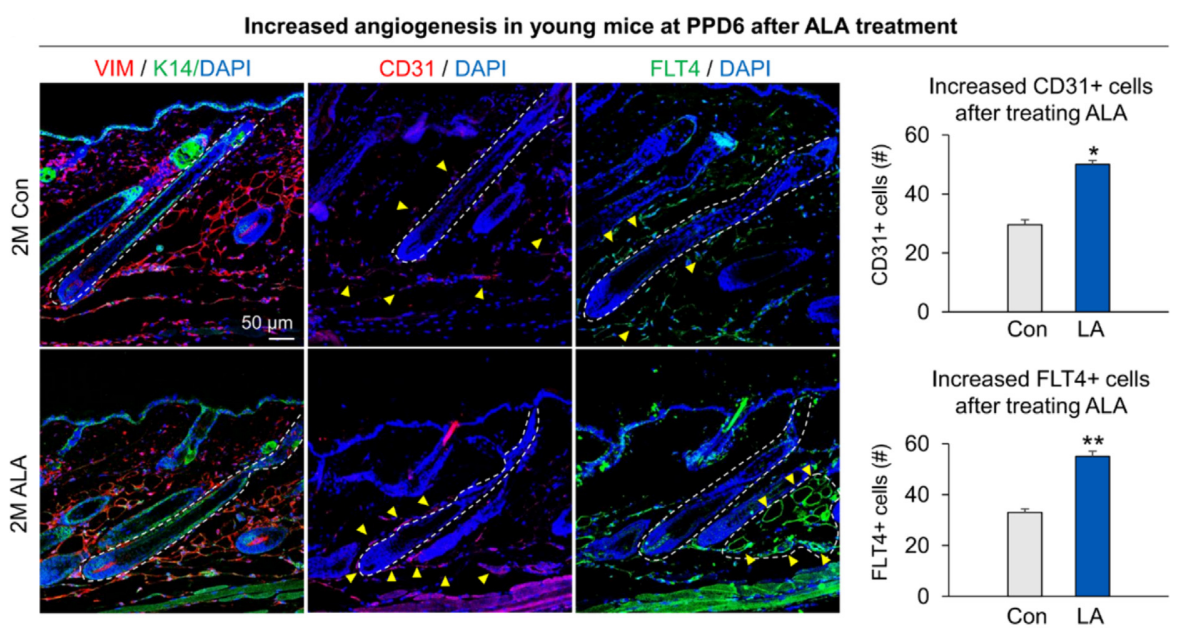
Crosstalk between endothelial cells and dermal papilla entails hair regeneration and angiogenesis during aging. [Abstract]2025 Apr:70:339-353. PMID: 38718895
α-Linolenic acid purchased from MedChemExpress. Usage Cited in: J Adv Res. 2025 Apr:70:339-353. [Abstract]
VIMTIN / K14, CD31 and FLT4 immunostaining shows angiogenesis after ALA (200 μM; s.c.) treatment in young mice; Statistics of CD31+ cells and FLT4+ cells. Scale bars, 50 μm.
-
Redox Biol
Ferroptosis triggered by STAT1- IRF1-ACSL4 pathway was involved in radiation-induced intestinal injury. [Abstract]2023 Oct:66:102857. PMID: 37611494
α-Linolenic acid purchased from MedChemExpress. Usage Cited in: Redox Biol. 2023 Oct:66:102857. [Abstract]
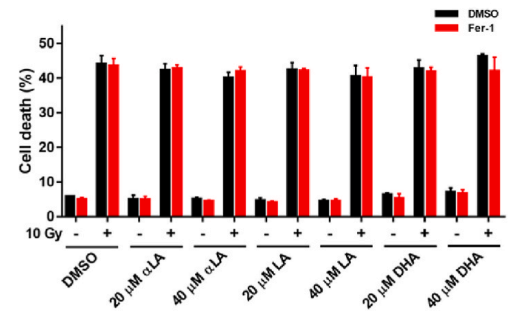
Percentage of dead FHs74Int cells, treated with indicated PUFAs (20 or 40 μM) or/and Fer-1 (5 μM), detected at 120 h after irradiation. αLA: α-Linolenic acid (40 μM); LA: Linoleic acid; DHA: Docosahexaenoic acid; AA: Arachidonic acid.
-
Adv Sci (Weinh)
Accounting for ALA Natural Mutations Enhances the Efficiency of Graphene Oxide Nanopriming in Bar-Modified Arabidopsis. [Abstract]2025 Aug;12(32):e00058. PMID: 40470697 -
Phytomedicine
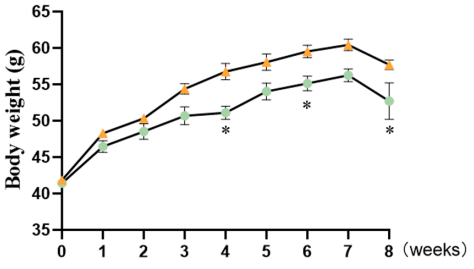
Alpha-linolenic acid ameliorates T2DM via reshaping gut-liver axis and inflammatory GPR120-NF-κB/NLRP3 pathway in mouse and rat models. [Abstract]2025 Nov:147:157214. PMID: 40929881
α-Linolenic acid purchased from MedChemExpress. Usage Cited in: Phytomedicine. 2025 Nov:147:157214. [Abstract]
α-Linolenic acid (ALA, 500 mg/kg; Oral gavage; Once daily for 8 weeks) treatment effectively reduced weight gain starting at week 4.
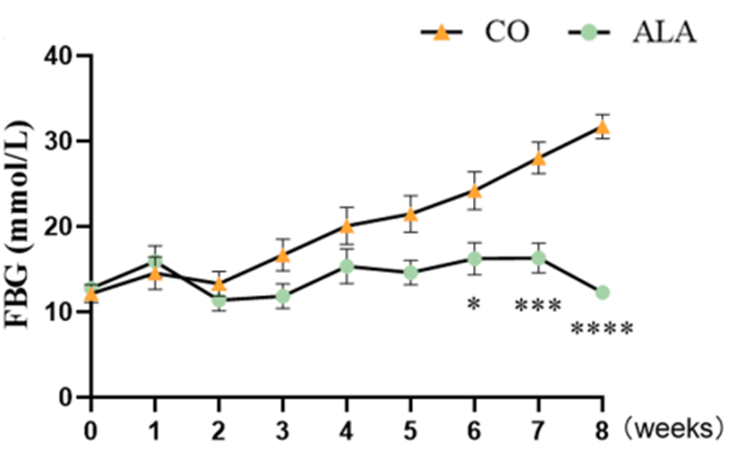
α-Linolenic acid purchased from MedChemExpress. Usage Cited in: Phytomedicine. 2025 Nov:147:157214. [Abstract]
α-Linolenic acid (ALA, 500 mg/kg; Oral gavage; Once daily for 8 weeks) significantly inhibited the increase of FBG in mice starting from week 6.
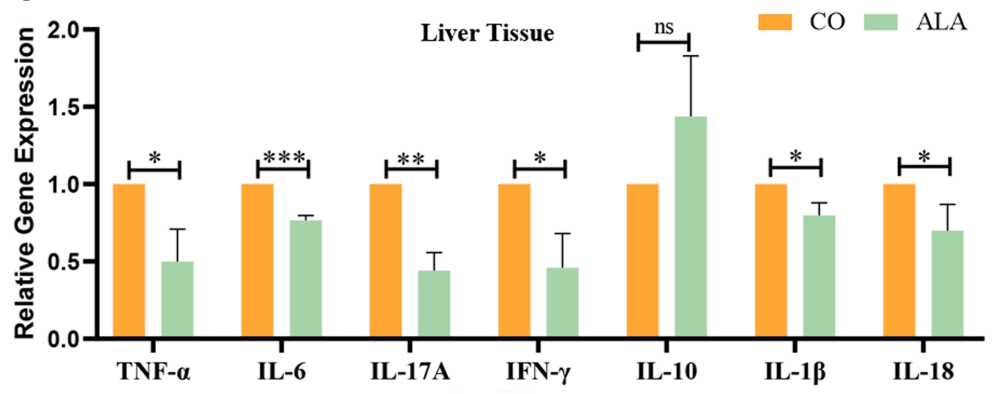
α-Linolenic acid purchased from MedChemExpress. Usage Cited in: Phytomedicine. 2025 Nov:147:157214. [Abstract]
The mRNA expression levels of inflammatory cytokines (TNF-α, IL-6, IL-17A, IFN-γ, IL-10, IL-1β and IL-18) in the liver of db/db mice were quantified by qRT-PCR. The results showed that, compared with the CO group, a significant decrease in liver TNF-α, IL-6, IL-17A, interferon-γ (IFN-γ), IL-1β, and IL-18 levels was observed in theα-Linolenic acid (ALA, 500 mg/kg; Oral gavage; Once daily for 8 weeks)-treated group.
-
J Ethnopharmacol
Xihuang pill suppressed primary liver cancer growth by downregulation of AFP and YAP signaling. [Abstract]2025 May 28:348:119891. PMID: 40294663 -
-
Eur J Pharmacol
Polyunsaturated fatty acids drive neutrophil extracellular trap formation in nonalcoholic steatohepatitis. [Abstract]2023 Apr 15:945:175618. PMID: 36841284 -
Molecules
Untargeted Metabolomics Using UHPLC-HRMS Reveals Metabolic Changes of Fresh-Cut Potato during Browning Process. [Abstract]2023 Apr 11;28(8):3375. PMID: 37110608 -
ACS Pharmacol Transl Sci
Ultrasensitive Profiling of Arachidonic Acid Metabolites Based on 5‑(Diisopropylamino)amylamine Derivatization-Ultraperformance Liquid Chromatography-Tandem Mass Spectrometry. [Abstract]2025 Oct 4;8(11):4095-4106. PMID: 41262585 -
-


Solvent & Solubility
In Vitro:
DMSO : 100 mg/mL (359.16 mM; Need ultrasonic; Hygroscopic DMSO has a significant impact on the solubility of product, please use newly opened DMSO)
Please refer to the solubility information to select the appropriate solvent. Once prepared, please aliquot and store the solution to prevent product inactivation from repeated freeze-thaw cycles.
Storage method and period of stock solution: -80°C, 6 months; -20°C, 1 month (protect from light, stored under nitrogen). When stored at -80°C, please use it within 6 months. When stored at -20°C, please use it within 1 month.
Please refer to the solubility information to select the appropriate solvent. Once prepared, please aliquot and store the solution to prevent product inactivation from repeated freeze-thaw cycles.
Storage method and period of stock solution: -80°C, 6 months; -20°C, 1 month (protect from light, stored under nitrogen). When stored at -80°C, please use it within 6 months. When stored at -20°C, please use it within 1 month.
Concentration (start) × Volume (start) = Concentration (final) × Volume (final)
In Vivo:
Select the appropriate dissolution method based on your experimental animal and administration route.
- For the following dissolution methods, please ensure to first prepare a clear stock solution using an In Vitro approach and then sequentially add co-solvents:
- To ensure reliable experimental results, the clarified stock solution can be appropriately stored based on storage conditions. As for the working solution for In Vivo experiments, it is recommended to prepare freshly and use it on the same day.
- The percentages shown for the solvents indicate their volumetric ratio in the final prepared solution. If precipitation or phase separation occurs during preparation, heat and/or sonication can be used to aid dissolution.
Add each solvent one by one: 10% DMSO 40% PEG300 5% Tween-80 45% Saline
Solubility: ≥ 2.5 mg/mL (8.98 mM); Clear solution
This protocol yields a clear solution of ≥ 2.5 mg/mL (saturation unknown).
Taking 1 mL working solution as an example, add 100 μL DMSO stock solution (25.0 mg/mL) to 400 μL PEG300, and mix evenly; then add 50 μL Tween-80 and mix evenly; then add 450 μL Saline to adjust the volume to 1 mL.
Preparation of Saline: Dissolve 0.9 g sodium chloride in ddH₂O and dilute to 100 mL to obtain a clear Saline solution.
Add each solvent one by one: 10% DMSO 90% (20% SBE-β-CD in Saline)
Solubility: ≥ 2.5 mg/mL (8.98 mM); Clear solution
This protocol yields a clear solution of ≥ 2.5 mg/mL (saturation unknown).
Taking 1 mL working solution as an example, add 100 μL DMSO stock solution (25.0 mg/mL) to 900 μL 20% SBE-β-CD in Saline, and mix evenly.
Preparation of 20% SBE-β-CD in Saline (4°C, storage for one week): 2 g SBE-β-CD powder is dissolved in 10 mL Saline, completely dissolve until clear.
For the following dissolution methods, please prepare the working solution directly:
It is recommended to prepare fresh solutions and use them promptly within a short period of time.
The percentages shown for the solvents indicate their volumetric ratio in the final prepared solution. If precipitation or phase separation occurs during preparation, heat and/or sonication can be used to aid dissolution.
Add each solvent one by one: 50% PEG300 50% Saline
Solubility: 125 mg/mL (448.95 mM); Suspended solution; Need ultrasonic
In Vivo Dissolution Calculator
Please enter the basic information of animal experiments:
-
-
-
-
Recommended: Prepare an additional quantity of animals to account for potential losses during experiments.
Please enter your animal formula composition:
-
%DMSO +
Recommended: Keep the proportion of DMSO in working solution below 2% if your animal is weak.
-
%+
-
+%Tween-80 + +
-
%Saline +
The co-solvents required include: DMSO, . All of co-solvents are available by MedChemExpress (MCE). , Tween 80. All of co-solvents are available by MedChemExpress (MCE).
Working solution concentration: 0.22 mg/mL
Method for preparing stock solution: mg drug dissolved in μL DMSO. Stock solution concentration: mg/mL. * In solvent : -80°C, 6 months; -20°C, 1 month (protect from light, stored under nitrogen)
1. Take μL DMSO stock solution;
2. Add μL .
μL , mix evenly;
3. Then add μL Tween 80, mix evenly;
4. Then add μL
Please ensure that the stock solution in the first step is dissolved to a clear state, and add co-solvents in sequence. You can use ultrasonic heating (ultrasonic cleaner, recommended frequency 20-40 kHz), vortexing, etc. to assist dissolution.

Protocols
-
Research Protocol for Cardiovascular Diseases
Cardiovascular disease can be modeled as maladaptive cardiac remodeling, where ischemic injury or pressure overload activates inflammatory signaling, fibroblast activation, extracellular-matrix deposition, cardiomyocyte hypertrophy, vascular remodeling, and progressive ventricular dysfunction. The TGF-β/SMAD axis is a central profibrotic pathway after myocardial injury and pressure overload, while innate immune and cytokine pathways regulate leukocyte recruitment, scar formation, and adverse remodeling. Key unresolved questions include which inflammatory signals are reparative versus harmful, when fibrosis is protective versus maladaptive, and whether pathway inhibition improves function without weakening necessary infarct healing or compensatory remodeling.


Purity & Documentation
-
Data Sheet (268 KB)
-
SDS (394 KB)
- English - EN (394 KB)
- Français - FR (394 KB)
- Deutsch - DE (394 KB)
- Norwegian - NO (394 KB)
- Español - ES (394 KB)
- Swedish - SV (394 KB)
- Italian - IT (394 KB)
- Korean - KR (394 KB)
- Portuguese - PT (394 KB)
-
Handling Instructions (2659 KB)
References


Complete Stock Solution Preparation Table
Please refer to the solubility information to select the appropriate solvent. Once prepared, please aliquot and store the solution to prevent product inactivation from repeated freeze-thaw cycles.
Storage method and period of stock solution: -80°C, 6 months; -20°C, 1 month (protect from light, stored under nitrogen). When stored at -80°C, please use it within 6 months. When stored at -20°C, please use it within 1 month.
| Optional Solvent | Concentration Solvent Mass | 1 mg | 5 mg | 10 mg | 25 mg |
|---|---|---|---|---|---|
| DMSO | 1 mM | 3.5916 mL | 17.9578 mL | 35.9157 mL | 89.7892 mL |
| 5 mM | 0.7183 mL | 3.5916 mL | 7.1831 mL | 17.9578 mL | |
| 10 mM | 0.3592 mL | 1.7958 mL | 3.5916 mL | 8.9789 mL | |
| 15 mM | 0.2394 mL | 1.1972 mL | 2.3944 mL | 5.9859 mL | |
| 20 mM | 0.1796 mL | 0.8979 mL | 1.7958 mL | 4.4895 mL | |
| 25 mM | 0.1437 mL | 0.7183 mL | 1.4366 mL | 3.5916 mL | |
| 30 mM | 0.1197 mL | 0.5986 mL | 1.1972 mL | 2.9930 mL | |
| 40 mM | 0.0898 mL | 0.4489 mL | 0.8979 mL | 2.2447 mL | |
| 50 mM | 0.0718 mL | 0.3592 mL | 0.7183 mL | 1.7958 mL | |
| 60 mM | 0.0599 mL | 0.2993 mL | 0.5986 mL | 1.4965 mL | |
| 80 mM | 0.0449 mL | 0.2245 mL | 0.4489 mL | 1.1224 mL | |
| 100 mM | 0.0359 mL | 0.1796 mL | 0.3592 mL | 0.8979 mL |


α-Linolenic acid Related Classifications
HY-N0728 Related Classifications
 Powered by Bioz